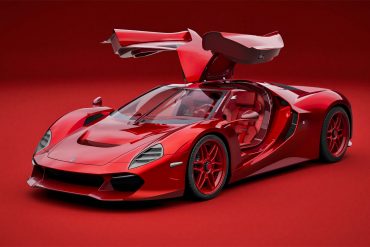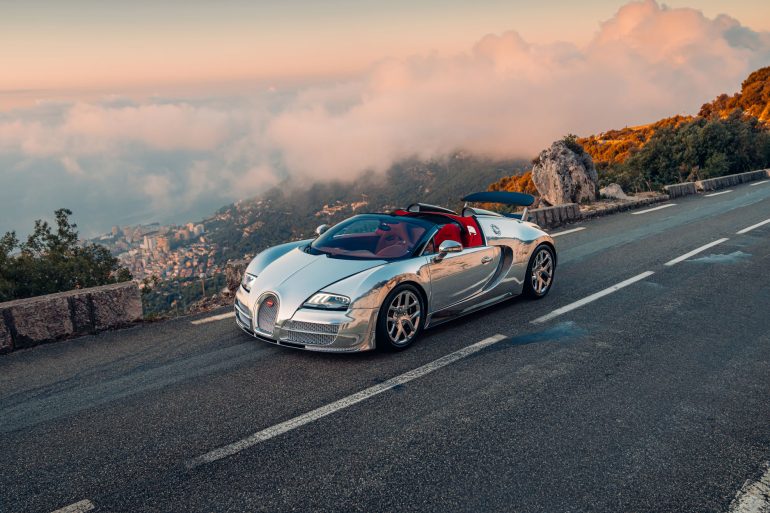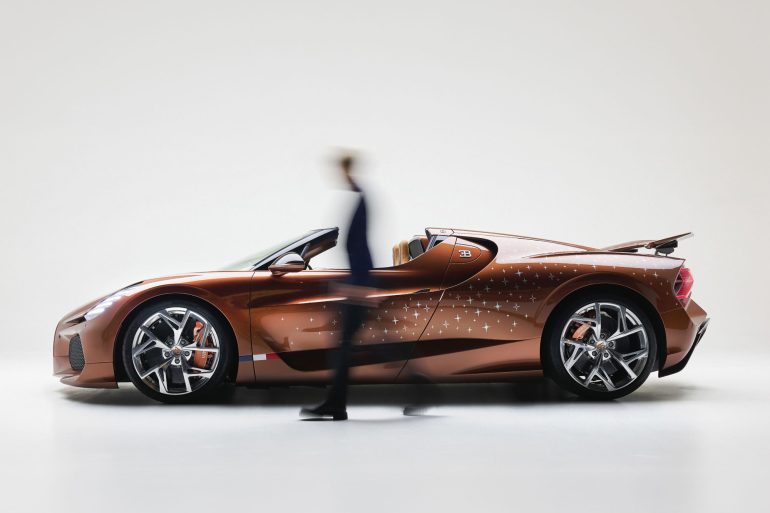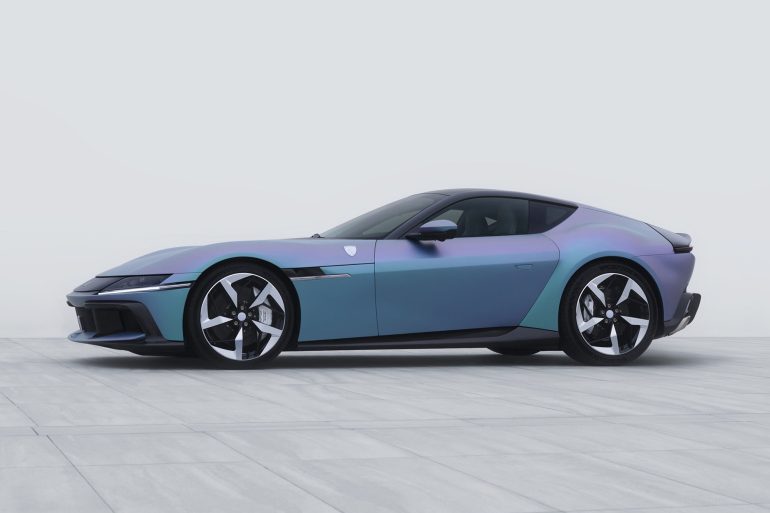
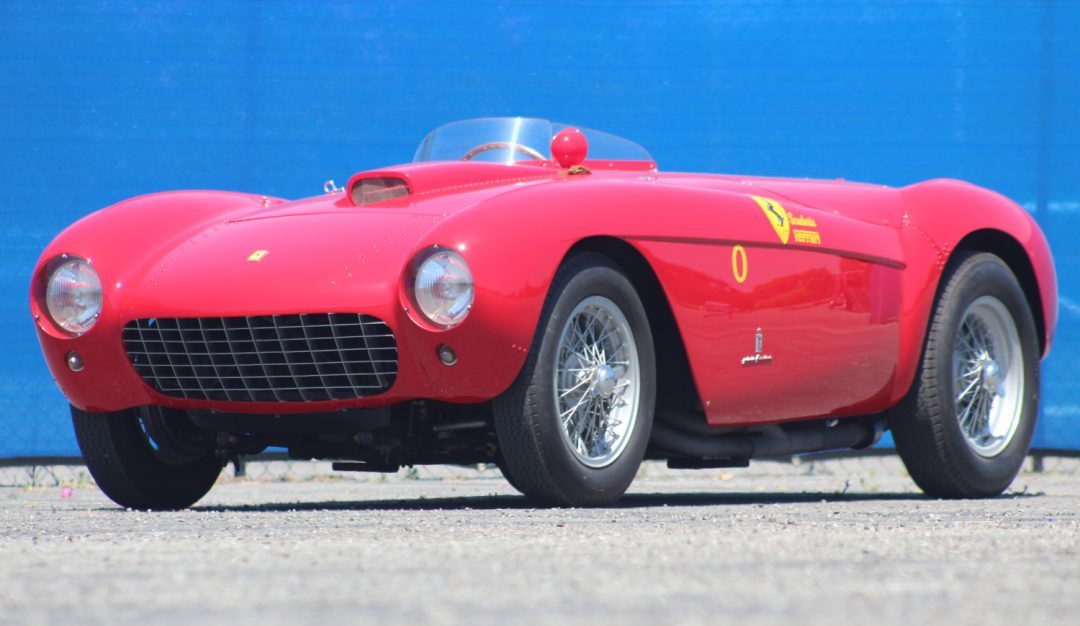
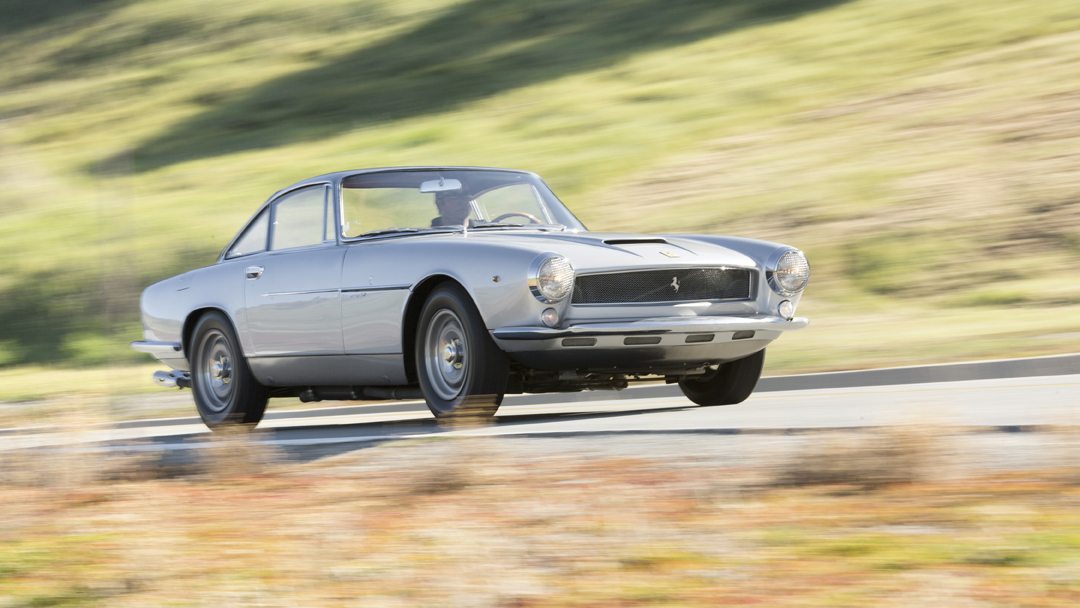
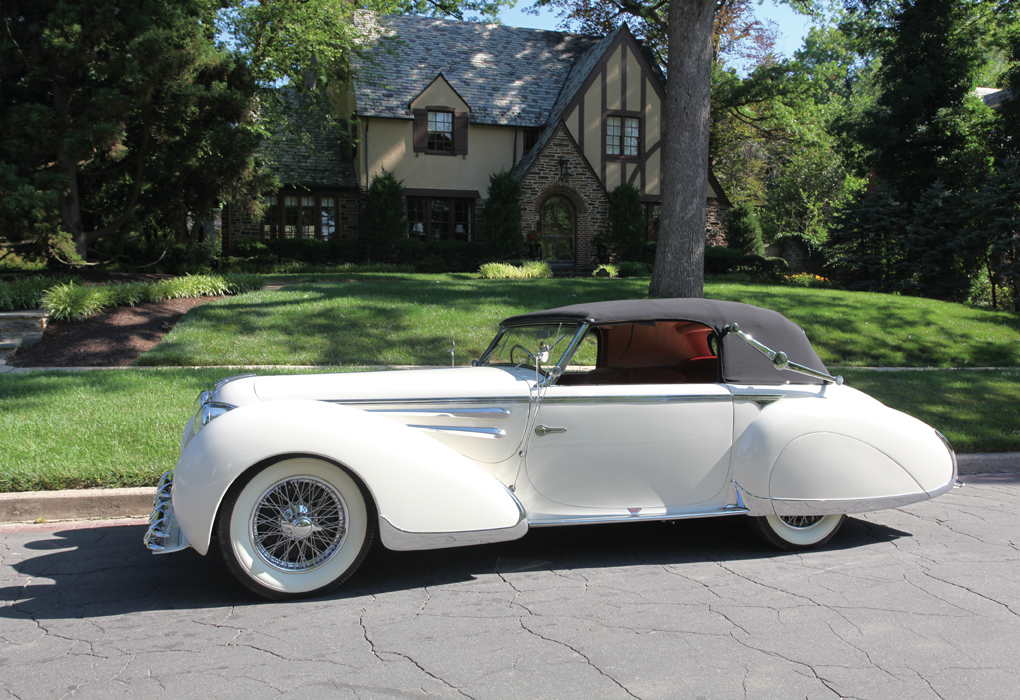
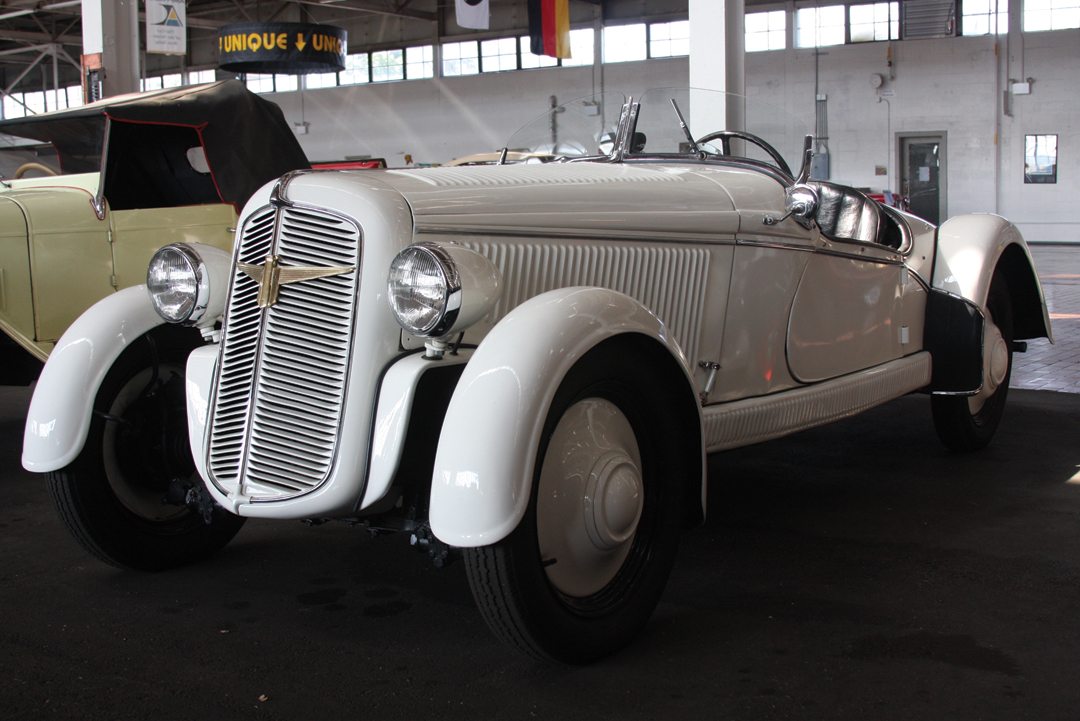
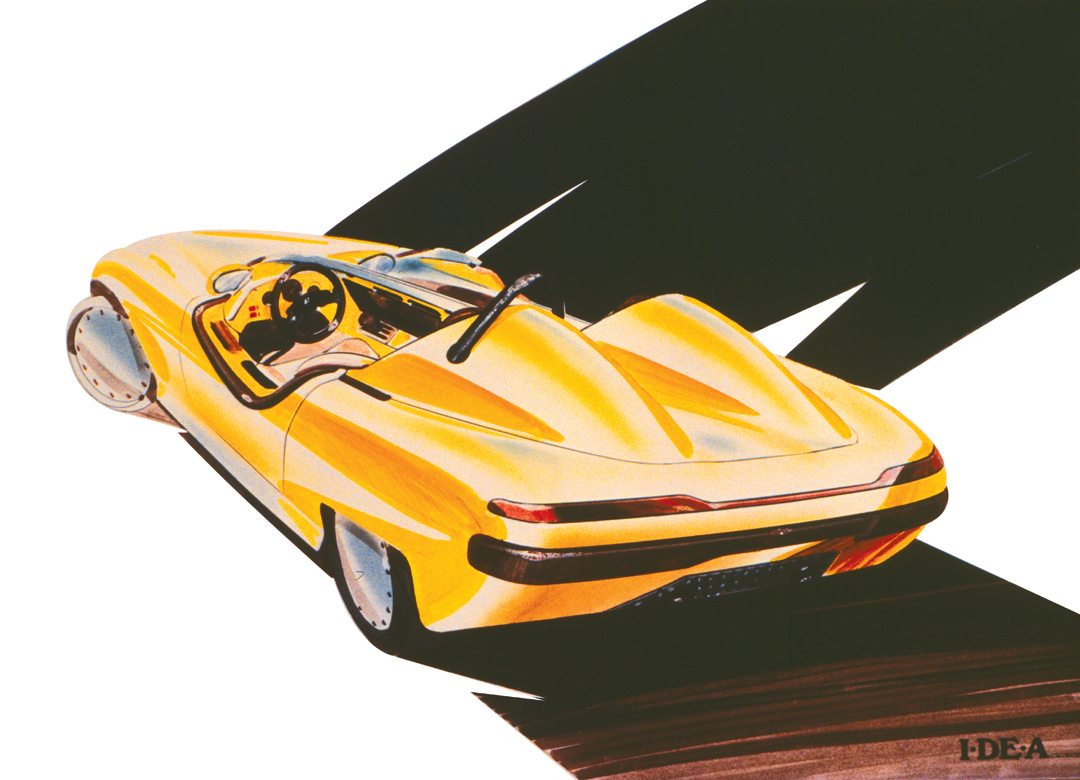
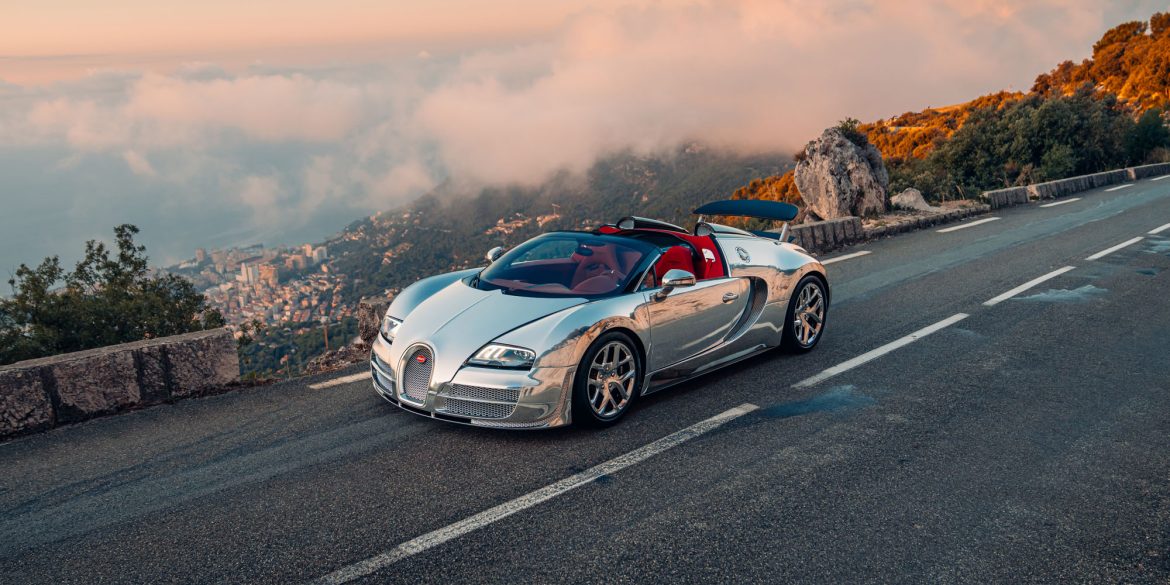
Chassis 8.100 is the only Veyron Grand Sport Vitesse with a polished aluminum body, cut from blocks of up to 20 tons, over Carmine Red leather. Restored and certified under La Maison Pur Sang, it is back on the Riviera.

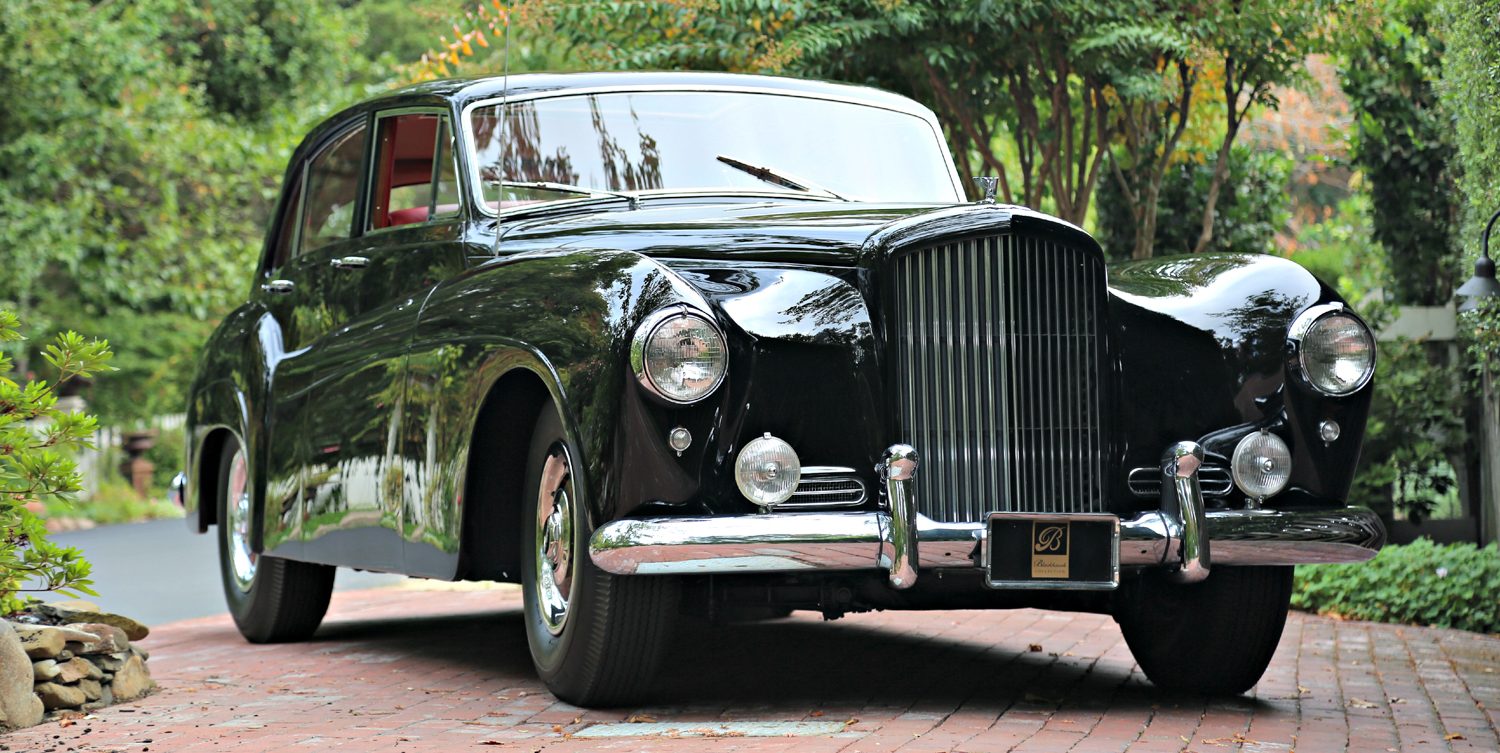
The houses that dressed the chassis: Mulliner and Hooper from the carriage trade, Brewster and Murphy in America, Figoni et Falaschi, Saoutchik, Chapron and Franay in Paris, Castagna, Zagato, Touring, Pinin Farina, Bertone, Ghia, Vignale, Allemano, Frua and Scaglietti in Turin, Milan and Modena. The Teardrop Talbots and the Superleggera Alfas of the 1930s, the Cisitalia that went to the Museum of Modern Art, the Ferraris that made Pininfarina and the Pininfarina that made Ferrari, the double-bubble Abarths, the DB4 GT Zagato, the Miura, and the end of it all when the monocoque came; then the revivals, the continuations and the one-offs of the 2020s. 34 coachbuilders with threads on this site and more than a thousand stories, in order.
The pieces to start with
Eight pieces on the trade: Mike Lawrence's Lost Coachbuilders and his Pininfarina, Casey Annis on Maserati and Zagato, Alan Boe's Ferraris by Bertone, J. Michael Hemsley on the French houses and on Axis Deco, John Zimmermann's Ercole Spada and Steve Natale's Freestone & Webb Bentley.
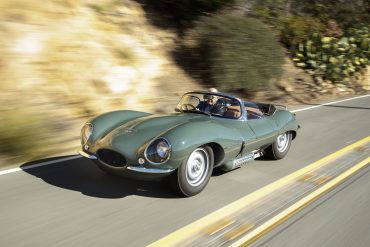
Jaguar Cars Ltd was registered in March 1945 and the SS1 shown in October 1931, so the 75th anniversary is wrong either way. Mike Lawrence on Swallow, a Bentley cut up in Coventry for Zagato and Alfa’s centenary.
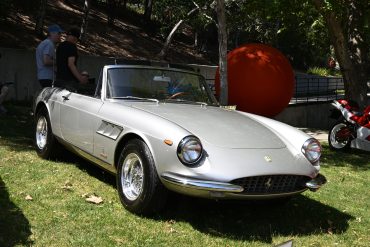
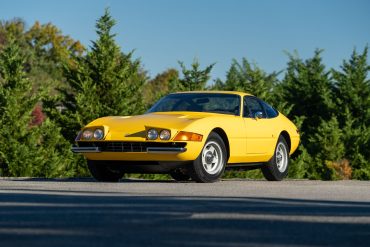
Every production Ferrari but the Bertone Dino 308 GT4 wears Pininfarina lines, and GT4 prices say what that is worth. Mike Lawrence on cars that were often crude underneath, Matthau’s spluttering Ferrari in “A New Leaf”, and Barnard’s company Mondial.
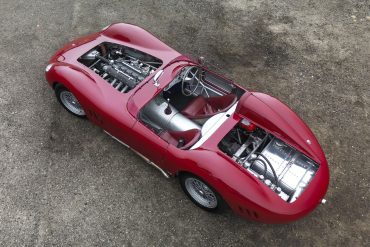
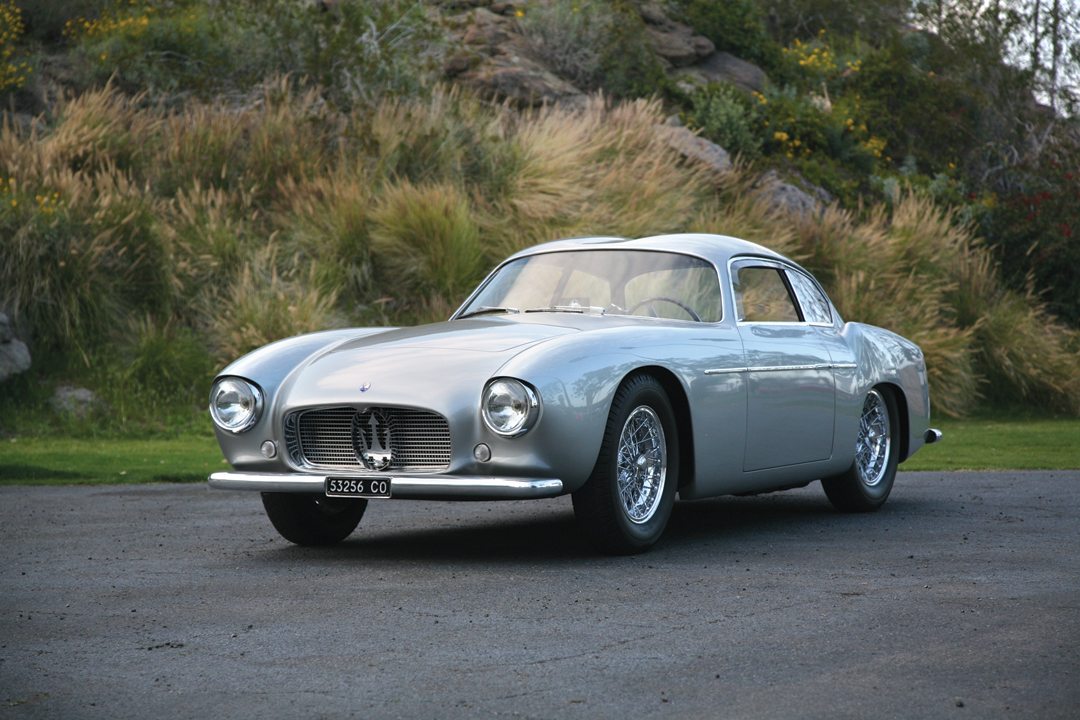
Alfieri Maserati kept a 2-liter Diatto Grand Prix car and its design rights as payment when Diatto ran out of money; Ugo Zagato left aircraft work to body cars in 1919. Casey Annis on an on-and-off partnership of 80 years.
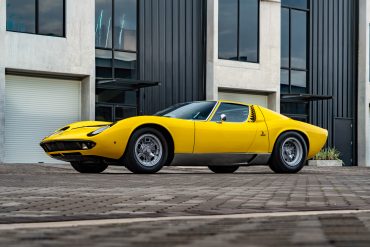
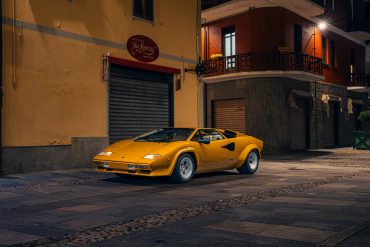
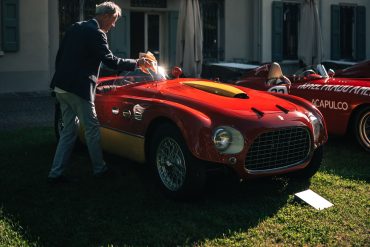
In 25 years Ferrari let Bertone body just three cars before the 308 GT4 of 1972: a plain 166 Inter cabriolet shown at Turin in 1950 and two berlinettas on 250 GT chassis. Alan Boe on the outsider carrozzeria.
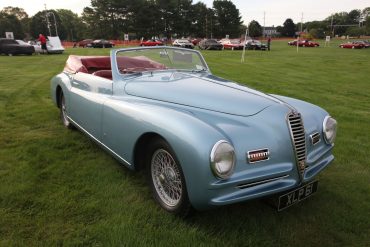
Emile Delahaye entered two cars in the 1896 Paris-Marseille-Paris and drove one himself to eighth at 12.5 mph. Fifty-two years later Figoni et Falaschi dressed the 135M chassis as this 1948 cabriolet, from the years when French coachbuilders led.
The first Nissan was built with the tools, dies and engine blueprints of the 1935 Graham. Streamlining in the Axis countries ran from minor in Japan to significant in Germany and spectacular in Italy.
Elio Zagato hired Ercole Spada on the spot in 1960 after two questions: could he draw full scale, did he have a degree. First job, the DB4 GTZ; nearly 30 cars followed in ten years. John Zimmermann on the designer.
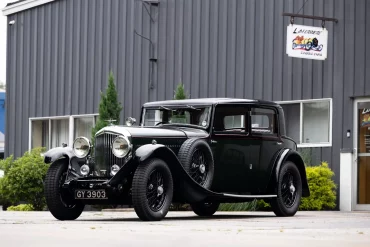
Chassis B202LAN left Crewe in 1955 for Freestone & Webb in Willesden, the year co-founder A.J. Webb died and the S1 arrived with a separate chassis that kept coachbuilders going a little longer. This one ended up in Hollywood.
The newest writing on coachbuilt cars and one-offs, as it is published.
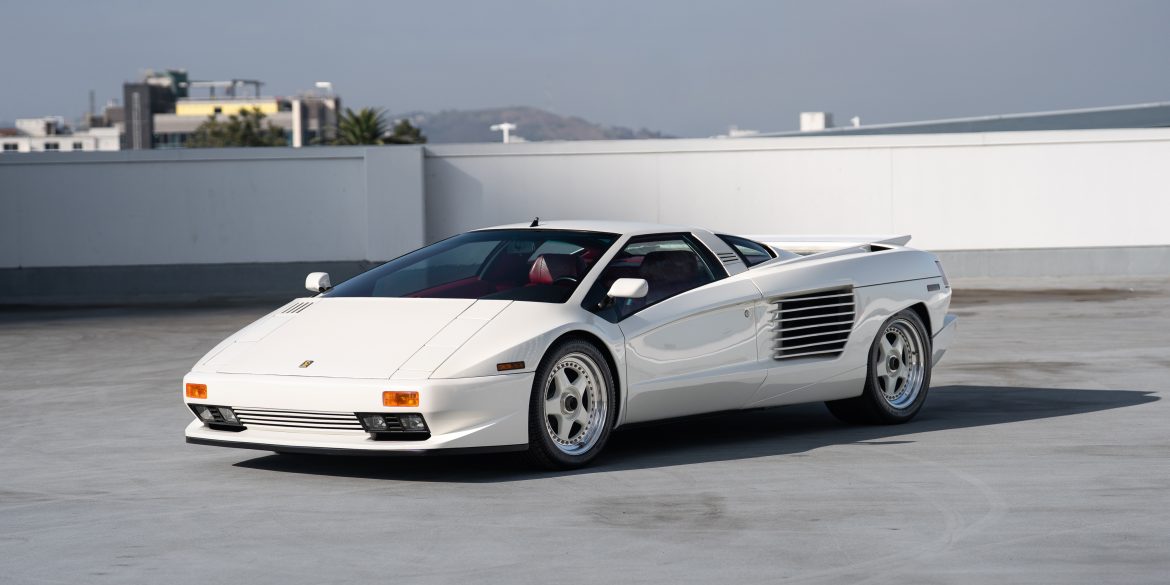
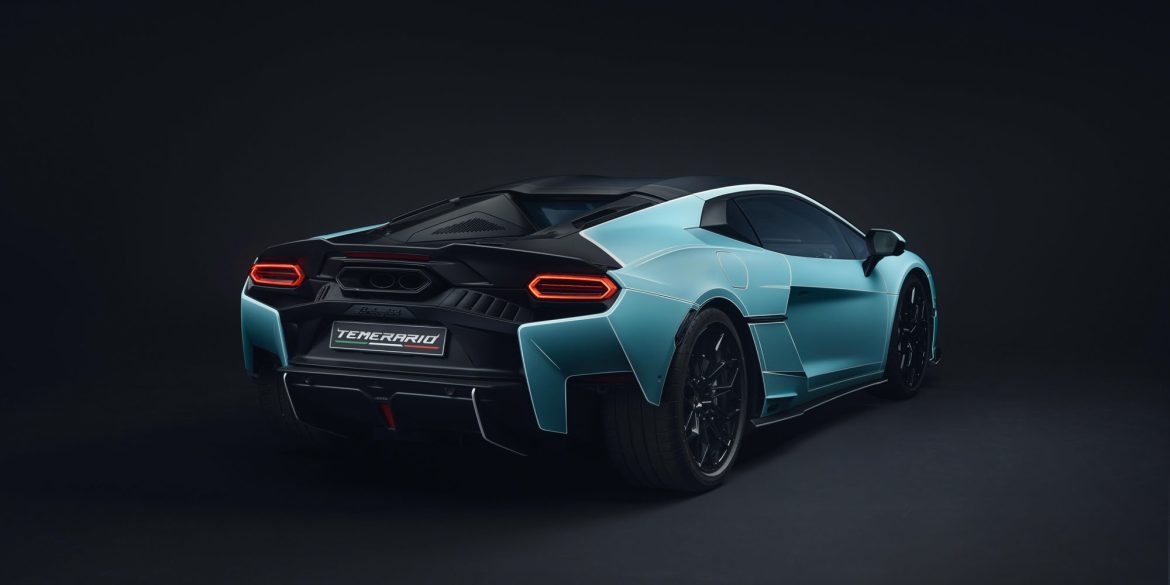
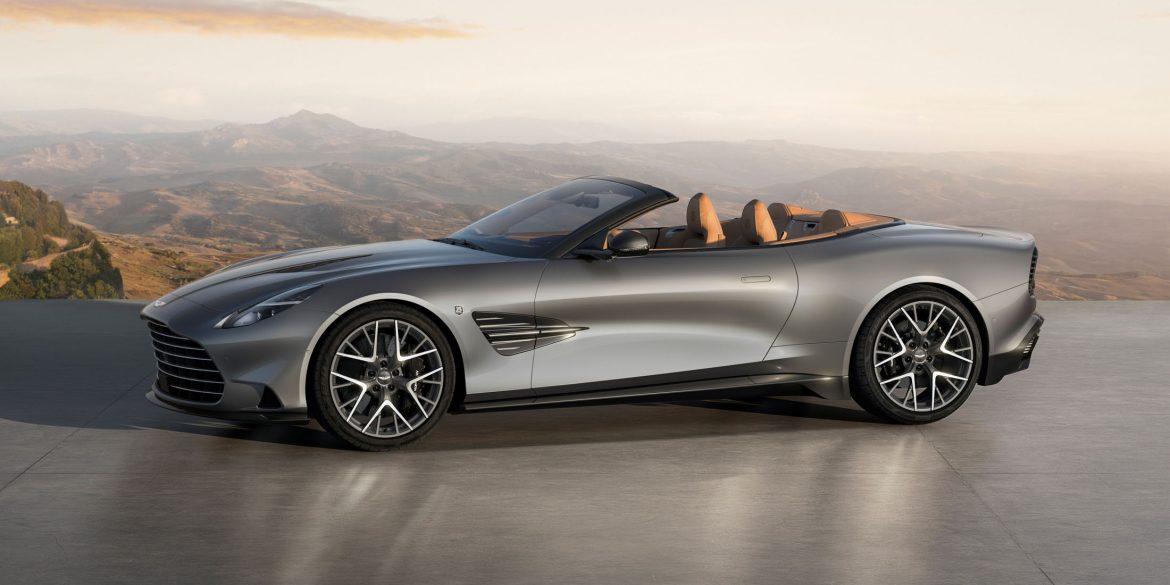
The coachbuilders, the carrozzerie of Italy and the carrossiers of France, were the firms that built bodies for cars that other people made. For the first half of the motor car's life a manufacturer sold a chassis, a frame with the engine, gearbox, axles, wheels, radiator and bonnet in place, and the buyer took it to a coachbuilder to have a body made to order, as his father had taken a pair of horses to the same firm for a carriage. The great names began that way: H.J. Mulliner and Hooper in London, Kellner and Labourdette in Paris, Castagna in Milan and Brewster in New York were building carriages in the nineteenth century and simply changed what they put the body on. The trade's golden age came in the 1930s, when the chassis of Bugatti, Delahaye, Delage, Talbot-Lago, Hispano-Suiza, Isotta Fraschini, Alfa Romeo, Mercedes-Benz, Duesenberg, Rolls-Royce and Bentley went to Figoni et Falaschi, Saoutchik, Chapron, Franay, Pourtout, Touring, Zagato, Pinin Farina, Erdmann & Rossi, Murphy, LeBaron and Rollston, and came back as the most beautiful objects the industry has made. Its second age was Italian and ran from the war to the middle 1960s, when Ferrari, Maserati, Alfa Romeo, Lancia, Fiat, Abarth, Aston Martin and Lamborghini had their cars bodied by Pinin Farina, Touring, Zagato, Vignale, Ghia, Bertone, Allemano, Frua, Boano and Scaglietti, often in series, and the designers who worked for them, Anderloni, Scaglione, Michelotti, Giugiaro, Gandini, Spada and Fioravanti, became famous in their own right.
What ended it was the unitary body. Once the body and chassis were a single pressed-steel structure there was no bare chassis to send out, and the coachbuilder either became a design consultancy and contract manufacturer, as Pininfarina, Bertone and Zagato did, or closed, as Touring did in 1966, Vignale in 1969 and most of the French and British houses did in the 1950s. The trade survives today in three forms: the in-house ateliers of Mulliner at Bentley, Rolls-Royce's Coachbuild and Ferrari's Special Projects; the revived independents, Touring Superleggera and Zagato, making small runs on borrowed platforms; and the concours lawns of Pebble Beach, Villa d'Este, Amelia Island and Hampton Court, where the original cars are judged on the work of the houses that made them. The archive has 34 coachbuilders with threads of their own and more than a thousand stories across them: Mike Lawrence's "Lost Coachbuilders" and his "Pininfarina", Casey Annis's Maserati and Zagato, Alan Boe's Ferraris by Bertone, J. Michael Hemsley's French and Art Deco essays, John Zimmermann's Ercole Spada, Peter Collins on Bertone and on Scaglione, Karl Ludvigsen on Beutler, Michelotti and the Ferrari 250 LM, Steve Natale's Saoutchik, Chapron and Freestone & Webb cars, Brad Jansen's Disco Volante, Raffi Minasian's By Design column, and the coachbuilt cars at Pebble Beach, the Quail, Villa d'Este and the auctions every year.
The coachbuilders were older than the car. Mulliner's traced its origin to Northampton in 1760, Hooper to 1805 and the royal warrants, Kellner to Paris in 1861, Brewster to New York in 1810, and the skills were the carriage trade's: an ash frame, panelled in aluminium or steel, trimmed in leather and painted by hand with twenty coats. Castagna of Milan, founded in 1849, bodied the Isotta Fraschini Tipo 8s for Rudolph Valentino and the Hearsts; Charles Weymann's patented fabric body of 1922, light and quiet on a flexible frame, was licensed across Europe and America until the steel panel caught up, and the archive's Ballot and Alvis stories are Weymann cars. Ugo Zagato, who had built aircraft in the war, opened in Milan in 1919 and brought aluminium, lightness and the aerodynamic lesson to Alfa Romeo's 6C 1500 and 1750 of the late 1920s, the Mille Miglia winners; Felice Bianchi Anderloni and Gaetano Ponzoni founded Carrozzeria Touring in 1926 from the Falco works, and Battista "Pinin" Farina, who had learned the trade in his brother Giovanni's Stabilimenti Farina, opened his own in Turin in 1930. In America Walter M. Murphy's Pasadena works dressed the Duesenberg Model J from 1928, the clear-vision pillars and disappearing tops that the archive's Duesenbergs at auction carry, with LeBaron, Rollston, Derham, Dietrich and Brunn in the East, and Hollywood as the customer; Tim Considine's Kurtis-Buick and the Murphy Duesenbergs in the thread are the American side. Mike Lawrence's "Lost Coachbuilders" is the archive's elegy for the English firms whose names survive only on radiator plaques.
Every story on the site about the Pasadena house and its Duesenbergs, newest first.
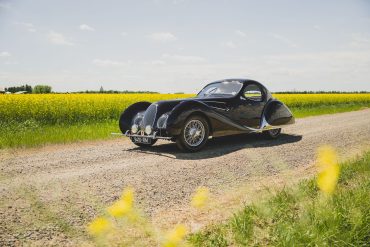
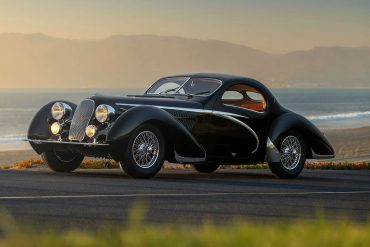
The 1930s were the trade's height because the chassis were magnificent and the customers were rich enough to want them unique. In Paris Giuseppe Figoni, with his partner Ovidio Falaschi from 1935, drew the enveloping, teardrop bodies, the Talbot-Lago T150C SS "Goutte d'Eau" coupés of 1937–39 and the Delahaye 135M cabriolets with their skirted wings, that made Figoni et Falaschi the name of French Art Deco; Jacques Saoutchik answered with chrome and sweep on Hispano-Suiza, Bugatti, Mercedes and Delahaye, and Henri Chapron, Marcel Pourtout, Franay and Letourneur et Marchand filled the salons; the Dubonnet Hispano-Suiza H6B Xenia of 1938 by Saoutchik, the Delahaye 165 Figoni and the Delage D8-120 Pourtout are in the archive's concours reports as they come round. J. Michael Hemsley's "Sophistication" and his Art Deco series are the archive's essays on the French, and Steve Natale's Talbot-Lago T26 Grand Sport and Delahaye stories the cars. In Milan Touring patented Superleggera in 1936, a cage of small-diameter tubes carrying hand-formed aluminium panels, and used it on the Alfa Romeo 8C 2900B, the BMW 328 Mille Miglia coupé and the Alfa 6C 2500, the most beautiful cars of the decade's end; Casey Annis's BMW 328 "Berlin-Rome" roadster and Peter Collins's Alfa 6C 2300B MM are the archive's. Pinin Farina's Lancia Aprilia and Alfa 6C 2300 coupés began the house's reputation. In Berlin Erdmann & Rossi bodied the Mercedes 500K and Horch and Maybach; in England Barker, Hooper, Park Ward, Gurney Nutting, Vanden Plas and H.J. Mulliner dressed the Rolls-Royce Phantom and the Bentley 3½ and 4¼ Litre, Corsica the Bugatti Type 57S that the archive's "Corsican Bug" tells, and Mike Jiggle's Alvis Speed 20 has three British houses on one chassis; and in America the Murphy, LeBaron and Rollston Duesenbergs, the LeBaron Chrysler Imperials and the Dietrich Packards were the last word, until the Depression closed the custom shops one by one. The most famous coachbuilt car of all, the Bugatti Type 57SC Atlantic of 1936, was bodied in-house to Jean Bugatti's design, which is why the archive's Atlantic stories sit under the marque; Figoni was honoured at Pebble Beach in 2022 and a Figoni Duesenberg won Best of Show.
Every story on the site about the house, newest first.
Every story on the site about the house, newest first.
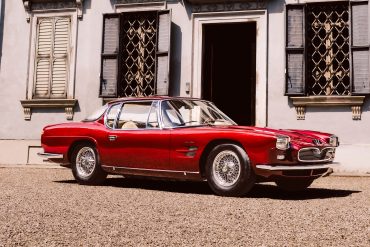
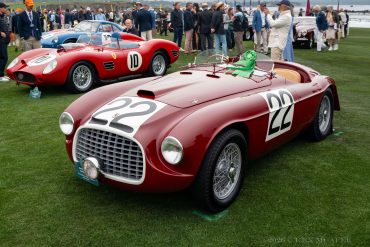
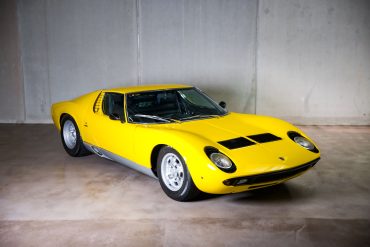
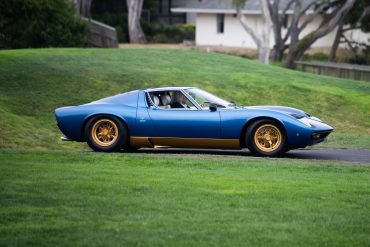
The war destroyed the French trade, whose customers and chassis were gone by 1950, and handed the second age to Italy, where labour was skilled and cheap and the new small manufacturers had no body shops of their own. The Cisitalia 202 of 1947, drawn by Pinin Farina and built in Turin, was shown at the Museum of Modern Art in New York in 1951 as "rolling sculpture", is in its collection still, and set the proportions of the postwar GT. Ferrari, who had no bodyworks at Maranello, sent his chassis to Touring for the 166 MM barchetta of 1948, to Vignale, Ghia and Stabilimenti Farina for the early coupés, to Pinin Farina from 1952, who then styled every production Ferrari but one for the next sixty years, as Mike Lawrence's "Pininfarina" argues, and to Sergio Scaglietti of Modena for the racing cars, the Testa Rossa, the GTO and the 250 GT SWB that Pininfarina drew and Scaglietti beat out in aluminium; Alan Boe's "Ferrari by Bertone" and "The Royal Ferraris" and Hemsley's 250 GT/L Lusso are the Ferrari side of the thread, and Ferrari's own page here has the rest. Maserati's A6G/54 of 1954–56 went to Frua, Allemano and Zagato in three different shapes, and the 3500 GT to Touring and Vignale: Casey Annis's "Captain of Industry" and "Maserati e Zagato" are the archive's studies. Alfa Romeo's 1900 and Giulietta were the carrozzerie's bread: Touring's Sprint, Bertone's Sprint Speciale by Franco Scaglione and Zagato's SZ and SS, the Disco Volante by Touring and the BAT cars by Scaglione for Bertone, Dave Hammond's "Last of the Alfa Romeo Coachbuilts" closing the chapter. Fiat's 8V went to Zagato, Vignale and Ghia; Abarth's 750s to Zagato with the double-bubble roof that Djordje Sugaris traces; OSCA, Siata, Moretti and Cisitalia to Zagato, Vignale, Michelotti and Fissore. Britain's Aston Martin crossed to Italy for the DB4 of 1958, Superleggera by Touring and the DB4 GT Zagato of 1960 by Ercole Spada, nineteen cars that are now the most valuable Astons; Casey Annis's "Savile Row" and Raffi Minasian's DB4 essay cover it. Bertone, under Nuccio Bertone and his designers Scaglione, Giorgetto Giugiaro and Marcello Gandini, grew from a body shop into a manufacturer with the Giulietta Sprint, the Iso Grifo and, in 1966, the Lamborghini Miura; Peter Collins's "Carrozzeria Bertone" and "Scaglione & the SS" and Karl Ludvigsen's Bertone Porsche are in the thread. Ghia, under Luigi Segre, built the Volkswagen Karmann Ghia and the Chrysler show cars with Virgil Exner and the Dual-Ghia for the Rat Pack. By 1965 the series-built GT had replaced the one-off and the carrozzerie had become design houses with assembly lines.
Every story on the site about the house, newest first.
Every story on the site about the house, newest first.
Every story on the site about Ferrari's bodyshop, newest first.
Every story on the site about the house, newest first.
Britain's coachbuilders survived longest because Rolls-Royce and Bentley went on selling bare chassis until 1965. H.J. Mulliner, Park Ward, James Young, Hooper, Freestone & Webb and Harold Radford bodied the Silver Wraith, Silver Dawn, Silver Cloud and Bentley R-type and S-type through the 1950s, the Continental fastback by Mulliner of 1952 the finest of them; Steve Natale's Silver Wraith by James Young, his Bentley S1 by Freestone & Webb built for Hollywood, the Franay-bodied Bentley and the archive's Rolls-Royce page carry the detail. Rolls-Royce had bought Park Ward in 1939 and bought Mulliner in 1959, merged them in 1961, and when the Silver Shadow of 1965 arrived with a unitary body there was nothing left to build on; James Young closed in 1967, Hooper had gone in 1959, and Vanden Plas became a badge. The British sports car makers used the trade differently: Tickford for Aston Martin's DB2/4, Abbott for the Healey and Harrington for the Sunbeam Alpine fastback of Hemsley's "Thermal Efficiency", and Radford's Mini de Ville for the pop stars. Mulliner lives on at Crewe as Bentley's bespoke department, with the Bacalar, the Batur and the Continental GT Mulliner of the archive's news pages, and Rolls-Royce revived the word Coachbuild for the Sweptail and the Boat Tail of 2021.
Every story on the site about the house, newest first.
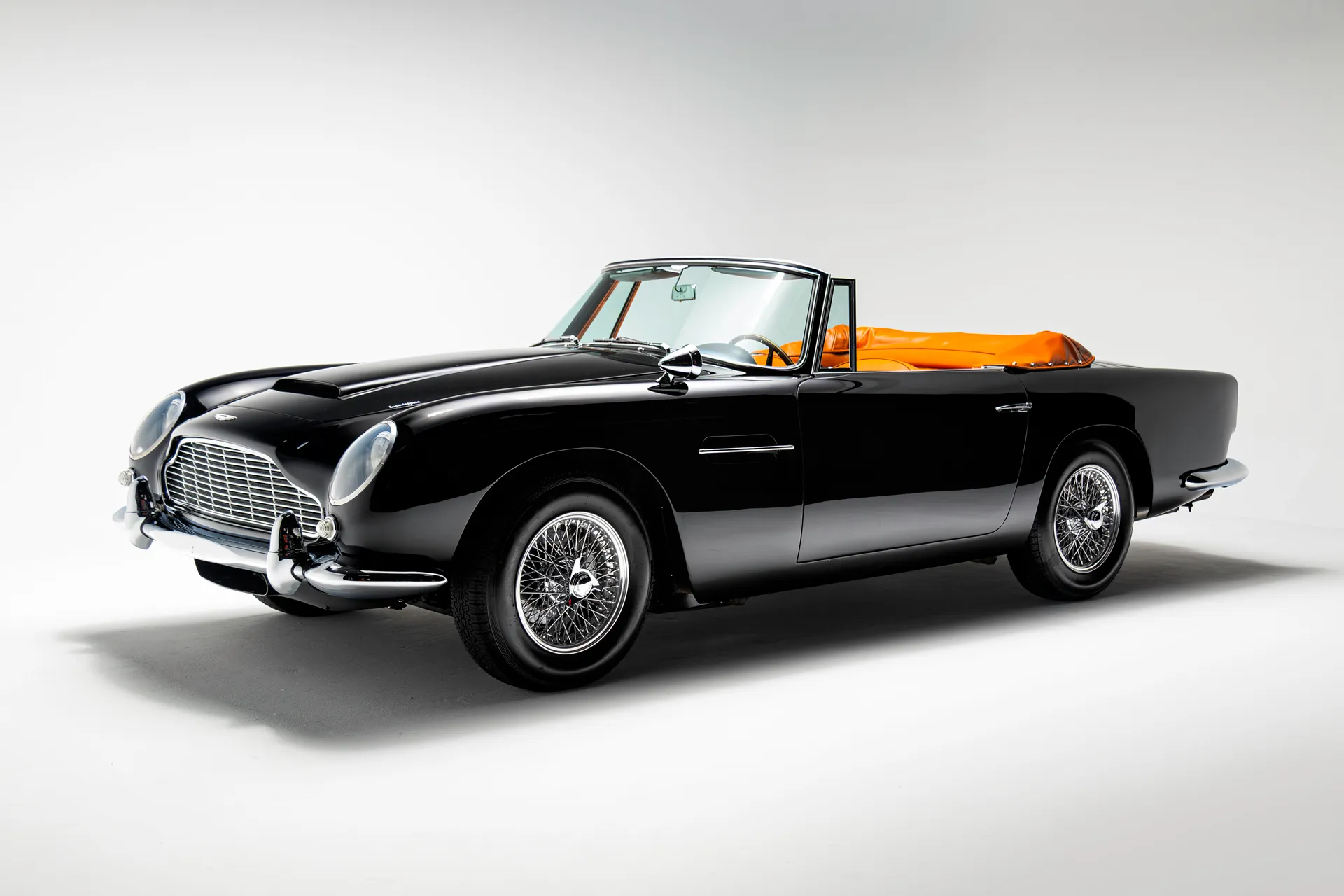
Touring closed in 1966, its last cars the Lamborghini 350 GT and the Aston DB5; Vignale sold to De Tomaso in 1969 and with Ghia passed to Ford in 1970; Allemano, Boano and Frua faded in the 1970s; Bertone built the Countach, the Stratos and the X1/9 and went bankrupt in 2014; Pininfarina, which had built the Alfa Spider and the Peugeot cabriolets in its own factory, sold to Mahindra in 2015 and now puts its name on the electric Battista; Zagato alone never closed, surviving on the Aston Martin V8 and V12 Zagatos, the Alfa SZ of 1989, the Lancia Hyena and the Capricorn hypercar of the archive's 2026 news. Touring Superleggera was revived in 2006 and builds on Ferrari and Alfa platforms; Aston Martin built nineteen continuation DB4 GT Zagatos in 2019. The manufacturers took the one-off back in-house: Ferrari's Special Projects since 2008, Bugatti's La Voiture Noire, Rolls-Royce's Coachbuild, Bentley's Mulliner, and the Pininfarina Jaguar XK120 of 1954 and the Bertone DB4 GT returned to the lawns as the last of their kind. Where the trade really lives now is the concours: Pebble Beach has run Zagato, Pininfarina and Figoni classes and Amelia Island a Scaglietti class, Villa d'Este is the coachbuilders' own show, the Mullin Museum saluted the French houses in 2018, and London Concours added a Coachbuilt & Concepts class in 2022; Casey Annis's "Coachbuilding Renaissance" and the archive's Pebble, Amelia, Hampton Court and Salon Privé reports track the revival year by year.
The coachbuilders' own concours, newest first.
Where the coachbuilt classes are judged, newest first.
A table of the houses, the cars and the archive from the carriage trade of 1900 to the Zagato hypercar of 2026, with the archive's story of each period linked, follows this chapter. The coachbuilder names link to every story on the site about that house; the marques and events have pages of their own.
The houses, the cars and the archive, from the carriage trade to the continuation cars. Coachbuilder, model and event names link to every story on the site.
| Years | The houses | The cars and the trade | In the archive |
|---|---|---|---|
| 1760–1914 | Mulliner · Hooper · Kellner · Castagna · Bertone | The carriage builders: Mulliner, Hooper, Brewster, Kellner, Castagna; Bertone opens in Turin in 1912, Ghia in 1916; the first bodied chassis | Lost Coachbuilders · 1922 Moon Six 40 Touring |
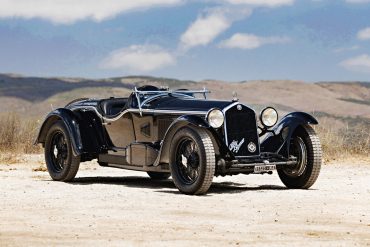
| 1919–1929 | Zagato · Touring · Weymann · Murphy · Isotta Tipo 8 | Ugo Zagato opens in Milan, 1919; Weymann's fabric body, 1922; Touring founded, 1926; Allemano 1928; Castagna's Isotta Fraschinis; Murphy dresses the Duesenberg J from 1928; Zagato's Alfa 6C 1750s win the Mille Miglia | An Honest Car: the Ballot 2LT and 2LTS · 1929 Duesenberg J Disappearing Top Torpedo by Murphy · Black Country Survivor |
| 1930–1935 | Pininfarina · Erdmann & Rossi · LeBaron · Dietrich · Hispano-Suiza | Pinin Farina opens in Turin, 1930; Figoni's first Delahayes; Erdmann & Rossi's Mercedes; LeBaron, Rollston and Dietrich in the Depression; the Alvis, Lagonda and Bentley bodies of the British houses | 1935 Alvis Speed 20 SC · Art Deco and the Automobile: Britain · 1932 Chrysler Imperial LeBaron CL wins Best of Show |
| 1936–1939 | Figoni et Falaschi · Saoutchik · Touring · Corsica · Pourtout · Talbot-Lago Teardrop | Figoni et Falaschi's Teardrop Talbots and skirted Delahayes; Saoutchik's Xenia; Touring patents Superleggera, 1936, the Alfa 8C 2900B and BMW 328 MM; Corsica's Bugatti 57S; the Atlantic, bodied in-house; the French salons at their height | Sophistication · Art Deco and the Automobile: Axis Deco · 1940 BMW 328 MM Touring Roadster · Corsican Bug: 1937 Bugatti Type 57SC by Corsica |
| 1946–1950 | Pininfarina · Touring · Vignale · Ghia · Cisitalia 202 · Ferrari | The Cisitalia 202 by Pinin Farina, 1947; Touring's Ferrari 166 MM barchetta, 1948; Vignale and Ghia body the first Ferraris; Frua and Vignale open; the French trade's last flowering: Saoutchik's Talbot-Lago, Chapron's Delahaye 235, Franay's Bentleys | 1951 Talbot-Lago T26 Grand Sport by Saoutchik · Transition: the 1955 Talbot-Lago T26 GSL · 1947 Bentley Franay Drophead Coupé · 1951 Ferrari 212 Export Burano |
| 1951–1955 | Scaglietti · Zagato · Allemano · Frua · Alfa 1900 · Fiat 8V | Pinin Farina becomes Ferrari's house, 1952, and Scaglietti its racing bodyshop; Maserati's A6G/54 by Frua, Allemano and Zagato; Alfa 1900 SSZ; Fiat 8V by Zagato and Vignale; Bertone's BAT cars by Scaglione; Mulliner's Bentley Continental; the Pinin Farina XK120 | Captain of Industry: 1956 Maserati A6G/54 Allemano · Magic Bubble: 1955 Alfa Romeo 1900C SS Zagato · Sunset OttoVú: 1954 Fiat 8V Zagato · One-off Jaguar XK120 Pinin Farina |
| 1956–1960 | Zagato · Touring · Bertone · Vignale · Abarth · Aston Martin | Abarth's double-bubble Zagatos; the Giulietta SZ and Sprint Speciale; Touring's Aston DB4 and Maserati 3500 GT, 1958; the DB4 GT Zagato by Spada, 1960; Scaglietti's Testa Rossas and SWBs; Ghia's Dual-Ghia and Karmann Ghia; Rolls-Royce buys Mulliner, 1959 | Maserati e Zagato · Scaglione & the SS · Savile Row: coachbuilt Aston Martins · 1956 Abarth 750 GT Corsa Zagato Double Bubble |
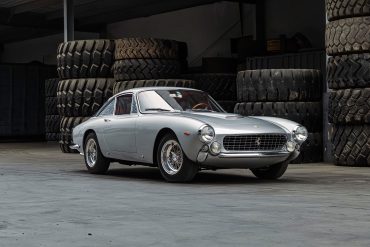
| 1961–1965 | Pininfarina · Bertone · Zagato · Scaglietti · DB4 GT Zagato · Rolls-Royce | Pininfarina's 250 GT Lusso and 275 GTB, Scaglietti-built; Bertone's Giulia GT by Giugiaro and Iso Grifo; Zagato's TZ and Lancia Flavia Sport; Vignale's 3500 GT Spider; the last coachbuilt Rolls-Royces and Bentleys before the Silver Shadow; Touring's last cars | Bella Figura: 1963 Ferrari 250 GT/L · Ferrari by Bertone · Ercole Spada: Design by Design · 1954 Rolls-Royce Silver Wraith James Young |
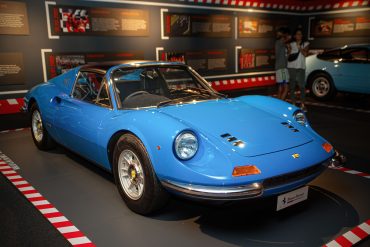
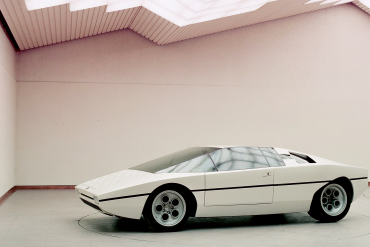
| 1966–1979 | Bertone · Pininfarina · Ghia · Miura · Lamborghini | Touring closes, 1966, after the Lamborghini 350 GT; Gandini's Miura, Marzal and Countach for Bertone; Vignale to De Tomaso, 1969, and with Ghia to Ford, 1970; Pininfarina's Daytona, Dino and the Fiat and Peugeot contracts; Ferrari buys Scaglietti, 1977 | Carrozzeria Bertone: automotive design dynasty · The Lamborghini Bravo: Bertone's defiant baby Countach · Pininfarina's Lancia Gamma Coupé |
| 1980–2005 | Zagato · Pininfarina · Bertone · By Design | Zagato's Aston V8 and the Alfa SZ; Pininfarina's 288 GTO, F40 and Testarossa; Bertone's X1/9 and the Stratos legacy; Zagato's Lancia Hyena; the coachbuilt revival at the concours begins; Vintage Racecar's design columns start | Zagato's Vicious Monster · The Lancia Hyena by Zagato · Pininfarina |
| 2006–2012 | Touring · Zagato · Pininfarina · Pebble Beach · Elio Zagato | Touring Superleggera revived, 2006; Andrea Pininfarina killed, 2008; Elio Zagato dies, 2009, and Pebble Beach runs a Zagato class; Sergio Scaglietti dies, 2011; Sergio Pininfarina, 2012; the TZ3 Corsa and the V12 Zagato | My Favorite Zagato · Elio Zagato (1919–2009) · Remembering Sergio Pininfarina · Sergio Scaglietti, 1920–2011 |
| 2013–2017 | Bertone · Pininfarina · Mulliner · Hampton Court · Gooding | Bertone bankrupt, 2014; Pininfarina to Mahindra, 2015; Gooding's coachbuilt sales at Scottsdale and Pebble Beach; the Pinin Farina XK120 unveiled, 2017; Casey Annis's Coachbuilding Renaissance | Coachbuilding Renaissance · Coachbuilt offerings at Gooding Pebble Beach 2016 · The Liaison's Liaison · Disco Volante Legacy |
| 2018–2020 | Figoni et Falaschi · Zagato · Scaglietti · DB4 GT Zagato · Amelia Island | The Mullin salutes the French coachbuilders; 2 VEV sells for £10 million; Aston's nineteen continuation DB4 GT Zagatos; Amelia Island honours Scaglietti; Pininfarina's Battista; the Hampton Court Aston Zagatos | Grümmer: a coachbuilding dynasty · Aston Martin DB4GT Zagato 2 VEV offered · Amelia Island to celebrate Sergio Scaglietti · French coachbuilders at the Mullin Museum |
| 2021–2023 | Mulliner · Rolls-Royce · Figoni et Falaschi · Pebble Beach · Salon Privé | Rolls-Royce's Boat Tail and the return of Coachbuild; Bentley's Mulliner Batur; Pebble Beach honours Figoni and a Figoni Duesenberg wins Best of Show, 2022; London Concours adds a Coachbuilt class; the 1900 Ghia-Aigle; the double-bubble history | Exploring Rolls-Royce coachbuilding · Figoni Duesenberg wins Pebble Beach Best of Show · Last of the Alfa Romeo coachbuilts · A visual history of the double-bubble roof |
| 2024–2026 | Figoni et Falaschi · Saoutchik · Zagato · Pininfarina · Talbot-Lago Teardrop | The Teardrop Talbot, the Saoutchik Mercedes 680 S, the Franay Delahaye 145 and Gable's Duesenberg at auction; Ludvigsen's Ferrari 250 LM; Zagato's Capricorn hypercar; Pininfarina's B95; the Maserati 5000 GT Frua certified | Marketplace: 1938 Talbot-Lago T150C Teardrop · Touring Grandly: the Ferrari 250 LM · One-off 1928 Mercedes-Benz 680 S by Saoutchik · Maserati 5000 GT Frua certified |
The marques (Ferrari, Alfa Romeo, Maserati, Aston Martin, Rolls-Royce, Bentley, Duesenberg, Bugatti, Lamborghini) and the concours have pages of their own; every coachbuilder tag has a thread below.
Nine cards follow for the houses the archive has most to say about: Pininfarina, Zagato, Touring Superleggera, Scaglietti, Bertone, Vignale, Figoni et Falaschi, Mulliner and Saoutchik, with Allemano, Ghia, Frua, Chapron, Franay, Murphy, Erdmann & Rossi, Corsica and the rest in the table and the feeds. Each links to every story on the site about that house.
Nine coachbuilders from the archive; each links to every story on the site about that house.
Every story on the site about the house, newest first.
Every story on the site about the house, newest first.
The houses were families and the families had designers. Battista "Pinin" Farina, the youngest of eleven, founded his in 1930 and handed it to his son Sergio and son-in-law Renzo Carli in 1961; Sergio ran it until his death in 2012, the archive's obituary and the Ferrari Museum tribute among its stories, and his son Andrea was killed on a scooter in 2008. Ugo Zagato's sons Elio and Gianni took the firm over after the war, Elio racing the cars he built; he died in 2009, and "My Favorite Zagato" was the archive's tribute with VeloceToday and Coachbuild.com. Felice Bianchi Anderloni founded Touring and his son Carlo Felice drew the DB4, the 3500 GT and the Flaminia. Nuccio Bertone, who inherited his father Giovanni's shop, hired the designers who made the 1950s and 1960s: Franco Scaglione, the BAT cars and the Sprint Speciale; Giorgetto Giugiaro, from 1959, the Giulia GT and the Iso Grifo before Ghia and Italdesign; Marcello Gandini, from 1965, the Miura, the Marzal, the Stratos and the Countach. Ercole Spada drew the DB4 GT Zagato, the Giulietta SZ and the TZ at Zagato before Ford and BMW, and is John Zimmermann's subject; Giovanni Michelotti freelanced for Vignale, Allemano, Moretti, Triumph and BMW and drew more cars than anyone; Pietro Frua had his own house and the Maserati Mistral; Leonardo Fioravanti drew the Daytona, the Dino and the 288 GTO at Pininfarina; Sergio Scaglietti of Modena, who died in 2011, beat the aluminium for Ferrari by eye and was honoured at Amelia Island in 2020. The French were Giuseppe Figoni and Jacques Saoutchik themselves, and Henri Chapron's widow Noëlle kept his archive, as the archive's 2016 profile tells. The archive's By Design column, by Raffi Minasian, is where the site writes about design as design.
Raffi Minasian's column on design, newest first.
Coachbuilt cars are where the market's biggest numbers come from outside Ferrari racing cars, and the archive's auction pages carry them: the Talbot-Lago T150C SS Teardrop coupés by Figoni et Falaschi, $13.4 million at Gooding in 2022 and back at auction in 2026; the Alfa Romeo 8C 2900B by Touring, $19.8 million in 2016; the Delahaye 165 and 145 by Figoni and Franay at $5–7 million; the Aston Martin DB4 GT Zagato, $14.3 million in New York in 2015 and £10 million for 2 VEV in 2018, with one of the nineteen offered again in 2026; the Duesenberg Model Js by Murphy, Rollston and LeBaron from $1 million to $8 million for Clark Gable's JN; the Hispano-Suiza Xenia; the Mercedes 680 S by Saoutchik. Below the trophies the market is deep and uneven: a Maserati A6G/54 by Zagato or Frua is $3–5 million and one by Allemano half that; an Alfa 1900 SS Zagato $1–2 million; a Fiat 8V by Zagato $1 million and by Vignale less; an Abarth 750 double bubble $200,000–400,000; a Mulliner Bentley Continental R-type $1–2 million and a James Young or Freestone & Webb saloon on the same chassis a tenth of it; a Pininfarina 250 GT Cabriolet $1.5–2.5 million and a Vignale Ferrari 212 or 250 Europa more, because fewer were made. The archive's "Coachbuilt Offerings" previews from Gooding's Scottsdale and Pebble Beach sales and the Gandini cars at Stratas are the market's recent shape. What a buyer checks is the body's history above all: whether it is the one the chassis wore when new, whether it was rebodied in period, as many racing Alfas and Ferraris were, or recreated later, and whether the coachbuilder's own records, Figoni's, Zagato's and Touring's survive, confirm it. A car that has lost its original body is a different and cheaper car, and a car that has found it again is the auction story of the year.
- Oldest H.J. Mulliner, origins 1760; Hooper 1805; Brewster 1810; Castagna 1849; Kellner 1861
- The Italian houses Zagato 1919; Touring 1926 (Superleggera patent 1936); Pinin Farina 1930; Bertone 1912; Ghia 1916; Allemano 1928; Vignale 1946; Frua 1944; Scaglietti 1951; Boano 1954
- The French houses Figoni 1923, Figoni et Falaschi 1935–55; Saoutchik 1906–55; Chapron 1919–85; Franay 1903–55; Pourtout 1925–94; Letourneur et Marchand 1905–59
- The Americans Murphy 1920–32; LeBaron 1920–41; Rollston 1921–38; Dietrich 1925–36; Derham 1887–1971
- Museum piece Cisitalia 202 by Pinin Farina, shown at the Museum of Modern Art, New York, in 1951 and in its permanent collection since 1972
- Ferrari and Pininfarina every production Ferrari from the 250 Europa of 1953 to the 2010s but the Bertone Dino 308 GT4 of 1973
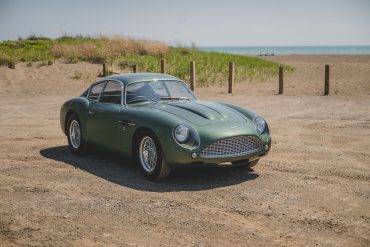
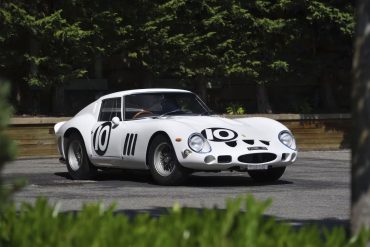
- The DB4 GT Zagato 19 built 1960–63, by Ercole Spada; $14.3 million (2015), 2 VEV £10.1 million (2018); 19 continuation cars, 2019
- Record prices Alfa Romeo 8C 2900B Touring Berlinetta $19.8 million (2016); Talbot-Lago T150C SS Figoni Teardrop $13.4 million (2022); Aston DB4 GT Zagato $14.3 million (2015)
- The end Touring closes 1966; Rolls-Royce Silver Shadow's unitary body ends British chassis supply 1965; Vignale to De Tomaso 1969, with Ghia to Ford 1970; Bertone bankrupt 2014; Pininfarina to Mahindra 2015
- Revivals Touring Superleggera 2006; Zagato continuous since 1919; Mulliner at Bentley; Rolls-Royce Coachbuild (Boat Tail 2021); Ferrari Special Projects; Aston Martin DB4 GT Zagato continuation 2019
- Concours honours Pebble Beach Zagato class 2009, Pininfarina 2021, Figoni 2022 (Best of Show a Figoni Duesenberg), Scaglietti at Amelia Island 2020; London Concours Coachbuilt & Concepts class 2022
- Archive 34 coachbuilder threads, more than a thousand stories; the deepest Pininfarina (236), Zagato (230), Touring (130), Scaglietti (113), Vignale (92), Bertone (91), Figoni et Falaschi (88), Mulliner (83)
Short answers, with the long ones above.
A firm that builds bodies for chassis made by someone else, to order or in small series. The word comes from the horse-drawn coach, and the oldest houses, Mulliner, Hooper, Brewster and Castagna, began as carriage builders before the motor car.
None; carrozzeria is the Italian word and carrosserie the French. Carrozzeria Touring, Carrozzeria Zagato and Carrosserie Figoni et Falaschi are coachbuilders by another name.
Pininfarina, for styling almost every Ferrari from 1953 to the 2010s; Zagato for its racing bodies and the double-bubble roof; Touring for the Superleggera method; Bertone for the Miura, the Countach and the designers it employed; and Figoni et Falaschi for the Teardrop Talbots.
"Super-light", Touring's patented construction of 1936: a cage of small steel tubes carrying hand-formed aluminium panels, used on the Alfa 8C 2900, the BMW 328 MM, the Aston Martin DB4 and DB5 and the Lamborghini 350 GT. Touring licensed it to Aston Martin, which is why the DB4 carries a Superleggera badge.
Because the unitary body replaced the separate chassis. When Rolls-Royce's Silver Shadow of 1965 and the Italian GTs of the 1960s were built as one steel shell there was no bare chassis to send out, and the houses either became design and contract-manufacturing firms or closed.
Zagato has never closed; Touring Superleggera was revived in 2006; Pininfarina is owned by Mahindra and builds the Battista; Mulliner is Bentley's bespoke department and Rolls-Royce has a Coachbuild division; Ferrari's Special Projects builds one-offs for its best customers.
Among cars sold at auction, the 1939 Alfa Romeo 8C 2900B Touring Berlinetta at $19.8 million in 2016, with the Talbot-Lago Teardrop by Figoni et Falaschi and the Aston Martin DB4 GT Zagato close behind. The Bugatti Type 57SC Atlantic, bodied in-house, has changed hands privately for more.
Not until recently. Ferrari sold chassis to Touring, Vignale, Ghia and Pinin Farina in its first years, then had Pininfarina design and Scaglietti build its cars; it bought Scaglietti in 1977 and has built its bodies at Maranello and Modena since.
A single body built to one customer's order on a production chassis: the Pinin Farina Jaguar XK120 of 1954, the Bertone Aston Martin DB4 GT Jet, the Ferrari SP cars of today and the Rolls-Royce Boat Tail. They are the purest form of coachbuilding and, when the body survives on its original chassis, the rarest.
From the coachbuilder's own body number, usually stamped on a plate and on the body frame, matched against the house's records and the chassis number; Zagato, Touring and Figoni's archives survive, and the Heritage certificates of Rolls-Royce and Bentley record the body and coachbuilder for every chassis.
The whole archive on one thread, newest first.