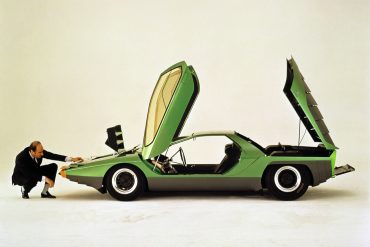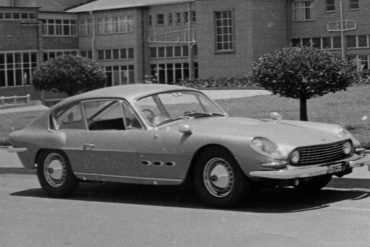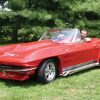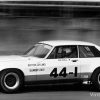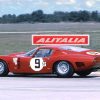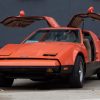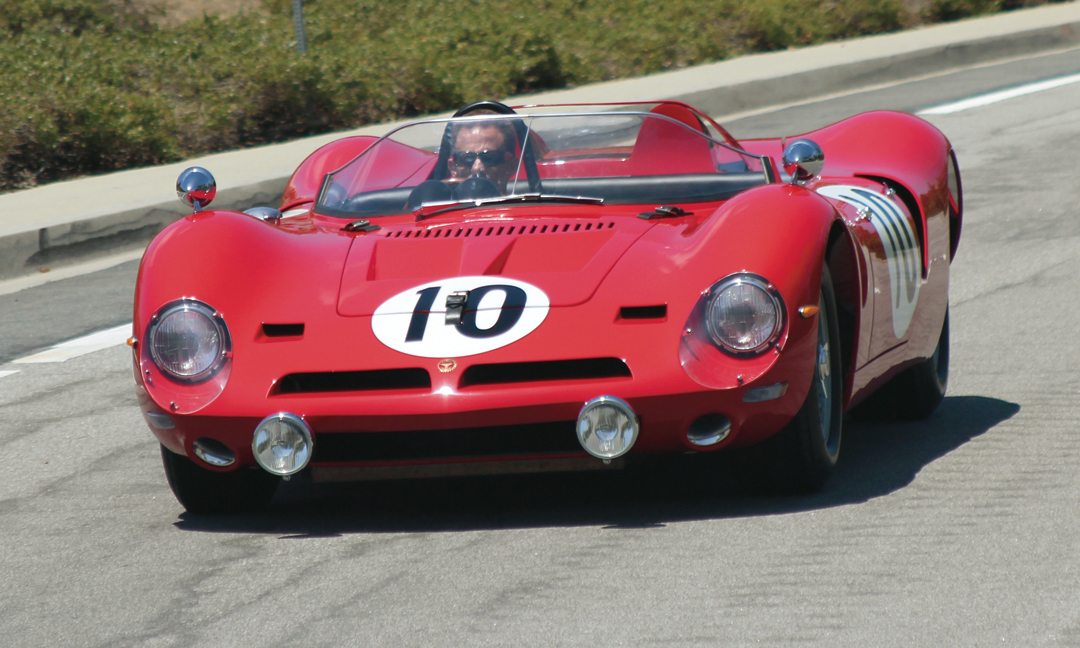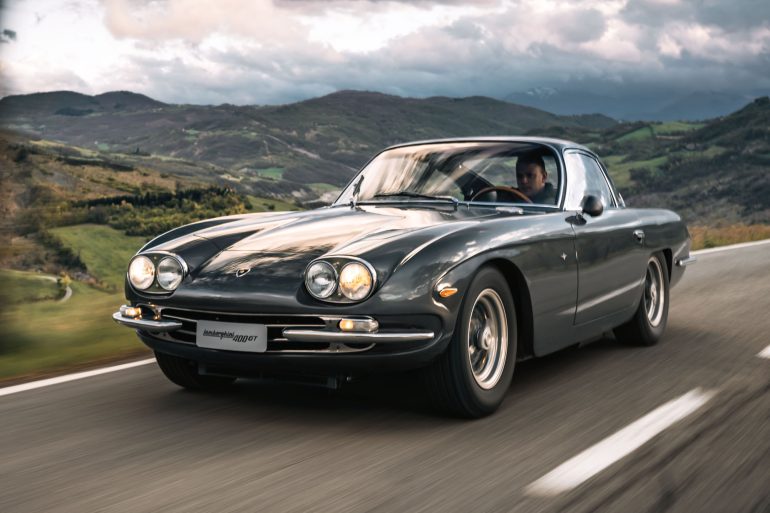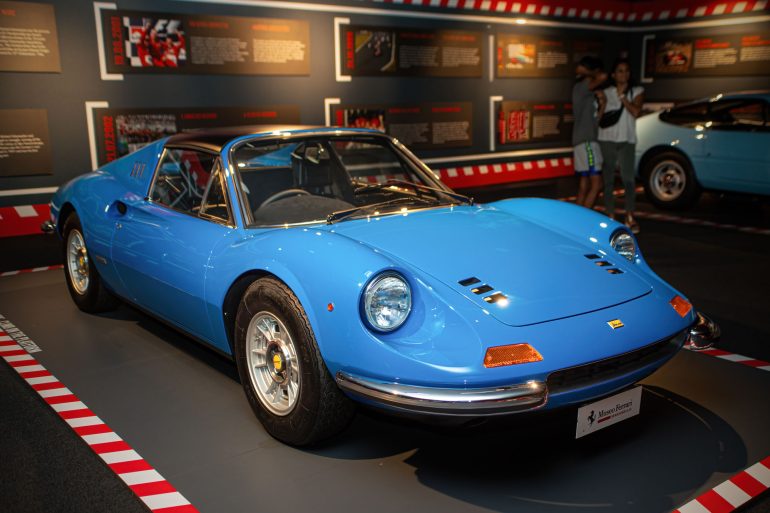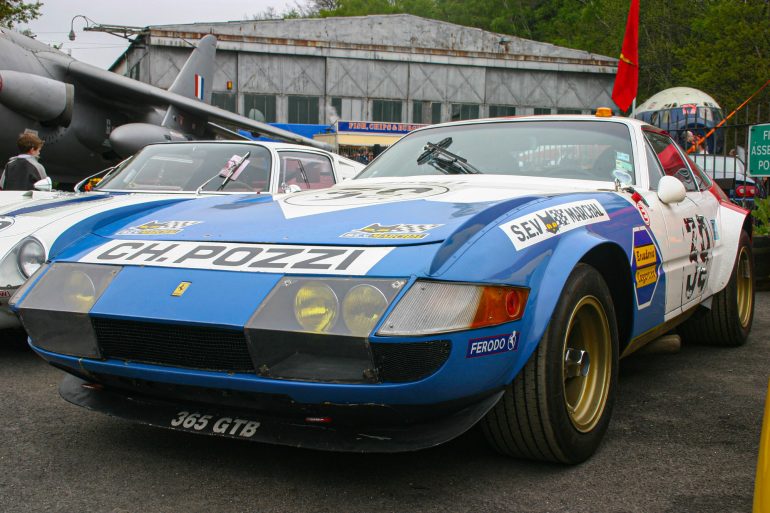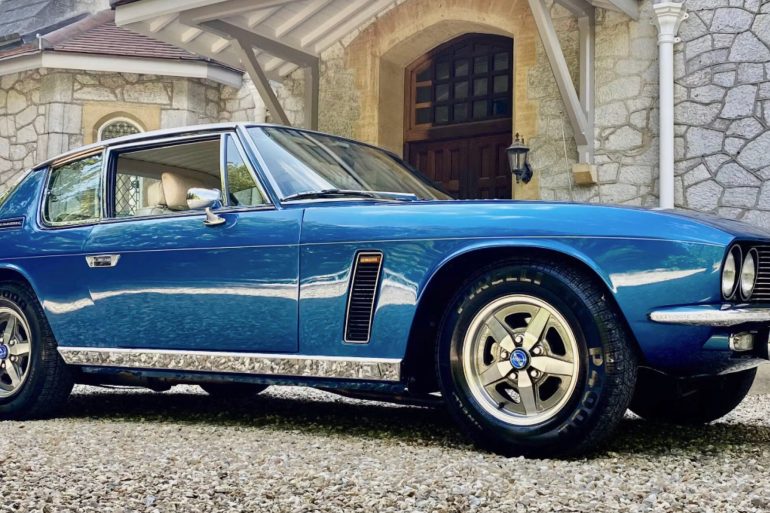
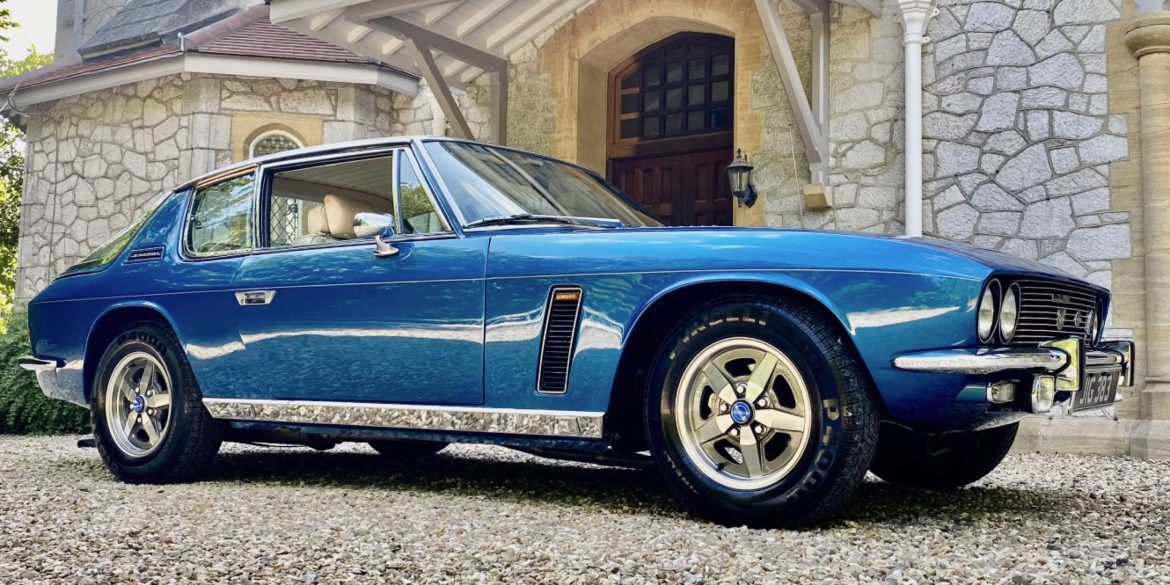
Federico Formenti of Touring drew the 1966 Interceptor with its fastback rear made almost entirely of curved glass, and Chrysler supplied the 383 and later 440 V8s. Raffi Minasian on the Jensen brothers' bid for the North American GT market.

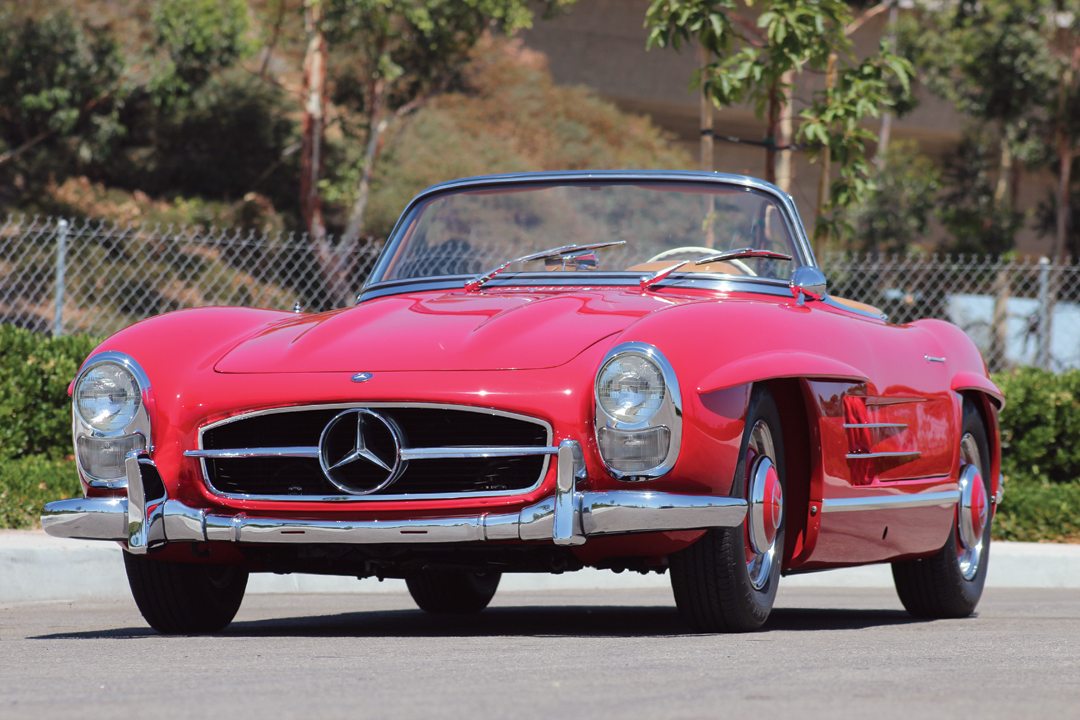
For twenty years after the Lancia Aurelia B20 appeared at Turin in 1951, the most desirable car in the world was a two-seat coupé with a big engine in the front, a body by an Italian carrozzeria and a top speed you could use on an autostrada. Ferrari's 250 GTs, the Aston Martin DB4 and DB5, the E-type, the Maserati 3500 GT and Ghibli, the 300 SL, the Miura and the Daytona were built for crossing Europe fast, and sold to people who did. This is the road-car side of the magazine's archive: the gran turismo, from the first to the last of the front-engined Ferraris.
The pieces to start with
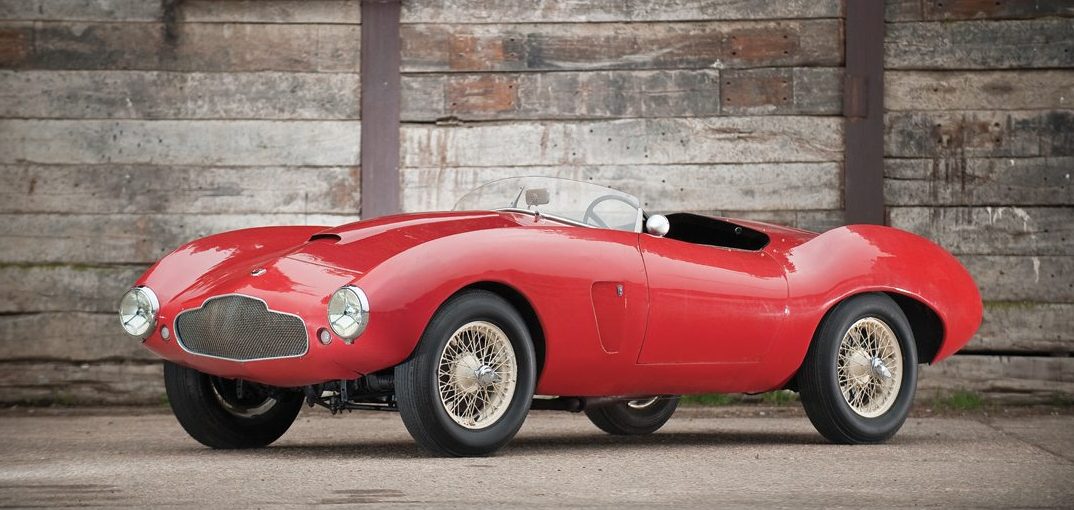
McDonough on the 250 SWB, the Lusso, Annis's 275 GTB and the coachbuilt Astons, two E-types, the 300 SL roadster, the Miura and a Maserati A6G/54.
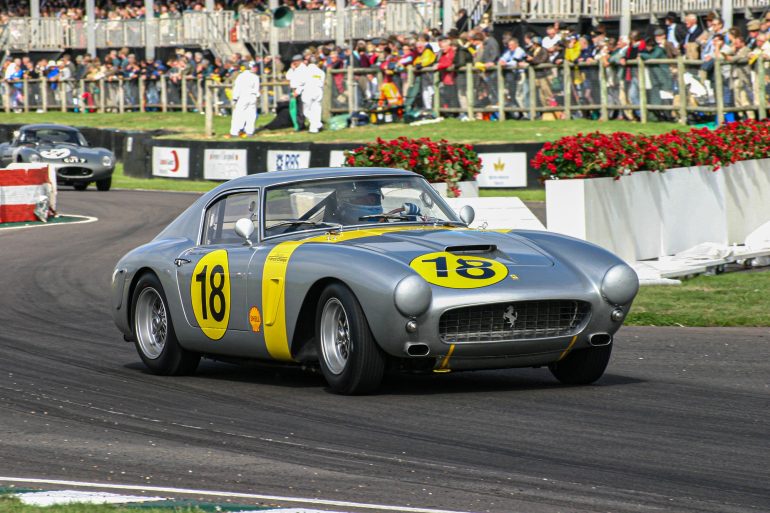
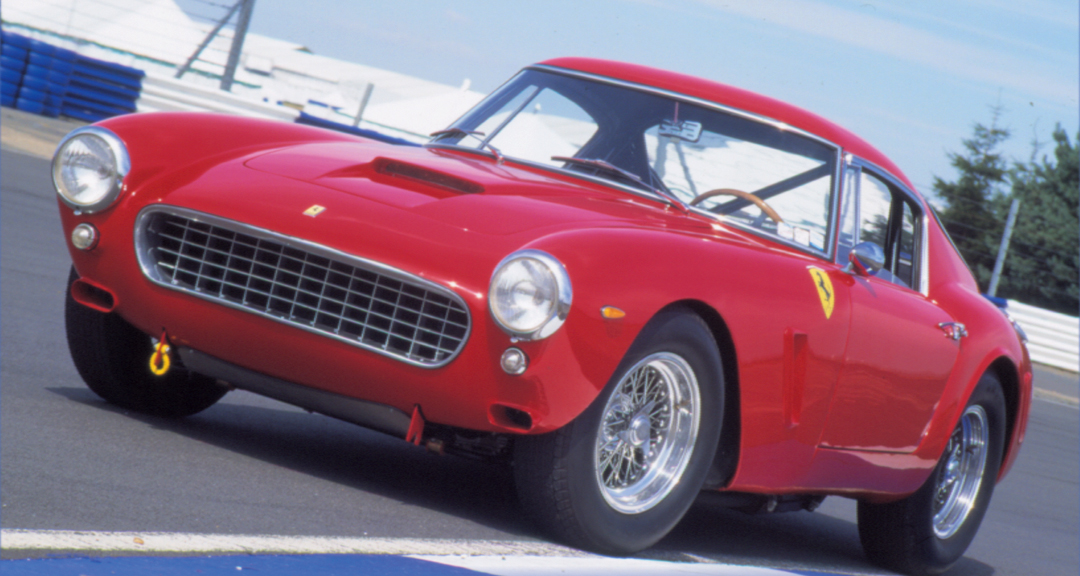
Ed McDonough thinks of the Ferrari 250 GT as a soup, a recipe adjusted for nearly ten years: long-wheelbase cars from 1954, Scaglietti berlinettas from 1956, the short-wheelbase car in 1960 and the GTO from 1962–1964.
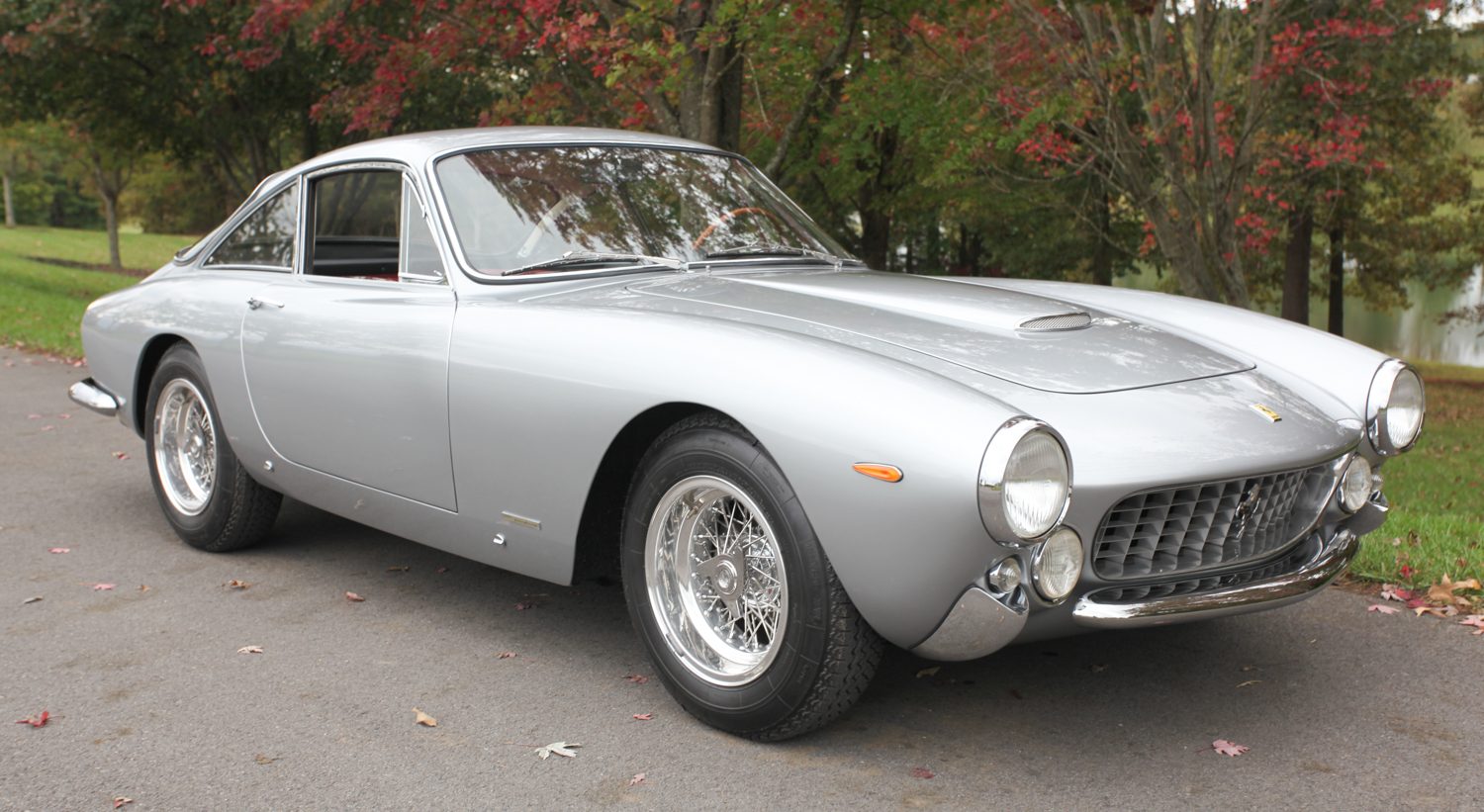
Preston Lerner calls the 250 GT/L one of the most beautiful cars ever built and the writer disputes only the one of. Pinin Farina, tenth of eleven, apprenticed to his brother in 1905. The Lusso and the house behind it.
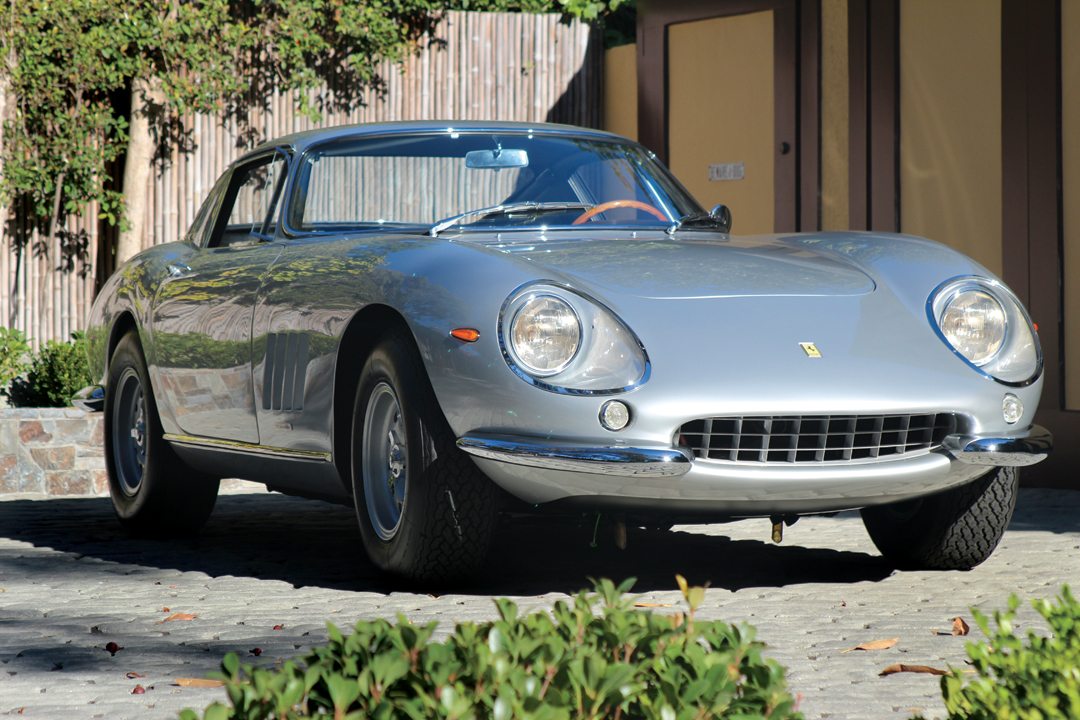
By 1960 the E-Type matched a 250 for far less money, so Ferrari's next GT needed luxury as well as speed. Jean-Pierre Beltoise, in L'Auto Journal, called the 275 GTB one of the greatest automobiles created in our times.
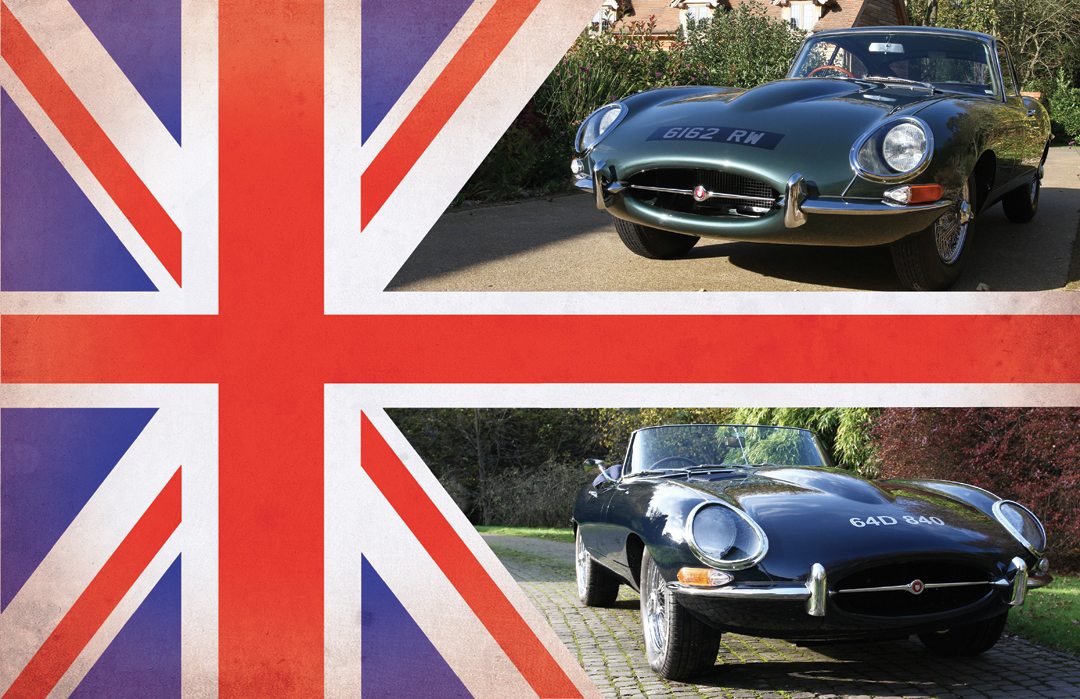
At launch in Geneva in March 1961 the E-type cost about half an Aston DB and a third of a Ferrari GT, and the non-running show car was sold before the show closed. James Beckett with two of them.
Short of money after the war, small British makers sent rolling chassis to Italian carrozzerie for one-off halo bodies. Casey Annis on how Aston Martin, founded by Bamford and Martin in 1914, used the tailoring in the 1950s and 1960s.
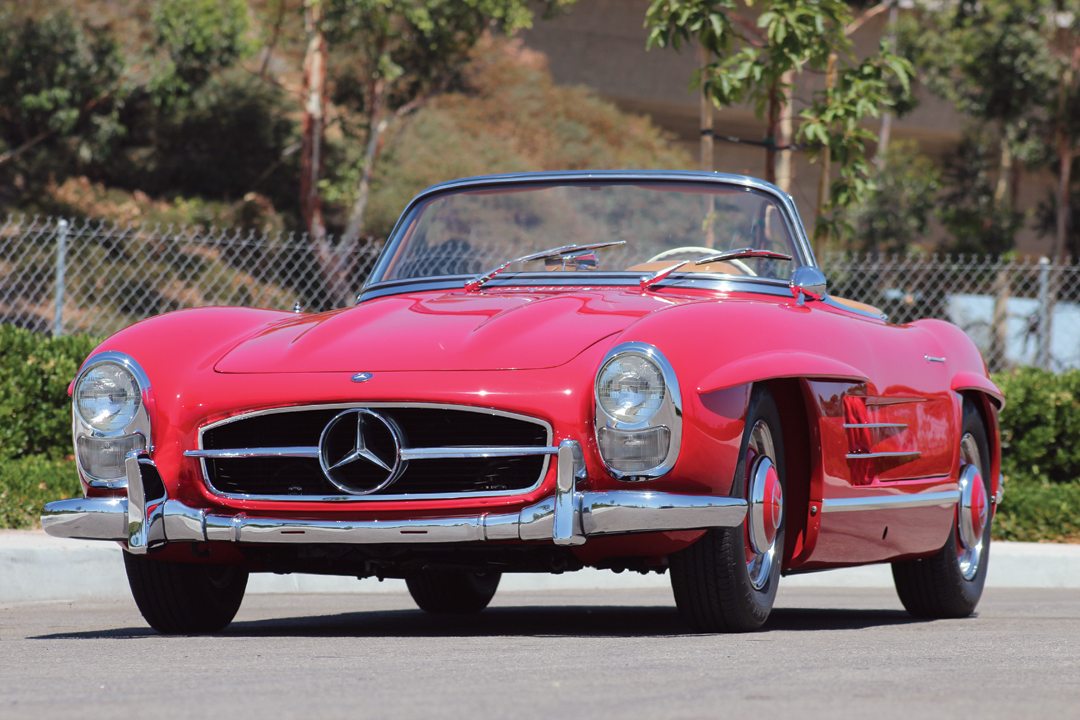
Max Hoffman went to Stuttgart and told the Daimler-Benz board that a 180-based sports car would not sell in America, then promised to buy 500 road-going Gullwings. The committee did both. Casey Annis on the open car that followed.
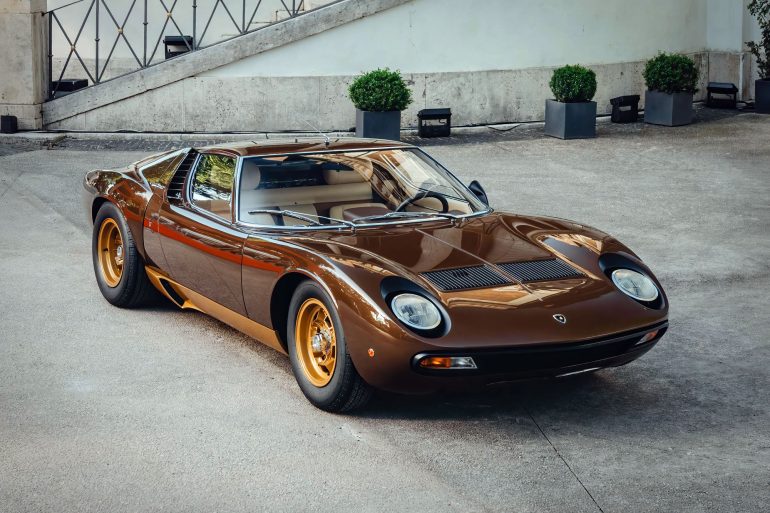
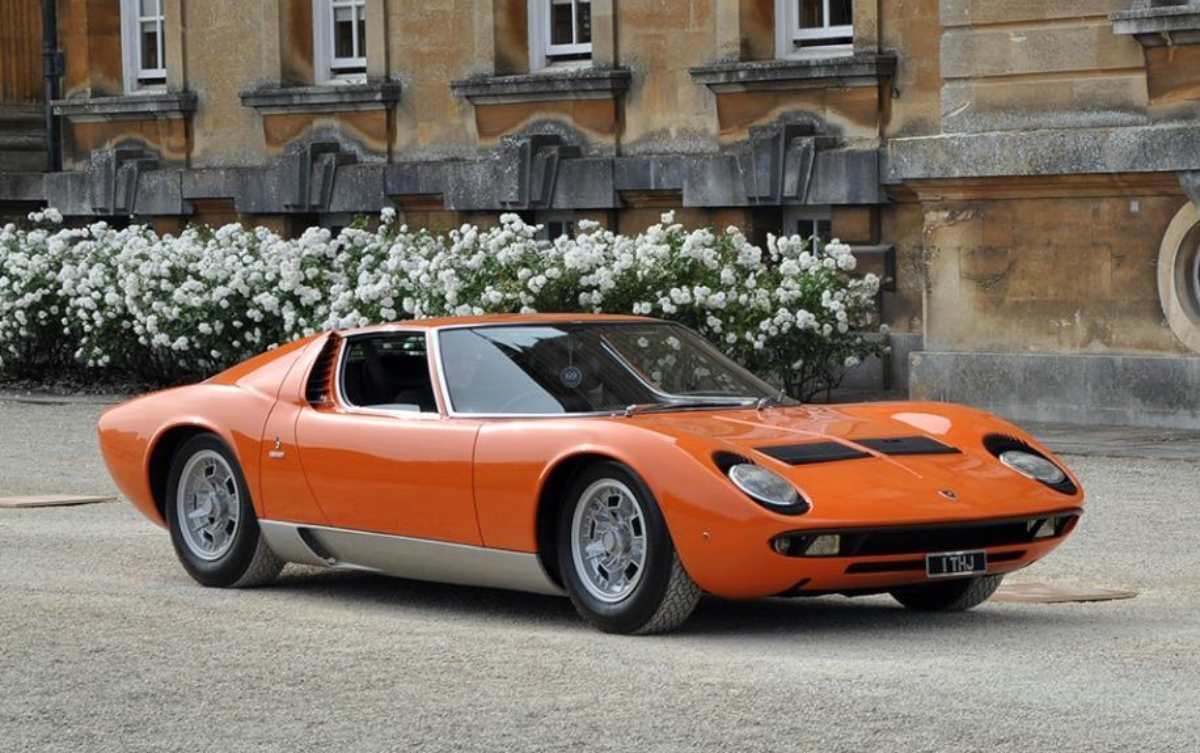
Ferruccio Lamborghini built Carioca tractors from the engines and differentials of Morris trucks the British left behind, with a gadget to start on gasoline and run on cheaper diesel. Sean Smith drives where that led: the transverse-V12 Miura of 1966.
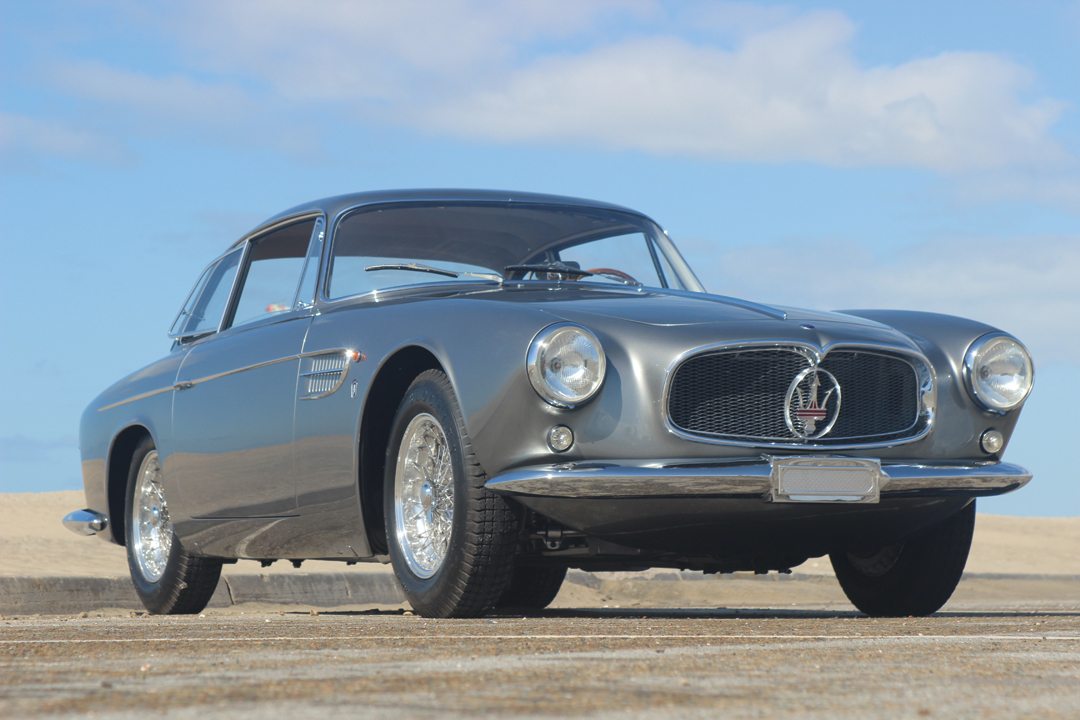
Seven sons of a Piacenza locomotive engineer; Carlo test-drove for Fiat at Lancia's urging, brought Alfieri, Bindo and Ettore into Isotta Fraschini and died of tuberculosis in 1910. Casey Annis on the brothers and the road-going GT Maserati built grudgingly.
The newest long-form writing on the grand tourers, as it is published.
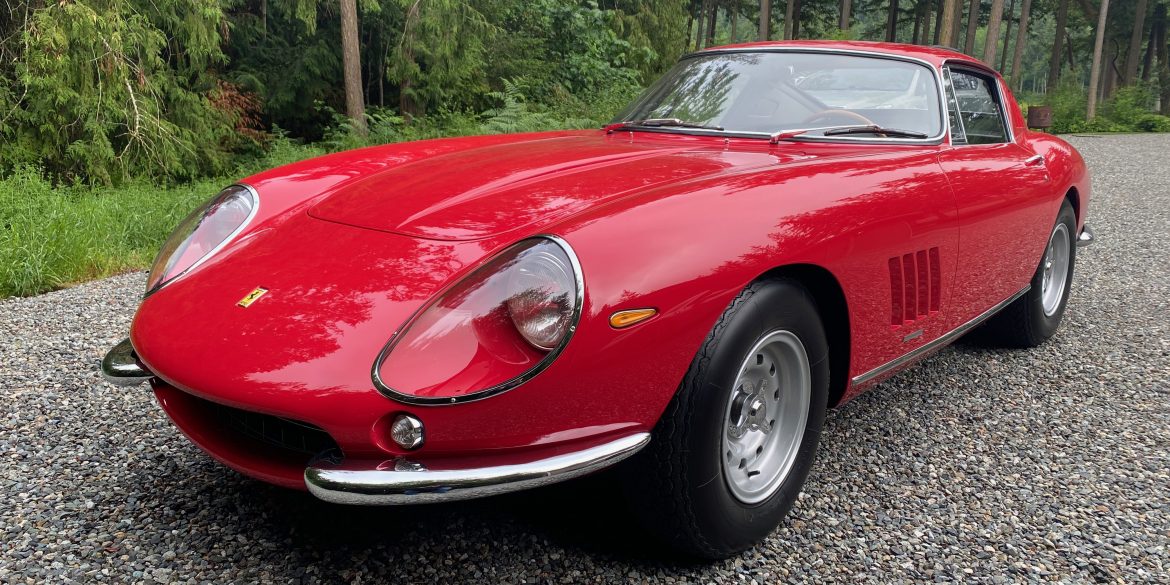
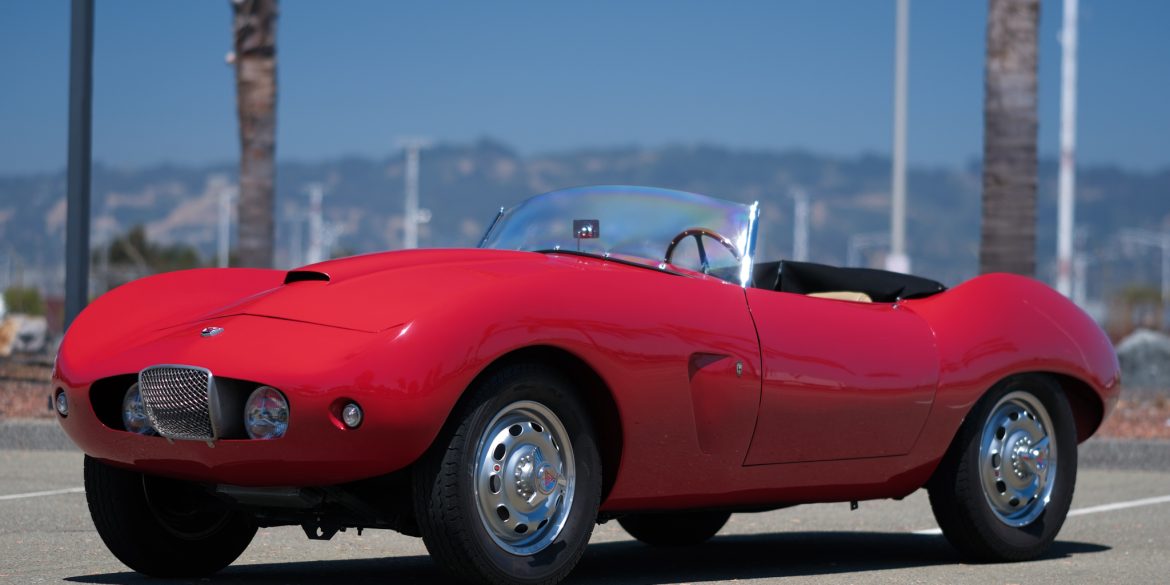
The words were Italian and so was the idea: a car for the grand tour, fast enough for the new motorways, comfortable enough for a thousand kilometres in a day, with room for two people and their luggage, built in small numbers on a chassis that had usually been raced. The Italians had been making such cars since the Alfa Romeo 8C 2300 and the Lancia Astura, but the modern GT begins with the Aurelia B20 of 1951: a V6, a transaxle, inboard rear brakes and a Pinin Farina fastback body that every coachbuilder in Turin and Milan copied for the next decade. Bracco drove one to second place overall in the 1951 Mille Miglia, behind a 4.1-litre Ferrari, and the point was made that a grand tourer could also race. For the next twenty years the car's two careers ran side by side: the road GT that raced on Sundays, and the homologation special that pretended to be a road car. The racing side has its own page, The GT Wars; this one is about the cars that were bought to be driven.
The 1950s belonged to the carrozzerie. Pinin Farina, Touring with its Superleggera tube-and-alloy construction, Zagato, Vignale, Ghia, Bertone, Allemano, Frua and Boano dressed chassis from Lancia, Alfa Romeo, Fiat, Maserati and Ferrari in bodies that were often one of a dozen or one of one. Alfa Romeo's 1900, the firm's first unitary car, became the 1900C Super Sprint in Zagato's hands and was joined in 1954 by the Giulietta Sprint, Bertone's small masterpiece, which sold in numbers no GT had reached before; J. Michael Hemsley's Giulietta Spider Veloce feature is the longest piece on the site about one of them. Fiat built the 8V, its only V8, in 114 examples and let Zagato, Vignale and Ghia body most of them. Maserati, which had never sold road cars in earnest, offered the A6G/54 with bodies by Frua, Zagato and Allemano — Casey Annis's Captain of Industry is the story of one — and then in 1957 the 3500 GT, its first real production car, bodied by Touring and Vignale and good for 2,000 sales. Ferrari's road cars of the period, the 212 Inter, 250 Europa and 250 GT Boano and Ellena, were a sideline to the racing until Pininfarina and Scaglietti settled the 250 GT's shape in 1958. The smaller firms filled the gaps: Siata, OSCA, Moretti, Abarth, and Lancia's own Flaminia, which succeeded the Aurelia, and later the Fulvia.
Two cars from outside Italy set the standard the Italians measured themselves against. The Mercedes-Benz 300 SL Gullwing, shown in New York in February 1954 at the insistence of the importer Max Hoffman, was the 1952 Le Mans winner made civil: a spaceframe, fuel injection, 215 bhp and 160 mph, with doors that opened upwards because the frame ran too high for ordinary ones. 1,400 coupés were built before the roadster replaced it in 1957; the 1,000th Gullwing and a 1955 car are both in the archive, and the 190 SL that followed it sold in far greater numbers to people who wanted the look. Jaguar's XK120 of 1948 was faster than anything at its price, and the XK140 and XK150 that followed made it a grand tourer rather than a sports car; the Mark VII and Mark 2 saloons did the same job with four doors. Between them in Britain were the small firms: Bristol, building BMW-derived cars by aircraft methods, Aston Martin's DB2 and DB2/4, AC, Jensen with its glassfibre 541, and in Germany BMW's beautiful, ruinous 507, designed by Albrecht Goertz for Hoffman and built in 252 copies that nearly closed the company.
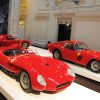
The Ferrari 250 GT is the spine of the era. One engine, Gioacchino Colombo's three-litre V12, in a succession of bodies over ten years: the long-wheelbase Berlinetta "Tour de France" that won that event four times, the California Spider built for Chinetti's American customers, the Pinin Farina coupé and cabriolet that paid the bills, the short-wheelbase Berlinetta of 1959 that Ed McDonough called a sumptuous dish, the 2+2 GTE that outsold everything else Maranello made, and finally the Lusso of 1962, which many people consider the most beautiful car Pininfarina ever drew. The 250 GTO was the racing end of the same family and has its own page. What made the 250 GT matter was that it was all of these things at once: a car you could drive to Le Mans, race, and drive home, and the last Ferrari of which that was true. Prices today say the rest: a California Spider or an SWB is a ten-million-dollar car, a Lusso two or three, and the archive's features on them, from Alan Boe's GTE to Casey Annis's first drive in a Lusso, are among its most read.
What arrived each season, and where it was shown.
| Year | The cars that arrived | Where and why it mattered |
|---|---|---|
| 1951 | Lancia Aurelia B20 | Turin. The first modern GT: V6, transaxle, Pinin Farina fastback; second overall on the Mille Miglia |
| 1952 | Bentley R-type Continental; Fiat 8V | The fastest four-seater in the world, and Fiat's only V8 |
| 1953 | Aston Martin DB2/4; Alfa Romeo 1900 Sprint | Britain's 2+2; Alfa's first unitary car dressed by Touring and Zagato |
| 1954 | Mercedes-Benz 300 SL Gullwing; Alfa Romeo Giulietta Sprint; Maserati A6G/54 | New York, February: the Le Mans winner for the road. Turin: Bertone's small masterpiece |
| 1955 | BMW 507; Mercedes-Benz 190 SL; Facel Vega FV | Frankfurt and New York. Goertz's roadster nearly broke BMW; the Facel put a Chrysler V8 in a Paris suit |
| 1956 | Ferrari 250 GT Boano; Aston Martin DB2/4 Mark II | The 250 GT becomes a series car |
| 1957 | Maserati 3500 GT; Lancia Flaminia; Mercedes-Benz 300 SL Roadster; Lotus Elite; Ferrari 250 GT California Spider | Geneva. Maserati's first real production car; Chinetti's open Ferrari for America |
| 1958 | Aston Martin DB4; Ferrari 250 GT Coupé Pinin Farina | London, October. Marek's six and a Touring Superleggera body; Ferrari's bread-and-butter coupé |
| 1959 | Ferrari 250 GT SWB; Aston Martin DB4 GT; Maserati 5000 GT; Lancia Flaminia Zagato | Paris, October. The short-wheelbase Berlinetta, road and race in one car |
| 1960 | Aston Martin DB4 GT Zagato; Ferrari 250 GTE 2+2 | London and Paris. Nineteen Zagatos; the GTE paid Ferrari's bills |
| 1961 | Jaguar E-type; Volvo P1800 | Geneva, March. £2,097 and 150 mph; the car Enzo Ferrari is said to have called the most beautiful ever made |
| 1962 | Ferrari 250 GT Lusso; Iso Rivolta; Maserati Sebring; Lotus Elan | Paris. Pininfarina's most beautiful shape; Bizzarrini's chassis and a Chevrolet V8 for Iso |
| 1963 | Aston Martin DB5; Lamborghini 350 GTV; Mercedes-Benz 230 SL; Maserati Quattroporte; Iso Grifo; Corvette Sting Ray | Turin: the tractor-maker's first car. Geneva: the Pagoda. Frankfurt: the DB5 |
| 1964 | Ferrari 275 GTB; Lamborghini 350 GT; Gordon-Keeble; Bizzarrini 5300 GT | Paris, October. Ferrari's first road car with independent rear suspension; Goldfinger makes the DB5 famous |
| 1965 | Aston Martin DB6; Jensen C-V8 Mk III; Alfa Romeo Giulia GTC | The DB4 line stretched; the last of the Jensen glassfibre cars |
| 1966 | Lamborghini Miura; Jensen Interceptor and FF; Ferrari 330 GTC; Maserati Ghibli; De Tomaso Mangusta | Geneva: the Miura, the first supercar. Turin: Giugiaro's Ghibli and Mangusta |
| 1967 | Toyota 2000GT; Ferrari Dino 206 GT; Aston Martin DBS; Alfa Romeo 33 Stradale; Mercedes-Benz 280 SL | Japan arrives; Ferrari's first mid-engined road car; Towns's DBS waits two years for its V8 |
| 1968 | Ferrari 365 GTB/4 Daytona; Lamborghini Espada and Islero; BMW 2800 CS; Iso Grifo 7 Litri | Paris, October. 174 mph with the engine in front; Maranello's answer to the Miura |
| 1969 | Datsun 240Z; Ferrari Dino 246 GT | Tokyo and New York. The GT for everyone; 150,000 in four years |
| 1970 | Citroën SM; Alfa Romeo Montreal; De Tomaso Pantera; Lamborghini Jarama | Geneva: the SM. New York: the Pantera, sold through Lincoln-Mercury |
| 1971 | Maserati Bora; Ferrari 365 GTC/4; Lamborghini Countach LP500 prototype; BMW 3.0 CS | Geneva. Maserati goes mid-engined; Gandini's wedge announces the end of the era |
| 1972 | Maserati Merak; Lamborghini Urraco; Jaguar XJ12; Maserati Khamsin (Bertone show car) | The last new front-engined Maserati is shown |
| 1973 | Ferrari 365 GT4 BB; Lamborghini Countach (production announced) | Paris. Ferrari's flat-twelve behind the seats; the oil crisis in October ends the era |
Model names link to every story on the site about that car.
Aston Martin's answer arrived at the London show in October 1958. The DB4 had a new six by Tadek Marek, a platform chassis and a Touring Superleggera body built under licence at Newport Pagnell, and it was the first British car that could sell against a Ferrari on looks alone; Casey Annis's Savile Row covers the coachbuilt Astons of the period and another piece the two Italian designs behind the DB4. The short-chassis DB4 GT and the Zagato-bodied GT of 1960 were the racing versions; the DB5 of 1963 was the DB4 with four litres and, after Goldfinger in 1964, the most famous car in the world; the DB6 lengthened it and the DBS of 1967 replaced it with a William Towns body that waited two years for its V8. Jaguar's E-type, launched at Geneva in March 1961 at £2,097, was half the price of a DB4 and faster: 150 mph, disc brakes all round, independent rear suspension and a shape taken straight from the D-type; James Beckett's Tale of Two E-Types is the archive's long look at it. Behind the two big names came the Anglo-American hybrids: Jensen's C-V8 and then the Touring-styled, Chrysler-engined Interceptor of 1966 and its four-wheel-drive FF; the Bertone-bodied, Chevrolet-engined Gordon-Keeble; Bristol's move to Chrysler V8s from the 407; and the AC 428 on a stretched Cobra chassis. Lotus made a different kind of GT, small and light: the glassfibre-monocoque Elite, the Elan, and the mid-engined Europa, all from the drawing board of Ron Hickman, who later invented the Workmate.
Maserati followed the 3500 GT with the Sebring and Mistral, the Quattroporte of 1963, a four-door at 140 mph, and in 1966 Giugiaro's Ghibli, a 4.7-litre V8 coupé whose shape stopped the Turin show; the mid-engined Bora of 1971 and Merak of 1972 followed under Citroën ownership, and the Khamsin, shown by Bertone in 1972, was the last of the front-engined line. Ferruccio Lamborghini, a tractor-maker with a grievance against Enzo Ferrari, showed the 350 GTV at Turin in 1963 and sold the 350 GT from 1964 with Giotto Bizzarrini's four-cam V12, the finest road engine in Italy. Then in 1966 his young engineers, Dallara, Stanzani and Wallace, put the same engine sideways behind the seats and Bertone's Marcello Gandini drew a body over it: the Miura, the car that invented the word supercar, covered in the archive by Sean Smith, Rick Shultz and Joon Lim. The front-engined Lamborghinis continued alongside it: the 400 GT, the four-seat Espada of 1968, the Islero and Jarama, and the small V8 Urraco. The hybrids multiplied too: Renzo Rivolta's Iso with Bizzarrini's chassis and Chevrolet power, first the Rivolta and then the Grifo and Lele; Bizzarrini's own 5300 GT Strada; Peter Monteverdi's 375 in Switzerland; and Alejandro de Tomaso's Ford-engined Mangusta and Pantera, the latter sold through Lincoln-Mercury dealers from 1971.
Each links to every story on the site about that car; the model pages come next.
Ferrari replaced the 250 with the 275 GTB in 1964, a five-speed transaxle and independent rear suspension under a Pininfarina body, which Casey Annis called a luxurious predator; the four-cam 275 GTB/4 of 1966 is the one collectors chase. The 330 GTC of 1966 was the civilised version, as seen here, and the 365 California the last of the big open cars. Then at Paris in October 1968 came the 365 GTB/4, which the press named Daytona after the 1967 1-2-3: 4.4 litres, 352 bhp, 174 mph, the fastest road car in the world and the answer to the Miura made in Maranello's own idiom, engine in front. The Dino 206 and 246 GT, mid-engined, V6 and badged without the Ferrari name, were the first sign of what would replace it; the 365 GTC/4 of 1971 was the Daytona softened; and when the 365 GT4 BB arrived in 1973 with a flat-twelve behind the seats — the first NART Boxer is in the archive — the Daytona was the last front-engined twelve-cylinder Ferrari until the 550 Maranello of 1996.
Single-car stories: the 250 GTs, the Astons, the E-types, the Maseratis, the Lamborghinis and the hybrids.
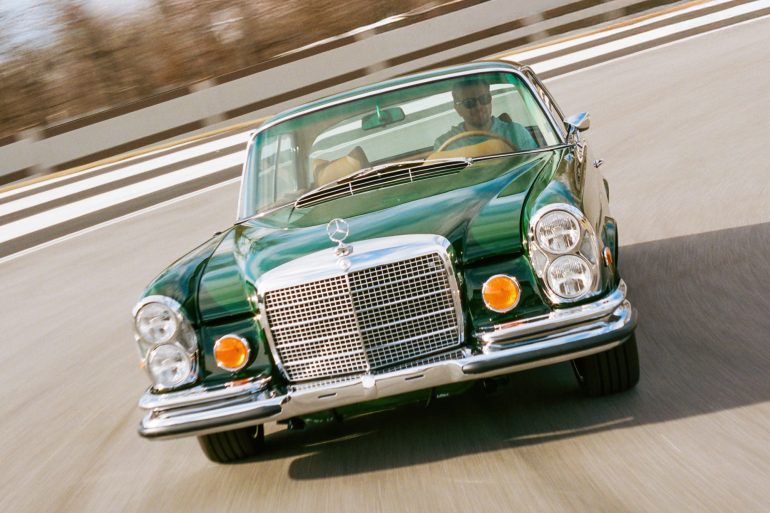
Not every grand tourer was Italian or British. Mercedes-Benz followed the 300 SL with the 230, 250 and 280 SL "Pagoda" of 1963 to 1971, remembered here, and the big 280 SE 3.5 coupé. BMW found its way back with the 2000 CS and the 2800 and 3.0 CS coupés of 1968 to 1975. Citroën bought Maserati and produced the SM of 1970, a front-drive, hydropneumatic, Maserati-V6 grand tourer unlike anything before or since. Alfa Romeo put a four-cam V8 from the Tipo 33 racer into Bertone's Montreal in 1970, and Lancia's Flavia and Fulvia Sport Zagatos were the small, strange and lovely end of the market. Volvo's P1800 and Opel's GT brought the idea to people who had never bought a GT. And Japan arrived: Toyota's 2000GT of 1967, 337 cars built with Yamaha and a Bond film to its name, and Datsun's 240Z of 1969, which sold more in its first three years than every Italian GT of the era put together and changed what the words were allowed to mean. America's contribution was the personal luxury car, the Thunderbird, the Buick Riviera and the Avanti, and, once, a Corvette: the Corvette Italia, bodied by Scaglietti for Gary Laughlin and Carroll Shelby, which led, by a short road, to the Cobra.
The era is unimaginable without the coachbuilders, and most of them did not survive it. Touring of Milan, whose Superleggera method of alloy panels over small-diameter tubes clothed the Aston DB4 and DB5, the Maserati 3500 GT and the Lamborghini 350 GT, closed in 1966. Vignale, Ghia and Frua were absorbed or faded. Bertone, with Giugiaro and then Gandini at the drawing board, had the decade's hottest hand: the Giulietta Sprint, the Iso Grifo, the Miura, the Espada, the Montreal, and then the Countach. Pininfarina had Ferrari, and with it the 250 GT, 275 GTB, 330 GTC, Daytona and Dino, and did the 365 P Berlinetta Speciale for fun. Zagato made the light ones: the Alfa SZ and TZ, the Flaminia and Fulvia Sports, the DB4 GT Zagato. Scaglietti, in Modena, built Ferrari's racing bodies and the California Spider by eye. Alan Boe's Ferrari by Bertone is a reminder that the pairings were never fixed. By 1973 the independents were suppliers to the factories or gone, and the Coachbuilder tags on the site run through all of them.
Designers, coachbuilders, dealers, restorers and the owners who kept the cars.
The oil crisis of October 1973 ended it in a season. Fuel went short, speed limits came down, and America, the largest market for every one of these cars, brought in emissions rules that strangled the V12s and bumper rules that spoiled their faces. The front-engined grand tourer survived — the Daytona gave way to the Boxer, the Ghibli to the Khamsin, the DB6 to the V8 — but the idea that the fastest car in the world should be a comfortable coupé with its engine in front was finished. Lamborghini had shown the Countach prototype at Geneva in 1971; Ferrari answered with the Boxer; the wedge and the mid-engine were the future, and the next twenty years belong to the supercar era. What was left behind were a few thousand hand-built cars that have appreciated faster than any class of object in the world, and a body of writing about them, much of it in the Vintage Roadcar archive, that this page is built from.
Tour de France, club racing and the competition histories behind the road cars.
The 300 SL Gullwing was the fastest production car in the world in 1954, at around 160 mph with the tallest axle ratio; the Daytona took the title in 1968 at 174 mph, and held it until the Countach. The E-type was launched at £2,097 in 1961, when a DB4 cost £3,967 and a Ferrari 250 GT roughly three times the Jaguar. The Ferrari 250 GTE, 954 built, was Ferrari's best-selling model to that date and paid for the racing; the Maserati 3500 GT, about 2,200, was the first Maserati built in numbers; the Datsun 240Z sold over 150,000 in its first four years. The rarest of the great GTs are the Aston Martin DB4 GT Zagato (19 built), the Ferrari 250 GT SWB California Spider (56), the Toyota 2000GT (337) and the BMW 507 (252). The most famous Lusso belonged to Steve McQueen; the most expensive DB5 is the Goldfinger car; a 250 GT SWB California Spider that had belonged to Alain Delon sold for 16.3 million euros at Rétromobile in 2015, then a record for a car at a French auction.
Short answers, with the long ones above.
A fast, comfortable car for long distances, usually a two-seat or 2+2 coupé with a large engine in front and a hand-built body, made in small numbers between the early 1950s and the early 1970s. The Italian term gran turismo, GT, gave the class its name.
Most historians give it to the Lancia Aurelia B20 of 1951, the first car to combine a modern chassis, a V6 engine and a Pinin Farina fastback body built in series. The Alfa Romeo 8C 2300 and Bugatti Type 57 of the 1930s are the pre-war ancestors.
The 250 GTO, which is a racing car and has its own page. Among the road cars, the SWB California Spider and the SWB Berlinetta sell for ten to twenty million dollars; the Lusso, the Tour de France and the long-wheelbase California follow.
Goldfinger, in 1964. Aston Martin lent two cars to the production and the film made the DB5 the best-known car in the world; the surviving gadget car sold for 6.4 million dollars in 2019.
The 1973 oil crisis, American emissions and safety rules, and the arrival of the mid-engined supercar: the Miura in 1966, the Countach prototype in 1971, the Ferrari Boxer in 1973.
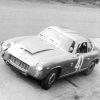
Yes, and the racing versions of the same cars — 250 GTO, DB4 GT Zagato, Lightweight E-type, Cobra — are on The GT Wars page. The road cars were raced too, in the Tour de France Automobile and in club events, which is why so many have competition history.
Pininfarina (Ferrari, Lancia), Touring (Aston Martin, Maserati, Lamborghini), Bertone (Alfa Romeo, Iso, Lamborghini), Zagato (the light ones) and Scaglietti (Ferrari's racing bodies). Vignale, Ghia, Frua and Allemano dressed the smaller runs.
The Toyota 2000GT of 1967, built with Yamaha, was the first, and the Datsun 240Z of 1969 took the idea to a mass market. Both are in the archive.
The whole thread, newest first.