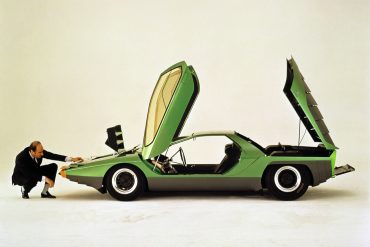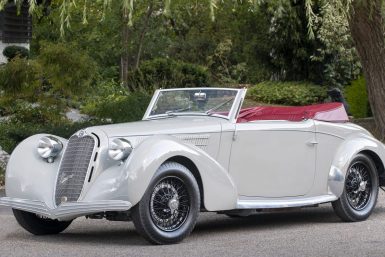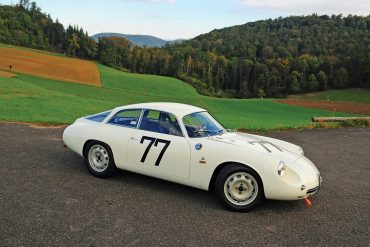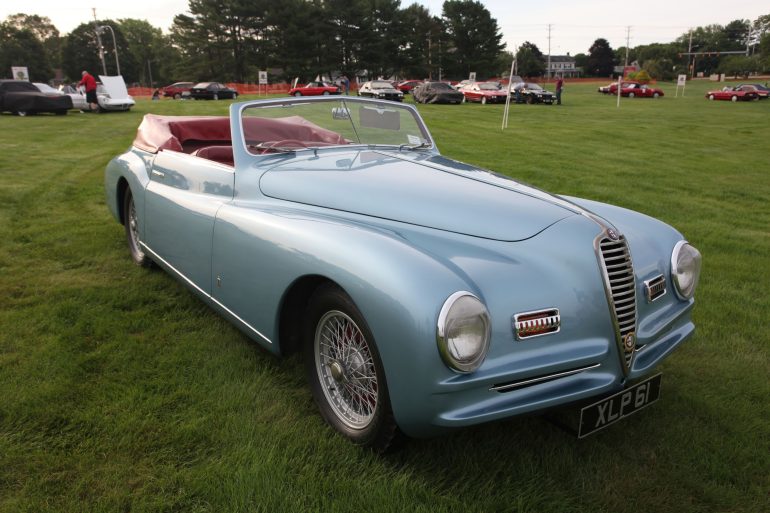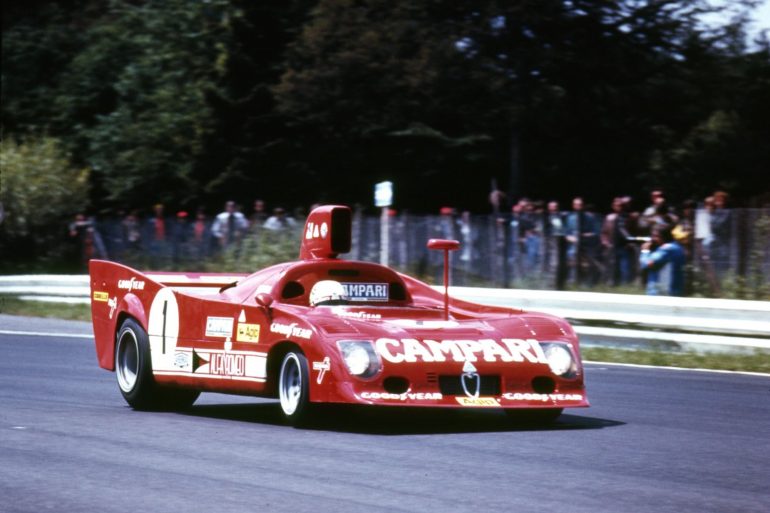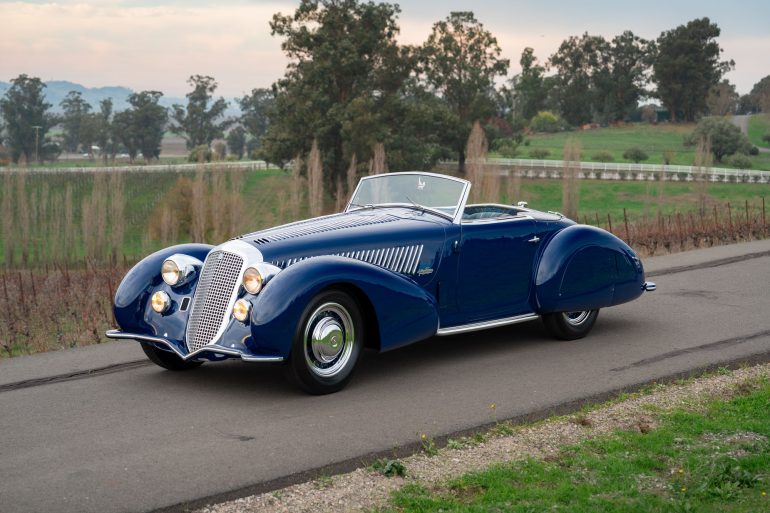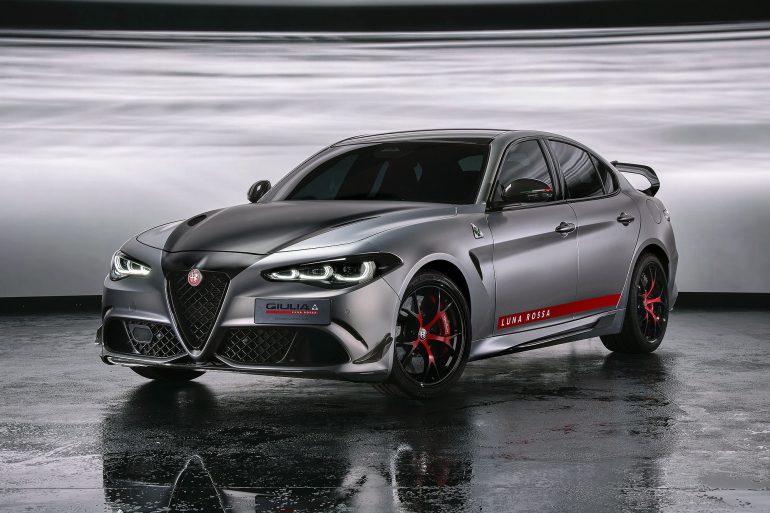
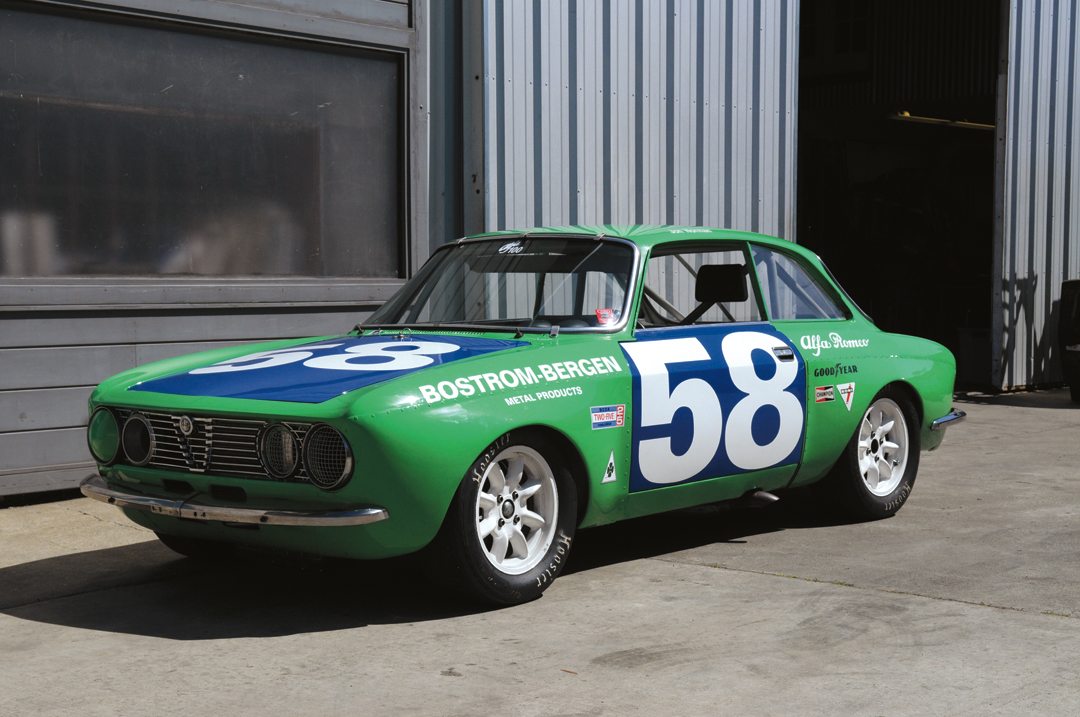
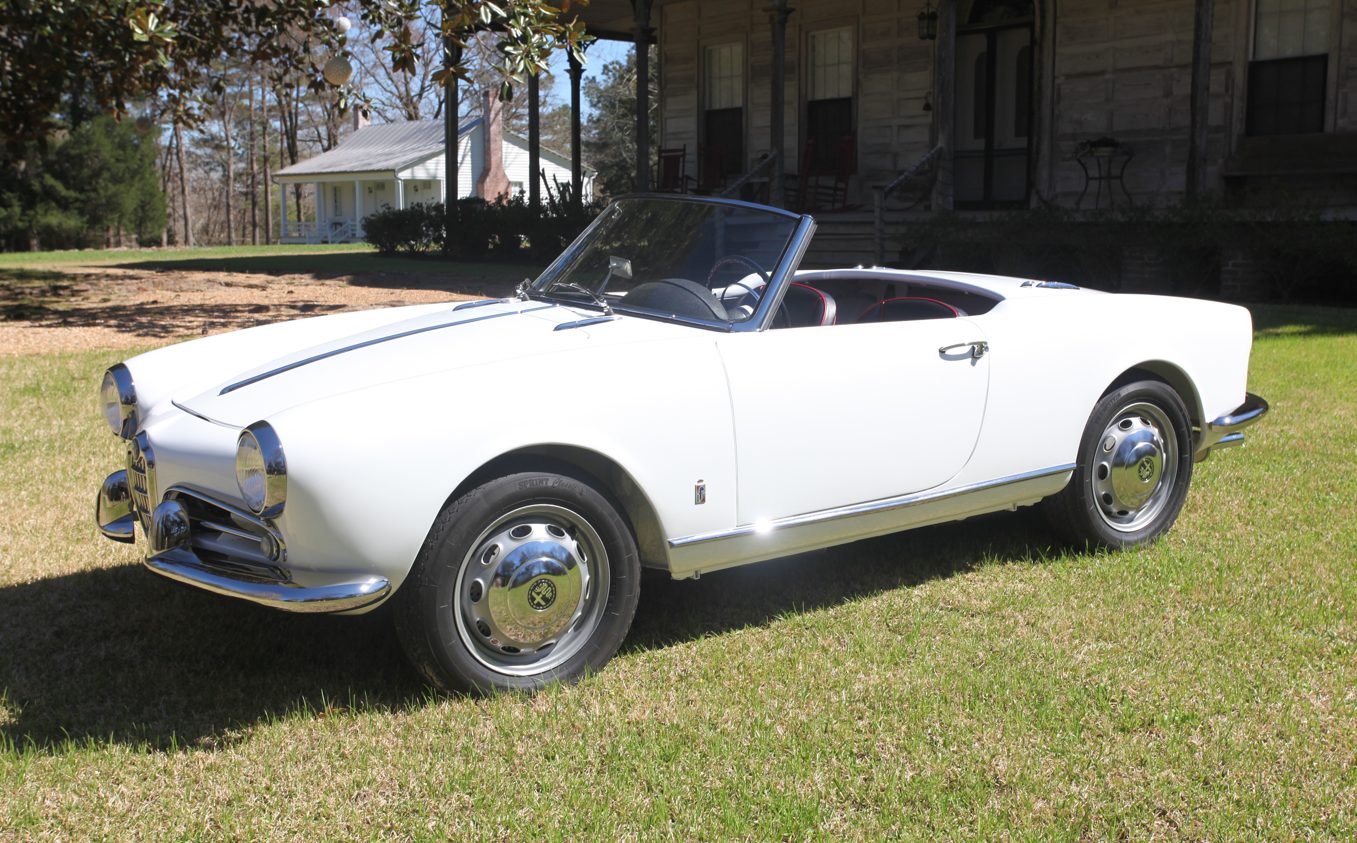
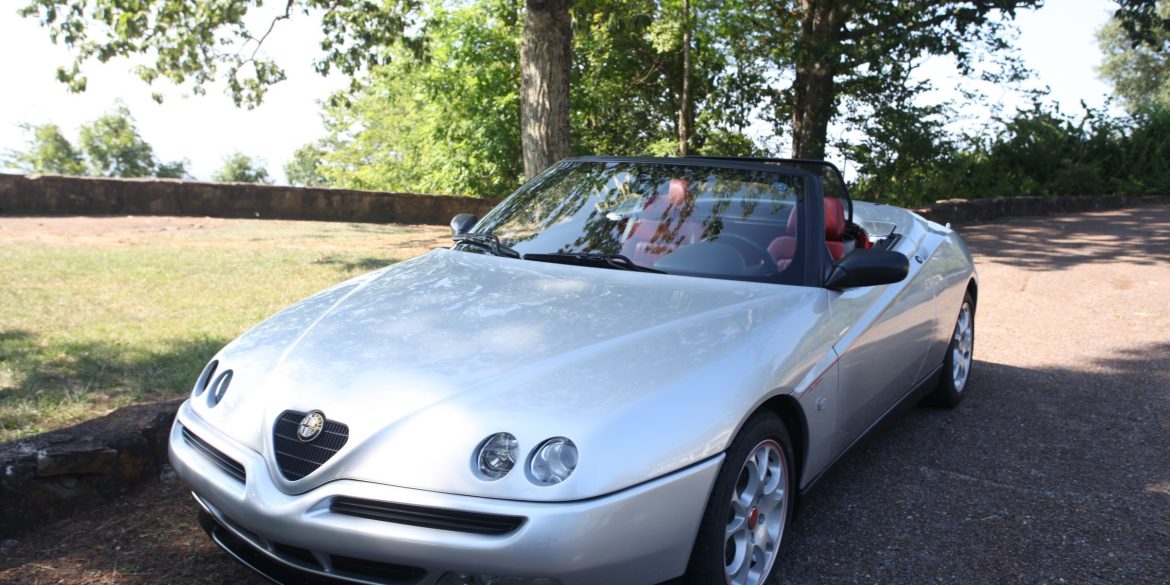
Orazio Satta Puglia measured tire loads on a 6C 2500 under braking and cornering and fed the results into the Tipo 1900 and every Alfa after it. J. Michael Hemsley follows the Spider line to the 916 of 1997.

The marque that taught Enzo Ferrari his trade and won the first Grand Prix world championship in 1925 and the first two Formula One championships in 1950 and 1951: Jano's 6C and 8C, eleven Mille Miglias and four Le Mans in a row, the P3 and the Bimotore, the Alfetta, the Giulietta and the Giulia that put the racing into family cars, the GTA, the Tipo 33 and the Targa Florio. The archive has Robert Newman's two-part centenary history, Ed McDonough driving the Alfetta, the Tipo 33 and the GTAm, Peter Collins on the 8C 2300, Nuvolari through his friends, the Giulietta Spider restored in a village, and the Alfas of every Mille Miglia and Targa revival since 2000. This page puts the marque in order and links the archive through it.
The pieces to start with
Newman's centenary history and his Alfettas, Collins on the 8C 2300, McDonough's Alfetta, Tipo 33/2 and GTAm, Annis's GTV Trans-Am and Hemsley's Giulietta Spider.
Alfa Romeo turns 100 on 24 June with three Grand Prix world titles, two sports car championships, 10 Mille Miglias, eight Targa Florios and four straight Le Mans wins, nearly all in its first 60 years. Robert Newman begins the story.
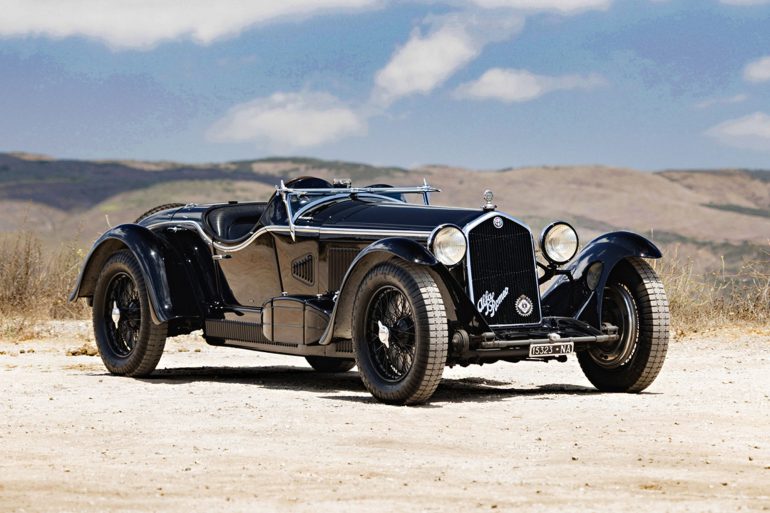
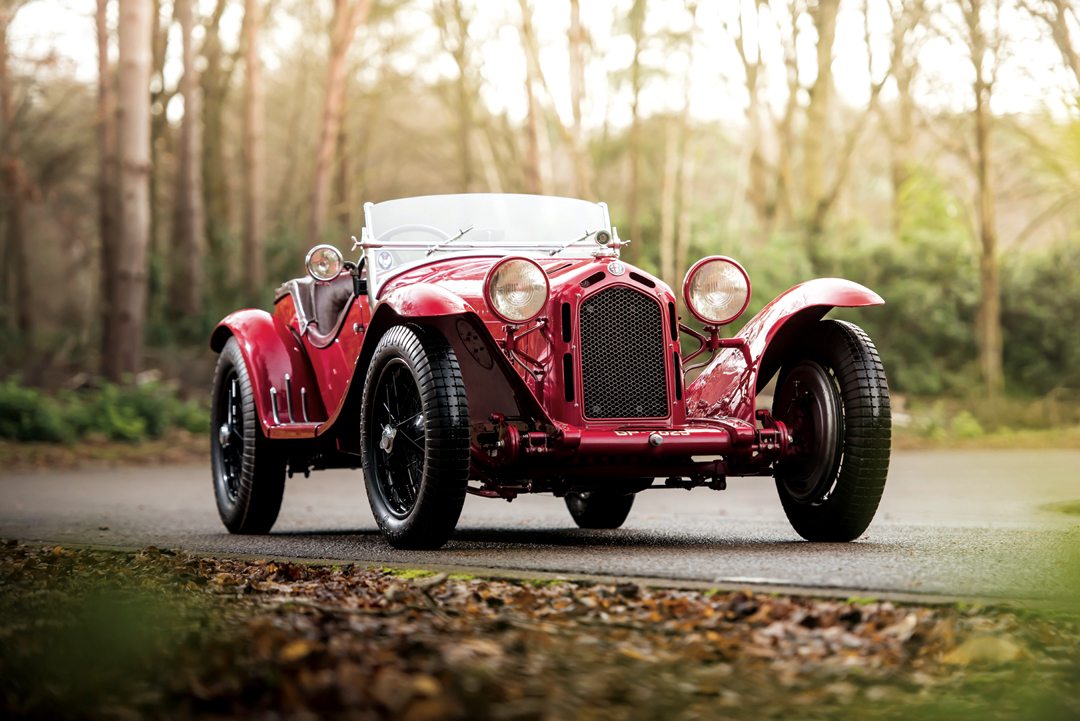
Vittorio Jano, a tracer at S.T.A.R. in Turin at 18, was spotted by Fiat’s Guido Fornaca and became Carlo Cavalli’s pupil before imposing “iron military discipline” at Alfa Romeo. Peter Collins on the 1931 8C 2300 and its designer.
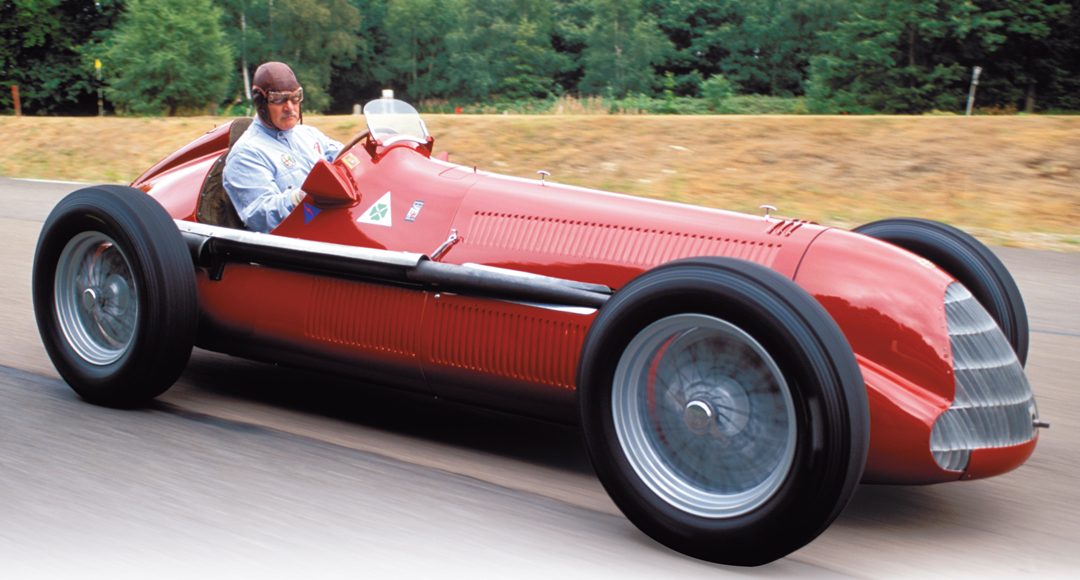
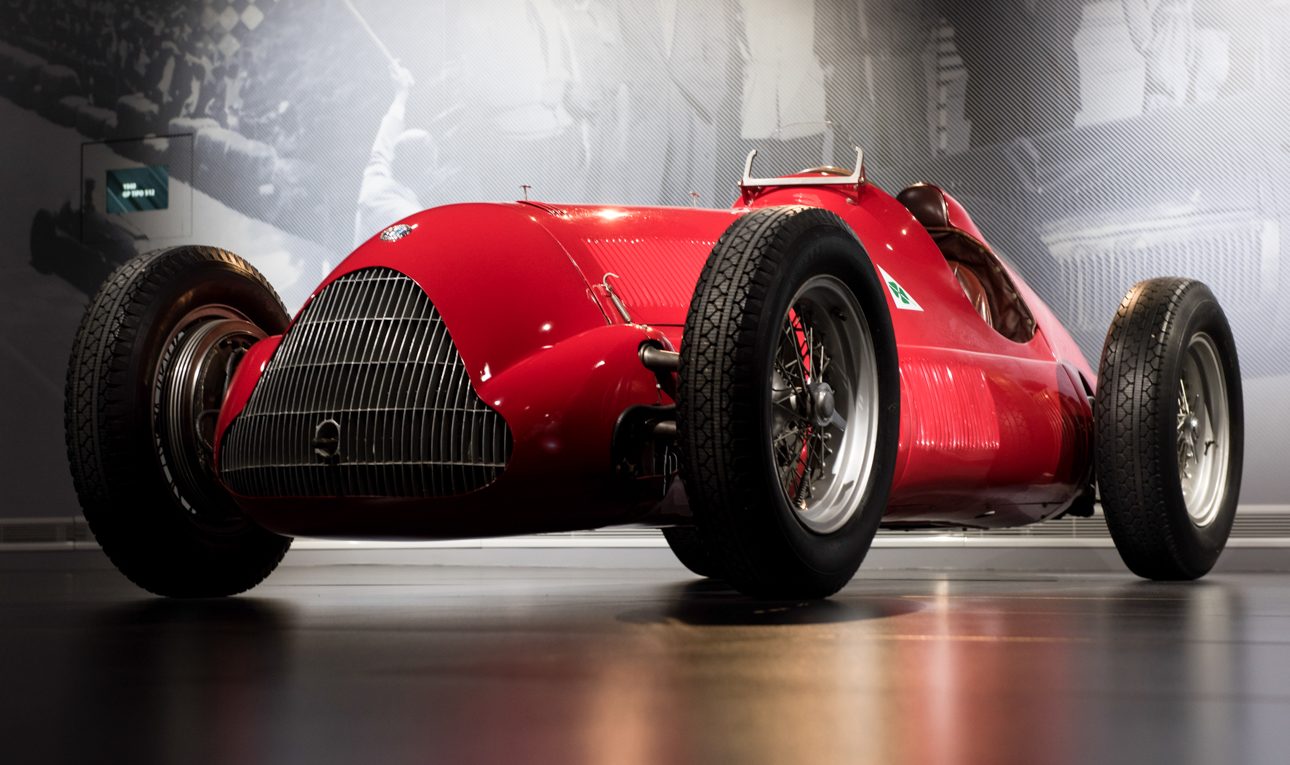
The 158 won its first race, the Coppa Ciano Junior at Livorno in 1938, its last as the 159 at the 1951 Spanish GP, and all 11 races in 1950. Ed McDonough on the Alfa he would like to drive.
The 1.5-liter supercharged Alfa Romeo 158 and 159 won 47 of 54 Grands Prix and took the first two world championships, for Farina in 1950 and Fangio in 1951, when the design was 14 years old. Robert Newman’s history.
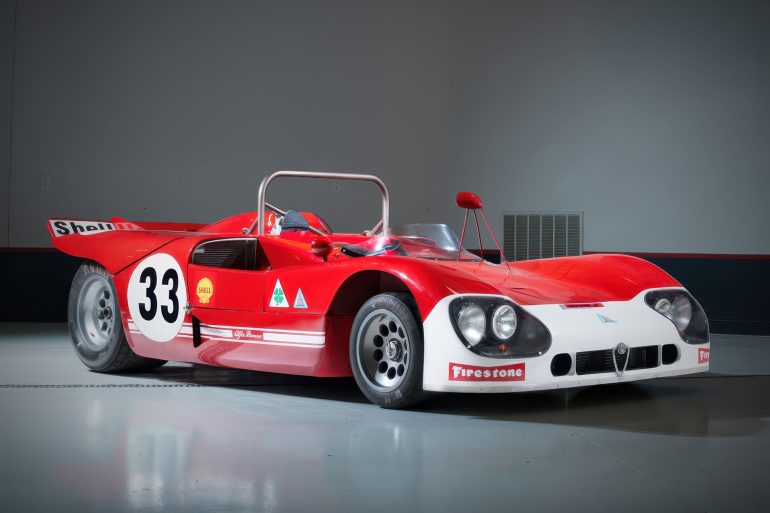
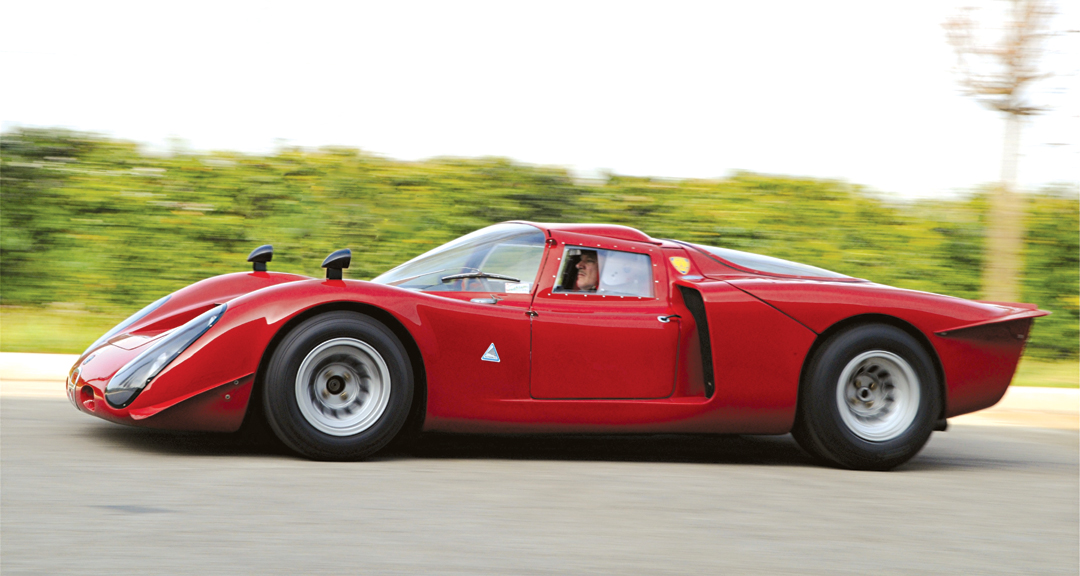
Ed McDonough watched chassis 75033.018 finish fifth at Le Mans in 1968 from Mike Salmon’s signalling post at Mulsanne; it was the first Alfa model he built. Last year he raced the same car and talked to Mario Casoni.
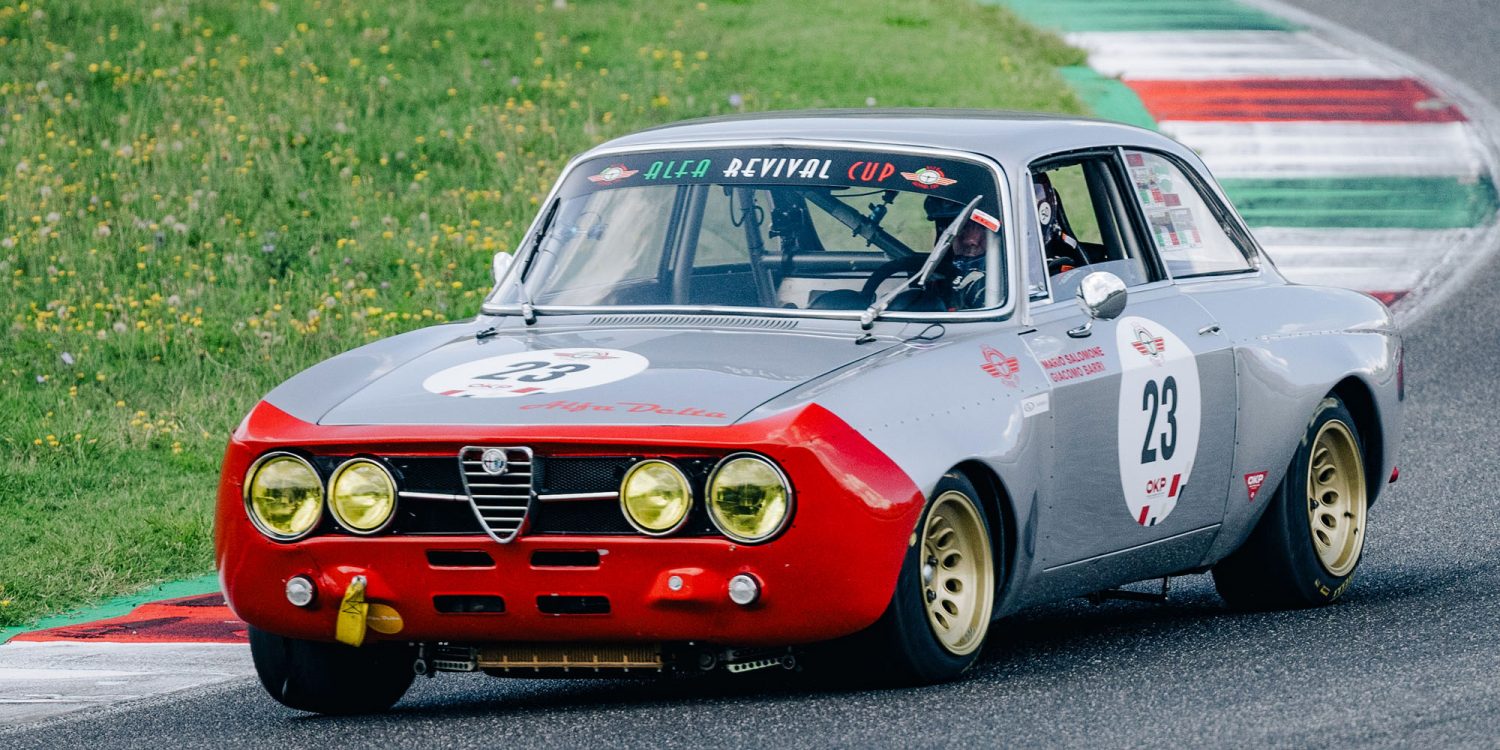
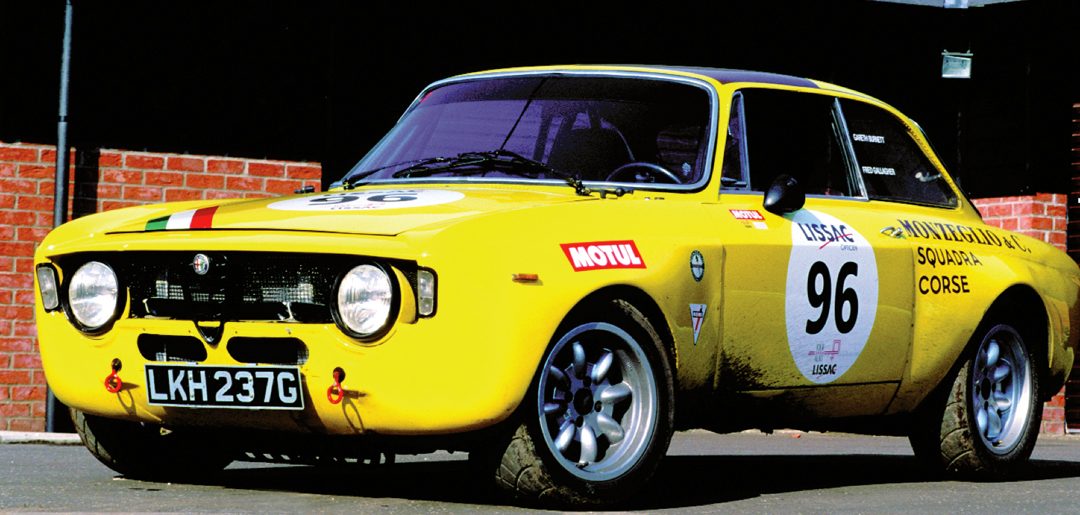
Alfa’s return to international racing traces to Zagato’s Giulietta SZ, which took class wins at the Targa Florio, Sebring and Daytona in 1958–63. Ed McDonough follows the line through the GTA to the wide-bodied GTAm, Adriaensen’s Alleggerita beside him.
John Bishop’s 1966 Trans-Am ran two races in one, over and under two litres, and the Alfa GTA ruled the small class. Casey Annis on a 1971 GTV turned U-2 racer.
Bonnie Menapace got a 1979 Alfa Spider Veloce for her 16th birthday and still has it; her husband Andy learned head gaskets on it. Hunting a Junior Z, they bought a disassembled Giulietta instead. Her father recounts the ten-year restoration.
The newest long-form writing on Alfa Romeo, as it is published.
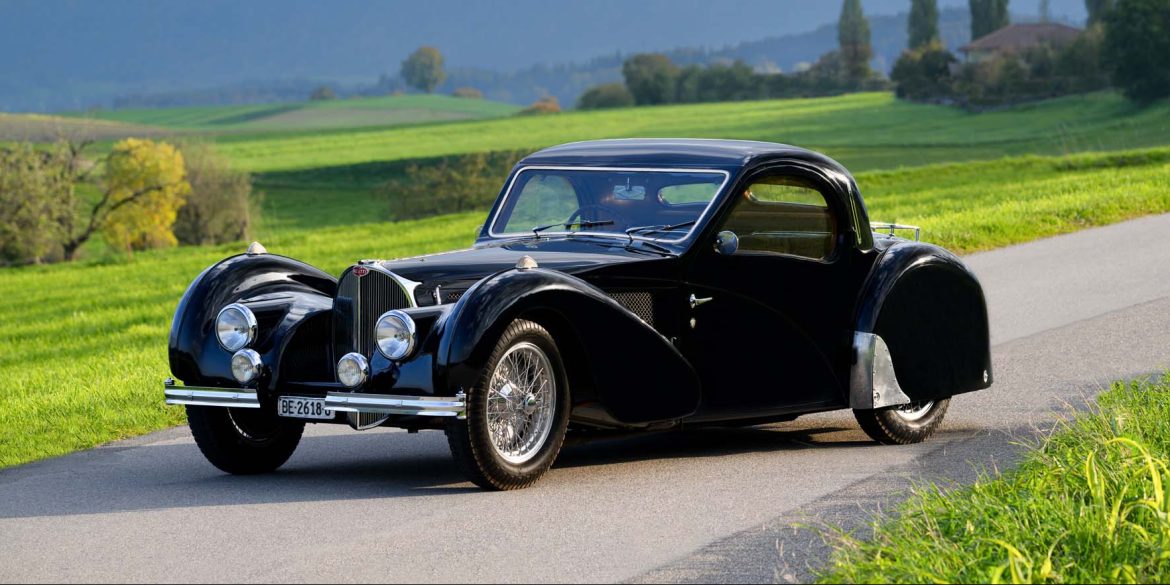
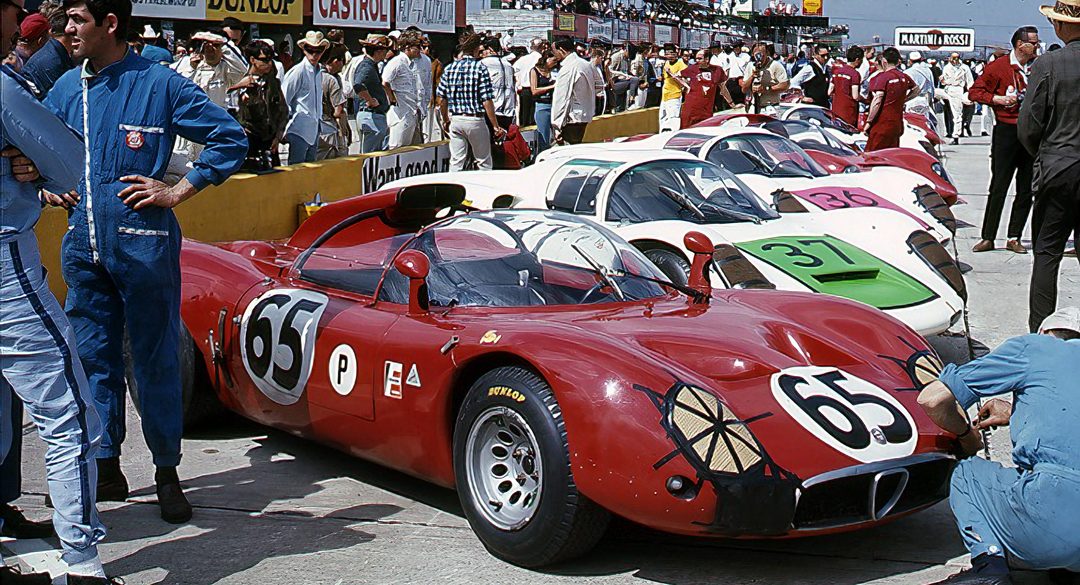
Alfa Romeo is the Milanese maker of sporting cars founded on 24 June 1910 as A.L.F.A., the Anonima Lombarda Fabbrica Automobili, at Portello on the edge of the city, taken over by the engineer Nicola Romeo in 1915, state-owned from 1933 to 1986, part of Fiat and now of Stellantis, and the marque with the longest and most romantic competition record in Italy. It won the first world championship for manufacturers in 1925 with Vittorio Jano's P2, eleven Mille Miglias between 1928 and 1947, four consecutive Le Mans from 1931 to 1934, ten Targa Florios from 1923 to 1975, the first two Formula One world championships in 1950 and 1951 with the Alfetta, the world sports-car championships of 1975 and 1977 with the Tipo 33, and a shelf of touring-car titles with the GTA, the GTV6, the 155 and the 156. Its road cars, from the 6C 1750 and 8C 2300 of the Jano years through the 1900, the Giulietta, the Giulia, the Duetto and the Montreal to the 8C Competizione, the 4C and today's Giulia and 33 Stradale, carry the quadrifoglio that Ugo Sivocci painted on his car for luck before the 1923 Targa Florio.
The archive's Alfa Romeo coverage follows the racing above all: Newman's A Century of Success, written for the marque's hundredth birthday in 2010, Nuvolari Through the Eyes of His Friends and The Incredible Alfettas; McDonough's Vintage Racecar chassis histories of the Alfetta 158/159, the Tipo 33/2 and 33/3, the GTAm and the Giulia Ti Super; Peter Collins on the 8C 2300 and the SVZ; Casey Annis on the GTV Trans-Am car, Ricart's 512 and the Alfa-Cadillac special; Jim Hemsley's Giulietta Spider and 916 Spider; and the Mille Miglia, Targa Florio and Silver Arrows pages on which the pre-war Alfas are the main characters. The chapters below follow it from Portello to Arese.
A.L.F.A. was formed by Milanese investors from the wreck of a French Darracq assembly plant at Portello, with Giuseppe Merosi as its designer; its 24 HP of 1910 and the Grand Prix cars Merosi built in 1914 were promising, and in 1915 the Neapolitan engineer and industrialist Nicola Romeo bought the company to make munitions and put his name to it after the war. Merosi's RL of 1922 won the Targa Florio in 1923 with Ugo Sivocci, the quadrifoglio on its bonnet, and his P1 Grand Prix car killed Sivocci at Monza that September; Romeo then hired Vittorio Jano away from Fiat, and Jano's P2 of 1924, a two-litre supercharged straight-eight, won its first race at Cremona and the French and Italian Grands Prix with Antonio Ascari and Giuseppe Campari, and in 1925 the first world championship for manufacturers, after which Alfa Romeo put a laurel wreath around its badge. Ascari was killed at Montlhéry that July leading the French Grand Prix. Enzo Ferrari, who had joined as a driver in 1920, was by then Alfa's man for finding drivers and customers; Newman's centenary history and his Ferrari's Great Ace, on Campari, are the archive's record of the years in which Alfa Romeo became Italy's racing marque.
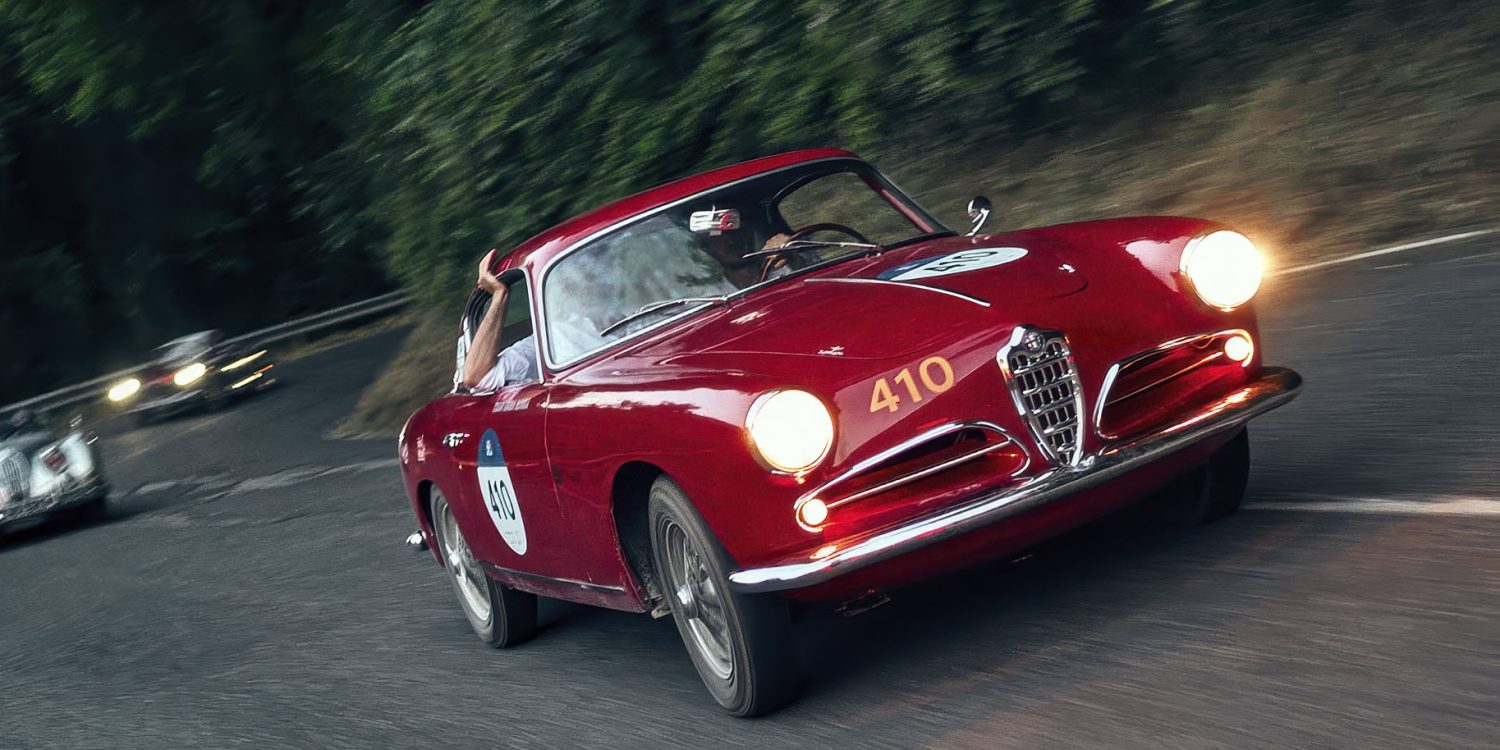
Jano's 6C 1500 of 1927 and 6C 1750 of 1929, light twin-cam sixes with Zagato and Touring bodies, won the Mille Miglia in 1928, 1929 and 1930, the last of them Nuvolari's pass on Varzi with his lights off, and the 8C 2300 of 1931, which Peter Collins's In Perfect Balance describes as the summit of Jano's art, won it in 1932, 1933 and 1934 and Le Mans four years running from 1931 to 1934, with Howe and Birkin, Sommer and Chinetti, Sommer and Nuvolari, and Chinetti and Etancelin; the 8C 2300 Monza and its Grand Prix brother the Tipo B, the P3 of 1932, gave Nuvolari the European title in all but name. The Depression broke the company; the state took it over through IRI in 1933 and withdrew the works team, and from 1933 to 1937 the Scuderia Ferrari in Modena ran Alfa's racing for it, Nuvolari's win over the Silver Arrows in the 1935 German Grand Prix in a three-year-old P3, Luigi Bazzi's twin-engined Bimotore, the 8C-35 and 12C and the 8C 2900, the fastest road car of the 1930s, all under the prancing horse. The 8C 2900 won the Mille Miglia in 1936, 1937 and 1938 and again, with Biondetti, in 1947, and the 8C 2900B Touring berlinettas are the most valuable Alfas in the world. The Mille Miglia, Silver Arrows Years and Vintage Years pages carry the races; the archive's Potent Beauty on the 6C 1750, the Bimotore pieces and Annis's Alfa-Cadillac special are the car stories.
The 158 was drawn in 1937 at Ferrari's Modena works by Gioacchino Colombo for the 1.5-litre voiturette class, a supercharged straight-eight of 195 horsepower that grew to 425 by 1951, and it won its first race, the Coppa Ciano Junior at Livorno in August 1938, as McDonough's Alfetta history records. Alfa took its racing back in-house as Alfa Corse that year and parted with Ferrari in 1939; Wifredo Ricart, the Spanish engineer whose 512 flat-twelve rear-engined Grand Prix car Annis describes in Ricart's Jewel, led the design office through the war, while the Alfettas were hidden in a cheese factory at Melzo. They came out in 1946 to win everything: Newman's Incredible Alfettas counts 47 wins from 54 starts, including all eleven races of 1950, when Giuseppe Farina became the first Formula One world champion, and Fangio's title in the 159 of 1951, after which Alfa Romeo, beaten at last by Ferrari's unsupercharged 375 at Silverstone and Monza, withdrew. The Grand Prix History hub's Front-Engine era has the seasons, and the archive's Fangio, Marque of Greatness and the Farina and Fangio People pages have the men.
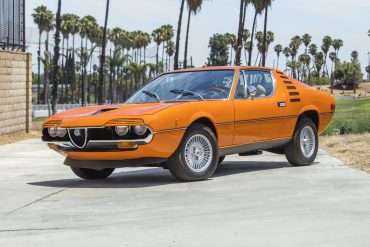
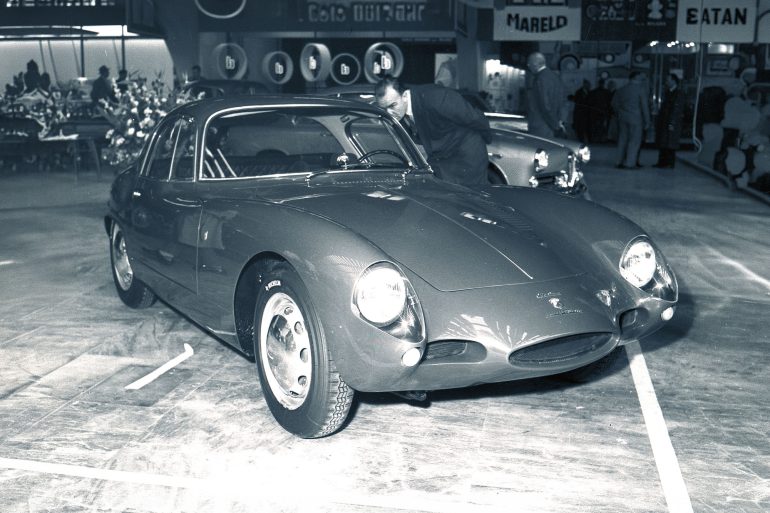
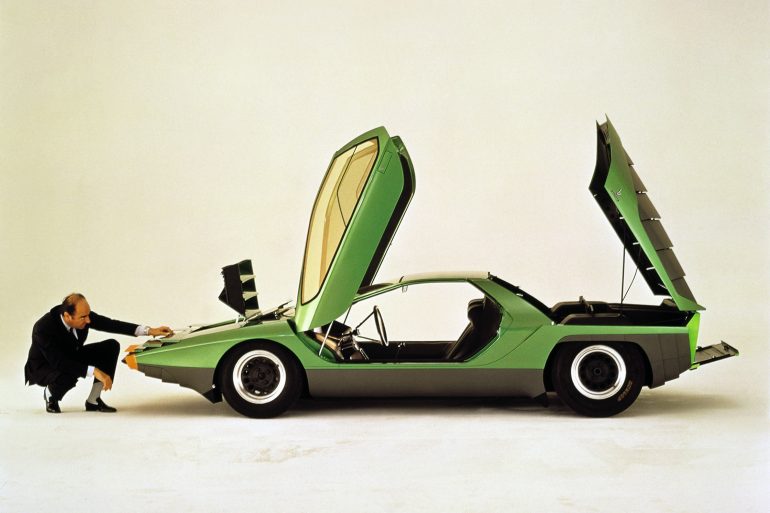
Orazio Satta Puliga's 1900 of 1950, Alfa's first monocoque and first car built on a line, the family car that wins races, began the modern company; the Disco Volante of 1952 and the Giulietta Sprint of 1954, Bertone's coupé by Franco Scaglione with the twin-cam 1,290-cc four that Giuseppe Busso designed, made it famous, and the Giulietta Spider by Pinin Farina, the Berlina, the Sprint Veloce and Zagato's SZ followed. Hemsley's It Takes a Village, on a 1959 Spider Veloce, and Collins's Thereby Hangs a Tail, on the SVZ, are the archive's Giulietta stories. The Giulia of 1962 enlarged the engine to 1.6 litres and added a five-speed gearbox and a wind-tunnel-shaped saloon body that outran its rivals; from it came the Sprint GT by the young Giugiaro at Bertone in 1963, the Spider Duetto of 1966 that Dustin Hoffman drove in The Graduate, and the competition cars of the next chapter. The company left Portello for the new plant at Arese in 1963, and the Montreal of 1970, with a detuned Tipo 33 V8 under Marcello Gandini's body, and the Alfasud of 1971, built in a new factory near Naples, were the last cars of the state-owned company's confident years. McDonough's Super Tourer, on the Giulia Ti Super, and the archive's 1900, Giulietta and Montreal profiles are the reading.
The cars and the racing, year by year, with the archive's story of each linked. Car names link to every story on the site about that model.
| Year | The cars | The racing and the company | In the archive |
|---|---|---|---|
| 1910 | 24 HP | A.L.F.A. formed at Portello on 24 June from a Darracq plant; Merosi's first car | A Century of Success, Part 1 |
| 1915–20 | Romeo takes over | Nicola Romeo buys the firm for war work; the cars become Alfa Romeos in 1920 | A Century of Success, Part 1 |
| 1923 | RL Targa Florio | Sivocci wins the Targa with the quadrifoglio on his bonnet; killed at Monza in the P1 that September | Targa Florio hub |
| 1924–25 | P2 | Jano's straight-eight wins the French and Italian Grands Prix and the first world championship; Antonio Ascari killed at Montlhéry | Grand Prix History |
| 1928–30 | 6C 1500 · 6C 1750 | Three Mille Miglias in a row: Campari twice, then Nuvolari with his lights off; Nuvolari's Tourist Trophy | Potent Beauty: the 6C 1750 |
| 1931–34 | 8C 2300 | Le Mans four years running; Mille Miglia 1932, 1933 and 1934; Caracciola's Alfa year | In Perfect Balance |
| 1932–35 | Tipo B (P3) | Nuvolari's Grand Prix car; IRI takes over in 1933 and the Scuderia Ferrari runs the team; the 1935 German Grand Prix | Nuvolari through his friends · The Silver Arrows Years |
| 1935 | Bimotore | Bazzi's twin-engined car for Avus and Tripoli | A Century of Success, Part 2 · Alfa Romeo Bimotore |
| 1936–38 | 8C 2900 · 12C | The fastest road car of the 1930s; Mille Miglia 1936, 1937, 1938 | Casualty of War: the 12C Prototipo |
| 1938 | 158 Alfetta | Colombo's voiturette, built at Ferrari's Modena works, wins at Livorno first time out; Alfa Corse replaces the Scuderia | Alfetta Grand Prix Alfa |
| 1940 | 512 | Ricart's rear-engined flat-twelve, never raced | Ricart's Jewel |
| 1947 | 8C 2900B · 6C 2500 | Biondetti's Mille Miglia, the eleventh and last for Alfa Romeo | Mille Miglia hub |
| 1950–51 | 158 / 159 Alfetta · 1900 | Farina and Fangio take the first two world championships; all eleven races of 1950; the 1900, the family car that wins races | The Incredible Alfettas |
| 1952 | Disco Volante | Touring's flying saucer | Disco Volante Legacy |
| 1954–55 | Giulietta Sprint · Giulietta Spider | Scaglione's coupé at Bertone, Busso's twin-cam; Pinin Farina's Spider | It Takes a Village |
| 1960 | Giulietta SZ | Zagato's lightweight: class wins at the Targa Florio, Sebring and Daytona | Thereby Hangs a Tail |
| 1962–63 | Giulia · Giulia TZ | The Giulia saloon and the Tubolare Zagato; the move to Arese; Giugiaro's Sprint GT | Super Tourer · 1964 Giulia TZ |
| 1965–68 | GTA · Spider Duetto | Autodelta's GTA wins the European Touring Car Championship three years running; the Duetto and The Graduate | Transformer |
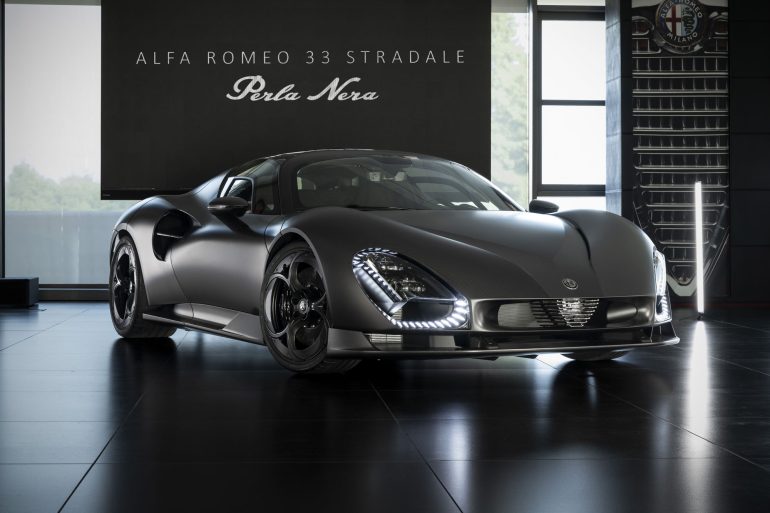
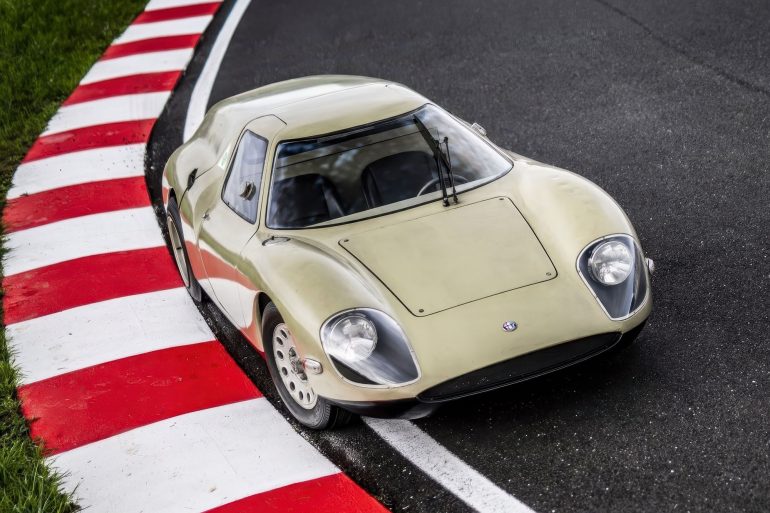
| 1967–68 | 33 Stradale · Tipo 33/2 | Scaglione's road car, 18 built; the 33/2 fifth, sixth and seventh at Daytona | Daytona Rising |
| 1970–71 | Montreal · Tipo 33/3 · GTAm | Gandini's Montreal with the 33's V8; the 33/3 wins the Targa Florio, Brands Hatch and Watkins Glen; the GTAm | Targa Tipo · Yellow Peril |
| 1975–77 | Tipo 33TT12 and 33SC12 | Two world championships for makes; every race of 1977 | Ford, Ferrari and the Prototypes era |
| 1976–79 | Brabham-Alfa BT45 and BT46 | Lauda's Swedish Grand Prix in the fan car and the Italian Grand Prix of 1978; the works return in 1979 | The Brabham BT46B Fan Car |
| 1982–86 | GTV6 · 75 | Four European Touring Car titles; Fiat buys Alfa Romeo in November 1986 | |
| 1989–93 | SZ · 155 V6 TI | Zagato's SZ; the 155 wins the DTM in its first season | Greatest Racecar? Alfa Romeo 155 D2 |
| 1997–2003 | 156 | Car of the Year; four European Touring Car Championships from 2000 | Alfa Romeo 156 GTA guide |
| 2007–16 | 8C Competizione · 4C · Giulia Quadrifoglio | Rear-wheel drive returns; 500 8Cs | Grand Touring Years era |
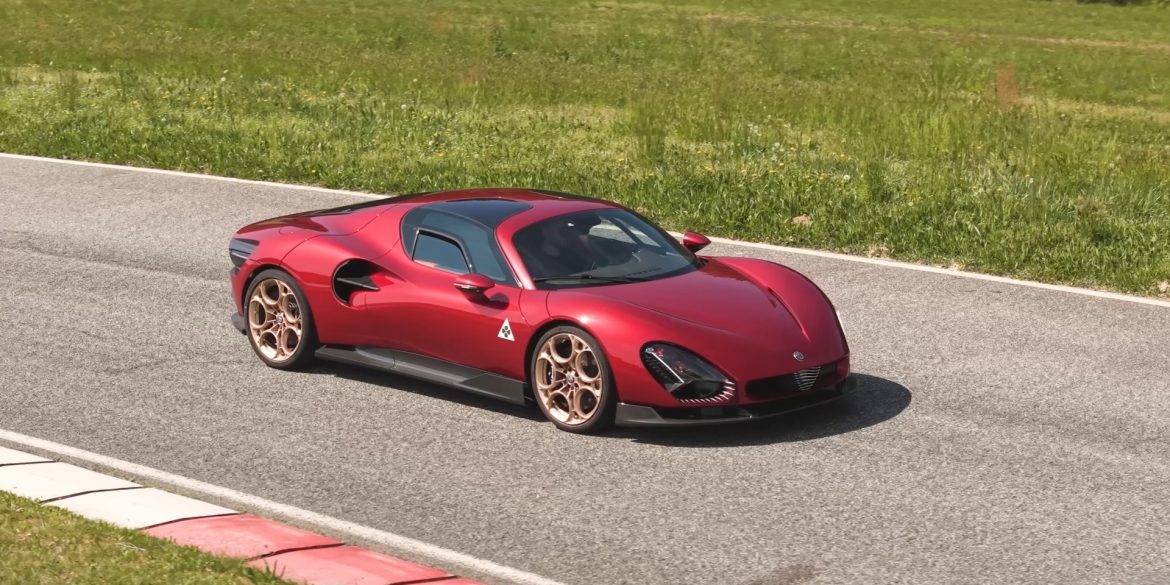
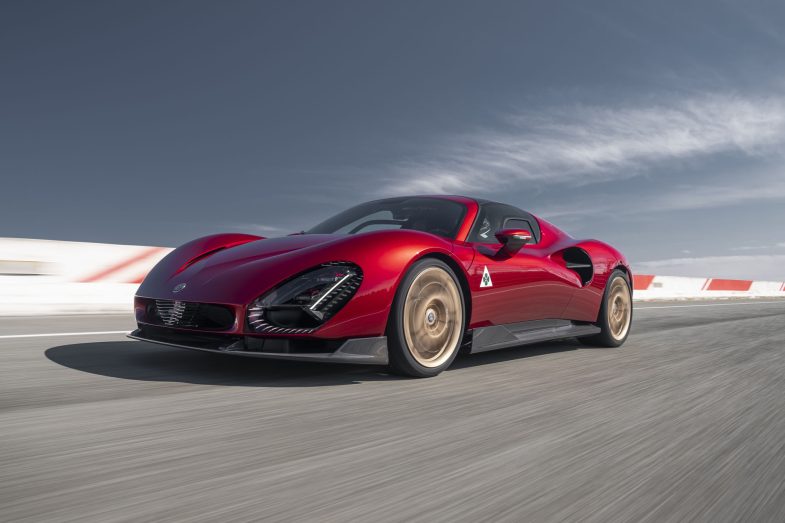
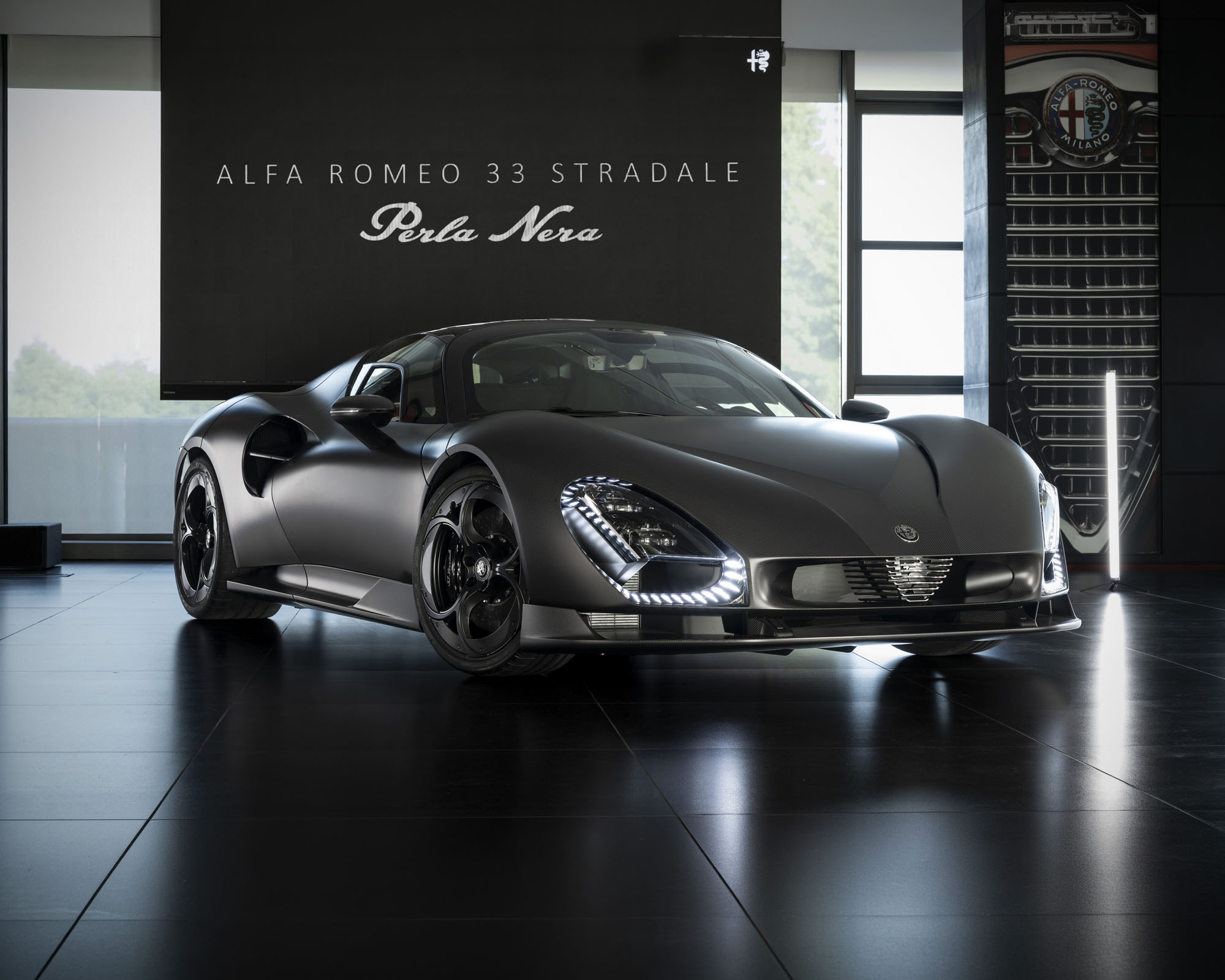
| 2023 | 33 Stradale | Thirty-three built by Touring on the MC20 chassis; the Sauber years in Formula One end | The new 33 Stradale |
Alfa's pre-war names count cylinders and capacity (6C 1750, 8C 2900); the P and Tipo numbers are the Grand Prix cars; the post-war names are girls', saints' and cities'. The Great Races pages and the Grand Prix History hub carry each race in full.
Carlo Chiti, who had led Ferrari's engineering until the walkout of 1961, founded Autodelta with Ludovico Chizzola that year, and Alfa Romeo bought it in 1964 to be its racing department: the Giulia TZ and TZ2 of 1963–65, the GTA of 1965, the lightened Sprint GT that won the European Touring Car Championship in 1966, 1967 and 1968 and, as the 1300 Junior, in 1971 and 1972, and the GTAm of 1970–71 that McDonough drives in Yellow Peril, were its cars, and Annis's Transformer follows the GTA and GTV through John Bishop's Trans-Am, where the under-two-litre class was Alfa's for years. The Tipo 33 of 1967 was Chiti's prototype: the 33 Stradale, Scaglione's road version, eighteen built and the most beautiful car of its decade; the 33/2 that finished fifth, sixth and seventh at Daytona in 1968, the car McDonough watched at Le Mans and tells in Daytona Rising; the 33/3 of 1971 that won the Targa Florio with Vaccarella and Hezemans, Brands Hatch and Watkins Glen, McDonough's Targa Tipo; and the flat-twelve 33TT12 and 33SC12 that won the world championship for makes in 1975 and every race of 1977. The same flat-twelve went into Brabham's BT45 and the fan-car BT46B of 1978, and Alfa Romeo returned to Formula One as a constructor from 1979 to 1985 without a win; the GTV6 took four European Touring Car titles from 1982 to 1985.
Losses and the Alfasud's rust record forced the state to sell, and Fiat bought Alfa Romeo in November 1986, ahead of Ford. The 164 of 1987, the SZ of 1989 with its Zagato body and 75-derived chassis, the 155 V6 TI that won the German touring-car championship in 1993 in its first season, the 156 of 1997, which took the European Touring Car Championship four years running from 2000, and the 147 and GT kept the name sporting through the Fiat years; the 8C Competizione of 2007, five hundred built, the 4C of 2013 and the Giulia Quadrifoglio of 2016 brought back rear-wheel drive and the Nürburgring; the Sauber team raced as Alfa Romeo in Formula One from 2019 to 2023; and the 33 Stradale of 2023, thirty-three built on the Maserati MC20's chassis, revived the 1967 name. The Museo Storico at Arese, reopened in 2015, holds the P2, the P3, the Bimotore, the 158, the Disco Volante and the Tipo 33s, and sends them to the Mille Miglia and Goodwood every year, which is where most of the archive's modern Alfa galleries were taken.
The archive's single-car stories are organised by Model tag: the P2 and P3; the 6C 1500, 1750, 2300 and 2500; the 8C 2300 and 8C 2900; the 12C; the 158 Alfetta; the 1900 and the Disco Volante; the Giulietta and the Giulietta Sprint Zagato; the Giulia, the Giulia TZ and the GTA; the Spider Duetto; the Tipo 33 and the 33 Stradale; the Montreal; and the SZ. The nine below are the ones the archive has most to say about.
Nine the archive has most to say about; each links to every story on the site about that car.
Single-car and chassis stories: the 6Cs and 8Cs, the Alfettas, the Giuliettas and Giulias, the Tipo 33s and the cars that surface at auction.
Alfa Romeo's racing is told race by race across the site's Great Races pages, and the Racing feed below gathers the Alfa race accounts in one place. On the Mille Miglia: eleven wins from Campari's 6C 1500 in 1928 to Biondetti's 8C 2900 in 1947, with 1933's first ten places and Nuvolari's lights-off pass, in the archive's twenty-four race profiles and Newman's three-part history, and the 6Cs that still win the 1000 Miglia revival most years. On the Targa Florio: ten wins, from Sivocci in 1923 and the six in a row of 1930–35 to the 33/3 in 1971 and the 33TT12 in 1975. At Le Mans: four in a row, 1931 to 1934, with the 8C 2300. In Grand Prix racing: the 1925 title, the P3 and Nuvolari's 1935 German Grand Prix, the Alfettas of 1950 and 1951, the Brabham-Alfas and the works cars of 1979–85, in the Grand Prix History hub. In the Tourist Trophy: Nuvolari's 6C 1750 win at Ards in 1930. At Sebring and Daytona: the Giulietta SZ class wins of the late 1950s and the Tipo 33s. In touring cars: the GTA, GTV6, 155 and 156 championships, and the Trans-Am under-two-litre class.
Race profiles and reports with an Alfa Romeo in them, newest first.
Nicola Romeo gave the company its name; Giuseppe Merosi, Vittorio Jano, Gioacchino Colombo, Wifredo Ricart, Orazio Satta Puliga, Giuseppe Busso and Carlo Chiti engineered its cars; Enzo Ferrari ran its racing for a decade; Touring, Zagato, Pinin Farina and Bertone bodied it, with Scaglione, Giugiaro and Gandini drawing the Giulietta Sprint, the Sprint GT and the Montreal. The drivers are Sivocci, Antonio Ascari, Campari, Brilli-Peri, Nuvolari, Varzi, Borzacchini, Caracciola in his Alfa year, Sommer, Chinetti, Biondetti, Farina, Fangio, Fagioli and Sanesi in the works years; de Adamich, Galli, Vaccarella, Hezemans, Stommelen, Merzario and Brambilla with Autodelta; Larini, Nannini and Giovanardi in the touring cars. The archive's portraits are Newman's Nuvolari, Campari and Fangio, the Varzi and Ascari People pages and the Chiti and Jano threads; the People feed below carries the rest.
Drivers, engineers, coachbuilders and collectors of the Alfa Romeo story, in profiles and interviews.
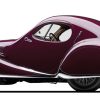
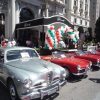
At the top of the Alfa market stand the pre-war Jano cars, the 8C 2900B Touring berlinetta that made $19.8 million at Pebble Beach in 2016, the 8C 2300s and Monzas in eight figures, the 6C 1750s and the Tipo B when one appears, and the Tipo 33 Stradale, which has not been sold publicly in decades; below them the TZ and TZ2, the GTA, the Giulietta Sprint Zagato and the Disco Volante. The classic market proper is the Giulietta and Giulia, the Sprint and Sprint GT coupés, the Spiders from the Duetto to the last Series 4, the 1900 and 2600, and the Montreal, each with a long archive of auction stories behind it; the SZ, the 8C Competizione and the 4C are the modern collectables, and the GTV6, 75 and 164 the cheap way in. The two feeds below are the Alfa Romeos at auction and for sale now, newest first, and The Market's pages carry the price histories.
Auction previews and results for Alfa Romeos, newest first.
Alfa Romeos offered by dealers and collectors, newest first.
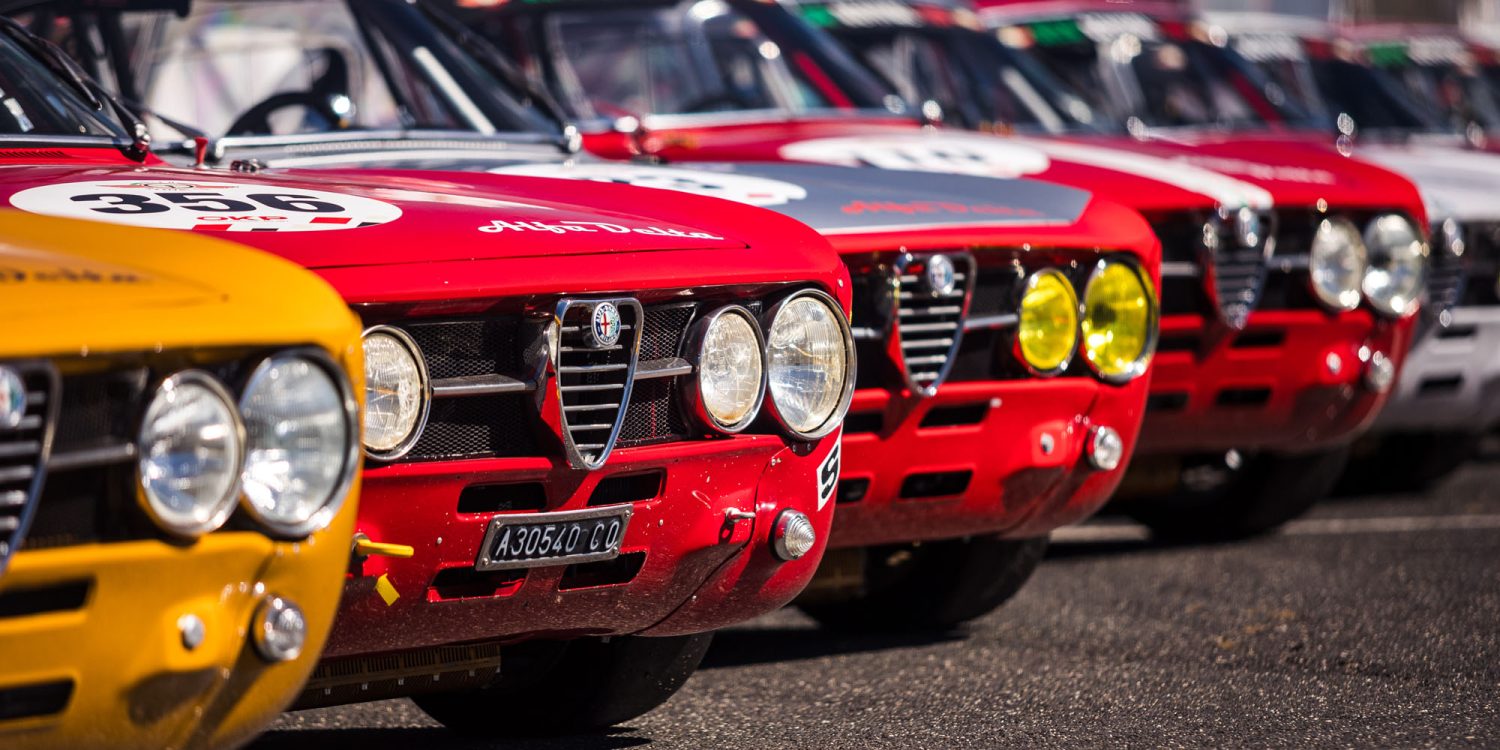
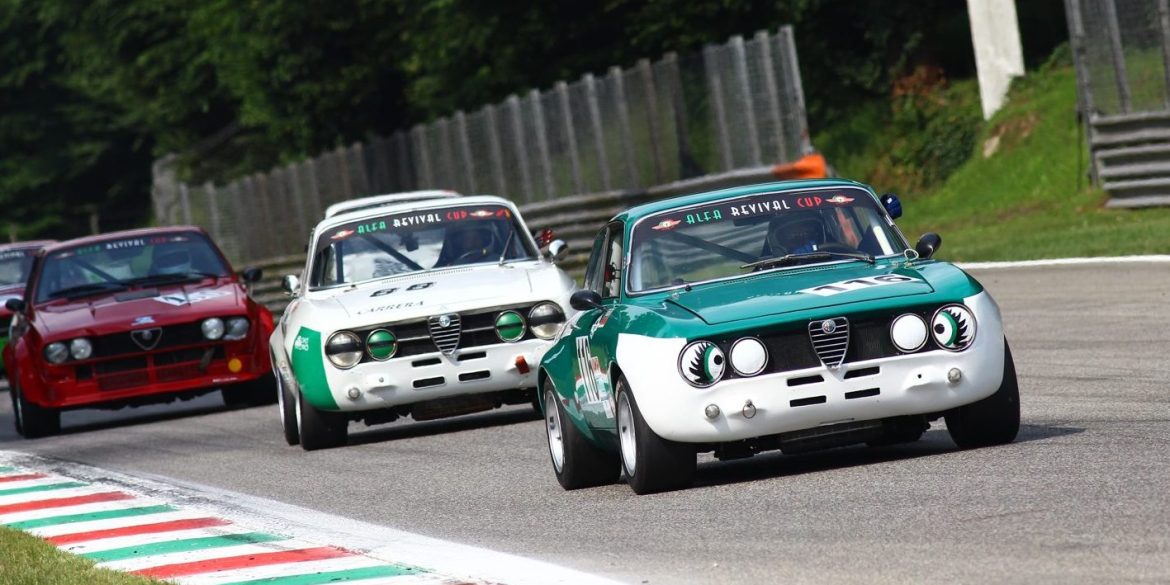
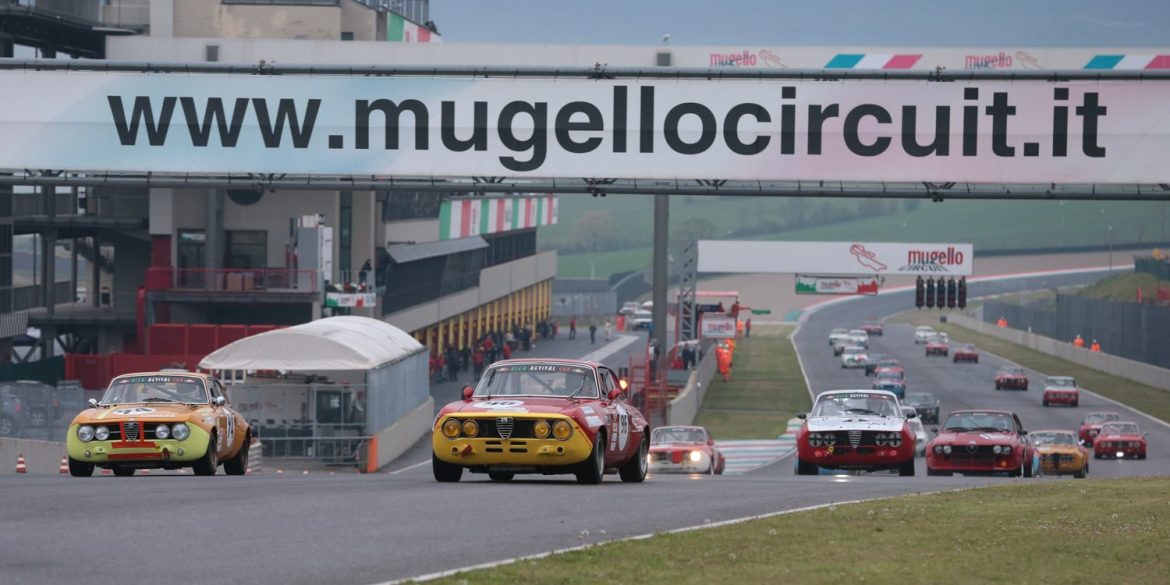
The galleries run from the museum's P3 and Alfettas at Goodwood and the 6Cs of the 1000 Miglia to the Tipo 33s at the Targa Florio revival, the Alfa Revival Cup grids the archive photographs each year, and the Giuliettas and Giulias of Monterey and the Villa d'Este lawn. The Galleries feed below is the whole set, newest first.
Alfa Romeo galleries from the Mille Miglia, the Targa Florio, Goodwood, Arese and the concours lawns.
Founded: A.L.F.A., Portello, Milan, 24 June 1910; Nicola Romeo from 1915; Alfa Romeo from 1920; IRI state ownership 1933–86; Fiat from November 1986; Stellantis since 2021; Arese from 1963. Championships: World Manufacturers' Championship 1925 (P2); Formula One drivers' 1950 (Farina) and 1951 (Fangio), 47 wins from 54 Alfetta starts; world sports-car championship 1975 (33TT12) and 1977 (33SC12); European Touring Car Championship 1966, 1967, 1968, 1971, 1972 (GTA), 1982–85 (GTV6), 2000–03 (156); DTM 1993 (155 V6 TI). Mille Miglia: 11 wins (1928–30, 1932–38, 1947), the record. Targa Florio: 10 wins (1923, 1930–35, 1950, 1971, 1975). Le Mans: 4 wins (1931–34, 8C 2300). Tourist Trophy: 1930 (Nuvolari, 6C 1750). The cars: 8C 2900B, about 30 built; 33 Stradale, 18 (1967–69) and 33 (2023); Giulietta, 177,000 (1954–65); Giulia 105-series, 572,000 (1962–78); Montreal, 3,925. Record price: 8C 2900B Touring Berlinetta, $19.8 million, RM Sotheby's Monterey, 2016. The badge: the Milanese cross and the Visconti serpent; the laurel wreath from 1925 to 1972; the quadrifoglio since Sivocci's 1923 Targa Florio.
Short answers, with the long ones above.
A.L.F.A. stood for Anonima Lombarda Fabbrica Automobili, the Lombard car company; Nicola Romeo, the engineer who bought it in 1915, added his name, and the cars have been Alfa Romeos since 1920.
The four-leaf clover on a white triangle that Ugo Sivocci painted on his RL before winning the 1923 Targa Florio; after he was killed at Monza without it, Alfa's racing cars carried it for luck, and the Quadrifoglio badge marks the fastest road cars today.
Eleven, the record: 1928, 1929 and 1930 with the 6C, 1932 to 1934 with the 8C 2300, 1935 with the Tipo B, 1936 to 1938 and 1947 with the 8C 2900.
Yes, the first two: Giuseppe Farina in 1950 and Juan Manuel Fangio in 1951, both in the supercharged 1.5-litre Alfetta 158/159, after which the company withdrew. Its works return of 1979–85 won no races; Sauber raced under the name from 2019 to 2023.
Enzo Ferrari drove for Alfa Romeo from 1920, founded the Scuderia Ferrari in 1929 to race Alfas, ran Alfa's works team from 1933 to 1937 and left in 1939; the first Alfetta was designed in his Modena workshop, and his own cars began where his Alfa years ended.
A 1939 8C 2900B Lungo Touring Berlinetta sold for $19.8 million at Monterey in 2016; the Tipo 33 Stradale and the Tipo B would exceed it if offered.
Stellantis, formed in 2021 from Fiat Chrysler and PSA. Alfa Romeo was state-owned from 1933 to 1986 and part of Fiat from 1986.
The 105-series saloon, coupé and spider range of 1962–78 with the twin-cam four and five-speed gearbox, the GTA and TZ among them, more than half a million built; and the rear-wheel-drive saloon of 2016 that revived the name.
Historically at Portello in Milan (1910–86) and Arese (1963–2005), where the Museo Storico is; today at Cassino for the Giulia and Stelvio and at Pomigliano d'Arco for the Tonale, with the 33 Stradale built by Touring Superleggera in Milan.
The whole archive on one thread, newest first.