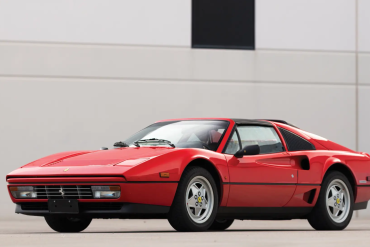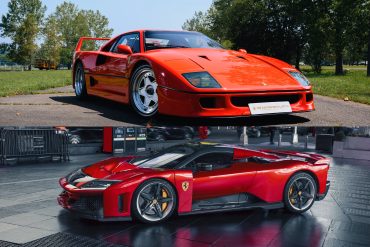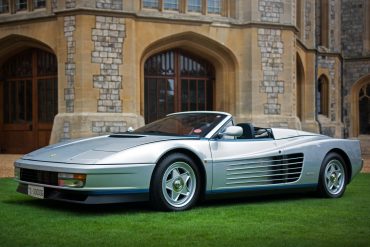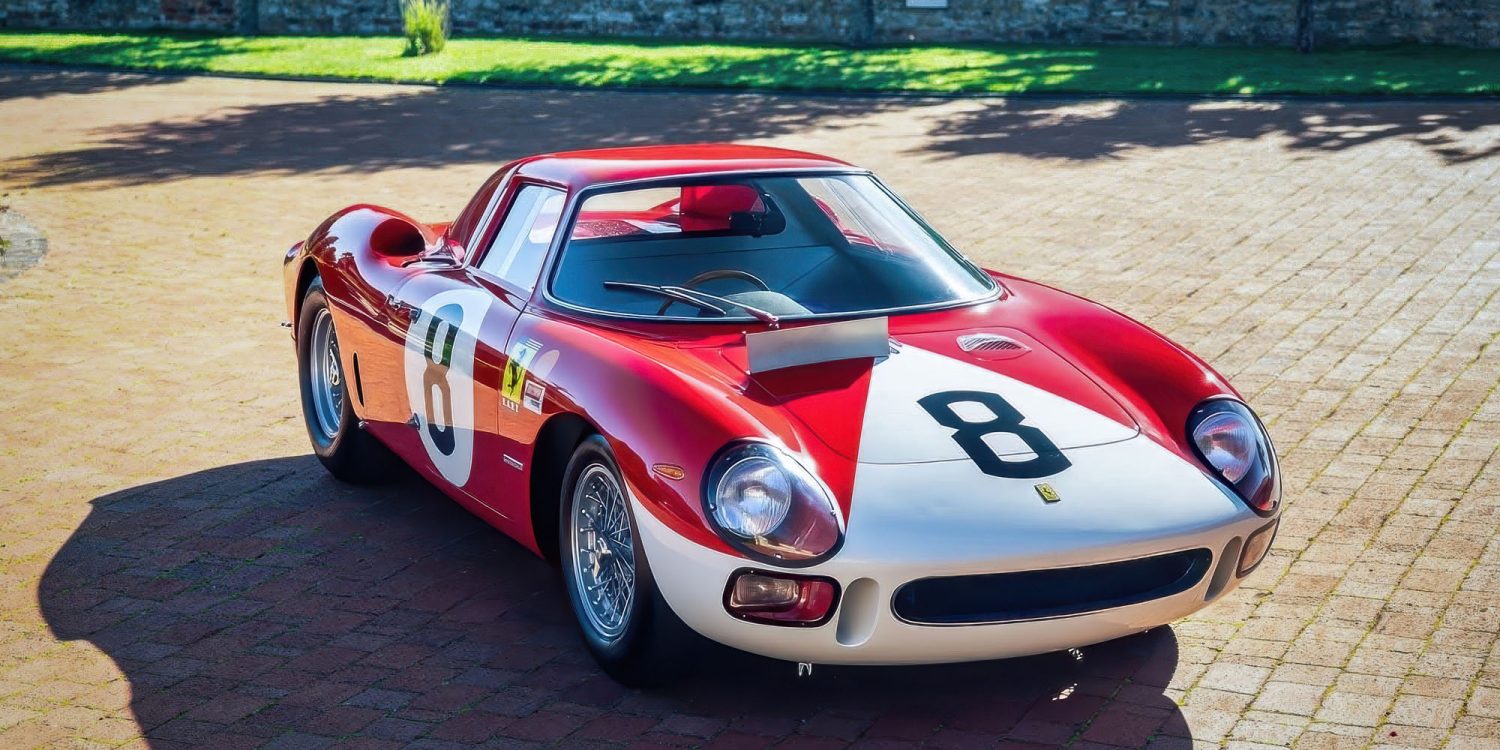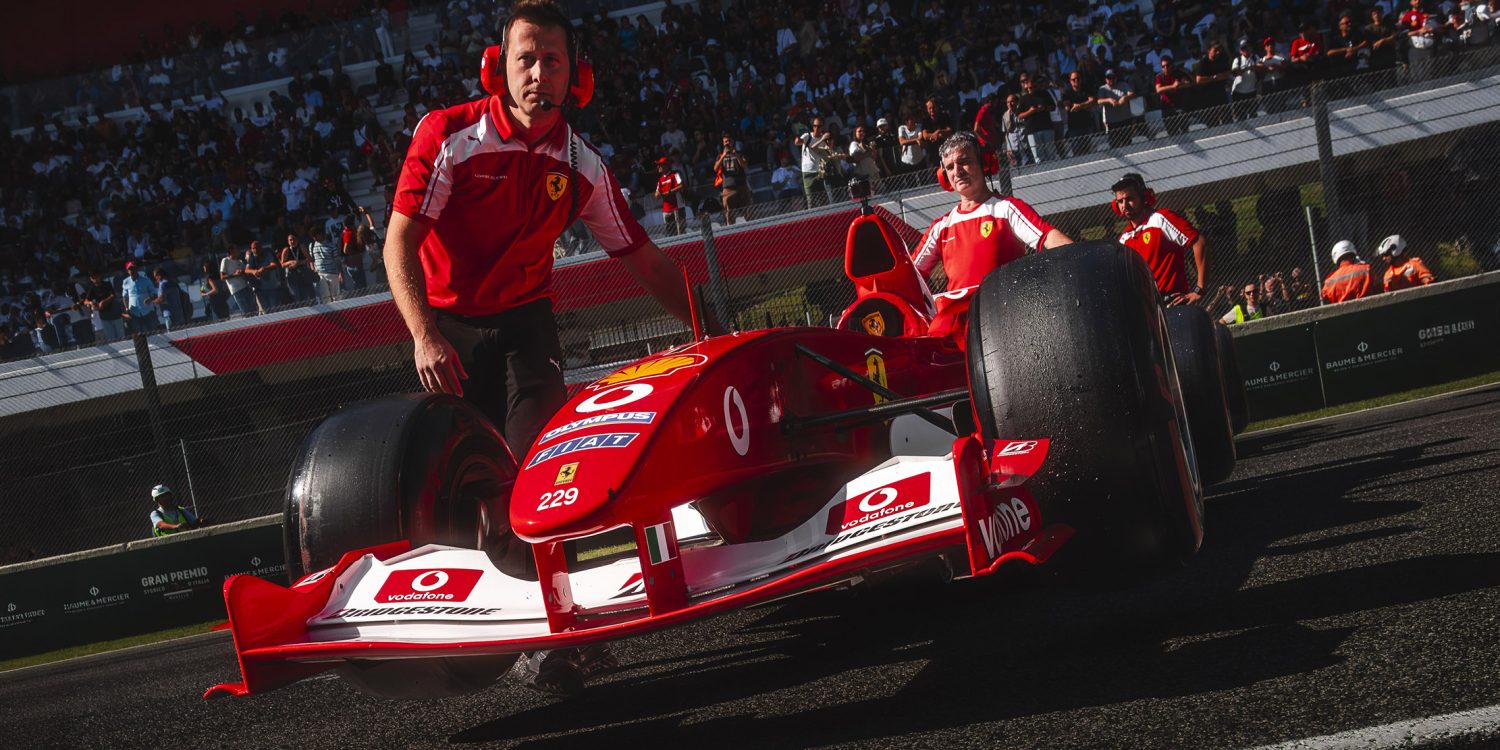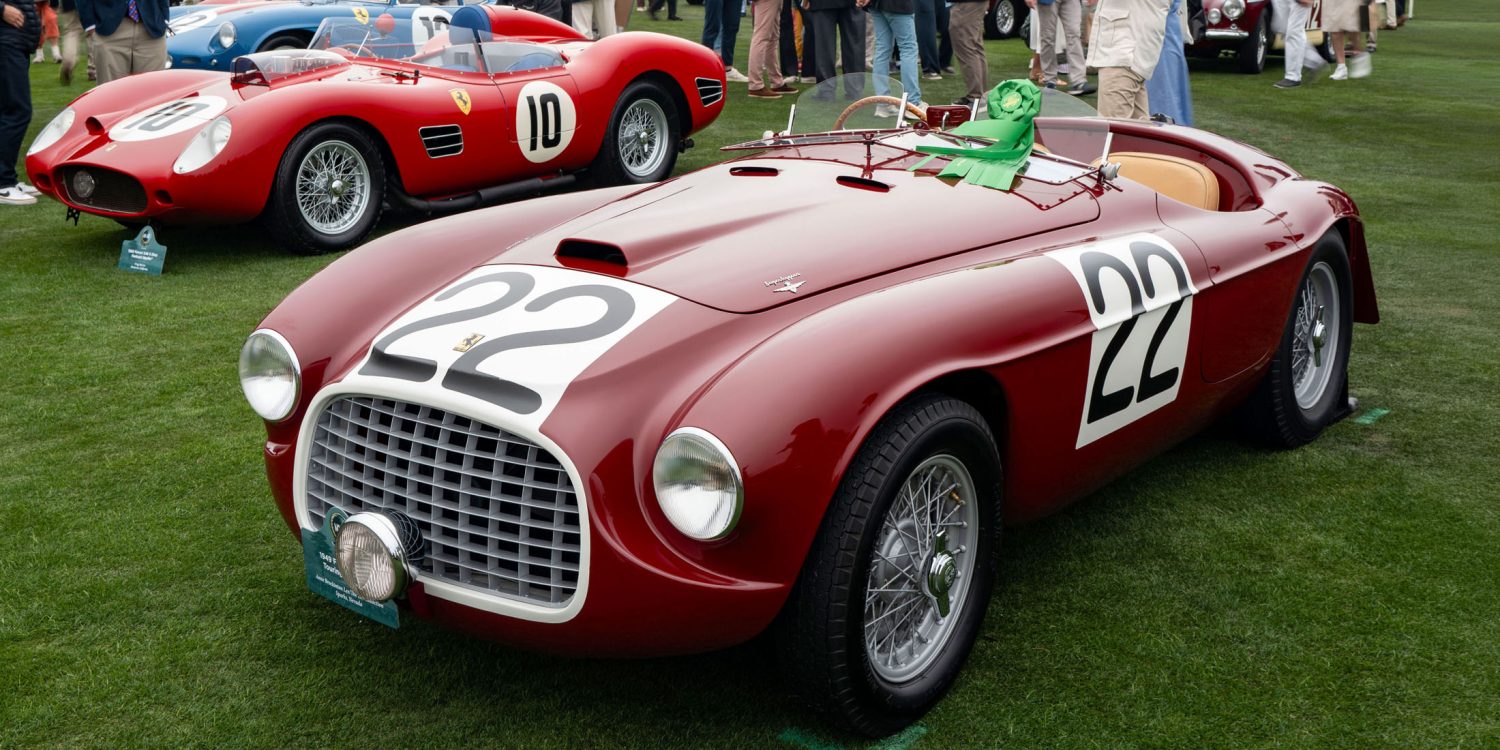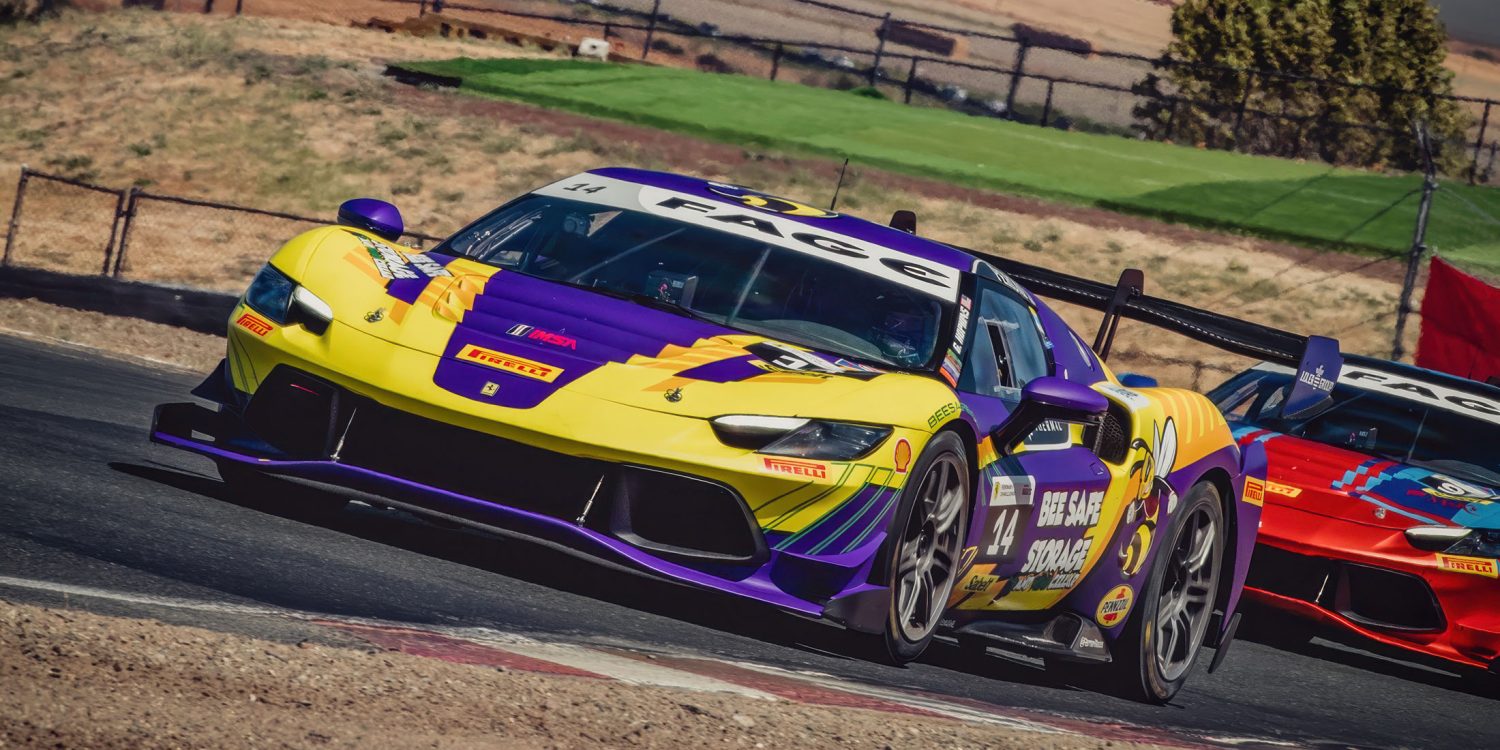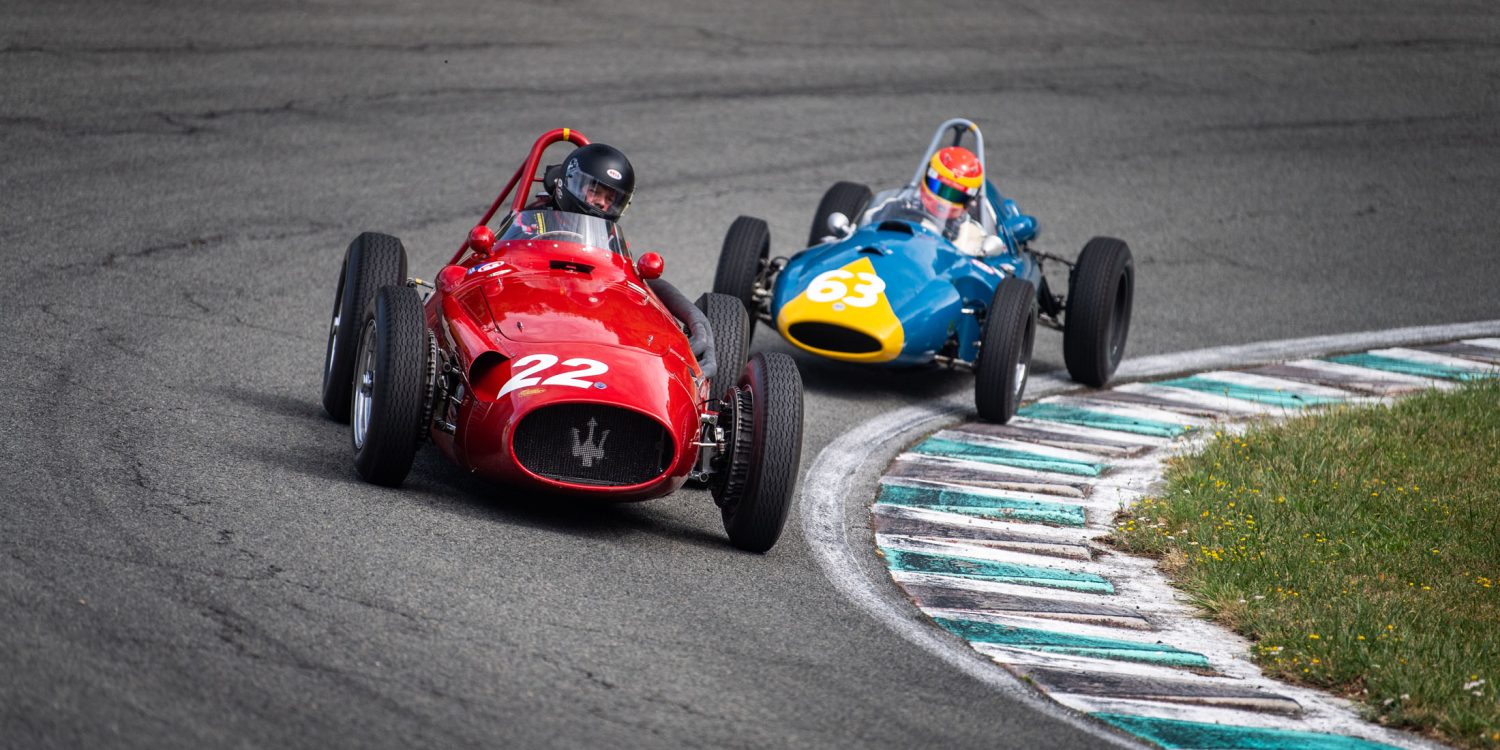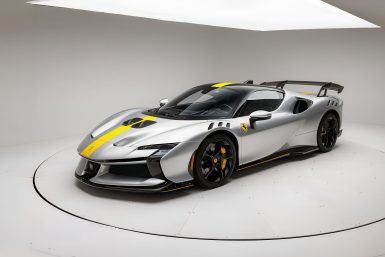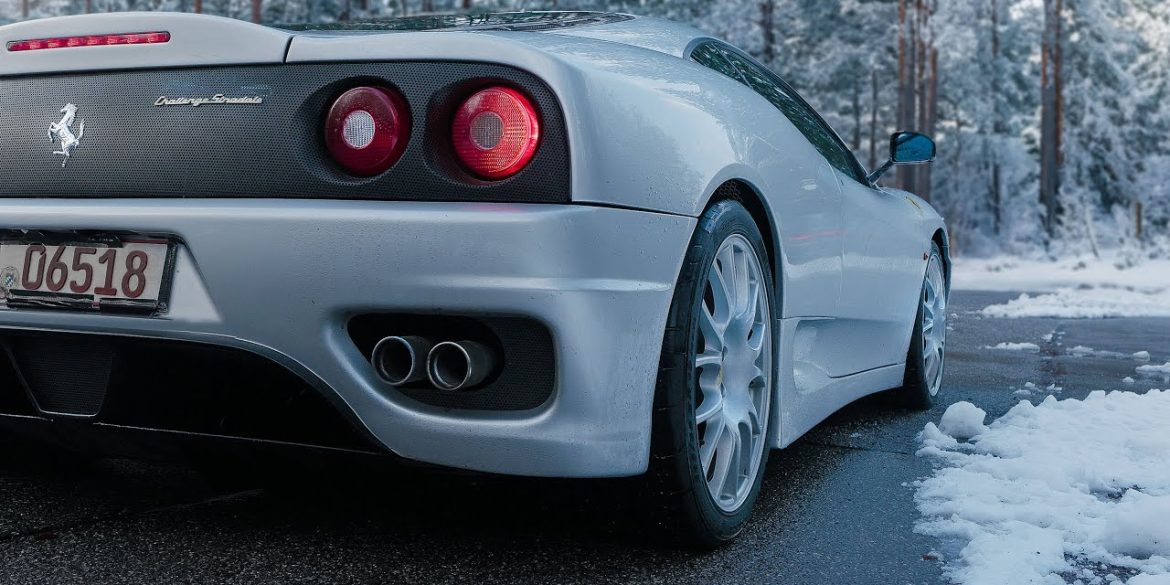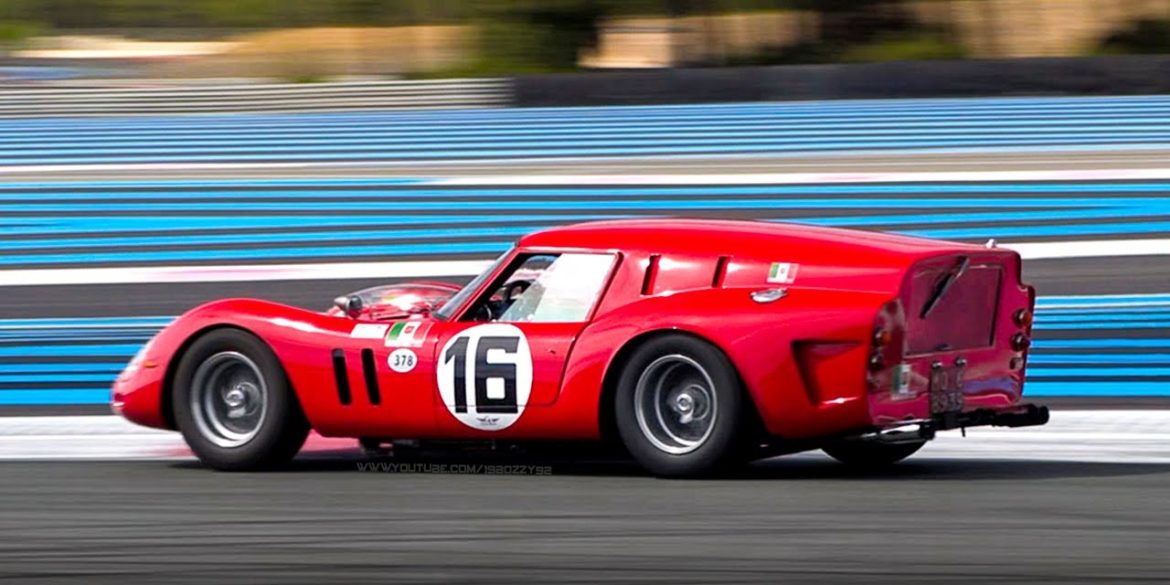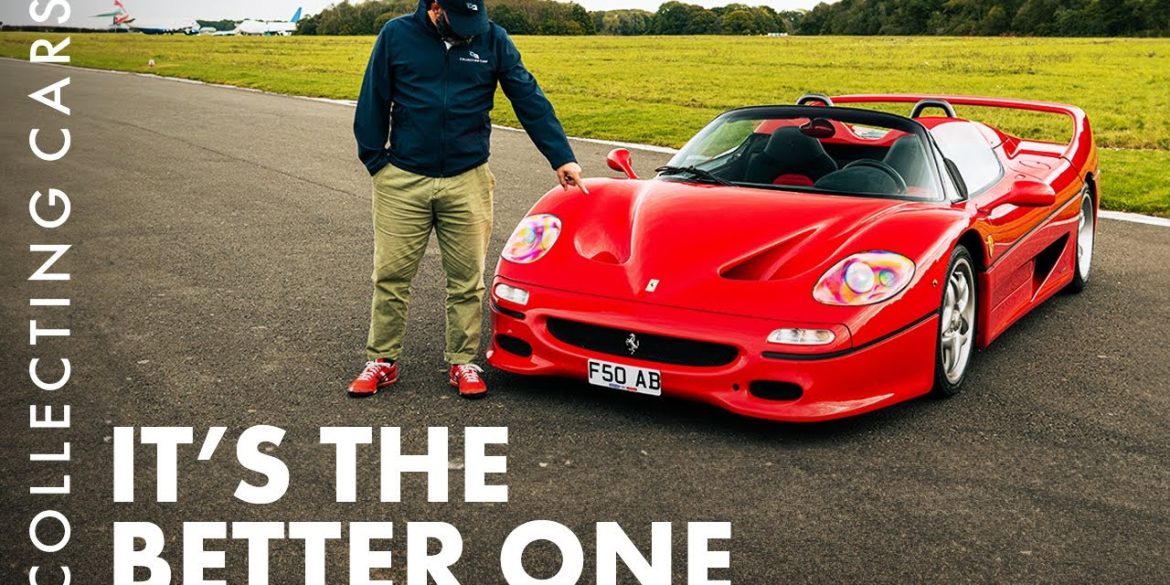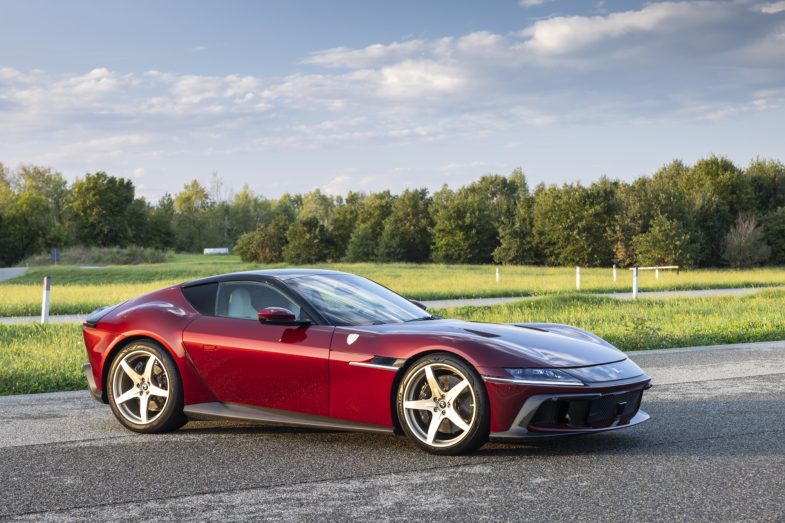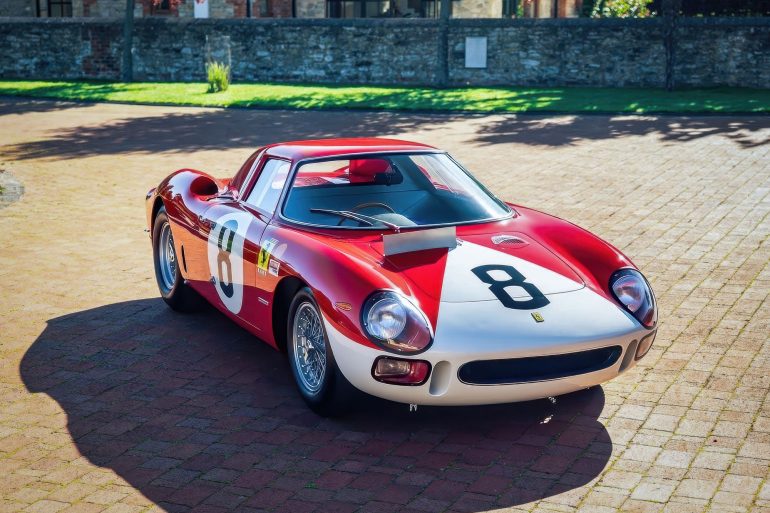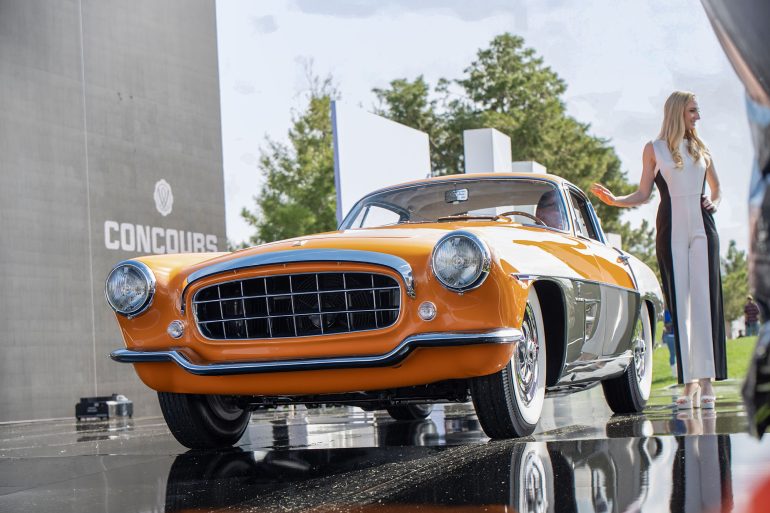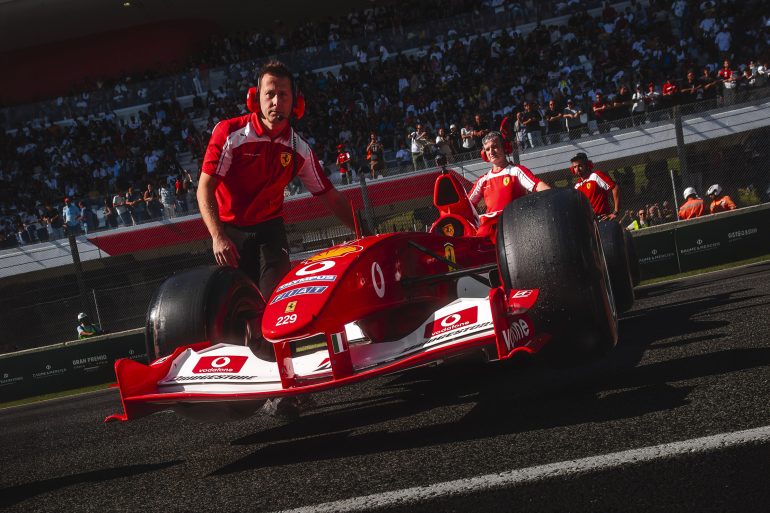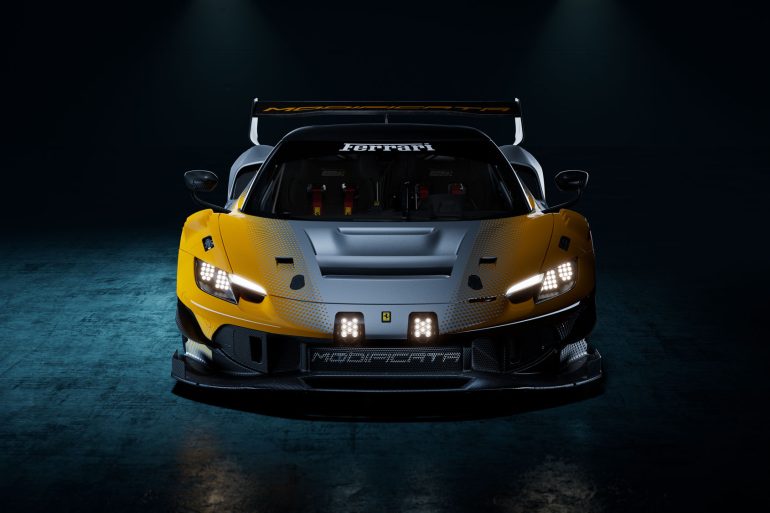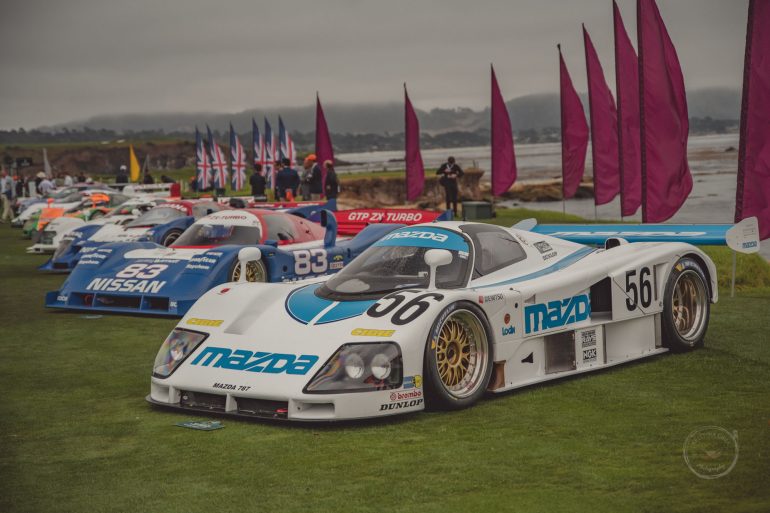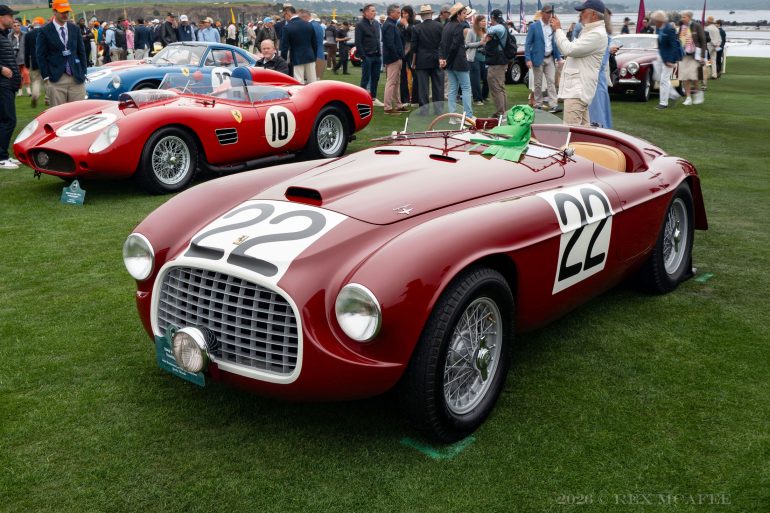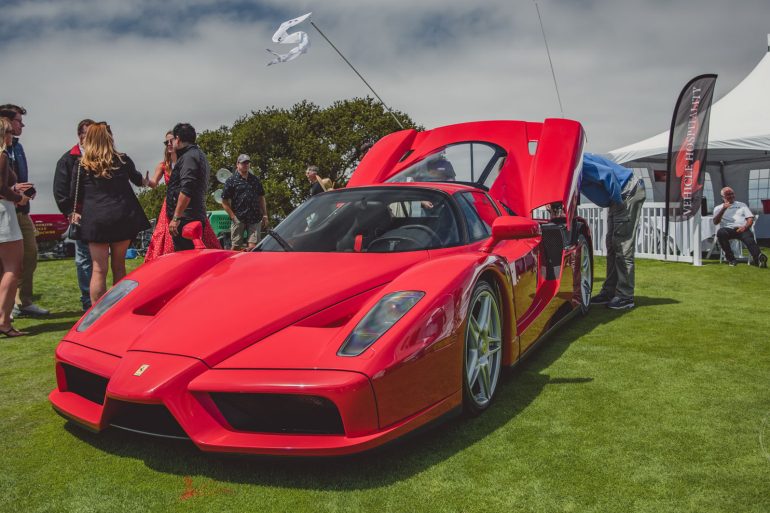
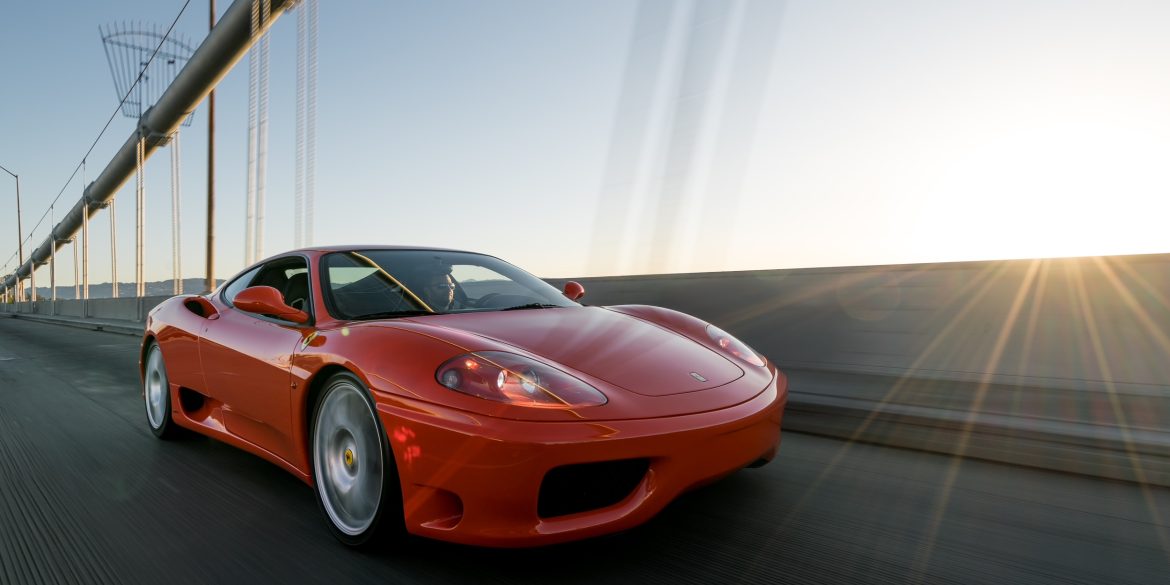
With Alcoa, Ferrari built the 360 Modena's aluminum spaceframe 40 percent stiffer and 28 percent lighter than the F355's, and placed the V8 so cambelt changes no longer meant pulling the engine. Raffi Minasian on Ferrari's 1999 design.

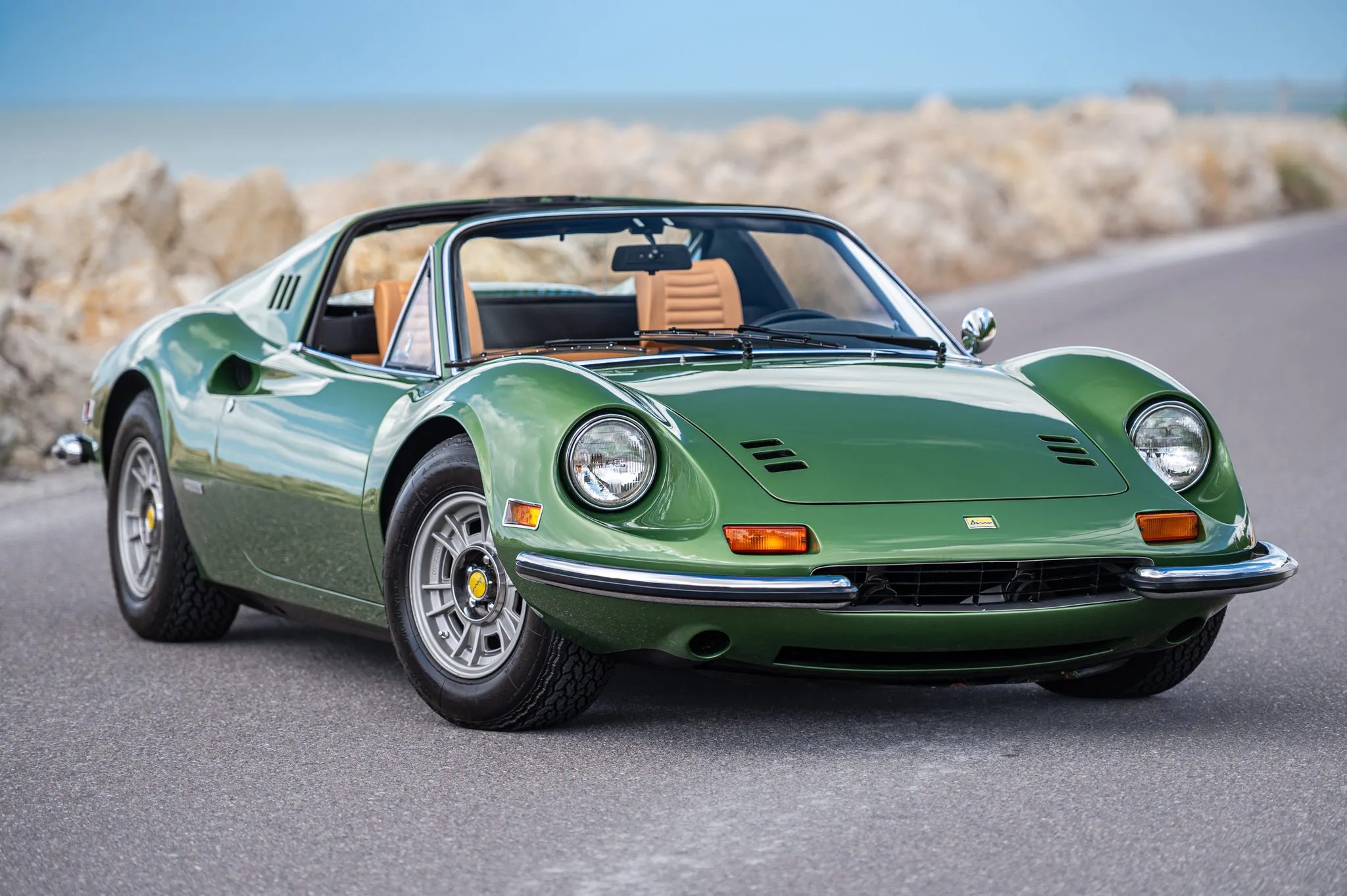
A racing team that built road cars to pay for the racing, and became the most famous name in motoring by doing both better than anyone: twelve Le Mans wins, eight Mille Miglias, sixteen Formula One constructors' championships, the 250 GTO, the Daytona, the F40 and the 499P. The archive has covered Ferrari in nearly 1,500 stories, from Ed McDonough's chassis histories of the 500, the 156 and the 335 S to Mauro Forghieri in his own words, Chinetti's NART, the record sales and every Ferrari that has crossed an auction block since 2000. This page puts the marque in order and links the archive through it.
The pieces to start with
Forghieri in his own words, NART's history, McDonough on the 500 F2, the 156 and the GTO, Ludvigsen's 335 S, Miliano on the 288 GTO, and Phil Hill remembered.
Mauro Forghieri’s father Reclus tuned engines at Scuderia Ferrari before and after the war, and Enzo Ferrari quizzed the Bologna engineering student to please him. The Ferraris Mauro designed won 11 world titles. Robert Newman begins the story.
Luigi Chinetti reached America in 1940 and, through his friendship with Enzo Ferrari, built the marque’s biggest market. His North American Racing Team ran for nearly 40 years, and its record has gathered embellishment along the way.
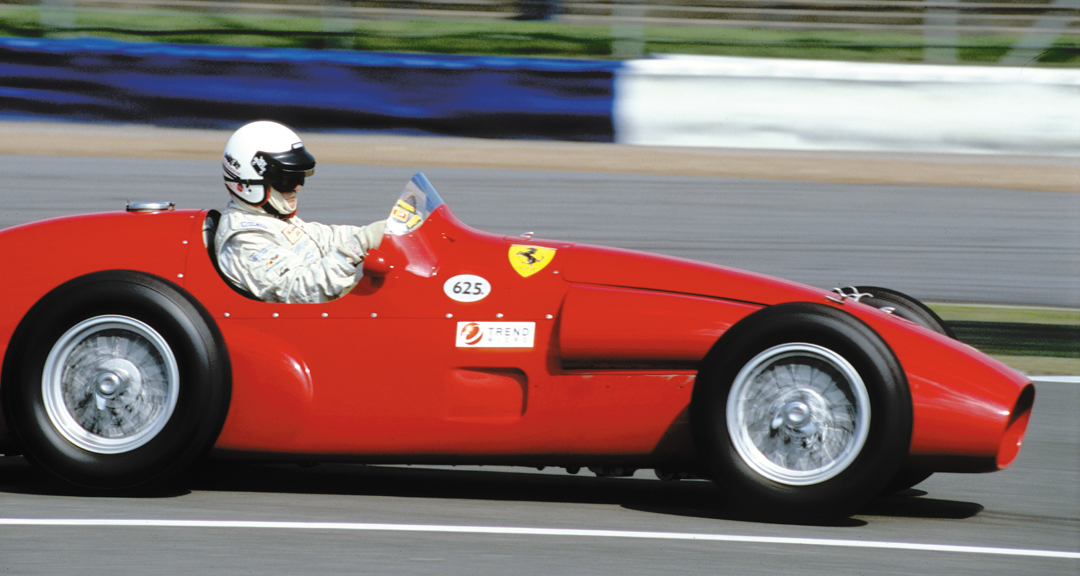
Ascari, Taruffi, Villoresi, Farina, Hawthorn, Trintignant drove it; it won at Siracusa, Pau, Bremgarten, Monaco, Ardmore and Buenos Aires, and raced every season from 1952 to 1962. Ed McDonough’s case that no Grand Prix chassis has won more.
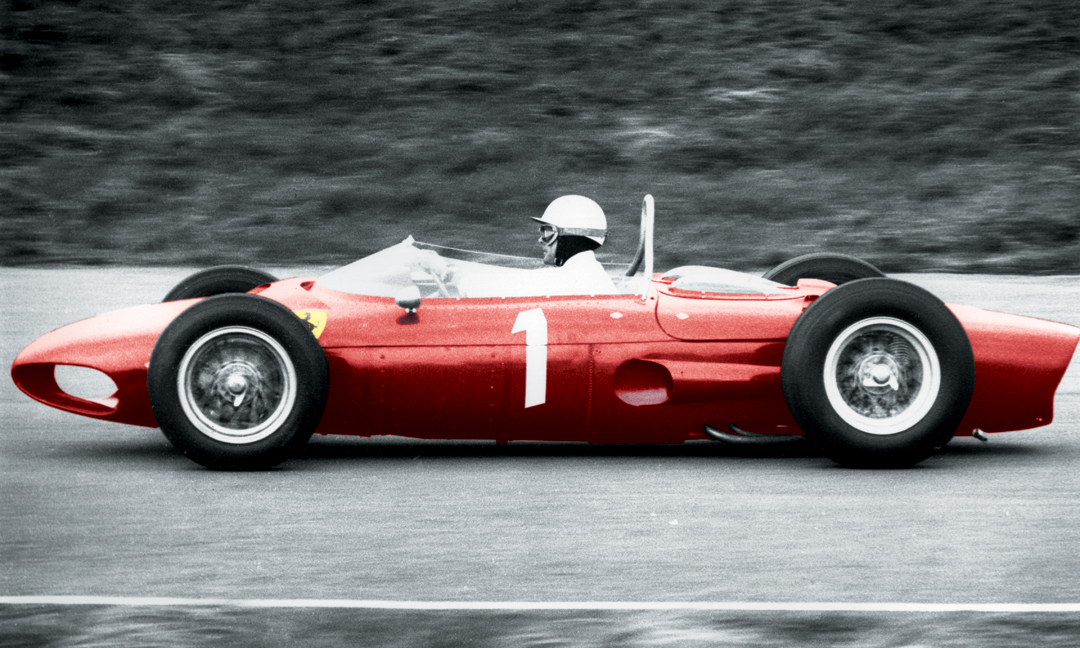
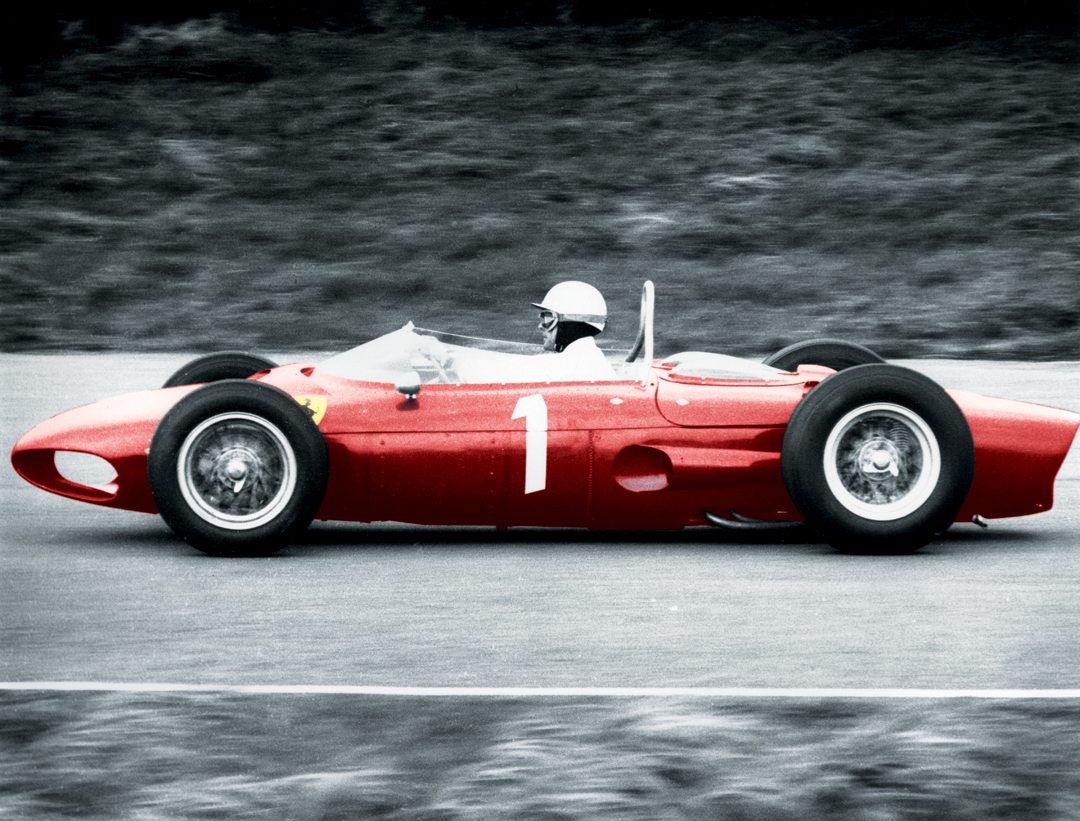
The Ferrari 156 dominated 1961 and faded the next year. Ed McDonough traces where it came from: a company obsessed with engines, kept at the front, and the men at Ferrari in 1960, Carlo Chiti first.
Ferrari’s Type 130 V12, 3,491 cc, was designed under Andrea Fraschetti after Lampredi left for Fiat, with Bellentani from Maserati and a 65-year-old Vittorio Jano in the room. Karl Ludvigsen on the four-cam that beat Maserati’s V8 in 1957.
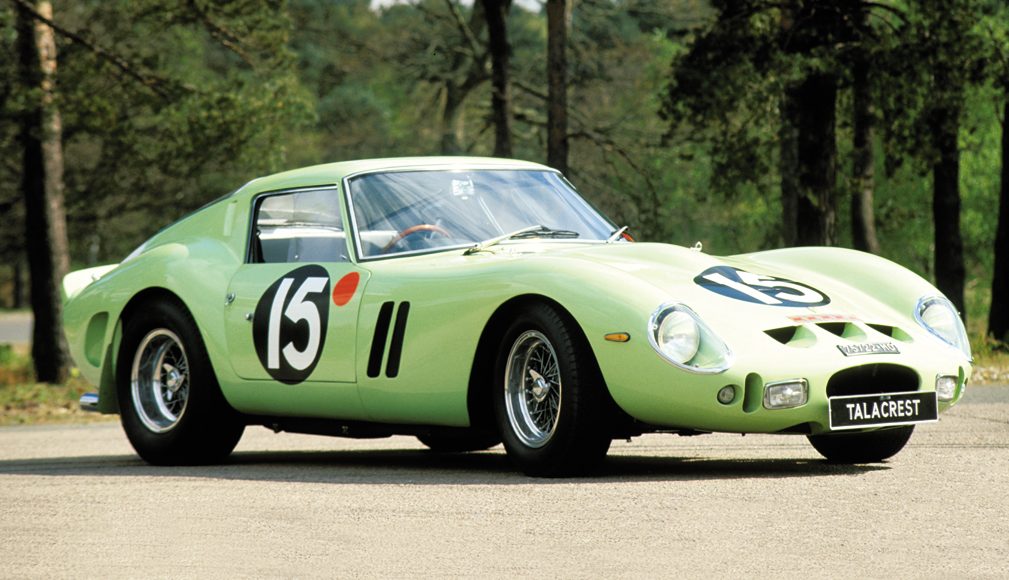
Ed McDonough promises no clichés or euphemisms, then admits the 250 GTO reduces newcomers and veterans alike to open-mouthed silence. Innes Ireland collected this one new in Italy and drove it home to Britain.
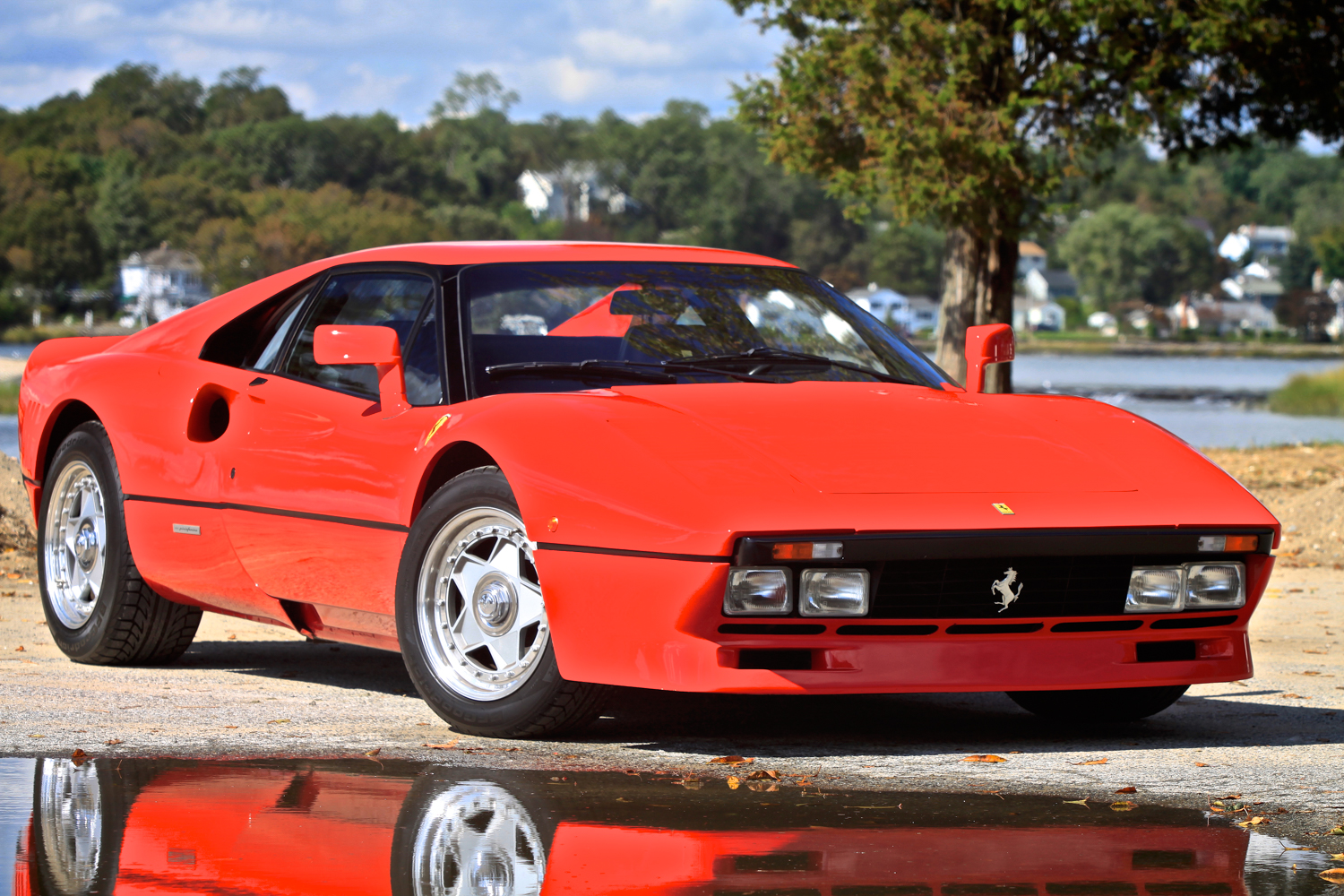
Ferrari homologated the 250 GTO with chassis-number sleight of hand, never building the required 100. In 1984 the name returned for Group B rallying, which only Porsche’s 959 and the 288 GTO answered. Dom Miliano on the first supercar, maybe.
At the 2004 Monaco Historics Phil Hill, in his late seventies, put his Alfa Romeo 6C 3000CM second on the grid. Two years later, frail, he thanked Ed McDonough for talking to him: “I think I’m scaring people.”
The newest long-form writing on Ferrari, as it is published.
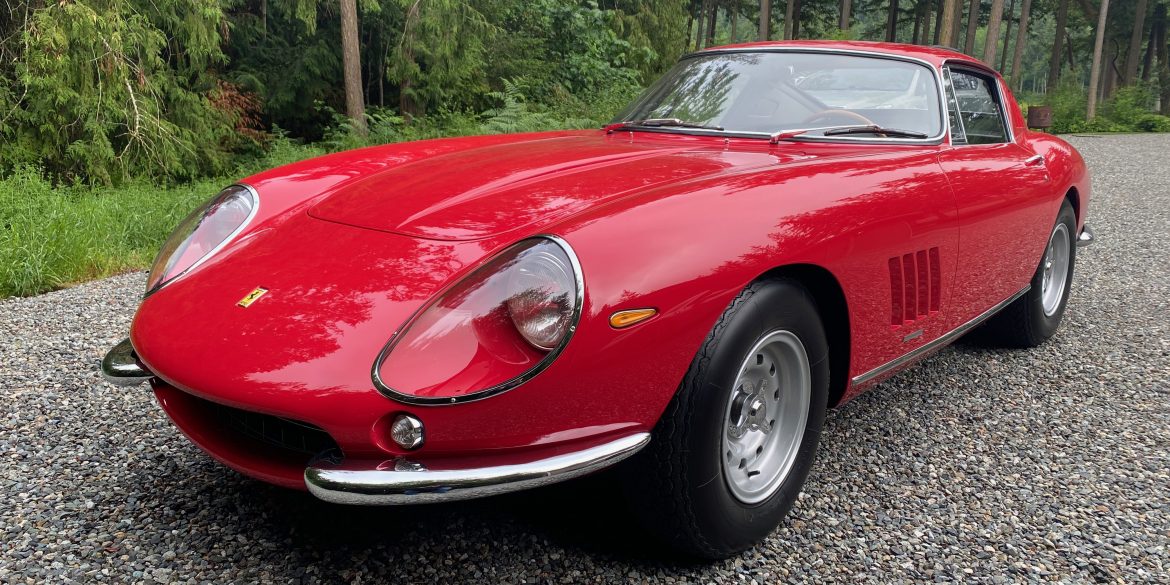
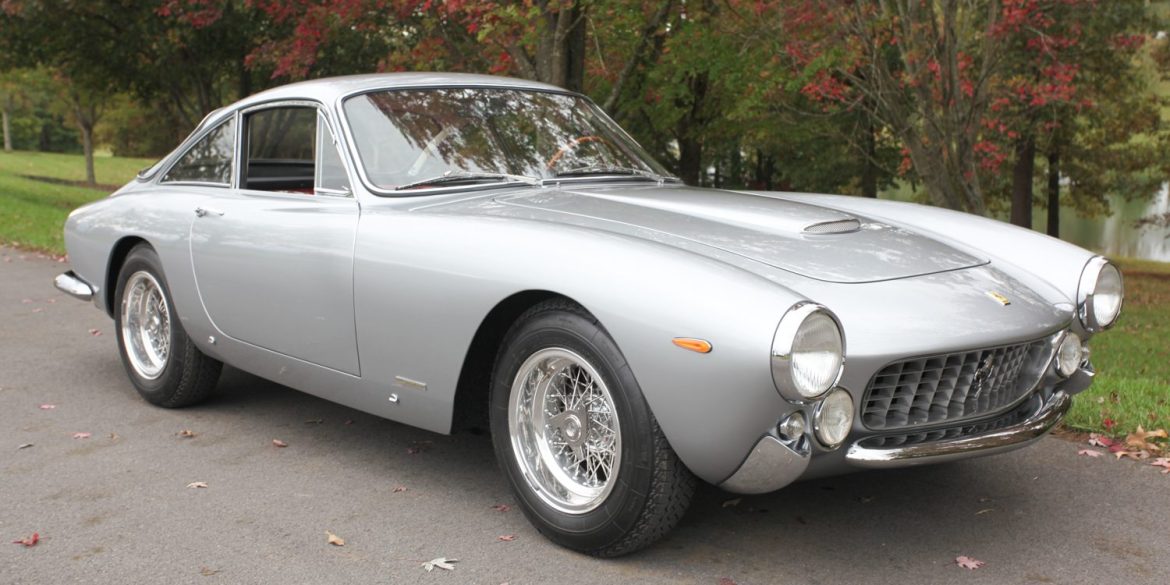
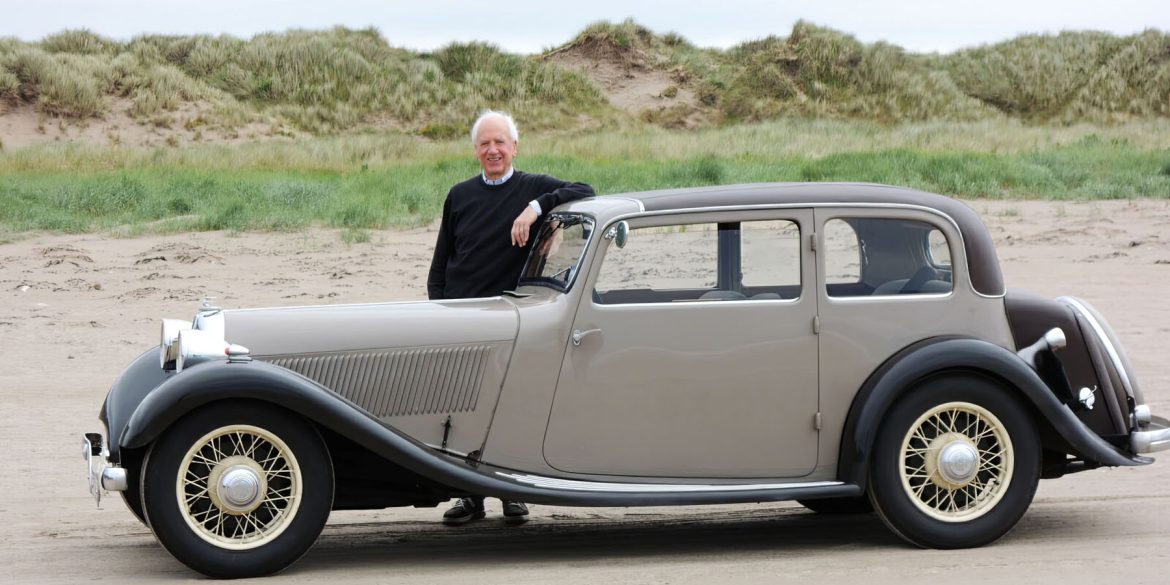
Ferrari is the Italian maker of racing and sports cars founded by Enzo Ferrari at Maranello, near Modena, whose first car, the 125 S, ran in March 1947 and whose Formula One team has raced in every world championship season since the first in 1950. For its first two decades it was a racing stable that sold road cars to customers, almost all of them V12 grand tourers bodied by the Turin and Modena coachbuilders, to fund the Scuderia; since Fiat took a half share in 1969 it has been a manufacturer in its own right, now listed on the New York and Milan exchanges and building around 13,000 cars a year, while the Scuderia remains the oldest and most successful team in Grand Prix racing. The prancing horse on the yellow of Modena came from the fighter ace Francesco Baracca, whose mother suggested it to the young Enzo in 1923.
The record is the reason for the name. Ferrari has won Le Mans twelve times, the first in 1949 with Luigi Chinetti driving most of the twenty-four hours himself and the latest three in a row with the 499P in 2023, 2024 and 2025; the Mille Miglia eight times, the Targa Florio seven, Sebring nine and Daytona in the years of the 330 P4 and 312 PB; and in Formula One fifteen drivers' titles, from Ascari in 1952 to Räikkönen in 2007, and sixteen constructors' championships, with more Grand Prix wins than any other team. Its road cars, from the 166 MM barchetta and the 250 GT family through the 275 GTB, the Daytona, the Dino, the Berlinetta Boxer and the 308 to the 288 GTO, F40, F50, Enzo and LaFerrari, are the cars collectors pay the most for, and the 250 GTO is the most expensive car in the world. The archive's Ferrari coverage is the deepest it has on any marque, and the chapters below follow it from Enzo's Alfa Romeo years to this summer's Le Mans.
Enzo Ferrari was born in Modena on 18 February 1898, the son of a metal-working contractor, and came out of the First World War wanting to be a racing driver. He drove for CMN in 1919 and for Alfa Romeo from 1920, second in the Targa Florio that year, and won his share of lesser races through the 1920s, but his real talent was for organisation. In November 1929 he founded the Scuderia Ferrari in Modena to run Alfa Romeos for gentlemen drivers, and from 1933, when Alfa Romeo withdrew its works team, the Scuderia was Alfa's racing department in all but name, running the P3s and the 8C 2300s for Nuvolari, Varzi, Chiron and Moll against the German teams and building the twin-engined Bimotore in 1935; Nuvolari's win over the Silver Arrows in the 1935 German Grand Prix was a Scuderia Ferrari car. The archive's Nuvolari Through the Eyes of His Friends and its Alfa Romeo and Silver Arrows pages carry those years. Alfa took the team back in-house as Alfa Corse in 1938 and Ferrari left in 1939 with an agreement not to race under his own name for four years; the two Auto Avio Costruzioni 815s he built for the 1940 Mille Miglia were the first Ferraris in everything but the badge. He moved his works from Modena to Maranello in 1943, had it bombed twice, and in 1945 commissioned Gioacchino Colombo, who had designed the Alfetta, to draw a 1.5-litre V12.
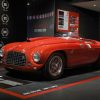
The 125 S, named as every early Ferrari was for the capacity of one cylinder, ran for the first time on 12 March 1947, raced at Piacenza on 11 May, where Franco Cortese retired from the lead, and won the Rome Grand Prix at Caracalla a fortnight later. Colombo's short-block V12 grew to two litres as the 166 and carried Ferrari's first great season in 1948 and 1949: Clemente Biondetti won the Mille Miglia and the Targa Florio both years, in the 166 S and then the 166 MM, and in June 1949 Chinetti and Lord Selsdon won Le Mans in a 166 MM, Chinetti driving all but about an hour. Touring's barchetta body on the 166 MM, shown at Turin in 1948, is the first classic Ferrari shape. The road cars followed the racing cars: the 166 Inter, the 195 and the 212, bodied by Touring, Vignale and Ghia, and the archive's McDonough histories of the 195 S and the 212 Export Burano, with Alan Boe's two-part Royal Ferraris on the kings and princes who bought them, are the record of those years.
Aurelio Lampredi's long-block V12 took Ferrari into Formula One properly. The 1.5-litre supercharged 125 F1 of 1948–50 could not beat the Alfettas; the unsupercharged 4.5-litre 375 F1 could, and on 14 July 1951 José Froilán González won the British Grand Prix at Silverstone, Ferrari's first championship victory, the day Enzo said he had killed his mother. Lampredi's engine also made the 340 America and 375 MM sports cars, Villoresi's Mille Miglia winner of 1951 among them, while Marzotto had won the 1950 race in a Colombo-engined 195 S. Ferrari won five Mille Miglias in a row from 1948 and a Le Mans, and in 1951 the British, German and Italian Grands Prix, the Tour de France and the Carrera Panamericana; Boe's piece calls it the year the marque arrived.
When the world championship ran to Formula Two rules in 1952 and 1953, Lampredi's four-cylinder 500 F2 won it both years for Alberto Ascari, who took nine Grands Prix in a row across the two seasons, a record that stood for sixty years; McDonough's Champions' Choice follows the 500 and its 625 successor through the hands of Ascari, Taruffi, Villoresi, Farina, Hawthorn and Trintignant. The four-cylinder idea spread to the sports cars, the 500 Mondial, 750 Monza and 500 TRC, which Casey Annis drives in the archive, and Ferrari won Le Mans in 1954 with González and Trintignant in the 4.9-litre 375 Plus. Then came two years of struggle against the Mercedes-Benz W196 and the gift that saved the team: when Lancia withdrew after Ascari's death in 1955, Fiat arranged for its D50 Grand Prix cars, its designer Vittorio Jano and its driver line-up to go to Maranello, and Juan Manuel Fangio won the 1956 championship in the Lancia-Ferrari D50. Robert Newman's Fangio, Marque of Greatness is the portrait; Eugenio Castellotti's win in the 1956 Mille Miglia, alone in the rain at the head of a Ferrari one-two-three-four-five, is on the Mille Miglia page.
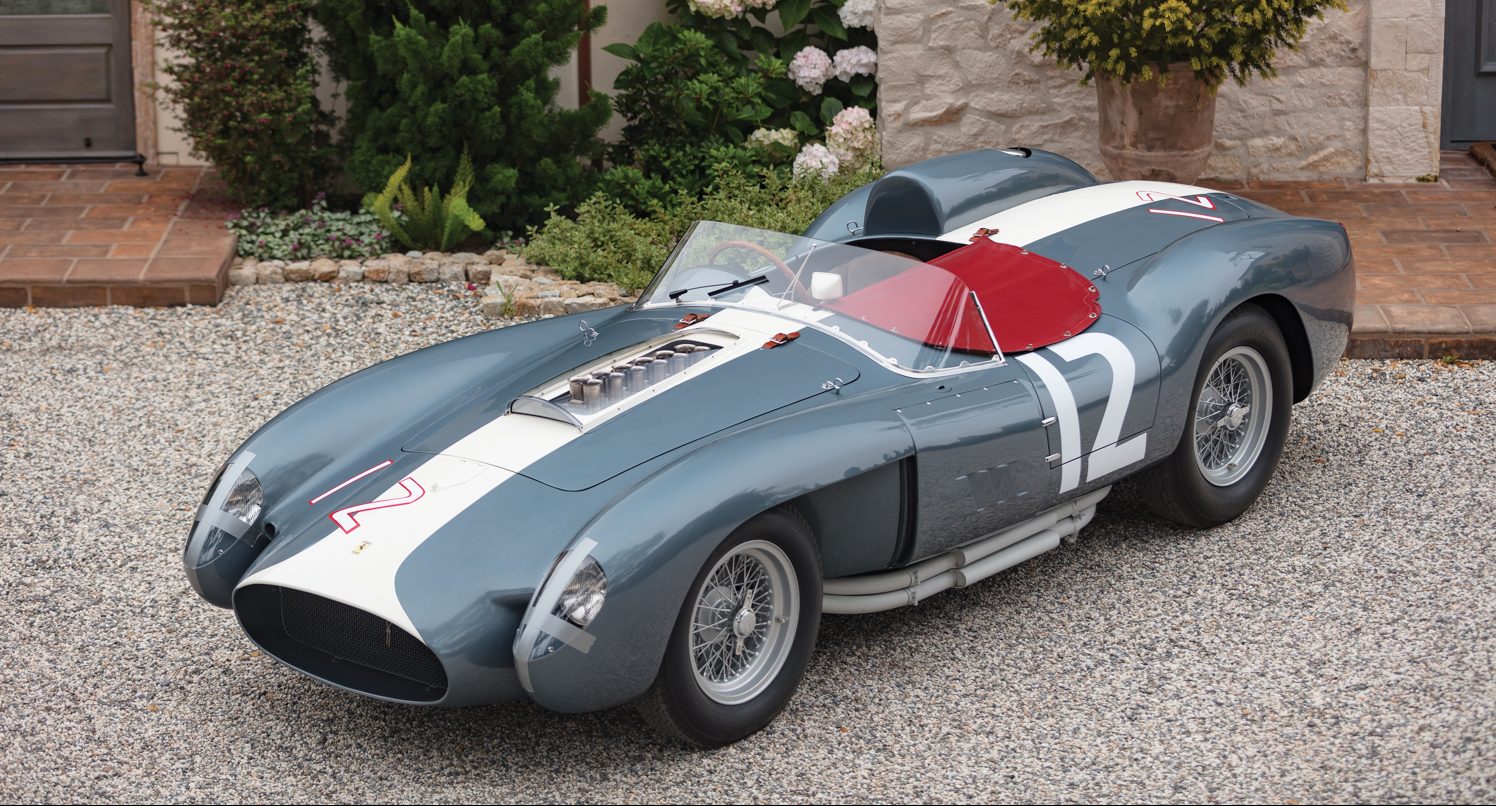
Lampredi left for Fiat in 1955 and Ferrari returned to Colombo's V12, now enlarged and refined under Andrea Fraschetti and then Carlo Chiti: the three-litre 250 that powered both the racing Testa Rossa and the whole 250 GT road-car family, and the big four-cam 335 S that Karl Ludvigsen describes in the archive, the car of the 1957 Mille Miglia and of de Portago's crash that ended the race. The 1958 season was the first of the Testa Rossa's and the worst of Ferrari's: Mike Hawthorn won the drivers' championship by a point and retired, and Luigi Musso and Peter Collins were killed within six weeks of each other at Reims and the Nürburgring; Phil Hill and Olivier Gendebien won Le Mans in the 250 TR, the first of their three. Ferrari won Le Mans six years running from 1960 to 1965, with Hill and Gendebien again in 1961 and 1962, Scarfiotti and Bandini in the first mid-engined 250 P in 1963, Guichet and Vaccarella in the 275 P in 1964 and Masten Gregory and Jochen Rindt in Chinetti's 250 LM in 1965, the last Ferrari win for fifty-eight years. Hill became champion in the sharknose 156 in 1961, the year von Trips died at Monza, and John Surtees in the V8 158 in 1964; McDonough's Shark Attack and Amon's Arrow and the archive's 1961 French and Monaco Grands Prix carry the Formula One side.
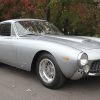
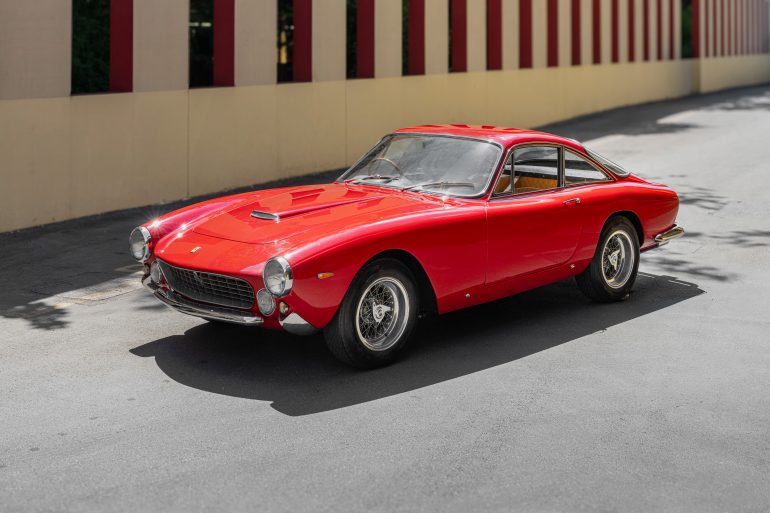
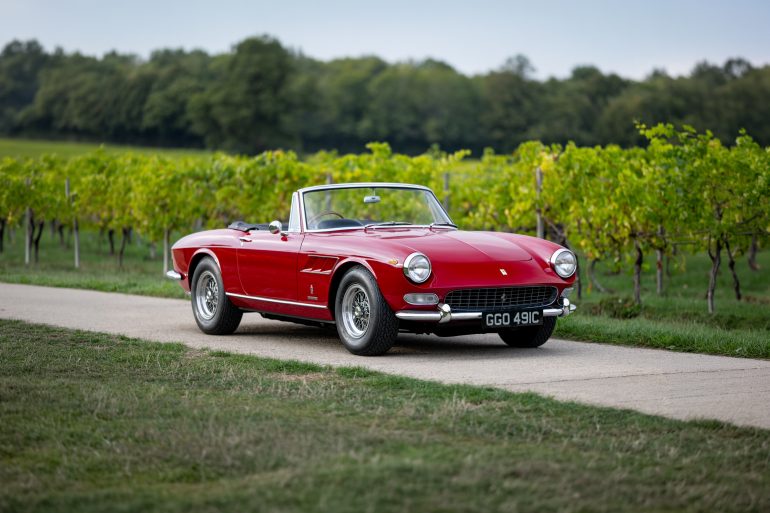
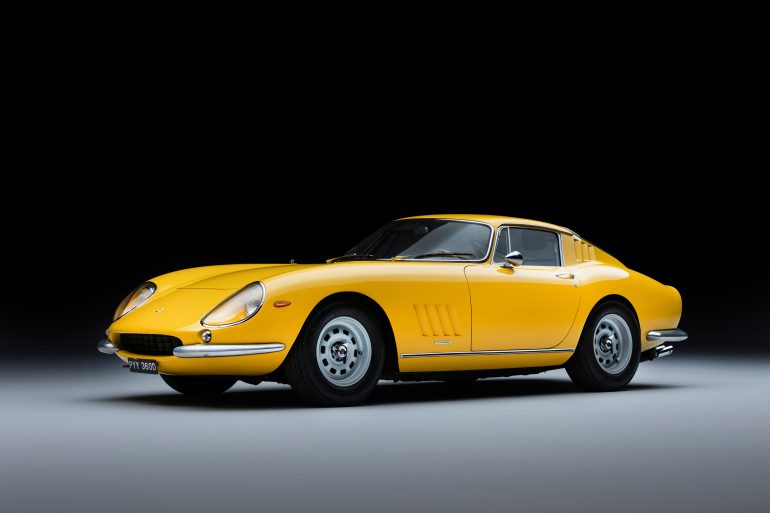
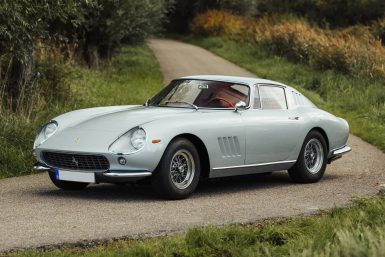
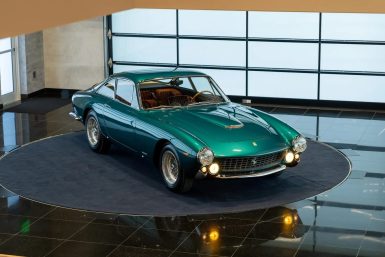
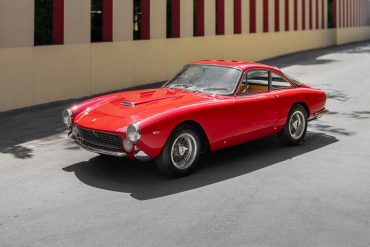
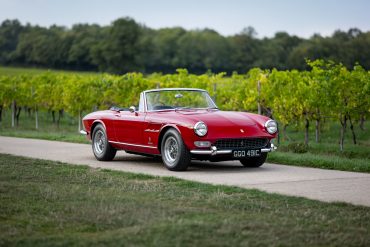
The road cars of the decade are the ones the market values above all others. The 250 GT Tour de France, the California Spider, the short-wheelbase Berlinetta of 1959, the GTO of 1962 and the Lusso of 1963 were built on one chassis family with Pinin Farina's and Scaglietti's bodies, and the GTO won the GT world championship three years running against the E-type, the DB4 GT Zagato and the Cobra; the archive's Ferrari 250 GTO page tells that story on its own. The 275 GTB of 1964, with Ferrari's first independent rear suspension, and the four-cam 275 GTB/4 of 1966 closed the era. In November 1961 most of Ferrari's senior staff walked out over Laura Ferrari's role in the firm and Enzo handed the racing department to the twenty-six-year-old Mauro Forghieri, whose two-part interview with Robert Newman is the archive's view from inside Maranello for the next twenty-five years; in May 1963 Enzo broke off the sale of his company to Ford at the last moment, which is where the next chapter begins.
The cars and the racing, year by year, with the archive's story of each linked. Car names link to every story on the site about that model.
| Year | The cars | The racing | In the archive |
|---|---|---|---|
| 1929 | Scuderia Ferrari founded in Modena, 16 November | Alfa Romeos for gentlemen drivers; Alfa's works team in all but name 1933–37 | Enzo Ferrari |
| 1935 | Alfa Romeo P3 and Bimotore | Nuvolari beats the Silver Arrows at the Nürburgring in a Scuderia car | Nuvolari through his friends |
| 1940 | Auto Avio Costruzioni 815 | The first Ferrari in all but name, at the Mille Miglia | |
| 1947 | 125 S | First run 12 March; first race Piacenza 11 May; first win, Rome, 25 May (Cortese) | Model (Ferrari 125 S) |
| 1948 | 166 S · Touring barchetta shown at Turin | Biondetti wins the Mille Miglia and the Targa Florio | Mille Miglia hub |
| 1949 | 166 MM | Le Mans: Chinetti and Selsdon, the first of twelve; Mille Miglia and Targa again | Le Mans hub |
| 1950 | 195 S · 340 America | Marzotto's Mille Miglia; the first world championship season | The Mille Miglia Pretender |
| 1951 | 375 F1 · 212 | González wins the British Grand Prix, Ferrari's first; Villoresi's Mille Miglia; the Carrera Panamericana | Signor Burano |
| 1952–53 | 500 F2 · 250 MM | Ascari world champion twice, nine Grands Prix in a row; Bracco's Mille Miglia | Champions' Choice |
| 1954 | 375 MM · 375 Plus · 500 Mondial | Le Mans: González and Trintignant; Maglioli's Carrera Panamericana | Driven: 500 Mondial |
| 1956 | Lancia-Ferrari D50 · 290 MM | Fangio world champion; Castellotti's Mille Miglia, Ferrari 1-2-3-4-5 | Fangio, Marque of Greatness |
| 1957 | 335 S · 250 Testa Rossa | Taruffi wins the last Mille Miglia; de Portago's crash ends the race | Ferrari's Fabulous Four-Cam |
| 1958 | 250 GT California Spider · 250 TR | Hawthorn champion by a point; Musso and Collins killed; Hill and Gendebien win Le Mans | Phil Hill remembered |
| 1959 | 250 GT SWB | The short-wheelbase berlinetta at Paris; Sebring | Enzo's Hot Rod |
| 1960–61 | 156 F1 · 246 SP | Le Mans both years; Phil Hill world champion, von Trips killed at Monza; the first mid-engined Ferraris | Shark Attack |
| 1962 | 250 GTO · 330 TRI/LM | Le Mans, Hill and Gendebien's third; the GTO's first GT title | The 250 GTO page |
| 1963 | 250 P · 250 LM · 250 GT Lusso | Le Mans for the first mid-engined prototype; the Ford deal collapses in May | Bella Figura |
| 1964 | 275 P · 275 GTB · 158 F1 | Surtees world champion; Le Mans; the GTO's third title against the Cobras | Surtees tribute |
| 1965 | 250 LM | Gregory and Rindt win Le Mans for NART, the sixth in a row and the last for 58 years | NART, a concise history |
| 1966–67 | 330 P4 · 312 F1 · 275 GTB/4 | Ford wins Le Mans; Ferrari 1-2-3 at Daytona 1967; Bandini killed at Monaco | Amon's Arrow · Route to '66 |
| 1968–69 | 365 GTB/4 Daytona · Dino 246 GT | Fiat buys half of Ferrari, June 1969 | |
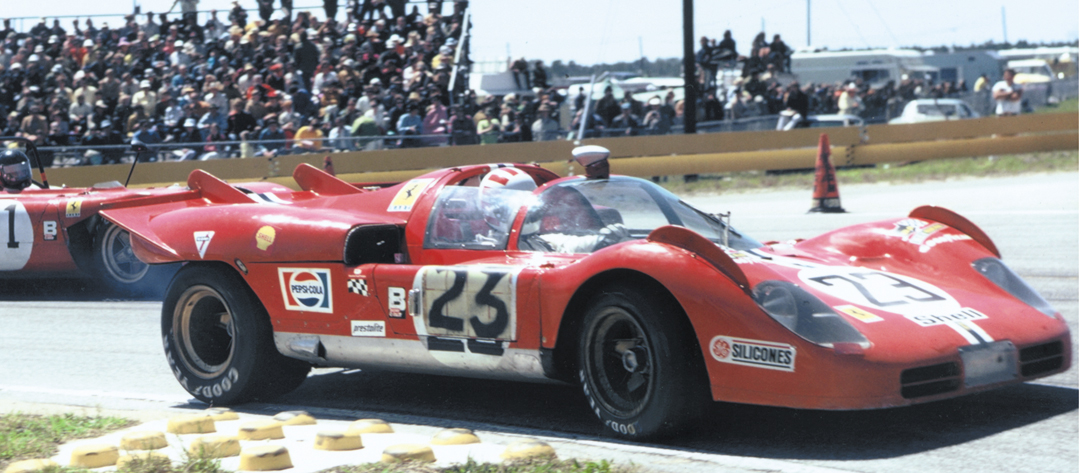
| 1970 | 512 S | Andretti wins Sebring; the 917 wins the rest | An Impossible Dream · Enduring Legacy |
| 1972 | 312 PB | Every championship race entered, the title and Daytona; the last works sports-car season follows in 1973 | Boxing Champion |
| 1973–75 | 365 GT4 BB · 308 GTB · 312 T | Lauda world champion 1975; Montezemolo's first spell | The First NART Boxer |
| 1977–79 | 312 T2 · 312 T4 | Lauda champion again; Scheckter and Villeneuve take both titles in 1979 | Niki Lauda · Gilles Villeneuve |
| 1982–83 | 126 C2 · 126 C3 | Villeneuve killed at Zolder; two constructors' titles | |
| 1984 | 288 GTO · Testarossa | The first supercar and the flat-twelve for the 1980s | The First Supercar? |
| 1987–88 | F40 | Enzo's fortieth-anniversary car; Enzo Ferrari dies 14 August 1988; Berger and Alboreto 1-2 at Monza | Enzo's Anniversary Present |
| 1989 | 640 F1 | Barnard's paddle-shift wins first time out with Mansell at Rio | |
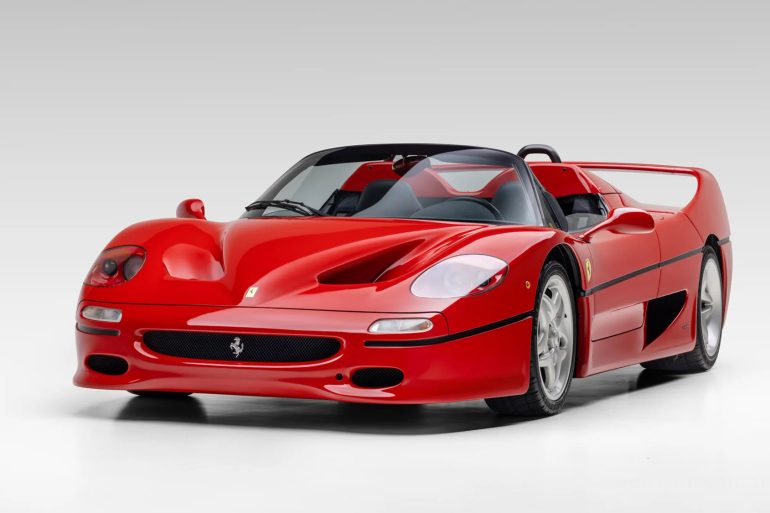
| 1995 | F50 | A Formula One V12 in a carbon tub; 349 built | An Underrated Supercar |
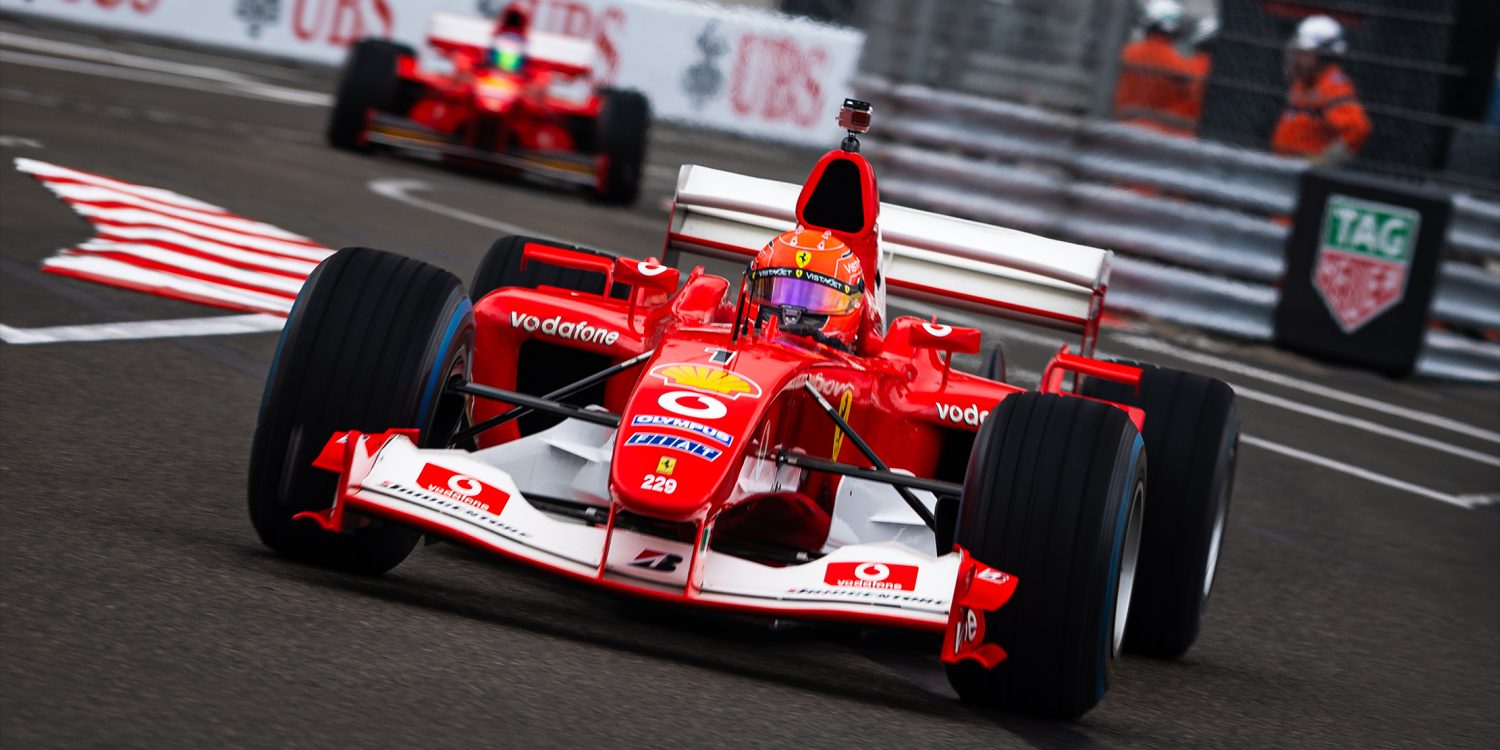
| 1996–2004 | F310 to F2004 | Schumacher, Todt, Brawn and Byrne: six constructors' titles 1999–2004, five drivers' titles 2000–04 | Michael Schumacher |
| 2002 | Enzo | 399 cars and one for the Pope; 660 horsepower | Model (Ferrari Enzo) |
| 2007–08 | F430 · 599 | Räikkönen champion 2007; constructors' titles 2007 and 2008, the sixteenth | |
| 2013 | LaFerrari · 458 | The first hybrid Ferrari | Model (Ferrari LaFerrari) |
| 2015–16 | 488 | Floated in New York; spun off from FCA | |
| 2019 | SF90 Stradale · 812 | The plug-in hybrid flagship | |
| 2023 | 499P · 296 | Le Mans at the centenary, the first top-class entry since 1973: Pier Guidi, Calado and Giovinazzi | Le Mans hub |
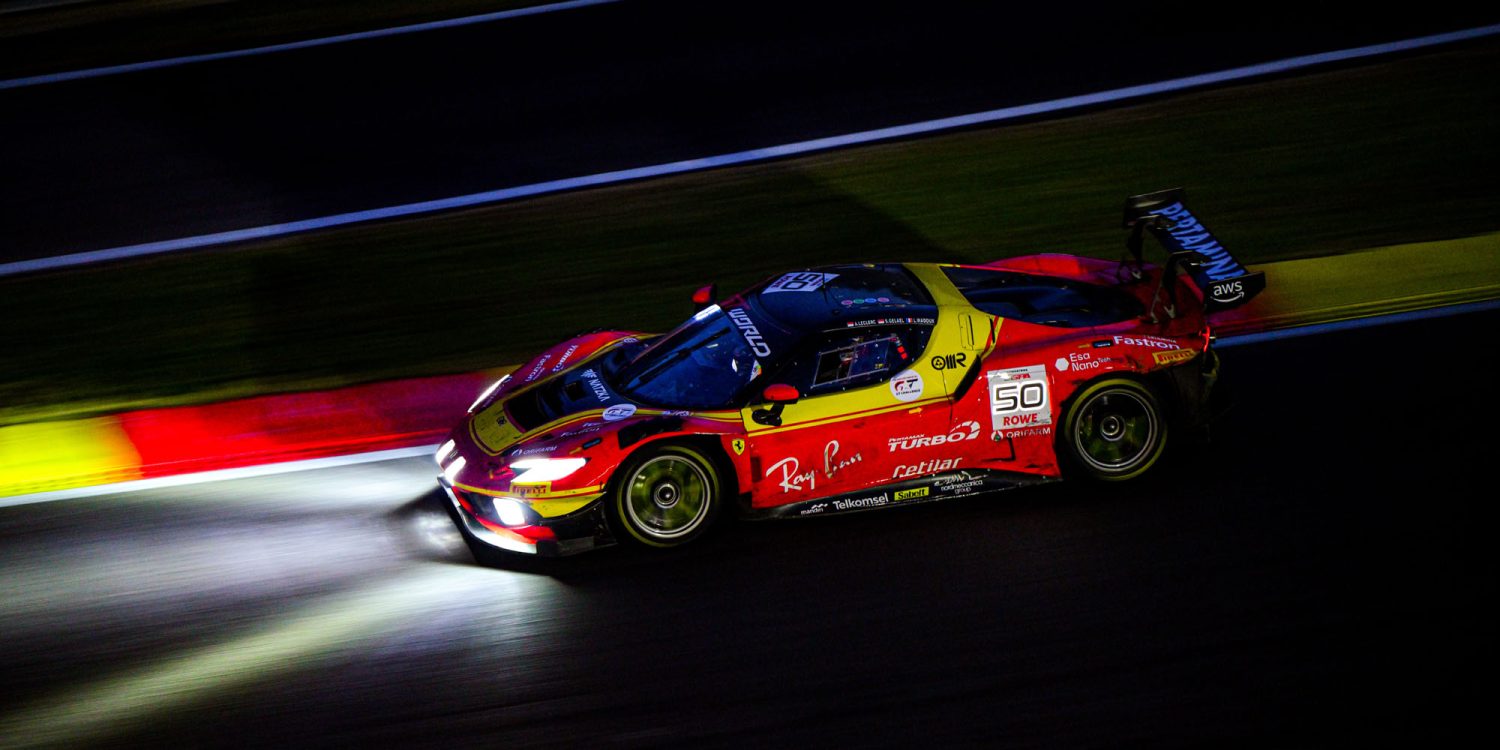
| 2024–25 | 499P | Le Mans again with Fuoco, Molina and Nielsen, then AF Corse's customer car: three in a row, twelve in all | Le Mans hub |
Early Ferraris are named for the capacity of one cylinder in cubic centimetres (125, 166, 250, 375); later ones for total capacity and cylinders (308, 512) or for people and places (Daytona, Dino, Enzo). The Great Races pages carry each race in full.
Ford's GT40 programme was Henry Ford II's answer to the broken deal, and from 1966 to 1969 it beat Ferrari at Le Mans four years running; Roger Dixon's Route to '66 and Le Mans '66 in the archive tell it from both sides. Ferrari's answer was the 330 P4 of 1967, Forghieri's three-valve four-litre V12 in a car that finished first, second and third at Daytona in February, a photograph staged on the banking that Ferrari has used ever since, and took the manufacturers' championship from Ford on the last lap of the BOAC 500 at Brands Hatch. Lorenzo Bandini died at Monaco that May. The five-litre 512 S of 1970, homologated by a famous counting of cars at Maranello and Modena that McDonough's Enduring Legacy describes, was beaten by the Porsche 917 everywhere but Sebring, where Mario Andretti won in a borrowed car after his own broke, the race Newman calls an impossible dream; Ferrari handed the 512s to privateers in 1971 and built the 312 PB, a three-litre flat-twelve Grand Prix engine in a sports car, which won every championship race it entered in 1972, Daytona with Andretti and Ickx among them, and the title with it. Ferrari withdrew from sports-car racing at the end of 1973 to concentrate on Formula One, and did not return as a works team to the top class for fifty years.
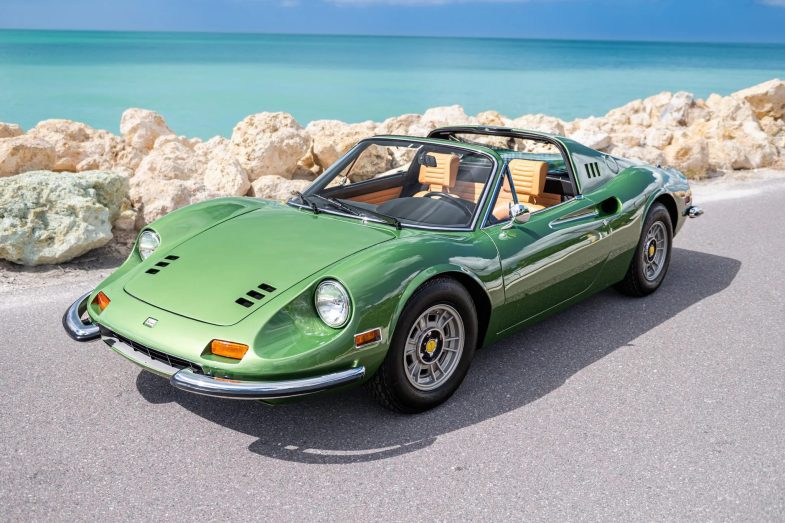
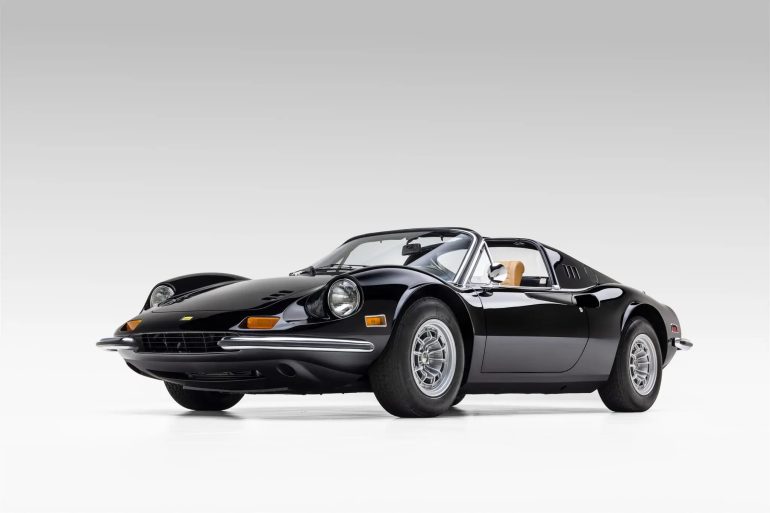
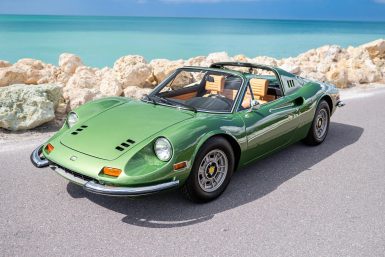
The road cars meanwhile became a business. The 365 GTB/4 Daytona, shown at Paris in 1968, was the last and fastest front-engined V12 berlinetta of the classic line; the Dino 206 GT and 246 GT of 1967–74, named for Enzo's son and powered by his V6, were the first mid-engined and the first affordable Ferraris, and Dom Miliano's NART Boxer and 365 GT4 BB stories cover the Berlinetta Boxer that replaced the Daytona in 1973. In June 1969 Fiat bought half of Ferrari, left Enzo the racing and took the road cars, and the factory at Maranello grew from a few hundred cars a year toward thousands.
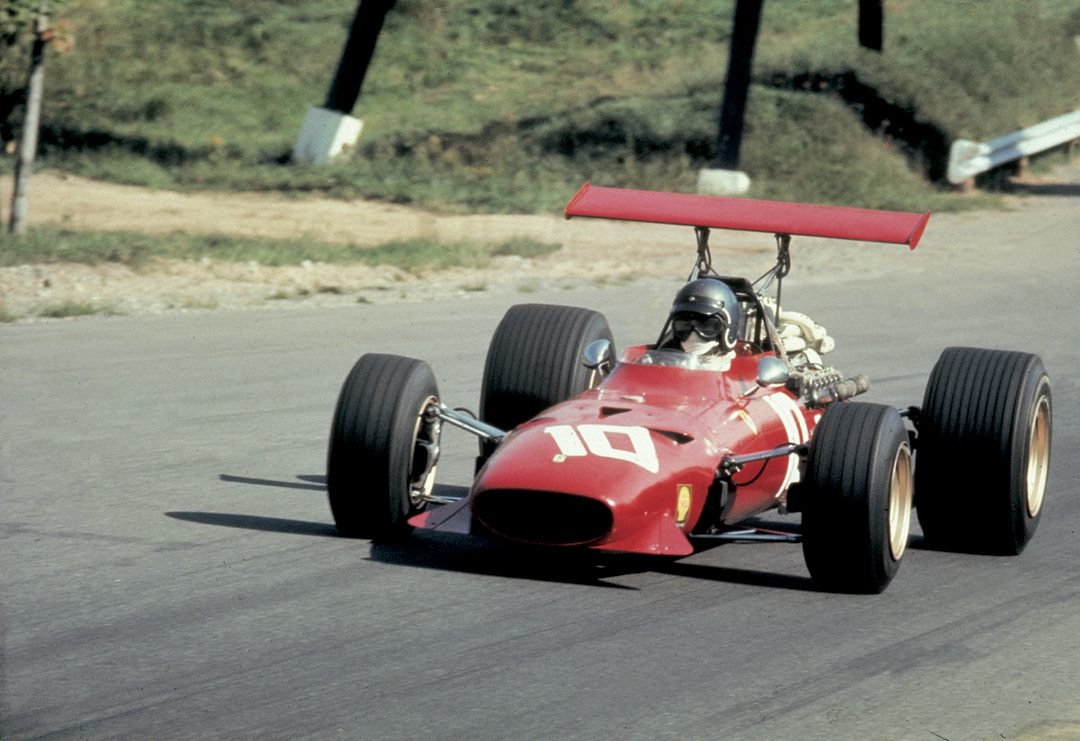
Fiat's money and Forghieri's flat-twelve 312 B of 1970 brought Ferrari back to the front of Formula One, and the 312 T of 1975, with its transverse gearbox, made Niki Lauda champion that year and again in 1977, with the Nürburgring fire of 1976 between them, and gave Ferrari the constructors' title in 1975, 1976 and 1977. Jody Scheckter and Gilles Villeneuve took both titles again in the 312 T4 in 1979, Ferrari's last drivers' championship for twenty-one years. The turbo 126 C won the constructors' championship in 1982 and 1983 in the worst of circumstances, Villeneuve killed at Zolder in May 1982 and Didier Pironi's career ended at Hockenheim in August; Villeneuve's profile is among the archive's most read. Enzo Ferrari died on 14 August 1988, at ninety, a month before Gerhard Berger and Michele Alboreto finished first and second at Monza in the only race McLaren lost that year; Fiat's holding rose to ninety per cent and his son Piero kept ten. John Barnard's 640 of 1989, with the first semi-automatic paddle-shift gearbox, won first time out in Nigel Mansell's hands at Rio, and the archive's Surtees tribute, Forghieri interview and 312 chassis history are the long reads on the team of these years.
The mid-engined V8 line that began with the Bertone-bodied 308 GT4 in 1973 and Pininfarina's 308 GTB in 1975 became Ferrari's volume product, and from it came the cars that invented the word supercar: the 288 GTO of 1984, built for a Group B that never happened, the first twin-turbo Ferrari and the first with composite bodywork, 272 made, which Dom Miliano's archive piece calls the first supercar; the Testarossa of the same year; and the F40 of July 1987, Enzo's fortieth-anniversary car and the last he presented, a 2.9-litre twin-turbo V8 of 478 horsepower in a carbon and Kevlar body with no carpets, the first production car past 200 mph and the car that set off the 1989–92 collector bubble the archive's Supercar Era page describes. The F50 of 1995, a Formula One V12 in a carbon tub, closed the Enzo-era line; the 348, 355 and 456 of the same years rebuilt the ordinary range under Luca di Montezemolo, who had run the team in Lauda's time and returned as chairman in 1991.
Montezemolo hired Jean Todt in 1993 and Michael Schumacher in 1996, and Schumacher brought Ross Brawn and Rory Byrne from Benetton; the result was the most dominant period any Formula One team has had, six constructors' championships in a row from 1999 to 2004 and five drivers' titles for Schumacher from 2000 to 2004, followed by Kimi Räikkönen's drivers' championship in 2007 and the constructors' titles of 2007 and 2008, the sixteenth. The road cars matched it: the 360 Modena and F430, the 550 and 599, the Enzo of 2002, 399 built, with Formula One carbon brakes and a V12 of 660 horsepower, the 458, and the LaFerrari of 2013, the first hybrid Ferrari and the one whose 499 cars sell for several million each. The archive's F50, Enzo and LaFerrari pieces follow them, and its GT1 to Hypercar page puts them against the Carrera GT, the Veyron and the McLarens. Ferrari floated on the New York Stock Exchange in October 2015 and was spun off from Fiat Chrysler at the start of 2016; it built 13,752 cars in 2024.
Then it went back to Le Mans. The 499P, a Hypercar built with Dallara and run by AF Corse, won the centenary race in June 2023 at Ferrari's first attempt in the top class since 1973, Pier Guidi, Calado and Giovinazzi holding off Toyota in the closing hours; the sister car won in 2024 and the customer car of AF Corse won in 2025, three in a row, and the twelfth Le Mans. The Le Mans page has each race, and the archive's reports and galleries from Maranello, Fiorano, the Finali Mondiali and the factory's Classiche department carry the present-day marque.
The archive's single-car stories are organised by Model tag, and the Ferrari ones run from the 125 S to the 499P and the 296 by way of fifty-odd models. The road-car line is the 166, 195 and 212 of 1948–52; the 250 family of 1953–64, the Europa, GT Boano and Ellena, Tour de France, California Spider, SWB, GTE, GTO and Lusso; the 275 GTB and GTS, 330 GT and GTC, 365 GTB/4 Daytona and GTC/4 of 1964–73; the Dinos; the 365 GT4 BB, 512 BB and Testarossa flat-twelves; the 308, 328, 348, 355, 360, F430, 458, 488, F8 and 296 V8 and V6 mid-engined cars; the 456, 550, 575, 599, F12 and 812 front-engined V12s; and the five supercars, 288 GTO, F40, F50, Enzo and LaFerrari, with the SF90 as their hybrid heir. The racing line is the 125, 166 and 375 sports-racers, the 500 Mondial, 750 Monza and 500 TRC fours, the 290 MM, 315 S and 335 S, the Testa Rossas, the 250 P, 275 P and 330 P series to the P4, the 512 S and M, the 312 P and PB, the 512 BB LM, the F40 LM, the 333 SP of the 1990s, the 458 and 488 GTE and GT3 cars and the 499P; and the Grand Prix cars from the 125 F1 and 375 to the 500 F2, D50, 246 Dino, 156, 158, 312, 312 B and T, 126 C, 640, F2002 and F2004 and the SF cars of now. Each Model tag on the site is the thread for that car, and the nine below are the ones the archive has most to say about.
Nine the archive has most to say about; each links to every story on the site about that car.
Single-car and chassis stories: the 250s, the 275s, the prototypes, the supercars and the cars that surface at auction.
Ferrari's racing history is told race by race across the site's Great Races pages, and the Racing feed below gathers the Ferrari race accounts in one place. At Le Mans: 1949, the run of 1954 and 1958, the six wins of 1960–65, the Ford years, the 512 S and 312 PB, the 1990s with the 333 SP and the GT cars, and the 499P. On the Mille Miglia: eight wins between 1948 and 1957 and the 1957 crash that ended the race, covered in the archive's twenty-four race profiles and in Newman's three-part history. On the Targa Florio: seven wins from Biondetti in 1948 to Merzario and Munari's 312 PB in 1972, the last works victory on the Madonie. At Sebring: nine wins from Fangio and Castellotti in 1956 to Andretti and Ickx in 1972, in Louis Galanos's race profiles. At Daytona: the 1967 one-two-three, the 1972 312 PB win, and John Zimmerman's Five from Fifty. In Formula One: the Grand Prix History hub, where the Ferrari cars and champions of each era sit, from Ascari's 500 to the hybrid SF cars. The Tourist Trophy and Carrera Panamericana pages carry the GTO years and the 1951 and 1954 Mexican wins.
Race profiles and reports with a Ferrari in them, newest first.
Enzo Ferrari's own People tag holds the archive's writing on him, from Forghieri's recollections of the Commendatore at Monza to the business history. The engineers are Colombo, Lampredi, Jano, Chiti, Bizzarrini, Forghieri, Barnard, Brawn and Byrne; the team managers Tavoni, Dragoni and Todt; the coachbuilders Touring, Vignale, Ghia, Pinin Farina and Pininfarina, Scaglietti, Bertone and Zagato, each with a Coachbuilder tag of its own and, in Alan Boe's Ferrari by Bertone and the archive's Pininfarina stories, their own long reads. The drivers' roll is Formula One's: Ascari, Farina, Villoresi, Taruffi, Hawthorn, Collins, Musso, Fangio, Castellotti, Phil Hill, von Trips, Gendebien, Surtees, Bandini, Scarfiotti, Parkes, Amon, Ickx, Andretti, Regazzoni, Lauda, Reutemann, Scheckter, Villeneuve, Pironi, Arnoux, Alboreto, Berger, Mansell, Prost, Alesi, Schumacher, Barrichello, Räikkönen, Massa, Alonso, Vettel, Leclerc and Hamilton, and the sports-car men from Biondetti and Chinetti to Gregory, Rindt, Vaccarella and the 499P crews. McDonough's Phil Hill remembrance, Ian Wagstaff's Surtees tribute, Newman's Fangio, the Forghieri interview and the Peters and Betz collectors' interview are the archive's best Ferrari portraits, and the People feed below carries the rest.
Drivers, engineers, coachbuilders, dealers and collectors of the Ferrari story, in profiles and interviews.
No account of Ferrari is complete without Luigi Chinetti. The Milanese mechanic who won Le Mans for Alfa Romeo in 1932 and 1934 reached America in 1940, persuaded Enzo Ferrari after the war that the United States was his market, won him his first Le Mans in 1949 and became his importer; the North American Racing Team he founded in 1958 ran Ferraris at Le Mans, Sebring and Daytona for a quarter of a century, gave the Rodríguez brothers, Phil Hill, Dan Gurney and Mario Andretti drives, won Le Mans outright in 1965 with the 250 LM, and commissioned the one-off Ferraris, the 275 GTB/4 NART Spider among them, that are now among the most valuable of all. The archive's NART, A Concise History and Dom Miliano's First NART Boxer tell the team's story; the archive's long run of American collector and restorer interviews, Peters and Betz, Jon Shirley, Peter Bourassa, James Mitchell, is the story of what happened next, as the Ferraris that NART and its customers raced became the foundation of American collections and of the market described below.
Ferrari is the collector-car market's reserve currency, and the archive's market coverage reflects it: more than four hundred auction and for-sale stories carry the Ferrari tag, from the 2008 rumour of a thirty-million-dollar GTO to the $51.7 million 330 LM/250 GTO at RM Sotheby's in New York in 2023 and this year's Monterey results. The top of the market is the 250 family, the GTO above all at $38 million to a reported $70 million, then the Testa Rossas, the California Spiders and SWBs, the 275 GTB/4 NART Spider and the competition 275s, the P-cars when one surfaces, and the 166 MM, 340 and 375 of the early years; below them the Daytona, the 275 GTB, the Lusso and the Dinos have each had their decade of discovery, and the five supercars from the 288 GTO to the LaFerrari form a market of their own. The archive's Market Reports and Buyer Guides, and the oldcarsdata price history behind them, are the place to check a chassis; the two feeds below are the Ferraris at auction and the Ferraris for sale now, newest first, and The Market's own pages carry the rest.
Auction previews and results for Ferraris, newest first.
Ferraris offered by dealers and collectors, newest first.
The galleries run from the Cavallino Classic and the Pebble Beach Ferrari classes to Goodwood's Ferrari races, the Finali Mondiali, the Mille Miglia and Le Mans Classic grids, the Ferrari Museum at Maranello and the Enzo Ferrari Museum at Modena, and the single-car photo profiles the archive ran through the 2010s. The Galleries feed below is the whole set, newest first.
Ferrari galleries from the concours lawns, the circuits and Maranello.
Founded: Scuderia Ferrari, Modena, 16 November 1929; Auto Avio Costruzioni 1939; the works at Maranello since 1943; the first Ferrari, the 125 S, 12 March 1947; first race, Piacenza, 11 May 1947; first win, Rome, 25 May 1947. Ownership: Fiat 50 per cent from 1969, 90 per cent from 1988; floated October 2015; independent of FCA since January 2016. Production: 13,752 cars in 2024; a few hundred a year until the late 1960s. Le Mans: 12 wins (1949, 1954, 1958, 1960, 1961, 1962, 1963, 1964, 1965, 2023, 2024, 2025). Mille Miglia: 8 (1948–53, 1956, 1957). Targa Florio: 7 (1948, 1949, 1958, 1961, 1962, 1965, 1972). Sebring: 9 (1956, 1958, 1959, 1961–64, 1970, 1972). World Sportscar / Manufacturers' championships: 13 between 1953 and 1972. Formula One: every season since 1950; first championship win Silverstone 1951; 15 drivers' titles (Ascari 1952–53, Fangio 1956, Hawthorn 1958, P. Hill 1961, Surtees 1964, Lauda 1975 and 1977, Scheckter 1979, Schumacher 2000–04, Räikkönen 2007); 16 constructors' titles (1961, 1964, 1975–77, 1979, 1982–83, 1999–2004, 2007–08); more than 240 Grand Prix wins. The supercars: 288 GTO 272 built (1984); F40 about 1,300 (1987–92); F50 349 (1995–97); Enzo 399 plus one (2002–04); LaFerrari 499 coupés and 210 Apertas (2013–18). Record prices: 250 GTO, a reported $70 million privately (2018); 330 LM/250 GTO, $51.7 million at auction (2023). The badge: Francesco Baracca's prancing horse, offered by his mother in 1923, first carried at Spa in 1932, on the canary yellow of Modena.
Short answers, with the long ones above.
Enzo Ferrari, born in Modena in 1898, founded the Scuderia Ferrari in 1929 to run Alfa Romeos and built the first car under his own name, the 125 S, in 1947 at Maranello, where the company remains.
The 125 S of 1947, a 1.5-litre V12 sports-racer designed by Gioacchino Colombo, which first ran on 12 March 1947 and won its second race, the Rome Grand Prix, in May. The 815 of 1940 was built by Ferrari but carried the Auto Avio Costruzioni name.
Twelve: 1949, 1954, 1958, 1960 to 1965, and 2023, 2024 and 2025 with the 499P. Only Porsche and Audi have won more.
Sixteen constructors' championships, the most of any team, and fifteen drivers' championships, from Alberto Ascari in 1952 to Kimi Räikkönen in 2007; Michael Schumacher won five of them in a row from 2000 to 2004.
The 250 GTO: a reported $70 million in a private sale in 2018 and $51.7 million at auction in 2023 for the 330 LM/250 GTO chassis 3765, the most paid for any Ferrari at auction.
Ferrari N.V. is a public company listed in New York and Milan since 2015–16; Exor, the Agnelli family holding, is the largest shareholder, Piero Ferrari holds about ten per cent, and the rest is publicly traded. Fiat owned half from 1969 and ninety per cent from 1988.
The prancing horse was the emblem of Francesco Baracca, Italy's leading fighter ace of the First World War, and his mother suggested in 1923 that Enzo Ferrari carry it for luck. He put it on a yellow shield, the colour of Modena, and it first appeared on the Scuderia's Alfa Romeos at Spa in 1932.
Red head: the 250 Testa Rossa of 1957 had its cam covers painted red, and Ferrari revived the name for the flat-twelve Testarossa of 1984.
At Maranello, in the province of Modena in Emilia-Romagna, where the factory, the Fiorano test track and the Ferrari Museum are; the Enzo Ferrari Museum is in Modena, at his birthplace.
The whole archive on one thread, newest first.