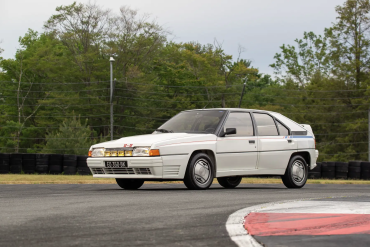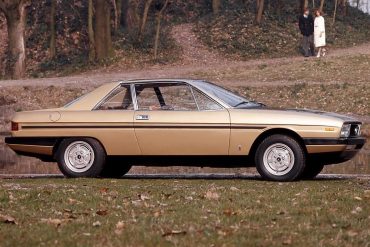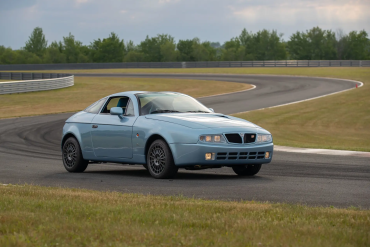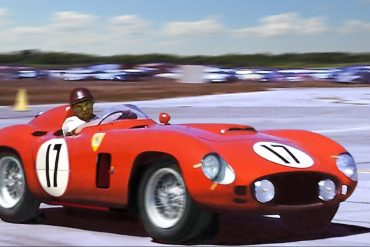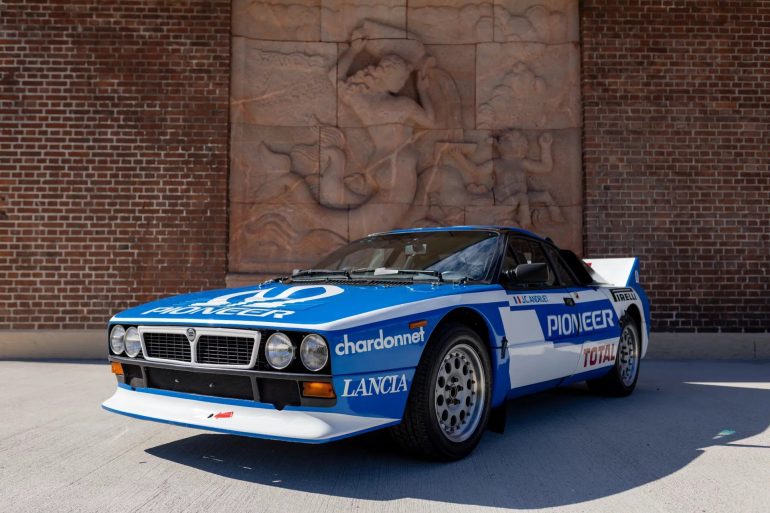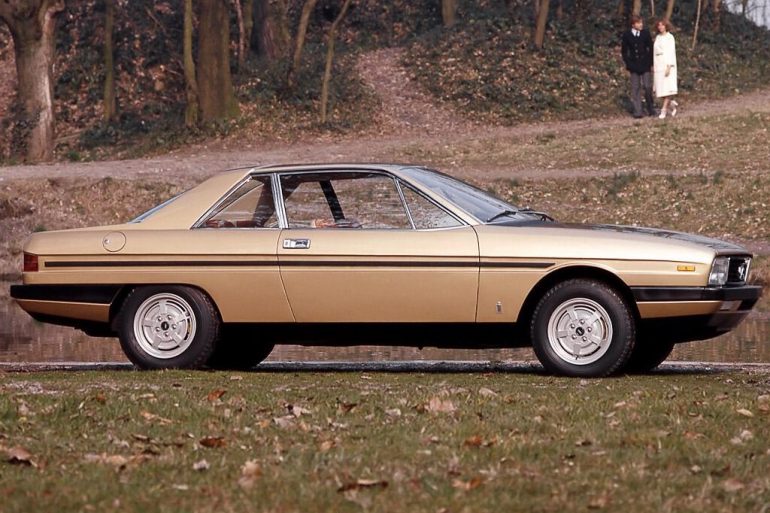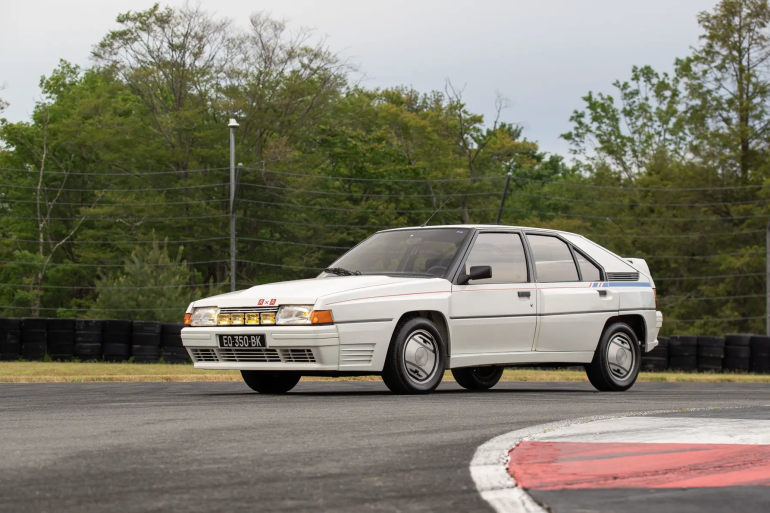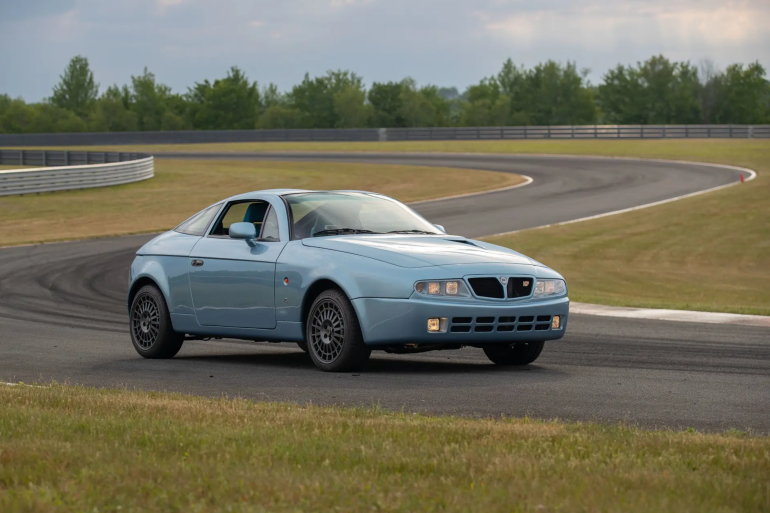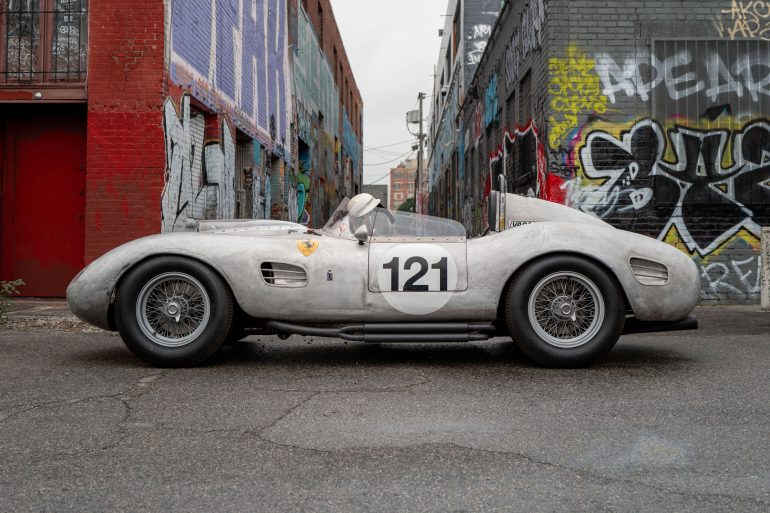
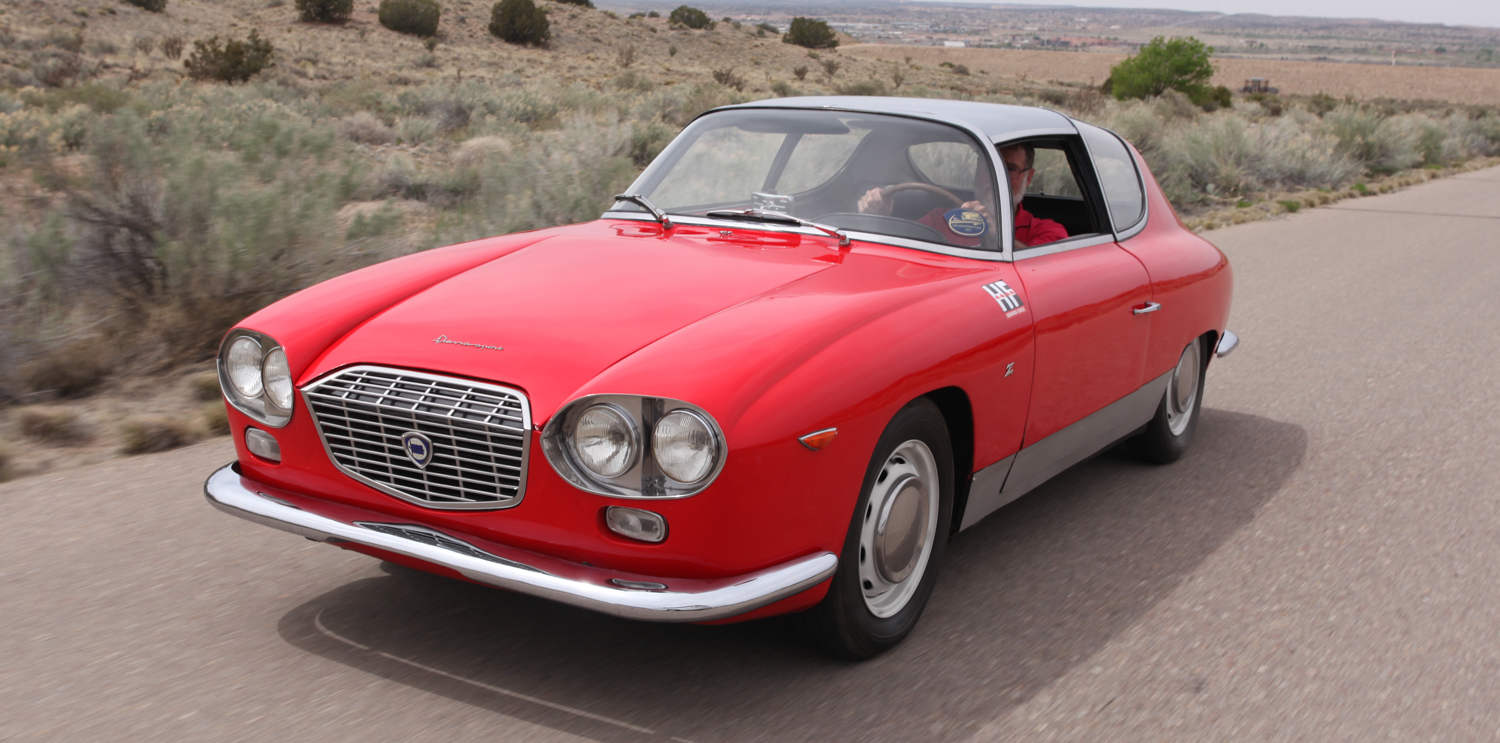
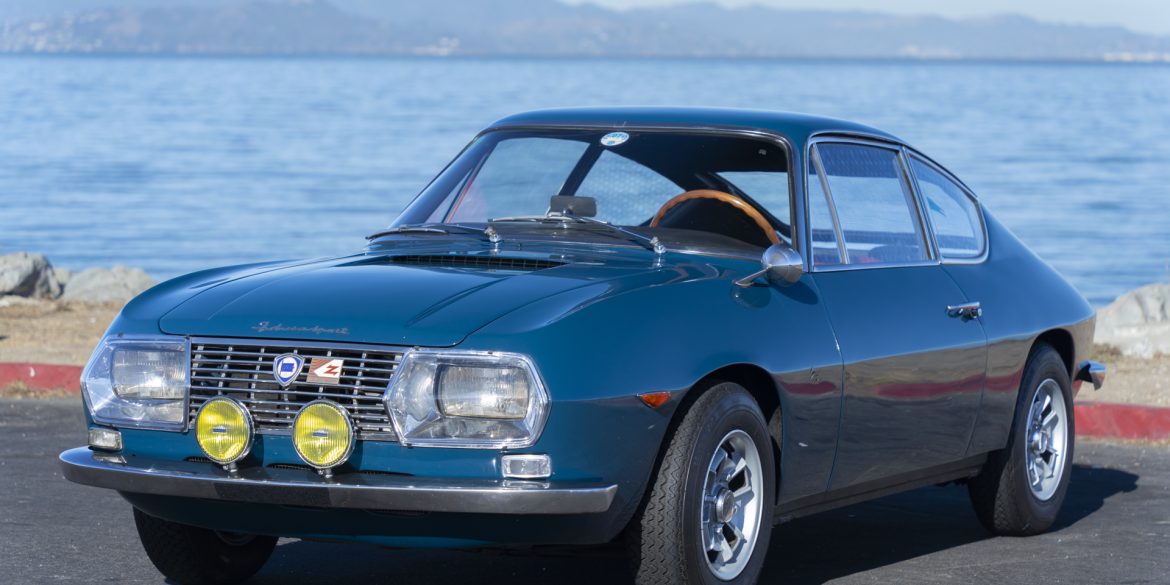
Road & Track called the Fulvia "a precision motorcar, an engineering tour de force" in 1967. Raffi Minasian on the Spada-designed Sport Zagato, the narrow-angle V4 coupe Lancia built in small numbers for buyers wanting a sports car profile.

Vincenzo Lancia's Turin company, founded in 1906 by a Fiat racing driver and for ninety years the most inventive carmaker in Italy: the Lambda's monocoque and independent front suspension in 1922, the Aprilia, the Aurelia and the first production V6, Jano's D24 that won the Carrera Panamericana and the Mille Miglia and his D50 that won Fangio a world championship as a Ferrari, the Fulvia, the Stratos, the 037, the Delta S4 and the Integrale that between them won ten World Rally Championships for manufacturers, more than anyone else, and the long decline under Fiat to a single hatchback and the Stellantis revival of now. The archive has 150 Lancia stories, from Ed McDonough's D50 and 1910 Tipo da Corsa to this month's Pininfarina Gamma coupé, and this page puts them in order.
The pieces to start with
Eight pieces on the marque: Robert Newman's Fall and Rise of Lancia, McDonough's D50 and 037, Sugaris's Stratos, Peter Collins's Delta Integrale, Casey Annis's cars that defined an era, Hemsley's Flavia Sport Zagato and Pete Lyons on Gianni Lancia's three seasons.
Vincenzo Lancia refused to spend on racing; his son Gianni spent heavily, had Jano build a Formula One car in 1953 and nearly sank the company. Robert Newman on 18½ world titles and how they were won.
Ed McDonough became the first journalist to test a D50, original or recreation, with many laps at Silverstone. The car was built around Ascari, who put one into Monaco harbor in 1955 and died at Monza four days later.
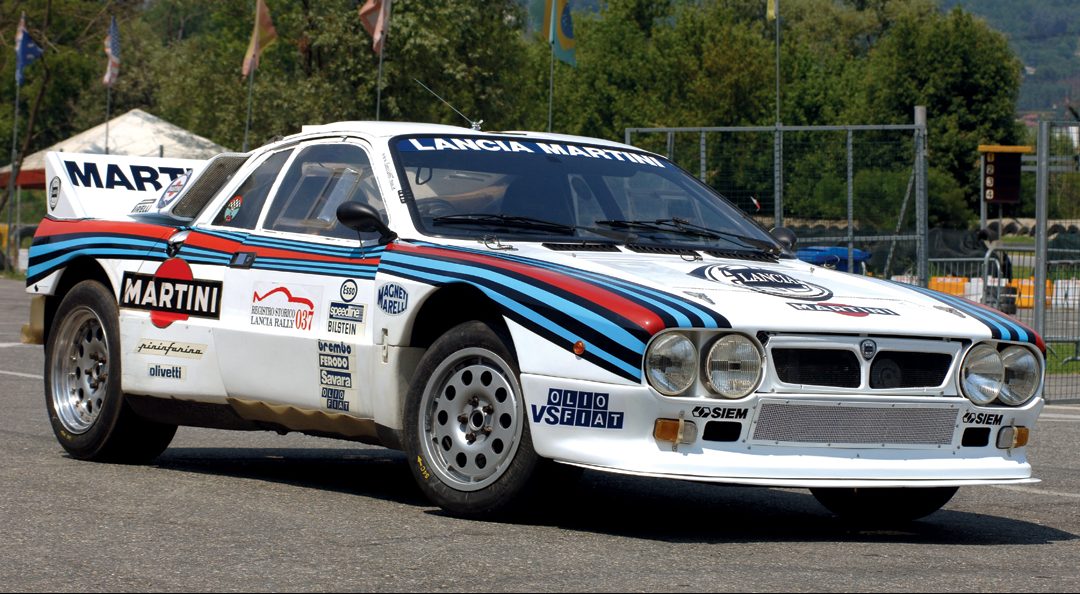
Midnight on the Col du Turini, deep snow, and from kilometers away a sound like someone filing tin: a supercharger. Ed McDonough on the car Fiat built after the 1975 rule change sidelined the Stratos, via the 131 Abarth.
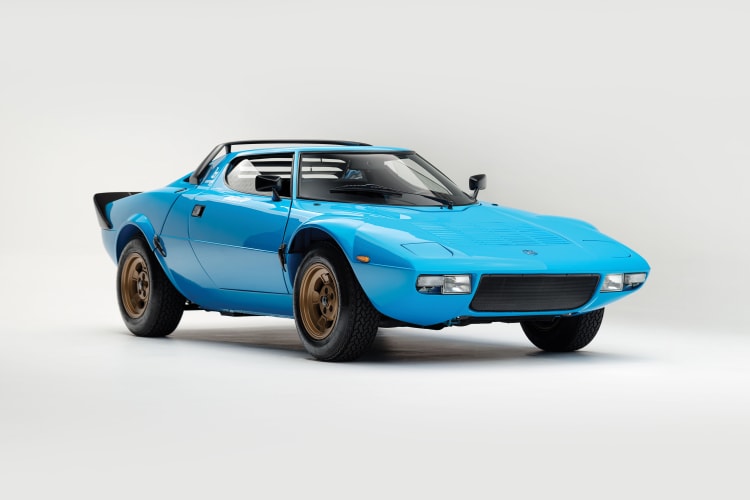
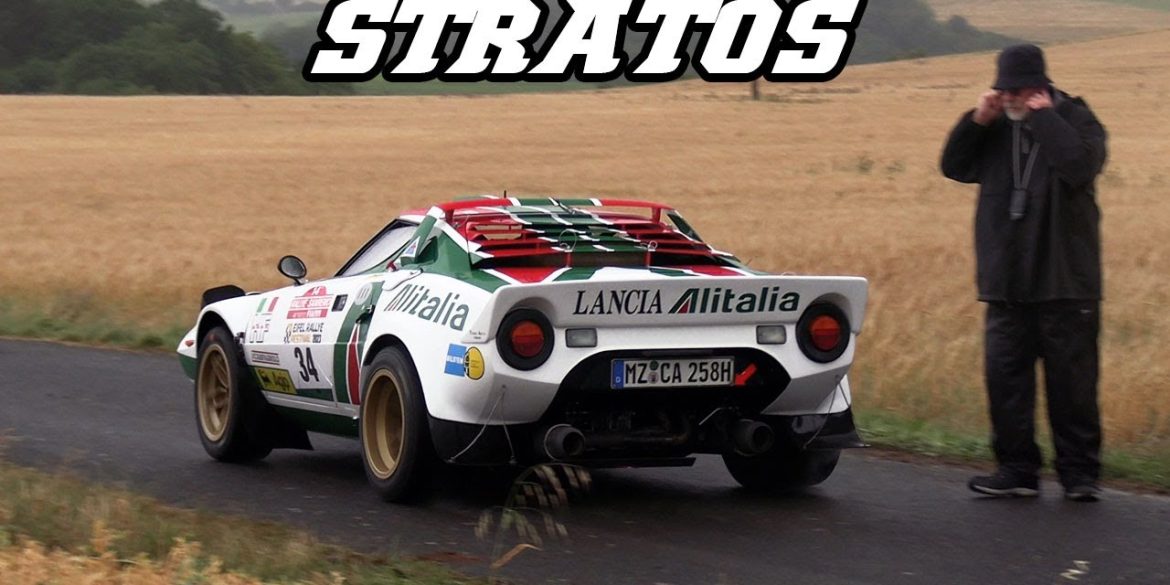
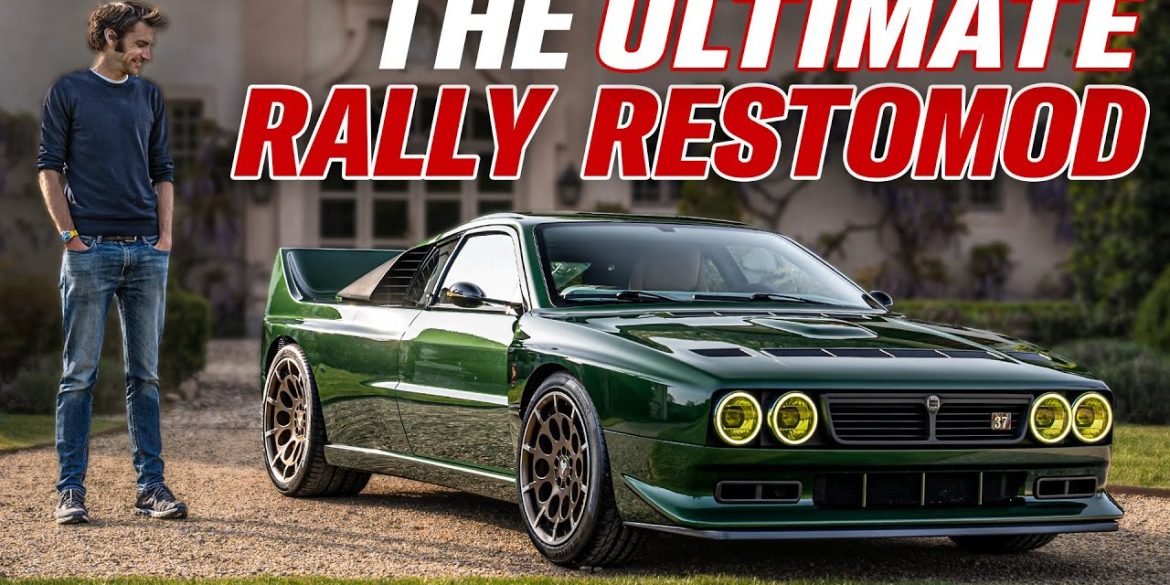
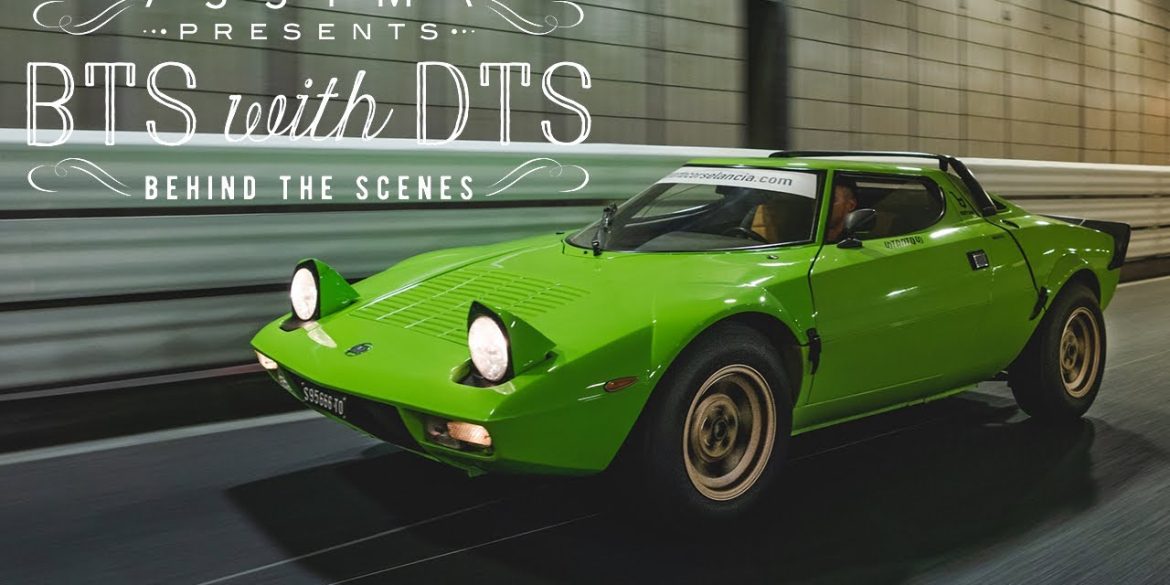
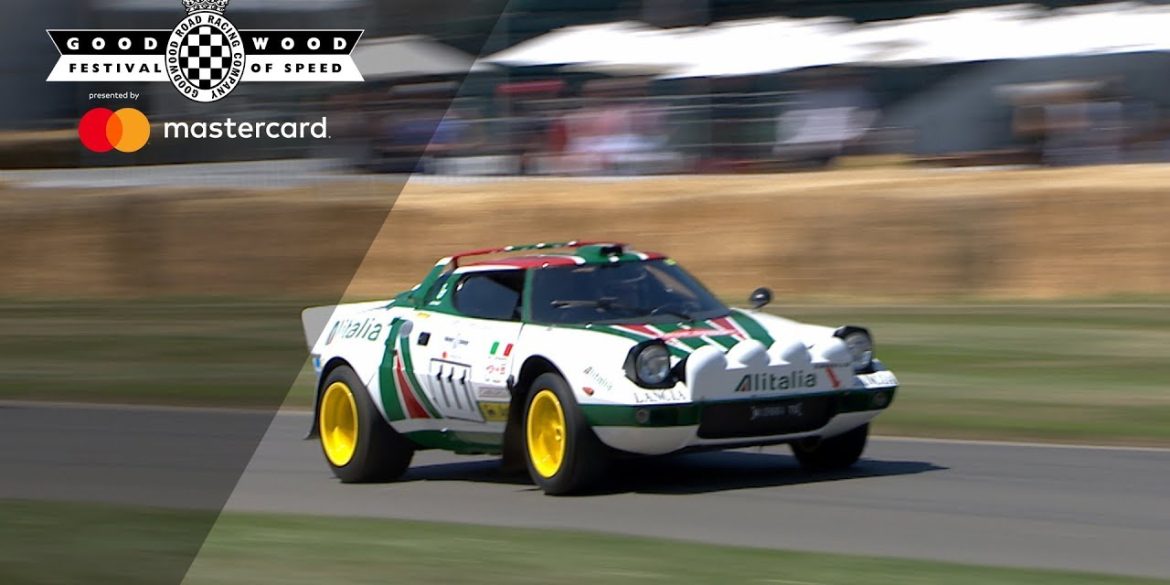
Lancia built the first production V6 and V4 engines, five-speed gearbox and unibody chassis before most of the industry. Djordje Sugaris on the wedge it sent rallying against Escorts and BMWs, the Stratos HF, before Group B.
Gianni Lancia lost his company in 1955; cement magnate Carlo Pesenti bought it, spent on Chivasso and the Flaminia, and brought the HF team back to competition under Cesare Fiorio. Peter Collins on what came next.
Vincenzo Lancia, a soup canner’s son, joined Ceirano in 1898, became FIAT’s test driver and racer after the takeover, won the 1904 Coppa Florio at a record 72 mph, and quit in 1906 to build his own cars.
Joe Ballengee’s 1965 Flavia Sport Zagato draws shouts from the curb; one car person called it “rare as rocking horse poo”. Vincenzo Lancia was meant to be the accountant for his father’s soup-canning business. How both came about.
Gianni Lancia had under three seasons, 1953 to 1955, to remake his father’s company through racing. He built winning cars and lost the firm. Pete Lyons on Vincenzo, second in the 1906 Vanderbilt Cup, and the son who bet everything.
The newest long-form writing on Lancia, as it is published.

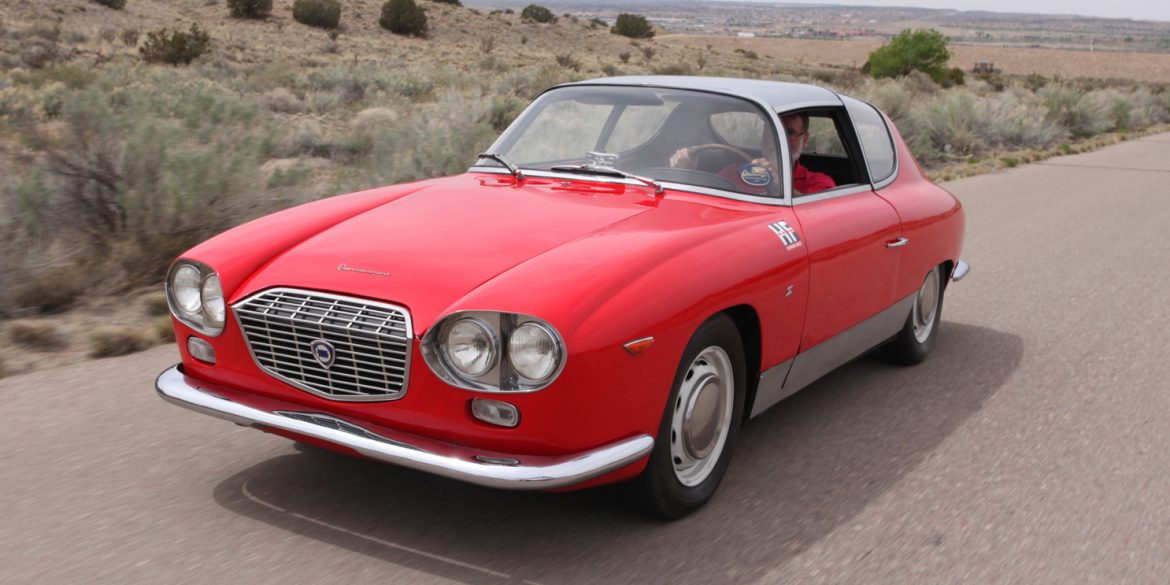
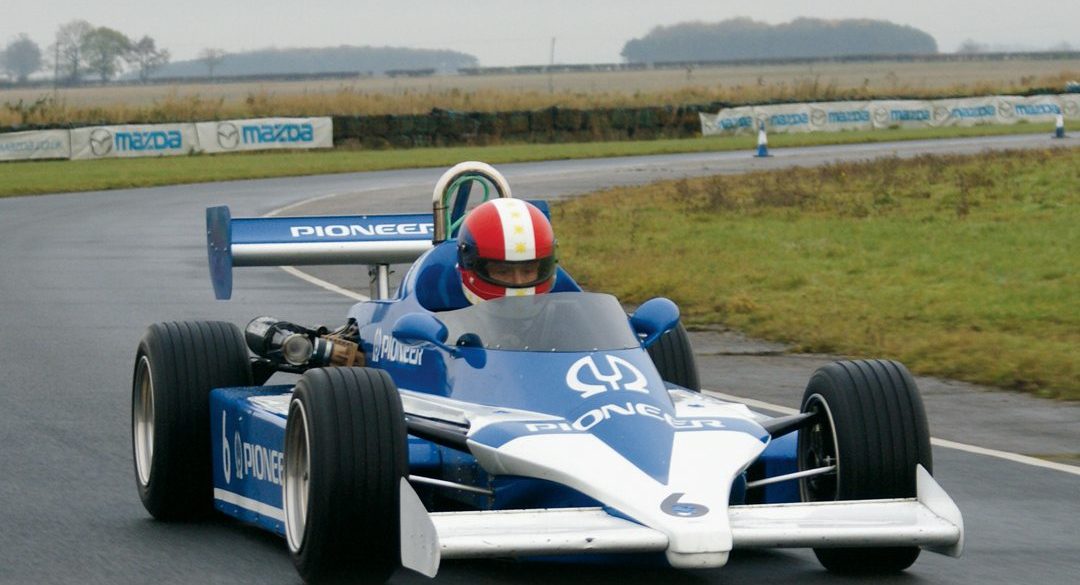
Lancia is the Turin marque Vincenzo Lancia, Fiat's works driver, founded with Claudio Fogolin on 27 November 1906 and ran until his death in 1937, that his widow Adele and son Gianni ran until 1955, that the Pesenti cement family owned until 1969 and Fiat has owned since, and that is now, inside Stellantis, being rebuilt from a one-model brand into a three-model one. It stands for two things. The first is engineering: the Lambda of 1922 with the first load-bearing body and the sliding-pillar independent front suspension that Lancia kept until 1963, the narrow-angle V4s and V8s, the Aprilia's aerodynamics in 1937, the Aurelia's V6 and rear transaxle in 1950, Antonio Fessia's front-wheel-drive Flavia and Fulvia, and a reputation, deserved, for building cars to a standard rather than a price that twice took the company to the edge. The second is competition: Gianni Lancia's two and a half seasons of Vittorio Jano's D24 sports cars and D50 Grand Prix car that won the Carrera Panamericana, the Mille Miglia and the Targa Florio and, as the Lancia-Ferrari, the 1956 world championship, and the rallying of 1965–92 that Cesare Fiorio built from the Fulvia HF into the Stratos, the 037, the Delta S4 and the Delta Integrale, ten manufacturers' world titles in eighteen years and six in a row, a record no one has beaten; the Beta Montecarlo Turbo won two world championships for makes on the circuits as well, and the LC2 raced the Porsches in Group C. Robert Newman counts eighteen and a half world championships in his Fall and Rise of Lancia, and the half is the D50.
The archive's Lancia coverage is strongest on the two competition eras and the Aurelia. It has McDonough's chassis histories of the D50, the LC2, the 037 Martini Shaker and the 1910 Tipo da Corsa that raced at Savannah, Pete Lyons on Gianni Lancia's brief grand opera, Newman's long history and his Jano, Ascari and Mille Miglia pieces, Casey Annis's Cars That Defined an Era, Peter Collins's Delta Integrale, Fulvia and Bertone features, Hemsley's Flavia Sport Zagato, Djordje Sugaris's Stratos and Delta S4, Raffi Minasian's By Design pieces on the Stratos, the 037, the Fulvia and the B20, Sean Smith's Aurelia B24, Appia GTE, Fulvia Fanalone and Integrale, John Campion's rally-car collection and, from 2026, the Hyena and the Gamma coupé. The chapters below follow it from the Savannah Grand Prize to the Stellantis showroom.
Vincenzo Lancia, born in 1881 the son of a soup manufacturer, was Fiat's chief tester and fastest driver, second in the 1906 Vanderbilt Cup, when he founded his own company in Turin with his friend Claudio Fogolin, and the Alfa of 1907, the Beta, Gamma, Delta and Epsilon that followed, named by Greek letters, were fast tourers built to an engineering standard that the 1910 Tipo da Corsa McDonough drives in The Savannah Stormer took to American racing. The Theta of 1913 was the first European car with electric lighting and starting as standard, the Trikappa of 1922 the first with a narrow-angle V8, and the Lambda of the same year the car that made the marque: a load-bearing body shell before anyone else's, sliding-pillar independent front suspension, a 13-degree V4 with a single overhead camshaft, and 13,000 built over nine series to 1931. The Dilambda of 1929, the Artena and the Astura of 1931, which the great coachbuilders dressed in the bodies that win Pebble Beach now, one of them Best of Show in 2016 in the archive, the Augusta of 1933, a small saloon with a monocoque and hydraulic brakes, and the Aprilia of 1937, a streamlined four-door with a drag coefficient of 0.47, pillarless doors and all-independent suspension, were Vincenzo's last cars; he died of a heart attack in February 1937, a month before the Aprilia reached the public, and his widow Adele ran the company with Manlio Gracco until their son Gianni was old enough. Vittorio Jano, Alfa Romeo's great designer, joined in 1937 after Alfa let him go and designed the Ardea and, after the war, everything that mattered.
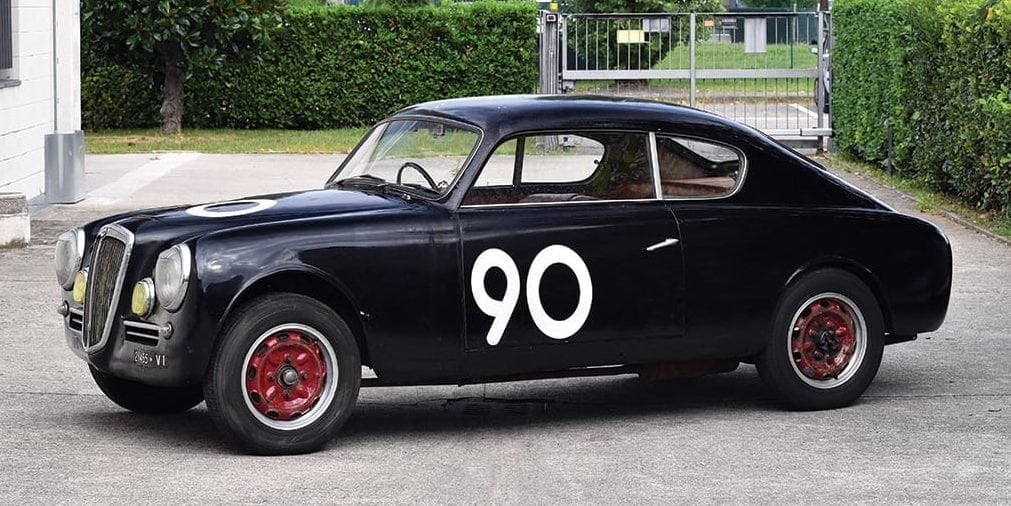
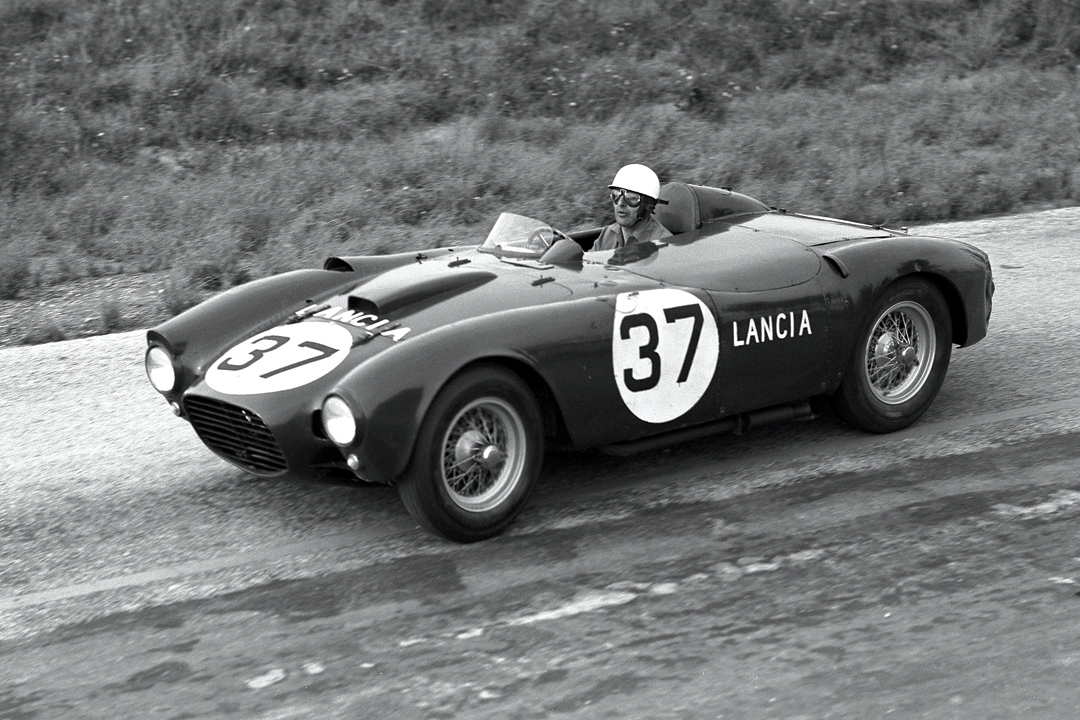
Gianni Lancia, an engineer of 24 when he took over in 1948, wanted to race, and Jano and his assistant Francesco De Virgilio gave him the cars to do it with. The Aurelia B10 of 1950 had the first production V6, a 60-degree 1.8-litre of De Virgilio's design, a rear-mounted gearbox and inboard brakes; the B20 GT of 1951, Pinin Farina's and Ghia's fastback coupé with two litres and then 2.5, was the first car anyone called a Gran Turismo and was second overall on the 1951 Mille Miglia with Giovanni Bracco behind only Villoresi's 4.1-litre Ferrari, won its class at Le Mans and the Targa Florio, and remains the car Lancia people love most, Mike Lawrence's and Raffi Minasian's archive pieces on it and the archive's 1952 B50 drive saying why; the B24 Spider America of 1955, 240 built, Sean Smith's convertible among its successors, is the most valuable road Lancia. From the B20 Jano built the D20 coupé of 1953, the D23 and the D24 spyder with a 3.3-litre quad-cam V6, and Fangio, Taruffi and Castellotti finished first, second and third in the 1953 Carrera Panamericana, Ascari won the 1954 Mille Miglia and Taruffi the 1954 Targa Florio, the only time the three great road races fell to one marque in two seasons. Pete Lyons's Let's Hail Lancia's Hundredth is the short version of those three seasons and Newman's Fall and Rise the long one.
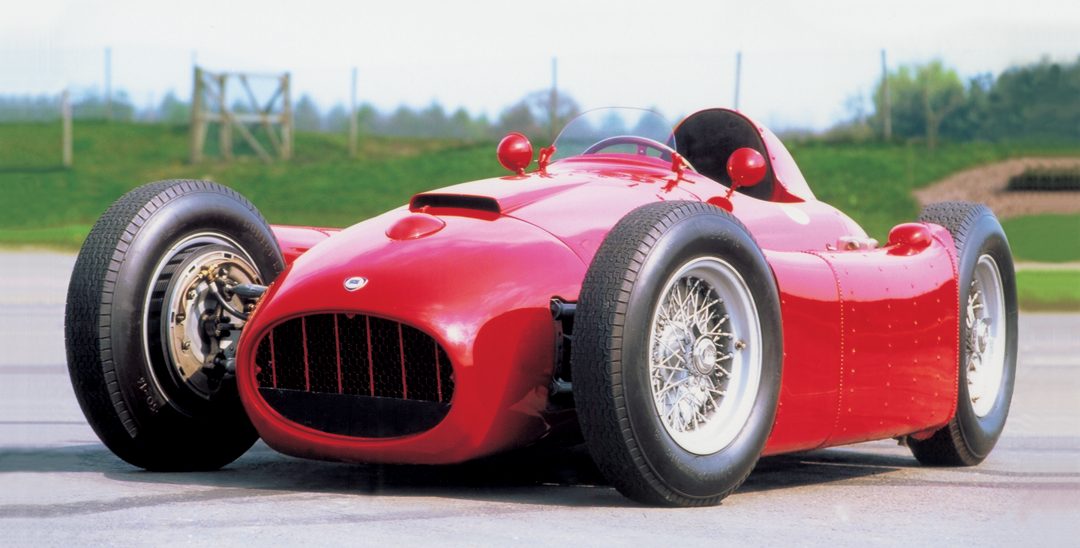
The D50 was Jano's Grand Prix car for the 2.5-litre formula of 1954: a 90-degree V8 used as a stressed member, set at an angle so the propshaft ran beside the driver and he sat low, fuel in pannier tanks between the wheels to keep the weight constant, and the smallest and lightest car in the field. It arrived late, at the Spanish Grand Prix in October 1954, where Alberto Ascari put it on pole and led; in 1955 Ascari won at Turin and Naples and Castellotti was second at Monaco after Ascari went into the harbour, and four days later Ascari was killed testing a Ferrari sports car at Monza. Gianni Lancia, bankrupt by the racing and the Aurelia's cost, handed the whole team, the D50s, the spares, Jano and a Fiat subsidy, to Enzo Ferrari in July 1955 and sold the company to the Pesentis; Fangio won the 1956 world championship in the Lancia-Ferrari D50, which is the half championship in Newman's count, and the D50 McDonough drives in Chariot of the Gods and Dennis David's profile are in the archive, with Eugenio Castellotti's thread beside them.
Every story on the site about the man who put the D50 on pole and won the 1954 Mille Miglia for Lancia, newest first.
The Pesenti years were Antonio Fessia's: the Flaminia of 1957, a 2.5 and then 2.8-litre V6 saloon and, from Pininfarina, Touring and Zagato, coupés and spiders that are among the handsomest Italian cars of the decade; the Flavia of 1960, the first Italian front-wheel-drive production car, with a flat-four and the Flavia Sport Zagato that Hemsley asks What on Earth? about; the Appia and its Zagato GTE, Sean Smith's 1960 car; and the Fulvia of 1963, a narrow V4 driving the front wheels, whose HF coupés from 1965 began the rally programme under Cesare Fiorio and whose 1.6 HF Fanalone won the 1972 Monte Carlo Rally with Sandro Munari and the International Championship for Manufacturers that year, the first of the ten. Peter Collins's Un Piccolo Gioiello and Raffi Minasian's Fulvia and Fulvia Sport Zagato pieces, John Zimmermann on Ercole Spada, who drew the Zagato Lancias, and Sean Smith's Fanalone are the archive's Fulvias. The cars were built as well as ever and cost more than they could be sold for, and in October 1969 Fiat bought Lancia from the Pesentis for a lira a share and its debts.
Fiat let Fiorio race. The Stratos of 1973, Marcello Gandini's wedge for Bertone around the Ferrari Dino's V6, a car built for nothing but rallying with just enough made to homologate it, won the World Rally Championship for manufacturers in 1974, 1975 and 1976 and the Monte Carlo Rally with Munari in 1975, 1976 and 1977, and it is the car Sugaris's Ferocious Rallying Performance, Raffi's By Design and Peter Collins's Bertone history are about; Fiat then gave the rallying to its own 131 Abarth and Lancia the circuits, and the Beta Montecarlo Turbo, a Group 5 silhouette car with a 1.4-litre turbo four built by Dallara, won the World Championship for Makes in 1980 and 1981 against the Porsche 935s, Riccardo Patrese, Walter Röhrl, Michele Alboreto and Eddie Cheever driving. The road cars were the Beta of 1972, the Gamma of 1976, whose Pininfarina coupé is the archive's newest Lancia story, the Delta of 1979, Giugiaro's hatchback that was European Car of the Year, and the Trevi, Prisma and Thema.
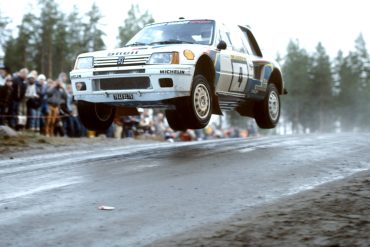
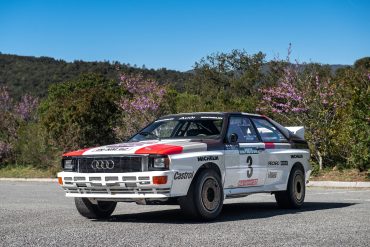
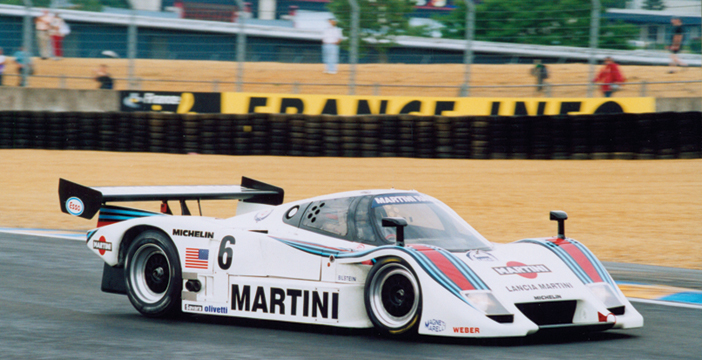
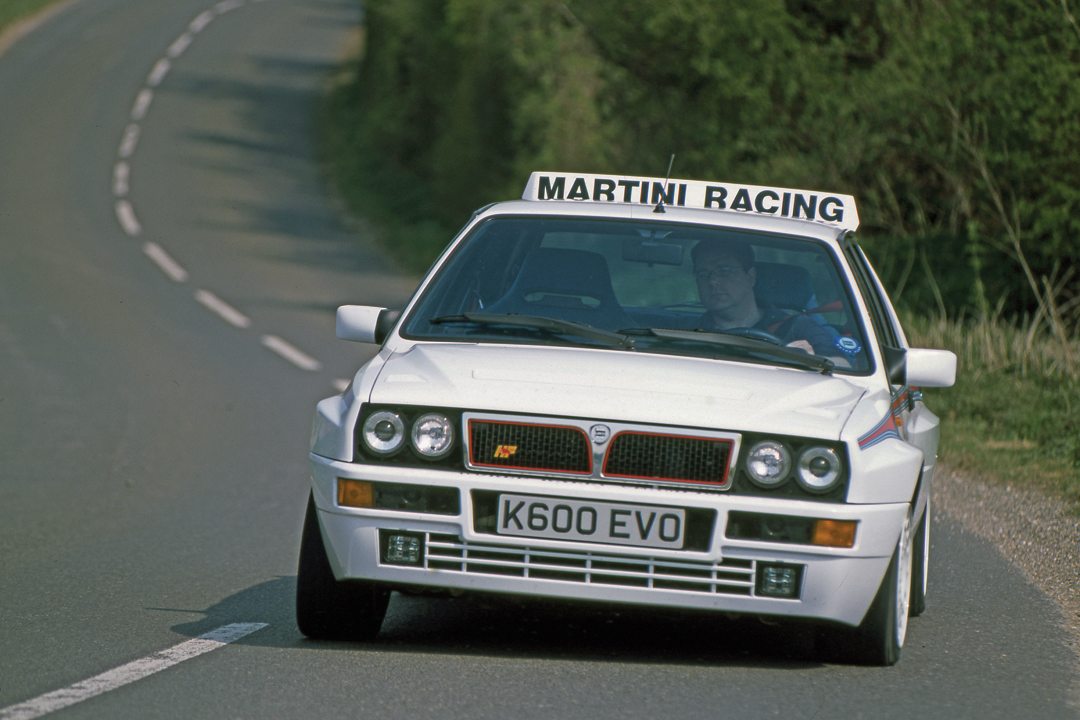
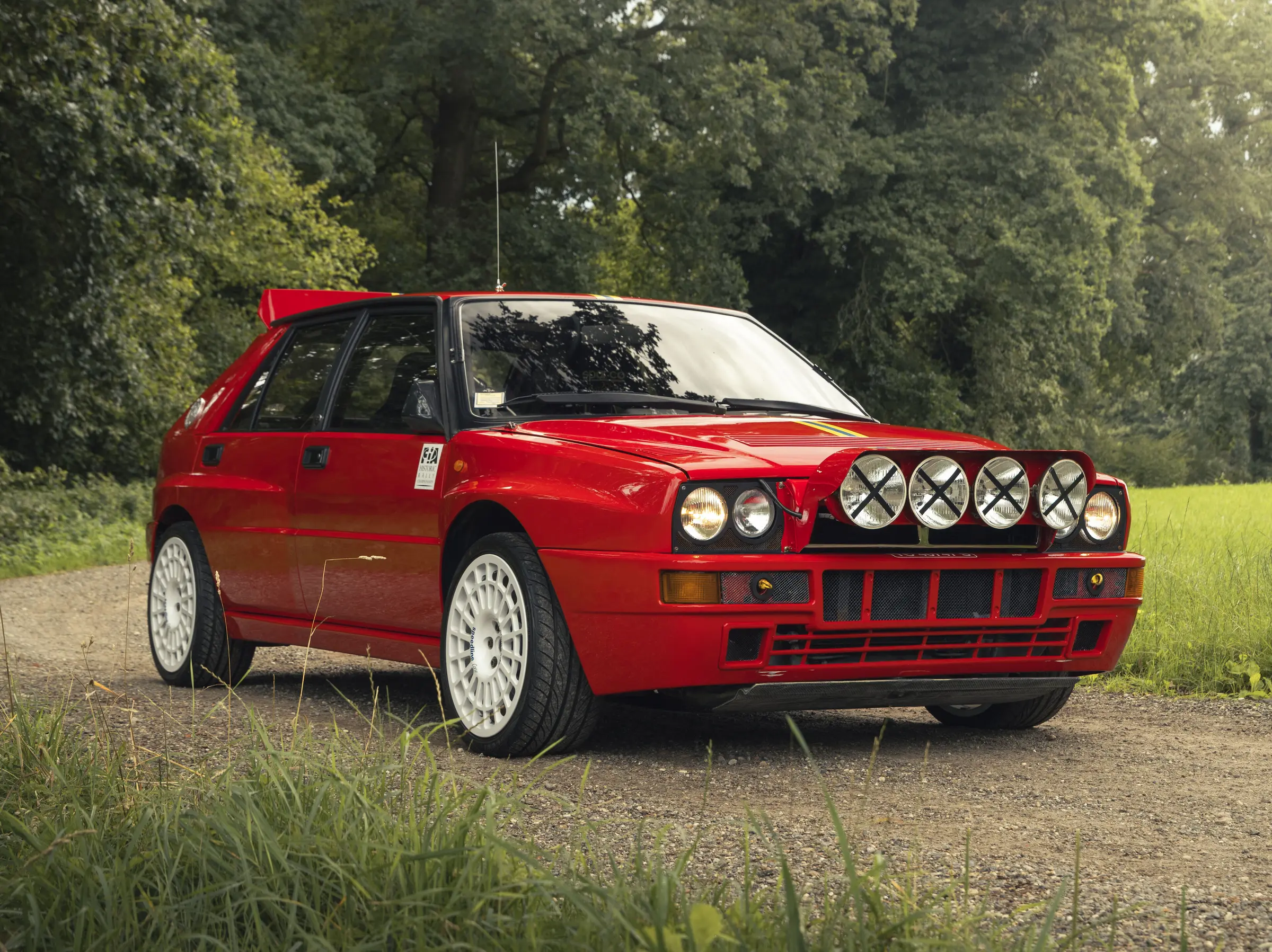
Lancia came back to rallying with the Rally 037 of 1982, Abarth's and Dallara's supercharged mid-engined car on the Montecarlo's centre section, which won the 1983 manufacturers' title against Audi's four-wheel-drive Quattros with Röhrl's and Markku Alén's wins, the last rear-drive car to win the championship, and the Delta S4 of 1985, a spaceframe with a supercharged and turbocharged 1.8 and four-wheel drive under a Delta's silhouette, which won its first event, the 1985 RAC, with Henri Toivonen and was the fastest Group B car until Toivonen and Sergio Cresto were killed in it on the 1986 Tour de Corse and the category was banned; McDonough's Martini Shaker is a works 037, Sugaris's Delta S4 feature and Raffi's 037 Stradale the two cars, and John Campion's collection in Florida has all of them. The Group A Delta HF 4WD of 1987 and the Integrale, Integrale 16v and Evoluzione that followed won the manufacturers' championship every year from 1987 to 1992, six in a row, with Juha Kankkunen and Miki Biasion taking two drivers' titles each; Peter Collins's Dealt an Ace is the full story of the Delta, Sean Smith's 1993 Integrale the road car, and the Jolly Club's 1992 season the last. Lancia withdrew at the end of 1992 with ten manufacturers' titles, a record that still stands; the LC2 Group C car of 1983–86, with a Ferrari-based turbo V8 and Patrese, Alboreto, Nannini and Wollek, was fast and fragile, McDonough's words, against the Porsche 956s, and the archive has its history too.
Every story on the site about the category the 037 and Delta S4 fought in, newest first.
Without racing Lancia had nothing to sell but comfort. The Thema 8.32 with its Ferrari V8, the Dedra, the Kappa, the Lybra and the Thesis of 2002 were good cars that nobody outside Italy bought, Zagato's Hyena of 1992, a Delta Integrale in a coupé body, 24 built, was the last special, and Fiat withdrew the marque from right-hand-drive markets in 1994 and from everywhere but Italy by 2017, when the Ypsilon supermini became the only Lancia; Chrysler's 300 and Voyager were sold as Lancias for three unhappy years from 2011. Stellantis announced the revival in 2021 under Luca Napolitano: the new Ypsilon of 2024, built on the Peugeot 208's platform in Spain with an HF version, the Gamma fastback of 2026 and a new Delta to follow, and a return to rallying with the Ypsilon Rally4 HF in 2025. The Lancia museum collection is in Fiat's Heritage Hub in Turin, the Lopresto collection in Milan has the coachbuilt cars, and Rallylegend at San Marino and the Rallye Monte Carlo Historique are where the Stratos, 037s and Integrales run now.
The table below gives every year from 1906 to 2026: the cars, the racing and the company, and the archive piece for each. Model names link to every story on the site about that car; the People links open the drivers' and engineers' own threads.
The cars, the racing and the company, year by year, with the archive's story of each linked. Model names link to every story on the site about that car; the People links open the drivers' and engineers' threads.
| Year | The cars | The racing and the company | In the archive |
|---|---|---|---|
| 1906–10 | Lancia · Vincenzo Lancia | Vincenzo Lancia and Claudio Fogolin found the company; the Alfa of 1907; the Greek-letter cars; the Tipo da Corsa at Savannah | The Savannah Stormer: 1910 Tipo da Corsa |
| 1913–22 | Lambda · Lancia | The Theta with electrics as standard; the Trikappa V8; the Lambda of 1922, the first monocoque and independent front suspension | Lancia: Cars That Defined an Era |
| 1929–33 | Astura · Pininfarina | The Dilambda, the Artena and the Astura, the coachbuilders' Lancia; the Augusta | Astura wins Pebble Beach 2016 · Art Deco and the Automobile: Axis Deco |
| 1937 | Aprilia · Vittorio Jano | The Aprilia; Vincenzo Lancia dies in February; Adele Lancia and Gianni; Jano arrives from Alfa Romeo | The Fall and Rise of Lancia |
| 1950–51 | Aurelia B20 · Giovanni Bracco | The Aurelia B10 and the first production V6; the B20 GT; Bracco second on the Mille Miglia behind Villoresi's Ferrari | Mike Lawrence: Lancia · Raffi on the B20 · 1952 Aurelia B50 |
| 1953 | D24 · Fangio · Piero Taruffi · Carrera Panamericana | The D20, D23 and D24; Fangio, Taruffi and Castellotti first, second and third in the Carrera Panamericana | Let's Hail Lancia's Hundredth |
| 1954 | D24 · D50 · Alberto Ascari · Mille Miglia | Ascari wins the Mille Miglia and Taruffi the Targa Florio in D24s; the D50 on pole at its first Grand Prix in Spain | Chariot of the Gods: the D50 · Lancia D50 · Life and Times of the Mille Miglia, Part 3 |
| 1955 | D50 · Aurelia B24 · Castellotti · Lancia-Ferrari | Ascari's wins at Turin and Naples; Castellotti second at Monaco; Ascari killed at Monza; the team handed to Ferrari in July; the Pesentis buy Lancia; the B24 Spider America | 1956 B24 Convertible · Pitlane Picnic |
| 1956 | Lancia-Ferrari · Fangio | Fangio world champion in the Lancia-Ferrari D50, the half title in Newman's count | The Final Countdown |
| 1957–60 | Flaminia · Zagato · Pininfarina | Fessia's Flaminia and its Pininfarina, Touring and Zagato coupés; the Appia Zagato; the front-wheel-drive Flavia of 1960 | 1960 Appia GTE · Ercole Spada: Design by Design |
| 1963–65 | Fulvia · Zagato | The Fulvia; the Flavia Sport Zagato; Fiorio's HF Squadra Corse and the first Fulvia HF coupés | What on Earth? 1965 Flavia Sport Zagato · Un Piccolo Gioiello: the Fulvia |
| 1969 | Fulvia · Lancia | Fiat buys Lancia from the Pesentis for a lira a share; the Fulvia 1.6 HF Fanalone | Fulvia 1.6 HF Fanalone · Raffi on the Fulvia |
| 1972 | Fulvia · Sandro Munari · Monte Carlo Rally | Munari wins the Monte Carlo Rally in the Fulvia HF; the International Championship for Manufacturers, the first of ten; the Beta | The Fulvia Sport Zagato |
| 1973–74 | Stratos · Bertone · Gandini | The Stratos homologated: Gandini's wedge, the Dino V6; the first World Rally Championship for manufacturers in 1974 | Lancia Stratos HF · By Design: Lancia Stratos · Carrozzeria Bertone |
| 1975–77 | Stratos · Sandro Munari · World Rally Championship | The Stratos's second and third titles; Munari's three straight Monte Carlos; Fiat moves the rallying to the 131 Abarth | |
| 1980–81 | Beta · Dallara · Group 5 | The Beta Montecarlo Turbo wins the World Championship for Makes twice against the 935s with Patrese, Röhrl, Alboreto and Cheever; the Delta is Car of the Year | High Tech Tin-Tops |
| 1982–83 | 037 · Walter Röhrl · Markku Alén · Martini | The Rally 037; Röhrl's Monte Carlo and the 1983 manufacturers' title against the Quattros, the last for rear-wheel drive; the LC2 in Group C | Martini Shaker: 1982 Rally 037 · 037 Stradale · Fast and Fragile: the LC2 |
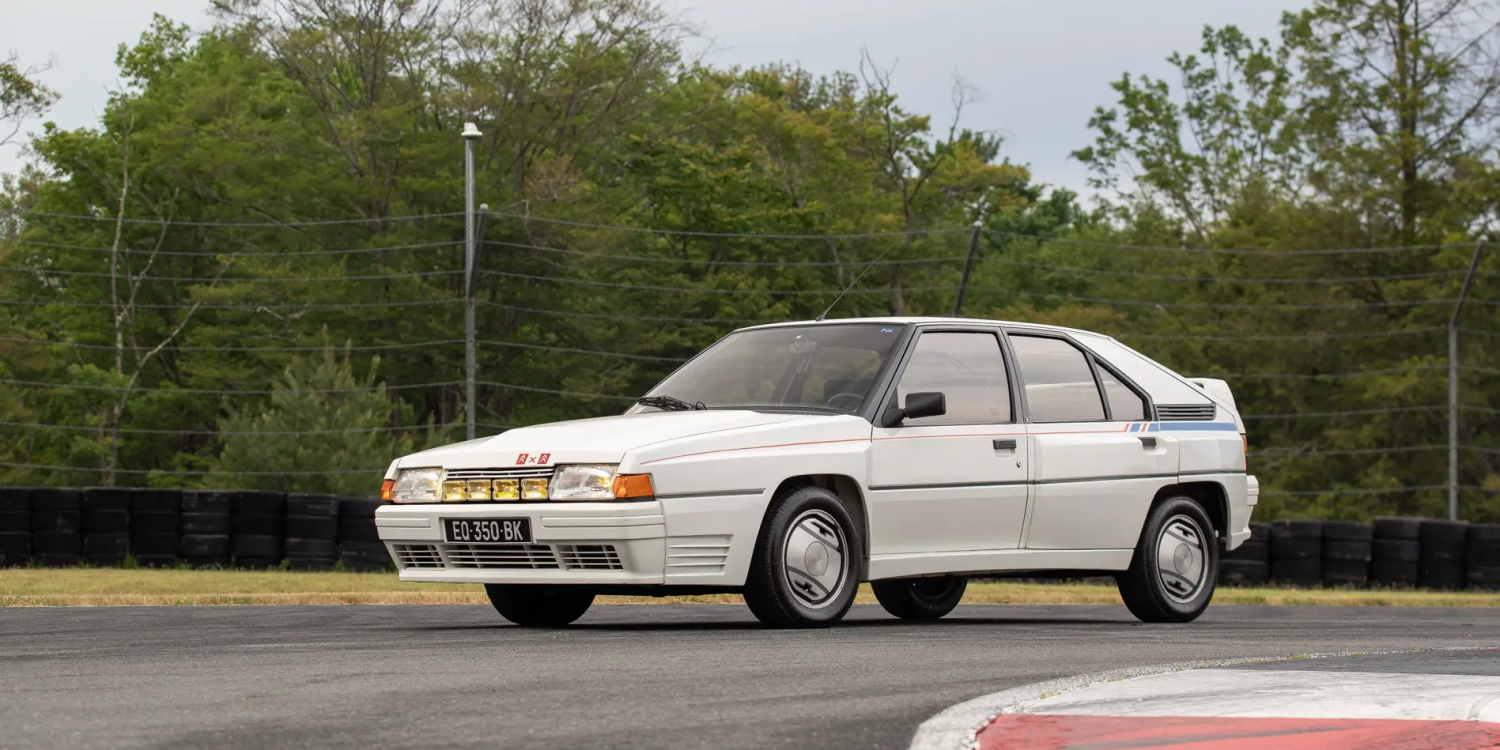
| 1985–86 | Delta S4 · Group B | The Delta S4 wins the RAC on its debut with Toivonen; Toivonen and Cresto killed on the Tour de Corse; Group B banned | Lancia Delta S4 · John Campion's Lancias · The Citroën BX 4TC and Group B |
| 1987–92 | Delta Integrale · Miki Biasion · World Rally Championship | The Delta HF 4WD and Integrale: six straight manufacturers' titles, Kankkunen's and Biasion's two each; Lancia withdraws after 1992 with ten | Dealt an Ace: the Delta Integrale · 1993 Lancia Integrale |
| 1992–2002 | Delta Integrale · Zagato | Zagato's Hyena; the Thema 8.32, Kappa, Lybra and Thesis; right-hand drive dropped in 1994 | The Lancia Hyena by Zagato |
| 2011–17 | Lancia | Chrysler-badged Lancias; the marque reduced to the Ypsilon and to Italy | Inside the Lopresto Collection |
| 2019–21 | Lancia | The Fiat Heritage Hub opens in Turin with the Lancia collection; Stellantis announces the revival | Fiat Heritage Hub |
| 2024–26 | Lancia · Pininfarina | The new Ypsilon and Ypsilon HF; the Ypsilon Rally4 back in the rallies; the Gamma; the archive's Gamma coupé history | Pininfarina's Lancia Gamma Coupé |
The Mille Miglia, Targa Florio and Carrera Panamericana pages and the Grand Prix History hub carry the 1950s in full; Fiat and Abarth will have pages of their own.
The nine cards below are the Lancias the archive writes about most: the Lambda and the pre-war cars, the Astura, the Aurelia B20 and B24, the D24 and D50, the Flaminia and Flavia, the Fulvia, the Stratos, the 037 and Delta S4, and the Delta Integrale. Each links to every story on the site about that car.
Nine the archive has most to say about; each links to every story on the site about that car.
Single-car and chassis stories: the Aurelias, the D50, the Fulvias, the Stratos, 037 and Integrale.
Lancia's record is Gianni's three seasons and Fiorio's twenty-eight years. The Carrera Panamericana of 1953, the Mille Miglia and Targa Florio of 1954 and the D50's Grands Prix of 1954–55; the Monte Carlo Rally ten times, 1972 with the Fulvia, 1975–77 with the Stratos, 1983 with the 037 and 1987–90 and 1992 with the Delta; the World Rally Championship for manufacturers in 1974, 1975, 1976, 1983 and 1987–92, ten titles, and the International Championship of 1972 before it; the Safari, the Acropolis, the Tour de Corse, the RAC, the 1000 Lakes and Sanremo; the World Championship for Makes of 1980 and 1981 with the Beta Montecarlo; the LC2 in Group C; and the European Touring Car Championship and Italian saloon racing in between. The Mille Miglia, Targa Florio and Carrera Panamericana pages and the Grand Prix History hub have the 1950s in full, and the Racing (Lancia) feed below gathers every race report with a Lancia in it; the Group B and World Rally Championship feeds are the rallying threads.
Race profiles and reports with a Lancia in them, newest first.
Every story on the site about the championship Lancia won ten times, newest first.
Lancia's people are Vincenzo Lancia and Claudio Fogolin; Adele and Gianni Lancia; Vittorio Jano, Francesco De Virgilio and Antonio Fessia, the engineers; Battista Falchetto, who engineered the Lambda; Pinin Farina, Zagato and Ercole Spada, Bertone and Gandini, Giugiaro, Touring and Vignale, who bodied the cars; Cesare Fiorio, who ran the rallying from HF Squadra Corse to the Martini years, and Claudio Lombardi and Giorgio Pianta, who built the cars; and the drivers, Ascari, Fangio, Taruffi, Castellotti and Villoresi in the 1950s, Munari, Björn Waldegård, Röhrl, Alén, Attilio Bettega, Toivonen, Kankkunen, Biasion, Auriol and Carlos Sainz in the rallies, Patrese, Alboreto and Cheever on the circuits. The archive has Newman's Jano and Ascari pieces, the Castellotti and Villoresi threads, Zimmermann on Spada, Collins on Bertone and the John Campion profile; the Ascari and Fangio feeds are below and the People hub has the rest.
Every story on the site about the designer of the Aurelia, D24 and D50, newest first.
Every story on the site about the Carrera winner and Lancia-Ferrari champion, newest first.
Lancias are valued by rarity and racing. The coachbuilt Asturas are $2–4 million cars at the top, the Dilambdas and Lambdas $100,000–400,000; the Aurelia B24 Spider America $1–1.8 million, the B24 convertible $400,000–700,000, the B20 GT $200,000–500,000 depending on series, the Flaminia Zagato and Touring coupés $300,000–600,000 and the Flaminia Sport Zagato more, the Appia Zagato $150,000–300,000; the Fulvia HF Fanalone $100,000–180,000 and the Fulvia Sport Zagato $60,000–120,000; the Stratos Stradale $500,000–900,000 and the works rally cars above $1 million; the 037 Stradale $400,000–700,000 and the Delta S4 Stradale $800,000 and up, the works Group B cars more; the Delta Integrale Evoluzione $100,000–250,000, the Hyena the same; the LC2 and the surviving D24, D50 and Beta Montecarlo Turbo in museums or private hands and priced accordingly. Bonhams's Padua and Goodwood sales, RM Sotheby's Milan and the Italian specialists are the market's centre; the Auctions and For Sale feeds below carry the current sales and the Market page has the auction houses and calendar.
Auction previews and results for Lancias, newest first.
Lancias offered by dealers and collectors, newest first.
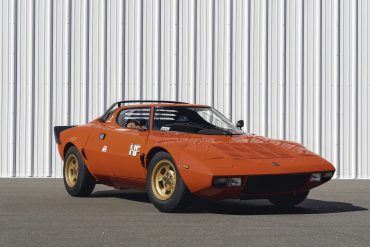
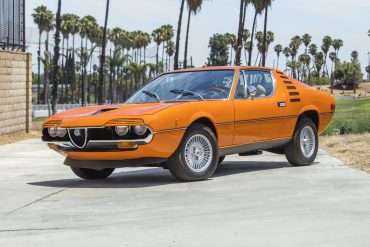
The archive's Lancia galleries come from the Mille Miglia Storica, where the Aurelias and D24 run, Pebble Beach and Villa d'Este, where the Asturas win, Rétromobile, the Goodwood Festival of Speed's rally stage, Rallylegend, the Monte Carlo Historique, the Fiat Heritage Hub and the Lopresto collection; the Galleries feed below gathers them.
Lancia galleries from the Mille Miglia, Pebble Beach, Villa d'Este and Rallylegend.
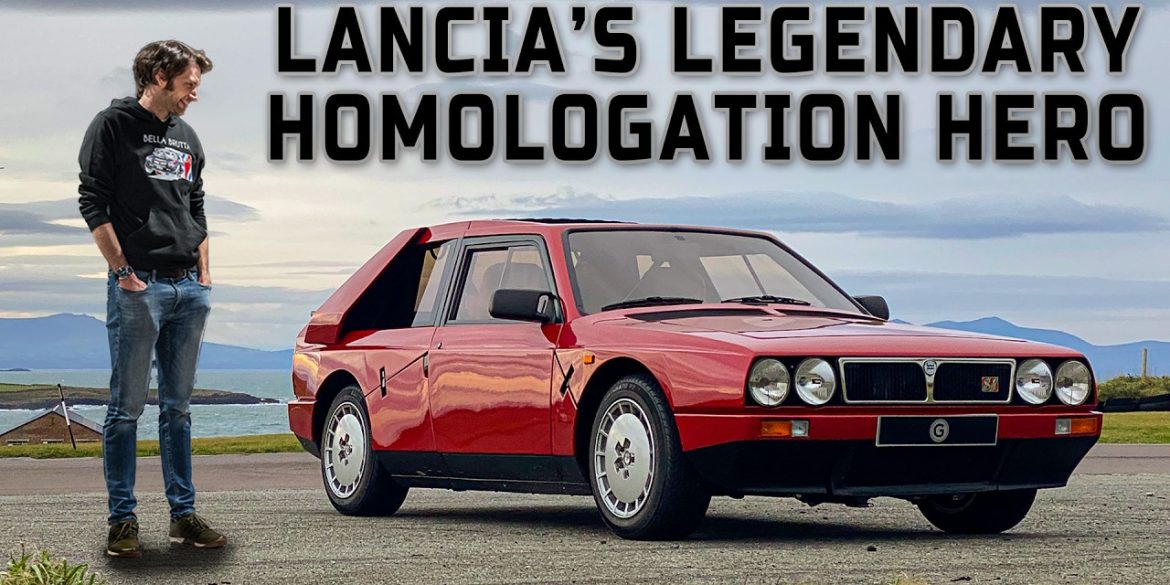
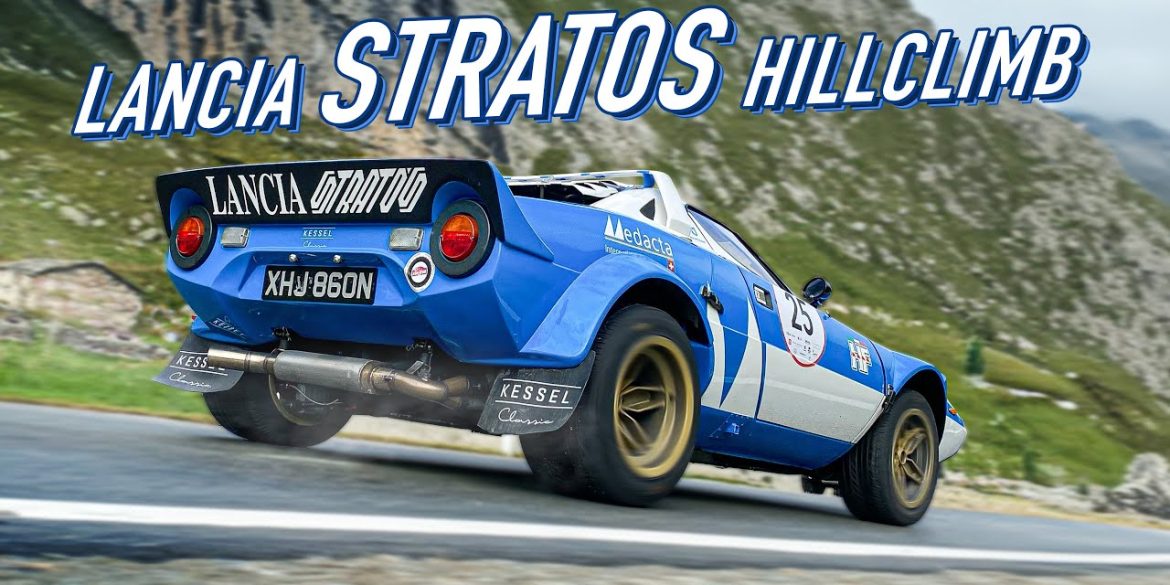
Founded 27 November 1906, Turin. Lambda 1922: first monocoque, first sliding-pillar front suspension, 13,000 built. Aurelia 1950: first production V6. D24: Carrera Panamericana 1953 (1-2-3), Mille Miglia 1954, Targa Florio 1954. D50: pole on debut, Spain 1954; world champion as the Lancia-Ferrari, 1956. Fulvia HF: Monte Carlo and International Championship 1972. Stratos: WRC manufacturers 1974–76, Monte Carlo 1975–77. Beta Montecarlo Turbo: World Championship for Makes 1980–81. 037: WRC 1983. Delta: WRC 1987–92, six in a row. Ten manufacturers' world rally titles, the record. Fiat ownership since October 1969. Stellantis revival: Ypsilon 2024, Gamma 2026.
Short answers, with the long ones above.
Vincenzo Lancia, Fiat's works racing driver, with Claudio Fogolin, in Turin on 27 November 1906. His son Gianni ran the company from 1948 to 1955, the Pesenti family from 1955 to 1969 and Fiat, now Stellantis, since.
Vincenzo's habit from the Alfa of 1907: Beta, Gamma, Delta, Epsilon, Theta, Kappa, Lambda and so on, revived for the Beta of 1972, the Gamma, the Delta, the Thema and the Kappa, and now for the Ypsilon and the new Gamma.
It was the first production car with a load-bearing body instead of a separate chassis and the first with independent front suspension, Lancia's sliding pillars, in 1922; it had a narrow-angle V4 and four-wheel brakes and 13,000 were built. Most of what became normal in car design was in it.
Half of one, in Robert Newman's reckoning: Jano's D50 was handed to Ferrari in July 1955 with the whole team, and Fangio won the 1956 world championship in it as the Lancia-Ferrari D50. Ascari won two non-championship races in it for Lancia in 1955 before he was killed.
Ten manufacturers' titles, the record: 1974, 1975 and 1976 with the Stratos, 1983 with the 037 and every year from 1987 to 1992 with the Delta HF 4WD and Integrale. Its drivers won four titles in the Delta, Kankkunen and Biasion two each.
Gandini's Bertone wedge of 1973 with the Ferrari Dino V6 behind the seats, the first car designed from a clean sheet to win rallies; about 490 were built to homologate it, it won three world championships and three Monte Carlos with Munari, and the Stradale is a $500,000–900,000 car.
The S4 of 1985–86 is a Group B car, a tube-frame special with a supercharged and turbocharged engine and a Delta's shape; the Delta HF 4WD and Integrale of 1987–94 are Group A cars built from the real Delta hatchback, which won six straight championships and about 44,000 of which were sold.
Fiat used it as a comfort brand and starved it of new cars after the rallying ended in 1992; right-hand drive went in 1994, every market outside Italy by 2017, and from then until 2024 the Ypsilon supermini was the whole range. Stellantis is rebuilding it with the new Ypsilon, the Gamma and a Delta to come.
The coachbuilt Asturas, at $2–4 million, and the Aurelia B24 Spider America at up to $1.8 million; among the rally cars the works Stratos, 037 and Delta S4 Group B cars, when they sell, bring more than $1 million.
It returned to rallying in 2025 with the Ypsilon Rally4 HF in the junior classes, thirty-three years after the Delta's last championship, and the historic Stratos, 037s and Integrales run every year at Rallylegend and the Monte Carlo Historique.
The whole archive on one thread, newest first.