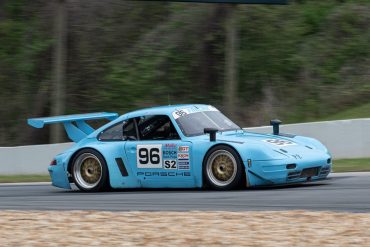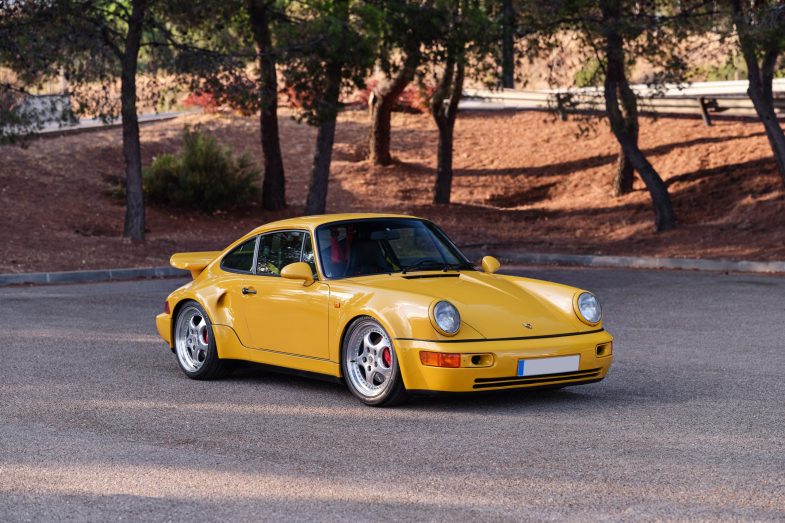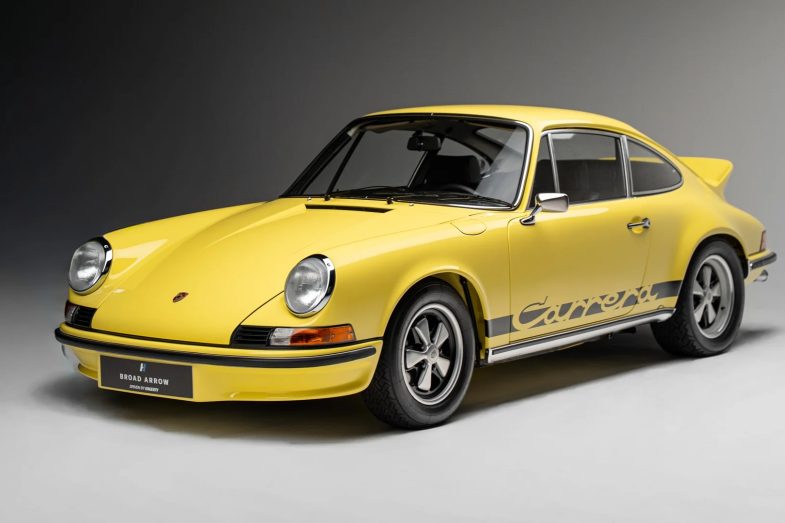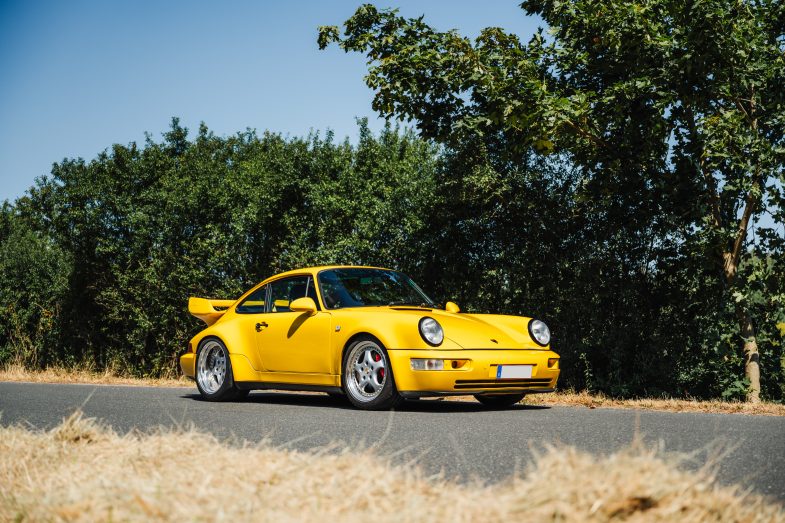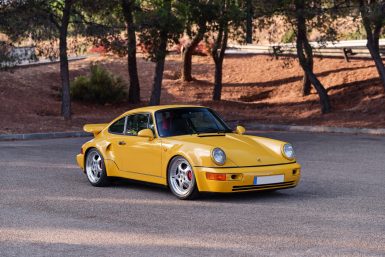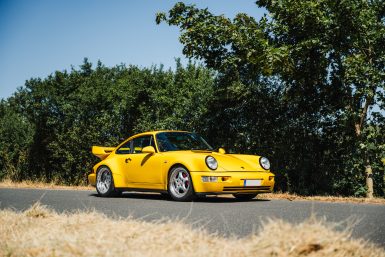
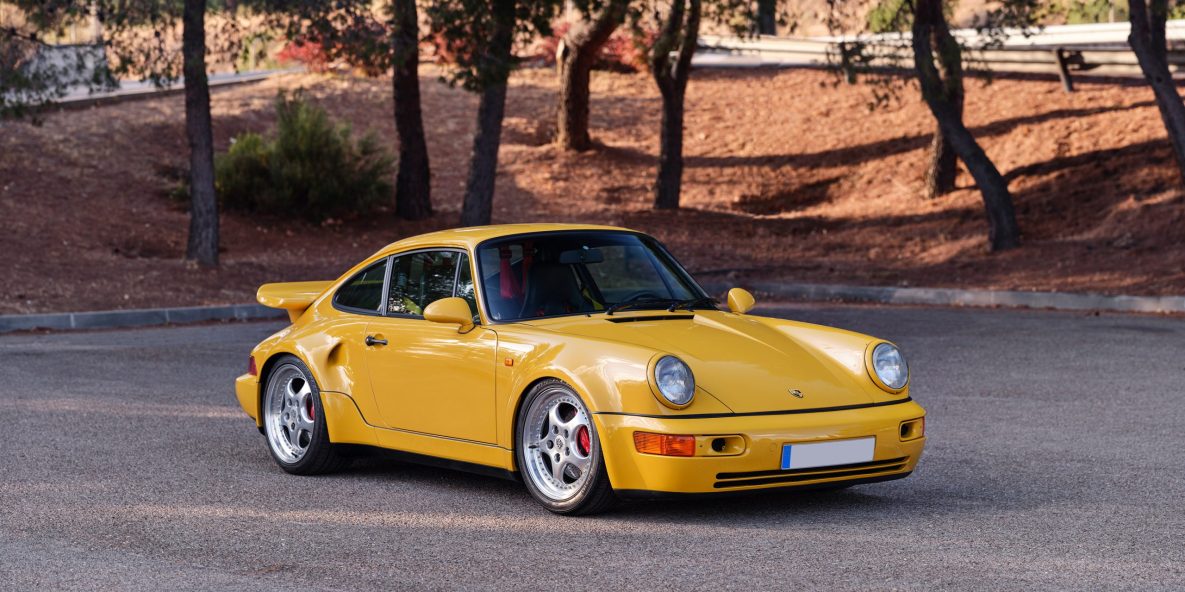
The air-cooled Porsche 911 has produced some of the most desirable performance cars in automotive history, but few combine motorsport engineering, rarity, and exclusivity quite like the 964-generation 911 Turbo...

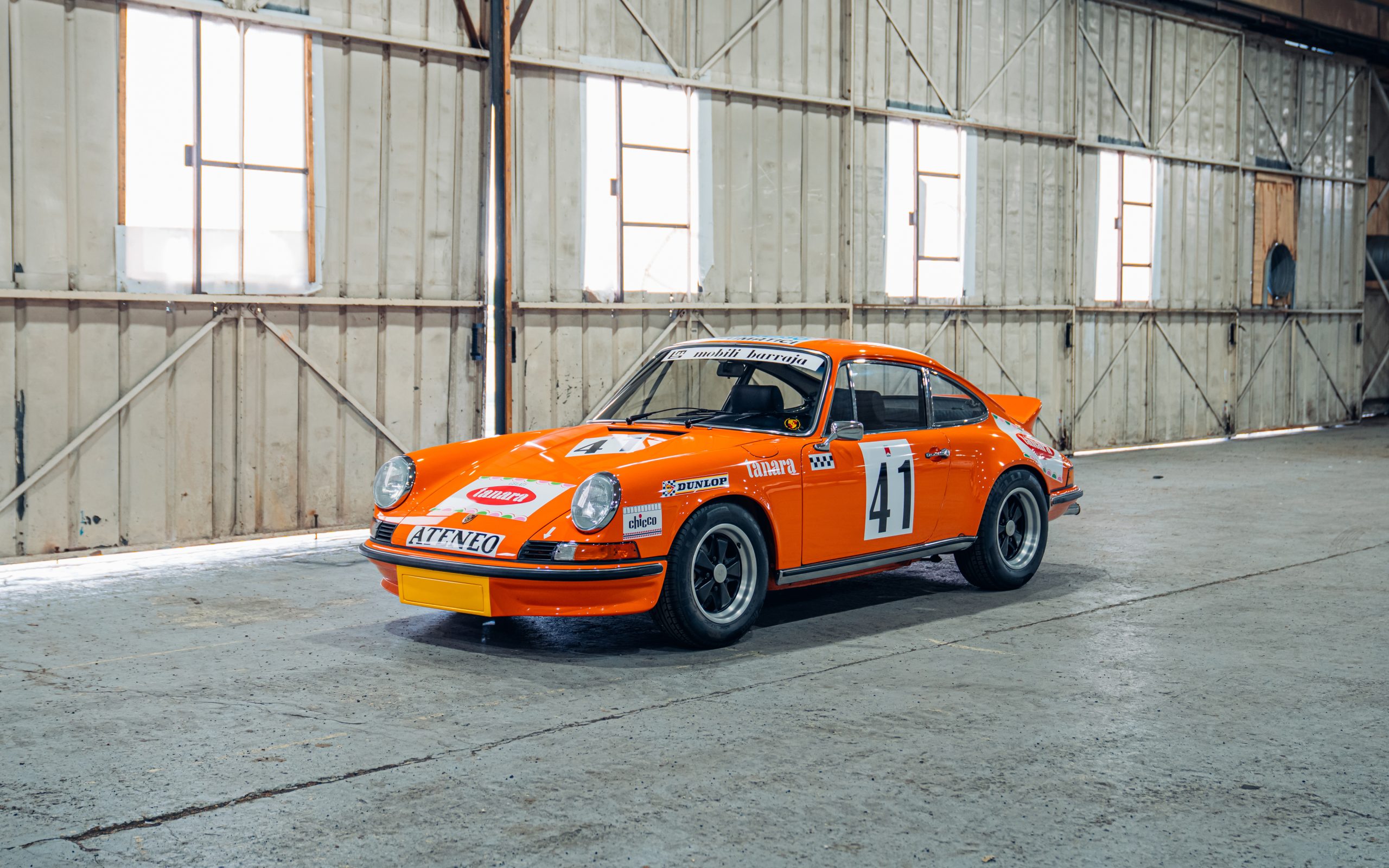
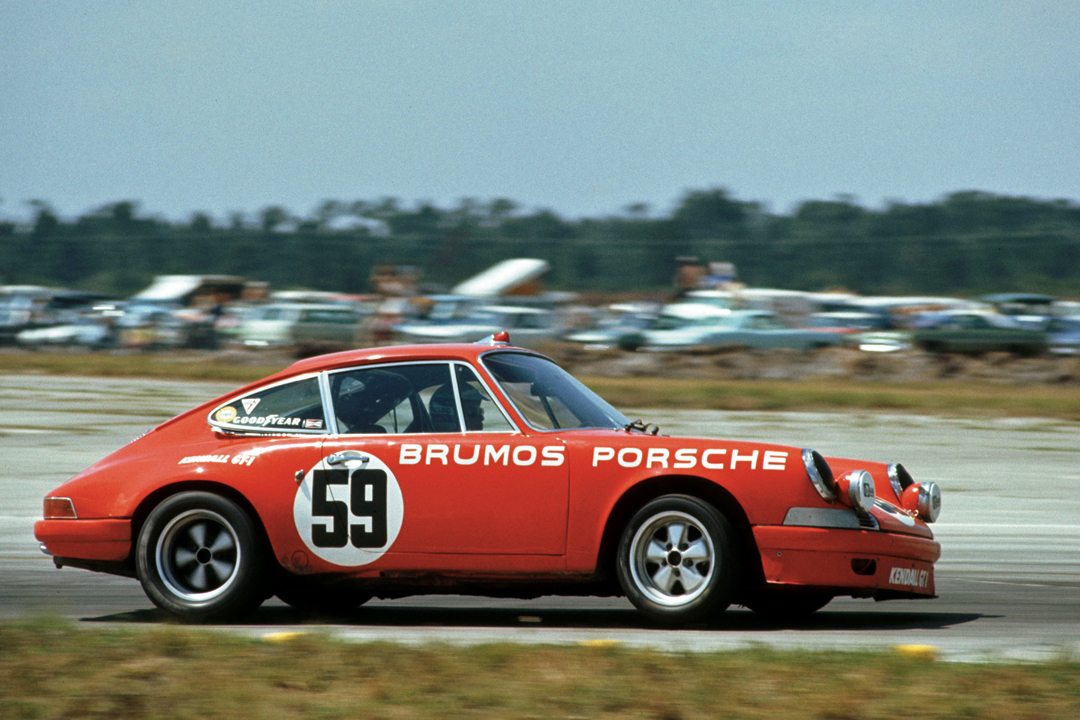
The rear-engined six-cylinder coupé Butzi Porsche drew in 1963 and his family's company has refused to stop making ever since: eight generations, more than 1.2 million cars, and a racing record from the 1968 Monte Carlo Rally and Brumos's Daytona wins to the Carrera RS, the Turbo, the 959, the GT1 that won Le Mans and the GT3s that win now. The archive has 525 Porsche 911 stories, from Ed McDonough's Rennmeister RSR to this summer's search for the greatest 911 of all, and this page puts them in order. Our sister site Stuttcars has the specifications, options and production numbers of every 911 ever made; this is the story.
The pieces to start with
Eight pieces on the car: Baer's sixty years of 911 motorsport, McDonough's Rennmeister RSR and Targa Tourer RS, Jiggle's Norbert Singer, Crocker's Hurley Haywood, Hemsley's 993, Sugaris's 996 and Pete Lyons on the enduring 911.
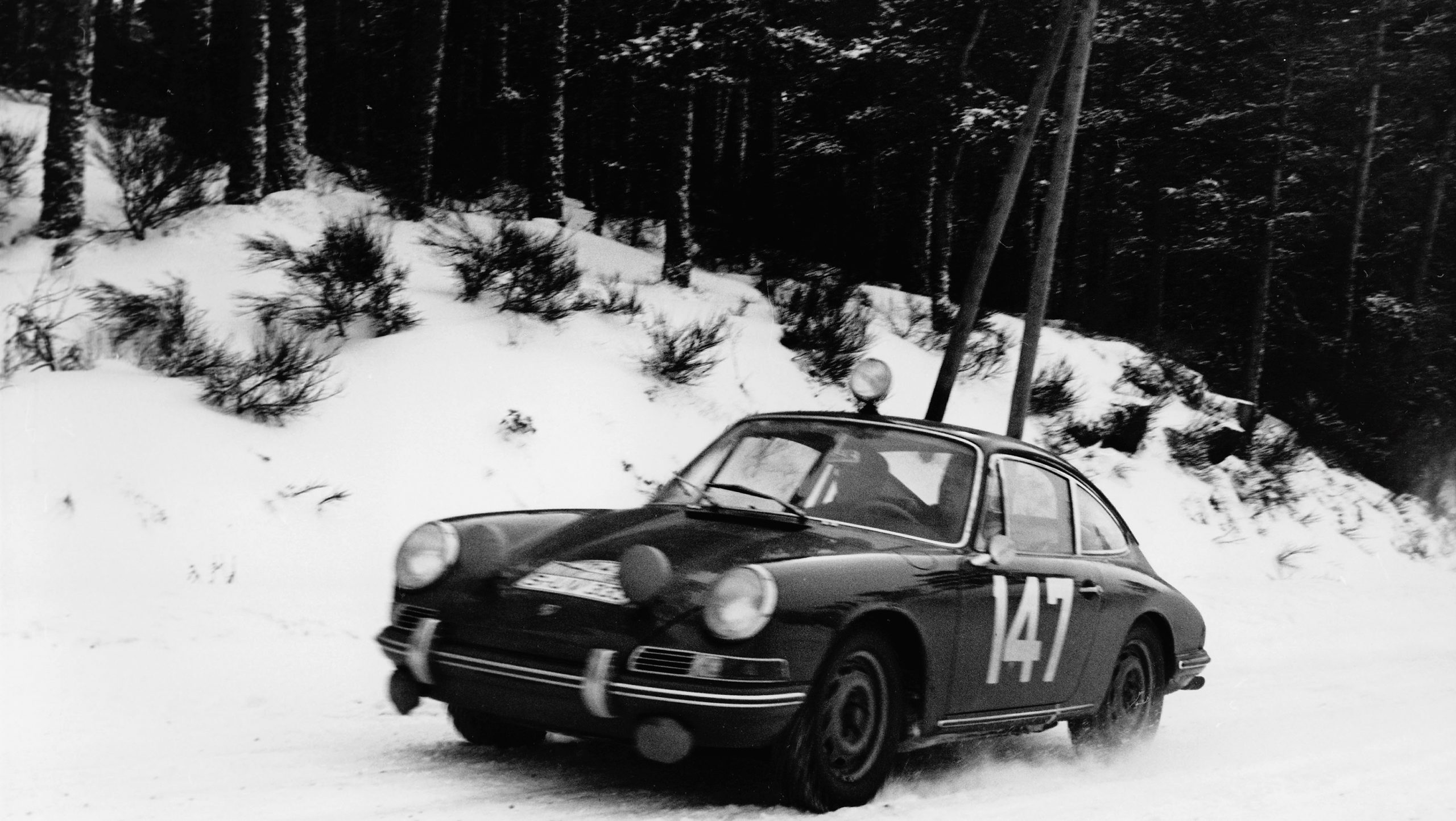
The 911’s first competition outing was the 1965 Monte Carlo Rally. Lorenzo Baer traces the car from the Typ 754 T7 prototype of 1961 and the Frankfurt debut of 1963 to its first winter run across Europe to Monaco.
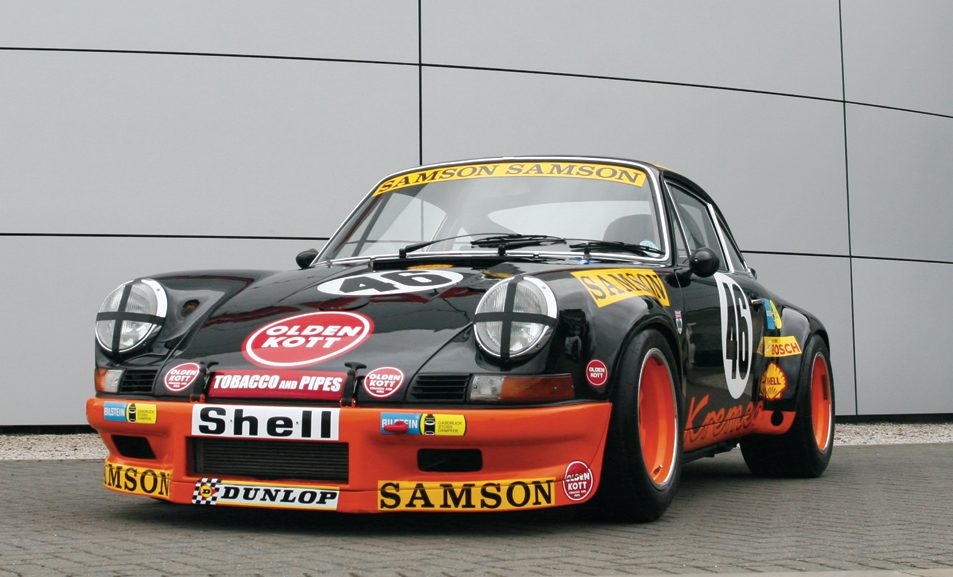
Moby Dick was on tour in China, so Ed McDonough drove Mike Burtt’s 2.8 RSR instead: chassis 9113600885, which Schickentanz and Fitzpatrick ran at the 1973 Spa 1000 Km while McDonough made his sports car debut in a Dulon-FVC.
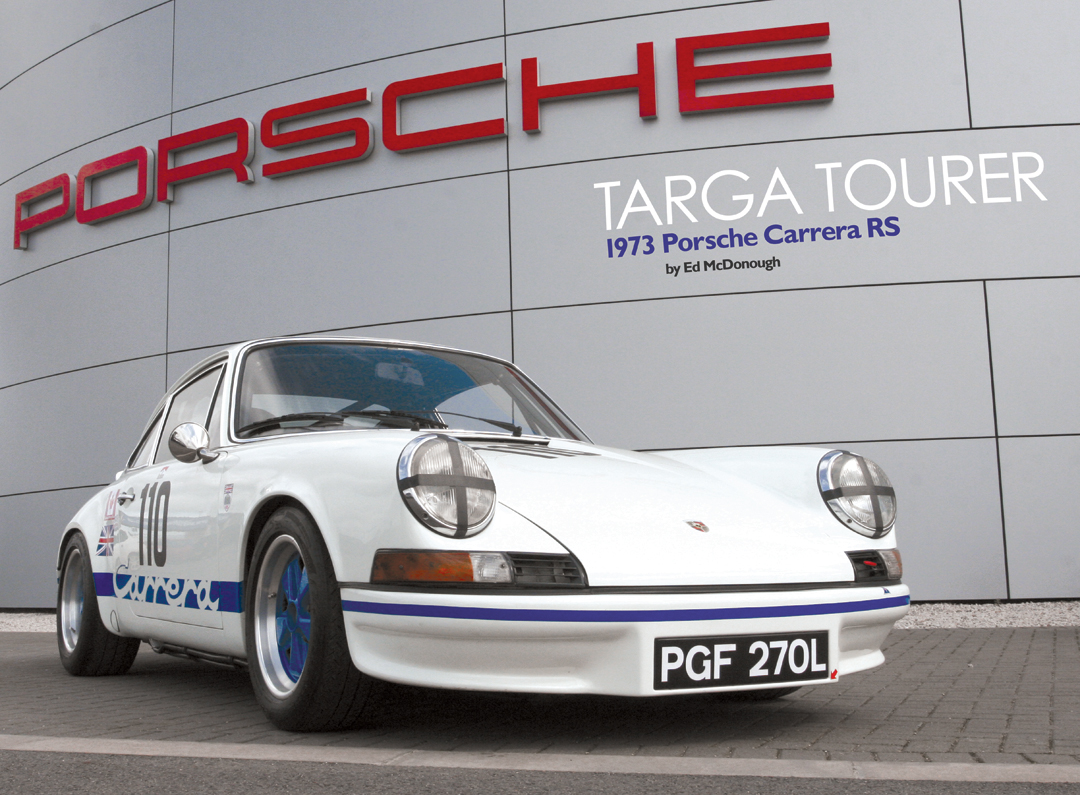
The 57th and last Targa Florio in 1973 saw two Ferraris and an Alfa Romeo gone before lap four and Gijs van Lennep and Herbert Müller’s Martini Porsche win. Ed McDonough on a Carrera RS that ran that day on the Madonie.
Norbert Singer wanted the space race, not racing, but Germany’s aeronautical budget was tiny. He joined Porsche in spring 1970 to fix 917 gearbox cooling and stayed through 16 Le Mans wins. Mike Jiggle talks to the finder of loopholes.
In 1968 Hurley Haywood beat Peter Gregg’s factory-backed Porsche at an autocross in a street Corvette. Gregg, ‘Peter Perfect’, an ex-Navy intelligence officer, went over to find out who he was. Hal Crocker’s recollections of Haywood.
A Zurich Porsche dealer told Barry Twitchell over dinner, “Never sell the 993.” He passed the instruction to his teenage daughter Sydney, who gets the car when he stops driving. A 1995 Carrera 4 and the 356-to-901 story behind it.
The 993’s air-cooled engine was about to fall foul of US emissions rules when the 996 arrived. Djordje Sugaris on the 911 nobody loved, and why it may yet make a usable classic.
The 911 slipped in under Pete Lyons’s radar, outshone by 908s and 917s; his earliest frames show Tony Adamowicz on the way to the 1968 small-bore Trans-Am title. On “development over design” and why an archaic layout keeps winning.
The newest writing on the Porsche 911, as it is published.
The 911 is the two-plus-two sports car Porsche introduced at the Frankfurt show in September 1963 as the 901 and has built continuously since September 1964, with the engine, an air-cooled and since 1998 water-cooled flat-six, hung behind the rear axle where the Beetle and the 356 had theirs. It is the longest-lived sports car shape in the world after the Corvette, and the only one whose silhouette has not changed: the eight generations, the original of 1964–73, the G-series of 1974–89, the 964, the 993, the 996, the 997, the 991 and the 992 of today, are all recognisably the same car, and Pete Lyons's two columns in the archive, written six years apart, are about exactly that. It has been a rally car, a Le Mans winner, a Dakar winner, the basis of the 934, 935, 959 and GT1 racers and of Singer's and RUF's reimaginings, and it is the car Porsche's business rests on.
The record is why the name matters. The 911 won the Monte Carlo Rally three years running from 1968 to 1970, the Targa Florio of 1973, the Daytona 24 Hours outright in 1973, 1975 and 1977 and the Sebring 12 Hours in 1973, 1976 and 1977 as the Carrera RSR, the Paris–Dakar of 1984 and 1986, Le Mans outright in 1998 as the GT1 and its class there more times than any other car, and the GT championships of five decades; Lorenzo Baer's Porsche 911: 60 Years of Motorsport, written for the anniversary in 2025, is the whole of it in one piece. The Carrera RS 2.7 of 1973 is the most desirable 911, the 911 R, the RSRs and the GT1 the most valuable, and the 993 of 1994–98, the last air-cooled car, the one the market has decided is the classic. The archive's 911 coverage runs from Sean Smith's 1966 car to the 2026 Tour de Corse Historique, and the chapters below follow it.
Our sister site
Sports Car Digest tells the 911's story; Stuttcars.com, our Porsche-only site, has the rest: a research hub for each generation with every model year's specifications, options, colours, production numbers and values, the Turbo and GT3 across all generations, and the buyer's guides.
Ferry Porsche wanted a bigger, faster 356 with room for his children; his eldest son Ferdinand Alexander, "Butzi", drew the body, Erwin Komenda's department engineered it and Ferdinand Piëch's and Hans Mezger's engine group built the 1,991 cc overhead-cam flat-six, 130 horsepower, that replaced the 356's pushrod four. The car was shown at Frankfurt on 12 September 1963 as the 901, went into production in September 1964 and was renamed 911 two months later when Peugeot claimed every three-digit number with a zero in the middle; 82 cars had been built as 901s. The 912 with the 356 engine followed in 1965, the Targa with its stainless roll hoop was shown that September and sold from 1967, the 911 S of 1967 brought 160 horsepower and the Fuchs forged wheel, and the 911 R of the same year, twenty fibreglass-panelled cars with 210 horsepower that set world records at Monza, was the first racing 911 proper, its story in the archive's 911 R history. Vic Elford and David Stone won the Monte Carlo Rally in a 911 T in January 1968, Björn Waldegård won it in 1969 and 1970 in a 911 S, and the 914/6 GT, the 911's six in the mid-engined car, won the GT class at Le Mans in 1970; the B-series of 1969 lengthened the wheelbase, the engine grew to 2.2 litres in 1970 and 2.4 in 1972, and the 1972 oil-filler flap on the right rear wing lasted one year. Sean Smith's 1966 Porsche 911, Raffi Minasian's piece on the 911's design and the Targa that broke its mould, the first 911 S Targa delivered in Germany and its factory restoration, Bill Warner's 1971 911T Cannonball car and Casey Annis's 914-6 belong here; Robert Newman's history of the Monte Carlo Rally has the three wins.
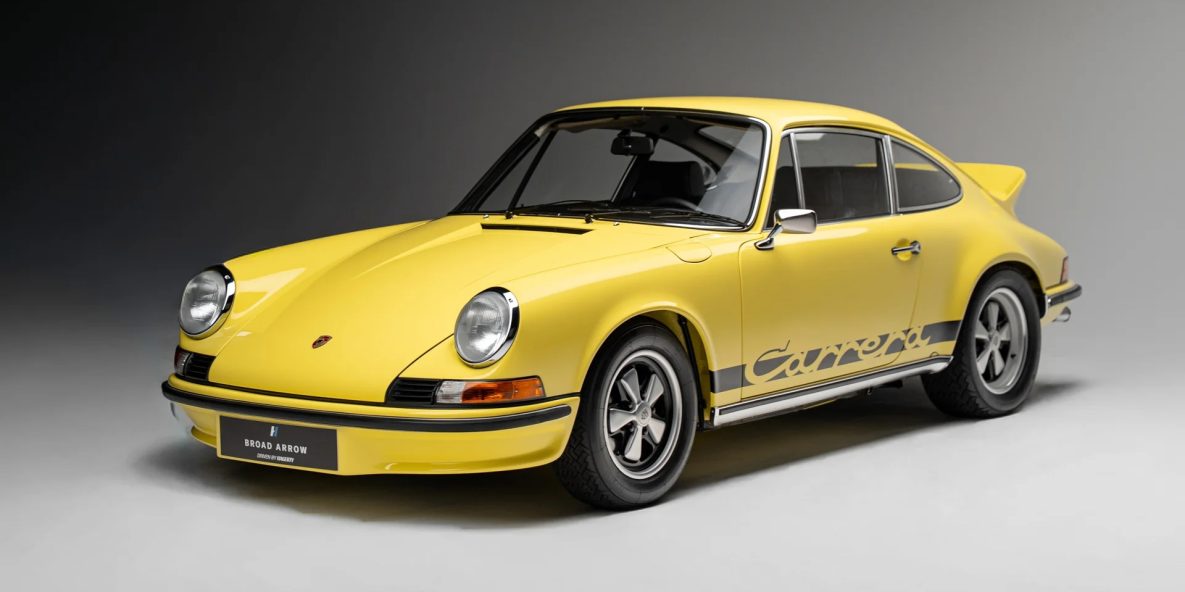
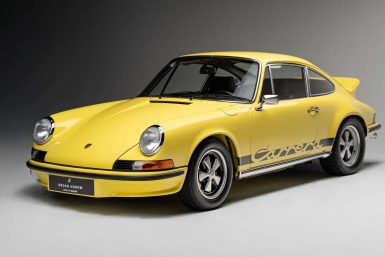
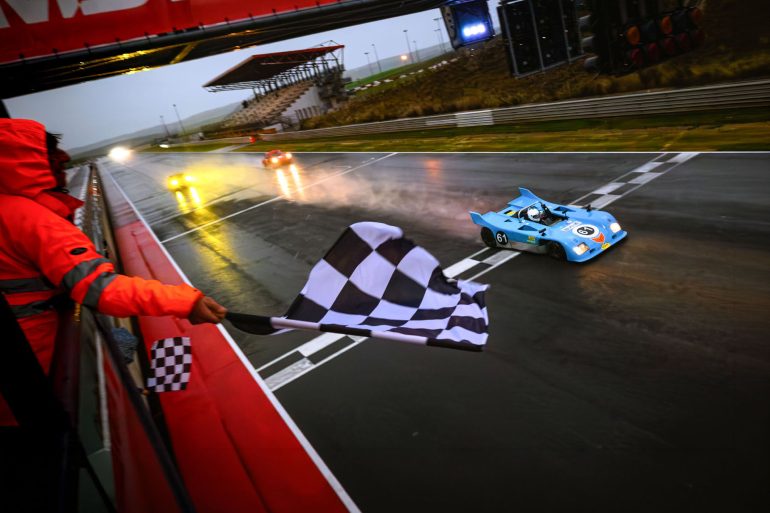
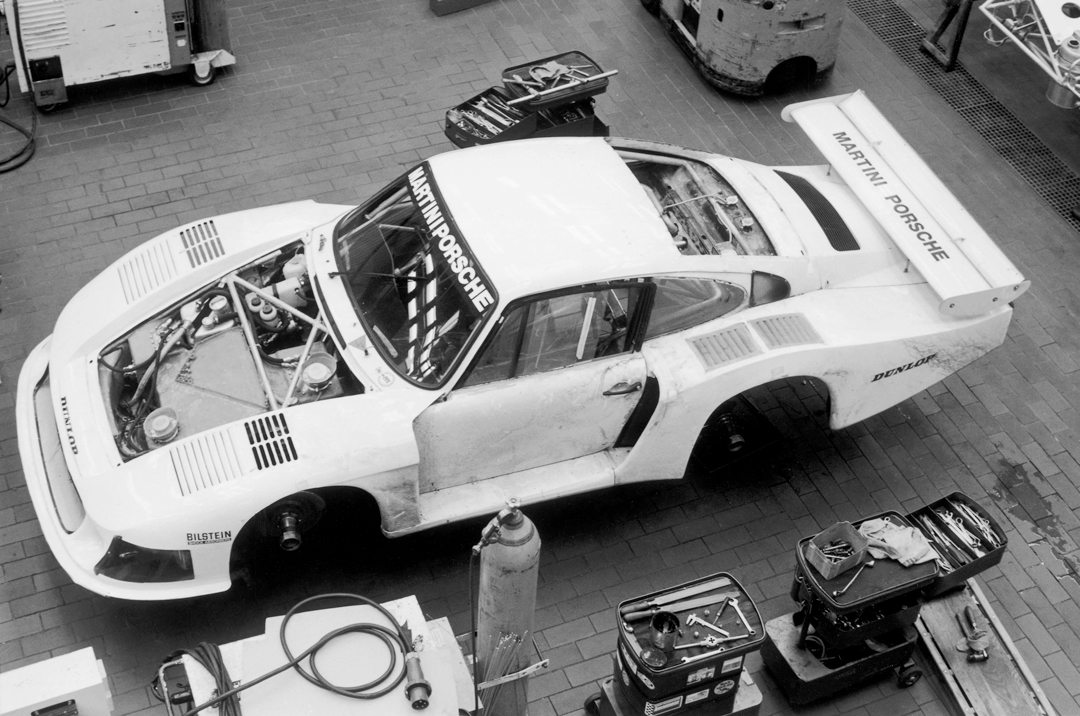
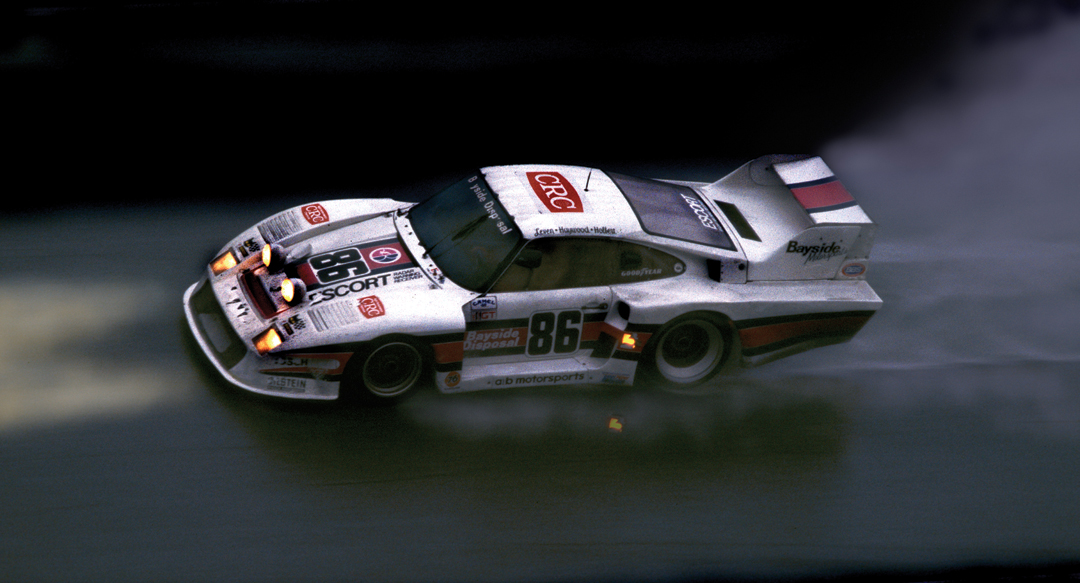
For 1973 Porsche homologated the Carrera RS 2.7, the first 911 to carry the Carrera name since the four-cam 356s: a 210-horsepower 2.7-litre engine, wider rear arches, the ducktail spoiler that was the first on a production car, 1,580 built where 500 had been planned, in Lightweight and Touring forms. Its racing version, the 2.8 RSR, won the Daytona 24 Hours outright in its first race, in February 1973, with Peter Gregg and Hurley Haywood for Brumos, won Sebring a month later with Dave Helmick added, and in May won the Targa Florio, Gijs van Lennep and Herbert Müller beating the Alfa Romeo prototypes in the last Targa to count for the championship; Ed McDonough's Rennmeister, on a 1973 RSR, and his Targa Tourer, on a Carrera RS, J. Michael Hemsley's Wreck to Racer and Sean Smith's 1973 RS carry the cars. The 3.0 RSR of 1974 won Daytona again in 1975 with Gregg and Haywood and in 1977 with Haywood, John Graves and Helmick, and Sebring in 1976 and 1977; the 2.1 Carrera RSR Turbo of 1974, the first turbocharged 911 to race, was second at Le Mans behind the Matra, and its lessons became the 934 and 935 of 1976 and the road-going Turbo. Hal Crocker's Hurley Haywood and the Brumos Collection pieces, Peter Gregg in his own thread and Norbert Singer, the engineer behind every racing 911 from the RSR to the GT1, interviewed by Mike Jiggle, are the people of these years.
Every story on the site about the racing 911s of the 1970s, newest first.
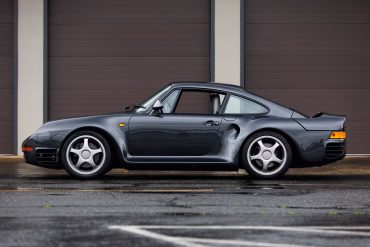
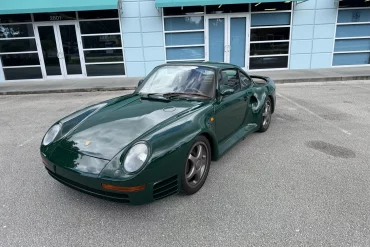
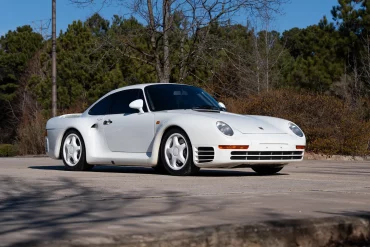
The G-series of 1974 brought the impact bumpers, the 2.7-litre engine across the range and fifteen years of steady improvement: the Carrera 3.0 of 1976, the SC of 1978, the Carrera 3.2 of 1984, the Cabriolet of 1983 and the Speedster of 1989. Above them sat the 911 Turbo, shown at Paris in October 1974 and sold from 1975 as the Type 930, 260 horsepower from three litres, the whale tail and the widest arches yet, 300 horsepower from 3.3 litres and an intercooler from 1978, the car that taught a generation about turbo lag and made Porsche's name in America; the archive's history of the 911 Turbo, the 930 and Flachbau threads and Pete Lyons's Pondering Porsche are its record, and Erwin Kremer, whose K3 935 won Le Mans outright in 1979, tells the racing side in his interview. The 959 of 1986, a Group B car with a twin-turbo 2.85-litre, four-wheel drive, 450 horsepower and 197 mph, the fastest and most advanced road car of its day, won the Paris–Dakar in 1986 with René Metge and Jacky Ickx first and second after the 911 4x4 had won it in 1984, and 292 were built; Djordje Sugaris's 959 history and the Paris–Dakar piece cover it, and the 961 was its Le Mans version. The 911 Turbo and the 959 are also where RUF enters the story, with the Yellowbird CTR of 1987 that did 211 mph at Nardò.
Every story on the site about the first Turbo, newest first.
Every story on the site about the 959, newest first.
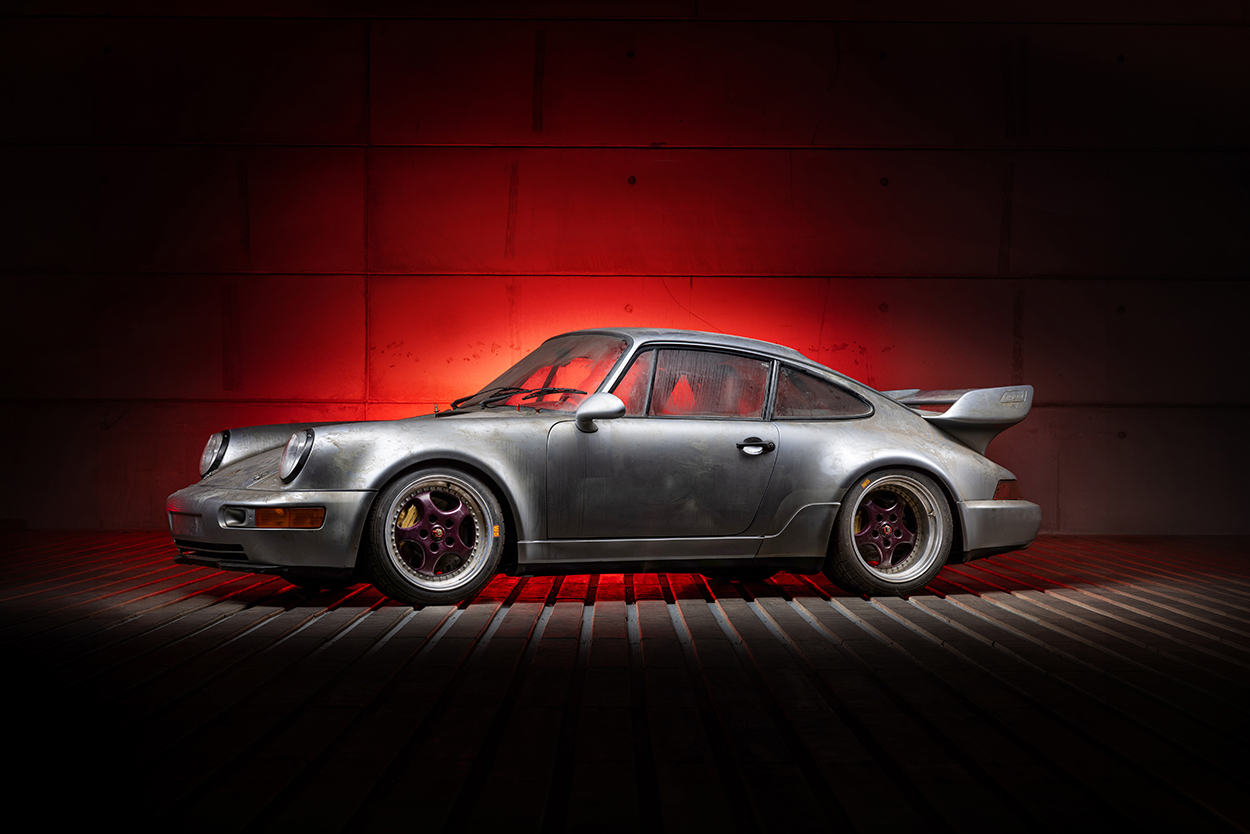
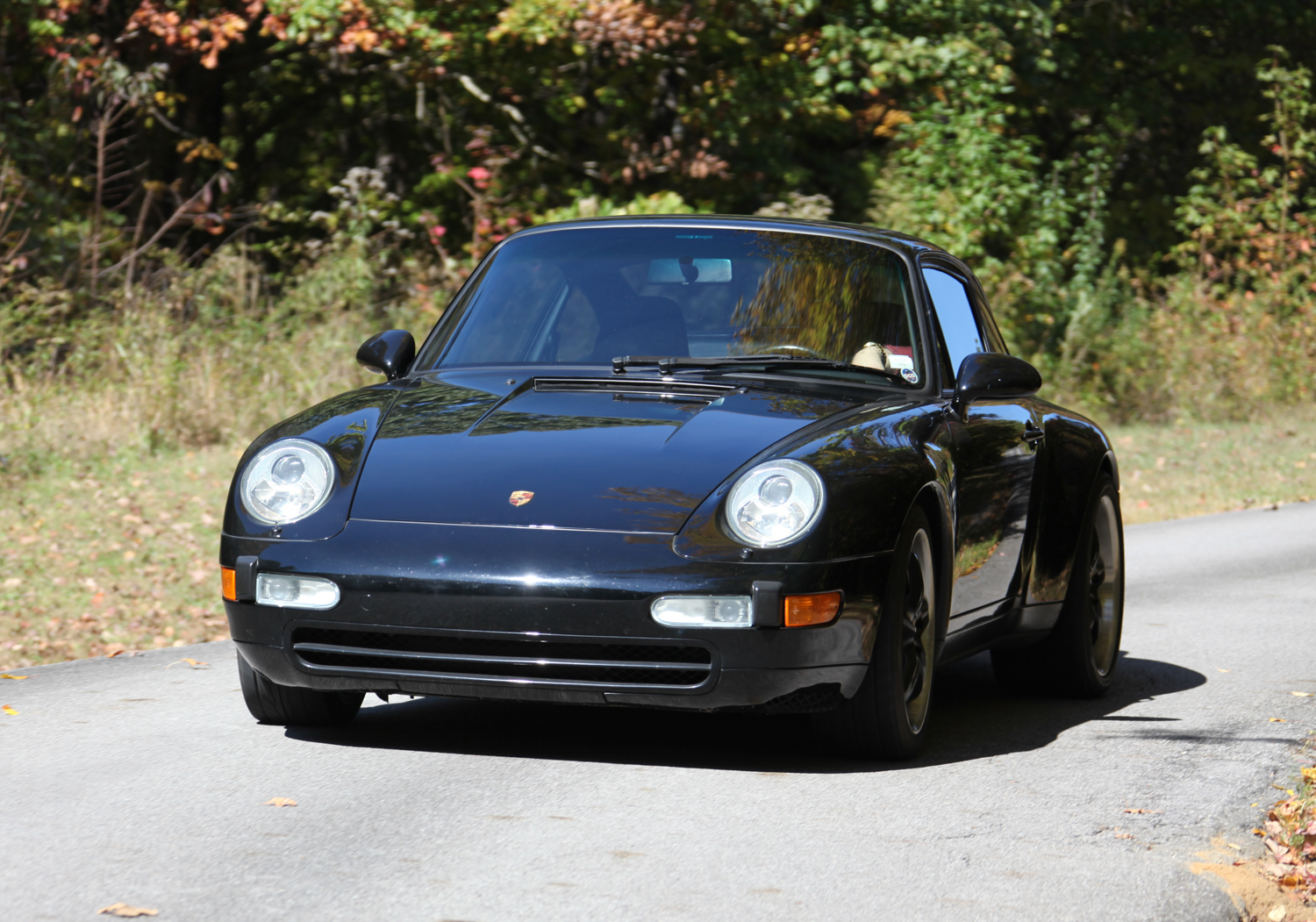
The 964 of 1989 was 85 per cent new under a familiar skin: coil springs instead of torsion bars, ABS, power steering, a 3.6-litre engine, the Carrera 4 with four-wheel drive from the 959, the Carrera RS of 1992, the Turbo 3.6 and the 30-Jahre and Speedster editions; the archive's 964 buying guide and Singer Vehicle Design, whose reimagined cars are built on 964s, carry it. The 993 of 1994, Tony Hatter's restyle with the laid-back headlights and the multi-link rear suspension that finally tamed the lift-off oversteer, was the last air-cooled 911: the Carrera, Carrera 4, Targa with its glass roof, the Turbo with twin turbos and four-wheel drive and 408 horsepower, the GT2 and the Carrera RS. 68,881 were built to 1998, and J. Michael Hemsley's Best for Last, on a 1995 Carrera 4, and the Fabcar mid-engined 993 from Stuttcars tell the end of the air-cooled line. The 911 GT1 of 1996–98, a mid-engined racing car with a 911 nose and name, won Le Mans outright in June 1998 with Allan McNish, Laurent Aiello and Stéphane Ortelli, Porsche's sixteenth win there and the 911's only one, and the handful of GT1 Strassenversion road cars are the most valuable 911s of all.
Every story on the site about the last air-cooled 911, newest first.
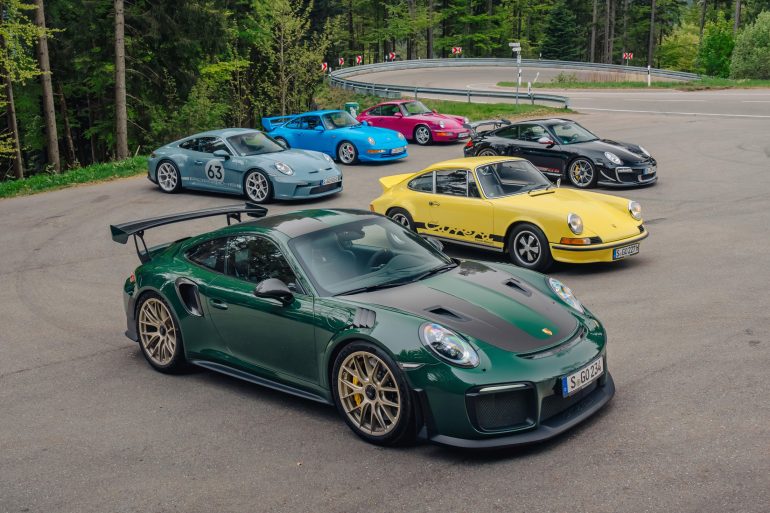
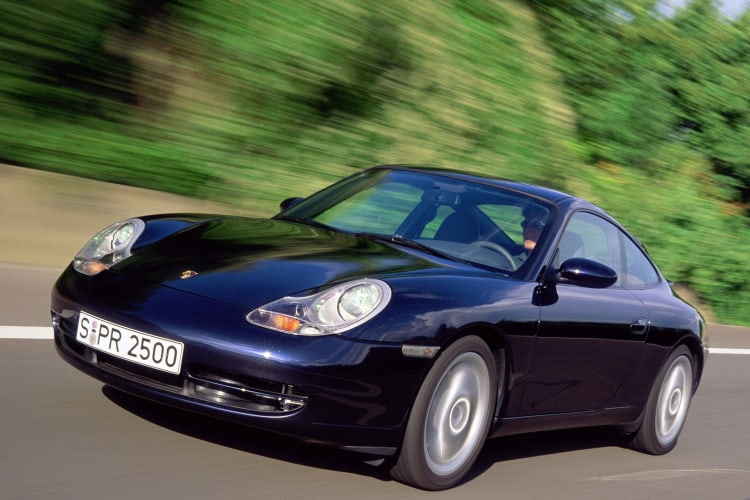
The 996 of 1998, with its water-cooled 3.4-litre engine, Pinky Lai's longer body and the headlights it shared with the Boxster, saved the company and was disliked for it; Djordje Sugaris's The Pivotal 911 makes the case for it, and the GT3 of 1999, the Turbo of 2000 and the GT2 of 2001 began the model names that matter now. The 997 of 2004 restored the round headlights, added the GT3 RS and, in 2011, the 4.0-litre GT3 RS, 600 cars that became collectable at once, and the Sport Classic; the 991 of 2011 grew the wheelbase by 100 mm, went to electric steering and turbocharged Carreras in 2016, and produced the 911 R of that year, 991 manual cars, the GT2 RS of 2017 with 700 horsepower and the Nürburgring lap record, and the GT3 Touring. The millionth 911 was built in May 2017, an Irish Green Carrera S in the style of the first cars, and the Amelia Island concours of 2013 gathered the 911 race cars for the fiftieth anniversary.
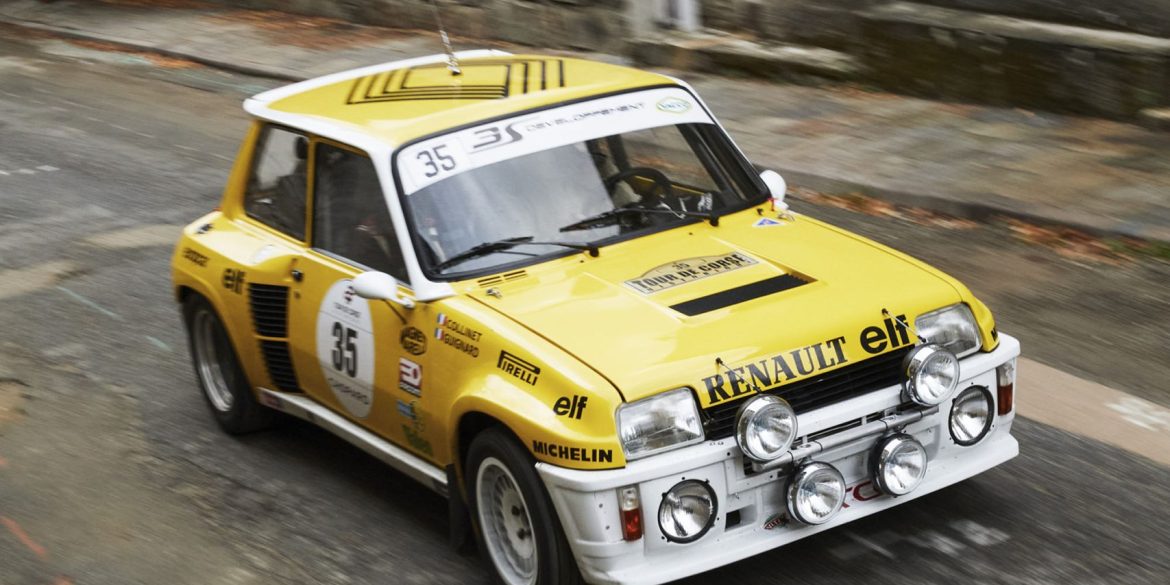
The 992 of 2019 is the widest and heaviest 911 and the most capable: the Turbo S with 650 horsepower, the GT3 with the 9,000-rpm 4.0 and double-wishbone front suspension, the GT3 RS of 2022 with Formula One-style DRS, the Sport Classic, the 911 Dakar of 2023 that revived the 1984 Paris–Dakar car's idea for the road, the S/T of 2023 for the sixtieth anniversary, 1,963 cars with the GT3 RS engine and a manual gearbox, and in 2024 the first hybrid 911, the Carrera GTS T-Hybrid. On the track the GT3 R won the LMGT3 class at Le Mans in 2024 and 2025 with Manthey, the GT3 Cup remains the world's largest one-make series, and the mid-engined RSR of 2017–22 won GTE Pro at Le Mans in 2018 in the Pink Pig colours and again in 2022. Rex McAfee's search for the greatest 911 of all time, Raphaël Astier's 2026 Tour de Corse Historique win in a 911 RS, Kamm's 912C, Singer's safari car and the Werks Reunion carry the car into its seventh decade; Stuttcars, our sister site, has every generation's research hub.
Sixty-three model years in eight generations, with the car, the racing and the archive's story for each; the generation names link to Stuttcars' research hubs, which carry every year's specifications and production numbers, and the people to their threads here.
Sixty-three model years in eight generations: the car, the racing and the archive's story of each. Model names link to every story on the site; the Stuttcars links carry each generation's specifications and production numbers.
| Year | The car | The racing and the company | In the archive |
|---|---|---|---|
| 1963 | 911 · Stuttcars: 911 F-series | The 901 at Frankfurt, 12 September: Butzi's body, the Mezger flat-six, 130 hp | Raffi on the 911's design · Pete Lyons: Porsche's Enduring 911 |
| 1964 | 911 | Production from September; renamed 911 in November after Peugeot's objection; 82 built as 901s | Hans Mezger remembered |
| 1965–66 | 911 | The 912; the Targa shown; Sean Smith's 1966 car; the 911's Monte Carlo debut | 1966 Porsche 911 · Kamm 912C |
| 1967 | 911 | The 911 S and the Fuchs wheel; the Targa on sale; the 911 R's Monza records | 911 R racing history · The first 911 S Targa |
| 1968 | 911 | Elford and Stone win the Monte Carlo Rally in a 911 T; the T, E and S range | Vic Elford · Monte Carlo Rally history |
| 1969–70 | 911 | Waldegård's two Monte Carlo wins; the long wheelbase; 2.2 litres; the 914/6 wins its class at Le Mans | Björn Waldegård · 1970 914-6 |
| 1971–72 | 911 | 2.4 litres and the oil flap; Bill Warner's 911T on the Cannonball; Butzi leaves to found Porsche Design | Bill Warner's 911T |
| 1973 | Carrera RS 2.7 · Carrera RSR | The Carrera RS 2.7, 1,580 built; the RSR wins Daytona, Sebring and the Targa Florio in its first season | Rennmeister · Targa Tourer · 1973 911 RS |
| 1974 | Carrera RSR · Stuttcars: 911 G-series | Impact bumpers and the G-series; the 3.0 RSR; the Carrera RSR Turbo second at Le Mans; the Turbo shown at Paris | Wreck to Racer · RSR 3.0 reunion |
| 1975 | 930 Turbo | The 930 Turbo on sale, 260 hp; Gregg and Haywood win Daytona again | 911 Turbo history · Peter Gregg |
| 1976–77 | 930 Turbo · Carrera RSR | The 934 and 935; Sebring 1976 and 1977 and Daytona 1977 to the RSR; Norbert Singer's racing department | Hurley Haywood · Interview: Norbert Singer |
| 1978–83 | 930 Turbo | The 3.3 Turbo with intercooler, 300 hp; the SC; the Cabriolet of 1983; Kremer's K3 wins Le Mans | Interview: Erwin Kremer · Pondering Porsche |
| 1984 | 911 | The Carrera 3.2; the 911 4x4 wins the Paris–Dakar with Metge | |
| 1986 | 959 | The 959: 450 hp, four-wheel drive, 197 mph; Metge and Ickx first and second on the Dakar; 292 built | Porsche 959 · 959 Paris–Dakar |
| 1987–89 | 930 Turbo · Flachbau | RUF's Yellowbird, 211 mph; the Flachbau; the Speedster closes the G-series | RUF CTR Yellowbird |
| 1989 | 964 · Stuttcars: 964 | The 964 Carrera 4, 85 per cent new; coil springs, ABS, 3.6 litres | 964 buying guide |
| 1992–93 | 964 | The Carrera RS and the Turbo 3.6; the 30-Jahre | Singer's 964 |
| 1994 | 993 · Stuttcars: 993 | Tony Hatter's 993, the last air-cooled 911; the multi-link rear | Best for Last |
| 1995–98 | 993 · 911 GT1 | The 993 Turbo, GT2 and Carrera RS; the 911 GT1 wins Le Mans in 1998; 68,881 993s built | The Fabcar 993 · Le Mans hub |
| 1998 | 996 · Stuttcars: 996 | The water-cooled 996; the GT3 of 1999, the Turbo of 2000, the GT2 of 2001 | The Pivotal 911 |
| 2004 | 997 · Stuttcars: 997 | The 997; the GT3 RS 4.0 of 2011, 600 built | Brumos Collection |
| 2011 | 991 · Stuttcars: 991 | The 991; the 911 R of 2016; the GT2 RS and the millionth 911 in 2017; the 2013 fiftieth at Amelia | Amelia 2013: 911 race cars |
| 2019 | 992 · Stuttcars: 992 | The 992; the GT3 of 2021 and GT3 RS of 2022 | Werks Reunion 2021 |
| 2023 | 992 · 911 Dakar | The 911 Dakar and the S/T for the sixtieth; the RSR's last Le Mans season; Haywood at fifty years from his first title | Haywood's memories |
| 2024–26 | 992 · Singer | The T-Hybrid; GT3 R wins LMGT3 at Le Mans twice; Baer's sixty years of 911 motorsport; the greatest 911 of all; Astier's Tour de Corse | 60 Years of Motorsport · The Greatest 911? · Tour de Corse Historique 2026 |
Stuttcars is Sports Car Digest's sister site and the reference for every 911's specifications, options, colours and production figures. The 935, 936 and 962 that grew out of the 911 are on the Porsche page; the 935 will have a page of its own.
Go deeper
Each generation above links to its Stuttcars hub: the F-series to the 992, with every year's engines, options, colours, production figures and values, plus the 911 Turbo and GT3 pages.
The 911 tags on this site cover the generations and the cars within them that have their own stories: the Carrera RS 2.7 and the RSR, the 930 Turbo and the Flachbau, the 959, the 964 and the 993, the 996 and 997, the 991 and 992, the 911 GT1, the Dakar and Singer's cars. The nine cards below are the ones with most to read behind them, and the tag opens every story on each; Stuttcars' hubs have the year-by-year detail.
Nine cars from the archive, from the 901 to the 992; each links to every story on the site.
The 911's racing sits on the archive's hubs as well as here. The Targa Florio hub has the 1973 win and the RSRs on the Madonie; the Le Mans hub the class wins from 1966, the RSR Turbo's second place of 1974 and the GT1's win of 1998; the Sebring hub 1973, 1976 and 1977; the Monterey festivals page the Reunion, where the RSRs and 930s race every August; the Goodwood page the Members' Meeting; the GT1 to Hypercar era the GT3s and RSRs of this century. The Porsche brand page carries the 934, 935, 936 and 962 that grew out of the 911, and the 935 will have its own page. The Carrera RSR and 911 feeds below gather the race reports and profiles, and Hurley Haywood, Peter Gregg, Vic Elford, Björn Waldegård, Walter Röhrl and Norbert Singer have their own threads.
Ferry Porsche, who asked for it; Ferdinand Alexander "Butzi" Porsche, who drew it and left in 1972 to found Porsche Design; Erwin Komenda, Ferdinand Piëch and Hans Mezger, who engineered it and its engine; Helmuth Bott, Norbert Singer, Peter Falk and Harm Lagaaij; Tony Hatter and Pinky Lai, who restyled it; Andreas Preuninger of the GT cars; Peter Gregg and Bob Snodgrass of Brumos, Vasek Polak, Erwin Kremer, Alois Ruf, Rob Dickinson of Singer and Dave Klym of Fabcar; and the drivers, Vic Elford, Björn Waldegård, Gérard Larrousse, Hurley Haywood, Peter Gregg, Al Holbert, Gijs van Lennep, Herbert Müller, Jürgen Barth, Walter Röhrl, René Metge, Jacky Ickx, Allan McNish, Laurent Aiello, Stéphane Ortelli, Jörg Bergmeister, Patrick Long, Richard Lietz and Kévin Estre. Each name with a People thread links to every story on the site about them, and the People page gathers the portraits.
Every story on the site about the 911's greatest endurance driver, newest first.
The 911 market is the deepest in the collector world: a car for every budget from $30,000 to $5 million and a sale somewhere every week. At the top, a 911 GT1 Strassenversion is $5–7 million, a 1967 911 R $4–6 million, a 1973 2.8 RSR $2–3 million, a 959 Komfort $1.5–2 million and a Sport $2–3 million, a 993 GT2 $1–2 million and a Carrera RS 2.7 Lightweight $1–1.5 million with the Touring at $500,000–800,000. Among the air-cooled road cars an early 911 S is $200,000–300,000 and a 1964–65 car more, a 1974 Carrera 2.7 MFI about $200,000, a 930 $100,000–250,000, a 964 Carrera RS $300,000–500,000 and Turbo 3.6 $300,000–500,000, a 993 Turbo $200,000–300,000 and Carrera $70,000–150,000, a 964 or G-series Carrera $50,000–100,000. The water-cooled cars start at $30,000 for a 996 Carrera and run to $100,000–150,000 for a 996 GT3, $500,000 and up for a 997 GT3 RS 4.0, $400,000–600,000 for a 991 R and above list for a 992 GT3 RS or S/T; a Singer is $1 million and more. The Auctions (Porsche) and For Sale (Porsche) threads below are the live market; the Market page has the auction calendar and the record prices, and Stuttcars' buyer's guides the generation-by-generation detail.
Auction previews and results, most of them 911s, newest first.
911s and other Porsches offered by dealers and collectors, newest first.
The archive's 911 galleries come from the Monterey Reunion and Rennsport Reunion, the Werks Reunion at Monterey and Amelia, the Amelia Island concours of 2013 with its 911 race-car class, the Goodwood Members' Meeting, Spa Classic, the Dix Mille Tours and Estoril Classics, where the 2.8 and 3.0 RSRs race in Europe, the Porsche Museum and the Brumos Collection in Jacksonville. The galleries feed below gathers them.
Shown 12 September 1963 (Frankfurt, as the 901); production from September 1964; renamed 911 November 1964. Generations: original 1964–73 (about 111,000 with the 912); G-series 1974–89 (198,496); 964 1989–94 (63,762); 993 1994–98 (68,881); 996 1998–2004 (175,262); 997 2004–12 (213,004); 991 2011–19 (233,540); 992 2019–. Millionth 911: May 2017; more than 1.2 million built. Racing: Monte Carlo Rally 1968, 1969, 1970; Targa Florio 1973; Daytona 24 Hours 1973, 1975, 1977 (Carrera RSR); Sebring 12 Hours 1973, 1976, 1977; Paris–Dakar 1984 (911 4x4) and 1986 (959); Le Mans overall 1998 (911 GT1), GTE Pro 2018, 2022, LMGT3 2024, 2025, and class wins from 1966. Built: 911 R 20 (1967); Carrera RS 2.7 1,580 (1973); 959 292; 911 GT1 Strassenversion about 20; 997 GT3 RS 4.0 600; 991 R 991; 911 S/T 1,963. Record prices: 911 GT1 Strassenversion $5.67 million (Gooding, Amelia Island, 2017); 1967 911 R about $4–6 million; 959 Sport about $2–3 million.
Short answers, with the long ones above.
It was launched as the 901 in 1963, but Peugeot held the rights in France to three-digit model names with a zero in the middle, so in November 1964 Porsche changed the middle digit to a 1. The first 82 cars had been built as 901s.
Ferdinand Alexander "Butzi" Porsche, Ferry's eldest son, drew the body; Erwin Komenda's department engineered it; the flat-six was the work of the group under Ferdinand Piëch and Hans Mezger. Butzi left the company in 1972 and founded Porsche Design.
The original of 1964–73, the G-series of 1974–89, the 964 of 1989–94, the 993 of 1994–98, the last air-cooled car, the 996 of 1998–2004, the first water-cooled one, the 997 of 2004–12, the 991 of 2011–19 and the 992 since 2019. Stuttcars has a research hub for each.
The 1973 homologation special, 1,580 built, with a 210-horsepower 2.7-litre engine, wider rear arches and the ducktail spoiler: the first 911 to carry the Carrera name, the basis of the RSR that won Daytona, Sebring and the Targa Florio that year, and the most desirable 911 of all.
Once outright, in 1998, with the 911 GT1 of McNish, Aiello and Ortelli, a mid-engined racing car that carried the 911's name and nose; the 935 that won in 1979 was a 911 derivative too. In class the 911 has won at Le Mans more often than any other car, from 1966 to the GT3 R's LMGT3 wins of 2024 and 2025.
It was the last air-cooled 911, built from 1994 to 1998, with the first properly sorted rear suspension and, many think, the best-resolved version of the original shape; 68,881 were built and the Turbo, GT2 and Carrera RS are the most valuable.
A 964-based 911 rebuilt and reimagined by Singer Vehicle Design of Los Angeles, founded by Rob Dickinson in 2009, with carbon bodywork in the style of the early cars and engines by Cosworth and Williams; prices start around $1 million. Porsche calls them "restored by Singer".
The millionth was built in May 2017 and the total passed 1.2 million in 2024; the 997 and 991 each sold more than 200,000.
It was Porsche's Group B supercar of 1986: twin-turbo, four-wheel-drive, 450 horsepower and 197 mph, the fastest road car in the world when it appeared; it won the Paris–Dakar in 1986 and 292 were built. Its technology went into the 964 Carrera 4 and every 911 Turbo since.
A 996 Carrera for under $40,000 is the cheapest way in and a 996 GT3 the best drive for the money; a 3.2 Carrera or 964 Carrera at $50,000–100,000 is the way into the air-cooled cars; the For Sale (Porsche) thread below has the current cars and Stuttcars the buyer's guides.
The whole archive on one thread, newest first.