
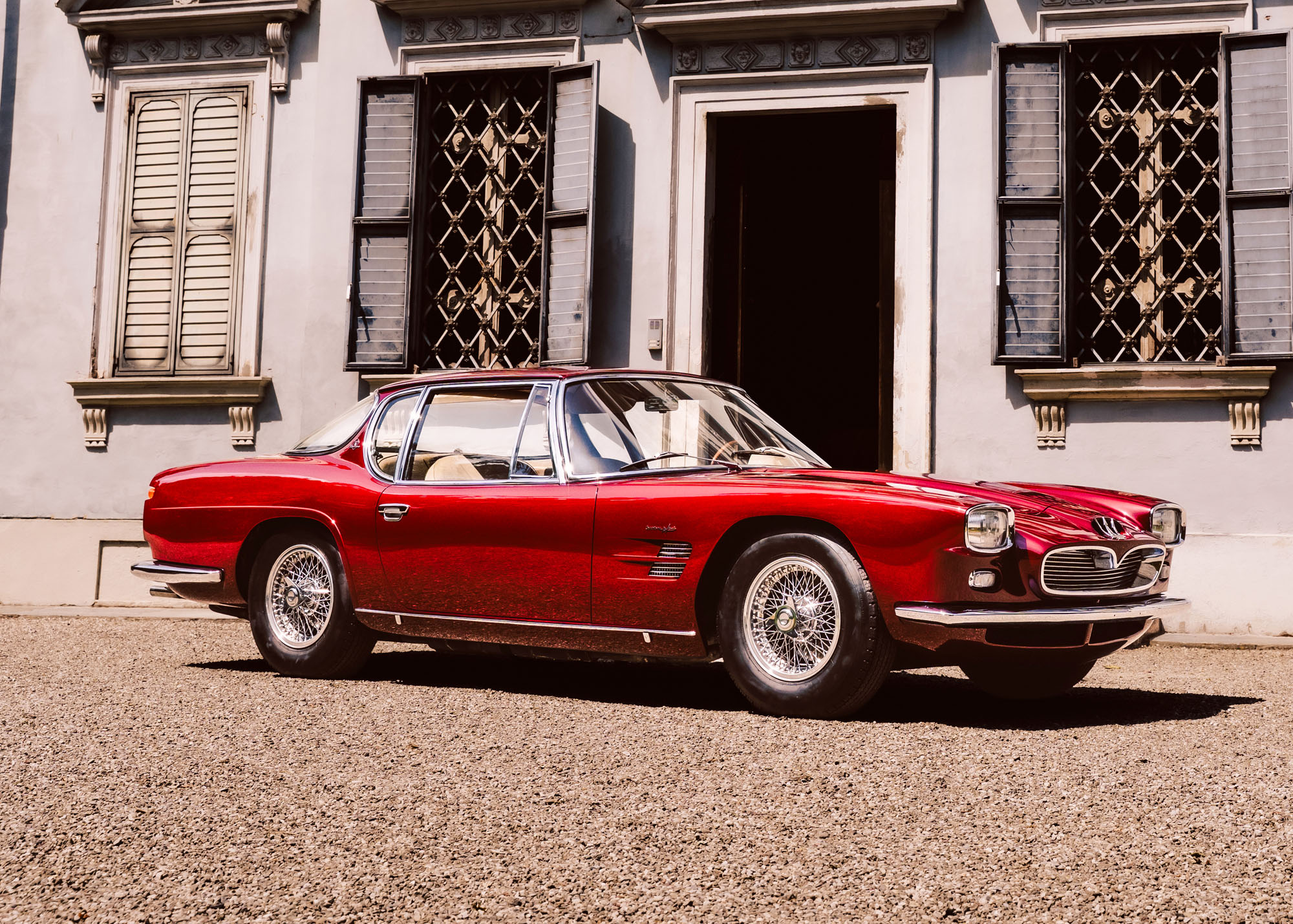

One of the rarest Maserati grand tourers ever built has received official authentication from the Italian manufacturer. The Maserati 5000 GT Frua, chassis 103.064, is the latest vehicle to receive Maserati Classiche Certification of Authenticity, recognizing a car whose history includes royal ownership, decades in storage in Egypt, and an extensive restoration in Modena. Built in 1962, the car is the first of just three Maserati 5000 GT examples bodied by Italian coachbuilder Pietro Frua. It belongs to a production run of only 34 Maserati 5000 GTs manufactured between 1959 and 1964, making it one of the most exclusive grand tourers in the company’s history.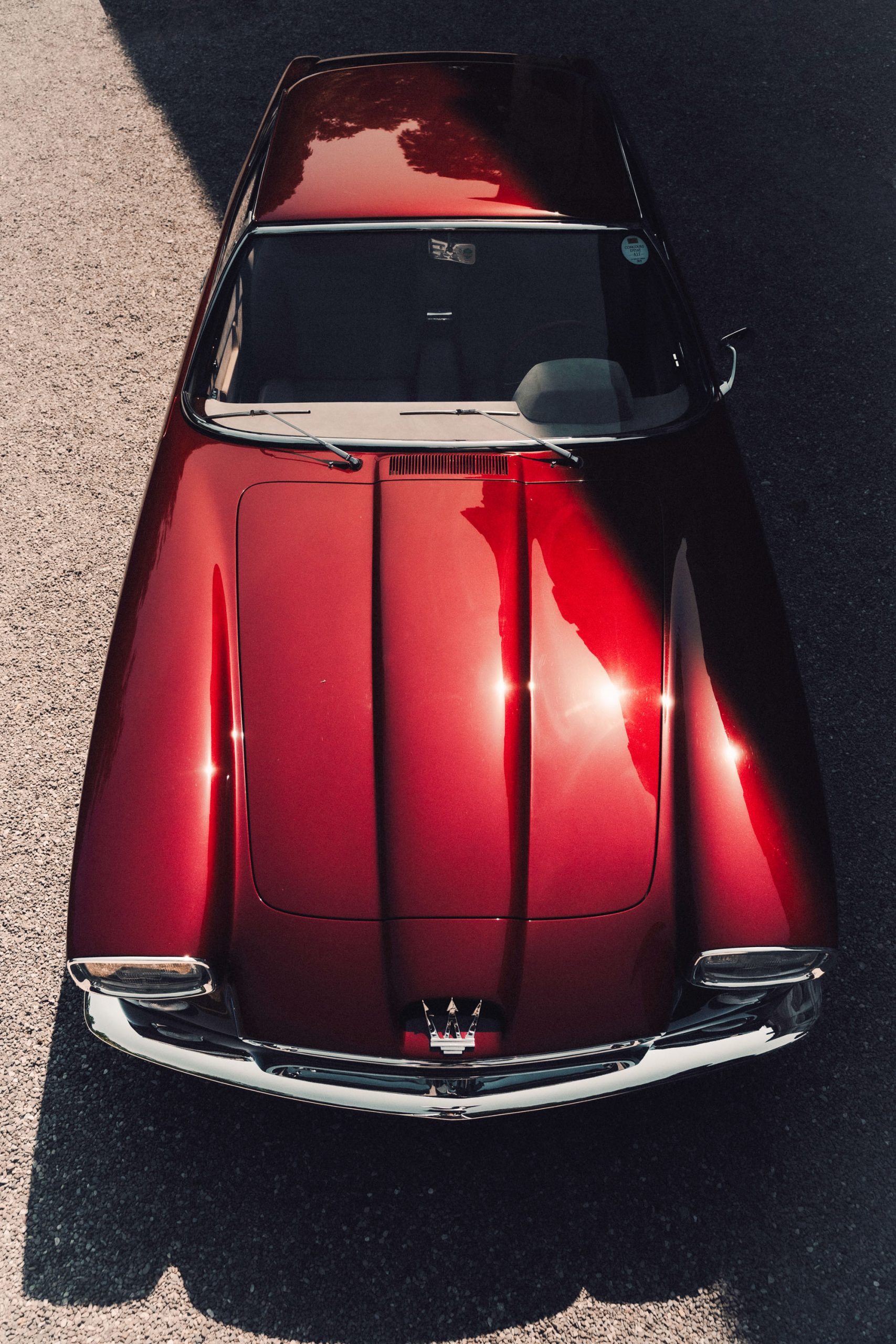
The certification adds another milestone to the car’s unusual history, which includes connections to the Shah of Persia, Karim Aga Khan IV, and Saudi Arabia’s King Saud bin Abdulaziz Al Saud.
Maserati 5000 GT: A Grand Tourer Born From Racing Technology
The origins of the Maserati 5000 GT date to the late 1950s, when the Shah of Persia drove a Maserati 3500 GT and subsequently requested an even more exclusive grand touring car. Maserati technical director Giulio Alfieri led the resulting AM103 project, combining the performance characteristics of the company’s competition machinery with the refinement expected of a luxury grand tourer. At its heart was a 5.0-liter V8 derived from the engine developed for the Maserati 450S sports racing car. In its original carbureted configuration, the engine produced more than 350 horsepower, giving the 5000 GT performance credentials rooted in Maserati’s racing program.
The mechanical specification evolved during production. Later cars adopted indirect Lucas fuel injection and chain-driven camshafts, with output rated at approximately 340 horsepower. The combination of a racing-derived V8, bespoke coachwork, and exceptionally limited production established the 5000 GT as one of Maserati’s most prestigious road cars.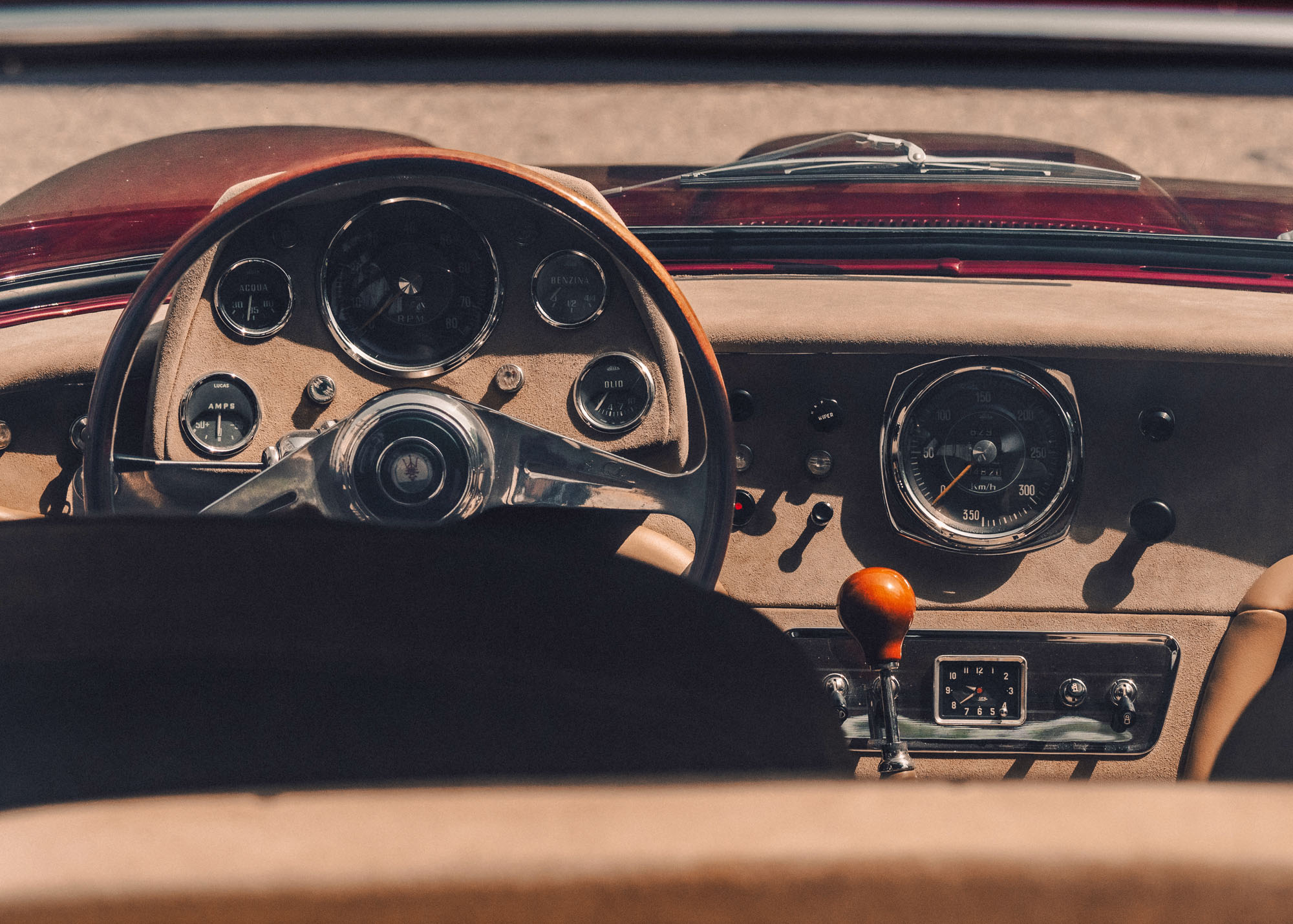
Italian Coachbuilders Created 34 Distinctive Maserati 5000 GTs
Maserati initially commissioned Carrozzeria Touring to design the 5000 GT’s bodywork. The resulting two-door coupe debuted at the 1959 Turin Motor Show and became known as the “Shah of Persia,” reflecting the royal commission behind the project. Only three Touring-bodied examples were produced. Maserati subsequently worked with several prominent Italian coachbuilders, including Allemano, Pininfarina, Monterosa, Ghia, and Frua, allowing different interpretations of the same underlying mechanical platform.
The approach resulted in a remarkably varied collection of coachbuilt grand tourers. Although the cars shared the AM103 engineering foundation, their exterior styling and individual details reflected the preferences of their designers and customers. Among the 34 examples produced, three received bodywork designed by Pietro Frua in 1962. The first of those cars, chassis 103.064, is the subject of the newly announced Maserati Classiche certification.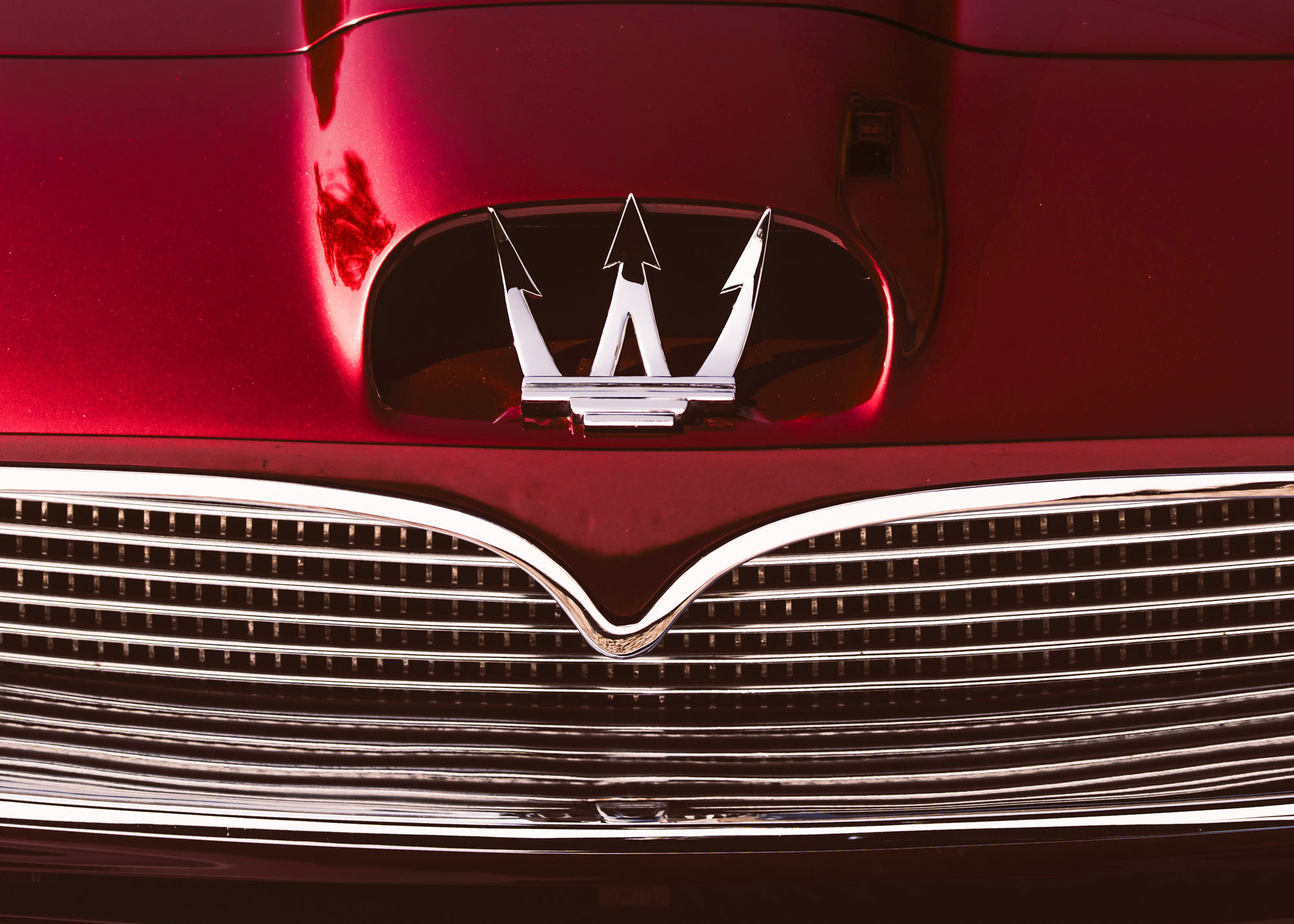
The 1962 Maserati 5000 GT Frua: Chassis 103.064
The first Frua-bodied 5000 GT was originally finished in a distinctive color called “Luci di Mezzanotte,” complemented by a “Camoscio” interior. Before entering private ownership, Maserati used the car for testing and demonstrations. It subsequently appeared at the 1963 Geneva International Motor Show, introducing Frua’s interpretation of the flagship grand tourer to an international audience.
Pietro Frua’s Distinctive Coachwork
Frua’s design differed considerably from the earlier Touring and Allemano versions. Its lower beltline, expansive glass areas, and flowing shoulder line created a sleeker profile while retaining the substantial proportions of a front-engined V8 grand tourer. The beltline descended around the doors before extending toward the rear window, visually emphasizing the car’s long, elegant silhouette. Sculpted body panels, restrained chrome detailing, and a Maserati Trident positioned in a recess above the front grille completed the design. The result was a distinctive interpretation of the 5000 GT, combining Frua’s styling with the engineering developed under Giulio Alfieri.
Karim Aga Khan IV and a Second Frua Commission
Following its Geneva appearance, chassis 103.064 was delivered to Maserati’s French importer. During this period, Karim Aga Khan IV had an opportunity to drive the car. The experience reportedly impressed him enough to commission his own Maserati 5000 GT Frua. The episode illustrates the exclusive clientele attracted to Maserati’s flagship during the early 1960s, when bespoke Italian grand tourers appealed to royalty and wealthy international collectors.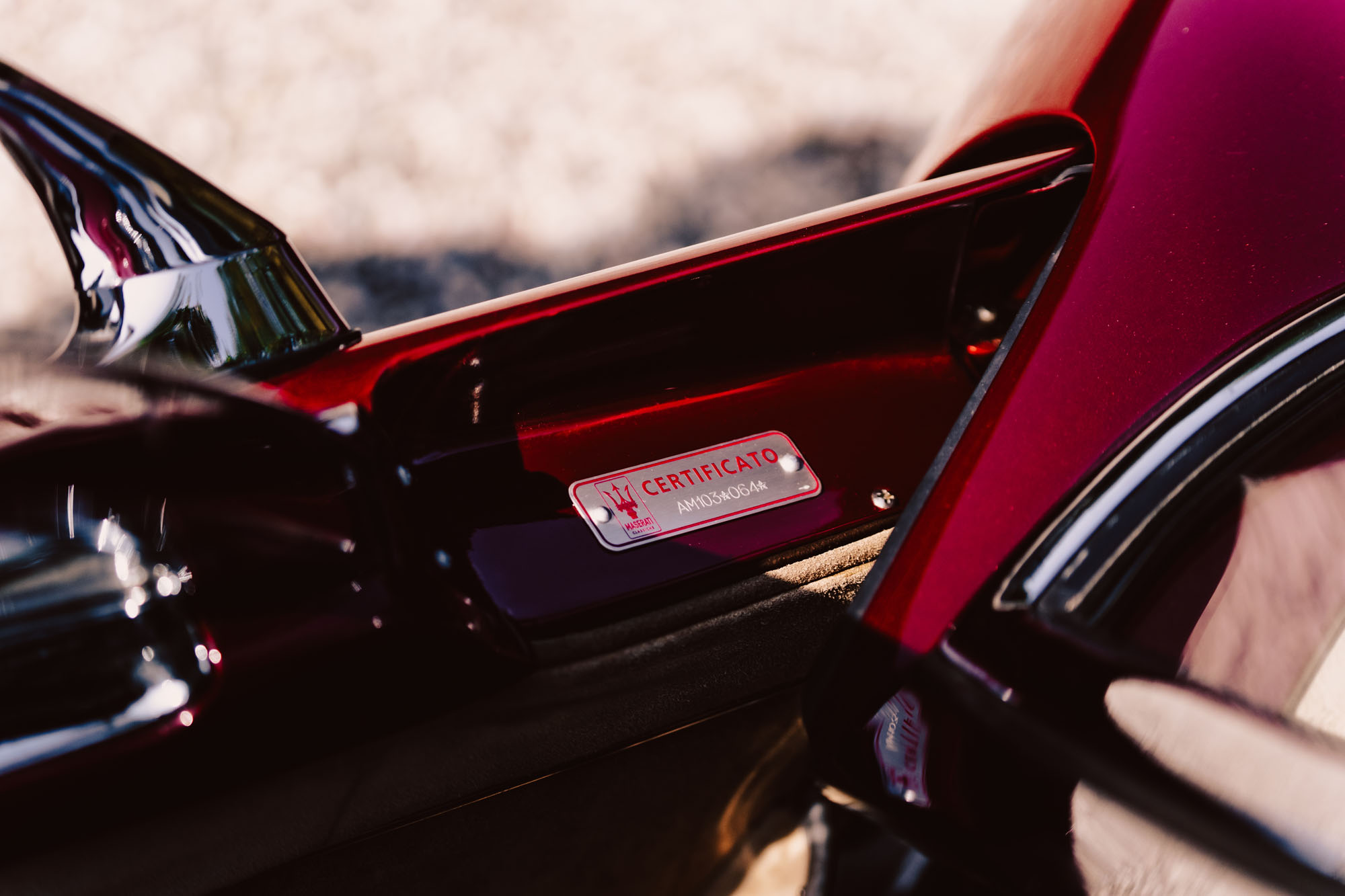
Royal Ownership and the Car’s Disappearance in Egypt
The history of chassis 103.064 became particularly unusual after its initial period as a factory demonstration vehicle. At the end of 1963, the car returned to Maserati’s headquarters in Modena before being sold in Rome. In January 1966, its owner purchased another Maserati and returned the Frua-bodied 5000 GT to the manufacturer. The following month, Maserati performed a complete service and repainted the car in “Rosso Rubino Chiaro,” replacing its original “Luci di Mezzanotte” finish. The new owner was Saudi Prince Magid Ben Saoud, who acquired the Maserati as a gift for his father, King Saud bin Abdulaziz Al Saud.
The car’s royal association subsequently led to one of the most unusual episodes in its history. According to Maserati’s account, Egyptian authorities seized the 5000 GT in 1967 following the Six-Day War and King Saud’s departure from Egypt. The Frua then disappeared from public view for more than three decades, reportedly remaining in a warehouse in Cairo.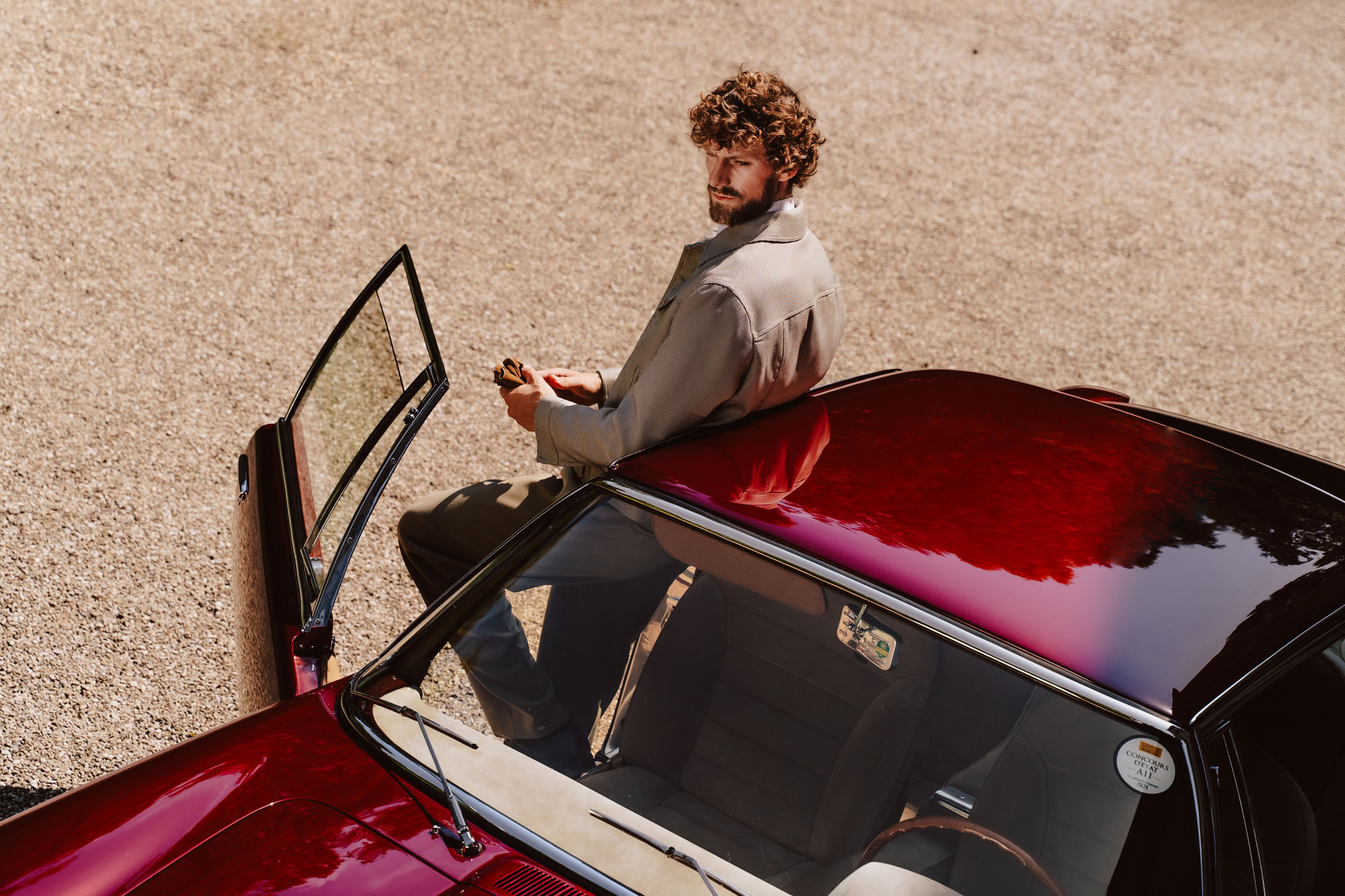
Rediscovered in 2000 With Just 12,700 Kilometers
When chassis 103.064 resurfaced in 2000, it reportedly remained remarkably complete and original despite its prolonged period in storage. Its odometer displayed just 12,700 kilometers, approximately 7,891 miles. The reading was notable given the car’s age, although the supplied history does not independently establish whether it represents the vehicle’s complete lifetime mileage.
A collector from Texas purchased the Maserati and arranged for it to return to Modena for restoration. The project took four years, with the car undergoing an extensive refurbishment before returning to the international concours scene. In 2004, the restored 5000 GT Frua appeared at the prestigious Concorso d’Eleganza Villa d’Este in Italy, where its return received special recognition.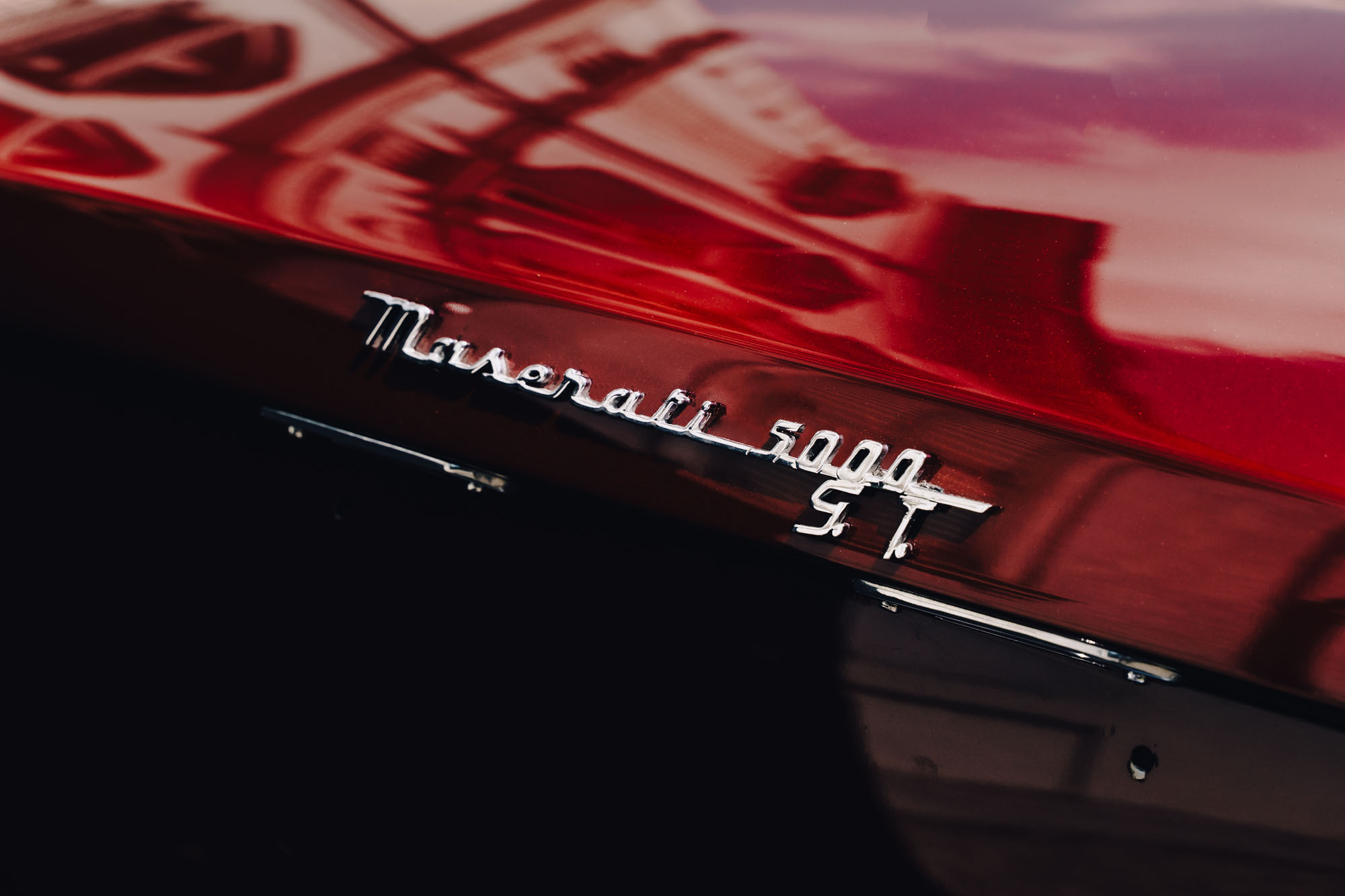
The appearance marked a significant milestone for a car that had spent more than 30 years largely out of public sight.
Maserati Classiche Certifies the Historic 5000 GT Frua
Maserati has now added chassis 103.064 to the vehicles recognized through its Classiche Certification of Authenticity program. Established in Modena in 2021, Maserati Classiche supports the preservation, documentation, and authentication of the manufacturer’s historic vehicles. Its certification process involves examining a vehicle’s technical characteristics and historical records against information retained in Maserati’s archives.

The program covers cars more than 20 years old, along with eligible special models and limited-production vehicles. Maserati Classiche now operates within BOTTEGAFUORISERIE, a broader initiative supporting the preservation of the brand’s automotive heritage and specialist craftsmanship.
Its activities include the work of Officine Classiche, historical documentation, and connections with collections such as the Collezione Maserati Umberto Panini in Modena. For chassis 103.064, the certification formally recognizes the car’s identity and historical documentation within Maserati’s factory-led authentication program. The manufacturer has not disclosed the current owner’s identity or the car’s present market value in the supplied announcement.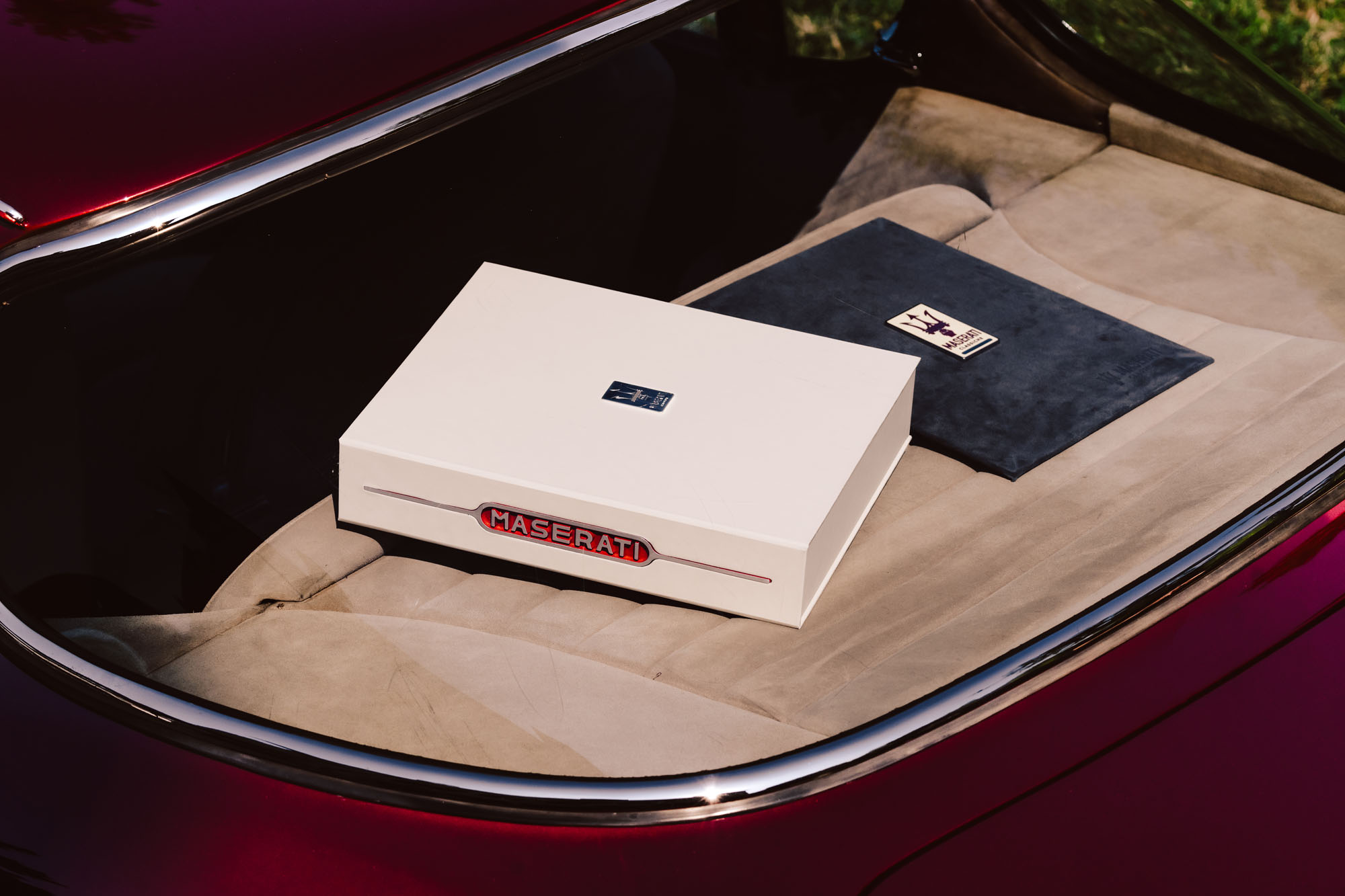
Making History
The Maserati 5000 GT occupies a distinctive place in Italian automotive history because it combined competition-derived engineering with the work of several leading coachbuilders. With only 34 examples built, each car represents an unusually scarce chapter in Maserati’s transition from racing machinery to exclusive, high-performance grand tourers. Chassis 103.064 is especially significant because of its Frua coachwork, documented royal connections, unusual ownership history, and survival following decades of storage.
Its latest Classiche certification also highlights the growing importance of factory documentation in preserving the provenance of historically significant collector cars. For Maserati enthusiasts, the 5000 GT Frua remains a compelling example of how Italian engineering, bespoke design, and individual ownership histories intersected during the golden age of coachbuilding.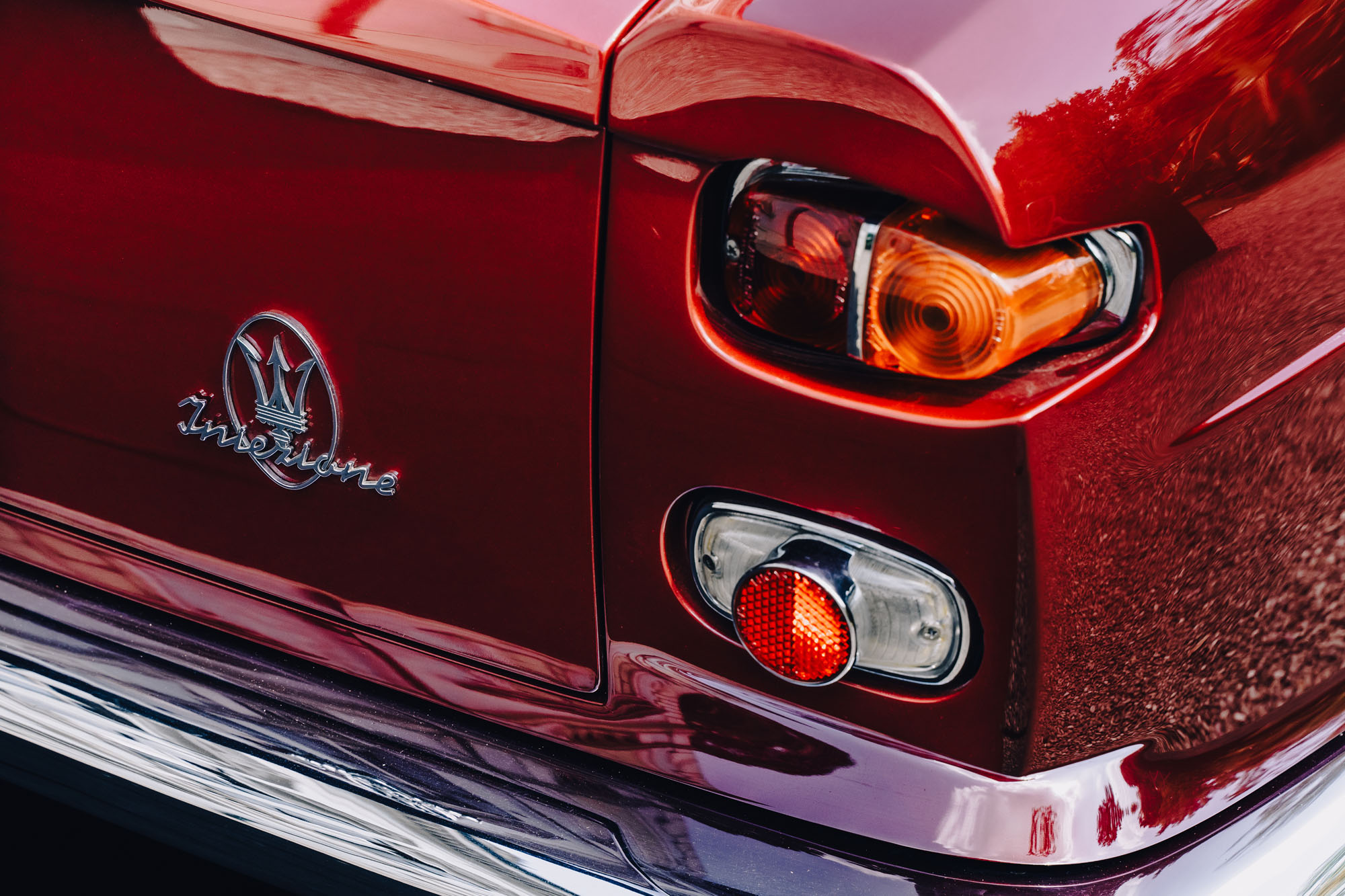
Key Facts
| Specification | Details |
| Manufacturer | Maserati |
| Model | 5000 GT Frua |
| Chassis number | 103.064 |
| Frua coachwork | 1962 |
| Total 5000 GT production | 34 |
| Frua-bodied examples | 3 |
| Engine | 5.0-liter V8, derived from 450S |
| Original engine output | More than 350 hp |
| Later engine output | Approximately 340 hp |
| Public debut | 1963 Geneva Motor Show |
| Original color | Luci di Mezzanotte |
| Original interior | Camoscio |
| Subsequent color | Rosso Rubino Chiaro |
| Rediscovery | 2000, Cairo |
| Odometer in 2000 | 12,700 km |
| Restoration | Four years in Modena |
| Concours appearance | 2004 Villa d’Este |
| Certification announcement | October 7, 2026 |
Note: The engine outputs refer to versions of the 5000 GT generally. The source does not establish the precise engine specification of chassis 103.064.
Above contents © 2026 Maserati S.p.A., reviewed and edited by Rex McAfee , @rexmcafee 🏁