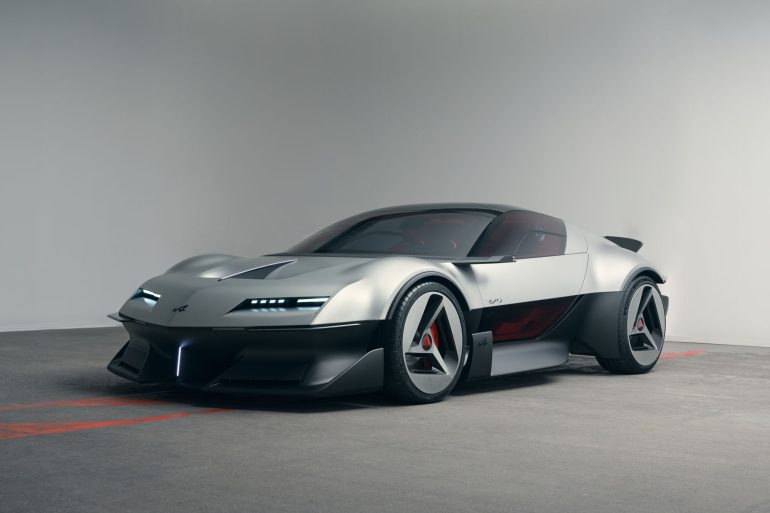
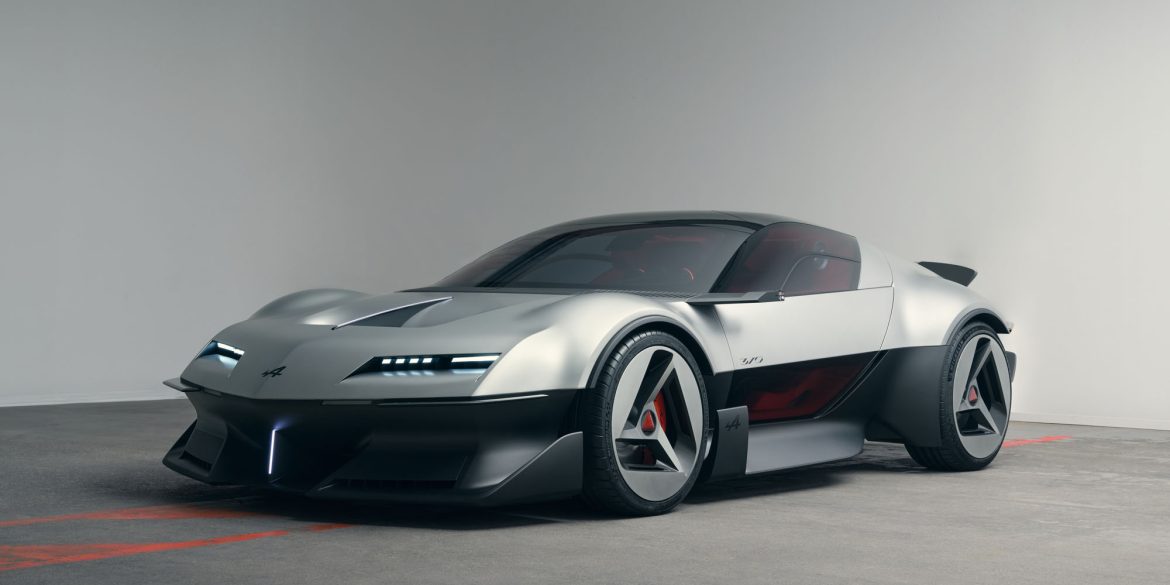
Alpine's designers parked an A310 in the middle of the studio and sketched from it. A310 VISION is the result, marking 55 years of the four-cylinder car and 50 of the V6, an independent concept, not a replica.

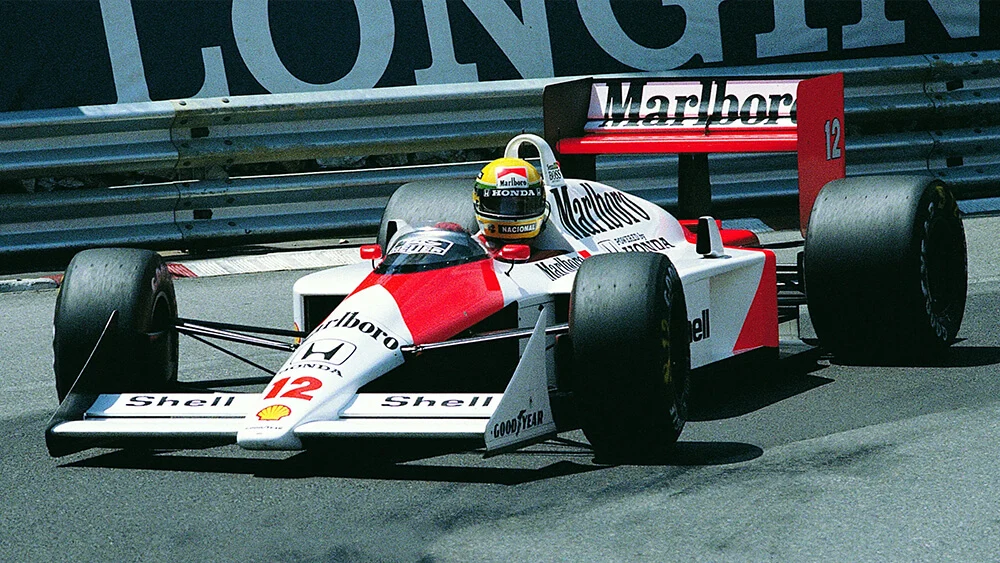
Formula 1 is the World Championship: the series of Grands Prix, run to a single set of technical rules, that has decided a drivers' champion every year since Silverstone in May 1950 and a constructors' champion since 1958. Seventy-seven seasons, thirty-five champions from Farina to Antonelli, a dozen great teams and a hundred cars that each changed the sport: this page is the championship itself, how it works and who won it, year by year, with the archive's 800 Formula 1 stories, the car profiles, the driver portraits and the race histories threaded through it. The longer story of Grand Prix racing, from 1906 to the Silver Arrows and on through the eight eras, is on the Grand Prix History page; this one begins where the World Championship does.
The pieces to start with
Eight long reads on the championship: the circuits it has raced on and lost, McLaren's and Red Bull's beginnings, the Lotus 72 and the ground-effect Lotuses, the wings of 1968 and the greatest drivers.
AVUS was two parallel two-lane roads of 9.78 km apiece, planned in 1907 and finished in 1921; Rosemeyer lapped it at 176.7 mph in 1937. First on a tour of the great Grand Prix circuits, many now only on newsreel.
Valencia’s street circuit hosted the European Grand Prix and is now abandoned. Simon Bertram on four Formula One venues from the past 20 years that the sport has already stopped talking about.
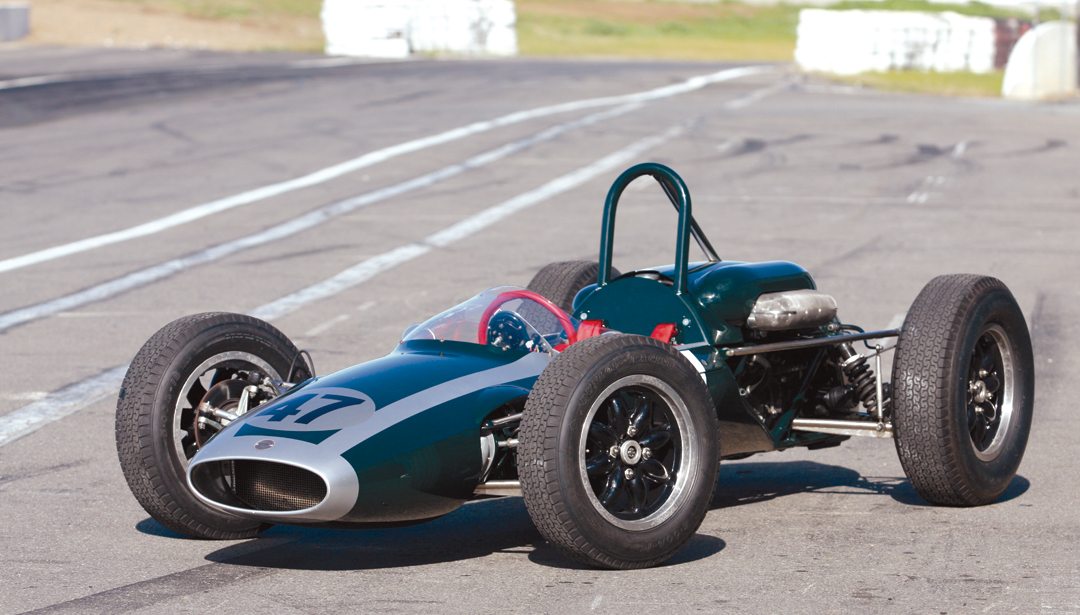
Bruce McLaren recorded faster times than his father in the family Austin-Healey 100 at Ohakea in 1956 and was soon lead driver. Patrick Quinn on the 1964 Cooper T70 built for the Tasman Series and what it started.
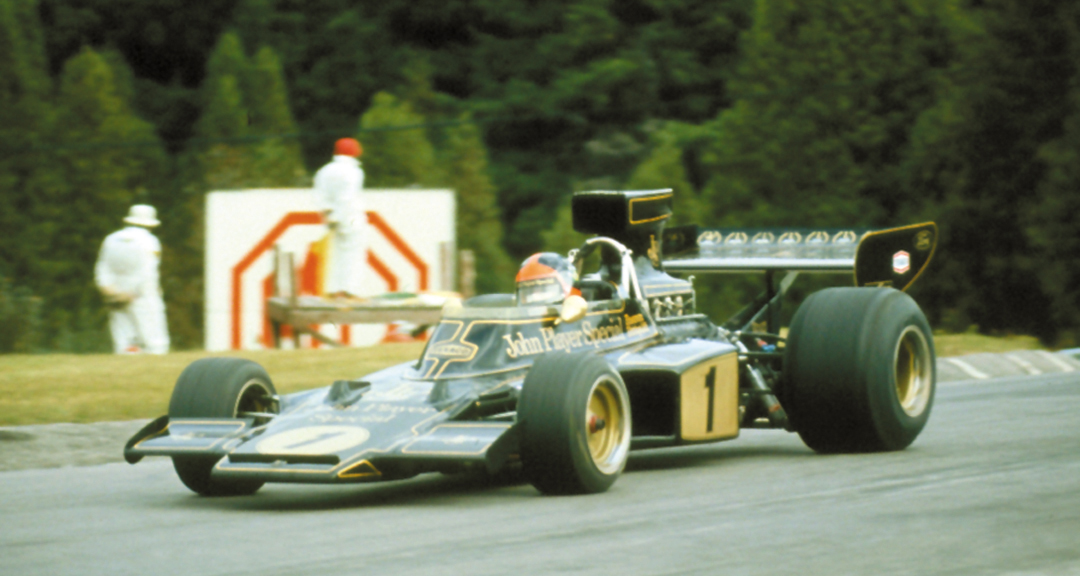
Lotus went into 1973 with the fastest car, the reigning champion Fittipaldi and new signing Ronnie Peterson, a fourth-season Lotus 72, a new designer in Ralph Bellamy and Goodyear replacing Firestone. Michael Oliver on the season of two team leaders.
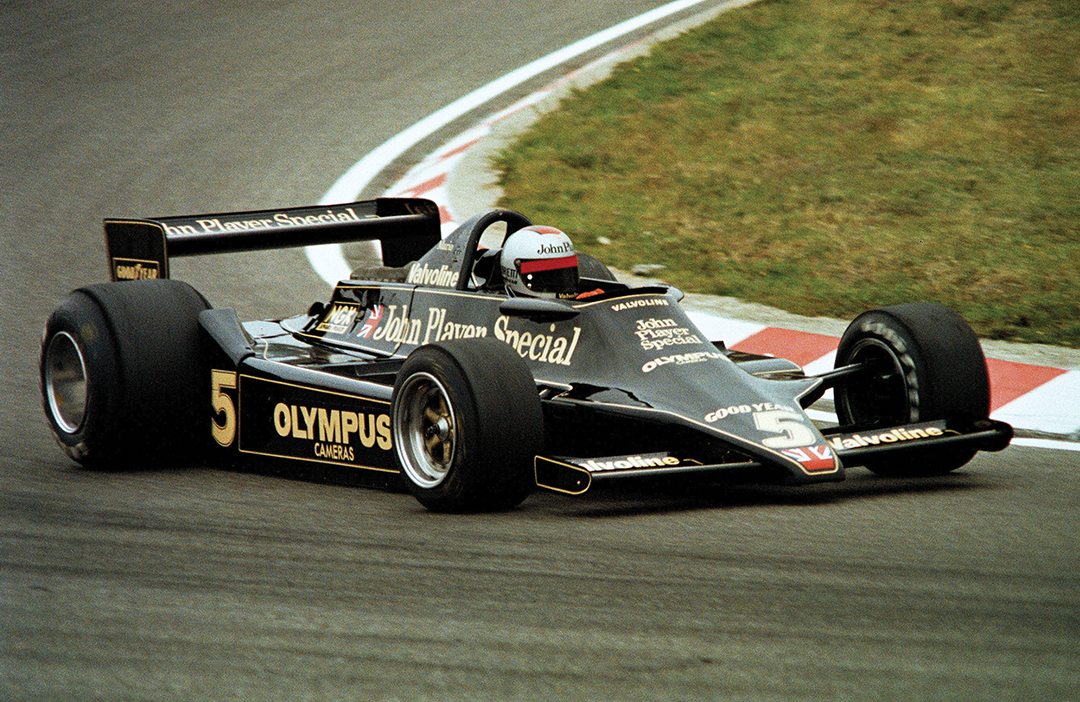
Vel’s Parnelli Jones Racing pulled the plug on its F1 program at Long Beach in 1976 without telling Mario Andretti; he heard from Chris Economaki, then breakfasted with Colin Chapman on Monday. Gordon Kirby on the Lotus 78 and 79.
Ford’s Cosworth DFV won 154 Grands Prix between Zandvoort 1967 and Detroit 1983. Its return with Red Bull from 2026 is about batteries. John Zimmermann on how the champion team came to exist.
Forty-eight drivers from Grand Prix History’s Hall of Fame: Antonio Ascari, who had to destroy Campari rather than beat him in 1925, son Alberto, who won every Grand Prix he entered in 1952, Alonso, Andretti and on. Dennis David’s list.
Swiss student Michael May put a high wing over the cockpit of his Porsche 550 Spyder before Jim Hall’s Chaparral 2E and long before Formula One’s 1968–69 wing season; Opel’s rocket cars had tried it in 1928. How downforce came.
The newest Formula 1 stories, as they are published.
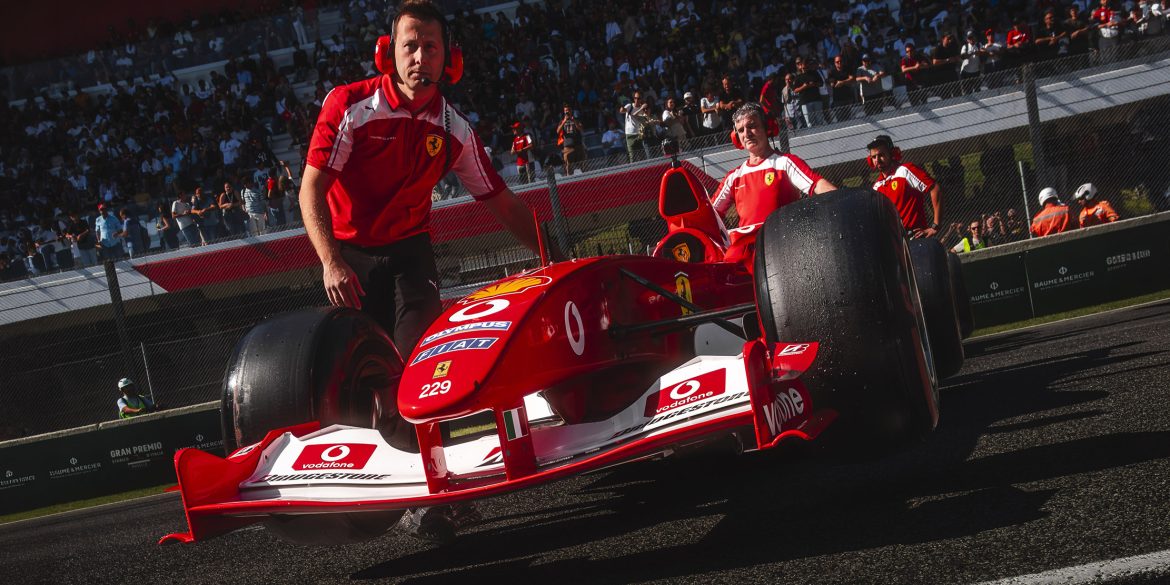
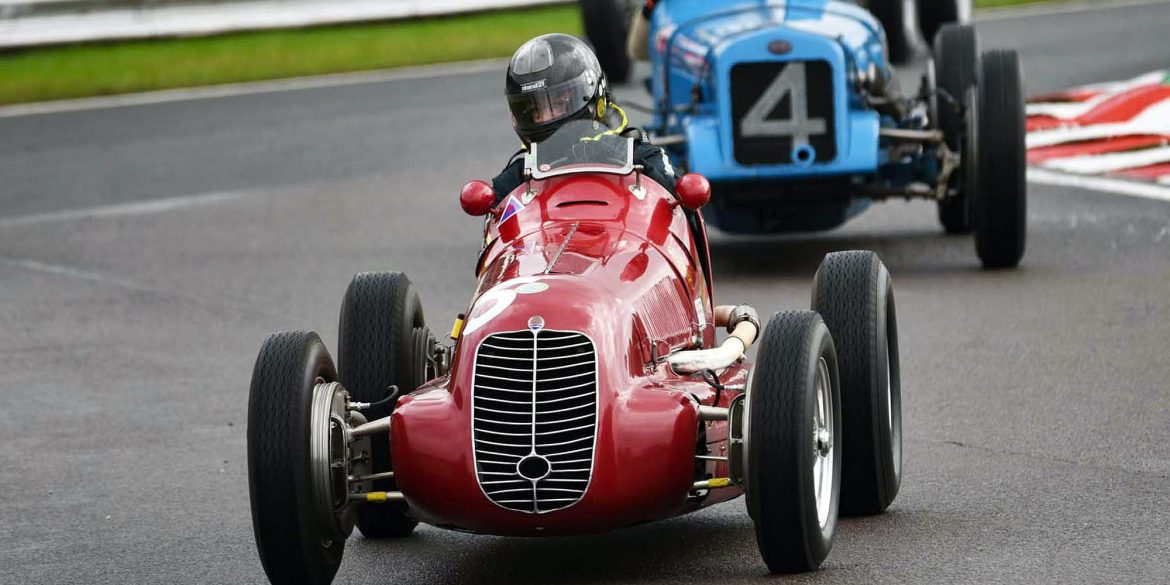
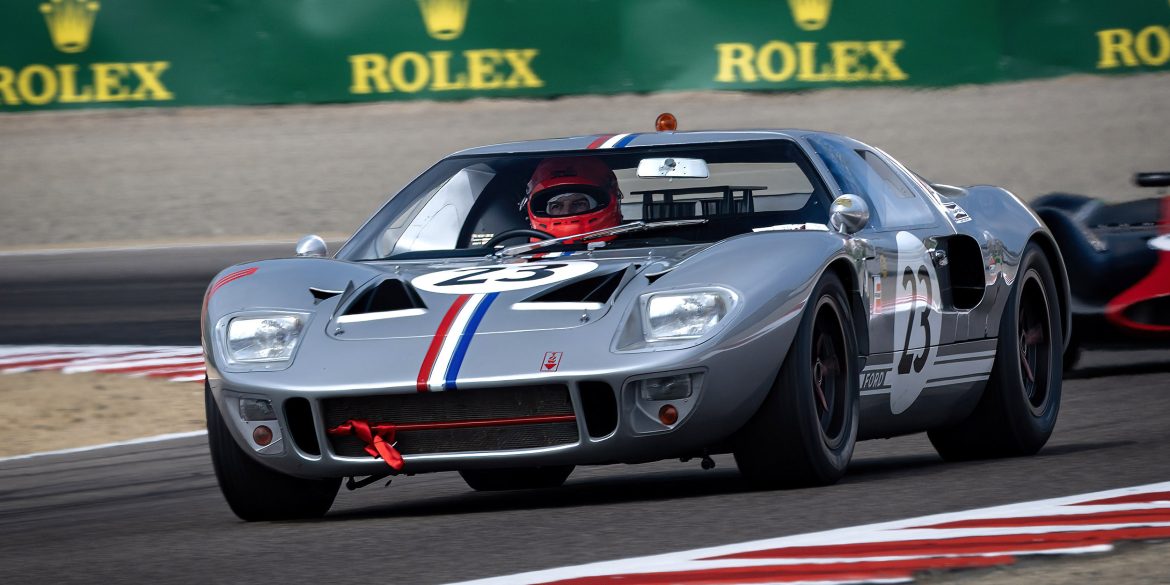
Formula 1 is the highest class of single-seater motor racing and the oldest continuous world championship in the sport: a season of Grands Prix, twenty-four of them in 2026, on circuits from Melbourne to Abu Dhabi, in which ten or eleven teams each enter two cars built to the current technical formula, and points scored at each race decide the Drivers' World Championship and the Constructors' World Championship. The name comes from the set of rules, the formula, that the sport's governing body, now the FIA, drew up in 1946 to replace the pre-war Grand Prix regulations; the first race run to it was Turin in September 1946, and the first race of the first World Championship was the British Grand Prix at Silverstone on 13 May 1950, won by Giuseppe Farina in an Alfa Romeo 158. Since then Formula 1 has been the place where the fastest road-racing cars in the world are built and raced, where Fangio, Clark, Stewart, Lauda, Prost, Senna, Schumacher, Hamilton and Verstappen made their names, and where the engineering, the money and the politics of motor racing have been concentrated for three-quarters of a century. Ferrari is the only team to have raced in every season; Mercedes-Benz, McLaren, Williams, Lotus and Red Bull are the others that have defined whole eras. The archive's Formula 1 thread is the magazine's long-form writing on the championship, car by car and driver by driver, from the Alfetta to Red Bull Racing, with the race histories and the Greatest Grand Prix Drivers series alongside.
The formula is the technical rulebook, and it has been rewritten roughly once a decade. The first, 1947 to 1953, allowed 1.5-litre supercharged or 4.5-litre unsupercharged engines, which is why the Alfetta and the Ferrari 375 raced together; in 1952 and 1953 so few cars existed that the championship was run to Formula Two rules, which Ascari's two-litre Ferrari 500 dominated. From 1954 to 1960 the engines were 2.5 litres unsupercharged, the formula of the Mercedes W196, the Maserati 250F and the rear-engined Coopers; from 1961 to 1965 a 1.5-litre formula that the British teams disliked and Ferrari, BRM and Lotus won; from 1966 the three-litre formula that lasted, with the 1.5-litre turbocharged equivalence that Renault exploited from 1977, until the turbos were banned after 1988; 3.5 litres until 1994, three litres from 1995 with V10s compulsory from 2000, 2.4-litre V8s from 2006, and from 2014 the 1.6-litre V6 turbo hybrids that Mercedes mastered first. The 2026 rules are the biggest change since then: new power units with the electrical side providing nearly half the power, fully sustainable fuel, smaller and lighter cars with active aerodynamics in place of DRS, and new manufacturers, Audi, Ford with Red Bull, Honda with Aston Martin and Cadillac as an eleventh team. Points have changed too: 8-6-4-3-2 plus one for fastest lap in 1950, 9-6-4-3-2-1 through the 1960s and 1970s, ten for a win from 1991, eight places scoring from 2003 and the 25-18-15-12-10-8-6-4-2-1 scale since 2010, with sprint races adding points since 2021. The constructors' championship, scored from both cars, began in 1958 and Vanwall won it first. A season ran to seven races in 1950, Indianapolis among them until 1960, sixteen by the 1980s and twenty-four now, each weekend a Friday of practice, a Saturday of qualifying in three knock-out segments and a Sunday race of about 305 kilometres or two hours.
The first two championships belonged to the Alfa Romeo 158 and 159, the supercharged straight-eight voiturette designed before the war, and to its drivers, Farina in 1950 and Juan Manuel Fangio in 1951, the Argentine who had arrived in Europe at thirty-seven and would win five titles with four different makes; the archive's Alfetta stories and Robert Newman's Fangio pieces have both. Alfa withdrew, Ferrari's Formula Two 500 gave Alberto Ascari two walkover championships in 1952 and 1953, nine Grands Prix in a row among them, and then in 1954 Mercedes-Benz returned at Reims with the W196 streamliners and Fangio, who won that year and the next, the second in the season of the Le Mans disaster after which Mercedes left racing for three decades. He won again in 1956 in the Lancia-Ferrari D50, after Peter Collins handed him his car at Monza, and in 1957 in a Maserati 250F, the year of the Nürburgring drive in which he made up a forty-eight-second deficit on the two Ferraris; he retired in 1958 with twenty-four wins from fifty-one starts, a ratio no one has approached. The British arrived at the end of the decade: Vanwall's constructors' title and Mike Hawthorn's drivers' championship by one point from Stirling Moss in 1958, a season that killed Collins and Luigi Musso and ended Hawthorn's career and, months later, his life; then Jack Brabham's two titles in 1959 and 1960 in the rear-engined Cooper-Climax, which made every front-engined car obsolete within two seasons. Moss never won the championship, which is the first thing anyone learns about it; the archive's Moss columns and the "Three for the Show" feature on 1958 explain how.
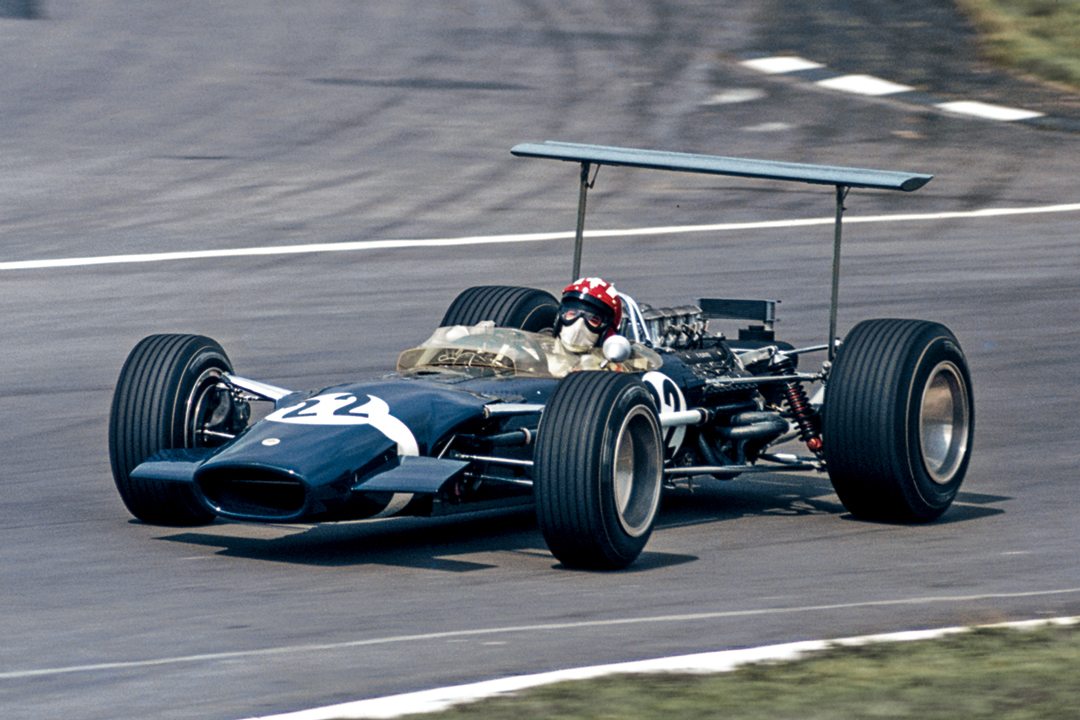
Ferrari's shark-nosed 156 won the 1.5-litre formula's first year in 1961 for Phil Hill, the first American champion, in the season that killed his team-mate Wolfgang von Trips and fourteen spectators at Monza; then the British garagistes, as Enzo Ferrari called them, took over. Graham Hill's BRM won in 1962, Jim Clark's Lotus 25, the first monocoque Grand Prix car, in 1963 with seven wins from ten, John Surtees's Ferrari in 1964, Clark again in 1965 in the year he also won Indianapolis. The three-litre formula of 1966 was won by Brabham in a car bearing his own name, the only time that has happened, and by Denny Hulme in 1967 in another Brabham-Repco; but 1967 is remembered for Zandvoort, where the Ford-financed Cosworth DFV won on its debut in the Lotus 49 and began a run of 155 Grand Prix wins that lasted until 1983. Clark was killed in a Formula Two race at Hockenheim in April 1968; Graham Hill held Lotus together and won the title in the year that wings and cigarette sponsorship arrived; Jackie Stewart won his first championship in 1969 in Ken Tyrrell's Matra. The archive's Lotus, Clark, Hill and Surtees features, Patrick Quinn's "McLaren's Dawn" on Bruce McLaren's first cars, and the 1968 Monaco and wings stories are the decade's long reads.
Jochen Rindt won the 1970 championship in the Lotus 72 and did not live to receive it, killed in practice at Monza in September, the only posthumous champion. Stewart took two more titles for Tyrrell in 1971 and 1973 and retired after François Cevert's death at Watkins Glen with twenty-seven wins, then the record; Emerson Fittipaldi, the youngest champion yet at twenty-five, won for Lotus in 1972 and McLaren in 1974. Niki Lauda rebuilt Ferrari with Mauro Forghieri's 312T, won in 1975, nearly died at the Nürburgring in August 1976 and lost that title to James Hunt by a point at Fuji two months after being given the last rites, then won again in 1977 and walked out before the season ended; Robert Newman's two-part Forghieri interview in the archive is Ferrari's own account of those years. Colin Chapman answered with ground effect, the Lotus 78 and then the 79 that won Mario Andretti the 1978 championship in the season Ronnie Peterson died at Monza, and Gordon Murray's Brabham fan car won once and was withdrawn. Jody Scheckter won Ferrari's 1979 title with Gilles Villeneuve beside him; Renault's turbo, laughed at on its debut in 1977, won at Dijon that year in the race remembered for Villeneuve and René Arnoux banging wheels; and the six-wheeled Tyrrell P34, the Hesketh, the Shadow and the Penske that the archive profiles show how open the grid still was.
Alan Jones gave Frank Williams and Patrick Head their first championship in 1980 in the FW07, the best of the Lotus 79 copies, while the sport's owners fought the FISA–FOCA war that ended in the first Concorde Agreement and left Bernie Ecclestone running the commercial side for the next thirty-six years. Nelson Piquet won for Brabham in 1981 and, in 1983, became the first turbo champion in the BMW-engined BT52; between them Keke Rosberg won the 1982 title with a single victory in the season Villeneuve was killed at Zolder and Didier Pironi's legs were broken at Hockenheim. Then the McLaren years: Ron Dennis's team with John Barnard's carbon-fibre MP4 chassis and Porsche's TAG turbo won Lauda the 1984 championship by half a point from Alain Prost, Prost his first two in 1985 and 1986, the second when Nigel Mansell's tyre exploded at Adelaide; Piquet took a third title in 1987 in the Williams-Honda against Mansell in the same car; and in 1988 McLaren with Honda, Prost and Ayrton Senna won fifteen of sixteen races in the MP4/4, Senna's first championship and the most complete season there has been. Qualifying engines ran to 1,400 horsepower in 1986, the figure that ended the turbos: banned for 1989, when the 3.5-litre atmospheric formula took over.
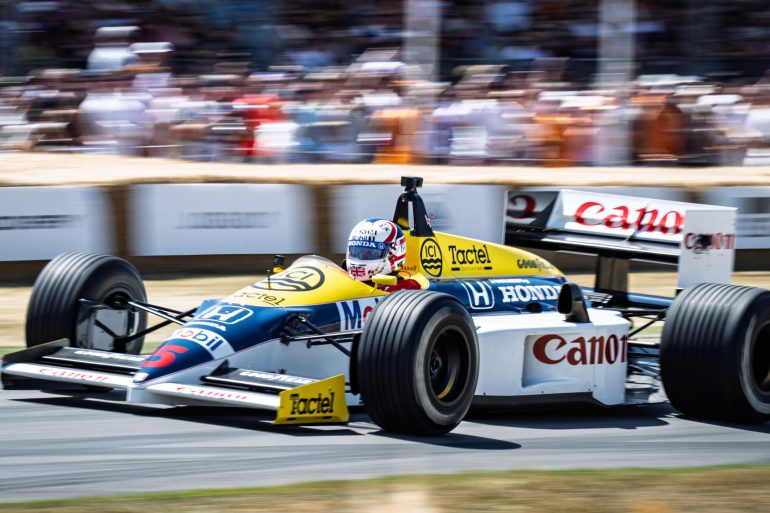
Prost and Senna settled 1989 and 1990 at Suzuka's chicane and turn one, a title each; Senna won his third in 1991, the year Michael Schumacher appeared at Spa in a Jordan and was in a Benetton a fortnight later. Williams and Renault, with Adrian Newey's aerodynamics and the electronics, active suspension, traction control and the semi-automatic gearbox, that made the FW14B of 1992 the most advanced car the sport had seen, gave Mansell nine wins and the championship by August, and Prost his fourth and last in 1993, after which the FIA banned the driver aids. Senna moved to Williams for 1994 and was killed at Imola on 1 May, the day after Roland Ratzenberger, in the weekend that changed the sport's attitude to safety for good; Schumacher won that year's title in the Benetton by colliding with Damon Hill at Adelaide, and the next cleanly, then moved to Ferrari. Hill won in 1996, the first son of a champion to be one, Jacques Villeneuve in 1997 after Schumacher drove into him at Jerez and was struck from the standings, and Mika Häkkinen's McLaren-Mercedes, Newey's again, took 1998 and 1999, the second while Schumacher sat out half the season with a broken leg. Grooved tyres, narrower cars and the first of the cost explosions belong to this decade; the archive's Schumacher, Häkkinen and Hill portraits, and Simon Bertram's Vettel profile looking back on it, carry it.
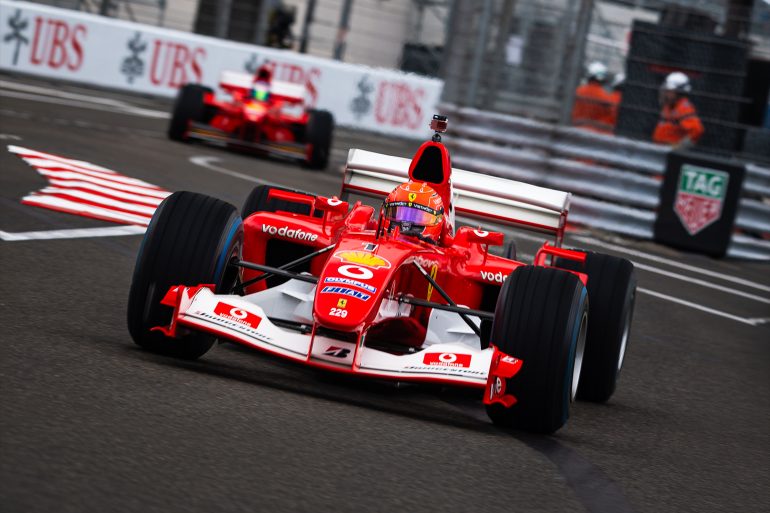
Ferrari's drought ended in 2000, twenty-one years after Scheckter, and Schumacher, Ross Brawn, Rory Byrne and Jean Todt then won five drivers' championships and six constructors' titles in a row, the 2002 and 2004 seasons so one-sided, thirteen wins from eighteen in the F2004, that the points were rewritten and team orders banned after Rubens Barrichello was told to move over at the A1-Ring. Fernando Alonso and Renault broke the run in 2005 and 2006, Alonso the youngest champion at twenty-four until Hamilton, Vettel and Antonelli each lowered it; Kimi Räikkönen won Ferrari's last drivers' title in 2007 by a point from the two McLaren drivers in the year of the spying scandal; and Lewis Hamilton, in his second season, won the 2008 championship at the last corner of the last lap at Interlagos. The sport's manufacturers then left as fast as they had come: Honda withdrew in December 2008 and Ross Brawn bought the team for a pound, found a double diffuser in its design and won the 2009 title with Jenson Button in a car that had been built with no money and a Mercedes engine; BMW and Toyota followed Honda out. The V8s, the return of slick tyres, KERS and the refuelling ban of 2010 close the decade.
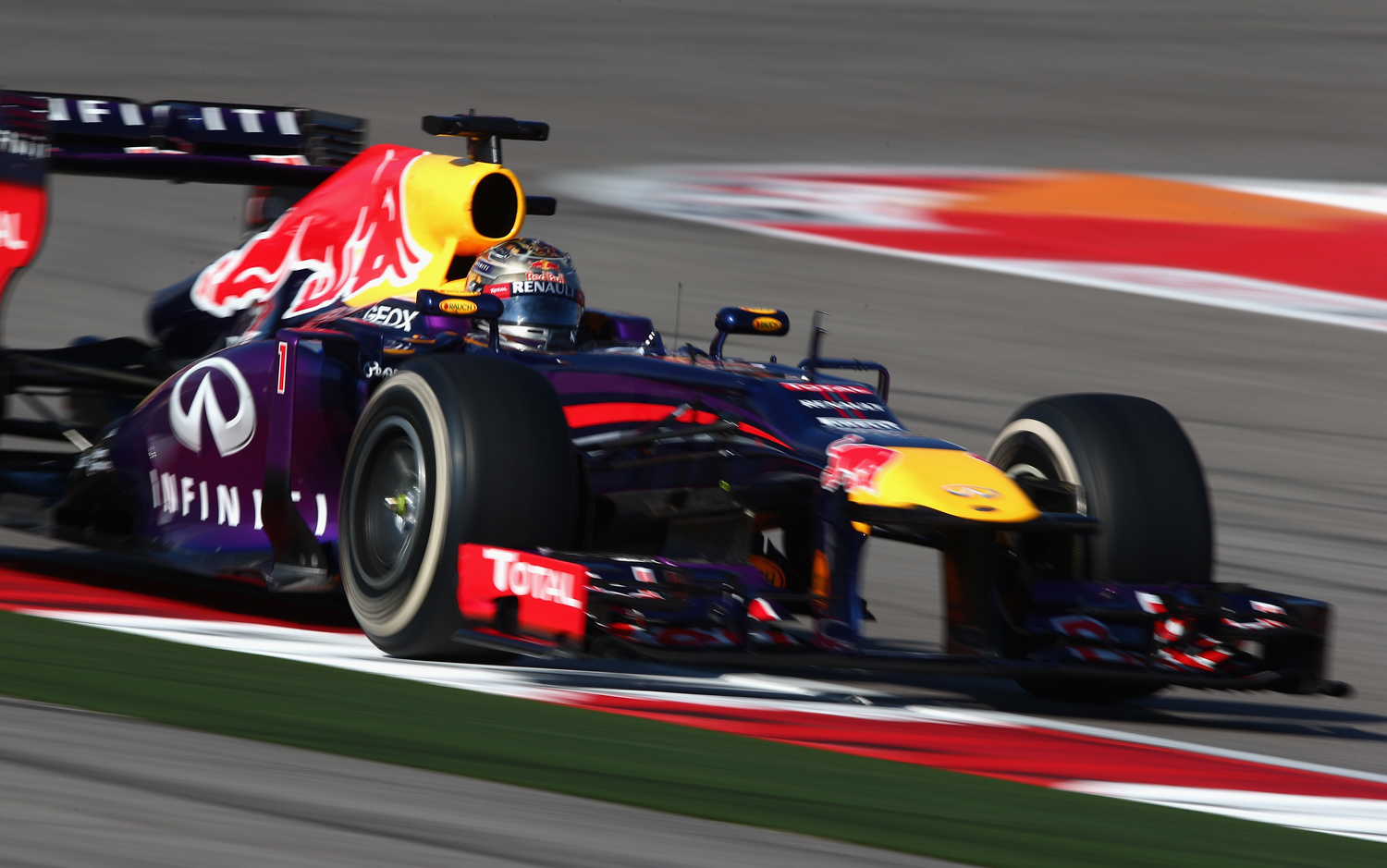
Red Bull Racing, the energy-drink company's team built from Jaguar's remains with Christian Horner and Newey, won four straight championships with Sebastian Vettel from 2010 to 2013, the first decided between four drivers at Abu Dhabi and the last with nine wins in a row; John Zimmermann's "Genesis" in the archive is the team's history. Then the 1.6-litre hybrid turbos of 2014, which Mercedes had been developing longest: eight constructors' titles in a row, Hamilton's championships in 2014, 2015, 2017, 2018, 2019 and 2020, the seventh equalling Schumacher, and Nico Rosberg's in 2016, after which he retired five days later. Ferrari's challenge faded at Singapore in 2017 and Hockenheim in 2018; the halo arrived in 2018 and saved lives within two seasons; the 2020 championship was run as seventeen races behind closed doors; and in December 2021 Max Verstappen won his first title on the last lap at Abu Dhabi after a safety-car decision that cost the race director his job. The decade also saw the sport sold by CVC to Liberty Media, Netflix's cameras arrive, a cost cap agreed and the American audience the sport had chased since Watkins Glen finally turn up.
The ground-effect cars of 2022 gave Verstappen and Red Bull three more titles, nineteen wins from twenty-two in 2023 the record for a season, before McLaren overhauled them in 2024 to take their first constructors' championship since 1998, and Lando Norris won the 2025 drivers' title in a three-way fight with Oscar Piastri and Verstappen that lasted to Abu Dhabi. Then the rules changed again. The 2026 cars, smaller and lighter, with active front and rear wings, power units split almost equally between the internal-combustion engine and the electrical system, and fuel made without fossil carbon, brought Audi onto the grid through Sauber, Cadillac as an eleventh team, Ford with Red Bull's own engines and Honda with Aston Martin, and the form book turned over: Mercedes mastered the new power unit as it had the last, and Kimi Antonelli, in his second season, became the youngest world champion in the sport's history at twenty years and sixty-eight days, clinching with third place in Mexico City on 1 November, the first Italian champion since Ascari in 1953, with Verstappen, George Russell and Hamilton, in his second year at Ferrari, behind him; Mercedes took its ninth constructors' championship at São Paulo a week later, in the wet race Norris won. Twenty-four Grands Prix, six of them with sprints, a cost cap, a calendar that now runs from March to December and a grid of twenty-two cars: that is the championship as it stands.
Every drivers' and constructors' champion since 1950, with the car and the season's story, is in the table below; champions' names link to every story on the site about them and the cars to their archives. Read down the second column and the sport's eras are there: the Italian cars of the early 1950s, Fangio's five, the British garagistes from 1958, the Cosworth years when seven different makes won titles between 1968 and 1982, the turbo and McLaren years, Williams's technology, Schumacher's Ferrari, the Red Bull and Mercedes dynasties and the new rules of 2026.
Every drivers' and constructors' champion, with the car and the season's story. Champions link to every story on the site about them; cars to their archives.
| Year | Drivers' champion | Car | Constructors' champion | The season |
|---|---|---|---|---|
| 1950 | Giuseppe Farina | Alfa Romeo 158 | — | The first World Championship, Silverstone 13 May; seven rounds including Indianapolis |
| 1951 | Juan Manuel Fangio | Alfa Romeo 159 | — | González gives Ferrari its first win at Silverstone; Alfa withdraws |
| 1952 | Alberto Ascari | Ferrari 500 | — | Formula Two rules; Ascari wins every race he starts |
| 1953 | Alberto Ascari | Ferrari 500 | — | Nine wins in a row end at Reims; Hawthorn's first |
| 1954 | Juan Manuel Fangio | Maserati 250F / Mercedes-Benz W196 | — | Mercedes returns at Reims with the streamliners |
| 1955 | Juan Manuel Fangio | Mercedes-Benz W196 | — | Le Mans disaster; Mercedes withdraws; Ascari killed at Monza |
| 1956 | Juan Manuel Fangio | Lancia-Ferrari D50 | — | Collins hands Fangio his car at Monza |
| 1957 | Juan Manuel Fangio | Maserati 250F | — | The Nürburgring drive; Moss and Brooks win Aintree for Vanwall |
| 1958 | Mike Hawthorn | Ferrari Dino 246 | Vanwall | Collins and Musso killed; Hawthorn retires and dies in January |
| 1959 | Jack Brabham | Cooper T51 | Cooper | The rear-engined revolution; Brabham pushes his car over the line at Sebring |
| 1960 | Jack Brabham | Cooper T53 | Cooper | Five wins in a row; the last front-engined win, Phil Hill at Monza |
| 1961 | Phil Hill | Ferrari 156 | Ferrari | 1.5-litre formula; von Trips and fourteen spectators killed at Monza |
| 1962 | Graham Hill | BRM P57 | BRM | Clark's Lotus 25 arrives; title decided at East London |
| 1963 | Jim Clark | Lotus 25 | Lotus | Seven wins from ten |
| 1964 | John Surtees | Ferrari 158 | Ferrari | Champion on two wheels and four; Mexico decides it |
| 1965 | Jim Clark | Lotus 33 | Lotus | Clark wins the championship and Indianapolis in the same year |
| 1966 | Jack Brabham | Brabham BT19-Repco | Brabham | The 3-litre formula; the only champion in a car of his own name |
| 1967 | Denny Hulme | Brabham BT24-Repco | Brabham | The Cosworth DFV wins on its debut at Zandvoort; Gurney's Eagle wins Spa |
| 1968 | Graham Hill | Lotus 49 | Lotus | Clark killed at Hockenheim; wings and sponsorship arrive |
| 1969 | Jackie Stewart | Matra MS80 | Matra | Four-wheel drive tried and dropped |
| 1970 | Jochen Rindt | Lotus 72 | Lotus | Rindt killed at Monza; the only posthumous champion |
| 1971 | Jackie Stewart | Tyrrell 003 | Tyrrell | Tyrrell's first full year as a constructor |
| 1972 | Emerson Fittipaldi | Lotus 72D | Lotus | Youngest champion yet at 25; the black and gold JPS cars |
| 1973 | Jackie Stewart | Tyrrell 006 | Lotus | Stewart retires after Cevert's death at Watkins Glen; 27 wins, the record |
| 1974 | Emerson Fittipaldi | McLaren M23 | McLaren | Decided at Watkins Glen between three drivers |
| 1975 | Niki Lauda | Ferrari 312T | Ferrari | Ferrari's first title since 1964; Forghieri's transverse gearbox |
| 1976 | James Hunt | McLaren M23 | Ferrari | Lauda's fire at the Nürburgring; Hunt by a point at Fuji; the six-wheeled Tyrrell |
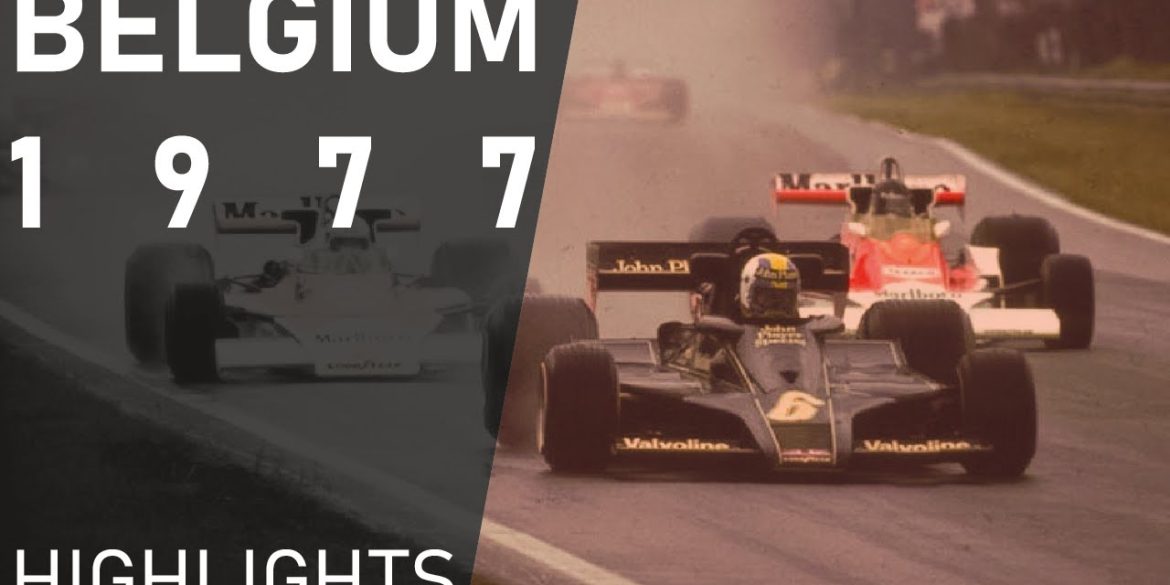
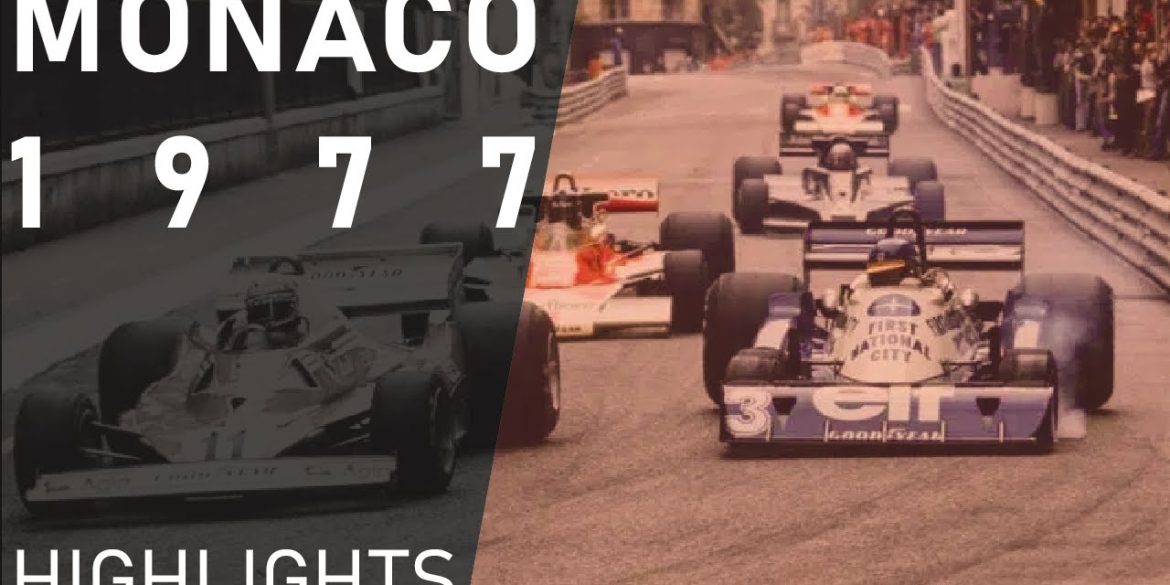
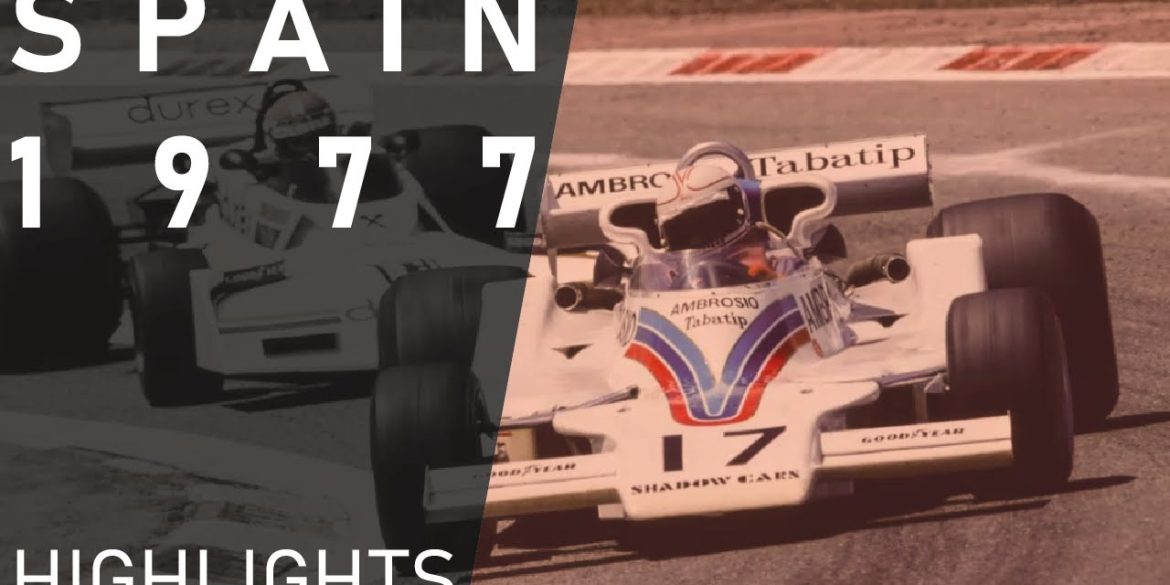
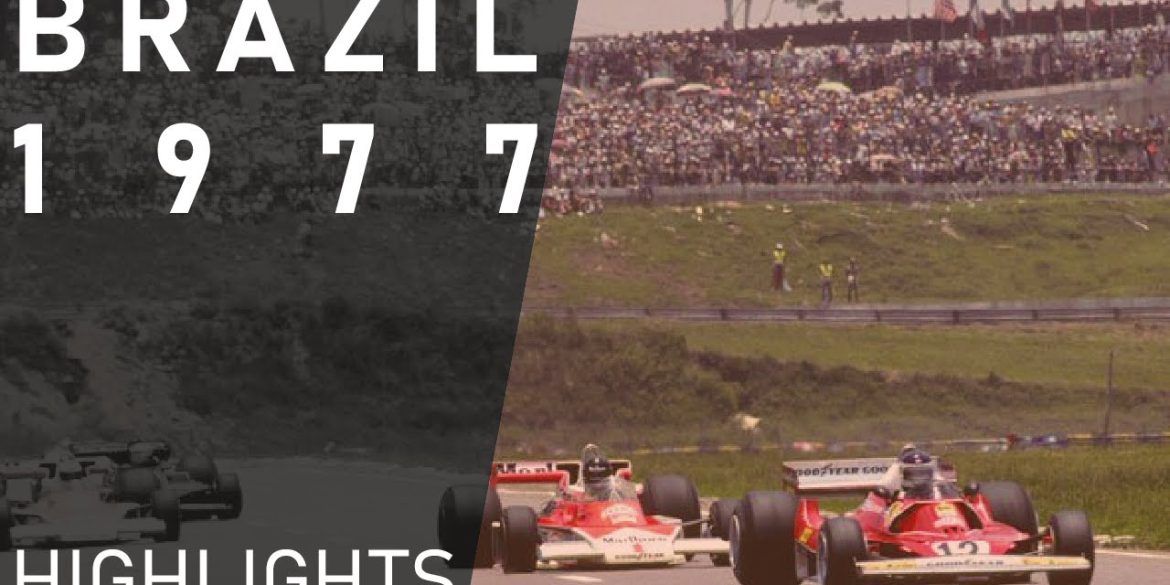
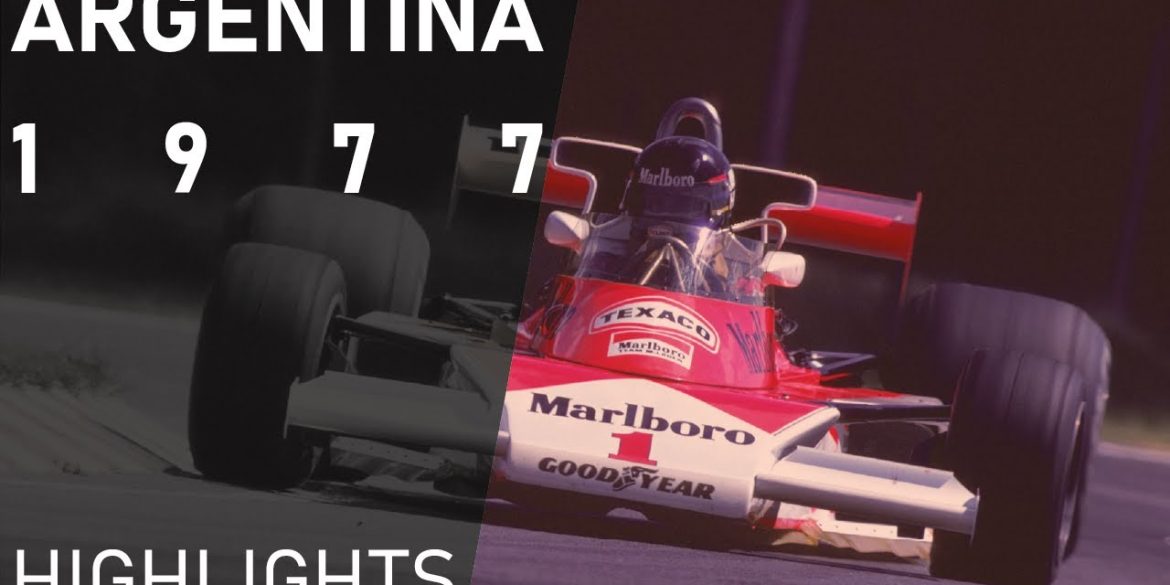
| 1977 | Niki Lauda | Ferrari 312T2 | Ferrari | Renault's turbo debuts at Silverstone; Lauda leaves Ferrari before the end |
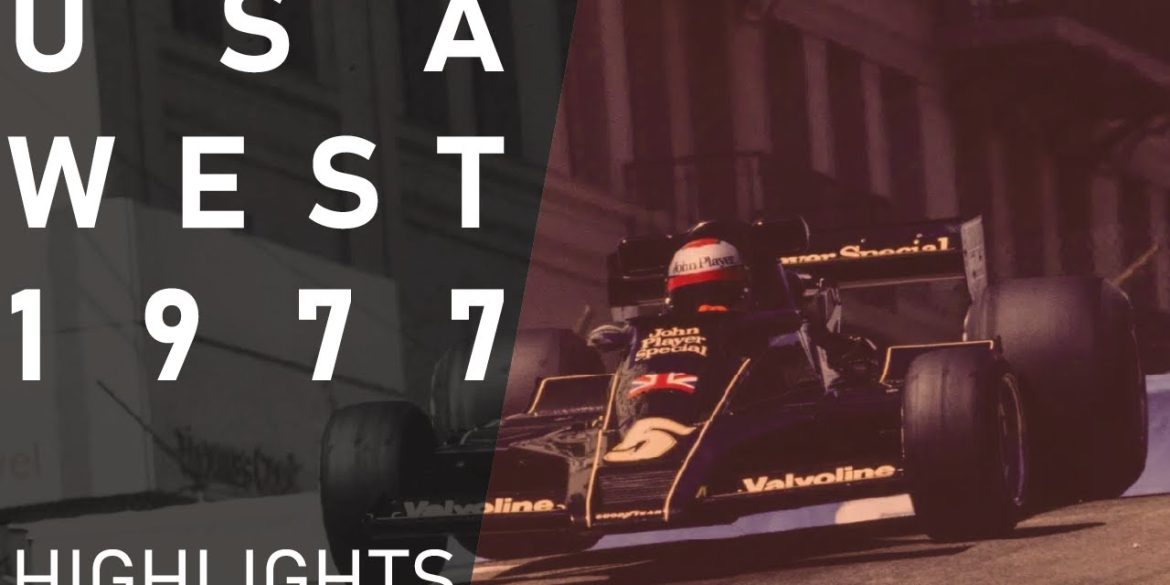
| 1978 | Mario Andretti | Lotus 79 | Lotus | Ground effect; Peterson killed at Monza; the Brabham fan car |
| 1979 | Jody Scheckter | Ferrari 312T4 | Ferrari | Renault's first turbo win at Dijon; Villeneuve and Arnoux's duel |
| 1980 | Alan Jones | Williams FW07B | Williams | Williams's first title; the FISA–FOCA war begins |
| 1981 | Nelson Piquet | Brabham BT49C | Williams | The Concorde Agreement; hydraulic ride height |
| 1982 | Keke Rosberg | Williams FW08 | Ferrari | Villeneuve killed at Zolder, Pironi's career ended at Hockenheim; eleven winners |
| 1983 | Nelson Piquet | Brabham BT52-BMW | Ferrari | The first turbo champion; flat bottoms end ground effect |
| 1984 | Niki Lauda | McLaren MP4/2-TAG | McLaren | Lauda by half a point from Prost; Senna's Monaco in the rain |
| 1985 | Alain Prost | McLaren MP4/2B | McLaren | France's first champion; Senna's first win at Estoril |
| 1986 | Alain Prost | McLaren MP4/2C | Williams-Honda | Mansell's tyre at Adelaide; 1,400 horsepower in qualifying |
| 1987 | Nelson Piquet | Williams FW11B-Honda | Williams | Piquet against Mansell in the same car; Mansell hurt at Suzuka |
| 1988 | Ayrton Senna | McLaren MP4/4-Honda | McLaren | Fifteen wins from sixteen; the last turbo season |
| 1989 | Alain Prost | McLaren MP4/5-Honda | McLaren | 3.5-litre atmospheric engines; the Suzuka chicane collision |
| 1990 | Ayrton Senna | McLaren MP4/5B | McLaren | Suzuka turn one |
| 1991 | Ayrton Senna | McLaren MP4/6 | McLaren | Senna's third; Schumacher's debut at Spa; Mansell's Williams arrives |
| 1992 | Nigel Mansell | Williams FW14B-Renault | Williams | Active suspension; nine wins; the title sealed in August |
| 1993 | Alain Prost | Williams FW15C | Williams | Senna at Donington; Prost retires with 51 wins |
| 1994 | Michael Schumacher | Benetton B194 | Williams | Imola: Ratzenberger and Senna killed; Adelaide collision |
| 1995 | Michael Schumacher | Benetton B195-Renault | Benetton | Nine wins; Schumacher signs for Ferrari |
| 1996 | Damon Hill | Williams FW18 | Williams | The first second-generation champion |
| 1997 | Jacques Villeneuve | Williams FW19 | Williams | Schumacher excluded from the championship after Jerez |
| 1998 | Mika Häkkinen | McLaren MP4/13-Mercedes | McLaren | Grooved tyres and narrow cars; Newey's McLaren |
| 1999 | Mika Häkkinen | McLaren MP4/14 | Ferrari | Schumacher breaks a leg at Silverstone; Irvine loses at Suzuka |
| 2000 | Michael Schumacher | Ferrari F1-2000 | Ferrari | Ferrari's first drivers' title since 1979; the 3-litre V10 compulsory |
| 2001 | Michael Schumacher | Ferrari F2001 | Ferrari | Fifty-three wins, passing Prost |
| 2002 | Michael Schumacher | Ferrari F2002 | Ferrari | Austria team orders; the title won in July |
| 2003 | Michael Schumacher | Ferrari F2003-GA | Ferrari | By two points from Räikkönen; the sixth title |
| 2004 | Michael Schumacher | Ferrari F2004 | Ferrari | Thirteen wins from eighteen; the seventh |
| 2005 | Fernando Alonso | Renault R25 | Renault | Youngest champion yet at 24; six cars start at Indianapolis |
| 2006 | Fernando Alonso | Renault R26 | Renault | The 2.4-litre V8; Schumacher retires for the first time |
| 2007 | Kimi Räikkönen | Ferrari F2007 | Ferrari | By one point from Hamilton and Alonso; McLaren excluded for the spying scandal |
| 2008 | Lewis Hamilton | McLaren MP4-23 | Ferrari | The last corner at Interlagos; youngest champion at 23 |
| 2009 | Jenson Button | Brawn BGP 001-Mercedes | Brawn | The double diffuser; KERS arrives; Honda's team bought for a pound |
| 2010 | Sebastian Vettel | Red Bull RB6 | Red Bull | Four drivers in contention at Abu Dhabi; the exhaust-blown diffuser |
| 2011 | Sebastian Vettel | Red Bull RB7 | Red Bull | Pirelli and DRS; fifteen poles |
| 2012 | Sebastian Vettel | Red Bull RB8 | Red Bull | Seven winners in the first seven races; Interlagos decides it |
| 2013 | Sebastian Vettel | Red Bull RB9 | Red Bull | Nine wins in a row to close the V8 era |
| 2014 | Lewis Hamilton | Mercedes W05 Hybrid | Mercedes | The hybrid V6 turbo; sixteen wins from nineteen |
| 2015 | Lewis Hamilton | Mercedes W06 | Mercedes | Hamilton's third |
| 2016 | Nico Rosberg | Mercedes W07 | Mercedes | Rosberg retires five days after the title; Verstappen wins at 18 |
| 2017 | Lewis Hamilton | Mercedes W08 | Mercedes | Wider cars and tyres; Ferrari's challenge fades at Singapore |
| 2018 | Lewis Hamilton | Mercedes W09 | Mercedes | The halo; Hamilton's fifth |
| 2019 | Lewis Hamilton | Mercedes W10 | Mercedes | Six titles; Lauda dies in May |
| 2020 | Lewis Hamilton | Mercedes W11 | Mercedes | Seventeen races in the pandemic; the seventh title equals Schumacher |
| 2021 | Max Verstappen | Red Bull RB16B-Honda | Mercedes | Abu Dhabi's last lap |
| 2022 | Max Verstappen | Red Bull RB18 | Red Bull | Ground effect returns; fifteen wins |
| 2023 | Max Verstappen | Red Bull RB19 | Red Bull | Nineteen wins from twenty-two; ten in a row |
| 2024 | Max Verstappen | Red Bull RB20 | McLaren | McLaren's first constructors' title since 1998 |
| 2025 | Lando Norris | McLaren MCL39-Mercedes | McLaren | Norris's first title in a three-way fight to Abu Dhabi; new engines, Audi and Cadillac for 2026 |
| 2026 | Kimi Antonelli | Mercedes W17 | Mercedes | The new hybrid formula; Antonelli, 20, the youngest champion, clinches in Mexico City; Mercedes's ninth constructors' title at São Paulo; Audi and Cadillac arrive |
The constructors' championship began in 1958. Indianapolis counted toward the championship from 1950 to 1960 but was not a Formula 1 race.
Ferrari has entered every championship since 1950 and holds the records, sixteen constructors' titles and fifteen drivers' championships, the last of them Räikkönen's in 2007; the Ferrari page has the marque's whole story. McLaren, founded by Bruce McLaren in 1963 and run by Teddy Mayer after his death, then by Ron Dennis from 1981 and Zak Brown today, has won ten constructors' championships and thirteen drivers' titles from Fittipaldi's in 1974 to Norris's in 2025. Williams, Frank Williams's and Patrick Head's team from 1977, won nine constructors' titles between 1980 and 1997 and seven drivers' championships; Lotus, Colin Chapman's, seven constructors' titles and six drivers' between 1963 and 1978 and most of the sport's ideas, the monocoque, wings, sponsorship, ground effect; Mercedes-Benz, in two spells, Fangio's two titles of 1954–55 and then, from 2010, nine constructors' championships and the titles of Hamilton, Rosberg and Antonelli (Mercedes-Benz); Red Bull Racing, six constructors' titles and eight drivers' championships with Vettel and Verstappen between 2010 and 2024. Behind them the teams that won once or twice and mattered: Alfa Romeo and Maserati at the start (Alfa Romeo); Vanwall, Cooper and BRM, the British pioneers; Brabham, four drivers' titles over seventeen years; Tyrrell, Stewart's three; Matra, Benetton and Renault from the same Enstone factory; Brawn's one year; and the dozens, Hesketh, Shadow, Penske, Ensign, Arrows, Toleman, Wolf, Jordan, that the archive's car profiles keep alive.
Nine cars that each changed the championship, from the Alfetta that won the first race to the Brawn that won from nothing, each linking to every story on the site about it; the feed below has the archive's Formula 1 car profiles and single-car stories, newest first.
Nine cars that changed the championship; each links to every story on the site about it.
Car profiles and single-car stories from the archive, newest first.
Thirty-five men have been world champion, and the archive has long portraits of most of them: Fangio by Robert Newman, Ascari, Hawthorn, Brabham, Phil Hill's own remembrances, Clark, Surtees, Stewart, Rindt, Fittipaldi, Lauda and Hunt, Andretti, Prost, Senna, Mansell and Schumacher, and Simon Bertram's long Vettel profile; Dennis David's Greatest Grand Prix Drivers series and the American Grand Prix Drivers thread sit beside them, with the men who never won the title, Moss, Villeneuve, Peterson, Gurney, Ickx, Alesi, and the interviews with the living. The feed below is the archive's Formula 1 driver profiles and interviews, newest first.
Driver portraits and interviews, newest first.
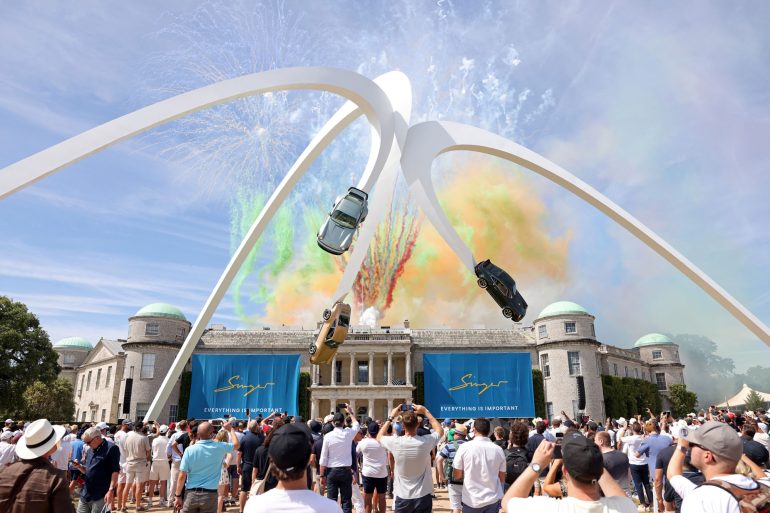
The cars race on. Masters Historic Formula One, the series for 1966–85 three-litre and turbo-era cars, runs at Silverstone, Brands Hatch, Zandvoort, Spa, Monza and the Red Bull Ring and supports the modern Grands Prix at Monaco, Austin and elsewhere; the Monaco Historic Grand Prix, every second May since 1997, puts the pre-war cars, the 1950s front-engined grids and the Cosworth cars through the streets, and the Monaco Grand Prix page has the archive's reports; the Grand Prix de Pau Historique does the same in the Pyrenees; the Goodwood Festival of Speed runs everything from the Alfetta to last year's car up the hill, and the Revival's Glover Trophy is for the 1.5- and 2.5-litre cars (Goodwood). In America the Historic Grand Prix and Vintage Grand Prix groups bring the cars to Watkins Glen, Laguna Seca and Lime Rock, and the Rolex Monterey Motorsports Reunion runs a Formula 1 grid most years. The market follows: Fangio's 1954 W196 made £19.6 million at Goodwood in 2013, Schumacher's 2003 Ferrari F2003-GA CHF 14.6 million in Geneva in 2022, and in February 2025 the W196 R streamliner from the Indianapolis Museum sold for €51.2 million in Stuttgart, the most ever paid for a Grand Prix car. The feed below has the archive's Masters Historic F1 coverage.
Reports from the historic Formula 1 grids, newest first.
The archive's Formula 1 galleries, from the historic grids to the modern paddock, are in the feed below.
Formula 1 galleries, newest first.
First World Championship race: British Grand Prix, Silverstone, 13 May 1950 (Farina, Alfa Romeo 158). Seasons: 77 (1950–2026); no season has been missed. Drivers' titles: Hamilton and Schumacher 7; Fangio 5; Prost, Vettel and Verstappen 4; Brabham, Stewart, Lauda, Piquet, Senna 3. Constructors' titles (since 1958): Ferrari 16, McLaren 10, Williams 9, Mercedes 9, Lotus 7, Red Bull 6. Wins: Hamilton 105, Schumacher 91, Verstappen, Vettel 53, Prost 51; Fangio's 24 from 51 starts the best ratio. Poles: Hamilton 104. Most starts: Alonso, past 400. Youngest champion: Antonelli, 20 years 68 days (2026); oldest: Fangio, 46 (1957). Youngest winner: Verstappen, 18, Spain 2016. Most wins in a season: Verstappen, 19 of 22 (2023); most consecutive: Verstappen 10 (2023), Vettel 9 (2013), Ascari 9 (1952–53). Most dominant season: McLaren MP4/4, 15 of 16 (1988). Longest engine run: Cosworth DFV, 155 wins, 1967–83. Engine formulae: 1.5 supercharged/4.5 (1950–51), 2.0 F2 (1952–53), 2.5 (1954–60), 1.5 (1961–65), 3.0 and 1.5 turbo (1966–86), 3.5 (1987–94), 3.0 (1995–2005, V10 from 2000), 2.4 V8 (2006–13), 1.6 V6 turbo hybrid (2014–25), the 2026 hybrid formula. Calendar: 7 races in 1950, 24 in 2026. The archive: 839 Formula 1 stories, 104 car profiles, 75 driver portraits, 28 galleries; the nine-part Grand Prix History; the 22 Greatest Races.
Short answers, with the long ones above.
The Formula One rules were written in 1946 and first raced in September that year; the World Championship began with the British Grand Prix at Silverstone on 13 May 1950, won by Giuseppe Farina for Alfa Romeo. Grand Prix racing itself dates from the French Grand Prix of 1906.
Grand Prix racing is the whole history of top-class road racing since 1906; Formula 1 is the rulebook written in 1946 and the World Championship run to it since 1950. The individual races are still called Grands Prix, which is why the two names are used together.
Lewis Hamilton and Michael Schumacher, seven each; Juan Manuel Fangio five; Alain Prost, Sebastian Vettel and Max Verstappen four. Ferrari has the most constructors' titles with sixteen.
Kimi Antonelli, who won the 2026 title for Mercedes at twenty years and sixty-eight days, taking the record from Sebastian Vettel (23 in 2010); Lewis Hamilton (23, 2008) and Fernando Alonso (24, 2005) held it before him. Max Verstappen is the youngest race winner, at eighteen in Spain in 2016.
The top ten finishers score 25, 18, 15, 12, 10, 8, 6, 4, 2 and 1 points; sprint races at six weekends score 8 down to 1 for the top eight. Both of a team's cars count toward the constructors' championship. From 1950 to 1990 only the top five or six scored and a win was worth eight, nine or ten points, and until 1990 drivers dropped their worst results.
He was runner-up four years running, 1955 to 1958, and lost the 1958 title to Mike Hawthorn by a single point after testifying on Hawthorn's behalf at a stewards' hearing in Portugal; he won sixteen Grands Prix, often in inferior cars, and his career ended at Goodwood in 1962.
New power units with roughly half the output electrical, fully sustainable fuel, smaller and lighter cars with active aerodynamics replacing DRS, and new entrants: Audi (taking over Sauber), Cadillac as an eleventh team, Ford with Red Bull Powertrains and Honda with Aston Martin. Mercedes and Kimi Antonelli won the first championships under the rules.
Masters Historic Formula One in Europe and at selected Grands Prix; the Monaco Historic Grand Prix every second May; the Grand Prix de Pau Historique; the Goodwood Festival of Speed and Revival; and in America the Rolex Monterey Motorsports Reunion, Watkins Glen and Lime Rock vintage weekends.
Ferrari, which has entered every World Championship season since 1950 and holds the records for constructors' titles, drivers' titles, wins and poles; McLaren, since 1966, and Williams, since 1977, are the next oldest teams still racing.
The whole Formula 1 thread, newest first.