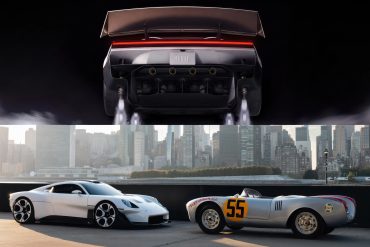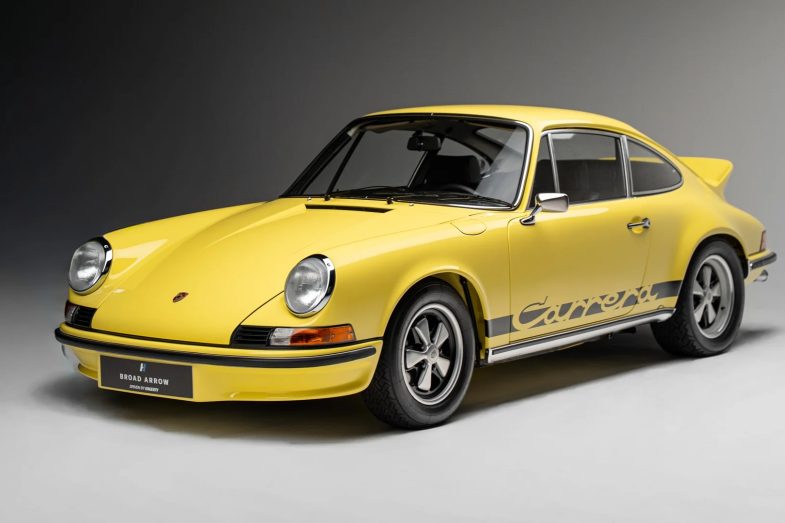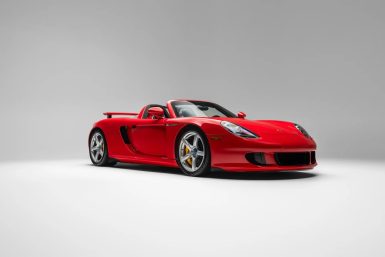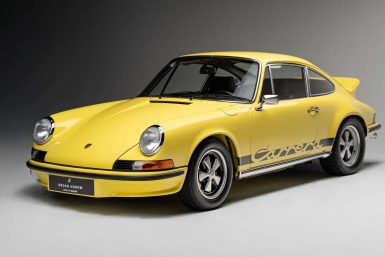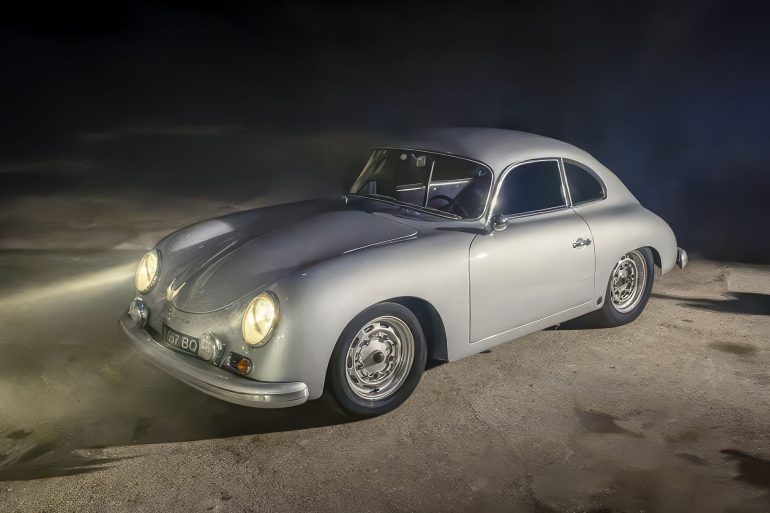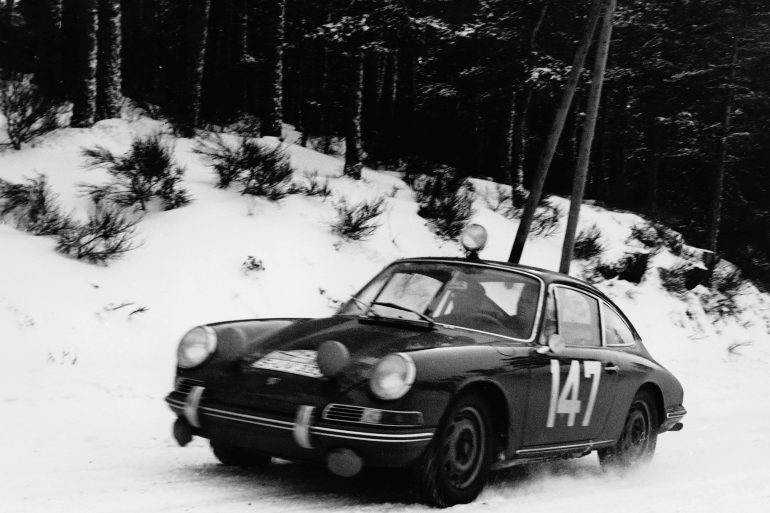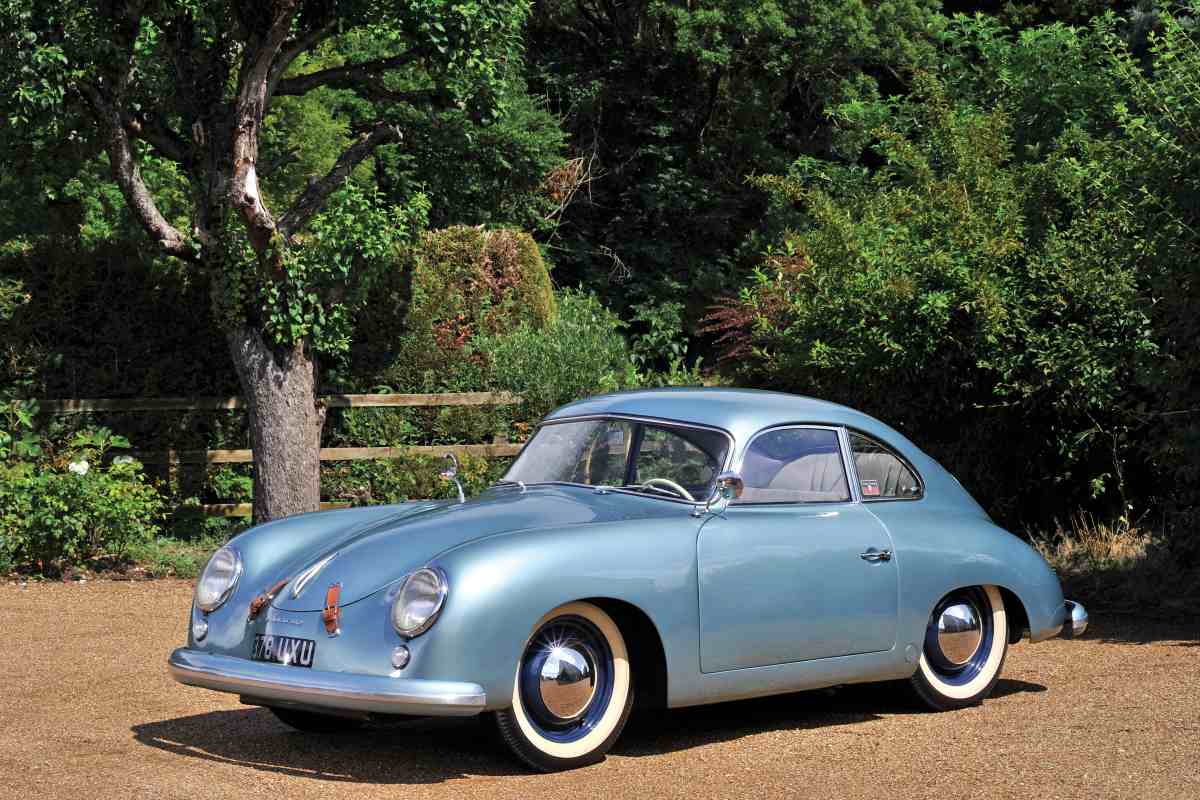
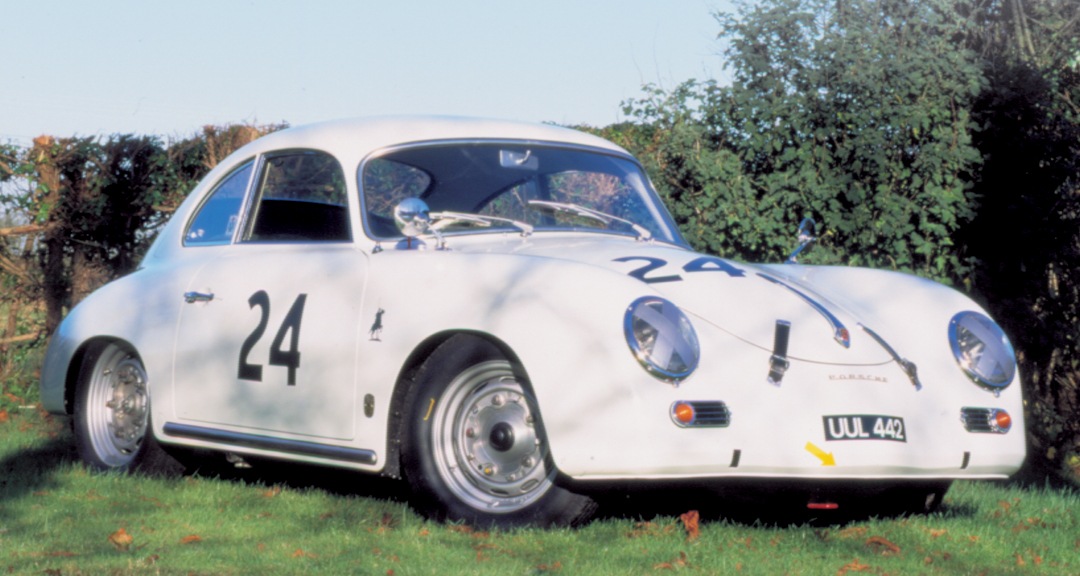
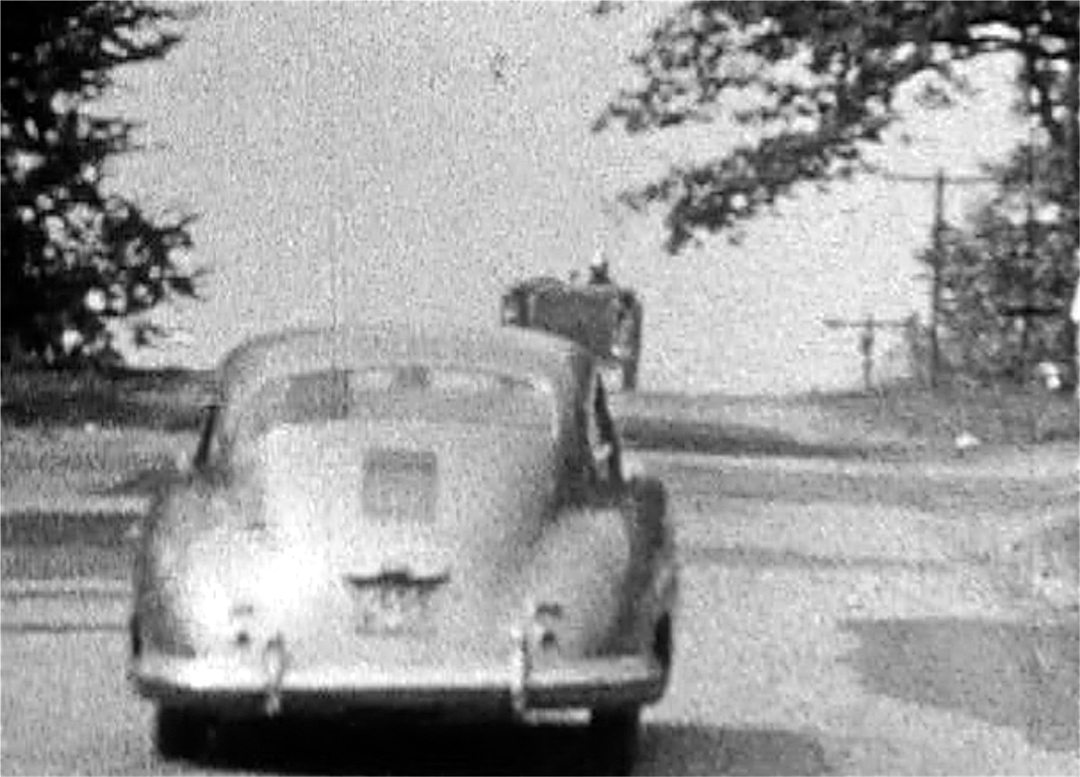
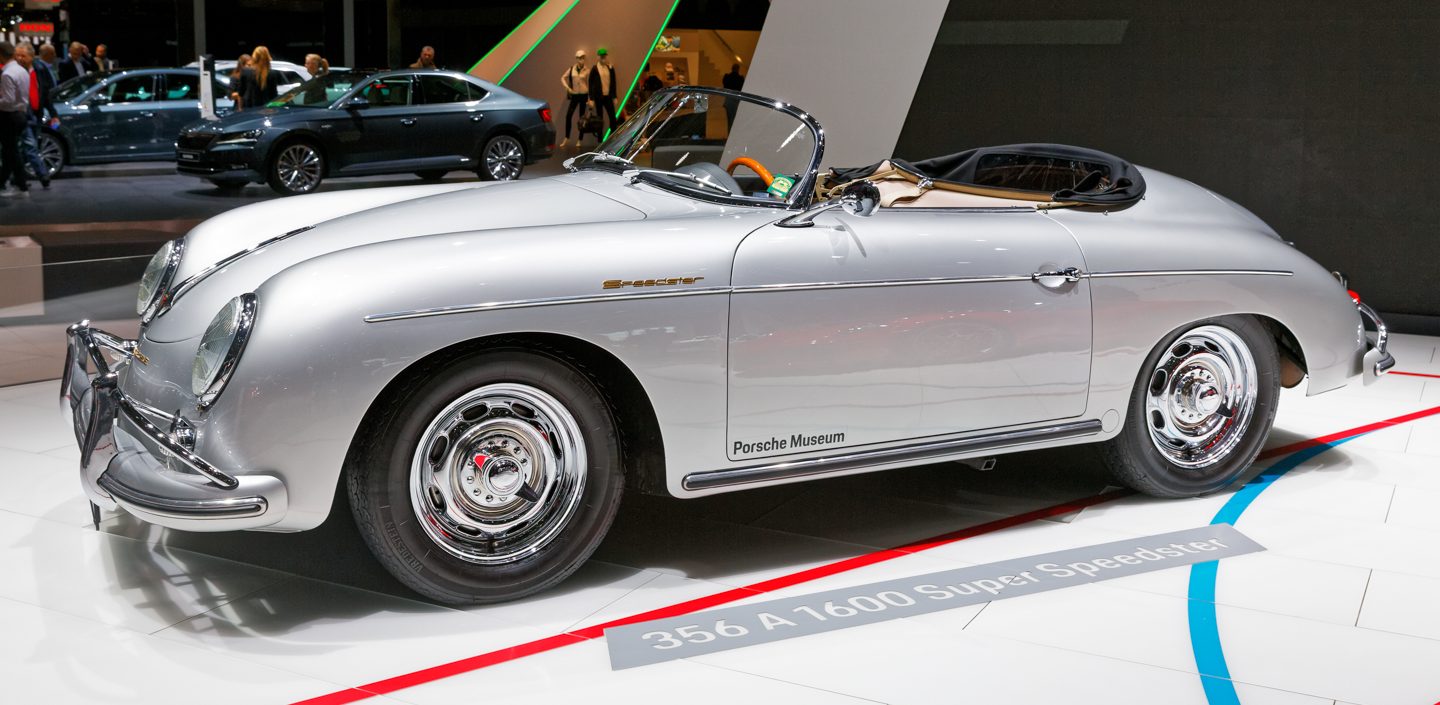
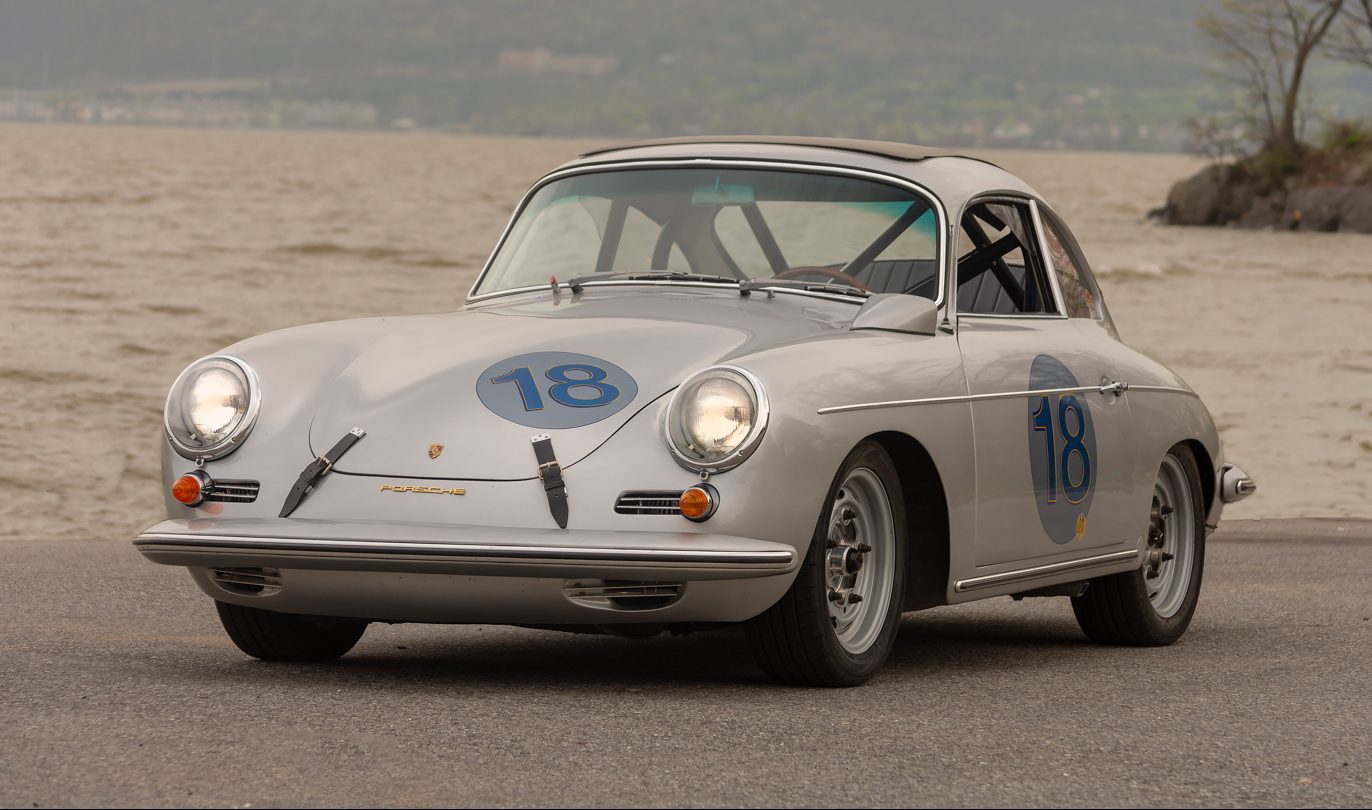
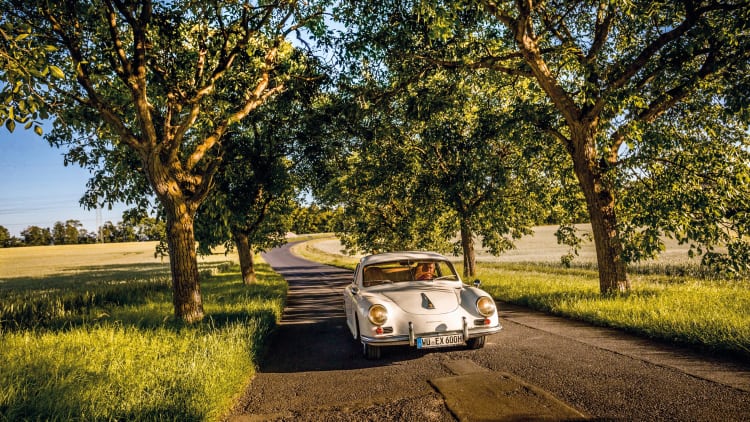
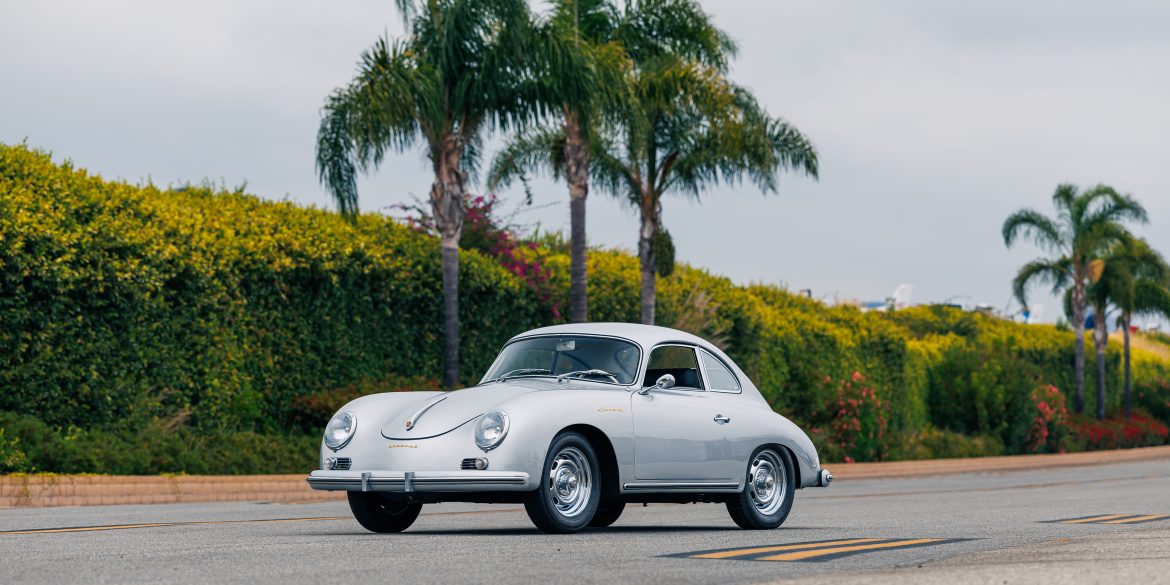
Now offered for sale through RM Sotheby’s Private Sales, this 1957 Porsche 356 A Carrera 1500 GS Coupe by Reutter represents one of the most desirable and historically significant variants of the early 356. Sold new to a U.S.

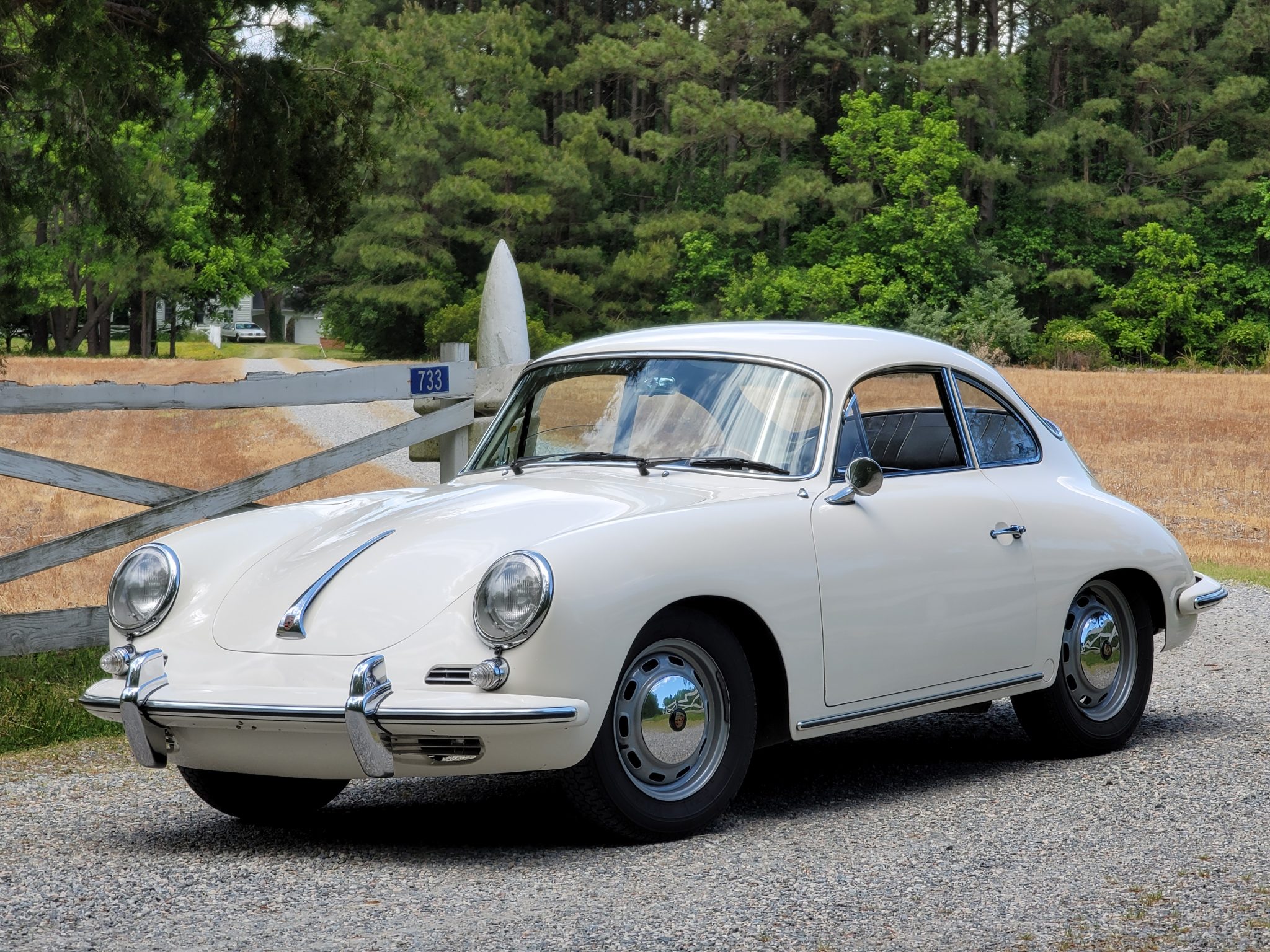
The first car to carry the Porsche name: Ferry Porsche's roadster of June 1948, built in a sawmill at Gmünd in Carinthia from Volkswagen parts turned round, and the aluminium coupés that followed it; then seventeen years at Zuffenhausen, from the 1,100 cc Pre-A that Max Hoffman sold to America to the four-cam Carrera 2 and the disc-braked 356C of 1965. The Speedster that Hoffman asked for and James Dean and Steve McQueen raced, the Gmünd coupé that won its class at Le Mans in 1951, the 1,500 that won the Liège-Rome-Liège outright in 1952, the Carrera and the Abarth GTL, and some 76,000 cars that taught the world what a Porsche was before the 911 existed. 215 Porsche 356 stories in the archive, in order.
The pieces to start with
Eight pieces on the car: Rick Shultz's history, Ed McDonough's Highland Terror, Mark Brinker's 1952 racer, Raffi Minasian's Speedster, Karl Ludvigsen's Beutler cabriolets, Gary Horstkorta's Chuck Forge, Sean Smith's Outlaw and the 356 Miersch built behind the Iron Curtain.
Porsche expected to sell 500 356s and built more than 76,000; half went to America, 40 per cent of those to California, and perhaps 20,000 US cars survive. Rick Shultz on Ferry Porsche, who drove the family car at ten.
Father and son out of Allied prisons, a design firm, project number 356: over 19 years Porsche built 76,313 of them. The 356A arrived at Frankfurt in 1955 after 7,627 early cars. Ed McDonough on a 1957 example.
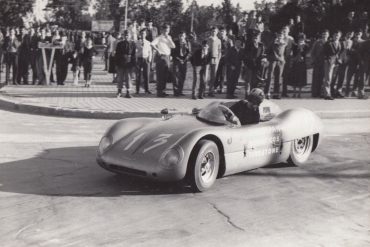
“Racer Hurdles Crowd and Lives,” read the Buffalo Courier Express on 31 August 1952. Richard Thierry’s Adria Blue Porsche 356, the only Porsche at the Grand Island Grand Prix, had gone airborne before 100,000 spectators. Mark Brinker follows chassis 11471.
Max Hoffman asked Porsche for something to undercut Triumph and MG; the 356 Speedster answered with an air-cooled rear engine and no amenities. Raffi Minasian on how it replaced the long hood, separate fenders and wire wheels as the archetype.
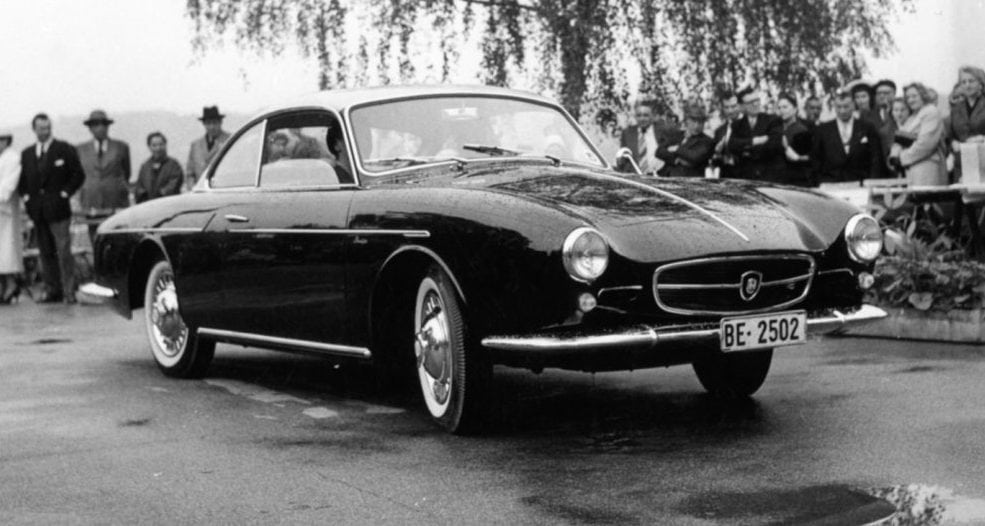
Fritz and Ernst Beutler bodied half a dozen Gmünd-built 356 chassis as cabriolets in Thun in 1947–48, then turned to four-seat coupes on Beetle chassis. Karl Ludvigsen on why Porsche, with 2+2 ambitions of its own, kept watching them.
Chuck Forge raced only air-cooled cars from 1962 until his death in 2009, VWs, Corvairs and Porsches, between patents as a Silicon Valley engineer. Asked about marriage, he decided a man could keep racecars or a wife, not both.
Gary Emory watched NOS 356 parts go into dumpsters at Chick Iverson’s dealership, so he bought the stock from all seven US distributors and founded Parts Obsolete. His car has louvers, leather straps and no chrome. Sean Smith drives it.
Hans Miersch lost his lower right leg in the war, ran a women’s shoe workshop in Nossen, 40 km from Dresden, and in 1953 set about getting himself a Porsche 356 behind the Iron Curtain. Michael Dünninger owns it now.
The newest writing on the Porsche 356, as it is published.
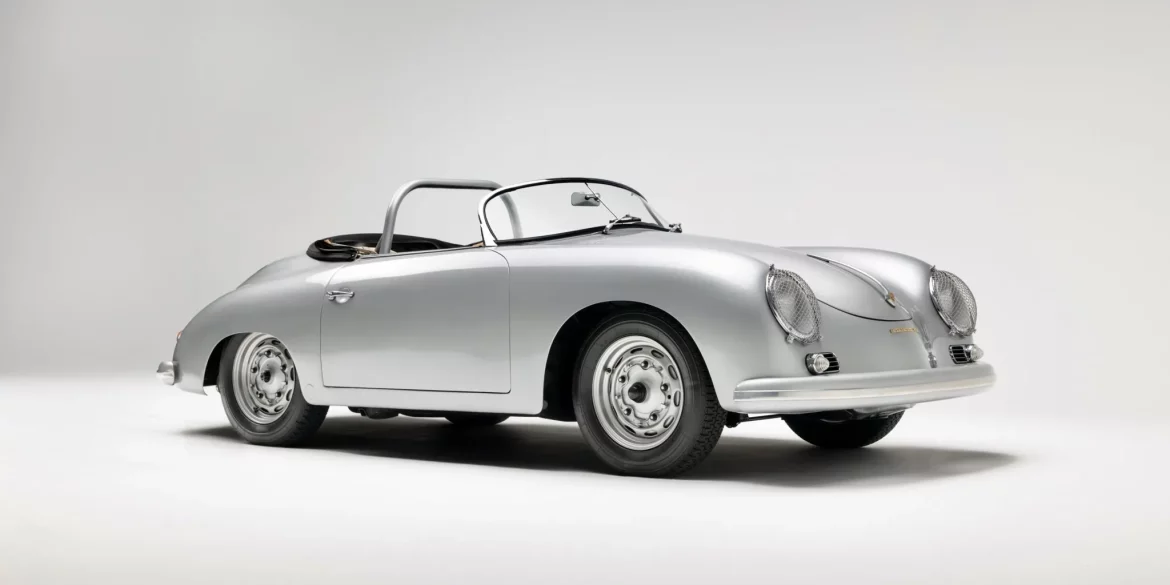
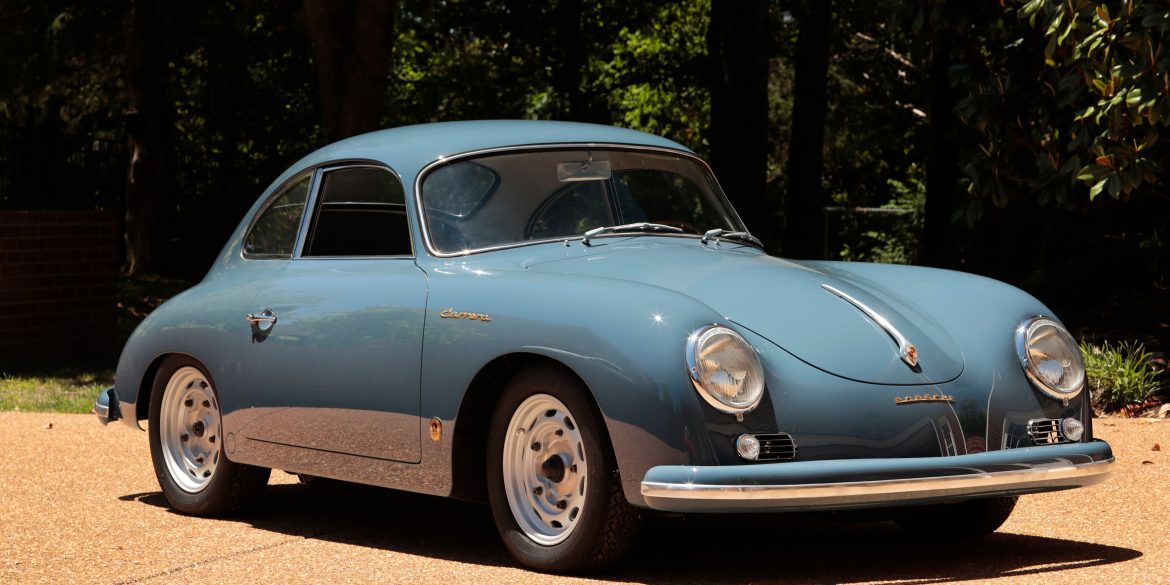
The Porsche 356 is the sports car the Porsche company was founded on, built from 1948 to 1965, and the direct ancestor of the 911: a small, light, aerodynamic two-seater with an air-cooled flat-four behind the rear axle, derived at first from the Volkswagen Beetle that Ferdinand Porsche had designed in the 1930s and refined, year by year, into something that owed the Beetle almost nothing. The number is simply the project number in the Porsche design office's ledger; the 356/1 was a mid-engined aluminium roadster finished at Gmünd in Austria on 8 June 1948 by Ferry Porsche, Karl Rabe and the body designer Erwin Komenda, and the 356/2 that followed it put the engine behind the axle to make room for luggage and a second seat, the layout every Porsche road car kept until 1969. About fifty 356/2 coupés and cabriolets were hand-beaten in aluminium at Gmünd; in 1950 the company moved back to Stuttgart, had Reutter build steel bodies, and the production 356 began. Max Hoffman took it to America that autumn, and America took most of them: the America Roadster of 1952, the Speedster of 1954 and the Convertible D of 1959 all existed because Hoffman asked for them.
The car went through four series. The Pre-A of 1950–55, with 1,100, 1,300 and 1,500 cc engines and the split or bent windscreen; the 356A of late 1955, with the 1,600 and the curved screen, the first properly sorted one; the 356B of 1959 with its raised headlamps and bumpers, and the T6 body of 1961; and the 356C of 1963–65 with four-wheel disc brakes, which ran on beside the new 911 until April 1965, the last few going to the Dutch police in 1966. Above the pushrod cars sat the Carrera, named for the Carrera Panamericana and powered by Ernst Fuhrmann's four-cam Type 547 engine from the 550 Spyder, from 1955 to the 2-litre Carrera 2 of 1962–65; and beside them the racing versions, the Gmünd SL coupé that won its class at Le Mans in 1951, the Carrera GT and the Abarth-bodied Carrera GTL of 1960. Some 76,000 were built at Zuffenhausen, Porsche's own count being 76,313, and more than half survive, because they were made well and because people loved them. The archive has 215 Porsche 356 stories: Rick Shultz's history, James Beckett's 1953 coupé, Ed McDonough's Highland Terror, Mark Brinker's 1952 racer and Convertible D, Raffi Minasian's Speedster and Abarth Carrera pieces, Ludvigsen's Beutler cabriolets and Lou Fageol's twin-engined Porsches, Gary Horstkorta's California racers, Sean Smith's Outlaw, Super and Convertible D, the 356 Miersch built behind the Iron Curtain, and the Speedsters, Carreras and Convertible Ds at auction. Every model year's specifications, options, colours, production numbers and values are on Stuttcars, our Porsche-only sister site, linked from the table below.
Our sister site
Sports Car Digest tells the 356's story; Stuttcars.com, our Porsche-only site, has the rest: a 356 research hub with every variant from the 356/1 to the 356C and the Carreras, each with its specifications, options, colors, production numbers and values, and the 356 buyer's guide.
The Porsche design office had been evacuated from Stuttgart to Gmünd in 1944, and after the war, with Ferdinand Porsche held in France and the Stuttgart works occupied by the Americans, it survived by repairing cars and building the Cisitalia Grand Prix car for Piero Dusio. Ferry Porsche used Dusio's money and the Volkswagen parts the firm could get to build the car his father had sketched in 1938 as the Type 64 Berlin-Rome coupé: a tubular spaceframe, a VW 1,131 cc flat-four tuned to 35 horsepower and mounted ahead of the rear axle, Komenda's aluminium roadster body, 585 kg. It was road-registered in Carinthia on 8 June 1948, ran in the Innsbruck city race in July and won its class, and was sold that summer to a Swiss buyer to pay for the next one. The 356/2 was the production design: a pressed-steel platform like the Beetle's, the engine behind the axle, a coupé with a two-piece windscreen and a cabriolet by Beutler of Thun, whose Swiss shop Karl Ludvigsen's "House of Beutler" describes. Fifty-two were built at Gmünd by 1950, aluminium bodies beaten over wooden bucks, with Swiss and Austrian buyers first and the Volkswagen dealer network behind them from 1949, when Ferry's agreement with Heinz Nordhoff gave Porsche a royalty on every Beetle, VW parts, and the use of the VW dealers. Eleven of the Gmünd coupés were kept back and lightened as the SL, the Sport Leicht, and one of them, driven by Auguste Veuillet and Edmond Mouche, won the 1,100 cc class at Le Mans in 1951, twentieth overall, Porsche's first entry and the first of the class wins the company counts by the hundred. The 356 Miersch of the archive is a Gmünd-era story from the other side of the Iron Curtain, built in East Germany by enthusiasts who could not buy one.
Porsche went home to Stuttgart in 1950 and rented space from the coachbuilder Reutter next to its own occupied works in Zuffenhausen; Reutter built the steel bodies and Porsche assembled the cars, 298 of them in 1950, the first on Easter weekend. The Pre-A 356 of those years, James Beckett's 1953 coupé is the archive's close study, had the 1,100 cc engine at 40 horsepower, then the 1,300 of 1951, the 1,500 of 1952 with 55 and the 1,500 Super with 70, a split windscreen until 1952 and a bent one-piece screen after, drum brakes, a swing-axle rear and a crash gearbox until the synchromesh Porsche-patent box of 1952. It cost about $4,000 in America, as much as a Cadillac, and weighed 800 kg. Max Hoffman, the Austrian who had the Park Avenue showroom and the ear of every European maker, saw it in 1950, met Ferry and the Professor at the Paris Salon, took three cars that year and 32 the next, and by 1954 was selling a third of the production; the archive's "70 Years of Porsche in America" and the search for the oldest Porsche sold there tell that side. Hoffman asked for a cheaper open car and got the America Roadster of 1952, sixteen aluminium cars by Gläser, and then, when those cost too much, the Speedster. The company bought the Reutter works back in 1952, Ferdinand Porsche having died in January 1951 after seeing the car bear his name, and in 1952 a 1,500 driven by Helmut Polensky and Walter Schlüter won the Liège-Rome-Liège outright, the hardest road rally in Europe, and the Pre-A took class wins on the Carrera Panamericana in 1952, 1953 and 1954 that gave the four-cam its name. Mark Brinker's 1952 car, chassis 11471, raced in upstate New York from the day it arrived and is the archive's Pre-A racer; Lou Fageol's twin-engined specials, with a 356 engine at each end, are Ludvigsen's.
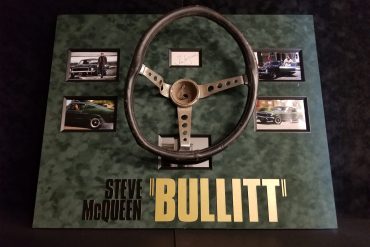
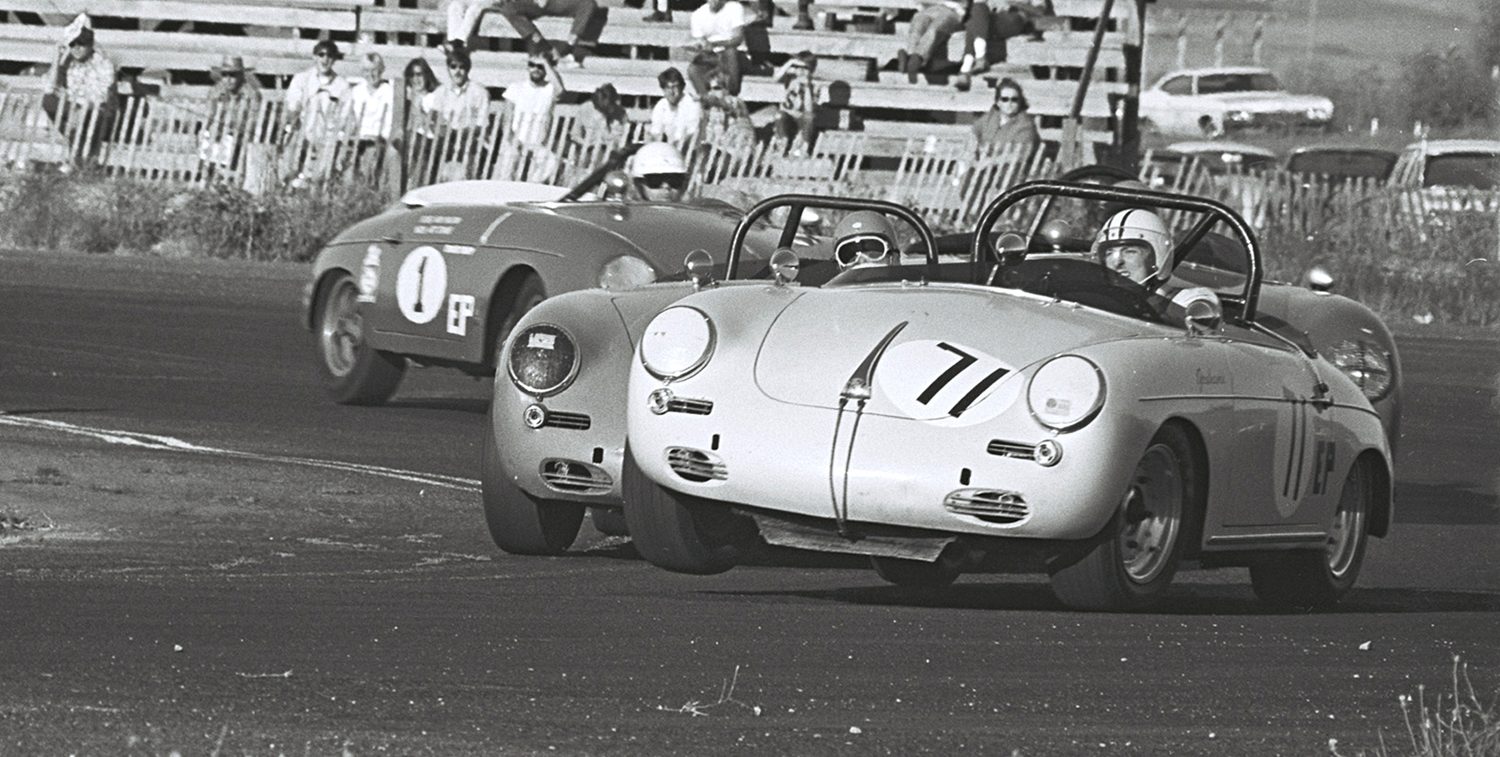
The Speedster was Hoffman's car: a stripped 356 with a cut-down, raked windscreen, a canvas top that was more an apology than a roof, side curtains instead of wind-up windows, bucket seats and a $2,995 price in New York, built from September 1954 for the Californian who wanted to race on Sunday. 1,234 Pre-A Speedsters and 2,910 356A Speedsters were made before it was replaced by the Convertible D of 1959, bodied by Drauz with a proper windscreen and windows, which Brinker's and Sean Smith's 356A Convertible Ds in the archive explain; and the Speedster is the 356 everyone pictures, because James Dean bought one before his 550 and Steve McQueen raced one, number 71, at Santa Barbara in 1959, his first racing car. Raffi Minasian's "Quintessential Sports Car" is the archive's essay on it. The Carrera came at the Frankfurt show of September 1955: the same 356A body with Ernst Fuhrmann's Type 547 engine, the four-cam, roller-bearing, dry-sump 1,500 cc racing four from the 550 Spyder that made 100 horsepower at 6,200 rpm and needed a specialist to time its camshafts, in a coupé, a cabriolet or a Speedster. The Carrera GS was the road version and the Carrera GT of 1957–59 the stripped racer, 1,500 and then 1,600 cc, with aluminium doors and lids, Plexiglas windows and up to 115 horsepower; Ed McDonough's Highland Terror is a 356A that raced in Scotland, and the archive's for-sale listings have a 1957 Carrera GS coupé and a 1957 Carrera GT by Reutter. The 356A itself, from late 1955, was the Pre-A grown up: the 1,600 engine, a curved windscreen, 15-inch wheels, a proper dashboard and a chassis that Porsche had finally learned to tune; 21,045 were built to 1959.
The 356B of September 1959, the T5 body, raised the headlamps and bumpers for America, added the Super 90 with 90 horsepower in 1960 and the Roadster, built by Drauz and then D'Ieteren, in place of the Convertible D; the T6 of 1961 gave it twin grilles on the engine lid, a bigger windscreen and rear window and an external fuel filler, and Karmann built a fixed-roof Hardtop coupé on the cabriolet body. The Carrera 2 of 1962 was the four-cam's last road form, 2 litres and 130 horsepower, with Porsche's own disc brakes, the first on a Porsche road car; and in 1960–61 Carlo Abarth's Turin shop bodied twenty Carrera GTLs in aluminium, lower and lighter than the Reutter car, which won their class at Le Mans and the Targa Florio and which Raffi Minasian's archive piece calls the grandfather of the 911. The 356C of July 1963 was the last: the same T6 body with ATE disc brakes on all four wheels, the 1,600 C at 75 horsepower and the SC at 95, the pushrod engine's best, and the Carrera 2 above them. Sean Smith's 1963 356B Super and 1963 Outlaw and Matt Stone's "Five Decades of the Porsche 356" are the archive's late cars. Production ended in April 1965, 30,963 356Bs and 16,678 356Cs having followed the As and the Pre-As; the last ten were ordered by the Dutch police in 1966 after the 912 had taken over. By then the 911 had been on sale for a year and the 356 was, for a while, just an old Porsche; Chuck Forge's and Jean Pierre Kunstle's California racing careers, both in the archive from Gary Horstkorta, are what people did with them.
The 356 was raced from its first week, at Innsbruck in 1948, and the company raced it as policy, because class wins sold cars. Le Mans 1951 was the first, the Gmünd SL's 1,100 cc class; Porsche won a class at Le Mans every year from 1951 to 1965 with a 356, a 550 or a 718, and the 356 Carrera GT and GTL took the GT classes of 1959–62. The Liège-Rome-Liège of 1952 was the one outright win, Polensky and Schlüter in a 1,500; the Carrera Panamericana gave the engine its name with the class wins of 1952, 1953 and 1954, and the small-car class of the Mille Miglia was Porsche's from 1952 to 1957. In America the 356 made the SCCA's production classes its own from 1953, the Speedster and the Carrera Speedster in F and E Production against the MGs, Triumphs and Alfas, and bred a generation of drivers, Ken Miles, Bob Holbert, Dan Gurney in his early years, Jean Pierre Kunstle, Chuck Forge, Richie Ginther in Johnny von Neumann's cars, who went on to the 550s and the RSKs and then to everything else. The 550 Spyder of 1953 and the 718 RSK are the 356's racing children, with the Carrera engine and a spaceframe, and have their threads on this site; the Devin D and the Sabel Special are the American specials built on 356 parts; the Abarth Carrera GTL closes the 356's own racing in 1962, the year the 904 was designed to replace it. Today the 356 is the entry to historic racing in every country that has it, and the Rennsport Reunion and Luftgekühlt gather them by the hundred.
Every story on the site about the 356's racing child, newest first.
Every story on the site about the 550's successor, newest first.
A table of the car, the racing and the company from the 356/1 of 1948 to the sixtieth and seventieth anniversaries, with the archive's story of each year linked, follows this chapter. The model names link to every story on the site; the Stuttcars links carry each variant's specifications, options, colours and production figures.
Seventeen model years and the sixty since: the car, the racing and the archive's story of each. Model names link to every story on the site; the Stuttcars links carry each variant's specifications, options, colours and production figures.
| Year | The car | The racing and the company | In the archive |
|---|---|---|---|
| 1948 | 356 · Stuttcars: 356/1 · Ferdinand Porsche | The 356/1 roadster finished at Gmünd, 8 June; class win at Innsbruck in July; the 356/2 coupé designed with the engine behind the axle | Porsche 356: the first production Porsche |
| 1949–50 | 356 · Stuttcars: Gmünd coupé · Volkswagen | The Gmünd aluminium coupés and Beutler cabriolets, 52 built; the Volkswagen agreement; the move to Zuffenhausen and Reutter steel bodies, Easter 1950; Hoffman's first cars for America | The House of Beutler · 70 Years of Porsche in America · The 356 Miersch, built behind the Iron Curtain |
| 1951 | 356 · Stuttcars: Pre-A 1100 · Le Mans | Ferdinand Porsche dies in January; the Gmünd SL coupé of Veuillet and Mouche wins the 1,100 class at Le Mans, Porsche's first; the 1,300 | Oldest Porsche sold in America found · Le Mans hub |
| 1952 | 356 · Stuttcars: America Roadster · Liège-Brescia-Liège · Carrera Panamericana | The 1,500 and the one-piece screen; the America Roadster for Hoffman, 16 built; Polensky and Schlüter win the Liège-Rome-Liège outright; the first Carrera Panamericana class win; Porsche buys back the Reutter works | 1952 Porsche 356, chassis 11471 · Lou Fageol's twin-engined Porsches |
| 1953 | 356 · 550 Spyder · Stuttcars: Pre-A 1500 | The 1,500 Super, 70 hp; the 550 Spyder appears; Beckett's 1953 coupé; the SCCA production classes | 1953 Porsche 356: The First Arrival · Porsche 550 Spyder: Giant Killer |
| 1954 | 356 · Stuttcars: Speedster 1954–55 · Max Hoffman | The Speedster, Hoffman's $2,995 car, from September; the Panamericana class win that names the Carrera | Porsche Speedster: the quintessential sports car · Carrera Panamericana hub |
| 1955 | 356 · Stuttcars: Pre-A Carrera · James Dean | The four-cam Carrera and the 356A shown at Frankfurt in September; the 1,600; James Dean's Speedster and his death in the 550 on 30 September | James Dean's 550 Spyder · 1955 Porsche 550 Spyder |
| 1956–57 | 356 · Stuttcars: 356A 1600 · Stuttcars: Carrera GS/GT · Mille Miglia | The 356A in production, 21,045 to 1959; the Carrera GS and GT; the 10,000th Porsche in March 1956; McDonough's Highland Terror races in Scotland | 1957 Porsche 356A: The Highland Terror · 1957 Carrera GS coupé by Reutter, for sale · 1957 Carrera GT by Reutter, for sale |
| 1958 | 356 · 718 RSK · Stuttcars: Super GT Speedster · Devin | The last Speedsters and the GT Speedster; the 718 RSK; the Devin D and the American specials on 356 parts | 1958 Devin D Porsche: Forza Devin · 1959 Super GT Speedster, for sale |
| 1959 | 356 · Stuttcars: Convertible D · Steve McQueen | The Convertible D by Drauz, 1,331 built; Steve McQueen's first race in a Speedster at Santa Barbara; the 356B T5 in September | 1959 Porsche 356A Convertible D · 1959 Porsche 356 Convertible D · The last Convertible D at auction |
| 1960–61 | 356 · Stuttcars: 356B Super 90 · Stuttcars: Abarth Carrera GTL · Abarth | The Super 90 and the Roadster; Abarth bodies twenty Carrera GTLs, class winners at Le Mans and the Targa Florio; the T6 body and the Karmann Hardtop in 1961 | Is the Abarth Carrera the grandfather of the 911? · 1960 356B Super 90 GT coupé |
| 1962 | 356 · Stuttcars: Carrera 2 · 904 | The 2-litre Carrera 2 with Porsche's own disc brakes; the Carrera GTL's last season; the 904 designed to replace the 356 in racing | Porsche at Le Mans in the 1960s |
| 1963 | 356 · Stuttcars: 356C · 911 | The 356C with four-wheel discs, the 1,600 C and the SC; the 901 shown at Frankfurt in September | 1963 Porsche 356B Super · 1963 Porsche 356 Outlaw |
| 1964–66 | 356 · Stuttcars: 356 SC · 911 | The last 356Cs; production ends in April 1965, 16,678 Cs; ten more for the Dutch police in 1966; the 912 takes over the four-cylinder car | 1964 Sabel Porsche Special · Five Decades of the Porsche 356 |
| 1970s–90s | 356 · Restomods | The 356 Registry from 1974; Gary Emory's Outlaws; the SCCA and vintage racers, Forge and Kunstle among them; the Speedster name revived on the 911 in 1989 | Dedicated Airhead: the Chuck Forge story · The Swift Swiss: Jean Pierre Kunstle |
| 2008–13 | 356 · Porsche Museum · Rennsport Reunion | The new Porsche Museum; sixty years in Zuffenhausen and sixty of Porsche in America; Rennsport Reunion IV; the Myron Vernis collection | Sixty Years in Zuffenhausen · Rennsport Reunion IV · Myron Vernis |
| 2016–19 | 356 · Luftgekühlt · Rennsport Reunion | Luftgekühlt; the seventieth of the company in 2018 and Rennsport Reunion VI; Emory's Outlaws and the Ingram collection; a 356 Carrera Speedster and the garage finds at auction | Luftgekühlt 2016 · Garage-find Speedster offered · Steve McQueen and Harvey Mushman |
| 2020–21 | 356 · 550 Spyder | Seventy years of Porsche in America; the Ingram collection rebuilt; a Speedster reunited with its racer; Valkyrie Racing's 356 to Antarctica | The Ingram family Porsche collection · A Speedster and its veteran racer · Valkyrie Racing's 'Snowcat' |
| 2023–26 | 356 · Electric Cars · Restomods | Rennsport Reunion VII; the restomods and electric 356s; the Carreras and GT Speedsters in the for-sale pages; Baer's Porsche-Gordini | Porsche 356 'Labor of Love' · SP40 Restomod Speedster · Porsche-Gordini: Motorsport's Little Frankenstein |
Stuttcars is Sports Car Digest's sister site and the reference for every 356 variant's specifications, options, colours, production figures and values. The 550 Spyder and 718 RSK have threads of their own; the 911 has its own page.
Nine cards follow for the cars the archive and Stuttcars have most to say about: the 356/1 and the Gmünd coupés, the Pre-A, the America Roadster and the Speedster, the 356A, the Carrera and Carrera GT, the Convertible D and Roadster, the 356B, the Abarth Carrera GTL and the Carrera 2, and the 356C; and below them the 550 Spyder and 718 RSK threads, the racing cars that share the Carrera engine.
Nine cars from the archive and Stuttcars, from the Gmünd roadster to the 356C; each links to every story on the site or to its Stuttcars guide.
Ferry Porsche, who built the car his father had drawn and ran the company for forty years; Ferdinand Porsche, who saw it and died in January 1951; Karl Rabe, the chief engineer; Erwin Komenda, who drew the body and every Porsche body to the 911; Ernst Fuhrmann, who designed the four-cam and later ran the company; Huschke von Hanstein, racing manager and public face; Max Hoffman, who sold it to America and asked for the Speedster; Wilhelm Karmann, Drauz, D'Ieteren and the Reutter works that became Recaro; Carlo Abarth and the Beutler brothers; the drivers, Veuillet and Mouche, Polensky, Herbert Linge, Richard von Frankenberg, Wolfgang von Trips in his first season, Ken Miles, Bob Holbert, Dan Gurney, Richie Ginther, James Dean and Steve McQueen; and the keepers, Gary and Rod Emory of the Outlaws, Myron Vernis and the Ingram family, whose collections are in the archive. The Steve McQueen and Ferdinand Porsche threads open below.
Every story on the site about the man whose first race car was a Speedster, newest first.
Every story on the site about the Professor, newest first.
The 356 market is wide and the order is fixed. A 356C or late B coupé, the most usable and the most numerous, is $80,000 to $150,000, a driver-quality Pre-A or A coupé $100,000 to $250,000; cabriolets add half again, Convertible Ds and Roadsters are $200,000 to $400,000. The Speedster is the money car: $300,000 to $500,000 for a 1,600 356A Speedster, $600,000 and up for a Super Speedster or a Carrera Speedster, and the 1958–59 GT Speedsters over $1 million. Carreras run from $500,000 for a GS coupé to $1–2 million for a Carrera GT or a Carrera 2 Cabriolet; the Abarth Carrera GTL and the Gmünd coupés are $2–3 million cars, and an early Gmünd with history more; the America Roadster is of the same order. The archive's for-sale listings have a 1957 Carrera 1500 GS coupé and a 1957 Carrera GT, both by Reutter, a 1959 Super GT Speedster and the Convertible Ds. What to check: the pan and longitudinals for rust, which the 356 does thoroughly, the matching numbers and the Kardex or Certificate of Authenticity, the Speedster's windscreen frame and top bows, the four-cam's service history if it is a Carrera, and whether a Speedster is a Speedster, since more have been made from coupés than Porsche ever built. The Outlaws, Emory Motorsports' and others' modified cars, sell on their builder's name rather than their originality. Stuttcars has the buyer's guide. The Auctions (Porsche) and For Sale (Porsche) feeds below are shared with the other Porsche pages.
Go deeper
Which 356 to buy, what each variant costs, the rust points, the numbers to match and the Speedster question, in Stuttcars' buyer's guide; each variant above links to its Stuttcars page.
Auction previews and results, the 356s among them, newest first.
356s and other Porsches offered by dealers and collectors, newest first.
The 356 Registry in America has been going since 1974, the 356 Club of Great Britain and the German 356 Club beside it; the car is the backbone of the Porsche Parade and the Werks Reunion, and Luftgekühlt and the Rennsport Reunion show them beside the 917s. The Outlaw movement began with Gary Emory in California in the 1970s, cutting and lowering 356s with new-old-stock parts, and his son Rod's Emory Motorsports now builds them to order for $500,000 and more; Sean Smith's 1963 Outlaw is one of theirs. Renée Brinkerhoff's Valkyrie Racing 356 "Snowcat" ran the Antarctic in 2021 after six continents of rallying; a 356 was found as the oldest Porsche sold in America in 2010; the Porsche Museum's exhibitions, sixty years in Zuffenhausen and seventy of Porsche in America, put the Gmünd cars at the front; and the restomods and electric 356s of the 2020s, the SP40 and the Watt EV, are the latest flattery. The 912 of 1965 was the 356's engine in the 911's body, the 914 its successor in spirit, and the Boxster of 1996 the company's own acknowledgement of what a small Porsche is for.
Where the 356s run beside the 917s, newest first.
356/1 road-registered 8 June 1948; 356/2 Gmünd coupés and cabriolets 1948–50, 52 built; Zuffenhausen production from Easter 1950; last car April 1965 (ten more for the Dutch police, 1966). Pre-A 1950–55, 1,100/1,300/1,500 cc, 40–70 hp; 356A 1955–59, 1,600 cc, 21,045 built; 356B 1959–63, 30,963; 356C 1963–65, 16,678; total about 76,000 (Porsche's figure 76,313). Speedster 1954–58, 4,144; Convertible D 1958–59, 1,331; America Roadster 1952, 16; Carrera 1955–65, about 1,900 four-cam 356s of all types; Abarth Carrera GTL 1960–61, 20. Le Mans class win 1951 and every year to 1965 with a 356, 550 or 718; Liège-Rome-Liège 1952 outright; Carrera Panamericana class wins 1952–54. Prices: Speedster $2,995 (1954); today 356C coupé $80,000–150,000, Speedster $300,000–500,000, Carrera GT $1–2 million, Abarth GTL and Gmünd $2–3 million. 215 stories in the archive; Stuttcars for every variant.
Short answers, with the long ones above.
It was the 356th project in the Porsche design office's numbering, which began in 1931; the Volkswagen was Type 60 and the Cisitalia Grand Prix car Type 360. The number stuck as the name.
The 356/1, a mid-engined aluminium roadster built at Gmünd in Austria and road-registered on 8 June 1948; the production 356/2 coupés and cabriolets followed from the same workshop, about fifty of them, before the move to Stuttgart in 1950.
The 356 built from 1950 to 1955, before the 356A: 1,100, 1,300 and 1,500 cc engines, a split or bent windscreen, and the Gmünd-derived body on Reutter steel. Collectors use the term because Porsche itself just called them 356s.
The A (1955–59) brought the 1,600 engine and the curved windscreen; the B (1959–63) raised the headlamps and bumpers and added the Super 90, the Roadster and in 1961 the T6 body with twin grilles; the C (1963–65) added four-wheel disc brakes and the 95-horsepower SC engine.
The stripped, low-windscreen open 356 Max Hoffman asked for in 1954 to sell at $2,995 in America, built to 1958 and succeeded by the Convertible D; 4,144 were made and it is the most valuable pushrod 356. Porsche revived the name on the 911 in 1989, 2011 and 2019.
A 356 with Ernst Fuhrmann's four-cam Type 547 engine from the 550 Spyder, sold from 1955 to 1965 in 1,500, 1,600 and 2-litre forms, the GS for the road and the GT for racing; named for the class wins on the Carrera Panamericana. About 1,900 were built.
About 76,000 at Zuffenhausen between 1950 and 1965, Porsche's count being 76,313, plus 52 at Gmünd. Roughly half are thought to survive.
Its class, in 1951 with the Gmünd SL coupé and every year to the mid-1960s with the 356 Carreras and their 550 and 718 descendants; never overall, which took the 917 in 1970.
From about $80,000 for a 356C coupé to $300,000–500,000 for a Speedster, $1–2 million for a Carrera GT and $2–3 million for an Abarth Carrera GTL or a Gmünd coupé. Rust, originality and whether a Speedster is real decide the price.
The 911 of 1964 and, for the four-cylinder buyer, the 912 of 1965, which put the 356's engine in the 911's body; the 914 of 1969 and the Boxster of 1996 took over the small-Porsche role after that.
The whole archive on one thread, newest first.