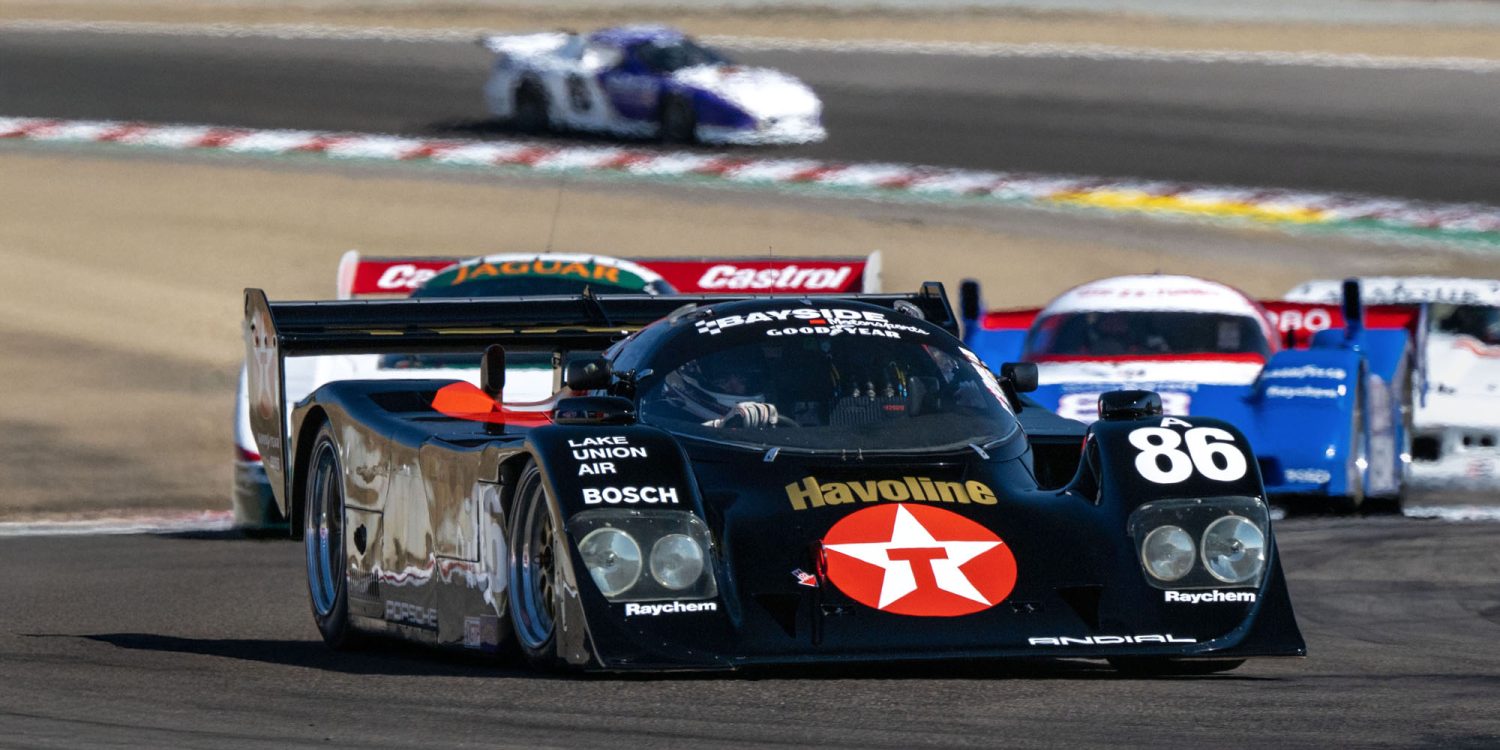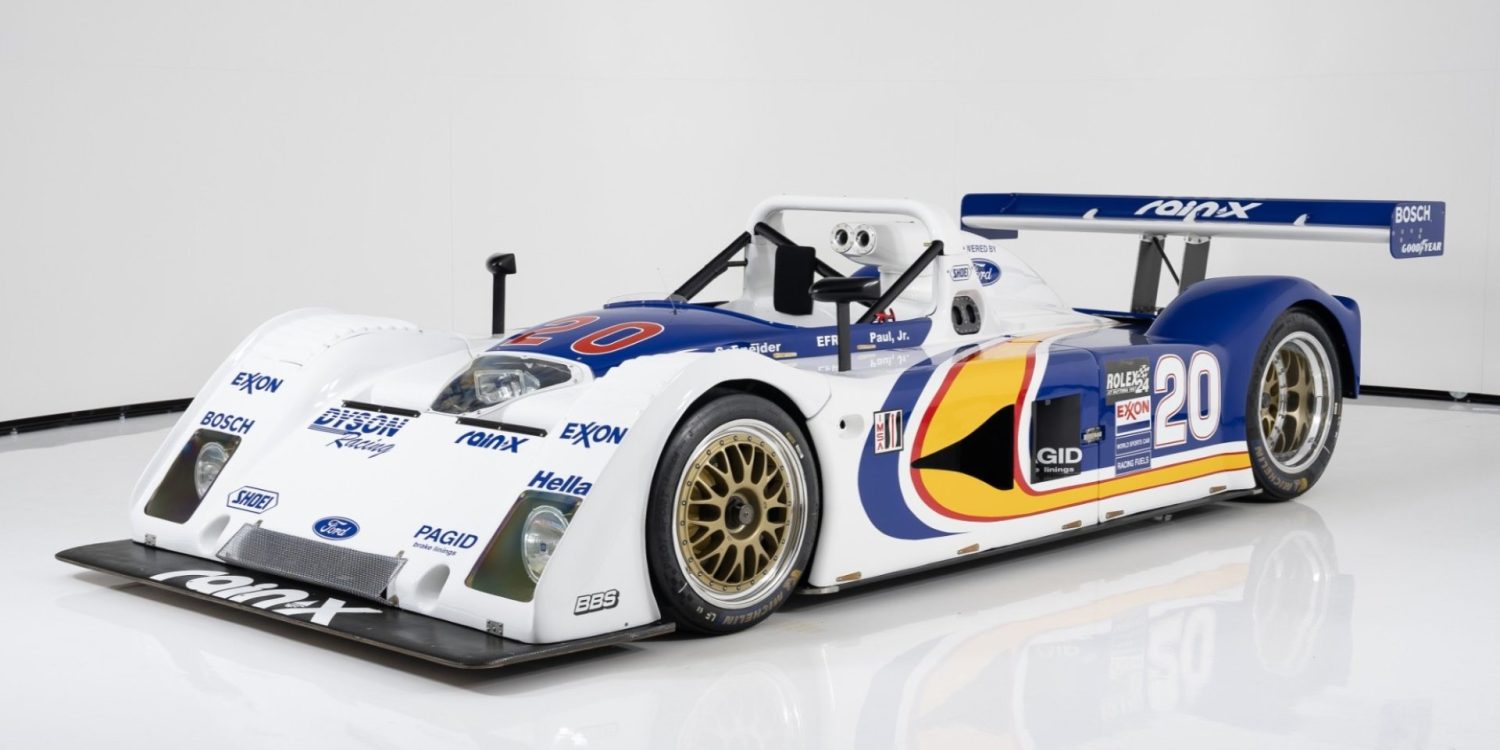
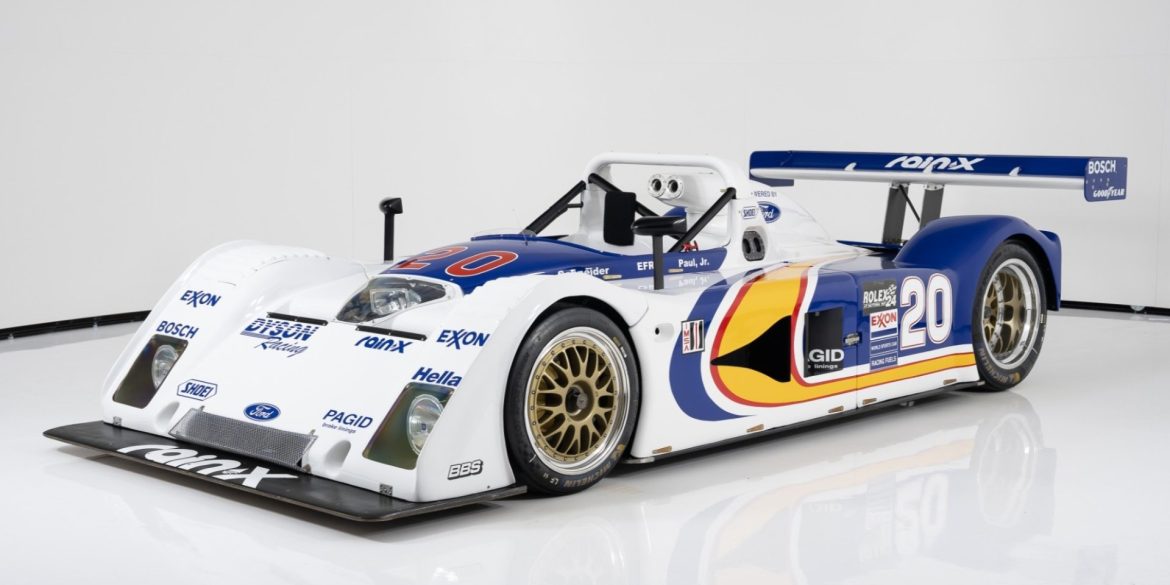
RILEY & SCOTT INC.: PASSIONATE ABOUT SPEED The history of Riley & Scott begins in the ashes of Protofab Engineering, one of the most interesting names in American motorsports in the late 1980s.

From the McLaren F1 GTR's Le Mans win of 1995 to the Ferrari 499P's of 2023, from the Enzo and the Carrera GT to the Veyron, the hybrid trinity of 2013 and the Rimac Nevera: the thirty years in which the fastest road cars became hypercars, the GT1 homologation specials gave way to Audi's diesels and Porsche's hybrids, and the word "hypercar" went from a magazine label to the name of Le Mans's top class. This is the whole story, 1994 to today, and every linked piece is a source.
The pieces to start with
The CLK GTR, the Carrera GT, the 918 and the P1, the 300-mph Chiron, the Zonda, Raffauf on the sixtieth Rolex 24 and the McLaren F1's successor.
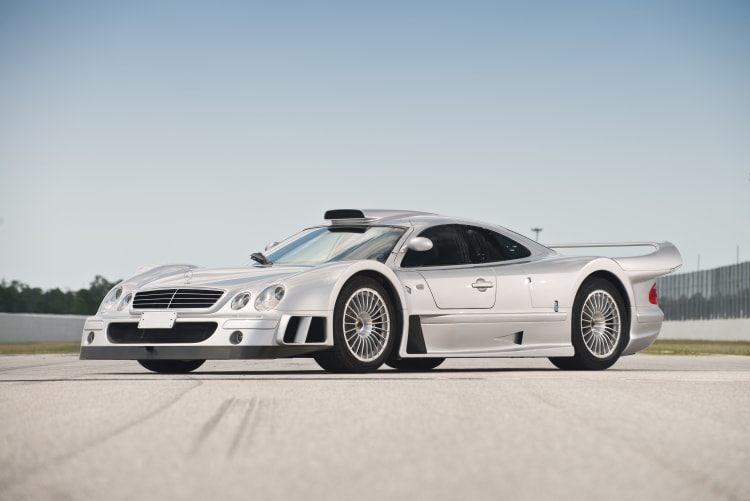
Mercedes-Benz's run of 1950s wins stopped at Le Mans 1955, and it did not build a true supercar until need forced the CLK GTR in 1997. Djordje Sugaris on a car he calls provocative, fast and deeply utilitarian.
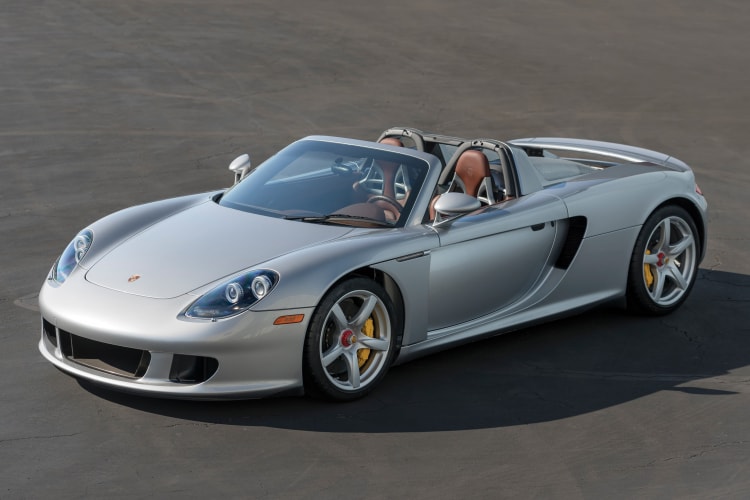
Porsche was still paying for the 959 when the Boxster, the 996 and the 911 GT1 arrived in the late 1990s. Djordje Sugaris traces the Carrera GT back to that decade and sets it against its Ferrari opposite, the Enzo.
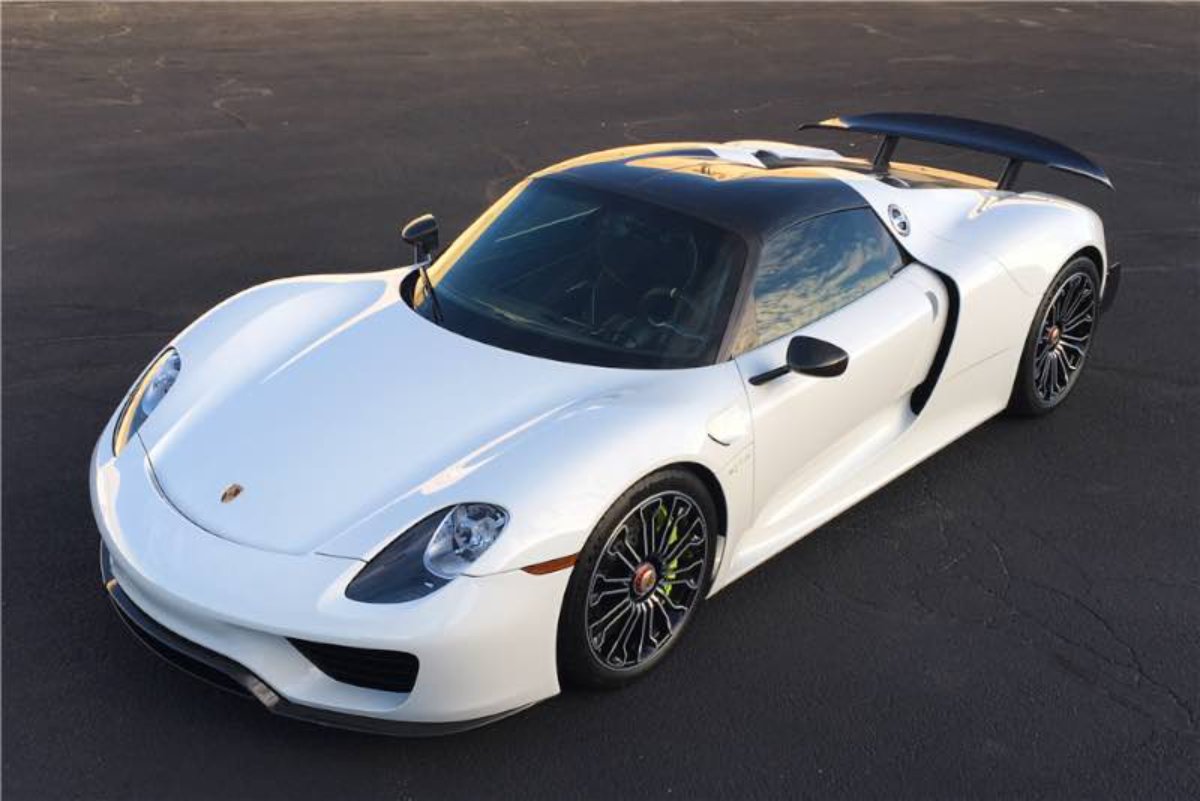
Porsche's first real departure from flat-six hypercars was the 2003 Carrera GT and its 5.7-liter V10, after the 959 and the 911 GT1. Djordje Sugaris on the 918 Spyder, the hybrid that took on the P1 and LaFerrari.
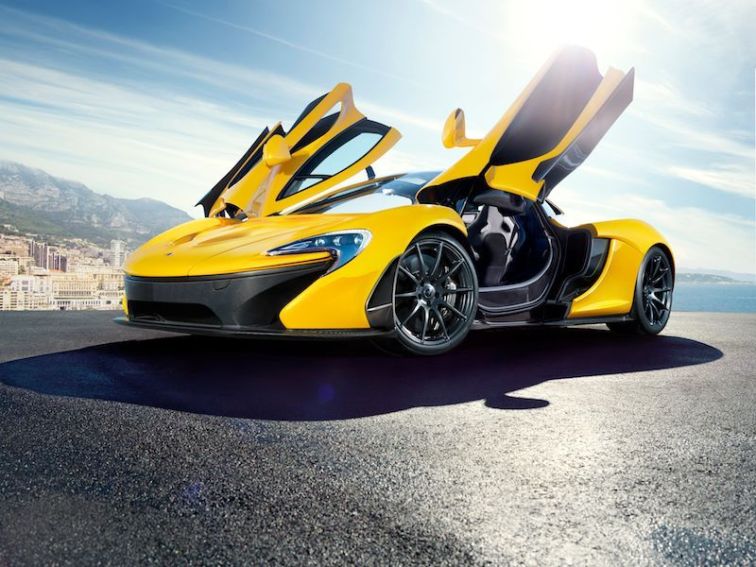
McLaren showed the P1 at Paris in September 2012, took 750 expressions of interest and built 375, the last in December 2015. The name is Formula One's pole position; the price was about $1.15 million.
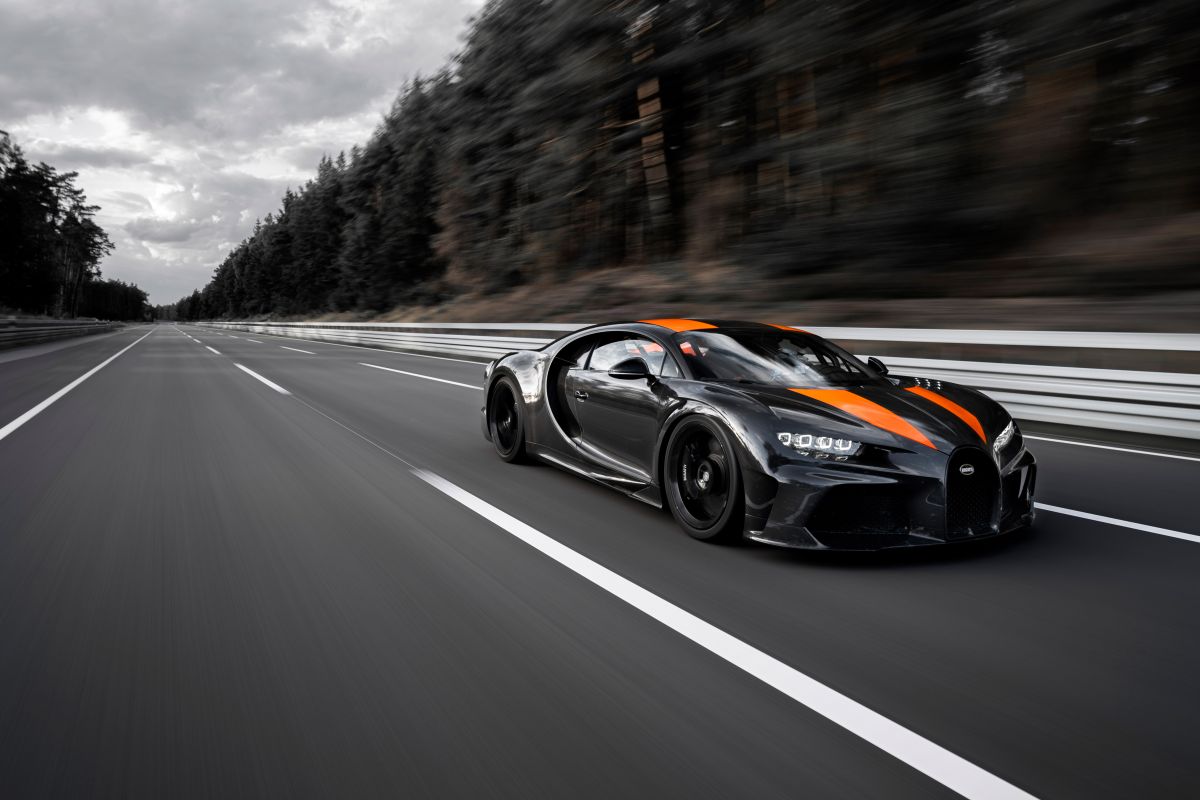
The Chiron Super Sport 300+ is the unofficial production speed record holder after passing 300 mph. Djordje Sugaris sets it against the line that preceded it, from Ettore's Type 35 to the collectors who hunted Molsheim's cars after 1947.
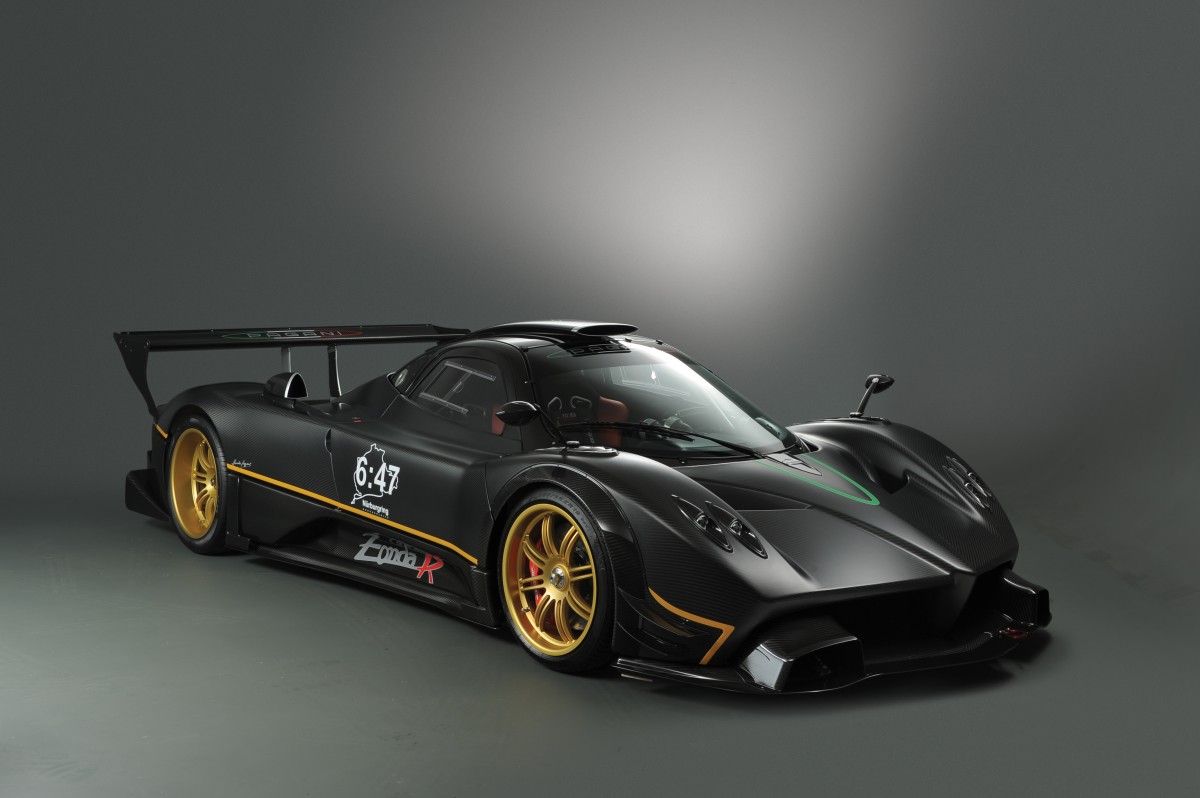
The zonda is a Pampas wind that reaches 150 mph, in the tradition of Maserati's Mistral, Khamsin and Bora. Djordje Sugaris on Horacio Pagani, the Argentine engineer whose company he sets apart from the revivals and vanity projects.
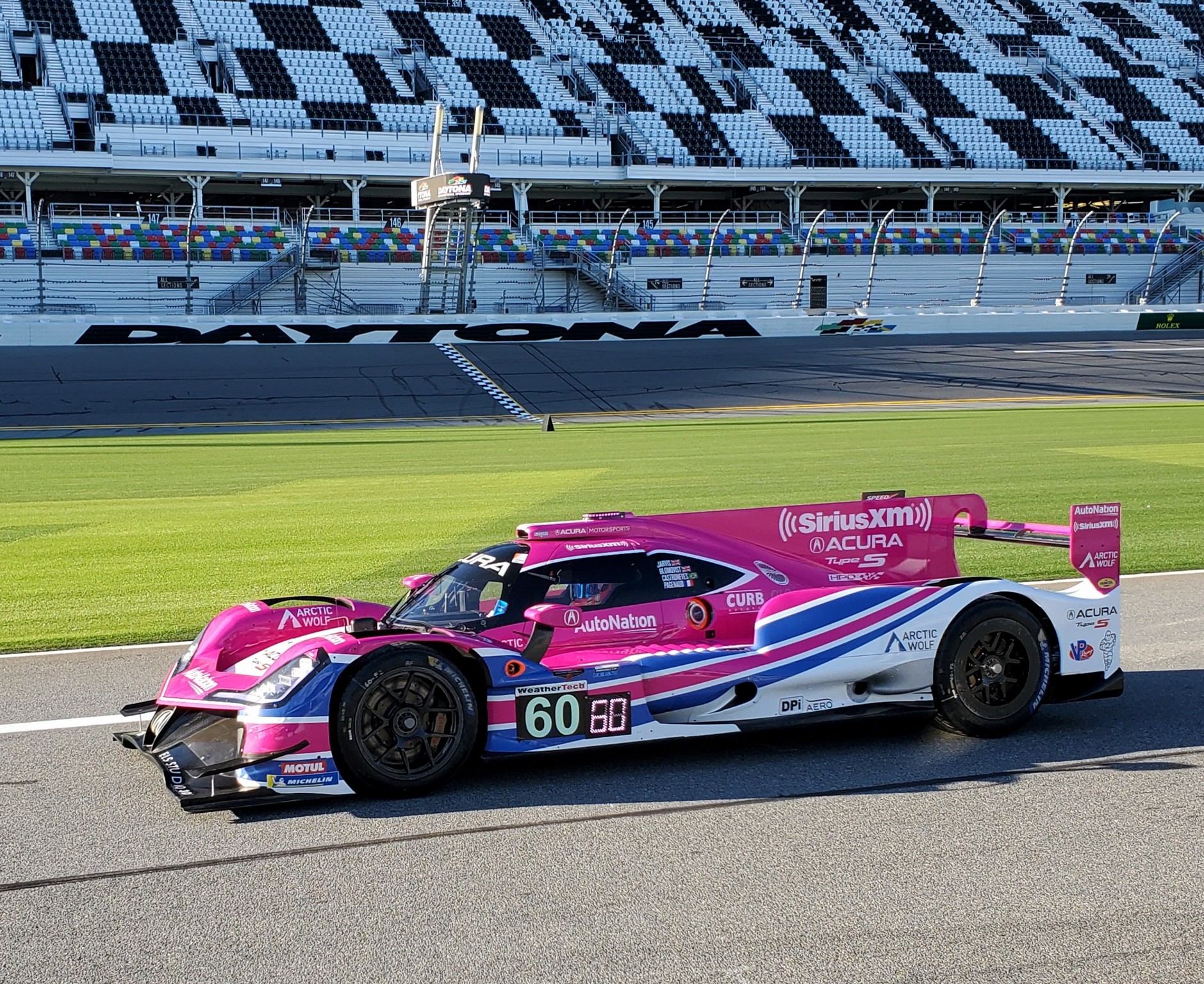
Photography by Martin Raffauf. This year was the 60th anniversary of the Daytona 24 Hours race. The race in the beginning was shorter. It was started by Bill France Sr in 1962 as a 3- hour race.
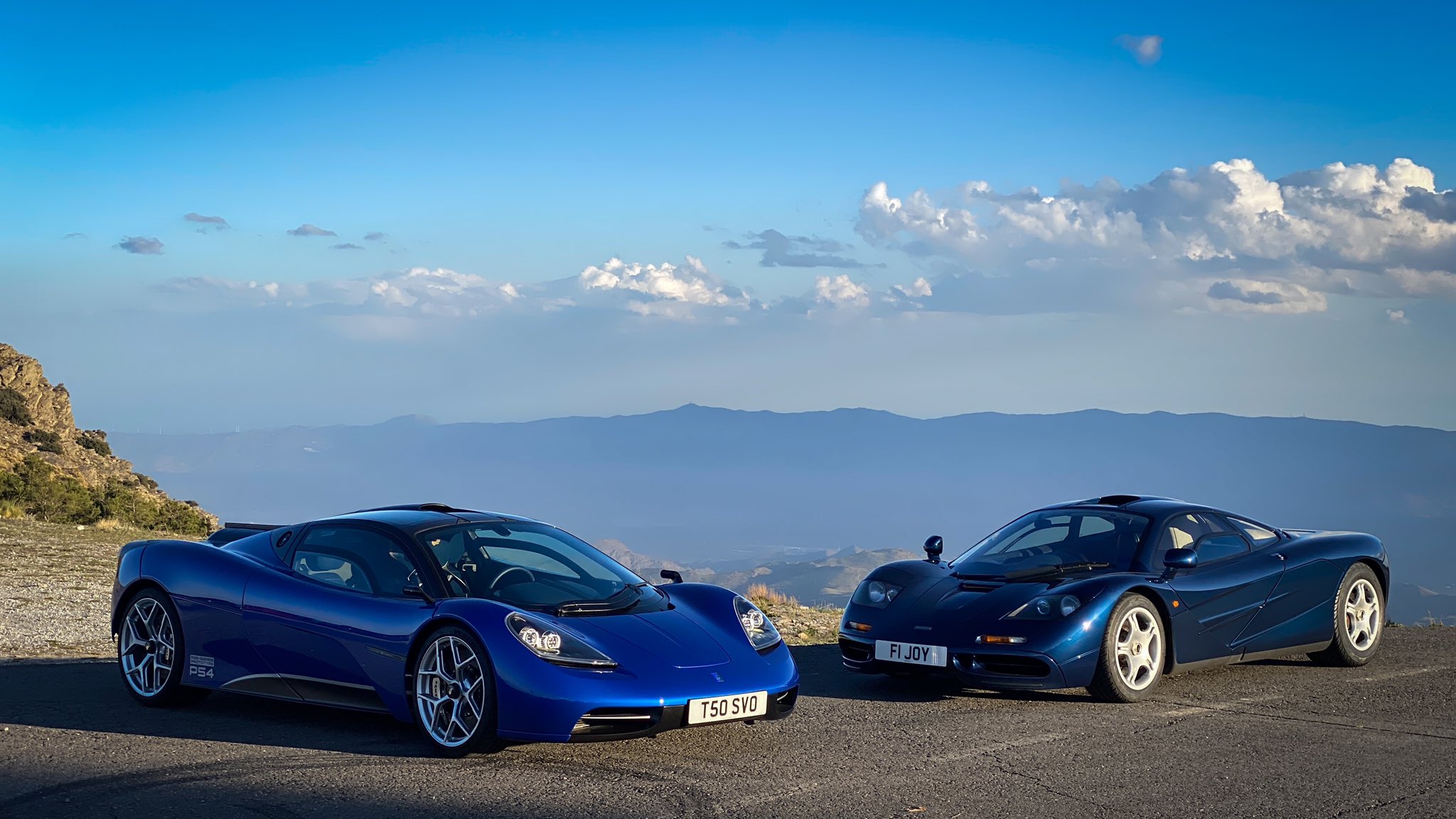
The McLaren F1 of 1992 put Gordon Murray's ideas into carbon: a central seat, a 6.1-liter BMW V12 with 627 horsepower, and balance over brute force. Thirty years on, the GMA T.50 restates them against touchscreens and electrified hypercars.
The newest long-form writing on the era, as it is published.
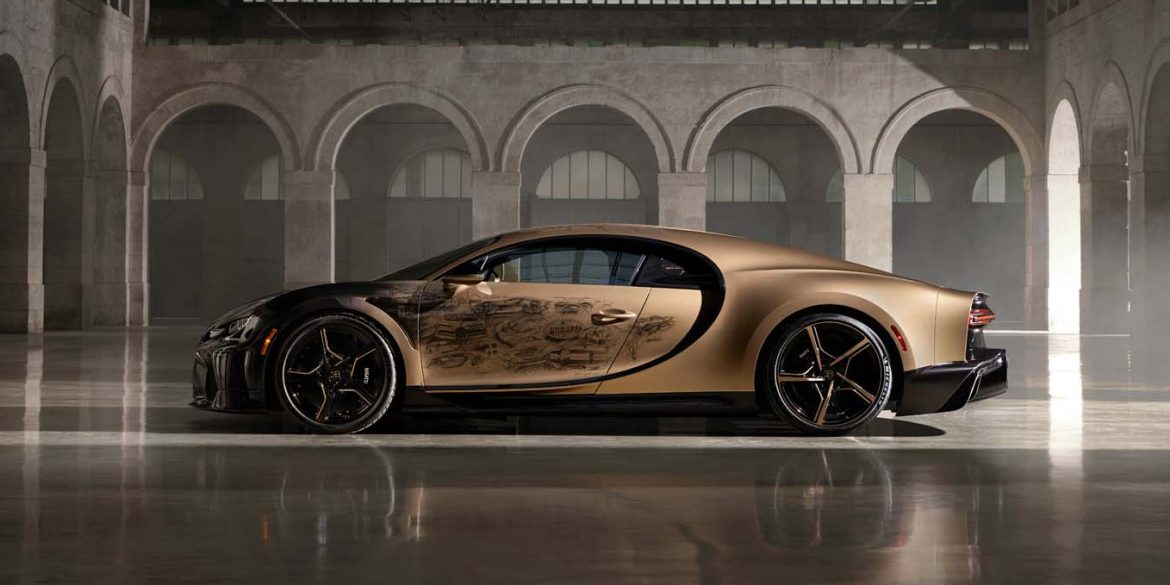
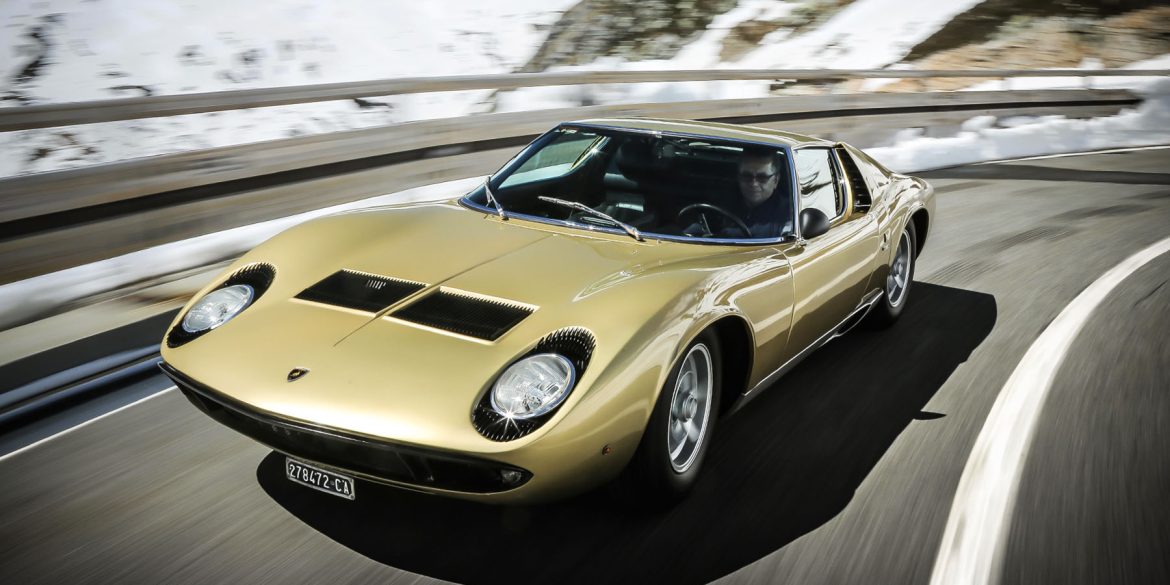
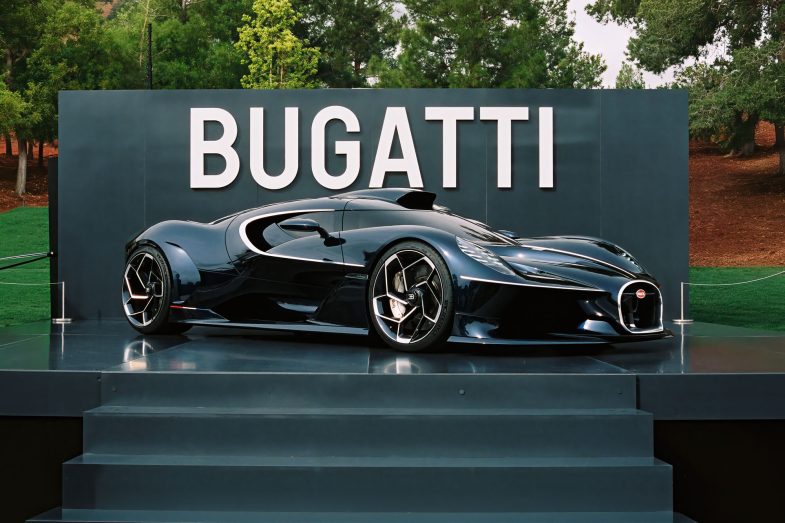
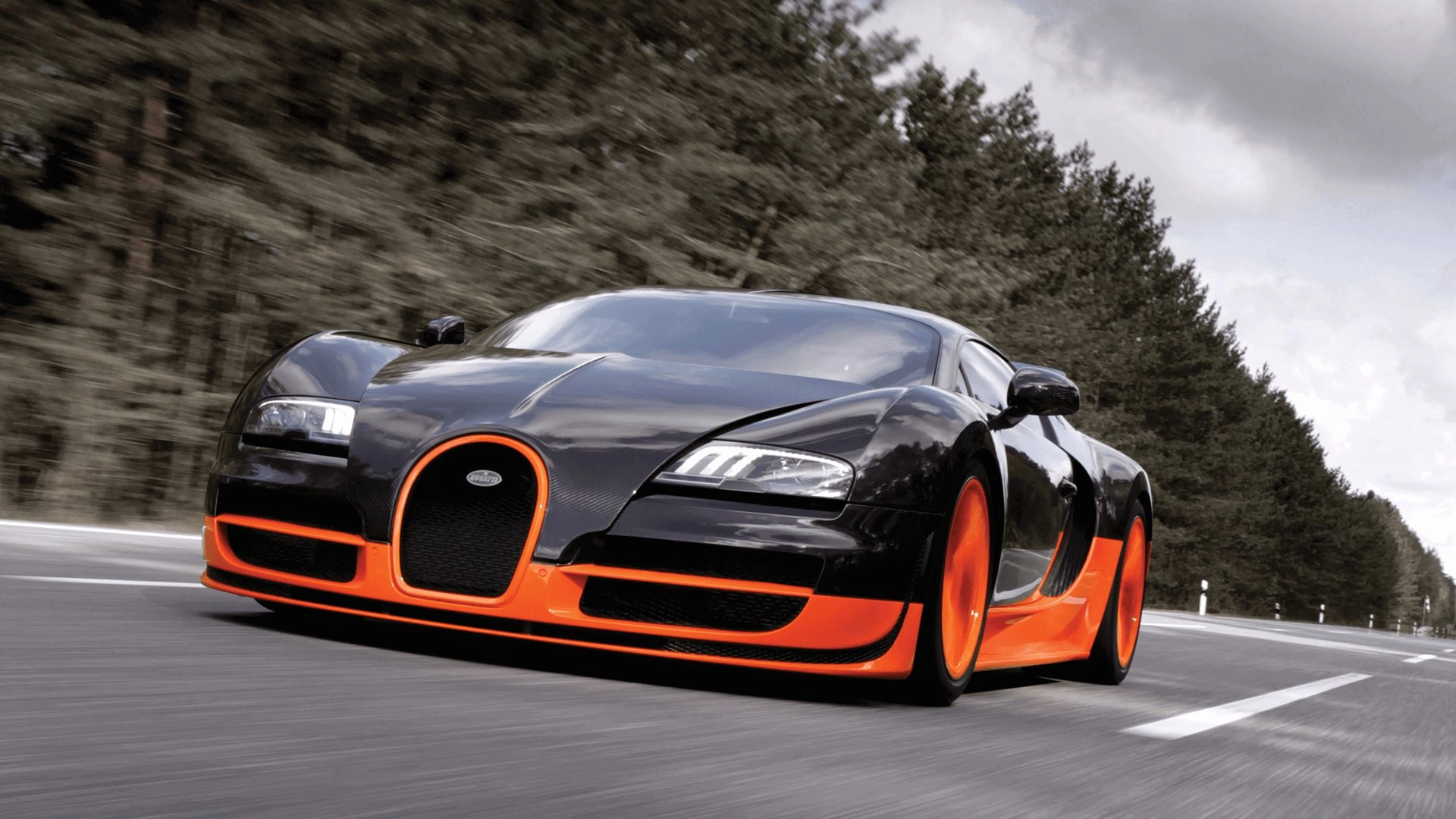
The era has two threads that keep crossing. On the road, the supercar of the 1980s became the hypercar: a car of 1,000 horsepower, a carbon tub, seven-figure prices and three-figure production, first with the Enzo, Carrera GT and Bugatti Veyron of 2002–05, then with the hybrid McLaren P1, LaFerrari and Porsche 918 of 2013, and now with the electric Rimac Nevera, the 1,578-horsepower Bugatti Chiron Super Sport and the Formula One-derived Aston Martin Valkyrie and Mercedes-AMG One. On the track, the GT1 class of 1994–99 let McLaren, Porsche, Mercedes, Toyota and Nissan build racing cars with a road-going twin, Audi's R8, R10 and R18 won Le Mans thirteen times in fifteen years, Porsche and Toyota fought the hybrid LMP1 war, and since 2021 the top class at Le Mans has been called Hypercar, where Toyota, Ferrari, Porsche, Cadillac, BMW, Alpine, Peugeot and Aston Martin race under one rulebook with IMSA. Hypercars at the 2025 Concours at Wynn Las Vegas, the electric hypercars of Monterey Car Week and the GT3 Legends at Silverstone are the archive at both ends. The cars that led here are on The Supercar Era; the Group C prototypes that the GT1 cars replaced are on Turbos, Group B and Group C; every Le Mans winner is on the Le Mans page.
When Group C died, sports-car racing restarted from the GT cars. Jürgen Barth, Patrick Peter and Stéphane Ratel's BPR Global GT Series of 1994–96 put McLaren F1 GTRs, Ferrari F40 GTEs, Porsche 911 GT2s and Venturis on the great circuits, and in 1995 the McLaren F1 GTR of Yannick Dalmas, JJ Lehto and Masanori Sekiya won Le Mans outright in the rain, with four more F1s in the top five, a year after the Dauer 962 — a Group C Porsche homologated as a road car — had done the same. Then the manufacturers found the loophole: build the racing car first and the single road car second. Porsche's 911 GT1 of 1996 was a 962 engine in a 911 front end; Mercedes' CLK GTR of 1997, in The Glorious Return to Top Tier Racing, was designed in 128 days and won the first FIA GT Championship, and 25 road cars were built at $1.5 million each; Toyota's GT-One, Nissan's R390 and Panoz's front-engined Esperante GTR-1 followed, and the Porsche 911 GT1-98 of Allan McNish, Laurent Aïello and Stéphane Ortelli won Le Mans in 1998. In 1999 Mercedes' CLR took off three times, the BMW V12 LMR of Pierluigi Martini, Yannick Dalmas and Joachim Winkelhock won, and the GT1 class was abolished; the road cars it left behind — the F1 GTR Longtail, the GT1 Strassenversion, the CLK GTR, the Senna GTR LM that honoured the 1995 winners — are among the most valuable of the era.
Every Le Mans winner since 1994 beside the road car that defined the year, with the headline number of each season.
| Year | Le Mans 24 Hours | The road car of the year | The number | Also that year |
|---|---|---|---|---|
| 1994 | Dauer 962 Le Mans — Dalmas / Haywood / Baldi | Ferrari F355; Bugatti EB110 SS | The 962 returns as a 'GT' | BPR Global GT Series begins; Group C is gone |
| 1995 | McLaren F1 GTR — Dalmas / Lehto / Sekiya | Ferrari F50 | F1s first, third, fourth, fifth and thirteenth | The road car wins on its first visit; Porsche 993 GT2 |
| 1996 | TWR-Porsche WSC-95 — Reuter / Jones / Wurz | Porsche 911 GT1 Strassenversion | GT1 cars second and third | The homologation loophole opens; Lotus Esprit GT1; Viper GTS |
| 1997 | TWR-Porsche WSC-95 — Alboreto / Johansson / Kristensen | Mercedes-Benz CLK GTR | Designed in 128 days; FIA GT champion | Kristensen's first win of nine; Panoz Esperante GTR-1 |
| 1998 | Porsche 911 GT1-98 — McNish / Aïello / Ortelli | Toyota GT-One road car (two built) | Porsche's sixteenth Le Mans win | Nissan R390 GT1; Mercedes CLK-LM; McLaren F1's 240.1 mph |
| 1999 | BMW V12 LMR — Martini / Dalmas / Winkelhock | Pagani Zonda C12 | The Mercedes CLR flies three times | GT1 abolished; Audi's first Le Mans; the ALMS begins |
| 2000 | Audi R8 — Biela / Kristensen / Pirro | Lamborghini Diablo GT; Ferrari 360 | The R8's first of five | Corvette C5-R's first full season; Cadillac Northstar LMP |
| 2001 | Audi R8 — Biela / Kristensen / Pirro | Lamborghini Murciélago | Audi 1-2 in the rain | Corvette C5-R wins GTS at Le Mans; Bentley EXP Speed 8 third |
| 2002 | Audi R8 — Biela / Kristensen / Pirro | Ferrari Enzo | 660 bhp; 399 built (plus one for the Pope) | Audi 1-2-3; the hypercar template is set |
| 2003 | Bentley Speed 8 — Kristensen / Capello / Smith | Porsche Carrera GT; Mercedes SLR McLaren | Bentley's first win since 1930 | Carrera GT: 612 bhp V10, manual, 1,270 built |
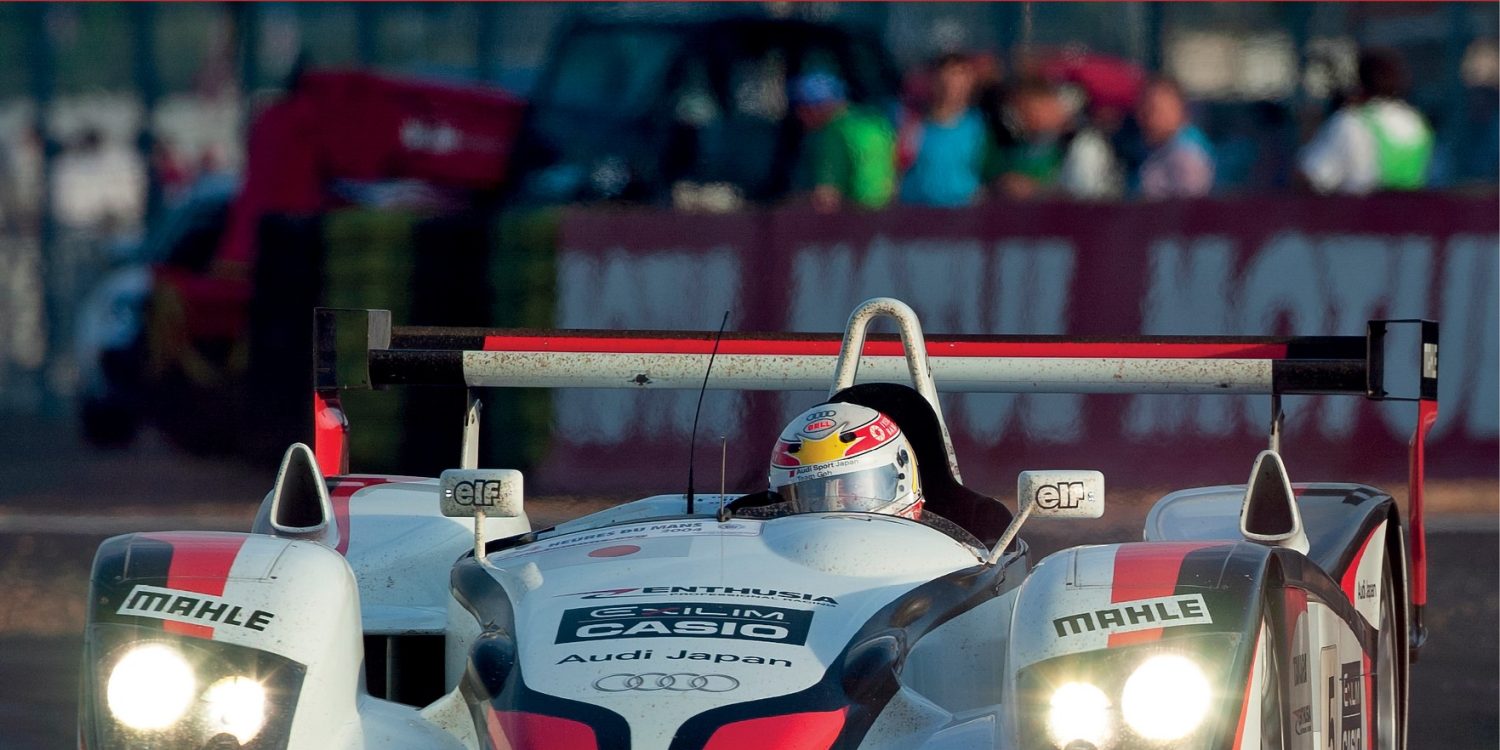
| 2004 | Audi R8 (Goh) — Ara / Capello / Kristensen | Maserati MC12; Koenigsegg CCR | Kristensen's sixth, a record | MC12 begins five FIA GT titles; Corvette C5-R's fourth class win |
| 2005 | Audi R8 (Champion) — Lehto / Werner / Kristensen | Bugatti Veyron; Ford GT | Veyron: 1,001 bhp, 253 mph, €1m | Koenigsegg CCR 241 mph at Nardò in February; Aston Martin DBR9 debuts |
| 2006 | Audi R10 TDI — Biela / Pirro / Werner | Ferrari 599 GTB Fiorano | The first diesel to win | Corvette C6.R; the Veyron 253 mph verified |
| 2007 | Audi R10 TDI — Biela / Pirro / Werner | Lamborghini Reventón; Nissan GT-R R35 | Peugeot's 908 arrives | Aston Martin DBR9 wins GT1 at Le Mans |
| 2008 | Audi R10 TDI — Capello / Kristensen / McNish | Ferrari 430 Scuderia; Nissan GT-R | Audi beats Peugeot by 4 min 31 sec | Aston Martin's second DBR9 win; Corvette C6.R GT1 |
| 2009 | Peugeot 908 HDi FAP — Brabham / Gené / Wurz | Ferrari 458 Italia; Aston Martin One-77 | Peugeot's first win since 1993 | Corvette's last GT1 win; the GT1 class ends at Le Mans |
| 2010 | Audi R15 TDI plus — Bernhard / Dumas / Rockenfeller | Lexus LFA; Bugatti Veyron Super Sport | 267.8 mph; Audi's distance record, 397 laps | Pagani Huayra shown; Porsche 918 concept at Geneva |
| 2011 | Audi R18 TDI — Fässler / Lotterer / Tréluyer | Lamborghini Aventador | Audi wins by 13.8 seconds after two huge crashes | Peugeot 908 second, third, fourth; Corvette C6.R wins GTE Pro |
| 2012 | Audi R18 e-tron quattro — Fässler / Lotterer / Tréluyer | Ferrari F12berlinetta; McLaren 12C | The first hybrid to win Le Mans | Toyota returns with the TS030; the WEC is reborn |
| 2013 | Audi R18 e-tron — Kristensen / McNish / Duval | McLaren P1; LaFerrari; Porsche 918 Spyder | 903, 950 and 887 bhp: the hybrid trinity | Kristensen's ninth and last; 918 laps the Nordschleife in 6:57 |
| 2014 | Audi R18 e-tron — Fässler / Lotterer / Tréluyer | Koenigsegg One:1 | Audi's thirteenth and last | Porsche returns with the 919 Hybrid; Toyota TS040 |
| 2015 | Porsche 919 Hybrid — Hülkenberg / Bamber / Tandy | Ferrari 488 GTB; Ford GT shown | Porsche's seventeenth, with three rookies | Corvette C7.R wins GTE Pro; McLaren 675LT |
| 2016 | Porsche 919 Hybrid — Jani / Lieb / Dumas | Bugatti Chiron | 1,479 bhp; Toyota stops with three minutes to go | Ford GT wins GTE Pro fifty years after 1966; Audi leaves |
| 2017 | Porsche 919 Hybrid — Bernhard / Bamber / Hartley | Ford GT (2017); McLaren 720S | Porsche's nineteenth; the 919's last | Porsche leaves LMP1; Aston Martin Valkyrie shown; Koenigsegg Agera RS 277.9 mph |
| 2018 | Toyota TS050 Hybrid — Alonso / Buemi / Nakajima | McLaren Senna | Toyota's first win at its twentieth attempt; 919 Evo 5:19.55 at the Nordschleife | Aventador SVJ 6:44.97; Porsche 935 tribute |
| 2019 | Toyota TS050 Hybrid — Alonso / Buemi / Nakajima | Bugatti Chiron Super Sport 300+ | 304.77 mph, Ehra-Lessien, 2 August | Ferrari SF90 Stradale, the first plug-in Ferrari; Hypercar rules announced |
| 2020 | Toyota TS050 Hybrid — Buemi / Nakajima / Hartley | Gordon Murray T.50 shown; Bugatti Bolide | A September Le Mans without spectators | Lotus Evija; Lamborghini Sián; the last LMP1 race |
| 2021 | Toyota GR010 Hybrid — Conway / Kobayashi / López | Rimac Nevera | 1,914 bhp; the first Hypercar-class win | Rimac takes control of Bugatti; Glickenhaus 007 and Alpine in Hypercar |
| 2022 | Toyota GR010 Hybrid — Buemi / Hartley / Hirakawa | Mercedes-AMG One; GMA T.50 deliveries | AMG One: a Formula One engine on the road, 6:35 at the Nordschleife | Nevera 258 mph; Peugeot 9X8 debuts without a wing |
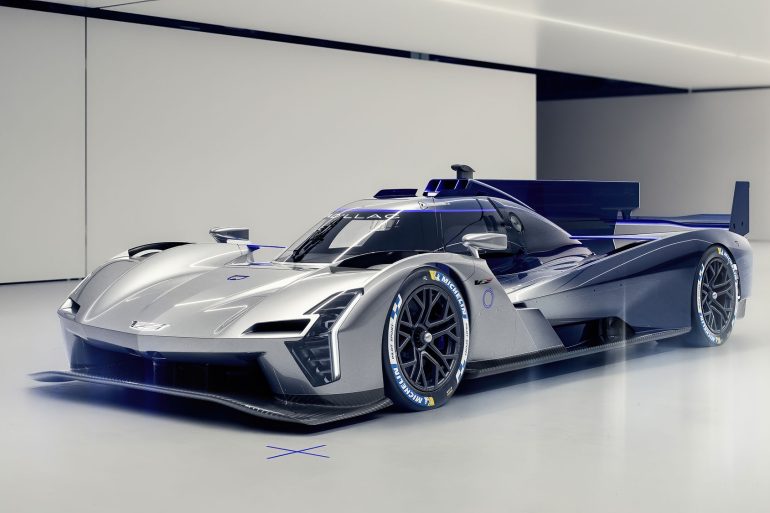
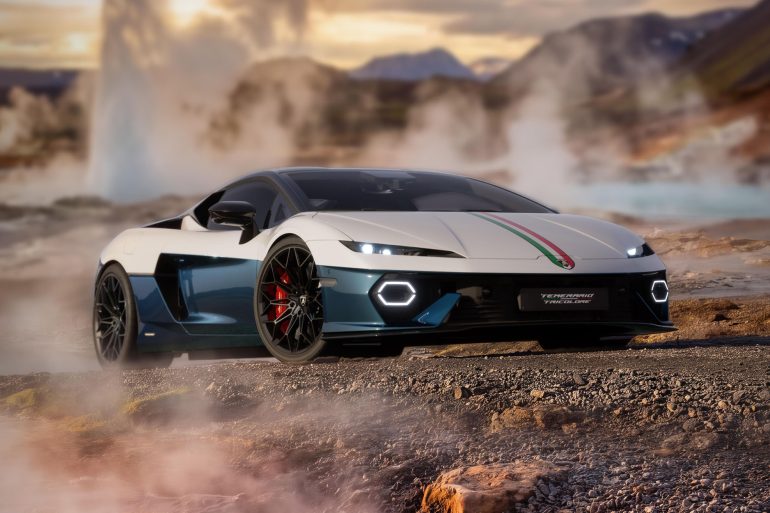
| 2023 | Ferrari 499P — Pier Guidi / Calado / Giovinazzi | Lamborghini Revuelto | Ferrari's first overall win since 1965, at the centenary | Porsche 963, Cadillac V-Series.R and Peugeot 9X8 join; sixteen Hypercars |
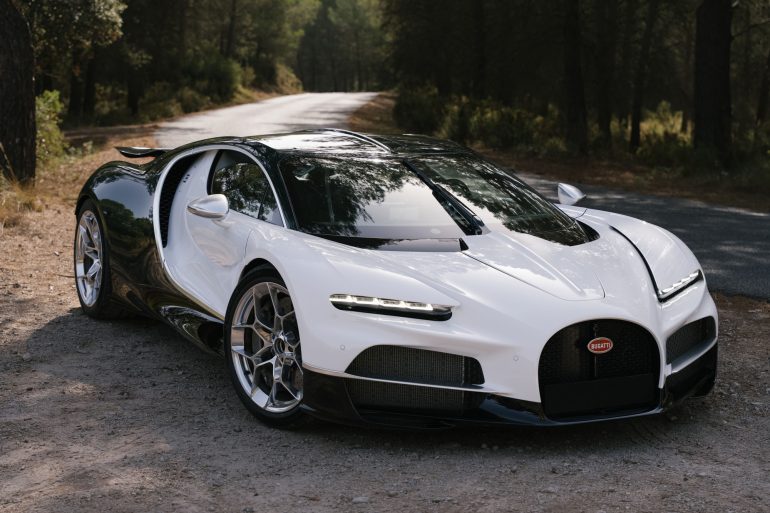
| 2024 | Ferrari 499P — Fuoco / Molina / Nielsen | Bugatti Tourbillon; Ferrari F80 | V16 hybrid, 1,800 bhp; F80 1,200 bhp | GT3 replaces GTE at Le Mans; BMW, Alpine and Lamborghini join Hypercar; AMG One 6:29.09 |
| 2025 | Ferrari 499P (AF Corse) — Kubica / Ye / Hanson | McLaren W1; Ferrari 849 Testarossa | Ferrari's third in a row; Kubica the first Polish winner | Aston Martin Valkyrie AMR-LMH races; Ford Mustang GT3; Genesis announced for 2026 |
Car names link to every story on the site about that car. Top speeds as independently timed; power in metric horsepower as quoted by the maker.
Audi's R8 arrived in 2000 and won Le Mans five times in six years, with Tom Kristensen, Frank Biela and Emanuele Pirro taking three in a row and Bentley's Speed 8 — an Audi in green, with Kristensen aboard — taking the other in 2003; Audi's American Le Mans Series campaigns and the Petit Le Mans at Road Atlanta, in the archive's 2013 Petit Le Mans, made the ALMS the best sports-car racing of the decade, with Corvette Racing's C5-R and C6.R winning the GTS and GT1 classes at Le Mans seven times between 2001 and 2009 against Prodrive's Aston Martin DBR9 and the Saleen S7-R. Cadillac's Northstar LMP, in Tim Considine's Cadillac at Le Mans, was the false start that the brand finished twenty years later. Then came the diesels: Audi's R10 TDI won Le Mans in 2006, 2007 and 2008, Peugeot's 908 HDi FAP in 2009, and the R15 and R18 TDI kept the run going to 2014, with the Audi R18 e-tron quattro of 2012 the first hybrid to win; the archive's Le Mans reports from 2011, 2012, 2013 and 2014, and the Audi R8 road car's own autobiography, carry the Audi years. In the GT1 championship of the 2000s Maserati's MC12, an Enzo in a longer body, won five FIA GT titles for Vitaphone, and the Rolex 24 at Daytona, in reports from 2012 to 2026, ran its own Daytona Prototypes until the series merged with the ALMS in 2014.
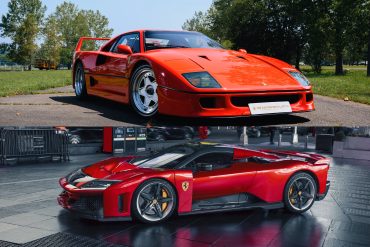
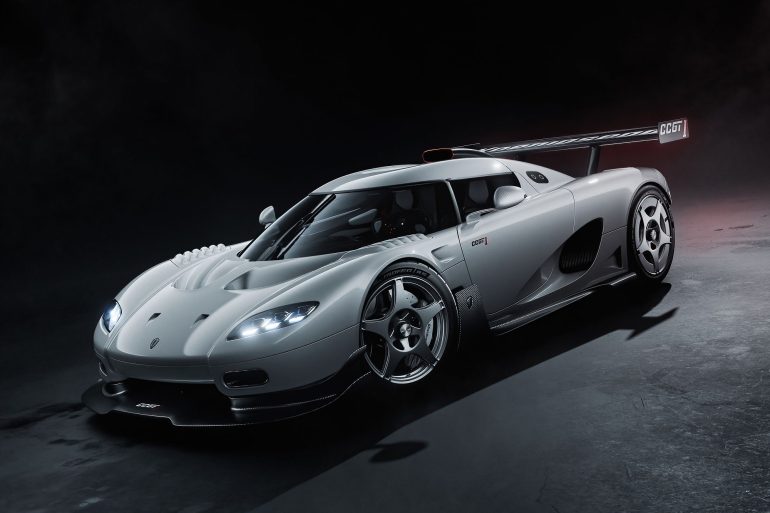
The road-car hypercar was invented in three years. Ferrari's Enzo of 2002 — a 660-horsepower 6.0-litre V12, a carbon tub, Formula One paddles and carbon-ceramic brakes, 399 cars and a 400th for the Pope — set the template; the archive's Maranello Masterpieces and a 2003 Enzo follow it. Porsche's Carrera GT of 2003, in The Last Analog Hypercar, put a 612-horsepower racing V10 behind the seats with a manual gearbox and a ceramic clutch, 1,270 built; Mercedes and McLaren's SLR, in Revisiting a Timeless Classic, was the front-engined supercharged alternative; Ford's GT of 2005, in Raffi Minasian's The Ford GT and why it is more relevant today, was the GT40 made new for the company's centenary, 4,038 built; and Maserati's MC12 and Pagani's Zonda, Horacio Pagani's carbon-and-Mercedes-V12 sculpture from 1999, filled out the Italian end. Then Volkswagen's Bugatti Veyron 16.4 of 2005 reset every number: an 8.0-litre quad-turbo W16 of 1,001 horsepower, 253 mph, a price of a million euros and a loss on every one of the 450 built; the archive's Veyron twentieth anniversary, testing the Veyron, the F.K.P. Hommage to Ferdinand Piëch and the Super Sport's 267.8-mph record of 2010 are the car. Koenigsegg's CCR had briefly held the record at 241 mph in 2005; the Swedish company has been chasing Bugatti since.
Lexus's LFA of 2010, in the new LFA, and Lamborghini's Aventador of 2011, in Ten Innovative Advances in Ten Years and the V12 and the Murciélago, were the last of the old kind. In 2013 three cars arrived within months of each other and brought Formula One's hybrid systems to the road: McLaren's P1, 903 horsepower from a twin-turbo V8 and an electric motor, 375 built, in McLaren P1 — Hybrid Power Supercar; Ferrari's LaFerrari, 950 horsepower from a V12 and HY-KERS, 499 coupés and 210 Apertas; and Porsche's 918 Spyder, 887 horsepower, four-wheel drive and a 6 min 57 sec Nürburgring lap, 918 built, in The Most Versatile Hybrid Sports Car. On the track Audi's R18 e-tron quattro, Toyota's TS040 and Porsche's 919 Hybrid fought the most expensive endurance war since Group C: Porsche won Le Mans in 2015, 2016 and 2017 — the archive's 2015 and 2017 reports — and the 919 Evo, freed from the rules, lapped the Nordschleife in 5 min 19.5 sec in 2018, in Porsche 919 Meets Its Predecessor. Audi left after 2016, Porsche after 2017, and Toyota's TS050 won Le Mans alone in 2018, 2019 and 2020, with Fernando Alonso in the first two.
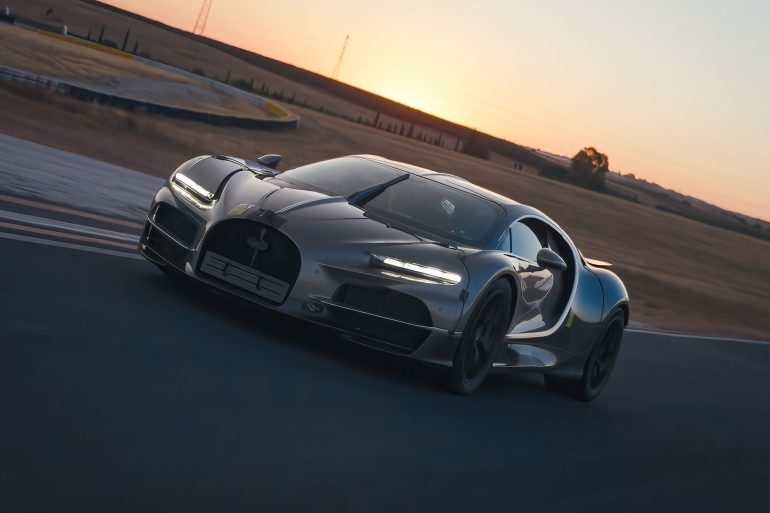
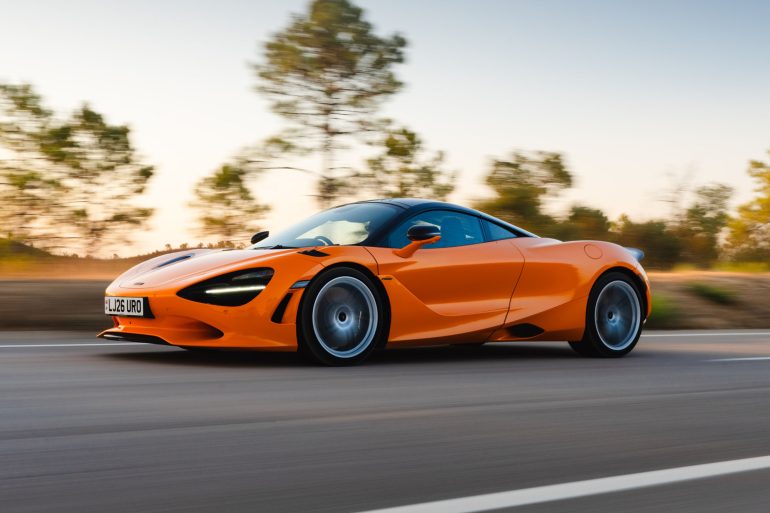
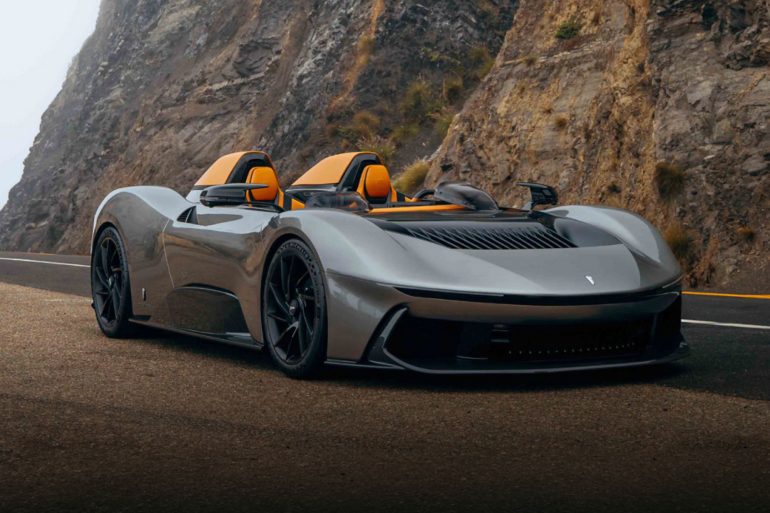
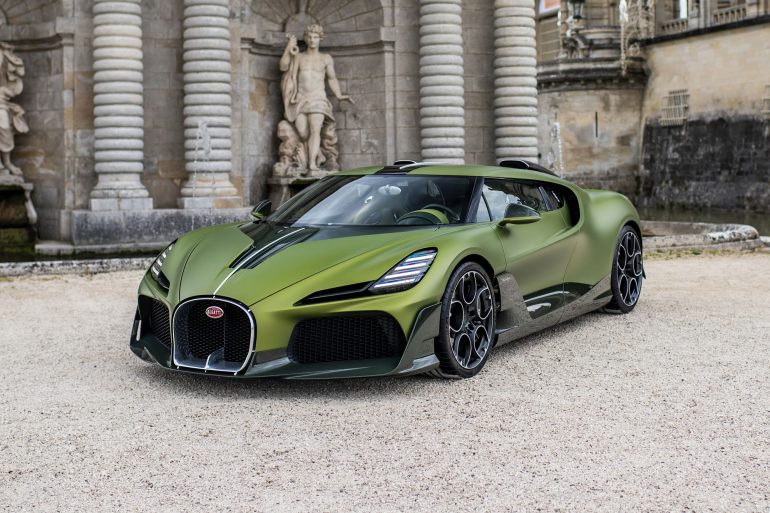
The Veyron's successor, the Chiron of 2016, had 1,479 horsepower, and the Super Sport 300+ of 2019 became the first production-based car past 300 mph, at 304.77 mph with Andy Wallace at Ehra-Lessien — the Chiron Super Sport 300+ — followed by the track-only Bolide, the W16 Mistral roadster that closed the W16 line, and the V16 hybrid Tourbillon of 2024 under Mate Rimac, whose own electric Nevera, 1,914 horsepower and 258 mph, and the Pininfarina Battista built on it, made the electric hypercar real. Adrian Newey's Aston Martin Valkyrie, in Can Aston Martin's Hypercar Gamble Save the Brand? and the Valhalla, and the Mercedes-AMG One, which put a Formula One engine on the road and lapped the Nordschleife in 6 min 35 sec, came from the Grand Prix paddock; Gordon Murray's T.50 of 2022, in McLaren F1 to GMA T.50, the T.33 and the T.50s Niki Lauda, went the other way, back to a 12,100-rpm V12 and a manual gearbox. McLaren's Senna, 765LT and 750S, Ferrari's SF90, F80 and 849 Testarossa, Lamborghini's Reventón, Centenario and Huracán, Lotus's Evija, Hennessey's Venom F5, Czinger's 21C and the second Ford GT of 2017, which won its class at Le Mans on the fiftieth anniversary of 1966, are the archive's running coverage; the Pagani Museum and the Tesla Roadster and Porsche Mission S look forward.
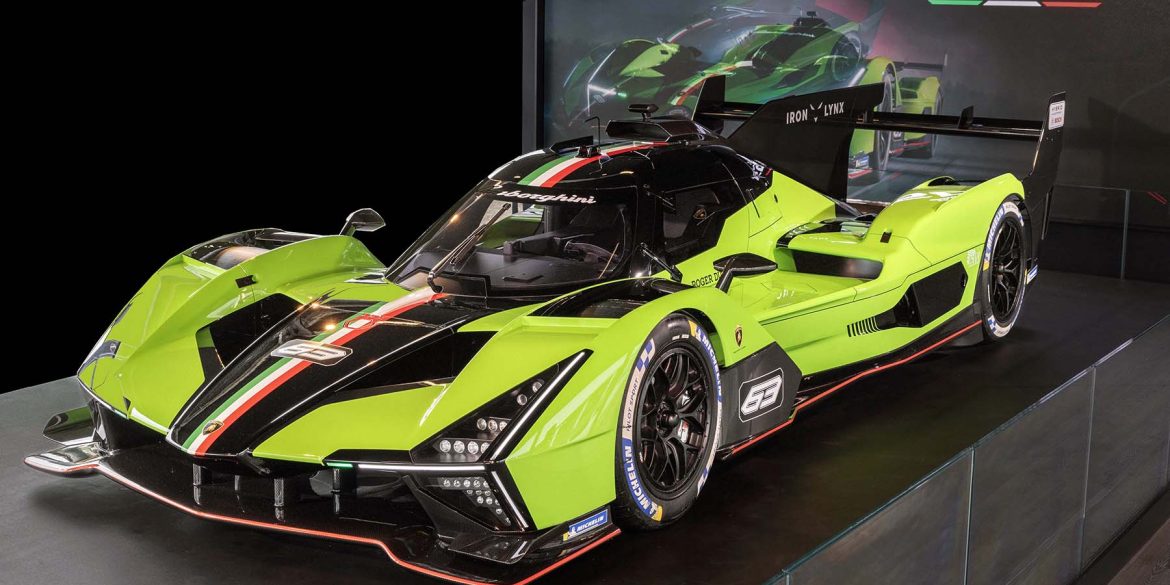
In 2021 the ACO and IMSA agreed a top class that both could run — Le Mans Hypercar for bespoke cars, LMDh for cars built on a spec hybrid chassis — and the grids filled as they had not since 1990. Toyota's GR010 won Le Mans in 2021 and 2022; Ferrari came back after fifty years with the 499P and won the centenary race of 2023 with Alessandro Pier Guidi, James Calado and Antonio Giovinazzi, and again in 2024 and in 2025, with Porsche's 963, Cadillac's V-Series.R, BMW's M Hybrid V8, Alpine's A424, Peugeot's wingless 9X8, Lamborghini's SC63 and Aston Martin's Valkyrie AMR-LMH against them; the archive's WEC at COTA and the 2025 WEC finale in Bahrain are the championship from the inside. In America the same cars run as IMSA GTP at the Rolex 24, Sebring and Petit Le Mans, in reports from 2024 and 2025. Underneath, GT3 has replaced GTE everywhere since 2024, so the Porsche 911 GT3 R, Ferrari 296 GT3, Corvette Z06 GT3.R, BMW M4 GT3, Mercedes-AMG GT3, Aston Martin Vantage, McLaren 720S and Lamborghini Huracán race at Le Mans, Daytona, the Nürburgring 24 Hours, Spa and Bathurst in the same specification, with the Mustang GT3 the newest of them.
Le Mans, Daytona, Sebring, the WEC and IMSA, GT3 and the records, newest first.
The era's calendar is the old one with additions: Le Mans, Sebring and Daytona; Spa, the Nürburgring Nordschleife for the 24 Hours and every lap record, Monza, Silverstone, Fuji, Bahrain, Shanghai, Austin, Interlagos and Qatar for the WEC; Road Atlanta's Petit Le Mans, Watkins Glen, Laguna Seca, Long Beach, Road America and Indianapolis for IMSA; Bathurst for the 12 Hour and Macau for the GT World Cup. The road cars have their own: Ehra-Lessien, Volkswagen's straight, for the Veyron and Chiron records; Nardò for everyone else; the Nordschleife for the 918, the AMG One and the 919 Evo; and the Goodwood Festival of Speed hill, where the electric fan cars and the Formula One cars set the records now, in the archive's Festival of Speed 2026. The archive's Pikes Peak and how its cars are prepared cover the other hill.
The cars of the era carry the most model-tag coverage in the archive's modern files: the Ferrari Enzo, LaFerrari, SF90, 458 and F430; the Porsche Carrera GT, 918 Spyder, 911 GT1 and 963; the Bugatti Veyron and Chiron; the McLaren P1, Senna and Speedtail; the Mercedes-Benz CLK GTR and SLR McLaren; the Ford GT of 2005 and of 2017; the Maserati MC12 and MC20; the Lamborghini Murciélago, Aventador, Huracán and Revuelto; the Pagani Zonda and Huayra; the Lexus LFA; the Aston Martin Valkyrie; the Rimac Nevera and Pininfarina Battista; the Audi R8, R10 and R18; the Bentley Speed 8 and Toyota GT-One. Each links to every story on the site about that car; the table and cards below set them in order.
Each links to every story on the site about that car; the model pages come next.
Single-car stories: Enzos and Carrera GTs, Veyrons and Chirons, the hybrid trinity, the GT1 specials and the newest hypercars.
The engineers and founders: Gordon Murray; Horacio Pagani; Christian von Koenigsegg; Mate Rimac, who at 33 was handed Bugatti; Adrian Newey, whose Valkyrie is a Formula One car with number plates; Ferdinand Piëch, who willed the Veyron into being, and Wolfgang Dürheimer and Stephan Winkelmann who ran it; Ron Dennis and Frank Stephenson at McLaren; Flavio Manzoni at Ferrari; Ulrich Baretzky, whose engines won Audi its Le Mans; Norbert Singer's successors at Porsche, Fritz Enzinger and Alexander Hitzinger on the 919. The drivers: Tom Kristensen, nine Le Mans wins; Frank Biela, Emanuele Pirro, Allan McNish, Rinaldo Capello and Marcel Fässler, André Lotterer and Benoît Tréluyer of the Audi years; Yannick Dalmas, four wins in four different makes; Timo Bernhard, Earl Bamber and Brendon Hartley; Sébastien Buemi, Kazuki Nakajima and Kamui Kobayashi for Toyota; Pier Guidi, Calado and Giovinazzi for Ferrari; Corvette Racing's Oliver Gavin, Olivier Beretta, Jan Magnussen and Antonio García; and Andy Wallace, who drove the 240-mph McLaren F1 run in 1998 and the 304-mph Chiron run in 2019. The De Macross Epique GT1 and Scuderia Cameron Glickenhaus are the outsiders who built their own.
Drivers, engineers and founders of the modern era.


Production-car top speed: McLaren F1 240.1 mph (1998), Koenigsegg CCR 241 (2005), Bugatti Veyron 253 (2005) and Super Sport 267.8 (2010), Chiron Super Sport 300+ 304.77 (2019, one-way), Rimac Nevera 258 for an electric car (2022). Horsepower: Enzo 660, Carrera GT 612, Veyron 1,001, P1 903, LaFerrari 950, 918 887, Chiron 1,479 and Super Sport 1,578, Nevera 1,914, Valkyrie 1,139, AMG One 1,063. Nordschleife production laps: 918 Spyder 6:57 (2013), Lamborghini Aventador SVJ 6:44.97 (2018), AMG One 6:35.18 (2022) and 6:29.09 (2024); the Porsche 919 Evo's 5:19.55 of 2018 is the outright record. Le Mans: Audi 13 wins from 2000 to 2014, Porsche's 19 in all, Toyota five in a row from 2018, Ferrari three in a row from 2023; Tom Kristensen nine, the record. Production: 399 Enzos, 1,270 Carrera GTs, 450 Veyrons, 500 Chirons, 375 P1s, 499 LaFerraris, 918 918s, 106 McLaren F1s, 25 CLK GTR road cars, 150 Nevera, 150 Valkyries, 275 AMG Ones, 100 T.50s. Prices: the Veyron cost €1 million in 2005 and Volkswagen lost about €4.6 million on each; a McLaren F1 sold for $20.5 million in 2021; a CLK GTR for $10.2 million in 2024.
Short answers, with the long ones above.
A term from the 1990s for the top tier above the supercar: today it means a car of roughly 1,000 horsepower or more, a carbon-fibre tub, a production run in the hundreds and a seven-figure price — the Veyron, P1, LaFerrari, 918, Chiron, Valkyrie, Nevera. Since 2021 it is also the name of the top class at Le Mans.
The top GT class of 1994–99, for racing cars with a road-going homologation twin. McLaren's F1 GTR, Porsche's 911 GT1, Mercedes' CLK GTR, Toyota's GT-One and Nissan's R390 raced in it; it was abolished after 1999 when the cars had become prototypes in all but name. A second GT1 class for production-based cars ran from 2000 to 2011.
The McLaren F1 of 1992 is the usual answer, with the Bugatti Veyron of 2005 as the first car to make 1,000 horsepower and 250 mph in series production.
Audi, thirteen times between 2000 and 2014; Porsche added three in 2015–17 for a record nineteen in all; Toyota won five in a row from 2018; Ferrari three in a row from 2023. Tom Kristensen's nine wins are the driver's record.
Both race in the Hypercar class. LMH cars are bespoke, with the maker's own chassis and hybrid system (Toyota GR010, Ferrari 499P, Peugeot 9X8, Aston Martin Valkyrie); LMDh cars use one of four spec chassis and a common hybrid unit (Porsche 963, Cadillac V-Series.R, BMW M Hybrid V8, Alpine A424, Lamborghini SC63) and can also race in IMSA as GTP.
The Bugatti Chiron Super Sport 300+ at 304.77 mph in 2019, one way, with Andy Wallace; the SSC Tuatara and Koenigsegg Jesko Absolut have claimed more but not with the same verification. The Rimac Nevera holds the electric record at 258 mph.
The McLaren P1, Ferrari LaFerrari and Porsche 918 Spyder, all launched within months of each other with Formula One-derived hybrid systems, 887 to 950 horsepower and production runs of 375, 499 and 918. Enthusiasts call them the holy trinity.
Yes: Gordon Murray's T.50 and T.33 have a 12,100-rpm Cosworth V12 and a manual, and Pagani's Utopia offers one. Everyone else has gone hybrid or electric.
The whole thread, newest first.