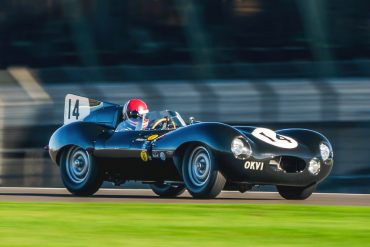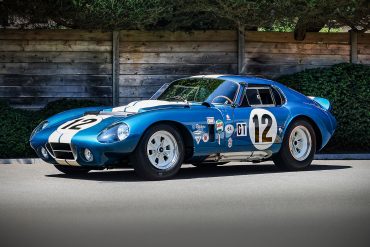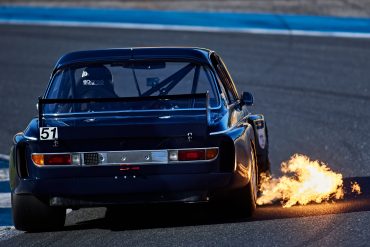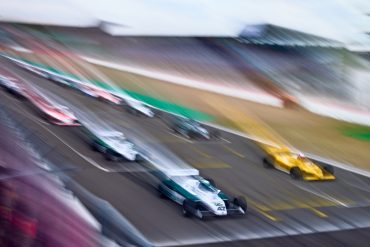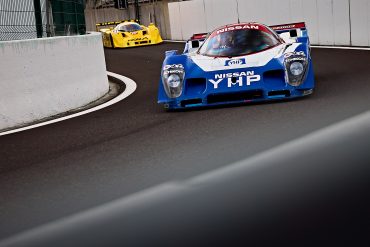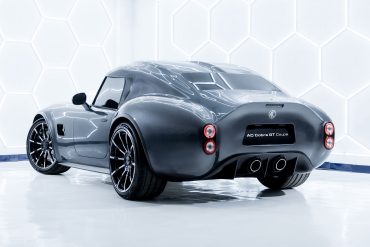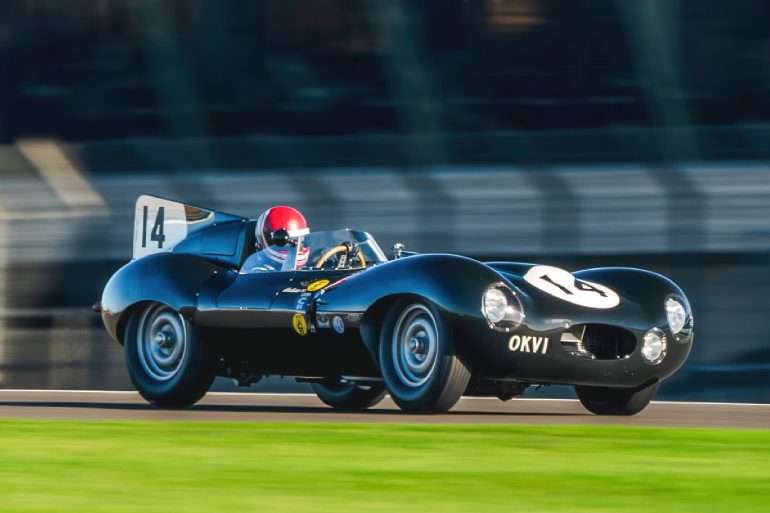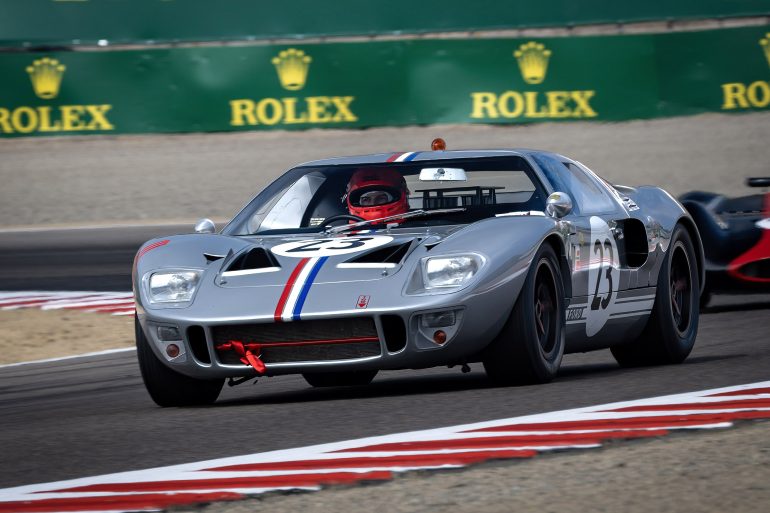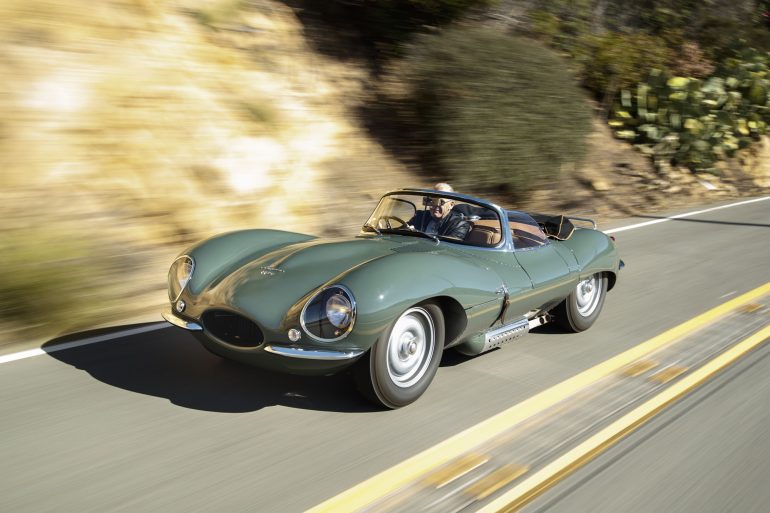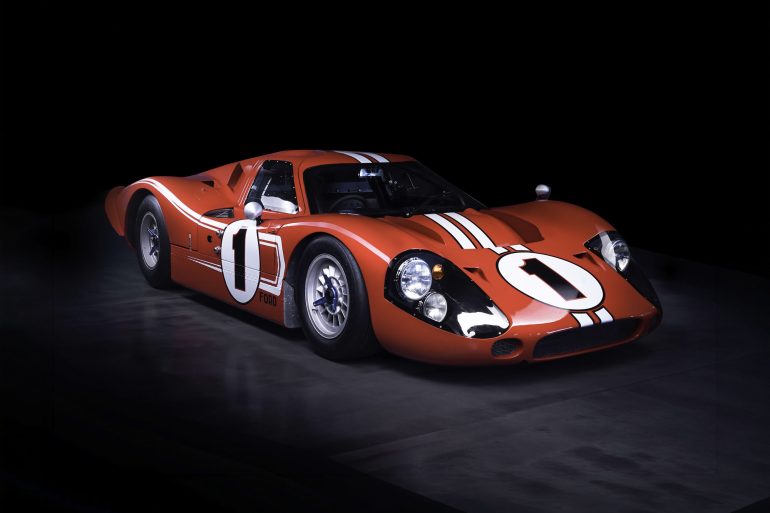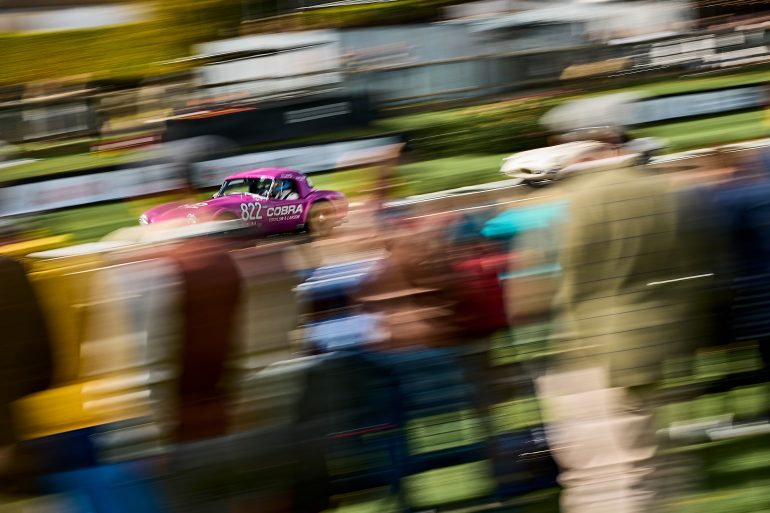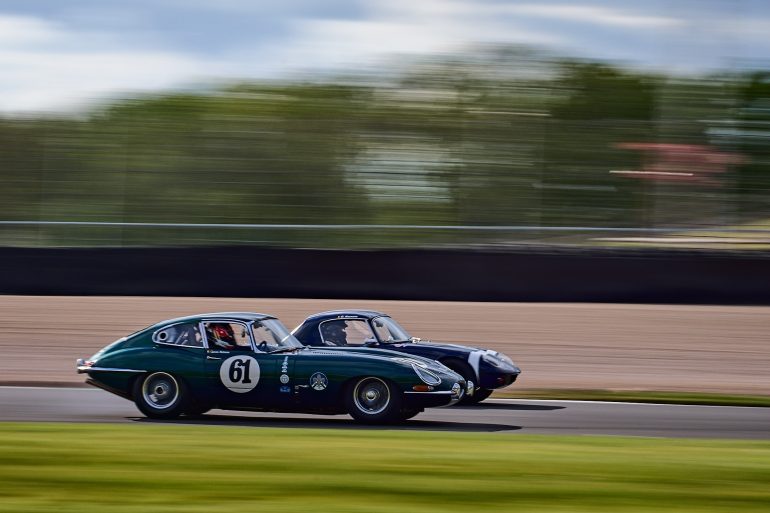
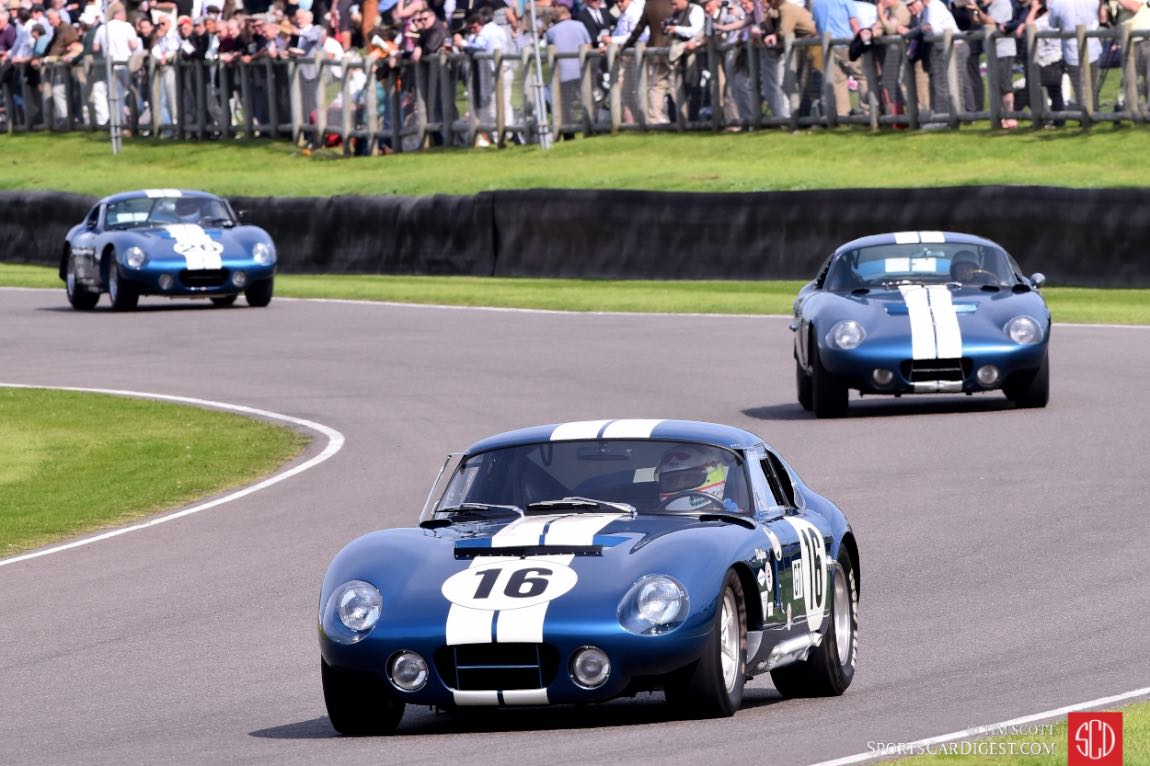
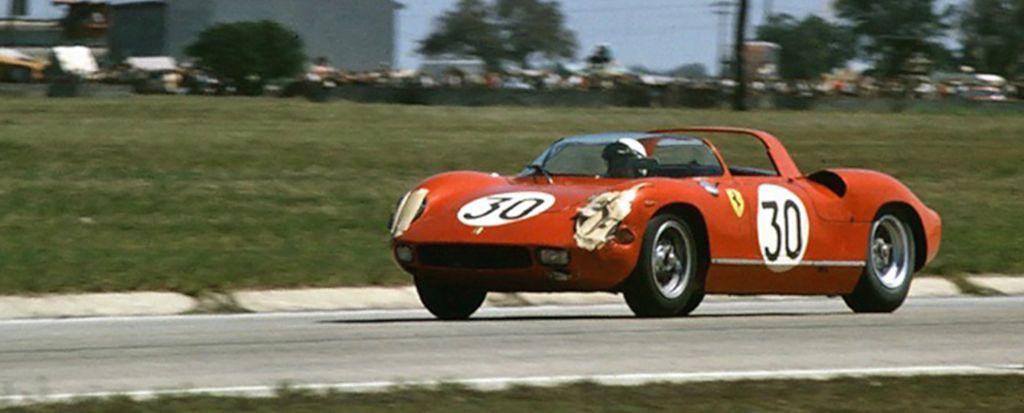
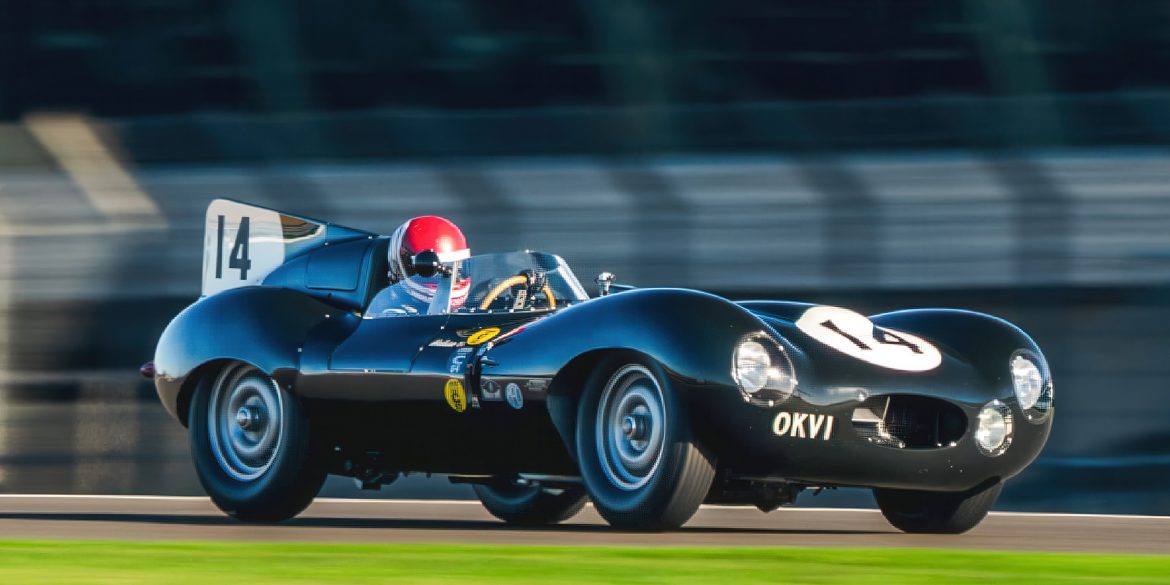
Jeremy Cottingham and James Littlejohn won the two-hour Pall Mall Cup in a Shelby Daytona Cobra from a 36-car field, Connor Kay's Lotus Elan 26R holding off Lukas Halusa's Low Drag E-Type by under half a second for second.

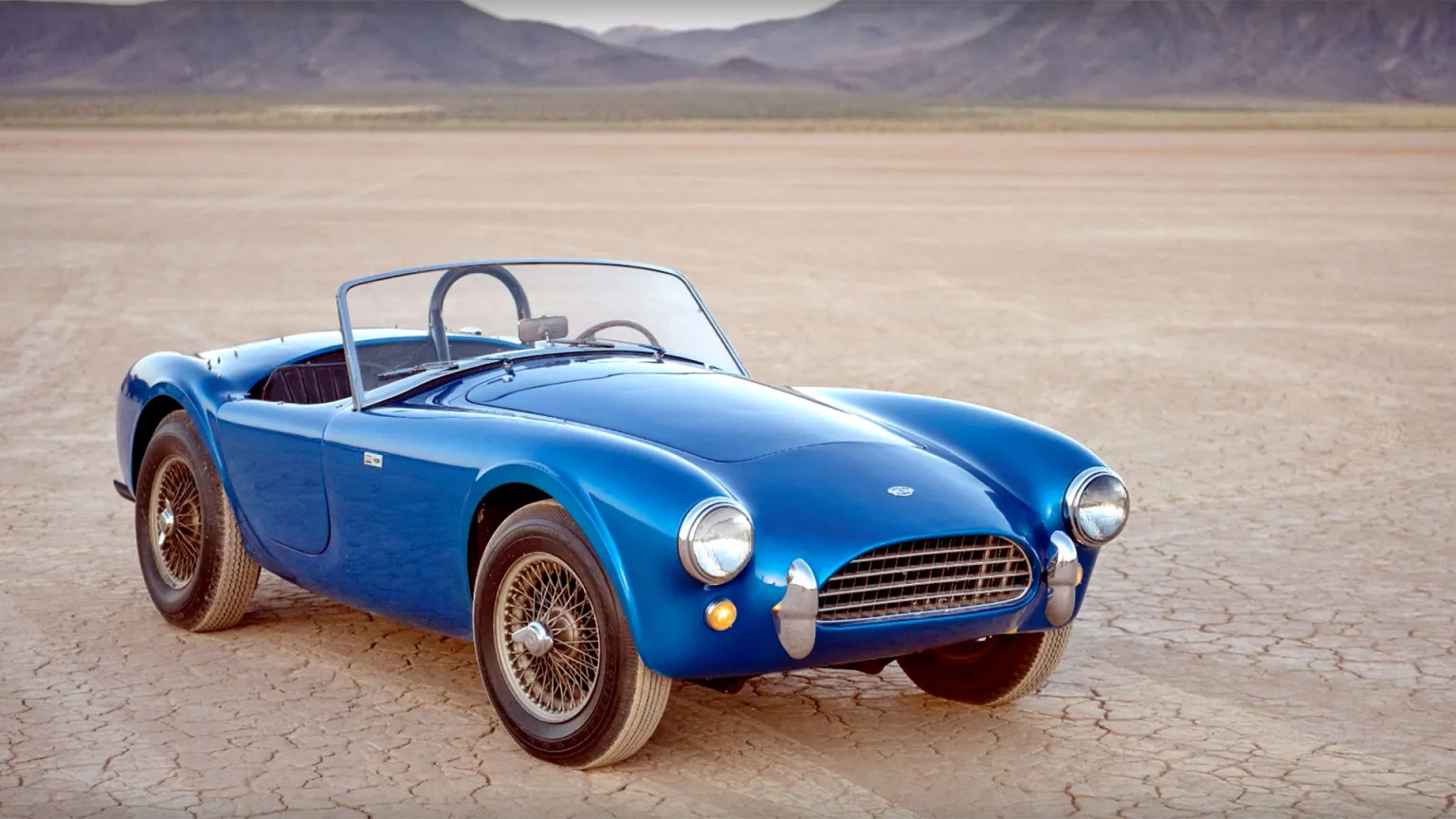
A Texan with a bad heart, a small English roadster and a Ford V8 that fitted: the Shelby Cobra of 1962 is the American sports car, the one that beat the Corvettes at home, took the Daytona Coupe to a world championship against Ferrari in 1965, grew a seven-litre engine and became the most copied car ever built. Around a thousand were made between 1962 and 1967, 289s and 427s and six coupés, and the first of them, CSX 2000, sold for $13.75 million in 2016. This page is the car: how Carroll Shelby and AC Cars put it together, the racing from Riverside in 1962 to Reims in 1965, the Daytona Coupe, the 427 and the King Cobra, the drivers and the builders, the chassis and what they fetch, with the archive's Cobra writing, the Shelby interviews, Casey Annis in the King Cobra and the Bondurant profile among it, threaded through. The marque's other cars are on the Shelby and Ford GT40 threads; the era around it is The GT Wars.
The pieces to start with
Eight pieces on the car: Shelby in his own words and remembered, the Bondurant profile, the Daytona Coupe history, the King Cobra driven, the 1963 Le Mans AC Cobra, Lew Spencer and the 1963 Sebring race.
Chevrolet turned down an American V8 in a British chassis, so he took it to Ford. Carroll Shelby’s interviews with Casey Annis and John Zimmermann, combined after his death: Aston Martin, the Cobras, Ford’s Le Mans rescue, the GT350.
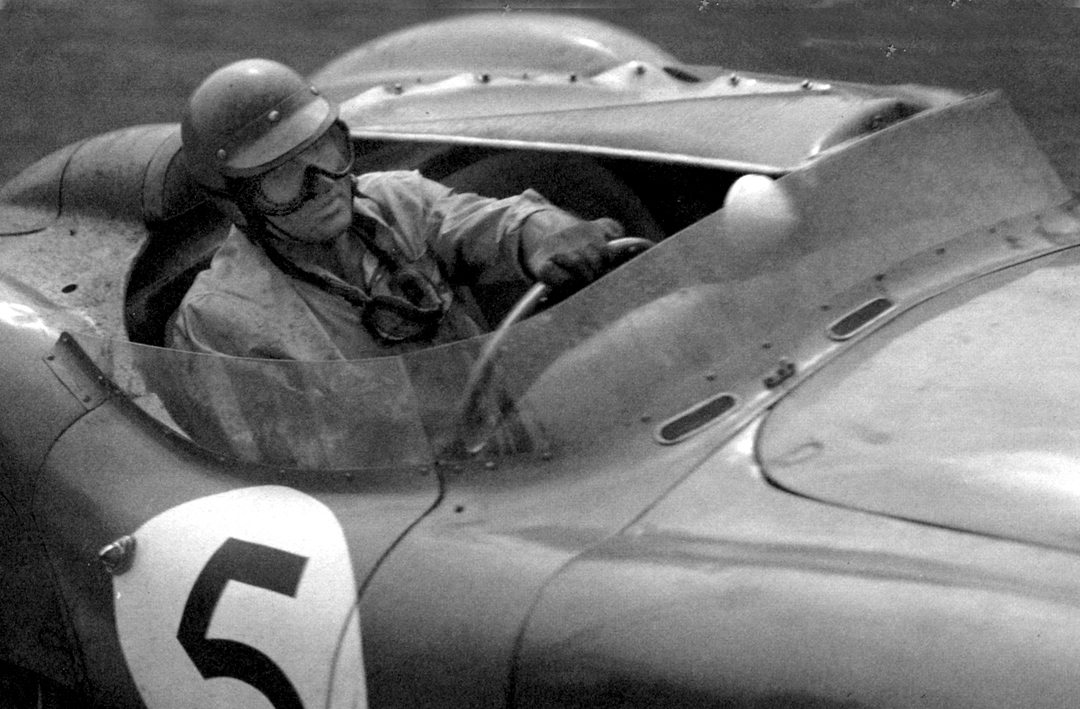
Art Evans was at Torrey Pines with his Rolleiflex on 10 July 1955 when Carroll Shelby won the main event in Guiberson’s 4.5 Ferrari. Shelby died 10 May 2012, aged 89, on good terms with every ex-wife. A friend’s farewell.
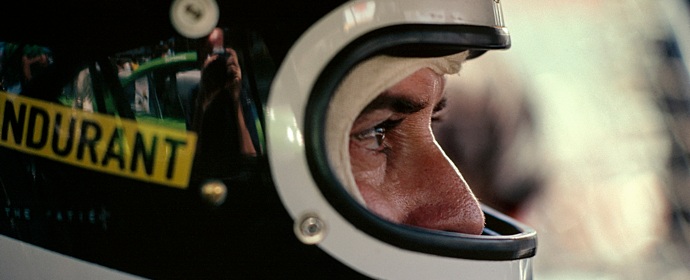
Bob Bondurant’s father lost his dealerships and moved them to West Los Angeles, where Bob traded rides on his James two-stroke for goes on the Harley dealer’s bikes and raced a dirt oval on an empty lot. Dennis Gray listens.
Shelby won Le Mans with Salvadori in a DBR1 in 1959, retired with a heart condition, asked AC for a V8 Ace in 1961 and was refused an engine by Chevrolet. Djordje Sugaris on the road to the Daytona Coupé.
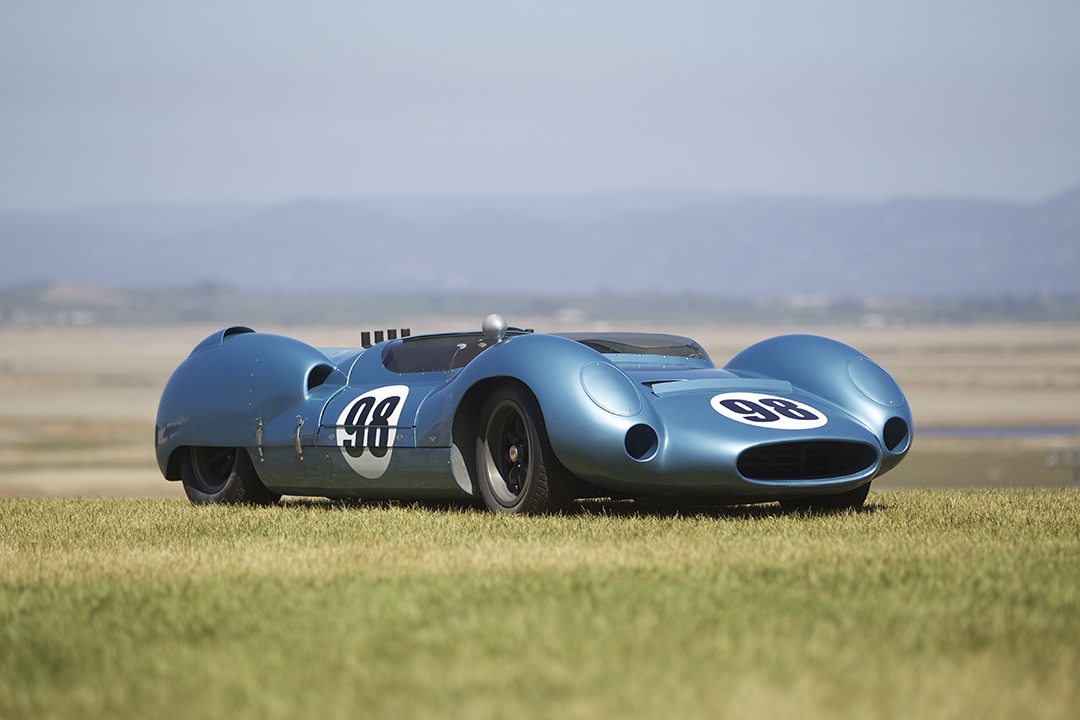
USAC began paying prize money for sports car races in 1958 and the SCCA, fearing for its grip, launched the USRRC for 1963. Into that came Cooper’s Monaco, descendant of the 1955 Bobtail, reborn as Shelby’s King Cobra.
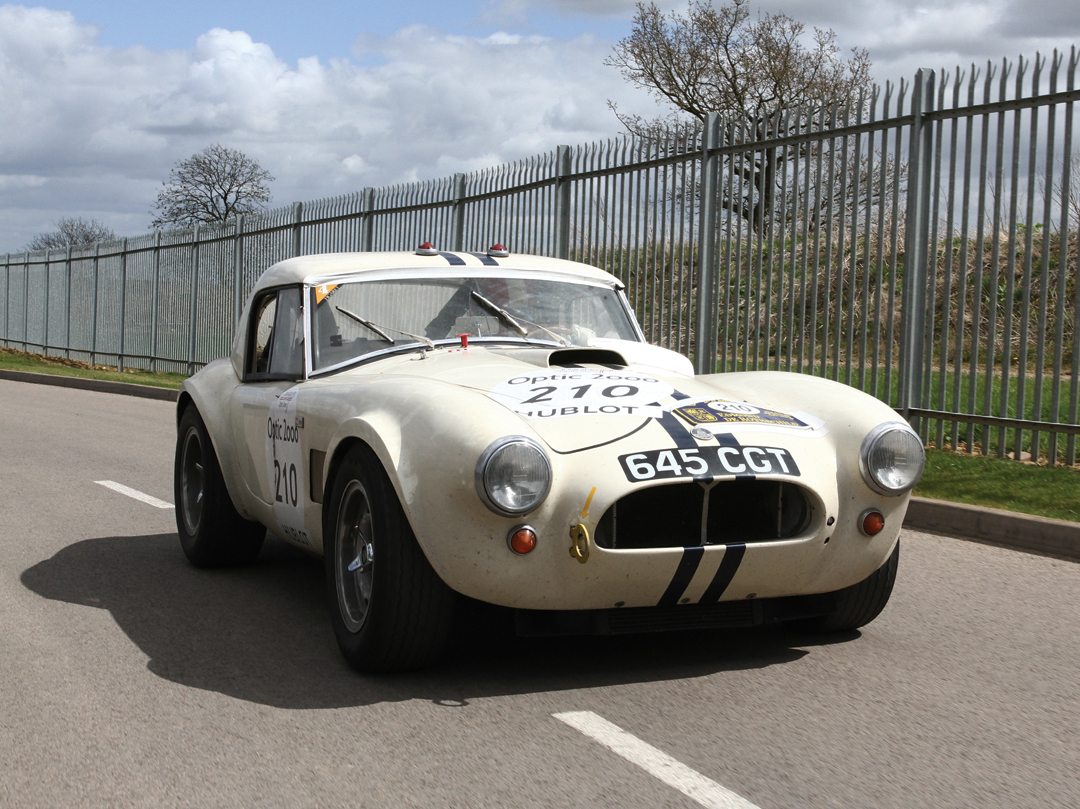
This Cobra raced at Le Mans in 1963, the first year Shelby’s cars went to La Sarthe, and is still road-registered. Carlos Monteverde and Gary Pearson drove it to victory in the 2013 Tour Auto. James Beckett tells its story.
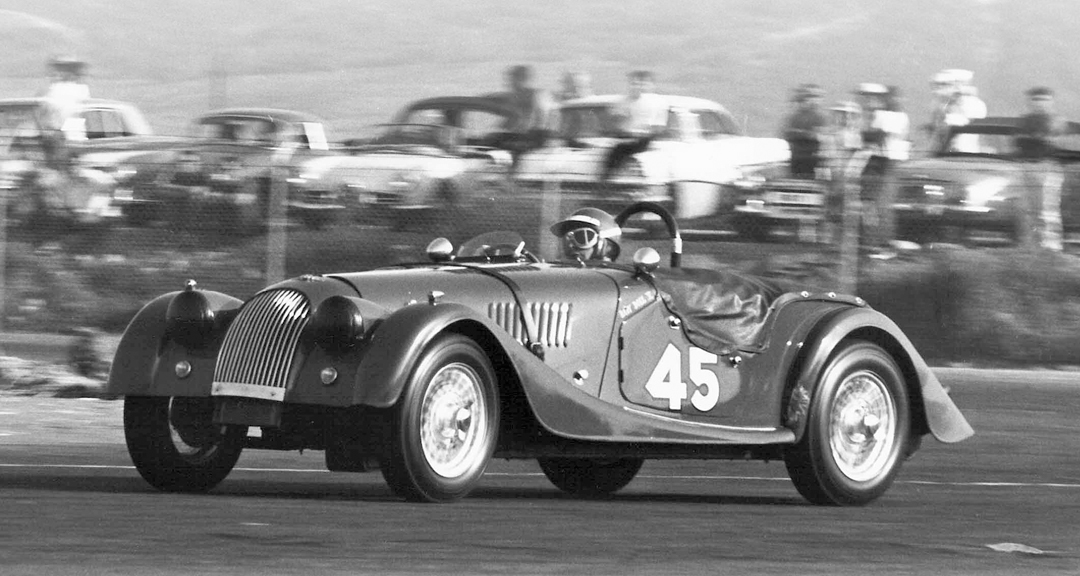
Lew Spencer saw a Morgan in a Hollywood parking lot in 1954 and had to have one; his “Baby Doll” Morgans owned their class on the West Coast. Harold Pace follows him to Cobras, Shelby American and the SCCA chairmanship.
Sebring’s merchants were gouging race fans in March 1963, to Alec Ulmann’s despair, and American cars arrived in force for the first race under the FIA’s new Manufacturers’ Championship rules. Louis Galanos on the second battle of the Ford–Ferrari war.
The newest writing on the Cobra, as it is published.
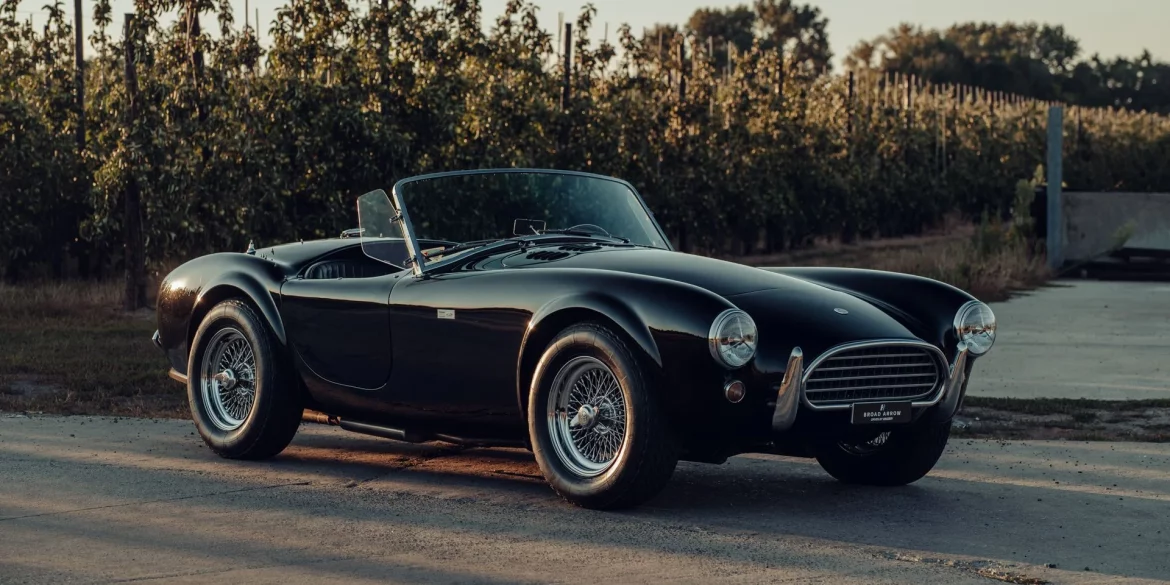
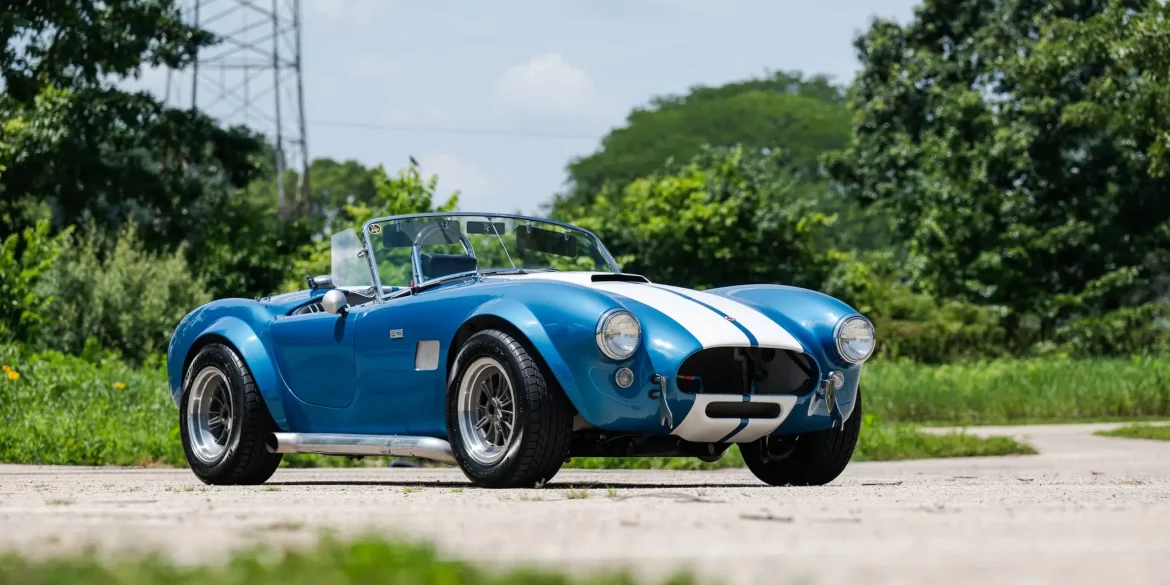
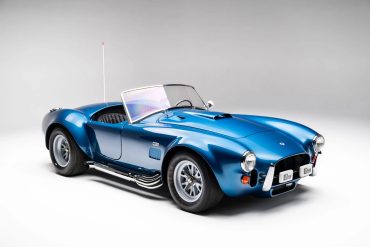
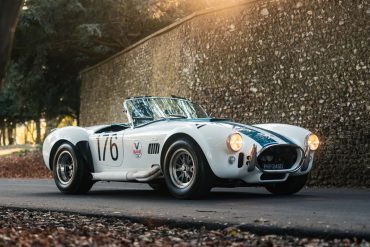
The Shelby Cobra is the sports car built from 1962 to 1967 by Carroll Shelby's Shelby American in Venice and then Los Angeles, California, from rolling chassis made by AC Cars of Thames Ditton, England, and fitted with Ford V8 engines: first the 260-cubic-inch (4.2-litre) small block, then the 289 (4.7 litres) and from 1965 the 427 (7 litres) in a new coil-sprung chassis. AC's Ace of 1953, a tubular-framed, transverse-leaf-sprung roadster with Bristol and Ford Zephyr six-cylinder engines, was about to lose its engine supply when Shelby, a retired racing driver who had won Le Mans for Aston Martin in 1959 and been stopped by a heart condition, wrote to AC in 1961 proposing an American V8 and to Ford proposing the car; Ford said yes, AC said yes, and the first Cobra, CSX 2000, was built in February 1962 and painted a different colour for every magazine that tested it. The leaf-spring cars, 655 of them with the 289, won the SCCA and USRRC championships in America and the FIA's GT championship for Shelby American in 1965, the first world title for an American constructor; the 348 coil-spring 427s of 1965–67 were mostly road cars, the fastest-accelerating thing anyone could buy, and the six Daytona Coupes, the King Cobras and the 427 Competition cars are the racing branches of the family. The archive's Cobra thread is the magazine's own: the Shelby interviews and Art Evans's remembrance, Dennis Gray's sixteen-thousand-word Bondurant profile, the Sebring race profiles, Annis's King Cobra drive and the sales from CSX 2000 down.
Carroll Shelby had been thinking about an American engine in a European chassis since his driving days, when he had raced Allards and watched Lance Reventlow build the Scarab; the Allard J2X with a Cadillac V8, which the archive's Jim Richardson calls the mother of all Cobras, had shown the idea worked a decade earlier. In September 1961 Shelby learned that AC was losing its Bristol engines and wrote to the Hurlock brothers in Thames Ditton; at the same time Ford's new 221- and 260-cubic-inch thin-wall V8 arrived, lighter than the Chevrolet small block, and Dave Evans at Ford agreed to send two. AC built the first chassis with the engine mounts moved and the frame strengthened, shipped it without an engine in January 1962, and Shelby, Dean Moon and a handful of hot-rodders dropped the 260 into it in Moon's shop in Santa Fe Springs in eight hours. The name came to Shelby in a dream, he always said. Ford's Lee Iacocca, selling Total Performance, agreed to back it, Shelby American opened in Reventlow's old Scarab workshop in Venice, and the cars arrived from England as painted, trimmed rolling chassis to have their engines and gearboxes fitted in California, which is why every Cobra is both an AC and a Shelby. The archive's Shelby interview, edited from Annis's and Zimmermann's conversations with him, is his own account; Evans's "Remembering Carroll Shelby" is his friends'; James Beckett's "Thunder Road" is the AC side of the story, with the Hurlocks and the Ace.
The Cobra's first race was the Riverside three-hour on 13 October 1962, where Bill Krause led the Corvettes until a hub carrier broke; by the next spring, with the 289 engine, rack-and-pinion steering and Ken Miles, Dave MacDonald, Bob Holbert and Dan Gurney driving, it was beating them everywhere. Holbert won the first USRRC championship in 1963 and MacDonald and Miles the SCCA A-Production races, the Cobras finishing first and second in the manufacturers' championship over Corvette, which had expected the 1963 Sting Ray to win it; at Sebring in March 1963 the first Cobras in an international race finished eleventh, Phil Hill and Lew Spencer the best of them, and Louis Galanos's race profile has the day; at Le Mans that June the AC Cars entry of Ninian Sanderson and Peter Bolton was seventh and first of the GTs over three litres, the car in Beckett's "Thunder Road". The roadster's problem was aerodynamic: at 160 mph on the Mulsanne straight the open body ran out of speed while the Ferrari 250 GTO went on to 175, and Shelby's answer was the coupé.
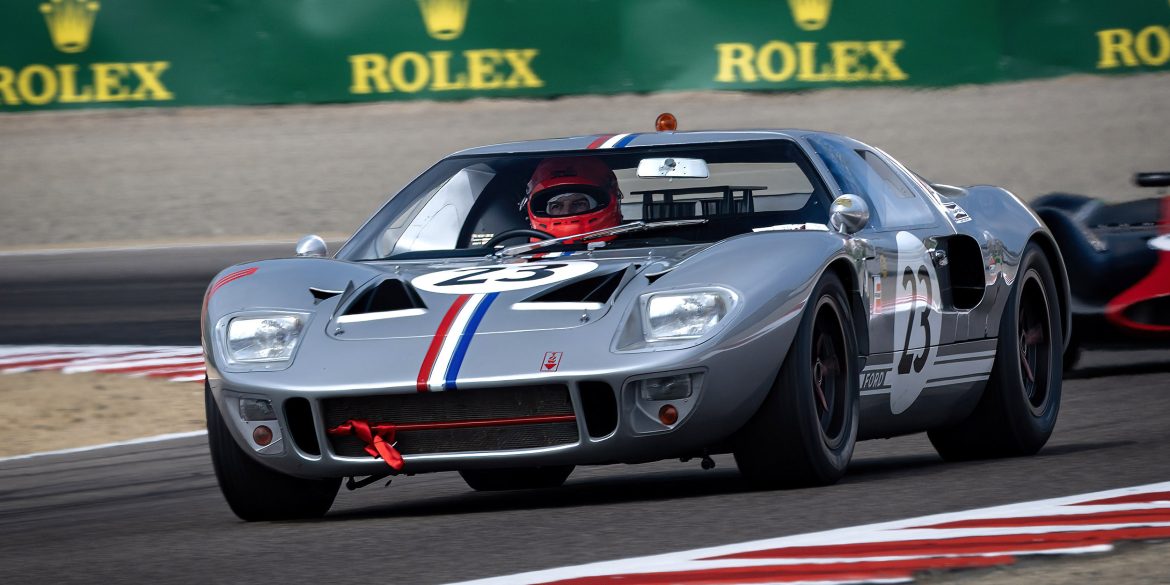
Pete Brock, a twenty-six-year-old designer who had drawn the Sting Ray at GM, laid out a fastback body for the 289 chassis over the winter of 1963–64, with a chopped Kamm tail that the older men in the shop thought was wrong; the first car, CSX 2287, was built in ninety days and at Daytona in February 1964 Holbert and MacDonald led the GT class by a distance until a pit fire. At Sebring it won the GT class, at Le Mans in June Gurney and Bob Bondurant were fourth overall and first in GT at 160 mph-plus down the straight, and Shelby American took the fight to Ferrari for the International Championship for GT Manufacturers through the Targa Florio, Spa, the Nürburgring, Goodwood and Monza until the final round at Monza was cancelled with Ferrari's influence and the 1964 title went to Maranello by a handful of points. In 1965, with six coupés built, the other five bodied by Carrozzeria Gransport in Modena, and Alan Mann Racing running the European programme, the Daytona Coupes won the GT class at Daytona, Sebring, Monza, the Nürburgring, Le Mans (Jack Sears and Dick Thompson) and Reims, and clinched the championship on 4 July 1965 at Reims, Bondurant and Jo Schlesser's car scoring the points: the first world championship for an American manufacturer. Ford then moved Shelby's budget to the GT40 and the coupés were sold; CSX 2287 went to Bonneville with Craig Breedlove and set twenty-three records, lay in a California garage for thirty years and is in the Simeone Museum now, and CSX 2601 sold at Monterey in 2009 for $7.25 million, the record for an American car at the time. The archive's Daytona Coupe history and Gray's Bondurant profile have the whole campaign.
The six coupés, newest first.
The 427 Cobra of 1965 was a new car under the old name: Ford's computer-designed chassis with four-inch main tubes and coil springs at each corner, a wider body with flared arches and a bigger mouth, and the 427-cubic-inch side-oiler NASCAR V8 with 425 horsepower, which made it the quickest-accelerating production car in the world, zero to sixty in a shade over four seconds and zero to a hundred and back to rest in under fourteen. Shelby built it to homologate a GT racer, failed to build the hundred the FIA required in time and was refused, and so the fifty-odd competition chassis became the 427 Competition cars for SCCA racing and the S/C, semi-competition, road cars that are the most valuable of the breed; the rest of the 348 were street cars, a good many of them fitted with the cheaper 428 engine. The 427 roadsters won SCCA A-Production races and the Essex Wire and Ford-backed teams raced them, but the car's reputation was made on the road, by Bill Cosby's "200 MPH" story and Shelby's own twin-supercharged Super Snake, CSX 3015, which has sold three times for record prices. The leaf-spring 289 is the racing Cobra; the 427 is the one on the posters.
The seven-litre cars, newest first.
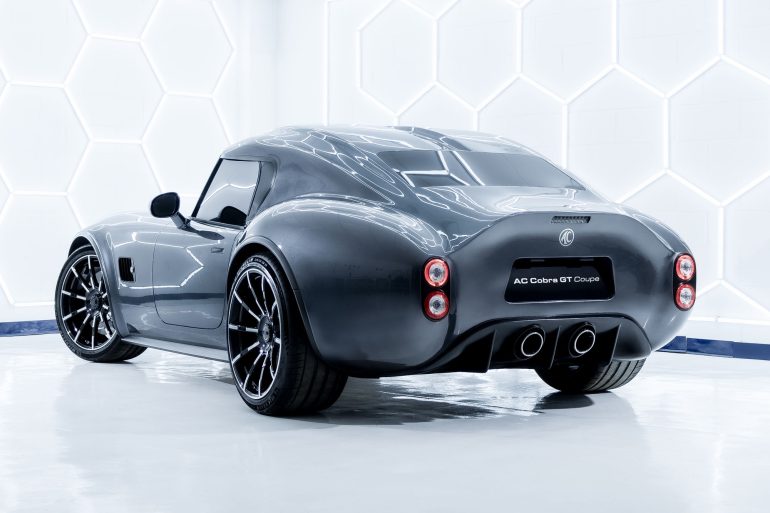
Shelby American's other Cobras were not Cobras at all. The King Cobra was a Cooper Monaco mid-engined sports-racer with the 289 V8, built for the autumn professional races of 1963, in which MacDonald won the Riverside Grand Prix and Laguna Seca back to back and Gurney and Holbert raced them through 1964; Casey Annis drove one at Sonoma for the archive and his "Serpent King" and "Bound by Fate", on the 1967 Can-Am King Cobra that never raced, are the cars' stories, and Karl Ludvigsen's "Ford and the Can-Am" is the context. The Sunbeam Tiger of 1964, Shelby's 260 V8 in the Alpine, was a Cobra for the road built by Jensen in West Bromwich, and the archive's "Flying Tiger" is one of the works cars; the Shelby Mustang GT350 of 1965 took the Cobra name onto a Ford, as Cobra Jet and Shelby Cobra would again; and the Willment coupé, the Ghia-bodied Cobra and the 1963 Le Mans "Cobra Coupé" are the one-offs. After 1967 Shelby stopped building cars; from 1989 the CSX 4000-series continuation 427s and later the CSX 6000, 7000 and 8000 leaf-spring and coil cars were built under his name, and the replica industry that began with the Cobra, Autokraft, Superformance, Factory Five, Kirkham and the rest, has produced many times the original number. The archive's continuation-cars piece sets out the distinctions.
The table below has the Cobra's principal results in the works years, from Riverside in 1962 to the Reims clincher of 1965, with the drivers linked to every story on the site about them. Read the entrants: Shelby American, AC Cars, Alan Mann Racing, Ed Hugus, Essex Wire; the Cobra was a customer car from its first season, which is why there are so many race histories to argue about.
The principal results of the works years, with the cars and entrants. Drivers link to every story on the site about them.
| Year | Race | Drivers | Car / entrant | The story |
|---|---|---|---|---|
| 1962 | Riverside 3 Hours, 13 October | Krause | CSX 2002, Shelby American | The first race: led the Corvettes until a hub carrier broke |
| 1962 | Nassau Speed Week, December | Shelby American | 289 Cobras | The 289 engine's debut; retirements |
| 1963 | Riverside, 2 February | MacDonald; Miles | Shelby American | The first win: MacDonald and Miles 1-2 over the Corvettes |
| 1963 | Sebring 12 Hours, March | Phil Hill / Spencer | Shelby American | 11th, the best of the first Cobras in an international race |
| 1963 | Le Mans, June | Sanderson / Bolton | AC Cobra, AC Cars | 7th overall, first of the big GTs; the car in Thunder Road |
| 1963 | USRRC season | Holbert; MacDonald; Miles | Shelby American | Holbert the first USRRC drivers' champion; Cobra the manufacturers' title |
| 1963 | Riverside and Laguna Seca, October | MacDonald | King Cobra (Cooper Monaco-Ford) | Back-to-back professional race wins |
| 1964 | Daytona Continental, February | Holbert / MacDonald | Daytona Coupe CSX 2287 | The coupé's debut: led the GT class by a distance until a pit fire |
| 1964 | Sebring 12 Hours, March | Holbert / MacDonald | Daytona Coupe CSX 2287 | 4th overall and 1st in GT |
| 1964 | Targa Florio, April | Gurney / Jerry Grant | 289 roadster | 8th, 1st in class on the Madonie |
| 1964 | Le Mans, June | Gurney / Bondurant | Daytona Coupe CSX 2299 | 4th overall, 1st in GT; the GTO beaten on its own straight |
| 1964 | Tourist Trophy, Goodwood, August | Gurney | Daytona Coupe | 3rd; the GT championship lost to Ferrari when Monza was cancelled |
| 1965 | Daytona Continental, February | Schlesser / Keck | Daytona Coupe | 1st in GT, 2nd overall |
| 1965 | Sebring 12 Hours, March | Schlesser / Bondurant | Daytona Coupe | 1st in GT, 4th overall in the flood |
| 1965 | Monza 1000 km, April | Bondurant / Allen Grant | Daytona Coupe, Alan Mann Racing | 1st in GT |
| 1965 | Nürburgring 1000 km, May | Bondurant / Neerpasch | Daytona Coupe, Alan Mann Racing | 1st in GT |
| 1965 | Le Mans, June | Sears / Thompson | Daytona Coupe CSX 2601 | 1st in GT, 8th overall |
| 1965 | Reims 12 Hours, 4 July | Bondurant / Schlesser | Daytona Coupe | 1st in GT; the FIA GT championship clinched for Shelby American |
| 1965 | Bonneville, November | Breedlove | Daytona Coupe CSX 2287 | 23 national and international records |
| 1965–73 | SCCA A-Production | Privateers | 427 Cobra | National championships through 1973; the 427 never homologated for the FIA |
The 289 roadster and the Daytona Coupe were Shelby American's racing Cobras; the 427 was refused homologation and raced in SCCA A-Production from 1965. The 1965 FIA GT title was the first world championship won by an American constructor.
Chassis numbers tell the family apart. CSX 2000 to 2075 are the 260-engined Mark I cars of 1962–63; CSX 2076 to 2602 the 289 Mark IIs, with rack-and-pinion steering, through 1965, including the FIA roadsters, the USRRC cars and the six Daytona Coupes (CSX 2286, 2287, 2299, 2300, 2601 and 2602); CSX 3001 to 3360 the 427s, the first hundred intended as competition cars; and COB and COX are the right- and left-hand-drive cars AC sold itself in Europe as the AC Cobra, which raced at Le Mans in 1963 and 1964. The famous ones: CSX 2000, the first, which Shelby kept all his life and which sold from his estate at Monterey in August 2016 for $13.75 million, the record for an American car at auction; CSX 2287, the first Daytona Coupe, Bonneville record car and Simeone Museum centrepiece; CSX 2601, the 1965 championship coupé, $7.25 million in 2009; CSX 3015, the Super Snake, Shelby's own twin-supercharged 427, which made $5.5 million in 2021; CSX 3178, Shelby's personal 427, from the 2021 sale; and the Reventlow Cobra, the Juliano cars and the Le Mans roadsters whose sales the archive reports. The cards below link nine of the family to their stories.
Nine cars from the archive, from the Ace to the continuations; each links to every story on the site.
Ken Miles developed the Cobra as he would the GT40, and raced it to most of its early wins; Dave MacDonald, the fastest of the Shelby drivers, was killed at Indianapolis in May 1964 at twenty-seven; Bob Holbert, the first USRRC champion; Dan Gurney, who won in everything Shelby built; Bob Bondurant, whose Le Mans class win of 1964 and championship points of 1965 the archive's longest profile covers; Phil Hill, Lew Spencer, Allen Grant, Ed Leslie, Bill Krause, Skip Hudson, Jerry Grant; Jack Sears, Frank Gardner, Sir John Whitmore and Jochen Neerpasch in the Alan Mann cars; Jo Schlesser, Dick Thompson, Bob Johnson. The builders: Shelby himself; Phil Remington, the fabricator who made everything work, in two archive interviews; Pete Brock, who drew the coupé; Ken Miles; Carroll Smith, the team manager; Al Dowd; Charles and Derek Hurlock and Alan Turner at AC; John Ohlsen, who built the first coupé; and at Ford, Iacocca, Don Frey and Ray Geddes. The archive's Shelby, Remington, Bondurant, Spencer, Morton and Breedlove interviews and the MacDonald and Miles remembrances are the people of the car.
Original Cobras are among the most valuable American cars: CSX 2000's $13.75 million is the ceiling, the Daytona Coupes rarely change hands and sit at eight figures when they do, competition 289s and 427 S/Cs make $2–4 million, with the Juliano cars at $2.86 and $2.42 million at Indianapolis in 2019 and Shelby's own 427 at Kissimmee in 2021, and ordinary street 289s and 427s between $800,000 and $2 million. Below them sit the continuation cars, from the CSX 4000s of the 1990s to the current Shelby Legendary and Superformance cars, and below those the kit and replica Cobras that have made the shape as familiar as a Beetle's. The archive's Mecum and RM reports and the marketplace listings track the sales; the feeds below carry the 427 and Daytona Coupe threads beside the 289's.
The cars AC sold in Europe, newest first.
Cobras run in the Royal Automobile Club TT Celebration at the Goodwood Revival every September, usually a third of the grid, at the Rolex Monterey Motorsports Reunion, Le Mans Classic, the Spa Six Hours and the Tour Auto, where Beckett's 1963 Le Mans car won in 2013, and the Shelby American Automobile Club's conventions and registry, which issues the CSX numbers of the continuation cars, keep the originals documented chassis by chassis. The Shelby American Collection in Boulder, the Simeone Museum in Philadelphia and the Larry H. Miller museum in Utah hold the important cars.
Built: 1962–67; 75 Mark I (260 cu in, CSX 2000–2075); 580 Mark II (289, CSX 2076–2602, including 6 Daytona Coupes); 348 Mark III (427 and 428, CSX 3001–3360, of which about 53 competition and S/C); plus the COB/COX AC Cobras sold by AC. Engines: 260 (4,261 cc) 260 bhp; 289 (4,727 cc) 271 bhp street, up to 385 in FIA trim; 427 (6,997 cc) 425 bhp street, 485 competition; 428 (7,014 cc) in many street cars. Weight: about 1,020 kg (289), 1,070 kg (427). Performance: 427, 0–60 mph in about 4.2 seconds, 0–100–0 in under 14; the Daytona Coupe over 180 mph at Le Mans. Championships: USRRC Manufacturers 1963, 1964 and 1965; SCCA A-Production 1963–65 and 1967–73 (427); FIA International Championship for GT Manufacturers 1965, the first by an American constructor; Le Mans GT class 1964 (Gurney / Bondurant, 4th overall) and 1965 (Sears / Thompson). Record prices: CSX 2000, $13,750,000 (RM Sotheby's Monterey, 19 August 2016), the record for an American car; CSX 2601 Daytona Coupe, $7,250,000 (Mecum Monterey 2009); CSX 3015 Super Snake, $5,500,000 (Barrett-Jackson Scottsdale 2021). Bonneville: CSX 2287, 23 records, November 1965. The archive: 460 Cobra stories; the Shelby interviews and remembrances; Gray's Bondurant; the Sebring 1963 and 1965 race profiles; Annis's King Cobra; the Remington, Spencer and Breedlove interviews; the sales from CSX 2000 down.
Short answers, with the long ones above.
About a thousand between 1962 and 1967: 75 with the 260 engine, 580 with the 289 (including the six Daytona Coupes) and 348 of the coil-spring 427 and 428 cars, plus the AC Cobras AC sold in Europe. Continuation and replica Cobras outnumber them many times over.
The 289 (1962–65) is the original narrow-bodied car on AC's transverse-leaf-spring chassis with the small-block Ford V8; the 427 (1965–67) has a new coil-sprung chassis with four-inch tubes, a wider flared body and the seven-litre side-oiler engine. The 289 is the racing Cobra; the 427 the road legend.
Street 289s and 427s sell for $800,000 to $2 million, competition cars and 427 S/Cs for $2–4 million, and the great ones far more: CSX 2000 made $13.75 million in 2016, the Daytona Coupe CSX 2601 $7.25 million in 2009 and the Super Snake $5.5 million in 2021. A continuation car costs from about $150,000, a replica far less.
Never outright, but it won the GT class twice: the Daytona Coupe of Dan Gurney and Bob Bondurant was fourth overall and first in GT in 1964, and Jack Sears and Dick Thompson's coupé won the class in 1965; an AC Cobra roadster was seventh and first of the big GTs in 1963.
Pete Brock's fastback body on the 289 Cobra chassis, built to beat the Ferrari 250 GTO on the long straights; six were made in 1964–65 and they won Shelby American the 1965 FIA GT championship, the first world title for an American manufacturer. All six survive.
Both: AC Cars built the chassis and bodies at Thames Ditton and Shelby American fitted the engines and gearboxes in California. The cars AC sold itself in Europe are AC Cobras; the American cars are Shelby Cobras, or Shelby AC Cobras; AC later built the Mk IV Cobra on its own.
A Cooper Monaco mid-engined sports-racer fitted with the Cobra's 289 V8 for the professional races of 1963–64; Dave MacDonald won at Riverside and Laguna Seca in one. The 1967 Can-Am King Cobra, designed by Len Terry, never raced.
Because in 1965 it was the fastest-accelerating car on sale, the S/C the closest thing to a racing car on the road, and because Carroll Shelby, Bill Cosby and the magazines made it a legend; also because the replica industry has put its shape on every road in the world.
The whole archive on one thread, newest first.