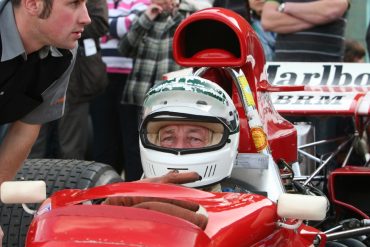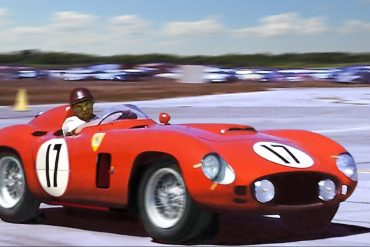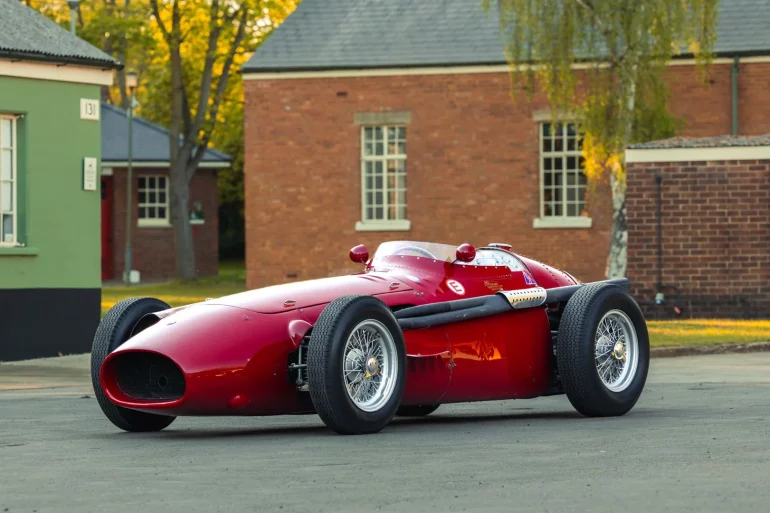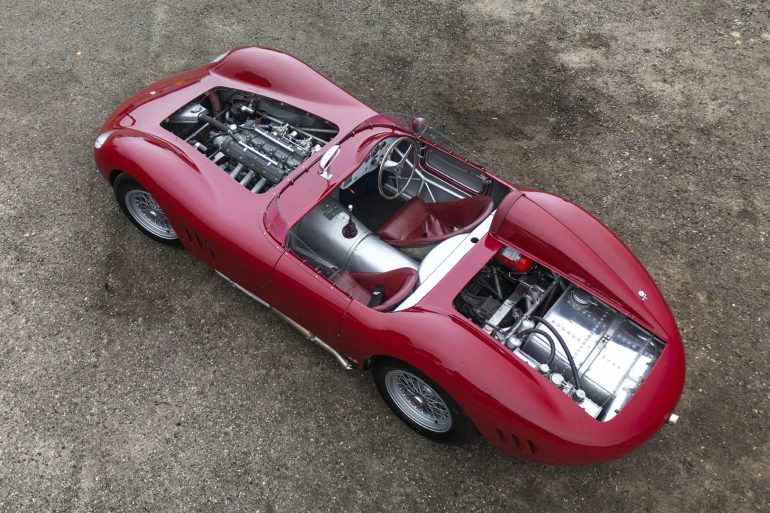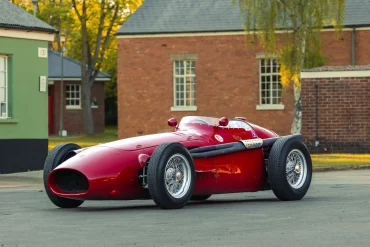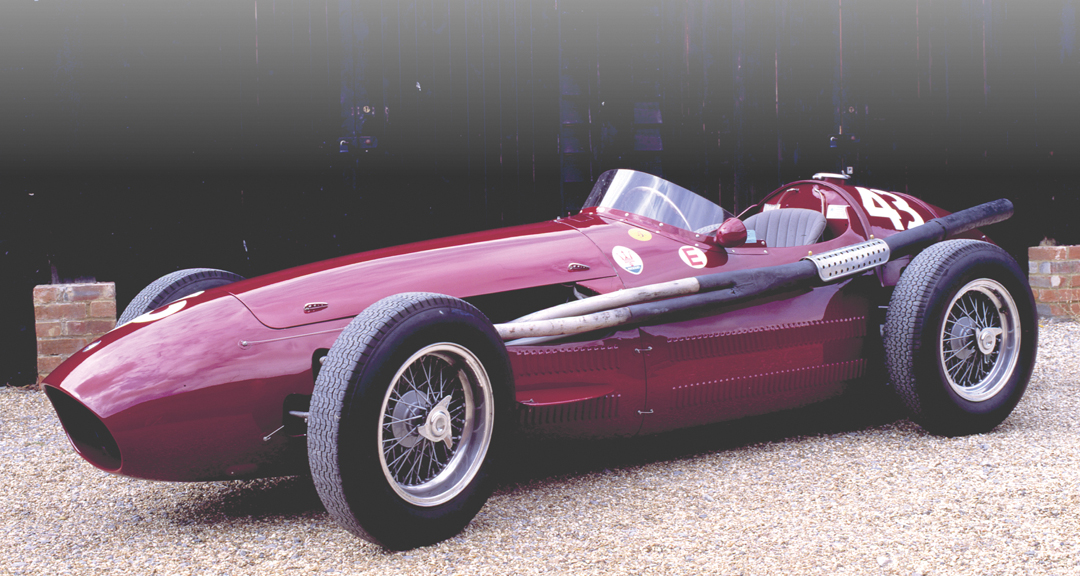
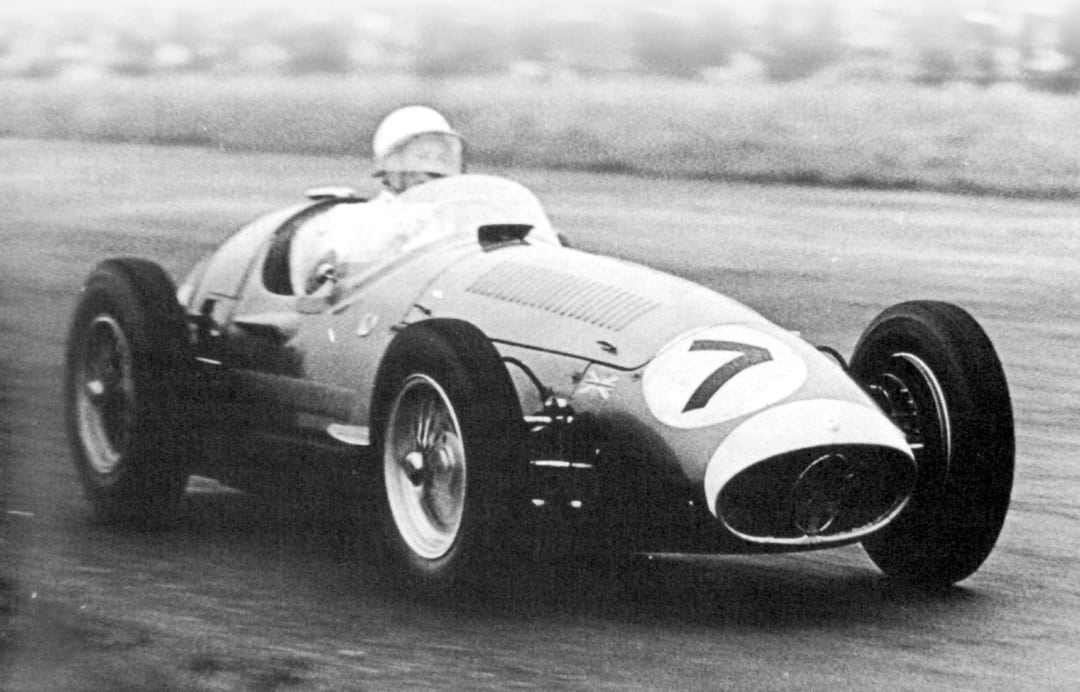
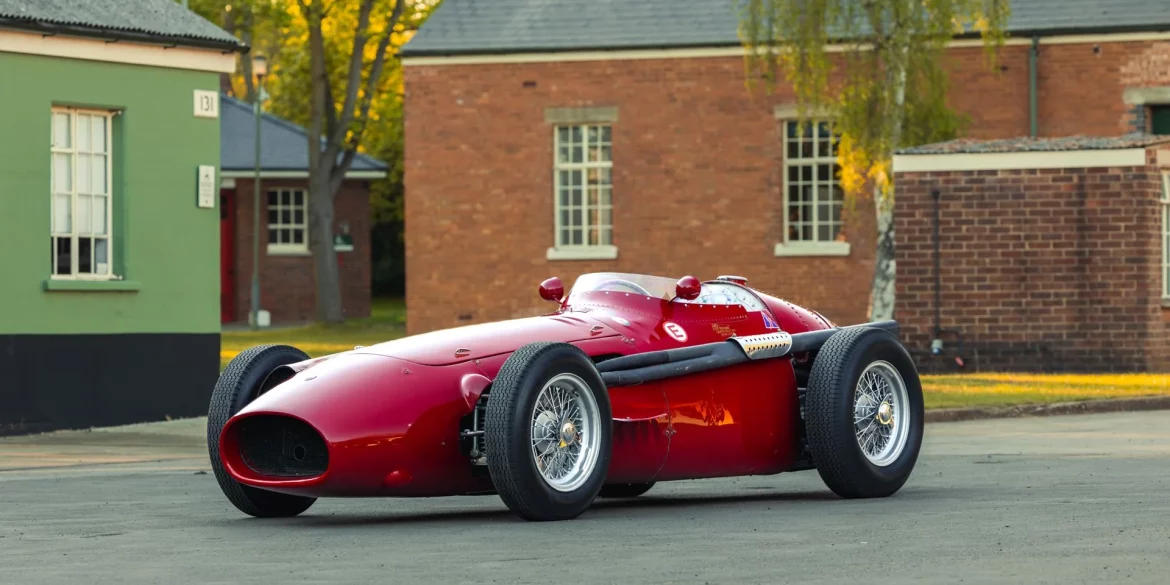
This 1954 Maserati 250F “CM4,” now offered through Broad Arrow Private Sales, is an exceptionally documented example of Cameron Millar’s celebrated continuation-built Grand Prix cars.

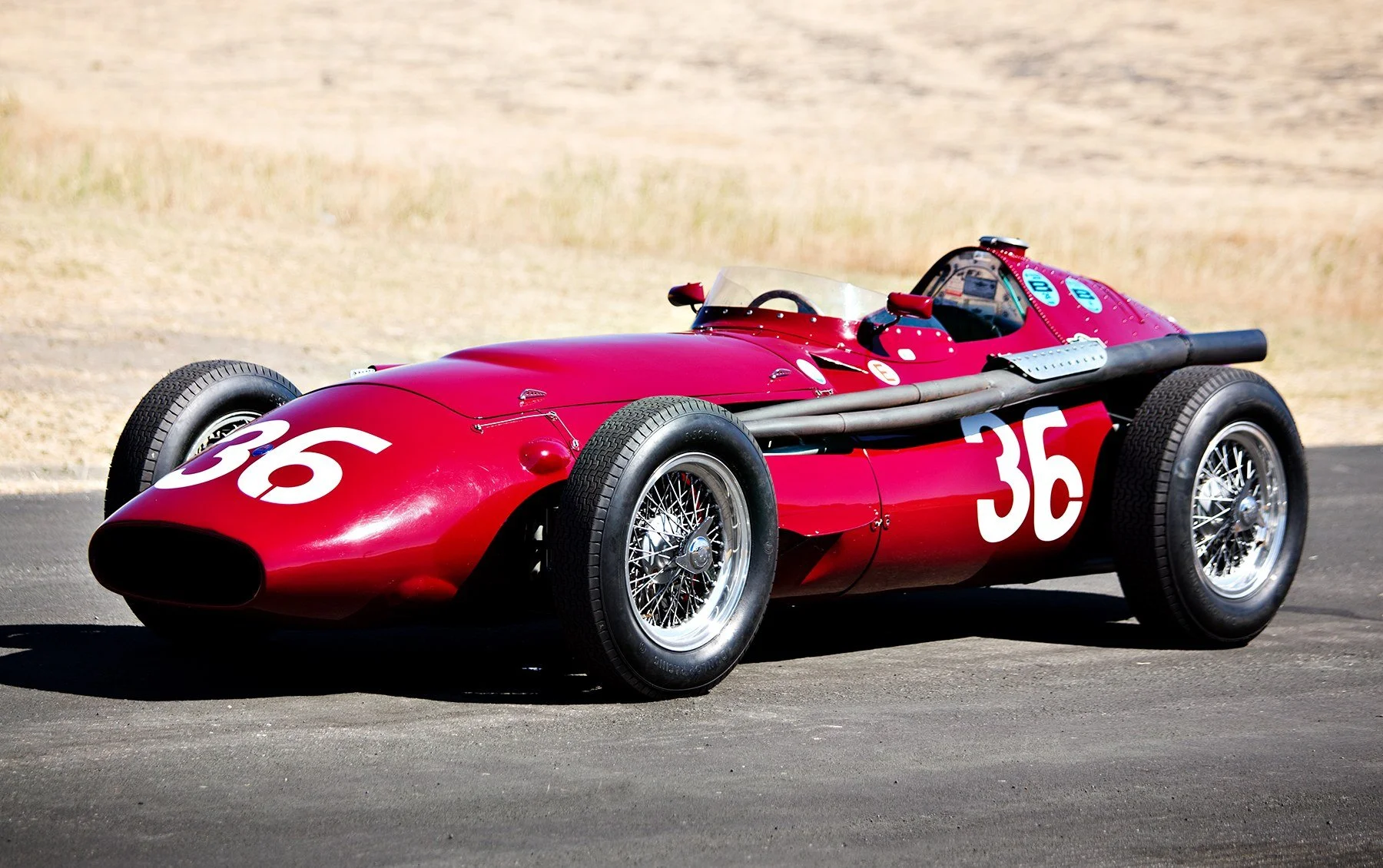
The classic front-engined Grand Prix car: a 2.5-litre straight-six in a tubular frame with a de Dion rear end and a body that looks right from every angle, built at Modena from 1954 to 1958 and raced by more drivers in more Grands Prix than any Formula One car before or since. Fangio won its first race in Argentina in January 1954 and his fifth and last title in it in 1957, with the drive at the Nürburgring that people still argue is the greatest ever; Moss bought one privately at 24 and led the Italian Grand Prix in it, and won Monaco and Monza for the works in 1956; and it carried the privateers, Bira and Gould and Halford and Schell, the Centro Sud and the Australians, through to 1960. Never the fastest, never the most powerful, the one everybody wanted. 79 Maserati 250F stories in the archive, in order.
The pieces to start with
Eight pieces on the car: Tim Considine's Four Maestros and a Masterpiece, Ian Wagstaff's Moss interview and Moss's Great Racecars, the Tony Robinson and Reg Hunt interviews, Robinson's The Impossible, Ed McDonough's Reims Glory Day and Mike Lawrence's Alfieri's Due.
No Formula One car started more Grands Prix, lasted longer or was driven by more people than the Maserati 250F. Tim Considine on the four men behind it, starting with Gioachino Colombo’s chassis and 2.5-liter six.
Ken Gregory and Alfred Moss bought a Maserati 250F with Stirling’s own money while he was in Nassau in 1954; it worried him, because now he had no excuses. Ian Wagstaff talks to Moss about the marque’s single-seaters.
Apprenticed at 14 to a London Ford dealer, 18 months in the RAF, then building trials cars for a glass merchant. Tony Robinson answered an ad at Ray Martin Motors and ended up on Stirling Moss’s Cooper-Alta. Part one.
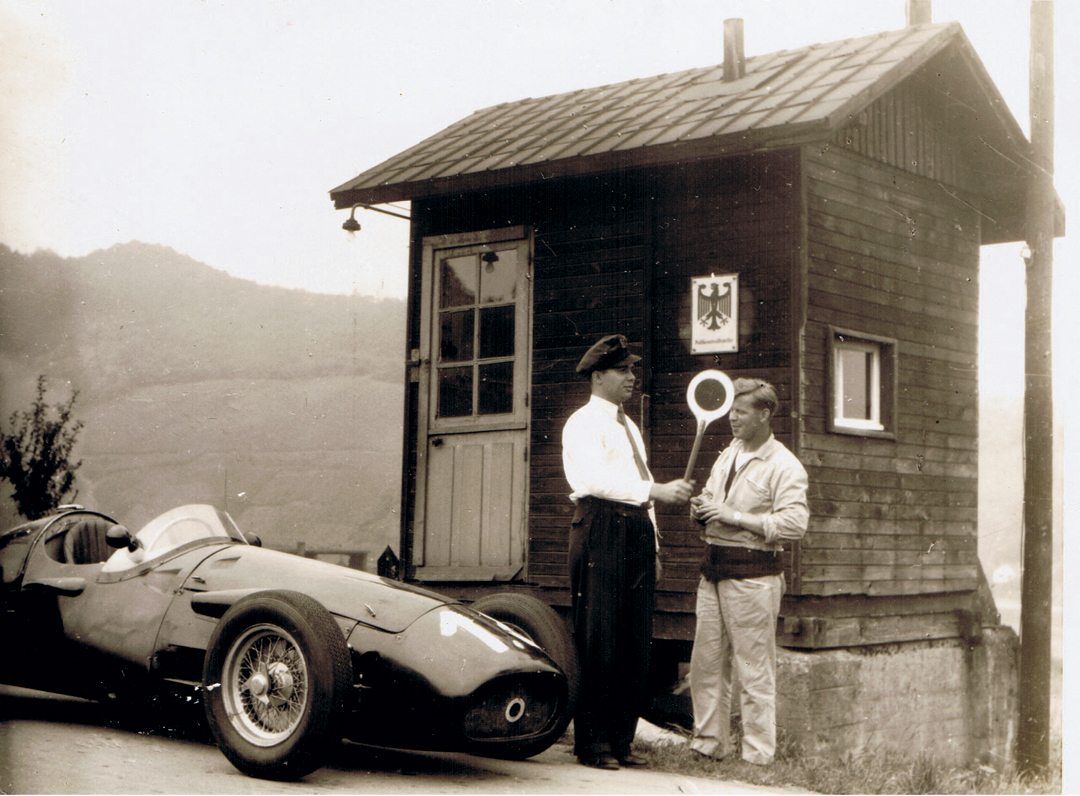
A big end went in the converted AEC coach carrying Bruce Halford’s Maserati 250F over the Montgenèvre, and the footbrake worked off the engine. His mechanic coasted into Briançon on the handbrake, then had to find another way to Caen.
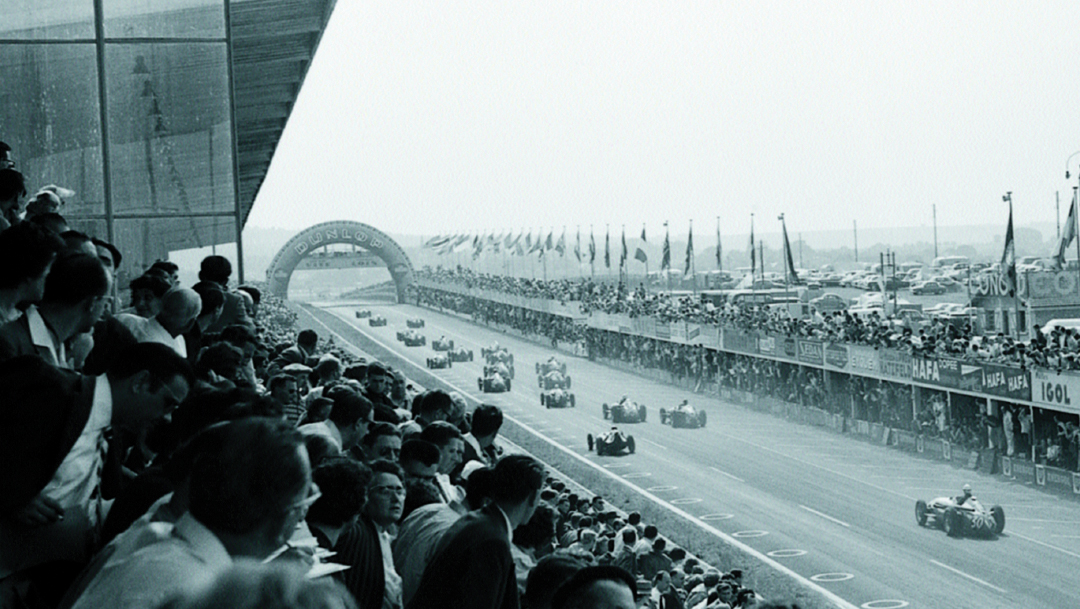
Reims, 6 July 1958: F2 in the morning, the French Grand Prix in the afternoon, and Collins, Moss, Brabham, Behra, Hill and three others drove both. Fangio came back for one last race. Ed McDonough reconstructs the day.
Reg Hunt left Manchester for Australia for his asthma, ran second to Brabham in the 1955 Australian GP in a Maserati and won the 1956 South Pacific Championship at Gnoo Blas in a 250F. Patrick Quinn met him in Orange.
In 1957 Fangio won the title in a Maserati and the 450S came within an ace of the sports car championship; then Maserati withdrew and left Italy to Ferrari. Mike Lawrence on the 250F and the brothers who founded OSCA.
Stirling Moss raced 84 models. The Mercedes 196 felt large and cumbersome with a back-to-front gearchange; the Lotus 19 was more sophisticated than the Cooper Monaco but less forgiving; the Lotus 23, driven only in retirement, was the nicest Lotus.
The newest writing on the Maserati 250F, as it is published.
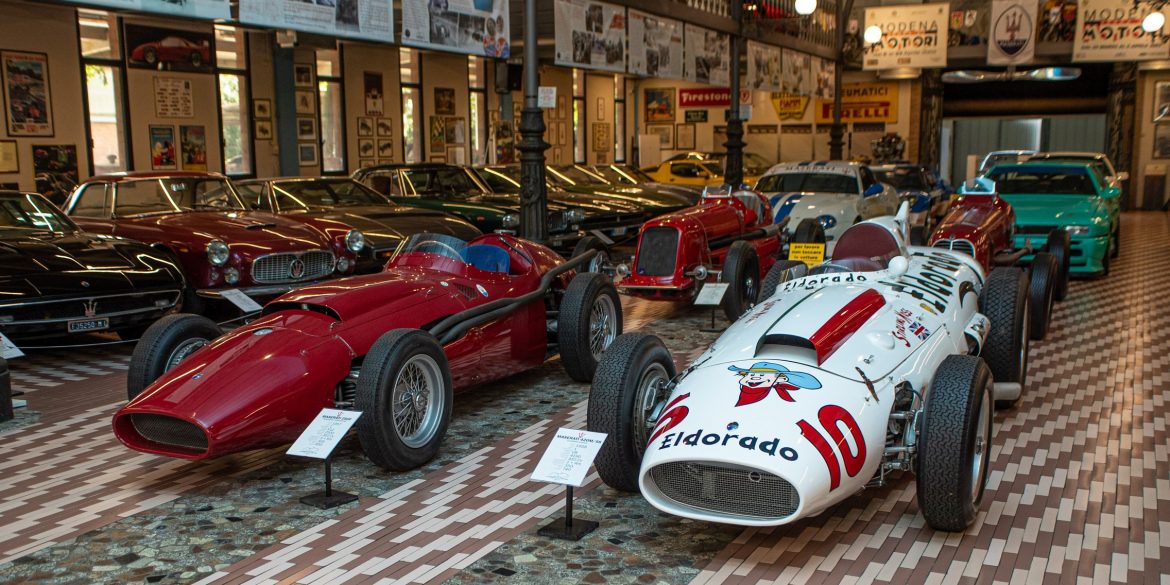
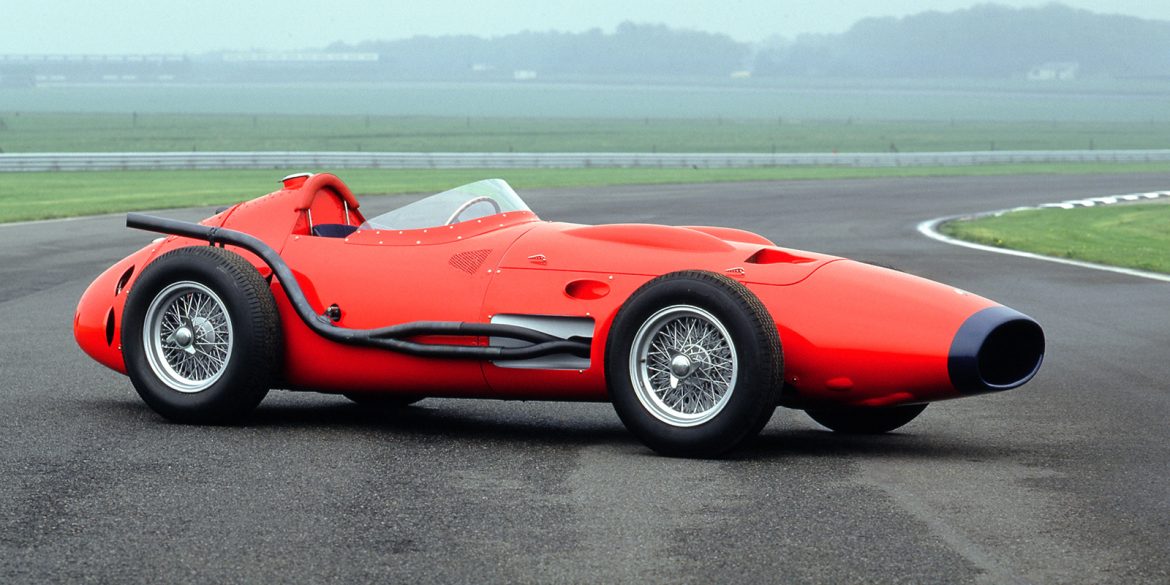

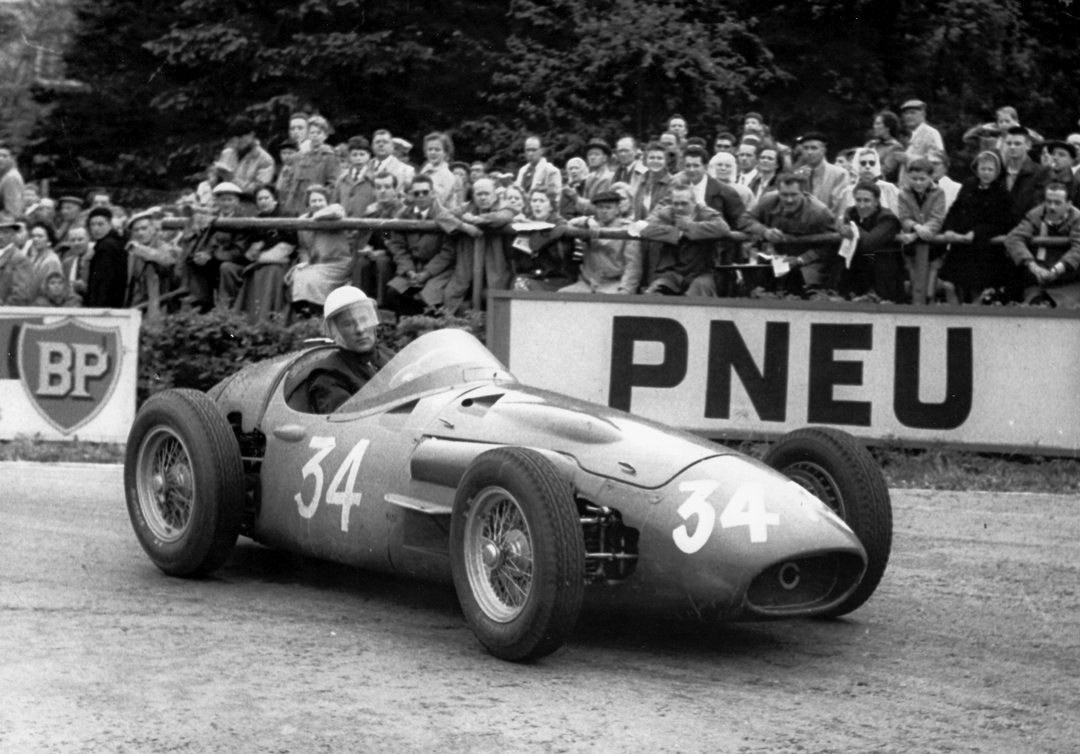
The Maserati 250F is the 2.5-litre Formula One car Maserati built for the new formula of 1954 and sold, as it sold everything after the war, to anyone who could pay, so that it was at once a works car for Fangio, Moss and Behra and the only serious Grand Prix car a private driver could buy for the whole of the 2.5-litre formula from 1954 to 1960. Its name is the engine, 2.5 litres, and the Formula, F; the engine was Gioacchino Colombo's development of the A6GCM's twin-cam six, 84 by 75 mm, 2,493 cc, with three Weber carburettors, 240 horsepower in 1954 and 270 by 1957 at 8,000 rpm, driving through a four- and later five-speed transaxle to a de Dion rear axle on a transverse leaf spring, with double wishbones and coils at the front, drum brakes all round and a multi-tubular frame of small-diameter steel that Valerio Colotti and Vittorio Bellentani drew and Giulio Alfieri refined into the lighter, lower T2 of 1956 and the offset-transmission lightweight of 1957. Medardo Fantuzzi's aluminium body, with its long oval nose, its wire wheels and the driver sat upright in the tail, is the shape people mean when they say Grand Prix car; the Tipo 250F of 1957 in Fangio's hands, drifting the Karussell, is the photograph. The works ran it from the Argentine Grand Prix of January 1954, which Fangio won first time out, to the end of 1957, when the Orsis' bankruptcy closed the racing department, and the customers ran it until 1960, when Bob Drake's 250F at Riverside made the last start for a front-engined car in a championship Grand Prix. Between 1954 and 1960 the 250F won eight world-championship Grands Prix, Fangio's Argentina and Belgium in 1954, Moss's Monaco and Monza in 1956, Fangio's Argentina, Monaco, Rouen and the Nürburgring in 1957, and the 1957 drivers' title, and started 277 times in the hands of some 70 drivers, which is the record Tim Considine's "Four Maestros and a Masterpiece" sets out.
Twenty-six cars were built at Modena, and several of them more than once, since Maserati renumbered, rebuilt and resold chassis in a way that has kept the historians busy ever since; the V12-engined 250F of 1957 and the "Piccolo" of 1958 were the last developments, the Tecnica Meccanica and the Centro Sud teams the last works-supported entrants, and Reg Hunt's and Stan Jones's cars took the 250F to Australia, where it won the Australian Grand Prix in 1956 with Moss and 1959 with Jones. Peter Giddings's and the Goodwood Revival's Richmond Trophy grids have kept them racing for fifty years, and the Cameron Millar continuation cars of the 1970s and 1980s have added to the count. The archive has 79 Maserati 250F stories: Considine's history, Ed McDonough's "Reims Glory Day", Ian Wagstaff's interview with Moss and Moss's own "Great Racecars", the interviews with Tony Robinson, who built Moss's 250F, and Reg Hunt, Robinson's tale of hauling Bruce Halford's car across the Alps, Mike Jiggle's 1954 German Grand Prix, Robert Newman's Fangio and "Moss on Fangio", Mike Lawrence's "Alfieri's Due" and his Fangio statistics, the "Greatest Racecar?" question answered twice, Dennis David's data page, and the Revivals, Monaco Historiques and Members' Meetings where the 250Fs run. The Maserati page carries the company and the Grand Prix History hub the formula; the Front-Engine Grand Prix era chapters it there.
The 2-litre Formula Two that served as the world championship in 1952 and 1953 had given Maserati the A6GCM, a six-cylinder car that Fangio won the 1953 Italian Grand Prix in, Ferrari's only defeat in two years, and Gioacchino Colombo, who had designed Ferrari's V12 and come to Maserati in 1953, drew the car for the 2.5-litre formula of 1954 from it: the six enlarged to 2,493 cc with a new twin-plug head, the gearbox moved to the back in unit with the final drive for balance, the de Dion tube, a longer and wider frame. Colombo left for Bugatti before the car raced; Bellentani and Colotti finished it, and Alfieri, who arrived in 1953, developed it for four seasons. The first two cars went to Argentina in January 1954 for Fangio and Onofre Marimón, and Fangio won the Argentine Grand Prix in the rain on 17 January, the 250F's first race, and the Belgian Grand Prix at Spa in June, before Mercedes-Benz's W196 was ready and he left for it as agreed; Robert Newman's "Fangio, Marque of Greatness" and Mike Jiggle's 1954 German Grand Prix are the archive's accounts of that year, which Mercedes won. The customers were already in the queue: Prince Bira's and Roy Salvadori's Gilby car, Harry Schell's, Louis Rosier's, and a 24-year-old from London who had been refused a Mercedes drive and whose manager Ken Gregory bought him chassis 2508, painted it green with a cream nose, as Tony Robinson, who prepared it, tells in his archive interview, and took it to the Continent.
Every story on the site from the 1946–60 formula, newest first; the era page has it in full.
Moss's private 250F of 1954 made him: third at Spa, a works drive for the Italian Grand Prix at Monza, where he led until the oil tank split with ten laps to run and pushed the car across the line, and the Mercedes contract for 1955 that followed. He came back to Maserati as team leader in 1956, when Mercedes had withdrawn, and won the Monaco Grand Prix and the Italian Grand Prix, where Fangio's Lancia-Ferrari gave up and Peter Collins gave Fangio his car for the title; Moss's "Great Racecars" in the archive, Ian Wagstaff's long interview and Robert Newman's "Moss on Fangio" are his own view of the 250F, which he always said was one of the cars that taught him to drive, light enough to be steered on the throttle and honest when it let go. The works cars of 1955 and 1956, with Jean Behra, Luigi Musso, Cesare Perdisa and Piero Taruffi, were second-best to Mercedes and then to Ferrari's Lancias, but the privateers filled the grids, Horace Gould, Bruce Halford, Jack Brabham for one race, Bira, Schell, Francesco Godia-Sales, Luigi Piotti, the Owen Organisation's car for Collins, and the 250F was also the car of the Formule Libre and Tasman races in Australia and New Zealand, where Reg Hunt and Stan Jones imported theirs; Patrick Quinn's interview with Hunt, who was fourth in the 1956 Australian Grand Prix behind Moss, Behra and Whitehead in three 250Fs, is that side.
Every story on the site about the car that took Fangio away in 1954, newest first.
Every story on the site about the 1956 rival, newest first.
Fangio came to Maserati for 1957 because Ferrari would not pay what he asked, and Alfieri gave him the lightweight 250F, 20 kg lighter and lower with the engine canted and the driveline offset to the left, 270 horsepower; Behra, Schell and Carlos Menditéguy were his team-mates, with Moss gone to Vanwall. He won the Argentine Grand Prix in January, Monaco in May after the Vanwalls and Ferraris had crashed at the chicane, the French Grand Prix at Rouen in July with the car drifting the downhill sweeps in the photographs that fixed its image, and then, on 4 August at the Nürburgring, the German Grand Prix: a planned half-tank start and a tyre stop that went wrong and cost 48 seconds to Hawthorn and Collins in the Ferraris, then ten laps in which he broke the lap record nine times, by up to 24 seconds a lap, caught both on the last lap but one and passed them, at 46, for his 24th and last Grand Prix win and his fifth title. He said afterwards he had never driven like that before and never would again. Ed McDonough's "Reims Glory Day" is the 1958 race, with the old 250Fs still filling the Centro Sud and private entries behind the Ferraris and Vanwalls; Fangio's own last race was the French Grand Prix there in July 1958, fourth in a 250F, and Hawthorn, lapping him, lifted off so that the old man would not be lapped. Mike Lawrence's "Fangio, Statistics and the Great Pub Debate" and "Alfieri's Due" weigh the man and the engineer; Robert Newman's Fangio portrait and the centenary tribute are the lives.
Every story on the site about Moss's 1957–58 car, newest first.
The Orsis' Maserati went into receivership at the end of 1957 and the works team closed, the 1957 title having been paid for with the firm; the 250F went on without it. The V12 car of 1957, with a 2.5-litre twelve of 310 horsepower that Behra tried at Monza, was a dead end that became the Birdcage's Tipo 63 engine; the Piccolo of 1958, a smaller, lighter 250F built for Fangio and the customers, was the last variant. In 1958 and 1959 the Scuderia Centro Sud, Temple Buell's team with Masten Gregory and Carroll Shelby, Jo Bonnier, Maria Teresa de Filippis, the first woman to start a championship Grand Prix, and the usual privateers kept the 250F on the grids of a formula that Cooper's rear-engined cars were taking apart; Tony Robinson's "The Impossible", on hauling Bruce Halford's 250F across the Alps in a converted coach to the 1957 German Grand Prix, is what privateer racing was. Stan Jones won the 1959 Australian Grand Prix at Longford in his, and in November 1960 Bob Drake's 250F at the United States Grand Prix at Riverside was the last front-engined car to start a world-championship Grand Prix. By then the car had done 277 championship starts, more than any Formula One design before or since.
The 250F went straight into the first historic races of the 1960s, as "Historic Roots" in the archive recalls, de Graffenried's car among the demonstration grids and Charles Lucas's ex-Behra works car bought for almost nothing, and it has been the backbone of front-engined Grand Prix racing ever since: the HGPCA, the Goodwood Revival's Richmond Trophy, the Monaco Historique's 1950s race, the Members' Meeting, with Peter Giddings's 1956 car the most raced of all, as Howden Ganley's "Elegant Racecars" notes. Because Maserati's records are what they are and because so many cars were rebuilt from parts, the 250F's chassis numbers are the most argued over in the sport; Cameron Millar built continuation 250Fs from factory parts and patterns in the 1970s and 1980s, and they race too, the archive's 2026 for-sale piece being one of them. A works 250F with Fangio or Moss history is a $5–8 million car, a privateer car with a championship record $3–5 million, a Millar continuation a fraction of that; Nick Mason's, which the "Greatest Racecar?" column of 2008 is about, Giddings's and the Fangio cars in the Maserati and Fangio museums are the known ones. The Maserati auction and for-sale feeds below carry them as they come up.
Where the 250Fs race the Richmond and Gordon Trophy, newest first.
A table of the car and its racing from the A6GCM of 1953 to the historic grids of 2026, with the archive's story of each year linked, follows this chapter. The model names link to every story on the site; the People, Race and Event links open their threads.
Seven racing seasons and sixty years of historic racing: the car, the racing and the archive's story of each. Model names link to every story on the site; the People, Race and Event links open their threads.
| Year | The car | The racing | In the archive |
|---|---|---|---|
| 1952–53 | A6GCS · Fangio · Gioacchino Colombo | The A6GCM in the 2-litre formula; Fangio wins the 1953 Italian Grand Prix in one; Colombo arrives and draws the 2.5-litre car for 1954 | Alfieri's Due · The Brothers and Others, Part 2 · Grand Prix History hub |
| 1954 | 250F · Fangio · Stirling Moss · Argentine Grand Prix · German Grand Prix | Fangio wins the Argentine Grand Prix on 17 January, the 250F's first race, and Belgium, then leaves for Mercedes; Marimón killed at the Nürburgring; Moss's private 2508 leads Monza; the first customers | Four Maestros and a Masterpiece · 1954 German Grand Prix · Interview: Tony Robinson · Fangio, Marque of Greatness |
| 1955 | 250F · Jean Behra · Luigi Musso · Mercedes W196 | Mercedes' year; Behra, Musso and Mieres for the works; the privateers, Bira, Gould, Rosier, the Owen car for Collins; the 250F to Australia | Remembering Ken Gregory · Interview: Reg Hunt |
| 1956 | 250F · Stirling Moss · Monaco Grand Prix · Italian Grand Prix · Lancia D50 | Moss leads the works and wins Monaco and Monza in the T2; Fangio's title in the Lancia-Ferrari with Collins's car; Moss wins the Australian Grand Prix; Reg Hunt fourth behind three 250Fs | Stirling Moss: Great Racecars · Interview: Sir Stirling Moss · The 1956 Monaco Grand Prix |
| 1957 | 250F · Fangio · Nürburgring · German Grand Prix · French Grand Prix · Monaco Grand Prix | The lightweight; Fangio wins Argentina, Monaco, Rouen and, on 4 August at the Nürburgring, the German Grand Prix from 48 seconds down, his 24th win and fifth title; the V12 tried at Monza; Halford's privateer season; the works closes in December | Moss on Fangio · The Impossible, by Tony Robinson · Fangio, Statistics and the Great Pub Debate · Juan Manuel Fangio |
| 1958 | 250F · Reims · French Grand Prix · Masten Gregory | The Piccolo; Fangio's last race, fourth at Reims; the Centro Sud and Temple Buell cars with Gregory and Shelby; Maria Teresa de Filippis the first woman to start a Grand Prix | Reims Glory Day · Greatest Racecar? Maserati 250F |
| 1959–60 | 250F · Cooper T53 · Jack Brabham | The rear-engined Coopers take the formula; Stan Jones wins the 1959 Australian Grand Prix; Bob Drake's start at Riverside in November 1960, the last for a front-engined car | USAC Road Racing, Part 1 · Maserati 250F, Dennis David |
| 1960s–80s | 250F · HGPCA · Peter Giddings | Into historic racing at once: the first demonstration grids, Charles Lucas's ex-Behra works car for a song, the HGPCA; Cameron Millar's continuations | Historic Roots · Elegant Racecars, by Howden Ganley |
| 2008–14 | 250F · Goodwood Revival · Members' Meeting | Nick Mason's 250F in the Greatest Racecar? column; the Richmond Trophy at the Revival; the Fangio centenary tribute at Goodwood; the first Members' Meeting; the Monaco Historique | Celebrating 100 Years of Fangio · Goodwood Revival 2013: Richmond Trophy · Monaco Historic Grand Prix 2014 |
| 2015–20 | 250F · Goodwood Revival · Stirling Moss | The Richmond and Gordon Trophy; Reg Hunt at 94; Moss dies in April 2020 | Goodwood Revival 2015: Richmond and Gordon Trophy · Remembering Stirling Moss |
| 2023–26 | 250F · Maserati | A 1954 250F as Car of the Day; the Maserati Museum at Modena; a Cameron Millar continuation for sale | The Maserati Museum in Modena · 1954 Maserati 250F by Cameron Millar, for sale |
The Grand Prix History hub and the Formula 1 page carry the championship in full; the Front-Engine Grand Prix era chapters the 250F among the W196, D50 and Vanwall; the Maserati page carries the company.
Nine cards follow for the 250Fs and their rivals: the A6GCM, the 1954 works car, Moss's 2508, the T2 of 1956, the 1957 lightweight and Fangio's Nürburgring car, the V12 and the Piccolo, the privateers' and Centro Sud cars, the continuations, and the W196, D50 and Vanwall it raced against; each links to its thread here, and below them the W196, Lancia D50 and Vanwall threads.
Nine cars from the archive, from the A6GCM to the Vanwall; each links to every story on the site.
Juan Manuel Fangio, who won its first race and its title; Stirling Moss, who bought one and then led the works; Jean Behra, Luigi Musso, Harry Schell, Carlos Menditéguy, Onofre Marimón, who was killed in one at the Nürburgring in 1954, Piero Taruffi, Cesare Perdisa; Gioacchino Colombo, Vittorio Bellentani, Valerio Colotti and Giulio Alfieri; Medardo Fantuzzi; Guerino Bertocchi and the Orsis; Nello Ugolini, the team manager; the privateers, Prince Bira, Roy Salvadori, Horace Gould, Bruce Halford, Louis Rosier, Francesco Godia-Sales, Jo Bonnier, Masten Gregory, Maria Teresa de Filippis, Reg Hunt, Stan Jones, Bob Drake; Ken Gregory, Alf Francis and Tony Robinson of Moss's team; and the keepers, Peter Giddings, Nick Mason, Cameron Millar. The Fangio, Moss and Behra threads open below.
Every story on the site about the man who won the 250F's first race and its title, newest first.
Every story on the site about the man who bought one and then led the works, newest first.
Every story on the site about the works' other driver, newest first.
The 250F market is a market in histories. A works car with a Fangio or Moss win is $5–8 million and would be more if one came up; a works or works-supported car with podiums $4–6 million; a privateer car with a continuous history $3–5 million; a car assembled from period parts with a disputed number $1.5–3 million; a Cameron Millar continuation $600,000 to $1 million. The questions, which the archive's and the Maserati Club's historians have spent decades on: which frame, which engine and which number a car carries and when, since Maserati reused numbers and rebuilt crashed cars under old ones; whether the engine is a 250F six or a later replacement; and the body, since Fantuzzi's aluminium rarely lasted two seasons. The feeds below carry the Maseratis as they come up.
Auction previews and results, the 250Fs among them, newest first.
250Fs and other Maseratis offered by dealers and collectors, newest first.
Built 1954–58, 26 cars (plus rebuilds and renumberings); Cameron Millar continuations from the 1970s. Engine 2,493 cc straight-six, 84 x 75 mm, 240 hp (1954) to 270 hp (1957); V12 250F 1957, 310 hp. Weight about 630 kg (1957 lightweight). First race and win: Argentine Grand Prix, 17 January 1954, Fangio. World-championship wins 8: Argentina and Belgium 1954 (Fangio), Monaco and Italy 1956 (Moss), Argentina, Monaco, France and Germany 1957 (Fangio). Drivers' champion 1957, Fangio's fifth. Championship starts 277, about 70 drivers, 1954–60; last start Riverside, 20 November 1960, Bob Drake. Australian Grand Prix 1956 (Moss) and 1959 (Jones). Nürburgring, 4 August 1957: lap record broken nine times, 48 seconds recovered. Market: works Fangio/Moss cars $5–8 million; privateer cars $3–5 million; continuations $600,000–1 million. 79 stories in the archive.
Short answers, with the long ones above.
2.5 litres and Formula: the car Maserati built for the 2.5-litre Formula One that ran from 1954 to 1960, following its own naming for the 2-litre A6GCM and the sports 300S.
Gioacchino Colombo laid it out in 1953 from the A6GCM; Vittorio Bellentani and Valerio Colotti finished it after he left; Giulio Alfieri developed it through 1957; Medardo Fantuzzi made the bodies.
Its first race, the 1954 Argentine Grand Prix, and the Belgian Grand Prix that year; then in 1957 Argentina, Monaco, France and Germany and his fifth world championship. The 1957 German Grand Prix at the Nürburgring, where he made up 48 seconds on the Ferraris in ten laps, is the drive he and most people rated his greatest.
Yes: he bought one privately in 1954, led the Italian Grand Prix in it, and in 1956 led the works team and won Monaco and Monza; he always counted it among the cars that taught him most.
Twenty-six between 1954 and 1958, though rebuilds and renumbering mean the chassis histories are the most disputed in Grand Prix racing; Cameron Millar's continuation cars of the 1970s and 1980s add to the number on historic grids.
The smaller, lighter 1958 version of the car, built for Fangio's last season and the customers; the V12-engined 250F of 1957 was the other late variant, tried by Behra at Monza and abandoned.
No, that was the Ferrari Dino 246 in 1960; but Bob Drake's 250F at Riverside in November 1960 was the last front-engined car to start a world-championship Grand Prix.
$5–8 million for a works car with Fangio or Moss history, $3–5 million for a privateer car with a continuous record, and $600,000 to $1 million for a Cameron Millar continuation; the chassis history decides everything.
The Goodwood Revival's Richmond and Gordon Trophy, the Grand Prix de Monaco Historique, the Goodwood Members' Meeting and the HGPCA's races in Europe, and the Monterey Reunion in America; several run every year.
Nothing from Maserati, which closed its works team at the end of 1957 and did not build another Formula One car; the Cooper-Climax and the rear-engined formula replaced the front-engined car altogether by 1960.
The whole archive on one thread, newest first.