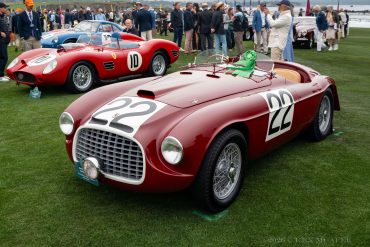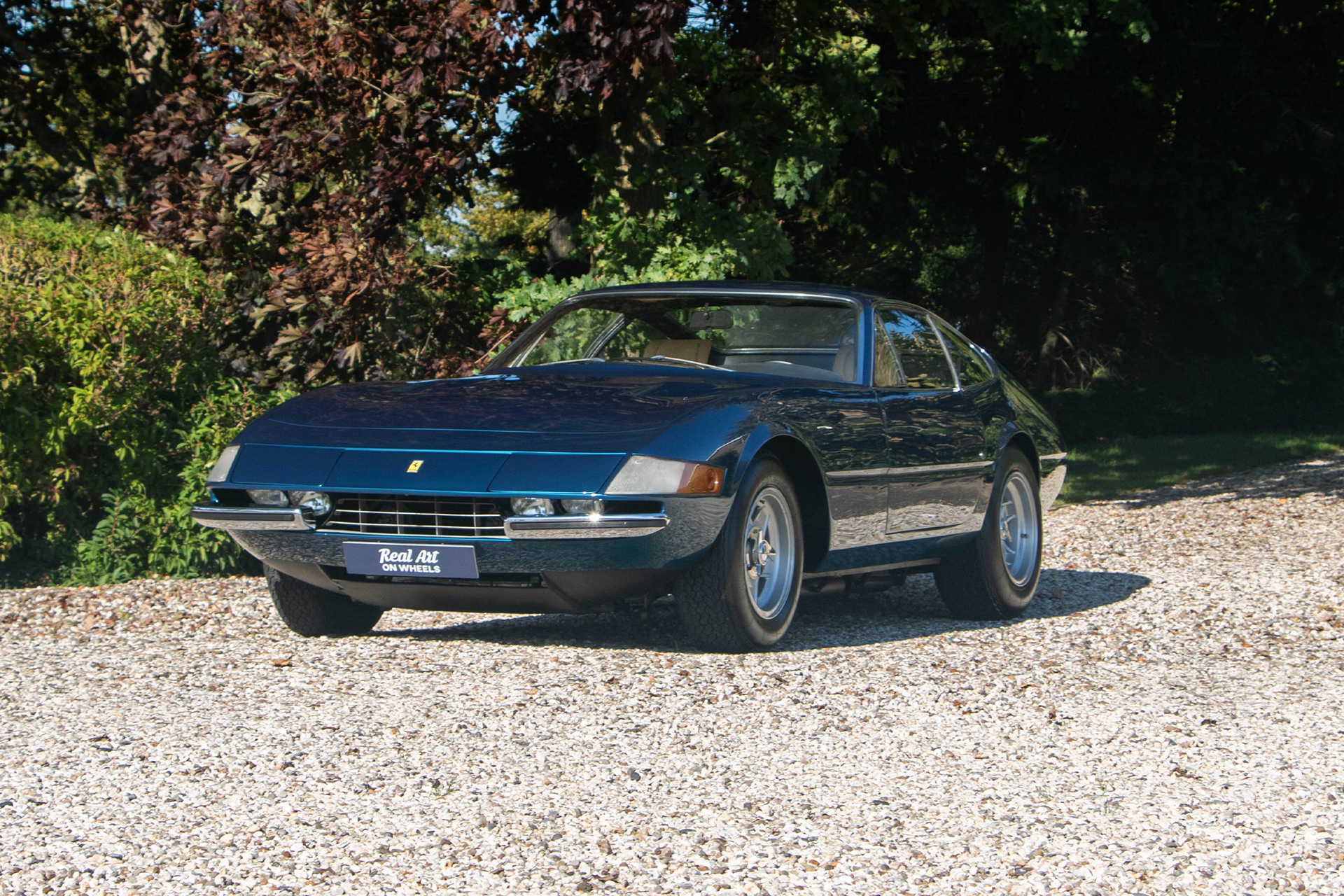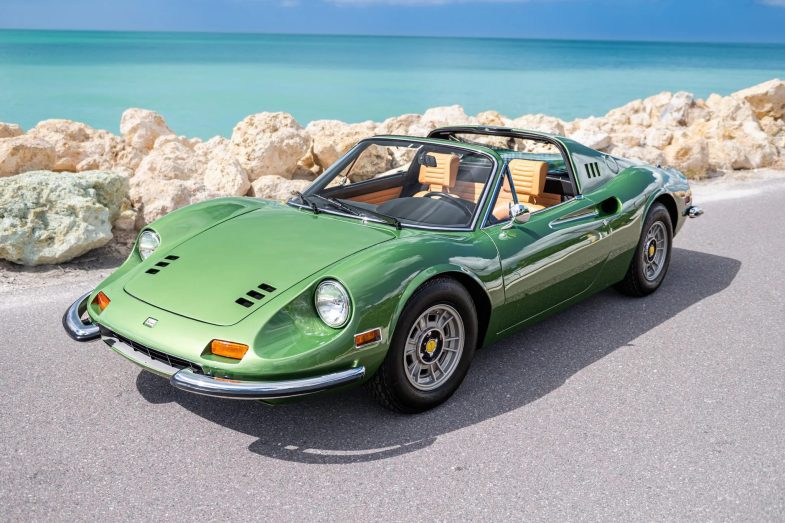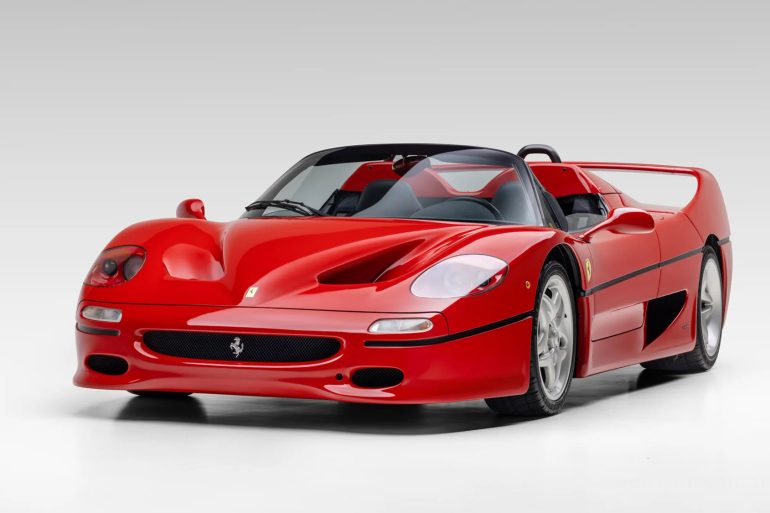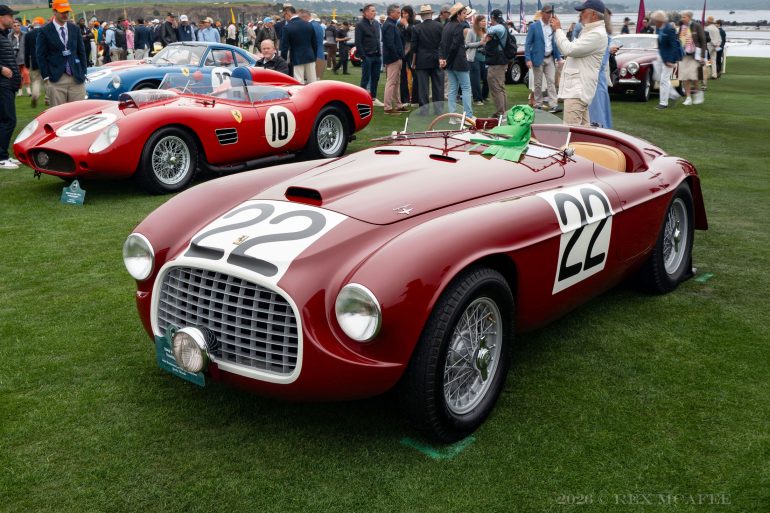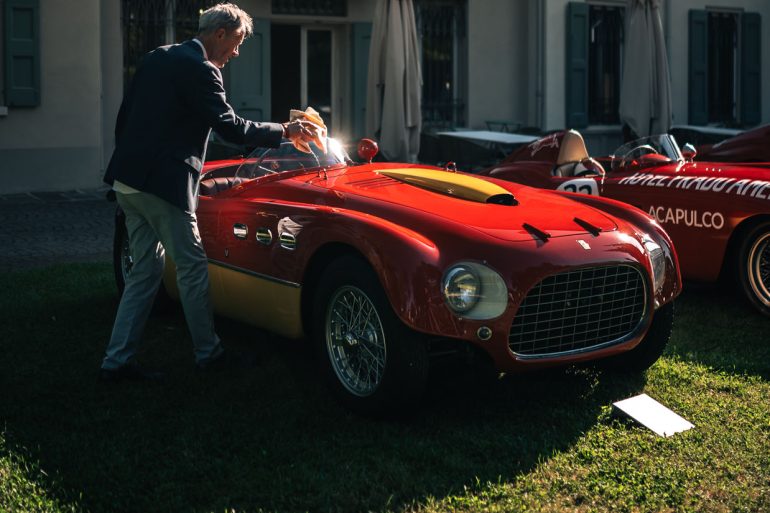
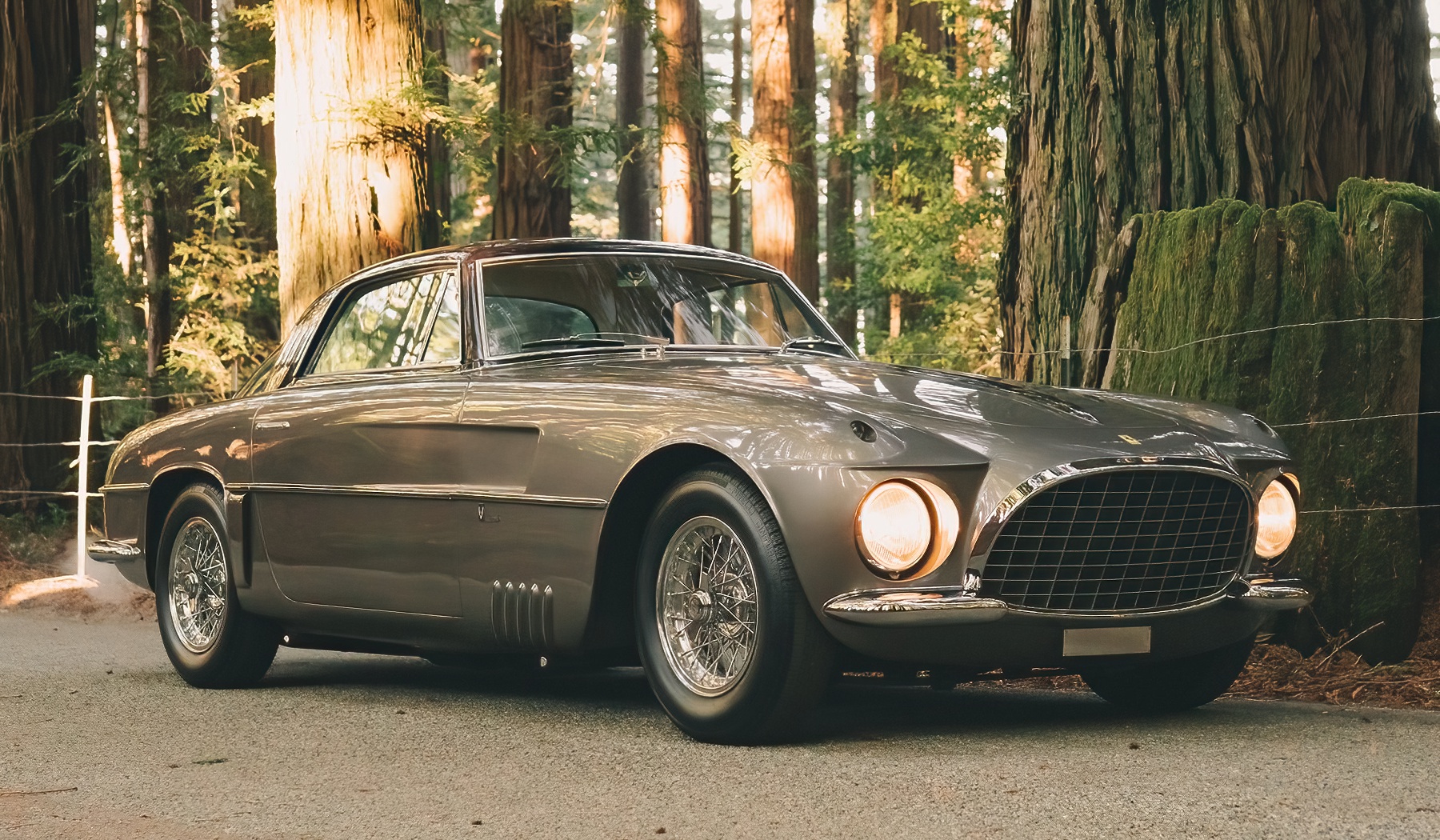
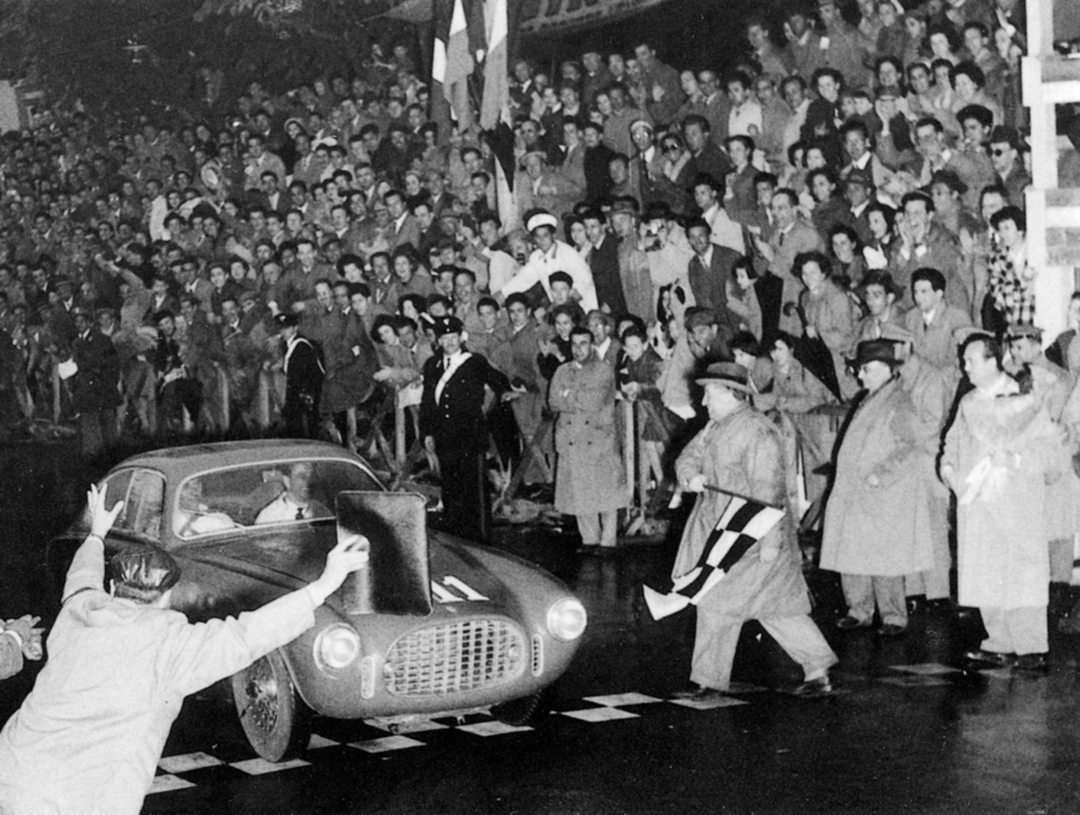
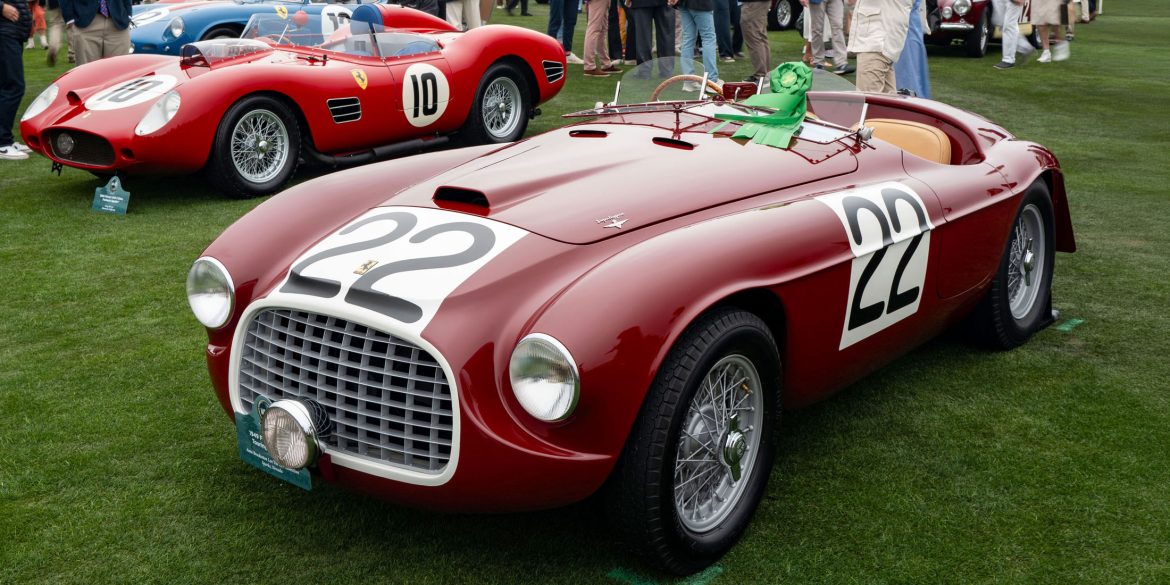
Jim Kimberly brought the first Ferrari to Pebble Beach in 1951, a 166 MM Barchetta, and overturned it in the road race; Ginger Rogers kissed him afterward. Phil Hill won there in a 250 MM two years later.

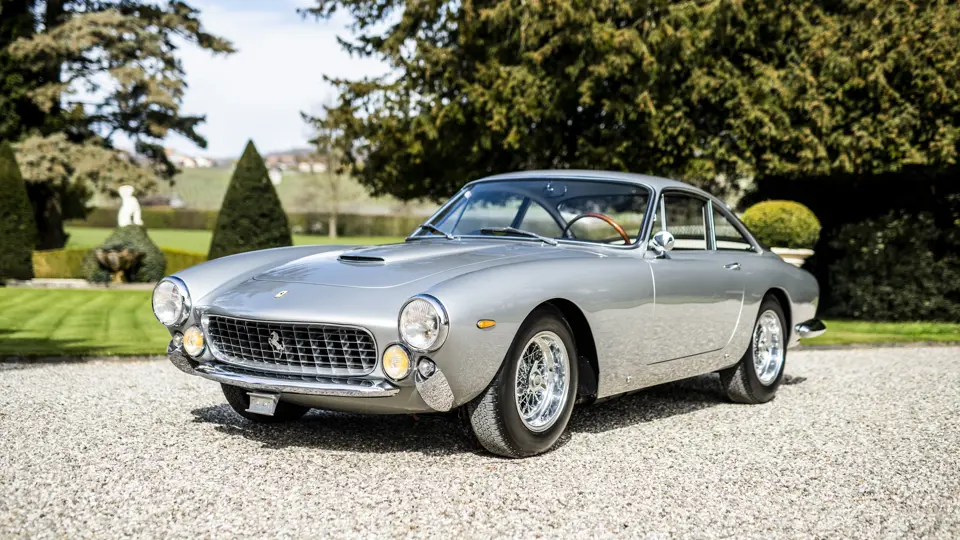
Twelve years of one engine: Gioacchino Colombo's three-litre V12, 250 cc a cylinder, in the cars that made Ferrari a road-car company and won it the first GT championships. From Bracco's 250 S on the 1952 Mille Miglia through the Europa, the Boano coupés, Scaglietti's Tour de France berlinettas, the California Spider, Pinin Farina's coupés and cabriolets, the SWB that Moss drove to two Tourist Trophies, the GT/E that paid for the racing and the Lusso that closed the line, to the GTO and the 250 LM that grew out of it: about 2,500 cars, and the most valuable family of automobiles in the world. The archive has 321 Ferrari 250 GT stories, from Ed McDonough's SWB to Karl Ludvigsen on the 250 LM this month, and this page puts them in order. The 250 GTO has a page of its own.
The pieces to start with
Eight pieces on the family: a Tour de France risen from the ashes, Brad Jansen on the California Spider, Alan Boe on the GT/E, Stephen Mitchell's first drive in his Lusso, Glen Smale on Ferrari GT design, Rex McAfee's 250 Europa Vignale, Robert Newman's Giovanni Bracco and Karl Ludvigsen on the 250 LM.
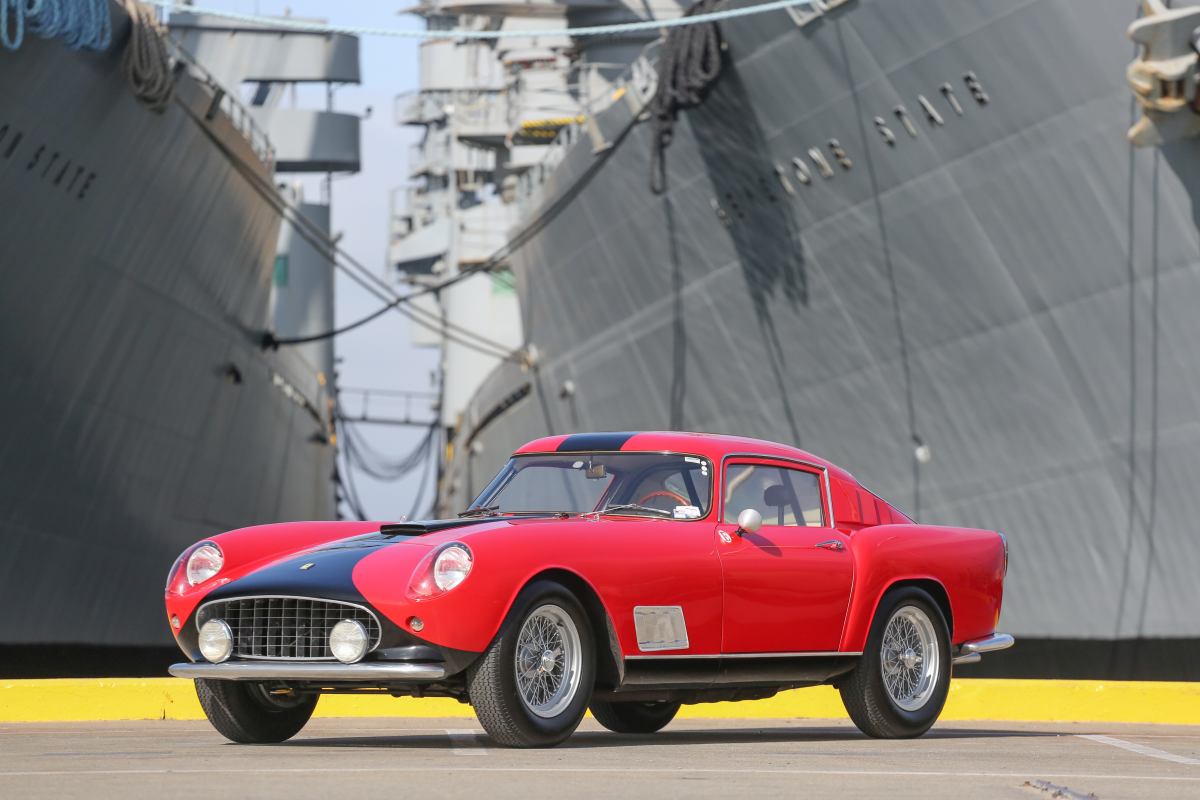
The Tour de France ran five or six days over open French roads, hillclimbs and circuits, and gave Ferrari’s 250 GT LWB Berlinetta its name. The Scaglietti-bodied forerunner of the SWB and GTO, with a 1958 example in focus.
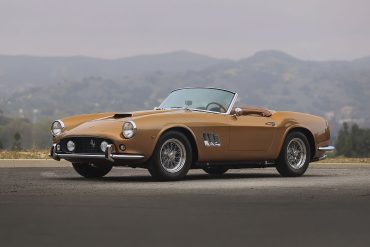
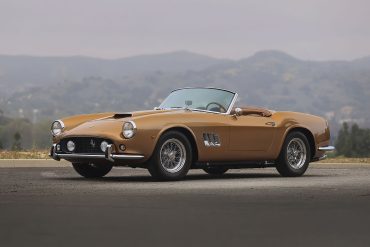
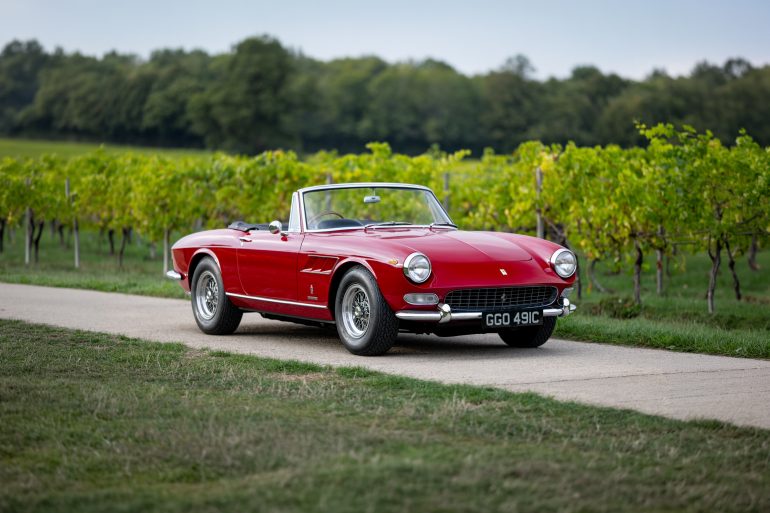
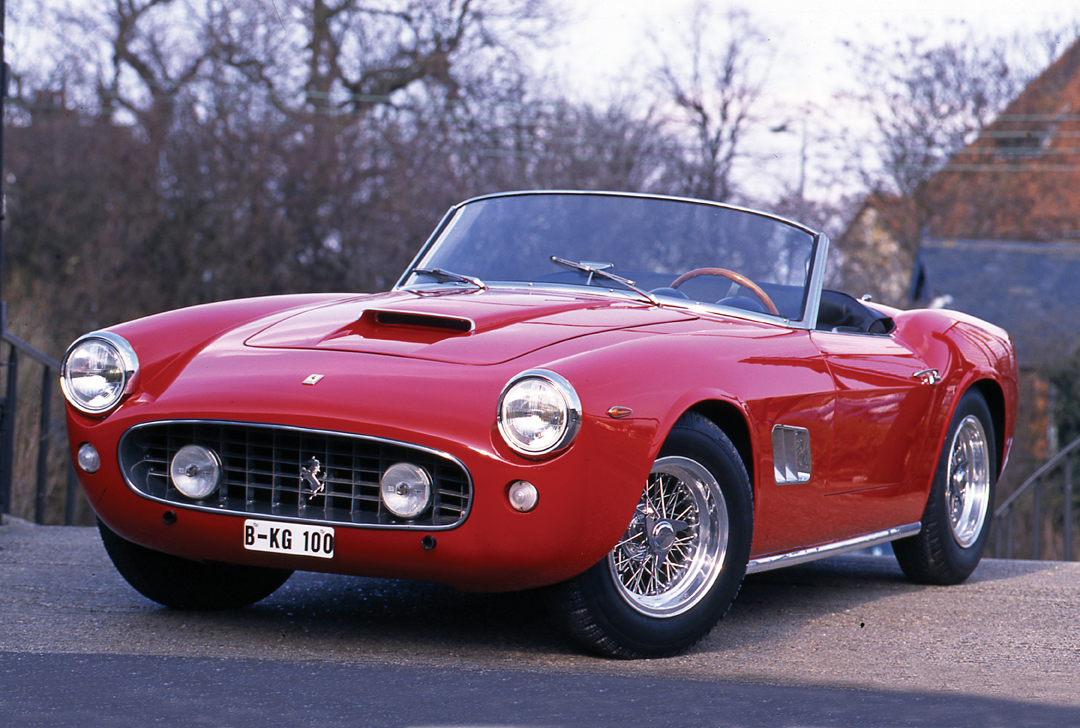
In the 1958 I-Spy Book of Motor-Cars a Morris Oxford scored two points and a 250 California Spider 100. Between 1957 and 1963 Ferrari built its 250 GT convertibles as four models from two carrozzerie, two on sale at once.
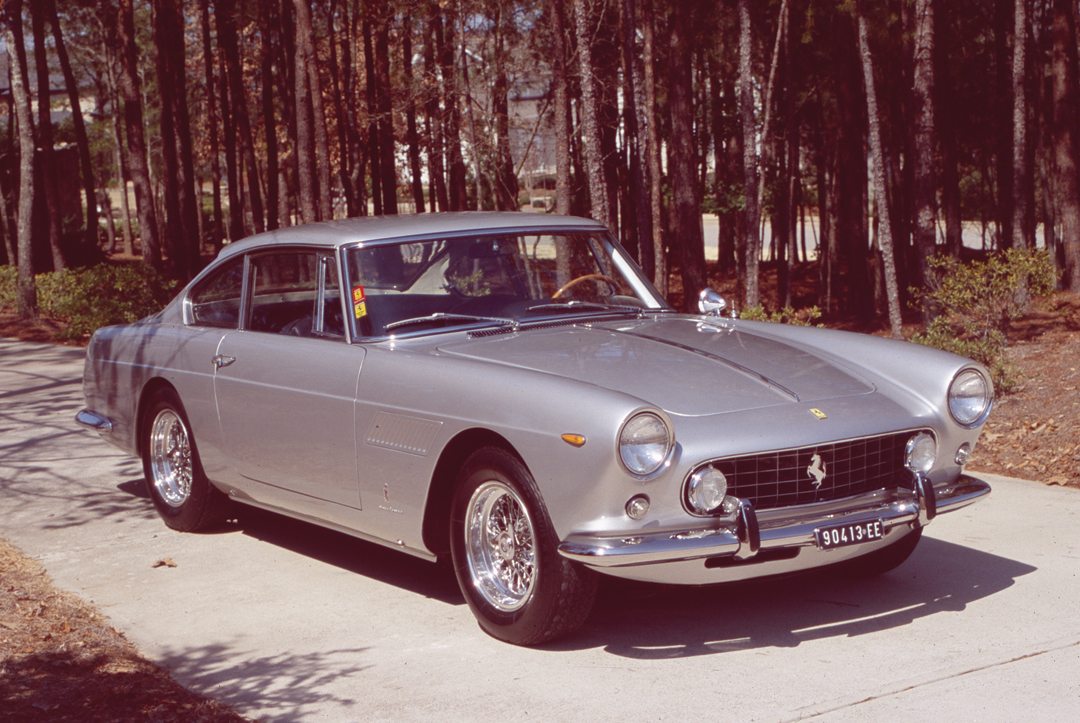
Of 954 Ferrari 250 GT/Es built, Tom Wilson’s register counts 81 parted out and 167 cut into replica SWBs, GTOs, Testa Rossas and Californias; about 500 survive. Alan Boe on the donor car that is at last getting its due.
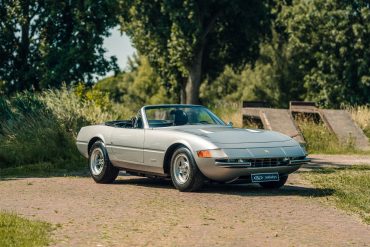
A year of E-Type breakdowns across the California desert and Route 66 sent Stephen Mitchell toward the Ferrari he had wanted since seeing Jill St. John drive a 250 GT Lusso at Riverside. Only 351 were built.
Turin made armor in the fourteenth century, says RCA design head Dale Harrow, and the metal craft never left. Glen Smale opens a series on 1960s Ferrari GT design with the shift from 2,600 mm to 2,400 mm wheelbases.
Although Ferrari is among the most globally-recognized Italian brands today, the company was largely unheard of in 1953...
Giovanni Bracco won the 1952 Mille Miglia chain-smoking and swigging red wine, a year after chasing Villoresi’s 4.1-litre Ferrari to within two minutes in a 1750-cc Lancia Aurelia. Robert Newman on the industrialist from Biella.
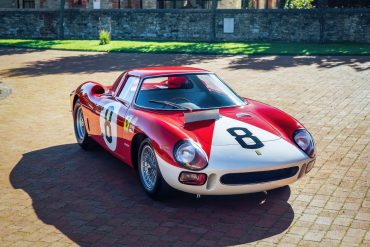
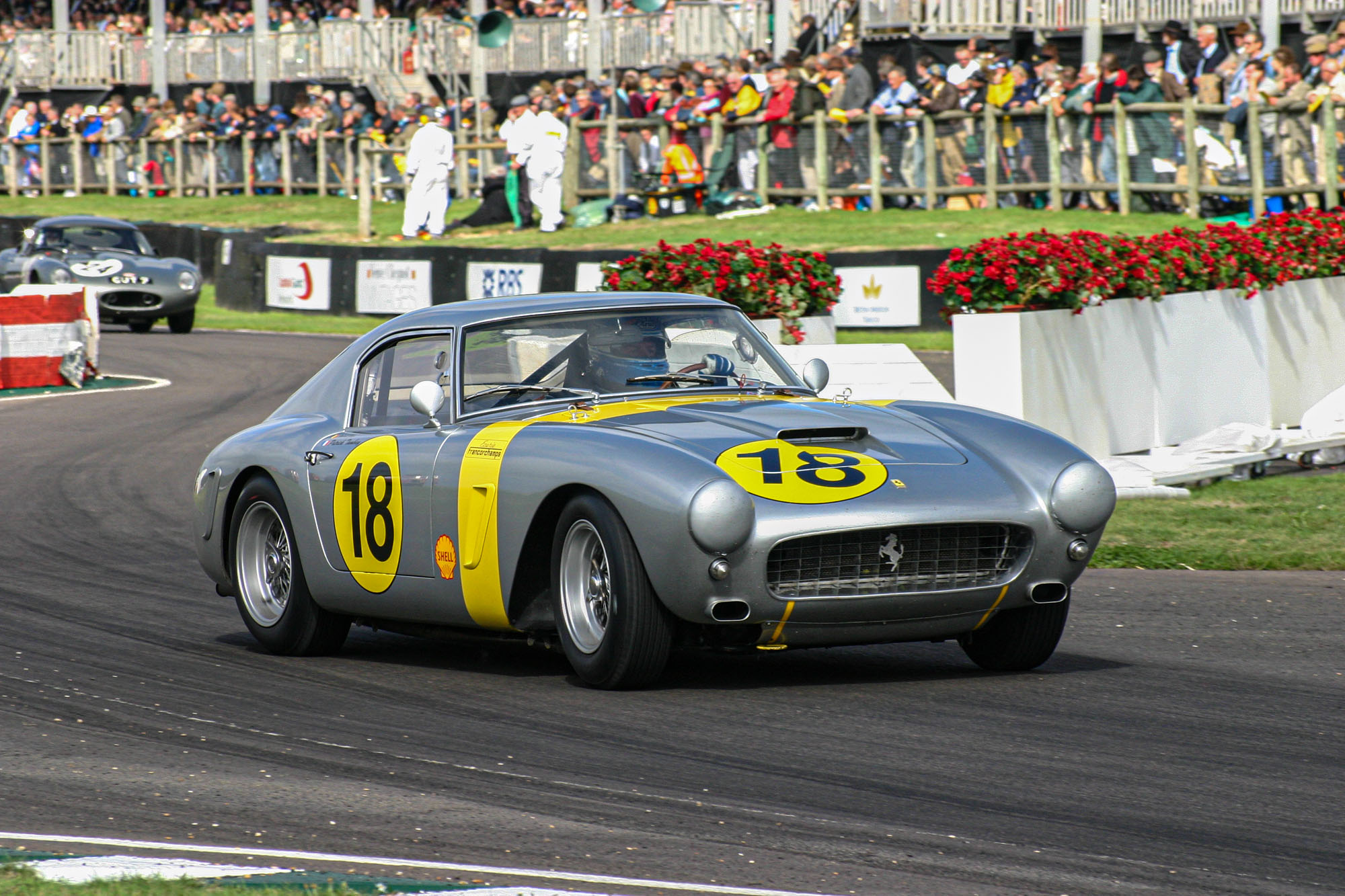
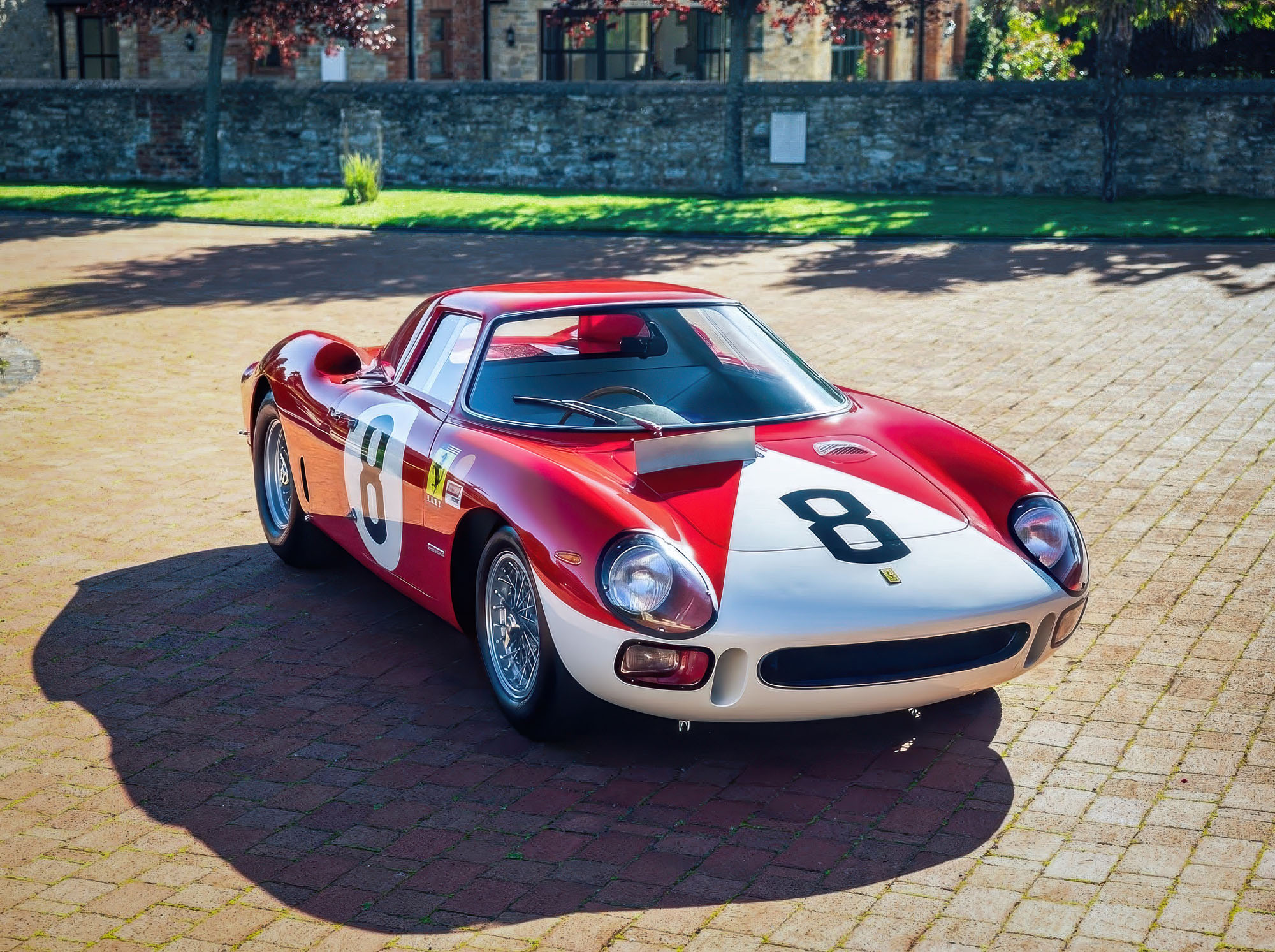
Unveiled at the Paris Salon in October 1963 as the roofed version of the 250 P, the 250 LM was booked to replace the 250 GTO and, Karl Ludvigsen writes, was “every centimeter the 250 P with a lid on.”
The newest writing on the Ferrari 250 GT family, as it is published.
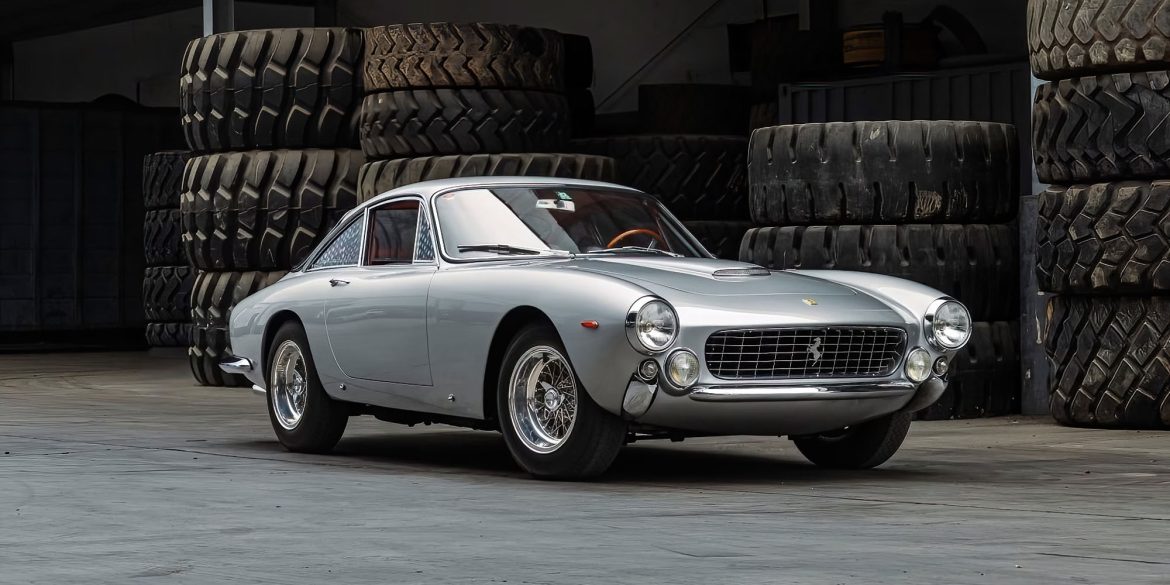
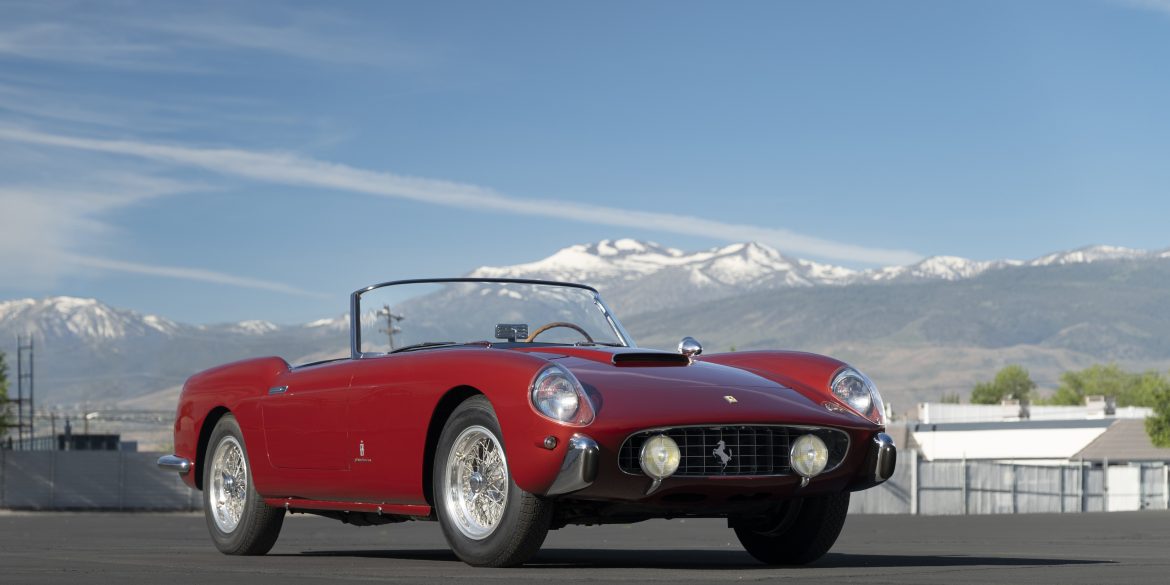
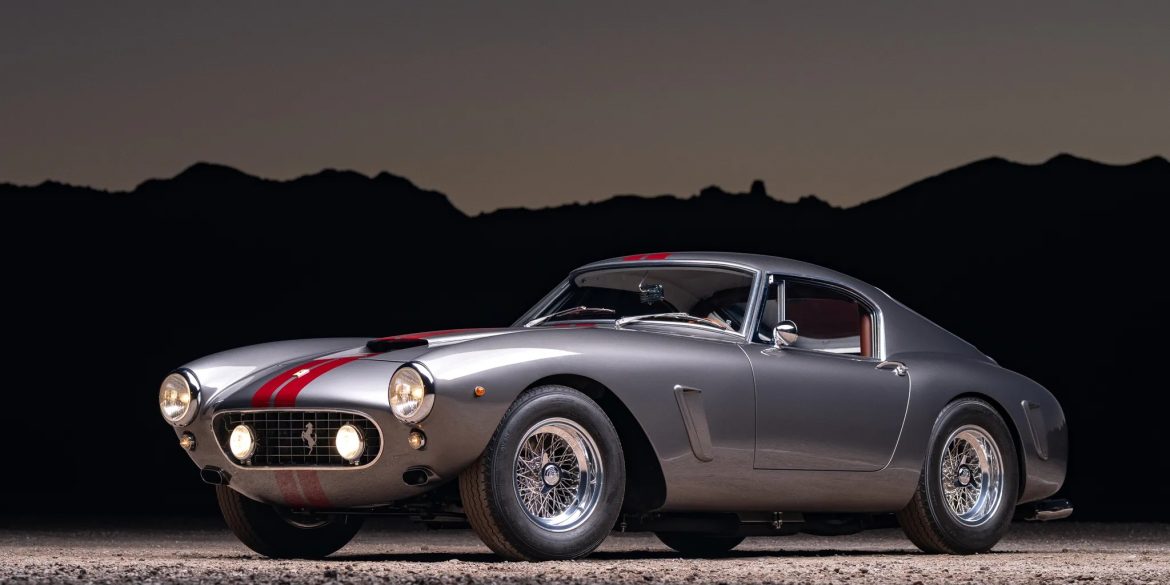
The 250 GT is not one car but a family, named for the swept volume of each of the twelve cylinders of Colombo's short-block V12: 2,953 cc, 3 litres, the engine Ferrari used in its road and GT cars from the 250 S of 1952 to the last Lusso of 1964, and in the Testa Rossa, the 250 P and the 250 LM alongside them. The road and GT cars on the 250 GT chassis, the long 2,600 mm wheelbase from 1954 and the short 2,400 mm one from 1959, were bodied by Pinin Farina, Vignale, Boano and Ellena, Zagato, Bertone and above all Sergio Scaglietti, and they fall into a dozen types: the 250 Europa and Europa GT of 1953–55, the Boano and Ellena coupés of 1956–58, the Berlinetta "Tour de France" of 1956–59, the Cabriolet Series I and II, the Coupé Pinin Farina, the California Spider in long- and short-wheelbase forms, the SWB Berlinetta of 1959–62, the GT/E 2+2 of 1960–63 and the Lusso of 1962–64, with the GTO of 1962–64 as the competition car at the end. About 2,500 were built in all, 954 of them GT/Es, and the rarest types number in the dozens.
The 250 GT won the Tour de France Automobile every year from 1956 to 1964, the Tourist Trophy of 1960 and 1961 with Stirling Moss, the GT class at Le Mans from 1959 to 1963, the Targa Florio and Sebring GT classes and the first three FIA GT championships, and it did so with cars that could be, and were, driven to the circuit. Its values put it in a class of its own: the GTO is the most expensive car ever sold, the California Spiders and SWB Berlinettas have passed $17 million, the Tour de France $13 million, and even the GT/E, Alan Boe's "shunned, snubbed and overlooked" four-seater, is now a half-million-dollar car. The archive's coverage runs from Robert Newman's Giovanni Bracco and Rex McAfee's 250 Europa Vignale to Glen Smale's three-part history of Ferrari GT design and Ludvigsen's 250 LM, with the Tour de France, California Spider, SWB, GT/E and Lusso each having a thread of their own, and the chapters below follow it.
Gioacchino Colombo drew Ferrari's first V12 in 1946, a 1.5-litre 60-degree single-cam engine with a 58.8 mm stroke that grew through the 166, 195 and 212 to the 2,953 cc 250 of 1952, in which the bore reached 73 mm and the name reached its final form. The first car to carry it was the 250 S, a single Vignale berlinetta on the 225 S chassis, and Giovanni Bracco drove it to win the 1952 Mille Miglia in the rain over the Mercedes-Benz 300 SLs, chain-smoking and drinking red wine as he went, in the race Newman's profile of him describes; the 250 MM of 1953, 31 cars with Pinin Farina berlinetta and Vignale spider bodies, took the name from it. At the same Paris Salon of 1953 Ferrari showed the 250 Europa, a road car on the 2,800 mm chassis of the 375 America with Aurelio Lampredi's long-block three-litre, about twenty built by Pinin Farina and Vignale and the subject of Rex McAfee's story of the Vignale coupé that came to market in 2023; a year later the 250 Europa GT put Colombo's engine back in a 2,600 mm chassis with coil-spring front suspension, and that car, some 35 of them, is where the 250 GT line proper begins. Alan Boe's Royal Ferraris follows the Europa GT and the specials that followed it into the garages of Prince Bernhard and the kings of Belgium, and Glen Smale's first part of Ferrari GT Design in the 1960s sets the Vignale and Pinin Farina cars in the story of Italian coachbuilding.
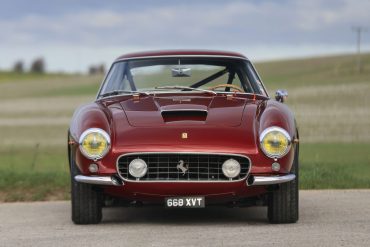
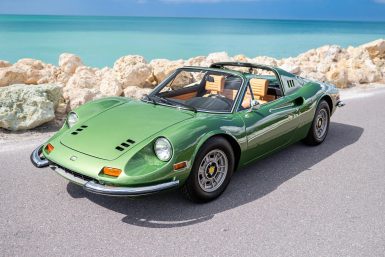
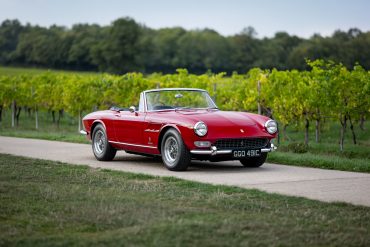
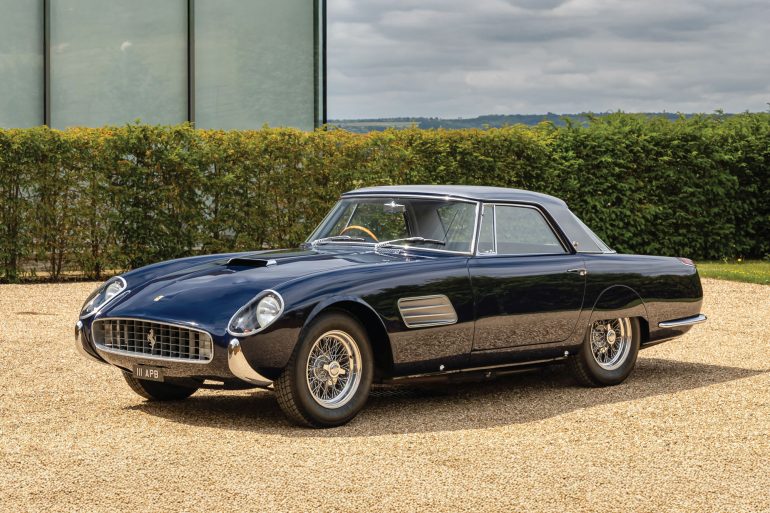
Pinin Farina's own works could not build the 250 GT coupé in the numbers Ferrari now wanted, so from 1956 the body went to Mario Boano's new carrozzeria and, when Boano left for Fiat, to his son-in-law Ezio Ellena, and the 130-odd Boano and Ellena coupés of 1956–58 were the first Ferraris built in anything like a series. The competition version, built by Scaglietti to Pinin Farina's lines, was the 250 GT Berlinetta that took the name of the race it owned: Alfonso de Portago won the 1956 Tour de France Automobile, Olivier Gendebien the 1957, 1958 and 1959 editions, and the 77 "Tour de France" berlinettas, in their 14-louvre, three-louvre, single-louvre and covered-headlight series, with five Zagato-bodied cars among them, won the GT class at Le Mans and the Mille Miglia and the Targa Florio with the same ease. The archive's Risen from the Ashes is a 1958 car's story, Willem Oosthoek's Dunnellon Park has one racing in Florida, Art Evans's Before the Cobra has Scaglietti building Carroll Shelby and Jim Hall a copy of its shape, and the Zagato car of David and Ginny Sydorick won Salon Privé in 2022 and the 1956 Competizione the Peninsula Best of the Best. Pinin Farina added the Cabriolet Series I in 1957, forty cars with the Scaglietti-built California Spider following for the American market at Chinetti's and John von Neumann's urging, fifty long-wheelbase Spiders by 1960, and the 353 Coupé Pinin Farina of 1958–60, the first 250 GT built on a line in Turin.
Every story on the site about the long-wheelbase competition cars, newest first.
Every story on the site about the open 250 GT, newest first.
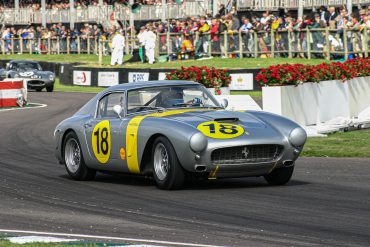
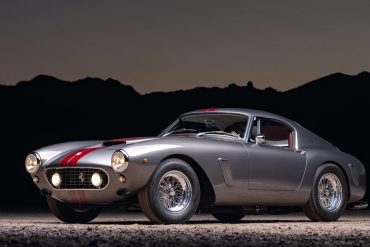
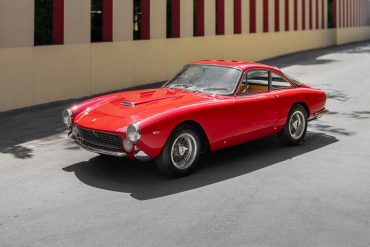
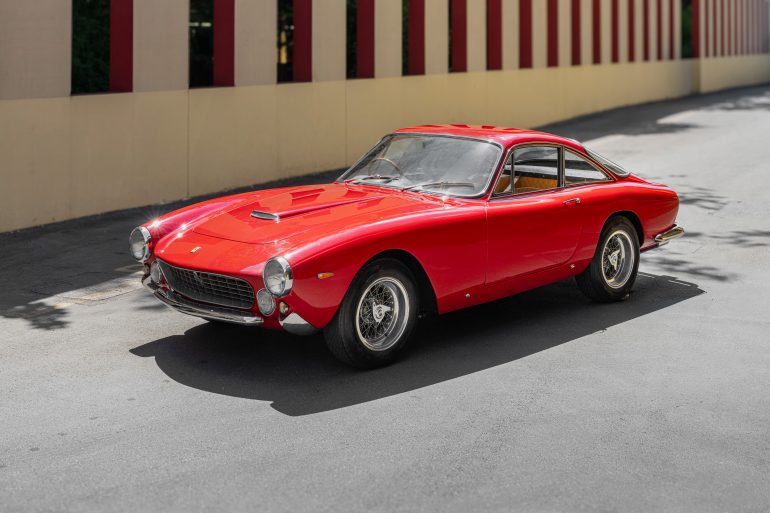
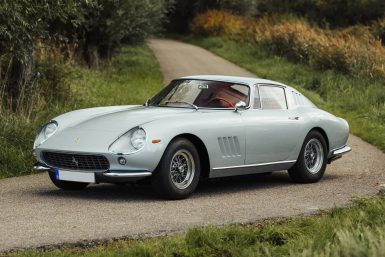
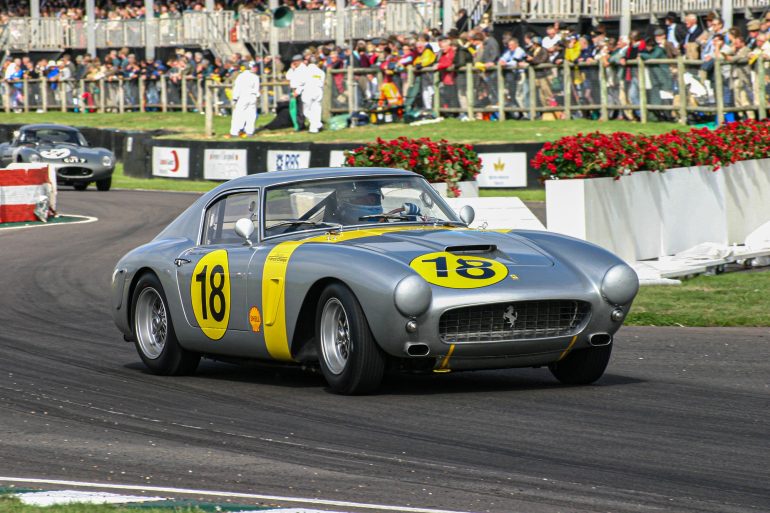
The short-wheelbase Berlinetta was shown at the Paris Salon in October 1959, the work of Giotto Bizzarrini, Carlo Chiti and the young Mauro Forghieri on a 2,400 mm chassis with disc brakes, the first on a Ferrari road car, and a Pinin Farina body built by Scaglietti in aluminium for the competition cars and steel for the road ones, about 165 in all. It won the Tourist Trophy at Goodwood in 1960 and 1961 with Stirling Moss in Rob Walker's dark blue car, the Tour de France in 1960 and 1961 with Willy Mairesse, the GT class at Le Mans in 1960 and 1961, and it was the car the GT championship was created for in 1962; Casey Annis's Enzo's Hot Rod is the story of the SEFAC Comp/61 cars that were the last word before the GTO, Ed McDonough's Sumptuous Dish the car itself, and Alan Boe drives one with a California Spider in his Connecticut piece. The short-wheelbase California Spider of 1960–63, 56 built with covered or open headlights, is the car that fetched $17.99 million as 1451 GT at RM Sotheby's in 2017 and the one in Brad Jansen's Street Cars Named Desire; the Cabriolet Series II of 1959–62 was its civilised twin, two hundred built. The Breadvan, Bizzarrini's and Piero Drogo's reworking of an SWB for Count Volpi after the palace revolt of 1961, raced the GTOs in 1962 and the archive has it against one; Louis Galanos's 1962 Daytona Continental has Moss and Gendebien in 250 GTs on the banking.
Every story on the site about the short-wheelbase Berlinetta, newest first.
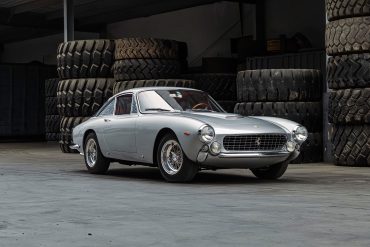
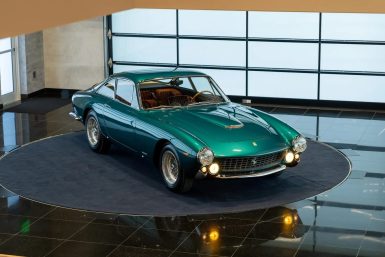
The 250 GT/E of 1960, Pininfarina's 2+2 on the long chassis with the engine moved forward, was the first four-seat Ferrari built in numbers and the most numerous 250 of all at 954 cars; it paid for the racing department, served as the course car at Le Mans in 1960 and the police car of Rome, and spent thirty years as a donor for SWB and GTO replicas before, as Boe's The Classic Ferrari 250 GT/E and Hemsley's 1962 GT/E argue, becoming a classic in its own right. The 250 GT Berlinetta Lusso of 1962–64, 350 cars with a Pininfarina body built by Scaglietti on the short chassis, the engine set back and the spare in the tail, was the last of the line and for many the most beautiful of all Ferrari road cars; Steve McQueen's and Eric Clapton's were Lussos, Stephen Mitchell's first drive of his is in the archive, and Hemsley's Bella Figura is the full story. The 275 GTB of 1964, with independent rear suspension and 3.3 litres, replaced it, and has a page of its own to come; the 330 GT 2+2 replaced the GT/E.
Every story on the site about the last 250 GT road car, newest first.
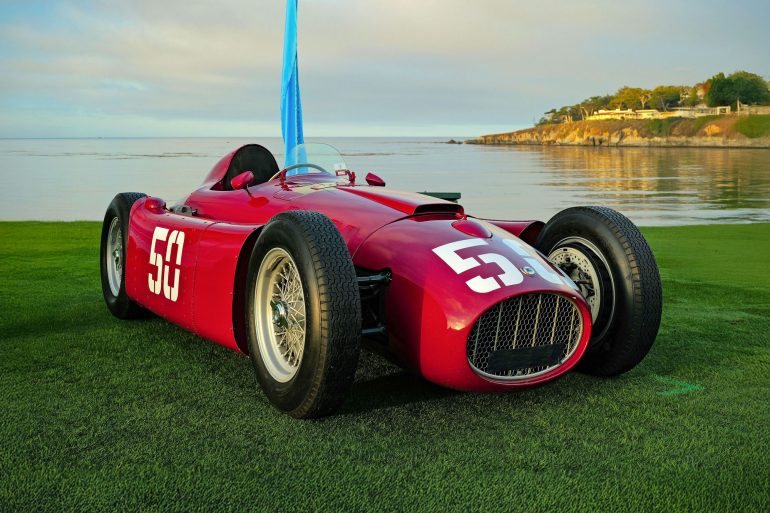
The same engine ran in the sports-racers. The 250 Testa Rossa of 1957–61, Scaglietti's pontoon-fendered car, won Le Mans in 1958, 1960 and 1961 and three world championships and is on the Ferrari page; the 250 GTO of 1962–64, the SWB's successor as the competition GT, 36 cars and three GT titles, has its own page here with its chassis histories and record sales; the mid-engined 250 P won Le Mans in 1963 and the 250 LM, its coupé version shown at Paris in October 1963 and never homologated as a GT, won Le Mans in 1965 for Chinetti's NART with Masten Gregory and Jochen Rindt, the last Ferrari to win the race outright until 2023. Karl Ludvigsen's Touring Grandly, published this month, is the LM's story in full, and Robert Newman's Masten Gregory and Luigi Chinetti profiles and Louis Galanos's 1965 Sebring race profile fill it out.
Every story on the site about the Le Mans-winning coupé, newest first.
The table below gives every year from 1952 to 1964, the cars, the racing and the archive piece for each, and then the 250 GT's second life, from the first record sales to this year's concours. Model names link to every story on the site about that car; the People and Coachbuilder links open the drivers', designers' and carrozzerie's own threads.
Thirteen years of the cars and the racing, then the 250 GT's second life at the concours and the sales. Model names link to every story on the site; the People and Coachbuilder links open the drivers', designers' and carrozzerie's threads.
| Year | The cars | The racing and the company | In the archive |
|---|---|---|---|
| 1952 | 250 GT · Vignale | The 250 S, Vignale's one-off berlinetta: Giovanni Bracco wins the Mille Miglia in the rain over the 300 SLs; the three-litre Colombo V12 gets its name | Giovanni Bracco · Enzo Ferrari |
| 1953 | 250 MM · 250 GT · Pininfarina | The 250 MM, 31 built with Pinin Farina berlinetta and Vignale spider bodies; the 250 Europa on the long 375 chassis with Lampredi's engine at the Paris Salon | 1953 250 Europa Vignale · Gioacchino Colombo |
| 1954–55 | 250 GT · Pininfarina | The 250 Europa GT at Paris: Colombo's engine in the 2,600 mm chassis, coil springs, about 35 built; Prince Bernhard's specials | Royal Ferraris · The Royal Ferraris of Belgium |
| 1956 | Tour de France · Boano · Scaglietti | The Boano coupé; the 250 GT Berlinetta by Scaglietti; de Portago wins the Tour de France; the Zagato cars | Alfonso de Portago · Salon Privé 2022: the Zagato · The 1956 Competizione, Best of the Best |
| 1957 | Tour de France · California Spider | Ellena takes over the coupé; Gendebien's first Tour de France and third on the last Mille Miglia; the Cabriolet Series I; the first California Spider | Olivier Gendebien · Street Cars Named Desire |
| 1958 | Tour de France · 250 GT | The Coupé Pinin Farina, 353 built; Gendebien wins the Tour de France again; the Tour de France berlinettas in America | Risen from the Ashes · Sports Car Racing at Dunnellon Park · Before the Cobra |
| 1959 | 250 GT SWB · Tour de France · California Spider | Gendebien's third Tour de France; 1451 GT fifth at Le Mans with Grossman; the SWB Berlinetta at Paris in October, disc brakes and 2,400 mm; the Cabriolet Series II | 1451 GT at RM Sotheby's ICONS · Bob Grossman · Tortoise and the Hare: Le Mans 1959 |
| 1960 | 250 GT SWB · 250 GT · California Spider | Moss wins the Tourist Trophy in Rob Walker's SWB; Mairesse the Tour de France; the SWB California Spider; the GT/E 2+2 as the Le Mans course car | Sumptuous Dish · Stirling Moss · Rob Walker · Classic Ferraris in Connecticut |
| 1961 | 250 GT SWB | The SEFAC Comp/61 hot rods; Moss's second TT and Mairesse's second Tour de France; the Le Mans GT class again; Bizzarrini and Chiti walk out in November | Enzo's Hot Rod · Willy Mairesse · Mauro Forghieri |
| 1962 | 250 GTO · 250 GT SWB · Drogo | The GTO; the Breadvan; the first GT championship; Moss and Gendebien in 250 GTs at the first Daytona Continental; the Lusso at Paris in October | GTO v Breadvan · 1962 Daytona Continental · 1962 Ferrari 250 GT/E |
| 1963 | Lusso · 250 LM · 250 GTO | The Lusso in production; the 250 P wins Le Mans; the 250 LM at Paris; the GT/E's last year, 954 built; the second GT title | Bella Figura · The Classic Ferrari 250 GT/E · Lusso: My First Drive |
| 1964 | Lusso · 275 GTB · 250 GTO | The last Lussos; the 275 GTB and the 330 GT 2+2 replace the 250s; the GTO's third title and ninth straight Tour de France | Luxurious Predator: the 275 GTB · Ferrari by Bertone |
| 1965 | 250 LM | Gregory and Rindt win Le Mans in NART's 250 LM, the last Ferrari outright win for 58 years; the LM at Sebring | Touring Grandly: the 250 LM · Masten Gregory · Luigi Chinetti · 1965 Sebring 12 Hours |
| 2004–09 | 250 GT | Ferrari the featured marque at Monterey; Mark Leonard's GT market reports begin; the first Saratoga Ferrari Festival; the Zagato favourites | Ferrari Frenzy at Monterey · Over 2-Liter GT Cars market, 2009 · My Favorite Zagato |
| 2011–12 | 250 GT SWB · 250 GT | Concorso Ferrari features the 250 GT Zagato; the Ferrari Museum's 250 anniversary; Scaglietti dies; the Jon Shirley and Bruce Meyer collections | Ferrari Museum celebrates the 250 · Sergio Scaglietti, 1920–2011 · Jon Shirley Collection |
| 2013–14 | 250 GT · Tour de France | Villa d'Este's 250 GTs; the Ferrari sixtieth-anniversary gathering; the Maranello Rosso GTO's $38 million at Bonhams Quail | Villa d'Este 2013 · Ferrari 60th Anniversary Gathering · Record-Breaking Monterey Auction |
| 2015–16 | Tour de France · California Spider | The Baillon barn-find SWB Spider, $18.5 million at Artcurial; a Tour de France makes $13.2 million at Gooding Pebble Beach; the Cavallino Classic's 25th | Pinehurst Concours 2015 · 25th Cavallino Classic · Windsor Castle Concours 2016 |
| 2017–18 | California Spider · 250 GT SWB | Ferrari's seventieth; 1451 GT, the LWB California Spider Competizione, $17.99 million at RM Sotheby's ICONS; the GTO's $48.4 million at Monterey | Ferrari's 70th anniversary · Over 2-Liter GT Cars market, 2018 |
| 2020–22 | Tour de France · 250 GT | Risen from the Ashes; the 1956 Competizione wins Villa d'Este and the Peninsula Best of the Best; the Sydorick Zagato wins Salon Privé; Ferrari Forever at the Enzo Ferrari Museum | Ferrari Forever · Cavallino Classic 2020 |
| 2023–24 | 250 GT · Lusso | The 250 Europa Vignale to market; the GTO's $51.7 million at Sotheby's New York; Hemsley's Bella Figura Lusso | 1953 250 Europa Vignale · Nicolis Museum, Verona |
| 2025–26 | 250 GT · 250 LM | Le Mans Classic and Pebble Beach; Smale's Ferrari GT Design in the 1960s; the Bamford Ferrari Specials; Ludvigsen's 250 LM | Ferrari GT Design in the 1960s, Part I · 2025 Pebble Beach Concours · The Bamford Ferrari Specials |
The 250 GTO has its own page with its chassis histories and record sales; the Testa Rossa is on the Ferrari page; the 275 GTB will have a page of its own.
The nine cards below are the 250 GTs the archive writes about most: the Tour de France berlinetta, the California Spider, the SWB, the GT/E, the Lusso, the 250 MM and 250 S that began it, the Testa Rossa, the GTO and the 250 LM. Each links to every story on the site about that car; the coachbuilders' threads, Pininfarina, Scaglietti, Vignale, Zagato and Boano, are linked from the table.
Nine cars from the archive, from the 250 MM to the 250 LM; each links to every story on the site.
The 250 GT's racing record is the record of GT racing in its first decade. The Mille Miglia, won outright by Bracco's 250 S in 1952 and in the GT class by the Tour de France berlinettas until the race ended in 1957; the Tour de France Automobile, nine straight wins from de Portago in 1956 through Gendebien's three, Mairesse's two in the SWB and the GTO's from 1962 to 1964; Le Mans, where the 250 GTs took the GT class every year from 1959 to 1963 and the LM won outright in 1965; the Tourist Trophy, Moss's two wins in 1960 and 1961 and the GTO's after; the Targa Florio, Sebring, the Nürburgring 1000 Kilometres, the Paris 1000 Kilometres at Montlhéry, the Coppa Inter-Europa at Monza and the Daytona Continental; and the FIA GT championships of 1962, 1963 and 1964, won by the GTO. The Le Mans, Mille Miglia, Targa Florio, Tourist Trophy and Sebring pages have the races in full; the Grand Touring Years era page has the decade; and the feeds below are the Tour de France berlinetta and the SWB.
The 250 GT's people are Enzo Ferrari, who sold road cars to pay for racing and ended up making the best of them; Gioacchino Colombo and Aurelio Lampredi, whose engines it used; Battista "Pinin" Farina and his son Sergio, who drew nearly all of it; Sergio Scaglietti, who built the competition cars and whose obituary is in the archive; Alfredo Vignale, Mario Boano, Ezio Ellena, Elio Zagato and Nuccio Bertone; Giotto Bizzarrini, Carlo Chiti and Mauro Forghieri, who made the SWB and the GTO; Luigi Chinetti and John von Neumann, who sold the cars in America and asked for the Spider; and the drivers, Bracco, de Portago, Gendebien, Phil Hill, Moss and Rob Walker, Mairesse, Mike Parkes, Bob Grossman, the Rodríguez brothers, Masten Gregory and Rindt. The archive has Newman's Bracco, Gendebien, Gregory and Chinetti, the Stirling Moss tribute, Dennis Gray's long interview with Jon Shirley, the Bruce Meyer and Ralph Lauren collection profiles, and Smale's design history; the Gendebien and Scaglietti feeds are below and the People hub has the rest.
Every story on the site about the Tour de France's three-time winner, newest first.
Every story on the site about the Modena carrozzeria that built the competition 250s, newest first.
No family of cars is worth more. The GTO's $48.4 million at RM Sotheby's Monterey in 2018 and $51.7 million at Sotheby's New York in 2023 are the auction records for any car, with private sales higher; the LWB California Spider Competizione 1451 GT made $17.99 million at RM Sotheby's ICONS in 2017, the Baillon barn-find SWB Spider $18.5 million at Artcurial in 2015, and SWB California Spiders sell for $10–18 million, long-wheelbase ones for $7–12 million. Competition SWB Berlinettas bring $8–15 million and steel road cars $7–9 million; a Tour de France made $13.2 million at Gooding's Pebble Beach sale of 2015 and they sit at $5–9 million; the 250 LM is a $15–20 million car, the Testa Rossa $20–40 million. Below them the Cabriolet Series I is $5–7 million, the Series II $1.5–2.5 million, the Lusso $1.5–2.5 million, the Boano and Ellena coupés and the Coupé Pinin Farina $600,000–1.2 million, the Europa GT $2–3 million, and the GT/E, the entry ticket to the 250 world, $350,000–600,000. Mark Leonard's Over 2-Liter Grand Touring Cars market reports in the archive track the SWB and the Spider from 2004 to 2018; the Auctions (Ferrari) and For Sale (Ferrari) feeds below carry the current sales; and the Market page has the auction houses and calendar.
Auction previews and results, the 250s among them, newest first.
250 GTs and other Ferraris offered by dealers and collectors, newest first.
The archive's 250 GT galleries come from the Cavallino Classic at Palm Beach, the Concorso d'Eleganza Villa d'Este, where the 1956 Competizione won in 2021, Pebble Beach, Chantilly, Windsor Castle and Salon Privé, the Zoute Grand Prix, the Goodwood Revival's and Members' Meeting's GT races, Le Mans Classic, the Ferrari sixtieth and seventieth anniversary gatherings, and the Enzo Ferrari Museum's 250 exhibitions; the Everything feed at the foot of the page gathers them with the rest.
Engine: Colombo V12, 2,953 cc, 73 x 58.8 mm, 220–280 horsepower depending on year and state of tune. Wheelbases: 2,800 mm (Europa), 2,600 mm (Europa GT to GT/E), 2,400 mm (SWB and Lusso). Built: 250 MM 31; Europa about 20; Europa GT about 35; Boano and Ellena about 130; Tour de France 77; Cabriolet Series I 40, Series II 200; Coupé Pinin Farina 353; California Spider LWB 50, SWB 56; SWB Berlinetta about 165; GT/E 954; Lusso 350; GTO 36; 250 LM 32. Tour de France Automobile wins 1956–64; Tourist Trophy 1960, 1961; Le Mans GT class 1959–63; Le Mans outright 1965 (250 LM). Records: GTO $51.7 million (2023); California Spider $18.5 million (2015); Tour de France $13.2 million (2015).
Short answers, with the long ones above.
The capacity of one cylinder in cubic centimetres: twelve times 250 is the 2,953 cc of Colombo's V12. Ferrari named its cars this way until the 1970s; the 275 and 330 that followed were 3.3 and 4 litres.
About a dozen road and GT types between 1954 and 1964: the Europa GT, the Boano and Ellena coupés, the Tour de France berlinetta, the Cabriolet Series I and II, the Coupé Pinin Farina, the California Spider LWB and SWB, the SWB Berlinetta, the GT/E 2+2 and the Lusso, with the GTO as the last competition car; the 250 S, MM, Testa Rossa, P and LM are the sports-racers on the same engine.
The SWB Berlinetta of 1959–62 is a Pinin Farina-bodied GT on the 2,400 mm chassis, about 165 built, sold as a road car and raced; the GTO of 1962–64 is its competition successor, 36 cars with a lower Scaglietti body, dry-sump engine and five-speed gearbox, built to win the new GT championship, which it did three times. The GTO has its own page.
Fewer than 110 were built, 50 long-wheelbase and 56 short, by Scaglietti for the American market; it is an open 250 GT with the competition cars' engine and, in the SWB form, their chassis and brakes; and its sales, $17.99 million for 1451 GT in 2017 and $18.5 million for the Baillon car in 2015, made it the most valuable open Ferrari.
The 250 GT Berlinetta of 1956–59, bodied by Scaglietti to Pinin Farina's design and named for the Tour de France Automobile, which it won four times running with de Portago and Gendebien; 77 were built, in series told apart by the louvres in the sail panels.
Pininfarina's 2+2 of 1960–63 on the long chassis, the first four-seat Ferrari built in numbers, 954 of them, and for decades the cheapest way into a 250 and the donor car for replicas; it is now collected for itself.
Yes: the 250 GT Berlinetta Lusso of 1962–64, 350 built, was the last 250 GT road car, a Pininfarina body on the short chassis with the engine set back for the sake of the cabin. Steve McQueen owned one.
In class, every year from 1959 to 1963, and outright as the 250 LM in 1965, with Gregory and Rindt for NART; the 250 Testa Rossa on the same engine won outright in 1958, 1960 and 1961.
Pinin Farina drew nearly every production body, Scaglietti built the competition cars and the Spiders, and Vignale, Boano, Ellena, Zagato and Bertone bodied the rest; the engine is Colombo's and the SWB chassis Bizzarrini's and Chiti's.
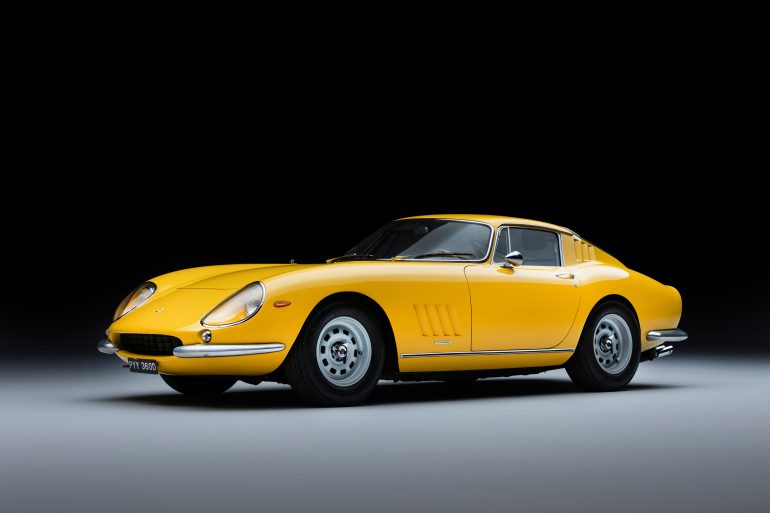
The 275 GTB and GTS of 1964, with a 3.3-litre version of the same V12 and independent rear suspension, and the 330 GT 2+2 in place of the GT/E; the 275 GTB will have a page of its own.
The whole archive on one thread, newest first.