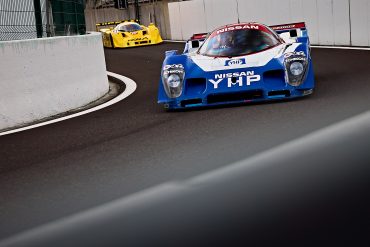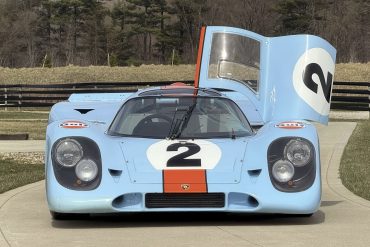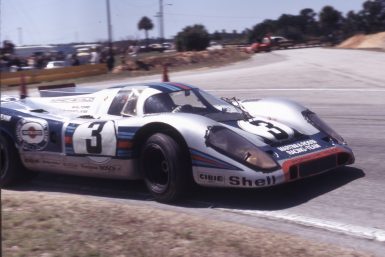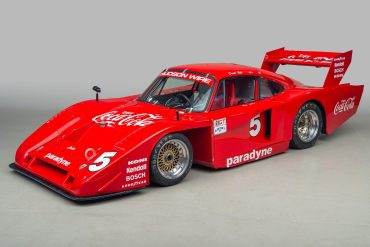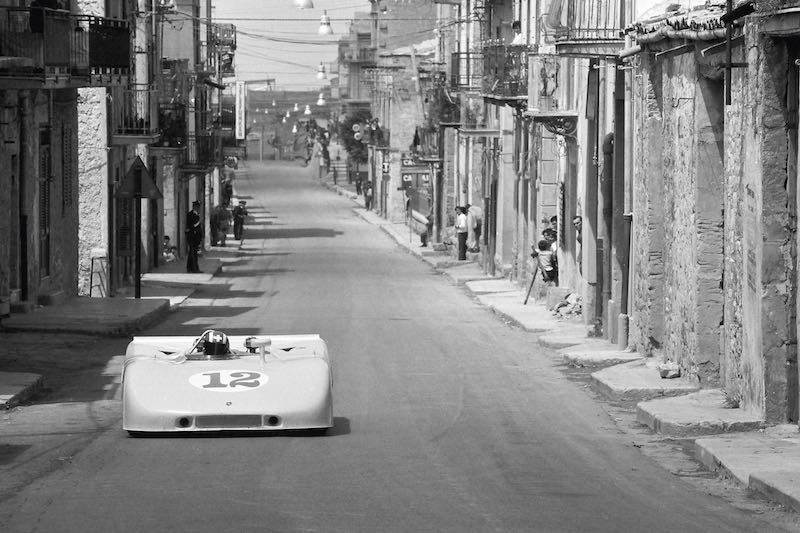
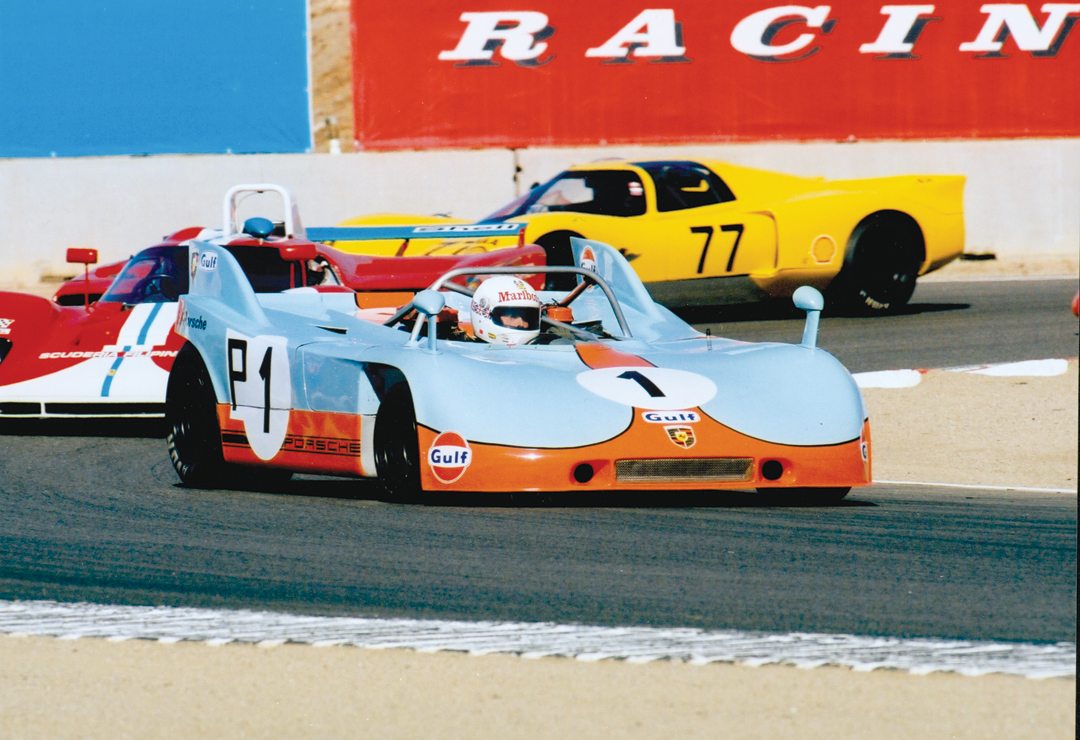
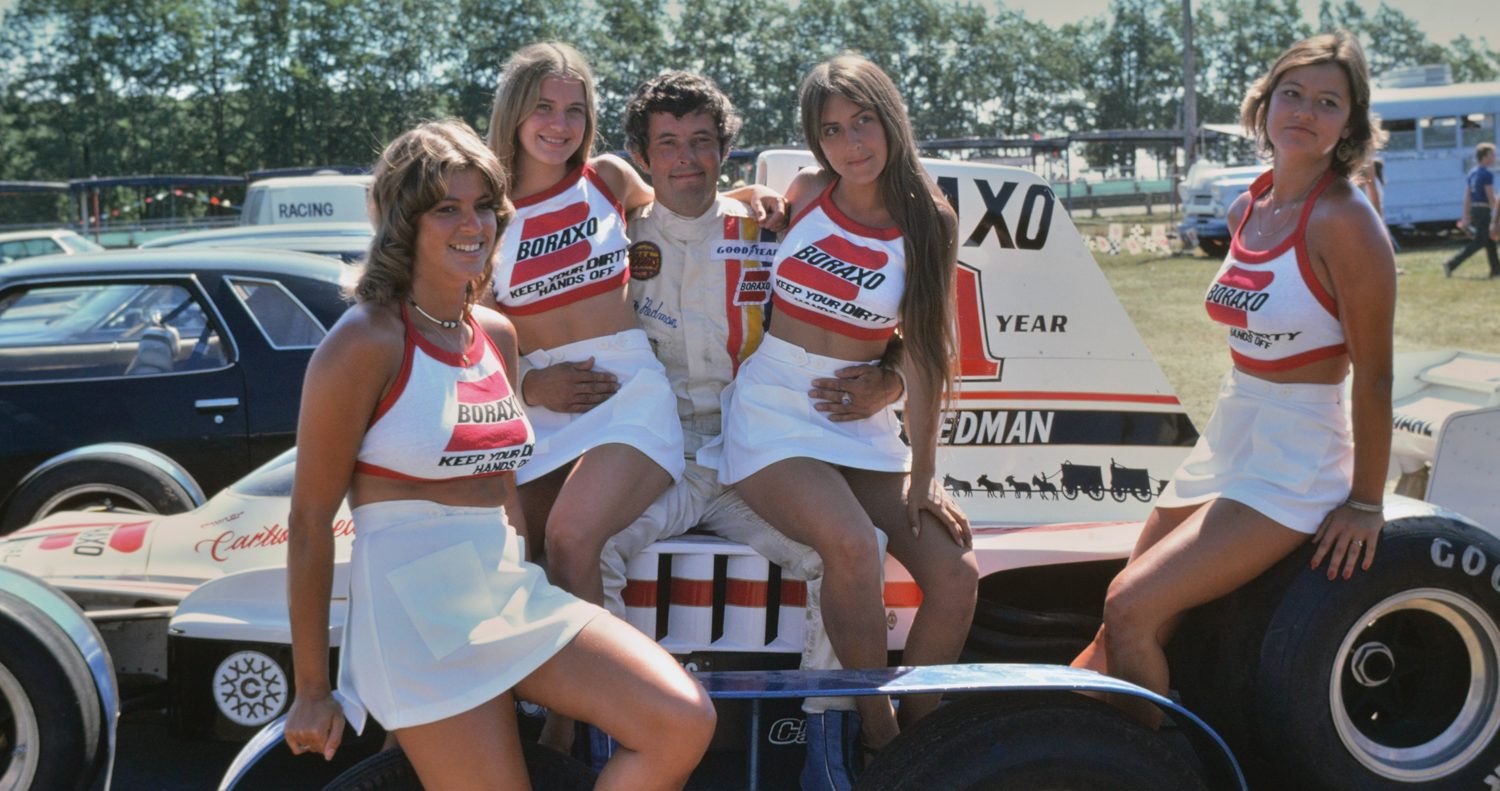
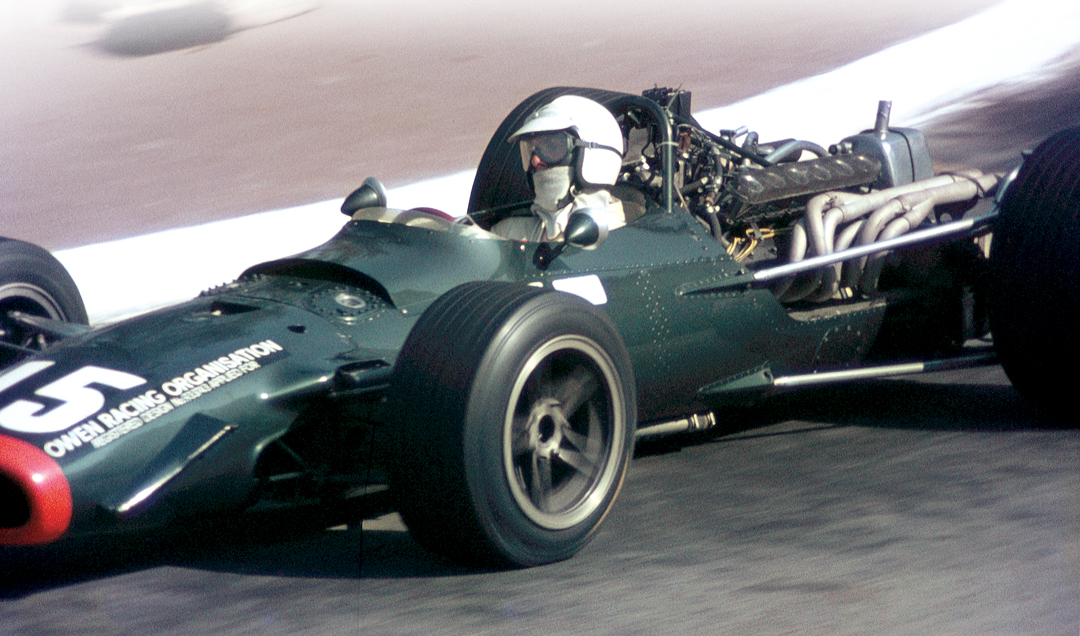
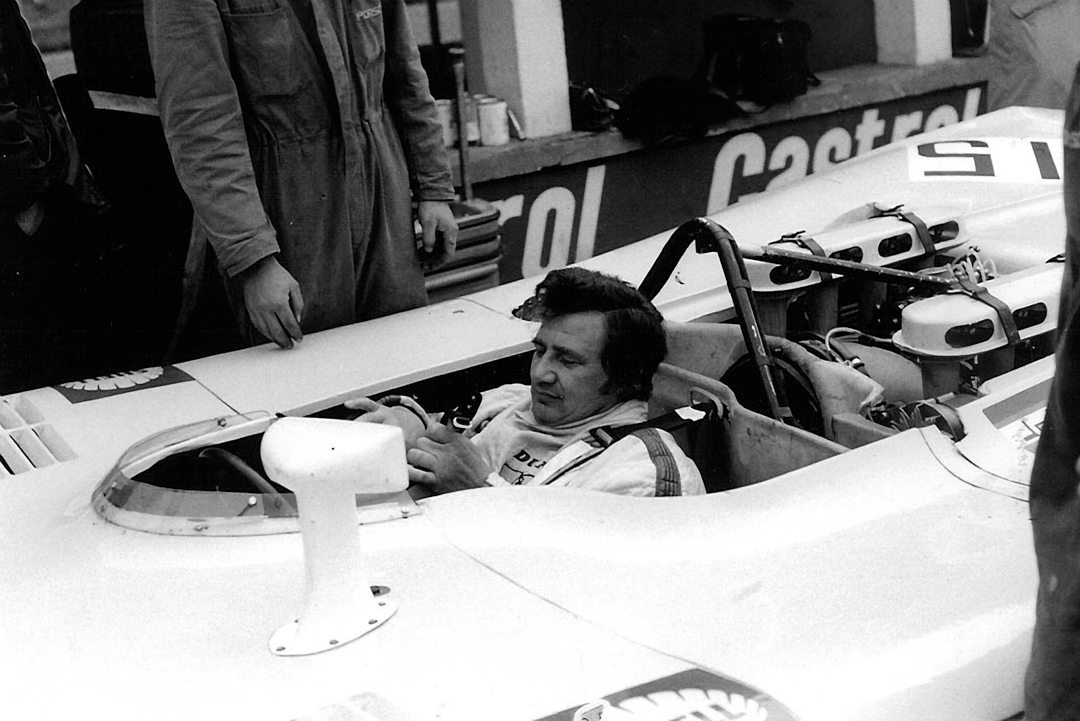
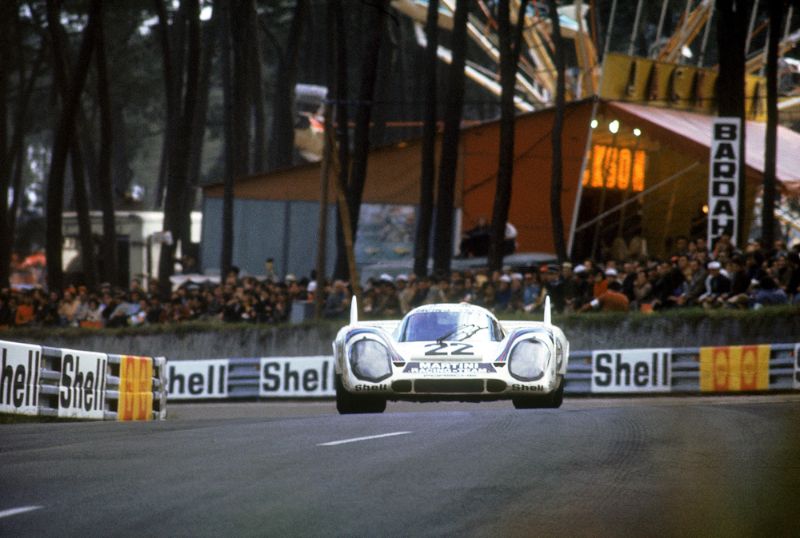
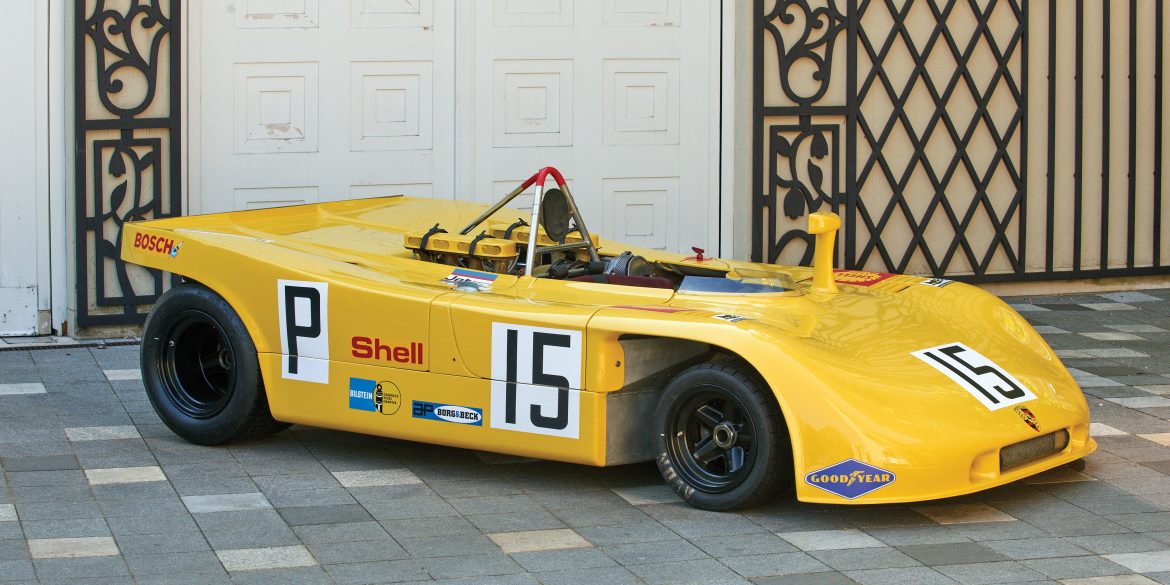
The 908/3 prototype was built for the sole purpose of winning the Targa Florio and Nürburgring legs of the world Championship.


The car that won Porsche its first World Championship. Hans Mezger's 3-litre flat-eight in Helmuth Bott's spaceframe, built in 1968 for a formula written to keep Ferrari and Ford honest, and in 1969 the 908/02 spyder won Brands Hatch, Monza, the Targa Florio, Spa and the Nürburgring in a row and took the Makes title before the 917 had finished a race. Hans Herrmann lost Le Mans to Jacky Ickx by a hundred metres in a 908 long-tail that June; Siffert and Redman won the Targa in the 908/03 in 1970 and Elford and Ahrens the Nürburgring; Steve McQueen was second at Sebring in a 908/02 with a broken foot. The 907 before it, the 936 that grew out of it, the Flunder and the turbo cars of the 1970s, and sixty-odd chassis that are the most driveable of all the great Porsches. 92 Porsche 908 stories in the archive, in order.
The pieces to start with
Eight pieces on the car: Wilfried Müller's 908/3, Ed McDonough's Vic Elford interview, Art Evans's Brian Redman's Porsches and John R. Wright's Redman interview, Mike Jiggle's Richard Attwood, Robert Newman's Hans Herrmann, Porsche at Le Mans 1969–73 and Louis Galanos on McQueen's 1970 Sebring.
Built for two circuits, the Targa Florio and the Nordschleife, the 908/3 put its differential behind the gearbox, moved engine and driver forward and split weight 45:55, while Ferdinand Piëch shaved the grams. Wilfried Müller on Manfred Bantle’s 1970 design.
Huschke von Hanstein started Elford’s racing with the 1967 Targa Florio because it was the nearest thing to a rally: third there in a 910, then the Daytona 24 Hours and the Monte, both in 1968. Ed McDonough continues.
Brian Redman, son of a Burnley grocer and grandson of a mop manufacturer, partnered Jo Siffert through Porsche’s 1969 and 1970 world titles in 908s and Gulf 917Ks, then won three straight F5000 crowns. Art Evans on his Porsches.
Brian Redman’s grandfather promised him a Jowett Jupiter at 17; the taxman intervened and he got a 1932 Morris Minor, 50 mph downhill. He bought the mop-head business for £500 and delivered “like a maniac”. John Wright’s interview.
Attwood never raced the BRM 261 in a Grand Prix; the association began in the 1966 Tasman Series alongside Jackie Stewart. Mike Jiggle on a TR3 start in 1960, Monaco Formula Junior in 1963 and the 1970 Le Mans win.
A 25-year-old pastry cook was asleep after a night’s baking when Alfred Neubauer rang in 1953 with a Mercedes test at the Nürburgring. Robert Newman on Hans Herrmann, the Porsche 550 and the express train at the 1954 Mille Miglia.
Third in a series from Porsche’s Le Mans archive: Elford and Attwood’s 917 six laps clear in 1969 until the clutch failed, and Herrmann and Larrousse’s 908 chasing the Ickx GT40 for 20 hours after a 35-minute wheel-bearing stop.
Louis Galanos and his fiancée worked Sebring 1970 as SCCA officials and camped in the paddock. He found Steve McQueen in the pits, lost the power of speech, and got his photograph anyway: “OK, but don’t ask me to pose.”
The newest writing on the Porsche 908, as it is published.
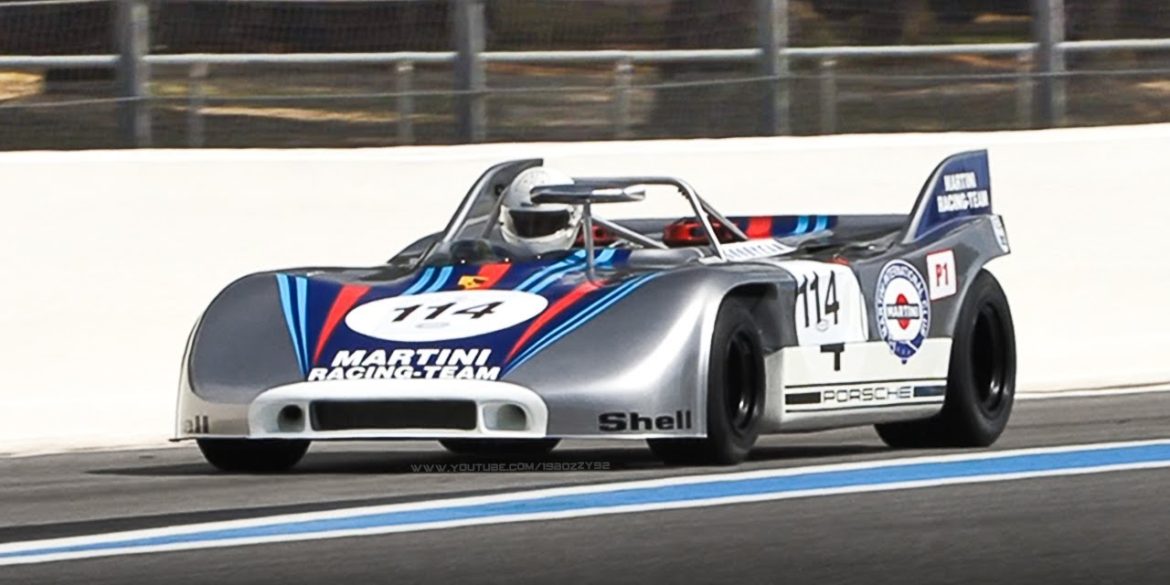
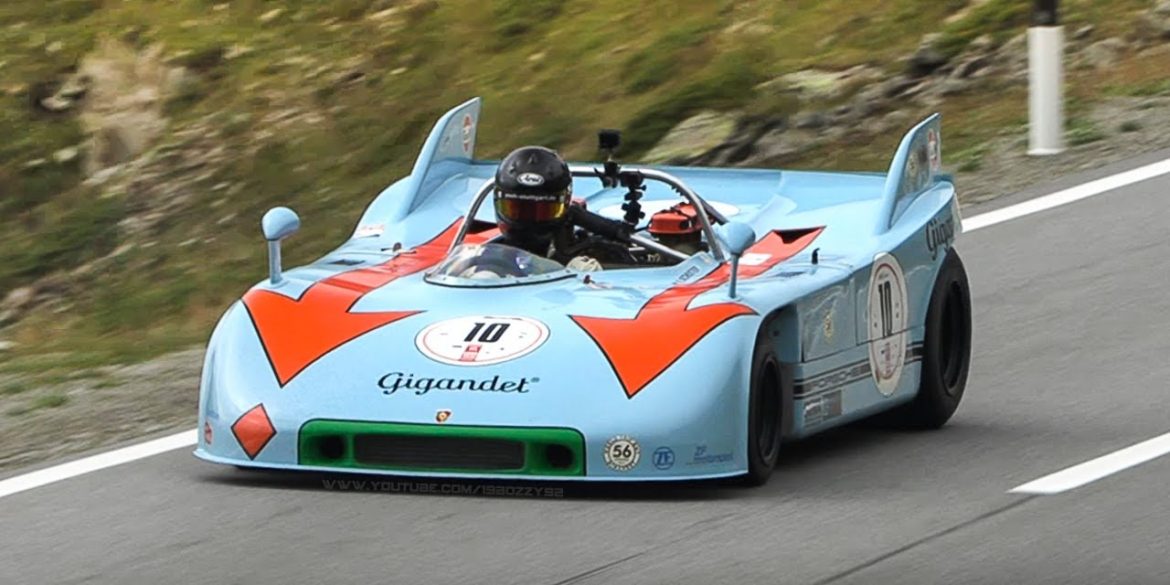
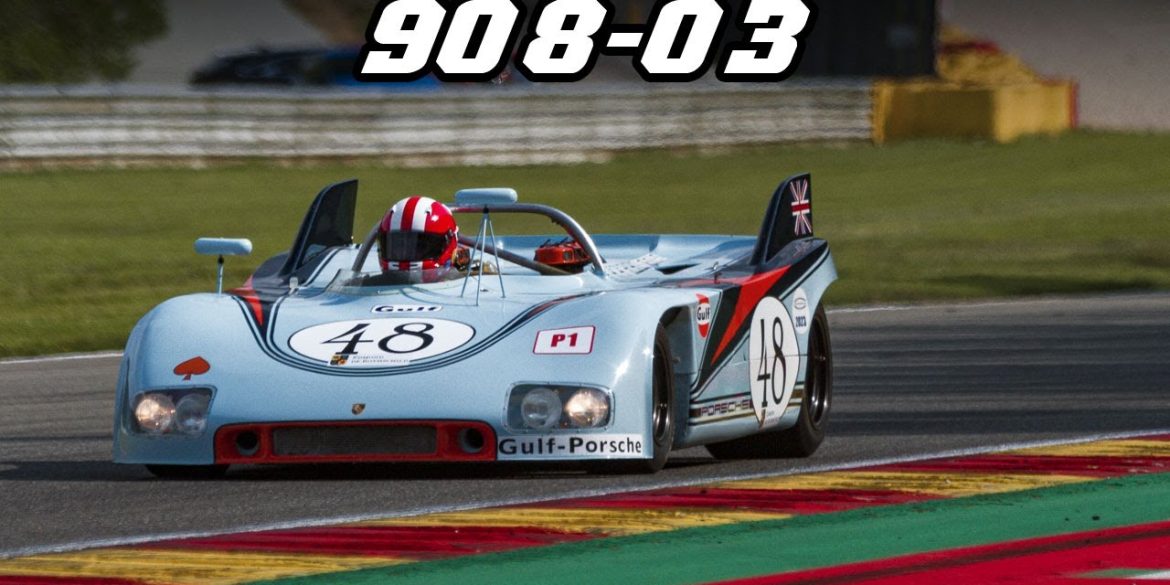
The Porsche 908 is the 3-litre sports-prototype Porsche built from 1968 to 1971, in three series and two body types, for the World Sportscar Championship's new Group 6 formula, and the car that won the company its first world title, the International Championship for Makes of 1969. The FIA had cut prototypes to 3 litres for 1968 to see off the 7-litre Fords and 4-litre Ferraris, and Ferdinand Piëch's racing department at Zuffenhausen, which had been winning its class with the 2-litre 906, 910 and 907, built the first Porsche designed to win outright: Hans Mezger's Type 908 engine, a 2,990 cc air-cooled flat-eight with two camshafts per bank, Bosch injection and 350 horsepower, in a development of the 907's aluminium spaceframe by Helmuth Bott, with the 907's coupé body in short-tail and long-tail forms. It won the Nürburgring 1000 km in May 1968 first time out with Jo Siffert and Vic Elford and then shook itself to pieces for the rest of the year, the frames cracking and the eights breaking, while the Ford GT40 took the title. For 1969 the engine was sorted, the frame was redesigned and gas-pressurised to show up cracks, and the body was cut down to the 908/02 open spyder, lighter and simpler for the twisty circuits, with a flat "Flunder" version later in the year; it won five of the championship's ten rounds in a row, Brands Hatch 1-2-3, Monza, the Targa Florio, Spa and the Nürburgring 1-2-3-4-5, and Porsche was world champion for the first time, with the long-tail coupé second at Le Mans by the smallest margin in the race's history. The 908/03 of 1970, a spyder shortened and lightened to 545 kg with the driver moved forward over the front wheels, built in John Wyer's Gulf team's hands and the works' for the two circuits where the 917 could not go, won the Targa Florio and the Nürburgring in 1970 and the Nürburgring again in 1971, and that was the end of the factory programme. The cars went to privateers; the 908/03s were turbocharged with 2.1-litre sixes from 1975 and ran into the 1980s, Reinhold Joest's 908/80 was second at Le Mans in 1980 with Jacky Ickx, and the 936 of 1976 was, under its skin, a 908/03 with a turbo.
About sixty 908s were built across the three series, thirty-odd 908 and 908/02 coupés and spyders and thirteen 908/03s, and because they were light, forgiving and fast without the 917's menace they were the drivers' favourites then and are the collectors' driving cars now. The archive has 92 Porsche 908 stories: Ed McDonough's "Ring Wraith" on a 908/3, Wilfried Müller's "Essence of Porsche" on another, Art Evans's "Brian Redman's Porsches" and three interviews with Redman, Ed McDonough's with Vic Elford and Mike Jiggle's with Richard Attwood, Robert Newman's Hans Herrmann, Louis Galanos's 1969 Daytona and 1970 Sebring, the Le Mans 1969–73 history and the Flunder for sale, Mark Leonard's sports-prototype market columns, and the Rennsport Reunions, Le Mans Classics and Daytona Classics where the 908s run. The Porsche 917 page carries the car that followed it, the Porsche page the company, and the 904, 906, 907 and 910 threads are linked from the table. Stuttcars, our Porsche-only sister site, has the chassis-by-chassis record.
Porsche's prototypes of the 1960s were a family that grew a litre at a time. The 904 of 1964, Butzi Porsche's glassfibre coupé on a steel box frame with the four-cam Carrera engine, won the Targa Florio and its class everywhere; the 906 Carrera 6 of 1966, Piëch's first car, put a 2-litre flat-six in a tubular spaceframe under a gullwing body and won the Targa and the 2-litre class at Le Mans; the 910 of 1967, with 13-inch wheels and the six or the 2.2-litre flat-eight from Formula One, won the Targa and the Nürburgring; and the 907 of 1967–68, with the driver on the right and a long tail drawn in the Stuttgart wind tunnel, won Daytona 1-2-3 in February 1968, Sebring and the Targa. Casey Annis's "Sebring Climber" on 910-04, McDonough's "Swiss Spyder" 904 and "Porsche's Kangaroo" Bergspyder, Steve Natale's Elva-Porsche, the Scooter Patrick and Dave Jordan interviews and the archive's "Porsche at Le Mans in the 1960s" are that story; the Targa Florio hub has the Sicilian half of it. The 907's chassis and body were the 908's starting point, and the first 908s of 1968 were 907s with the eight in the back.
Every story on the site about the first of the line, newest first.
Every story on the site about the 908's immediate ancestors, newest first.
Mezger's engine was the Type 771 2.2-litre flat-eight of the 1962 Formula One car and the 910 grown to 2,990 cc, with 85 by 66 mm bores, twin plugs, two camshafts per bank and 350 horsepower at 8,400 rpm, air-cooled by the familiar fan; it was light and it was, at first, fragile, its crankshaft vibration breaking everything attached to it, which the 1969 engine's counterweighted crank and a Bosch injection pump driven more gently cured. The 908 coupé of April 1968, in short-tail K and long-tail LH forms, ran first at the Le Mans test and at Monza, where it broke; at the Nürburgring on 19 May Siffert and Elford won, with a 907 second, the 908's first win and the start of Elford's extraordinary season, the Targa in the 907 and the Nürburgring in the 908 within a month, as he says in McDonough's interview. The rest of 1968 was failure: the alternator drive belts and the frames at Le Mans in September, where the long-tails had the speed and Rolf Stommelen's set the lap record but a 908 finished only third, Stommelen and Neerpasch's, behind the Gulf GT40 and Steinemann and Spoerry's 907; the Ford took the title. Over the winter Piëch had the frames redesigned and, because a cracked tube could not be seen, pressurised with gas and fitted with a gauge on the dashboard, which is one of the stories every 908 owner tells; the 1969 908 was a different car.
The 908/02 of 1969 took the roof off: an open spyder on the same frame, 600 kg, with the eight at its best and a body that was easier to make and to fix, and it was the car the works drivers wanted. The season was Porsche's first as a dominant power. Daytona in February went badly, the 908s' intermediate shafts breaking, which Louis Galanos's race profile covers; then Brands Hatch on 13 April, Siffert and Redman first and 908s second and third; Monza, Siffert and Redman again; the Targa Florio, Gerhard Mitter and Udo Schütz with 908/02s first to fourth; Spa, Siffert and Redman; the Nürburgring, Siffert and Redman first and 908/02s filling the first five places, Elford and Ahrens and Herrmann and Stommelen behind them; and the Makes championship was won by June, five races in a row, the first world title Porsche had ever taken. At Le Mans the 917 made its debut and the 908 LH coupés were the ones expected to finish, and Hans Herrmann and Gérard Larrousse's did, second to Ickx and Oliver's GT40 by about a hundred metres after 24 hours and a wheel-bearing stop that had cost 35 minutes, the closest finish the race had seen, with a decision not to change brake pads late on costing the car its last chance. Watkins Glen and the Österreichring followed, the 917's first win at the latter; the Flunder, the flattened 908/02 body with the headrest fairing, came in mid-season and is the car in the archive's for-sale profile. Brian Redman's accounts of 1969, in Art Evans's piece and his three archive interviews, and Richard Attwood's judgement that the 908 spyder was the easiest car he ever drove, are the drivers' view; Siffert's thread and Elford's open below. In 1970 Steve McQueen took a 908/02 to Sebring for Solar Productions with Peter Revson, drove with his left foot in a cast and finished second overall by 23 seconds to Mario Andretti's Ferrari 512 S, the race Louis Galanos remembers in "A Race to Remember"; the car then filmed Le Mans as the camera car.
Every story on the site about the race the 908 won in 1969 and 1970, newest first.
For 1970 Porsche gave its racing to John Wyer's Gulf team and Porsche Salzburg, kept the 917 for the fast circuits and built the 908/03 for the two where the 917 was wrong, the Targa Florio's 72 km of mountain road and the Nürburgring's 22: a new, shorter spaceframe, the driver sat forward with his feet ahead of the front axle line, the gearbox turned round and the engine moved forward for balance, 545 kg, 370 horsepower from the latest eight, and a body so brief the cars were painted with playing-card symbols and psychedelic patterns so the pits could tell them apart. Thirteen were built. At the Targa in May 1970 Siffert and Redman won from Rodríguez and Kinnunen, Gulf 908/03s first and second, with the Salzburg car of Elford and Herrmann further back; at the Nürburgring Elford and Kurt Ahrens won from Herrmann and Attwood, Porsche Salzburg 1-2; the archive's "Ring Wraith" and "Essence of Porsche" are two of these chassis followed from 1970 to the present. In 1971 Alfa Romeo's 33/3 won the Targa after the works 908/03s crashed out, Siffert's and Rodríguez's both, but at the Nürburgring the Martini-liveried works cars finished 1-2-3 with Elford and Larrousse winning, the 908's last works victory and, when the 3-litre formula came in for 1972 and Porsche chose not to build for it, the end of Porsche's first prototype era. Hans Herrmann, who had been second at Le Mans in the 908 LH in 1969, won the race in a 917 in 1970 and retired on the spot, as Robert Newman's portrait tells.
Every story on the site about the car that took over in 1970, newest first.
The 908/03s and 908/02s went to private hands in 1972, Joest, Kauhsen, the Martini team and a dozen others, and ran in the Interserie and the 2-litre and 3-litre European championships; from 1975 some were fitted with the 2.1-litre turbocharged flat-six of the 934 and 936, over 500 horsepower, and with 936-style bodies, and these 908/03 Turbos ran at Le Mans and in the World Championship into the 1980s, Joest's 908/80, second at Le Mans in 1980 with Ickx, being a 936 in all but name and, it turned out, in chassis too. The 936 itself, Porsche's 1976 Group 6 car that won Le Mans three times, was built on 908/03 and 917 parts and is the 908's direct descendant; the 956 of 1982 was the first clean sheet. Since the 1980s the 908s have been historic racing's most usable big Porsches: the Le Mans Classic 1966–71 grid, the Spa Classic, the Daytona Classic 24, the Monterey and Rennsport Reunions and the Sommet des Légendes run them, and Mark Leonard's FIA Sports Prototypes columns from 2006 to 2020 track them from $600,000 to several million. A 908/02 or 908/03 with a works history is a $3–5 million car now, a 908/03 Turbo or a privateer 908/02 $1.5–3 million, the Le Mans 1969 long-tail and the 1970 Targa winner beyond that; the ex-works 907 at auction in 2022 and the Flunder for sale in 2014 are the archive's price points.
Where the 908s gather, newest first.
A table of the car and its racing from the 904 of 1964 to the historic grids of 2026, with the archive's story of each year linked, follows this chapter. The model names link to every story on the site; the People, Race and Event links open their threads.
Four works seasons, the privateer decade and fifty years of historic racing: the car, the racing and the archive's story of each. Model names link to every story on the site; the People, Race and Event links open their threads.
| Year | The car | The racing | In the archive |
|---|---|---|---|
| 1964–65 | 904 · Targa Florio · Hillclimbs | Butzi's 904 GTS wins the Targa Florio and its class everywhere; the Bergspyders on the hills; Piëch takes over the racing department | 1964 Porsche 904 GTS: Swiss Spyder · Porsche's Kangaroo: the 1964 Bergspyder · 1964 Elva-Porsche |
| 1966–67 | 906 · 910 · Targa Florio | The 906 Carrera 6 wins the Targa and the 2-litre class at Le Mans; the 910 wins the Targa and the Nürburgring in 1967; Herrmann and the works team | 1967 Porsche 910-04: The Sebring Climber · Hans Herrmann · Interview: Scooter Patrick |
| 1968 | 908 · 907 · Jo Siffert · Vic Elford · Daytona 24 Hours | The 907 1-2-3 at Daytona and Elford's Targa; the 908 coupé at the Le Mans test in April; Siffert and Elford win the Nürburgring in May, the 908's first; the frames crack; third at Le Mans in September | Interview: Vic Elford, Part 2 · Ex-works 1968 Porsche 907 at auction · Porsche at Le Mans in the 1960s |
| 1969 | 908 · Jo Siffert · Brian Redman · Hans Herrmann · Le Mans · Targa Florio | The 908/02 spyder; Brands Hatch, Monza, the Targa, Spa and the Nürburgring in a row and the Makes championship, Porsche's first; Herrmann and Larrousse second at Le Mans by a hundred metres; the Flunder; the 917 arrives | Brian Redman's Porsches · 1969 24 Hours of Daytona · 1969 24 Hours of Le Mans · Porsche 908/02 Flunder |
| 1970 | 908 · Gulf · John Wyer · Steve McQueen · Sebring · Targa Florio | The 908/03 for the Targa and the Ring: Siffert and Redman win the Targa, Elford and Ahrens the Nürburgring; McQueen and Revson second at Sebring; Herrmann wins Le Mans in the 917 and retires | 1970 Porsche 908/3: Ring Wraith · Porsche 908/3: The Essence of Porsche · 1970 Sebring 12 Hours: A Race to Remember · Steve McQueen and Harvey Mushman |
| 1971 | 908 · Martini · Vic Elford · Richard Attwood | The works 908/03s 1-2-3 at the Nürburgring, Elford and Larrousse winning, the last works win; Siffert's and Rodríguez's crash out of the Targa; the 3-litre formula ends Porsche's programme | Interview: Richard Attwood · Interview: Brian Redman · Porsche at Le Mans, 1969 to 1973 |
| 1972–75 | 908 · 936 | The 908s go to the privateers; Joest's and Kauhsen's cars in the Interserie and the European championships; the 2.1 turbo sixes from 1975 | 1973 24 Hours of Daytona · My First Three at Spa |
| 1976–80 | 936 · 908 · 935 | The 936 built on 908/03 and 917 parts wins Le Mans in 1976 and 1977; the 908/03 Turbos with 936 bodies; Joest and Ickx second at Le Mans in 1980 in the 908/80 | Racing for Porsche: Jürgen Barth · Porsche at Le Mans, 1974 to 1981 |
| 2002–09 | 908 · Brian Redman · Monterey Reunion | The Redman interviews; the 908s at the Monterey Historics; Leonard's columns put a 908 at $600,000 in 2006 and rising | Interview: Brian Redman, 2002 · FIA Sports Prototypes: Market & Values 2006 |
| 2011–16 | 908 · Rennsport Reunion · Le Mans Classic · Spa Six Hours | Rennsport Reunions IV and V; Le Mans Classic's 1966–71 grid; Spa Classic; the Redman interview of 2013 | Rennsport Reunion IV · Le Mans Classic 2014, 1966–71 · Interview: Brian Redman, Part 1 |
| 2017–21 | 908 · Classic 24 Hours · Kurt Ahrens · Brumos | Müller's 908/3 profile; the Brumos Collection opens; Kurt Ahrens at eighty; the Daytona Classic 24 and the Velocity Invitational | Happy 80th birthday to Kurt Ahrens · The 2021 Daytona Classic 24 · The Brumos Collection opens |
| 2022–26 | 908 · 907 · Le Mans Classic | An ex-works 907 to auction; the 908s on the Le Mans Classic, Spa Classic and Monterey grids | Le Mans Classic 2025 · Spa Classic 2026 · Rolex Monterey Motorsports Reunion 2026 |
The Porsche 917 page carries the car that took over the fast circuits in 1970; the Targa Florio, Le Mans, Sebring and Daytona races are on their own pages; Stuttcars has the chassis-by-chassis record of the 904 to 936 family.
Nine cards follow for the 908s and their family: the 904, the 906, the 907 and 910, the 908 coupé, the 908/02 spyder and the Flunder, the 908/03, McQueen's 908/02, the 908/03 Turbo and Joest's 908/80, and the 936; each links to its thread here, and below them the 907 and 910 threads.
Nine cars from the archive, from the 904 to the 936; each links to every story on the site.
Ferdinand Piëch, who ran the racing department from 1965 to 1971 and spent his family's money on it; Hans Mezger, the flat-eight's and every great Porsche engine's designer; Helmuth Bott, who drew the frames; Peter Falk and Rico Steinemann, team managers; John Wyer and David Yorke of Gulf, Louise Piëch's Porsche Salzburg; and the drivers, Jo Siffert and Brian Redman, who won most of it, Vic Elford, Hans Herrmann, Gérard Larrousse, Richard Attwood, Kurt Ahrens, Rolf Stommelen, Gerhard Mitter, Udo Schütz, Rudi Lins, Willi Kauhsen, Pedro Rodríguez and Leo Kinnunen, Gijs van Lennep, Steve McQueen and Peter Revson, Reinhold Joest and Jacky Ickx. The Siffert, Redman and Elford threads open below.
Every story on the site about the 908's great driver, newest first.
Every story on the site about Siffert's partner in 1969 and 1970, who still writes for us, newest first.
Every story on the site about the man who won the Nürburgring in a 908 three times, newest first.
Sixty cars, most of them accounted for, and a market that moves by chassis history. A 908/03 with a works Targa or Nürburgring record is $3–5 million; a 908/02 with a 1969 championship win the same; a 908 long-tail coupé, of which very few survive in period form, more; a privateer 908/02 or a 908/03 that was turbocharged and rebodied in the 1970s and has since been returned to 1970 form $1.5–3 million, with the question of which form is "original" deciding it; the 907 and 910 run $2–4 million and the 904 $1.5–2.5 million. What to check: the frame number and whether the frame is the original or a replacement, since frames cracked and were swapped in period; the engine number, since eights were swapped between cars by the works; the body, since most 908/02s and /03s have been rebodied at least twice; and the Stuttcars chassis history. Mark Leonard's columns below are the price record; the Porsche auction and for-sale feeds carry the cars as they come up.
Auction previews and results, the prototypes among them, newest first.
908s and other Porsches offered by dealers and collectors, newest first.
908 coupé 1968 (K and LH), 2,990 cc flat-eight, 350 PS; 908/02 spyder 1969, 600 kg; 908/03 1970–71, 545 kg, 370 PS, 13 built; about 60 908s in all; 908/03 Turbo from 1975, 2,140 cc, over 500 hp; 908/80 1980. First win Nürburgring 1000 km, 19 May 1968 (Siffert/Elford). International Championship for Makes 1969, Porsche's first world title: Brands Hatch, Monza, Targa Florio, Spa, Nürburgring. Le Mans 1969 second by about 100 metres (Herrmann/Larrousse). Sebring 1970 second (McQueen/Revson). Targa Florio 1970 (Siffert/Redman); Nürburgring 1970 (Elford/Ahrens) and 1971 (Elford/Larrousse), 1-2-3. Le Mans 1980 second (Joest/Ickx, 908/80). Market: works 908/02 and /03 $3–5 million; privateer and turbo cars $1.5–3 million. 92 stories in the archive.
Short answers, with the long ones above.
A 3-litre, flat-eight sports-prototype built by Porsche from 1968 to 1971 for the World Sportscar Championship: the 908 coupé of 1968, the 908/02 spyder of 1969 and the 908/03 of 1970–71. It won Porsche's first world championship in 1969.
No, but it came closer than any losing car: Hans Herrmann and Gérard Larrousse's 908 long-tail finished second to Jacky Ickx's Ford GT40 by about a hundred metres in 1969. The 917 won the next year.
The 908/02 of 1969 is the open spyder on the 908's frame, 600 kg, built for the whole championship; the 908/03 of 1970 is a shorter, lighter car, 545 kg, with the driver sat ahead of the front axle, built only for the Targa Florio and the Nürburgring, where it won three times.
The flattened late-1969 body for the 908/02, with a smoother nose and a fairing behind the driver's head; the name is German for flounder.
Jo Siffert and Brian Redman won most of the 1969 races and the 1970 Targa; Vic Elford won the Nürburgring in 1968, 1970 and 1971; Hans Herrmann, Richard Attwood, Gérard Larrousse, Kurt Ahrens, Rolf Stommelen, Pedro Rodríguez and Steve McQueen also raced them.
Yes: he and Peter Revson finished second overall at the 1970 Sebring 12 Hours in a 908/02, 23 seconds behind Mario Andretti's Ferrari, with McQueen's foot in a cast; the car then served as a camera car for the film Le Mans.
About sixty across the three series, thirteen of them 908/03s; most survive, many rebodied more than once.
Hans Mezger's Type 908, a 2,990 cc air-cooled flat-eight with two camshafts per bank and Bosch fuel injection, 350 horsepower in 1968–69 and 370 in the 908/03; from 1975 privateers fitted the 2.1-litre turbocharged flat-six of the 934 and 936.
$3–5 million for a works car with a championship, Targa or Nürburgring win, $1.5–3 million for a privateer or turbo-era car; the frame and engine numbers and the body's history decide it.
The 917 took over the fast circuits in 1970 and the works 908/03 programme ended after 1971; the 936 of 1976, built on 908/03 and 917 parts, was its true successor.
The whole archive on one thread, newest first.