Editor's Note: This feature was reproduced with permission from our sister site Stuttcars.com for our SCD members. Ed Cole, Zora Duntov’s boss, was eager to race.

America's car, and the engine under half of America's racing cars: Louis Chevrolet and Billy Durant's 1911 company, the 1955 small-block V8 that is still in production in spirit, the Bel Air, the Corvette from Harley Earl's dream to the mid-engined C8, Duntov, the Sting Ray and the Grand Sports, the Camaro and the Trans-Am, Jim Hall's Chaparrals and the Can-Am years when nothing else won, the L88s and the Greenwoods, and Corvette Racing's eight class wins at Le Mans. The archive has 330 Chevrolet stories and more than 600 on the Corvette alone, and this page puts them in order.
The pieces to start with
Eight pieces that explain the marque: Annis's The American Dream and Mulsanne Monster, Wright's High Tech Incubator, Jansen's Sting Ray analysis, Miliano's Grand Sport, Zimmermann's Greenwood Corvettes, Ludvigsen's Chaparral 2E and Jiggle's IROC Camaro.
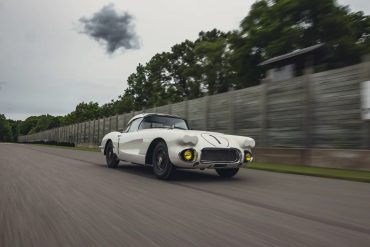
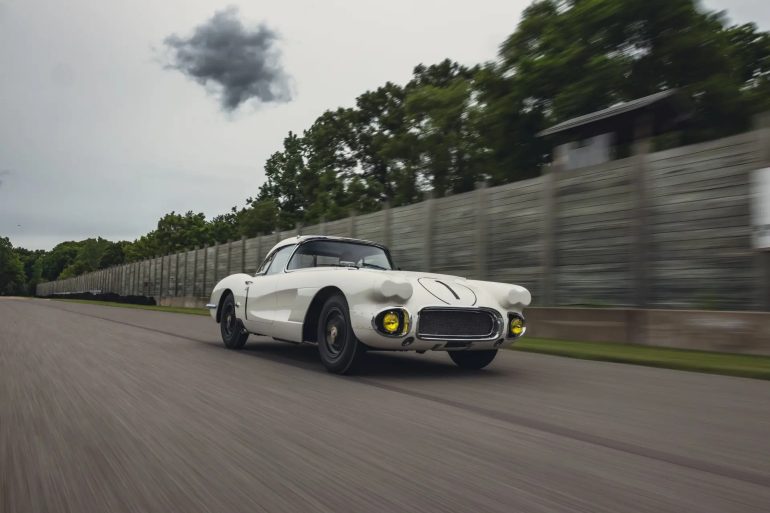
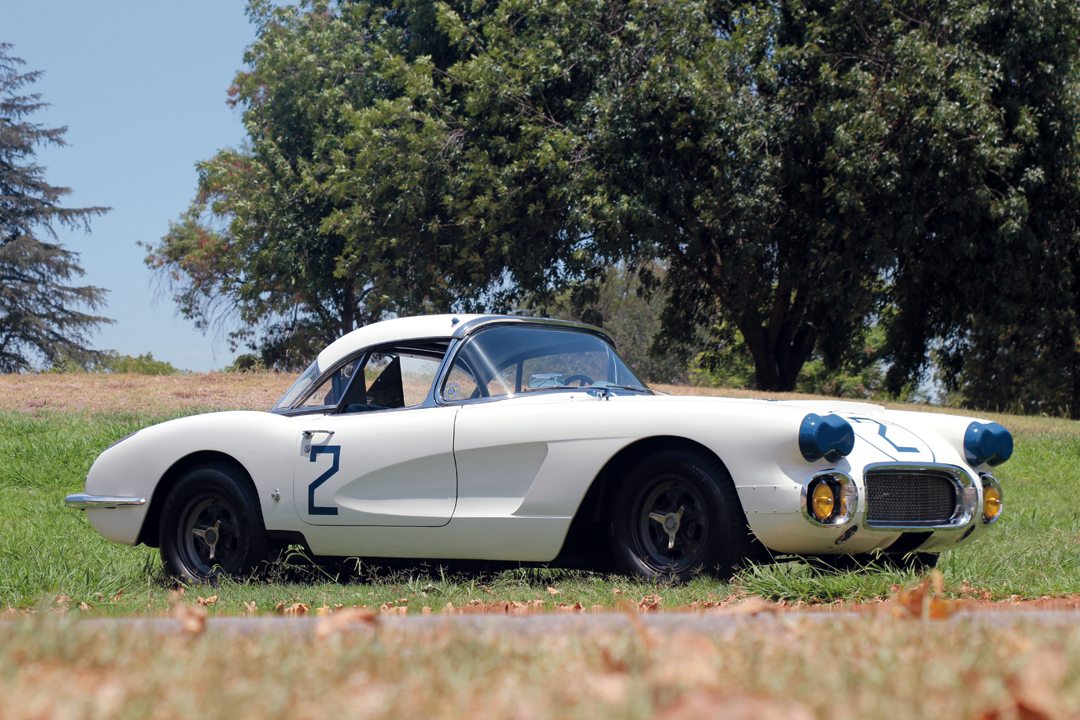
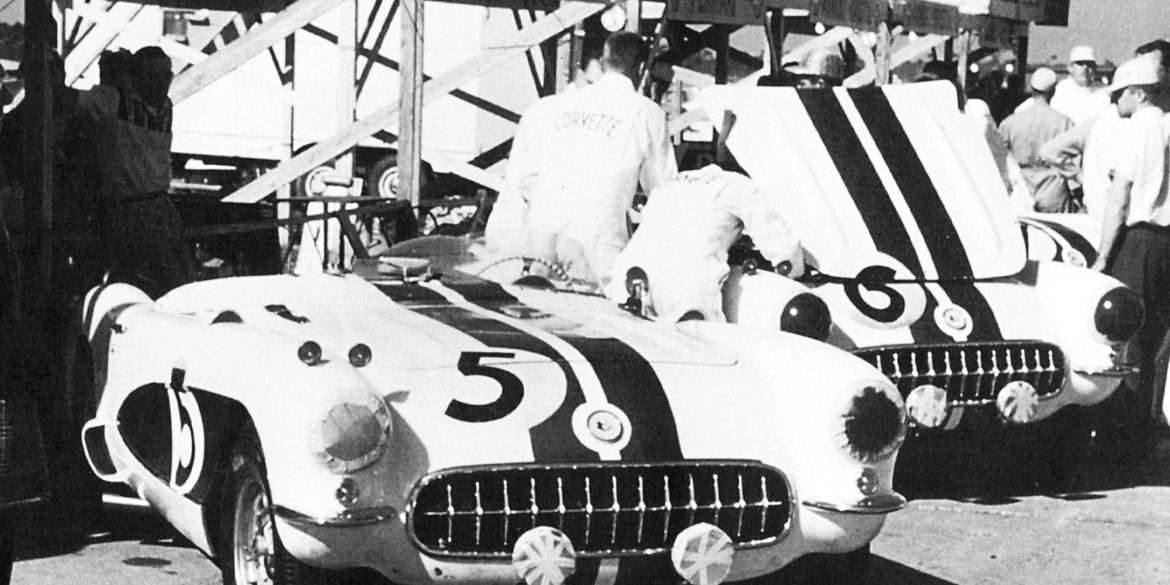
Briggs Cunningham took two Cadillacs to Le Mans in 1950, one of them the Grumman-bodied “Le Monstre”, and finished tenth and eleventh. That summer at Watkins Glen he met Harley Earl. Casey Annis on the Corvette’s road to Le Mans.
Owens-Illinois and Corning developed the fiberglass that became the 1953 Corvette’s body, the first of the technologies Chevrolet tried on its halo car before deciding whether the rest of the range could have them. John Wright works through six decades.
The 1963 Sting Ray was the most sophisticated production chassis America had built, with independent rear suspension where the C1 had a live axle. An engineer’s analysis of unsprung weight, geometry and why Bristol made a live axle work anyway.
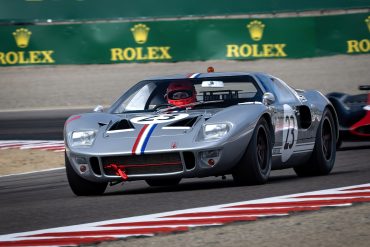
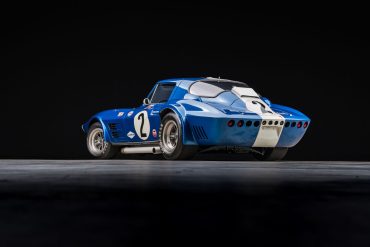
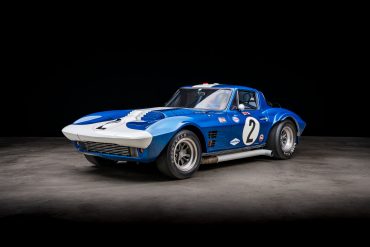
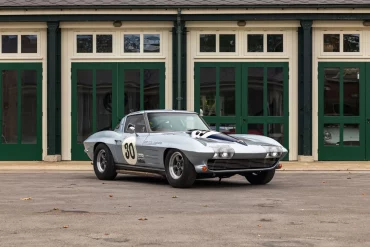
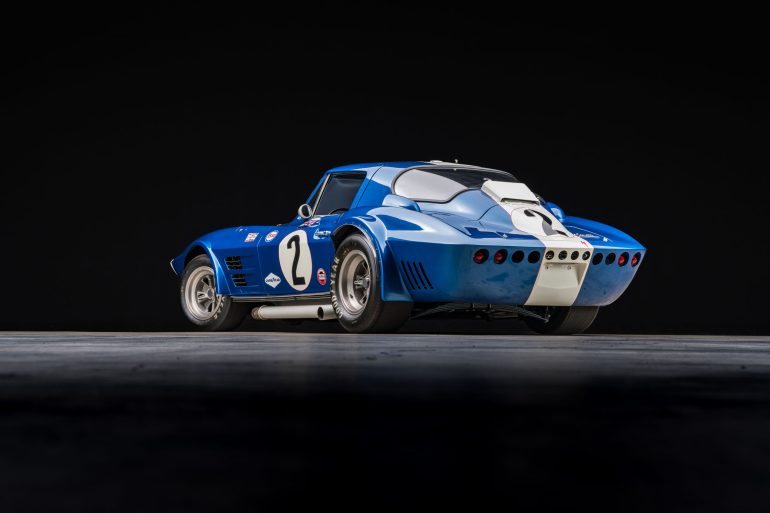
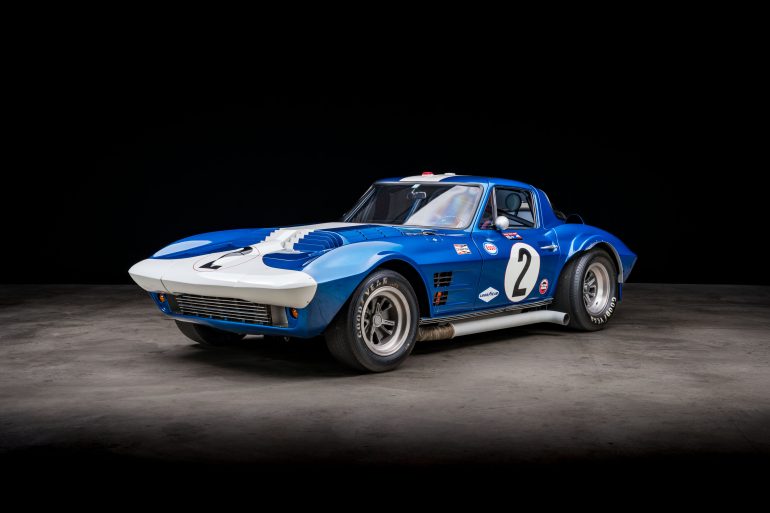
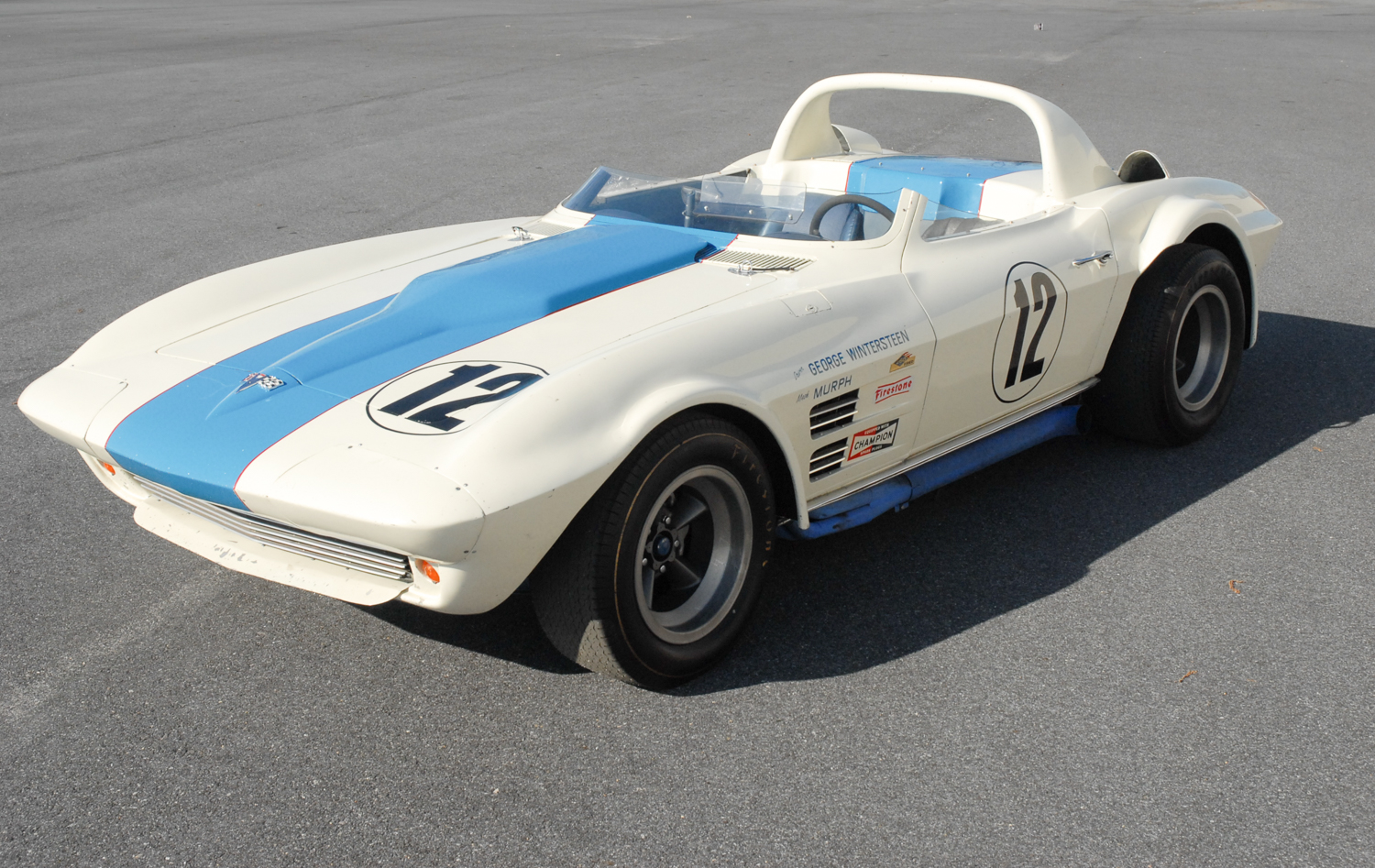
Zora Arkus-Duntov built the first Grand Sports in secret in 1962 and they never won anything that mattered. Doctor Simeone bought #002 anyway, the most original of them. Dom Miliano meets it at the Simeone Foundation Museum in Philadelphia.
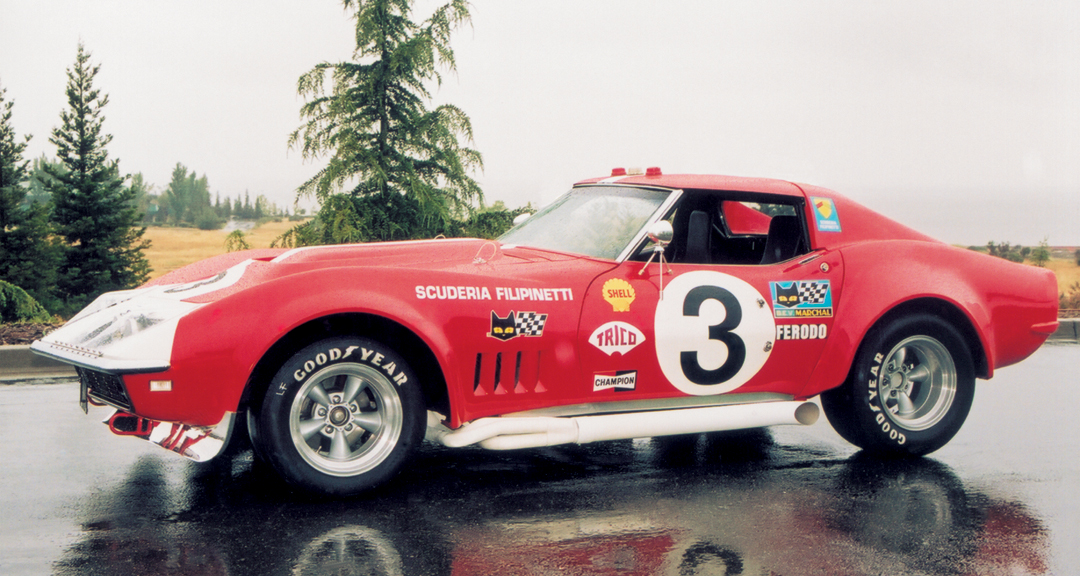
In December 1953 Arkus-Duntov wrote a memo: enthusiasts would race the Corvette whether GM liked it or not, so better to help them do it well. Casey Annis on the ex-Scuderia Filipinetti L-88 that took the argument to Le Mans.
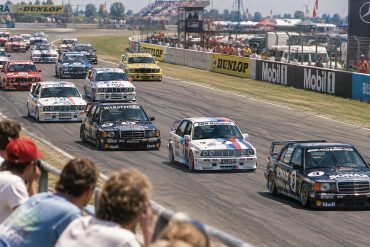
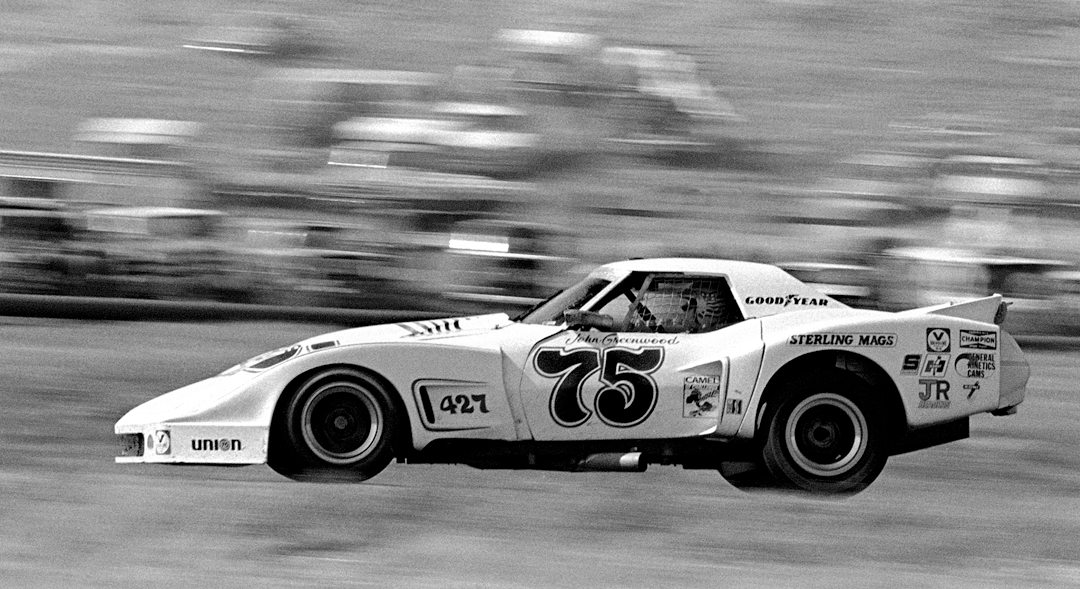
John Greenwood drag-raced a ‘55 Pontiac on Detroit’s streets, stuffed a 409 and then a 427 into a ‘64 Corvette. Autocross on a dare from his wife led to road racing. John Zimmermann on his aerodynamic loopholes.
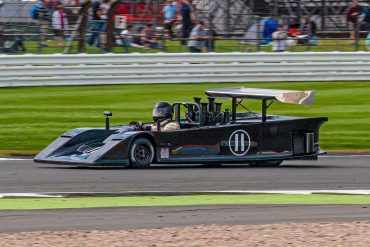
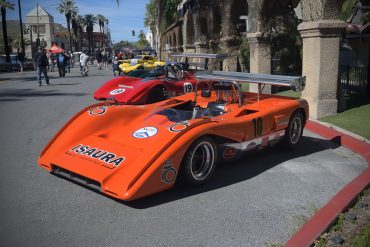
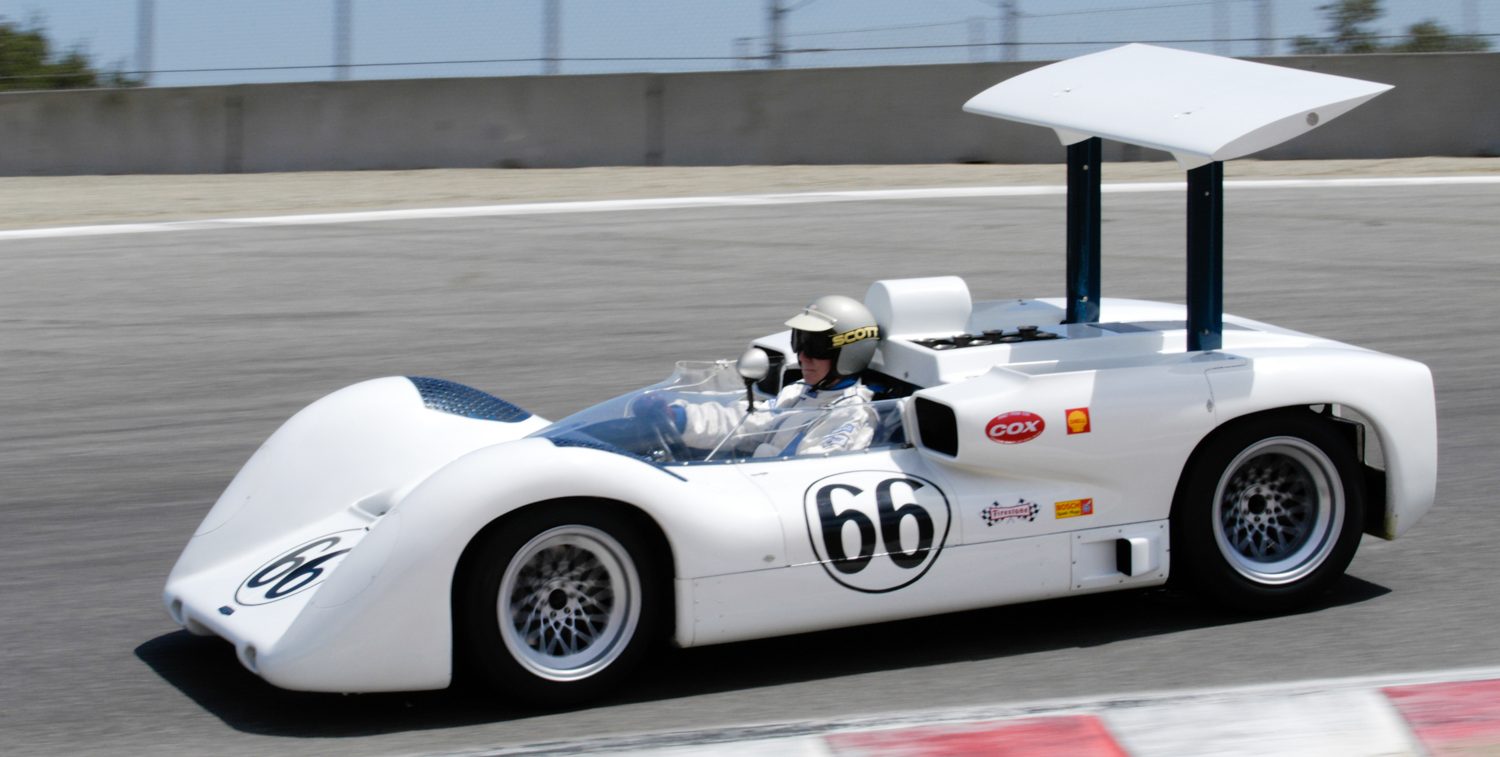
Before the 1965 USRRC race at Watkins Glen, the SCCA asked Jim Hall not to lap the field; he triple-lapped third place and apologized for forgetting. Karl Ludvigsen on the 2E, the car that used the Can-Am’s freedom best.
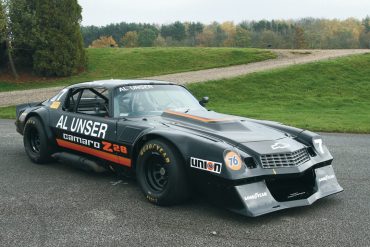
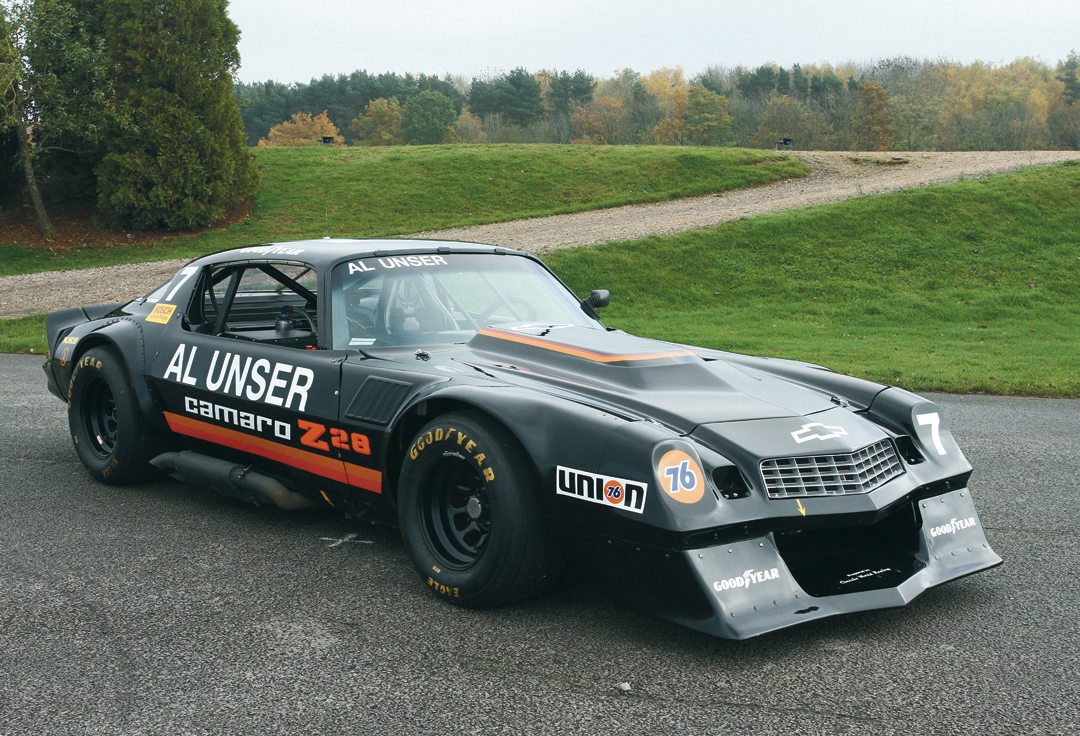
Brands Hatch’s Race of Champions, 14 editions from Mike Spence in 1965 to Rosberg in 1983, ended up a glorified test session. America’s answer was IROC: identical cars, invited champions. Mike Jiggle on a 1977 IROC Camaro Z/28.
The newest long-form writing on Chevrolet, as it is published.
Chevrolet is the General Motors division founded in Detroit on 3 November 1911 by the Swiss racing driver Louis Chevrolet and the GM founder William C. Durant, who used its success to buy back control of General Motors in 1918; it has been GM's volume brand ever since, the maker of more American cars than any name but Ford and, with the Corvette, of the only American sports car in continuous production since 1953. For a collector-car archive Chevrolet means three things. The Corvette, from the 1953 Motorama car through Zora Arkus-Duntov's racing programmes, the Sting Ray, the Grand Sports and the L88s to Corvette Racing and the C8, the archive's largest American model thread. The small-block V8 of 1955, which made the Bel Air and the Camaro and powered the Lolas, McLarens and Chaparrals that won every Can-Am championship from 1966 to 1971, the Cheetahs and Scarabs of American road racing and most of the specials in between. And the muscle years, the Z/28 and the Trans-Am, the Chevelles and the Corvairs, which the archive covers from the drag strips to the auction block.
The racing record is odd for a company that officially did not race between the industry's 1957 agreement and the 1990s. Chevrolet engines won six Can-Am titles, the 1965 Sebring 12 Hours in Jim Hall's Chaparral, the Trans-Am in 1968 and 1969 with Roger Penske's Camaros, six Indianapolis 500s in a row from 1988 with the Chevrolet-Ilmor, and more NASCAR manufacturers' championships than anyone; the Corvette won its class at Le Mans in 1960 for Briggs Cunningham and, as Corvette Racing from 1999, eight more times, the 24 Hours of Daytona outright in 2001 and the American and world GT championships repeatedly. The archive's Chevrolet coverage runs from Casey Annis's American Dream, the Corvette's road to Le Mans, to the 2025 ZR1, and the chapters below follow it.
Louis Chevrolet was born in Switzerland in 1878, raced Buicks for Durant from 1909, and lent his name and his first design, the six-cylinder Classic Six of 1912, to the company Durant founded after GM's bankers had thrown him out; the bow-tie badge came in 1913 and Chevrolet himself left in 1914, falling out with Durant over cheap cars and dying nearly penniless in 1941 after a second career building Frontenac racing heads for Model T Fords and Indianapolis cars, which the archive's Indianapolis 500 hub records. Durant's cheap car, the 490 of 1915, priced at Ford's $490, built the company; its stock bought him GM back in 1918 and Chevrolet became GM's answer to the Model T, overtaking Ford in 1927 and for good in the 1930s with the overhead-valve six of 1929, the Stovebolt, that ran until 1962. The 1930s and 1940s Chevrolets, the Master De Luxe of James Beckett's Peking Tango and the Styleline of Jim Richardson's Taking to the Woods, appear in the archive as the cars of their time, and the Pioneers and Classic Era pages have the context.
The car that made Chevrolet matter to enthusiasts arrived in the autumn of 1954: the 1955 Chevrolet, Ed Cole's design, with Chevrolet's first V8 since 1918, the 265-cubic-inch small-block with its light stamped rockers and short pushrods, 162 horsepower, 180 with the power pack, and a body with a Ferrari-like egg-crate grille. The Bel Air, the top of the range, sold with the 210 and 150 in the millions, and the 1955, 1956 and 1957 cars, the Tri-Fives, became the American collector car for a generation: the 1957 with the fins and the 283, the Nomad wagon, the fuel-injected cars. The small-block grew to 283, 327, 350 and 400 cubic inches, stayed in production in its original form until 2003 and in spirit into the LS and LT engines of today, and is by a distance the most-built V8 in history; in racing it powered everything from the Corvettes to the Can-Am McLarens and the first Formula 5000 cars, and Gary Horstkorta's American Engine-uity and Carl Goodwin's Unsung Heroes in the archive are about the specials that used it. In June 1957 the Automobile Manufacturers Association agreed to stop factory racing, and Chevrolet's programmes went underground for thirty years.
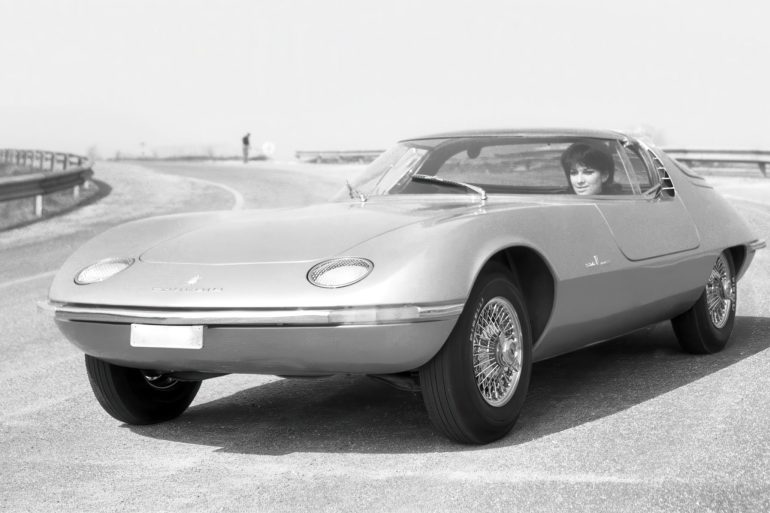
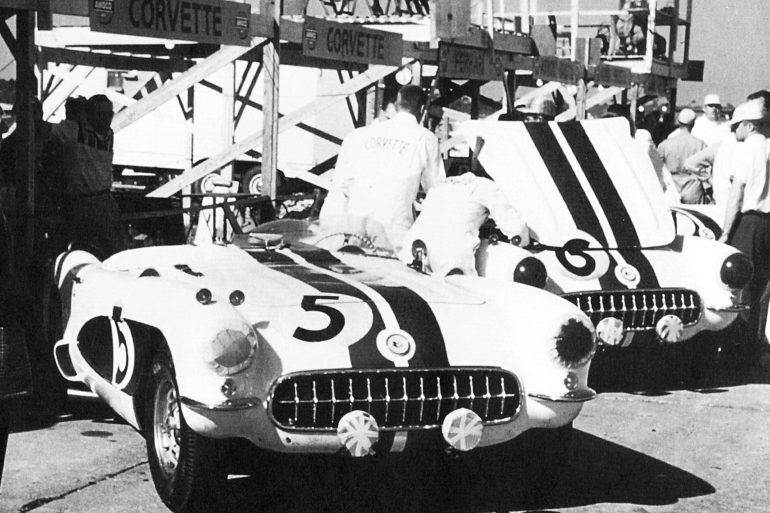
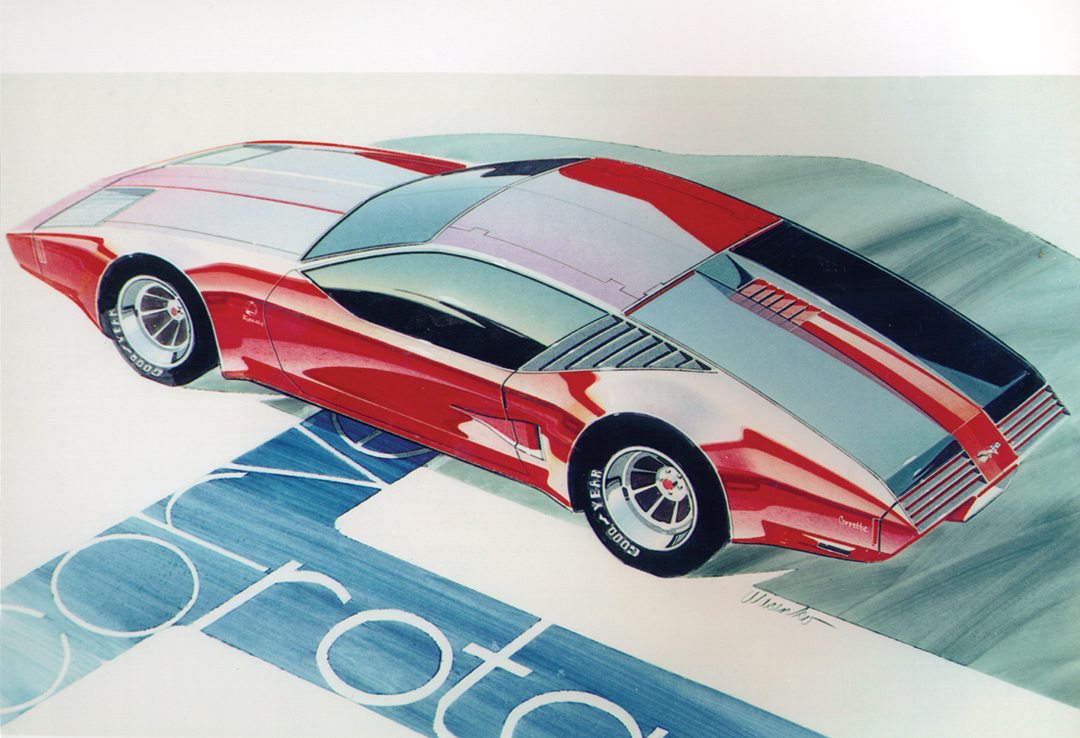
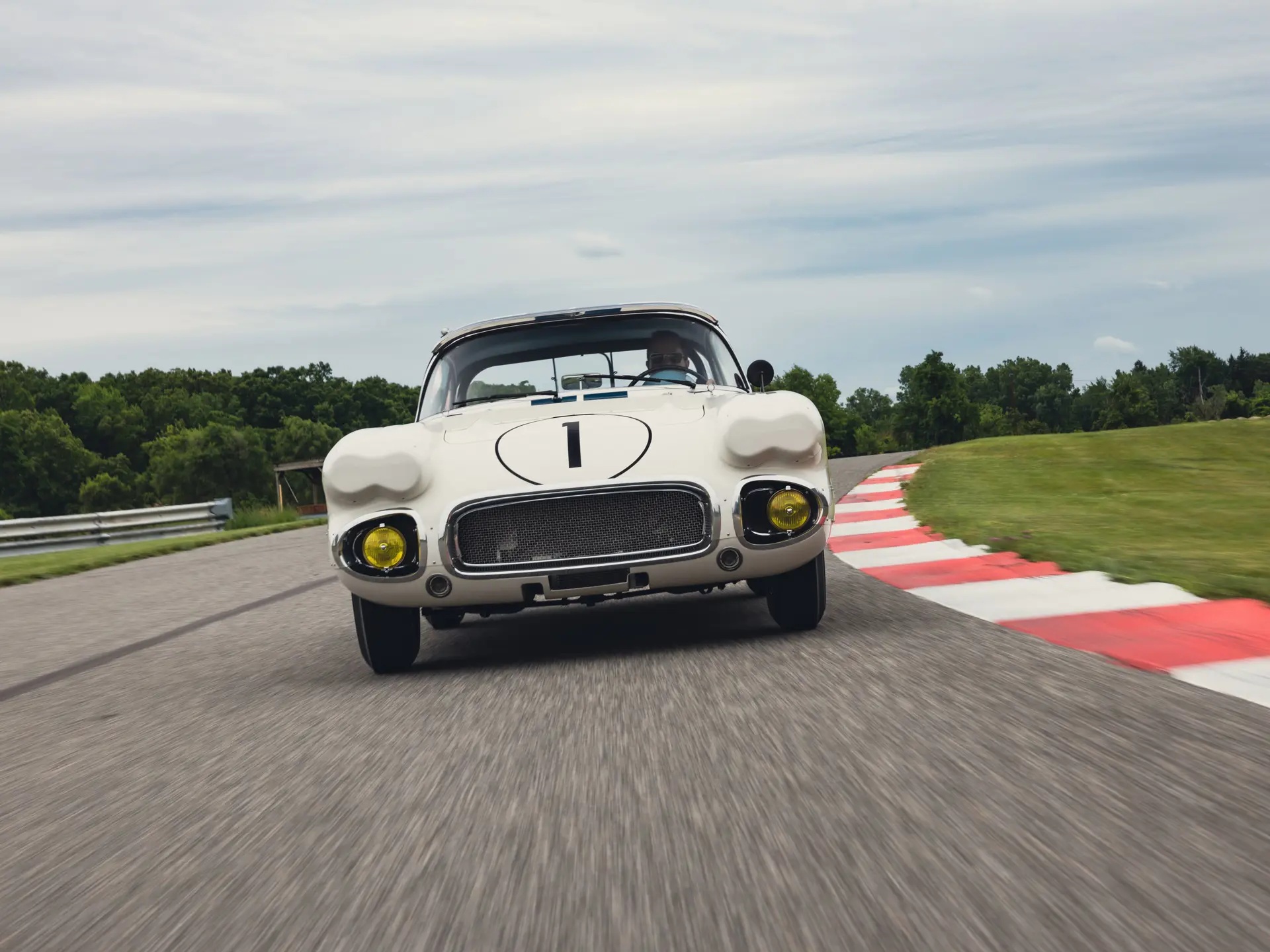
Harley Earl's Corvette was the star of the GM Motorama at the Waldorf-Astoria in January 1953 and went into production at Flint that June, 300 cars, all white with red interiors, with a fibreglass body, a 150-horsepower Blue Flame six and a two-speed Powerglide, which was not what the sports-car people wanted. Zora Arkus-Duntov, a Belgian-born engineer who had raced Allards at Le Mans, joined Chevrolet in May 1953 after seeing the car, and spent the next twenty-two years making it what it should have been: the V8 of 1955, the 1956 body, the 1957 Ramjet fuel injection, one horsepower per cubic inch from the 283, the Corvette SS that Fangio tested and that Taruffi and Fitch raced at Sebring in 1957 before the AMA ban stopped it, and the quiet support for the private racers after. John Fitch's three Corvettes finished the 1956 Sebring race, Dr Dick Thompson won the SCCA championships from 1956, and in 1960 Briggs Cunningham took three Corvettes to Le Mans, where Fitch and Bob Grossman finished eighth overall and won the big GT class. Casey Annis's The American Dream, driving the Cunningham car, is the archive's account; his Cobra's Daddy follows the Corvette Italia, the Scaglietti-bodied Corvette that Gary Laughlin, Jim Hall and Carroll Shelby commissioned in 1959, and John R. Wright's High Tech Incubator and the Dick Thompson interview carry the decade. The C1 thread and the Corvette thread, 619 stories, gather the rest.
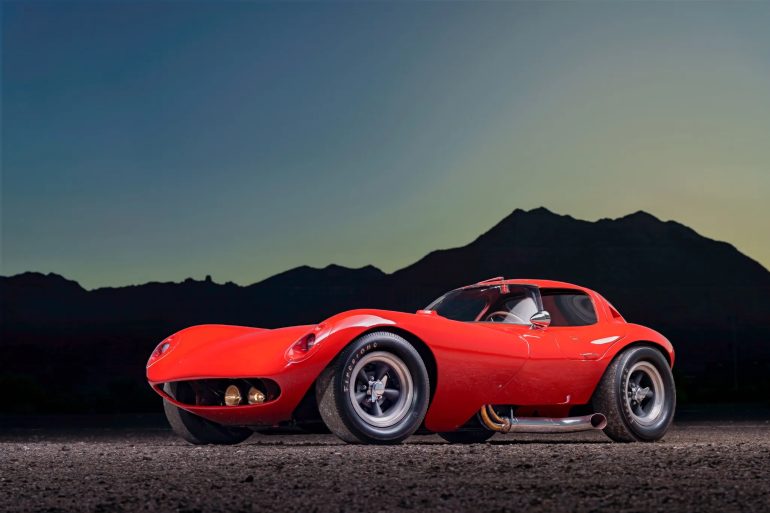
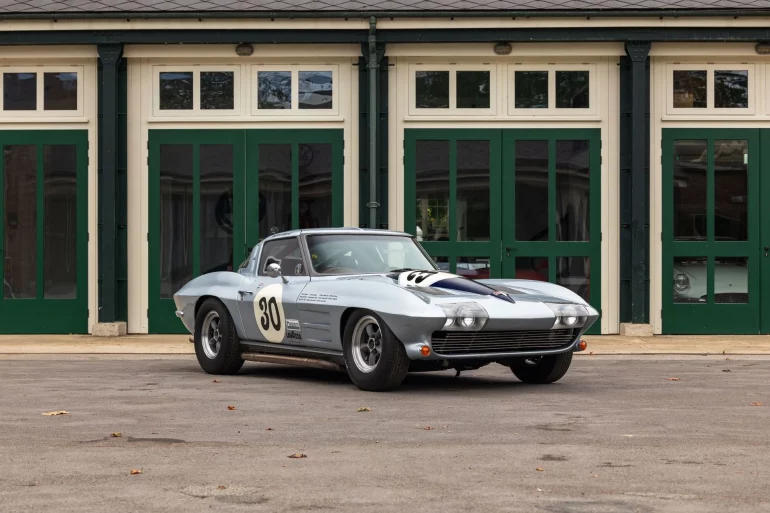
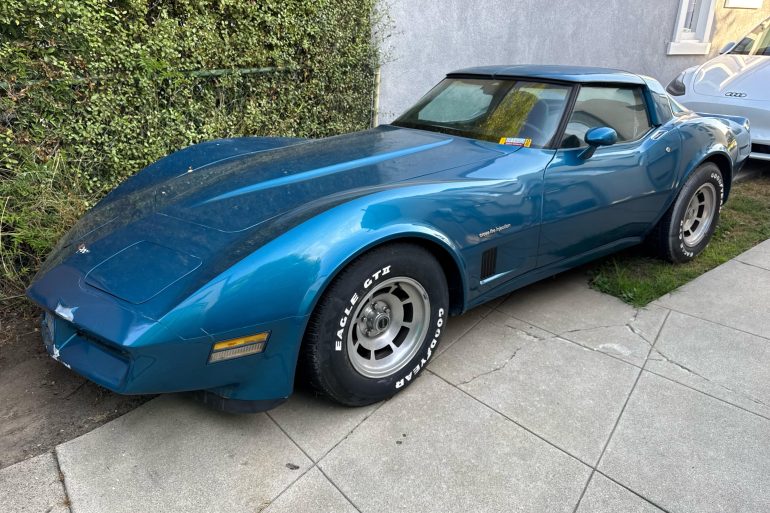
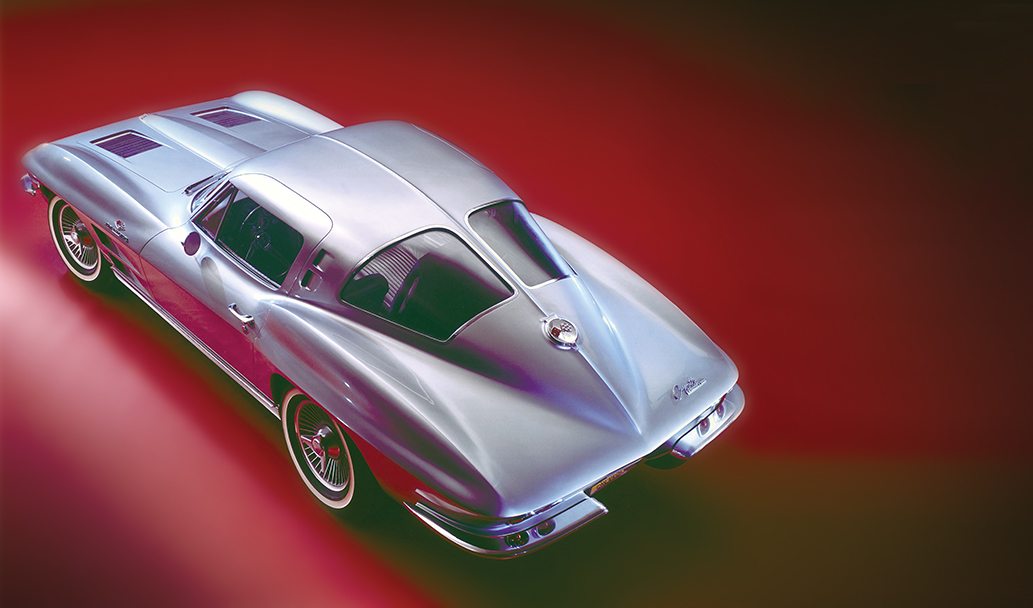
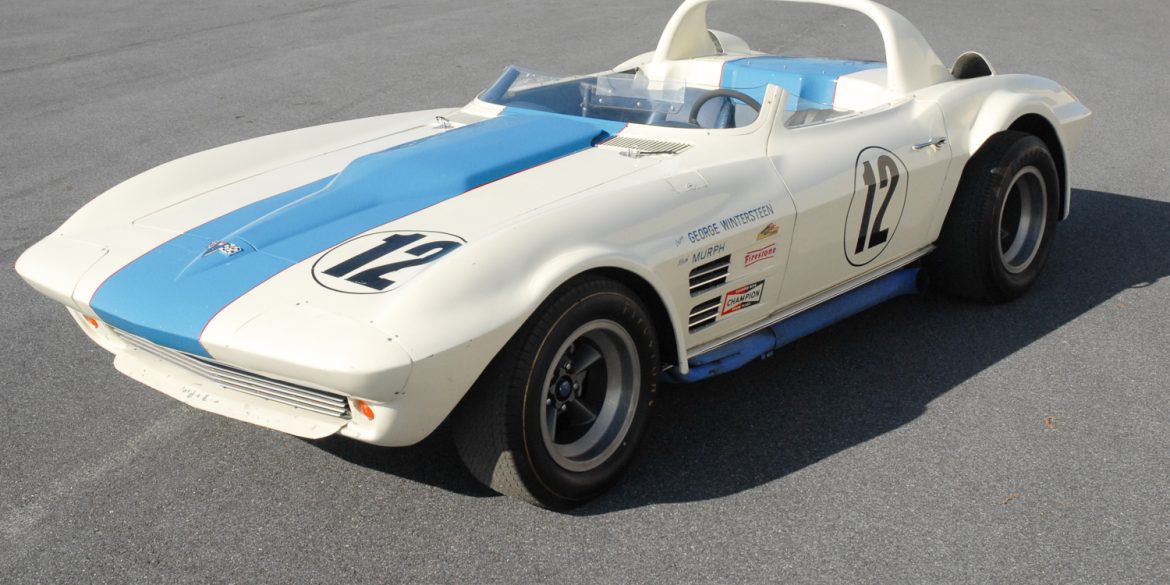
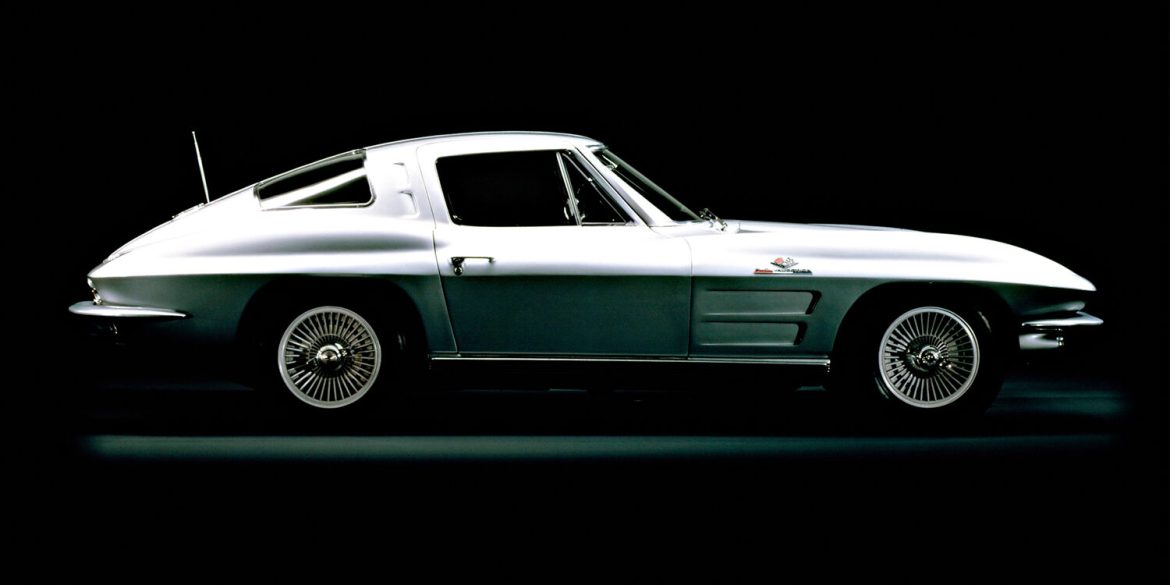
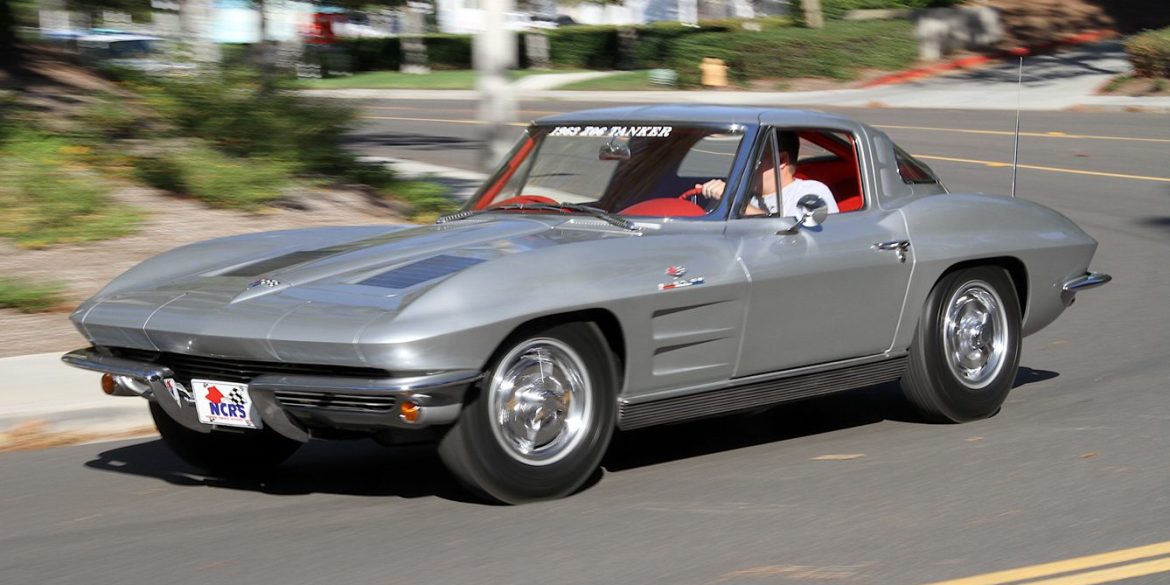
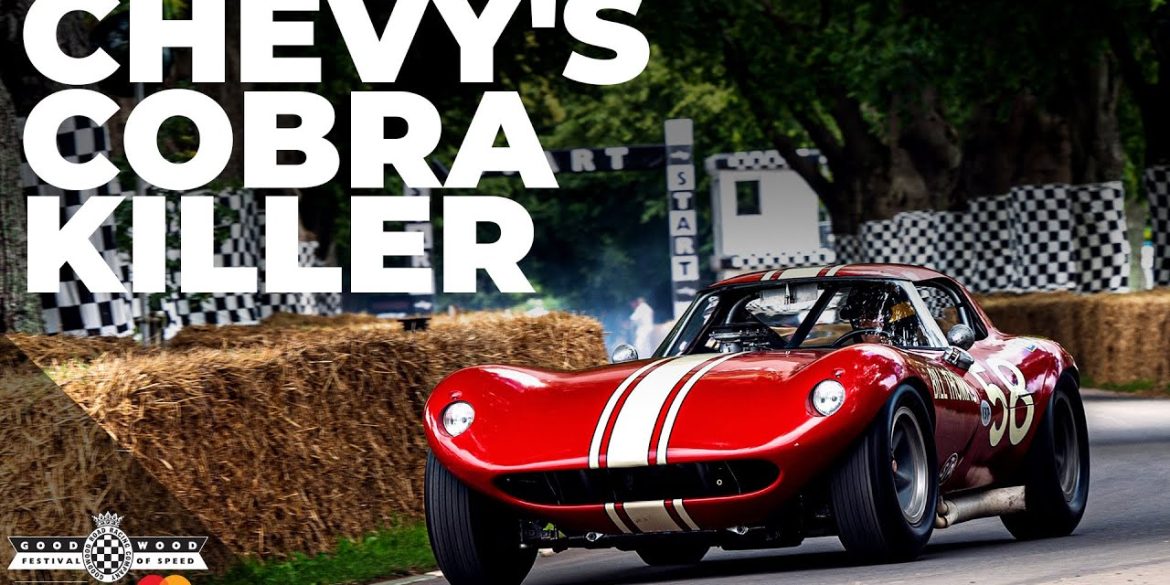
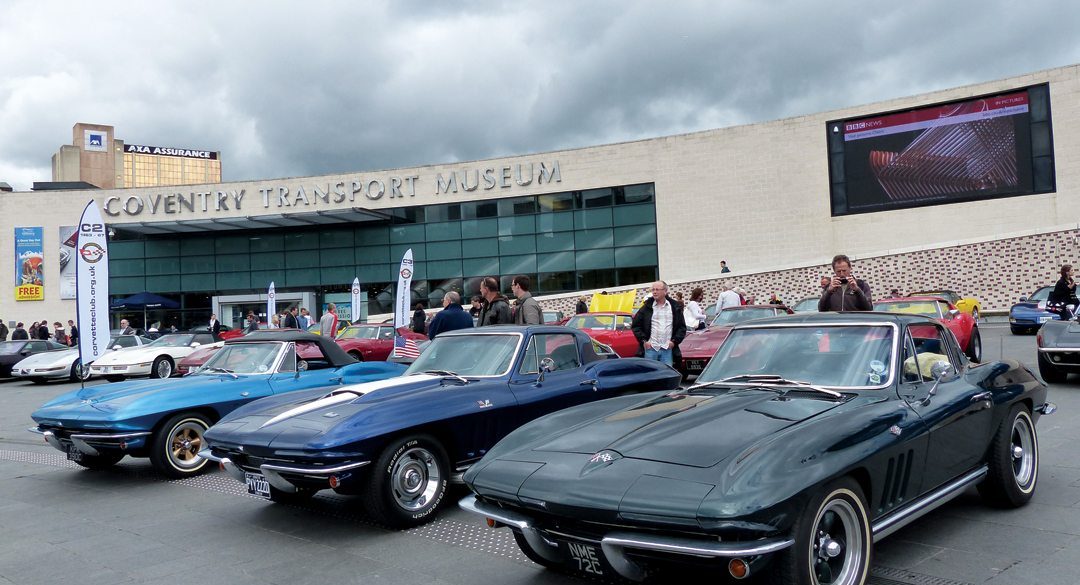
The 1963 Sting Ray was Bill Mitchell's and Larry Shinoda's shape, from Mitchell's Stingray racer of 1959, on Duntov's new chassis with independent rear suspension: the split-window coupé, built for one year only, is the Corvette everyone draws, and Brad Jansen's The Sting Ray: A Technical Analysis and J. Michael Hemsley's Better Than New in the archive take it apart. Duntov's answer to the Cobra was the Grand Sport, a lightweight Sting Ray with a 377-cubic-inch aluminium small-block of 550 horsepower, of which 125 were planned and five built before GM's chairman reaffirmed the racing ban in January 1963 and killed it; the five went to Penske, Hall, Cunningham and friends, beat the Cobras at Nassau in December 1963 and are now the most valuable Corvettes of all, Dom Miliano's The Perfect American Sports Car in the archive among them. The Z06 package of 1963 was the production racer, Jim Richardson's Super Tanker; disc brakes came in 1965, the 396 big-block the same year and the 427 in 1966; and the L88 of 1967 to 1969, a 427 rated at 430 horsepower that made 560, sold without a radio or a heater to people who meant to race it, 216 built, was the car Casey Annis calls the Mulsanne Monster after its Le Mans outings. Bill Thomas's Cheetah of 1963, a Corvette-engined coupé built in Anaheim to fight the Cobras, is the archive's wildest Chevrolet.
The cars and the racing, year by year, with the archive's story of each linked. Car names link to every story on the site about that model.
| Year | The cars | The racing | In the archive |
|---|---|---|---|
| 1911 | Chevrolet Motor Company, 3 November | Louis Chevrolet and Billy Durant; the Classic Six | |
| 1918 | Chevrolet 490 | Durant uses Chevrolet to regain General Motors | The Pioneers era |
| 1929 | The Stovebolt six | Chevrolet overtakes Ford for good | |
| 1953 | Corvette C1 | Earl's Motorama car; 300 built at Flint from 30 June; Duntov joins in May | Zora Arkus-Duntov · High Tech Incubator |
| 1955 | Bel Air · Corvette C1 | Ed Cole's small-block V8, 265 cubic inches; the Bel Air and the Tri-Fives begin | |
| 1956 | Corvette C1 | Fitch's Corvettes finish Sebring; Dick Thompson's first SCCA title | John Fitch |
| 1957 | Corvette C1 · Bel Air | Ramjet fuel injection, 283 horsepower from 283; the Corvette SS at Sebring; the AMA racing ban in June | The 1957 Sebring 12 Hours |
| 1960 | Corvette C1 · Corvair | Cunningham's Corvettes at Le Mans, Fitch and Grossman eighth and first in class; the Corvette Italia; the Corvair | The American Dream · Cobra's Daddy |
| 1963 | Corvette C2 Sting Ray · Corvette Grand Sport | The split-window Sting Ray; the Grand Sport, five built before the January edict; Nassau in December; the Cheetah | The Sting Ray: A Technical Analysis · The Perfect American Sports Car |
| 1965 | Chaparral 2 · Corvette C2 Sting Ray | Hall and Sharp win Sebring in the rain; disc brakes and the 396 for the Corvette | Jim Hall · Young Jim Hall |
| 1966 | Lola T70 · Chaparral 2E | Surtees wins the first Can-Am in a Chevrolet-engined Lola; the 2E's wing; the 2D at the Nürburgring | Aerodynamics Made Visible |
| 1967 | Camaro · Corvette L88 | The Camaro and the Z/28; the L88; the Chaparral 2F's BOAC 500; McLaren's first Can-Am title on Chevrolet power | Trans-Am '67 · Mulsanne Monster |
| 1968 | Camaro Z/28 · Corvette C3 | Penske and Donohue win the Trans-Am, ten races of thirteen; the C3 Corvette | The Penske Panzer · Mark Donohue |
| 1969 | Camaro Z/28 · Corvette L88 | The Trans-Am again; the ZL1 and Yenko Camaros; the aluminium ZL1 Corvette | Detroit Muscle and Trans-Am |
| 1970 | Chevelle · Chaparral 2J | The LS6 Chevelle; the sucker car banned; the Camaro's second generation | The Astonishing Chaparral 2J |
| 1971 | Corvette C3 · McLaren M8F | Greenwood's Sebring class win; McLaren's fifth and last Can-Am title on Chevrolet power | Twisting in the Wind · Can-Am era page |
| 1975–80 | Camaro | The IROC Camaros | Rugged Equalizer |
| 1988–93 | Chevrolet-Ilmor Indy V8 | Six Indianapolis 500s in a row | Penske's Advantage: PC19 · Indianapolis 500 hub |
| 1990 | Corvette ZR-1 | Twenty-four hours at 175.885 mph at Fort Stockton | From Zero to ZR-1 |
| 1999 | Corvette C5-R | Corvette Racing: the first open factory programme since 1957 | |
| 2001 | Corvette C5-R | The 24 Hours of Daytona outright and the first Le Mans class win | Le Mans hub |
| 2004–06 | Corvette C6 | Three Le Mans class wins in a row; the C6 Z06 | |
| 2009–15 | Corvette C6 | Le Mans class wins 2009, 2011 and 2015; the C7.R | |
| 2020 | Corvette | The mid-engined C8, sixty years after Duntov's CERV; the C8.R's first wins | |
| 2023 | Corvette | The C8 Z06: a 670-horsepower flat-plane V8 | |
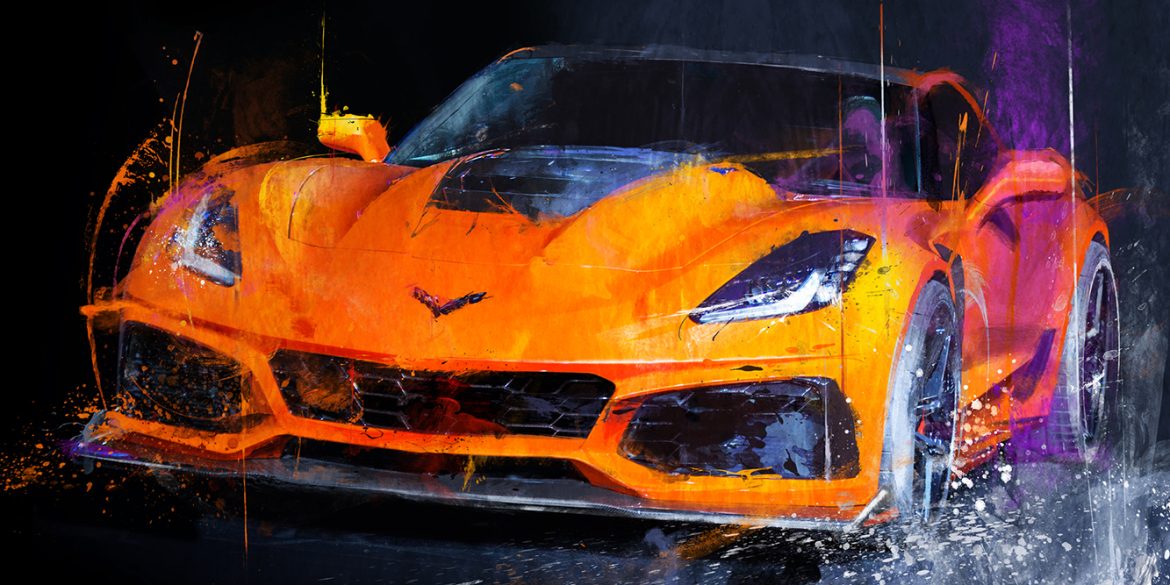
| 2025 | Corvette | The ZR1: 1,064 horsepower and 233 mph, the fastest American production car | Corvette Grand Sport to Bonhams |
Corvette generations are numbered C1 (1953–62) to C8 (2020–); the Chaparrals, Lolas and McLarens that ran Chevrolet engines are on the Can-Am page too. The Great Races pages carry each race in full.
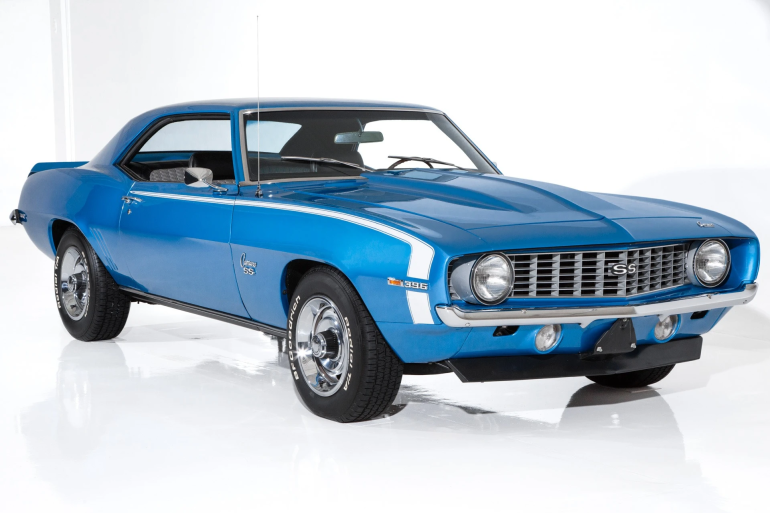
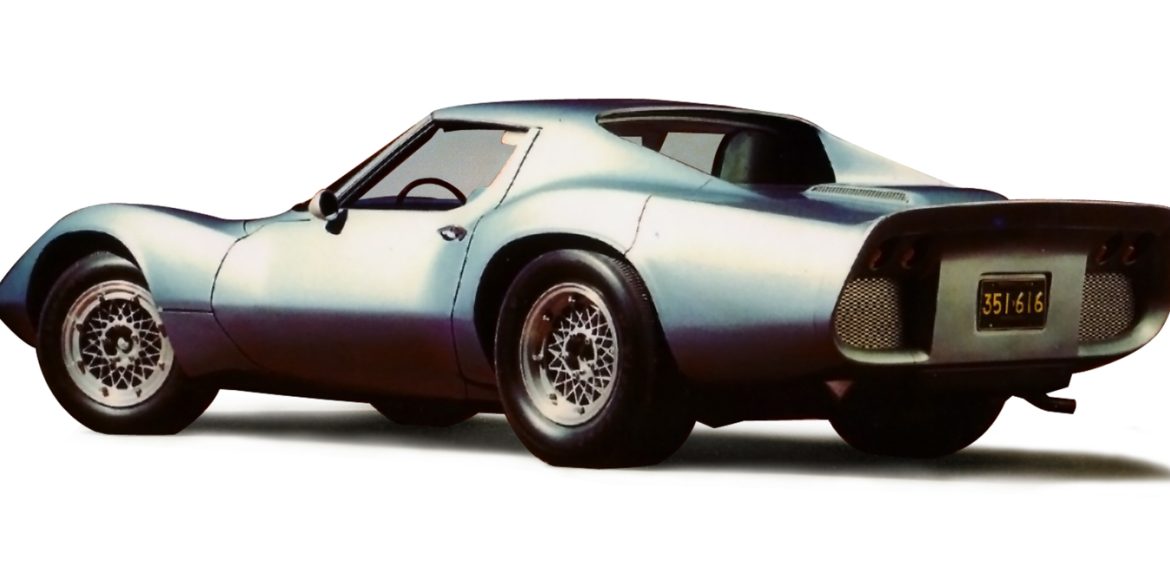
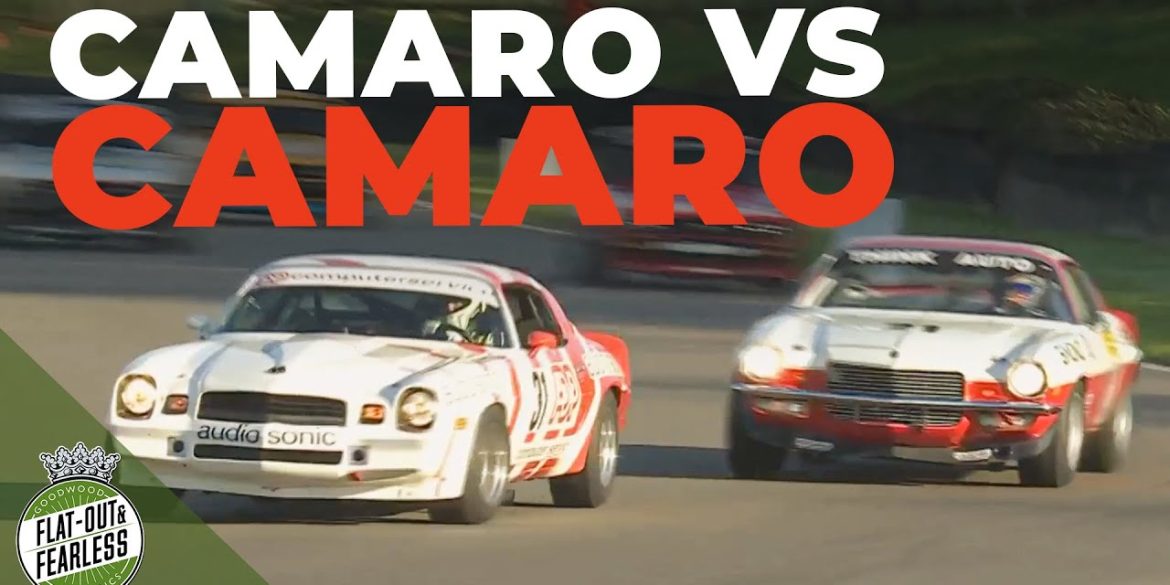
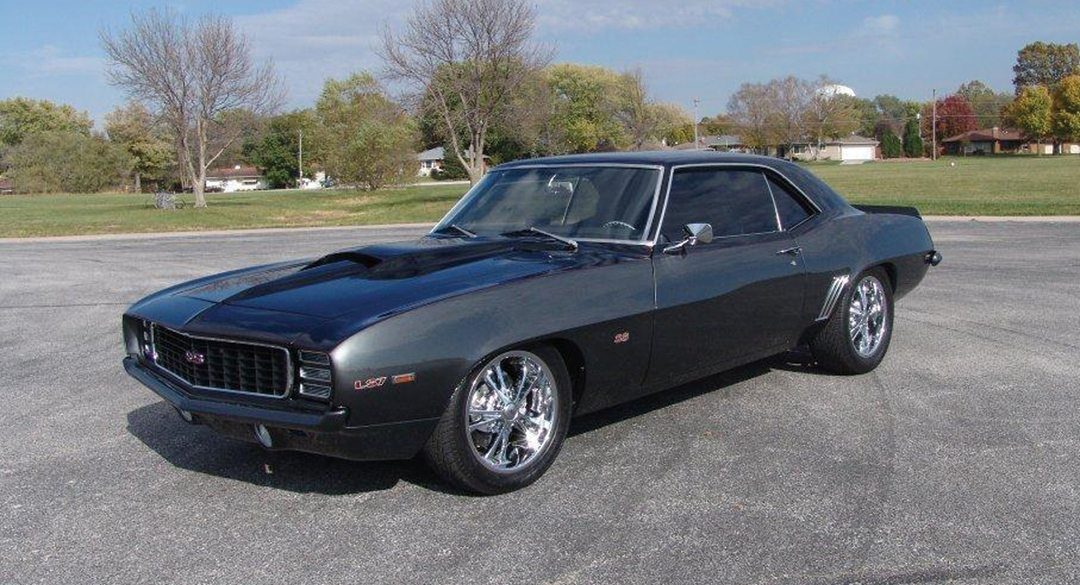
The Camaro arrived in September 1966 as Chevrolet's Mustang, and the Z/28, a 302-cubic-inch small-block built to the Trans-Am's five-litre limit, went racing in 1967 with Roger Penske's team and Mark Donohue. The archive's Trans-Am '67 has the first season, when the Mustangs won; Penske and Donohue won the championship for Chevrolet in 1968, ten races out of thirteen, and in 1969, before Penske took the AMC money and Bud Moore's Boss 302s won 1970. The Penske Panzer, Gary Horstkorta's history of the acid-dipped cars, the IROC Camaro that Mike Jiggle drives in Rugged Equalizer, the 1970 and 1973 Daytona race profiles and the Detroit Muscle and Trans-Am era page carry the Camaro's racing; the ZL1 and Yenko Camaros of 1969, the COPO cars with the aluminium 427, the Chevelle SS 454 LS6 of 1970, the Impala 409 and the Nova SS are the muscle cars the auction reports follow. The Corvair of 1960 to 1969, the rear-engined compact that Ralph Nader made famous, is in the archive as Don Yenko's Stinger and Karl Ludvigsen's Testudo, Bertone's concept on the Corvair chassis.
Jim Hall, a Texan with a Caltech engineering degree and oil money, built the Chaparral 2 with Hap Sharp at Midland in 1963 with help that Chevrolet's research and development department under Frank Winchell never admitted giving: aluminium small-blocks, the automatic transmission that let Hall drive one-handed, and the wind-tunnel work that put the first high wing on a racing car. The Chaparral 2 won the 1965 Sebring 12 Hours in the rain, the 2D the 1966 Nürburgring 1000 km, the 2F the 1967 BOAC 500 at Brands Hatch, the 2E of 1966 carried the wing into the Can-Am and the 2J of 1970, the sucker car, was banned; Karl Ludvigsen's Aerodynamics Made Visible and The Astonishing Chaparral 2J, Ed McDonough's Road Runners on the Mk1 and Willem Oosthoek's Young Jim Hall carry the story. In the Can-Am itself, from 1966 to 1971, every championship went to a Chevrolet engine: John Surtees's Lola T70 in 1966 and Bruce McLaren's and Denny Hulme's McLarens from 1967 to 1971, with the aluminium 427 and then the 494-cubic-inch big-blocks that Chevrolet quietly supplied, until Porsche's 917/10 ended it in 1972. The Can-Am and the Unlimiteds era page, with the archive's 17,000-word Can-Am history inside it, has every season; the Lola T70 and McLaren M8 threads the cars.
The Chaparrals, Lolas and McLarens that ran Chevrolet engines, newest first.
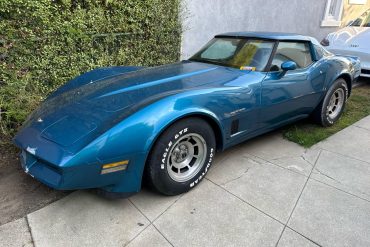
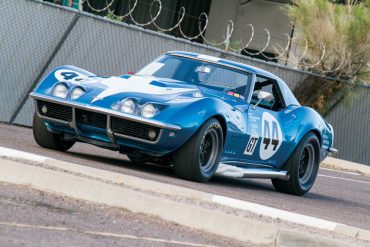
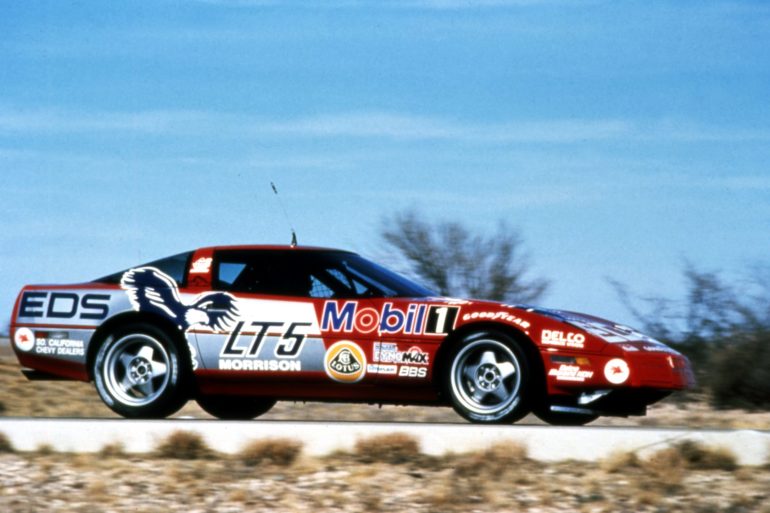
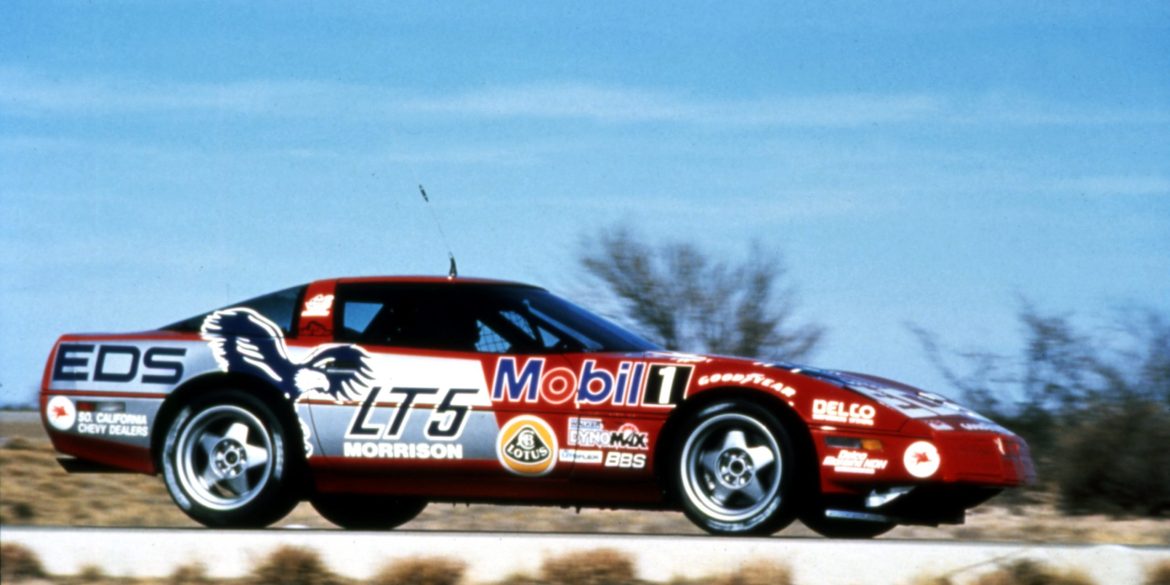
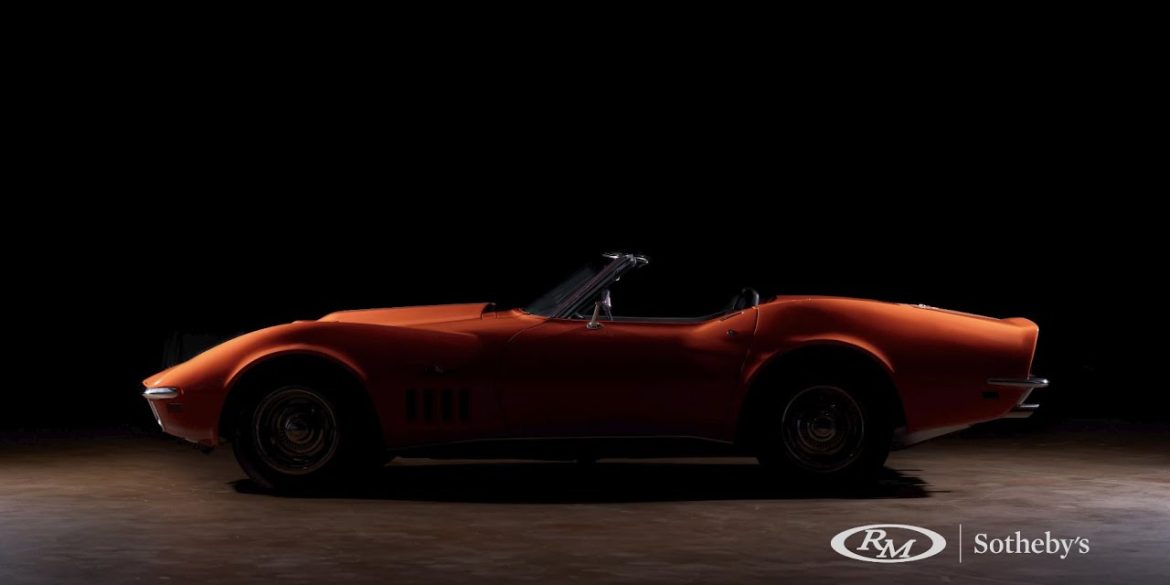
The C3 Corvette of 1968, Mitchell's Mako Shark shape, was the racing Corvette of the 1970s in private hands: the L88s and ZL1s at Daytona and Sebring, Or Costanzo's and Tony DeLorenzo's cars, and John Greenwood's wide-bodied, star-spangled Corvettes, which won the GT class at Sebring in 1971 and set the fastest speeds ever seen on the Mulsanne straight for a GT car in 1972 and 1973; John Zimmermann's Twisting in the Wind is the Greenwood story. IMSA's GTO class and the SCCA Trans-Am kept the Corvette racing through the 1980s, and in March 1990 a ZR-1, the 375-horsepower Lotus-engined Corvette, ran twenty-four hours at Fort Stockton at an average of 175.885 mph, the record Karl Ludvigsen's From Zero to ZR-1 describes. The Daytona Continental, which the archive's Five from Fifty follows across its first half-century, and the Sebring and Daytona race profiles carry the Corvettes race by race.
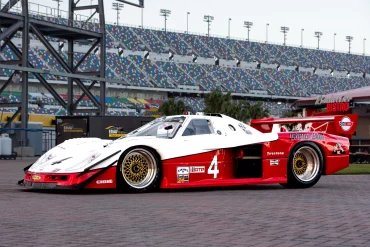
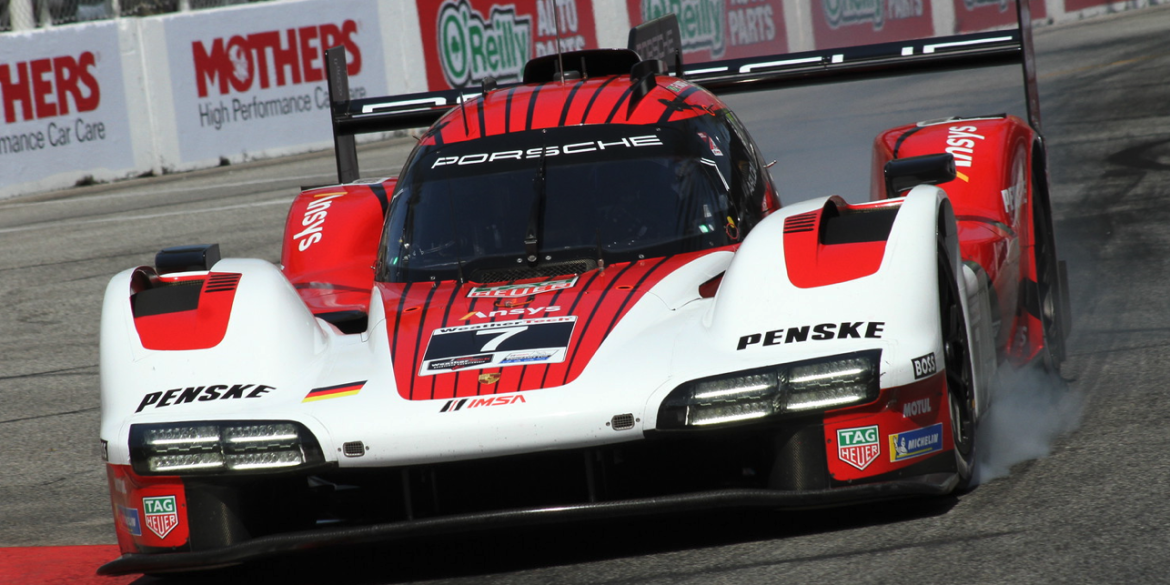
Chevrolet returned to factory racing openly in 1999 with Corvette Racing and the C5-R, run by Pratt and Miller, and for twenty years it was the most successful GT team in the world: the 24 Hours of Daytona outright in 2001, the GTS class at Le Mans the same year and in 2002, 2004, 2005, 2006, 2009, 2011 and 2015, the C6.R's and C7.R's American Le Mans and IMSA championships, and the mid-engined C8.R's first wins in 2020. The road cars followed the racing: the C5 of 1997 with the LS1 and the Z06 of 2001, the C6 Z06 and ZR1 of 2006 and 2009, the C7 of 2014, and in 2020 the C8, the mid-engined Corvette Duntov had wanted since 1960, with the LT2 behind the seats at $60,000. The C8 Z06 of 2023 put a 5.5-litre flat-plane-crank V8 of 670 horsepower, the most powerful naturally aspirated V8 ever in a production car, behind the driver; the E-Ray of 2024 was the first hybrid and four-wheel-drive Corvette; and the ZR1 of 2025, with 1,064 horsepower from the twin-turbo LT7 and a 233 mph top speed, the fastest American production car ever built. The archive's Corvette coverage of the modern era runs through the Le Mans reports, the Goodwood and Monterey galleries and the sister site CorvSport's reprints, and the Model (Chevrolet Corvette) thread gathers it all.
Every Corvette story on the site, newest first: 619 of them.
The Model tags on this site cover the Chevrolets the archive has most to say about: the Corvette, with its own threads for the C1, the C2 Sting Ray, the Grand Sport, the L88, the C3 and the C6; the Camaro and the Z/28; the Bel Air; the Impala and the Chevelle; and the Corvair. The Chaparrals, the Cheetah and the Lola T70 and McLaren M8 that carried Chevrolet engines have their own tags and sit on the Can-Am page too. The nine cards below are the ones with most to read behind them, and the Model tag opens every story on each.
Nine the archive has most to say about; each links to every story on the site about that car.
Single-car and chassis stories: the Corvettes, the Camaros, the Chaparrals and the cars that surface at auction.
Chevrolet's racing is on the archive's hubs as well as here. The Le Mans hub has the Cunningham Corvettes of 1960, the Greenwoods and Corvette Racing's eight class wins; the Sebring hub Fitch's Corvettes of 1956, the Corvette SS of 1957, Hall's Chaparral win of 1965 and the Corvette Racing years; the Can-Am and the Unlimiteds era page the Chaparrals and the Chevrolet-powered McLarens and Lolas season by season; the Detroit Muscle and Trans-Am era page the Penske Camaros and the Trans-Am titles of 1968 and 1969; and the Indianapolis 500 hub the Chevrolet-Ilmor's six wins in a row, 1988 to 1993, and the Chevrolet engines of today's IndyCar. Carl Goodwin's Watkins Glen histories and the archive's Daytona and Sebring race profiles have the Corvettes in the field year by year, and the Racing (Chevrolet) feed below gathers the race reports and profiles with a Chevrolet in them.
Race profiles and reports with a Chevrolet in them, newest first.
Louis Chevrolet and Billy Durant first; then Ed Cole, who built the small-block and the Corvair; Harley Earl and Bill Mitchell, GM's two great design chiefs, and Larry Shinoda, who drew the Sting Ray; Zora Arkus-Duntov, the Corvette's engineer and conscience for twenty-two years, and Dave McLellan, Dave Hill and Tadge Juechter after him; Frank Winchell of Chevrolet R and D; the racers, John Fitch, Dick Thompson, Briggs Cunningham, Bob Bondurant, Jim Hall and Hap Sharp, Roger Penske and Mark Donohue, Don Yenko, Bill Thomas, John Greenwood, Tony DeLorenzo, Jerry Thompson, and the Corvette Racing drivers from Ron Fellows and Johnny O'Connell to Oliver Gavin, Jan Magnussen, Antonio García and Tommy Milner; and Smokey Yunick, who bent every rule Chevrolet had. Each name with a People thread links to every story on the site about them, and the People page gathers the portraits.
The Chevrolet market is the Corvette market, with the muscle cars beside it. The Grand Sports are unpriced, $5–10 million when one moves privately; the L88s are the top of the auction market, a 1967 L88 coupé having made $3.85 million in 2014 and the 1968–69 convertibles $1–3 million; the 1963 split-window coupé is $150,000–300,000 and a fuel-injected Z06 far more, the 1957 fuel-injected Corvette and the 1953 cars $200,000–400,000, and the C1 and C2 range from $60,000 driver cars up. Among the muscle cars the ZL1 and Yenko Camaros and the LS6 Chevelles are $500,000–1 million and the ordinary Z/28s, SS Chevelles and Tri-Five Bel Airs $50,000–150,000. The Chaparrals are in the Petroleum Museum in Midland and do not sell; the Can-Am McLarens and Lolas do, at $1–3 million. The modern Corvettes, the C8 Z06 and ZR1, are collector cars from new. The Auctions (Chevrolet) and For Sale (Chevrolet) threads below are the live market; the Market page has the auction calendar and the record prices.
Auction previews and results for Chevrolets and Corvettes, newest first.
Chevrolets offered by dealers and collectors, newest first.
The archive's Chevrolet galleries come from the Monterey Reunion and the Rolex Reunion's Corvette classes, the Goodwood Revival, where the Galaxies and Chevrolets fight in the St Mary's Trophy, the Corvettes at Carlisle and the National Corvette Museum, the Sebring and Daytona paddocks, the Amelia Island and Pebble Beach lawns where the early Corvettes and the Tri-Fives are judged, and the muscle-car auctions in Kissimmee and Scottsdale. The Galleries (Chevrolet) feed below gathers them.
Chevrolet galleries from Monterey, Goodwood, Sebring and the muscle-car auctions.
Founded 3 November 1911, Detroit; part of General Motors since 1918. Corvette: production since 30 June 1953, more than 1.8 million built; eight generations; Le Mans class wins 1960 (Cunningham) and 2001, 2002, 2004, 2005, 2006, 2009, 2011, 2015 (Corvette Racing); 24 Hours of Daytona overall 2001; ZR-1 24-hour record 175.885 mph (1990); ZR1 top speed 233 mph (2025). Chevrolet engines: Can-Am championships 1966–71; Sebring 1965 (Chaparral 2); Trans-Am championships 1968, 1969 (Camaro Z/28); Indianapolis 500 1988–93 (Chevrolet-Ilmor) and 2012 onwards; NASCAR manufacturers' championships, more than 40. Built: Corvette Grand Sport 5; L88 216 (1967–69); 1963 Z06 199; ZL1 Camaro 69; Chevelle LS6 about 4,500; Chaparral 2 series about a dozen. Record prices: 1967 Corvette L88 coupé $3.85 million (2014); 1969 ZL1 Camaro about $1 million; 1963 Grand Sport private sales $5 million and more; 1957 Bel Air fuel-injected convertibles above $200,000.
Short answers, with the long ones above.
Louis Chevrolet, a Swiss-born racing driver, and William C. Durant, the founder of General Motors, on 3 November 1911 in Detroit; Durant used Chevrolet's profits to regain control of GM in 1918, and Louis Chevrolet had left by 1914.
On 30 June 1953 at Flint, Michigan, after Harley Earl's show car drew the crowds at the GM Motorama that January; 300 were built that year, all white, with a six-cylinder engine. The V8 arrived in 1955 and Zora Arkus-Duntov's fuel injection in 1957.
Not between June 1957, when the American manufacturers agreed to stop, and the 1990s; Chevrolet supported private racers, Jim Hall's Chaparrals and the Can-Am teams quietly instead. Corvette Racing, from 1999, was the first open factory programme, and Chevrolet has supplied IndyCar and NASCAR engines openly since.
Duntov's 1963 lightweight racing Sting Ray, built to beat the Cobras; five were made before GM's chairman stopped the programme, and they beat the Cobras at Nassau in December 1963. All five survive and are the most valuable Corvettes.
The V8 Chevrolet introduced in 1955 at 265 cubic inches, enlarged over the years to 400, built in more than 100 million examples in its original form until 2003 and continued in the LS and LT families. It powered the Corvette, the Camaro, the Can-Am McLarens and most of American road racing.
Never outright; nine times in class: 1960 with Briggs Cunningham's team and eight times with Corvette Racing between 2001 and 2015. The best overall finish was the C5-R's eighth in 2001.
Because Zora Arkus-Duntov wanted it to be from the CERV prototypes of 1960 onwards and GM finally agreed sixty years later: the 2020 C8 put the V8 behind the driver for traction, balance and the racing C8.R. The Z06 of 2023 and the 1,064-horsepower ZR1 of 2025 followed.
With Casey Annis's The American Dream and Cobra's Daddy, Brad Jansen's Sting Ray analysis, Dom Miliano's Grand Sport, John Zimmermann's Greenwood Corvettes and Karl Ludvigsen's Chaparrals, then the Corvette and Camaro threads.
The whole archive on one thread, newest first.