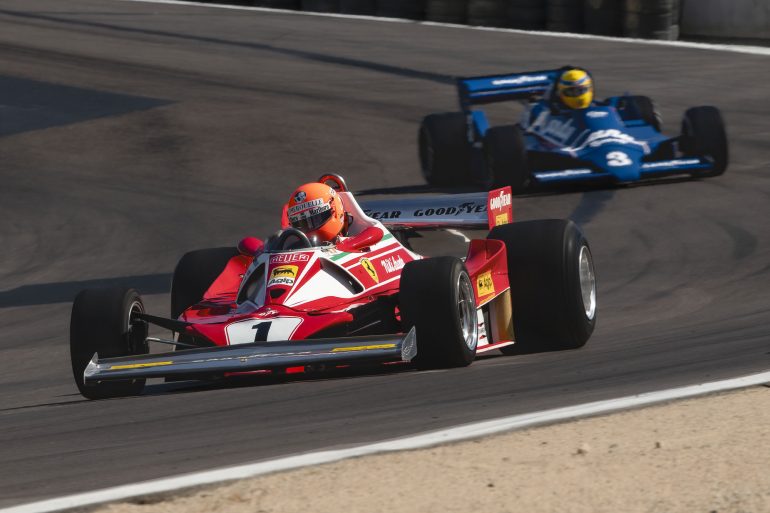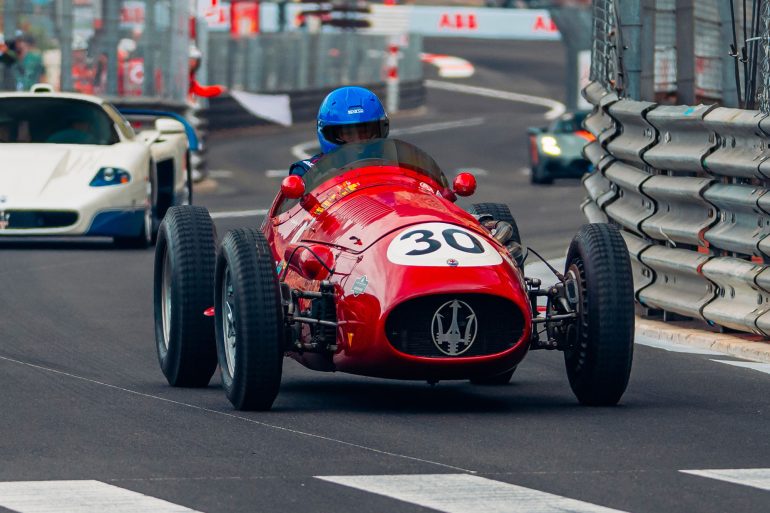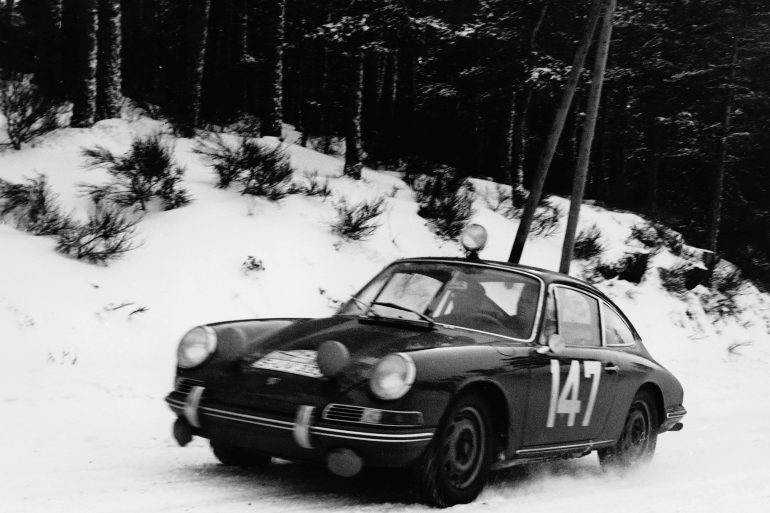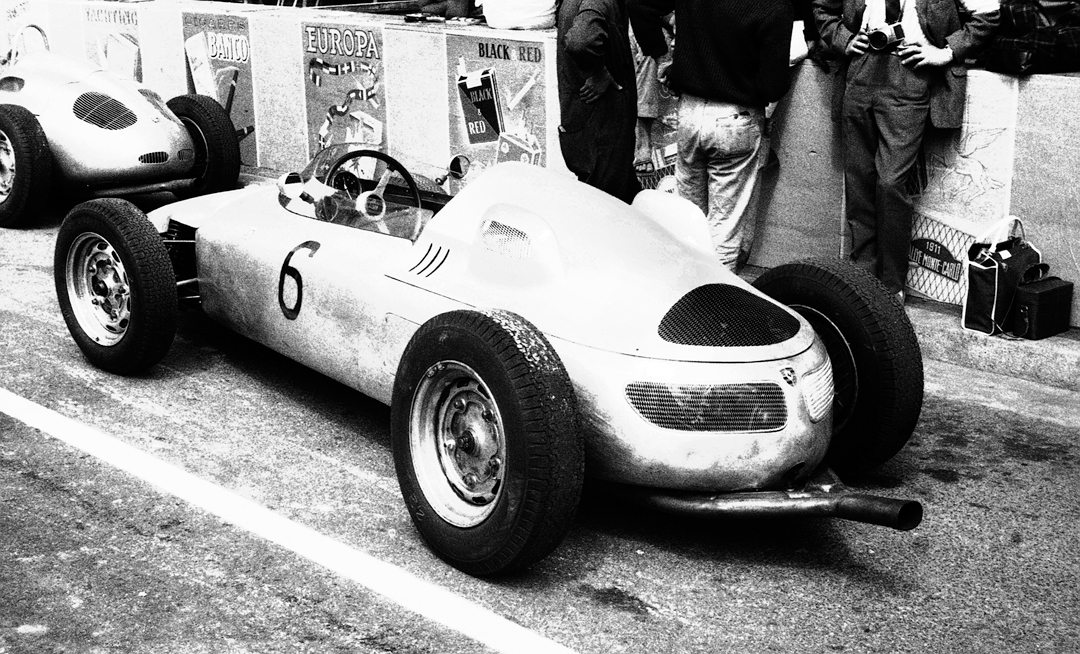
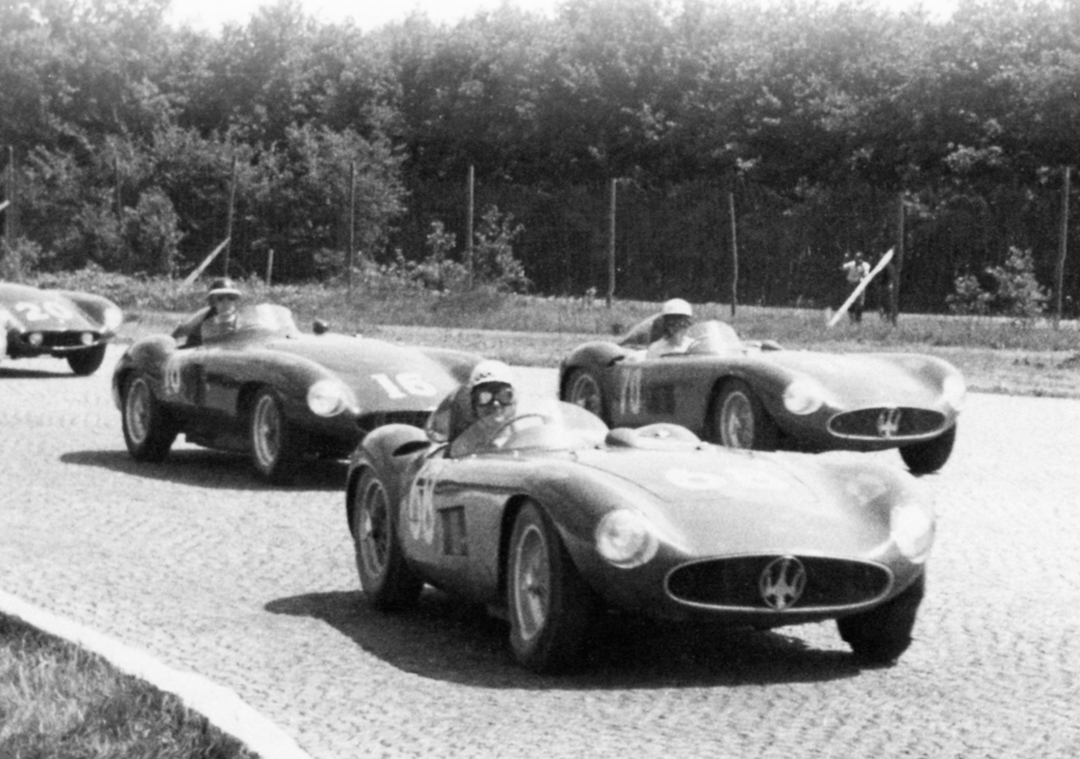
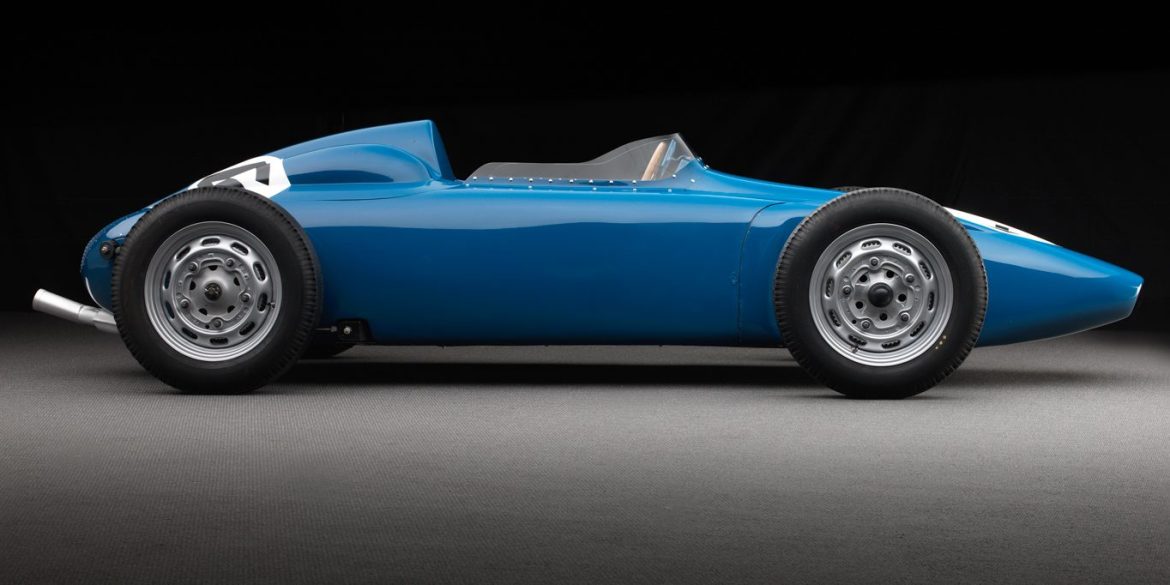
Ferrari's lead driver built his own Formula Two car from Porsche 718 RSK parts Ferry Porsche supplied on easy terms, and in 1959 it beat the works Porsches in the year's biggest F2 race. Karl Ludvigsen on Jean Behra's car.

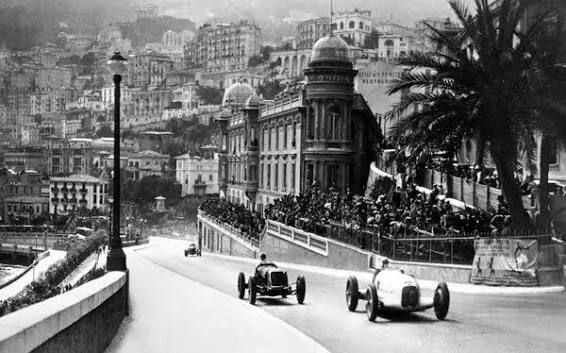
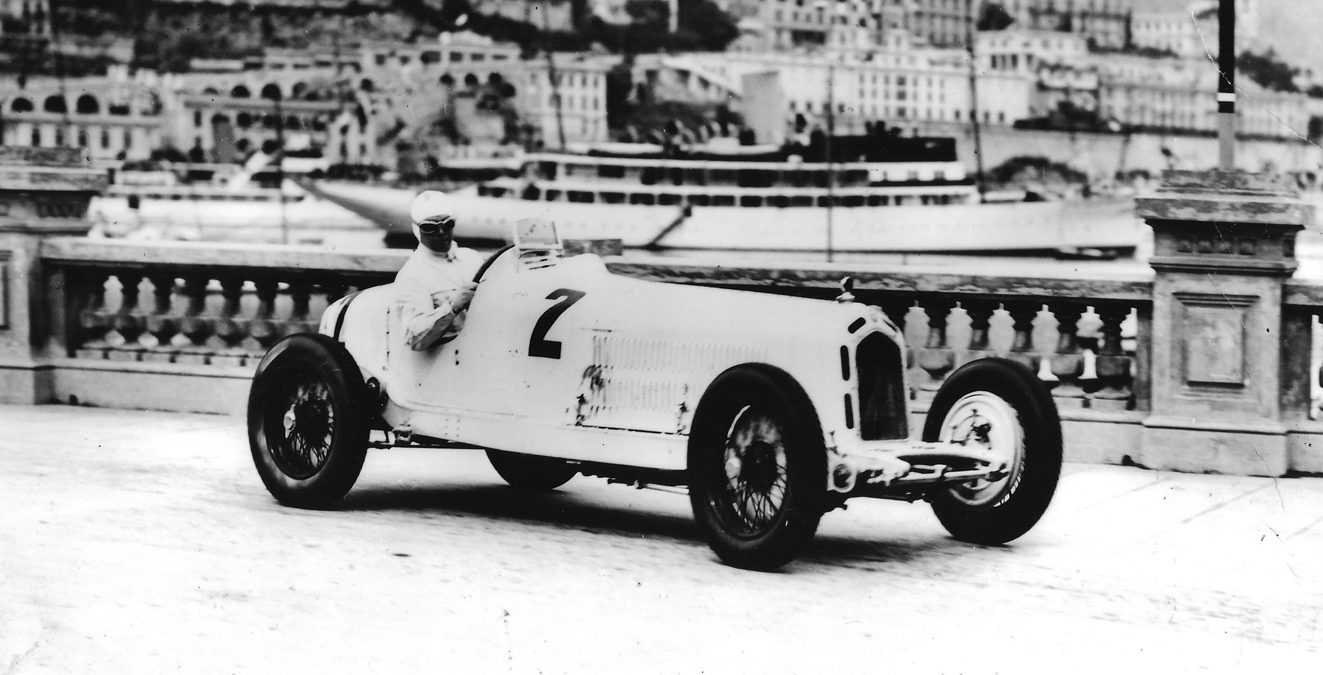
Three and a third kilometres of public road through a principality the size of a golf course, lined with lampposts, hotels and the harbour, and almost unchanged since 1929. Nobody would sanction it today, and nobody would dare drop it. Williams, Chiron, Nuvolari, Fangio, Moss, Hill, Senna and Leclerc have won here; Ascari went into the sea. The archive has watched from the walls since 1962.
The pieces to start with
Moss in 1961, Hill in 1965, 1968 and 1970 from the inside, Lyons on the magic of the place, Caracciola and Fangio.
When the 1.5-liter formula was announced for 1961, British constructors assumed it would never happen and backed an Intercontinental Formula instead; Ferrari and Porsche developed F2 engines. Ed McDonough sets the scene for Moss at Monaco, 14 May.
Four days before the 1968 Monaco Grand Prix a first-time visitor took the train along the coast from Nice, getting into and out of France before the strikes shut the country. Corporate Formula One started there.
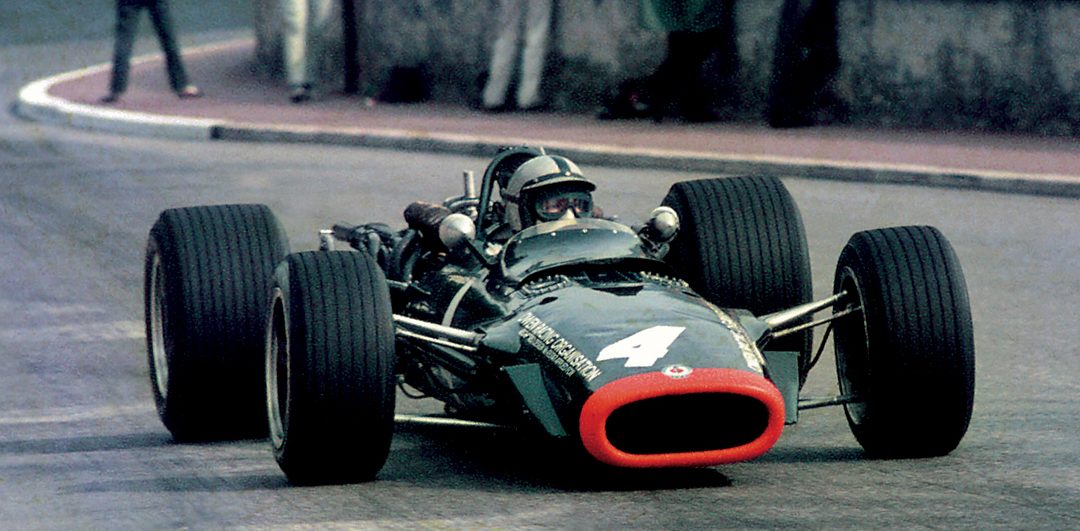
Hill in his own words on Monaco 1965: fastest in practice, winner of the previous two, and favorite, a position he never liked. “You bounce off hotels, nightclubs, brick walls, telegraph poles, and street lamps.”
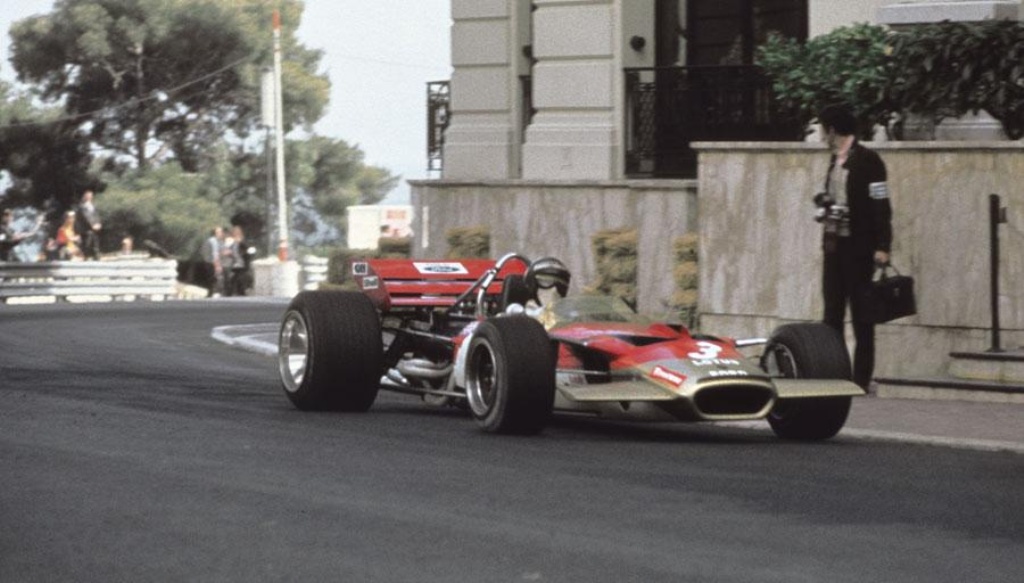
Monaco 1970: Jochen Rindt in the old Lotus 49C after the 72’s poor debut at Jarama, Jack Brabham in his final season answering the press who wanted him retired. Dennis David on the race that followed.
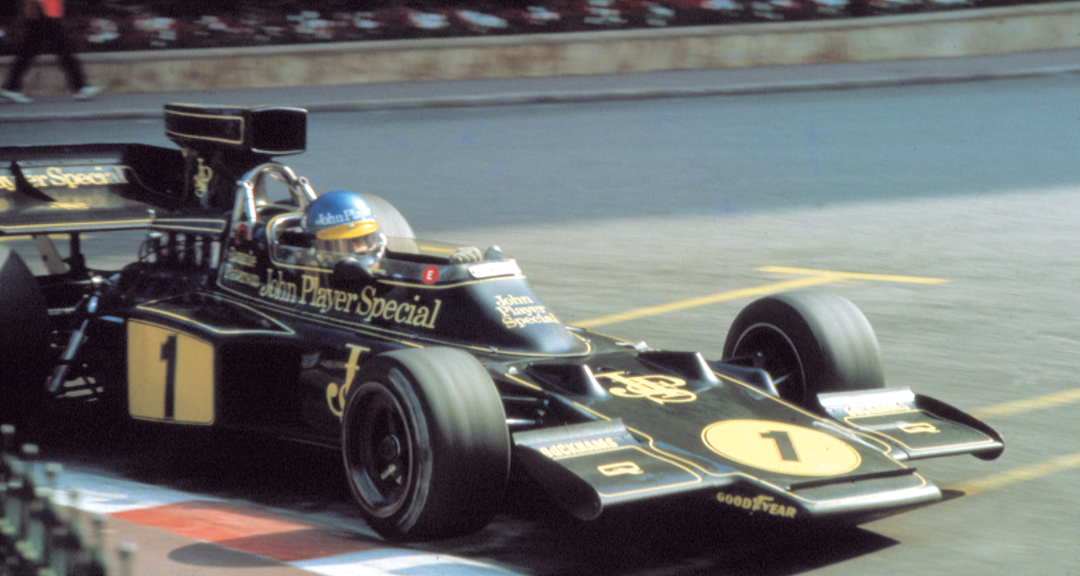
Pete Lyons first reached Monaco in 1962 on a Norton, pitched a pup tent above the Lower Corniche and waited weeks for the Grand Prix. Ten years later he shivered, soaked, through one of the best races he ever saw.
Monaco 1955, up from sixth to third before the axle broke, steam in the harbor: Ascari was in the sea. Roberto Mieres visited him that afternoon and read of his death on a train that Thursday. Back after 50 years.
“Why should we always win the prizes for other people?” Chiron asked. Monaco, 1933: he and Rudi Caracciola, dropped by their works teams in the Depression, arrived with two 2.3-liter Alfa Romeo Monzas as Scuderia CC.
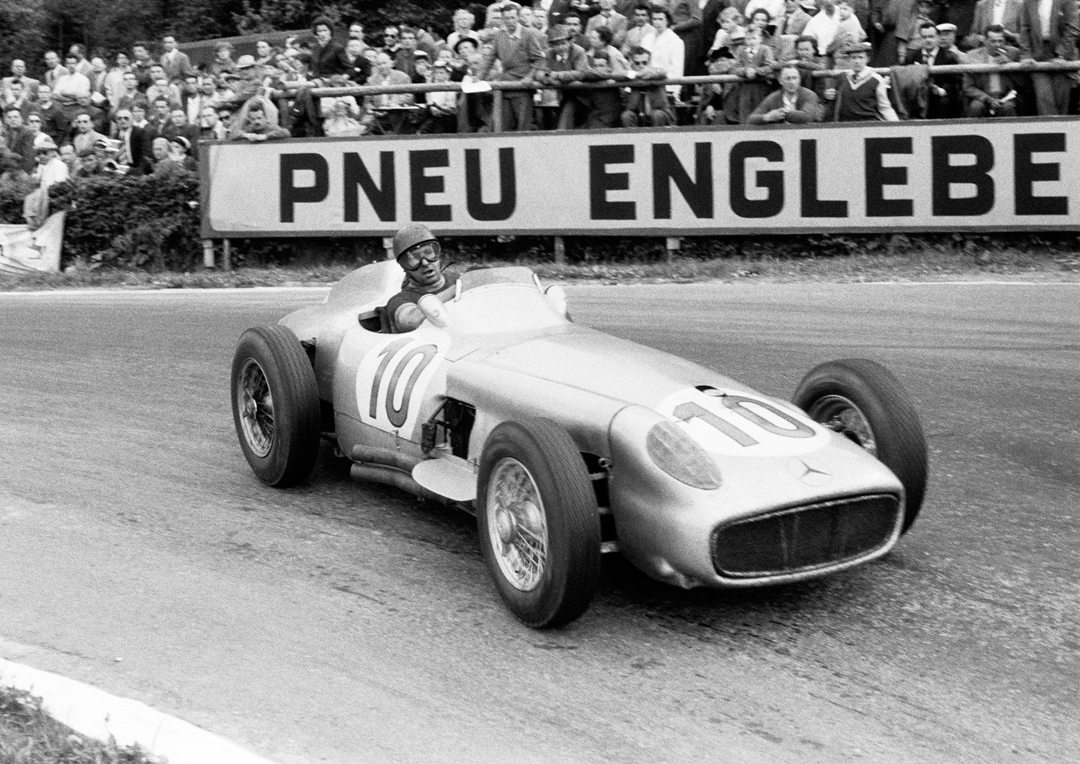
Robert Newman first met Fangio in a Heathrow lounge, a Pirelli press officer arranging an Autocar interview by Innes Ireland, 17 years after idolizing him from an Australian schoolroom. On the only driver Monterey has honored as a marque.
The newest long-form writing on the Monaco Grand Prix, as it is published.

The Monaco Grand Prix is a Formula One race run through the streets of Monte Carlo and La Condamine, in the principality of Monaco, on a circuit of 3.337 kilometres that has kept the same essential shape since Anthony Noghès laid it out in 1929: up the hill from the harbour to Casino Square, down through Mirabeau and the hairpin to the sea, through the tunnel and along the quay and back. It is the shortest and slowest race on the World Championship calendar, the only one allowed to run less than 305 kilometres, and the one every driver most wants to win. It has been a round of the championship since the first season in 1950 (with gaps until 1955) and has been held every year since, apart from 2020. Ferrari made its championship debut here; Ascari went into the harbour; Hill won five, Senna six; Leclerc became the first Monégasque winner for 93 years in 2024.
What makes it is the road. There is no run-off, so a mistake is a barrier; overtaking is nearly impossible, so qualifying decides most of the race; and the cars run within arm's length of the hotels, the yachts and the crowd on the hill. Graham Hill called it a proper road race in the true meaning of the word, and the Automobile Club de Monaco has run it, and since 1997 the Grand Prix de Monaco Historique for the cars that raced here before, on the same streets, for nearly a century. The archive has watched from the walls since 1962: Pete Lyons's Magic of Monaco, Ed McDonough on Moss in 1961, Graham Hill's own account of 1965, Roger Dixon's 1968, Dennis David's 1970, Caracciola and Fangio, and reports from most Historiques since 2002.
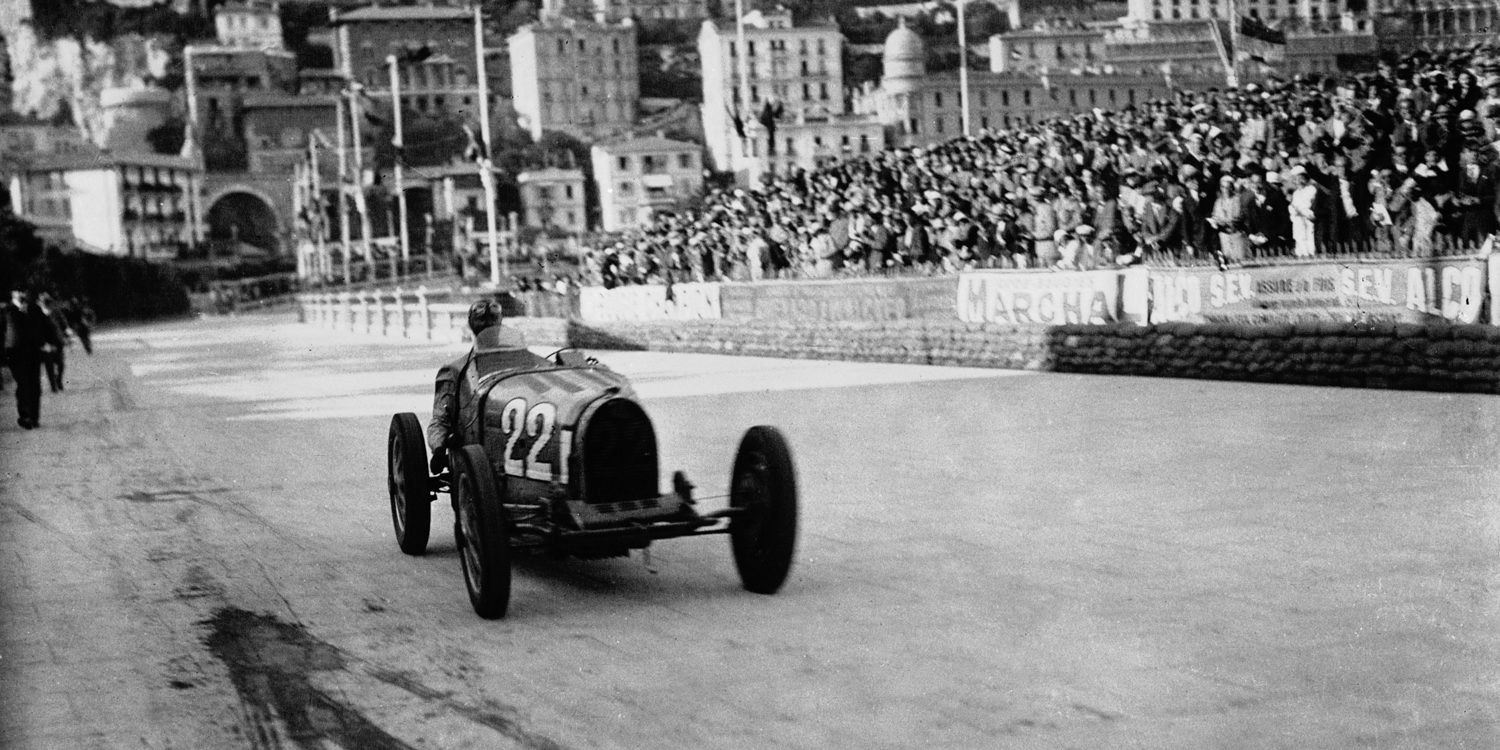
Monaco had a motor club and a rally, the Monte Carlo, but no race, and in the late 1920s the Automobile Club de Monaco was refused full membership of the international body because it ran no event on its own territory. The territory was two square kilometres of cliff. Anthony Noghès, the club's commissioner general and the son of its founder, proposed laying a course through the streets anyway, from the harbour up the hill to the Casino, down past the station to the sea and back along the quay, and walked it with Louis Chiron, the local hero, to prove it could be done. Prince Louis II agreed. On 14 April 1929 sixteen cars started the first Grand Prix de Monaco, the grid drawn by lot, for a hundred laps of 3.18 kilometres. The archive's ninetieth-anniversary piece walks through that race: Philippe Étancelin drew the front, Rudolf Caracciola drew the back in a 7-litre Mercedes SSK, and a quiet Englishman entered as "Williams", William Grover-Williams, won in a Bugatti Type 35B painted the green that would later be British Racing Green, by more than a minute, after Caracciola had climbed from fourteenth to lead for a spell and finished third. Grover-Williams was shot at Sachsenhausen in 1945 as an agent of the Special Operations Executive.
The lap has moved a few metres here and there since: the chicane after the tunnel has been rebuilt three times, the swimming pool arrived in the harbour in 1973, the Rascasse corner in the same year, and land reclaimed from the sea gave the pits room. But Sainte Dévote, the climb to Casino Square, Mirabeau, the hairpin at the old Station (now the Fairmont), Portier and the tunnel are where they were when Williams went round. Graham Hill, who won here five times, put it plainly: "You get everything that you meet on a public road: lampposts, trees, nightclubs, houses, hotels, curbs, gutters. It's a proper road race in the true meaning of the word."
Every Monaco Grand Prix, with the year's one-line story. Car names link to every story on the site about that car.
| Year | Winner | Car | The race |
|---|---|---|---|
| 1929 | William Grover-Williams | Bugatti Type 35B | The first race; grid drawn by lot |
| 1930 | René Dreyfus | Bugatti Type 35B | Private entry with an extra tank |
| 1931 | Louis Chiron | Bugatti Type 51 | The first Monégasque winner |
| 1932 | Tazio Nuvolari | Alfa Romeo Tipo B (P3) | Alfa's first; Monza-type car |
| 1933 | Achille Varzi | Bugatti Type 51 | The Nuvolari duel; first grid set by times |
| 1934 | Guy Moll | Alfa Romeo Tipo B | Scuderia Ferrari |
| 1935 | Luigi Fagioli | Mercedes-Benz W25 | |
| 1936 | Rudolf Caracciola | Mercedes-Benz W25 | In the rain |
| 1937 | Manfred von Brauchitsch | Mercedes-Benz W125 | Mercedes 1-2-3; no race 1938 to 1947 |
| 1948 | Giuseppe Farina | Maserati 4CLT/48 | |
| 1950 | Juan Manuel Fangio | Alfa Romeo 158 | Ferrari's championship debut; the Tabac pile-up; no race 1951 to 1954 |
| 1955 | Maurice Trintignant | Ferrari 625 | Ascari into the harbour |
| 1956 | Stirling Moss | Maserati 250F | |
| 1957 | Juan Manuel Fangio | Maserati 250F | |
| 1958 | Maurice Trintignant | Cooper T45-Climax | Rob Walker; first rear-engined winner |
| 1959 | Jack Brabham | Cooper T51-Climax | |
| 1960 | Stirling Moss | Lotus 18-Climax | Rob Walker |
| 1961 | Stirling Moss | Lotus 18-Climax | Against the Ferraris, at qualifying pace all day |
| 1962 | Bruce McLaren | Cooper T60-Climax | |
| 1963 | Graham Hill | BRM P57 | |
| 1964 | Graham Hill | BRM P261 | |
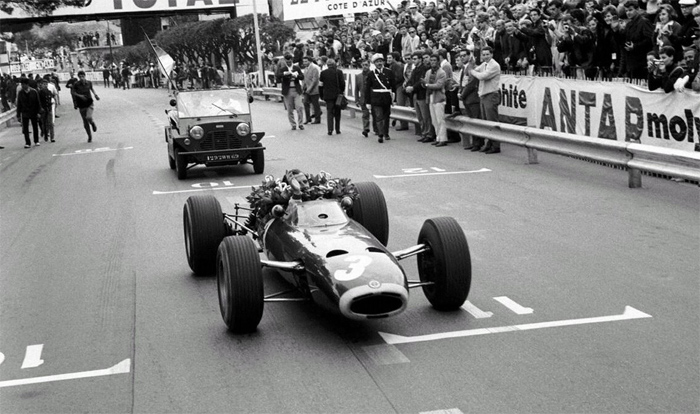
| 1965 | Graham Hill | BRM P261 | Won from the escape road |
| 1966 | Jackie Stewart | BRM P261 | |
| 1967 | Denny Hulme | Brabham BT20-Repco | Bandini killed |
| 1968 | Graham Hill | Lotus 49B-Ford | First wings; sixteen-car grid |
| 1969 | Graham Hill | Lotus 49B-Ford | Hill's fifth |
| 1970 | Jochen Rindt | Lotus 49C-Ford | Brabham slid at the last corner |
| 1971 | Jackie Stewart | Tyrrell 003-Ford | |
| 1972 | Jean-Pierre Beltoise | BRM P160B | Rain; BRM's last win |
| 1973 | Jackie Stewart | Tyrrell 006-Ford | Swimming pool and Rascasse added |
| 1974 | Ronnie Peterson | Lotus 72E-Ford | |
| 1975 | Niki Lauda | Ferrari 312T | |
| 1976 | Niki Lauda | Ferrari 312T2 | |
| 1977 | Jody Scheckter | Wolf WR1-Ford | |
| 1978 | Patrick Depailler | Tyrrell 008-Ford | |
| 1979 | Jody Scheckter | Ferrari 312T4 | |
| 1980 | Carlos Reutemann | Williams FW07B-Ford | |
| 1981 | Gilles Villeneuve | Ferrari 126CK | First turbo winner |
| 1982 | Riccardo Patrese | Brabham BT49D-Ford | The race nobody could finish |
| 1983 | Keke Rosberg | Williams FW08C-Ford | Slicks on a wet track |
| 1984 | Alain Prost | McLaren MP4/2-TAG | Stopped at lap 31 with Senna closing |
| 1985 | Alain Prost | McLaren MP4/2B-TAG | |
| 1986 | Alain Prost | McLaren MP4/2C-TAG | |
| 1987 | Ayrton Senna | Lotus 99T-Honda | Senna's first |
| 1988 | Alain Prost | McLaren MP4/4-Honda | Senna crashed from a minute ahead |
| 1989 | Ayrton Senna | McLaren MP4/5-Honda | |
| 1990 | Ayrton Senna | McLaren MP4/5B-Honda | |
| 1991 | Ayrton Senna | McLaren MP4/6-Honda | |
| 1992 | Ayrton Senna | McLaren MP4/7A-Honda | Mansell on his tail for three laps |
| 1993 | Ayrton Senna | McLaren MP4/8-Ford | Senna's sixth |
| 1994 | Michael Schumacher | Benetton B194-Ford | First race after Imola |
| 1995 | Michael Schumacher | Benetton B195-Renault | |
| 1996 | Olivier Panis | Ligier JS43-Mugen-Honda | Three cars running at the end |
| 1997 | Michael Schumacher | Ferrari F310B | Wet |
| 1998 | Mika Häkkinen | McLaren MP4/13-Mercedes | |
| 1999 | Michael Schumacher | Ferrari F399 | |
| 2000 | David Coulthard | McLaren MP4/15-Mercedes | |
| 2001 | Michael Schumacher | Ferrari F2001 | Schumacher's fifth |
| 2002 | David Coulthard | McLaren MP4/17-Mercedes | |
| 2003 | Juan Pablo Montoya | Williams FW25-BMW | |
| 2004 | Jarno Trulli | Renault R24 | |
| 2005 | Kimi Räikkönen | McLaren MP4/20-Mercedes | |
| 2006 | Fernando Alonso | Renault R26 | |
| 2007 | Fernando Alonso | McLaren MP4/22-Mercedes | |
| 2008 | Lewis Hamilton | McLaren MP4/23-Mercedes | Wet |
| 2009 | Jenson Button | Brawn BGP 001-Mercedes | |
| 2010 | Mark Webber | Red Bull RB6-Renault | |
| 2011 | Sebastian Vettel | Red Bull RB7-Renault | |
| 2012 | Mark Webber | Red Bull RB8-Renault | |
| 2013 | Nico Rosberg | Mercedes F1 W04 | Thirty years after his father |
| 2014 | Nico Rosberg | Mercedes F1 W05 | |
| 2015 | Nico Rosberg | Mercedes F1 W06 | Hamilton's pit-stop error |
| 2016 | Lewis Hamilton | Mercedes F1 W07 | Wet |
| 2017 | Sebastian Vettel | Ferrari SF70H | |
| 2018 | Daniel Ricciardo | Red Bull RB14-TAG Heuer | 28 laps down on power |
| 2019 | Lewis Hamilton | Mercedes F1 W10 | No race in 2020 |
| 2021 | Max Verstappen | Red Bull RB16B-Honda | |
| 2022 | Sergio Pérez | Red Bull RB18 | Wet start |
| 2023 | Max Verstappen | Red Bull RB19 | |
| 2024 | Charles Leclerc | Ferrari SF-24 | First Monégasque winner since 1931 |
| 2025 | Lando Norris | McLaren MCL39 | Two mandatory stops |
| 2026 | Kimi Antonelli | Mercedes | Fifth win in a row that season |
No race 1938–47, 1949, 1951–54 or 2020. 1933 was the first Grand Prix anywhere with a grid set by practice times rather than ballot; 1984 was stopped at 31 laps and paid half points.
The lap starts on the Boulevard Albert 1er along the harbour and turns right at Sainte Dévote, the corner named for the chapel on the outside, where the first-lap pile-ups happen; then it climbs Beau Rivage, the steep curving ascent that is the signature of the place, through the left of Massenet and into Casino Square, where the cars go light over the crest in front of the Hôtel de Paris. Down from the Casino the road drops through the right-hander at Mirabeau, past the Fairmont Hotel to the Grand Hotel hairpin, the old Station hairpin, the slowest corner in the championship at under 50 km/h, taken in first gear with the steering on full lock; then down again through the two Portier rights to the sea and into the tunnel under the Fairmont, the one place on the lap where the cars reach 290 km/h, blind, in a change of light. Out of the tunnel the road drops to the Nouvelle Chicane, the harbour chicane rebuilt in 1986 and the main overtaking place, where Ascari went into the water in 1955 and Senna, in 1988, did not; then Tabac, the fast left along the quay named for the tobacconist that stood there, the two chicanes of the Swimming Pool, built out into the harbour in 1973, the tight right at La Rascasse, named for the restaurant on the corner, and Anthony Noghès, the last right-hander, named for the man who drew the lap, onto the pit straight.
Seventy-eight laps make 260.5 kilometres, the shortest race distance of the season, and a quick lap takes just over 70 seconds: Lewis Hamilton's race lap record is 1 minute 12.909 seconds from 2021, and the qualifying record is Charles Leclerc's 1:10.270 from 2024. The circuit was 3.180 kilometres in 1929 and is 3.337 today; the only large changes were the Swimming Pool and Rascasse in 1973, the chicane after the tunnel, rebuilt in 1976 and again in 1986, and the Sainte Dévote run-off of 2015. Everything else — the lampposts, the kerbs, the drain covers, the Armco that replaced the straw bales after Bandini's death in 1967 — is the furniture of a town that goes back to being a town on the Monday. Casey Annis walked the whole lap one February and found the circuit smaller, steeper and narrower than television makes it.
René Dreyfus won the second race in 1930 in a private Bugatti with an extra fuel tank that let him miss a stop, beating Chiron's works car. Chiron won in 1931, the first Monégasque to win his home race and, until 2024, the only one; the archive's Chiron, Bugatti and the Monaco Grand Prix is the short version. Nuvolari took 1932 for Alfa Romeo, and 1933 was the race people still talk about: Nuvolari and Achille Varzi swapped the lead through a hundred laps, Varzi's Bugatti ahead on the last one, Nuvolari's Alfa blowing its engine on the hill to the Casino and being pushed to the line by its driver, who was disqualified for it. 1933 was also the first Grand Prix anywhere with a grid set by practice times rather than ballot. Guy Moll won 1934 for Scuderia Ferrari at 23 and was dead by August. Then the Germans: Luigi Fagioli's Mercedes in 1935, Caracciola's in the rain of 1936 after Chiron and others had gone off on the oil at the chicane, and Manfred von Brauchitsch's in 1937, when Mercedes finished one-two-three and the race was so expensive to stage that the principality did not try again until 1948, when Giuseppe Farina won in a Maserati. The archive's Rise and Fall of Caracciola covers the man who finished on the podium here in a 7-litre sports car and won in a 4.7-litre Grand Prix car.
Monaco was the second race of the first World Championship, on 21 May 1950, and Ferrari's first; the archive has the Scuderia's own account of Ascari finishing second. Fangio won in an Alfa Romeo 158 after a wave came over the harbour wall at Tabac on the first lap and nine cars piled into one another; coming round the next time he saw the crowd looking the wrong way, braked, and threaded through the wreckage. There was no championship race here from 1951 to 1954. In 1955 Maurice Trintignant won for Ferrari after Fangio and Moss both broke and Alberto Ascari, lapping into the harbour chicane, went straight on through the straw bales and into the sea in his Lancia D50, surfaced, and was dead four days later testing at Monza. Roberto Mieres, who had climbed from sixth to third in a Maserati before his axle broke, remembered it fifty years on: from the pits he saw steam rising from the harbour and, being a sailor, assumed it was a boat. Moss won 1956 in a Maserati 250F; Fangio won his second in 1957 in another, the year Moss, Collins and Hawthorn eliminated one another at the chicane; Trintignant won again in 1958 in Rob Walker's little Cooper, the first rear-engined win here, and Jack Brabham's works Cooper won 1959. Moss took 1960 in Walker's Lotus 18, and in 1961, the first race of the 1.5-litre formula, he drove the same year-old Lotus with its side panels removed for cooling and held off the new and more powerful Ferraris of Richie Ginther and Phil Hill for a hundred laps, every one of them at qualifying pace. The archive's account by Ed McDonough is the full story of what many still call the best drive of his life. Hill, world champion that autumn, is remembered in A Personal Remembrance.
Bruce McLaren won 1962 for Cooper after Jim Clark's gearbox failed. Then Graham Hill won five of the next seven. His own account of 1965, which he called the best race he ever ran, has him leading by a distance when he came over the brow towards the chicane at 120 mph and found Bob Anderson's Brabham creeping through it in first gear; he locked the brakes, took the escape road, got out, pushed the BRM back onto the track, restarted, and from fifth, thirty-five seconds down, caught and repassed Brabham, Surtees and Bandini to win. He won again in 1968 and 1969 in Lotus 49s, by which time the race had Armco where it used to have straw bales and lampposts. The archive's Monaco 1968: A Grand Prix of Firsts is a first-timer's account of that year, with France on strike around it: the first Grand Prix with cigarette sponsorship on a British car, the first with aerofoils, the first with the grid cut to sixteen. Jackie Stewart won 1966 for BRM. In 1967 Denny Hulme won for Brabham, and Lorenzo Bandini died of the burns he suffered when his Ferrari overturned at the chicane and caught fire in front of the television helicopter; the straw bales went after that.
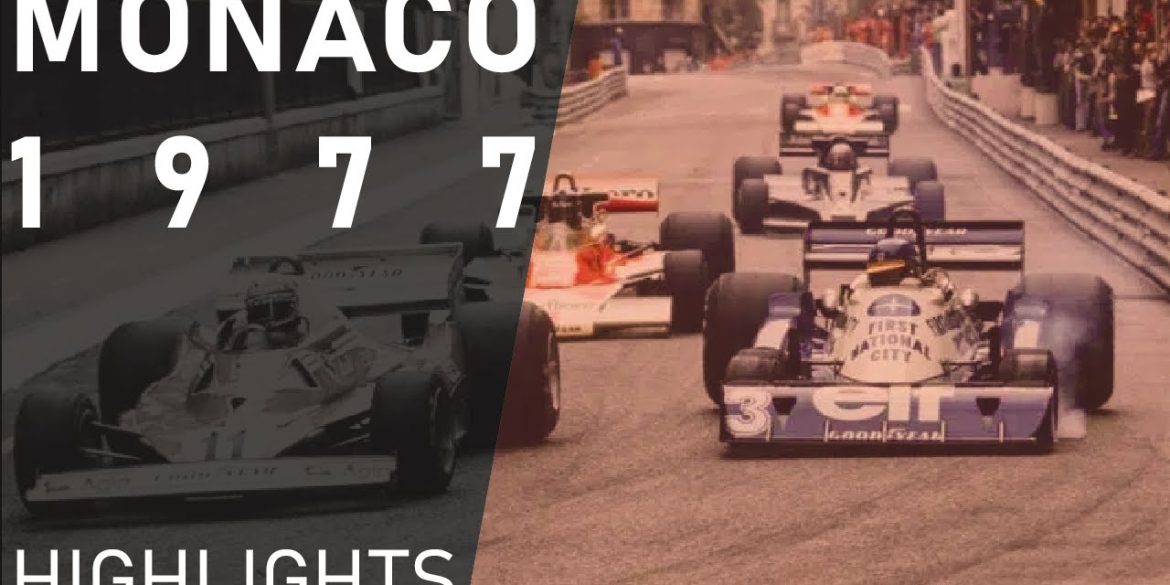
Jochen Rindt came to Monaco in 1970 in the old Lotus 49C, seasick from a night on a yacht, eighth on the grid, and told his wife he would just drive around. Jack Brabham led most of the race. On the last lap, at the Gasworks hairpin, with Rindt filling his mirrors, Brabham braked on the dust, slid into the straw bales and watched the Lotus go past; Rindt was champion that year and dead before the season ended. Jackie Stewart won 1971 and 1973, Jean-Pierre Beltoise won 1972 for BRM in rain so heavy that Pete Lyons, watching from the hill, called it one of the best days he ever spent at a race; that, and his first visit in 1962 by Norton and pup tent, are in The Magic of Monaco. The swimming pool and the Rascasse arrived in 1973 and the lap took its modern shape. Ronnie Peterson won 1974, Niki Lauda 1975 and 1976, Jody Scheckter 1977 for Wolf and 1979 for Ferrari, Patrick Depailler 1978 for Tyrrell, Carlos Reutemann 1980, Gilles Villeneuve 1981 in a turbo Ferrari that had no business winning here. 1982 was the race nobody could finish: Prost crashed from the lead with three laps left, Patrese spun, Pironi and de Cesaris ran out of fuel on the last lap, Daly crashed, and Riccardo Patrese, restarted by the marshals, won without knowing it. Keke Rosberg won 1983 on slicks on a wet track.
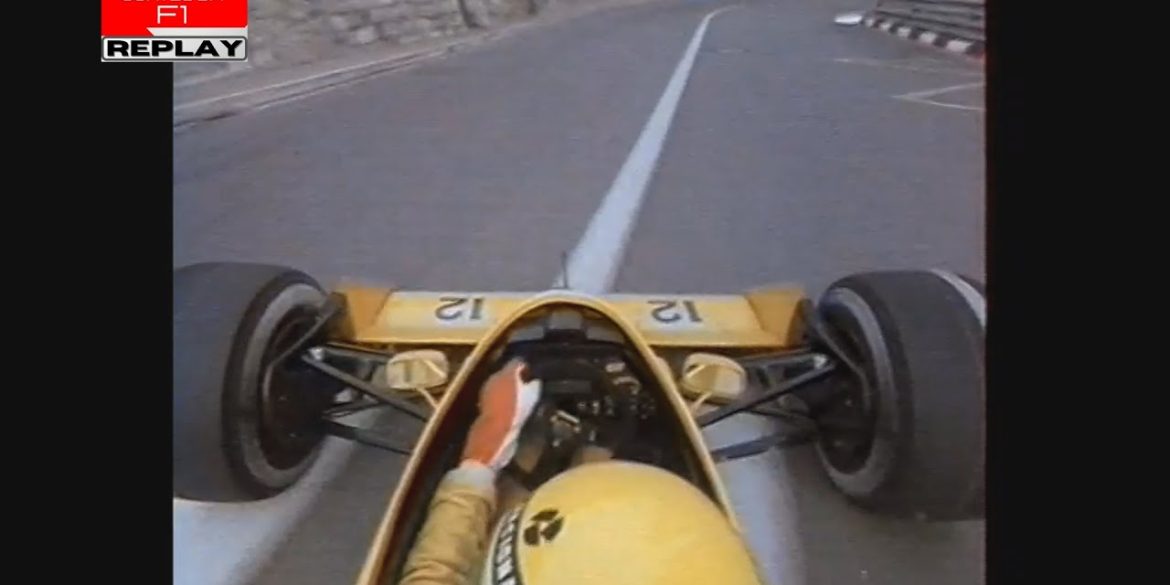
In 1984 it rained, and a 24-year-old in a Toleman started thirteenth, was second by lap nineteen and was catching Prost at three seconds a lap when the clerk of the course stopped the race at lap 31. Prost won on half points; the archive's Senna, Monaco 1984 is a painting of the moment. Prost won again in 1985, 1986 and 1988, the last after Senna, a minute ahead on lap 67 and driving beyond what he later described as his conscious control, put the McLaren into the barrier at Portier and walked home to his flat. Senna then won five in a row from 1989 to 1993, six in all including 1987, and nobody has matched it. His 1992 win, holding off Nigel Mansell's much faster Williams for the last three laps with the two cars nose to tail through every corner, is the race the footage keeps returning to.
Michael Schumacher won five, the first in 1994 at the first race after Imola; Olivier Panis won 1996 for Ligier in a race only three cars finished; Jarno Trulli won 2004 from pole for Renault; Fernando Alonso, Lewis Hamilton, Sebastian Vettel, Mark Webber and Nico Rosberg shared the next decade, Rosberg taking three in a row as his father Keke had taken one. Daniel Ricciardo won 2018 with a hybrid system that had failed, and lost 160 horsepower, after 28 laps. 2020 was the first year since 1954 with no race. Max Verstappen won 2021 and 2023, Sergio Pérez 2022 in the wet, and in 2024 Charles Leclerc became the first Monégasque winner since Chiron, 93 years on, from pole, after years of breaking down or being crashed into in front of his own apartment. Lando Norris won 2025 under a new rule requiring two pit stops, and in June 2026 Kimi Antonelli won for Mercedes, his fifth win in a row that season, ahead of Hamilton and Isack Hadjar after a late red flag. Whether the race still belongs on the calendar is argued every May; it is also the weekend every driver on the grid most wants to win.
Single races and single drives from the archive: 1950, 1955, 1961, 1965, 1968, 1970, 1984 and more.
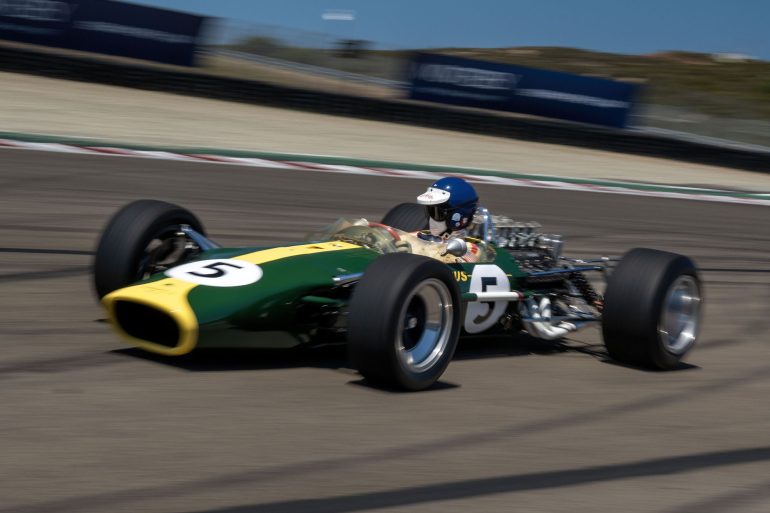
Monaco rewards a car that is short, nimble and well-balanced over one that is fast, which is why the winners' list is odd. Bugatti's Type 35B and Type 51 won the first four; Alfa Romeo's Tipo B, Mercedes-Benz's W25 and W125 the pre-war rest. The front-engined years were Alfa Romeo's 158, Ferrari's 625 and Maserati's 250F, the car that won three times here with Moss and Fangio; then the rear-engined revolution arrived at Monaco a year early, Trintignant's little Cooper T45 in 1958 and Brabham's T51 in 1959, followed by Moss's Lotus 18, the BRM P57 and P261 of Hill's first three, the Lotus 49 of his last two and of Rindt's 1970, Stewart's Tyrrells, Peterson's Lotus 72. The ground-effect era went to Ferrari's 312T family, Wolf, Williams and Brabham; Senna's six came in the Lotus 99T and five McLarens, the MP4/4, /5, /5B, /6 and /8, and McLaren's sixteen wins here are the most of any constructor. Schumacher's Benettons and Ferraris, Red Bull's RB6 to RB19, Mercedes' W04 to W10 and Ferrari's SF-24 bring the list to 2026. The Historique adds the rest: the ERAs and Maseratis, the Lotus 49s and 72s driven by current Grand Prix drivers, and from 2026 the turbo cars of the early eighties. The nine cars below each link to every story on the site about that car.
Nine from a century of Grands Prix; each links to every story on the site about that car.
Ayrton Senna won six times, 1987 and 1989 to 1993, the record; Graham Hill, Mr Monaco, five between 1963 and 1969; Michael Schumacher five; Alain Prost four; Moss, Jackie Stewart, Lewis Hamilton and Nico Rosberg three; Fangio, Trintignant, Lauda, Scheckter, Coulthard, Alonso, Vettel and Verstappen two. The Monégasques: Louis Chiron, winner in 1931 and still racing here at 55 in 1955, and Charles Leclerc, winner in 2024. The men who made the race's stories: Grover-Williams, the first winner and the SOE agent; Nuvolari and Varzi in 1933; Caracciola in the rain of 1936; Ascari in the harbour; Bandini; Rindt and Brabham at the last corner; Beltoise in the rain; Villeneuve in the turbo Ferrari; Patrese winning 1982 without knowing it; Senna in the Toleman in 1984 and against Mansell in 1992; Panis, Trulli, Ricciardo with no hybrid power, Pérez in the wet. The Racing feed below carries the single races and single drives from the archive; Robert Newman's portraits carry the drivers.
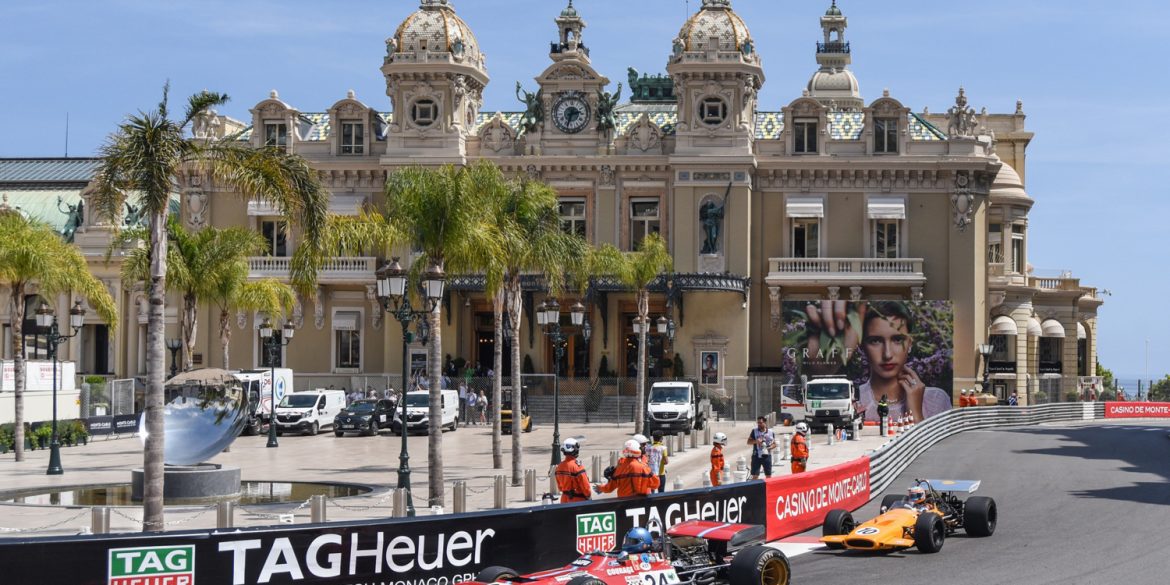
Since 1997 the Automobile Club has run a second Grand Prix, two weeks before the first: the Grand Prix de Monaco Historique, every second year, for the cars that raced here before. Eight grids go from pre-war Bugattis and ERAs through the front-engined fifties, the 1.5-litre cars of 1961 to 1965, the Cosworth years, and, from 2026, the turbo cars of the early eighties, which had been kept out until then. Takuma Sato and Alex Yoong, then current Grand Prix drivers, borrowed a Lotus 49 and a Lotus 72 for the 2002 one and went flat out in the wet because, as Sato said, that is what the car is for. The archive has reports from most editions since: 2010, when RM held its first Monaco auction against Bonhams and Coys, 2022, 2024 and 2026, with the galleries underneath. The auctions have stayed: the market section below carries the Monaco sales, where cars that raced here are sold within sight of the track. Casey Annis walked the circuit one cold February and found it much smaller than it looks on television. That is the thing about the place. It is 3,337 metres long, and it holds a century.
Reports from the historic weekend, every second May since 2002 in the archive.
Picture galleries from the harbour, the hairpin and the Historique.
Auction news from the sales held within sight of the track.
Races: 82, 1929 to 2026, with none in 1938–47, 1949 and 1951–54, and none in 2020. A World Championship round since 1950. Most wins, driver: Senna 6; Graham Hill and Schumacher 5; Prost 4; Moss, Stewart, Hamilton and Rosberg 3. Most wins, constructor: McLaren 16, Ferrari 10, Lotus 7, Red Bull 7, Mercedes 6 (plus Mercedes-Benz's three pre-war), BRM 5, Bugatti 4. Most consecutive: Senna, five, 1989–93; Hill, three, 1963–65; Prost, two, Rosberg, three, 2013–15. Home winners: Chiron 1931, Leclerc 2024. Circuit: 3.180 km in 1929, 3.337 km today; 78 laps, 260.5 km, the shortest Grand Prix of the year. Lap records: race, Hamilton, 1:12.909 (2021); qualifying, Leclerc, 1:10.270 (2024). Top speed: about 290 km/h at the tunnel exit. Slowest corner: the Grand Hotel hairpin, under 50 km/h. Fewest finishers: 1996, three cars running at the flag. Pole has produced the winner in roughly half the races since 1950. Firsts: the first Grand Prix with a grid by practice times, 1933; the first championship race for Ferrari, 1950; the first rear-engined championship win, Cooper, 1958; the first wings and the first cigarette livery, 1968. Into the harbour: Ascari 1955, Paul Hawkins 1965. Deaths: Bandini, 1967, the only driver killed in the race. The Historique: since 1997, every second May, eight grids from pre-war to the 1980s. The sales: RM, Bonhams and others have sold cars within sight of the track since 2010.
Short answers, with the long ones above.
A Formula One race run through the streets of Monte Carlo and La Condamine since 1929, over 78 laps of a 3.337-kilometre circuit that has kept its essential shape for nearly a century. It has been part of the World Championship since 1950 and is the slowest, shortest and most prestigious race of the season.
Ayrton Senna, six times: 1987 and every year from 1989 to 1993. Graham Hill and Michael Schumacher each won five, Alain Prost four. McLaren has the most wins by a constructor, sixteen.
3.337 kilometres (2.074 miles), run 78 times for a race distance of 260.5 kilometres, the only Grand Prix allowed to be shorter than 305 kilometres. A lap takes about 71 seconds in qualifying.
Because the road is narrow, the corners are slow and there is no run-off: the only realistic passing places are the Nouvelle Chicane after the tunnel and, occasionally, Sainte Dévote. Qualifying usually decides the race, which is why pole position matters more here than anywhere.
Twice: Louis Chiron in 1931 in a Bugatti, and Charles Leclerc in 2024 for Ferrari, 93 years later, from pole.
A meeting run by the Automobile Club de Monaco every second year since 1997, two weeks before the Grand Prix, with races on the same streets for the Grand Prix cars of 1929 to the 1980s, in eight grids by era.
Alberto Ascari in 1955, whose Lancia D50 went through the straw bales at the harbour chicane and into the water; he swam clear and died four days later testing at Monza. Paul Hawkins did the same in a Lotus in 1965 and also escaped.
The whole archive on one thread, newest first.