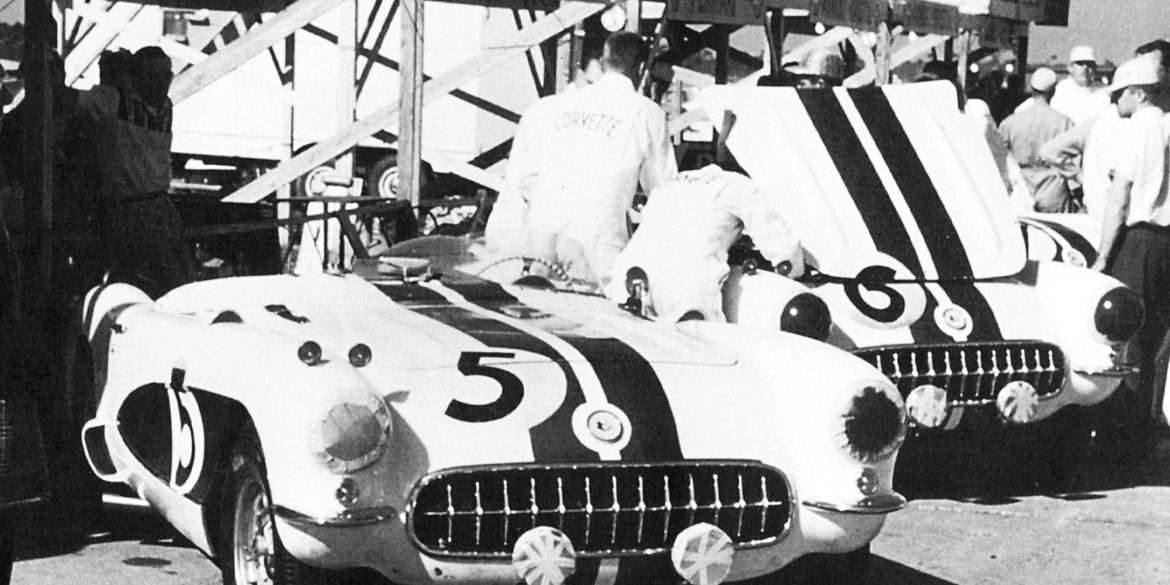
Editor's Note: This feature was reproduced with permission from our sister site Stuttcars.com for our SCD members. Ed Cole, Zora Duntov’s boss, was eager to race.

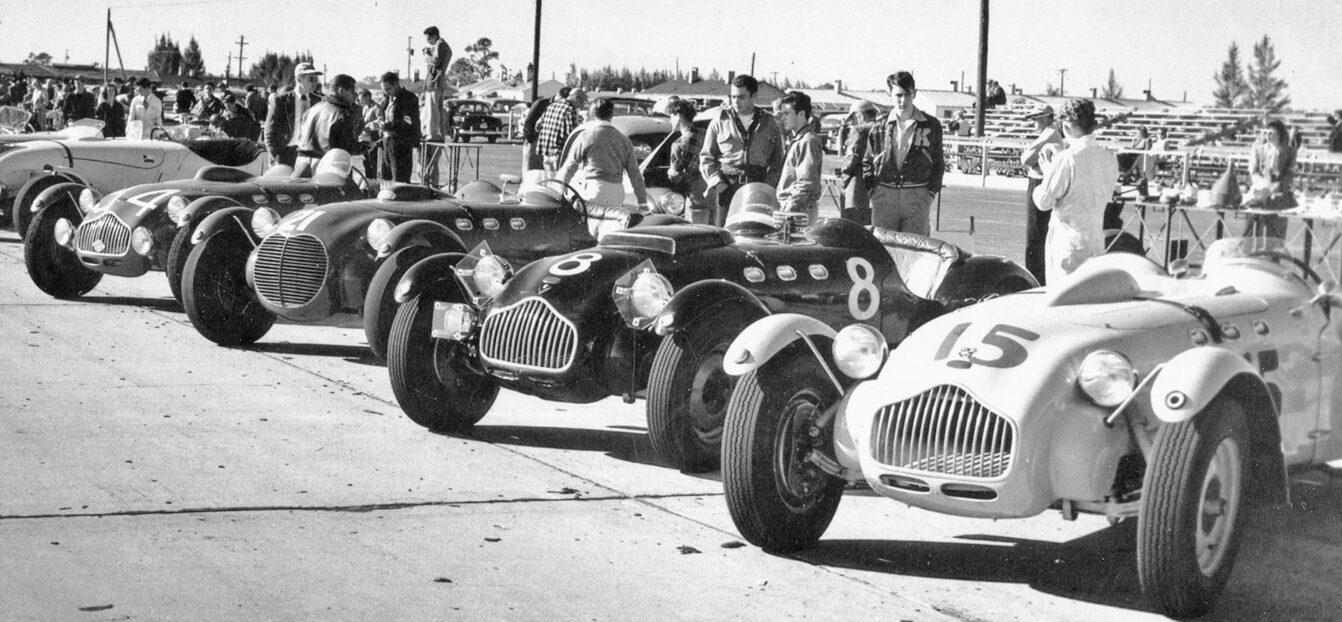
A bomber base in the orange groves of central Florida, five miles of runway and taxiway with the concrete joints still in it, raced into the night every March since 1952. It brought Fangio, Moss and the Ferraris to America, gave Porsche its first big win, Chaparral its flood and Steve McQueen his podium, and it is still the bumpiest circuit in professional racing. The archive holds the most complete set of Sebring race histories anywhere.
The pieces to start with
Galanos on 1956, 1965 and the Cuba spring, the greatest race of 1970, the beginnings, Lyons at fifty, and Ludvigsen's 450S.
Eight months after Le Mans 1955 killed 83 spectators and France, Germany and Switzerland suspended racing, Sebring 1956 ran under that shadow. Louis Galanos on the year the 12 Hours became second only to Le Mans, with difficulty.
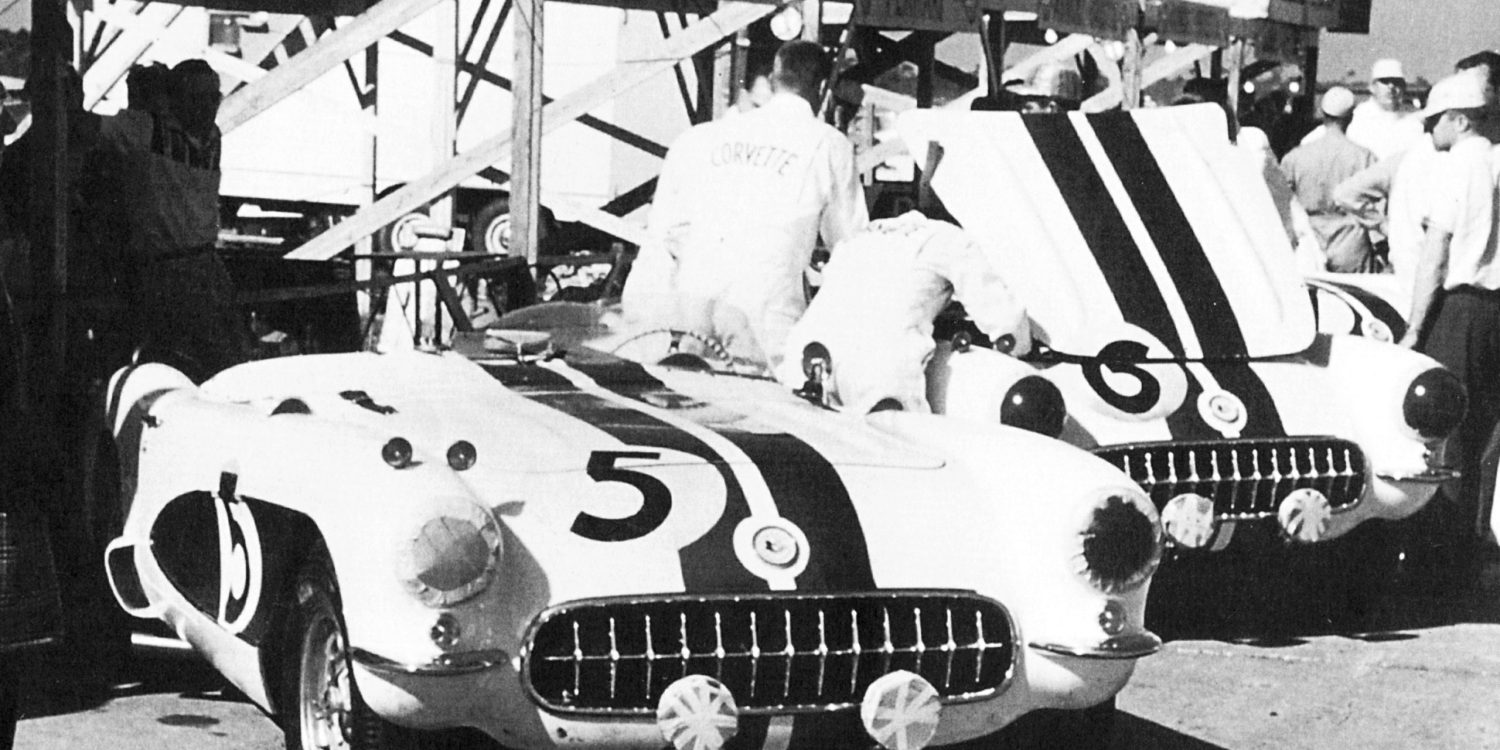
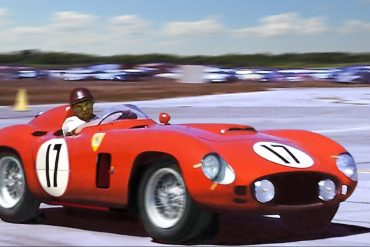
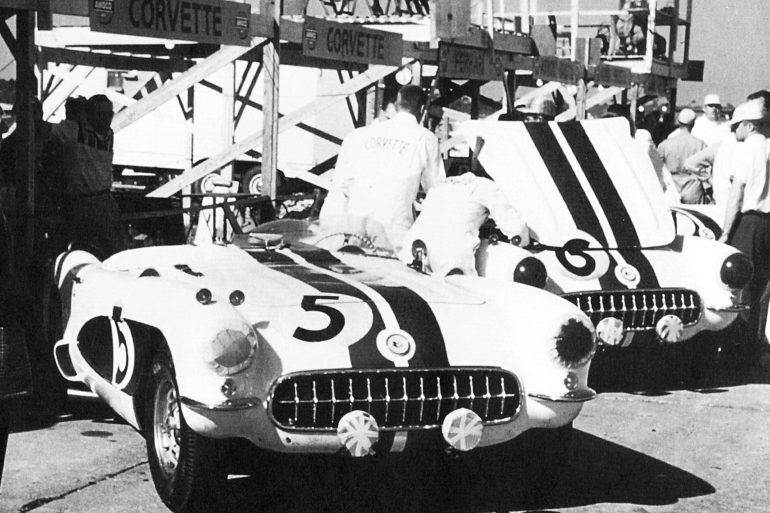
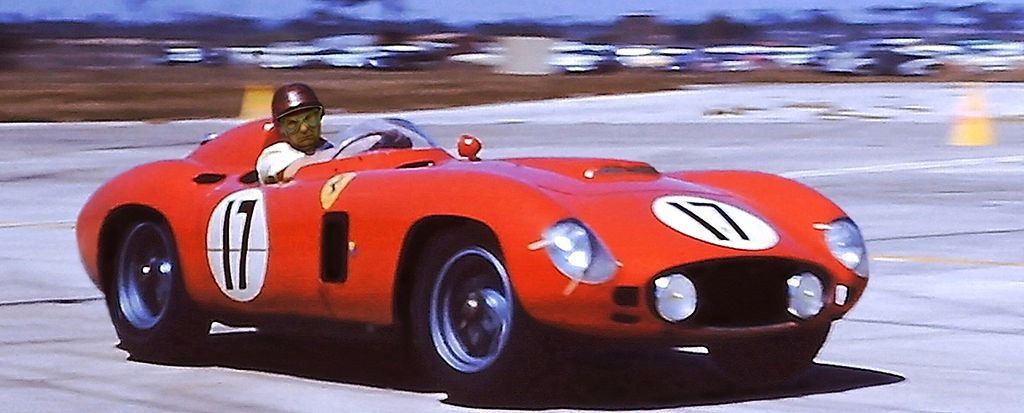
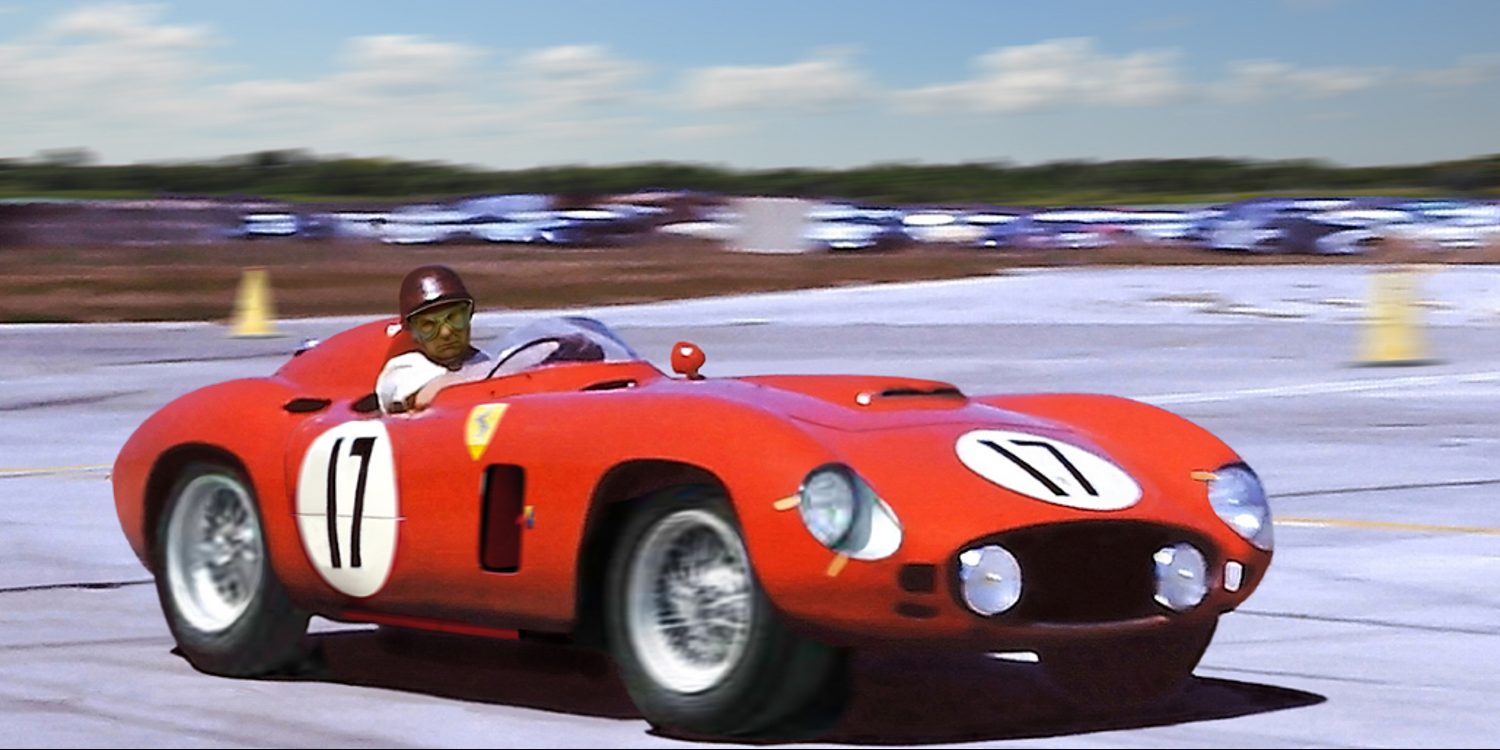
Ferrari, Maserati, Jaguar and Aston Martin all came to Sebring in 1956, and Chevrolet slipped three Corvettes in as “Raceway Enterprises” to dodge the factory racing ban. Casey Annis on Fangio, 44, in the 860 Monza with Castellotti.
A record 50,000 came to Sebring in 1965, the year the FIA dropped its 3-liter prototype limit and Alec Ulmann worked a little magic of his own. Louis Galanos on the privateers, the politics and the storm at half distance.
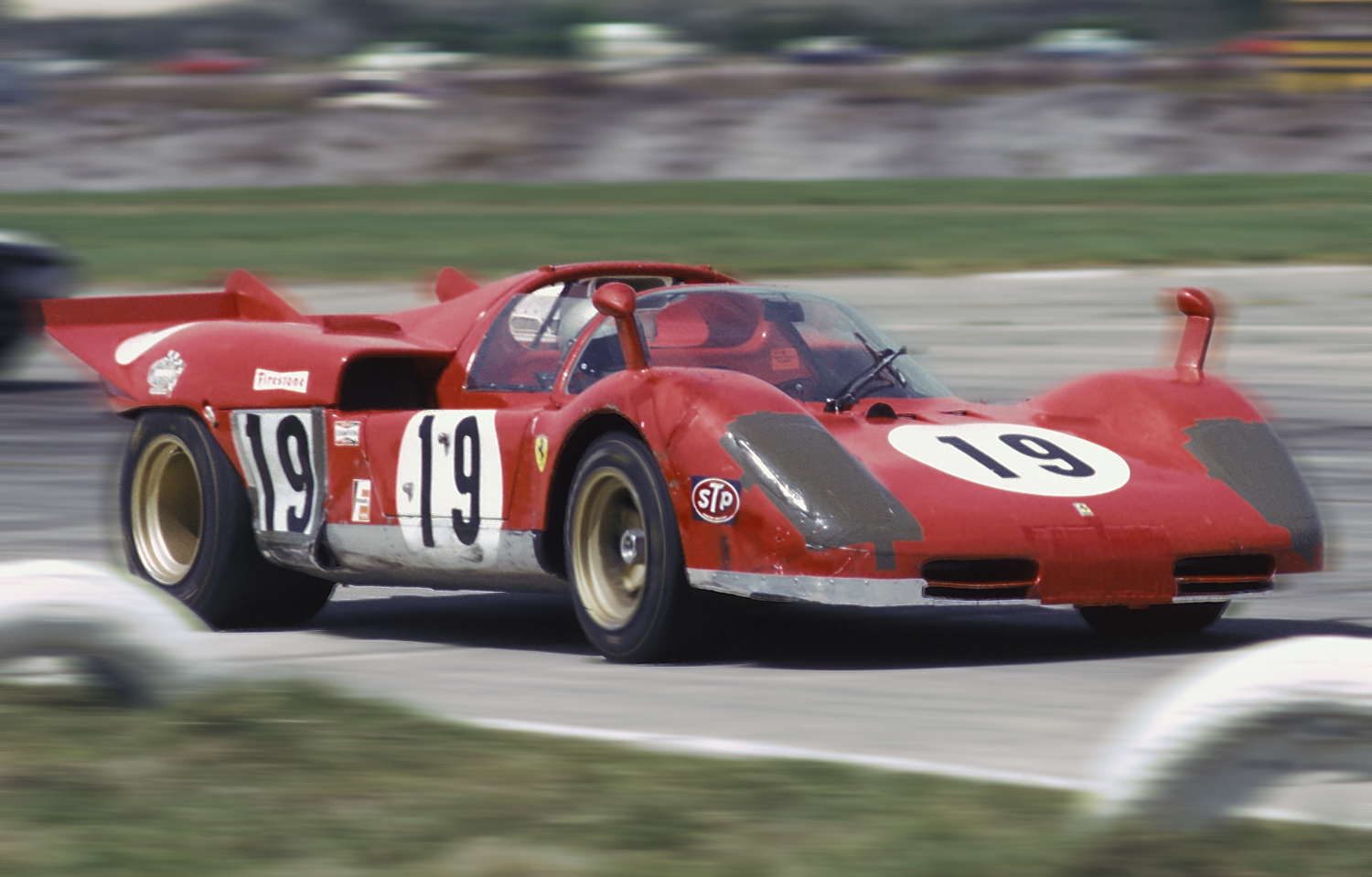
Andretti, Ickx, Rodriguez, Siffert, Gurney and Steve McQueen with Peter Revson in a Solar Productions Porsche 908, entered as “research” for Le Mans. Casey Annis on the 1970 Sebring 12 Hours, fifty years on.
Louis Galanos grew up on Giants’ Despair Hillclimb stories of Shelby, Penske and Koveleski, asked his father every year when they would go to Sebring, and was told “someday”. In 1962, a high-school junior from Nanticoke, Pennsylvania, he got permission.
Alec Ulmann, Russian-born, MIT-trained in aeronautics and chief steward at Watkins Glen in 1948, kept aircraft parts in a warehouse at Hendricks Field, an abandoned air base outside Sebring. Art Evans on how that became the 12 Hours in 1952.
A shabby wartime airbase in flat Florida was where Ascari, Fangio, Hawthorn and Moss raced against Fitch, Hansgen, Hill and Shelby in front of Americans. Pete Lyons on fifty years of the 12 Hours and the “Sounds of Sebring” records.
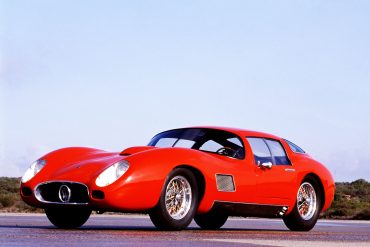
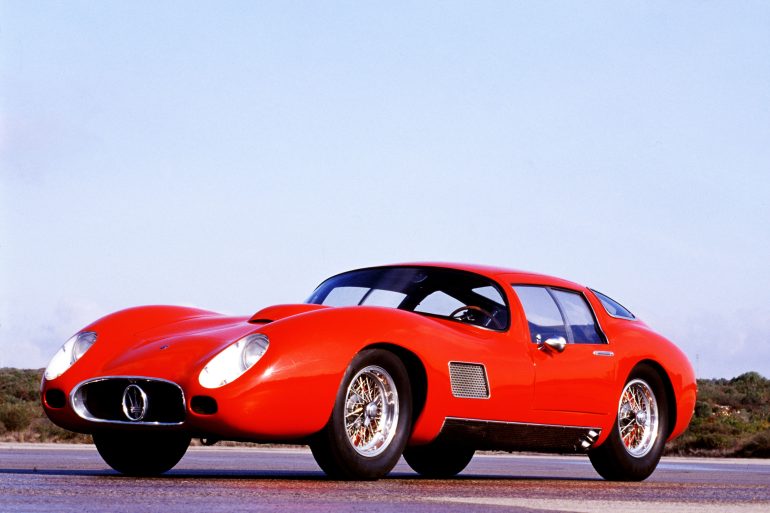
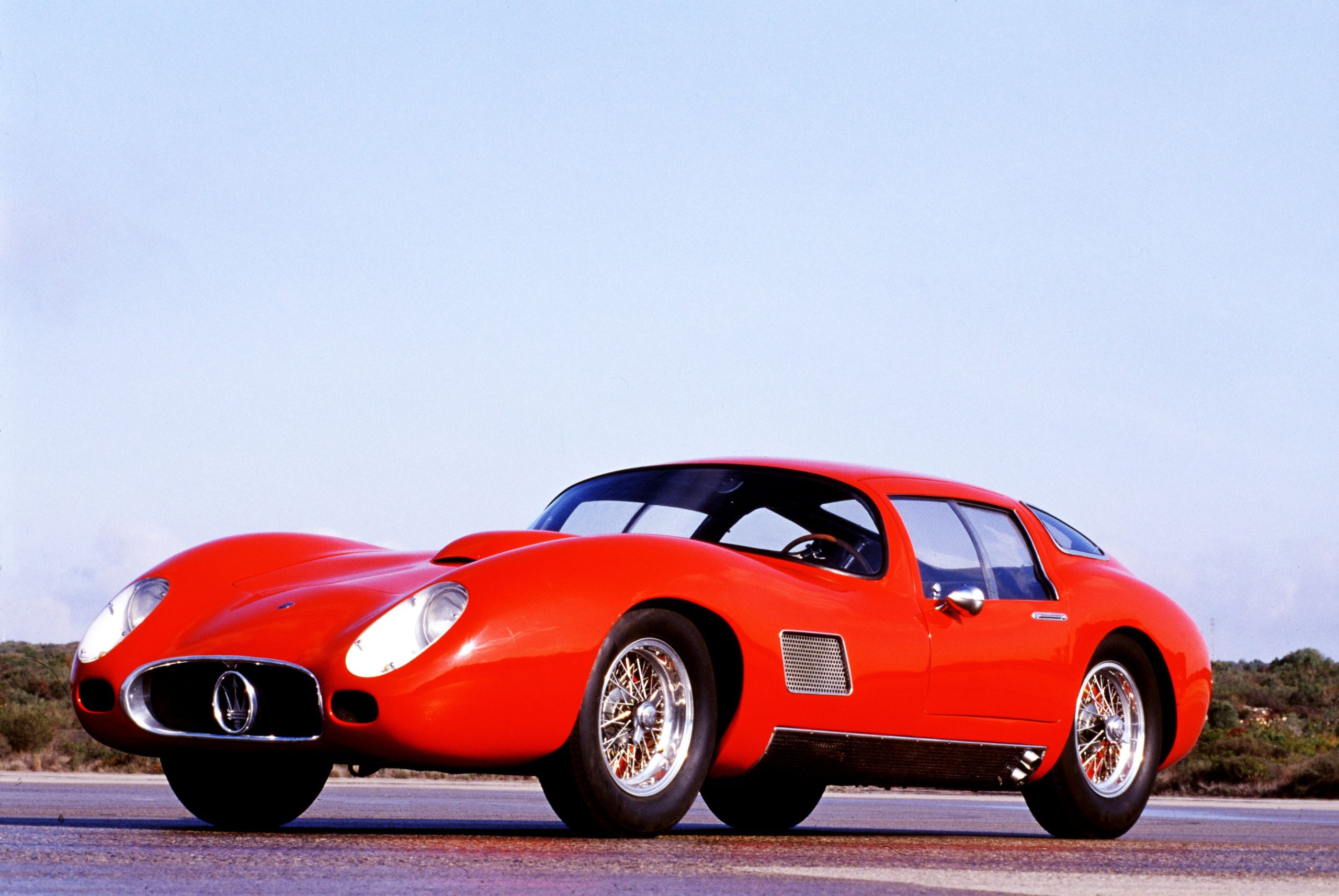
Parravano, Los Angeles property developer with 13 Maseratis and as many Ferraris, commissioned a 4.2-litre V8 for Indianapolis in 1954 and never went. Karl Ludvigsen on the 450S that grew from it, the most powerful Maserati since the 8CTF.
The newest long-form writing on Sebring, as it is published.
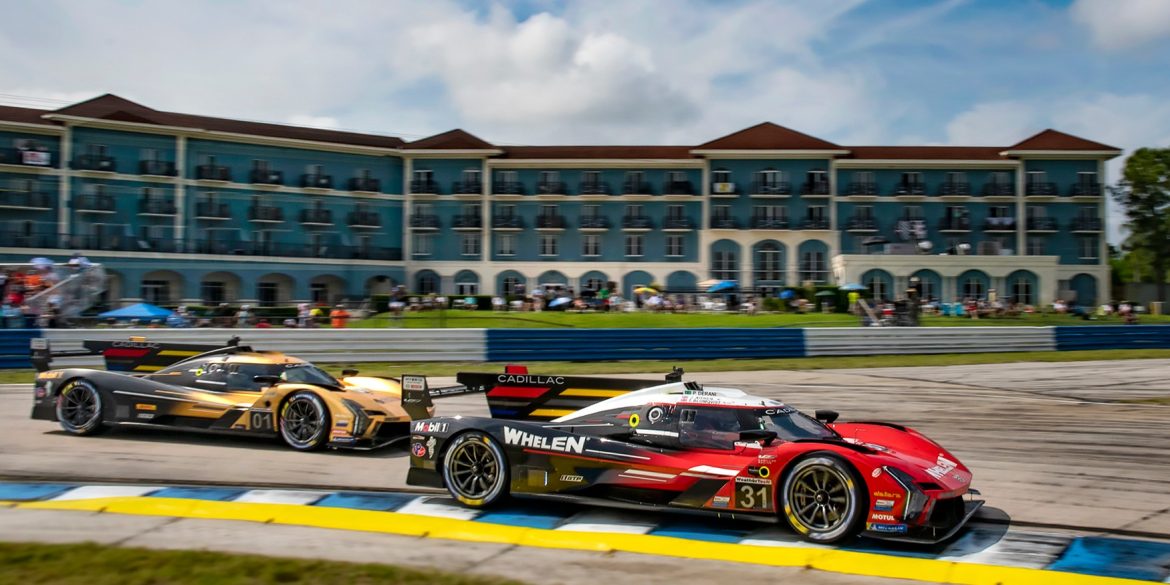
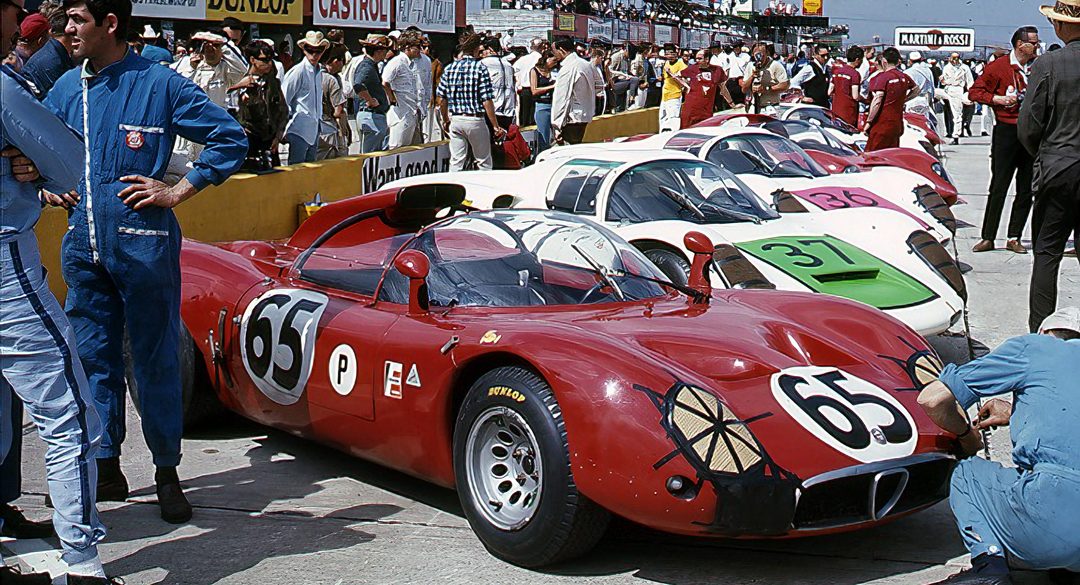
The 12 Hours of Sebring is an endurance race run every March since 1952 on Sebring International Raceway, a 3.74-mile circuit laid out on the runways and taxiways of a Second World War bomber base in the orange groves of central Florida, from ten in the morning until ten at night. It is the oldest sports car race in the United States still run, the American round of the World Sportscar Championship from 1953 to 1972, the opening round of the American Le Mans Series from 1999 and the second round of the IMSA championship now, and with Daytona and Petit Le Mans one leg of American endurance racing's triple crown. Porsche has won it twenty times, Ferrari twelve, Audi eleven; Fangio won it twice, Phil Hill, Andretti and Gendebien three times, Tom Kristensen six.
Three things set it apart. The surface: half the lap is the original airfield concrete, with the expansion joints and the heaves of eighty years in it, which is why teams test here for Le Mans and why a Sebring win is proof that a car is strong. The night: the last two and a half hours are run in the dark, into the lights and dust of the hairpin and the long sweep of Turn 17. And the crowd: the infield fills from the Thursday with campers who have been coming for forty years, and Green Park and Turn 10 are an American institution in their own right. The archive holds the most complete set of Sebring race histories anywhere: Louis Galanos's profiles of 1956, 1957, 1960, 1961, 1962, 1963, 1965, 1966, 1970, 1971, 1973 and 1974, Pete Lyons at the fiftieth, the circuit explained corner by corner, and reports and galleries from every March since 2011.
Alec Ulmann was a Russian-born MIT aeronautical engineer with an aircraft-parts business and a warehouse on a disused Army Air Force base called Hendricks Field, where B-17 crews had trained during the war, three miles outside the town of Sebring. He was also the SCCA's activities chairman and had been chief steward at Watkins Glen in 1948, the first post-war American road race. His friends the Collier brothers, Sam and Miles, who had founded the club that became the SCCA and had been the first MG importers in the country, wanted a Florida circuit; Ulmann looked at his runways and perimeter roads and saw one. The archive's Sebring, the Beginnings is the full account. Sam Collier was killed at Watkins Glen in September 1950, and the first race at Sebring, a six-hour run on New Year's Eve that year, carried his name. It was decided on an index of performance, which is how a Crosley Hotshot won it while an Allard covered the most distance, a Sebring kind of result from the start.
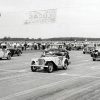
The first twelve-hour race followed on 15 March 1952, over 5.2 miles of airfield, and went to Harry Gray and Larry Kulok in a Frazer Nash. Ulmann wanted Europe, and as Pete Lyons writes in Is Sebring Really 50?, it was the first American event since the Vanderbilt Cup built to attract European teams: for an American enthusiast in the fifties, Sebring was the one weekend a year when Ascari, Fangio, Hawthorn and Moss, and the Ferraris, Maseratis and Astons that had only existed in grey newsprint, turned up in colour and at full volume. The Sounds of Sebring records sold on that noise.
Every Sebring, with the year's one-line story. Car names link to every story on the site about that car.
| Year | Winners | Car | The race |
|---|---|---|---|
| 1950 | Fritz Koster / Ralph Deshon | Crosley Hotshot | Six hours, 31 December; won on index of performance |
| 1952 | Harry Gray / Larry Kulok | Frazer Nash Le Mans Replica | The first 12 Hours |
| 1953 | John Fitch / Phil Walters | Cunningham C-4R | First world championship round |
| 1954 | Stirling Moss / Bill Lloyd | OSCA MT4 | 1.5 litres; the smallest winner |
| 1955 | Mike Hawthorn / Phil Walters | Jaguar D-Type | Decided in the scoring tent |
| 1956 | Juan Manuel Fangio / Eugenio Castellotti | Ferrari 860 Monza | The works teams arrive |
| 1957 | Juan Manuel Fangio / Jean Behra | Maserati 450S | |
| 1958 | Peter Collins / Phil Hill | Ferrari 250 TR | |
| 1959 | Phil Hill / Olivier Gendebien / Chuck Daigh / Dan Gurney | Ferrari 250 TR59 | Rain; four drivers in one car |
| 1960 | Hans Herrmann / Olivier Gendebien | Porsche 718 RS60 | Porsche's first |
| 1961 | Phil Hill / Olivier Gendebien | Ferrari 250 TRI/61 | |
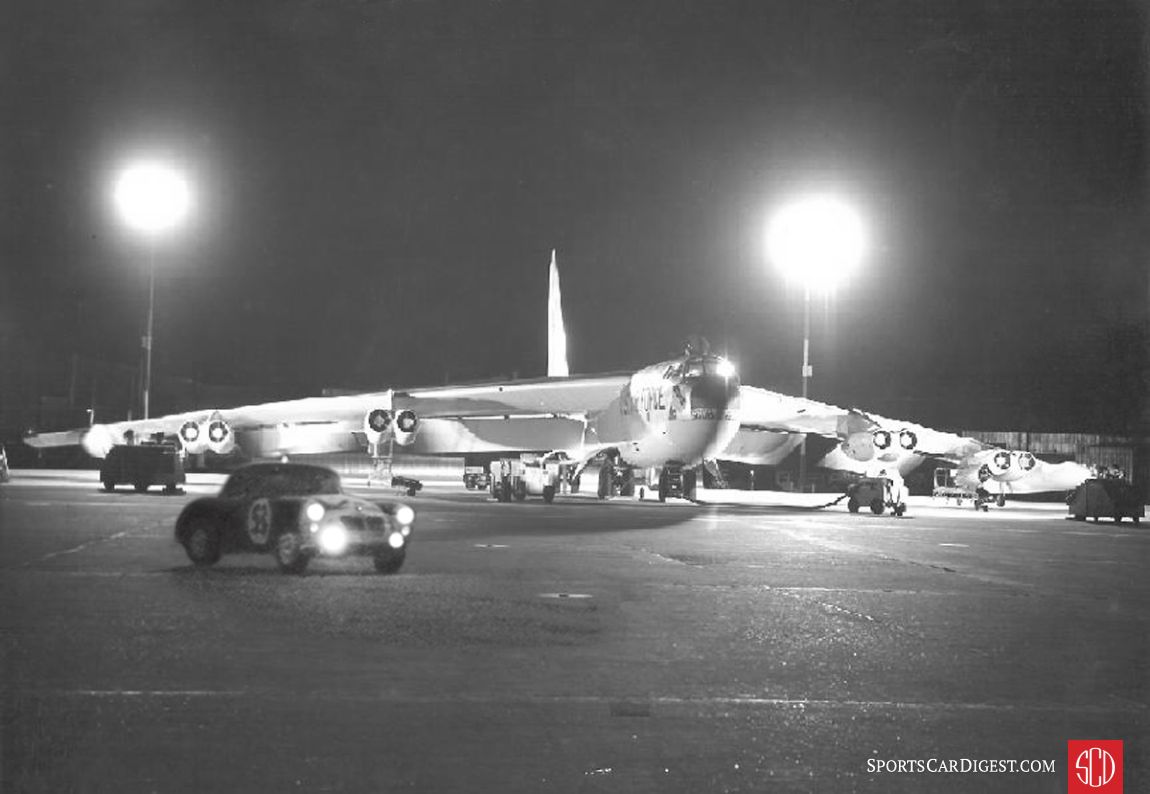
| 1962 | Jo Bonnier / Lucien Bianchi | Ferrari 250 TRI/61 | Bombers on the Florida airfields |
| 1963 | John Surtees / Ludovico Scarfiotti | Ferrari 250 P | |
| 1964 | Mike Parkes / Umberto Maglioli | Ferrari 275 P | |
| 1965 | Jim Hall / Hap Sharp | Chaparral 2A | The flood |
| 1966 | Ken Miles / Lloyd Ruby | Ford X-1 Roadster | McLean and four spectators killed |
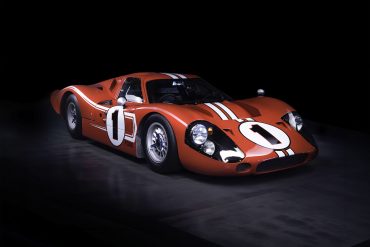
| 1967 | Mario Andretti / Bruce McLaren | Ford Mk IV | The Mk IV's first race |
| 1968 | Jo Siffert / Hans Herrmann | Porsche 907 | |
| 1969 | Jacky Ickx / Jackie Oliver | Ford GT40 | Gulf |
| 1970 | Mario Andretti / Ignazio Giunti / Nino Vaccarella | Ferrari 512 S | Andretti past McQueen and Revson with 20 minutes left |
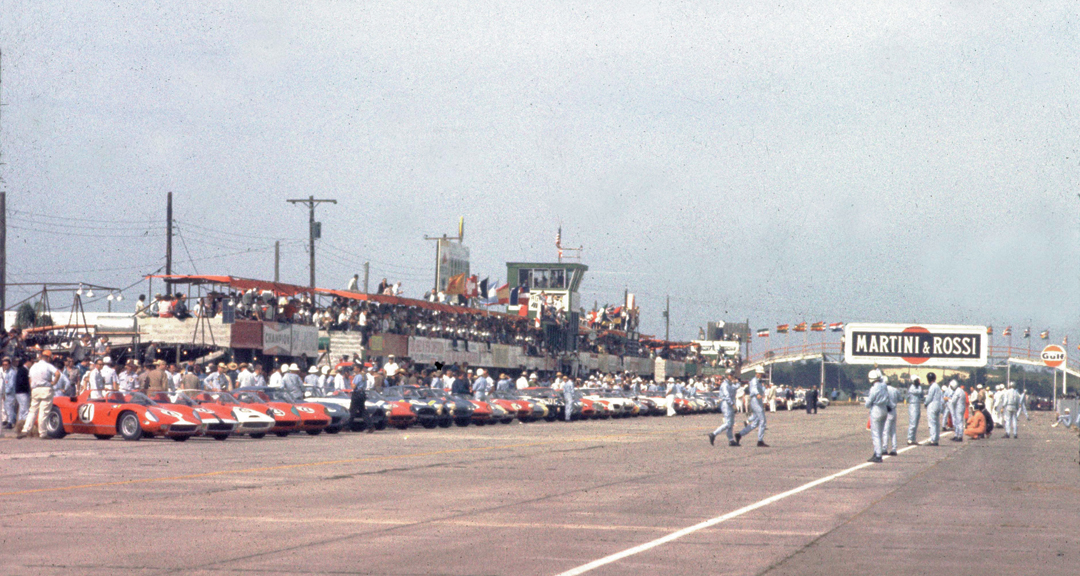
| 1971 | Vic Elford / Gérard Larrousse | Porsche 917K | Martini |
| 1972 | Mario Andretti / Jacky Ickx | Ferrari 312 PB | Last championship race for 40 years |
| 1973 | Hurley Haywood / Peter Gregg / Dave Helmick | Porsche 911 Carrera RSR | First IMSA race; no race in 1974 |
| 1975 | Hans-Joachim Stuck / Brian Redman / Allan Moffat / Sam Posey | BMW 3.0 CSL | |
| 1976 | Al Holbert / Mike Keyser | Porsche 911 Carrera RSR | |
| 1977 | George Dyer / Brad Frisselle | Porsche 911 Carrera RSR | |
| 1978 | Brian Redman / Charles Mendez / Bob Garretson | Porsche 935 | Big Mo's year |
| 1979 | Bob Akin / Rob McFarlin / Roy Woods | Porsche 935 | |
| 1980 | John Fitzpatrick / Dick Barbour | Porsche 935 K3 | |
| 1981 | Bruce Leven / Hurley Haywood / Al Holbert | Porsche 935/80 | |
| 1982 | John Paul Sr / John Paul Jr | Porsche 935 JLP-3 | Father and son |
| 1983 | Wayne Baker / Jim Mullen / Kees Nierop | Porsche 934 | The underdogs |
| 1984 | Mauricio de Narváez / Hans Heyer / Stefan Johansson | Porsche 935J | |
| 1985 | Bob Wollek / A.J. Foyt | Porsche 962 | |
| 1986 | Bob Akin / Hans-Joachim Stuck / Jo Gartner | Porsche 962 | |
| 1987 | Bobby Rahal / Jochen Mass | Porsche 962 | |
| 1988 | Klaus Ludwig / Hans-Joachim Stuck | Porsche 962 | |
| 1989 | Geoff Brabham / Arie Luyendyk / Chip Robinson | Nissan GTP ZX-Turbo | |
| 1990 | Bob Earl / Derek Daly | Nissan GTP ZX-Turbo | |
| 1991 | Derek Daly / Geoff Brabham / Gary Brabham | Nissan NPT-90 | |
| 1992 | Juan Manuel Fangio II / Andy Wallace | Eagle MkIII-Toyota | Gurney's Eagle |
| 1993 | Juan Manuel Fangio II / Andy Wallace | Eagle MkIII-Toyota | |
| 1994 | Steve Millen / Johnny O'Connell / John Morton | Nissan 300ZX | |
| 1995 | Andy Evans / Fermín Vélez / Eric van de Poele | Ferrari 333 SP | |
| 1996 | Wayne Taylor / Jim Pace / Eric van de Poele | Riley & Scott Mk III-Oldsmobile | |
| 1997 | Andy Evans / Fermín Vélez / Yannick Dalmas / Stefan Johansson | Ferrari 333 SP | |
| 1998 | Didier Theys / Gianpiero Moretti / Mauro Baldi | Ferrari 333 SP | |
| 1999 | Tom Kristensen / JJ Lehto / Jörg Müller | BMW V12 LMR | First ALMS race |
| 2000 | Frank Biela / Tom Kristensen / Emanuele Pirro | Audi R8 | |
| 2001 | Rinaldo Capello / Michele Alboreto / Laurent Aïello | Audi R8 | |
| 2002 | Rinaldo Capello / Christian Pescatori / Johnny Herbert | Audi R8 | |
| 2003 | Philipp Peter / Frank Biela / Marco Werner | Audi R8 | |
| 2004 | Allan McNish / Frank Biela / Pierre Kaffer | Audi R8 | |
| 2005 | Marco Werner / JJ Lehto / Tom Kristensen | Audi R8 | |
| 2006 | Tom Kristensen / Allan McNish / Rinaldo Capello | Audi R10 TDI | First diesel winner |
| 2007 | Emanuele Pirro / Frank Biela / Marco Werner | Audi R10 TDI | |
| 2008 | Timo Bernhard / Romain Dumas / Emmanuel Collard | Porsche RS Spyder | Beat the diesels |
| 2009 | Tom Kristensen / Rinaldo Capello / Allan McNish | Audi R15 TDI | |
| 2010 | Anthony Davidson / Marc Gené / Alexander Wurz | Peugeot 908 HDi FAP | |
| 2011 | Loïc Duval / Nicolas Lapierre / Olivier Panis | Peugeot 908 HDi FAP | |
| 2012 | Tom Kristensen / Rinaldo Capello / Allan McNish | Audi R18 TDI | First WEC race; the 60th anniversary |
| 2013 | Marcel Fässler / Benoît Tréluyer / Oliver Jarvis | Audi R18 e-tron quattro | |
| 2014 | Marino Franchitti / Scott Pruett / Memo Rojas | Riley Mk XXVI-Ford | The merged IMSA series |
| 2015 | Sébastien Bourdais / João Barbosa / Christian Fittipaldi | Coyote-Corvette DP | |
| 2016 | Pipo Derani / Scott Sharp / Ed Brown / Johannes van Overbeek | Ligier JS P2-Honda | |
| 2017 | Alex Lynn / Ricky Taylor / Jordan Taylor | Cadillac DPi-V.R | |
| 2018 | Johannes van Overbeek / Nicolas Lapierre / Pipo Derani | Nissan Onroak DPi | |
| 2019 | Felipe Nasr / Pipo Derani / Eric Curran | Cadillac DPi-V.R | |
| 2020 | Jonathan Bomarito / Ryan Hunter-Reay / Harry Tincknell | Mazda RT24-P | Run in November |
| 2021 | Sébastien Bourdais / Loïc Duval / Tristan Vautier | Cadillac DPi-V.R | |
| 2022 | Earl Bamber / Neel Jani / Alex Lynn | Cadillac DPi-V.R | |
| 2023 | Jack Aitken / Pipo Derani / Alexander Sims | Cadillac V-Series.R | Derani's fourth |
| 2024 | Louis Delétraz / Colton Herta / Jordan Taylor | Acura ARX-06 | |
| 2025 | Felipe Nasr / Nick Tandy / Laurens Vanthoor | Porsche 963 | |
| 2026 | Julien Andlauer / Laurin Heinrich / Felipe Nasr | Porsche 963 |
1950 was a six-hour race decided on index of performance; the twelve-hour race began in 1952. No race in 1951 or 1974. 1955's result was decided in the scoring tent.
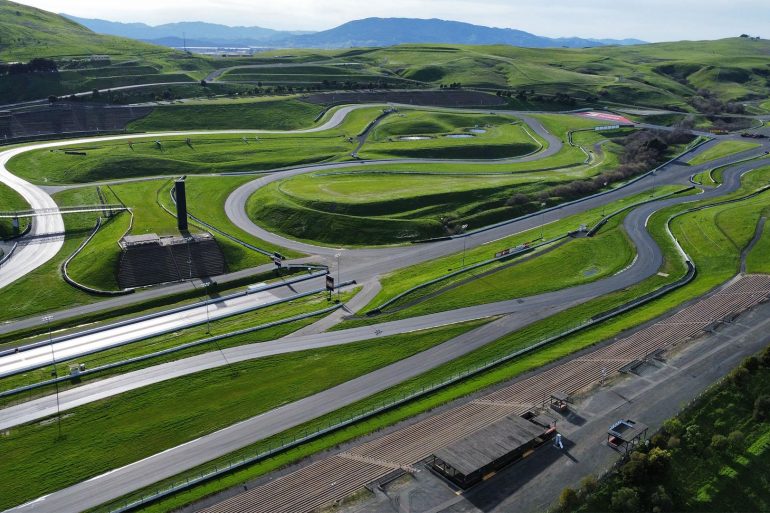
Hendricks Field trained B-17 crews, and the track still follows the pattern of the airfield: long straights down the runways, right-angle turns where taxiways met them, and concrete that was poured in 1941. The first twelve-hour race used 5.2 miles of it, and that lap, with its long back straight and the Webster turns, lasted until 1982; the circuit was cut to 4.86 miles in 1983, to 4.11 in 1987 when the airport side was given back to aviation, to 3.7 miles in 1991 and to the present 3.74 miles, 17 turns, in 1997. What survives is the character. From the start-finish straight the cars brake hard into Turn 1, a fast right-hander onto concrete that the archive's Sebring's Turn One explains in detail; through the quick esses of Turns 3 to 5 onto the back section; into the Turn 7 hairpin, the slowest corner and the best place to watch at night; along the Ullmann straight, named for the founder, through Bishop Bend and the Tower Turn; and finally through Turn 17, Sunset Bend, a long, bumpy, fourth-gear right-hander over the oldest concrete on the property that is the most photographed corner in American racing and has its own piece in the archive. A lap takes a prototype about 1 minute 45 seconds and a GT3 car about two minutes; the bumps are the reason the cars are set up softer here than anywhere, and the reason the 24-hour cars test here before Le Mans. The track has never been fully repaved, on purpose.
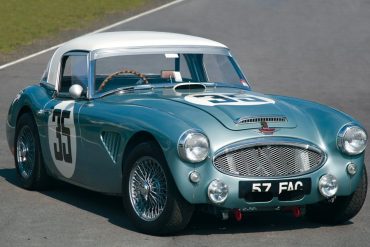
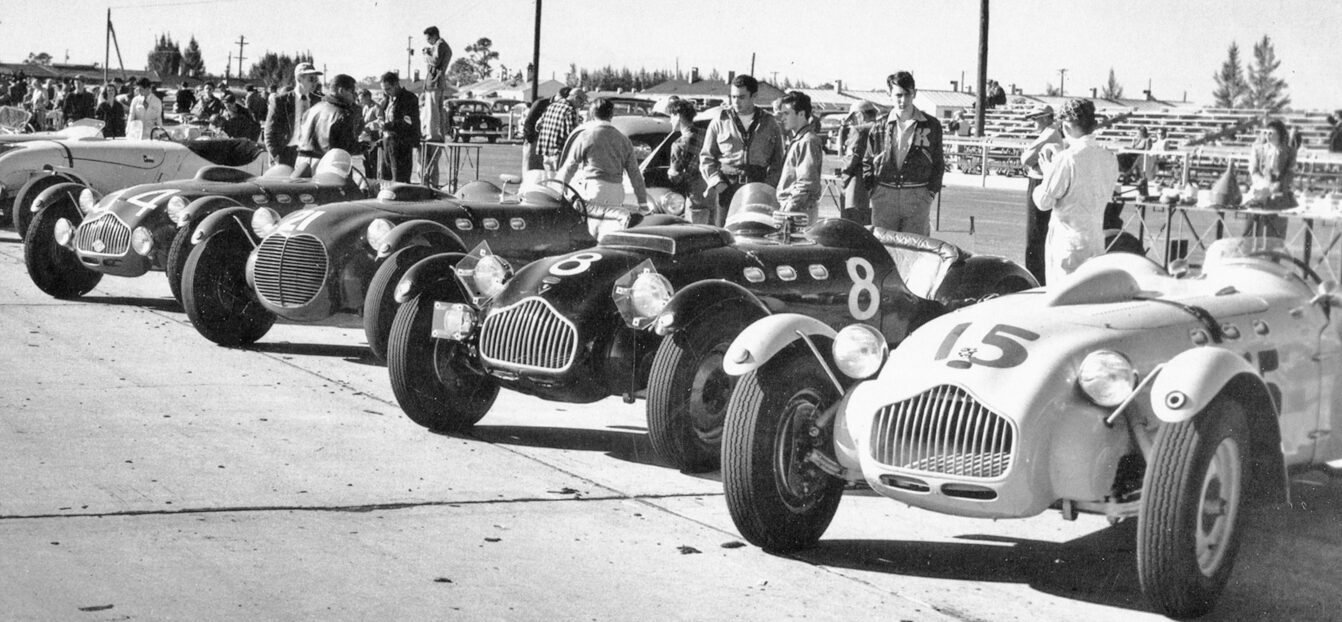
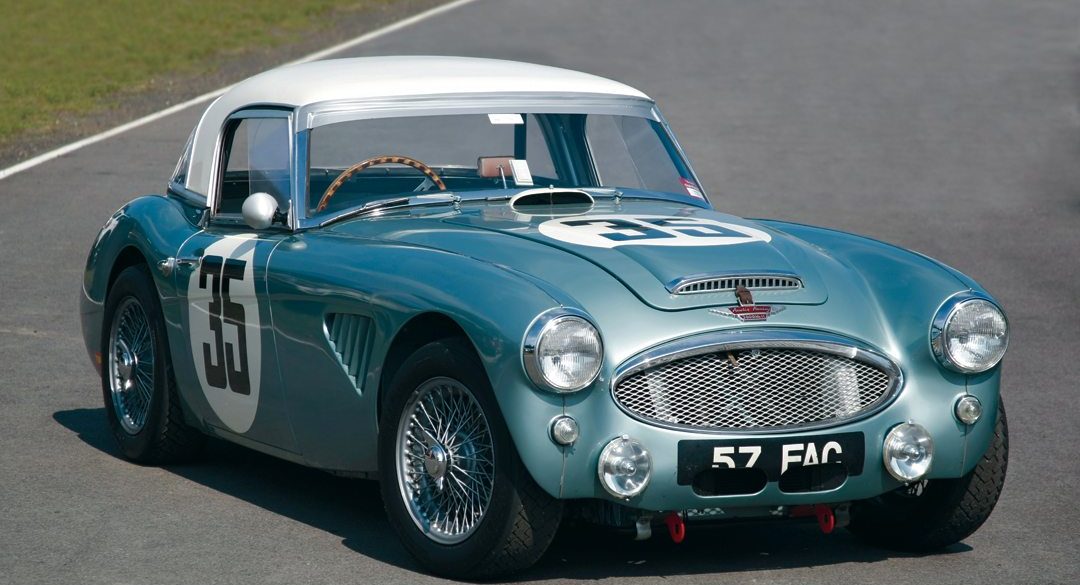
In 1953 the new World Sportscar Championship opened at Sebring, the only American round, and Briggs Cunningham's C-4R won it with John Fitch and Phil Walters; the archive's Triple Threat and A Coke and a Smile are about the men who paid for American racing then. In 1954 Stirling Moss and Bill Lloyd won outright in a 1.5-litre OSCA, the smallest car ever to win the race, after the bigger cars broke; Sebring 1954 tells it, and Moss brought the OSCA back fifty years later. The 1955 race, won by Mike Hawthorn and Walters in a Jaguar D-type, was decided in the scoring tent: Phil Hill and Carroll Shelby's Ferrari was first across the line and a recount gave it to the Jaguar by a lap that many still doubt. Sebring 1955 and the Austin-Healey 100S "Sebring" trio, the production car named for its class result there, are from that year.
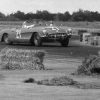
1956 was the year the race arrived. Ferrari, Maserati, Jaguar and Aston Martin all sent works teams, Chevrolet entered three Corvettes under a private name to dodge the manufacturers' racing ban, and Fangio, three times world champion, shared a works Ferrari 860 Monza with Eugenio Castellotti. Louis Galanos's 1956 race profile, ten thousand words long, and his companion piece Fangio's Gift are the definitive accounts of how Fangio and Castellotti won by two laps from Musso and Schell's sister car, and of what Fangio did with the trophy. In 1957 he won again with Jean Behra in the Maserati 450S, the 4.5-litre V8 that Karl Ludvigsen calls Maserati's ultimate sports-racer, against a Ferrari team that included the 335 S. Peter Collins and Phil Hill won 1958 in a Testa Rossa; in 1959, in rain that flooded the course, Ferrari put Hill, Gendebien, Chuck Daigh and Dan Gurney into one car and won with all four.
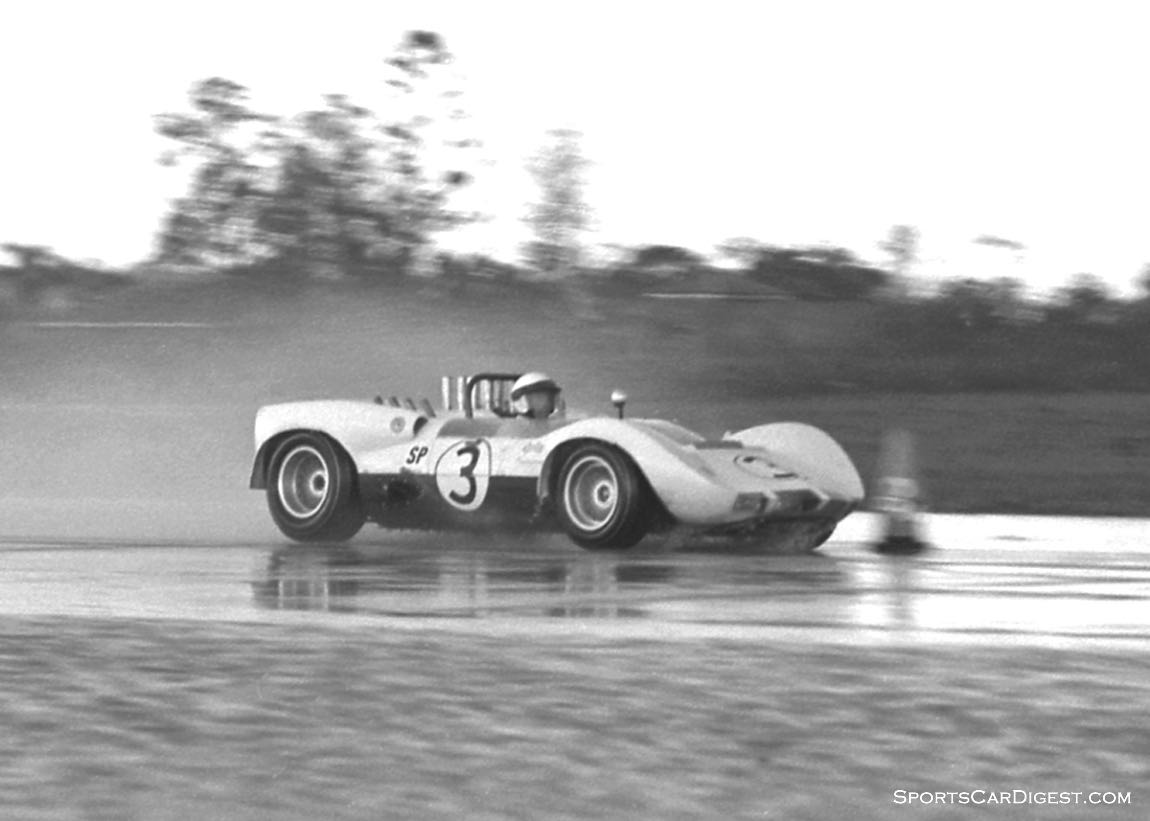
Porsche won outright for the first time in 1960, Hans Herrmann and Olivier Gendebien in an RS60 beating the 3-litre Ferraris, the year the race also carried the first Corvette to run at Le Mans. Then Ferrari took five in a row: Hill and Gendebien in 1961; Bonnier and Bianchi in 1962, the race Galanos writes up as H-Bombs and the Planned Invasion of Cuba, because the bombers were back on the Florida airfields that spring; Surtees and Scarfiotti in the 250 P in 1963, with the first Cobras and the Jaguar E-types in the field; Parkes and Maglioli in 1964. 1965 belongs to the weather. A storm put the back straight under a foot of water in the afternoon, cars aquaplaned off into the fields, and Jim Hall and Hap Sharp's Chaparral 2A, with its automatic transmission and its wing, won by four laps. The archive has three pieces on it: the race profile, And Then the Rains Came and Sebring Saga; Young Jim Hall is the man.
1966 was Ford's: Ken Miles and Lloyd Ruby won in the open X-1 roadster, with the GT40 Mk IIs behind, and it was the race's worst day, Bob McLean killed when his GT40 hit a pole and burned, and four spectators killed when Mario Andretti's Ferrari and Don Wester's Porsche collided at the Webster turns. Big Mo sorts the legends that grew from that afternoon from what happened. Andretti and Bruce McLaren won 1967 in the Mk IV's first race; Siffert and Herrmann won 1968 in a Porsche 907; Ickx and Oliver won 1969 in the Gulf GT40. Then 1970, which the archive argues was the greatest endurance race of all: three works Ferrari 512 S against the Gulf 917s, every Formula One name in the paddock, and Steve McQueen, filming research for Le Mans with his foot in a cast, sharing a 908 with Peter Revson. The 917s broke, Andretti's own 512 broke, Ferrari put him into the Giunti/Vaccarella car for the last hour, and he caught and passed Revson with twenty minutes to go to win by twenty-two seconds; McQueen and Revson finished second. The race profile and its addendum are the long versions; Andretti came back as grand marshal fifty years on. Elford and Larrousse won 1971 in a Martini 917K; Andretti and Ickx won 1972 in the 312 PB, the last Sebring under the world championship for forty years.
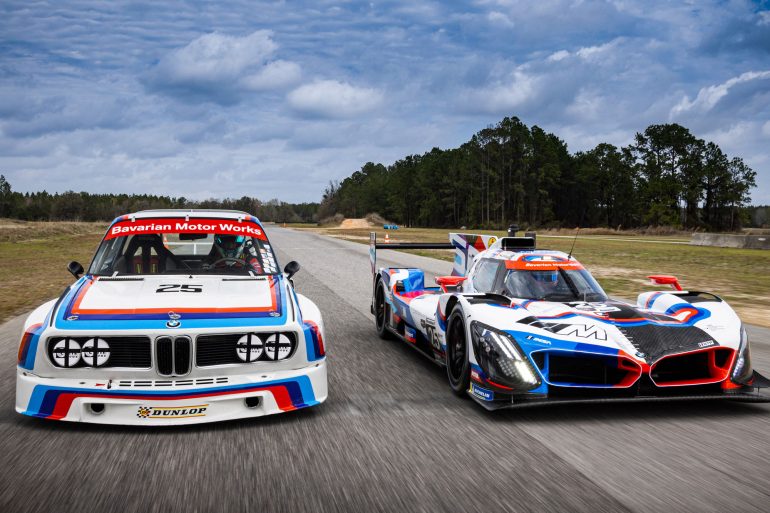
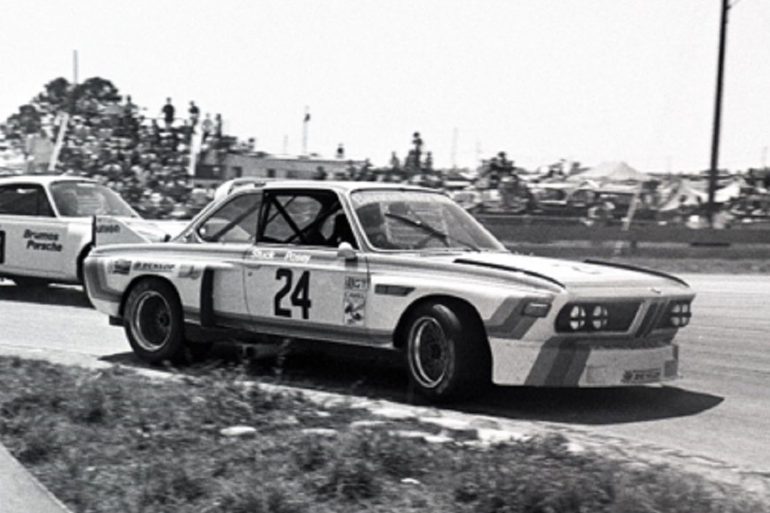
Ulmann gave the race up after 1972 and it passed to John Bishop's IMSA, which the archive's 1973 profile and A Different Era Begins cover: Hurley Haywood, Peter Gregg and Dave Helmick won in a Brumos Carrera RSR, the first of Haywood's two. There was no race in 1974, the fuel crisis year, which has its own profile and story behind the story in the archive; when it came back in 1975 a BMW 3.0 CSL won with Stuck, Redman, Moffat and Posey, and BMW marked fifty years of it in 2025. Then Porsche: Carrera RSRs in 1976 and 1977, 935s from 1978 to 1982, the John Pauls father and son in 1982, and in 1983 a privateer 934 that nobody expected to win beating the prototypes; the Sebring '76 memoir is the mid-seventies from the paddock. The 962s took 1985 to 1988, Foyt and Wollek first among them, then Nissan three times, Dan Gurney's Toyota Eagles twice with Juan Manuel Fangio II, and the Ferrari 333 SP three times in the nineties. Through all of it the circuit stayed what it was: the same concrete, the same bumps, the hairpin, Turn One and Turn 17 explained corner by corner in the archive, the spectators camping in the infield from Thursday, and the stories, from the funny money found in the old barracks to the alligator that may or may not have put Peter Gregg into the wall.
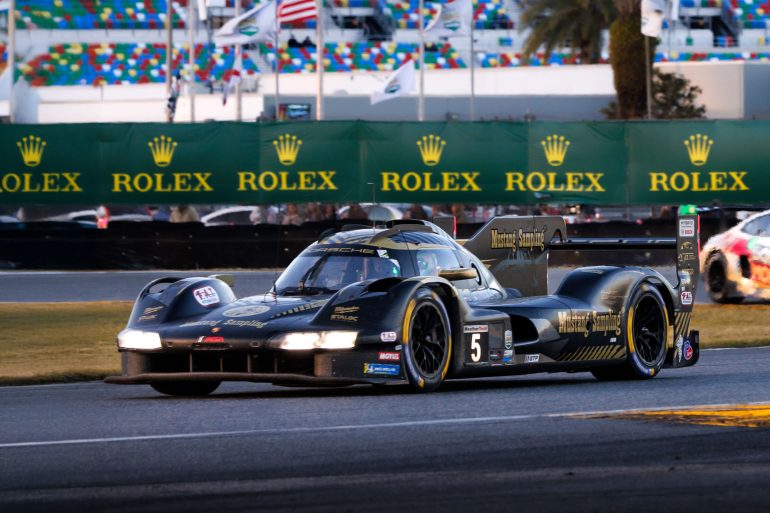
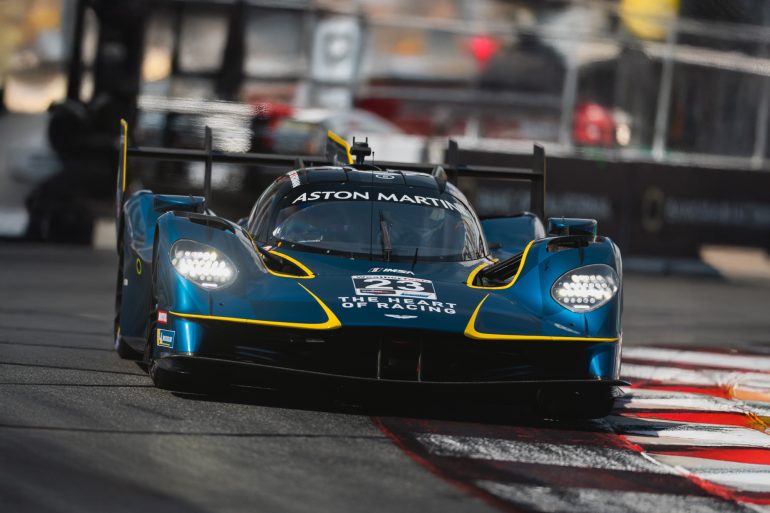
Sebring opened the American Le Mans Series in 1999, won by BMW, and then became Audi's: the R8 from 2000 to 2005, the diesel R10 in 2006 and 2007, the R15 in 2009, with Porsche's RS Spyder taking 2008 in between. Peugeot's 908s won in 2010 and 2011; the race opened the new World Endurance Championship in 2012, Audi winning a 60th-anniversary race in front of the biggest crowd in years, and Audi won again in 2013. From 2014 it has been the second round of the merged IMSA championship: Ford, Corvette and Cadillac prototypes, Mazda in a November race in 2020, Acura in 2022 and 2024, and Porsche's 963 in 2025 and 2026. The archive's reports run from the 2022 heat through 2023 and 2024.
Louis Galanos's race profiles and the archive's reports, 1954 to this spring, newest first.
The winners' list begins with a Crosley Hotshot that won the six-hour race of 1950 on index and a Frazer Nash in 1952, and runs through everything that mattered in sports car racing since. The fifties: Cunningham's C-4R, the 1.5-litre OSCA that beat everyone in 1954, the Jaguar D-type, Fangio's Ferrari 860 Monza and Maserati 450S, the Testa Rossas. The sixties: the Porsche RS60 that gave Stuttgart its first big win, Ferrari's 250 P and 275 P, the Chaparral 2A in the flood, Ford's X-1 roadster and Mk IV, the Gulf GT40, the 907 and the 917K, the 512 S and the 312 PB. The IMSA years: the Carrera RSR, the 935 in every form from 1978 to 1982, the privateer 934 of 1983, the 962s, Nissan's GTP ZX-Turbo and NPT-90 and 300ZX, the Toyota Eagle MkIII, the Ferrari 333 SP, the Riley & Scott. The modern era: BMW's V12 LMR, the Audi R8, R10, R15 and R18, the Porsche RS Spyder, the Peugeot 908, the Daytona Prototypes, the Cadillac, Acura and Mazda DPis and the Porsche 963. Around them the cars Sebring named or made: the Austin-Healey 100S, the Sunbeam Alpine Sebring, the Maserati Sebring, the first racing Corvettes of 1956 and the Corvette that went on to Le Mans in 1960. The nine cars below each link to every story on the site about that car; the feed after them carries the single-car stories that mention the race.
Nine from seventy-five years; each links to every story on the site about that car.
Single-car stories that carry the race: the 100S, the 450S, the 335 S, the first Corvettes, the Chaparral, the 935s and the prototypes.
Tom Kristensen won six times, Rinaldo Capello five, Frank Biela, Allan McNish and Pipo Derani four, Phil Hill, Olivier Gendebien, Mario Andretti, Hans-Joachim Stuck, Marco Werner and Felipe Nasr three; Fangio, Phil Walters, Hans Herrmann, Jacky Ickx and Hurley Haywood two. The race's cast is American endurance racing's: Alec Ulmann, who made it, the Colliers and Briggs Cunningham, John Fitch and Walters, Moss and Bill Lloyd in the OSCA, Hawthorn, Castellotti and Behra, Collins, Gurney and Daigh, Bonnier and Bianchi, Surtees and Scarfiotti, Jim Hall and Hap Sharp, Ken Miles and Lloyd Ruby, Bruce McLaren, Siffert, Ickx and Oliver, Andretti in 1970 and Steve McQueen second behind him, Elford and Larrousse, Haywood and Peter Gregg, Brian Redman and Sam Posey, the John Pauls, A.J. Foyt and Bob Wollek, Geoff Brabham, Fangio II, the Audi men, and the IMSA generation of Derani, Nasr, Taylor and Albuquerque. John Bishop ran IMSA's Sebring and Don Panoz the ALMS's. Robert Newman's portraits and the archive's interviews carry many of them; the feed below gathers the profiles that carry the race's tag.
Fitch, Hall, Haywood, Surtees, Guthrie, the Rahals and the men who ran the show.
The old cars run the airfield twice a year. The HSR Classic 12 Hour, each December since 2016, puts the historic cars through the full twelve hours in rotating run groups through the night, and the archive has it from the first to 2024; the SVRA's Sebring Vintage Classic and SpeedTour fill the March weekend before the 12 Hours, with the galleries below. The Sebring Hall of Fame, in the paddock, inducts a few names each year. Doing the Sebring Double is what it is like to race one and watch the other, and The Stars Come Out at Sebring is what the paddock looks like when the drivers of 1965 come back to the track they raced in the rain.
The HSR Classic 12 Hour and the SVRA weekends, newest first.
Picture galleries from the airfield, race week and the historics.

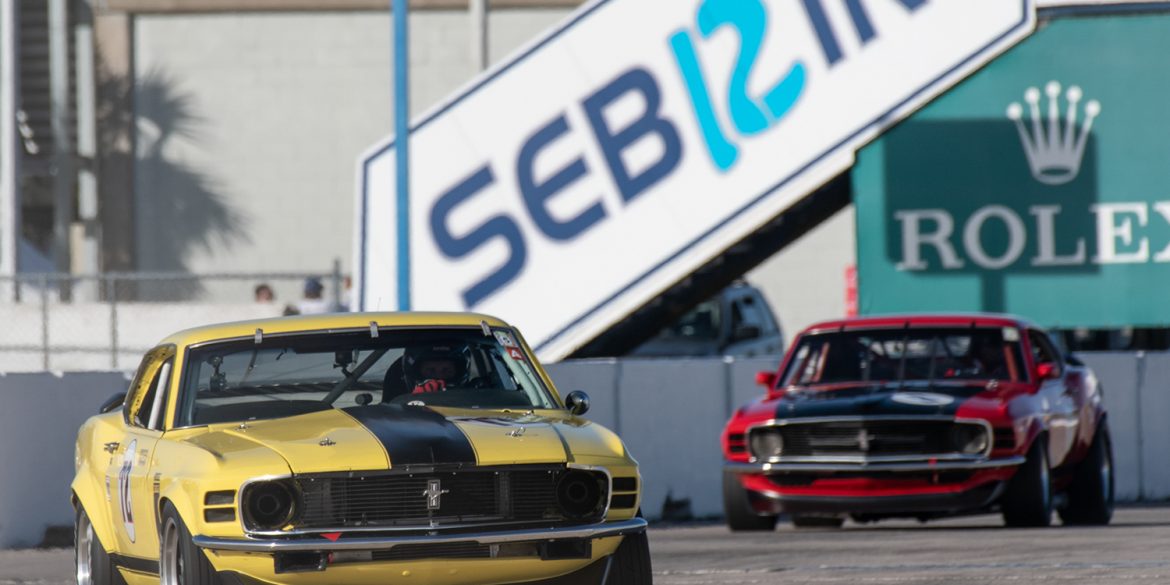
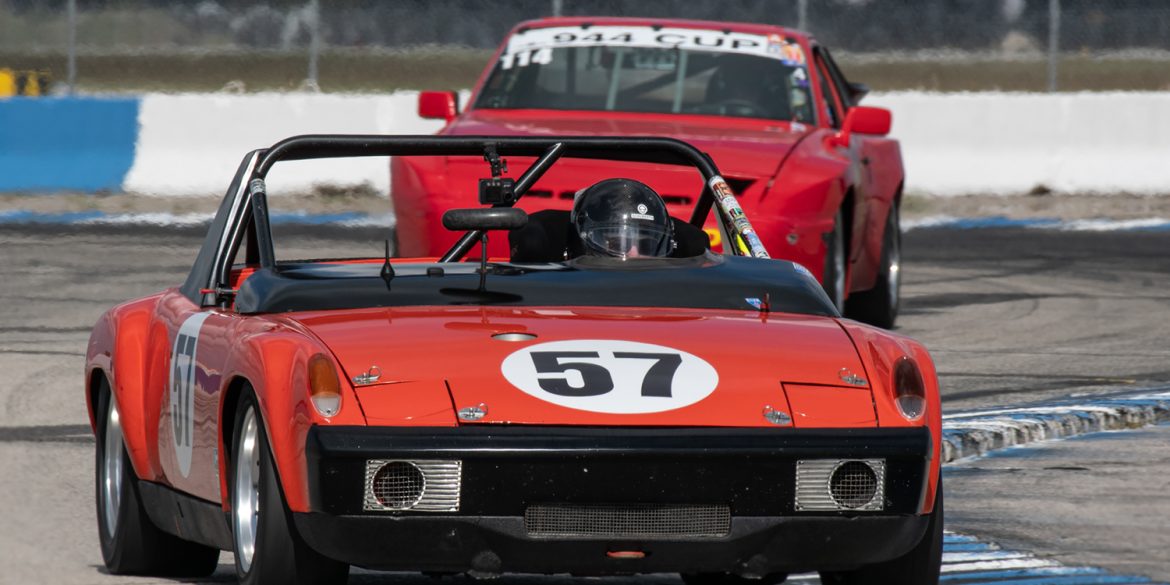
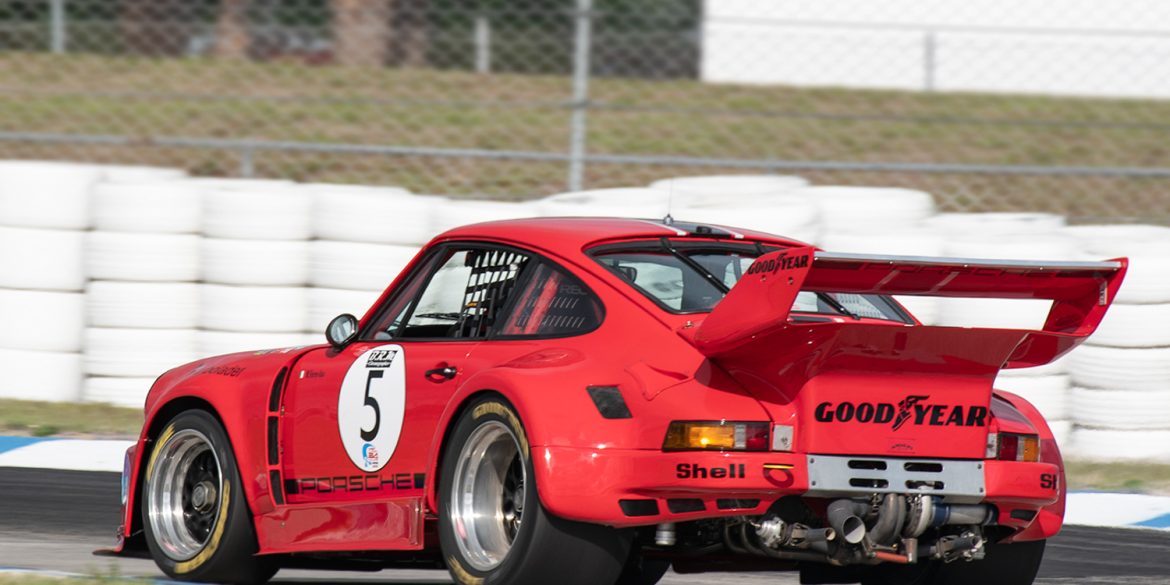
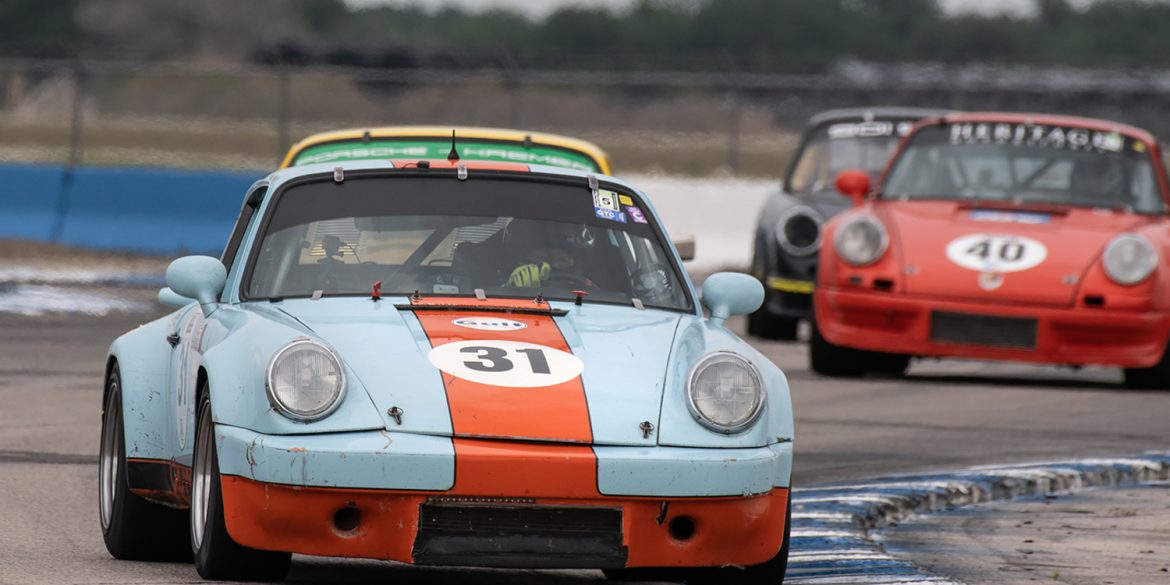
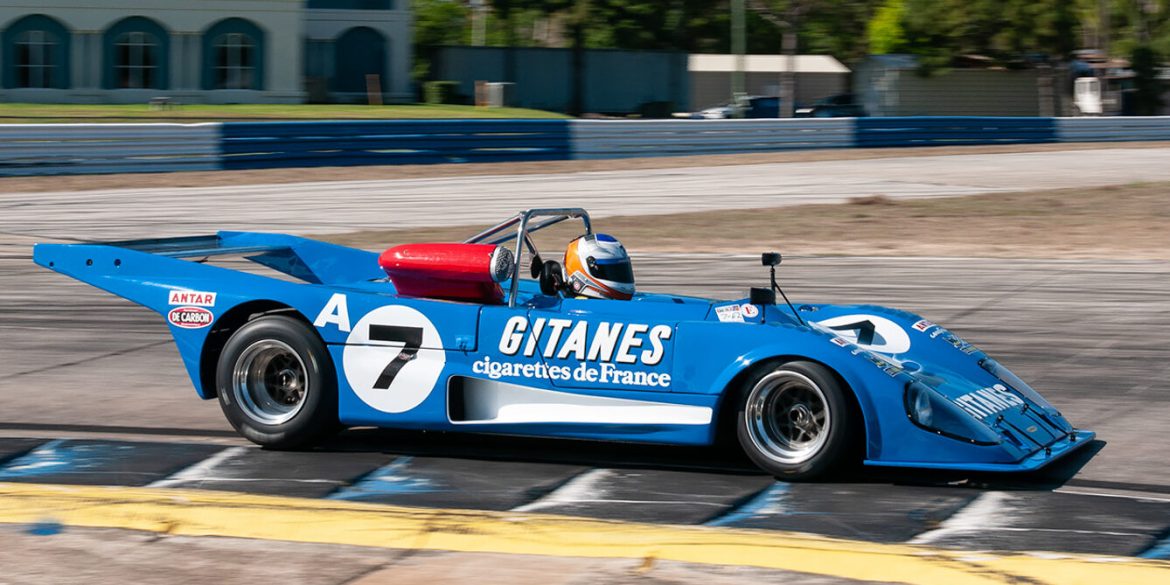
Races: 73 twelve-hour races from 1952 to 2026, plus the six-hour race of 31 December 1950; none in 1951 or 1974. Championship status: World Sportscar Championship 1953–72, IMSA GT 1973–98, American Le Mans Series 1999–2013, FIA World Endurance Championship 2012, IMSA WeatherTech since 2014. Most wins, driver: Kristensen 6; Capello 5; Biela, McNish and Derani 4; Phil Hill, Gendebien, Andretti, Stuck, Werner and Nasr 3. Most wins, make: Porsche 20, Ferrari 12, Audi 11, Nissan and Cadillac 5, Ford 3. Smallest winning car: the 1,490-cc OSCA MT4 of Moss and Lloyd, 1954. Closest finish: 1970, Andretti by 22 seconds from Revson and McQueen. Most drivers in a winning car: four, Hill, Gendebien, Daigh and Gurney, 1959. Worst day: 1966, five dead. The flood: 1965, a foot of water on the back straight, the Chaparral by four laps. Circuit: 5.2 miles 1952–82, 4.86 from 1983, 4.11 from 1987, 3.7 from 1991, 3.74 miles and 17 turns since 1997; about half the lap on 1941 concrete. Race hours: 10 am to 10 pm, the last two and a half in the dark. The historics: the HSR Classic 12 Hour each December since 2016; the SVRA weekend before the race. The Hall of Fame: in the paddock, a few names each year.
Short answers, with the long ones above.
An endurance race held every March since 1952 on Sebring International Raceway, a circuit built on a wartime bomber base in central Florida, from ten in the morning to ten at night. It is the oldest sports car race in the United States still run and the second round of the IMSA championship.
Tom Kristensen, six times between 1999 and 2012, all but the first for Audi. Porsche has won the race twenty times, more than any other make, with Ferrari on twelve and Audi on eleven.
Because about half the 3.74-mile lap runs on the concrete runways and taxiways poured for Hendricks Field in 1941, with the expansion joints and heaves still in it. The track has never been fully repaved, and teams test here because a car that survives Sebring will survive Le Mans.
3.74 miles (6.02 km) with 17 turns, since 1997. The original race lap of 1952 was 5.2 miles and lasted until 1982; the circuit was shortened in 1983, 1987 and 1991 as the airport side was handed back to aviation.
The 1965 race, when an afternoon storm put the back straight under a foot of water, cars aquaplaned off into the fields, and Jim Hall and Hap Sharp's Chaparral 2A, with its automatic transmission, won by four laps.
Yes. In 1970, with his left foot in a cast, he shared a Porsche 908 with Peter Revson and finished second overall, 22 seconds behind Mario Andretti's Ferrari 512 S, in the race the archive calls the greatest endurance race of all.
A Saturday in mid-March, with the SVRA historic races the weekend before and the HSR Classic 12 Hour on the same circuit each December.
The whole archive on one thread, newest first.