

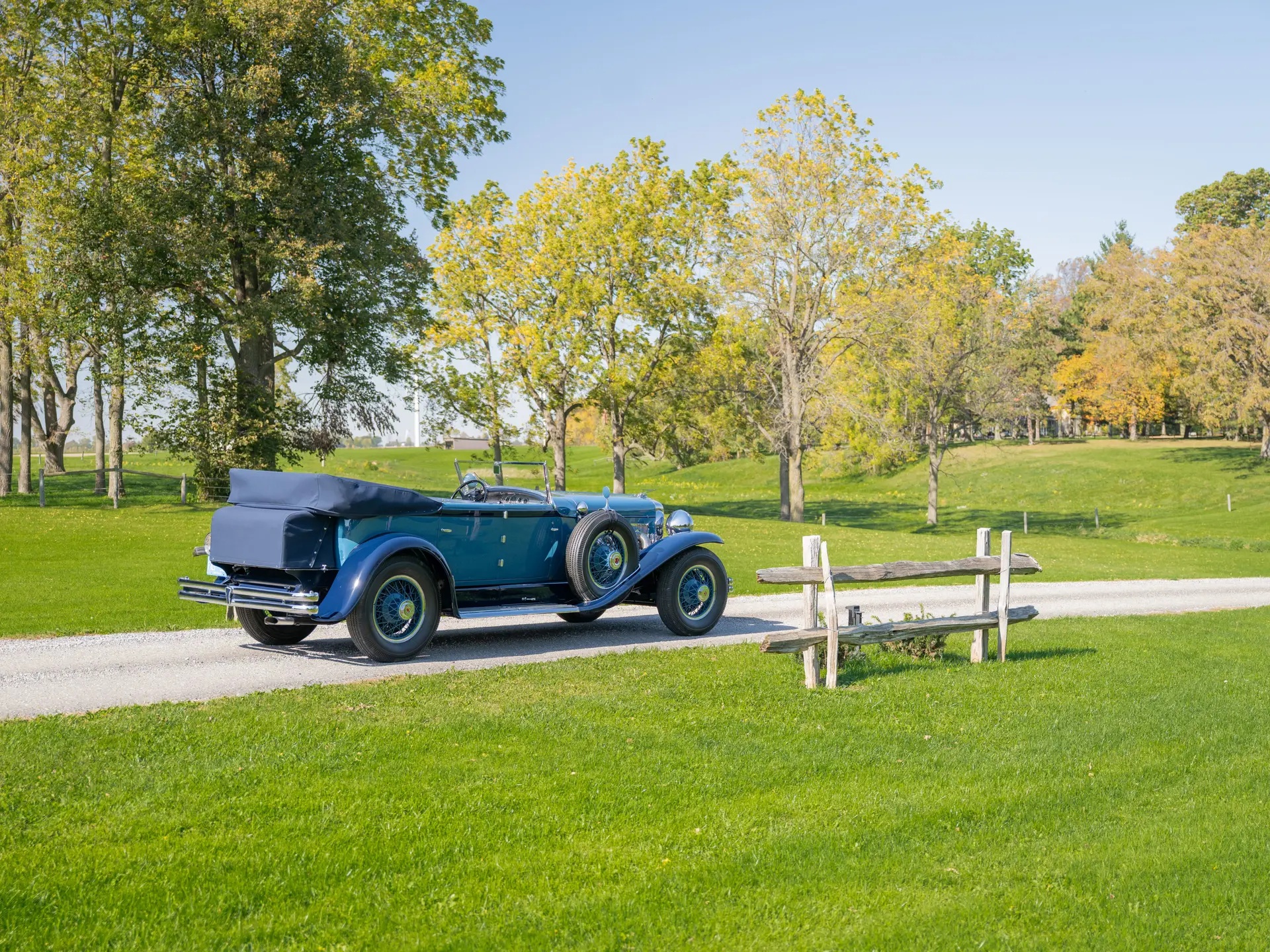
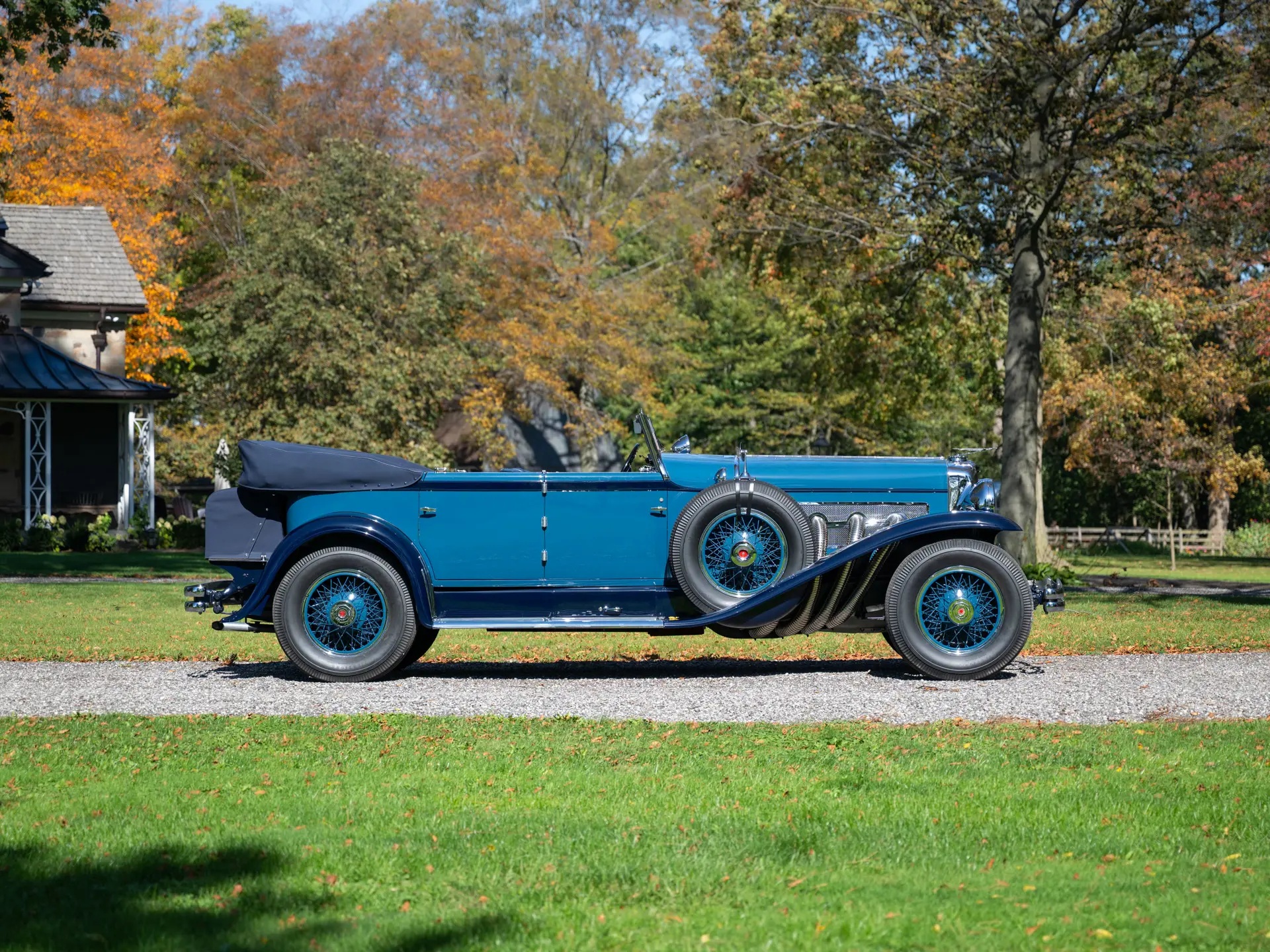
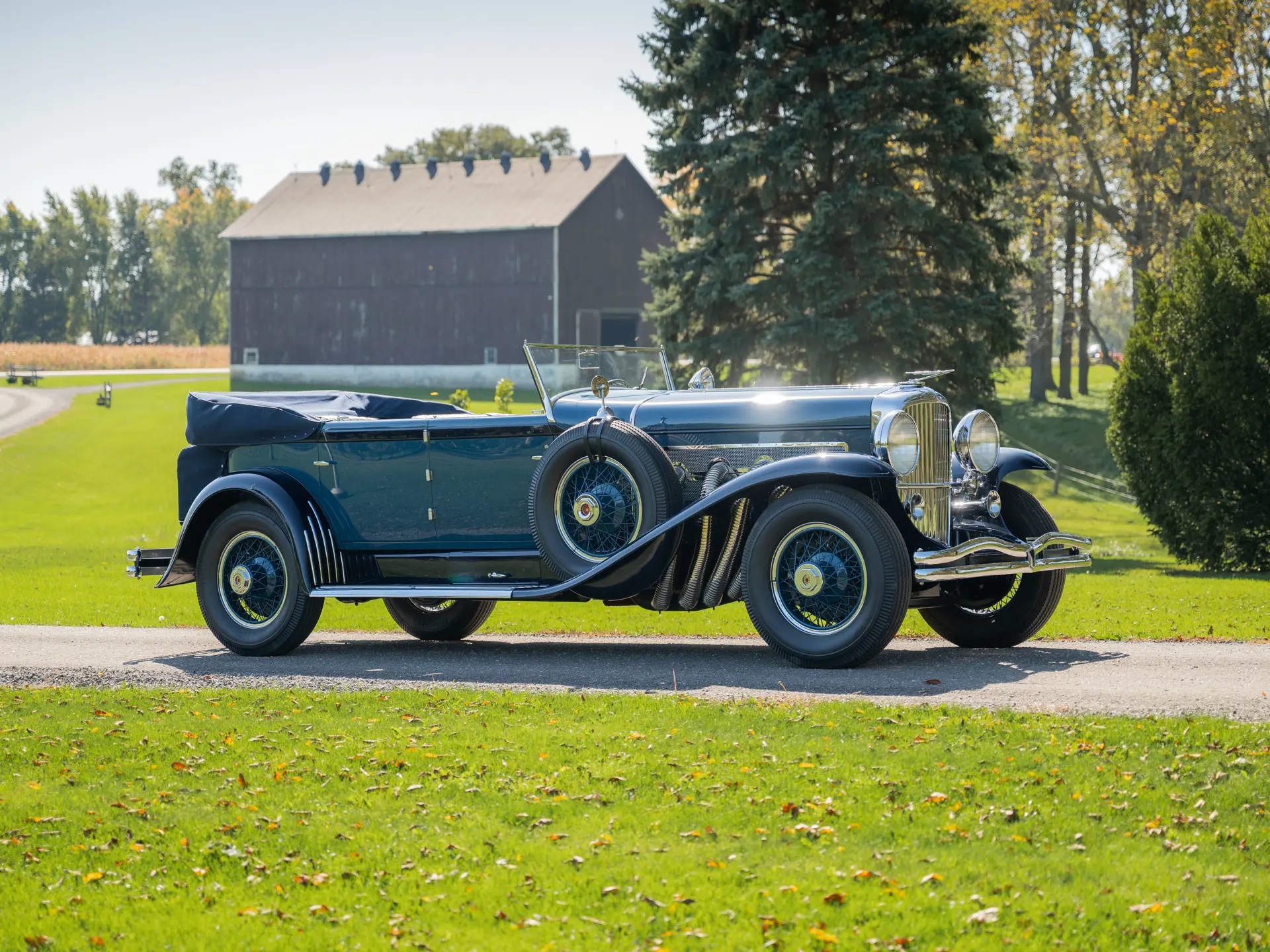
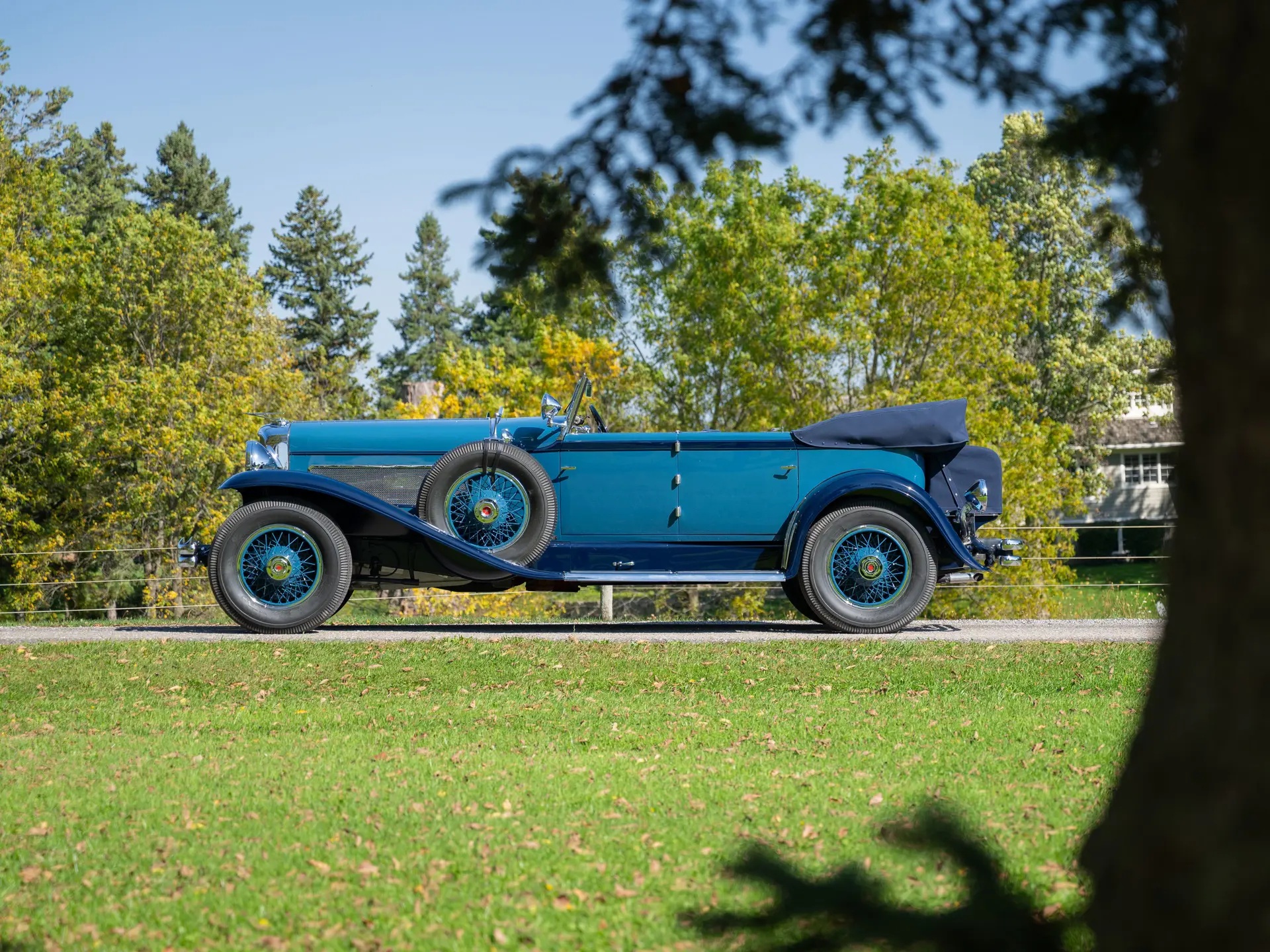
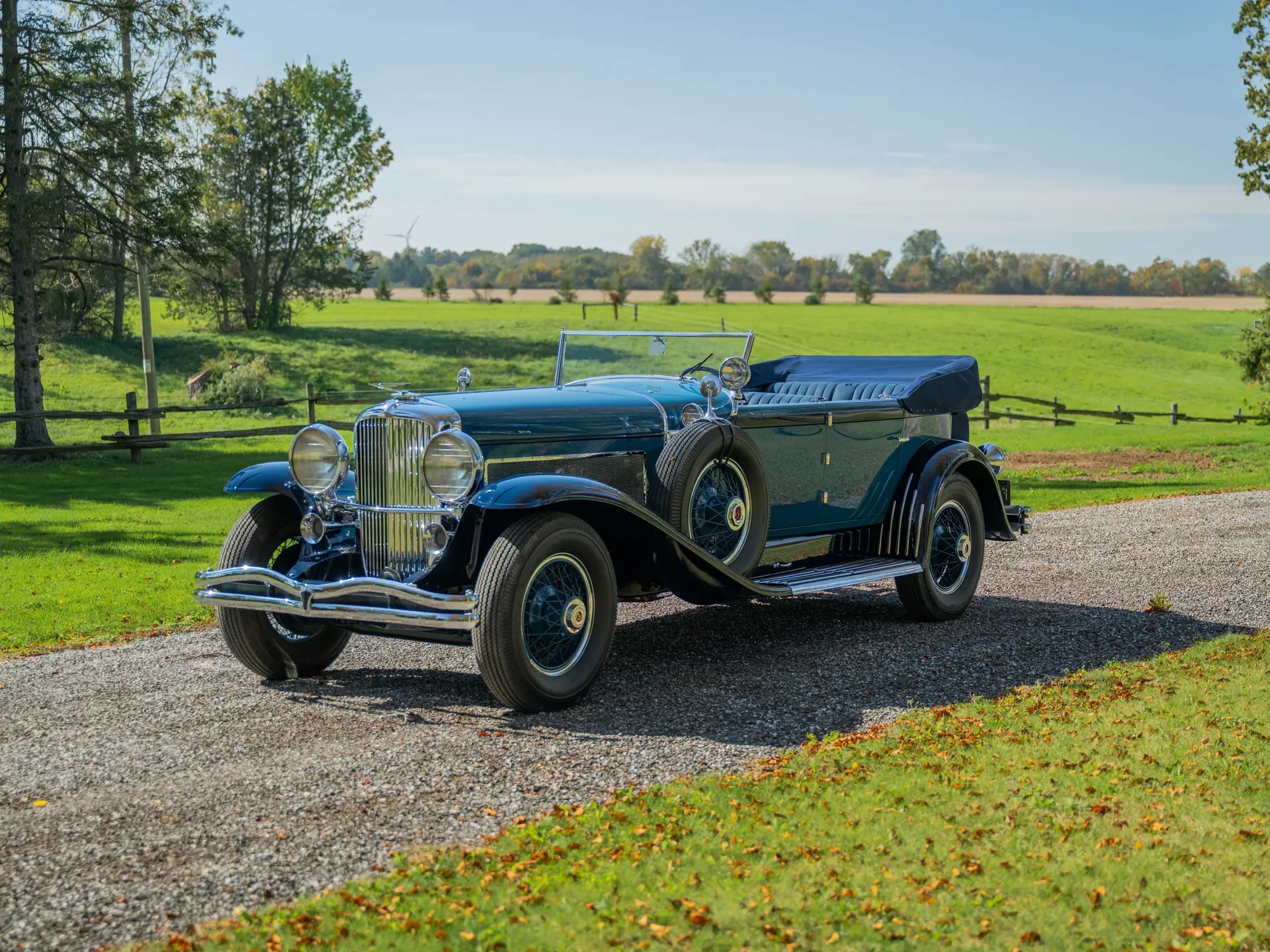
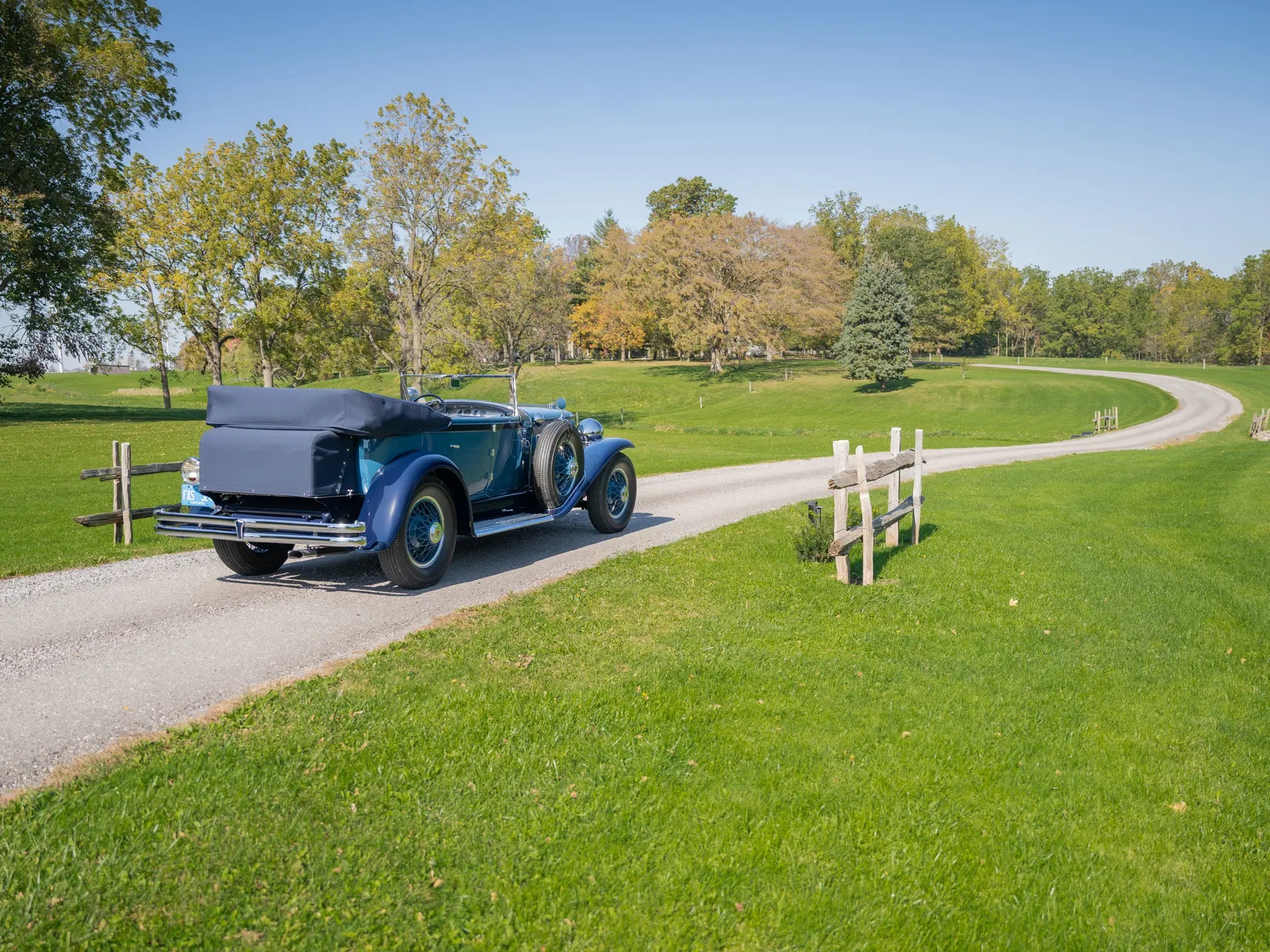
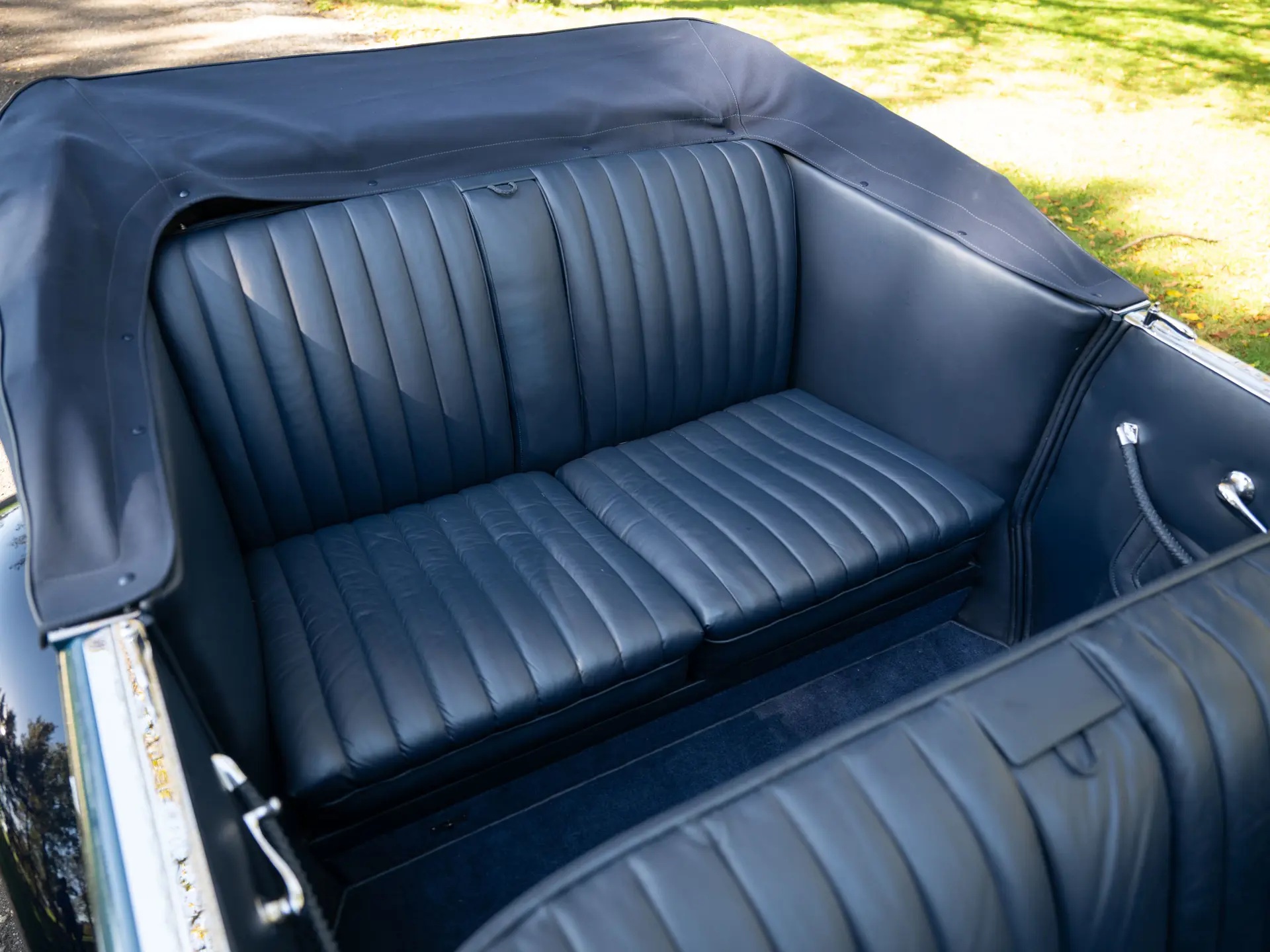
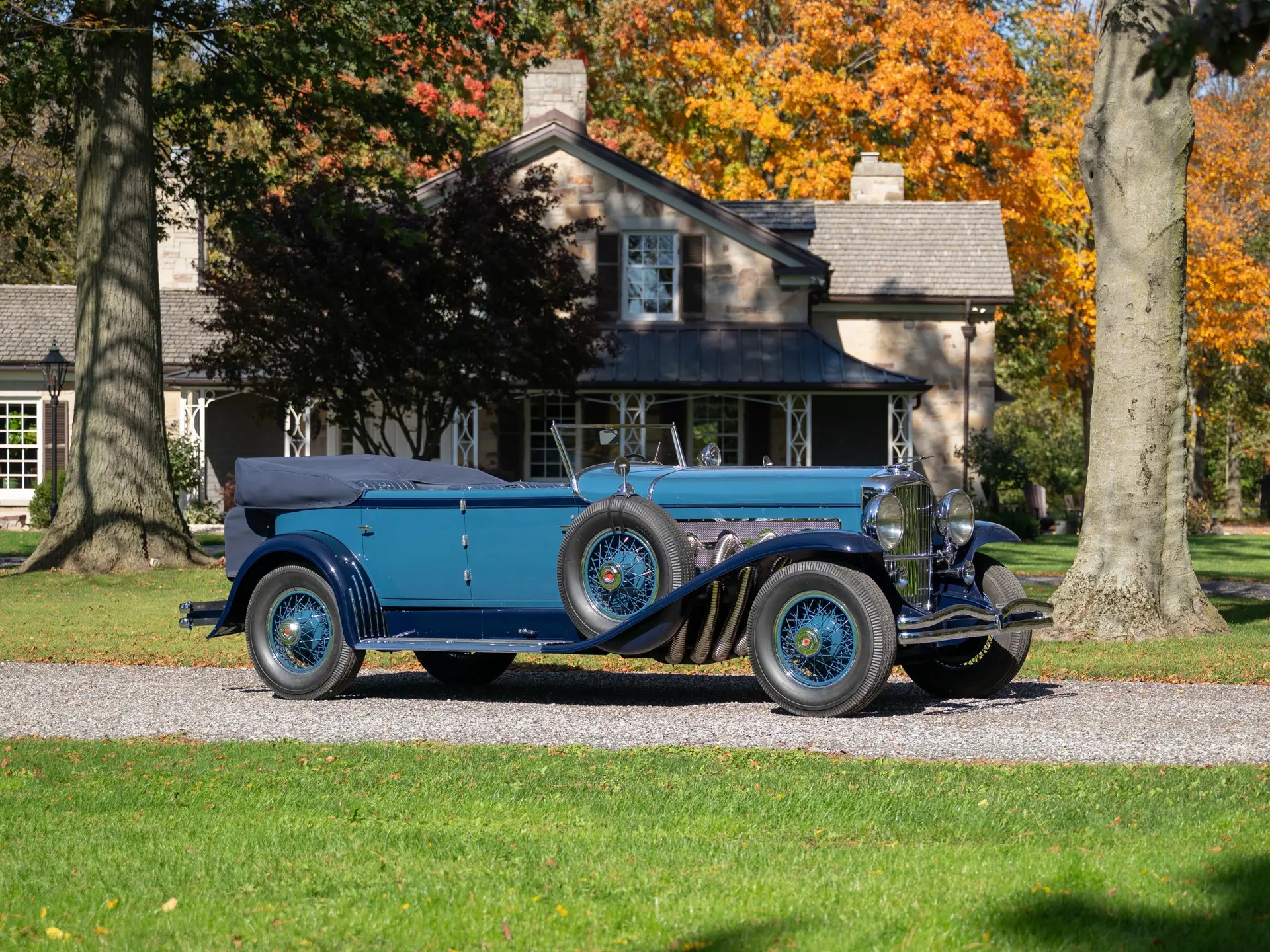
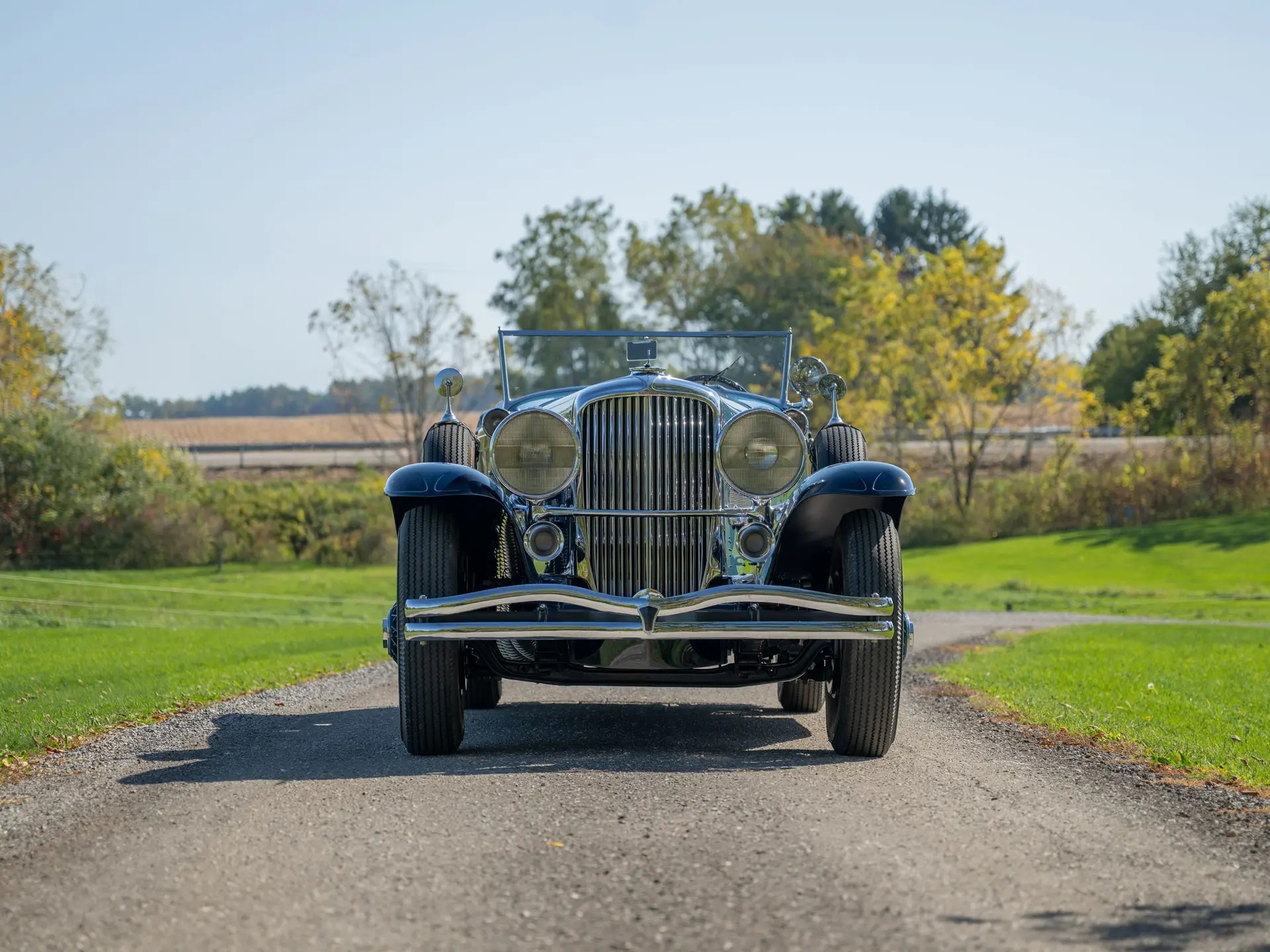
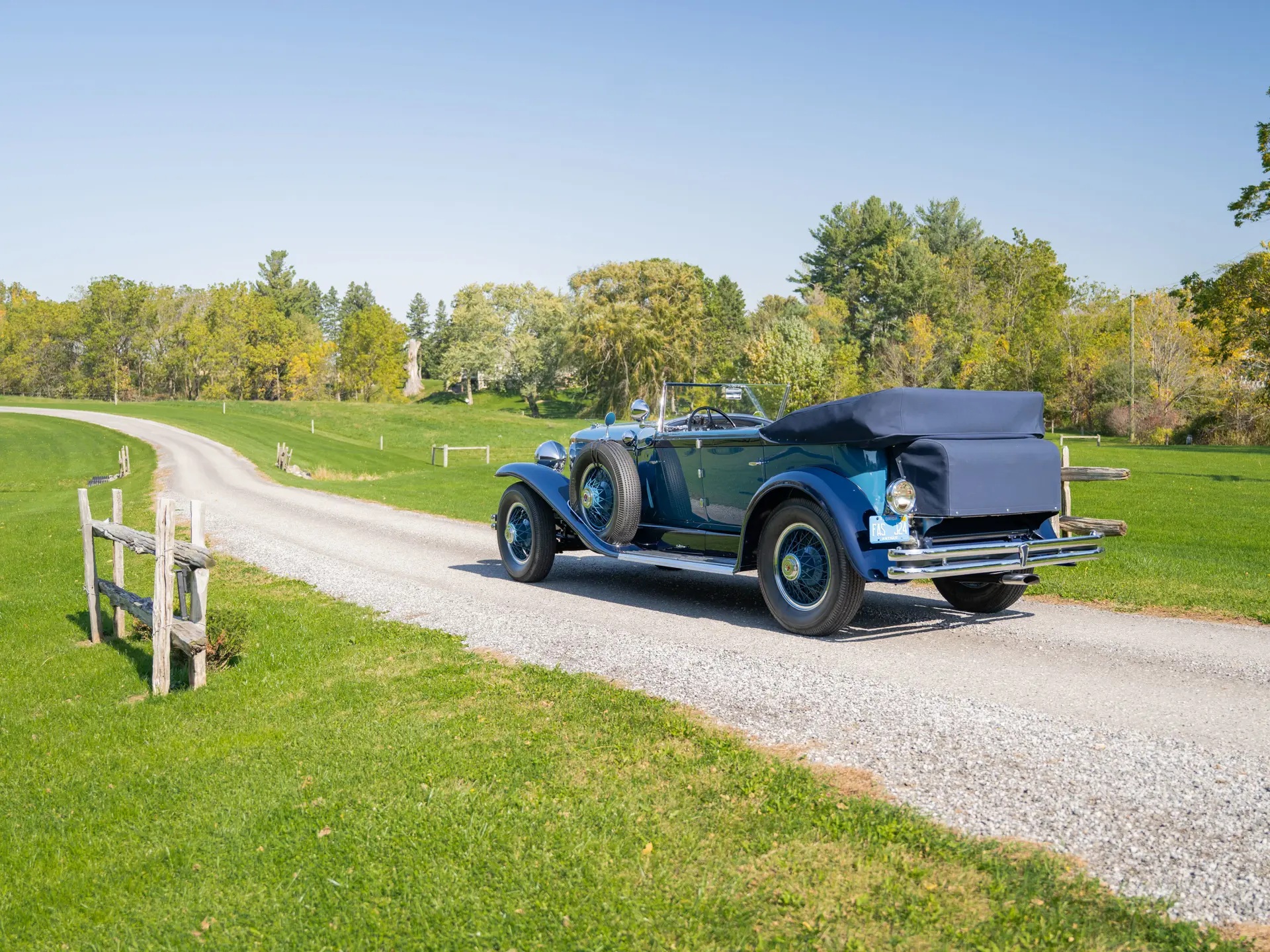
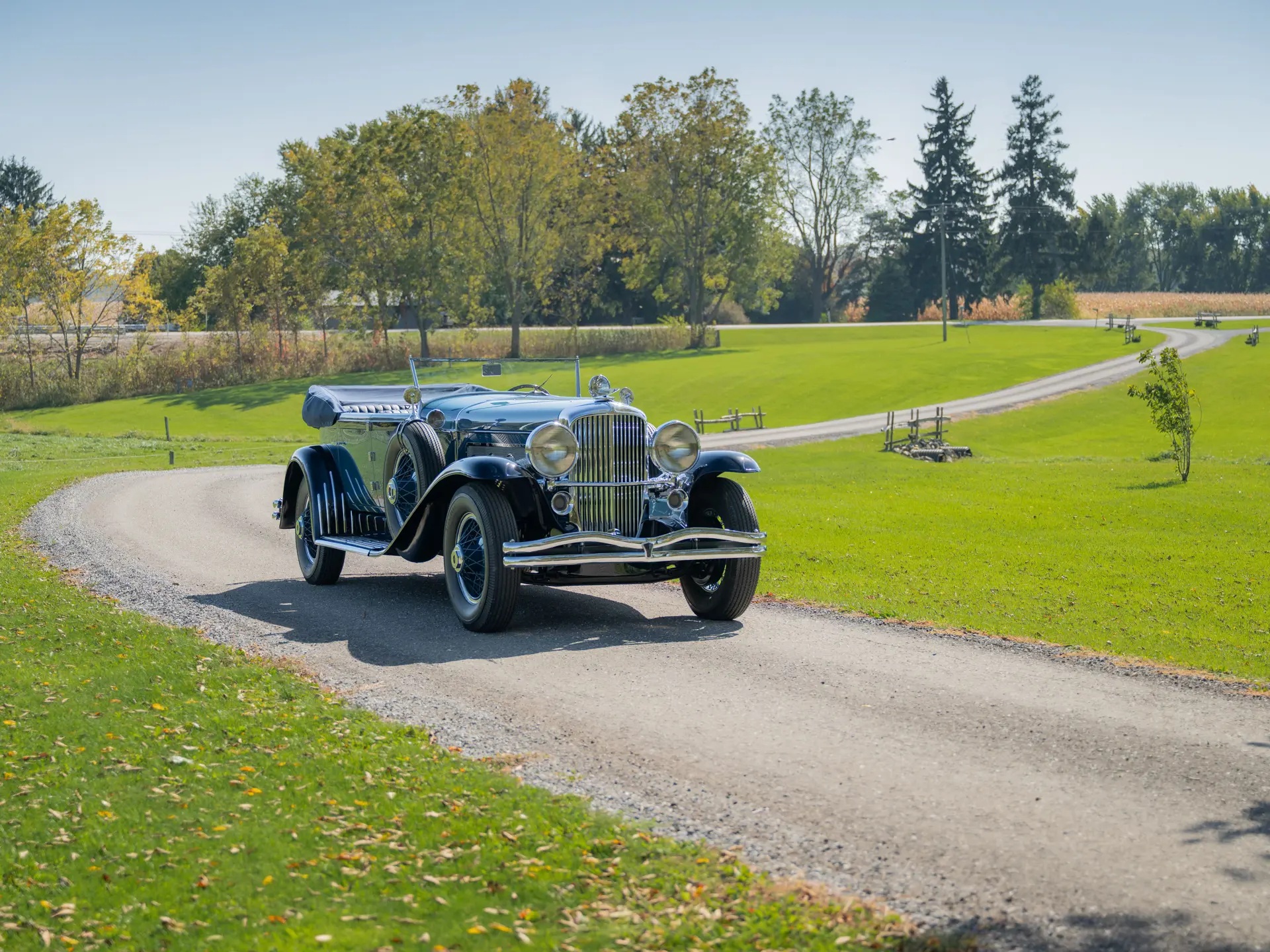
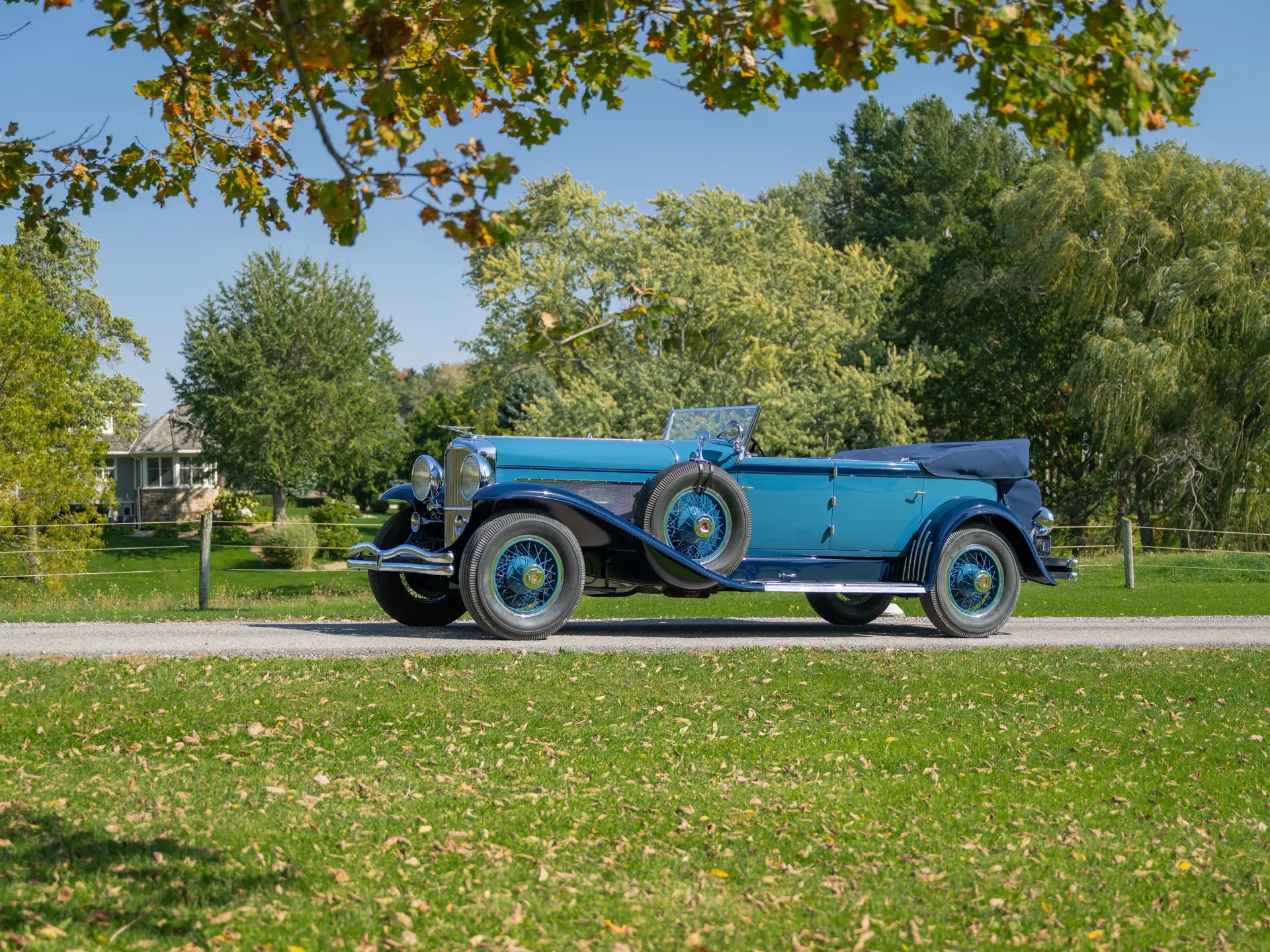
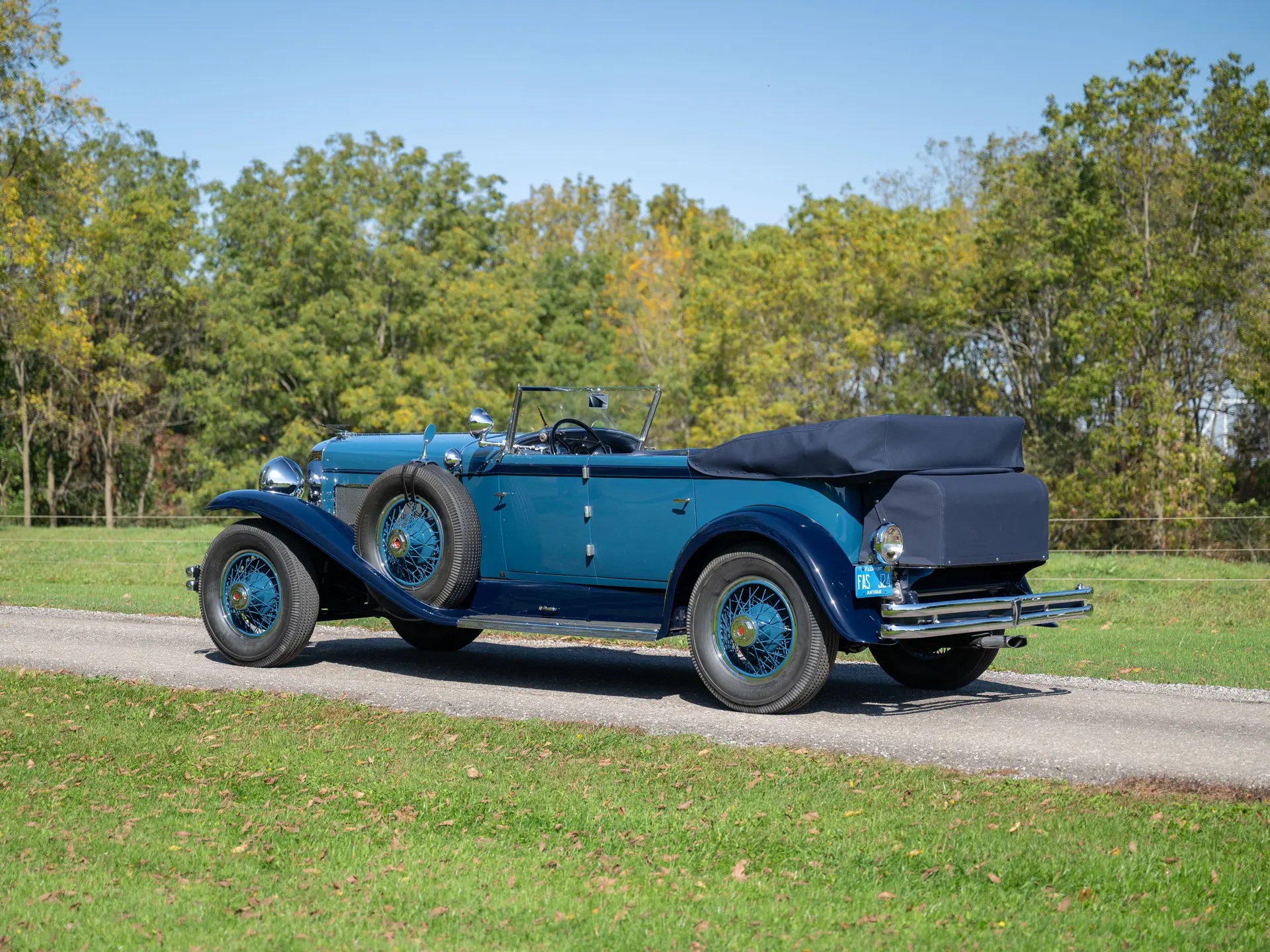
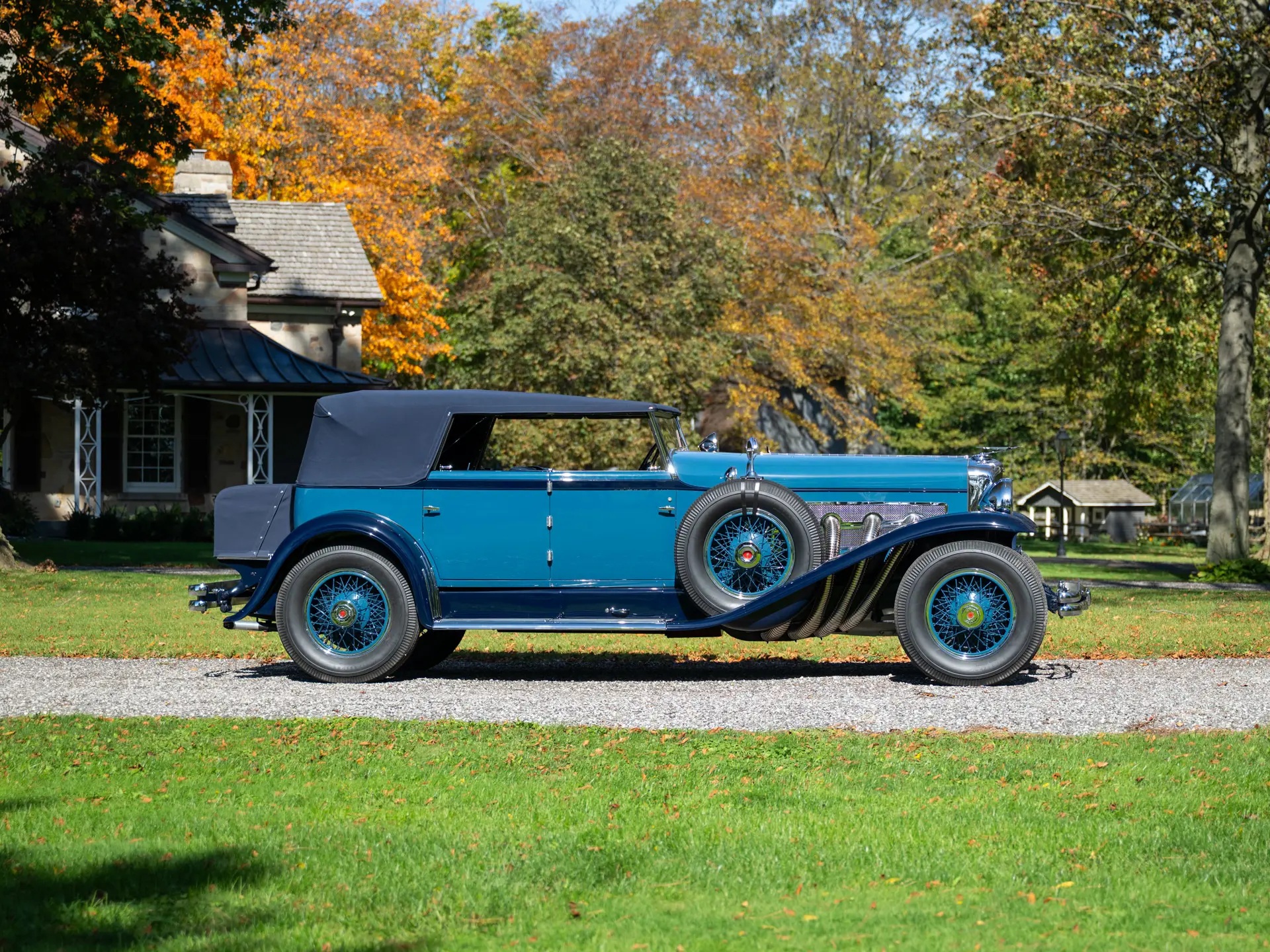
The Duesenberg Model J represents one of the defining achievements of prewar American automotive engineering, combining advanced mechanical design with bespoke coachwork and exceptional craftsmanship. This 1930 example, fitted with convertible sedan bodywork by the renowned Walter M. Murphy Company, embodies the marque’s ambition to compete with the finest luxury automobiles in the world.
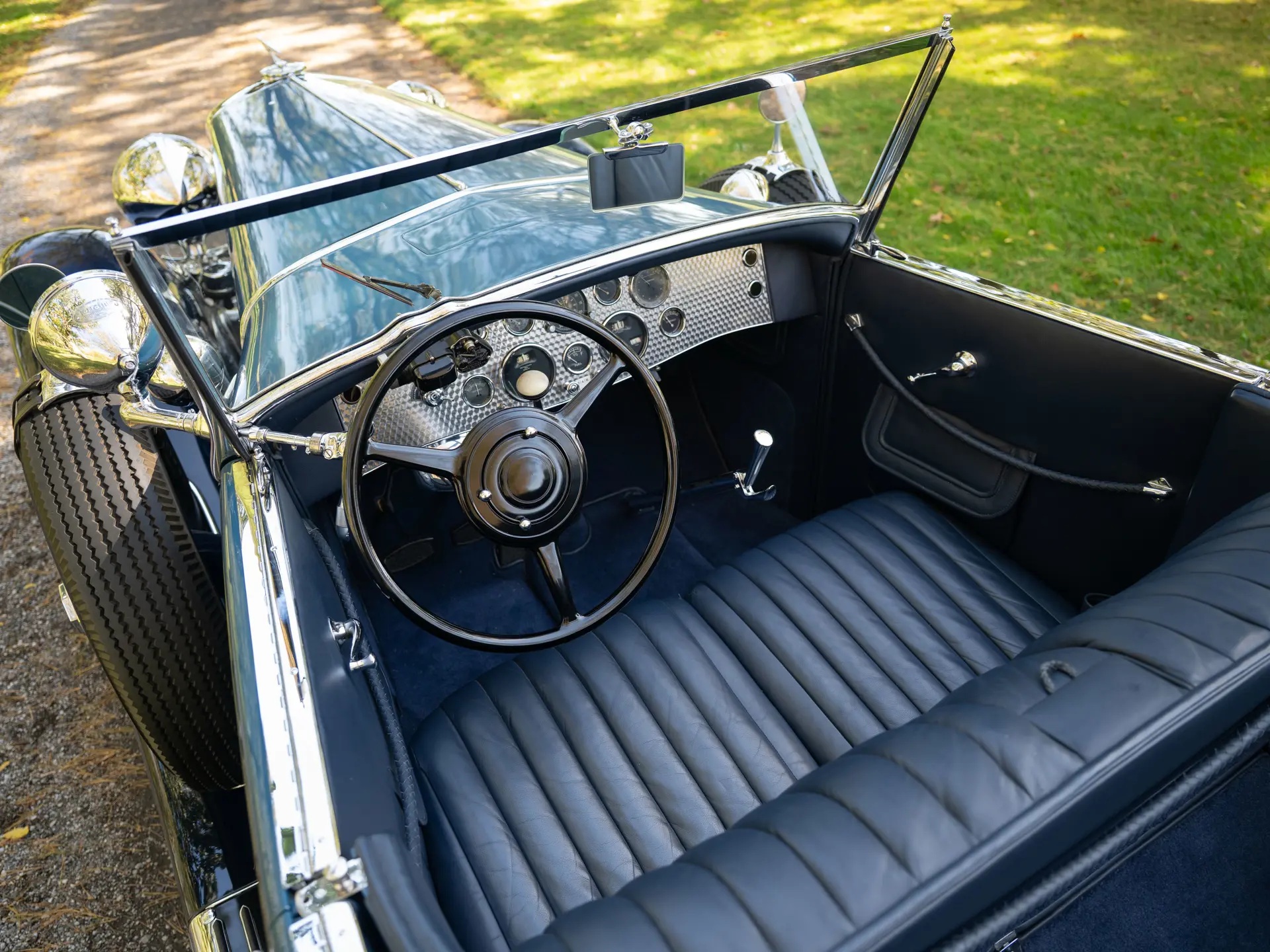
Murphy, based in Pasadena, California, became one of the most prominent coachbuilders associated with Duesenberg. Its convertible sedan design balanced formal luxury with open-air motoring, featuring carefully proportioned bodywork and the company’s characteristic narrow Clear-Vision windshield frame. Murphy produced approximately 45 Model J convertible sedans before its operations ended in 1932, making the configuration a distinctive part of the marque’s history.
Unlike a modern production car, the Model J was supplied as a rolling chassis that could be clothed in bespoke bodywork selected by its customer. This approach allowed Duesenberg owners to commission automobiles tailored to their preferences, creating individual vehicles that combined sophisticated engineering with the artistry of specialist coachbuilders.
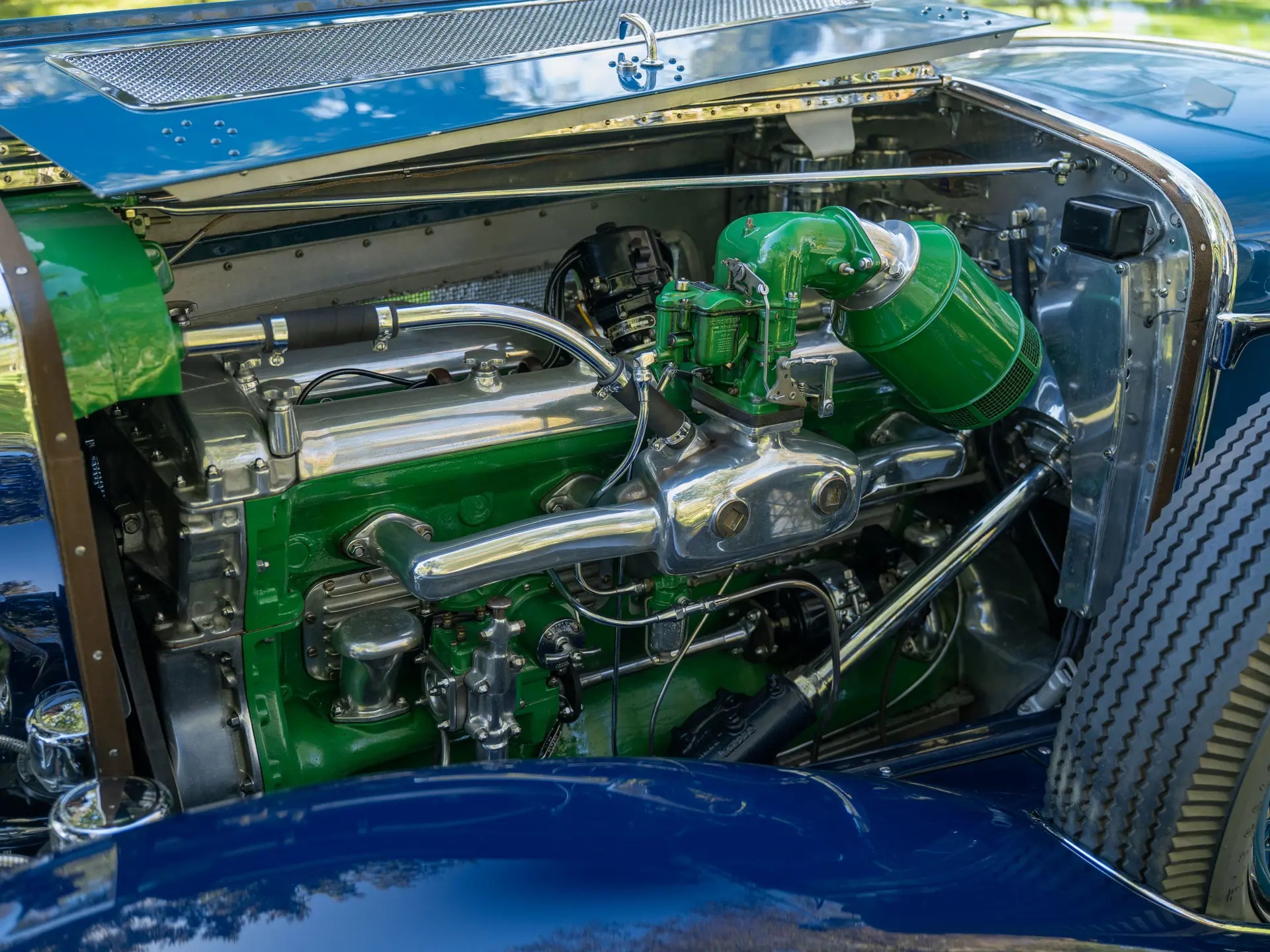
At the heart of the Model J is a 420-cubic-inch (6.9-liter) dual-overhead-camshaft inline-eight engine, equipped with four valves per cylinder. In naturally aspirated specification, the engine produced a factory-rated 265 horsepower, an extraordinary figure for a passenger car of the period.
Power is delivered through a three-speed manual transmission to the rear wheels. The chassis incorporates a solid front axle, a live rear axle with semi-elliptic leaf springs, and hydraulic drum brakes at all four corners. Its advanced engine architecture and comprehensive instrumentation reflected the Duesenberg brothers’ competition-engineering background, distinguishing the Model J from many contemporary luxury automobiles.
The Model J remains a cornerstone of the American Classic Era, when manufacturers competed through engineering sophistication, bespoke construction, and exclusivity rather than mass production alone. Its association with Murphy coachwork adds another layer of historical interest, connecting the car to one of the most respected names in American automotive design.
RM Sotheby’s presents this 1930 Duesenberg Model J Convertible Sedan through its Sealed private-sales inventory with an asking price of $1,500,000. The listing provides an opportunity to explore an automobile from an era when individual craftsmanship and mechanical ambition defined the highest level of motoring.
Source: RM Sotheby’s