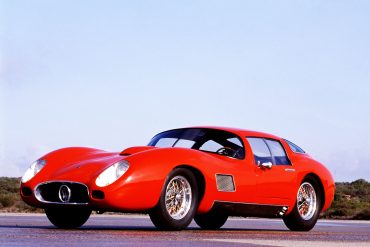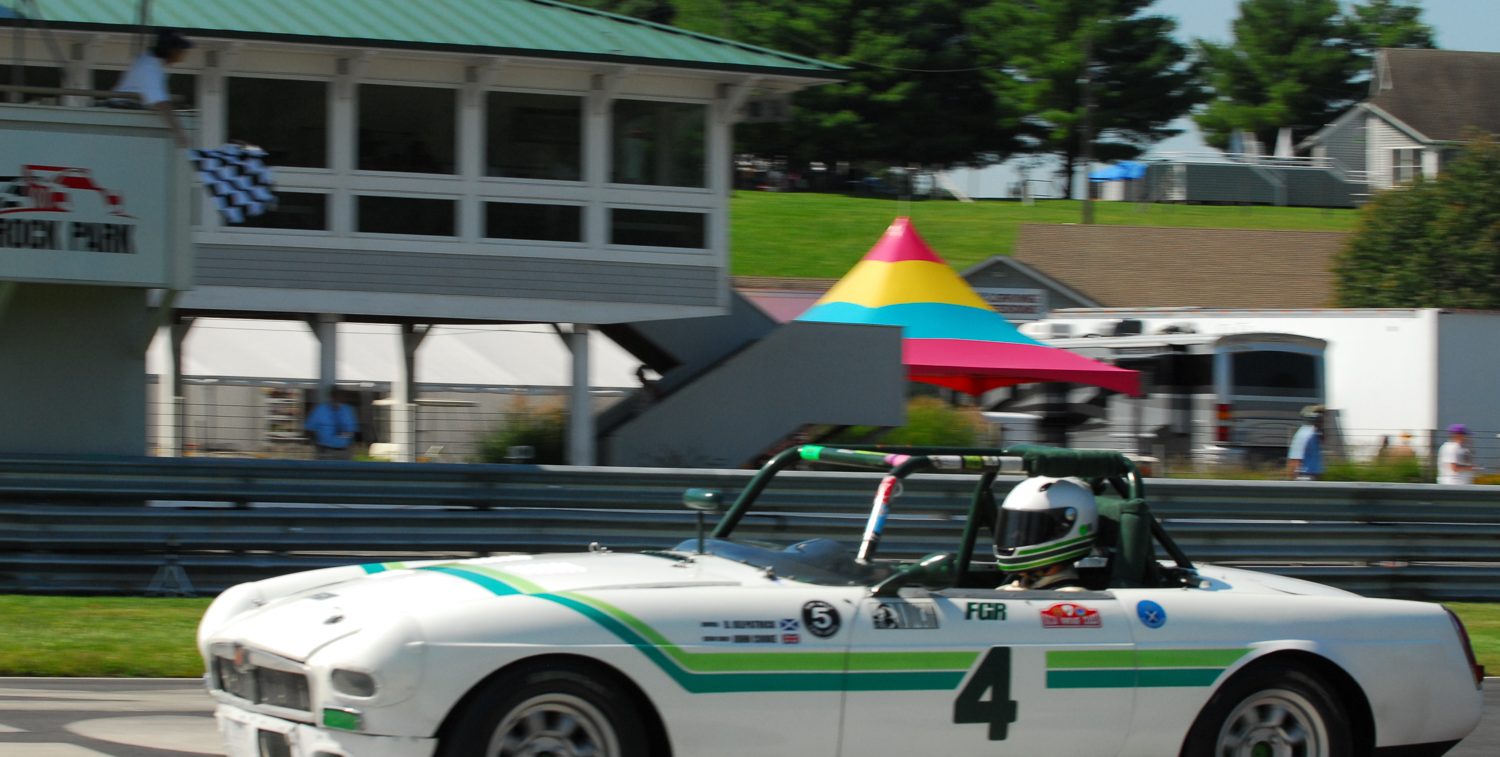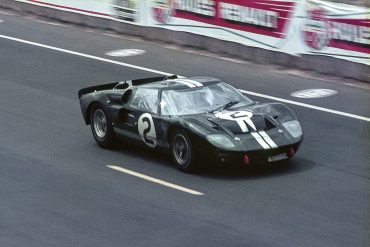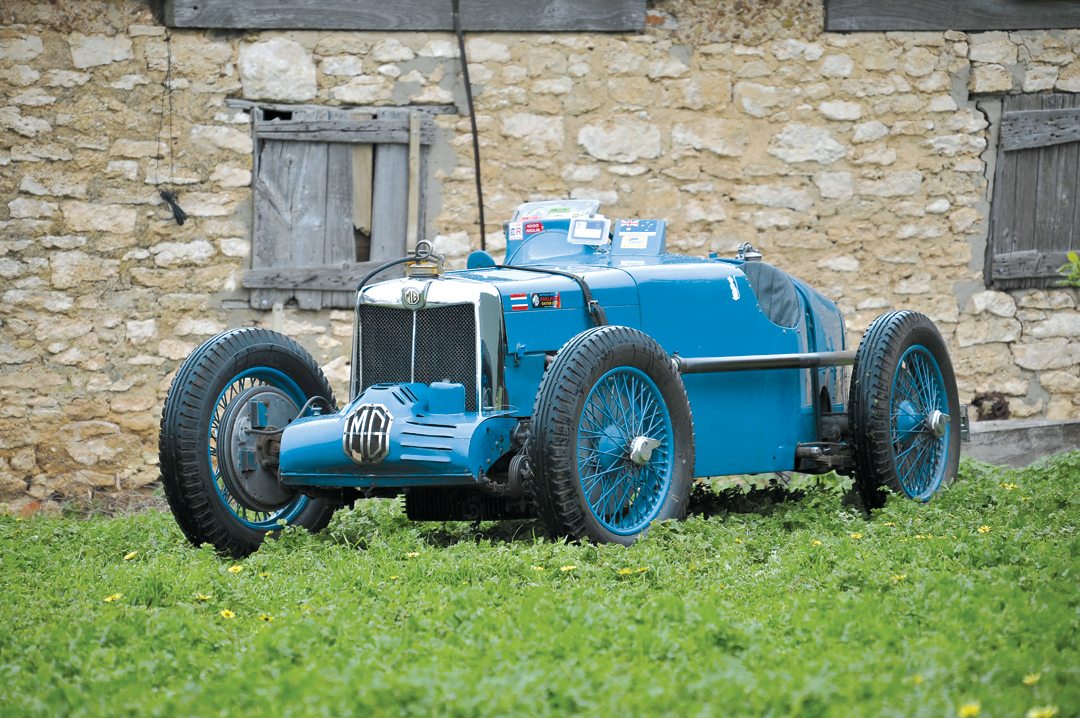
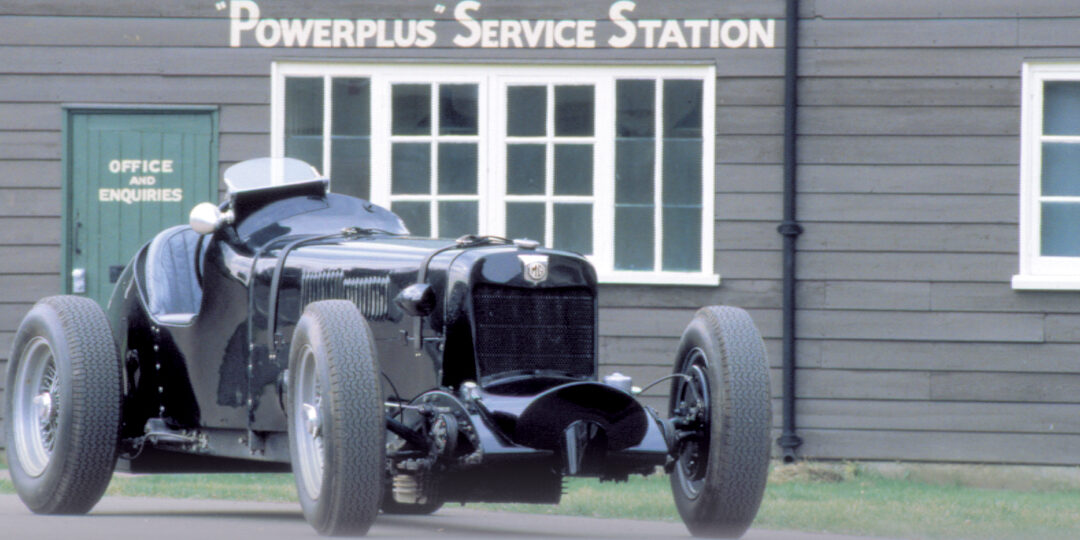

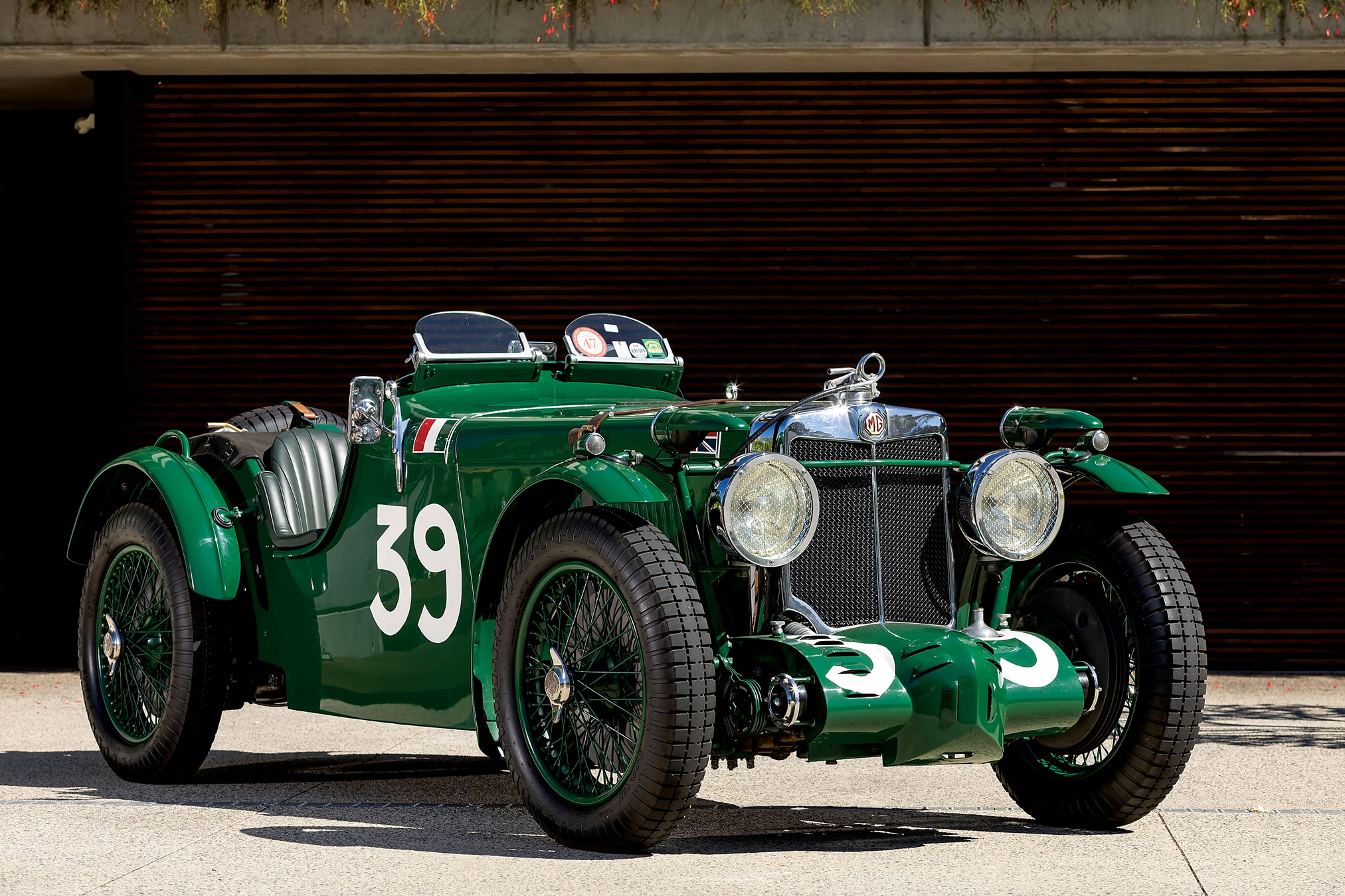
Pete Thelander's 1934 MG NE Magnette was built red for Tazio Nuvolari to drive in that year's Ulster Tourist Trophy. Jim Richardson's size 11 feet would not fit between its pedals, so he conceded he would not be driving it.

Cecil Kimber's Morris Garages of Oxford, which put a sporting body on a Morris in 1924 and became the company that taught two continents to drive sports cars: the Midgets and Magnettes that won at Brooklands, Montlhéry and the Mille Miglia and that Nuvolari drove to the 1933 Tourist Trophy, the record cars that took George Eyston, Goldie Gardner, Stirling Moss and Phil Hill past 100, 200 and 250 mph, the TC that started American road racing, the TD, TF, MGA and MGB that sold a million, Abingdon's closure in 1980, the Rover years, the bankruptcy of 2005 and the Chinese MG of today. The archive has 177 MG stories, from Ed McDonough's N-type monoposto to the Frontline MGA at Goodwood, and this page puts them in order.
The pieces to start with
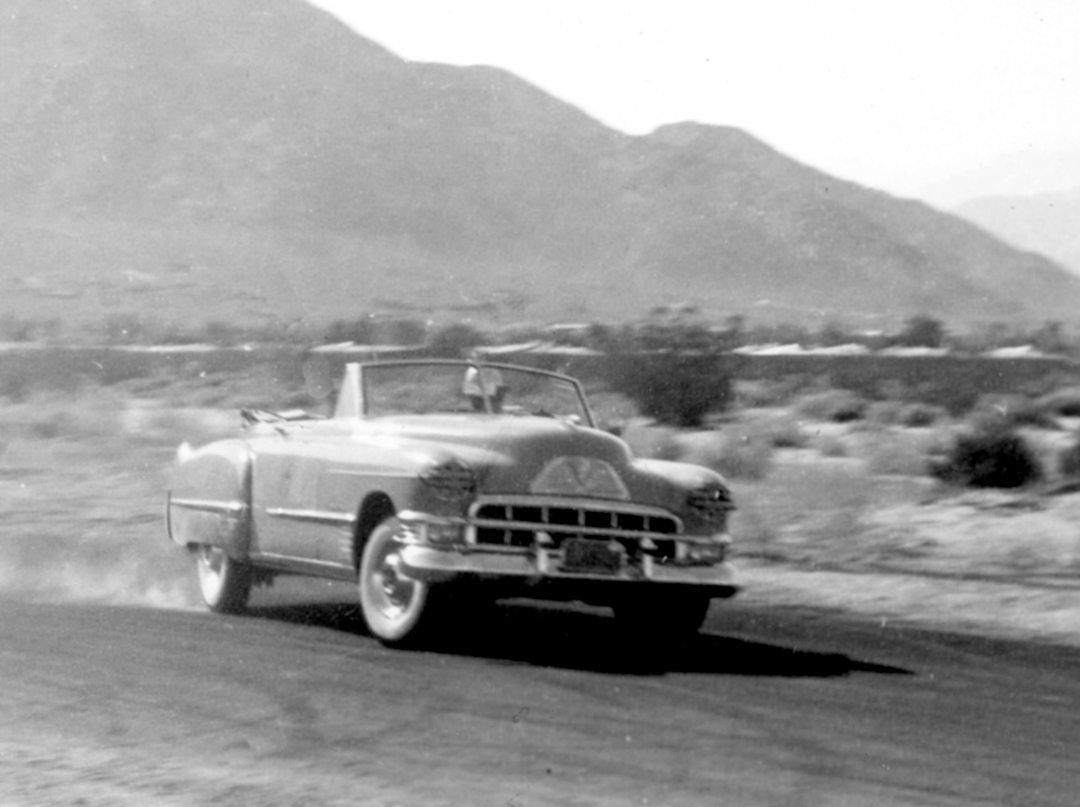
Eight pieces on the marque: Patrick Quinn's K3 Magnette, Ed McDonough's N-type monoposto, William Edgar's MG Special, Casey Annis's Sebring MGBs, Hemsley's MGA, Mark Brinker's EX 186, Mike Lawrence's MGB at fifty and Art Evans on the first Palm Springs.
At the first Amaroo Historics in January 1976, Peter Bradey towed his supercharged K3 880 miles from South Australia and told a Sydney concours owner to look for “the only K3 parked in the street”. Patrick Quinn on the car.
John Dugdale’s father gave him a six-month-old N-Type MG Magnette, two-tone blue, for his 21st birthday in late 1934. Trials and Brooklands sprints followed, then a rent-a-racer scheme at Bellevue Garage. Ed McDonough follows the car from there.
William Edgar was 15 and already driving the family Type 57C Bugatti when he began borrowing his father’s new MG-TC from the Garden of Allah car park in Hollywood in 1947. The start of the John Edgar MG Special.
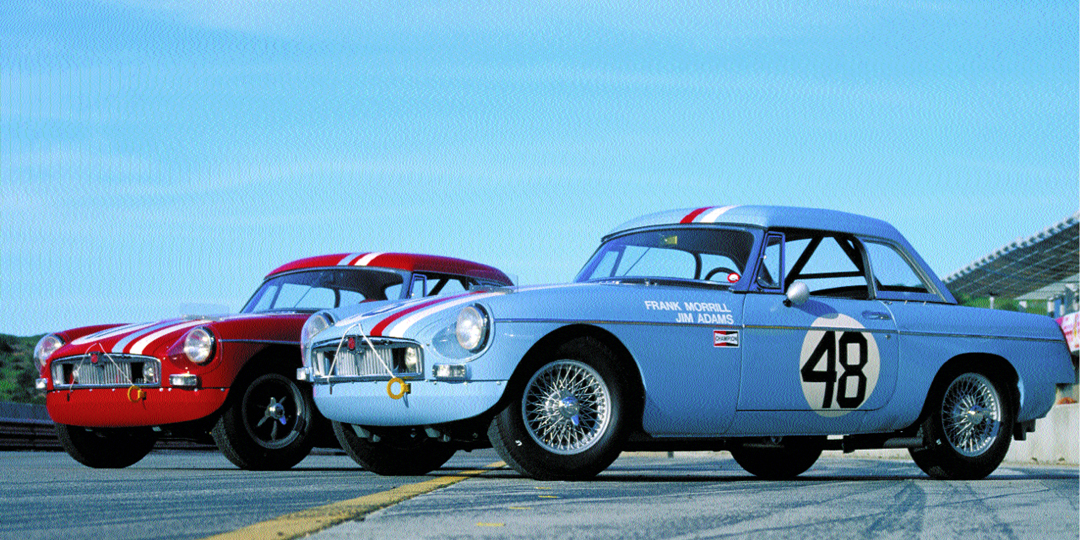
The MGB sold for £834 at its 1962 launch and 500,000 followed; three years of MGA results at Sebring had taught Abingdon that American sales followed American races. With no works entries allowed after 1955, Qvale’s cars carried the flag.
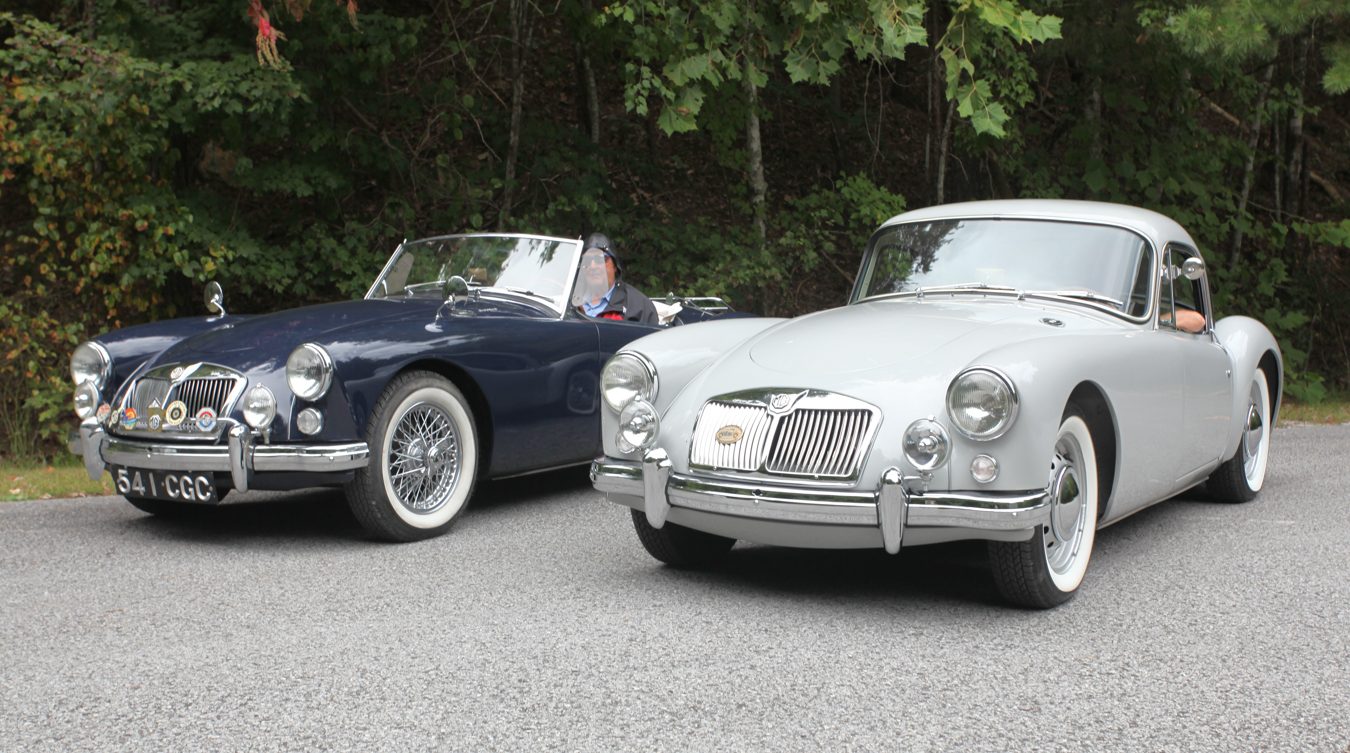
The MGA’s shape appeared on EX 172, the streamlined TD George Phillips raced at Le Mans in 1951, developed by Alec Hounslow, once Nuvolari’s riding mechanic. Why MG waited years to build it, and two cars compared.
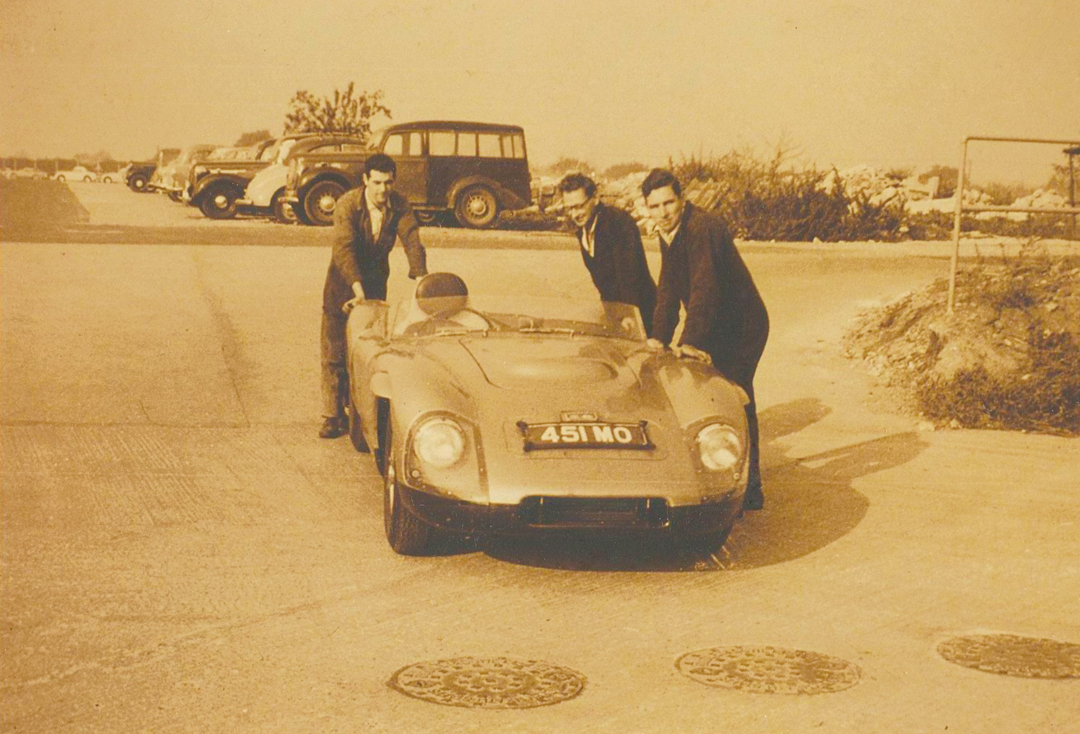
The one experimental MG built with Le Mans in mind: MGA frame rails, 1600cc twin cam on Webers, assembled under chief mechanic Henry Stone, who drove the cleaning lady home in it at a ridiculous speed. Now in Littleton, Colorado.
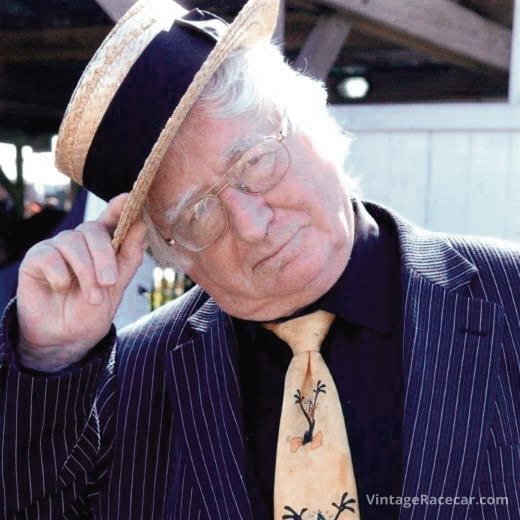
Half a million MGBs in 50 years, and BMC politics held the MGA back for two years to clear the way for an Austin-Healey that never sold. Mike Lawrence on the car you took home to meet your parents.
The first post-war road race in Southern California ran at Palm Springs on 16 April 1950, organised by the Cal Club, not the SCCA, after promoter George Cary sold the mayor on hotel rooms. Art Evans on how it happened.
The newest long-form writing on MG, as it is published.
MG is the British sports-car marque that began as the initials of Morris Garages, the Oxford dealership of William Morris, whose manager Cecil Kimber started fitting sporting bodies to Morris chassis in 1924 and had a separate company, the M.G. Car Company, and a factory at Abingdon-on-Thames by 1929. For fifty years it built small, cheap, pretty sports cars in larger numbers than anyone else in the world: the Midgets and Magnettes of the 1930s, the T-series from the TA of 1936 to the TF of 1955, the MGA of 1955–62 and the MGB of 1962–80, which with the Midget of 1961–79 took Abingdon past a million sports cars before British Leyland closed it in 1980; the archive's Mike Lawrence reckoned a million and a half MGs in all, two-thirds of them sports cars, when he wrote the marque's obituary in 2005. It raced seriously for only a few years, 1930 to 1935, and set records for twenty more, and the T-series TC that the GIs brought home is, by common consent, the car that started sports-car racing in the United States. The name has survived everything: the Nuffield takeover that ended the racing, Leyland, the Rover and BMW years, the MGF of 1995, MG Rover's collapse in April 2005, Nanjing and SAIC, and it now sells more cars in Britain than it ever did from Abingdon, electric ones mostly, with the Cyberster roadster of 2024 as the nod to what it was.
The archive's MG coverage is about the racing and the people who did it. On the 1930s it has Patrick Quinn's K3 Magnette that was built for a prince, Ed McDonough's N-type monoposto, Quinn's Q-type and TA Airline, Jim Richardson's revisiting of Nuvolari's TT Magnette and the Brooklands and Montlhéry record cars; on America it has William Edgar's MG Special that Ken Miles's Flying Shingle grew out of, Art Evans on the first Palm Springs and Pebble Beach road races, Carl Goodwin's Watkins Glens and Willem Oosthoek's Florida and Georgia, and the Qvale Sebring MGBs and MGC GTS that Casey Annis drives; on the road cars Hemsley's long MGA and TF features, Mark Brinker's EX 186 and Sebring Twin Cam, Sean Smith's MGAs and RV8, and Mike Lawrence's MGB at fifty. The chapters below follow it from Kimber's first Morris Cowley special to the MGA that Frontline rebuilt in 2025.
Cecil Kimber, a Lancashire engineer who had worked for Sheffield-Simplex and AC, was made general manager of Morris Garages in 1922 and began fitting the Morris Cowley and Oxford with lower, prettier bodies by Carbodies of Coventry, sold as the M.G. Super Sports from 1924 with the octagon badge he drew himself; the 14/28 and 14/40 followed, the trials special FC 7900 of 1925 that MG calls Old Number One won Kimber a gold medal in the Land's End Trial, and the 18/80 Six of 1928, with the first MG-designed chassis, was the car that let him claim a marque of his own. The M.G. Car Company was formed in 1928, the factory moved from Oxford to a disused leather works at Abingdon in 1929, where it stayed for fifty-one years, and the M-type Midget of 1929, the Morris Minor's 847 cc overhead-cam engine in a boat-tailed fabric two-seater at £175, sold 3,235 cars and taught Britain that a sports car could be cheap. Mike Jiggle's interview with the curator of the British Motor Museum at Gaydon, where Old Number One lives, is the archive's way into the period.
For five years Abingdon was a racing department with a factory attached. The C-type Montlhéry Midget of 1931, named for the track where George Eyston's EX120 had become the first 750 cc car to do 100 mph in February that year, won the Double Twelve at Brooklands outright and the Irish Grand Prix and the Ulster TT on handicap; the J2 of 1932 gave the Midget the shape it kept to the TF, with the cutaway doors, fold-flat screen and slab tank; the K3 Magnette of 1933, a supercharged 1,087 cc six on a long chassis, took the team prize on the Mille Miglia with Eyston and Count Lurani winning the class, and Nuvolari, who had never seen the car or the circuit, won the Tourist Trophy at Ards in one at record speed, the drive the archive revisits in Jim Richardson's piece on the NE Magnette and that put MG on the map in Italy; Patrick Quinn's Fit for a Prince is the K3 built for Prince Bira, and the K3 went on to win its class at Le Mans and the Coppa Acerbo and to power Whitney Straight and Dick Seaman. The Q-type and R-type of 1934–35, the latter with all-independent suspension, were the last works racers, and McDonough's N-type monoposto and Quinn's Q-type Mighty Midget are both in the archive; Eyston's Magic Midget EX127 and Goldie Gardner's EX135, which reached 203 mph in 1939 and ran on into the 1950s, carried the records. Then Lord Nuffield, as Morris had become, sold MG to Morris Motors in 1935, Leonard Lord stopped the racing, the overhead-cam engines gave way to Morris pushrod units, and Kimber, who had defied the board by taking an aircraft contract in 1941, was dismissed and died in a railway accident at King's Cross in 1945.
The TA of 1936, a pushrod 1,292 cc Midget on a longer chassis, was the first Nuffield MG and the beginning of the T-series, and Quinn's 1936 TA Airline Coupé is the archive's prettiest one; the TB of 1939 brought the XPAG engine that lasted until 1955, and the TC of 1945–49, 10,000 built with the same body and 2,000 of them sent to America where the servicemen who had driven them in England wanted more, is the car that started it. The TC was raced at the first Watkins Glen in 1948, at the first Palm Springs and Pebble Beach road races in California in 1949 and 1950, the events Art Evans describes, and in every SCCA race for a decade; John Edgar's MG Special, built from a TC by Ken Miles's predecessors and the subject of William Edgar's long archive piece, and Miles's own MG-based Flying Shingle and Pooper were the first American specials, and Phil Hill, Richie Ginther, Carroll Shelby, Jim Hall and the first racing Rahal all began in MGs. The TD of 1950, with independent front suspension, disc wheels and a left-hand-drive option, sold 29,664, three-quarters of them to America, and the TF of 1953 and the 1,500 cc TF of 1955, the last of the square-riggers in Hemsley's phrase and the subject of his long feature, closed the series while John Thornley, the general manager, and Syd Enever, the chief engineer, fought Nuffield's new owners at BMC for a modern car.
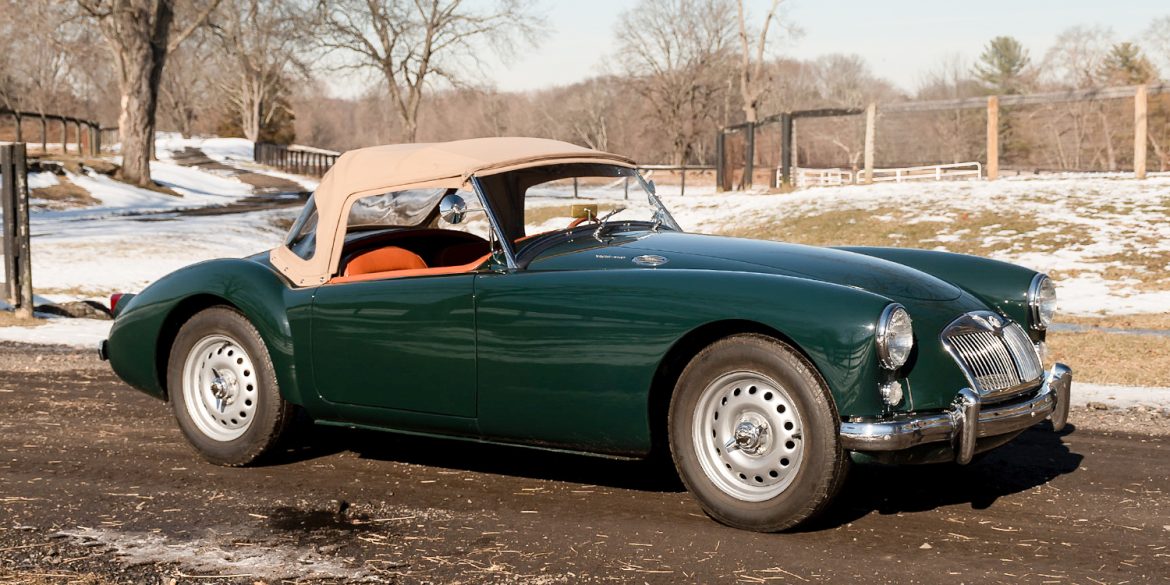
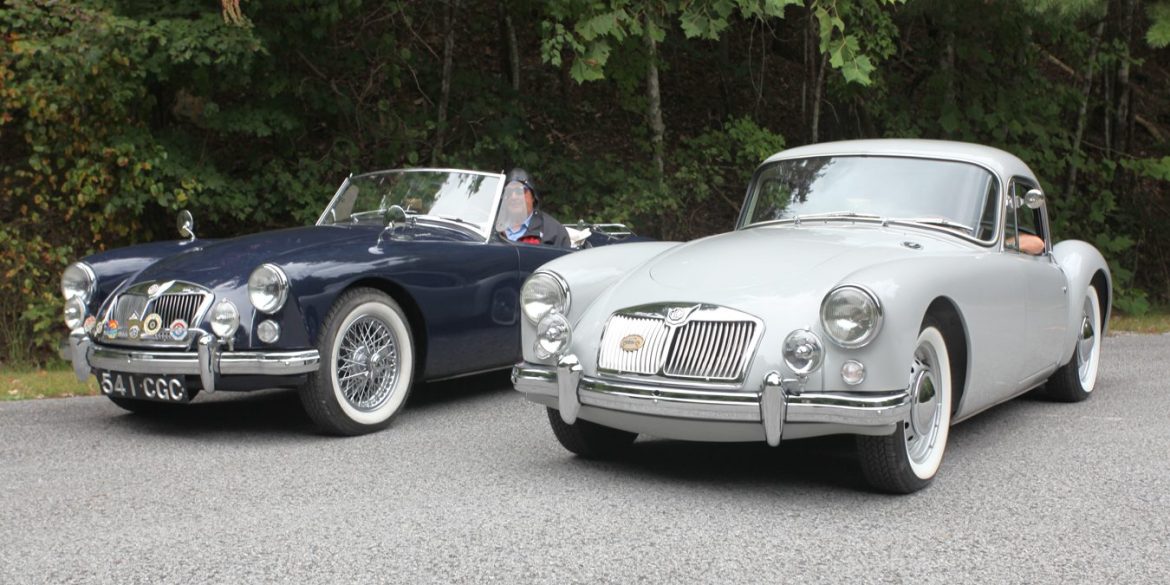
The MGA of 1955, Enever's aerodynamic body from the EX182 Le Mans cars on a new chassis with the BMC B-series engine, was that modern car, and it sold 101,081 in seven years, more than any sports car before it, 80 per cent of them abroad; the coupé of 1956, the Twin Cam of 1958–60 with its 108-horsepower engine and Dunlop disc brakes, 2,111 built and fragile, and the Sebring cars that Mark Brinker's 1959 Twin Cam and the Dick Jacobs lightweights represent are the collectable ones, and Hemsley's A Jolly Good Little Sports Car is the archive's full account of the car. Abingdon's EX cars ran on at Bonneville: EX179 took class records in 1954 and 1956, EX181, the teardrop with a supercharged Twin Cam engine behind the driver, carried Stirling Moss to 245.64 mph in 1957 and Phil Hill to 254.91 mph in 1959, and EX186, the Le Mans car that never raced and that Brinker's archive piece follows to America, was the last of Enever's racers. Sean Smith's 1958 Twin Cam and 1959 MGA, the Buchanan MG that Patrick Quinn drives in Australia, and the Frontline MGA Factory Edition that made its debut at Goodwood in 2025, a restomod that the archive covers, show what the car became.
Every story on the site about the salt where the EX cars ran, newest first.
The Midget of 1961, a badge-engineered Austin-Healey Sprite that outsold the original and ran to 1979, and the MGB of 1962, a monocoque roadster with the 1,798 cc B-series engine, wind-up windows and a boot you could use, made Abingdon the biggest sports-car factory in the world: 523,836 MGBs in eighteen years, with the GT coupé of 1965, Pininfarina's roofline, the six-cylinder MGC of 1967–69 and the Rover V8-engined MGB GT V8 of 1973–76 among them, and Mike Lawrence's MGB, written for the fiftieth, says what it meant to a generation. The works raced the B at Le Mans in 1963, 1964 and 1965, Alan Hutcheson and Paddy Hopkirk finishing twelfth in 1963 and Hopkirk and Andrew Hedges eleventh in 1965, at Sebring every year from 1963 to 1969, where Kjell Qvale's American-entered cars, the Sebring Twins of Casey Annis's archive piece, ran alongside, and in the Monte Carlo Rally, Targa Florio and Marathon de la Route; the lightweight MGC GTS of 1967–68, Annis's Last Dance, was the last works MG, and the Abingdon competitions department that had run the Minis closed in 1970. British Leyland, which had absorbed BMC in 1968, starved the cars of development, gave the MGB rubber bumpers and a raised ride height for America in 1974, and announced Abingdon's closure in 1979; the last MGB left the line on 22 October 1980, and the factory, where a million sports cars had been built, was demolished. The archive's Stephen Laing interview, Peter Bourassa's and Rich Taylor's reminiscences and the MG stories from Sebring, Watkins Glen and Lime Rock are the record of what the B did.
Where the works MGAs and MGBs raced every year from 1956 to 1969, newest first.
The name went onto Austin Rover's hot hatchbacks, the MG Metro, Maestro and Montego, and onto the Metro 6R4 of 1985, the mid-engined four-wheel-drive Group B rally car with a Williams-built V6 that was third on the RAC Rally in its first season before Group B was banned; the MG RV8 of 1992, a Rover V8 in a reworked MGB shell, 2,000 built and most of them sold to Japan, Sean Smith's 1994 car among them, was the first MG sports car in twelve years. Under BMW, which owned Rover from 1994 to 2000, came the MGF of 1995, a mid-engined roadster with Hydragas suspension that was Britain's best-selling sports car for five years, and under the Phoenix consortium that bought Rover for £10 the MG TF of 2002, Quinn's 2004 car, the MG ZR, ZS and ZT saloons and the 200 mph XPower SV; MG Rover went into administration on 8 April 2005 with 6,000 jobs lost at Longbridge, the event Mike Lawrence's RIP MG marks, and Nanjing Automobile bought the remains that July.
Nanjing restarted the TF at Longbridge in 2007 and was itself absorbed by SAIC Motor of Shanghai the same year, which kept a design and engineering centre in Birmingham, built the MG6 and MG3 there in small numbers until 2016, and then made MG a Chinese export brand with an English name: the ZS and HS SUVs, the MG4 electric hatchback of 2022, the MG5 estate and, in 2024, the Cyberster, an electric two-seat roadster with scissor doors that was the first MG sports car since the TF. MG sold more than 80,000 cars in Britain in 2023, more than Abingdon managed in its best year, and more than 800,000 worldwide; the MG Car Club, founded in 1930 and still at Abingdon, the MG Owners' Club, the Frontline and electric MGB conversions the archive reports and the vintage grids at Goodwood and Silverstone keep the old company alive alongside.
The table below gives every year from 1924 to 2026: the cars, the racing and the company, and the archive piece for each. Model names link to every story on the site about that car; the People links open the drivers' and engineers' own threads.
The cars, the racing and the company, year by year, with the archive's story of each linked. Model names link to every story on the site about that car; the People links open the drivers' and engineers' threads.
| Year | The cars | The racing and the company | In the archive |
|---|---|---|---|
| 1924–25 | MG · Morris · Cecil Kimber | Kimber's rebodied Morris Cowleys sold as M.G. Super Sports; the octagon; Old Number One wins its gold medal in the Land's End Trial | Gaydon's curator on Old Number One |
| 1928–29 | MG | The M.G. Car Company; the 18/80 Six, the first MG chassis; the move to Abingdon; the M-type Midget at £175 | |
| 1930–31 | Midget · George Eyston | The MG Car Club founded; Eyston's EX120 the first 750 cc car at 100 mph; the C-type Montlhéry Midget wins the Double Twelve, the Irish GP and the Ulster TT | Remembering Barbara Skinner |
| 1932 | J2 · Midget | The J2, the shape of every Midget to the TF; Eyston's Magic Midget EX127 at 120 mph | |
| 1933 | K3 Magnette · Nuvolari | The K3 Magnette: team prize and class win on the Mille Miglia with Eyston and Lurani; Nuvolari wins the Tourist Trophy at Ards | Fit for a Prince: the K3 · Revisiting Nuvolari's TT Magnette |
| 1934–35 | K3 Magnette · Midget | The N-type Magnette, the Q-type and the R-type with independent suspension; Nuffield sells MG to Morris Motors and the racing stops | Sixty-Six and Still Flying: the N-type · Mighty Midget: the Q-type |
| 1936–39 | TA · TB | The TA, the first Nuffield MG; the Airline coupé; the TB and the XPAG engine; Gardner's EX135 at 203 mph in 1939 | British Airways: 1936 TA Airline |
| 1941–45 | MG · Cecil Kimber | Kimber dismissed over the Albemarle contract; killed at King's Cross in February 1945; the TC in October 1945 | |
| 1946–49 | TC · John Edgar · Ken Miles | 2,000 TCs to America; the first Watkins Glen in 1948; the San Francisco MG Car Club's race of 1949; the Edgar MG Special | John Edgar MG Special · The First Palm Springs · The First Racing Rahal |
| 1950–52 | TD · Ken Miles | The TD, 29,664 built, three-quarters for America; Ken Miles's Flying Shingle; Thornley general manager; BMC formed | Ken Miles Revisited · 1953 Watkins Glen · Standers Family Affair: 1953 MG Special |
| 1953–55 | TF · Bonneville | The TF and the TF 1500, the last square-riggers; EX179 at Bonneville; the EX182s at Le Mans 1955 | Last of the Square Riggers: 1955 TF · 1954 Watkins Glen |
| 1955–57 | MGA · Stirling Moss | Enever's MGA, 101,081 to 1962; the coupé; Moss's 245.64 mph in EX181 at Bonneville | A Jolly Good Little Sports Car: the MGA · Sports Car Racing at Dunnellon Park |
| 1958–59 | MGA · Phil Hill | The Twin Cam, 2,111 built; EX186 built and never raced; Phil Hill's 254.91 mph in EX181; the Sebring MGAs | 1958 MG EX 186 · 1959 MGA Sebring Twin Cam · 1958 MGA Twin Cam · 1959 MGA |
| 1961–62 | Midget · MGB | The Midget, a Sprite with an octagon; the MGB in September 1962 | MGB at fifty · Body Double: 1958 Buchanan MG |
| 1963–65 | MGB · Paddy Hopkirk · Qvale | The works MGBs at Le Mans, twelfth in 1963 and eleventh in 1965, and at Sebring; Hopkirk's Monte Carlo GT class; the MGB GT of 1965; Qvale's Sebring cars | Sebring Twins: the Qvale MGBs · Sebring Baptism |
| 1967–69 | MGC · British Leyland | The MGC and the lightweight MGC GTS at Sebring and the Marathon de la Route; British Leyland formed in 1968; Thornley retires | Last Dance: 1967 MGC GTS |
| 1970–76 | MGB · British Leyland | The competitions department closes; the MGB GT V8 of 1973; rubber bumpers for America in 1974 | |
| 1979–80 | MGB | Leyland announces Abingdon's closure; the last MGB on 22 October 1980; the factory demolished | Singapore Special · Aussie Ghosts |
| 1985 | Metro 6R4 · Rover | The Metro 6R4: Williams's V6, four-wheel drive, third on the RAC Rally; Group B banned a year later | |
| 1992–95 | MGB · Rover | The RV8, 2,000 built, most for Japan; BMW buys Rover; the MGF, Britain's best-selling sports car | 1994 MG RV8 |
| 2000–05 | TF · XPower SV · Rover | Phoenix buys Rover for £10; the MG TF and the ZR, ZS and ZT; the XPower SV; MG Rover's administration, 8 April 2005; Nanjing buys the remains | RIP MG · 2004 MG TF |
| 2007–16 | MG | SAIC absorbs Nanjing; the TF restarted at Longbridge; the MG6 and MG3; Longbridge assembly ends in 2016 | Martin Swig |
| 2020–22 | MGB · MG | Electric MGB conversions; the MG4 electric hatchback; MG the fastest-growing brand in Britain | The electric MGB |
| 2024–26 | MGA · MG | The Cyberster, the first MG roadster since the TF; Frontline's MGA Factory Edition at Goodwood; Richardson revisits Nuvolari's Magnette | Frontline MGA at Goodwood · British Motor Museum |
The Tourist Trophy, Mille Miglia, Sebring and Le Mans pages carry the races in full; Austin-Healey, whose Sprite became the Midget, will have a page of its own.
The nine cards below are the MGs the archive writes about most: the pre-war Midgets, the K3 Magnette, the record cars, the TA and TB, the TC and TD, the TF, the MGA and Twin Cam, the MGB and MGC, and the later cars from the Metro 6R4 to the Cyberster. Each links to every story on the site about that car.
Nine the archive has most to say about; each links to every story on the site about that car.
Single-car and chassis stories: the Magnettes and Midgets, the T-series, the MGAs and MGBs and the specials built from them.
MG's racing record is short at the top and endless below. The works years of 1930–35: the Double Twelve, the Irish Grand Prix, the Ulster TT of 1931 and Nuvolari's of 1933, the Mille Miglia team prize of 1933, Le Mans class wins; the record years, Eyston's 100 mph in 1931, Gardner's 200 in 1939, Moss's 245 and Hill's 254 at Bonneville; the BMC years, Le Mans 1955 and 1963–65, Sebring 1956–69, the Monte Carlo, the Targa Florio and the 6R4's RAC Rally of 1985; and the club racing that MGs have filled since the MG Car Club's first race meeting in 1930, from the SCCA's T-series grids of the 1950s and the San Francisco MG Car Club's race of November 1949 that started West Coast road racing to the Goodwood Revival, the Silverstone Classic and the vintage T-series races of today. The Sebring, Le Mans, Tourist Trophy and Mille Miglia pages have the races in full; the Vintage Years era page has the 1930s; and the Racing (MG) feed below gathers every race report with an MG in it.
Race profiles and reports with an MG in them, newest first.
MG's people are Cecil Kimber, who invented the marque and was sacked from it; William Morris, Lord Nuffield, who owned it and never much liked it; Hubert Charles, the designer of the Midgets and Magnettes; George Eyston, Goldie Gardner, Kaye Don, the Earl of March, Hugh Hamilton, Count Lurani, Prince Bira and Nuvolari, who raced and recorded them; John Thornley, who ran Abingdon from 1952 to 1969 and founded the MG Car Club, and Syd Enever, who designed everything from EX135 to the MGB; Alec Hounslow and the Abingdon mechanics; Stuart Turner and Peter Browning of the competitions department, Paddy Hopkirk, Andrew Hedges, Timo Mäkinen and Rauno Aaltonen; Stirling Moss and Phil Hill at Bonneville; and the Americans, Ken Miles, John Edgar, Kjell Qvale, Dick Jacobs's and Joe Huffaker's teams, and the Phil Hills, Ginthers, Shelbys and Halls who started in TCs. The archive has Art Evans's Ken Miles Revisited and Remembering Phil, the Edgars' MG Special, Carl Goodwin's and Willem Oosthoek's American race histories, Quinn's Australian MGs, the Martin Swig and Rich Taylor interviews, and the Barbara Skinner tribute; the Ken Miles and Nuvolari feeds are below and the People hub has the rest.
Every story on the site about the man who made MG specials before he made Cobras, newest first.
Every story on the site about the man who won the 1933 Tourist Trophy in a K3, newest first.
Every profile on the site tagged to MG's people, newest first.
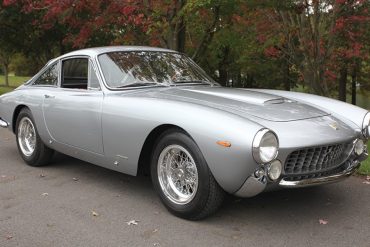

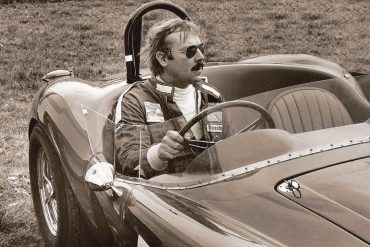
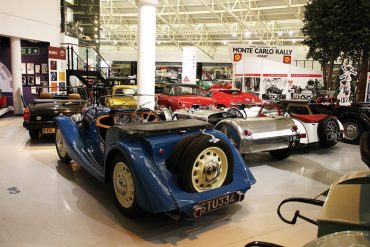

MG is the entry to pre-war and post-war sports-car ownership alike, with a few cars at the top worth millions. The K3 Magnettes, 33 built, are $1–2 million cars with history; the C-type, J4, Q-type and R-type racers $300,000–800,000; the road Midgets and Magnettes of the 1930s, the J2, PA, PB and NA, $40,000–90,000, and the Airline coupés more; the TA, TB and TC $25,000–60,000, the TD and TF $20,000–45,000, with the TF 1500 at the top; the MGA $25,000–50,000, the Twin Cam $60,000–120,000 and the Sebring and Le Mans cars from $250,000; the MGB $10,000–30,000, the chrome-bumper roadsters and the GT V8 at the top, the MGC $20,000–40,000, and the works MGC GTS and Le Mans MGBs $400,000 and up; the Metro 6R4 $250,000–500,000 for a works car; the MGF, TF and RV8 under $20,000; and the record cars in museums. Bonhams's Beaulieu and Goodwood sales and the MG Car Club are the market's centre; the Auctions and For Sale feeds below carry the current sales and the Market page has the auction houses and calendar.
Auction previews and results for MGs, newest first.


The archive's MG galleries come from the Goodwood Revival and Members' Meeting, Silverstone Classic, the Lime Rock and Elkhart Lake vintage festivals, Sebring's historics, the Pebble Beach and Palm Springs road-race reunions, the British Motor Museum at Gaydon, where Old Number One and the EX cars live, and Bonneville; the Galleries feed below gathers them.
MG galleries from Goodwood, Silverstone, Lime Rock, Sebring and Gaydon.
Founded 1924 as a Morris Garages sideline, Oxford; M.G. Car Company 1928; Abingdon 1929–80. Racing: Brooklands Double Twelve 1931; Mille Miglia team prize 1933; Tourist Trophy 1933 (Nuvolari, K3). Records: first 750 cc car at 100 mph (Eyston, EX120, 1931); 203.5 mph (Gardner, EX135, 1939); 245.64 mph (Moss, EX181, 1957); 254.91 mph (Phil Hill, EX181, 1959). Built: TC 10,000; TD 29,664; MGA 101,081; MGB 523,836; Midget 226,526; more than a million sports cars at Abingdon. Last MGB 22 October 1980. MG Rover bankrupt 8 April 2005; SAIC since 2007; more than 80,000 UK sales in 2023.
Short answers, with the long ones above.
Morris Garages, the Oxford dealership owned by William Morris where Cecil Kimber began building sporting bodies on Morris chassis in 1924; the octagon badge was Kimber's own design. The company was the M.G. Car Company from 1928.
The name and the Birmingham design centre are; the company has been owned by SAIC Motor of Shanghai since 2007 and its cars are built in China. Longbridge's small assembly line closed in 2016.
Kimber's rebodied Morris Cowleys of 1924 were the first cars sold as MGs; the trials special FC 7900 of 1925, which MG calls Old Number One, is the first car built as one and lives at the British Motor Museum. The 18/80 of 1928 was the first with an MG-designed chassis.
In the 1930s, many: the Double Twelve and Ulster TT of 1931, the Mille Miglia team prize of 1933 and Nuvolari's Tourist Trophy win that year in a K3 Magnette, class wins at Le Mans, and the land speed records of Eyston and Gardner. After 1935 the works raced only intermittently, at Le Mans in 1955 and 1963–65 and at Sebring through the 1960s, but MGs have filled club grids on both sides of the Atlantic since the T-series.
The TC. About 2,000 went to the United States between 1945 and 1949, they raced at the first Watkins Glen in 1948 and the first Californian road races in 1949–50, and Phil Hill, Carroll Shelby, Richie Ginther and Jim Hall all raced one before anything else.
The record car EX181, which Phil Hill drove to 254.91 mph at Bonneville in 1959 with a supercharged 1.5-litre Twin Cam engine; of production cars the XPower SV-R of 2004, which was good for 175 mph.
The MGA of 1955–62 is a separate-chassis roadster or coupé with Syd Enever's streamlined body and the 1.5 and 1.6-litre B-series engines; the MGB of 1962–80 is a monocoque with a 1.8-litre engine, wind-up windows and a proper boot, and sold five times as many.
British Leyland, which had owned MG since 1968, decided in 1979 that the MGB was too old and the factory too small, and that Triumph's TR7 would be its sports car; the last MGB was built on 22 October 1980. The decision is still argued about.
Abingdon's experimental numbers: EX120 and EX127, the record Midgets of 1931–32; EX135, Goldie Gardner's 200 mph car; EX179, EX181 and EX186 of the 1950s. Most survive at the British Motor Museum or in private hands, and the archive follows EX186 to America.
The K3 Magnettes with racing history, at $1–2 million, the ex-Nuvolari TT car above all, and the surviving works R-types and Q-types. The post-war record is the works Le Mans and Sebring MGBs and the MGC GTS, at $400,000 and up.
The whole archive on one thread, newest first.