
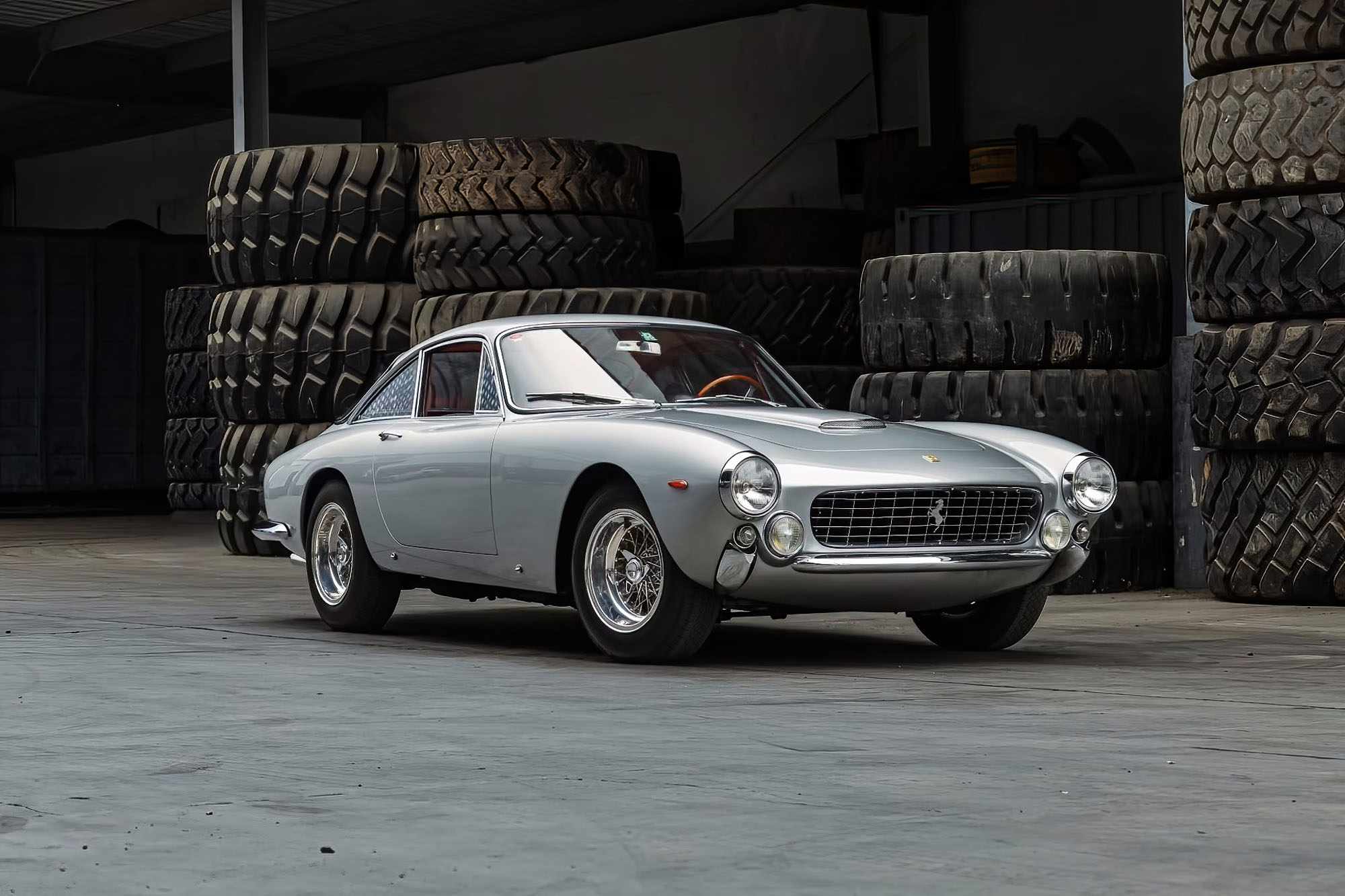

The Ferrari 250 GT/L Lusso arrived at a pivotal moment in the company’s history. When production of the earlier 250 GT coupes ended in 1960, Ferrari’s only enclosed two-seat 3.0-liter V-12 model was the competition-focused 250 SWB Berlinetta. Two years later, at the 1962 Paris Auto Show, Ferrari unveiled its successor: the 250 GT/L, better known simply as the Lusso—Italian for “luxury.” Although never intended for the racetrack, the Lusso borrowed extensively from both the 250 SWB and the legendary 250 GTO, blending competition-derived engineering with elegant styling to create one of the most celebrated Grand Touring cars of the era. Ferrari built approximately 350 examples between 1962 and 1964.
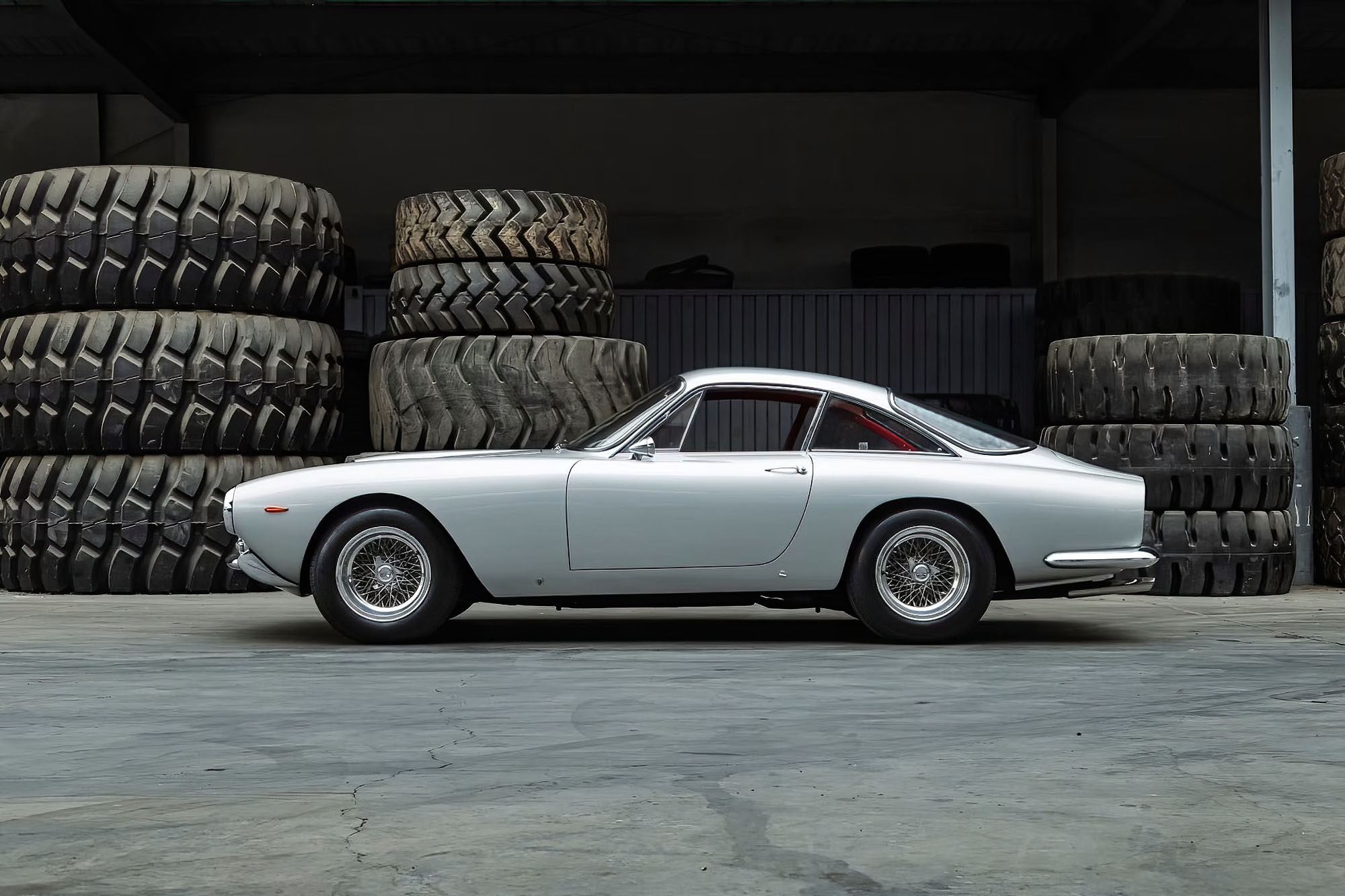
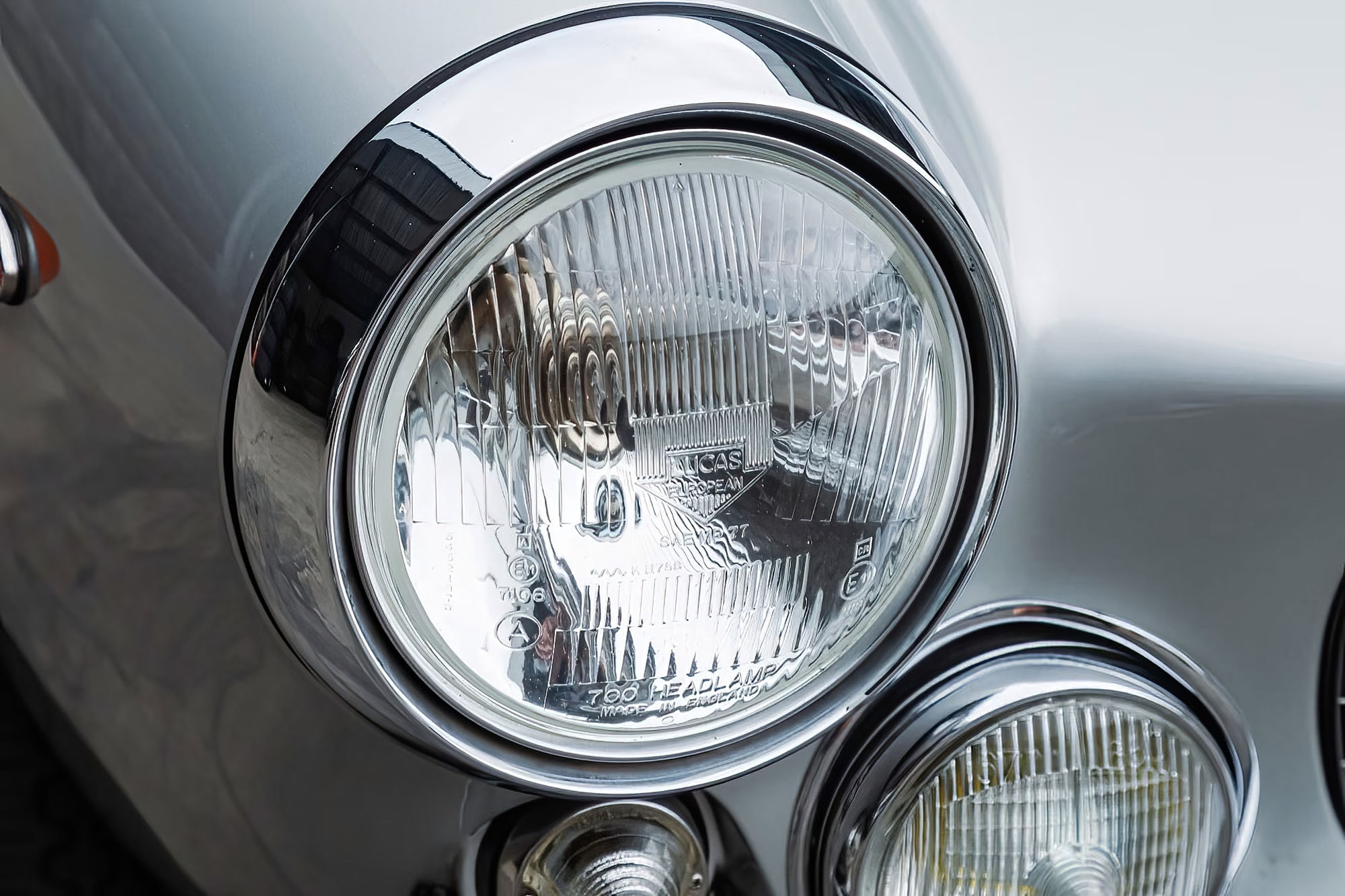
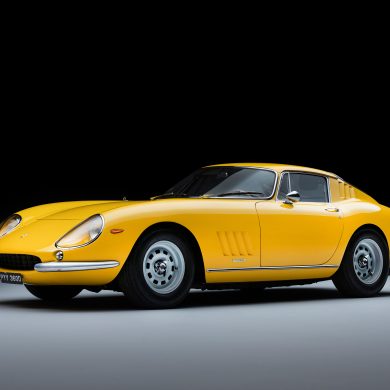
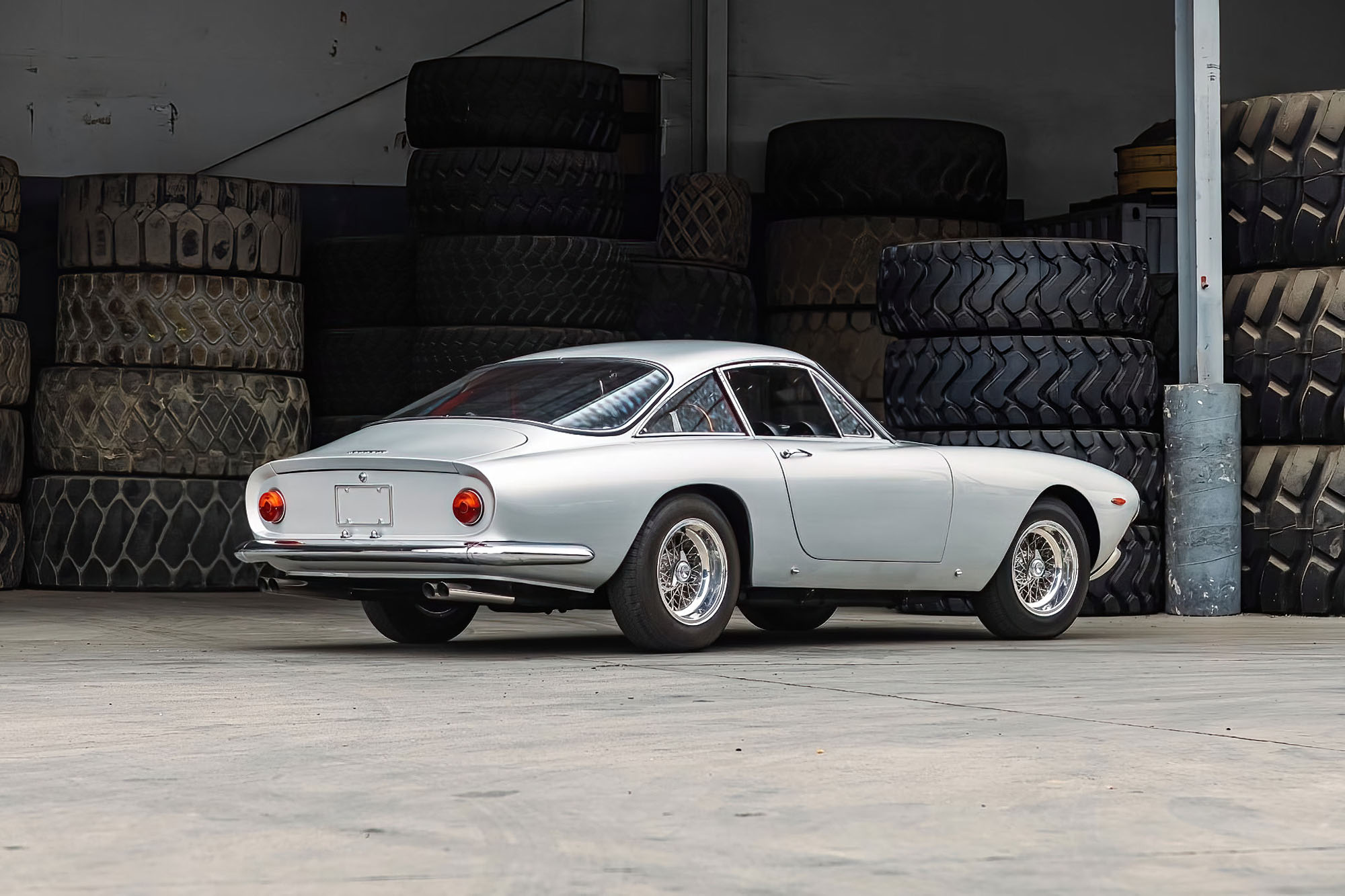
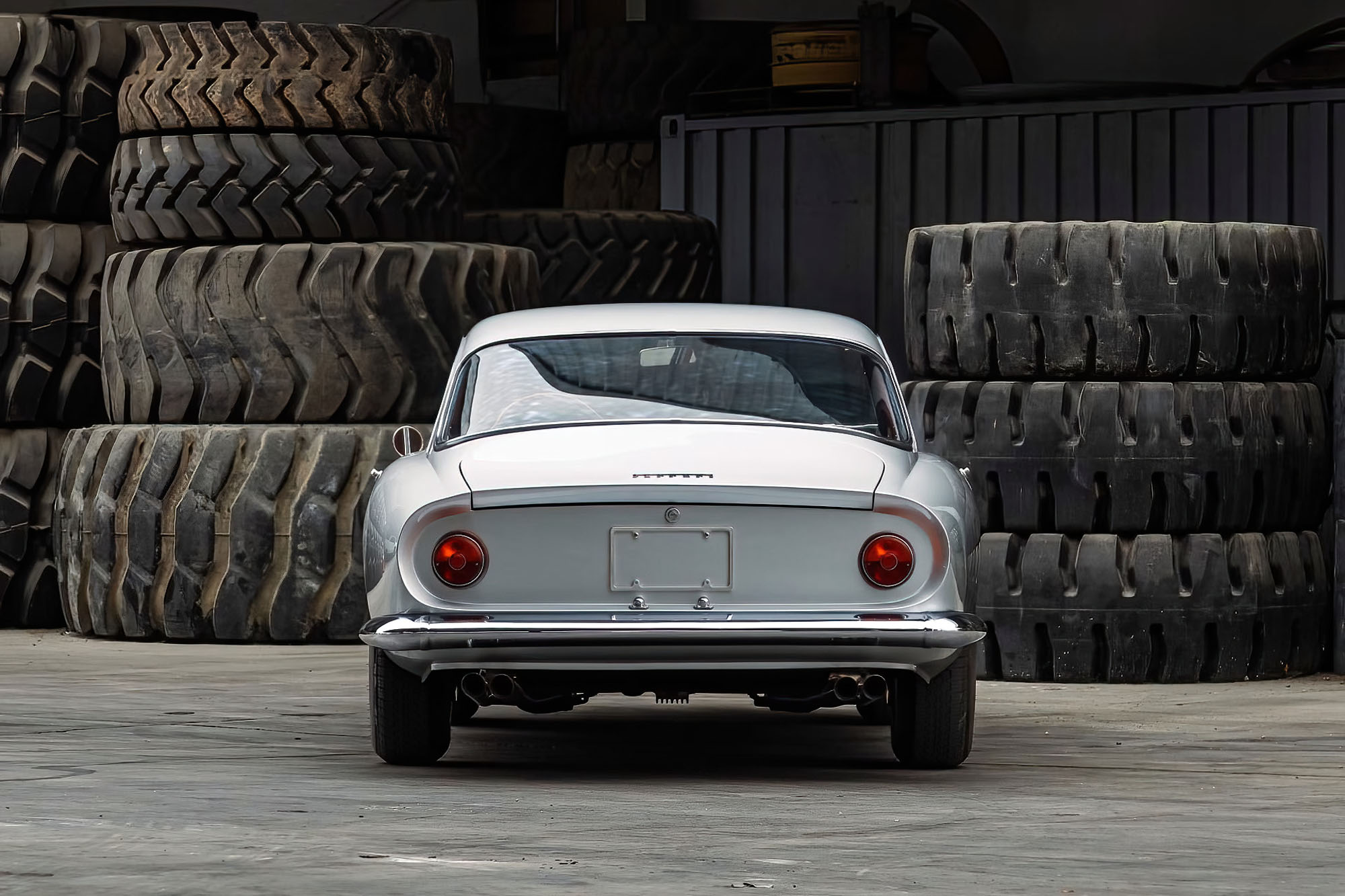
Widely regarded as the finest evolution of Ferrari’s 250 GT road car series, the Lusso combined refined performance with timeless design. Penned by Pininfarina and hand-built by Scaglietti, its steel body incorporated lightweight aluminum doors, hood, and trunk lid. The front styling echoed the 250 SWB but featured more graceful proportions, flowing into a sleek fastback roofline that terminated in a Kamm-style tail inspired by the 250 GTO. A subtly integrated rear spoiler—its first appearance on a Ferrari production road car—enhanced both the car’s appearance and aerodynamic efficiency.
Power came from Ferrari’s proven 3.0-liter Colombo V-12, an engine that reflected the company’s philosophy of continual refinement. While retaining the standard 250 GT engine block, the Lusso adopted the 250 SWB’s crankshaft and valves, along with pistons and cylinder heads derived from the 250 GTE. Fed by three Weber 36 DCS carburetors and equipped with a Magneti Marelli dual-distributor ignition system, the engine produced a factory-rated 250 horsepower.
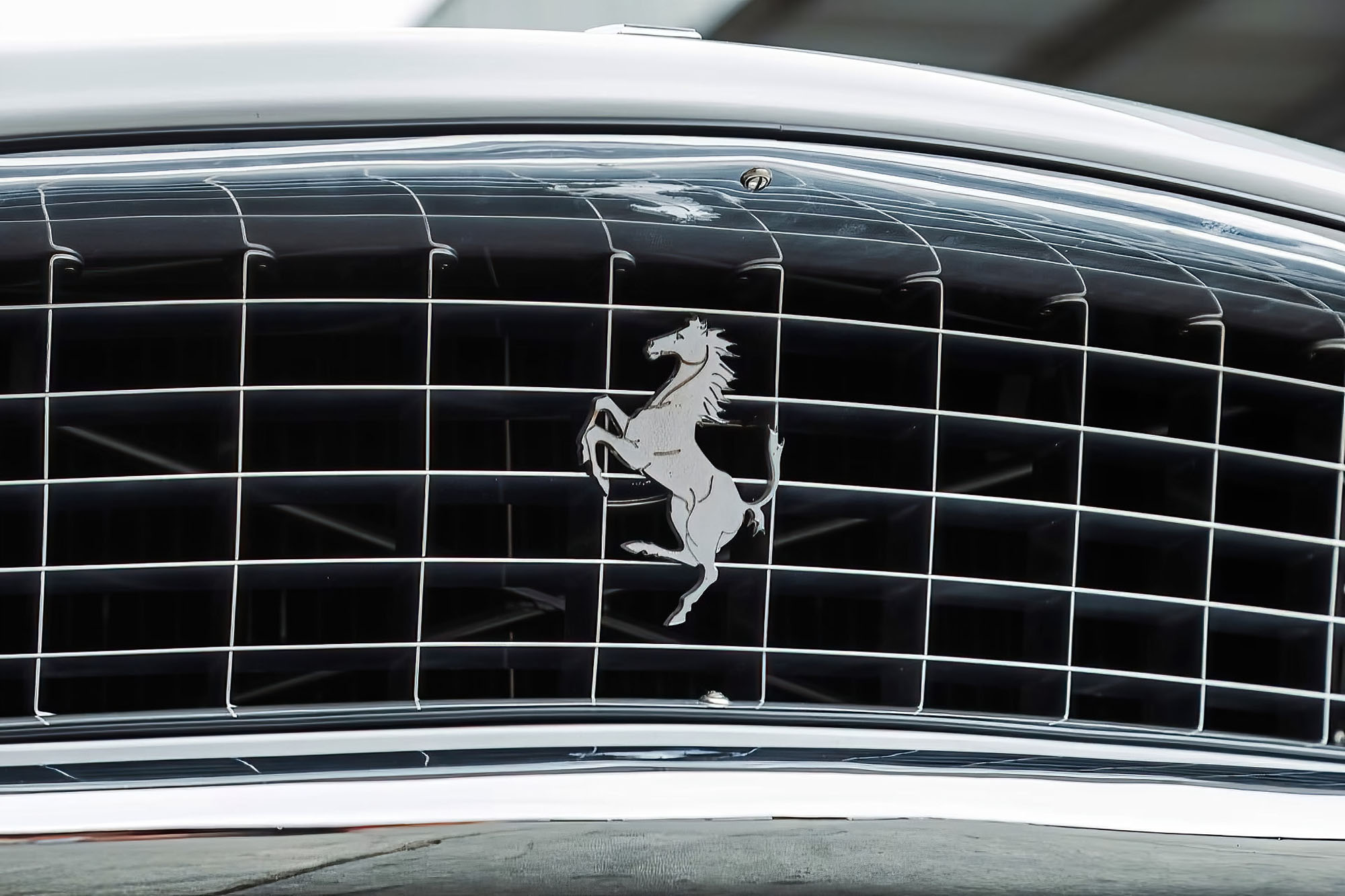
Highlights
- The 79th of 350 Ferrari 250 GT/L Berlinetta Lussos produced from 1962-64
- Ferrari Classiche Certified with Red Book
- Certified matching numbers by Ferrari Classiche
- Steel body with aluminum doors, hood and trunk lid
- High-quality modern production tool roll
- SEFAC paperwork
- Marcel Massini report issued in 2015
- Estimated $600,000 invested in the 2014 restoration by J&L Fabrication in Seattle, Washington
- Recently serviced by Winning Makes in Santa Barbara, California at a cost of $62,806.82
- Bare metal repaint applied by Jon Byers
- Upholstery work by Shawn Parkhurst
- Featured in Cavallino Magazine (issues no. 93 and no. 99)
- Featured in Prancing Horse issue no. 124
- Original 2953cc Colombo V-12 engine
- Original 4-speed manual gearbox
- Delivered new to Garage Francorchamps of Brussels, Belgium
- The engine was rebuilt in Germany in 1996
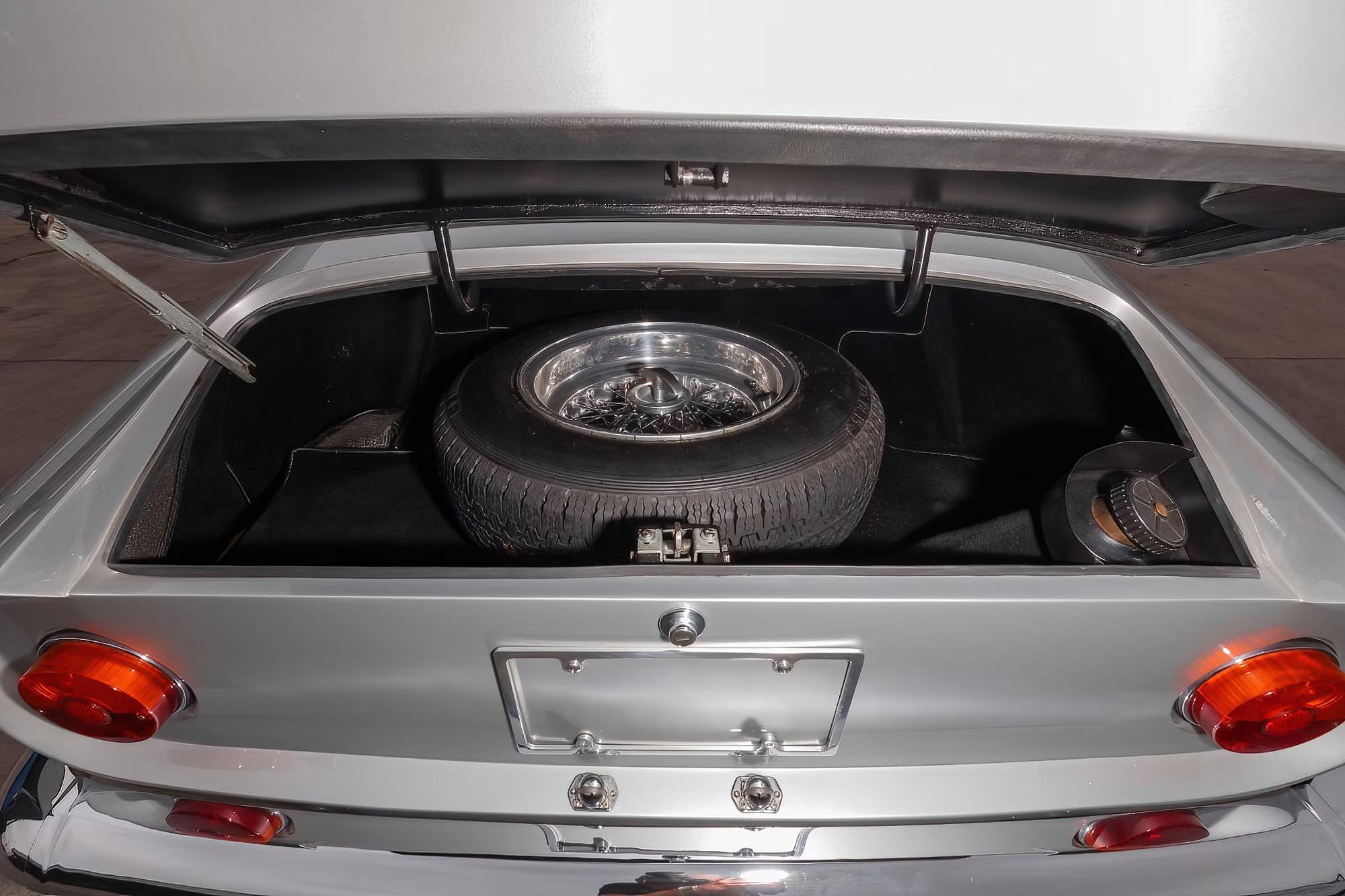
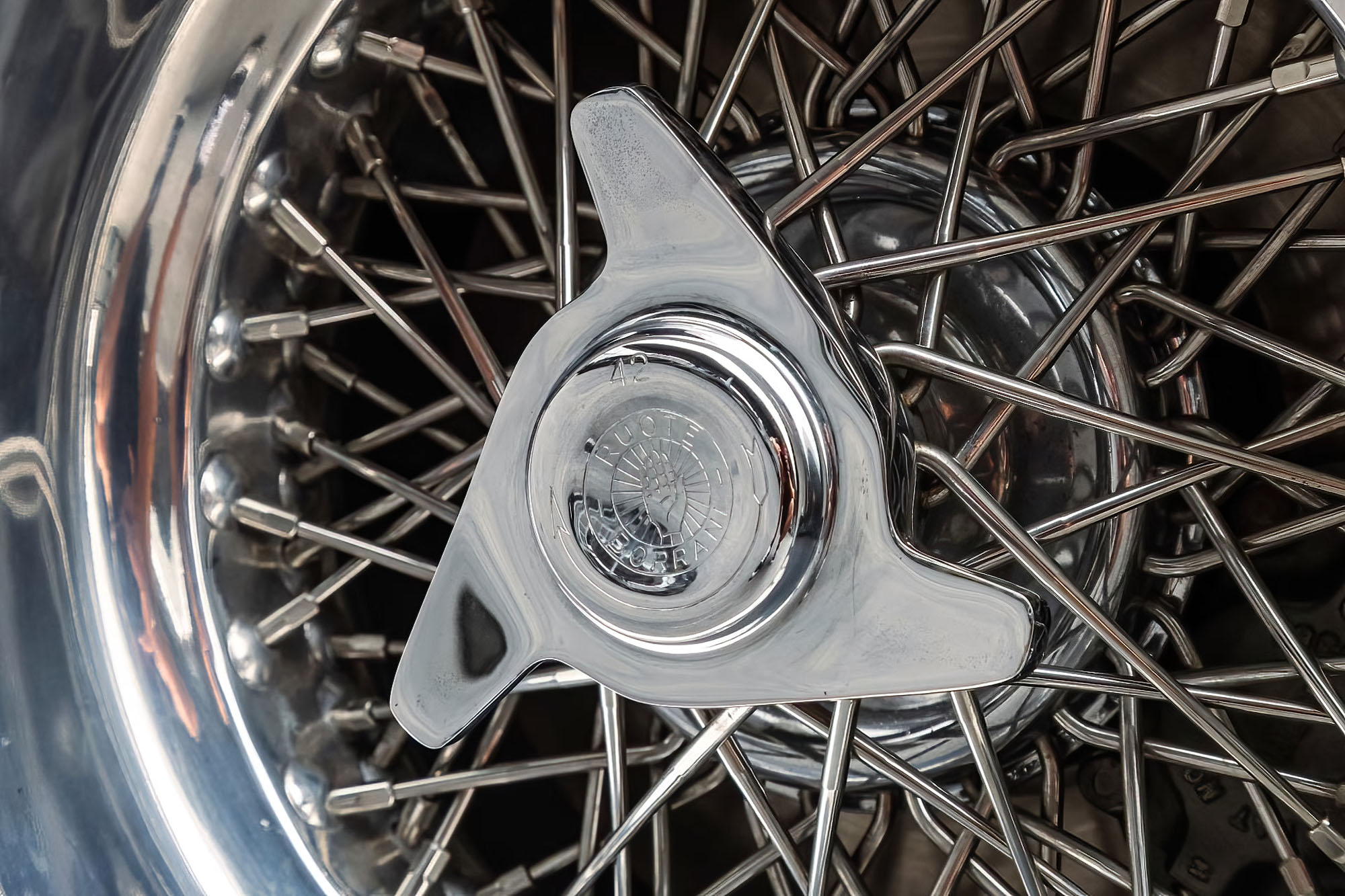
The Lusso rode on the same 94.5-inch wheelbase as the 250 GTO and employed Ferrari’s established suspension layout, with unequal-length A-arms and coil springs up front and a live rear axle located by parallel trailing arms and leaf springs. Disc brakes and Koni telescopic shock absorbers were fitted at all four corners. Two notable features migrated directly from the 250 GTO to the Lusso: rear coil “helper” springs surrounding the shock absorbers and a Watts linkage to improve lateral axle location. Together, these refinements enhanced both ride quality and handling while preserving the car’s Grand Touring character.
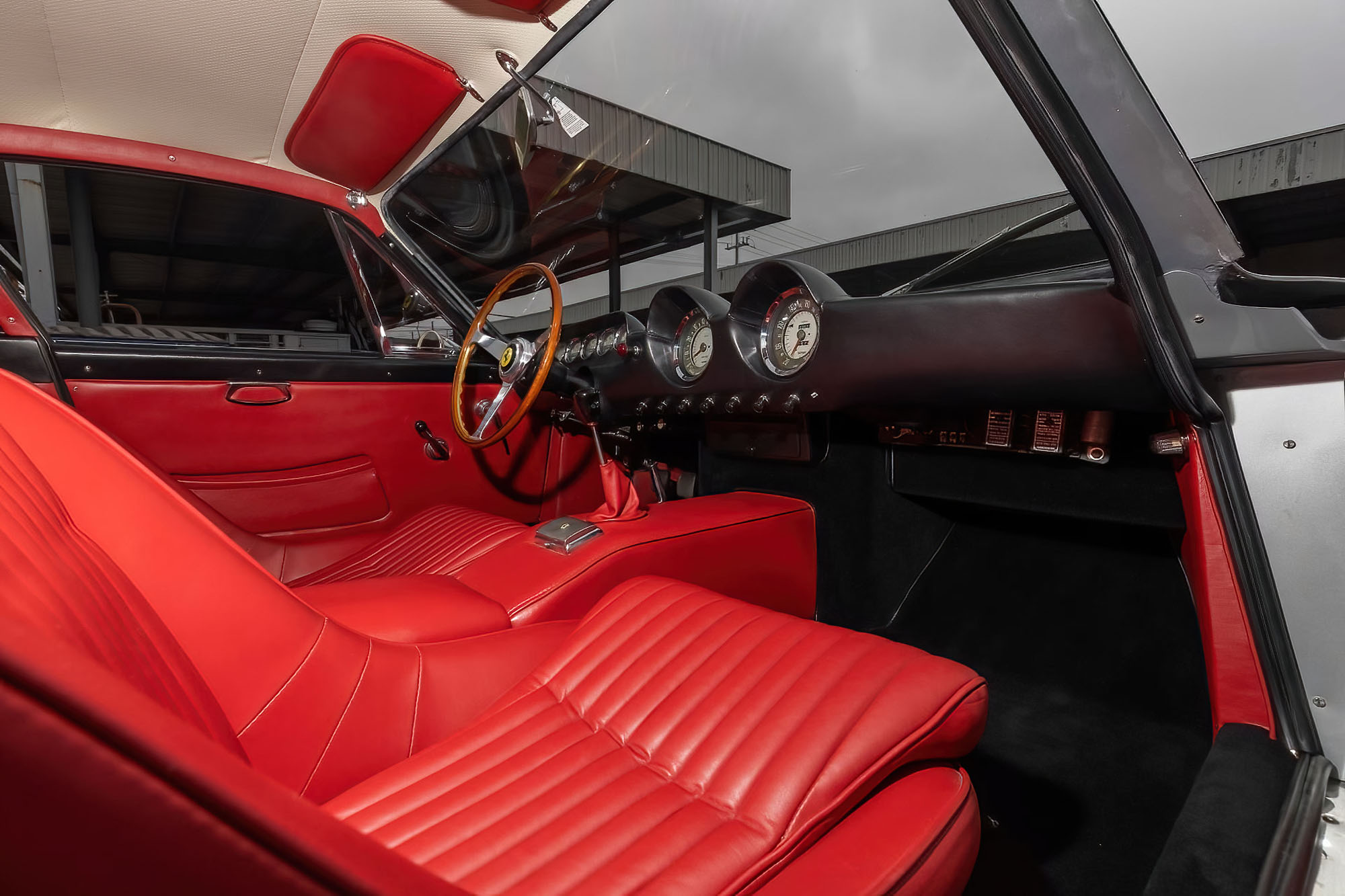
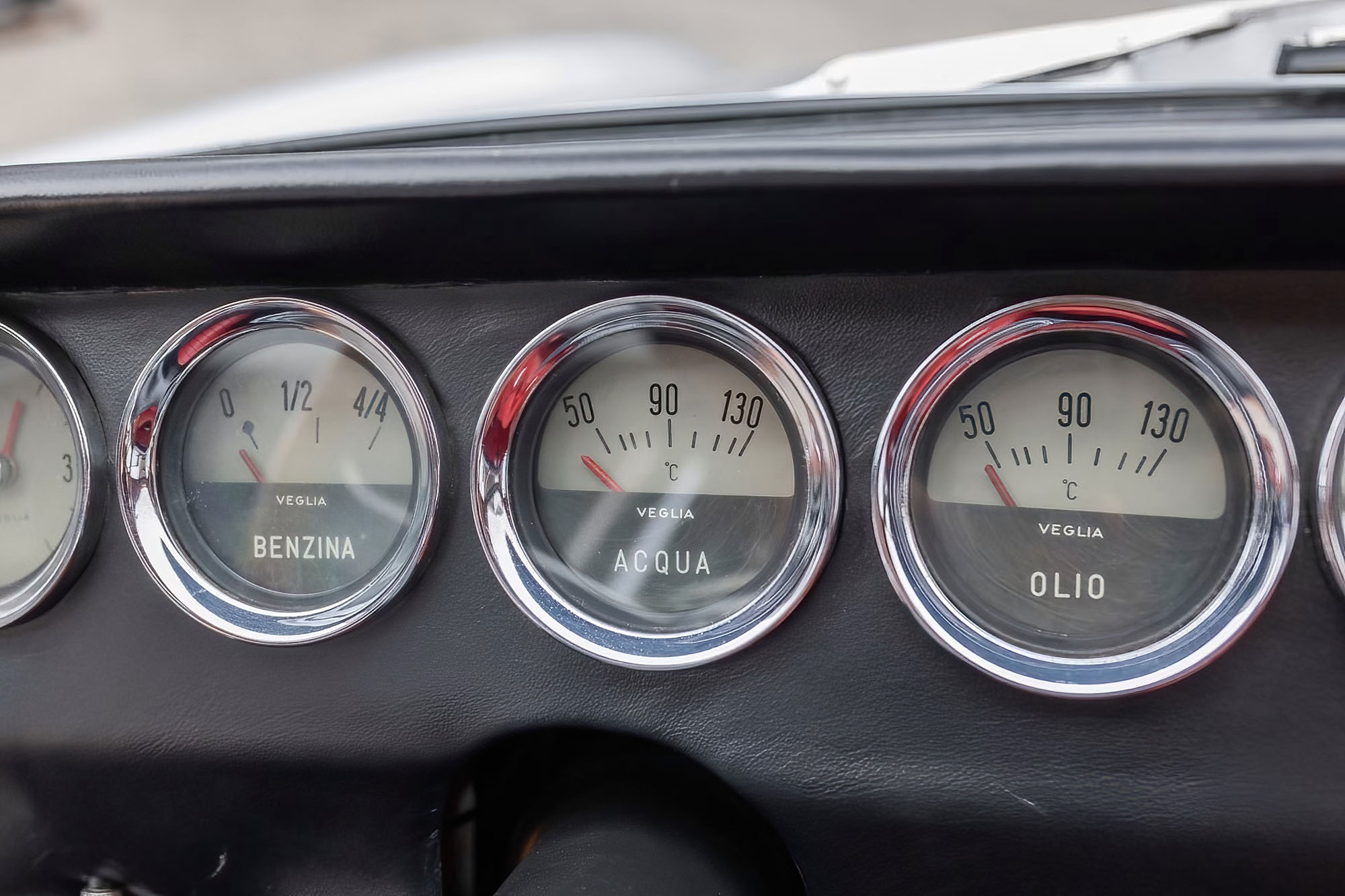
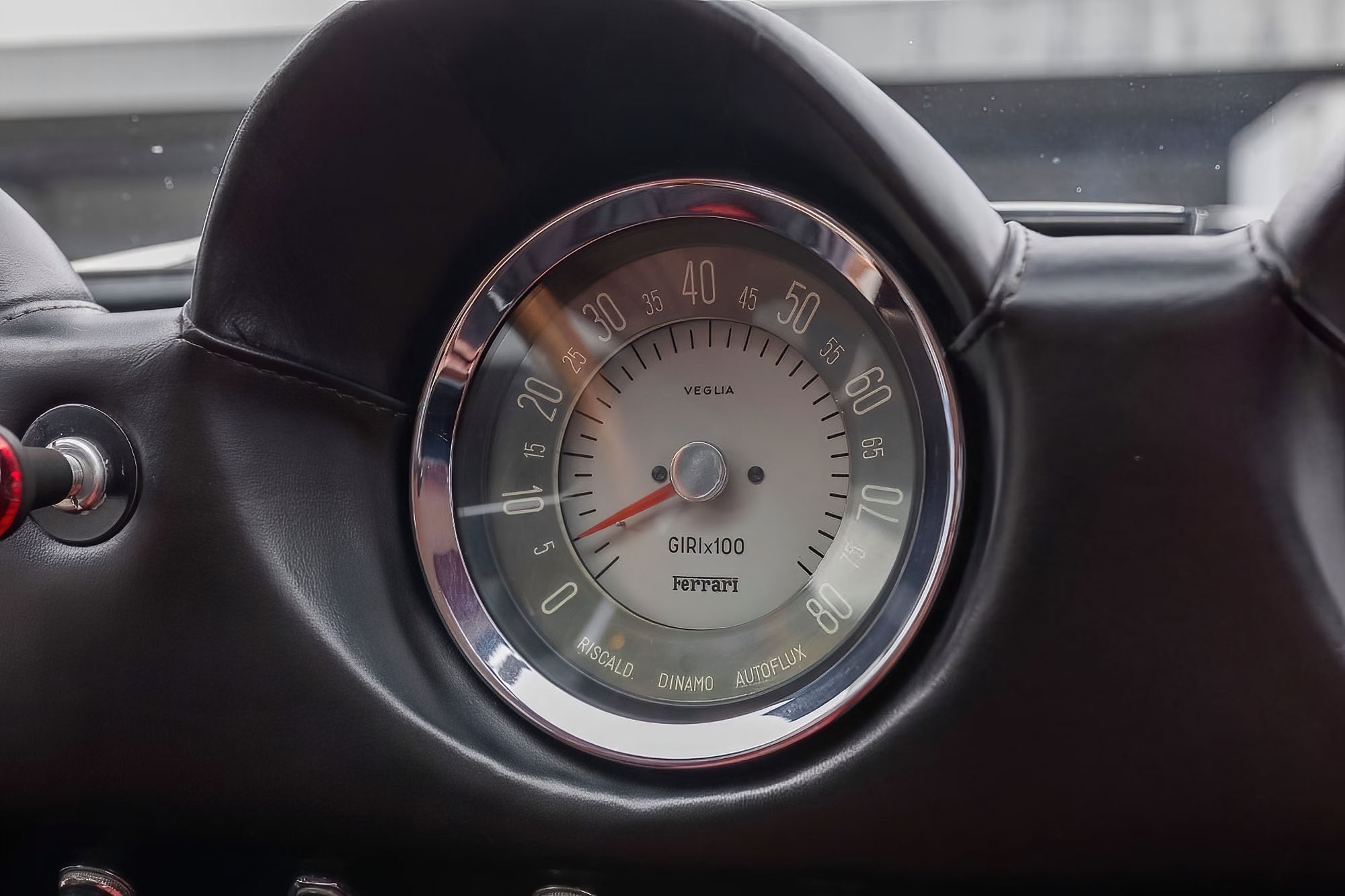
True to its name, the Lusso emphasized comfort without sacrificing sporting intent. The engine was positioned several inches farther forward in the chassis to create additional cabin space, resulting in noticeably improved legroom. Unlike earlier Ferrari GTs, the Lusso featured deeply contoured bucket seats modeled after contemporary competition cars but upholstered in supple leather throughout the cabin. The interior also included a distinctive diamond-stitched rear luggage shelf and a dashboard unique to the model, with large centrally mounted speedometer and tachometer angled toward the driver and five auxiliary gauges positioned behind the steering wheel.
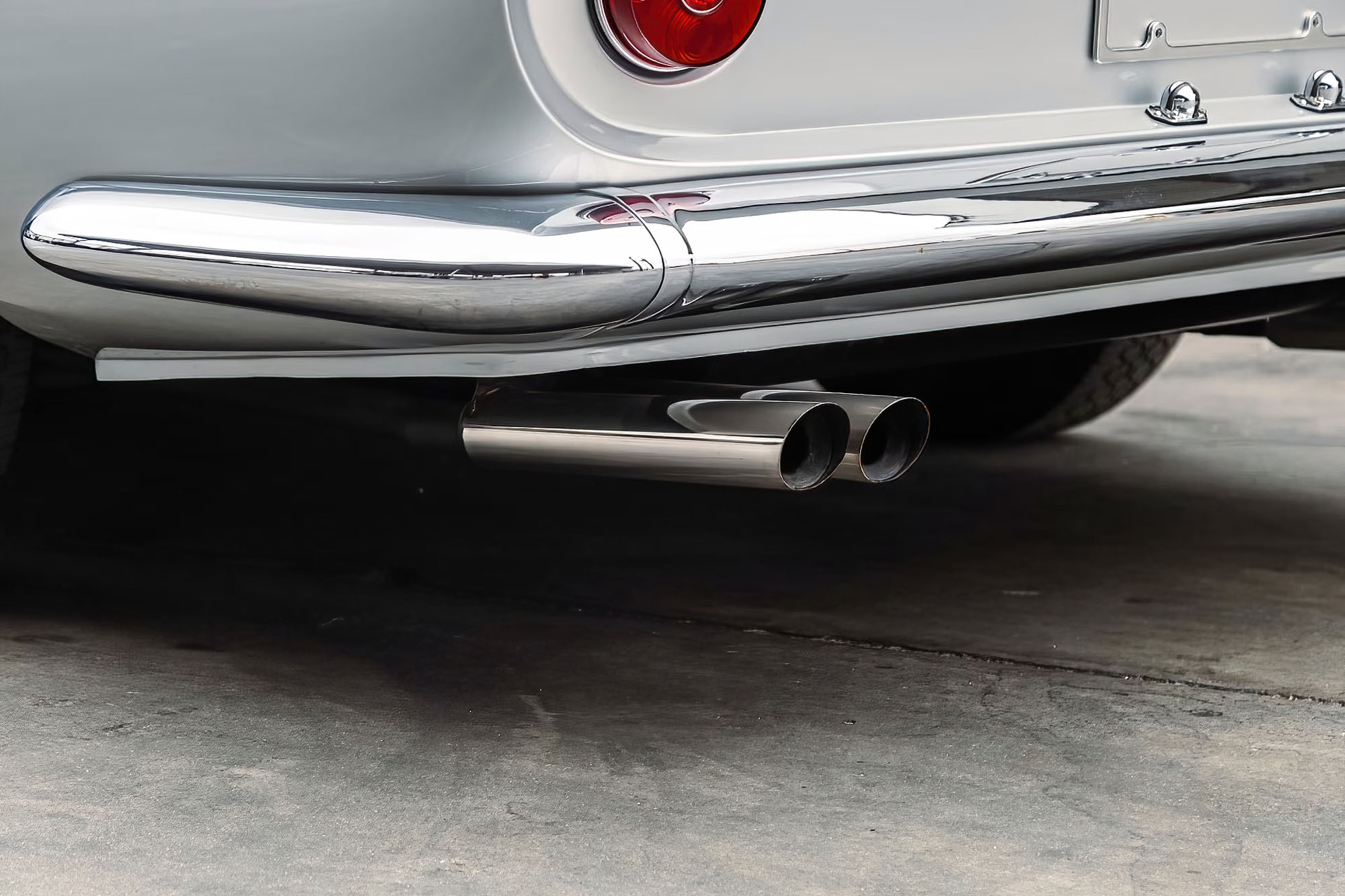
Chassis number 4635 GT is the 79th of approximately 350 Lusso examples produced and has been certified by Ferrari Classiche as retaining its original, matching-numbers drivetrain, including the Colombo V-12 engine and four-speed manual gearbox. Factory records confirm delivery through Garage Francorchamps in Brussels, Belgium, finished in its original combination of Grigio Argento Italver over Pelle Rossa 3171 leather. Built to European specification, the car was equipped from new with a metric speedometer, Dunlop disc brakes, and Borrani wire wheels.
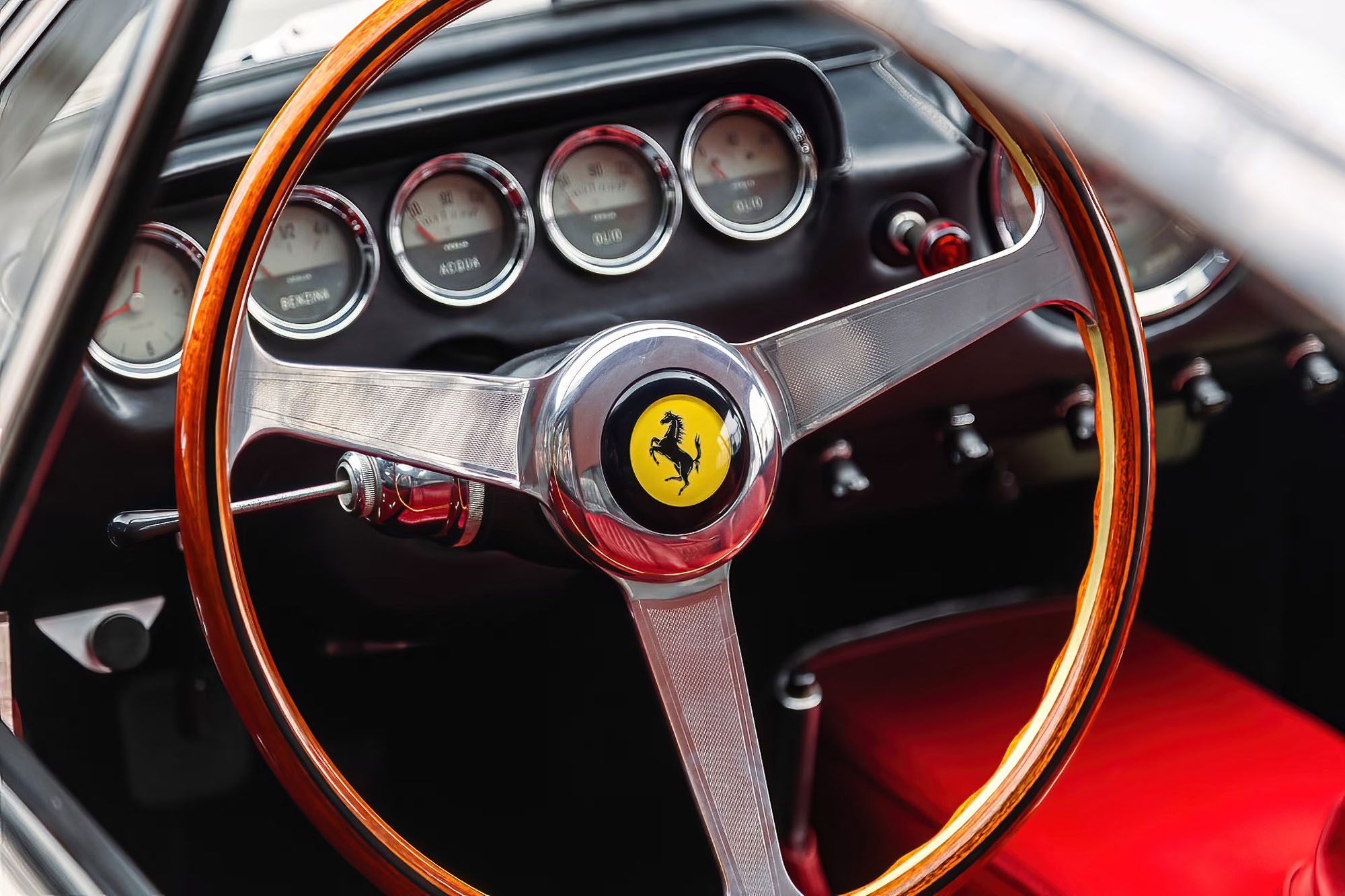
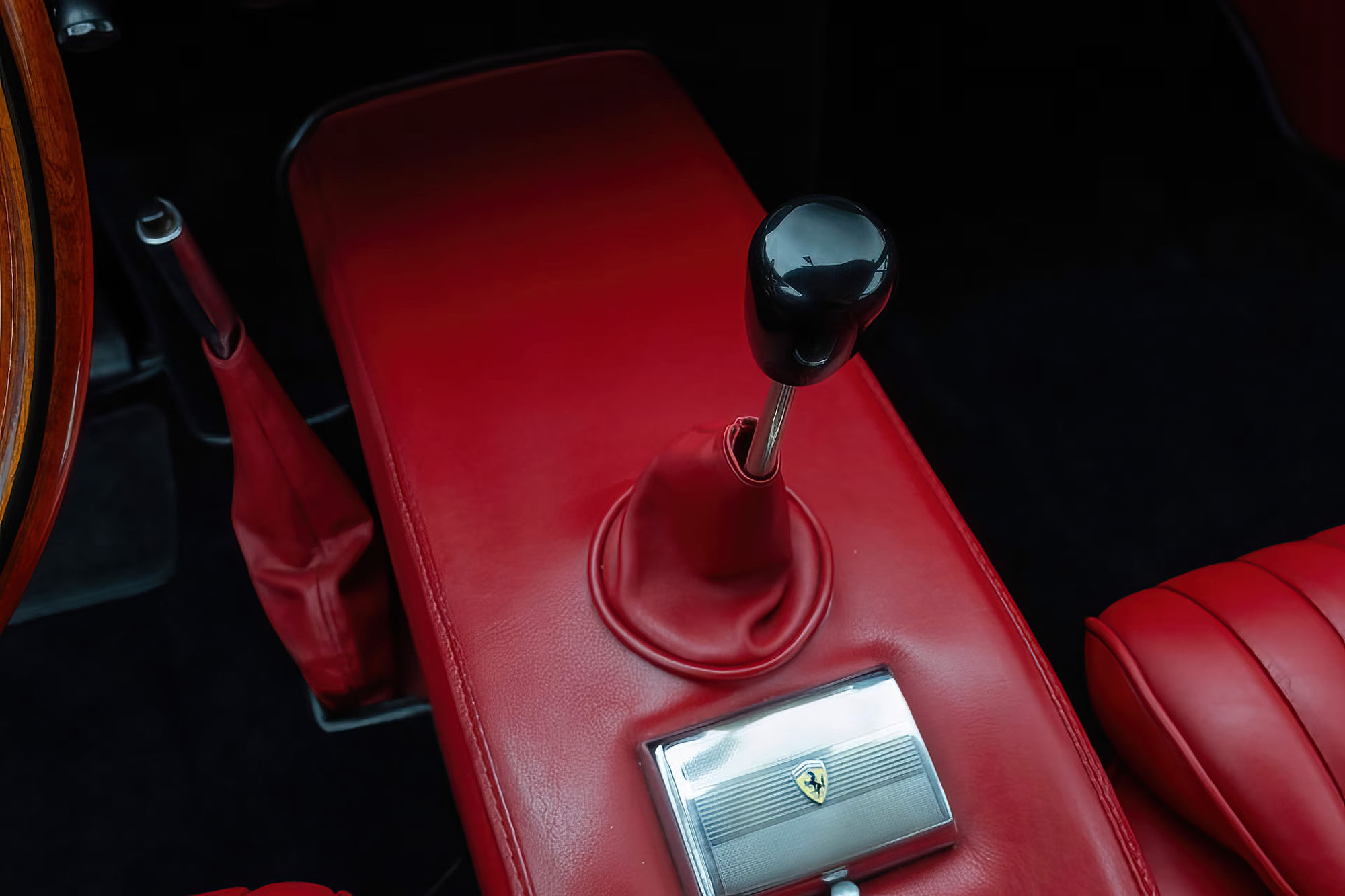
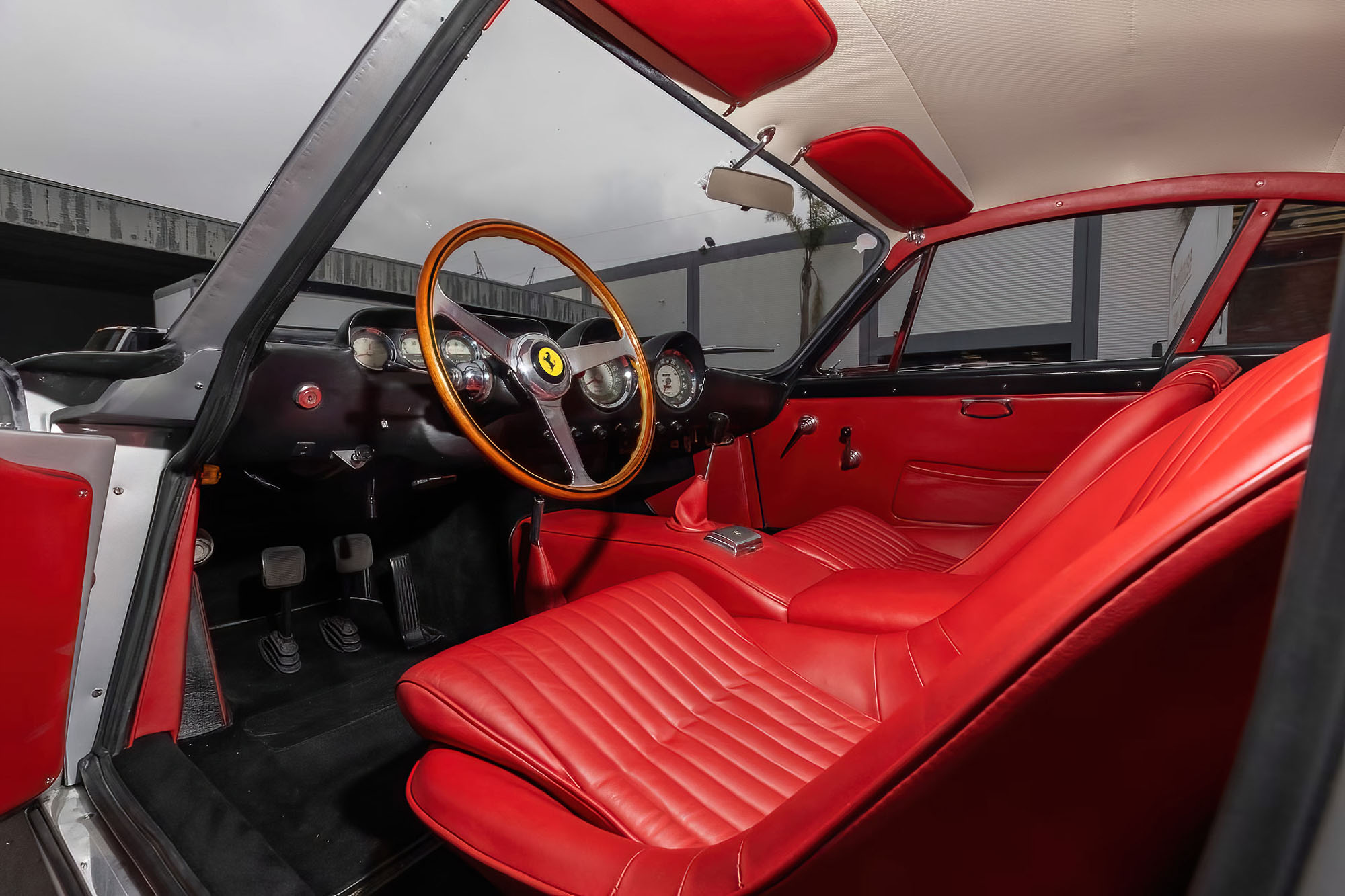
According to historian Marcel Massini’s 2015 report, then-owner Herbert Karner of Germany commissioned a rebuild of the original Colombo V-12 in 1996. The following year, Karner displayed the car during Ferrari’s 50th Anniversary celebrations in Rome and Maranello, where it sustained minor damage to the right front corner in a low-speed accident. Repairs were completed shortly afterward by Carrozzeria Zanisi in Modena, together with additional restoration work totaling approximately $36,000.
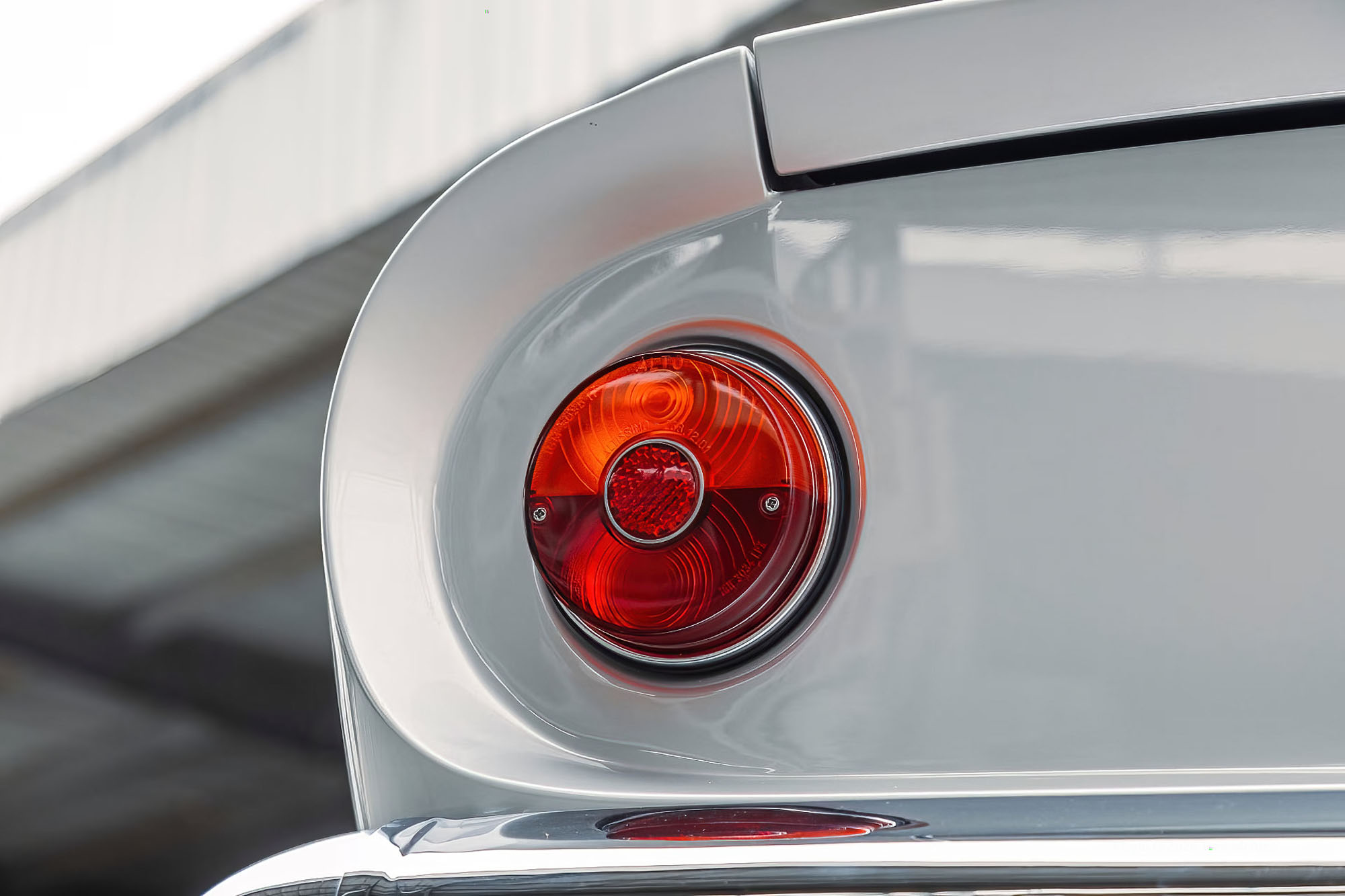
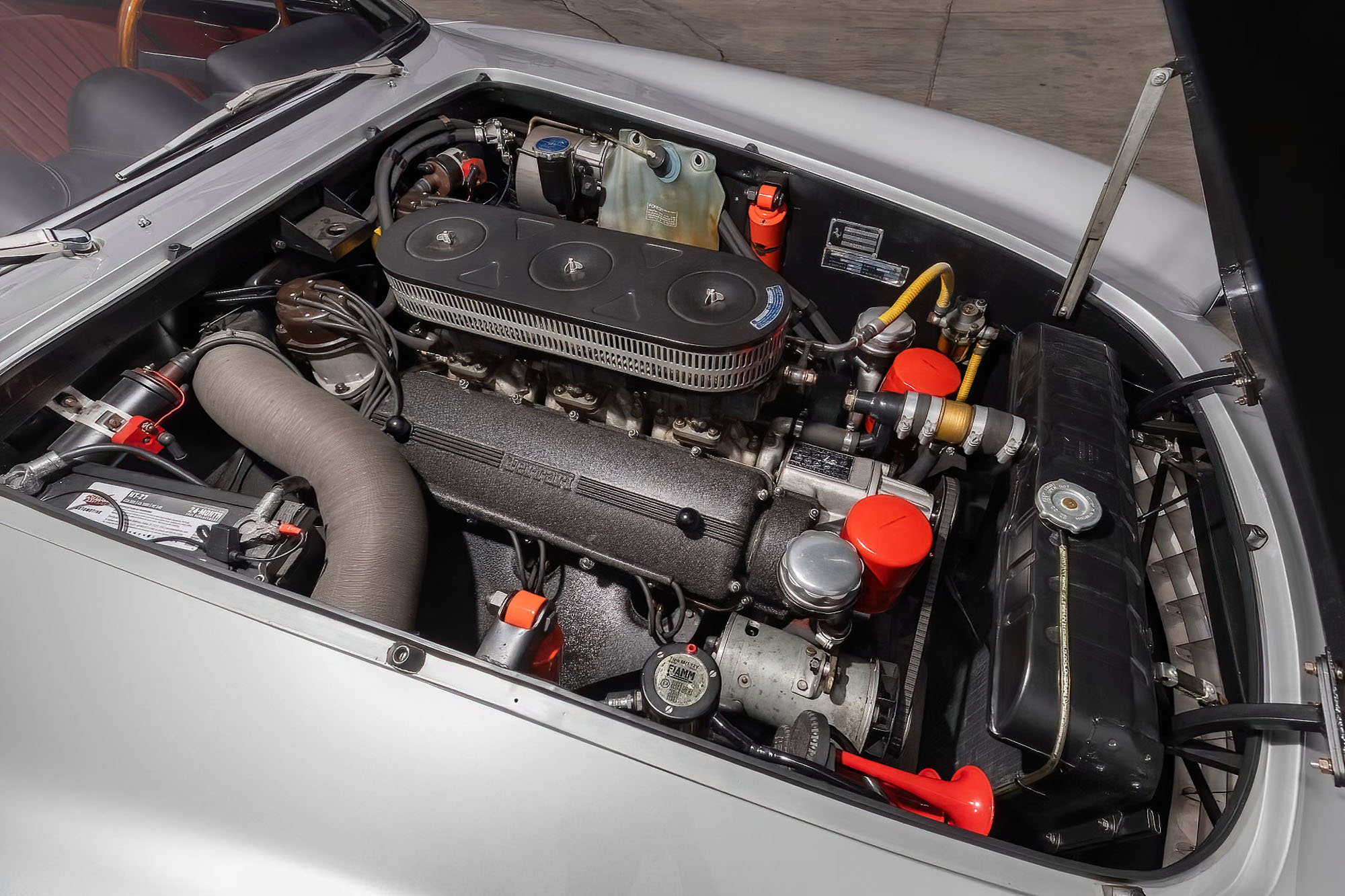
In 2014, chassis 4635 GT underwent a comprehensive, no-expense-spared rotisserie restoration by J&L Fabrication of Seattle, Washington, a firm known for preparing award-winning historic race and concours automobiles. The restoration reportedly cost approximately $600,000. Bare-metal photographs taken during the project confirm that the earlier accident damage was confined to the right front headlight area, which was properly repaired at that time. The repaint was completed by Jon Byers, while the interior was retrimmed by Shawn Parkhurst, both craftsmen with Pebble Beach Concours d’Elegance award-winning credentials. More recently, the Lusso received a comprehensive mechanical service by Winning Makes of Santa Barbara, California, at a documented cost of $62,806.82, leaving the car presented to an exceptional standard.
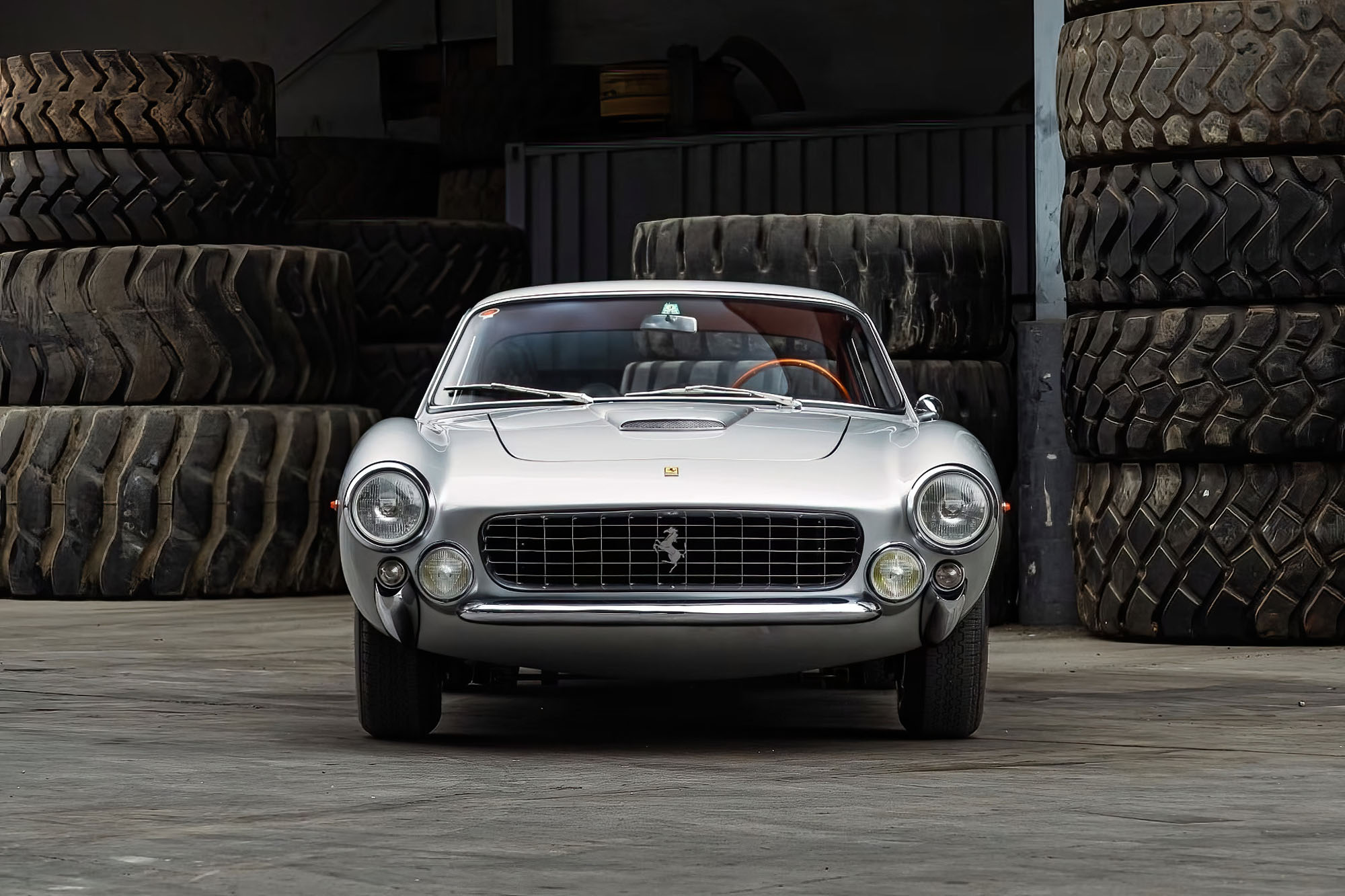
Featured in Cavallino (issues 93 and 99) and Prancing Horse (issue 124), chassis 4635 GT is accompanied by extensive documentation, including original SEFAC paperwork, early ownership records, Marcel Massini’s 2015 historical report, and a high-quality reproduction tool roll. Revered for its Pininfarina styling, sophisticated engineering, and exceptional road manners, the Ferrari 250 GT/L Lusso remains one of the defining Grand Touring automobiles of the 1960s. Its combination of rarity, provenance, and enduring collector appeal has firmly established it as one of Ferrari’s most desirable and enduring blue-chip classics.
More Info HERE
Above contents © 2026 Mecum Auctions reviewed and edited by Rex McAfee , @rexmcafee 🏁
Related Content
#Ferrari #Ferrari250GTL #Lusso #ClassicFerrari #Ferrari250 #VintageCars #CollectorCars #Pininfarina #ItalianCars #GrandTouring