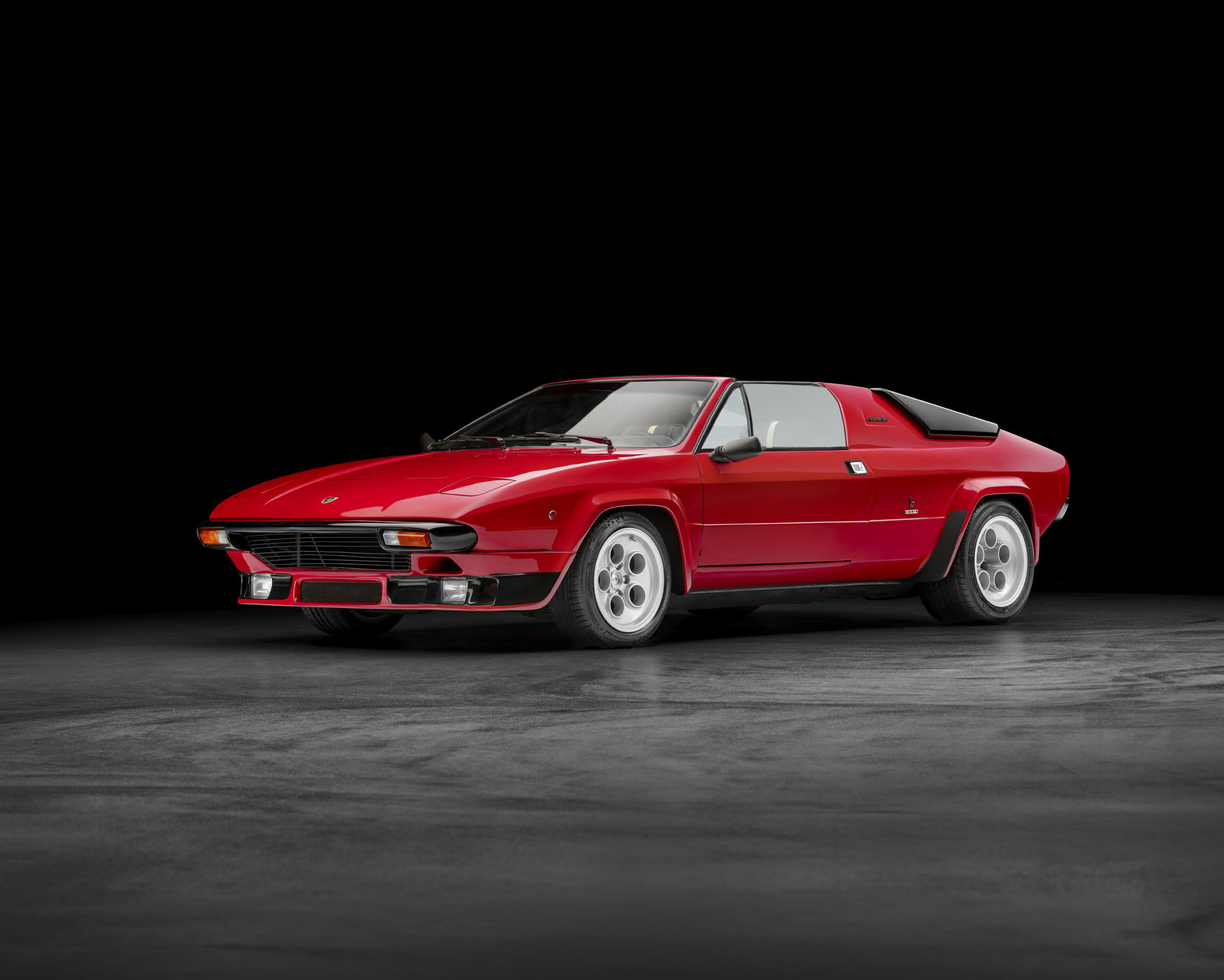

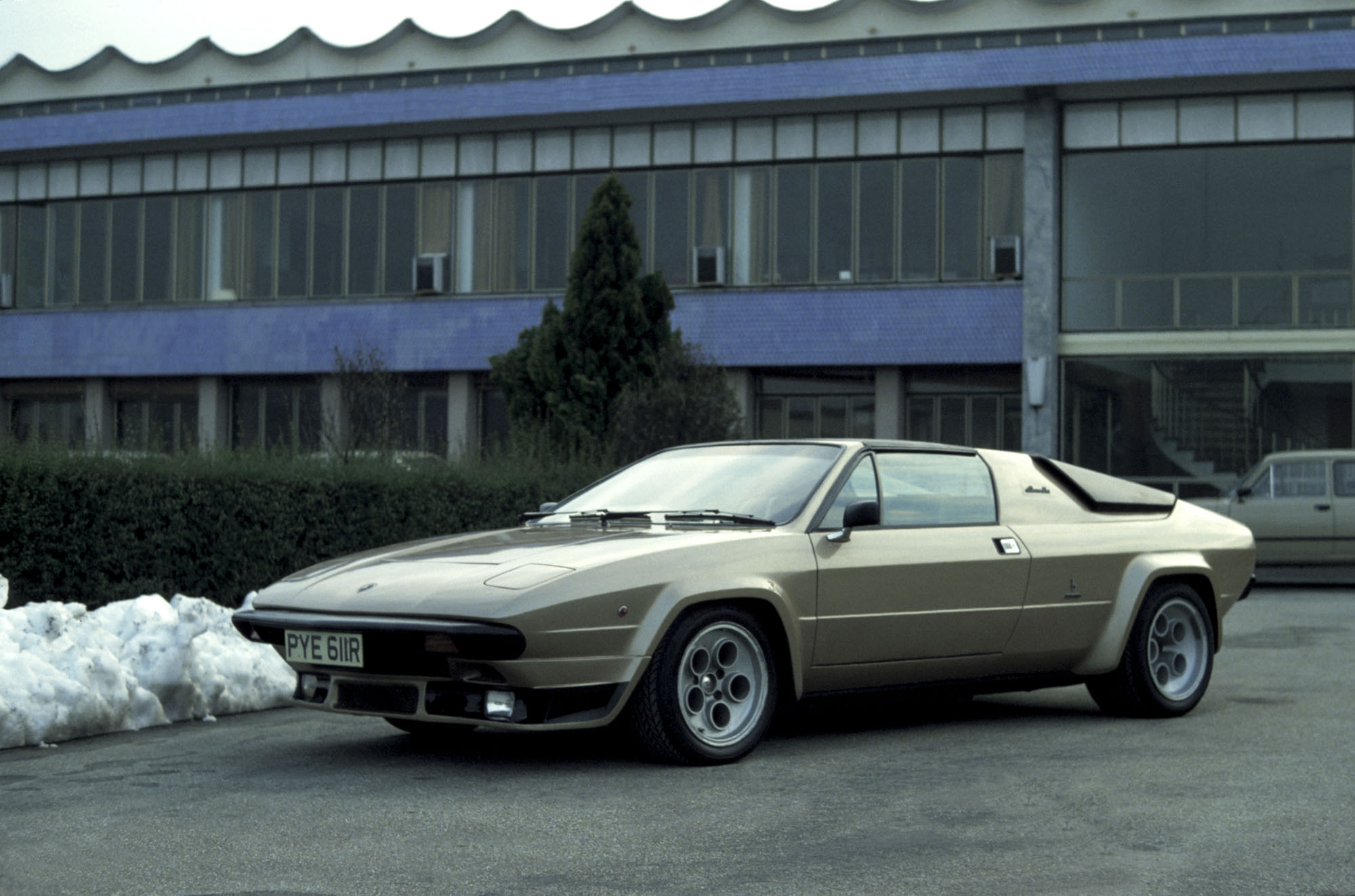
Fifty years after its debut at the 1976 Geneva Motor Show, Lamborghini is celebrating the Silhouette, the Italian manufacturer’s first series-production open-top sports car. Built between 1976 and 1979 in just over 50 examples, the Bertone-designed, mid-engined V8 remains one of the rarest production Lamborghinis.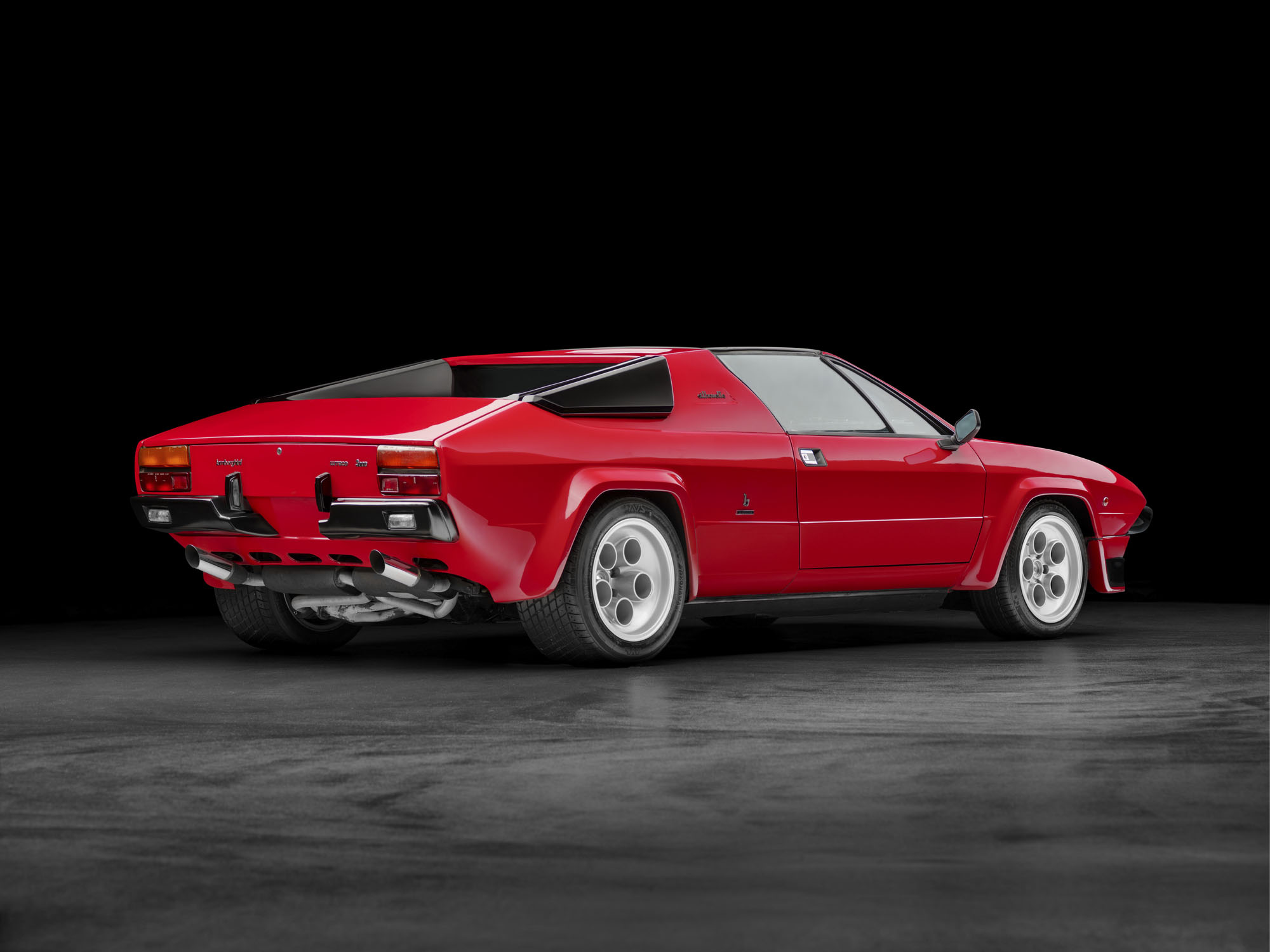
Based on the Urraco P300, the Silhouette introduced a removable targa roof, two-seat cabin and substantial chassis revisions. It also established a production open-top formula that would evolve through the Jalpa and eventually influence Lamborghini’s later Spyder models.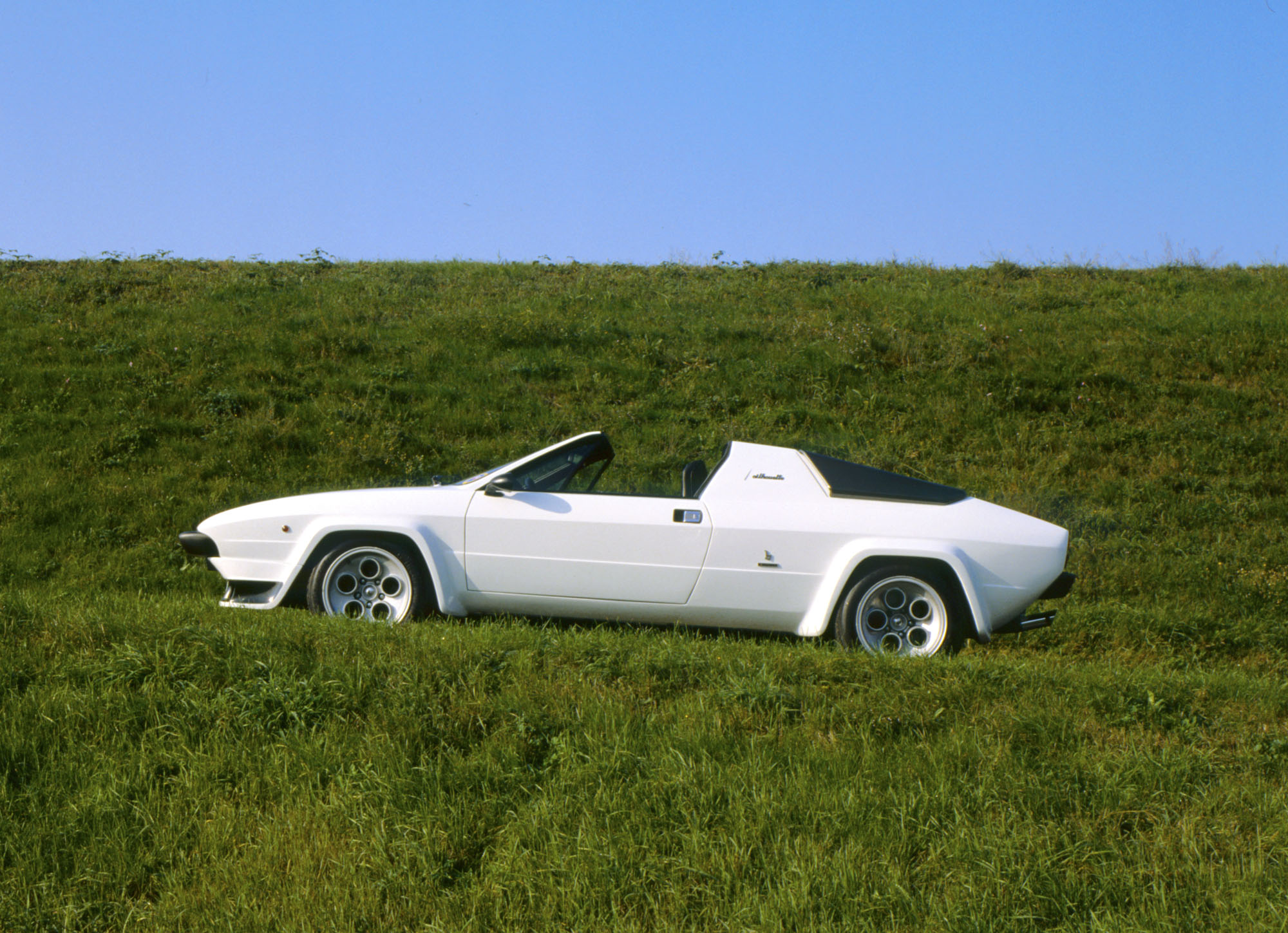
From Lamborghini Urraco to Silhouette
Developed under the internal designation Tipo 118, the Silhouette retained the Urraco P300’s transverse mid-mounted V8, five-speed manual transmission and rear-wheel-drive layout. Its name referenced Group 5 silhouette racing, where extensively modified competition cars retained the recognizable profiles of production models.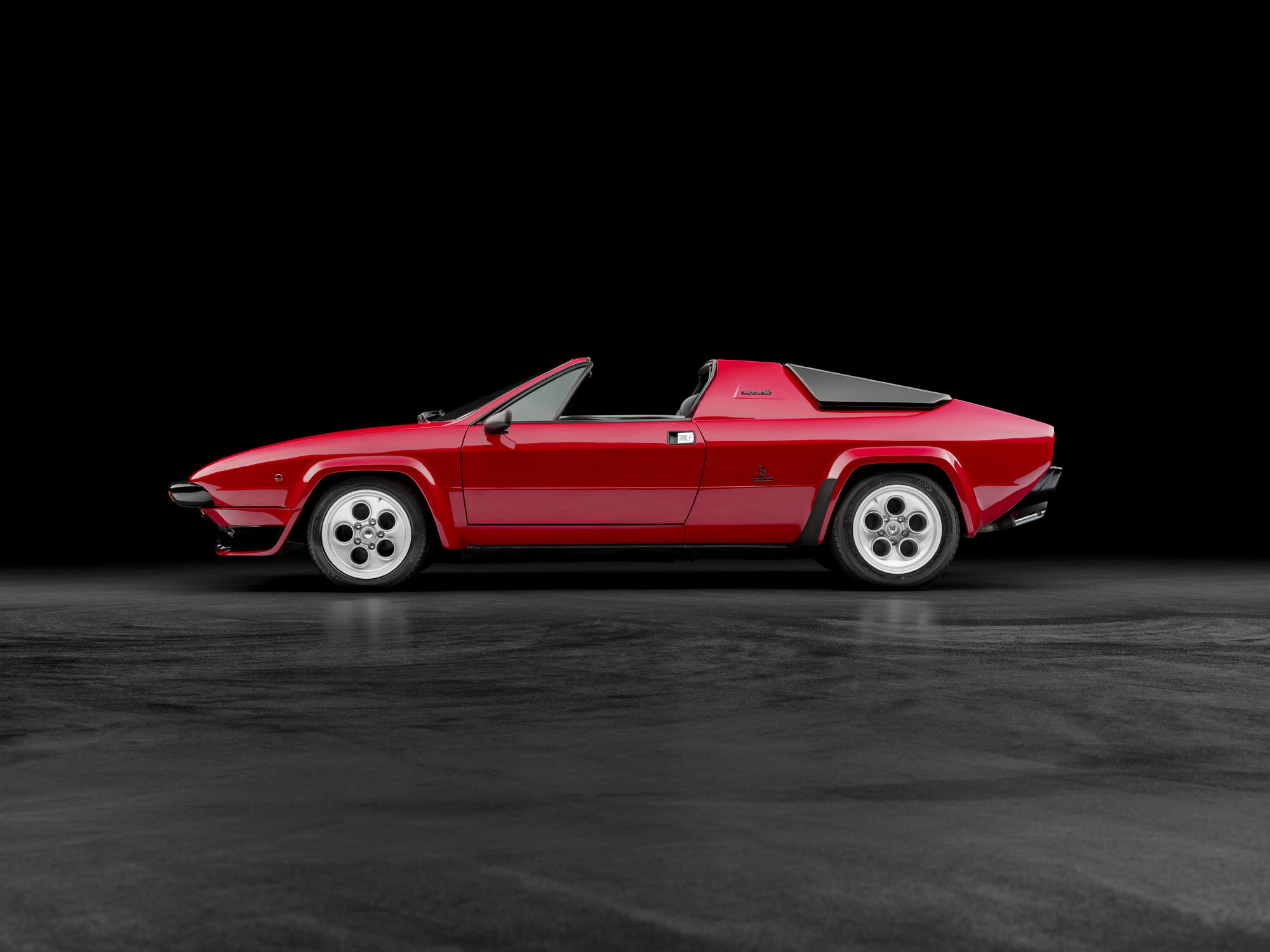
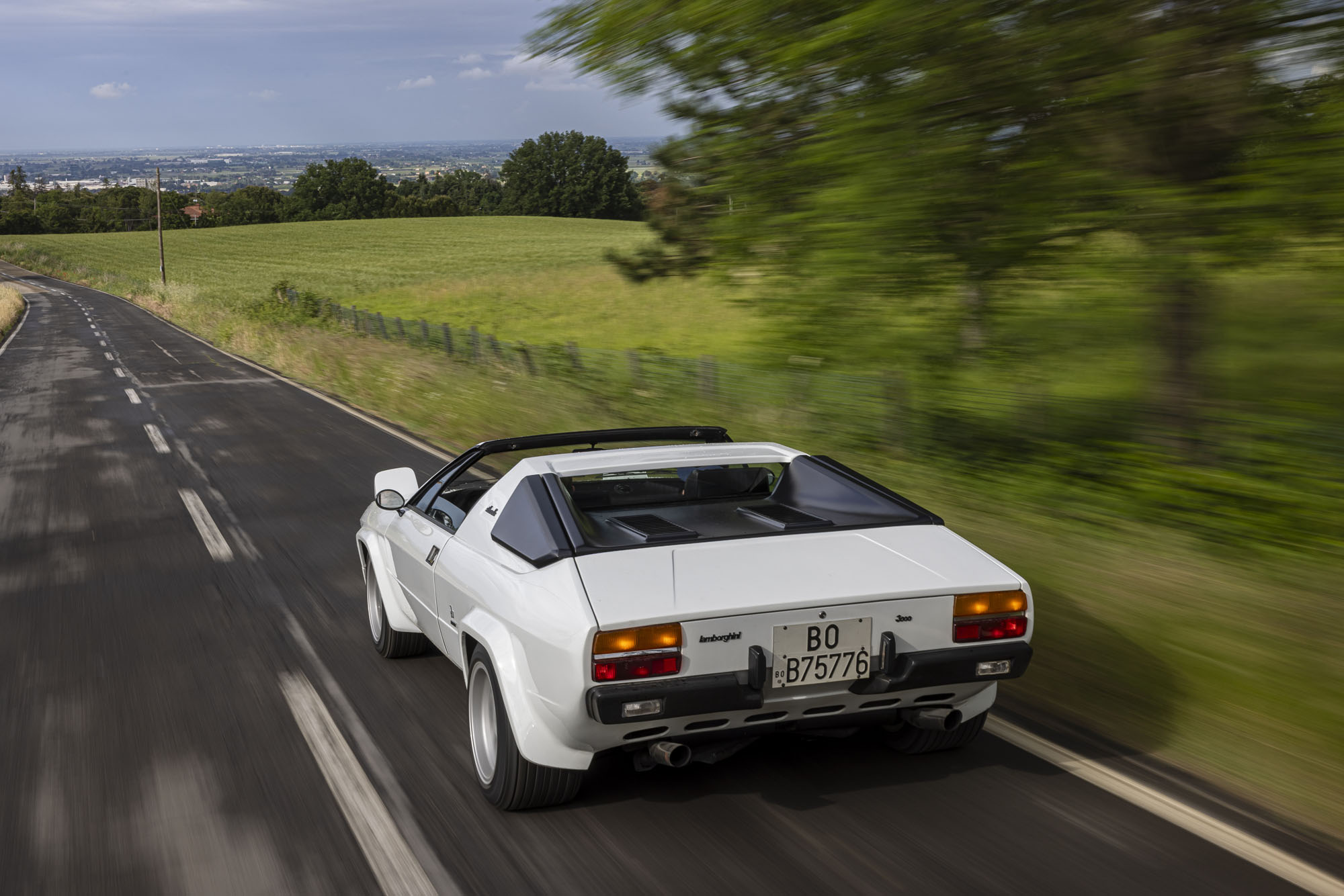
Bertone redesigned the Urraco’s body with wider wheel arches, a wind-tunnel-developed front spoiler and a distinctive vertical rear window. The removable synthetic-material roof panel could be stored behind the seats, while the targa configuration also addressed safety considerations for the North American market.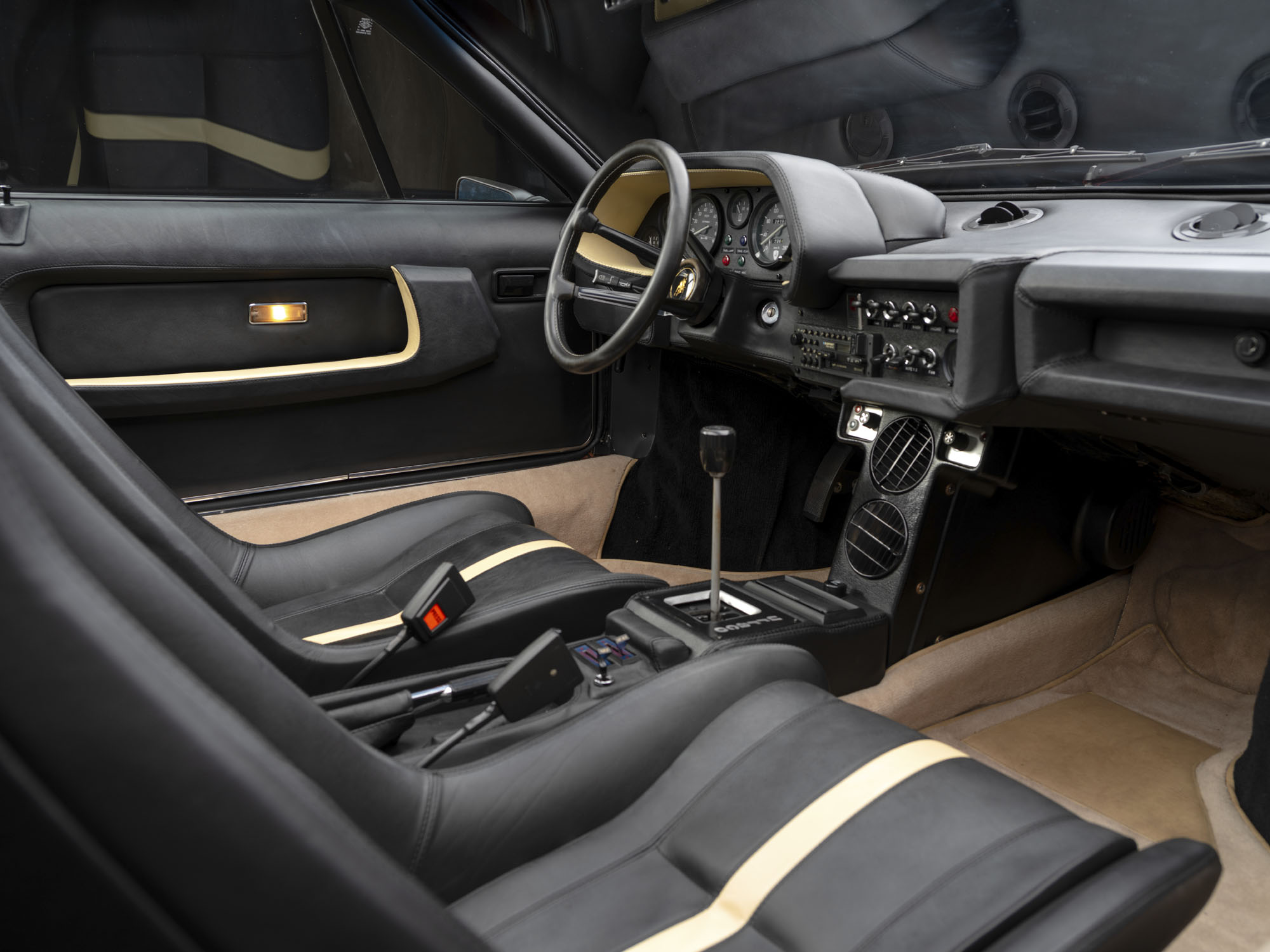
Lamborghini Silhouette V8 Engine and Performance
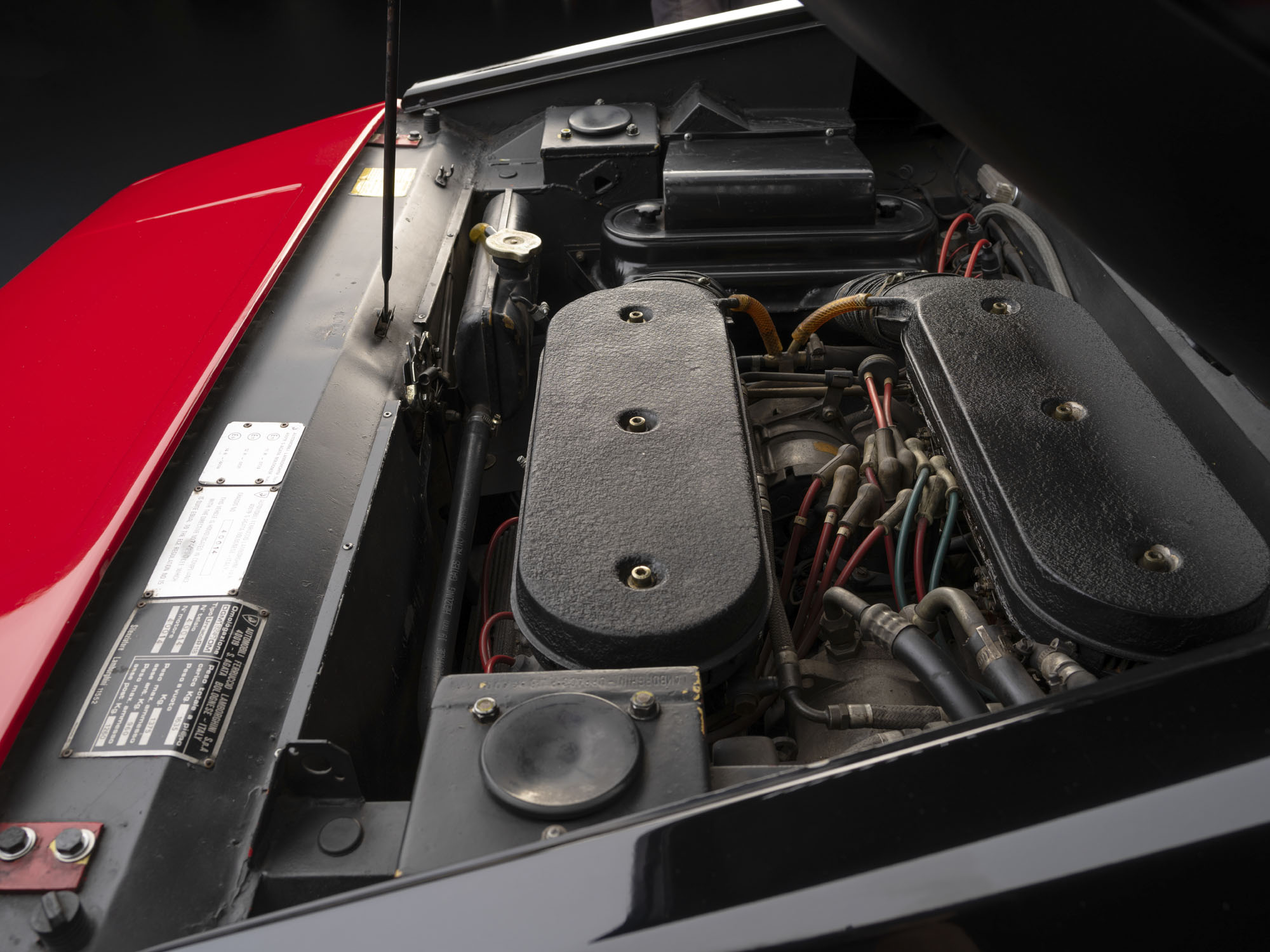
The Silhouette’s 3.0-liter V8 featured twin overhead camshafts per cylinder bank, chain-driven valve timing and four twin-choke Weber carburetors. Lamborghini quoted a top speed of 260 km/h (approximately 162 mph). Structural reinforcements compensated for the removal of the fixed roof, while revised suspension geometry, stiffer springs and dampers, and anti-roll bars addressed handling requirements. Pirelli P7 tires measured 195/50 VR 15 at the front and 285/40 VR 15 at the rear.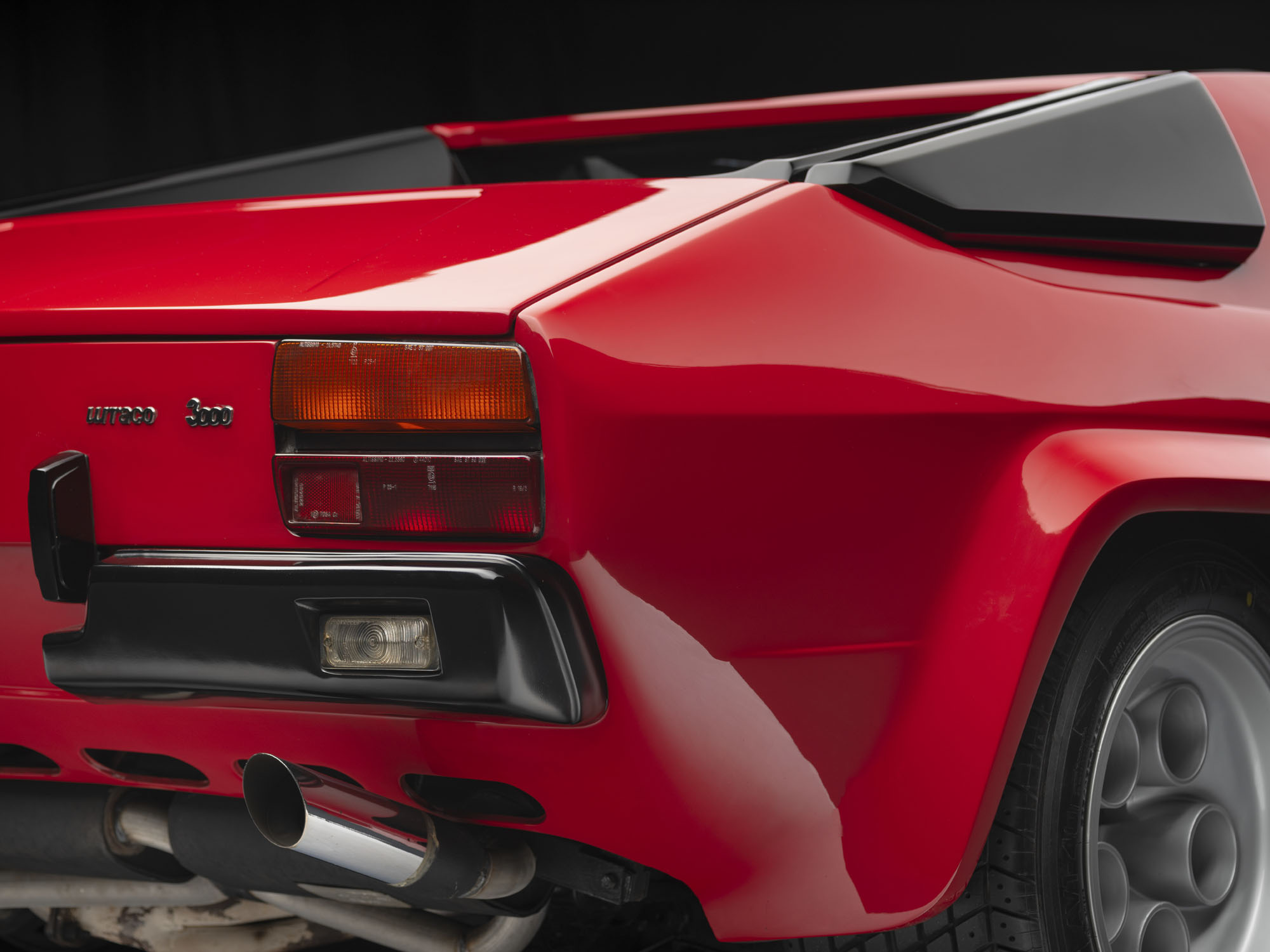
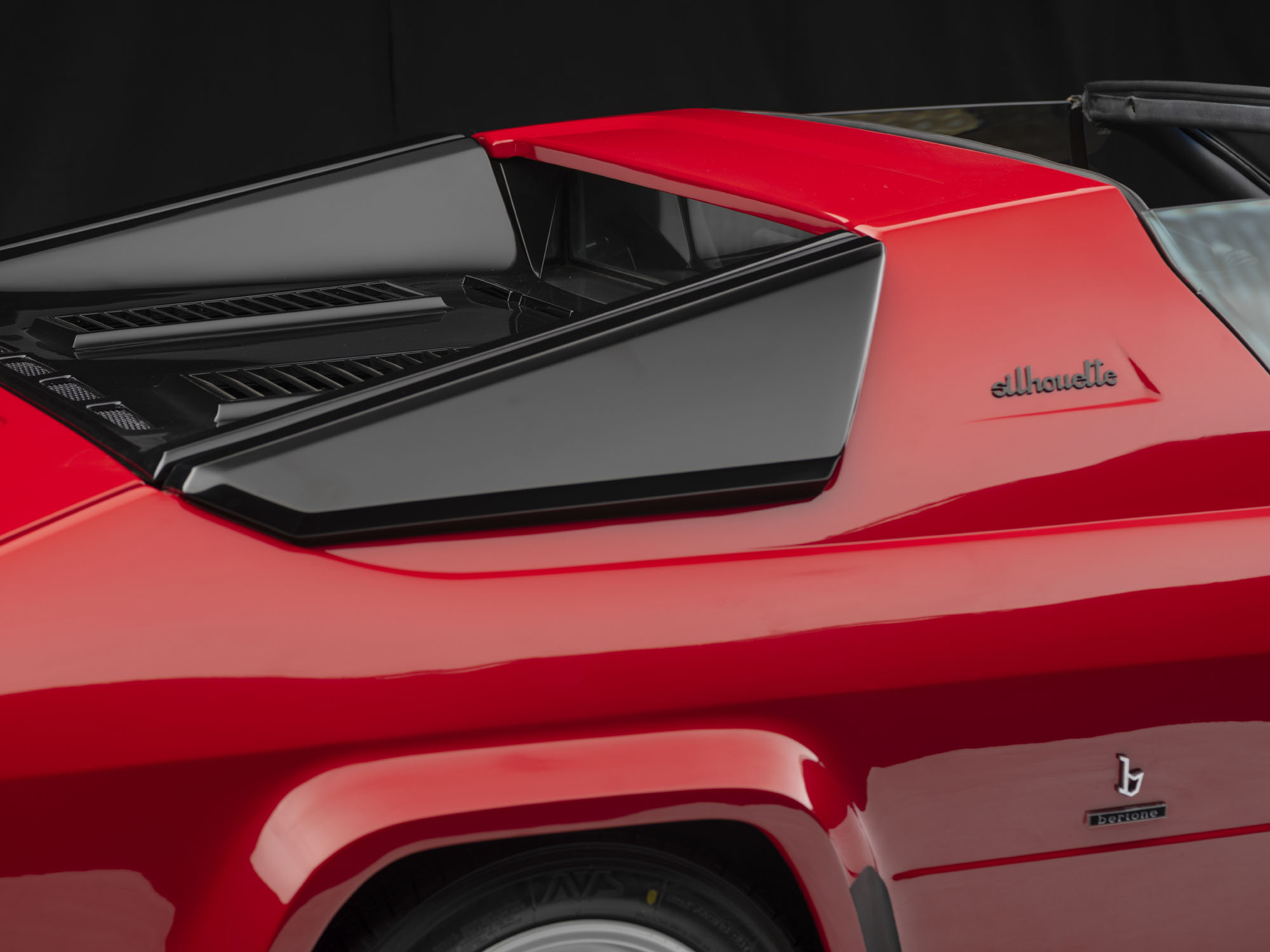
The tires were mounted on 15-inch Campagnolo magnesium-alloy wheels featuring the distinctive telephone-dial pattern. Their design originated with the 1974 Lamborghini Bravo concept, which never entered production.
From the Silhouette to the Jalpa and Spyder
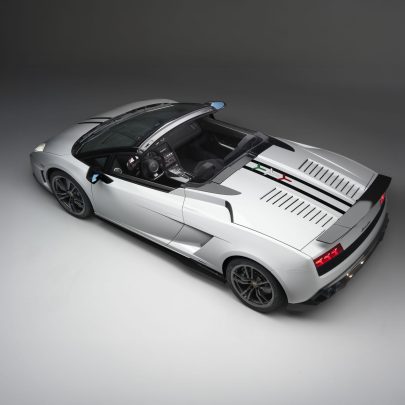
The Silhouette’s mechanical layout and open-top concept evolved into the Lamborghini Jalpa, introduced in 1981 and produced until 1988. Lamborghini subsequently developed larger open-top V12 models, including the Diablo Roadster and Murciélago Roadster. The company’s compact open-top sports car concept later returned with the Gallardo Spyder and continued with the Huracán Spyder.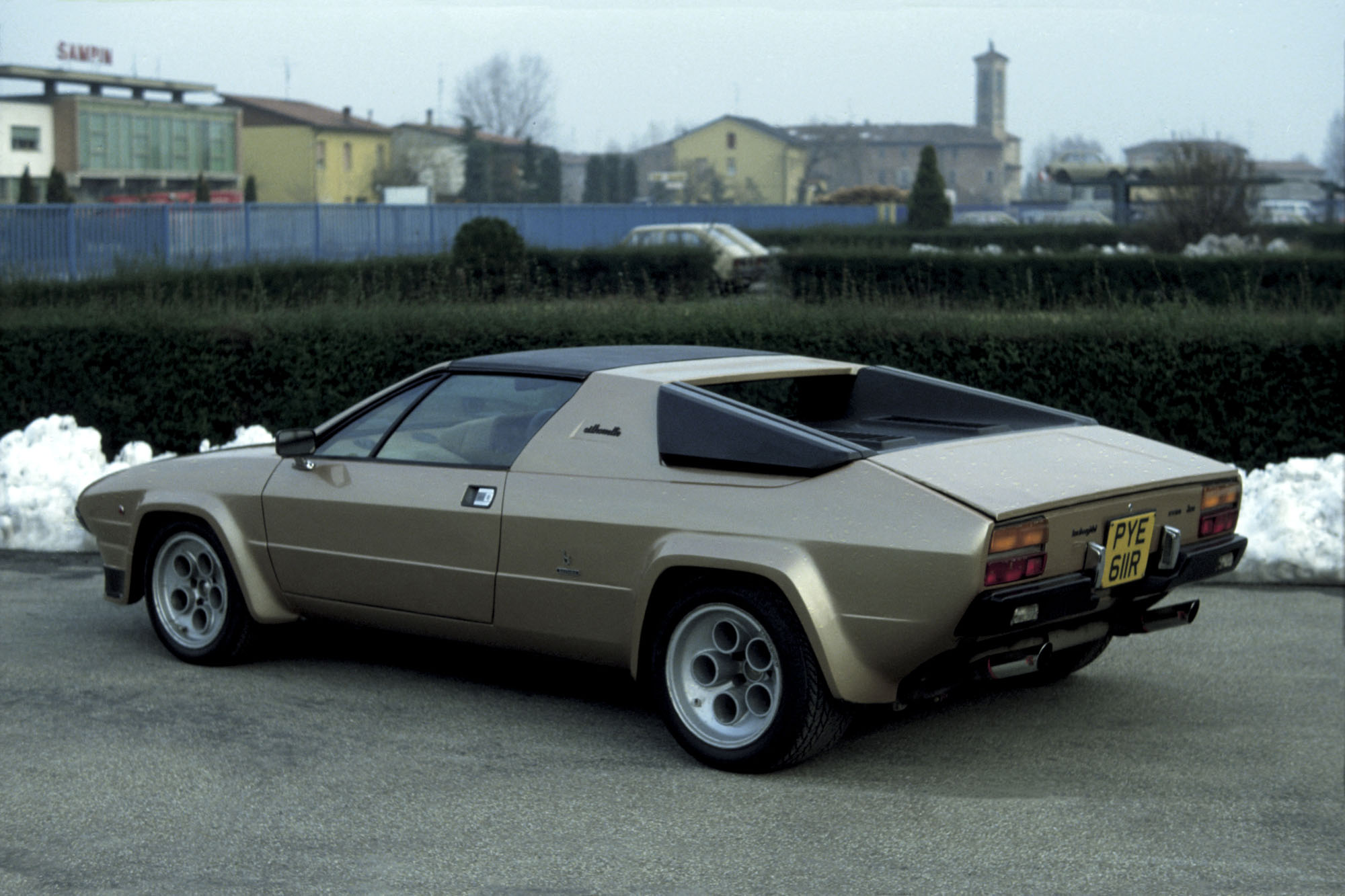
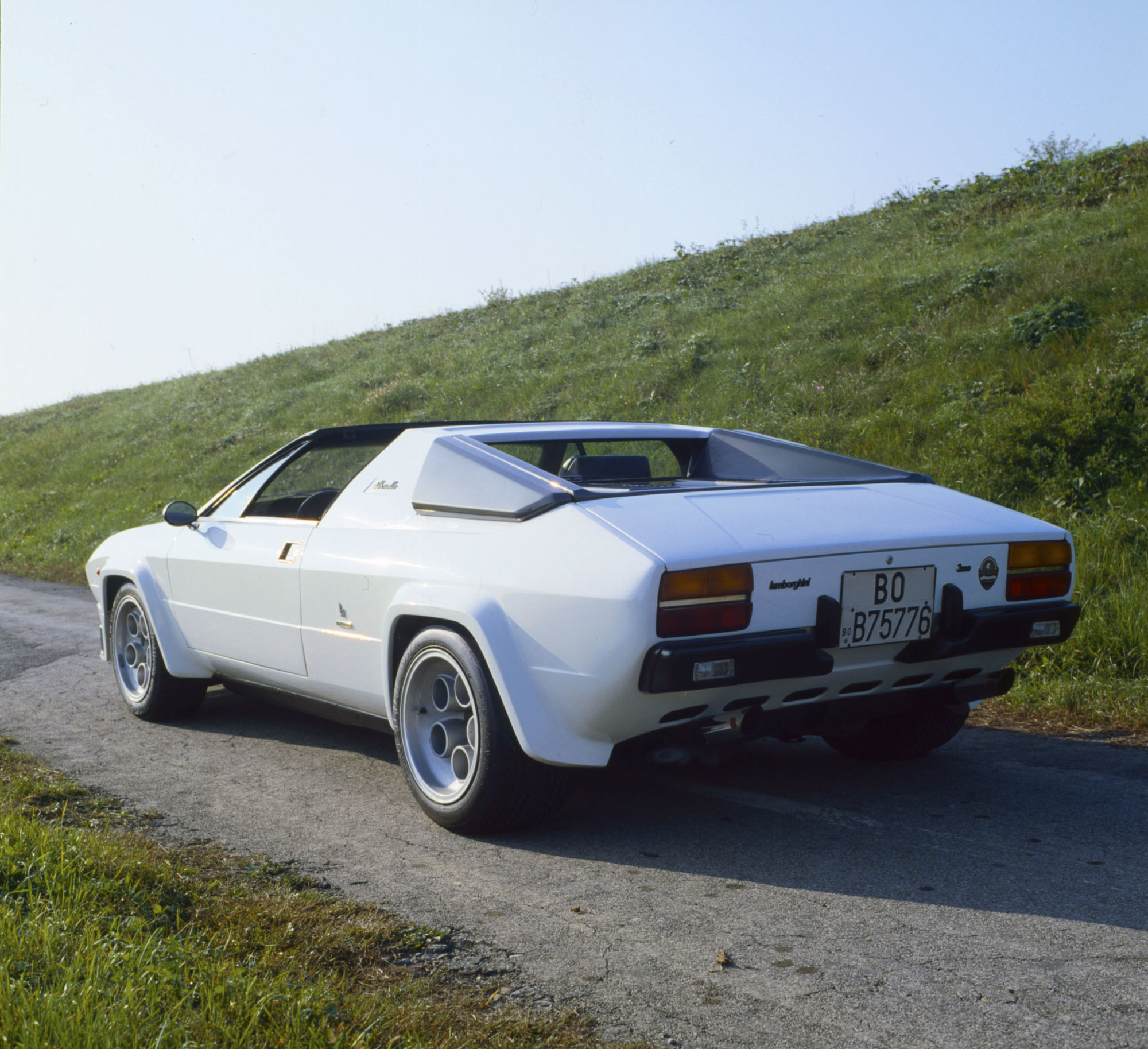

The Silhouette represents a turning point in Lamborghini’s production history, translating earlier open-top experiments, including the 350 GTS and Miura Roadster, into a series-production sports car. Its limited production, Bertone styling and distinctive V8 targa configuration make it an important model in Lamborghini’s history and a particularly uncommon collector car.
Specs
| Specification | Source-supported detail |
| Debut | 1976 Geneva Motor Show |
| Production | 1976–1979 |
| Production volume | Just over 50 examples (exact figure not supplied) |
| Design | Bertone |
| Internal designation | Tipo 118 |
| Basis | Lamborghini Urraco P300 |
| Body | Two-seat targa; removable rigid roof panel |
| Engine | 3.0-liter transverse mid-mounted V8 |
| Valve train | Twin overhead camshafts per bank; chain-driven |
| Fuel system | Four twin-choke Weber carburetors |
| Transmission | Five-speed manual |
| Drivetrain | Rear-wheel drive |
| Top speed | 260 km/h (approximately 162 mph) |
| Front tires | 195/50 VR 15 Pirelli P7 |
| Rear tires | 285/40 VR 15 Pirelli P7 |
| Wheels | 15-inch Campagnolo magnesium alloy |
| Successor | Lamborghini Jalpa (introduced 1981; produced through 1988) |
Above contents © 2026 Lamborghini Automobili S.p.A. reviewed and edited by Rex McAfee , @rexmcafee 🏁