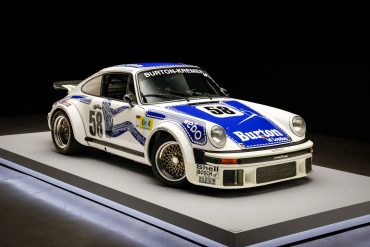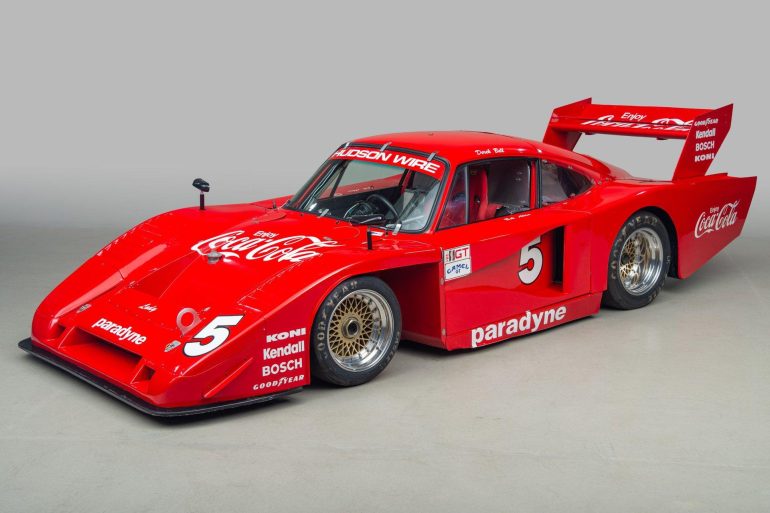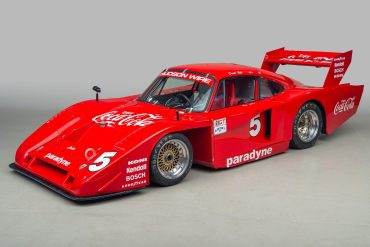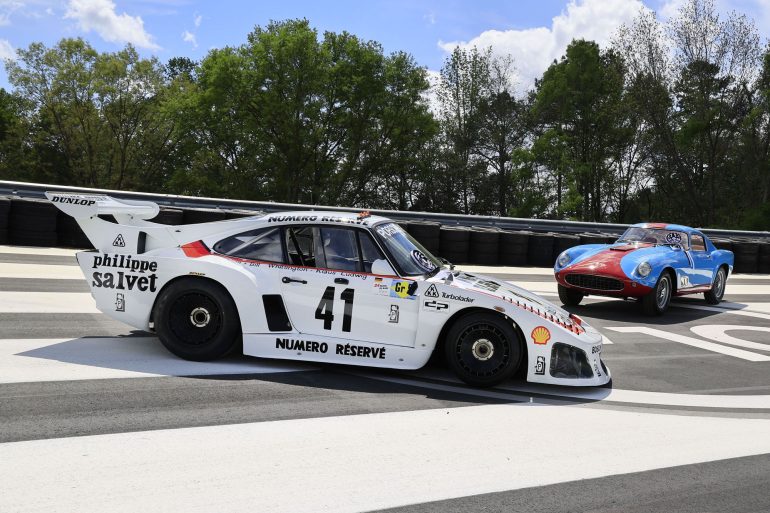
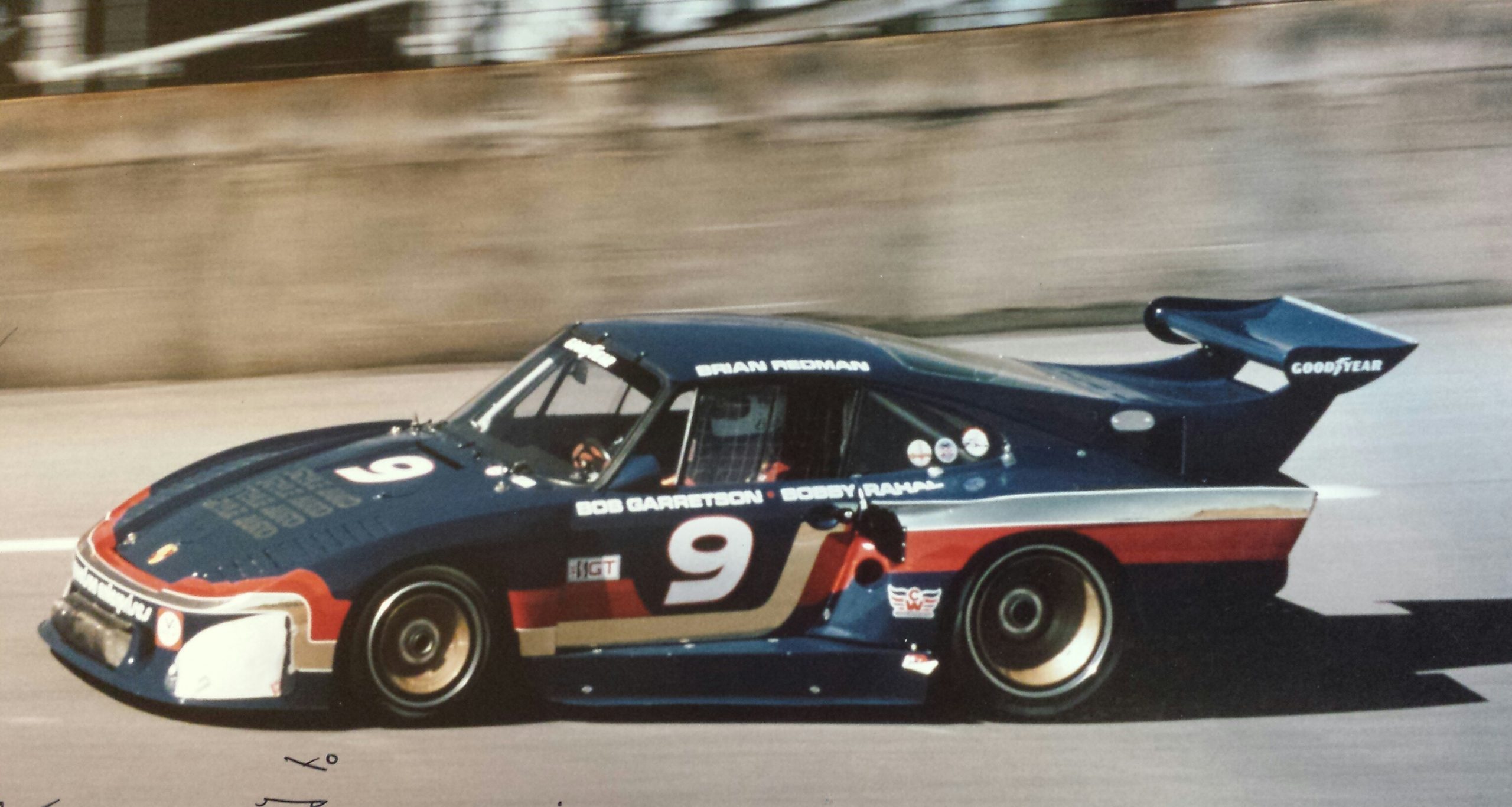
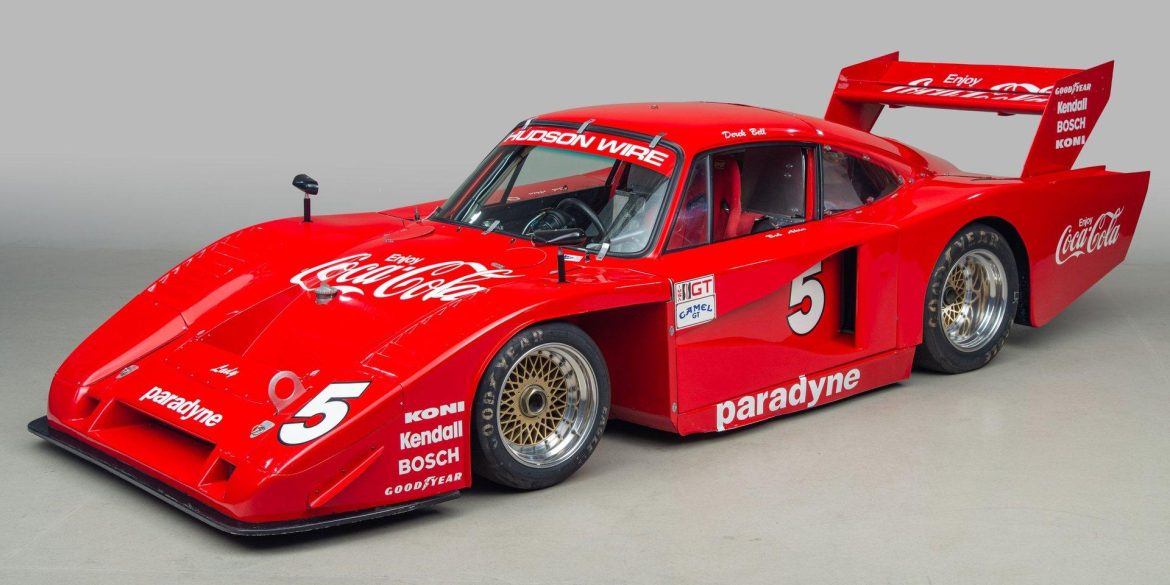
The 1982 Porsche 935 Bob Akin L1, listed for sale through Classic Motors For Sale by Canepa, represents an ambitious chapter in privateer sports-car racing.

The 911 taken to the limit the rules allowed and then past it: Norbert Singer's Group 5 "silhouette" racer of 1976, a 930 Turbo in name with a flat nose, a long tail, 600 and then 800 horsepower, and a decade of winning everything a production-based car could win. The World Championship for Makes four years running, Le Mans outright in 1979 for the Kremer brothers' K3, the Daytona 24 Hours six times in a row and Sebring five, Moby Dick and the Baby, the Kremer and Joest and Andial cars that kept it winning long after Weissach had stopped, and Peter Gregg, John Fitzpatrick, Brian Redman, Bob Akin and Paul Newman among the people who drove them. About 370 built by everyone who built them, and a new one in 2019. 125 Porsche 935 stories in the archive, in order.
The pieces to start with
Eight pieces on the car: John Zimmermann's Andial hat-trick, John Fitzpatrick on IMSA and the 935 and in interview, Hal Crocker's Peter Gregg, the Daytona-in-the-1980s and Le Mans 1974–81 histories, the Bruce Canepa interview and Jürgen Barth on racing for Porsche.
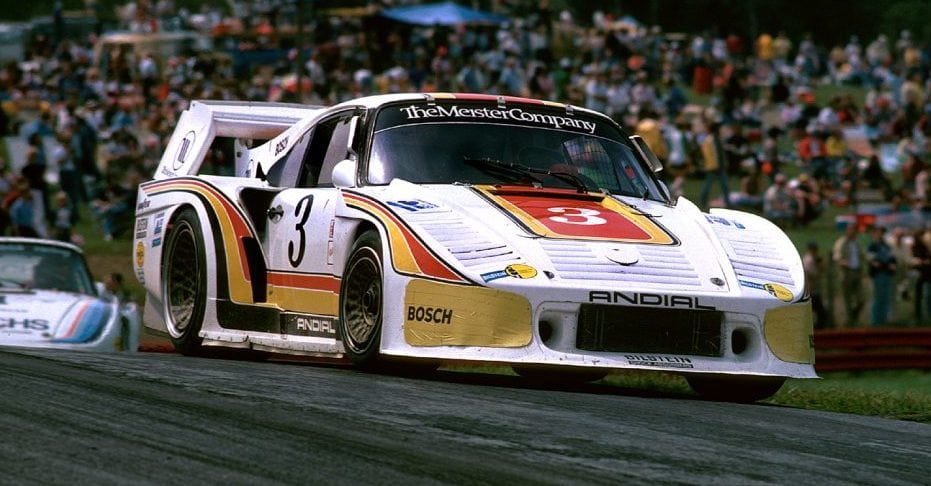
Three endurance wins on three consecutive weekends, Mosport, Road America and Mid-Ohio, for the Andial/Meister Porsche 935K3 in 1981, the last sealed when Bobby Rahal’s Ralt limped in with a flat while chasing Rolf Stommelen. John Zimmermann reconstructs the fortnight.
A chance dinner with Dick Barbour at Bathurst in late 1979 led to a move to San Diego and a full IMSA season in a Kremer-built Porsche the following year. “We won virtually everything.” A driver recalls 1980.
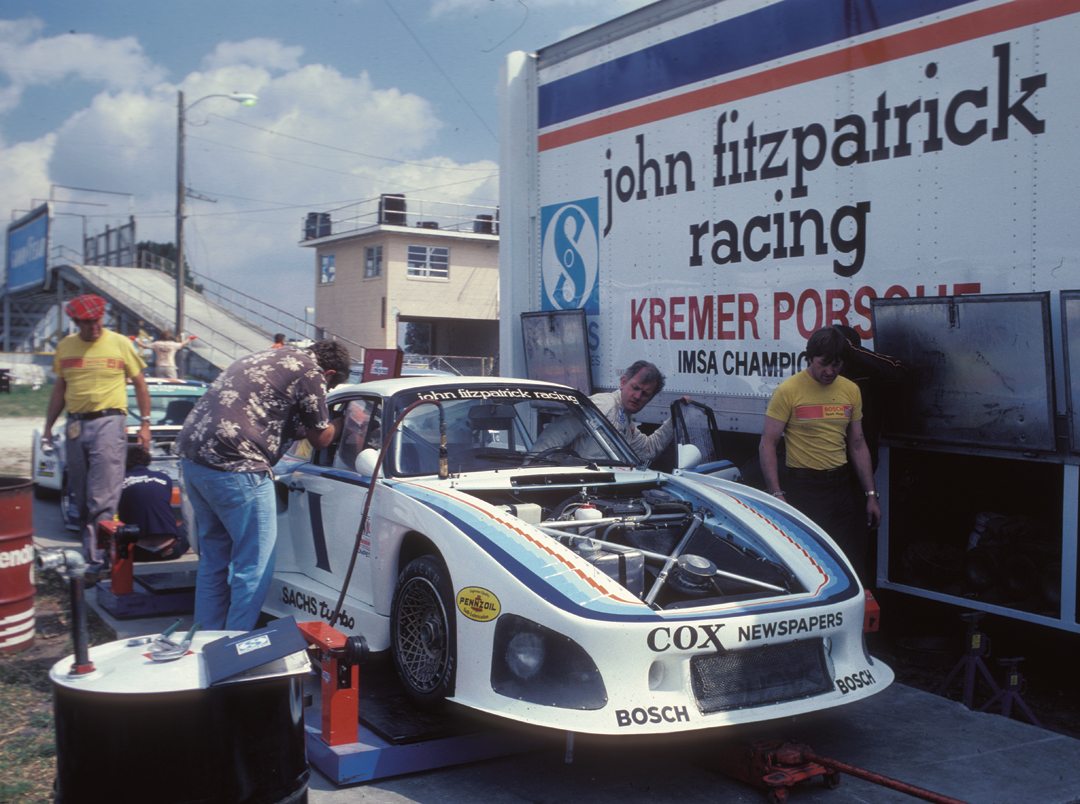
John Fitzpatrick’s father promised him a car at 17 if he never smoked or rode a motorcycle, and delivered a Mini. From there: the British Saloon Car title, European GT championships in Kremer RSRs, Daytona 1976. Casey Annis asks how.
At the first Road Atlanta Can-Am in August 1970, Peter Gregg hired Hal Crocker to photograph him, mentioned seeing Crocker’s wife with Peter Revson and accused him of loving Germans. Crocker, whose wife is Austrian, finishes the story.
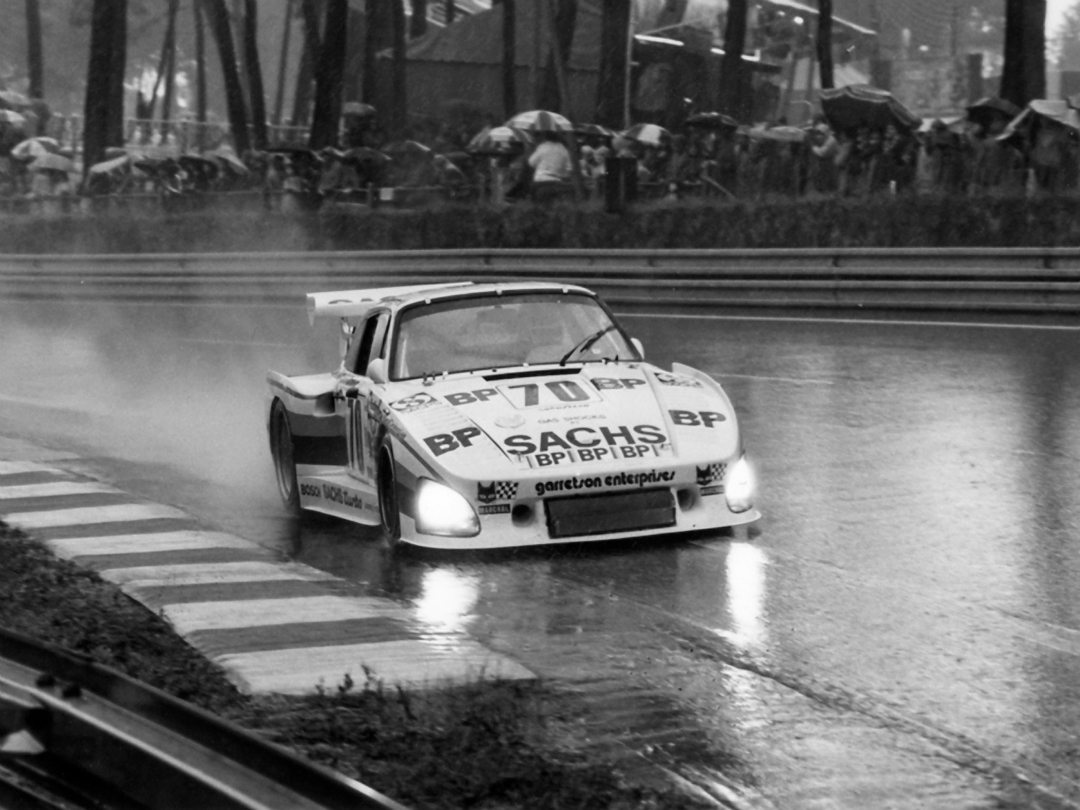
Sixteen turbo 935s at Daytona in 1980, Joest winning by more than 100 miles; in 1981 Bob Garretson’s high-boost sprint engine, a protested fuel additive and Redman shouting “too early” when they took the lead at midnight.
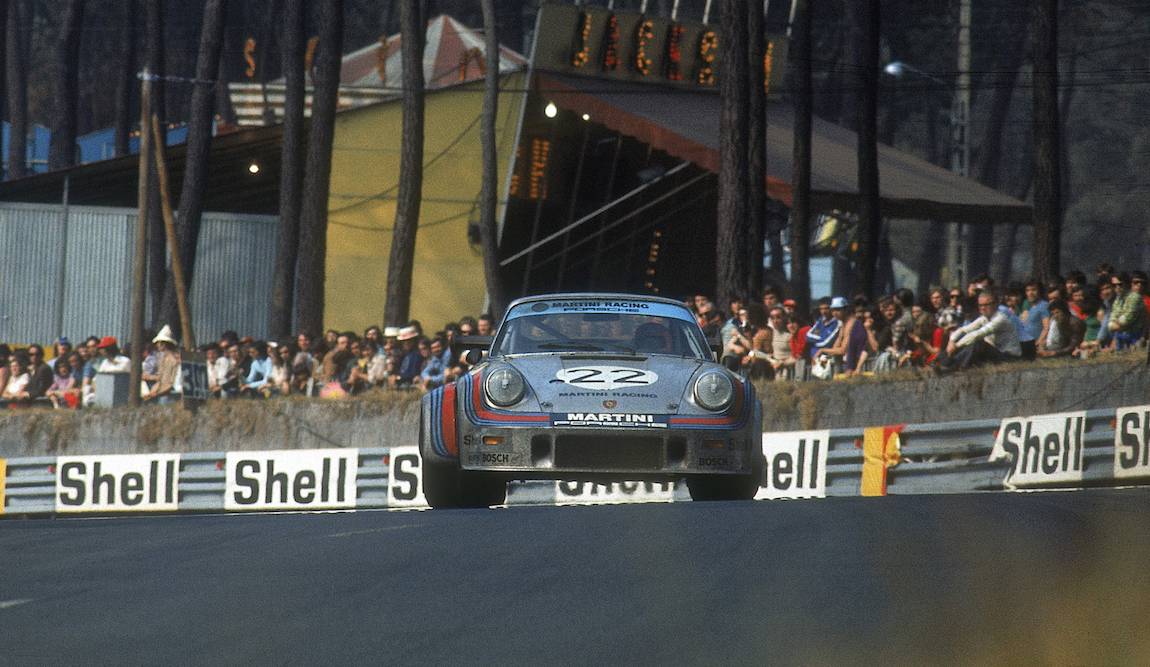
Fourth in the series from Porsche’s Le Mans archive, opening with the 911 Carrera RSR Turbo 2.1 of 1974, the first turbocharged car at the Circuit des 24 Heures: 2,142 cc, around 500 hp and an aluminium safety cage.
Bruce Canepa was third overall at Daytona in 1979 with Rick Mears and Monte Shelton and still races the Porsche 935 he bought new. Dennis Gray talks with him at the 65,000 square foot Scotts Valley shop.
Le Mans 1977: a 20-minute injection fault, a 30-minute head gasket change, 15 laps down on the Alpine-Renaults, Ickx moved across from the dead sister car, no rev counter all night. 936 co-driver Jürgen Barth on winning in smoke.
The newest writing on the Porsche 935, as it is published.
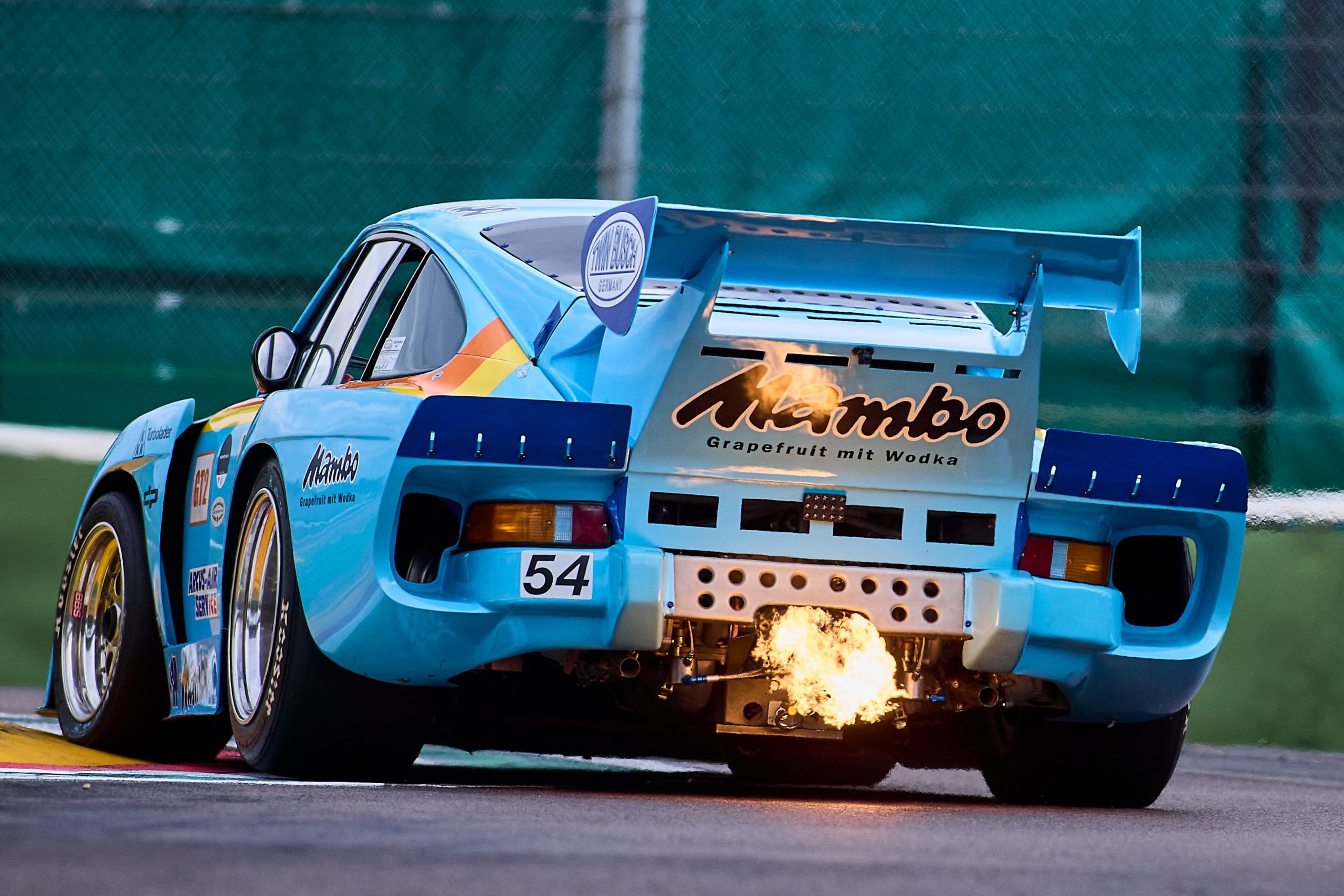
The Porsche 935 is the racing version of the 911 Turbo that Porsche built, and then let its customers build, for the FIA's Group 5 "special production" class from 1976 to 1981, and the car that won more endurance races than any other of its decade. Group 5 was the silhouette formula: a car had to keep the production model's bonnet, roof and doors and its engine block and basic structure, and could change nearly everything else, which Norbert Singer's racing department at Weissach took as an invitation. The 1976 works car kept the 930's shell and its single-turbo 2.85-litre flat-six, which the 1.4 equivalency factor put under the 4-litre limit, moved the front wings down into a flat nose with the headlamps in the bumper because the rules said the wings were free, hung a long tail with a huge wing off the back, widened the track, fitted enormous wheels under glassfibre arches and gave it 590 horsepower and 1,000 kg; it won the 1976 World Championship for Makes with Jacky Ickx and Jochen Mass in Martini colours while the 936 won the sports-car title and Le Mans in the same season. The 935/77 added twin turbos and a second rear window over the first to clean the air; the 935/2.0 "Baby" of 1977 was a 1.4-litre lightweight built in weeks to win the German under-2-litre class once at the Norisring with Ickx and never raced again; the 935/78 "Moby Dick" of 1978 was the end of the idea, a 3.2-litre water-cooled-head engine of 845 horsepower in a lowered, lengthened, flat-floored body that did 227 mph on the Mulsanne and won the Silverstone Six Hours. Weissach then stopped and sold the car to the world: 935/77A and 935/78 customer cars, the 935/79, and the ones the privateers made of them, the Kremer brothers' K1, K2, K3 and K4 from Cologne, Reinhold Joest's 935J, the Andial and Gaaco 935 L, the Fabcar and JLP cars in America, until the 935 was less a model than a method, and some 370 of them existed.
What they won is the point. The World Championship for Makes in 1976, 1977, 1978 and 1979; Le Mans outright in 1979 with the Kremer K3 of Klaus Ludwig and Don and Bill Whittington after every prototype had failed in the rain, with Paul Newman's Barbour 935 second; the Daytona 24 Hours every year from 1978 to 1983, the Sebring 12 Hours from 1978 to 1982, the IMSA GTX championship for Peter Gregg in 1978 and 1979, John Fitzpatrick in 1980 and Brian Redman in 1981, the DRM for Rolf Stommelen in 1977 and Ludwig in 1979, and the Nürburgring 1000 km, Watkins Glen, Mosport, Kyalami and Bathurst besides. The archive has 125 Porsche 935 stories: Djordje Sugaris's history, John Zimmermann's Andial hat-trick of 1981, John Fitzpatrick's own account of IMSA and the 935 and Casey Annis's interview with him, Hal Crocker's Peter Gregg, Jürgen Barth on racing for Porsche, the Daytona-in-the-1980s and Le Mans 1974–81 histories, the interviews with Jim Busby, David Hobbs, Chris Cord and Bruce Canepa, the Le Mans-winning K3's seizure and its Amelia Island class, the 2019 935, and fifteen years of Rennsport Reunions, Monterey and Daytona Classics with the 935s loudest of all. Every variant's specification, chassis list and history is on Stuttcars, our Porsche-only sister site, linked from the table below; the 911 page carries the road car and the Porsche page the company.
Our sister site
Sports Car Digest tells the 935's story; Stuttcars.com, our Porsche-only site, has the rest: a 935 research hub with every works, customer and privateer variant from the 935/76 to the Kremer K4 and the Joest 935J, each with its specifications, chassis list and race history, and the 934 and 936 beside them.
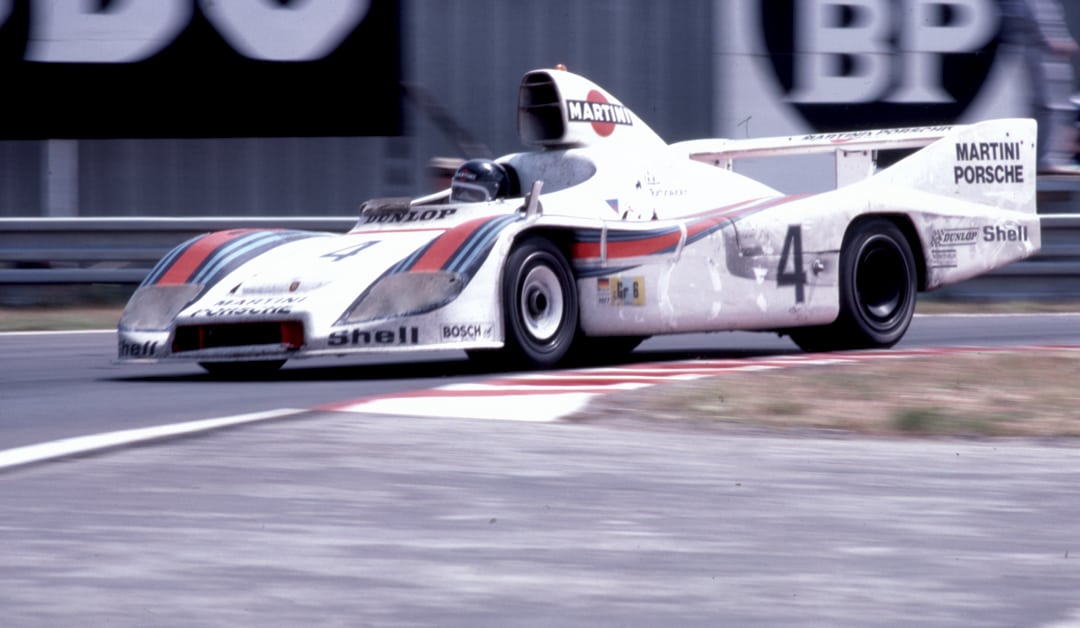
The Carrera RSR Turbo of 1974, second at Le Mans, had shown what a turbocharged 911 could do, and the 934 of 1976, a Group 4 930 Turbo with 485 horsepower, what the customers could buy; the 935 was the Group 5 car above both, and the FIA's new championship for Group 5 in 1976 was built around it. Singer, who had come to the racing department in 1970 and would run it until 2004, read the rules: the 935/76 had the 930's unit body and 2,856 cc engine, 590 horsepower from one KKK turbocharger, the first flat nose after a mid-season protest about the wings, a 1,000 kg weight to the gram, and it won the Mugello, Vallelunga, Watkins Glen and Dijon rounds against BMW's CSL turbos for the 1976 Makes title. The 935/77 of 1977 had two smaller turbochargers for better response, a second rear window faired over the standard one, 630 horsepower, and won six of nine rounds; the customer 935/77A, thirteen built, was the 1976 car with the twin turbos, and it went to Kremer, Gelo, Loos, Brumos and the rest. The Baby, built in six weeks for the Norisring in July 1977 to answer the German press's complaint that Porsche only raced in the big class, weighed 735 kg, made 370 horsepower from 1,425 cc, overheated Ickx at the Norisring and won at Hockenheim a month later, and was retired. Moby Dick, chassis 935/78-006, took the rules to the end: the floor raised and the car lowered by inverting the shell's structure, the body lengthened by half a metre each end, four-valve water-cooled heads on the 3,211 cc engine, 845 horsepower, 227 mph; it won Silverstone in May 1978 with Ickx and Mass, ran at Le Mans eighth and drank too much fuel, and was put in the museum. Jürgen Barth's "Racing for Porsche" and the archive's Le Mans 1974–81 history carry the works years; Hans Mezger's engines are the thread underneath; the 935/78 customer cars, fifteen of them, and the 935/79 of 1979, seven, were the last Weissach sold.
Every story on the site about the Group 4 Turbo, newest first.
Every story on the site about the works prototype of the same years, newest first.
Erwin and Manfred Kremer had been building 911 racers in Cologne since the 1960s, and their K3 of 1979, the third of their 935 developments, was the car that beat the factory's: a 935/77A or /78 rebuilt with an air-to-air intercooler in place of Porsche's water-to-air, a stiffer tubular structure through the shell, Kevlar panels and a body of their own with a smaller nose and a bigger wing, 740 horsepower. In the DRM it won Ludwig the 1979 title; at Le Mans in June 1979, in rain all Saturday night, every works-standard prototype retired or lost hours, and the Kremer K3 of Klaus Ludwig and the Whittington brothers, who had bought the drive, won outright, the last production-based car to win Le Mans until the McLaren F1 GTR of 1995, with Dick Barbour's 935 second driven by Barbour, Rolf Stommelen and Paul Newman. The winning car's later life, seized from Bruce Meyer's collection in 2014 over the Whittingtons' tax affairs and headlining the Amelia Island 935 class in 2021, is in the archive. Kremer sold K3 kits and complete cars, about thirteen new and more conversions, and the K3 became the standard 935 of 1980–81 in America; the K4 of 1981 was a full spaceframe with the 935 skin, built for Fitzpatrick and Bob Wollek, which won at Brands Hatch and in the IMSA rounds and was the last of the line. Reinhold Joest's 935J, built from 1979 on Moby Dick's lines for Joest and for Gianpiero Moretti's Momo team, won Daytona in 1980; Louis Galanos's Moretti portrait and the Daytona-in-the-1980s history follow it.
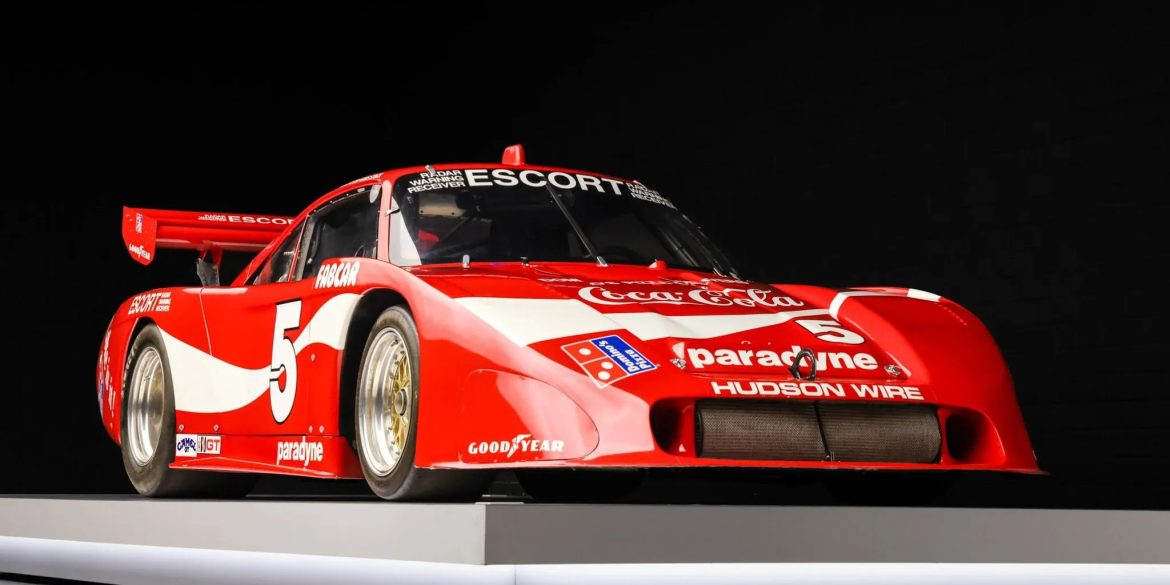
John Bishop's IMSA had kept the 935 out in 1976 and let it in for 1977 under pressure from Peter Gregg and Jo Hoppen, as David Hobbs says in his archive interview, and the Camel GT became the 935's second home. Gregg's Brumos 935 won the 1978 and 1979 championships, Hal Crocker's "Peter Perfect" tells how; Dick Barbour's team with Fitzpatrick won 1980, Fitzpatrick's own column "IMSA and the 935" and his interview tell that from the inside; Bob Garretson's K3 with Redman won 1981 and the Daytona 24 Hours with Bobby Rahal; and the Andial-built 935 of Bell and Stommelen took the 1981 Sebring, Riverside and Daytona Six Hours hat-trick that John Zimmermann's "Triple Treat" is about. At Daytona the 935 won six 24 Hours in a row: Stommelen, Hezemans and Gregg in 1978, Ongais, Field and Haywood in Ted Field's Interscope car in 1979, Joest, Stommelen and Merl in the 935J in 1980, Garretson, Rahal and Redman in 1981, John Paul Sr and Jr and Stommelen in the JLP-3 in 1982, and Wollek, Foyt, Ballot-Léna and Henn in Preston Henn's 935 L in 1983, the year after the GTP cars had arrived; at Sebring five in a row, 1978 to 1982, Redman and Garretson, Akin, Barbour and Fitzpatrick, Rahal and Redman, the Pauls. Bob Akin's and Chris Cord's and Jim Busby's cars, Bruce Canepa's 935 that he has owned since new, the Whittingtons' and the Pauls' are the American stories, the archive's interviews with most of them; the 935 ran in IMSA until 1984 and in the Trans-Am and the Australian and South African series after that, and the Fabcar and 962-engined hybrids of its last years were 935s only by name.
Every story on the site about the race the 935 won six times running, newest first.
Every story on the site about the series that was the 935's second home, newest first.
The 935 never went away. Rennsport Reunion has gathered them since 2001, the Monterey Reunion, the Daytona Classic 24, the HSR Sebring and Le Mans Classic's 1972–79 grid run them hard, and Amelia Island put a dozen in a class of their own in 2021 with the Le Mans winner at the front; the archive's Rennsport Reunion IV and V reports, the Classic 24s and the Monterey reports from 2009 to 2026 have them. The works cars are in the Porsche Museum, Moby Dick and the Baby among them; the privateer cars trade at $2–6 million by history, the Le Mans winner beyond that, and the archive's for-sale pages have a 1979 K3 and a one-off 1980 935 and the M Group's Porsches. In 2018 at Rennsport Reunion VI Porsche showed a new 935, a 991 GT2 RS clubsport under a long-tail body with Moby Dick's shape and the old liveries, 77 built at €701,948 each, not homologated for anything, a track toy for collectors; Singer's 935 idea had outlived the rules it was built for by forty years. The 935's descendants in the factory's own line were the 956 and 962, which took over endurance racing in 1982 and whose archive thread sits beside this one.
Where the 935s gather, newest first.
Every story on the site about the cars that replaced the 935, newest first.
A table of the car and its racing from the Carrera RSR Turbo of 1974 to the historic grids of 2026, with the archive's story of each year linked, follows this chapter. The model names link to every story on the site; the Stuttcars links carry each variant's specifications, chassis and history.
Nine racing seasons and forty years of historic racing since: the car, the racing and the archive's story of each. Model names link to every story on the site; the Stuttcars links carry each variant's specifications, chassis and history.
| Year | The car | The racing | In the archive |
|---|---|---|---|
| 1974–75 | Carrera RSR · 930 Turbo · Stuttcars: 935 research hub | The Carrera RSR Turbo second at Le Mans; the 930 Turbo road car; the FIA writes Group 5 for 1976; Singer's racing department begins the 935 | Rennmeister: 1973 Carrera RSR · 911 Turbo history |
| 1976 | 935 · 934 · Stuttcars: 935/76 · Jacky Ickx · Jochen Mass · Martini | The 935/76 and the 934; the flat nose after the mid-season protest; Ickx and Mass win the World Championship for Makes for Martini Porsche while the 936 wins Le Mans | Porsche 935: sensational racing cars · Porsche at Le Mans, 1974 to 1981 · Racing for Porsche: Jürgen Barth |
| 1977 | 935 · Stuttcars: 935/77 · Stuttcars: Baby 935 · Rolf Stommelen · Peter Gregg | The twin-turbo 935/77 wins six of nine for the second Makes title; the 935/77A for thirteen customers; the Baby built in six weeks for the Norisring and Hockenheim; IMSA lets the 935 in; Stommelen's DRM title | Interview: David Hobbs, Part 2 · Peter Perfect, Part 2 · Remembering Hans Mezger |
| 1978 | 935 · Stuttcars: Moby Dick · Daytona 24 Hours · Sebring · Brumos | Moby Dick wins Silverstone and runs 227 mph at Le Mans; the customer 935/78; Stommelen, Hezemans and Gregg win Daytona, Redman and Garretson Sebring; Gregg's first IMSA title; the third Makes title | Hurley Haywood · Celebration of the 24 Hours of Daytona |
| 1979 | 935 · Stuttcars: Kremer K3 · Le Mans · Paul Newman · Danny Ongais · Hurley Haywood | The Kremer K3; Ludwig and the Whittingtons win Le Mans outright, Barbour, Stommelen and Newman second; Interscope's Ongais, Field and Haywood win Daytona; Akin wins Sebring; the 935/79; Ludwig's DRM title and Gregg's second IMSA; the fourth Makes title | Le Mans-winning Porsche 935 K3 seized · Le Mans hub · 1979 Porsche 935 K3 for sale |
| 1980 | 935 · Stuttcars: Joest 935J · John Fitzpatrick · Dick Barbour · Daytona 24 Hours | Joest, Stommelen and Merl win Daytona in the 935J; Fitzpatrick and Barbour win Sebring and the IMSA title; Moretti's Momo cars | IMSA and the 935: John Fitzpatrick · Interview: John Fitzpatrick · Gianpiero Moretti · 1980 Porsche 935 for sale |
| 1981 | 935 · Stuttcars: Kremer K4 · Brian Redman · Bobby Rahal · Derek Bell | Garretson, Rahal and Redman win Daytona and Sebring and Redman the IMSA title; Andial's Bell and Stommelen hat-trick; the Kremer K4 for Fitzpatrick and Wollek; the last Weissach cars | Triple Treat: Andial's 1981 hat-trick · 24 Hours of Daytona in the 1980s |
| 1982–84 | 935 · Stuttcars: Gaaco 935 L · 956 · Bob Wollek · Hans Stuck | The Pauls' JLP-3 wins Daytona and Sebring in 1982; the 956 arrives; Wollek, Foyt, Ballot-Léna and Henn win Daytona 1983 in the 935 L, the last; the GTP cars take over and the 935 runs on to 1984 | 1982 24 Hours of Le Mans · 1983 12 Hours of Sebring · Interview: Jim Busby · Interview: Chris Cord |
| 1990s–2011 | 935 · Rennsport Reunion · Monterey Reunion | The 935 in historic racing; Rennsport Reunion from 2001; Canepa's car owned since new; Rennsport Reunion IV at Laguna Seca | Interview: Bruce Canepa · Rennsport Reunion IV · Porsche's Enduring 911 |
| 2013–15 | 935 · Amelia Island Concours · Le Mans Classic · Classic 24 Hours | The 911 race cars at Amelia for the fiftieth; Le Mans Classic's 1972–79 grid; the Daytona Classic 24; Rennsport Reunion V | Amelia 2013: 911 race cars · Le Mans Classic 2014, 1972–79 · Rennsport Reunion V |
| 2016–18 | 935 · Rennsport Reunion · Porsche Museum | The Reunion and the auctions; the new 935 shown at Rennsport Reunion VI in September 2018, 77 to be built | Monterey Reunion 2016 · New edition of the Porsche 935 |
| 2020–21 | 935 · Amelia Island Concours · Brumos · Petersen | The Brumos Collection opens; Mezger dies; a dozen 935s in a class of their own at Amelia with the Le Mans winner; Bruce Meyer's K3 in his garage tour | Sensational 935 class at Amelia 2021 · Le Mans-winning K3 headlines Amelia · The Brumos Collection opens |
| 2024–26 | 935 · Classic 24 Hours · Monterey Reunion | The HSR Classic 24 at ten; the M Group's Porsches at Mecum; the Monterey Reunion 2026 | 2024 HSR Classic 24 Hours · Mecum M Group Porsche rarities · Rolex Monterey Motorsports Reunion 2026 |
Stuttcars is Sports Car Digest's sister site and the reference for every 935 variant and chassis. The 911 page carries the road car, the Porsche page the company; the Daytona, Sebring and Le Mans races are on their own pages.
Go deeper
The 936 that won Le Mans while the 935 won the Makes title, and the 956 and 962 that followed both, have their own Stuttcars research hubs; each 935 variant above links to its Stuttcars page.
Nine cards follow for the 935s and their neighbours: the 934, the 935/76, the 935/77 and 77A, the Baby, Moby Dick, the customer 935/78 and /79, the Kremer K3 and K4, the Joest 935J and the American cars, and the 2019 935; each links to its Stuttcars guide or its thread here, and below them the 934, 936 and 930 Turbo threads.
Nine cars from the archive and Stuttcars, from the 934 to the 2019 car; each links to its Stuttcars guide or its thread here.
Norbert Singer, who read the rules; Hans Mezger and Valentin Schäffer, who made the engines; Manfred Jantke and Jürgen Barth of the racing and customer departments; Erwin and Manfred Kremer; Reinhold Joest; Alwin Springer and Dieter Inzenhofer of Andial; Dick Barbour, Bob Garretson, Ted Field, Preston Henn, John Paul Sr, Gianpiero Moretti and Peter Gregg, the owners; and the drivers, Ickx and Mass, Stommelen, Schurti, Ludwig, the Whittingtons, Fitzpatrick, Redman, Rahal, Haywood, Ongais, Akin, Bell, Wollek, Hobbs, Busby, Cord, Canepa, Newman. The Hurley Haywood and Hans Stuck threads open below; the Peter Gregg and Brumos threads are on the 911 page.
Every story on the site about the 1979 Daytona winner, newest first.
Every story on the site about the man who drove 935s for Kremer and Loos and 962s for the works, newest first.
A 935 is the most expensive 911 there is after the 911 R and the GT1, and the price is the history. A customer 935/77A or 935/78 with a works or major-team record is $3–6 million, a K3 with Le Mans or Daytona history $4–6 million, the Le Mans winner and Moby Dick beyond price; a K3 or 935J with national-series history is $2–3 million, a later privateer or Fabcar-built car $1–2 million, and the replica and continuation cars built on 930 shells since, of which there are many, from $300,000. What to check: the chassis number and whether it began as a 930, a 934 or a works 935, since many 935s were built up from 934s and road cars in period and since; who built the body and when, since Kremer, Joest and Andial conversions each have their marks; the engine, which is almost never original; and the race record, which the Stuttcars chassis histories carry. The 2019 935s trade around their €700,000 list. The Porsche auction and for-sale feeds below carry the 935s as they come up.
Auction previews and results, the 935s among them, newest first.
935s and other Porsches offered by dealers and collectors, newest first.
935/76 (works, 1976, 2,856 cc single turbo, 590 hp); 935/77 (twin turbo, 630 hp); 935/77A customer (13); 935/2.0 Baby (1977, 1,425 cc, 370 hp, 735 kg, one win); 935/78 Moby Dick (1978, 3,211 cc, 845 hp, 227 mph on the Mulsanne); 935/78 customer (15); 935/79 (7); Kremer K3 (1979, about 13 new plus conversions, 740 hp); K4 (1981, 2); Joest 935J, Andial and Gaaco 935 L, JLP, Fabcar; about 370 935s of all kinds. World Championship for Makes 1976–79. Le Mans 1979, Ludwig/Whittington/Whittington, Kremer K3, first; Barbour/Stommelen/Newman second. Daytona 24 Hours 1978–83, six in a row. Sebring 12 Hours 1978–82, five in a row. IMSA GTX champions Gregg 1978, 1979; Fitzpatrick 1980; Redman 1981. DRM champions Stommelen 1977, Ludwig 1979. 2019 935: 77 built, 700 hp, €701,948. Market: works-history cars $3–6 million; K3 $2–6 million; replicas from $300,000. 125 stories in the archive.
Short answers, with the long ones above.
The Group 5 racing version of the 911 Turbo built by Porsche from 1976 to 1979 and by its customers to 1984: a 930 shell with a flat nose, a long tail, wide arches and a twin-turbo flat-six of 600 to 850 horsepower. It won the World Championship for Makes four times, Le Mans in 1979 and Daytona six times running.
Group 5 rules froze the bonnet, roof and doors but left the wings free, so Norbert Singer lowered the front wings to the bumper line and moved the headlamps into it to cut drag and lift; the road-going 930 Flachbau copied the look.
The 935/78, the works car of 1978: lowered and lengthened with a 3.2-litre engine with water-cooled four-valve heads and 845 horsepower, the fastest 911 ever on the Mulsanne at 227 mph. It won Silverstone, ran eighth at Le Mans and was retired to the museum; the 2019 935 and the Joest 935J copied its shape.
The Kremer brothers' 1979 development of the customer 935, with an air-to-air intercooler, a stiffened shell and their own body, 740 horsepower; it won Le Mans outright in 1979 and the IMSA and DRM championships, and became the standard privateer 935 of 1980–81.
Once, outright, in 1979, with the Kremer K3 of Klaus Ludwig and Don and Bill Whittington, after the prototypes failed in the rain; Paul Newman was second in another 935. It won its class there many times.
The 935/2.0 of 1977, a 1.4-litre, 735 kg 935 built in six weeks to win the German under-2-litre class, which it did once, at Hockenheim with Jacky Ickx, before Porsche put it away.
Roughly 370 of all kinds: the works cars, 13 935/77As, 15 935/78s and 7 935/79s from Weissach, the Kremer, Joest, Andial, JLP and Fabcar cars built from them and from 930s and 934s, and the 77 new 935s of 2019.
From about $1 million for a late privateer car to $3–6 million for a works-built or Le Mans- and Daytona-winning car; the 1979 Le Mans winner and Moby Dick are not for sale. Replicas on 930 shells start around $300,000.
A track-only car Porsche showed at Rennsport Reunion in 2018: a 991 GT2 RS clubsport under a long-tail body shaped like Moby Dick, 700 horsepower, 77 built at about €700,000, not eligible for any series.
In the factory's programme the 956 of 1982 and the 962 that followed it, which took over endurance and IMSA racing; the 935 raced on in private hands until about 1984.
The whole archive on one thread, newest first.