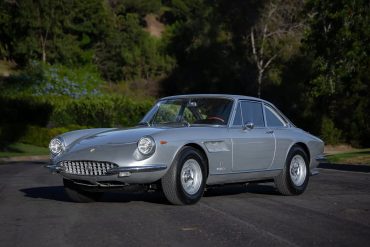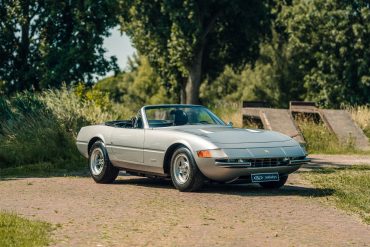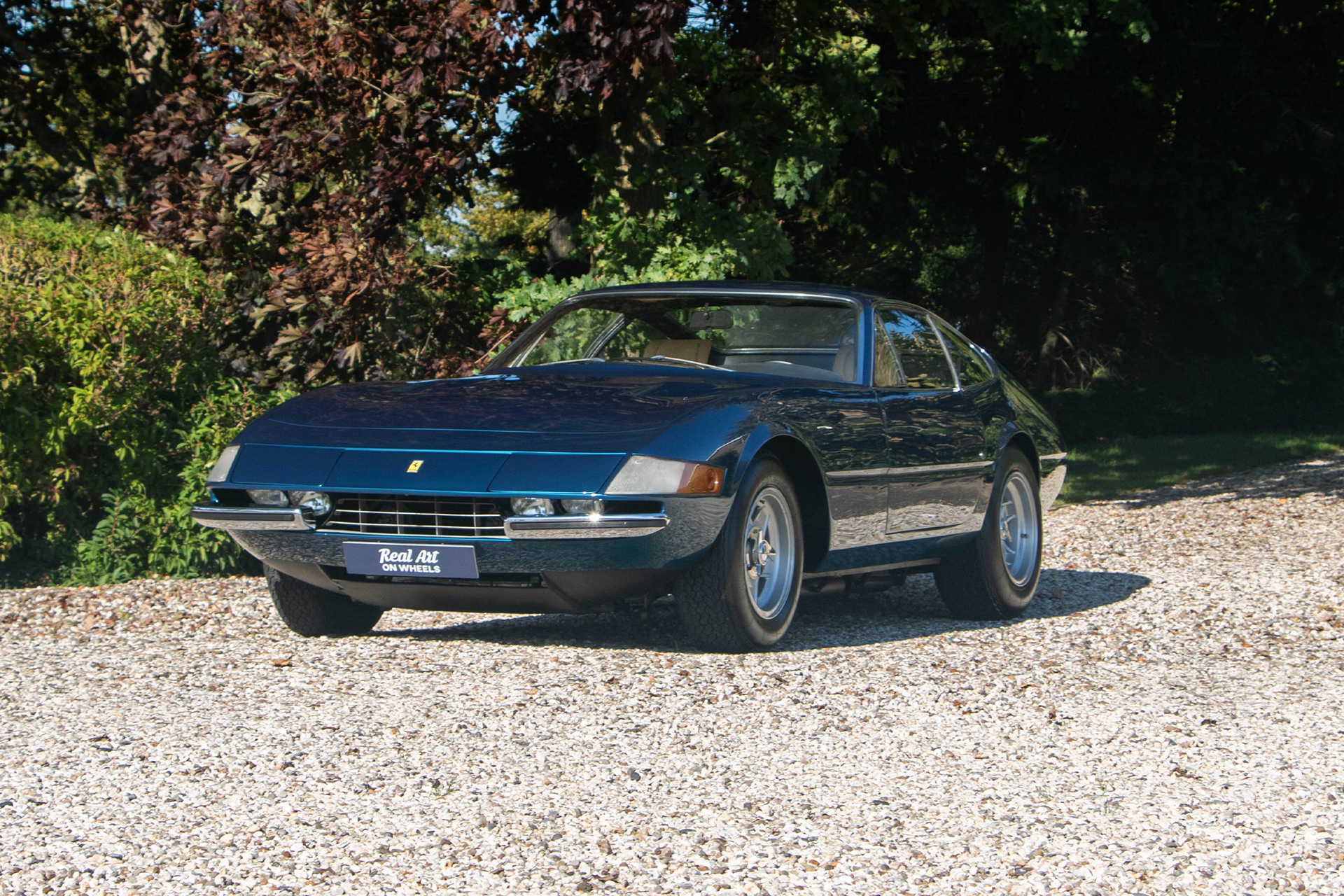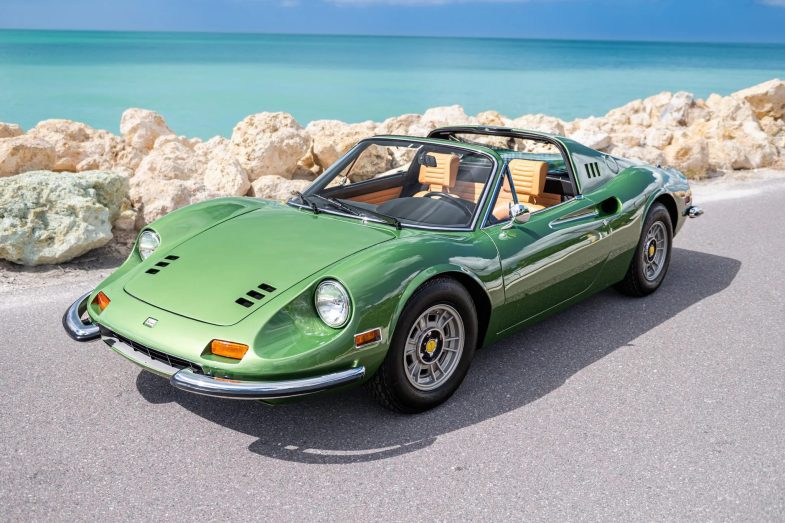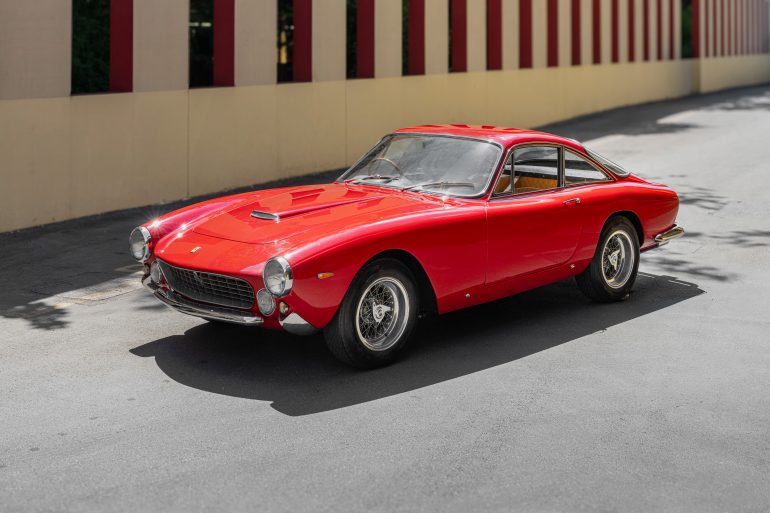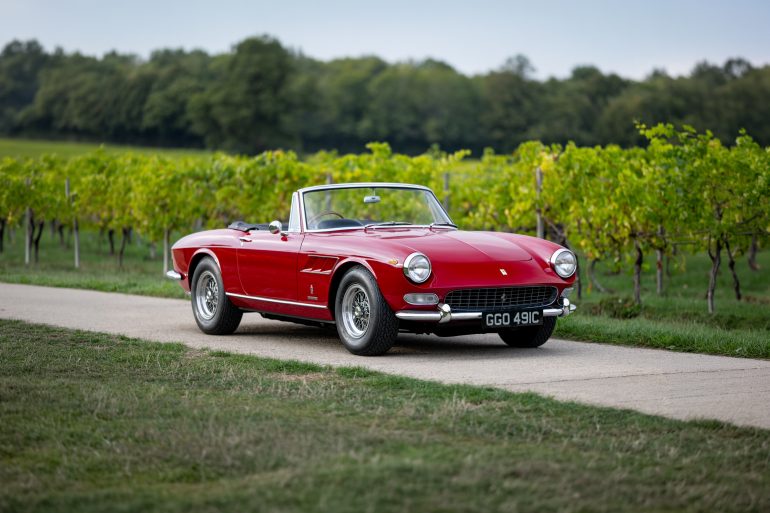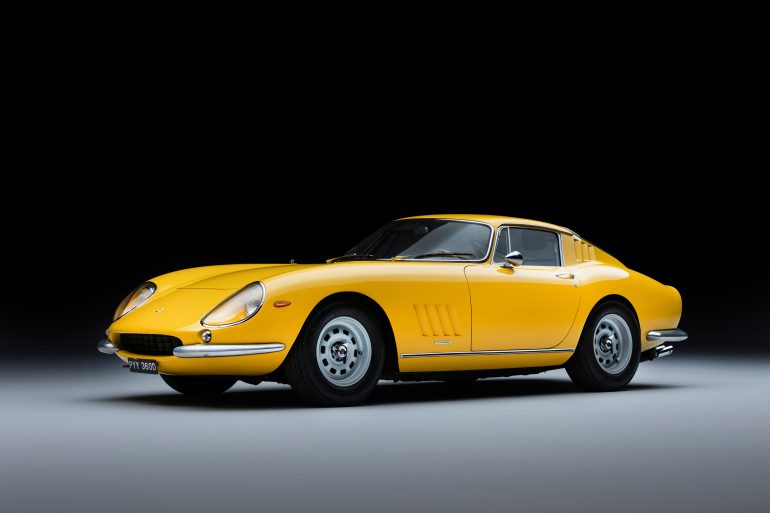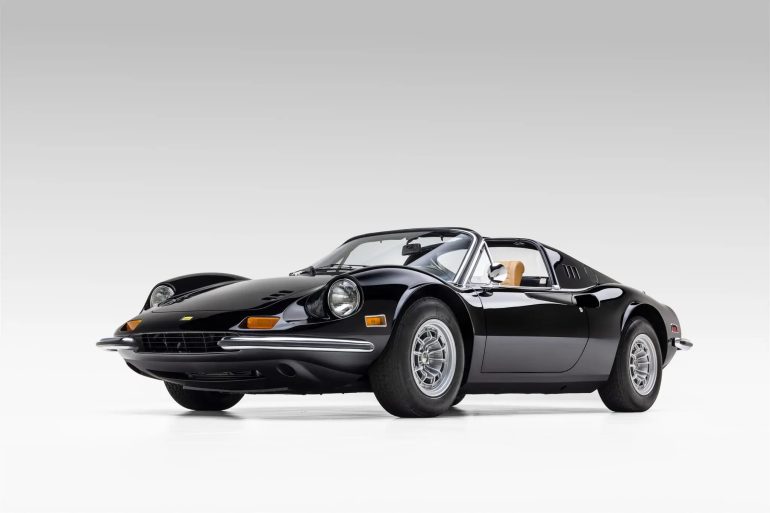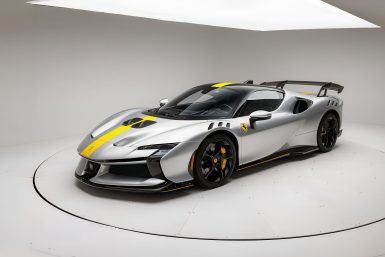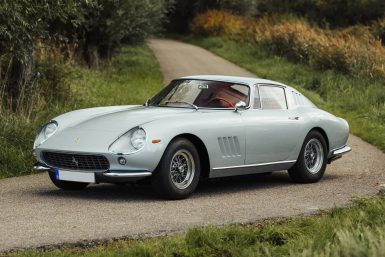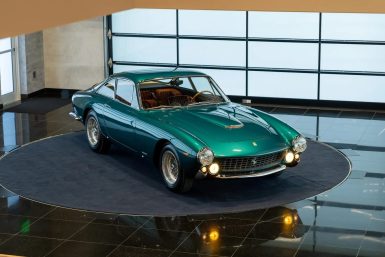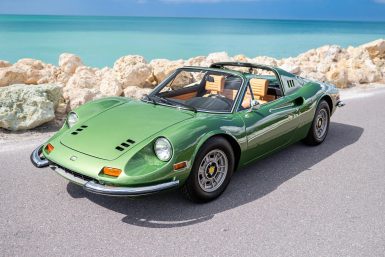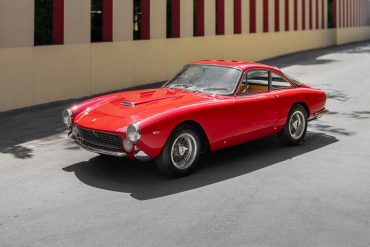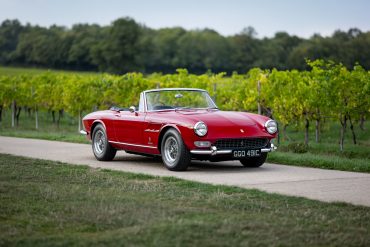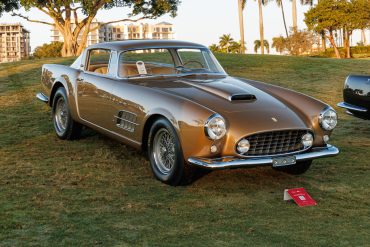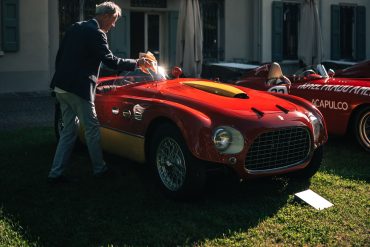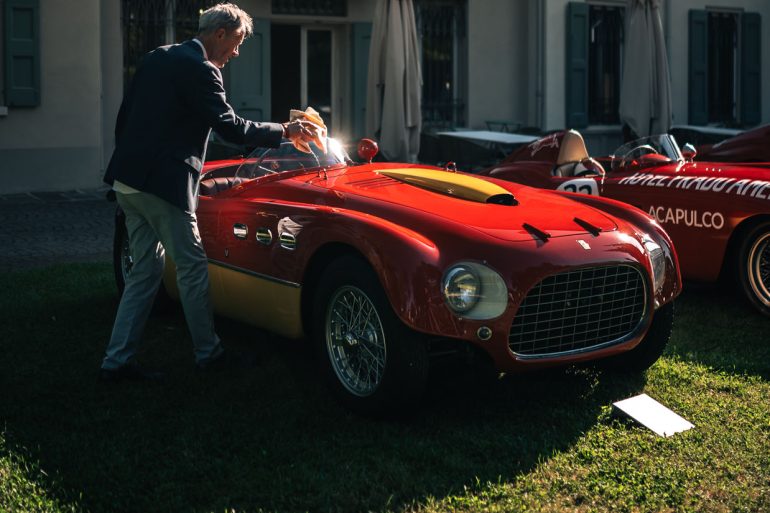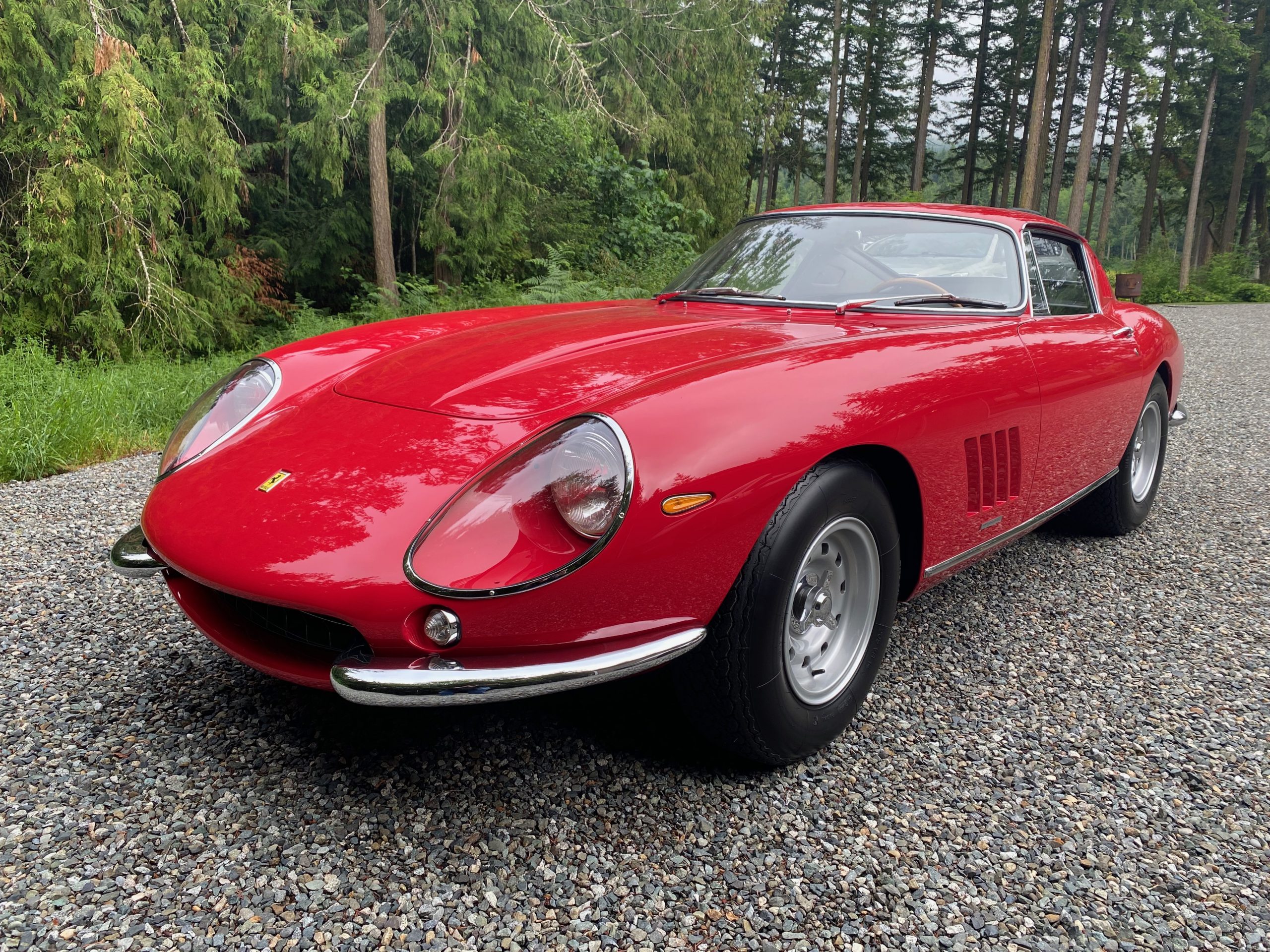
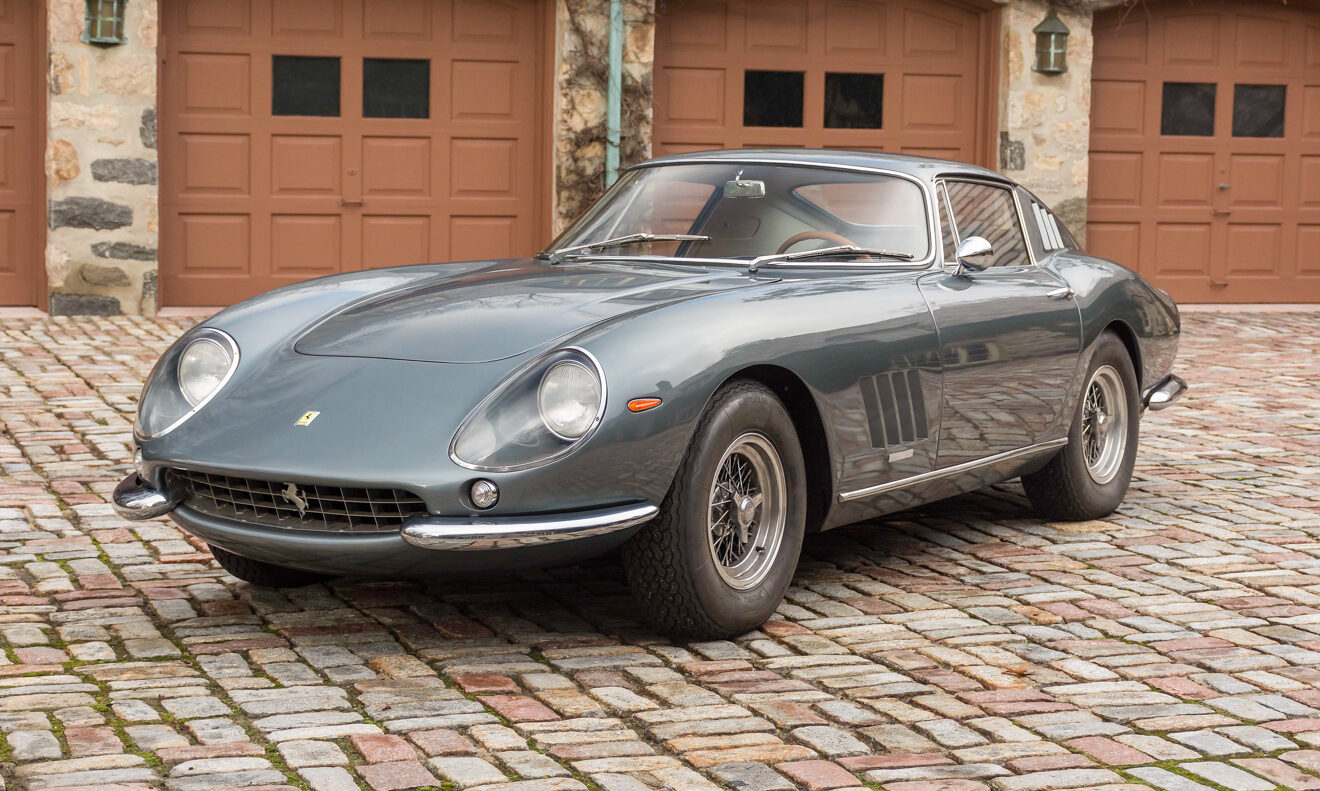
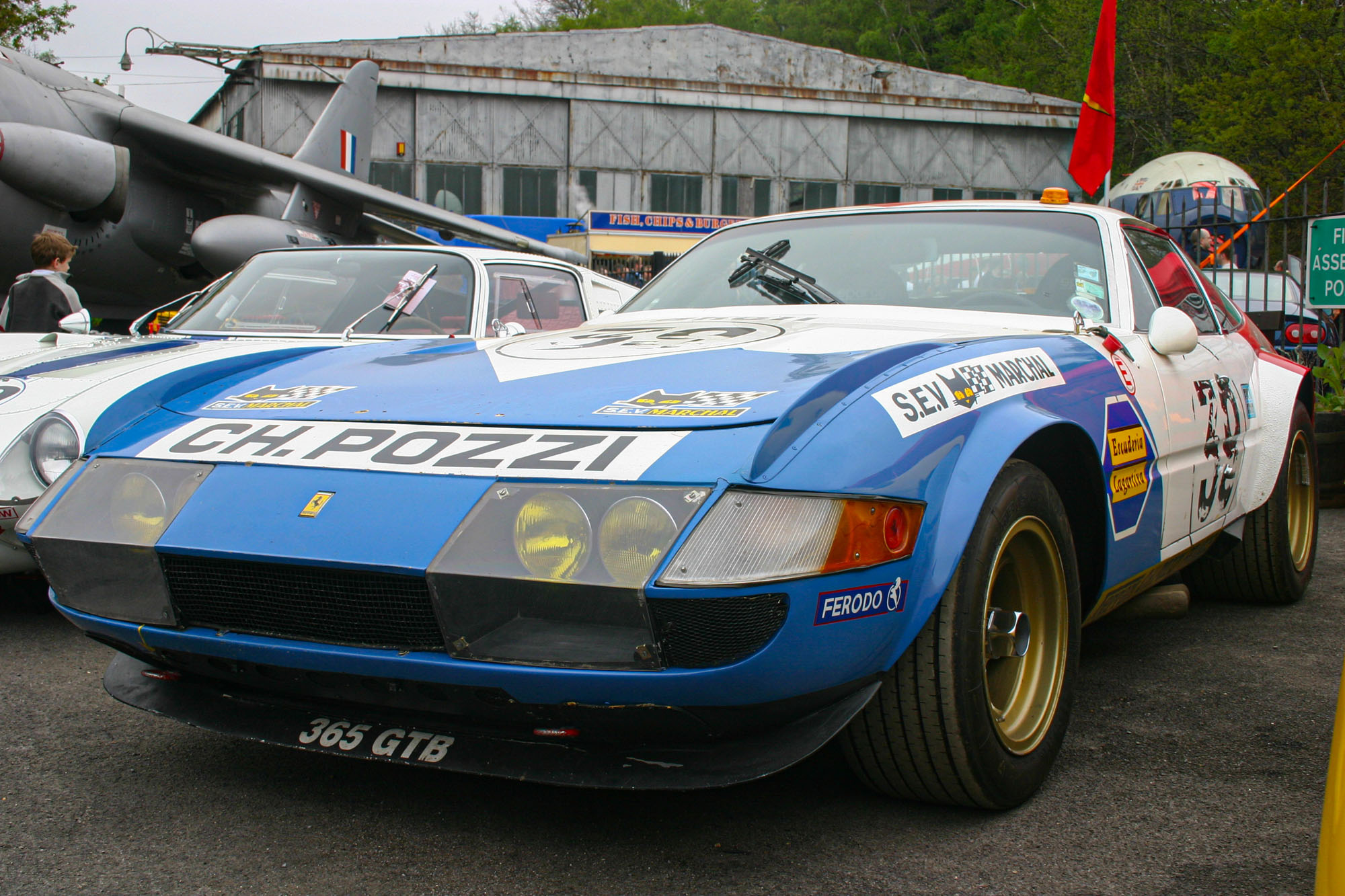
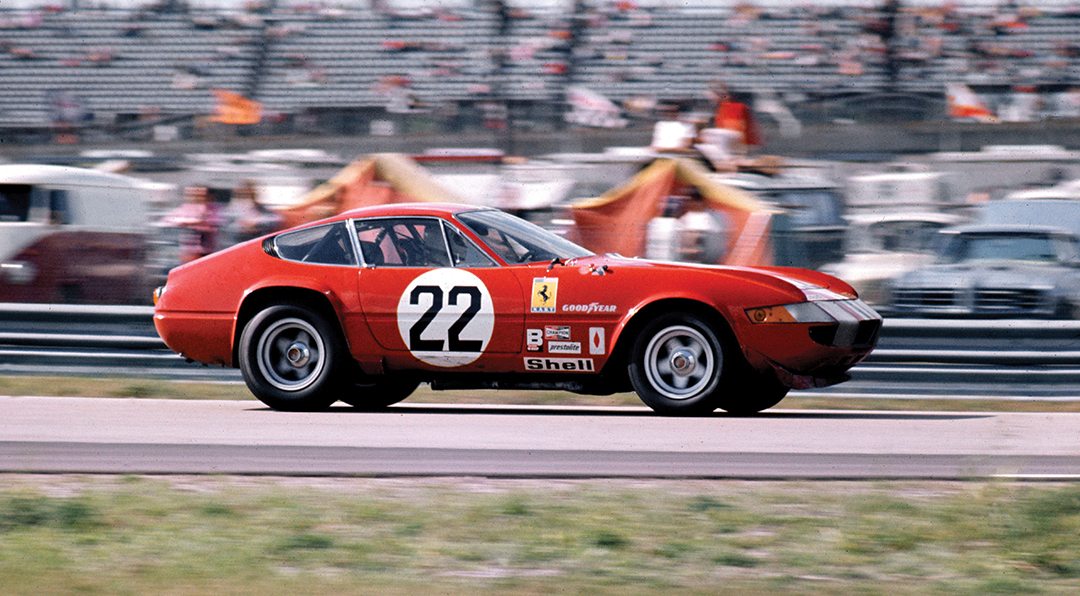
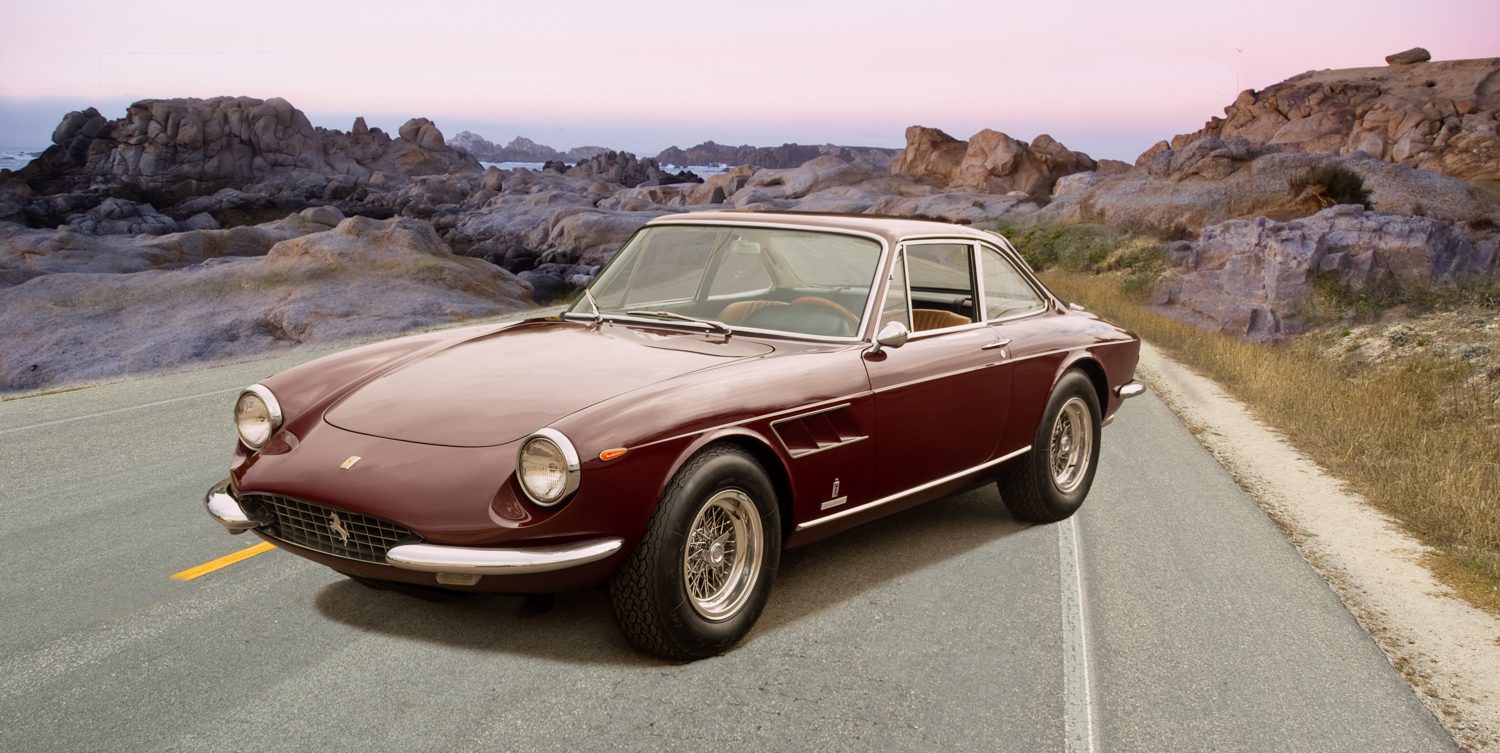
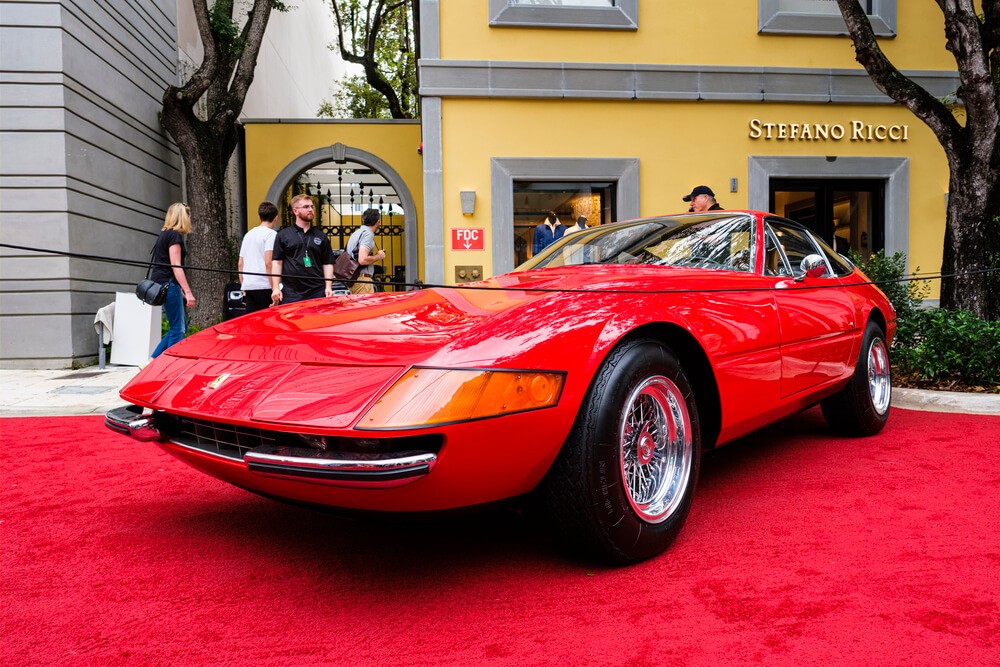
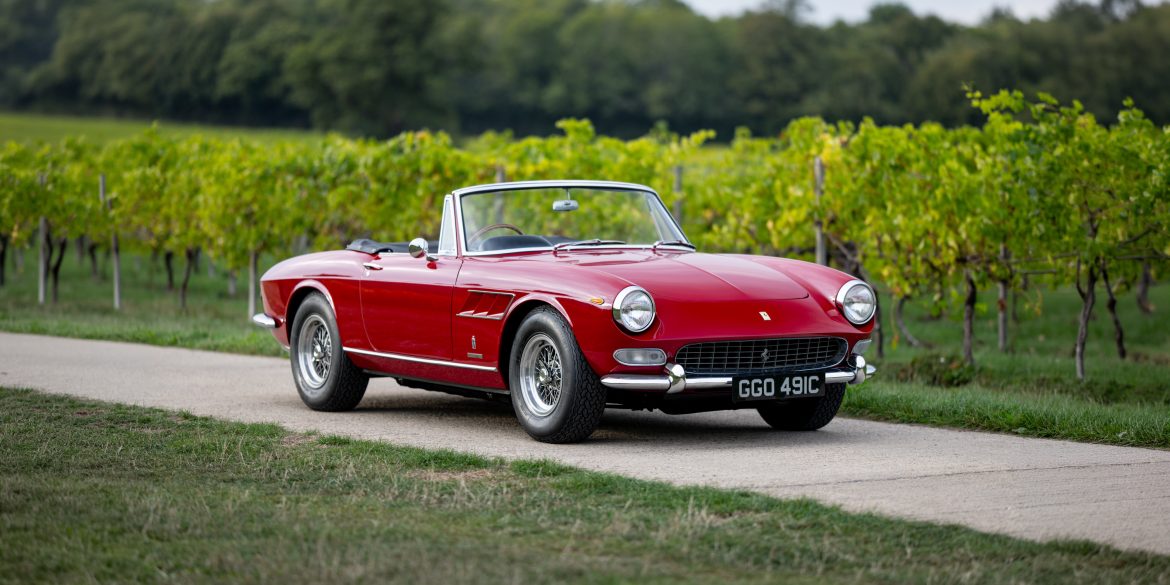
This 1965 Ferrari 275 GTS by Pininfarina represents a defining chapter in Ferrari’s evolution from competition-focused engineering toward sophisticated grand touring performance.

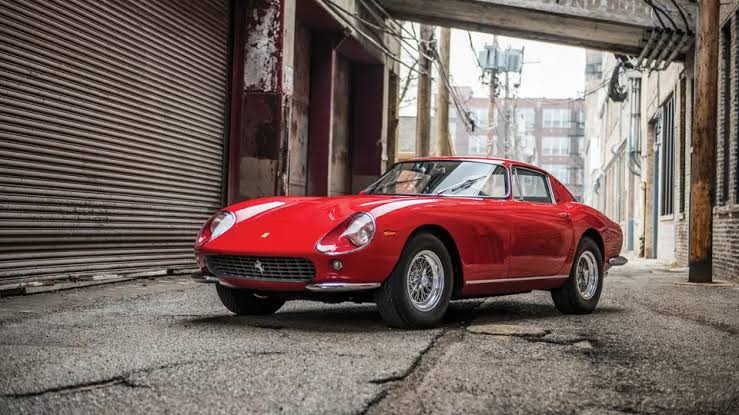
The Ferrari that replaced the 250 GT at the Paris Salon of October 1964 and, for a great many people, the most beautiful road car Maranello ever made: Pininfarina's long-bonneted berlinetta built by Scaglietti, the 3.3-litre Colombo V12, and the first Ferrari road car with independent rear suspension and a five-speed transaxle. The short nose and the long nose, the alloy six-carburettor cars, the GTB/C that won its class at Le Mans three years running, the four-cam GTB/4 of 1966 and the ten NART Spiders Luigi Chinetti had built for America, one of which sold for $27.5 million. Fewer than a thousand of all kinds in four years, and then the Daytona. 173 Ferrari 275 GTB stories in the archive, in order.
The pieces to start with
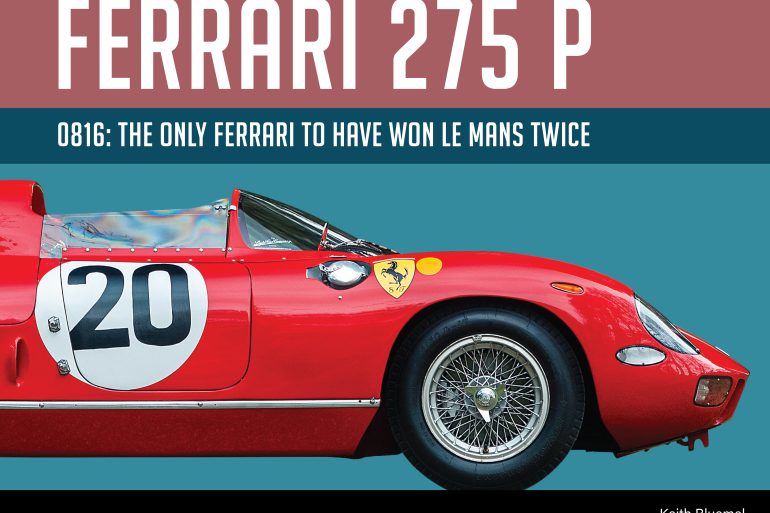
Eight pieces on the car: Raffi Minasian on the GTB/4, Sean Smith's long-nose prototype and 330 GTC, Glen Smale on Ferrari GT design in the 1960s, Casey Annis on the NART Spider sale, Robert Newman's Luigi Chinetti, the Daytona that followed and Glen Smale on 275 P 0816, the only Ferrari to win Le Mans twice.
Shown a muscle car photo at Thanksgiving, Raffi Minasian’s daughter pointed instead at a Ferrari fender in the background: “It’s not trying hard to be seen.” Minasian on the 275 GTB/4, Ferrari’s first four-cam road car, Paris, October 1966.
Chassis 7711 was finished in September 1965 and sent to Luigi Chinetti in New York while Short Nose 275s were still being built, 25 more of them to come. Sean Smith on the car built right after 7707.
Sergio Pininfarina was forty before he owned a Ferrari, and chose a 330 GTC: 275 GTB chassis, 330 GT 2+2 engine, 400 Superamerica nose and 275 GTS tail, shown at Geneva in March 1966. Glen Smale on the 4-litre GTs.
Scottsdale sold 2,234 cars for $229 million over seven days in January 2013. Monterey sold 726 for $301.9 million in four. Casey Annis watched a dozen blue-chip lots cross RM’s block at the Portola and saw every one sell.
Luigi Chinetti, born in a village of 5,000, joined Alfa Romeo’s test department at 16, left for Paris as Fascism rose, won Le Mans three times and put Andretti, Moss and Gurney in NART’s blue and white. Robert Newman’s tribute.
The 1966 330 GTC took its 94.5-inch chassis from the 275 GTB, its 300 bhp V12 from the 330 GT 2+2, its nose from the 500 Superfast and its tail from the 275 GTS. Sean Smith drives a 1967 car.
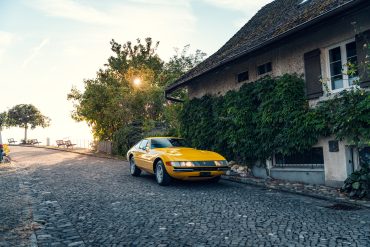
Below 120 mph the 365 GTB/4 was heavy, inert controls and a crashing ride; above that it sparkled. The press named it Daytona after Ferrari’s 1967 1-2-3 there, and it was the last V12 Ferrari in America until the Testarossa.
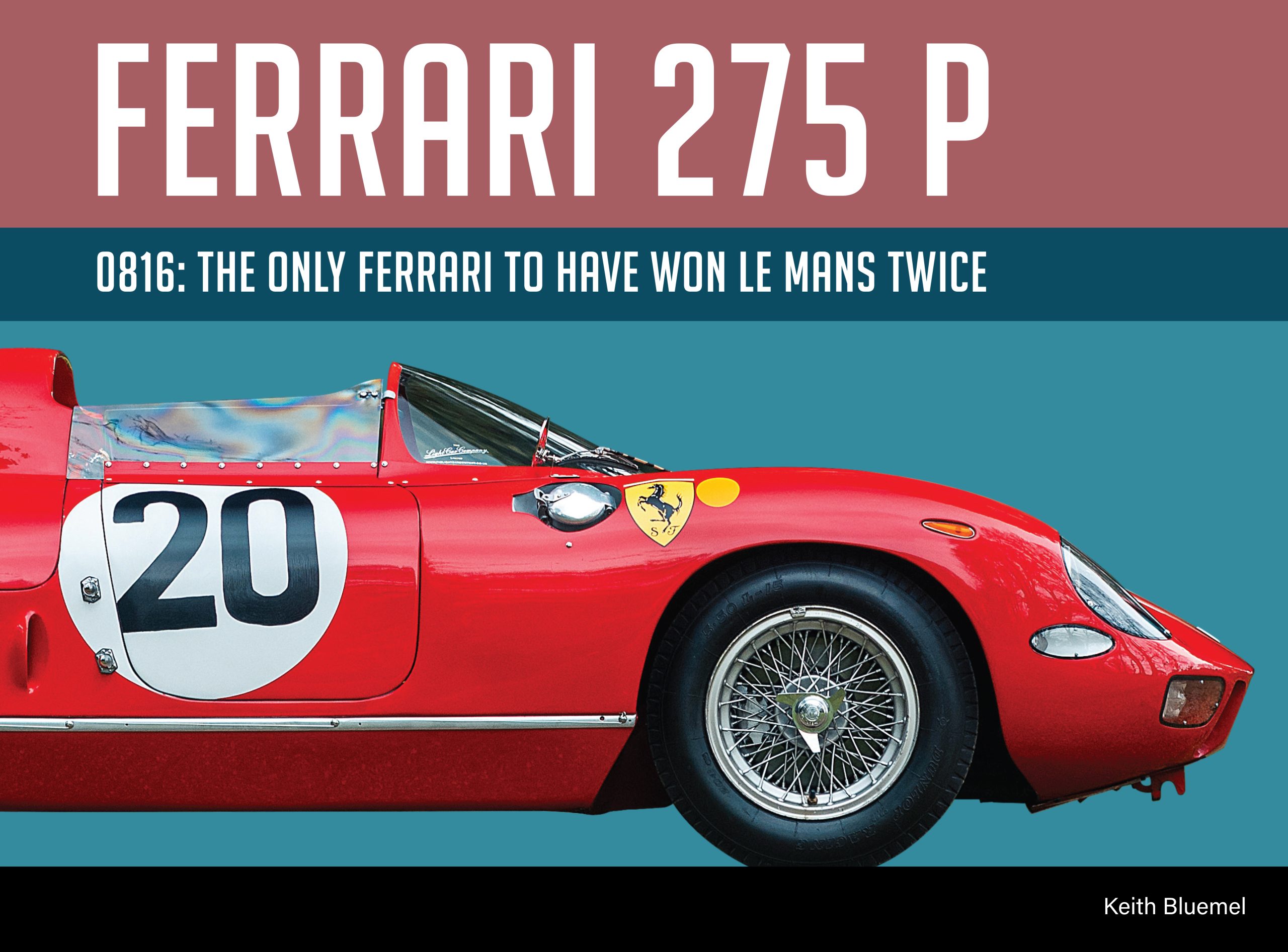
Ferrari’s 250 P of 1963 was Maranello’s first mid-engined V12 racer; three of the four were upgraded to 3.3-litre engines. Glen Smale reviews the book on chassis 0816 and admits the 250 and 275 prototypes are his favourites.
The newest writing on the Ferrari 275 GTB, as it is published.
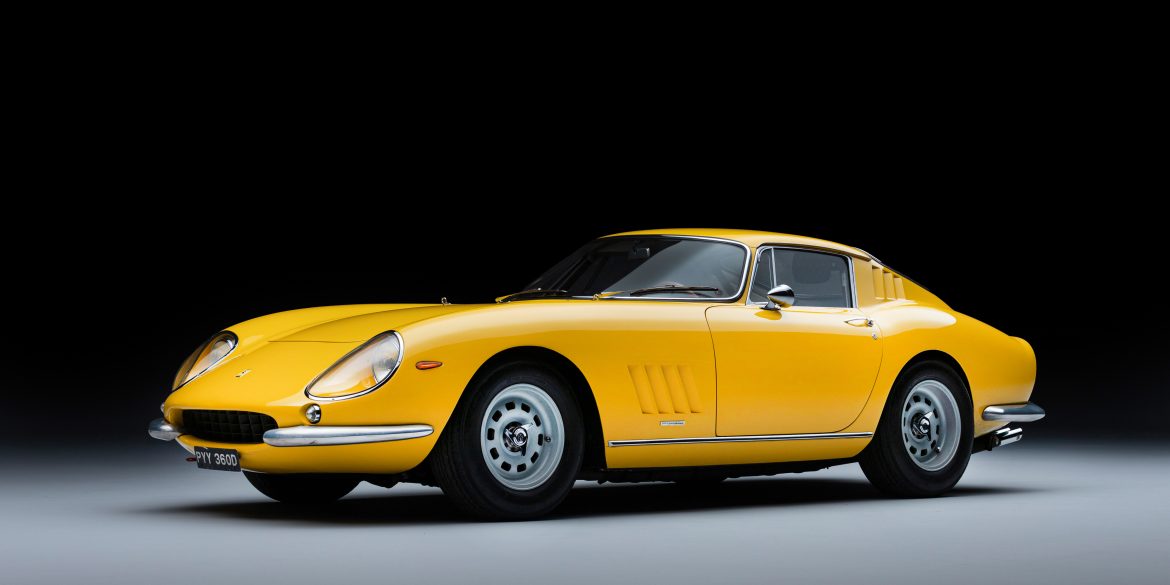
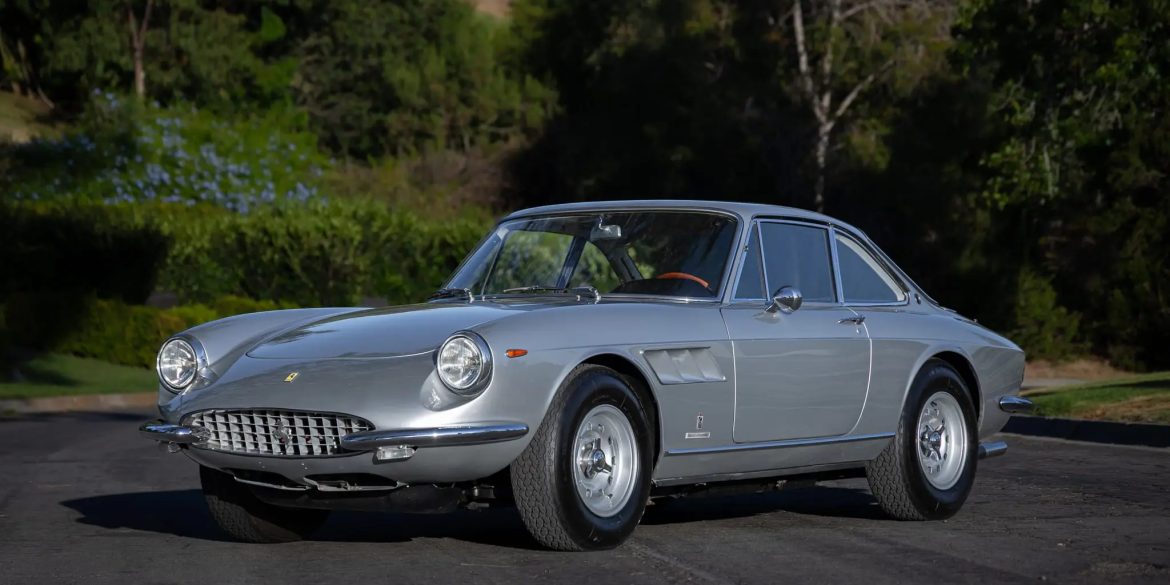
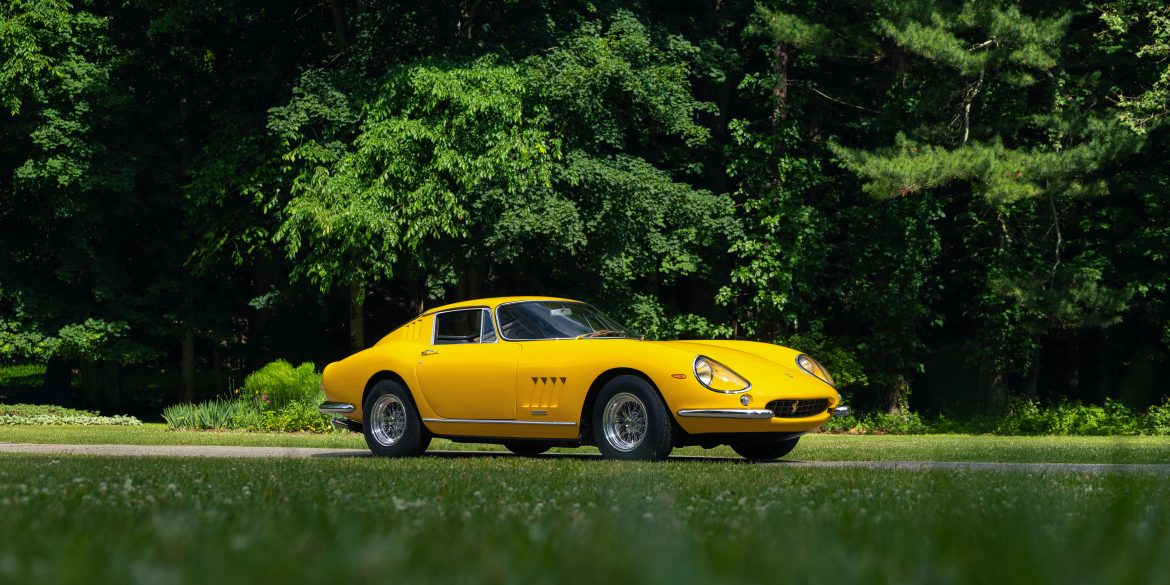
The Ferrari 275 GTB is the two-seat berlinetta Ferrari built from the autumn of 1964 to the spring of 1968 as the successor to the 250 GT Lusso and the SWB, and the first of the modern Ferrari road cars: 275 for the 275 cc of each of its twelve cylinders, the 3,286 cc single-overhead-cam Colombo V12 that gave 280 horsepower on three Weber carburettors and 300 on six, GTB for Gran Turismo Berlinetta. What made it new was underneath. For the first time on a Ferrari road car the rear suspension was independent, by double wishbones, and the five-speed gearbox sat at the back in unit with the final drive, a transaxle, the layout the racing 250 P and 275 P had used; the chassis was the 250's 2,400 mm wheelbase tubular frame made stiffer. Pininfarina drew the body, a long bonnet, a short tail with a Kamm cut-off, a fastback roof and the three vents behind the front wheel, and Scaglietti built it in Modena, in steel with aluminium doors, bonnet and boot lid on most cars and all-aluminium on about 60. The first cars had a short nose that lifted at speed; from late 1965 the long nose and a smaller grille fixed it, with a torque tube joining engine and transaxle from 1966, and the six-carburettor cars with their raised bonnet bulge were the fast ones. Some 455 two-cam GTBs were built. The 275 GTS, Pininfarina's own open car on the same chassis with a different, softer body, added 200; the 275 GTB/4 of October 1966, with four overhead camshafts, dry-sump lubrication and 300 horsepower from six Webers as standard, 330 more to 1968; and Luigi Chinetti had Scaglietti cut the roof off ten GTB/4s as the NART Spider for his American customers, the car Steve McQueen drove in The Thomas Crown Affair and the one that made $27.5 million at RM's Monterey sale in 2013. The competition cars, the three GTB/C Speciales of 1965 and the twelve GTB/Cs of 1966, won the GT class at Le Mans in 1965, 1966 and 1967.
The 275 GTB is the Ferrari collectors and writers reach for when they want the whole marque in one car: Colombo's engine in its last and best pre-Daytona form, Pininfarina at his most restrained, Scaglietti's hand-beaten aluminium, a racing record, and a shape nobody has improved on. Casey Annis's "Luxurious Predator", Raffi Minasian's "A Ferrari to be Thankful For" on the GTB/4, Sean Smith's long-nose prototype and 330 GTC, Glen Smale's two-part history of Ferrari GT design in the 1960s, Robert Newman's Chinetti portrait, the archive's GTB/C and Daytona profiles and twelve years of the 275's sales from $3 million to $27.5 million are the archive's 173 stories. The Ferrari 250 GT page carries the car it replaced and the Ferrari page the company.
By 1963 the 250 GT had been in production for a decade and the Lusso, lovely as it was, had a live rear axle and a four-speed gearbox when Jaguar's E-type had neither. Ferrari's answer came from the racing department: the 250 P sports-prototype of 1963 had put the gearbox at the back and the rear suspension on wishbones, and the 250 LM had taken the arrangement to Le Mans. The 275 GTB applied it to the road. The engine was the Colombo V12 taken out to 77 by 58.8 mm, 3,286 cc, with a single camshaft per bank, three Weber 40 DCZ/6 carburettors and 280 horsepower at 7,600 rpm, six Weber 40 DCN/3s and 300 as an option; the gearbox a five-speed in unit with the differential, driven at first by an open propeller shaft in a frame that was prone to misalignment; the suspension double wishbones and coil springs all round, with Koni dampers and Dunlop discs; the wheels cast Campagnolo alloys of 14 inches, Borrani wires an option that most buyers took. Pininfarina showed it with the 275 GTS at the Paris Salon on 1 October 1964, and the press called it the most beautiful Ferrari yet. The first 250 or so cars were the short-nose cars, chassis 06003 to about 07xxx, with the small headlamp fairings, the shallow nose that generated lift at 150 mph, an external boot hinge and a rear window the owners complained about; Sean Smith's archive piece on the long-nose prototype of 1965 is about the car that fixed them, and Rex McAfee's 1965 GTB in the for-sale pages a short-nose as sold. Scaglietti built the bodies: steel on most, with aluminium opening panels, and all-aluminium on request for about 60 of the two-cam cars and another twenty-odd of the GTB/4. The price in 1965 was about $14,500 in New York, and the 275 GTB was the car in which Ferrari's road-car business finally grew up, 455 two-cam berlinettas in two years against the Lusso's 350 in three.
The Series II car of late 1965 lengthened the nose by about 10 cm, shrank the grille, enlarged the rear window, hid the boot hinges and, from early 1966, replaced the open propeller shaft with a torque tube that held engine and transaxle rigidly together and cured the vibration; the long nose is the shape people picture, and about 200 were built before the GTB/4 replaced it in the autumn of 1966. Within them the hierarchy is the carburettors and the metal. A long-nose steel car with three Webers is the standard 275 GTB; a six-carburettor car, the 6C, with the longer bonnet bulge, is faster and rarer; an alloy 6C is rarer again, and an alloy, six-carburettor, long-nose 275 GTB is the two-cam car collectors pay most for short of the competition cars. Casey Annis's "Luxurious Predator" is the archive's full study of a 1966 long nose, driven and explained; Rex McAfee's 1966 Scaglietti GTB and the right-hand-drive alloy 6C in the 2025 marketplace pages are two more; the 275 GTB/6C long nose that Mecum sold at Monterey in 2021 is the auction type. The 275 GTS alongside, Pininfarina's spider with its own, plainer body, had 260 horsepower and a softer character, 200 built in 1964–66, and was replaced by the 330 GTS; Glen Smale's second part of "Ferrari GT Design in the 1960s" shows how the 330 GTC of 1966 took the 275 GTB's chassis, the 330's 4-litre engine, the 400 Superamerica's nose and the 275 GTS's tail and became the best-mannered Ferrari of the decade, and Sean Smith's 1967 330 GTC is the archive's example.
Every story on the site about the 275's four-litre cousins, newest first.
The 275 GTB/4 was shown at Paris in October 1966, and from outside only the bonnet bulge, now a long low ridge, gave it away. Inside the engine was new: four overhead camshafts, two per bank, the first on a Ferrari road car, derived from the 275 P2 and 330 P3 prototypes, with six Weber 40 DCN carburettors as standard, dry-sump lubrication, 300 horsepower at 8,000 rpm and a redline the two-cam could not reach; the torque tube and the long-nose body were carried over, and the car did 165 mph. 330 were built to the spring of 1968, 280 in steel and about 16 in alloy, Raffi Minasian's "A Ferrari to be Thankful For" being the archive's appreciation. Luigi Chinetti, Ferrari's American importer and the North American Racing Team's founder, wanted an open four-cam for his customers, and Ferrari agreed to 25; Scaglietti converted ten GTB/4s to the NART Spider between 1967 and 1968 before demand ran out, which is the kind of thing that happens to the most valuable cars. The first, 10453, was raced at Sebring in 1967 by Denise McCluggage and Pinkie Rollo and then used by Steve McQueen in The Thomas Crown Affair; McQueen bought a GTB/4 coupé of his own, 10621, and had it made into a spider later, which is the car RM sold at Monterey in 2014 for $10.2 million. Eddie Smith of Lexington, North Carolina bought 10709 new in 1967 and his family kept it until 2013, when RM sold it at Monterey for $27.5 million, then the record for a road car at auction, the sale Casey Annis's "Quality Over Quantity" argues with. The GTB/4 was replaced in 1968 by the 365 GTB/4, the Daytona, which kept the engine layout, the transaxle and the Scaglietti body shop and lost the curves; the archive's Daytona profile is the sequel.
Every story on the site about Luigi Chinetti's North American Racing Team, newest first.
Every story on the site about the 275's successor, newest first.
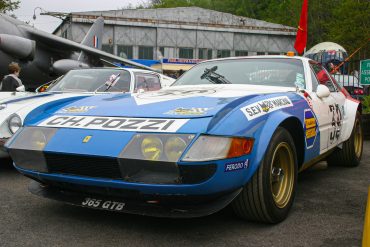
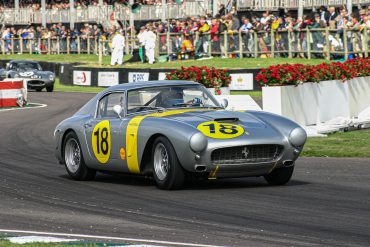
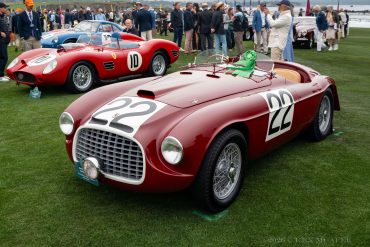
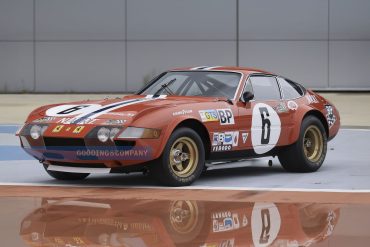
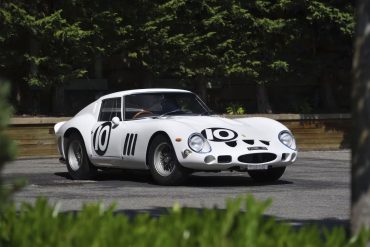
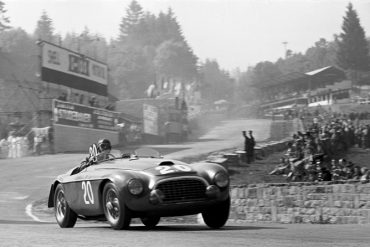
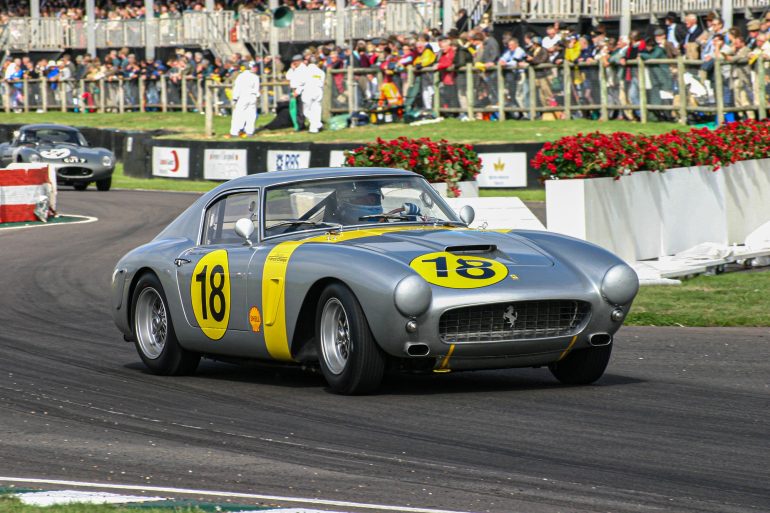
Ferrari built the 275 GTB to be homologated as a GT car, and it raced in three forms. The 275 GTB/C Speciale of 1965 was three cars built by the racing department with thin aluminium bodies, a 250 LM-specification engine of about 290 horsepower, a racing exhaust and a long nose before the road cars had one; chassis 06885, driven by Willy Mairesse and "Beurlys" (Jean Blaton) for Écurie Francorchamps, finished third overall at Le Mans in 1965 behind two Ferrari prototypes and won the GT class, the best result a front-engined GT would ever take there again, and the car RM sold at Monterey in 2014 for $26.4 million. The same year about ten 275 GTB Competizione Clienti were sold to privateers, standard-looking alloy cars with six carburettors and a tuned engine. For 1966 the factory built twelve 275 GTB/Cs, properly lightened: a thinner-gauge aluminium body on a lightened chassis, Plexiglas windows, a dry-sump engine with the 250 LM's internals and 275 horsepower, Borrani wires and a weight of about 1,050 kg; Piers Courage and Roy Pike's Maranello Concessionaires car won the GT class and finished eighth at Le Mans in 1966, Rico Steinemann and Dieter Spoerry's Scuderia Filipinetti car did the same in 1967, eleventh overall, and the GTB/C won its class at the Targa Florio, the Nürburgring 1000 km and in the Tour de France. The archive's profile of the 1966 GTB/C offered for sale, the Gooding Pebble Beach 2017 car and the Rick Cole 1965 competition car are the chassis stories. The 275 P and P2 prototypes that share the number are different cars, mid-engined sports-racers that won Le Mans outright in 1964 and the Targa Florio in 1965, and have their own thread here; Glen Smale's review of the book on 0816, the only Ferrari to win Le Mans twice, is the way in. After 1967 the GT class belonged to the Porsche 911 and the Daytona took over Ferrari's GT racing in 1971.
The mid-engined prototypes that share the number: the 1964 Le Mans and 1965 Targa Florio winners, newest first.


A table of the car, the racing and the market from the 250 P of 1963 to the sales of 2026, with the archive's story of each year linked, follows this chapter. The model names link to every story on the site about that car; the People and Coachbuilder links open their threads.
Four model years and sixty of the market since: the car, the racing and the archive's story of each. Model names link to every story on the site; the People and Coachbuilder links open their threads.
| Year | The car | The racing and the market | In the archive |
|---|---|---|---|
| 1963 | 250 GT Lusso · 275 P · 250 GTO | The 250 GT Lusso is the last of the 250s; the 250 P puts the gearbox at the back and the rear suspension on wishbones; the 250 GTO wins the GT championship | By Design: 1963 Ferrari 250 GT Lusso · Ferrari GT Design in the 1960s, Part I |
| 1964 | 275 GTB · Pininfarina · Scaglietti · 275 P | The 275 GTB and GTS at the Paris Salon on 1 October: the 3.3-litre V12, the transaxle, the short nose; the 275 P wins Le Mans outright | Luxurious Predator: the 275 GTB · 1965 Ferrari 275 GTB, short nose |
| 1965 | 275 GTB · Le Mans · Willy Mairesse · Targa Florio | The long-nose prototype; the three GTB/C Speciales and the Competizione Clienti; Mairesse and 'Beurlys' third overall and first in GT at Le Mans; the 275 P2 wins the Targa Florio | 1965 Ferrari 275 GTB Long Nose Prototype · The GTB/C Speciale at RM Monterey 2014 · Le Mans hub |
| 1966 | 275 GTB · 330 GT · Le Mans · Scaglietti | The Series II long nose and the torque tube; the alloy six-carburettor cars; the twelve GTB/Cs, Courage and Pike's class win at Le Mans; the 330 GTC at Geneva; the GTB/4 at Paris in October | 1966 Ferrari 275 GTB by Scaglietti · 1966 Ferrari 275 GTB/C · Ferrari GT Design in the 1960s, Part II |
| 1967 | 275 GTB · NART · Luigi Chinetti · Sebring · Steve McQueen | The GTB/4 in production; Chinetti's NART Spiders, the first at Sebring with McCluggage and Rollo; Steinemann and Spoerry's class win at Le Mans; McQueen's GTB/4; the 330 GTS and the 330 P4's Daytona | A Ferrari to be Thankful For: the 275 GTB/4 · Luigi Chinetti · 1967 Ferrari 330 GTC · 1967 Daytona 24 Hours |
| 1968 | 275 GTB · 365 GTB/4 Daytona · NART | The last GTB/4s and NART Spiders; the 365 GTB/4 Daytona takes over at Paris in October; The Thomas Crown Affair | Ferrari Daytona: last of the front-engined V12s · NART: a concise history |
| 1970s–80s | 275 GTB · Luigi Chinetti | The 275 as a used Ferrari, re-engined and rebodied; Chinetti's NART to 1982; the first six-figure sales in the 1980s boom | Shooting Star · John Amette |
| 2009–12 | 275 GTB · RM Sotheby's · Gooding | The 275 passes $1 million; the collections, Jon Shirley's and Lawrence Auriana's; RM's Leggenda e Passione and Scottsdale sales | The Jon Shirley collection · Ferrari Leggenda e Passione results |
| 2013 | 275 GTB · NART · RM Sotheby's | The Eddie Smith NART Spider makes $27.5 million at RM Monterey, the record for a road car; the Lawrence Auriana collection at Lime Rock | NART Spider at RM Monterey 2013 · Quality Over Quantity · Lawrence Auriana collection |
| 2014 | 275 GTB · Steve McQueen · RM Sotheby's | The GTB/C Speciale $26.4 million and the McQueen GTB/4 $10.2 million at RM Monterey; a 1965 competition car at Rick Cole; Ferraris sold at auction in 2014 | McQueen's 275 GTB/4 at RM Monterey · 1965 275 GTB Competizione at Rick Cole · Ferraris Sold at Auction in 2014 |
| 2015–17 | 275 GTB · RM Sotheby's · Gooding | A GTB/C makes $9.4 million at Monterey; the 1968 NART Spider at RM Monaco; the GTB/C at Gooding Pebble Beach 2017; the Monterey million-dollar sellers | Ferraris Sold at Auction in 2015 · NART Spider at RM Monaco 2016 · GTB/C at Gooding Pebble Beach 2017 · Monterey 2017's million-dollar sellers |
| 2018–21 | 275 GTB · Amelia Island Concours · Mecum · Petersen | Two 1966 GTBs top the Amelia Island sales; a 6C long nose at Mecum Monterey; Sean Smith's long-nose prototype; Bruce Meyer's garage | Dueling Ferraris top Amelia · 275 GTB/6C long nose for Mecum Monterey · Bruce Meyer's garage |
| 2024–26 | 275 GTB · Cavallino Classic · 275 P | The sixtieth anniversary; Raffi's and Annis's essays; the alloy 6C and the 1965 GTB in the marketplace; the Cavallino Classic at Modena; the M Group's Ferraris; Glen Smale on 0816 and on Ferrari GT design | 1966 Ferrari 275 6C Alloy · Cavallino Classic Modena 2025 · Ferraris of the M Group collection · Ferrari 275 P 0816, the book |
The Ferrari 250 GT page carries the Lusso and the SWB that the 275 replaced; the 250 GTO and the Daytona have threads of their own; the Le Mans hub carries the races in full.
Nine cards follow for the cars the archive has most to say about: the short nose, the long nose, the alloy 6C, the 275 GTS, the GTB/C Speciale, the GTB/C, the GTB/4, the NART Spider and the 330 GTC and Daytona that came after; and below them the 275 P and the Daytona threads.
Nine cars from the archive, from the short nose to the NART Spider and the Daytona after it; each links to every story on the site.
Every story on the site about the Modena shop that built the 275's bodies, newest first.
Enzo Ferrari, who sold the road cars to pay for the racing; Battista and Sergio Pininfarina and Aldo Brovarone, who drew it; Sergio Scaglietti, who built it; Gioachino Colombo, whose V12 it carried in its last short-block form, and Mauro Forghieri, who put the transaxle and the four cams under it; Luigi Chinetti, who sold Ferrari to America and had the NART Spider made, and Luigi Chinetti Jr; Mairesse and "Beurlys", Courage and Pike, Steinemann and Spoerry; Denise McCluggage and Pinkie Rollo; Steve McQueen; Eddie Smith, who kept one for 46 years; and the collectors in the archive, Jon Shirley, Lawrence Auriana, Bruce Meyer and the M Group, whose 275s are there. The Luigi Chinetti and Steve McQueen threads open below.
Every story on the site about the man who sold Ferrari to America and had the NART Spider made, newest first.
Every story on the site about the owner of 10621, newest first.
The 275 GTB has been a seven-figure car since 2012 and the order within the family is settled. A steel short-nose with three carburettors is $2–2.5 million, a steel long nose $2.5–3 million, a long-nose 6C $3–3.5 million, an alloy 6C long nose $3.5–4.5 million and more with a history; the two 1966 GTBs that topped the Amelia Island sales in 2018 and the alloy 6C in the 2025 marketplace are the type. A 275 GTS is $1.5–2.5 million. A GTB/4 is $3–3.5 million in steel, $4–5 million in alloy, and the McQueen car made $10.2 million. The competition cars are another market: a 275 GTB/C made $9.4 million at Monterey in 2015 and the GTB/C Speciale $26.4 million there in 2014; the NART Spiders have sold for $25–27.5 million. The things that decide the price: Ferrari Classiche certification and matching engine, gearbox and body numbers, since many 275s were re-engined or rebodied in the 1970s when they were $20,000 cars; whether the carburettors and the alloy body are original or added, which the build sheets settle; the torque-tube conversion on an early car; and the rust in the steel bodies, which Scaglietti did not protect. The Auctions (Ferrari) and For Sale (Ferrari) feeds below carry the 275s as they come up, and the Cavallino Classic is where they are judged.
Auction previews and results, the 275s among them, newest first.
275s and other Ferraris offered by dealers and collectors, newest first.
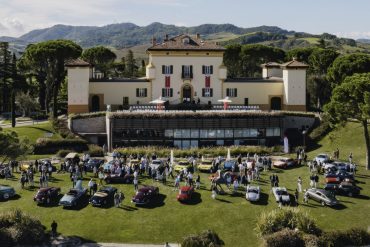
The 275 GTB is a concours car and a tour car rather than a racer now: the Cavallino Classic at Palm Beach and Modena, the Pebble Beach Tour d'Élégance, the Tour Auto and the Colorado Grand have them every year, and the GTB/Cs run at Le Mans Classic and the Goodwood Revival's TT Celebration. The Ferrari Classiche programme has certified most of them, which is what makes the market work; the 60th anniversary of the car fell in 2024, the year the archive's two best essays on it were written. No Ferrari since has worn the 275 number.
Where the 275s are judged, at Palm Beach and Modena, newest first.
Shown Paris Salon, 1 October 1964; GTB/4 Paris, October 1966; last GTB/4 spring 1968. Engine 3,286 cc Colombo V12, 77 x 58.8 mm; 280 hp (three Webers), 300 (six); GTB/4 four-cam, dry sump, 300 hp at 8,000 rpm; GTB/C about 275 hp. Wheelbase 2,400 mm. Built: 275 GTB two-cam about 455 (short nose about 250, long nose about 205; alloy about 60; 6C about 50); 275 GTS 200; GTB/C Speciale 3; Competizione Clienti about 10; GTB/C 12; GTB/4 330 (alloy about 16); NART Spider 10. Le Mans GT class 1965 (third overall), 1966, 1967. Top speed 150–165 mph. Price new about $14,500 (1965). Auction: NART Spider $27.5 million (2013); GTB/C Speciale $26.4 million (2014); McQueen GTB/4 $10.2 million (2014); GTB/C $9.4 million (2015). 173 stories in the archive.
Short answers, with the long ones above.
275 is the swept volume of one cylinder in cubic centimetres, Ferrari's naming rule for its V12s until the Daytona; GTB is Gran Turismo Berlinetta, a closed two-seat GT. The 275 GTS was the Spider.
The first 250 or so cars of 1964–65 had a shorter, lower nose that produced front-end lift at high speed and an external boot hinge; the Series II of late 1965 lengthened the nose, shrank the grille, enlarged the rear window and, from 1966, added a torque tube between engine and transaxle. The long nose is the more valuable and the one people picture.
The four-cam version of 1966–68: twin overhead camshafts per bank, dry-sump lubrication and six Weber carburettors as standard for 300 horsepower, under the long-nose body with a lower, longer bonnet bulge. 330 were built.
Ten 275 GTB/4s converted to open cars by Scaglietti in 1967–68 at the request of Luigi Chinetti's North American Racing Team. One raced at Sebring and appeared in The Thomas Crown Affair; the one-owner Eddie Smith car sold for $27.5 million in 2013.
About 455 two-cam GTBs, 200 GTSs, 330 GTB/4s, ten NART Spiders and 25 competition cars, roughly a thousand 275s in all between 1964 and 1968.
Its class, three years running: the GTB/C Speciale was third overall and first in GT in 1965, and the GTB/C won the class in 1966 and 1967. Overall wins in those years went to the Ferrari and Ford prototypes.
From about $2 million for a steel short nose to $3–4.5 million for an alloy six-carburettor long nose or a GTB/4, and $9–27 million for the competition cars and NART Spiders. Originality, certification and the carburettor count decide it.
The first Ferrari road car with one, and the first with independent rear suspension; the racing 250 P of 1963 had used the layout first. Every front-engined Ferrari GT since the Daytona has kept it.
The 365 GTB/4 Daytona of 1968, with a 4.4-litre four-cam V12, the same transaxle layout and a sharper Pininfarina body; the 330 GTC had already taken over the softer end of the range in 1966.
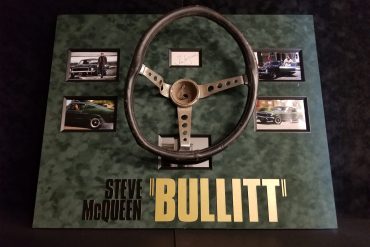
A 1967 275 GTB/4, chassis 10621, bought new in Chianti red and later converted to a spider; it sold for $10.2 million in 2014. He also drove a NART Spider in The Thomas Crown Affair and owned a Lusso and a 512 BB among others.
The whole archive on one thread, newest first.