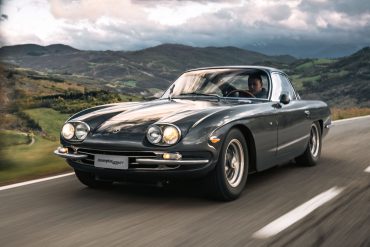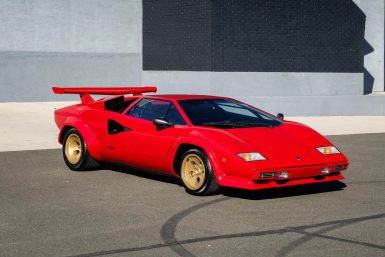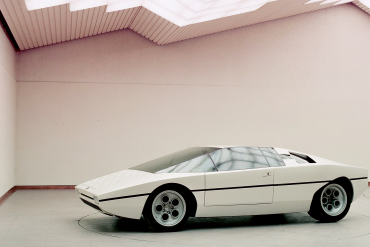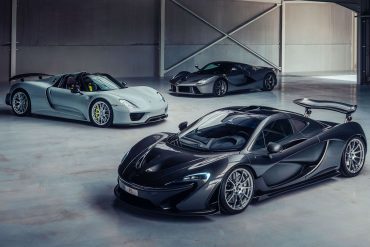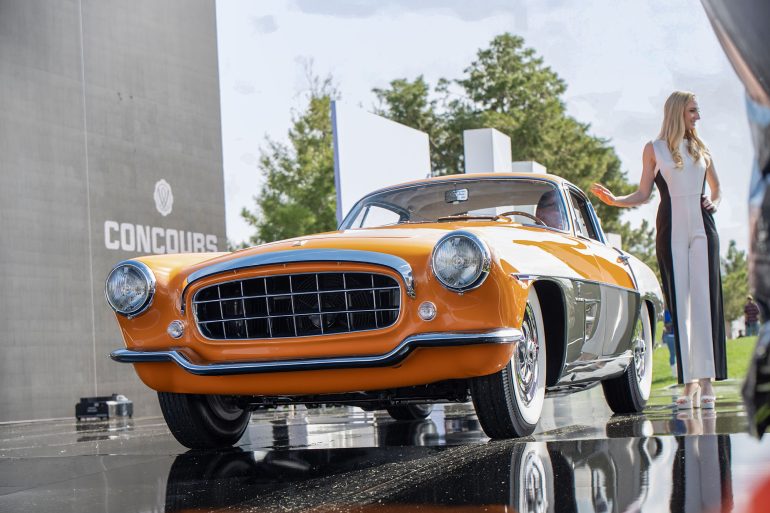
The Nethercutt Collection's 1933 Hispano-Suiza J12 and Thomas Peck's Ghia-bodied 1954 Ferrari 375 MM took the Best of Show awards from 385 cars at Wynn Las Vegas, October 31–November 1, where Pagani's Huayra 70 Anima and the Valhalla Spider debuted.

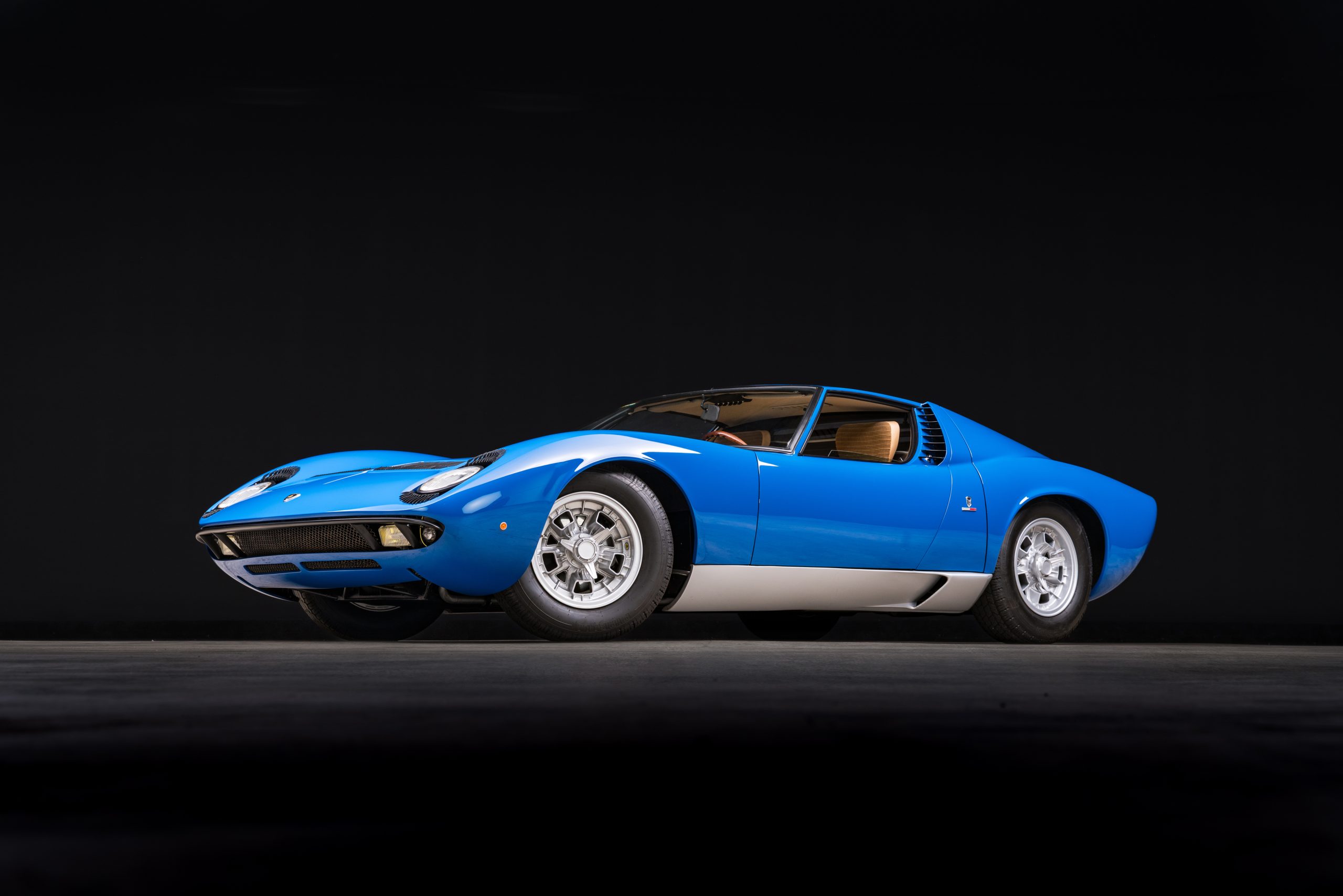
The car that invented the supercar: a bare chassis with a V12 mounted sideways behind the seats, shown at Turin in November 1965 by three engineers under thirty, and the body Marcello Gandini drew for it at Bertone in time for Geneva on 10 March 1966. Ferruccio Lamborghini had not wanted a racing car and got the first mid-engined road car of its kind instead; 763 were built in seven years, the P400, the S and the SV, and they changed what a fast car looked like for good. The Italian Job's opening scene, Twiggy's Miura S, Bob Wallace's Jota, L.J.K. Setright's thousand-mile drive, and sixty years on the lawn at Pebble Beach with 43 of them. 131 Lamborghini Miura stories in the archive, in order.
The pieces to start with
Eight pieces on the car: Rex McAfee's sixtieth-anniversary trio on the first supercar, the SV and the Born Incomparable exhibition, Raffi Minasian on what history did to the design, Peter Collins on Bertone, the V12 milestone, the life of Ferruccio and the Italian Job car found.
Lamborghini’s third model, the Miura, shown at Geneva on 10 March 1966, put a transverse V12 behind the driver and reached 174 mph in late form. Sixty years on, a Polo Storico Tour runs through Northern Italy on 6–10 May.
Lamborghini marks 55 years since the Miura SV, built 1971–1973 as the last development of the transverse-V12 car that began with the P400 in 1966 and the S in 1968, and the first to carry the Super Veloce name.
Raffi Minasian’s top ten changes yearly; great designs drop off and come back. Three that history handled differently: the Lamborghini Miura (“Sophia Loren on wheels”), the Studebaker Avanti and the Porsche 911.
Giovanni Bertone left a Diatto rolling-stock job in 1912 to build carriages and vans in Turin with three staff; his son Nuccio made the name. Peter Collins visits Stile Bertone in Caprie and meets chief designer Mike Robinson.
Ferruccio Lamborghini, two years into the 350 GT, let Dallara and Stanzani mount the V12 sideways behind the seats of the P400 Miura in 1966, the car “supercar” was coined for. The last pure V12 leaves production this year.
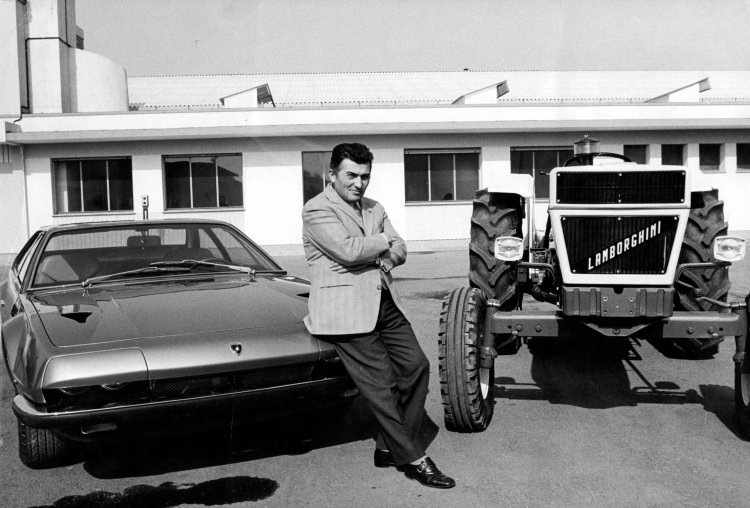
Ferruccio Lamborghini was born on 28 April 1916 to farmers in Renazzo di Cento, talked Bologna’s best workshop into hiring him as a boy and serviced the Italian Royal Air Force’s vehicles on Rhodes in the war.
Fifty years on from the release of the film “The Italian Job”, Lamborghini Polo Storico has certified that Miura P400, chassis #3586, is the original car used in the Paramount Pictures film (1969).
The Lamborghini Museum’s Miura show runs from 18 March 2026 to January 2027 with the 1965 chassis, a P400 S, Bertone’s one-off 1968 Roadster and the SVJ from Bob Wallace’s 1970 prototype rotating through, plus an Oefner “Disintegrating” Miura.
The newest writing on the Lamborghini Miura, as it is published.
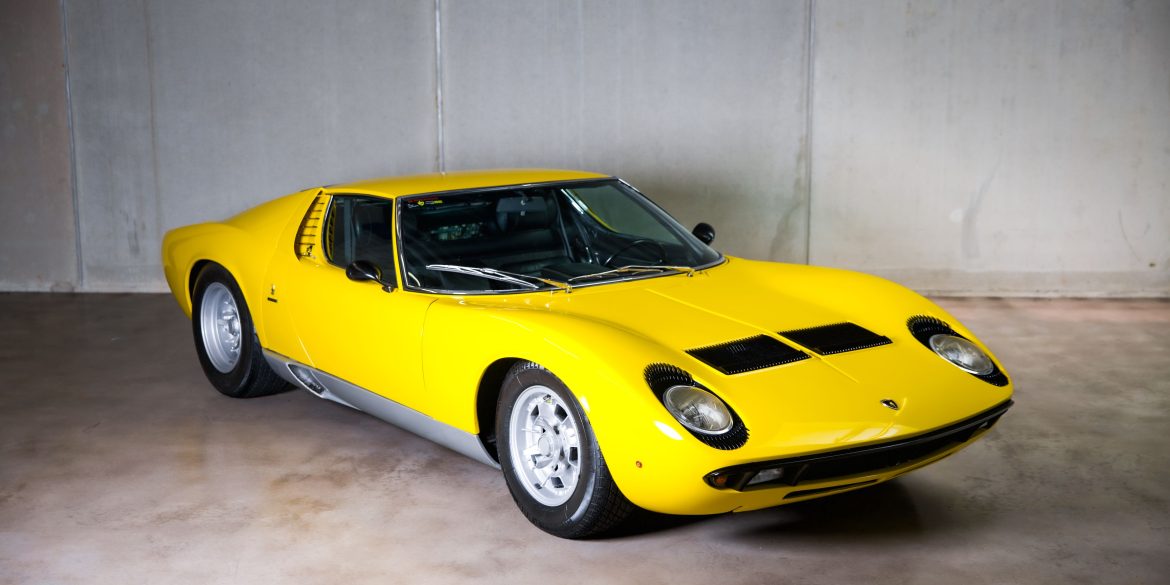
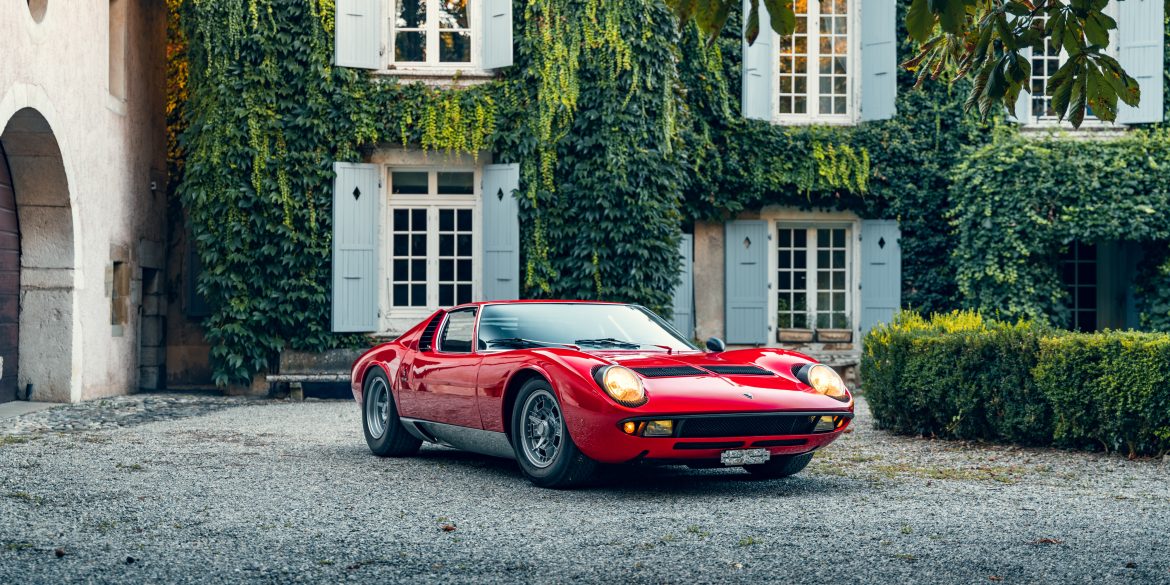
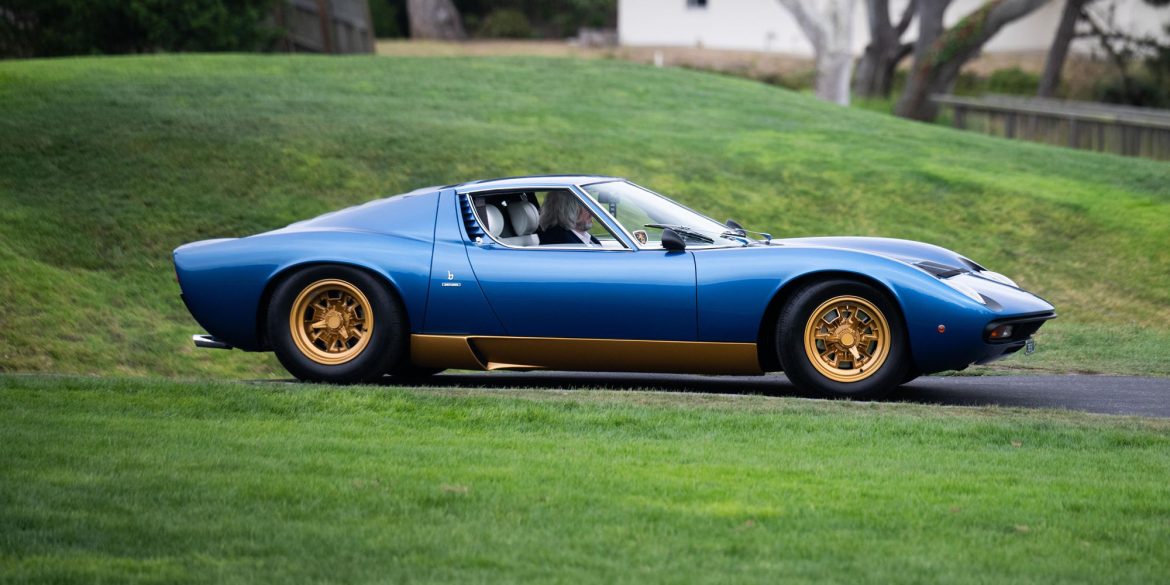
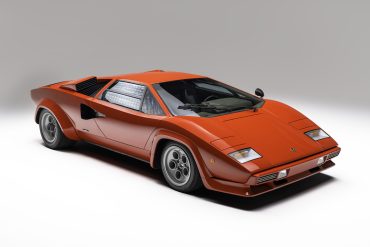
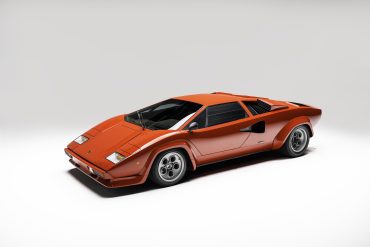
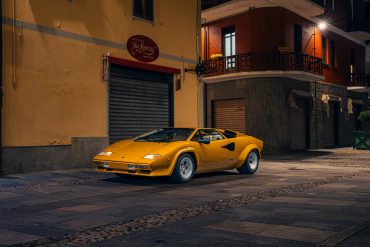
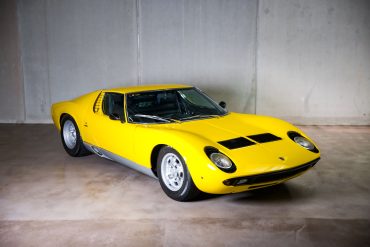
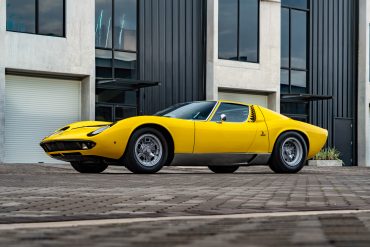
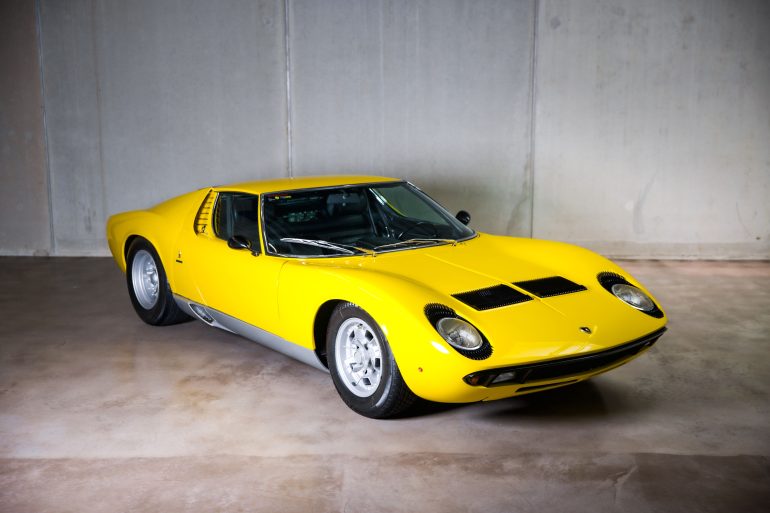
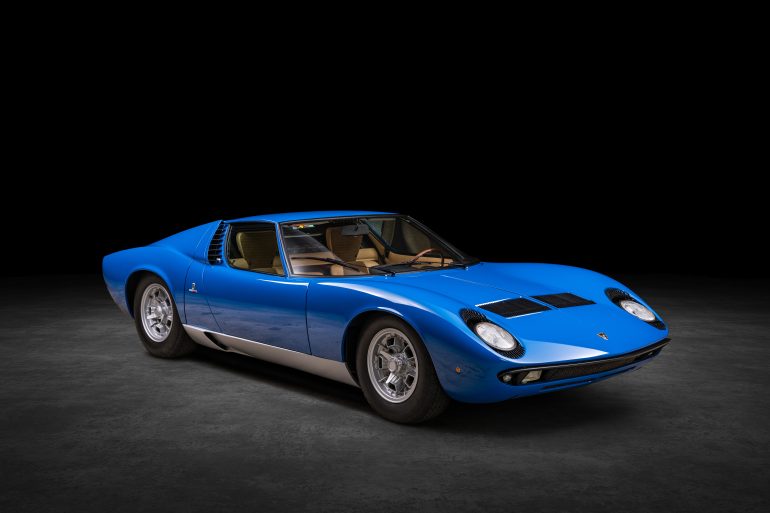
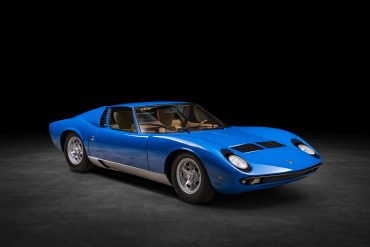
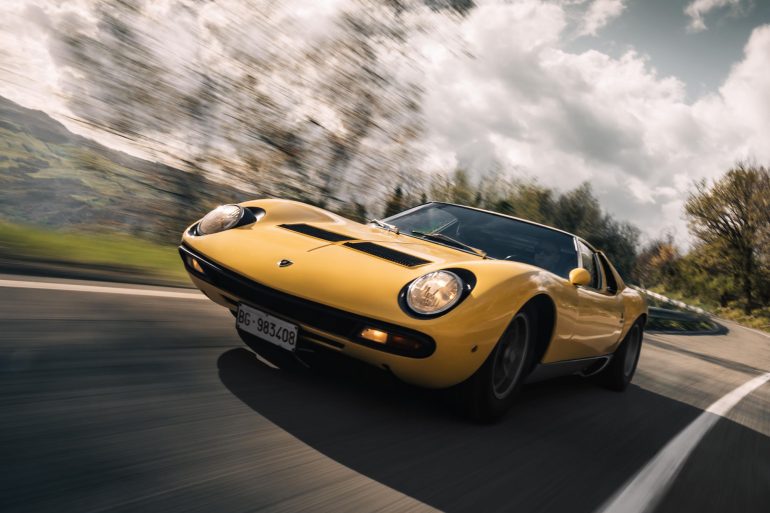
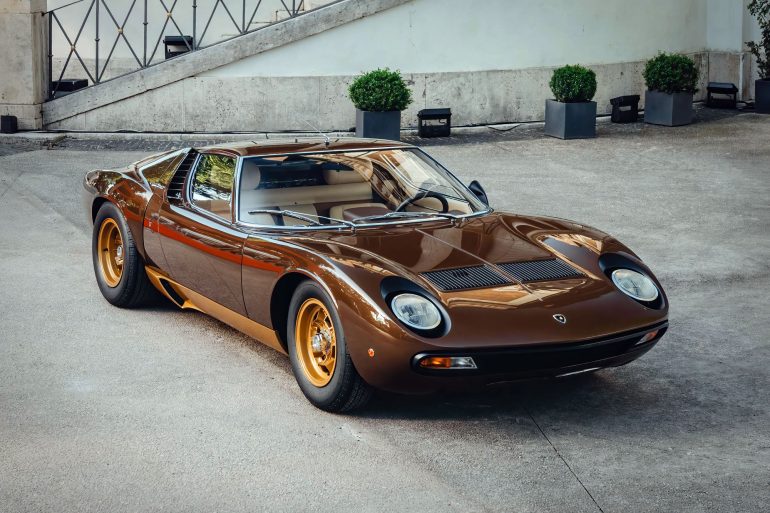
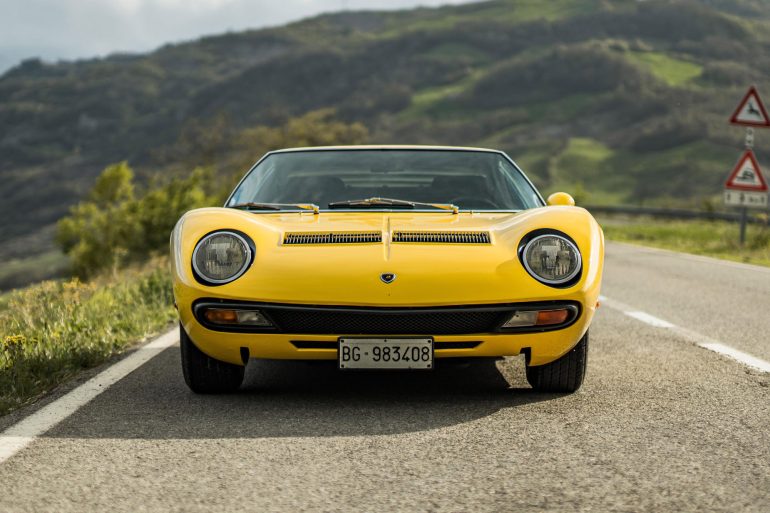
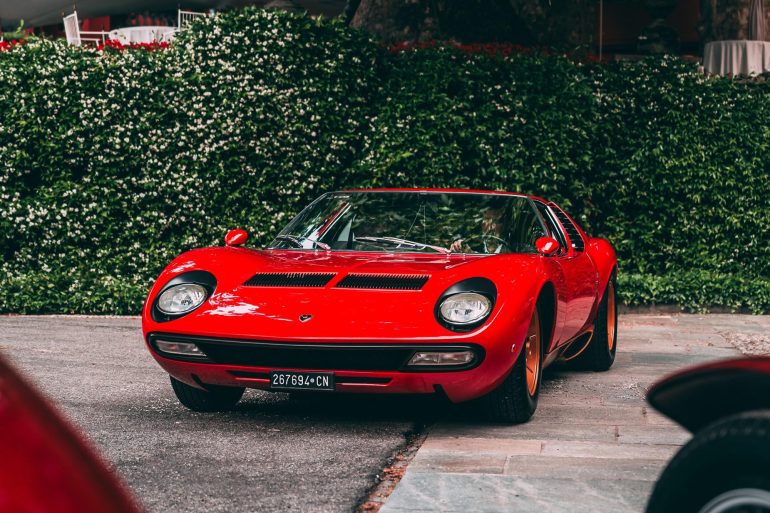
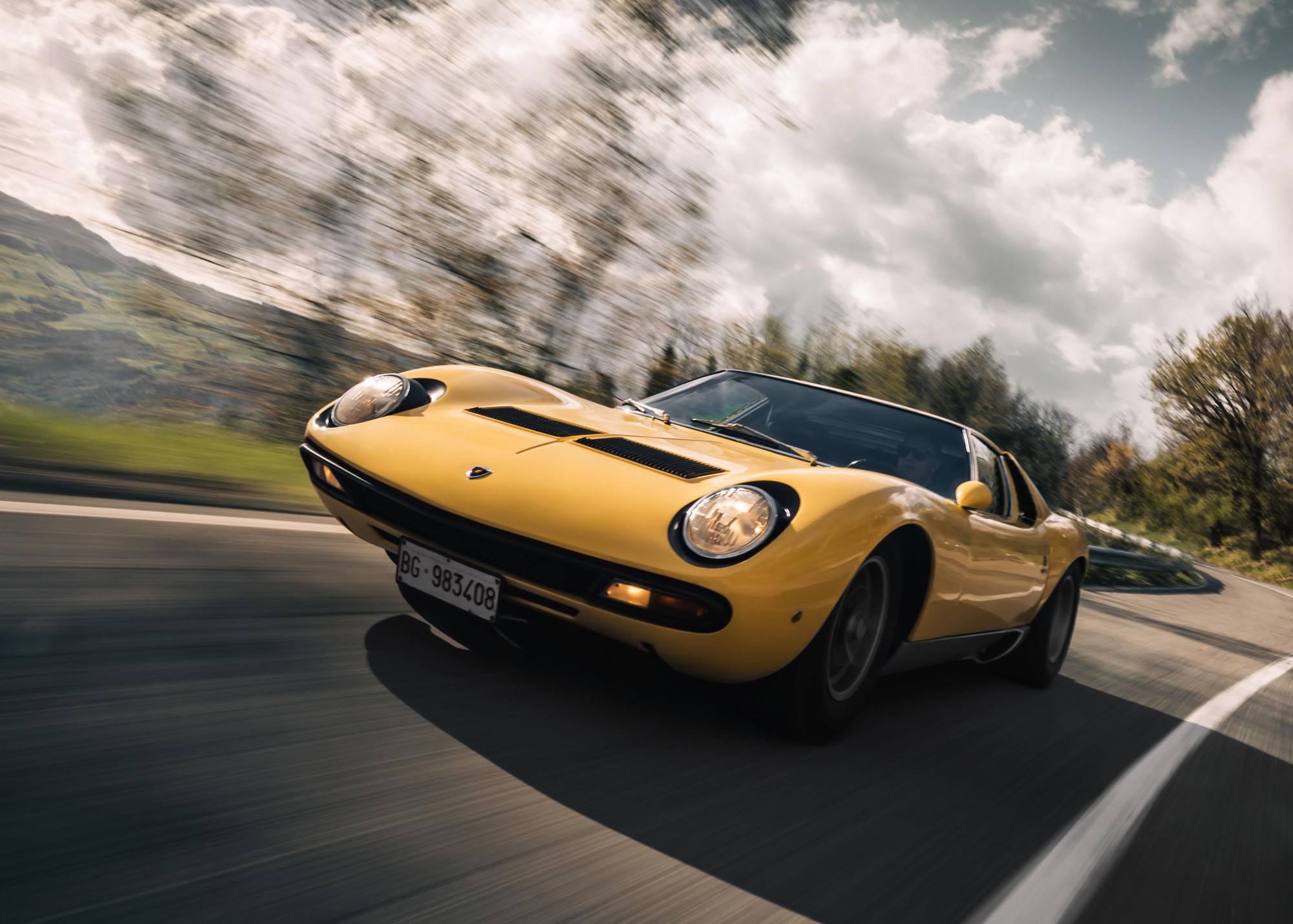
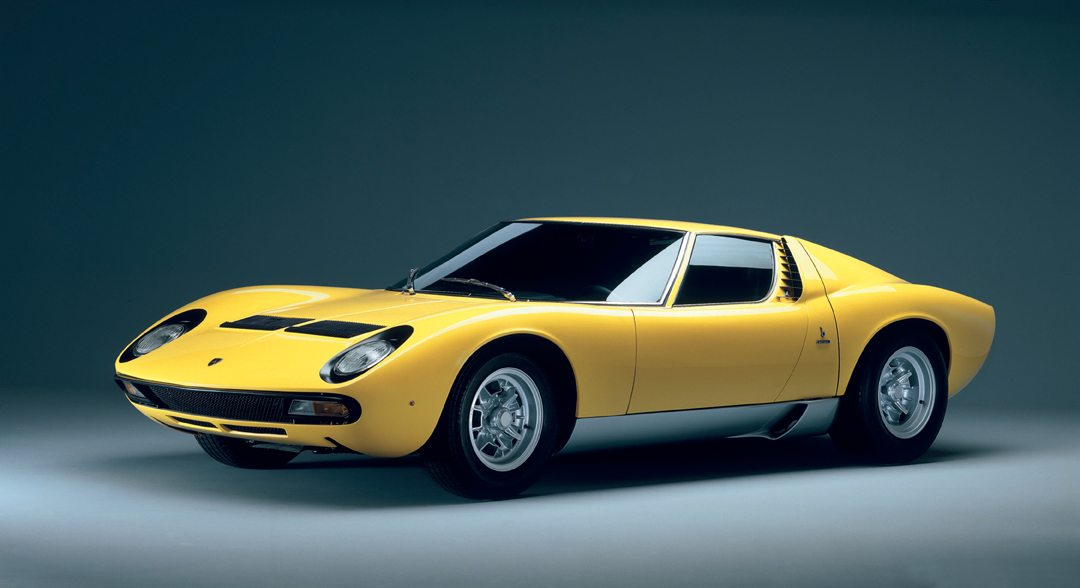
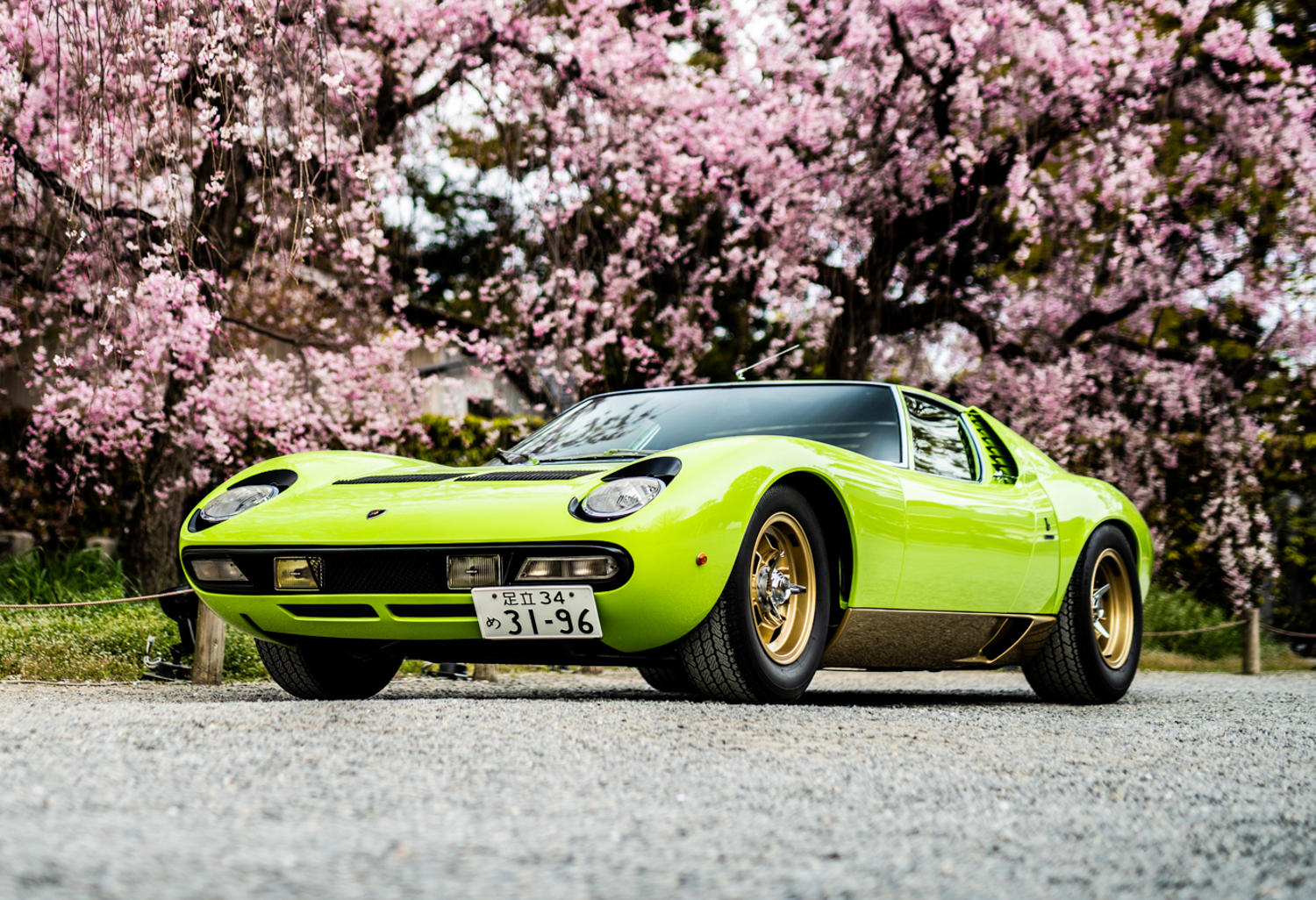
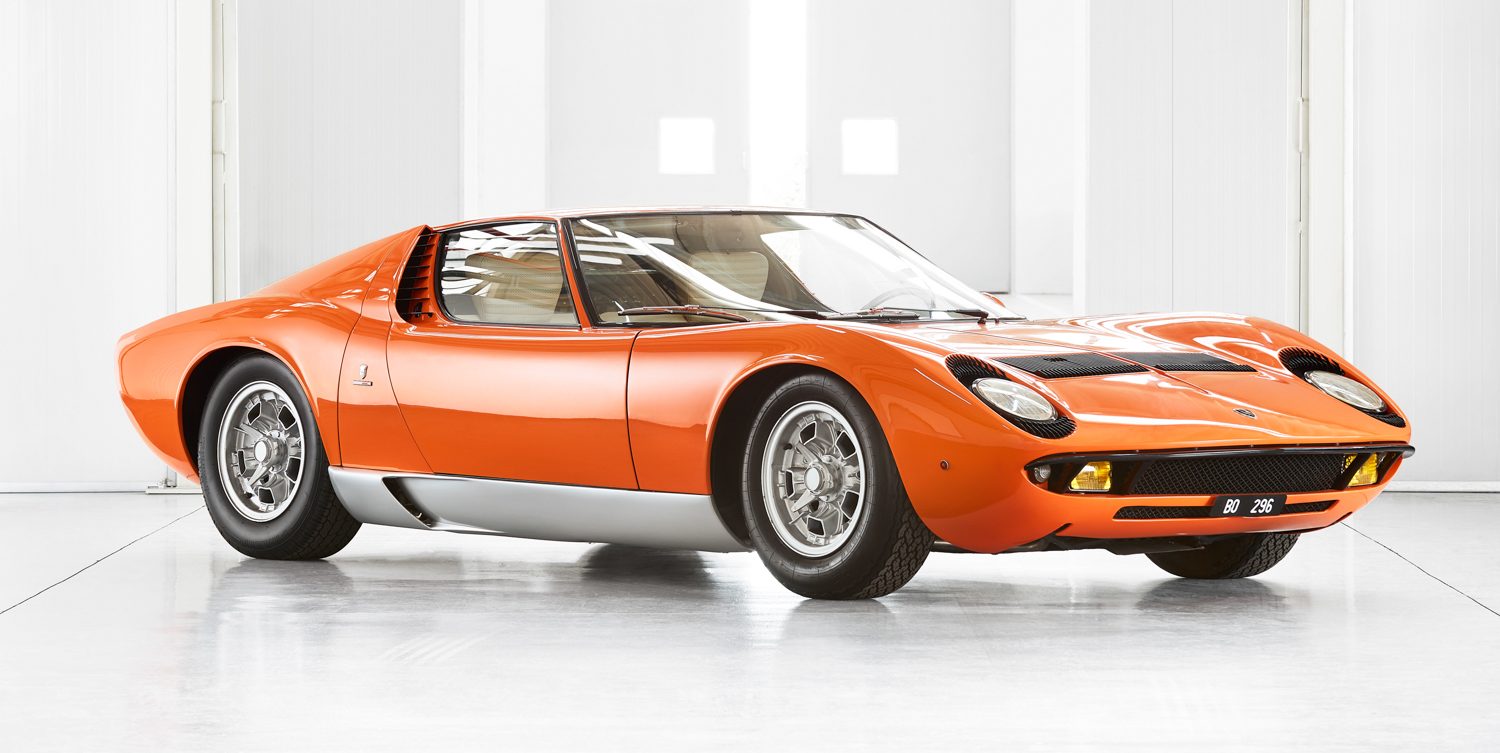
The Lamborghini Miura is the mid-engined two-seater Automobili Lamborghini built at Sant'Agata Bolognese from 1966 to 1973, the car that gave the word supercar its meaning and the third model from a company that had existed for three years. Its chassis, a steel platform of folded and drilled sheet with the 3,929 cc Giotto Bizzarrini-designed V12 turned through ninety degrees and mounted transversely behind the cockpit, sharing its sump with the five-speed gearbox like a Mini's, was designed by Gian Paolo Dallara and Paolo Stanzani with the test driver Bob Wallace, all of them in their twenties, more or less in their own time, because Ferruccio Lamborghini had told them he made grand touring cars and did not race; he let them show the bare chassis at the Turin Salon in November 1965 as a curiosity, took orders for it on the stand, and gave the body to Nuccio Bertone, whose new chief designer Marcello Gandini, 27, drew the shape in a winter. The finished car at Geneva in March 1966 was 1,050 mm high, had eyelashes round its headlamps, slatted louvres over the engine and a clamshell nose and tail that lifted whole, and did 170 mph, or close to it, which no road car had; the name was a breed of fighting bull, the first of the Lamborghini bull names after the badge itself. The P400 of 1966–69, 350 horsepower, was followed by the P400 S of 1968–71 with 370 horsepower, power windows and a chassis that flexed less, and the P400 SV of 1971–73 with 385, wider rear wheels and arches, no eyelashes and, at last, a separate sump for the gearbox: 275, 338 and 150 cars, 763 in all, plus the one Roadster Bertone built for Brussels in 1968, the single Jota Bob Wallace built as a racing experiment in 1970 and crashed and burned in 1971, the handful of SVJs built in its image for the Shah of Iran and others, and the SVR made for a Japanese customer in 1974.
The Miura is why every Lamborghini since has had its engine behind the driver, why the Countach, the Diablo, the Murciélago, the Aventador and the Revuelto exist, and why Ferrari built the Boxer; it is also the car in the opening of The Italian Job, the car Frank Sinatra, Miles Davis, Rod Stewart and Twiggy owned, and the one L.J.K. Setright drove from Modena to London for Car in 1967 and all but called a supercar in print. The archive has 131 Miura stories: Sean Smith's Miura and the Twiggy Miura S profile, Rex McAfee's sixtieth-anniversary series on the first supercar, the SV and the museum's Born Incomparable exhibition, Raffi Minasian on what history did to its design, Peter Collins on Bertone, the V12's milestone and the five unusual Lamborghini records, the life of Ferruccio, the Italian Job car's rediscovery, the SVR's restoration, the Polo Storico at ten, and the Miuras at Villa d'Este, Pebble Beach and the auctions where an SV made $4.9 million. The Lamborghini page carries the company and the Countach that followed.
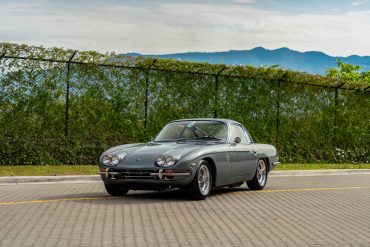
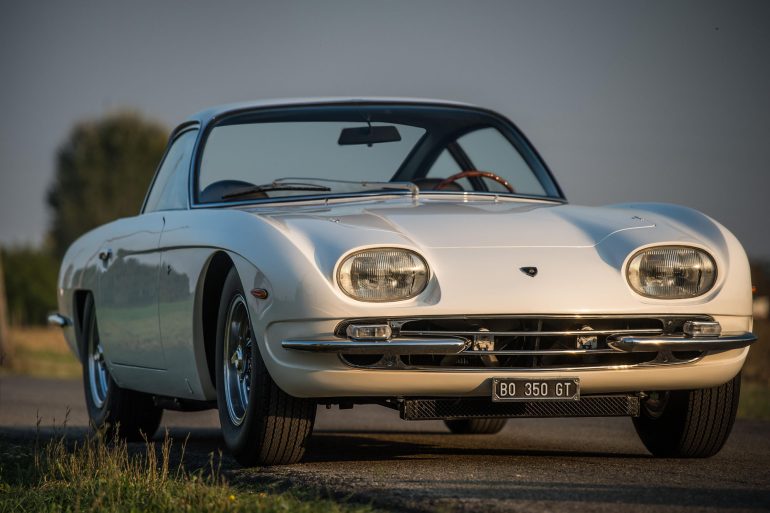
Ferruccio Lamborghini, a tractor and heating-equipment maker from Cento who had made his money in the postwar boom and his opinions on Ferrari's clutch in person to Enzo, founded Automobili Lamborghini in May 1963 with a new factory at Sant'Agata and a brief for a GT better than a Ferrari: Bizzarrini's four-cam V12, detuned from his 400-horsepower racing proposal, in Dallara's chassis under Franco Scaglione's and then Touring's 350 GT body of 1964, 120 built, and the 400 GT 2+2 of 1966. The archive's "Men that Made Lamborghini" and the life of Ferruccio cover the founding; the Lamborghini page has it in full. Dallara, 26, Stanzani, 27, and Wallace, the New Zealander who tested everything, wanted a racing car, and in 1965 they designed one as a road car: the V12 across the frame behind the seats, as Alec Issigonis had put the Mini's four across the front, with the gearbox and final drive in the same casting and the same oil, so that the whole powertrain was a block a metre long; a fabricated sheet-steel chassis, drilled for lightness, with double wishbones all round and the fuel in the front; a wheelbase of 2,500 mm. Ferruccio, who did not want to race, agreed to the P400, P for posteriore, as a show chassis, and at Turin in November 1965 the bare thing, painted and with nothing on it, drew more attention than the finished cars; orders came with deposits. Bertone asked for the body, and Gandini, who had replaced Giorgetto Giugiaro at Bertone a few weeks before, drew it: the low roof, the glass over the engine, the wheelarches and the sills that made the car look as if it had been poured, and the lashes round the pop-up lamps that were there to feed air to the brakes. Peter Collins's "Carrozzeria Bertone" and Raffi Minasian's essay on the design are the archive's two accounts of how it looked and why.
Every story on the site about the front-engined Lamborghinis before the Miura, newest first.
The Miura P400 was shown at Geneva on 10 March 1966 with Gandini's body in orange over a chassis whose engine was not yet installed, because the body had been finished the week before and nobody was sure it would fit; it did, and the first customer cars were delivered in the spring of 1967 after a year of making the thing work. 350 horsepower at 7,000 rpm from four triple-choke Webers, 1,125 kg dry, a claimed 280 km/h and a measured 270, a cockpit that was hot and loud and a front end that went light at speed; the early cars had thin-gauge chassis steel that flexed and was thickened from 1968. Setright's drive for Car in 1967, Modena to London, and the American road tests that followed made it the most famous car in the world, and the buyers were the ones Ferruccio wanted: Sinatra, the Shah, Miles Davis, who crashed his, Eddie Van Halen later, and the one at the start of The Italian Job in 1969, an orange P400 driven to its death in the Alps, which turned out to have been a damaged car substituted for the crash while the screen car, chassis 3586, went back to the dealer and was found and certified by the Polo Storico fifty years later. 275 P400s were built; Rex McAfee's "World's First Supercar" and the archive's Miura history are the way in, and the 1967 and 1968 P400s in the marketplace pages are the type.
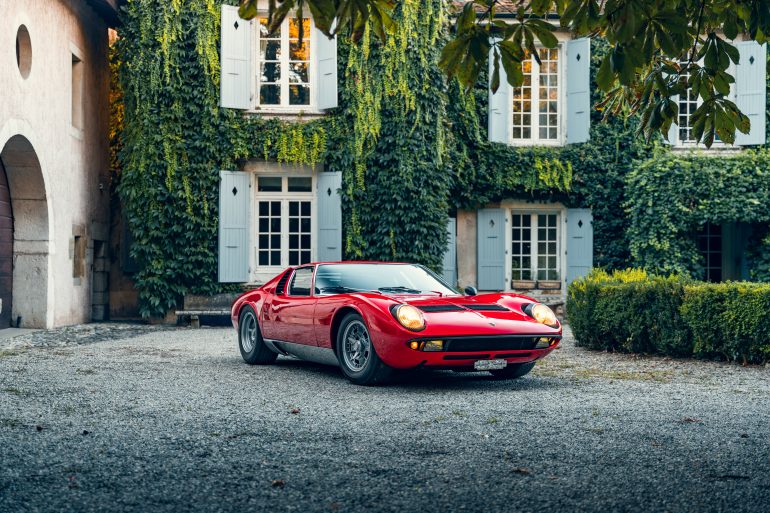
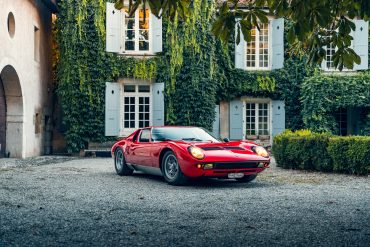
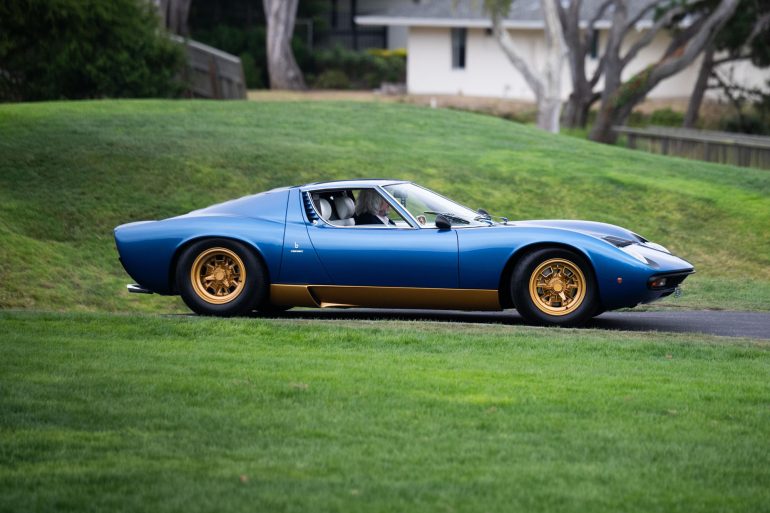
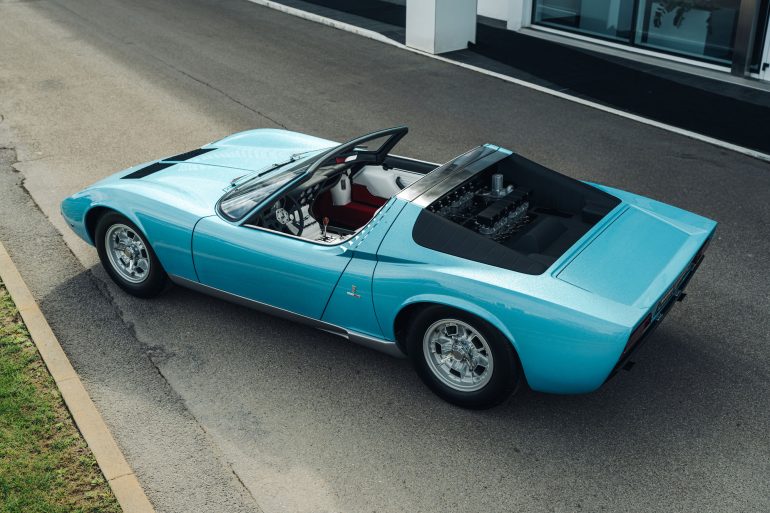
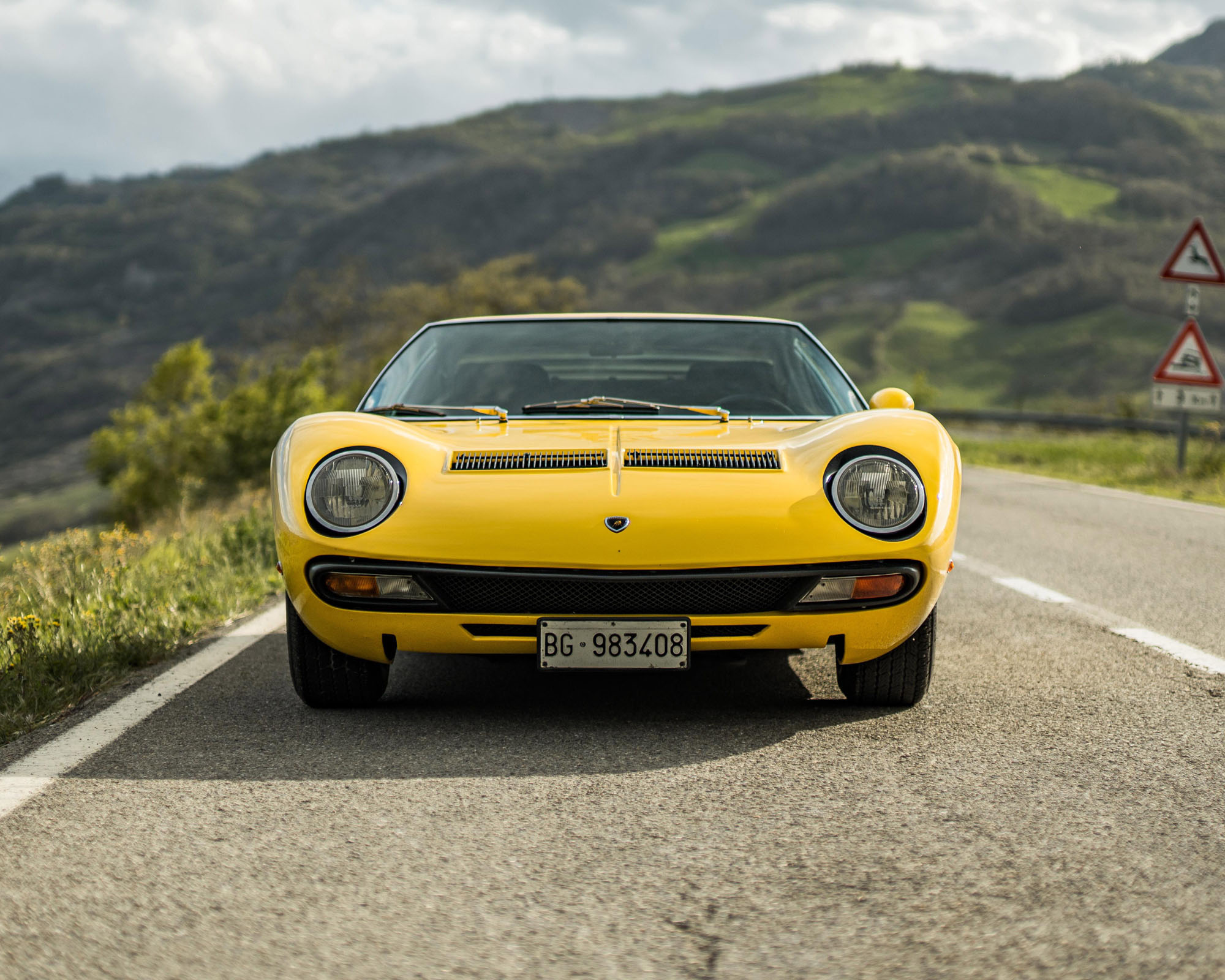
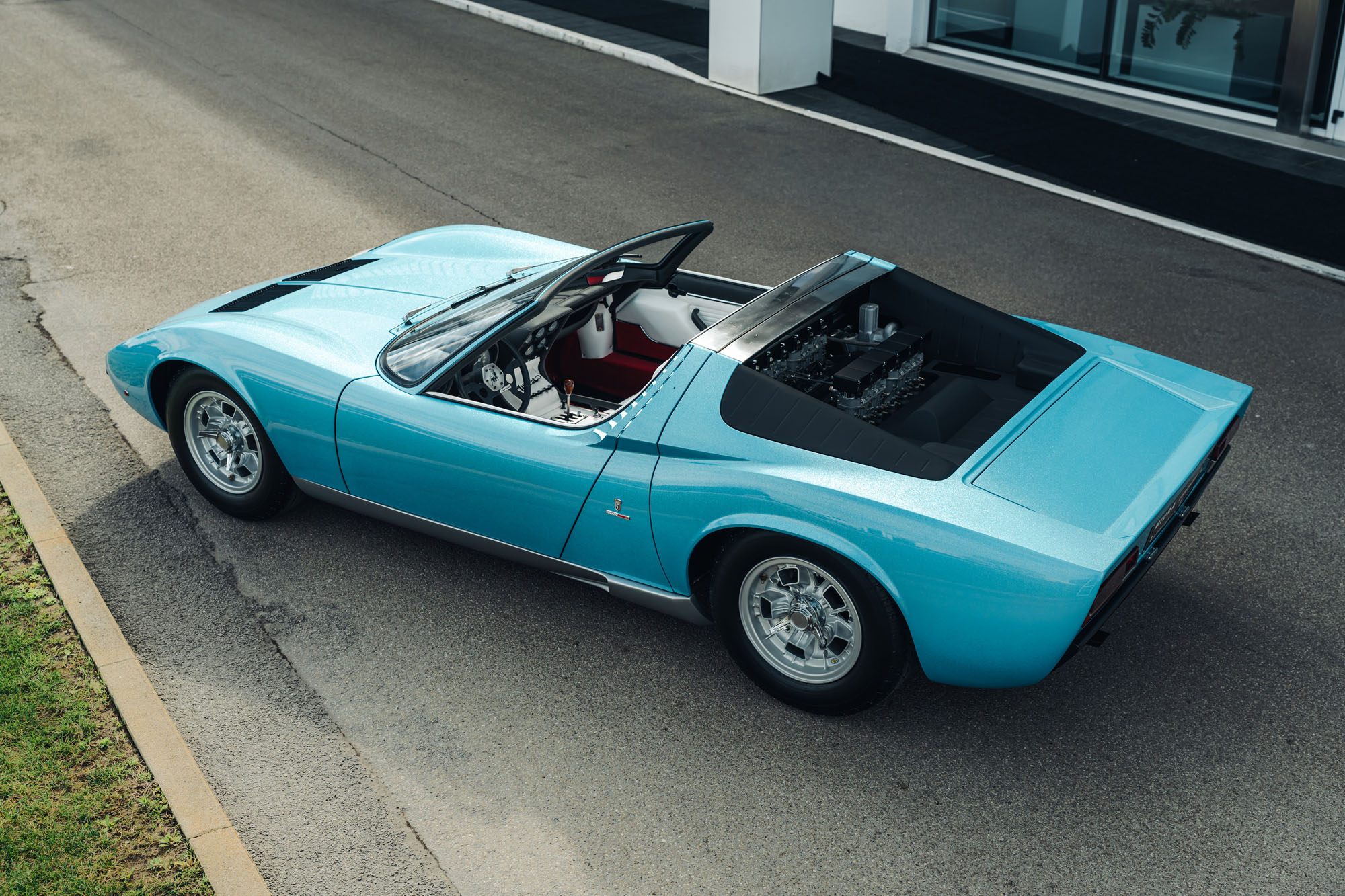
The P400 S of November 1968 was the Miura improved: 370 horsepower from bigger carburettor chokes and a higher compression, electric windows, a locking glovebox and air conditioning as options, chrome trim round the windows and the lamps, vented discs and, under the skin, the thicker chassis and revised rear suspension; 338 were built to 1971, Twiggy's 1969 car the archive's example. The P400 SV, Spinto Veloce, of March 1971 was the one Wallace had wanted all along: 385 horsepower, wider rear wheels on 9-inch Campagnolos under flared arches, the rear suspension redesigned with wider track and a lower roll centre, the lashes gone, and from the hundredth car or so the engine and gearbox in separate sumps, which cured the oil-sharing that had worn gears and kept oil off the clutch. 150 were built to the beginning of 1973, when the Countach, shown as a prototype beside the SV at Geneva in 1971, took over, and the SV is the car collectors pay most for; the archive's "Miura SV turns 50" and Rex McAfee's "Super Veloce Legacy" tell it, the Polo Storico's three-year restoration of a 1972 SV for the Anantara Concorso Roma is the latest, and a 1972 SV sold for $4.9 million in 2024. Bob Wallace's Jota of 1970, chassis 5084, was his own idea of a Group 4 Miura, aluminium panels, a stiffened chassis, dry sump, 440 horsepower and a kerb weight 360 kg lighter, never raced, sold to a customer and destroyed in a road crash near Brescia in 1971; the factory built a few SVJs to its look, the first for the Shah, and in 1974 the single SVR for a Japanese buyer, the car of the Circuit Wolf comic that the Polo Storico restored in 2018. The Roadster, Bertone's one open Miura shown at Brussels in 1968, went to the International Lead Zinc Research Organization as the ZN75 and back to a collector.
Every story on the site about the car that replaced the Miura, newest first.
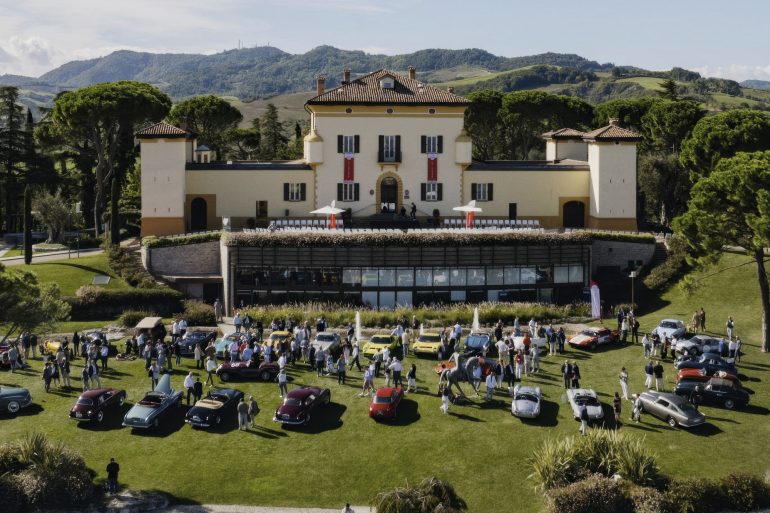
Ferruccio Lamborghini sold a majority of the company to Georges-Henri Rossetti in 1972 and the rest in 1974, and the Miura went with him; the company that made the Countach, went bankrupt in 1978 and passed through Mimran, Chrysler, Megatech and Audi hands never built another, which is part of why the Miura's reputation only grew. It was a used exotic in the 1970s and 1980s, $20,000 to $50,000, re-engined and badly repainted and bought by people who had seen the film; it passed $100,000 in the 1989 boom and $1 million for an SV around 2010, and the P400s followed. Lamborghini's fiftieth in 2013 took seventeen Miuras on the Grand Tour from Milan to Sant'Agata; the Polo Storico, the heritage department founded in 2015, began certifying and restoring them, the SVR, the Italian Job car, the 1972 SV; and the sixtieth in 2026 brought the museum's "Born Incomparable" exhibition, the Revuelto Miura 60° Homage, and 43 Miuras on the third fairway at Pebble Beach, the largest gathering there has been. The design survives in every Lamborghini: the Miura concept of 2006 by Walter de Silva was shown and not built, which was probably right.
Where the Miuras gather every August in Monterey, newest first.
A table of the car, the company and the market from the founding of 1963 to the sixtieth of 2026, with the archive's story of each year linked, follows this chapter. The model names link to every story on the site about that car; the People and Coachbuilder links open their threads.
Seven production years and the fifty since: the car, the company and the archive's story of each. Model names link to every story on the site; the People, Coachbuilder and Event links open their threads.
| Year | The car | The company and the market | In the archive |
|---|---|---|---|
| 1963–64 | 350 GT · Lamborghini · Bizzarrini · Ferruccio Lamborghini | Automobili Lamborghini founded at Sant'Agata, May 1963; Bizzarrini's V12; the 350 GT of 1964, 120 built | The Life of Ferruccio Lamborghini · The Men that Made Lamborghini |
| 1965 | Miura · Dallara | Dallara, Stanzani and Wallace design the transverse-V12 P400 chassis; shown bare at the Turin Salon in November; orders on the stand; Bertone asks for the body | Lamborghini: Survival and Innovation · Five Unusual Lamborghini Records |
| 1966 | Miura · Bertone · 400 GT | Gandini's Miura at Geneva, 10 March; the 400 GT 2+2; the first production cars begin a year of development | Lamborghini Miura: World's First Supercar · Carrozzeria Bertone: a design dynasty · The Miura's V12 milestone |
| 1967 | Miura · Supercars | First deliveries; Setright drives one from Modena to London for Car; Sinatra's and the Shah's orders; 275 P400s to 1969 | Lamborghini Miura · 1967 Miura P400 sold for $1.7 million |
| 1968 | Miura · Bertone · Espada · Islero | The P400 S at Turin in November; Bertone's one-off Roadster at Brussels; the Espada and Islero; Dallara leaves for De Tomaso | 1968 Miura P400 in the marketplace · What History Can Do to a Great Design |
| 1969 | Miura · Movie & Film Cars | The Italian Job opens with an orange P400 in the Alps; Twiggy's Miura S; Miles Davis's and Rod Stewart's cars | A Supermodel's Supercar: Twiggy's 1969 Miura S · The Italian Job Miura found and restored |
| 1970 | Miura · Jarama · Urraco | Bob Wallace's Jota, chassis 5084: the Group 4 Miura that never raced; the Jarama and the Urraco | 1970 Miura P400 S for sale |
| 1971 | Miura · Countach | The P400 SV at Geneva in March, 385 hp and the wide arches, beside the Countach LP500 prototype; the Jota destroyed near Brescia | The Miura SV turns 50 · Miura SV: the Super Veloce legacy begins |
| 1972–74 | Miura · Countach · Lamborghini | Ferruccio sells to Rossetti; the split-sump SVs; the last Miura in early 1973, 150 SVs; the SVJs and the SVR of 1974; the Countach LP400 in production | 1972 Miura SV restored by the Polo Storico · Miura SVR restored |
| 1978–2006 | Miura · Diablo | Lamborghini bankrupt in 1978, then Mimran, Chrysler, Megatech and Audi; the Miura as a used exotic, then a collectable; the 2006 Miura concept, not built | Lamborghini page |
| 2011–13 | Miura · Gooding · Anniversaries | The S passes $1 million; the fiftieth-anniversary Grand Tour with seventeen Miuras; the first seven-figure P400s | Gooding Amelia Island 2011: the Italian cars · Lamborghini 50th Anniversary Grand Tour |
| 2015–19 | Miura · Salon Privé · Pebble Beach Concours | The Polo Storico founded; the SVR restored in 2018; the Italian Job car certified in 2019; the Miuras at Salon Privé, Pebble Beach and Villa d'Este | Salon Privé 2016 · Miura SVR restored by Lamborghini |
| 2020–22 | Miura · RM Sotheby's | The Miura history; an SV tops RM's Paris sale at €2.4 million; the SV's fiftieth; the Ultimae Roadster in Miura colours | Lamborghini Miura: Birth of the Stylish Supercar · Miura SV tops RM Paris 2021 · The Ad Personam Ultimae Roadster, inspired by the Miura |
| 2023–25 | Miura · Arizona Concours · Villa d'Este | Sixty years of Lamborghini at the Arizona Concours; a 1972 SV makes $4.9 million; Miuras at Villa d'Este; the Polo Storico at ten; the museum visited | Arizona Concours: 60 years of Lamborghini · Dare to Dream auction results · Lamborghini Polo Storico's 10th anniversary · The Lamborghini Museum |
| 2026 | Miura · Revuelto · Pebble Beach Concours | The sixtieth: the museum's Born Incomparable exhibition, the Revuelto Miura 60° Homage, and 43 Miuras on the third fairway at Pebble Beach | Lamborghini Miura: Born Incomparable · Revuelto Miura 60° Homage · Lamborghini rocks Monterey Car Week |
The Lamborghini page carries the company and the Countach; the Bertone coachbuilder thread has the Marzal and the Espada beside the Miura; the Supercar Era page sets the Miura's descendants in order.
Nine cards follow for the Miuras and their neighbours: the 350 GT before it, the Turin chassis and the P400, the S, the SV, the Roadster, the Jota and SVJs, the SVR, the Italian Job and celebrity cars, and the Countach that replaced it; and below them the Countach, Espada and 350 GT threads.
Nine cars from the archive, from the 350 GT to the Countach; each links to every story on the site.
Gandini's four-seater of 1968, newest first.
Ferruccio Lamborghini, who did not want it and paid for it; Gian Paolo Dallara, who designed the chassis and left in 1968 to build his own; Paolo Stanzani, who finished it and designed the Countach; Bob Wallace, who developed it, built the Jota and spent the rest of his life in Phoenix fixing them; Giotto Bizzarrini, whose V12 it turned sideways; Nuccio Bertone and Marcello Gandini; Ubaldo Sgarzi, the sales manager; L.J.K. Setright; the owners, Sinatra, Davis, Twiggy, Stewart, the Shah; and the keepers, the Polo Storico and the collectors in the archive. The Bertone thread opens below; Ferruccio's and Gandini's are too thin to feed and are linked from the table.
Every story on the site about the carrozzeria that bodied the Miura, newest first.
A Miura is a million-dollar car in any form and the order is P400, S, SV. A P400 with an older restoration is $1–1.5 million and a concours one more, the 1967 car Sackey sold for $1.7 million in 2022 and the 1968 Geneva-delivered car in the 2025 marketplace being the range; an S is $1.5–2.5 million; an SV is $2.5–4 million, a split-sump SV with Polo Storico certification $4 million and up, the $4.9 million of 2024 and the €2.4 million Paris sale of 2021 the marks; the SVJs and the Roadster are beyond estimate. What decides it: the chassis gauge and whether the car has been stiffened, the split or shared sump on an SV, Polo Storico certification, originality of the engine, since many were swapped in the 1970s, the front-end crash history that most of them have, and the colour, since a Miura in its Arancio or Verde is worth more than one repainted red in 1985. The Lamborghini auction and for-sale feeds below carry them as they come up.
Auction previews and results, the Miuras among them, newest first.
Miuras and other Lamborghinis offered by dealers and collectors, newest first.
Chassis shown Turin, November 1965; car shown Geneva, 10 March 1966; deliveries from 1967; last SV early 1973. P400 1966–69, 350 hp, 275 built; P400 S 1968–71, 370 hp, 338; P400 SV 1971–73, 385 hp, 150; 763 in all. Roadster 1968, 1; Jota 1970, 1 (destroyed 1971); SVJ about 5; SVR 1974, 1. Engine 3,929 cc V12, transverse, four Weber 40 IDL carburettors; wheelbase 2,500 mm; height 1,050 mm; 270–280 km/h. Design team average age 29. The Italian Job car, chassis 3586, certified 2019. Prices: P400 $1–1.5 million; S $1.5–2.5 million; SV $2.5–5 million, $4.9 million in 2024. 43 Miuras at Pebble Beach, 2026. 131 stories in the archive.
Short answers, with the long ones above.
Because it was the first road car with a mid-mounted V12 behind two seats, the layout of the racing cars of its day, and the fastest car on sale when it appeared in 1966; L.J.K. Setright's 1967 account of driving one from Modena to London is where the idea, if not the exact word, attached itself to the car.
The chassis by Gian Paolo Dallara and Paolo Stanzani with Bob Wallace, the engine by Giotto Bizzarrini, the body by Marcello Gandini at Bertone; all but Bizzarrini were under thirty.
The P400 of 1966–69 is the original, 350 horsepower; the S of 1968–71 added 20 horsepower, electric windows, chrome trim and a stiffer chassis; the SV of 1971–73 has 385 horsepower, wide rear arches and wheels, no headlamp eyelashes and, on later cars, a separate gearbox sump. The SV is the most valuable.
763: 275 P400s, 338 P400 Ss and 150 P400 SVs, plus the one Roadster, the Jota, a few SVJs and the SVR.
Bob Wallace's one-off racing development car of 1970, built to Group 4 ideas with aluminium panels, a dry-sump 440-horsepower engine and 360 kg less weight; it was sold and destroyed in a crash in 1971. The factory later built a handful of SVJs in its image.
Yes: an orange P400 drives through the Alps in the opening sequence of the 1969 film before the Mafia's bulldozer pushes a Miura off the road; the crashed car was a damaged one, and the screen car, chassis 3586, was found and certified in 2019.
From about $1 million for a P400 to $2.5–5 million for an SV; a 1972 SV made $4.9 million in 2024.
The Countach LP400 of 1974, designed by Stanzani and Gandini with the V12 turned lengthways; it was shown as a prototype beside the Miura SV at Geneva in 1971.
No; he made GT cars and refused to race, and let the engineers show the chassis at Turin in 1965 as an experiment. The orders changed his mind.
The black slats round the pop-up headlamps on the P400 and S fed air to the front brakes and were Gandini's way of finishing the shape; the SV dropped them.
The whole archive on one thread, newest first.