The Exposition Universelle of 1900 was the sort of event that made reputations. Some forty-eight million visitors passed through the Paris gates between April and November, and among the machinery on display was a carriage sent from Vienna by the coachbuilder Jakob Lohner & Co. It had no engine, no transmission, no driveshaft and no belts. Each of its front wheels carried an electric motor built directly into the hub, and the man responsible for that arrangement was a twenty-four-year-old Bohemian engineer named Ferdinand Porsche.
The sports cars that would eventually carry his surname were still decades away. His first sports car design, the Austro-Daimler Sascha, did not appear until 1922, and the first vehicle to wear the Porsche name would wait until 1948. Before any of that, Porsche was an electrical engineer working out how to move a heavy vehicle without a mechanical driveline. Weissach’s current electric program is usually described as a departure from what the company had always been. The historical record points to something closer to a return.
The Vienna Years and the Car Known as P1
Porsche was born in Maffersdorf, Bohemia, in September 1875, the son of a tinsmith who expected his boy to take over the family workshop. He never earned an engineering degree. He took a job at Béla Egger & Co. in Vienna in 1893, worked his way from the assembly floor into the test department within four years and audited lectures at the Imperial Technical University in his own time.
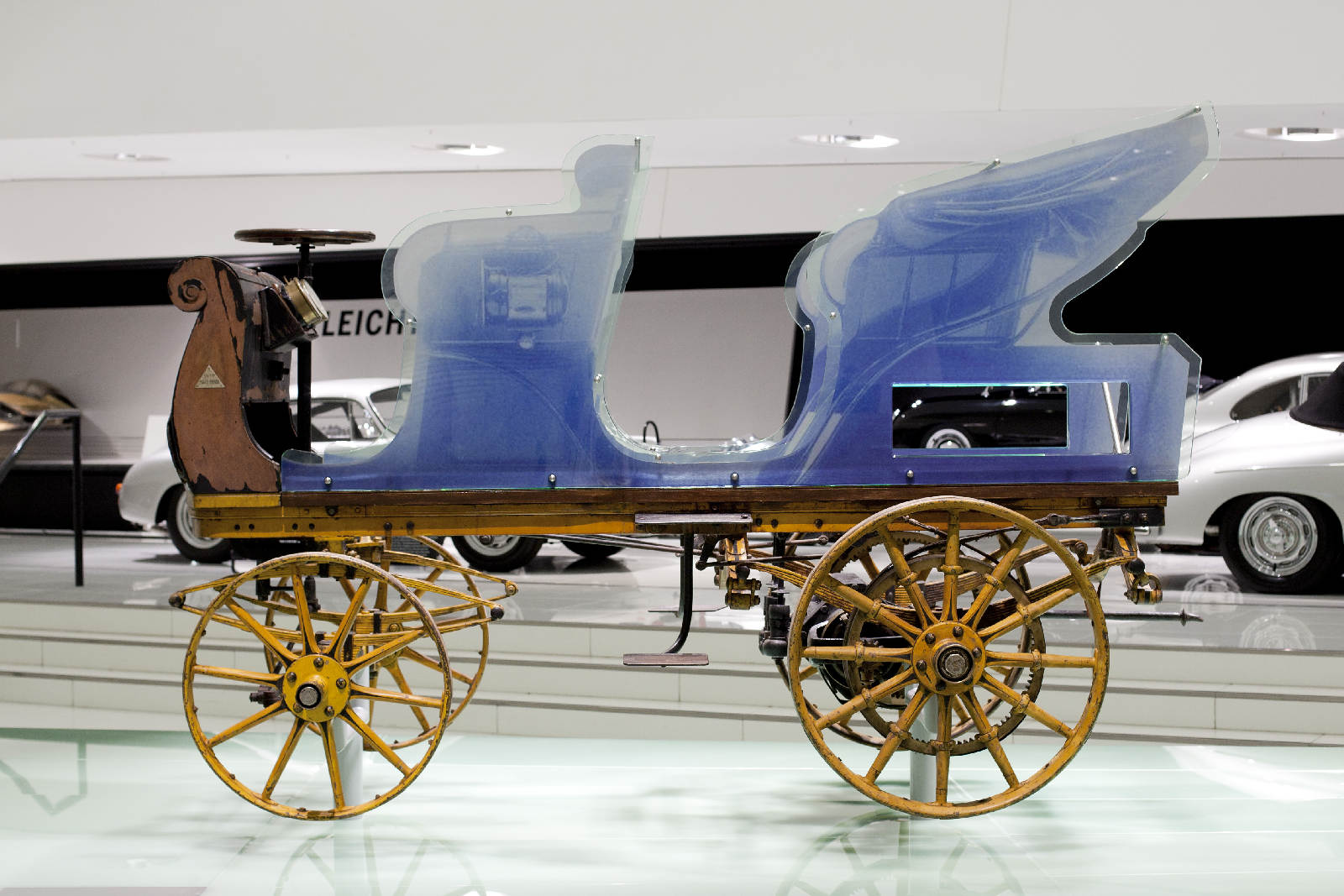
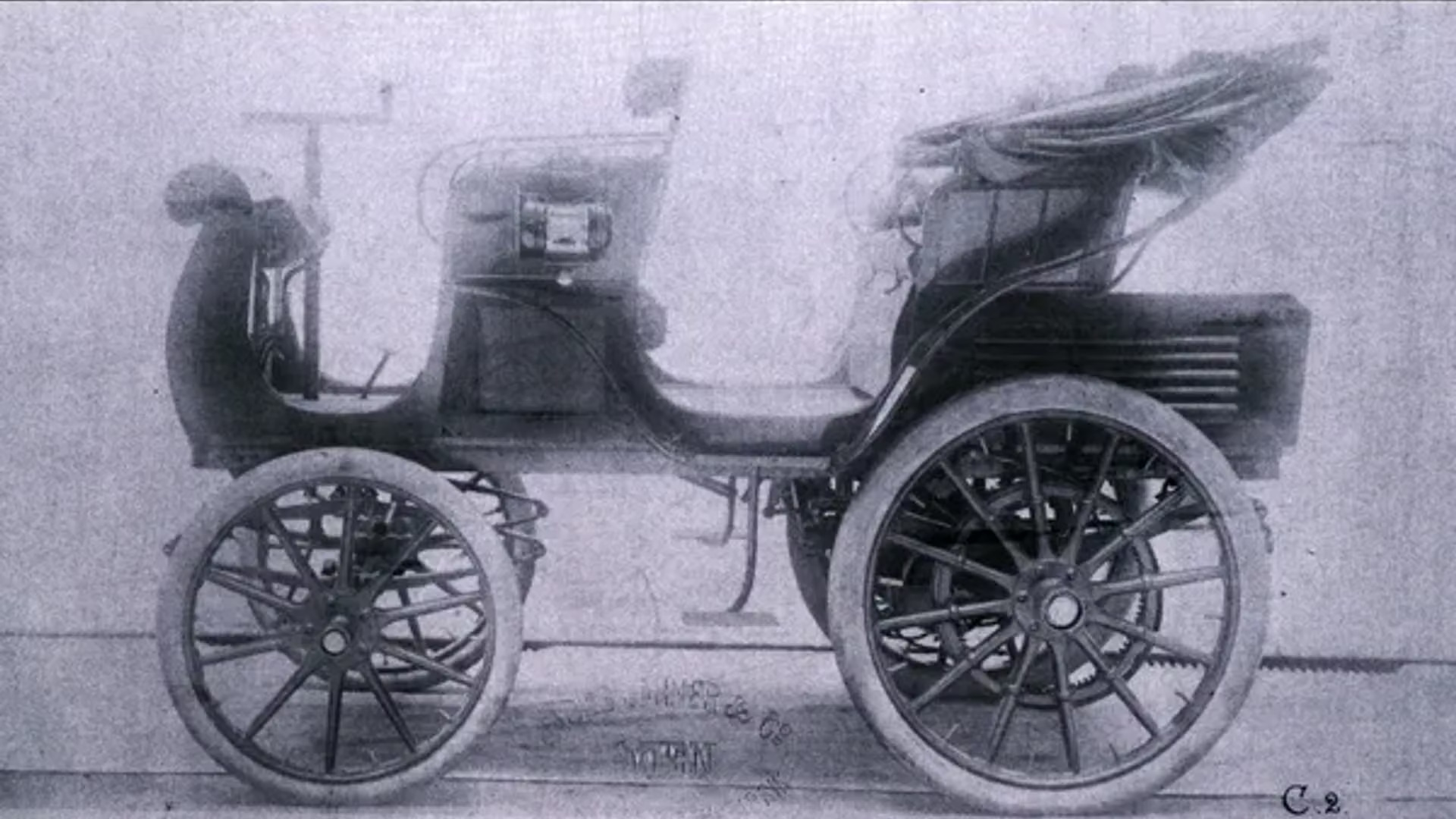
His first complete vehicle was registered in Vienna on June 26, 1898. Officially an Egger-Lohner C.2 Phaeton, the car carried the code “P1” stamped into its major components, a shorthand for Porsche’s first design. An octagonal electric motor of his own construction sat at the rear, producing around 3 hp continuously and roughly 5 hp under overload, enough to push 1,350 kg of coachwork and lead-acid batteries to 35 km/h (22 mph). Range was somewhere near 80 km (50 miles) on good roads.
Its competitive debut came in September 1899, at an international event for electric vehicles held in Berlin over a 40 km (25 mile) course. Porsche drove. He finished eighteen minutes clear of the next car home, and more than half the field failed to reach the finish at all.
Wheel Hub Motors at the Paris World’s Fair
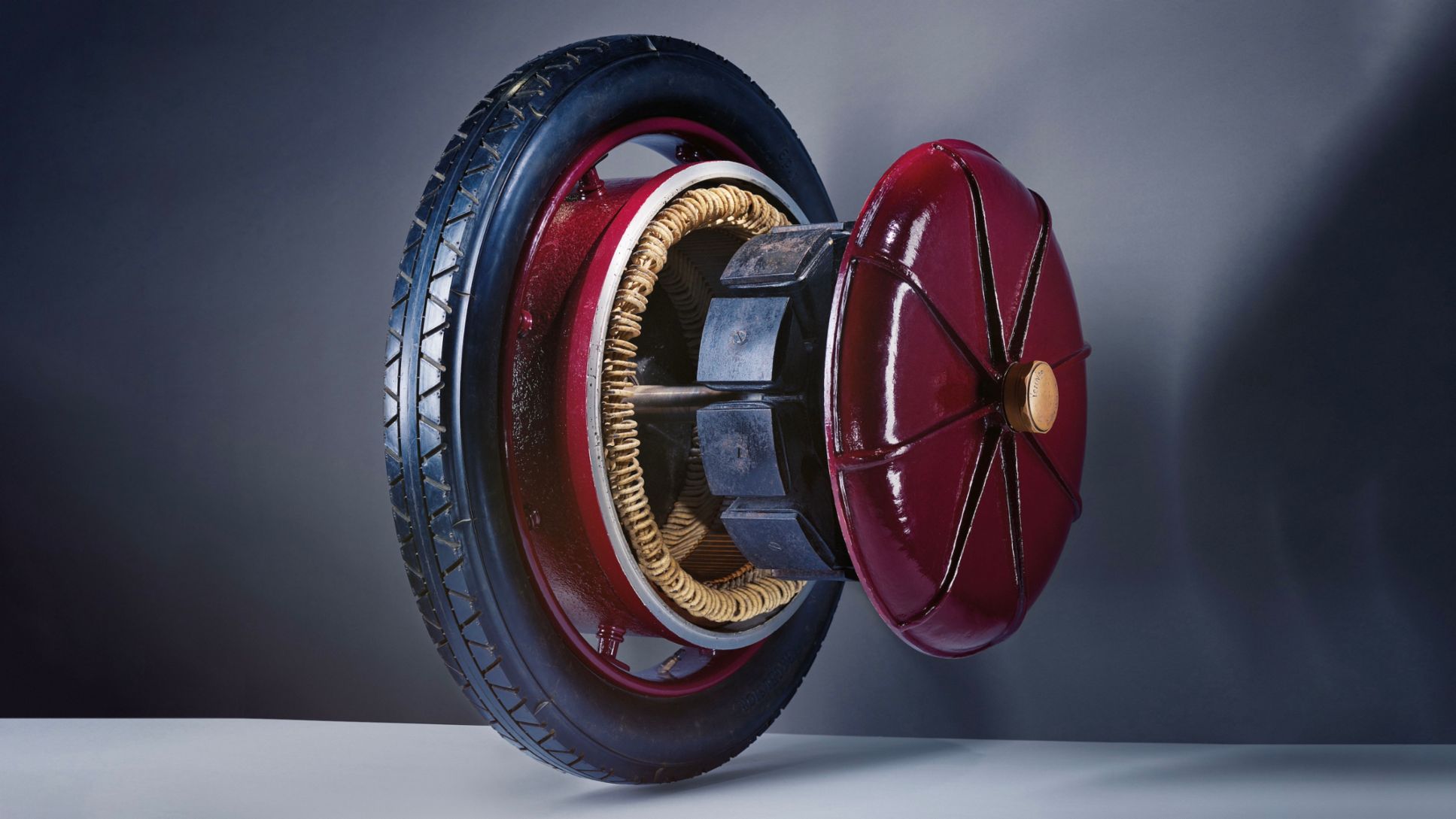
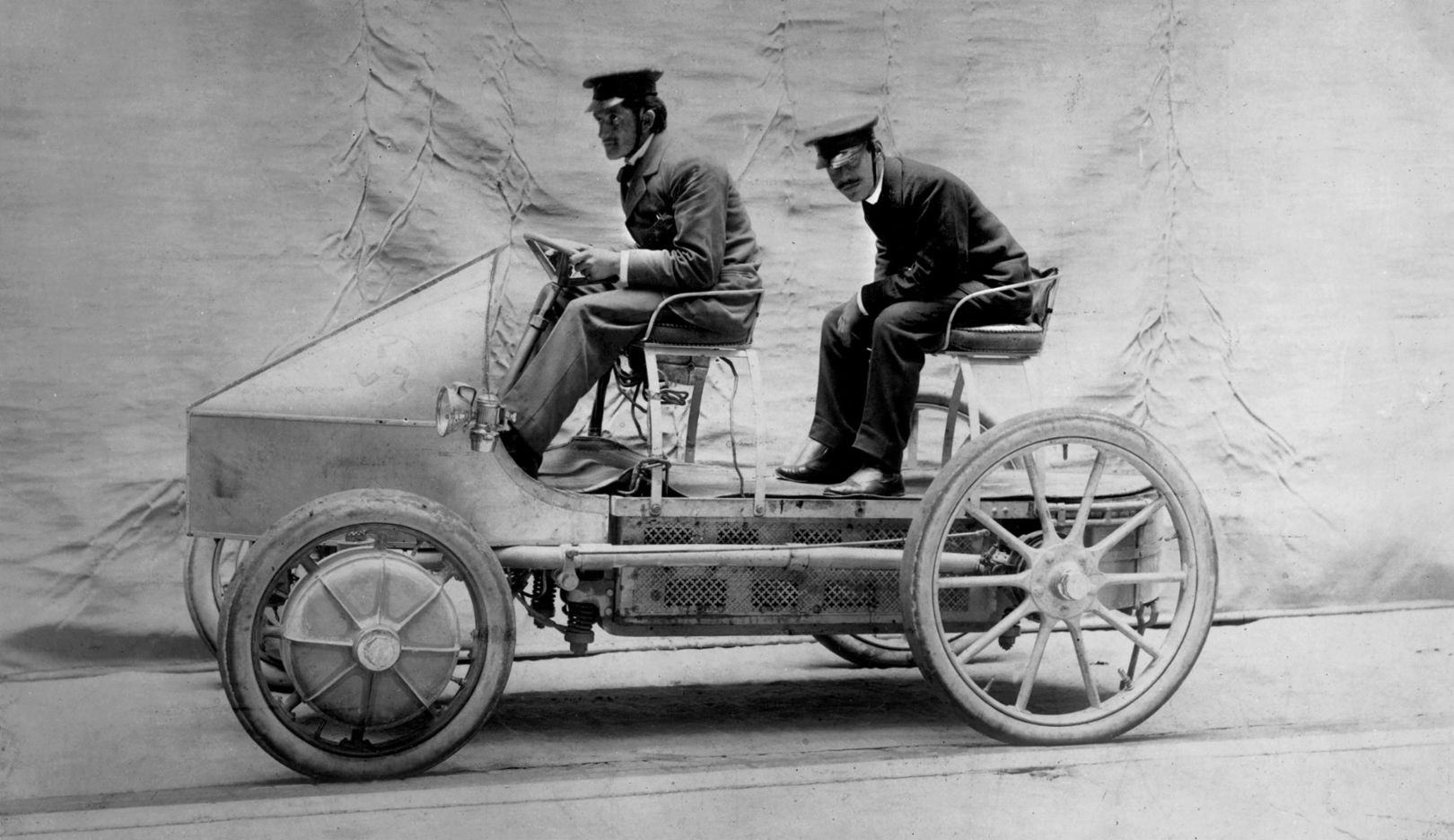
Jakob Lohner had been building horse-drawn carriages for the Habsburg court since 1821 and wanted a stake in the motor trade without the noise and smell that came with early combustion engines. Porsche moved to the firm in 1899, and the design he produced there dispensed with the driveline altogether. Placing a motor inside each front wheel eliminated the losses that came with chains, gears and belts, and Porsche’s own measurements put the efficiency of the system in the low eighties as a percentage.
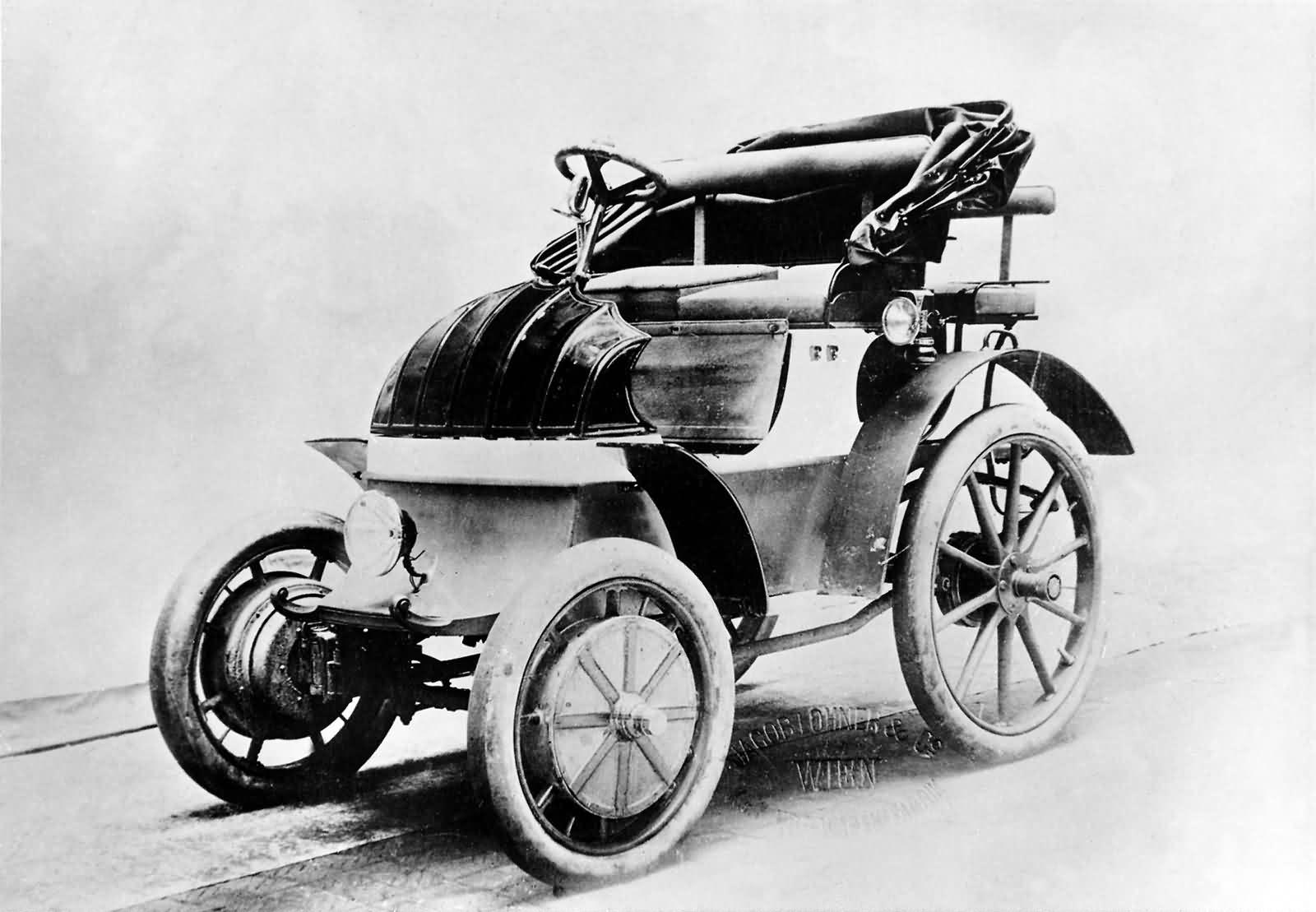
The Paris car ran two hub motors of about 2.5 hp each, with brief overload to roughly 7 hp, and reached 50 km/h (31 mph). A later commission from the British businessman E. W. Hart added motors to the rear wheels as well, producing what was almost certainly the first four-wheel-drive passenger car in history. Around three hundred examples of the system were eventually built under the Lohner-Porsche name, many for municipal duties in Vienna, and the design earned Porsche the Poetting Prize in 1905 as Austria’s outstanding automotive engineer.
Batteries were the obstacle, as they would remain for the next century. Lead-acid chemistry gave up so little energy for its mass that every additional kilometer of range cost payload and pace. The wheel hub motor was sound. Everything upstream of it was not.
Semper Vivus and the Mixte
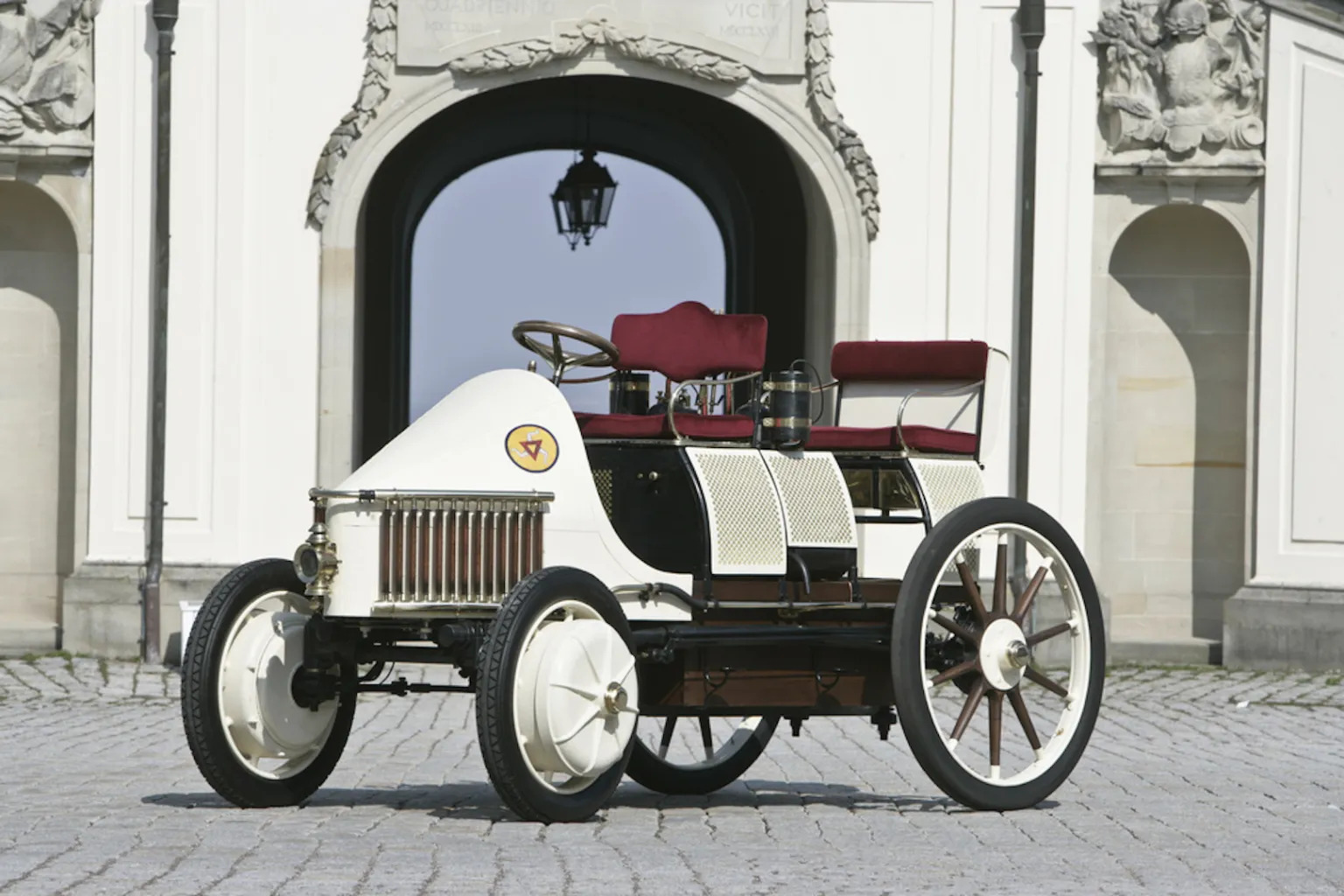
Porsche’s answer was to stop asking the battery to do the whole job. Late in 1900 he completed a machine he named Semper Vivus, or “always alive,” in which two De Dion-Bouton gasoline engines drove a pair of generators, which in turn charged the batteries feeding the hub motors. No mechanical connection existed between the engines and the wheels. What Porsche had built, in the first year of the twentieth century, was a functioning series hybrid.
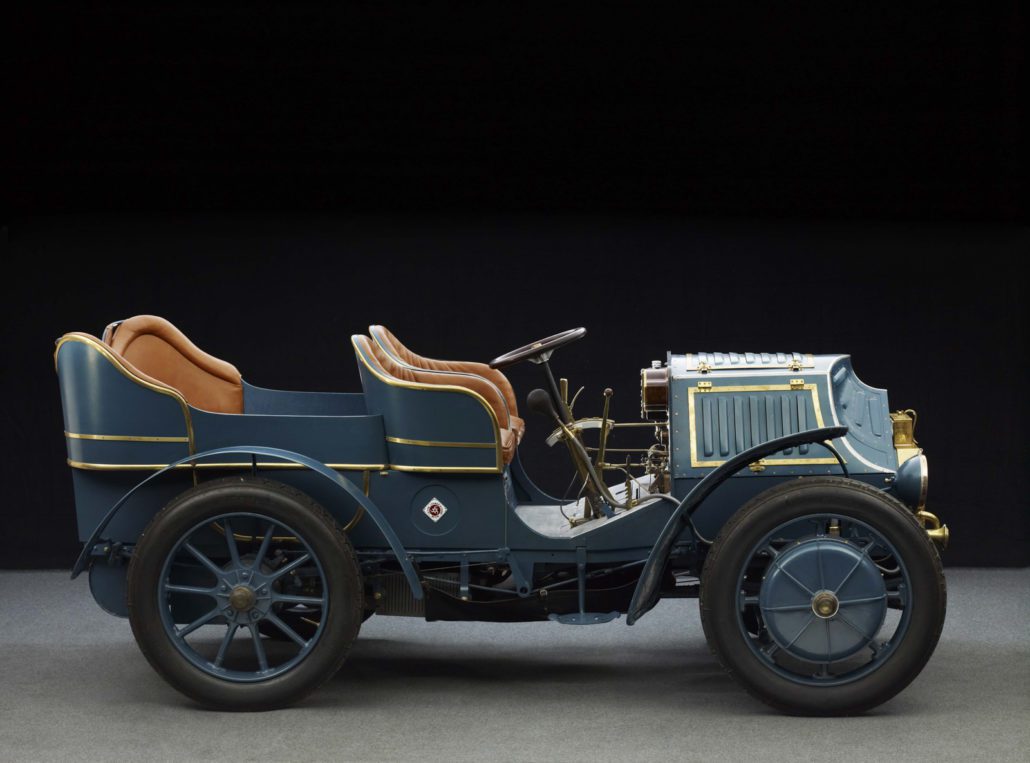
The refined production version arrived in 1901 as the Lohner-Porsche Mixte, using a single larger Daimler engine driving a generator. Porsche entered one in the Exelberg hill climb outside Vienna that same year and won it, beating a field of conventional gasoline cars in a vehicle that weighed considerably more than any of them. The Porsche Museum spent three years constructing a running replica of Semper Vivus from period drawings, completing it in 2011.
The Long Interruption
The electric car did not lose on merit. It lost to the electric starter, developed in 1911 and fitted to Cadillacs from 1912, which removed the hand crank and with it the last practical argument for battery propulsion in a private car. Gasoline was cheap and getting cheaper. Battery chemistry stood still for decades.
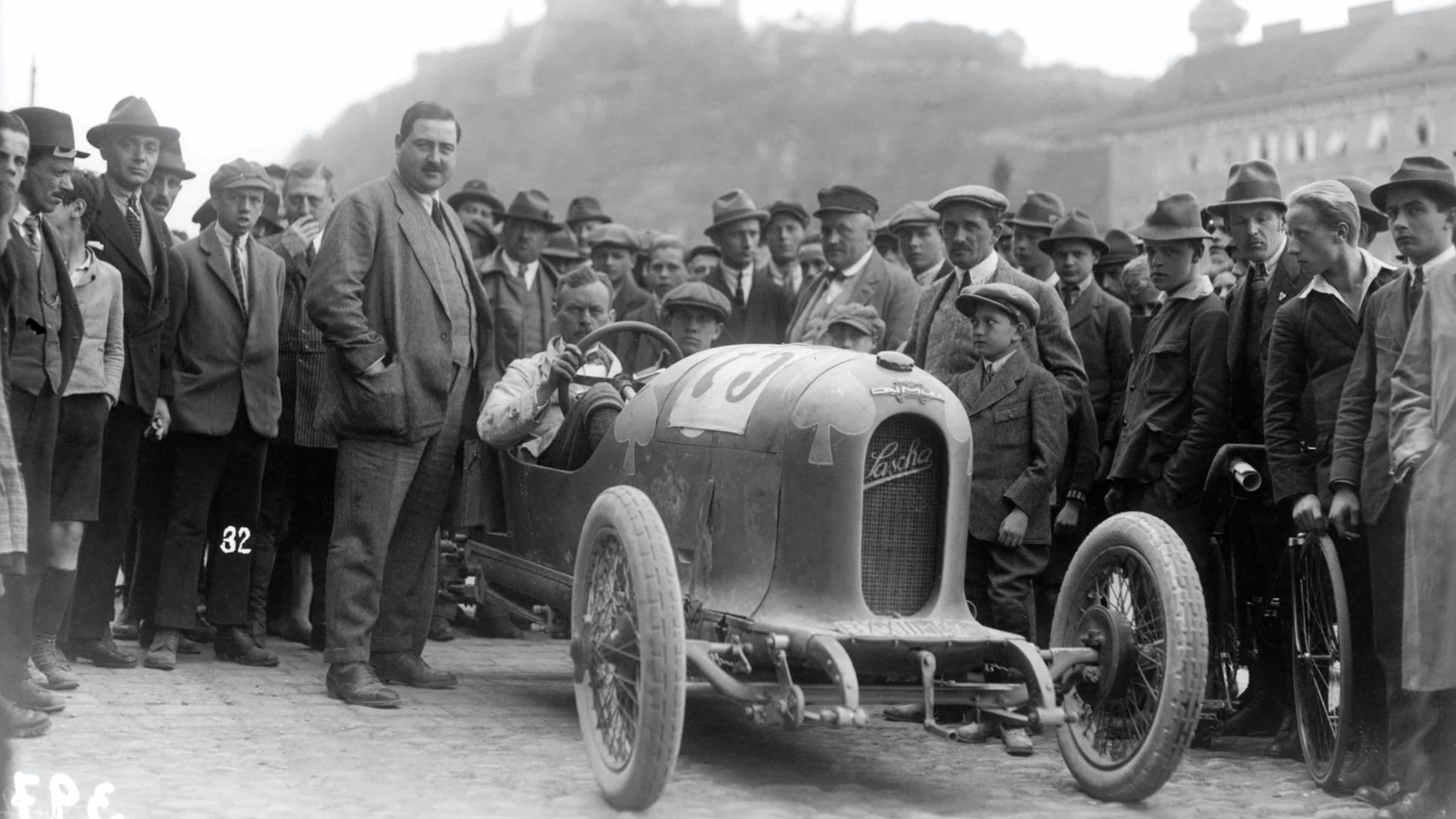
Porsche moved on to Austro-Daimler, then to Daimler-Benz, then to the design office he opened in Stuttgart in 1931. Electric drive resurfaced in his work only where its advantages outweighed its weight penalty, chiefly in heavy tracked vehicles built during the war years. His son Ferry put the family name on a car for the first time in June 1948, and it was powered by an air-cooled flat-four. Ferdinand Porsche died in January 1951, having spent roughly two years of a fifty-year career on electric passenger cars.
Hybrids Return to Weissach
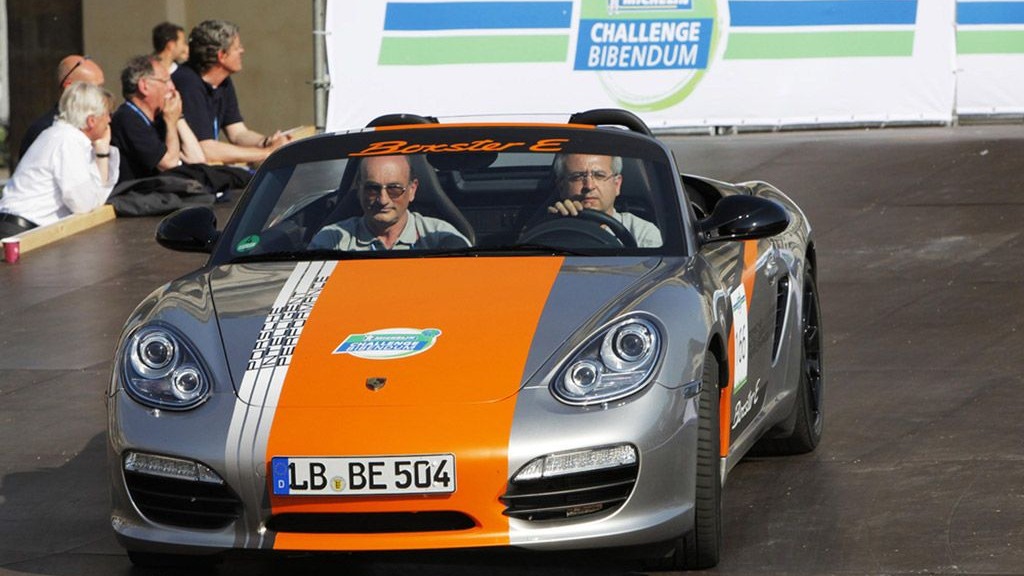
The idea came back slowly. Porsche fitted a hybrid drivetrain to the Cayenne in 2010 and to the Panamera the following year, and in 2011 sent three battery-powered Boxster E prototypes to the Michelin Challenge Bibendum in Berlin. None of these were serious volume plays. They were the company relearning a discipline it had abandoned.
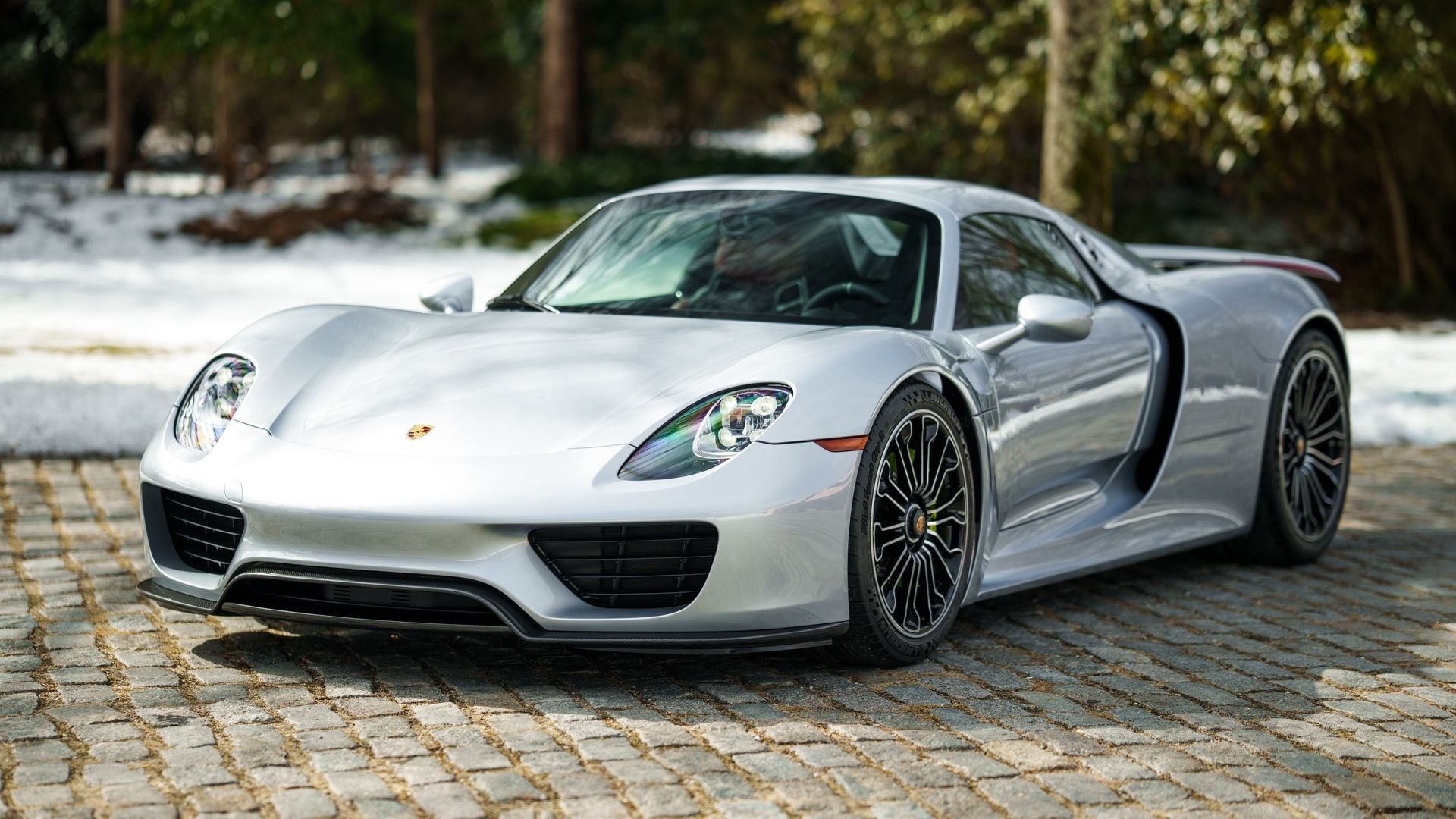
The 918 Spyder settled the question of whether electric drive belonged in a fast Porsche. Its 4.6-liter V8 produced 608 horsepower, two electric motors brought the total to 887 hp, and in September 2013 the car lapped the Nürburgring Nordschleife in 6:57. The 919 Hybrid that followed into the World Endurance Championship in 2014 ran an 800-volt system and won Le Mans outright in 2015, 2016 and 2017.
What the Wheel Hub Idea Became
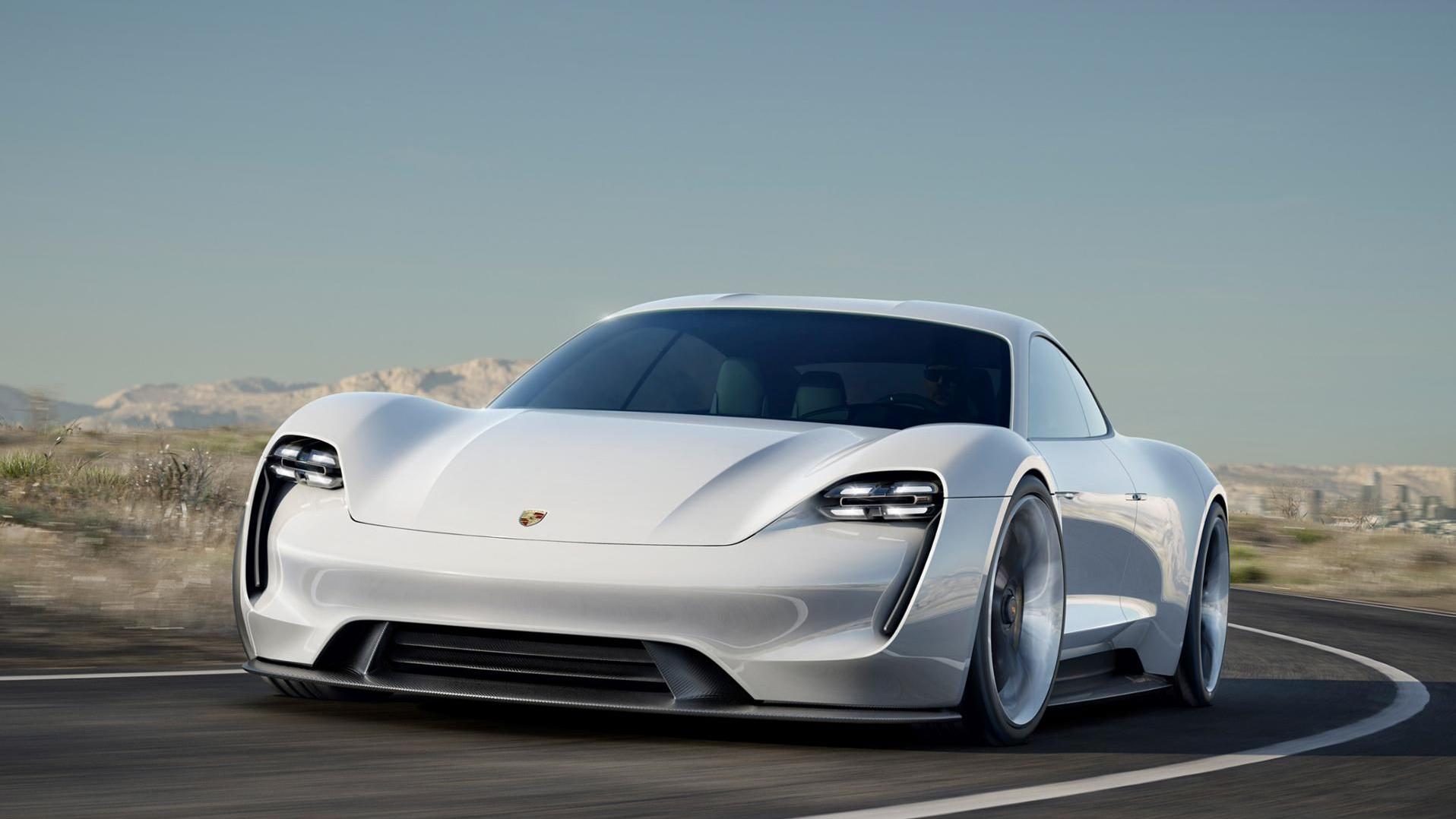
Porsche showed the Mission E concept at Frankfurt in September 2015 and put the production version on sale four years later as the first series vehicle built around an 800-volt architecture. Higher voltage meant lower current for the same output, which meant lighter cabling and less waste heat, the same efficiency argument Porsche had made about wheel hub motors in 1900.
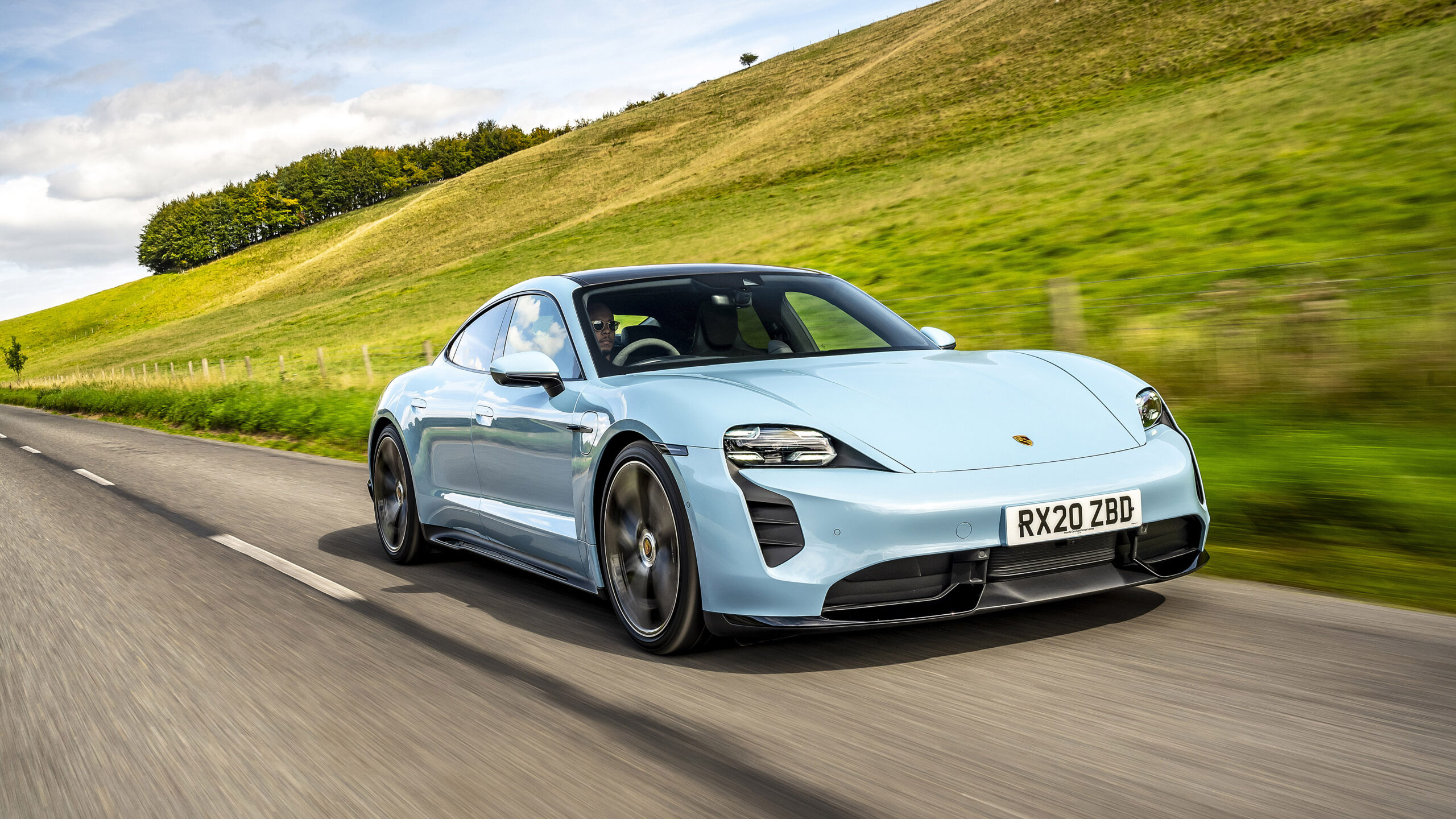
The first-generation Porsche Taycan that resulted uses one motor per axle rather than one per wheel, and it answers the problem that defeated the Lohner car. The current rear-drive model with the larger battery is rated at up to 678 km (421 miles) on the WLTP cycle. At the far end of the range, the Turbo GT produces 1,019 horsepower. Porsche has now delivered more than 150,000 of them.
Full Circle
The P1 spent most of the twentieth century in an Austrian warehouse, unregistered and forgotten, where it had been parked in 1902. It was rediscovered in 2014 and now sits in the Porsche Museum in Zuffenhausen, unrestored, its paint gone and its wooden frame bare. It is the oldest surviving vehicle Ferdinand Porsche designed, and it runs on batteries.