
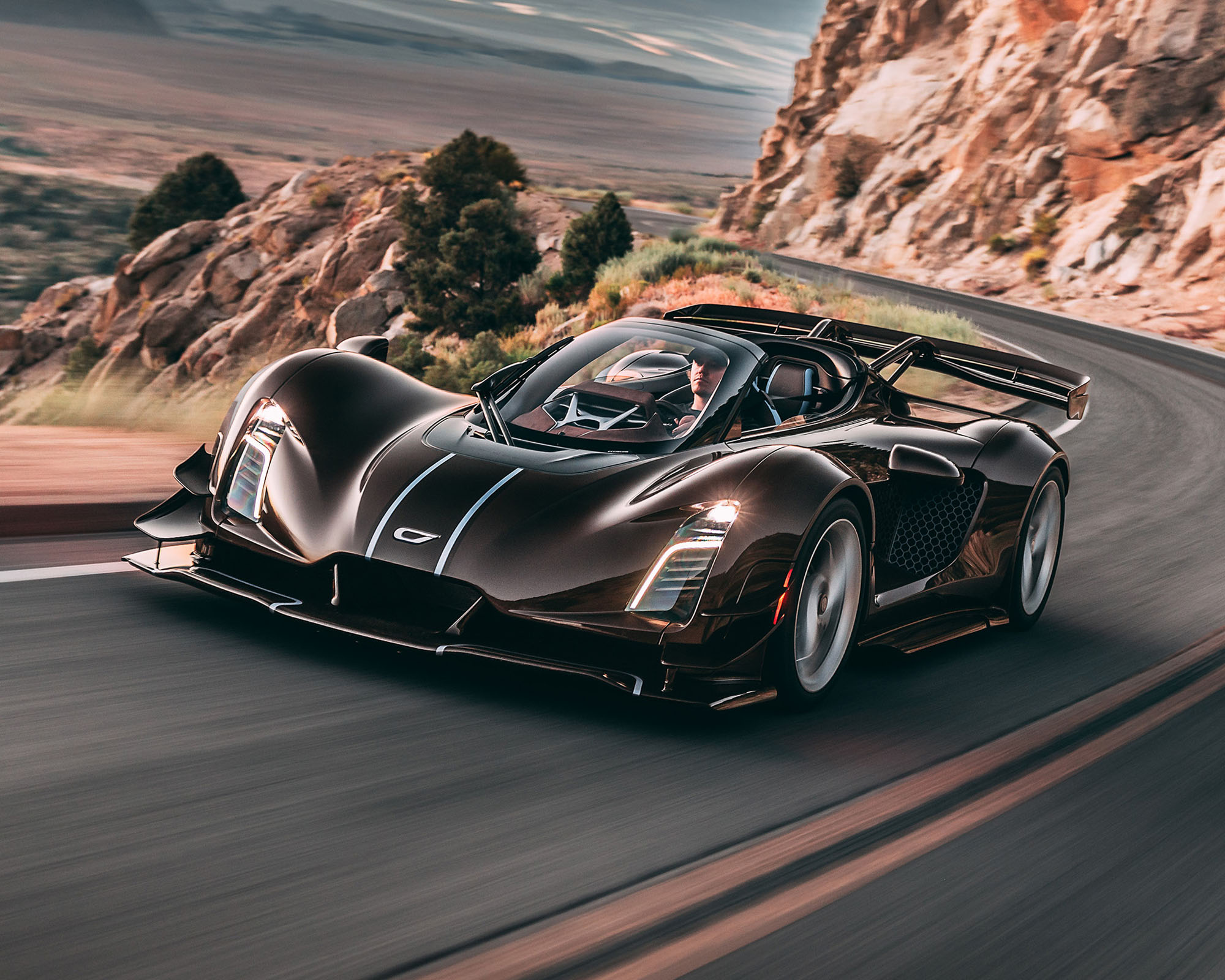

There are fast cars, and then there are cars that make you wonder whether the people who designed them had ever been told that certain things simply aren’t done.
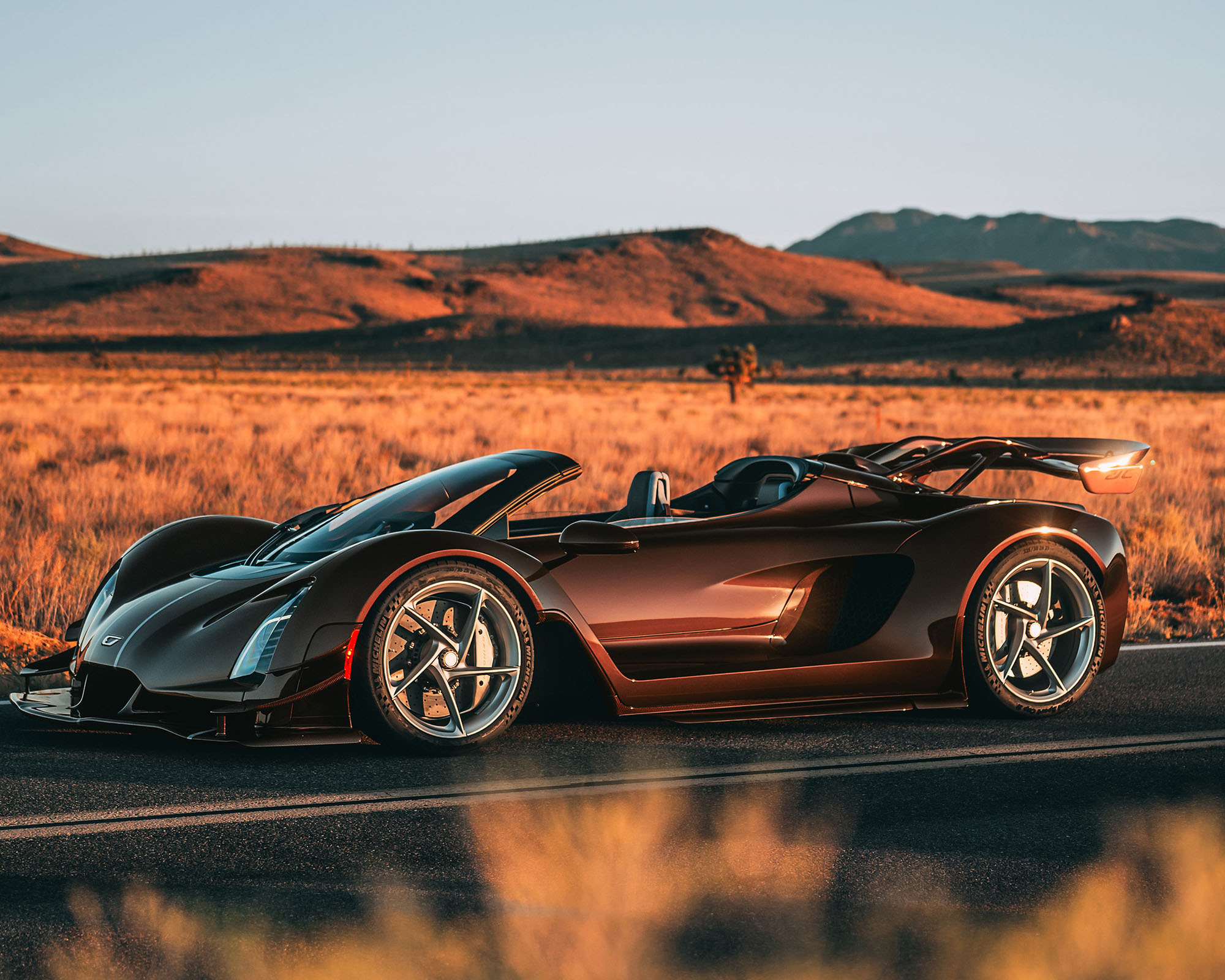
The Czinger 21C Spyder belongs firmly in the second category
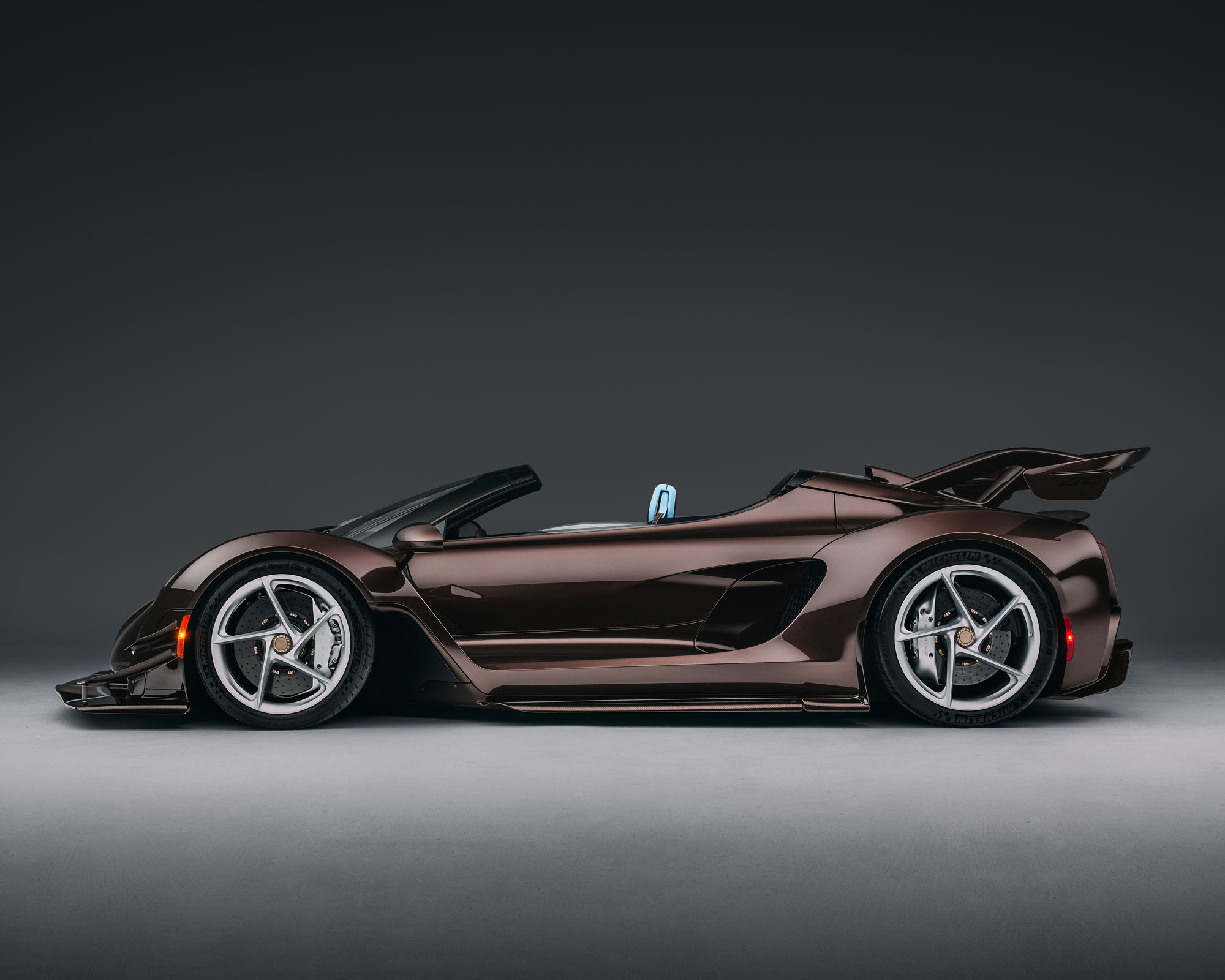
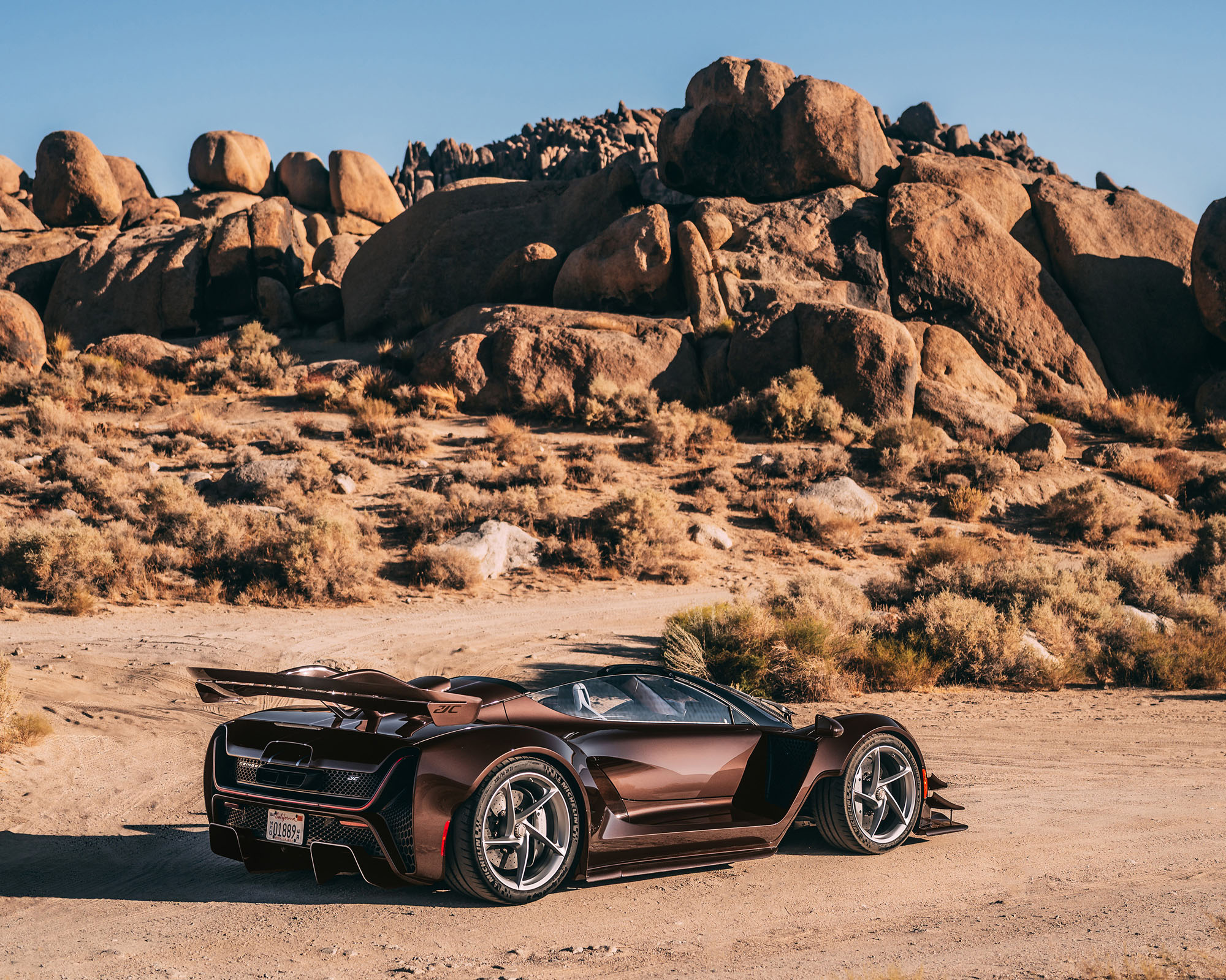
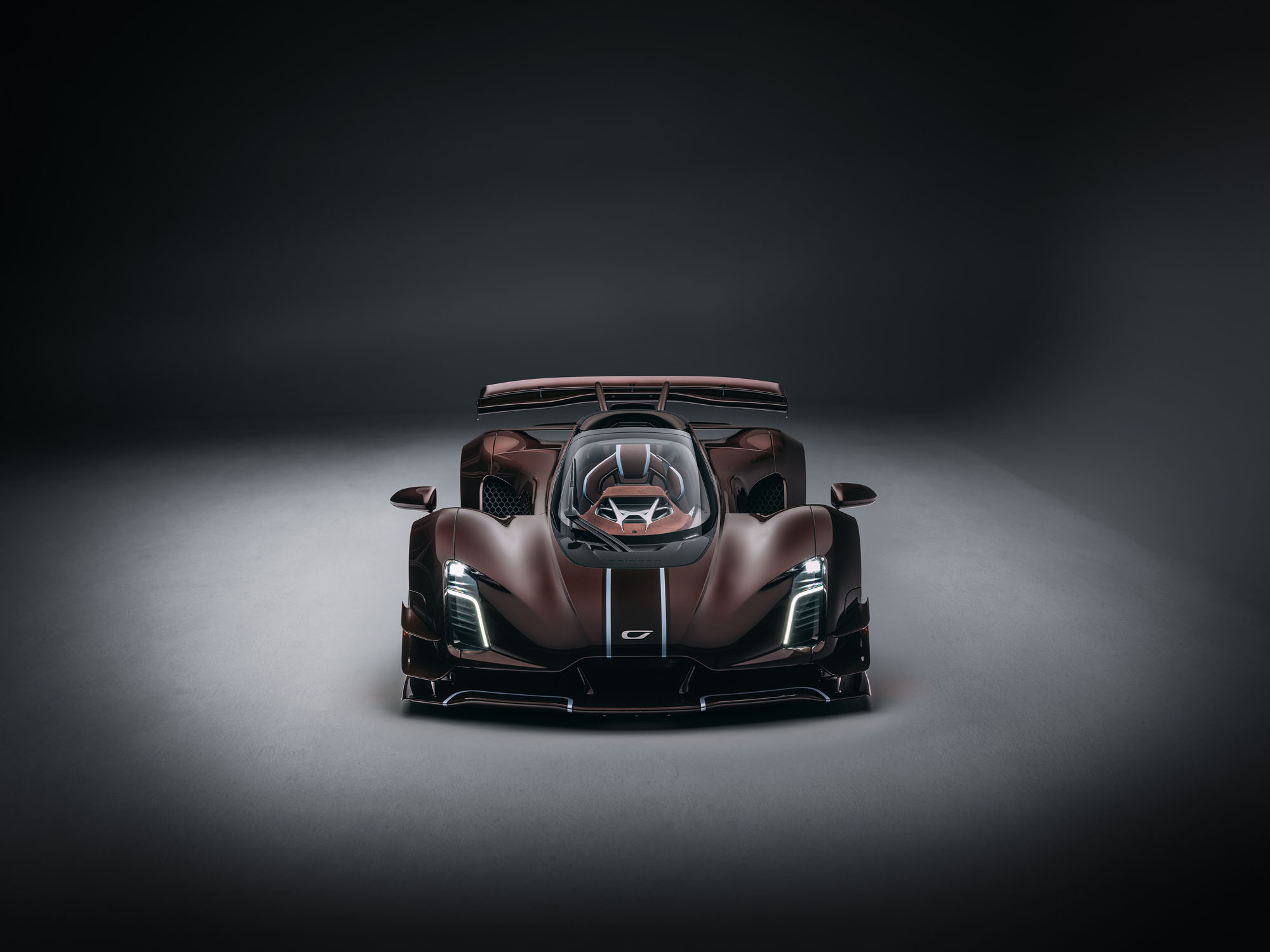
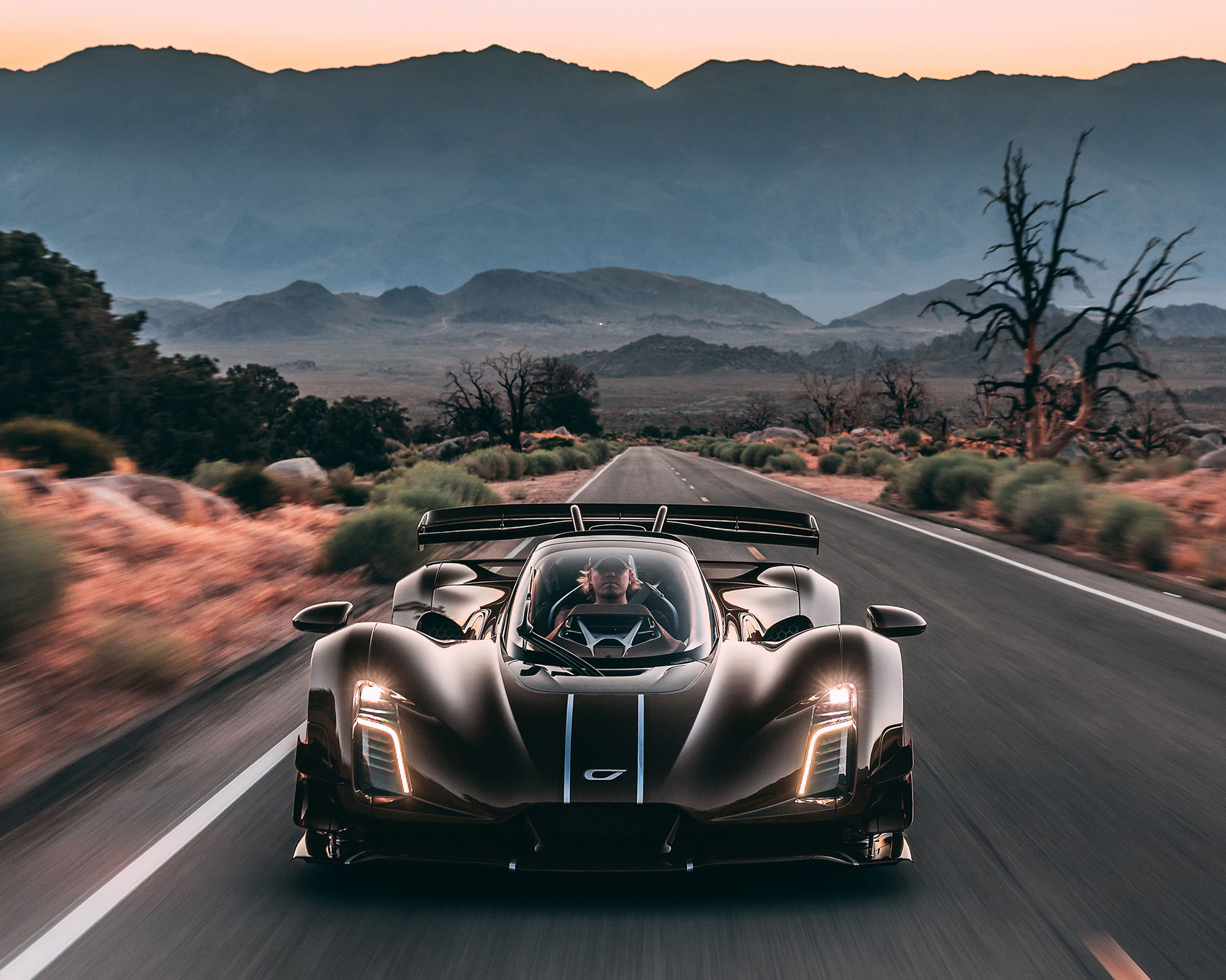
Start with the seating. Driver in front, passenger directly behind, fighter-jet style. Then remove the roof, install a 2.88-liter twin-turbo V8 that revs to 11,000 rpm just behind your head, add electric motors to the front wheels, and give the whole contraption 1,250 horsepower. The result reaches 60 mph in a claimed 1.9 seconds and runs the quarter-mile in 8.7. Top speed is 205 mph. At 150 mph, with the roof off, it produces 3,267 pounds of downforce.
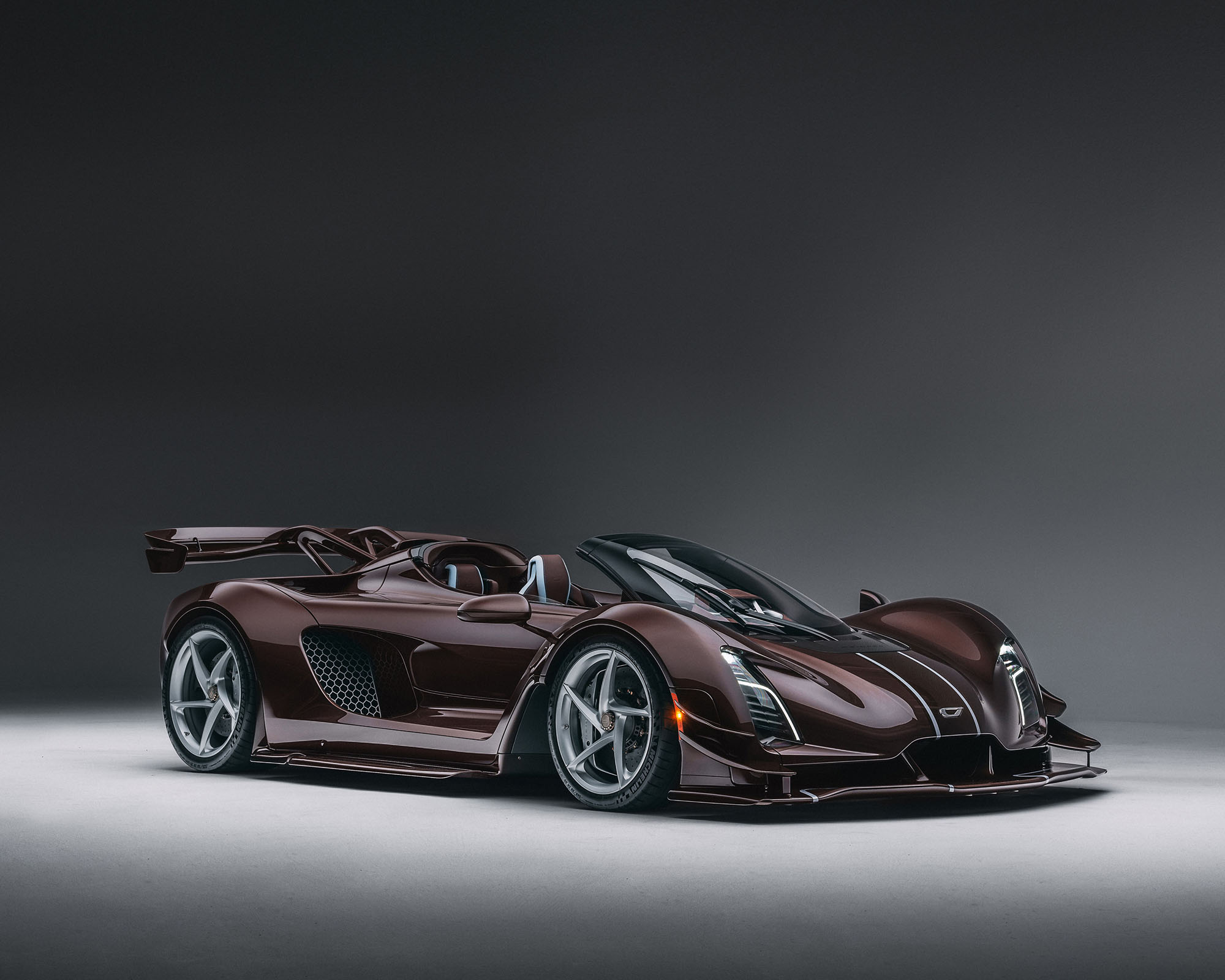
Which is a fairly serious breeze
But the fascinating part of the 21C Spyder isn’t really the numbers. Modern hypercars have reached the point where astonishing statistics are almost expected. What makes the Czinger interesting is the way it’s built.
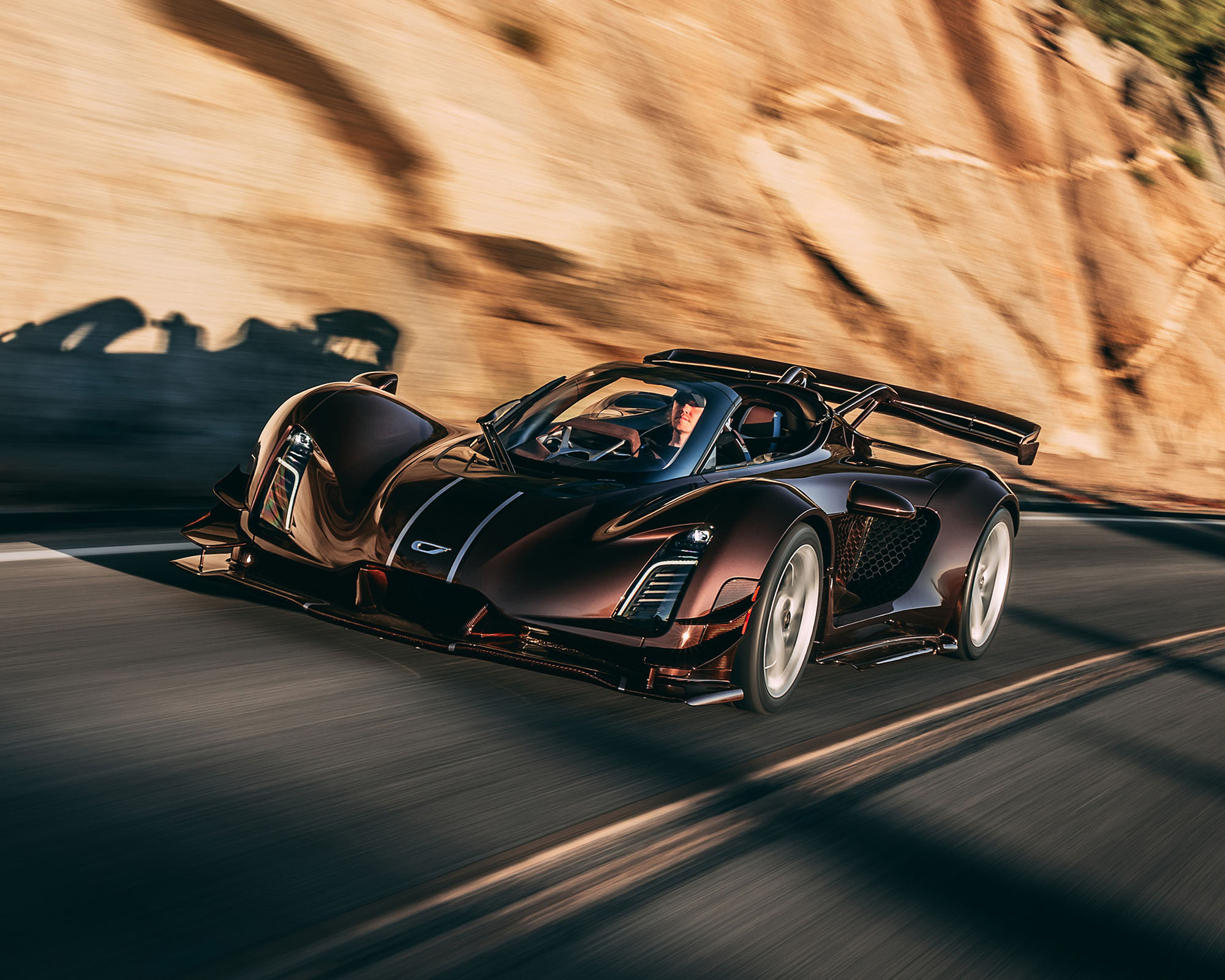
Much of the car looks less machined than grown
Czinger calls its approach BioLogic Engineering, using computational design and additive manufacturing to create skeletal-looking structures that put material only where it’s needed. Nearly a quarter of the Spyder is additively manufactured, resulting in suspension pieces, chassis structures and mechanical components that resemble something you might discover inside the leg of a particularly athletic alien.
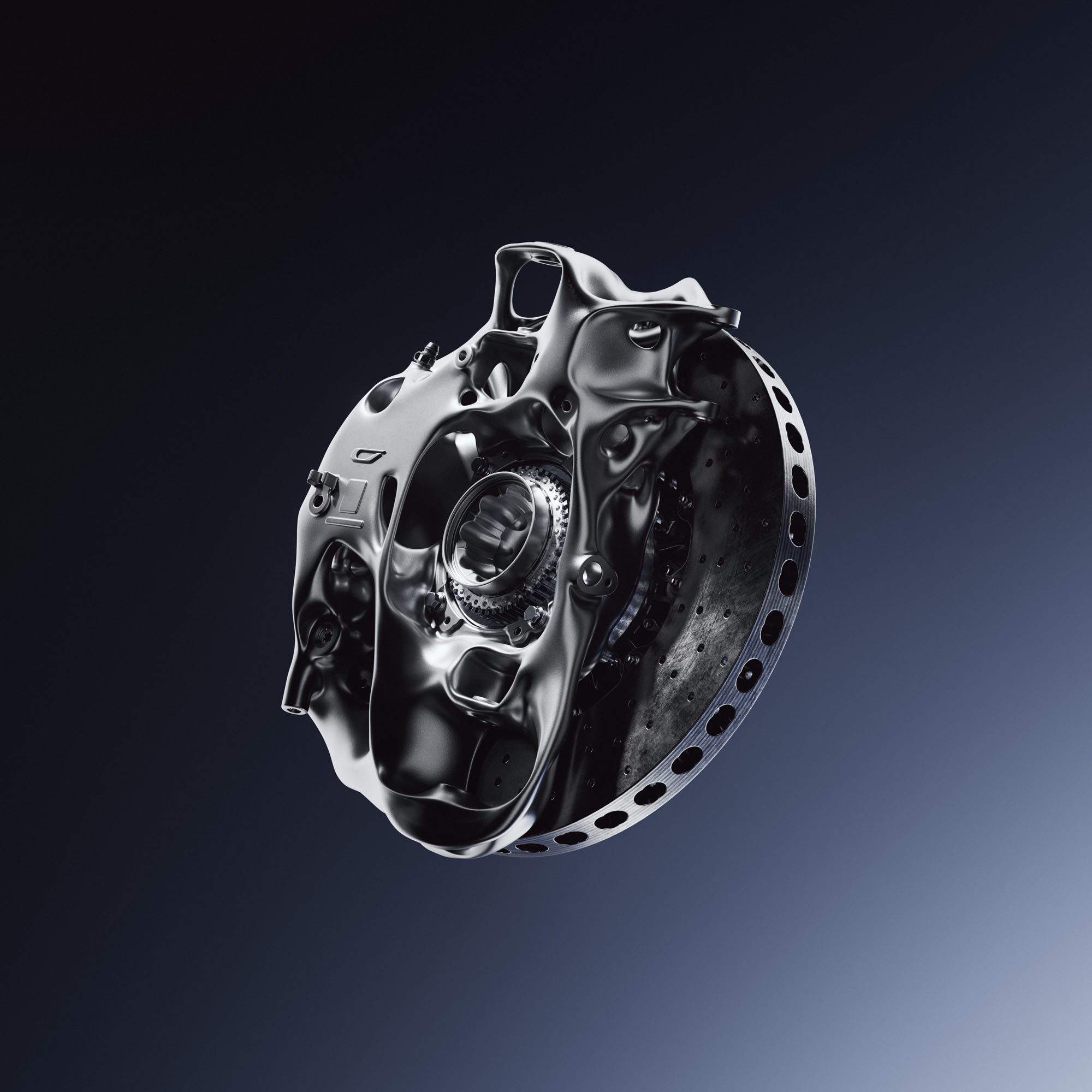
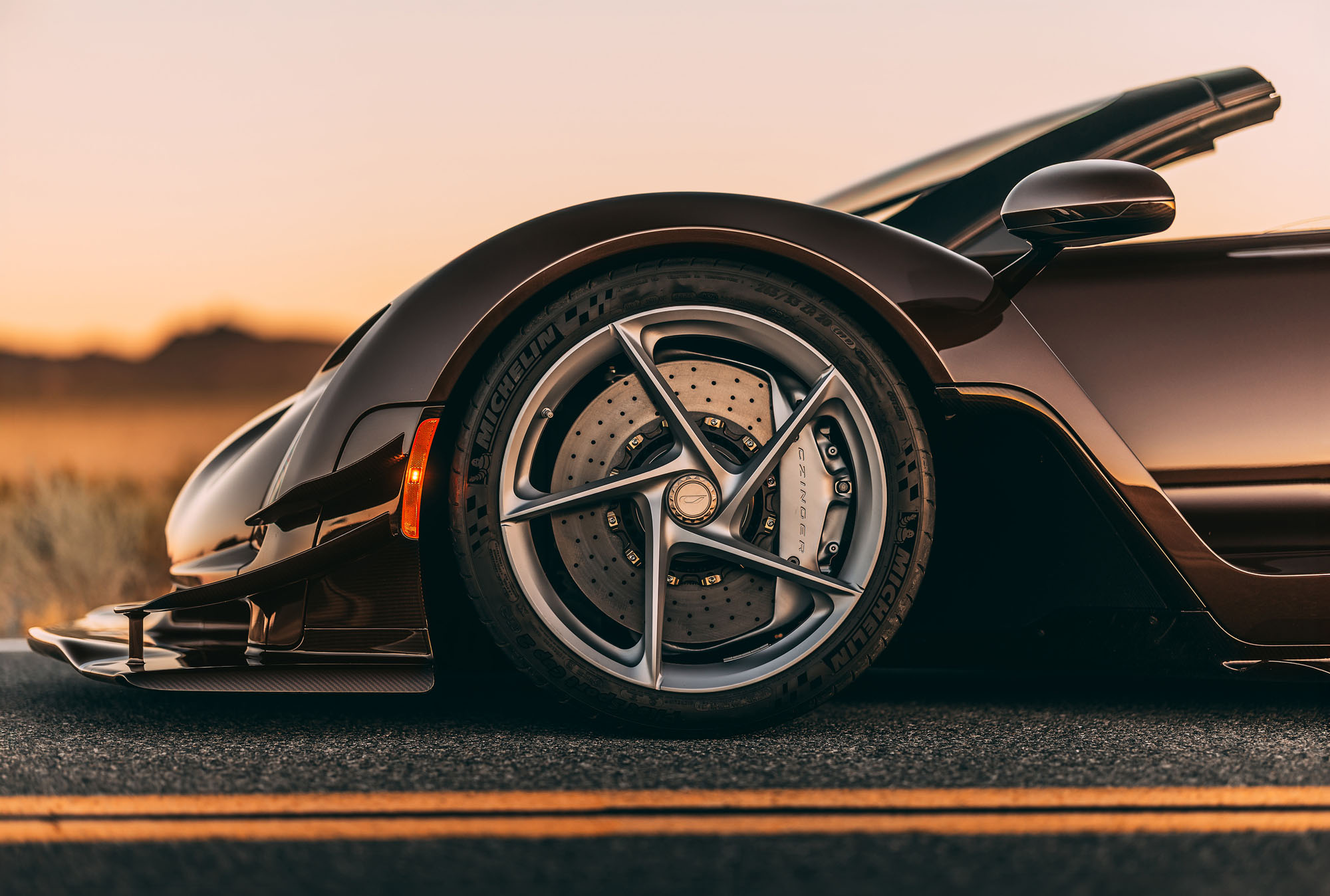
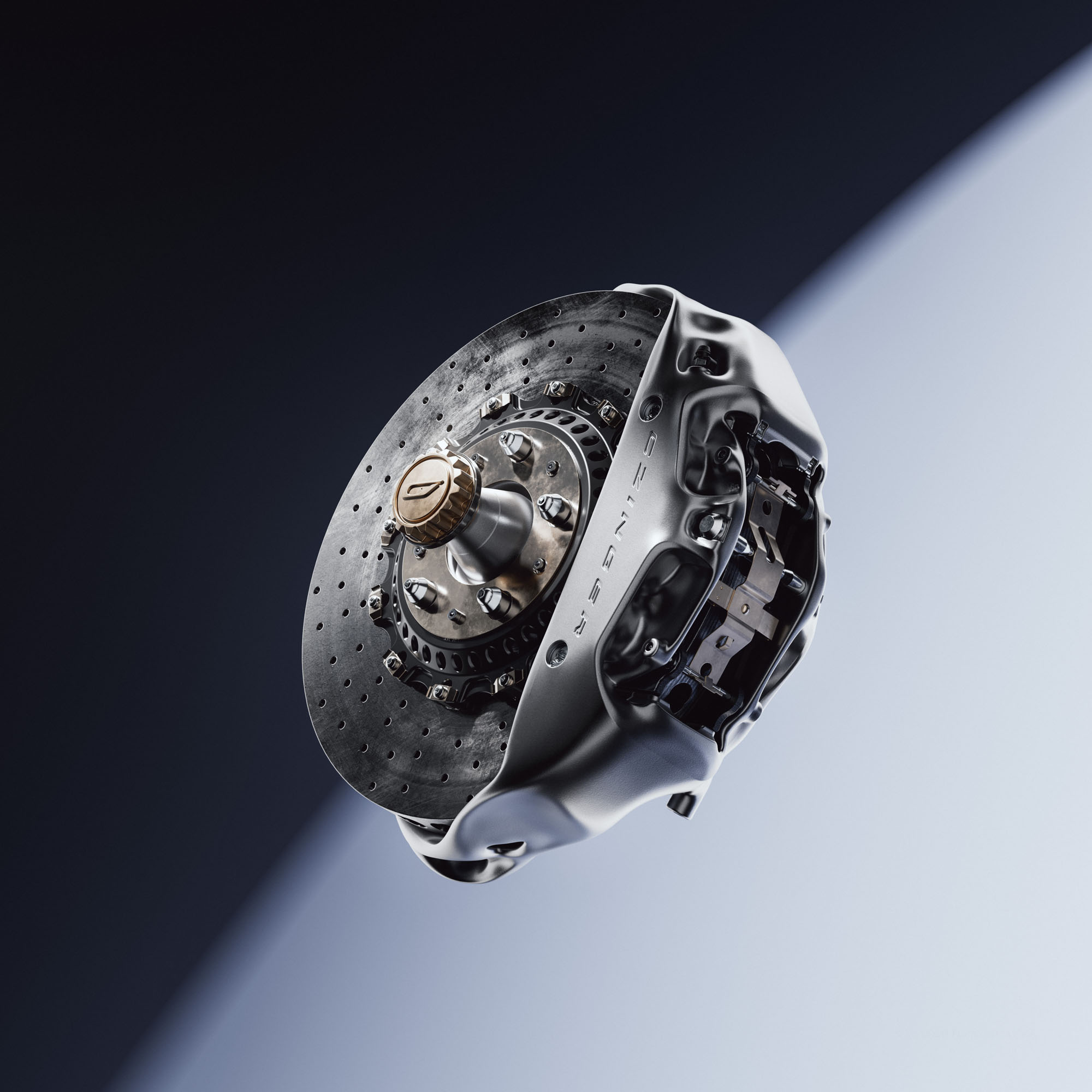
The newest example is BrakeNode, which combines the suspension upright, brake caliper and hydraulic passages into one 3D-printed aluminum structure. Czinger says it reduces unsprung weight, increases stiffness and cuts stopping distances by as much as 15 percent. Titanium front pistons help control heat, while enormous carbon-ceramic rotors handle the unpleasant business of converting velocity into temperature.
The same thinking has migrated into the cockpit. A structure called NeuralNode combines the instrument panel, HVAC ducting and control mounts into a single skeletal assembly. Even the ventilation air passes through hollow passages inside it.
Then there’s that engine
The 2.88-liter V8 weighs just 231 pounds and produces 750 horsepower on ordinary 91-octane gasoline. Two front electric motors add another 500 horsepower, while a third motor-generator helps keep the batteries charged and the turbochargers from taking naps. A seven-speed single-clutch gearbox handles the combustion engine, with electric torque filling the pauses between shifts.
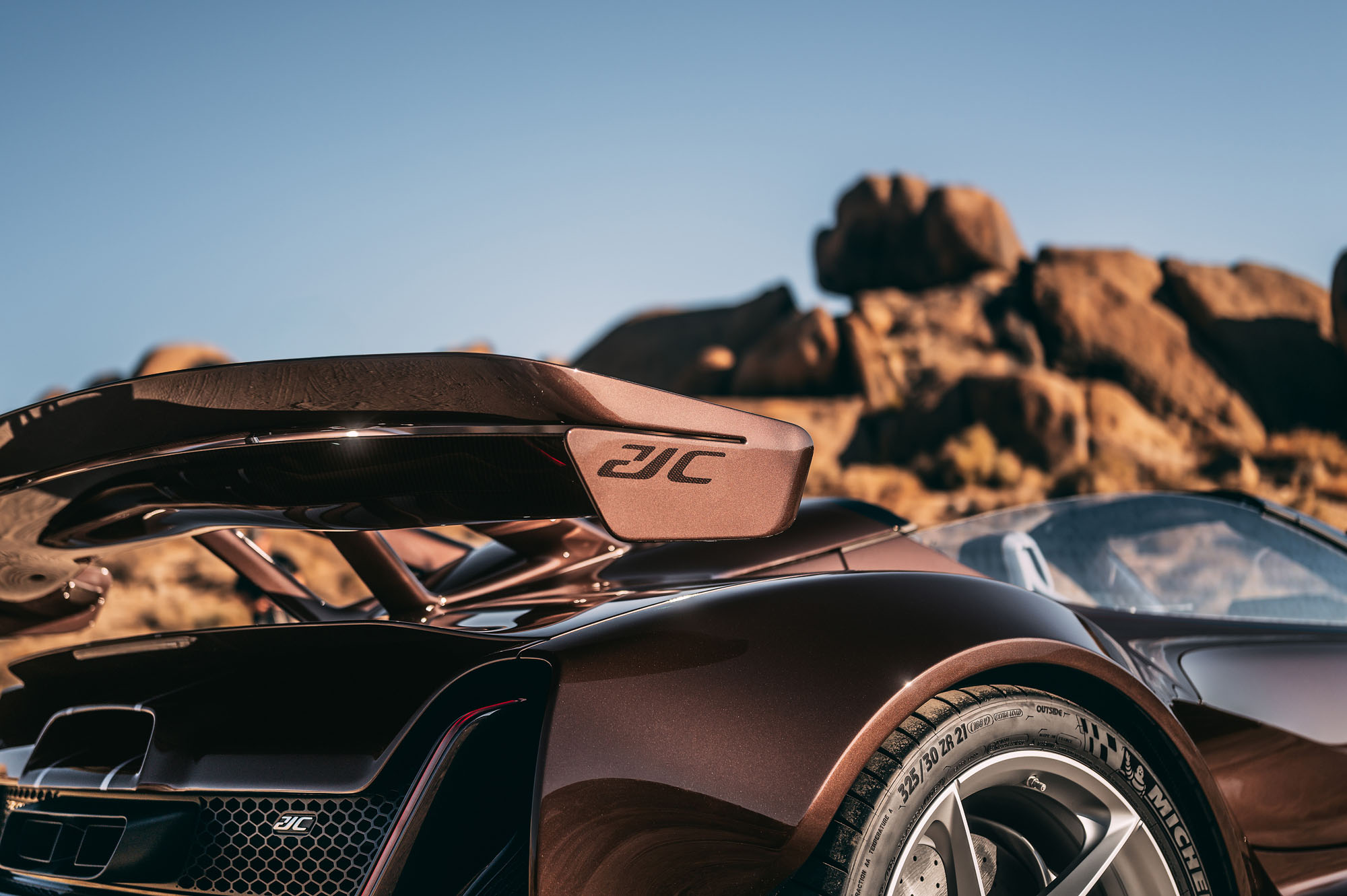
Despite all this technological exotica, Czinger insists the Spyder is a road car. It meets U.S. emissions and safety requirements, offers Street, Sport, Track and Track+ modes, and even has Apple CarPlay, a stereo and—perhaps the ultimate concession to civilization—a cupholder. The removable carbon-fiber roof weighs only 22 pounds, though one suspects most owners will leave it behind whenever the weather permits. With the top off and an 11,000-rpm V8 inhaling just behind the passenger’s head, listening to the stereo seems beside the point.
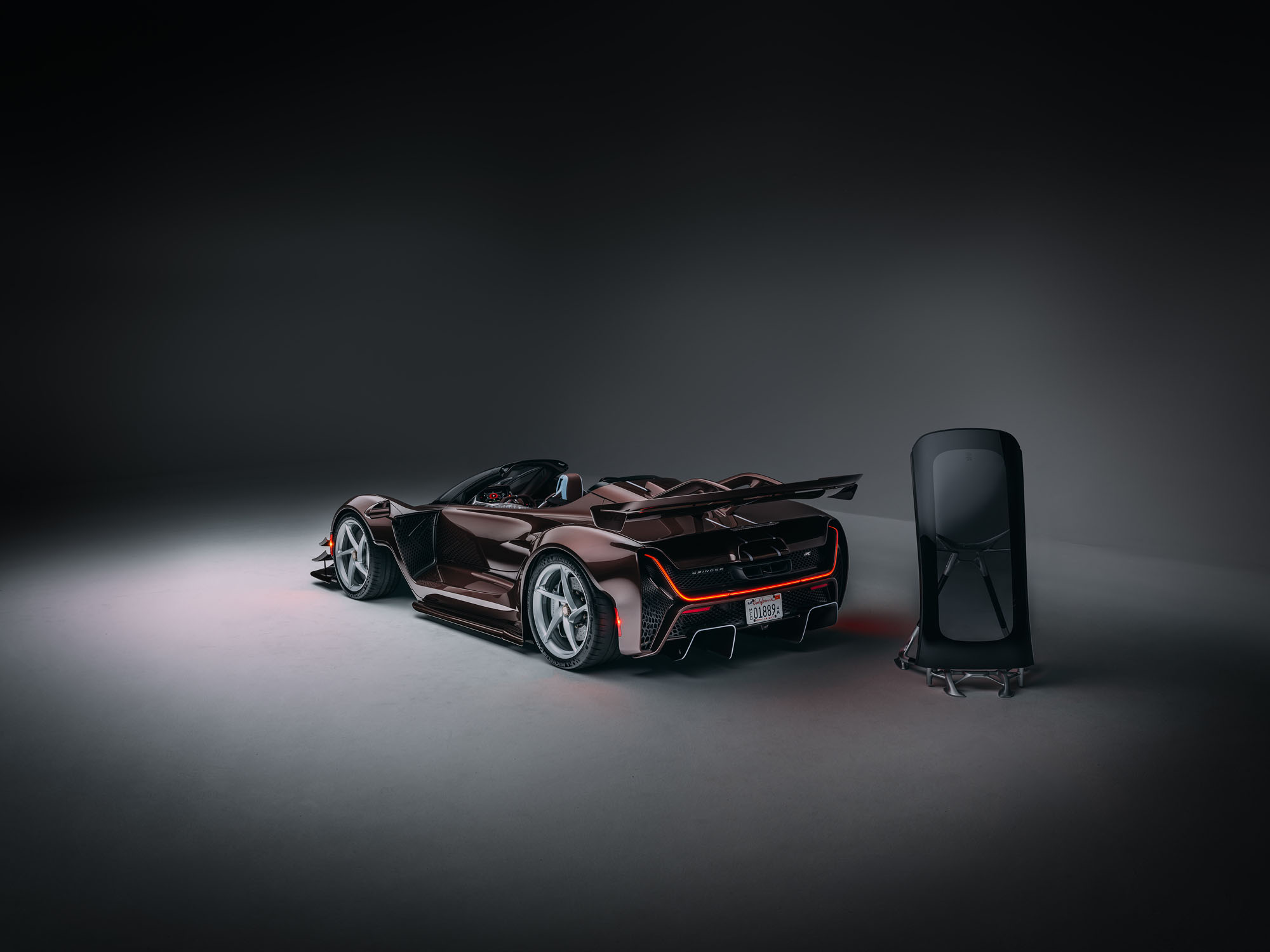
Only 30 Spyder examples will be built, starting at $2.75 million
That makes it unobtainable for almost everyone. But perhaps that’s not entirely the point. Cars like this have always existed partly to demonstrate what happens when engineers are given permission to ignore convention. In Czinger’s case, they appear to have ignored nearly all of it.
Specifications
- Configuration: 2.88L twin-turbocharged flat-plane V8 with 3x permanent-magnet synchronous electric motors (2x on front axle, 1x Motor Generator Unit connected to crankshaft via a geartrain)
- Drivetrain Layout: Longitudinal, mid-engined, AWD
- Maximum Power: 1,250 hp / 1,267 PS / 932 kW (total combined) · 750 hp / 760 PS / 559 kW (gas engine) · 500 hp / 507 PS / 373 kW (electric motors combined)
- Maximum Torque: 691 lb-ft / 938 Nm (total combined) · 396 lb-ft / 538 Nm (gas engine) · 295 lb-ft / 400 Nm (electric motors combined)
- Maximum Gas Engine Speed: 11,000 rpm
- Specific Output: 260 hp / 264 PS / 194 kW per liter
Performance Data
- 0–60 mph: 1.90 sec
- 0–62 mph (0–100 km/h): 1.92 sec
- 1/4 Mile (0–400 m): 8.7 sec
- Top Speed, roof closed: 205 mph (330 km/h)

Transmission
- 7-speed sequential transaxle automated manual transmission, twin selector barrel
- Actuation: 48-V electric shift actuation and 48-V electrohydraulic clutch actuation via synchromesh engagement
- Construction: Additively manufactured gearbox case and transmission oil pump manifold
Tires & Brakes
- Tires: Michelin Pilot Sport Cup 2, Michelin Pilot Sport Cup 2R, Michelin Pilot Sport 4S · F 265/35/R20 · R 325/30/R21
- Brakes: Front: BrakeNode™ with 6-piston monoblock calipers, 16.1 in (410 mm) carbon-ceramic rotors · Rear: BrakeNode™ with 4-piston monoblock calipers, 15.3 in (390 mm) carbon-ceramic rotors
Suspension & Steering
- Suspension: Double A-arm, pushrod-operated inboard spring/damper units, electronically adjustable damping, front and rear sway bars
- Steering: Hydraulic power-assisted rack-and-pinion, 3D-printed steering rack housing
Weight & Dimensions
- Dry Weight: 3,571 lb (1,620 kg)
- Weight Distribution, F:R: 45:55
- Length: 184 in (4,692 mm)
- Width, mirrors unfolded: 95.4 in (2,423 mm)
- Width, mirrors folded: 81.9 in (2,081 mm)
- Height: 45.1 in (1,146 mm)
- Wheelbase: 106 in (2,700 mm)
- Total Downforce, roof closed: 3,307 lb (1,500 kg) @ 150 mph — max 5,445 lb (2,470 kg) @ 200 mph

Above contents © 2026 Czinger Vehicles, Inc reviewed and edited by Rex McAfee , @rexmcafee 🏁
#Czinger #Czinger21C #21CSpyder #Hypercar #Supercar #AutomotiveEngineering #AdditiveManufacturing #HybridHypercar #PerformanceCars #CarTechnology