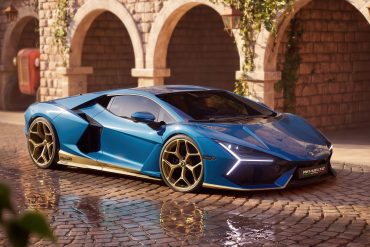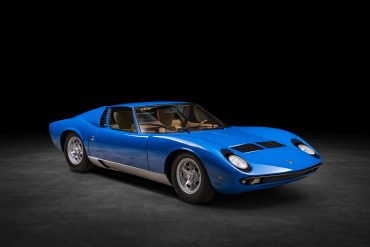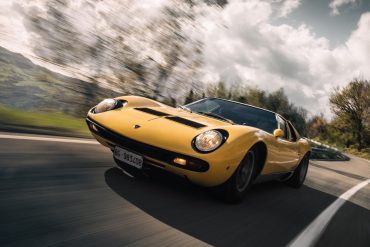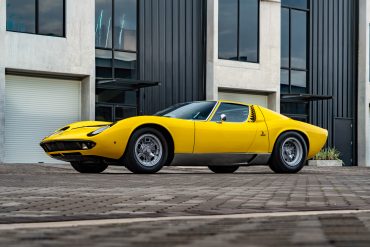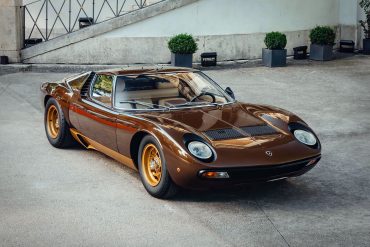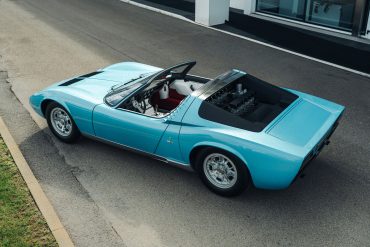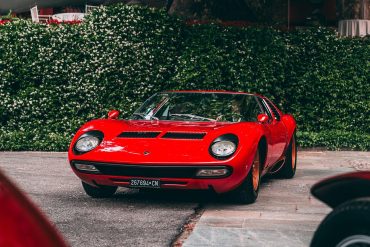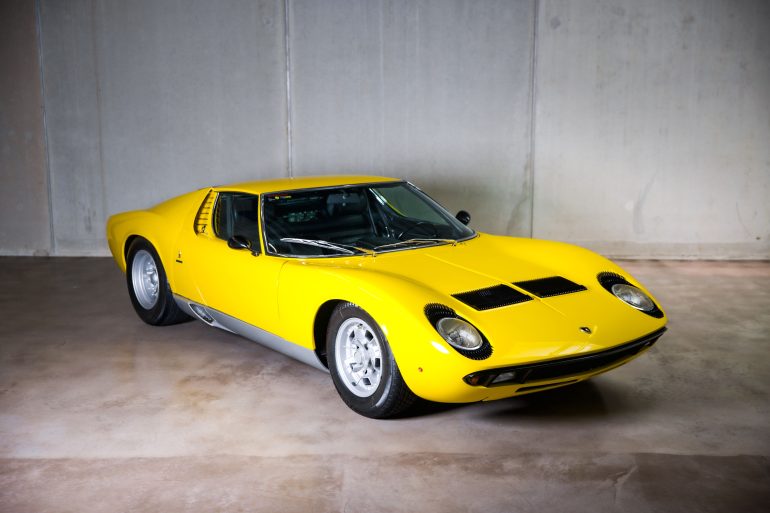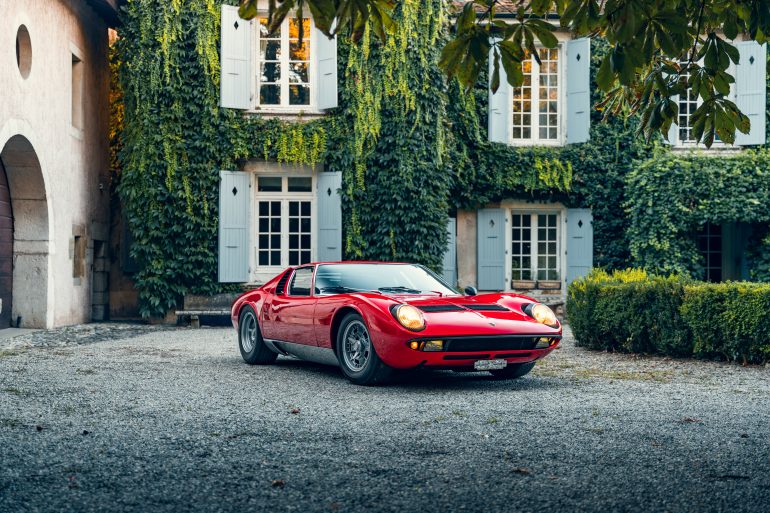
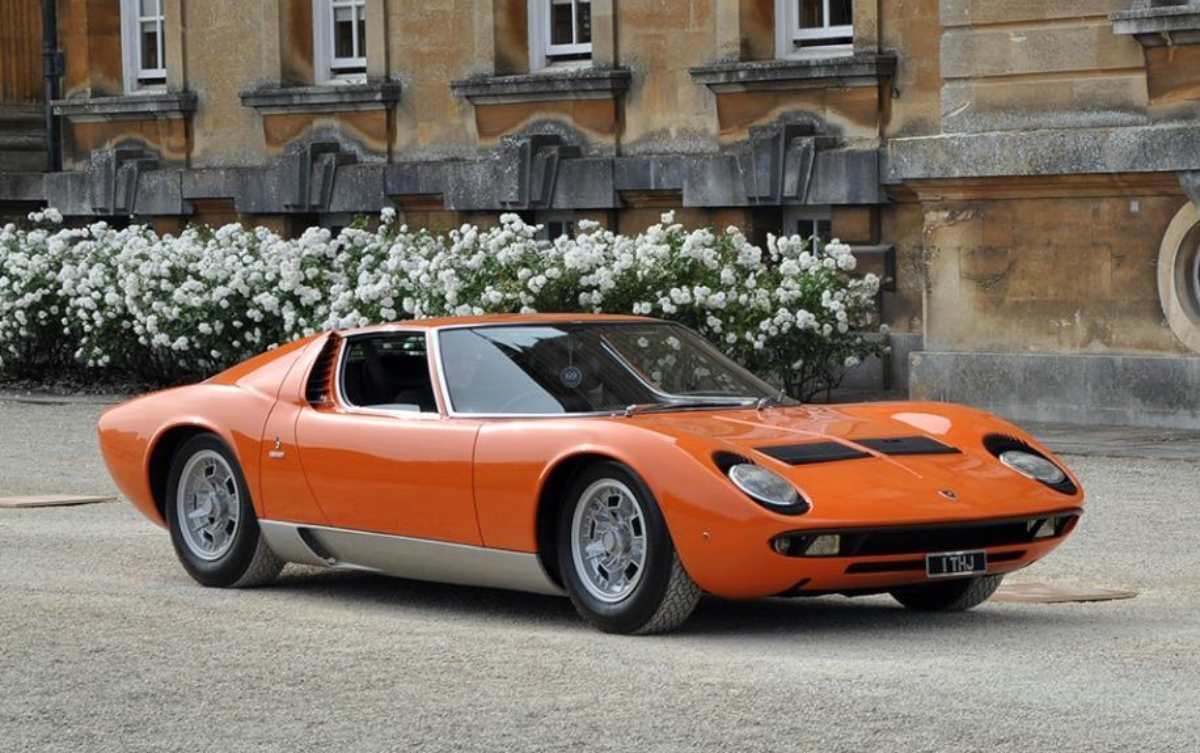
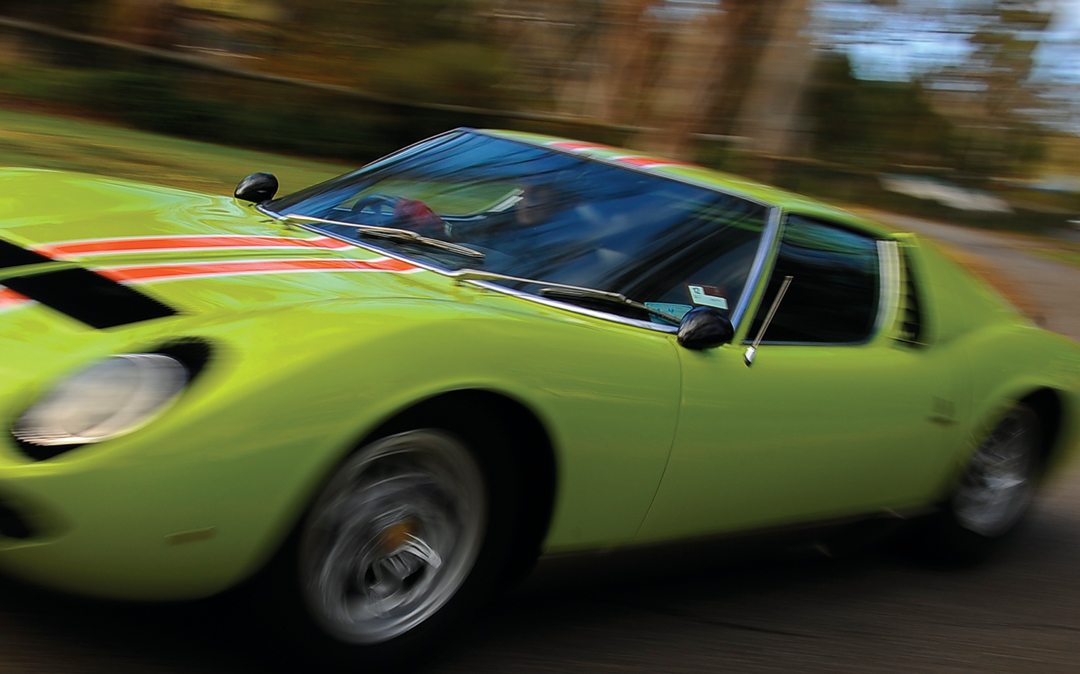
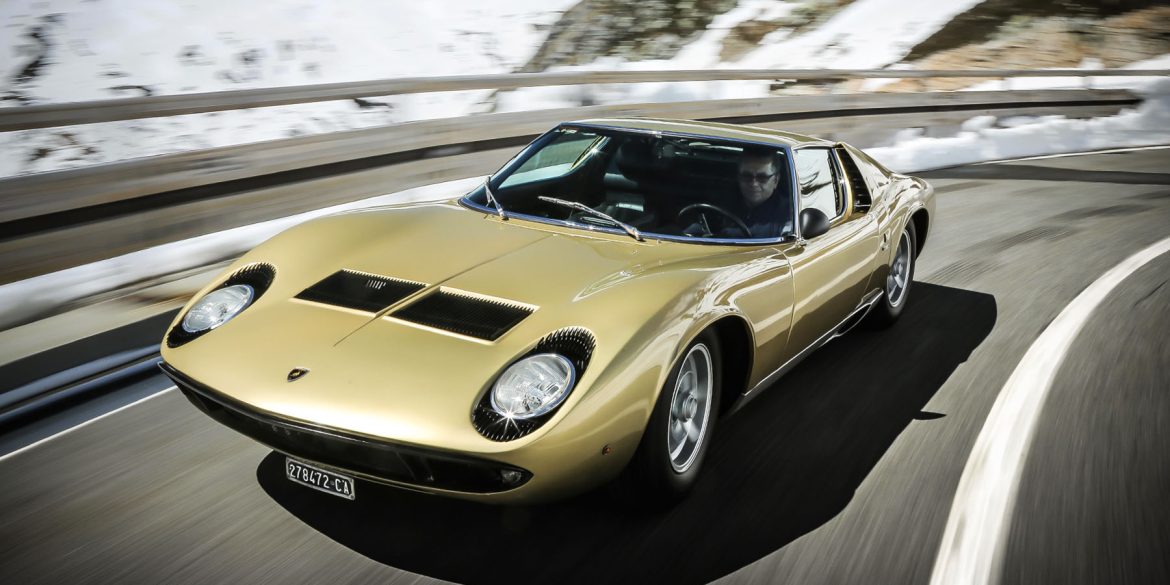
Twiggy's Miura S was lime green with orange stripes, a combination Lamborghini now calls Verde Scandal; the Italian Job car was orange. Sixty years of Sant'Agata paint, from the pastel 350 GTs to the Miura's greens, oranges and yellows.

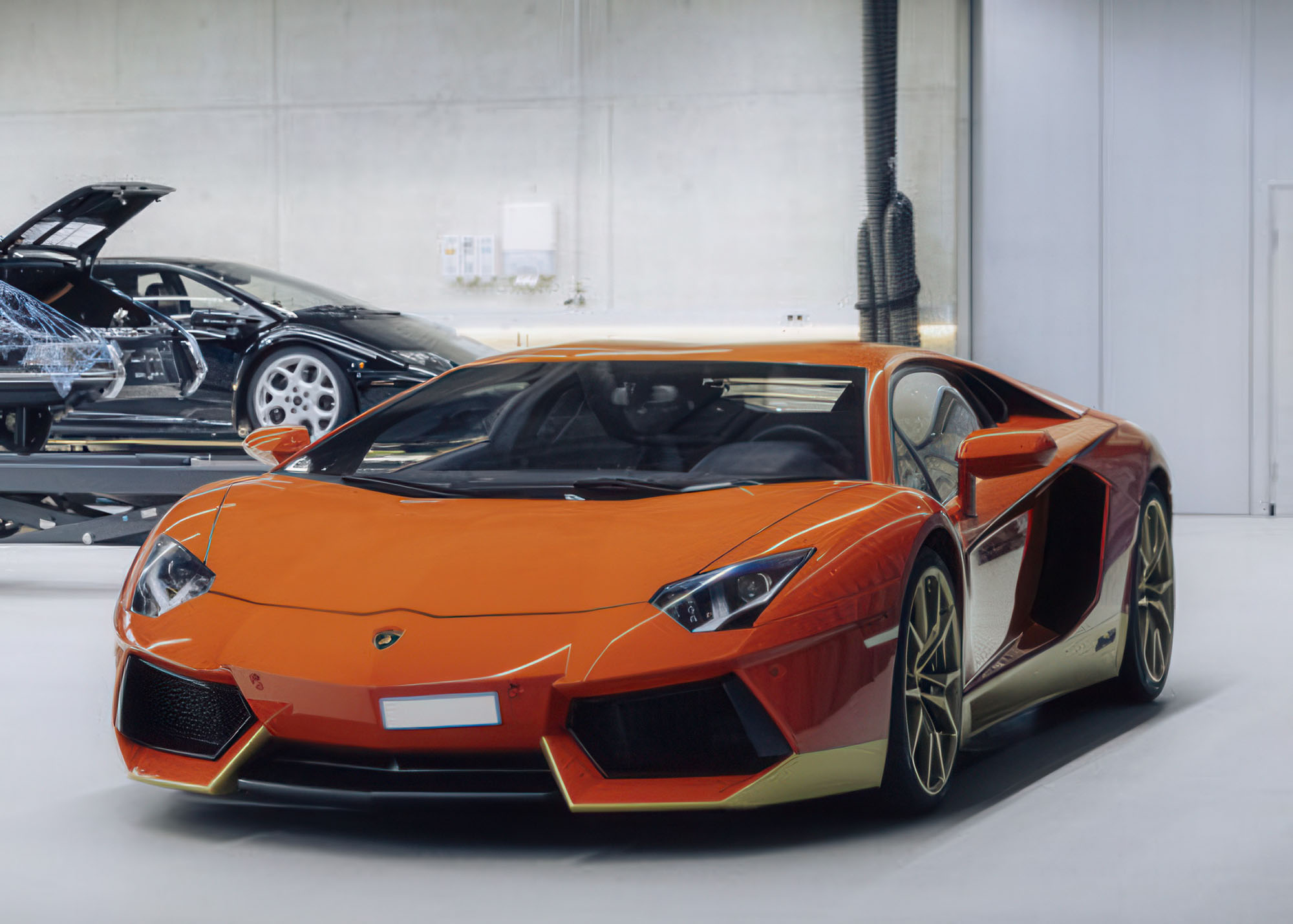
A tractor-maker's grudge against Enzo Ferrari, a V12 by Bizzarrini, three engineers under thirty and a Bertone body that made the word "supercar" necessary: the Miura of 1966, the Countach that followed it for sixteen years, the bankruptcies and owners from Rossetti to Chrysler to Audi, the Diablo, Murciélago, Gallardo and Aventador, and the Revuelto and Temerario of now. Lamborghini never raced its own cars until this century and does not need to; the cars are the point. The archive has 256 Lamborghini stories, from Mike Lawrence's column on Ferruccio to this month's Temerario Spyder, and this page puts them in order.
The pieces to start with
Eight pieces that explain the marque: Lawrence on Ferruccio, Jansen's Survival and Innovation, Smith's Miura, Twiggy's Miura S, Minasian's Italian Spaceship and Espada, the LP 500 recreation and the men who made Lamborghini.
Ferruccio Lamborghini, displeased with his Ferrari and dismissed by Enzo, built a better car. Mike Lawrence asks why the story only works with GT cars: nobody ever avenged a bad tractor, and no schoolboy ever sketched a better washing machine.
Lamborghini could easily have gone the way of Bizzarrini and ASA. Instead the Miura and Espada made the E-Type look antediluvian, and Ferrari too, as Agnelli reportedly noted. Fifty years in three acts: Ferruccio, the interregnum and Audi.
Ferruccio Lamborghini built Carioca tractors from the engines and differentials of Morris trucks the British left behind, with a gadget to start on gasoline and run on cheaper diesel. Sean Smith drives where that led: the transverse-V12 Miura of 1966.
Ferruccio Lamborghini made his fortune in tractors, drove a Ferrari, complained to Enzo and was told, so the story goes, that he knew tractors and not proper cars. A profile of the car that answered him.
Raffi Minasian was 11 or 12 when a photo of the Countach made him redraw his curvy profiles with razor-edged triangles. Unveiled at Geneva in 1971 and in production three years later, Gandini’s wedge taught him model making in cardboard.
Lamborghini crash-tested the one LP 500 in March 1974 and it vanished. In late 2017 collector Albert Spiess asked Polo Storico to build it again from photographs, drawings, meeting reports and the memories of those who were there.
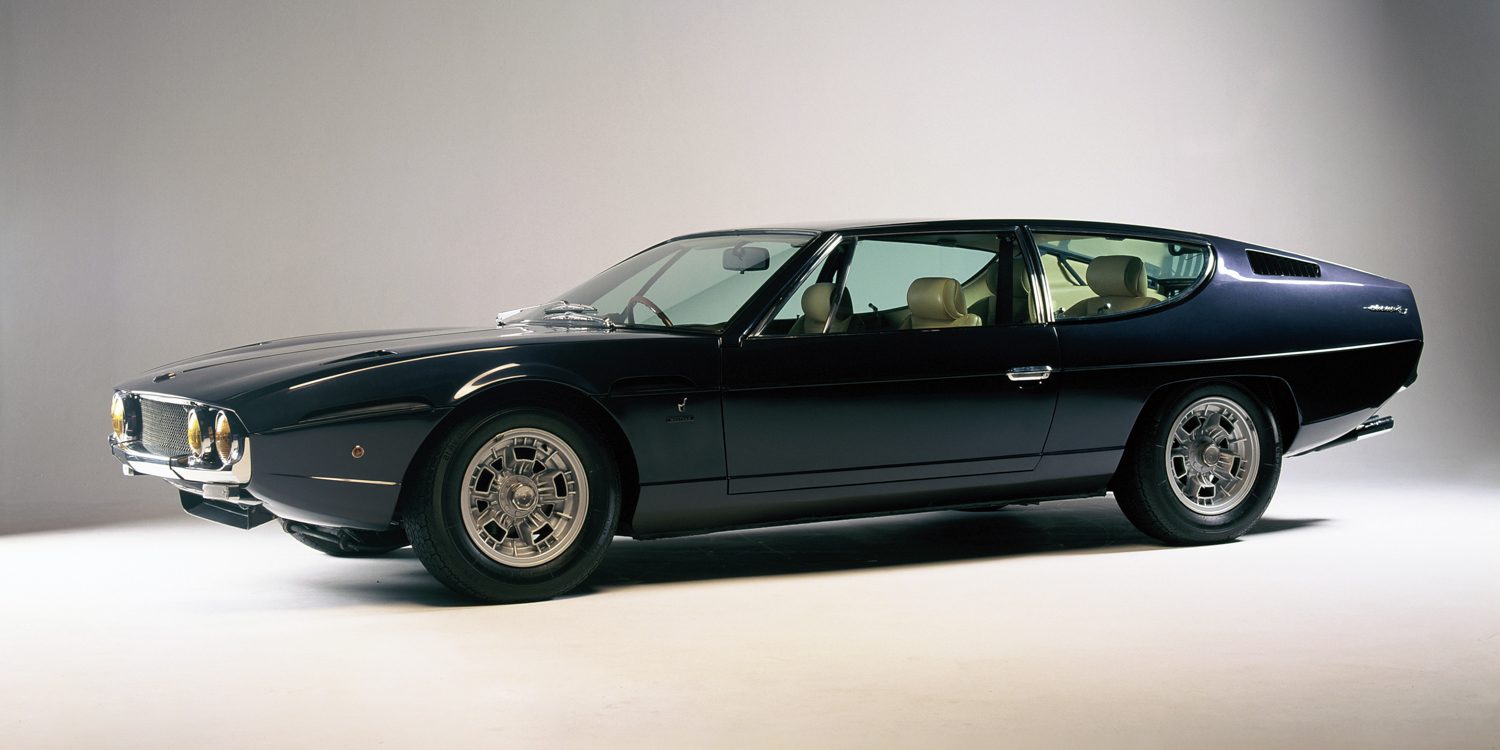
The Espada grew from two Gandini Bertone concepts, the Jaguar Piranha and the Lamborghini Marzal, after Dallara’s idea of half a Miura V12 in the back was dropped for a proper engine. Four seats, Miura wheels, and still affordable.
Ferruccio Lamborghini built tractors from war surplus before he built cars, then hired engineers straight from university. Giampaolo Dallara was Technical Director at 27 when the Miura of 1966 made journalists coin a new word. Lamborghini’s account of its engineers.
The newest long-form writing on Lamborghini, as it is published.
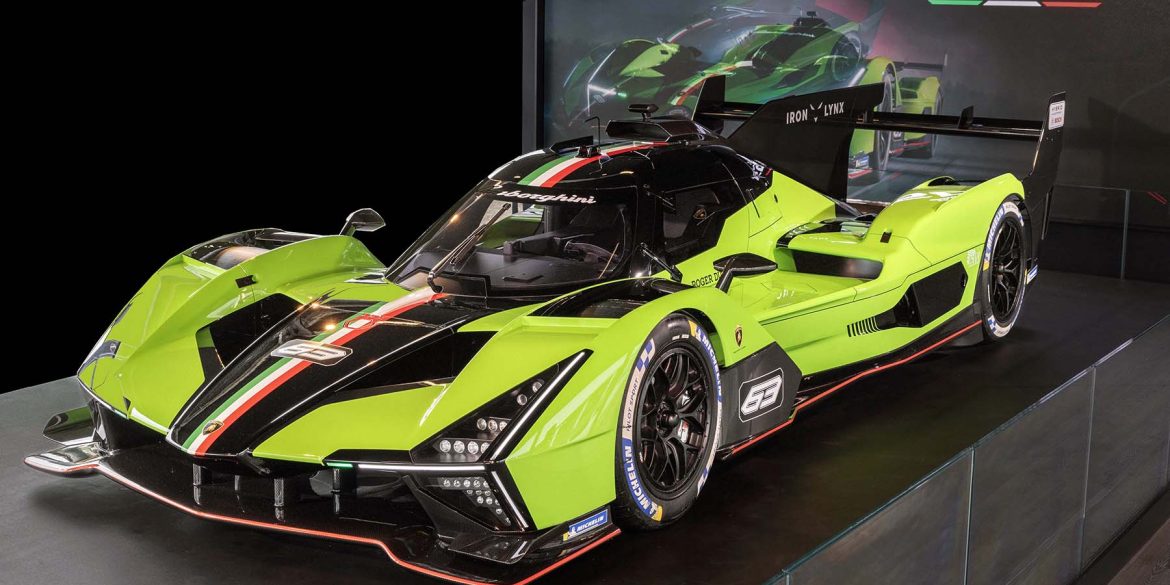
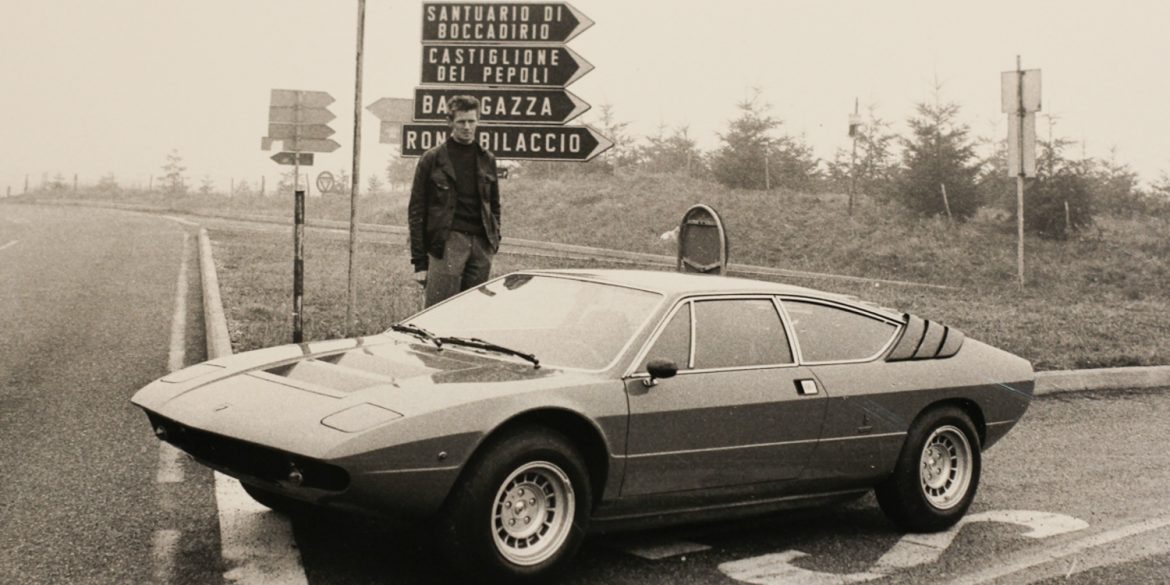
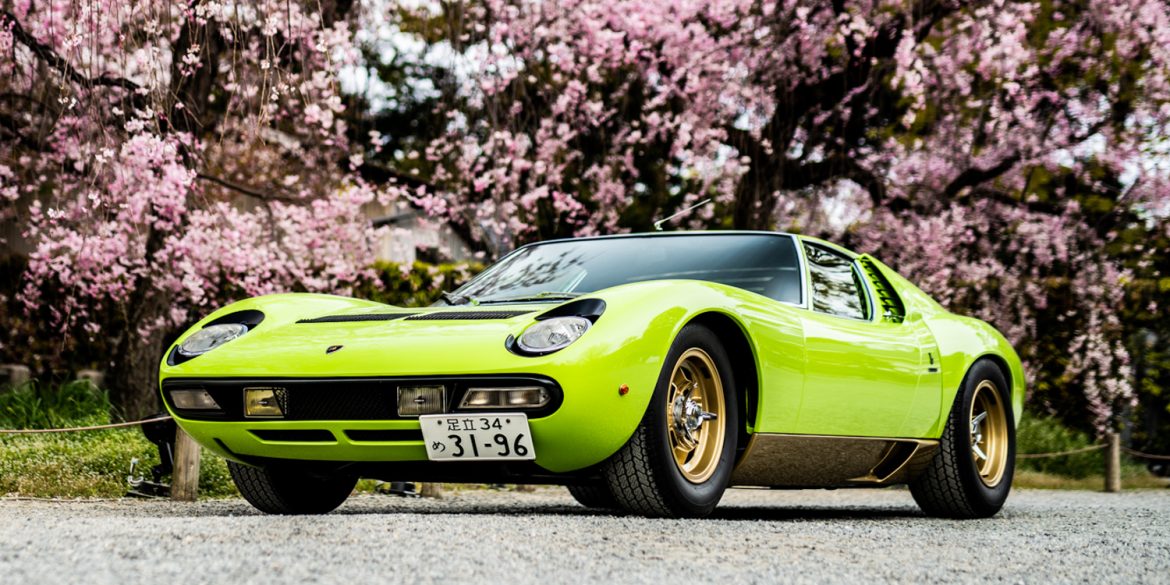
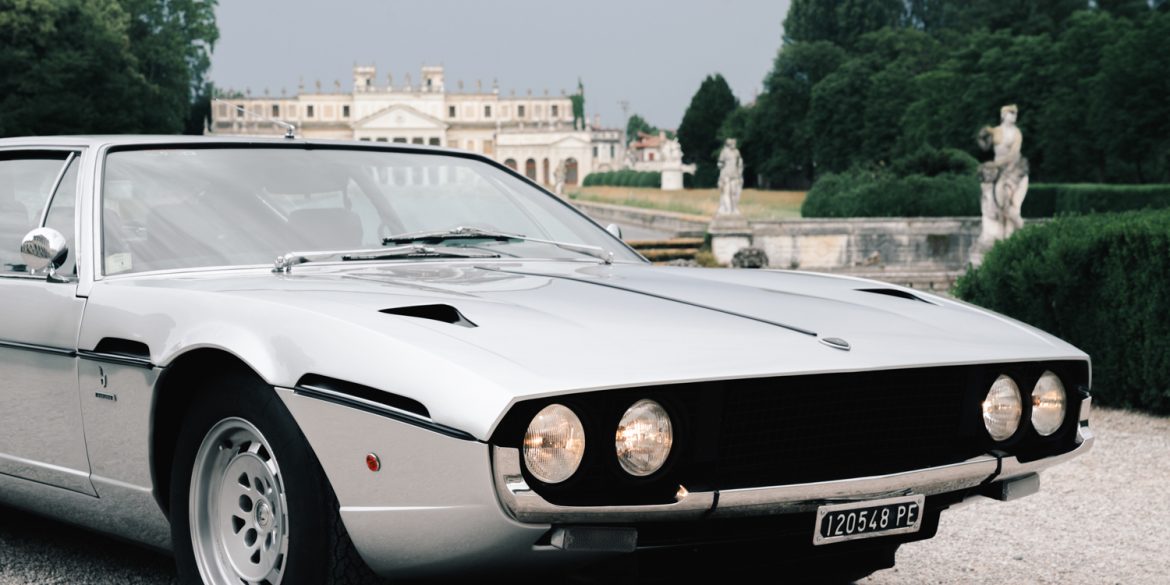
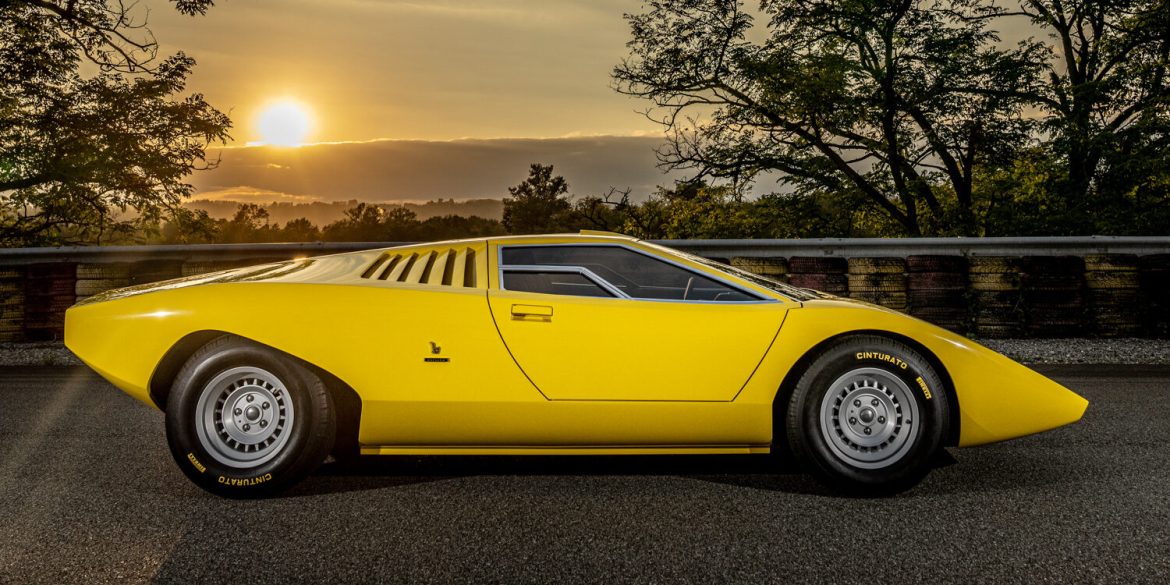
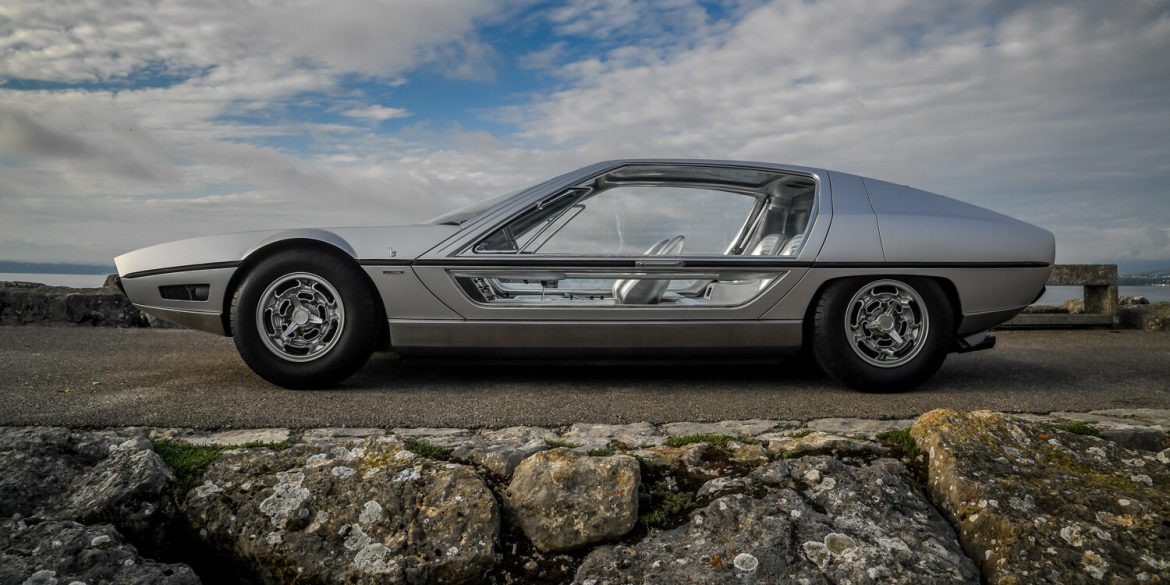

Lamborghini is Automobili Lamborghini of Sant'Agata Bolognese, founded in 1963 by Ferruccio Lamborghini, who made tractors and air-conditioning plant and, the story goes, had a Ferrari whose clutch he did not like and an audience with Enzo Ferrari he liked less. It built grand tourers for three years and then, in 1966, the Miura, the first mid-engined road car with a transverse V12 and the car the word "supercar" was invented for; its successor, the Countach, defined the shape of fast cars for a generation, and the Diablo, Murciélago, Aventador and Revuelto have kept a V12 behind the seats for sixty years. The raging bull is Ferruccio's star sign, Taurus, and the names, Miura, Islero, Espada, Jarama, Urraco, Diablo, Murciélago, Gallardo, Aventador, Huracán, come from fighting bulls, their breeders and the ring. Audi has owned the company since 1998, and under it Lamborghini has grown from a few hundred cars a year to more than ten thousand.
The record is a different kind from Ferrari's: Lamborghini built no racing cars under Ferruccio, who had no interest in it, supplied Formula One engines from 1989 to 1993 without a win, and came to GT racing only in this century, with the Huracán GT3's class wins at the Daytona 24 Hours from 2018 to 2020 and a one-make Super Trofeo series on three continents; the SC63 prototype of 2024 raced at Le Mans once and was shelved. What it has instead is the cars and the people who made them: Giotto Bizzarrini's V12, Gian Paolo Dallara and Paolo Stanzani's chassis, Bob Wallace's testing and Marcello Gandini's bodies, the Miura, the Countach and the Espada, and a market in which a Miura SV is $3 million and a Veneno $8 million. The archive's Lamborghini coverage runs from the 350 GTV prototype to the Revuelto Miura 60 Homage of this August, and the chapters below follow it.
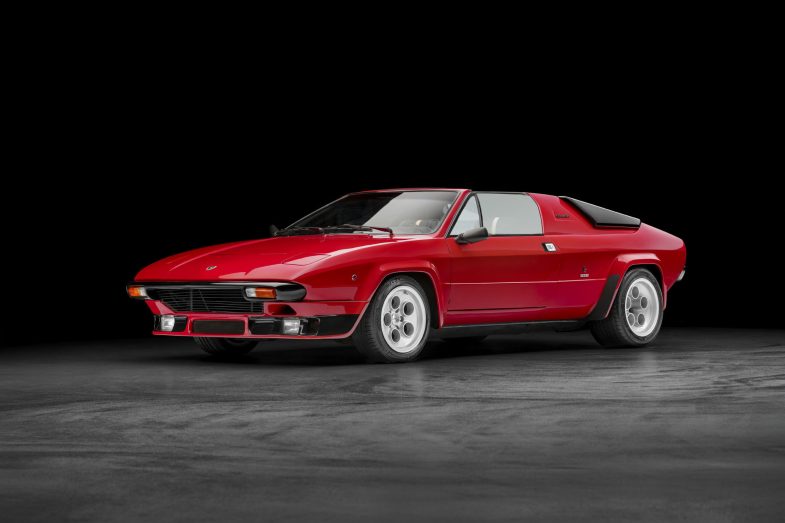
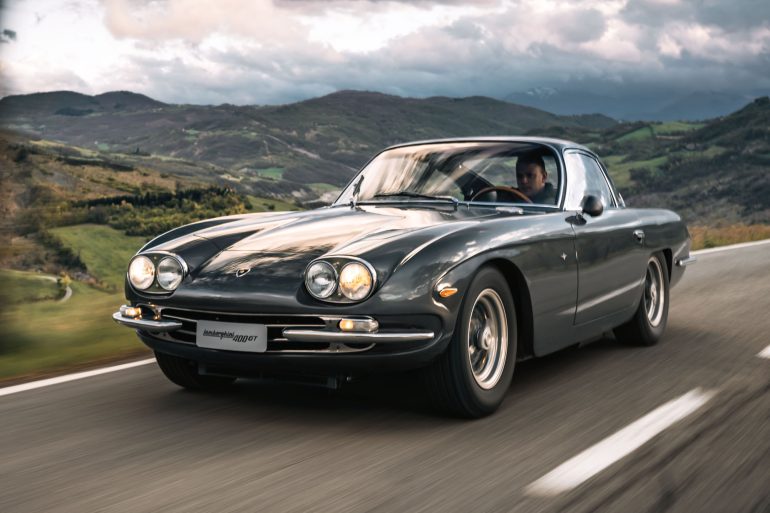
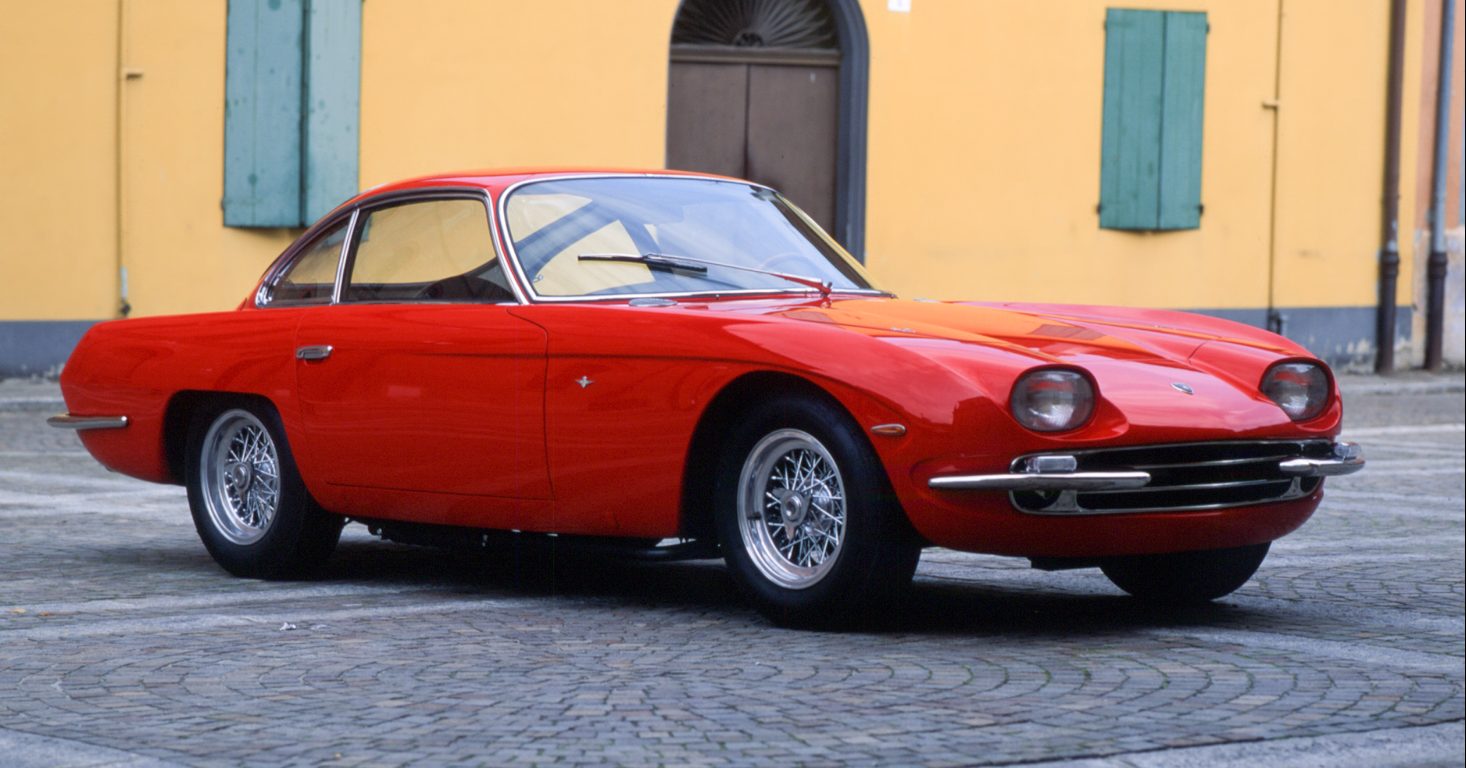
Ferruccio Lamborghini was born on 28 April 1916 at Renazzo di Cento in the Emilian countryside, under the sign of Taurus, studied mechanics in Bologna, serviced vehicles for the Italian air force on Rhodes in the war, and from 1948 built tractors out of surplus military engines and then his own, Lamborghini Trattori making him rich enough by the 1950s to own Alfa Romeos, Lancias, Maseratis, a Mercedes 300 SL and several Ferraris, including a 250 GT whose clutch he found no better than his tractors'. Mike Lawrence's column tells the story of the visit to Maranello and Enzo's dismissal, and of the better car Ferruccio decided to build in answer; whether it happened quite that way, Automobili Ferruccio Lamborghini was founded in May 1963, a new factory went up on the road to Sant'Agata Bolognese, twenty kilometres from Ferrari and ten from Maserati, and Giotto Bizzarrini, lately of the 250 GTO, was paid to design a 3.5-litre four-cam V12 that gave 360 horsepower on the bench in its first form. The 350 GTV prototype, with a Franco Scaglione body, was shown at Turin in October 1963 without an engine under its bonnet, and the production 350 GT, re-bodied by Touring, appeared at Geneva in March 1964: Gian Paolo Dallara, twenty-seven, had detuned the engine to 270 horsepower and designed the chassis, Paolo Stanzani was his assistant and Bob Wallace, a New Zealander from Maserati, the test driver. 120 350 GTs and 247 400 GT 2+2s were built to 1968, and Rex McAfee's piece on the oldest Lamborghini in the world, the 400 GT's sixtieth anniversary and the Model threads on the 350 GT and 400 GT have them; the 2021 life of Ferruccio and the 2022 piece on the men who made Lamborghini have the people.
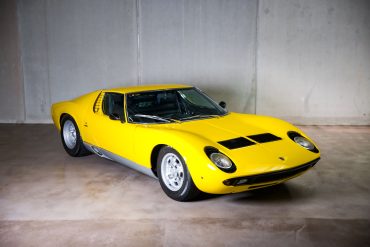
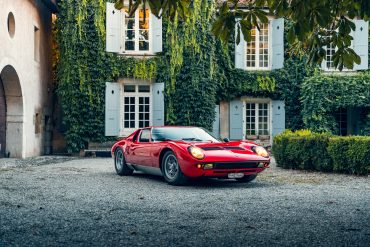
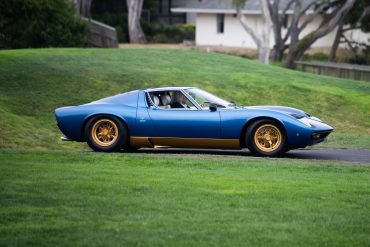
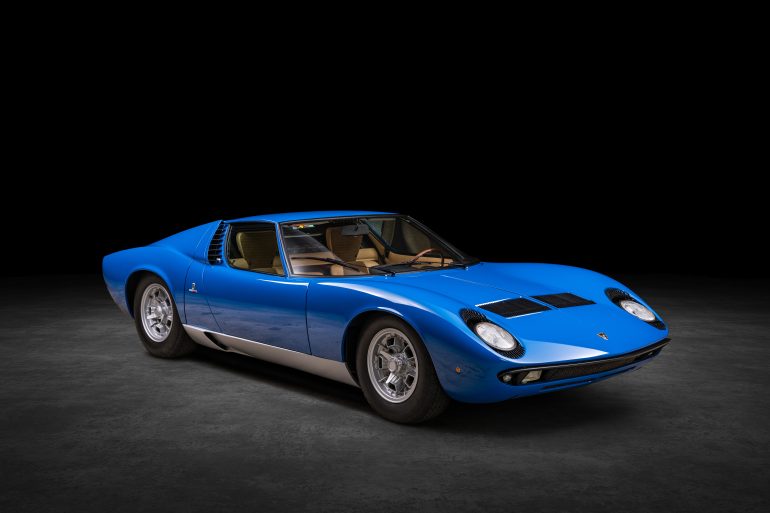
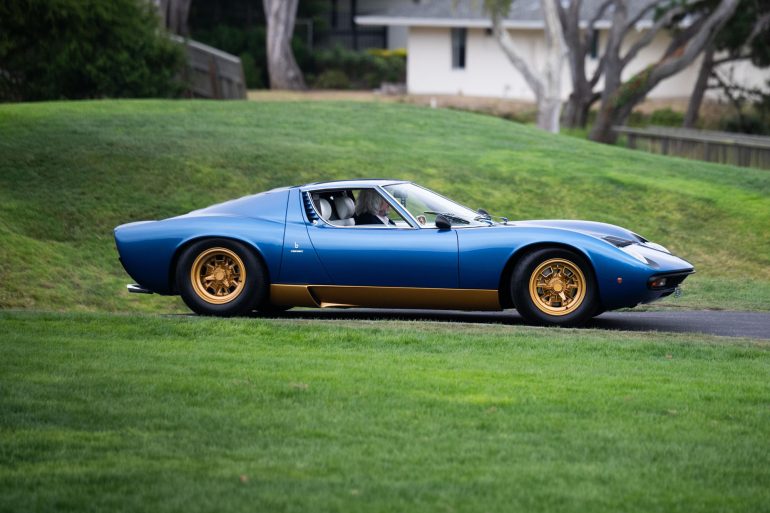
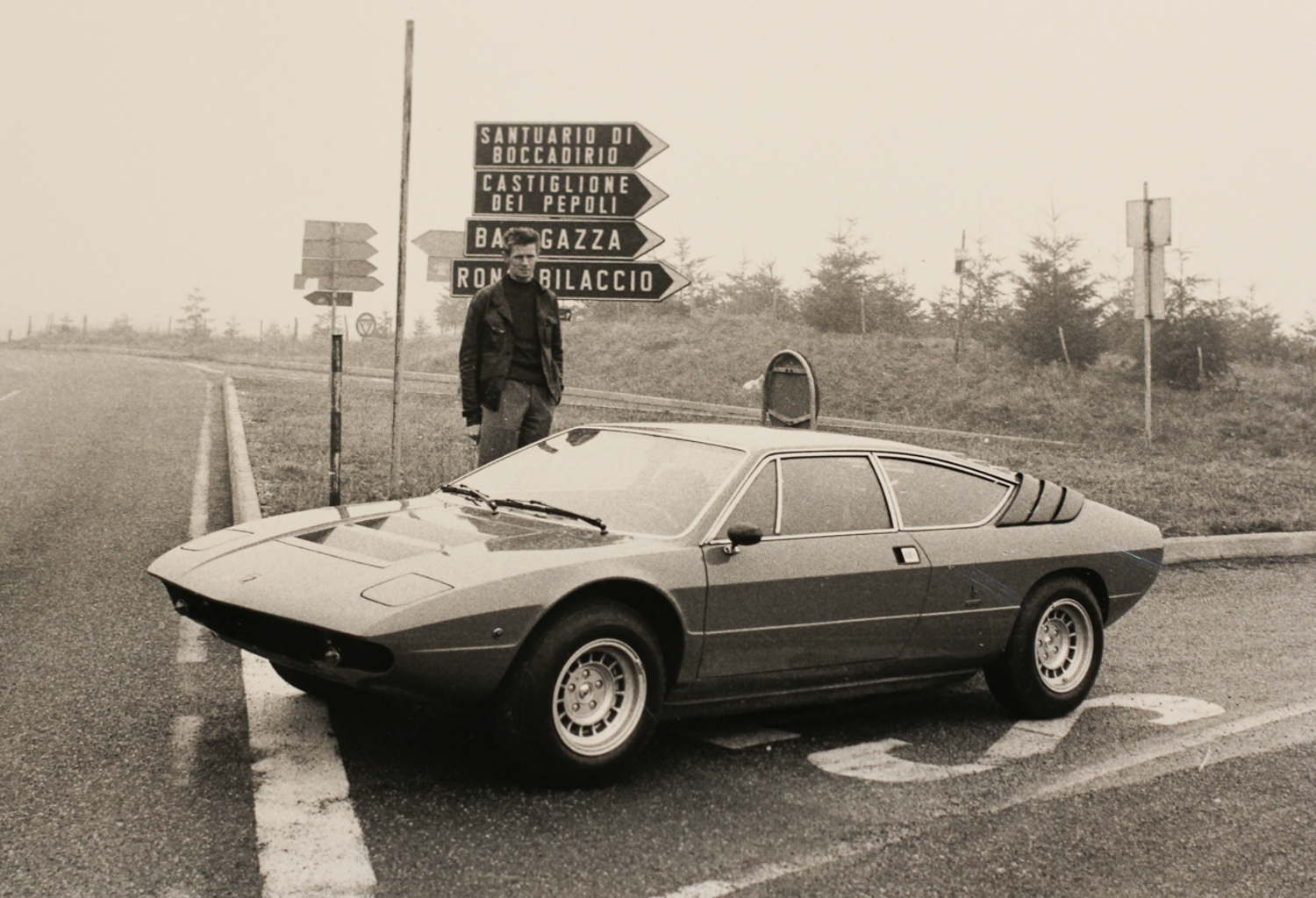
Dallara, Stanzani and Wallace built the Miura's chassis in their spare time: a steel platform with the V12 turned sideways behind the seats, its gearbox in the sump, like a Mini's, which Ferruccio allowed because it would be good publicity and showed, bare, at the Turin show in November 1965, where it took orders before it had a body. Bertone's Marcello Gandini, twenty-seven and new in the job, drew the body over the winter and the P400 Miura appeared at Geneva in March 1966, the first mid-engined production road car, 350 horsepower, 170 mph and the most beautiful shape of the decade; 275 P400s were followed by 338 Miura Ss from 1968 and 150 SVs from 1971, with wider rear wheels, split lubrication and 385 horsepower, 764 in all by 1973, plus the one Jota that Wallace built, destroyed in a road crash in 1971, and the handful of SVJs made in its image. Sean Smith's Lamborghini Miura and Rick Shultz's Birth of the Stylish Supercar are the archive's histories, Twiggy's 1969 Miura S is A Supermodel's Supercar, the Miura's V12 milestone and the Revuelto homage of 2026 mark its sixtieth year, and the Model (Lamborghini Miura) thread is the biggest Lamborghini thread on the site, because the Miura has been the headline Lamborghini at Pebble Beach, Villa d'Este, Amelia and every major auction since 2010. The Espada of 1968, Gandini's four-seat V12 that outsold everything else Ferruccio made at 1,217 cars, the Islero and Jarama front-engined 2+2s and the Urraco V8 of 1973 filled out the range; Raffi Minasian's Espada and Brad Jansen's Survival and Innovation, which starts with the Islero, cover them.
The cars and the owners, year by year, with the archive's story of each linked. Car names link to every story on the site about that model.
| Year | The cars | The company and the racing | In the archive |
|---|---|---|---|
| 1916 | Ferruccio Lamborghini born at Renazzo di Cento, 28 April | The Life of Ferruccio Lamborghini | |
| 1948 | Lamborghini Trattori | Tractors from surplus engines; the fortune that paid for the cars | Mike Lawrence: Lamborghini |
| 1963 | 350 GTV prototype | Automobili Ferruccio Lamborghini founded in May; Bizzarrini's V12; the Scaglione prototype at Turin in October, with no engine fitted | The 350 GTV · The Men that Made Lamborghini |
| 1964 | 350 GT | Touring's 350 GT at Geneva in March; Dallara, Stanzani and Wallace; 120 built | The oldest Lamborghini |
| 1965 | Miura chassis | The bare P400 chassis at Turin in November, transverse V12 behind the seats | |
| 1966 | Miura P400 · 400 GT | Gandini's Miura at Geneva, the first mid-engined road car; the 400 GT 2+2 | Lamborghini Miura · 400 GT at 60 |
| 1968 | Espada · Islero · Miura S | Gandini's four-seater, Ferruccio's best seller; the Islero; the Miura S | The Espada · Survival and Innovation |
| 1969 | Miura S | Twiggy's Miura S | A Supermodel's Supercar |
| 1970–71 | Jarama · Miura SV · Countach LP 500 | The Jarama; the Miura SV and Wallace's Jota; the LP 500 idea car at Geneva, March 1971 | Resurrected Icon · LP 500 at 50 |
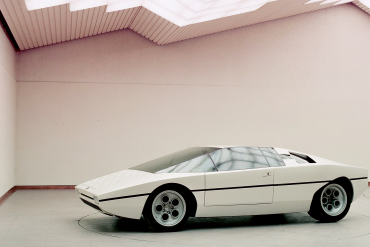
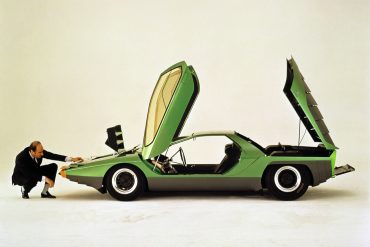
| 1972–74 | Urraco · Countach LP 400 | Ferruccio sells to Rossetti and Leimer; the Urraco V8; the Countach into production; Bertone's Bravo at Turin | The Italian Spaceship · The Bravo |
| 1978–81 | Countach LP 400 S · Jalpa | Receivership; the Mimran brothers buy the factory; the Jalpa | Jalpa at 40 |
| 1986–88 | LM002 · Countach 25th Anniversary | The V12 off-roader; Chrysler buys the company in 1987; the last Countach | The Chrysler years |
| 1989–93 | Lamborghini V12 in Formula One | Larrousse, Lotus, Ligier, Minardi and the Lambo 291; Suzuki third at Suzuka 1990; Ferruccio dies, 20 February 1993 | The Formula 1 page |
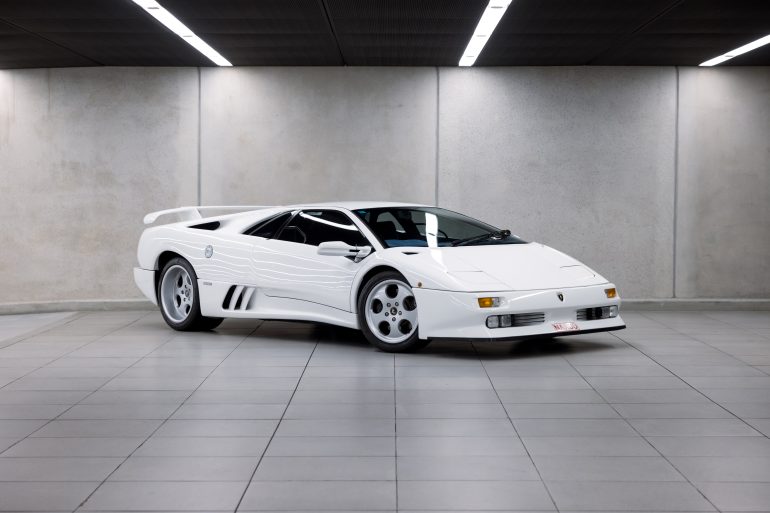
| 1990 | Diablo | The 202-mph Diablo; the VT, SE30, SV and GT follow | The Sant'Agata Devil · Diablo SE30 to auction |
| 1994–98 | Diablo | Chrysler sells to MegaTech; Audi buys Lamborghini in July 1998 | |
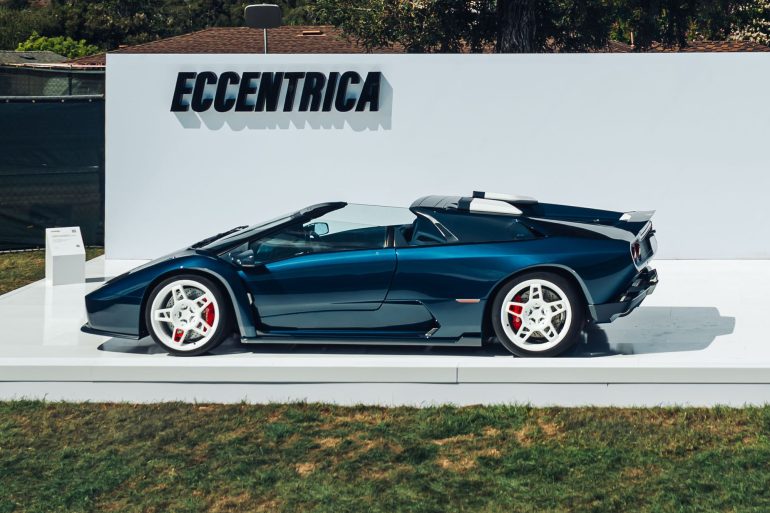
| 2001–03 | Murciélago · Gallardo | Donckerwolke's Murciélago; the V10 Gallardo, the car that made the company profitable | The V12 and the Murciélago · The Gallardo |
| 2007–09 | Reventón · Super Trofeo | Twenty Reventóns; the one-make series begins | The Reventón |
| 2011–14 | Aventador · Veneno · Huracán | Perini's carbon-tub Aventador; the Veneno for the fiftieth; the Huracán; Squadra Corse founded | Aventador's ten innovations · 50th Grand Tour |
| 2016 | Centenario | Ferruccio's hundredth; the Miura's fiftieth at Pebble Beach and Villa d'Este | Villa d'Este 2016 |
| 2018–20 | Urus · Sián | The Urus doubles output; Huracán GT3 wins GTD at Daytona three years running; the Sián hybrid; Winkelmann returns | Rolex 24, 2022 |
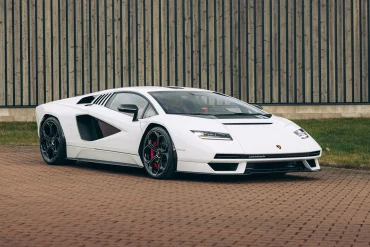
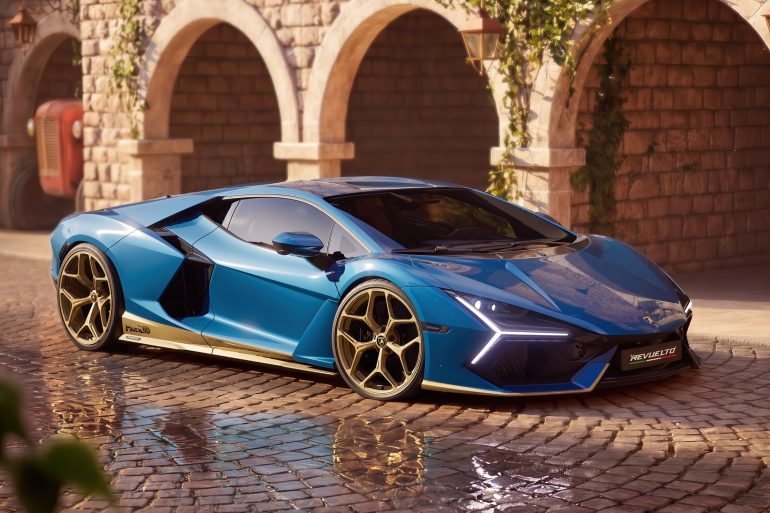
| 2021–23 | Revuelto | The Countach LPI 800-4; the sixtieth anniversary; the Revuelto V12 hybrid; the SC63 at Goodwood | Chromatic Journey · SC63 debut |
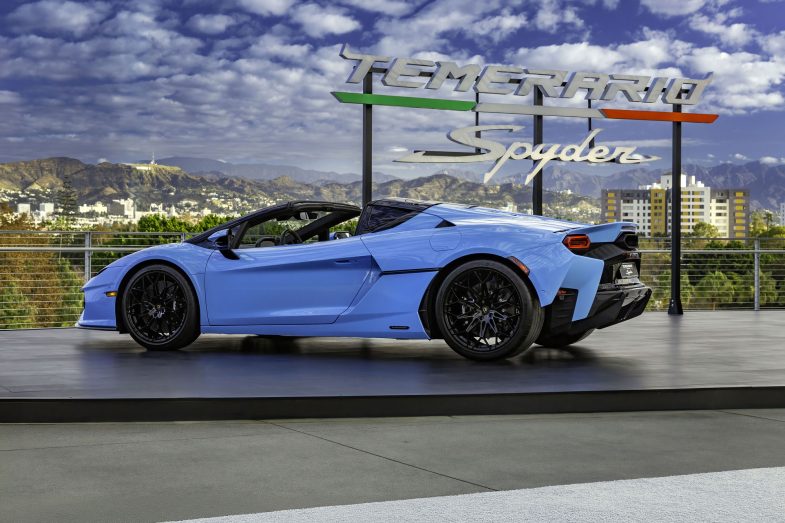
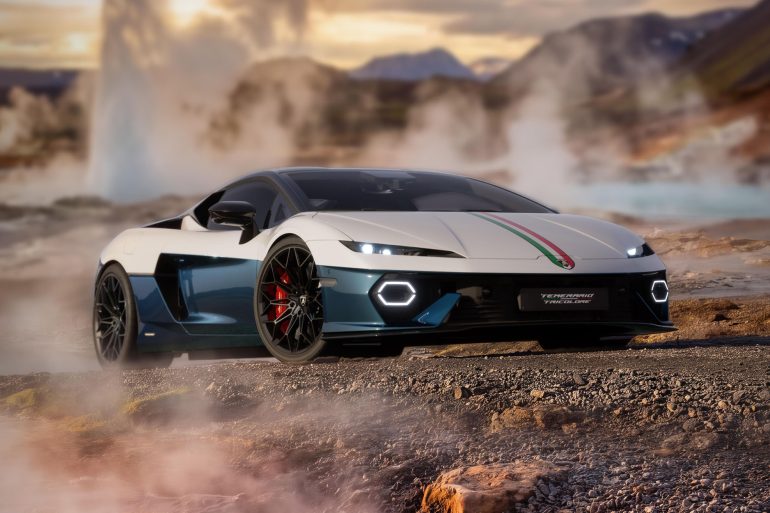
| 2024–26 | Temerario | The SC63's one season; the Temerario V8 hybrid and its Spyder; the Miura's sixtieth and the Revuelto homage; the Temerario GT3 | Revuelto Miura 60 Homage · Temerario Spyder |
LP stands for longitudinale posteriore, the V12 lengthways behind the seats, from the Countach on; the Miura's was transverse. The Supercar Era and GT1 to Hypercar pages carry the rivals.
Every story on the site about the first supercar, newest first.
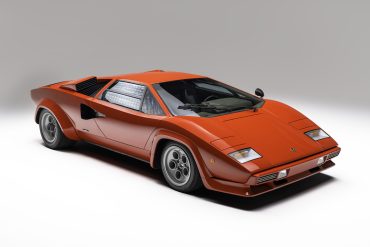
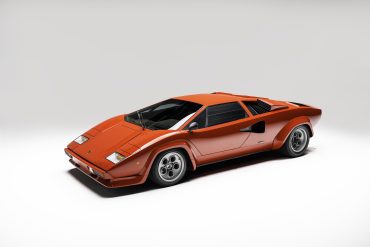
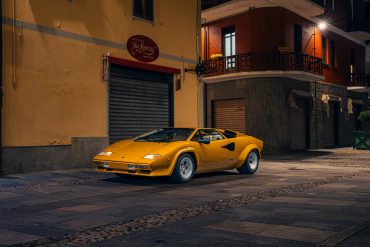
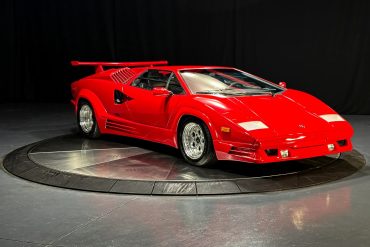
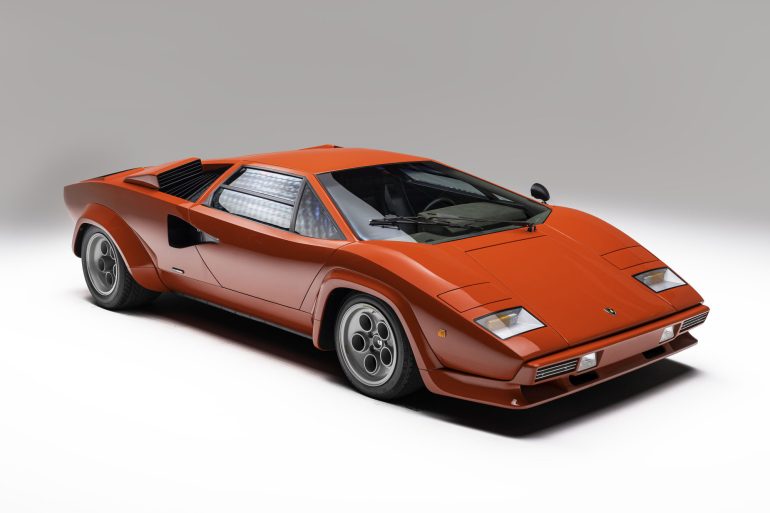
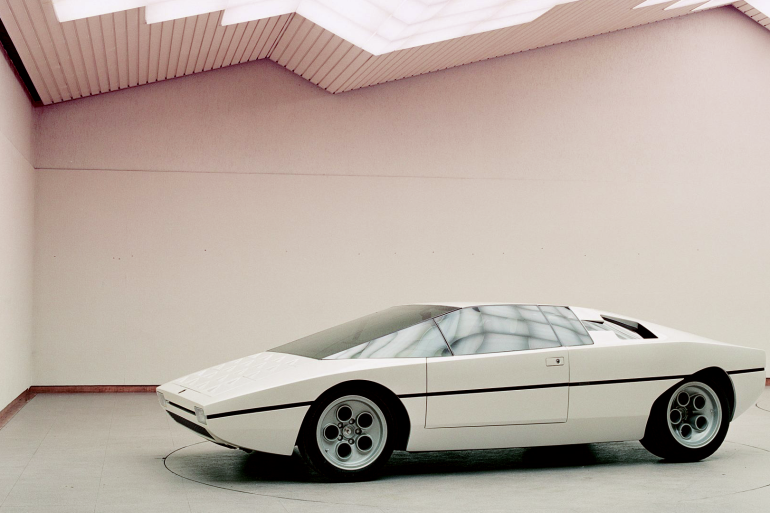
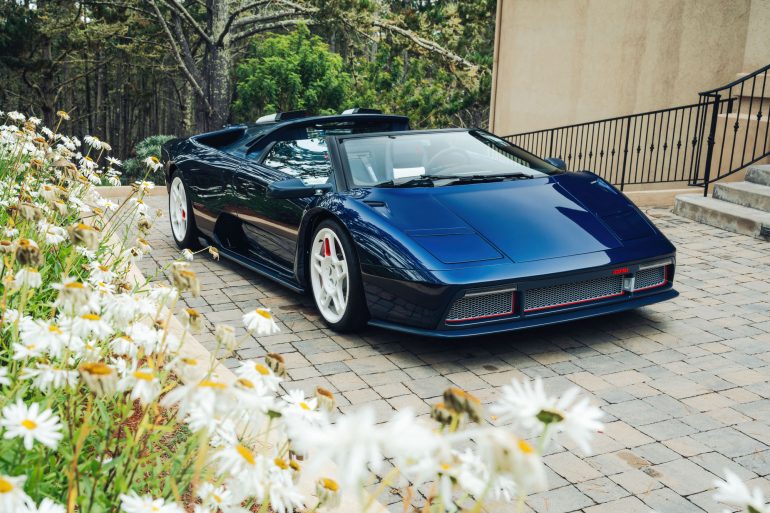
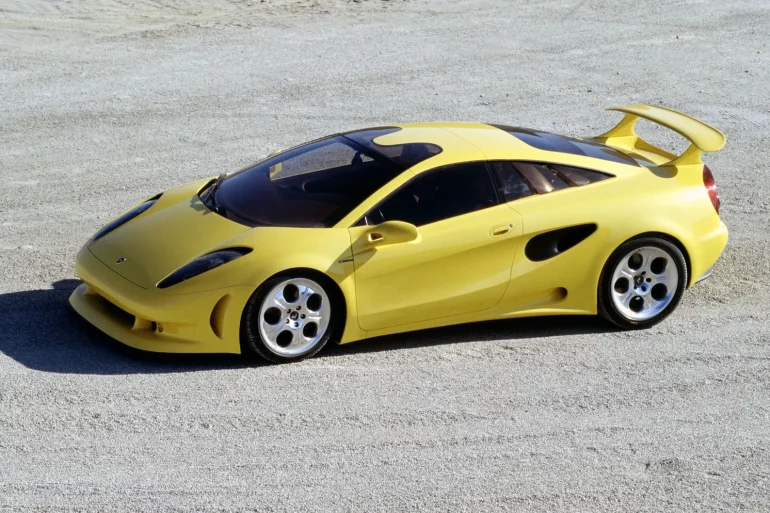
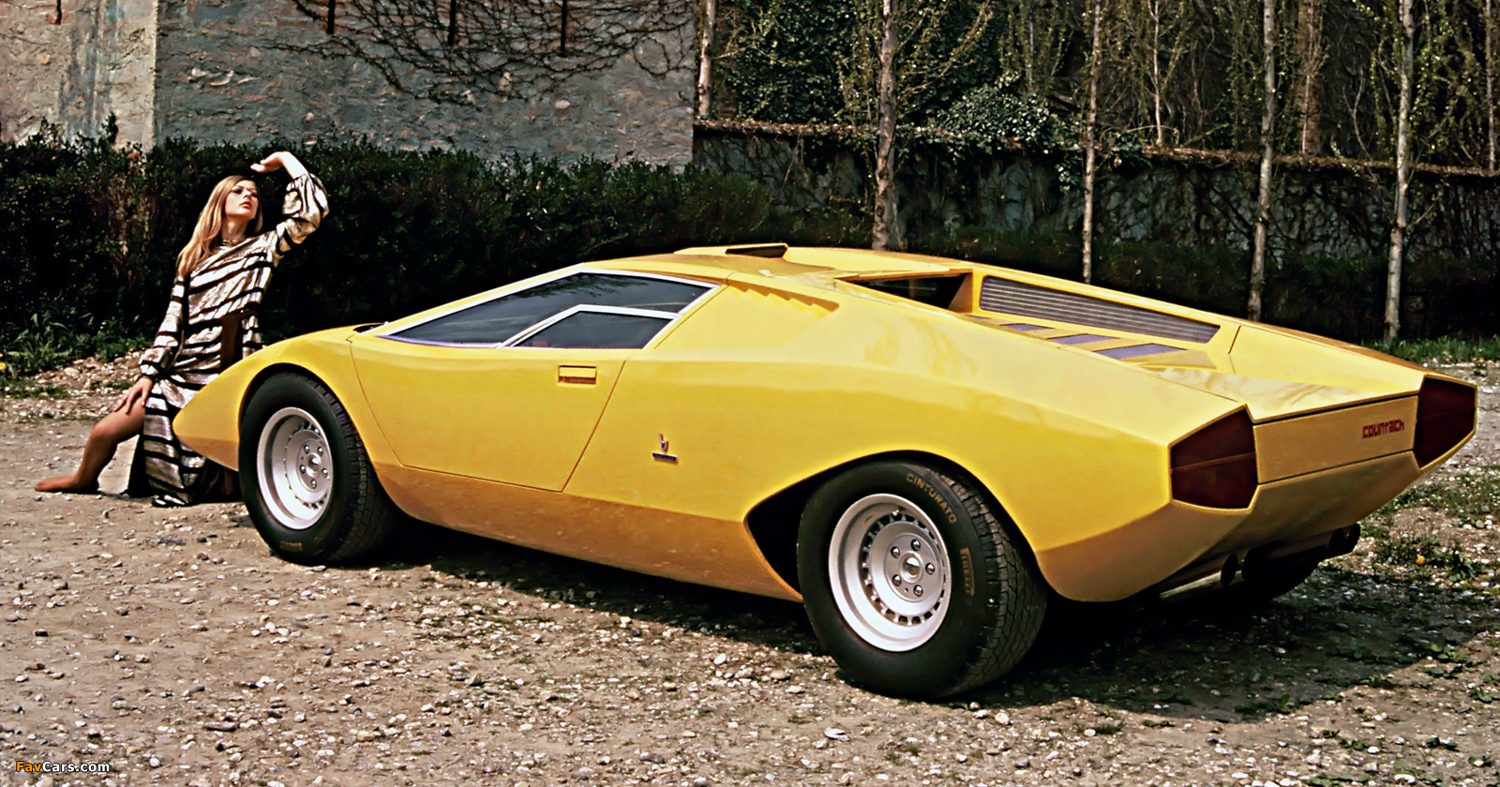
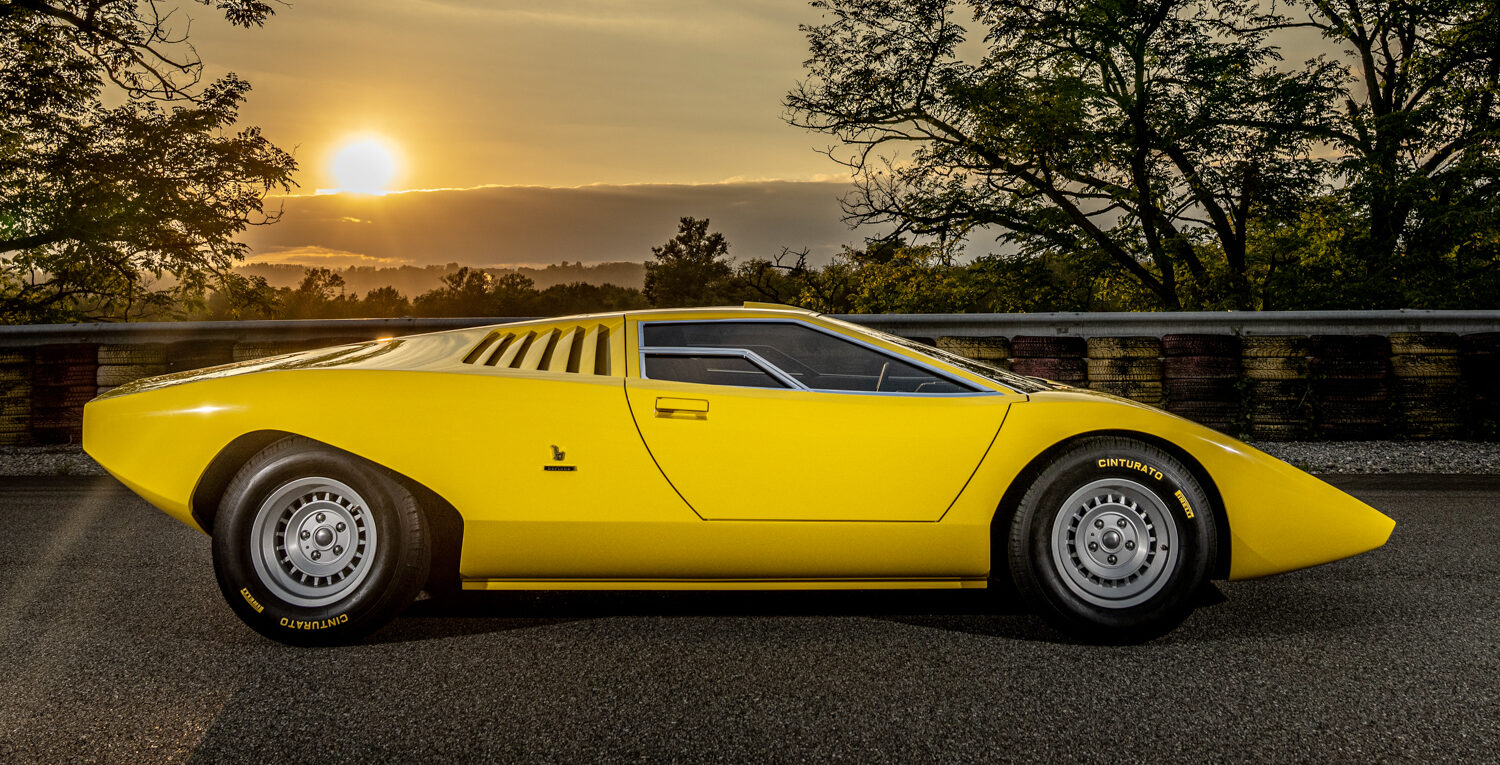
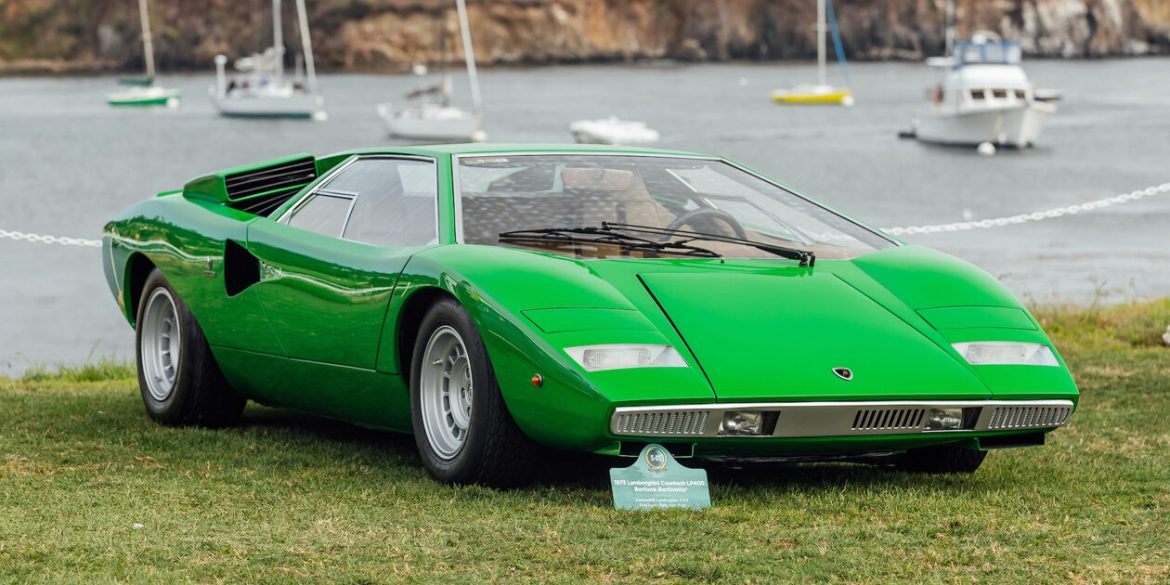
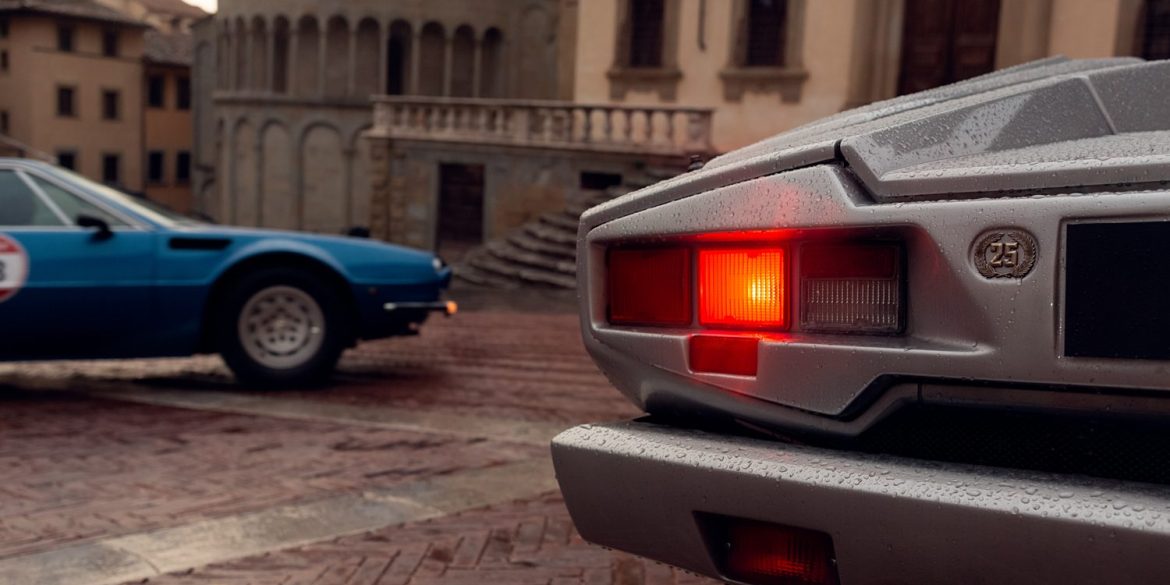
Gandini's LP 500, shown at Geneva in March 1971 as an "idea car" in yellow, was meant to replace the Miura and went into production in 1974 as the Countach LP 400, Stanzani's spaceframe with the V12 turned lengthways and the gearbox ahead of it, scissor doors and a periscope rear-view mirror; the prototype was crash-tested to destruction for homologation and recreated by Lamborghini's Polo Storico in 2021, the archive's Resurrected Icon. The Countach stayed in production for sixteen years, LP 400, LP 400 S with Walter Wolf's wheels and wings, LP 500 S, 5000 Quattrovalvole and the 25th Anniversary car of 1988, 1,983 in all, the poster on every bedroom wall of the 1980s and Raffi Minasian's Italian Spaceship. The company it kept alive nearly died several times: Ferruccio sold 51 per cent to Georges-Henri Rossetti in 1972 after a tractor order from Bolivia collapsed and the rest to René Leimer in 1974, and retired to make wine in Umbria; the factory was in receivership in 1978, bought by Patrick and Jean-Claude Mimran in 1980 and sold to Chrysler in 1987. Bertone's Bravo, the V8 "baby Countach" of 1974 that never reached production, is the archive's newest Lamborghini story; the Jalpa of 1981, the last of the Urraco line, and the LM002 of 1986, the V12 off-roader built on the chassis of a failed military contract, are the Mimran years' cars.
Every story on the site about the Countach, newest first.
Chrysler paid $25 million, softened Gandini's design for the Countach's successor in its Detroit studio, and launched the Diablo in January 1990, a 5.7-litre, 492-horsepower, 202-mph car that became four-wheel-drive as the VT in 1993, lighter as the SE30 and SV and, with 2,884 built by 2001, the most produced Lamborghini to that date. Lamborghini Engineering in Modena, under Mauro Forghieri from Ferrari, built a 3.5-litre V12 for Formula One that ran in Larrousse-Lola, Lotus, Ligier and Minardi cars from 1989 to 1993, with Aguri Suzuki's third place at Suzuka in 1990 its best result, and in 1991 a whole car, the Lambo 291, for the Modena Team; McLaren tested the engine for 1994 and chose Peugeot instead. Chrysler sold the company in 1994 to MegaTech, an Indonesian group, and the Diablo GT and the one-make Diablo SV-R and GTR racers were the last cars before Audi, and the Volkswagen Group, bought Lamborghini in July 1998. The Diablo profile and this year's Diablo SE30 sales are in the archive.
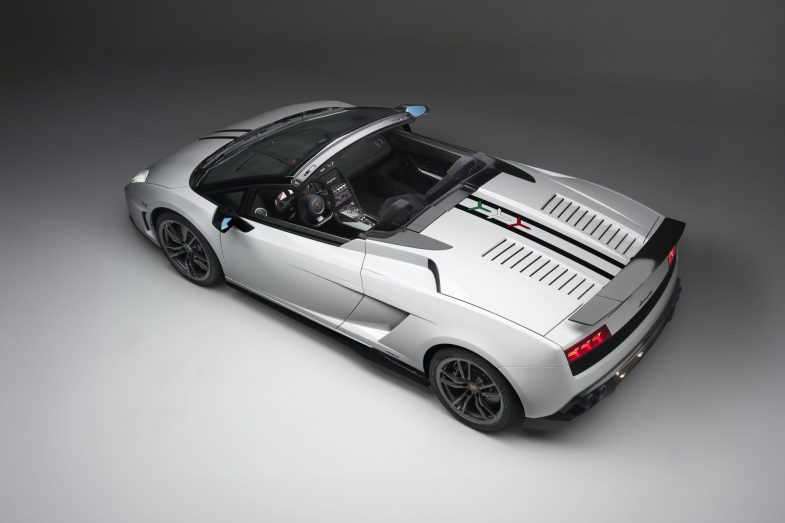
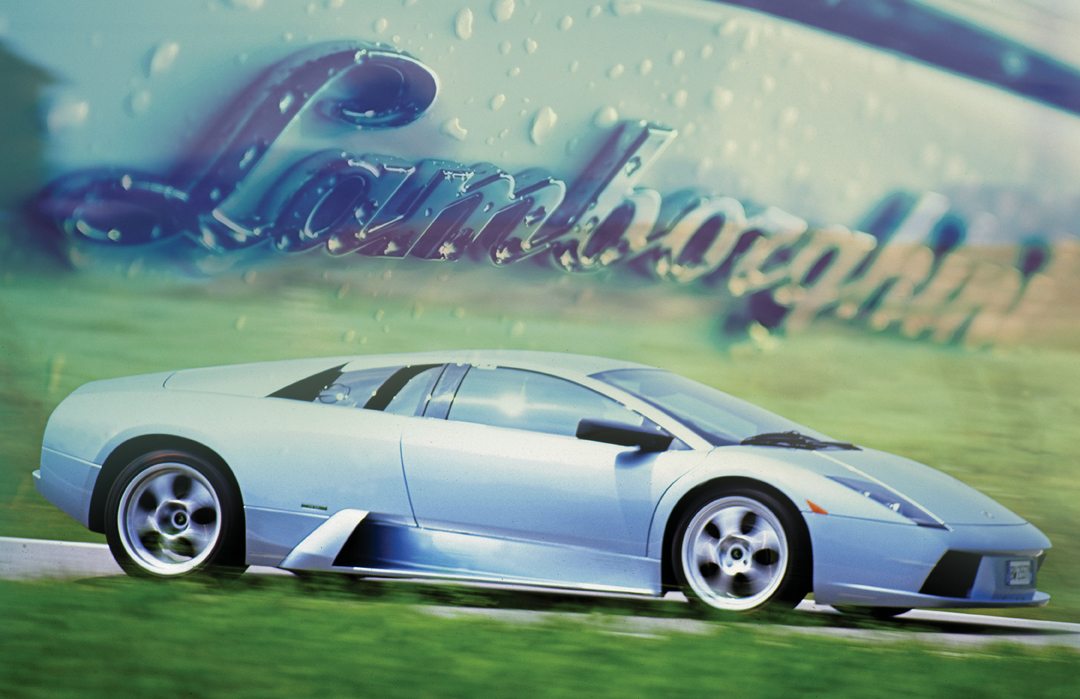
Audi's first Lamborghini, the Murciélago of 2001, kept the V12, now 6.2 and then 6.5 litres, in a Luc Donckerwolke body, built 4,099 to 2010 and, as the LP 670-4 SuperVeloce and the twenty Reventóns, became collectable at once; its V10 sister, the Gallardo of 2003, with an Audi-related 5-litre engine and four-wheel drive, sold 14,022, more than every Lamborghini of the previous forty years together, and made the company profitable. The Aventador of 2011, Filippo Perini's carbon-tub car with a new 6.5-litre, 700-horsepower V12, ran to 11,465 cars in a decade, SV, SVJ and Ultimae among them, and the Huracán of 2014 took the V10 past twenty thousand cars; the Urus SUV of 2018 doubled the company's output again. The limited cars, the Sesto Elemento, the Veneno of 2013, the Centenario of 2016 for Ferruccio's hundredth birthday, the Sián hybrid of 2019 and the Countach LPI 800-4 of 2021, are the ones that make the record prices, the Veneno Roadster at $8.3 million in 2019. The Reventón profile, Rex McAfee's Gallardo and Huracán anniversaries, the Aventador's ten innovations and the Sián and Centenario threads are the archive's Audi years.
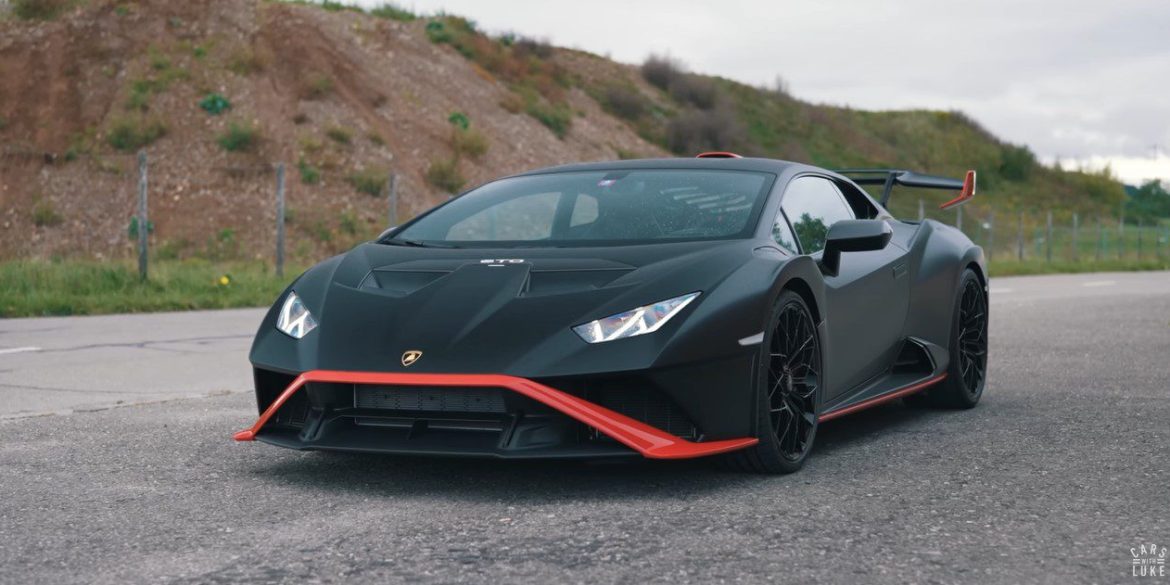
Ferruccio did not race and the company did not until Audi: Squadra Corse was founded in 2013, the Super Trofeo one-make series began in Europe in 2009 and spread to Asia and North America, and the Huracán GT3 of 2015 and its Evo versions won the GTD class of the Daytona 24 Hours in 2018, 2019 and 2020 and the Sebring 12 Hours in 2019, with Martin Raffauf's 2022 Rolex 24 report and Rex McAfee's Lamborghini GTP Debut at Sebring in the archive. The SC63, the LMDh prototype that debuted at Goodwood in 2023 and raced in the WEC and IMSA in 2024, finished tenth at Le Mans and was withdrawn from the WEC for 2025 and paused in IMSA after that season; the Huracán GT3 Evo2 and, from 2026, the Temerario GT3 carry the racing on. The Huracán STO, the Sterrato and the SC20 are the road-going side of Squadra Corse.
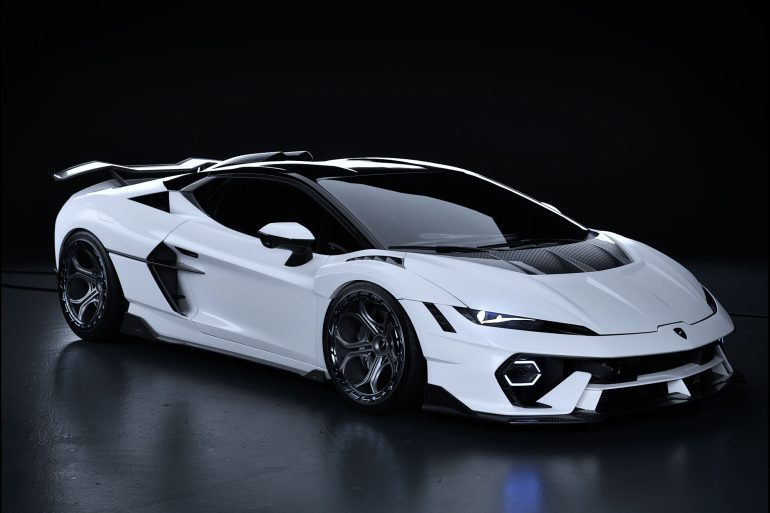
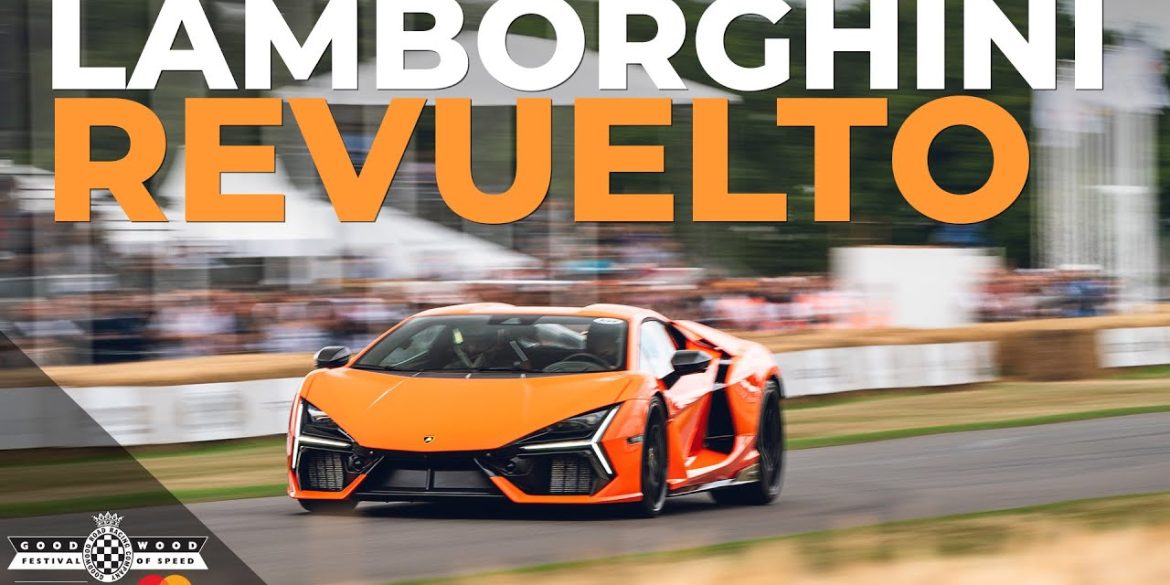
Stephan Winkelmann, back as chairman in 2020, took the range hybrid: the Revuelto of 2023, a 1,001-horsepower V12 plug-in hybrid with a new carbon front structure, the Urus SE, and the Temerario of 2024, which replaced the Huracán's V10 with a 10,000-rpm twin-turbo V8 and three motors and arrived as a 907-horsepower Spyder in November 2026. The company's sixtieth anniversary in 2023 brought the Chromatic Journey exhibition, the Giro at Sardinia and the Arizona Concours feature, and 2026 is the Miura's sixtieth, marked with the Revuelto Miura 60 Homage and a run of Miura sales. Lamborghini built 10,687 cars in 2024 and is the most profitable marque in the Volkswagen Group per car; Rex McAfee's reports from Sant'Agata, Villa d'Este, Goodwood and St Moritz carry the current company, and the Museo Automobili Lamborghini and the Polo Storico restoration department the past.
The Model tags on this site cover the Lamborghinis the archive has most to say about: the 350 GT and 400 GT; the Miura, Espada, Islero, Jarama and Urraco; the Countach and the LM002; the Diablo and Murciélago; the Gallardo, Aventador and Huracán; the Veneno, Centenario and Sián; and the Revuelto, Temerario and Urus. The nine cards below are the ones with most to read behind them, and the Model tag opens every story on each.
Nine the archive has most to say about; each links to every story on the site about that car.
Single-car and chassis stories: the Miuras and Countachs, the Diablos and the limited editions that surface at auction.
Lamborghini's racing sits on the archive's hubs as well as here. The GT1 to Hypercar era page has the GT3 years and the SC63; the Formula 1 page the Lamborghini V12 of 1989 to 1993; the Supercar Era page the Countach, Diablo and the cars they raced against on the road; the Goodwood festivals page the Festival of Speed, where the Revuelto and the SC63 ran the hill. The Racing (Lamborghini) feed below gathers the race reports and profiles with a Lamborghini in them, from the Diablo GTRs to this year's GT3 rounds.
Race reports and profiles with a Lamborghini in them, newest first.
Ferruccio Lamborghini first; Giotto Bizzarrini, who designed the V12; Gian Paolo Dallara, Paolo Stanzani and Bob Wallace, the three young men who built the Miura and the Countach; Marcello Gandini of Bertone, who drew them and the Espada, and Franco Scaglione and Touring's Carlo Anderloni before him; Luigi Marmiroli and Massimo Parenti of the Diablo; Mauro Forghieri of the Formula One engine; Valentino Balboni, the test driver for forty years; Georges-Henri Rossetti, the Mimran brothers, Lee Iacocca and Bob Lutz at Chrysler and Ferdinand Piëch at Audi; Luc Donckerwolke, Filippo Perini and Mitja Borkert, the designers since; and Stephan Winkelmann, who has run the company for most of this century. Each name with a People thread links to every story on the site about them, and the People page gathers the portraits.
The engineer of the first Lamborghini V12 and his own cars, newest first.
The Lamborghini market is the Miura, the Countach and the limited editions, with a long tail of usable modern cars. A Miura P400 is $1–1.5 million, an S $1.5–2.5 million, an SV $2.5–4 million and an SVJ or the Jota recreations more; a Countach LP 400 Periscopio $1–1.5 million, an LP 400 S $600,000 to $1 million, a Quattrovalvole or Anniversary $400,000–700,000; a 350 GT $600,000–900,000, a 400 GT $400,000–600,000, an Espada $150,000–250,000, an Islero $200,000–350,000 and a Jarama, Urraco or Jalpa $100,000–200,000. Among the modern cars the LM002 is $300,000–500,000, a Diablo $200,000–400,000 and an SE30 or GT more, a Murciélago $200,000–400,000 and an LP 670-4 SV $500,000 and up, a Gallardo $100,000–150,000, an Aventador $300,000–500,000 and an SVJ over $600,000; the Reventón is $1.5–2 million, the Centenario $2–3 million, the Sián $3–4 million and the Veneno $8–9 million, the record at $8.3 million for a Roadster in 2019. The Auctions (Lamborghini) and For Sale (Lamborghini) threads below are the live market, with this autumn's Miura P400 S, Countach LP 400 S and Diablo SE30 sales; the Market page has the auction calendar and the record prices.
Auction previews and results for Lamborghinis, newest first.
Lamborghinis offered by dealers and collectors, newest first.
The archive's Lamborghini galleries come from the fiftieth-anniversary Grand Tour of 2013, the Miura's fiftieth at Pebble Beach and Villa d'Este in 2016, the Chromatic Journey and the Sardinian Giro of 2023, the Villa d'Este and St Moritz gatherings, the Rodeo Drive and Arizona concours, the Goodwood Members' Meeting and the Museo at Sant'Agata. The Galleries (Lamborghini) feed below gathers them.
Lamborghini galleries from Sant'Agata, Villa d'Este, Pebble Beach and the anniversary tours.
Founded May 1963, Automobili Ferruccio Lamborghini, Sant'Agata Bolognese; Ferruccio Lamborghini 28 April 1916 – 20 February 1993. Owners: Ferruccio to 1972–74; Rossetti and Leimer; receivership 1978; the Mimran brothers 1980–87; Chrysler 1987–94; MegaTech 1994–98; Audi since 1998. Built: 350 GT 120; 400 GT 247; Miura 764 (275 P400, 338 S, 150 SV); Espada 1,217; Islero 225; Jarama 328; Urraco 791; Countach 1,983; Jalpa 410; LM002 301; Diablo 2,884; Murciélago 4,099; Gallardo 14,022; Aventador 11,465; Huracán more than 20,000; Reventón 20 coupés and 15 roadsters; Veneno 4 coupés and 9 roadsters; Centenario 40; Sián 63 and 19. Racing: Formula One engines 1989–93, best result third (Suzuki, Japan 1990); Daytona 24 Hours GTD class 2018, 2019, 2020; Sebring 12 Hours GTD 2019; SC63 Le Mans 2024, tenth. Production 2024: 10,687. Record prices: Veneno Roadster $8.3 million (Bonhams, Bonmont, 2019); Miura P400 SV about $4–5 million privately; Countach LP 400 about $1.5 million.
Short answers, with the long ones above.
The story he told was that he complained to Enzo Ferrari about the clutch in his 250 GT, was told a tractor-maker should stick to tractors, and decided to build a better car. He had the money, the factory skills and the engineers, and the 350 GT appeared within a year of the company's founding in 1963.
The 350 GTV prototype of October 1963, with Bizzarrini's V12 and a Scaglione body, and the production 350 GT of 1964, re-bodied by Touring; 120 were built. The oldest surviving car was restored by the factory for its sixtieth anniversary.
It was the first mid-engined production road car, with its V12 mounted sideways behind the seats, and the car for which the word "supercar" was coined. Dallara, Stanzani and Wallace designed it in their spare time and Gandini drew the body at twenty-seven; 764 were built between 1966 and 1973.
From bullfighting: Miura is a breed of fighting bull, Islero and Murciélago were famous bulls, Espada is the matador's sword, Jarama and Urraco are breeding regions and a breed, Diablo, Gallardo, Aventador and Huracán were bulls too. The Countach is the exception, a Piedmontese exclamation of astonishment. Ferruccio was born under Taurus.
Audi, and through it the Volkswagen Group, since 1998. Before that Ferruccio Lamborghini, the Swiss financiers Rossetti and Leimer, the Mimran brothers, Chrysler and the Indonesian group MegaTech.
Not under Ferruccio, who refused to, and not seriously until Squadra Corse was founded in 2013. Since then the Huracán GT3 has won its class at Daytona three times and the Super Trofeo series runs on three continents; the SC63 prototype raced at Le Mans in 2024 and was shelved after one season. Lamborghini supplied Formula One engines from 1989 to 1993 without a win.
At auction, the Veneno Roadster, $8.3 million in 2019. Among the classics, the Miura SV and SVJ at $3–5 million and the Countach LP 400 at over $1 million; the Sián and Centenario sell for $2–4 million.
1,983 between 1974 and 1990, about 150 of them the original LP 400 and 657 the 25th Anniversary car. The Countach LPI 800-4 of 2021 added 112 modern cars with the name.
Lamborghini's own heritage department, founded in 2015, which restores and certifies the pre-2001 cars and holds the archives; it rebuilt the LP 500 Countach prototype in 2021 and restored the oldest 350 GT in 2024.
A Gallardo at $100,000–150,000 is the usual start, a Murciélago or early Aventador the next step, and a Jarama, Urraco or Espada the way into the Ferruccio-era V12s and V8s below $250,000; the For Sale (Lamborghini) thread below has the current cars.
The whole archive on one thread, newest first.