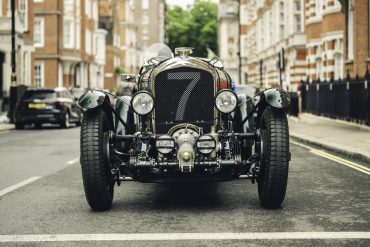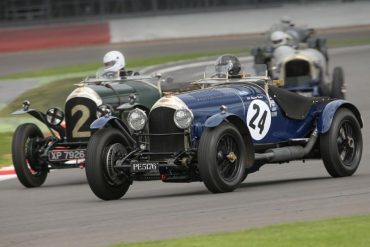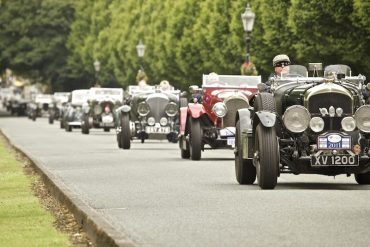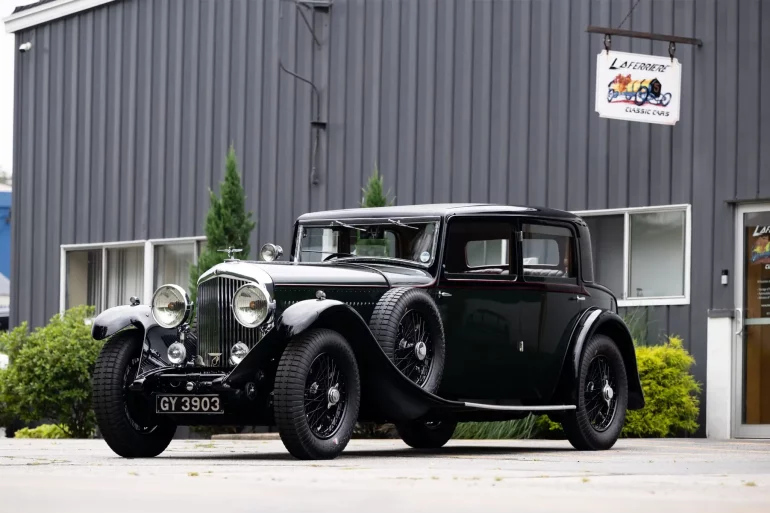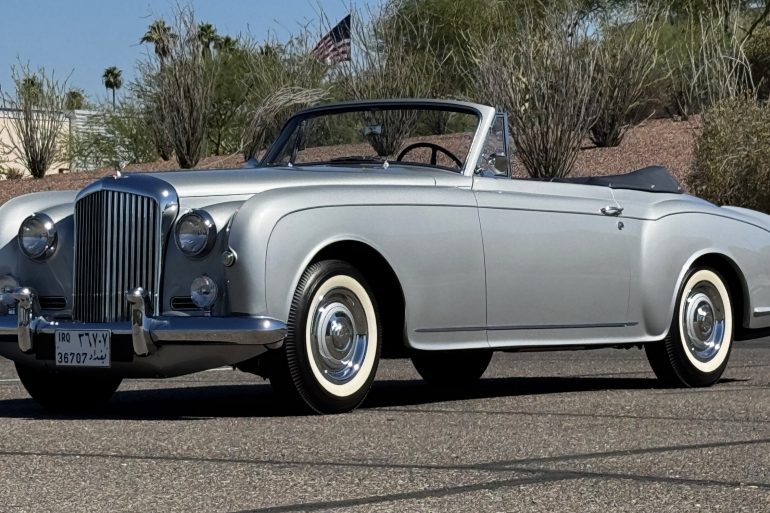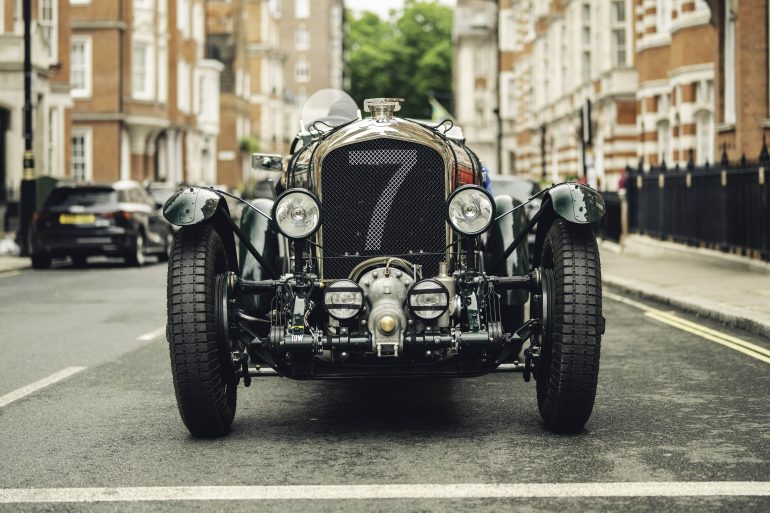
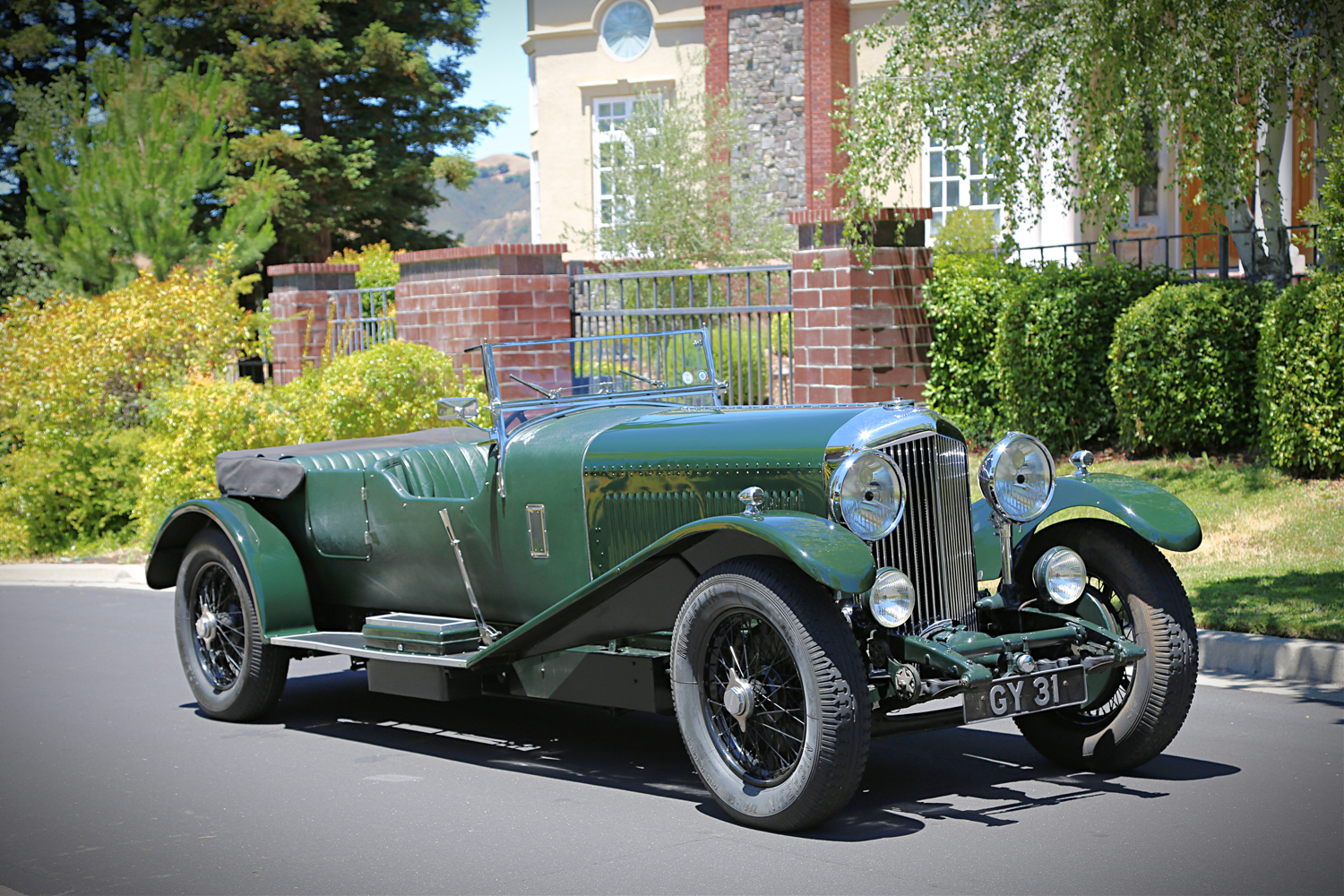
"100 miles per hour with 100 percent comfort and docility," an Autocar advertisement promised in April 1931. The 8-Litre was W.O. Bentley's answer to Rolls-Royce, his finest grand tourer and the last car he designed for the company.

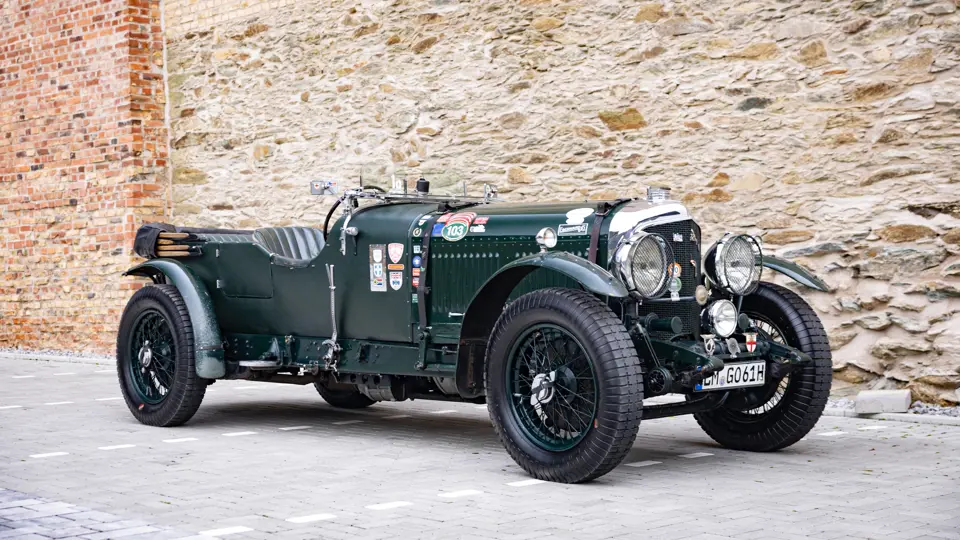
The Cricklewood firm W.O. Bentley founded in 1919 to build "a fast car, a good car, the best in its class", that won Le Mans five times in seven years with Barnato, Birkin, Benjafield, Kidston and the rest of the Bentley Boys, went bankrupt in 1931 and was swallowed by Rolls-Royce, became the Silent Sports Car of Derby and the R-Type Continental of Crewe, was sold to Volkswagen in 1998 and went back to Le Mans to win again in 2003. The 3 Litre, the 4½ and the Blower, the Speed Six, the 8 Litre, the Mark VI, the Continentals, the Turbo R, the Speed 8 and the Bentayga, and the continuation Blowers and Speed Sixes of now. The archive has 205 Bentley stories, from Ed McDonough's Birkin's Baby to this year's Flying Spur ice record, and this page puts them in order.
The pieces to start with
Eight pieces on the marque: Mike Lawrence on Birkin and the Blower, Steve Natale's 8 Litre, Patrick Quinn's Speed Six, Casey Annis's Sammy Davis, the W.O. Bentley story, the Corniche risen from the ashes, Guy Smith on the Le Mans-winning Speed 8 and the new Speed Sixes.
Bentley will build 12 continuation Blowers, a car Mike Lawrence calls a disappointment whose legend outran its results. Tim Birkin took his nickname from the comic strip Tiger Tim, his fortune from Nottingham lace and his malaria from wartime Palestine.
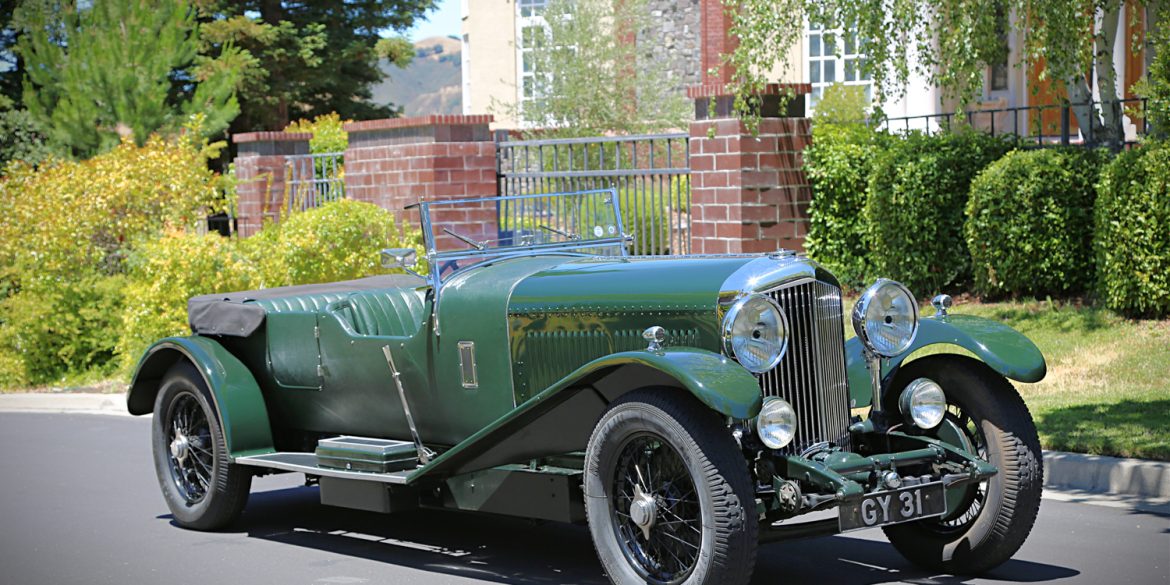
“100 miles per hour with 100 percent comfort and docility,” an Autocar advertisement promised in April 1931. The 8-Litre was W.O. Bentley’s answer to Rolls-Royce, his finest grand tourer and the last car he designed for the company.
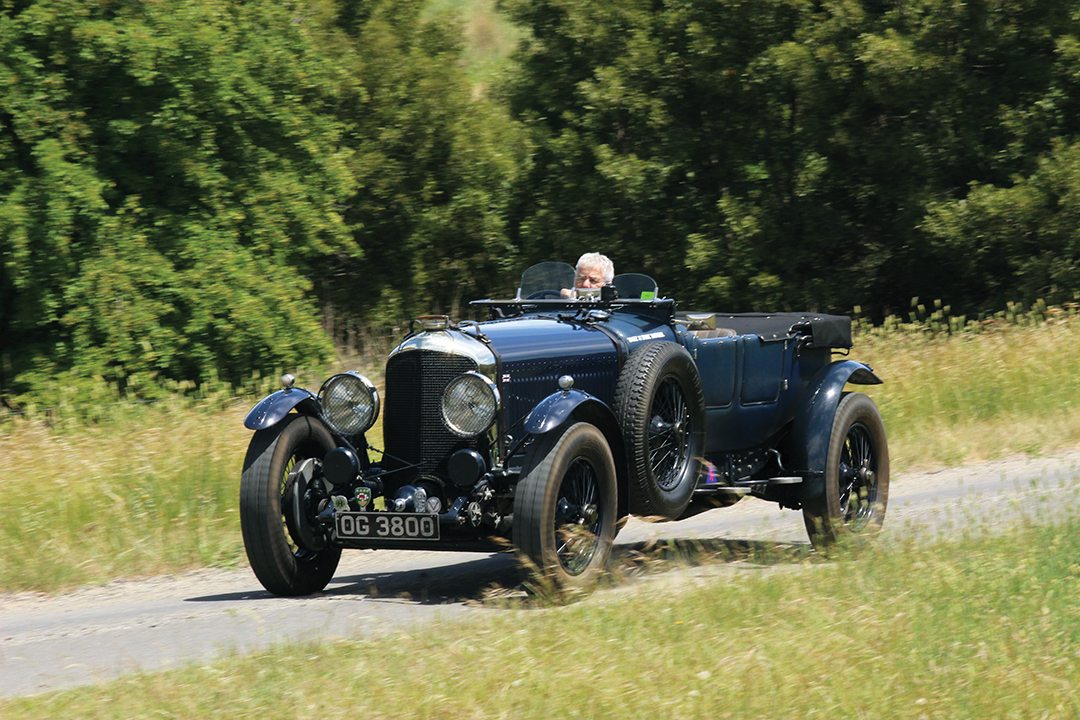
Warned that roadworks of water, mud and soft tar would coat his 1930 Speed Six, Barry Batagol said, “Then I’ll clean it.” Patrick Quinn learns that a Cricklewood Bentley is a frame of mind, and that most wore saloon bodies.
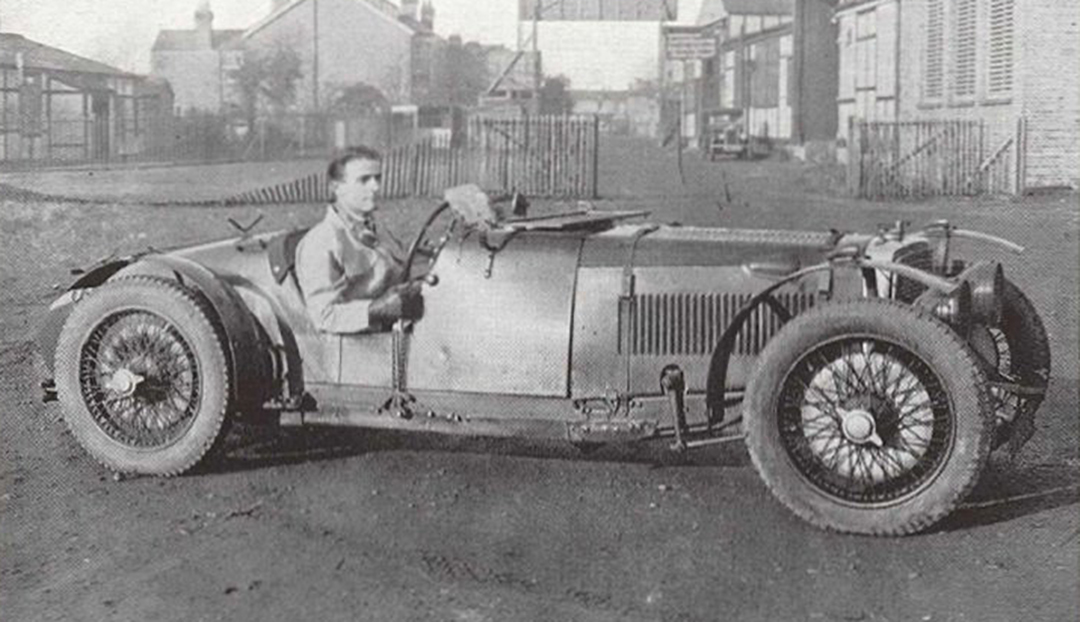
Sydney Charles Houghton Davis, born 1887, worked on Daimler’s 1907 Kaiserpreis car, wrote Autocar’s “Casque” column and seven books, and still drove a frog-eyed Sprite at 92. The writer met him once, over coffee in 1978.
W.O. Bentley’s father paid £75 to make his steam-obsessed 16-year-old an apprentice on the Great Northern Railway at Doncaster, at 25 pence a week; it was 18 months before he touched a locomotive. The centenary life story.
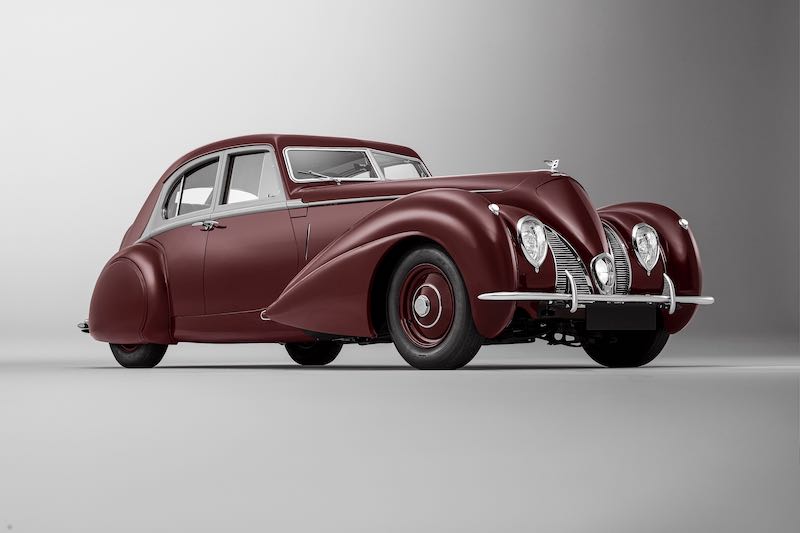
The sole Bentley Corniche crashed on test in France in August 1939; its chassis got home to Derby but the body was destroyed in a bombing raid on Dieppe and never seen again. Bentley has rebuilt it for its centenary.
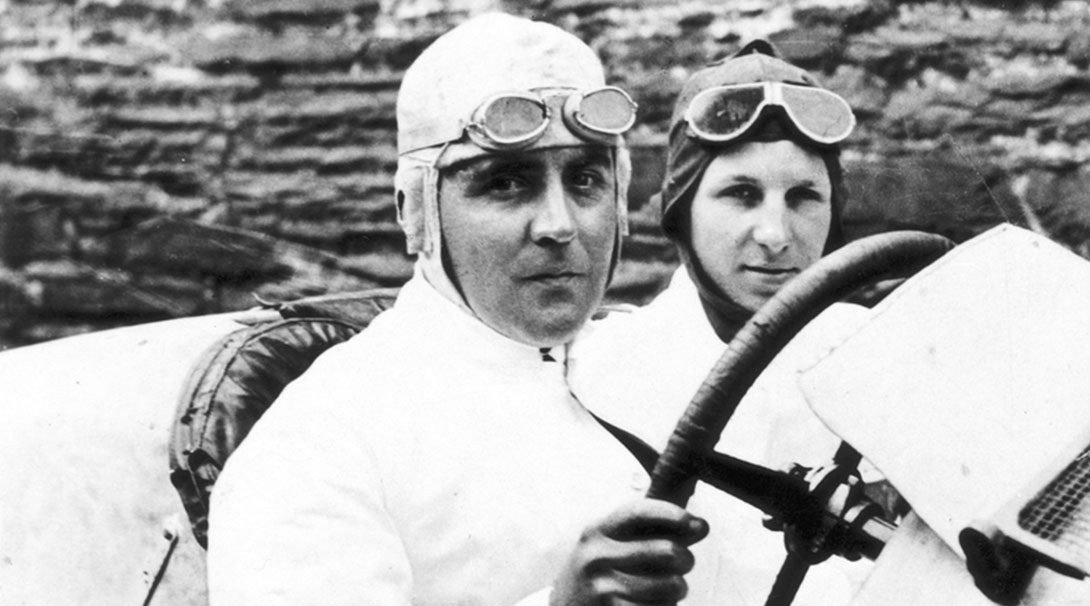
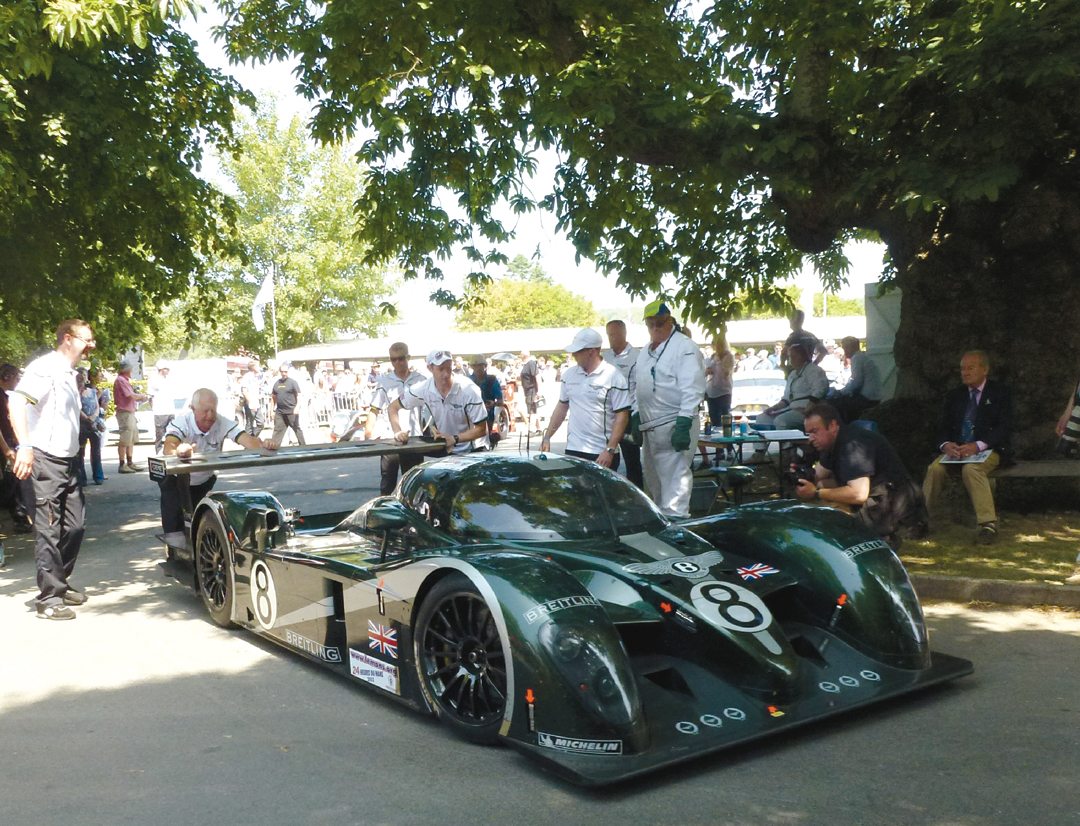
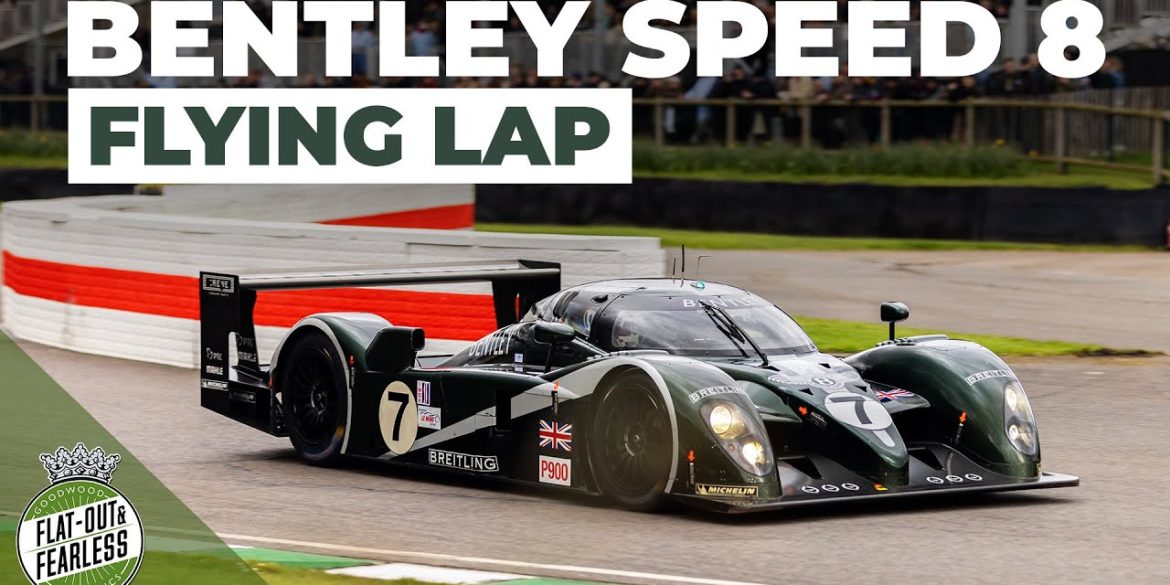
Guy Smith drove the last two hours at Le Mans in 2003 in the Bentley Speed 8 he shared with Capello and Kristensen, sure he would make a mess of it. On why he still feels part of the car.
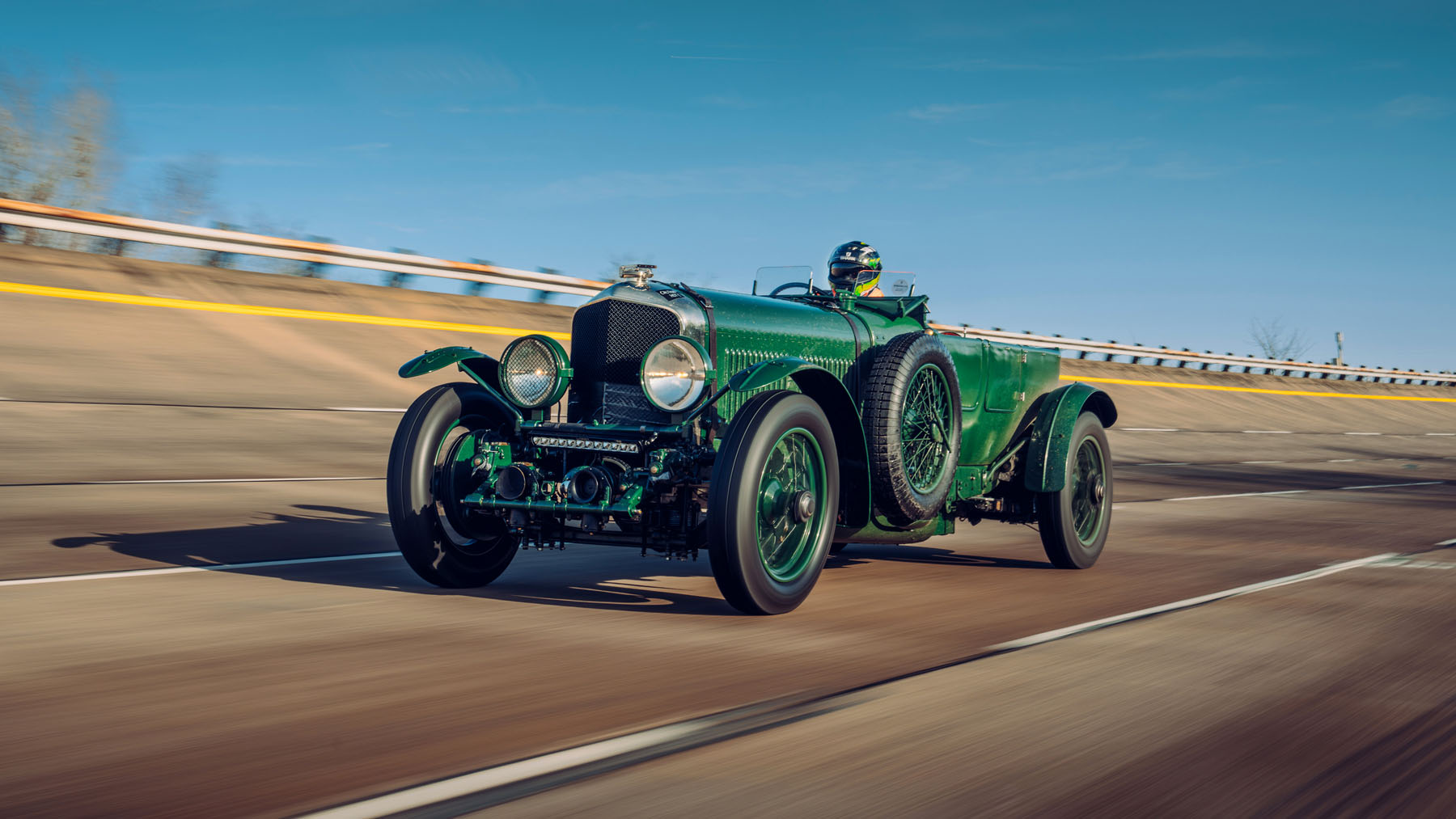
Car Zero, the Speed Six Continuation prototype, has done 40 hours on the engine dyno, 10,000 km of durability running and a 112 mph top-speed test, the figure the originals managed. Twelve follow, ten months each, all sold.
The newest long-form writing on Bentley, as it is published.

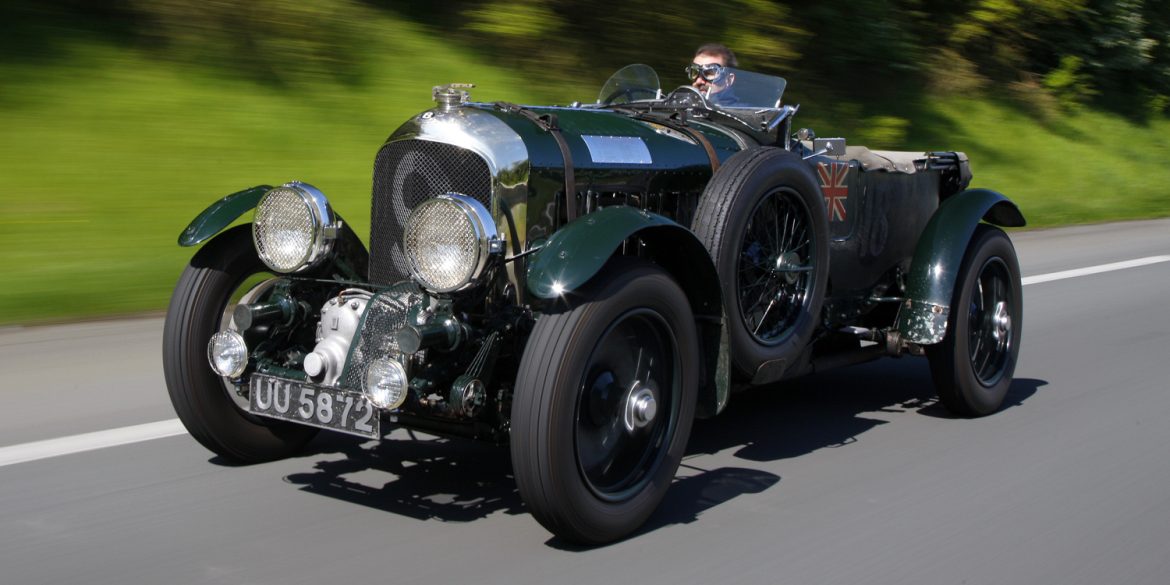
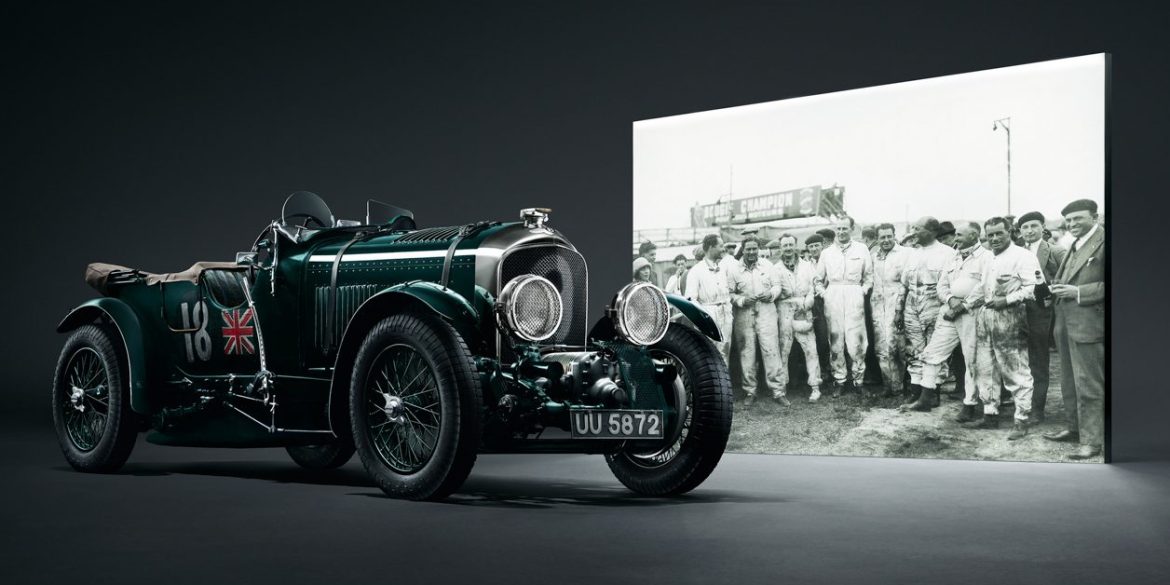
Bentley is the British maker of fast luxury cars that Walter Owen Bentley founded in London in 1919, which built about 3,000 cars at Cricklewood before its bankruptcy in 1931, passed to Rolls-Royce and built its cars at Derby and then at Crewe for sixty-seven years, and has belonged to the Volkswagen Group since 1998. It is two marques in one. The first is the vintage Bentley of 1921–31, the 3 Litre, 4½ Litre, 6½ Litre and Speed Six and 8 Litre, big, heavy, four-cylinder and six-cylinder tourers with overhead camshafts and four valves a cylinder that won Le Mans in 1924, 1927, 1928, 1929 and 1930 and gave the English language the Bentley Boys; the second is the Rolls-Royce Bentley and its successors, the Derby 3½ and 4¼ of the 1930s, the Mark VI, the R-Type Continental, the S-series and T-series, the Mulsanne Turbo and Turbo R that revived the name in the 1980s, and the Continental GT of 2003 that made it a volume manufacturer of 12,000 cars a year. Between the two came a racing return as improbable as any: the Speed 8 that won Le Mans in 2003, seventy-three years after Barnato and Kidston.
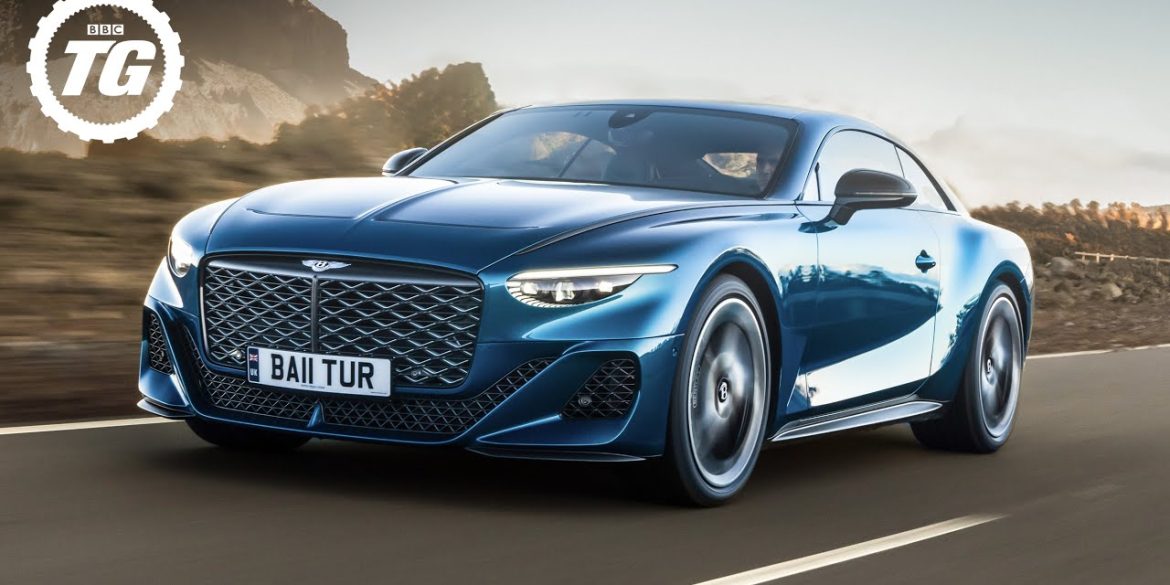
The archive's Bentley coverage follows that shape. On the vintage cars it has McDonough's chassis history of Birkin's Blower, Robert Newman's long profile of the Bentley Boys and Girls, Mike Lawrence's sceptical account of the Blower's record, Patrick Quinn driving a 1930 Speed Six, Steve Natale's 1931 8 Litre, Casey Annis's Sammy Davis, Karl Ludvigsen's Bentley at Indianapolis and the W.O. Bentley story; on the later cars Natale's Freestone & Webb S1 and Franay Mark VI, Sean Smith's Mark VI shooting brake, the Corniche and the R-Type Continental's seventieth; on the modern company Guy Smith's own account of the Speed 8, the Continental GT, the Bacalar and Batur, and the continuation Blowers, Speed Sixes and Blower Juniors that Crewe has built since 2019. The chapters below follow it from W.O.'s railway apprenticeship to the Bentley Boys' reunion at Le Mans Classic in 2025.
Walter Owen Bentley, born in London in 1888, was apprenticed to the Great Northern Railway at Doncaster, sold French DFP cars with his brother before the war and fitted them with the aluminium pistons that were his first invention, designed the BR1 and BR2 rotary aero engines that powered the Sopwith Camel and Snipe, and in January 1919 founded Bentley Motors with the intention, as he put it, of building a fast car, a good car, the best in its class; the archive's Trains, Planes and Automobiles is his story and the EXP 2 of 1920, the oldest Bentley, which won the marque's first race at Brooklands with Frank Clement in May 1921, a centenary the archive marked, is in the company's collection. The 3 Litre went on sale in 1921 at £1,050 for the chassis, with a four-cylinder engine of 2,996 cc, a single overhead camshaft driven by a vertical shaft, four valves a cylinder and twin magnetos, the layout every Cricklewood engine followed; 1,622 were built to 1929 in Blue Label, Red Label Speed and Green Label 100 mph forms, mostly bodied by Vanden Plas, and the owners, racing at Brooklands and in the Isle of Man, became the Bentley Drivers Club, whose Silverstone meetings the archive reports every year.
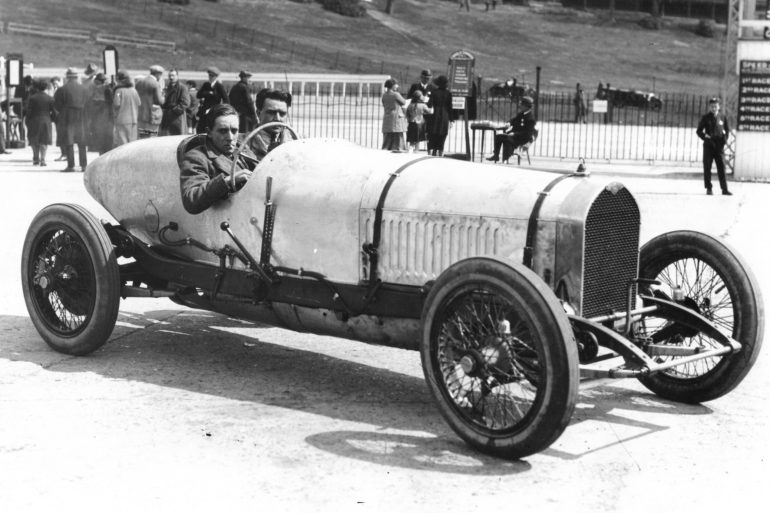
John Duff, a Canadian dealer, took a 3 Litre to the first Le Mans in 1923 with Clement, set the lap record and finished fourth, and the two of them won the race in 1924, the first of the five; the car, chassis 141, sold for more than £3 million at Bonhams in 2023 and the archive covers it. The 6½ Litre of 1926, a six with the same architecture, was W.O.'s answer to the Rolls-Royce Phantom and the heavy coachwork his customers ordered, and Woolf Barnato, the Kimberley diamond heir who bought the company in 1926 when it ran out of money, was the answer to the balance sheet; the Greatest Racecar entries in the archive from Bentley Drivers Club racers tell what the 3 Litre is like to race ninety years on.
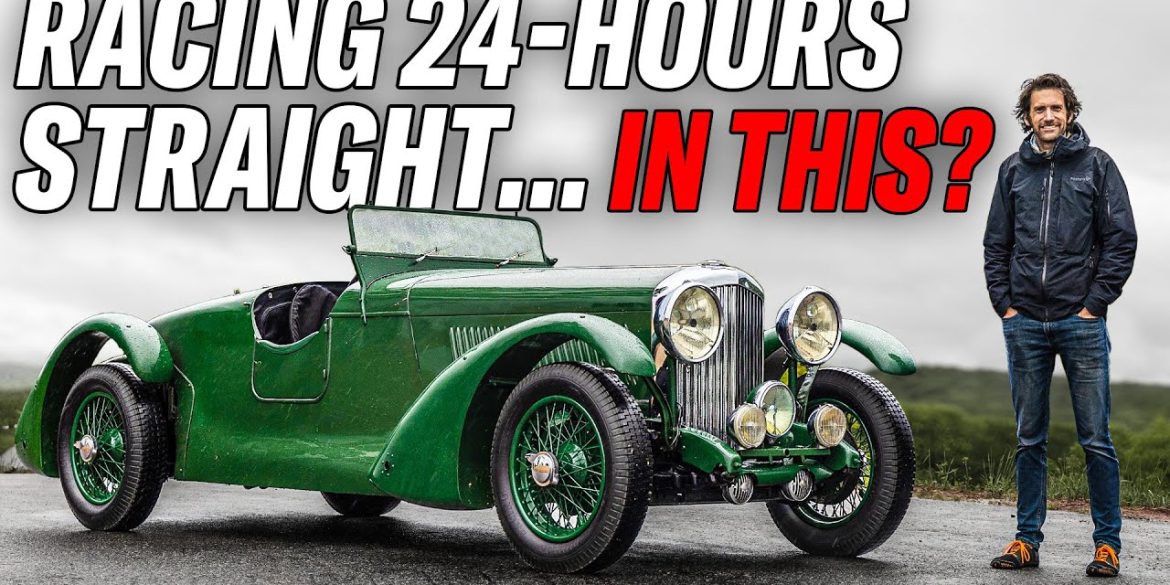
The Bentley Boys were the wealthy amateurs who raced the works cars and lived around Grosvenor Square: Barnato, who drove in three Le Mans and won all three; Sir Henry "Tim" Birkin, the baronet who thought the cars needed superchargers; Dr Dudley Benjafield, the bacteriologist; Glen Kidston, the submariner and airman; Sammy Davis, the sports editor of The Autocar, whose portrait Casey Annis draws in the archive; Jack and Clive Dunfee, Bernard Rubin, Baron d'Erlanger, Jean Chassagne and Clement, the one professional. Robert Newman's The Bentley Boys...and Girls, with Mary Petre Bruce and the other women who raced the cars, is the archive's full account. In 1927 Davis and Benjafield won in the 3 Litre Old Number Seven after the White House crash had eliminated the rest of the team; in 1928 Barnato and Rubin won in a 4½ Litre with the chassis cracked and the radiator dry; in 1929 the new Speed Six, the 6½ with a higher compression and twin carburettors, won with Barnato and Birkin and Bentleys filled the first four places; and in 1930 Barnato and Kidston won again in Old Number One, the Speed Six that had beaten the Blue Train from Cannes to Calais that March, with Birkin's Blower hounding Caracciola's Mercedes SSK into retirement. Patrick Quinn's Up for the Challenge is a 1930 Speed Six on the road, and the archive's reports from Le Mans Classic 2025 have the Bentley Boys' moment relived in the cars themselves.
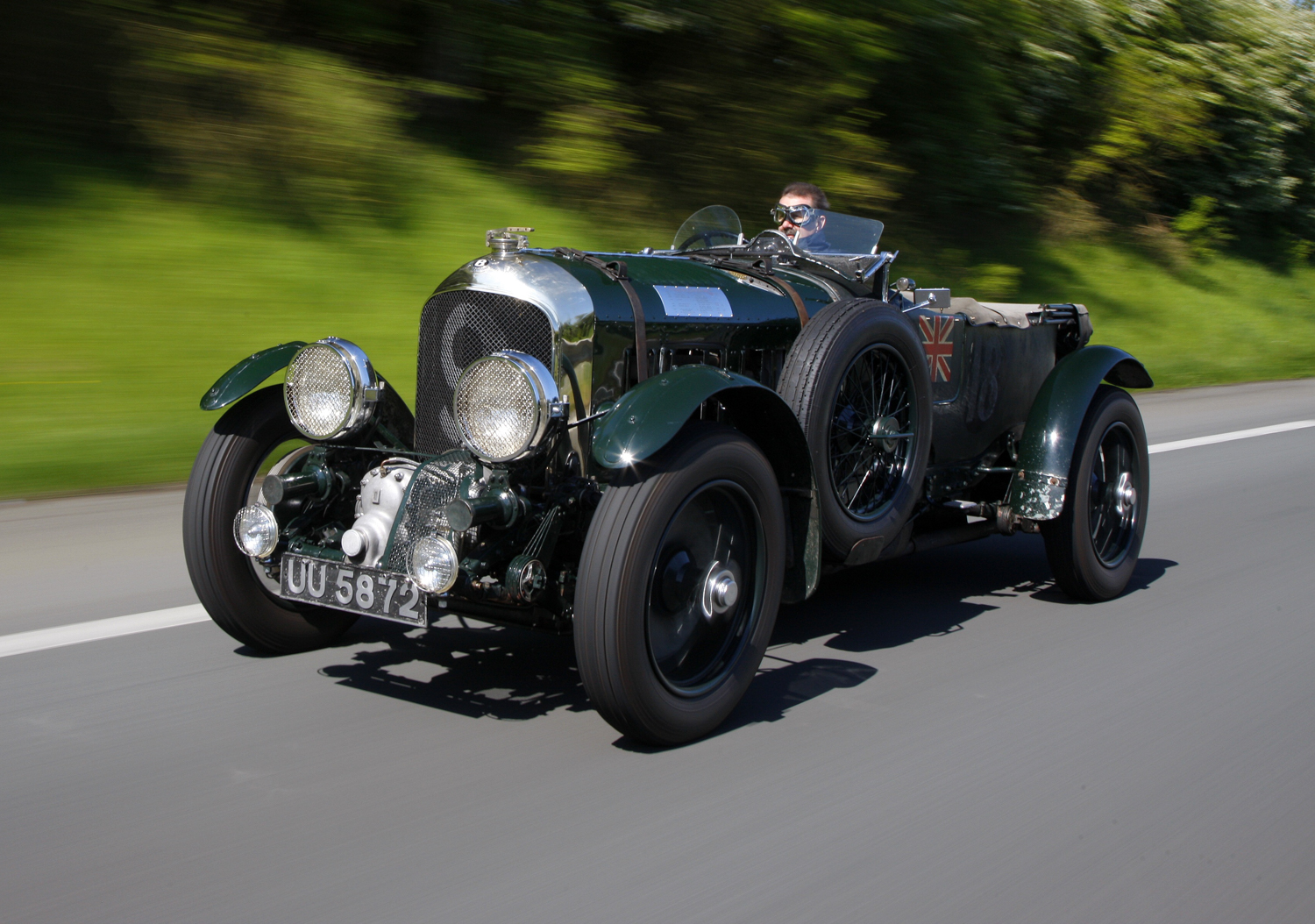
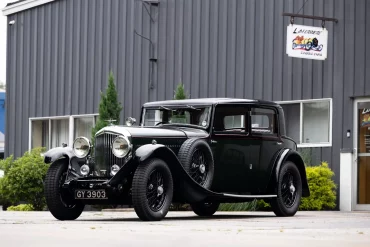
Birkin's Blower, the supercharged 4½ Litre W.O. opposed and Barnato financed, with Amherst Villiers's Roots blower in front of the radiator, was built as fifty road cars for homologation and five team cars run by Birkin from Welwyn with the Hon. Dorothy Paget's money; it never won a race of consequence, held the Brooklands lap record at 137.96 mph in Birkin's single-seater and was second in the 1930 French Grand Prix at Pau against the Bugattis, and it is nonetheless the most famous Bentley of all. McDonough's Birkin's Baby is the chassis history of Birkin's own car, Mike Lawrence's Birkin and Bentley, The Sequel the case that its legend outruns its record, and Peter Collins's Pau Pourri the Grand Prix; the 1931 8 Litre, W.O.'s last and largest Cricklewood car, 100 built, is Steve Natale's Dead Silent Speed and the Pebble Beach Best of Show of 2019. Karl Ludvigsen's The Bentley That Went to Indy, the 4½ that ran the 500, is the archive's most recent vintage Bentley piece.
The Depression, the 8 Litre's cost and Barnato's withdrawal put Bentley Motors into receivership in July 1931; Napier expected to buy it and Rolls-Royce, through a nominee company, outbid them in court for £125,275, taking the name, the works and W.O. himself, who served out his contract unhappily and left for Lagonda in 1935. The Derby Bentleys of 1933–39, the 3½ Litre and 4¼ Litre on a shortened Rolls-Royce 20/25 chassis with a tuned version of its pushrod six, were sold as the Silent Sports Car and bodied by Park Ward, Vanden Plas, Thrupp & Maberly, Gurney Nutting and the rest; 2,422 were built and they were, Eddie Hall's Tourist Trophy cars apart, road cars. The exception was the Embiricos car of 1938, a 4¼ with a streamlined body by Pourtout to Georges Paulin's design for the Greek racing driver André Embiricos, which lapped Brooklands at 114 mph, ran at Le Mans three times after the war, and led to the Corniche of 1939, the prototype of the Mark V that was destroyed at Dieppe in the first weeks of the war and that Bentley's Mulliner division rebuilt from the drawings in 2019, the story the archive follows. Jimmy Hemsley's Art Deco and the Automobile has the Paulin cars in their setting.
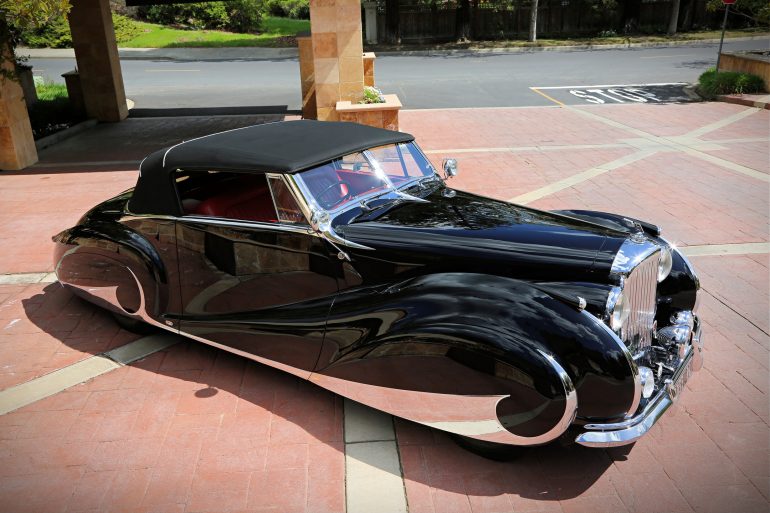
After the war Rolls-Royce moved car production to its wartime aero-engine shadow factory at Crewe and the Mark VI of 1946 was the first Bentley with a factory body, the Pressed Steel standard saloon, alongside the coachbuilt cars; 5,201 were built to 1952, Sean Smith's shooting brake and Steve Natale's 1947 Franay drophead among the coachbuilt ones, and the R-Type of 1952 followed it. The R-Type Continental of 1952–55, 208 cars with H.J. Mulliner's fastback body developed in the Hucknall wind tunnel and the engine enlarged to 4.9 litres, was the fastest four-seater in the world at 120 mph and is the most valuable post-war Bentley, its seventieth anniversary marked by the archive in 2022; the S1 of 1955 with the last of the sixes, Natale's Freestone & Webb S1 for Hollywood among them, the S2 with the new V8 of 1959, the S3 and then the T-series of 1965, the first monocoque, took the marque into the 1970s as a badge-engineered Rolls-Royce with a different grille and five per cent of the sales. Rolls-Royce itself went bankrupt over the RB211 engine in 1971 and the car company was floated separately as Rolls-Royce Motors; the archive's restoration of the world's oldest T-series is the period's one car story.
Every story on the site about the coachbuilder that became Bentley's own, newest first.
The Mulsanne Turbo of 1982, a turbocharged 6.75-litre V8 in the Silver Spirit body, and the Turbo R of 1985 with suspension to match gave Bentley a character of its own again, and by 1990 Bentleys outsold Rolls-Royces at Crewe; the Continental R of 1991, the first Bentley with its own body since the R-Type, the Azure, the Continental T and the Arnage of 1998 followed. Vickers, which had owned Rolls-Royce Motors since 1980, put it up for sale in 1998 and the result was the strangest deal in the industry: Volkswagen bought the company, Crewe and the Bentley name for £430 million and BMW, which supplied the engines, bought the rights to the Rolls-Royce name from the aero-engine company for £40 million, so that from 2003 Rolls-Royce was built by BMW at Goodwood and Bentley by Volkswagen at Crewe. Ferdinand Piëch's money paid for the Arnage's revised V8, the Continental GT and the return to racing.
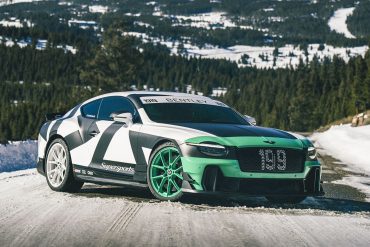
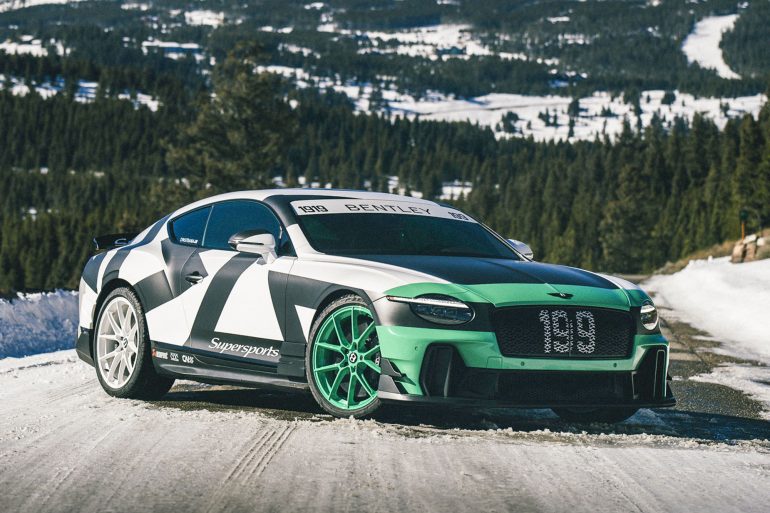
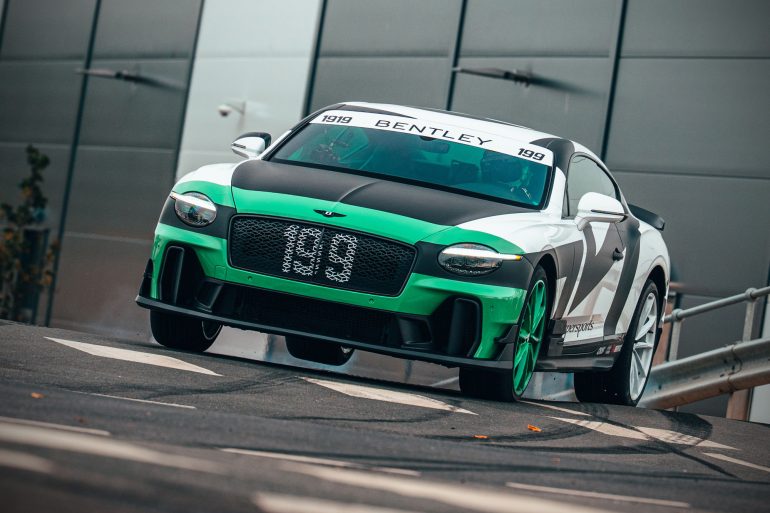
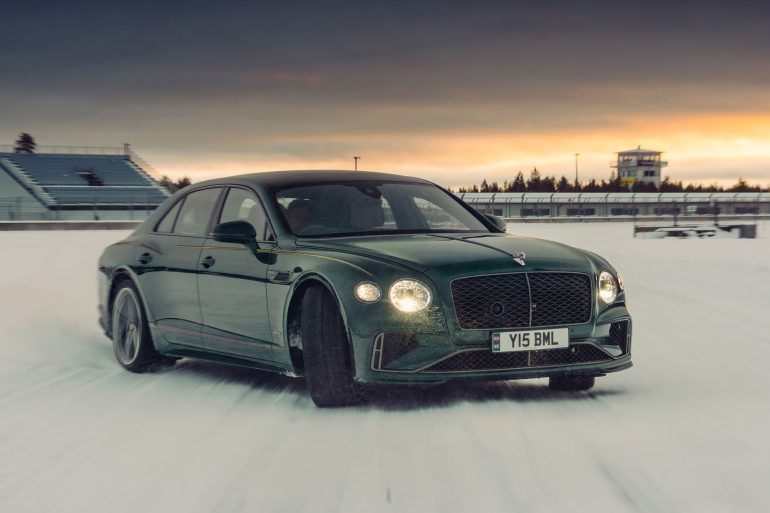
Bentley went back to Le Mans in 2001 with the EXP Speed 8, a closed prototype built by Racing Technology Norfolk with Audi's twin-turbo V8, finished third in 2001 and fourth in 2002, and in 2003, with a new Speed 8 and Audi's works team stood down, won with Tom Kristensen, Rinaldo Capello and Guy Smith, the second car of Blundell, Brabham and Herbert second; Guy Smith's own account of the car is in the archive, with Casey Annis's Saving Icons on what the win meant. The Continental GT of 2003, a coupé on the Volkswagen Phaeton's platform with a 6-litre W12 and four-wheel drive at £110,000, sold more cars in its first year than Bentley had built in any decade, and the Flying Spur, the Continental GTC, the Mulsanne of 2010, the Bentayga SUV of 2015, which the archive's Howden Ganley column calls a fast truck, and the hybrids followed; the Continental GT3 won in GT racing from 2014 and the Supersports set the ice speed record of 2011 and, as the Flying Spur did in 2026, the winter lap records the archive reports. Mulliner, the in-house coachbuilder, built the twelve Bacalars of 2020 and eighteen Baturs of 2022, and Bentley's heritage division built twelve continuation Blowers from 2019, Mike Lawrence's sequel, and twelve Speed Sixes from 2022, the first delivered in 2024, with the Little Car Company's Blower Junior alongside. The centenary of 2019 brought the EXP 2 to Rétromobile and a hundred Bentleys to Salon Privé; the company has said it will be electric by the 2030s, and the archive's latest Bentley story is Travis Pastrana drifting a Supersports.
The table below gives every year from 1919 to 2026: the cars, the racing and the company, and the archive piece for each. Model names link to every story on the site about that car; the People links open the Bentley Boys' own threads.
The cars, the racing and the company, year by year, with the archive's story of each linked. Model names link to every story on the site about that car; the People links open the Bentley Boys' threads.
| Year | The cars | The racing and the company | In the archive |
|---|---|---|---|
| 1919–20 | Bentley · W.O. Bentley | Bentley Motors founded 18 January 1919; the EXP 1 engine runs in October; EXP 2, the oldest Bentley, in 1920 | Trains, Planes and Automobiles: W.O. · EXP 2 at Rétromobile |
| 1921 | 3 Litre | The 3 Litre delivered from September; Frank Clement wins at Brooklands in May, the marque's first race win | Centenary of the first win · Greatest Racecar? Bentley 3-Liter |
| 1922–23 | 3 Litre | Second, fourth and fifth in the Isle of Man TT; Duff and Clement fourth at the first Le Mans with the lap record | Oldest Bentley back to the Isle of Man · John Duff |
| 1924 | 3 Litre · Vanden Plas | Duff and Clement win Le Mans in chassis 141, the first of five; the 1924 3 Litre feature | 1924 Bentley 3-Liter · The first Le Mans Bentley sells for £3 million |
| 1926 | Bentley · Woolf Barnato | The 6½ Litre; the company runs out of money and Woolf Barnato buys it | The Bentley Boys...and Girls |
| 1927 | 3 Litre · 4½ Litre | The 4½ Litre; the White House crash and Old Number Seven's win at Le Mans with Davis and Benjafield | S.C.H. Sammy Davis |
| 1928 | 4½ Litre · Speed Six | Barnato and Rubin win Le Mans in the 4½ with a cracked chassis; the Speed Six announced | Up for the Challenge: 1930 Speed Six |
| 1929 | Speed Six · Blower · Tim Birkin | Barnato and Birkin win Le Mans in the Speed Six, Bentleys first to fourth; Birkin's Blower team at Welwyn; the Double Twelve and Six Hours | Birkin's Baby · The Legendary Blower Bentley · Le Mans Classic 2025: 1929 relived |
| 1930 | Speed Six · Blower · Glen Kidston | The Blue Train race in March; Barnato and Kidston win Le Mans as Birkin's Blower breaks Caracciola's Mercedes; Birkin second at Pau; the 8 Litre at Olympia | Birkin and Bentley, The Sequel · Pau Pourri · The Bentley That Went to Indy |
| 1931 | 8 Litre · Bentley | W.O.'s 8 Litre, 100 built; receivership in July; Rolls-Royce outbids Napier for £125,275 | Dead Silent Speed: 1931 8 Litre · 1931 8 Litre, Pebble Beach Best of Show |
| 1933–36 | Bentley · Mulliner | The Derby 3½ Litre, the Silent Sports Car, and the 4¼ of 1936; Eddie Hall's Tourist Trophies; W.O. leaves for Lagonda | Art Deco and the Automobile · Eddie Hall |
| 1938–39 | Bentley | The Embiricos car by Pourtout and Paulin, 114 mph at Brooklands; the Corniche prototype lost at Dieppe | Bentley resurrects the 1939 Corniche · Corniche rises from the ashes |
| 1946–52 | Mark VI · R-Type | Crewe and the Mark VI, the first standard-steel Bentley; the coachbuilt cars; the R-Type of 1952 | 1947 Franay drophead · 1949 Mark VI shooting brake · W.O.'s final masterpiece at Simeone |
| 1952–55 | R-Type Continental · Mulliner | The R-Type Continental: H.J. Mulliner's fastback, 120 mph, 208 built | R-Type Continental at seventy · The R-Type Continental turns 70 |
| 1955–65 | S1 Continental · Mark VI | The S1 and the last sixes; the V8 S2 of 1959; the S3; the monocoque T-series of 1965 | Freestone & Webb S1 for Hollywood · The oldest T-series restored |
| 1971–80 | Bentley | Rolls-Royce's bankruptcy and the car company floated; Vickers buys Rolls-Royce Motors in 1980 | |
| 1982–91 | Mulsanne · Bentley | The Mulsanne Turbo and the Turbo R; Bentleys outsell Rolls-Royces by 1990; the Continental R of 1991 | Fast Trucks: Howden Ganley on Bentley |
| 1998 | Bentley · Ferdinand Piëch | The Arnage; Vickers sells to Volkswagen for £430 million and the Rolls-Royce name goes to BMW | Saving Icons |
| 2001–03 | Speed 8 · Continental GT | The EXP Speed 8 third at Le Mans; the Speed 8 wins in 2003 with Kristensen, Capello and Smith; the Continental GT | Guy Smith's Speed 8 · Tom Kristensen · Bentley Boy: driving the new Bentley |
| 2010–15 | Mulsanne · Bentayga · Continental GT | The Mulsanne; the ice speed record of 2011; the Continental GT3 from 2014; the Bentayga | World speed record on ice · Clive Cussler · Bentley Drivers Club at Silverstone |
| 2019 | Blower · 8 Litre · Bentley | The centenary: EXP 2 at Rétromobile, Salon Privé, the 8 Litre's Pebble Beach Best of Show; twelve continuation Blowers announced; the Corniche rebuilt | Salon Privé's hundred years of Bentley · Continuation Blower revealed |
| 2020–21 | Blower · Bacalar | The first new Blower since 1930; Mulliner's Bacalar; the centenary of the first win; the Bentley Drivers Club's 72nd Silverstone | First new Blower completed · 72nd BDC Silverstone |
| 2022 | Speed Six · Batur · R-Type Continental | Twelve continuation Speed Sixes announced; the Batur; the R-Type Continental's seventieth; the Heritage Garage; the Flying Scotsman win | A dozen new Speed Sixes · The Mulliner Batur · Vintage Bentleys win the Flying Scotsman |
| 2023 | 3 Litre · Continental GT | Chassis 141, the first Le Mans Bentley, over £3 million; the Le Mans Collection and the Continental GT Azure; Blower Junior testing | Le Mans Collection · Blower Junior |
| 2024 | Speed Six | The first Speed Six delivery in 94 years | Recreating the Speed Six · First Speed Six delivery |
| 2025–26 | Speed Six · Bentley | The Bentley Boys' 1929 moment relived at Le Mans Classic; the Flying Spur's winter lap record; Pastrana's Supersports | Le Mans Classic 2025 · Flying Spur winter lap record · Full Send |
The Le Mans page carries the five wins and the sixth in full; the Vintage Years era page has the 1920s around them. Rolls-Royce will have a page of its own.
The nine cards below are the Bentleys the archive writes about most: the 3 Litre, the 4½ Litre and the Blower, the Speed Six, the 8 Litre, the Derby cars and the Corniche, the Mark VI, the R-Type Continental, the Speed 8 and the Continental GT and its Mulliner descendants. Each links to every story on the site about that car.
Nine the archive has most to say about; each links to every story on the site about that car.
Single-car and chassis stories: the Blowers and Speed Sixes, the Derby and Crewe coachbuilt cars, the Continentals that surface at auction.
Bentley's racing record is Le Mans, five wins in 1924, 1927, 1928, 1929 and 1930 and a sixth in 2003, with the Tourist Trophy, Brooklands's Double Twelve and Six Hours, the 1930 French Grand Prix at Pau and the Indianapolis 500 around it, and the Blue Train race of 1930 as its legend; after 1931 the Embiricos car's three Le Mans, Eddie Hall's Derby Bentley in the Tourist Trophies of 1934–36 and at Le Mans in 1950, and the Continental GT3 of 2014–20 in the Blancpain series and at Bathurst are the rest. The Le Mans page has the races in full and the Vintage Years era page the 1920s; the Bentley Drivers Club's Silverstone meeting, the Benjafield Racing Club and the vintage grids at Goodwood and Le Mans Classic are where the cars race now, and the Racing (Bentley) feed below gathers every race report with a Bentley in it.
Race profiles and reports with a Bentley in them, newest first.
Where the vintage Bentleys race on the circuit they won, newest first.
Every story on the site about the club and its Silverstone meetings, newest first.
Bentley's people are W.O. Bentley, who designed every Cricklewood car and lived until 1971; F.T. Burgess and Harry Varley, who drew the 3 Litre with him; Woolf Barnato, who paid for the company and won three Le Mans; Birkin, Benjafield, Kidston, Davis, Clement, Duff, Rubin, the Dunfees and d'Erlanger; Amherst Villiers, who built the supercharger; Nobby Clarke, the racing manager; Mary Petre Bruce and the Bentley Girls; André Embiricos and Georges Paulin; Ivan Evernden and John Blatchley at Crewe; Eddie Hall; the Volkswagen-era chairmen from Franz-Josef Paefgen to Adrian Hallmark; and the 2003 Le Mans drivers Kristensen, Capello and Smith. The archive has Annis's Sammy Davis, Newman's Bentley Boys, the W.O. story, the Clive Cussler interview and Guy Smith's Speed 8; the Bentley Boys' People tags are in the table and the People hub has the rest.
Every story on the site about the founder, newest first.



The vintage cars lead the market. A Speed Six with Le Mans history is a $10 million car and the ordinary ones $1.5–4 million; the 4½ Litres $700,000–2 million and the Birkin team Blowers far beyond, the 1929 Birkin single-seater having made £5.04 million in 2012; 3 Litres $300,000–800,000 depending on body and label, 8 Litres $1–3 million, and the 1924 Le Mans winner's £3 million-plus in 2023 is the recent high. The Derby cars are $150,000–500,000, more for the sporting bodies; the Mark VI and R-Type standard saloons $40,000–100,000 and the coachbuilt ones to $500,000; the R-Type Continental $1–2 million; the S1 and S2 Continentals $200,000–600,000; the Turbo R and Continental R $30,000–100,000, the cheapest way into a real Bentley; and the modern Continental GTs depreciate like the luxury cars they are until the Mulliner specials, which do not. Bonhams's Goodwood and Bicester sales and the Bentley Drivers Club are the market's centre; the Auctions and For Sale feeds below carry the current sales and the Market page has the auction houses and calendar.
Auction previews and results for Bentleys, newest first.
Bentleys offered by dealers and collectors, newest first.

The archive's Bentley galleries come from Le Mans Classic and the Le Mans museum, the Goodwood Revival and Members' Meeting, the Bentley Drivers Club at Silverstone, Pebble Beach and its 2019 8 Litre Best of Show, Salon Privé's centenary gathering, the Flying Scotsman and Baltic rallies, Rétromobile with the EXP 2, Brooklands and the Petersen; the Galleries feed below gathers them.
Bentley galleries from Le Mans Classic, Goodwood, Silverstone, Pebble Beach and Salon Privé.
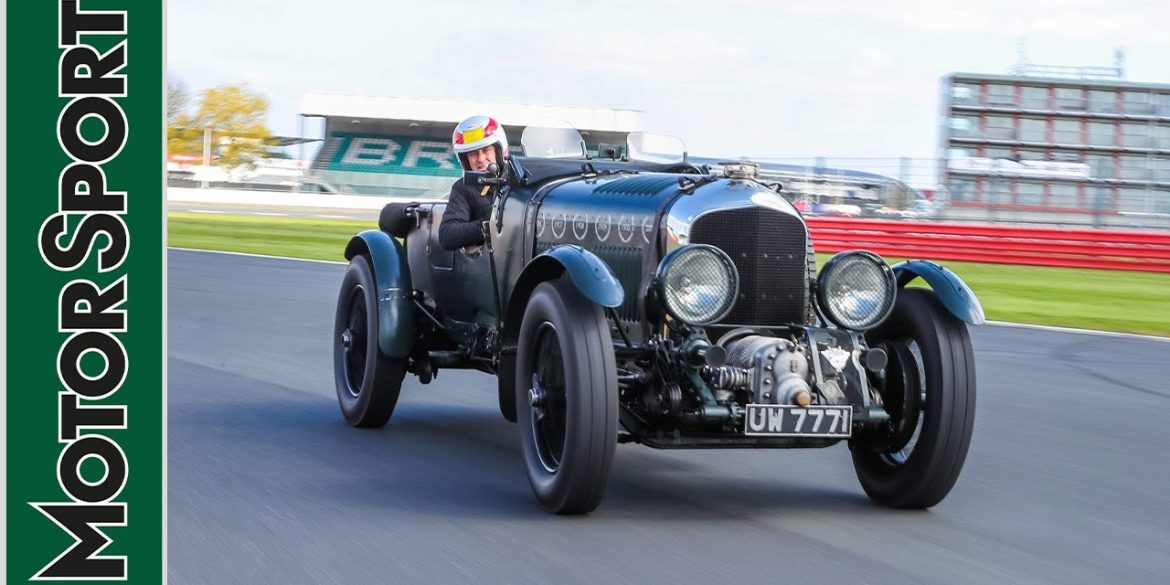
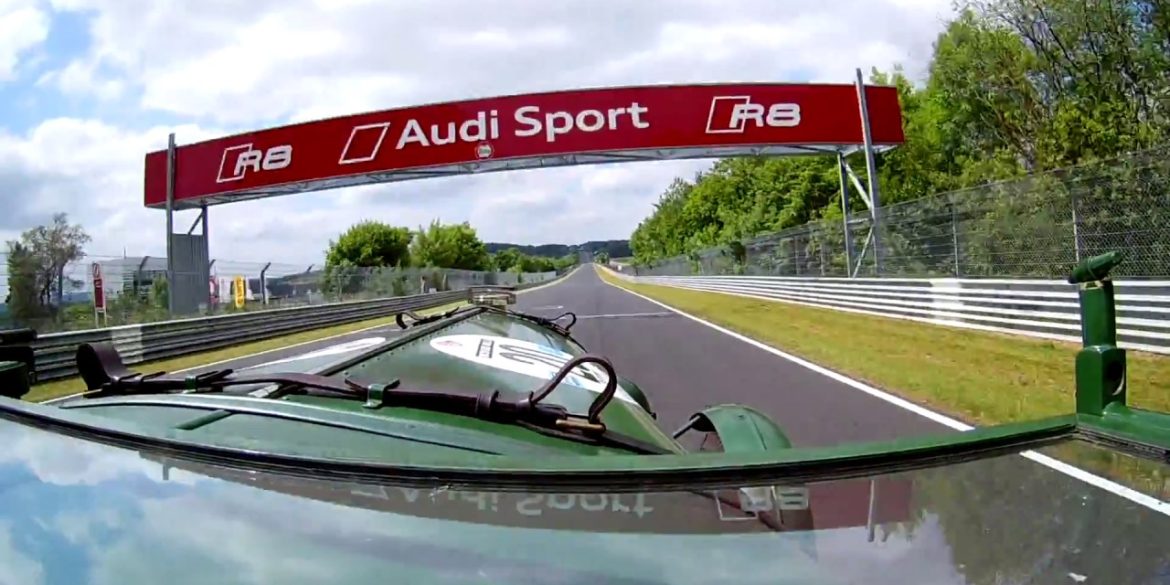
Founded 18 January 1919, London; first car delivered September 1921; about 3,040 built at Cricklewood to 1931 (3 Litre 1,622; 4½ Litre 720 including 55 Blowers; 6½ Litre and Speed Six 545; 8 Litre 100; 4 Litre 50). Le Mans wins 1924, 1927, 1928, 1929, 1930 and 2003. Bought by Rolls-Royce 1931; Derby 1933–39, 2,422 cars; Crewe from 1946; R-Type Continental 208 (1952–55); Volkswagen from 1998; Continental GT from 2003; 12,000-plus cars a year since 2013. Record price: Birkin Blower single-seater £5.04 million (2012). Continuations: twelve Blowers (2019–21), twelve Speed Sixes (2022–24).
Short answers, with the long ones above.
Walter Owen Bentley, 1888–1971, a railway-trained engineer who designed rotary aero engines in the First World War, founded Bentley Motors in 1919 and designed every car it built until Rolls-Royce bought the company in 1931. He later designed for Lagonda, including the V12 and the engine of the Aston Martin DB2.
The wealthy amateur drivers who raced the works Bentleys in the 1920s: Woolf Barnato, Tim Birkin, Dudley Benjafield, Glen Kidston, Sammy Davis, Jack and Clive Dunfee, Bernard Rubin, Baron d'Erlanger and the professional Frank Clement among them. Barnato won Le Mans three times in three starts.
Six: 1924 with Duff and Clement in a 3 Litre, 1927 with Davis and Benjafield, 1928 with Barnato and Rubin in a 4½ Litre, 1929 with Barnato and Birkin and 1930 with Barnato and Kidston in Speed Sixes, and 2003 with Kristensen, Capello and Smith in the Speed 8.
A supercharged 4½ Litre, with an Amherst Villiers supercharger mounted ahead of the radiator, built at Tim Birkin's insistence and against W.O.'s wishes: fifty road cars for homologation and five team cars. It never won a major race but held the Brooklands lap record and is the best-known Bentley of all; Bentley built twelve continuation Blowers from 2019.
In March 1930 Woolf Barnato bet that he could drive his Speed Six from Cannes to London faster than the Blue Train express could reach Calais; he reached his club in London four minutes before the train reached Calais. The car was a Speed Six saloon, though the Gurney Nutting coupé is the one usually pictured.
Bentley Motors went into receivership in July 1931 after the Depression, the 8 Litre's development costs and the withdrawal of Barnato's support; Napier had agreed terms but Rolls-Royce outbid it through a nominee company, partly to keep a rival out of its market. Bentleys were built as Rolls-Royce's sporting line from 1933 to 1998.
No. Vickers sold Rolls-Royce Motors and Bentley to Volkswagen in 1998; BMW bought the right to the Rolls-Royce name separately and has built Rolls-Royces at Goodwood since 2003, while Volkswagen builds Bentleys at Crewe.
The Birkin single-seater Blower, £5.04 million at Bonhams Goodwood in 2012, and the Le Mans-winning Speed Sixes and 1924 3 Litre, which trade at $5–10 million when they move. The R-Type Continental, at $1–2 million, is the most valuable post-war car.
The 1952–55 fastback coupé by H.J. Mulliner on the R-Type chassis, 208 built, developed in a wind tunnel and capable of 120 mph with four seats and luggage: the fastest four-seater of its day and the model the Continental GT of 2003 was named after.
Not as a works team since the Continental GT3 programme ended in 2020; it won the Blancpain GT drivers' title in 2015 and the Bathurst 12 Hour in 2020. The vintage cars race every year at Goodwood, Le Mans Classic and the Bentley Drivers Club's Silverstone meeting.
The whole archive on one thread, newest first.