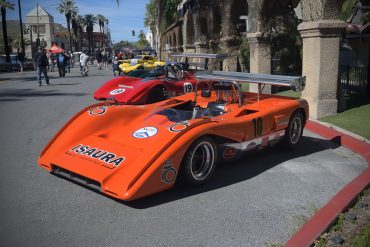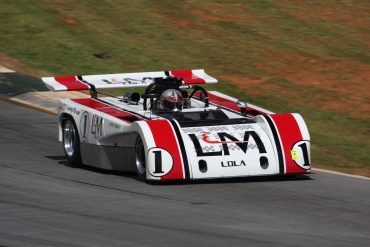
Easter Monday 1959 at Goodwood: three Lolas filled the front of the 1100 cc grid, an Elva fourth, and ran away from the Lotus Elevens that had owned the class for three years. Mike Lawrence on Eric Broadley's arrival.

Eric Broadley's racing-car company, started in a Bromley lock-up in 1958 with a Climax-engined sports car that beat the Lotus Elevens first time out, and for the next fifty years the biggest customer racing-car builder in the world: the Mk6 GT that became the Ford GT40, the T70 that won the first Can-Am and Daytona, Graham Hill's Indianapolis winner of 1966, the Formula 5000 and Super Vee cars that filled every grid in America, Brian Redman's T332s and T600, the Newman/Haas, Mansell and Luyendyk Indy cars, the Beatrice Formula One team, the Le Mans prototypes, and the collapse of 1997, the Birrane years and the closure of 2012. The archive has 169 Lola stories, from Ed McDonough's Mk1 to the Lola T70 features that fill the vintage grids, and this page puts them in order.
The pieces to start with
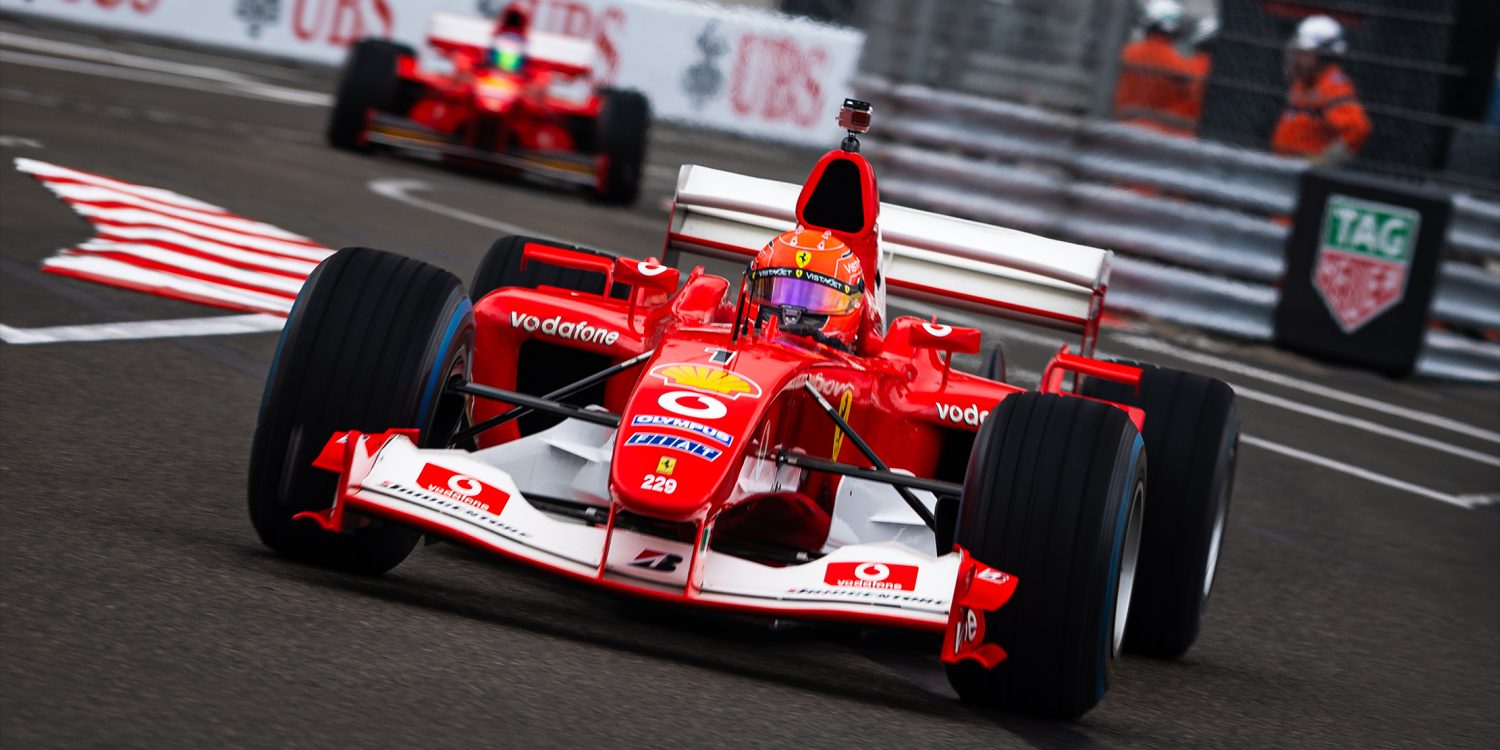
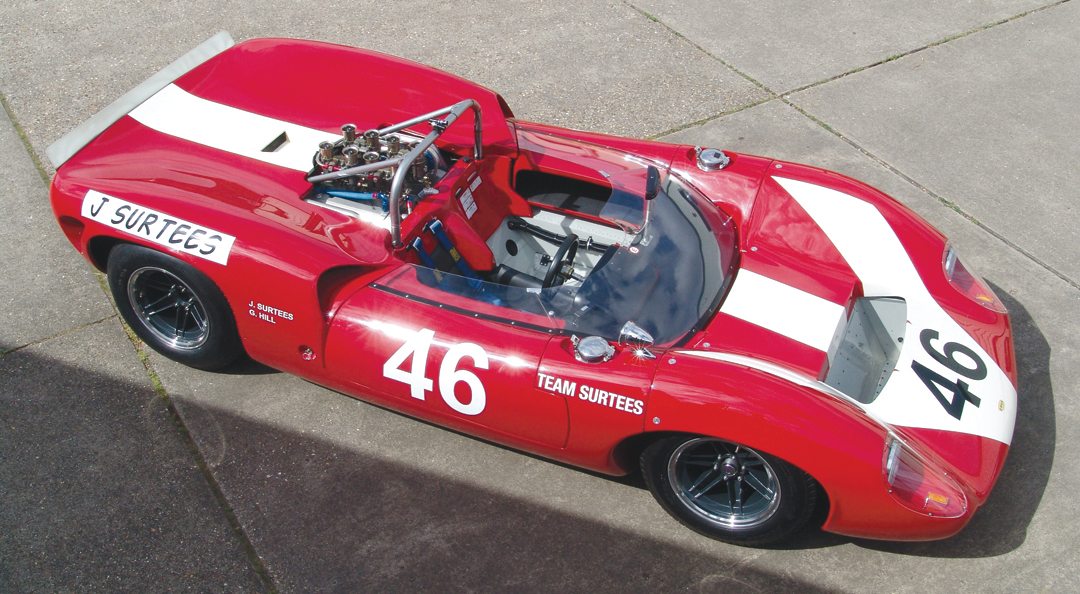
Eight pieces on the marque: Mike Lawrence on the birth of Lola, McDonough's Mk1 and T92, Jiggle's T70 Free Spirit, Brinker's Super Vee, Stahler inside the Beatrice Formula One team, Tambay on Carl Haas and Wagstaff's tribute to John Surtees.
Easter Monday 1959 at Goodwood: three Lolas filled the front of the 1100 cc grid, an Elva fourth, and ran away from the Lotus Elevens that had owned the class for three years. Mike Lawrence on Eric Broadley’s arrival.
The Broadley cousins wanted a Lotus VI, could not afford one and built a Ford 1172 special instead; by late 1957 it was beating the Lotus 11. Eight months later Eric Broadley had designed, built and raced the Lola Mk1.
Ford offered to buy Ferrari in 1963, Enzo valued it at $18 million, the books disagreed and the deal died, sending Ford to Eric Broadley’s Lola. Mike Jiggle on the T70 that followed, chassis SL71/48 of 1966.
Ed McDonough takes an Indianapolis veteran, the 1967 Lola T92, to the Italian hill country for a run far from the Brickyard, and traces how Brabham’s 1961 Cooper and Clark’s 1965 Lotus win opened the Speedway to rear-engined cars.
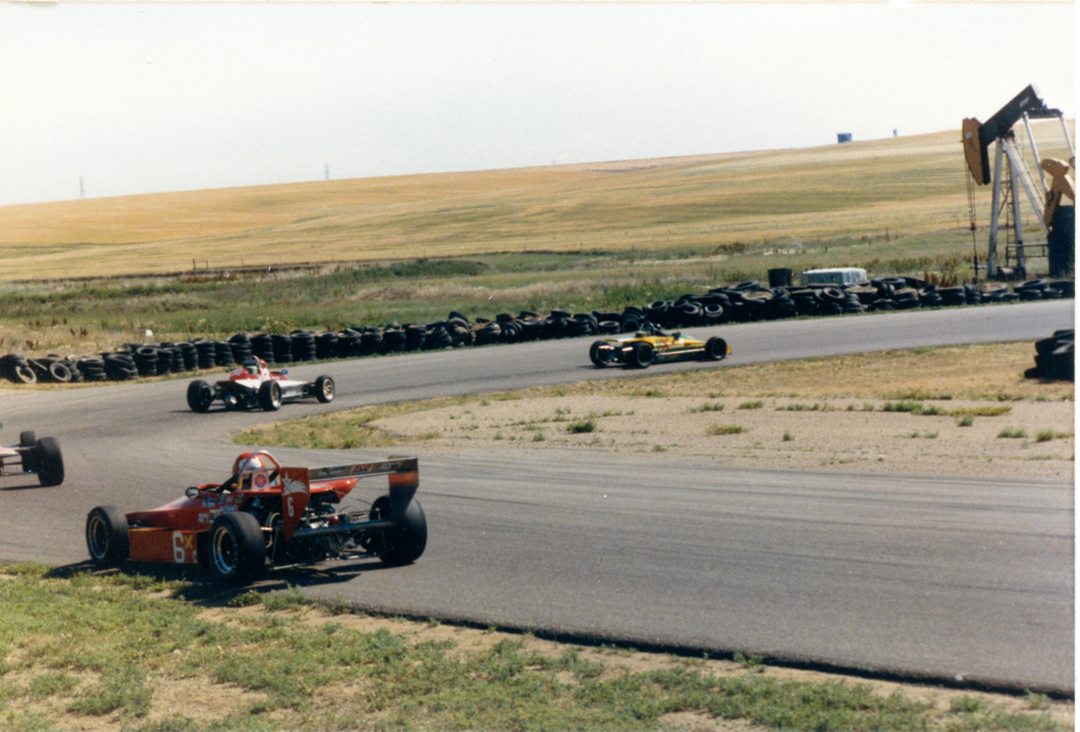
Charlie Miller collected Lola T620 HU-25 from Carl Haas’s Highland Park shop in February 1978, one of 26 built, 200 hp from a 1600cc Volkswagen. He sold it, and 26 years later still asks why. Mark Brinker joins the hunt.
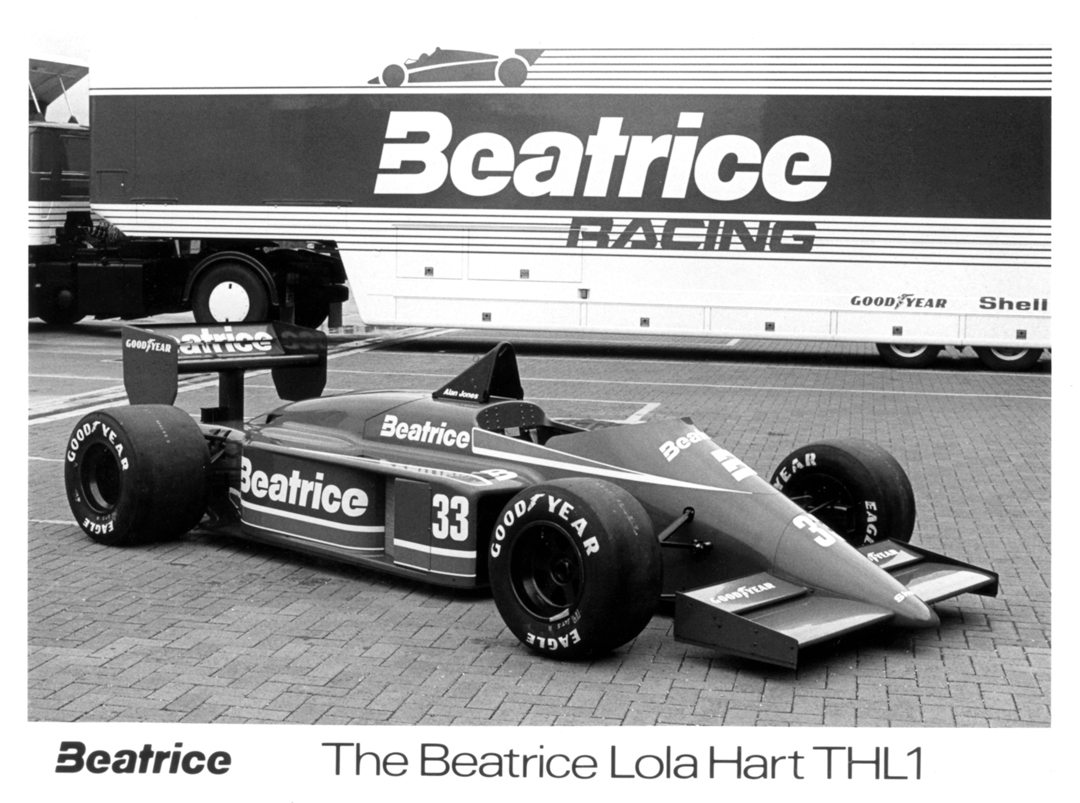
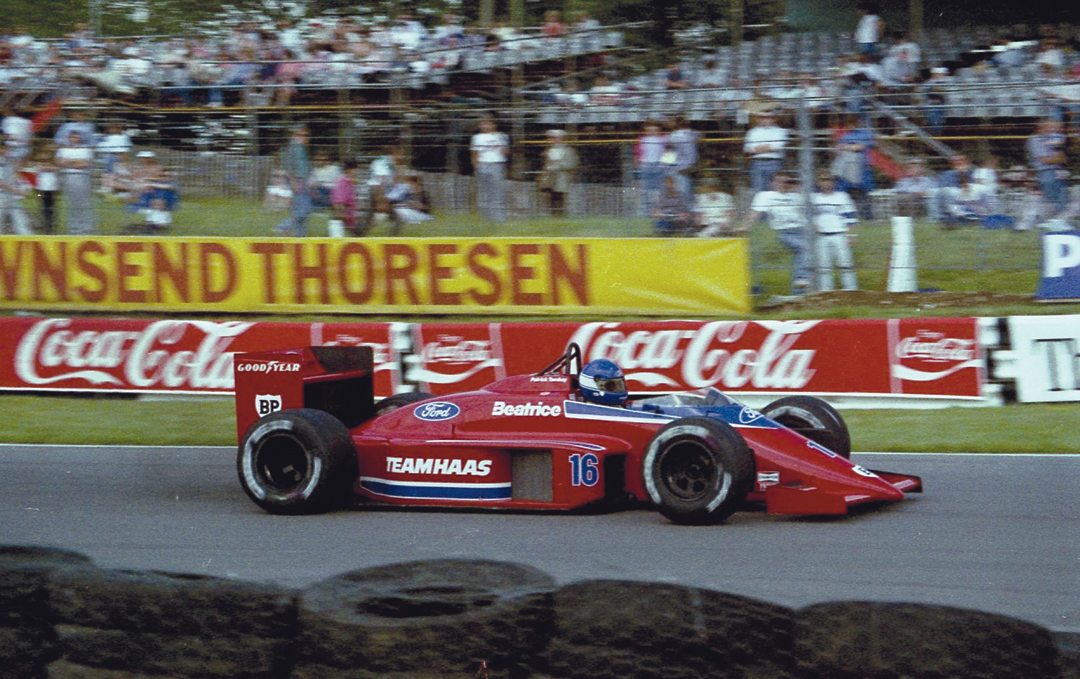
Lunch in 1985 with Carl Haas and Beatrice CEO James Dutt, whose philosophy was “go bigger and better than the competition can even contemplate”: the insider’s account of the best-financed American Formula One effort ever, 30 years before Gene Haas.
Bernard Cahier phoned: Brian Redman had flipped his Lola at Mont Tremblant and Haas needed a driver. A ticket waited at the airport; no contract, breakfast beside Carl’s cigar on race day, pole and the win at Watkins Glen.
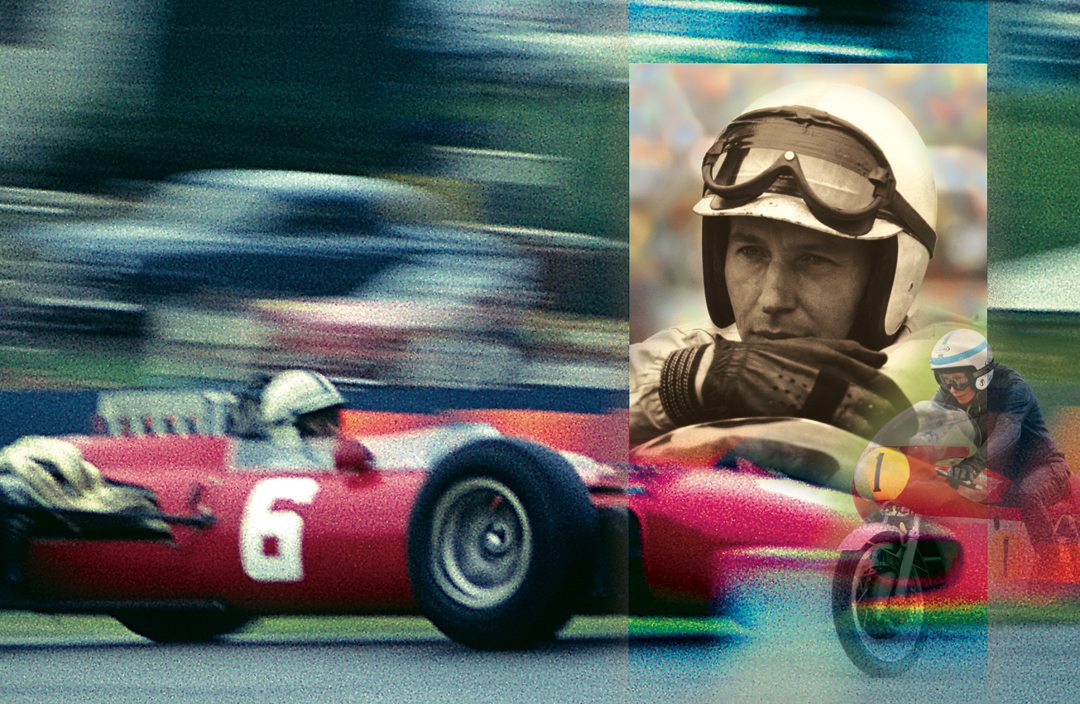
The race John Surtees counted most important was not a title decider but a club win at Aberdare Park on a Vincent Grey Flash, the day the bike “was talking to me”. Ian Wagstaff on the apprentice who kept tinkering.
The newest long-form writing on Lola, as it is published.
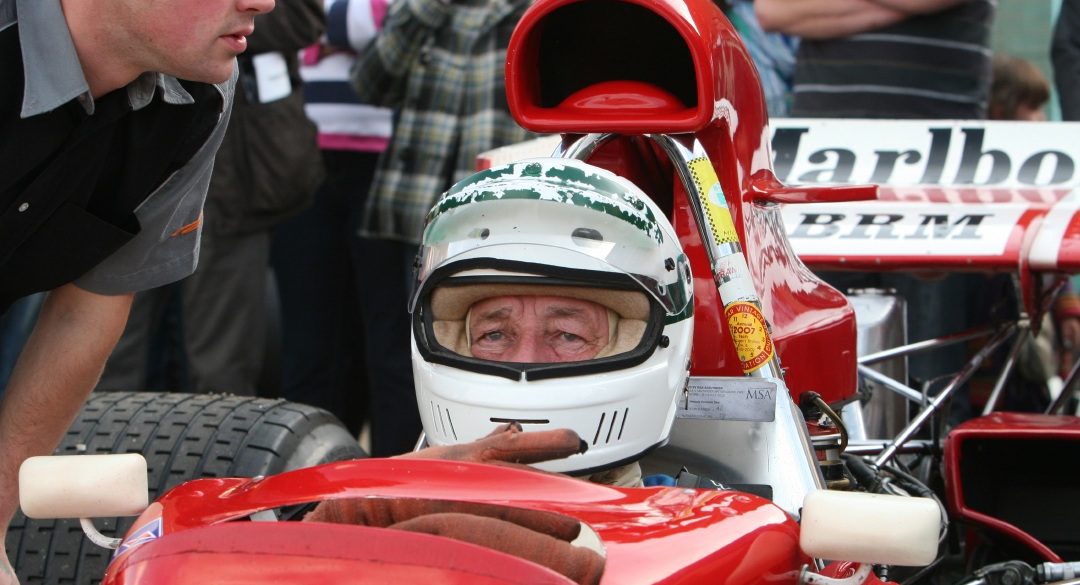
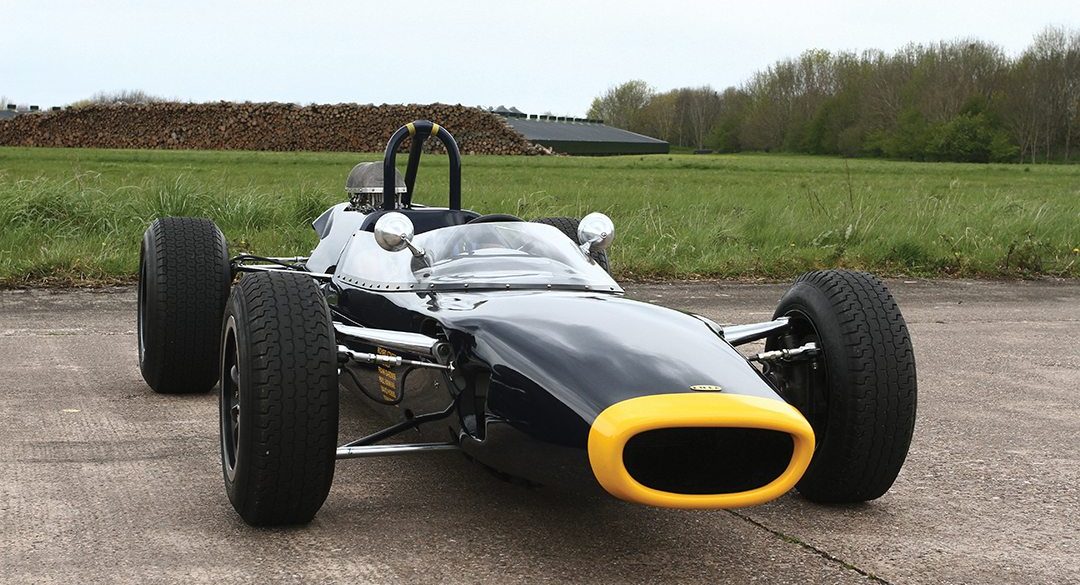

Lola Cars is the British constructor Eric Broadley founded in 1958, at Bromley in Kent and from 1962 at Slough and from 1970 at Huntingdon, which built more racing cars for sale than any other company, some 5,000 in all, in nearly every category there was: 1100 cc sports-racers, Formula Junior, Formula One, the GT prototypes, Group 7 and Can-Am, Indianapolis, Formula 5000, two-litre sports cars, Formula Ford, Super Vee, Formula Atlantic, Formula 3000, IMSA GTP, Group C, Champ Car, A1 Grand Prix and the Le Mans prototypes of the 2000s. It never ran a works team for long; its cars won for other people, Surtees's Team Surtees, Mecom and Penske, Carl Haas, Newman/Haas, Jackie Stewart's Can-Am season, Chaparral at Indianapolis, and the hundreds of club and professional teams who bought a Lola because it was the best car they could get. The T70 of 1965–69 is the one everybody knows, and the archive has more on it than on any other car it built; the T330 and T332 Formula 5000 cars, the T280 and T290 sports cars, the T90 Indianapolis winner and the T160 Can-Am car have threads of their own.
The archive's Lola coverage is Vintage Racecar's: Ed McDonough's chassis histories of the Mk1, the T70 Mk3B, the T92, the T160 and the T290-Tecno, Mike Jiggle's T70 Free Spirit, T711 and T60, Casey Annis's T70 Spyder, Mark Brinker's T620 Super Vee, T. Richard Stahler's inside account of the Beatrice Formula One team, Patrick Tambay on Carl Haas, Ian Wagstaff's and Howden Ganley's tributes to John Surtees, Pete Lyons on the Can-Am, Indianapolis and Formula 5000, Mike Lawrence's Birth of Lola, Roger Dixon's BOAC 500 and the T70's Can-Am and Daytona seasons through the race profiles. The chapters below follow it from Goodwood at Easter 1959 to the Lola name's return in 2024.
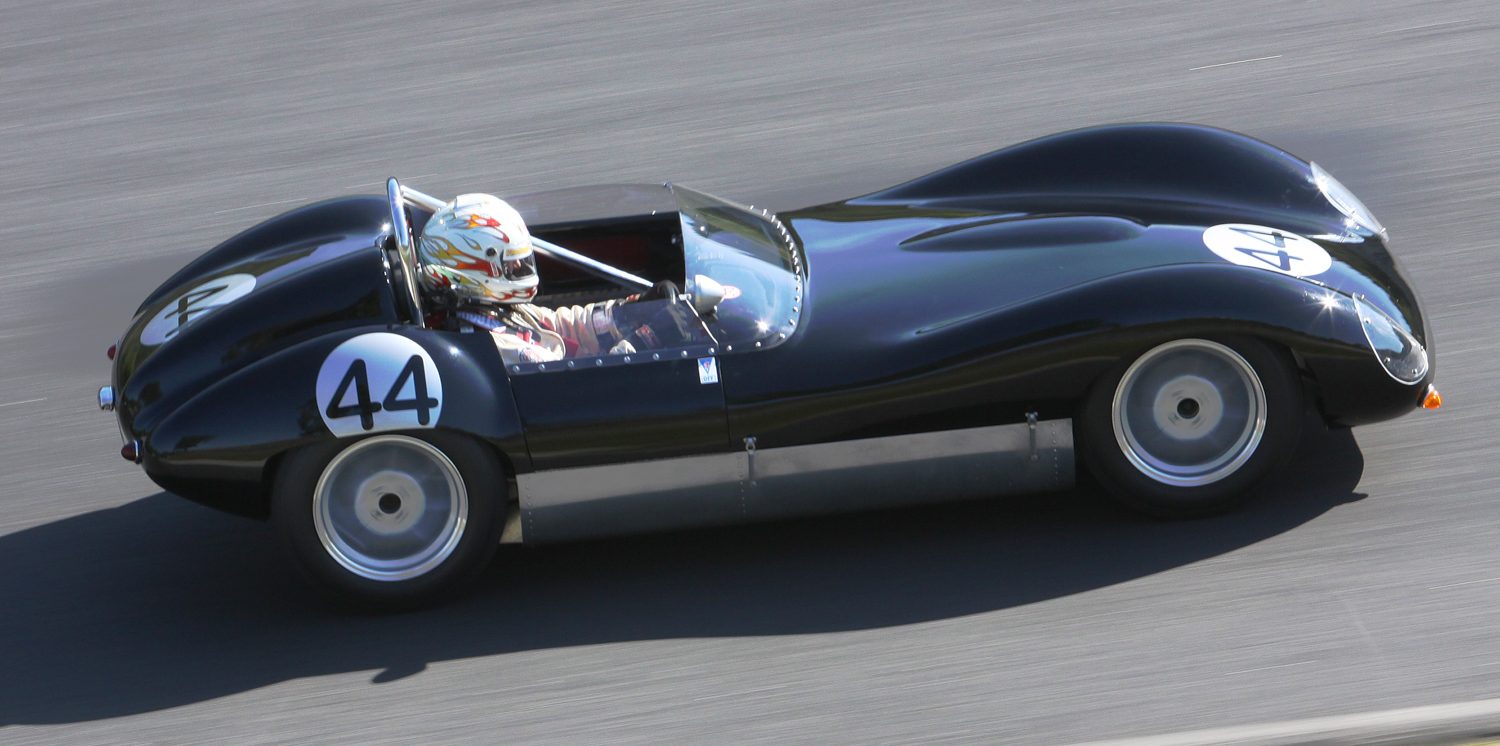
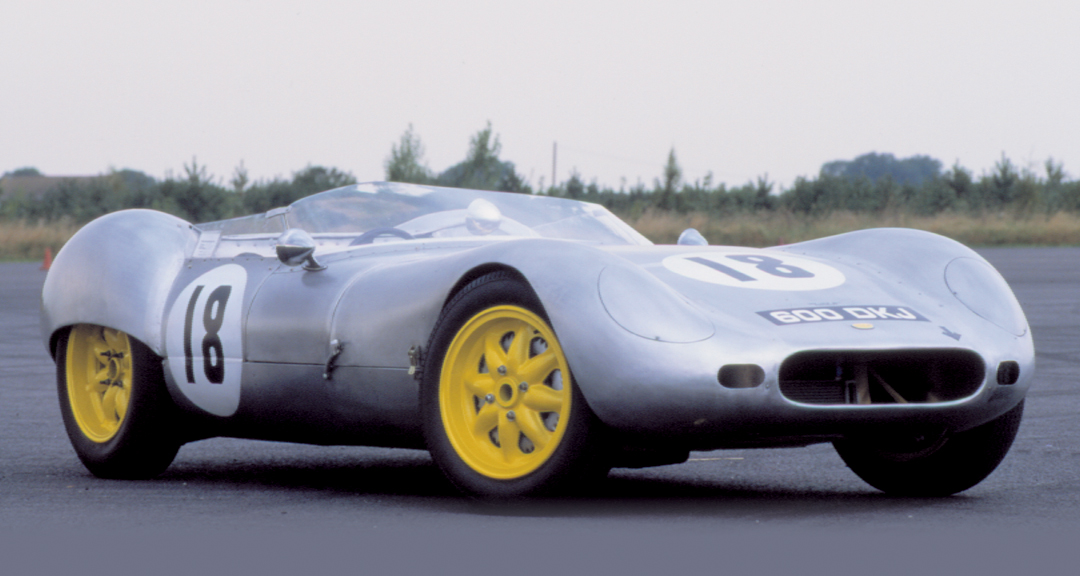
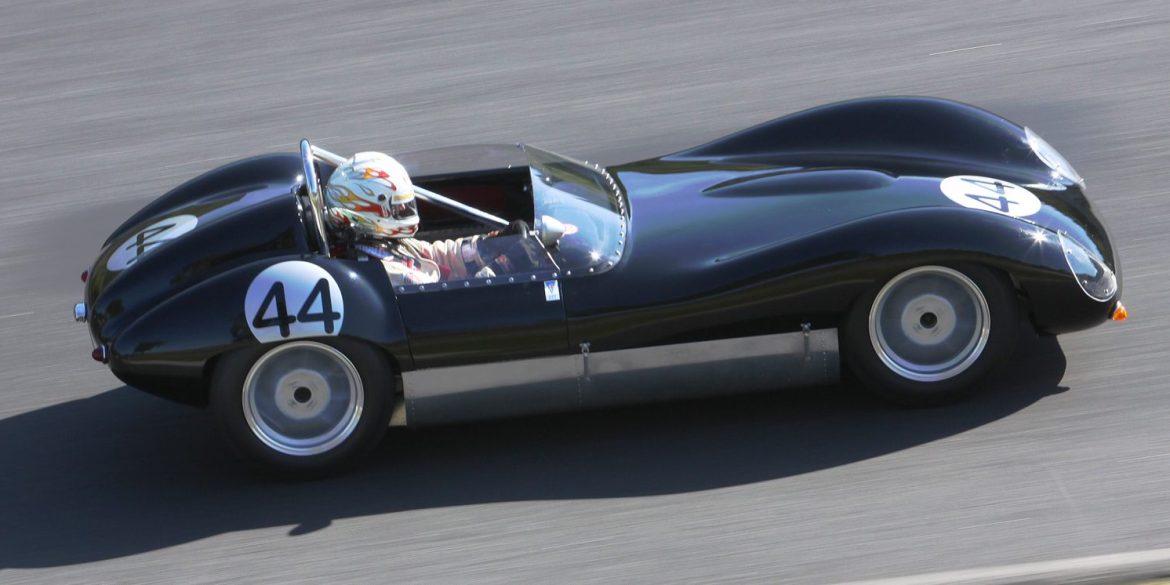
Eric Broadley, a quantity surveyor who raced an Austin Seven special and then a Ford-engined Broadley Special in 750 Motor Club events, built the Lola Mk1 in 1958 with his cousin Graham: a multi-tubular spaceframe, a 1,098 cc Coventry Climax FWA, coil springs all round and a tiny aluminium body, and it beat the Lotus Elevens that had owned the class, Peter Ashdown winning first time out at Brands Hatch in July 1958 and Lolas filling the front row at Goodwood the next Easter in the race Mike Lawrence remembers in Birth of Lola. About 35 Mk1s were built, McDonough's Lotus Eaters is one of them, and the name, from the song "Whatever Lola Wants", was the company's for the next fifty-four years. The Mk2 and Mk3 Formula Junior cars of 1960–61, front- and then mid-engined, and the Mk5 of 1962 sold in numbers to the Americans and Europeans who were making Junior the biggest formula in the world, and in 1962 John Surtees, newly out of motorcycles, persuaded Reg Parnell's Bowmaker team to run the Lola Mk4 in Formula One: Surtees put it on pole for its first Grand Prix at Zandvoort, was second at Aintree and the Nürburgring and fourth in the championship, the best Formula One season a Lola ever had.
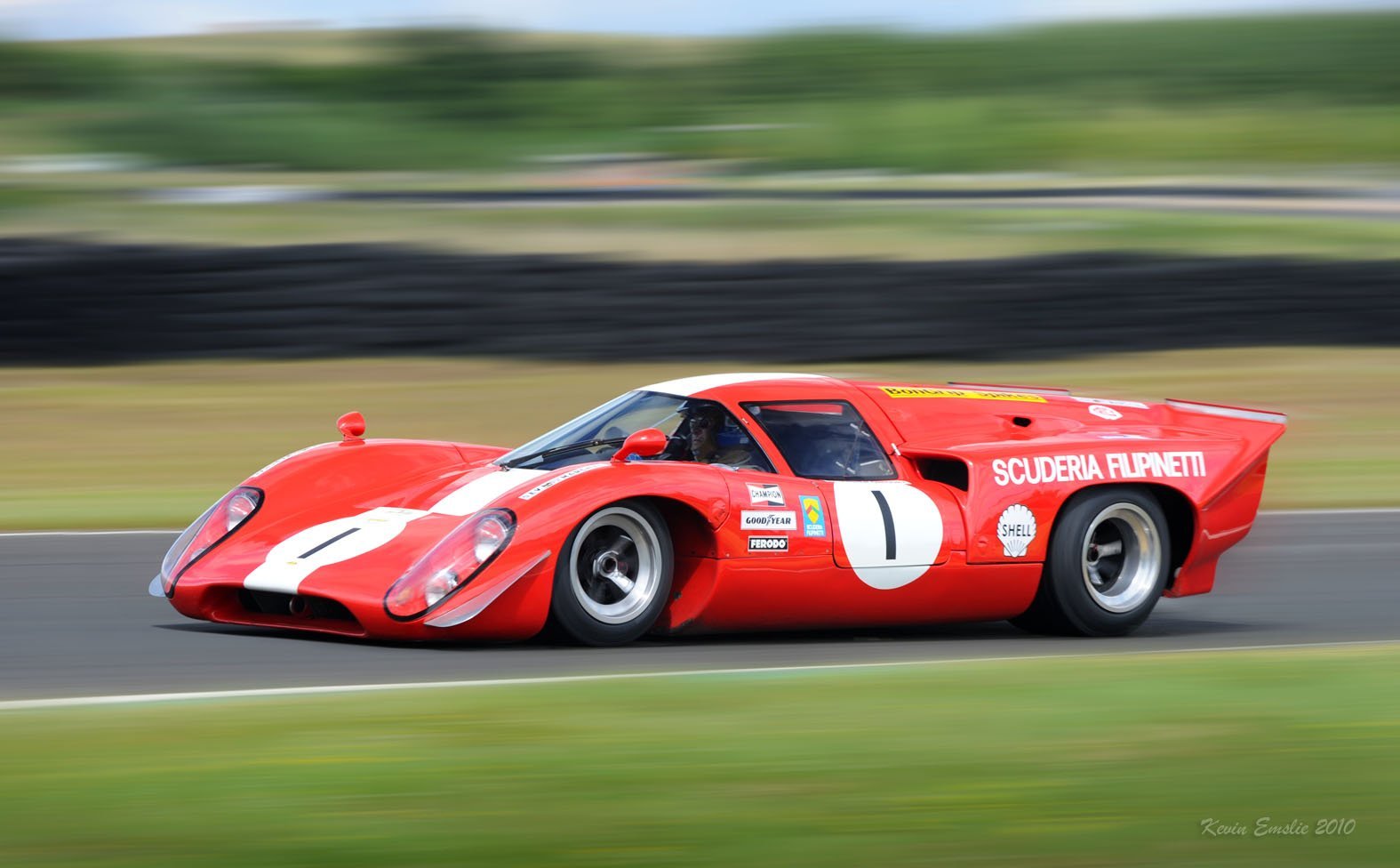
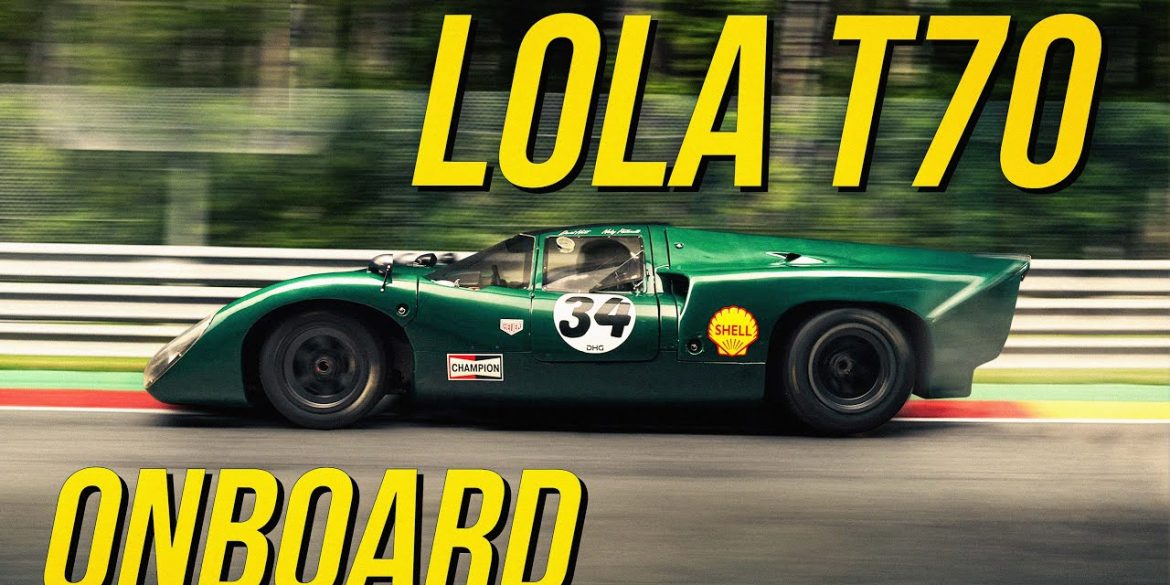
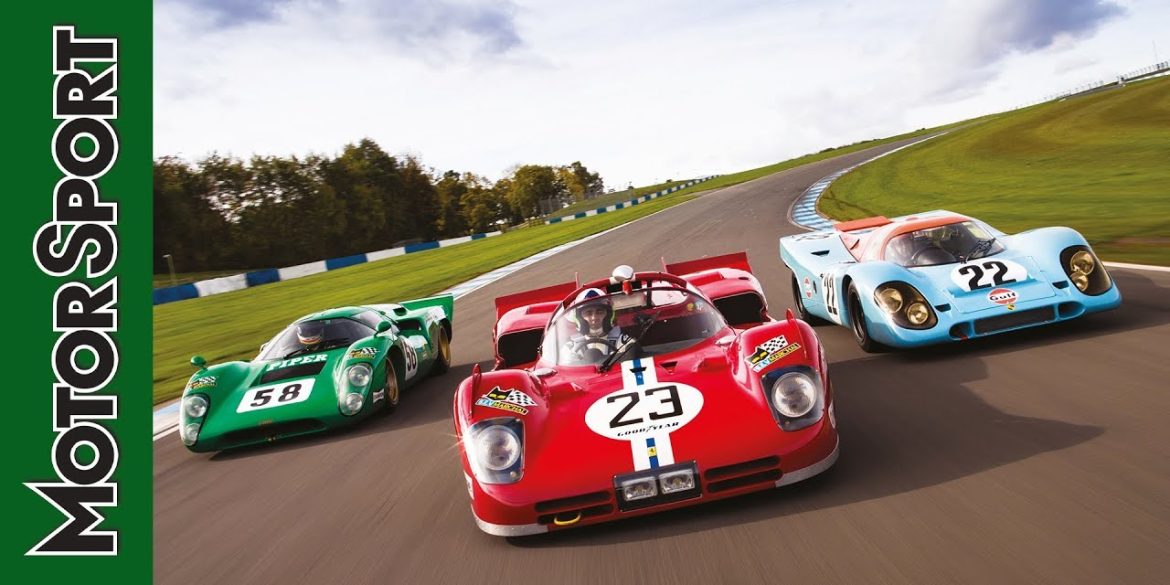
Broadley's Mk6 GT of 1963, a mid-engined coupé with a 4.2-litre Ford V8, a monocoque centre section and a body by John Frayling, was the most advanced GT car of its year and the reason Ford, looking for a car to beat Ferrari at Le Mans, hired Broadley and his two Mk6s and set up Ford Advanced Vehicles next door to Lola in Slough; the GT40 was the result, Broadley left after a year because he wanted to build Lolas, and John Zimmermann's Decade of Change and Glory and the GT40 page have the story. What he built next was the T70 of 1965, a Group 7 spyder with an aluminium monocoque, a small-block Chevrolet and a shape by Broadley himself, which John Surtees drove to win the first Can-Am championship in 1966 for Team Surtees and which won Donohue the USRRC of 1967 and most of the big-bore sports-car races in America for three years; Dan Gurney, Mark Donohue, Parnelli Jones, Jackie Stewart and Graham Hill drove them, Pete Lyons's Dan in Can-Am and his Surtees column tell it, and Casey Annis's Sun Rise and Mike Jiggle's Free Spirit are two spyders' histories. The T70 Mk3 coupé of 1967, with a GT roof for the world championship, raced the Chaparrals and Ferraris in the BOAC 500 at Brands Hatch in Roger Dixon's archive piece, and the Mk3B of 1969 won the Daytona 24 Hours for Penske's Sunoco team with Donohue and Chuck Parsons, the T70's only world-championship win and McDonough's Last of the Line; about a hundred T70s were built and the car has its own page here. The T160 of 1968 and the T163 of 1969 were the Can-Am successors, McDonough's Marathon Man, and the T70 itself kept racing, in the hands of Sid Taylor's team, Jo Bonnier and David Hobbs, Frank Gardner and Brian Redman, until the rules closed on it.
The series the T70 won first and the T333CS won last, newest first.
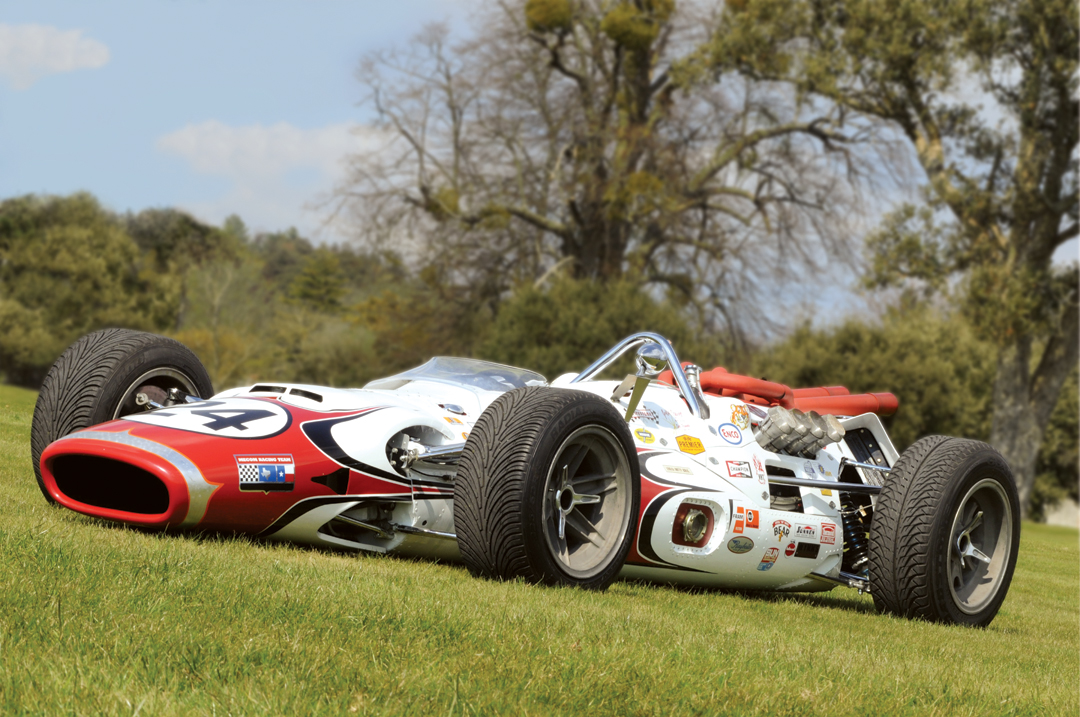
John Mecom's Texas team took Lola to Indianapolis in 1965 with the T80 and in 1966 the T90, a rear-engined Ford-powered car for Graham Hill, who won the 500 at his first attempt after Jackie Stewart's sister car had led and failed with eight laps to go, the second British constructor to win the race in two years, after Lotus; McDonough's Milk Run is the T92 that followed, and Pete Lyons's When Indy Was Awesome the period. Al Unser won the 500 again for Lola in 1978 in the Chaparral-entered T500, taking the Triple Crown of Indianapolis, Pocono and Ontario, and the T900 of 1983 began the Newman/Haas years: Carl Haas, Lola's American importer since 1967 and the man who sold more Lolas than anyone, Paul Newman and Mario Andretti, whose CART championship of 1984 in the T800 was the first of Lola's Indycar titles, followed by Michael Andretti's in 1991, Nigel Mansell's in his rookie year of 1993 and Al Unser Jr's in 1990 for Galles; Arie Luyendyk won the 1990 Indianapolis 500 in a Lola at the fastest average in the race's history and Lola was the dominant Indycar chassis from 1988 to 1994 before Reynard, and then Penske's own cars, took the market. Patrick Tambay's Talking About Carl Haas and John Zimmermann's obituary of him are the archive's portrait of the man.
Every story on the site about the 500 Lola won in 1966, 1978 and 1990, newest first.
Formula 5000, single-seaters with five-litre stock-block V8s, was Lola's: the T190 and T192 of 1970–71, the T300 of 1971 that put the radiators in sidepods before most Formula One cars did, and the T330 and T332 of 1973–76 that Brian Redman drove to three straight American championships for Carl Haas and that Jody Scheckter, Mario Andretti, Al Unser and David Hobbs raced too; Frank Gardner won the British title and Warwick Brown the Tasman series in them, and when F5000 turned into the single-seat Can-Am of 1977 the T332 won that as well under a sports-car body. Pete Lyons's columns on the Can-Am and on F5000 are the archive's running commentary; the T260 Jackie Stewart drove for Haas in the 1971 Can-Am against the McLarens is in them. Below the big cars Lola sold hundreds of Formula Fords, Super Vees and Formula Atlantics, Mark Brinker's T620 Super Vee among them, and the two-litre sports-racers, the T210, T212, T280, T290 and T292, were the class of European sports-car racing from 1970 to 1973, McDonough's Yellow Screamer T290-Tecno their story; Lola's chief engineer of the period tells his own in Tales from Lola. The company moved from Slough to Huntingdon in 1970, and the T370 and T371 Graham Hill ran as the Embassy Hill Formula One cars of 1974–75 were the only Lola Grands Prix of the decade.
Brian Redman won the first IMSA GTP championship in 1981 in Cooke-Woods's Lola T600, the ground-effect coupé that set the shape of the category, and the T610, T616 and the Corvette GTP that followed kept Lola in the series, Mike Jiggle's T711 Chevrolet being the single-seat Can-Am's last Lola; the Nissan GTP ZX-Turbo and R90C of 1988–91, built by Lola, won the IMSA titles of 1988–91 and the Group C cars raced at Le Mans. The Formula One return was the Haas Lola of 1985–86: Carl Haas, Beatrice Foods' money, Teddy Mayer, a chassis called the THL1 and THL2 built not by Lola but by FORCE in Colnbrook with Neil Oatley and Ross Brawn, a Hart turbo and then the first Ford-Cosworth turbo V6, Alan Jones and Patrick Tambay, and two seasons that produced six points before Beatrice's new owners pulled the money; T. Richard Stahler was inside it and his Beatrice Lola is the archive's long account. Gérard Larrousse's Lola-Lamborghini team of 1987–91 was the real Lola Formula One car, Aguri Suzuki's third at Suzuka in 1990 its best day.
The T93/00 that Mansell won in and the Indy Lights and Formula 3000 spec cars of the 1990s were Lola's best years commercially, and the MasterCard Lola Formula One team of 1997, entered a year early with a car that had never seen a wind tunnel, was its worst: Vincenzo Sospiri and Ricardo Rosset failed to qualify in Melbourne by eleven seconds, the team was gone within the month and Lola Cars went into receivership that May. Martin Birrane, the Irish property developer and racer, bought it, and the Birrane Lola of 1997–2012 built the Formula 3000 spec chassis of 1996–2004, the Champ Car of 2003–06, the A1 Grand Prix car, the Formula Nippon car and a run of Le Mans prototypes, the B98/10, B2K/10, B01/60, B05/40, B08/60 and B12/60 and B12/80, which won the LMP2 class at Le Mans and the European and American series for Dyson, Intersport, RML and Rebellion. Broadley sold his interest in 1997 and died in 2017; Lola Cars went into administration in May 2012 when the LMP market collapsed and the composites business was sold off, and the name was bought in 2022 by Till Bechtolsheimer, who relaunched Lola Cars in 2024 as a technology company and the entrant, with Yamaha and ABT, of a Formula E team from 2025.
The table below gives every year from 1958 to 2026: the cars, the racing and the company, and the archive piece for each. Model names link to every story on the site about that car; the People links open the drivers' and engineers' own threads. The T70 has its own page.
The cars, the racing and the company, year by year, with the archive's story of each linked. Model names link to every story on the site about that car; the People links open the drivers' and engineers' threads.
| Year | The cars | The racing and the company | In the archive |
|---|---|---|---|
| 1958–59 | Mk1 · Eric Broadley | The Mk1: Climax FWA, spaceframe, Ashdown's win at Brands Hatch in July 1958; Lolas fill the Goodwood front row at Easter 1959 | Birth of Lola · The Lotus Eaters: 1958 Mk1 |
| 1960–61 | Lola | The Mk2 and Mk3 Formula Junior cars; the move toward Slough | The Early Days of FF |
| 1962 | Lola · John Surtees | The Bowmaker Lola Mk4: Surtees on pole at Zandvoort, second at Aintree and the Nürburgring; the Mk5 Junior | Tribute to John Surtees · Surtees, a Personal Appreciation |
| 1963–64 | Mk6 GT | The Mk6 GT at the Racing Car Show; Le Mans with Attwood and Hobbs; Ford hires Broadley and the GT40 grows out of it at Slough | A Decade of Change and Glory for Le Mans · The GT40 |
| 1965 | T70 · John Mecom | The T70 spyder; Mecom's Lola T80 at Indianapolis; Surtees's Team Surtees | Sun Rise: 1967 T70 Spyder · Lola T70 |
| 1966 | T70 · T90 · Graham Hill | Graham Hill wins the Indianapolis 500 in Mecom's T90 as Stewart's leads and fails; Surtees wins the first Can-Am championship in the T70 | Greatest Racecar? Lola T70 · John Surtees · Dan in Can-Am |
| 1967 | T70 · T92 · Mark Donohue | The T70 Mk3 coupé; Donohue's USRRC title; the BOAC 500; Carl Haas becomes the importer; the T92 at Indianapolis | Milk Run: 1967 T92 · BOAC 500 · Free Spirit: T70 SL71/48 |
| 1968 | T160 · Can-Am | The T160 Can-Am car; the T70 Mk3 in the world championship; the T100 Formula Two | Marathon Man: Lola T160 · When the Can-Am Went Big |
| 1969 | T70 Mk3B · T163 · Penske | Donohue and Parsons win the Daytona 24 Hours in Penske's Sunoco T70 Mk3B; the T163; Formula 5000 begins with the T142 | Last of the Line: T70 Mk3B · Moons, Magic and Milestones |
| 1970–71 | T210 · T212 · T260 · Jackie Stewart | The move to Huntingdon; the two-litre T210 and T212; the T190 and T192 F5000 cars and Gardner's British title; the T300 with sidepod radiators; Stewart's T260 Can-Am for Haas | Can-Am 1971 · Tales from Lola · The Perfect Season |
| 1972–73 | T280 · T290 · T292 · T330 | The T280 and T290 two-litres; the T330 F5000; Bonnier killed at Le Mans in a T280; the T222 and T310 Can-Am cars | Yellow Screamer: T290-Tecno · Jo Bonnier |
| 1974–76 | T332 · Brian Redman · Carl Haas | Redman's three straight US F5000 titles in Haas's T332; Hill's Embassy T370 in Formula One; Warwick Brown's Tasman title | Talking About Carl Haas · Carl Haas, 1930–2016 · David Hobbs |
| 1977–79 | T332 · Can-Am | The single-seat Can-Am: Tambay, Jones and Ickx champions in T333CS Lolas; the Super Vee and Formula Atlantic years | 1978 Lola T620 Super Vee · Can-Am market and values |
| 1978 | Al Unser · Chaparral · Indianapolis 500 | Al Unser wins Indianapolis, Pocono and Ontario in the Chaparral-entered T500 | When Indy Was Awesome |
| 1981–85 | T600 · GTP | Redman wins the first IMSA GTP title in the T600; the T610 and T616; the T711 single-seat Can-Am; the Nissan GTP ZX-Turbo begun | A Bold Step: 1985 T711 · FIA Sports Prototypes market |
| 1984 | Lola · Mario Andretti · Paul Newman · CART | Mario Andretti's CART championship in the Newman/Haas T800, Lola's first Indycar title | The World's Richest Race |
| 1985–86 | Lola · Alan Jones · Patrick Tambay | The Beatrice Haas Lola Formula One team: THL1 and THL2, Alan Jones and Patrick Tambay, six points and out | The Beatrice Lola |
| 1987–91 | Lola · GTP | Larrousse's Lola-Lamborghinis, third at Suzuka in 1990; Nissan's Lola-built GTP cars win four IMSA titles; Unser Jr's and Michael Andretti's Indycar titles; Luyendyk's 1990 Indianapolis 500 | Arie Luyendyk · Al Unser Jr |
| 1993 | Lola · Nigel Mansell | Nigel Mansell's rookie Indycar championship in the Newman/Haas T93/00 | |
| 1996–97 | Lola · Formula 3000 | The Formula 3000 spec car; the MasterCard Lola fails to qualify in Melbourne; receivership in May 1997; Martin Birrane buys the company | Martin Birrane |
| 1998–2006 | B2K/10 · Lola | The Birrane Le Mans prototypes, B98/10 to B05/40; the Champ Car and A1 Grand Prix spec cars | Resurrecting a Titan |
| 2008–12 | B12 · Lola | The B08/60 and B12/80 LMPs; LMP2 wins at Le Mans; administration in May 2012 | A Legend in Need |
| 2017 | Eric Broadley | Eric Broadley dies, 1928–2017 | Surtees and Broadley remembered |
| 2022–26 | Lola | Bechtolsheimer buys the name; Lola Cars relaunched in 2024; Formula E with Yamaha and ABT from 2025 | Rolex Reunion Recap |
The Can-Am and Cosworth Years era pages, the Indianapolis 500 page and the Le Mans page carry the races in full; the T70 has its own page.
The nine cards below are the Lolas the archive writes about most: the Mk1, the Mk6 GT, the T70 in its spyder and coupé forms, the T90 and the Indianapolis cars, the T160 and T163, the two-litre T210 to T292, the T330 and T332, the T600 and the GTP cars, and the Birrane prototypes. Each links to every story on the site about that car.
Nine the archive has most to say about; each links to every story on the site about that car.
Single-car and chassis stories: the T70s, the F5000 and two-litre cars, the Indycars and the Mk1s.
Lola's record runs through every category it built for: the first Can-Am championship, 1966, and the single-seat Can-Am titles of 1977–79; the Indianapolis 500 of 1966, 1978 and 1990 and the Indycar championships of 1984, 1990, 1991 and 1993; the United States Formula 5000 championships of 1974–76 and the Tasman series; the Daytona 24 Hours of 1969 and the BOAC 500 of 1967; the IMSA GTP titles of 1981 and 1988–91; the two-litre European championships of 1970–73; the Formula 3000, Indy Lights, Champ Car and A1 Grand Prix series it supplied outright; LMP2 at Le Mans; and in Formula One a pole position in 1962, Surtees's fourth place that year and a third at Suzuka in 1990, and nothing else. The Can-Am and Cosworth Years era pages, the Indianapolis 500 page and the Le Mans page have the races in full, and the Racing (Lola) feed below gathers every race report with a Lola in it; the Can-Am and Indianapolis feeds are the two biggest threads.
Race profiles and reports with a Lola in them, newest first.
Lola's people are Eric Broadley, who designed the cars for forty years and sold the company in 1997; Rob Rushbrook, his partner from the beginning; Tony Southgate, Bob Marston, Patrick Head, John Barnard, Nigel Bennett, Bruce Ashmore and the designers who passed through Huntingdon; John Surtees, who made the Mk4 and the T70 famous; Carl Haas, the importer who sold a third of everything Lola built; John Mecom, Jim Hall and Roger Penske, who entered them; Martin Birrane, who saved the company; and the drivers, Graham Hill, Jackie Stewart, Dan Gurney, Mark Donohue, Brian Redman, Frank Gardner, David Hobbs, Jo Bonnier, Peter Revson, Al Unser and Al Unser Jr, Mario and Michael Andretti, Nigel Mansell, Arie Luyendyk, Alan Jones and Patrick Tambay. The archive has Wagstaff's and Ganley's Surtees tributes, Tambay on Haas, Stahler on Beatrice, Redman's and Hobbs's own columns and the Can-Am Legends interviews; the Surtees and Redman feeds are below and the People hub has the rest.
Every story on the site about the founder, newest first.
Every story on the site about the man who put the Mk4 on pole and won the first Can-Am in a T70, newest first.
Every story on the site about Lola's F5000 and GTP champion, newest first.
Lolas are racing cars and are priced by history. A T70 Mk3B coupé with period history is $1.5–3 million, a Mk3 coupé $1–2 million, a spyder $800,000–1.5 million and the continuation and rebuilt cars less; the Mk6 GT, three built, is unobtainable; a T330 or T332 Formula 5000 car $200,000–400,000, the T260 and T160 Can-Am cars $300,000–600,000, the two-litre T210 to T292 sports cars $150,000–350,000 and the ex-Redman T600 the same; Mk1s $150,000–250,000; Formula Junior Lolas $80,000–150,000; Super Vees, Formula Fords and Atlantics $30,000–80,000; the Indycars from the Newman/Haas era $100,000–300,000, with Hill's and Luyendyk's winners in museums; and the Birrane LMP cars, still raceable in historic series, $200,000–500,000. Mark Leonard's FIA Sports Prototypes and Art Evans's Can-Am market reports in the archive track the T70; the Auctions (Lola) and For Sale (Lola) feeds below carry the current sales and the Market page has the auction houses and calendar.
Auction previews and results for Lolas, newest first.
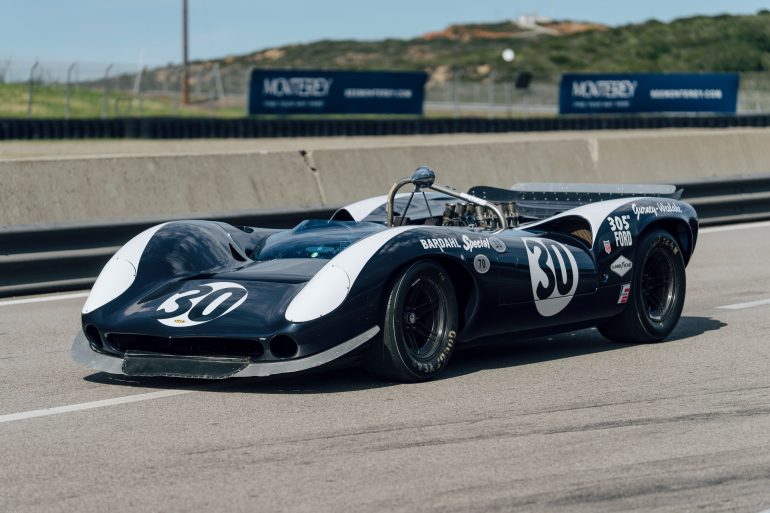
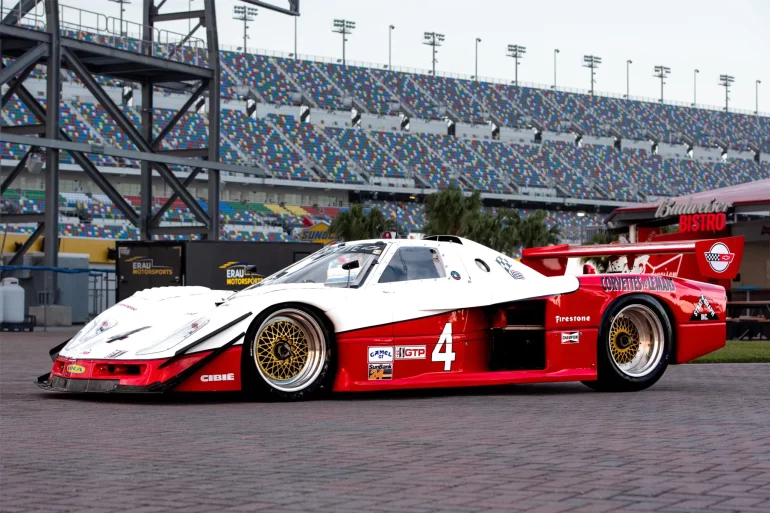


Lolas offered by dealers and collectors, newest first.
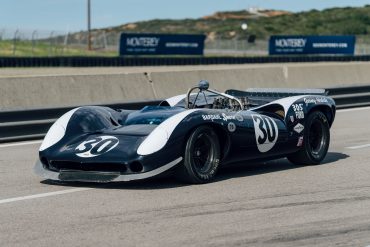
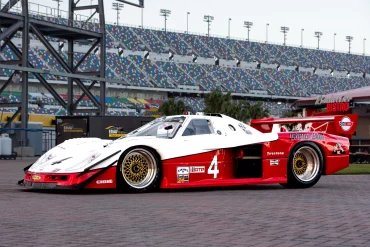

The archive's Lola galleries come from the Monterey Reunion's Can-Am and F5000 grids, the Goodwood Revival and Members' Meeting, where the T70s race the GT40s, Le Mans Classic, the Brian Redman International Challenge at Road America, the SVRA at Indianapolis, the Historic Sportscar Racing weekends at Daytona and Sebring and the Indianapolis Motor Speedway Museum; the Galleries feed below gathers them.
Lola galleries from Monterey, Goodwood, Le Mans Classic and Road America.
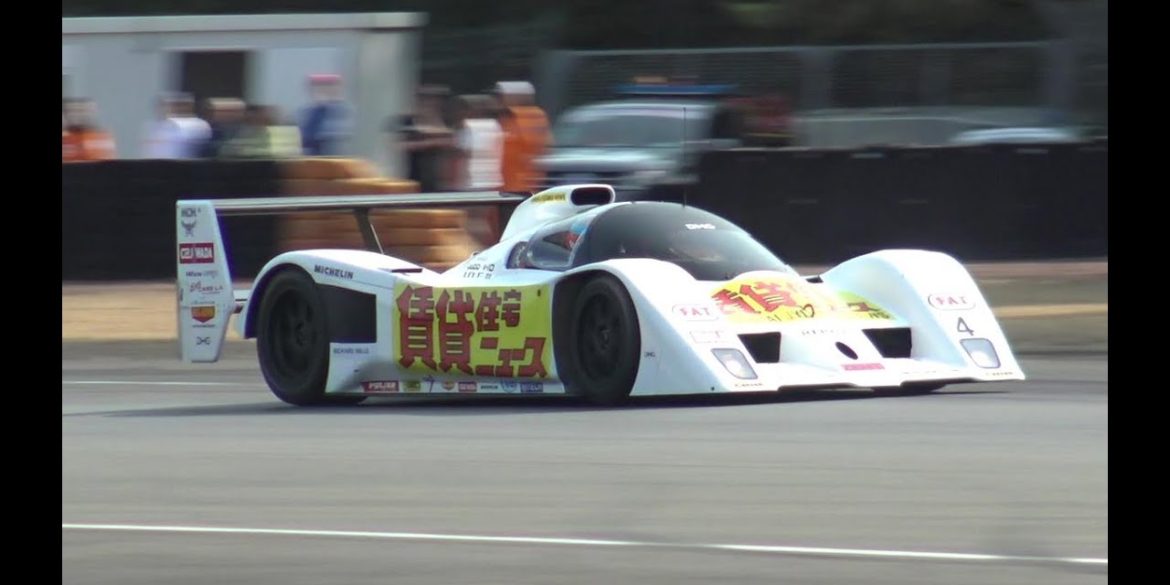
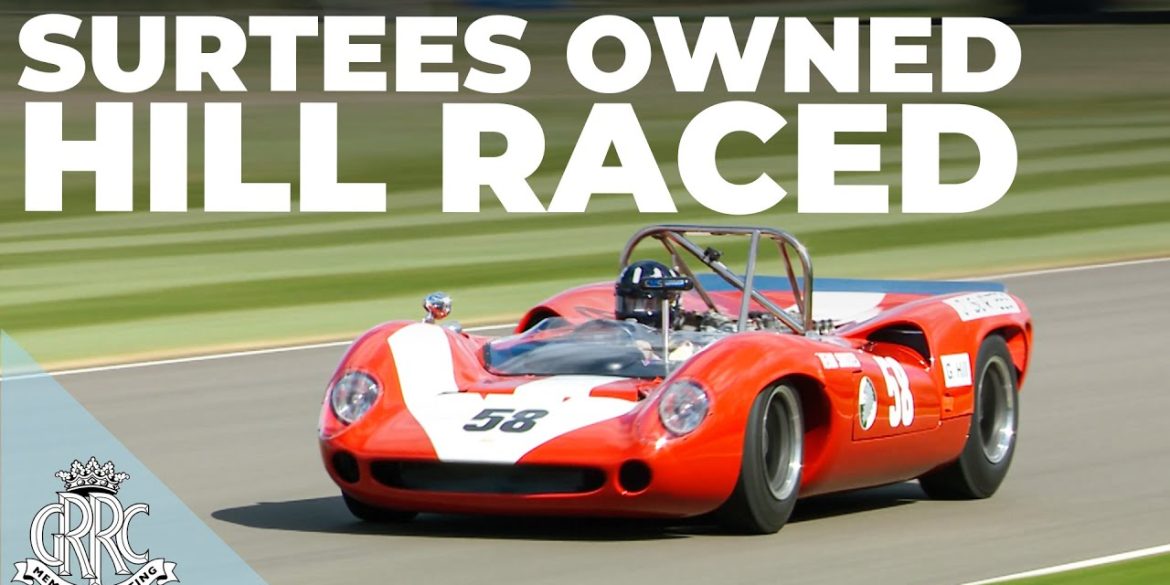
Founded 1958, Bromley; Slough 1962–70; Huntingdon 1970–2012. About 5,000 cars built in more than 300 types. First win: Brands Hatch, July 1958 (Peter Ashdown, Mk1). Formula One: pole at Zandvoort 1962; best finish second (Surtees, 1962); Larrousse's third at Suzuka 1990. Can-Am champion 1966 (Surtees, T70) and 1977–79 (T332/T333CS). Indianapolis 500 1966 (Hill, T90), 1978 (Al Unser, T500), 1990 (Luyendyk, T90/00). Indycar titles 1984, 1990, 1991, 1993. US F5000 1974, 1975, 1976 (Redman, T332). Daytona 24 Hours 1969 (T70 Mk3B). IMSA GTP 1981 (T600) and 1988–91 (Nissan). Receivership May 1997; administration May 2012; name relaunched 2024.
Short answers, with the long ones above.
Eric Broadley, 1928–2017, a Bromley quantity surveyor and 750 Motor Club racer, with his cousin Graham, in 1958; Rob Rushbrook ran the works. Broadley designed or oversaw every Lola until he sold the company to Martin Birrane in 1997.
The song "Whatever Lola Wants, Lola Gets", from Damn Yankees, which was in the charts when the Mk1 was being built; the car, like the song's Lola, got what it wanted.
Broadley's Group 7 sports-racer of 1965–69, an aluminium monocoque with a small-block Chevrolet, built as a spyder and from 1967 as a Mk3 and Mk3B coupé; it won the first Can-Am championship with John Surtees in 1966 and the Daytona 24 Hours with Penske in 1969, about a hundred were built, and it has its own page here.
Not quite. Broadley's Lola Mk6 GT of 1963 was the car Ford bought the idea from; Ford set up Ford Advanced Vehicles next to Lola at Slough, hired Broadley for a year and developed the GT40 from the Mk6's layout. Broadley left to build the T70.
Three times: Graham Hill in John Mecom's T90 in 1966, Al Unser in the Chaparral-entered T500 in 1978 and Arie Luyendyk in a T90/00 in 1990, at a record average speed. Lola Indycars also won the CART championships of 1984, 1990, 1991 and 1993.
Four times, never well for long: the Bowmaker Mk4 of 1962 with Surtees, who took pole at Zandvoort; Graham Hill's Embassy cars of 1974–75; the Beatrice Haas Lola of 1985–86; Larrousse's Lola-Lamborghinis of 1987–91; and the MasterCard Lola of 1997, which failed to qualify once and folded.
A single-seater formula for five-litre production-based V8s, run in the United States, Britain, Europe, Australia and New Zealand from 1968 to 1976; Lola's T190, T300, T330 and T332 were its dominant cars, and Brian Redman won the US title three years running in T332s for Carl Haas.
Twice. In 1997 the MasterCard Lola Formula One project, entered a year early, failed to qualify in Australia and took the company into receivership within months; Martin Birrane bought it. In 2012 the collapse of the Le Mans prototype customer market put Lola Cars into administration and the business was broken up.
The name does: Till Bechtolsheimer bought it in 2022 and relaunched Lola Cars in 2024 as an engineering and technology company, entering Formula E with Yamaha and ABT from the 2024–25 season.
The T70 Mk3B coupés with Daytona or world-championship history, at $2–3 million, and the three Mk6 GTs, which do not come to market; the ex-Surtees 1966 Can-Am spyder would lead the open cars.
The whole archive on one thread, newest first.