
This is the list the others have been leading up to. We have ranked the best Ferraris, Porsches and Lamborghinis, the best driver's cars, the best prewar cars and a dozen more. This one puts all of them in a single order with everything else: a hundred road cars, from 1907 to the present, from nine horsepower to a thousand.
There are four tests, weighted equally. What did the car achieve, in sales, in competition or in reputation? How does it drive? How does it look? And what did it change?
A car that is supreme on one test and ordinary on the rest can still rank high. The Model T is here on the strength of the fourth test alone. But the cars at the very top are the ones that score on several at once.
How this fits with our other lists
Where two cars from the same maker appear, they are in the same order as on that maker's list. The F40 is above the 250 GTO here because it is on our Ferrari list, and so on down. The same goes for the prewar cars.
Our list of driver's cars is a different matter. It has one test and this has four. The GMA T.50 is first there and thirty-seventh here, and both are right.
The calls we expect to be argued with
The McLaren F1 is first. It is the only car that is at or near the top on all four tests.
The Mini and the Model T are fifth and sixth, above every Ferrari but one. A quarter of the criterion is what a car changed, and these two changed more than any others.
The Alfa Romeo 8C 2900B is fourth. Few readers will have seen one. It was the best car in the world for a decade and it is as beautiful as anything here.
The Ferrari 458 Speciale is twenty-fifth, above the 288 GTO and the Dino. That follows our Ferrari list, which we described at the time as a gut list. We have kept faith with it and accept that not everyone will.
The Tesla Model S is fiftieth and the only electric car. On what it changed it could be in the top ten. We have ranked on what is already settled.
No maker has more than eight cars. Ferrari has eight and Porsche six. Without a limit the list would have been a supercar catalogue.
See the full ranking, 1 to 100
100 to 51
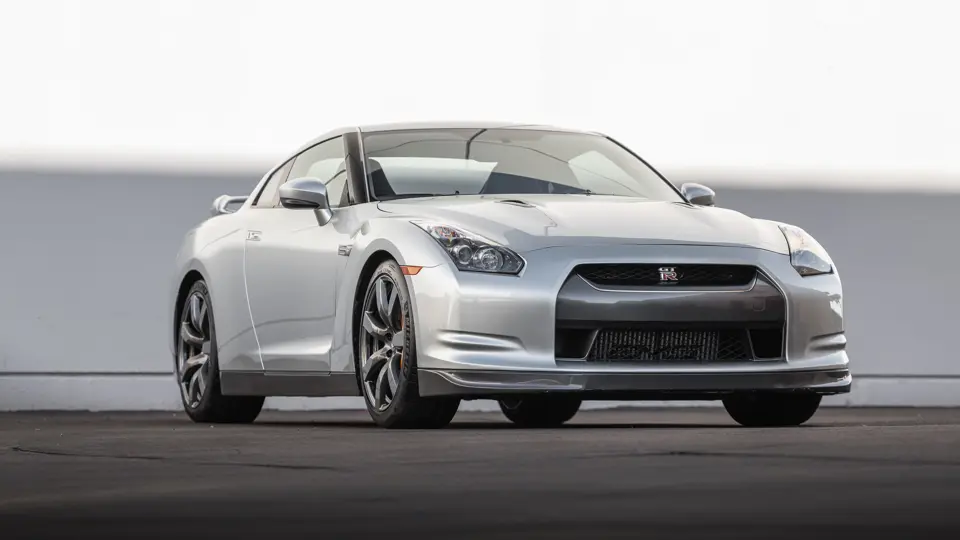
100. Nissan GT-R (R35)
2007-2025 · 3.8-litre twin-turbo V6, four-wheel drive · 480 PS at launch · About 48,000
A hand-built twin-turbo V6, four-wheel drive and a computer for everything, at the price of a well-equipped German saloon. It lapped the Nürburgring with cars costing three times as much, and it stayed on sale for eighteen years.
Verdict The supercar-beater, and the last name on the list.
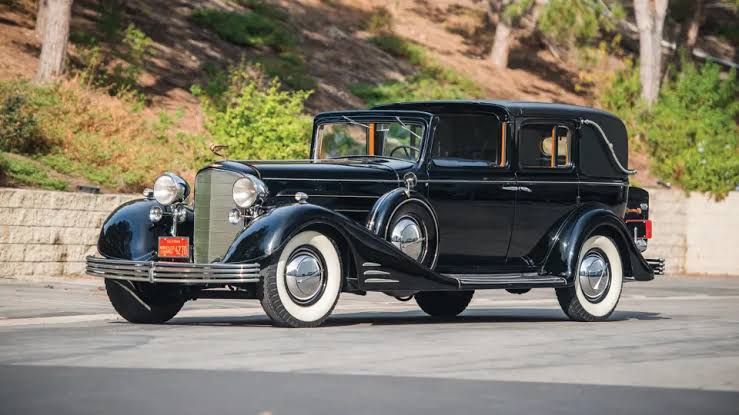
99. Cadillac V-16
1930-1940 · 7.4-litre V16 · 4,076
Cadillac announced a sixteen-cylinder car in January 1930, ten weeks after the Wall Street crash, and sold about 2,500 in the first year. It was the quietest and smoothest car in the world.
Verdict Sixteen cylinders, launched into the Depression.
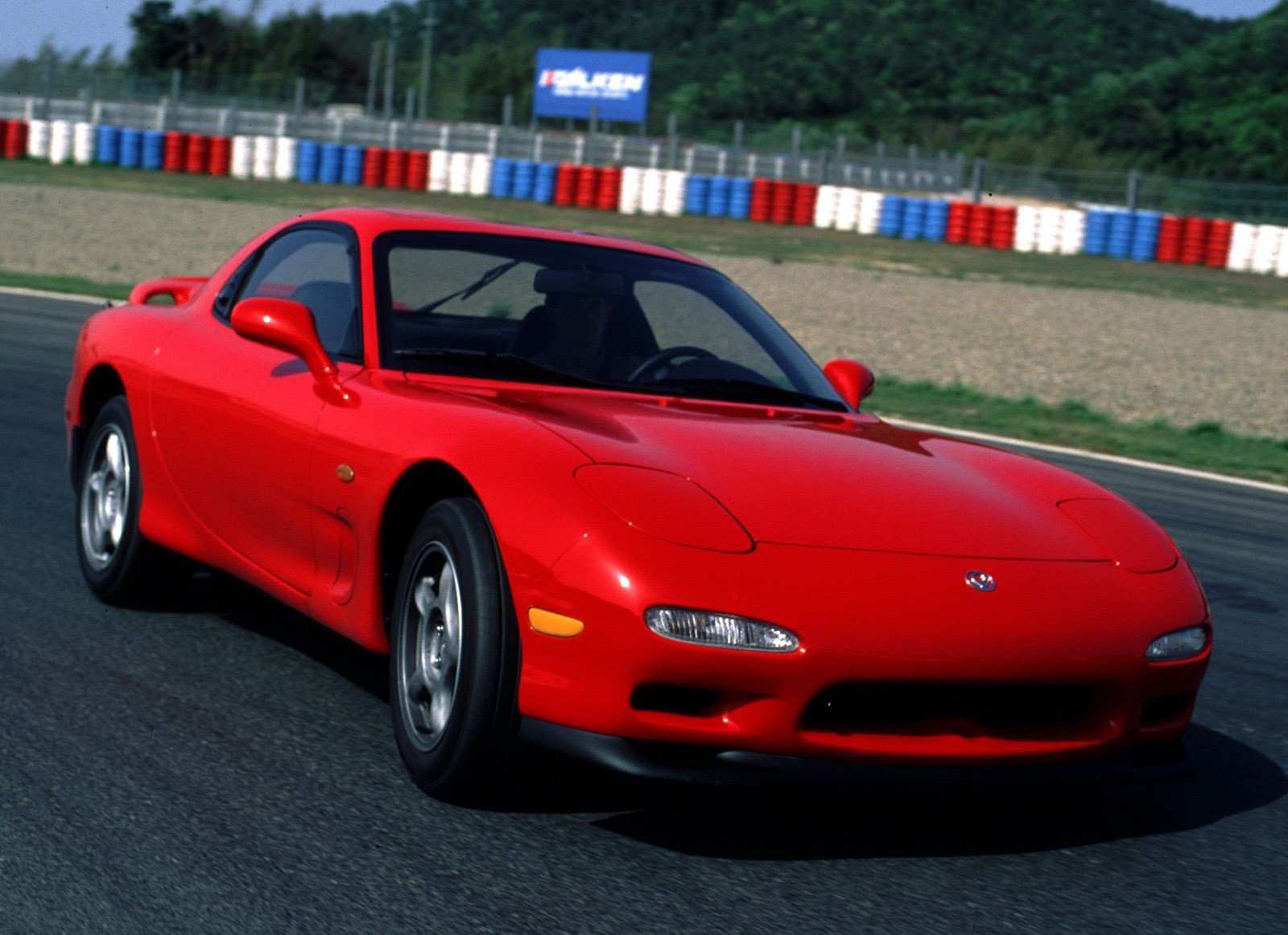
98. Mazda RX-7 (FD)
1992–2002 · 1.3 twin-rotor, twin-turbo · 252 to 276 hp · ~ 68,000
A twin-turbo rotary engine in a light, perfectly balanced coupé with one of the best shapes of the 1990s. It was fragile and thirsty, and nothing else felt like it. Thirty-fifth among our driver's cars.
Verdict The best argument the rotary engine ever made.
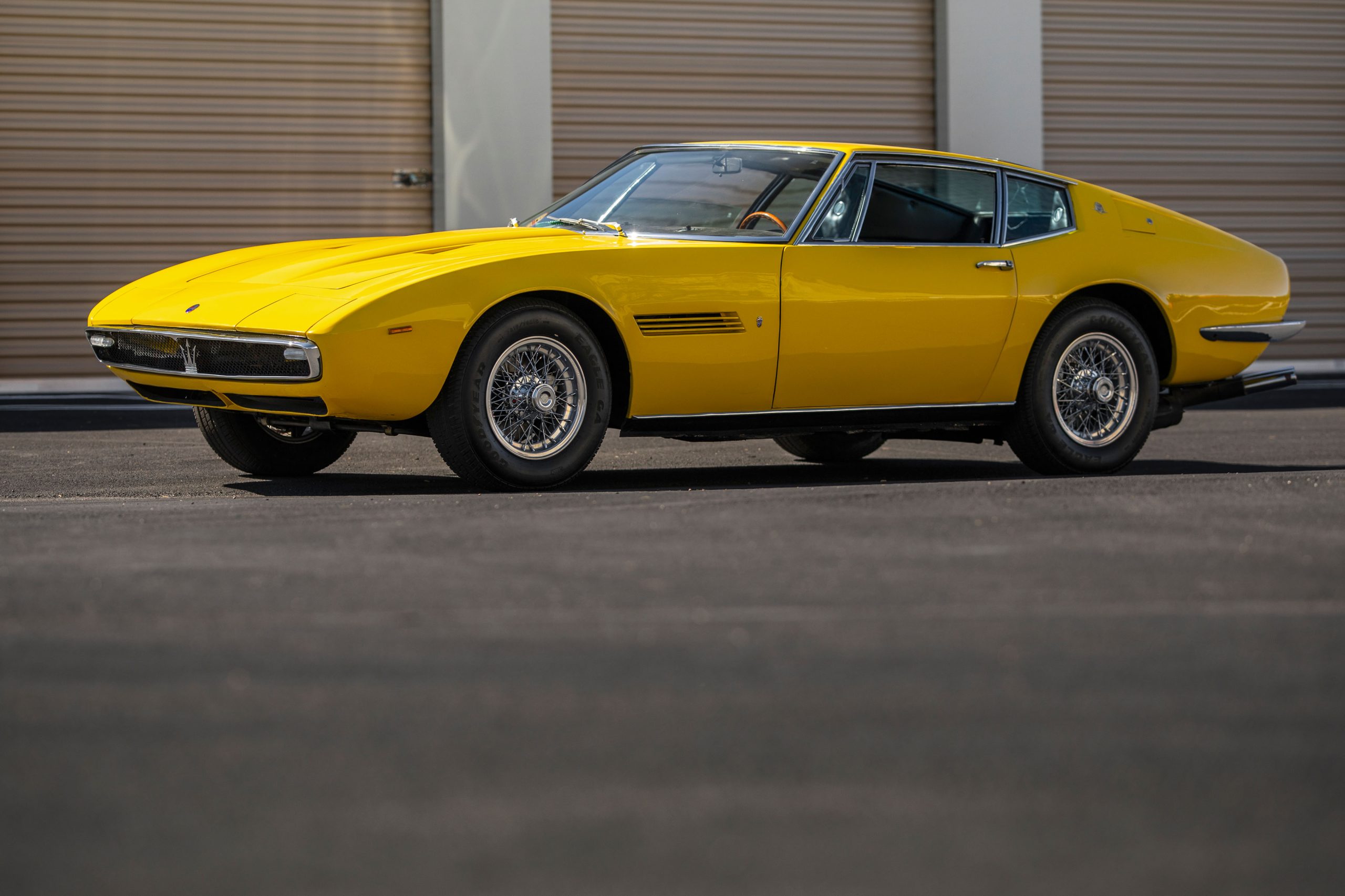
97. Maserati Ghibli (1966)
1967–73 · 4.7 or 4.9 V8 · 330 hp · 1,274
A long, low grand tourer with a four-cam V8 and a body Giugiaro drew at Ghia when he was still in his twenties. First on our Maserati list.
Verdict The most handsome Maserati.
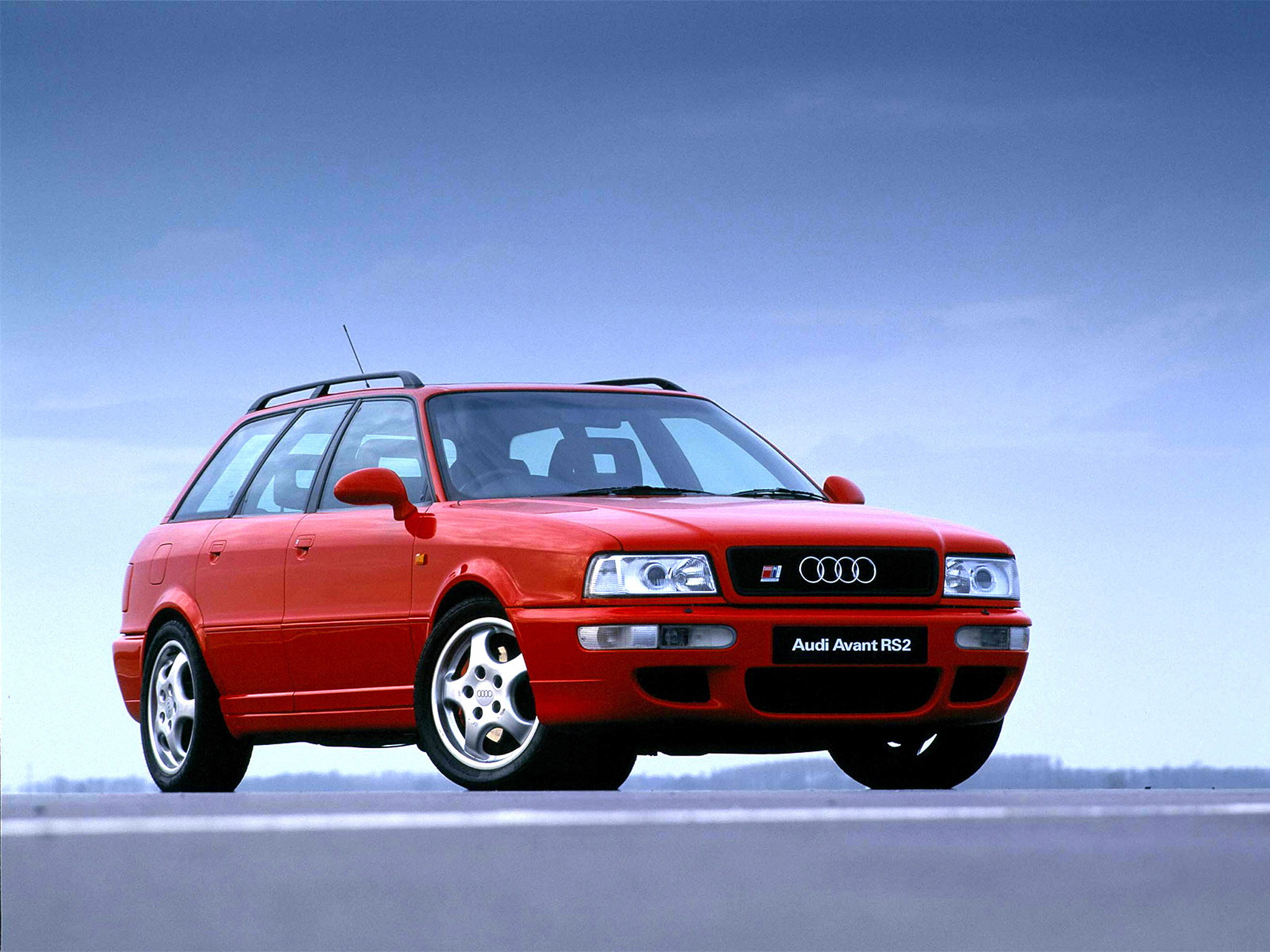
96. Audi RS2 Avant
1994–95 · 2.2 turbo five · 315 hp · 2,891
An Audi estate car developed with Porsche, built at Porsche's works and wearing Porsche's brakes and wheels. It out-accelerated a McLaren F1 to 30 mph. Third on our Audi list.
Verdict The fast estate, invented.
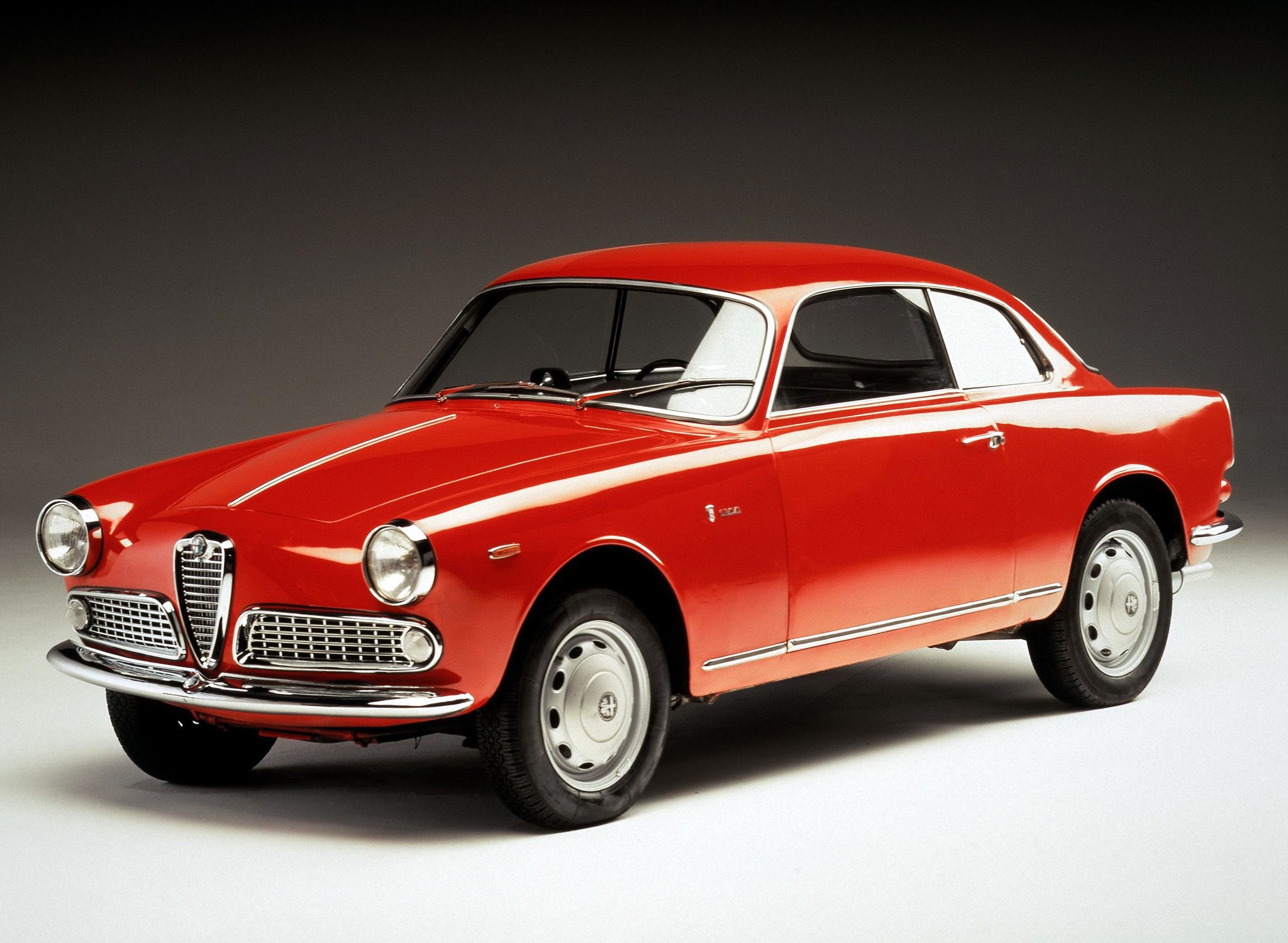
95. Alfa Romeo Giulietta Sprint
1954–65 · 1.3 twin-cam four · 65 to 90 hp
A small, pretty coupé with a twin-cam aluminium engine, launched in 1954 at a price the middle classes could manage. It made Alfa Romeo a volume maker. Fifth on our Alfa Romeo list.
Verdict The car that gave ordinary Italians a twin-cam.
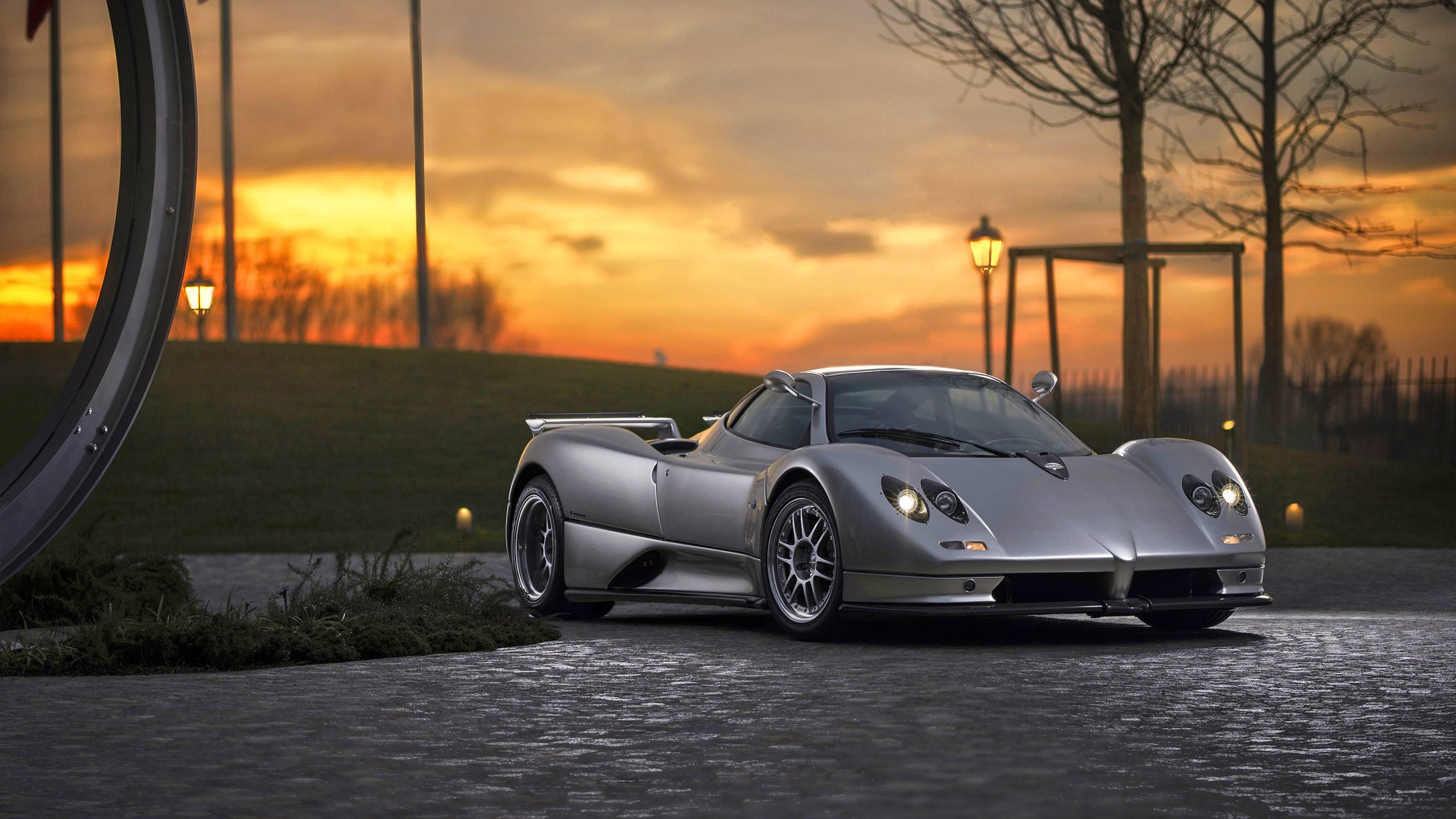
94. Pagani Zonda
1999-2019 · Mercedes-Benz V12, 6.0 to 7.3 litres · About 140
An Argentine composites engineer who had worked for Lamborghini set up on his own near Modena and, with a Mercedes V12, built a supercar finished like a watch. About 140 were made over twenty years.
Verdict Proof that one man with taste could take on Ferrari.
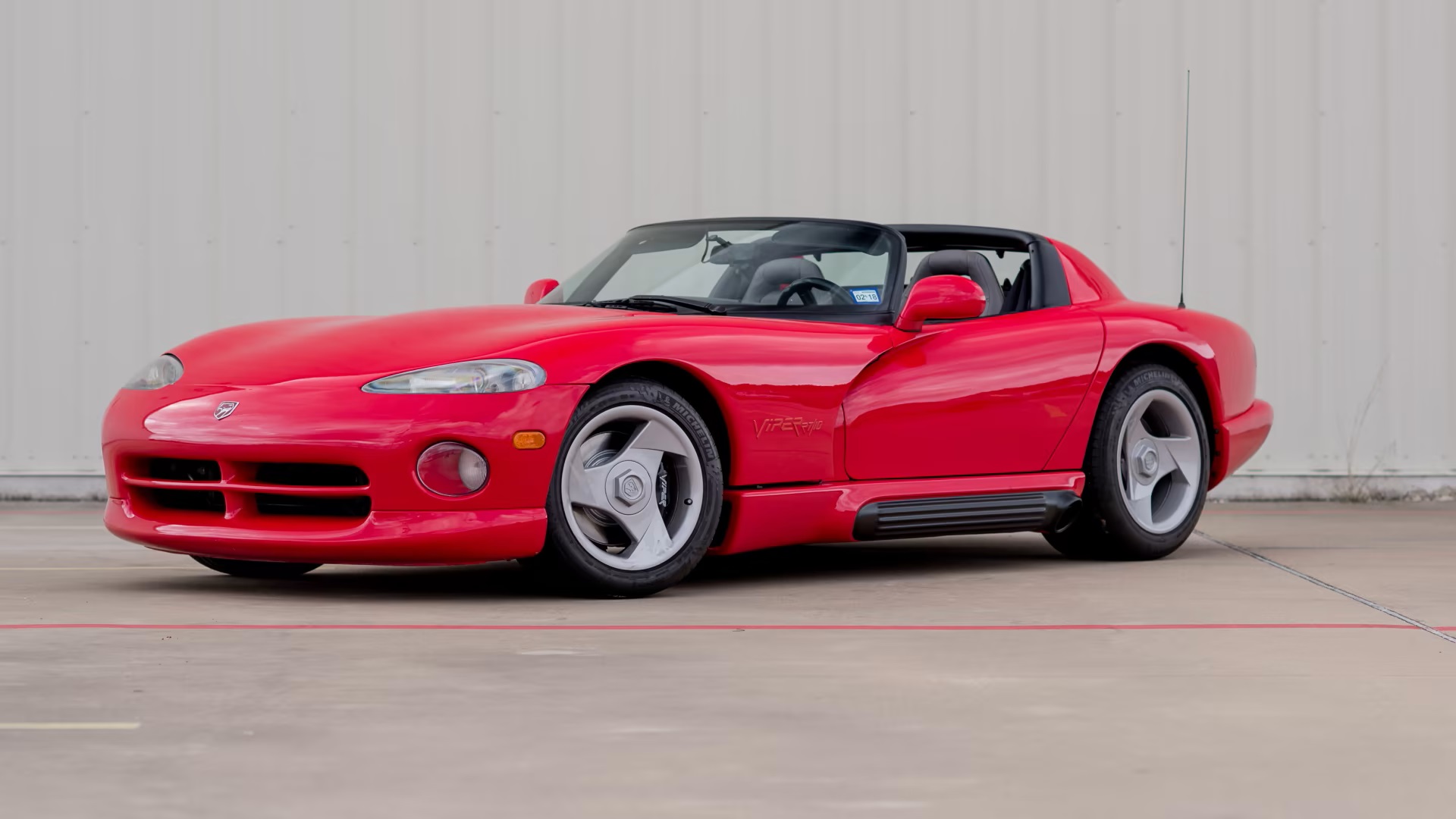
93. Dodge Viper
1992-2017 · 8.0-litre V10 · 400 hp at launch · About 32,000
An eight-litre V10, a manual gearbox and, at first, no anti-lock brakes, no traction control, no airbags and no side windows. Chrysler built it to see if it could and kept building it for twenty-five years.
Verdict The Cobra idea, with two more cylinders and no apology.
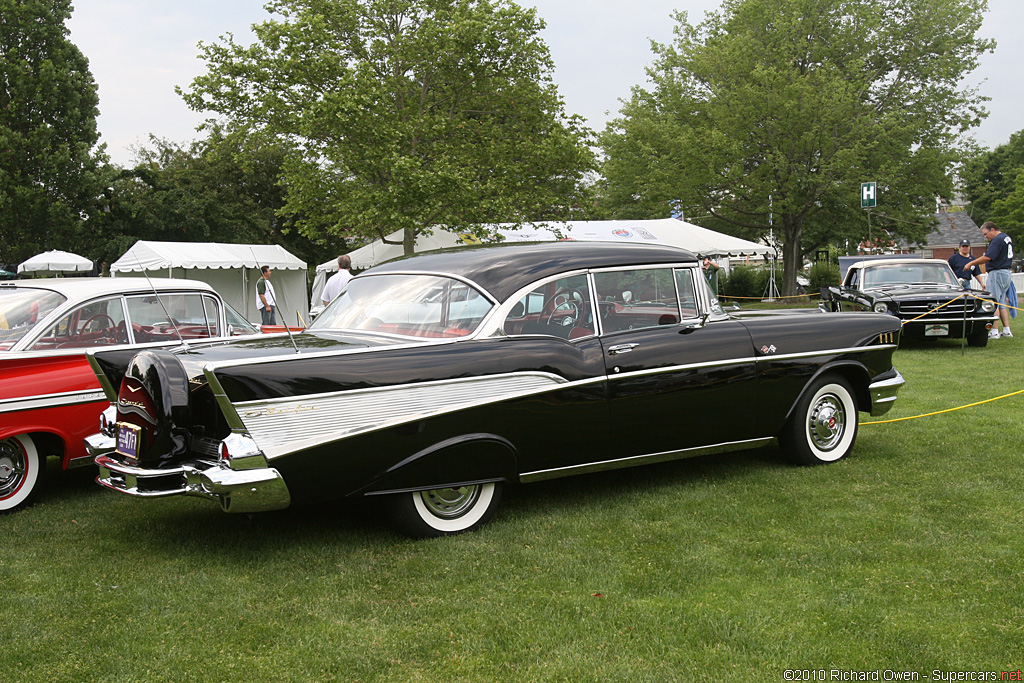
92. Chevrolet Bel Air (1957)
1957 · 283 cu in V8, optional fuel injection · Up to 283 hp
Fins, chrome and, for those who ticked the box, a fuel-injected V8 making one horsepower for every cubic inch. It is the car most people see when they think of 1950s America.
Verdict The American car of the 1950s, in one shape.
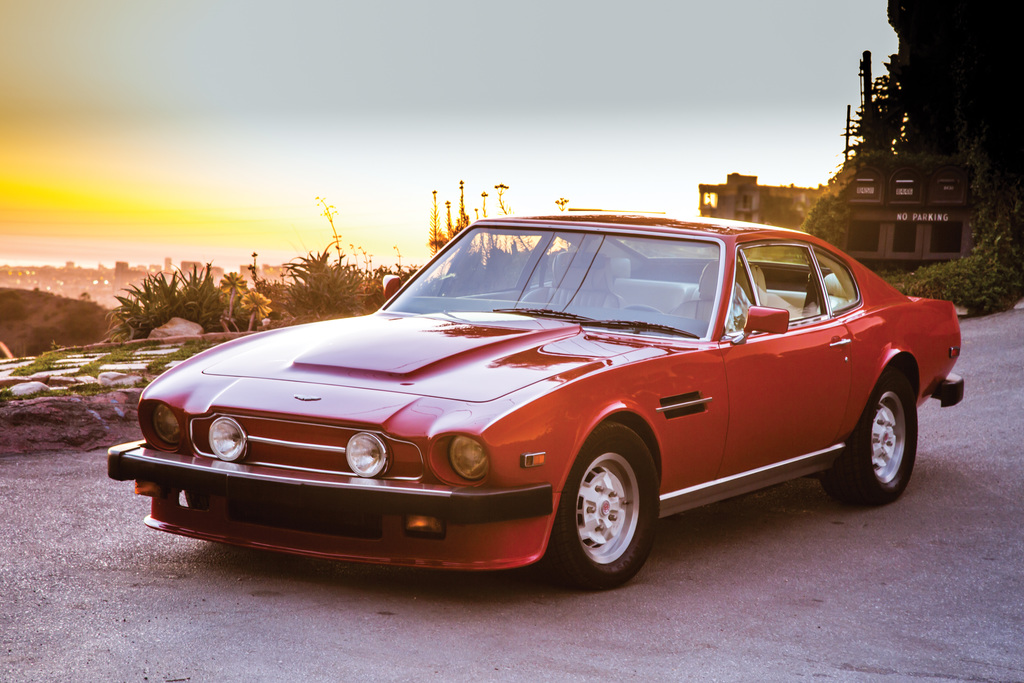
91. Aston Martin V8 Vantage (1977)
1977–89 · 5.3 V8 · About 390 hp
Aston Martin bolted bigger carburettors on to its V8, blanked off the grille and produced a car that out-accelerated a Ferrari Daytona. It was called Britain's first supercar. Third on our Aston Martin list.
Verdict A gentleman's express with a bad temper.
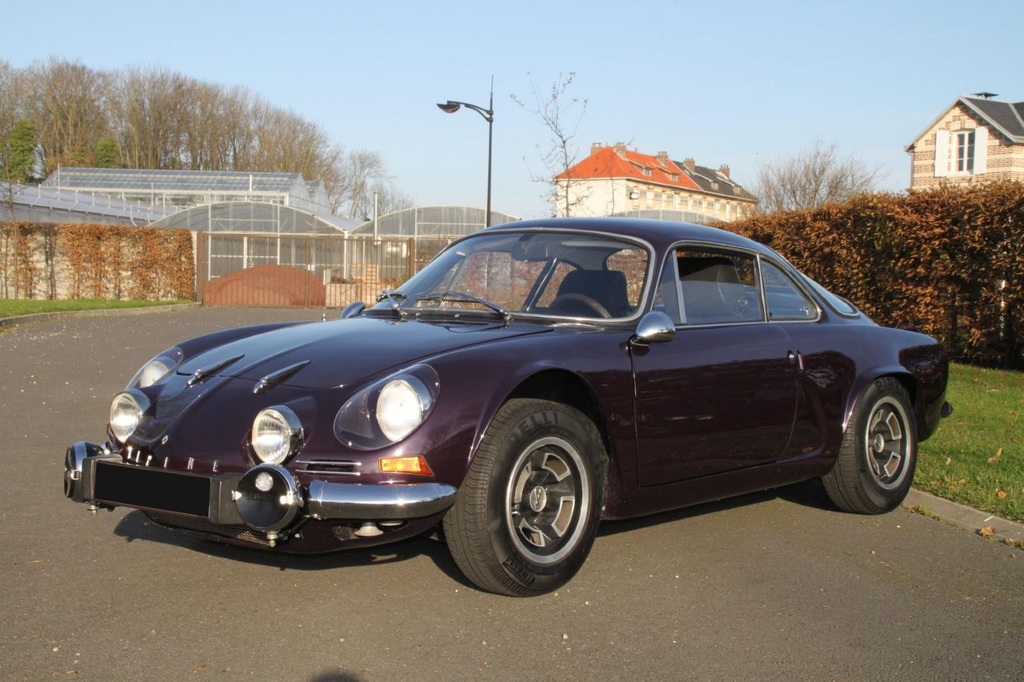
90. Alpine A110 (1963)
1963-1977 · Renault four, rear-mounted · 7,176 at Dieppe
A glassfibre coupé weighing very little, with a Renault engine behind the rear axle. It finished first, second and third on the Monte Carlo Rally twice and won the first world rally championship for makers in 1973.
Verdict France's Porsche, and on a rally stage it was better.
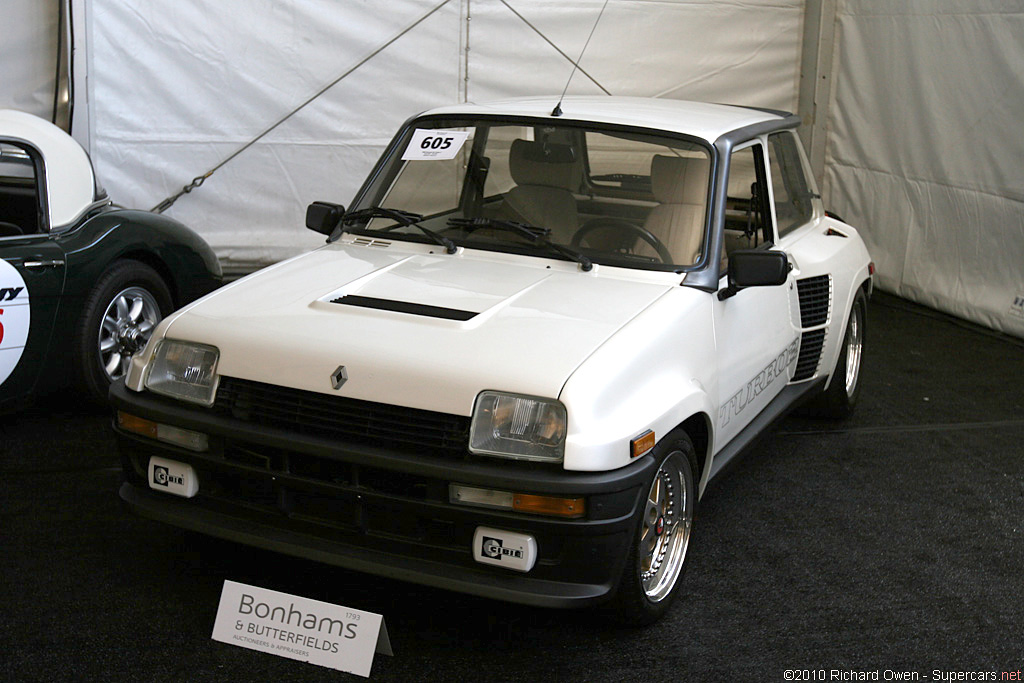
89. Renault 5 Turbo
1980–86 · 1.4 turbo four · 160 hp · ~ 4,900
Renault took its small hatchback, threw out the back seats and put a turbocharged engine where they had been. It was built to go rallying and looked like nothing else on the road. Twenty-fourth among our homologation specials.
Verdict A supermini turned inside out.
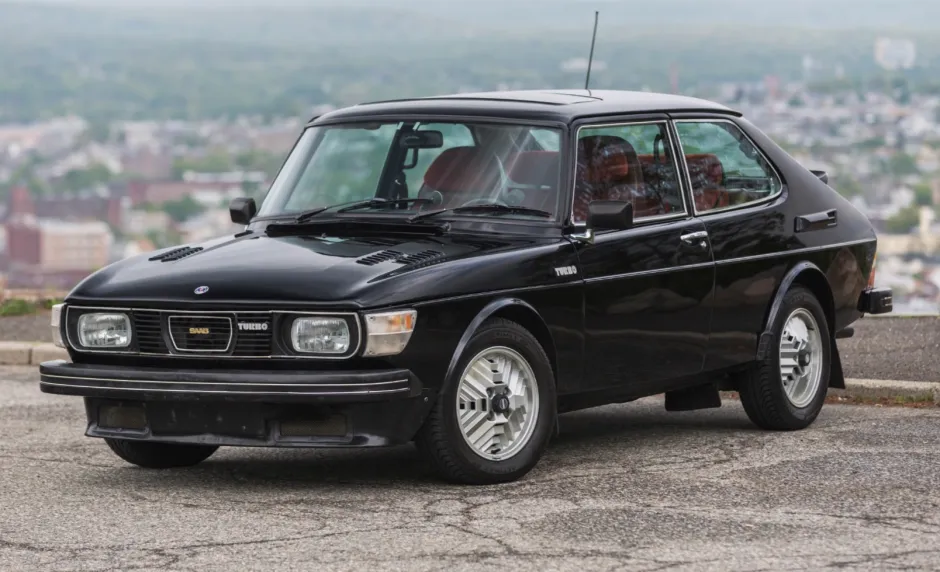
88. Saab 99 Turbo
1978-1980 · 2.0-litre turbocharged four · 145 PS
In 1978 Saab put a turbocharger on a family car, tuned it for overtaking instead of top speed, and made the technology respectable. Within ten years everyone was doing it.
Verdict The car that made the turbo sensible.
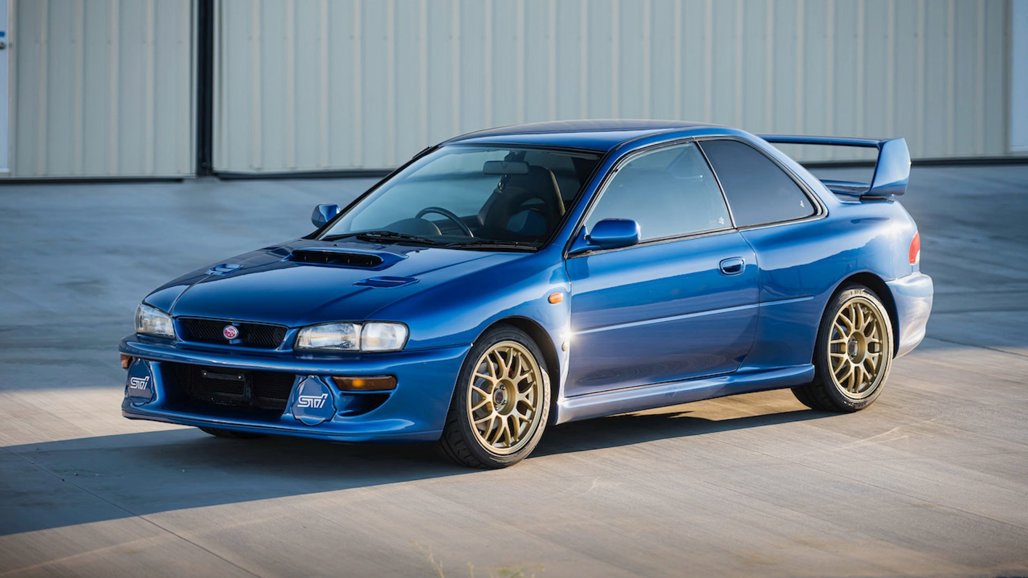
87. Subaru Impreza WRX
1992- · Turbocharged flat-four, four-wheel drive
A turbocharged flat-four and four-wheel drive in a plain saloon, made famous by blue paint, gold wheels and Colin McRae. Its rally version won six world titles. It brought supercar pace within reach of people in their twenties.
Verdict The rally car you could buy on finance.
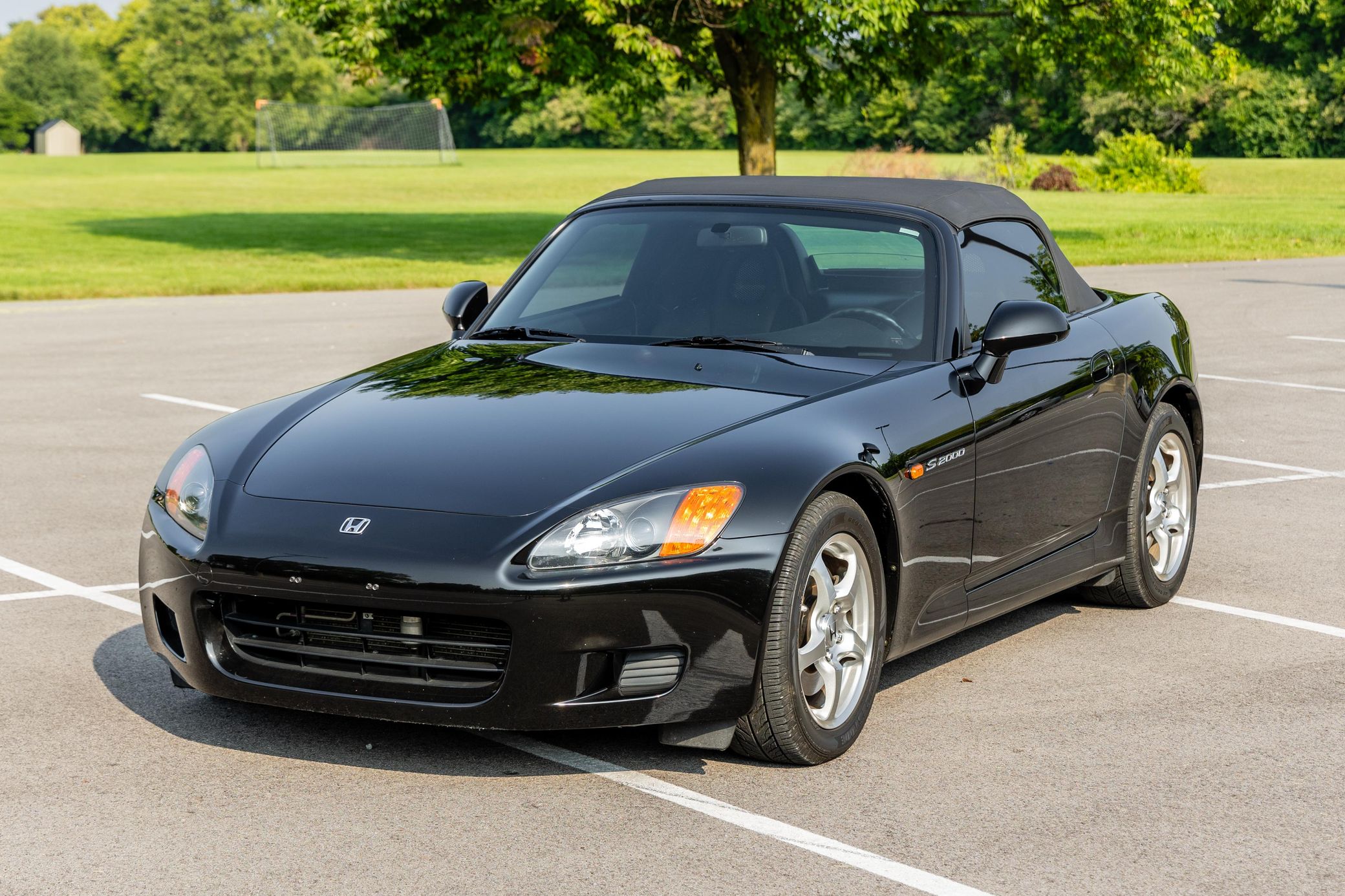
86. Honda S2000
1999–2009 · 2.0 and 2.2 four · 240 hp · ~ 110,000
A two-litre engine making 120 horsepower a litre without a turbocharger, revving to 9,000, in a stiff open two-seater with one of the best gearchanges ever made. Third on our Honda list.
Verdict An engine in search of a redline, and it found one.
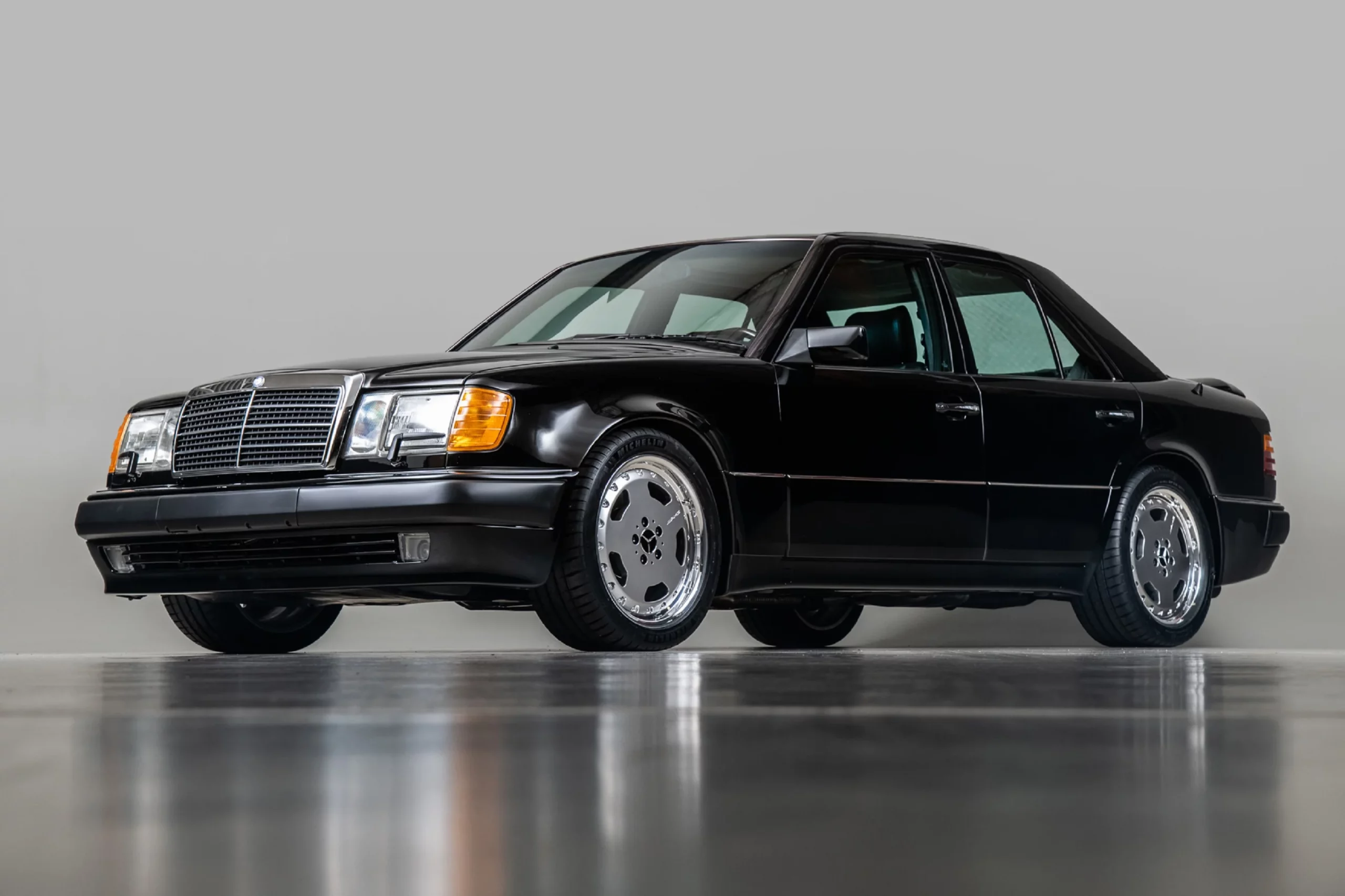
85. Mercedes-Benz 500E
1991–94 · 5.0 V8 · 322 hp · 10,479
A W124 saloon with a five-litre V8, widened by hand and assembled for Mercedes by Porsche. It looked almost exactly like a taxi. Sixth on our Mercedes-Benz list.
Verdict The discreet super-saloon, built by the opposition.
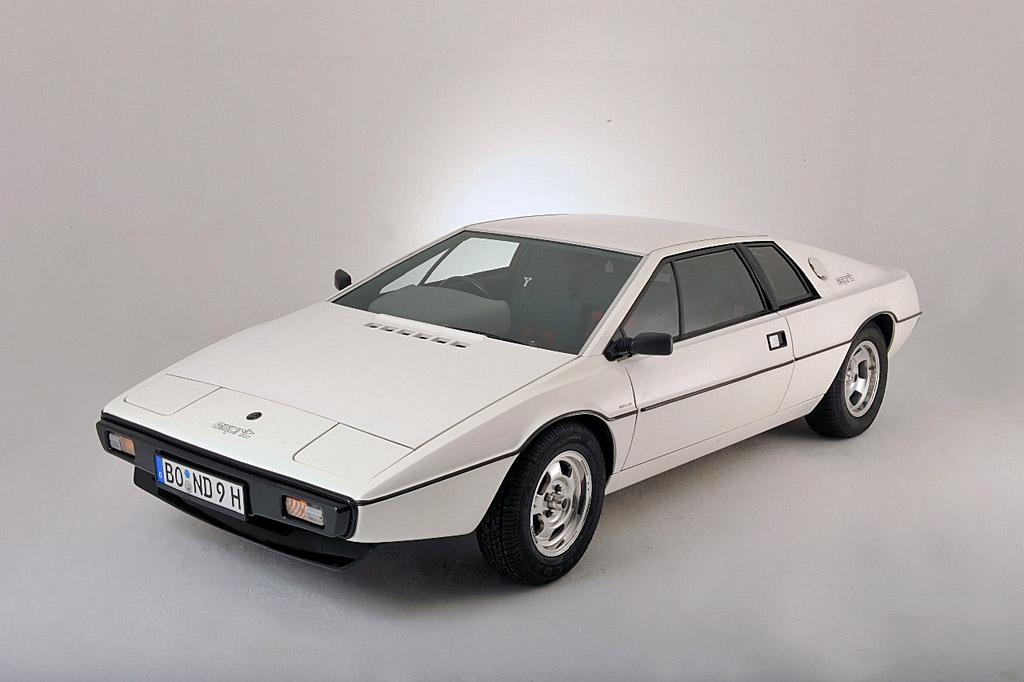
84. Lotus Esprit (S1)
1976–78 · 2.0 four · 160 hp · ~ 720
Giugiaro's folded-paper wedge on a Lotus backbone chassis, with handling far better than its four-cylinder engine deserved. It went underwater for a film in 1977. Fifth on our Lotus list.
Verdict The wedge at its purest.
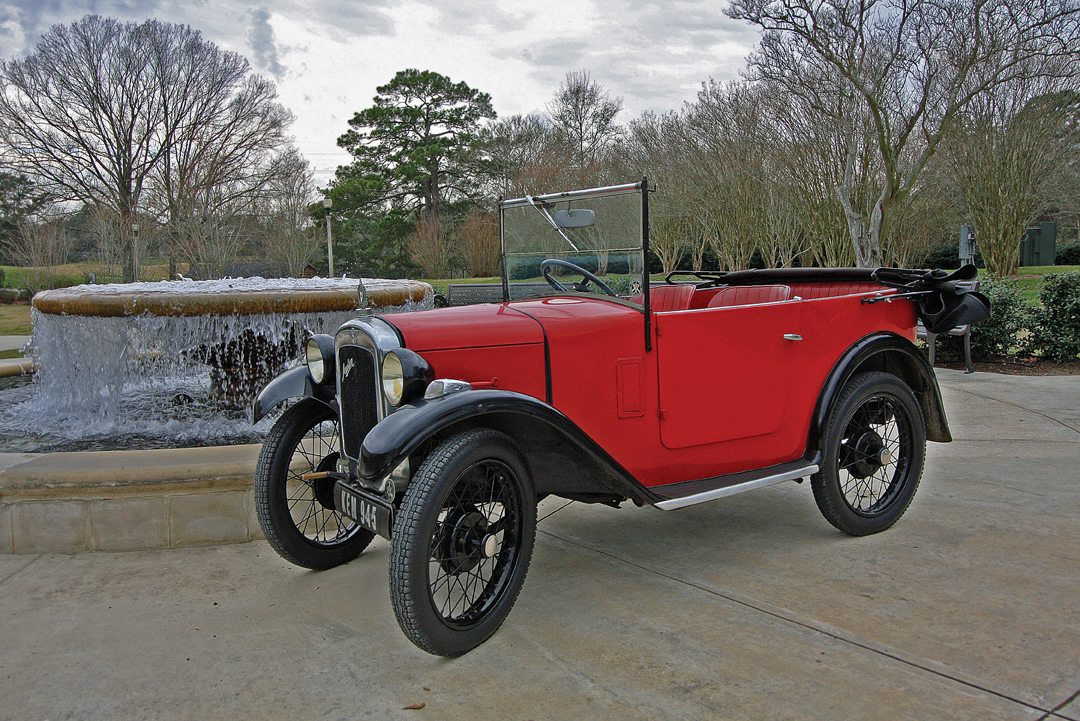
83. Austin Seven
1922–39 · 0.75 four · 10 to 17 hp · ~ 290,000
Britain's Model T: a real car in miniature, cheap enough to replace the motorcycle and sidecar. BMW's first car was a licensed copy, and the first Lotus was built on one. Twenty-fourth on our prewar list.
Verdict The small car from which several great companies grew.
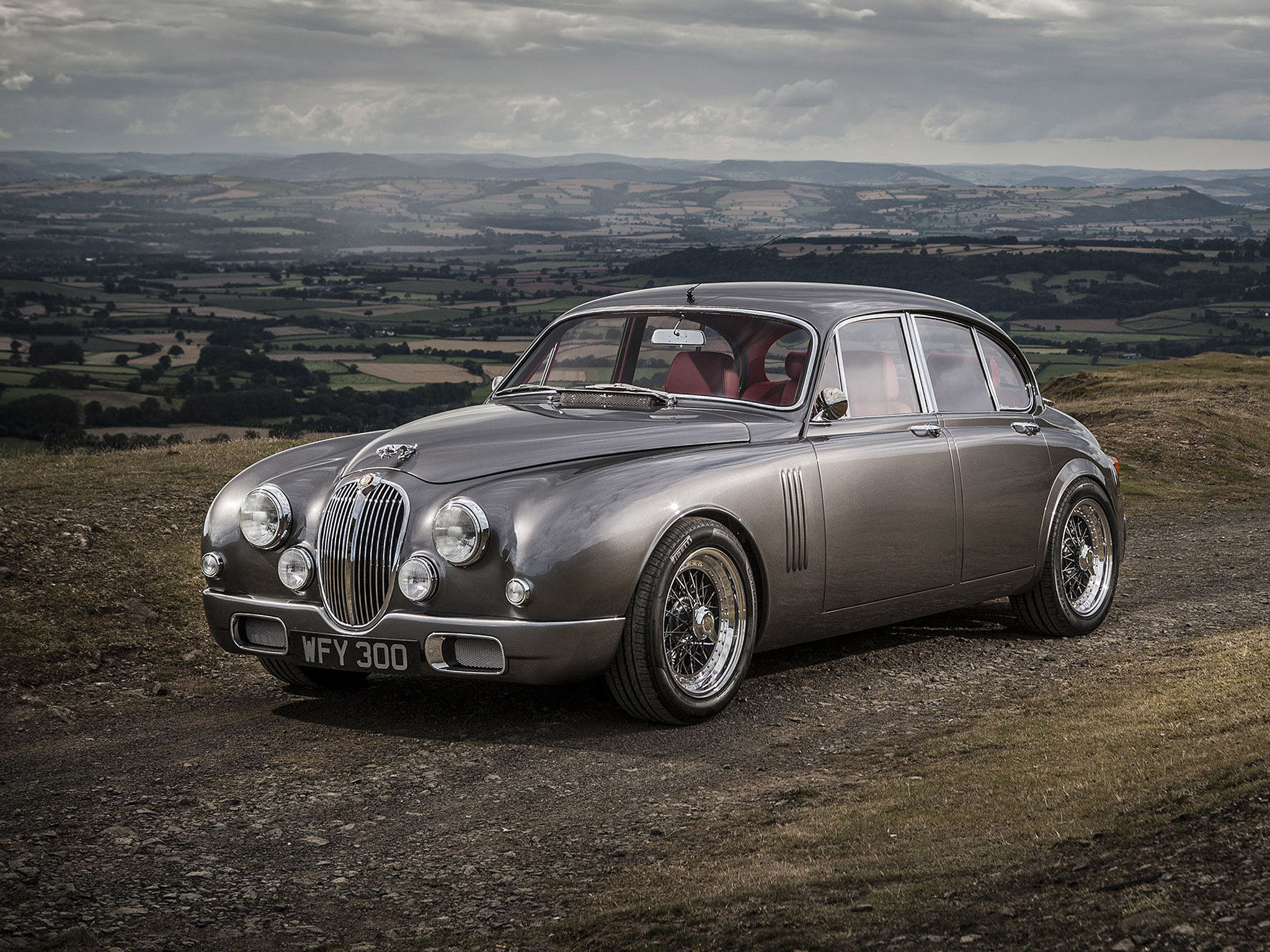
82. Jaguar Mark 2 3.8
1959–67 · 3.8 straight-six · 220 hp
A compact saloon with the XK engine and disc brakes that would do 125 mph. Bank managers bought them, and so did bank robbers. Fourth on our Jaguar list.
Verdict The first sports saloon.
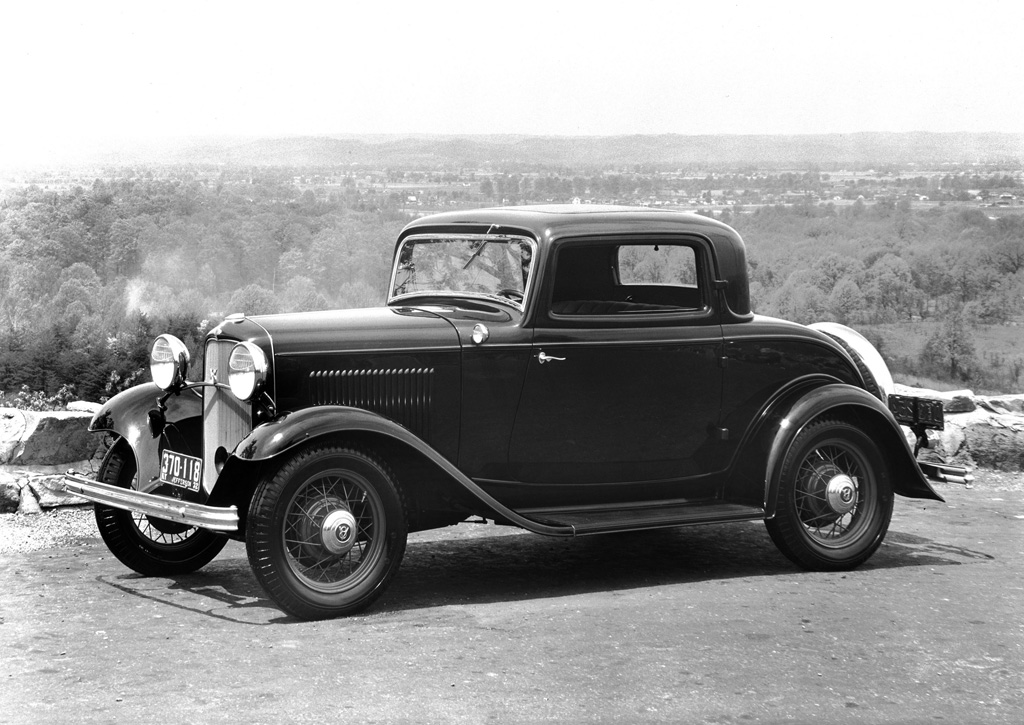
81. Ford V8 (1932)
1932 · 3.6-litre flathead V8 · 65 hp · 298,647 in 1932
Henry Ford cast a V8 in one piece and sold it for $10 more than the four-cylinder car. It gave ordinary Americans eight cylinders and, a generation later, gave hot-rodders their raw material.
Verdict Power for the people, and the birth of the hot rod.

80. Lancia Delta HF Integrale
1987–94 · 2.0 turbo four · 182 to 212 hp · ~ 44,000
A family hatchback given four-wheel drive, a turbocharger and wide arches, which then won six world rally titles in a row. Tenth among our homologation specials.
Verdict The most successful rally car, with room for the shopping.
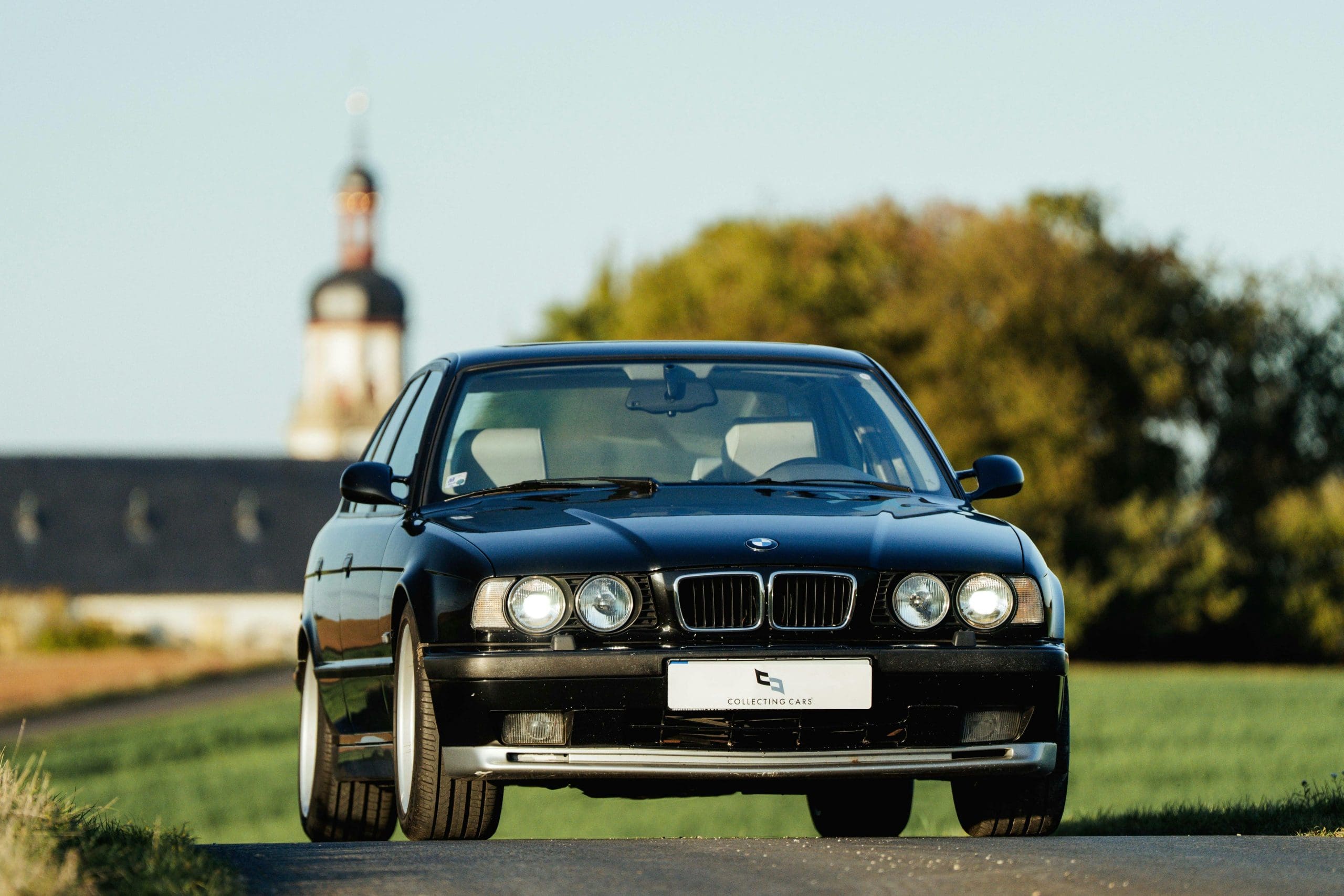
79. BMW M5 (E39)
1998–2003 · 4.9 V8 · 394 hp · 20,482
A V8 saloon with a manual gearbox, discreet looks and a chassis that flattered and rewarded in equal measure. Often called the best saloon car ever made. Fifth on our BMW list.
Verdict The benchmark fast saloon.
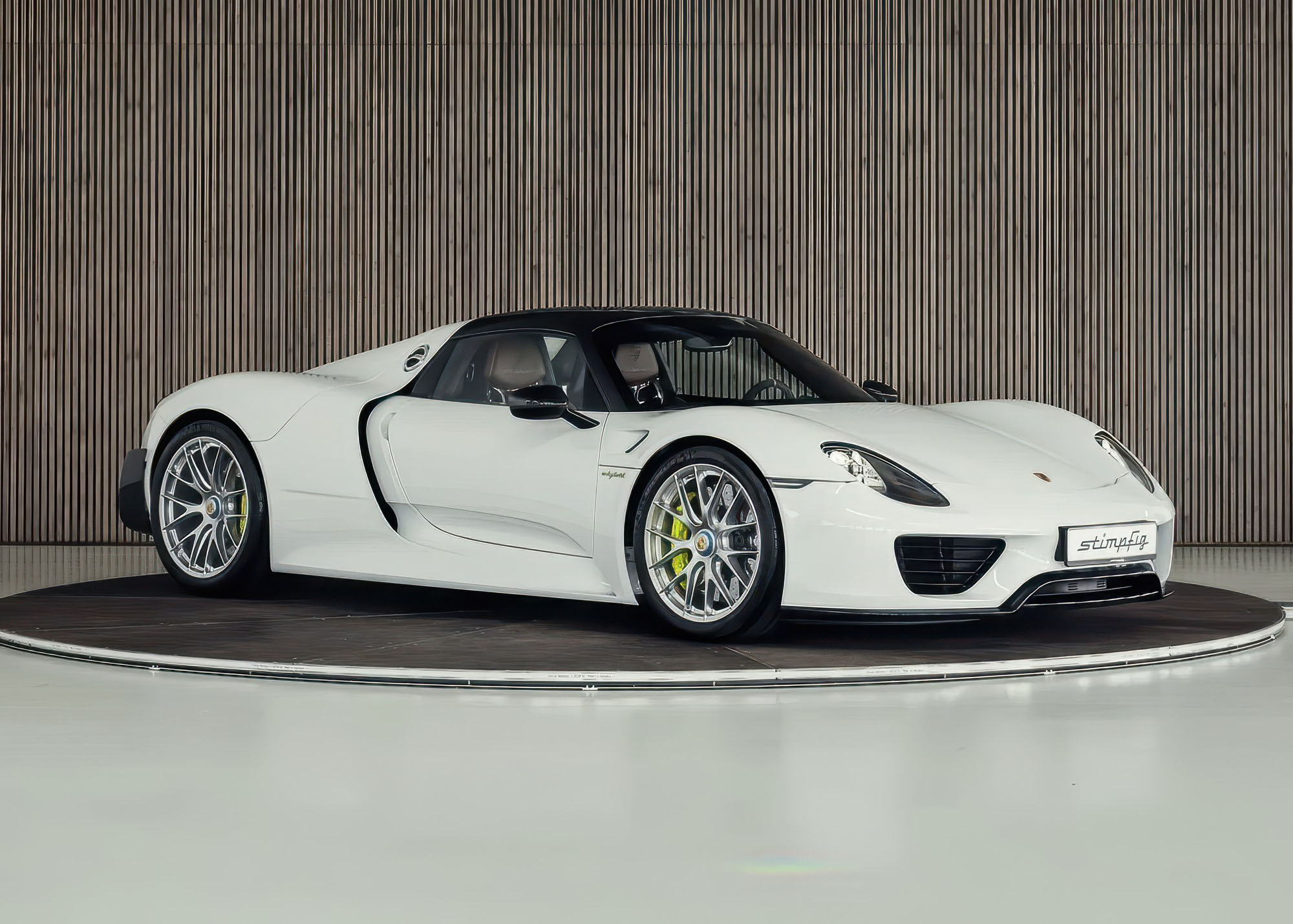
78. Porsche 918 Spyder
2013–15 · 4.6 V8 hybrid · 887 hp · 918
Porsche's hybrid hypercar could run in silence on electricity or lap the Nürburgring in under seven minutes, and it drove all four wheels. Seventh on our Porsche list.
Verdict The cleverest of the hybrid hypercars.
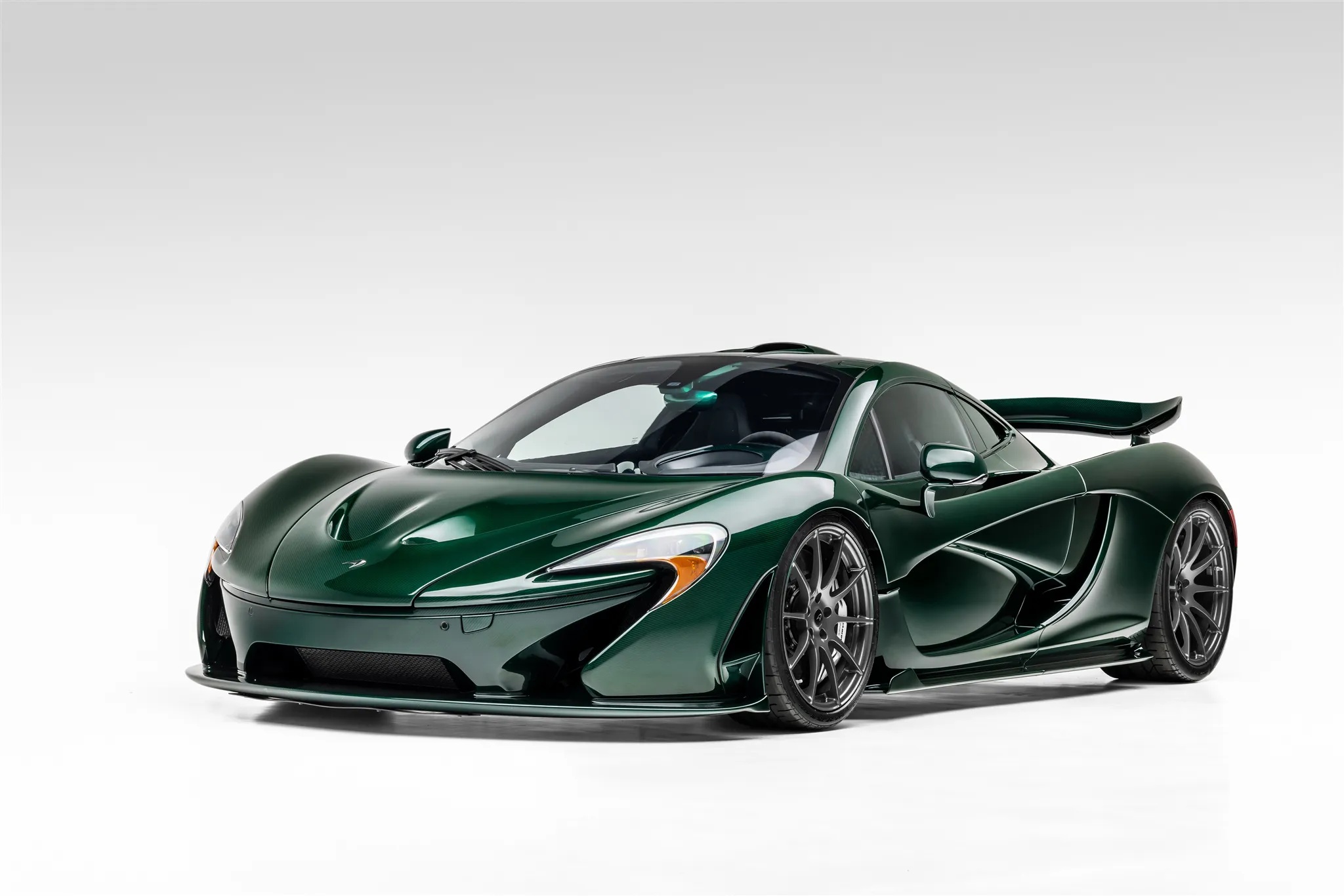
77. McLaren P1
2013–15 · 3.8 twin-turbo V8 with an electric motor · 903 hp · 375
A hybrid built for speed, not economy, with a twin-turbo V8 and an electric motor filling the gaps. Of the three hybrid hypercars of 2013 it was the wildest. Second on our McLaren list.
Verdict The hybrid that scared its drivers.
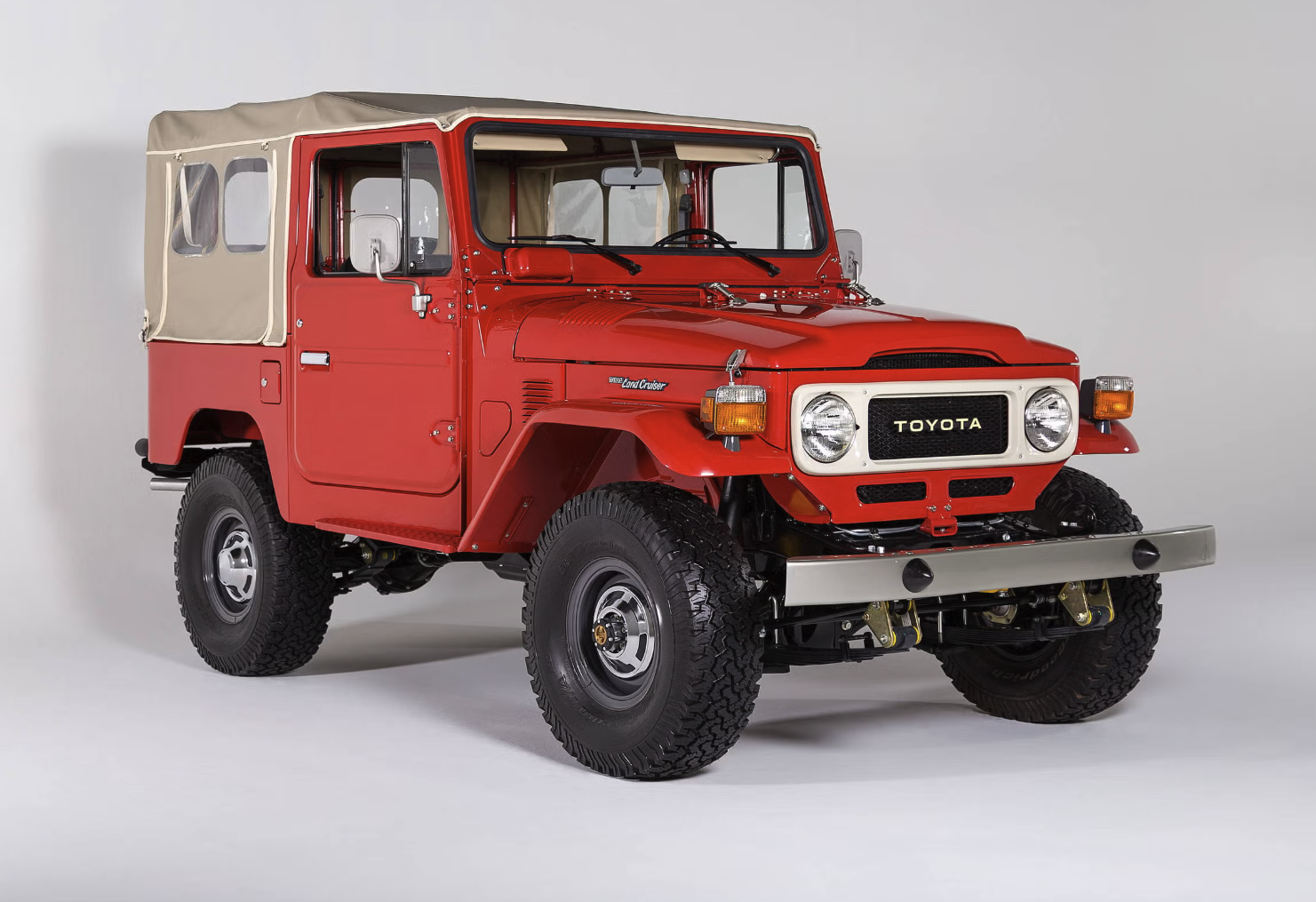
76. Toyota Land Cruiser (40 series)
1960–84 · 3.9 or 4.2 straight-six · 125 to 135 hp · More than 1 million
Toyota's answer to the Jeep and the Land Rover outlasted and outsold both in the places where a breakdown can kill you. The 40 series is the one that made the reputation. Sixth on our Toyota list.
Verdict The vehicle people choose when it has to come back.
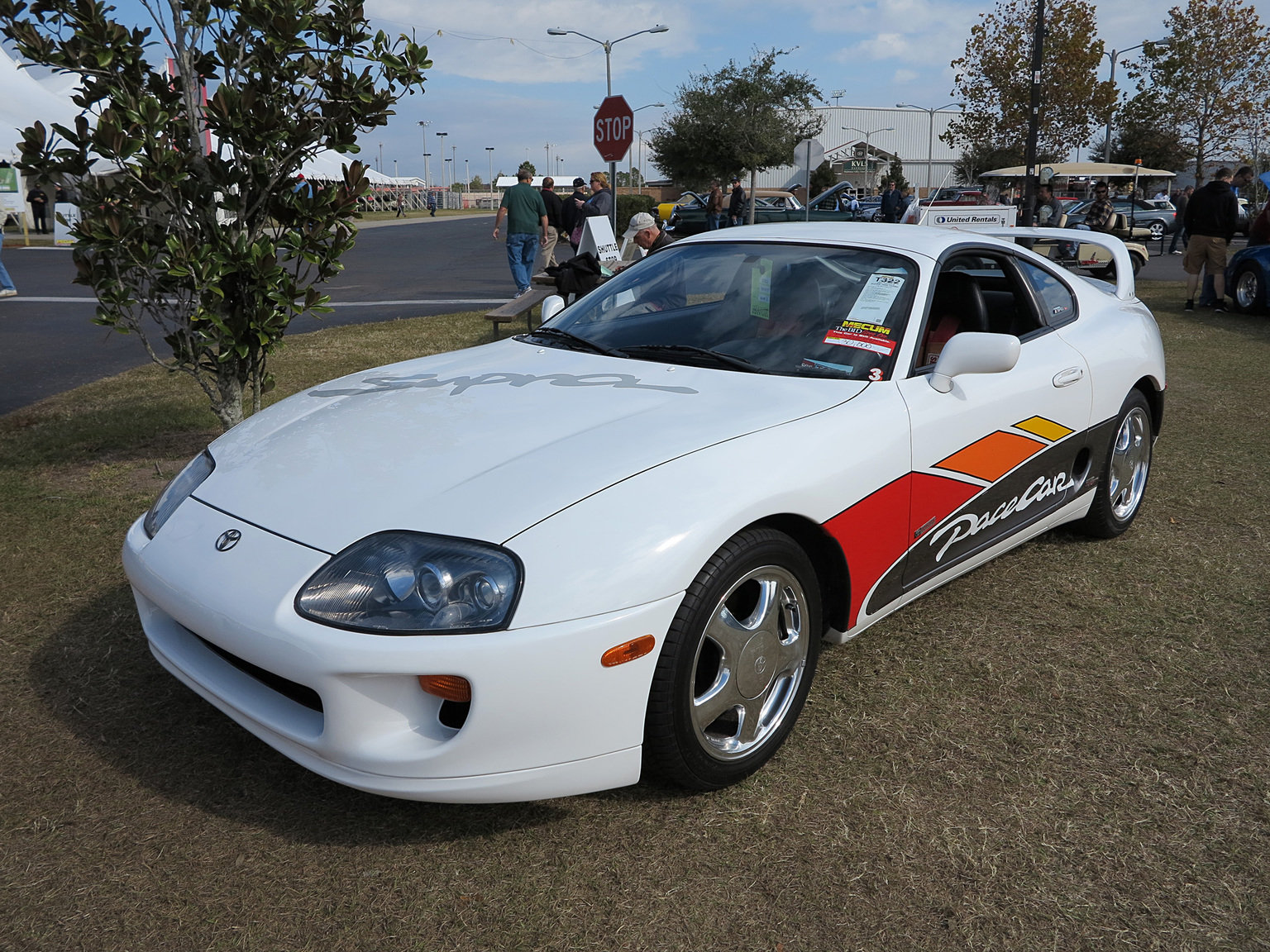
75. Toyota Supra (A80)
1993–2002 · 3.0 twin-turbo straight-six · 320 hp
The fourth Supra had a twin-turbo straight-six so strong that tuners doubled its power as a matter of routine. It is the hero of a generation raised on video games. Third on our Toyota list.
Verdict Overbuilt, and loved for it.
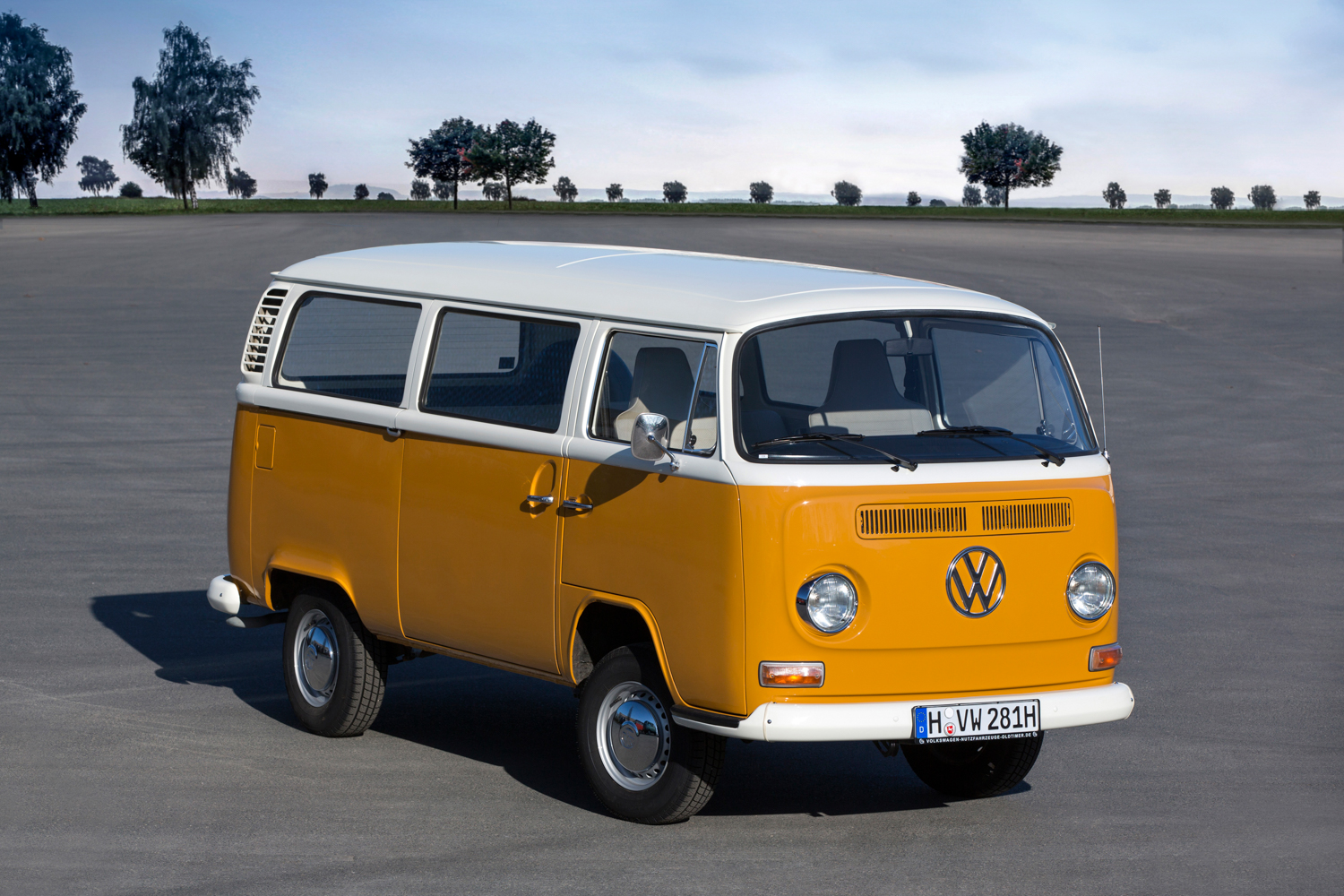
74. Volkswagen Type 2
1950- · Rear air-cooled flat-four
A Dutch importer sketched a box on a Beetle chassis with the driver at the front. The result was the first modern van, and later the vehicle of a generation that wanted to go somewhere else.
Verdict A van that became a way of life.
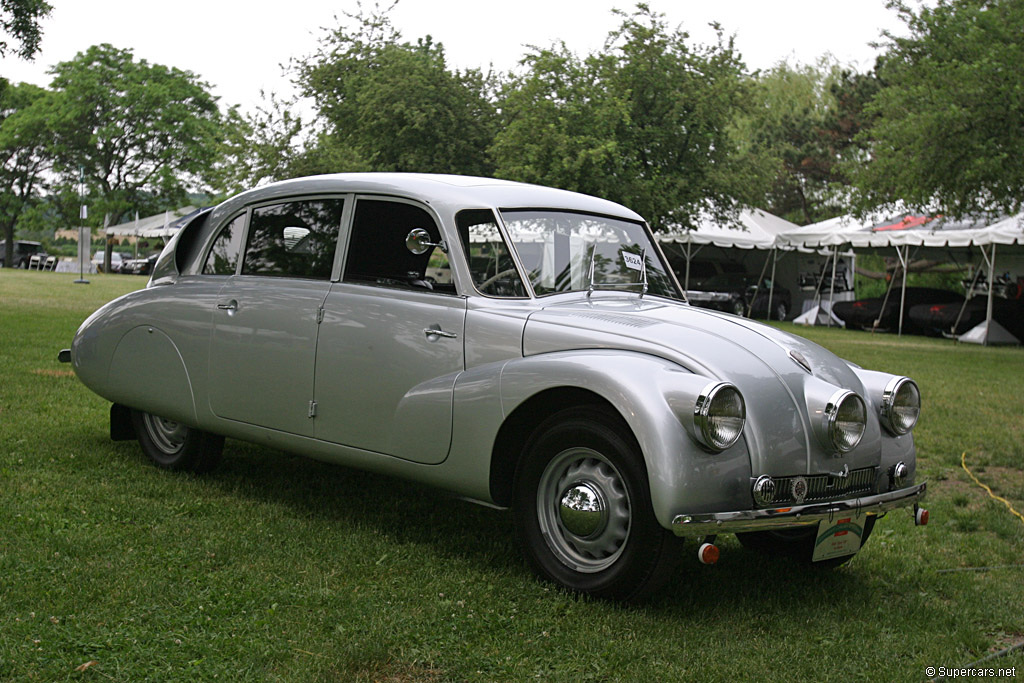
73. Tatra T87
1936-1950 · Rear air-cooled 2.9-litre V8 · 85 hp · 3,056
A streamlined saloon from Czechoslovakia with an air-cooled V8 at the back and a fin down the tail. It could do nearly 100 mph on 85 horsepower. Ferdinand Porsche knew its designer's work well.
Verdict The other source of the Beetle, and a better car.
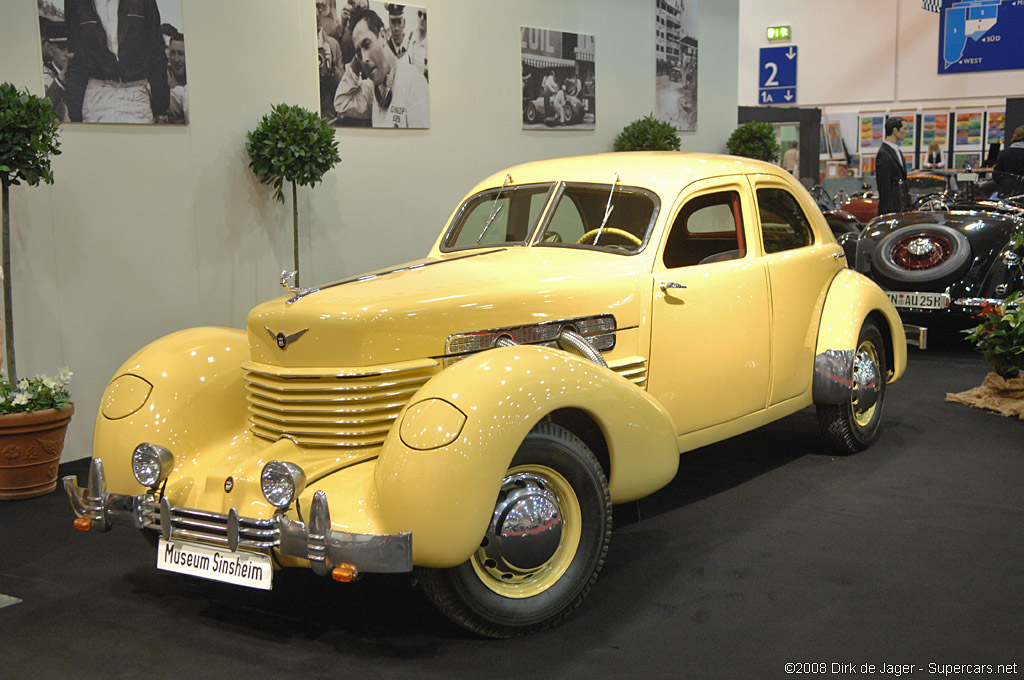
72. Cord 810 and 812
1936–37 · 4.7 V8, supercharged in the 812 · 125 to 170 hp · ~ 3,000
Front-wheel drive, hidden headlamps, no running boards and a body by Gordon Buehrig that the Museum of Modern Art later called a work of art. It arrived in 1936, undeveloped, and the company was gone within two years.
Verdict Ten years ahead, and unfinished.
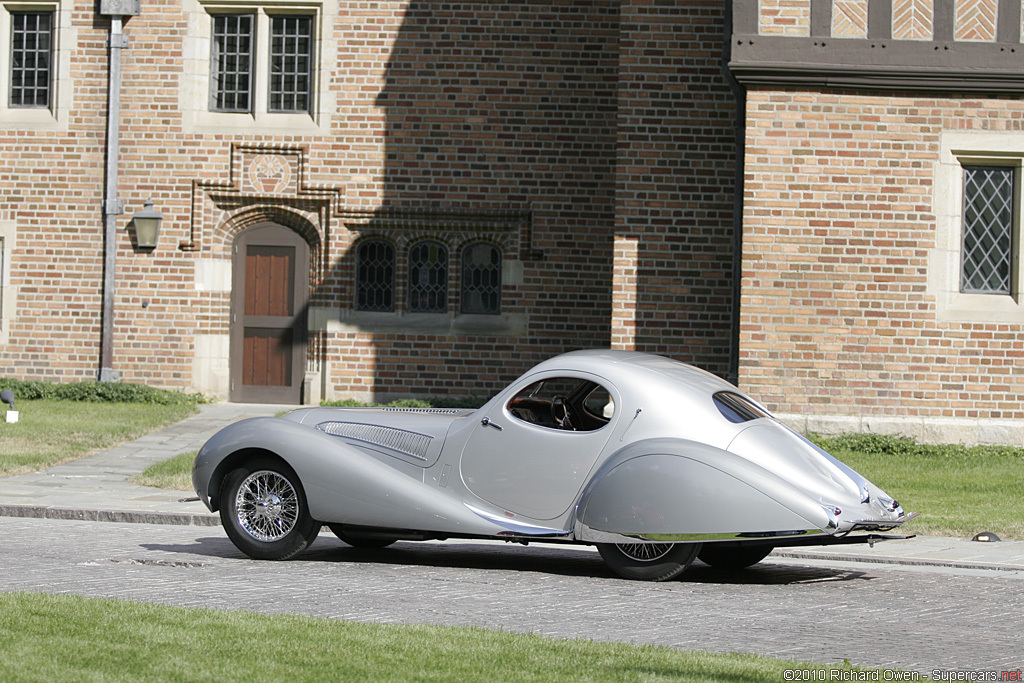
71. Talbot-Lago T150C SS "Teardrop"
1937–39 · 4.0 straight-six · 140 hp · ~ 16 with this body
Figoni et Falaschi's teardrop coupé on a racing chassis is the best-known work of French coachbuilding. First on our coachbuilt list, where looks are the test. Here they are a quarter of it.
Verdict Pure line, on a chassis that could back it up.
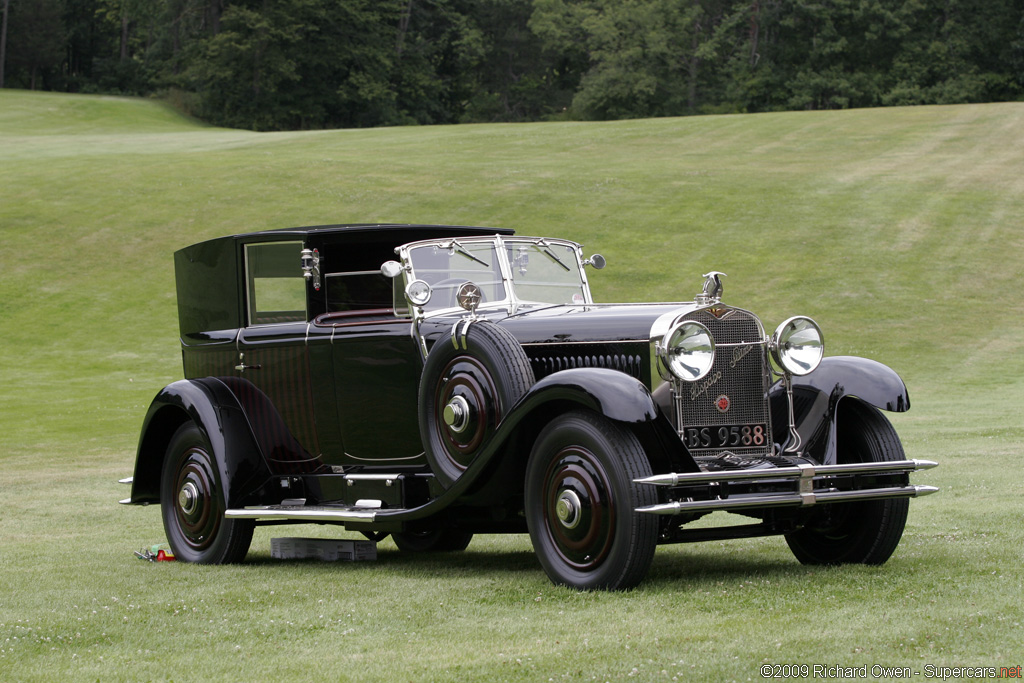
70. Hispano-Suiza H6
1919–33 · 6.6 straight-six, later 8.0 · 135 to about 200 hp · ~ 2,350
An aircraft maker's car of 1919, with an overhead-cam six in aluminium and the first servo-assisted brakes on all four wheels, which Rolls-Royce later licensed. Eighteenth on our prewar list.
Verdict The most advanced car in the world when it was new.
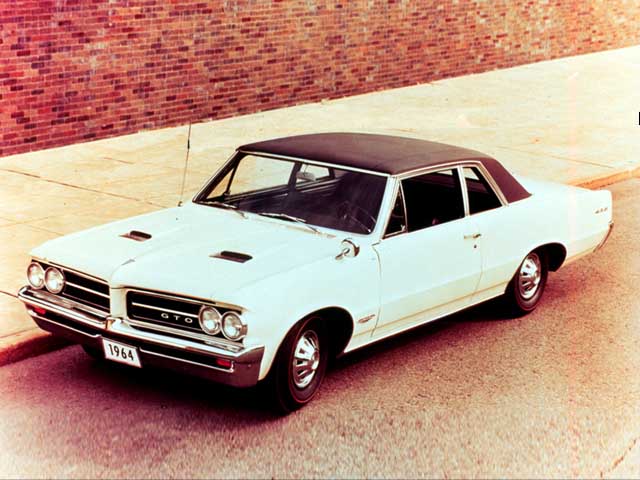
69. Pontiac GTO (1964)
1964 · 389 cu in V8 · 325 hp · 32,450 in the first year
John DeLorean's engineers slipped a 389 cubic inch V8 into a mid-sized Pontiac as an option, to get round a company rule. The forecast was 5,000 sales and the first year brought 32,450. The muscle car starts here.
Verdict The first muscle car, by way of a loophole.
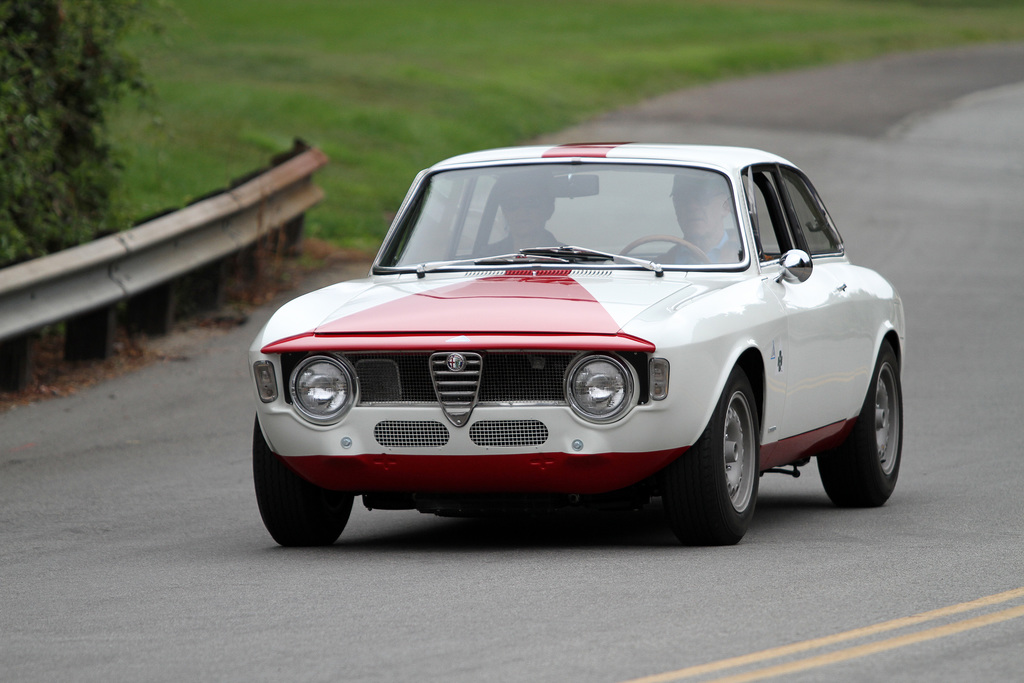
68. Alfa Romeo Giulia Sprint GTA
1965–69 · 1.6 twin-cam four, two plugs per cylinder · 115 hp · ~ 500
Alfa Romeo re-skinned its pretty coupé in aluminium, gave the engine twin ignition and won the European touring car title three times. Third on our Alfa Romeo list and fifteenth among driver's cars.
Verdict A small coupé that beat everything, and looked lovely doing it.
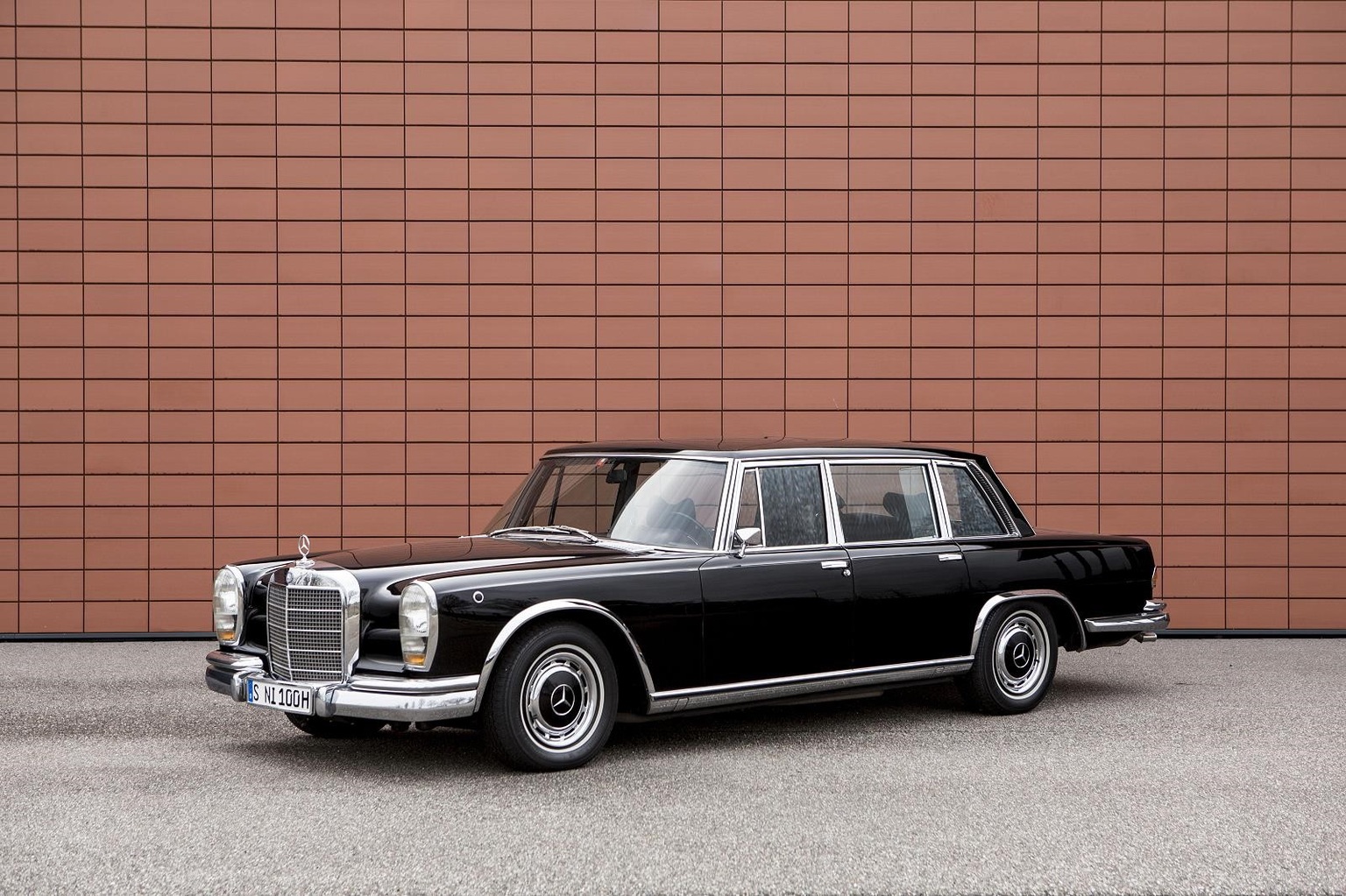
67. Mercedes-Benz 600
1963–81 · 6.3 V8 · 250 hp · 2,677
For nearly twenty years the car of presidents, popes and dictators, with hydraulics powering the windows, the seats and the boot lid in silence. Nothing has been engineered with so little regard to cost. Fifth on our Mercedes-Benz list.
Verdict The best-built saloon car in history.

66. Honda Integra Type R (DC2)
1995–2001 · 1.8 four · 187 to 197 hp
A hand-finished engine revving to nearly 9,000, a seam-welded shell and a limited-slip differential. Widely held to be the best front-wheel-drive car ever made. Second on our Honda list.
Verdict The best-handling front-drive car there has been.
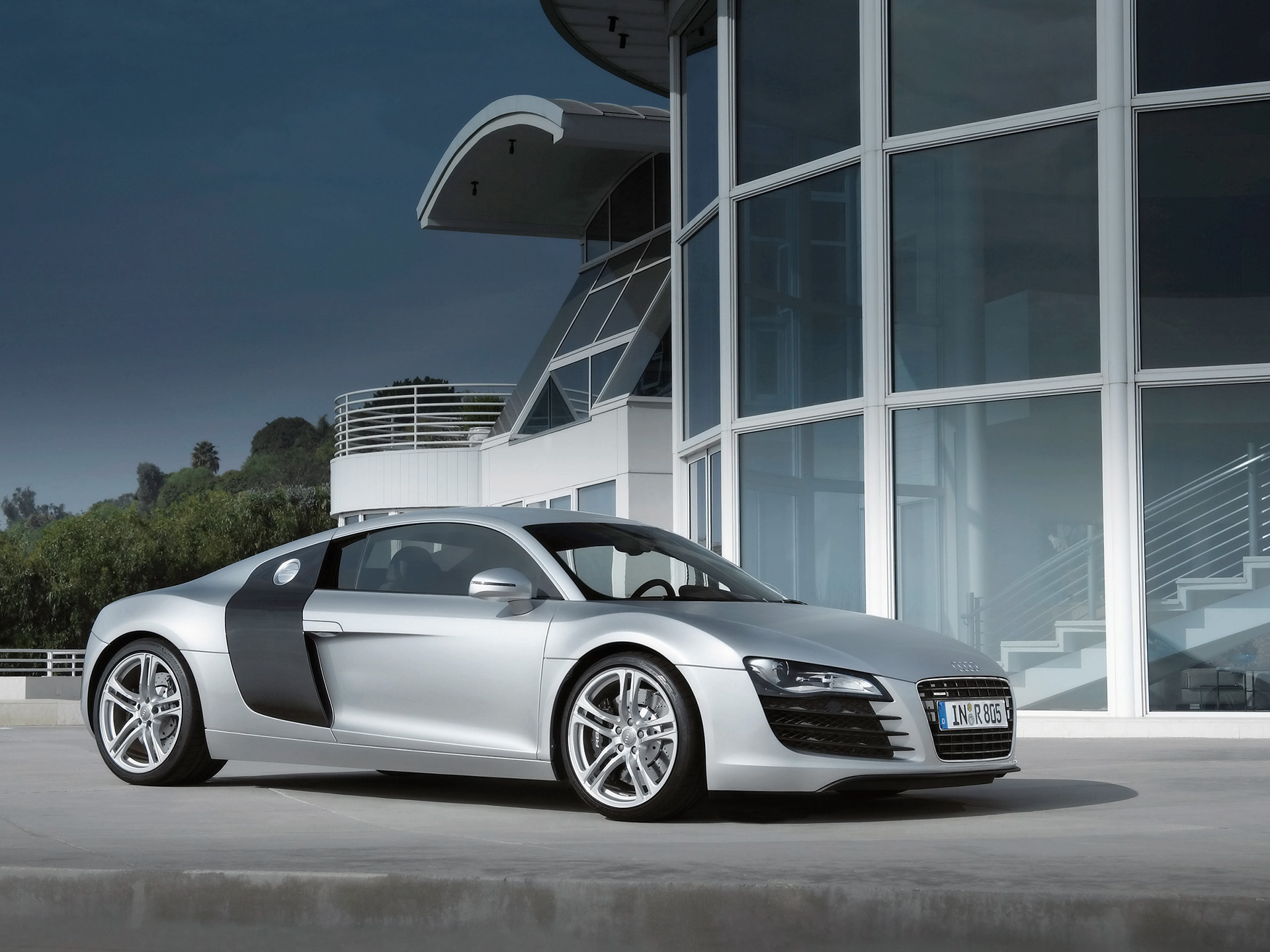
65. Audi R8 (2006)
2006–15 · 4.2 V8 or 5.2 V10 · 414 to 552 hp
A mid-engined Audi with an open-gate manual gearbox and a chassis good enough to worry Porsche. It showed that a supercar could be built to ordinary standards of quality. Second on our Audi list.
Verdict The supercar you could use every day, done properly.
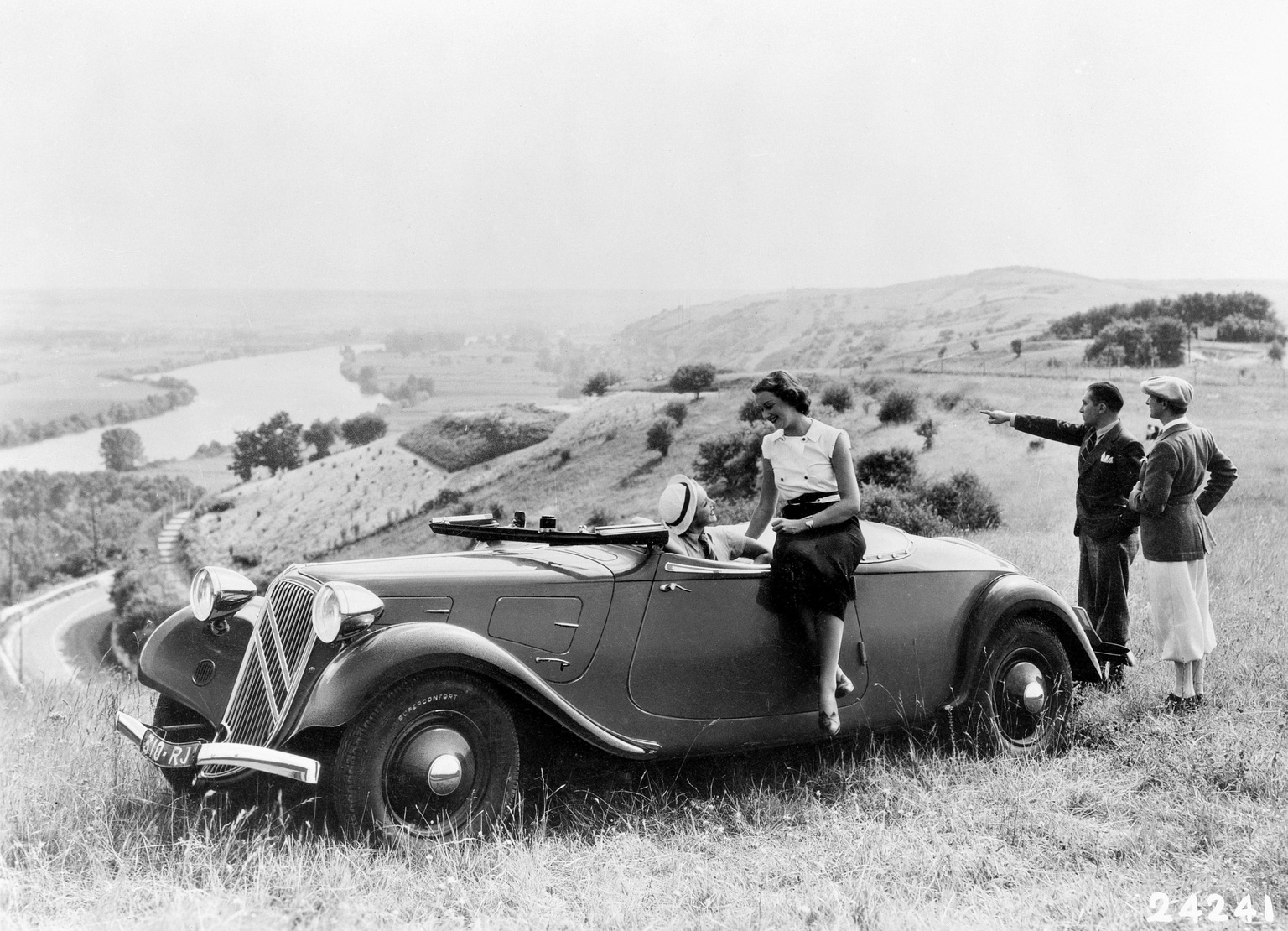
64. Citroën Traction Avant
1934–57 · 1.3 to 2.9 four and six · 32 to 77 hp · ~ 760,000
In 1934 Citroën put front-wheel drive, a unitary body and independent suspension into a mass-produced car. It bankrupted the company and was built for twenty-three years. Sixteenth on our prewar list.
Verdict The modern car, in 1934.
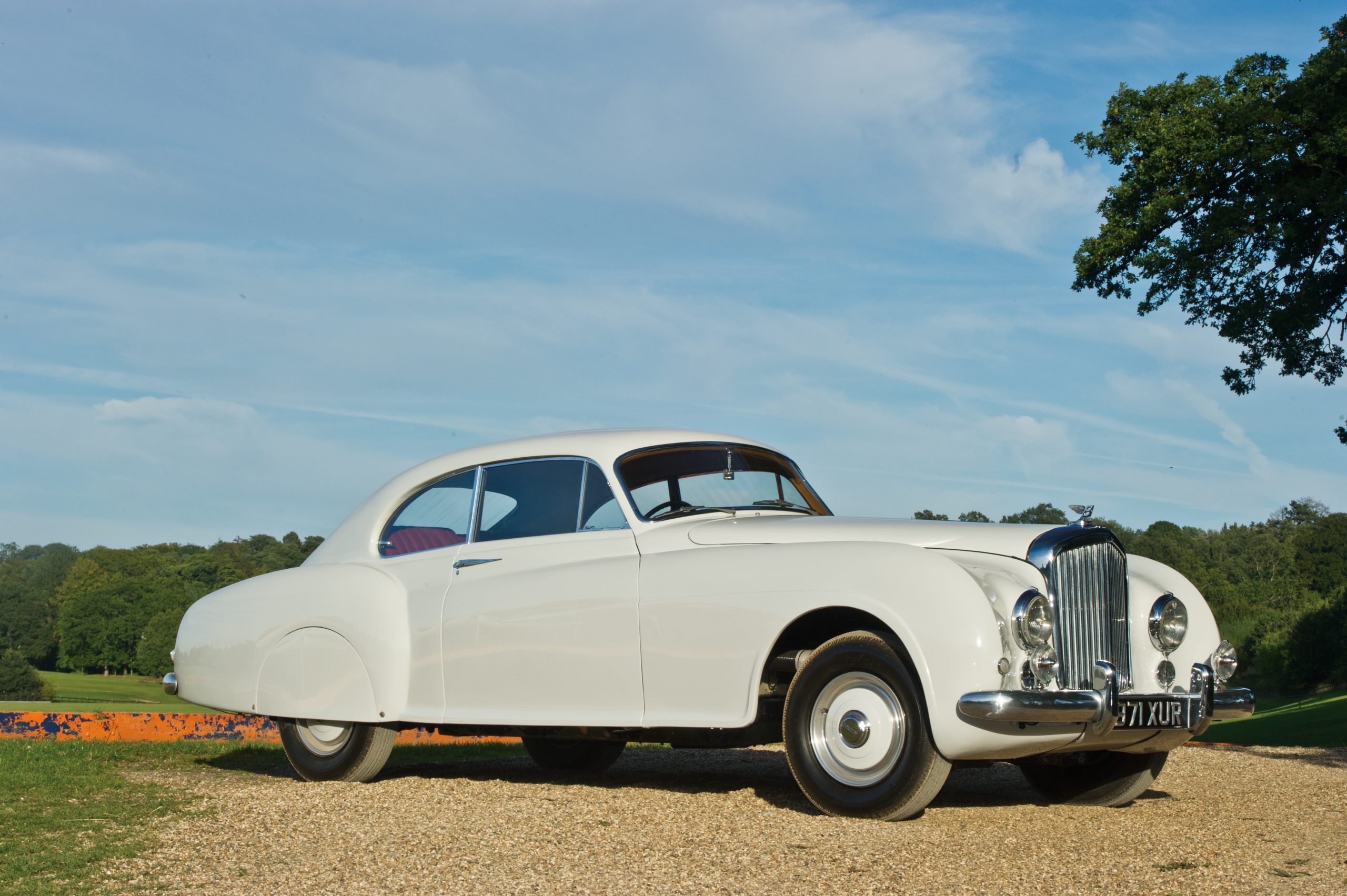
63. Bentley R-type Continental
1952–55 · 4.6 straight-six, later 4.9 · About 153 hp · 208
In 1952 it was the fastest four-seat car in the world and the most expensive. H. J. Mulliner's fastback body, shaped in a wind tunnel, has been the model for every Bentley coupé since.
Verdict The grandest of grand tourers.

62. Ferrari 250 GT SWB
1959–62 · 3.0 V12 · 240 to 280 hp · ~ 165
A car you could drive to a race, win and drive home in, and one of the most beautiful Ferraris. It is eleventh on our Ferrari list, which is why it is this low here. On many lists it would be in the top twenty.
Verdict The complete dual-purpose GT.
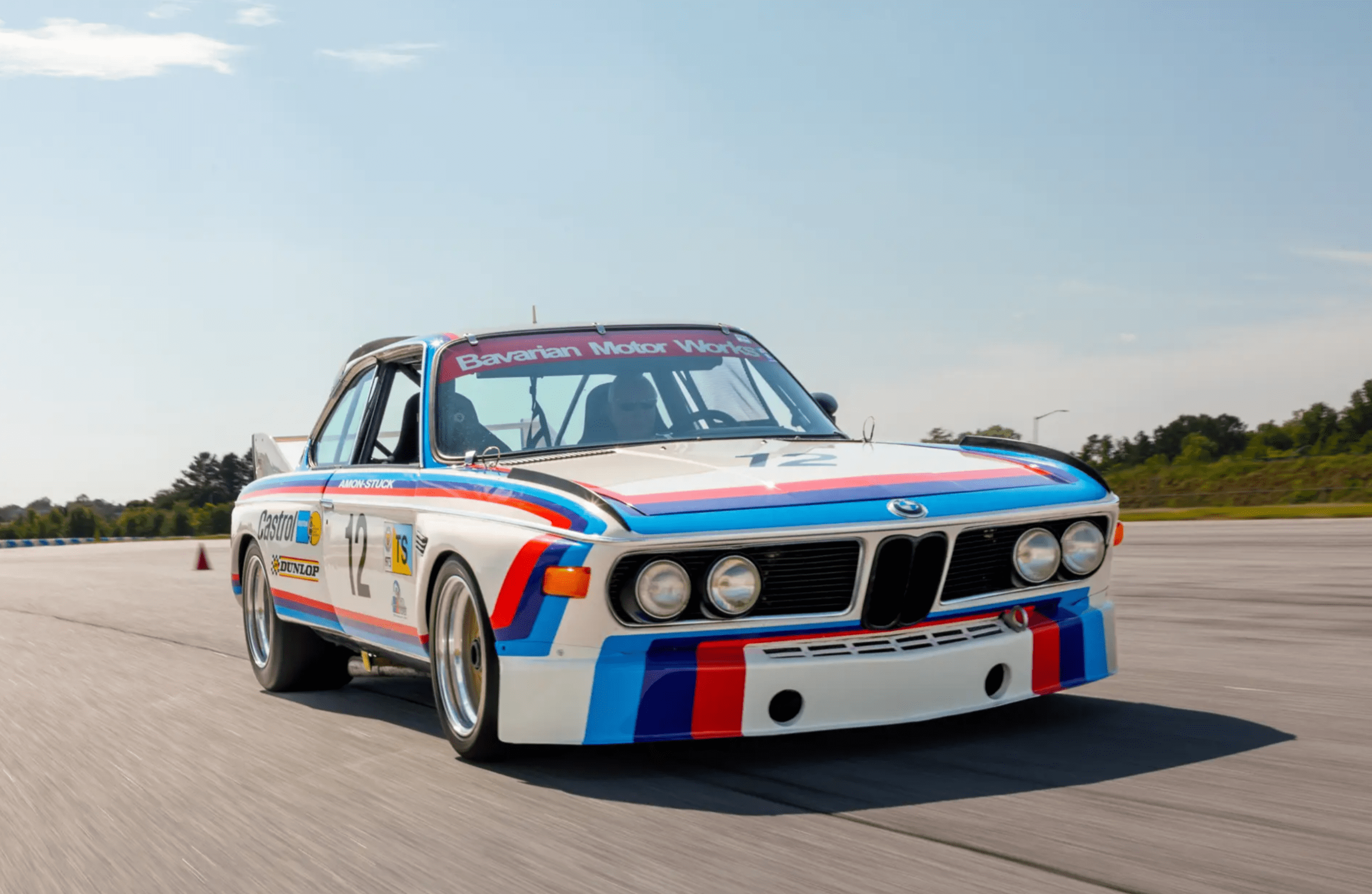
61. BMW 3.0 CSL
1971–75 · 3.0 and 3.2 straight-six · 200 to 206 hp · ~ 1,265
A lightened coupé built to win the European touring car title, which it did repeatedly, wearing wings so large they were supplied in the boot. It was the first car developed by what became BMW M. Fourth on our BMW list.
Verdict The Batmobile, and the start of M.
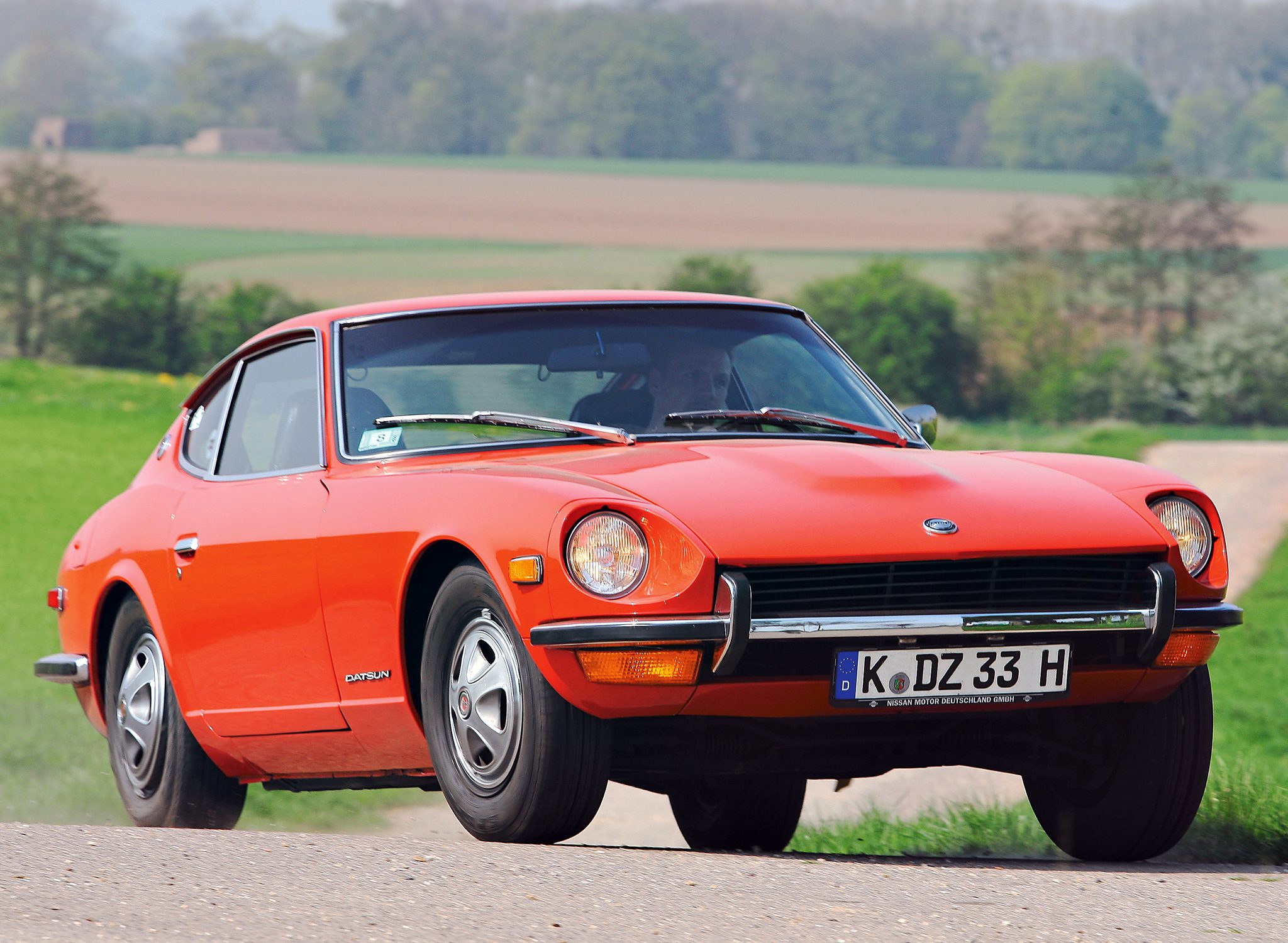
60. Datsun 240Z
1969–73 · 2.4 straight-six · 151 hp · ~ 168,600
A six-cylinder coupé with independent suspension that looked like a Jaguar and cost about the same as an MGB. It sold in huge numbers in America and ended the British sports car industry's export business.
Verdict The car that showed a sports car could be reliable.
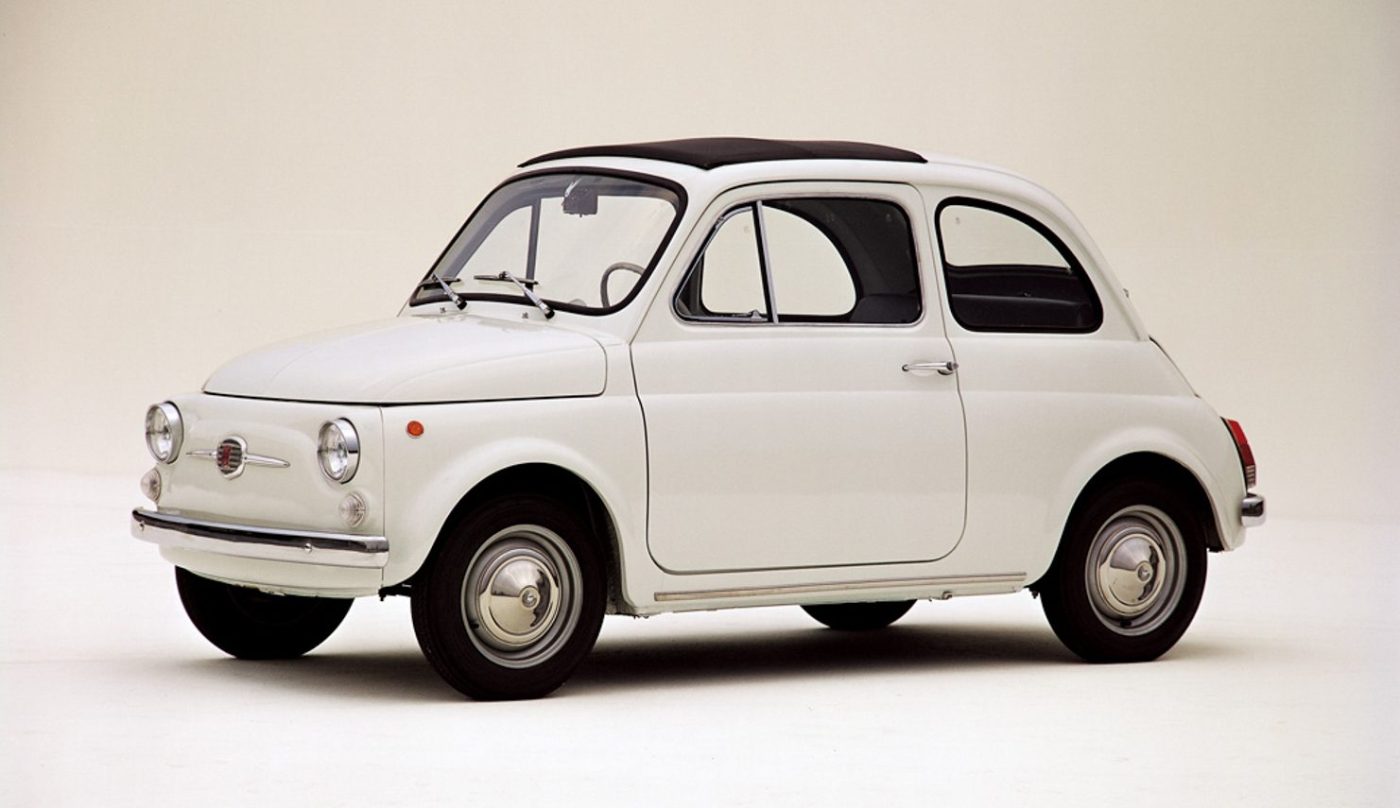
59. Fiat 500 (1957)
1957-1975 · 479 cc air-cooled twin, rear-mounted · 13 hp · About 3.89 million
Under three metres long, with a 479 cc twin at the back and room for four if they were friends. Dante Giacosa's little car put Italy on wheels, and nearly 3.9 million were made.
Verdict Italy's Mini, two years before the Mini.
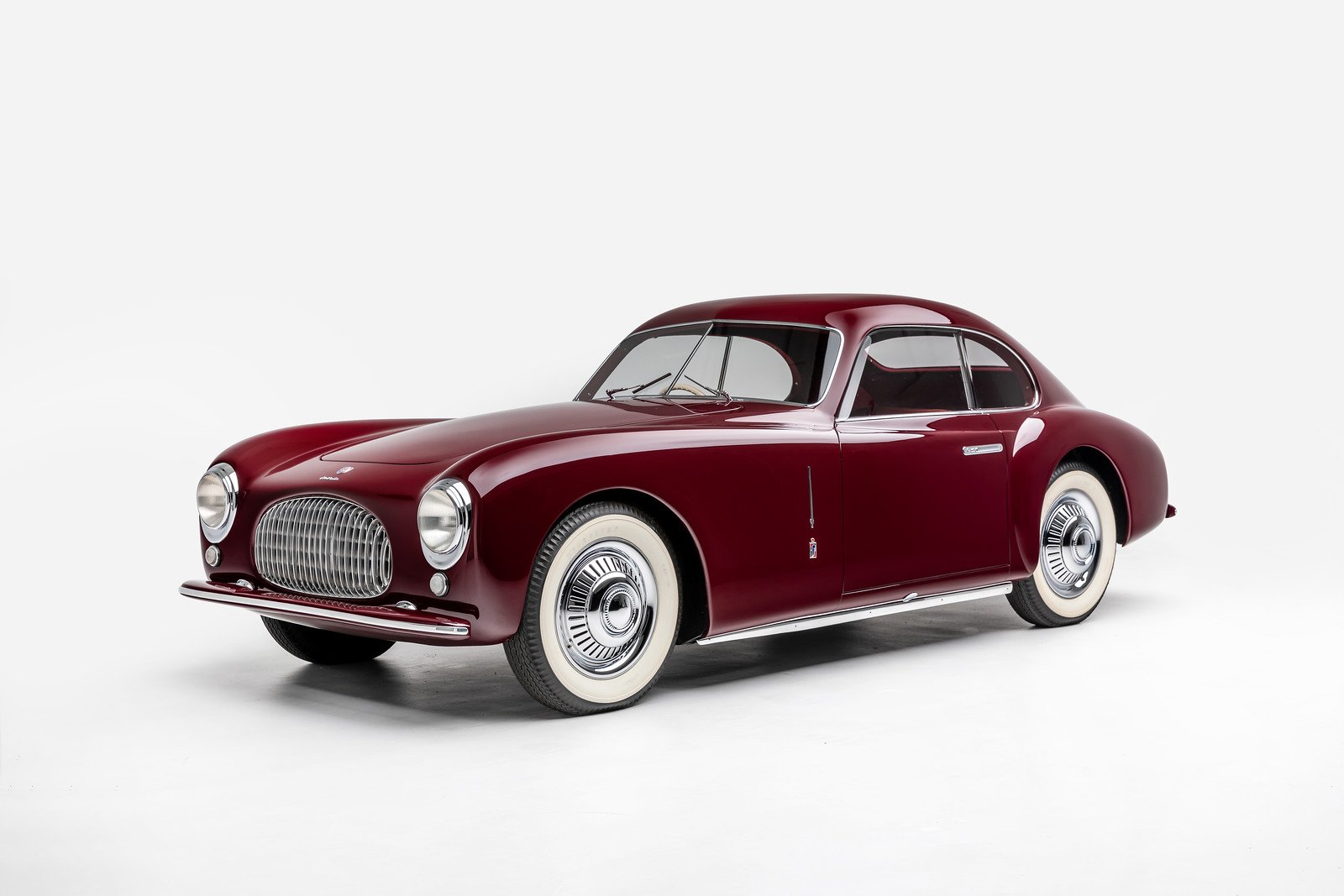
58. Cisitalia 202
1947–52 · 1.1 four · 55 hp · ~ 170
Pinin Farina's 1947 body for a small Fiat-based coupé set the pattern for every post-war sports car: one smooth form with the wings and bonnet merged. The Museum of Modern Art has had one since 1951. Third on our coachbuilt list.
Verdict The shape every sports car since has started from.
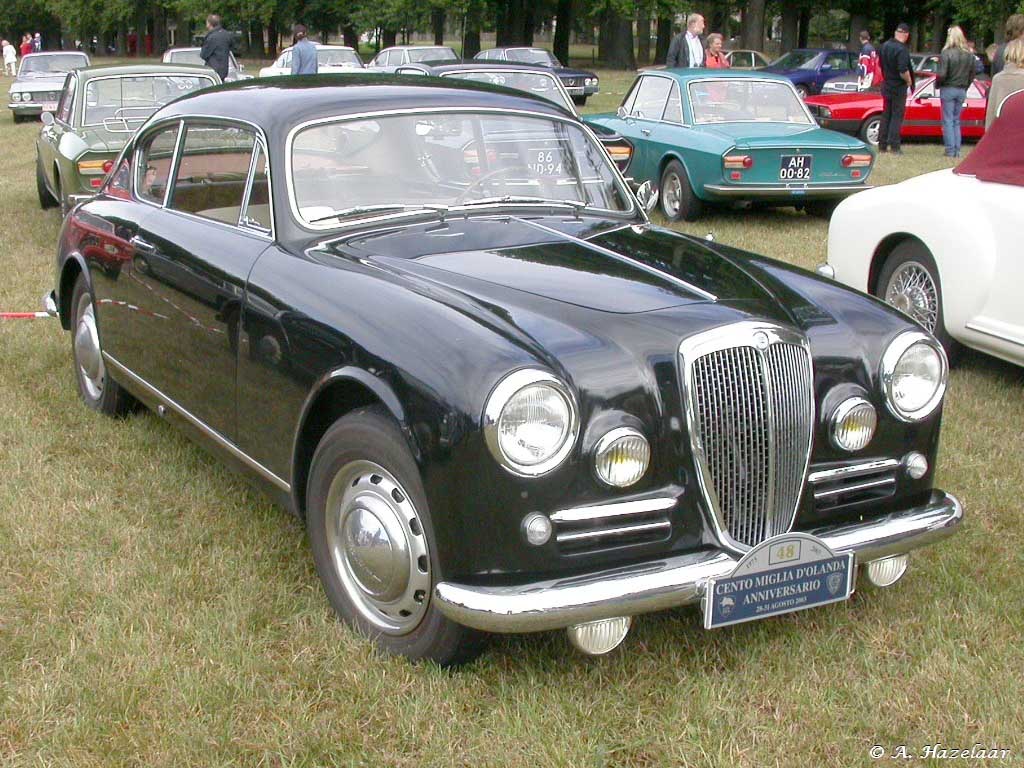
57. Lancia Aurelia B20 GT
1951–58 · 2.0 and 2.5 V6 · 75 to 118 hp · ~ 3,900
The first production car with a V6 engine, and arguably the first true gran turismo: a closed car fast and comfortable enough to cross a continent. Engineers still admire it.
Verdict The original GT.
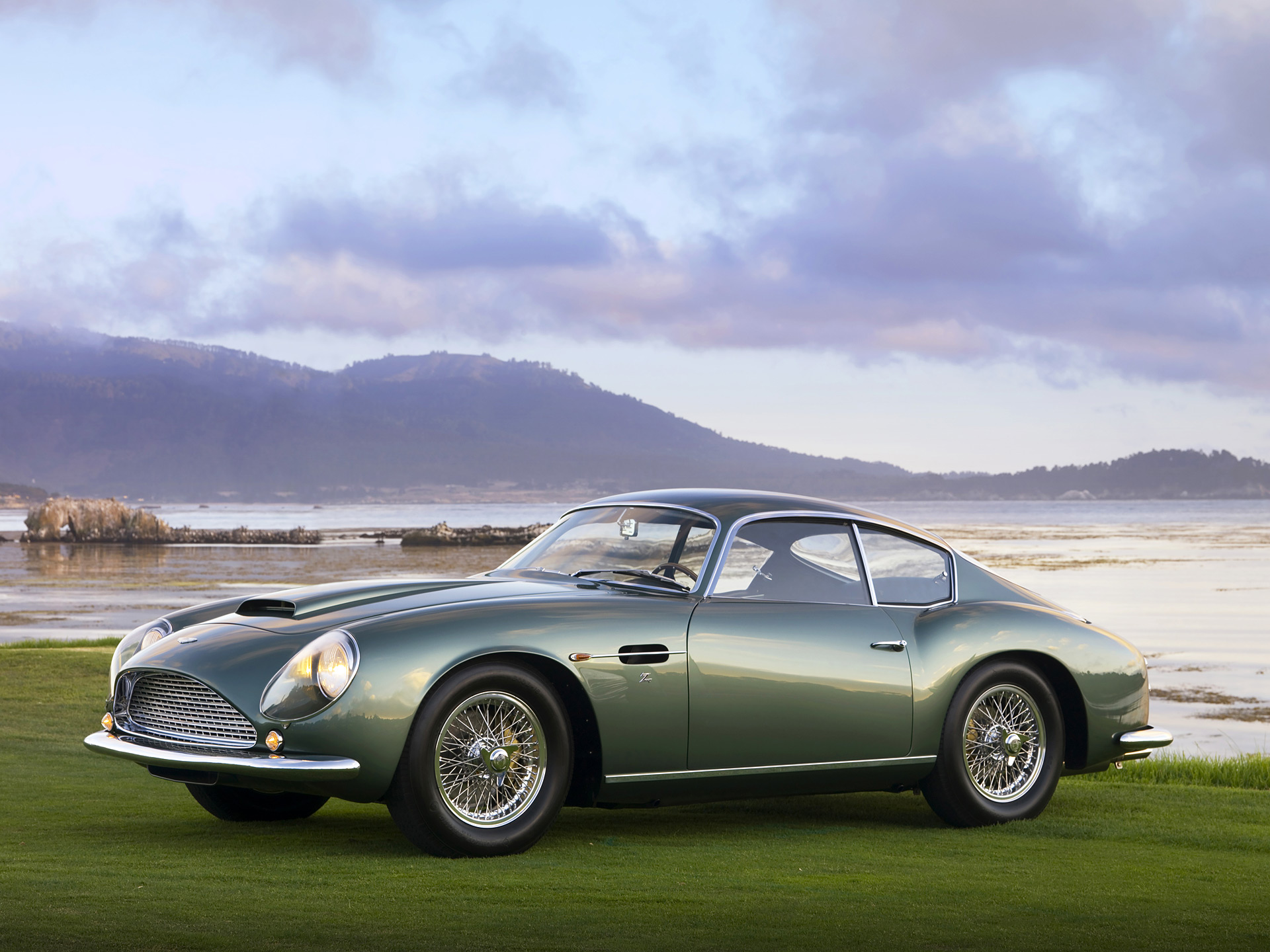
56. Aston Martin DB4 GT Zagato
1960–63 · 3.7 straight-six · 314 hp · 19
Nineteen were made, with a lightened body by Zagato over Aston's shortened racing GT chassis. Many think it the best-looking Aston Martin of all. Second on our Aston Martin list.
Verdict Britain's 250 GT SWB, and prettier.
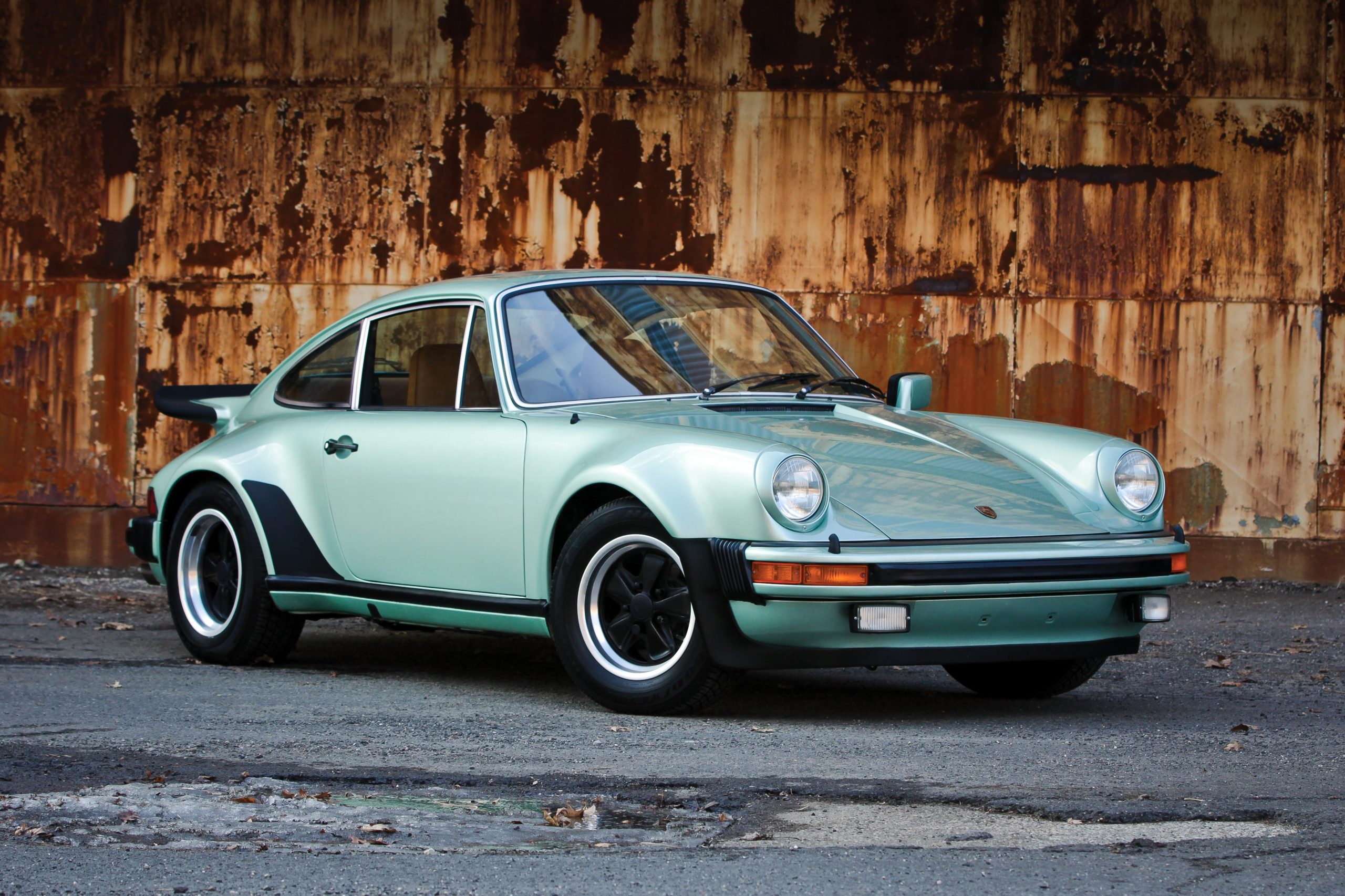
55. Porsche 911 Turbo (930)
1975–89 · 3.0 and 3.3 turbo flat-six · 260 to 300 hp
Porsche put a turbocharger on the 911 in 1975 and made the fastest-accelerating car on sale and one of the most demanding. It gave the supercar world a new word. Sixth on our Porsche list.
Verdict The car that made turbo a boast.
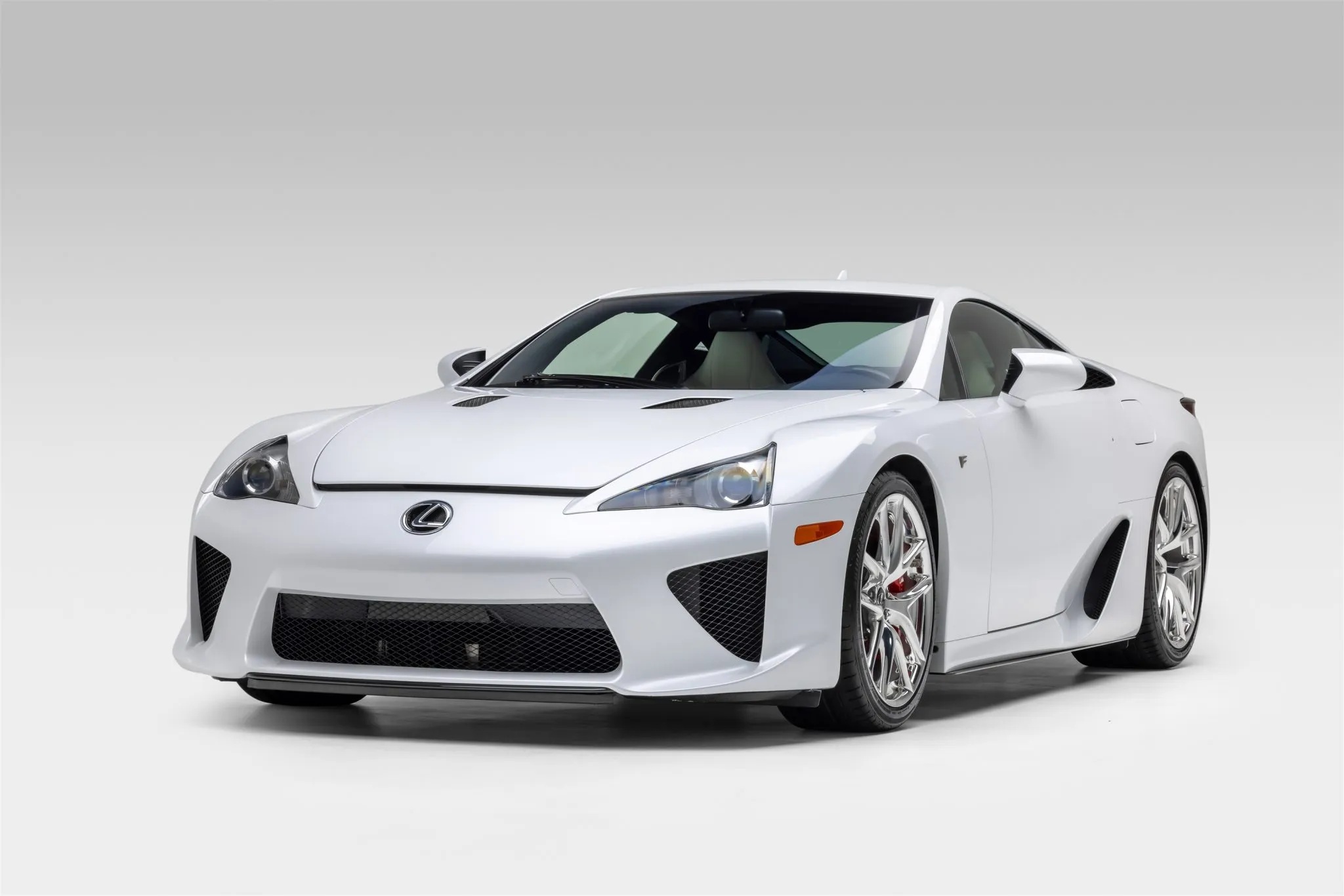
54. Lexus LFA
2010–12 · 4.8 V10 · 553 hp · 500
Ten years in the making, with a V10 that Yamaha tuned for sound as well as power. It sold slowly and lost money. It is now recognised as one of the great driver's cars. Second on our Toyota list.
Verdict Toyota proving a point, at any cost.
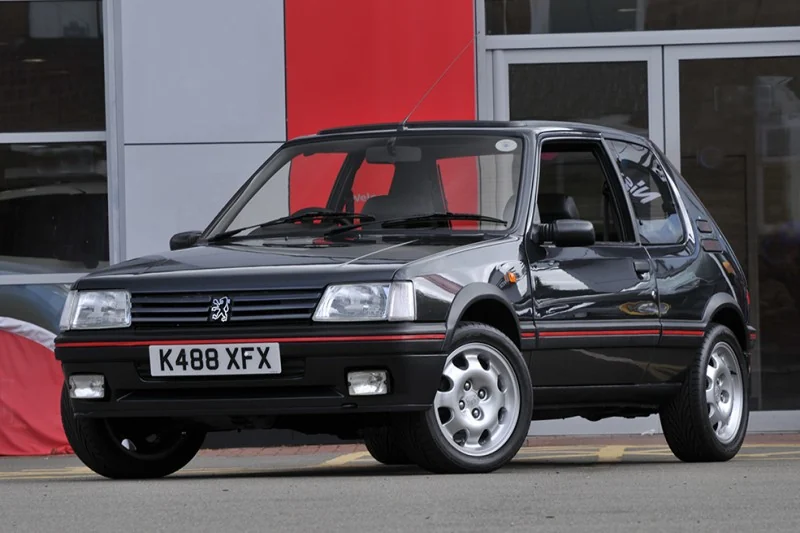
53. Peugeot 205 GTI
1984–94 · 1.6 and 1.9 four · 105 to 128 hp
The Golf invented the hot hatchback and the 205 perfected it. Light, quick and adjustable on the throttle to a degree that frightened the careless. Sixteenth among our driver's cars.
Verdict The best hot hatchback, by general agreement.
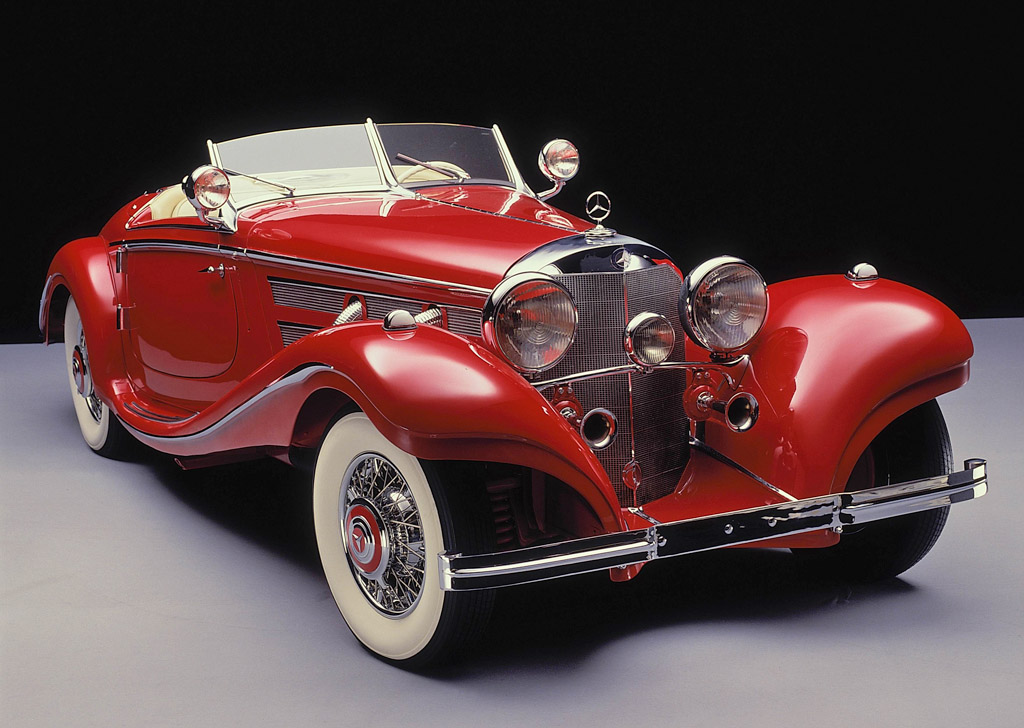
52. Mercedes-Benz 540K Special Roadster
1936–40 · 5.4 supercharged straight-eight · 115 hp, 180 with the supercharger · ~ 25
The grandest open car of the 1930s: supercharged, enormous and built to a standard nobody else attempted. Second on our Mercedes-Benz list and a Pebble Beach winner.
Verdict Pre-war glamour at its most complete.

51. Ferrari 365 GTB/4 Daytona
1968–73 · 4.4 V12 · 352 hp · ~ 1,400
Ferrari's answer to the Miura was to keep the engine in the front and make the car faster. For a few years it was the fastest road car in the world. Ninth on our Ferrari list.
Verdict The last great front-engined Ferrari of the old school.
50 to 21
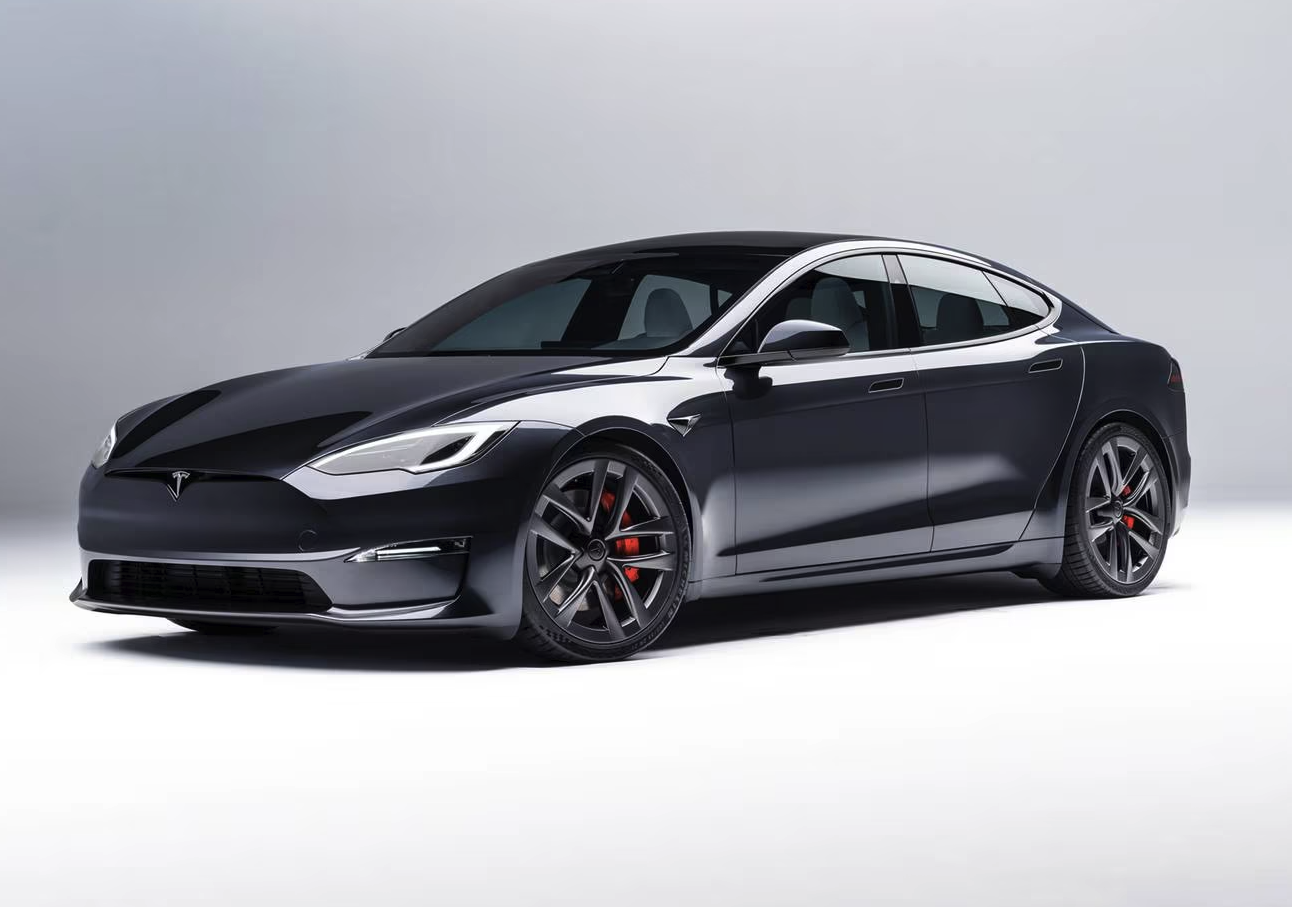
50. Tesla Model S
2012- · Electric
The first electric car that people bought because it was the better car. It went more than 260 miles on a charge, improved itself by software update and was Motor Trend's Car of the Year for 2013. It is fiftieth because its influence is still being counted. It may belong far higher.
Verdict The car that made the rest of the industry change its plans.
Did you know: It was Motor Trend's Car of the Year for 2013.
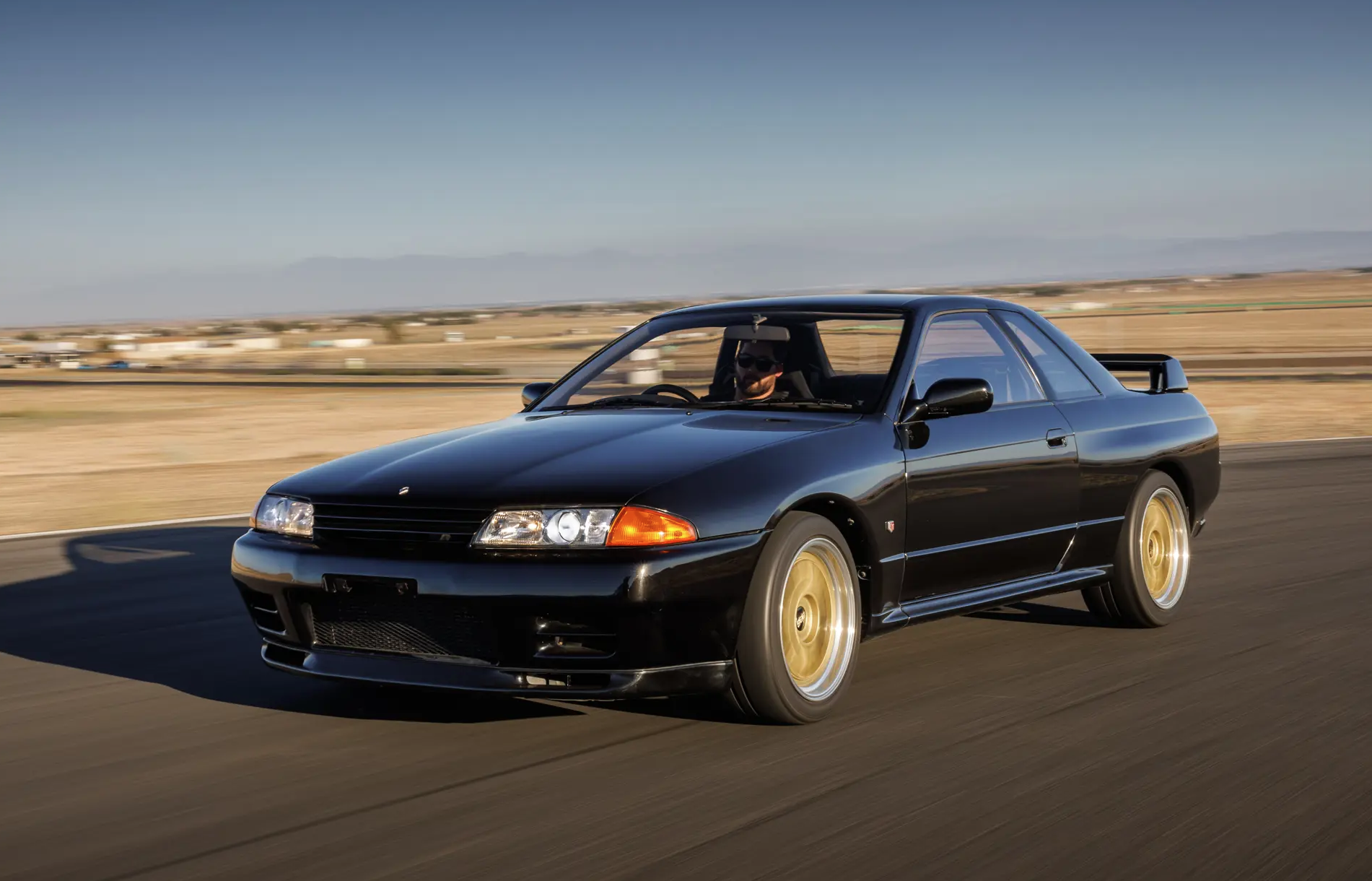
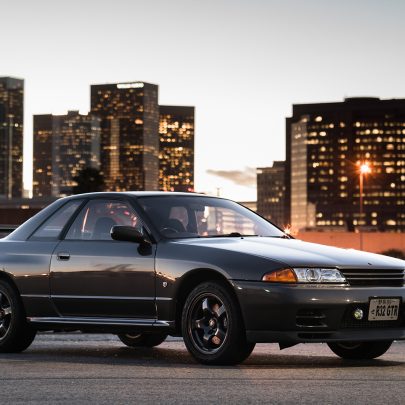
49. Nissan Skyline GT-R (R32)
1989–94 · 2.6 twin-turbo straight-six · 276 hp · ~ 44,000
Built to win Group A touring car races, with a twin-turbo straight-six and computer-controlled four-wheel drive. It won every race of the Japanese championship for four years. The Australians called it Godzilla, and the name stuck.
Verdict The car that made the world take Japanese performance seriously.
Did you know: It won all 29 rounds of the Japanese Touring Car Championship from 1990 to 1993.
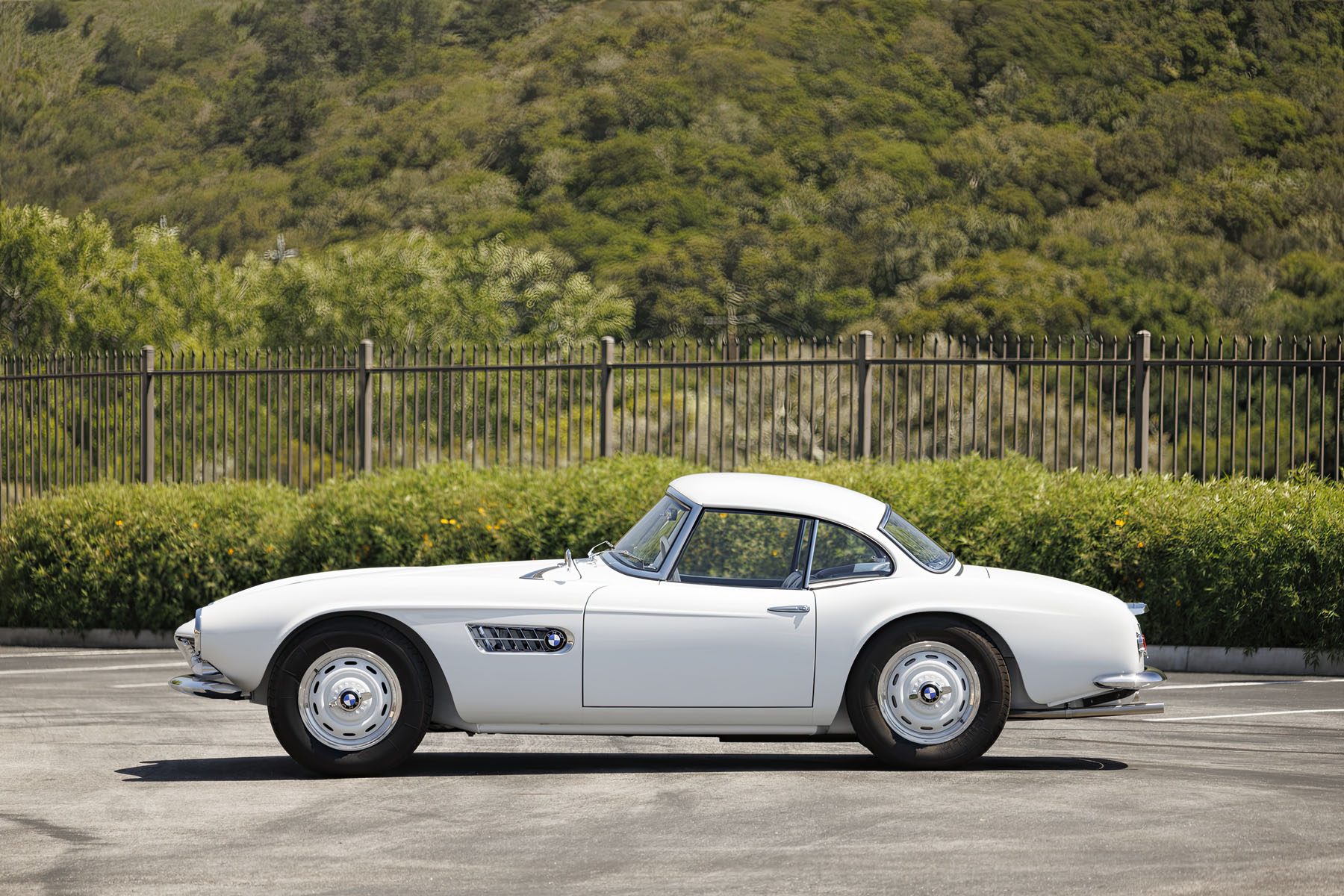
48. BMW 507
1956–59 · 3.2 V8 · 150 hp · 252
It nearly bankrupted BMW, and it is on our list of glorious failures for that reason. It is also one of the best-looking cars of the 1950s, and 252 were made. It is here on beauty and on what it did for the name. It is third on our BMW list.
Verdict A commercial disaster and a lasting triumph.
Did you know: Elvis Presley bought one while serving with the US Army in Germany.
47. Lotus and Caterham Seven
From 1957 · Four-cylinder, many types · From 40 hp to more than 300
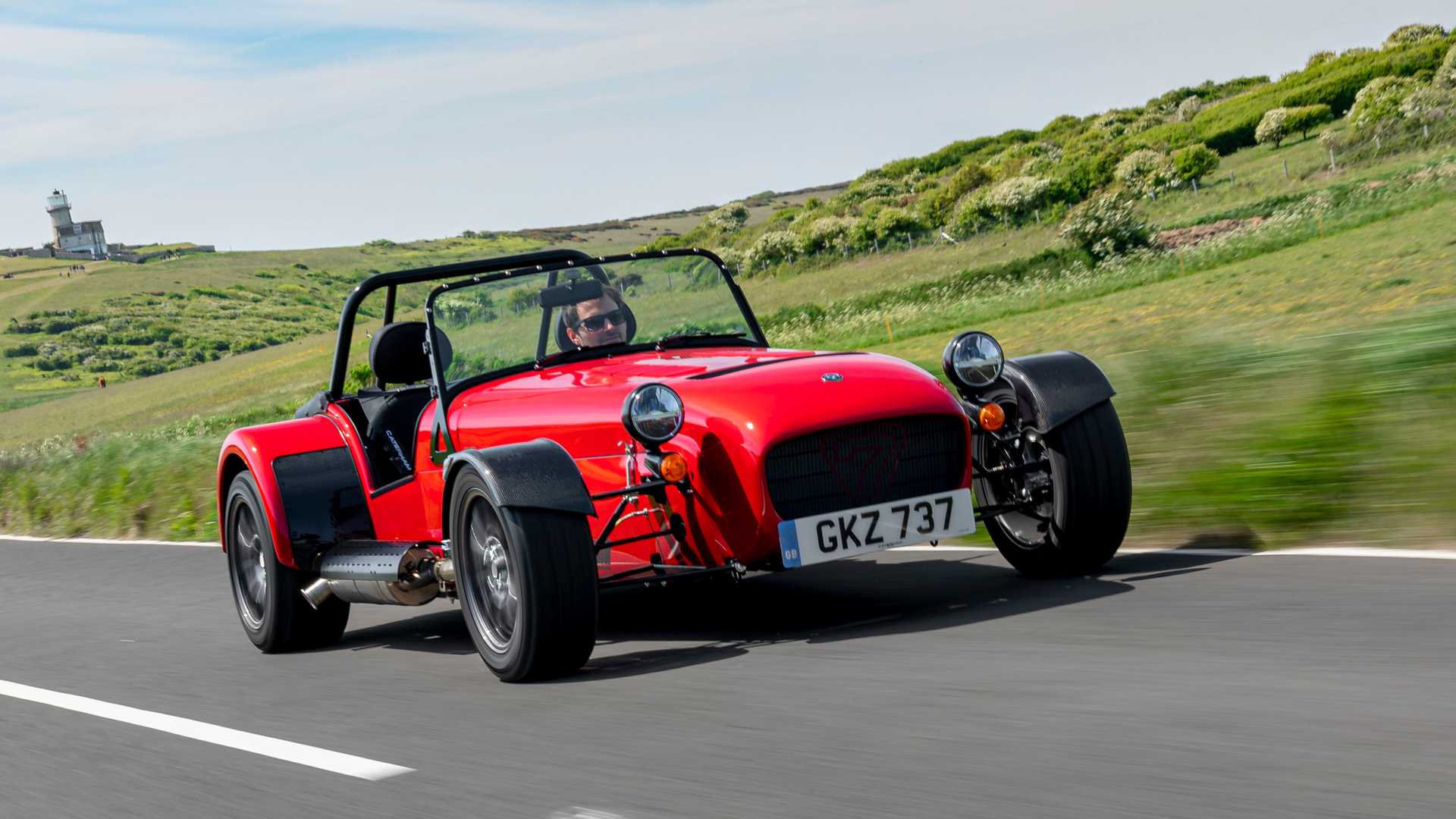
Chapman's simplest car: a frame, four wheels, an engine and very little else. It has been in production, as a Lotus and then as a Caterham, since 1957, which makes it the longest-lived sports car design there is. It is third on our Lotus list.
Verdict Nothing has been added in nearly seventy years because nothing needed to be.
Did you know: Lotus sold the rights to its dealer Caterham Cars in 1973. Caterham has built the Seven ever since.
46. Alfa Romeo 33 Stradale
1967–69 · 2.0 V8 · 230 hp · 18
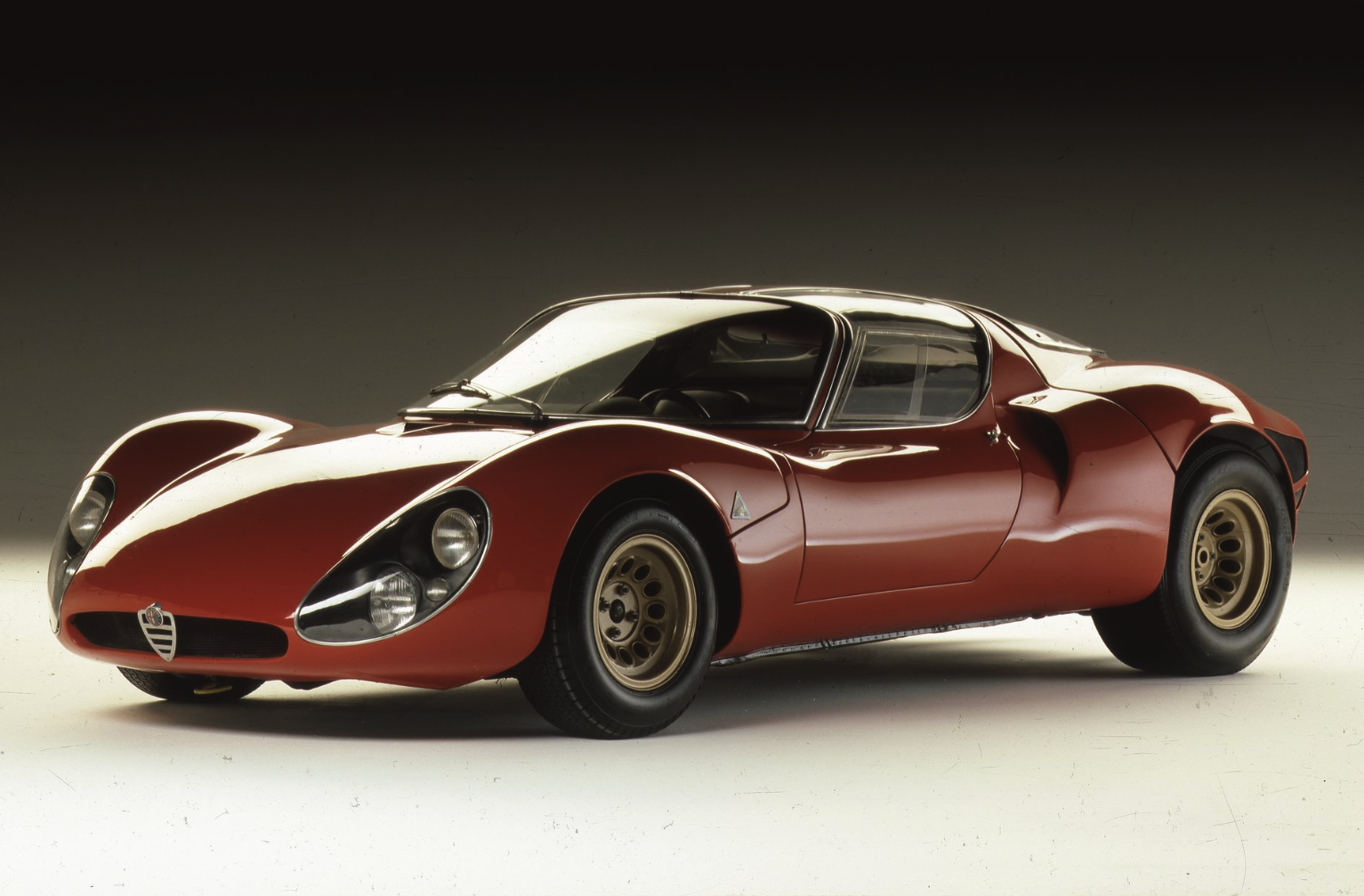
A racing car made barely legal for the road, with a two-litre V8 that revs to 10,000 and a body by Franco Scaglione that many people consider the most beautiful ever put on a car. Eighteen were made. It is second on our Alfa Romeo list.
Verdict If the list were on looks alone, it would be in the top three.
Did you know: It stands under a metre high, and its doors open upwards and take part of the roof with them.
45. Jaguar XK120
1948–54 · 3.4 straight-six · 160 hp · ~ 12,055
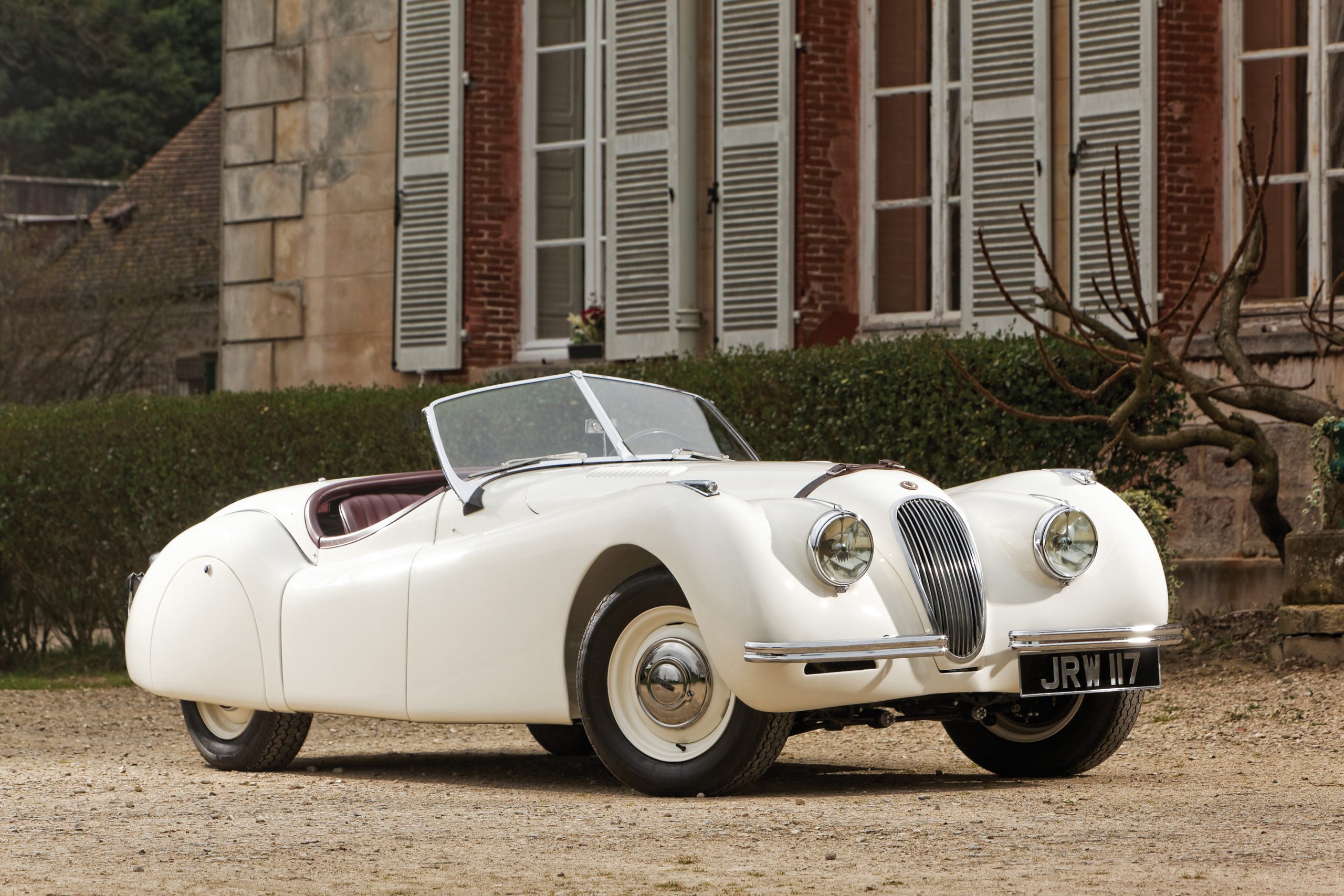
Jaguar built a show car in 1948 to display its new twin-cam engine and was overwhelmed with orders. The XK120 was the fastest production car in the world and one of the most beautiful, at a price that made rivals look foolish. It is second on our Jaguar list.
Verdict The E-type's trick, performed thirteen years earlier.
Did you know: It was built to show off a new engine at the 1948 London Motor Show. Jaguar had not planned to make more than a couple of hundred.
44. Bugatti Veyron
2005-2015 · 8.0-litre W16, four turbochargers · 1,001 PS · 450
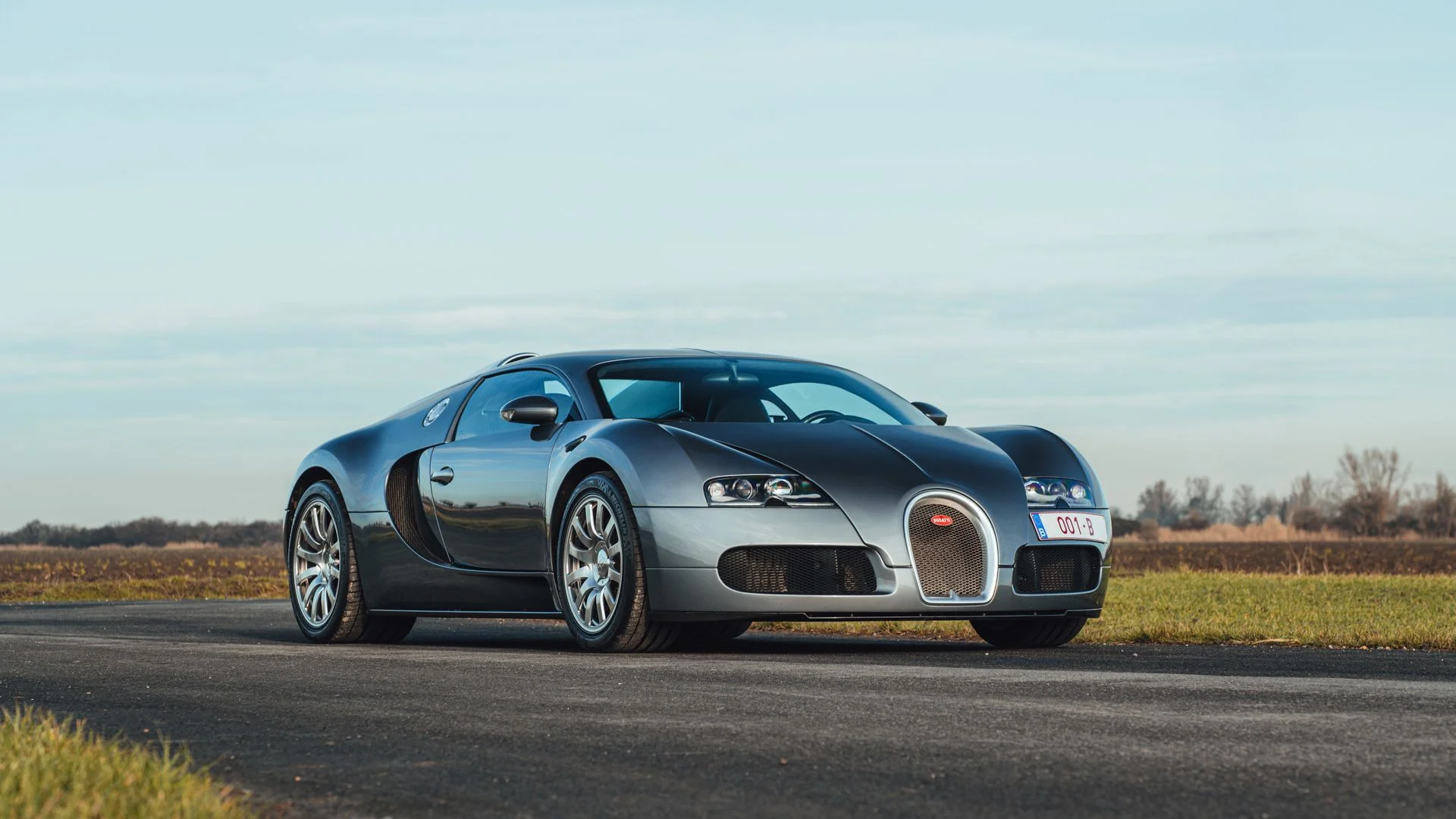
Sixteen cylinders, four turbochargers, 1,001 horsepower and a top speed of 408 km/h, in a car that could be driven to the shops. The Volkswagen group built 450 and lost money on each. As a piece of engineering to a brief, nothing has matched it.
Verdict An engineering dare, accepted and carried out.
Did you know: It averaged 408.47 km/h in 2005.
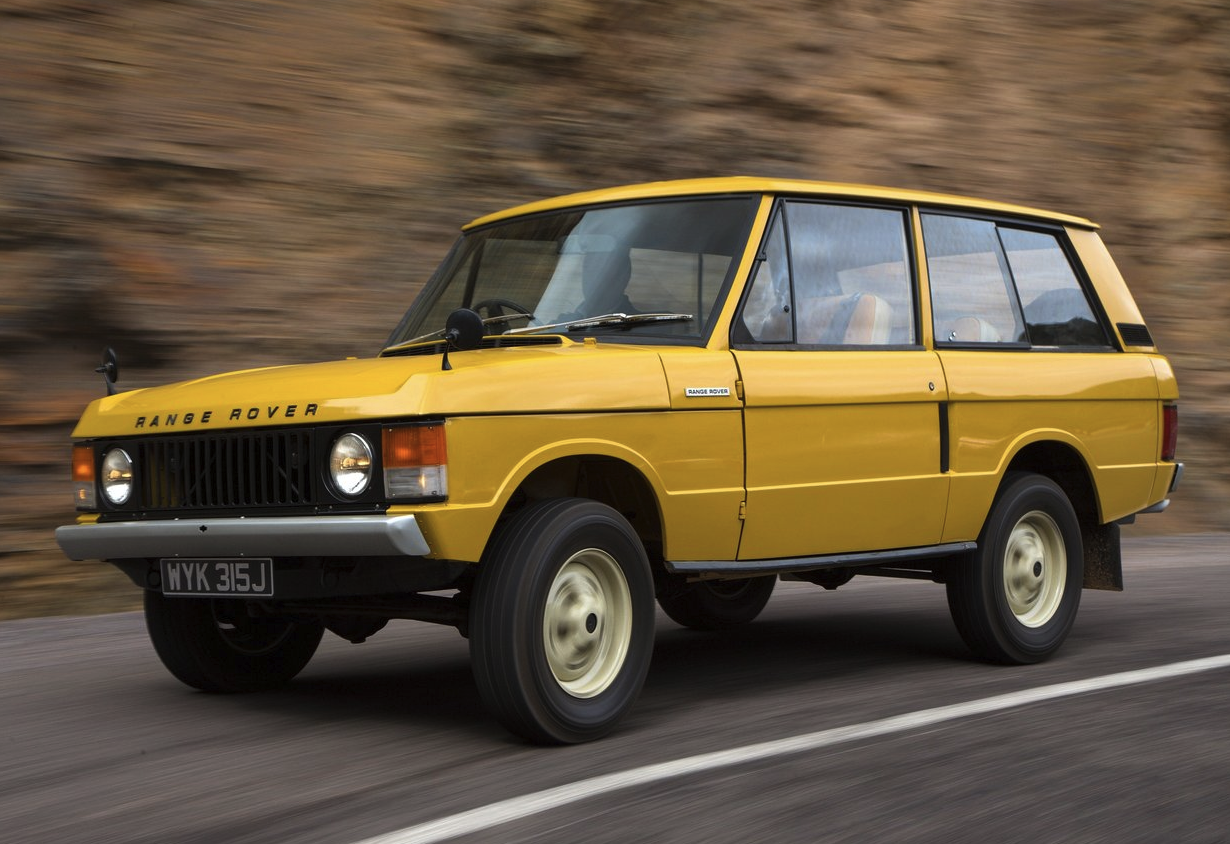
43. Land Rover Range Rover (1970)
1970-1996 · 3.5-litre V8 · 326,070
Spen King's idea was a Land Rover you could drive to the opera. It had a V8, permanent four-wheel drive and long-travel coil springs, and it was as comfortable on the road as it was able off it. Every luxury off-roader on sale today is a descendant.
Verdict The first car that was equally at home in a field and outside a hotel.
Did you know: Its V8 began life as a Buick engine.

42. Ferrari 275 GTB/4
1966–68 · 3.3 V12, four cams · 300 hp · ~ 330
The last of the classic front-engined two-seat Ferraris before the Daytona grew larger: four camshafts, six carburettors, a gearbox at the back for balance and a body of perfect proportion. It is seventh on our Ferrari list.
Verdict The front-engined V12 Ferrari at its best.
Did you know: The first Ferrari road car with four overhead camshafts.
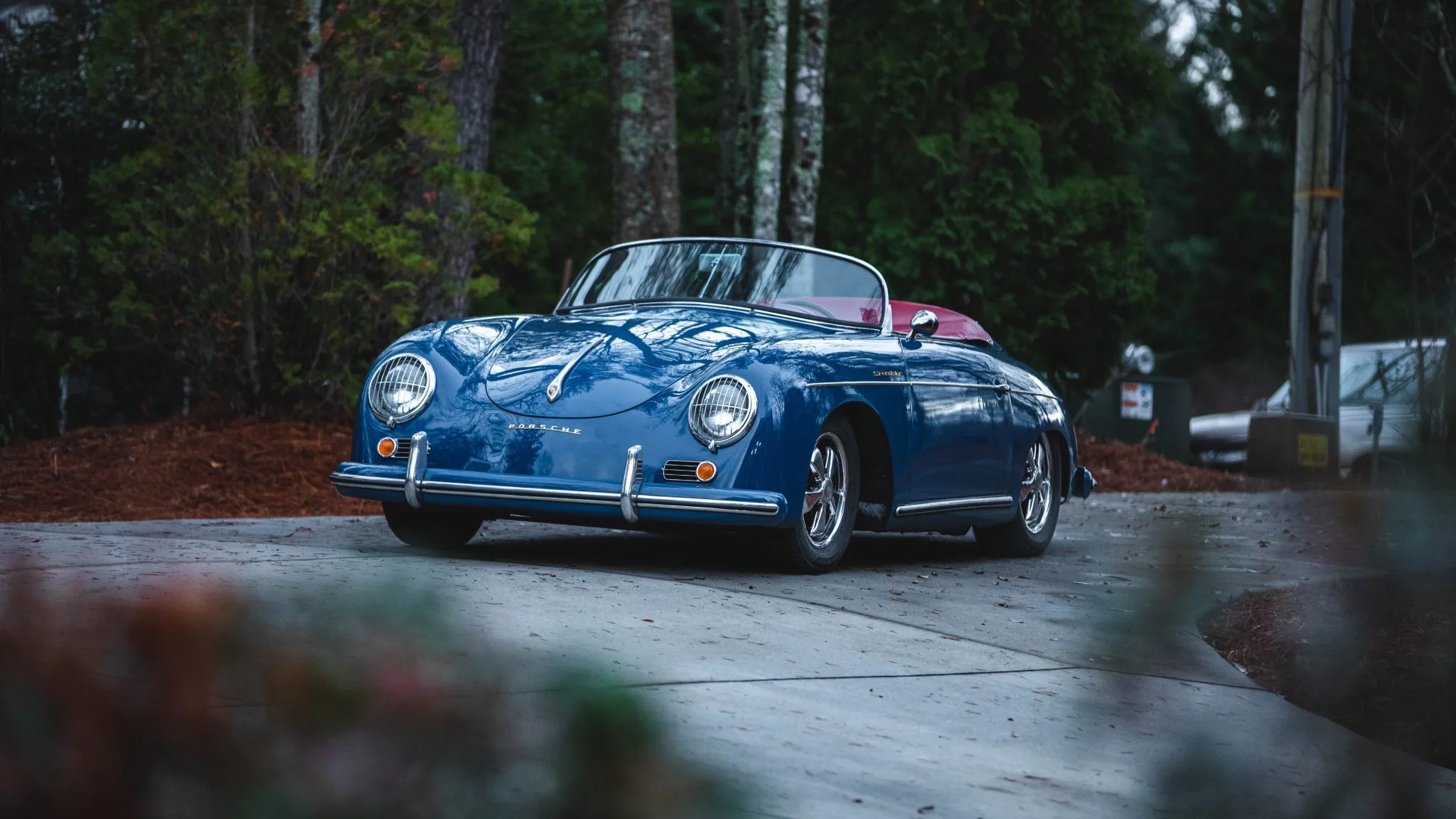
41. Porsche 356 Speedster
1954–58 · 1.5 and 1.6 flat-four · 55 to 75 hp · 4,144
The American importer asked for a cheaper, simpler 356 for California, with a low windscreen and no frills. It became the most loved of all the early Porsches. It stands here for the 356 as a whole: the car that started the company. It is fifth on our Porsche list.
Verdict Less of everything, and all the better for it.
Did you know: Built at the urging of the American importer Max Hoffman, who wanted a cheaper open Porsche. It was priced at $2,995 in New York in 1954.
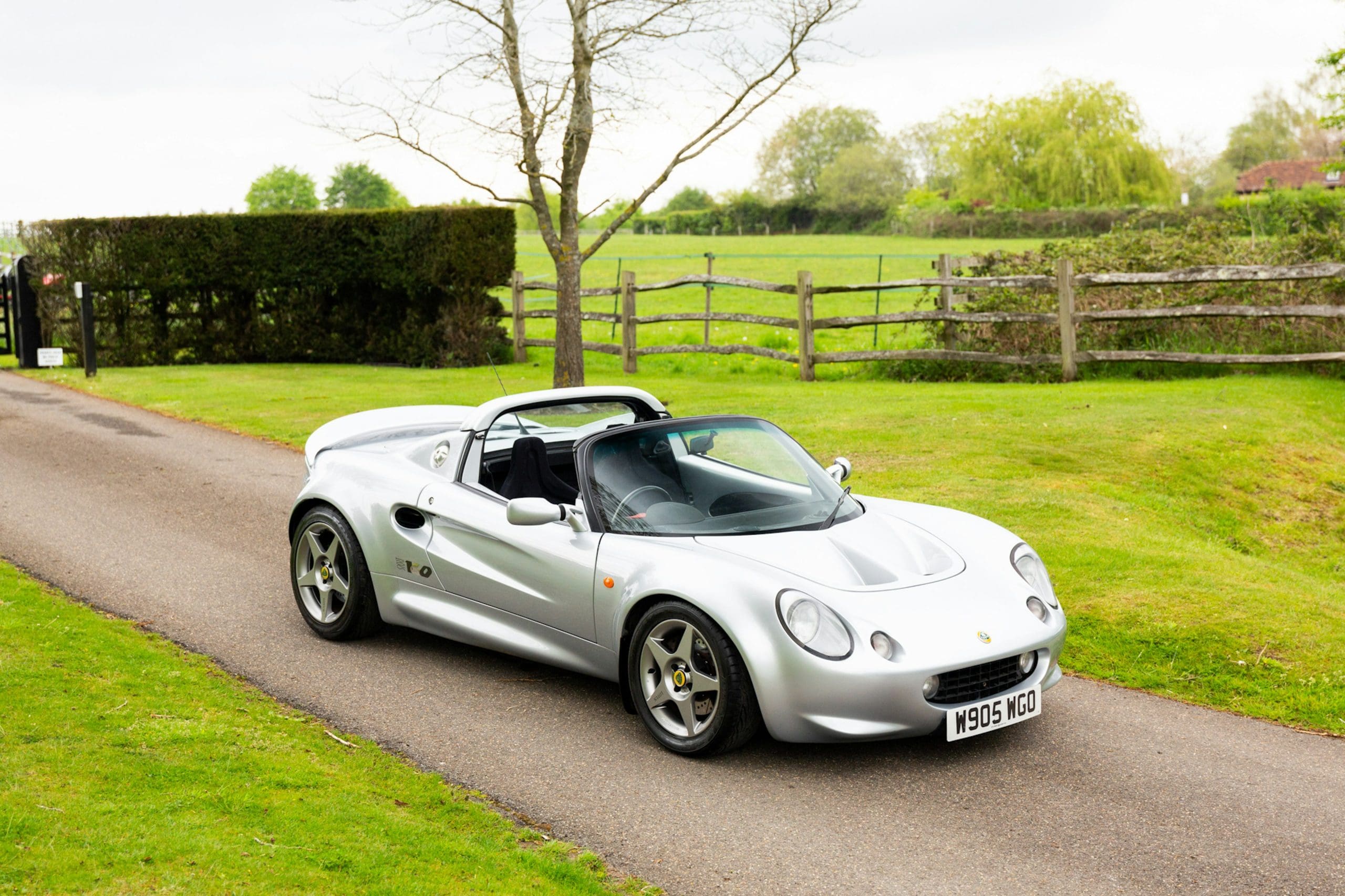
40. Lotus Elise (Series 1)
1996–2001 · 1.8 four · 118 hp · ~ 10,600
A chassis of bonded aluminium, about 725 kilograms, a modest engine and nothing unnecessary. The Elise saved Lotus and reminded the industry of everything the Elan had taught it. It is second on our Lotus list and ninth among driver's cars.
Verdict The Elan's lesson, taught again to a new generation.
Did you know: Named after Elisa Artioli, granddaughter of the Lotus chairman of the time. The bare chassis weighs about 68 kg.
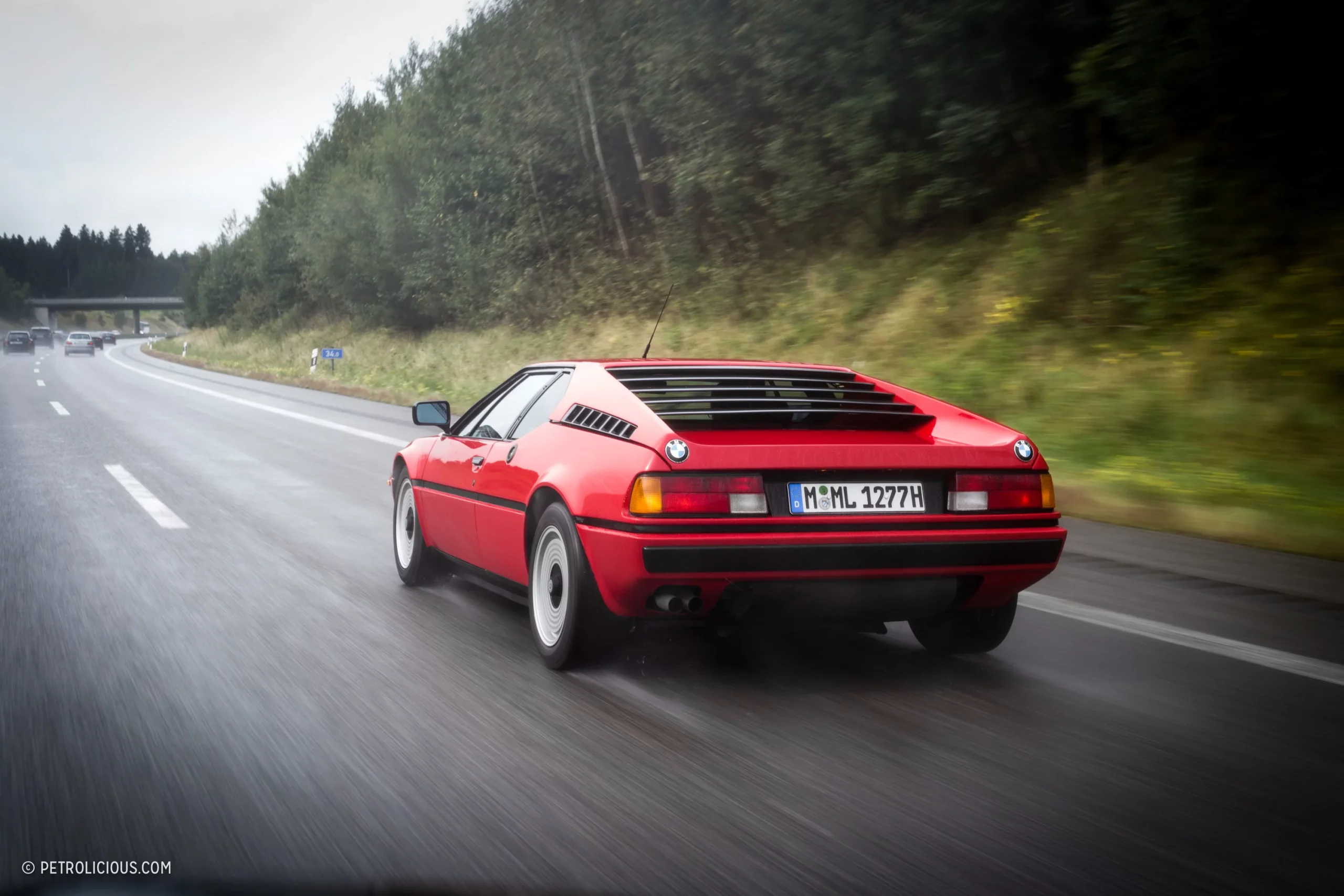
39. BMW M1
1978–81 · 3.5 straight-six · 277 hp · 453
BMW's only mid-engined supercar was designed for racing, delayed by its Italian builders and left without a series to race in. What remains is a Giugiaro body, a superb straight-six and the most usable supercar of its time. It is second on our BMW list.
Verdict The supercar BMW built once and never tried again.
Did you know: Lamborghini was hired to build it and ran out of money before it could.
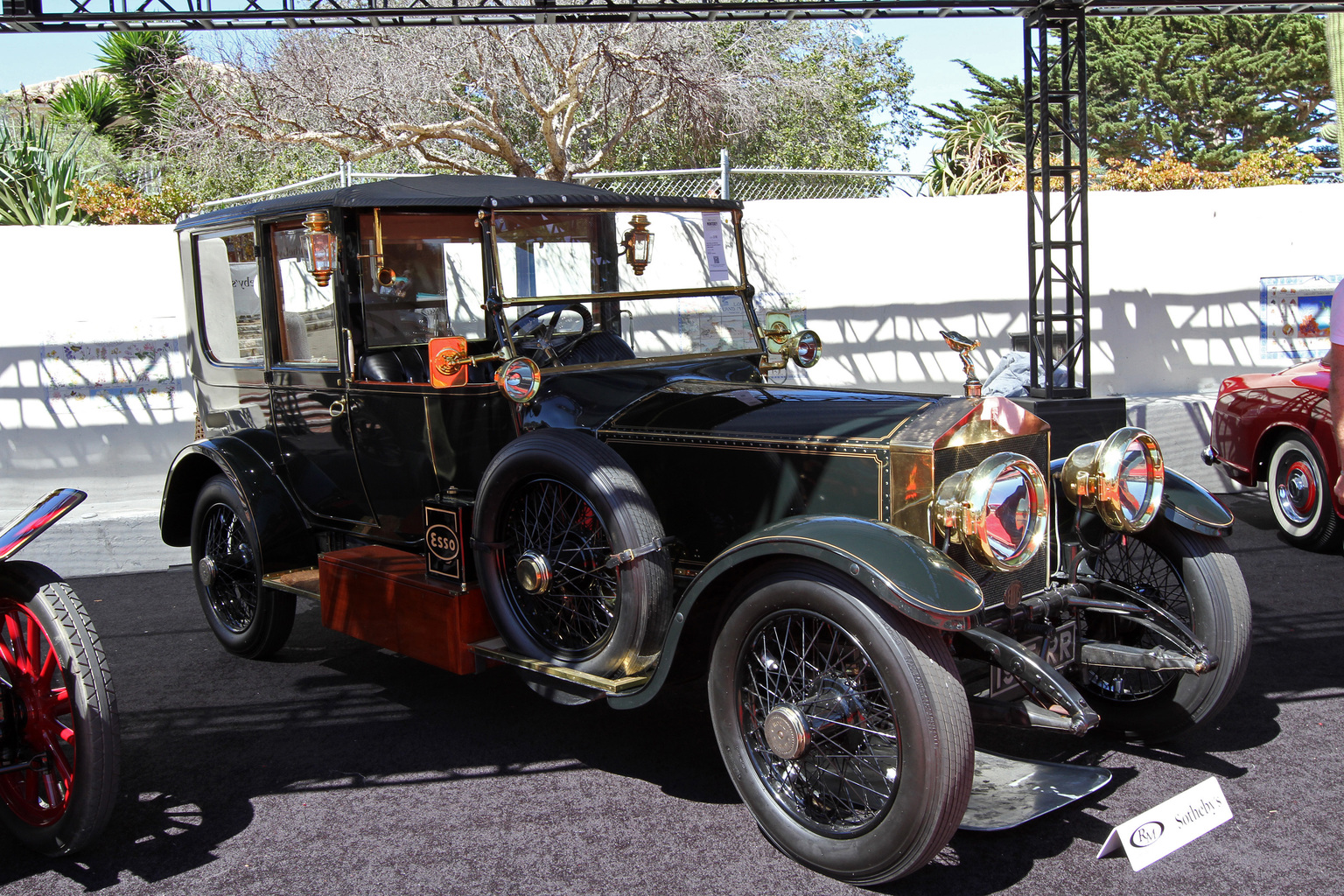
38. Rolls-Royce Silver Ghost
1906–26 · 7.0 straight-six, later 7.4 · About 48 to 80 hp · ~ 7,900
In 1907 one was driven 15,000 miles under observation almost without stopping, and the phrase "the best car in the world" was first used in earnest. The Silver Ghost established what refinement and reliability meant and stayed in production for nearly twenty years. It is eighth on our prewar list.
Verdict The car that defined quality before most makers had defined anything.
Did you know: The name belonged to one car, painted silver, that ran 15,000 miles in 1907 almost without stopping.
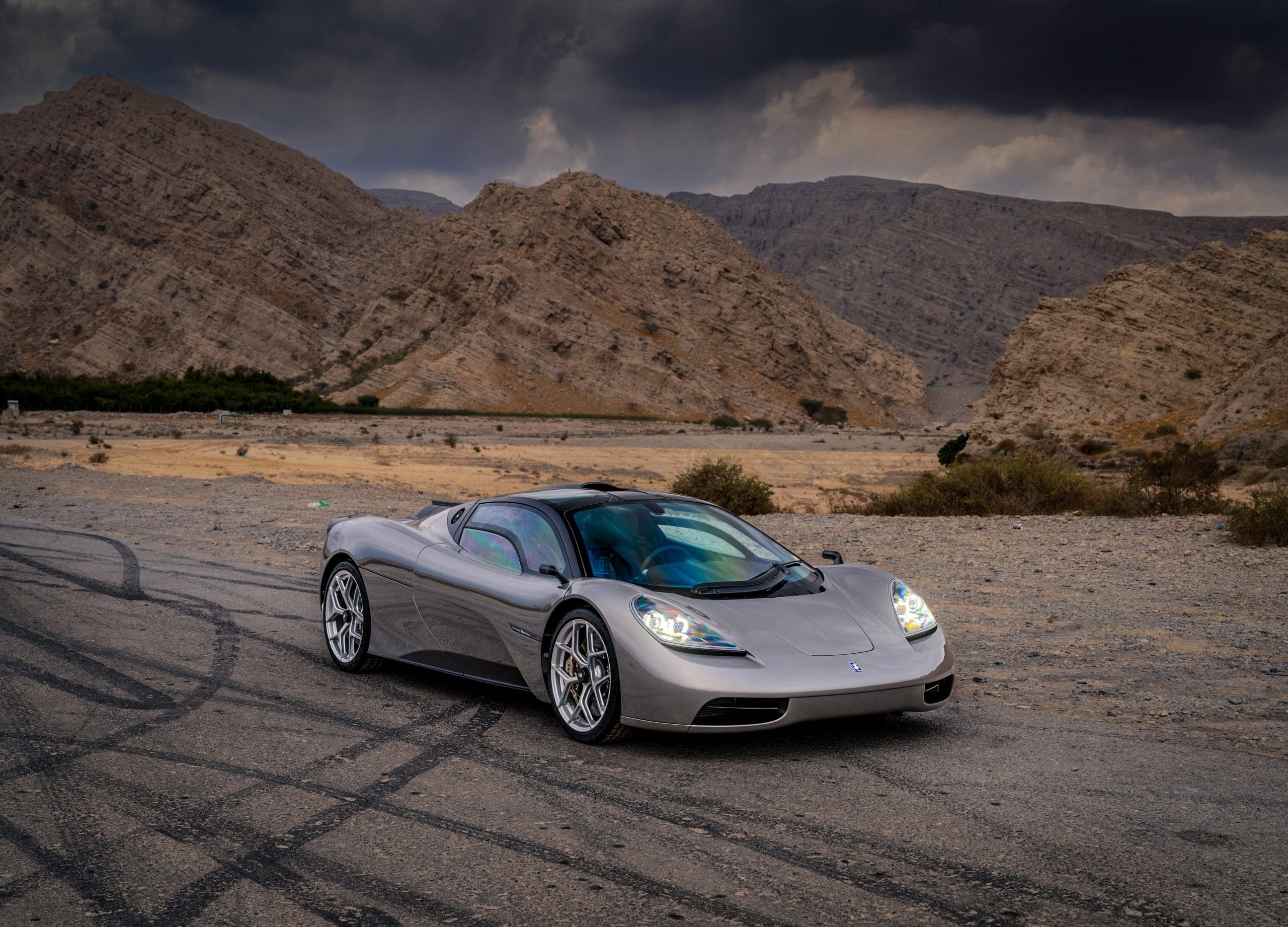
37. Gordon Murray Automotive T.50
From 2023 · 4.0 V12 · 661 hp · 100
Gordon Murray's second attempt at the perfect driver's car: a V12 that revs past 12,000, a manual gearbox, three seats and a fan at the back to manage the air. It is first on our driver's cars list. It is thirty-seventh here because that list has one test and this one has four, and the T.50 has not yet had time to change anything.
Verdict The best car in the world to drive, with its history still to come.
Did you know: The V12 revs to 12,100 rpm. A 400 mm fan at the rear manages the air under the car.
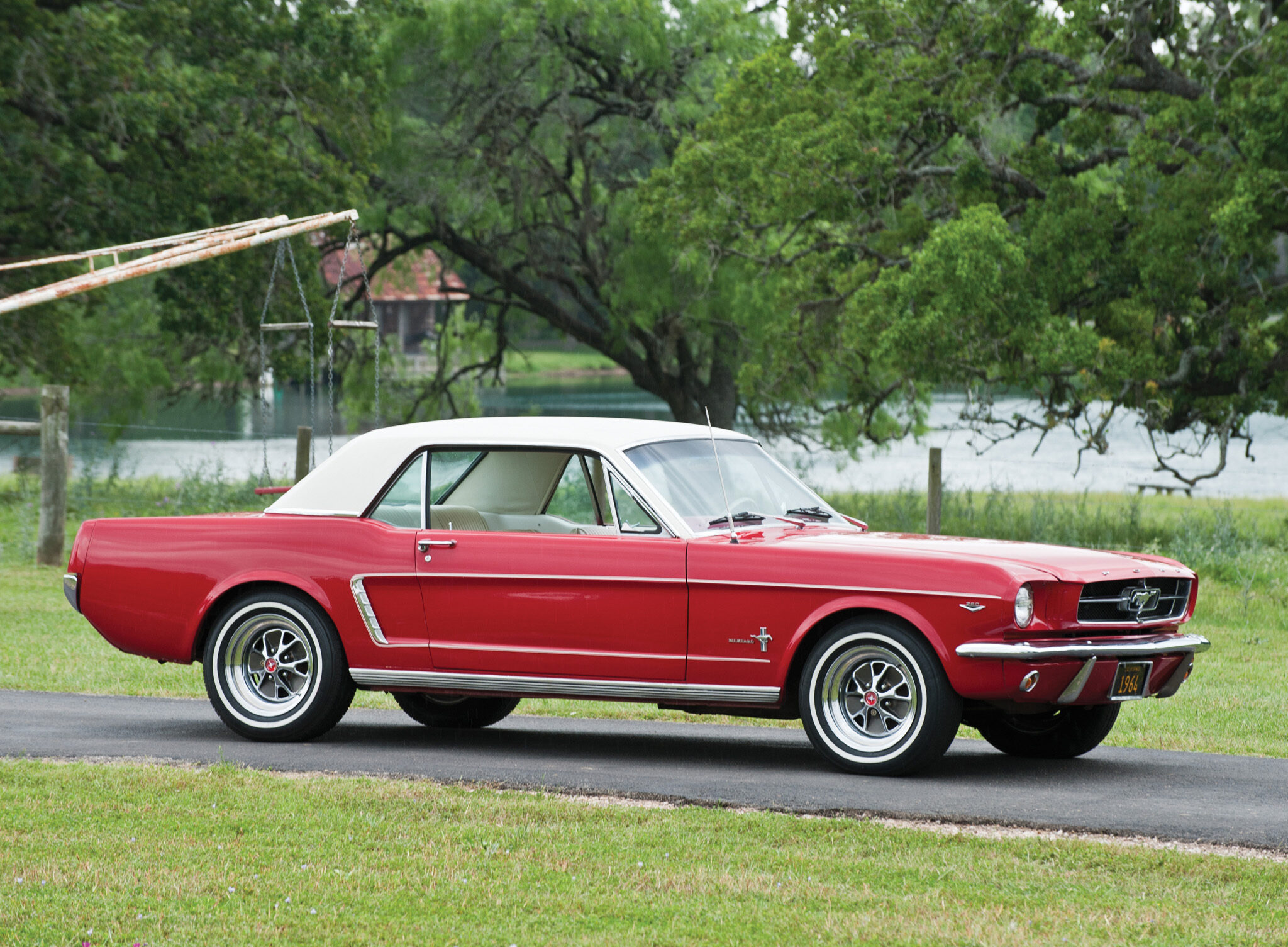
36. Ford Mustang (1964)
1964-1973 · Six-cylinder or V8 · 559,451 in 1965
Underneath it was a Ford Falcon. Lee Iacocca gave it a long bonnet, a short tail, a low price and a list of options a foot long, and about 22,000 were ordered on the first day. It created a kind of car and sold more than half a million in its first full year.
Verdict A plain saloon in a good suit, and the best idea Detroit ever had.
Did you know: About 22,000 were ordered on the first day.
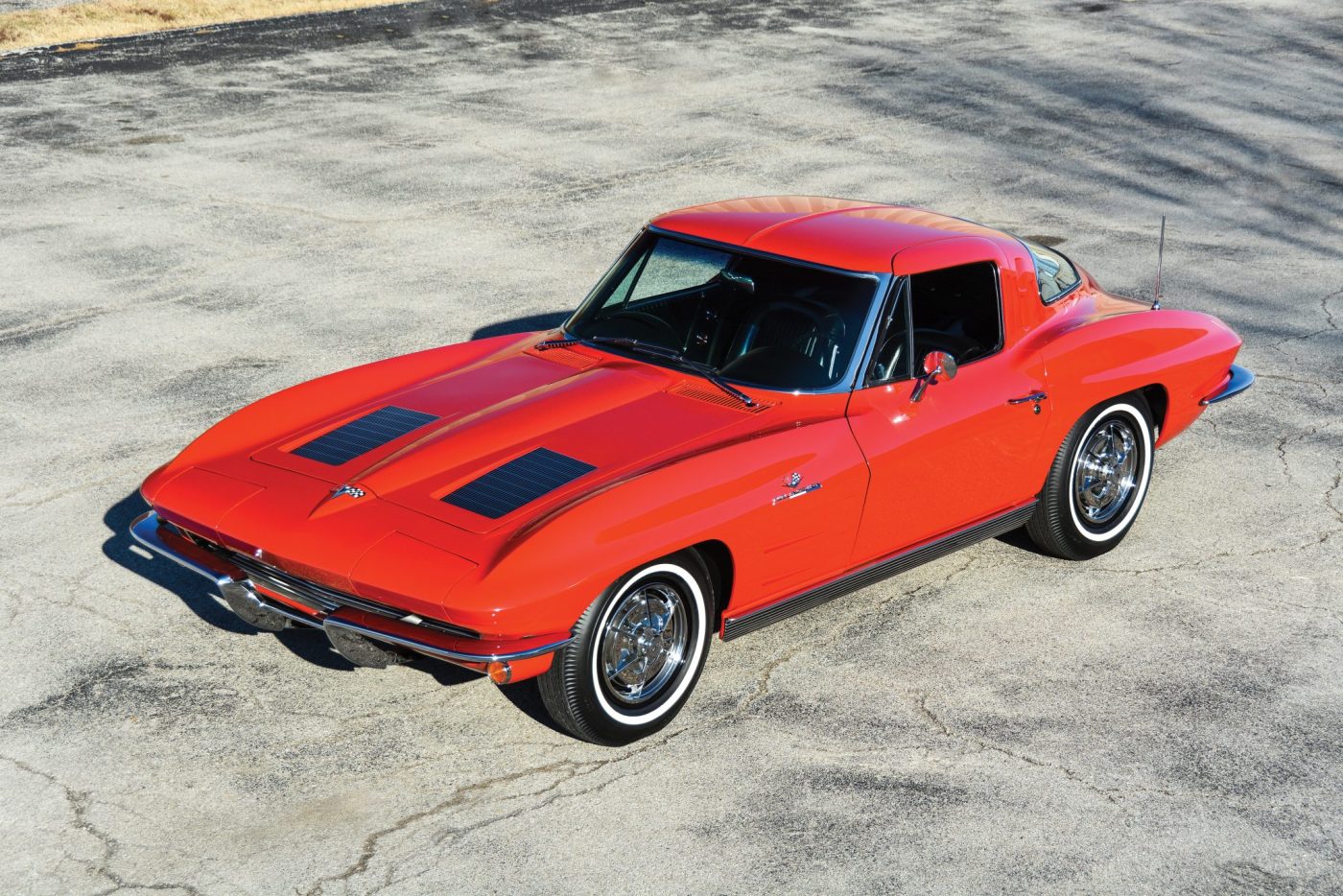
35. Chevrolet Corvette Sting Ray (1963)
1963-1967 · 327 cu in V8 · 250 to 360 hp · 21,513 in 1963
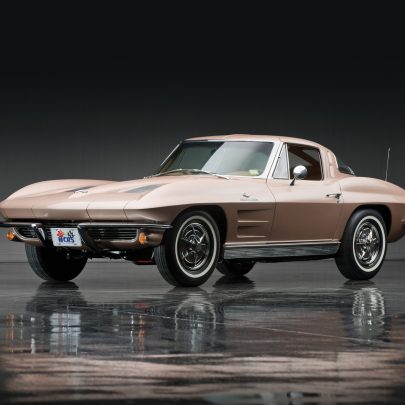
The Corvette became a serious sports car in 1963. It gained independent rear suspension, engines up to 360 horsepower with fuel injection, and a body by Larry Shinoda that is the best thing General Motors ever styled. The split rear window lasted one year and is the one everybody wants.
Verdict America's sports car, at the moment it deserved the name.
Did you know: The split rear window lasted one year.
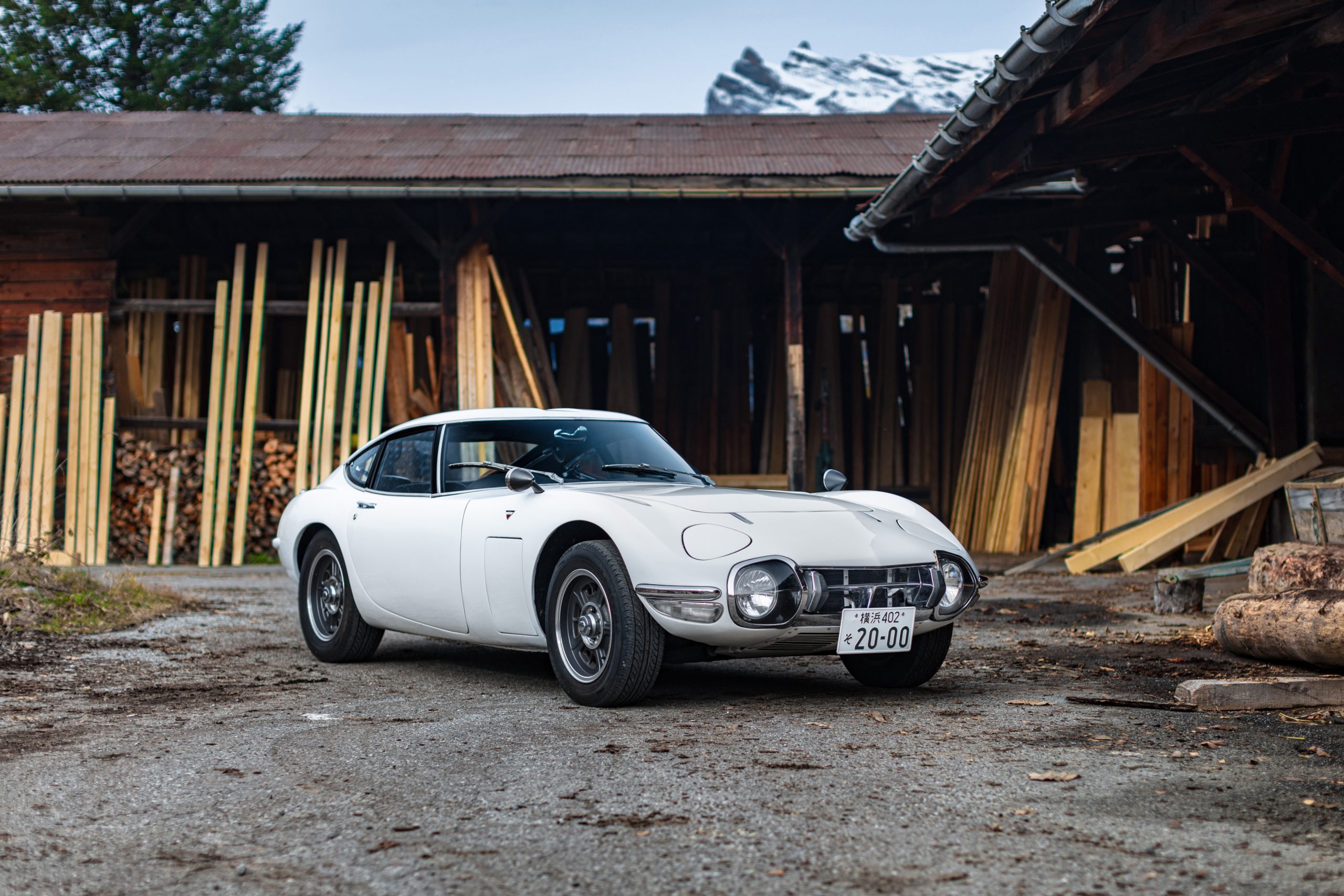
34. Toyota 2000GT
1967–70 · 2.0 twin-cam straight-six · 150 hp · 351
In 1967 Japanese cars were thought of as cheap and plain. Toyota, with Yamaha, built a hand-finished grand tourer with a twin-cam six that was as good as anything from Europe and better looking than most. Only a few hundred were made. It is first on our Toyota list.
Verdict The car that told the world Japan could do this too.
Did you know: It was the first Japanese car to sell for more than a million dollars at auction.
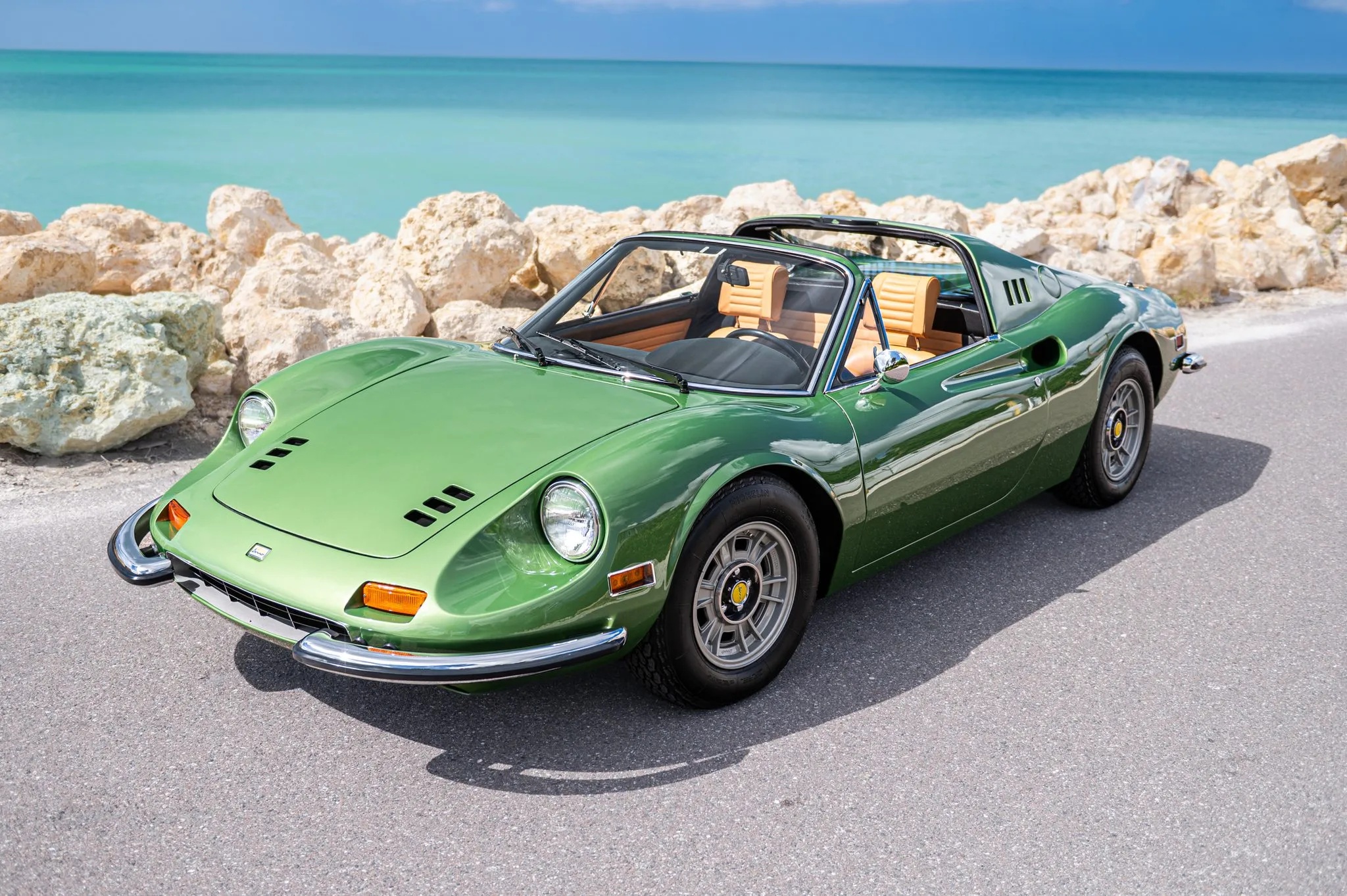
33. Ferrari Dino 246 GT
1969–74 · 2.4 V6 · 195 hp · ~ 3,570
Ferrari's first mid-engined road car did not wear a Ferrari badge. It has a V6, modest power and one of the loveliest bodies ever made, and it showed that a small, balanced Ferrari could be more rewarding than a big one. It is sixth on our Ferrari list.
Verdict The small Ferrari that taught the big ones something.
Did you know: It left the factory without a single Ferrari badge.
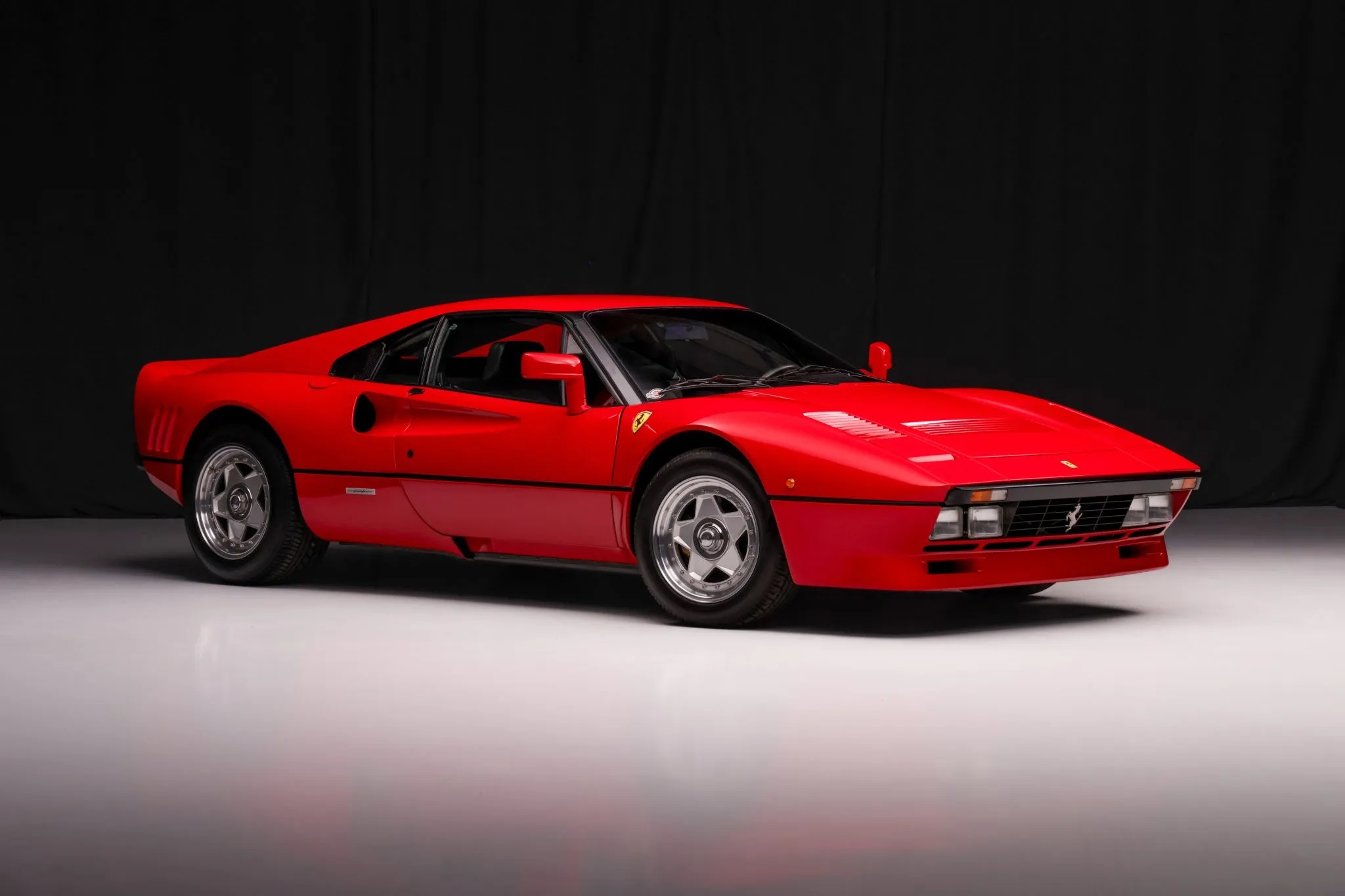
32. Ferrari 288 GTO
1984–87 · 2.85 twin-turbo V8 · 400 hp · 272
Built for Group B racing that never happened, the 288 GTO was the first of Ferrari's limited-run flagships: the line that leads to the F40, F50, Enzo and LaFerrari. It is prettier than any of them. It is fifth on our Ferrari list.
Verdict The first modern Ferrari supercar, and the best looking.
Did you know: Homologated for a Group B circuit series that never ran.
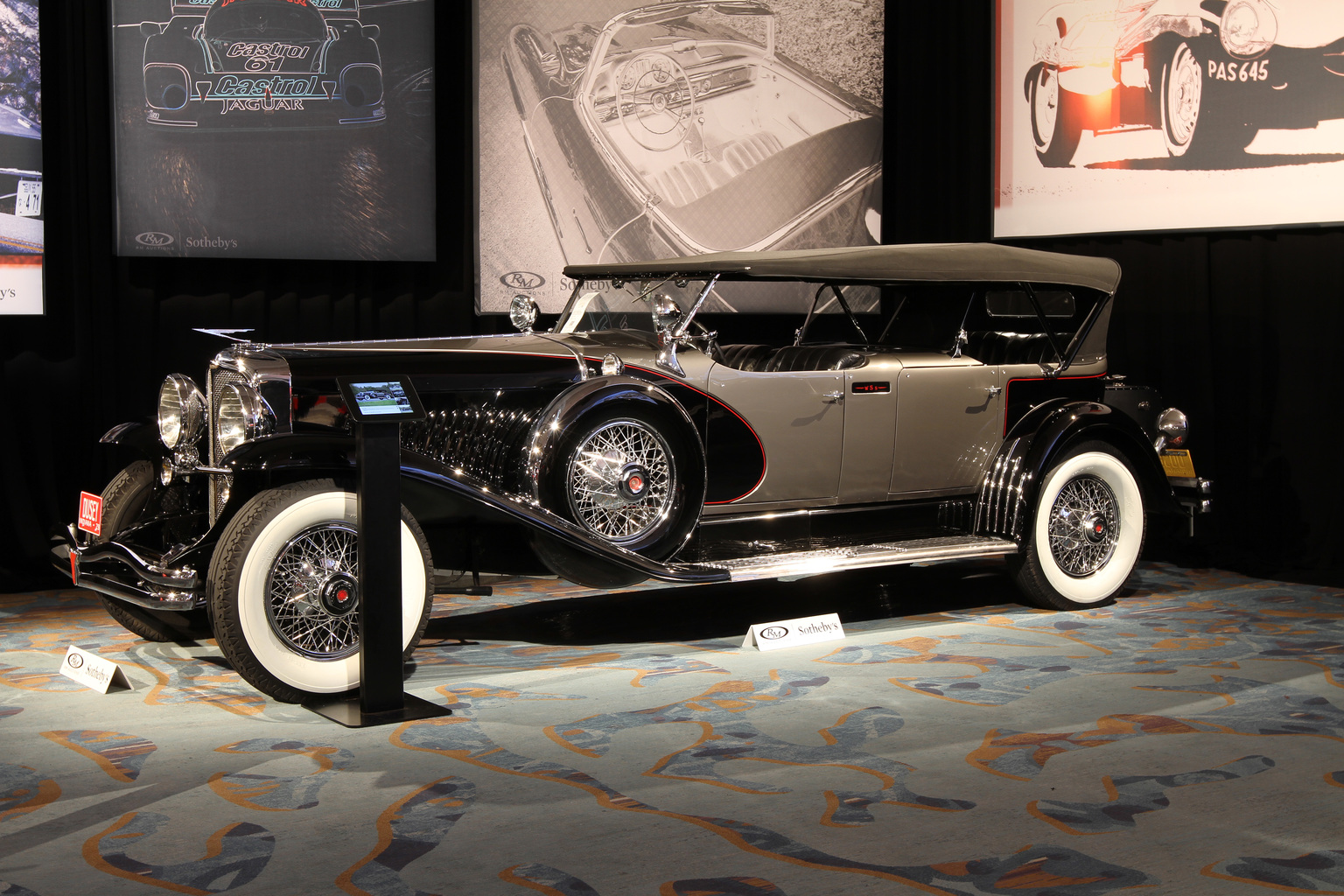
31. Duesenberg Model J and SJ
1928–37 · 6.9 straight-eight, supercharged in the SJ · 265 hp, 320 in the SJ · 481
The most powerful and most expensive American car of its time, with a twin-cam straight-eight when rivals had side valves, and bodies by the best coachbuilders in the country. The Model J is the high point of the American luxury car, and it gave the language a word for excellence.
Verdict It's a Duesy.
Did you know: The bare chassis cost $8,500 in 1928, when a new Ford cost about $500.
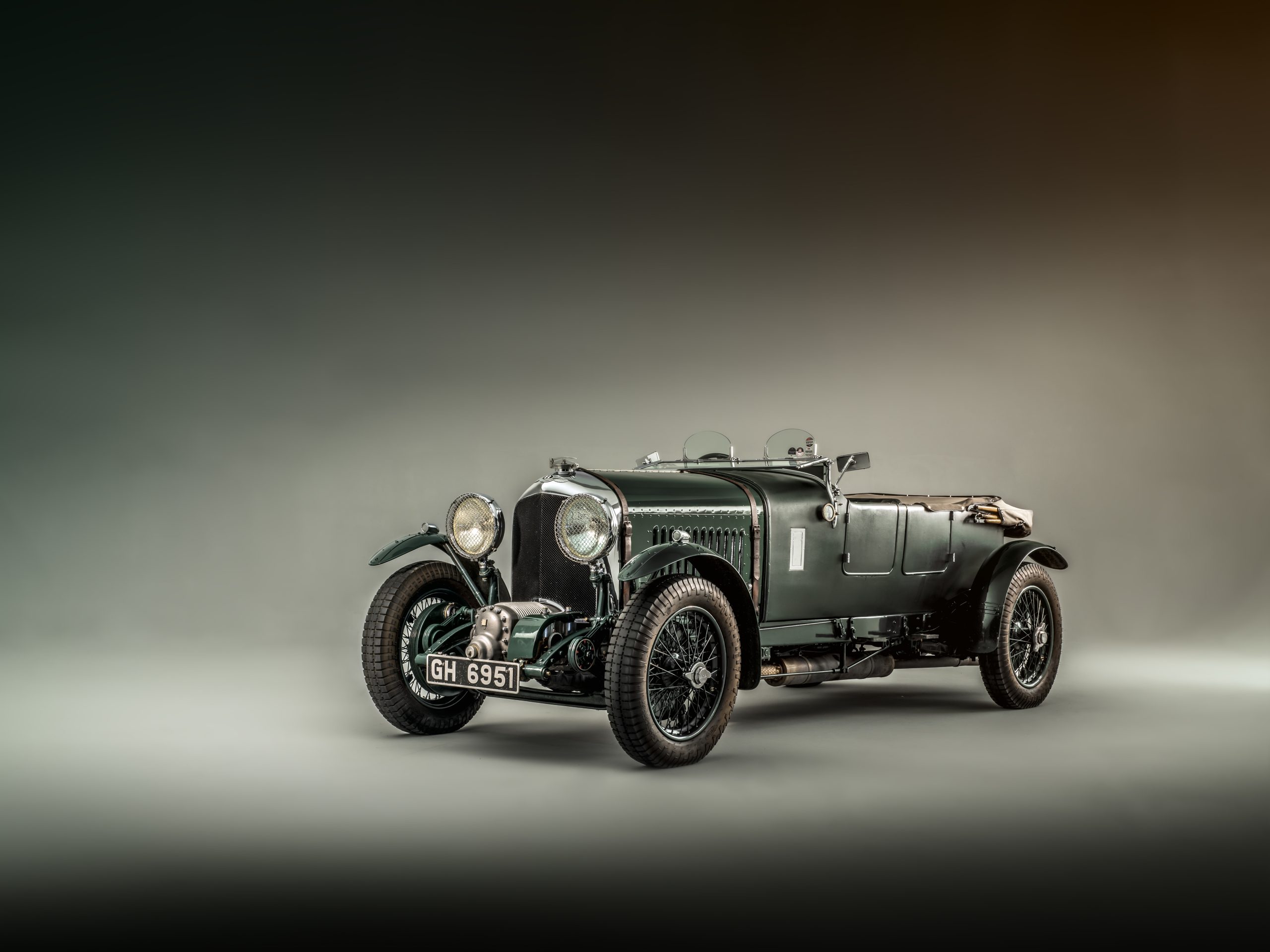
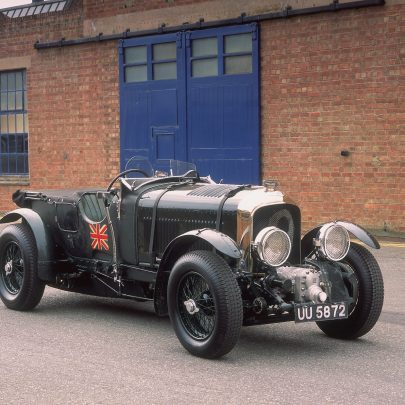
30. Bentley 4½ Litre "Blower"
1929–31 · 4.4 supercharged four · 175 hp · 55
The supercharged 4½ Litre Bentley never won a major race and W. O. Bentley disapproved of it. It is here because it is the car people picture when they think of a vintage sports car: British racing green, a blower ahead of the radiator, a leather strap over the bonnet. It is sixth on our prewar list.
Verdict A glorious failure that became the image of its age.
Did you know: W.O. Bentley disliked the idea and never approved of it. The car was built at Tim Birkin's insistence.
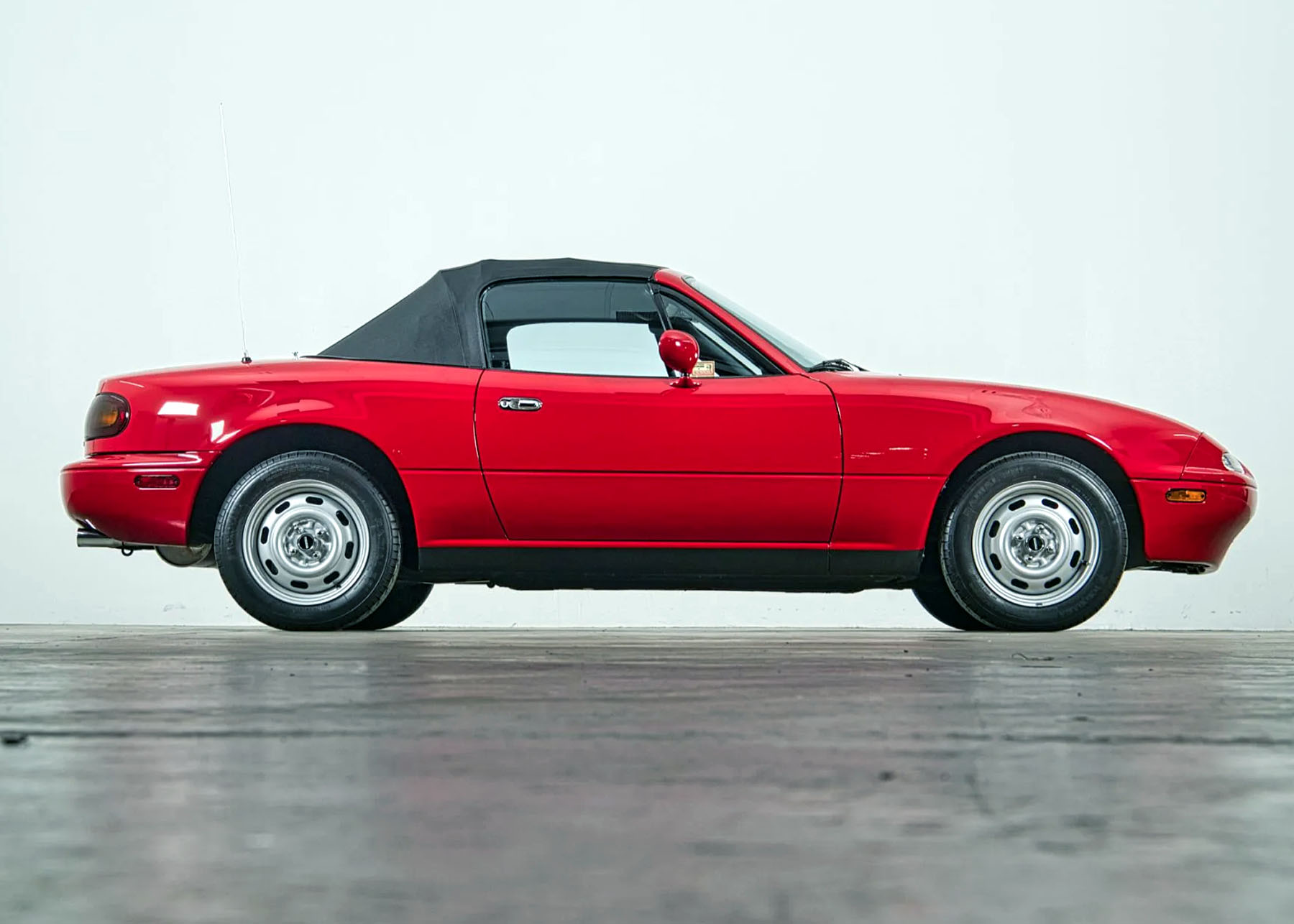
29. Mazda MX-5 (first generation)
1989–97 · 1.6 and 1.8 four · 116 hp (1.6) · ~ 431,000
By the late 1980s the small open sports car was dead. Mazda studied the Lotus Elan, built a car that did the same things and made it start every morning. It became the best-selling sports car in history, and it revived the whole category.
Verdict The Elan that works, and the reason roadsters still exist.
Did you know: Sold as the Miata in America and the Eunos Roadster in Japan. Mazda's engineers tuned the exhaust note to recall the British roadsters of the 1960s.
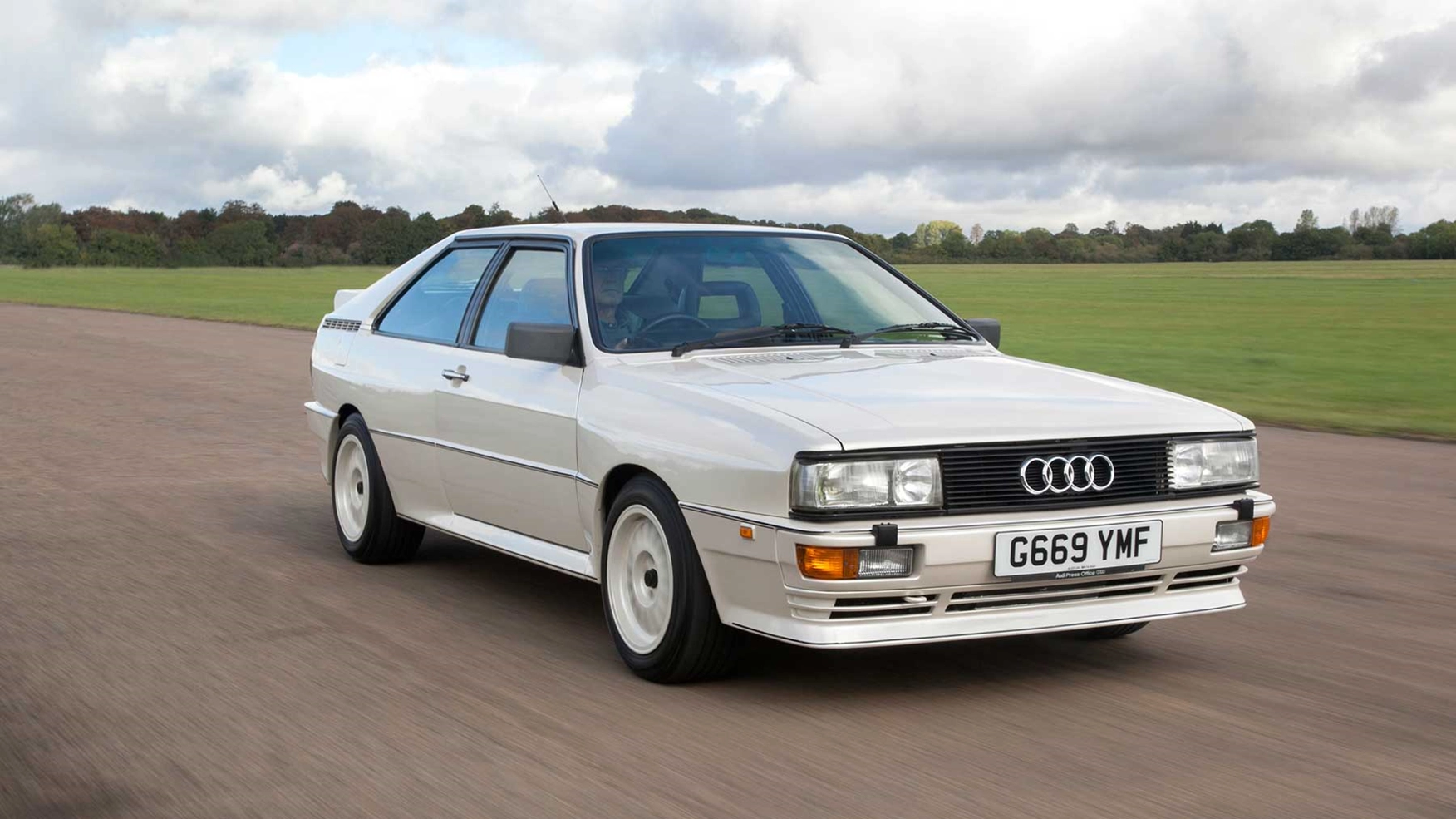
28. Audi Quattro (1980)
1980–91 · 2.1 turbo five, later 2.2 · 197 hp, later 217 · ~ 11,450
Until 1980 four-wheel drive was for farmers. Audi put it under a turbocharged coupé, took it rallying and changed the sport inside two seasons. Then it changed road cars. It is first on our Audi list and it made Audi the company it is.
Verdict The car that took four-wheel drive off the farm.
Did you know: The idea came from winter tests in which a Volkswagen military 4x4 outran far more powerful saloons on snow.
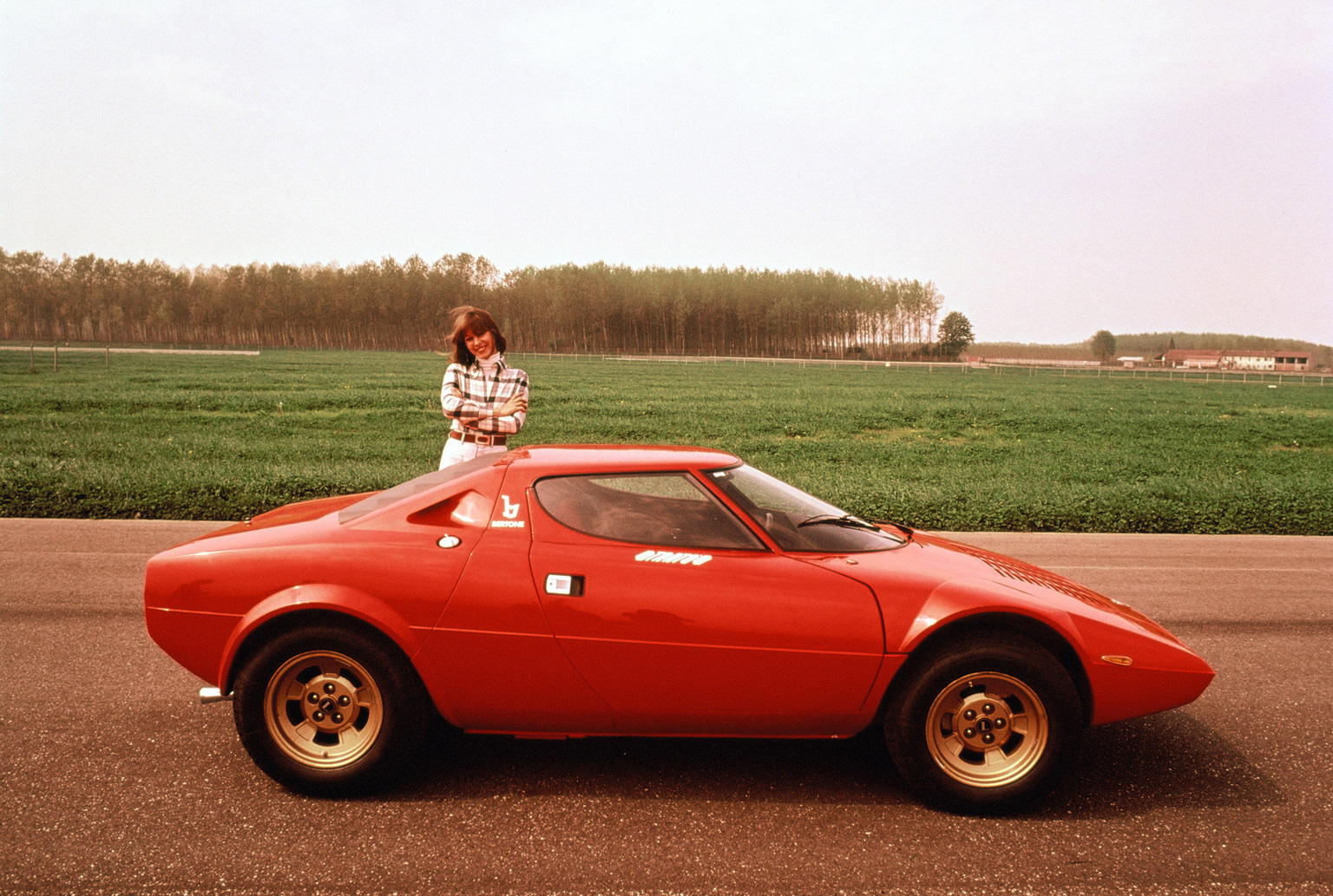
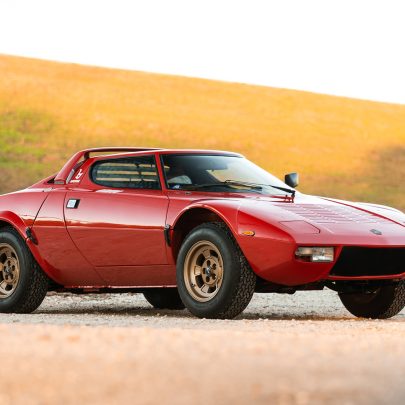
27. Lancia Stratos HF
1973–78 · 2.4 V6 · 190 hp · 492
The first car designed from nothing to win rallies. It has a Ferrari V6 behind the seats, a wheelbase barely longer than a Mini's and a windscreen like a visor. It won the world championship three years running. It is second on our list of homologation specials.
Verdict A rally car first and a road car by obligation.
Did you know: The engine is the Ferrari Dino V6. The door pockets are shaped to hold crash helmets.
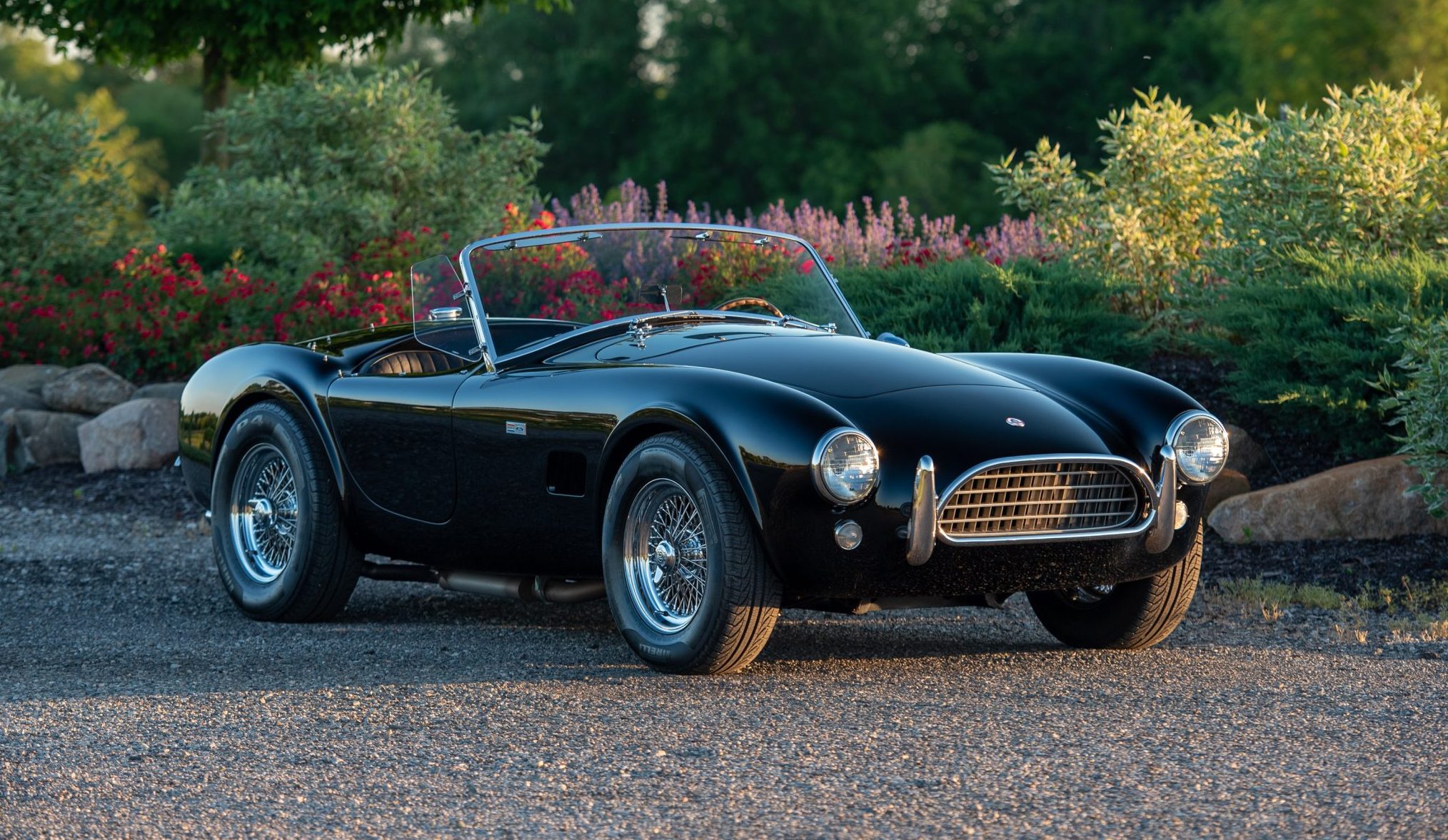
26. Shelby Cobra 289
1962–65 · 4.7 V8 · 271 hp · 453 street cars
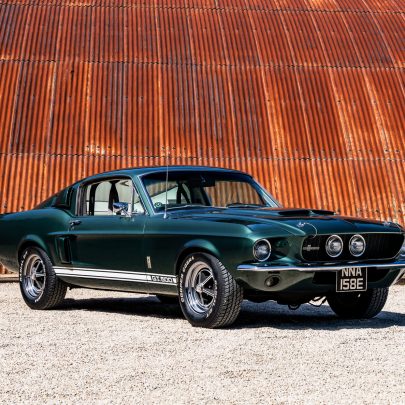
Carroll Shelby put an American V8 into a light English sports car and created the fastest thing on the road. We have chosen the 289, as our driver's cars list did, over the more famous 427: it is the one with the balance. The idea has been copied ever since and never bettered.
Verdict The simplest recipe in motoring, and the first to get it right.
Did you know: The first 75 cars had Ford's smaller 260 V8. Carroll Shelby had the first car repainted between magazine tests so that it looked as if several existed.
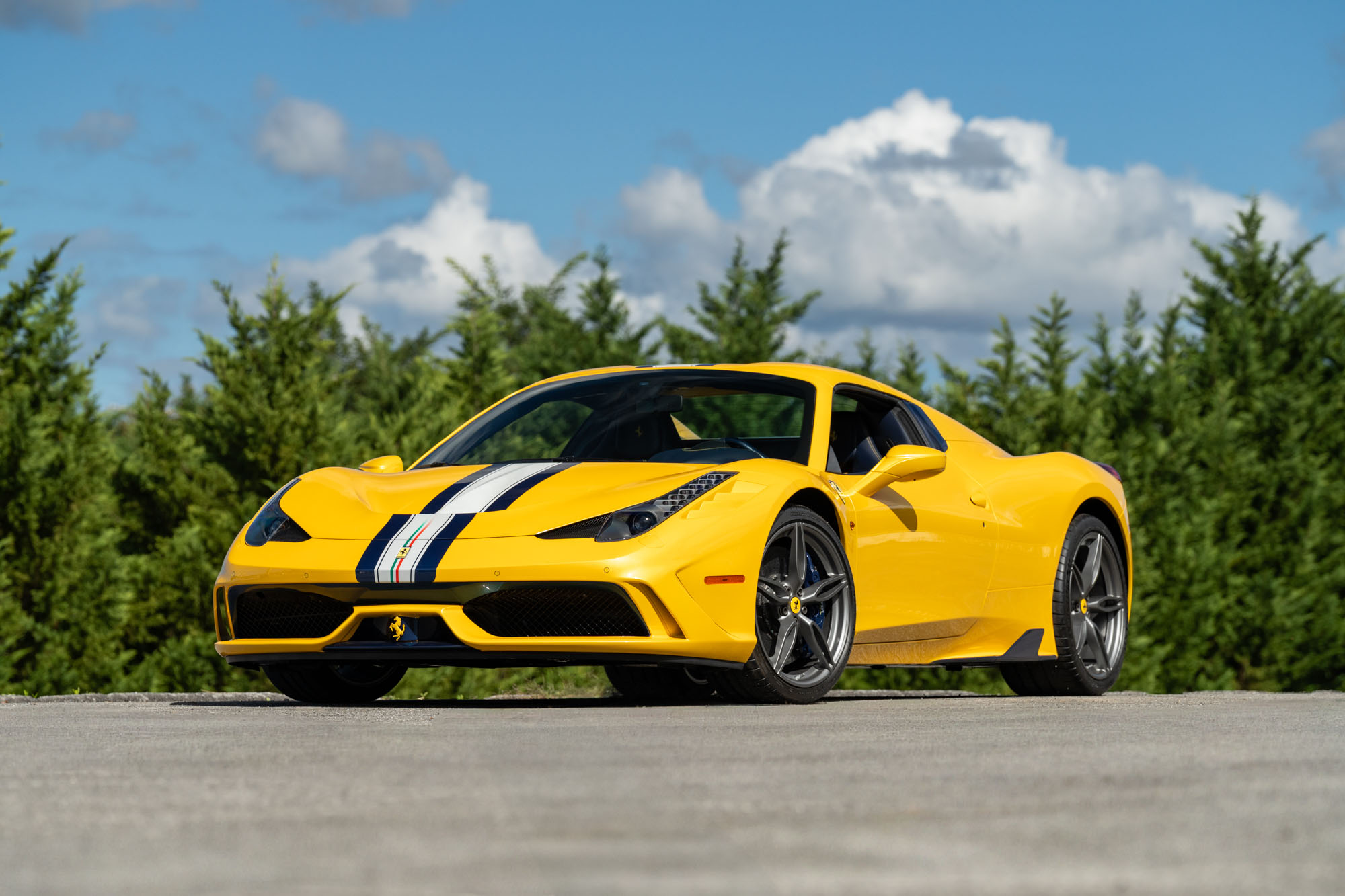
25. Ferrari 458 Speciale
2013–15 · 4.5 V8 · 597 hp
The last and best of Ferrari's naturally aspirated mid-engined V8s, with an engine that revs to 9,000. It is fourth on our Ferrari list and eighth among driver's cars. It ranks here above older and rarer Ferraris because our Ferrari list put it there, and we have kept faith with that.
Verdict The end of the line for the screaming Ferrari V8, and the best of it.
Did you know: The last naturally aspirated mid-engined V8 Ferrari.
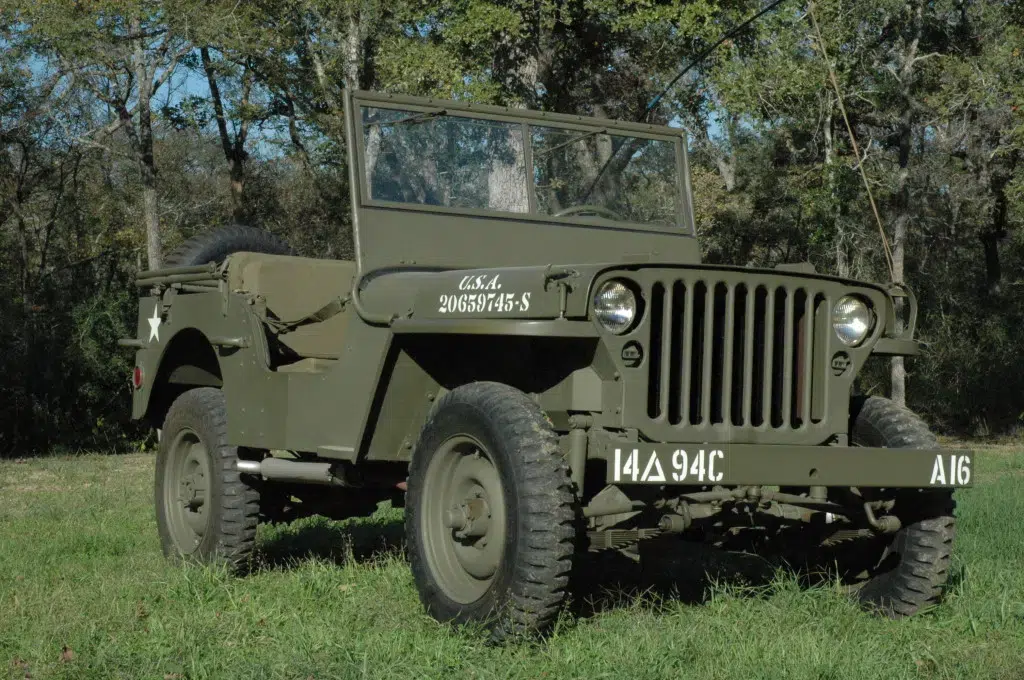
24. Jeep (Willys MB)
1941-1945 · 2.2-litre four · 60 hp · About 627,000 with Ford's
Designed in a hurry in 1940 for the American army, and built in the hundreds of thousands. Every four-wheel-drive vehicle since descends from it, the Land Rover directly. It is the only car on this list that can claim to have helped win a war.
Verdict The ancestor of everything with four driven wheels.
Did you know: General Marshall called it America's greatest contribution to modern warfare.
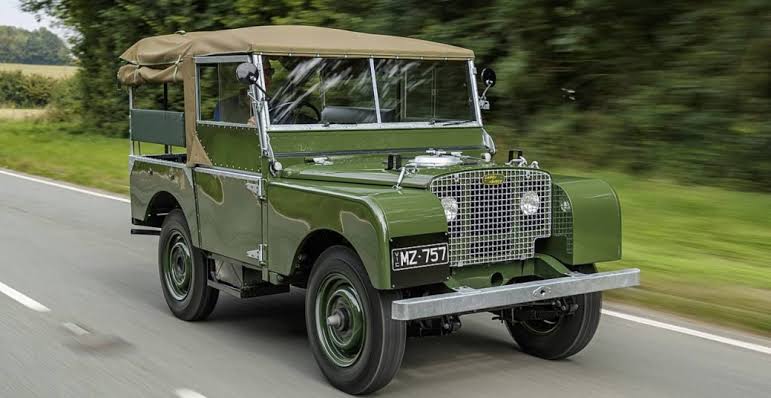
23. Land Rover Series I
1948-1958 · 1.6-litre four at launch · About 50 bhp
Maurice Wilks wanted something like a Jeep for his farm and Rover needed something to export. It was bodied in aluminium because steel was rationed. It was meant as a stopgap and became the vehicle that much of the world first saw a motor car as.
Verdict A stopgap that lasted seventy years.
Did you know: The body was aluminium because steel was rationed.
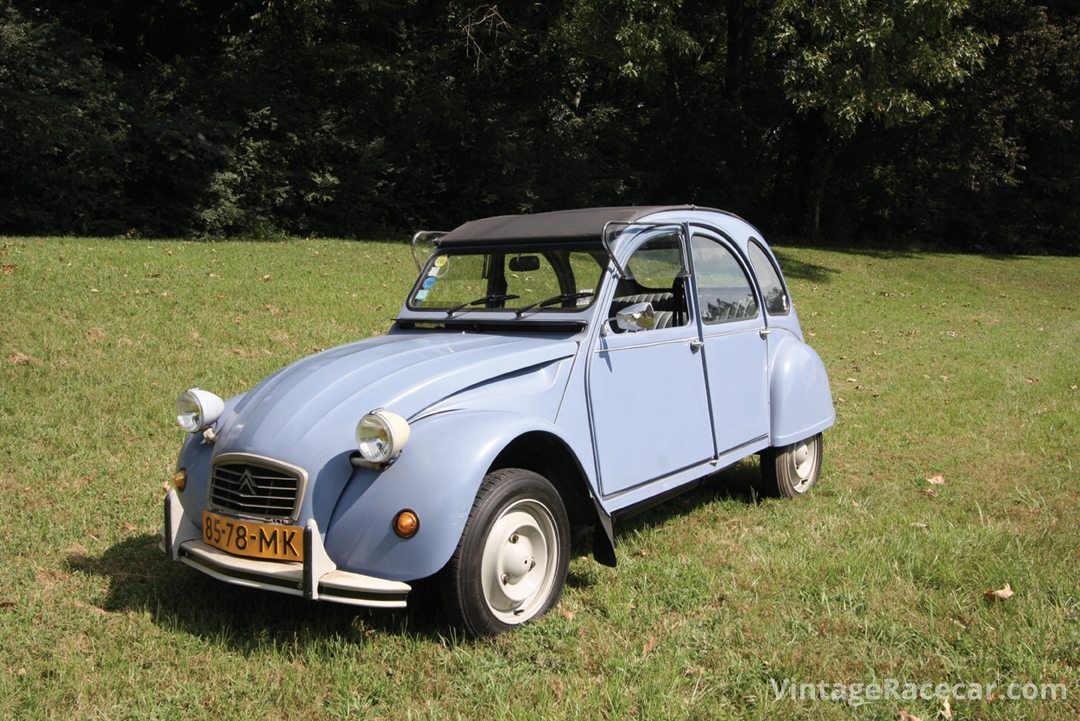
22. Citroën 2CV
1948-1990 · 375 cc air-cooled flat-twin at launch · 9 hp at launch · More than 3.8 million
Designed to carry two farmers and a sack of potatoes across a ploughed field without breaking the eggs. It had nine horsepower at launch and suspension of real genius. It was in production for forty-two years and more than 3.8 million were made. No car has done more with less.
Verdict Minimum car, maximum thought.
Did you know: The brief said it must carry eggs across a ploughed field without breaking one.
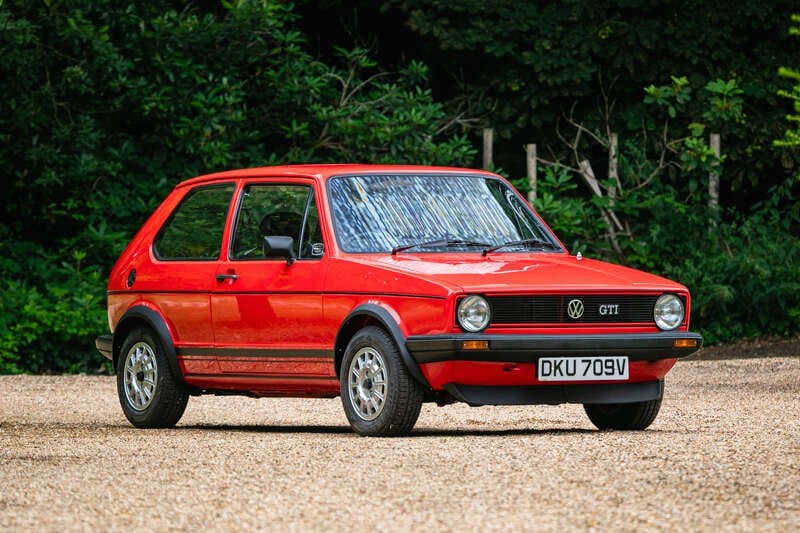
21. Volkswagen Golf GTI (Mk1)
1976–83 · 1.6 and 1.8 four · 108 to 110 hp · ~ 462,000
A group of Volkswagen engineers put a fuel-injected engine in the new Golf without being asked. The plan was 5,000. It created the hot hatchback, a car that could carry a family during the week and embarrass sports cars at the weekend, and every maker has built one since.
Verdict The car that made the sports car optional.
Did you know: Volkswagen planned to build 5,000. The gear knob is shaped like a golf ball.
The top 20
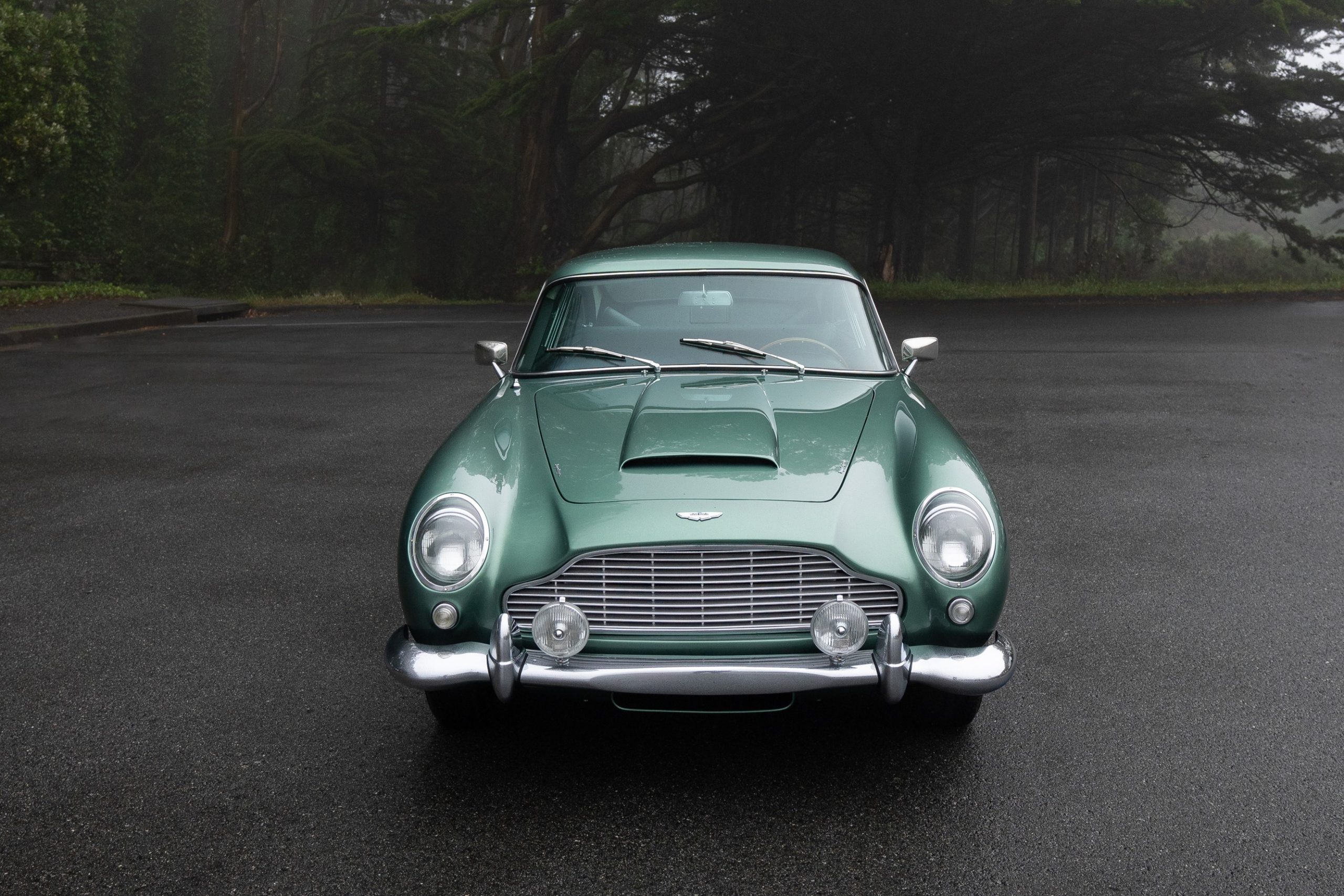
- Years
- 1963–65
- Engine
- 4.0 straight-six
- Power
- 282 hp
- Built
- 1,059
Road car · United Kingdom
20. Aston Martin DB5
It is not the best Aston Martin to drive, and it is first on our Aston Martin list anyway, because no car is more completely identified with what its maker stands for. The DB5 is a fast, handsome, hand-built grand tourer with a straight-six engine and a body in the Italian style, and in 1964 it was given to a fictional secret agent.
That film made it the most famous car in the world. But the car was already good, and the shape would have lasted without the help.
It is here on looks and on what it achieved for Aston Martin, which has traded on it for sixty years.
Verdict The most famous car in the world, and good enough to deserve it.
In Ian Fleming's novel Goldfinger, James Bond drives a DB Mark III. The film makers asked for the newest model.
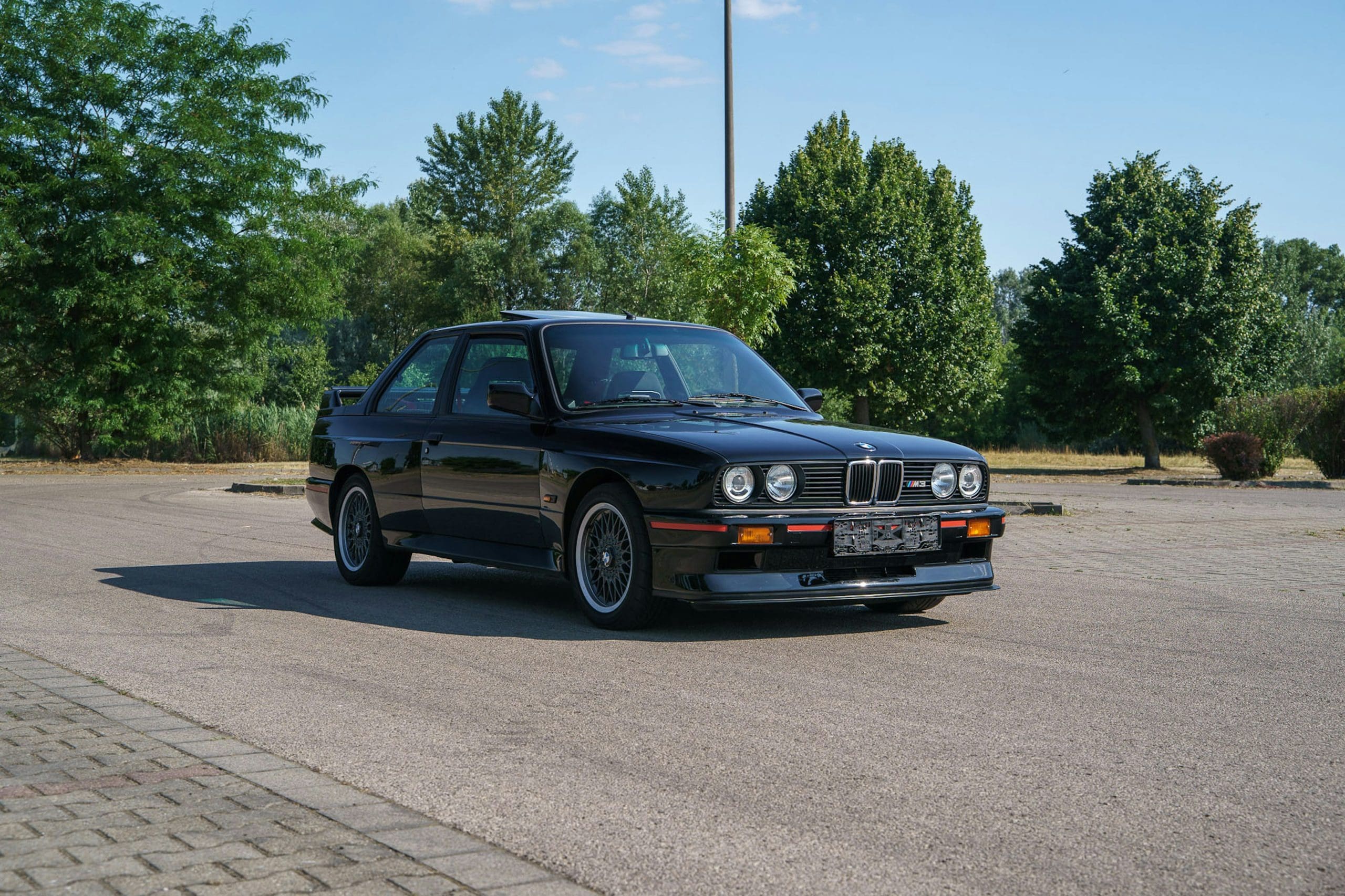
- Years
- 1986–91
- Engine
- 2.3 and 2.5 four
- Power
- 192 to 235 hp
- Built
- ~ 17,970
Road car · Germany
19. BMW M3 (E30)
BMW needed a car to win touring car races and built the road version to qualify it. The M3 shares little more than its bonnet and roof with the ordinary 3 Series. It has a four-cylinder engine derived from the company's racing units, flared arches and a balance that made it the standard by which sporting saloons were judged for twenty years.
It is first on our BMW list, fourth among homologation specials and eleventh among driver's cars. It also won more touring car races than any other model.
It is on this list as the best of a kind of car that matters more than supercars do: one you could afford, use daily and still learn from.
Verdict The best saloon car ever to wear number plates.
It shares very few body panels with the ordinary 3 Series. Even the rear window sits at a different angle.
- Years
- 1986–88
- Engine
- 2.85 twin-turbo flat-six
- Power
- 450 hp
- Built
- 337
Road car · Germany
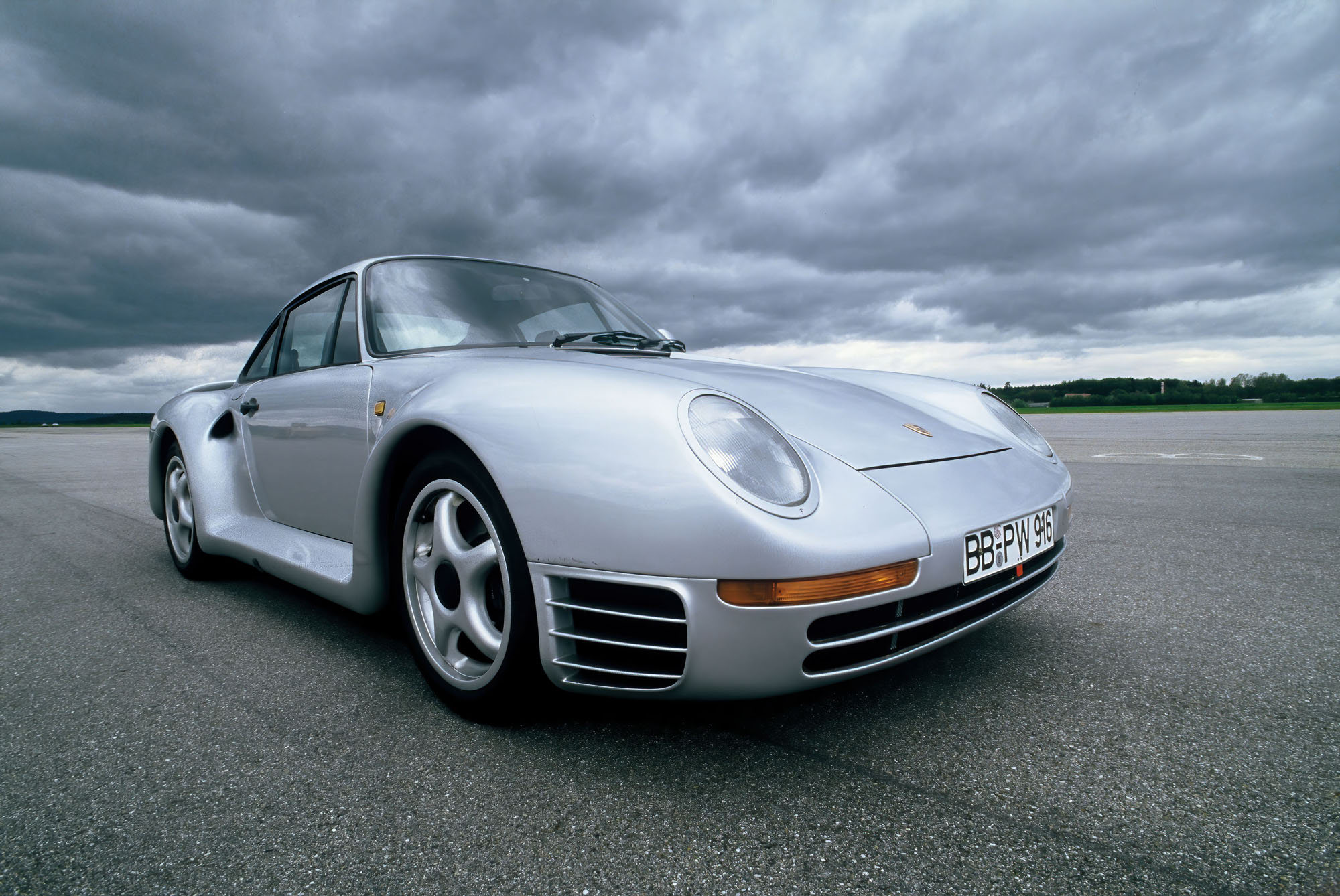
18. Porsche 959
Built for Group B and finished after Group B had been abolished, the 959 was the most advanced car in the world in 1986: twin sequential turbochargers, four-wheel drive that shifted power between the axles by computer, adjustable ride height and tyres that could run flat.
It is third on our Porsche list. It was the F40's rival and its opposite, and the argument between them, technology against purity, has been going on ever since.
The F40 is higher here because it is the better thing to drive. But the 959 was right about the future. Every fast Porsche today, and most fast cars from anyone, works the way the 959 did.
Verdict The future, delivered in 1986.
A 959 won the 1986 Paris-Dakar Rally, with another second.
- Years
- 1990–2005
- Engine
- 3.0 and 3.2 V6
- Power
- 270 to 290 hp
- Built
- ~ 18,000
Road car · Japan
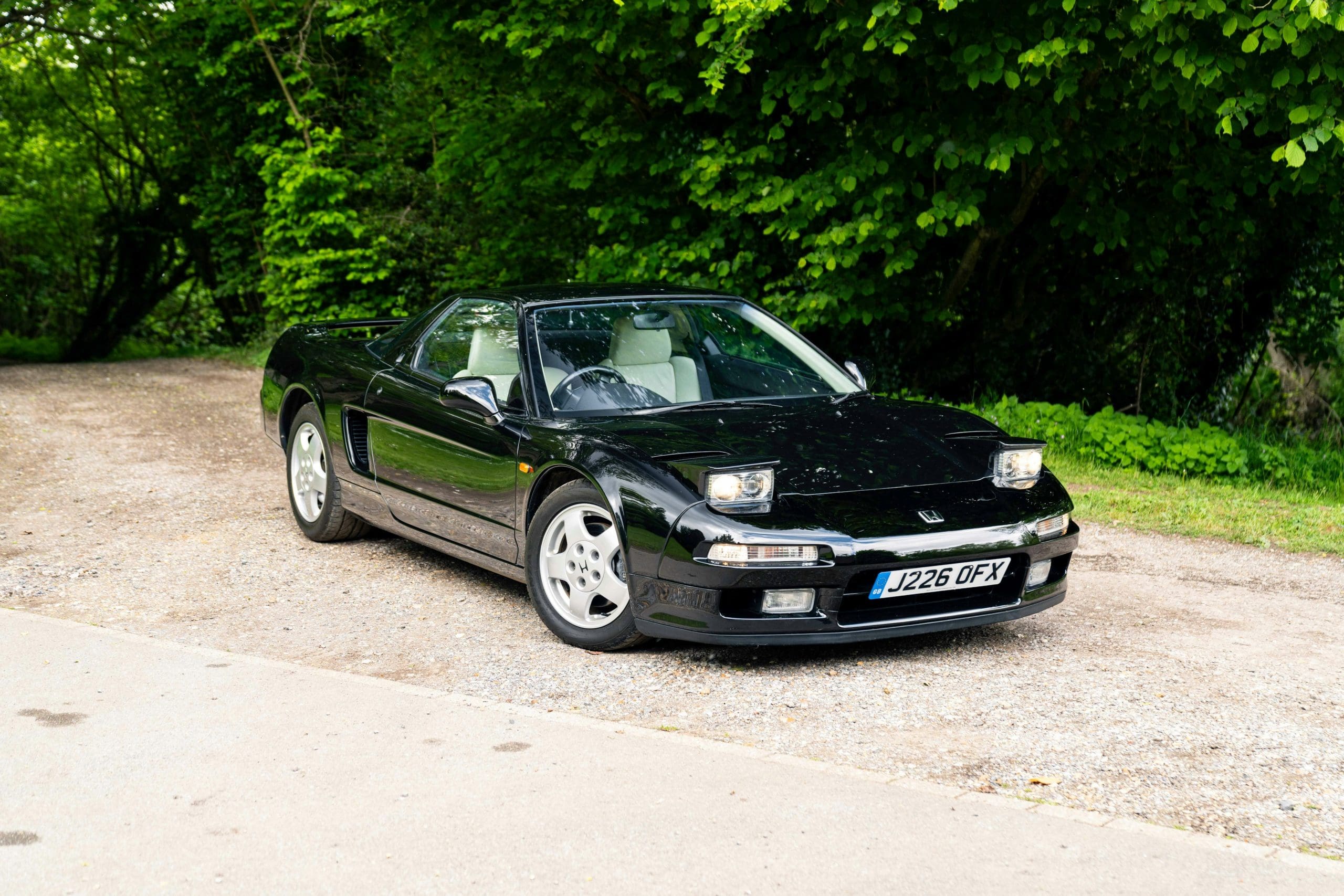
17. Honda NSX
Honda set out to build a car as fast and as exciting as a Ferrari that would start every morning, could be seen out of and would not hurt its owner. It had an aluminium body and structure, the first on a production car, and a V6 that revved to 8,000. Ayrton Senna helped to tune the chassis.
It is first on our Honda list and seventh on our driver's cars list. Its real importance is what it did to everybody else. Ferrari's cars improved sharply in the years after it, and Gordon Murray has said it was the car that reset his targets for the McLaren F1.
The supercar you could use was Honda's invention.
Verdict It made Ferrari build better Ferraris.
Ayrton Senna drove a prototype at Suzuka and told Honda's engineers the chassis was not stiff enough. They stiffened it.
- Years
- 1962–73
- Engine
- 1.6 twin-cam four
- Power
- 105 to 126 hp
- Built
- ~ 12,000
Road car · United Kingdom
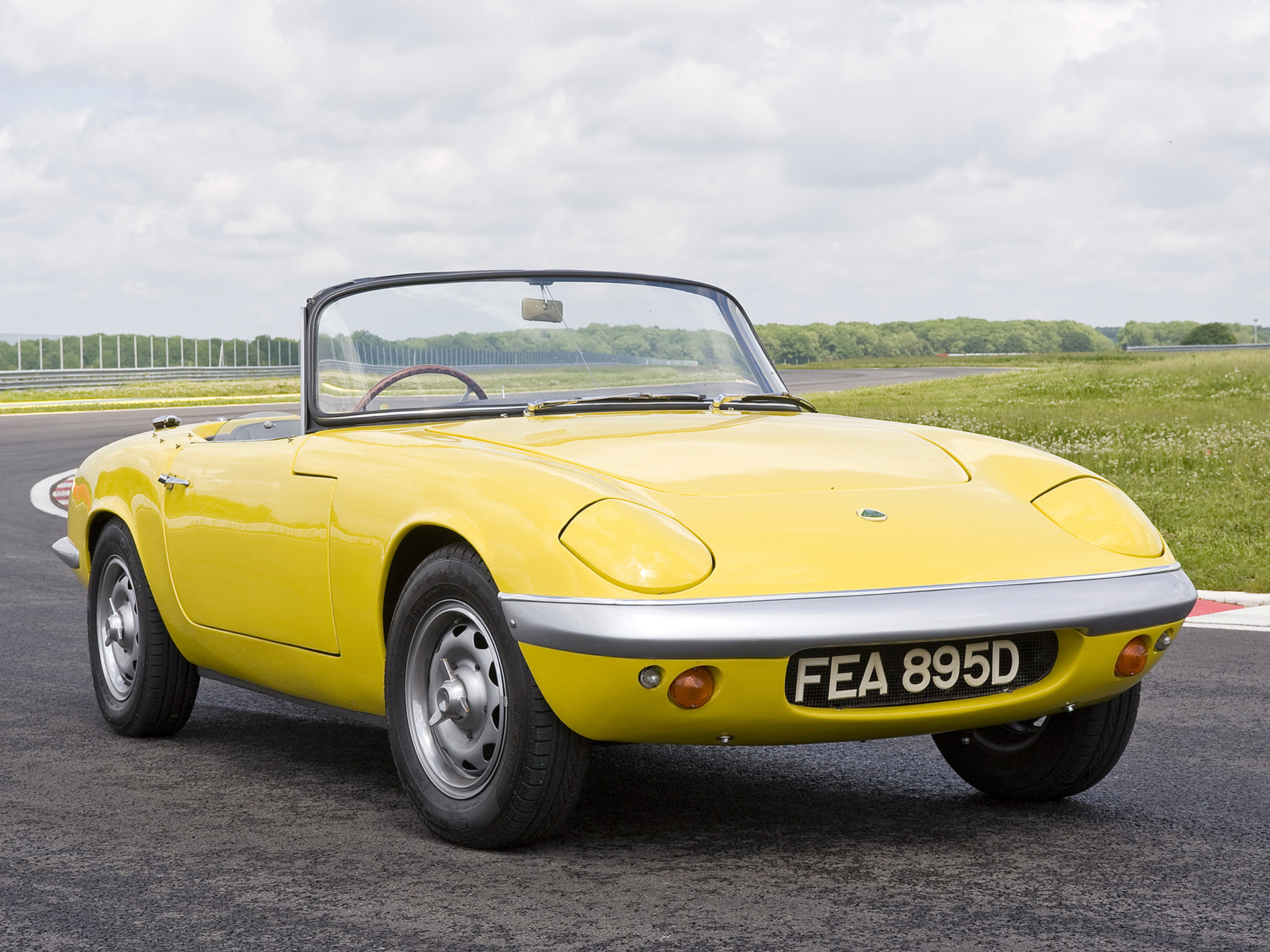
16. Lotus Elan
Colin Chapman's Elan weighed about 700 kilograms and had a backbone chassis, a twin-cam engine and steering of a delicacy that has never been matched. Gordon Murray said the only thing he regretted about the McLaren F1 was that he could not give it the steering of an Elan.
It is first on our Lotus list and fifth on our driver's cars list. It is the proof of an idea that the industry has spent sixty years forgetting and remembering: that lightness does more for a car than power.
The Mazda MX-5, further down this list, was a deliberate attempt to build an Elan that worked every day.
Verdict The benchmark for how a car should steer, since 1962.
Gordon Murray said his one regret about the McLaren F1 was that its steering was not as good as an Elan's.
- Years
- 2003–06
- Engine
- 5.7 V10
- Power
- 605 hp
- Built
- 1,270
Road car · Germany
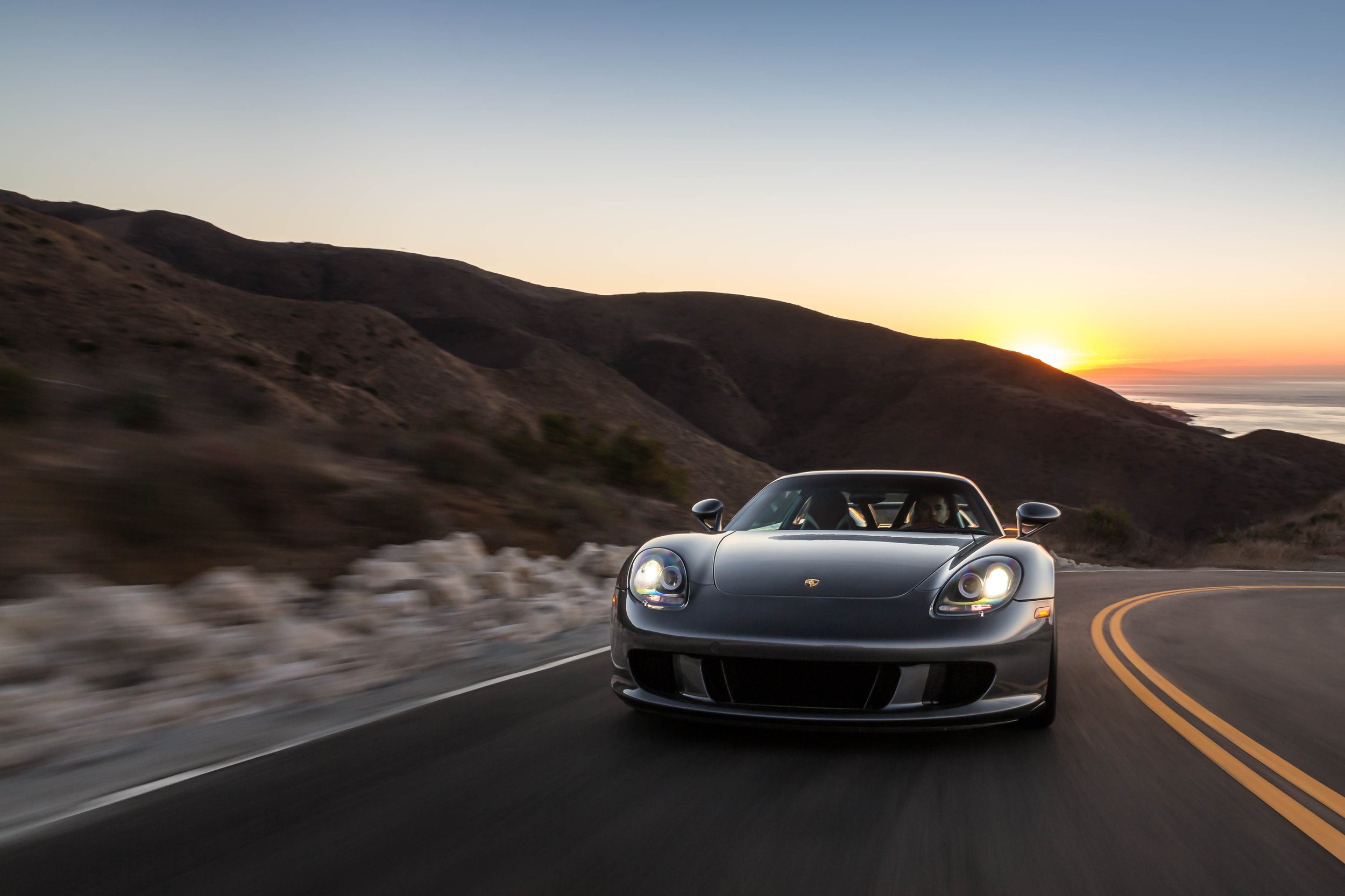
15. Porsche Carrera GT
Porsche had a racing V10 with no race to enter, and built a road car around it. The Carrera GT has a carbon chassis, a manual gearbox, a clutch that punishes clumsiness and an engine that revs to 8,400 with a sound no other road car makes.
It is second on our Porsche list and sixth on our driver's cars list. It has a reputation for being difficult, which is fair, and which is part of why it is here: it was the last supercar built before electronics took over the job of keeping the driver out of trouble.
It is the high-water mark of the analogue supercar, and values have risen accordingly.
Verdict The last supercar that expected you to know what you were doing.
The V10 was designed for a Le Mans prototype that Porsche cancelled. The gear knob is made of wood, as in the 917.
- Years
- 1936–38
- Engine
- 3.3 supercharged straight-eight
- Power
- About 200 hp
- Built
- 4
Road car · France
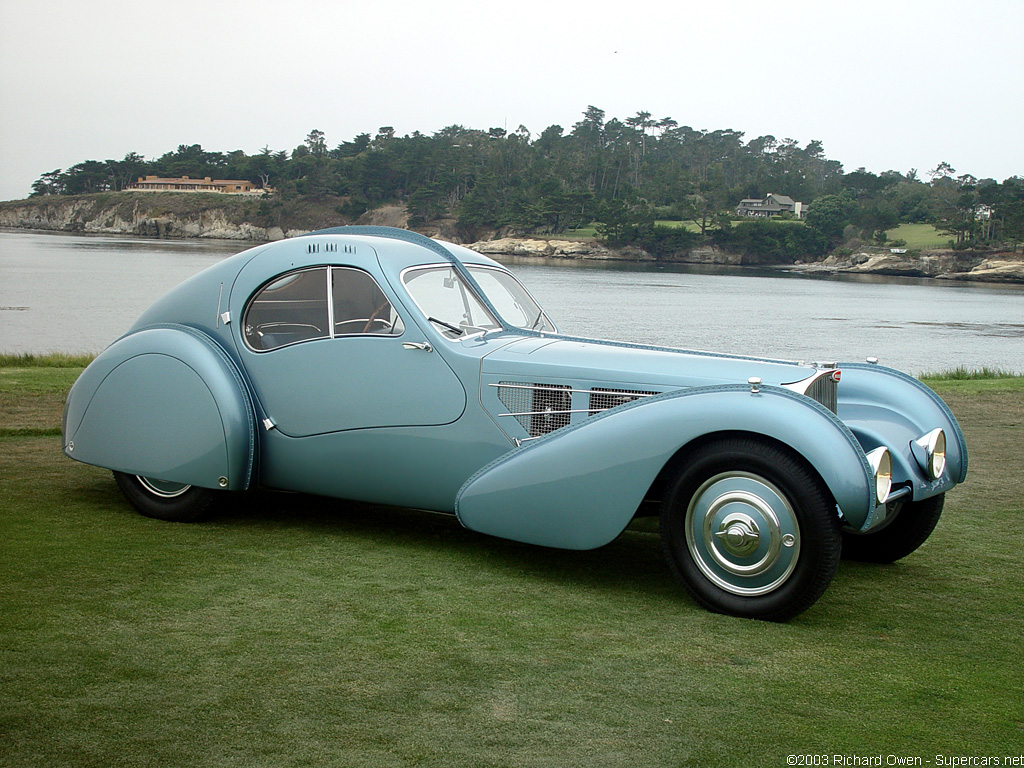
14. Bugatti Type 57SC Atlantic
Four were made and three survive. The Atlantic is the car that people who rank cars as art put first, and it has won Best of Show at Pebble Beach twice.
Jean Bugatti designed it, with a riveted seam running down the spine of the body from nose to tail. Underneath is the best of the Type 57 chassis, low and supercharged, and it was one of the fastest cars of its day.
It is fifth on our prewar list and first on our Pebble Beach list, and those two rankings measure different things. On this list it is here for looks above all, with performance to back them.
It changed nothing, because nobody could follow it. It is simply the high point of an idea of the motor car that the war ended.
Verdict The motor car as sculpture, and nothing has surpassed it.
One of the four, Jean Bugatti's own car, disappeared in 1940 and has never been found.
- Years
- 1938-2003
- Engine
- Rear air-cooled flat-four
- Built
- 21,529,464
Road car · Germany
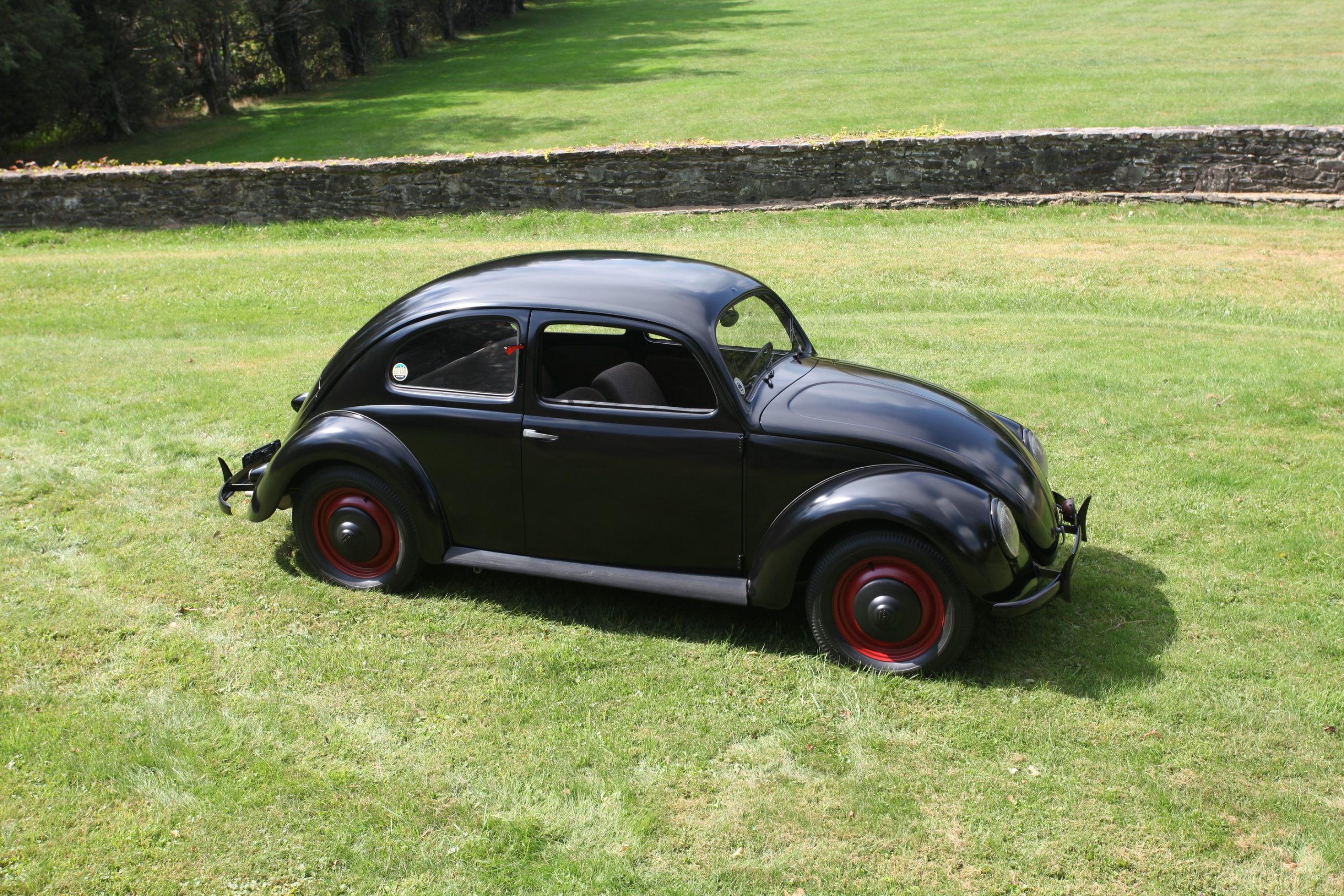
13. Volkswagen Beetle
More than 21.5 million were built over sixty-five years, to a design that barely changed. It passed the Model T's record in 1972 and kept going until 2003.
Ferdinand Porsche's design put an air-cooled engine at the back, which meant no radiator to freeze or boil and traction on bad roads. It was cheap to buy, simple to mend and almost impossible to kill.
Its origins are the darkest of any car here, and it never served the purpose it was commissioned for. What it became after 1945, under British army supervision and then German management, was the car that put Europe, and later much of the world, on wheels.
It is below the Model T because the Ford got there first, and below the Mini because the Mini's layout is the one that lasted.
Verdict The people's car, eventually, for more people than any other.
It passed the Model T's production record on 17 February 1972.
- Years
- 1962–64
- Engine
- 3.0 V12
- Power
- 300 hp
- Built
- 36
Road car · Italy
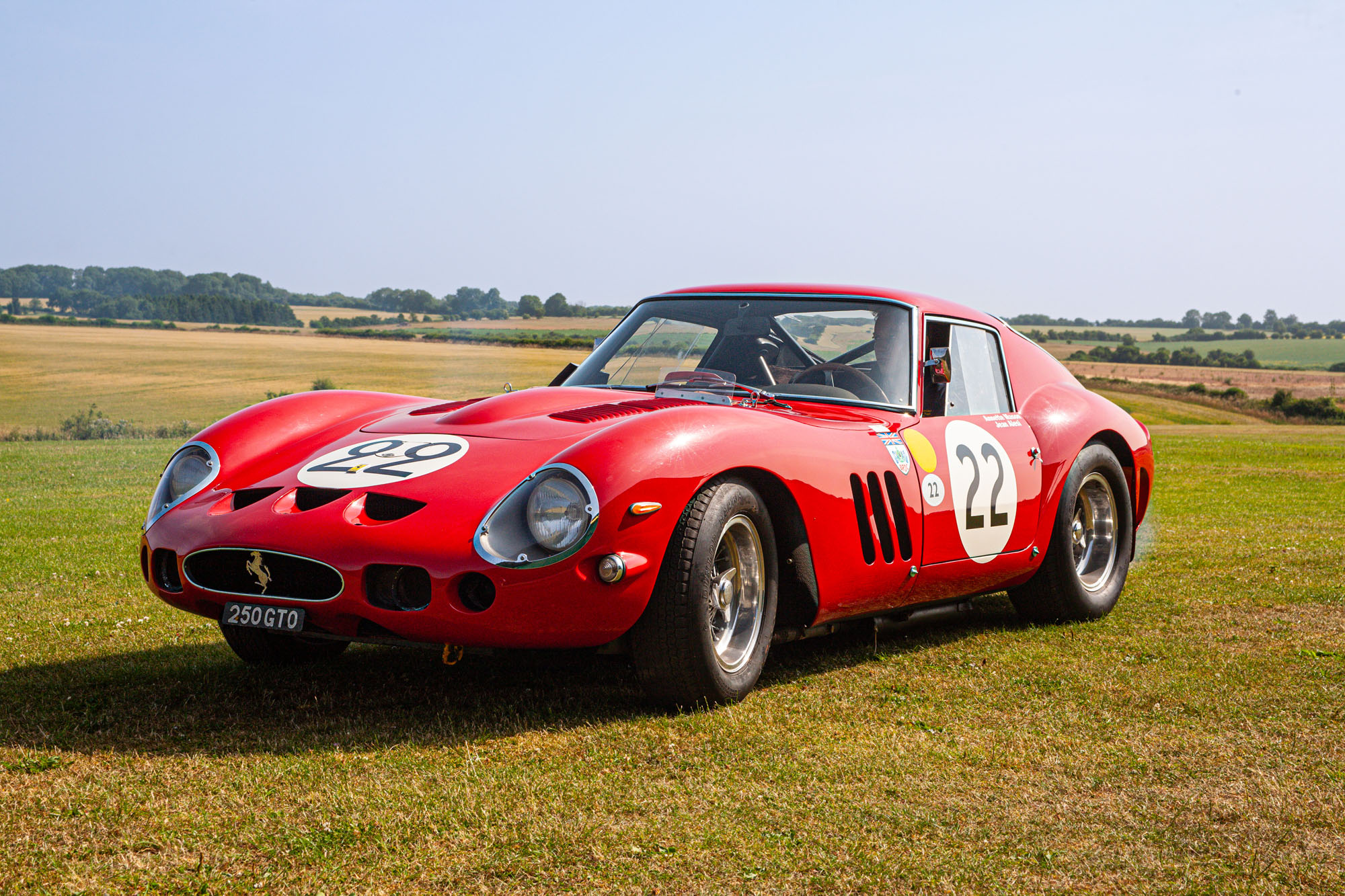
12. Ferrari 250 GTO
Thirty-six were built, to race, and they won the GT world championship three years running. Each could be driven to the circuit, raced and driven home. It is the most valuable car in the world and has been for decades.
It is third on our Ferrari list and first on our list of homologation specials. On this list it sits below the F40, as it does on the Ferrari list, because the criterion includes how a car changed things and the GTO was the perfection of an existing idea, the front-engined racing GT, and the last of its kind to win.
As an object it has no equal. It is the car in which racing success, beauty, rarity and usability meet more completely than in any other.
Verdict The most valuable car in the world, and it earned it on the track.
All 36 survive. Buyers needed Enzo Ferrari's personal approval.
The full story of the Ferrari 250 GTO →239 stories in the archive →
- Years
- 1966–73
- Engine
- 3.9 V12, mounted across the car
- Power
- 350 to 385 hp
- Built
- 764
Road car · Italy
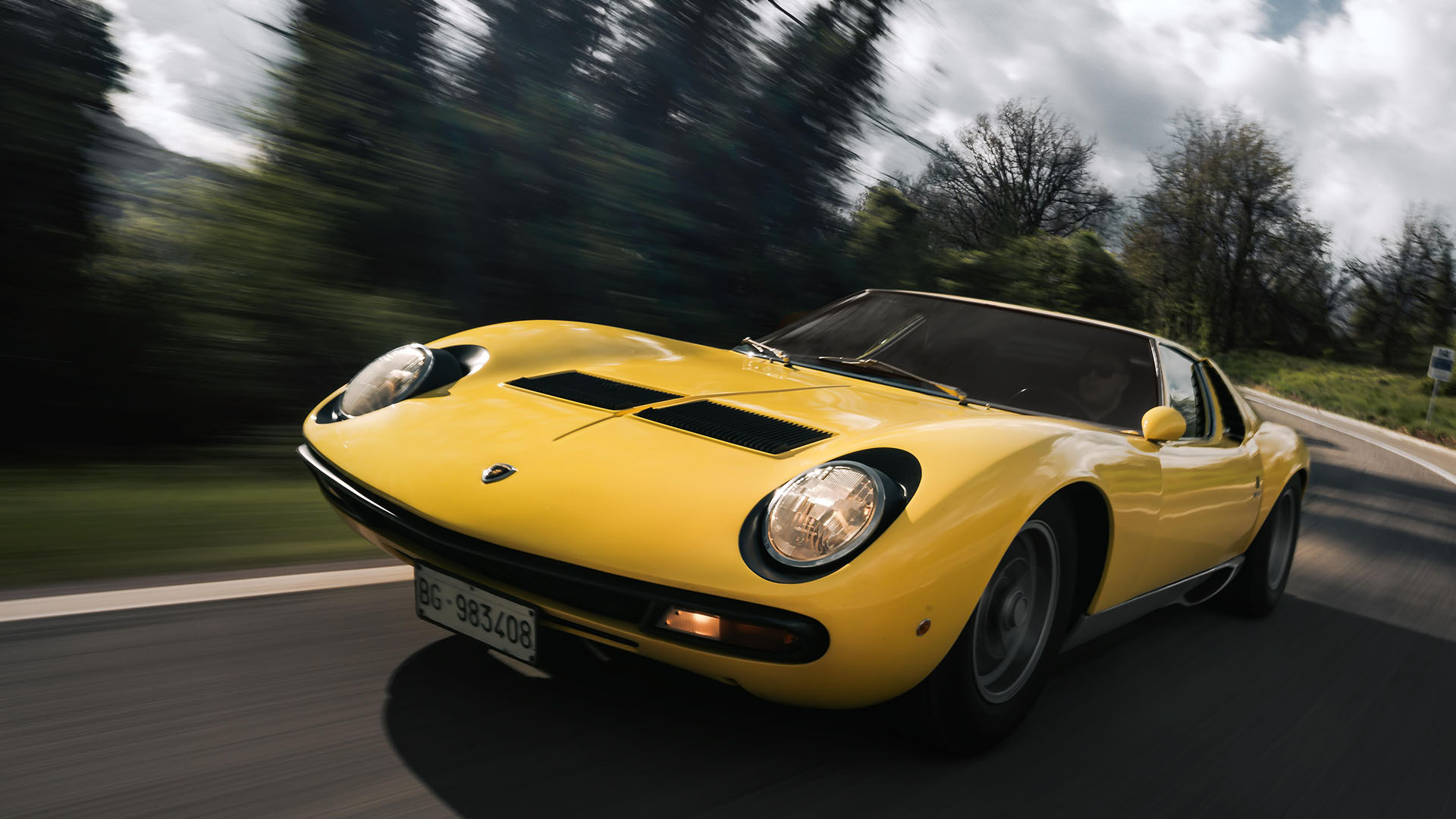
11. Lamborghini Miura
The Countach fixed the look. The Miura, seven years earlier, fixed the layout: a twelve-cylinder engine behind the driver in a road car. It was done by three engineers in their twenties, working after hours, and shown as a bare chassis before there was a body for it.
The body, when it came, was the most beautiful thing on the road. It is second on our Lamborghini list. Many would put it first, and on looks alone they are right.
It was not well developed. The nose went light at speed and the carburettors sat above a hot engine. But it turned Lamborghini from a maker of fast grand tourers into the company Ferrari had to answer, and it did it in 1966.
Verdict The first supercar that looked like one.
The engineers who drew it were in their twenties, and worked on it after hours because Ferruccio Lamborghini had not asked for it.
- Years
- 1974–78
- Engine
- 3.9 V12
- Power
- 375 hp
- Built
- ~ 150
Road car · Italy
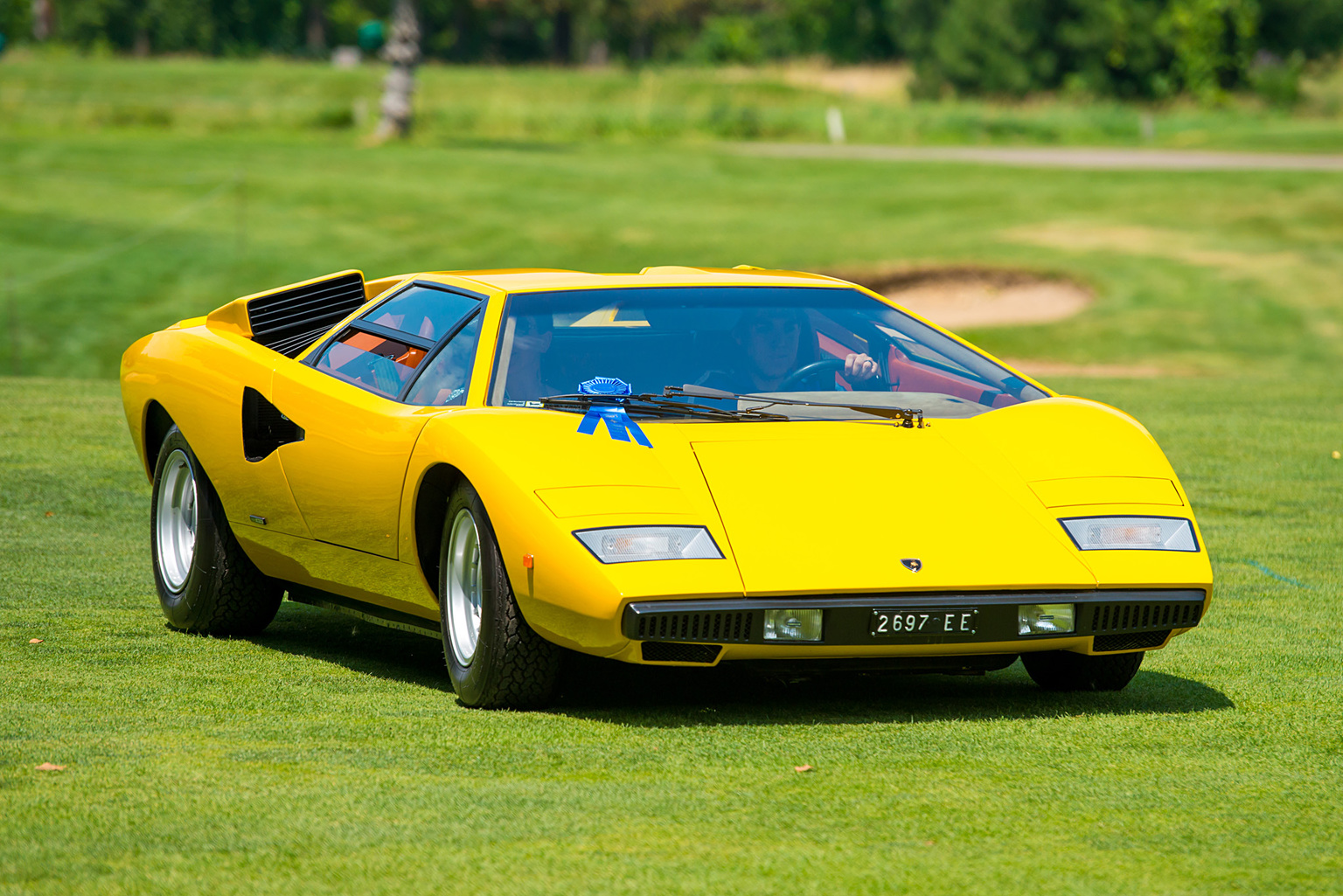
10. Lamborghini Countach LP400
A tractor maker's car company, less than ten years old, showed this in 1971. The Countach is the car that fixed what a supercar looks like: a wedge, with the cabin pushed forward, the engine behind it lengthways, and doors that swing up and forward.
Marcello Gandini drew it, and the first production version, the LP400, is the cleanest, before the wings and arches arrived. It is first on our Lamborghini list, ahead of the Miura, and we have kept that order.
It is difficult to see out of, heavy to drive and impossible to park. None of that has ever mattered. More than any other car on this list, it exists to be looked at, and for fifty years every supercar has been drawn either in imitation of it or in deliberate reaction against it.
Verdict Every bedroom wall and every supercar since.
Countach is an exclamation of surprise in the Piedmontese dialect. It is said a workman at Bertone used it on seeing the car.
- Years
- 1961–68
- Engine
- 3.8 and 4.2 straight-six
- Power
- 265 hp
- Built
- 38,419
Road car · United Kingdom
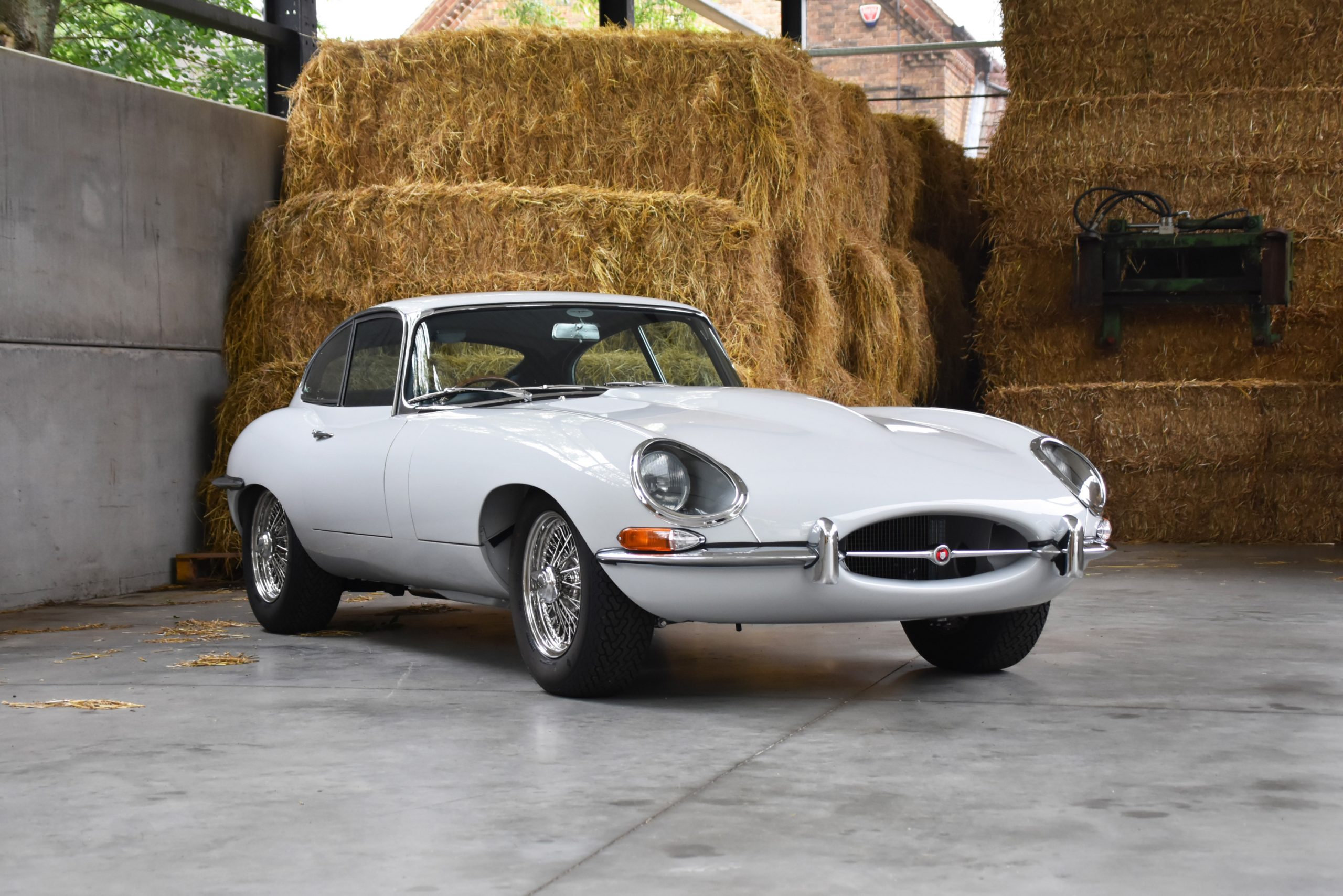
9. Jaguar E-type (Series 1)
It did 150 mph, or nearly, and cost about half the price of an Aston Martin and a third that of a Ferrari. It had disc brakes all round and independent rear suspension when most rivals had neither. And it looked the way it looks.
The shape came from an aerodynamicist, Malcolm Sayer, who had worked on aircraft and on Jaguar's Le Mans winners, and it was arrived at by calculation as much as by eye. It is first on our Jaguar list.
The E-type made everything else on sale in 1961 look old and overpriced in one afternoon at Geneva. It is lower than the Gullwing because the Mercedes got there first and was better made. But no car has ever offered so much speed and so much beauty for so little money.
Verdict The best-looking car ever sold at a price people could reach.
Jaguar's test driver Norman Dewis drove a second car through the night from Coventry to Geneva for the launch in March 1961.
- Years
- 1955-1975
- Engine
- Four-cylinder, 1.9 to 2.3 litres
- Power
- 75 to 141 hp
- Built
- 1,455,746
Road car · France
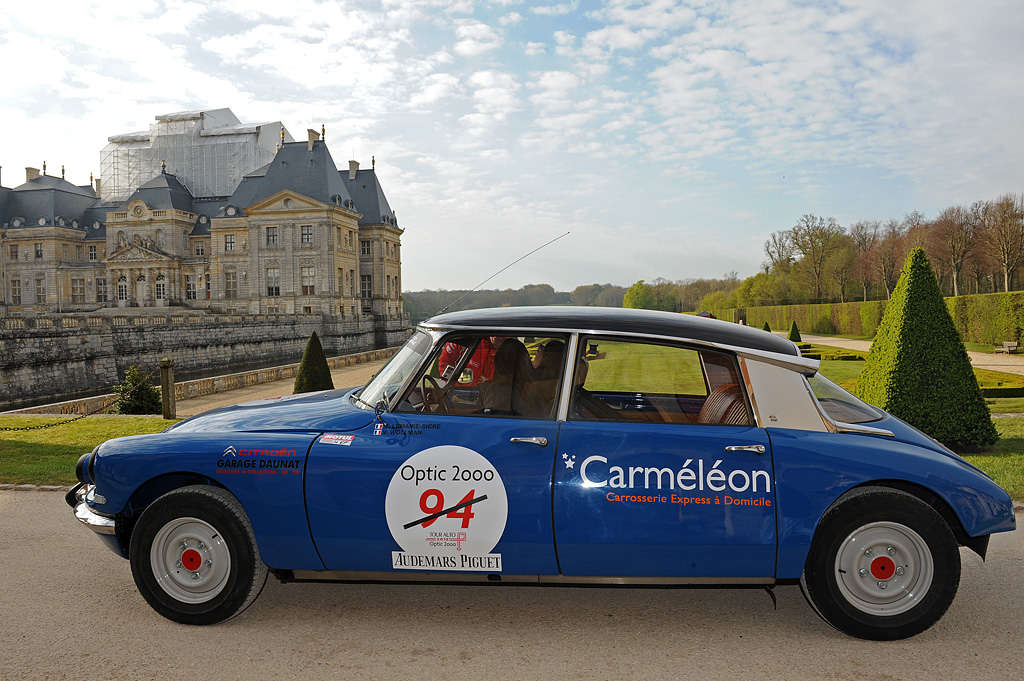
8. Citroën DS
When Citroën showed the DS at Paris in October 1955 it took about 12,000 orders on the first day. Nothing so advanced had ever been offered to the public, and arguably nothing has since, relative to its time.
It rode on spheres of gas and fluid instead of springs and kept itself level whatever the load. The same hydraulics worked the brakes, the steering and the gearchange. It had disc brakes when racing cars were only just getting them. The body was as radical as the engineering.
It stayed in production for twenty years and nearly 1.5 million were made, which answers the charge that it was too clever to sell.
It is here above every sports car but four because it is the best example there is of a company deciding to build the car of the future and then doing it.
Verdict Twenty years ahead in 1955, and still not quite caught.
About 12,000 were ordered on the first day of the 1955 Paris show.
- Years
- 1954–57
- Engine
- 3.0 straight-six, fuel injected
- Power
- 215 hp
- Built
- 1,400
Road car · Germany
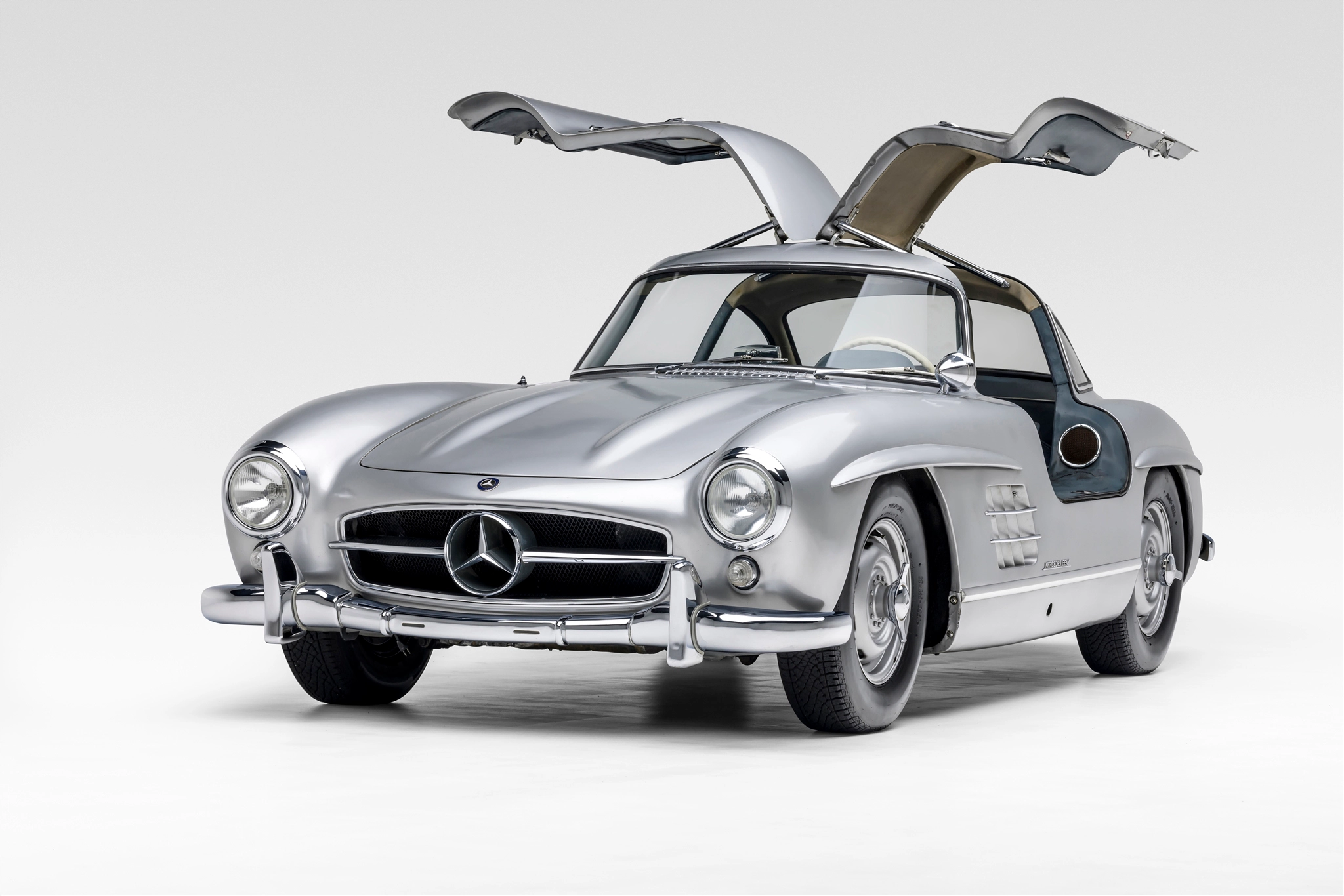
7. Mercedes-Benz 300 SL Gullwing
It began as a racing car that won Le Mans in 1952, and was turned into a road car because the American importer said he could sell a thousand. The doors open upwards because the chassis, a lattice of thin tubes, runs along the sills where ordinary doors would be.
It had fuel injection, the first on a production four-stroke car, and it was the fastest road car in the world. It is first on our Mercedes-Benz list.
The Gullwing is the point at which the post-war sports car stopped being a pre-war car with a new body. Everything about it came from racing and almost none of it had been seen on the road before. It also looks like nothing else, which is why it is the one classic that people who know nothing about cars can name.
Verdict The first supercar, twenty years before the word.
The doors open upwards because the tubular frame runs high along the sills, leaving no room for ordinary ones.
- Years
- 1908–27
- Engine
- 2.9 four
- Power
- 20 hp
- Built
- More than 15 million
Road car · United States
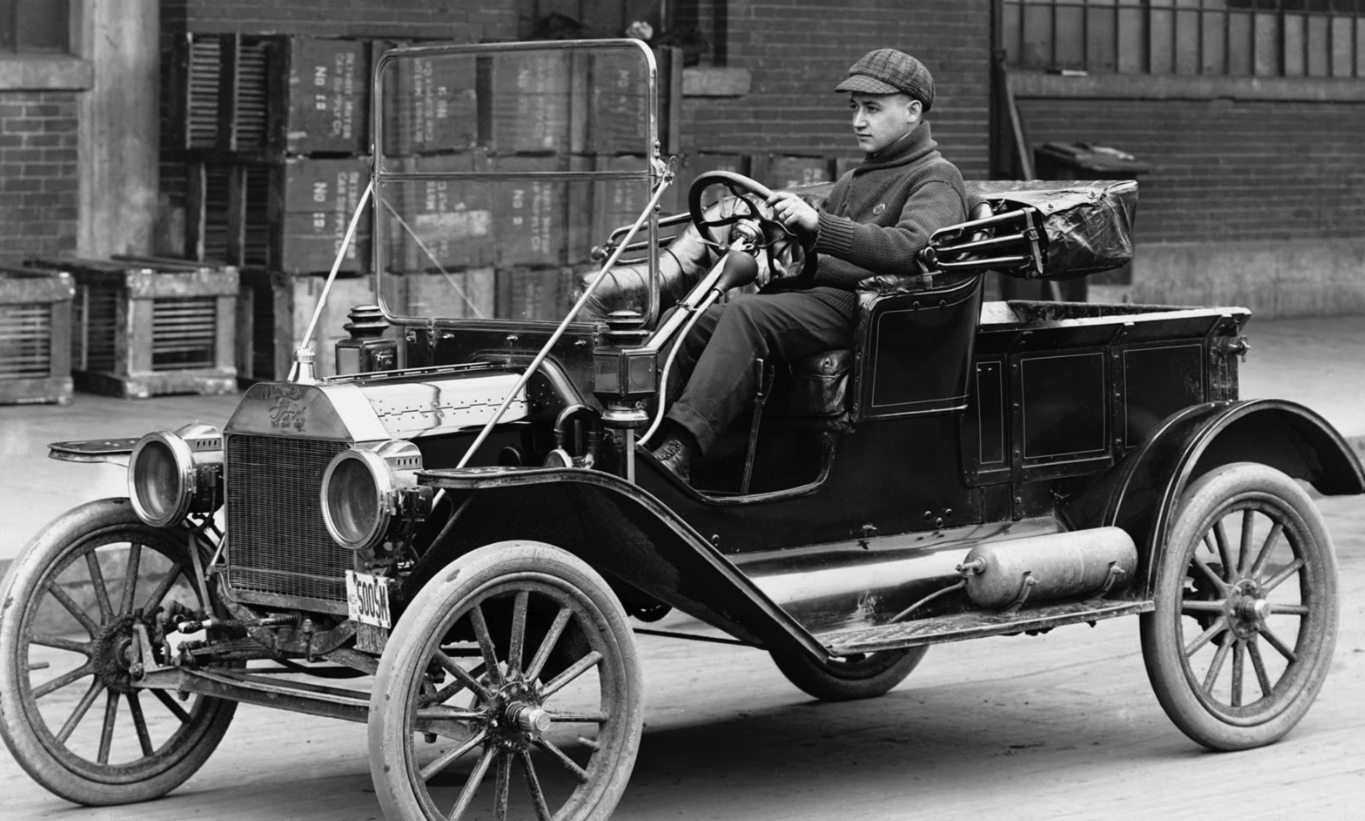
6. Ford Model T
No car has changed more. Before the Model T a motor car was a rich man's toy. After it, in America, it was something a farmer or a factory worker could own, and the country was rebuilt around that fact.
It was simple, strong, light and high off the ground, because American roads in 1908 were mostly mud. From 1913 it was built on a moving line, and the price fell year after year. Fifteen million were made.
It is sixth and not first because this list has four tests and the Model T passes one of them more completely than any car in history and the other three hardly at all. It is not rewarding to drive and nobody ever called it handsome.
On what it changed, nothing else on this list is in the same conversation.
Verdict The most important car ever made, which is not the same as the best.
Its price fell from $850 at launch to under $300 in the 1920s.
- Years
- 1959-2000
- Engine
- Transverse four-cylinder, gearbox in the sump
- Built
- 5,387,862
Road car · United Kingdom
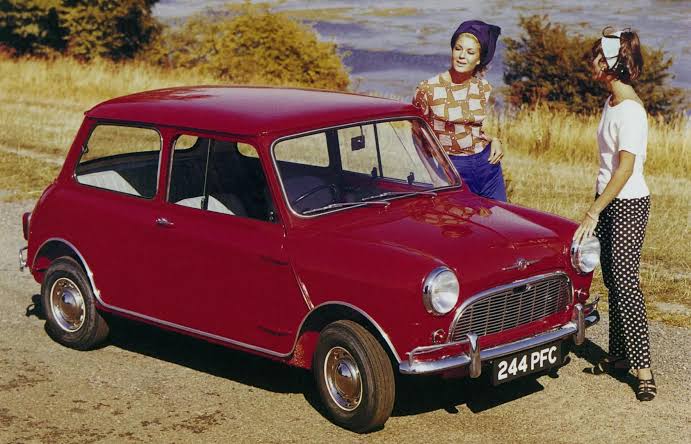
5. BMC Mini
Alec Issigonis turned the engine sideways, put the gearbox under it, drove the front wheels and pushed a wheel into each corner. Four-fifths of the car's floor was left for people. It was ten feet long and seated four adults.
That would be enough. But the Mini also turned out to handle better than almost anything on the road, and in Cooper S form it won the Monte Carlo Rally in 1964, 1965 and 1967 against cars with three times the power.
It was classless in a way no car had been: district nurses bought them and so did film stars. More than 5.3 million were made over forty-one years. In 1999 a jury of motoring writers voted it the second most influential car of the century.
Nearly every small car built since uses its layout.
Verdict The cleverest car ever made, and one of the most fun.
In 1999 it was voted the second most influential car of the century, behind the Model T.
- Years
- 1937–39
- Engine
- 2.9 supercharged straight-eight
- Power
- 180 hp
- Built
- ~ 30
Road car · Italy
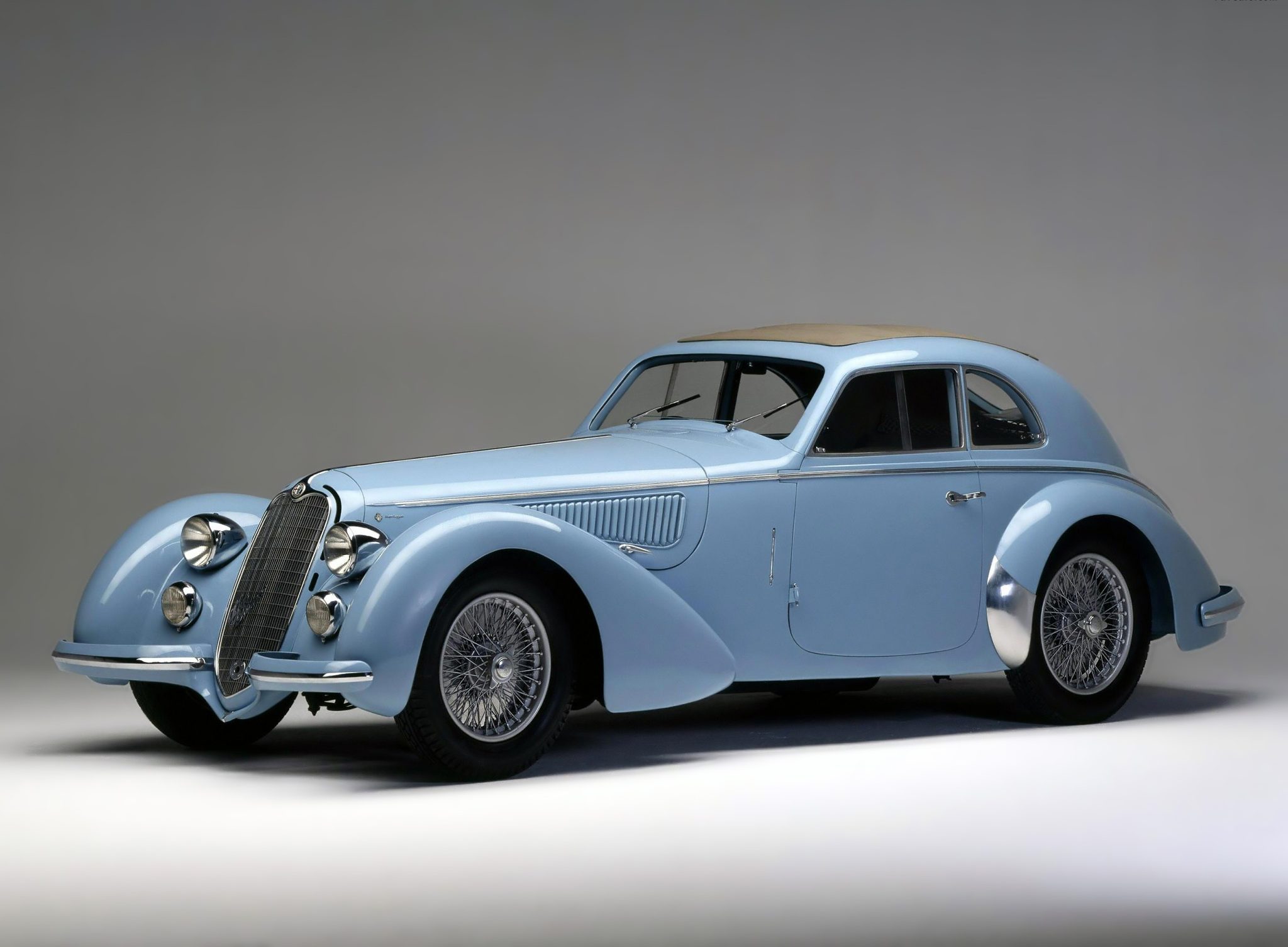
4. Alfa Romeo 8C 2900B
The best car in the world before the war, on any test you like. Alfa Romeo took the supercharged straight-eight from its grand prix cars, put it in a chassis with independent suspension at both ends, and had Touring of Milan body it. It was faster than anything else on the road, it won the Mille Miglia, and it is among the most beautiful cars ever made.
It is second on our prewar list, behind only a racing car, first on our Alfa Romeo list, and it has twice won Best of Show at Pebble Beach. Very few were built.
It is here above the Model T and the Mini because it does what they do not: it scores on driving and on looks as well as on what it achieved. If the McLaren F1 has an ancestor, this is it.
Verdict The McLaren F1 of 1937.
One sold at Monterey in 2016 for $19.8 million, then a record for a prewar car at auction.
- Years
- 1987–92
- Engine
- 2.9 twin-turbo V8
- Power
- 478 hp
- Built
- 1311
Road car · Italy
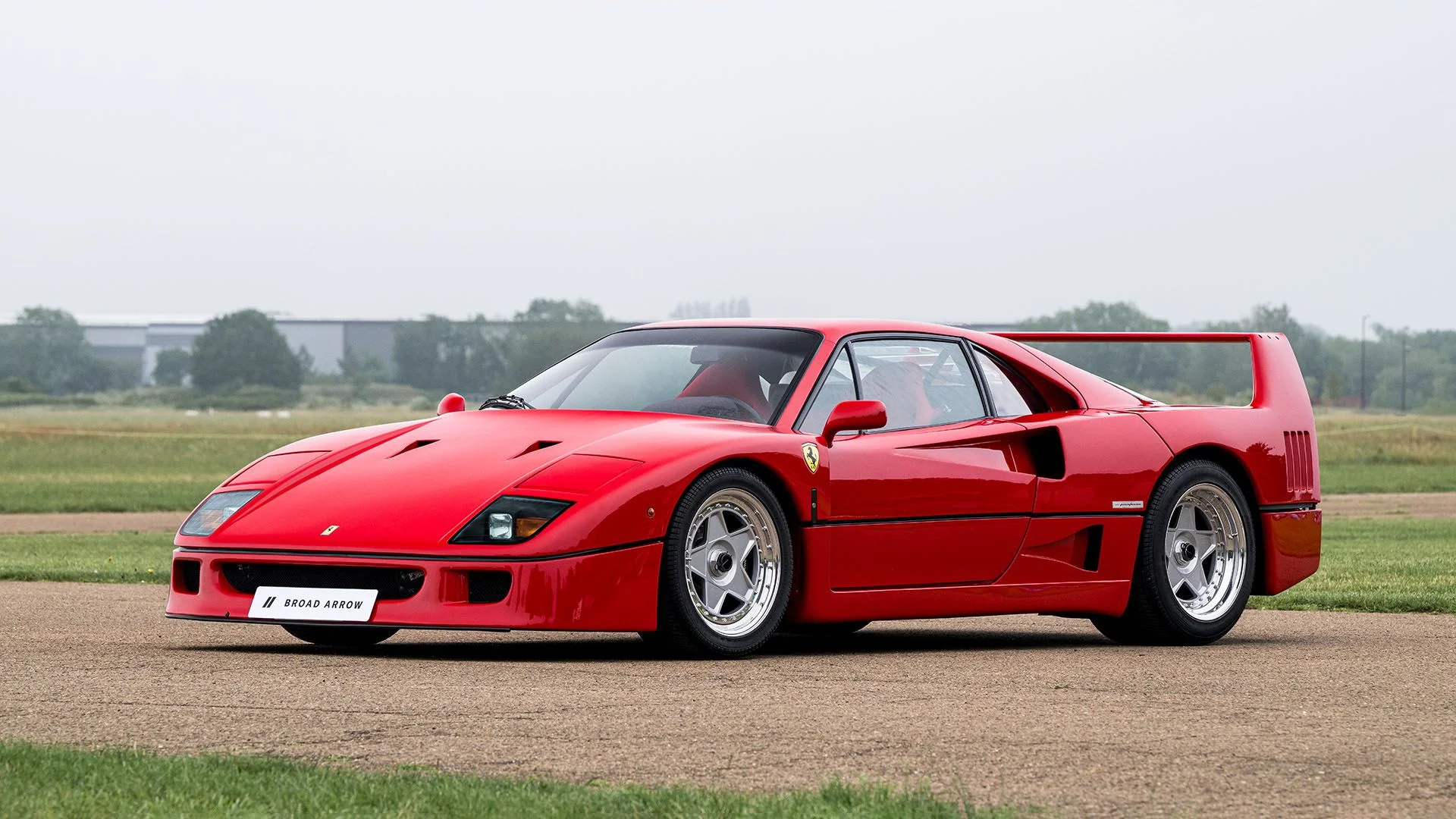
3. Ferrari F40
The last car Enzo Ferrari signed off, built to mark forty years of the company, and it is the Ferrari the others are judged against. There is no carpet, no radio and no door handle, only a cord. The body is composite, the engine is a twin-turbocharged V8 that does very little and then a very great deal, and nothing stands between the driver and the consequences.
It is first on our Ferrari list, ahead of the 250 GTO, and that order is kept here. The GTO is rarer and worth fifty times as much. The F40 is the one that people who have driven both tend to talk about afterwards.
It was the first production car claimed to exceed 200 mph. It is on this list for a simpler reason: it is the purest statement of what a Ferrari is for.
Verdict No carpet, no radio, no door handles, no equal.
The last car Enzo Ferrari signed off. No carpets, and the doors open with a pull cable.
- Years
- 1972–73
- Engine
- 2.7 flat-six
- Power
- 210 hp
- Built
- 1,580
Road car · Germany
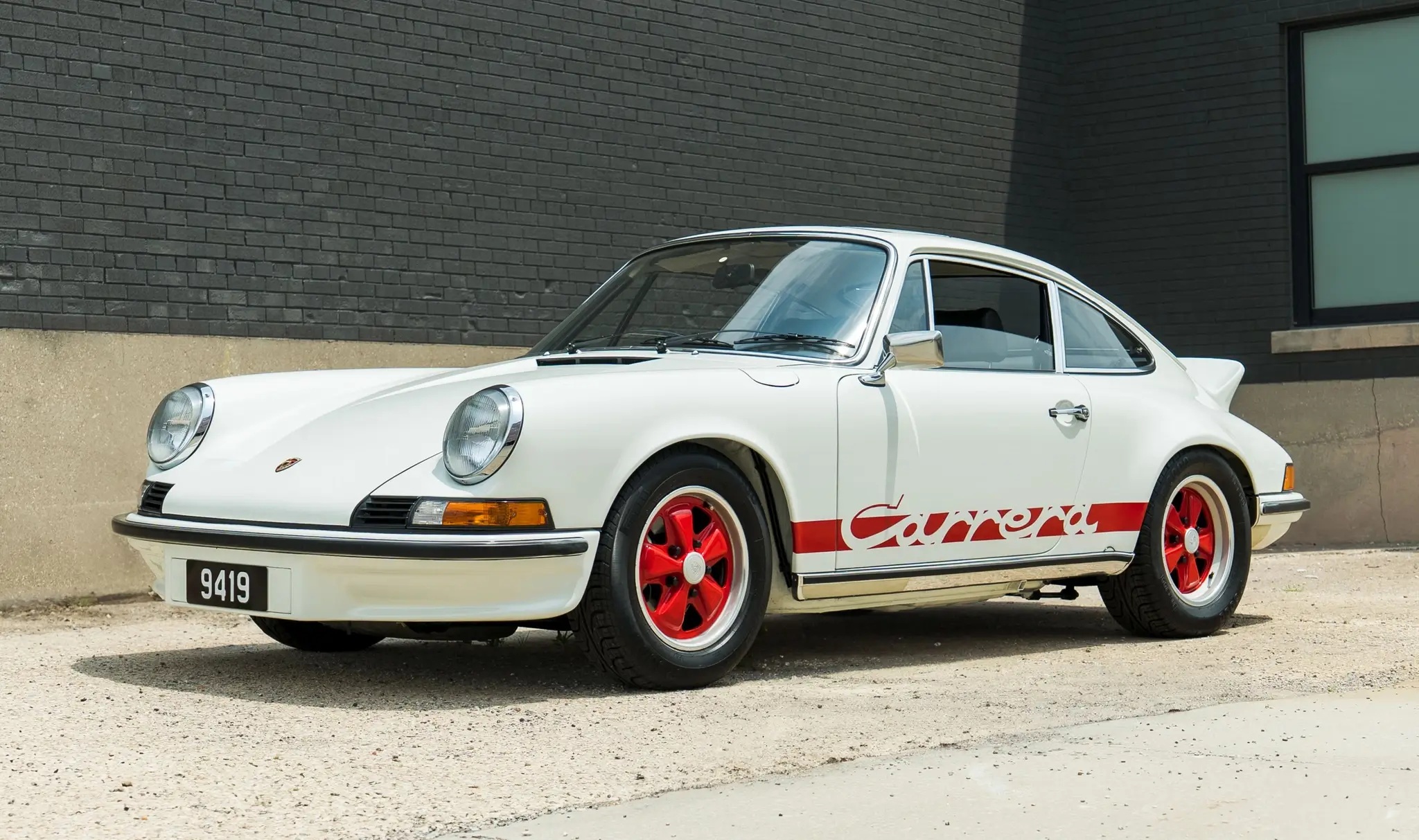
2. Porsche 911 Carrera RS 2.7
The 911 is the most successful sports car ever made, and this is the 911 at the moment everything about it came right. Porsche needed 500 to qualify the car for racing and made it lighter, wider at the back and more powerful, with a 2.7-litre engine and a small upturned spoiler on the engine cover that the salesmen feared nobody would buy. They sold three times as many as planned.
It is first on our Porsche list and third on our driver's cars list, and it stands here for the whole line. No car has been developed for longer by the same company along the same idea, and the RS is the version that showed how good the idea was.
Every lightweight, track-minded 911 since, every GT3 and every RS, is an attempt to do this again.
Verdict Sixty years of the 911, concentrated into one car.
Porsche needed to sell 500 to qualify the car for racing and doubted it could. It sold 1,580.
The best of the 100 · Road car · United Kingdom
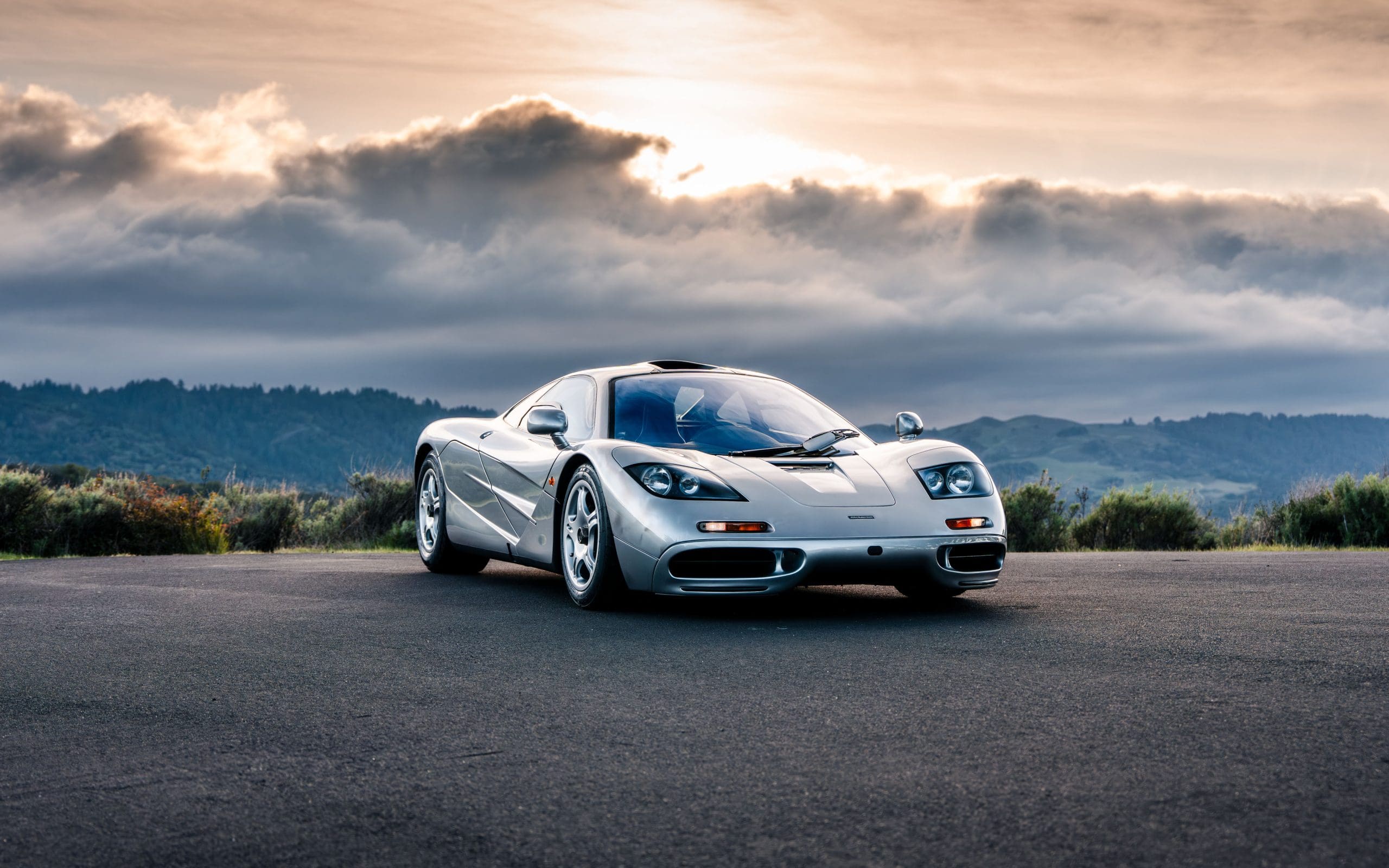
1. McLaren F1
- Years
- 1992–98
- Engine
- 6.1 V12
- Power
- 627 hp
- Built
- 64 road cars
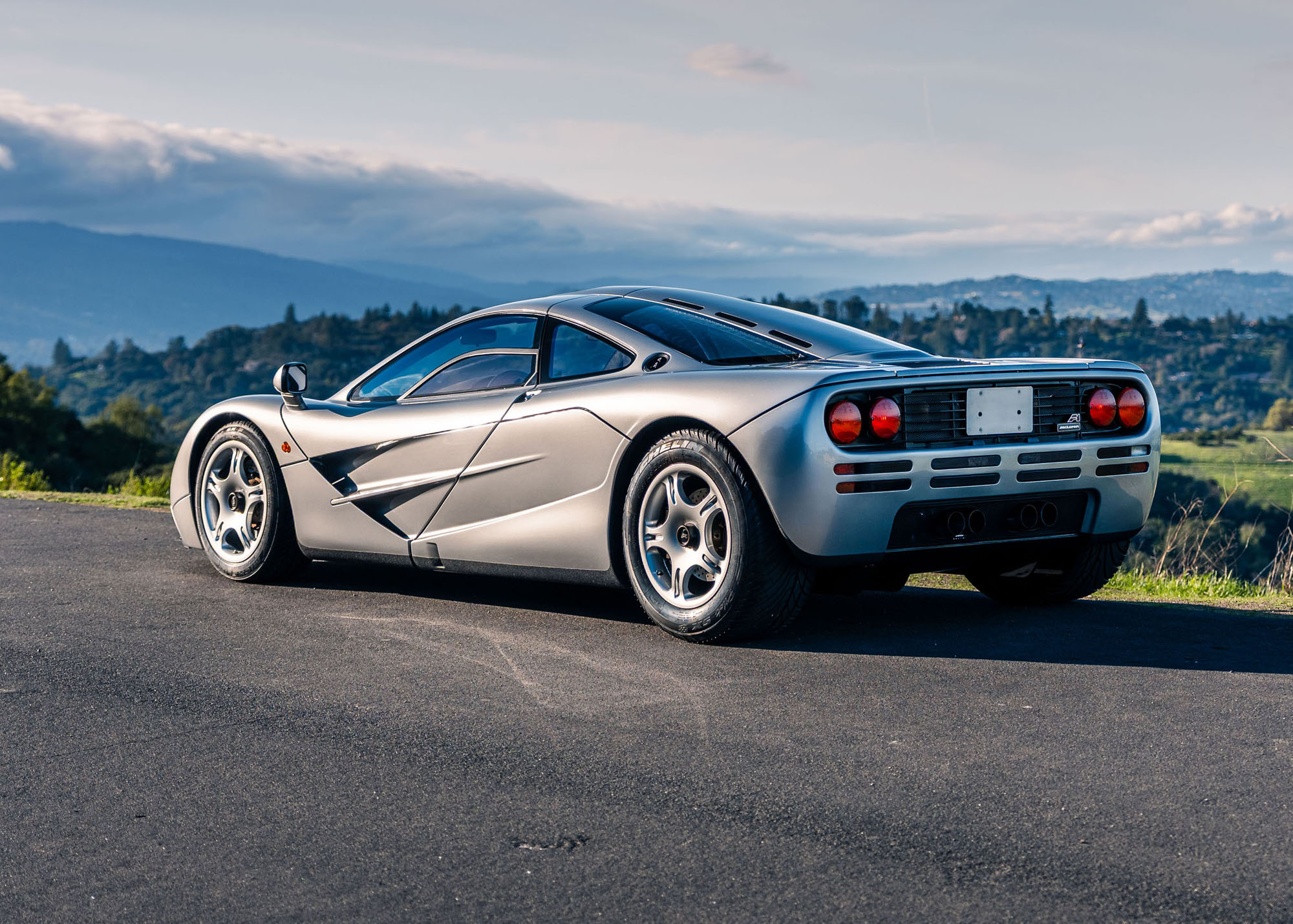
We set four tests for this list: what a car achieved, how it drives, how it looks and what it changed. Most great cars pass two with distinction. A handful pass three. The McLaren F1 is the only one that comes first or close to first on all four.
Gordon Murray set out to build the best driver's car possible and ignored everything that did not serve that. The driver sits in the middle. The chassis is carbon fibre, the first on a road car. The BMW V12 has no turbochargers, the gearbox is manual and there is no power steering, no anti-lock braking and no traction control. It weighs barely more than a hot hatchback.
It was the fastest production car in the world for more than a decade. Then, with very little modification, it went to Le Mans in 1995 and won outright at the first attempt.
It is second on our list of driver's cars, behind Murray's own later T.50. On this list, where driving is one test of four, nothing else is close.
Verdict The only car that wins or nearly wins every argument you can have about cars.
The engine bay is lined with gold foil to reflect heat. The driver sits in the middle, with a passenger seat set back on each side.
What we left off, and why
Lower than you might expect
The Ferrari 250 GTO at twelve. It is the most valuable car in the world and many would have it first. It is the perfection of an old idea, and the eleven above it either started something or did more things well.
The Ferrari 250 GT SWB at sixty-two. It is eleventh on our Ferrari list, and the rule that keeps each maker's cars in order holds it down. Taken alone it would be thirty places higher.
The Bugatti Veyron at forty-four. A thousand horsepower and 250 mph were astonishing in 2005. It changed the numbers and little else.
Higher than you might expect
The Citroën DS at eight. It is a family saloon with a four-cylinder engine. It was also twenty years ahead of every other car in the world.
The Land Rover and the Jeep at twenty-three and twenty-four. Neither is fast or handsome. Between them they are the reason four-wheel drive exists outside the army.
The Honda NSX at seventeen, above the Porsche 959. It made every supercar after it better, including Ferrari's.
Not on the list
The Ford GT40 and the Bugatti Type 35. Both are among the greatest cars ever made and both were built to race. They are on our racing lists, near the top.
The Ferrari F50, Enzo and LaFerrari. With eight Ferraris in, something had to give, and the F40 and 288 GTO speak for the line.
The Mercedes-Benz SSK and the BMW 328. Two of the best prewar cars. Our own published lists disagree about where they stand against the 540K, and we have left them to the prewar list, where they are ranked on their own terms.
The Toyota Corolla and the Toyota Prius. The best-selling car in history and the first successful hybrid. Important is not the same as best, and neither passes more than one test.
The Porsche 911 as a single entry. A sixty-year line cannot be one car. It is represented by the Carrera RS 2.7 at number two and the first Turbo at fifty-five, and our Porsche list has the rest.
The Aston Martin Valkyrie, the Mercedes-AMG One and the other hypercars of the past ten years. Ask again in twenty.
Tell us what we got wrongQuestions about this list
What is the best car ever made?
On our ranking, the McLaren F1. We judged a hundred road cars on what they achieved, how they drive, how they look and what they changed, and the F1 is the only one at or near the top on all four.
Why is the Ford Model T not number one?
It changed more than any other car, and on that test alone it would be first. But this list has four tests, and the Model T does not score on driving or looks. It is sixth.
Why does this order differ from your list of driver's cars?
That list has a single test: how the car drives. This one has four. The GMA T.50 is first among driver's cars and thirty-seventh here because it has not yet had time to achieve or change much.
Which maker has the most cars on the list?
Ferrari, with eight, followed by Porsche with six. We capped every maker at eight so that the list would cover the whole history of the car and not only its fastest examples.
Are any electric cars on the list?
One, the Tesla Model S, at fifty. On influence it may deserve to be far higher, but we have ranked on what is already settled.
We started from our published rankings: every maker list, the driver's cars, the prewar cars, the coachbuilt cars and the homologation specials. Cars from the same maker keep the order they have on that maker's list, and prewar cars keep their order from the prewar list. To those we added the cars that belong to no maker we have ranked. Each was then scored on four tests of equal weight: what it achieved, how it drives, how it looks and what it changed. No maker was allowed more than eight cars.