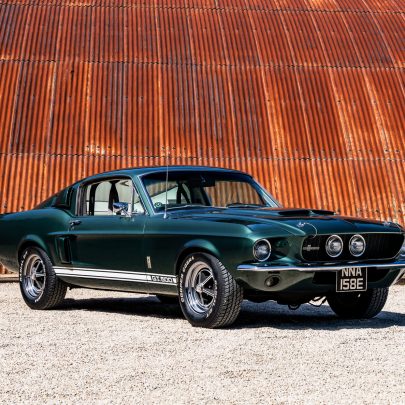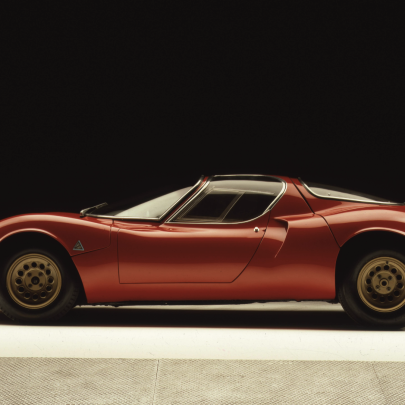

No maker of its size gave the car more than Lancia. The load-bearing body, independent front suspension, the V6 engine, the five-speed gearbox in a production car: all came from a company in Turin that never built in large numbers and rarely made money. Then, in the 1970s and 1980s, it won more world rally championships than anyone. This is our thirty best.
What counts
Road cars sold as Lancias. The Stratos, the 037 and the Delta S4 are here in the form sold to the public, since each was built in a road version to qualify for rallying. The pure racing cars, such as the D50 Grand Prix car and the LC2, are on our racing lists.
How we ranked them
On what each car introduced and achieved, how it drives and how it looks. The first of those weighs more here than on our other marque lists, because innovation is what Lancia was for. That is why a saloon from 1922 is first and the most successful rally car in history is fourth.
Engineers and rally drivers
There are two Lancias, and their admirers do not always overlap. One is the company of Vincenzo Lancia and the engineers who followed him, which built clever, expensive, beautifully made cars from 1908 until Fiat took over in 1969. The other is the rally team of the Fiat years. We have tried to be fair to both. The top five has cars from each, and it alternates.
The calls we expect to be argued with
The Lambda first. Many readers will expect the Stratos or the Integrale. The Lambda invented the way every car is now built.
The Aurelia B20 GT above the Delta Integrale. Our Driver's Cars list has them the other way round. As a car to drive today, the Integrale wins. As a car that mattered, the Aurelia does.
Three Aurelias in the top ten. The coupé, the Spider and the saloon that introduced the V6 are different cars with one remarkable set of mechanical parts.
The Thema 8.32 at 14. A front-wheel-drive saloon with a Ferrari engine is either a great idea or a foolish one. We think it was both.
The last third of the list. Lancia after 1990 gave us little to choose from, and we have filled some places with early cars that mattered more than they are remembered.
See the full ranking, 1 to 30
| Rank | The 30 Best Lancia Road Cars Ever Made | Years |
|---|---|---|
| 1 | Lancia Lambda | 1922–31 |
| 2 | Lancia Stratos HF | 1973–78 |
| 3 | Lancia Aurelia B20 GT | 1951–58 |
| 4 | Lancia Delta HF Integrale | 1987–94 |
| 5 | Lancia Fulvia Coupé HF | 1963-1976 (Fulvia range) |
| 6 | Lancia Aurelia B24 Spider | 1954-1955 |
| 7 | Lancia Aprilia | 1937–49 |
| 8 | Lancia 037 Stradale | 1982–84 |
| 9 | Lancia Flaminia Sport Zagato | 1958-1967 |
| 10 | Lancia Aurelia B10 | 1950-1958 (Aurelia range) |
| 11 | Lancia Delta S4 Stradale | 1985–86 |
| 12 | Lancia Astura | 1931-1939 |
| 13 | Lancia Flaminia GT | 1959-1965 |
| 14 | Lancia Thema 8.32 | 1986-1992 |
| 15 | Lancia Fulvia Sport Zagato | 1965-1973 |
| 16 | Lancia Flavia | 1961-1971 |
| 17 | Lancia Dilambda | 1928-1935 |
| 18 | Lancia Beta Montecarlo | 1975-1981 |
| 19 | Lancia Delta (1979) | 1979-1994 |
| 20 | Lancia Appia | 1953-1963 |
| 21 | Lancia Theta | 1913-1918 |
| 22 | Lancia Gamma Coupé | 1977-1984 |
| 23 | Lancia Augusta | 1933-1936 |
| 24 | Lancia Ardea | 1939-1953 |
| 25 | Lancia Hyena | 1992-1995 |
| 26 | Lancia Beta Coupé | 1973-1984 |
| 27 | Lancia Kappa Coupé | 1997-2000 |
| 28 | Lancia Trikappa | 1922-1925 |
| 29 | Lancia Thesis | 2001-2009 |
| 30 | Lancia Alfa 12 HP | 1908 |
30 to 21
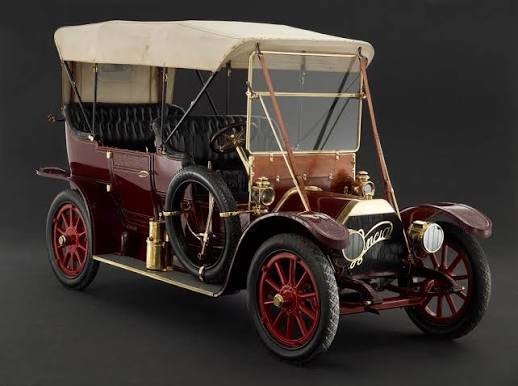
30. Lancia Alfa 12 HP
1908 · 2.5-litre four · 28 hp · A little over 100
The first Lancia. Road tests began in 1907 and production in 1908, with a 2.5-litre four-cylinder engine of 28 hp and a top speed of about 56 mph. A little over a hundred were sold. It is here because everything else began with it.
Verdict Where it started.
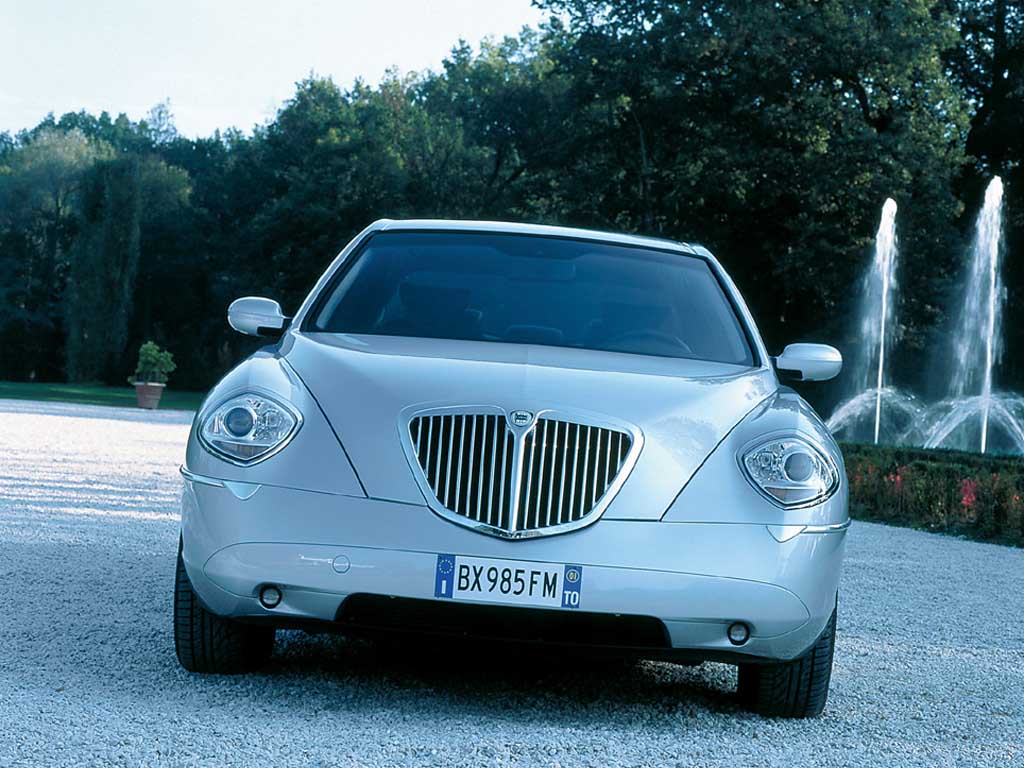
29. Lancia Thesis
2001-2009 · Five-cylinder or V6 · About 16,000
Lancia's last large luxury saloon, based on the Dialogos show car and built from 2001 to 2009. It had adaptive dampers and styling that looked back to the 1950s. About 16,000 were sold. It deserved better.
Verdict The last proper big Lancia.
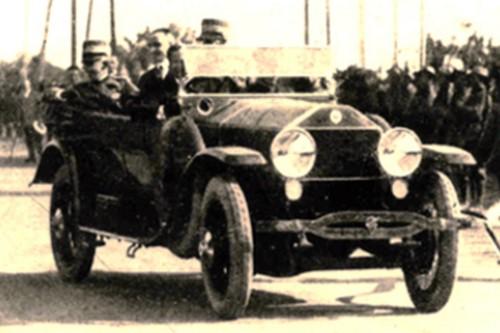
28. Lancia Trikappa
1922-1925 · 4.6-litre narrow-angle V8 · 98 hp · 847
The first of Lancia's narrow-angle V engines went into this car in 1922: a 4.6-litre V8 with its cylinder banks only 14 degrees apart, making 98 hp. Lancia built 847.
Verdict Where the narrow V began.
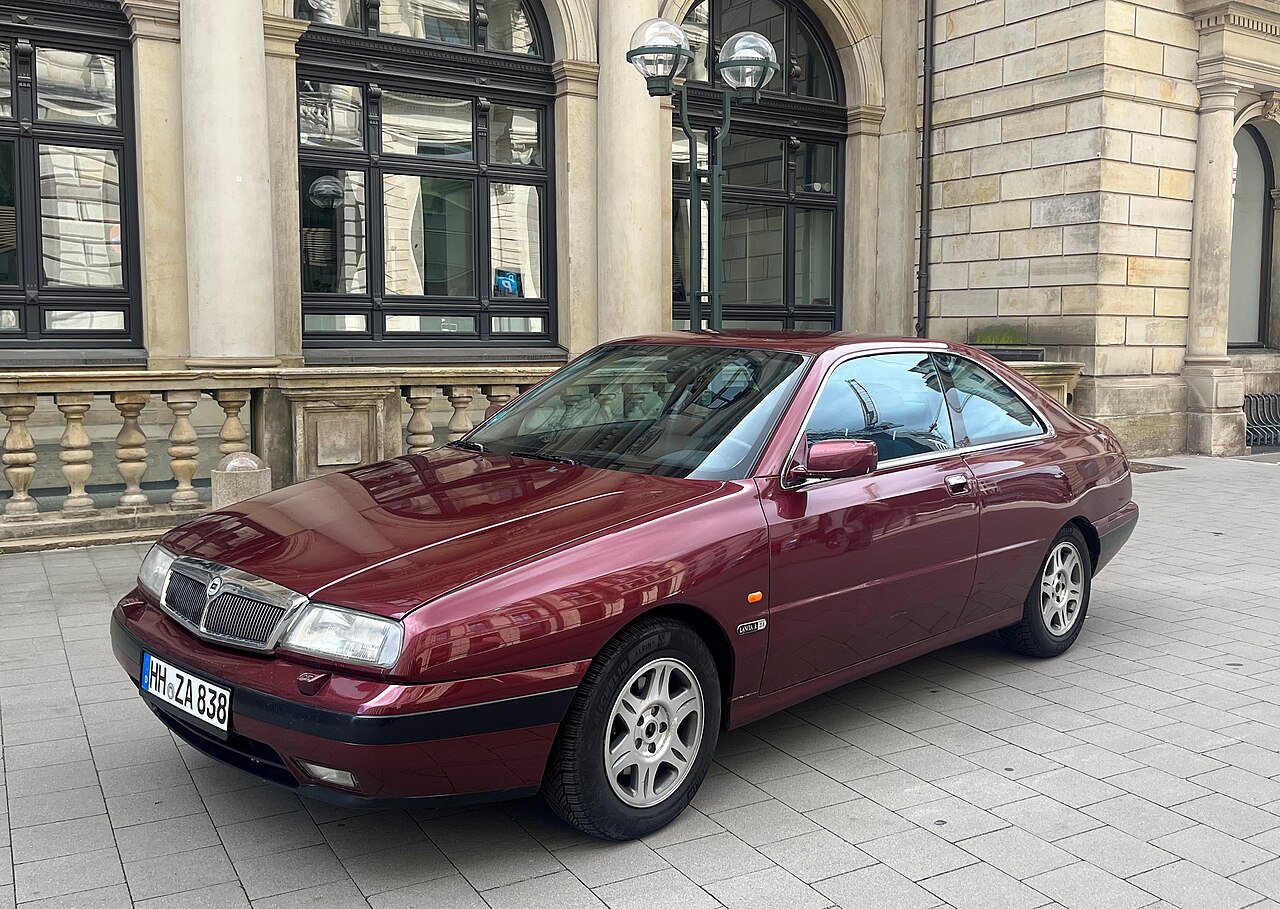
27. Lancia Kappa Coupé
1997-2000 · 2.0-litre turbo five or 3.0-litre V6 · 220 hp (turbo five) · 3,263
A two-door version of Lancia's big saloon, largely hand-built by Maggiora on a shortened wheelbase, with a turbocharged five-cylinder or a V6. Only 3,263 were made between 1997 and 2000.
Verdict Rare, odd and quietly appealing.
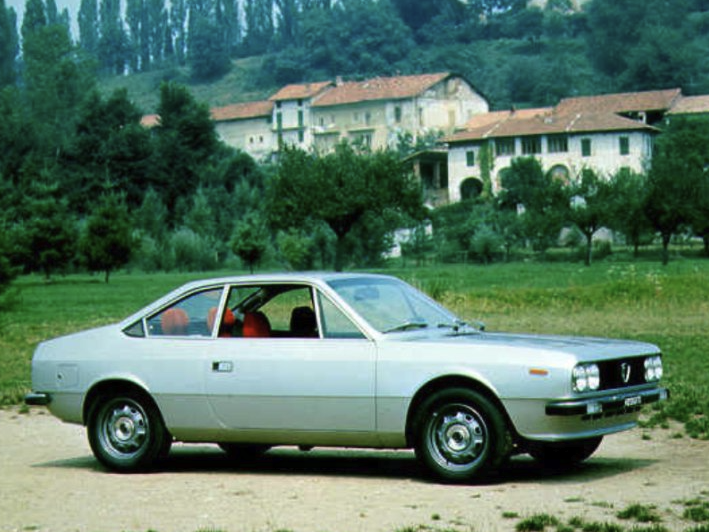
26. Lancia Beta Coupé
1973-1984 · Twin-cam four · 135 bhp (Volumex) · 111,801
The first new Lancia under Fiat used Fiat's twin-cam engine, driving the front wheels. The coupé of 1973 was pretty and good to drive. Early Betas rusted so badly that Lancia ran a buy-back in Britain in 1980, and the name never recovered there.
Verdict A good car undone by rust.
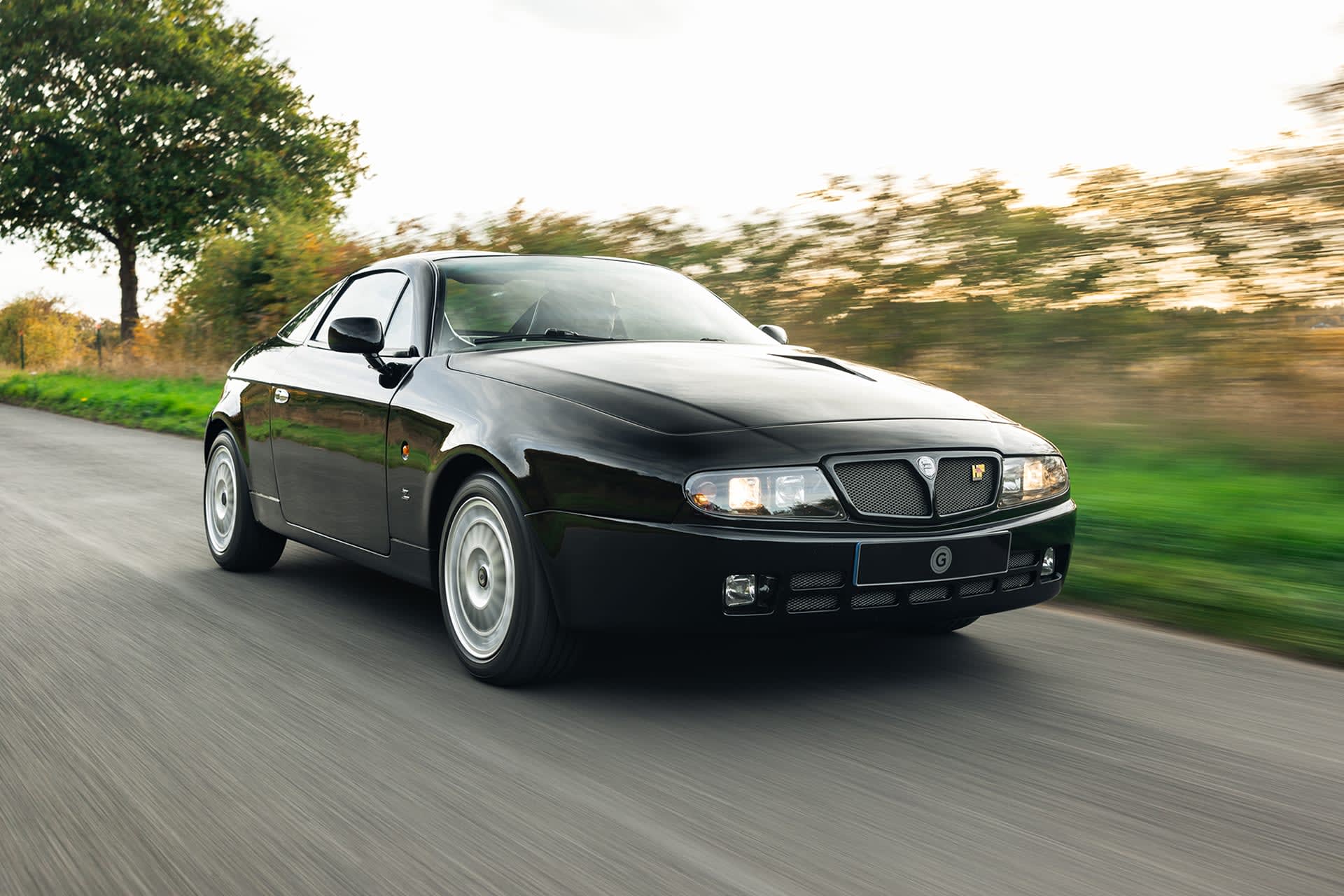
25. Lancia Hyena
1992-1995 · 2.0-litre turbocharged four · 250 PS · 24
A Dutch collector, Paul Koot, wanted a coupé version of the Integrale, and Zagato built it. It was about 150 kg lighter than the hatchback and had 250 PS. Twenty-four were completed of a planned 75.
Verdict The Integrale coupé Lancia never built itself.
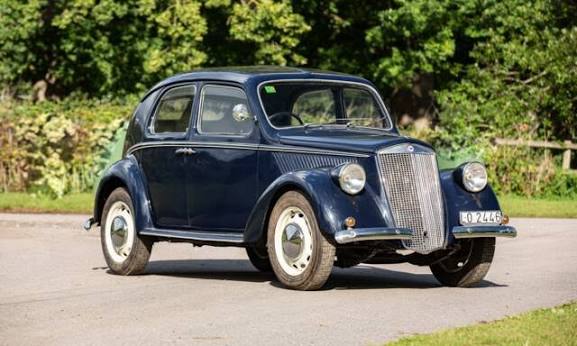
24. Lancia Ardea
1939-1953 · 903 cc V4 · About 32,000
It had a 903 cc V4, reckoned the smallest put into a family car, and from 1948 it was the first mass-produced car with a five-speed gearbox. About 32,000 were built between 1939 and 1953.
Verdict Tiny, and a first.
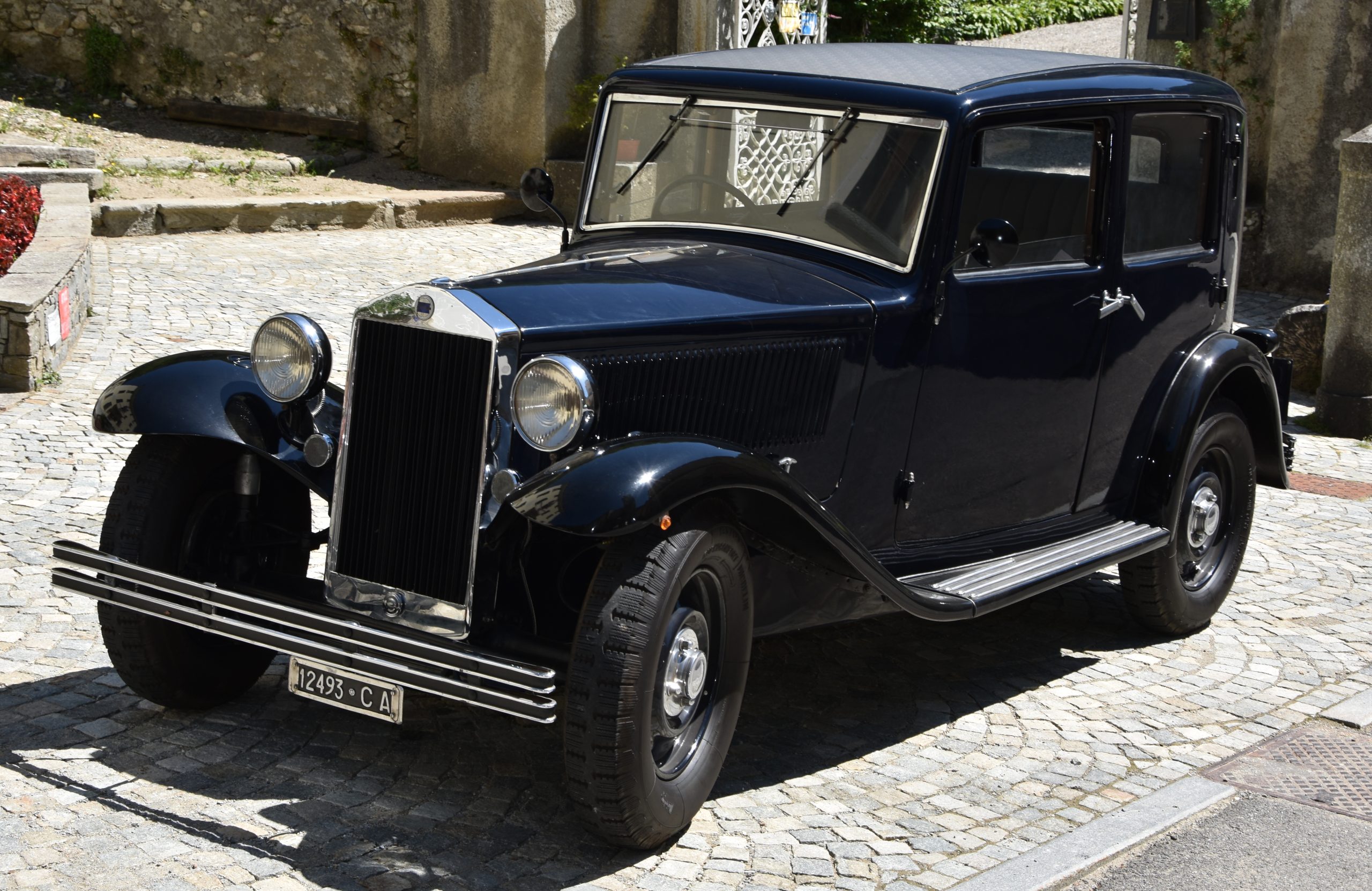
23. Lancia Augusta
1933-1936 · 1.2-litre V4 · 17,217
A small saloon with a 1.2-litre V4, built from 1933 to 1936 in larger numbers than any Lancia before it: 17,217. It was also made in France, as the Belna.
Verdict The small Lancia that sold.
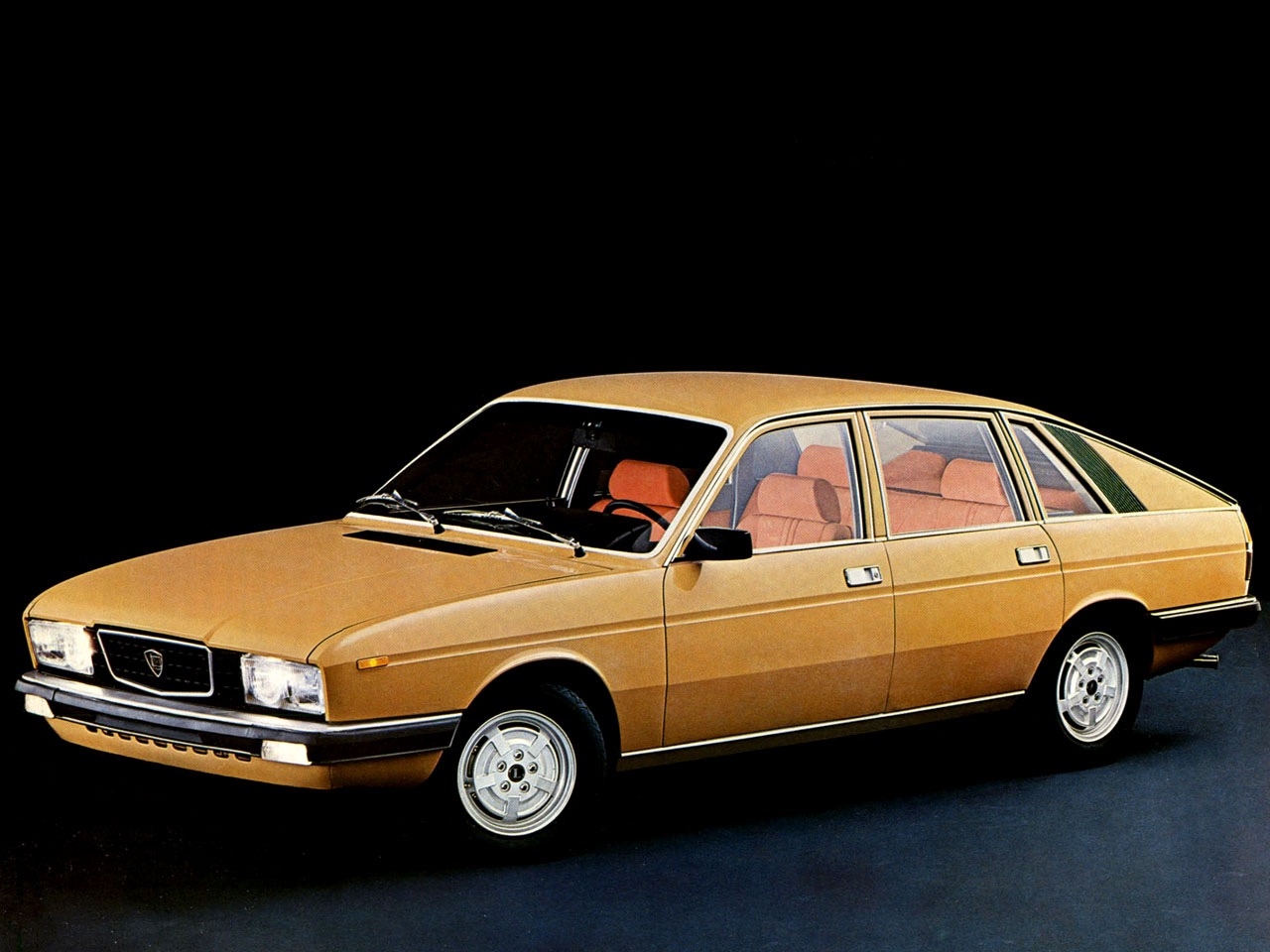
22. Lancia Gamma Coupé
1977-1984 · 2.5-litre flat four · 140 PS · About 6,790
Pininfarina's coupé on Lancia's big flat-four saloon, with Aldo Brovarone leading the design, is one of the cleanest shapes of the 1970s. About 6,790 were built. The way the engine drove its power steering pump could make the timing belt slip, and the damage to the car's reputation lasted.
Verdict A lovely shape with a troubled engine.
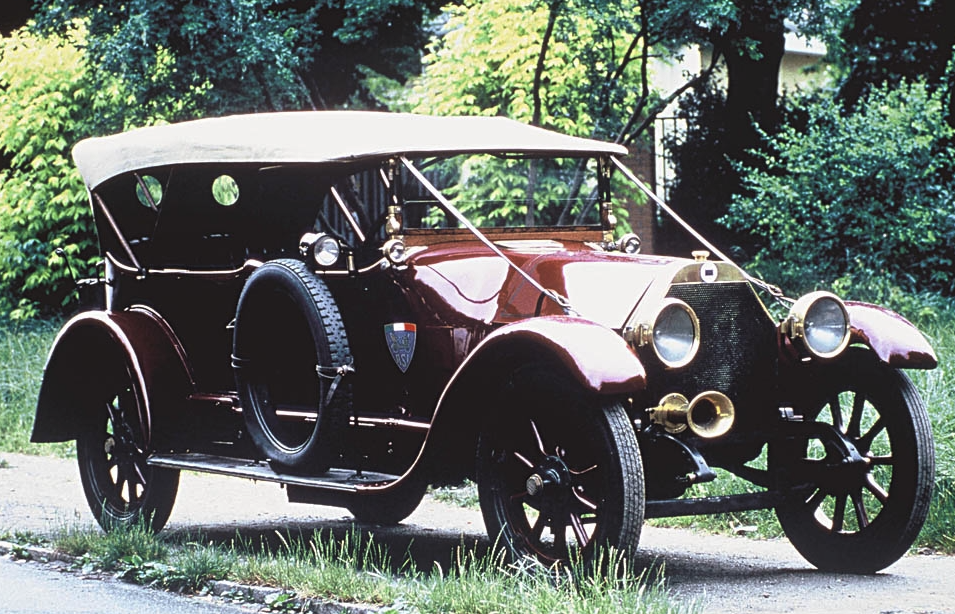
21. Lancia Theta
1913-1918 · 4.9-litre four · 1,636
Built from 1913 to 1918 with a 4.9-litre four-cylinder engine, and fitted with electric lights and an electric starter when few European cars had them. Lancia made 1,636.
Verdict Electric starting, early.
20 to 11
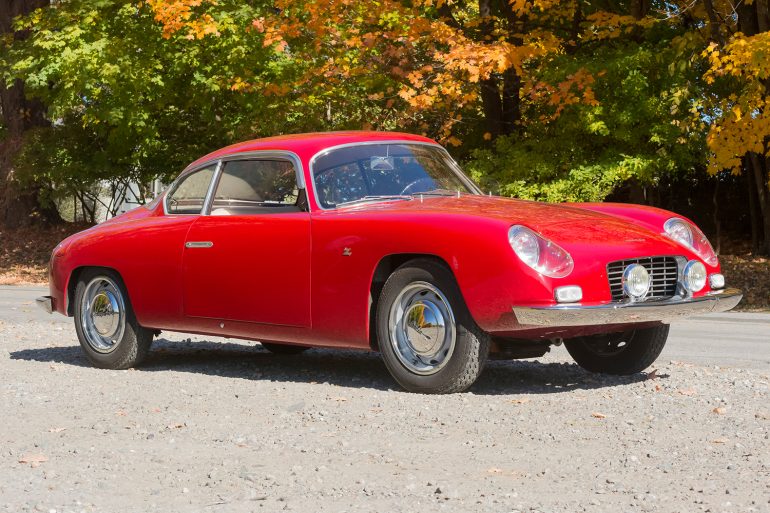
20. Lancia Appia
1953-1963 · 1.1-litre V4 · About 107,000
Lancia's small car of the 1950s, with a 1.1-litre V4 and rear doors hinged at the back so that there is no pillar between front and rear. About 107,000 were built. The coachbuilt versions are the ones collectors want: a coupé by Pinin Farina, a convertible by Vignale, and Zagato's light GTE and Sport.
Verdict A small car built like a large one.
Did you know: The rear doors are hinged at the back, and there is no pillar between front and rear.
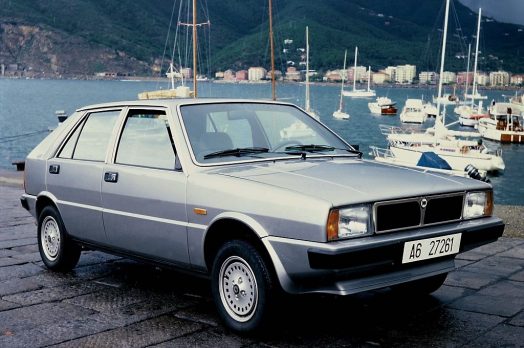
19. Lancia Delta (1979)
1979-1994 · Four-cylinder
Before the Integrale there was a neat, square hatchback styled by Giorgetto Giugiaro, shown at Frankfurt in 1979 and named European Car of the Year for 1980. It was sold in Scandinavia with a Saab badge. Nobody then imagined what it would become. It is here on its own merits, and as the starting point for the car at number four.
Verdict The smart hatchback that became a legend.
Did you know: It was European Car of the Year for 1980.
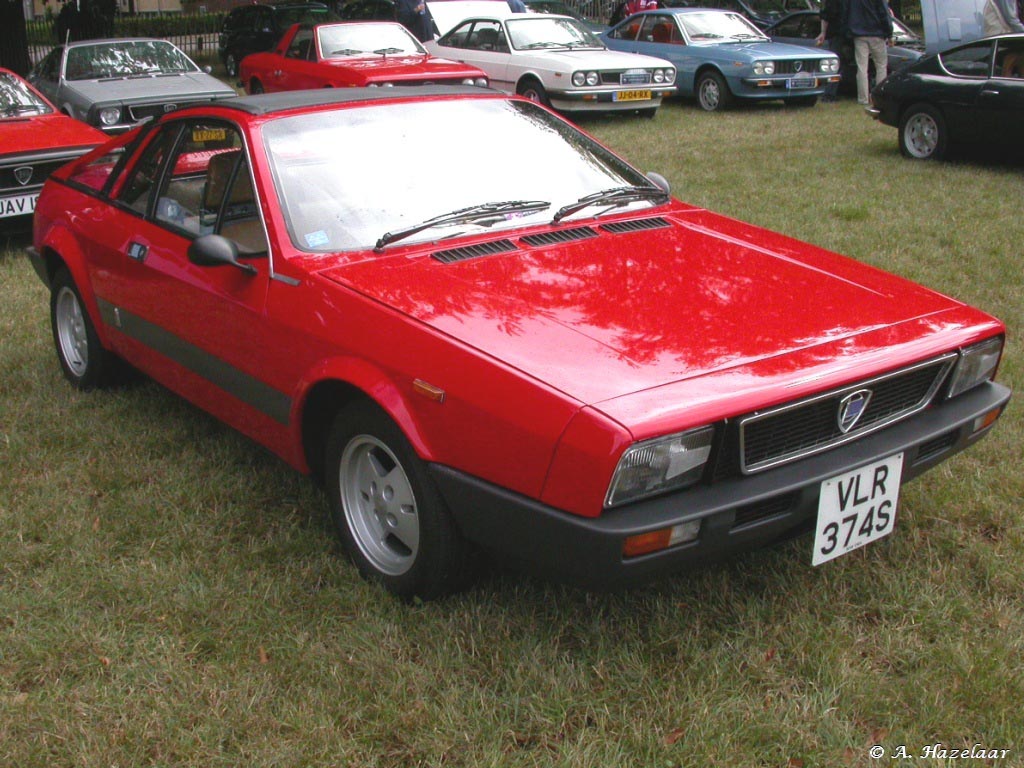
18. Lancia Beta Montecarlo
1975-1981 · 2.0-litre twin-cam four · About 120 PS · 7,798
A mid-engined two-seater designed and built entirely by Pininfarina, with a 2.0-litre twin-cam four of about 120 PS. In America it was sold as the Scorpion, with a smaller engine, because Chevrolet already had a Monte Carlo. Production stopped for two years while the brakes were put right. Its centre section became the basis of the 037, and the racing Montecarlo Turbo won world championships for makes. Lancia built 7,798.
Verdict The pretty mid-engined car that became the 037.
Did you know: It was sold in America as the Scorpion, because Chevrolet had a Monte Carlo.
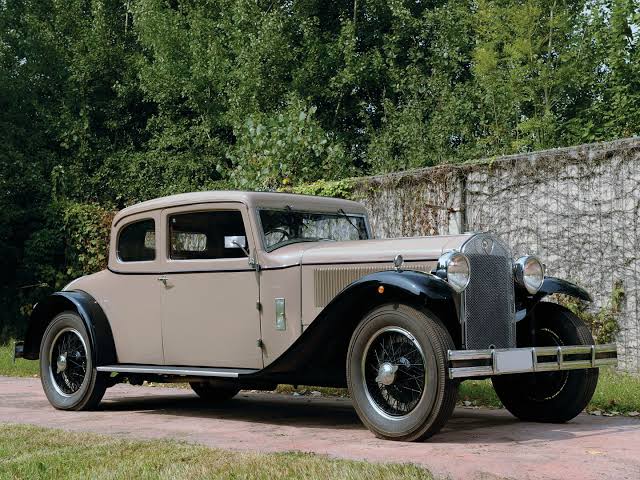
17. Lancia Dilambda
1928-1935 · 4.0-litre narrow-angle V8 · 100 hp · About 1,685
The Lambda's big sister, with a 4.0-litre narrow-angle V8 making 100 hp. It was shown at the 1929 Paris Motor Show, just as the market for large, expensive cars collapsed, and about 1,685 were built up to 1935. It showed that Lancia could build a luxury car as carefully engineered as its small ones.
Verdict The Lambda's principles on a grander scale.
Did you know: It was presented at the 1929 Paris Motor Show.
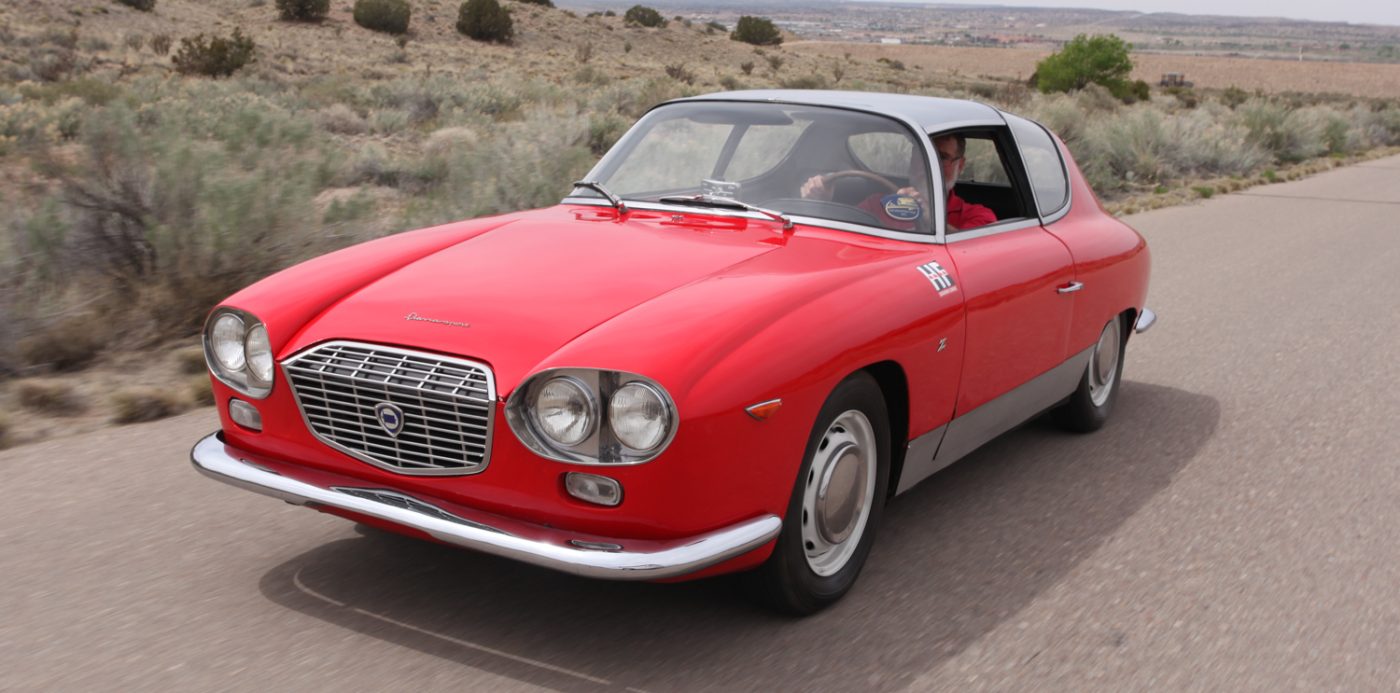
16. Lancia Flavia
1961-1971 · 1.5-litre flat four, front-wheel drive · 105,848
Antonio Fessia's design for Lancia, launched in 1960, had a flat-four engine, the first in an Italian production car, driving the front wheels, and disc brakes on all four. It was refined and expensive. The saloon is plain. The coupé by Pininfarina, the convertible by Vignale and the lightweight Sport by Zagato are not. Lancia built 105,848.
Verdict Front-wheel drive and four disc brakes, in 1960.
Did you know: Its flat four was the first boxer engine in an Italian production car.
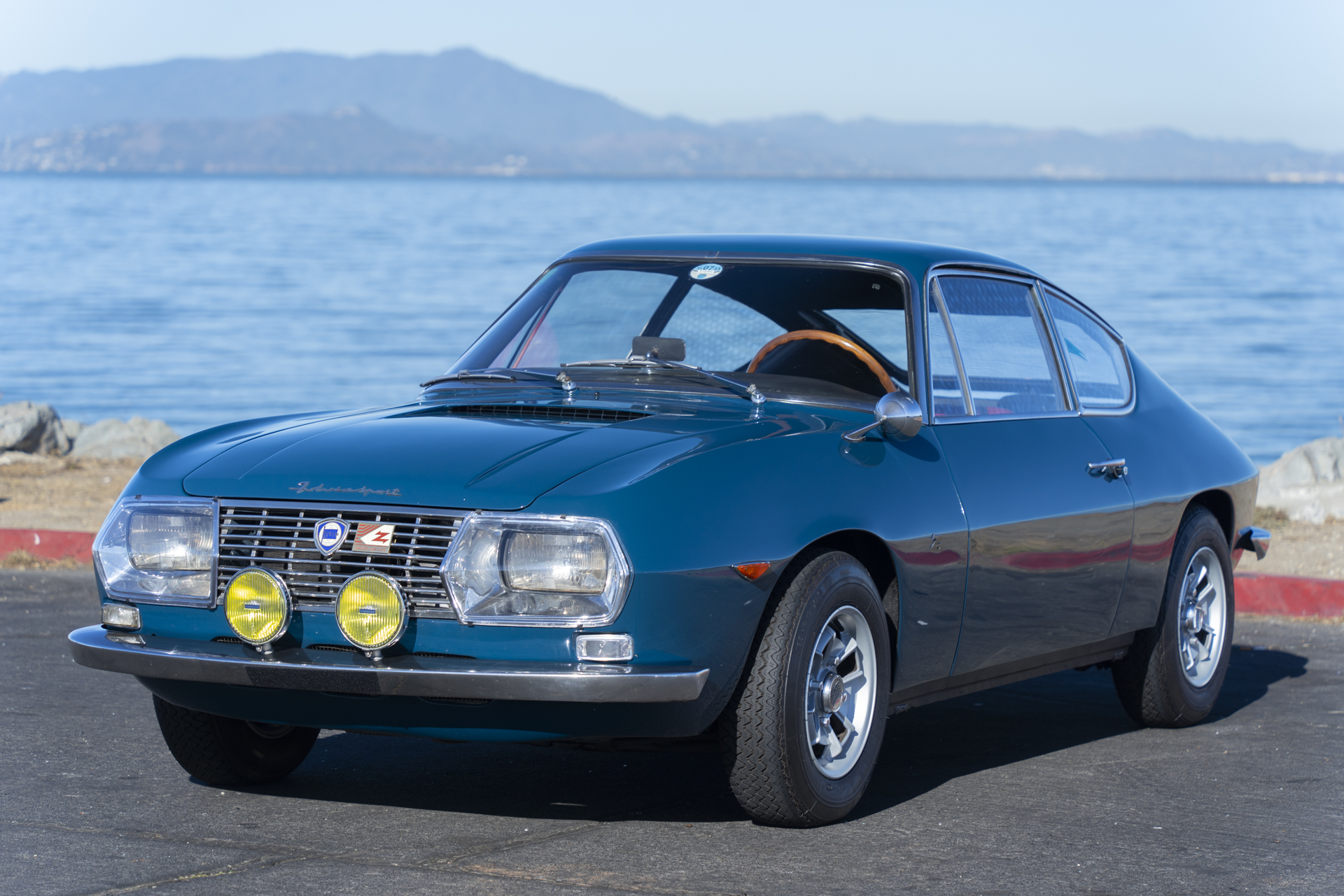
15. Lancia Fulvia Sport Zagato
1965-1973 · Narrow-angle V4 · 7,102
Ercole Spada's design for Zagato on the Fulvia's mechanical parts is one of the oddest and most likeable shapes of the 1960s. Early cars were bodied entirely in aluminium, the bonnet was hinged at the side, and the rear hatch could be raised a few centimetres by an electric motor to ventilate the cabin. Zagato built 7,102 between 1965 and 1973.
Verdict Strange, clever and very Zagato.
Did you know: The rear hatch on early cars lifts a few centimetres electrically to ventilate the cabin.
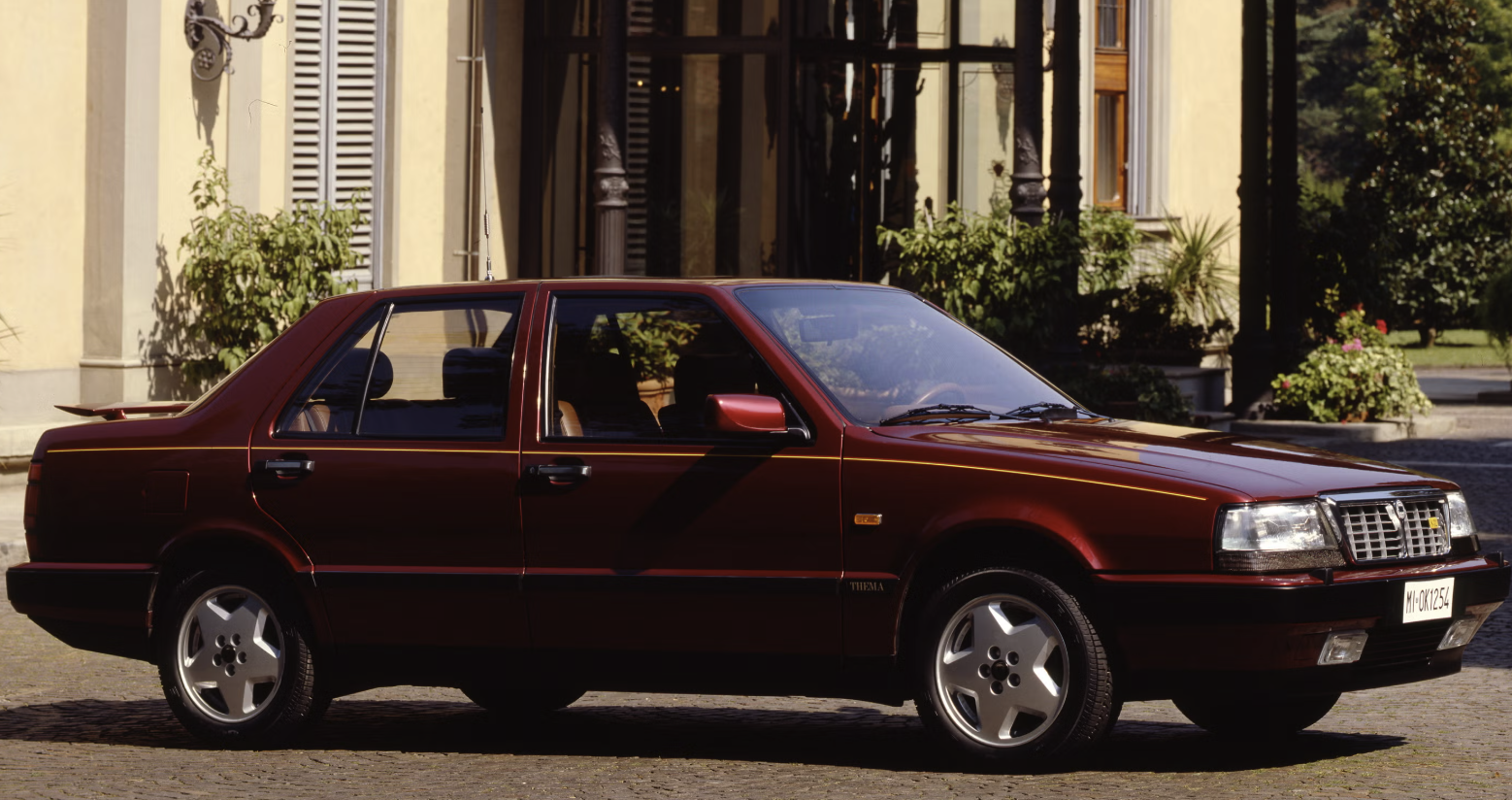
14. Lancia Thema 8.32
1986-1992 · 2.9-litre Ferrari V8 · 215 PS (205 PS with catalyst) · About 3,970
A front-wheel-drive executive saloon with a Ferrari engine. The 8.32, for eight cylinders and 32 valves, used the 2.9-litre V8 of the Ferrari 308 Quattrovalvole, with a different crankshaft, and made 215 PS. A spoiler rose out of the boot lid for high speeds. Lancia built about 3,970 between 1986 and 1992. Road & Track called it one of the weirder sleepers of the 1980s.
Verdict A Ferrari V8 in a business suit.
Did you know: The engine came from the Ferrari 308 Quattrovalvole, with a different crankshaft.
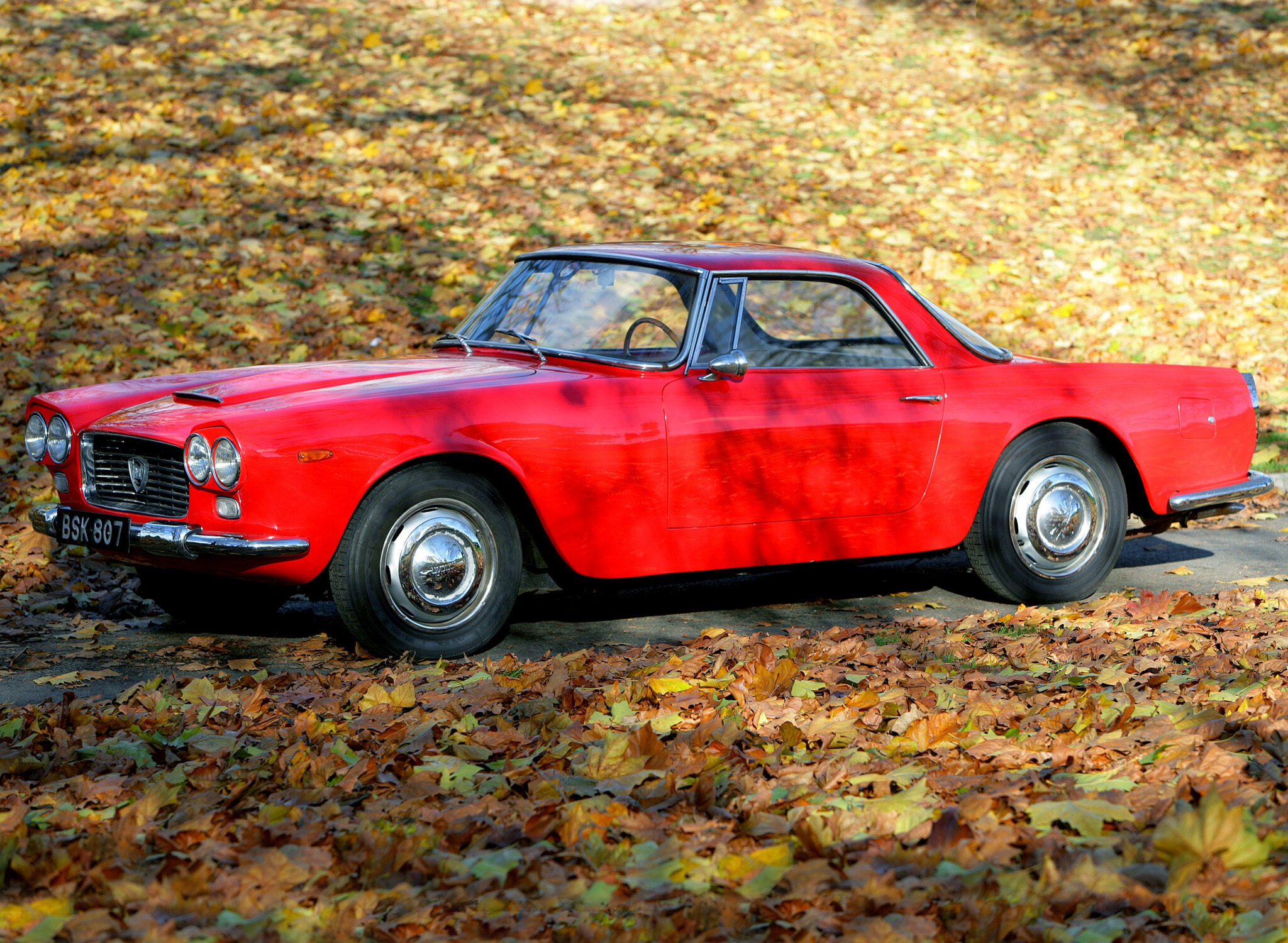
13. Lancia Flaminia GT
1959-1965 · 2.5 or 2.8-litre V6 · Up to 150 PS · 1,718 GT, 300 GTL, 847 Convertibile
Touring of Milan built the Flaminia GT in aluminium, as a coupé and a convertible. It has the 2.5 or 2.8-litre V6 with up to 150 PS. Touring made 1,718 GTs and 847 convertibles. It is less dramatic than the Zagato car and easier to live with, and it is the Flaminia that best expresses what Lancia was in the early 1960s: expensive, understated and engineered without compromise.
Verdict Understated, expensive and beautifully engineered.
Did you know: Touring of Milan built the bodies in aluminium.
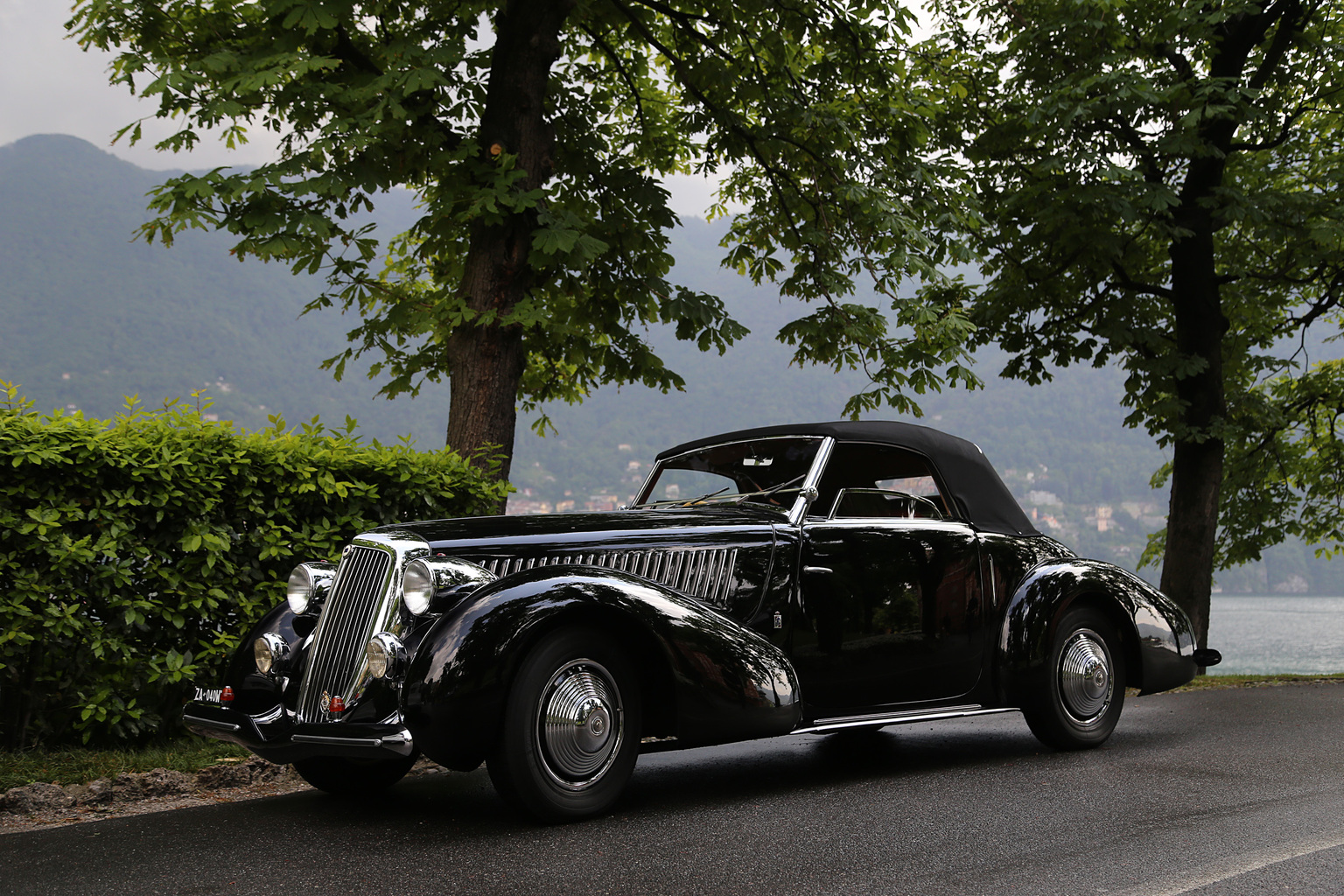
12. Lancia Astura
1931-1939 · 2.6 or 3.0-litre narrow-angle V8 · 72 to 82 hp · About 2,912
Lancia's flagship of the 1930s, with a narrow-angle V8 of 2.6 and later 3.0 litres and a chassis that Italy's coachbuilders competed to body. About 2,900 were built between 1931 and 1939. The most celebrated are the cabriolets by Pinin Farina, one of which won Best of Show at Pebble Beach in 2016. It is the pre-war Lancia for people who care about elegance more than innovation.
Verdict The coachbuilders' Lancia.
Did you know: A Pinin Farina cabriolet won Best of Show at Pebble Beach in 2016.
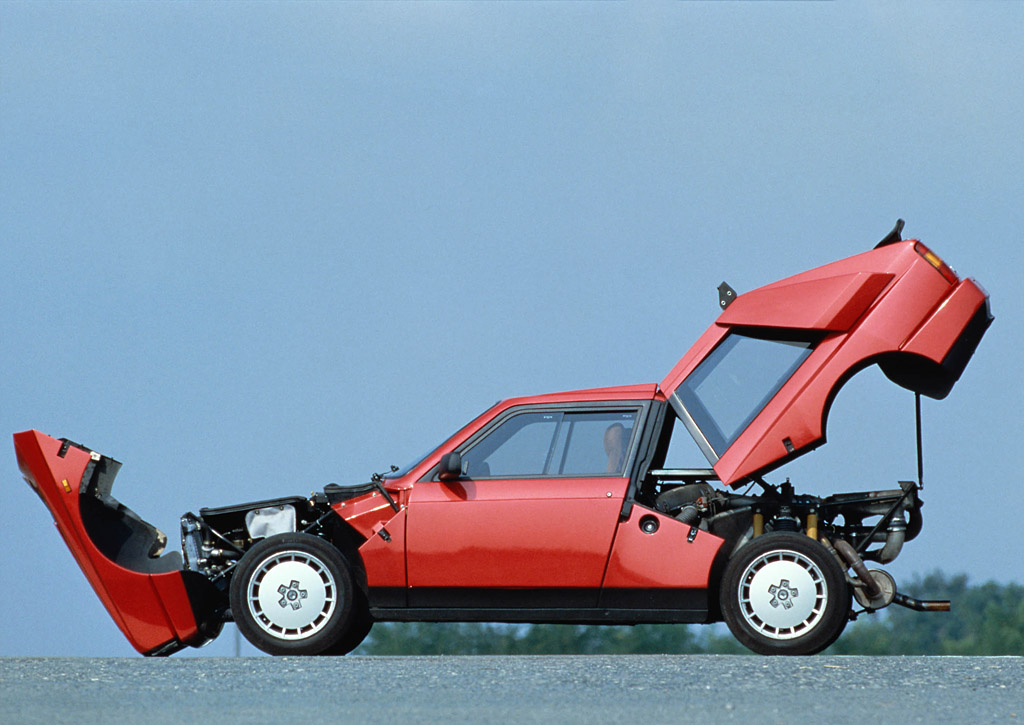
11. Lancia Delta S4 Stradale
1985–86 · 1.8 four with a supercharger and a turbocharger · 247 hp · Fewer than 200
The road version of Lancia's last Group B car. It has a 1.8-litre engine in the middle with both a supercharger and a turbocharger, 250 PS in road tune, and four-wheel drive that sends most of the torque to the rear. Lancia planned 200 and probably built fewer than 100. The rally car won on its debut and marked the end of the era: Henri Toivonen and Sergio Cresto died in one on the 1986 Tour de Corse, and Group B was abolished.
Verdict The end of Group B, in road trim.
Did you know: Its engine has a supercharger for low revs and a turbocharger for high ones, working in turn.
The top 10
- Years
- 1950-1958 (Aurelia range)
- Engine
- 1.75-litre V6
- Power
- 56 hp
- Built
- 18,201 Aurelias of all kinds
Road car · Italy
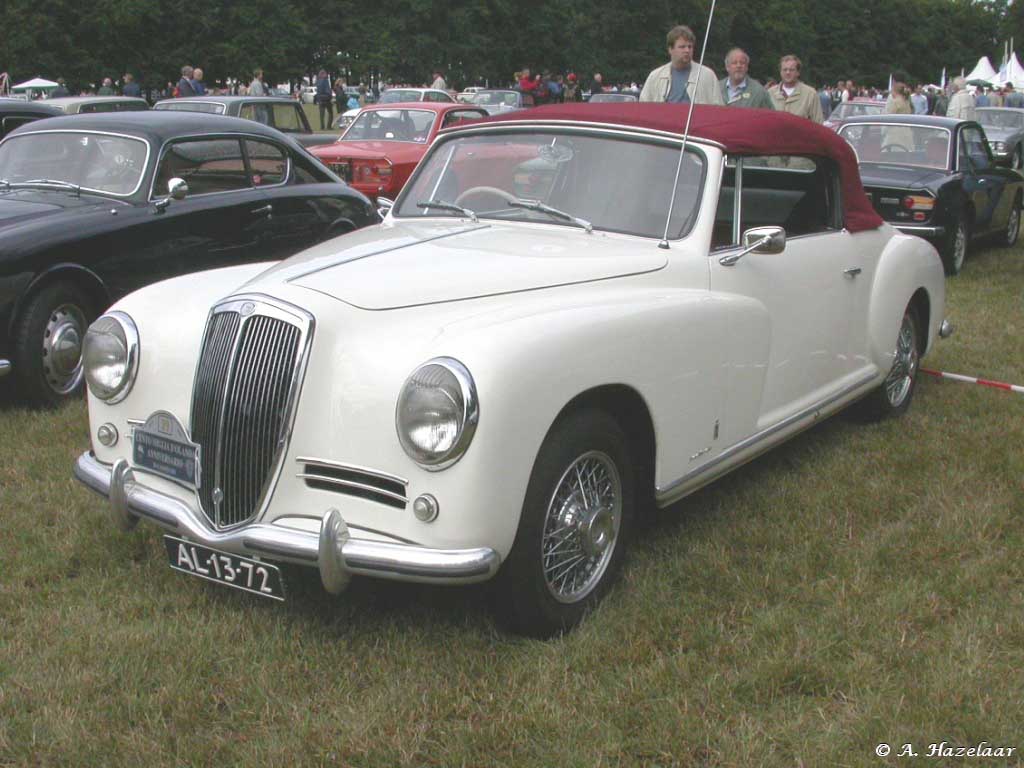
10. Lancia Aurelia B10
The saloon that introduced the V6. The B10 of 1950 had a 1.75-litre engine of 56 hp, which was modest, in a car that was anything but: a 60-degree V6 designed by Francesco de Virgilio, the gearbox and differential together at the rear, and inboard rear brakes. It is the least glamorous Aurelia and the most significant, because everything the B20 and B24 were came from here. Lancia built 18,201 Aurelias of all kinds.
Verdict Where the V6 began.
Its V6 was designed by Francesco de Virgilio, working under Vittorio Jano.
- Years
- 1958-1967
- Engine
- 2.5 or 2.8-litre V6
- Power
- 152 PS (Super Sport)
- Built
- 593
Road car · Italy
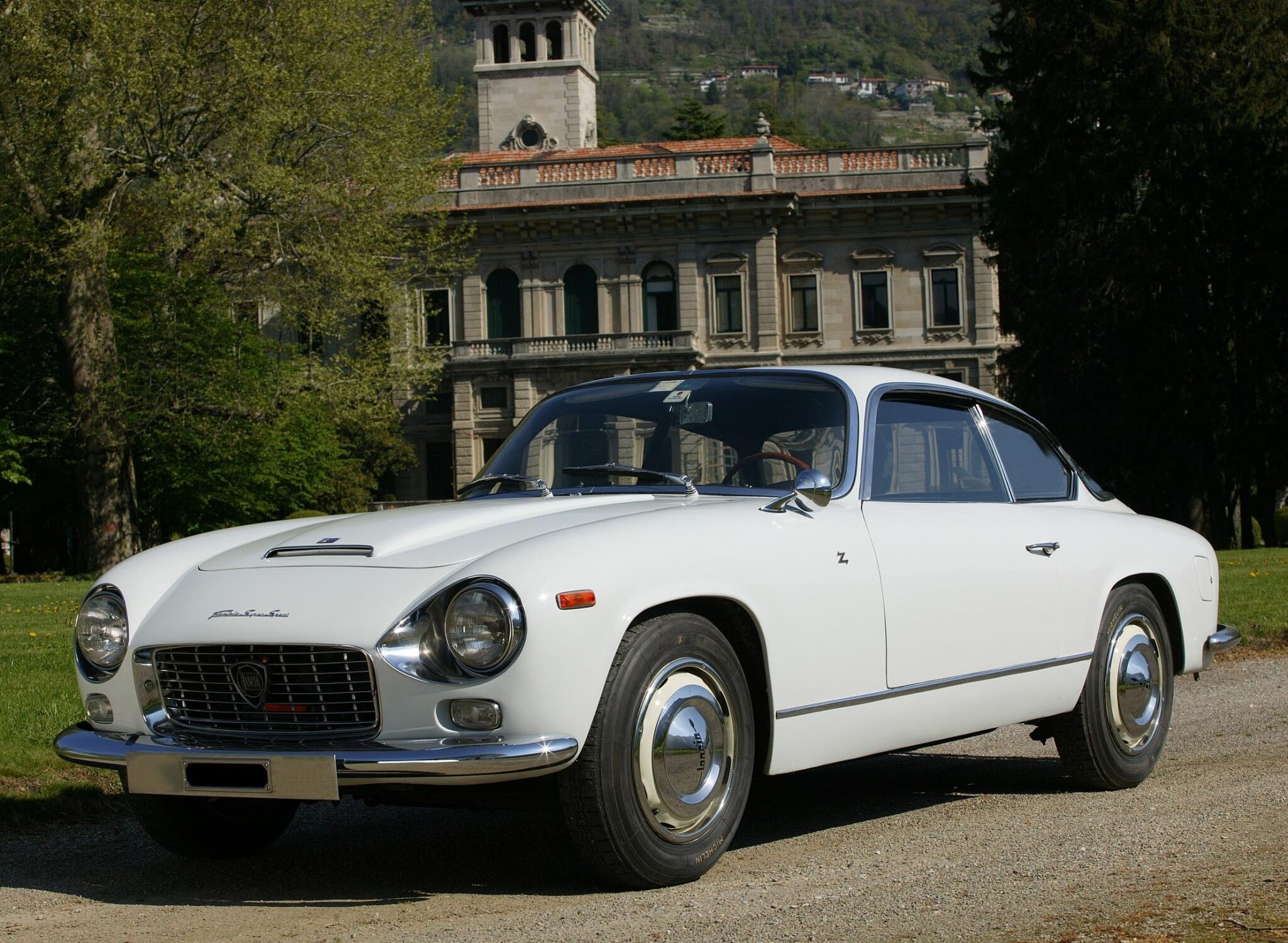
9. Lancia Flaminia Sport Zagato
The Flaminia replaced the Aurelia in 1957 with a new V6 and the same rear transaxle, and the coachbuilders were given the chassis to work on. Zagato's version is the one that matters most: a low, light two-seat coupé, with headlamps faired in behind covers on the early cars. The later Super Sport had a 2.8-litre engine with 152 PS. Zagato built 593 in all. It is the most sought-after Flaminia and, to many eyes, the best-looking Lancia of the 1960s.
Verdict The Flaminia in its best suit.
Zagato built 344 Sports, 150 Super Sports and 99 early cars with faired-in headlamps.
- Years
- 1982–84
- Engine
- 2.0 supercharged four
- Power
- 205 hp
- Built
- ~ 207
Road car · Italy
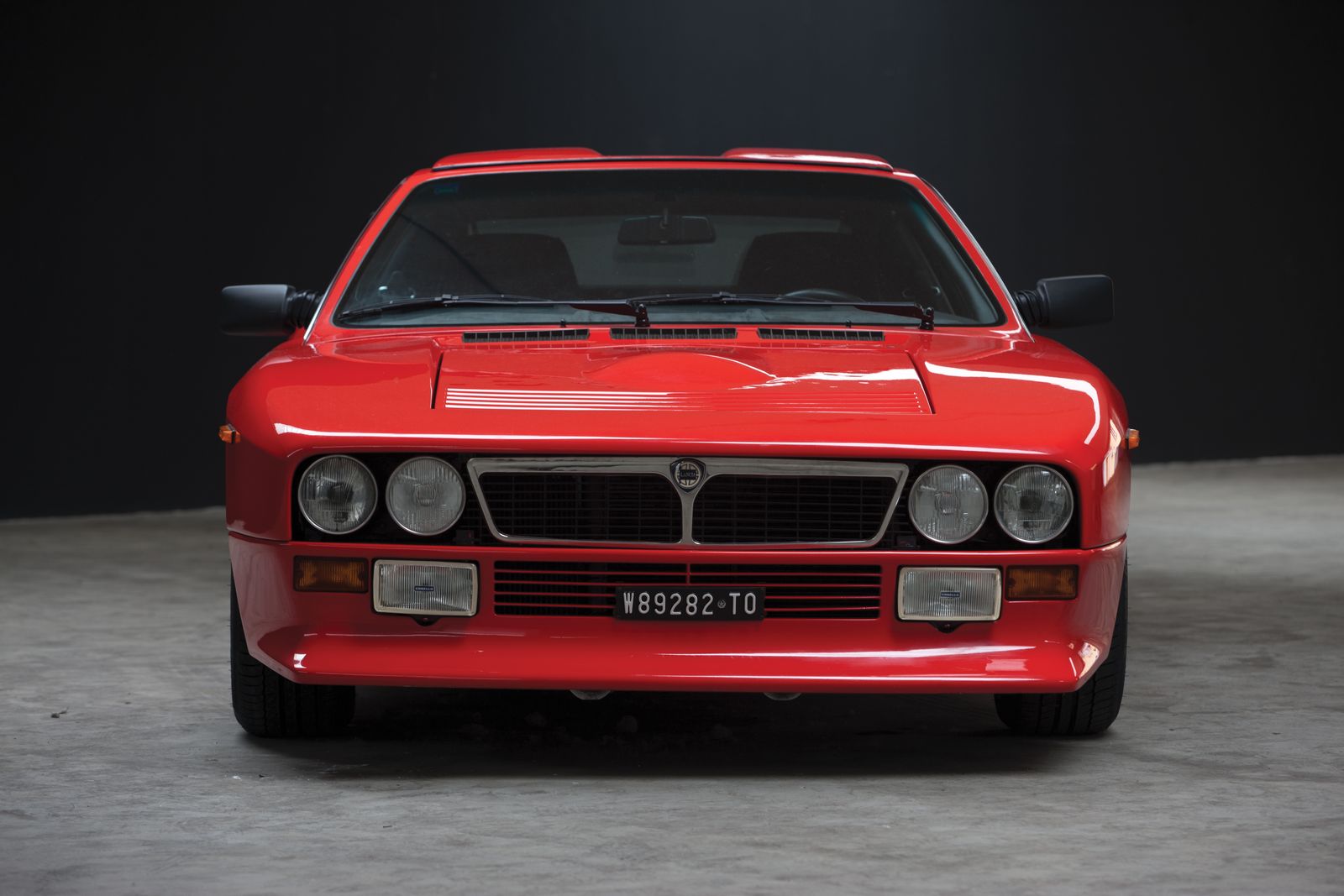
8. Lancia 037 Stradale
The last rear-wheel-drive car to win the World Rally Championship. Lancia built the 037 for Group B in 1982, when Audi had already shown that four-wheel drive was the future, and took the 1983 manufacturers' title anyway. It used the centre section of the Montecarlo with tubular frames front and rear, and a supercharged 2.0-litre engine mounted behind the seats. Abarth led the design, Pininfarina did the styling and Dallara built it. A little over 200 road cars were made, with about 205 hp. It is one of the great homologation specials.
Verdict Two-wheel drive, and it beat the Quattro.
It was the last two-wheel-drive car to win the World Rally Championship for manufacturers.
- Years
- 1937–49
- Engine
- 1.35 V4, later 1.5
- Power
- 47 hp
- Built
- ~ 27,600
Road car · Italy
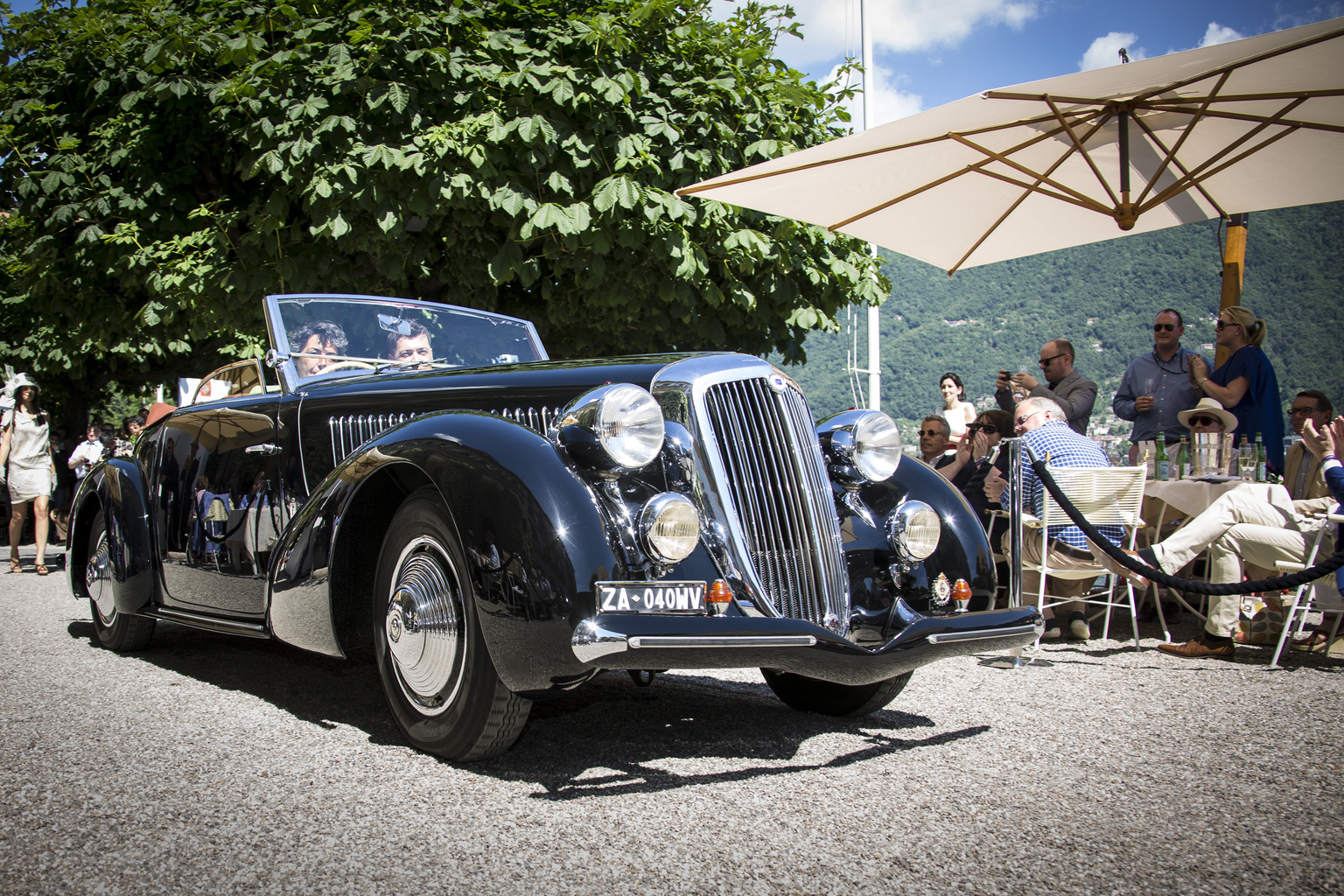
7. Lancia Aprilia
The last car Vincenzo Lancia designed. He died in February 1937, the month it went into production. The Aprilia was one of the first cars shaped with the help of a wind tunnel, and it had four doors with no pillar between them, a small V4 engine of under 1.5 litres and, for a family saloon, startling roadholding. More than 20,000 were built, and over 7,000 more chassis went to coachbuilders. It was a small car engineered with the care of a large one, and it set the pattern for the Lancias that followed the war.
Verdict The founder's last and cleverest car.
It has no pillar between its front and rear doors, which open to leave the whole side clear.
- Years
- 1954-1955
- Engine
- 2.5-litre V6
- Built
- 240
Road car · Italy
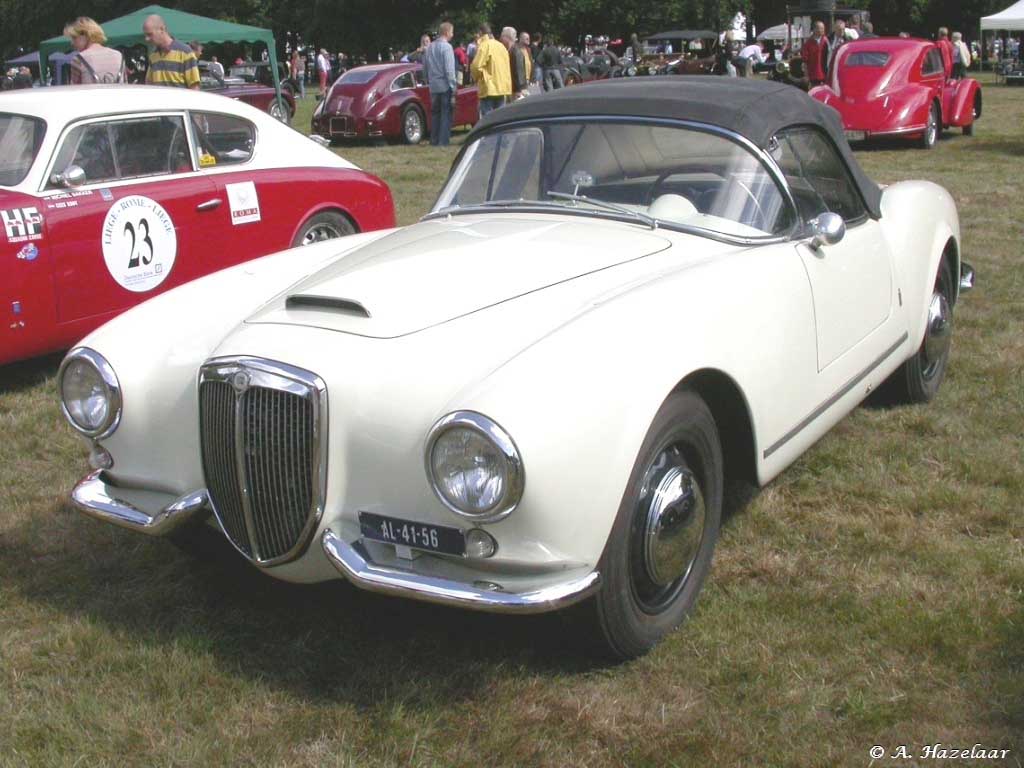
6. Lancia Aurelia B24 Spider
The open Aurelia, styled by Pinin Farina, and one of the most elegant small sports cars of the 1950s. It has the 2.5-litre V6 and rear transaxle of the B20, with a wraparound windscreen, cut-down doors and a split front bumper. Only 240 Spiders were made in 1954 and 1955, 181 of them with left-hand drive, before a more practical convertible replaced it. It is the most valuable of the Aurelias and is on our list of the most beautiful cars.
Verdict The Aurelia at its most glamorous.
Of the 240 built, 181 were left-hand drive.
- Years
- 1963-1976 (Fulvia range)
- Engine
- Narrow-angle V4, 1.2 to 1.6 litres, front-wheel drive
- Power
- 115 CV (1.6 HF)
Road car · Italy
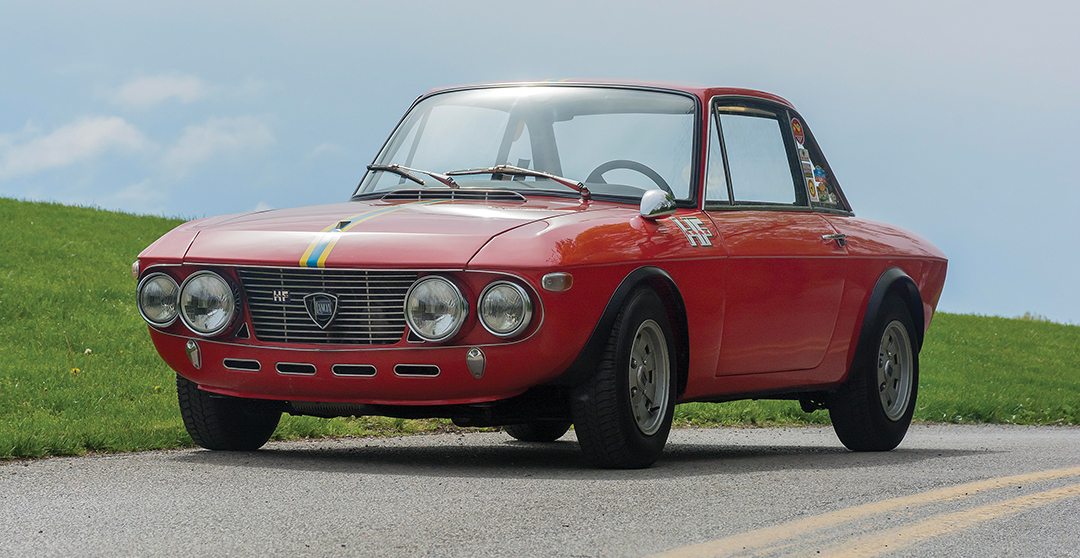
5. Lancia Fulvia Coupé HF
The Fulvia coupé is small, light and front-wheel drive, with a V4 engine whose cylinders are set so close together that they share a single head. In HF form, with a tuned engine and lighter panels, it became Lancia's rally car, and the 1.6 HF of 1969, known as the Fanalone for its big lamps, was the one that won. In 1972 Sandro Munari took a Fulvia to victory in the Monte Carlo Rally, nearly eleven minutes ahead of a Porsche 911 S, and Lancia won the International Championship for Manufacturers that year. It laid the ground for the Stratos that followed. The road car is a delight: precise, delicate and beautifully made. It is on our list of the best sports cars.
Verdict The small coupé that won Monte Carlo.
Sandro Munari won the 1972 Monte Carlo Rally in one, nearly eleven minutes ahead of a Porsche 911 S.

- Years
- 1987–94
- Engine
- 2.0 turbo four
- Power
- 182 to 212 hp
- Built
- ~ 44,000
Road car · Italy
4. Lancia Delta HF Integrale
Six World Rally Championships for makes in a row, from 1987 to 1992. When Group B was banned, the rules required cars much closer to those in the showroom, and Lancia had exactly the right one: the four-wheel-drive version of its Delta hatchback. Over the next six years it was developed in steps, each one sold to the public: the Integrale with 185 PS and wider arches, the 16-valve with 200, and the Evoluzione with 210 and a body swollen over a wider track. On the road it has the same qualities that won rallies: enormous traction, steering that tells you what the front wheels are doing, and a turbocharged engine that hauls the car out of corners. It is also a practical five-door hatchback. Lancia built 44,296. Nothing since has combined success and usability in the same way.
Verdict The most successful rally car, with five doors.
The Delta won the World Rally Championship for makes six years running, from 1987 to 1992.
- Years
- 1951–58
- Engine
- 2.0 and 2.5 V6
- Power
- 75 to 118 hp
- Built
- ~ 3,900
Road car · Italy
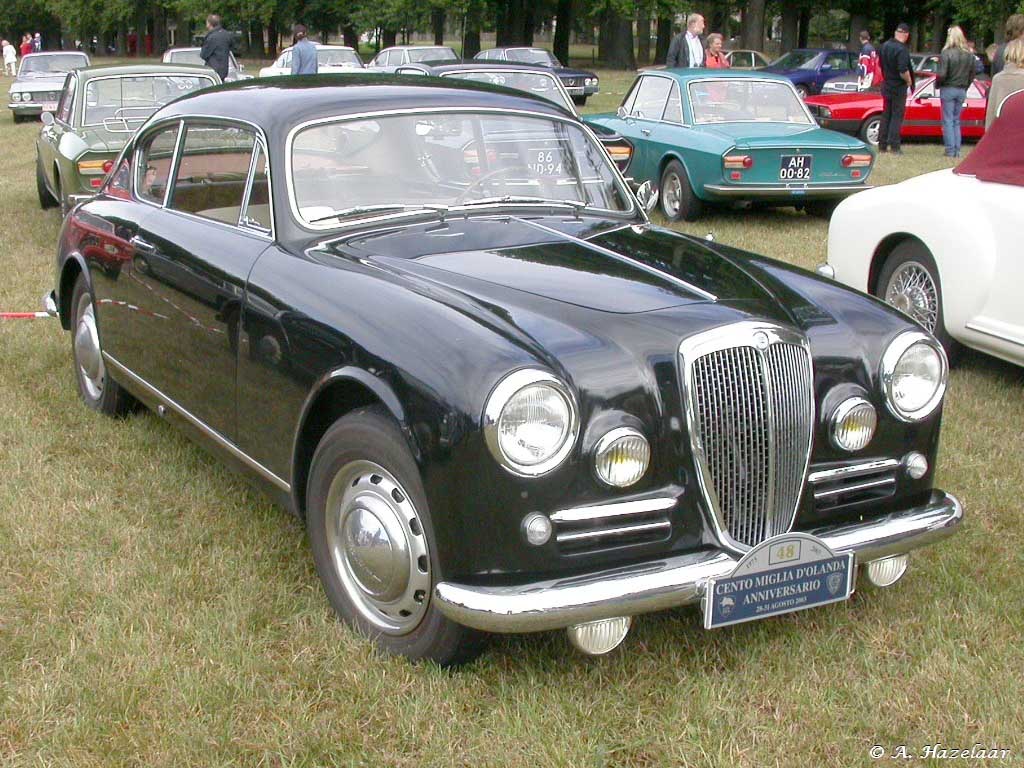
3. Lancia Aurelia B20 GT
The Aurelia saloon of 1950 had a V6 engine, generally credited as the first in series production, with the gearbox, clutch and differential in one unit at the back and the rear brakes mounted inboard. A year later Lancia put those mechanical parts under a two-door fastback body and called it the B20 GT. It was the first car to wear those two letters in the sense we use them now: fast, comfortable, and able to carry two people and their luggage across a continent. It was also a formidable competition car. One finished second in the 1951 Mille Miglia behind a far bigger Ferrari, and the B20 went on to win its class at Le Mans, the Liège-Rome-Liège in 1953 and the Monte Carlo Rally in 1954. About 3,870 were built. On our Driver's Cars list it sits below the Integrale. On a list that counts what a car introduced, it belongs above it.
Verdict The original gran turismo.
The Aurelia had the first V6 engine in a production car. A B20 finished second in the 1951 Mille Miglia.
- Years
- 1973–78
- Engine
- 2.4 V6
- Power
- 190 hp
- Built
- 492
Road car · Italy
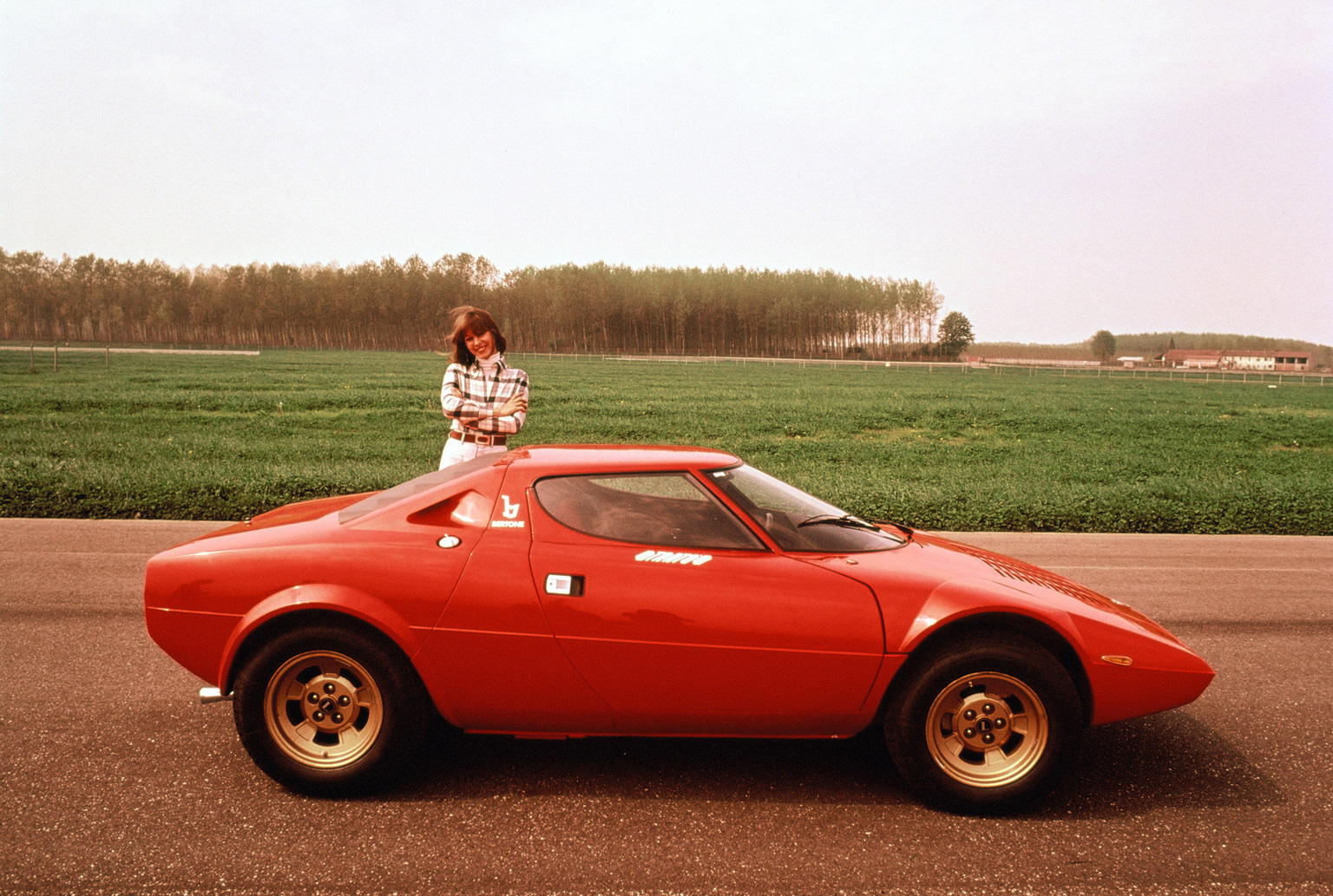
2. Lancia Stratos HF
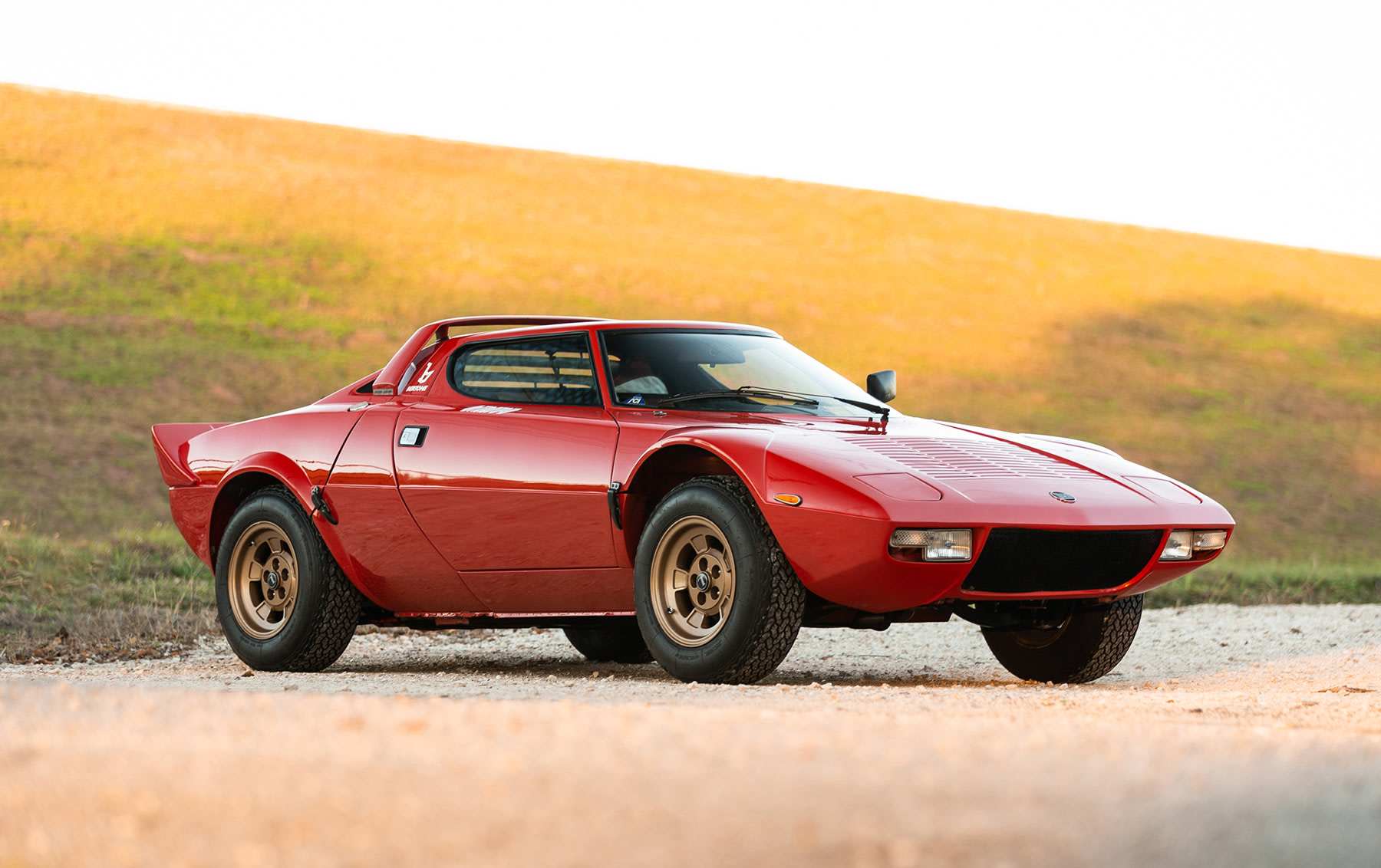
The first car designed from nothing to win rallies. Until the Stratos, rally cars were road cars made tougher. Lancia's competition department wanted something else, and Bertone had shown a wedge-shaped show car that suggested what it could be. The production Stratos, styled by Marcello Gandini, had a Ferrari Dino V6 mounted across the middle, a wheelbase of barely 2.2 metres, a windscreen wrapped round like a visor and door pockets shaped to hold crash helmets. Fewer than 500 were built to qualify it. It won the World Rally Championship for makes three years in a row from 1974. As a road car it is cramped, loud and so quick to turn that it demands your whole attention. It changed rallying for good: after it, every serious contender was a purpose-built machine. It is on our lists of the best sports cars, the best driver's cars and the most beautiful cars.
Verdict The car that reinvented rallying.
The engine is the Ferrari Dino V6. The door pockets are shaped to hold crash helmets.
The best of the 30 · Road car · Italy
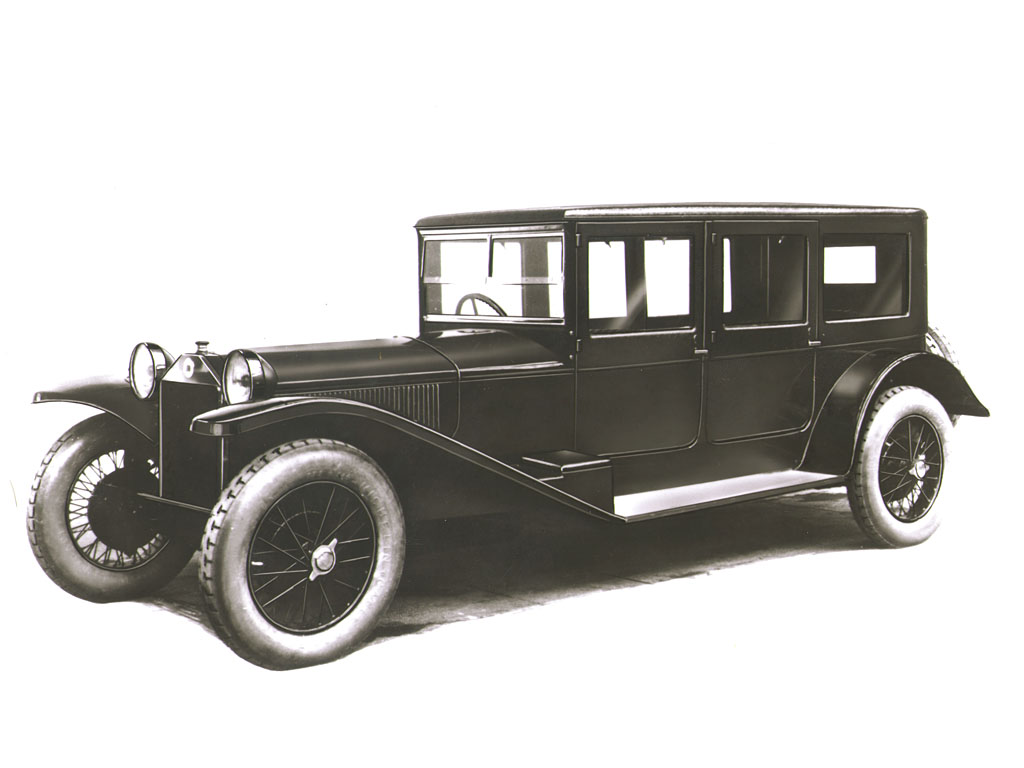
1. Lancia Lambda
- Years
- 1922–31
- Engine
- 2.1 to 2.6 V4
- Power
- 49 to 69 hp
- Built
- ~ 11,000
In 1922 almost every car was a body bolted to a separate chassis, riding on rigid axles. The Lambda was neither. Vincenzo Lancia gave it a load-bearing steel body, the first on a production car, in which the shell itself was the structure. The story goes that the idea came to him on a ship, watching how a hull carries its loads. He added independent front suspension, with a sliding pillar and coil spring at each wheel, and a compact aluminium V4 engine with its cylinders set at a very narrow angle, short enough to leave room for the passengers. The result was lower, lighter and stiffer than anything else on the road, and it handled far better than its rivals. Lancia built it for nine years, in nine series. The unitary body and independent front suspension are now universal. Every modern car is built the way the Lambda was, and for that reason it is the most important Lancia and one of the most important cars ever made. It is on our list of pre-war cars.
Verdict The first modern car.
Vincenzo Lancia is said to have had the idea for its body on a ship, looking at how the hull carried the load.
What we left off, and why
Lower than you might expect
Delta HF Integrale, at 4. Six world championships and still fourth, behind three cars that changed more.
Delta S4 Stradale, at 11. The rally car was extraordinary. The road car was built in tiny numbers to satisfy a rule.
Beta Coupé, at 26. A good car when new. The rust is what people remember.
Higher than you might expect
Lambda, at 1. See the introduction.
Aprilia, at 7. A family saloon from 1937, and one of the most advanced cars of its time.
Aurelia B10, at 10. A plain saloon with a 56 hp engine, here for introducing the V6.
Theta, at 21. A car from 1913 that few people have heard of.
Not on the list
Lancia D50, D24, LC2 and the Group 5 Montecarlo Turbo. Racing cars, and on our racing lists.
Stratos Zero. A show car, and on our list of concepts.
Flaminia Berlina and Coupé, the Fulvia saloon and the Flavia coupés. The Flaminia and Fulvia already have two places each.
Aurelia B52 and other coachbuilt one-offs. We kept to cars Lancia sold in series.
Delta HF Turbo, Prisma, Dedra, Lybra and the later Deltas. Decent cars, and not among the best.
Ypsilon and the rebadged Chryslers. The less said the better.
Tell us what we got wrongQuestions about this list
What is the best Lancia ever made?
We rank the Lambda of 1922 first. It was the first production car with a load-bearing body and it pioneered independent front suspension, and every modern car is built on those principles. The Stratos and the Aurelia B20 GT are second and third.
What is the most successful Lancia rally car?
The Delta HF Integrale, which won six World Rally Championship manufacturers' titles in a row from 1987 to 1992. The Stratos won three, from 1974 to 1976, and the 037 won in 1983.
What did Lancia invent?
Among other things: the load-bearing unitary body and independent front suspension on the Lambda of 1922, the series-production V6 engine on the Aurelia of 1950, and the five-speed gearbox in a mass-produced car on the Ardea in 1948.
Is the Lancia Stratos a road car?
Yes. Lancia built fewer than 500 road-going Stratos to qualify the car for rallying, and it is the road version that is on this list. It has a Ferrari Dino V6 mounted behind the seats.
Why is the Aurelia above the Delta Integrale?
Because this list gives extra weight to what a car introduced. The Aurelia had the first series-production V6 and the B20 was the first car called a GT in the modern sense. On our Driver's Cars list, which counts only how a car drives, the Integrale is ahead.
How we ranked them
We judged each car on what it introduced and achieved, how it drives and how it looks. Engineering firsts count for more here than on our other marque lists.
What was eligible
Road cars sold as Lancias from 1908 onwards, including the road-going versions of the Stratos, 037 and Delta S4. Racing cars and show cars were not eligible.
Where our lists overlap
The Lambda is on our list of pre-war cars. The Stratos, Delta Integrale and Aurelia B20 GT are on our Driver's Cars list, where the Integrale is above the Aurelia because that list counts only how a car drives. The Stratos and Fulvia HF are on our sports car list, and the Stratos and Aurelia B24 Spider are on our list of the most beautiful cars.