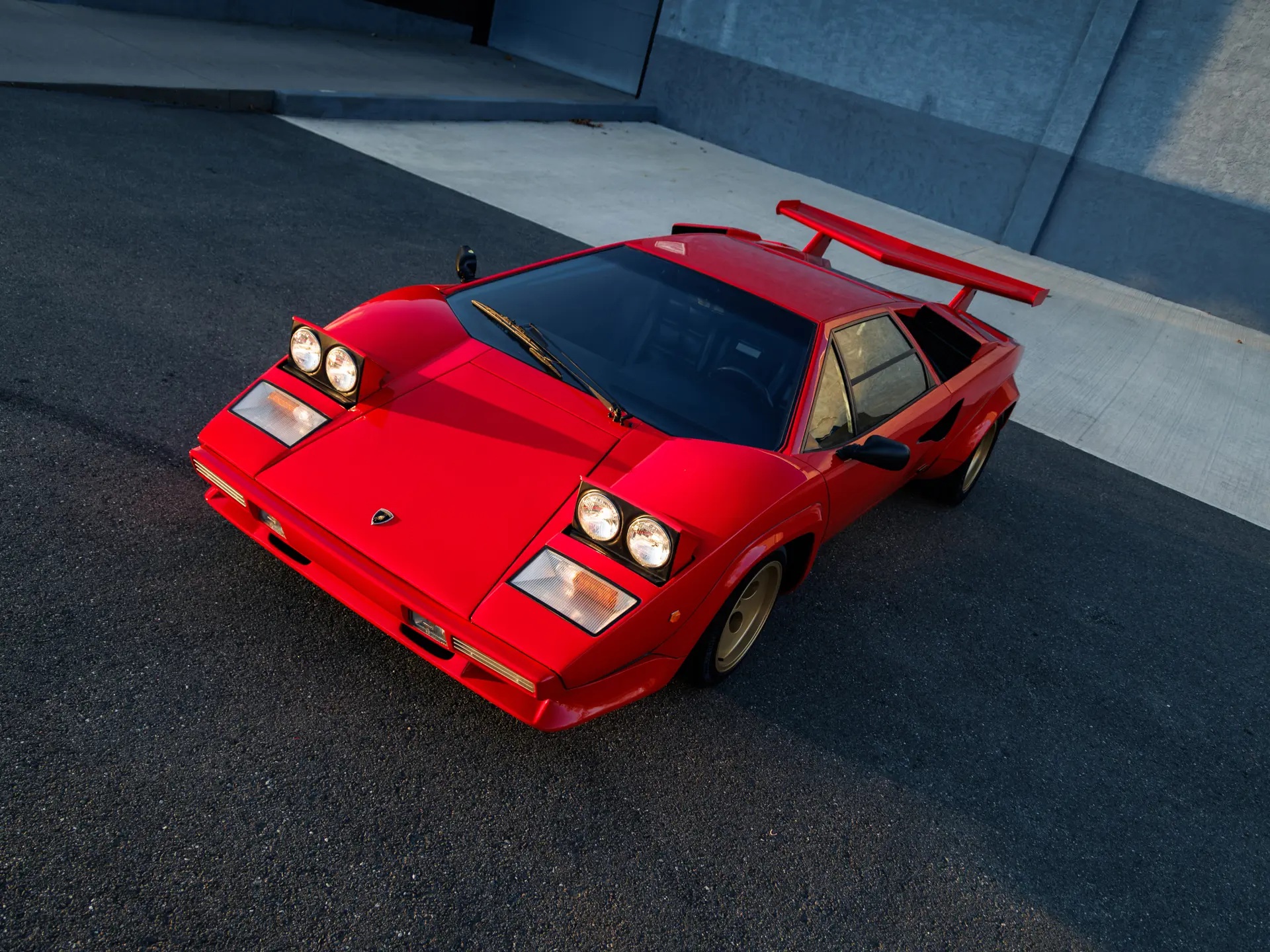

Ferruccio Lamborghini started building cars in 1963 because he thought he could make a better grand tourer than Ferrari. Within three years his engineers had made something else, the Miura, and within ten the company had made the Countach. Lamborghini has been the maker of the world's most outrageous cars ever since, through several changes of owner and at least one bankruptcy.
This is our pick of the thirty best, counted down from thirty to one.
What counts
Cars that Lamborghini built for customers to own and drive. That means the road cars, from the 350 GT of 1964 to the hybrids on sale now, including the two off-roaders. Lamborghini has little racing history to speak of, so there are no racing cars to leave out.
There is one exception to the road-car rule. The Sesto Elemento was sold for the track only, and it is here anyway, because it is too important to what came after to leave off.
We were sparing with the limited-run specials. Lamborghini has made many in the last fifteen years, most of them existing models with new bodies. The first of them is on the list. The rest are not.
How we ranked them
We weighed four things: what the car achieved, how it drives, how it looks, and what it changed for Lamborghini.
With this maker, looks count for more than usual. A Lamborghini that does not stop people in the street has failed at part of its job, however fast it is. Driving counts for more than it once did, because the best of the modern cars are properly good to drive, and that was not always so.
Rarity and price did not count. Nor did top speed on its own, which Lamborghini has always been happy to quote.
Then we argued. This is a gut list, and the test is whether someone who loves these cars looks at the order and thinks it feels right. Similar cars do not sit side by side, so the Countaches, Diablos and Huracáns are spread out.
How to read this list
We start at thirty and count down. Each car has its years, engine and power, the case for its place, and a one-line verdict. The top ten get the longest treatment. If you want the order without the suspense, the full ranking is in the table below.
The top two could go either way, and we expect to hear about it. Tell us in the comments.
See the full ranking, 1 to 30
30 to 21
30. Lamborghini Temerario
From 2025 · 4.0 twin-turbo V8 hybrid · 907 hp
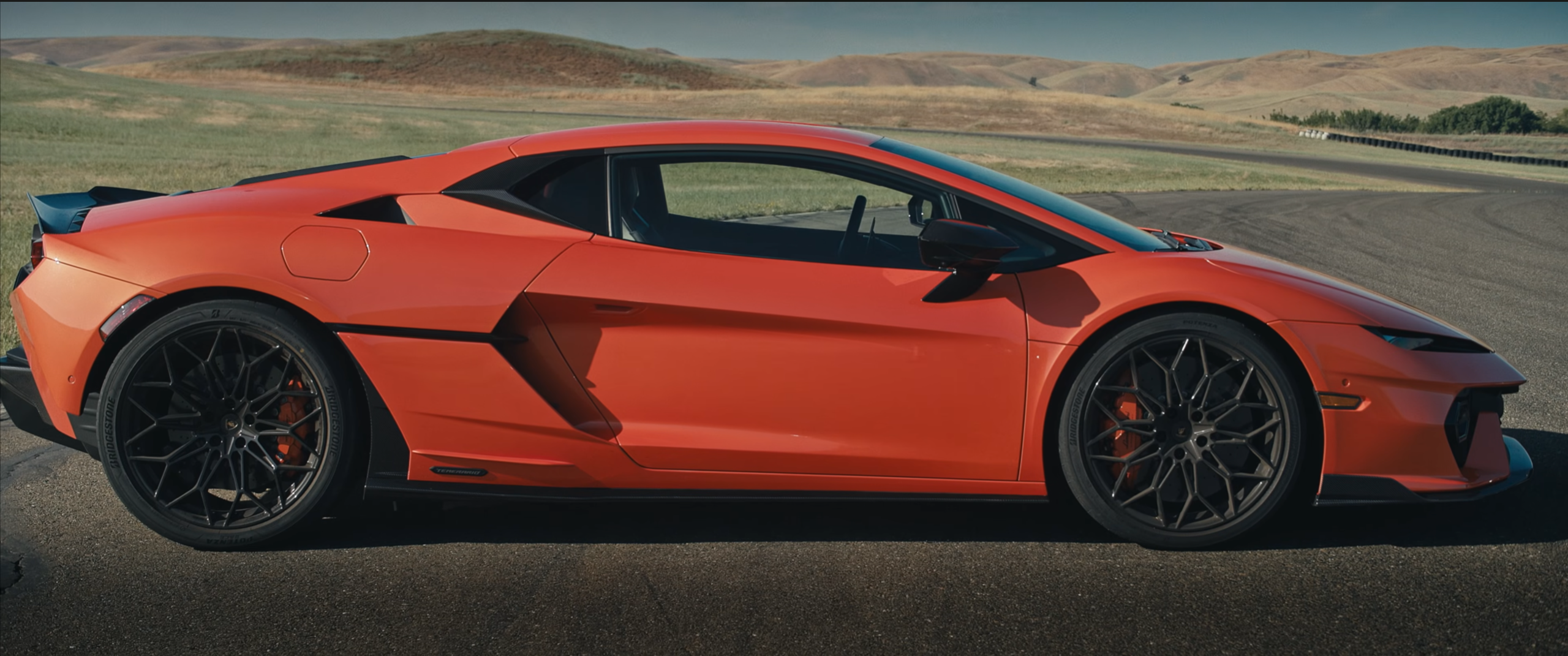
The newest car on the list, and the first Lamborghini sports car with turbochargers. The Temerario replaces the Huracán's V10 with a twin-turbocharged 4.0-litre V8 and three electric motors, for 907 horsepower, and the engine revs to 10,000 rpm. It starts at thirty because it is new. It may not stay here.
Verdict A V8 that revs to ten thousand.
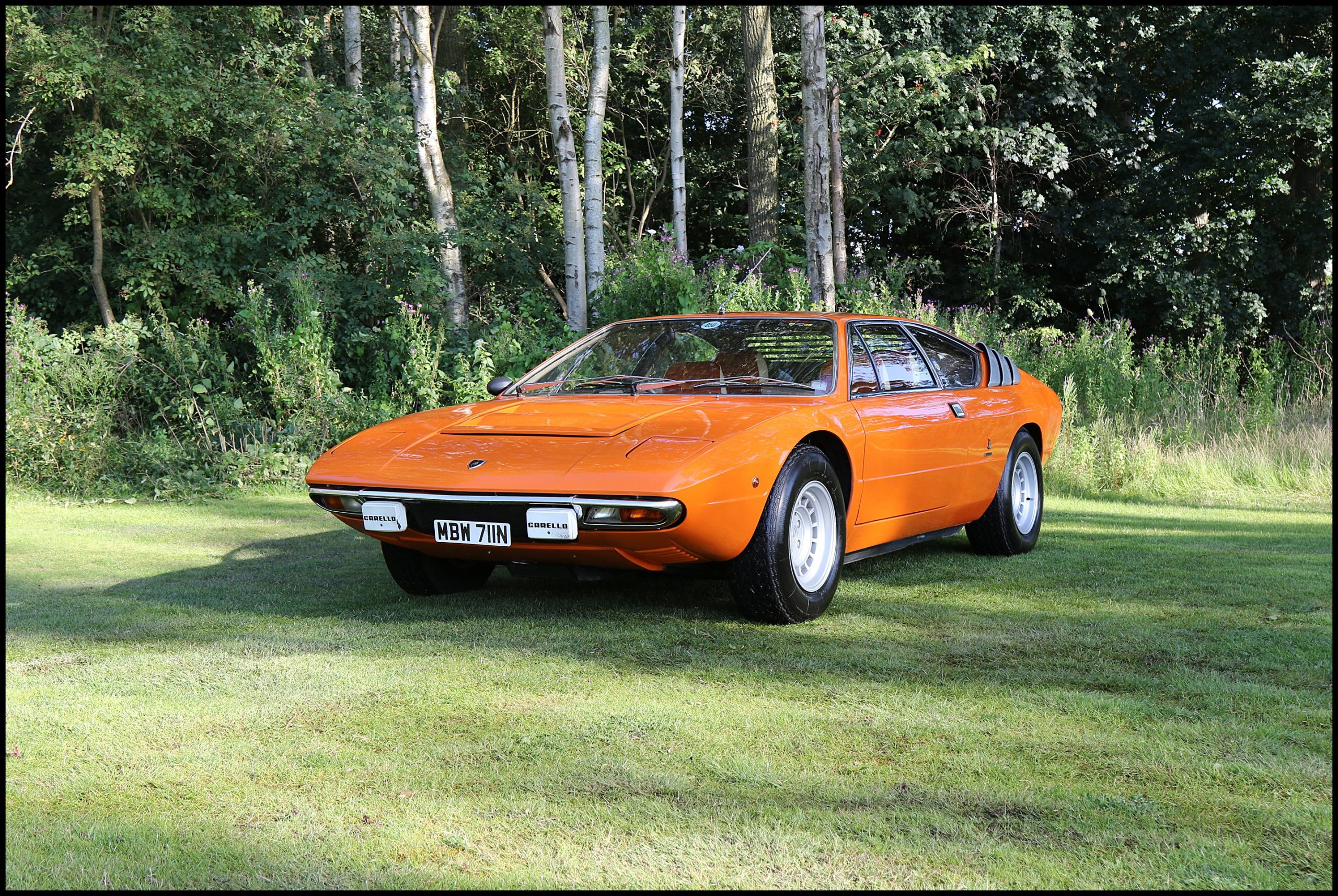
29. Lamborghini Urraco
1972–79 · 2.0 to 3.0 V8 · 182 to 250 hp · ~ 790
Ferruccio Lamborghini wanted a smaller car to take on the Porsche 911 and Ferrari's Dino. The Urraco of 1972 had a new V8 behind the cabin and two small rear seats. It arrived late and unfinished, and sold slowly. It was also clever and pretty, and the Jalpa and Gallardo descend from it.
Verdict The first small Lamborghini.
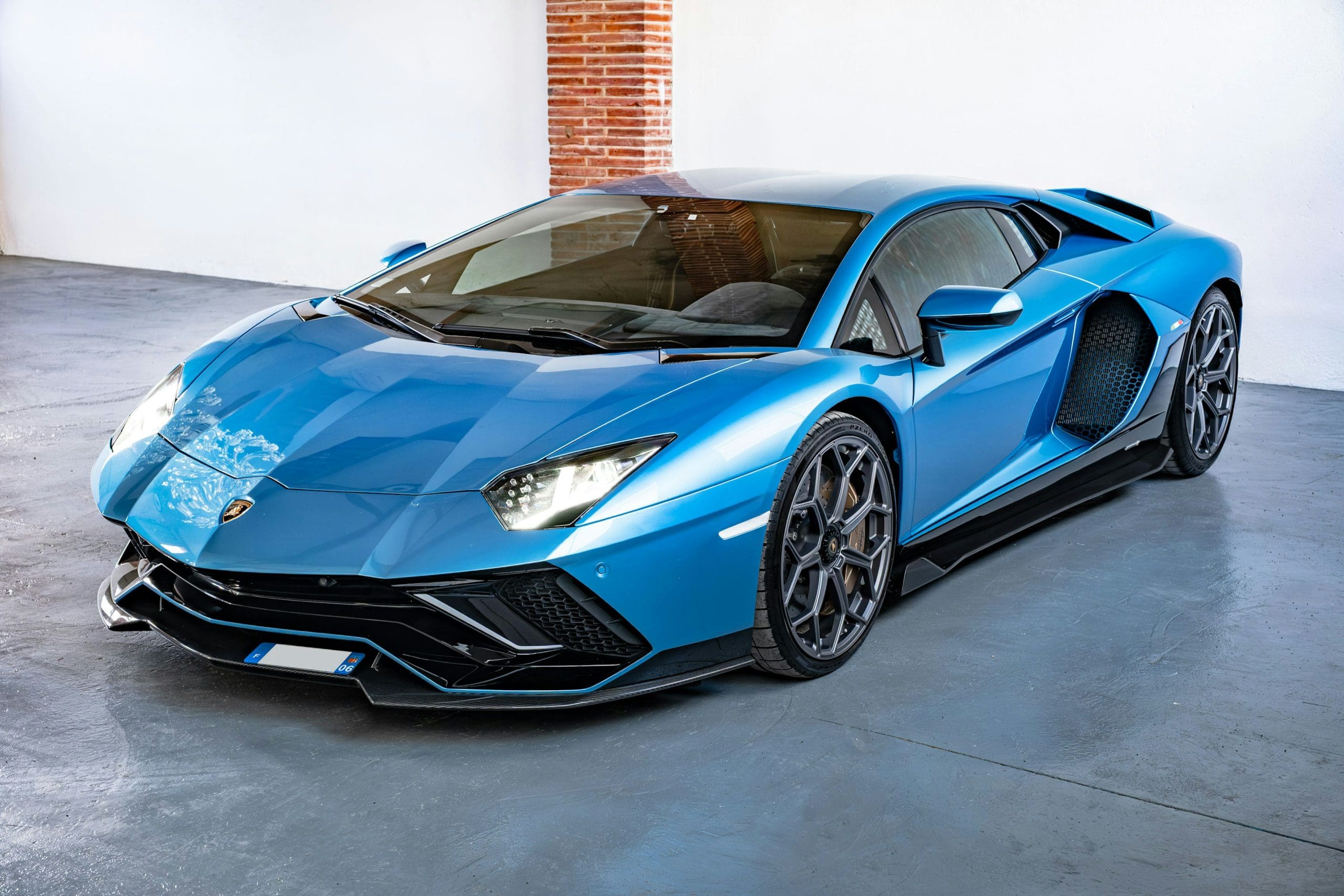
28. Lamborghini Aventador LP780-4 Ultimae
2021–22 · 6.5 V12 · 769 hp · 600
The farewell. For the last Aventador, Lamborghini combined the SVJ's engine, at 769 horsepower, with the plainer body of the S, and built 350 coupés and 250 roadsters. It was the last V12 Lamborghini with no turbocharger and no electric motor, ending a line that began in 1963.
Verdict The last V12 without help.
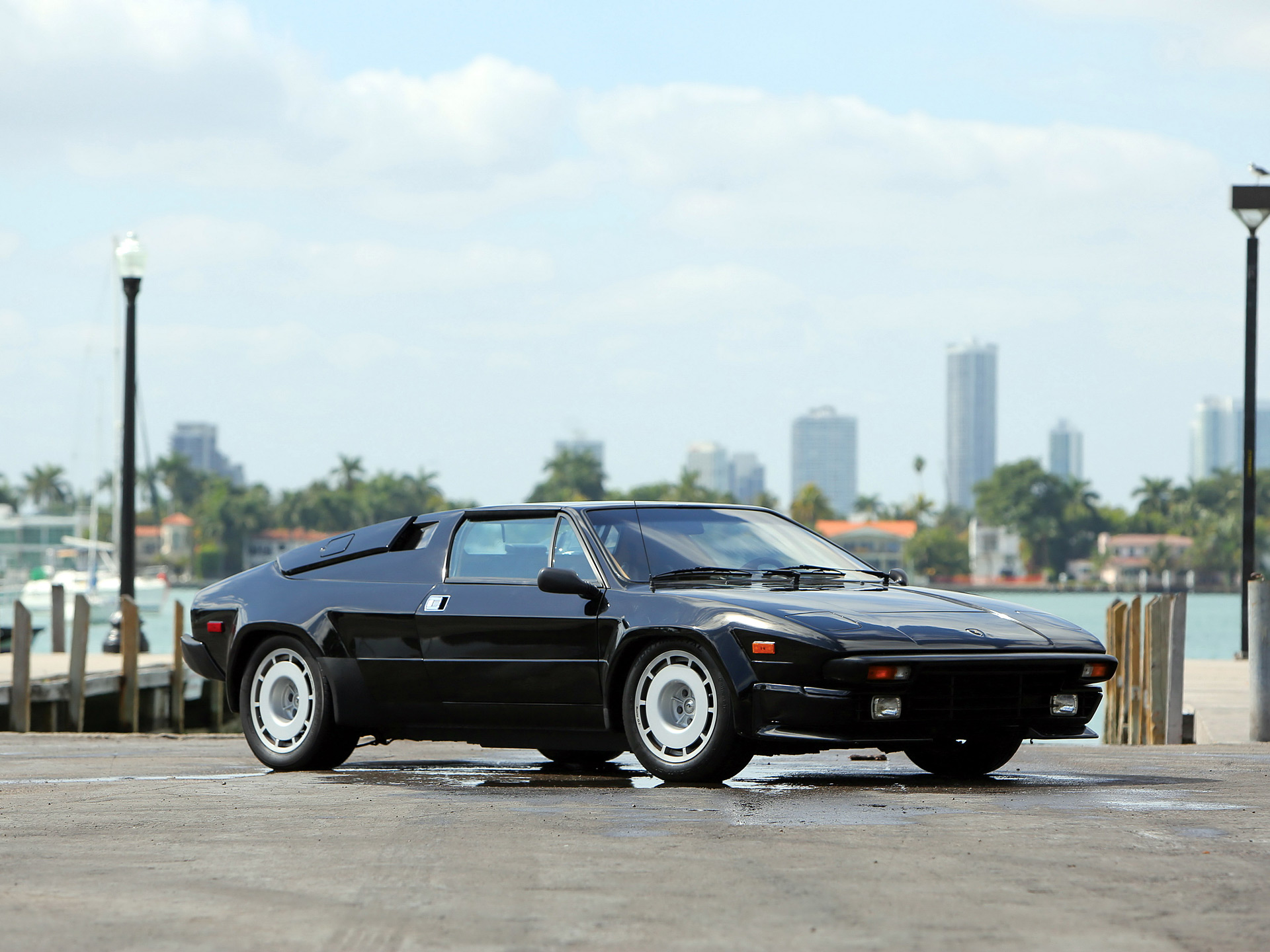
27. Lamborghini Jalpa
1981–88 · 3.5 V8 · 255 hp · ~ 410
The small Lamborghini of the 1980s. The Jalpa had a 3.5-litre V8 of 255 horsepower mounted across the car, a lift-out roof panel and a body by Bertone. It was lighter to drive than a Countach and you could see out of it. About 410 were built before Chrysler ended it in 1988.
Verdict The Lamborghini you could see out of.
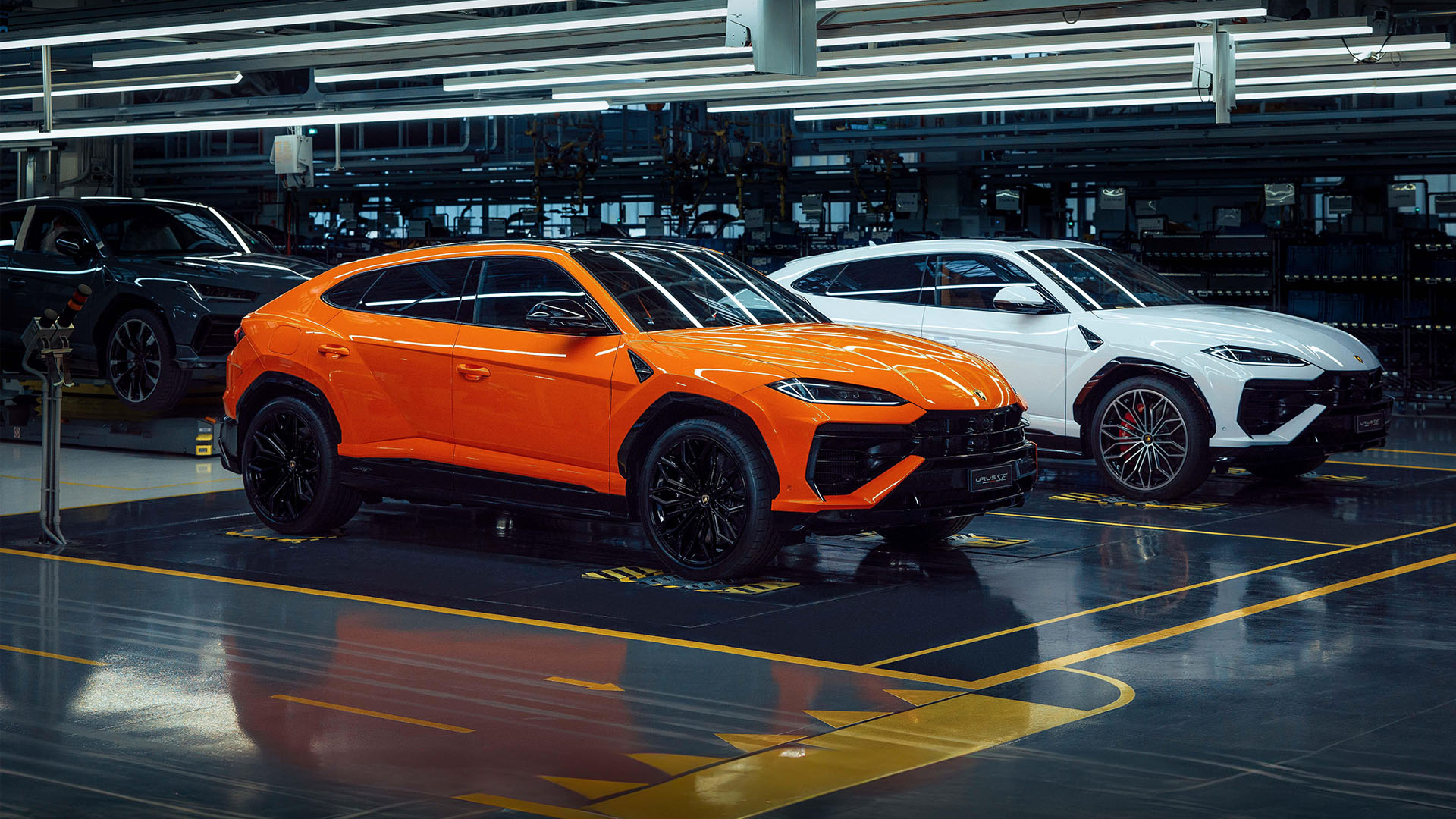
26. Lamborghini Urus
From 2018 · 4.0 twin-turbo V8 · 641 hp at launch
Lamborghini's second off-roader arrived in 2018 with a twin-turbocharged V8 of 641 horsepower and room for five. It is faster than it should be and handles better than anything its size has a right to. Within two years it had doubled the company's sales. The V12 cars exist today because this one pays for them.
Verdict The one that pays for the rest.
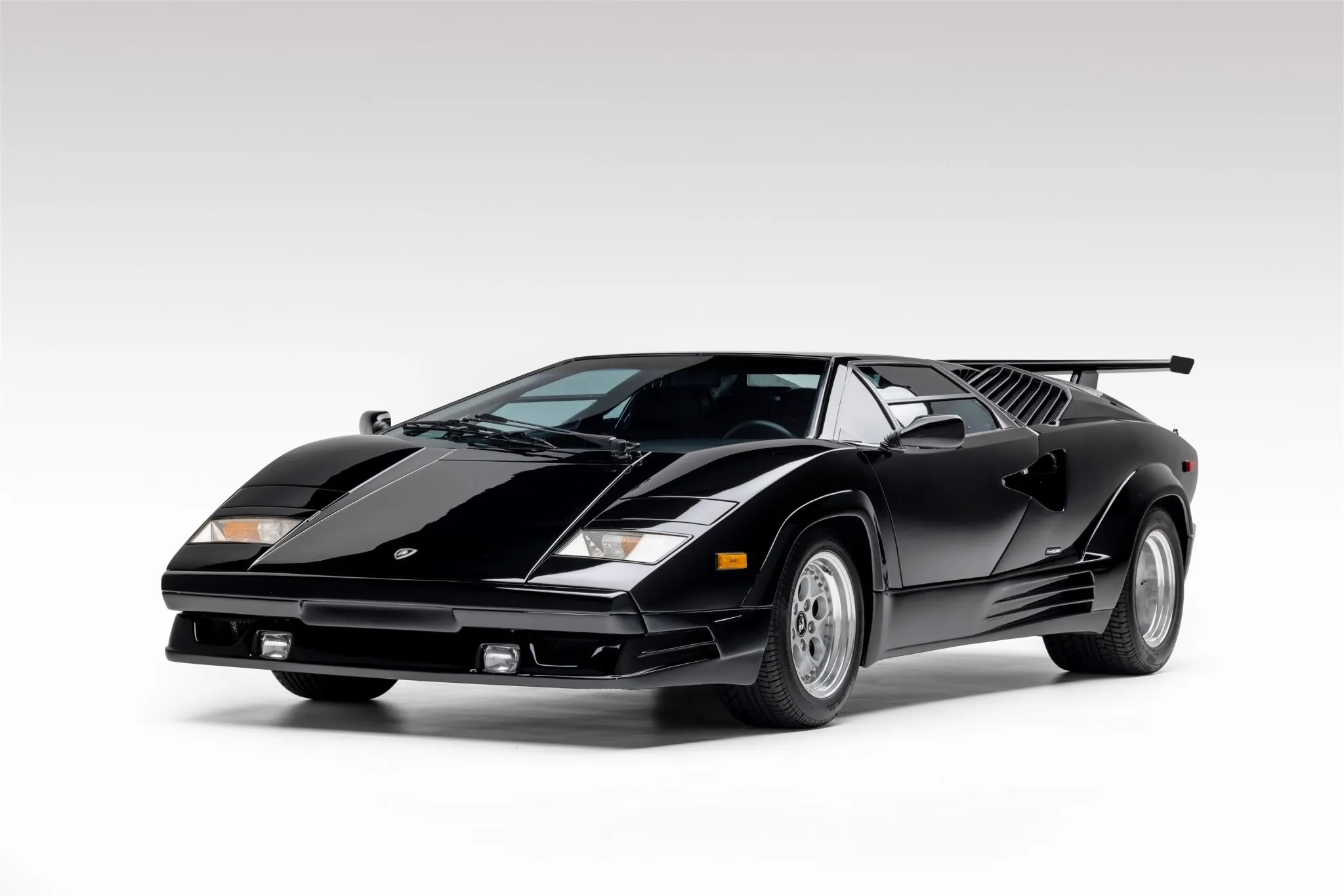
25. Lamborghini Countach 25th Anniversary
1988–90 · 5.2 V12 · 455 hp · 667
The final Countach marked the company's 25th year. A young engineer named Horacio Pagani reworked the body with new intakes, sills and bumpers, and the cabin gained electric seats and windows. Purists dislike the additions. It was the quickest Countach, the easiest to live with and, at more than 650 cars, the most numerous.
Verdict The last Countach, and the best seller.
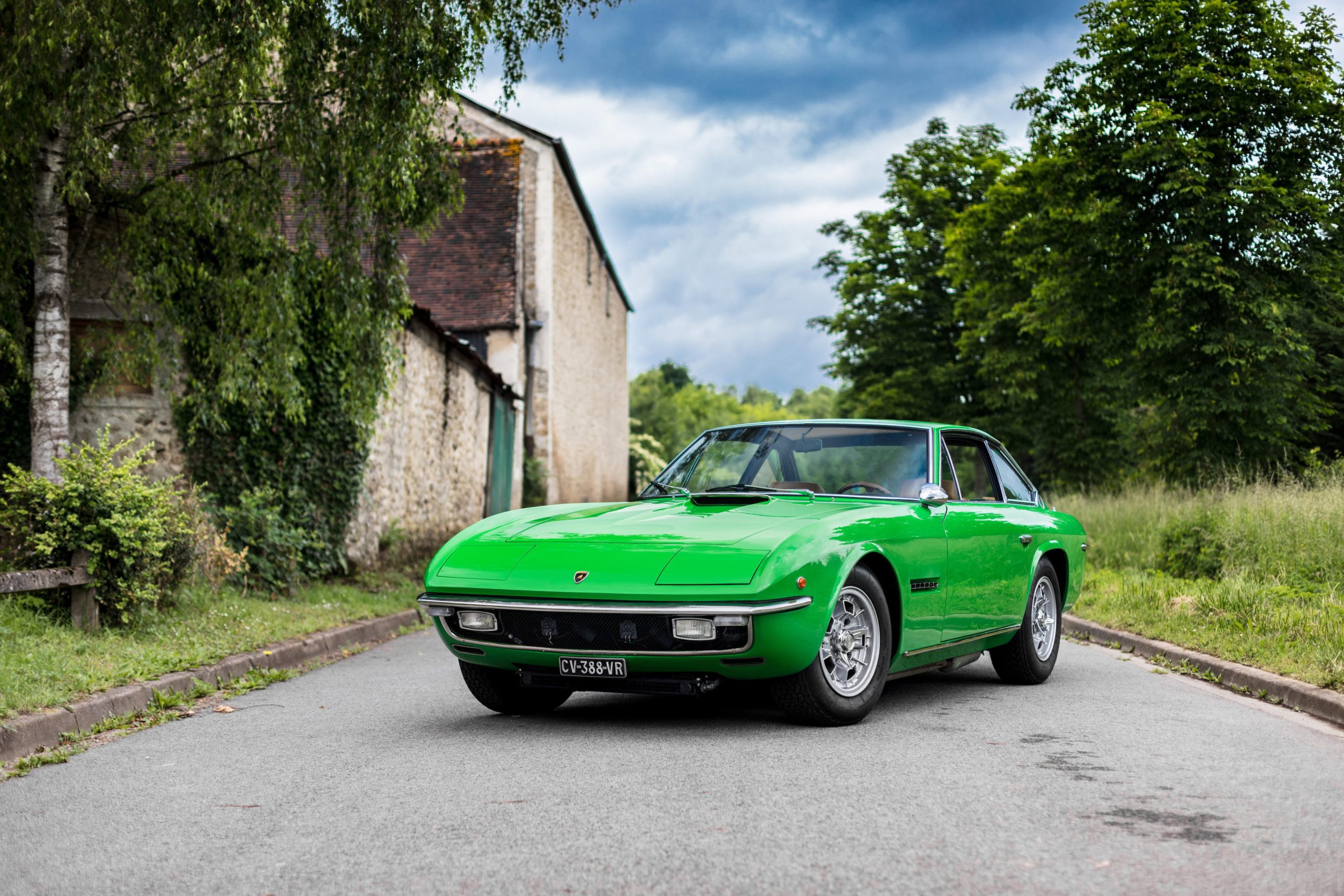
24. Lamborghini Islero
1968–69 · 4.0 V12 · 320 to 350 hp · 225
The quiet one. The Islero of 1968 replaced the 400 GT with a plainer, squarer body, pop-up headlamps and the same 4.0-litre V12. Ferruccio Lamborghini drove one himself. It was overshadowed from the start by the Miura and the Espada, and only 225 were made. It is the early Lamborghini for people who do not want to be looked at.
Verdict The Lamborghini that did not shout.
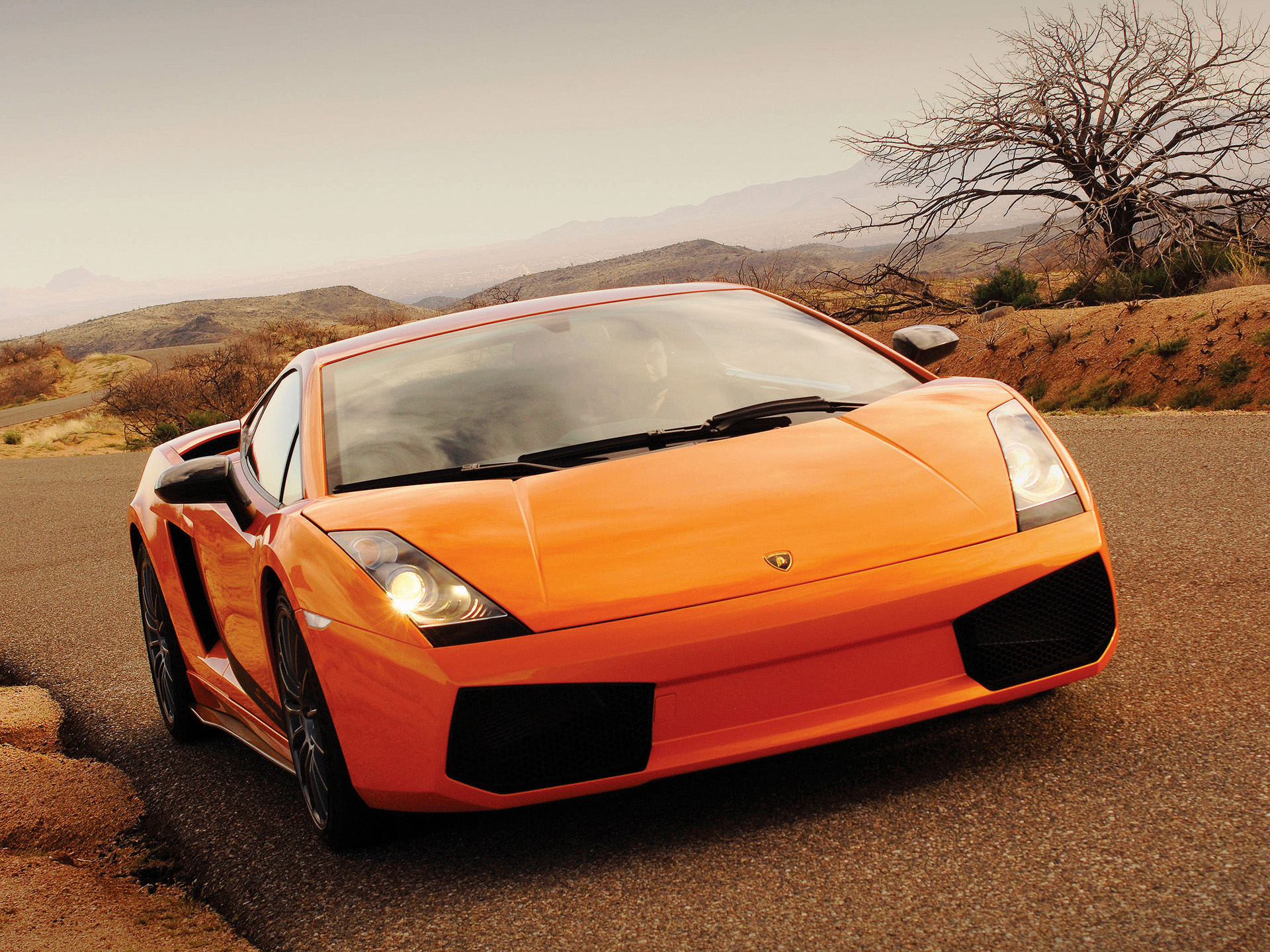
23. Lamborghini Gallardo Superleggera
2007–08 · 5.0 V10 · 523 hp
In 2007 Lamborghini took 100 kg out of the Gallardo with carbon-fibre panels, plastic rear windows and thin sports seats, and added 10 horsepower. The Superleggera was the first of the lightweight V10 cars, and it showed that the Gallardo had a better chassis than its reputation suggested. The Performante and STO descend from it.
Verdict The first Lamborghini to go on a diet.
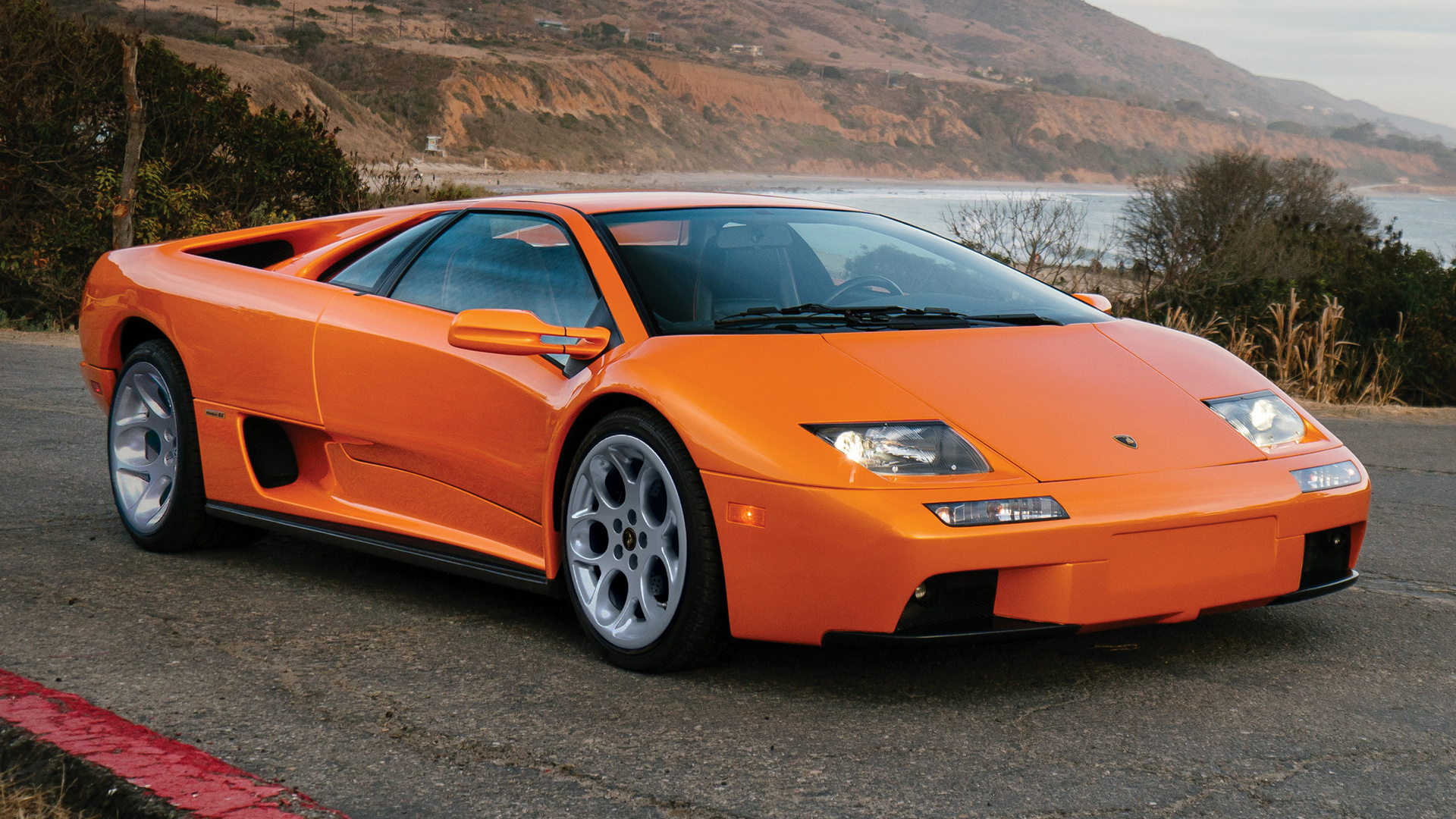
22. Lamborghini Diablo VT 6.0
2000–01 · 6.0 V12 · About 540 hp
The last Diablo, and the one Audi finished. For 2000 the body was smoothed by Luc Donckerwolke, the V12 went to 6.0 litres, and the interior was rebuilt in carbon fibre and leather so that things fitted and stayed attached. It is the most usable Diablo and the best made. The GT and SV are more exciting.
Verdict The Diablo, finished properly.
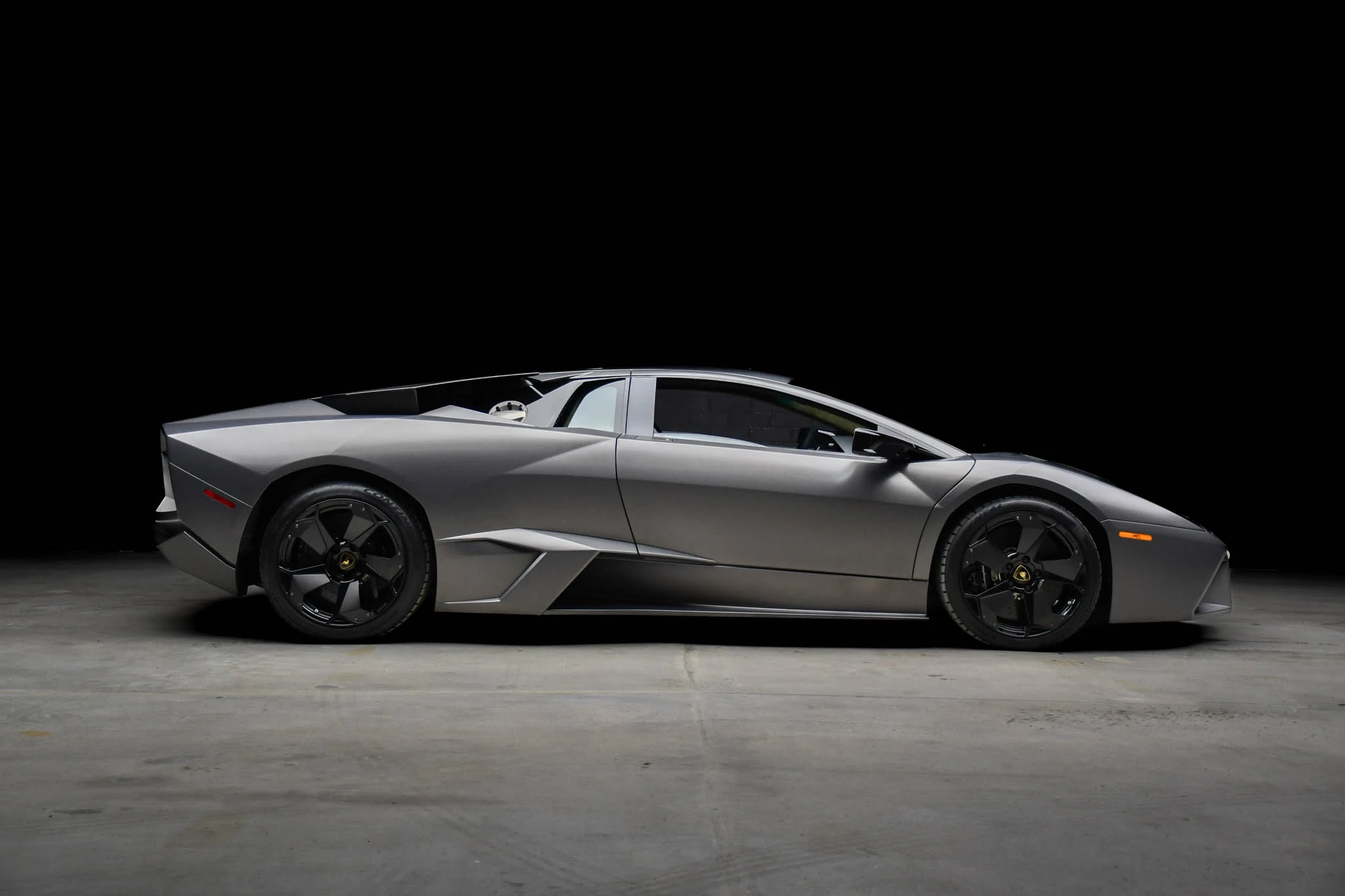
21. Lamborghini Reventón
2007–08 · 6.5 V12 · 650 hp · 20
In 2007 Lamborghini took a Murciélago LP640, gave it a new carbon body modelled on a fighter aircraft, painted it matt grey, and sold twenty at a million euros each. All were spoken for before the car was shown. Every few-off Lamborghini since, from the Veneno to the Sián, follows from the Reventón.
Verdict The first of the million-euro specials.
20 to 11
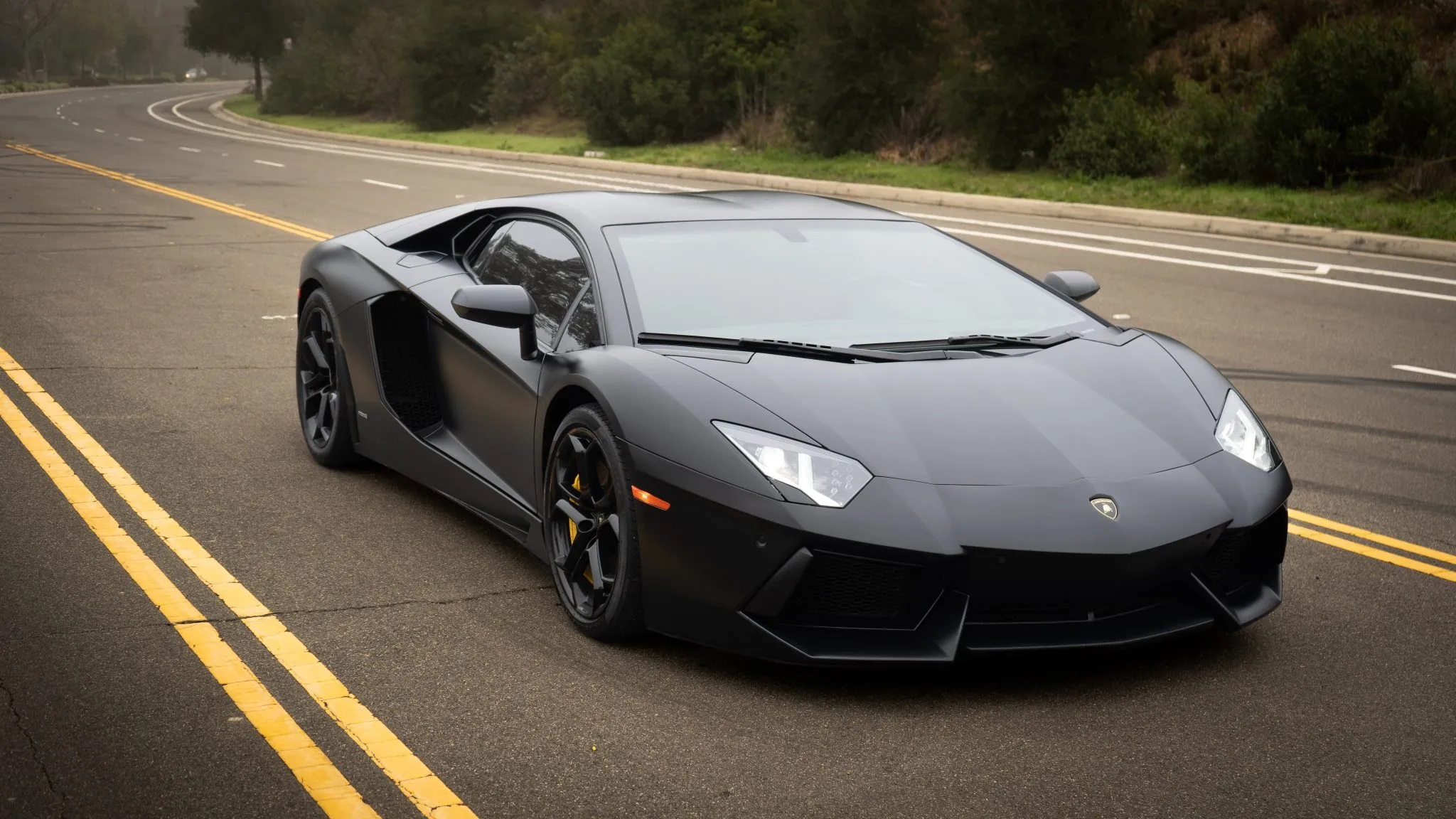
20. Lamborghini Aventador LP700-4
2011–16 · 6.5 V12 · 691 hp
Almost nothing was carried over from the Murciélago. The Aventador of 2011 had a carbon-fibre tub, pushrod suspension like a racing car's, and the first all-new V12 the company had designed since 1963: 6.5 litres and 691 horsepower. Its single-clutch gearbox changed gear in 50 milliseconds and felt like it. The car was hard-riding, wide and awkward in town, and it sold in numbers no V12 Lamborghini had approached, more than 11,000 over eleven years. The SVJ higher up this list is the better car. This is where it came from.
Verdict A clean sheet, a carbon tub and a new V12.
Did you know: Its V12 was the first all-new twelve-cylinder engine Lamborghini had designed since 1963.
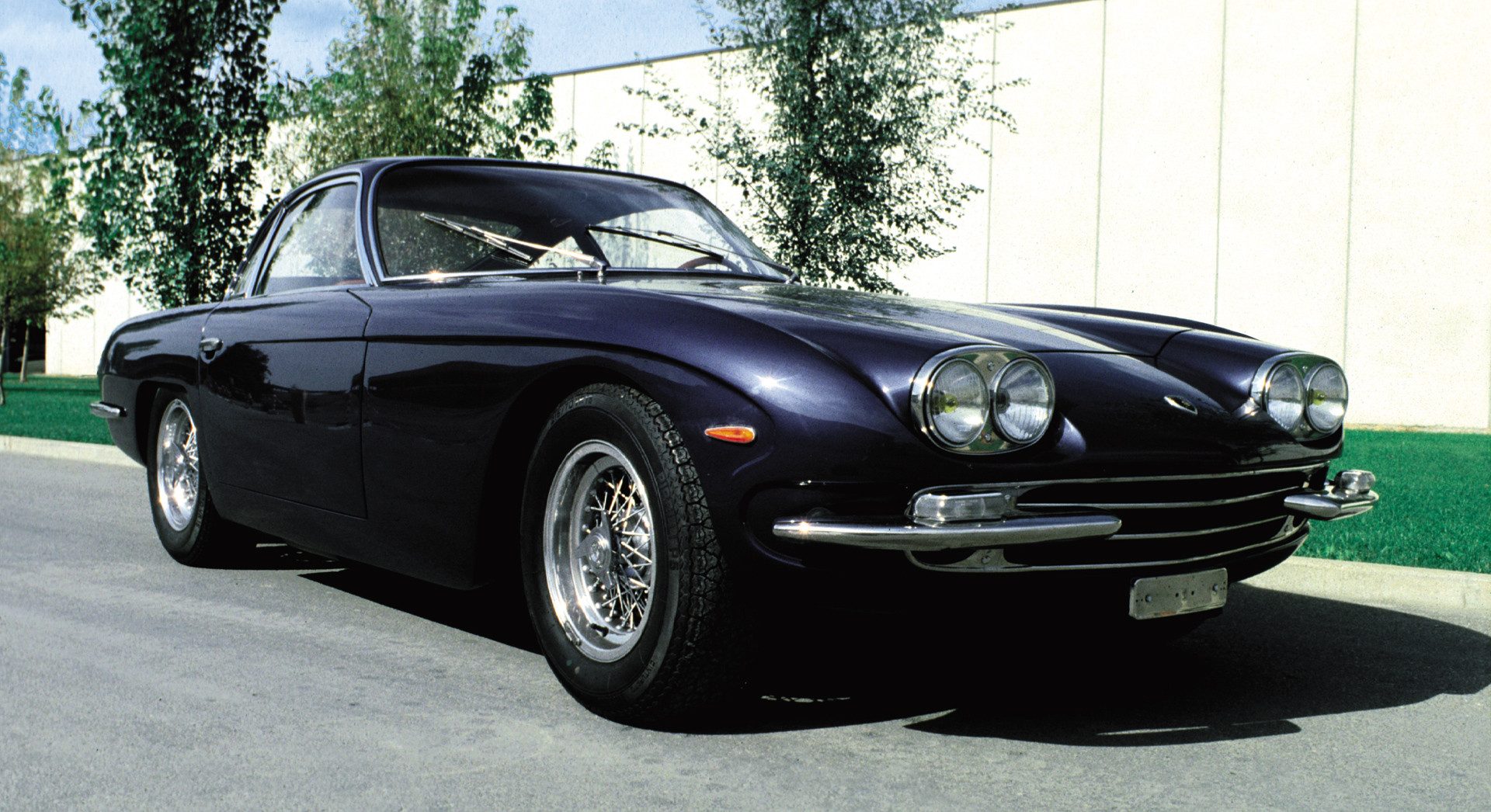
19. Lamborghini 400 GT 2+2
1966–68 · 4.0 V12 · 320 hp · ~ 225
Two years after the 350 GT, Lamborghini enlarged the V12 to 4.0 litres and 320 horsepower, reshaped the roof to make room for two small rear seats, and fitted a gearbox of its own design in place of the bought-in one. The 400 GT 2+2 was a better car than the 350 in most ways that mattered to its owners: quieter, roomier and easier to drive. About 225 were sold, twice as many as the earlier car. It is the model that showed the 350 GT had not been a fluke.
Verdict The 350 GT, grown up.
Did you know: It was the first Lamborghini with a gearbox the company had designed and built itself.
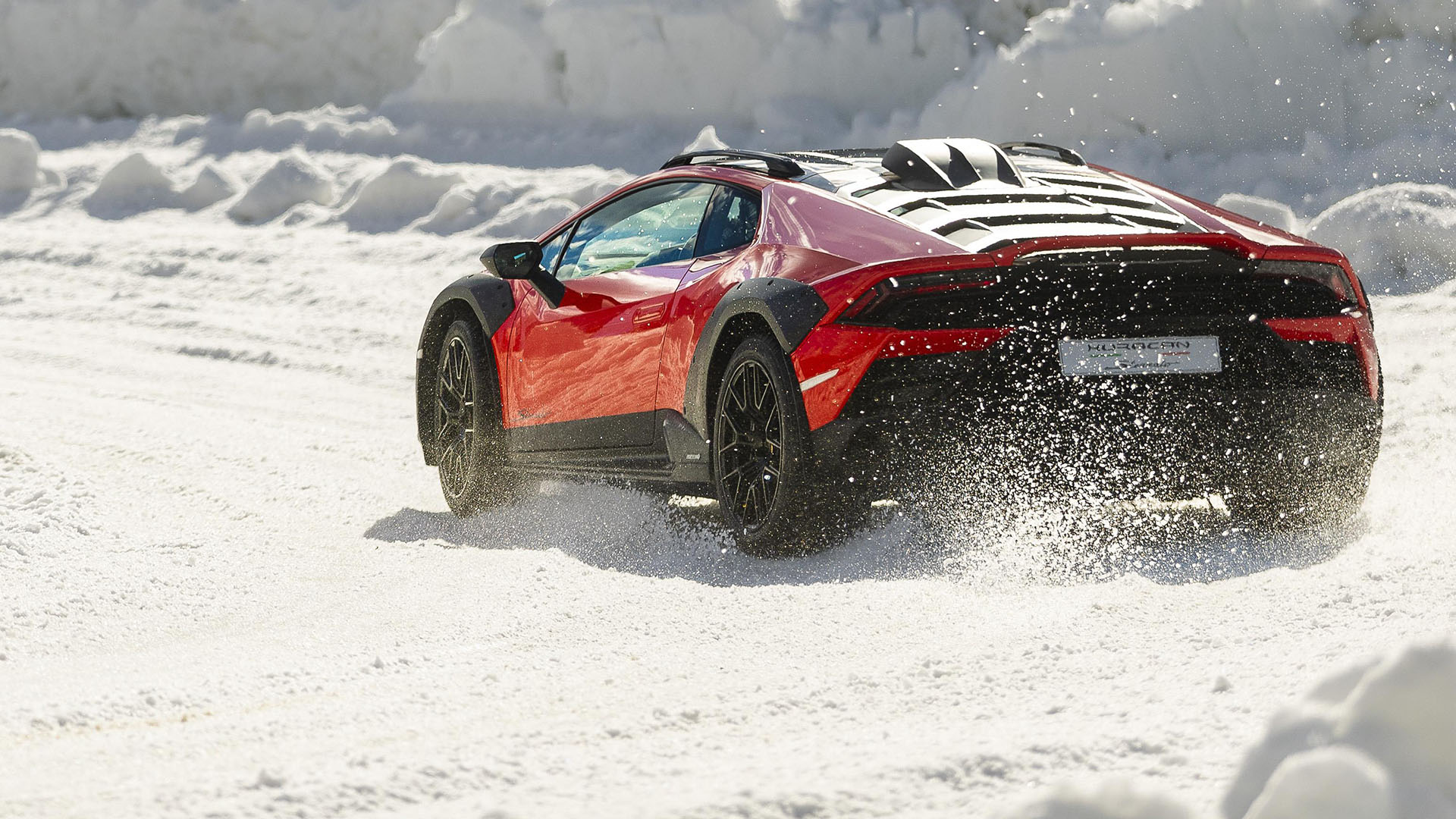
18. Lamborghini Huracán Sterrato
2023–24 · 5.2 V10 · 602 hp · 1,499
The last Huracán, and the least expected. Lamborghini raised the car by 44 mm, fitted all-terrain tyres, roof rails, extra lamps on the nose and plastic arch extensions bolted on from outside, and tuned the stability systems for gravel. The V10 gave 602 horsepower and breathed through a scoop on the roof, clear of the dust. It should have been a joke. On a loose surface it is the most fun of any Huracán, and on a bad road it is the most comfortable. Lamborghini built 1,499.
Verdict The supercar that likes dirt.
Did you know: Sterrato is Italian for a dirt road.
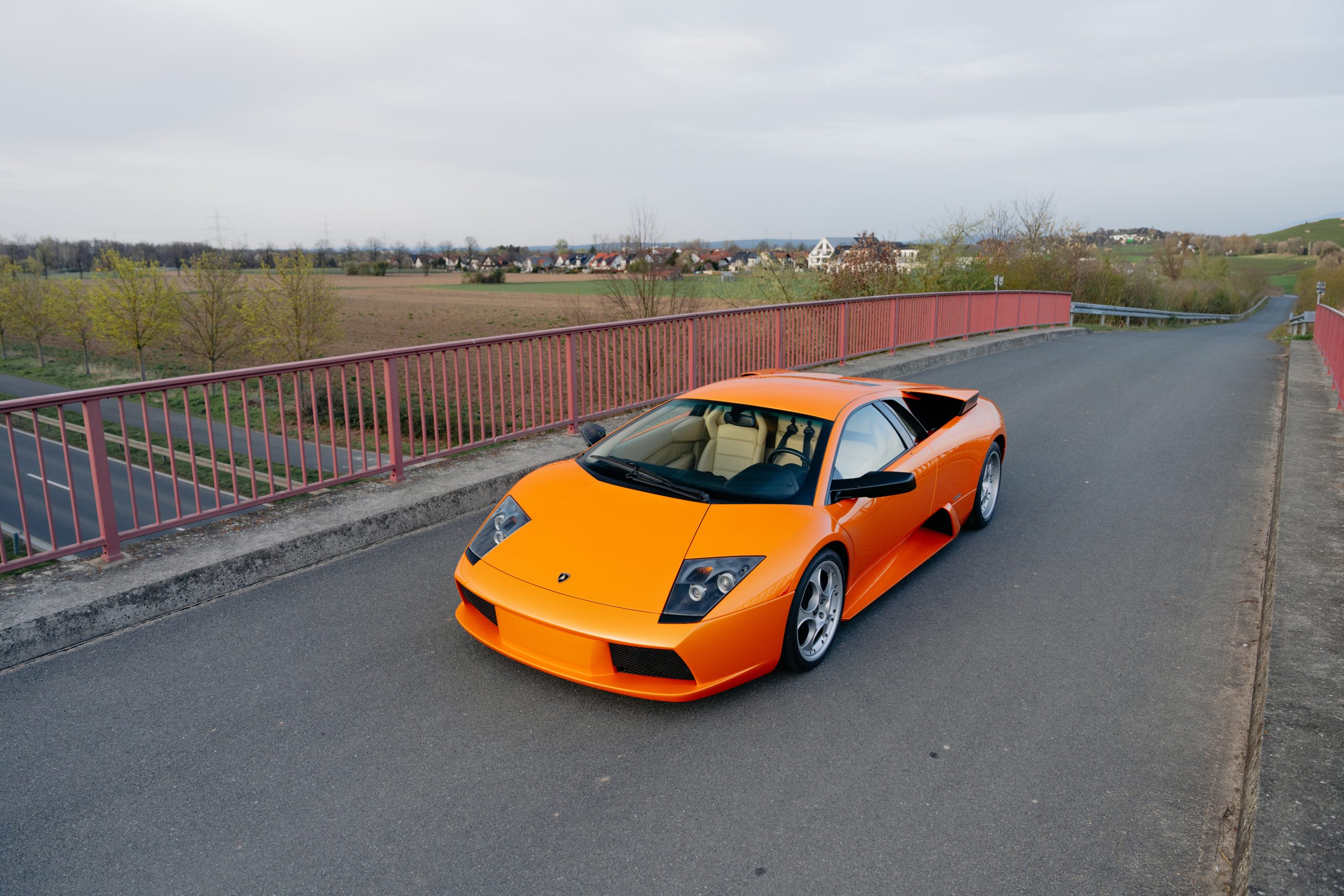
17. Lamborghini Murciélago
2001–06 · 6.2 V12 · 572 hp
The first new Lamborghini of the Audi years, and a careful one. The Murciélago of 2001 kept the layout of the Diablo and Countach, with the V12 lengthways and the gearbox ahead of it, and the scissor doors. The engine was now 6.2 litres and 572 horsepower, driving all four wheels. Air intakes rose out of the rear shoulders when the engine needed cooling. Early cars had a six-speed manual gearbox with an open metal gate, and those are now the ones collectors want. It was faster, stiffer and far better made than the Diablo, and still frightening enough.
Verdict The old layout, properly built at last.
Did you know: Named after a bull said to have survived 24 sword strokes in the ring at Córdoba in 1879.

16. Lamborghini Revuelto
From 2023 · 6.5 V12 hybrid · 1,001 hp
The question for the Aventador's successor was whether the V12 could survive at all. Lamborghini's answer was to keep it and add electricity. The Revuelto has a new 6.5-litre V12 that revs to 9,500 rpm, two electric motors at the front and a third at the gearbox, for 1,001 horsepower in all. It can be plugged in. There is no reverse gear, because the front motors do the job. It is also the first big Lamborghini with a smooth dual-clutch gearbox and a cabin two tall people can sit in. It is new, so it starts in the middle.
Verdict The V12 lives, with help.
Did you know: It has no reverse gear. The front electric motors drive it backwards.
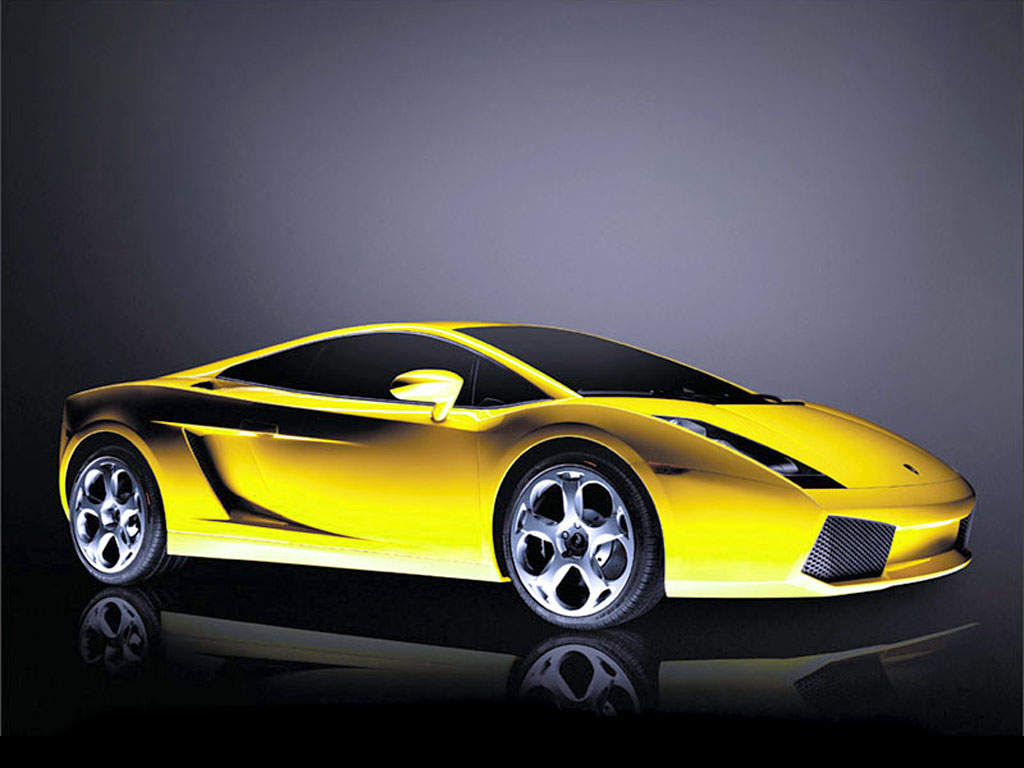
15. Lamborghini Gallardo
2003–13 · 5.0 V10 · 493 hp · 14,022
Before the Gallardo, Lamborghini had never built more than a few hundred cars a year. Audi, which bought the company in 1998, gave it the means to make a smaller model properly: an aluminium frame, a new 5.0-litre V10 of 493 horsepower, four-wheel drive, and a build quality nobody had associated with Sant'Agata. It went on sale in 2003, and it worked every morning. Lamborghini built 14,022 in ten years, nearly half of all the cars it had ever made. It is here less for how it drove than for the fact that the company has been secure ever since.
Verdict The car that turned Lamborghini into a real business.
Did you know: When production ended, nearly half of all the Lamborghinis ever made were Gallardos.
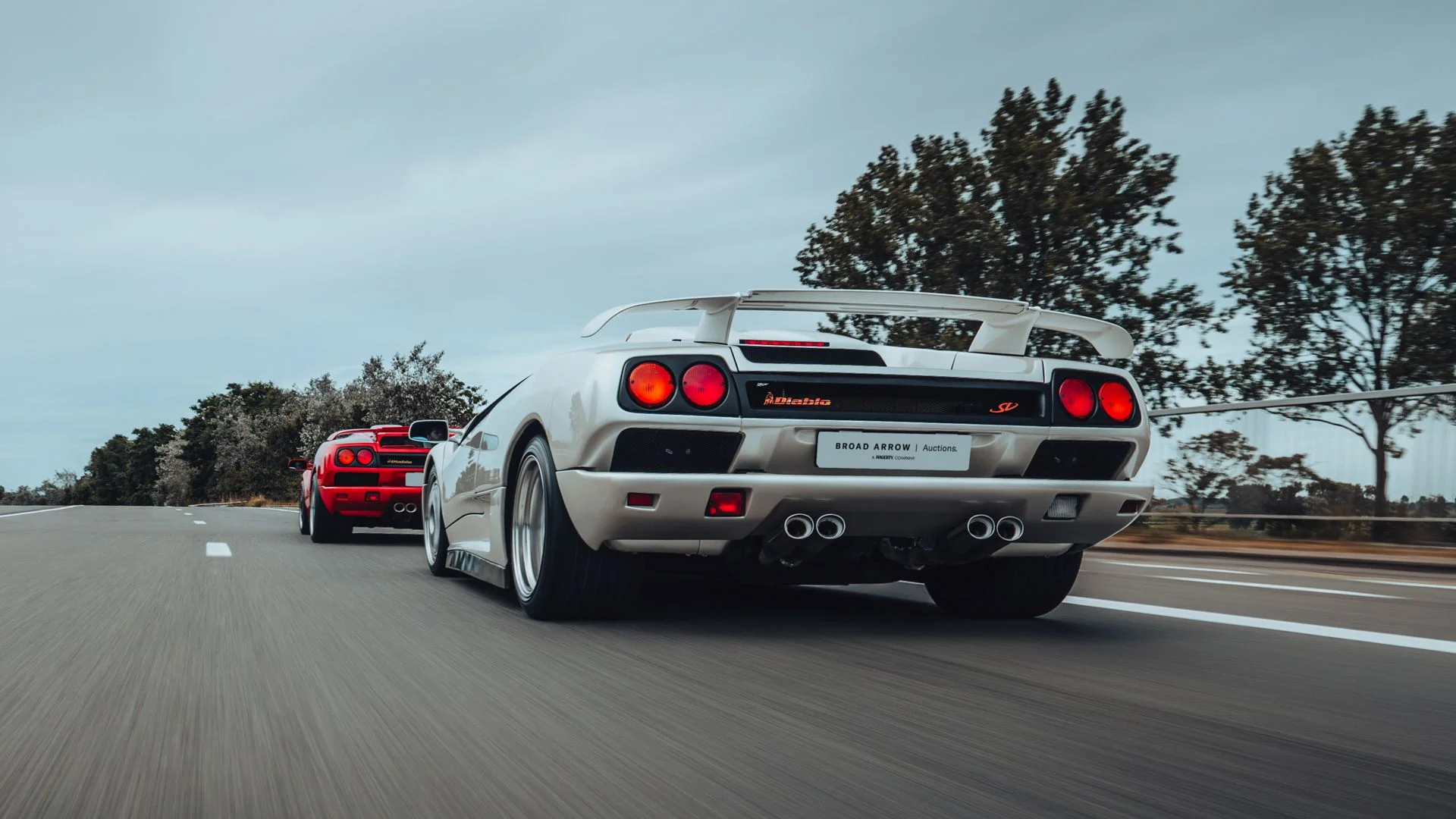
14. Lamborghini Diablo SV
1995–99 · 5.7 V12 · 510 hp
In 1995 Lamborghini did something unusual and made the cheapest Diablo the best one. The SV dropped the four-wheel drive of the VT, which saved weight, raised power to 510 horsepower, and added bigger brakes, an adjustable rear wing and, for those who wanted it, the letters SV down each side in very large type. It was the entry-level car and it was the driver's choice. With rear-wheel drive and that much power it needed respect, and it rewarded it. The name SV, for SuperVeloce, went back to the Miura. This car made it mean something again.
Verdict The cheapest Diablo, and the one to have.
Did you know: It was the cheapest Diablo in the range, and many think the best.
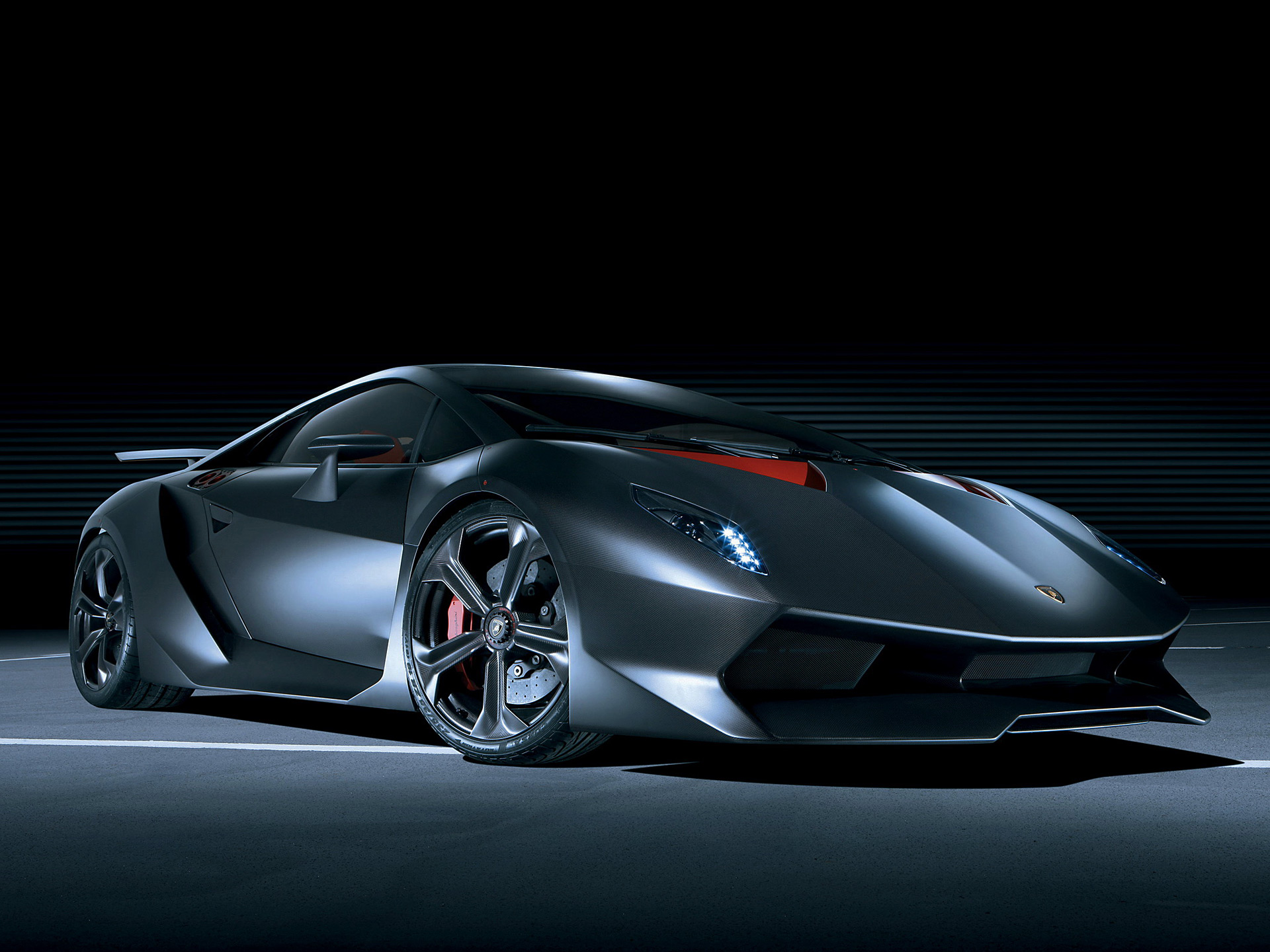
13. Lamborghini Sesto Elemento
2010–12 · 5.2 V10 · 562 hp · 20
The one car on this list that cannot be driven on the road, and it is here because it would be wrong to leave it out. The Sesto Elemento, shown in 2010, was Lamborghini's demonstration of what carbon fibre could do. The tub, the body, the suspension arms and the wheels were all made of it, much of it a new pressed material the company had developed for the purpose. The car weighed 999 kg and had the Gallardo's 562-horsepower V10 and four-wheel drive. It reached 60 mph in 2.5 seconds. Twenty were sold, for the track only. What Lamborghini learned went into every car since.
Verdict A lesson in carbon fibre, weighing 999 kg.
Did you know: The name means sixth element. Carbon is number six in the periodic table.
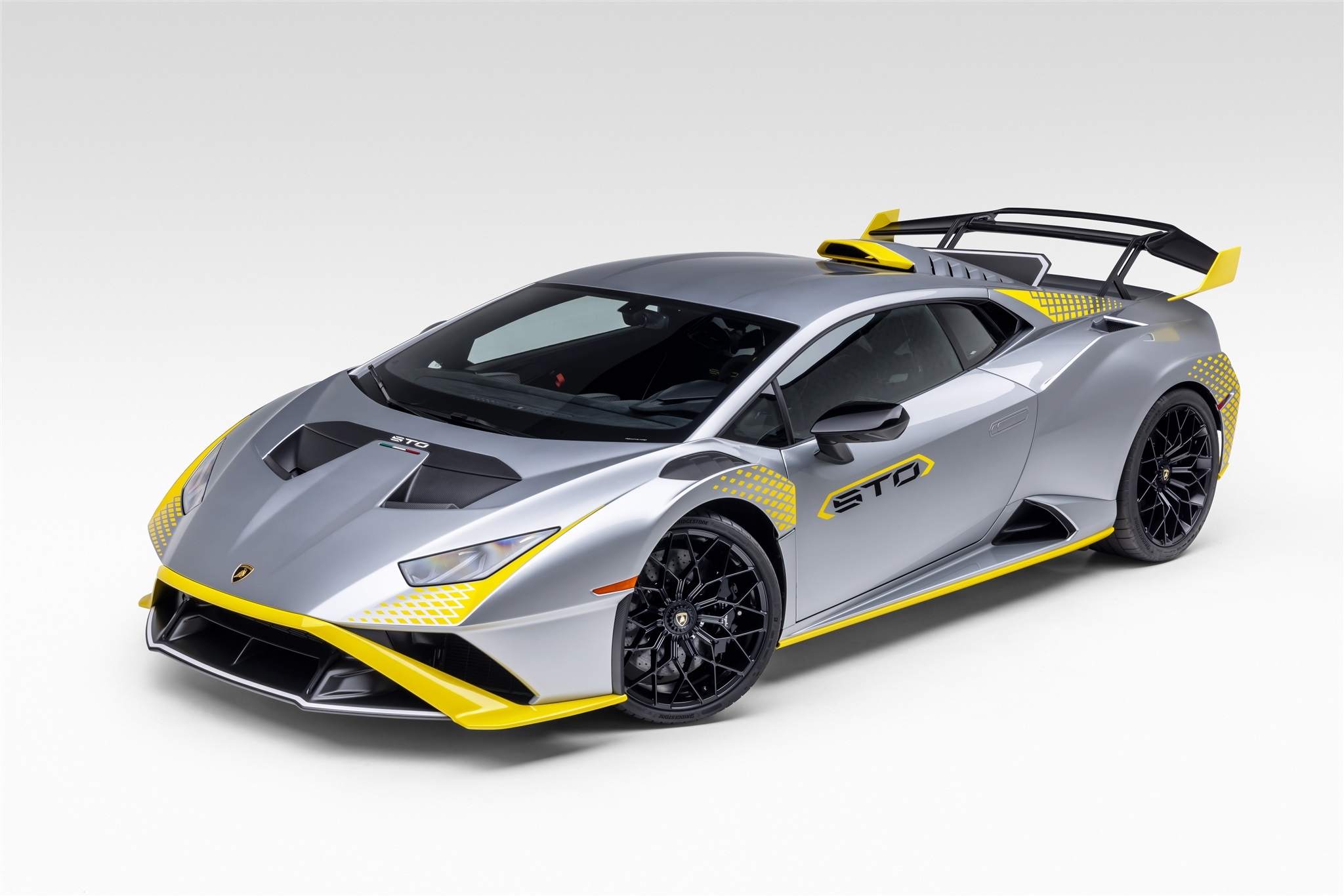
12. Lamborghini Huracán STO
2021–24 · 5.2 V10 · 631 hp
Lamborghini's racing department runs a one-make series and builds GT3 cars. The STO is what it made when asked for a road car. It has rear-wheel drive, 631 horsepower, a fixed wing, a roof scoop and a fin down the engine cover, and the front bonnet, wings and bumper are a single piece of carbon fibre. Three-quarters of the body panels are carbon. It is stiff and loud on the road and extremely good on a circuit, where it is quicker than the Performante and far more serious. It sits below that car because the Performante changed minds first.
Verdict The racing car, with number plates.
Did you know: The bonnet, wings and front bumper are one piece of carbon fibre, which lifts off as it does on a racing car.
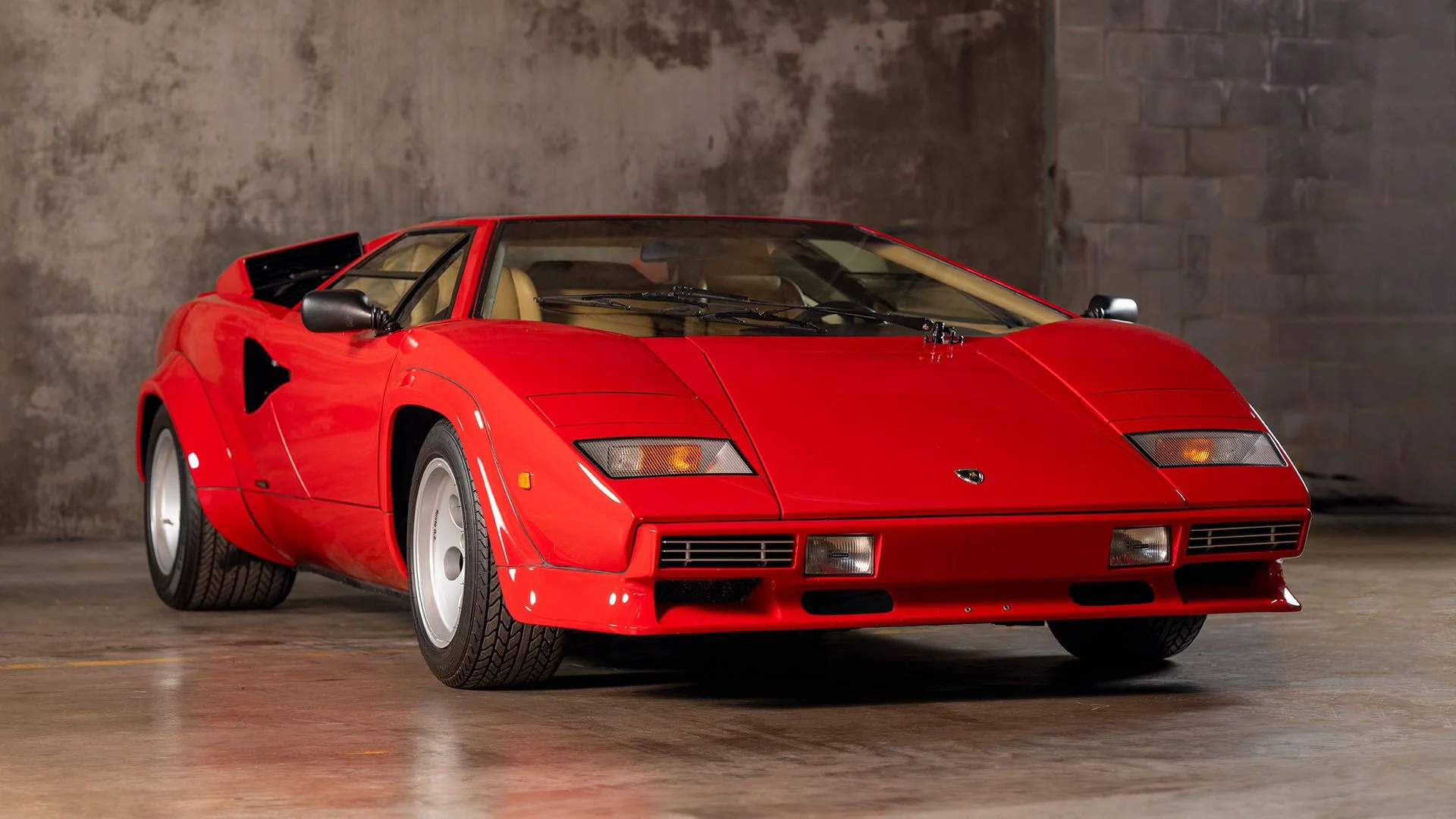
11. Lamborghini Countach 5000 QV
1985–88 · 5.2 V12, four valves per cylinder · 455 hp · ~ 610
The Countach of the bedroom wall. By 1985 the car had grown wide arches, fat tyres and, on most examples, a rear wing that did nothing for its top speed. Underneath, Lamborghini had enlarged the V12 to 5.2 litres and given it four valves per cylinder, for 455 horsepower. That was more than the Ferrari Testarossa, which was the point. The carburettors now sat on top of the engine, taking away what little rear view there had been. It is the least pure Countach and the most powerful of the carburettor cars, and it is the one most people picture.
Verdict The Countach from the poster.
Did you know: The carburettors moved to the top of the engine, which left the driver with almost no view behind.
The top 10
- Years
- 1986–93
- Engine
- 5.2 V12
- Power
- About 444 hp
- Built
- ~ 300
Road car · Italy
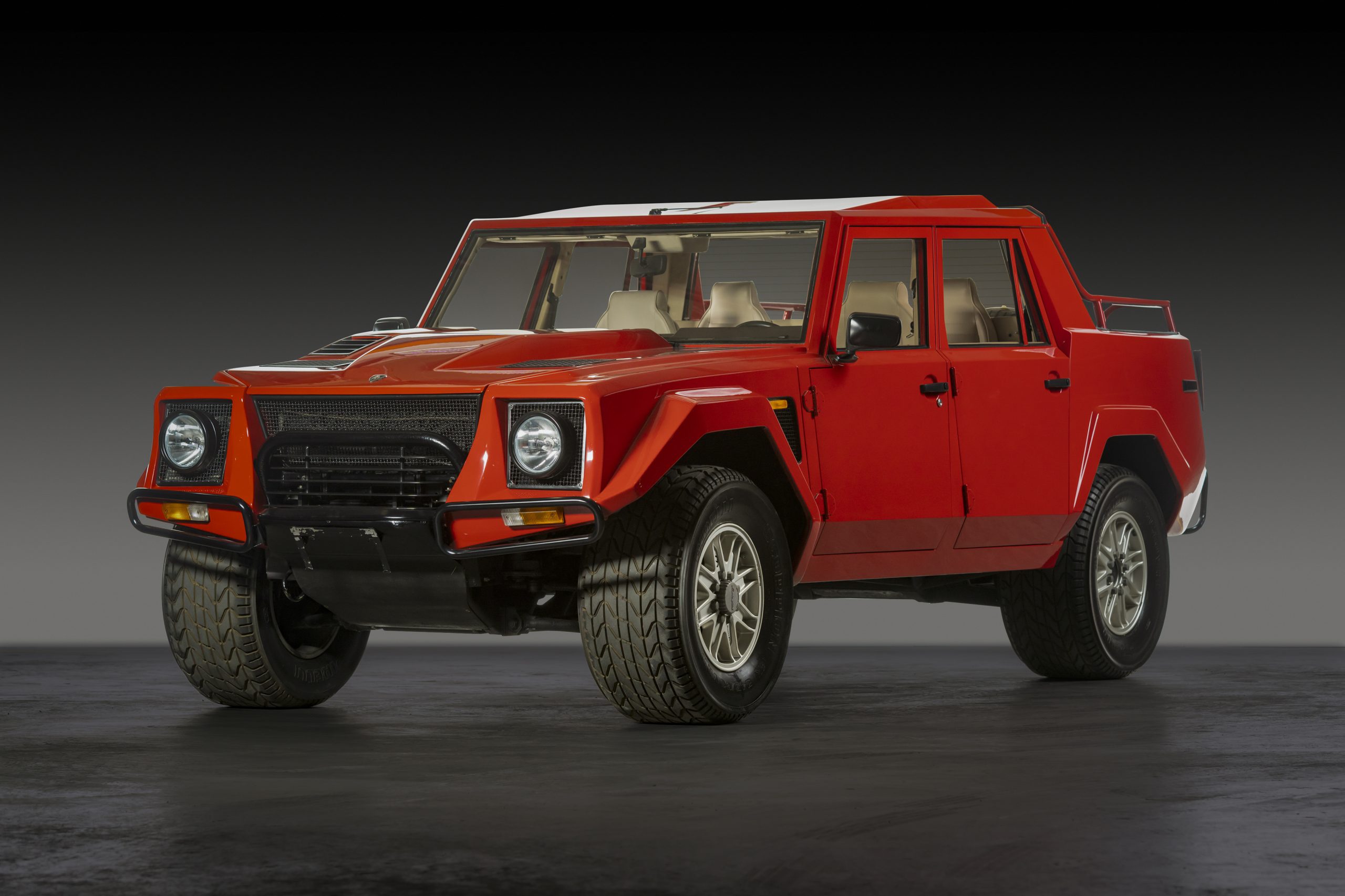
10. Lamborghini LM002
It began as a bid for a military contract, which Lamborghini did not win. What was left was the idea of a very fast off-roader, and in 1986 the company built one: a steel frame, aluminium and glassfibre panels, four leather seats, and the 5.2-litre V12 from the Countach in the front.
The LM002 weighed about 2.7 tonnes and would reach 125 mph on tarmac or cross a desert at a speed nothing else could match. Pirelli made tyres specially for it. The fuel tank held nearly 300 litres, and needed to. About 300 were built, many for buyers in the Gulf. People laughed at it, and thirty years later every maker of fast cars sells a fast off-roader. It is on this list ahead of the Urus because the Urus is a very good one, and the LM002 was the only one.
Verdict A Countach engine in a truck, decades too early.
Pirelli made a tyre specially for it, able to run nearly flat on sand.
- Years
- 2009
- Engine
- 5.2 V10
- Power
- 542 hp
- Built
- 250
Road car · Italy
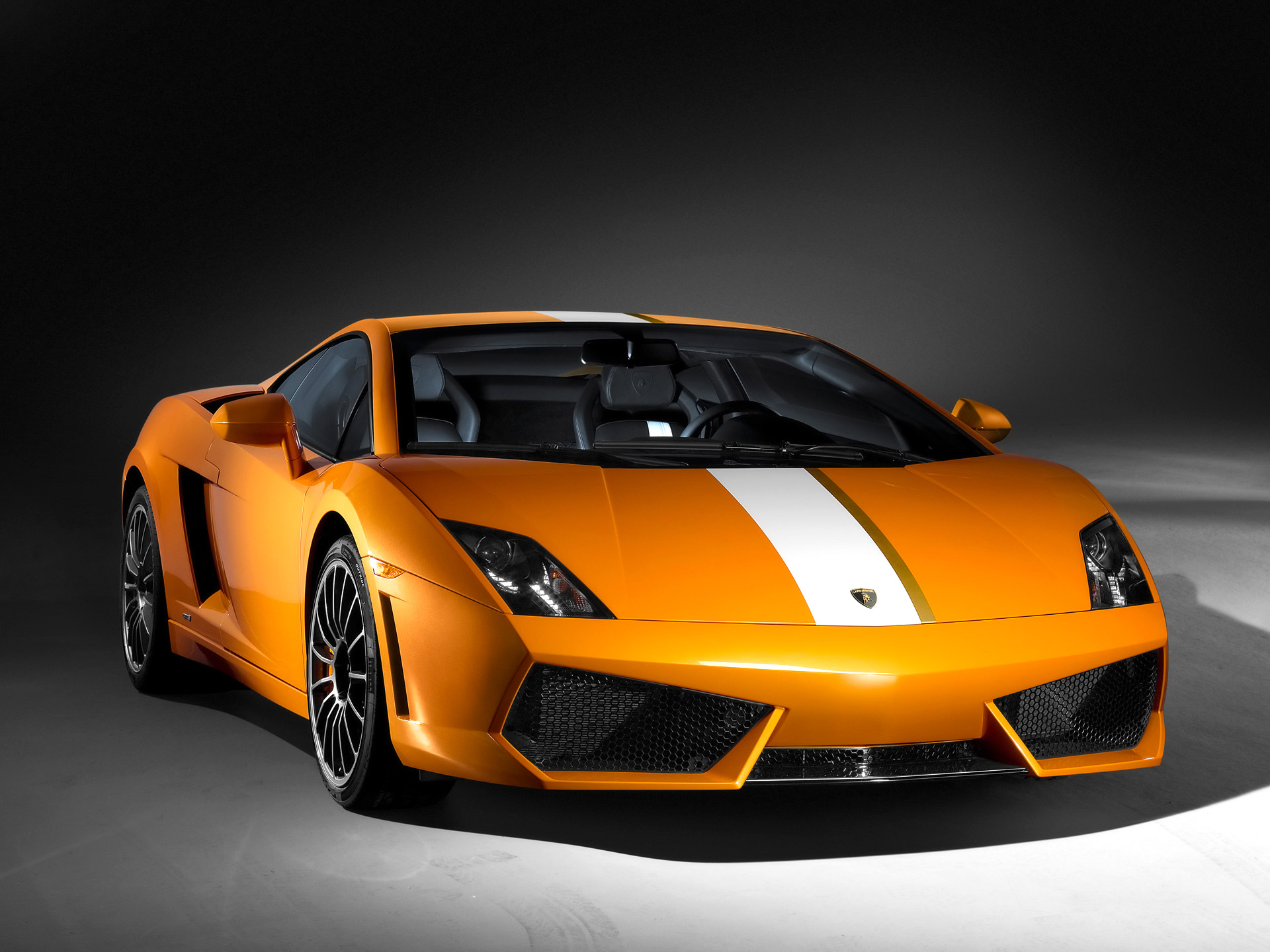
9. Lamborghini Gallardo LP550-2 Valentino Balboni
Valentino Balboni joined Lamborghini in 1968 as an apprentice mechanic and became its chief test driver. For forty years, nearly every car that left Sant'Agata was driven by him first. When he retired, the company asked what kind of car he would like his name on. He asked for a Gallardo with rear-wheel drive.
Every Gallardo until then had four-wheel drive, which made it safe and a little dull at the limit. The LP550-2 of 2009 sent its 542 horsepower to the rear wheels alone, with new springs, dampers and a recalibrated differential, and came with a manual gearbox as standard. It was lighter and more playful, and it would slide. Lamborghini built 250, each with a white and gold stripe. It proved the point so well that rear-wheel drive became a regular option on the Gallardo and on the Huracán after it.
Verdict The test driver's own specification.
Valentino Balboni joined Lamborghini as an apprentice in 1968 and was its chief test driver for decades.
- Years
- 1968–78
- Engine
- 3.9 V12
- Power
- 325 to 350 hp
- Built
- ~ 1,200
Road car · Italy
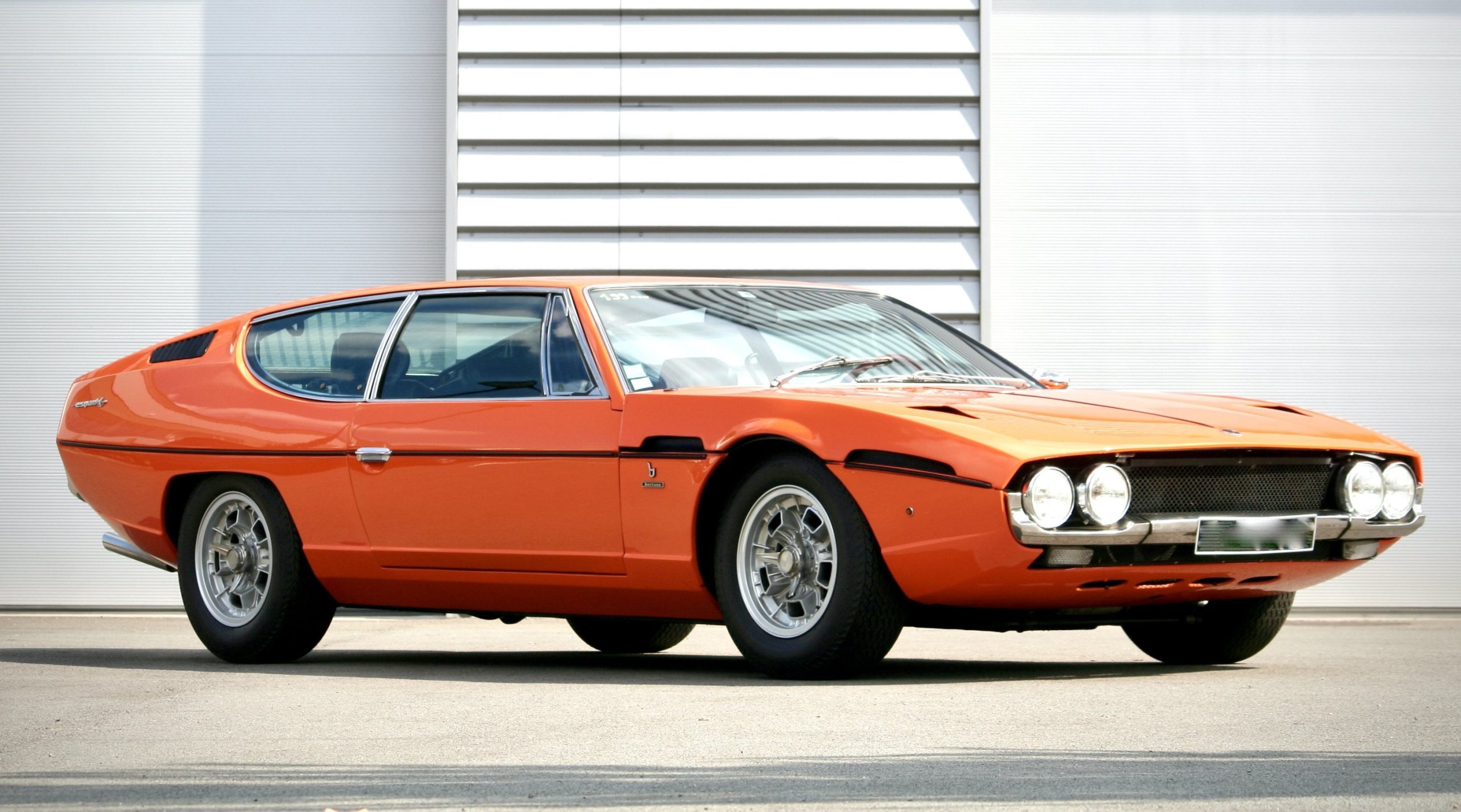
8. Lamborghini Espada
Ferruccio Lamborghini wanted grand tourers, and the Espada is the car he had in mind: a V12 in the front, four proper seats, and room for luggage, at 150 mph. Gandini drew it at Bertone from a show car called the Marzal. It is very low and very wide, with a glass panel in the tail so that the driver could see to reverse.
It went on sale in 1968 and stayed there for ten years, in three series, with 325 and later 350 horsepower. About 1,200 were built, which made it the best-selling Lamborghini until the Countach had been in production for a decade. Nothing else looked like it then and nothing does now. It is the forgotten half of what Lamborghini was in its first ten years, and for a long time it was the half that kept the company alive.
Verdict Four seats, twelve cylinders, and no rival.
An espada is the sword a matador uses. For years it was the best-selling Lamborghini.
- Years
- 2018–21
- Engine
- 6.5 V12
- Power
- 759 hp
- Built
- 900
Road car · Italy
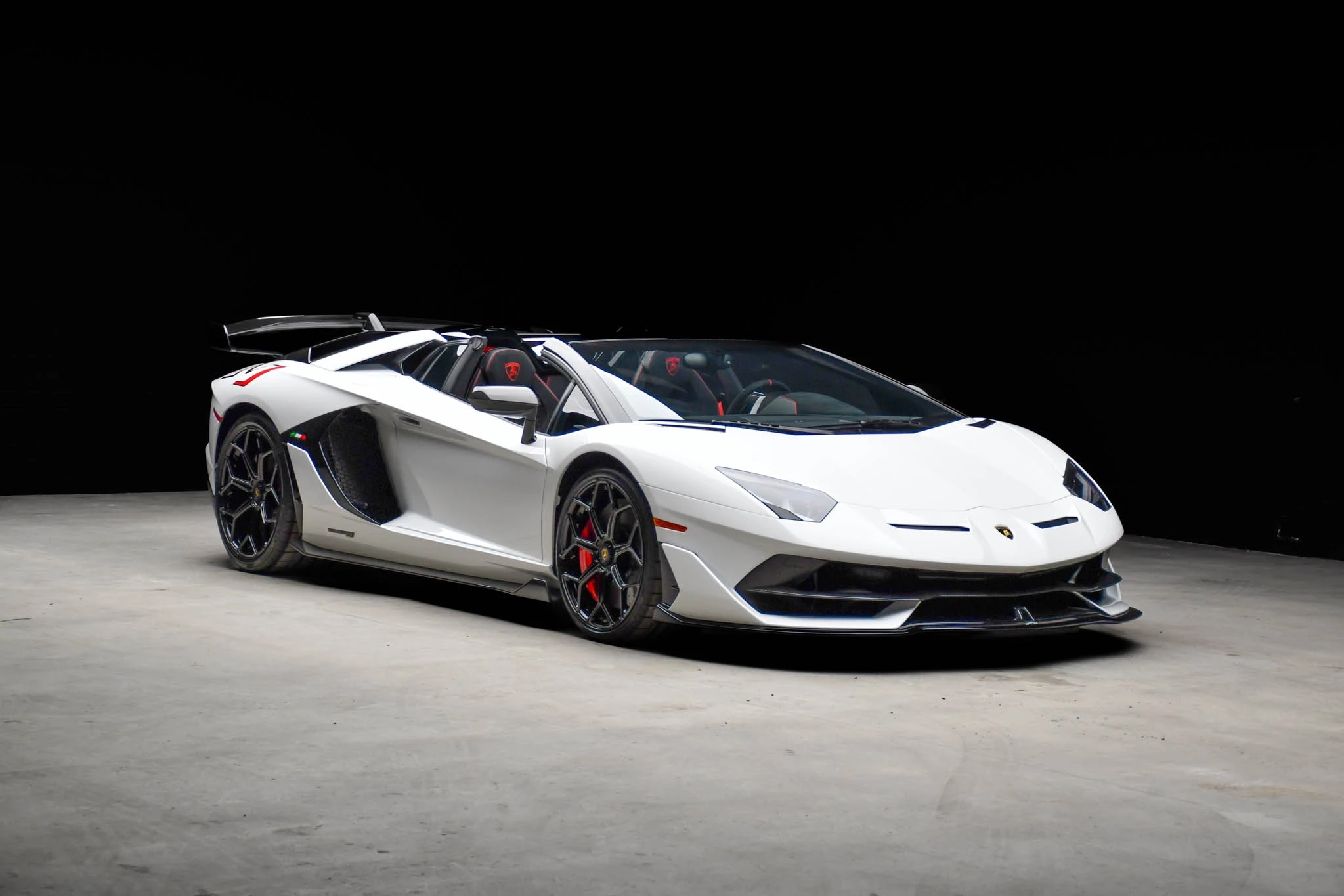
7. Lamborghini Aventador SVJ
The Aventador was always more of an event than a driver's car, heavy and stiff, with a gearbox that shoved you in the back at every change. The SVJ kept all of that and added enough to make the case for it.
Power went to 759 horsepower at 8,500 rpm, with no turbochargers and no hybrid system. The active aerodynamics first seen on the Huracán Performante were fitted, along with rear-wheel steering, and in 2018 it lapped the Nürburgring in 6 minutes 44.97 seconds, then the fastest time by a production car. The J stands for Jota, after Bob Wallace's racing Miura of 1970. Lamborghini built 900. It is not subtle and it is not comfortable. It is the naturally aspirated V12 Lamborghini taken as far as it would go, and it sounds like it.
Verdict The V12, turned up as far as it would go.
The J is for Jota, the name of a one-off racing Miura built by the test driver Bob Wallace in 1970.
- Years
- 1999–2000
- Engine
- 6.0 V12
- Power
- 575 hp
- Built
- 80
Road car · Italy
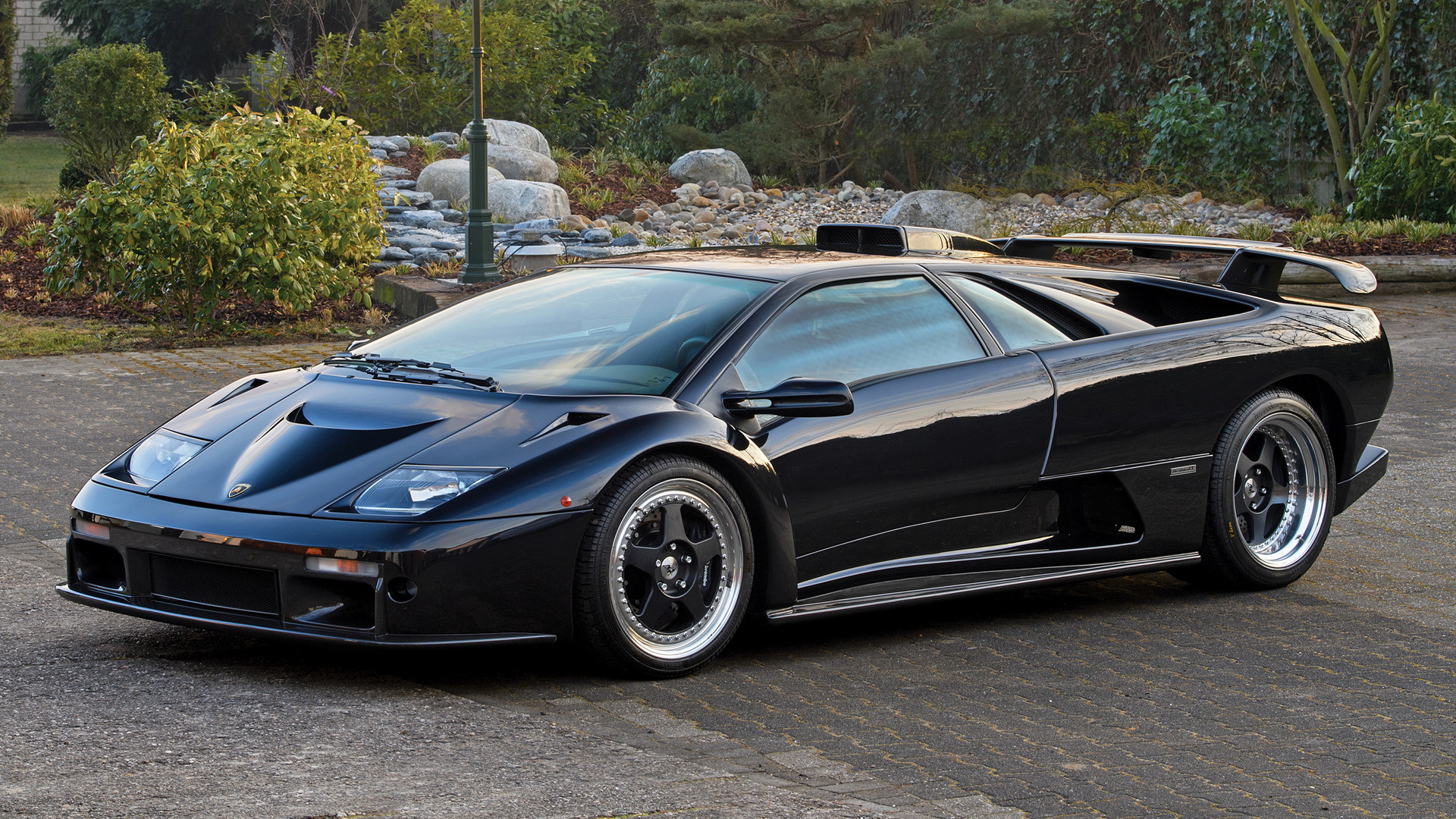
6. Lamborghini Diablo GT
The Diablo spent the 1990s getting heavier and more civilised, with four-wheel drive and power steering. The GT of 1999 went the other way. Lamborghini enlarged the V12 to 6.0 litres for 575 horsepower, sent all of it to the rear wheels, widened the front track, and made nearly the whole body from carbon fibre, with a large air scoop in the roof and a vent in the bonnet.
It was built as the road version of a racing car, and it looks it. Inside there are fixed-back seats, harnesses and very little else. Top speed was about 210 mph. Only 80 were made, all for Europe. Of all the Diablos this is the one that delivers what the name promises, and it was the last Lamborghini developed before Audi's engineers arrived. The cars became better after that. They were never again this wild.
Verdict The Diablo that lived up to the name.
It was sold only in Europe, and only with rear-wheel drive.
- Years
- 2017–19
- Engine
- 5.2 V10
- Power
- 631 hp
Road car · Italy
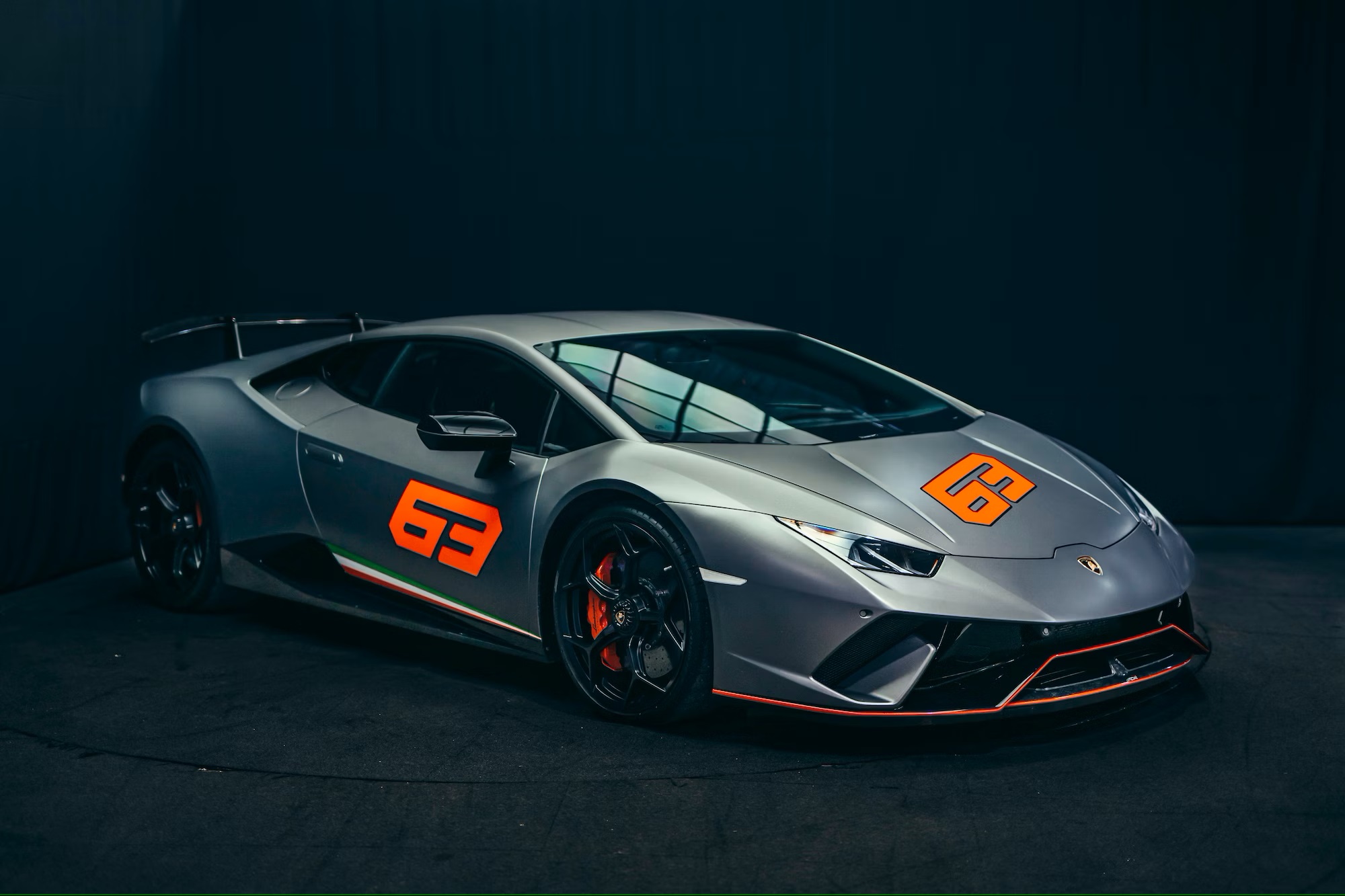
5. Lamborghini Huracán Performante
For most of its history Lamborghini built cars that were wonderful to look at and to listen to, and that people who cared about handling bought something else. The Huracán Performante is the car that changed that.
It arrived in 2017 with a 631-horsepower V10, 40 kg less weight, and a system of flaps and channels in the wings that could shed drag on the straights and shift downforce from one side of the car to the other in a corner. It lapped the Nürburgring in 6 minutes 52 seconds, faster than the Porsche 918 Spyder, and when people doubted the time Lamborghini released the video. More to the point, it was a joy on a road: sharp, communicative and adjustable. It was the last car cut from our list of the best driver's cars. Every Lamborghini since has been expected to handle, and that is this car's doing.
Verdict The Lamborghini that could finally handle.
It lapped the Nürburgring in 6 minutes 52 seconds, then the record for a production car.
- Years
- 1964–66
- Engine
- 3.5 V12
- Power
- 270 hp
- Built
- ~ 120
Road car · Italy
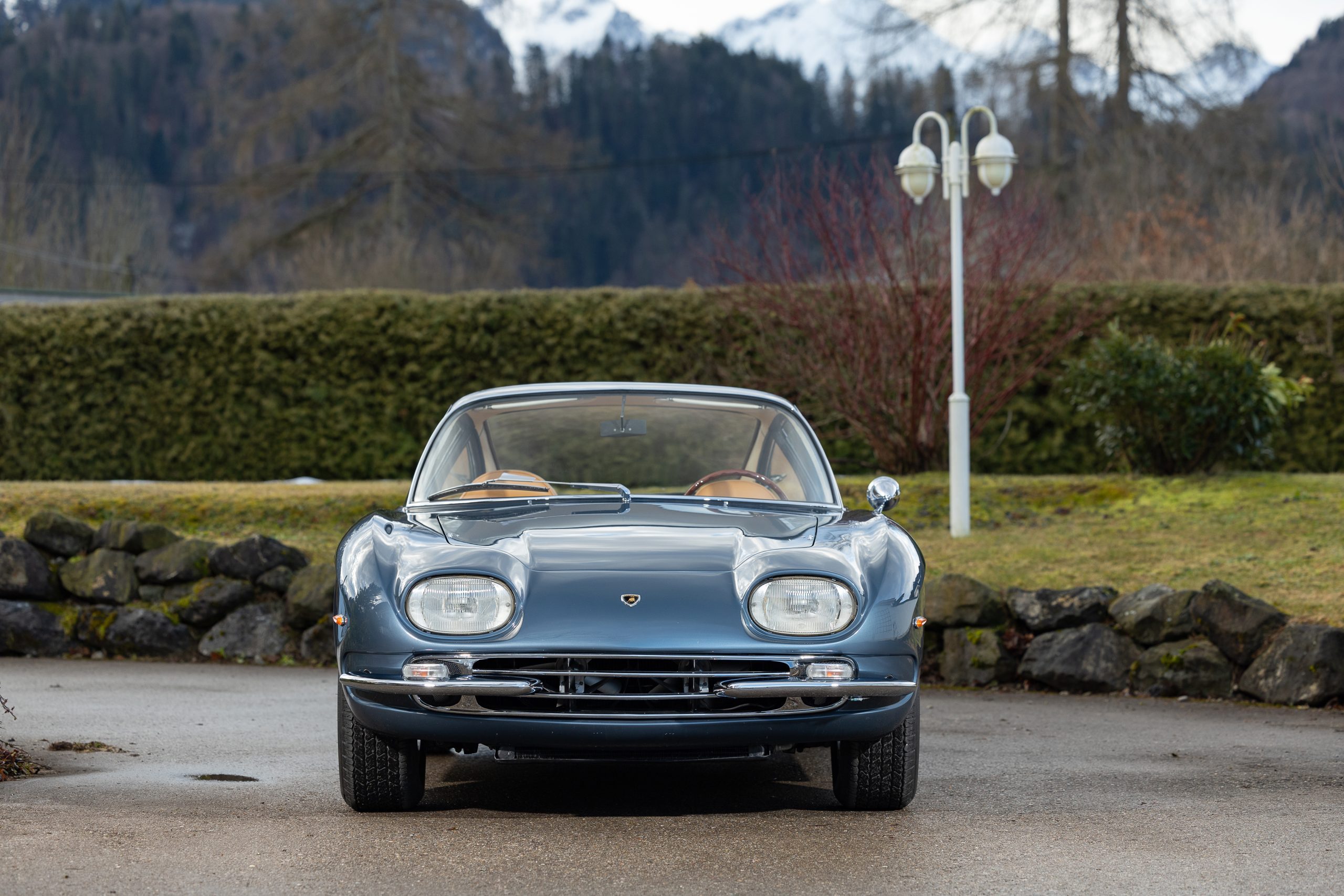
4. Lamborghini 350 GT
Ferruccio Lamborghini made tractors and air conditioners and owned Ferraris. The story goes that he complained to Enzo Ferrari about a clutch and was told to stick to tractors. Whatever was said, by 1963 he had a factory at Sant'Agata and had hired some of the best young engineers in Italy.
The 350 GT of 1964 was their first car, and it was better than it had any right to be. The 3.5-litre V12, designed by Giotto Bizzarrini, had four camshafts when Ferrari's road cars had two. There was independent suspension at all four wheels when Ferrari still used a live rear axle, and a five-speed gearbox. The aluminium body was by Touring of Milan. It was quick, quiet and well finished, and the press said it was a more modern car than anything from Maranello. About 120 were made. Without it there is nothing else on this list.
Verdict The first try, and better than the Ferraris of its day.
Its V12 was designed by Giotto Bizzarrini, who had led the development of the Ferrari 250 GTO.
- Years
- 2009–10
- Engine
- 6.5 V12
- Power
- 661 hp
- Built
- 186
Road car · Italy
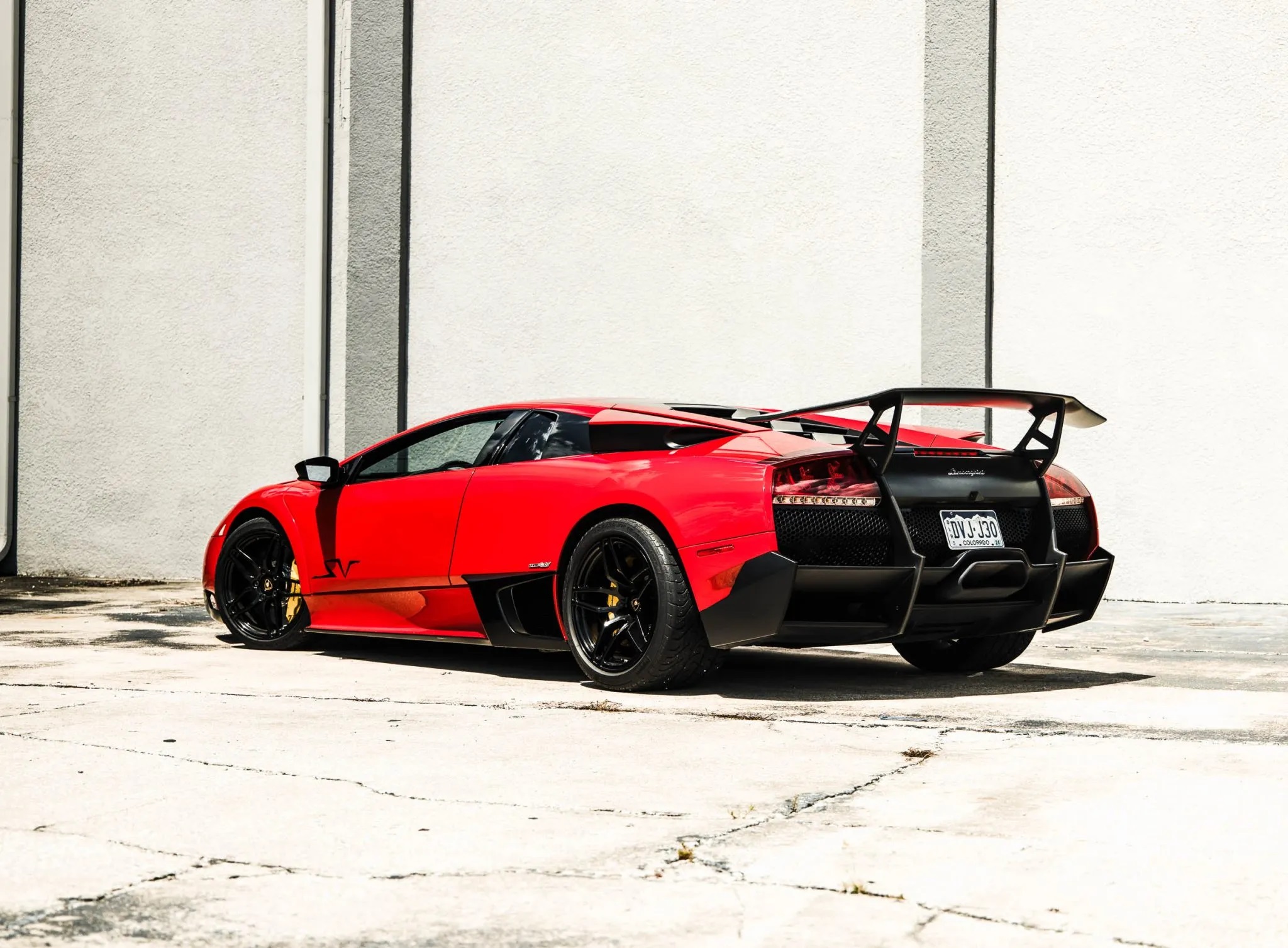
3. Lamborghini Murciélago LP670-4 SV
The V12 that Giotto Bizzarrini designed for Ferruccio Lamborghini in 1963 stayed in production, much enlarged and much altered, for 47 years. The Murciélago LP670-4 SuperVeloce was the last car it powered, and the best.
By 2009 the engine was 6.5 litres and gave 661 horsepower. For the SV Lamborghini took about 100 kg out of the Murciélago with carbon-fibre panels, a lighter exhaust and a stripped cabin, and gave the buyer a choice of rear wings. It is enormous, it is loud, and it changes gear with a thump that later cars have smoothed away. It is also far better to drive than any big Lamborghini before it, with real steering feel and a chassis that can be trusted. Lamborghini planned 350 and built 186 before the factory was cleared for the Aventador. It is the old Lamborghini at the moment it got everything right.
Verdict The last of the old V12s, and the best of them.
Lamborghini planned 350. Production stopped at 186 when the line was needed for the Aventador.
- Years
- 1966–73
- Engine
- 3.9 V12, mounted across the car
- Power
- 350 to 385 hp
- Built
- 764
Road car · Italy
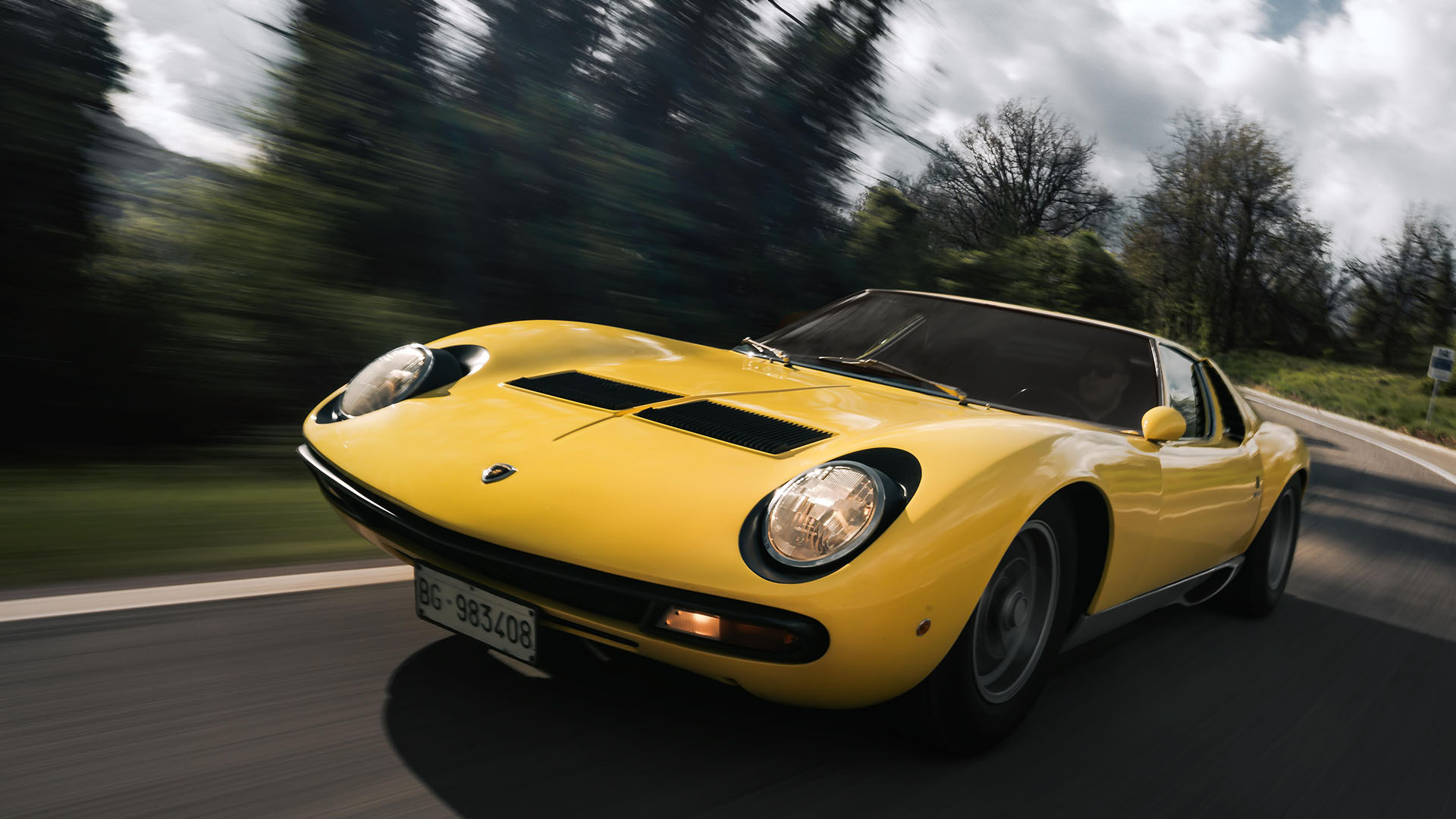
2. Lamborghini Miura
In 1965 three young men at Lamborghini, Gian Paolo Dallara, Paolo Stanzani and the test driver Bob Wallace, designed a chassis in their own time with a V12 mounted sideways behind the seats, as in a racing car. Ferruccio Lamborghini made grand tourers and did not want a racing car. He let them show the bare chassis at Turin anyway, and people tried to place orders for it.
Bertone gave the job of the body to Marcello Gandini, who was 27. The finished Miura appeared at Geneva in 1966, and it is still the answer many people give when asked for the most beautiful car ever made. It had 350 horsepower and would pass 170 mph, at which speed the nose went light. The last version, the SV, had 385 horsepower and wider rear wings. About 760 were built. The word supercar came into use because something was needed to describe it.
Verdict The first supercar, and still the most beautiful.
The engineers who drew it were in their twenties, and worked on it after hours because Ferruccio Lamborghini had not asked for it.
The best of the 30 · Road car · Italy
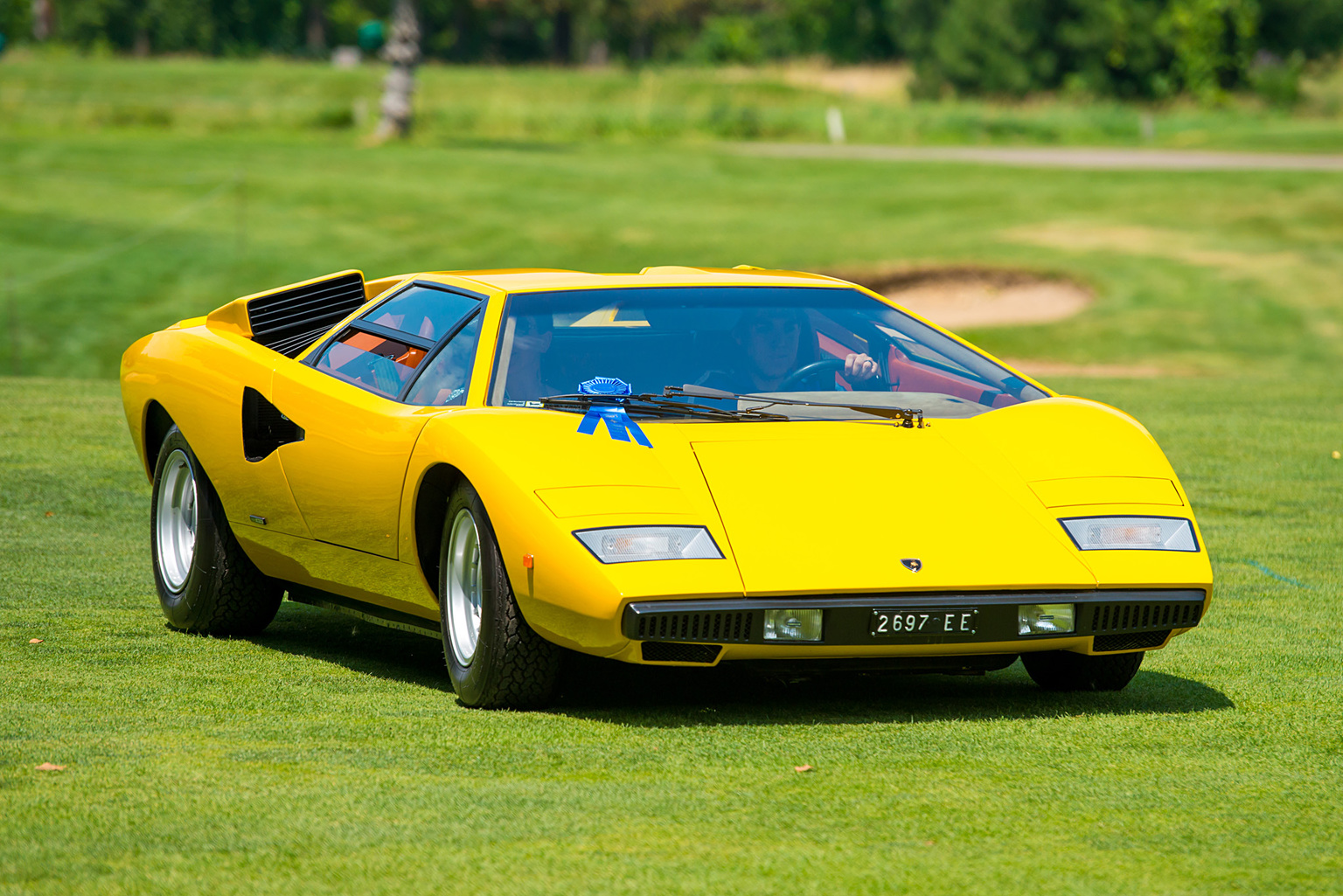
1. Lamborghini Countach LP400
- Years
- 1974–78
- Engine
- 3.9 V12
- Power
- 375 hp
- Built
- ~ 150
Ask a child to draw a supercar and you get a Countach. That has been true for fifty years, and it is the case for putting this car first.
The prototype stopped the Geneva show in 1971. Marcello Gandini at Bertone had drawn a wedge made of flat planes, so low and so wide that ordinary doors would not have worked, so the doors swung up and forward instead. The production car, the LP400, followed in 1974. LP stood for the engine's position, lengthways behind the driver, and the engineers put the gearbox ahead of the engine, between the seats, so that the gear lever worked directly and the weight sat inside the wheelbase. The 3.9-litre V12 was said to give 375 horsepower.
The first cars are the purest. They have narrow tyres, no wings and no arch extensions, and a groove in the roof for a periscope mirror, because there was almost nothing to see out of the back. About 150 were made. The car was hot, loud, heavy to steer and close to impossible to park. None of it mattered, then or now.
The Miura is the more beautiful car, and it came first. The Countach is first on this list because it decided what a Lamborghini is. Every V12 Lamborghini since has had its engine mounted the same way and doors that open the same way, and every one has been judged by whether it stops people in the street as this one did. It stayed in production for sixteen years, and its shape has never really gone away.
Verdict The shape of every Lamborghini since.
Countach is an exclamation of surprise in the Piedmontese dialect. It is said a workman at Bertone used it on seeing the car.
What we left off, and why
Thirty places, sixty years. These are the cars we argued about longest.
The few-offs. The Veneno, the Centenario, the Sián and the new Countach LPI 800-4 are rare, fast and very expensive. Each is an Aventador underneath. The Reventón is here because it began the idea, and the others followed it.
More Countaches. The LP400 S, with its wide arches and optional wing, is the car that created the poster. We chose the first Countach, the most powerful carburettor one and the last, and three felt like enough.
The original Diablo. It was the first Lamborghini to pass 200 mph and the car of the 1990s. The SV, the GT and the 6.0 are all better versions of it.
The Murciélago LP640 and the Aventador SV. Both are excellent. The LP670-4 SV and the SVJ took their ideas further.
The Huracán Tecnica and the Evo RWD. The Tecnica may be the best Huracán to live with, and it held a place until the last cut. Four Huracáns would have been one too many.
The Jarama and the Silhouette. The Jarama was Ferruccio Lamborghini's own favourite. The Silhouette was the first open Lamborghini, and only about fifty were made. Neither changed much.
If your car is missing, make the case.
Tell us what we got wrongQuestions about this list
What is the best Lamborghini ever made?
We rank the Countach LP400 first. Its shape, its engine layout and its doors have defined every big Lamborghini since 1974. The Miura is second and the Murciélago LP670-4 SV third.
Why is the Countach ranked above the Miura?
The Miura came first and is the more beautiful car. The Countach is first because it decided what a Lamborghini is: every V12 flagship since has followed its layout and its doors. It is the closest call on the list.
What is the best modern Lamborghini?
The Huracán Performante, which is fifth. It was the car that proved a Lamborghini could handle as well as it looked. The Aventador SVJ is seventh and the Huracán STO twelfth.
Why is the Sesto Elemento on the list if it is not road legal?
It is the one exception. The Sesto Elemento was sold for track use only, but its carbon-fibre construction shaped every Lamborghini that followed, and we thought it was too important to leave out.
How were the cars ranked?
On four things: what each car achieved, how it drives, how it looks and what it changed for Lamborghini. With this maker looks counted for more than usual. Rarity, price and top speed on its own did not count.
Ranked by the editors of Sports Car Digest, drawing on the Sports Car Digest archive, the archives of Vintage Racecar and Vintage Roadcar, and our sister site Supercars.net. The order is opinion, argued car by car, on what each car achieved, how it drives, how it looks and what it changed for Lamborghini. Specifications have been checked against our own archives; if you spot an error, tell us in the comments.