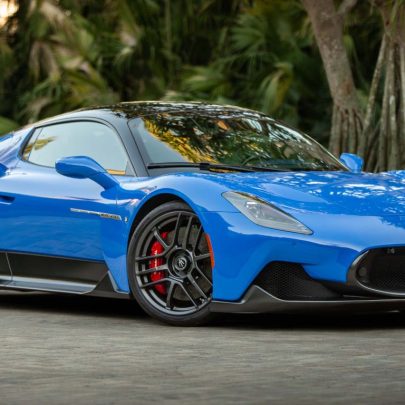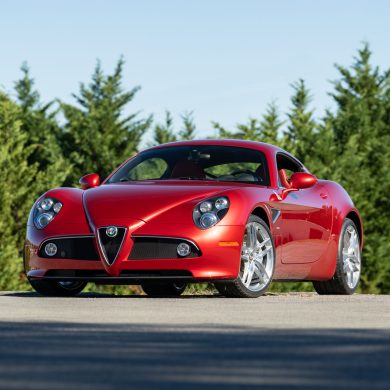

Porsche has built sports cars since 1948, and for most of that time it has built one sports car in particular. The 911 has been in production since 1964. It has its engine in what every engineer agrees is the wrong place, and it has outlasted the car designed to replace it, which is also on this list.
So any ranking of the best Porsches has a problem, and we may as well say so at the start. Thirty-one of these fifty cars are 911s. We tried it other ways and none of them was honest.
What counts
Road cars that Porsche built and sold: 356s, 911s, the mid-engined cars, the front-engined cars of the 1970s and 1980s, the supercars, and two cars with four doors. Racing cars are out, including the ones that could be registered, such as the 550 Spyder and the 904. They will have a list of their own. The 911 GT1 Strassenversion is in, because it was built to be a road car, if only just.
A model appears more than once when a version of it is a different car. A 911 Turbo of 1975, a Carrera RS of 1992 and a GT3 of 2018 share a name and a silhouette and not much else.
How we ranked them
We weighed four things: what the car achieved, how it drives, how it looks, and what it changed for Porsche. The last of those counted for a good deal. A car that sent the company in a new direction, or kept it alive, can sit above a car that is better to drive.
Rarity and price did not count. Several cars near the bottom of this list were made in dozens and cost millions. The Boxster, which Porsche made by the hundred thousand, is thirteenth.
Then we argued, as we always do. This is a gut list, and the test is whether someone who knows Porsches looks at the order and thinks it feels right. Similar cars do not sit side by side, which with this many 911s took some doing. Our sister site Stuttcars keeps a longer ranking that includes the racing cars, and we borrowed from it freely.
How to read this list
We start at fifty and count down. Each car has its years, engine and power, the case for its place, and a one-line verdict. The top fifteen get the longest treatment. If you want the order without the suspense, the full ranking is in the table below.
Porsche people hold their opinions firmly. Tell us which of ours are wrong in the comments.
See the full ranking, 1 to 50
50 to 31
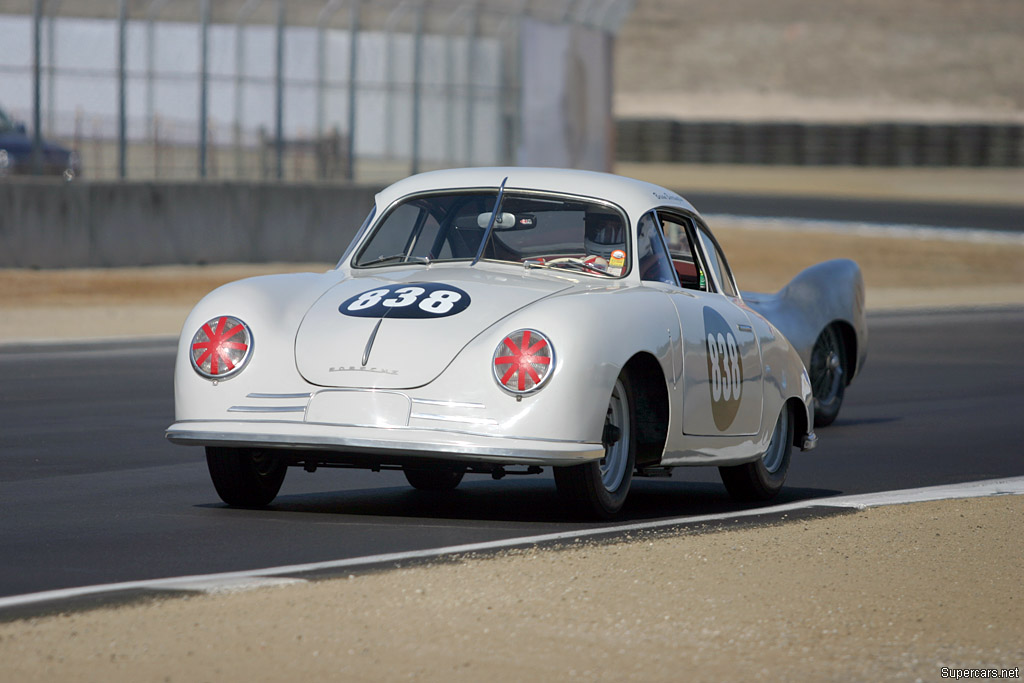
50. Porsche 356 (1948)
1948–50 · 1.1 flat-four · 40 hp · ~ 50
Where it starts. In 1948, in a former sawmill at Gmünd in Austria, Ferry Porsche and a small team built the first cars to carry the family name. They had aluminium bodies shaped by hand over a wooden frame, and a 1.1-litre Volkswagen-based engine of 40 horsepower. About fifty were made before the company went home to Stuttgart.
Verdict The first Porsche.
49. Porsche 911 Targa (1967)
1967–68 · 2.0 flat-six · 130 to 160 hp
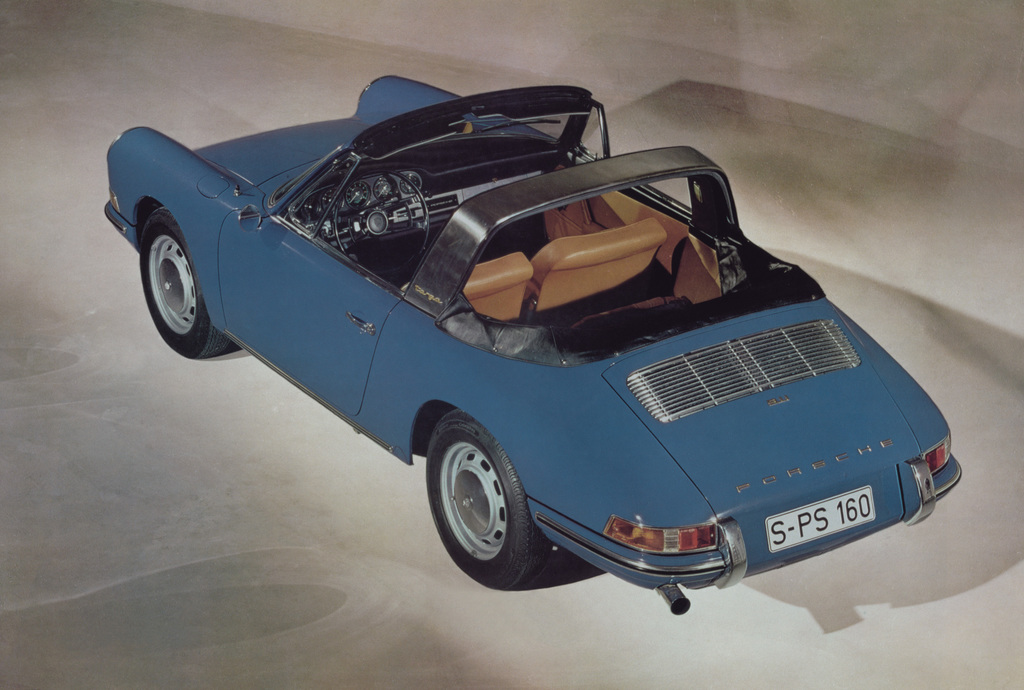
Porsche feared that America would ban open cars, so it designed one with a fixed steel roll hoop, a lift-out roof panel and a folding plastic rear window. It named it after the Targa Florio, the Sicilian road race. Sales began in 1967. The brushed-steel hoop became one of the 911's signatures, and Targa became a word.
Verdict The roll hoop that became a style.
48. Porsche 911 GT3 (992.2)
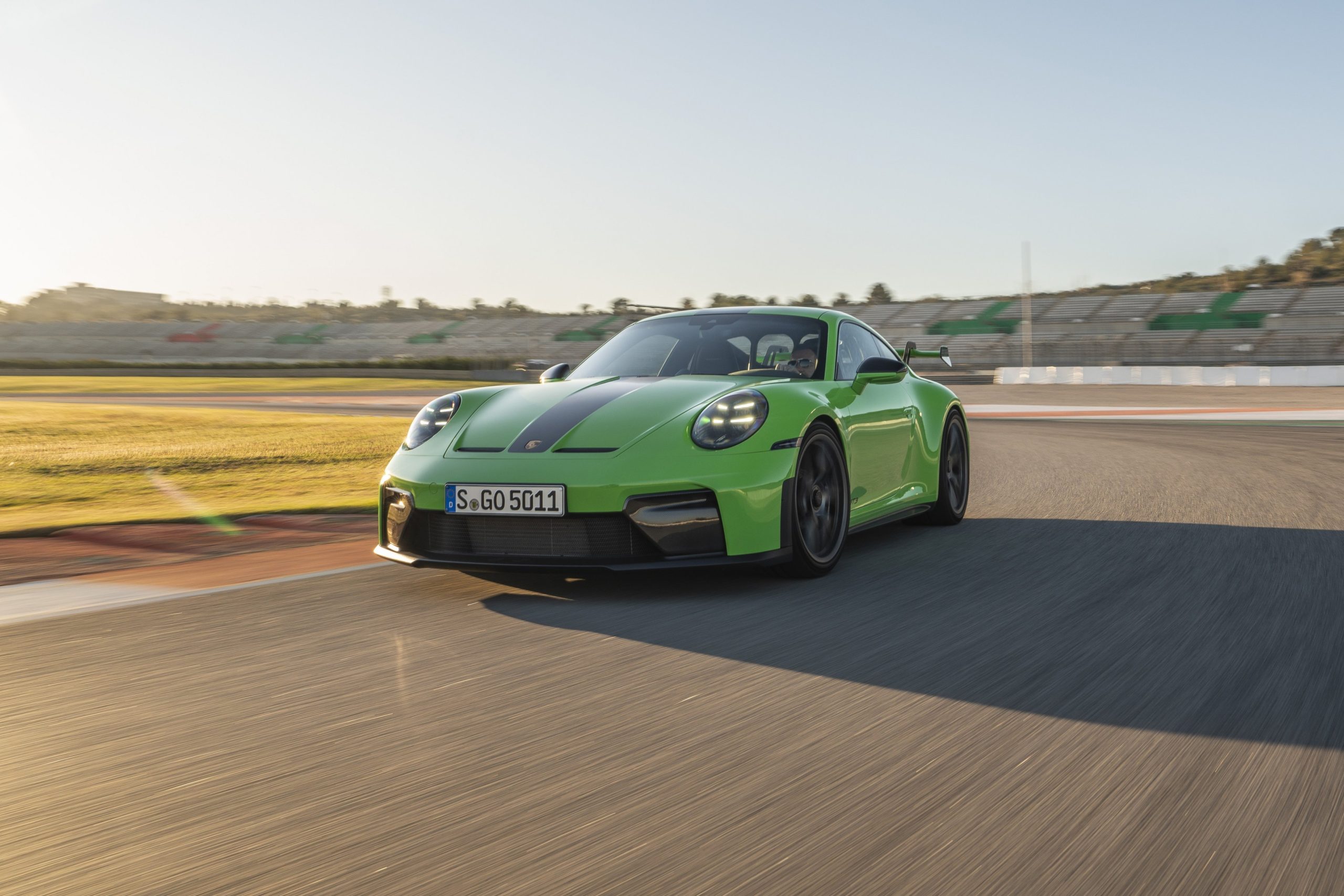
From 2025 · 4.0 flat-six · 503 hp
The current GT3. It still has a 4.0-litre engine without turbochargers that revs to 9,000 rpm, at a time when the rules make that harder every year, and it still offers a manual gearbox. The Touring can now be had with rear seats. It is here because the car it descends from still exists at all.
Verdict Still naturally aspirated. Still revs to nine.
47. Porsche 911 Sport Classic (997)
2010 · 3.8 flat-six · 402 hp · 250
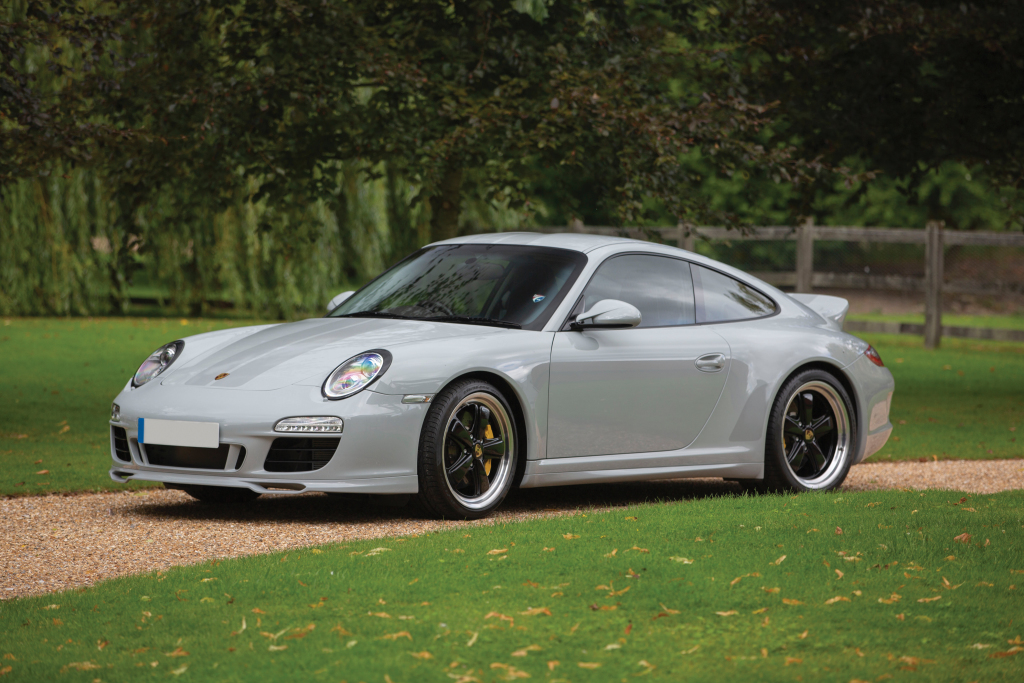
In 2010 Porsche's Exclusive department built 250 of these: a 997 with a ducktail spoiler like the RS 2.7's, wheels in the style of the Fuchs, a double-bubble roof, grey paint and 402 horsepower. It came with a manual gearbox only. It began Porsche's line of cars that look back at its own past.
Verdict The ducktail comes back.
46. Porsche Cayenne Turbo
2003–07 · 4.5 twin-turbo V8 · 450 hp
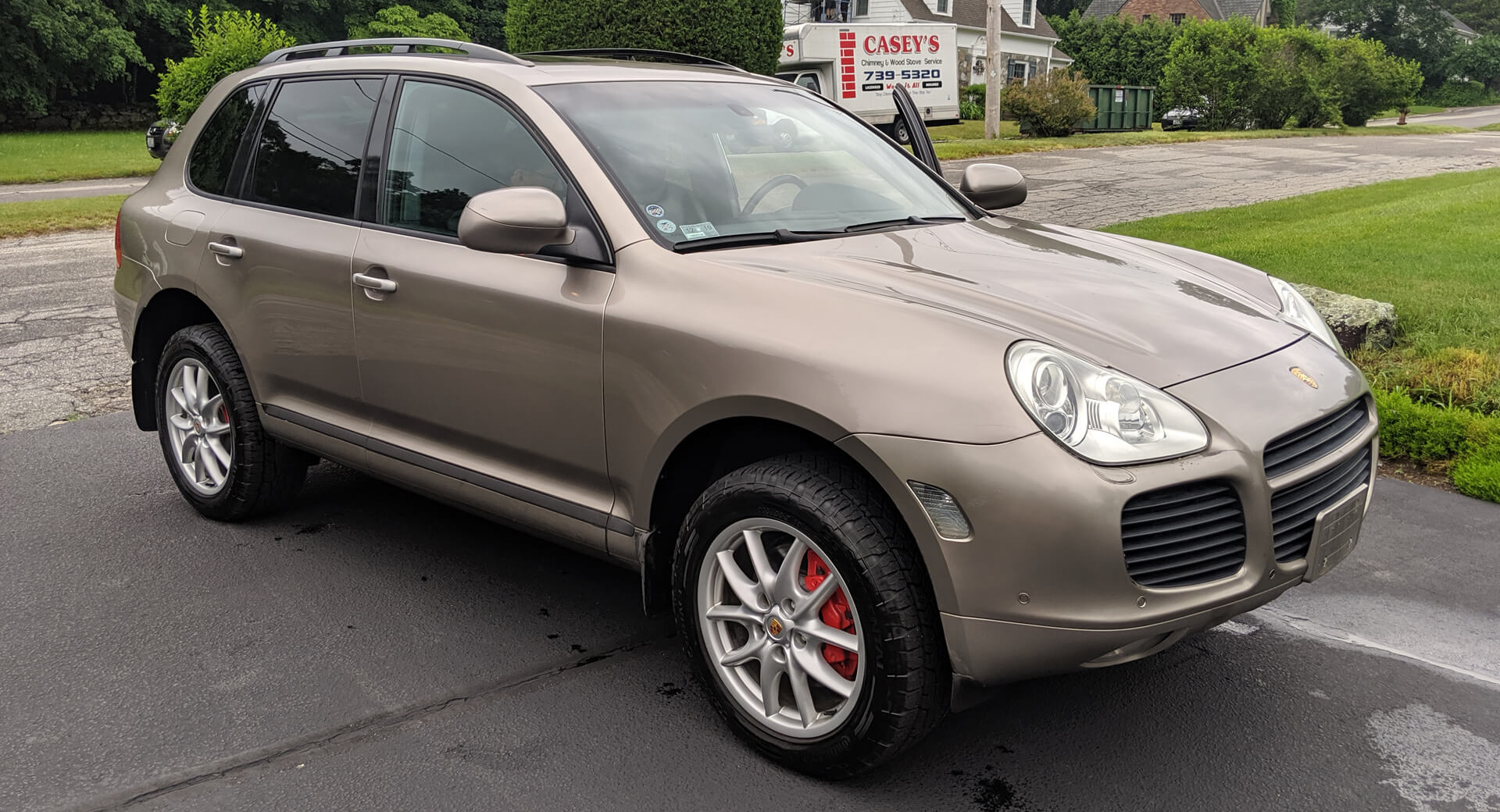
The car the purists said would ruin Porsche. The Cayenne arrived in 2003, and the Turbo had a 4.5-litre twin-turbocharged V8 of 450 horsepower and a low-range gearbox for real off-road work. It was soon Porsche's best seller. The money it made has paid for a great many GT3s.
Verdict The car that paid for all the others.
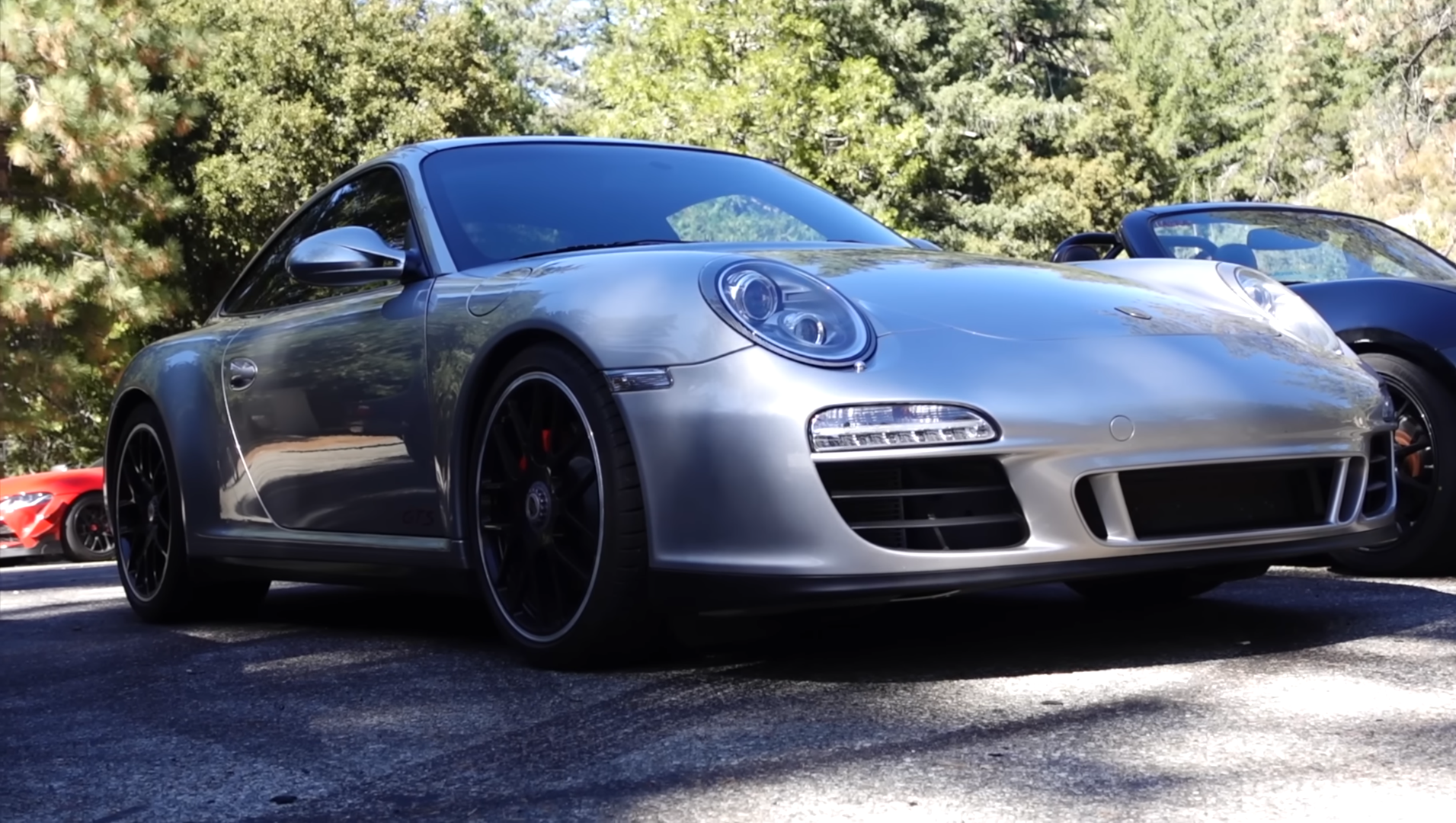
45. Porsche 911 Carrera GTS (997)
2011–12 · 3.8 flat-six · 408 hp
The 997's best all-rounder. The GTS put the wide body on a rear-drive Carrera, raised power to 408 horsepower and added centre-lock wheels. It was the last Carrera with both a naturally aspirated engine and hydraulic power steering, and it is the modern 911 that people who use theirs every day tend to recommend.
Verdict The sweet spot of the 997.
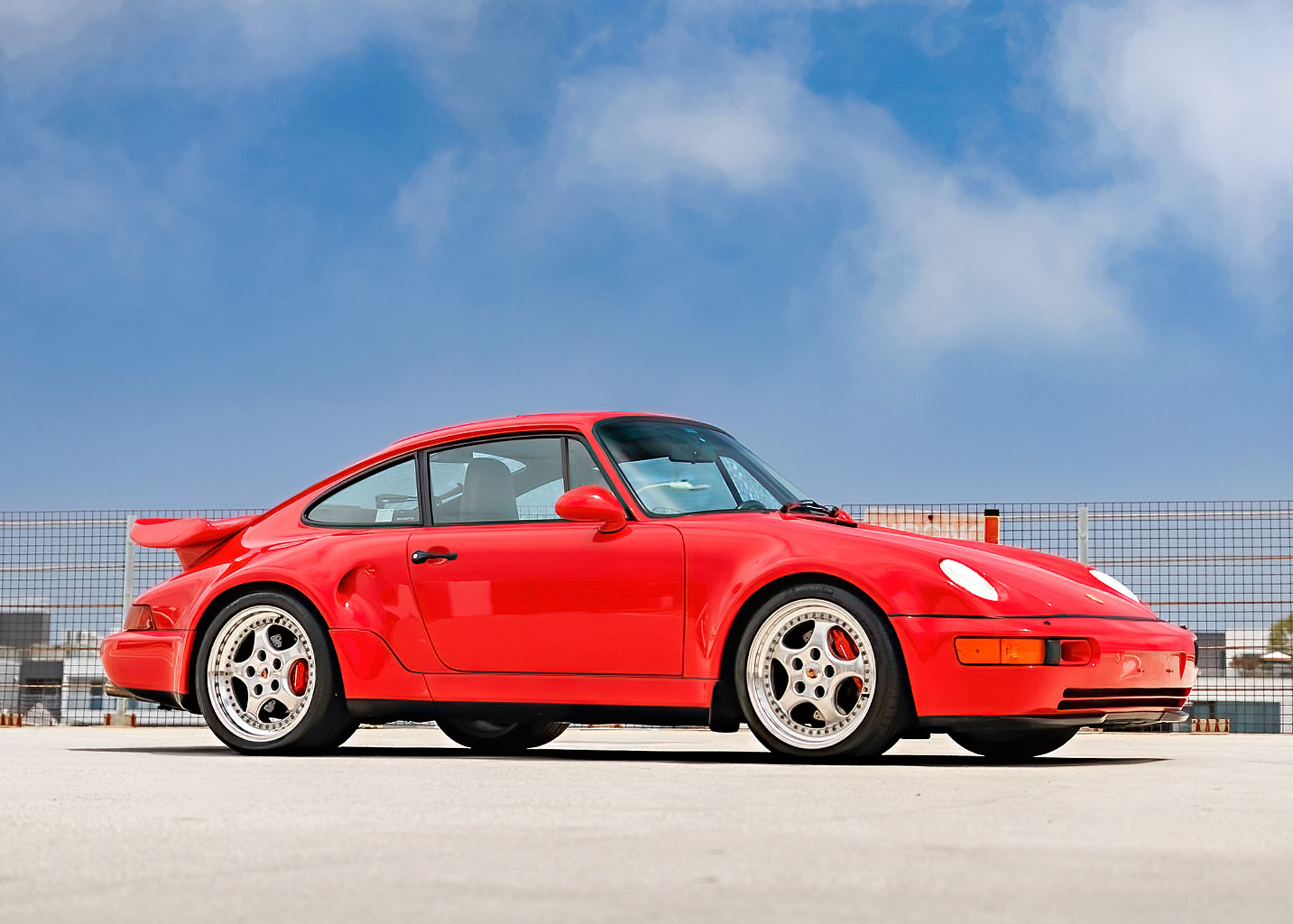
44. Porsche 911 Turbo S Flachbau (964)
1994 · 3.6 turbo flat-six · 385 hp · 75
The last of the 964 Turbos, built by the Exclusive department in 1994 from the final chassis. They had the 3.6-litre engine tuned to 385 horsepower and a flat nose with pop-up headlamps in the manner of the 935 racing car. About 75 were made, 39 of them for America.
Verdict The flat-nose farewell.
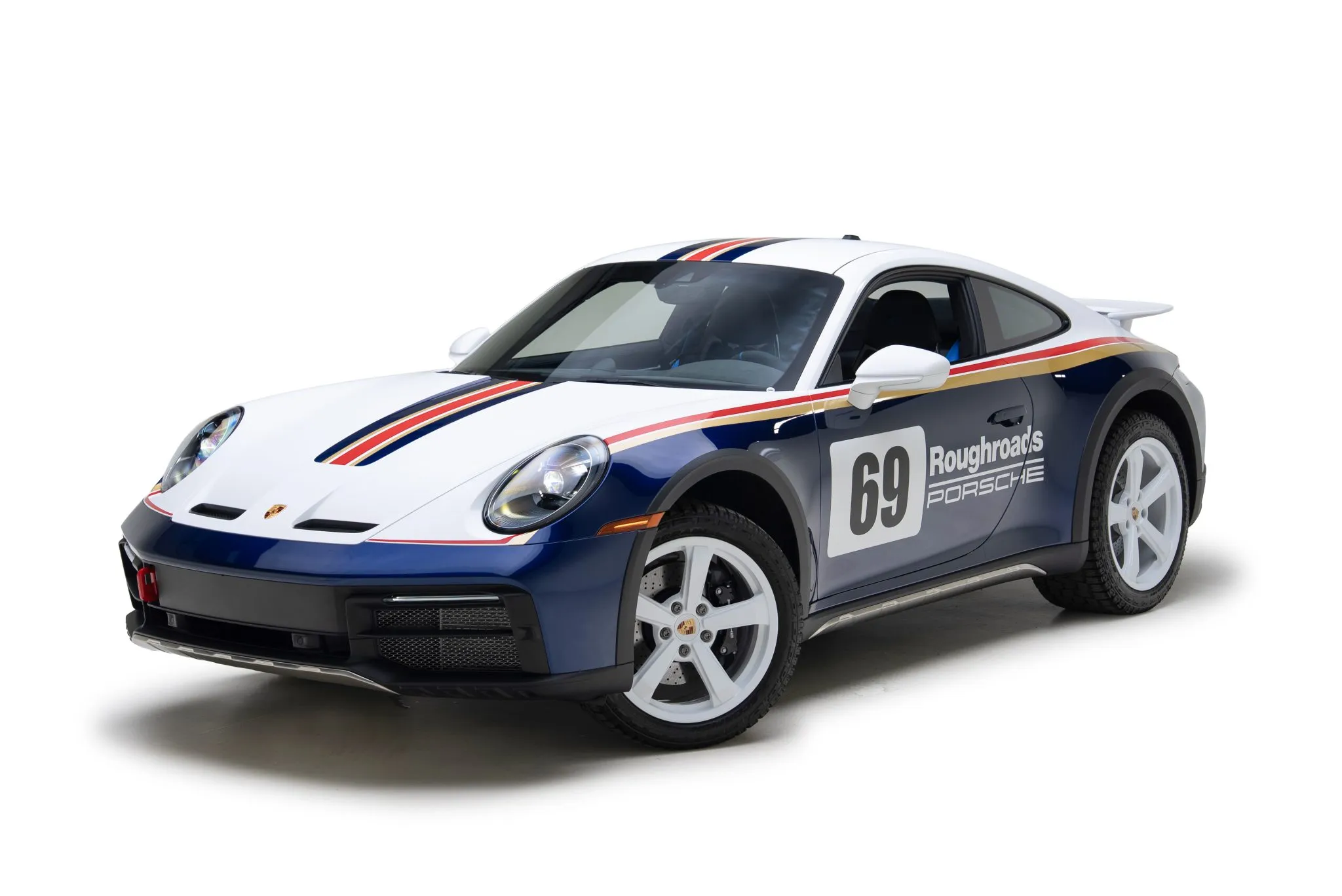
43. Porsche 911 Dakar
2023–24 · 3.0 twin-turbo flat-six · 473 hp · 2,500
A 911 built to leave the road. The Dakar sits 50 mm higher than a Carrera and can rise another 30, wears all-terrain tyres, and has 473 horsepower. It is named for the 911 that won the Paris-Dakar Rally in 1984. Porsche built 2,500. It is more fun on gravel than anything else with this badge.
Verdict The 911 that likes dirt.
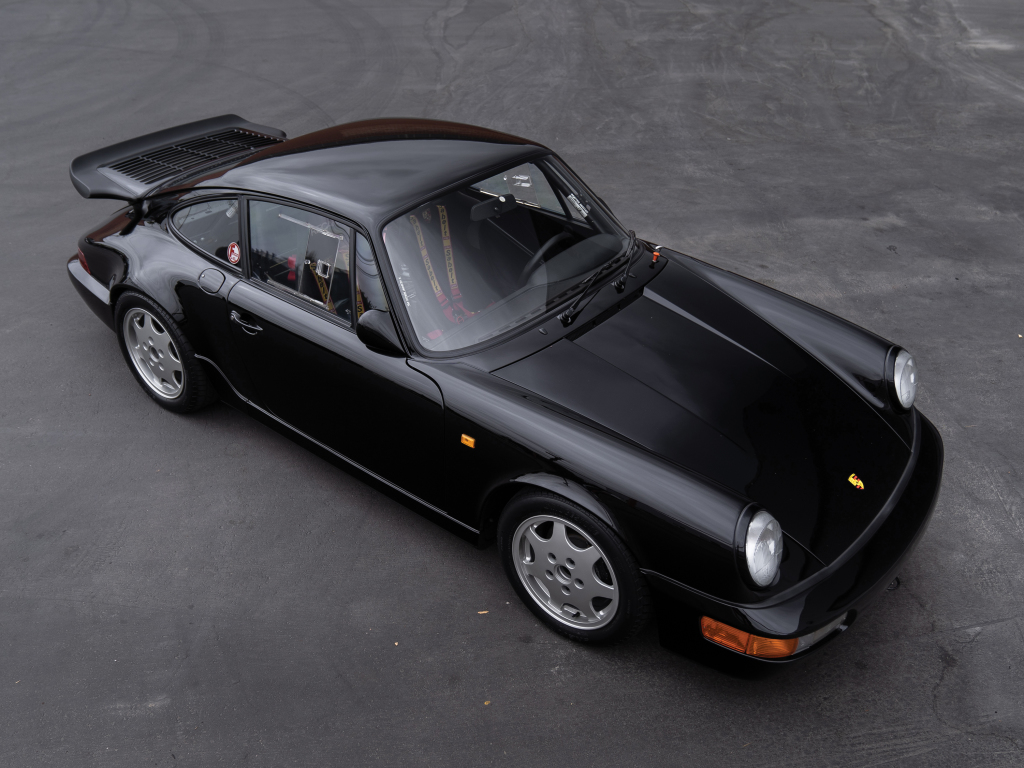
42. Porsche 911 Carrera 4 Leichtbau (964)
1992 · 3.6 flat-six · 250 hp · 22
A private project of Porsche's customer racing department. In 1992 it built 22 lightweight 964s using the adjustable four-wheel-drive system from the 953 rally car, with aluminium doors, plastic windows and a stripped cabin. The car weighs about 1,100 kg. It is the rarest 964 of all, and few people know it exists.
Verdict The 964 almost nobody has seen.
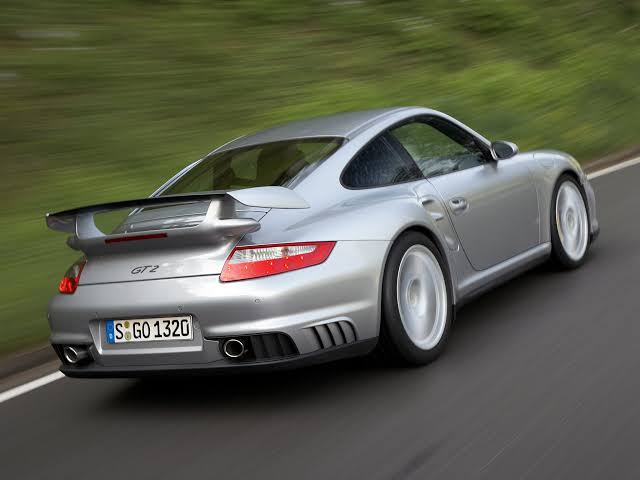
41. Porsche 911 GT2 (997)
2008–09 · 3.6 twin-turbo flat-six · 523 hp · 1,242
The Turbo's engine with 523 horsepower, rear-wheel drive and a manual gearbox. The 997 GT2 was the first 911 for the road to pass 200 mph, and Porsche built 1,242. It is less savage than its reputation suggests and far quicker than the GT3 of the day. The RS that followed took the attention.
Verdict The first 200 mph 911.
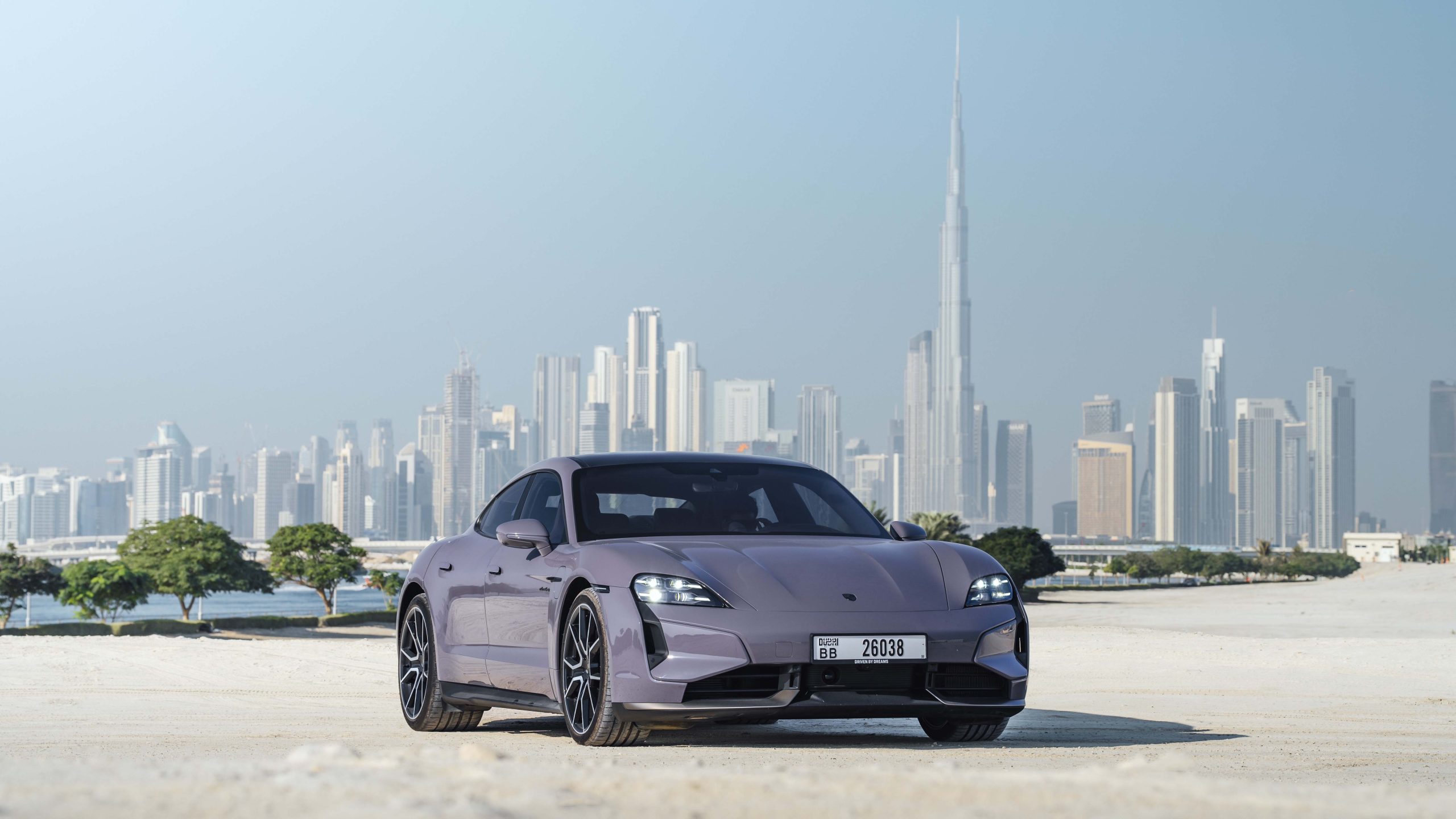
40. Porsche Taycan Turbo S
From 2019 · Two electric motors · Up to 750 hp at launch
Porsche's first electric car had to drive like a Porsche, and it does. The Taycan Turbo S of 2019 had up to 750 horsepower, an 800-volt electrical system for fast charging, and a two-speed gearbox at the rear. It steers and rides better than most petrol saloons. It is here because it showed the badge could survive the change.
Verdict Electric, and still a Porsche.
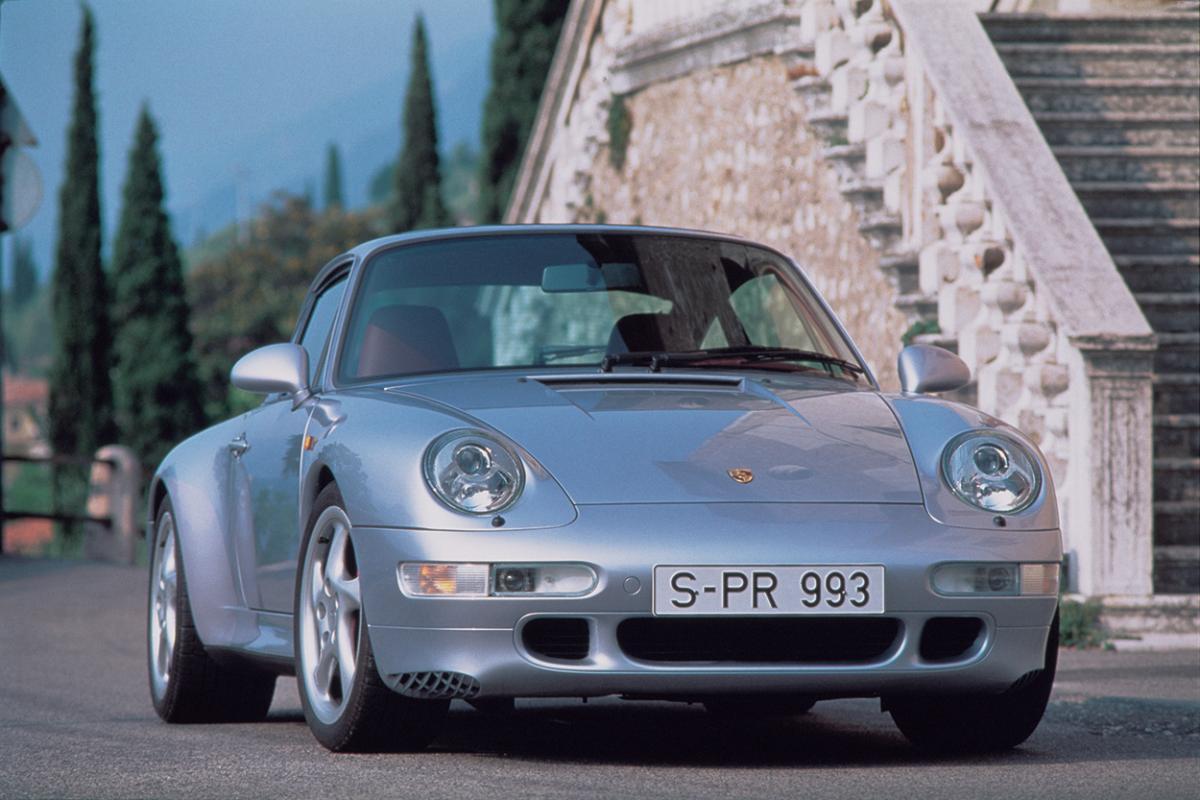
39. Porsche 911 Carrera (993)
1993–98 · 3.6 flat-six · 272 to 285 hp
The last air-cooled 911, and for many the best-looking. The 993 of 1993 had new rear suspension that cured most of the old car's habits, a six-speed gearbox, and a 3.6-litre engine of 272 and later 285 horsepower. Build quality was the best the 911 had known. Then water cooling arrived.
Verdict The end of the air-cooled line.
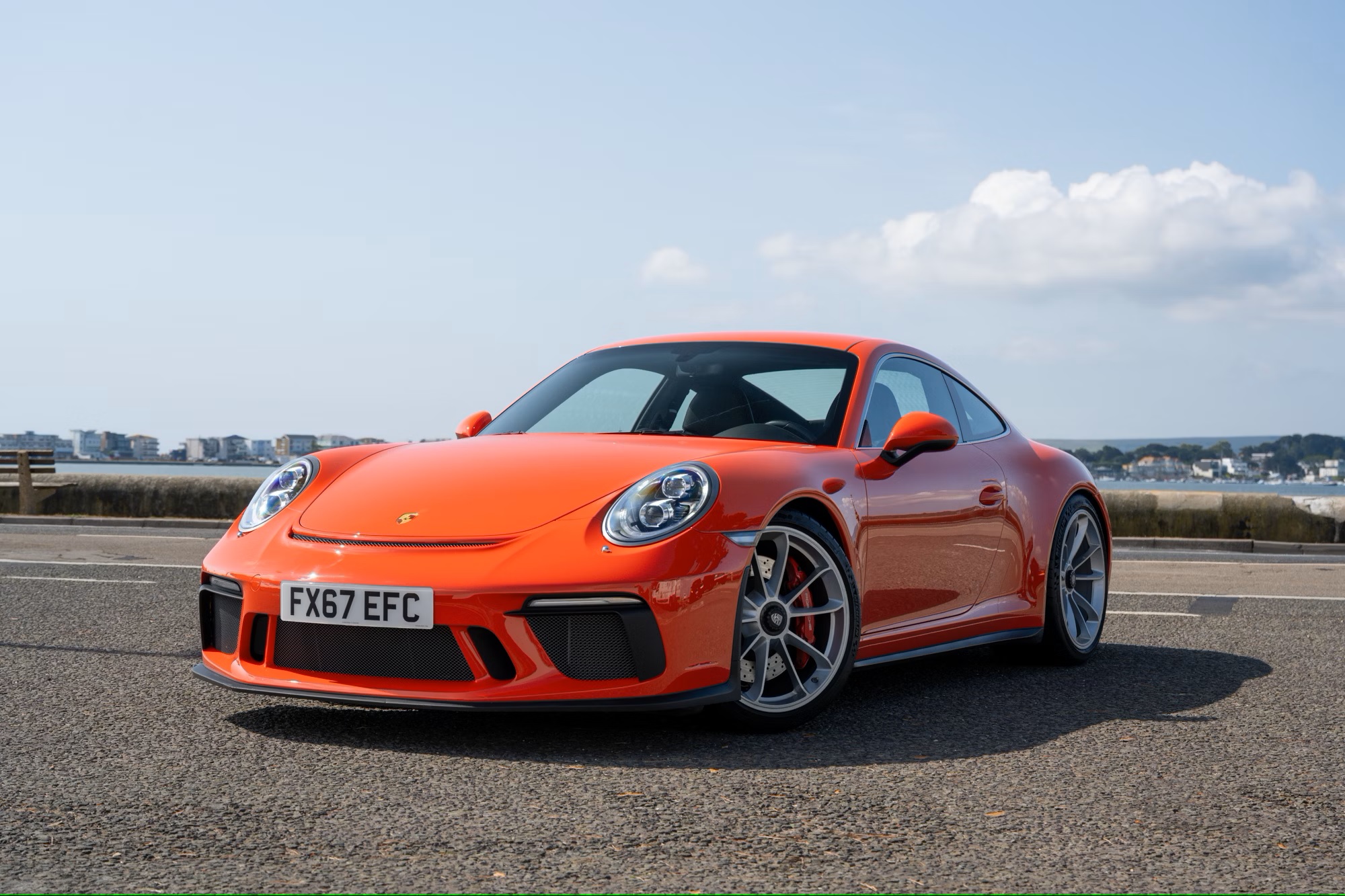
38. Porsche 911 GT3 (991.2)
2018–19 · 4.0 flat-six · 500 hp
The GT3 that listened. After the 911 R sold out, Porsche gave the revised 991 GT3 a new 4.0-litre engine with 500 horsepower and a 9,000 rpm limit, and offered a six-speed manual again. A Touring version dropped the fixed wing. It is the GT3 at its most complete.
Verdict The manual returns.
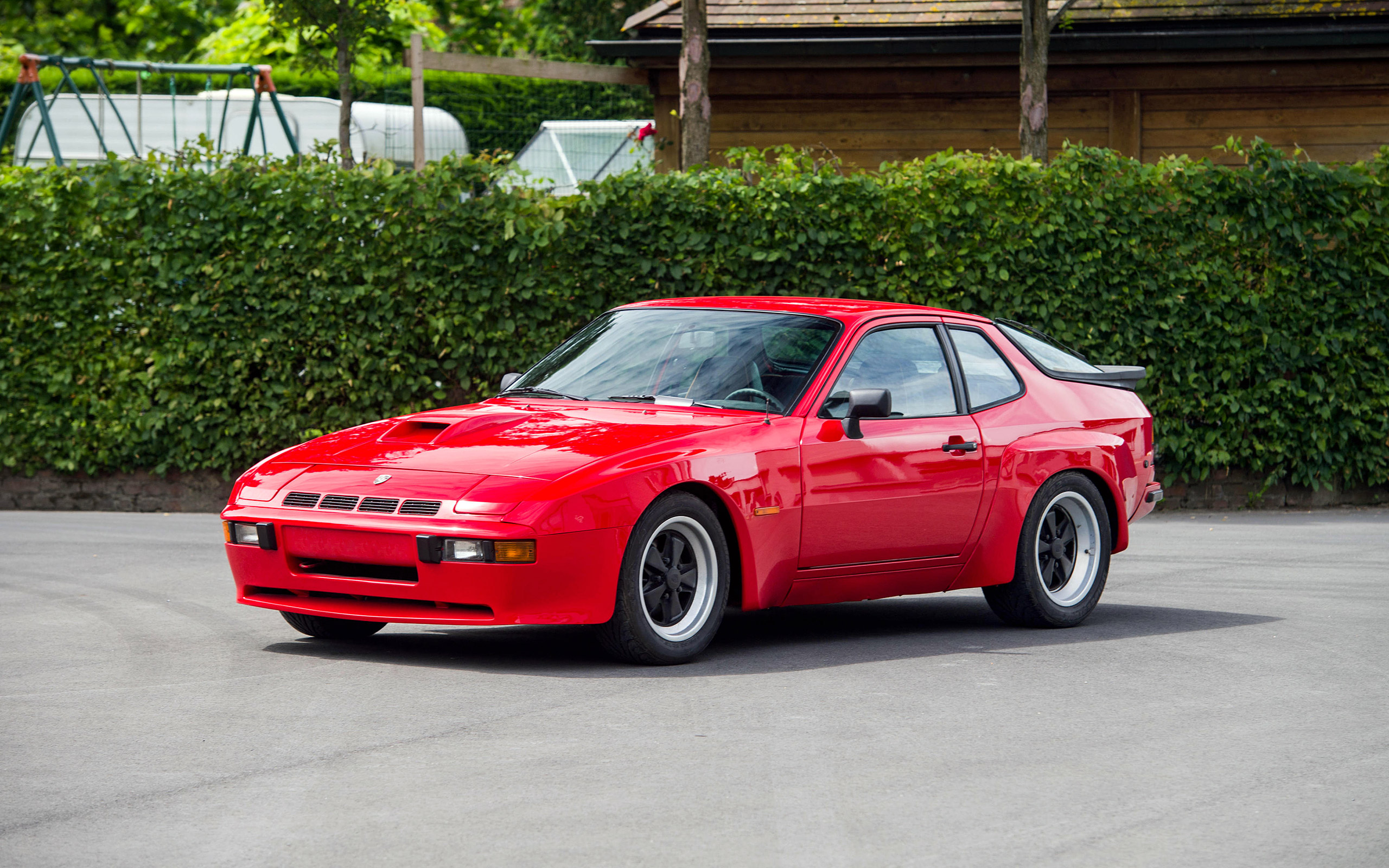
37. Porsche 924 Carrera GT
1980–81 · 2.0 turbo four · 210 hp · ~ 400
The 924 was Porsche's cheapest car and had an engine shared with a van. The Carrera GT of 1980 was the factory's reply to the jokes: a turbocharged 2.0-litre of 210 horsepower, wide plastic wings and a bonnet scoop, built in a run of about 400 so that the car could race at Le Mans.
Verdict The 924 nobody laughed at.
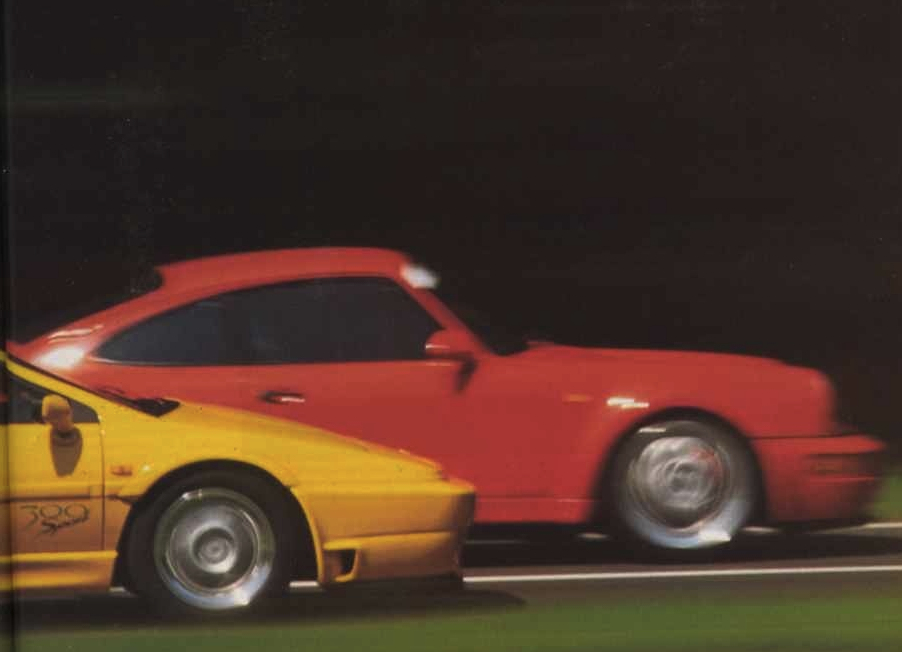
36. Porsche 911 Carrera RS 3.8 (964)
1993 · 3.8 flat-six · 300 hp · 55
The rarest RS. Porsche's racing department built 55 in 1993 to qualify the RSR 3.8 for competition, with the wide body of the Turbo, a 3.8-litre engine of 300 horsepower and a large adjustable rear wing. It is a racing car made barely legal, and almost nobody has driven one.
Verdict Fifty-five cars, built to satisfy a rule.
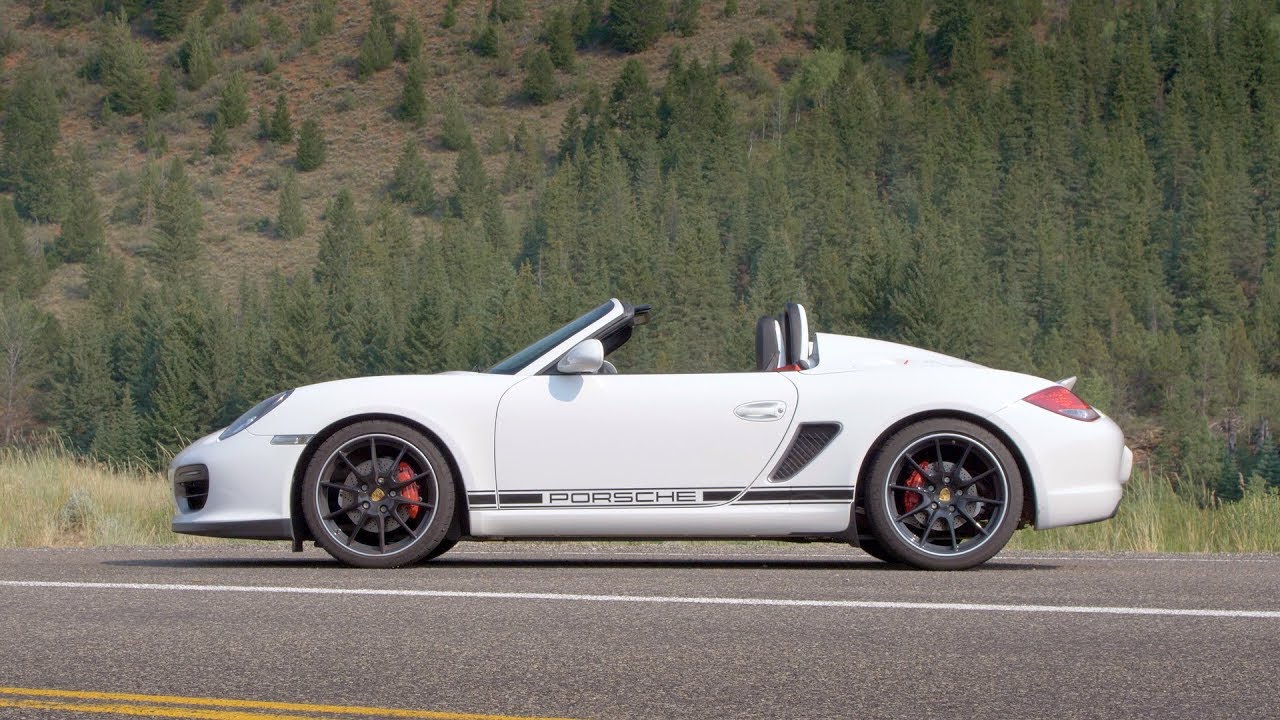
35. Porsche Boxster Spyder (987)
2010–12 · 3.4 flat-six · 320 hp
Porsche took 80 kg out of the Boxster S, fitted a 320-horsepower engine and replaced the powered hood with two pieces of fabric that take a few minutes to put up. At 1,275 kg it was the lightest car Porsche sold. On a dry day there are few better ways to cover a hundred miles.
Verdict The Boxster, made simple.
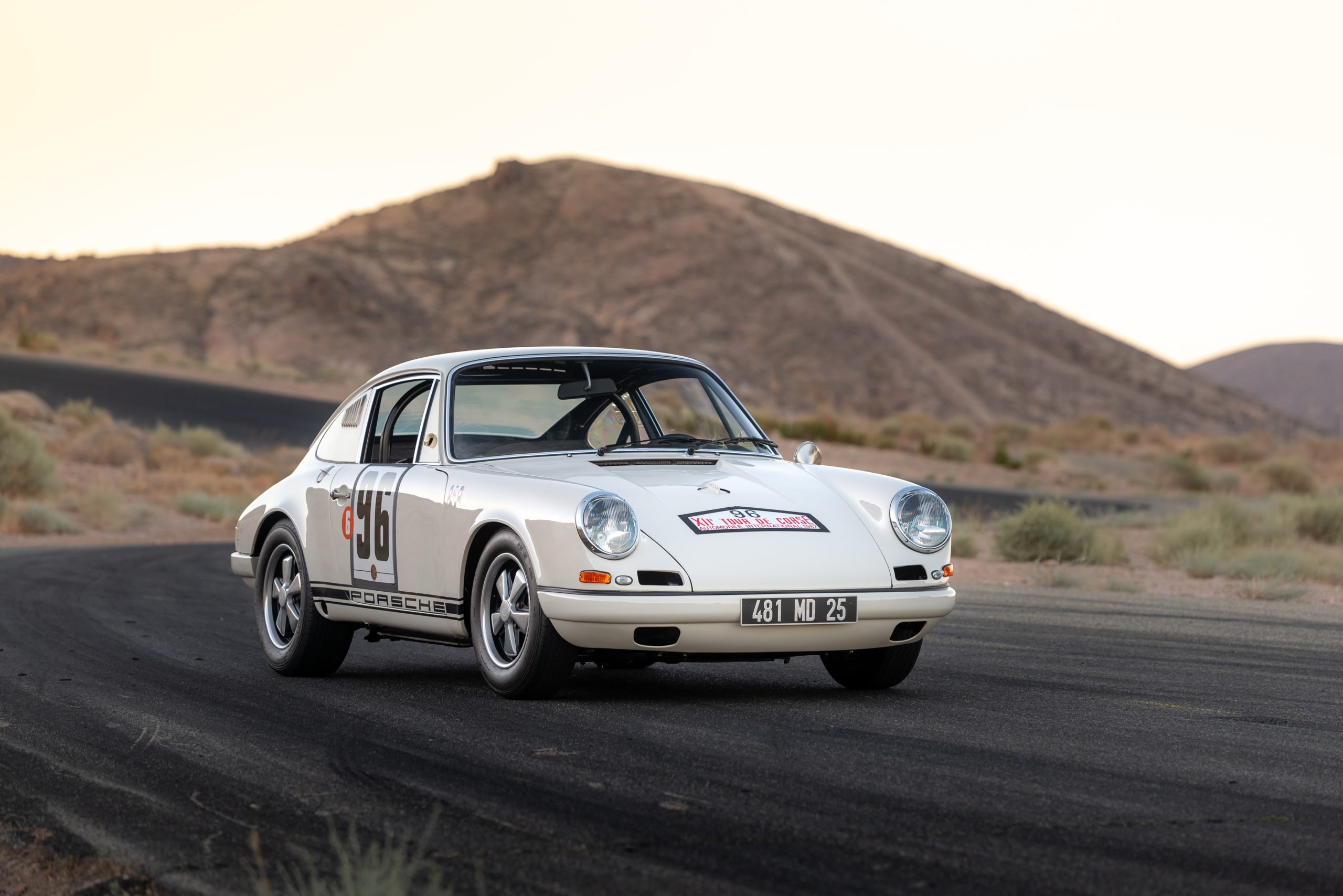
34. Porsche 911 R (1967)
1967–68 · 2.0 flat-six · 210 hp · ~ 20
The original lightweight. In 1967 Porsche built about twenty 911s with glassfibre doors and lids, thin glass and a 210-horsepower racing engine from the Carrera 6. Each weighed around 800 kg. One won the Marathon de la Route at the Nürburgring. The RS 2.7 took the idea to the public five years later.
Verdict The 911 that showed how light one could be.
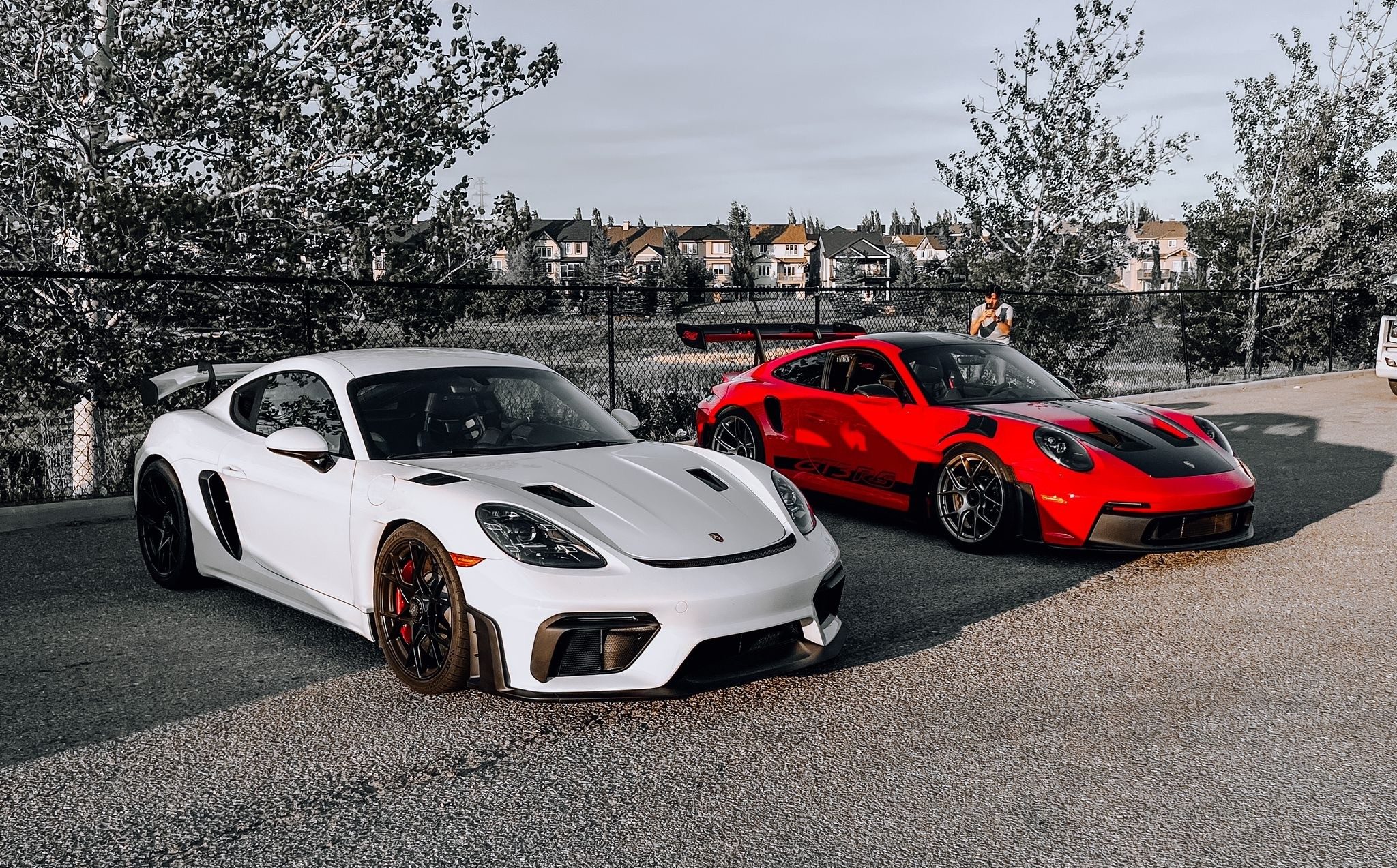
33. Porsche 911 GT3 RS (992)
2023–25 · 4.0 flat-six · 518 hp
A racing car with number plates. The 992 GT3 RS makes 409 kg of downforce at 177 mph, more than double any road 911 before it, from a rear wing taller than the roof and a front end with moving flaps. The radiator sits where the luggage used to go. It lapped the Nürburgring in 6 minutes 49 seconds with 518 horsepower.
Verdict The 911 that grew wings.
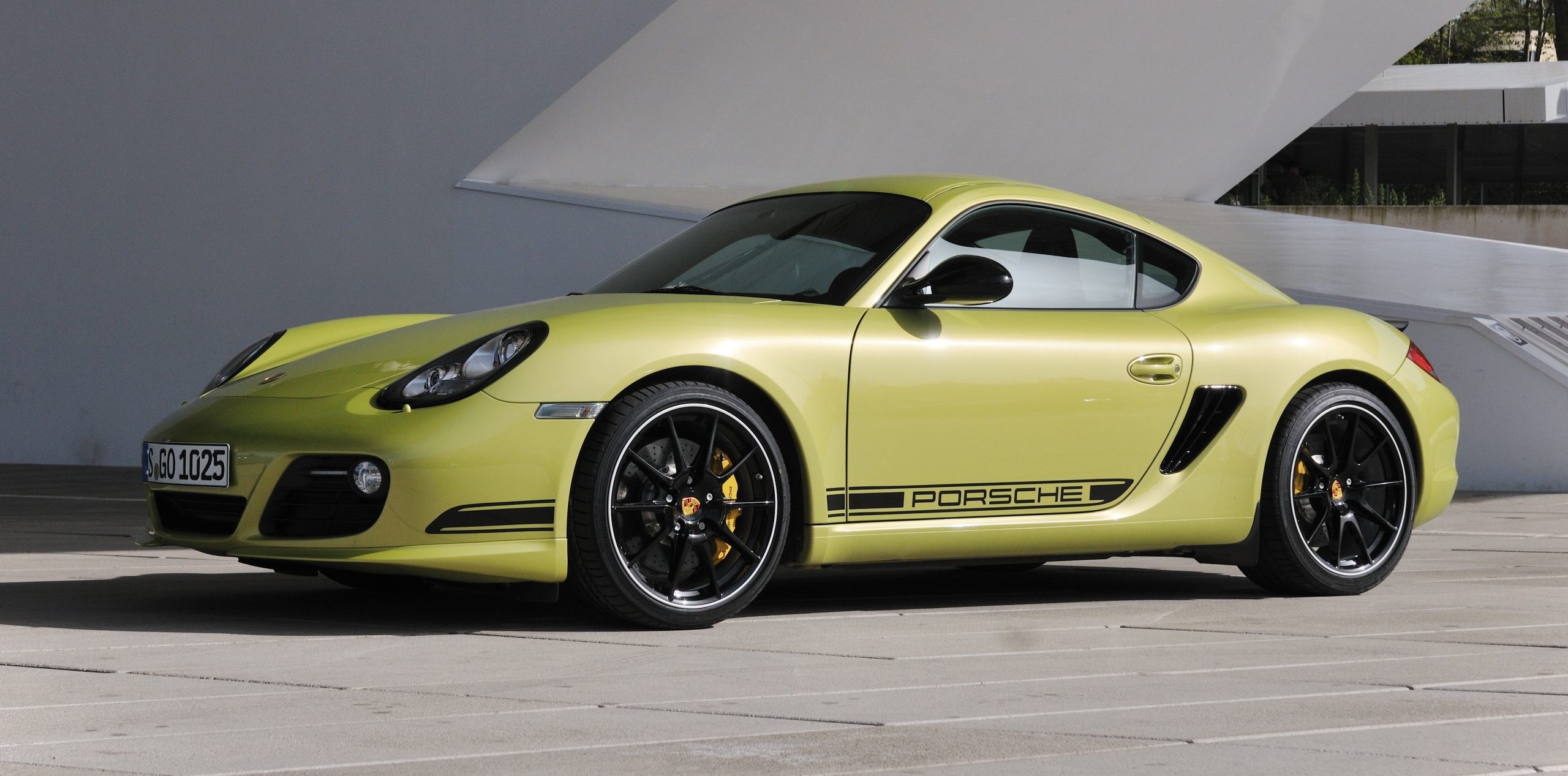
32. Porsche Cayman R (987)
2011–12 · 3.4 flat-six · 330 hp
Before the GT4 there was the Cayman R. For 2011 Porsche took 55 kg out of the Cayman S with aluminium doors, lighter seats and fabric door pulls, and raised power to 330 horsepower. It was the first Cayman that Porsche allowed to be sharp, and it is still one of the sweetest cars the company has made.
Verdict The first Cayman with its gloves off.
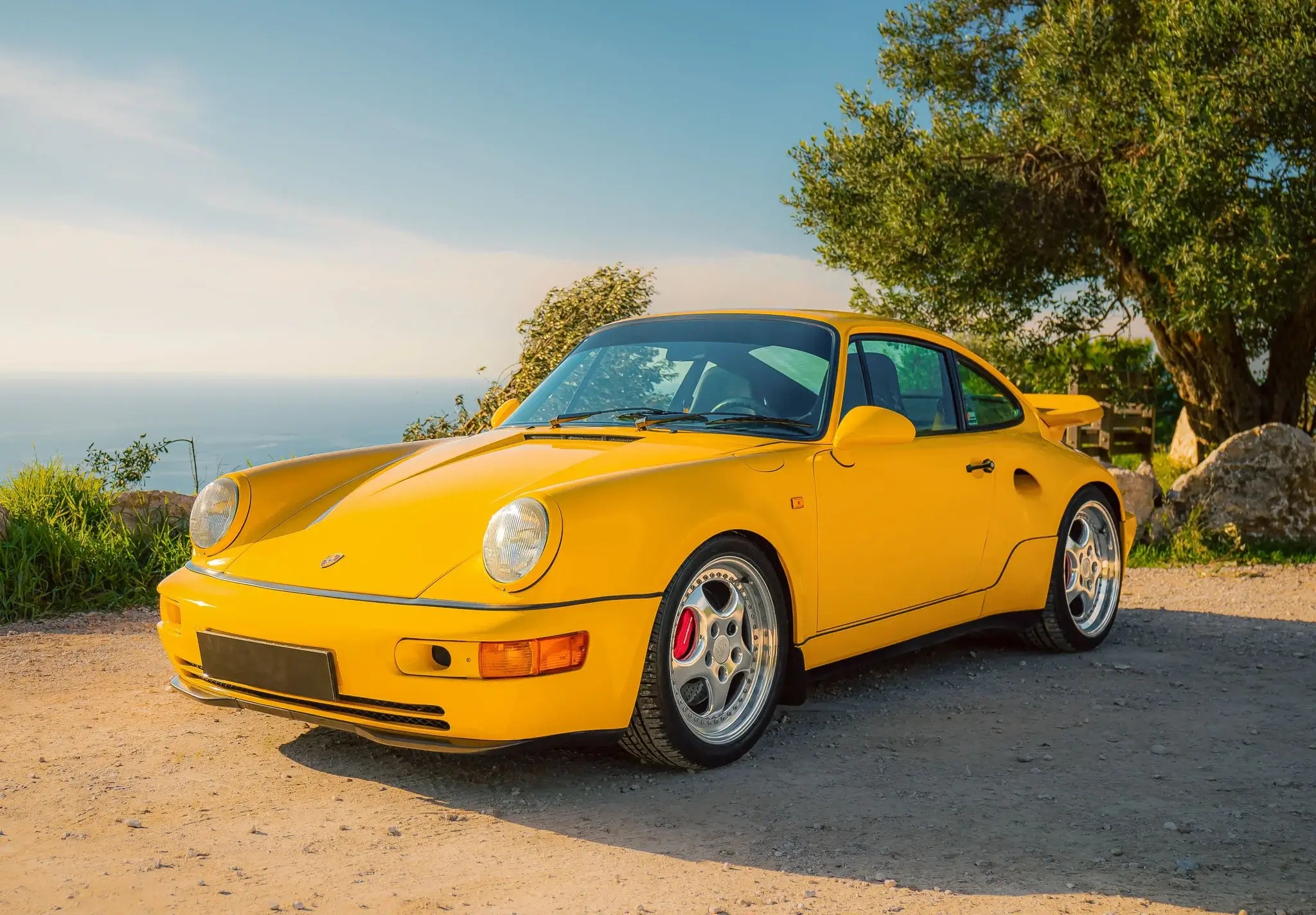
31. Porsche 911 Turbo S Leichtbau (964)
1992–93 · 3.3 turbo flat-six · 381 hp · 86
In 1992 Porsche's Exclusive department built 86 lightened 964 Turbos. The rear seats, air conditioning, power steering and sound deadening came out, the doors and bonnet were made of lighter materials, and power rose to 381 horsepower. The car weighed about 180 kg less than a standard Turbo. It is the 964 Turbo with nothing to soften it.
Verdict A Turbo with the comforts thrown out.
30 to 16
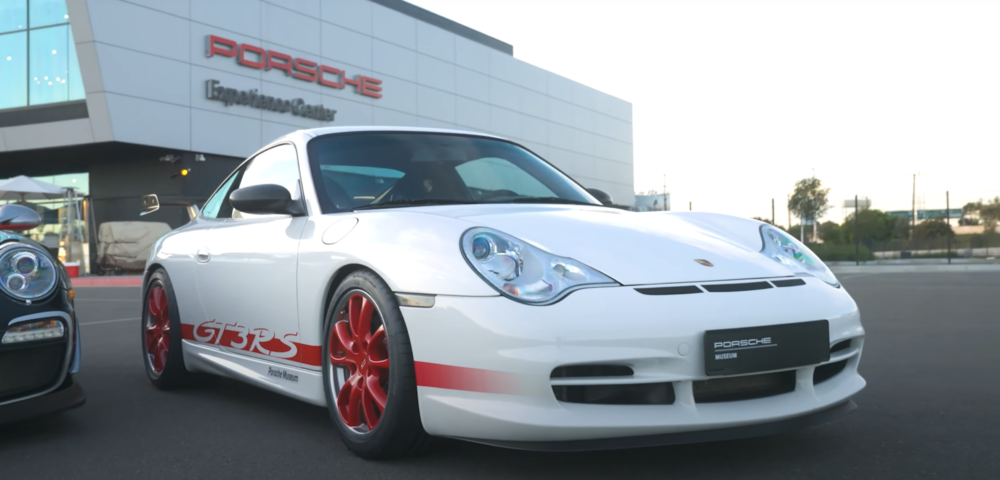
30. Porsche 911 GT3 RS (996)
2003–05 · 3.6 flat-six · 381 hp · 682
The first RS with a water-cooled engine, and the start of the line that leads to the 4.0. Porsche took the 996 GT3, fitted a carbon-fibre bonnet and rear wing and a plastic rear window, and stiffened the suspension further. Power was 381 horsepower. All 682 were white, with the lettering and wheels in red or blue, in a nod to the RS 2.7. It was not sold in the United States. It was built to qualify parts for racing, and it drives like it.
Verdict Where the modern RS begins.
Did you know: Every one was white, with the lettering and wheels in red or blue.
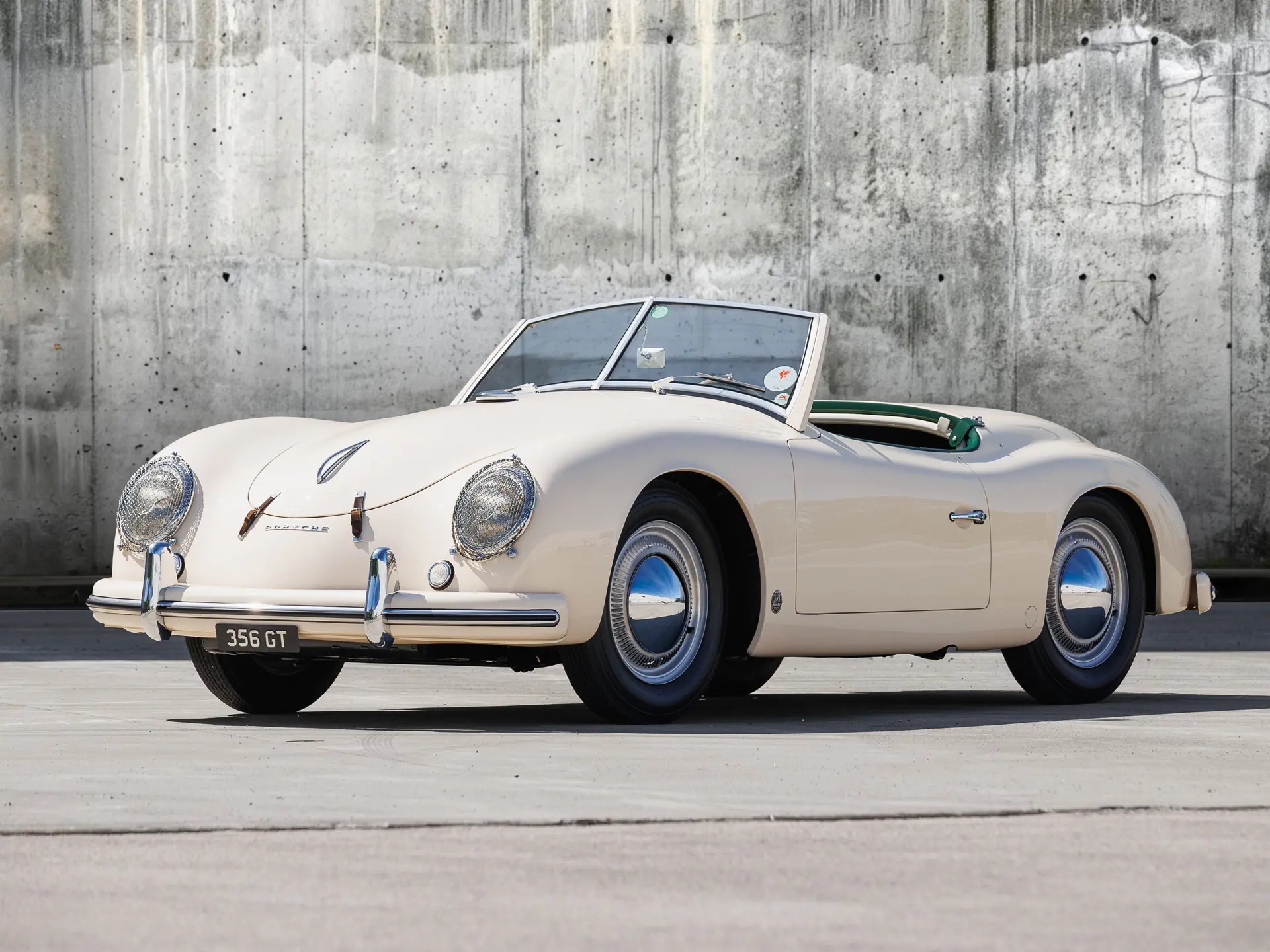
29. Porsche 356 America Roadster
1952 · 1.5 flat-four · About 70 hp · 16
Two years before the Speedster there was this. In 1952 Porsche built sixteen open 356s with aluminium bodies for American customers who wanted to race. The America Roadster weighed far less than a standard 356 cabriolet, had about 70 horsepower from a 1.5-litre engine, and could be stripped of its windscreen and hood for the track. It won its class across the United States. It also cost a great deal to make. The Speedster was the same idea in steel, at a price Porsche could live with.
Verdict The Speedster's rare, expensive older brother.
Did you know: The 16 cars had aluminium bodies and were built for American club racers.
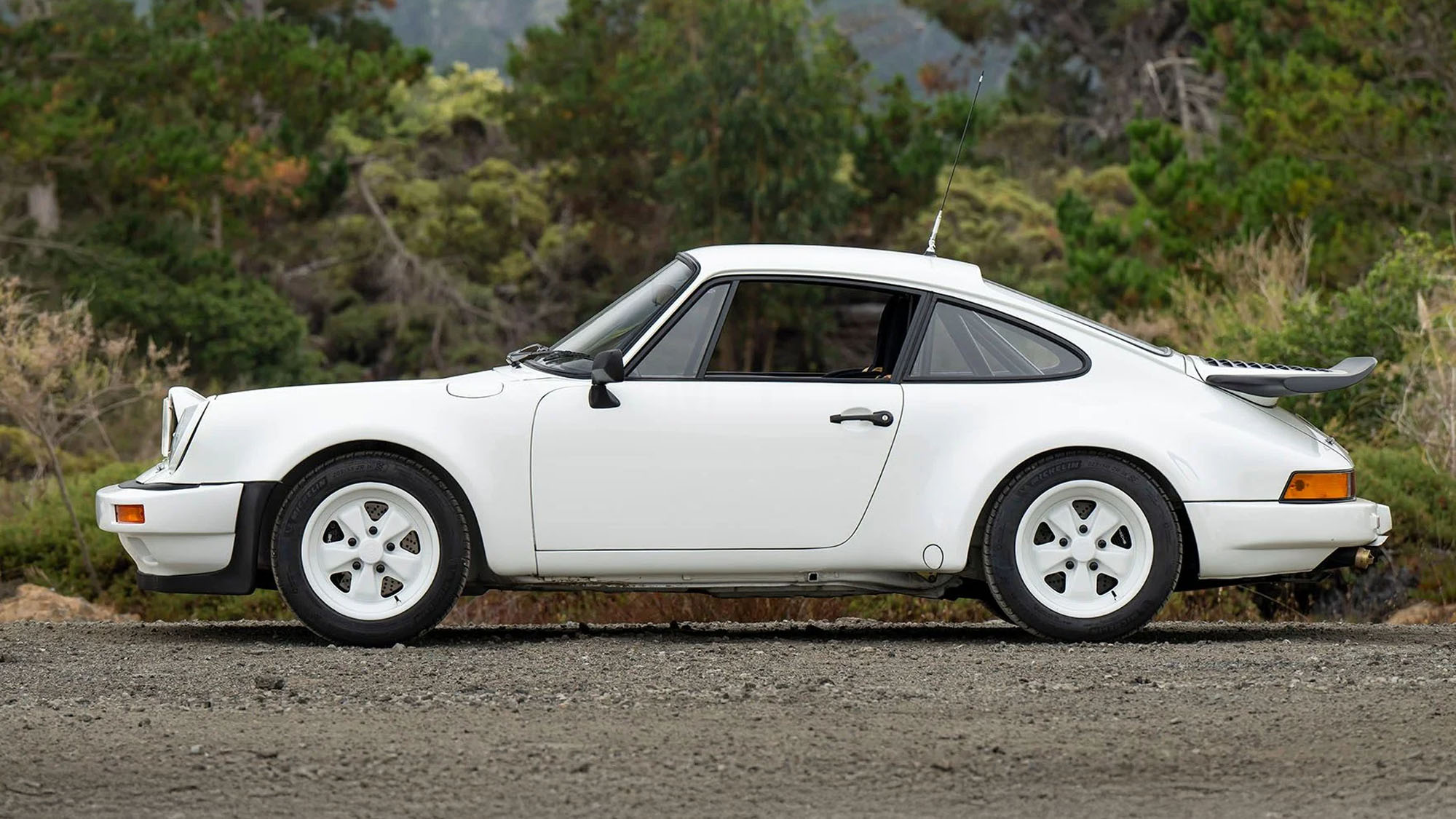
28. Porsche 911 SC RS
1984 · 3.0 flat-six · About 255 hp · 21
In 1984 the 959 was not ready, and Porsche's rally customers wanted a car. The answer was the SC RS: a 911 with the Turbo's wide body and brakes, aluminium and glassfibre panels, and a 3.0-litre engine of about 255 horsepower with no turbocharger. Twenty-one were built to satisfy Group B. Run by Prodrive in Rothmans colours, the cars won rallies in the Middle East and across Europe. It is rare, purposeful and little known outside Porsche circles, and it is the link between the old rally 911s and the 959.
Verdict Twenty-one cars, built to go rallying.
Did you know: Built so that the Rothmans team could go rallying while the 959 was being developed.
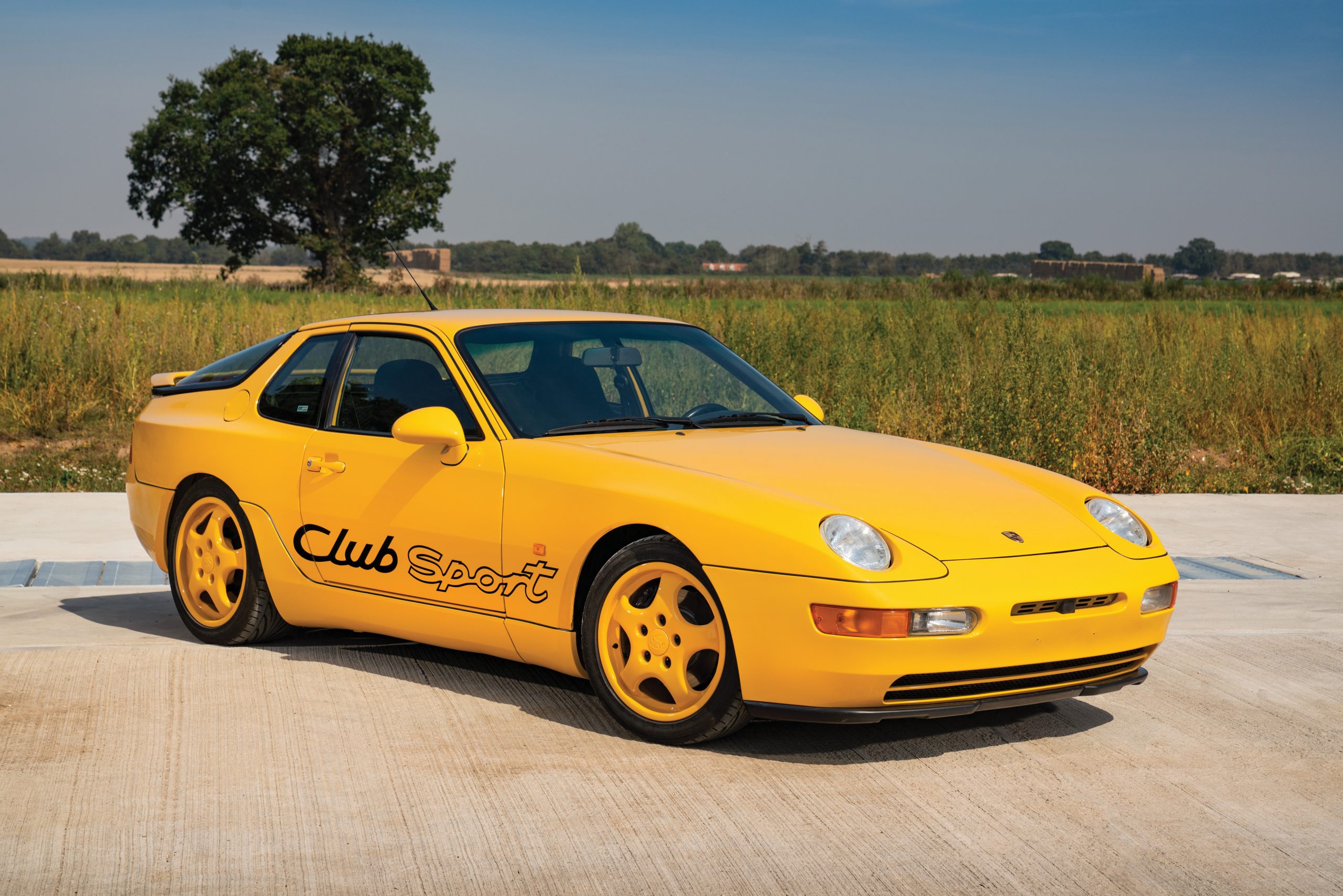
27. Porsche 968 Clubsport
1993–95 · 3.0 four · 240 hp
The last of the front-engined four-cylinder cars, and the best to drive. Porsche took the 968, with its 3.0-litre engine of 240 horsepower, and removed about 100 kg: the rear seats, the electric windows, the sound deadening, the airbag. It lowered the suspension and fitted wider wheels and fixed-back seats. Then it charged less than for the standard car, which was unlike Porsche. The balance is close to perfect and the steering is among the best of any Porsche. Road testers in the 1990s rated it above cars costing twice as much.
Verdict The best-handling Porsche of its decade, and the cheapest.
Did you know: At 3.0 litres, its engine was one of the largest four-cylinders fitted to a production car.
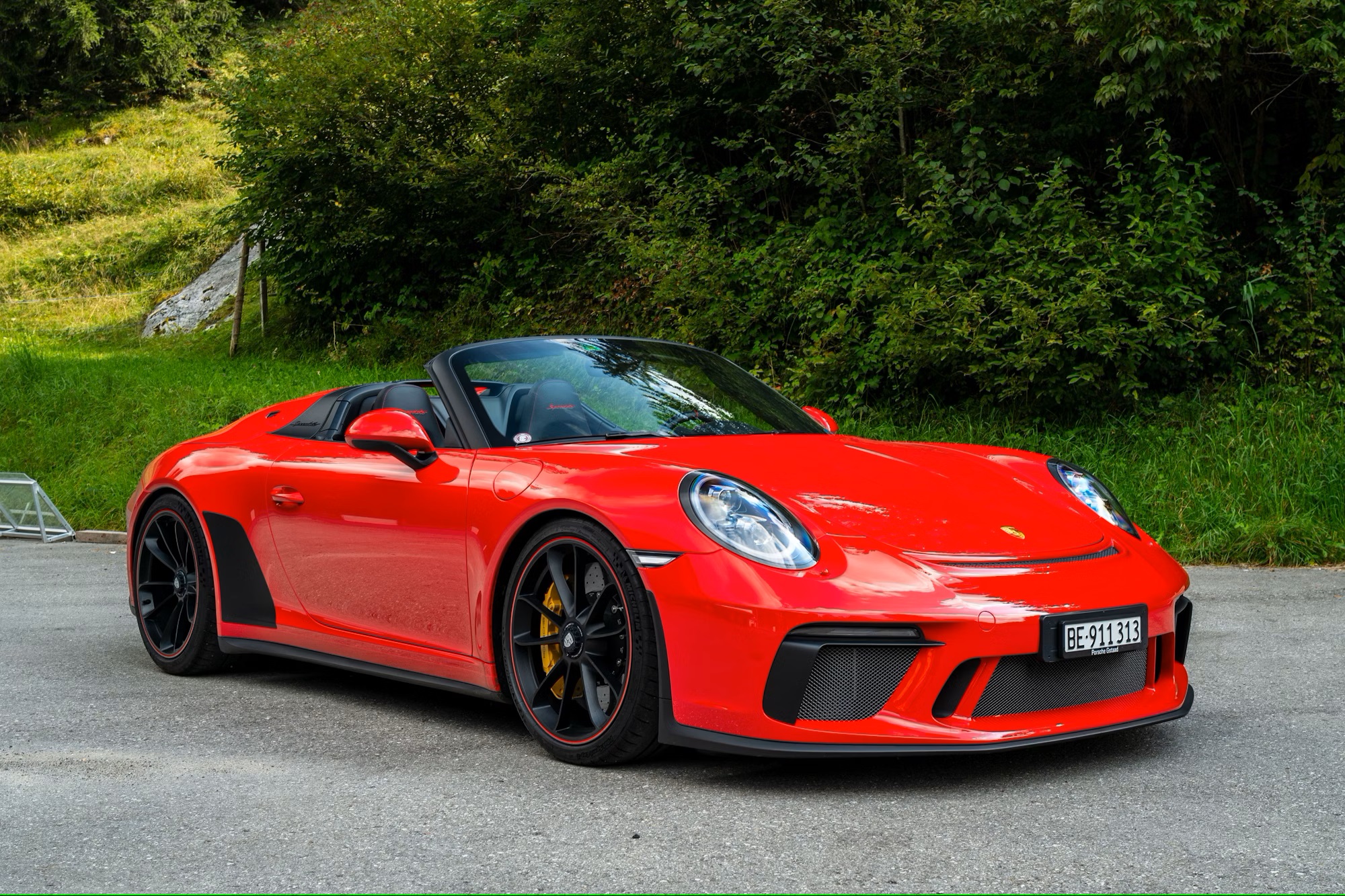
26. Porsche 911 Speedster (991)
2019 · 4.0 flat-six · 502 hp · 1,948
The 991 generation's farewell, and a present from the GT department to itself. The Speedster has the 4.0-litre engine from the GT3, with 502 horsepower and a 9,000 rpm limit, a six-speed manual gearbox and nothing else, and the low windscreen and twin humps behind the seats that the name has meant since 1954. The hood is worked by hand. Porsche built 1,948, the number chosen for the year the first Porsche was registered. It is a GT3 with the roof off, and nobody has found that to be a bad idea.
Verdict A GT3 with the roof off.
Did you know: Porsche built 1,948, for the year the first Porsche was registered.
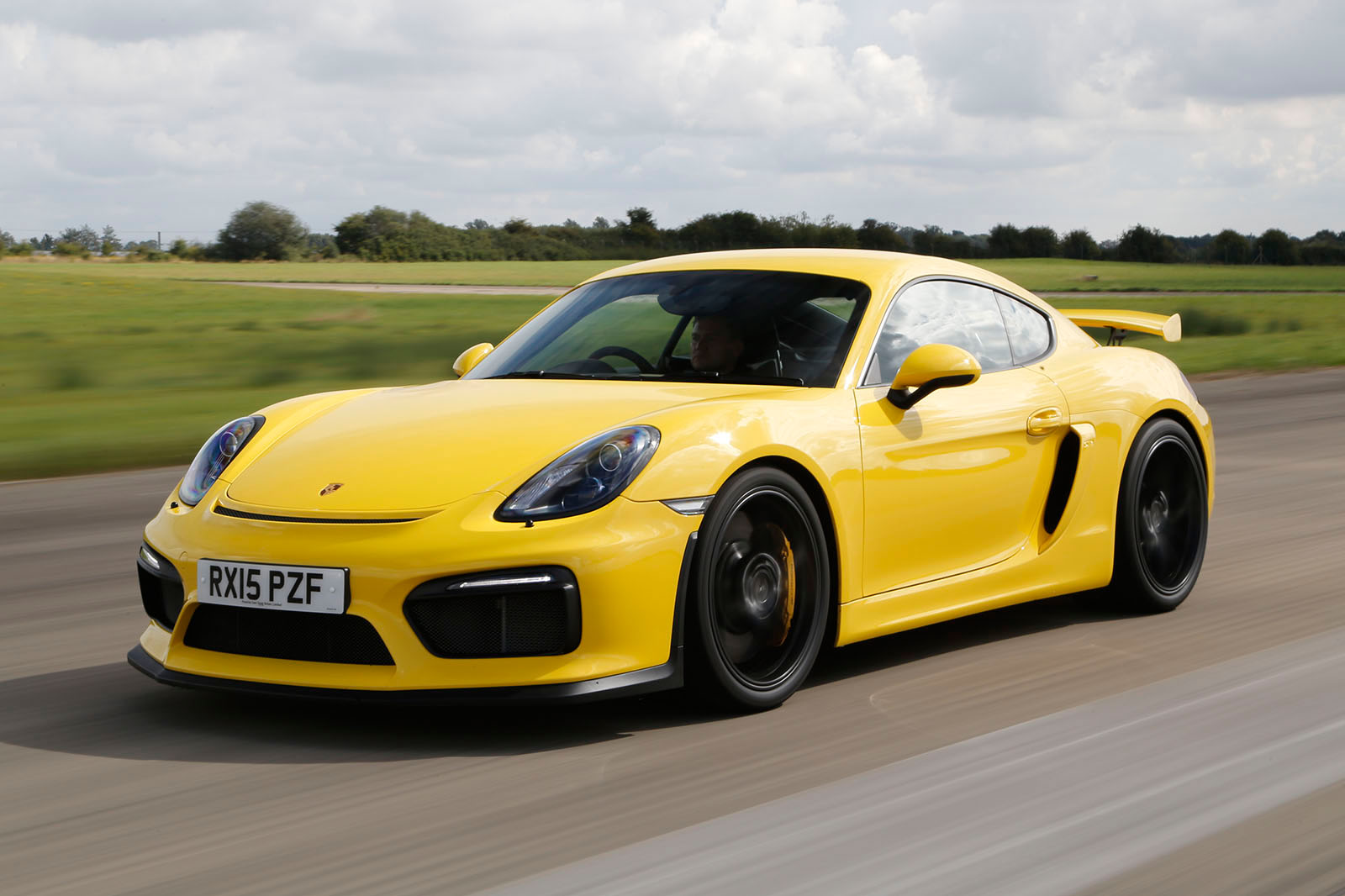
25. Porsche Cayman GT4 (981)
2015–16 · 3.8 flat-six · 385 hp · ~ 2,500
For ten years the Cayman was the car Porsche would not let off the lead. The GT4 of 2015 was the first one given to the GT department: a 3.8-litre engine from the 911 Carrera S with 385 horsepower, front suspension from the 911 GT3, a proper rear wing and a six-speed manual gearbox, with no automatic offered. About 2,500 were built and they sold at once. It showed what the mid-engined car could do, and led directly to the Spyder RS that sits fifteen places higher.
Verdict The Cayman, finally let off the lead.
Did you know: Sold with a six-speed manual gearbox and no other choice. The front suspension comes from the 911 GT3.
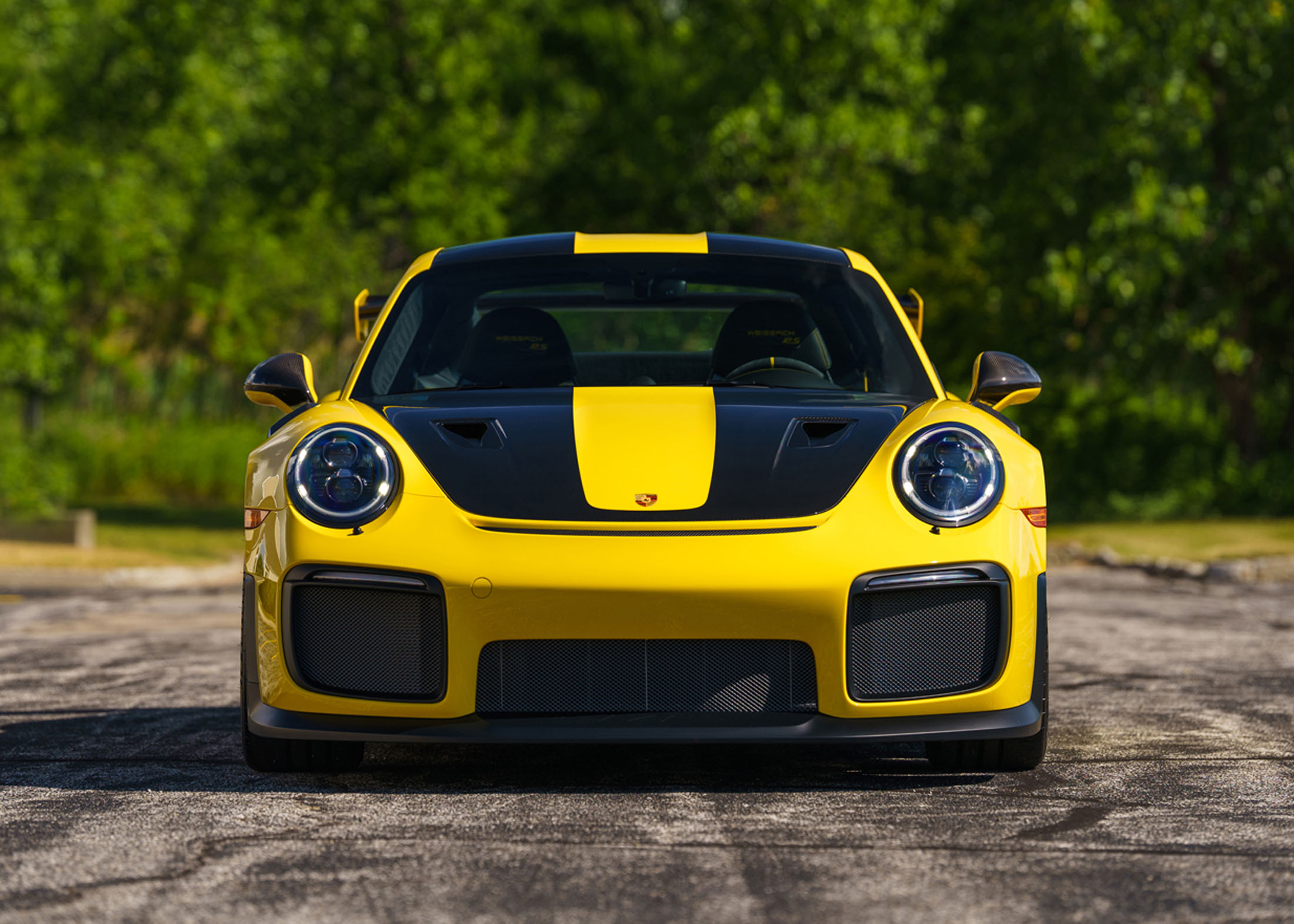
24. Porsche 911 GT2 RS (991)
2018–19 · 3.8 twin-turbo flat-six · 700 hp
The most powerful 911 Porsche had built for the road. The 991 GT2 RS has a 3.8-litre twin-turbocharged flat-six of 700 horsepower, driving the rear wheels only, with water sprayed on the intercoolers to keep the intake air cool. In 2017 it lapped the Nürburgring in 6 minutes 47.3 seconds, a record for a production car. Earlier GT2s were known for biting. This one is fast in a way that almost anyone can use, which is a greater achievement and slightly less of a story.
Verdict Seven hundred horsepower, and it behaves.
Did you know: It lapped the Nürburgring in 6 minutes 47.3 seconds, a record for a production car at the time.
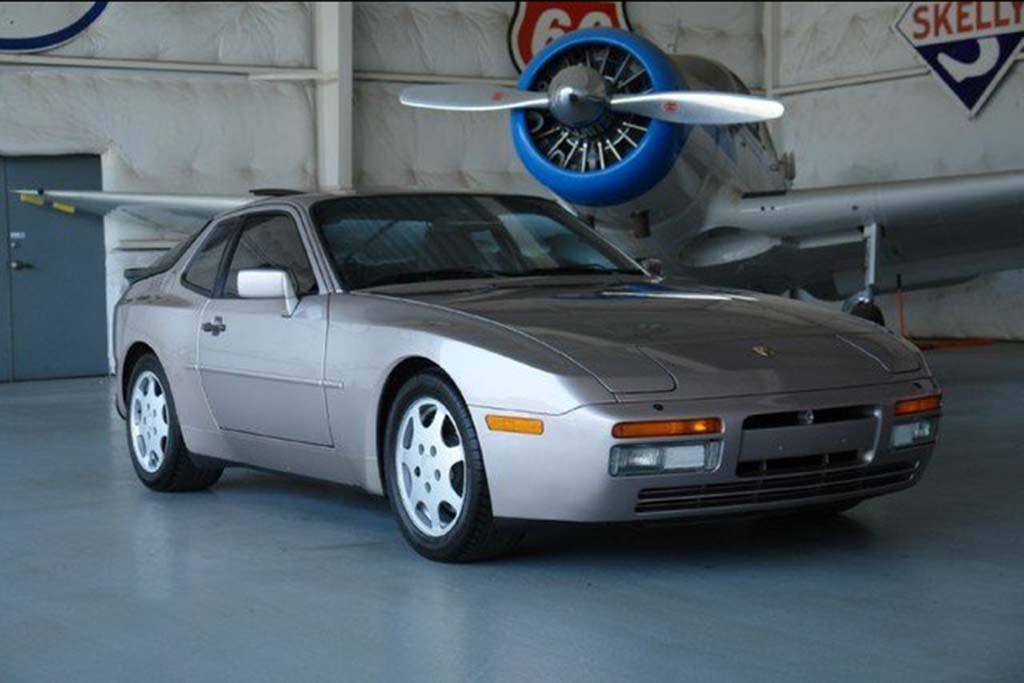
23. Porsche 944 Turbo S
1988 · 2.5 turbo four · 250 hp · ~ 1,000
The front-engined, four-cylinder Porsches of the 1980s paid the bills and were looked down on for it. The 944 Turbo S of 1988 is the argument against that. It had 250 horsepower from a 2.5-litre turbocharged four, the suspension and brakes developed for the Turbo Cup racing series, and almost perfect weight distribution thanks to the gearbox at the back. About 1,000 were made before its specification became standard. It was as quick as a 911 Carrera of the time and easier to drive fast.
Verdict The four-cylinder that could see off a 911.
Did you know: It was the road version of the cars built for the Turbo Cup racing series.
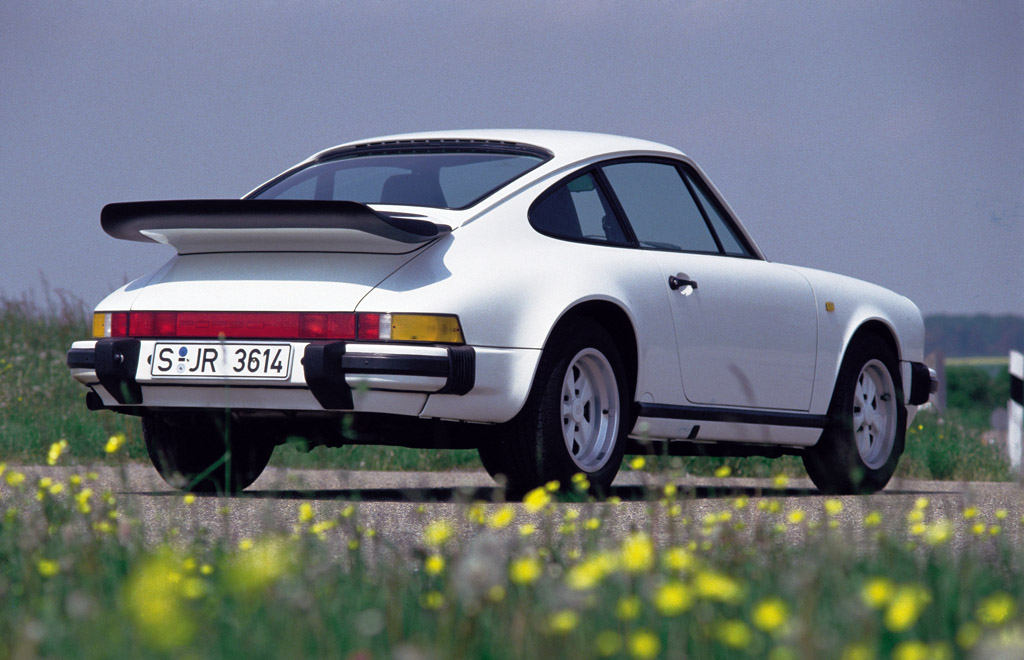
22. Porsche 911 Carrera 3.2 Clubsport
1987–89 · 3.2 flat-six · 231 hp · ~ 340
In 1987 Porsche offered the 3.2 Carrera with things taken out: the rear seats, the electric windows, the air conditioning, some of the sound deadening, even the passenger's sun visor. The engine was allowed to rev a little higher. The saving was about 70 kg, and the price did not go down. Only a few hundred people bought one. It looked like a failure at the time. It was the first sign since 1973 that Porsche remembered the RS 2.7, and the 964 RS followed four years later.
Verdict Less for the same money, and a hint of what was coming.
Did you know: Porsche quoted the same power as the standard car, but the engine was allowed to rev higher.
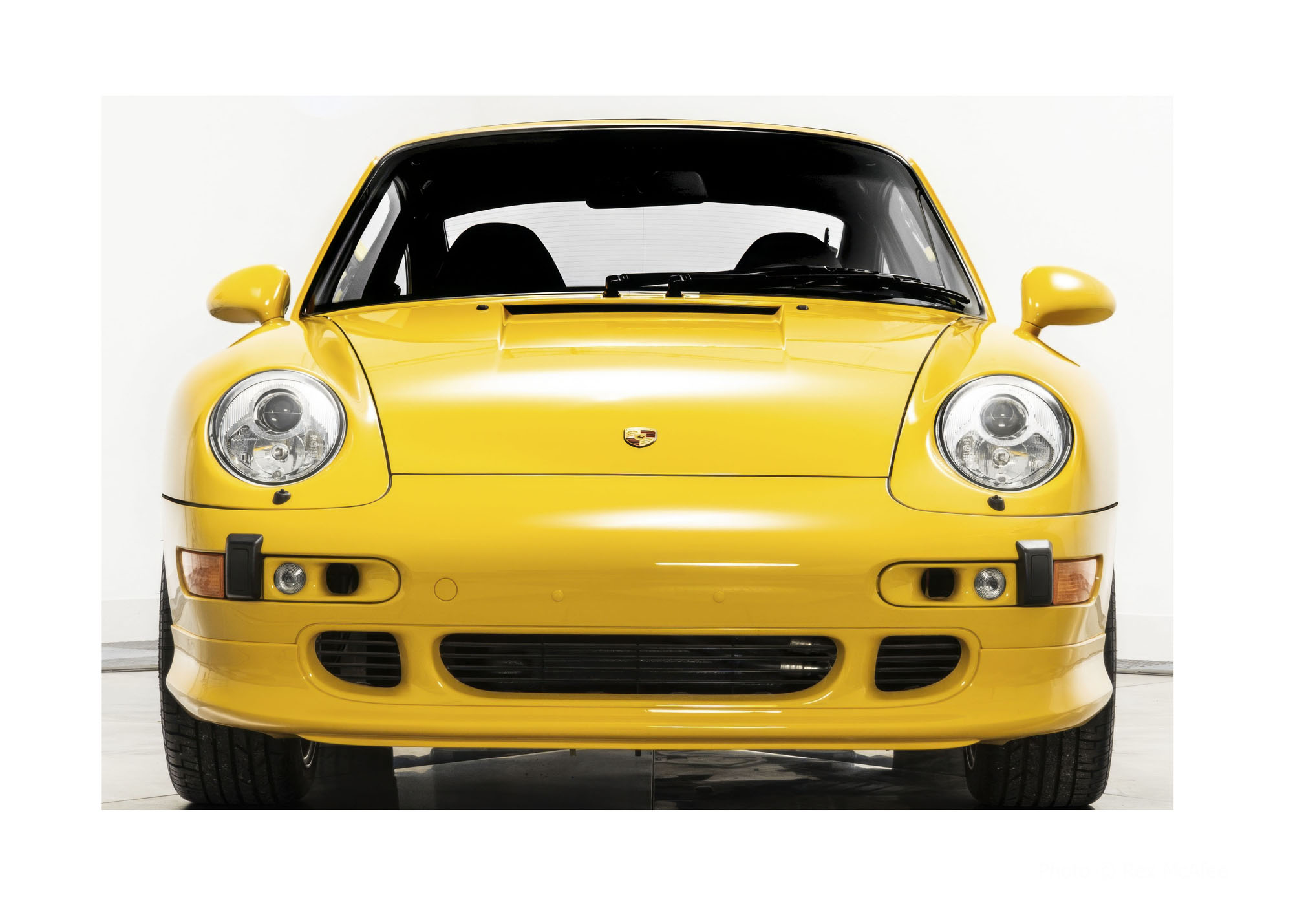
21. Porsche 911 Turbo S (993)
1997–98 · 3.6 twin-turbo flat-six · 450 hp · 345
The 993 Turbo was the first 911 Turbo with two turbochargers and four-wheel drive, which between them tamed most of what had made the 930 frightening. The Turbo S, built by Porsche's Exclusive department in 1997 and 1998, raised power from 408 to 450 horsepower and added air intakes in the rear wings, a different rear wing and yellow brake calipers. Porsche made 345. It was the last air-cooled Turbo and the fastest air-cooled road car the factory built, and collectors price it accordingly.
Verdict The last and fastest air-cooled Turbo.
Did you know: Recognised by its yellow brake calipers and the air intakes in the rear wings.
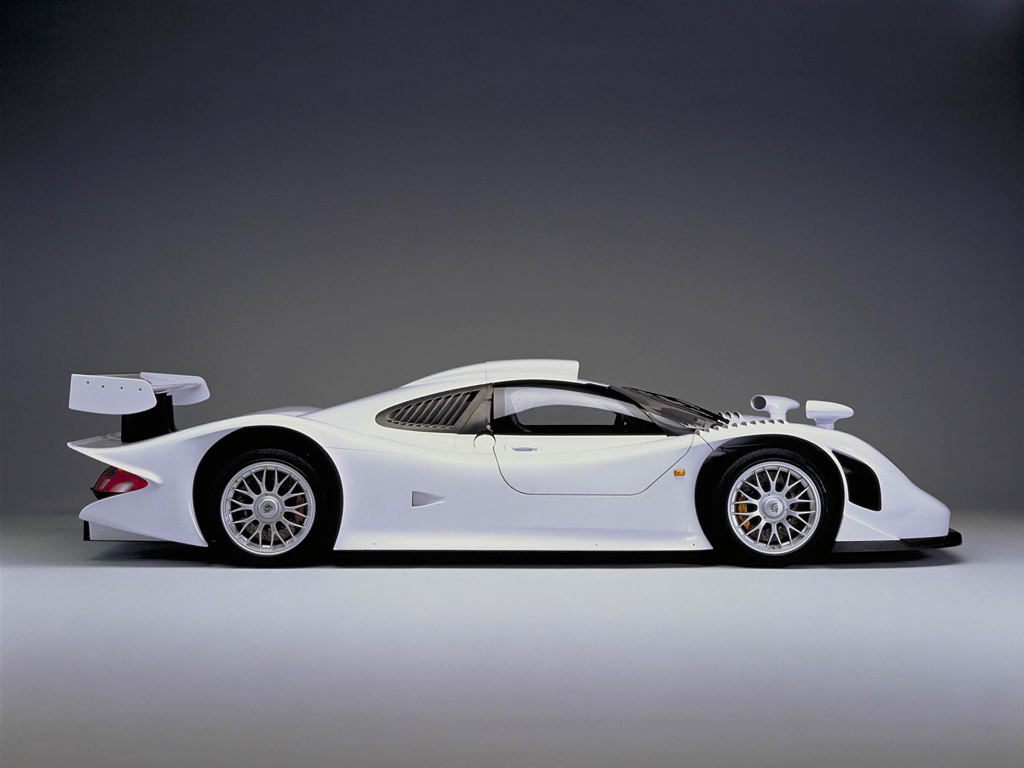
20. Porsche 911 GT1 Strassenversion
1996–98 · 3.2 twin-turbo flat-six · About 537 hp · ~ 20
The rules for GT1 racing in the 1990s asked for a road-going version of each car. Porsche's racing car had the front of a 911 joined to the back of a Le Mans prototype, with a twin-turbocharged flat-six ahead of the rear axle. So that is what the road car was. It had about 537 horsepower and a leather interior, and roughly twenty were made. The racing version won Le Mans in 1998. It is a 911 in name and headlamps only, and it is the wildest car ever to carry a Porsche number plate.
Verdict A Le Mans car with a tax disc.
Did you know: The front of the car is 911. From the cabin back it is a mid-engined racing car.
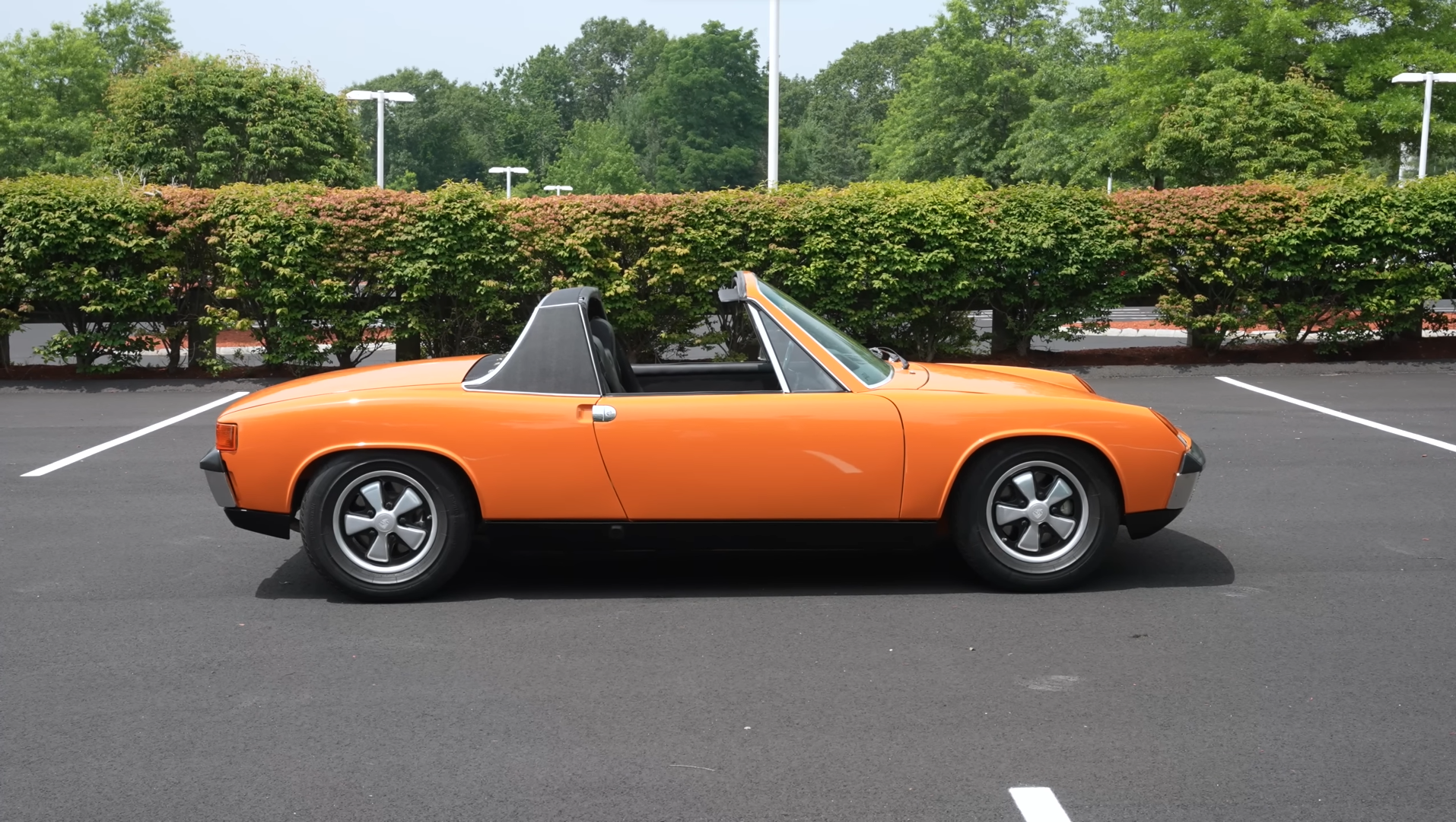
19. Porsche 914/6
1970–72 · 2.0 flat-six · 110 hp · ~ 3,300
The 914 was a joint project with Volkswagen, and most were sold with a Volkswagen four-cylinder engine. The 914/6 had the 2.0-litre flat-six from the 911 T, with 110 horsepower, in a mid-engined car weighing under 1,000 kg. It handled better than a 911. It also cost nearly as much as one, so buyers chose the 911, and only about 3,300 were made in three years. A racing 914/6 GT won its class at Le Mans in 1970. Porsche did not put a flat-six in the middle of a road car again until the Boxster.
Verdict A mid-engined Porsche, 26 years before the Boxster.
Did you know: A 914/6 GT won its class at Le Mans in 1970.
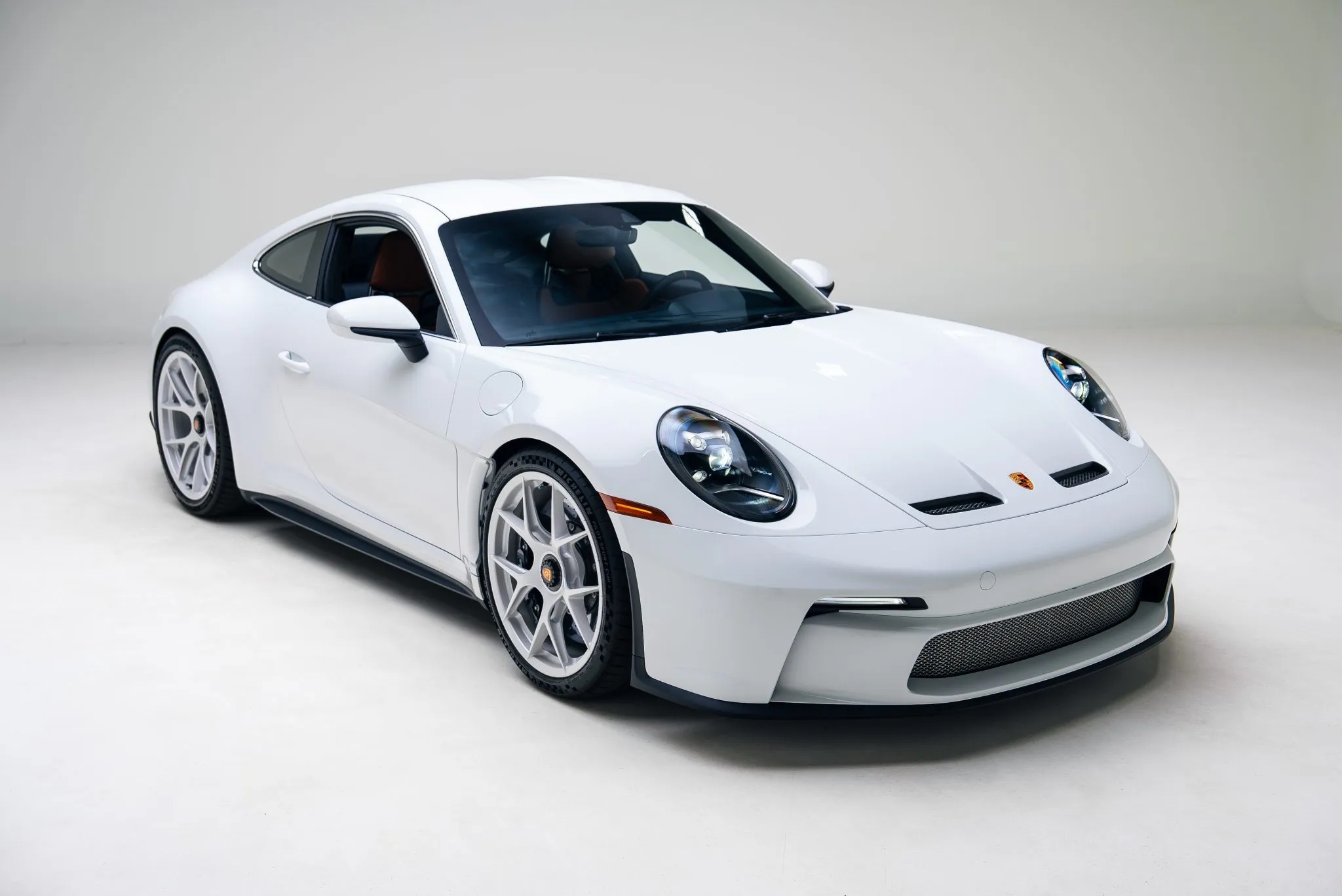
18. Porsche 911 S/T (992)
2024–25 · 4.0 flat-six · 518 hp · 1,963
Built to mark sixty years of the 911, and built for one thing: driving on the road. The S/T has the 518-horsepower engine from the GT3 RS, a six-speed manual gearbox with shorter ratios, a lightweight clutch and flywheel, and no rear wing. Porsche left out the rear-wheel steering to save weight, and at about 1,380 kg it is the lightest car of its generation. It made 1,963. Many who have driven it call it the best modern 911. It is new, so it starts here.
Verdict The RS engine, a manual, and no wing.
Did you know: Porsche built 1,963, for the year the 911 was first shown.
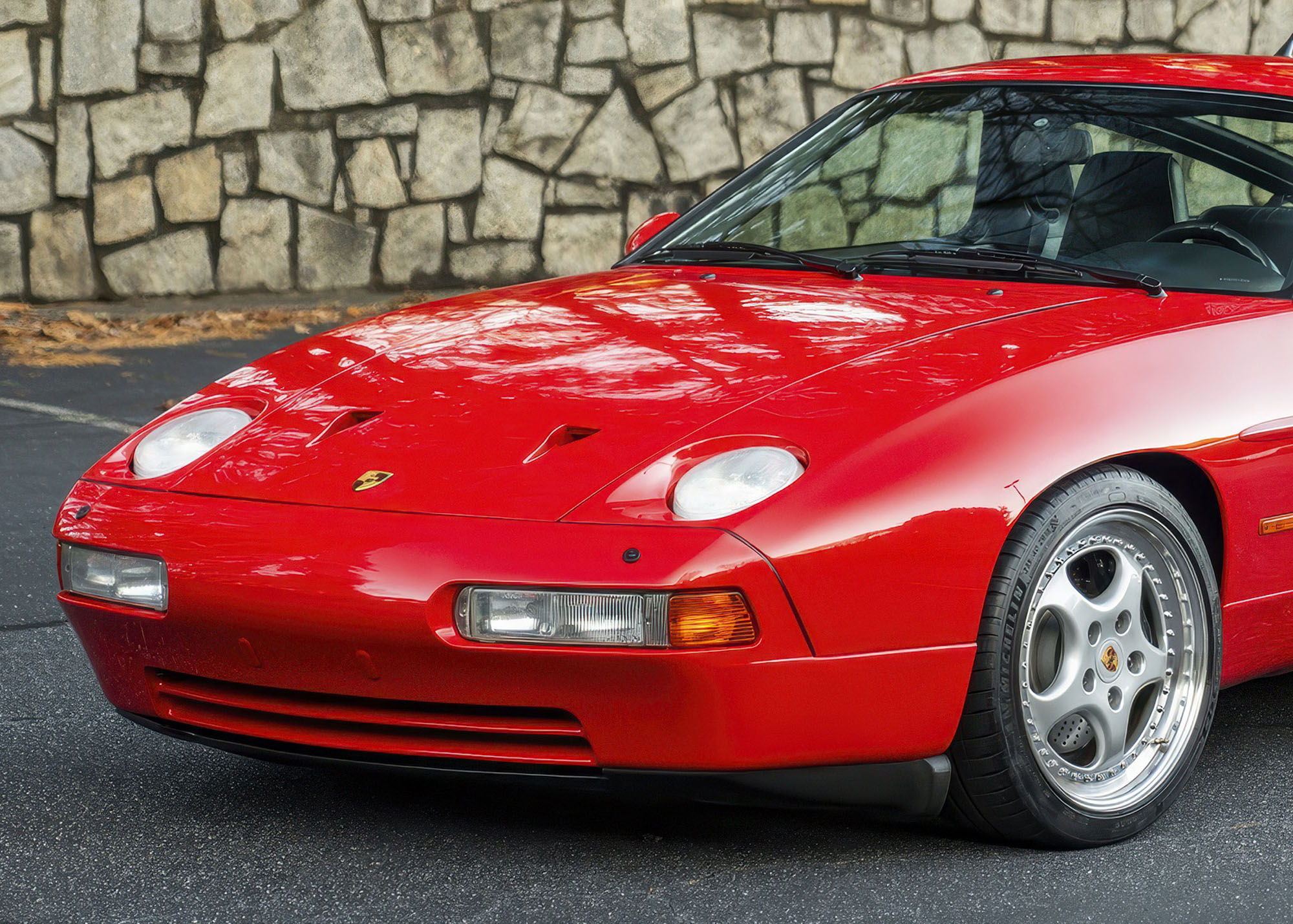
17. Porsche 928 GTS
1992–95 · 5.4 V8 · 350 hp
The 928 was meant to replace the 911. It had a V8 in the front, the gearbox at the back, a galvanised body and a rear axle that steered itself slightly to keep the car stable. It was European Car of the Year for 1978. The 911's customers declined to move, and the 928 became Porsche's grand tourer. The GTS of 1992 was its final form: 5.4 litres, 350 horsepower and wider rear arches. With the rare manual gearbox it is one of the best long-distance cars ever made.
Verdict The car that was supposed to replace the 911.
Did you know: The 928 was designed to replace the 911, and was European Car of the Year for 1978.
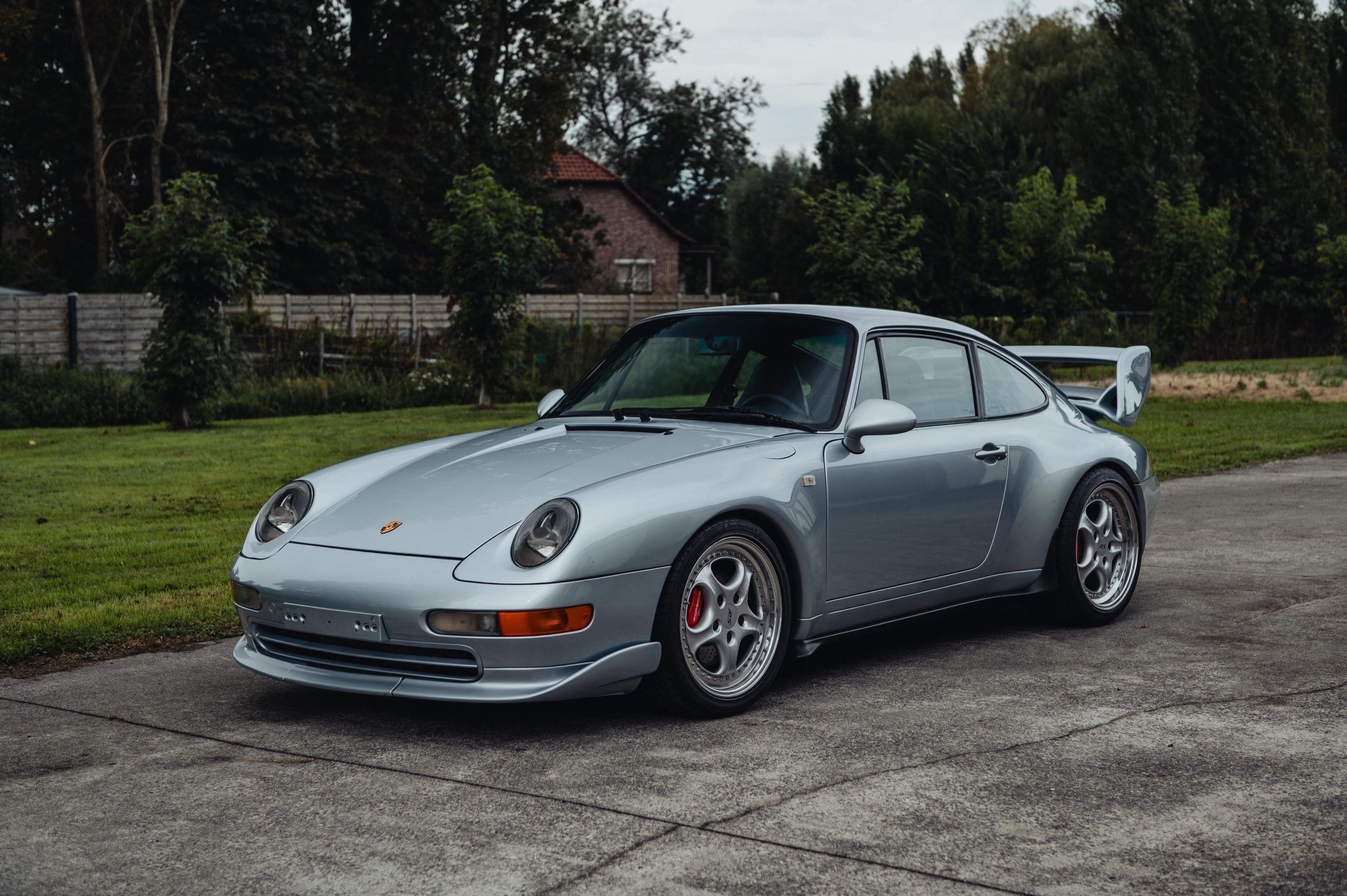
16. Porsche 911 Carrera RS 3.8 (993)
1995–96 · 3.8 flat-six · 300 hp
The last RS with an air-cooled engine. For the 993 Porsche enlarged the flat-six to 3.8 litres for 300 horsepower, took the weight down to about 1,270 kg, and fitted a fixed rear wing and a deeper front spoiler. A Clubsport version added a welded roll cage and a much bigger wing. It is more civilised than the 964 RS and quicker everywhere, and some drivers prefer it for exactly that reason. It sits five places below the 964 because that car revived the idea and this one refined it.
Verdict The last air-cooled RS, and the most polished.
Did you know: The last 911 RS with an air-cooled engine.
The top 15
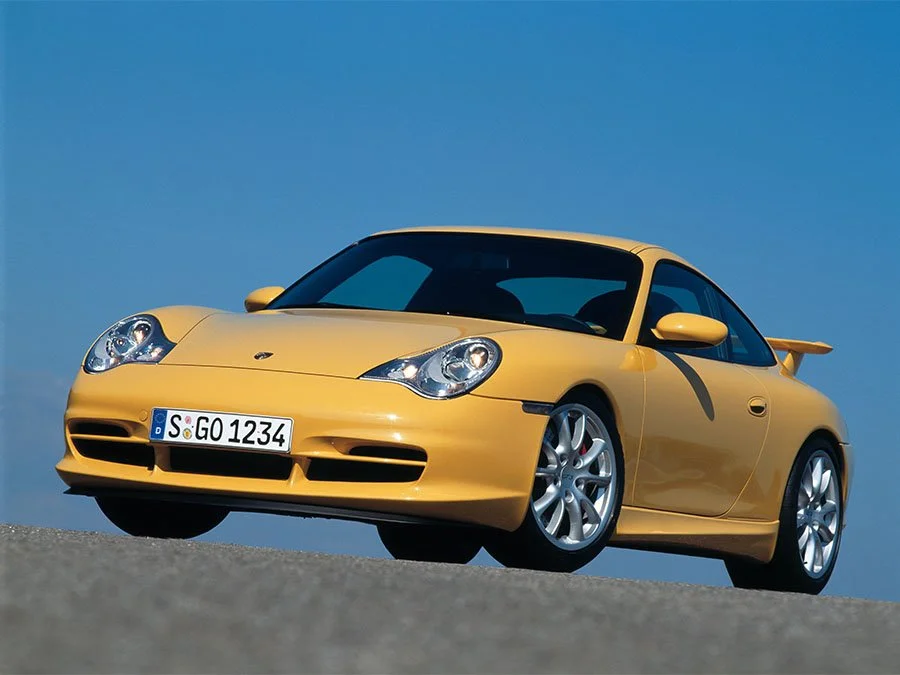
- Years
- 1999–2005
- Engine
- 3.6 flat-six
- Power
- 360 to 381 hp
- Built
- 1,868
Road car · Germany
15. Porsche 911 GT3 (996)
The 996 is the least loved 911, and the first GT3 is the reason to think again. When Porsche needed a road car to qualify the 996 for racing in 1999, its motorsport department did not use the new water-cooled engine from the standard car. It used the dry-sump unit descended from the GT1 that won Le Mans, the Mezger engine, with 360 horsepower.
The car was lowered and stiffened, given bigger brakes and a fixed wing, and offered with a roll cage. Walter Röhrl took one round the Nürburgring in under eight minutes. It was named after the racing class it was built for, and the name stuck. Every GT3 since, and the whole business of Porsche's GT department, starts with this car. It can still be bought for a fraction of the price of the ones that followed.
Verdict The first GT3, and still the bargain.
Its engine is not the standard 996's. It descends from the Le Mans-winning GT1's and is known by its designer's name, Mezger.
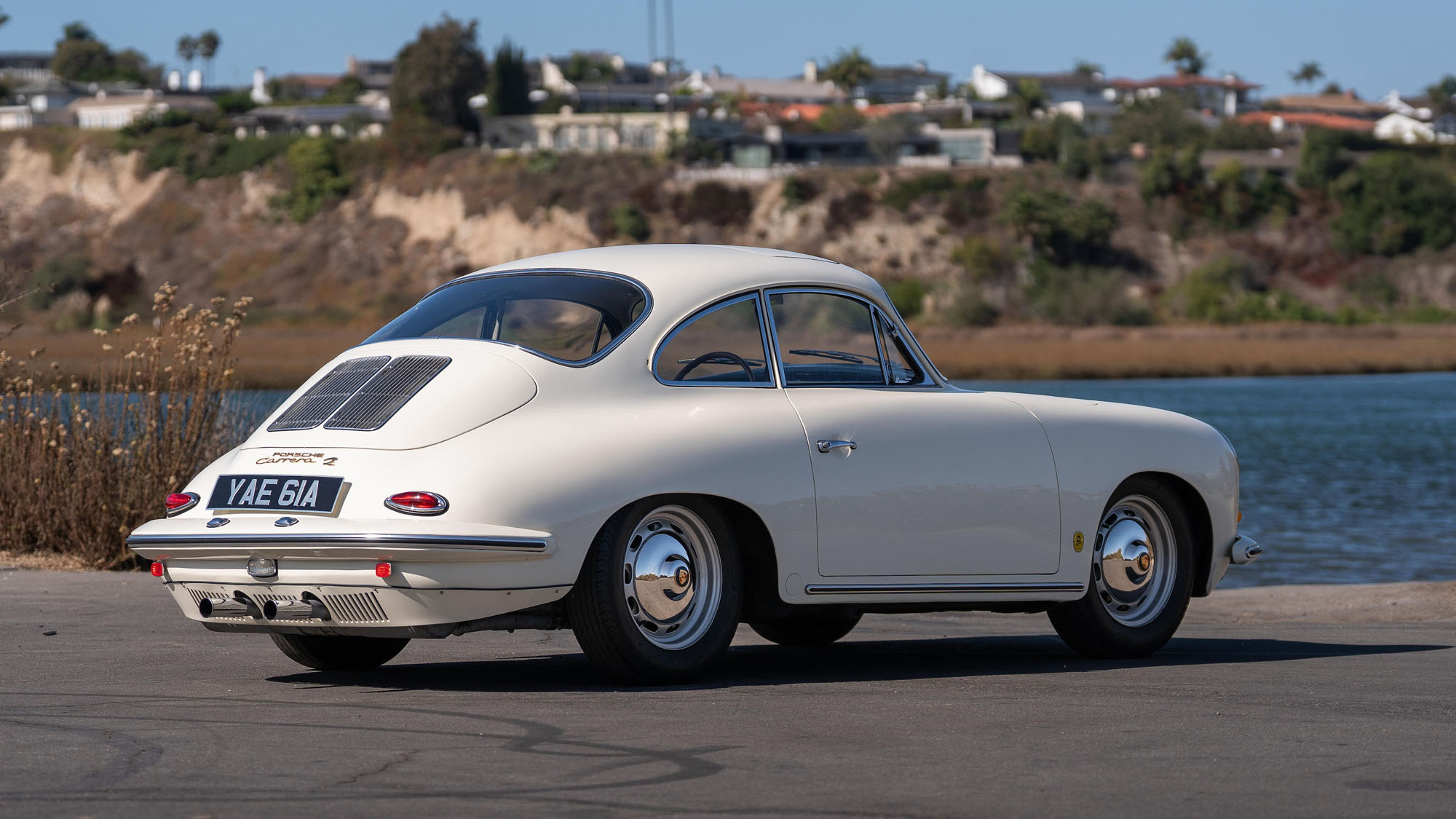
- Years
- 1962–64
- Engine
- 2.0 four-cam flat-four
- Power
- 130 hp
Road car · Germany
14. Porsche 356 Carrera 2
Ernst Fuhrmann designed a four-camshaft engine for the 550 Spyder racing car: a flat-four with its cams driven by shafts and bevel gears, so intricate that it took a skilled man days to assemble. Porsche put it in the 356 from 1955 and called the car Carrera, after the Carrera Panamericana road race.
The Carrera 2 of 1962 was the last and strongest of them. The engine was now 2.0 litres and gave 130 horsepower, enough for about 125 mph, and the car had disc brakes, the first on a Porsche road car. It was the fastest 356 of all and cost nearly as much as two ordinary ones. A few hundred were made. It is here because it began a Porsche habit that runs through this whole list: putting the racing engine in the road car.
Verdict The racing engine in the road car, for the first time.
The first Porsche road car with disc brakes.

- Years
- 1996–2004
- Engine
- 2.5 to 3.2 flat-six
- Power
- 201 hp at launch
Road car · Germany
13. Porsche Boxster (986)
In the early 1990s Porsche was in serious trouble. Sales had fallen by more than half, the cars cost too much to build, and there was talk of a takeover. The Boxster was the way out. Shown as a concept at Detroit in 1993 to a reaction that surprised even Porsche, it went on sale in 1996 as a mid-engined roadster with a 2.5-litre flat-six and 201 horsepower, at a price well below a 911's.
It was designed alongside the 996 and shares much of its front end, which is how Porsche could afford to make both. It was also a properly good sports car: balanced, light on its feet and happier at the limit than the 911 of its day. It sold in numbers Porsche had never seen. Without it there would be no company to have built most of the cars above it.
Verdict The car that saved the company.
From the doors forward it shares most of its parts with the 996-generation 911.
- Years
- 2016
- Engine
- 4.0 flat-six
- Power
- 493 hp
- Built
- 991
Road car · Germany
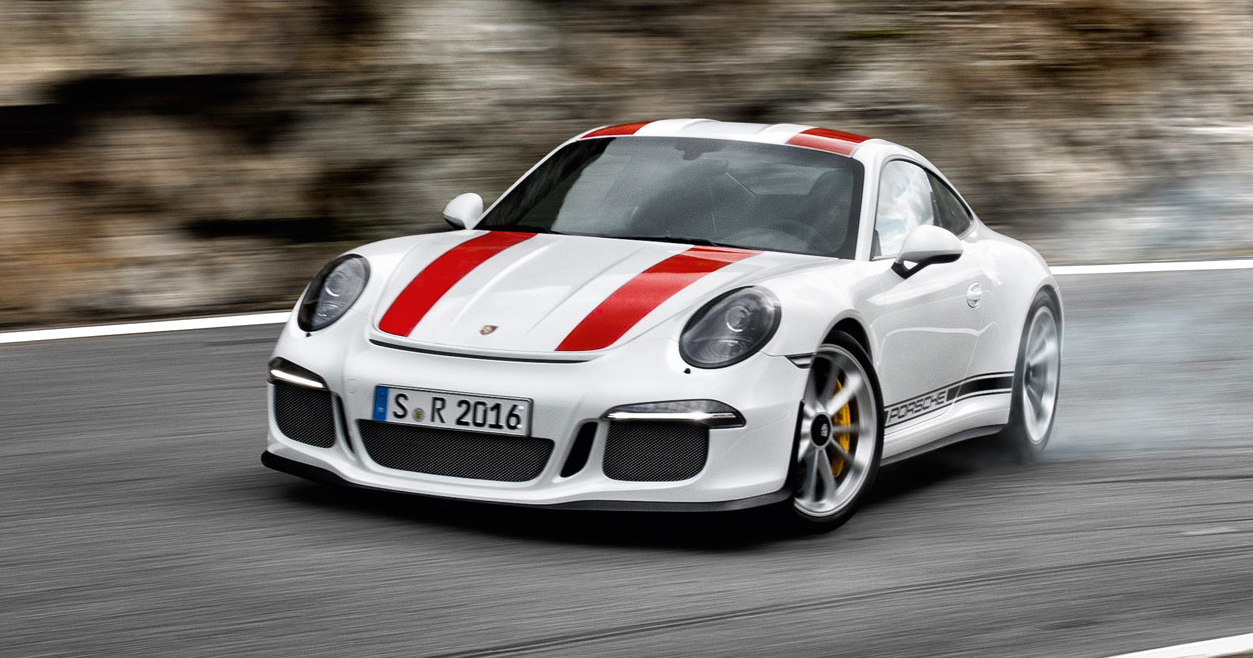
12. Porsche 911 R (991)
By 2016 the GT3 had gone to paddles only, and a good many Porsche customers had said what they thought of that. The 911 R was the reply. It had the 4.0-litre engine from the GT3 RS, a six-speed manual gearbox, a narrow body with no fixed wing, and a pair of stripes over the top. It weighed 1,370 kg.
Porsche built 991, all sold before the car was shown, and within months they were changing hands for several times the list price. That told Porsche something. The GT3 got its manual gearbox back the following year, then a Touring version with no wing, and later the S/T. The R is a lovely car to drive. Its place this high is for what it made Porsche do next.
Verdict The car that brought the manual back.
Porsche built 991, to match the model code. All were sold before the car was shown.
- Years
- 1991–92
- Engine
- 3.6 flat-six
- Power
- 260 hp
- Built
- ~ 2,280
Road car · Germany
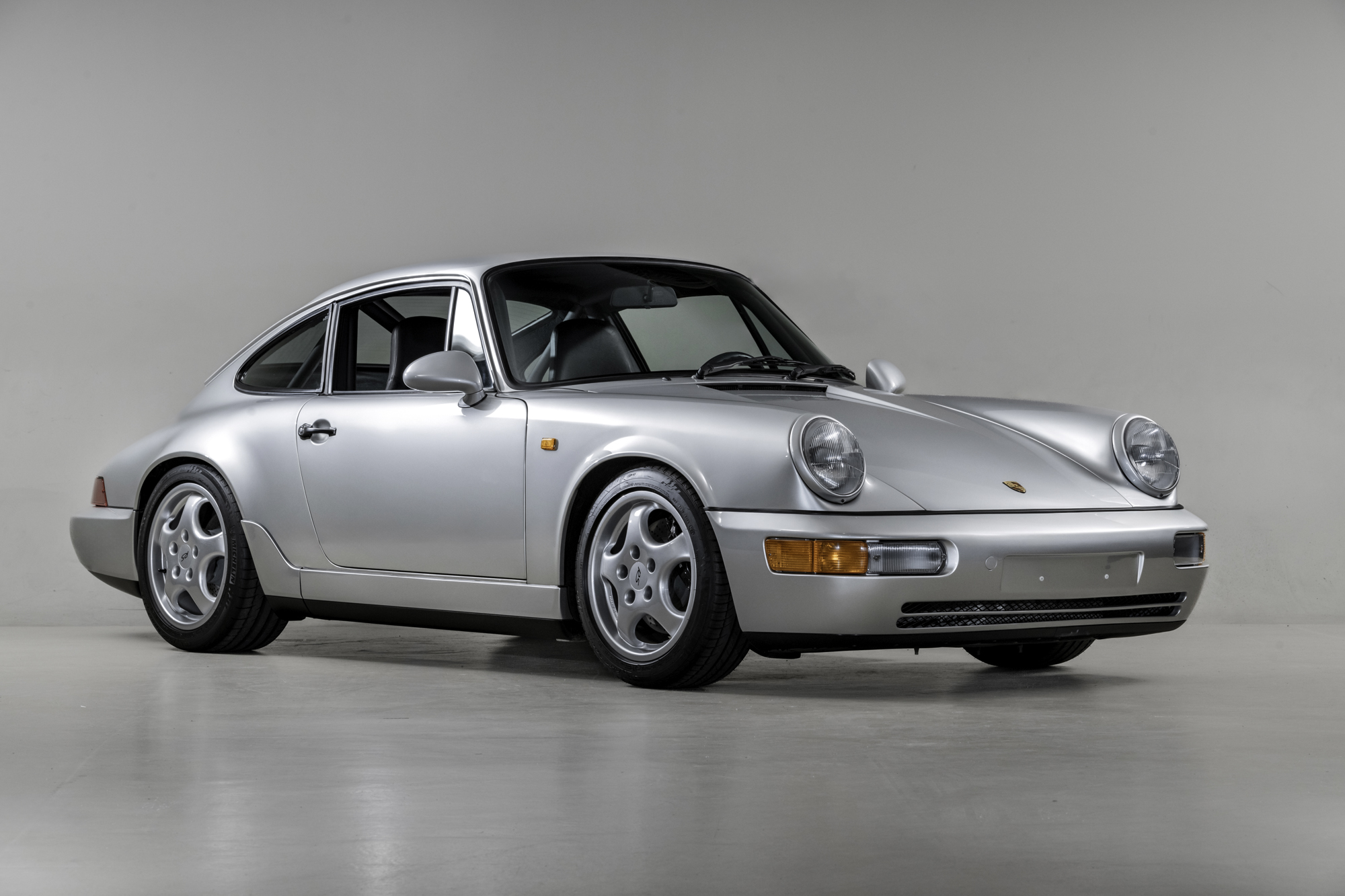
11. Porsche 911 Carrera RS (964)
For nearly twenty years after the RS 2.7 Porsche did not build another road-going RS. The 964 Carrera RS of 1991 brought the idea back. It was based on the Carrera Cup racing car: the rear seats, sound deadening, electric windows and air conditioning came out, the glass was thinner, the wheels were magnesium, and the 3.6-litre engine was tuned to 260 horsepower. It weighed about 1,220 kg.
The press at the time found it too stiff for the road, and it is stiff. On a good surface it is one of the most direct 911s ever made, and it set the pattern for every RS since: take the racing car and make it just legal. It was not sold in the United States. Buyers took time to come round to it. They have now.
Verdict The RS, brought back from the dead.
It was never sold in the United States, which got the softer RS America.
- Years
- From 2023
- Engine
- 4.0 flat-six
- Power
- 493 hp
Road car · Germany
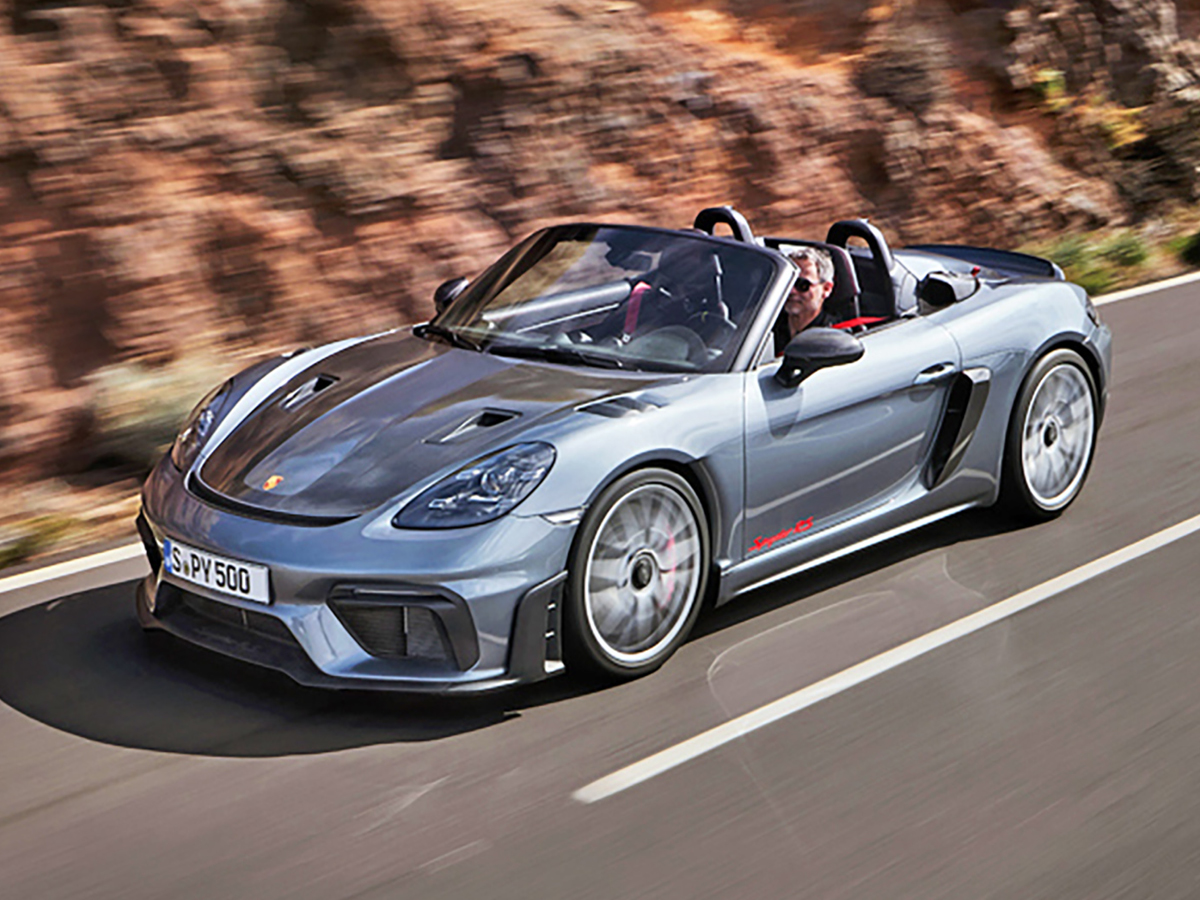
10. Porsche 718 Spyder RS
For years Porsche kept its best engine out of its mid-engined cars, and people said it was to protect the 911. The 718 Spyder RS is what happened when it stopped. It has the 4.0-litre flat-six from the 911 GT3, with 493 horsepower and a 9,000 rpm limit, in an open car where the engine sits just behind the seats and breathes through intakes beside your ears.
Its sister, the Cayman GT4 RS, was set up for lap times. The Spyder RS was set up for roads, with softer springs and no fixed wing, and it is the better car for it, which is why it is here and the coupé is not. The roof is a piece of fabric fitted by hand. It comes only with paddles. It is very likely the last petrol-engined car of its kind that Porsche will make, and it is the best of them.
Verdict The GT3's engine, where you can hear all of it.
The roof comes in two pieces, weighs about 18 kg and is put up by hand.
- Years
- 1995–98
- Engine
- 3.6 twin-turbo flat-six
- Power
- 430 to 450 hp
Road car · Germany
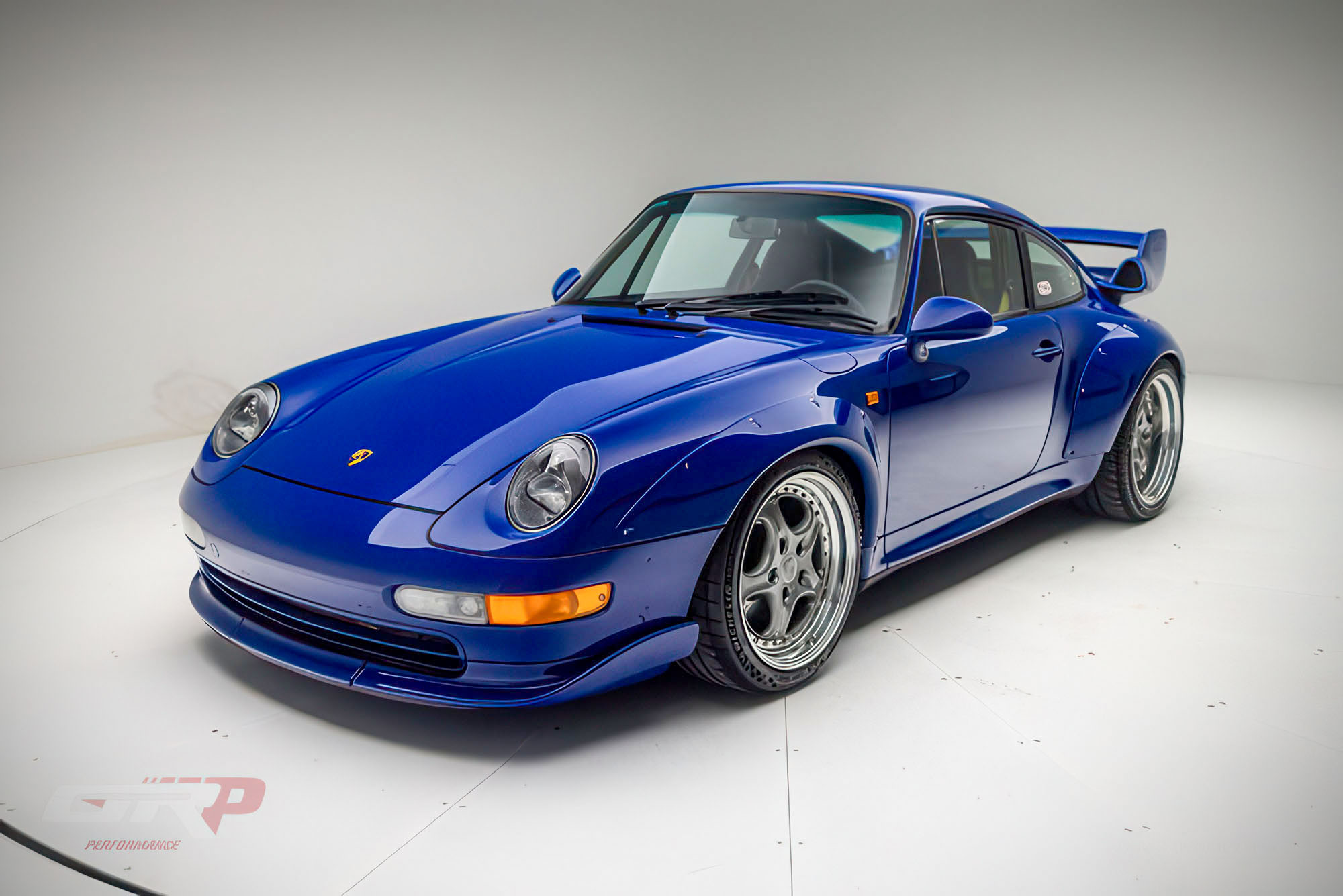
9. Porsche 911 GT2 (993)
The 993 Turbo was fast and safe: twin turbochargers and four-wheel drive. To go GT2 racing Porsche needed something else, so it took the four-wheel drive out, bolted wider arches to the body, fitted a rear wing with air intakes in its ends, and sold the result for the road.
It had 430 horsepower, later 450, all of it going to the rear wheels, in a car a good deal lighter than the Turbo. It is the most powerful air-cooled 911 that Porsche offered with rear-wheel drive, and it has the reputation that goes with that. Porsche built very few. It is the car the air-cooled 911 was always heading towards, and it arrived just before the air-cooled 911 ended. Values long ago passed those of most cars above it on this list.
Verdict Air-cooled, twin-turbocharged, rear-driven. Nothing was held back.
Porsche took the four-wheel drive out of the 993 Turbo to qualify the car for GT2 racing.
- Years
- 1967–69
- Engine
- 2.0 flat-six
- Power
- 160 hp
Road car · Germany
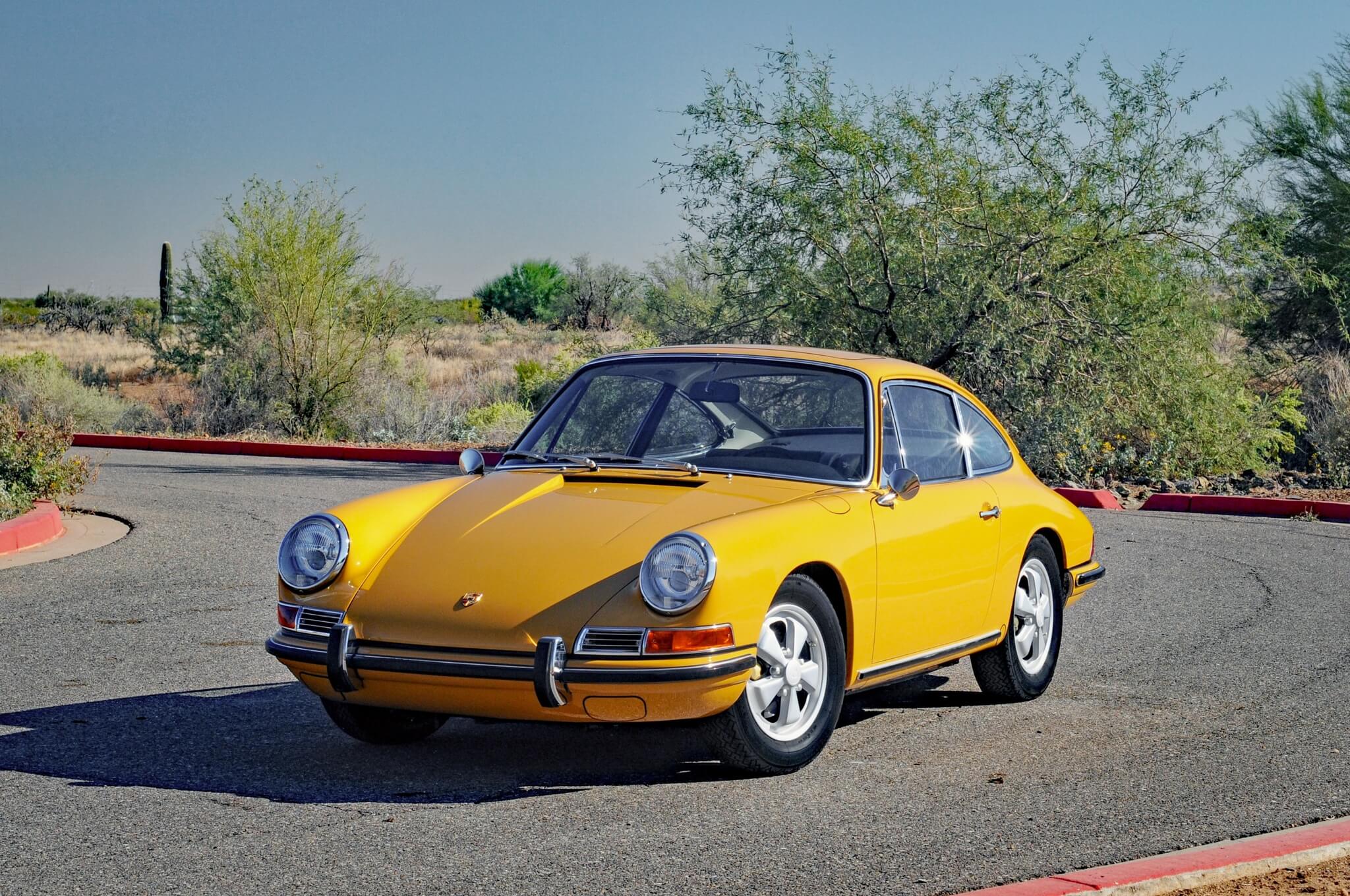
8. Porsche 911 S (1967–69)
The 911 was shown at Frankfurt in 1963 as the 901 and renamed after Peugeot objected to the zero. It had a 2.0-litre flat-six hung behind the rear wheels, a shape drawn by Ferdinand Alexander Porsche, and room for two children in the back. Porsche has been building it, in principle, ever since.
The 911 S of 1967 is the early car at its best. Power went from 130 to 160 horsepower, the brakes became ventilated discs, and it was the first car to wear the forged Fuchs alloy wheel, which became as much a part of the 911 as its headlamps. It revved to 7,000 rpm and wanted to be kept there. On its short wheelbase it was lively in a way that later cars were tuned to avoid. Every other 911 on this list starts here.
Verdict The first great 911.
The first car to wear the forged Fuchs alloy wheel.
- Years
- 2013–15
- Engine
- 4.6 V8 hybrid
- Power
- 887 hp
- Built
- 918
Road car · Germany
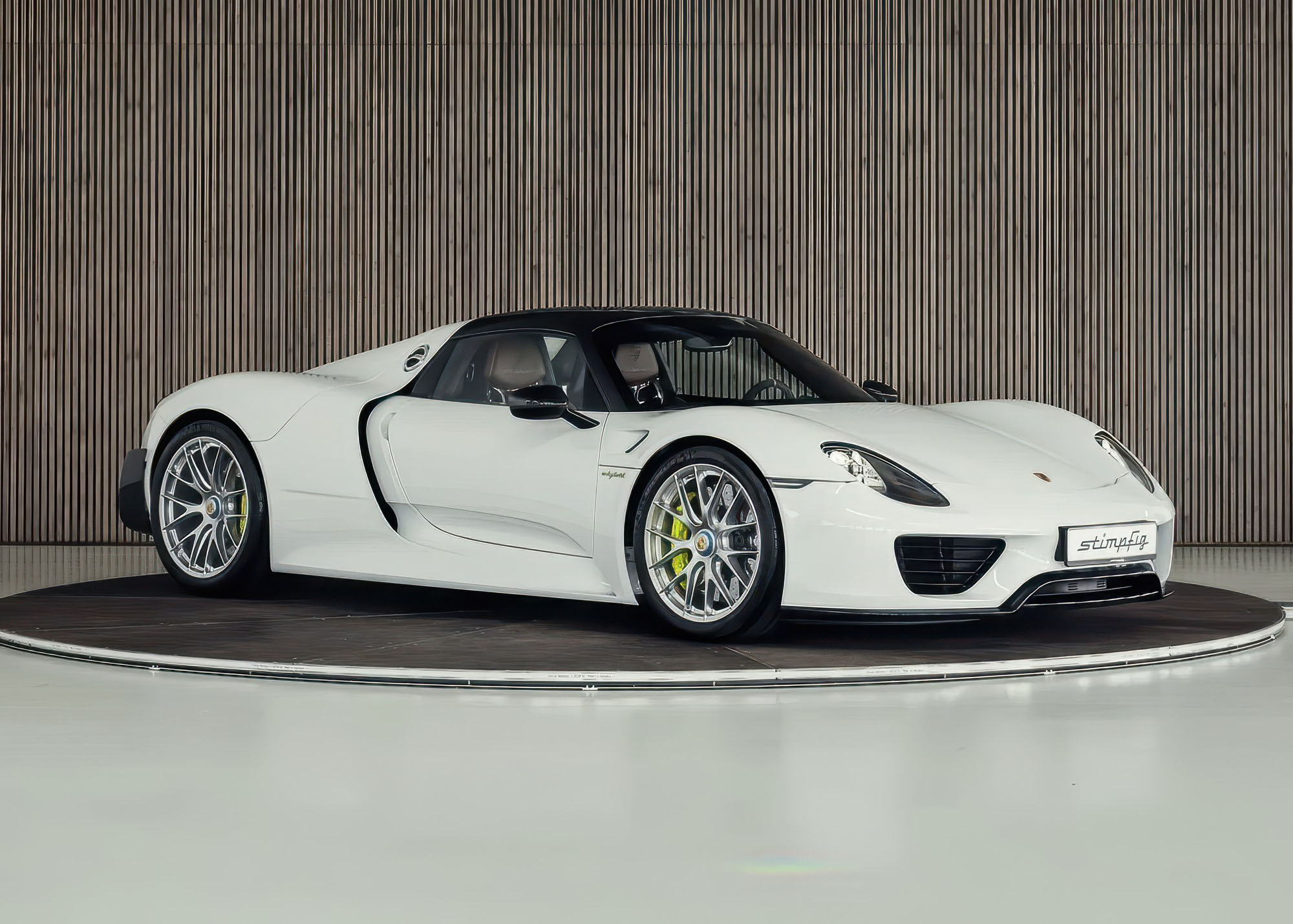
7. Porsche 918 Spyder
Porsche's answer to the question of what a supercar looks like when it has to plug in. The 918 has a 4.6-litre V8, taken from the RS Spyder racing car and revving past 9,000 rpm, and two electric motors, one of them driving the front wheels. Together they give 887 horsepower. It will reach 60 mph in 2.5 seconds, and it will also drive through a town on electricity alone.
In 2013 it lapped the Nürburgring in 6 minutes 57 seconds, the first production car under seven minutes. It arrived alongside the McLaren P1 and the LaFerrari, and it was the one of the three that treated the hybrid system as the point of the car, not as a boost. Porsche built 918. The Carrera GT is the more thrilling car, which is why it is higher. The 918 was the more important one for what came next.
Verdict Proof that the hybrid could be the fast one.
It lapped the Nürburgring in 6 minutes 57 seconds, the first production car under seven minutes.
- Years
- 1975–89
- Engine
- 3.0 and 3.3 turbo flat-six
- Power
- 260 to 300 hp
Road car · Germany
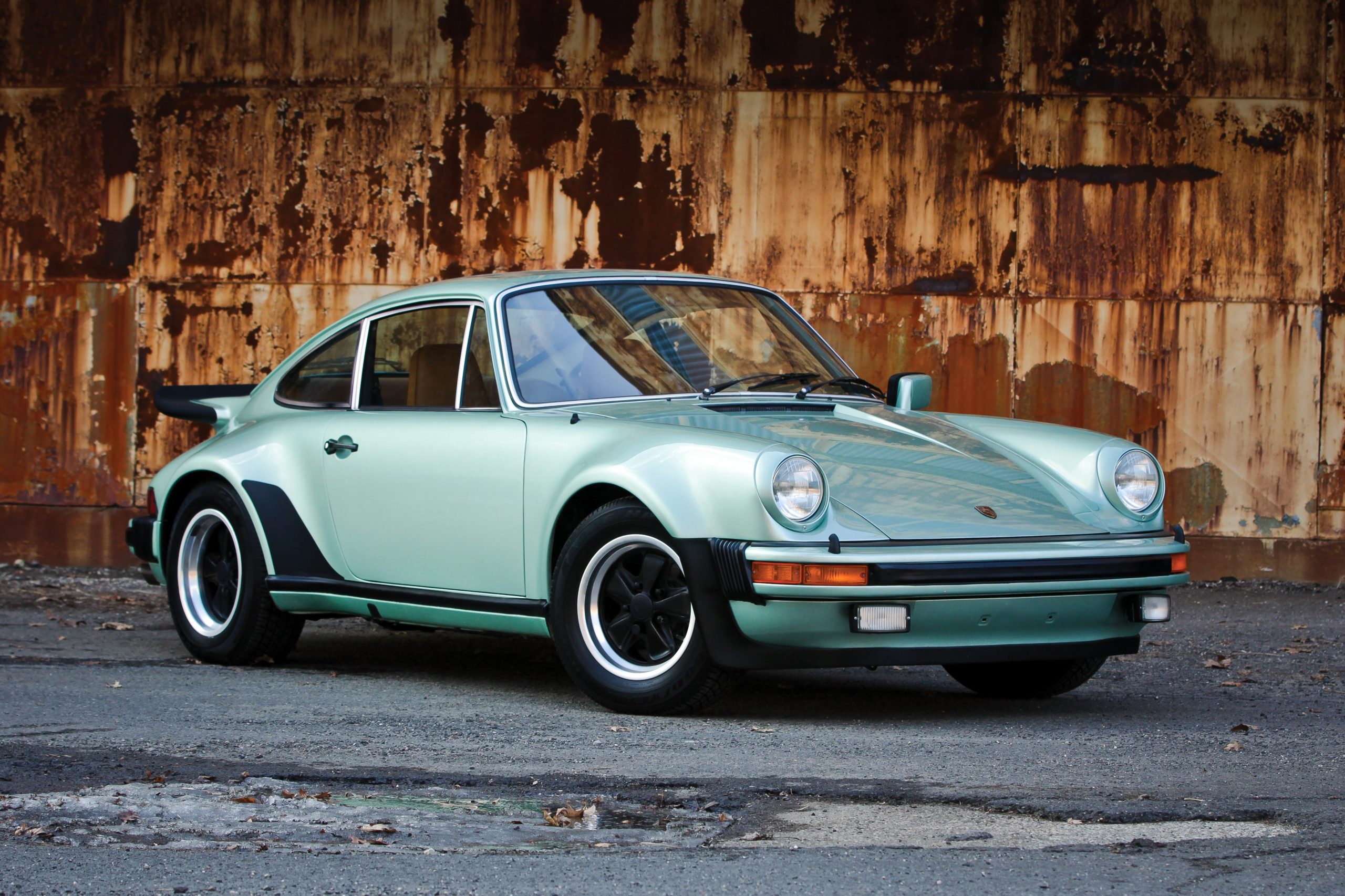
6. Porsche 911 Turbo (930)
Porsche learned about turbocharging in Can-Am racing, where the 917 made more than 1,000 horsepower, and then did something nobody had done properly before: it put a turbocharger on a road car and sold it as the top of the range. The 911 Turbo was shown in Paris in 1974 and built at first to qualify the car for racing. It had 260 horsepower, a four-speed gearbox, flared arches and the whale-tail spoiler.
It was called the fastest production car in the world, and it was not easy. Nothing happened below 3,500 rpm, a great deal happened above it, and the engine was behind the rear axle. Owners gave it a grim nickname. From 1978 it had 3.3 litres, an intercooler and 300 horsepower. It stayed in production for fourteen years, and there has been a 911 Turbo at the head of the range ever since.
Verdict The car that made Turbo a Porsche word.
It had four gears until its last year. Porsche held that the engine's torque made a fifth unnecessary.
- Years
- 1954–58
- Engine
- 1.5 and 1.6 flat-four
- Power
- 55 to 75 hp
- Built
- 4,144
Road car · Germany
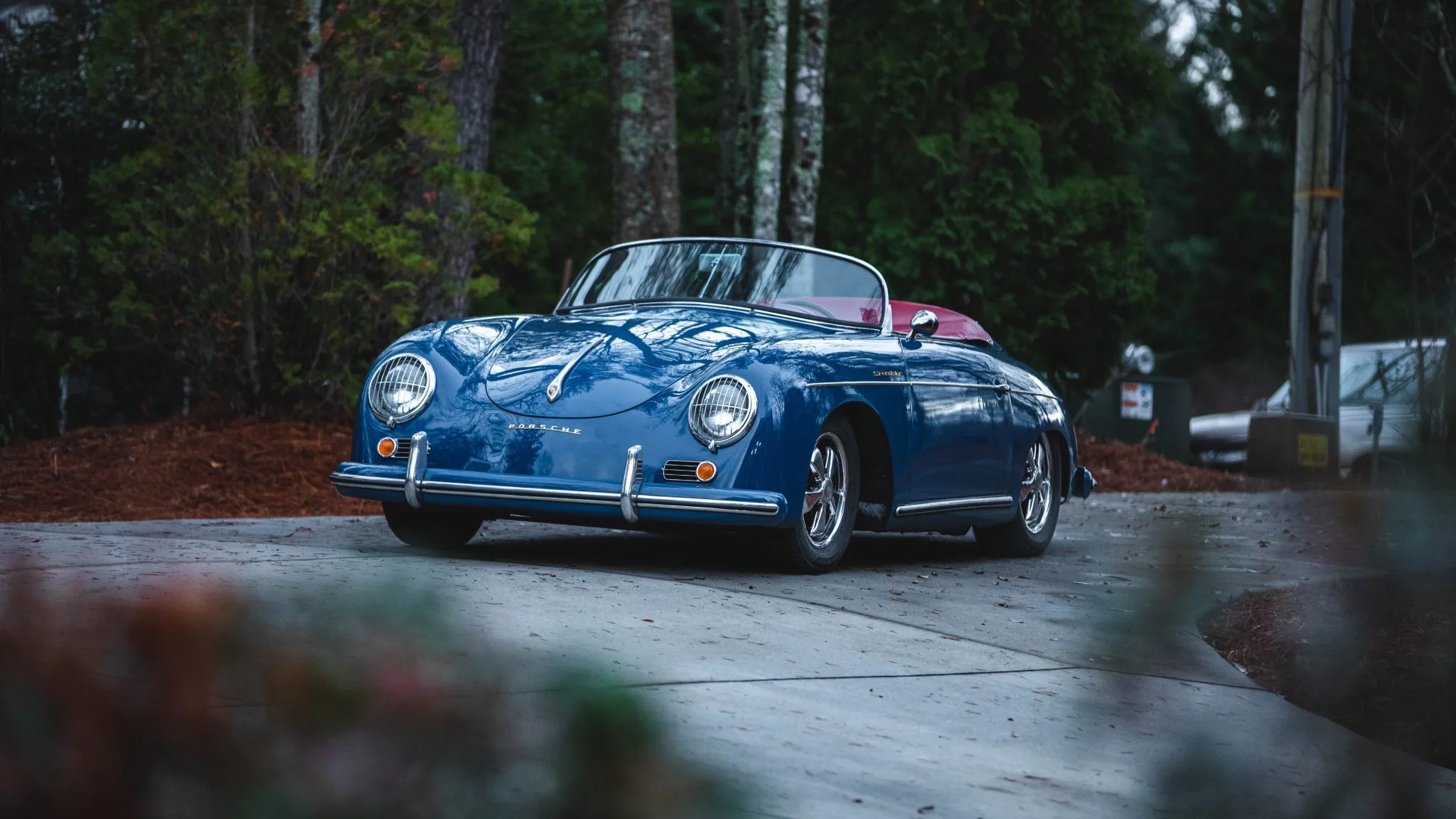
5. Porsche 356 Speedster
Max Hoffman, who sold Porsches in New York, told the factory that Americans wanted an open car for under $3,000. Porsche gave him the Speedster in 1954: a 356 with a low, removable windscreen, bucket seats, side curtains for windows and a hood that kept out some of the rain. It cost $2,995.
It was meant to be the cheap one. It became the one that mattered. California's club racers bought Speedsters, unbolted the windscreens and won their classes at weekends, and the car fixed in American minds what a Porsche was: small, light, well made and quicker than it had any right to be. Porsche built 4,144 before replacing it in 1958 with something more comfortable. Much of what the company sells in America today rests on what this car did there in four years.
Verdict The cheap one that made Porsche in America.
Built at the urging of the American importer Max Hoffman, who wanted a cheaper open Porsche. It was priced at $2,995 in New York in 1954.
- Years
- 2011
- Engine
- 4.0 flat-six
- Power
- 493 hp
- Built
- 600
Road car · Germany
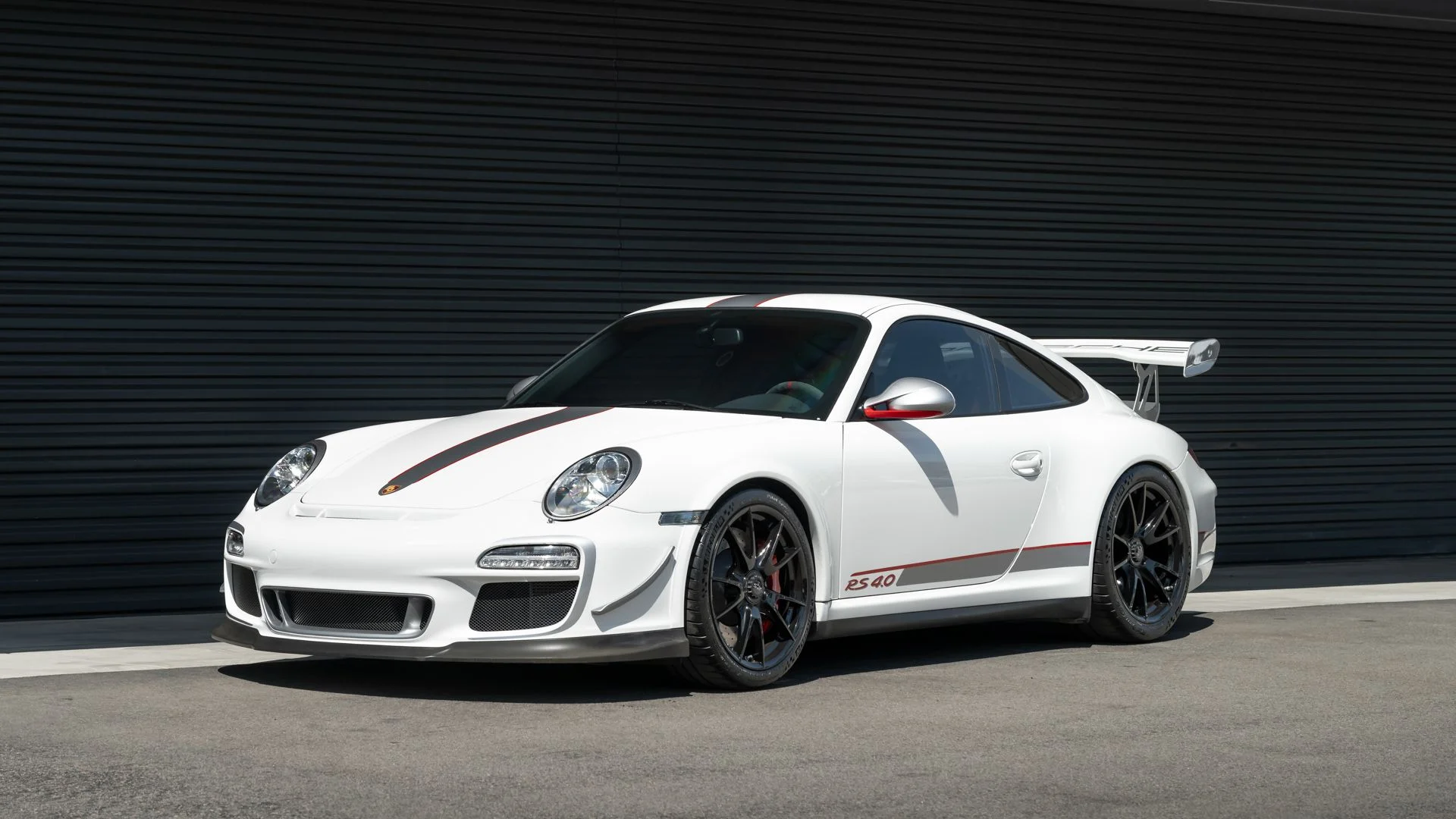
4. Porsche 911 GT3 RS 4.0 (997)
The last and best of the Mezger cars. The engine named after Hans Mezger traces its design to Porsche's Le Mans winners, and it powered every GT3 from 1999. For its farewell in 2011 Porsche took it out to 4.0 litres using the crankshaft from the RSR racing car, for 493 horsepower at 8,250 rpm, and built 600 cars around it.
There is a six-speed manual gearbox and no alternative. There are carbon front wings, plastic rear windows and a wing on struts. What makes the car is how it all works together: steering that tells you everything, an engine that pulls harder the higher it revs, and a chassis set up by people who race. Later GT3s are quicker round a circuit. Ask the people who have driven all of them which they would keep, and most name this one.
Verdict Peak 911. Many have tried to top it.
The crankshaft comes from the 911 RSR racing car. It was the last 911 with the Mezger engine.
- Years
- 1986–88
- Engine
- 2.85 twin-turbo flat-six
- Power
- 450 hp
- Built
- 337
Road car · Germany
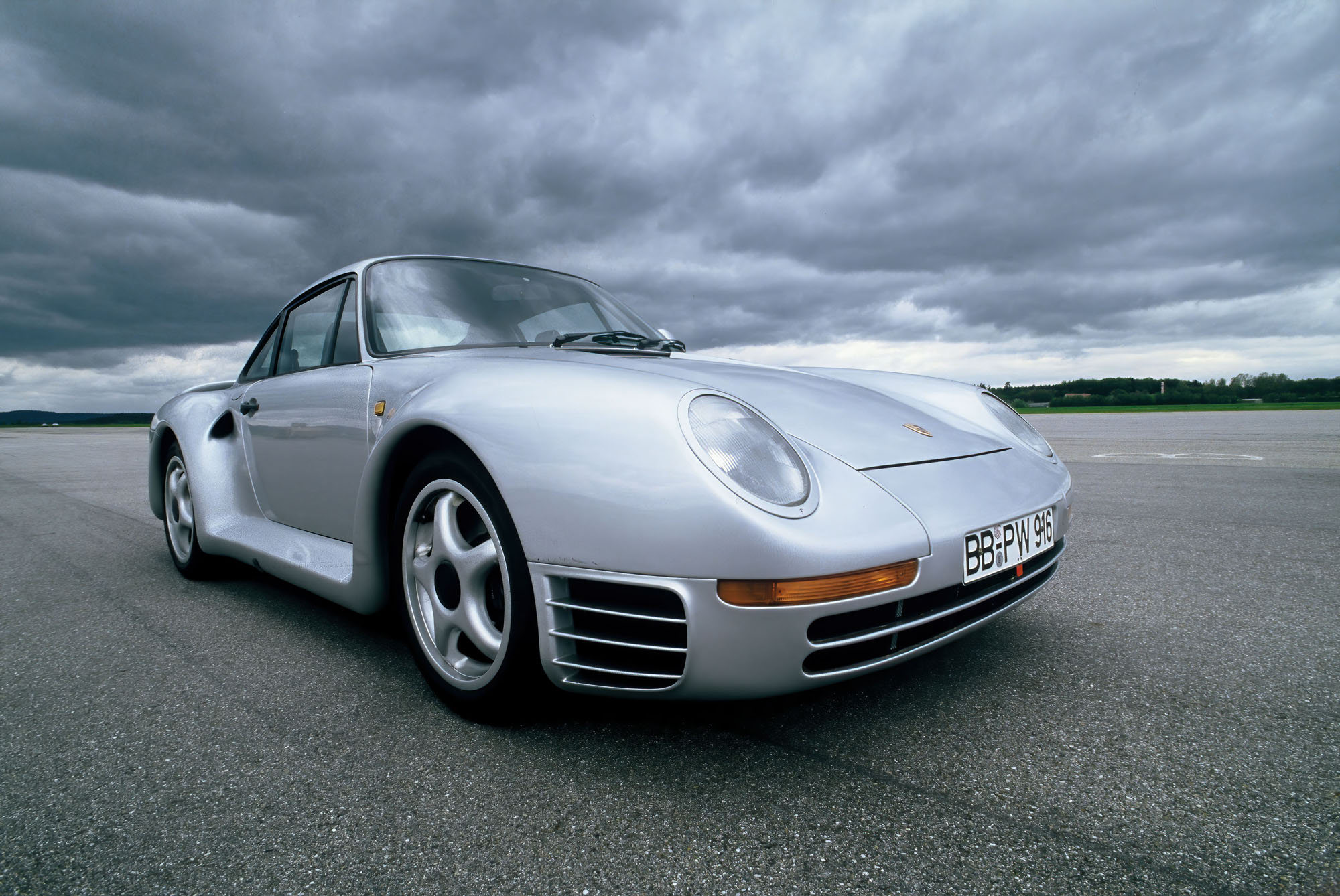
3. Porsche 959
In 1986 the 959 was the most advanced car in the world, and it was not close. It had four-wheel drive that moved torque between the axles as conditions changed, two turbochargers working in sequence to cut lag, suspension that adjusted its own height and stiffness, and wheels that warned the driver of a puncture. It reached 197 mph, which made it the fastest production car there was.
It began as a Group B racing project, and a 959 won the Paris-Dakar Rally in 1986 with another in second. The road car had 450 horsepower from a 2.85-litre flat-six and was as easy to drive as a 911 Carrera. Each one is said to have cost Porsche far more to build than its price. The return came later: the four-wheel drive went into the Carrera 4, the twin turbochargers into the 911 Turbo, and the idea that a supercar could be usable every day into everything.
Verdict The future, delivered in 1986.
A 959 won the 1986 Paris-Dakar Rally, with another second.
- Years
- 2003–06
- Engine
- 5.7 V10
- Power
- 605 hp
- Built
- 1,270
Road car · Germany
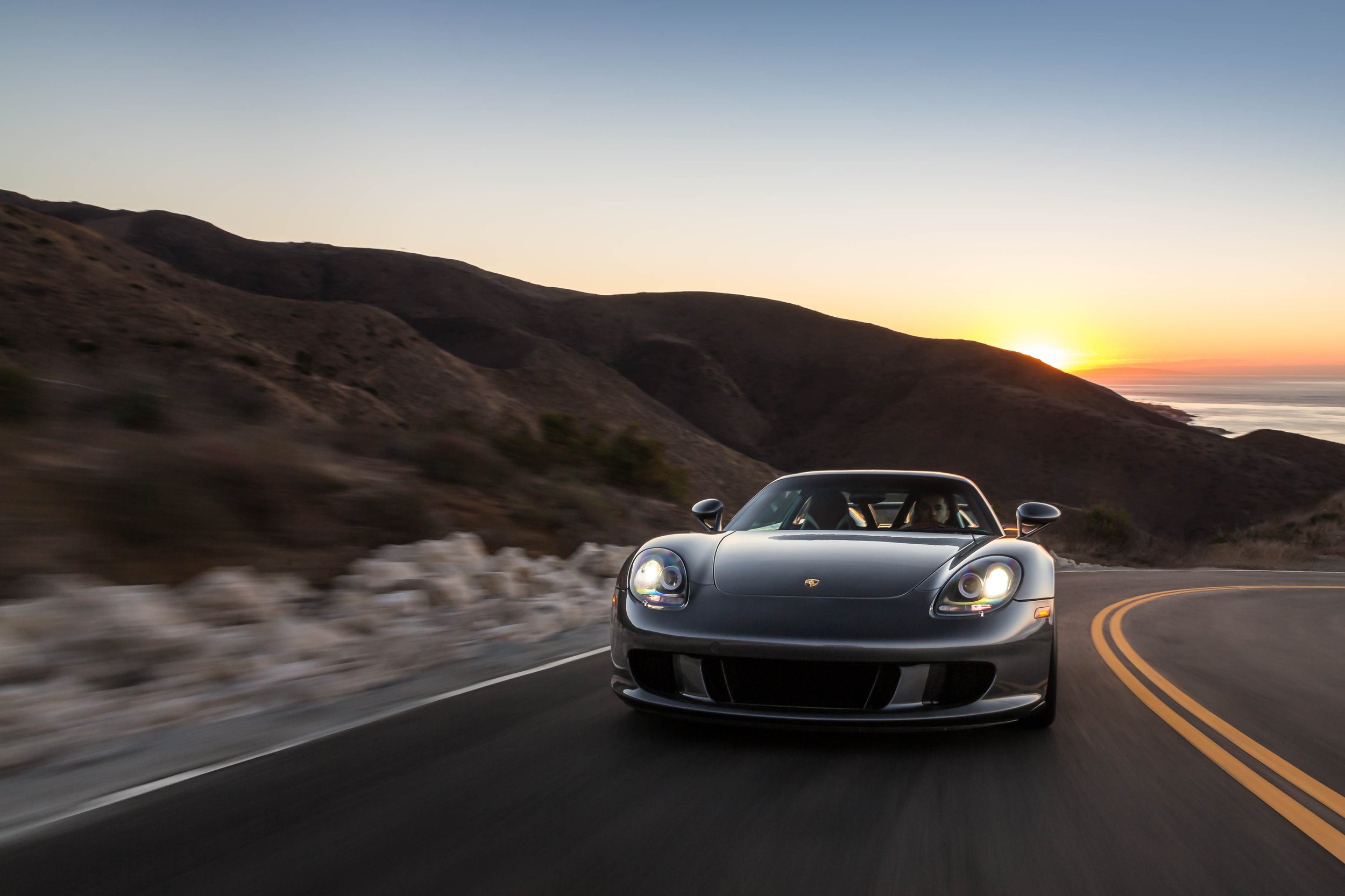
2. Porsche Carrera GT
The engine came first. Porsche designed a V10 for a Le Mans prototype, cancelled the prototype to pay for the Cayenne, and was left with a racing engine and nowhere to put it. The Carrera GT is where it went: 5.7 litres, 605 horsepower, mounted low in a carbon-fibre tub with a carbon subframe behind it.
Porsche gave it a six-speed manual gearbox, a small ceramic clutch that catches out the careless, and a gear knob made of wood, as in the 917. It did not give it stability control. The V10 revs to 8,400 rpm and makes a noise that no road car has matched since. Porsche built 1,270 between 2003 and 2006. It is the only car that seriously challenges the RS 2.7 for first place, and on the Stuttcars list of every Porsche, racing cars included, it sits ahead of it. Here the 911 wins, on what it started.
Verdict A racing engine that needed a home.
The V10 was designed for a Le Mans prototype that Porsche cancelled. The gear knob is made of wood, as in the 917.
The best of the 50 · Road car · Germany
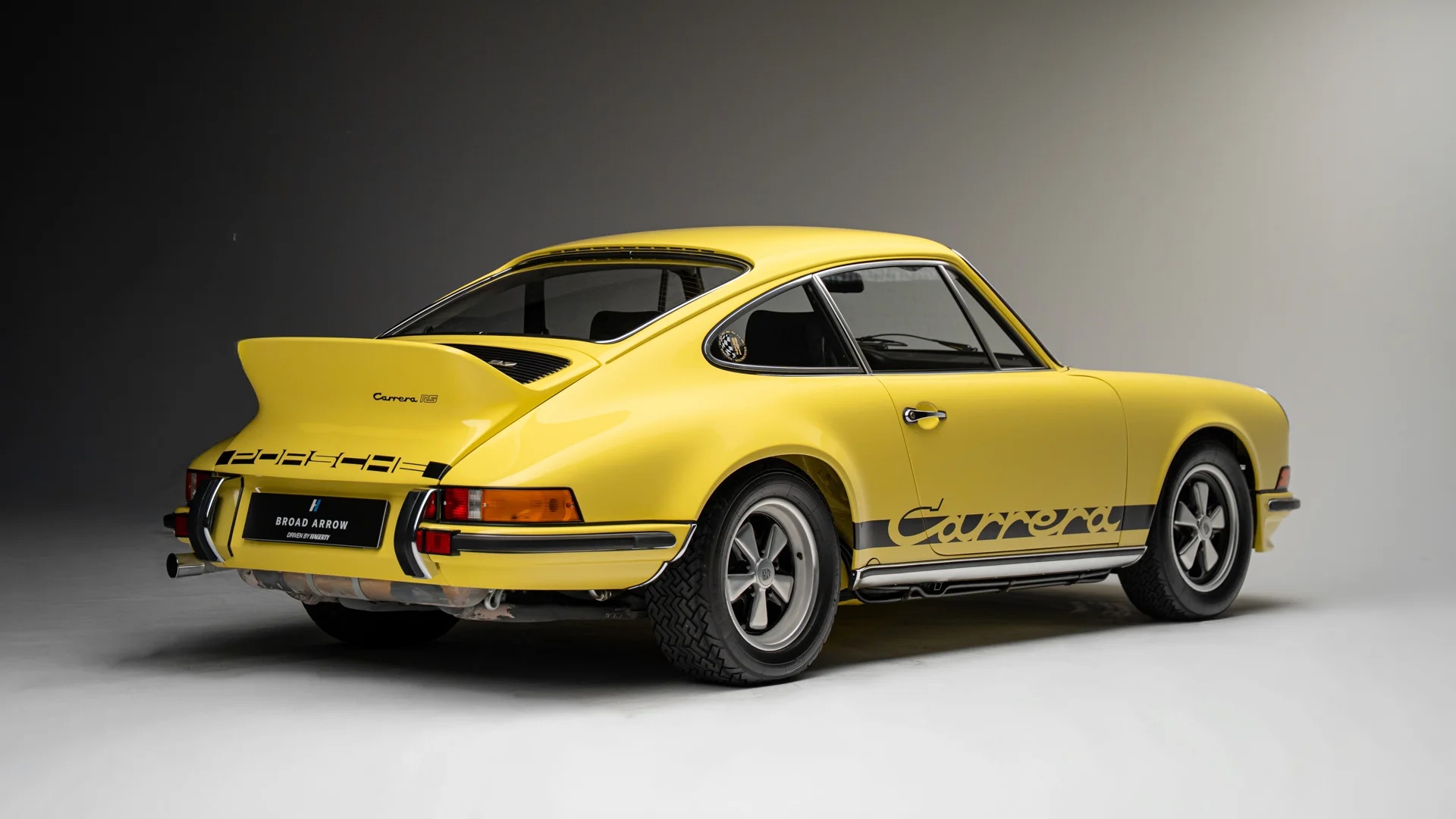
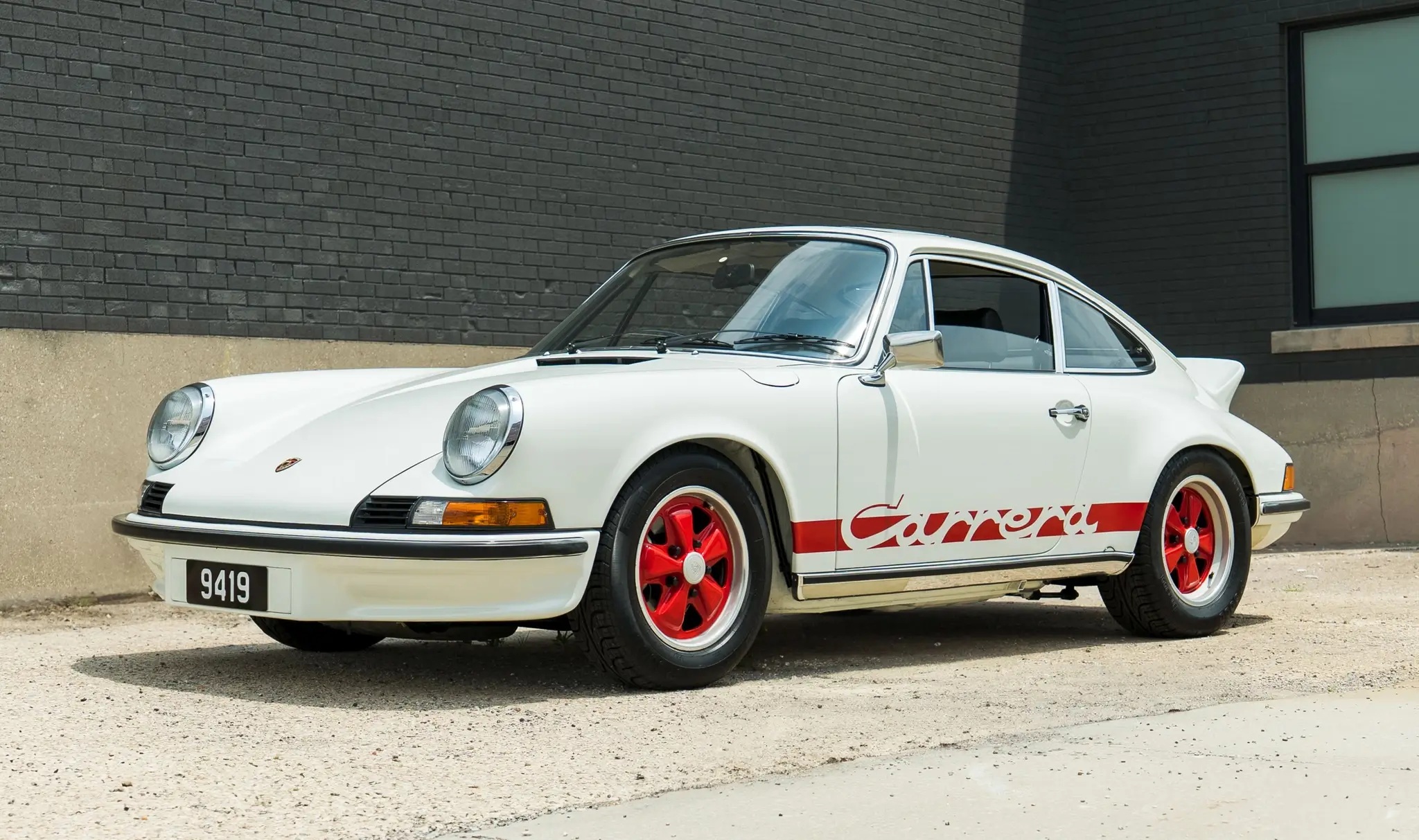
1. Porsche 911 Carrera RS 2.7
- Years
- 1972–73
- Engine
- 2.7 flat-six
- Power
- 210 hp
- Built
- 1,580
Every fast 911 made in the last fifty years is an attempt to build this car again. That is the case for putting it first, and it is hard to argue with.
Porsche needed 500 road cars to qualify the 911 for Group 4 racing, and its sales department doubted there were 500 buyers for a 911 with no rear seats and thinner glass. There were 1,580. The RS took the 911 S and worked through it part by part: a 2.7-litre flat-six of 210 horsepower, thinner steel in the body, wider rear wheels than fronts for the first time on a 911, and a spoiler on the engine lid that the wind tunnel had asked for and the stylists had not. In its lightest form it weighed about 900 kg.
It was also the first 911 to carry the name Carrera, in a script along the sills that has been copied ever since. Most buyers chose the Touring version, with a proper interior, and found that the car was no harder to live with than a 911 S. That mattered. The RS showed Porsche that customers would pay more for a 911 with less in it, provided the less was done properly.
Everything that followed comes from that discovery. The 964 RS, the 993 RS, every GT3 and GT3 RS, the 911 R and the S/T are all on this list, and all of them are answers to a question the RS 2.7 asked in 1972. Other Porsches are faster, rarer and cleverer. None has mattered as much to what the company builds, or been as widely loved by the people who drive them.
Verdict The template. Everything since is a version of it.
Porsche needed to sell 500 to qualify the car for racing and doubted it could. It sold 1,580.
What we left off, and why
Fifty places sounds generous until you start counting 911s. These are the cars we argued about longest.
The 718 Cayman GT4 RS. The same engine as the Spyder RS, in a coupé set up for the circuit. It is the faster car. We think the Spyder is the better one on the road, and there was room for one.
The road-legal racers. The 550 Spyder, the 718 RSK and the 904 Carrera GTS could all be driven to a race and back, and they are among the greatest Porsches ever made. They were built to race, and they will be on our list of racing Porsches.
The 912, the 924 and the 944. The cars that kept Porsche in business in three different decades. Each is represented here by its best version or its successor, and the plain ones did not make the cut on merit.
The Panamera and the Macan. Both sell in great numbers and both drive better than they need to. The Cayenne got there first and takes the place for the cars that pay the bills.
More GT cars. The 997 GT3 RS 3.8, the 991 GT3 RS, the 997 GT2 RS and the 996 GT2 would all sit comfortably here. So would a 964 Turbo 3.6, a Carrera 2.7 MFI and a 911 SC. We have thirty-one 911s as it is.
The modern specials. The 935 of 2019 and the 911 Sport Classic of 2022 are handsome and very fast. We preferred the cars they were paying tribute to.
Singer and the other restorers. They build wonderful things from other people's 911s. They are not Porsches as the factory made them.
If your car is missing, make the case.
Tell us what we got wrongQuestions about this list
What is the best Porsche ever made?
We rank the 1973 911 Carrera RS 2.7 first. It set the pattern for every lightweight 911 since, from the 964 RS to today's GT3. The Carrera GT is second and the 959 third.
What is the best Porsche that is not a 911?
The Carrera GT, which is second on this list, followed by the 959 in third and the 356 Speedster in fifth. Of the cars built in larger numbers, the original Boxster is thirteenth.
Why are there so many 911s on the list?
Because Porsche has been building and improving the 911 since 1964, and its best versions are different cars from one another. Thirty-one of the fifty cars here are 911s. Nineteen are not, including two 356s in the top fifteen.
Are racing Porsches like the 917 included?
No. This list covers road cars only. The 917, 956, 962, 935 and the road-legal racers such as the 550 Spyder and 904 are left for a list of racing Porsches.
What is the best modern Porsche?
Of the cars launched since 2010, we rank the 911 GT3 RS 4.0 fourth, the 918 Spyder seventh and the 718 Spyder RS tenth. The 911 S/T is the highest-placed car of the current generation, at eighteenth.
How were the cars ranked?
On four things: what each car achieved, how it drives, how it looks and what it changed for Porsche. Rarity and price did not count. It is a gut list, and the test is whether someone who knows Porsches thinks the order feels right.
Ranked by the editors of Sports Car Digest, drawing on the Sports Car Digest archive, the archives of Vintage Racecar and Vintage Roadcar, and our sister site Stuttcars. The order is opinion, argued car by car, on what each car achieved, how it drives, how it looks and what it changed for Porsche. Specifications have been checked against our own archives; if you spot an error, tell us in the comments.