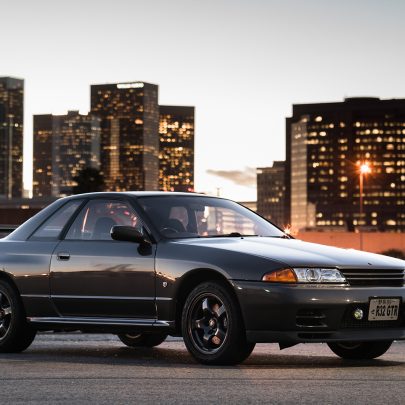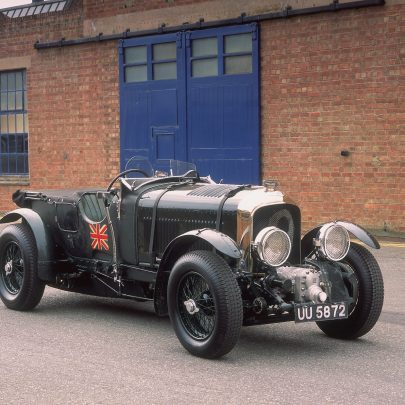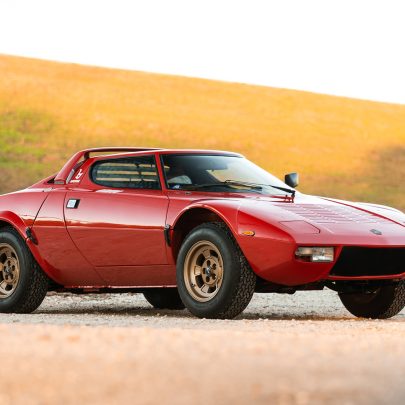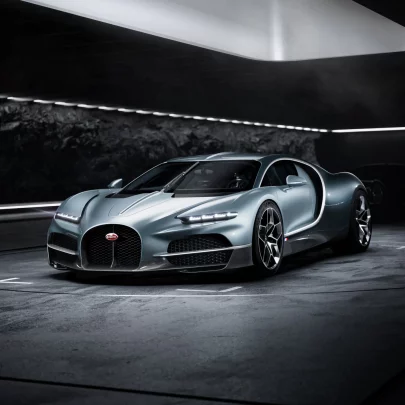

These are the fifty most beautiful cars ever made, ranked on looks alone. Nothing here earns its place by how it drives, what it won or what it is worth.
What we looked for
Proportion first. A beautiful car is right before you get close enough to see the details: the length of the bonnet against the cabin, the height of the roof, where the wheels sit. Then line, the way the eye travels from nose to tail. Then surface and detail. We also asked whether a car has a bad angle. Most do. The cars at the top of this list do not.
We made a distinction between beautiful and striking. Some of the most dramatic cars ever made, the Lamborghini Countach among them, are placed lower here than on our other lists for that reason.
Road cars and racing cars
Most of these are road cars. Five are racing cars, included because leaving the Ferrari 330 P4 or the Jaguar D-type off a list about beauty would be perverse. Where a chassis wore bodies from several coachbuilders, we have said which body we mean.
Who drew them
We have named the designer of each car where we could confirm it, and left the name out where we could not. Car design is usually the work of several people and credit is often argued over, so read each name as the person most responsible and not the only one.
Why so few modern cars
Only five cars here were made after 1990. That is not nostalgia. A modern car has to protect pedestrians, pass crash tests and cool a great deal of machinery, and all of that makes noses higher, pillars thicker and wheels bigger. The designers have not lost their eye. They have lost some of their freedom.
The calls we expect to be argued with
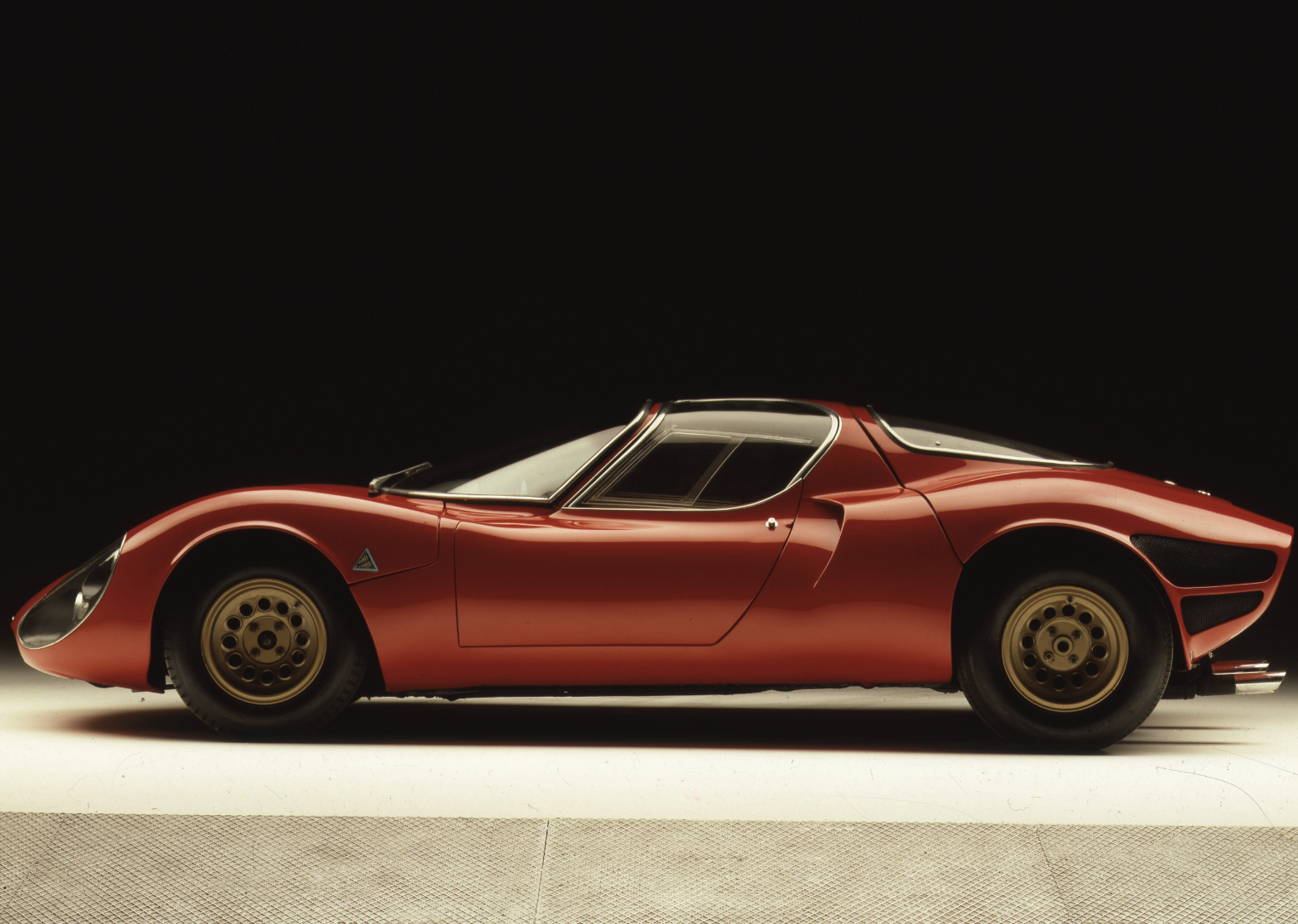
The Alfa Romeo 33 Stradale first, ahead of the Jaguar E-type. The E-type is the car most people would name, and it is third here. The Alfa is rarer and less familiar, and we think it is the more perfect shape.
The Lamborghini Countach at 21, nineteen places below the Miura. It is astonishing. We do not think it is beautiful in the way the Miura is.
Nine Ferraris. From the late 1950s to the late 1960s Ferrari, Pininfarina and Scaglietti produced a run of cars that nobody has matched.
The Citroën DS at 14, above every Porsche. It is a four-door family car, and it is sculpture.
The 1961 Lincoln Continental and the 1963 Buick Riviera on the list, and no Ferrari F40. Restraint counts for more here than drama.
See the full ranking, 1 to 50
50 to 31
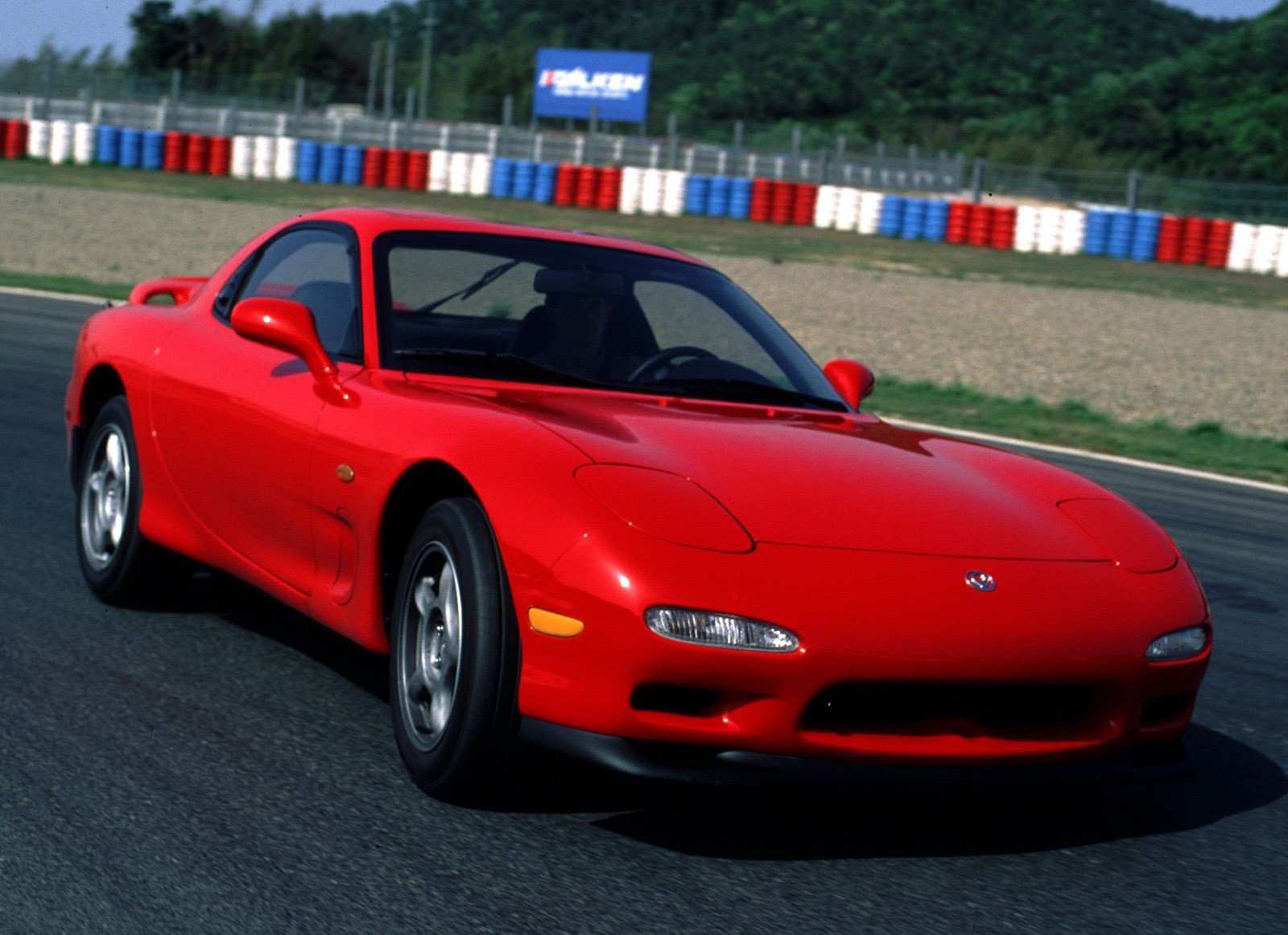
50. Mazda RX-7 (FD)
1992–2002 · 1.3 twin-rotor, twin-turbo · 252 to 276 hp · ~ 68,000
Wu-Huang Chin at Mazda's California studio, with help from Tom Matano, designed the third RX-7. It is one smooth form with no hard line on it, low at the nose because the rotary engine is so small. It is the best-looking Japanese car of the 1990s, and the least expensive car on this list.
Verdict Proof that beauty need not be rare.
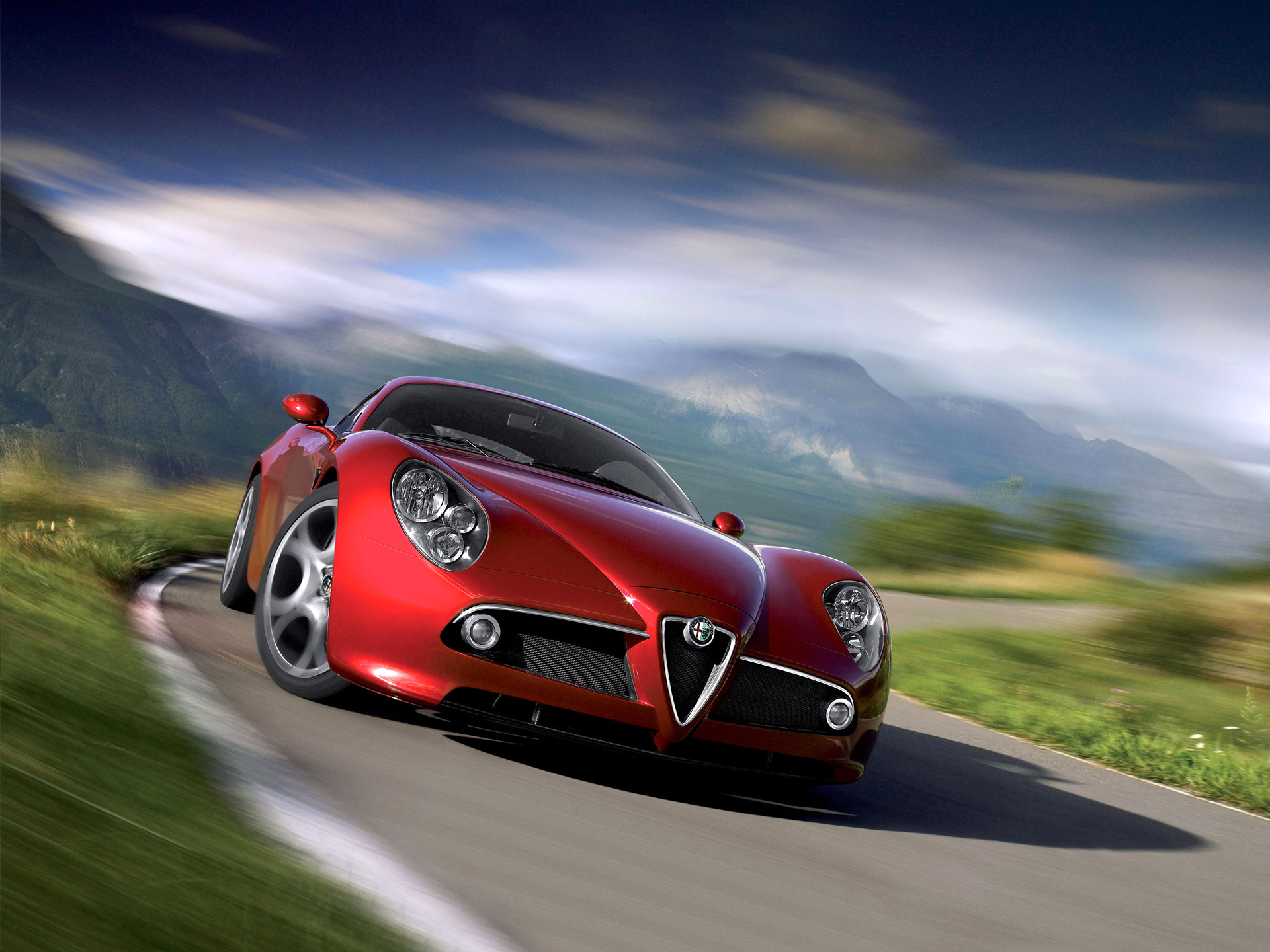
49. Alfa Romeo 8C Competizione
2007–09 · 4.7 V8 · 444 hp · 500 coupés
Wolfgang Egger and Daniele Gaglione at Alfa Romeo's own studio drew a modern car from the curves of the 1960s, the 33 Stradale above all. It has round wings, a small shield grille and a tail with round lamps. Only 500 coupés were built.
Verdict The 33 Stradale remembered, forty years on.

48. Aston Martin DB9
2004–16 · 5.9 V12 · 450 hp at launch
Ian Callum and Henrik Fisker gave the DB9 the proportions that Aston Martin kept for years afterwards: a long bonnet, a low roof, short overhangs and a strong shoulder over the rear wheels. It looked right in 2004 and has not dated.
Verdict The modern Aston shape at its best.
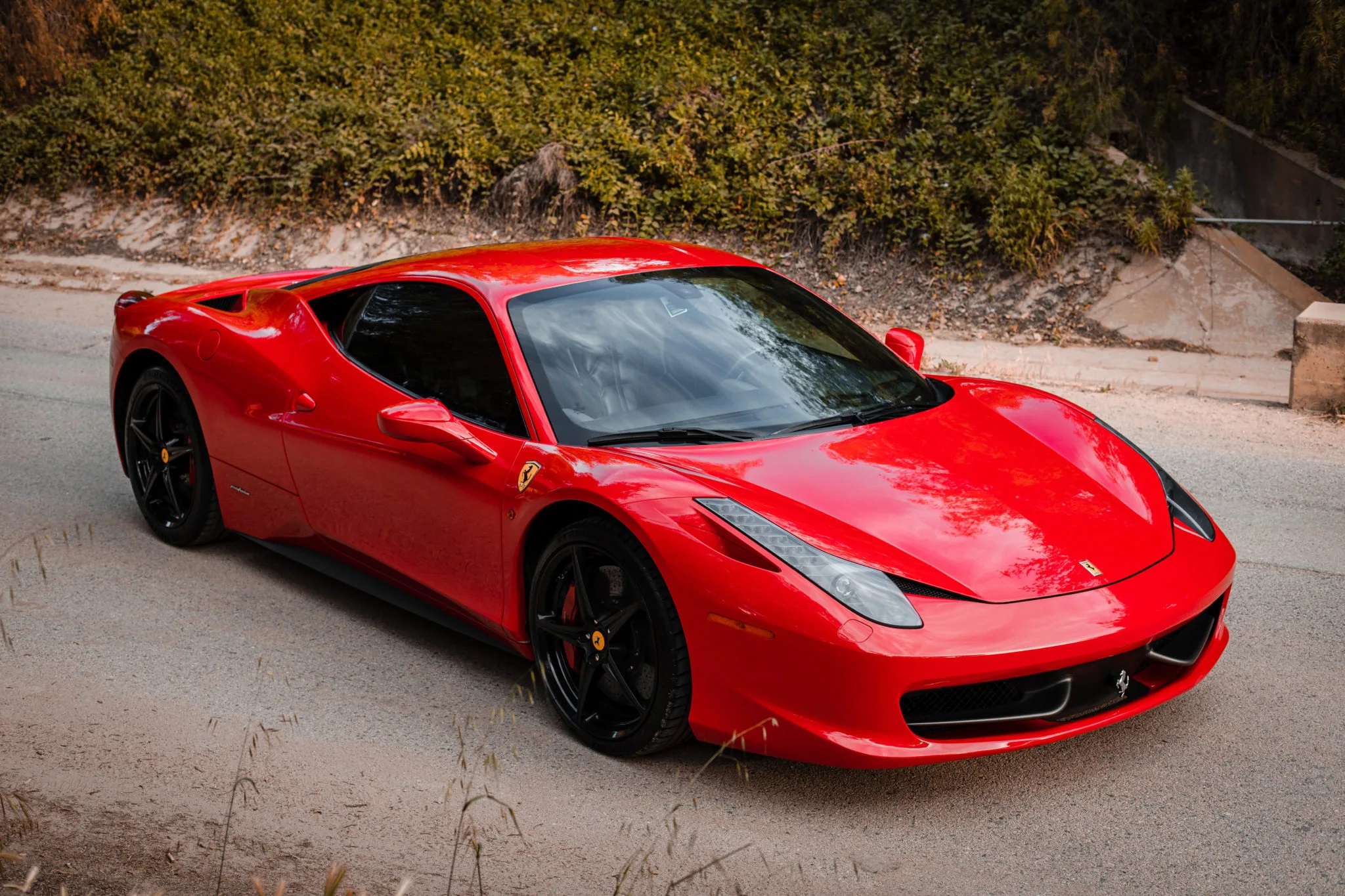
47. Ferrari 458 Italia
2009–15 · 4.5 V8 · 562 hp
Designed by Pininfarina under Donato Coco, Ferrari's design director. The surfaces are clean and tightly drawn, the headlamps run back up the wings and three exhaust pipes sit together at the centre of the tail. It is the best-looking Ferrari of this century so far.
Verdict The best-looking modern Ferrari.
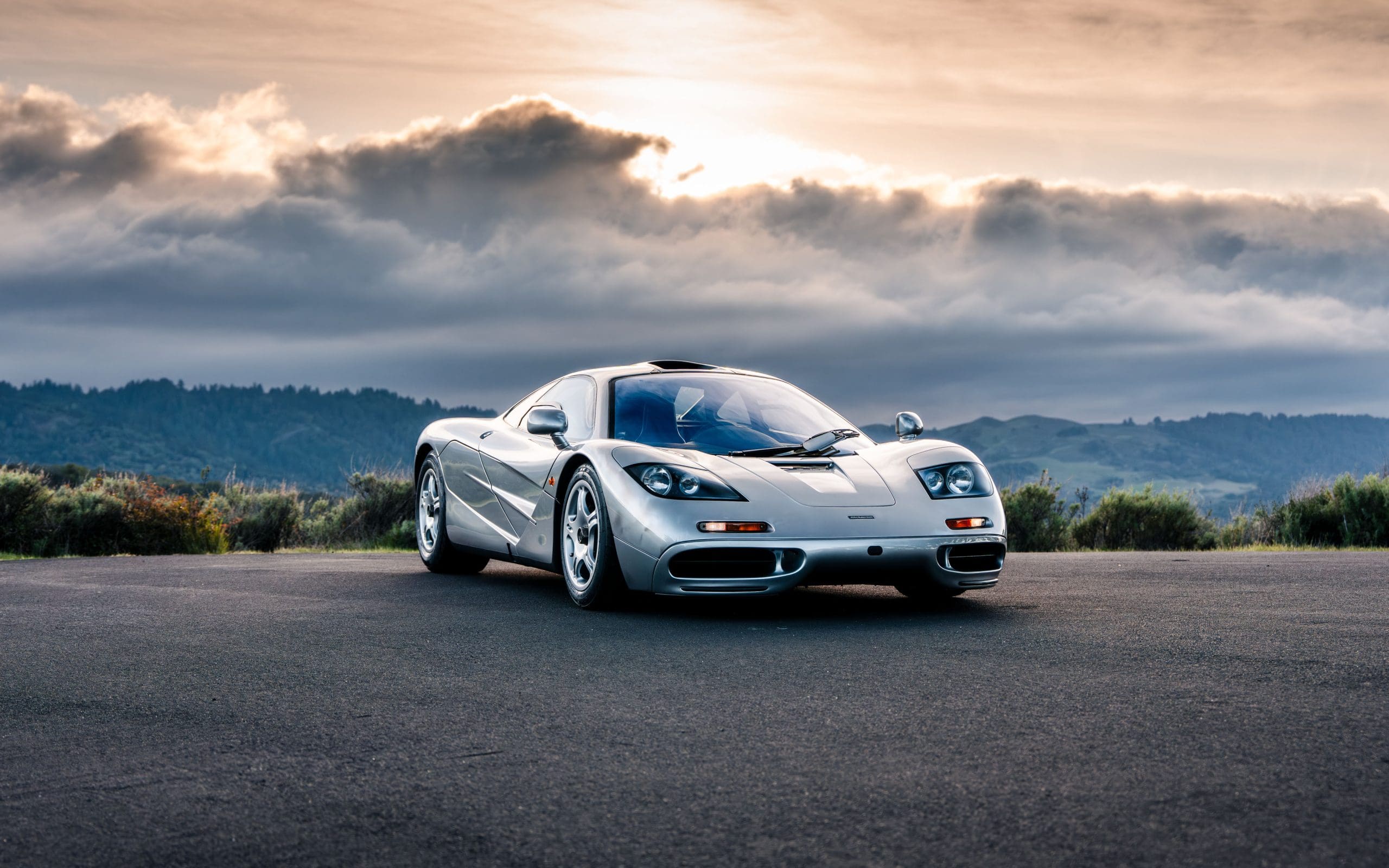
46. McLaren F1
1992–98 · 6.1 V12 · 627 hp · 64 road cars
Peter Stevens styled the F1 round Gordon Murray's packaging. It is compact and unadorned, with no fixed wing and no scoop that is not needed, and the cabin set well forward. It is the best-looking car of the 1990s because it is the most honest.
Verdict Nothing on it that is not needed.
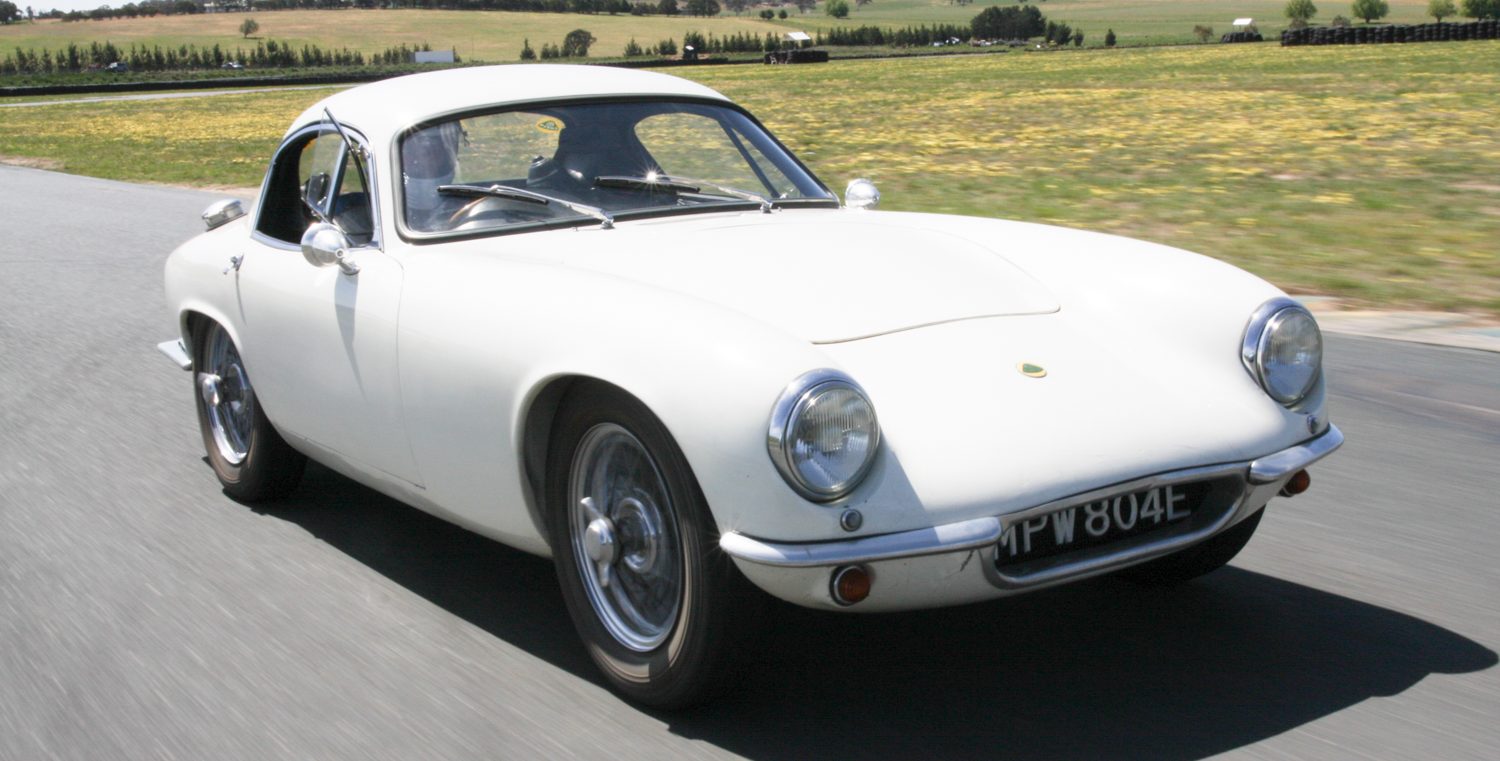
45. Lotus Elite (1957)
1957–63 · 1.2 Coventry Climax four · 75 hp · 1,030
Peter Kirwan-Taylor drew the original body and Frank Costin refined the final shape. The glassfibre body is also the car's structure, and it is small, smooth and free of ornament, with a drag coefficient of 0.29 in 1957.
Verdict Tiny, clean and very clever.
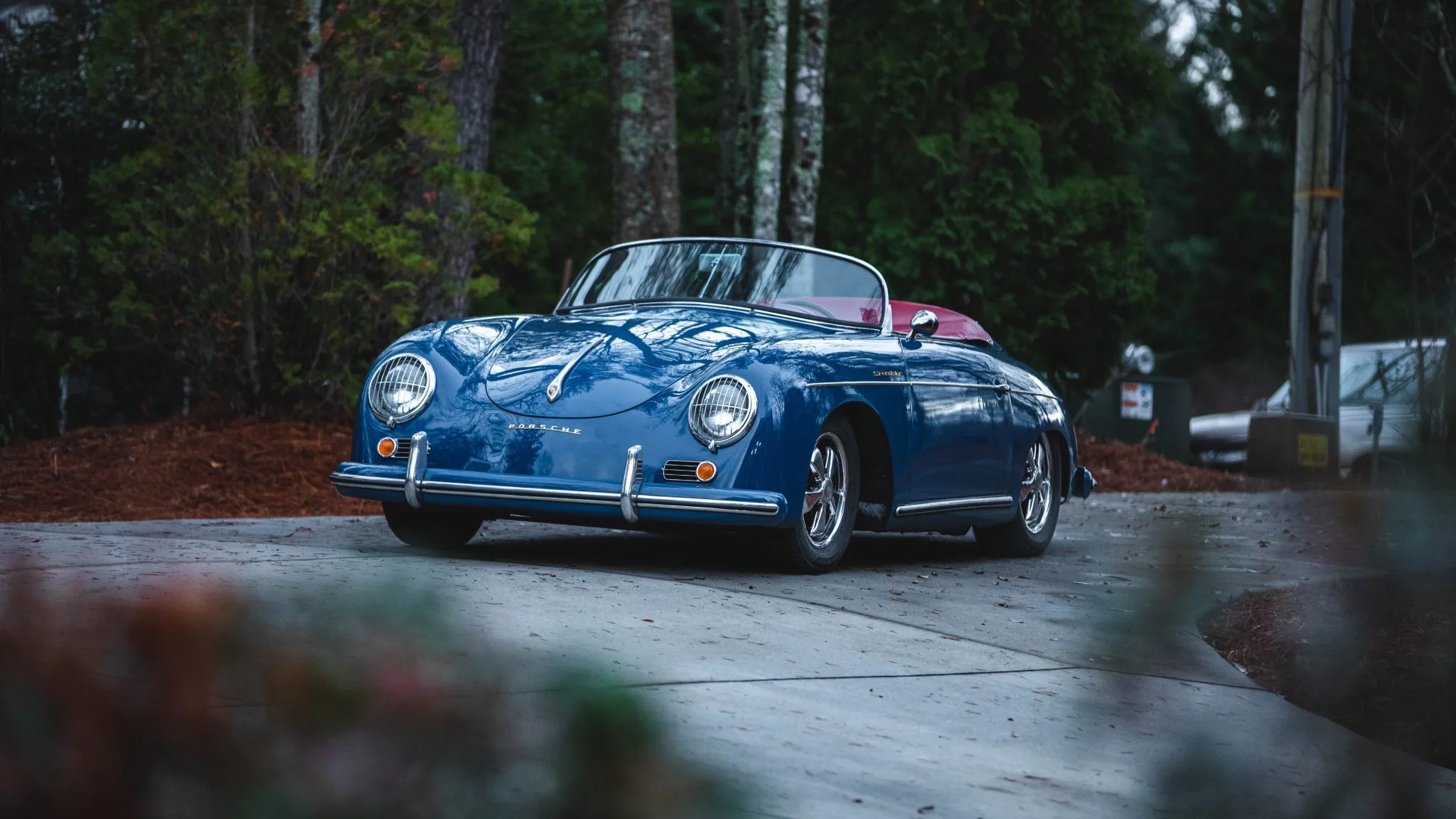
44. Porsche 356 Speedster
1954–58 · 1.5 and 1.6 flat-four · 55 to 75 hp · 4,144
Erwin Komenda's rounded 356 body with the windscreen cut down to a low curved strip and the trim taken off. With the hood down it is almost a bathtub, and that simplicity is the appeal. No car looks friendlier.
Verdict The simplest Porsche, and the most charming.
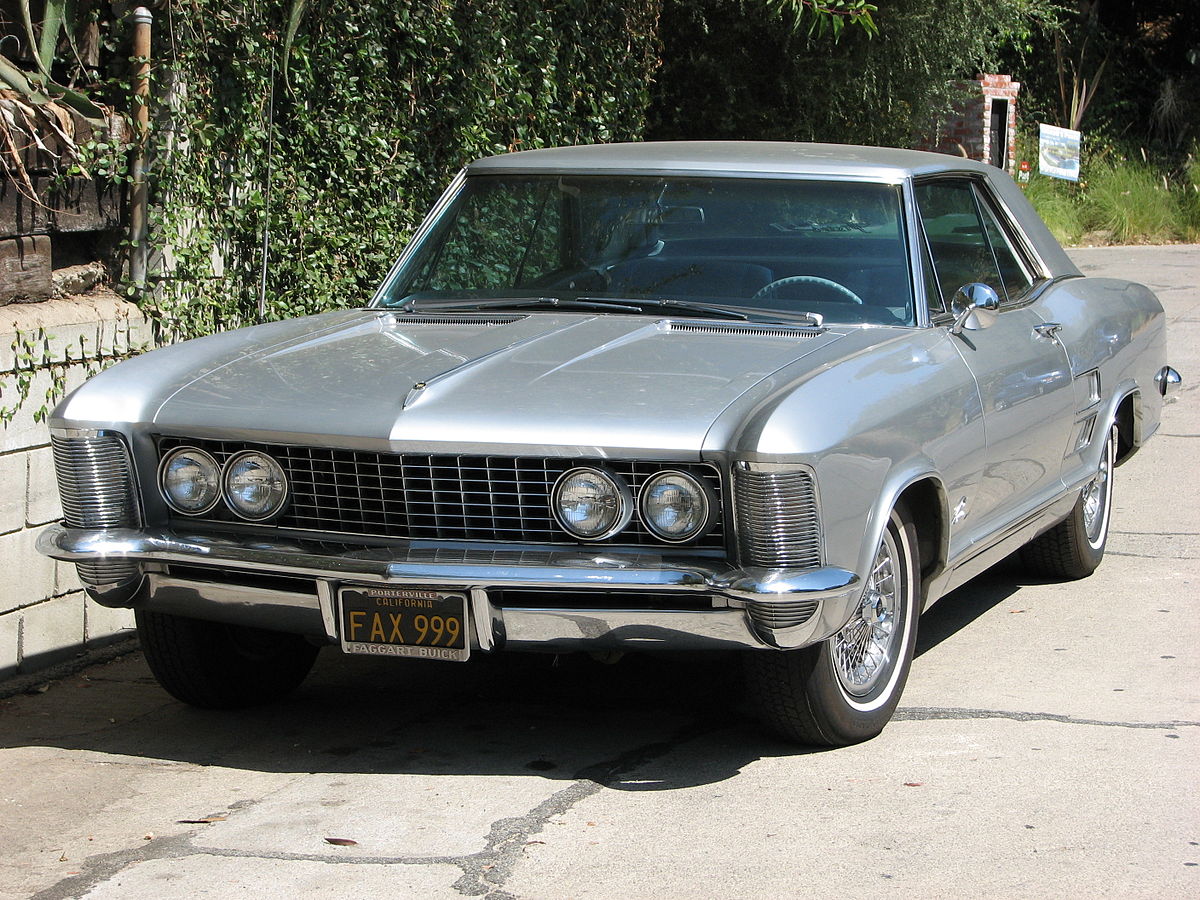
43. Buick Riviera (1963)
1963-1965 · 6.6-litre V8 · 325 hp · 40,000 in 1963
Bill Mitchell had seen a coachbuilt Rolls-Royce in London and wanted its knife edges on a lower car, and Ned Nickles drew it. The Riviera has a crisp roofline and sharp-edged wings. It is among the best things General Motors' styling studios did.
Verdict Knife-edged and beautifully judged.
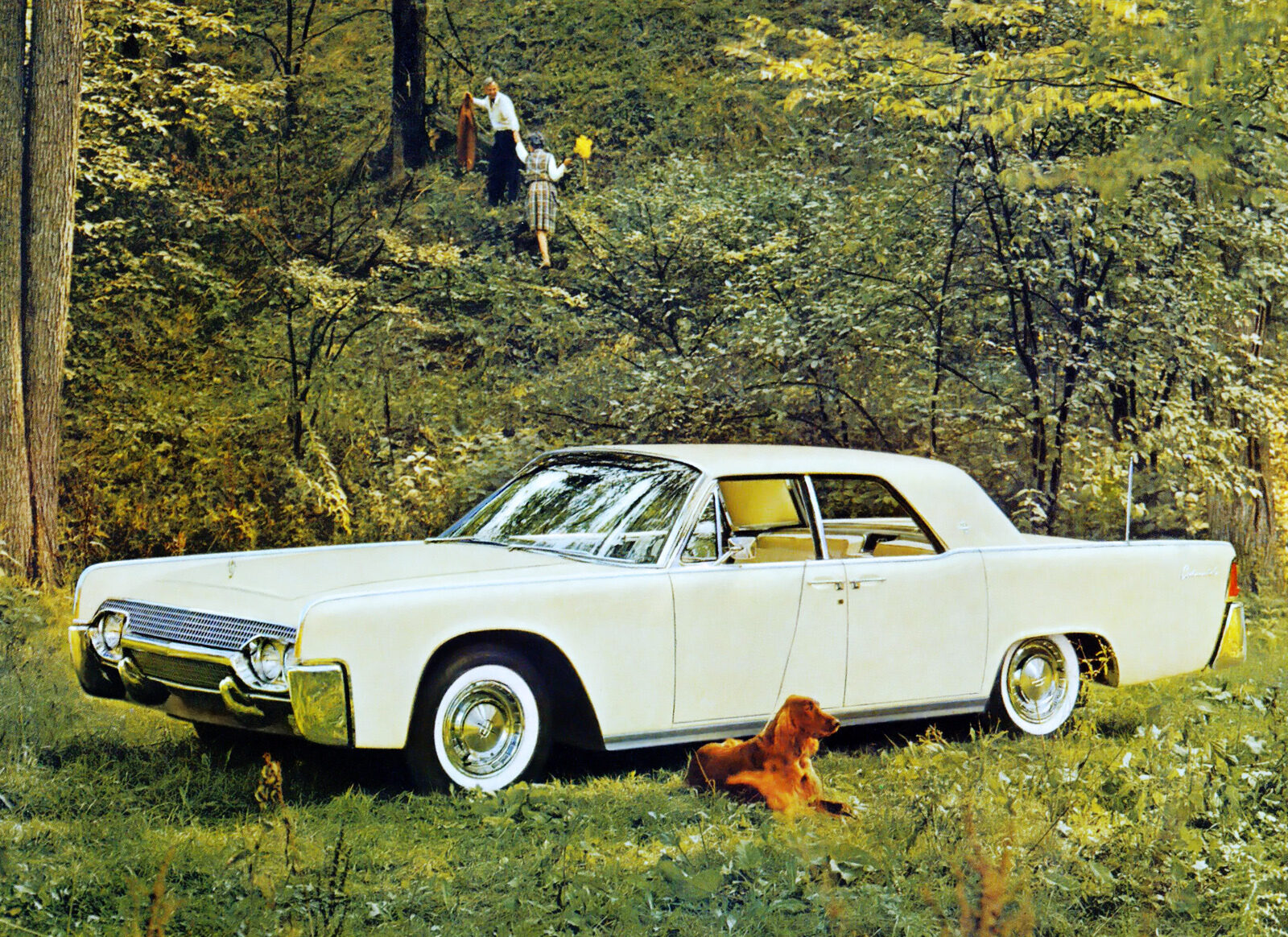
42. Lincoln Continental (1961)
1961-1969 · 7.0-litre V8 · 25,160 in 1961
Elwood Engel's design turned its back on fins. The 1961 Continental is a plain slab with a bright strip along the top of each side, a simple grille and rear doors hinged at the back. It is the most dignified American car of its time, and proof that restraint can be beautiful.
Verdict The car that made restraint fashionable.
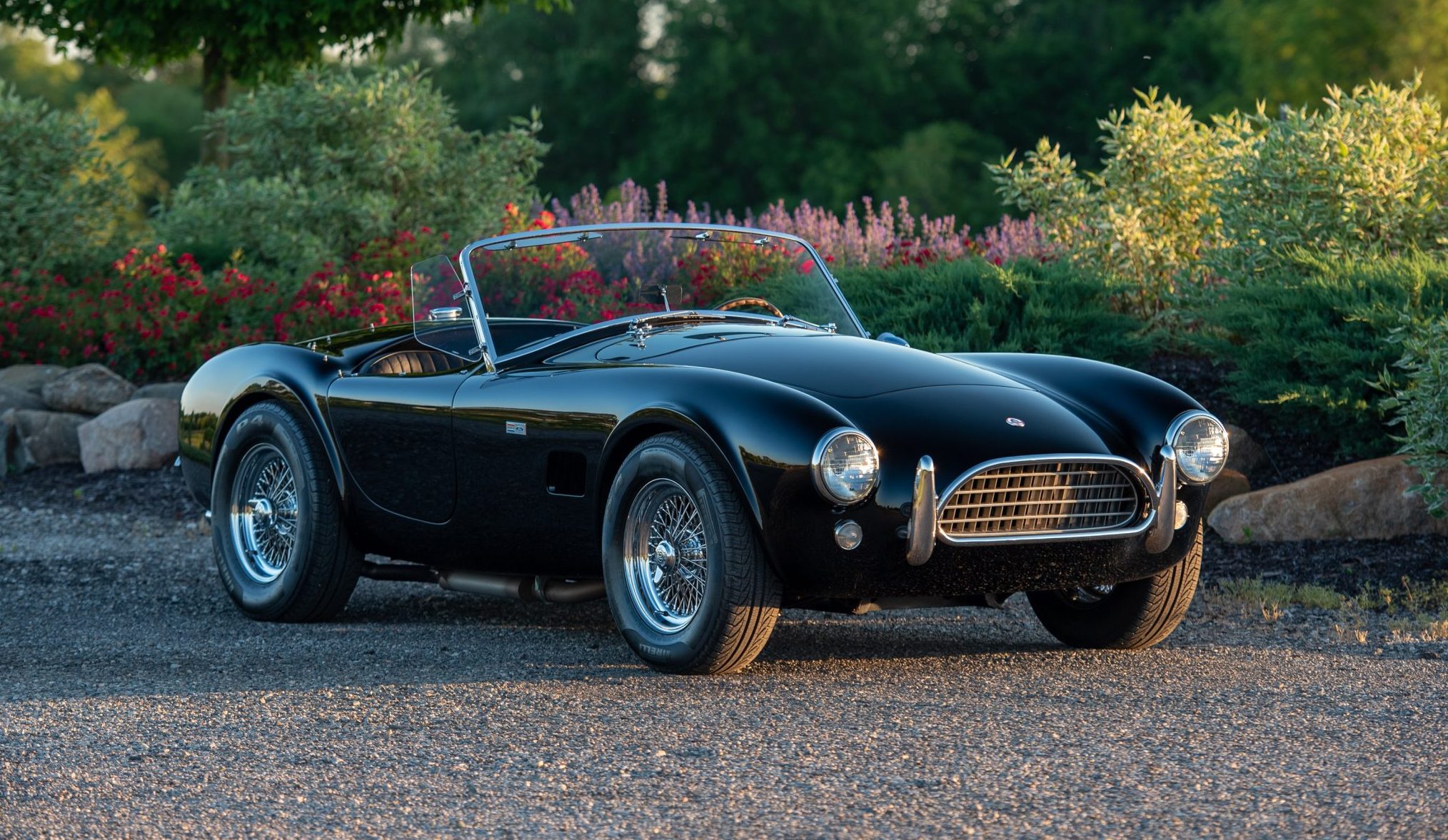
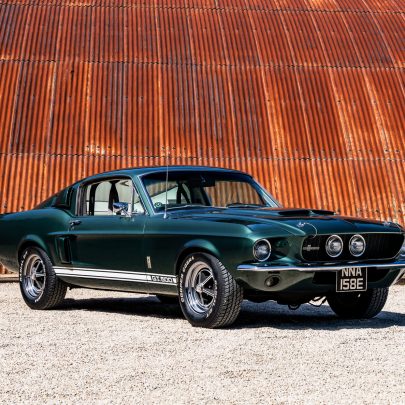
41. Shelby Cobra 289
1962–65 · 4.7 V8 · 271 hp · 453 street cars
A simple English roadster given wider wheels and a bulge or two. The 289 has a small oval mouth, round wings and no ornament, and it sits on its wheels like a clenched fist. The later 427 is wider and cruder. This is the pretty one.
Verdict Muscle in a small, plain suit.
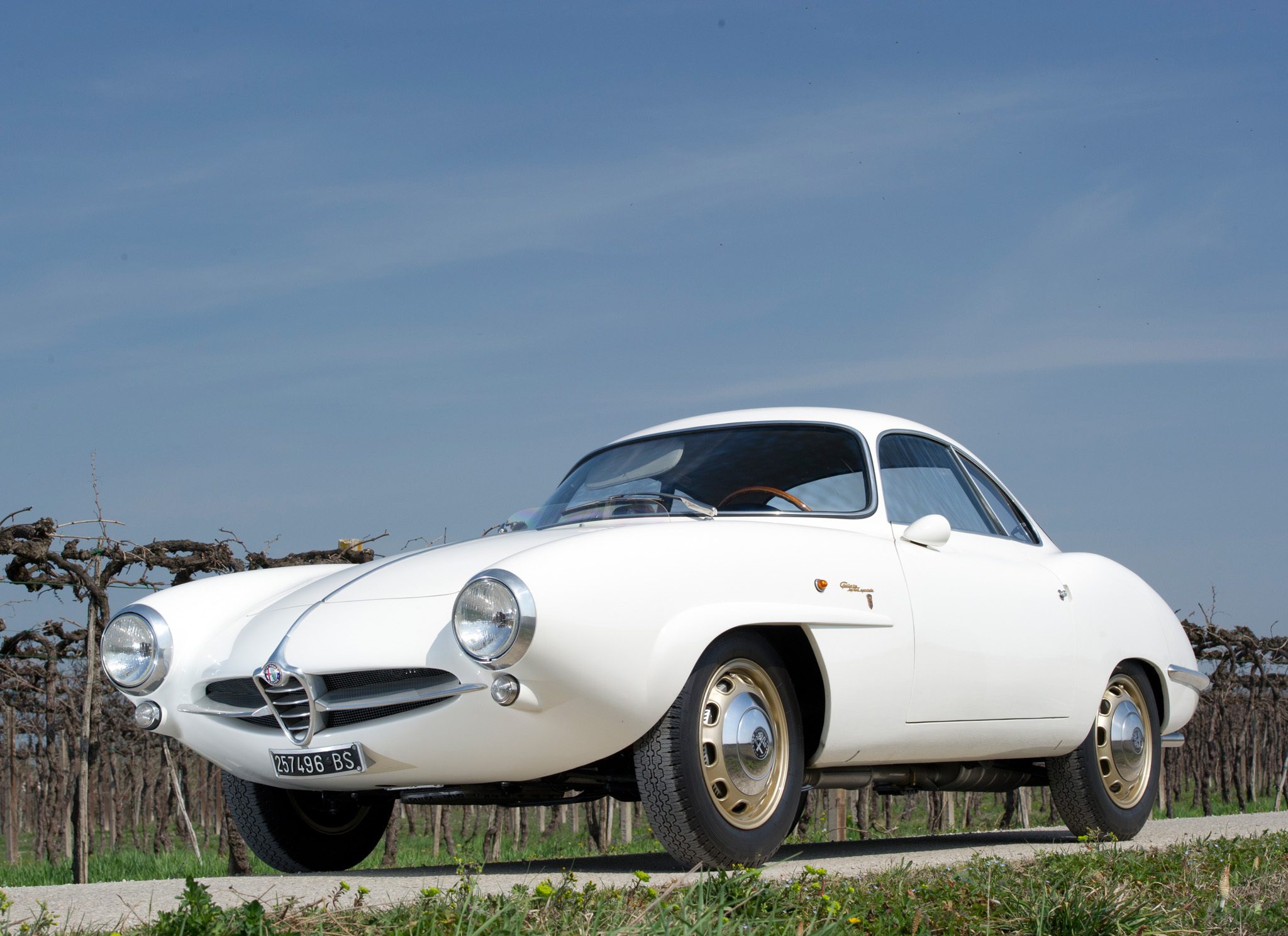
40. Alfa Romeo Giulietta Sprint Speciale
1957–62 · 1.3 twin-cam four · 100 hp · ~ 1,370
Franco Scaglione, who drew our number 1, designed this at Bertone ten years earlier. A small Alfa coupé with a long drooping nose, a curved glasshouse and a tail that tapers and is then cut off square. It came from his work on aerodynamics, and it shows.
Verdict Scaglione's aerodynamic ideas made into a road car.
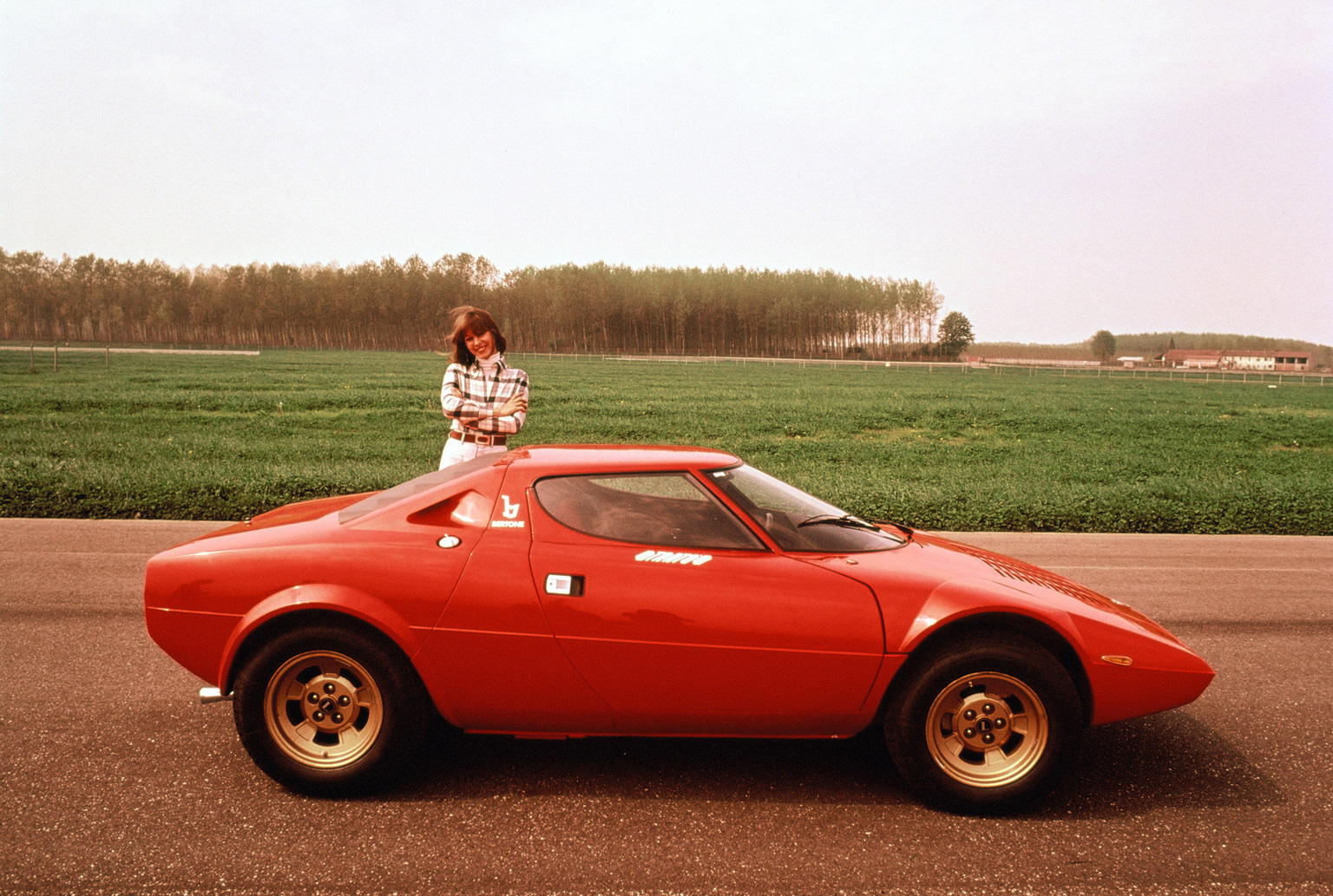
39. Lancia Stratos HF
1973–78 · 2.4 V6 · 190 hp · 492
Gandini's third car on this list. A short wedge with a windscreen curved like a visor, a roof that ends in a spoiler and almost no length behind the doors. It was shaped for rallying and looks like nothing else. It is not pretty. It is perfect.
Verdict Function drawn as a wedge.
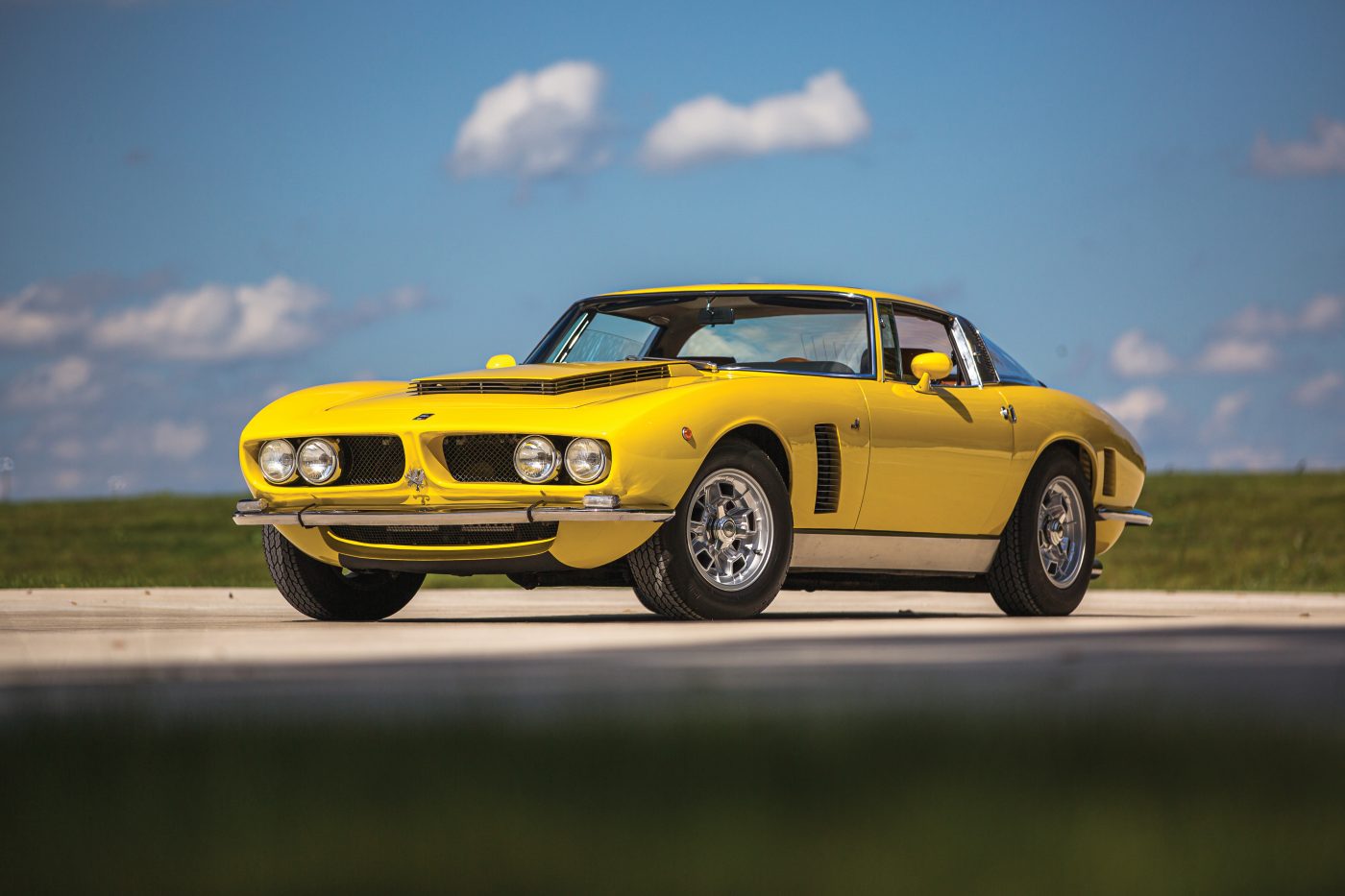
38. Iso Grifo
1965-1974 · 5.4 or 7.0-litre Chevrolet V8 · 300 hp and upwards · 413
Giugiaro designed it at Bertone. A long bonnet, a low glassy cabin and a fastback tail, with vents behind the front wheels. It is less extreme than the Bizzarrini it is related to and as handsome as most Ferraris of its day.
Verdict An Italian body any maker would have wanted.
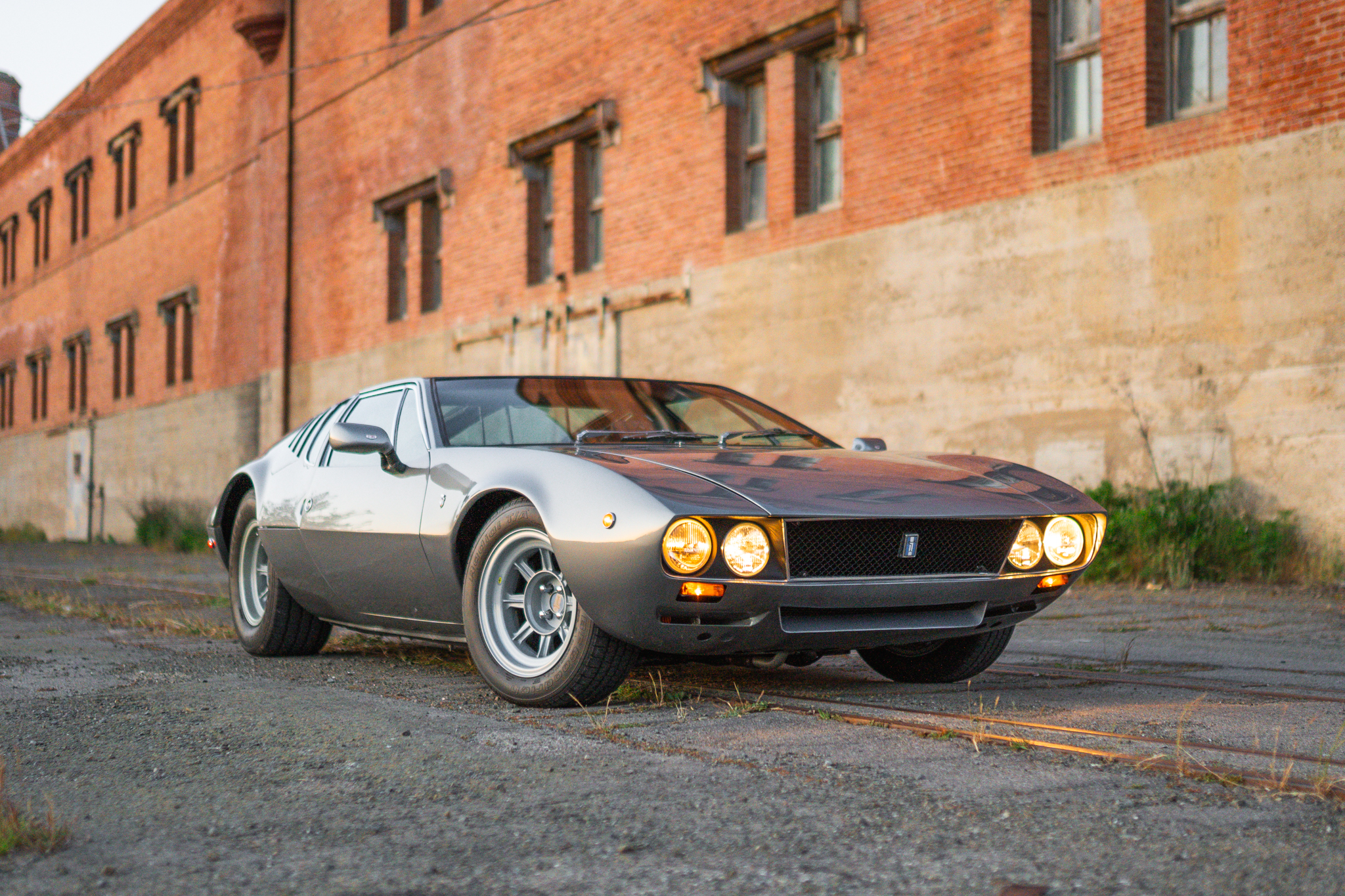
37. De Tomaso Mangusta
1967-1971 · 4.7 or 4.9-litre Ford V8 · 306 hp (4.7-litre) · 401
Giugiaro at Ghia again. The Mangusta is low and wide with a flat nose, and its engine cover is split down the middle and opens like a pair of wings. It is sharper than the Miura and, from behind, just as memorable.
Verdict Giugiaro's most dramatic early work.

36. Ferrari 365 GTB/4 Daytona
1968–73 · 4.4 V12 · 352 hp · ~ 1,400
Leonardo Fioravanti of Pininfarina gave the Daytona a sharp nose, a long bonnet and a short, high tail. It is harder-edged than the Ferraris before it: the 1960s turning into the 1970s in one shape.
Verdict The moment curves gave way to edges.
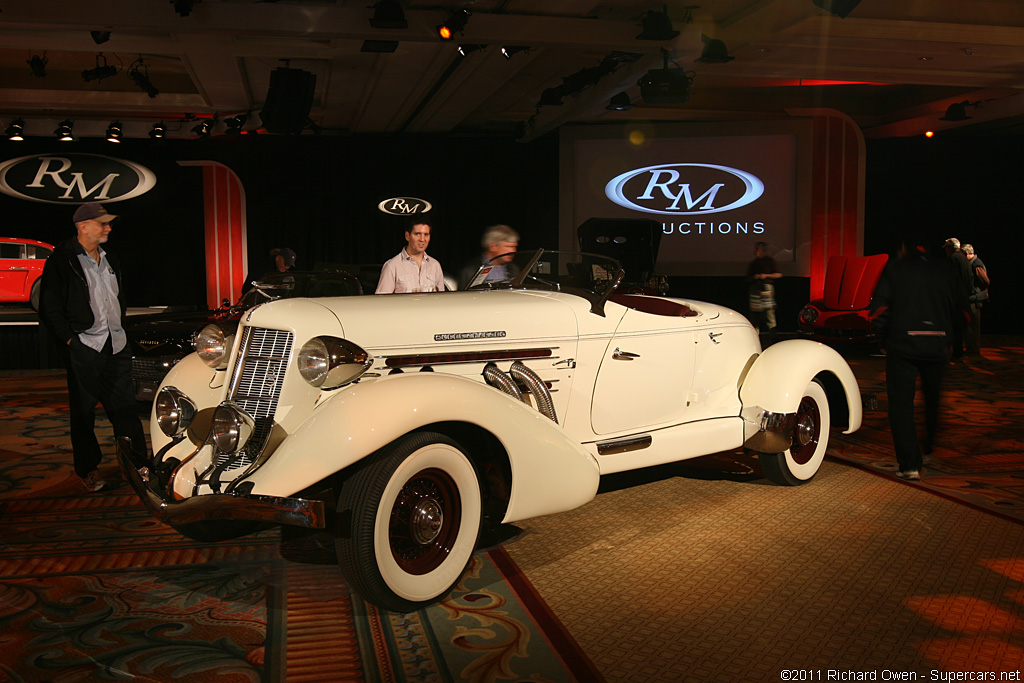
35. Auburn 851 Speedster
1935-1936 · 4.6-litre supercharged straight eight · 150 bhp · 143 (supercharged 851 and 852 speedsters)
Also by Gordon Buehrig. A long bonnet, a raked windscreen and a tail that tapers to a point like a boat's. Only 143 of the supercharged speedsters were made. It is pure showmanship, and it works.
Verdict The boat-tail at its best.
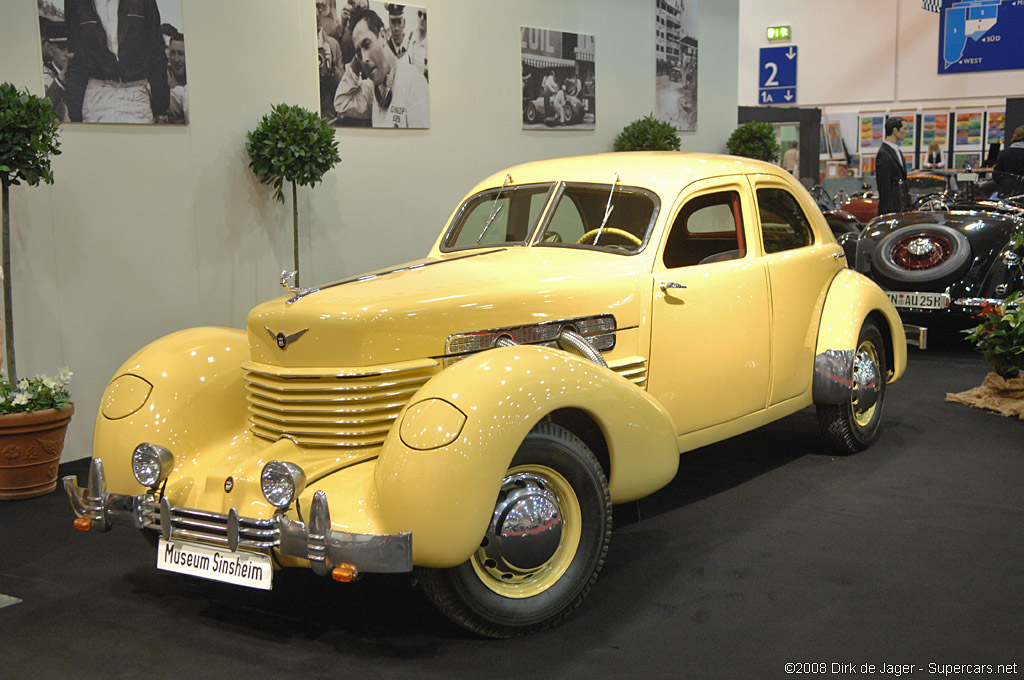
34. Cord 810 and 812
1936–37 · 4.7 V8, supercharged in the 812 · 125 to 170 hp · ~ 3,000
Gordon Buehrig's design had headlamps that wound down into the wings and a blunt nose wrapped in horizontal louvres. In 1936 nothing else looked remotely like it. It is the cleanest American car of the pre-war years.
Verdict Modern, a decade early.
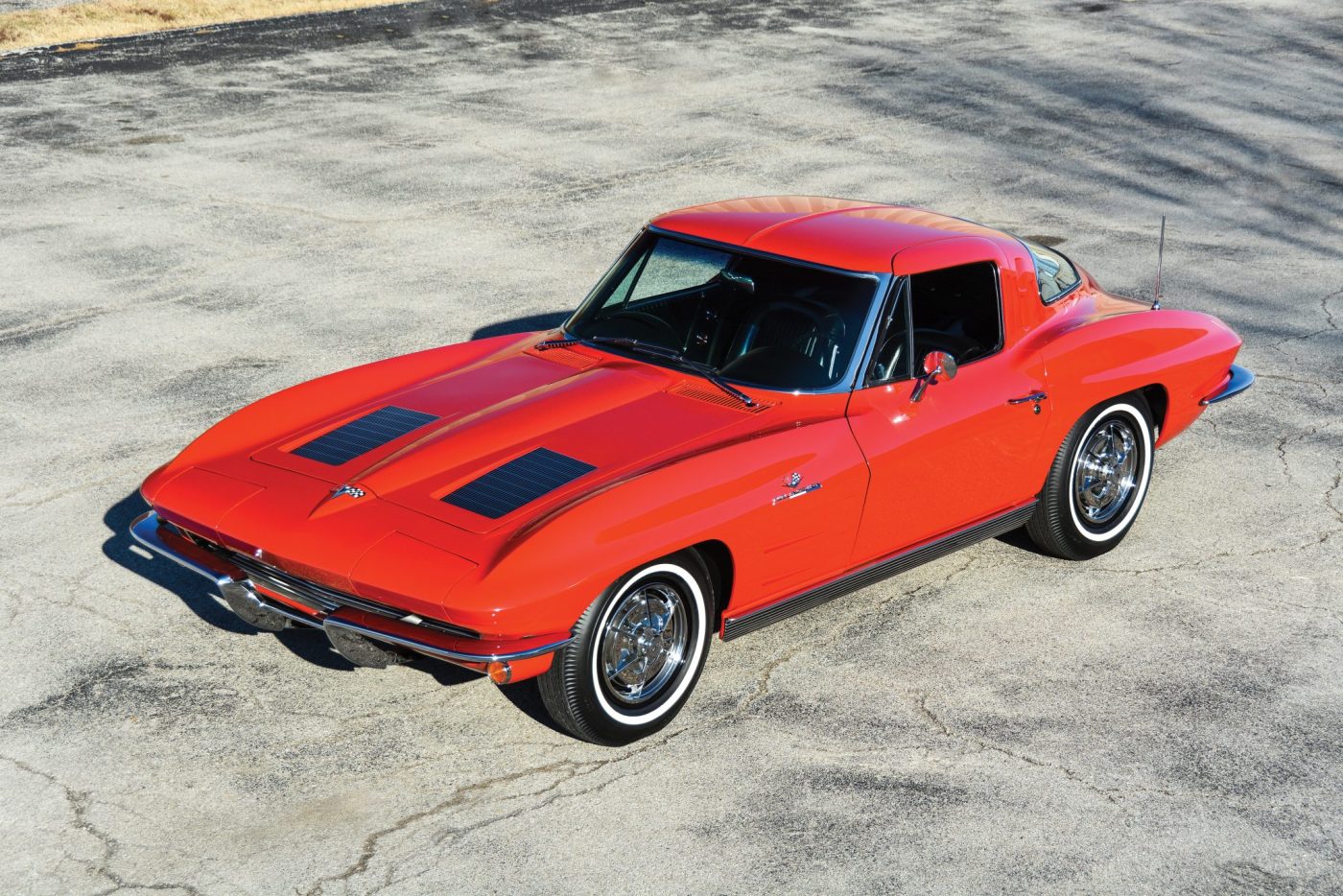
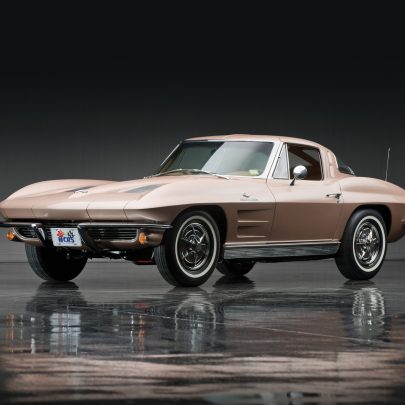
33. Chevrolet Corvette Sting Ray (1963)
1963-1967 · 327 cu in V8 · 250 to 360 hp · 21,513 in 1963
Larry Shinoda drew it under Bill Mitchell, GM's head of styling. The 1963 coupé has hidden headlamps, a crease running right round the body and a rear window split in two by a spine. The split lasted one year. It is the most original American shape of its decade.
Verdict America's best-looking sports car.
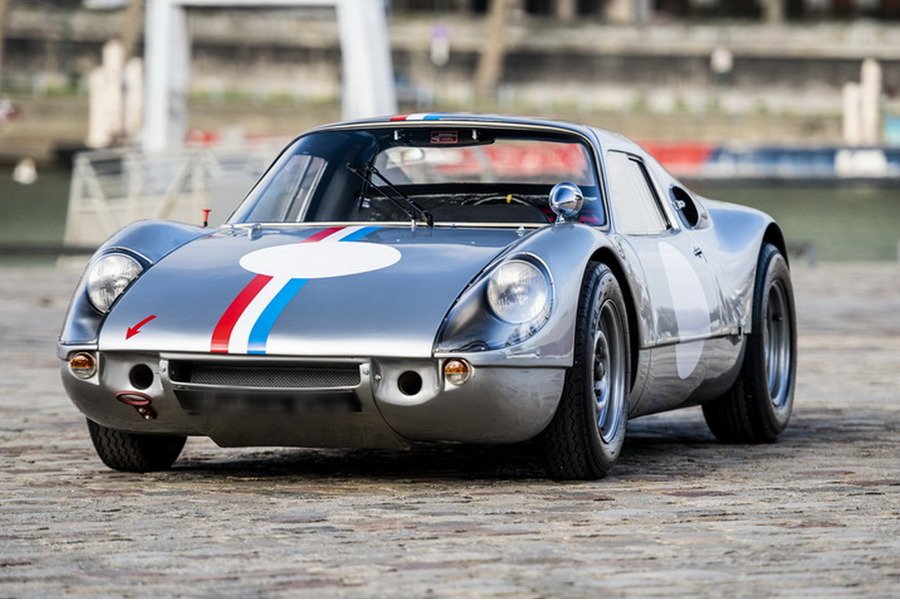
32. Porsche 904 Carrera GTS
1964-1965 · 2.0-litre flat four · 180 hp · 106
Butzi Porsche's other great design, from the same years as the 911. A glassfibre coupé 42 inches high, with a low nose, a short cabin and a cut-off tail. It was a racing car you could register for the road, and it is the best-looking Porsche that is not a 911.
Verdict Small, low and exactly right.
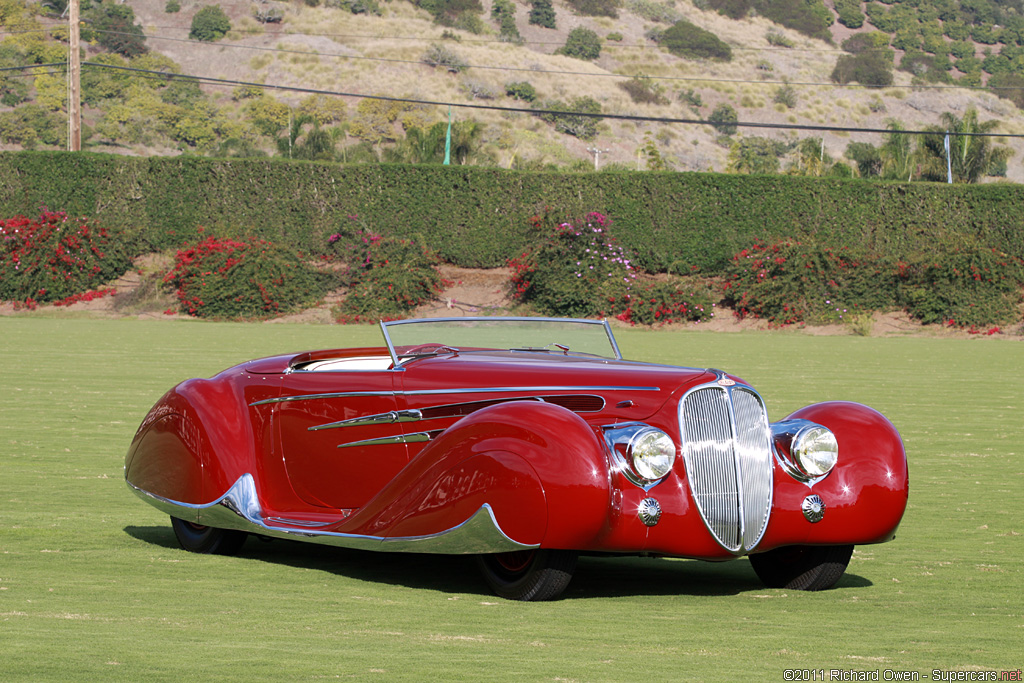
31. Delahaye 165
1938–39 · 4.5 V12 · About 160 hp · ~ 5
Figoni et Falaschi bodied two streamlined roadsters on Delahaye's V12 chassis. The wings are full teardrops that enclose the wheels, and chrome sweeps along each side. It is the most extravagant shape on the list, and stops just short of too much.
Verdict French flamboyance at its limit.
30 to 16
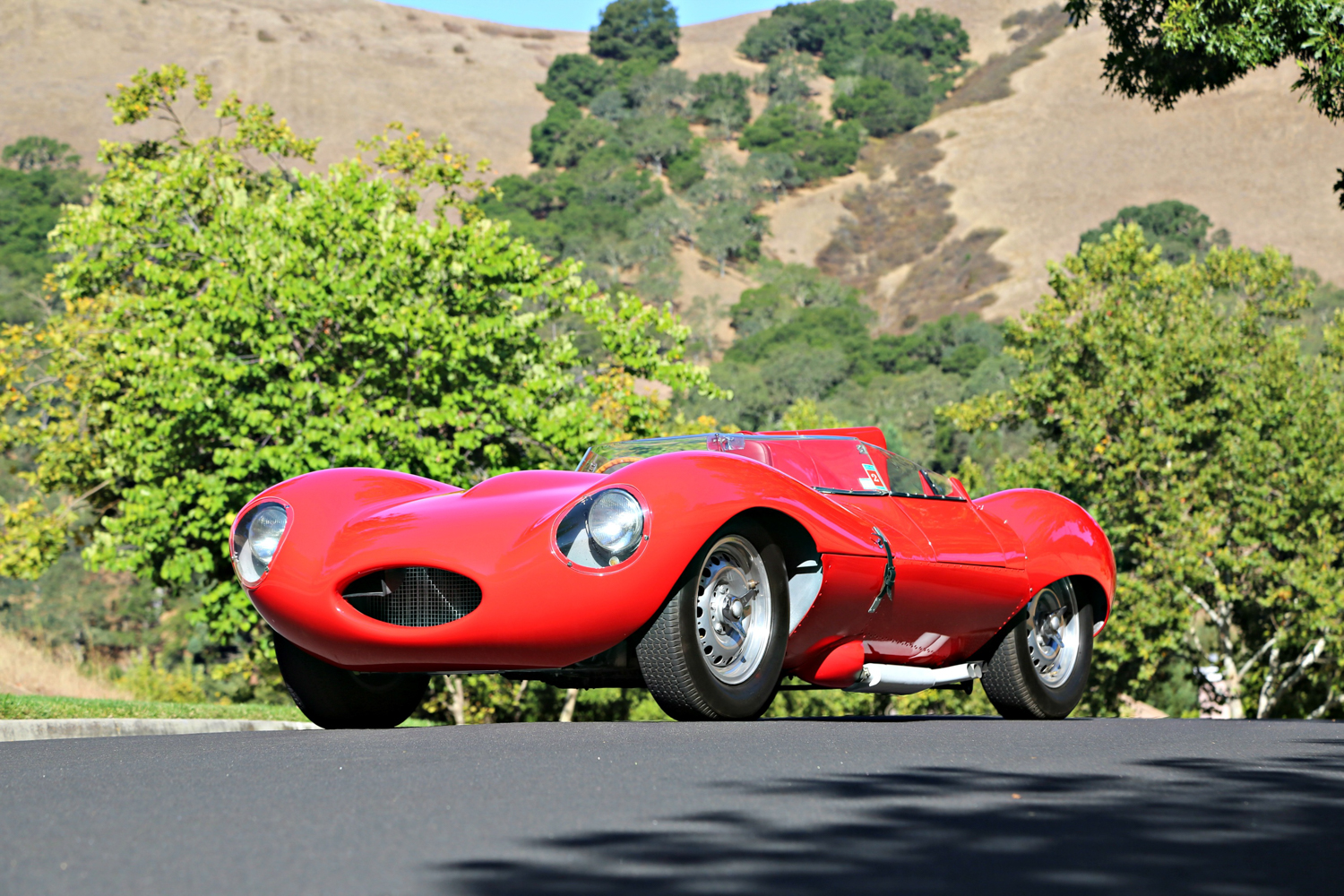
30. Jaguar D-type
1954–57 · 3.4 straight-six, later 3.8 · 250 to 300 hp · 71
Malcolm Sayer shaped the D-type to go as fast as possible down the Mulsanne straight, and it won Le Mans three years running from 1955. The body is a smooth oval pod with a small oval mouth, a wraparound screen for the driver alone and, on many cars, a fin rising behind his head. The E-type is this car made civil.
Verdict Aerodynamics that happened to be beautiful.
Did you know: The unsold cars were turned into the XKSS road car, of which sixteen were made.
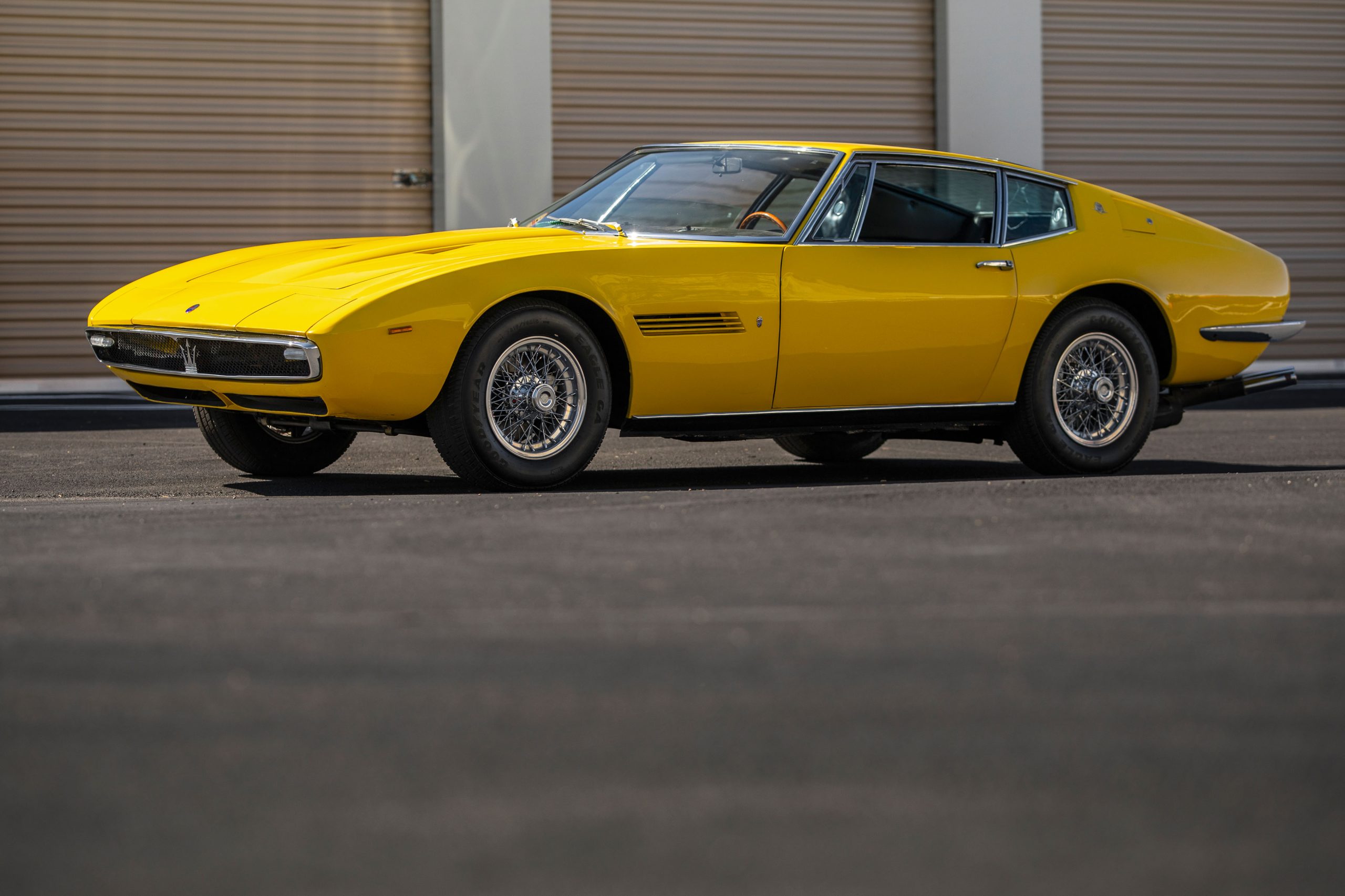
29. Maserati Ghibli (1966)
1967–73 · 4.7 or 4.9 V8 · 330 hp · 1,274
Giorgetto Giugiaro designed the Ghibli at Ghia when he was in his late twenties. It is very long, very low and very wide, with a nose like a blade, pop-up headlamps and a roofline that runs back in one straight slope. Our Maserati list puts it first. It is the best of the long-bonnet grand tourers of the late 1960s.
Verdict The sharpest of the 1960s grand tourers.
Did you know: It is named after a hot, dry wind that blows across Libya.
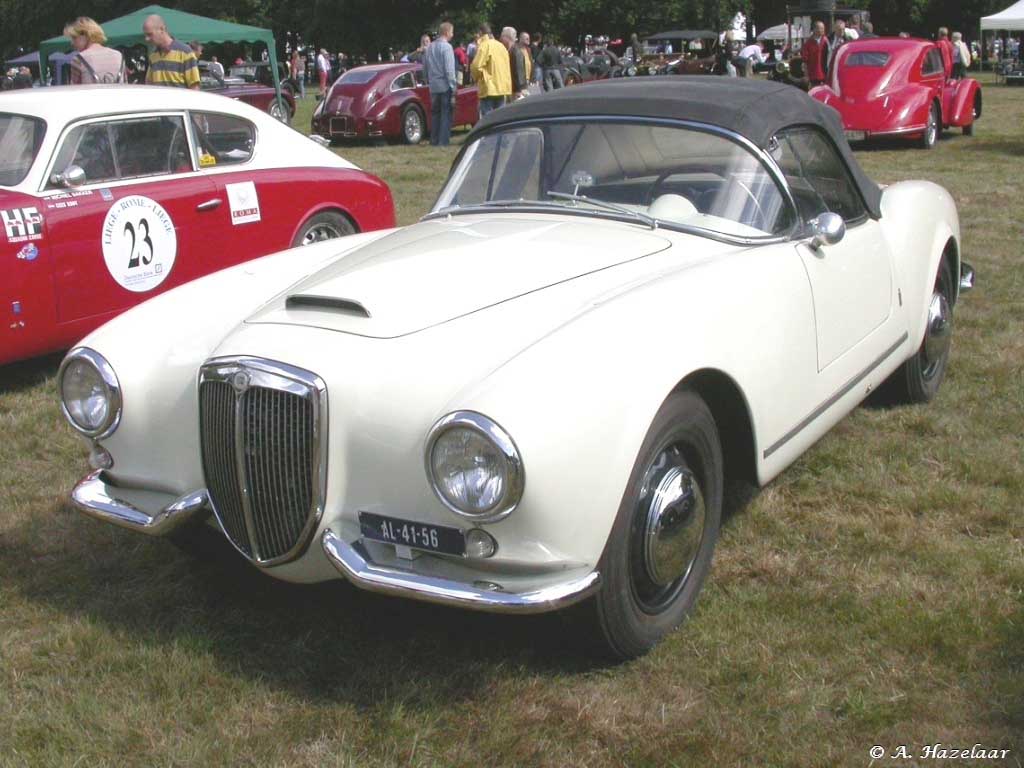
28. Lancia Aurelia B24 Spider
1954-1955 · 2.5-litre V6 · 240
Pinin Farina styled the open version of Lancia's Aurelia, and only 240 were made in 1954 and 1955. It has a wraparound windscreen, cut-down doors, a split front bumper and a body with barely a crease on it. The detail is as fine as the shape. It is the most elegant small open car of the 1950s.
Verdict Italian elegance, with the roof off.
Did you know: Of the 240 built, 181 were left-hand drive.
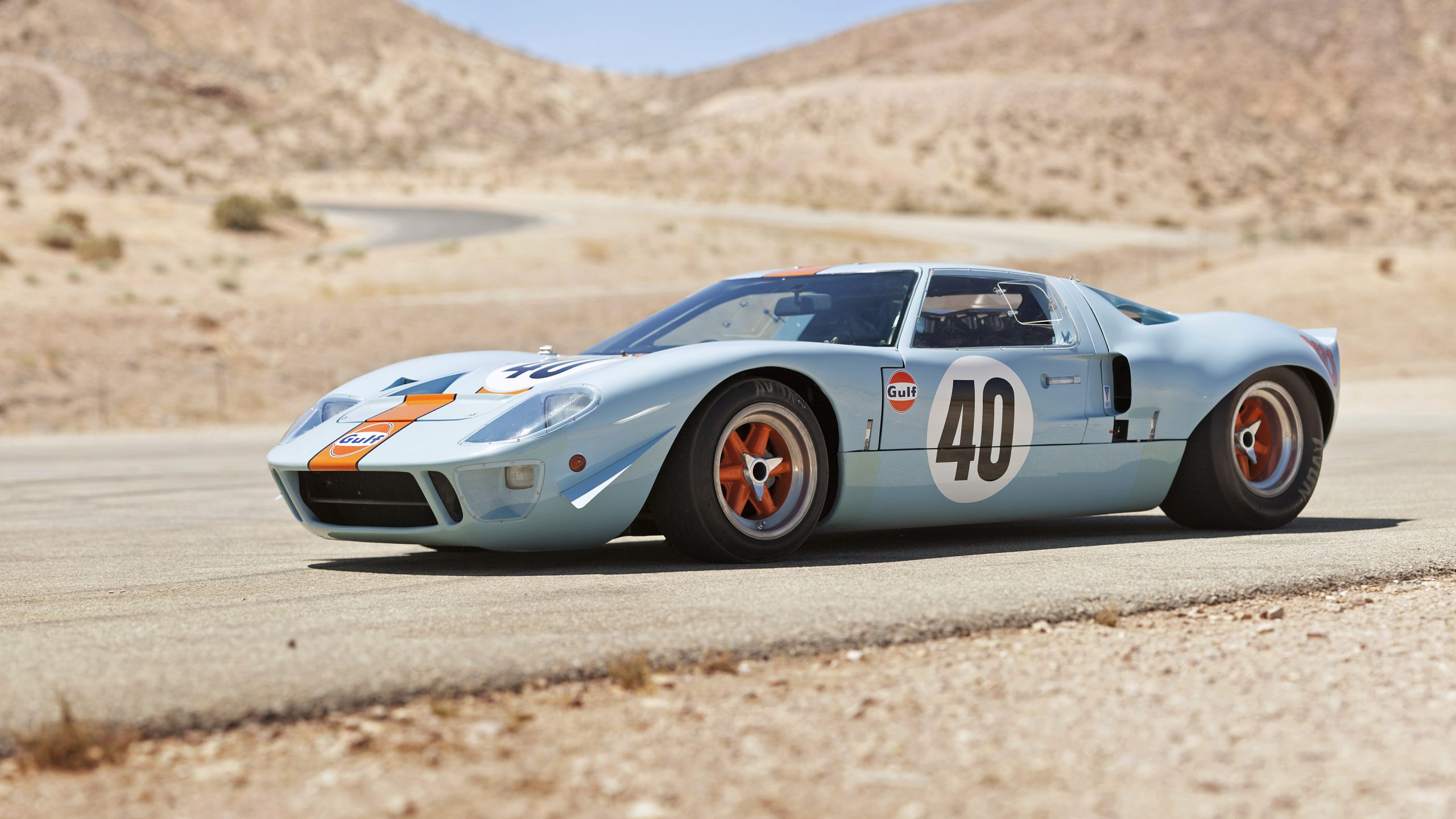
27. Ford GT40
1964–69 · 4.7 or 7.0 V8 · 380 to 485 hp · ~ 105
Forty inches high, which is where the name comes from. The GT40 was shaped by the need to be stable at 200 mph at Le Mans, and it is long, low and wide with a nose that droops between the front wings and doors cut deep into the roof. It is a blunter instrument than the Ferrari P4 it raced against. It has presence where the Ferrari has grace.
Verdict Forty inches of purpose.
Did you know: The name is its height: 40 inches. One car, chassis 1075, won Le Mans in both 1968 and 1969.
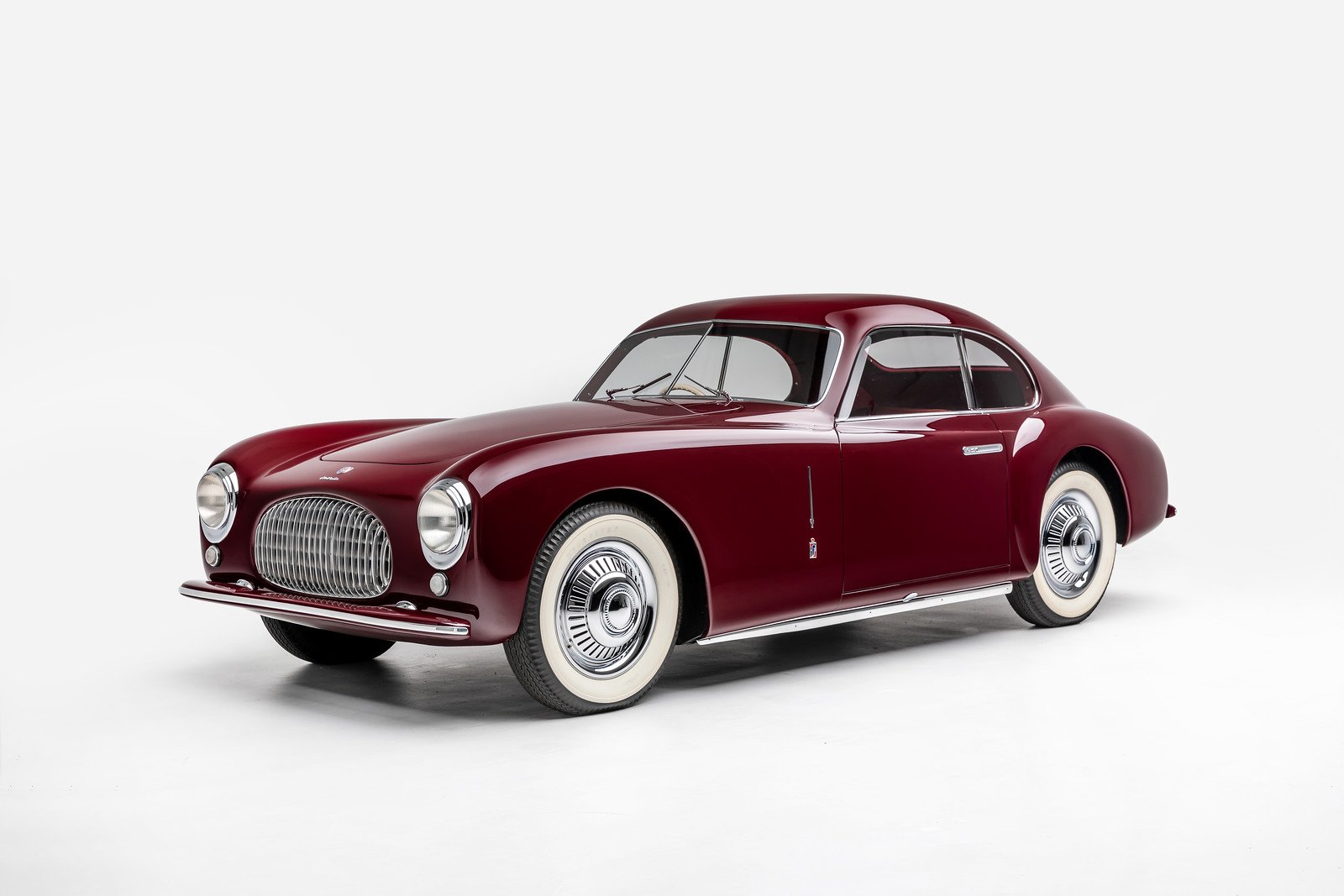
26. Cisitalia 202
1947–52 · 1.1 four · 55 hp · ~ 170
Pinin Farina's 1947 body for the little Cisitalia set the pattern for the post-war car. The wings, bonnet and headlamps are blended into one smooth form, where cars before it had separate wings attached to a body. The Museum of Modern Art showed it in 1951 and keeps one in its permanent collection. It is small, plain and exactly right.
Verdict The shape that every post-war coupé followed.
Did you know: The Museum of Modern Art in New York put one on display in 1951 and has kept it ever since.
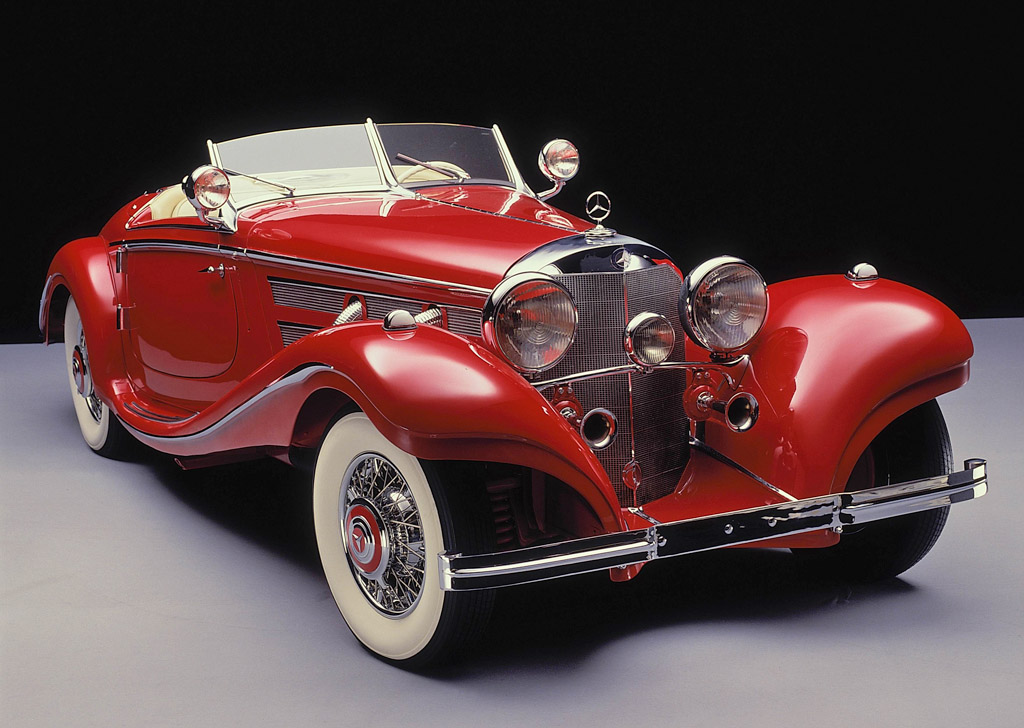
25. Mercedes-Benz 540K Special Roadster
1936–40 · 5.4 supercharged straight-eight · 115 hp, 180 with the supercharger · ~ 25
Built at Mercedes' own coachworks at Sindelfingen, to a design credited to Friedrich Geiger, who later drew the Gullwing. The Special Roadster is enormous and theatrical: a V-shaped radiator set back behind the front axle, wings that run in one sweep from the headlamps to the tail, external exhaust pipes and a low, raked windscreen. It is the grandest car on the list.
Verdict Pre-war glamour on the largest scale.
Did you know: The supercharger cut in only when the accelerator was pressed to the floor.

24. Bizzarrini 5300 GT Strada
1964-1968 · 5.4-litre Chevrolet V8 · About 133 (sources vary)
The man who developed the 250 GTO built this under his own name. The body was styled by Giorgetto Giugiaro at Bertone for the Iso Grifo competition car that became the 5300 GT, and it stands about 1.1 metres high. The engine sits so far back that the bonnet seems to go on for ever, and the roof is hardly higher than the wings. It looks like a racing car because it nearly is one.
Verdict Impossibly low and all bonnet.
Did you know: It stands about 1.1 metres high.
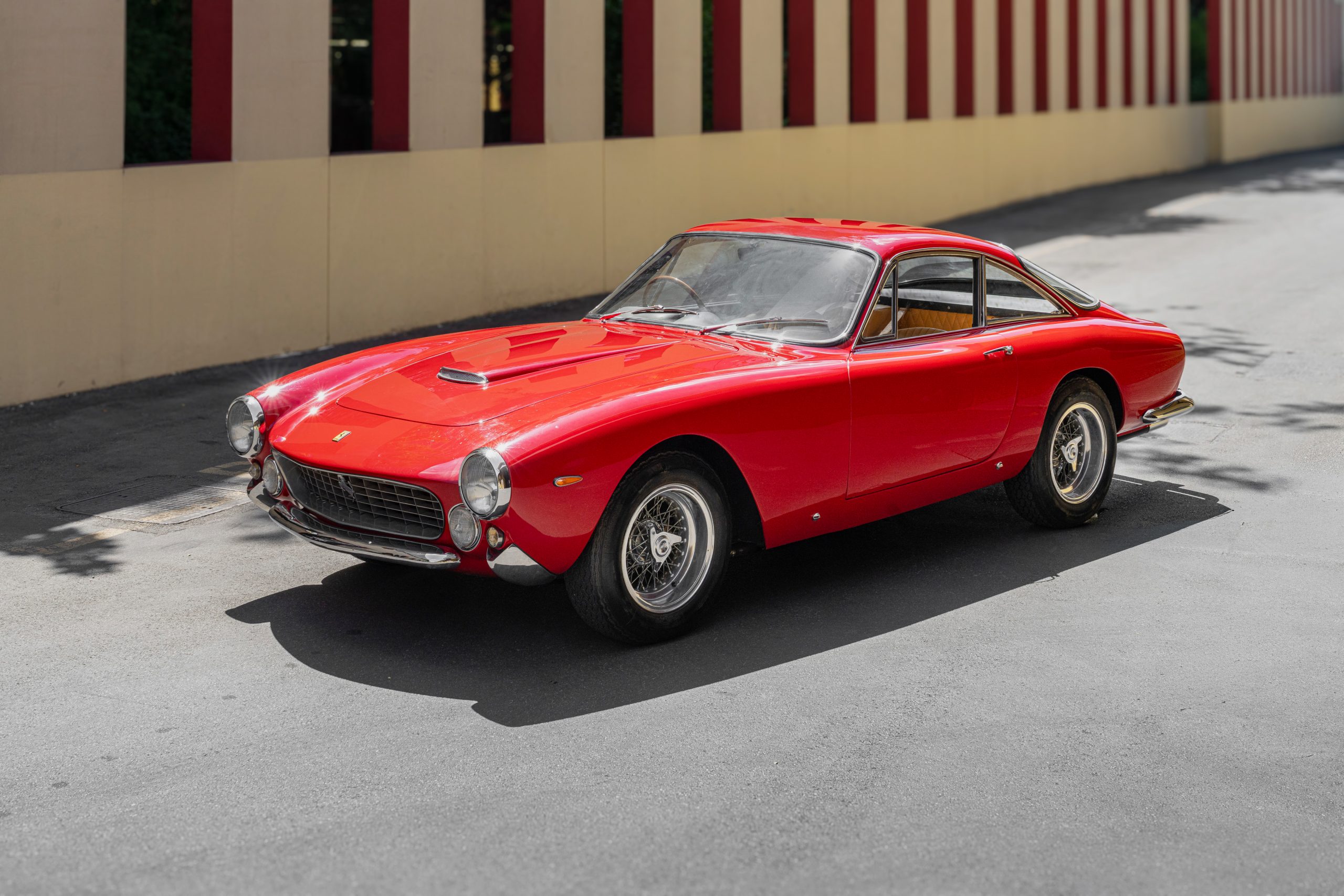
23. Ferrari 250 GT Lusso
1962–64 · 3.0 V12 · 240 hp · ~ 350
Pininfarina designed it and Scaglietti built it. The Lusso is the 250 at its most refined: a low nose with a small grille and delicate bumpers, slim pillars and a great deal of glass, and a roof that falls to a sharply cut-off tail. It is lighter on its feet than the SWB and less aggressive. It was among the last of the 250 road cars.
Verdict The 250 line's most graceful farewell.
Did you know: Steve McQueen's was a present from his wife, Neile Adams.
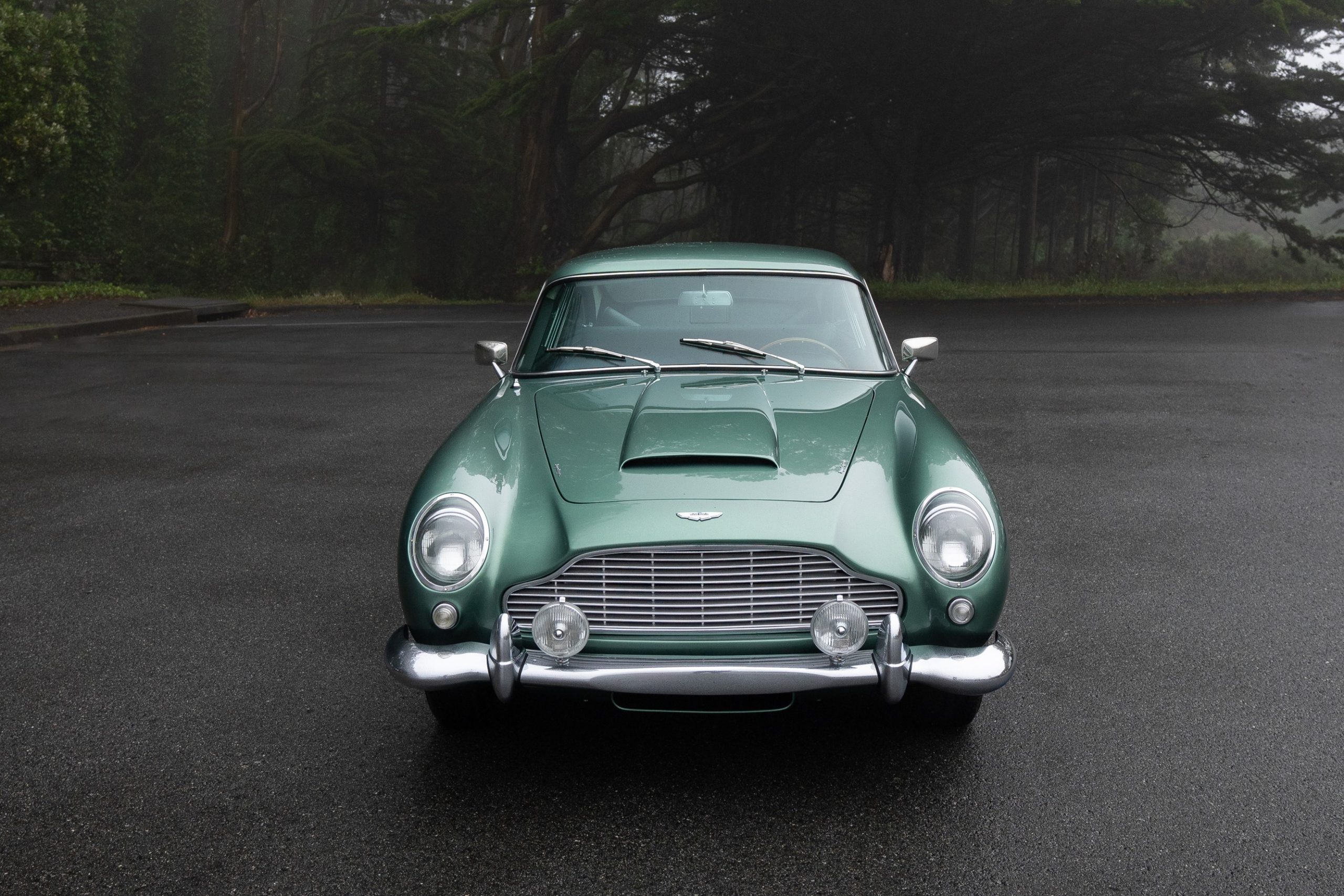
22. Aston Martin DB5
1963–65 · 4.0 straight-six · 282 hp · 1,059
Federico Formenti at Touring of Milan designed the body, which is the DB4's with covered headlamps and a few changes. It is a calm, well-proportioned grand tourer: a long bonnet with a shallow scoop, the Aston grille, a low roof and a tail with small upright lamps. A film made it the most famous car in the world. It would have been on this list without that.
Verdict Restrained, balanced and impossible to date.
Did you know: In Ian Fleming's novel Goldfinger, James Bond drives a DB Mark III. The film makers asked for the newest model.
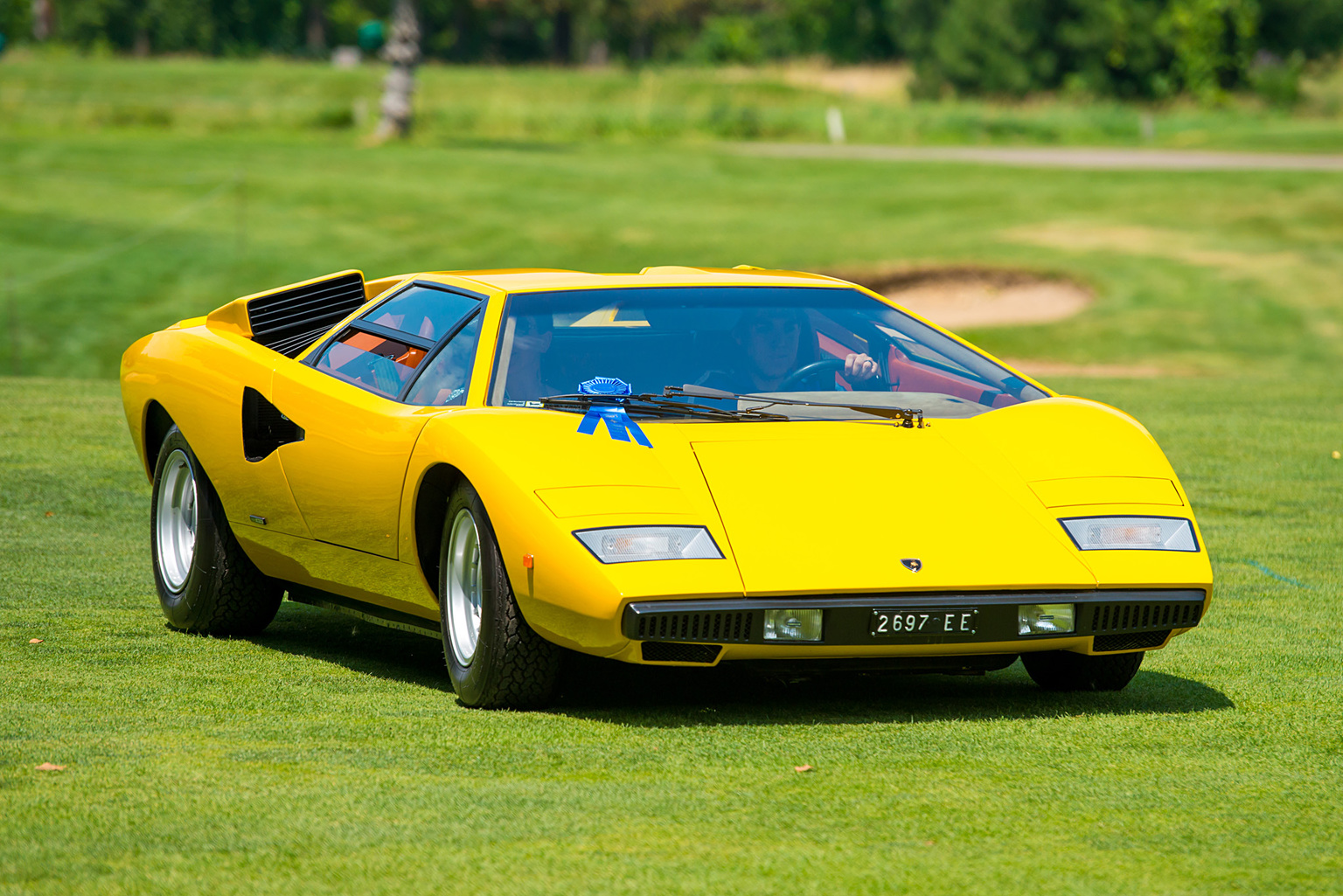
21. Lamborghini Countach LP400
1974–78 · 3.9 V12 · 375 hp · ~ 150
Gandini again, a few years after the Miura and its opposite in every way. The Countach is all flat planes and straight edges, a wedge with a windscreen almost as flat as the bonnet and doors that swing upwards. The first LP400, without wings or arch extensions, is the clean one. It ranks above the Miura on our Lamborghini and supercar lists. On beauty alone it does not: it is the most striking car here, and striking is not the same thing.
Verdict Astonishing more than beautiful.
Did you know: Countach is an exclamation of surprise in the Piedmontese dialect. It is said a workman at Bertone used it on seeing the car.
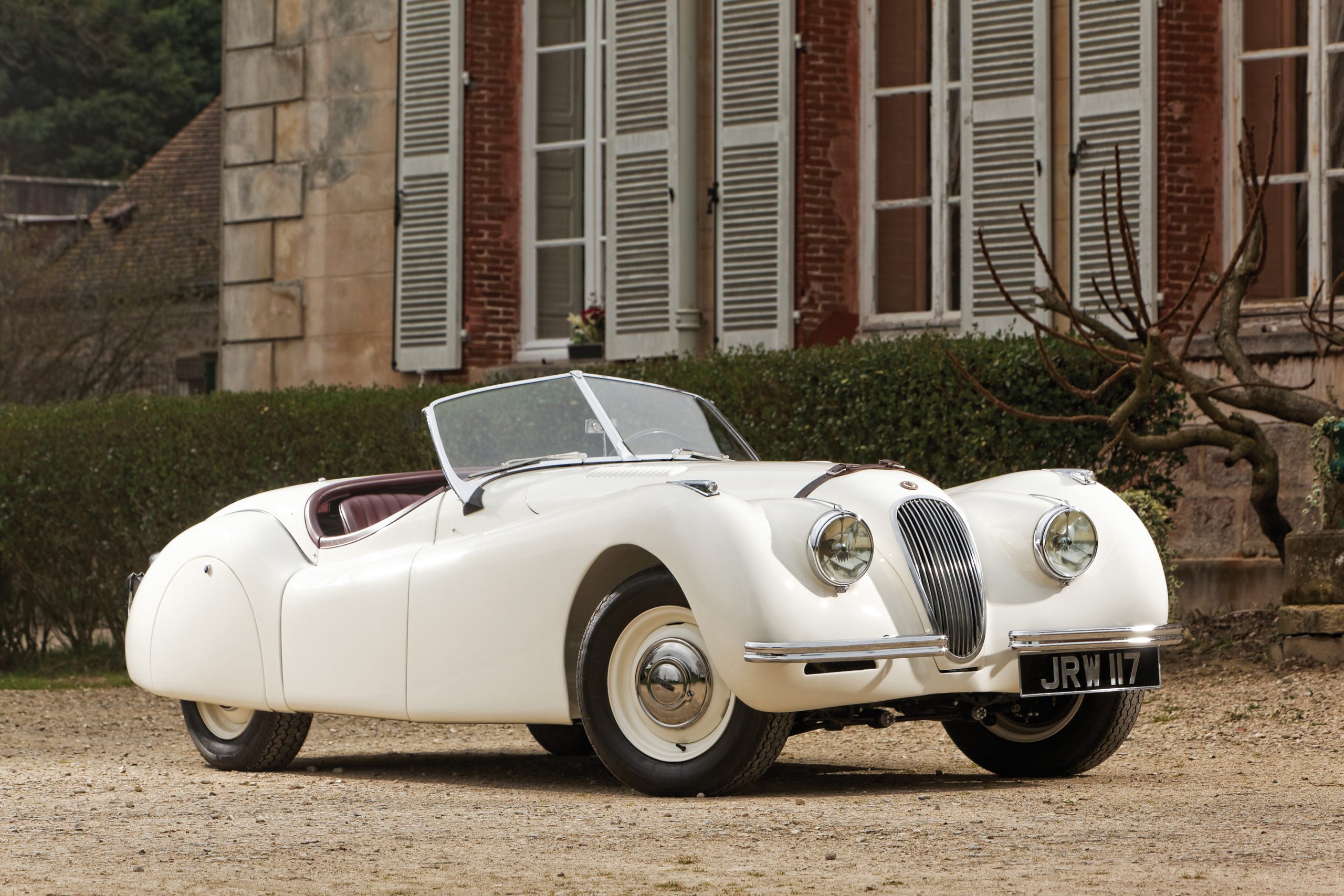
20. Jaguar XK120
1948–54 · 3.4 straight-six · 160 hp · ~ 12,055
William Lyons styled the XK120 himself, in a hurry, for the 1948 London show, where it was meant to display Jaguar's new engine. The body is all long, falling curves: wings that flow from the headlamps to the tail, a narrow upright grille and enclosed rear wheels. The reaction was such that Jaguar had to put it into production. It set the pattern for every Jaguar sports car that followed, the E-type included.
Verdict The shape that made Jaguar.
Did you know: It was built to show off a new engine at the 1948 London Motor Show. Jaguar had not planned to make more than a couple of hundred.
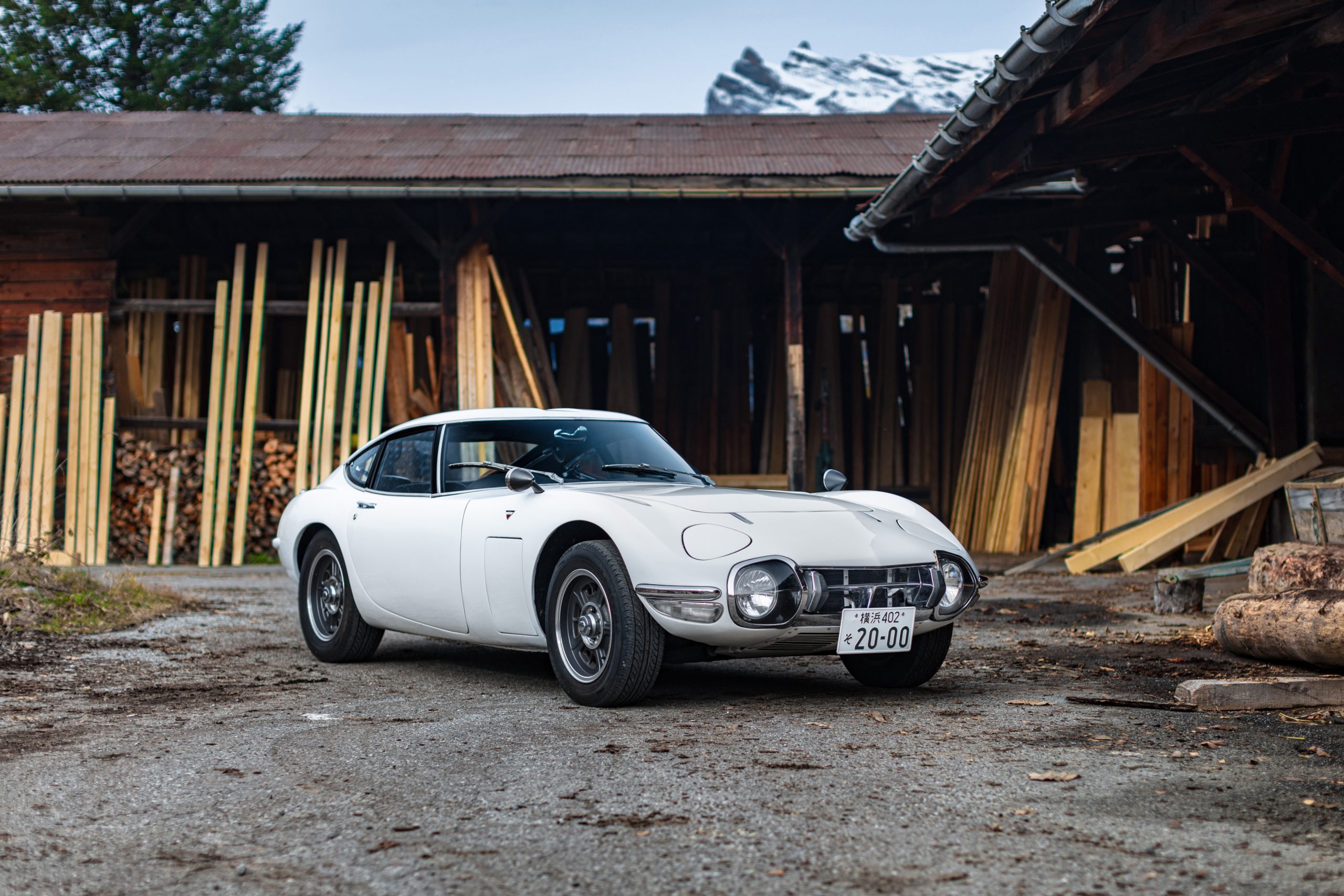
19. Toyota 2000GT
1967–70 · 2.0 twin-cam straight-six · 150 hp · 351
Satoru Nozaki, a Toyota designer, styled the 2000GT in the mid-1960s, and it showed that Japan could make a car as beautiful as anything from Europe. It is very low, with a long bonnet, pop-up headlamps above large lamps behind clear covers, and a fastback tail. The proportions are those of an E-type made smaller and sharper. Toyota built only a few hundred.
Verdict The car that changed what the world thought of Japan.
Did you know: It was the first Japanese car to sell for more than a million dollars at auction.
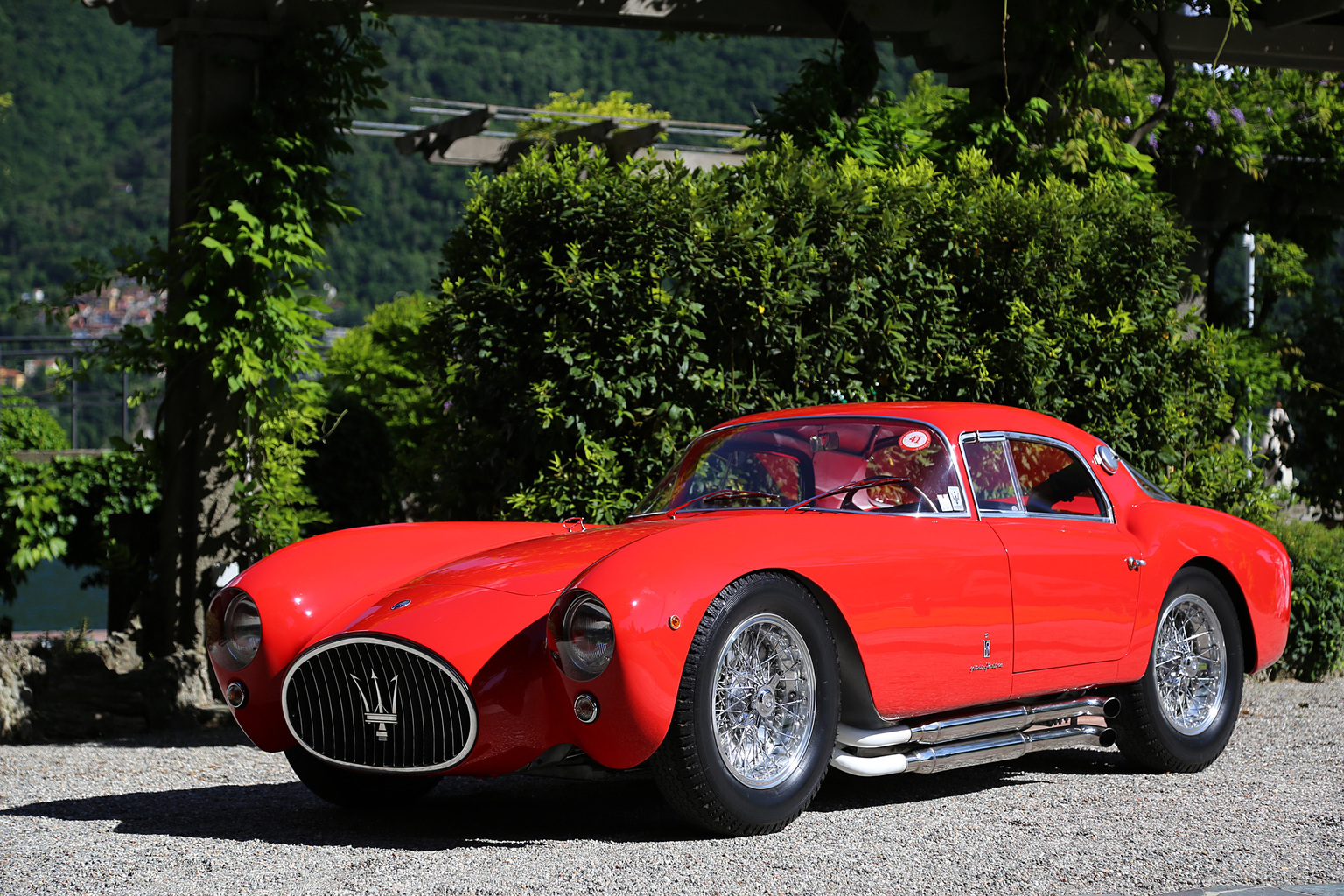
18. Maserati A6GCS/53 Berlinetta
1953–54 · 2.0 twin-cam straight-six · 170 hp · 4
Four were built. Aldo Brovarone at Pinin Farina designed a coupé body for Maserati's two-litre racing chassis, and the result is tiny, low and tense, with a wide oval grille, a roof barely higher than the bonnet and wings pulled tight over the wheels. It looks fast standing still in a way few cars of 1953 did.
Verdict Four cars, and each one a jewel.
Did you know: The four coupés were ordered by Guglielmo Dei, Maserati's dealer in Rome.
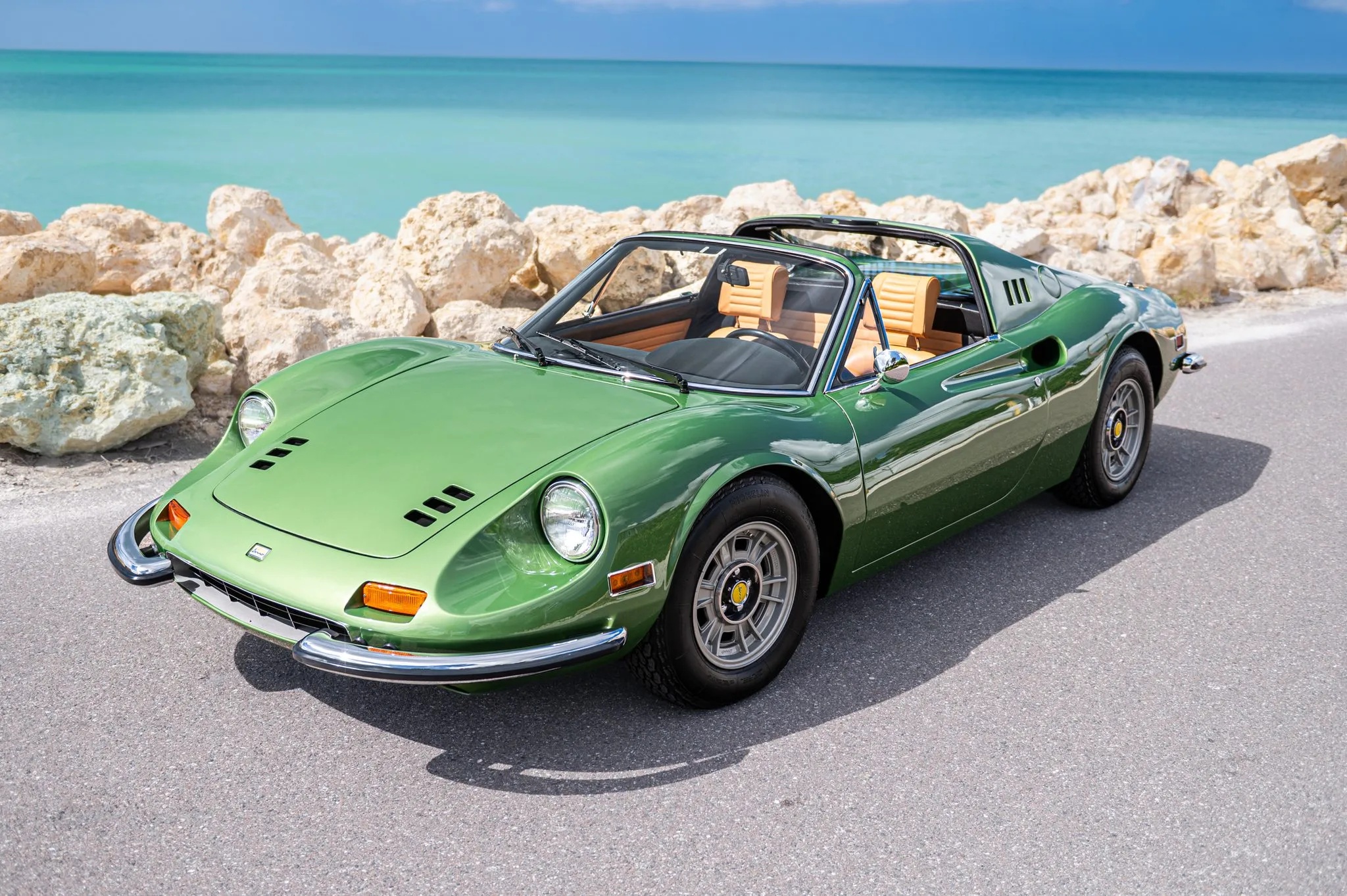
17. Ferrari Dino 246 GT
1969–74 · 2.4 V6 · 195 hp · ~ 3,570
Aldo Brovarone and Leonardo Fioravanti designed it at Pininfarina. The Dino is small and curved all over, with front wings that rise higher than the bonnet, scoops cut into the doors and a rear window that curves round between two buttresses. It has the delicacy of a 1960s racing car in a body you could park. Among mid-engined cars only the Miura and the 33 Stradale are prettier.
Verdict The prettiest small Ferrari.
Did you know: It left the factory without a single Ferrari badge.
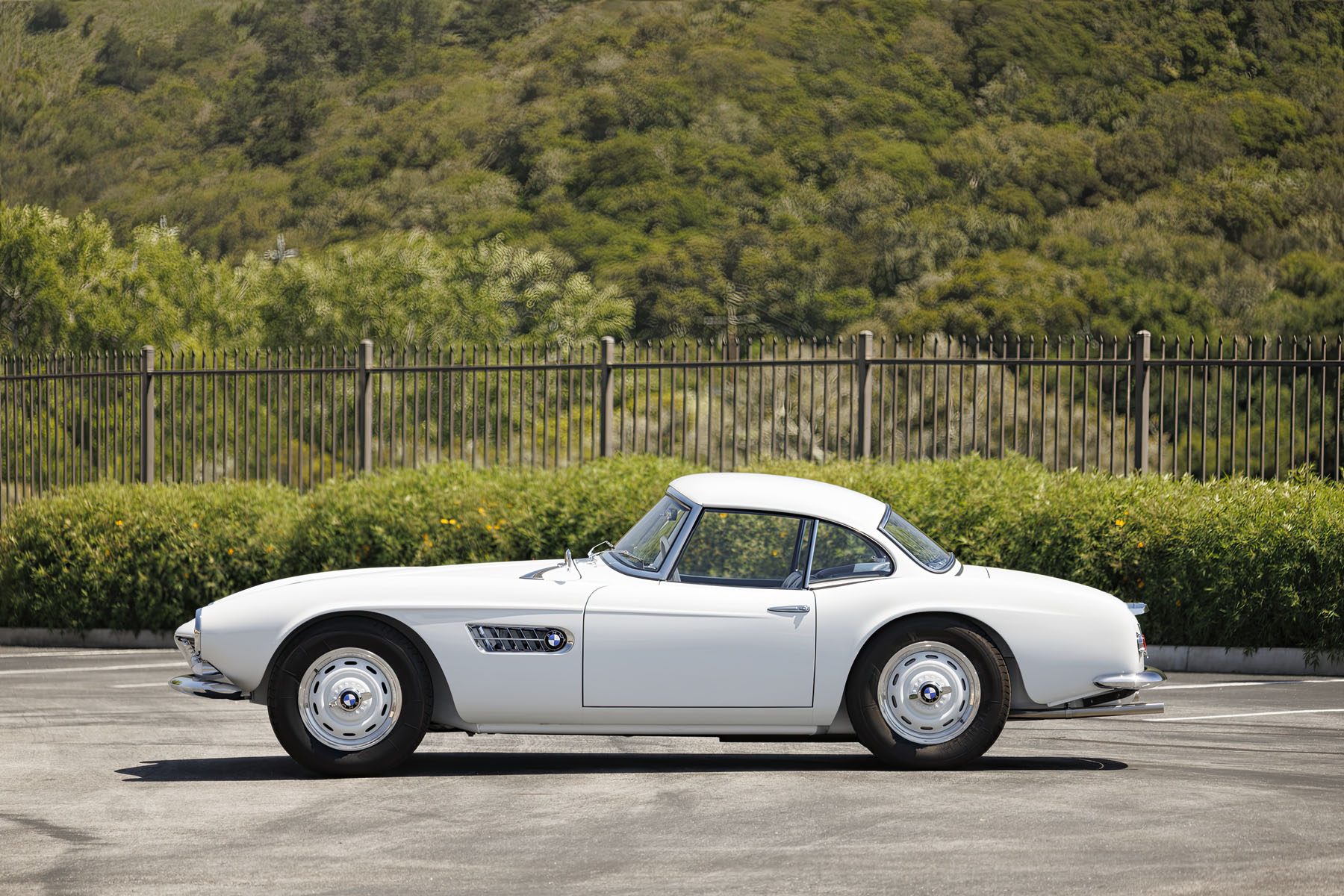
16. BMW 507
1956–59 · 3.2 V8 · 150 hp · 252
Albrecht von Goertz designed the 507 for the American market, and it sold so poorly that it nearly sank BMW. It is long and low with a wide, flat version of the BMW grille, side vents behind the front wheels and a waistline that dips at the doors. Only 252 were made. It has none of the heaviness of other German cars of the 1950s and looks as if it came from Italy.
Verdict The most graceful BMW ever made.
Did you know: Elvis Presley bought one while serving with the US Army in Germany.
The top 15
- Years
- From 1964
- Engine
- 2.0-litre flat six
- Power
- 130 PS
Road car · Germany
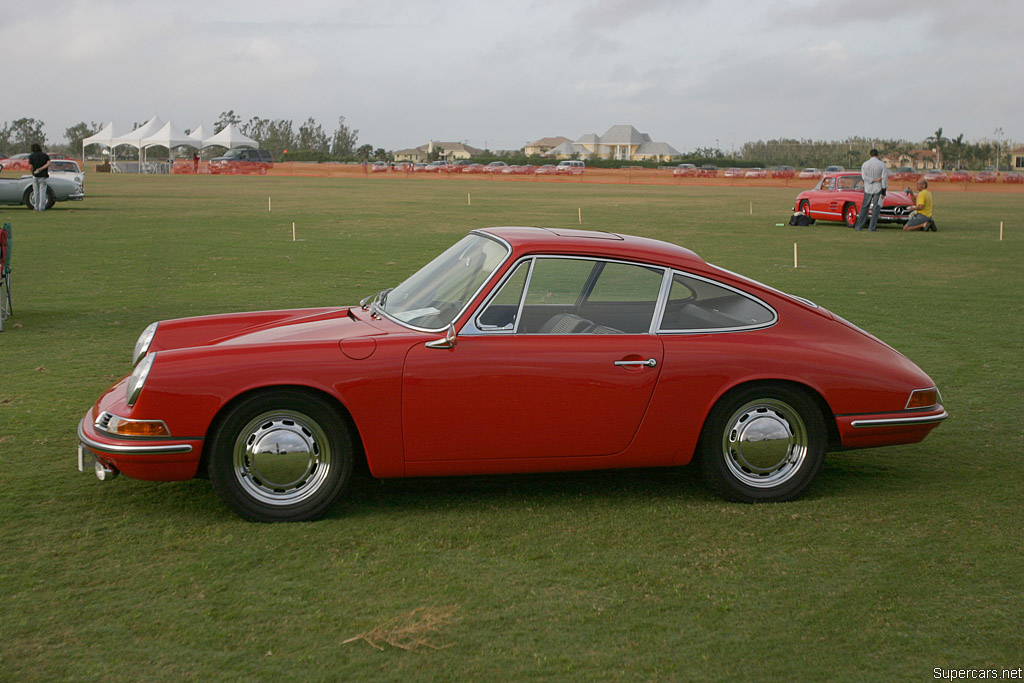
15. Porsche 911 (1964)
Ferdinand Alexander Porsche, known as Butzi, styled the 911 for the 1963 Frankfurt show. The shape is a single arc from the windscreen to the rear bumper, with round headlamps set into the tops of the front wings and enough glass to make the cabin look light. It was a tidier, more modern successor to the 356, and it has been refined ever since without ever being replaced. The early cars, on narrow tyres with slim bumpers, are the purest. No other shape on this list is still in production.
Verdict One line, drawn once, and never bettered.
It was shown at Frankfurt in September 1963 as the 901. Peugeot objected to the name, and it became the 911.
- Years
- 1955-1975
- Engine
- Four-cylinder, 1.9 to 2.3 litres
- Power
- 75 to 141 hp
- Built
- 1,455,746
Road car · France
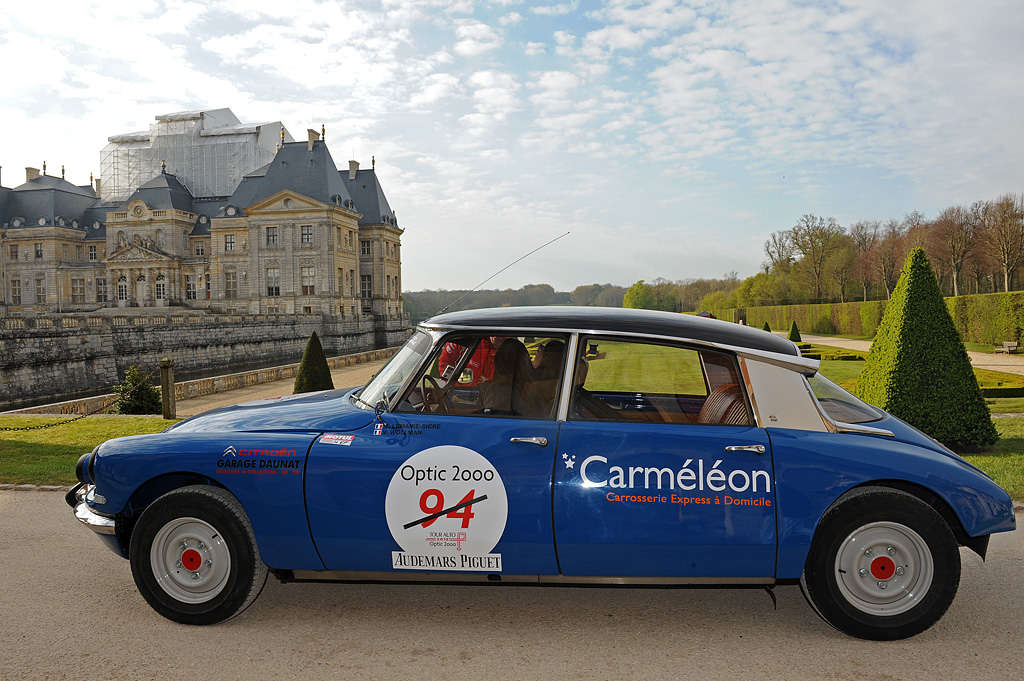
14. Citroën DS
In 1955 the DS looked as if it had arrived from another decade. Flaminio Bertoni, a sculptor as well as a car designer, gave it a nose with no grille, a roof that seems to float on thin pillars, rear wheels half covered and a tail that tapers away. When the engine starts the car rises on its suspension. It is the only saloon in the top twenty, and it is here because it is a piece of sculpture that a family could buy.
Verdict A family car shaped by a sculptor.
About 12,000 were ordered on the first day of the 1955 Paris show.

- Years
- 1957–63
- Engine
- 3.0 V12
- Power
- 240 to 280 hp
- Built
- 106
Road car · Italy
13. Ferrari 250 GT California Spider
An open Ferrari for the American west coast, which is how it got its name. Scaglietti built the body, and it is long, simple and perfectly balanced, with a line that runs unbroken from the headlamps to the tail and a slight rise over the rear wheels. With the hood down there is nothing to interrupt it. It is the open car on this list that needs the least explanation.
Verdict The most elegant open car of its era.
Built at the urging of Ferrari's American importers, Luigi Chinetti and John von Neumann.

- Years
- 1967
- Engine
- 4.0 V12
- Power
- 450 hp
- Built
- 3
Race car · Italy
12. Ferrari 330 P4
A racing prototype from 1967, built to beat Ford and to no styling brief at all. The P4 is very low and very wide, with wings that rise high over all four wheels, a cockpit like a bubble between them and a tail that ends in a row of exhaust pipes. It has curves where its rivals had flat planes. We have not named a designer because we could not confirm one. Whoever shaped it produced the most beautiful racing car there has been.
Verdict The most beautiful racing car ever built.
Ferrari's staged 1-2-3 at Daytona in 1967 was its reply to Ford's Le Mans finish of 1966.
- Years
- 1937–39
- Engine
- 2.9 supercharged straight-eight
- Power
- 180 hp
- Built
- ~ 30
Road car · Italy
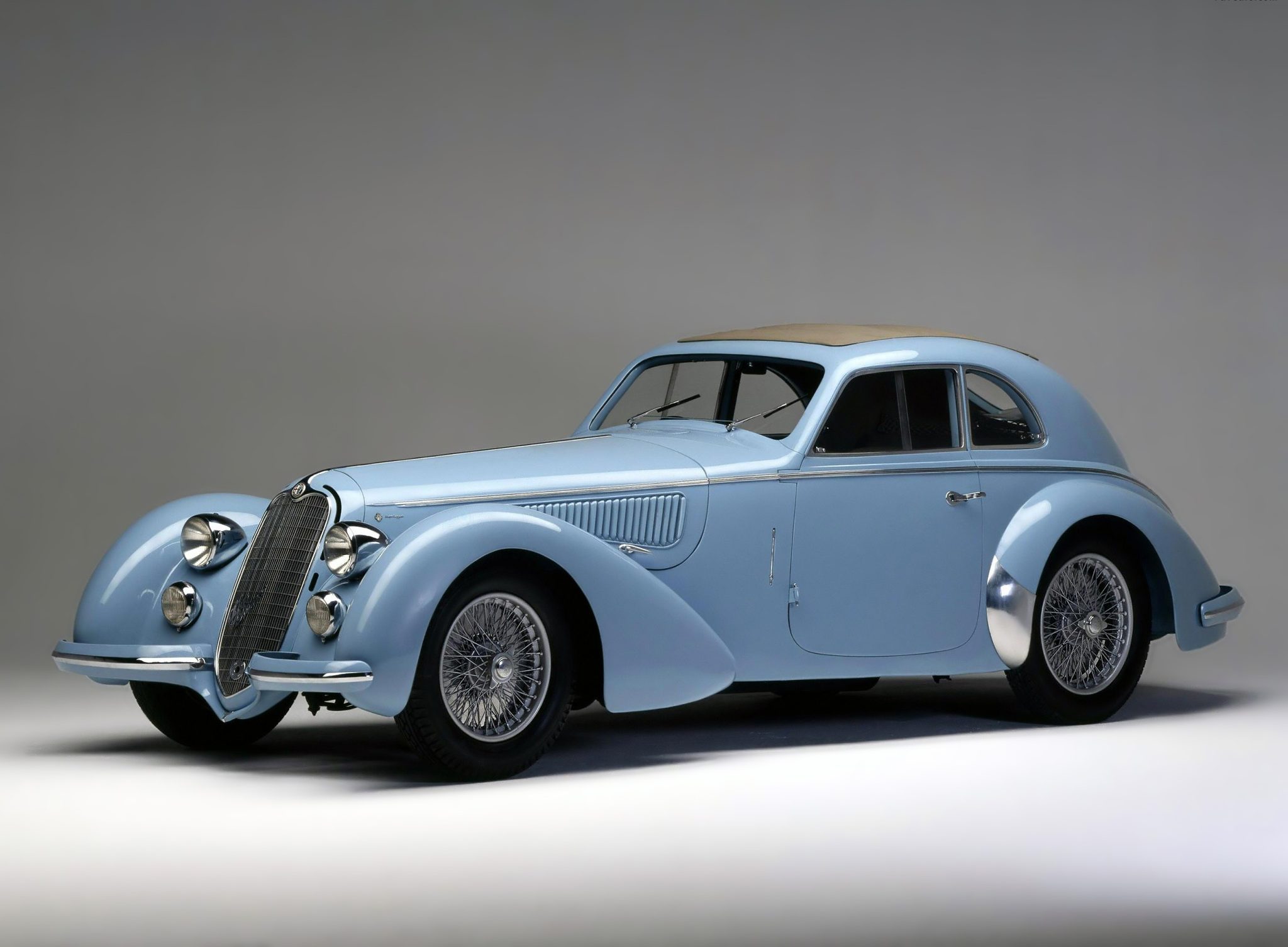
11. Alfa Romeo 8C 2900B
Touring of Milan built most of the bodies on Alfa Romeo's fastest pre-war chassis, using its Superleggera method of aluminium panels over a frame of thin steel tubes. The spiders and coupés are long, low and flowing, with wings that sweep the length of the car and a grille that leans back into the wind. About 30 were made. It was among the fastest and most expensive cars you could buy in 1938, and it looked it.
Verdict Pre-war Italian elegance at full stretch.
One sold at Monterey in 2016 for $19.8 million, then a record for a prewar car at auction.

- Years
- 1966–68
- Engine
- 3.3 V12, four cams
- Power
- 300 hp
- Built
- ~ 330
Road car · Italy
10. Ferrari 275 GTB/4
Pininfarina designed it and Scaglietti built it. The 275 GTB has a long nose that drops to a small grille, covered headlamps, a cabin set far back and a cut-off tail with a small lip. It is more aggressive than the 250s before it and more delicate than the Daytona after. The gills behind the front wheels and the slight kick over the rear wings are its only decoration. To many Ferrari people this is the best-looking road car the company ever made.
Verdict The classic front-engined Ferrari shape.
The first Ferrari road car with four overhead camshafts.
- Years
- 1960–63
- Engine
- 3.7 straight-six
- Power
- 314 hp
- Built
- 19
Road car · United Kingdom and Italy
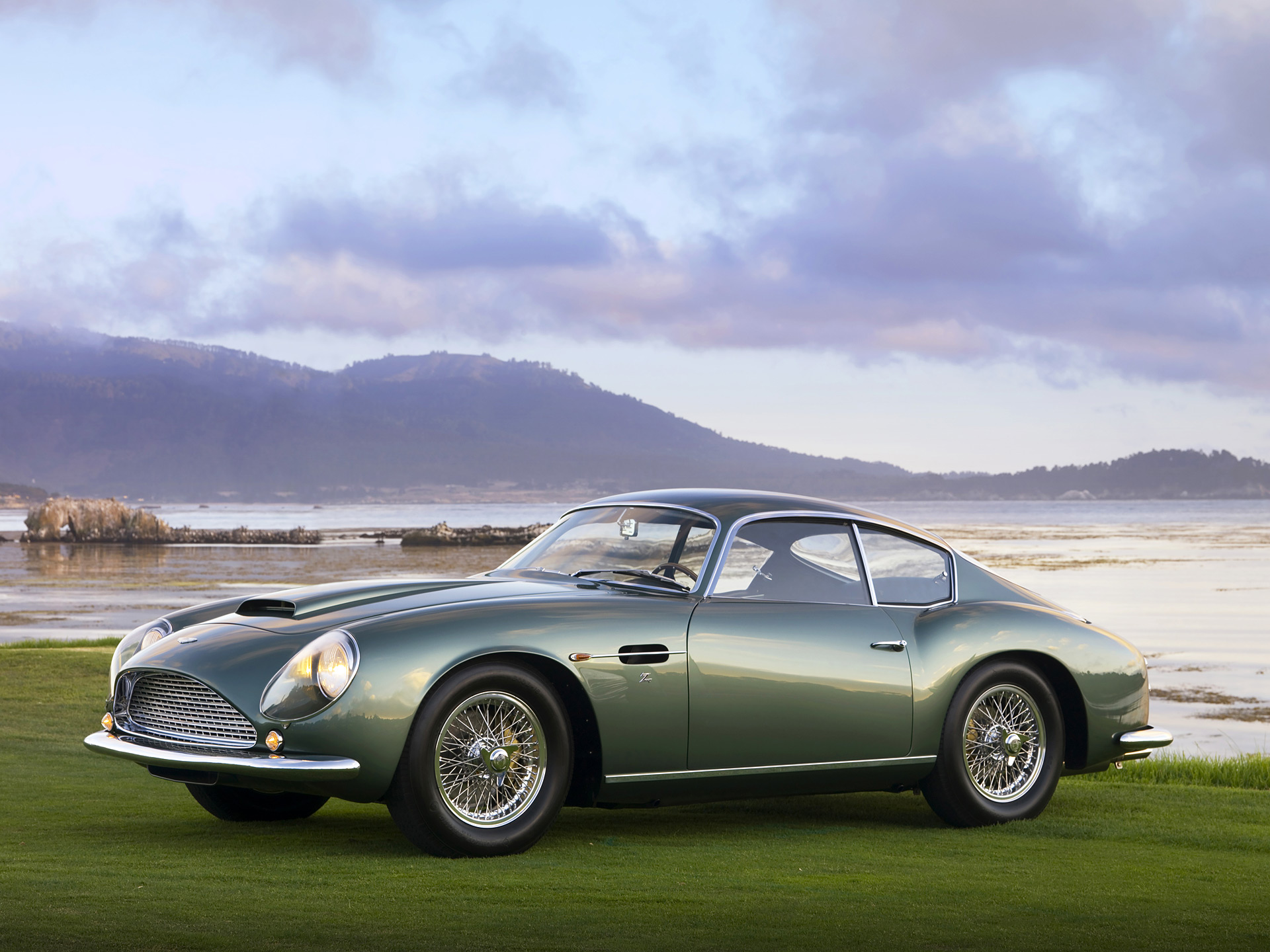
9. Aston Martin DB4 GT Zagato
Ercole Spada was in his early twenties and new at Zagato when he was given the DB4 GT to re-body. He made it smaller, lower and rounder than the Aston it was based on, with a deep oval grille, faired-in headlamps and a roof with Zagato's twin bulges. The tail is short and tucks in tightly behind the rear wheels. It is an English car in an Italian suit, and more beautiful than either country managed alone at the time. Aston Martin planned 25 and built 19.
Verdict The best-looking Aston Martin, and it was drawn in Milan.
Aston Martin planned 25 and could not sell them. Nineteen were built.
- Years
- 1954–57
- Engine
- 3.0 straight-six, fuel injected
- Power
- 215 hp
- Built
- 1,400
Road car · Germany
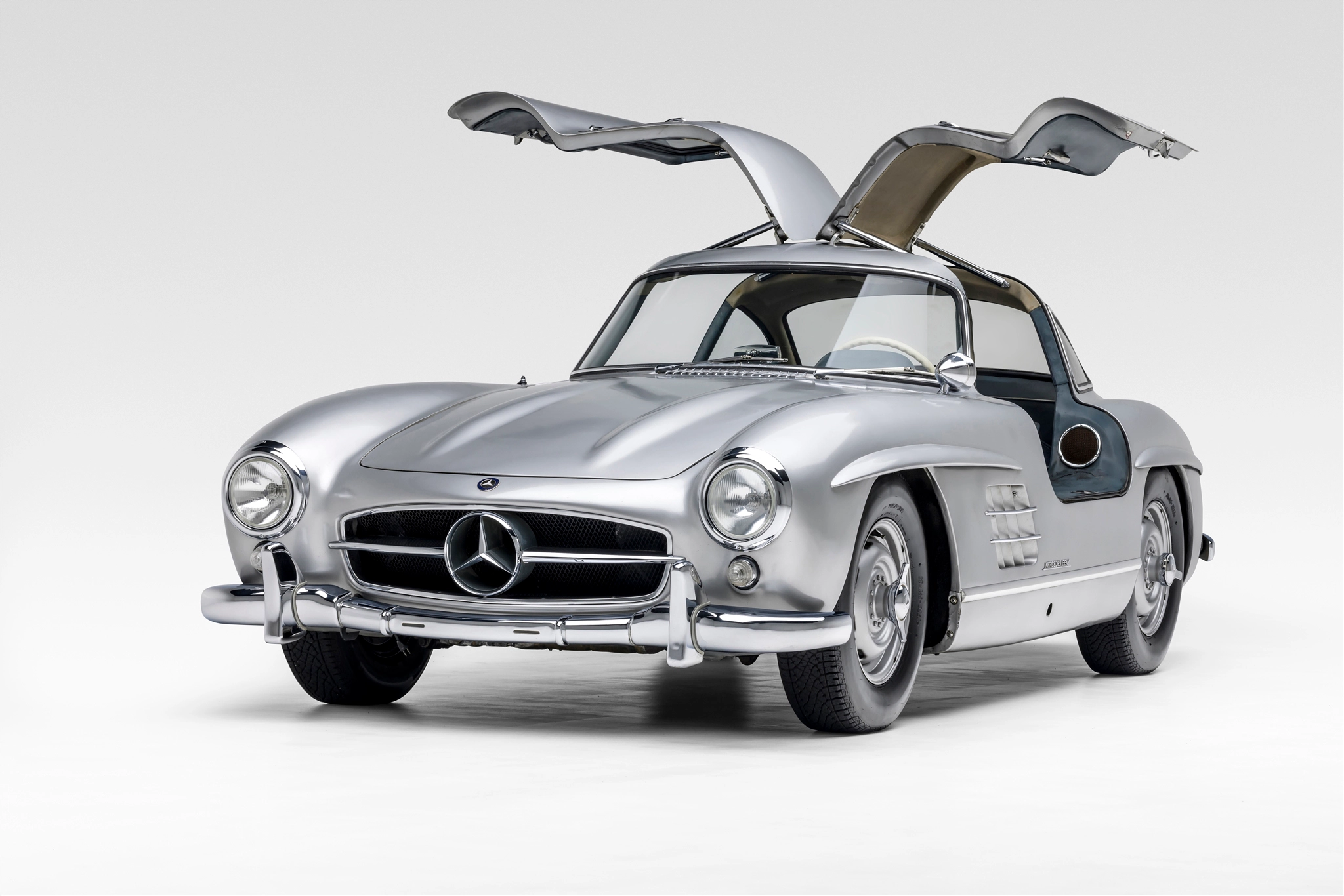
8. Mercedes-Benz 300 SL Gullwing
The doors were an engineering fix. The 300 SL's tubular frame ran high along the sides of the car, so ordinary doors would not fit, and the answer was to hinge them in the roof. Friedrich Geiger drew a low, wide body round that frame, with a broad grille carrying a large star, a brow over each wheel arch and vents behind the front wheels. With the doors shut it is a handsome, restrained coupé. With them open it is one of the most recognisable sights in motoring. It would be on this list without the doors, and lower.
Verdict Handsome closed, unforgettable open.
The doors open upwards because the tubular frame runs high along the sills, leaving no room for ordinary ones.
- Years
- 1937–39
- Engine
- 4.0 straight-six
- Power
- 140 hp
- Built
- ~ 16 with this body
Road car · France
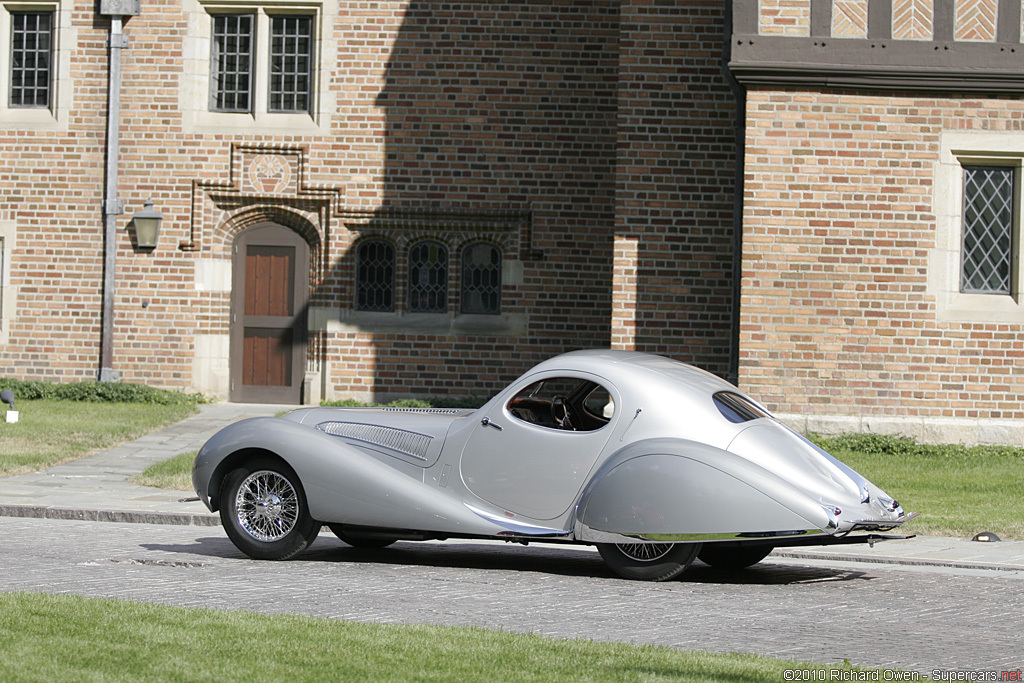
7. Talbot-Lago T150C SS "Teardrop"
Joseph Figoni called it a faux cabriolet. Everybody else called it the Goutte d'Eau, the drop of water. Figoni et Falaschi built 16 of these coupés on Talbot-Lago chassis from 1937, eleven of them on the short SS chassis, and no two are quite alike. The whole car is one falling curve from the top of the windscreen to the tail, with wings shaped like drops of their own and the door handles set flush. It was the most advanced streamlining of its day and it was done by eye. In a decade when French coachbuilders led the world, this was the best thing any of them made.
Verdict French streamlining at its absolute best.
One finished third at Le Mans in 1938, in the same form in which it was driven on the road.

- Years
- 1959–62
- Engine
- 3.0 V12
- Power
- 240 to 280 hp
- Built
- ~ 165
Road car · Italy
6. Ferrari 250 GT SWB
Pinin Farina's design for the short-wheelbase 250 GT is the one most people picture when they think of a 1960s Ferrari. It is compact and muscular, with a simple oval grille, a curved roof and rear wings that swell over the wheels. There is very little ornament. The proportions do the work: a long bonnet, a short cabin and almost no overhang behind the rear wheels. Where the GTO is dramatic, the SWB is calm. It looks right in any colour and from any distance. Many people who know both cars prefer this one, and on a different day we might too.
Verdict Proportion with nothing added.
Stirling Moss won the Tourist Trophy at Goodwood in one in 1960 and again in 1961.
- Years
- 1962–64
- Engine
- 3.0 V12
- Power
- 300 hp
- Built
- 36
Road car · Italy
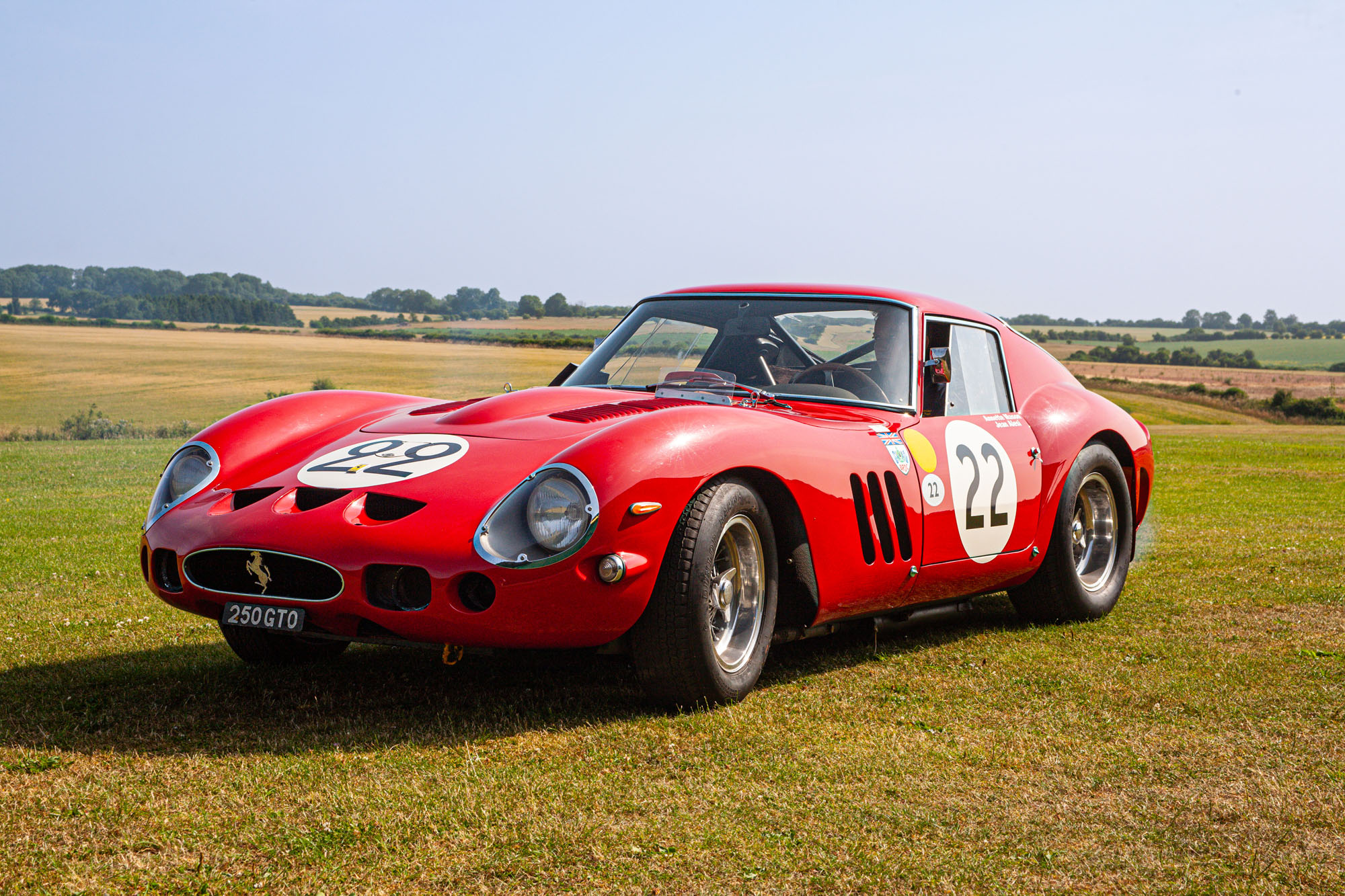
5. Ferrari 250 GTO
Nobody set out to make the GTO beautiful. Giotto Bizzarrini led the shaping of the body for speed, and Scaglietti's panel beaters built it by hand. The result is a racing car with a long, low nose, three D-shaped openings above the grille, vents behind the front wheels and a short tail with a lip across it. Every one of the 36 differs slightly. It looks purposeful from every side, and the purpose is what makes it beautiful: nothing is there for decoration. It is the highest-placed racing car on the list. It is also among the most valuable cars in the world, which is not why it is here.
Verdict Shaped for speed, and beautiful because of it.
All 36 survive. Buyers needed Enzo Ferrari's personal approval.
The full story of the Ferrari 250 GTO →239 stories in the archive →
- Years
- 1936–38
- Engine
- 3.3 supercharged straight-eight
- Power
- About 200 hp
- Built
- 4
Road car · France
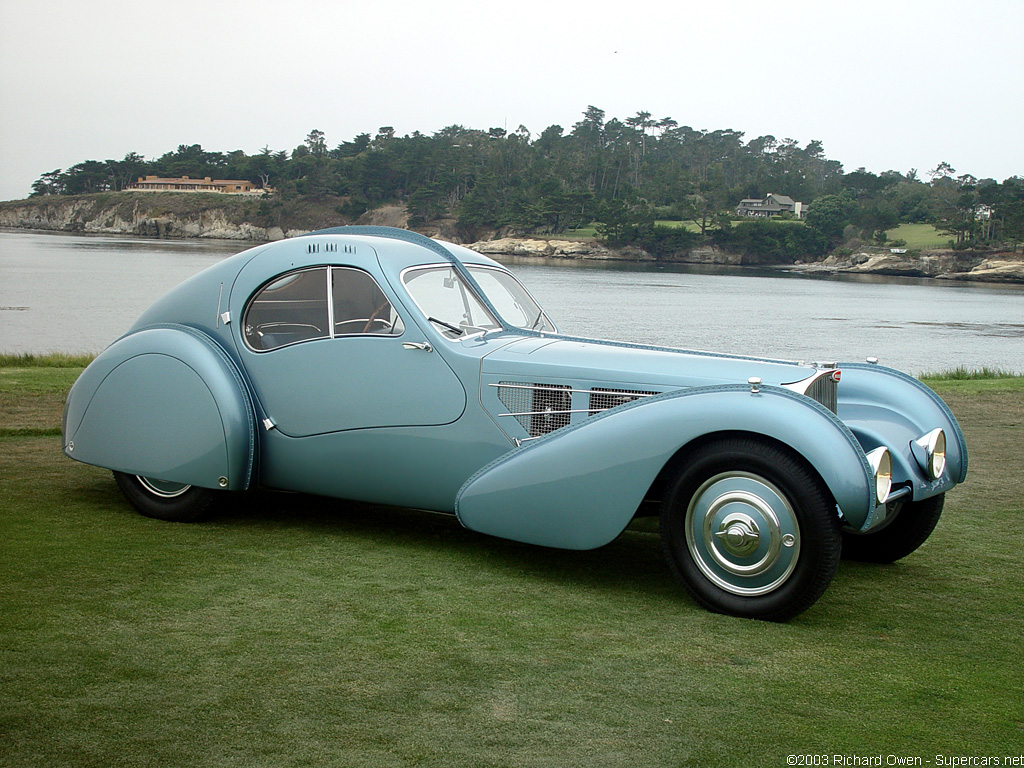
4. Bugatti Type 57SC Atlantic
Jean Bugatti, the founder's son, designed it in his twenties, and only four were made. The Atlantic is low and narrow, with a roof that curves down to a pointed tail, teardrop wings and doors that cut into the roof. Its signature is the riveted seam that runs down the spine of the body and along the crest of each wing. On the prototype the panels were a magnesium alloy that could not be welded, so they were riveted together on the outside. The production cars were aluminium and did not need the seam. It was kept anyway, and it is the detail everyone remembers. Three survive. It is strange, a little sinister, and unlike any other car, and it is the high point of the years when the most beautiful cars in the world came from France.
Verdict The masterpiece of the 1930s, seam and all.
One of the four, Jean Bugatti's own car, disappeared in 1940 and has never been found.
- Years
- 1961–68
- Engine
- 3.8 and 4.2 straight-six
- Power
- 265 hp
- Built
- 38,419
Road car · United Kingdom
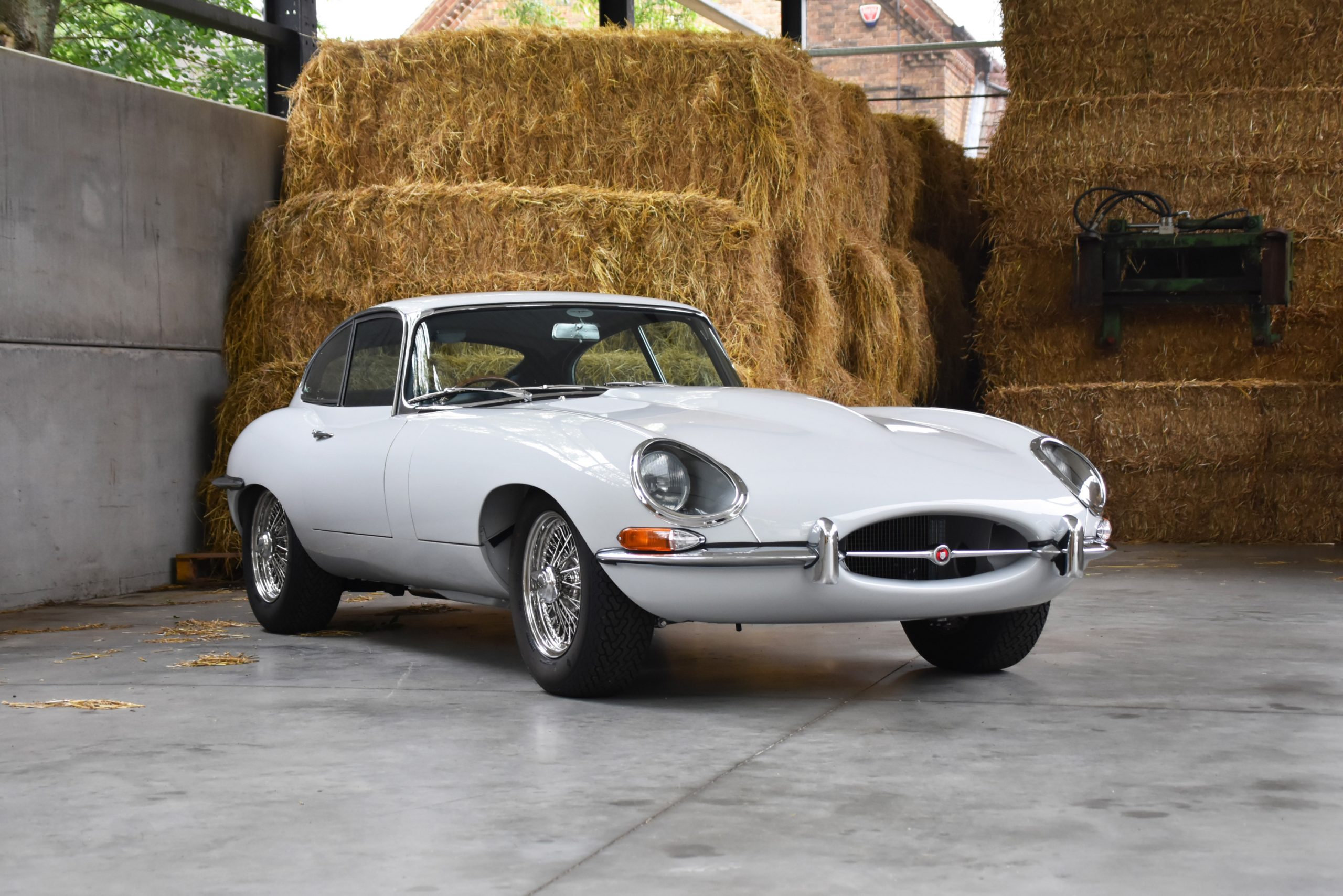
3. Jaguar E-type (Series 1)
When the E-type was shown at Geneva in 1961 it looked like nothing else on the road. Malcolm Sayer, who shaped it, was an aerodynamicist and worked the curves out with mathematics, which may be why they look inevitable. The bonnet is enormously long and ends in a small oval mouth. The cabin sits far back, the roof of the coupé falls in a single arc to the tail, and the wheels are tucked well inside the body. Enzo Ferrari is said to have called it the most beautiful car ever made, though the remark has never been firmly sourced. The Series 1 fixed-head coupé, with covered headlamps and slim bumpers, is the one. Later cars lost the headlamp covers and gained weight and chrome. It is third here and first for most people, and we would not argue long with anyone who put it there.
Verdict The shape everybody knows, and it has earned that.
Jaguar's test driver Norman Dewis drove a second car through the night from Coventry to Geneva for the launch in March 1961.
- Years
- 1966–73
- Engine
- 3.9 V12, mounted across the car
- Power
- 350 to 385 hp
- Built
- 764
Road car · Italy
2. Lamborghini Miura
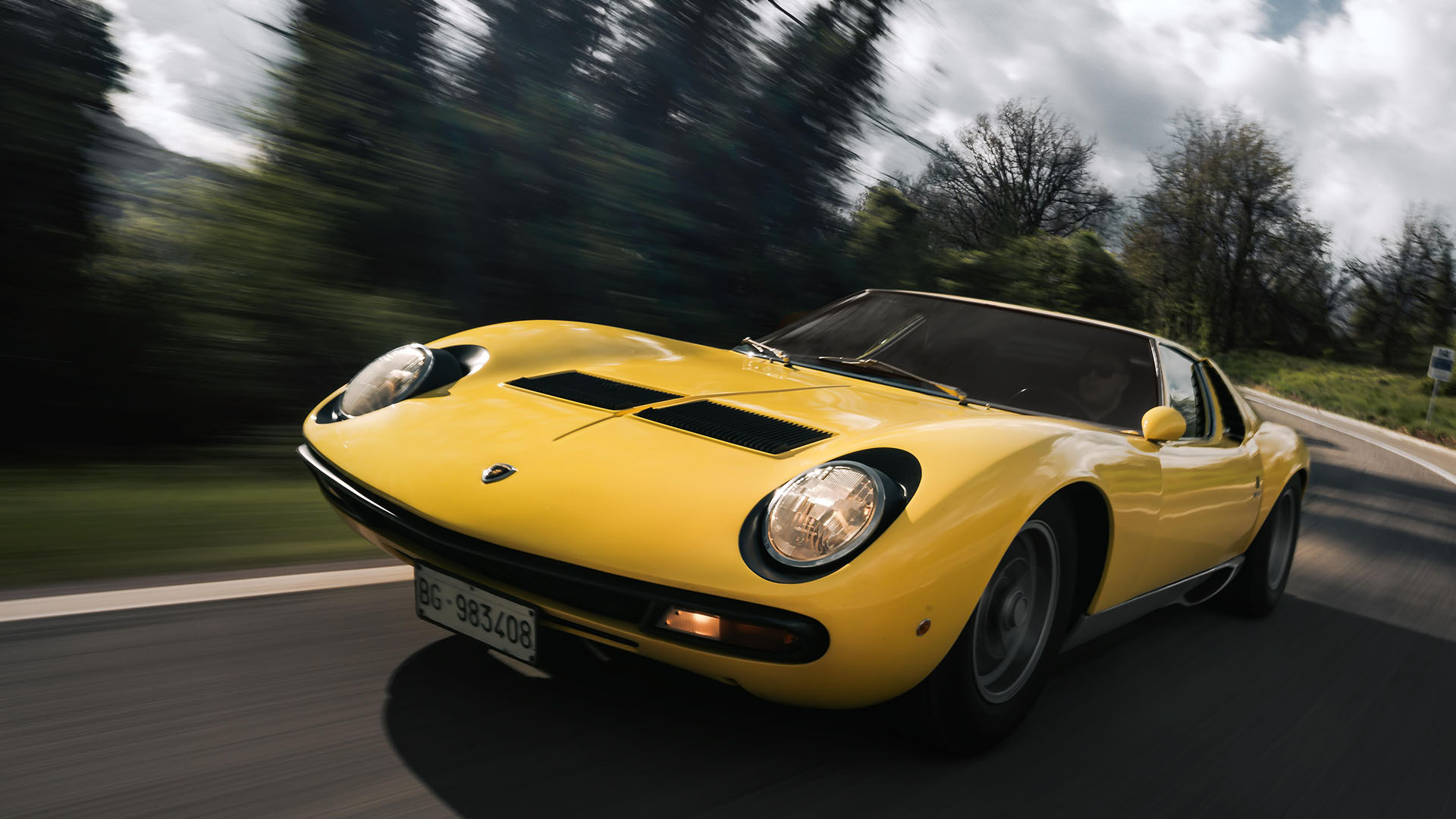
Marcello Gandini was in his twenties and new at Bertone when he drew the Miura, and it made his name and Lamborghini's on the same day in 1966. The shape is long, low and soft-edged, with the cabin set well forward and the tail stretching back over a V12. The headlamps lie flat when off and are framed by black slats that people call eyelashes. The louvres over the rear window, the vents behind the doors and the sills that sweep up into the rear wings are all doing a job, and all look as if they are there for pleasure. It is a sensual car where its successor, the Countach, is an aggressive one. Seen from the rear three-quarter, low down, it is as good as anything on this list. It is second because the Alfa above it is purer, and because the Miura's nose, from dead ahead, is very slightly its weakest view.
Verdict The most seductive shape ever put on four wheels.
The engineers who drew it were in their twenties, and worked on it after hours because Ferruccio Lamborghini had not asked for it.
The best of the 50 · Road car · Italy
1. Alfa Romeo 33 Stradale
- Years
- 1967–69
- Engine
- 2.0 V8
- Power
- 230 hp
- Built
- 18
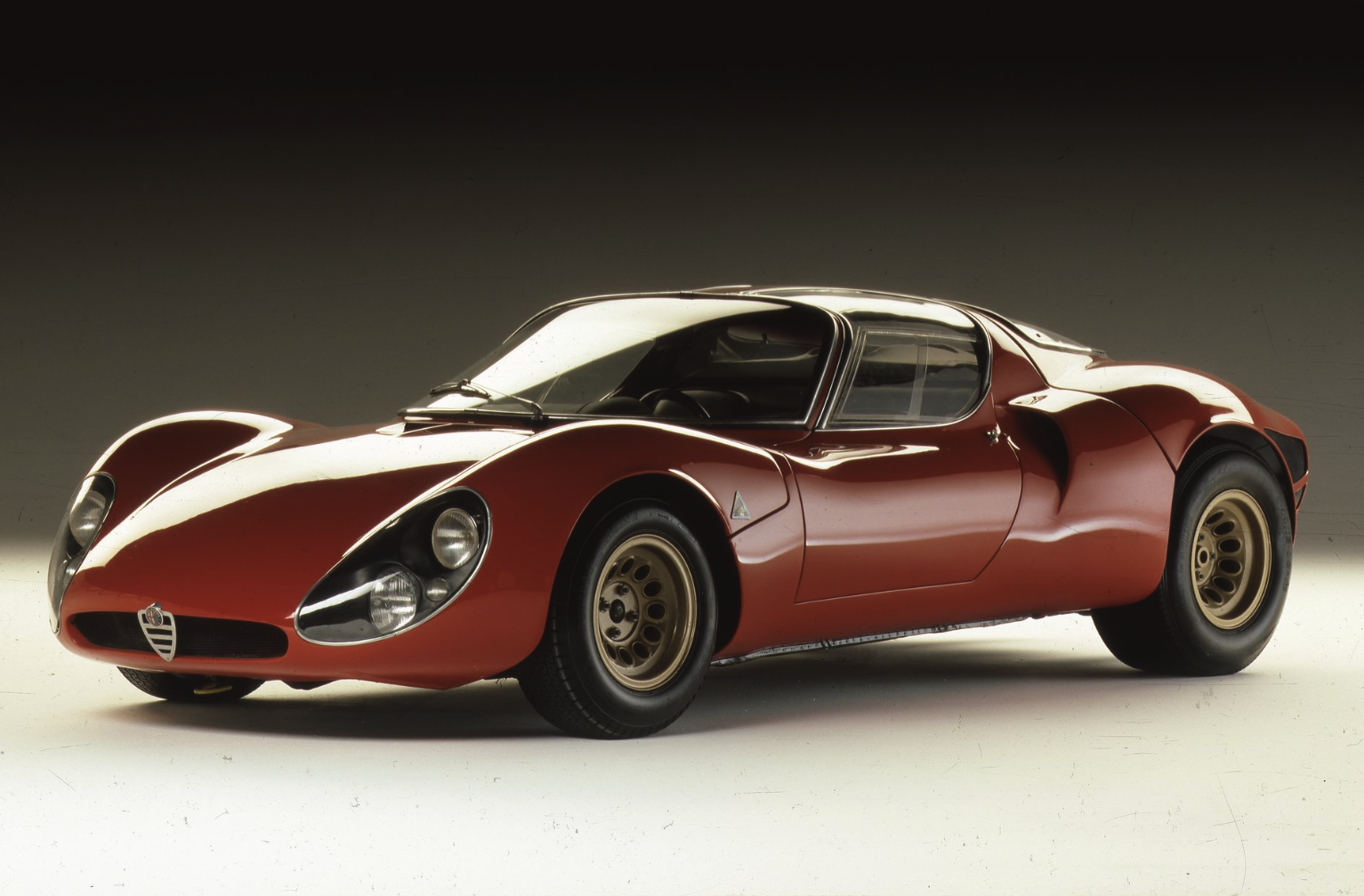
Franco Scaglione drew it in 1967 around the chassis of Alfa Romeo's Tipo 33 racing car, and nothing since has matched it. The 33 Stradale is tiny, about a metre high, and there is not a straight line or a flat surface anywhere on it. The front wings rise over the wheels and fall away to a nose that seems to have been poured. The glass of the doors curves up into the roof, and the doors themselves open forwards and upwards. The tail swells over the rear wheels and stops abruptly. What makes it the most beautiful car ever made, and not merely one of them, is that it has no bad angle and no detail you would change. Most beautiful cars have a best side. This one does not. Only 18 were built between 1967 and 1969, each slightly different from the last because they were made by hand, and seeing one is rare enough that most people who love it have only ever seen photographs. The photographs are enough.
Verdict No bad angle, no line you would change.
It stands under a metre high, and its doors open upwards and take part of the roof with them.
What we left off, and why
Lower than you might expect
Lamborghini Countach, at 21. The most striking car on the list, and striking is not the same as beautiful.
Aston Martin DB5, at 22. Famous for a film. As a shape it is a very good grand tourer and the DB4 GT Zagato is a better one.
Ferrari 365 GTB/4 Daytona, at 36. Handsome and hard-edged, and seven Ferraris are prettier.
McLaren F1, at 46. Honest and well proportioned, and designed to work before it was designed to please.
Higher than you might expect
Citroën DS, at 14. The only saloon near the top, and it deserves to be.
Toyota 2000GT, at 19. As good as the Europeans it was measured against.
Bizzarrini 5300 GT Strada, at 24. Little known and astonishingly low.
Buick Riviera, at 43. Proof that Detroit could do restraint.
Not on the list
Ferrari F40, Ferrari Testarossa and Porsche Carrera GT. Dramatic, purposeful and loved. On looks alone, none is beautiful in the sense this list means.
Ferrari 250 Testa Rossa, Mercedes-Benz 300 SLR, Porsche 917 and Maserati 300S. We held the racing cars to five.
Duesenberg Model J, Bugatti Royale and Bentley R-type Continental. Magnificent and imposing, which is a different quality.
Aston Martin DB4, Lamborghini 350 GT, Maserati 3500 GT and Facel Vega. All fine shapes that lost their places to a better car from the same years.
Lotus Elan, BMW 328 and Alfa Romeo Giulietta Spider. Pretty, and not quite enough.
Anything launched since 2010. Ask us again in twenty years.
Tell us what we got wrongQuestions about this list
What is the most beautiful car ever made?
We think it is the Alfa Romeo 33 Stradale of 1967, designed by Franco Scaglione. Only 18 were built. The Lamborghini Miura and the Jaguar E-type are second and third.
Did Enzo Ferrari really call the Jaguar E-type the most beautiful car ever made?
He is widely said to have done so when the car was launched in 1961, but the remark has never been firmly sourced. It is best treated as a good story that may be true.
Why are there so few modern cars on the list?
Only five of the fifty were made after 1990. Modern cars have to meet crash and pedestrian safety rules and cool far more machinery, which makes them taller, heavier-looking and bigger in the wheel. Designers have less freedom than they had in the 1960s.
Which designer has the most cars on the list?
Giorgetto Giugiaro has four: the Bizzarrini 5300 GT, Maserati Ghibli, De Tomaso Mangusta and Iso Grifo. Marcello Gandini has three: the Lamborghini Miura and Countach and the Lancia Stratos. Pininfarina, as a firm, is behind nine.
What is the most beautiful Ferrari?
On this list, the 250 GTO, at number five, followed by the 250 GT SWB and the 275 GTB. Nine Ferraris make the fifty, more than any other make.
How we ranked them
On looks alone. We judged proportion, line, surface and detail, and asked whether each car is as good from every angle. How a car drives, what it won, how rare it is and what it sells for did not count.
What was eligible
Any car, road or racing, of any era. Five racing cars are included. Where a chassis carried several different bodies, the entry is one of them and says which.
Designers
A designer is named only where we could confirm the credit. Where we could not, as with the Ferrari 330 P4, Ford GT40 and Shelby Cobra, no name is given.
Where our lists disagree
Our marque lists and our supercar list rank cars on more than appearance, so the order here is different. The Countach is above the Miura there and well below it here.