Ferrari brought the clutch pedal back this year, and most of the headlines came with a “sort of” attached. That’s because neither the 12Cilindri Manuale’s gated shifter nor its third pedal is mechanically connected to the gearbox. Then the reviews landed, and most of them were glowing. Top Gear went as far as calling it “an all-time great manual,” which is a bold thing to say about a car that still runs a dual-clutch underneath.
Ferrari isn’t the only one playing this game. Within a few months, a California company started selling a $25,000 gated shifter for dual-clutch Ferraris, Porsche published patents for a manual that isn’t exactly a manual, the Taycan learned to fake eight gears and a Texas shop rolled a C8 Corvette with a real six-speed manual into the SEMA Show. The reviews are good and the demand is obviously there, yet plenty of enthusiasts are still squirming. I think that’s because “fake manual” has turned into a catch-all for at least four very different things, and lumping them together is how you end up mad at the wrong car.
Putting a Real Gearbox Where There Never Was One
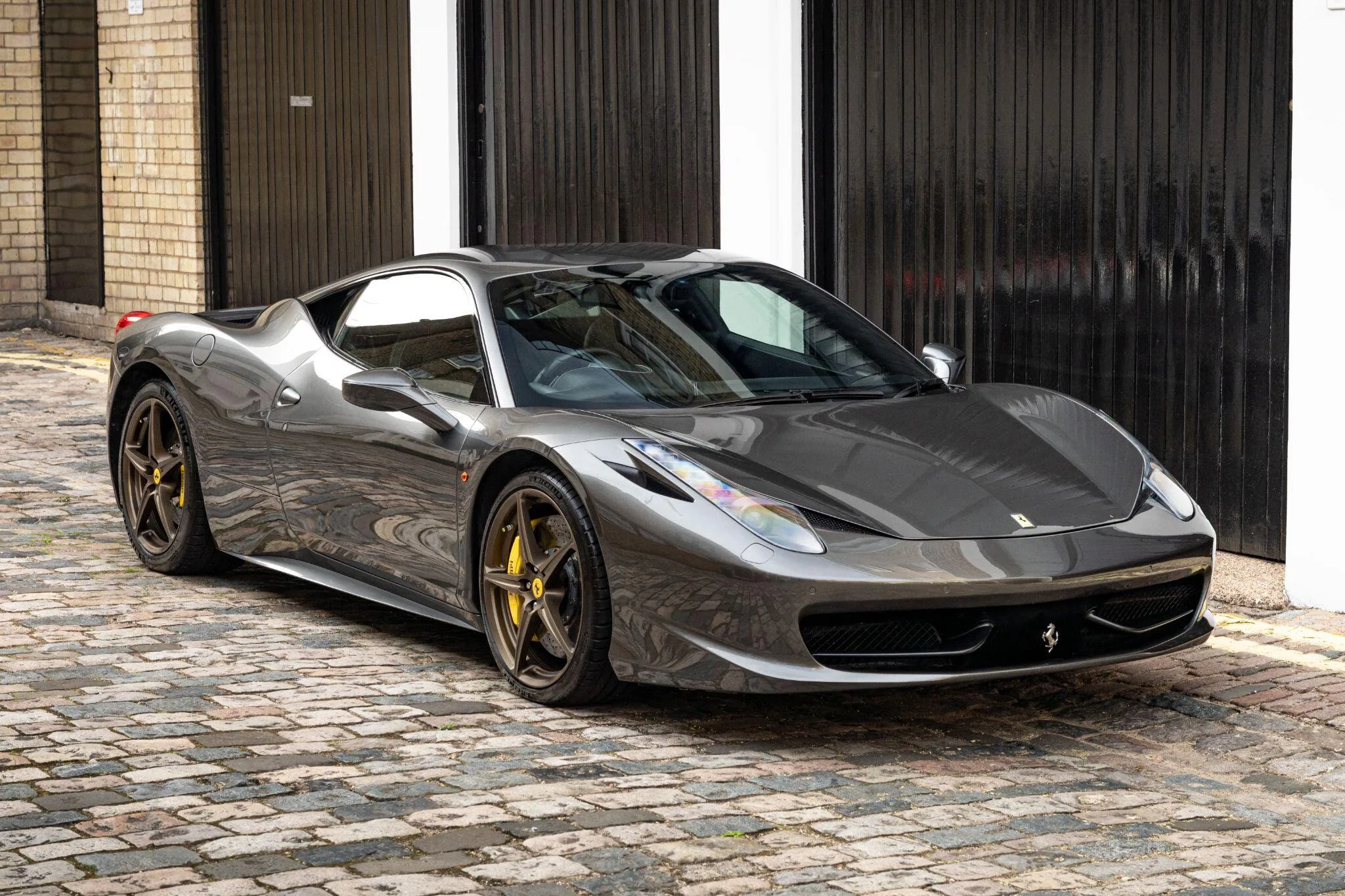
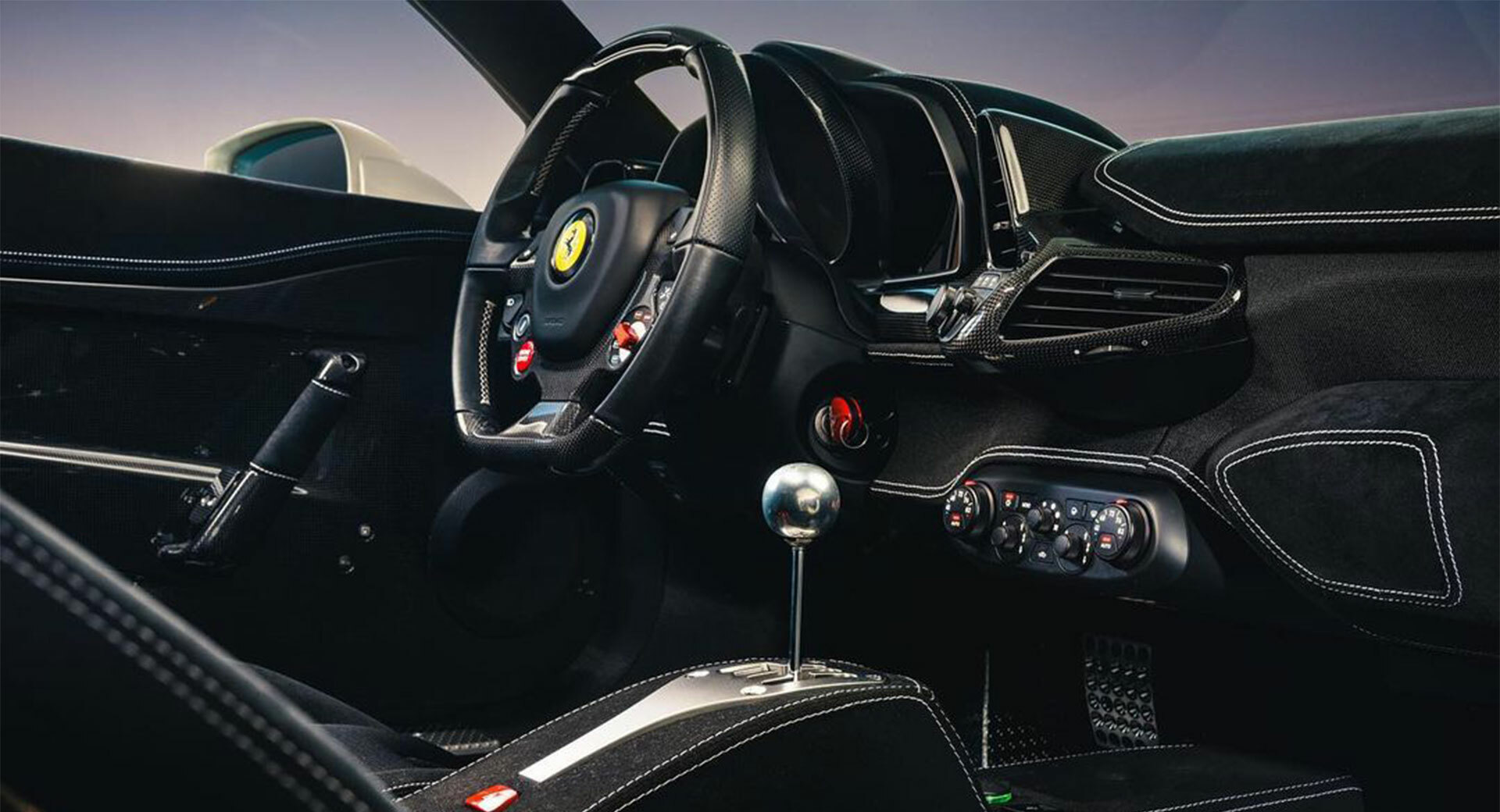
Let’s start at the honest end of the spectrum, which also happens to be the most painful for your bank account. The 458 was the first mid-engine Ferrari to drop the gated manual entirely, and owners have been trying to undo that decision ever since. Miami-based Modificata, founded by GT racer Jeff Segal, pulled the seven-speed dual-clutch out of a 458 Speciale and replaced it with a six-speed manual and a proper gated shifter. That sounds easy when you say it fast. In reality, it meant squeezing a pedal box with a clutch pedal into the footwell and integrating the new gearbox with the car’s ECU, and so far, it’s a one-off.
Texas-based European Auto Group (EAG) tried something similar with a 458 Italia back in 2019. Owner Art Bartosik said people were “screaming for a manual 458 and 488,” and his shop already knew the territory after converting a 430 Scuderia, whose gearbox shared plenty of parts with the regular F430’s manual. The 458 was a tougher job because it never had a manual to borrow from, so EAG had to find a gearbox from an outside source, with 10 or 11 cars planned. What’s publicly documented, though, is a prototype.
The V12 crowd has its own version of this story. Ferrari built just 30 examples of the 599 GTB Fiorano with a six-speed manual, and specialists have since converted F1-gearbox cars. PistonHeads even found a 599 GTO with a manual conversion done by the specialist selling it. Porsche owners have played this game too. One 991 GT3 RS swapped its PDK for the 911 R’s gearbox for about $45,000, and the shopping list included the pressure plate, clutch, single-mass flywheel, hydraulics, pedals, shifter, extra wiring looms and coding. The PDK car’s electronically controlled limited-slip diff had to go as well, replaced by a mechanical one.
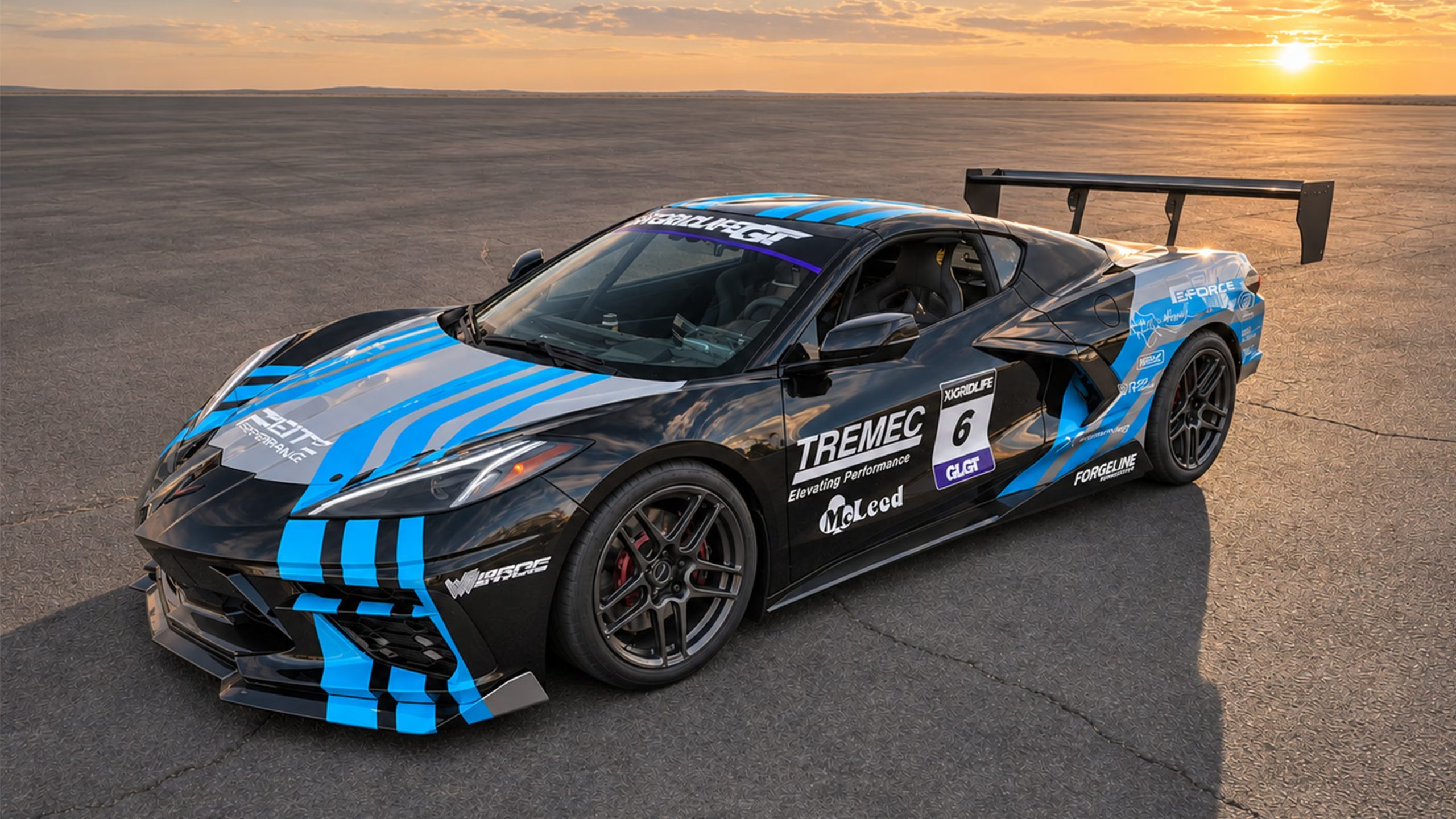
The newest member of this club showed up at the 2026 SEMA Show. Peitz Performance, from Tomball, Texas, fitted Tremec’s TR-9060 six-speed manual transaxle to a C8 Corvette, a car that Corvette chief engineer Tony Roma has said GM has no plans to offer with a manual. Tremec rates the gearbox for up to 1,000 hp and 800 lb-ft, and Peitz had to develop its own MoTeC control system so the Corvette would stop expecting a dual-clutch. The listed price is $74,528.99, and a new 2027 Corvette Stingray starts at $73,795 with delivery, so yes, the swap costs more than the car.
This is the real deal. There’s an actual clutch and actual gears clacking into place, and every botched shift belongs to you. It’s also expensive and invasive, and the gearbox is rarely the hardest part of the job. Every one of these builds lives or dies on the electronics.
Ferrari’s Manuale By-Wire
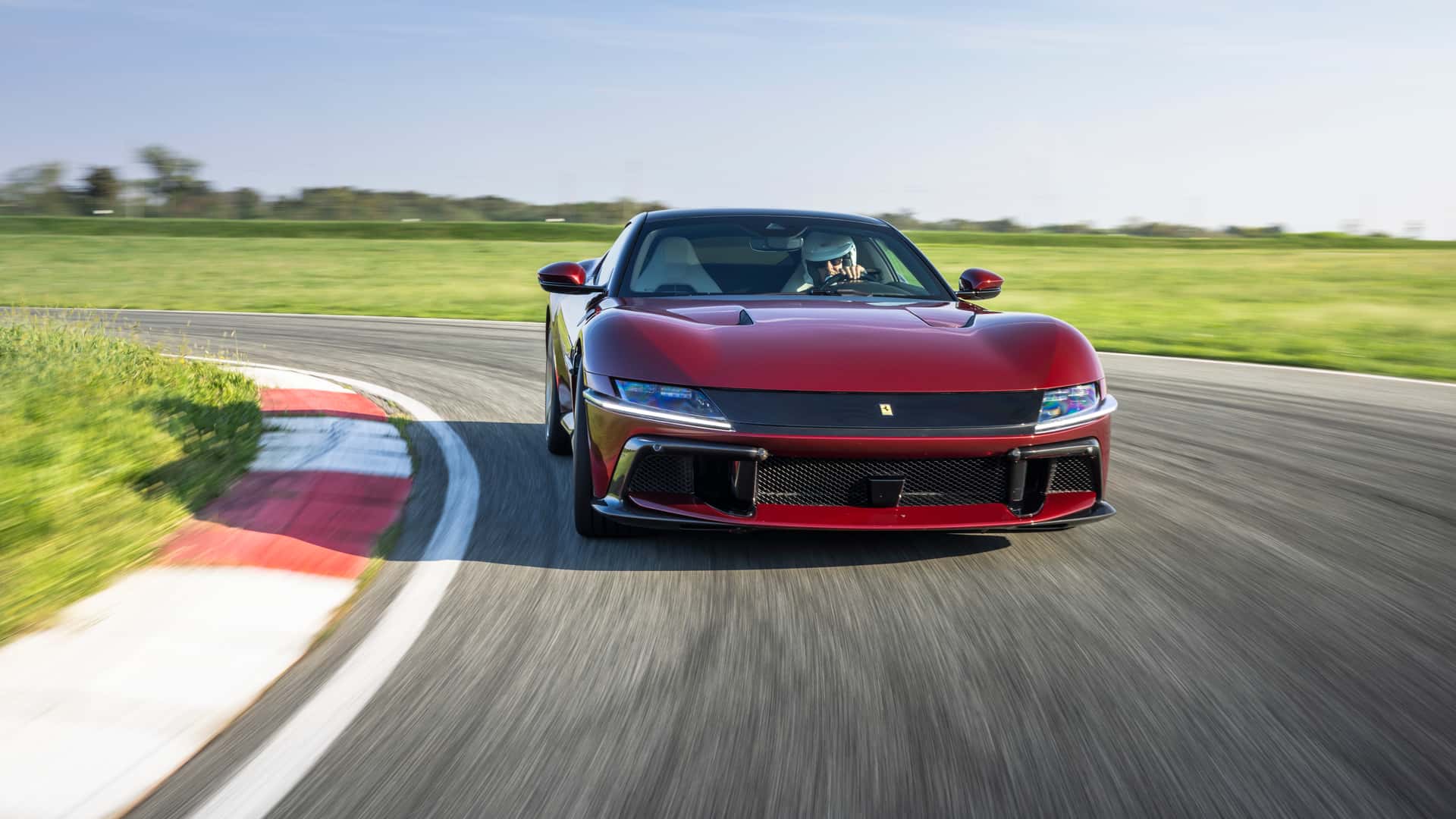
Ferrari went the other way with the 12Cilindri Manuale. The 819-hp V12 still feeds the same eight-speed dual-clutch as the regular car, but the paddles are gone, and the gated lever and clutch pedal work through Ferrari’s “Manuale By-Wire” system. The whole mechanism weighs 5 kg (11 lb), and the Manuale is the first Ferrari with a clutch pedal since the California and the first manual V12 from Maranello since the 599 GTB.
A sensor reads the clutch pedal’s travel and translates it into engagement of the gearbox’s clutch packs, while the lever handles the first six gears plus reverse. The pedal pushes back with about 14 kg (31 lb) of resistance, and the lever, knob, gate and pedals were recreated from iconic Ferraris of the past. The clever bit is that Ferrari let the car misbehave. It starts in automatic mode to keep its fuel economy ratings, but pump the clutch and the manual gears become yours. You can even stall it. In manual mode, it also won’t blip the throttle for you on downshifts, so your heel-and-toe technique finally has a job again.
None of this was improvised. Ferrari’s patent for a clutch-by-wire pedal was published by the US patent office on May 14, 2026, weeks before the Manuale debuted. Departing commercial chief Enrico Galliera said the manual had been the single most-requested feature from Ferrari clients in recent years. Those clients will pay for it, too. Production is capped at 1,499 cars, all coupes, priced from €590,000 in Italy, roughly €190,000 more than a regular 12Cilindri.
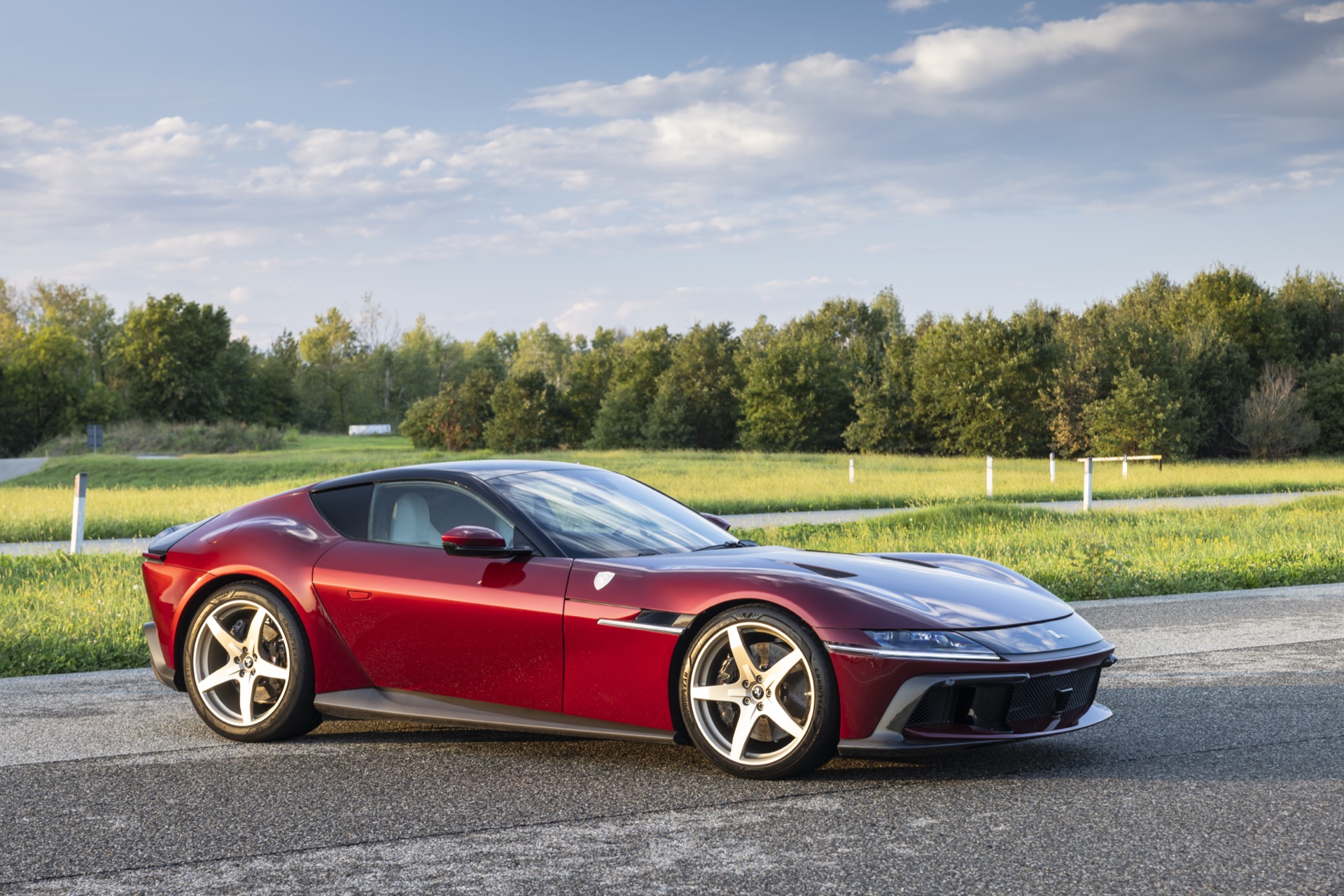
The reviews make for fun reading. Top Gear is all in. Motor Sport’s Andrew Frankel called it brilliant but not perfect, and Auto Express wasn’t totally convinced by the gearbox, though it admitted the system adds another dimension to an already great supercar. Chasing Cars probably said it best, writing that the distinction “matters, but not as much as you’d think.”
Koenigsegg got here first, by the way. The CC850 uses a version of the Jesko’s nine-speed Light Speed Transmission with an Engage Shift System that turns it into a six-speed manual, and both the clutch pedal and the shifter are by-wire. There are no synchros or shift forks inside, and the pedal controls the pressure of the gearbox’s clutches. Christian von Koenigsegg proved how convincing it is by accidentally stalling a CC850 on the show stand, easing off the clutch with the parking brake on. If a by-wire manual can embarrass its own inventor, it’s real enough for me.
Porsche has clearly been taking notes. A recent Porsche patent filing describes a dual-clutch with a clutch pedal and an H-pattern shifter, and it says the setup could work with hybrids. That could matter a lot for one very specific 911, and Porsche’s patents for a hybrid-friendly manual are worth a closer look.
The Gated Shifter with No Clutch Pedal
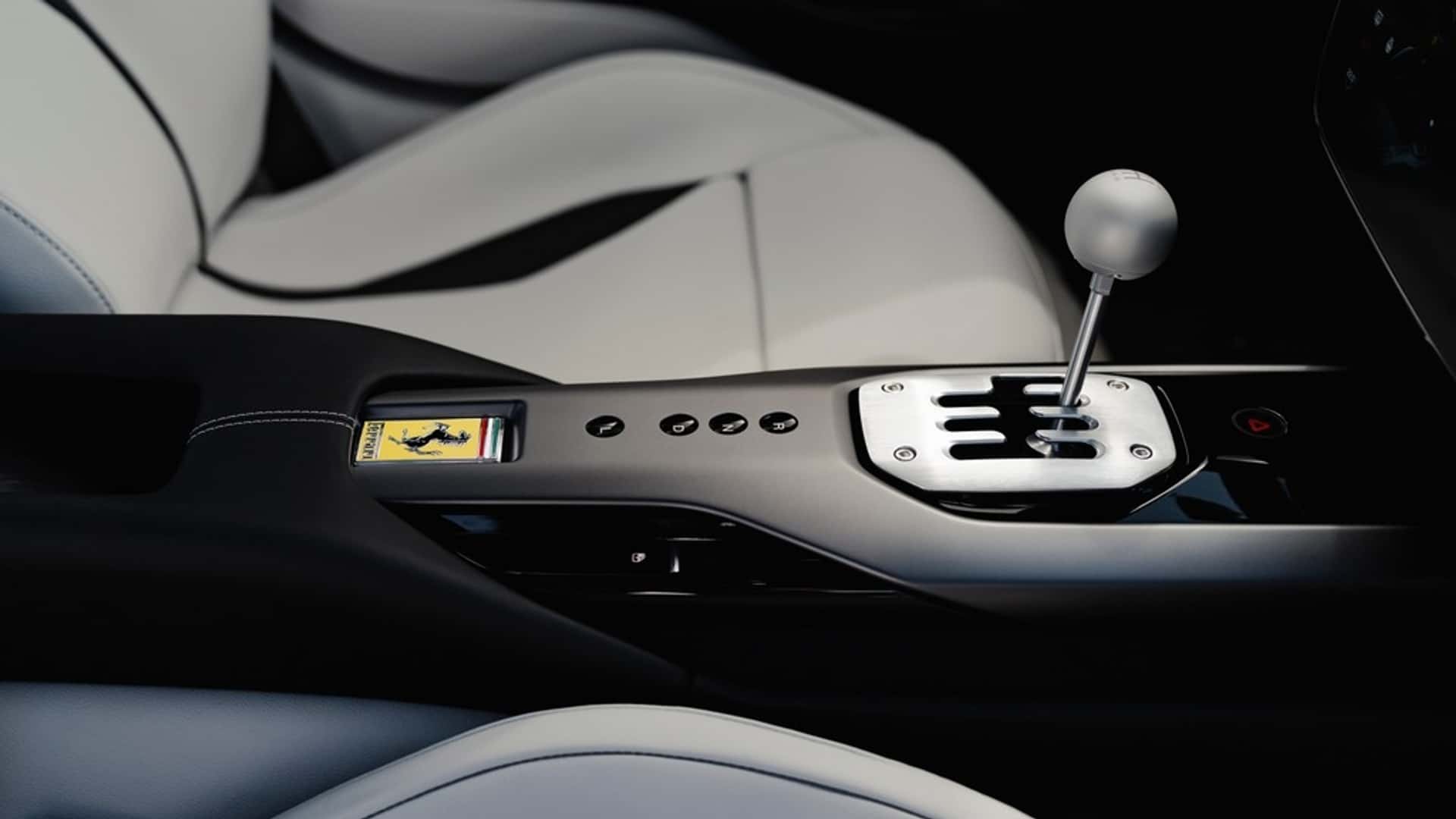
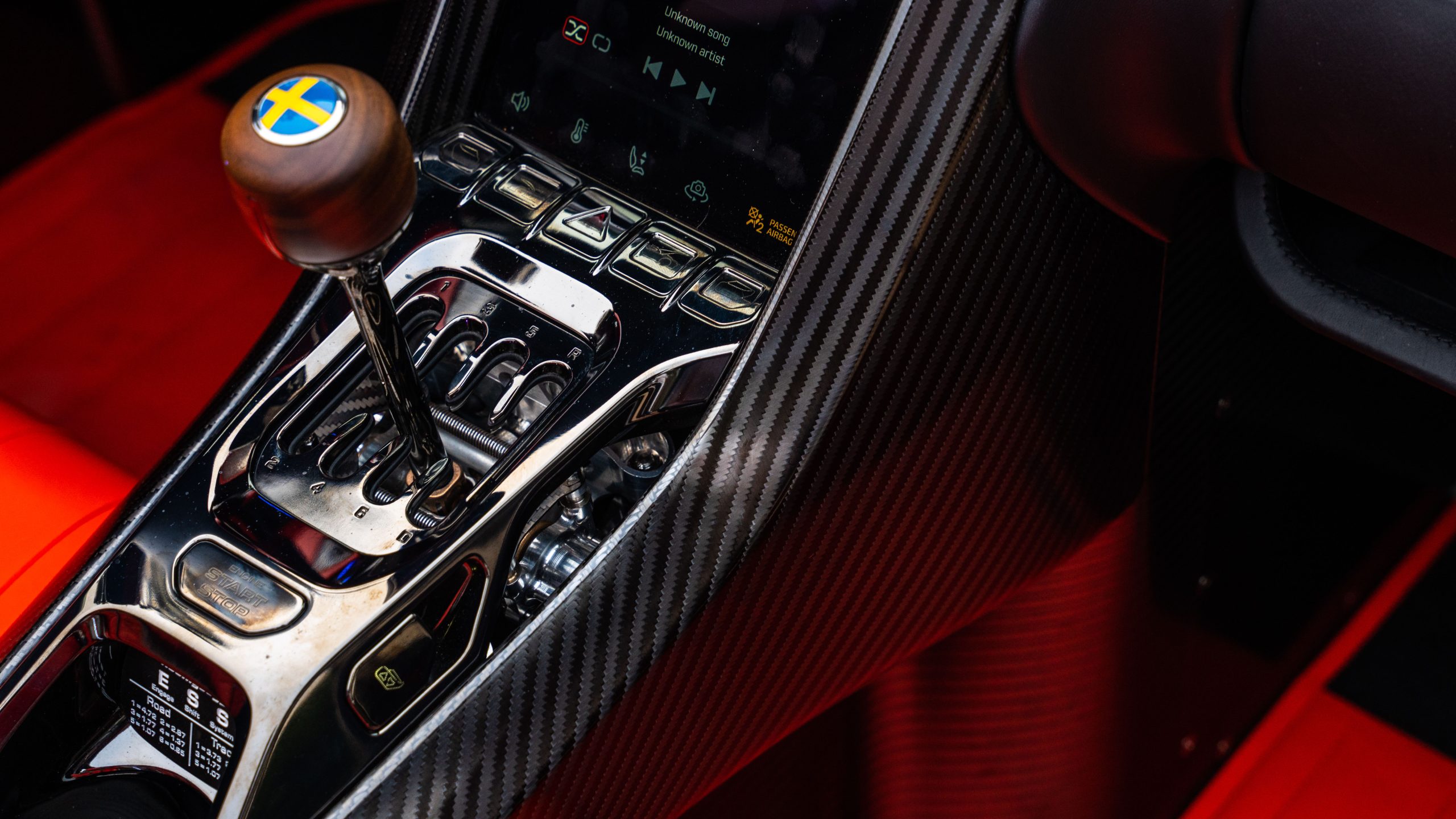
The Manuale swaps a manual’s mechanical guts for software. Rezvani’s Quick Shift keeps the gate and skips the manual part entirely. Rezvani Engineering, the technology arm of Rezvani Motors, built the first working prototype and showed it online on May 15, two months before Ferrari announced its own take, with Italy’s Studio Carrozzi as its design partner.
The kit costs $25,000 and fits the Ferrari 458, 488 and F12. It sends the same electronic shift commands as the factory paddles, which stay on the wheel, through a machined metal gate. Rezvani says there are no permanent transmission modifications, the installation is fully reversible and the car keeps its factory DCT speed and rev-matching. Units for the Lamborghini Huracán and Aventador are in development, and Rezvani is already taking $500 refundable deposits for a C8 Corvette version. Ferris Rezvani’s pitch is simple: “Modern cars have amazing technology, but along the way they’ve lost the emotion.”
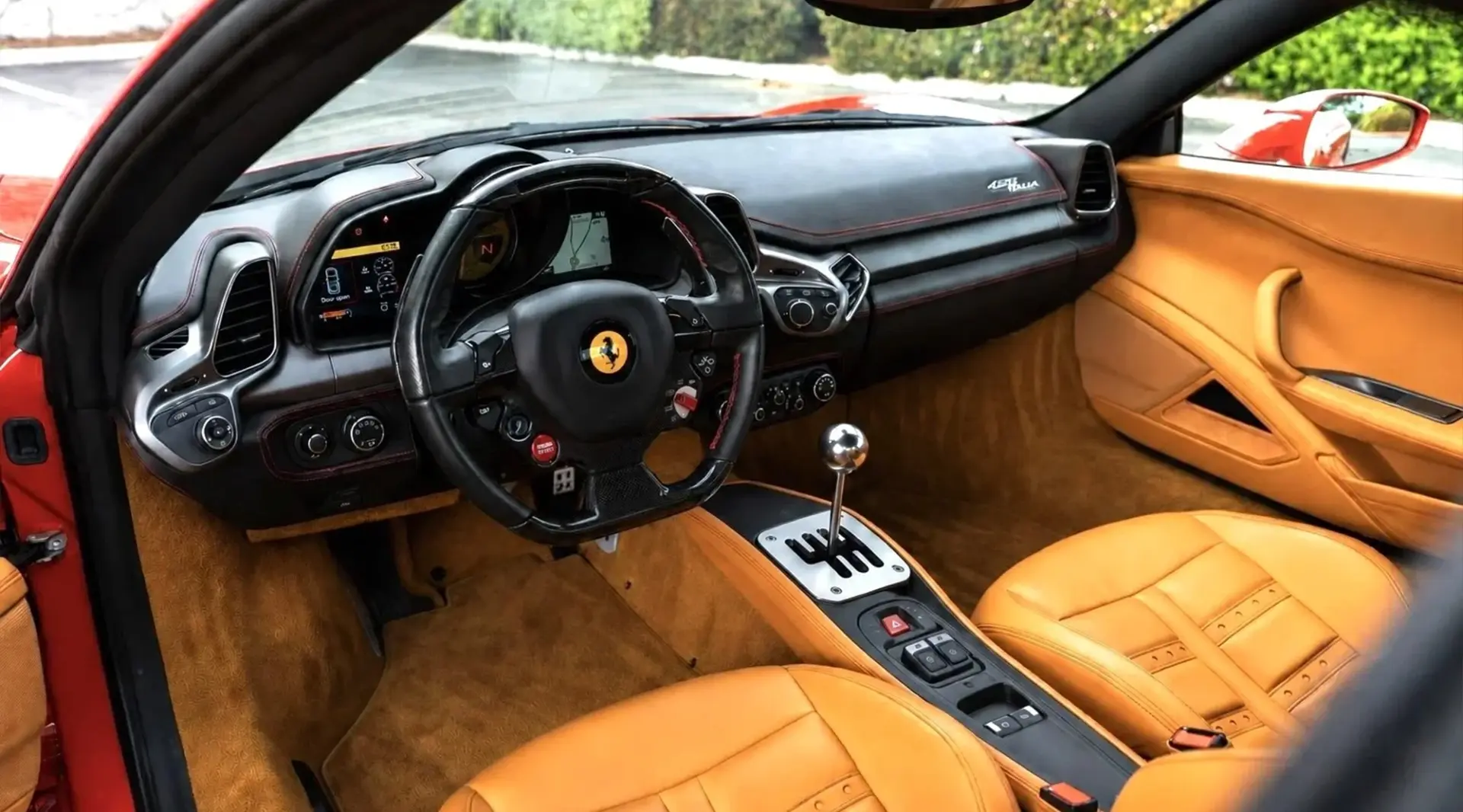
He’s not wrong, but look at what’s missing. There’s no clutch pedal, and you don’t even have to lift off the throttle to change gears, which is why Carscoops said the gate basically serves as an alternative to the paddles. I get the appeal. The click-clack of a metal gate is one of the great sounds of the analog era, and on a 458, it must feel fantastic. But your left foot has nothing to do, and the car can’t tell a perfect shift from a lazy one.
MockShift is chasing the same idea for the C8 with a gated manual and sequential shifter kit that keeps the factory dual-clutch. That gives the C8 a funny distinction in 2026. It’s the one car on this list you can fake or fix, depending on how deep your pockets are and how much that third pedal means to you.
Virtual Gears in Cars That Have None
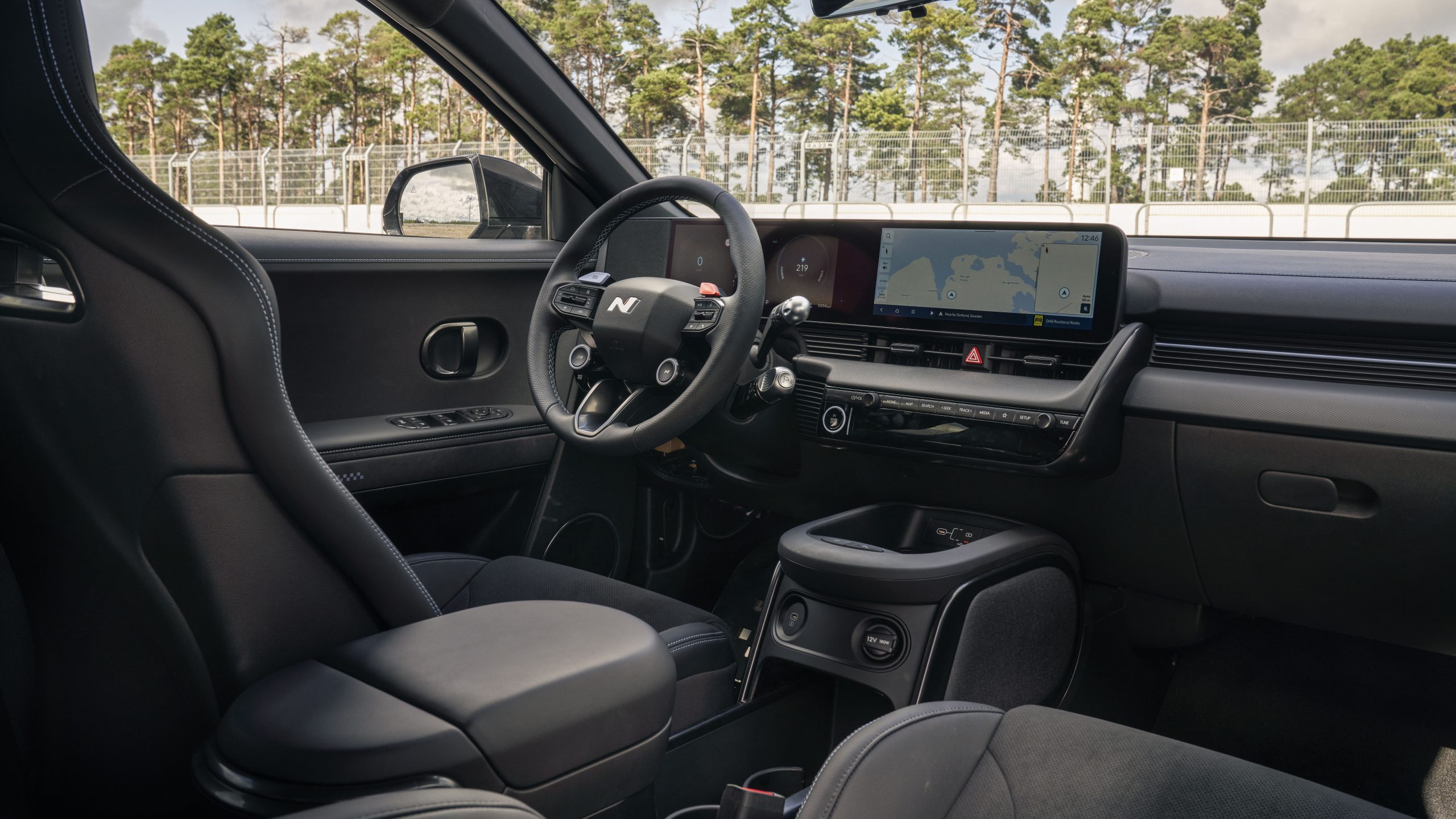
The EV version is the most fake of the bunch and, oddly enough, the one I have the least problem with. Hyundai started it with the Ioniq 5 N back in 2023, fitting a single-speed electric car with simulated gearshifts and even a virtual rev limiter. It worked well enough that other brands started copying it.
Porsche was one of them. In June 2026, the Taycan got E-Shift, which takes the characteristics of the PDK and maps them into the car’s software to create a simulated eight-speed transmission. Porsche promises “noticeable gearshift jerks” and gear-specific drag torque, and E-Shift is standard on the Turbo GT and optional on every other Taycan. The most interesting detail is that Porsche synchronized the virtual 2-3 upshift with the real shift happening in the Taycan’s rear gearbox, so for one shift, the fake and the real thing happen at the same time. CAR magazine liked it enough to say it wouldn’t buy a Taycan without it. Honda then took virtual shifting down-market with its Super N.
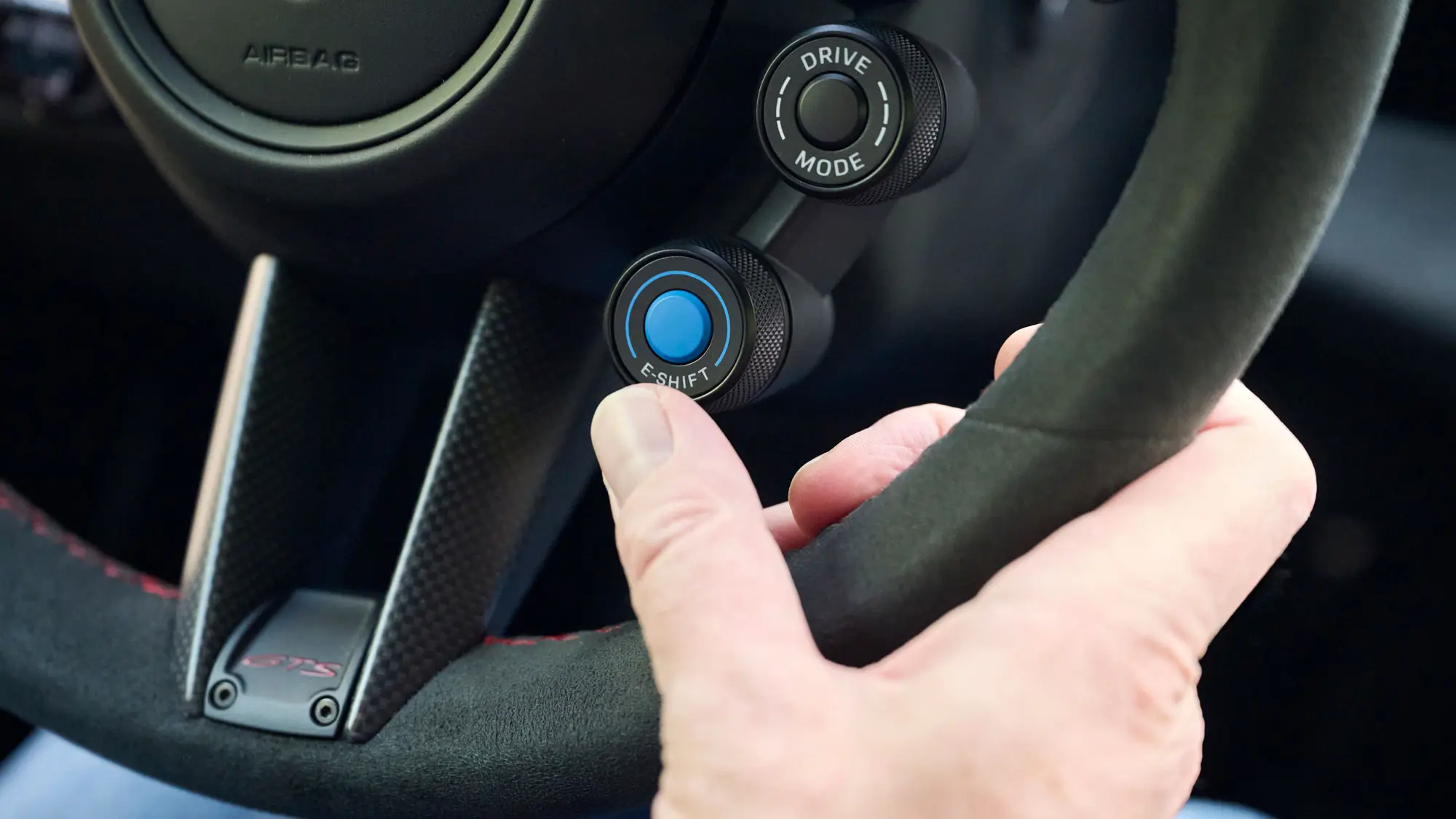
I guess you can’t get mad at any of these. An EV doesn’t have a manual to lose, and pretend gears give an Ioniq 5 N or Taycan driver something to do besides hang on during one long, seamless shove. Nobody’s being robbed of a stick shift here. A V12 Ferrari with a by-wire clutch is a different conversation, because in theory, that car could have had the real thing.
Ranking the Fakes by How Much They Ask of the Driver
The fairest way to sort all this is by how much each system asks of the person behind the wheel, because that was always the point of a manual. Nobody bought a stick shift to go quicker around the Nürburgring. Real swaps sit at the top, and it isn’t close. In a Peitz C8 or the Modificata 458, a botched downshift is entirely your fault, and the car lets you know about it.
By-wire manuals with a clutch pedal come next, and they deserve more credit than the comment sections give them. The Manuale and the CC850 will both stall if you’re sloppy with the pedal, and the Ferrari won’t blip the throttle for you, which means your inputs have consequences. If a car can punish you for getting it wrong, you’re driving it. Gated shifters without a pedal land third. Rezvani’s kit is a gorgeous piece of hardware, but it’s a fancier way to send the signal the paddles already send. Virtual gears in EVs come last on involvement, though they’re the easiest to forgive since they add engagement to cars that never had a gearbox worth shifting.
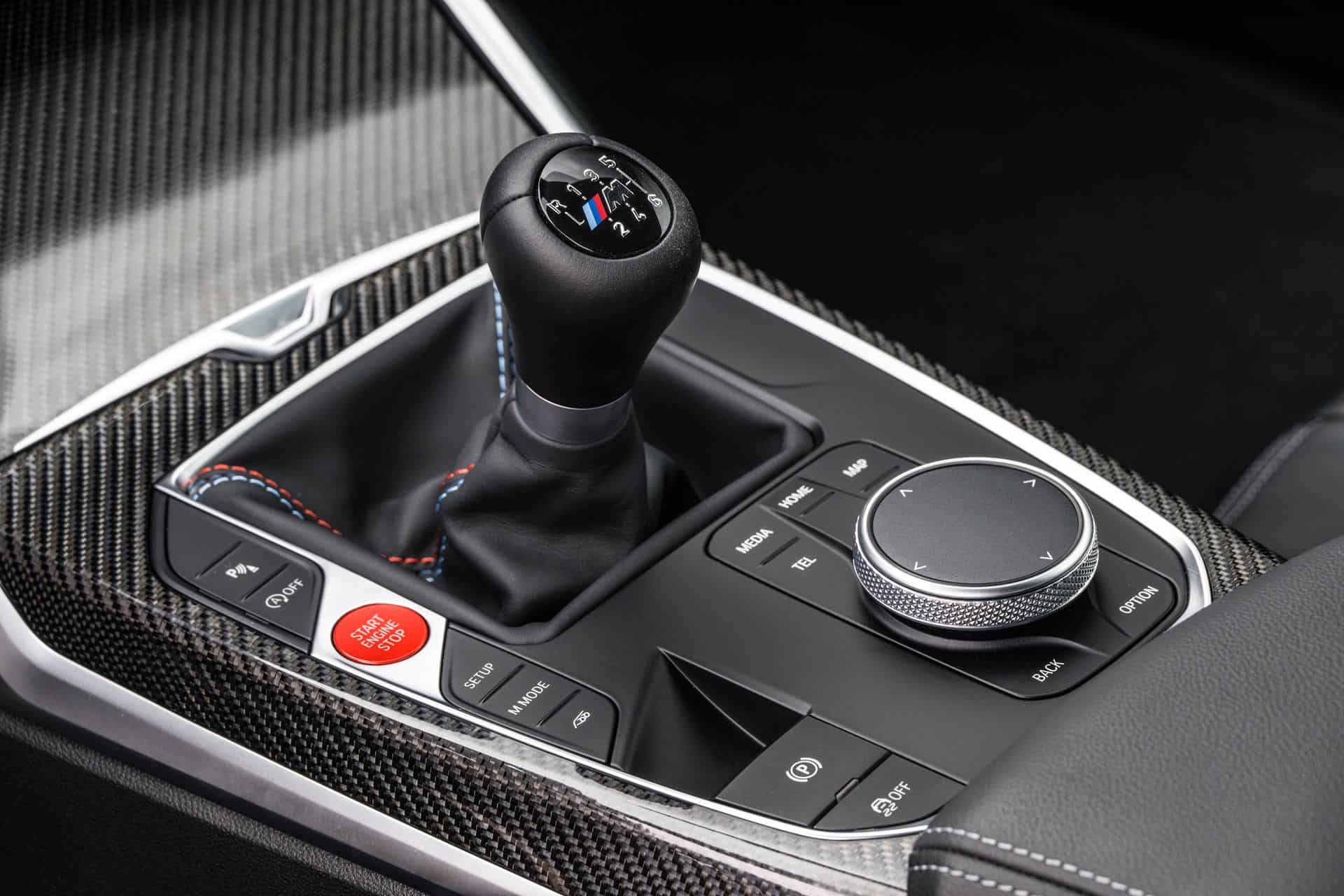
As for where this is headed, by-wire looks like the most realistic way for a lot of cars to keep three pedals. BMW M has said keeping the manual alive is getting harder because of declining demand, fewer suppliers and the challenges of 48-volt mild-hybrid technology. Porsche’s hybrid 911 can’t take a manual at all, because its electric motor is integrated into the dual-clutch transmission. For cars like those, the choice may come down to a by-wire clutch pedal or no clutch pedal.
For me, being okay with any of this comes down to the left foot. If the pedal does something and the car can bite back, I’m in, and the reviews suggest Ferrari got that part right. If the gate is just a prettier paddle, enjoy the clack, but don’t call it a manual. And before anyone fires off an angry email, remember that Ferrari built the Manuale because its clients kept asking for it. They’re paying around €190,000 extra for a clutch pedal with no physical connection to the gearbox, which tells you enthusiasts care a lot less about the plumbing than the internet would have you believe.