
McLaren was a racing team for almost thirty years before it sold a road car, and it has been a car maker in the usual sense only since 2011. In that short time it has built more good mid-engined cars than anyone except Ferrari. Nearly all of them share a formula: a carbon-fibre tub, an engine behind the driver and as little weight as the rules allow.
What counts
Cars McLaren sold to customers. That means the road cars, from Bruce McLaren's own M6GT of 1969 to the W1, and three track-only cars the factory sold alongside them: the P1 GTR, the Senna GTR and the Solus GT. We also counted the Mercedes-Benz SLR McLaren, which was built at Woking, and the P1 LM, which was converted by Lanzante. Formula One cars, Can-Am cars and the F1 GTR are racing cars and are left out.
How we ranked them
Four questions, in this order of weight: what the car achieved, how it drives, how it looks, and what it changed for McLaren. With McLaren the second question counts for a great deal, because the cars are close in specification and far apart in feel.
How to read this list
The list counts down from thirty to one. The top ten have the longest entries, the next ten are shorter and the last ten are brief. Open versions are counted with their coupés. The last few places go to very small runs, because McLaren's road-car history is short and we wanted thirty.
See the full ranking, 1 to 30
| Rank | The 30 Best McLaren Road Cars Ever Made | Years |
|---|---|---|
| 1 | McLaren F1 | 1992–98 |
| 2 | McLaren P1 | 2013–15 |
| 3 | McLaren 675LT | 2015–17 |
| 4 | McLaren 720S | 2017–23 |
| 5 | McLaren Senna | 2018–19 |
| 6 | McLaren 765LT | 2020–22 |
| 7 | McLaren F1 LM | 1995–96 |
| 8 | McLaren 600LT | 2018–20 |
| 9 | McLaren W1 | From 2025 |
| 10 | McLaren MP4-12C | 2011–14 |
| 11 | McLaren Speedtail | 2020–21 |
| 12 | McLaren 750S | 2023–27 |
| 13 | McLaren 570S | 2015–21 |
| 14 | McLaren F1 GT | 1997 |
| 15 | McLaren Artura | From 2021 |
| 16 | McLaren P1 GTR | 2015–16 |
| 17 | McLaren 650S | 2014–17 |
| 18 | McLaren Elva | 2020–21 |
| 19 | McLaren M6GT | 1969–70 |
| 20 | McLaren 620R | 2020 |
| 21 | McLaren GT and GTS | From 2019 |
| 22 | McLaren Senna GTR | 2019–20 |
| 23 | McLaren 570GT | 2016–19 |
| 24 | McLaren Sabre | 2020–21 |
| 25 | Mercedes-Benz SLR McLaren | 2003–09 |
| 26 | McLaren Solus GT | 2023 |
| 27 | McLaren MSO HS | 2016 |
| 28 | McLaren P1 LM | 2016–17 |
| 29 | McLaren 540C | 2015–21 |
| 30 | McLaren MSO X | 2018 |
30 to 21
30. McLaren MSO X
2018 · 3.8 twin-turbo V8 · 562 hp · 10
Ten cars, ordered through a single California dealer in 2018. The MSO X is a 570S dressed as the 570S GT4 racing car, with a roof scoop, a large wing and racing colours, but with air conditioning and a full interior. It is the smallest footnote on the list, and proof of how far McLaren will go for a customer.
Verdict Ten 570S coupés in racing dress, for one dealer's customers.
29. McLaren 540C
2015–21 · 3.8 twin-turbo V8 · 533 hp
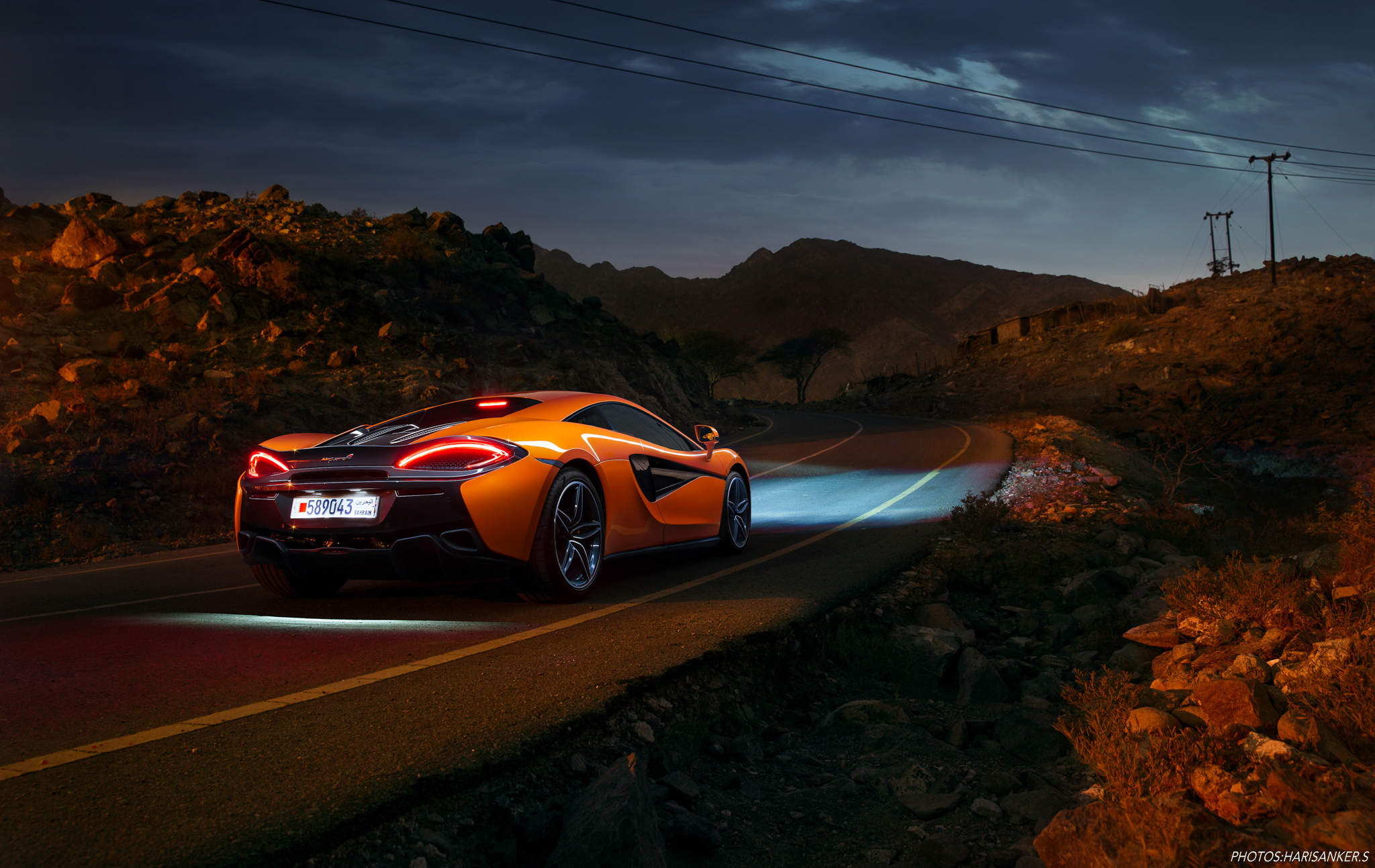
The 540C was the least expensive McLaren, a 570S with 533 horsepower and slightly softer settings, sold mainly in Europe and Asia. Almost nobody could tell the difference on the road. It is here to complete the picture: it is still a carbon-tubbed, mid-engined car with a twin-turbo V8, at the price of a well-specified Porsche 911.
Verdict The entry-level McLaren, and no hardship.
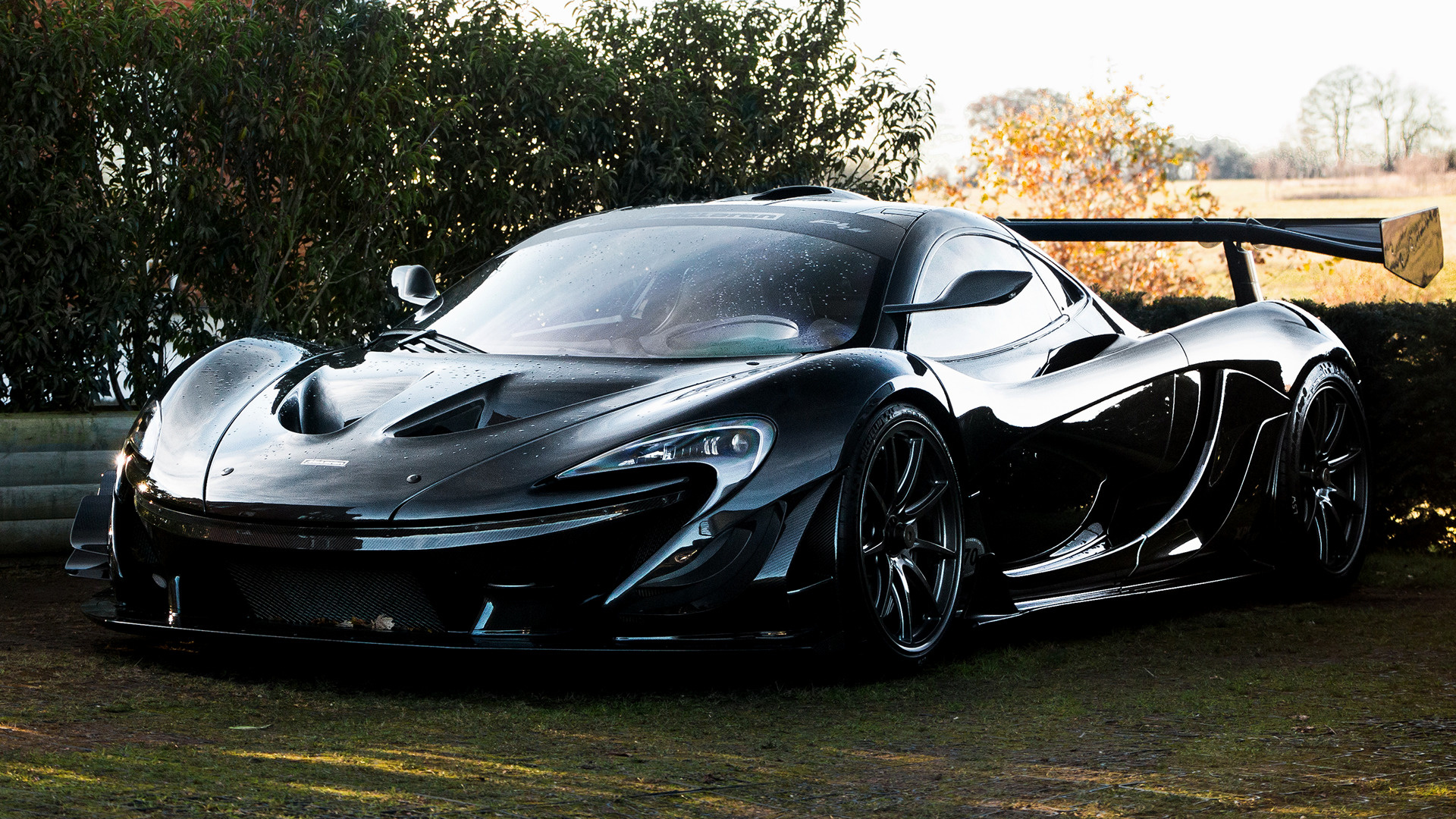
28. McLaren P1 LM
2016–17 · 3.8 twin-turbo V8 with an electric motor · 986 hp · 5, plus a prototype
Lanzante, the team that ran the winning F1 GTR at Le Mans in 1995, converted five P1 GTRs for road use and called them P1 LM. They are lighter than the GTR and have more downforce than the road car. In 2017 one lapped the Nürburgring in 6 minutes 43 seconds. It is not a factory car, which is why it sits this low.
Verdict A P1 GTR made road legal by the people who won Le Mans.
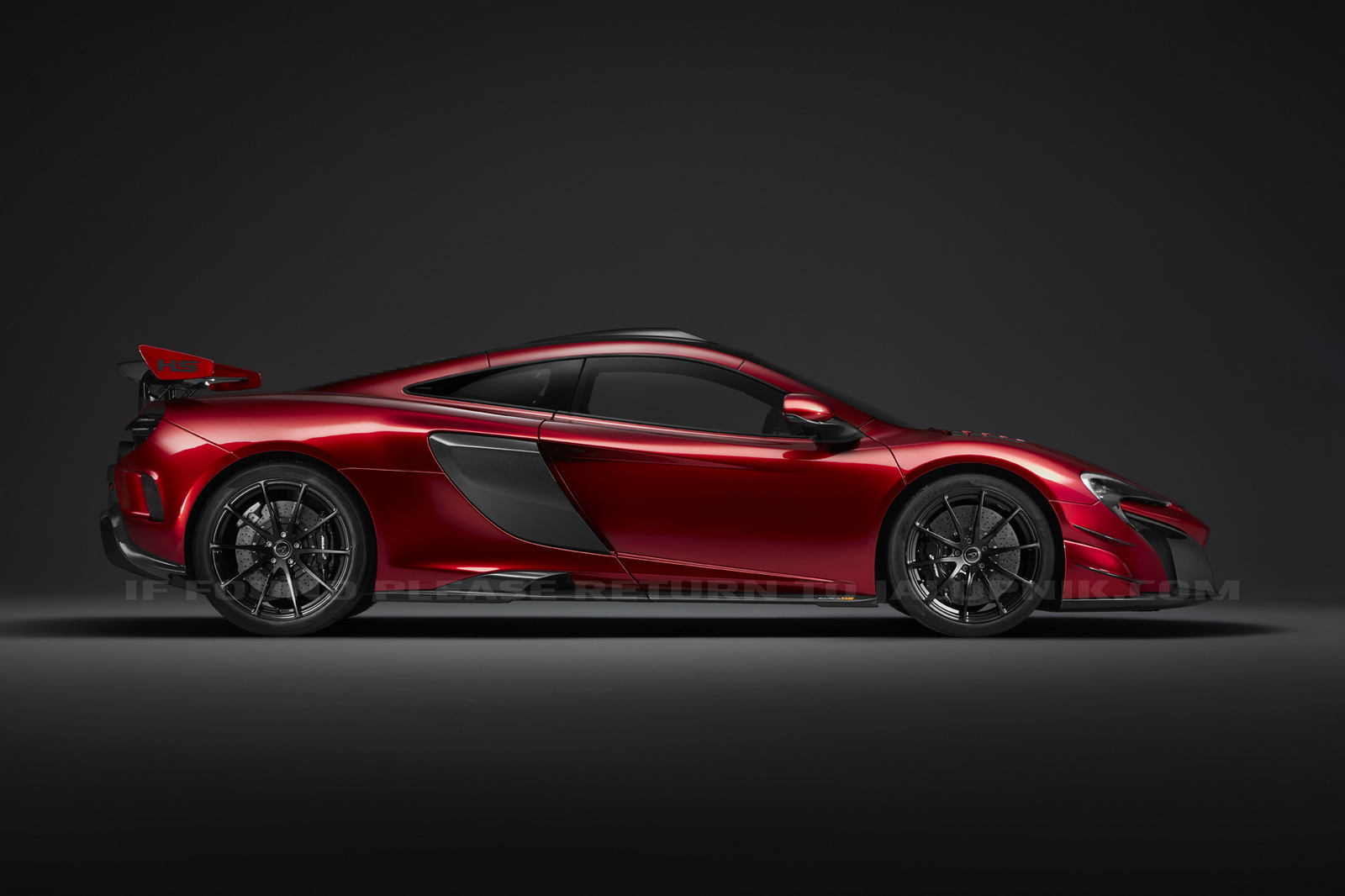
27. McLaren MSO HS
2016 · 3.8 twin-turbo V8 · 679 hp · 25
The MSO HS of 2016 was a run of 25 cars based on the 675LT, with 679 horsepower and a tall rear wing that adjusts as the car moves. HS stands for High Sport. Each was built to its buyer's order and all were sold privately before anyone outside knew of it. It is a 675LT with more of everything, and nearly as good.
Verdict The 675LT, turned up a little further for 25 people.

26. McLaren Solus GT
2023 · 5.2 V10 · 829 hp · 25
The Solus GT began as a car in a video game. McLaren then built 25 for real: a single-seat track car with a sliding canopy and a 5.2-litre V10 that revs past 10,000 rpm. It won the timed shootout at the Goodwood Festival of Speed in 2023. It is the most extreme car on the list and the least relevant to anyone's driving.
Verdict A single-seater with a V10, for 25 customers.
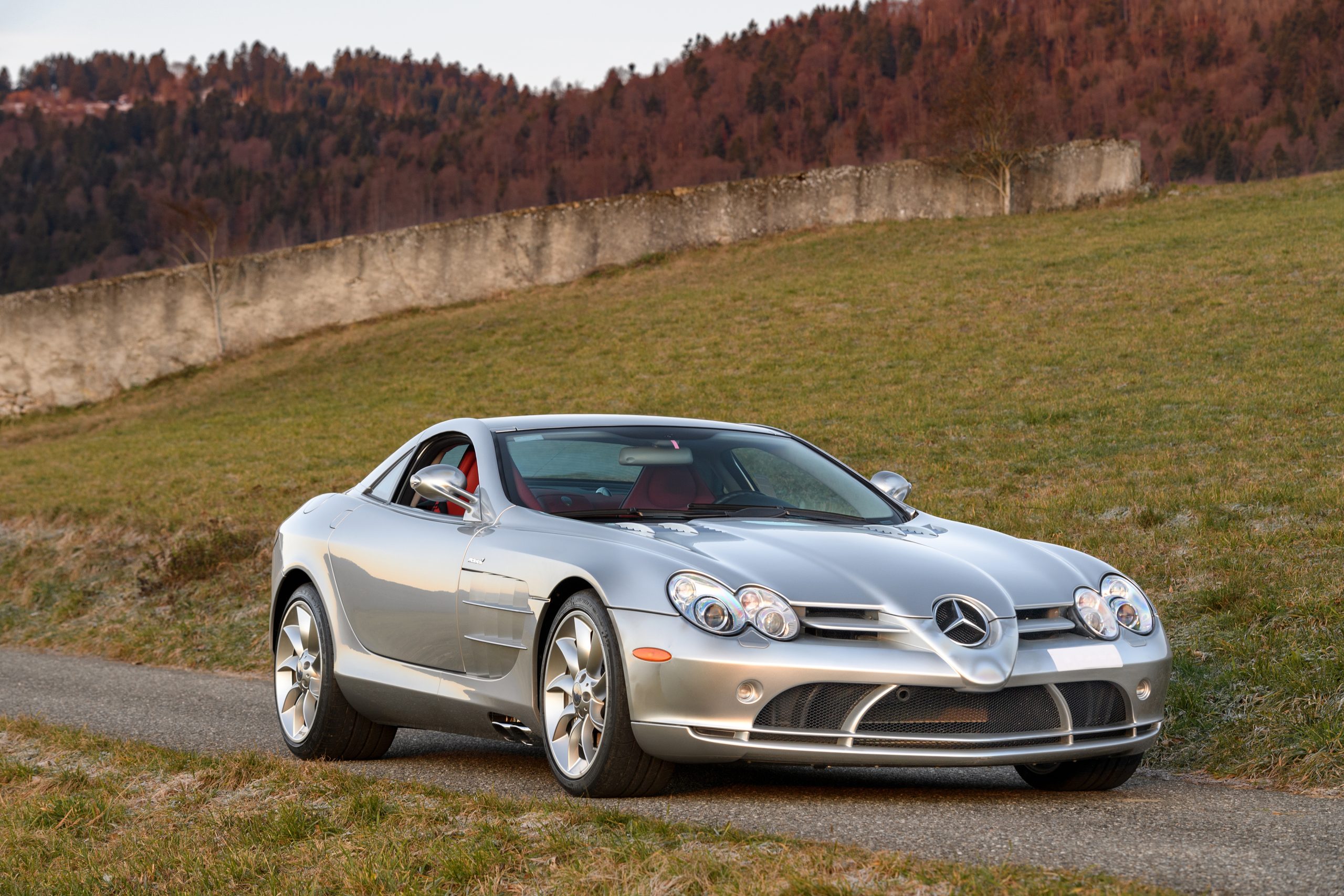
25. Mercedes-Benz SLR McLaren
2003–09 · 5.4 supercharged V8 · 617 hp · ~ 2,150
The SLR was designed and built by McLaren at Woking and sold by Mercedes, with a supercharged AMG V8 in the nose and a carbon-fibre body. It was shown at Frankfurt in 2003. It is heavier and softer than anything else here, with an automatic gearbox and a long bonnet. It is included because McLaren made it, and ranked low because it is not really a McLaren in character.
Verdict McLaren's work, to Mercedes' brief.
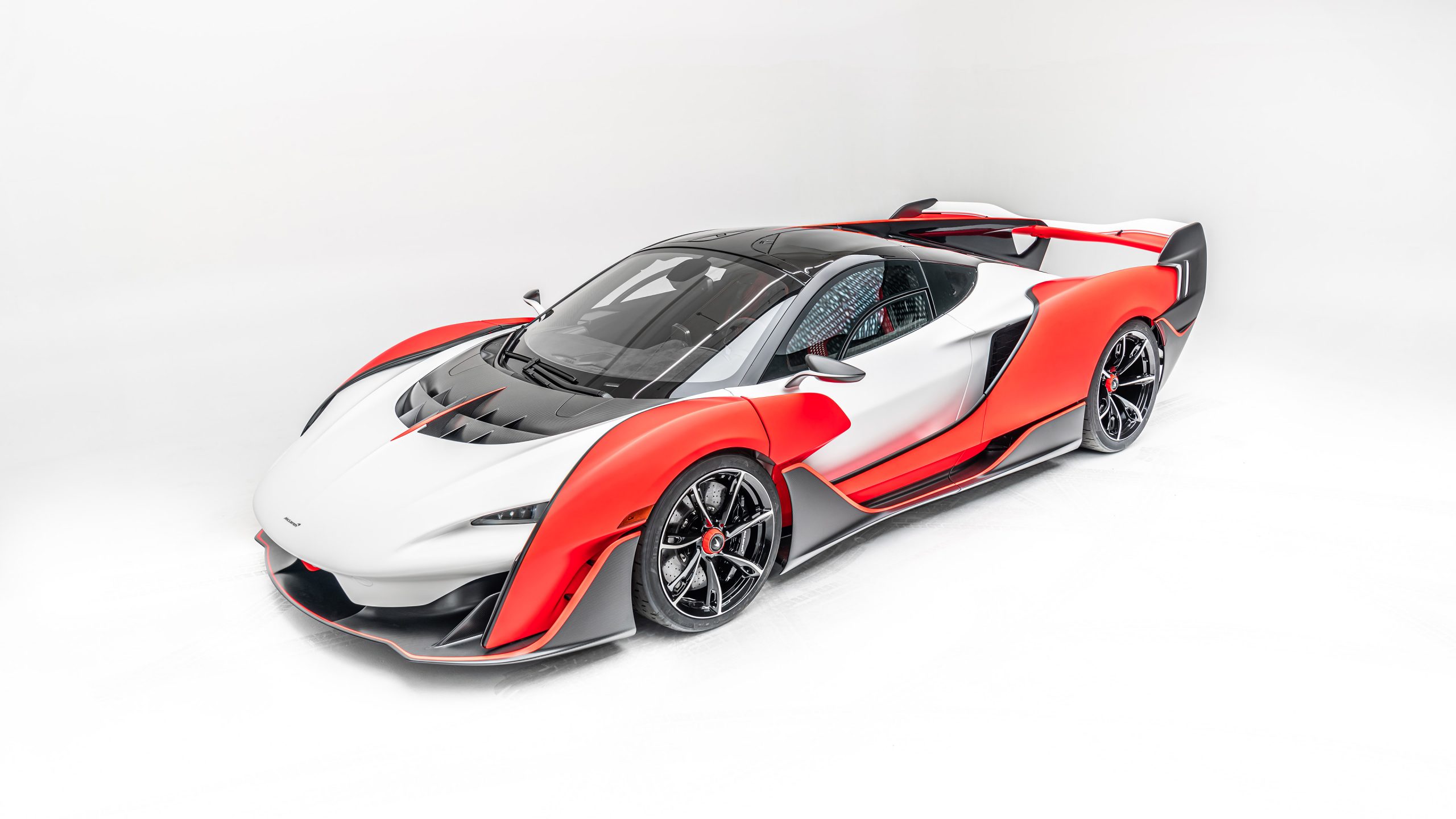
24. McLaren Sabre
2020–21 · 4.0 twin-turbo V8 · 824 hp · 15
McLaren's special operations department built fifteen Sabres for American customers, each specified with its owner. With 824 horsepower and a top speed of 218 mph it was the fastest two-seat McLaren made to that point. The body, with its central fin, is unlike any other in the range. It ranks here because so few people have seen one.
Verdict Fifteen cars for America, and the fastest two-seater McLaren had built.
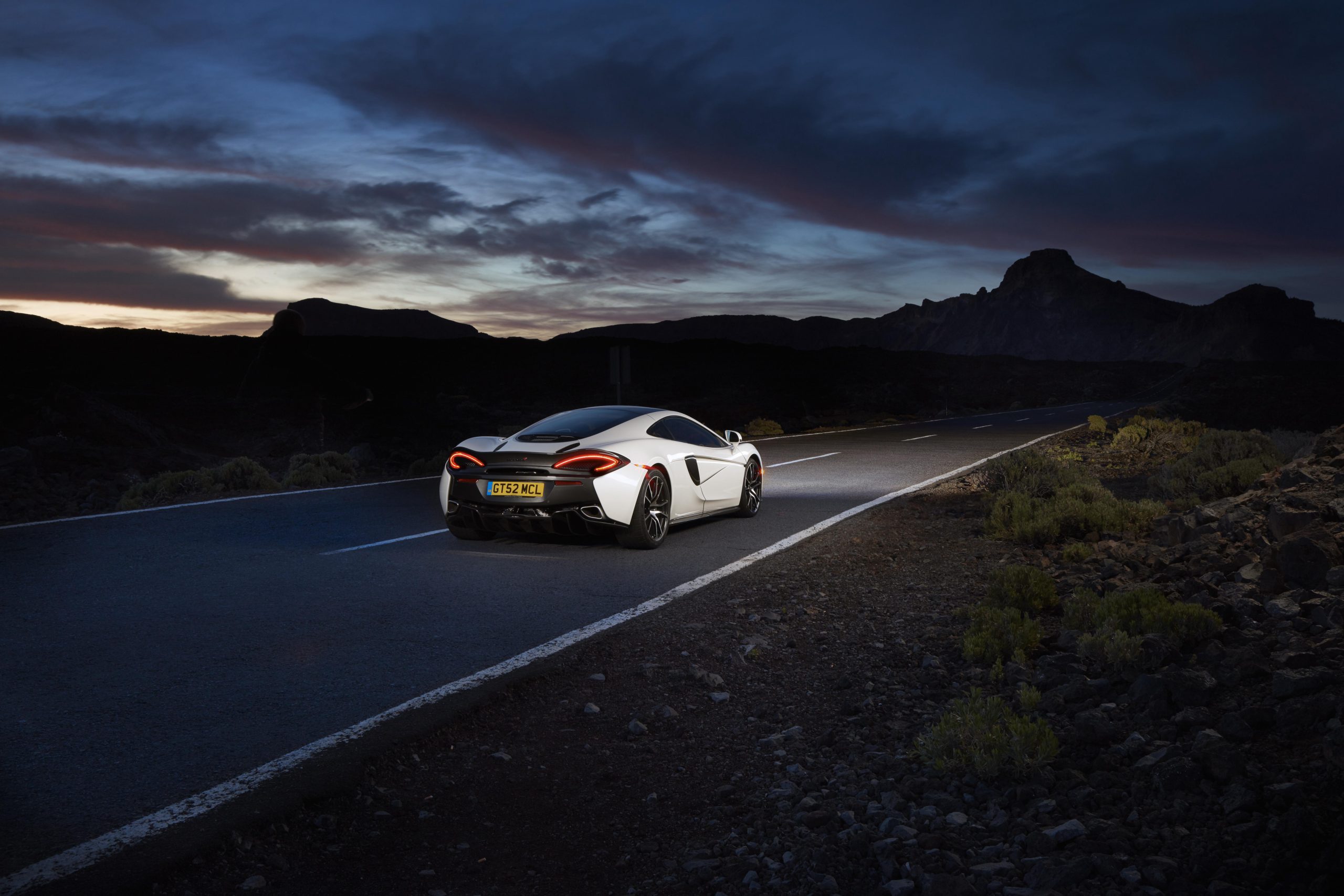
23. McLaren 570GT
2016–19 · 3.8 twin-turbo V8 · 562 hp
The 570GT is a 570S with softer springs, a glass roof and a side-hinged glass hatch over a luggage shelf behind the seats. It was the most comfortable McLaren of its time and gave up very little speed. It ranks below the 570S because the changes made it nicer to live with and slightly less sharp to drive.
Verdict The 570S for people with somewhere to go.
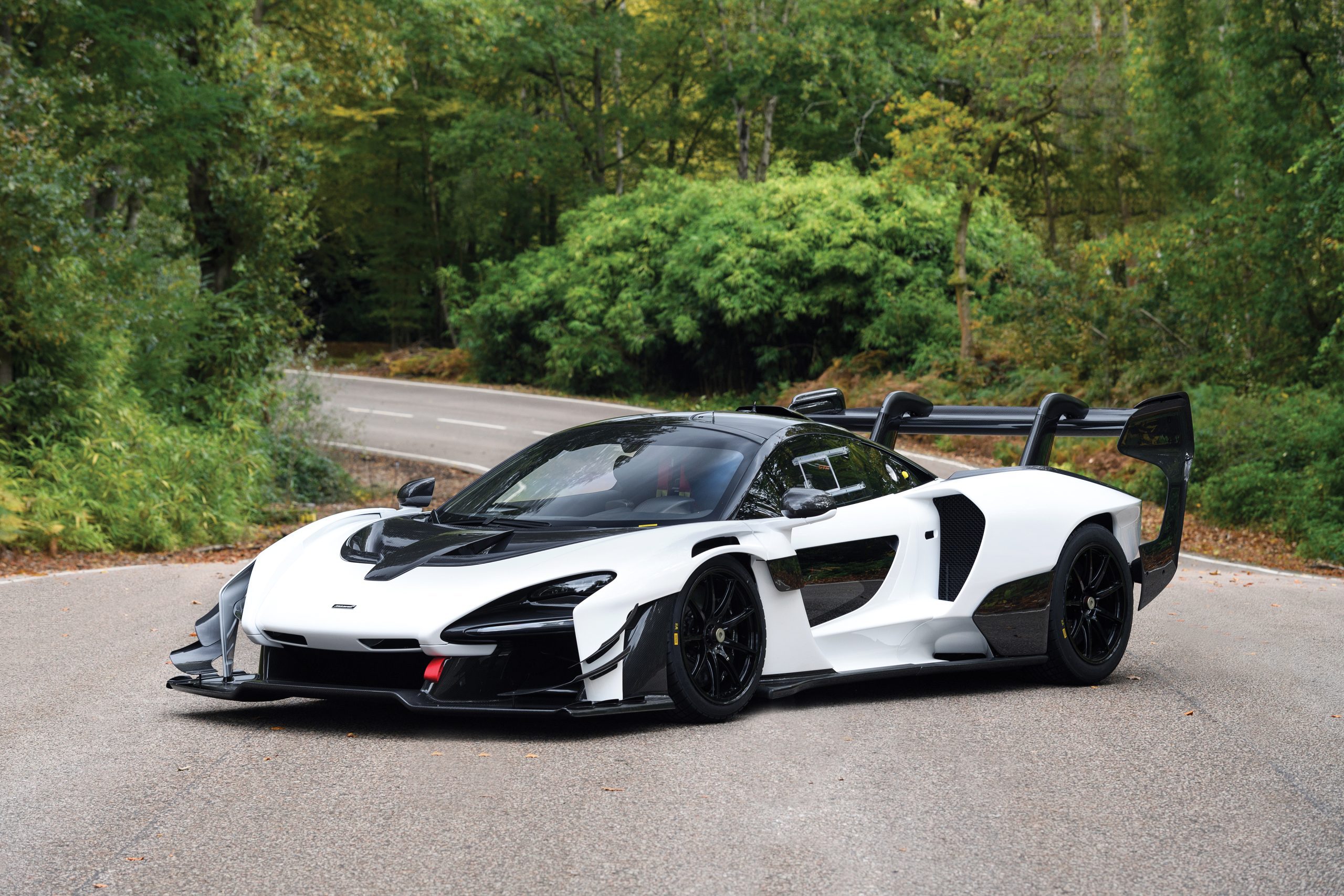
22. McLaren Senna GTR
2019–20 · 4.0 twin-turbo V8 · 814 hp · 75
The Senna was already close to a racing car. The GTR goes the rest of the way, with 814 horsepower, slick tyres, a wider track and about 1,000 kg of downforce. It is not road legal and 75 were made. It is included with the other track-only cars McLaren sold to customers, and it is the quickest of them short of the Solus GT.
Verdict The Senna, minus the number plates it barely suited.
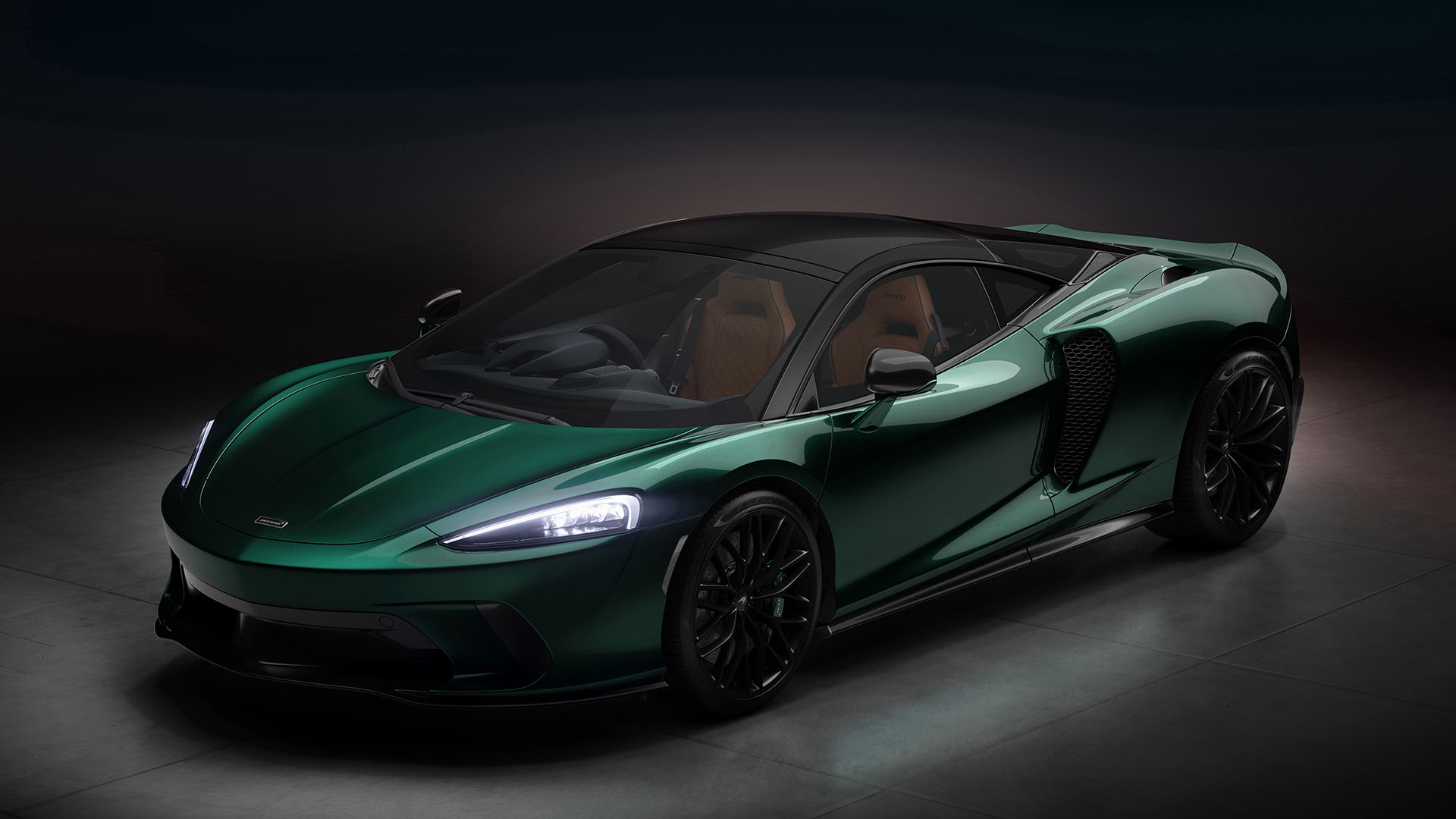
21. McLaren GT and GTS
From 2019 · 4.0 twin-turbo V8 · 612 hp, 626 in the GTS
The GT is McLaren's attempt at a car for long journeys: softer suspension, a quieter cabin and a luggage deck over the engine that takes a golf bag. It is still mid-engined and carbon-tubbed, and lighter than any rival. The GTS that replaced it has more power and a wider nose. It ranks here as a good car that sits oddly in its class.
Verdict A touring car made by people who only know how to make supercars.
20 to 11
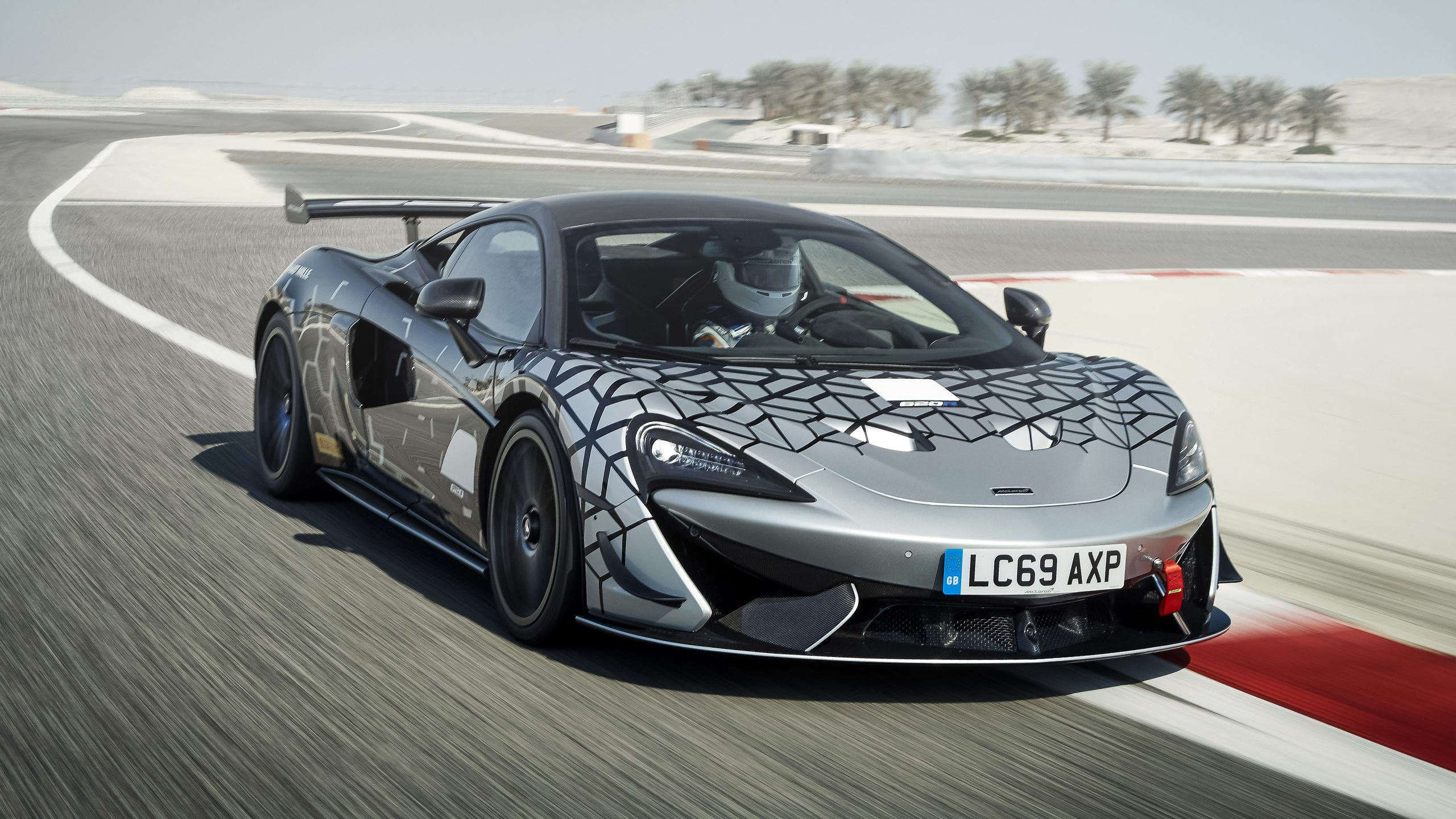
20. McLaren 620R
2020 · 3.8 twin-turbo V8 · 611 hp · 225
The 620R is the 570S GT4 racing car made road legal. It keeps the racer's adjustable suspension, its large fixed wing and its bodywork, and has 611 horsepower, more than the racing rules permitted. There is no carpet and the roof has an air scoop.
McLaren built 225. It is harder and noisier than the 600LT and less pleasant on the road, which is why it ranks twelve places below. On a circuit it is the most serious car the Sports Series produced.
Verdict A GT4 racing car with a tax disc.
Did you know: It is the 570S GT4 racing car with number plates, and more power than the racing rules allowed.
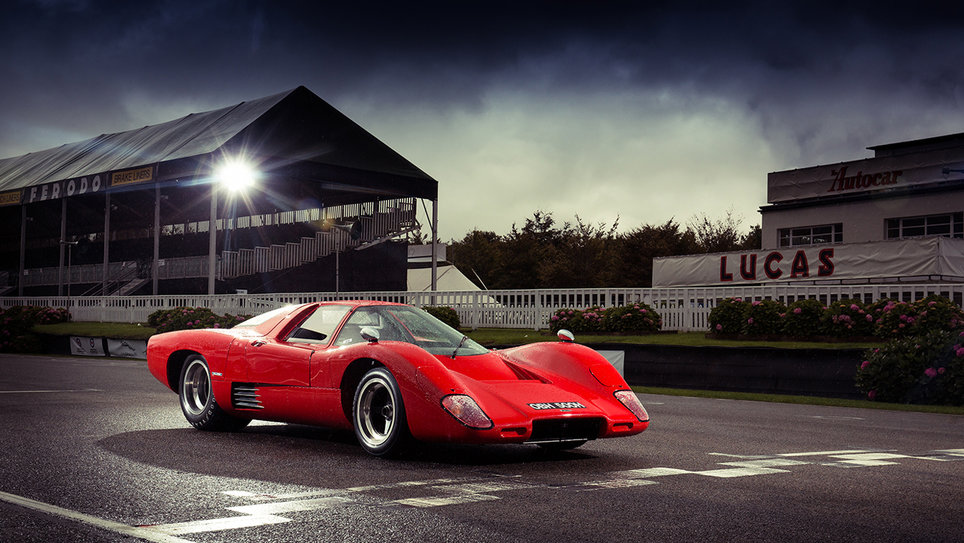
19. McLaren M6GT
1969–70 · 5.7 Chevrolet V8 · ~ 370 hp · ~ 4
In 1969 Bruce McLaren wanted to build a road car. He took the M6 racing chassis, fitted a closed coupé body and a Chevrolet V8, and used the prototype as his own transport. The plan was to make them in numbers. He was killed testing a racing car in June 1970, and the project stopped with only a handful built.
It is on this list because it is where the idea of a McLaren road car begins, 22 years before the F1. McLaren has said a modern car in its spirit, the McL 6GT, will follow in 2028.
Verdict The road car Bruce McLaren did not live to finish.
Did you know: McLaren has announced a modern car inspired by it, the McL 6GT, with production due in 2028.
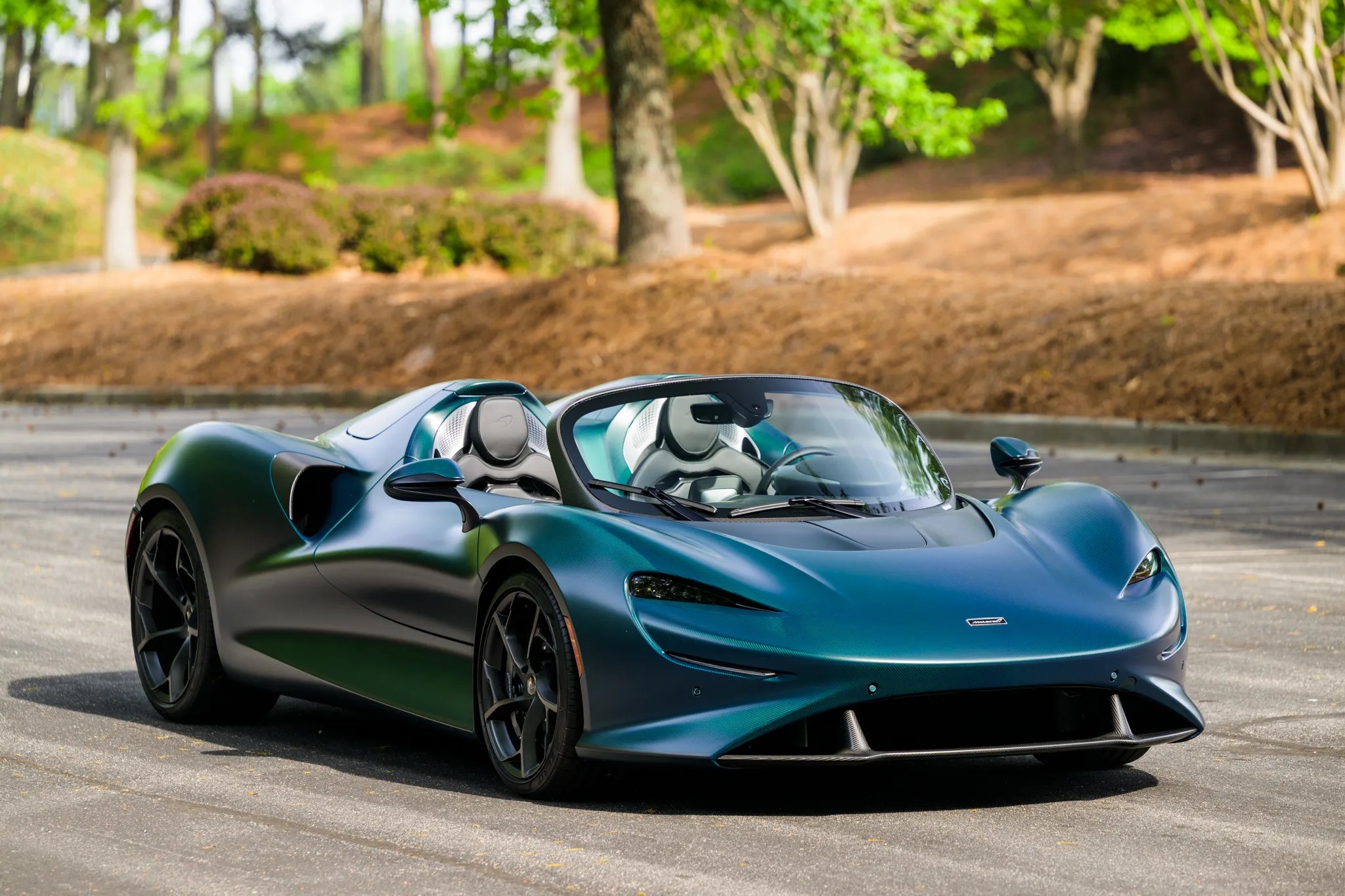
18. McLaren Elva
2020–21 · 4.0 twin-turbo V8 · 804 hp · 149
The Elva has no roof, no side windows and, as designed, no windscreen. A duct in the nose sends air up in front of the cabin so that it passes over the occupants' heads. With 804 horsepower and less weight than a Senna it is extremely quick.
McLaren planned 399 and built 149. It is named after the small British firm that made customer versions of Bruce McLaren's sports racing cars in the 1960s. It ranks here as the purest of the limited-run cars, and the one most dependent on the weather.
Verdict No roof, no screen and 804 horsepower.
Did you know: It has no windscreen. A duct in the nose throws air up and over the cabin instead.
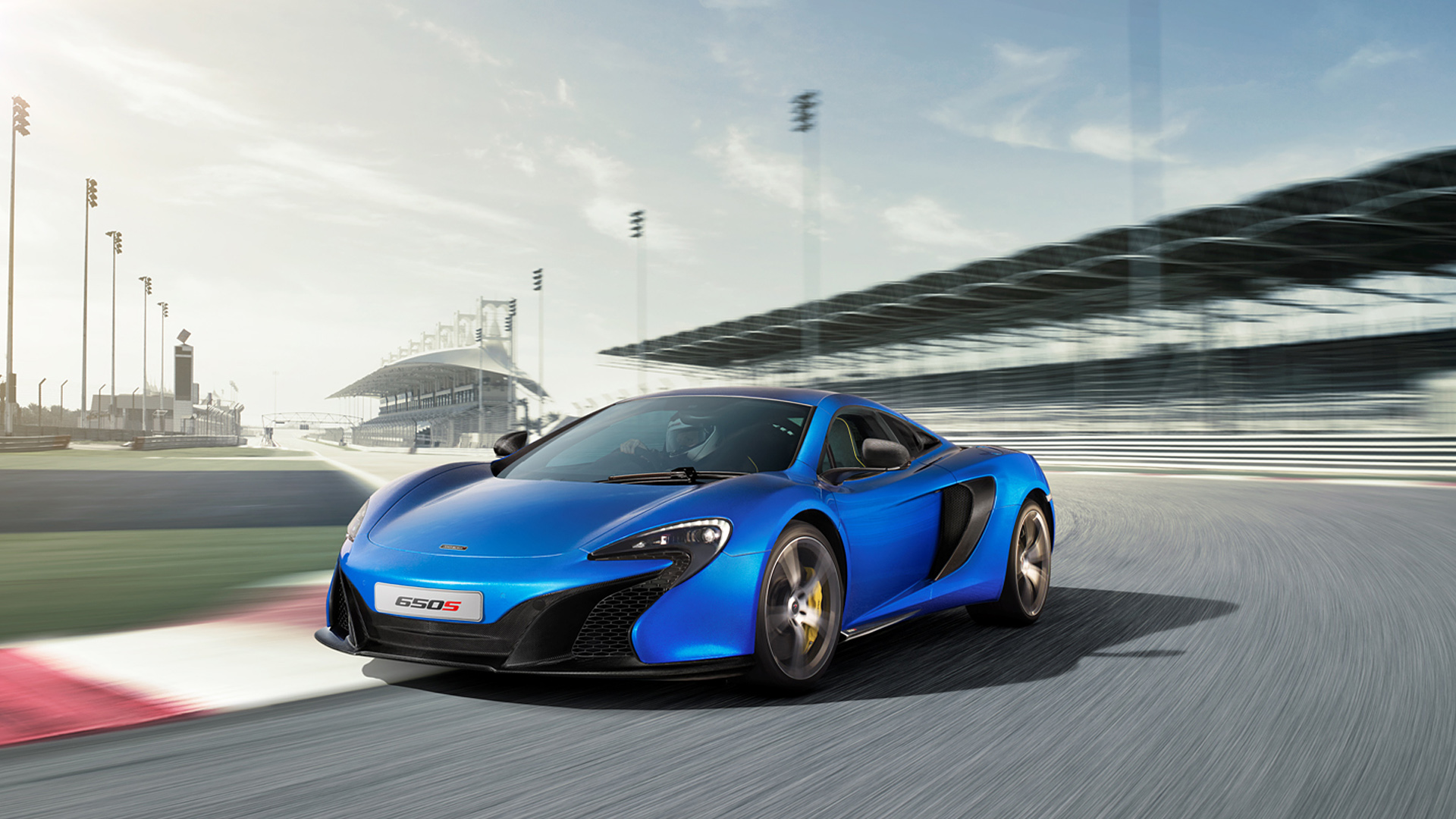
17. McLaren 650S
2014–17 · 3.8 twin-turbo V8 · 641 hp
The 650S replaced the 12C after three years, with the P1's face, 641 horsepower and about a quarter of its parts new. It was sharper to steer and louder, and it answered most of what had been said against the earlier car.
It is the least remembered of the main line, caught between the 12C that came first and the 720S that moved everything on. It deserves better. It was a very fast, very usable car, and the 675LT at number three was made from it.
Verdict The link between the 12C and everything that came after.
Did you know: About a quarter of its parts were new. The rest came from the 12C.
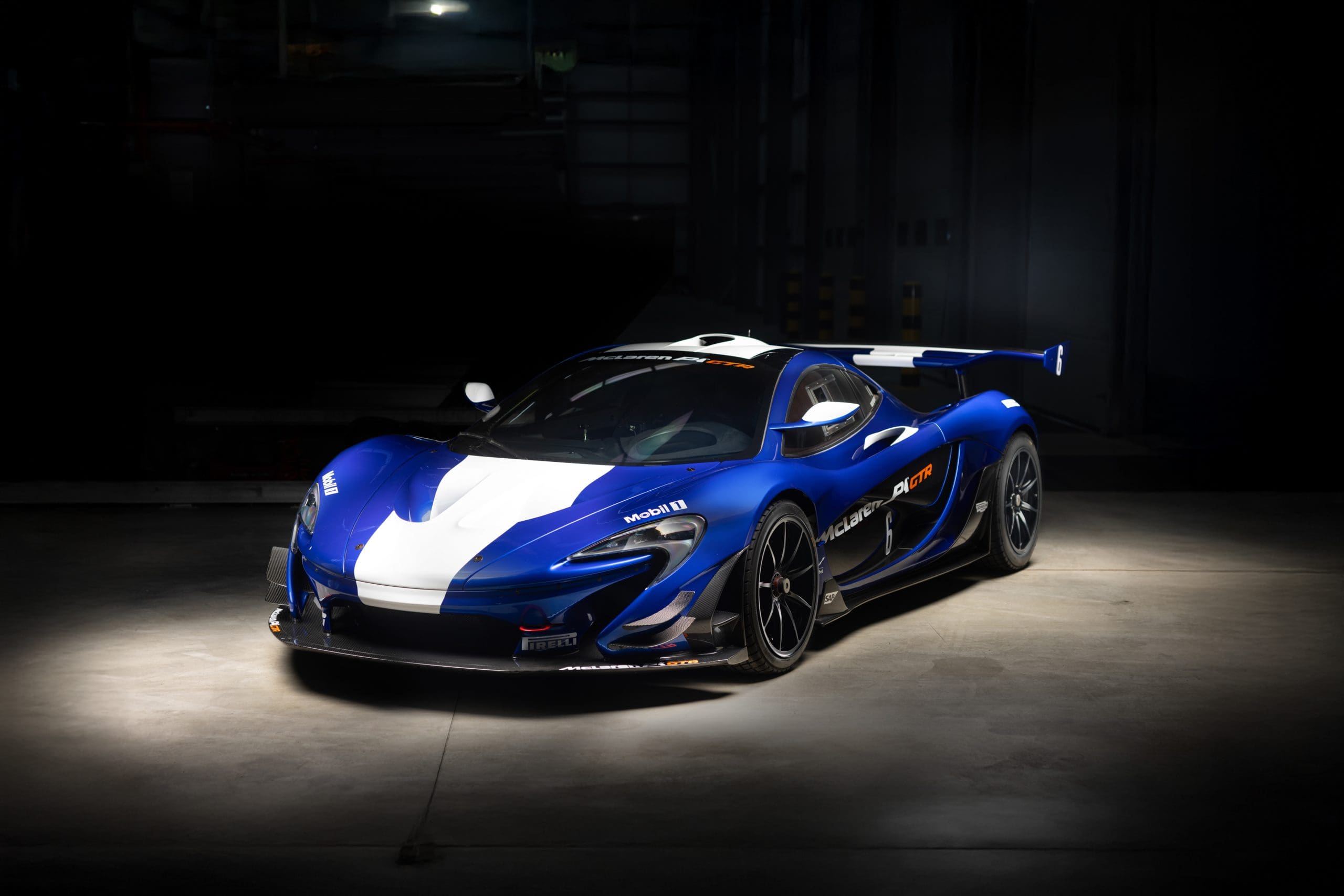
16. McLaren P1 GTR
2015–16 · 3.8 twin-turbo V8 with an electric motor · 986 hp · 58
The P1 GTR was offered to P1 owners only, and it cannot be driven on the road. Freed of road rules, it has 986 horsepower, slick tyres, a fixed wing and a wider track. Buyers were given a programme of circuit days with coaching and time in the Formula One team's simulator.
Fifty-eight were made. It is included because McLaren sold it to customers as part of the P1 family, and it sits here because very few people have driven one or ever will.
Verdict The P1 with the rules removed, for owners only.
Did you know: It was offered only to people who already owned a P1.
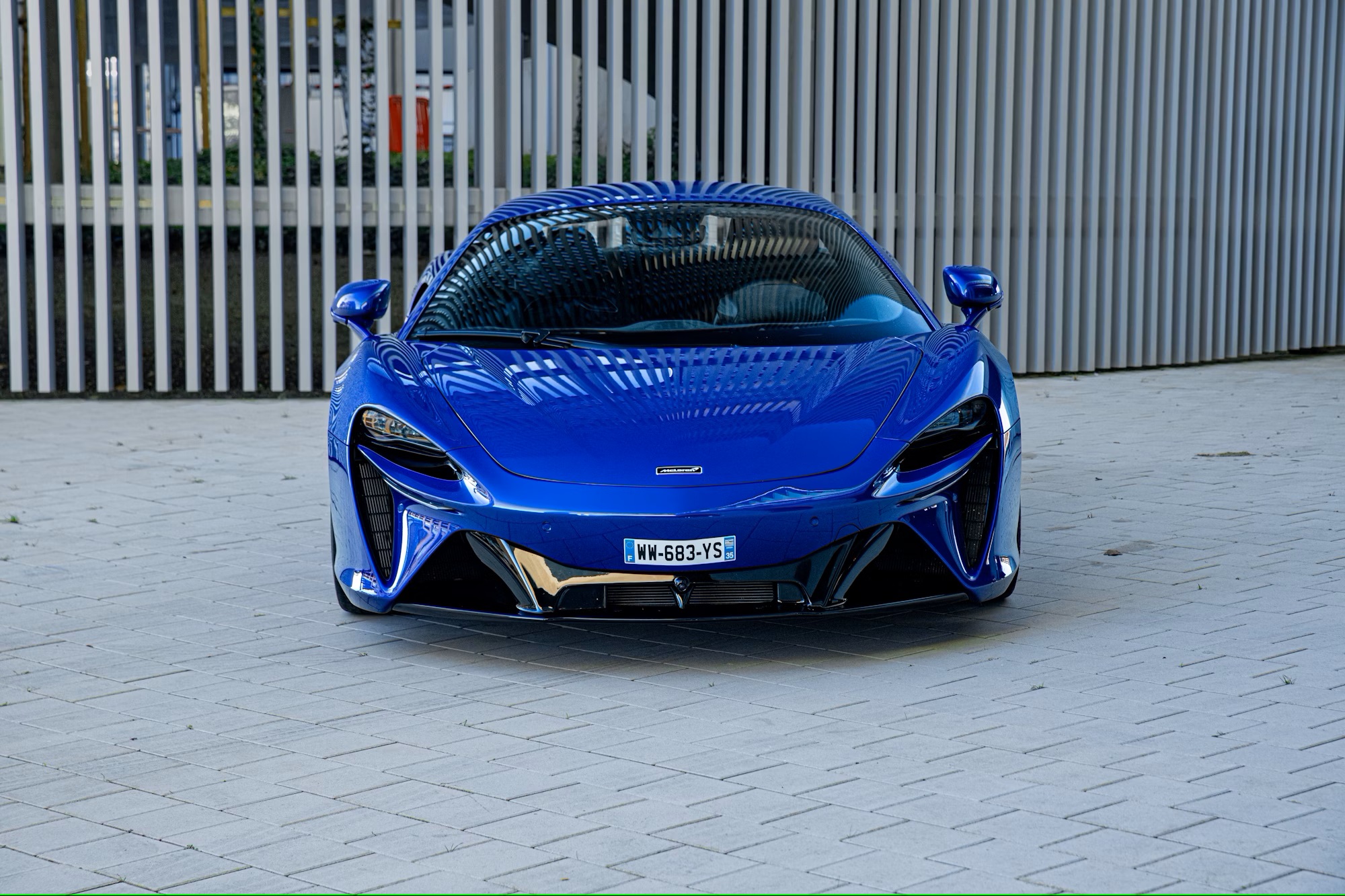
15. McLaren Artura
From 2021 · 3.0 twin-turbo V6 with an electric motor · 671 hp, 690 from 2024
The Artura of 2021 was the first all-new McLaren since the 12C: a new carbon tub, a new 3.0-litre V6 with its turbochargers between the cylinder banks, and an electric motor in the gearbox. It can run on electricity alone for short trips.
Early cars were delayed and had faults. The revised version of 2024, with 690 horsepower and a Spider alongside, is what the car should have been. It keeps hydraulic steering, which rivals have given up, and it is light for a hybrid. It ranks mid-table until it has had longer to prove itself.
Verdict A new start, and a good one once the faults were sorted.
Did you know: The gearbox has no reverse gear. The electric motor turns backwards.
14. McLaren F1 GT
1997 · 6.1 V12 · 627 hp · 3
For 1997 McLaren gave the F1 GTR a longer nose and tail to keep up with new rivals. The rules required a road car with the same body, so the factory built one, kept it, and then made two more for customers who asked.
The F1 GT has the racing car's long bodywork without its wing, a standard 627-horsepower engine and a trimmed cabin. It is the rarest of the road-going F1s. It ranks here, below the LM, because it was made to satisfy a rule and not to be the best version of the car.
Verdict Three cars, built so that a racing car could keep racing.
Did you know: It exists because the rules required a road car before the long-tailed F1 GTR could race.
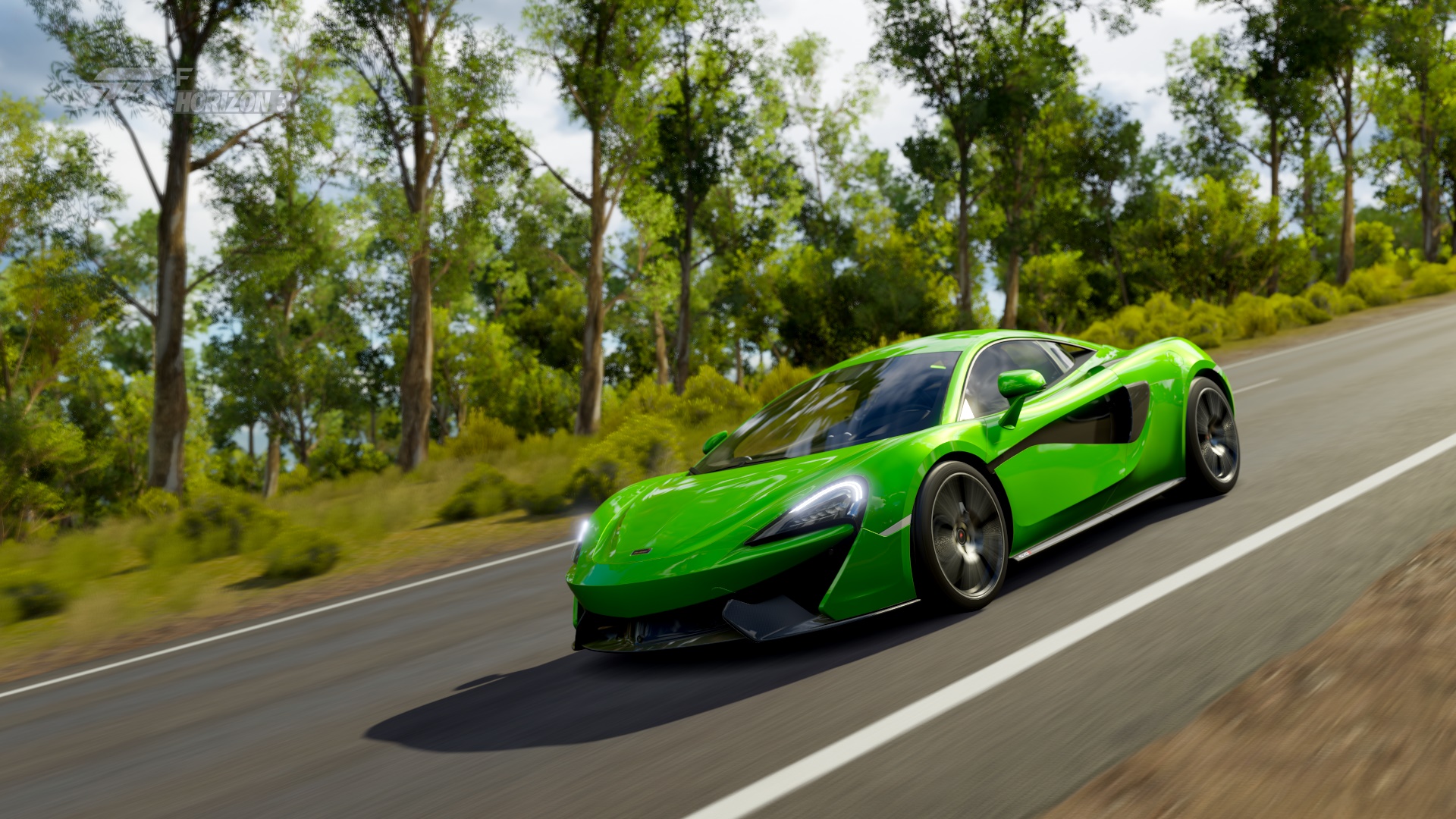
13. McLaren 570S
2015–21 · 3.8 twin-turbo V8 · 562 hp
With the 570S of 2015 McLaren moved down in price, to compete with the Porsche 911 Turbo and Audi R8. It kept the carbon tub and the twin-turbo V8, with 562 horsepower, and gave up the linked suspension for ordinary anti-roll bars.
That made it simpler and, many thought, more natural to drive than the 650S above it. It was also easier to get into and to see out of. It became the best-selling McLaren to that point and the car that made the company's numbers work.
Verdict The cheaper McLaren that turned out to be one of the nicest.
Did you know: It was the first McLaren priced against the Porsche 911 Turbo.
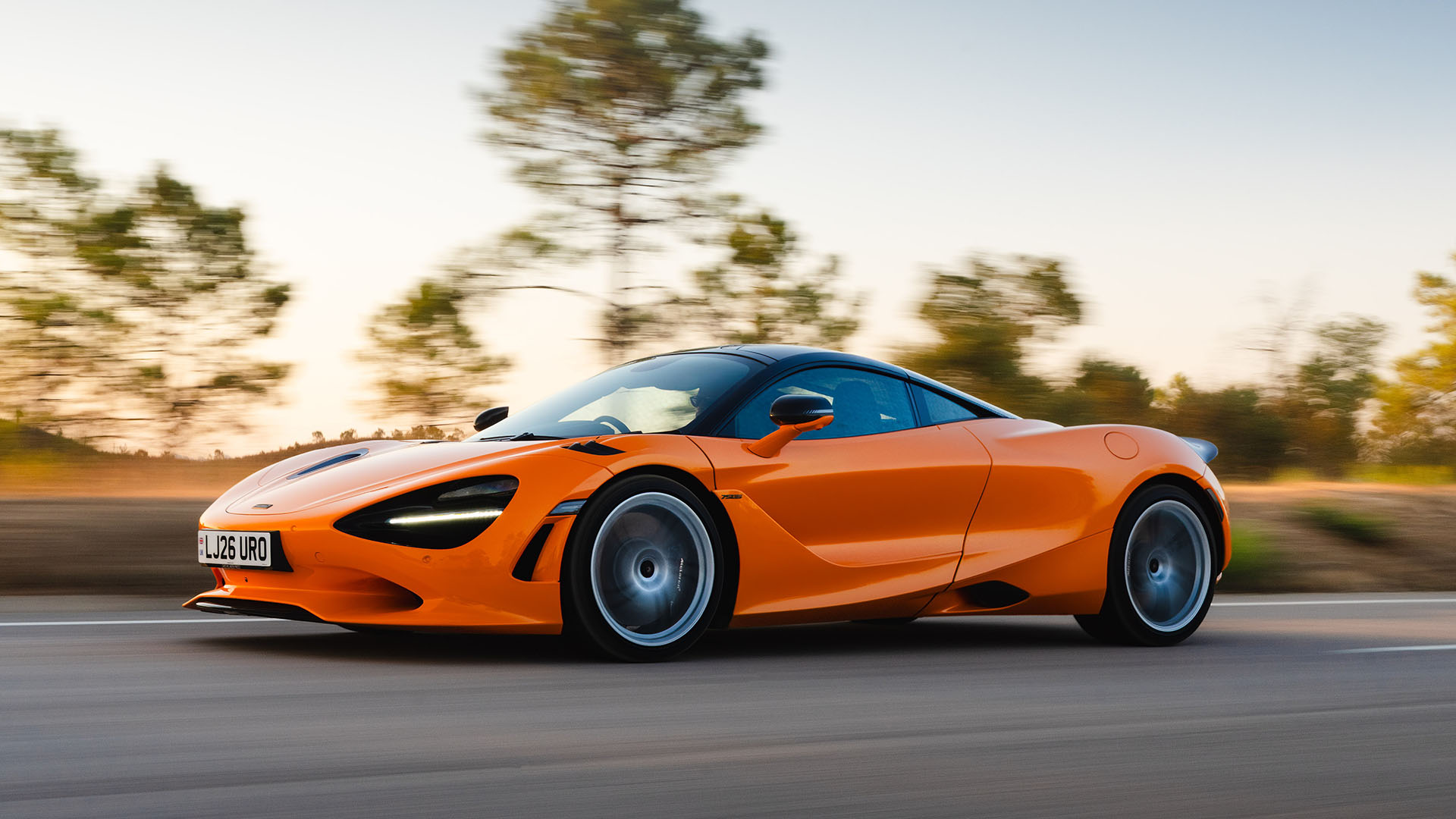
12. McLaren 750S
2023–27 · 4.0 twin-turbo V8 · 740 hp
The 750S is the 720S revised, with 740 horsepower, 30 kg less weight and about a third of its parts new or changed. The steering is quicker, the exhaust is louder and the rear wing is larger.
It fixes the one complaint about the old car, that it kept its driver at a distance. This one borrows the keenness of the 765LT without the harshness. It ranks eight places below the 720S because that car set the standard and this one refined it. Production ends in 2027.
Verdict The 720S with the feeling turned up.
Did you know: About 30 per cent of its parts are new or changed from the 720S.
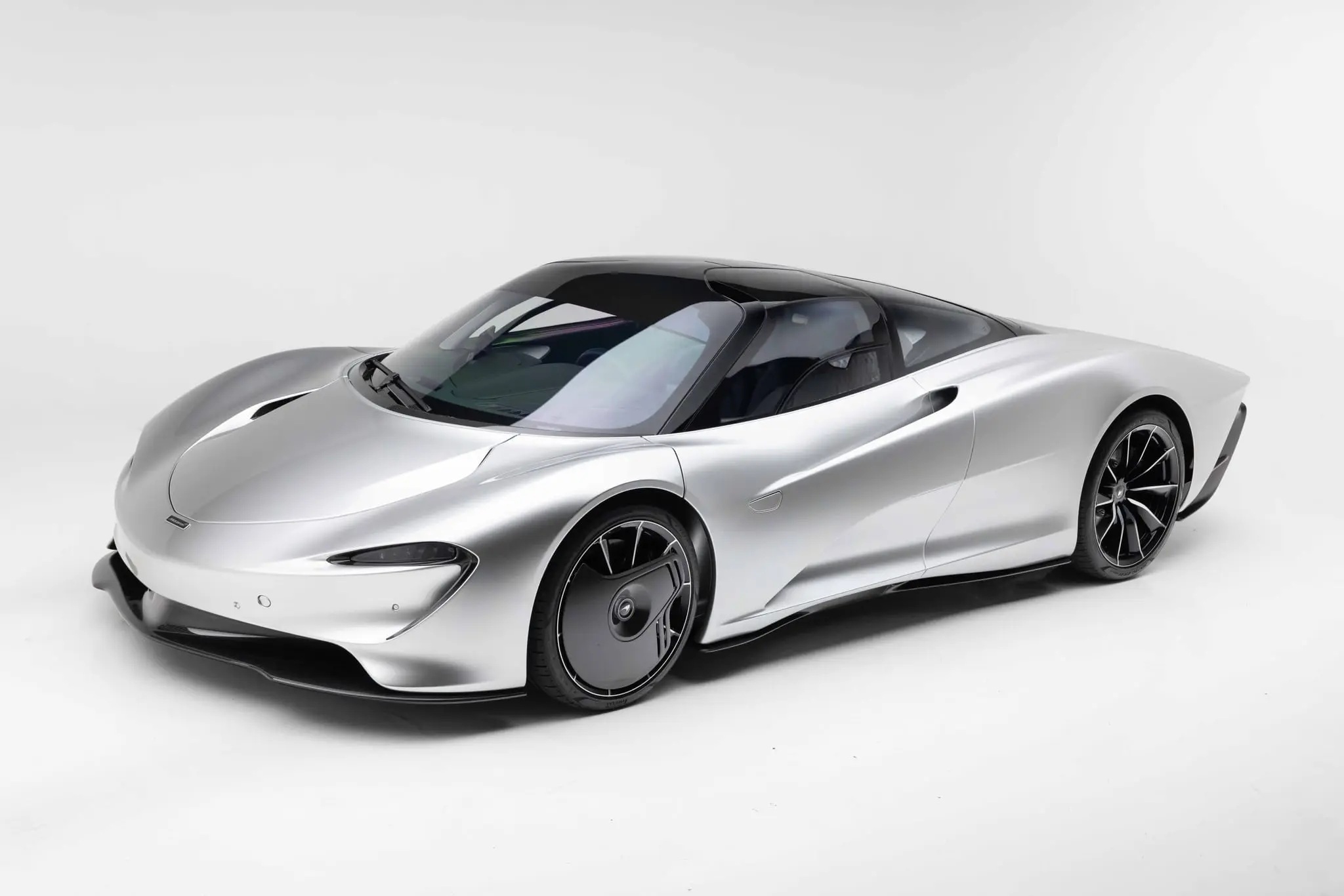
11. McLaren Speedtail
2020–21 · 4.0 twin-turbo V8 with an electric motor · 1,035 hp · 106
The Speedtail has three seats with the driver in the centre, as the F1 did, and 106 were built to match the number of F1s. There the likeness ends. It is a long, smooth car more than five metres from nose to tail, designed for top speed, with covers over the front wheels and flexible carbon panels in place of a moving rear wing.
A hybrid V8 gives 1,035 horsepower and 250 mph. It is the fastest McLaren and one of the least like the others to drive, calm and quiet where they are sharp. It ranks here for the idea and the finish.
Verdict Three seats and 250 mph, in the calmest McLaren of all.
Did you know: The 106 built match the number of F1s, and all were sold before the car was shown.
The top 10
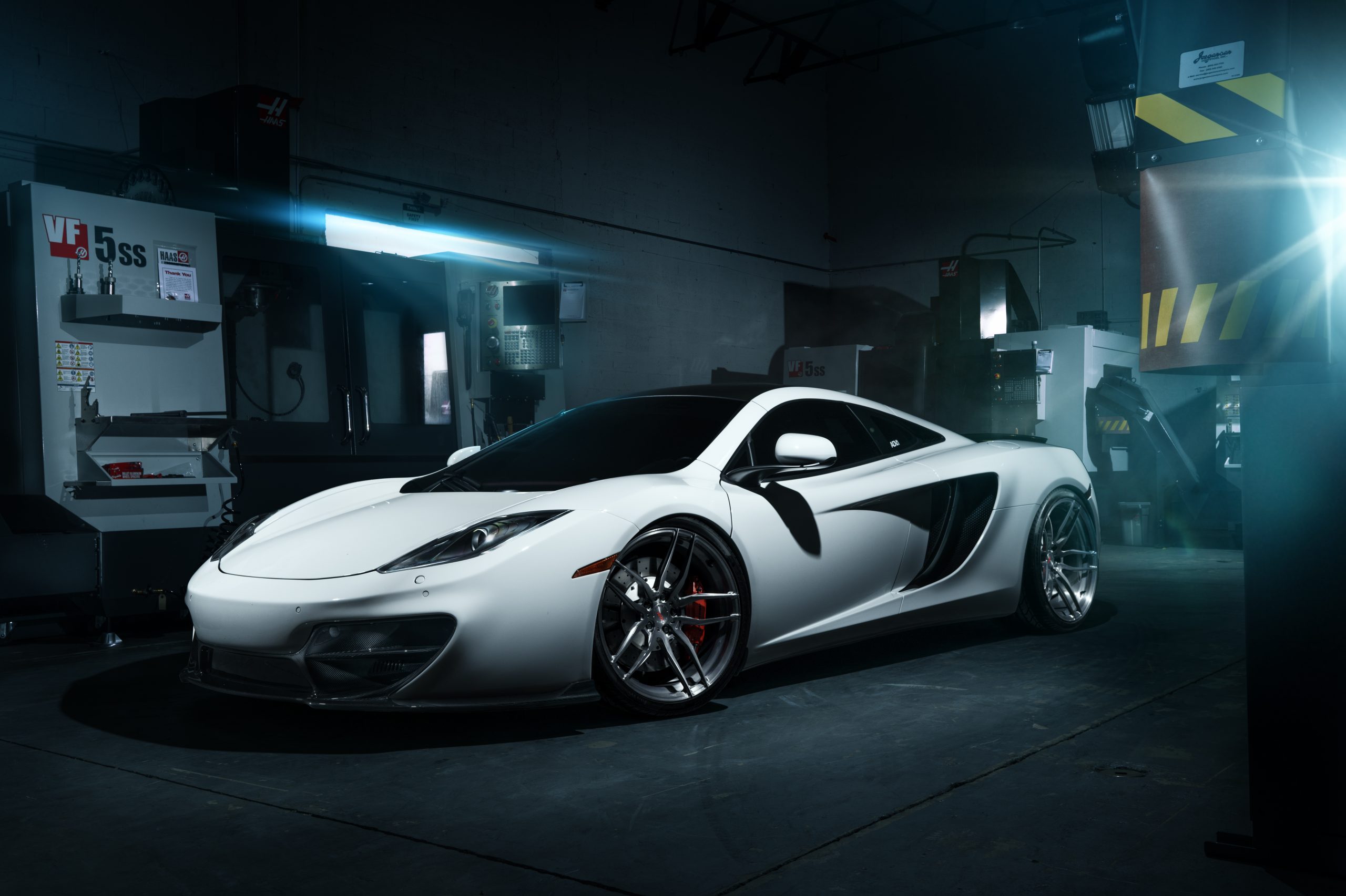
- Years
- 2011–14
- Engine
- 3.8 twin-turbo V8
- Power
- 592 hp, later 616
- Built
- ~ 3,500
Road car · United Kingdom
10. McLaren MP4-12C
This is where the modern company starts. McLaren Automotive launched the MP4-12C in 2011 as its first series-production car, built in a new factory at Woking and aimed directly at the Ferrari 458. It had a one-piece carbon tub that weighed 75 kg, a 3.8-litre twin-turbo V8 with 592 horsepower and suspension that did without anti-roll bars.
It was faster than the Ferrari and rode better, and the reviews called it clinical. The name was awkward, the early cars had electrical faults and the engine was quiet. McLaren answered each complaint with updates, free to existing owners, and dropped the MP4 from the name.
It is tenth because every McLaren since is a development of it. The tub, the engine and the suspension idea were still in use, much revised, more than a decade later.
Verdict The first car of the modern company, and the base for every one since.
It has no anti-roll bars. The dampers are linked by hydraulic lines that do the same job.
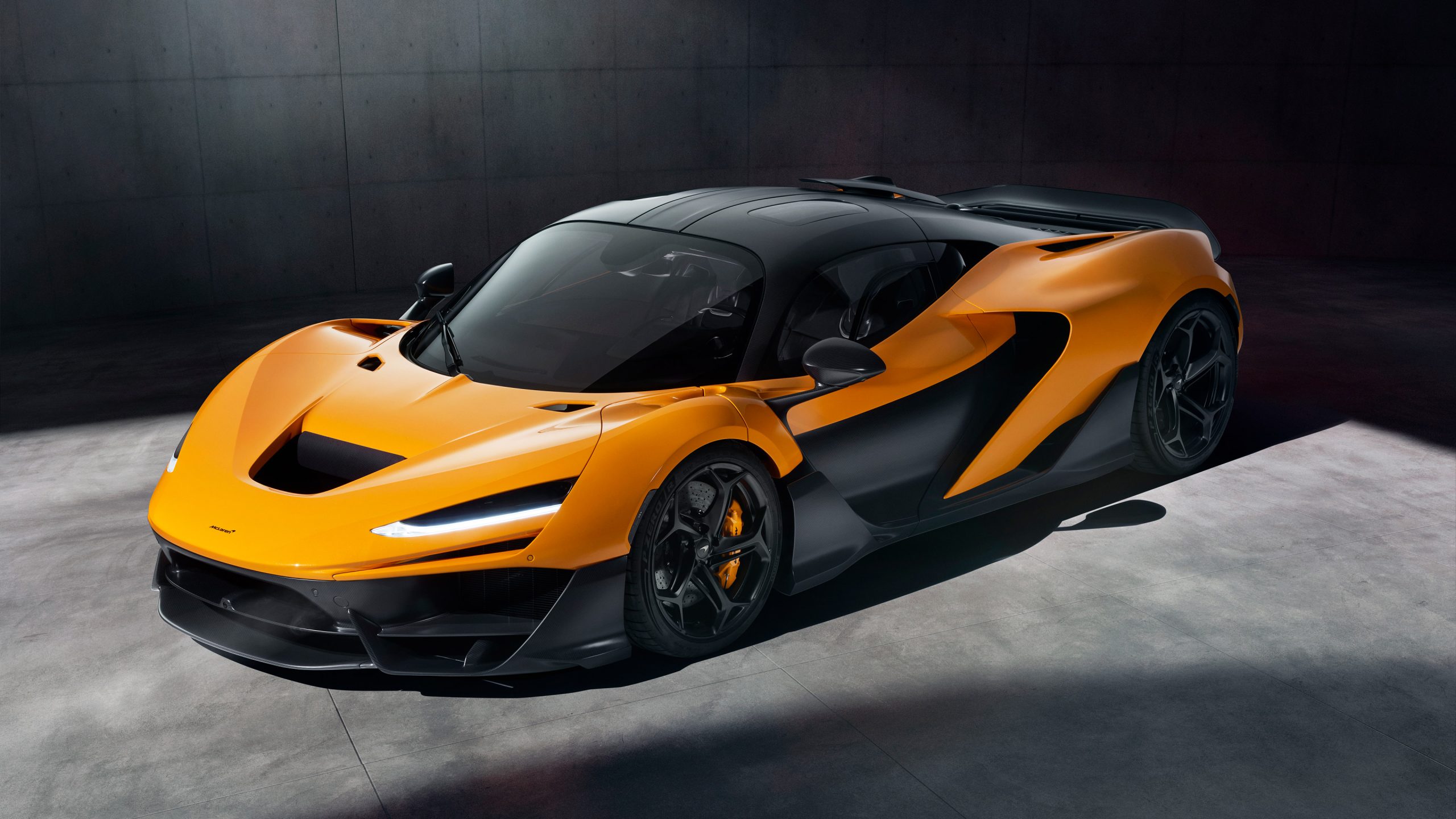
- Years
- From 2025
- Engine
- 4.0 twin-turbo V8 with an electric motor
- Power
- 1,258 hp
- Built
- 399
Road car · United Kingdom
9. McLaren W1
The W1 follows the F1 and the P1, and its name refers to McLaren's world championships. It has a new 4.0-litre V8 and an electric motor for 1,258 horsepower, all of it sent to the rear wheels. McLaren is building 399, and they were sold before the car was announced.
The aerodynamics are the new part. The floor is shaped to work like that of a Formula One car, and in Race mode the rear wing moves backwards by some 300 mm to lengthen the tail. The car lowers itself to suit.
It is ninth because it is too new to place with confidence. It has not been on the road long enough to be compared fairly with the cars above it. If it turns out to matter as the P1 did, it will move up.
Verdict The third in the line of F1 and P1, and too new to judge any higher.
All of its power goes to the rear wheels.
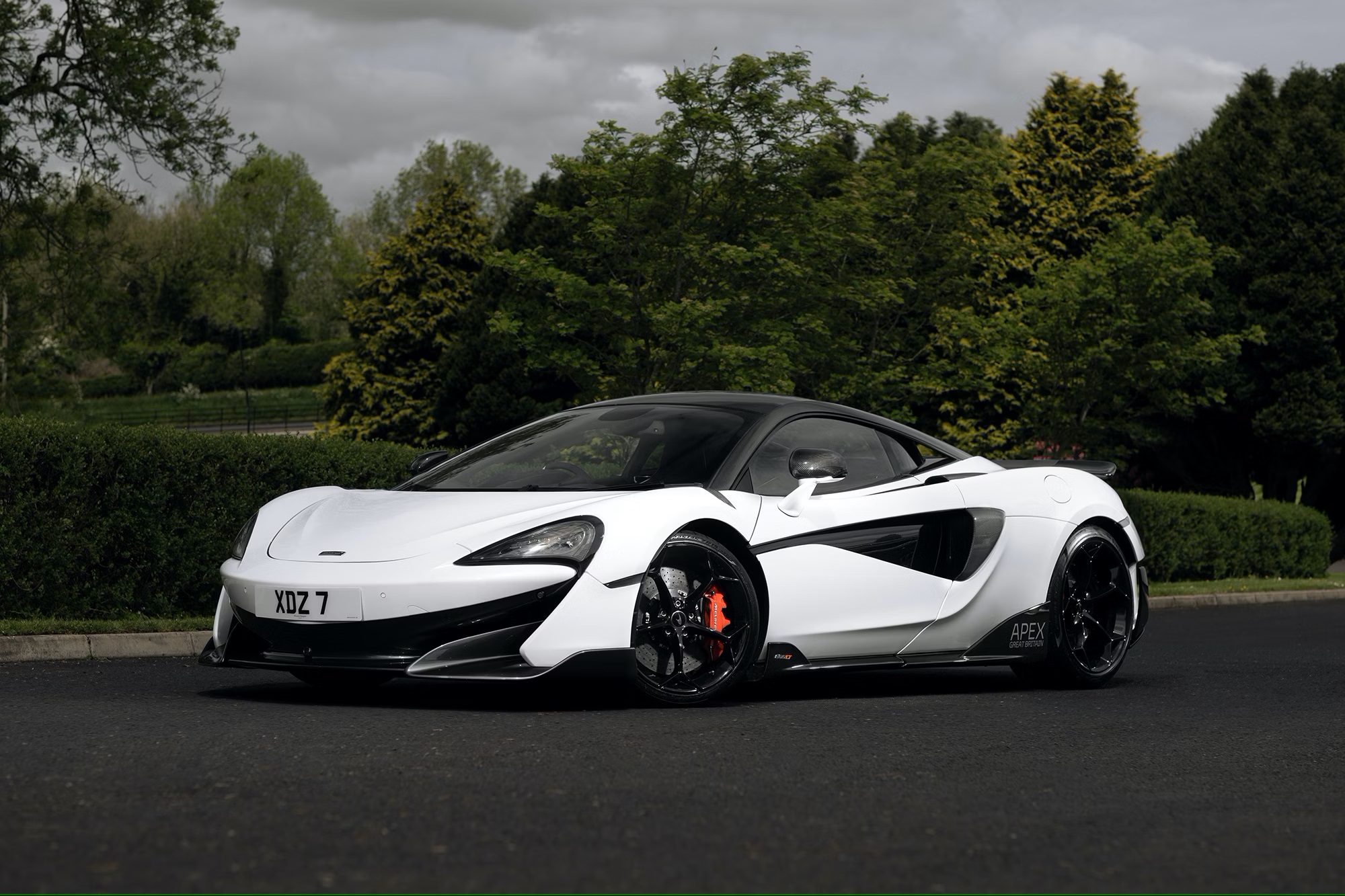
- Years
- 2018–20
- Engine
- 3.8 twin-turbo V8
- Power
- 592 hp
Road car · United Kingdom
8. McLaren 600LT
The 600LT did for the cheaper 570S what the 675LT had done for the 650S. McLaren took out 96 kg, raised power to 592 horsepower, fitted the brakes from the 720S and the seats from the P1, and moved the exhausts to the top of the engine cover, where they can be seen in the mirror.
It has less power than the bigger LTs, which turns out to be an advantage. The driver can use all of it on a road, and the chassis is balanced so that the car can be steered on the throttle without alarm.
It is eighth because many people who have driven every modern McLaren name this one as the most enjoyable. It ranks below the 675LT and 765LT only because they sit higher in the range and did more for the name.
Verdict The least powerful LT, and for many drivers the most fun.
The exhausts come out of the top of the engine cover, and at night they can be seen to spit flame.
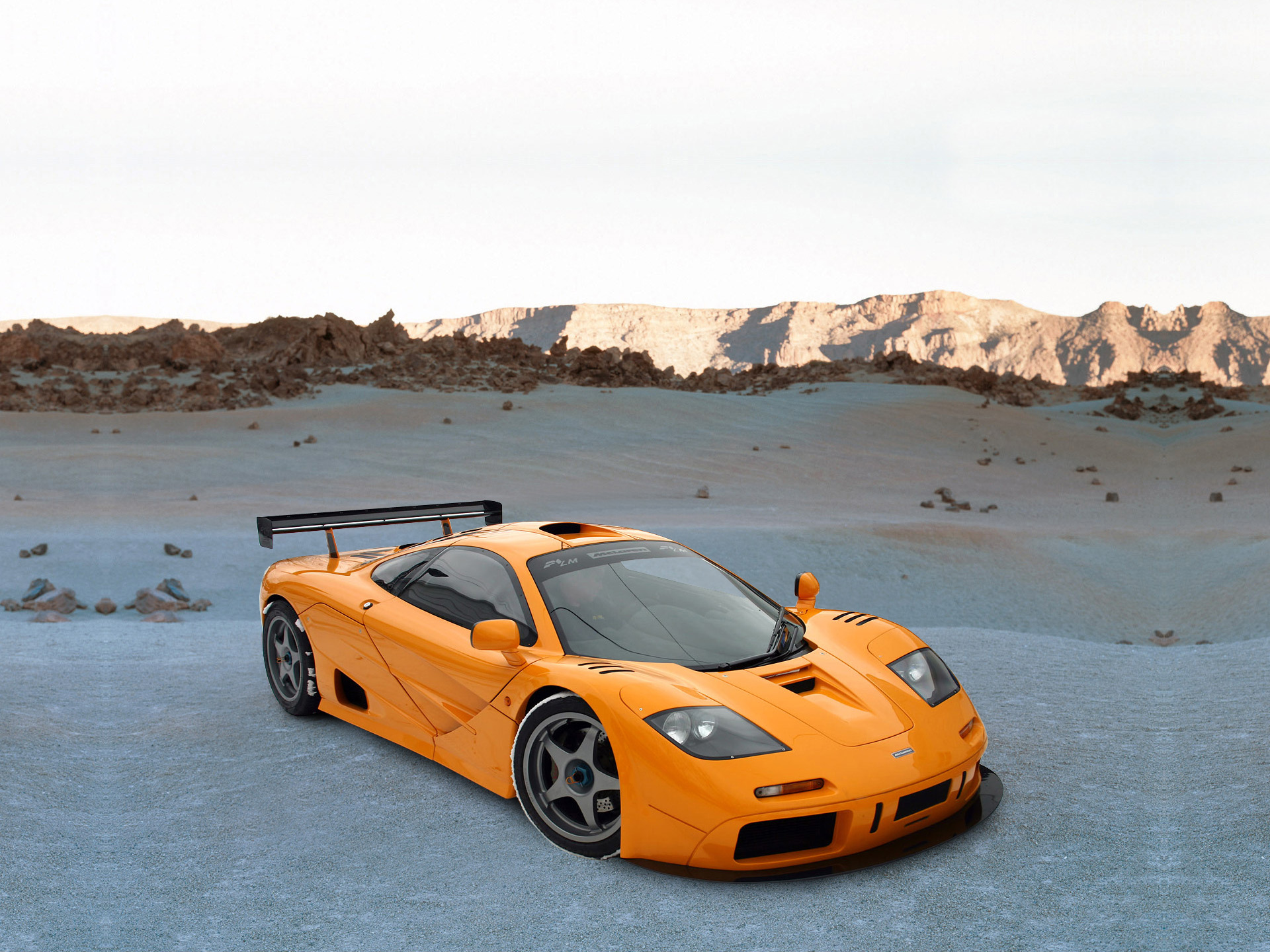
- Years
- 1995–96
- Engine
- 6.1 V12
- Power
- 671 hp
- Built
- 5, plus a prototype
Road car · United Kingdom
7. McLaren F1 LM
After the F1 GTR won Le Mans in 1995, McLaren built five road cars to mark it, one for each GTR that finished. The LM is in effect the racing car made legal: the GTR's engine without the air restrictors the rules required, for about 671 horsepower, a fixed rear wing, no sound deadening and about 75 kg less weight than the standard F1.
Most were painted papaya orange, the colour of Bruce McLaren's racing cars. It is the fastest-accelerating version of the F1 and the least comfortable, with a cabin so loud that headsets were fitted.
It ranks seventh, six places below the car it comes from, because five cars cannot matter as much as sixty-four. Taken alone, it is the most desirable McLaren there is, and when one changes hands the price is well above that of a standard F1.
Verdict The Le Mans winner with number plates, built five times.
Five were sold, one for each F1 GTR that finished Le Mans in 1995.
- Years
- 2020–22
- Engine
- 4.0 twin-turbo V8
- Power
- 755 hp
- Built
- 765 coupés and 765 Spiders
Road car · United Kingdom
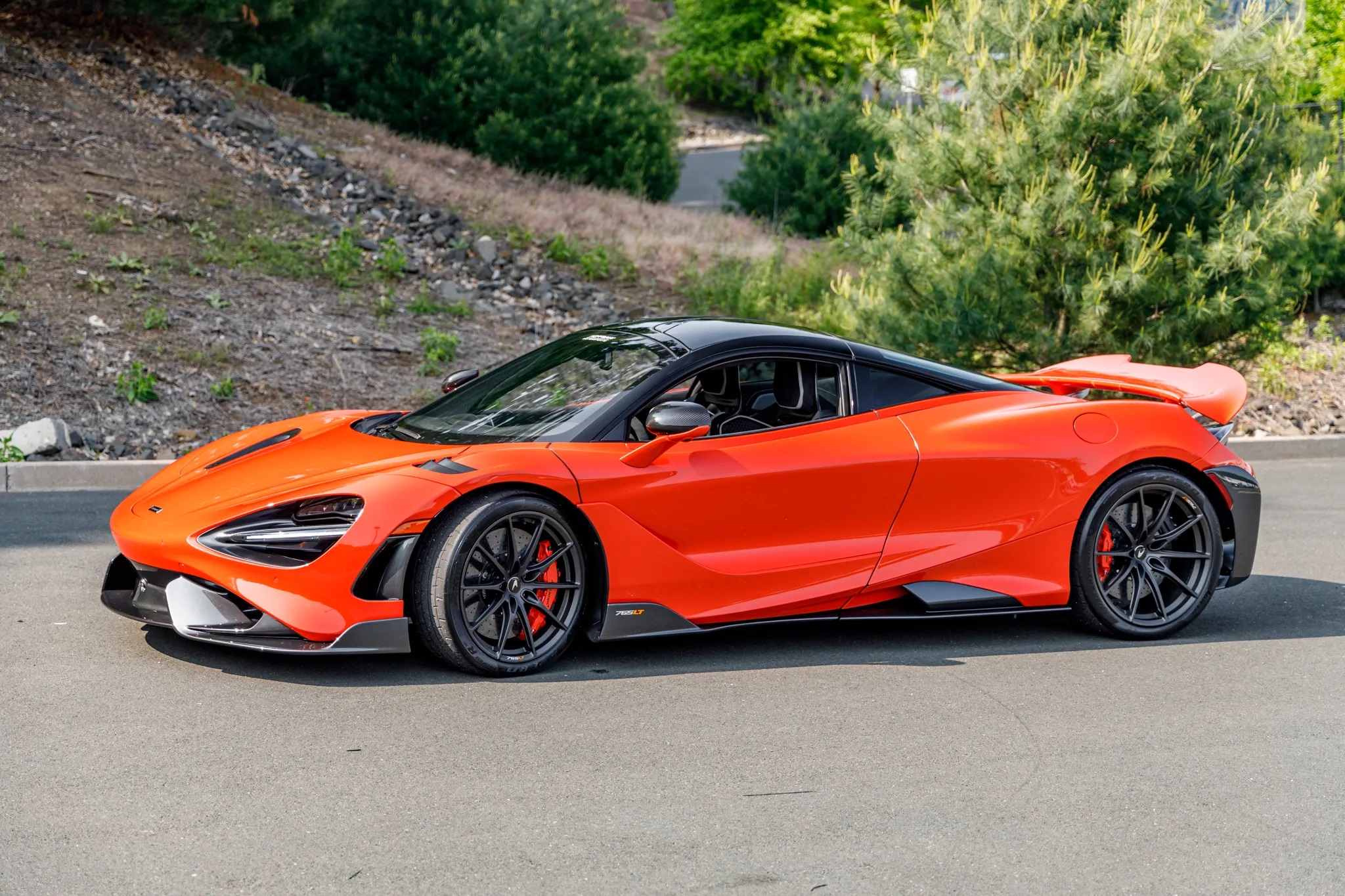
6. McLaren 765LT
The 765LT is a 720S with 80 kg removed and 755 horsepower. The glass is thinner, the exhaust is titanium, the gearing is shorter and the rear wing is longer. In a straight line it embarrassed cars with twice the price and several with hybrid systems.
McLaren built 765 coupés and then 765 Spiders. The open car weighs only 49 kg more, almost all of it the roof mechanism, and loses nothing a driver would notice.
It ranks sixth, below the 675LT, because that car changed the company's reputation and this one confirmed it. Judged only as a thing to drive it may be the better of the two: more power than the chassis can always use, steering that is among the best of any modern car, and an engine that sounds angry in a way the 720S never does. It is not a relaxing car.
Verdict A 720S with the manners taken out.
The Spider weighs 49 kg more than the coupé, nearly all of it roof mechanism.
- Years
- 2018–19
- Engine
- 4.0 twin-turbo V8
- Power
- 789 hp
- Built
- 500
Road car · United Kingdom
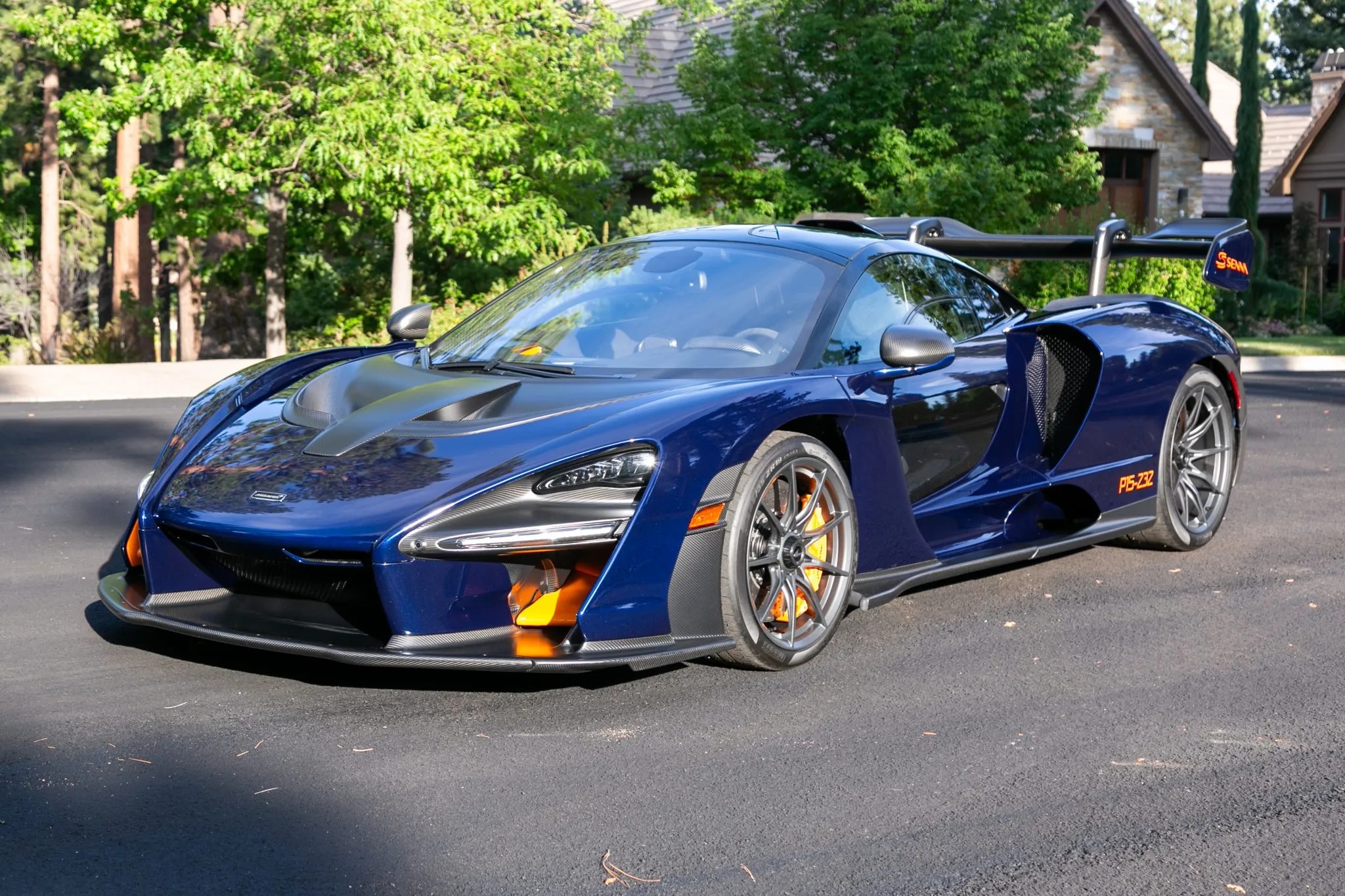
5. McLaren Senna
The Senna was built to post the fastest lap possible in a car with number plates, and everything else gave way to that. It weighs about 1,200 kg dry, has 789 horsepower and makes 800 kg of downforce from a rear wing that hangs from above and moves constantly. The body is a set of openings and blades with no attempt at beauty. McLaren said so itself.
Five hundred were made, each sold before the car was shown, and the name was used with the agreement of the Senna family. On a circuit it brakes later and carries more speed than seems reasonable, and it gives the driver more confidence than the P1 ever did.
It is fifth because it does one thing better than any road car of its time. On the road it is loud, stiff and awkward, which is why four cars sit above it.
Verdict Ugly, single-minded and faster round a circuit than almost anything with a number plate.
Glass panels in the lower half of the doors were an option, so the driver can see the kerb.
- Years
- 2017–23
- Engine
- 4.0 twin-turbo V8
- Power
- 710 hp
Road car · United Kingdom
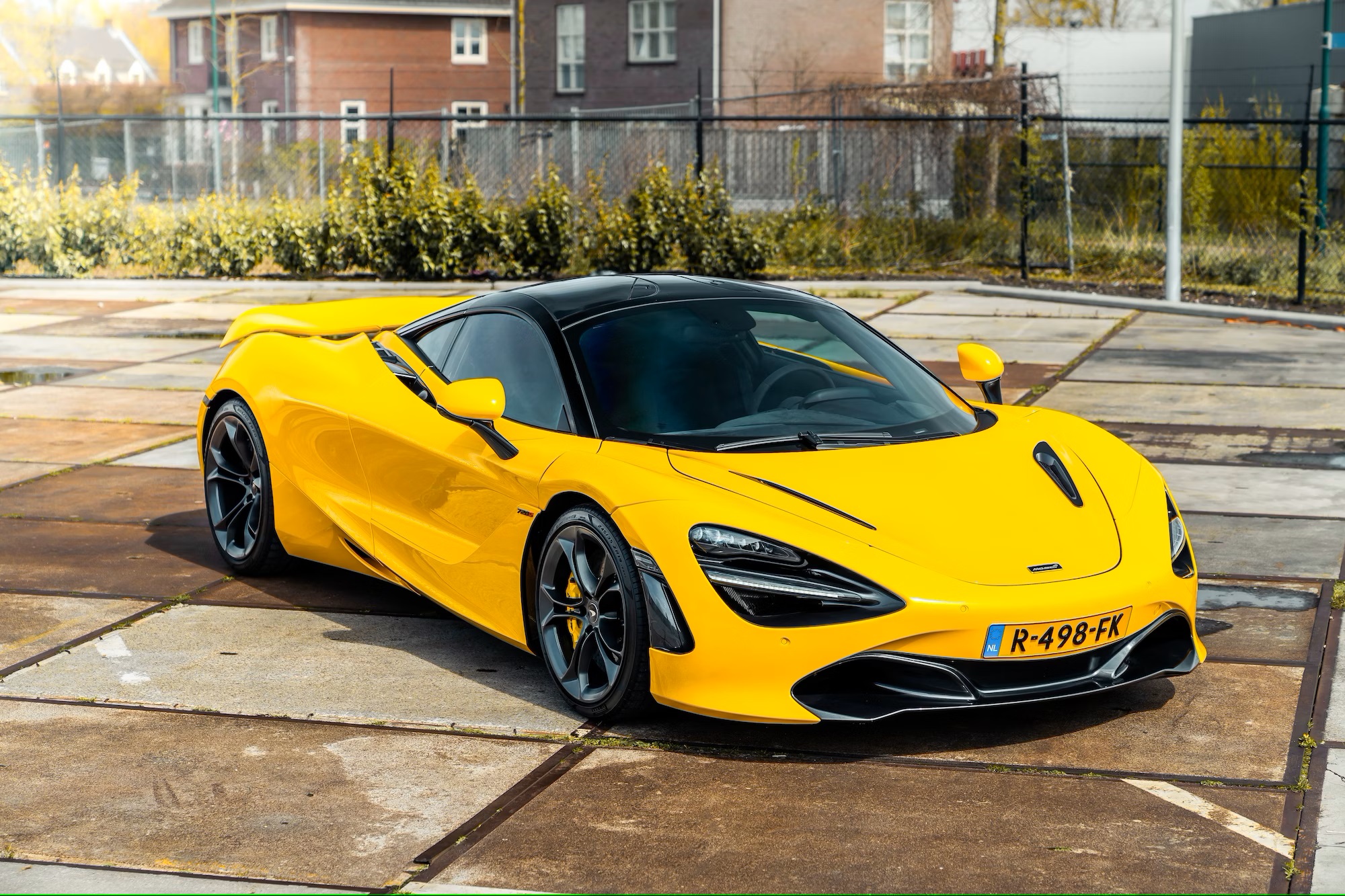
4. McLaren 720S
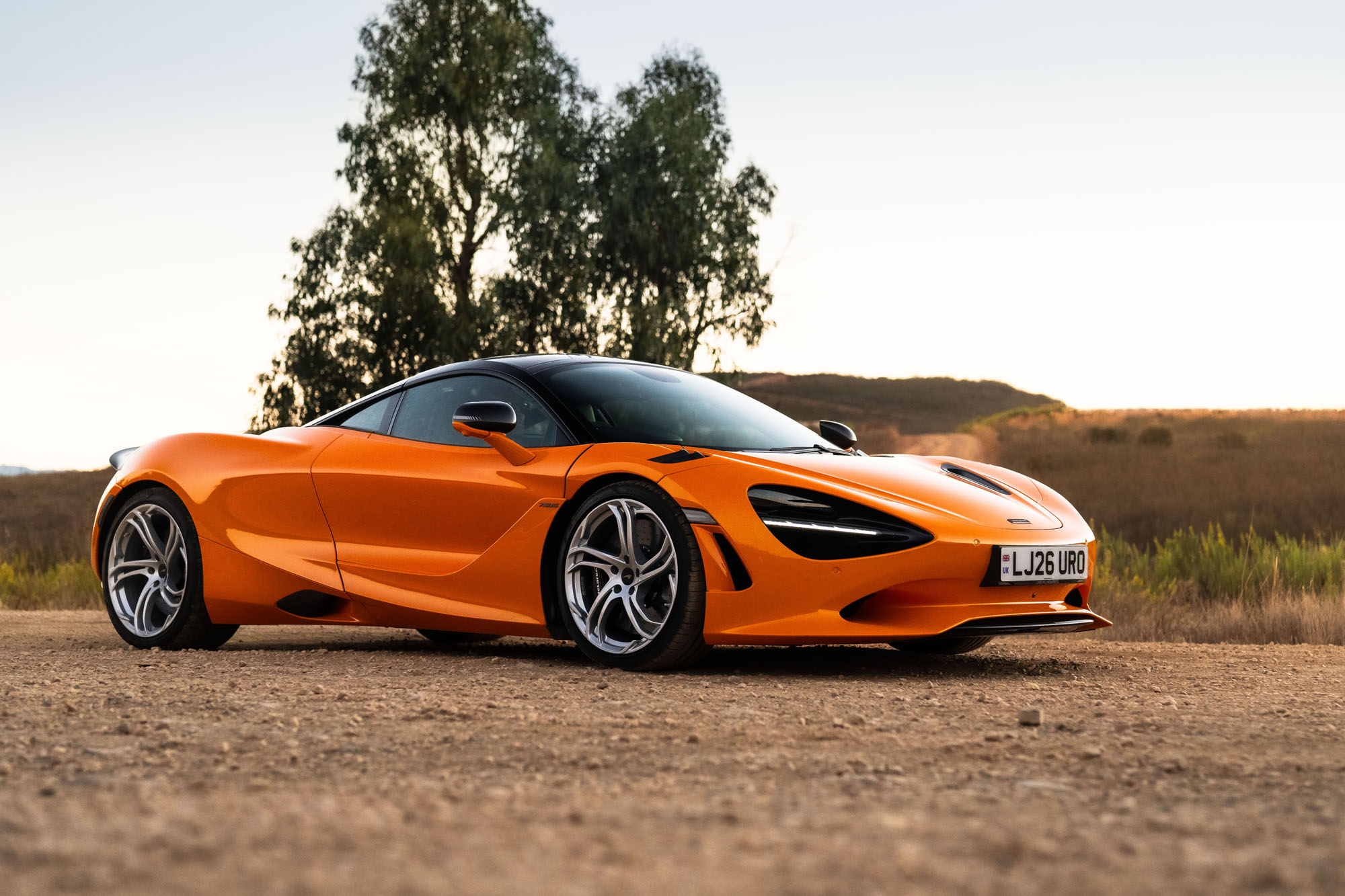
When the 720S came out in 2017 it was quicker than cars costing three times as much, the P1 among them on some circuits. The engine had grown to 4.0 litres and 710 horsepower. The carbon tub now included the roof, which allowed thin pillars and glass that curves into the doors, so the view out is better than in most hatchbacks.
The body has no visible side intakes. Air is taken in through channels in the doors and through the dark sockets around the headlamps. The suspension has no anti-roll bars: the dampers are linked hydraulically, which lets the car ride softly in a straight line and stay flat in a corner.
It is fourth because for six years it was the answer to the question of which supercar to buy, and its rivals had to be redesigned to catch it. It is no higher because it is so capable that it rarely feels as fast as it is.
Verdict For six years, the supercar the others were built to beat.
The dark openings around the headlamps are air intakes that feed the radiators.
- Years
- 2015–17
- Engine
- 3.8 twin-turbo V8
- Power
- 666 hp
- Built
- 500 coupés
Road car · United Kingdom
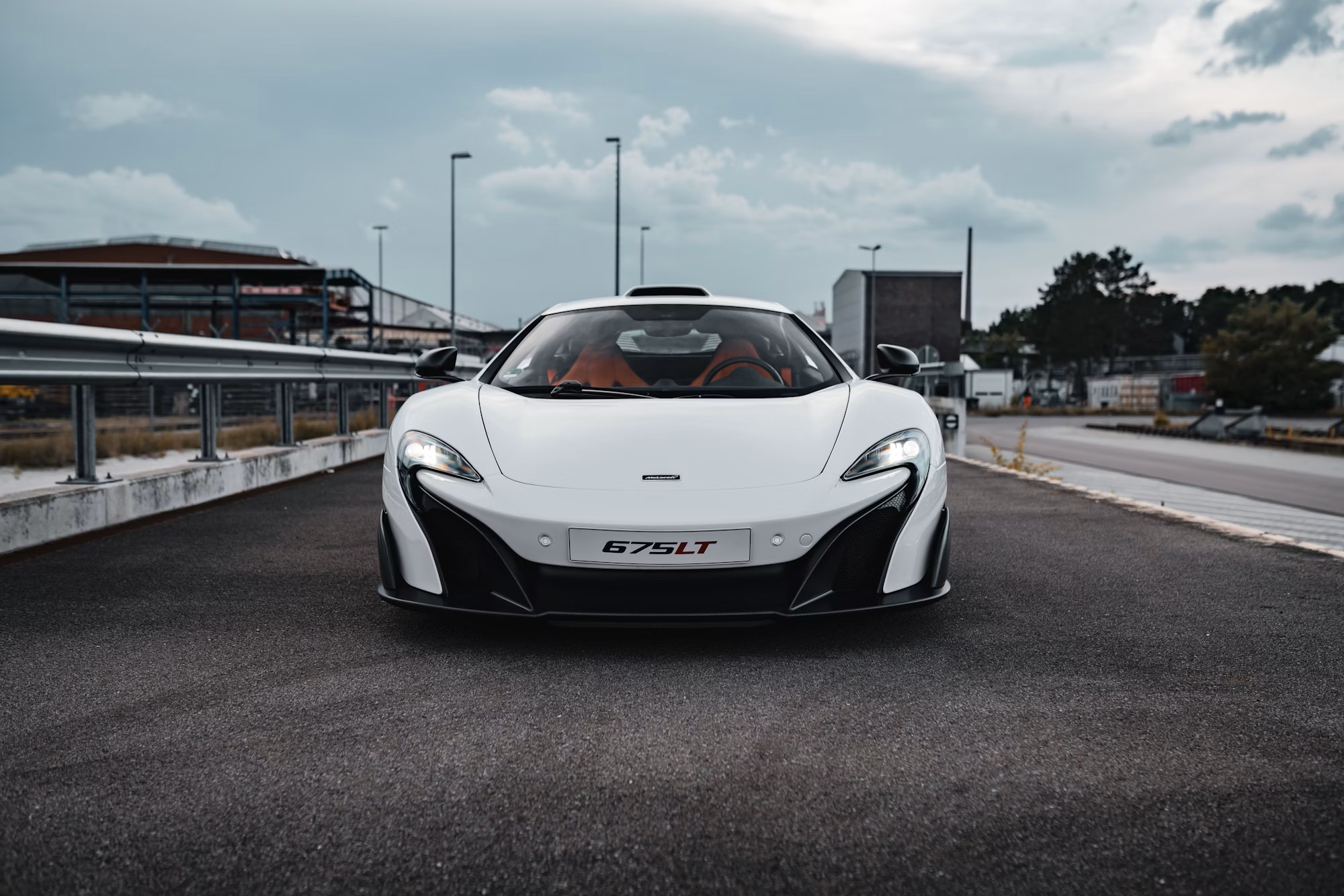
3. McLaren 675LT
LT stands for Longtail, after the stretched F1 GTR that raced in 1997. McLaren revived the name in 2015 for a 650S with 100 kg taken out, 666 horsepower, a wider track, stiffer springs and a larger airbrake. A third of the parts were changed. Five hundred coupés were offered and sold within weeks, and five hundred Spiders followed.
The numbers undersell it. Until this car, McLarens were admired for being fast and precise and criticised for being cold. The 675LT was the first with steering and a chassis that talked to the driver all the time, and an exhaust worth listening to. Some road testers put it ahead of the Ferrari 458 Speciale, which had seemed unbeatable. It is third because it changed what people expected of the company, and every LT since has been an attempt to do the same again.
Verdict The car that gave McLaren a sense of humour.
LT stands for Longtail, after the McLaren F1 GTR Longtail that raced in 1997.
- Years
- 2013–15
- Engine
- 3.8 twin-turbo V8 with an electric motor
- Power
- 903 hp
- Built
- 375
Road car · United Kingdom
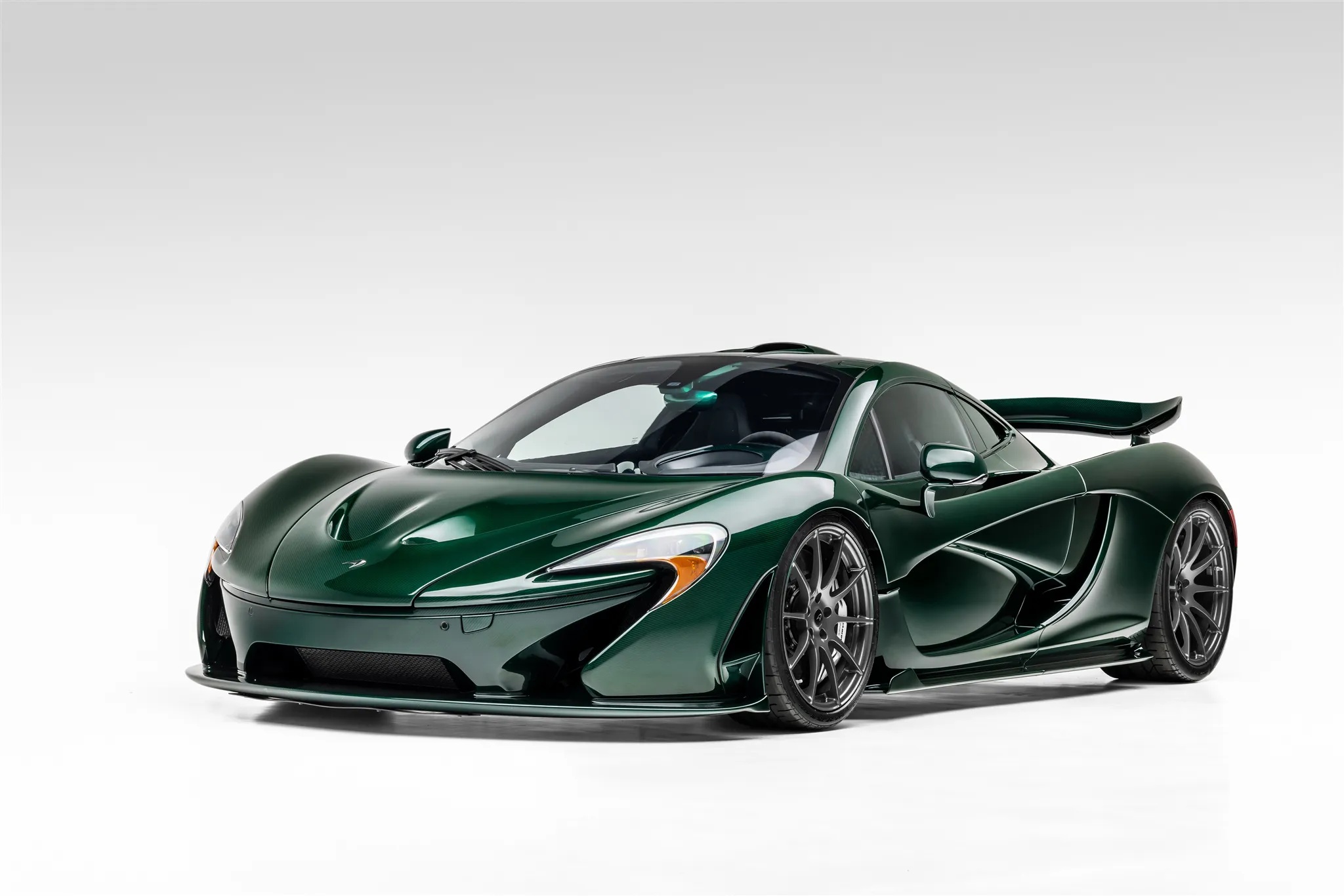
2. McLaren P1
The P1 was McLaren's answer to its own F1 twenty years on, and it took a different route. A 3.8-litre twin-turbo V8 is joined by an electric motor that fills the gap while the turbochargers gather speed, for 903 horsepower in all. In Race mode the car drops 50 mm on its suspension, the rear wing rises and the body makes enough downforce to change how late the driver dares to brake.
It was shown in Paris in September 2012 and 375 were built, the last in December 2015, at about $1.15 million each. The Ferrari LaFerrari and Porsche 918 Spyder arrived in the same months, and the three have been compared ever since. The P1 is the wildest of them and the one that asks most of its driver. It is second because it showed that a hybrid could be more exciting than the car it replaced, and because McLaren has not made anything as alarming since.
Verdict The hybrid that proved batteries could make a fast car more frightening.
The name is Formula One shorthand for first place on the grid.
The best of the 30 · Road car · United Kingdom
1. McLaren F1
- Years
- 1992–98
- Engine
- 6.1 V12
- Power
- 627 hp
- Built
- 64 road cars
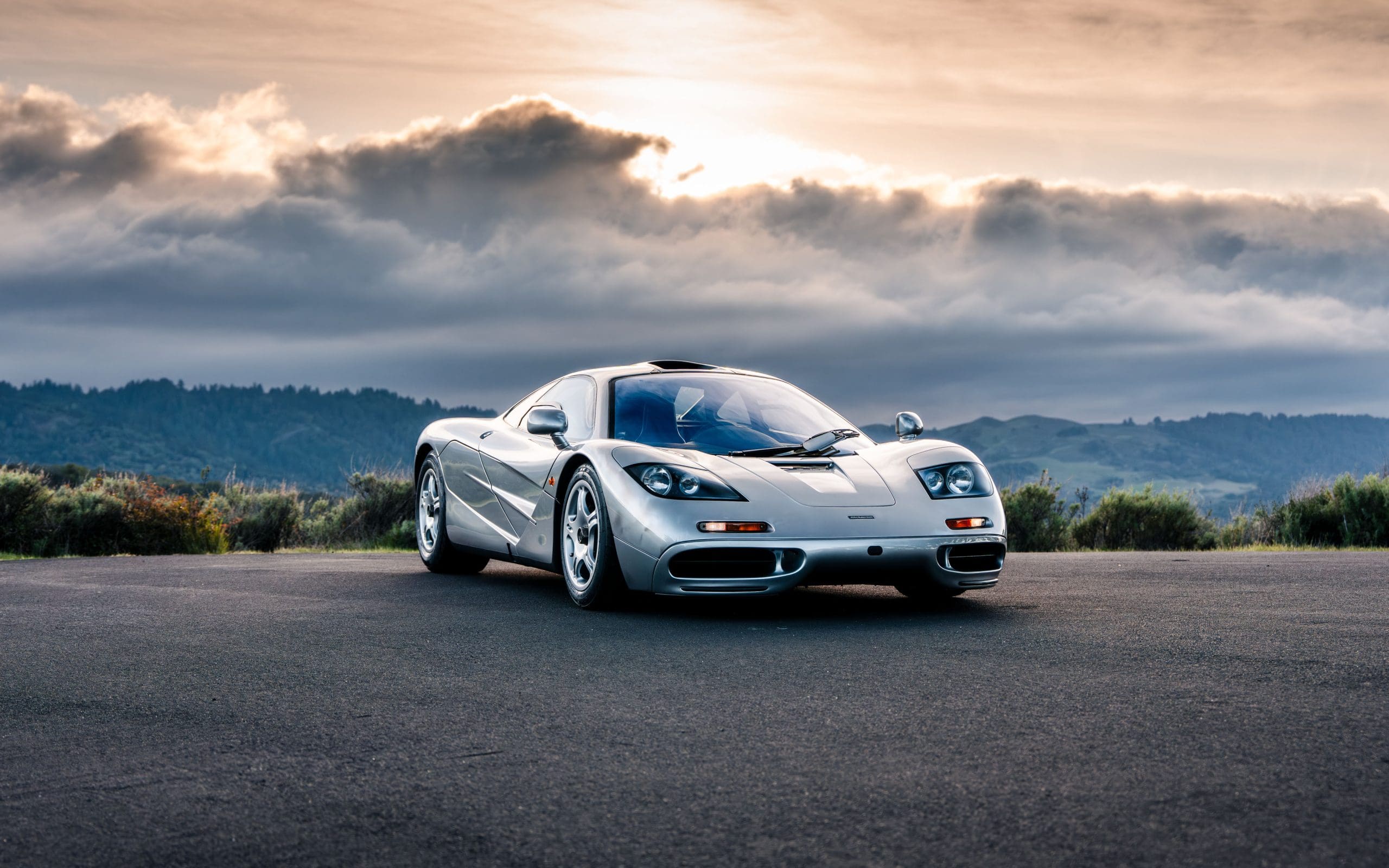
Gordon Murray sketched the idea in an airport lounge in Milan after the 1988 Italian Grand Prix: three seats with the driver in the middle, the lightest structure that could be made, and an engine with no turbochargers. Ron Dennis agreed to build it. The car was shown at Monaco in May 1992 with a carbon-fibre body and chassis, a first for a road car, and a 6.1-litre V12 that BMW's Paul Rosche built after Honda declined. It makes 627 horsepower and the car weighs 1,138 kg. The engine bay is lined with gold foil because gold reflects heat better than anything else.
There is no power steering, no brake servo and no traction control. In 1998 Andy Wallace took one to 240.1 mph at Ehra-Lessien, a figure no car without turbochargers has beaten since. McLaren built 106 in all, 64 of them standard road cars. A racing version, developed because customers asked for one, won Le Mans in 1995 at the first attempt.
It is first on this list and would be first or second on a list of every road car made. Nothing since has been designed with so little compromise.
Verdict The road car against which the rest are still judged.
The engine bay is lined with gold foil to reflect heat. The driver sits in the middle, with a passenger seat set back on each side.
What we left off, and why
The racing cars are on a different list. That covers the F1 GTR, which won Le Mans in 1995, the Formula One cars from the M7A to the present, and the Can-Am cars that won five championships in a row.
One-offs are out: the X-1 of 2012 and the cars McLaren's special operations department has built for single customers.
Several limited versions are counted with the cars they come from. The Senna LM and Senna GTR LM belong with the Senna and Senna GTR, the 12C Can-Am Edition and 12C HS with the 12C, the 720S GT3X with the 720S, and the 600LT Spider, 765LT Spider and Artura Spider with their coupés.
The 788HS, which closes the line that began with the 720S, is too new to place. The McL 6GT has been shown and is not due until 2028.
Tell us what we got wrongQuestions about this list
What is the best McLaren ever made?
The F1, built from 1992 to 1998. It has three seats with the driver in the centre, a 6.1-litre BMW V12 with 627 horsepower and a weight of 1,138 kg. It reached 240.1 mph in 1998, and its racing version won Le Mans in 1995.
What does LT mean on a McLaren?
LT stands for Longtail. The name comes from the 1997 F1 GTR, which had a longer nose and tail than earlier cars. McLaren has used it since 2015 for lighter, more powerful versions of its road cars: the 675LT, 600LT and 765LT.
What was the first McLaren road car?
Bruce McLaren built the M6GT in 1969, a closed coupé on a racing chassis, and used it on the road himself. Only a handful were made before his death in 1970. The first McLaren road car sold in numbers was the F1 of 1992, and regular production began with the MP4-12C in 2011.
Why is the F1 GTR not on this list?
This list is for cars sold for the road, plus three track-only models McLaren sold alongside them. The F1 GTR was a racing car built for competition, as were McLaren's Formula One and Can-Am cars. They belong on a separate list.
How many McLaren F1s were built?
McLaren built 106 F1s in all. Sixty-four were standard road cars and 28 were GTR racing cars. The rest were prototypes and the LM and GT versions.
We started from every car McLaren has sold to a customer and cut the list to thirty. Each car was scored on four things: what it achieved; how it drives; how it looks; and what it changed for the company.
The three versions of the F1 appear separately because they are different cars in practice: the standard road car, the lightened LM and the long-bodied GT. Elsewhere, versions of one model are counted together.
Specifications and production numbers are taken from our own marque pages where they cover the car. Power is given in horsepower; McLaren names many of its cars after their output in metric horsepower, which is why a 720S is listed at 710.