BMW began with aircraft engines and motorcycles, and came to cars late. It nearly went under in 1959, when the shareholders came within a vote of selling the company to Mercedes. What saved it was a plain four-door saloon. What made it famous was what its engineers did to that saloon and its descendants at weekends.
This is our pick of the thirty best BMW road cars, counted down from thirty to one.
What counts
Road cars that BMW built and sold, from the 328 of 1936 to cars on sale now. The homologation specials are in, because they were sold to the public: the 3.0 CSL and the first M3 were built so that BMW could race, and anyone could buy one.
Racing cars are out. The M1 Procar, the racing CSLs and the Le Mans winner of 1999 are for another list. So are the cars of Alpina and the other tuners, however good.
How we ranked them
We weighed four things: what the car achieved, how it drives, how it looks, and what it changed for BMW.
With this maker, driving counts for more than usual. BMW built its name on cars that are good to drive before they are anything else, and the best of them are small or medium-sized saloons and coupés with a great engine and rear-wheel drive. That is why the list is led by a four-cylinder saloon and not by the supercar.
Eighteen of the thirty wear an M badge. We tried to keep that number down and could not do it honestly. We did make room for the cars that kept the company alive, which is why a bubble car and a family saloon are here.
Then we argued. This is a gut list, and the test is whether someone who knows BMWs looks at the order and thinks it feels right. Similar cars do not sit side by side, so the M3s and M5s are spread out.
How to read this list
We start at thirty and count down. Each car has its years, engine and power, the case for its place, and a one-line verdict. The top ten get the longest treatment. If you want the order without the suspense, the full ranking is in the table below.
Tell us what we got wrong in the comments.
See the full ranking, 1 to 30
| Rank | The 30 Best BMW Road Cars Ever Made | Years |
|---|---|---|
| 1 | BMW M3 (E30) | 1986–91 |
| 2 | BMW M1 | 1978–81 |
| 3 | BMW 507 | 1956–59 |
| 4 | BMW 3.0 CSL | 1971–75 |
| 5 | BMW M5 (E39) | 1998–2003 |
| 6 | BMW M3 CSL (E46) | 2003–04 |
| 7 | BMW 328 | 1936–40 |
| 8 | BMW 2002 Turbo | 1973–74 |
| 9 | BMW M5 (E28) | 1985–88 |
| 10 | BMW M5 CS (F90) | 2021–22 |
| 11 | BMW 1 Series M Coupé | 2011–12 |
| 12 | BMW 2002 tii | 1971–75 |
| 13 | BMW M2 (G87) | From 2023 |
| 14 | BMW Z8 | 2000–03 |
| 15 | BMW M3 (E46) | 2000–06 |
| 16 | BMW M635CSi | 1984–89 |
| 17 | BMW M5 (E60) | 2005–10 |
| 18 | BMW 850 CSi | 1992–96 |
| 19 | BMW Z3 M Coupé | 1998–2002 |
| 20 | BMW M3 GTS (E92) | 2010–11 |
| 21 | BMW M2 CS (F87) | 2020 |
| 22 | BMW i8 | 2014–20 |
| 23 | BMW M5 (E34) | 1988–95 |
| 24 | BMW 3.0 CSi | 1971–75 |
| 25 | BMW 1500 "Neue Klasse" | 1962–64 |
| 26 | BMW M3 Lightweight (E36) | 1995 |
| 27 | BMW Z4 M Coupé | 2006–08 |
| 28 | BMW Z1 | 1989–91 |
| 29 | BMW Isetta | 1955–62 |
| 30 | BMW M3 CS (G80) | 2023–24 |
30 to 21
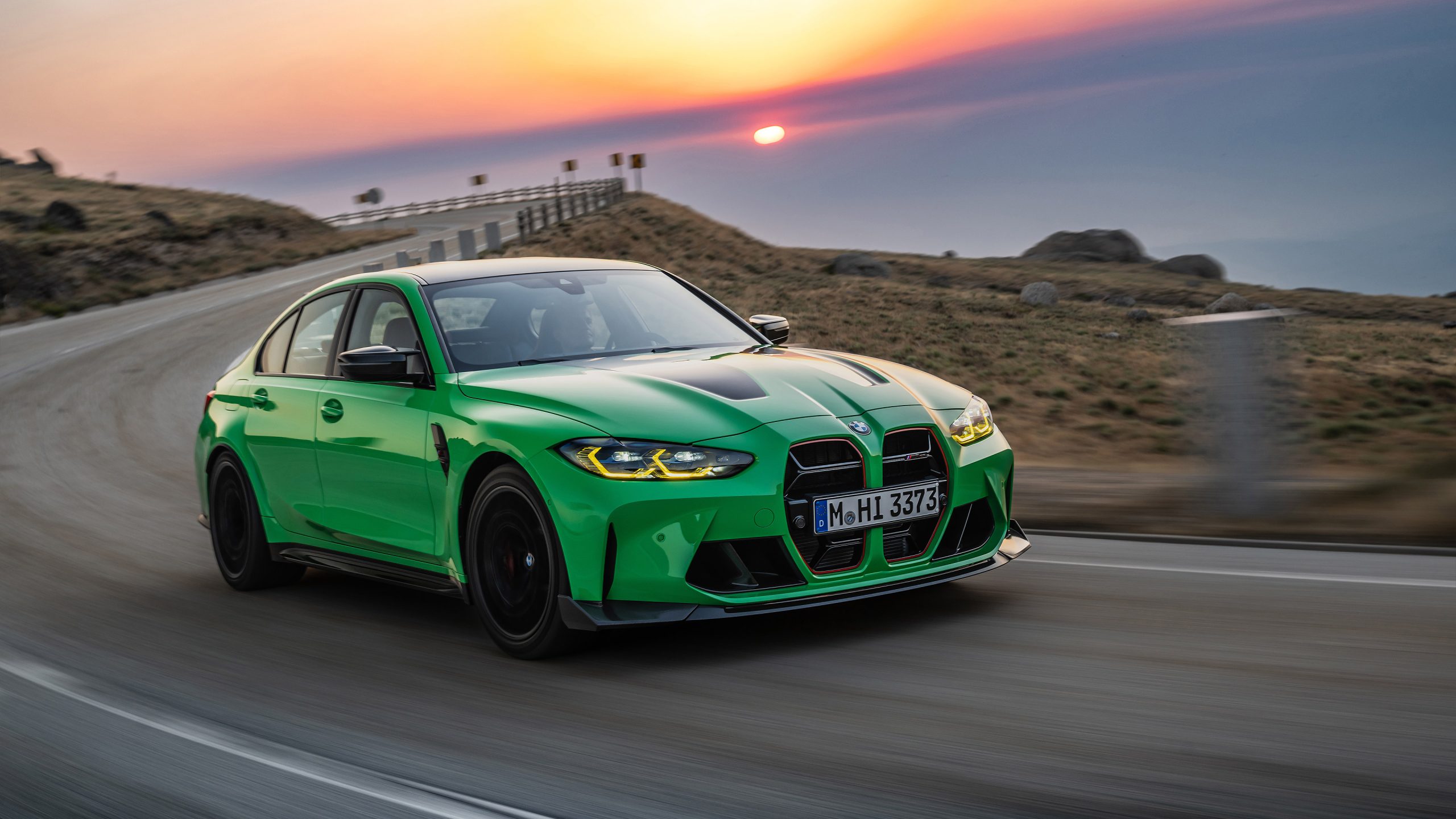
30. BMW M3 CS (G80)
2023–24 · 3.0 twin-turbo straight-six · 543 hp
The current M3 at its best. The CS has 543 horsepower, four-wheel drive, a carbon-fibre roof and bonnet, and suspension settings of its own. It lapped the Nürburgring in under seven and a half minutes, a record for a four-door saloon. It starts at thirty because it is new, and because there are five other M3s above it.
Verdict The newest M3, and a very fast one.

29. BMW Isetta
1955–62 · 250 and 300 cc single cylinder · 12 to 13 hp · 161,728
In the mid-1950s BMW made large, expensive saloons that few could afford, and motorcycles. To stay in business it took a licence on an Italian bubble car, fitted its own single-cylinder motorcycle engine, and sold more than 160,000. The whole front of the car is the door. It is not a sports car. Without it there would be no BMW.
Verdict The bubble car that kept the lights on.
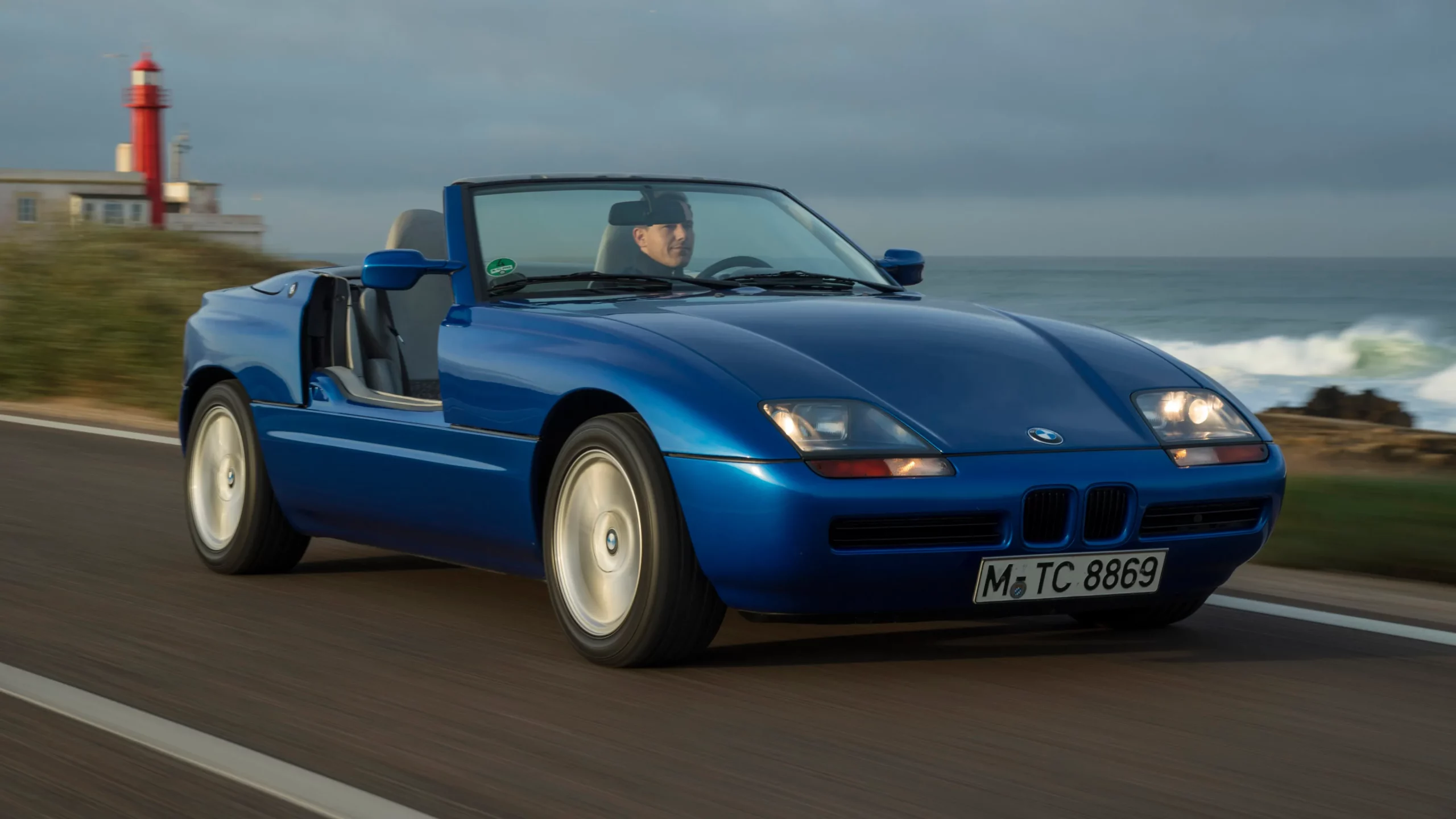
28. BMW Z1
1989–91 · 2.5 straight-six · 168 hp · 8,000
A showcase for new ideas that BMW decided to sell. The Z1 has plastic body panels that can be unbolted and swapped, a new kind of rear suspension later used on the 3 Series, and doors that slide down into the sills at the press of a button. It can be driven with them open. Eight thousand were made.
Verdict The one with the disappearing doors.
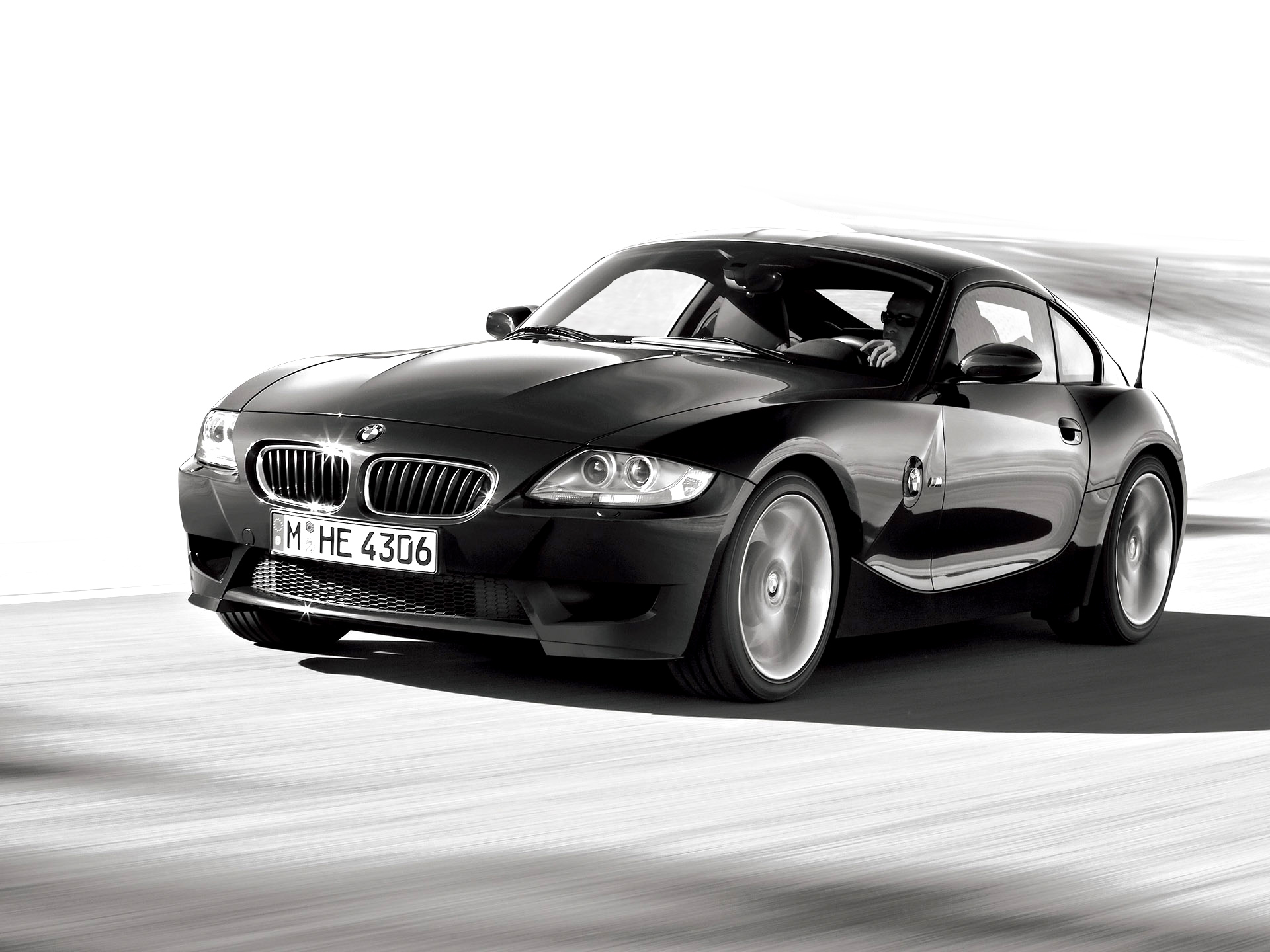
27. BMW Z4 M Coupé
2006–08 · 3.2 straight-six · 338 hp · ~ 4,300
The successor to the Z3 M Coupé was better-looking and less odd. It used the E46 M3's 3.2-litre straight-six with 338 horsepower, a manual gearbox and hydraulic steering borrowed from the M3 CSL. It was the last new M car with that engine. About 4,300 coupés were made.
Verdict The last hurrah of the great straight-six.
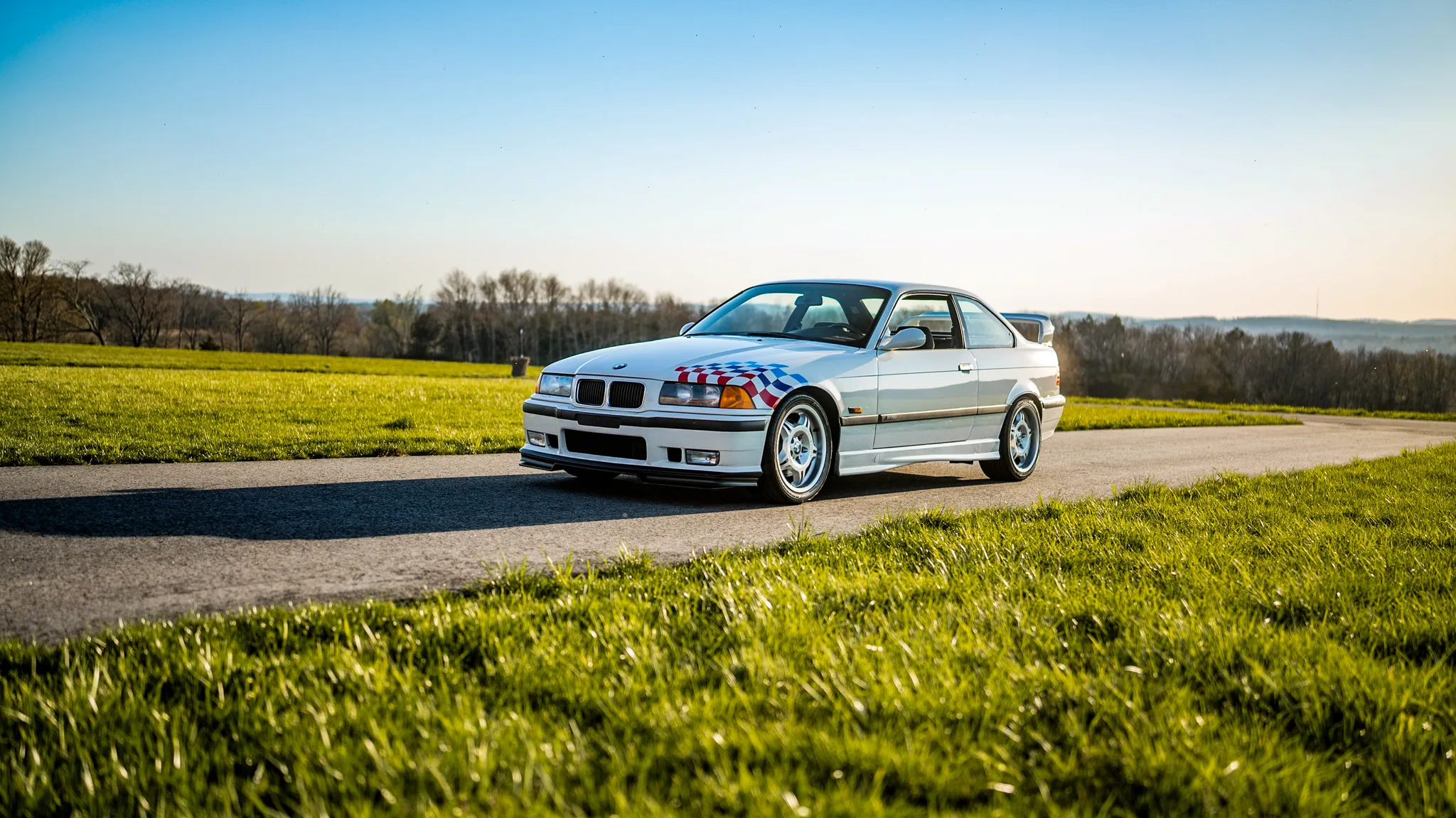
26. BMW M3 Lightweight (E36)
1995 · 3.0 straight-six · 240 hp · ~ 126
American buyers got a milder M3 than Europeans in the 1990s. This was the consolation. In 1995 BMW built about 126 cars for the United States with no radio, air conditioning or sunroof, aluminium doors and a shorter final drive. All were white with a chequered-flag stripe. Most went straight to race tracks.
Verdict The American M3, with the weight thrown out.
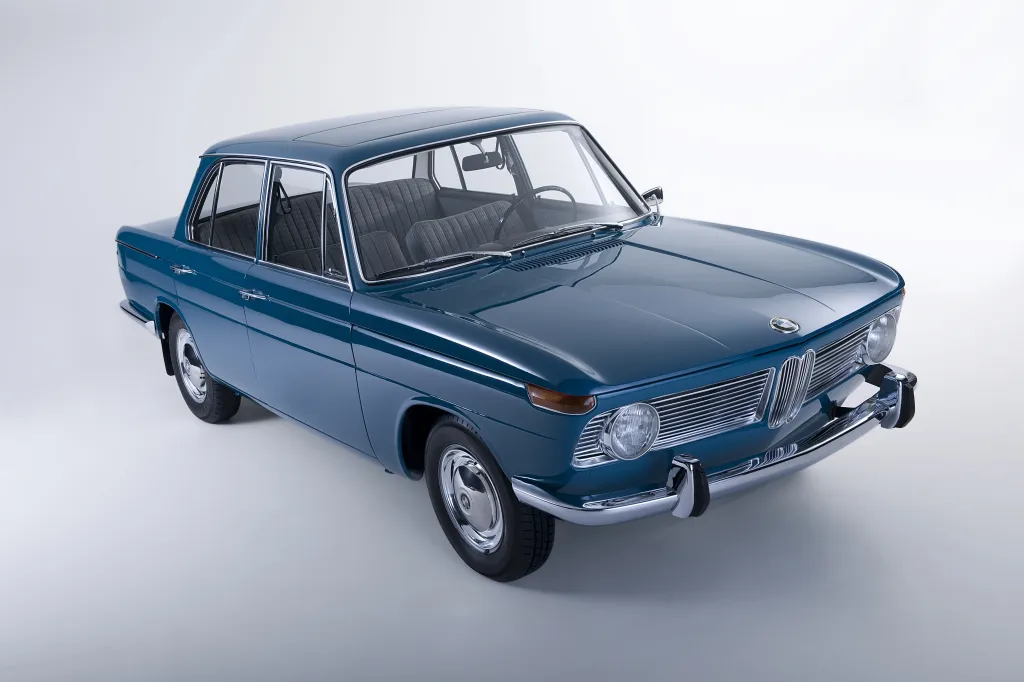
25. BMW 1500 "Neue Klasse"
1962–64 · 1.5 four · 80 hp · ~ 23,800
In 1959 BMW was nearly sold to Mercedes. The 1500 saloon, shown in 1961, is what saved it: a compact, modern four-door with a new overhead-camshaft engine, disc brakes at the front and independent suspension all round. Everything BMW has built since follows from it, and its engine block lasted into the 1980s.
Verdict The saloon that saved the company.
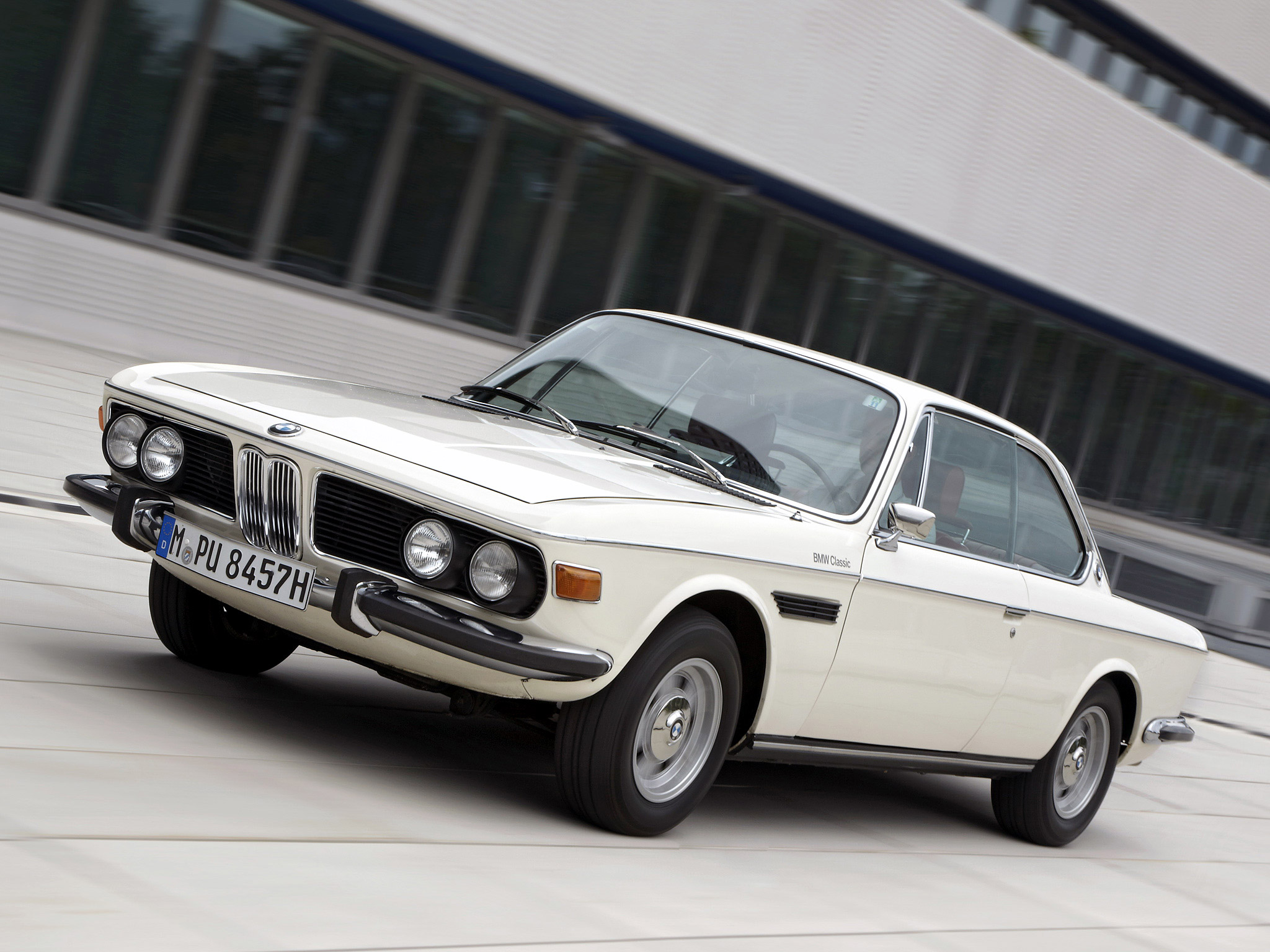
24. BMW 3.0 CSi
1971–75 · 3.0 straight-six, fuel injected · 200 hp · ~ 8,200
The road car the CSL was made from. The 3.0 CSi was a tall, airy, pillarless coupé with a fuel-injected straight-six of 200 horsepower, built for BMW by Karmann. It is fast enough, comfortable and one of the best-looking cars BMW has made. It rusts with enthusiasm, so good ones are scarce.
Verdict The elegant one behind the Batmobile.
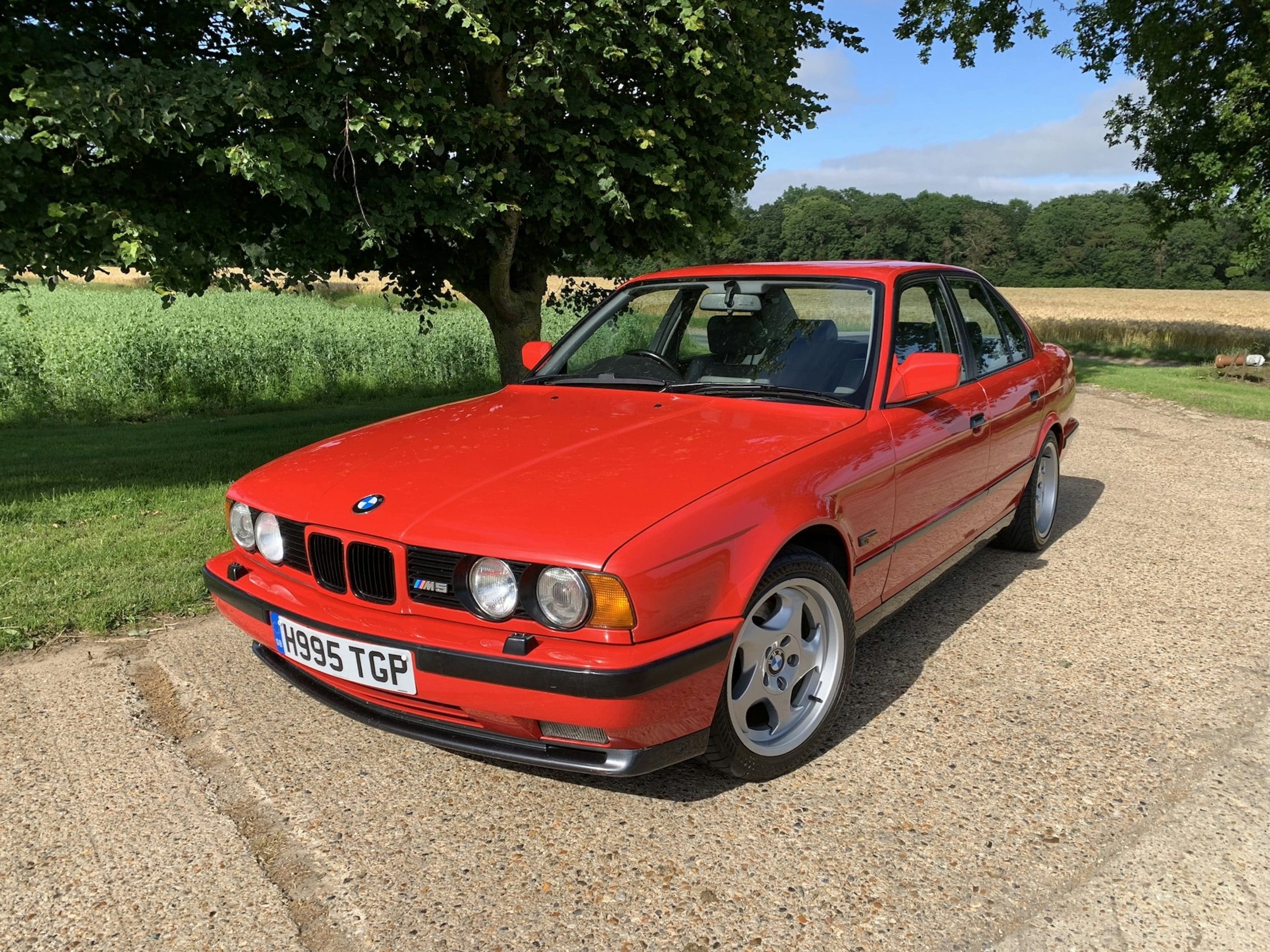
23. BMW M5 (E34)
1988–95 · 3.6 and 3.8 straight-six · 311 to 335 hp · ~ 12,250
The second M5 was the last built by hand, each engine signed off by one technician. It used the final development of the M1's straight-six, 3.6 and then 3.8 litres, with up to 335 horsepower. It is heavier and smoother than the first M5, and many regard its engine as the best six BMW ever made.
Verdict The last M5 made by hand.
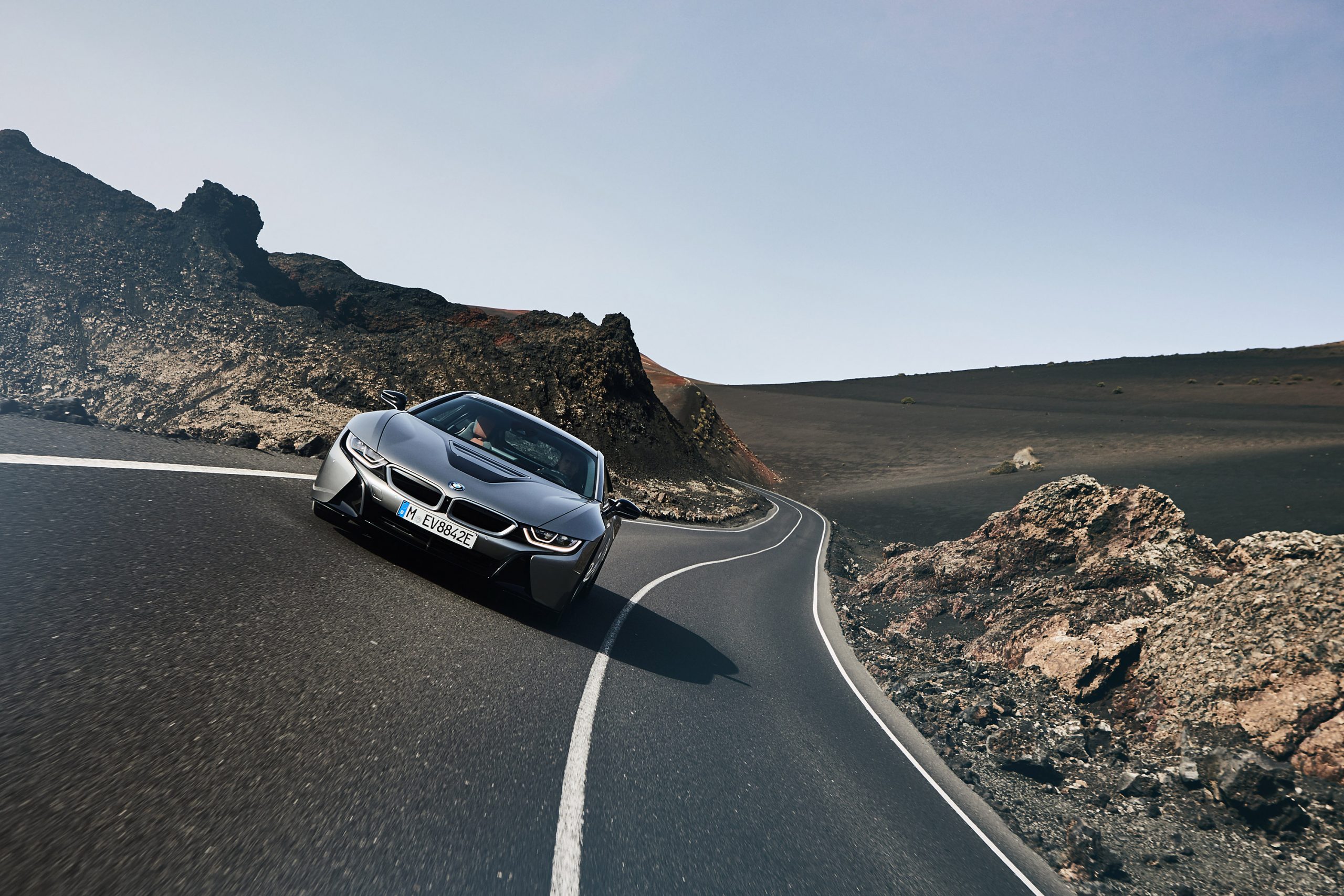
22. BMW i8
2014–20 · 1.5 turbo three-cylinder hybrid · 357 hp at launch · ~ 20,500
In 2014 the i8 looked like a concept car that had escaped. It had a carbon-fibre passenger cell, doors that opened upwards, a three-cylinder engine behind the seats and an electric motor at the front. It was quick, not thrilling, and it used very little fuel. BMW was years ahead with it, and then stopped.
Verdict The future, a few years early.

21. BMW M2 CS (F87)
2020 · 3.0 twin-turbo straight-six · 444 hp · ~ 2,200
The first M2 was a good car held back by an ordinary engine. The CS, at the end of its life, got the M4's engine with 444 horsepower, adaptive dampers, a carbon-fibre roof and bonnet, and the choice of a manual gearbox. It is compact, quick and playful, and many think it the best M car of its decade.
Verdict The first M2, as it should have been from the start.
20 to 11
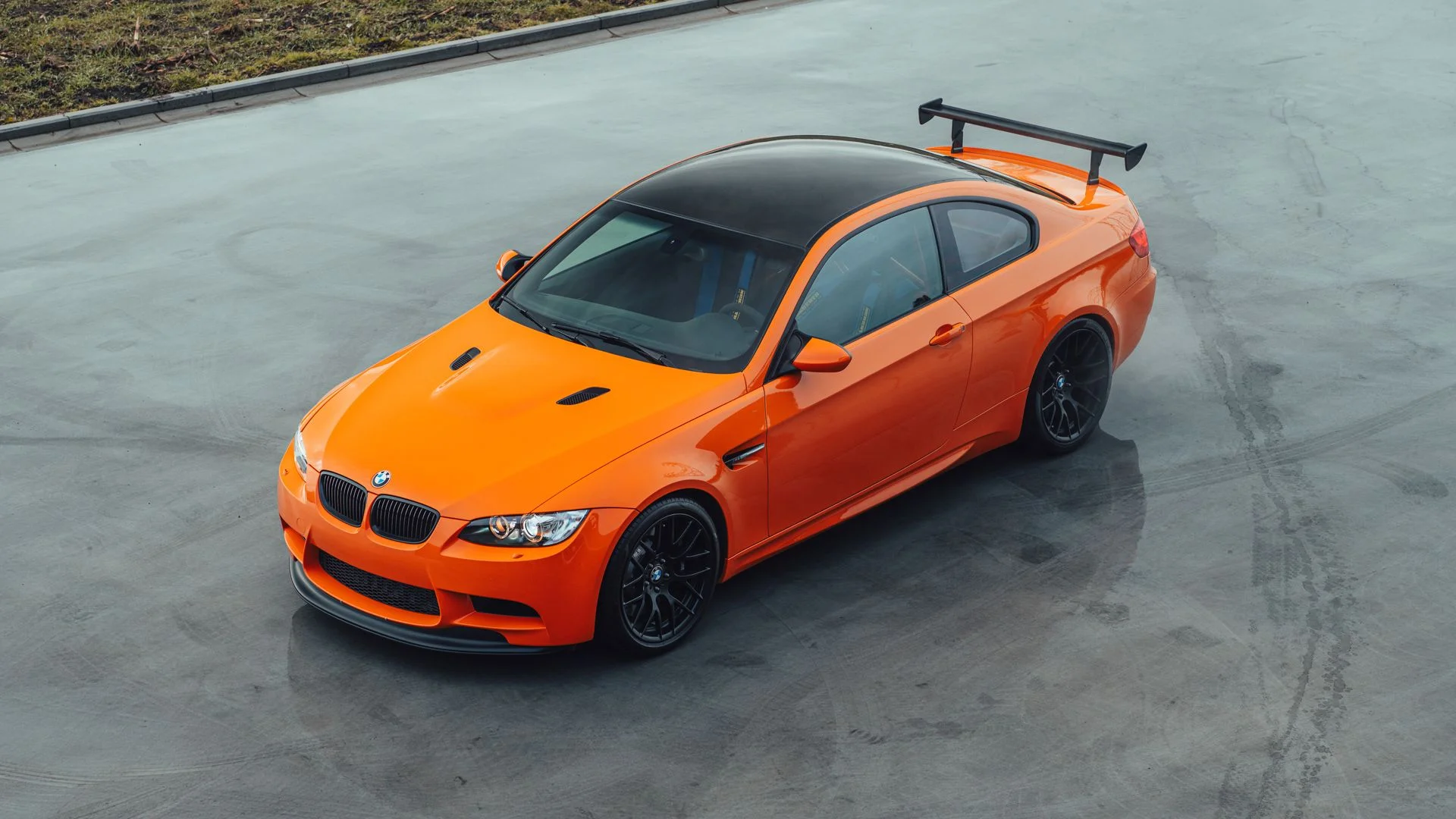
20. BMW M3 GTS (E92)
2010–11 · 4.4 V8 · 444 hp · ~ 135
The V8-engined M3 was a fine car that never had a hard-edged version until this one. For the GTS, BMW enlarged the engine to 4.4 litres for 444 horsepower, took out the rear seats, fitted a roll cage, plastic rear windows, adjustable suspension and a large wing, and painted every car orange. About 135 were built, mostly for Europe. It is loud and stiff and exactly what the E92 needed. The naturally aspirated V8 revs past 8,000 rpm, and it was the last M3 engine without turbochargers.
Verdict The orange one. The V8 M3 with no manners.
Did you know: Every one was painted the same orange.
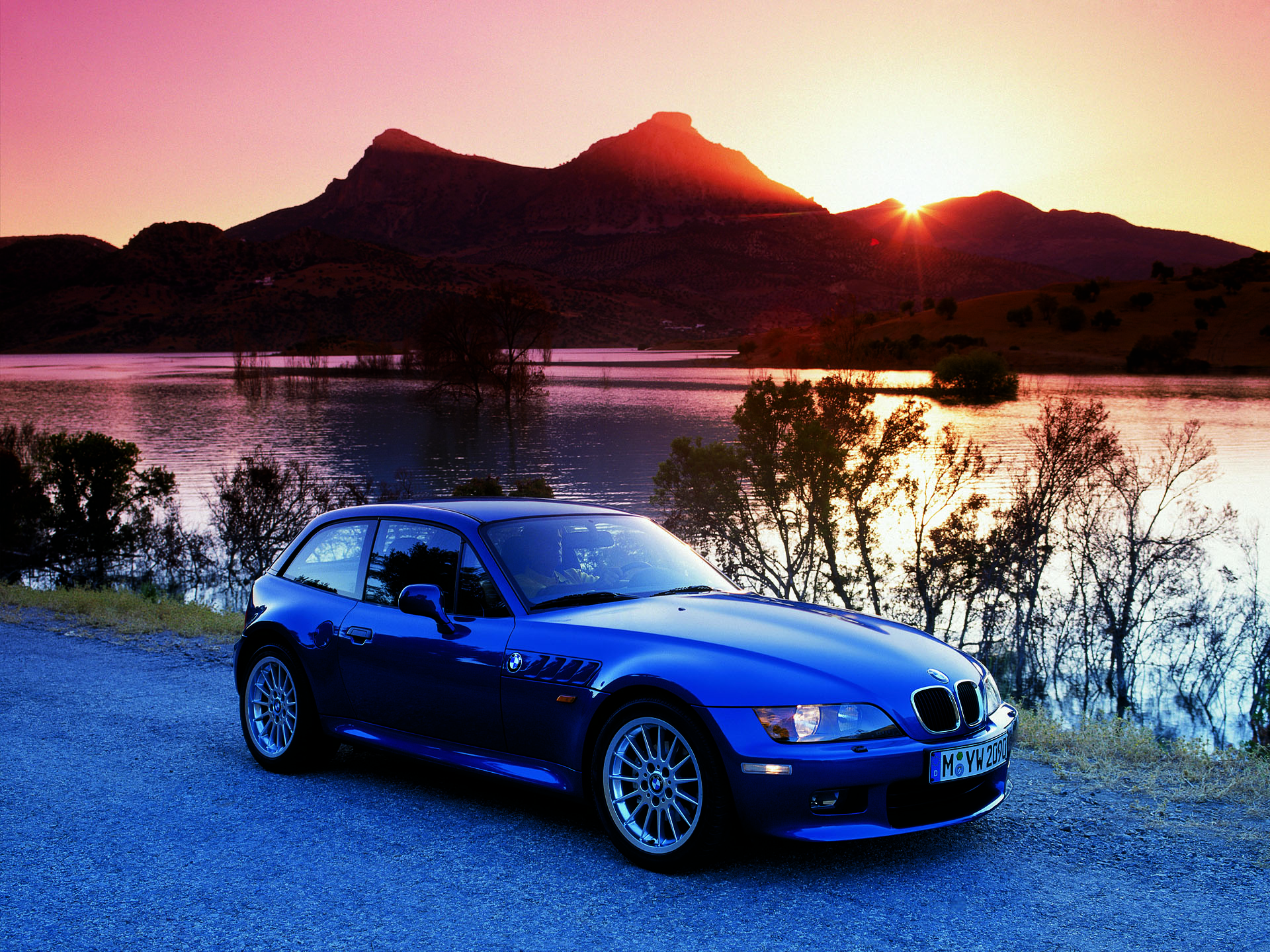
19. BMW Z3 M Coupé
1998–2002 · 3.2 straight-six · Up to 321 hp · ~ 6,300
A small group of BMW engineers wanted a stiffer Z3 and built a fixed roof on to one in their own time. The board agreed to make it on condition that it cost very little, so it kept the roadster's panels from the doors forward. The result looks like a shoe, and has been called worse. With the M3's 3.2-litre straight-six it is fast, stiff and tail-happy, with room for a weekend's luggage. People who mocked it when it was new now pay a great deal for one.
Verdict The clown shoe. It had the last laugh.
Did you know: A group of BMW engineers designed it in their own time, and the board approved it on condition that it shared as many panels as possible with the roadster.
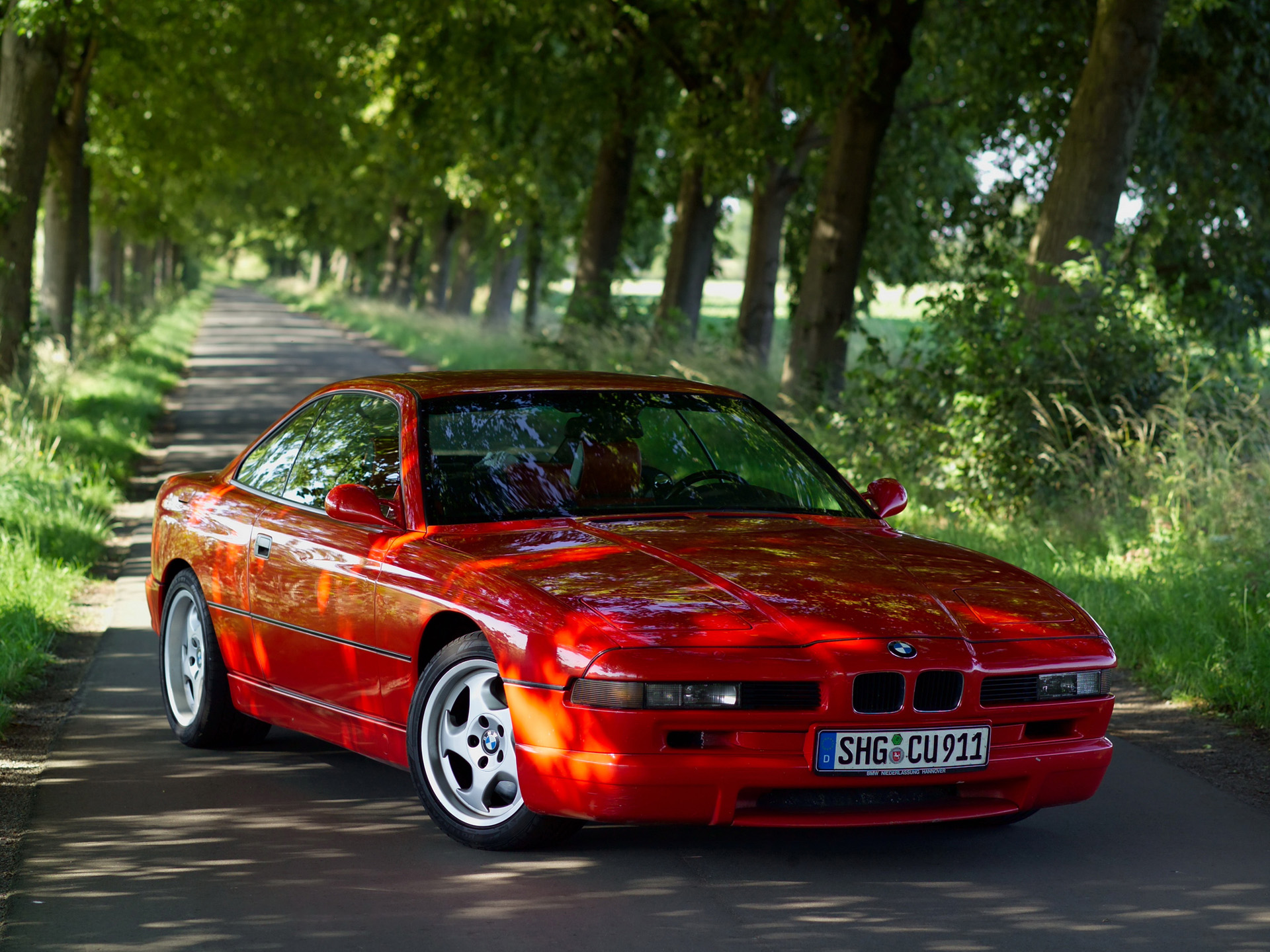
18. BMW 850 CSi
1992–96 · 5.6 V12 · 375 hp · 1,510
The 8 Series was BMW's flagship coupé of the 1990s: long, low and pillarless, with pop-up headlamps and a V12. A full M8 was built as a prototype and cancelled. The 850 CSi of 1992 was what reached the showroom. The Motorsport division enlarged the V12 to 5.6 litres for 375 horsepower, fitted a six-speed manual gearbox and no other, and added rear-wheel steering and firmer suspension. It never wore an M badge, though it was an M car in all but name. Only 1,510 were made.
Verdict The M8 that was not called one.
Did you know: It was developed by BMW's M division and carries a Motorsport chassis number, but never wore an M badge.
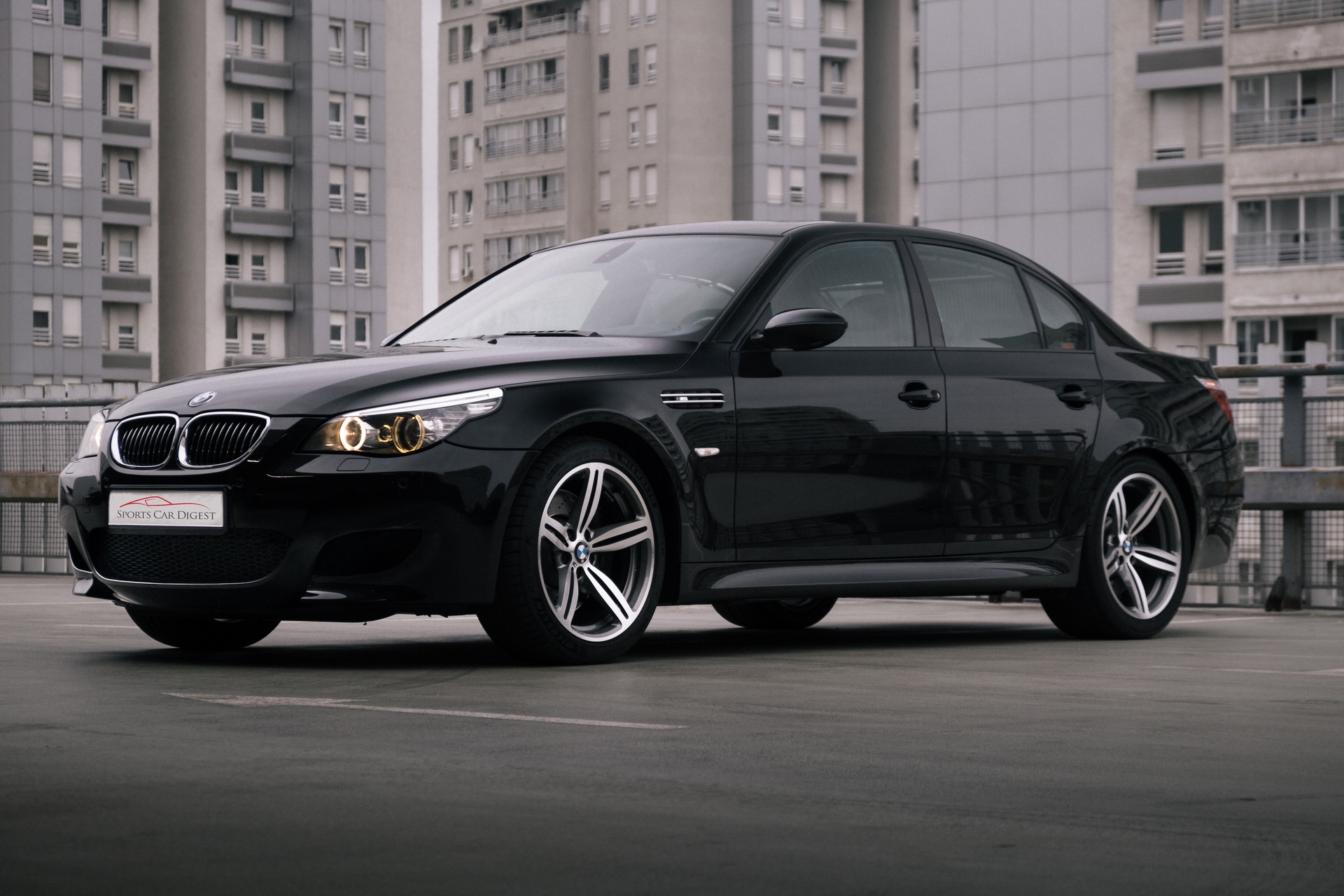
17. BMW M5 (E60)
2005–10 · 5.0 V10 · 500 hp · ~ 20,500
When BMW was winning Formula One races with V10 engines, it built one for the M5. The 5.0-litre unit revs to 8,250 rpm and gives 500 horsepower, and above 6,000 rpm it sounds like nothing else with four doors. Most cars had an automated manual gearbox that was clumsy at low speed, the fuel tank was too small, and the engine has proved expensive to keep. None of that is the point. Nobody had put an engine like this in a saloon before, and nobody has since.
Verdict A Formula One engine note, with four doors.
Did you know: It is still the only production saloon ever sold with a V10 engine and a manual gearbox, an option offered in America.
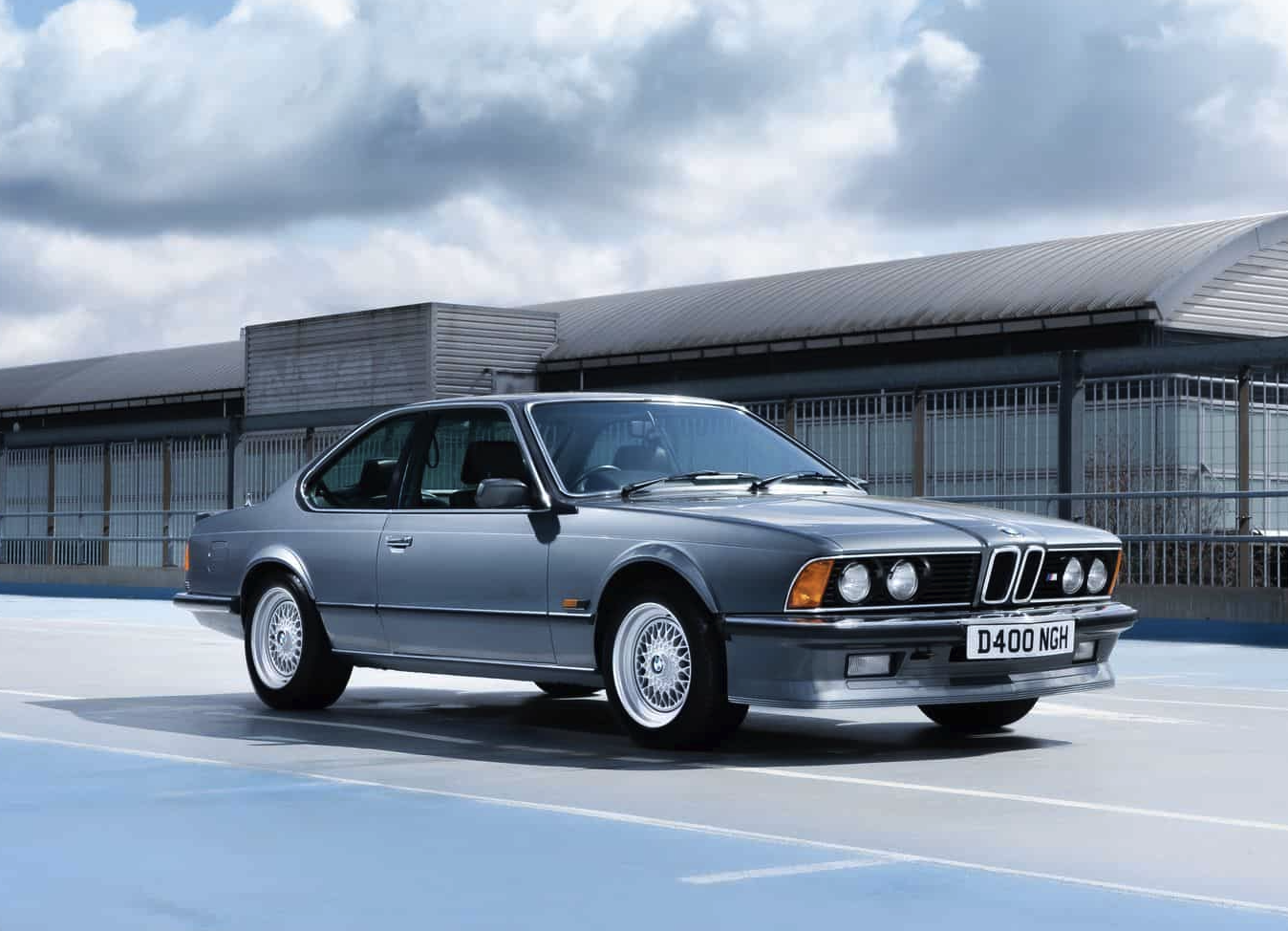
16. BMW M635CSi
1984–89 · 3.5 straight-six · 286 hp · 5,855
A year before the M5, BMW put the M1's 24-valve straight-six into its big coupé. The 6 Series was already one of the best-looking cars of its time, with a nose that leaned forward like a shark's. With 286 horsepower it became one of the fastest four-seat cars in the world, good for nearly 160 mph. It was sold in America as the M6. It is a grand tourer more than a sports car, heavy in the steering and happiest on a fast open road. BMW built 5,855.
Verdict The shark, with the M1's heart.
Did you know: Sold in America as the M6.
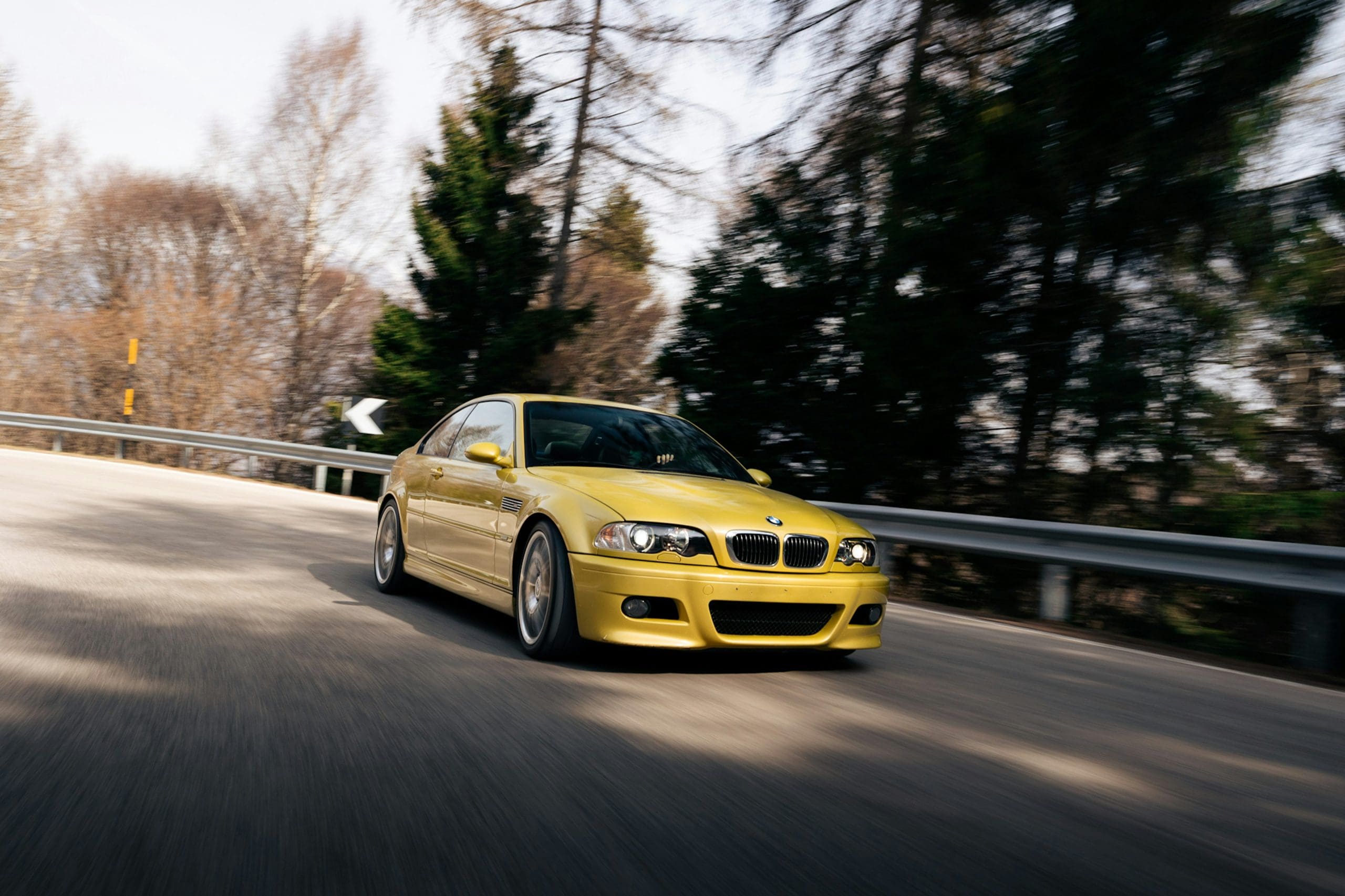
15. BMW M3 (E46)
2000–06 · 3.2 straight-six · 338 hp · ~ 85,000
The M3 that most people picture. The E46 has a 3.2-litre straight-six that revs to 8,000 rpm and gives 338 horsepower, more than 100 per litre without a turbocharger, and flared arches over a wider track. It was offered with a six-speed manual. It is quick, balanced and usable every day, and BMW sold about 85,000, which made it the car that turned the M3 from an enthusiasts' special into a fixture. The CSL higher up this list is the sharper car. This is the one that people actually owned.
Verdict The M3 at its most complete.
Did you know: Its engine was named International Engine of the Year in 2001.
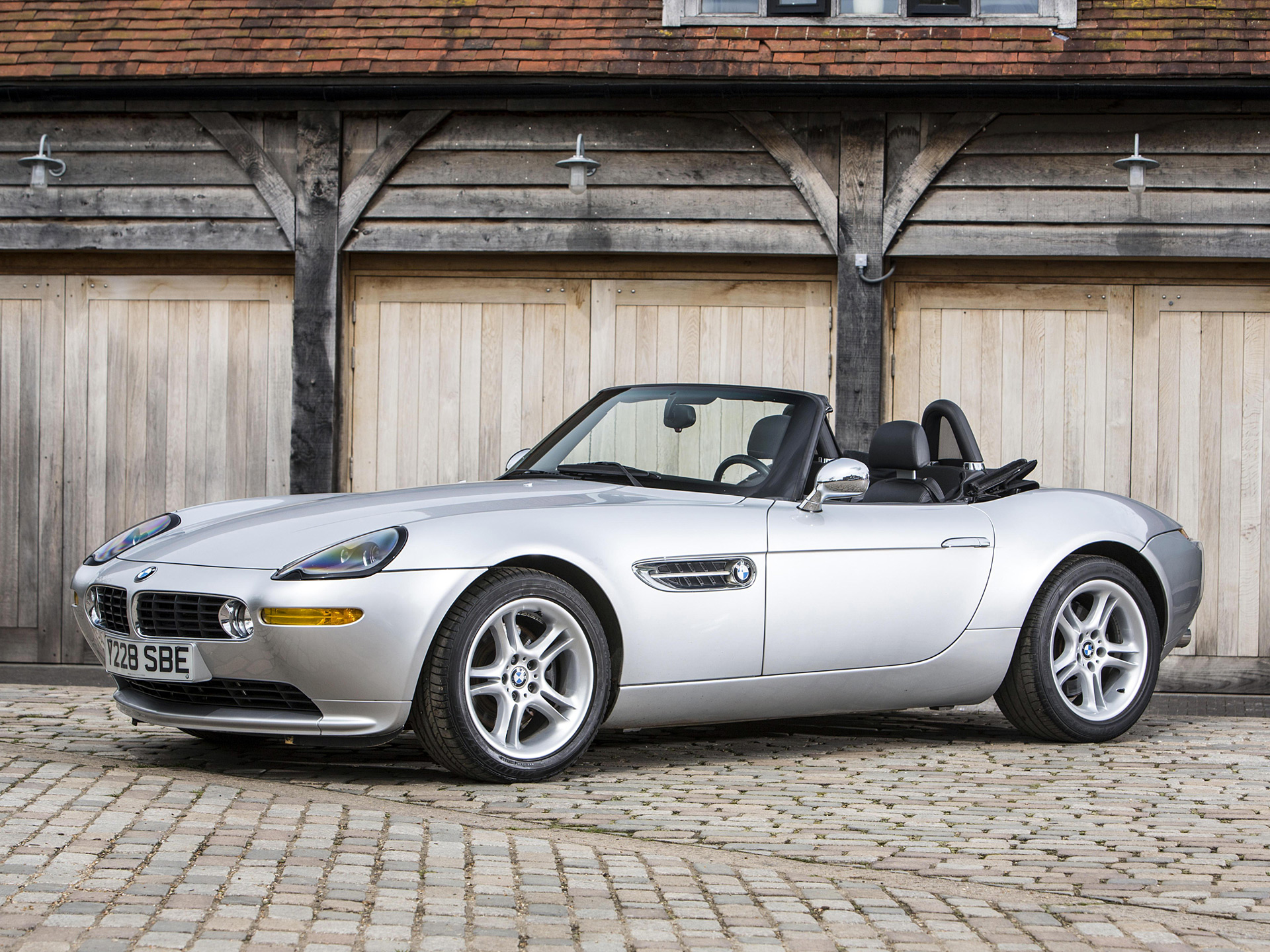
14. BMW Z8
2000–03 · 4.9 V8 · 394 hp · 5,703
In 1997 BMW showed a concept car in tribute to the 507, and the reaction was such that it had to be built. The Z8 has an aluminium frame and body, the 4.9-litre V8 and six-speed manual gearbox from the M5, and an interior with its dials in the centre of the dashboard and a wheel with thin wire spokes. It is more of a fast tourer than a sports car, and the ride is firm. It is also lovely to look at and was made in small numbers, 5,703 in all. Values have doubled and doubled again.
Verdict The 507, remembered properly.
Did you know: BMW promised to keep a stock of spare parts for fifty years.
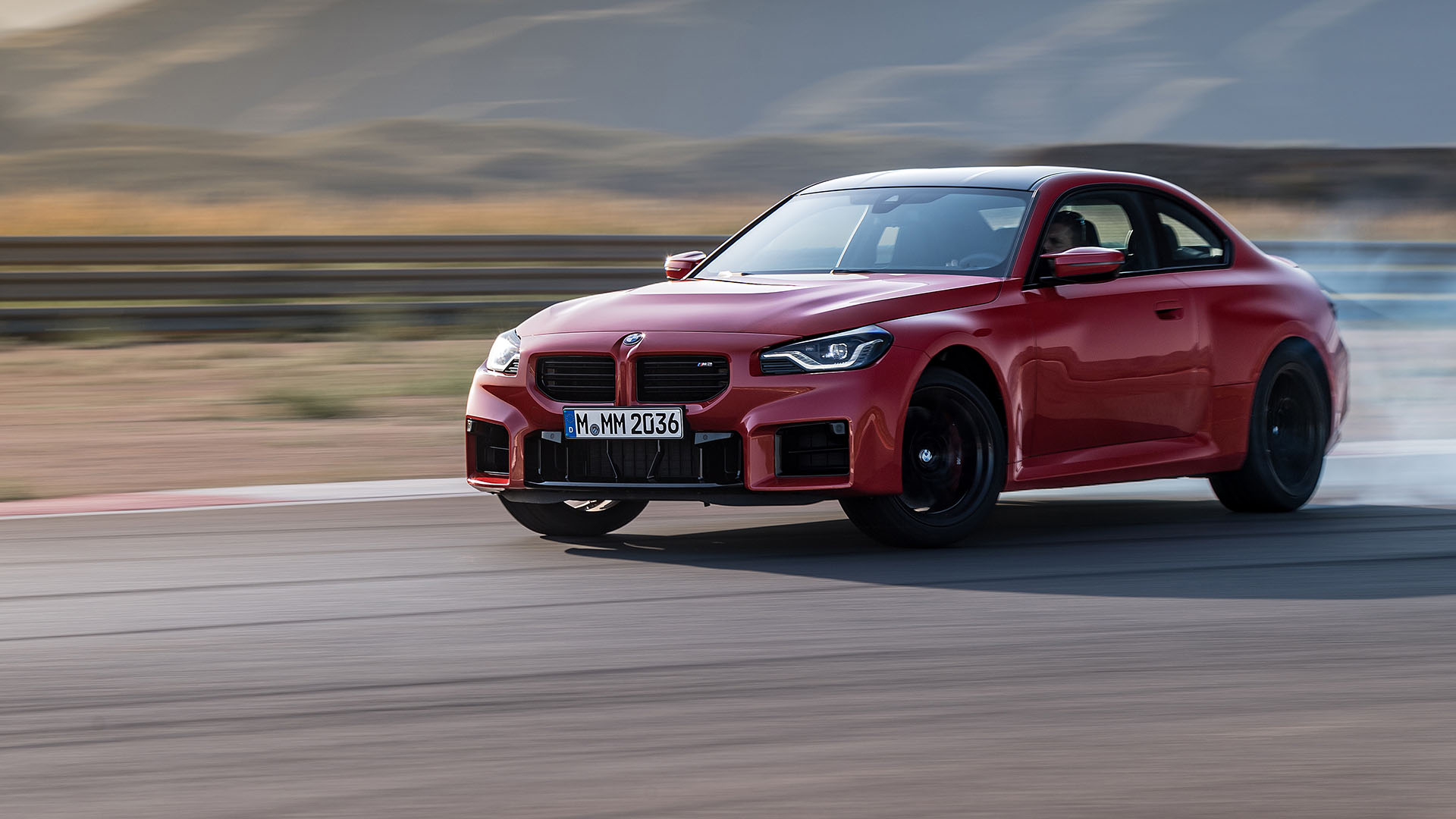
13. BMW M2 (G87)
From 2023 · 3.0 twin-turbo straight-six · 453 hp at launch
The newest car in the top half, and it has earned the place. The second M2 uses the engine, gearbox and axles of the larger M3 and M4 in a shorter body, with 453 horsepower at launch and a six-speed manual for those who want it. It is heavier than it looks and the styling divides people. On a road it is the most entertaining M car on sale: rear-wheel drive, sharp on turn-in, and willing to be driven on the throttle. It is the car that carries on what the 2002 tii and the E30 M3 began.
Verdict The small, rear-drive M car, still alive.
Did you know: It is built in San Luis Potosí, Mexico, the first M car made outside Germany or the United States.
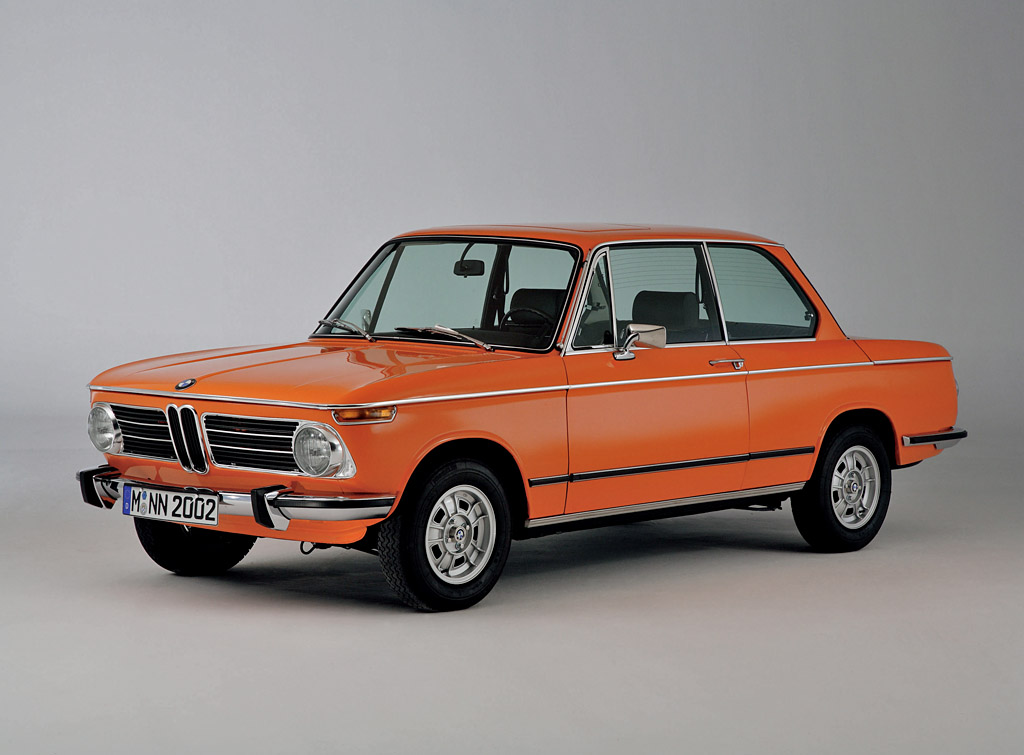
12. BMW 2002 tii
1971–75 · 2.0 four, fuel injected · 130 hp · ~ 38,700
The 2002 is the car that created the sports saloon as a type, and the story of how is a good one. Two BMW directors each had a 2.0-litre engine fitted to his own small two-door 1600, discovered the coincidence, and proposed it for production. Max Hoffman wanted the same for America. It went on sale in 1968. The tii of 1971 added mechanical fuel injection for 130 horsepower. It is light, upright, easy to see out of and happy to be driven hard. The 3 Series is its direct descendant.
Verdict The small saloon that started it all.
Did you know: The 2002 came about when two BMW directors discovered that each had fitted a 2.0-litre engine to his own small saloon.
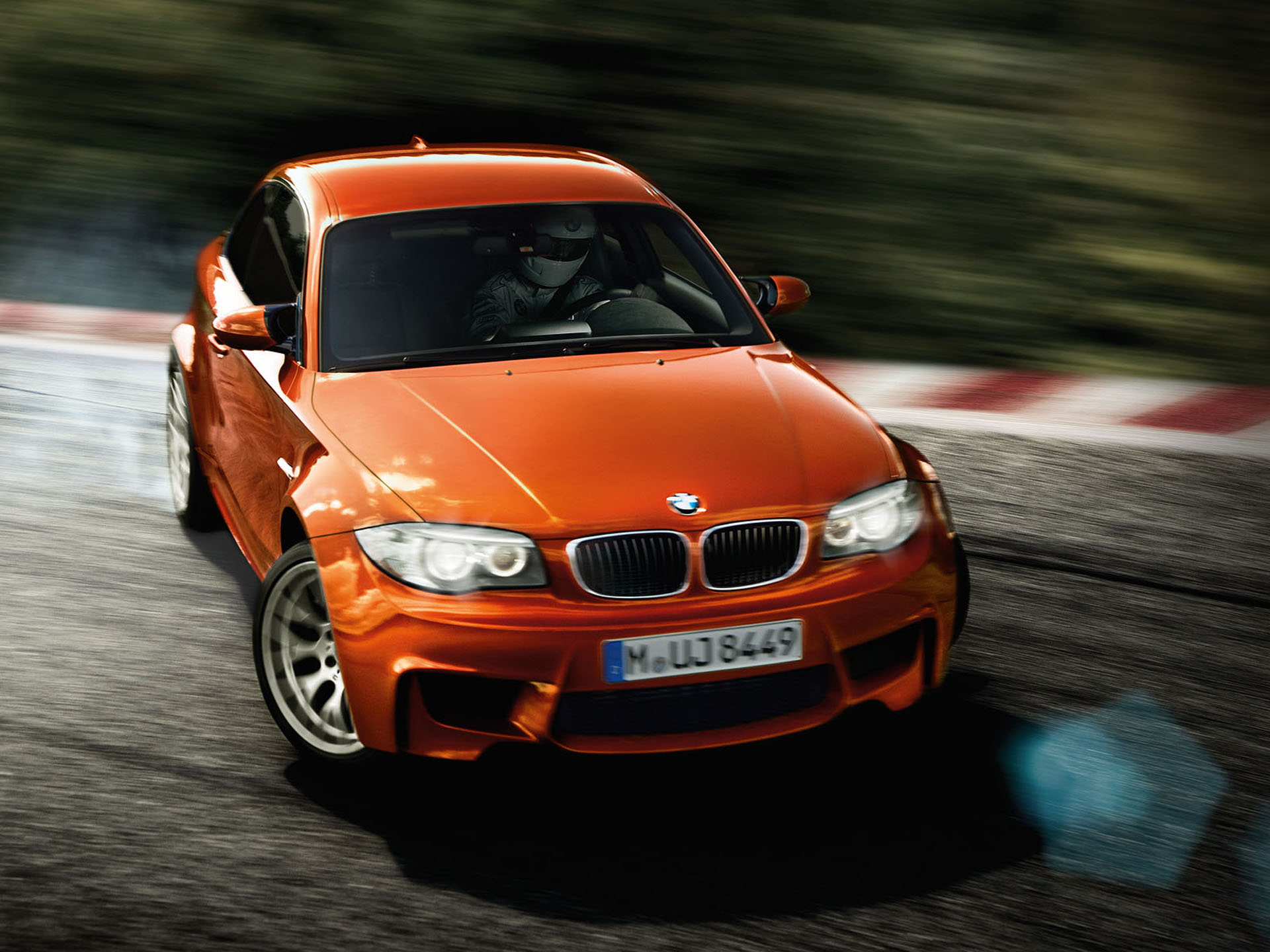
11. BMW 1 Series M Coupé
2011–12 · 3.0 twin-turbo straight-six · 335 hp · ~ 6,300
It was put together quickly and from other cars' parts: the body of the small 1 Series coupé, the wide axles, brakes and differential of the M3, and a twin-turbocharged straight-six from the Z4 with 335 horsepower. It came with a manual gearbox only. The arches had to be pushed out to cover the M3's wheels, which gave it the stance of a bulldog. BMW planned 2,700 and built more than 6,000. It is short, lively and a little unruly, and it reminded people of the E30 M3. Used ones have never been cheap.
Verdict A parts-bin special, and an instant favourite.
Did you know: BMW planned 2,700. Demand was such that it built more than twice as many.
The top 10
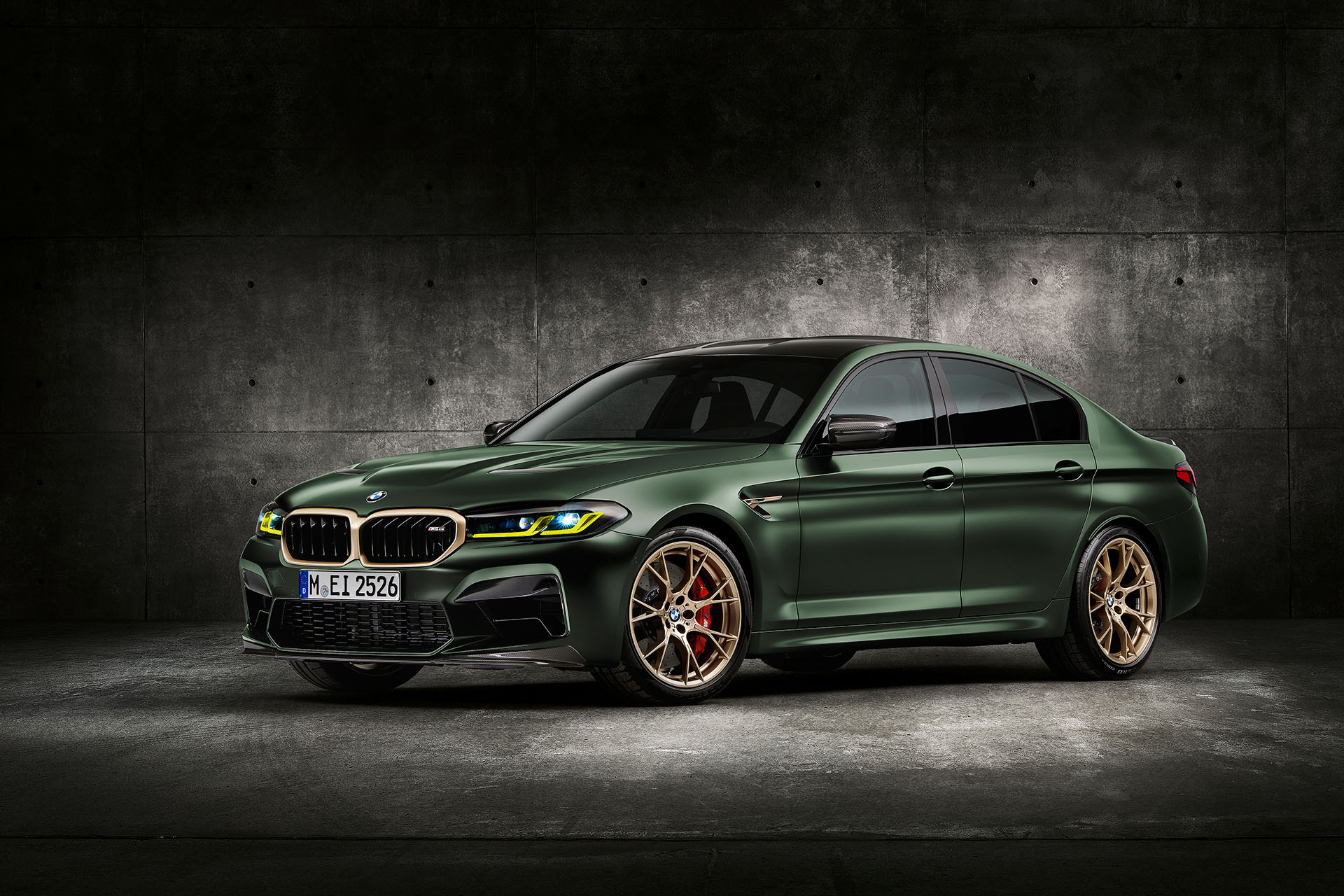
- Years
- 2021–22
- Engine
- 4.4 twin-turbo V8
- Power
- 627 hp
Road car · Germany
10. BMW M5 CS (F90)
By 2021 the M5 had four-wheel drive, a twin-turbocharged V8 and close to two tonnes to carry, and it had become very fast without being very involving. The CS changed that. BMW took out 70 kg with a carbon-fibre bonnet, lighter seats and less sound deadening, raised power to 627 horsepower, and reworked the springs, dampers and steering using what it had learned on the M8.
It has four bucket seats, with the outline of the Nürburgring pressed into the head restraints. It reaches 60 mph in under three seconds. What nobody expected was how it feels: alert, adjustable and communicative in a way that no car of its size and weight had managed. Several magazines named it their car of the year. It was built for one year only. Of all the modern M cars it is the one most likely to be remembered alongside the cars above it.
Verdict The modern M car that remembered how.
It has four bucket seats, and the outline of the Nürburgring is pressed into the head restraints.
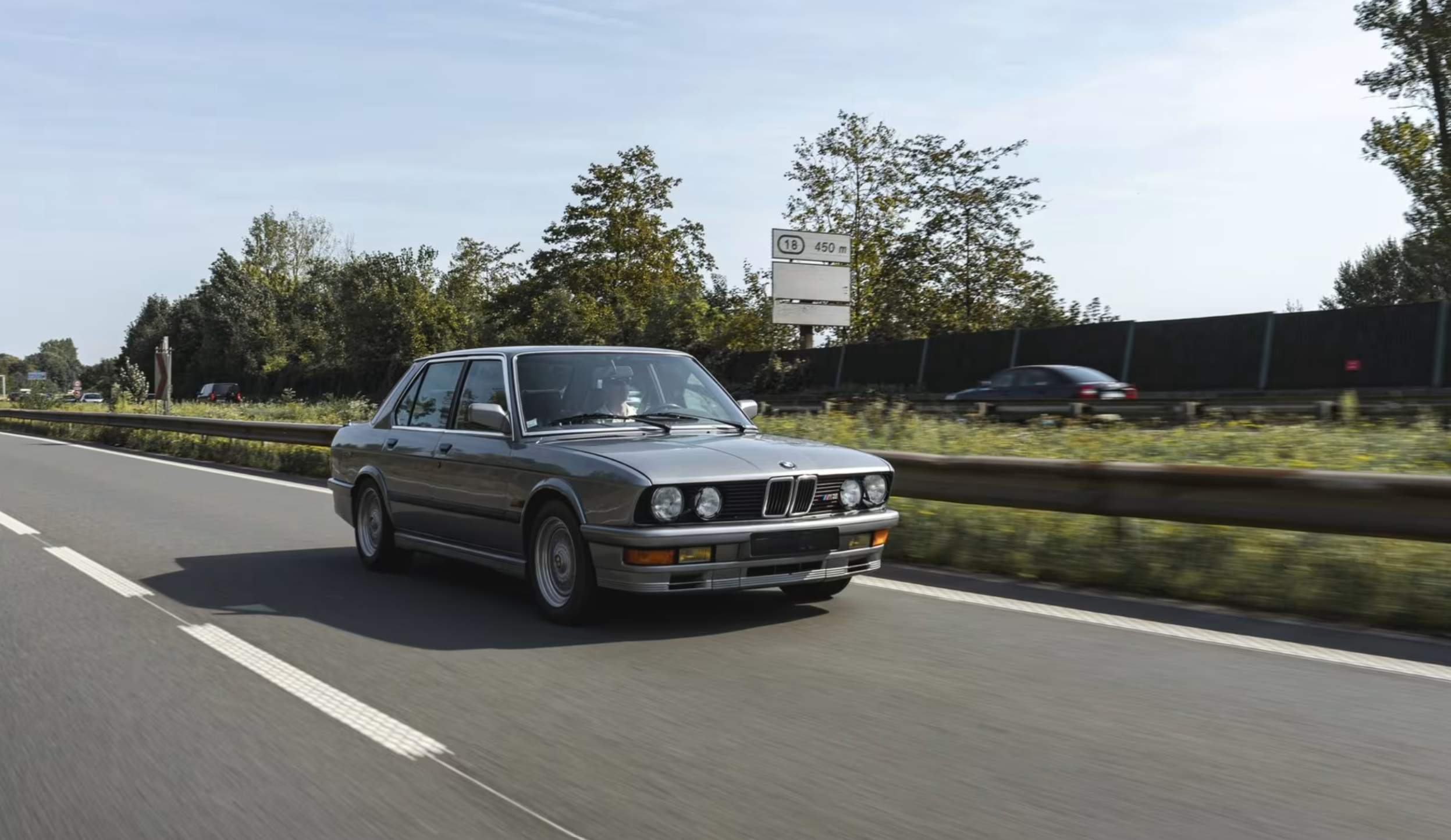
- Years
- 1985–88
- Engine
- 3.5 straight-six
- Power
- 286 hp
- Built
- ~ 2,200
Road car · Germany
9. BMW M5 (E28)
The idea was simple, and nobody had done it properly before. BMW Motorsport took the 3.5-litre, 24-valve straight-six from the M1 supercar and fitted it to the 5 Series saloon. The result, in 1985, had 286 horsepower and was the fastest production saloon in the world.
It was assembled by hand at the Motorsport workshop, about 2,200 in all, and it looked almost exactly like a 520i. That was the appeal. A family car with four doors and a large boot would reach 150 mph, and only the driver knew. The engine is the heart of it: smooth, eager and happy at 7,000 rpm. Every fast saloon since owes it something, from the Lotus Carlton to the latest AMGs. BMW has made six generations of M5 since. This is the one that invented the type.
Verdict The supercar engine in the family saloon.
Each car was assembled by hand at BMW Motorsport's own workshop.
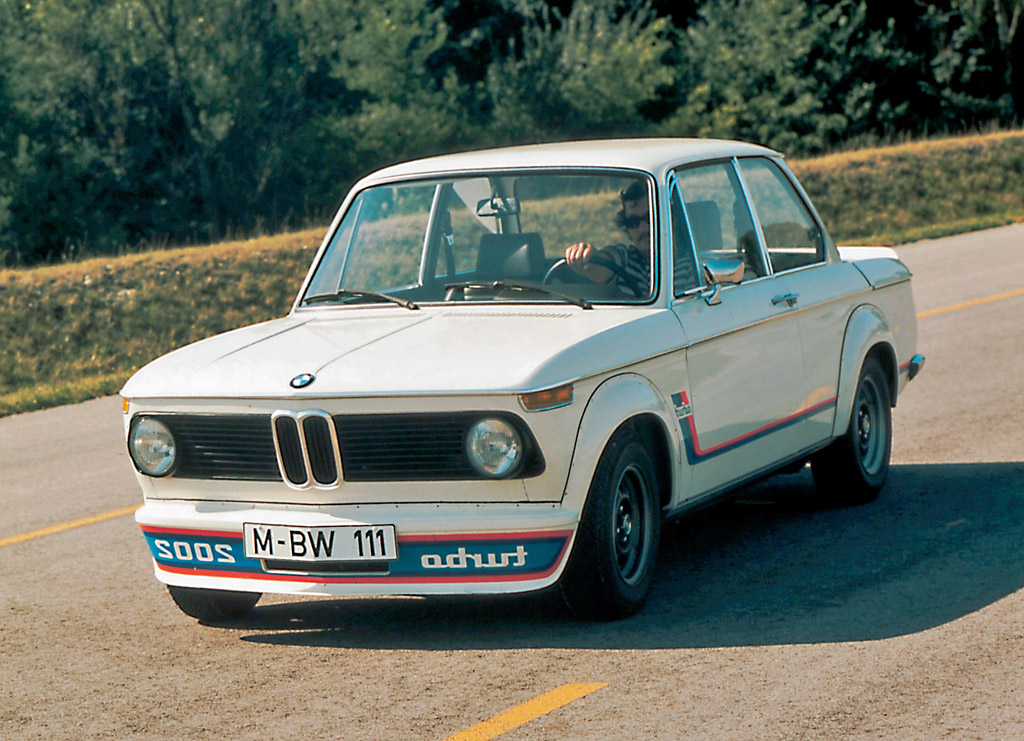
- Years
- 1973–74
- Engine
- 2.0 turbo four
- Power
- 170 hp
- Built
- 1,672
Road car · Germany
8. BMW 2002 Turbo
BMW had been turbocharging its racing 2002s since 1969. In 1973 it put the idea on sale: a 2.0-litre four with a KKK turbocharger and fuel injection, giving 170 horsepower in a car weighing barely a tonne. It was the first turbocharged production car from a European maker.
It had riveted arch extensions, stripes in the Motorsport colours, and on the front spoiler the word turbo written in mirror script, so that the driver ahead would know what was behind him. Below 4,000 rpm little happened. Above it the car took off, and on a wet road it needed respect. It arrived at the Frankfurt show weeks before the oil crisis, and German politicians called it irresponsible. BMW built 1,672 and stopped within a year. It is a wild, slightly crude little car, and the ancestor of every turbocharged BMW since.
Verdict A year too late, and all the better for it.
Early cars had the word turbo written backwards on the front spoiler, to be read in the mirror of the car ahead.
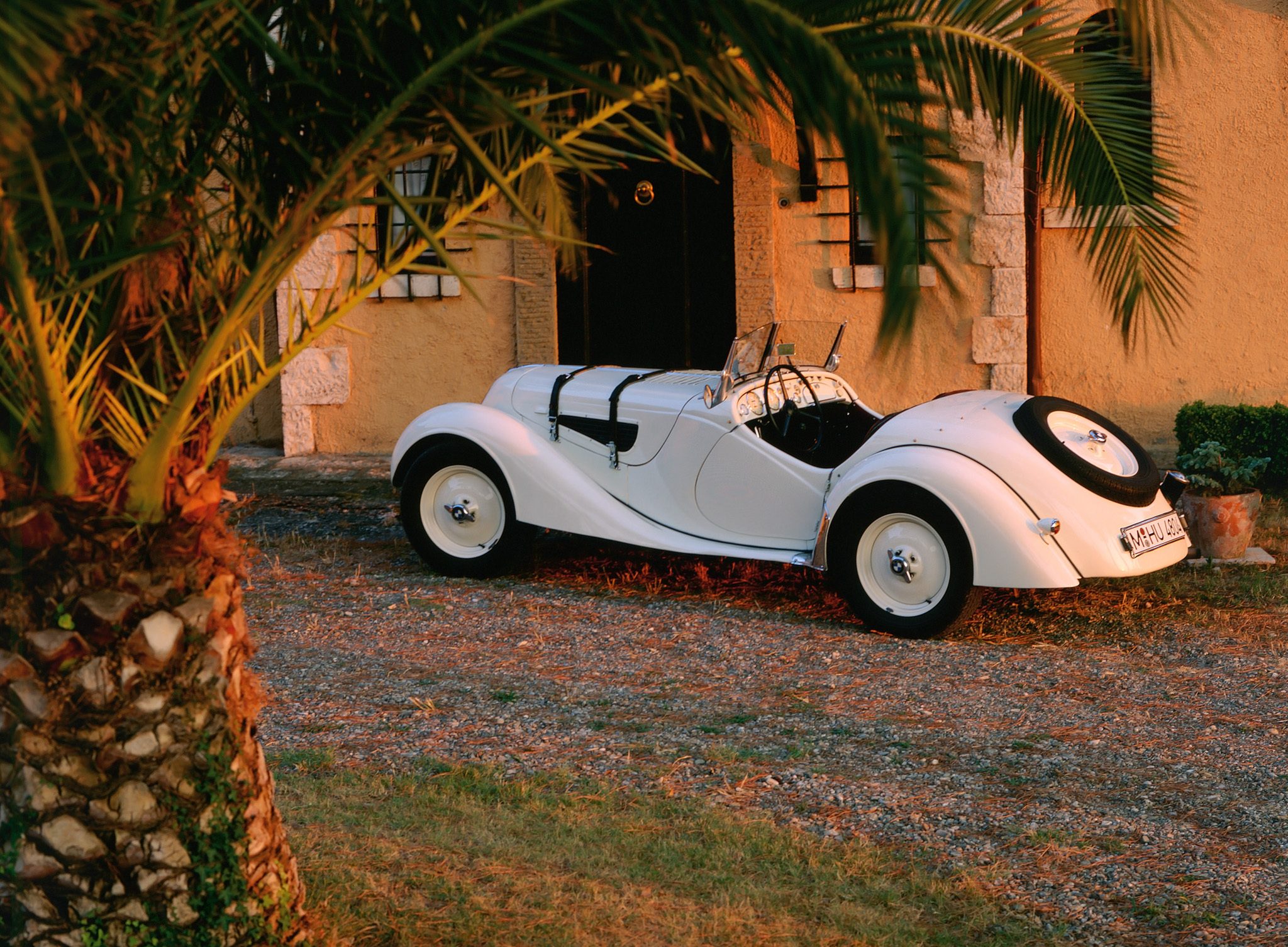
- Years
- 1936–40
- Engine
- 2.0 straight-six
- Power
- 80 hp
- Built
- 464
Road car · Germany
7. BMW 328
In 1936 most sports cars were heavy, stiffly sprung and hard work. The BMW 328 was none of those things. It had a light frame of steel tubes, a smooth body with the headlamps set into the wings, hydraulic brakes, and a 2.0-litre straight-six of 80 horsepower with a clever cylinder head that gave it the breathing of a twin-cam engine without the cost.
It won its class first time out, at the Nürburgring in June 1936, before it was even on sale, and went on to dominate two-litre racing across Europe. A streamlined 328 won the Mille Miglia outright in 1940. BMW built about 464. After the war the design went to Britain as reparations and became the Bristol engine, which powered Frazer Nash, AC and Cooper cars into the 1950s. It is the car that first made BMW a name for sports cars.
Verdict The prewar car that showed everyone the future.
It won its class on its first outing, at the Nürburgring Eifelrennen on 14 June 1936. A streamlined 328 won the 1940 Mille Miglia.
- Years
- 2003–04
- Engine
- 3.2 straight-six
- Power
- 360 hp
- Built
- 1,383
Road car · Germany
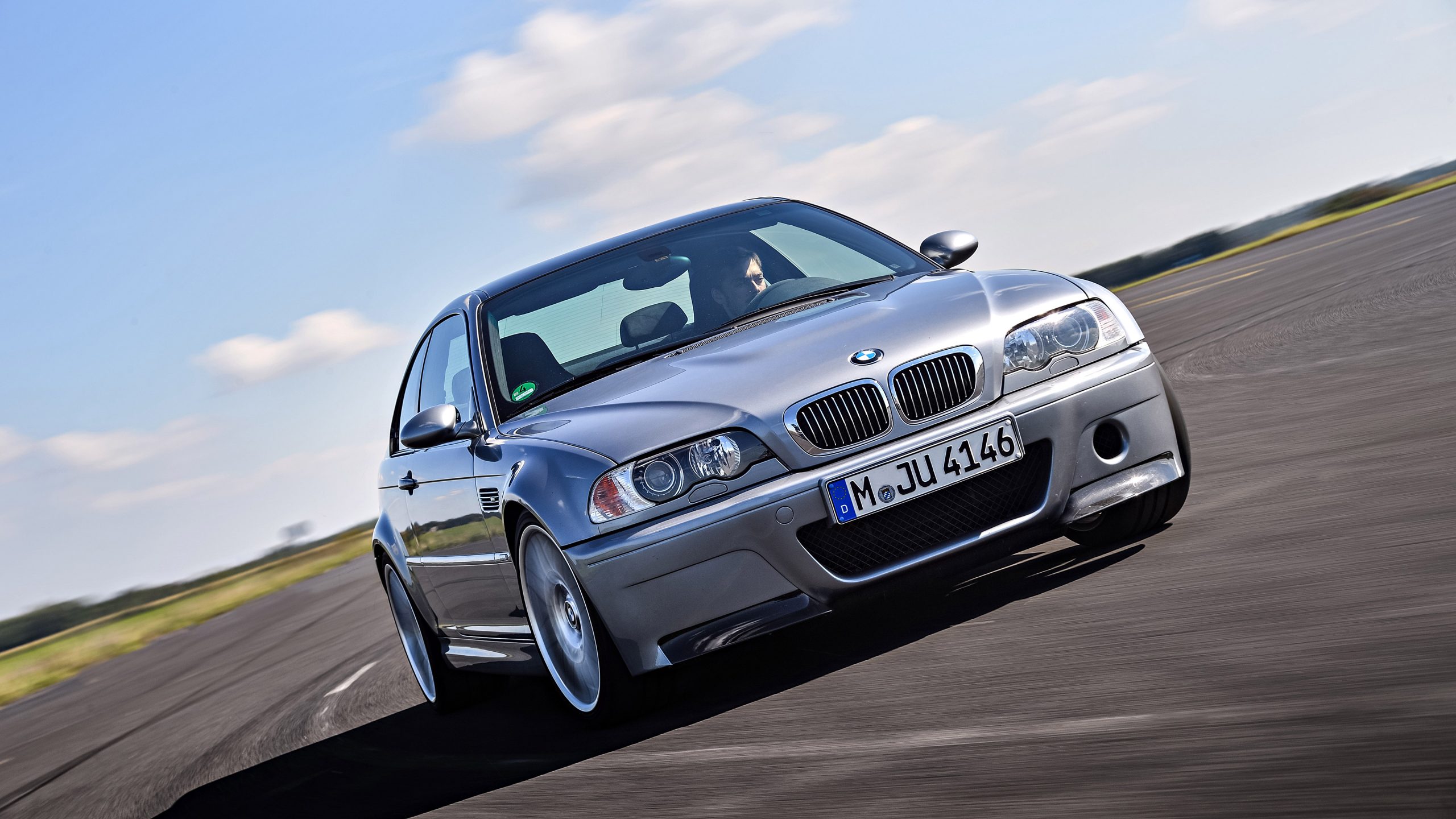
6. BMW M3 CSL (E46)
In 2003 BMW revived the letters CSL for the first time in thirty years, and took them seriously. The E46 M3 lost 110 kg. The roof was carbon fibre, the rear window was thinner glass, the boot floor was made of a composite board, and the air conditioning and radio were left out unless the buyer asked for them back.
The 3.2-litre straight-six was given a carbon-fibre airbox and 360 horsepower, and the noise it makes drawing air above 6,000 rpm is one of the great sounds of any road car. The steering was quicker and the suspension reworked. It came only with an automated manual gearbox, which is the one thing owners complain about, and some have since converted their cars. BMW built 1,383. It is the M3 with everything unnecessary taken away, and it is the best M3 of the six-cylinder era.
Verdict Lighter, louder, and the best of the straight-six M3s.
Air conditioning and a radio were left out as standard and could be added back at no cost.
- Years
- 1998–2003
- Engine
- 4.9 V8
- Power
- 394 hp
- Built
- 20,482
Road car · Germany
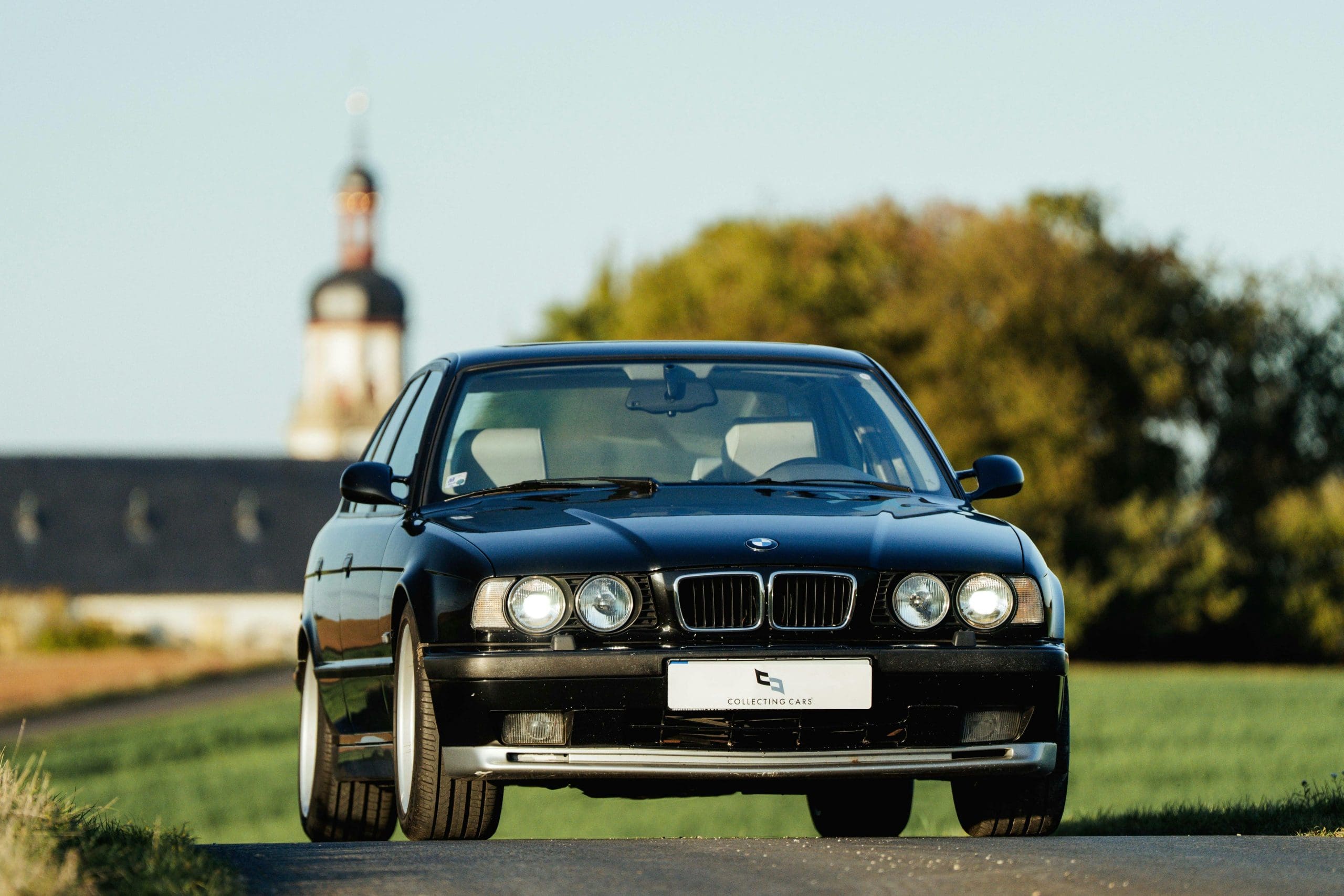
5. BMW M5 (E39)
Ask people who have driven every M5 which one they would keep, and the answer is usually this one. The E39 was the first with a V8, a 4.9-litre unit of 394 horsepower, and it came with a six-speed manual gearbox and nothing else. It was also the first M5 built on the ordinary production line, which worried the purists and did no harm at all.
It is a big, comfortable saloon that happens to be able to reach 60 mph in under five seconds. The steering has real weight and feel, the ride is supple, the engine pulls from nothing and sounds better the harder it works, and the car can be steered on the throttle if you ask it to. Nothing about it shouts. BMW built 20,482 between 1998 and 2003. Later M5s gained power, gears and driven wheels. None has had this car's balance of everything.
Verdict The M5 that got everything right at once.
The first M5 with a V8. It was sold only with a six-speed manual gearbox.
- Years
- 1971–75
- Engine
- 3.0 and 3.2 straight-six
- Power
- 200 to 206 hp
- Built
- ~ 1,265
Road car · Germany
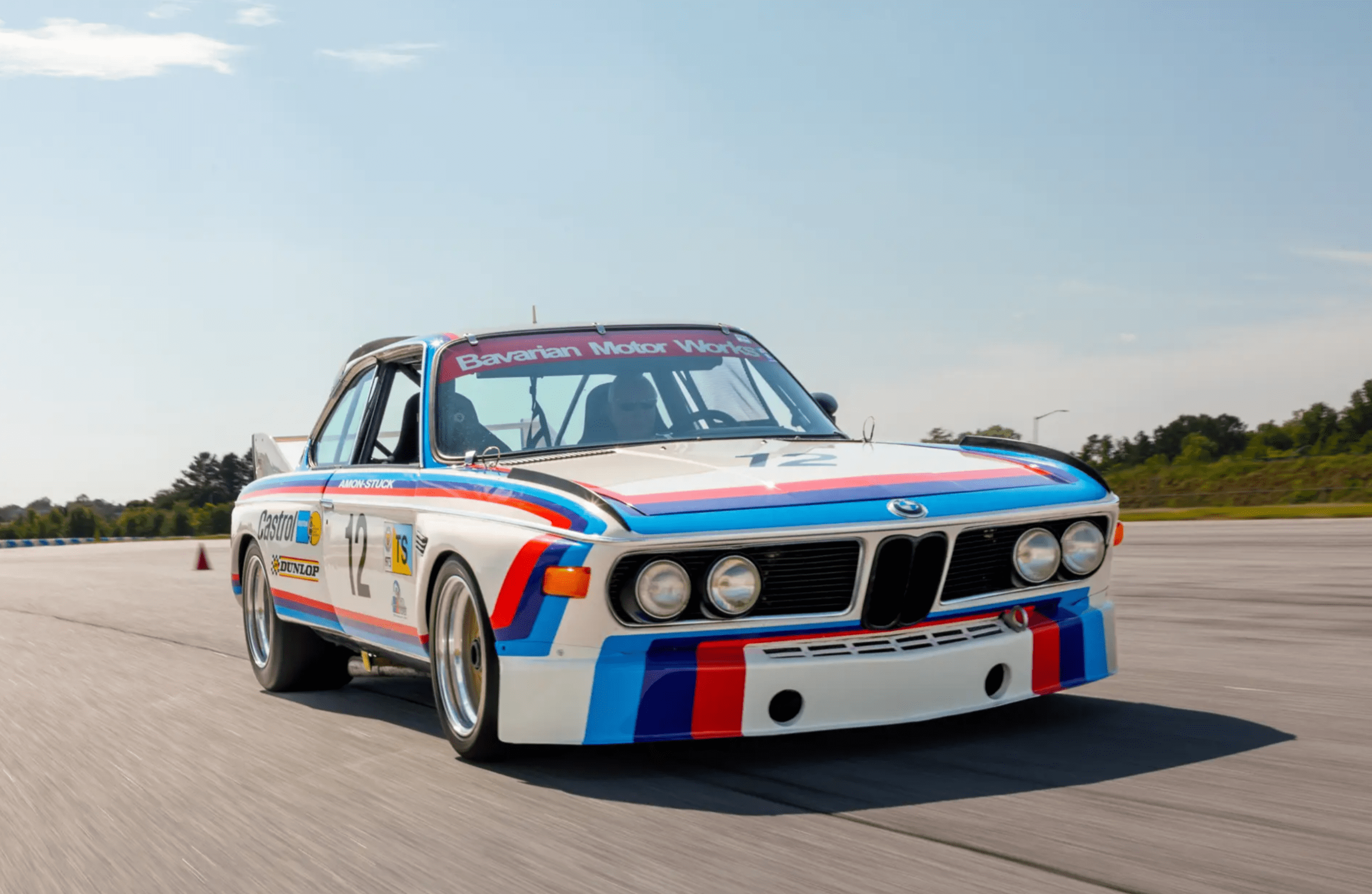
4. BMW 3.0 CSL
The big BMW coupé of the early 1970s was an elegant car, and too heavy to race. The CSL was the answer: L for leicht, light. The steel was thinner, the doors, bonnet and boot lid were aluminium, the side windows were plastic, and most of the trim and sound deadening was left out. About 200 kg came off.
The last cars, from 1973, had a 3.2-litre engine of 206 horsepower and an aerodynamic kit developed for racing: an air dam, fins along the front wings, a hoop over the rear window and a large rear wing. Germans called it the Batmobile. The wing was not legal on German roads, so it was delivered in the boot for the owner to fit. The racing cars won the European Touring Car Championship six times. BMW's Motorsport division was founded to run them, which makes this the car that began M.
Verdict The car that started BMW Motorsport.
The wings and spoilers of the last cars were packed in the boot for the owner to fit, because they were not legal on German roads.
- Years
- 1956–59
- Engine
- 3.2 V8
- Power
- 150 hp
- Built
- 252
Road car · Germany
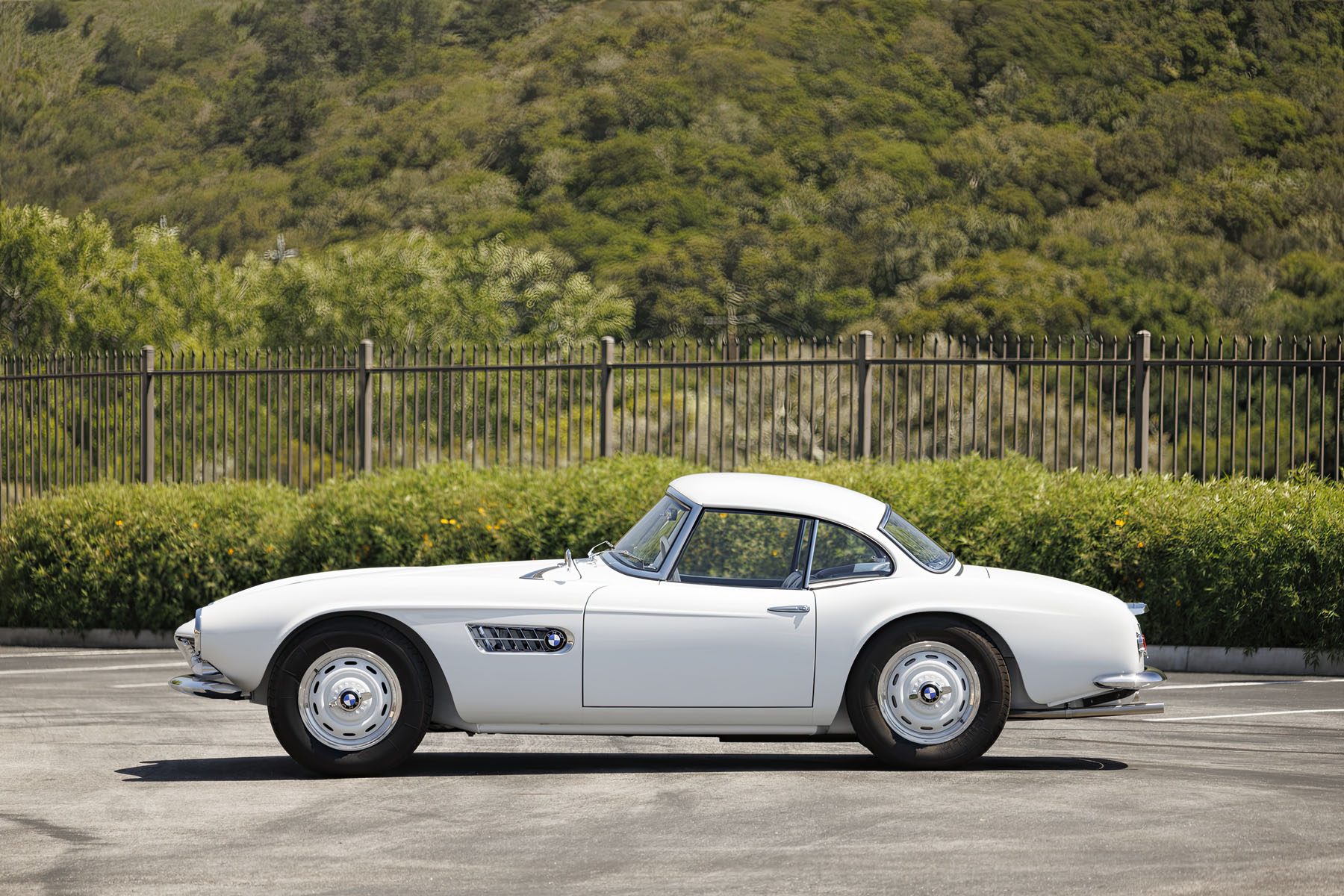
3. BMW 507
Max Hoffman, the importer in New York who had talked Mercedes into the 300 SL and Porsche into the Speedster, told BMW it needed a roadster to sit between cheap British sports cars and the Gullwing. The 507 that appeared in 1956 was one of the most beautiful cars of the decade: long, low and simple, with a 3.2-litre aluminium V8 of 150 horsepower.
Hoffman had asked for a car he could sell for $5,000. It cost about twice that, more than a 300 SL, and it was not as fast. BMW lost money on every one, and stopped at 252. The company was close to bankruptcy by 1959, and the 507 had a part in that. It also showed what BMW could be. Elvis Presley bought one in Germany, and John Surtees kept his for sixty years. Those that survive are now worth millions.
Verdict Beautiful, ruinous, and worth it in the end.
Elvis Presley bought one while serving with the US Army in Germany.
- Years
- 1978–81
- Engine
- 3.5 straight-six
- Power
- 277 hp
- Built
- 453
Road car · Germany
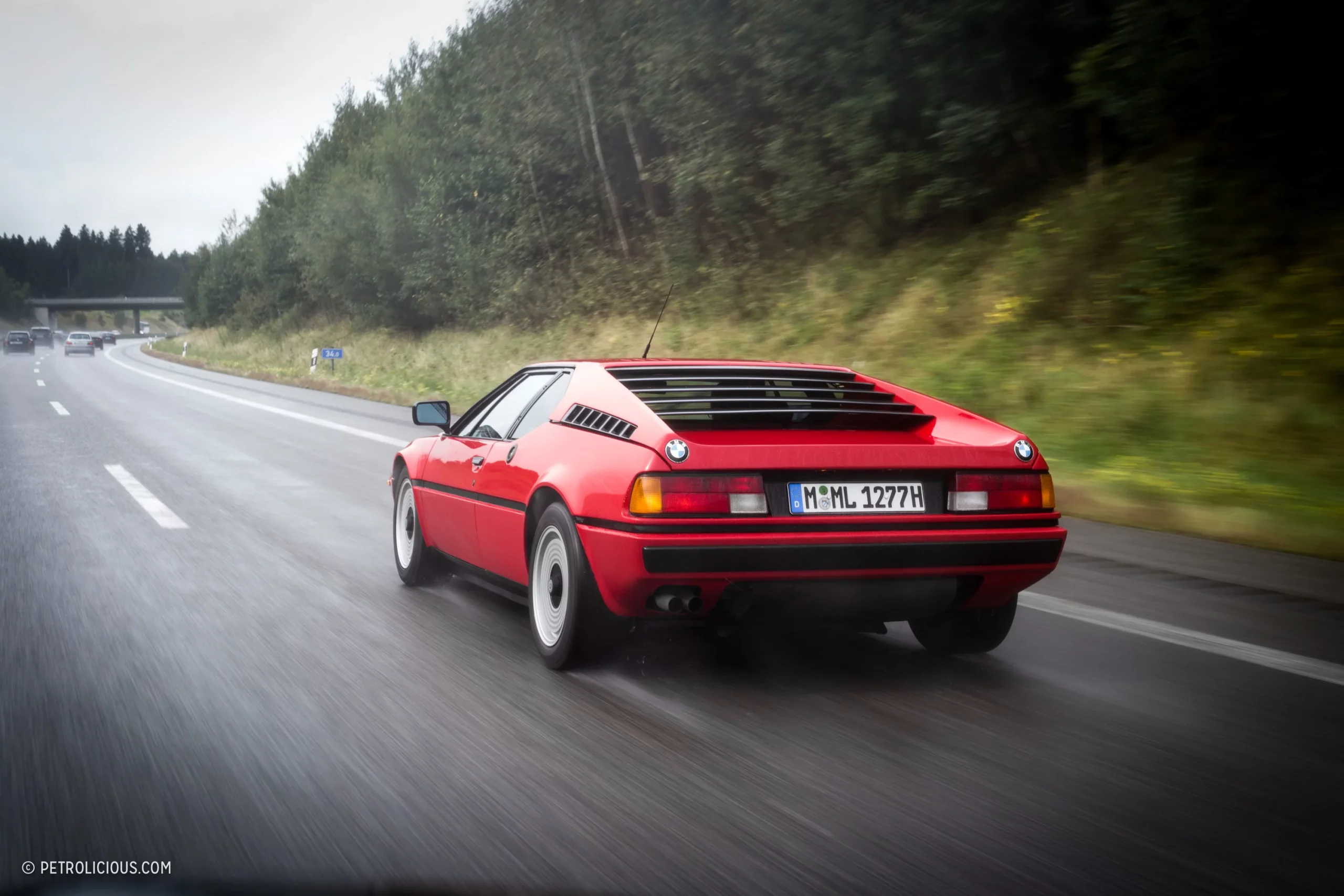
2. BMW M1
BMW's only supercar has a history that should have sunk it. The company wanted a mid-engined car to beat Porsche in sports car racing and, having never built one, hired Lamborghini to engineer and assemble it. Lamborghini ran out of money. The job was split between several firms in Italy and Germany, the car arrived late, and the racing rules it was built for had changed.
What BMW had, in 1978, was a road car: a low wedge styled by Giorgetto Giugiaro, with a 3.5-litre straight-six of 277 horsepower behind the seats, four valves per cylinder and a top speed of about 165 mph. It was easier to drive than any Italian rival and much better made. To give it something to race in, BMW invented the Procar series, in which Grand Prix drivers raced identical M1s before Formula One races. Only 453 were built. It was the first car to wear the letter M, and its engine went on to power the first M5 and M6.
Verdict The first M car, and the only one of its kind.
Lamborghini was hired to build it and ran out of money before it could.
The best of the 30 · Road car · Germany
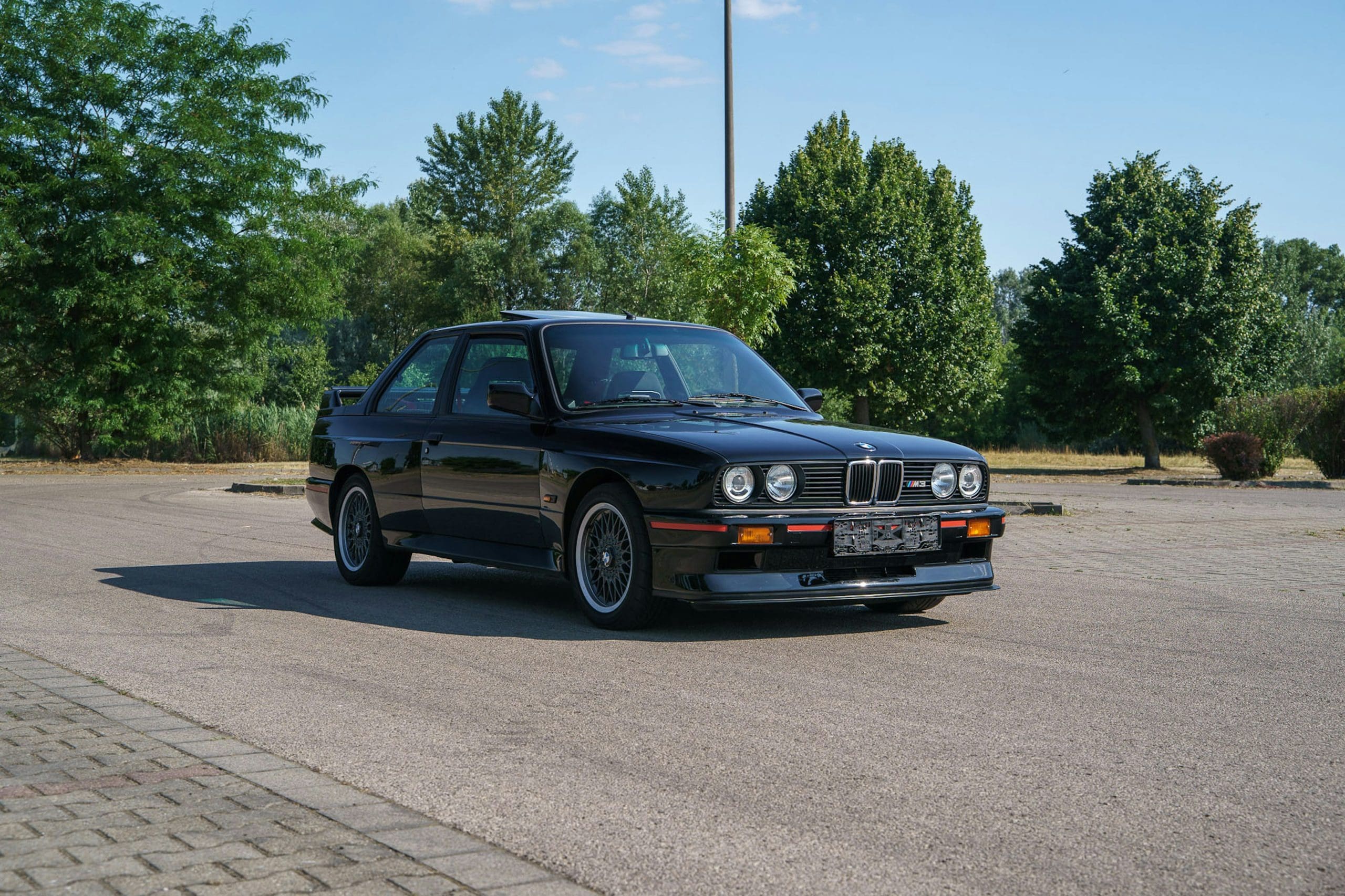
1. BMW M3 (E30)
- Years
- 1986–91
- Engine
- 2.3 and 2.5 four
- Power
- 192 to 235 hp
- Built
- ~ 17,970
BMW did not set out to build the best sports saloon of all time. It set out to win touring car races, and the rules said that 5,000 road cars had to be made first. The M3 is what the racing department built to satisfy them, and that is why it is as good as it is.
Almost nothing was carried over from the ordinary 3 Series. The wings were pushed out into square boxes to cover wider wheels. The rear window was set at a shallower angle and the boot lid raised, to feed air to the wing. The engine was a four-cylinder, when BMW was known for sixes, because a four was lighter and would rev: 2.3 litres, four valves per cylinder, and about 195 horsepower in the first road cars. The gearbox had first gear out on a limb, down and to the left, as in a racing car.
On the track it won more or less everything: the world, European, German, British and Italian touring car titles, and the 24-hour races at the Nürburgring and Spa. On the road it turned out to be the most communicative car of its kind anyone had made. The steering is quick and full of feel, the chassis can be balanced on the throttle, and the engine asks to be worked. It is not especially fast. That has never been the point.
BMW sold nearly 18,000, far more than it needed to, and so a name was established. There have been five generations of M3 since, with six, eight and six cylinders again, and every one has been measured against this car. Most have been faster. None has been better at the thing an M3 is for.
Verdict Built to satisfy a rule. It set the standard instead.
It shares very few body panels with the ordinary 3 Series. Even the rear window sits at a different angle.
What we left off, and why
Thirty places, and BMW has built a great many good cars. These are the omissions we argued about longest.
The M8 Competition and the M4 CSL. Both are extremely fast. Neither moved us as the M5 CS and the M2 do, and we already had eighteen M cars.
The E36 M3 and the E90 M3 saloon. The E36 was the first M3 with six cylinders and sold in large numbers. The E90 had the V8 and four doors. The Lightweight and the GTS stand for those generations here.
The M6 with the V10 and the first M Roadster. The same engines are on the list in better cars.
The racing cars. The M1 Procar, the CSL that won at Sebring and Daytona, and the V12 LMR that won Le Mans in 1999 belong on a list of racing BMWs.
The big saloons. The E38 7 Series may be the best-looking large saloon of the 1990s, and the E28 M535i came before the M5. Neither changed as much as the cars that made the cut.
The 503 and the 3200 CS. Elegant, rare coupés of the 1950s and early 1960s. The 507 tells their story.
Alpina. The B7 Turbo, the B10 Bi-Turbo and the rest are wonderful, and they are not BMWs as the factory built them.
The electric cars and the XM. Not yet.
If your car is missing, make the case.
Tell us what we got wrongQuestions about this list
What is the best BMW ever made?
We rank the first M3, the E30 of 1986, first. It was built to qualify BMW for touring car racing and turned out to be the most rewarding sports saloon anyone had made. The M1 is second and the 507 third.
What is the best M5?
The E39 of 1998, which is fifth on this list. It was the first M5 with a V8 and came only with a manual gearbox. The original E28 M5 is ninth and the modern M5 CS tenth.
What is the best modern BMW?
The M5 CS of 2021, which is tenth. The current M2 is thirteenth, the highest-placed car still on sale.
Why is the Isetta on a list of the best BMWs?
Because without it there would be no BMW. The Isetta bubble car and the 1500 saloon kept the company in business in the 1950s and early 1960s, and we made room for both.
How were the cars ranked?
On four things: what each car achieved, how it drives, how it looks and what it changed for BMW. With this maker, driving counted for more than usual. Rarity and price did not count.
Ranked by the editors of Sports Car Digest, drawing on the Sports Car Digest archive, the archives of Vintage Racecar and Vintage Roadcar, and our sister site Supercars.net. The order is opinion, argued car by car, on what each car achieved, how it drives, how it looks and what it changed for BMW. Specifications have been checked against our own archives; if you spot an error, tell us in the comments.