
Soichiro Honda built motorcycles first, and his company has never quite stopped thinking like an engine maker. Its best cars are built around what is under the bonnet: small engines that rev higher and last longer than anyone else's. The first Honda sports cars had a redline of 9,500 rpm. So, nearly, did the S2000 more than thirty years later.
What counts
Road cars only. Cars sold in America as Acuras are counted under the names they carried in Japan, so the Acura NSX is the Honda NSX and the Acura Integra Type R is the Honda. Formula One cars, racing prototypes and motorcycles are left out.
How we ranked them
Four questions, in this order of weight: what the car achieved, how it drives, how it looks, and what it changed for Honda. This is not a list of sports cars only. An ordinary hatchback is seventh, and an economy hybrid and a tiny saloon with a motorcycle engine are both here, because each changed the company or the industry.
How to read this list
The list counts down from thirty to one. The top ten have the longest entries, the next ten are shorter and the last ten are brief. The Civic Type R appears six times. Each generation was a different car, some sold only in Japan, and people who know them argue about the order.
See the full ranking, 1 to 30
| Rank | The 30 Best Honda Road Cars Ever Made | Years |
|---|---|---|
| 1 | Honda NSX | 1990–2005 |
| 2 | Honda Integra Type R (DC2) | 1995–2001 |
| 3 | Honda S2000 | 1999–2009 |
| 4 | Honda Civic Type R (EK9) | 1997–2000 |
| 5 | Honda NSX-R | 1992–95 and 2002–05 |
| 6 | Honda S800 | 1966–70 |
| 7 | Honda Civic (1972) | 1972–79 |
| 8 | Honda CRX (1987) | 1987–91 |
| 9 | Honda Civic Type R (FL5) | From 2022 |
| 10 | Honda Beat | 1991–96 |
| 11 | Honda NSX (2016) | 2016–22 |
| 12 | Honda Civic Type R (FK8) | 2017–21 |
| 13 | Honda Accord Type R | 1998–2002 |
| 14 | Honda Prelude (1987) | 1987–91 |
| 15 | Honda Civic Type R (FD2) | 2007–10 |
| 16 | Honda Insight (1999) | 1999–2006 |
| 17 | Honda Integra Type R (DC5) | 2001–06 |
| 18 | Honda Civic SiR (EG6) | 1991–95 |
| 19 | Honda Civic Type R (EP3) | 2001–05 |
| 20 | Honda N360 | 1967–72 |
| 21 | Honda City Turbo II | 1983–86 |
| 22 | Honda Prelude VTEC (1992) | 1991–96 |
| 23 | Honda S660 | 2015–22 |
| 24 | Honda Accord (1976) | 1976–81 |
| 25 | Honda Civic Mugen RR | 2007 |
| 26 | Honda CRX (1983) | 1983–87 |
| 27 | Honda e | 2020–24 |
| 28 | Honda Civic Type R (FK2) | 2015–17 |
| 29 | Honda Legend (1985) | 1985–90 |
| 30 | Honda CR-Z | 2010–16 |
30 to 21
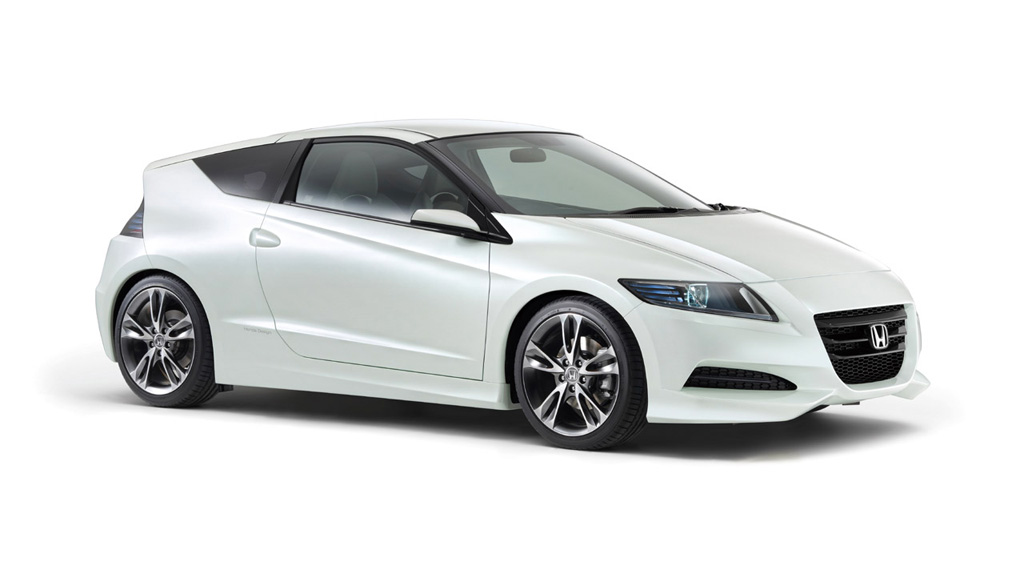
30. Honda CR-Z
2010–16 · 1.5 four with an electric motor · 122 hp
The CR-Z of 2010 was a small hybrid coupé meant to recall the CRX, and the first hybrid with a six-speed manual gearbox. It looked the part and handled neatly. With 122 horsepower and extra weight from the battery it was neither quick nor especially economical. It is last because it was a good idea that needed more of everything.
Verdict A hybrid CRX in spirit, without the pace.
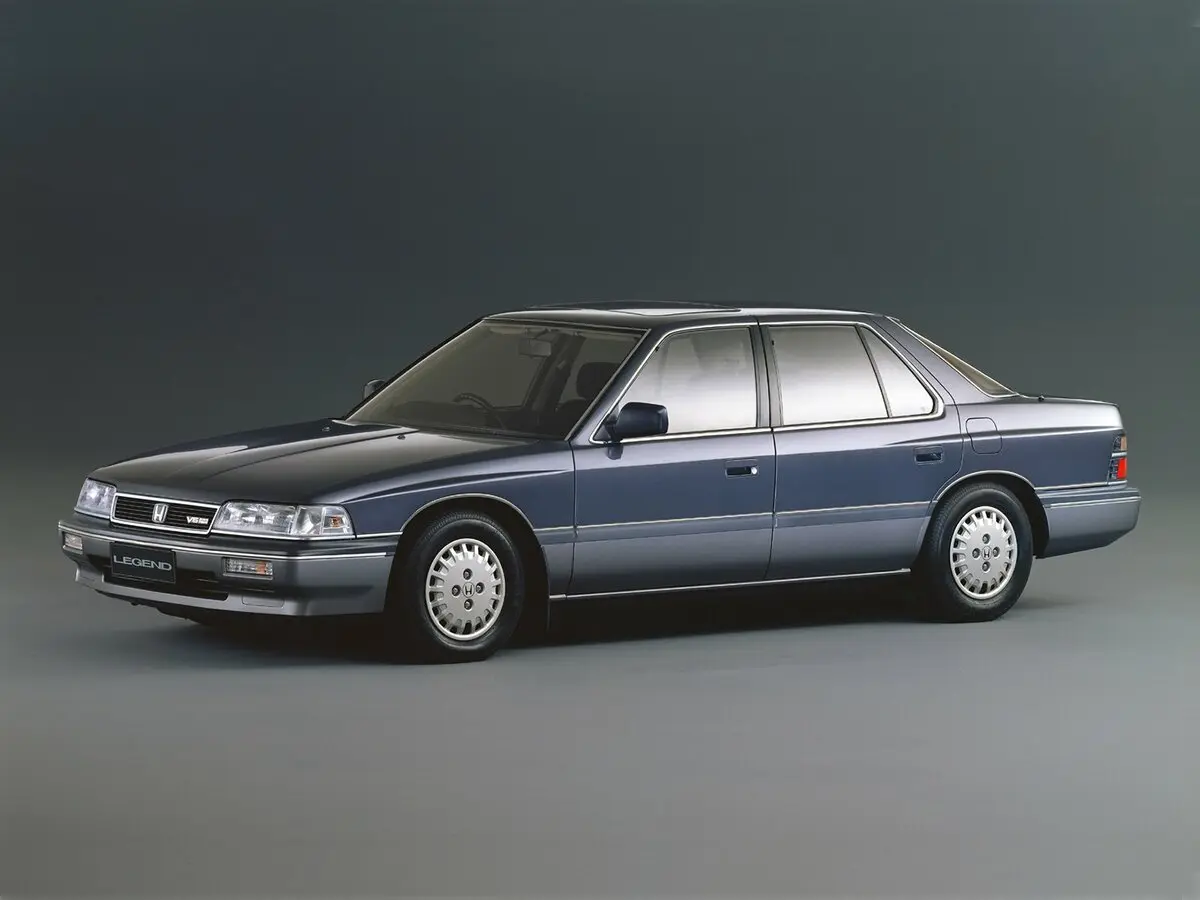
29. Honda Legend (1985)
1985–90 · 2.0 to 2.7 V6 · 145 to 180 hp
The Legend was Honda's first large saloon and its first with a V6, developed in partnership with Rover. In America it launched the Acura brand in 1986, the first Japanese luxury name, three years before Lexus. It was well made and pleasant and not exciting. It ranks here for what it started.
Verdict Honda's first luxury car, and the start of Acura.
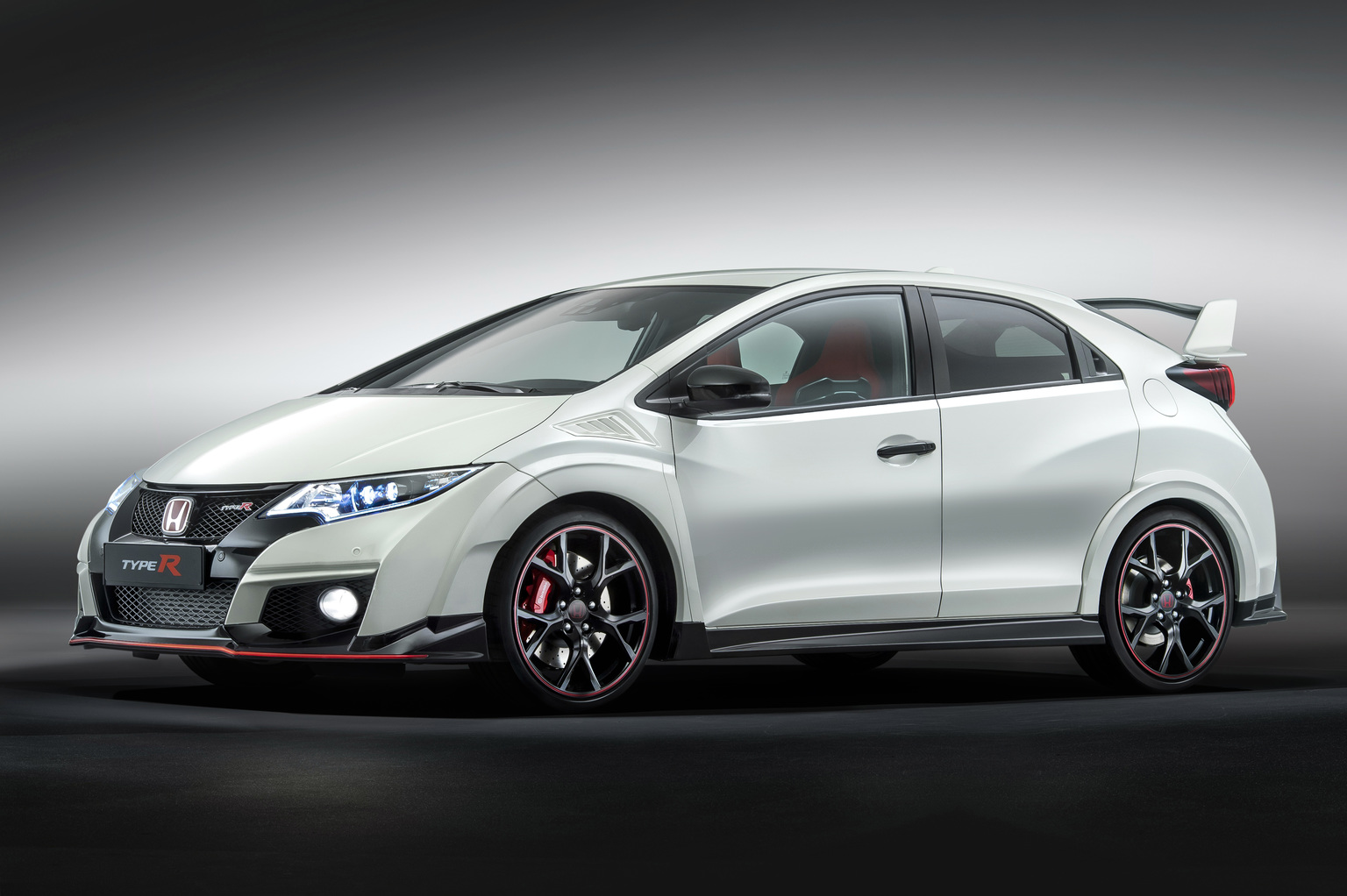
28. Honda Civic Type R (FK2)
2015–17 · 2.0 turbo four · 306 hp
The 2015 Civic Type R was the first with a turbocharger, which gave it 306 horsepower and a top speed of 167 mph. It was very fast and very firm, and the engine had lost the appetite for revs that earlier Type Rs were known for. It was on sale for only two years. It ranks here as the car that began the turbo era.
Verdict The first turbocharged Type R: fast, stiff and short-lived.
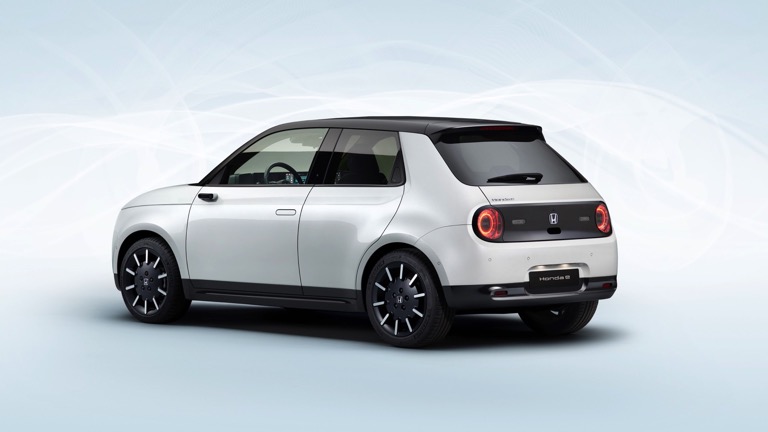
27. Honda e
2020–24 · One electric motor at the rear · 134 or 152 hp
The Honda e was a small electric city car with rear-wheel drive, cameras in place of mirrors and a dashboard made of screens from door to door. It was pretty and good to drive, and it turned in a very small circle. Its range was short and its price high, and it was withdrawn after four years. It ranks here for its design.
Verdict A charming electric city car with too little range.
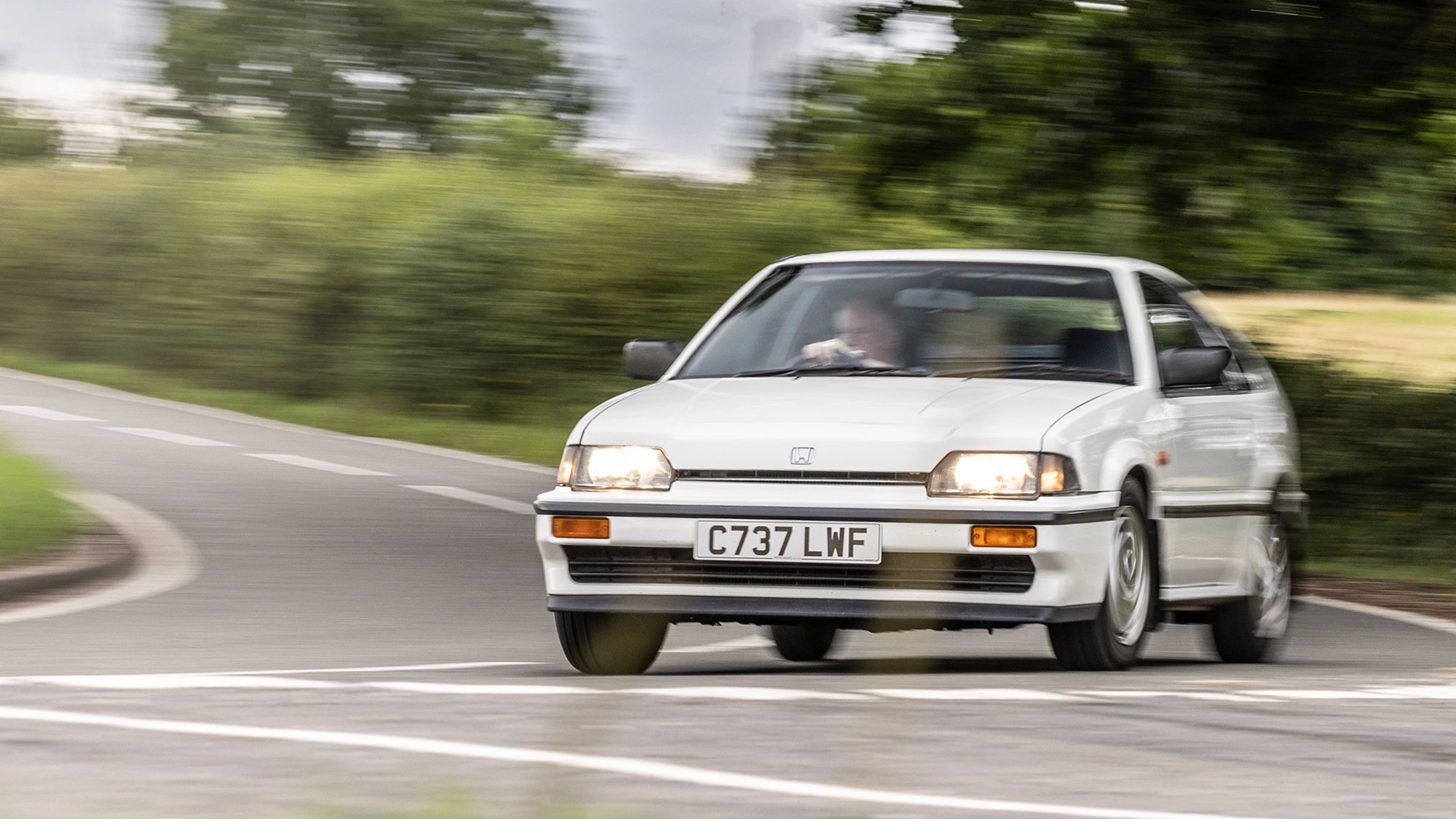
26. Honda CRX (1983)
1983–87 · 1.3 to 1.6 four · 58 to 135 hp
The first CRX was a Civic cut down to a two-seat coupé. It weighed about 800 kg. One version, sold in America for economy, returned more than 50 miles per gallon, and the fuel-injected Si of 1985 was quick and fun. It ranks below the second CRX because that car had the better suspension and the better engine.
Verdict A light, clever coupé that could be thrifty or quick.
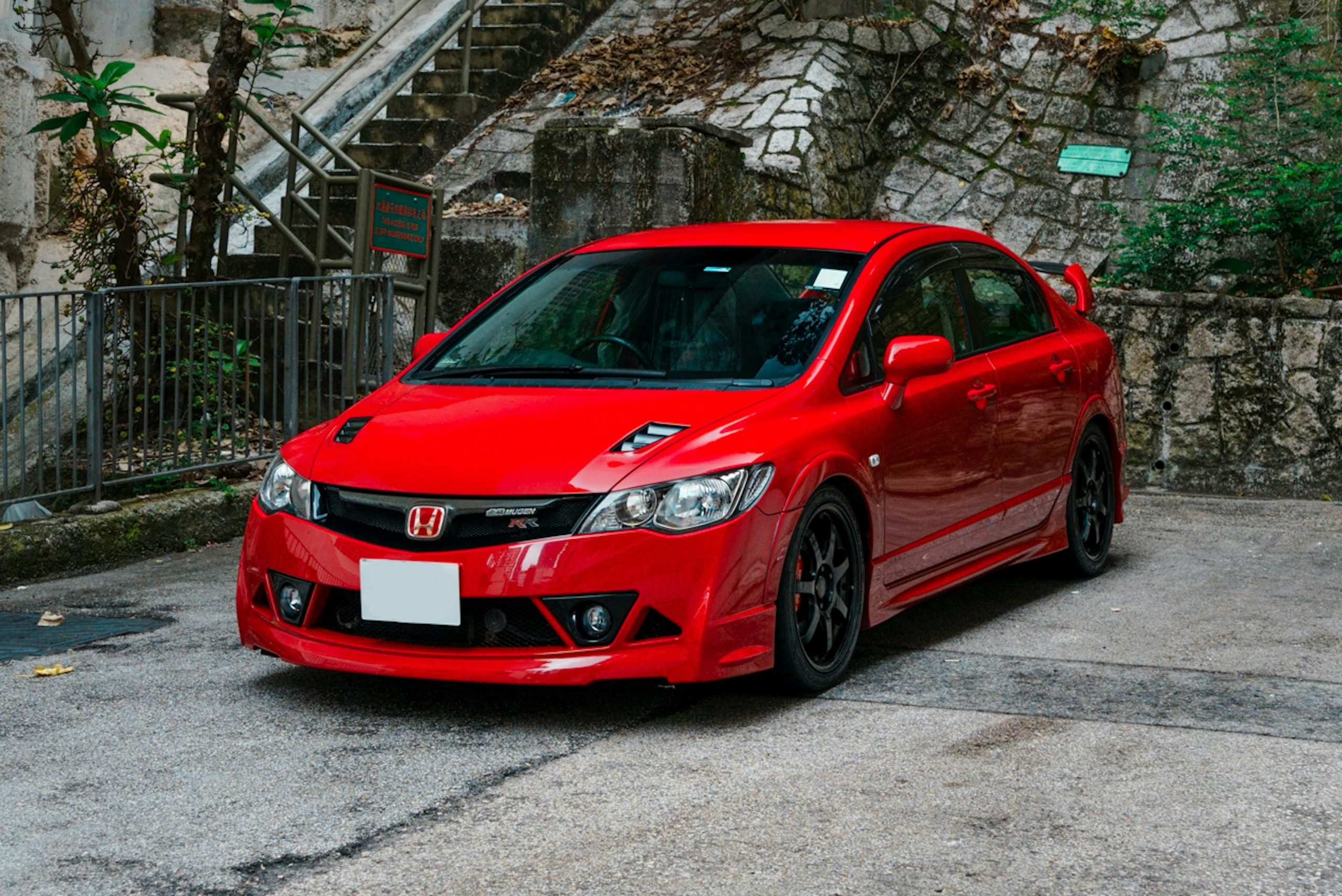
25. Honda Civic Mugen RR
2007 · 2.0 four · 237 hp · 300
Mugen, the tuning firm founded by Soichiro Honda's son, took the four-door Civic Type R in 2007 and made 300 of its own version, with 237 horsepower, carbon-fibre panels and a lower weight. All were red, and they are said to have sold in ten minutes. It is the Type R saloon taken a step further, and one of the most sought-after modern Hondas.
Verdict The four-door Type R, perfected 300 times.
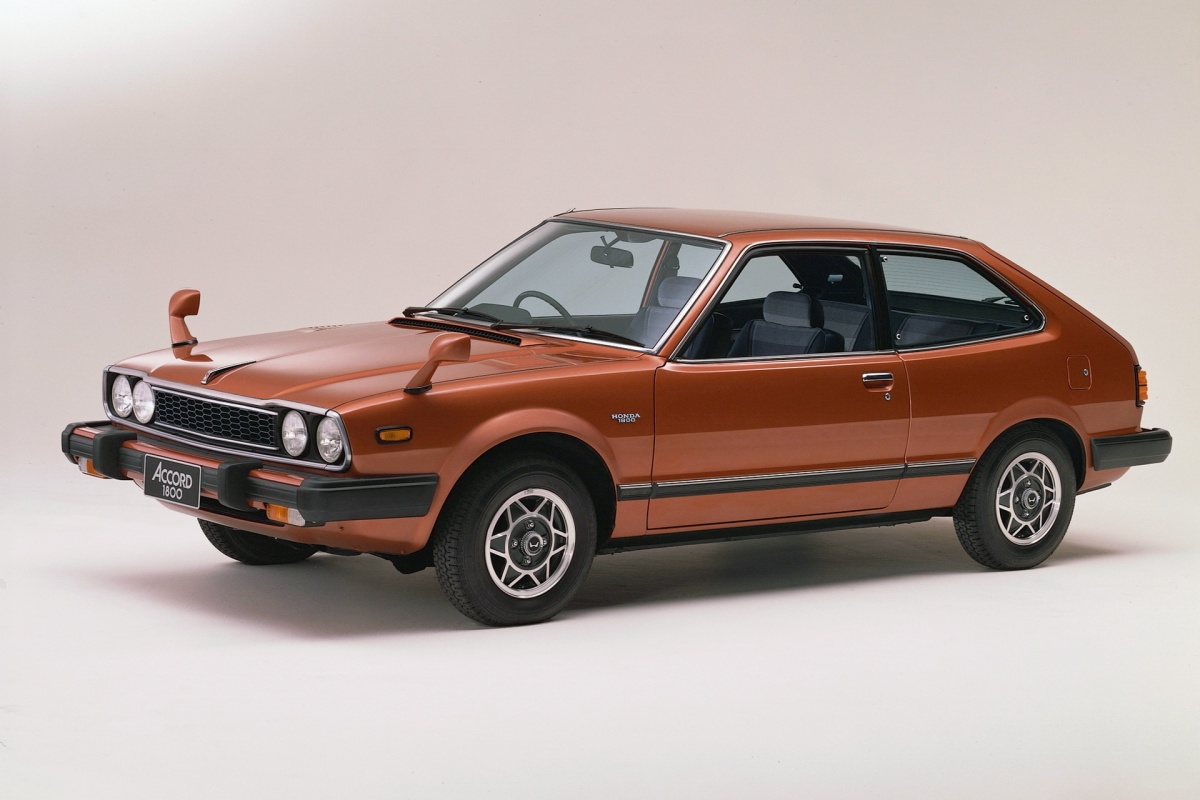
24. Honda Accord (1976)
1976–81 · 1.6 CVCC four · 68 hp
The first Accord was a three-door hatchback a size larger than the Civic, with the same clean CVCC engine and a level of equipment that American cars charged extra for. Buyers queued for it. Its successor, in 1982, became the first Japanese car built in the United States. It ranks here as the car that made Honda a mainstream choice in America.
Verdict The car that moved Honda into the American mainstream.
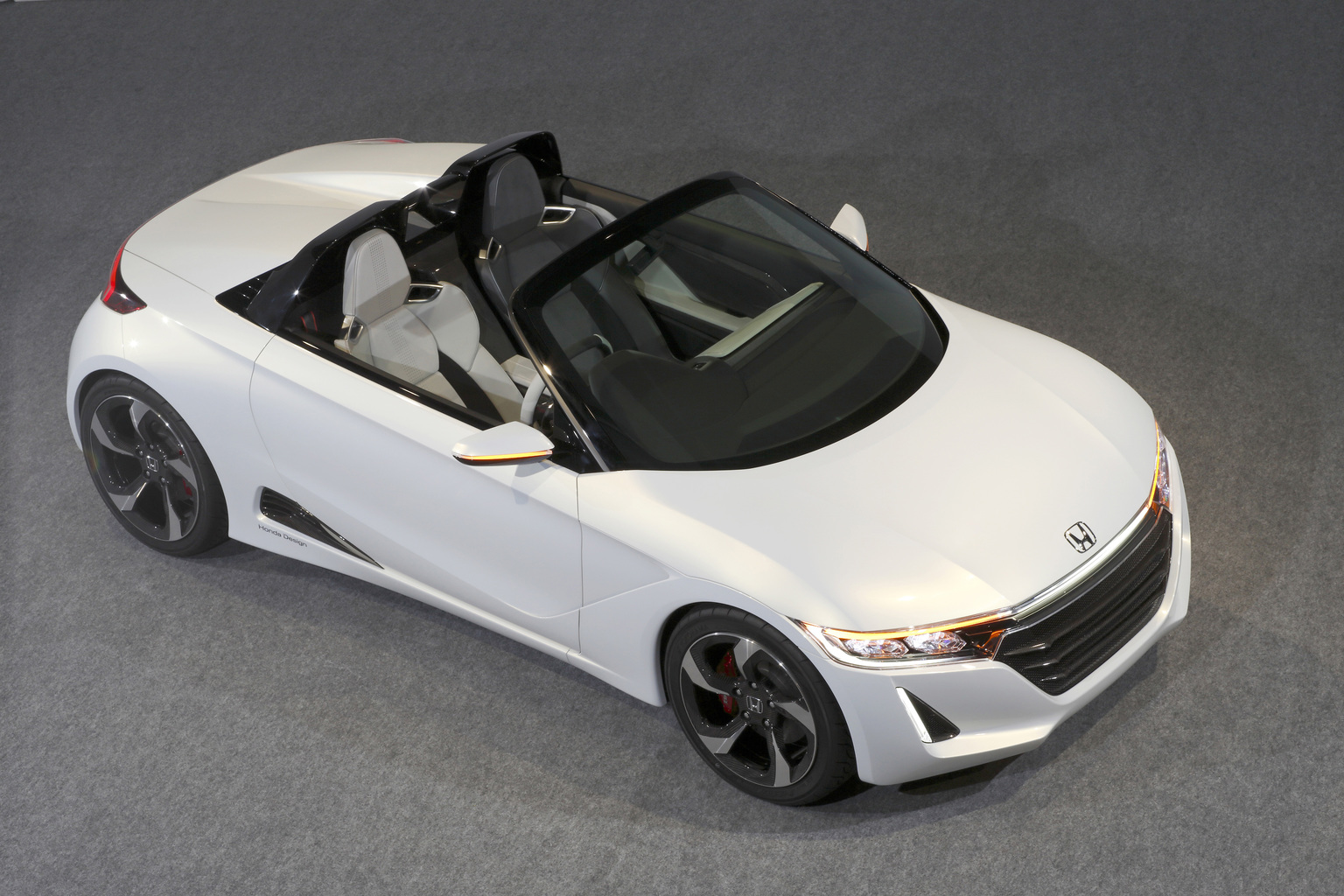
23. Honda S660
2015–22 · 0.66 turbo three-cylinder · 63 hp
The S660 of 2015 returned to the Beat's idea: a mid-engined open two-seater within Japan's small-car limits of 660 cc and 63 horsepower. This time the engine was turbocharged and the chassis was far stiffer. It had a six-speed manual gearbox and almost no luggage space. It was sold only in Japan, and ranks below the Beat because that car came first.
Verdict The Beat's idea, done again with a turbocharger.
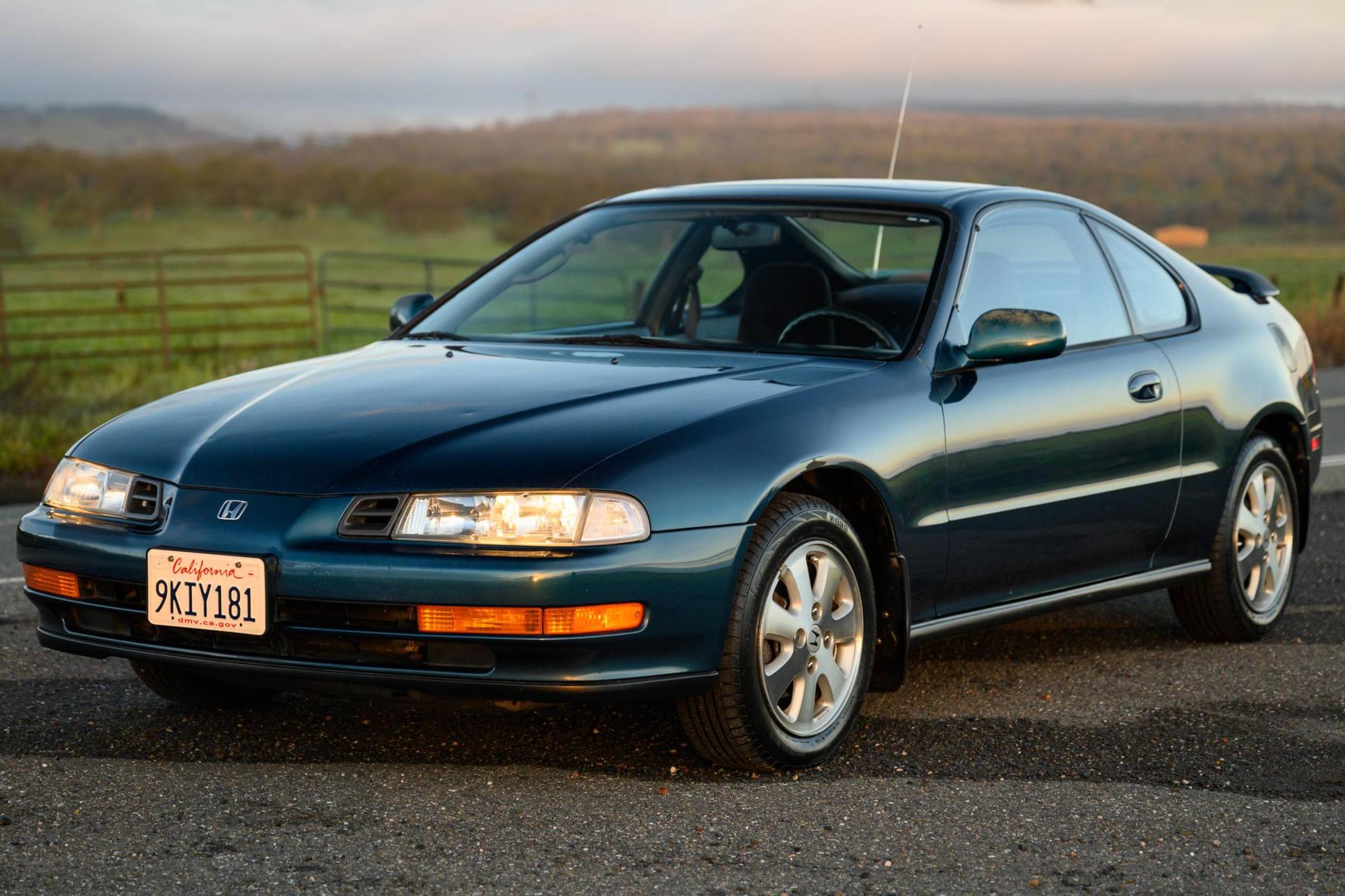
22. Honda Prelude VTEC (1992)
1991–96 · 2.2 four · 190 to 200 hp
The fourth Prelude had a wide, low body and a dashboard with instruments running across its full width. With the 2.2-litre VTEC engine it had up to 200 horsepower, and four-wheel steering was now electronic. It was quick and distinctive and more of a cruiser than its looks suggest. It ranks here as the best of the later Preludes.
Verdict The Prelude with VTEC and a dashboard from the future.
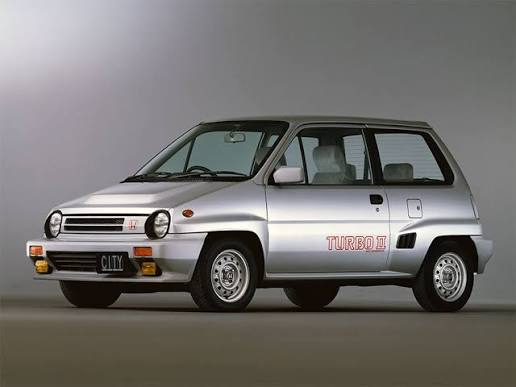
21. Honda City Turbo II
1983–86 · 1.2 turbo four · 108 hp
The City was a tall, very short hatchback. The Turbo II of 1983 gave it a turbocharged 1.2-litre engine with an intercooler, 108 horsepower, and wheel arches so wide that it was nicknamed the Bulldog. Honda also sold a folding scooter to fit in its boot. It is here because nothing better sums up the cheerful excess of 1980s Japan.
Verdict A tiny turbo hatchback with a scooter in the boot.
20 to 11
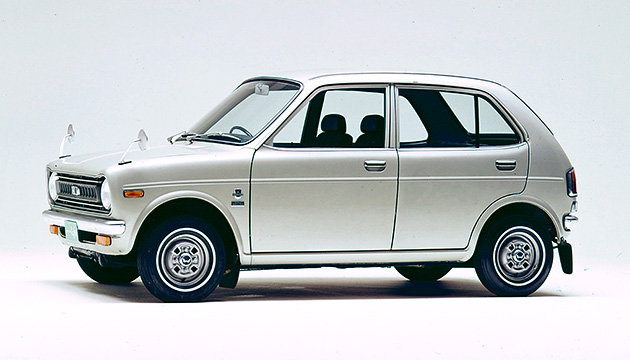
20. Honda N360
1967–72 · 0.35 air-cooled twin · 31 hp · ~ 650,000
The N360 of 1967 was Honda's first car to sell in large numbers. It was a tiny front-wheel-drive saloon with an air-cooled two-cylinder engine developed from a motorcycle unit, giving 31 horsepower at 8,500 rpm, well above its rivals.
Within months it was the best-selling small car in Japan. It gave Honda the money and the confidence to build the Civic five years later. It ranks here as the first proof that the motorcycle company could make cars people wanted.
Verdict Honda's first hit, with a motorcycle engine.
Did you know: Its engine was developed from a Honda motorcycle unit and revved to 8,500 rpm.
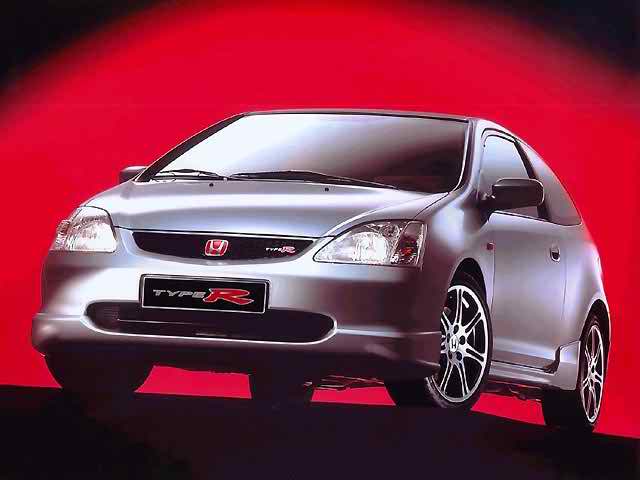
19. Honda Civic Type R (EP3)
2001–05 · 2.0 four · 197 hp
The second Civic Type R was built in Swindon and was the first sold in Europe. It had a new 2.0-litre engine with 197 horsepower, a gear lever mounted on the dashboard and a tall, practical body.
It was cheap, quick and very popular, and it brought the Type R name to people who had only read about it. It was softer than the Japanese cars, and the steering was short on feel. It ranks here as the car that made the badge known outside Japan.
Verdict The Type R that brought the name to Europe.
Did you know: It was built in Swindon, England, and exported from there to Japan.
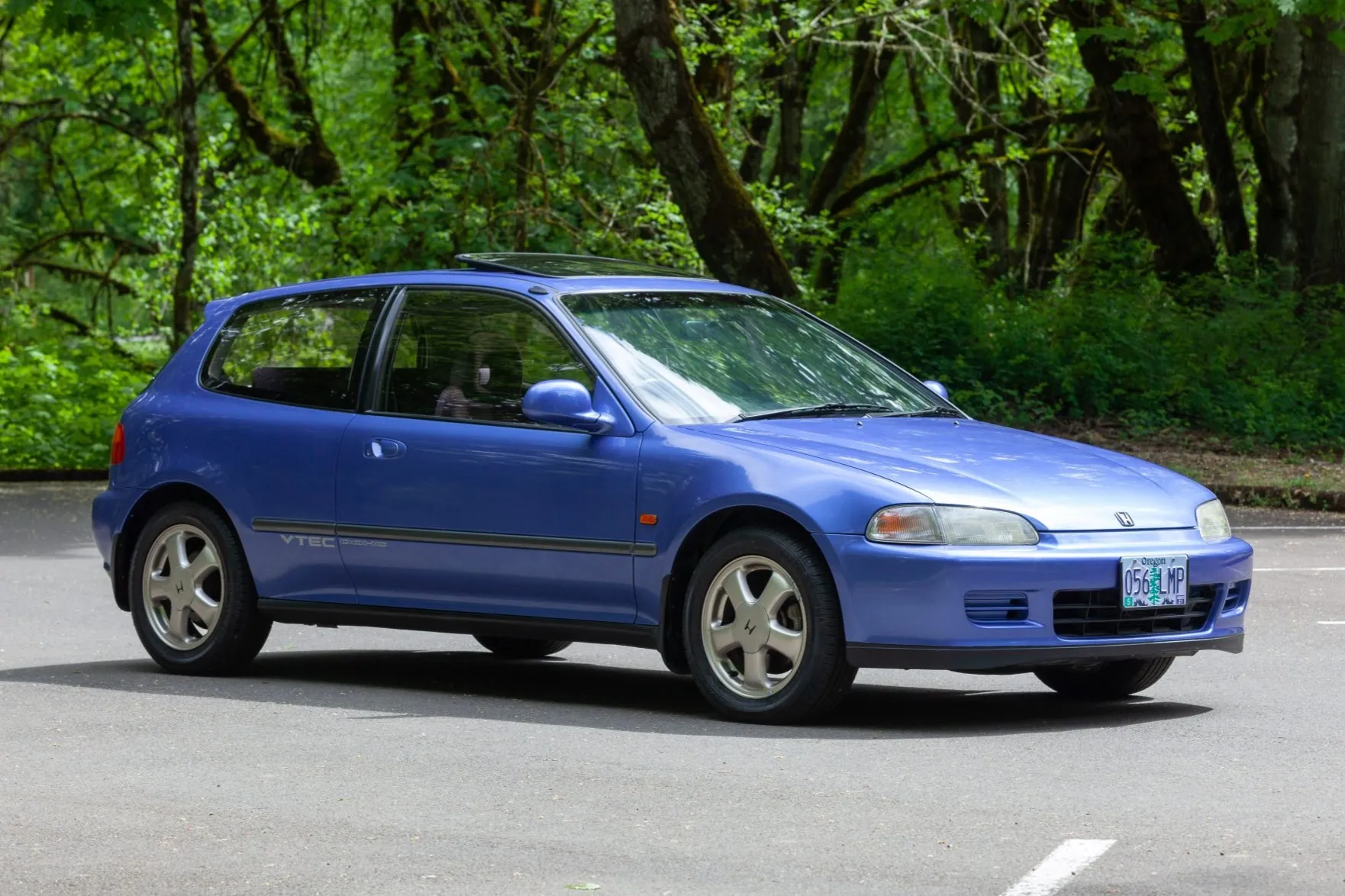
18. Honda Civic SiR (EG6)
1991–95 · 1.6 four · 168 hp
The Civic of 1991 had a low, rounded body and double-wishbone suspension at every corner. In SiR form it had the 1.6-litre VTEC engine with 168 horsepower in a car weighing little more than a tonne.
It was the car that made the Civic the favourite of tuners and club racers around the world, a position it kept for twenty years. There was no Type R yet. This is the car the first Type R was developed from, and many think it the best-looking Civic.
Verdict The Civic that tuners adopted, before there was a Type R.
Did you know: It has double-wishbone suspension at all four wheels, a layout Honda took from its racing cars.
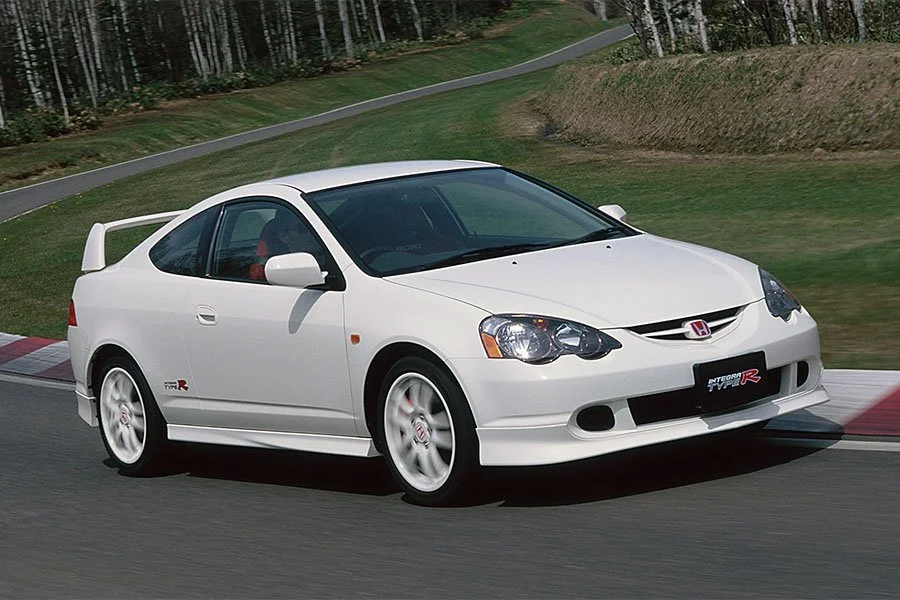
17. Honda Integra Type R (DC5)
2001–06 · 2.0 four · 217 hp
The second Integra Type R had a new 2.0-litre engine with 217 horsepower, a six-speed gearbox, Brembo brakes and Recaro seats. It was faster than the car it replaced and easier to live with.
It was also heavier, and its simpler front suspension gave less feel. That is why it sits fifteen places below the original. Taken alone it is a very good car, and the engine it introduced powered Honda's fast cars for the next ten years. America received the body as the Acura RSX, without the Type R.
Verdict Faster than the first Integra Type R, and a little less special.
Did you know: America got the same body as the Acura RSX, with a milder engine and no Type R.
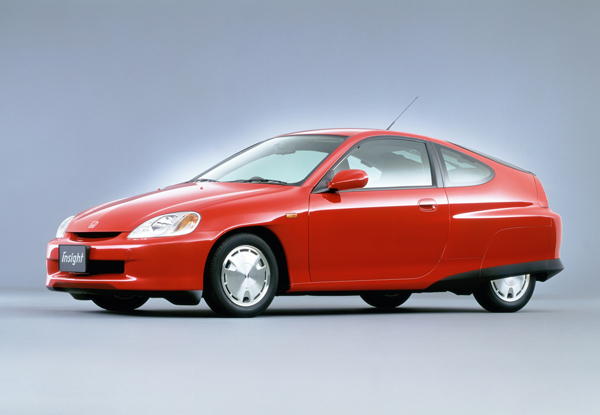
16. Honda Insight (1999)
1999–2006 · 1.0 three-cylinder with an electric motor · 67 hp, plus 13 from the motor · ~ 17,000
The first Insight was a two-seat coupé built of aluminium, with covered rear wheels and a drag coefficient of 0.25. It weighed about 840 kg. A 1.0-litre three-cylinder engine was helped by a thin electric motor, and the car could exceed 70 miles per gallon.
It went on sale in America in December 1999, months before the Toyota Prius. Toyota's car was more practical and won the market. The Insight is here because it was the more radical piece of engineering, and very few petrol cars have matched its economy since.
Verdict The first hybrid in America, and still the most economical petrol car.
Did you know: It reached American showrooms in December 1999, seven months before the Toyota Prius.
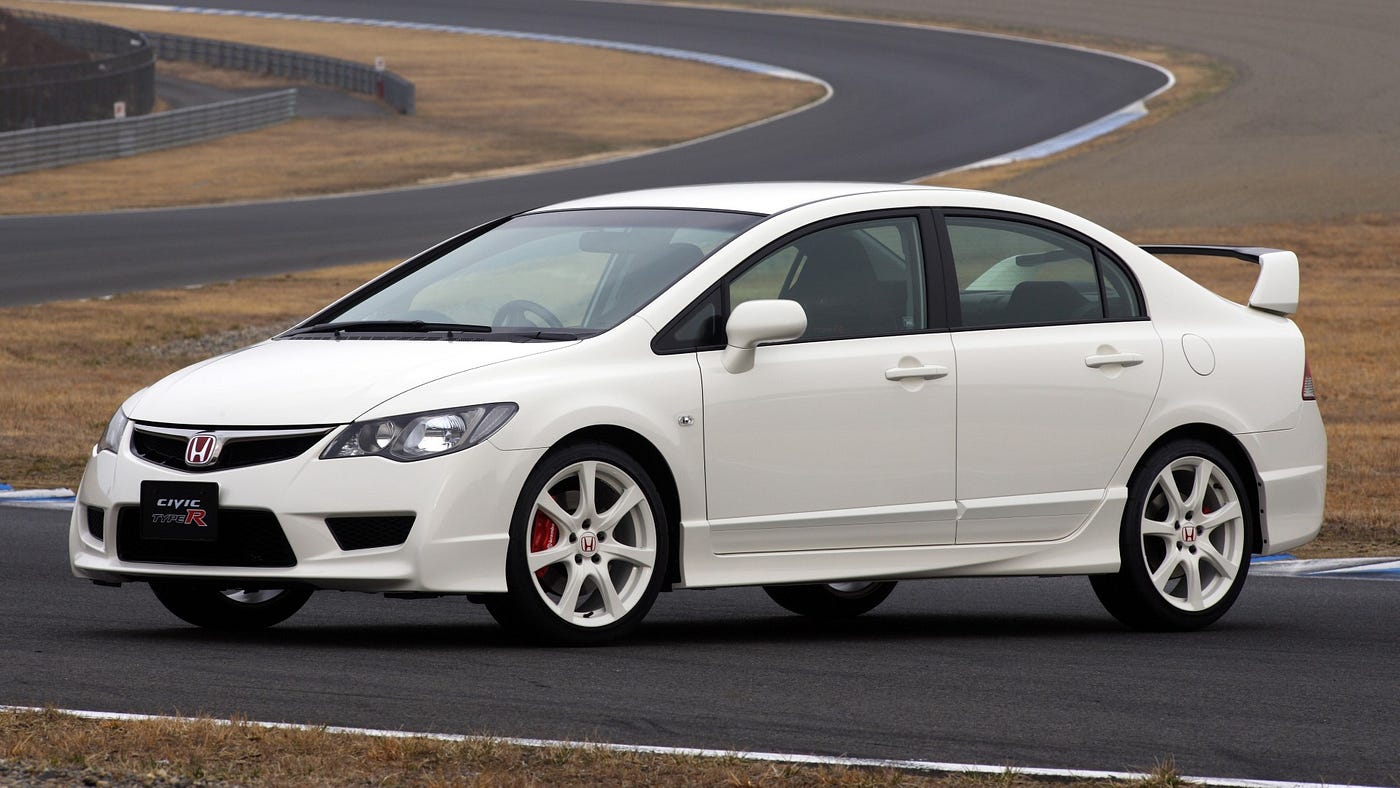
15. Honda Civic Type R (FD2)
2007–10 · 2.0 four · 222 hp
For 2007 Japan got a Civic Type R that the rest of the world did not: a four-door saloon with a 222-horsepower engine, a much stiffer shell than the hatchback sold in Europe, and suspension set almost as hard as a racing car's.
It is the fastest and most focused of the Type Rs without turbochargers, and on a circuit it is quicker than the Integra that came before it. On a rough road it is tiring. It ranks here as the last and most extreme of the high-revving Type Rs.
Verdict A four-door saloon, and the hardest Type R of all.
Did you know: It is a four-door saloon, and it was sold only in Japan.
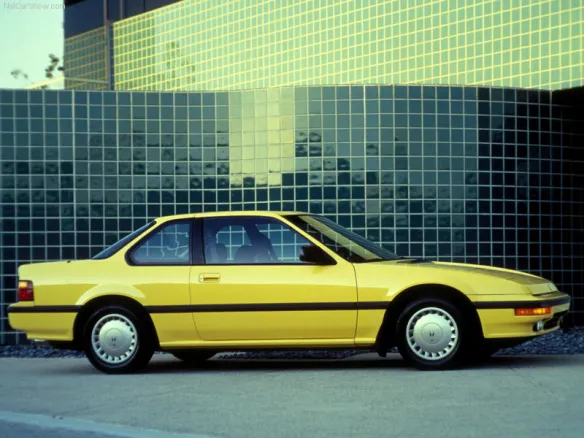
14. Honda Prelude (1987)
1987–91 · 2.0 four · Up to 145 hp
The third Prelude was a low coupé with a bonnet line made possible by tilting the engine back. Its party piece was four-wheel steering, worked by a shaft from the front rack: the rear wheels turned with the fronts for small movements of the wheel and against them for large ones.
No production car had offered a mechanical system like it. In an American magazine's slalom test it went faster than every Ferrari and Porsche the magazine had tried. The system was dropped later as too costly for what it gave. It ranks here as Honda's engineering at its most inventive.
Verdict The coupé that taught its rear wheels to steer.
Did you know: It was the first production car with four-wheel steering, worked by a mechanical link from the front.
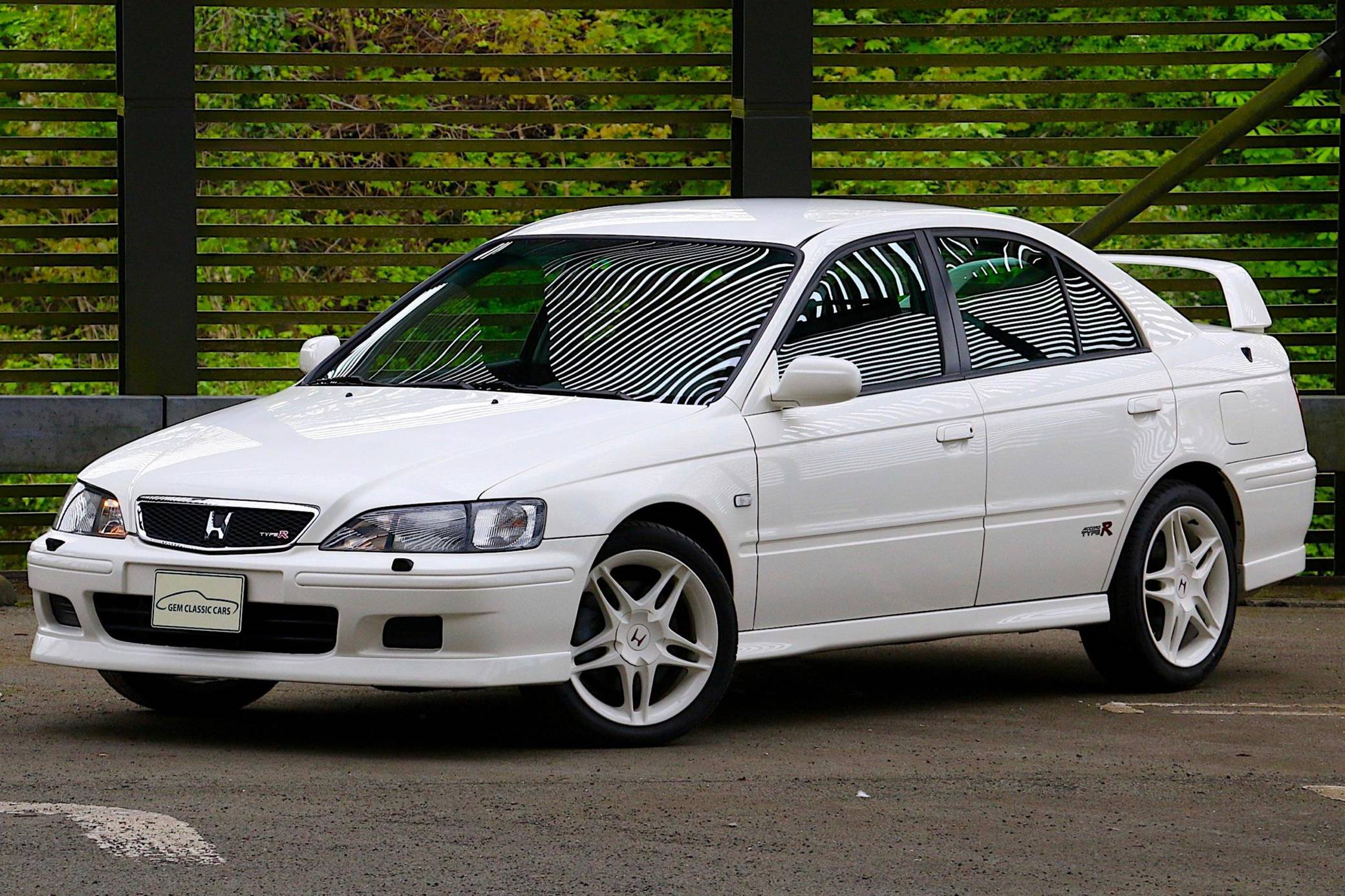
13. Honda Accord Type R
1998–2002 · 2.2 four · 209 hp
In 1998 Honda's British factory built a Type R version of the Accord saloon for Europe. It had a 2.2-litre engine with 209 horsepower, a limited-slip differential, Recaro seats and a stiffened shell, and from outside it looked like a company car with a spoiler.
It was one of the best-handling saloons of its time, and it sold slowly because few people knew what it was. Japan had a similar car called the Euro R. Good ones are now sought after. It ranks here as the Type R almost nobody noticed.
Verdict A Type R disguised as a company car.
Did you know: It was built in Swindon, England, for European buyers. Japan had its own version, the Euro R.

12. Honda Civic Type R (FK8)
2017–21 · 2.0 turbo four · 306 to 316 hp
The 2017 Civic Type R was the first sold in the United States, and it looked like nothing else, with wings, vents and three exhaust pipes. Under the styling was a serious car: a new rear suspension, a 2.0-litre turbo engine with more than 300 horsepower and a superb manual gearbox.
It set a front-wheel-drive record at the Nürburgring in its first year. Road testers who disliked the look admitted it was the best car in its class by a distance. It ranks below its successor only because that car did the same things with fewer distractions.
Verdict It looked absurd and drove better than anything in its class.
Did you know: It was the first Civic Type R sold in the United States.
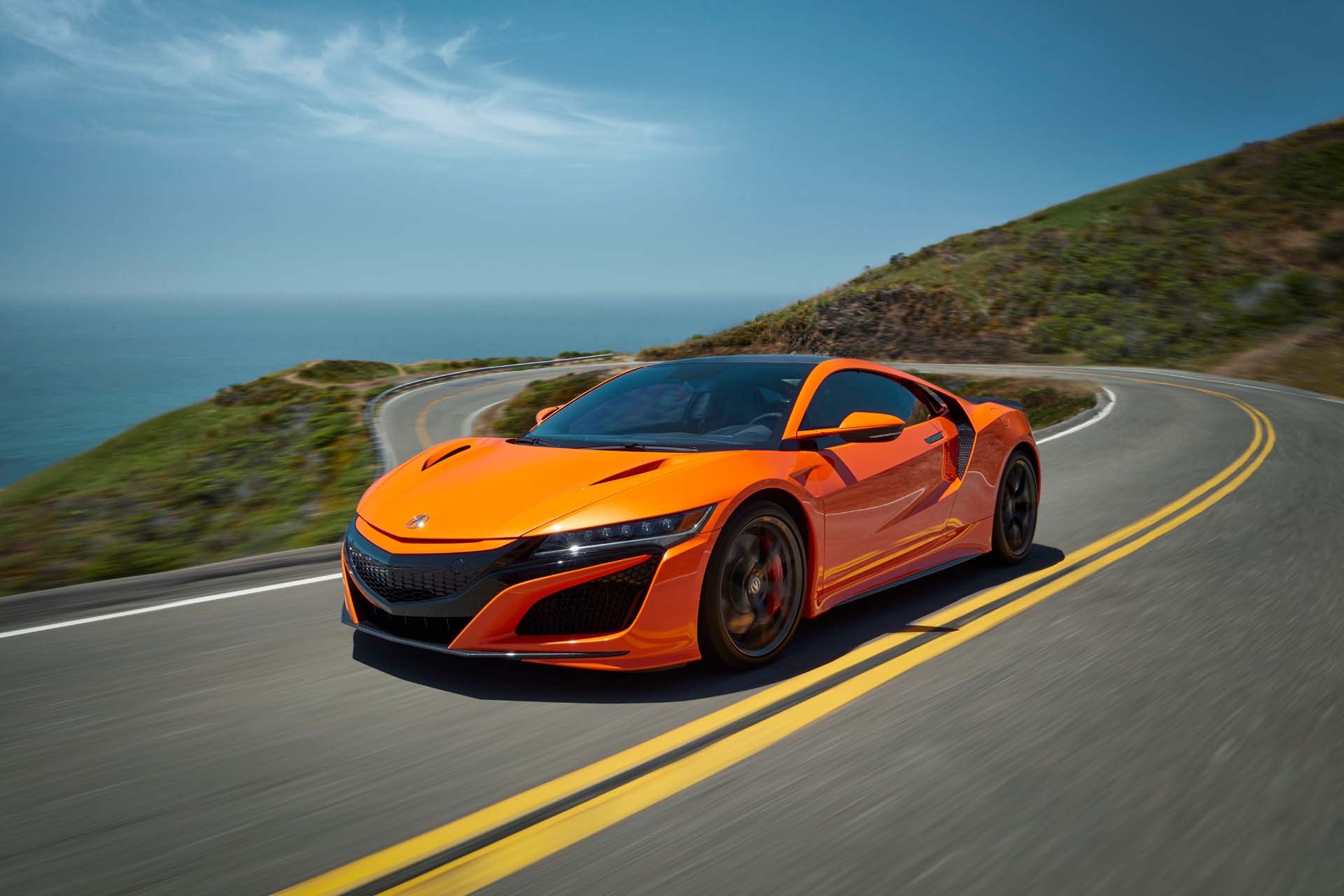
11. Honda NSX (2016)
2016–22 · 3.5 twin-turbo V6 with three electric motors · 573 hp, 600 in the Type S · ~ 2,900
The second NSX has a twin-turbo V6 behind the seats, an electric motor in the gearbox and two more driving the front wheels, for 573 horsepower in all. It was designed and built in Ohio.
It is very fast and very clever. The front motors pull the nose into corners, and the car is as easy to drive as the original. It never found its buyers. It was neither as raw as its rivals nor as light as its name suggested, and it took too long to arrive. The Type S of the final year, with 600 horsepower, is the one to have.
Verdict A clever hybrid supercar that the market did not understand.
Did you know: It was designed and built in Ohio, not Japan.
The top 10
- Years
- 1991–96
- Engine
- 0.66 three-cylinder
- Power
- 63 hp
- Built
- ~ 33,600
Road car · Japan
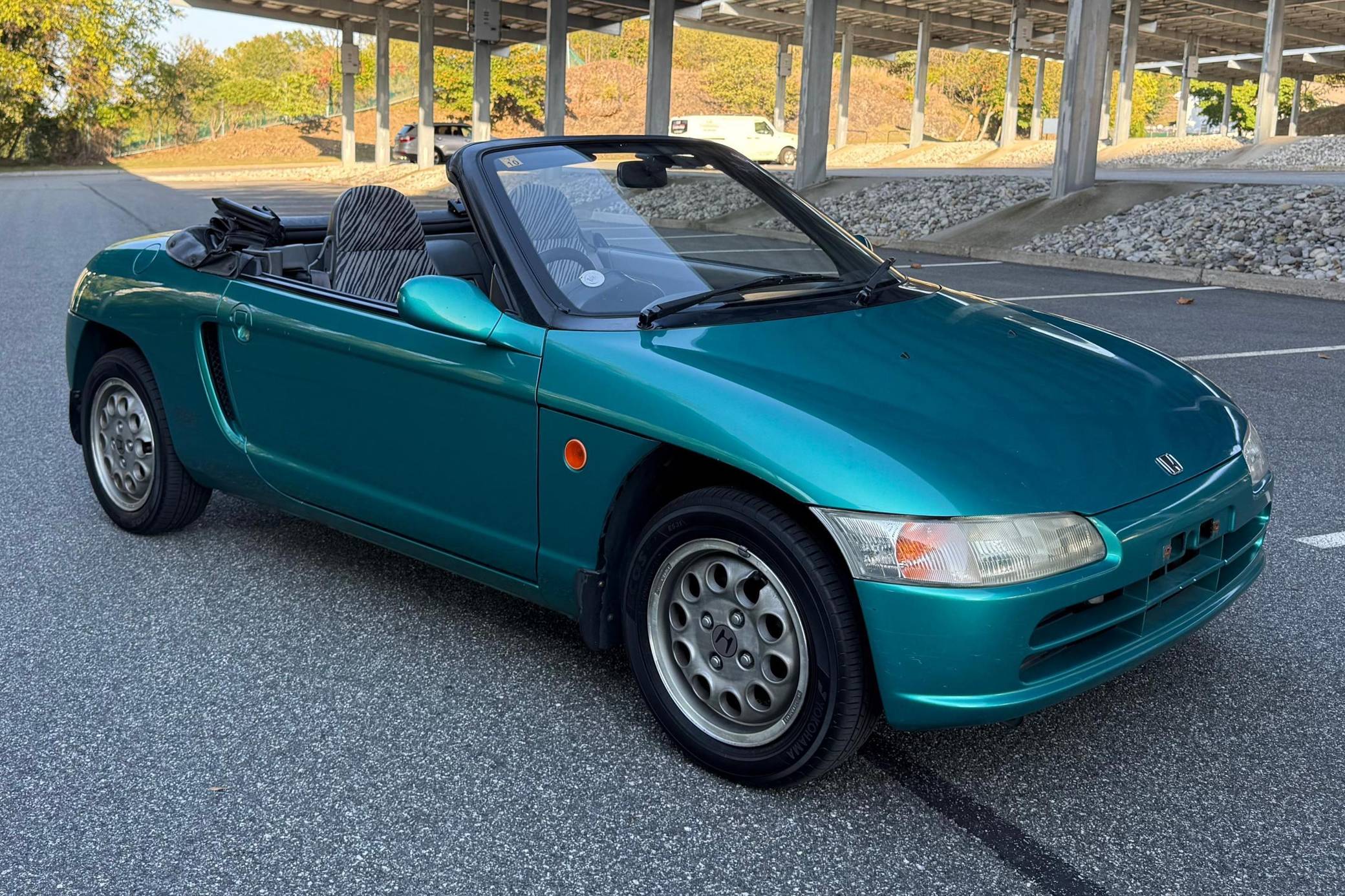
10. Honda Beat
Japan's smallest class of car is limited to 660 cc and 63 horsepower. In 1991 Honda built a mid-engined open two-seater to those rules. The Beat has a three-cylinder engine behind the seats with a separate throttle for each cylinder and no turbocharger, which its rivals all used, and it revs to 8,500 rpm.
It weighs about 760 kg and is just over three metres long. It is not fast. Driven hard it feels fast, which is a different and better thing, and all of its performance can be used on an ordinary road.
It was the last new model Soichiro Honda approved before he died. About 33,600 were made. It is tenth because it shows the company's character as clearly as the NSX does, in a car a fraction of the size.
Verdict A mid-engined sports car you could park in a cupboard.
It was the last new car approved by Soichiro Honda before his death in 1991.
- Years
- From 2022
- Engine
- 2.0 turbo four
- Power
- 315 to 325 hp
Road car · Japan
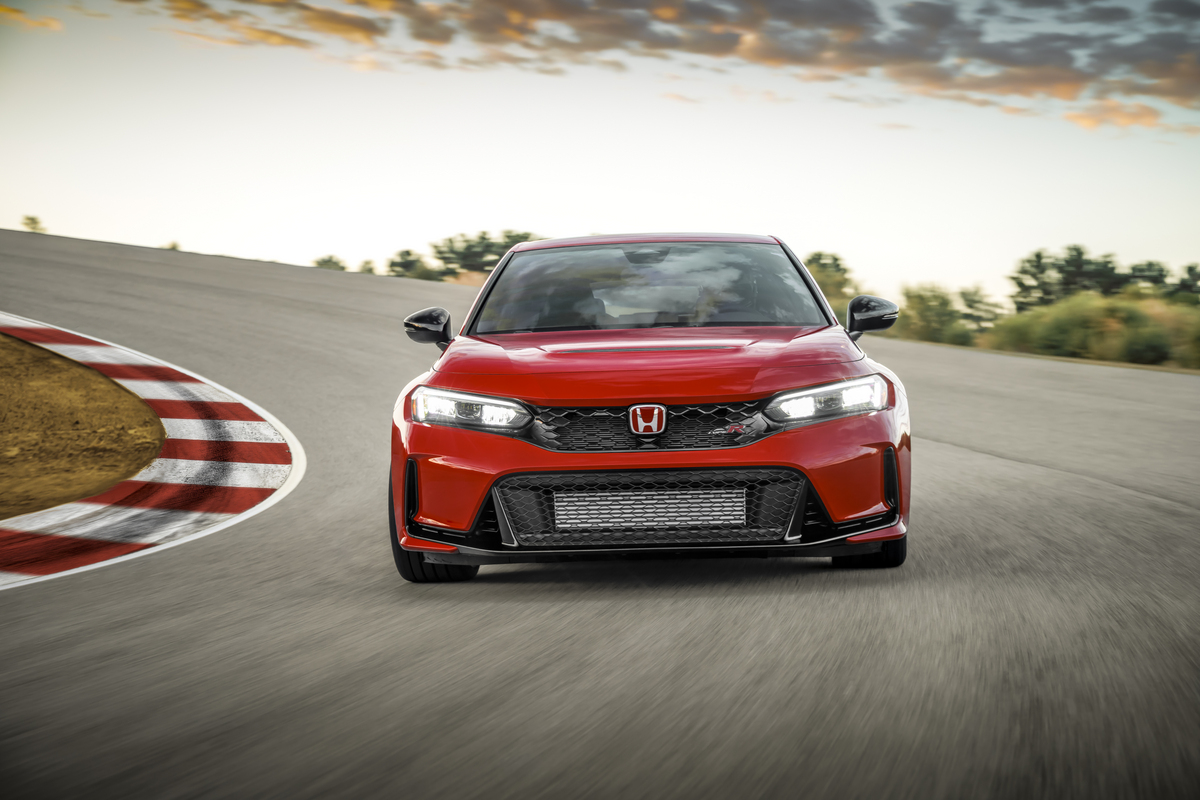
9. Honda Civic Type R (FL5)
The current Civic Type R is the sixth, and it is the most complete. The 2.0-litre turbo engine makes well over 300 horsepower and drives the front wheels through a six-speed manual gearbox, the only one offered. Honda's front suspension design keeps the steering free of the tugging that so much power usually brings.
It is quieter to look at than the car before it and better in every measurable way. The gearchange is among the best on sale at any price, the brakes last on a circuit, and the ride is tolerable on the road. It took the front-wheel-drive lap record at the Nürburgring in 2023.
It is ninth because it is the best hot hatchback now made, at a time when most rivals have gone automatic or electric. It ranks below the first Type R because it is a large, heavy car by that one's standards.
Verdict The best hot hatch on sale, and manual only.
It is sold only with a six-speed manual gearbox.
- Years
- 1987–91
- Engine
- 1.5 or 1.6 four
- Power
- 105 hp in the Si, 158 in the SiR
Road car · Japan
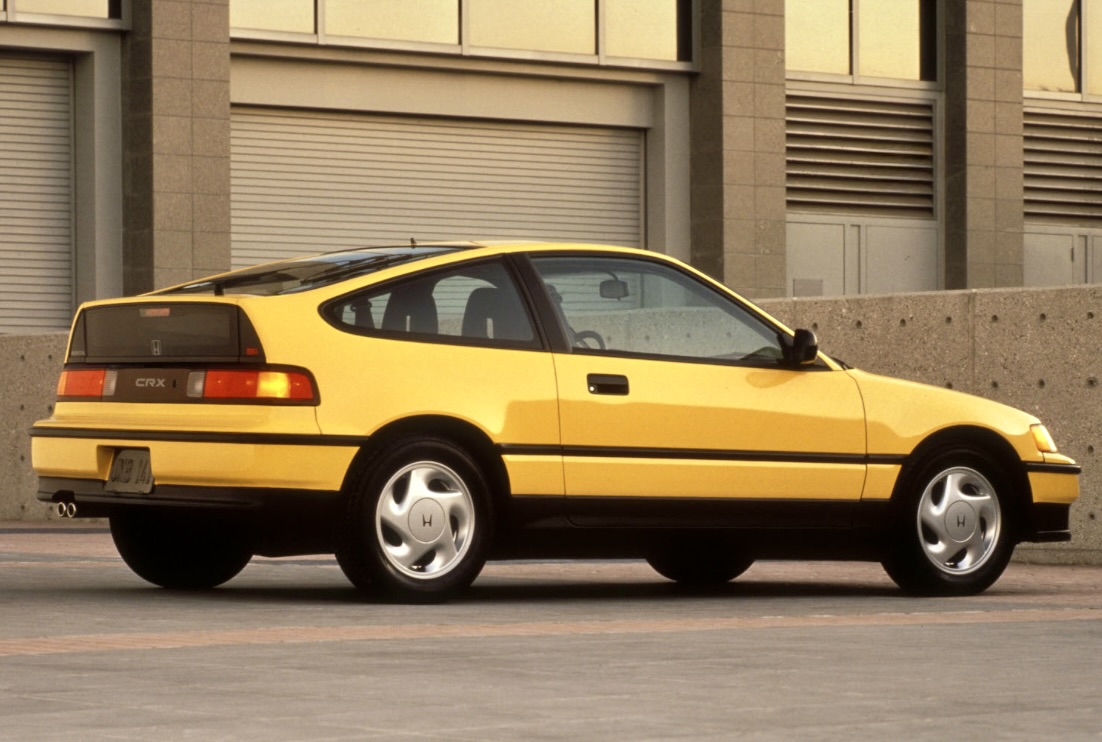
8. Honda CRX (1987)
The second CRX was a two-seat coupé based on the Civic, short, low and light, with a cut-off tail and a second pane of glass below the rear window. From 1988 it had double-wishbone suspension at all four wheels, a layout normally found on racing cars and expensive sports cars.
The Si had 105 horsepower, which was plenty in a car that weighed about 950 kg. In Japan and Europe there was also a version with the first VTEC engine, good for nearly 160 horsepower. It steered with a precision that made larger sports cars feel clumsy, and it returned more than 35 miles per gallon while doing it.
It is eighth because it is the best small Honda of the 1980s and one of the best-handling front-drive cars of any period. Clean ones are now hard to find, because so many were modified, raced or rusted.
Verdict A light two-seater with racing-car suspension and a hatchback's running costs.
It has a second pane of glass in the tail, below the rear window, so the driver can see what is behind.
- Years
- 1972–79
- Engine
- 1.2 four, later 1.5 CVCC
- Power
- 50 to 60 hp
Road car · Japan
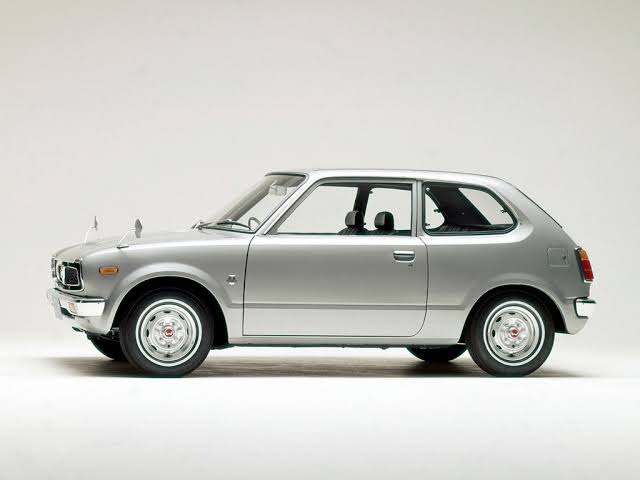
7. Honda Civic (1972)
The Civic is the reason Honda is a car company. Before 1972 it sold motorcycles and a few very small cars. The Civic was a compact front-wheel-drive hatchback with a transverse engine, room for four and better build quality than anything at the price. It arrived just before the 1973 oil crisis, and buyers who had never considered a Japanese car bought it.
In 1975 it gained the CVCC engine, which burned its fuel so cleanly that it met new American emissions limits without a catalytic converter. Detroit had said that could not be done.
More than 27 million Civics have been sold since. The first one is seventh on a list mostly made up of fast cars because none of those cars would exist without it, and because it changed what the world expected a small car to be.
Verdict The small car that made Honda, and embarrassed Detroit.
Its CVCC engine met American emissions law without a catalytic converter, which Detroit had said could not be done.
- Years
- 1966–70
- Engine
- 0.8 four
- Power
- 70 hp
- Built
- 11,536
Road car · Japan
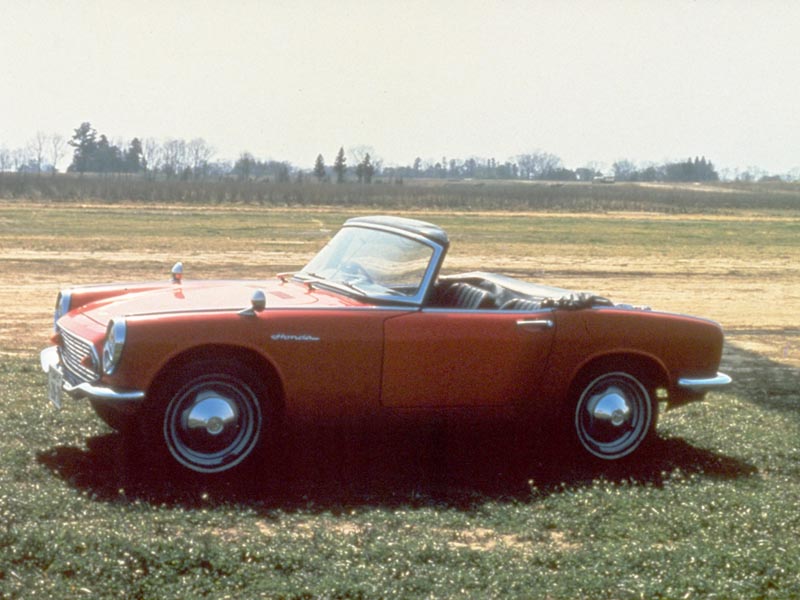
6. Honda S800
Honda made motorcycles before it made cars, and its first sports cars show it. The S500 of 1963 had a tiny four-cylinder engine with twin camshafts and four carburettors, and drove its rear wheels by chains. The S600 followed, and the S800 of 1966 was the final version: 791 cc, about 70 horsepower and a redline of 9,500 rpm.
It was the first Honda car to reach 100 mph, and Honda sold 11,536 as coupés and roadsters, some of them in Europe, where nothing else of the size was remotely like it. British sports cars of the day had pushrod engines that ran out of breath at 5,500 rpm.
It is sixth because the habits that define the best Hondas, small engines, very high revs and precise engineering, are all here at the beginning. The S2000 was named in its memory.
Verdict A motorcycle maker's idea of a sports car, with 9,500 rpm.
It was the first Honda car to reach 100 mph.
- Years
- 1992–95 and 2002–05
- Engine
- 3.0 V6, later 3.2
- Power
- 276 hp, 290 in the later car
- Built
- ~ 480, then ~ 140
Road car · Japan
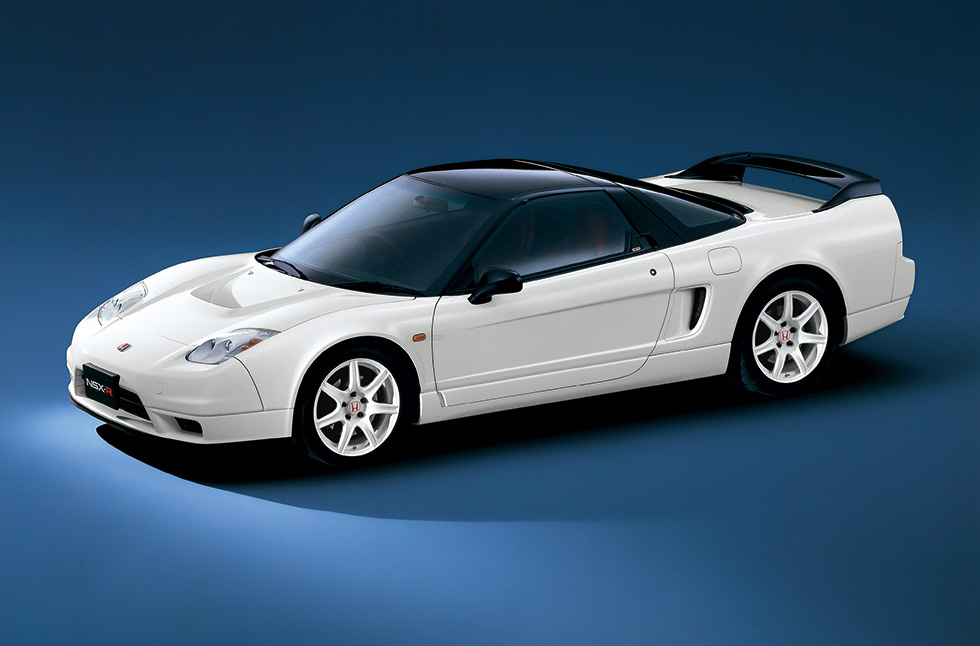
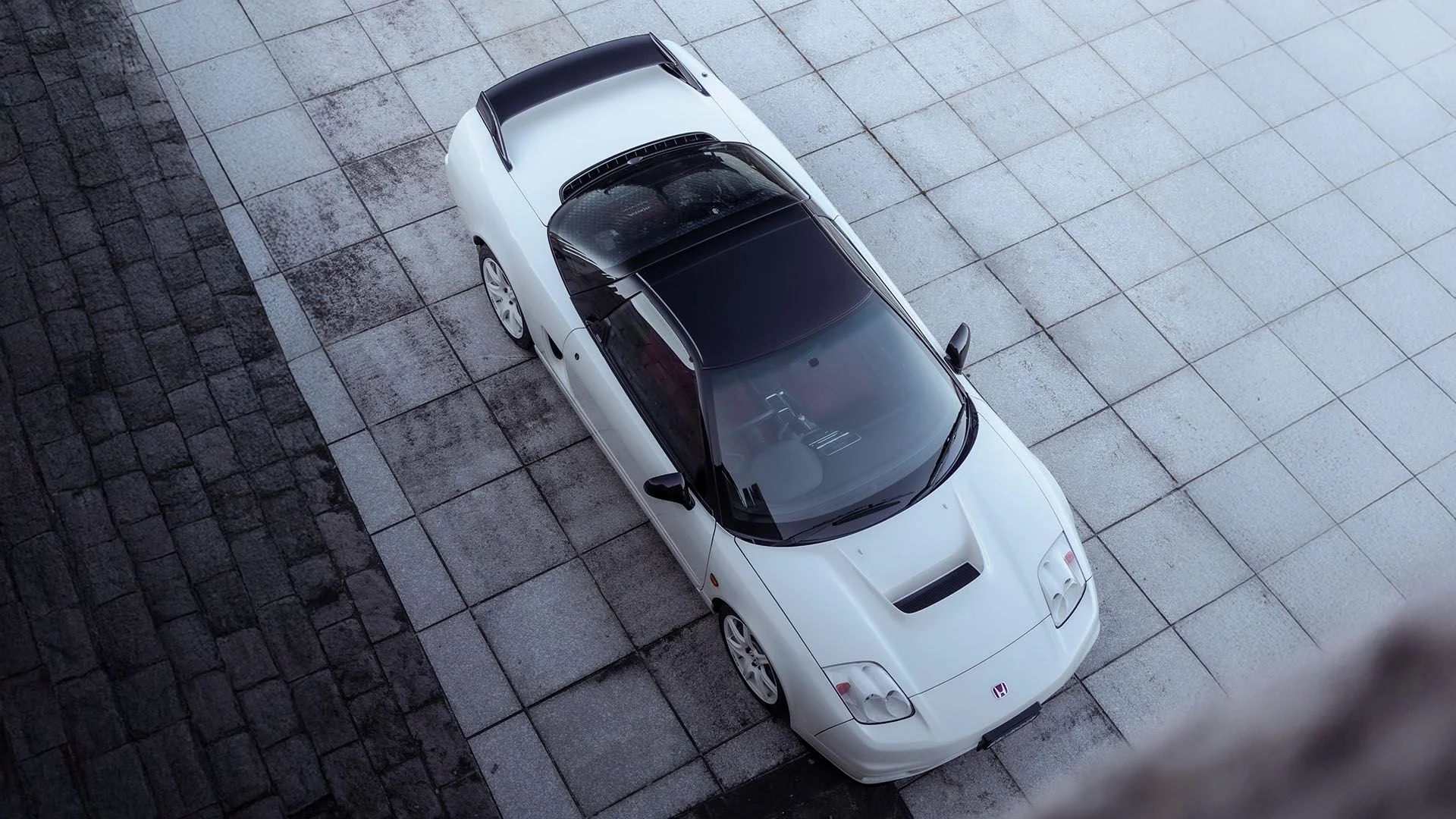
5. Honda NSX-R
In 1992 Honda took 120 kg out of the NSX for the Japanese market. The air conditioning, stereo, sound deadening and spare wheel went, the seats became carbon-Kevlar shells, the glass was thinned and the suspension was stiffened a great deal. The engine was balanced and blueprinted by hand, with the power figure left as it was. The car was called the NSX-R, the first Honda to use the letter.
A second version followed in 2002 with the 3.2-litre engine, a carbon bonnet and rear wing, and a flat floor. It was about 265 lb lighter than the standard car of its day and lapped the Nürburgring as quickly as Ferrari's much more powerful Challenge Stradale.
It is ranked separately from the NSX because it is a different car to drive: louder, harder and far more direct. It is fifth because it is the best of the NSXs and the start of the Type R idea.
Verdict The NSX with the comfort removed, and the first Type R.
The air conditioning, stereo and sound deadening were removed, and the gear knob was made of titanium.
- Years
- 1997–2000
- Engine
- 1.6 four
- Power
- 182 hp
- Built
- ~ 16,000
Road car · Japan
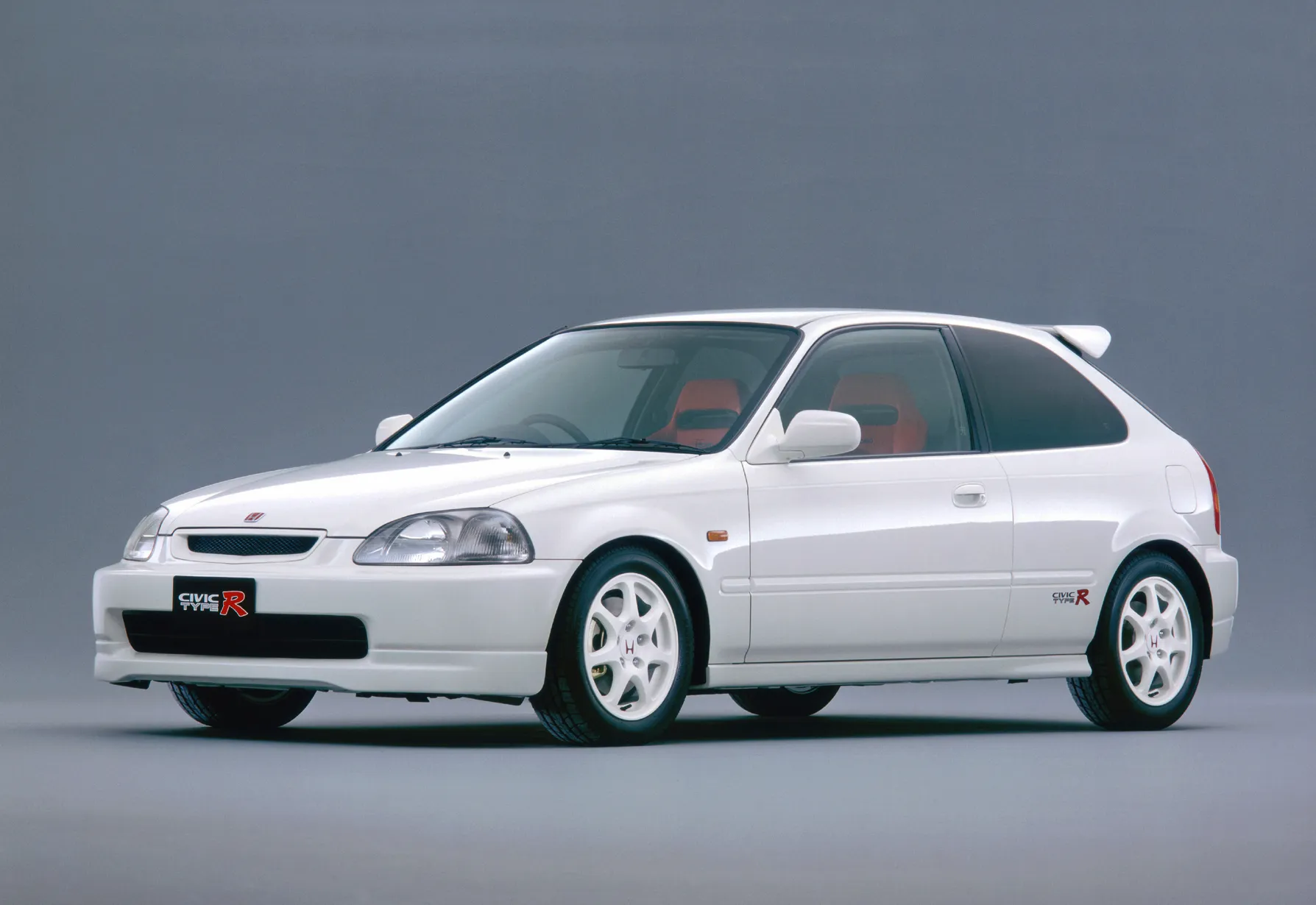
4. Honda Civic Type R (EK9)
The first Civic Type R was sold only in Japan, from 1997. Honda applied the Integra's method to a smaller, lighter hatchback: a seam-welded shell, less sound deadening, red Recaro seats, a titanium gear knob and a limited-slip differential. The 1.6-litre engine made 182 horsepower, an output per litre that no other unturbocharged road engine could match at the time, and revved to 8,400 rpm.
It weighed about 1,050 kg. On a tight road it was as quick as far more powerful cars, and it sat on double-wishbone suspension at both ends, which later Civics gave up.
It is fourth because it began the line that has carried Honda's sporting name for nearly thirty years. Every Civic Type R since is larger, heavier and faster. Most people who have driven them all still pick this one.
Verdict The first Civic Type R, and still the one to beat.
It made more power per litre than any other engine without a turbocharger on sale at the time.
- Years
- 1999–2009
- Engine
- 2.0 and 2.2 four
- Power
- 240 hp
- Built
- ~ 110,000
Road car · Japan
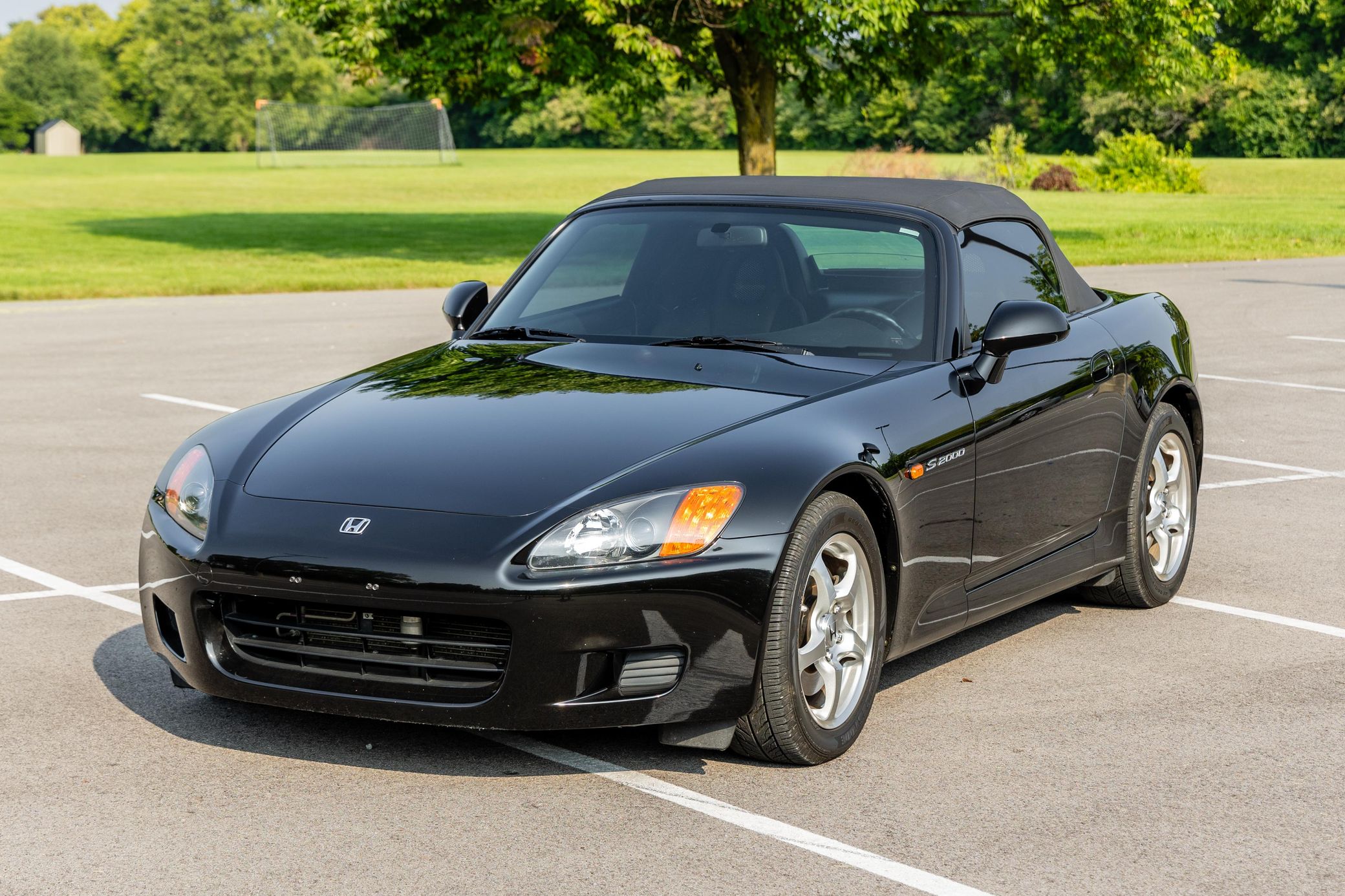
3. Honda S2000
Honda built the S2000 to mark its fiftieth year, in 1999. It is an open two-seater with the engine set entirely behind the front axle, rear-wheel drive and weight spread evenly between the ends. The 2.0-litre four makes about 240 horsepower without a turbocharger and revs to 9,000 rpm. For a decade no production engine made more power for its size without forced induction.
The gearchange is short and exact and is often called the best of any road car. The chassis is very stiff for an open car, and the early versions demand respect in the wet. Below 6,000 rpm the car is ordinary. Above it, nothing at the price came close.
It is third because it is Honda's engineering laid bare: an engine, a gearbox and a chassis, each as good as the company could make it, with little else to distract.
Verdict A 9,000 rpm engine and the best gearchange in the business.
Built to mark Honda's fiftieth anniversary. The 2.0-litre engine revs to 9,000 rpm.

- Years
- 1995–2001
- Engine
- 1.8 four
- Power
- 187 to 197 hp
Road car · Japan
2. Honda Integra Type R (DC2)
The Integra Type R of 1995 was a front-wheel-drive coupé with a 1.8-litre engine, which does not sound like much. Honda took the standard car and removed sound deadening, fitted thinner glass, added welds and bracing to the shell, and built the engine largely by hand, with polished ports and high-compression pistons. It made close to 200 horsepower and revved past 8,400 rpm, with a close-ratio five-speed gearbox and a limited-slip differential.
The result did things front-drive cars were not supposed to do. It turned in sharply, held its line under power and could be steered with the throttle. The engine pulled hard from 6,000 rpm, where the second cam profile came in, to the limiter.
It is still the car many road testers name as the best front-wheel-drive car ever made. It is second because it is the purest example of what the red Honda badge means: a modest car made extraordinary by attention to every part.
Verdict Often called the best front-wheel-drive car ever made, and fairly.
Honda took out the sound deadening and fitted a thinner windscreen to save weight. Early engines had their ports polished by hand.
The best of the 30 · Road car · Japan
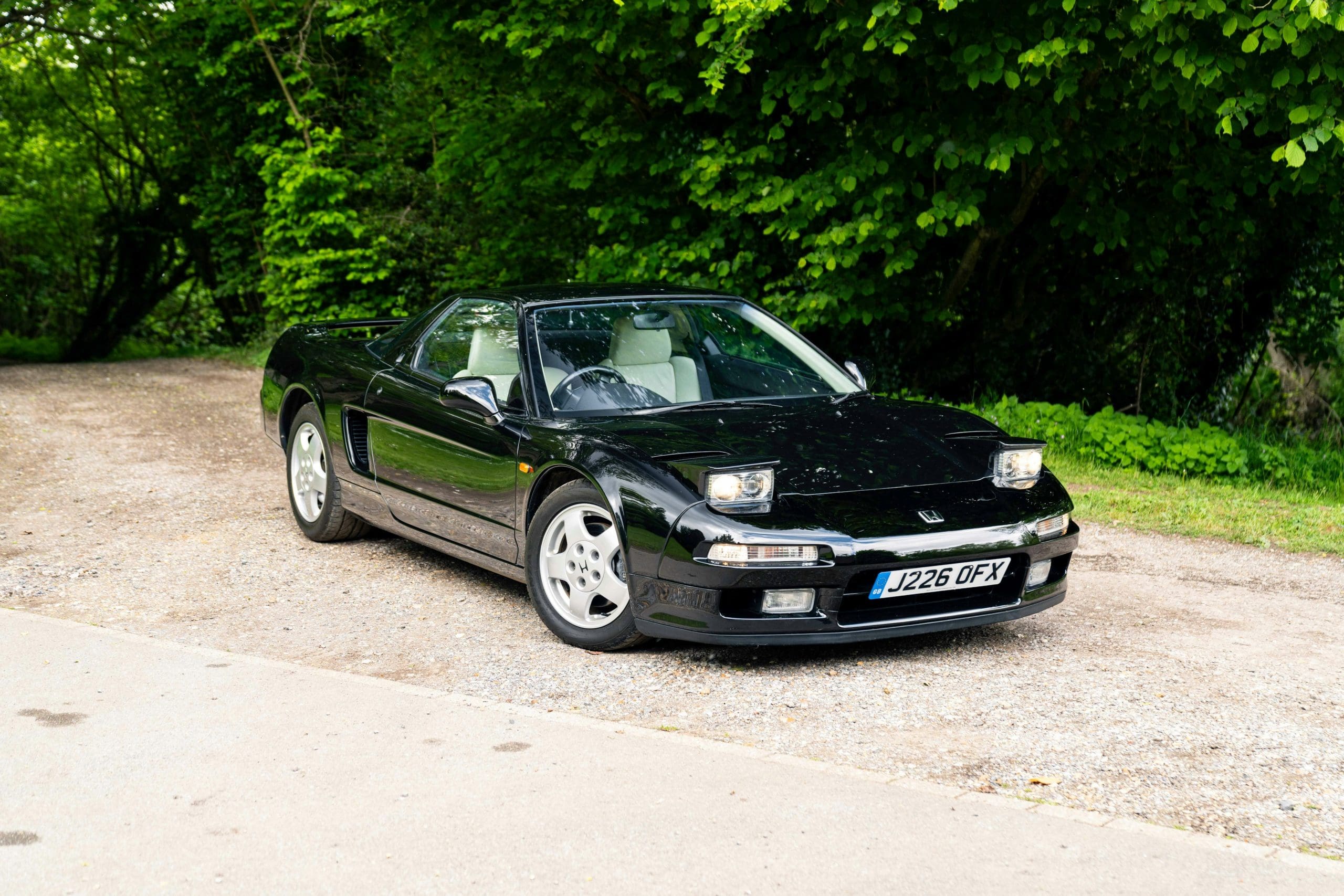
1. Honda NSX
- Years
- 1990–2005
- Engine
- 3.0 and 3.2 V6
- Power
- 270 to 290 hp
- Built
- ~ 18,000
In 1990 a supercar was something that overheated in traffic, had a heavy clutch and offered a poor view out. Honda built one that did none of those things. The NSX had the first all-aluminium body and structure on a production car, a 3.0-litre V6 with variable valve timing and titanium connecting rods that made 270 horsepower and revved to 8,000 rpm, and a cabin modelled on a fighter jet's canopy, with thin pillars and glass all round.
Ayrton Senna, then driving for McLaren-Honda, tried a prototype at Suzuka and told the engineers it was too soft. They stiffened it. The finished car could be driven to work every day and then round a circuit at a pace that embarrassed Ferrari's 348, which cost more and broke down more.
The effect on the rest of the industry was immediate. Ferrari's next cars were far better built, and Gordon Murray has said the NSX was the car he measured the McLaren F1 against for ride and usability. It stayed in production for fifteen years. It is first because it showed that a supercar could be made properly, and because no Honda before or since has changed so many other makers' cars.
Verdict The supercar that worked, and made the others try harder.
Ayrton Senna drove a prototype at Suzuka and told Honda's engineers the chassis was not stiff enough. They stiffened it.
What we left off, and why
The racing cars are on a different list: the RA272 that won Honda's first Grand Prix in 1965, the engines that powered Williams and McLaren to six constructors' titles in a row, and the touring cars and prototypes since. The motorcycles are a subject of their own.
Among the road cars, the European Civic Type R of 2007 is the one Type R left out. It was heavier and less sharp than the Japanese saloon that shared its name, which is ranked. The final Prelude of 1997 is represented by the two earlier ones, and the Integra of 1985 to 1993 by the Type R that grew out of it. The Del Sol, the Z600, the 1300 Coupé and the Civic Si of various years all came close.
The Acura models with no Honda equivalent, such as the RSX Type S and the TL Type S, are left for a list of their own. So is the new Prelude, which is too recent to place.
Tell us what we got wrongQuestions about this list
What is the best Honda ever made?
By our ranking, the NSX of 1990. It had an all-aluminium body and structure, a 3.0-litre V6 with 270 horsepower, and the everyday usability that supercars had lacked until then. The Integra Type R and the S2000 are second and third.
What does Type R mean?
Type R is Honda's name for the lightest, most focused version of a model. The R stands for racing. The first was the NSX-R of 1992, and the Integra, Civic and Accord followed. Type R cars have a stiffer shell, less sound deadening, a more powerful engine and, traditionally, red badges and red seats.
What is VTEC?
VTEC is Honda's system for changing how far and how long an engine's valves open as the revs rise. It lets a small engine behave calmly at low speed and breathe like a racing engine at high speed. It first appeared in 1989, and it is the reason engines such as the Integra Type R's can rev past 8,000 rpm.
Which Civic Type R is the best?
We rank the first one highest: the EK9 of 1997, sold only in Japan. It is the lightest, and it has double-wishbone suspension at both ends. The current car, the FL5, is the most capable and is ranked ninth.
Are Acuras counted as Hondas on this list?
Yes, where the same car was sold under both names. The Acura NSX and Acura Integra Type R are the Honda NSX and Honda Integra Type R everywhere outside North America, and they are listed under the Honda name.
We started from every road car Honda has sold since the S500 of 1963 and cut the list to thirty. Each car was scored on four things: what it achieved; how it drives; how it looks; and what it changed for the company.
Generations of one model are ranked separately where they are different cars in practice. The Civic Type R appears as six generations, the NSX as the original, the NSX-R and the 2016 car, the CRX and the Prelude twice each. The S500 and S600 are counted with the S800.
Specifications are taken from our own pages where they cover the car. Many of the cars here were sold only in Japan, and their power figures are converted from the metric horsepower Honda quoted there.