
Mercedes-Benz has been making cars for longer than anyone. Karl Benz patented the first one in 1886, and the companies that became Mercedes-Benz have built road cars in every year since. That is a hundred and forty years to choose from, and thirty places.
It is also a strange company to rank. The same firm has made the most glamorous cars of their day and the taxis of half the world, limousines for heads of state and saloons with racing engines. This list has all of them.
What counts
Road cars that Mercedes-Benz, or Mercedes before 1926, built and sold. Cars developed by AMG count, including the Hammer, which AMG built before it was part of the company.
Racing cars are out. The Silver Arrows of the 1930s and 1950s, the 300 SLR and the experimental C111 are for another list. The SSK and the CLK GTR are in, because each was sold with number plates, however little else it had in common with a road car.
How we ranked them
We weighed four things: what the car achieved, how it drives, how it looks, and what it changed for Mercedes-Benz.
With this maker, engineering counts for more than usual. Mercedes at its best has built cars with a thoroughness nobody else attempted, and some of the cars here are on the list for how they were made as much as for how they go. A few are not sporting at all. We think a list of the best Mercedes-Benz cars that left out the 600 and the W123 would have missed the point.
Rarity and price did not count. The cheapest car on the list sold in millions.
Then we argued. This is a gut list, and the test is whether someone who knows these cars looks at the order and thinks it feels right. Similar cars do not sit side by side, so the SLs, the fast saloons and the Black Series cars are spread out.
How to read this list
We start at thirty and count down. Each car has its years, engine and power, the case for its place, and a one-line verdict. The top ten get the longest treatment. If you want the order without the suspense, the full ranking is in the table below.
Tell us what we got wrong in the comments.
See the full ranking, 1 to 30
30 to 21
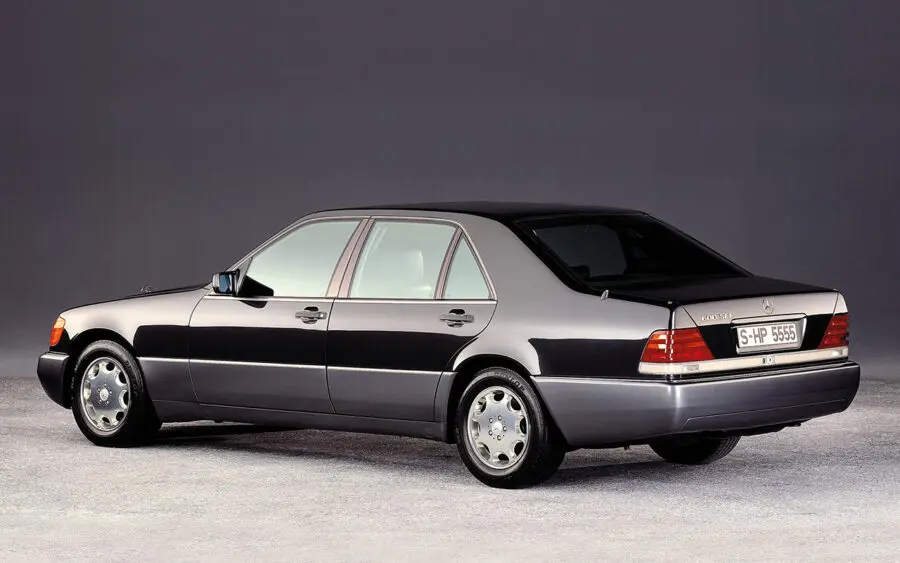
30. Mercedes-Benz S-Class (W140)
1991–98 · 2.8 six to 6.0 V12 · Up to 402 hp · ~ 406,000
The S-Class of 1991 was designed in the 1980s, when Mercedes engineers were told to build the best car they could. It had double-glazed windows, doors that pulled themselves shut, and a V12 at the top of the range. It was huge, late, and far over budget. Nothing built since has felt as solid.
Verdict The last Mercedes built without counting the cost.
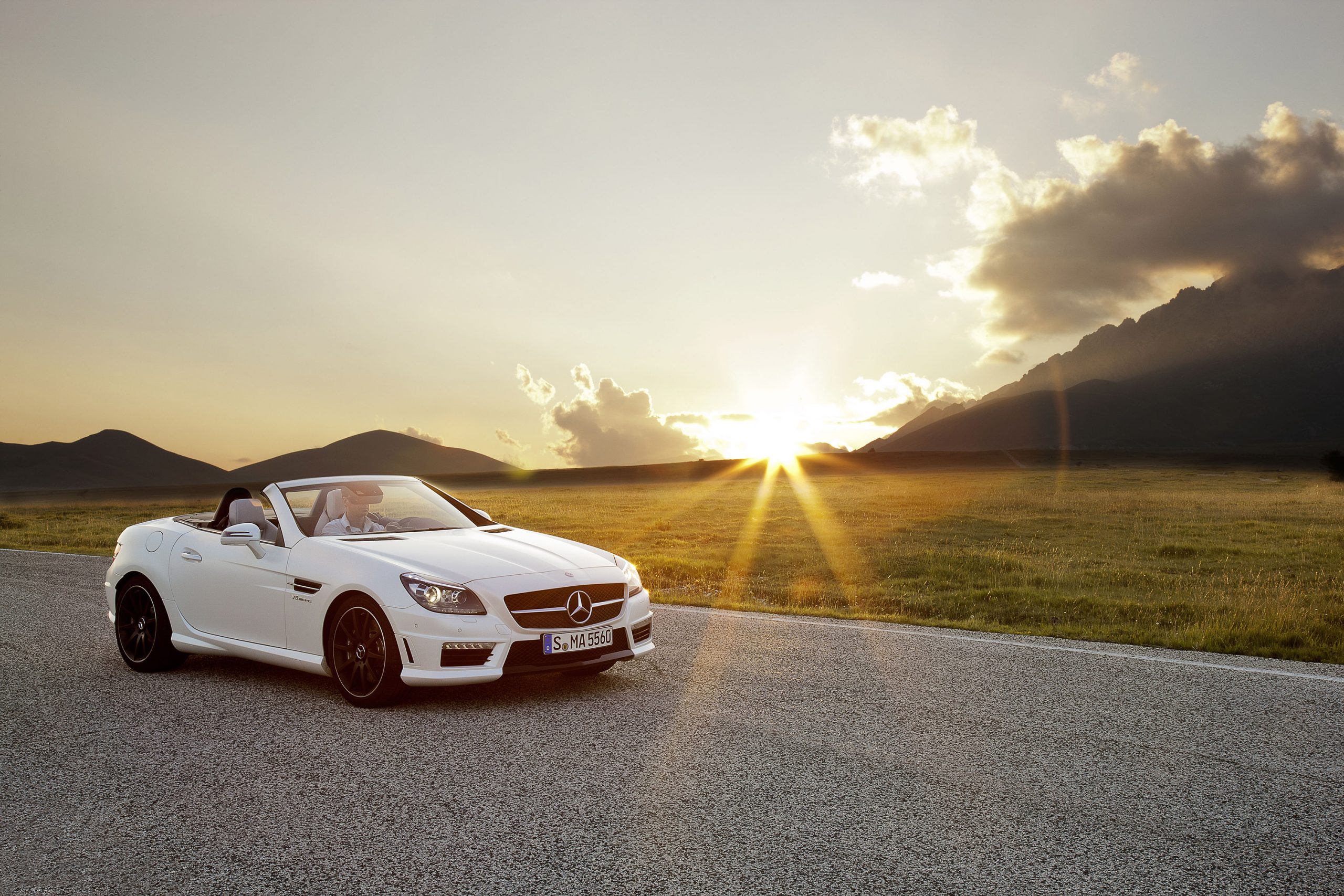
29. Mercedes-Benz SLK 55 AMG
2012–15 · 5.5 V8 · 415 hp
The small folding-hardtop roadster with a large engine. The 2012 SLK 55 had a 5.5-litre V8 without turbochargers, 415 horsepower, and the ability to shut down four cylinders at a cruise. It was not the sharpest car in its class. It was the only one with a V8, and it sounded like it.
Verdict A V8 where nobody else offered one.
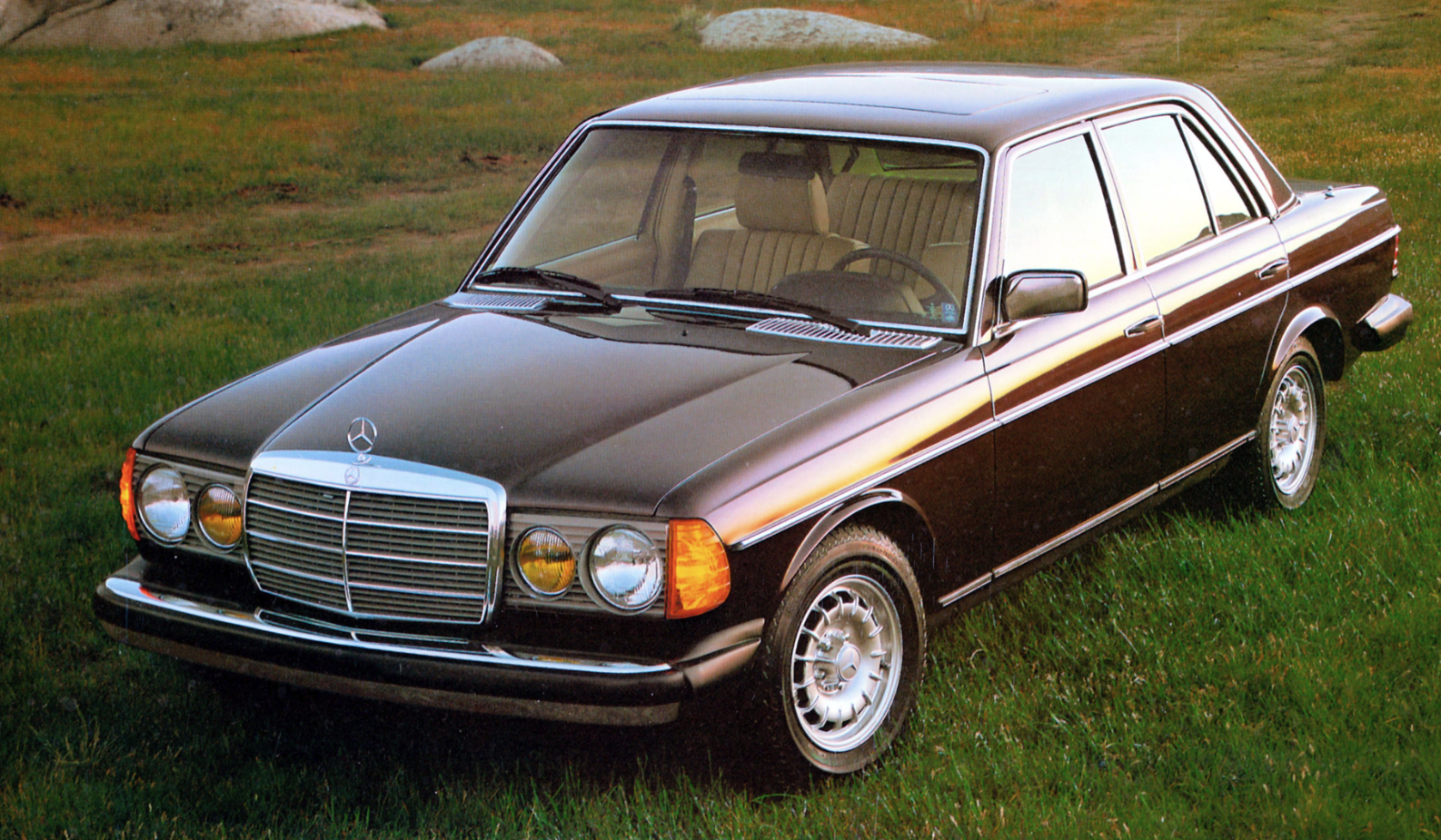
28. Mercedes-Benz W123
1976–86 · Four, five and six cylinders, petrol and diesel · 55 to 185 hp · ~ 2.7 million
There is nothing sporting about it, and it belongs here anyway. The W123 of 1976 was the mid-size Mercedes saloon, estate and coupé, most often with a diesel engine, and it was built to a standard that made it close to indestructible. Mercedes sold about 2.7 million. Thousands are still working as taxis in Africa and the Middle East.
Verdict The car that would not wear out.
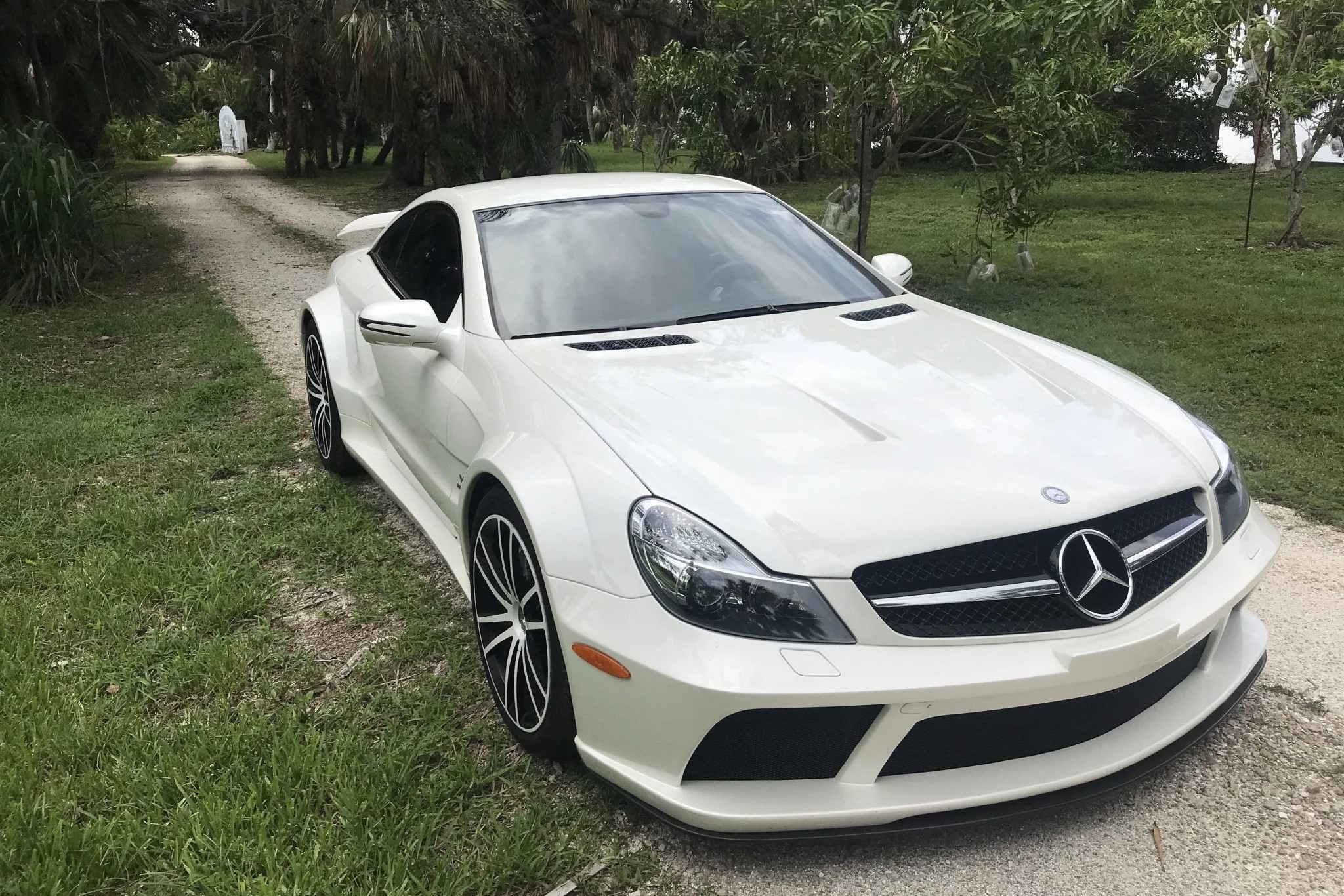
27. Mercedes-Benz SL65 AMG Black Series
2008–10 · 6.0 twin-turbo V12 · 661 hp · 350
AMG took the heaviest, most luxurious SL, with its twin-turbocharged V12, and tried to turn it into a track car. The folding roof was replaced by a fixed carbon one, the body was widened, and 250 kg came out. It had 661 horsepower and more torque than the gearbox could take. It is absurd, and 350 people bought one.
Verdict The V12 SL, wearing a carbon roof and a scowl.
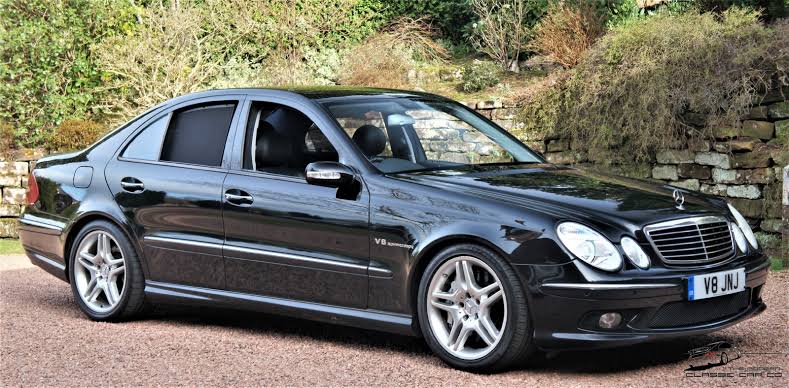
26. Mercedes-Benz E55 AMG (W211)
2003–06 · 5.4 supercharged V8 · 469 hp
A supercharged 5.4-litre V8 with 469 horsepower in an E-Class with nothing much to mark it out. In 2003 the E55 was the fastest-accelerating saloon you could buy, and it would see off most supercars from a set of traffic lights. The estate version did the same with a dog in the back.
Verdict The quiet saloon that outran supercars.
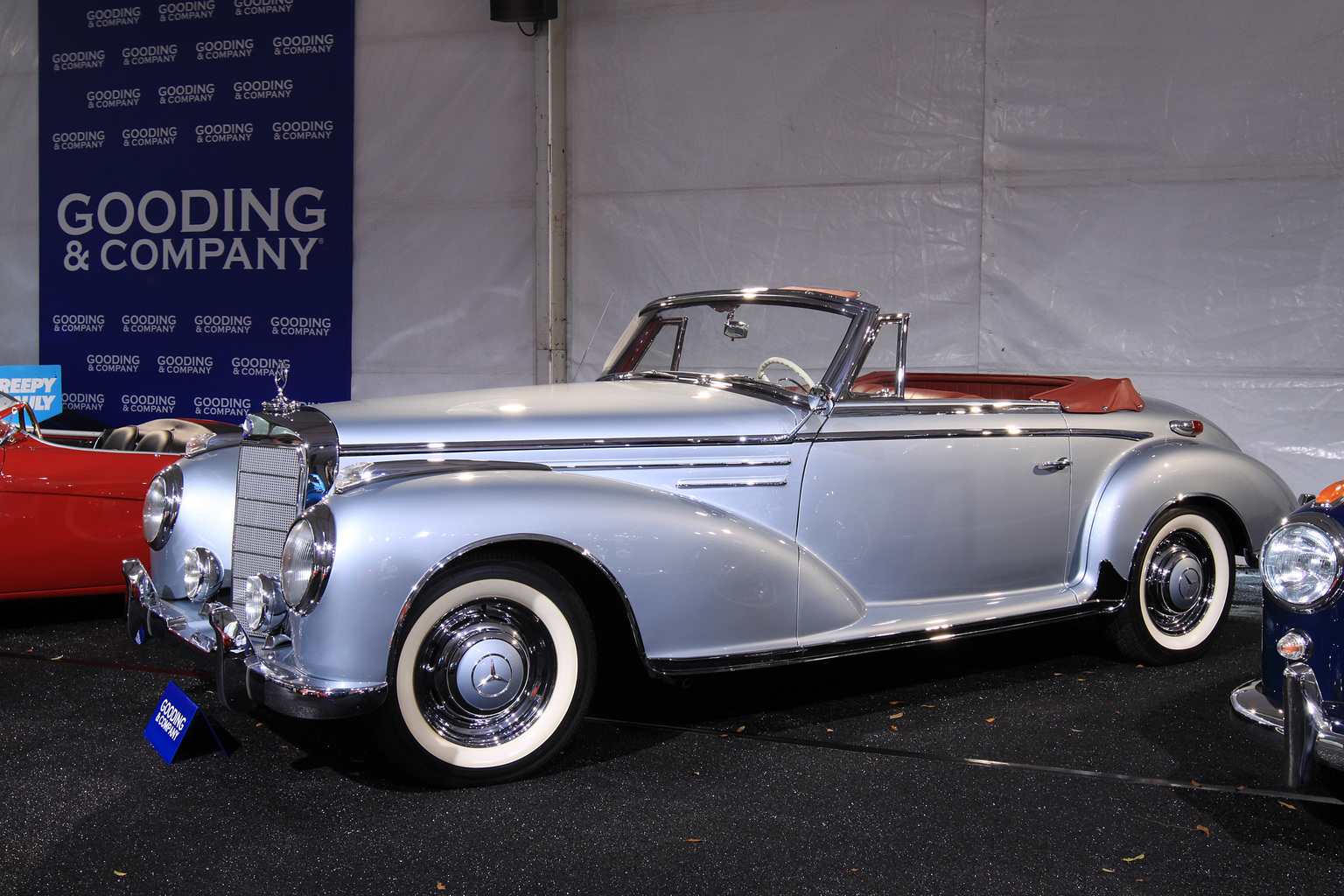
25. Mercedes-Benz 300 Sc
1955–58 · 3.0 straight-six, fuel injected · 175 hp · 200
In the 1950s Mercedes rebuilt its place at the top of the market with the 300 S, a hand-built coupé, cabriolet or roadster for heads of state and film stars. The Sc of 1955 took the fuel-injected engine from the 300 SL. Only 200 were made, and it cost more than a Gullwing.
Verdict The grand Mercedes, back after the war.
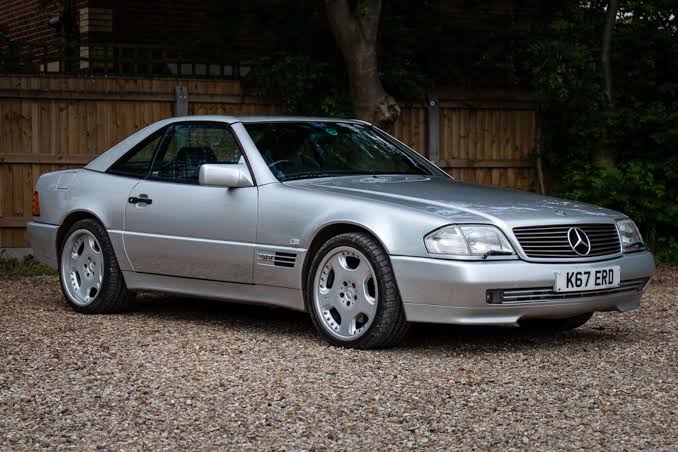
24. Mercedes-Benz SL600 (R129)
1993–2001 · 6.0 V12 · 389 hp · 11,086
The SL of the 1990s was the best-built open car in the world, with a roll bar that sprang up in a fraction of a second if the car began to turn over. The SL600 added a 6.0-litre V12 of 389 horsepower. It did not make the SL a sports car. It made it effortless.
Verdict Twelve cylinders, no fuss.
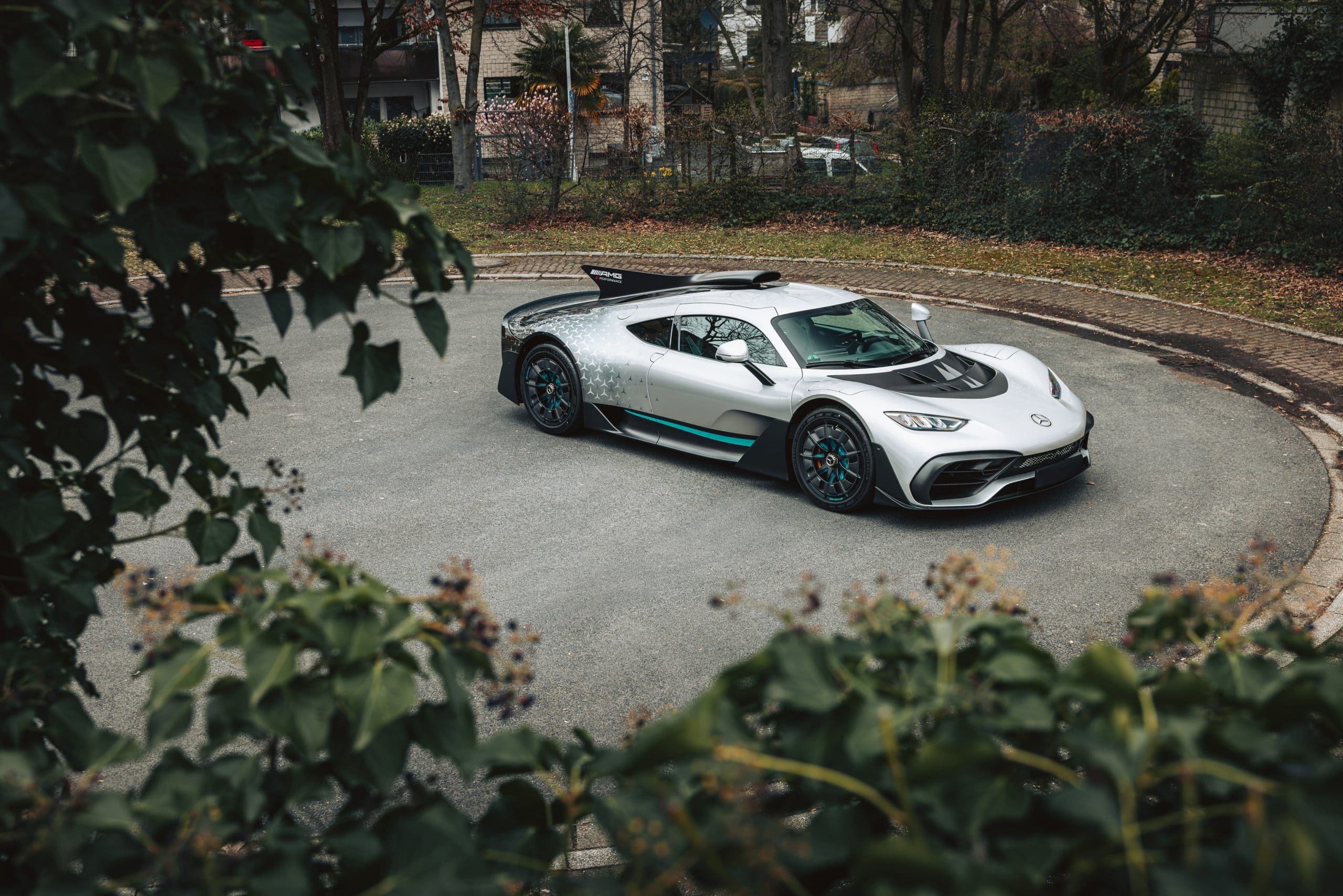
23. Mercedes-AMG AMG ONE
2022–24 · 1.6 turbo V6 hybrid · 1,049 hp · 275
A Formula One engine in a road car, which turned out to be far harder than AMG had expected. The 1.6-litre turbocharged V6 and its hybrid system came from the championship-winning cars and took five years to make usable on the road. The result has 1,049 horsepower. Mercedes built 275. It is astonishing, and nobody will try it again.
Verdict The F1 car for the road. Once was enough.
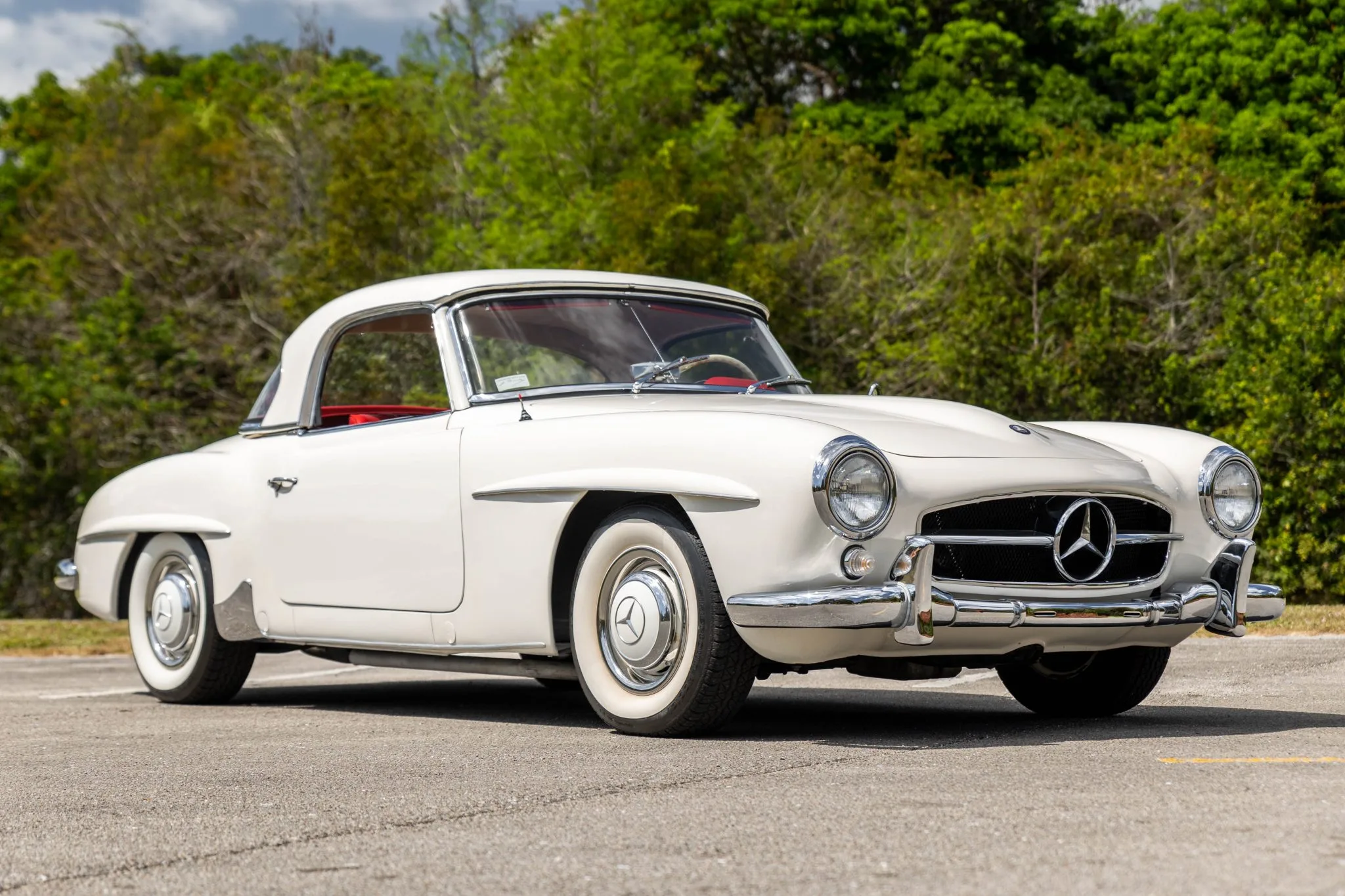
22. Mercedes-Benz 190 SL
1955–63 · 1.9 four · 104 hp · 25,881
The 300 SL's little sister, launched alongside it and sold for about half the price. The 190 SL had a 1.9-litre four-cylinder of 104 horsepower and was never quick. It was pretty, comfortable and well made, and Mercedes sold nearly 26,000, eight times as many as the 300 SL.
Verdict The looks, without the speed or the price.
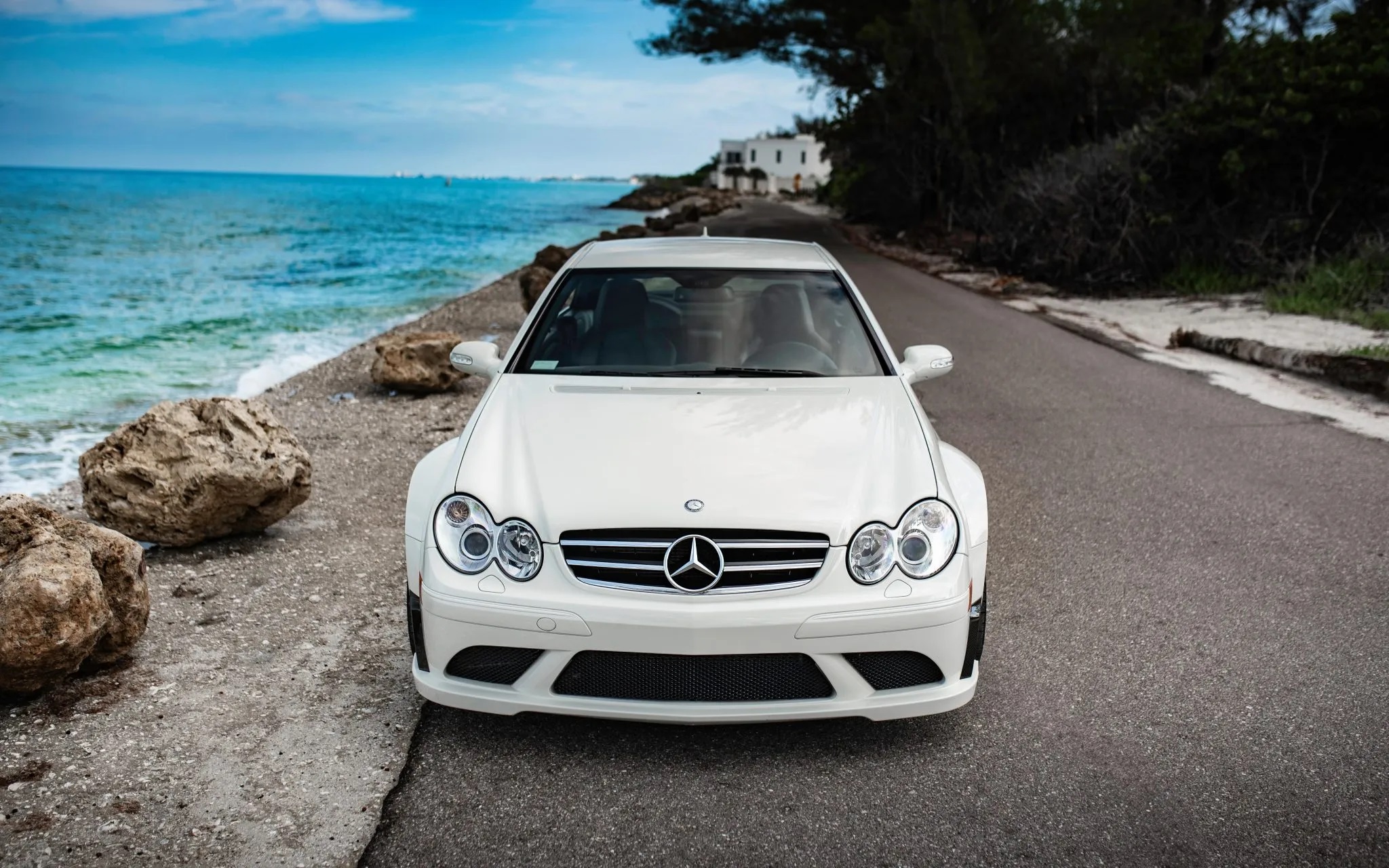
21. Mercedes-Benz CLK63 AMG Black Series
2007–09 · 6.2 V8 · 507 hp · 700
The second Black Series car, and the one that established what the name meant. AMG took the CLK coupé it was already running as the Formula One safety car, widened the wings, fitted adjustable suspension and fixed-back seats, and removed the rear seats. The 6.2-litre V8 gave 507 horsepower. Seven hundred were built.
Verdict Where the Black Series found its form.
20 to 11

20. Mercedes-Benz 560 SEC
1985–91 · 5.5 V8 · Up to 300 hp · 28,929
The 1980s S-Class was the car by which every other luxury saloon was judged, and the SEC was its coupé: a long, pillarless two-door with frameless windows and a motorised arm that offered you the seat belt. The 560 of 1985 had a 5.5-litre V8 with up to 300 horsepower. It was quiet, very fast across a continent, and built to a standard that Mercedes itself later struggled to match. Nearly 29,000 were sold. Racing drivers, bankers and pop stars all had one. Well-kept examples are now rising steeply in price.
Verdict The definitive car of the 1980s autobahn.
Did you know: A motorised arm hands the seat belt forward to the driver and passenger.
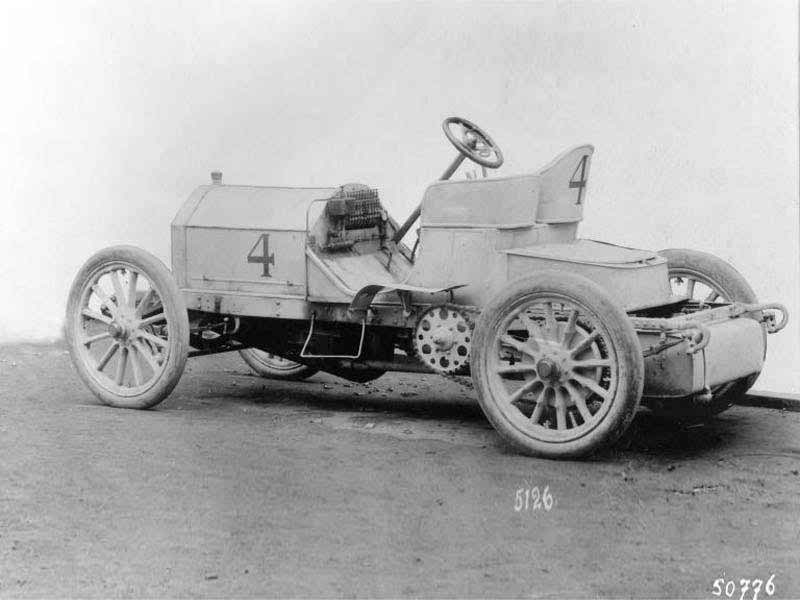
19. Mercedes Simplex 60 hp
1903–04 · 9.2 four · 60 hp
Before Mercedes-Benz there was Mercedes, a name the Daimler company adopted at the request of Emil Jellinek, a dealer in Nice who named the cars after his daughter. The cars designed for him by Wilhelm Maybach from 1901 set the pattern that others followed for decades: a pressed-steel frame, an engine at the front under a bonnet, a honeycomb radiator and a gate gearchange. The 60 hp of 1903 was the fastest of them, with a 9.2-litre engine, and would exceed 70 mph. A borrowed one won that year's Gordon Bennett race.
Verdict The first modern car, and it was fast.
Did you know: Mercedes was the name of the daughter of Emil Jellinek, the dealer who ordered the cars.
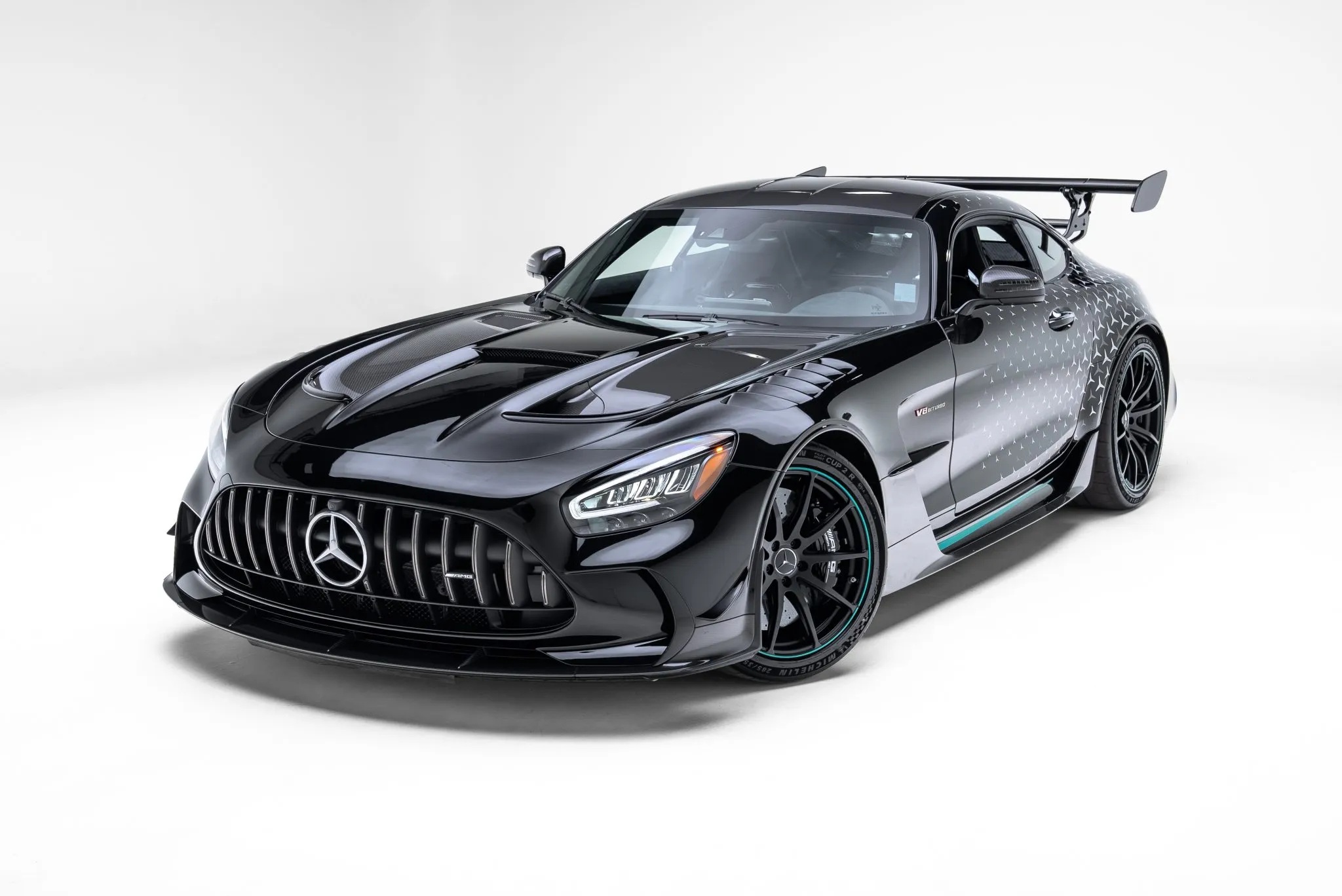
18. Mercedes-AMG AMG GT Black Series
2020–21 · 4.0 twin-turbo V8, flat-plane crankshaft · 720 hp
AMG's second car of its own was smaller and sharper than the SLS, and the Black Series of 2020 was its last word. The twin-turbocharged 4.0-litre V8 was given a flat-plane crankshaft, like a racing engine's, for 720 horsepower. The front end came from the GT3 racing car, and the rear wing had two elements, one of which moved. It lapped the Nürburgring in 6 minutes 43.6 seconds, a record for a production car. It is less charming than the SLS Black Series and a great deal faster.
Verdict A GT3 car that happens to be road legal.
Did you know: It lapped the Nürburgring in 6 minutes 43.6 seconds in 2020, then the record for a production car.
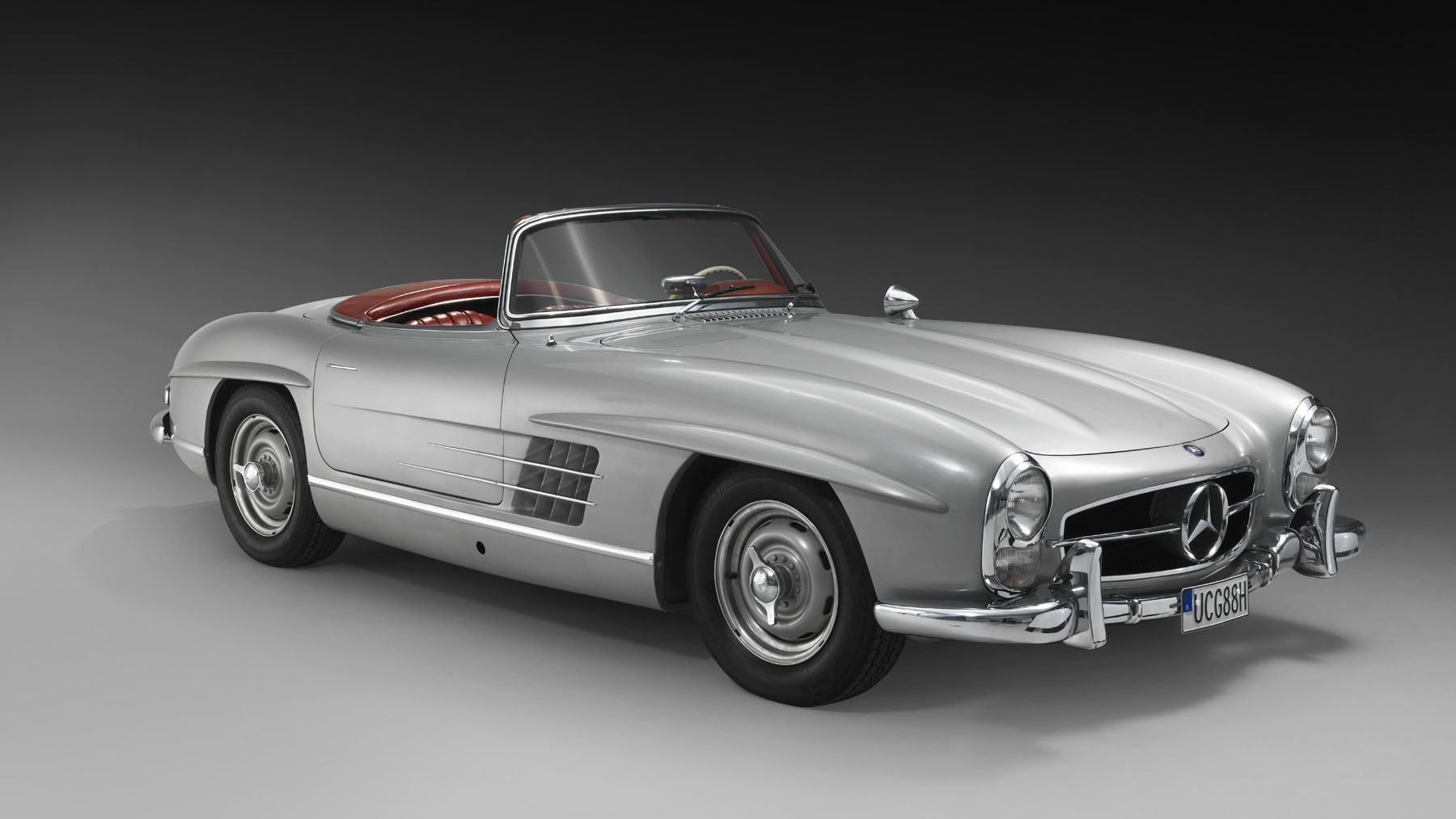
17. Mercedes-Benz 300 SL Roadster
1957–63 · 3.0 straight-six, fuel injected · 215 hp · 1,858
In 1957 the Gullwing gave way to an open car. The frame was redesigned so that ordinary doors would fit, the rear suspension was changed to make the handling less sudden, and there was a boot that could hold luggage. Disc brakes came later. It was heavier than the coupé and a better car to use, and Mercedes sold 1,858 of them, more than it had sold Gullwings. For years the Roadster was the cheaper of the two. It is the one many owners would sooner drive.
Verdict The Gullwing, made easier to live with.
Did you know: More Roadsters were sold than Gullwings.
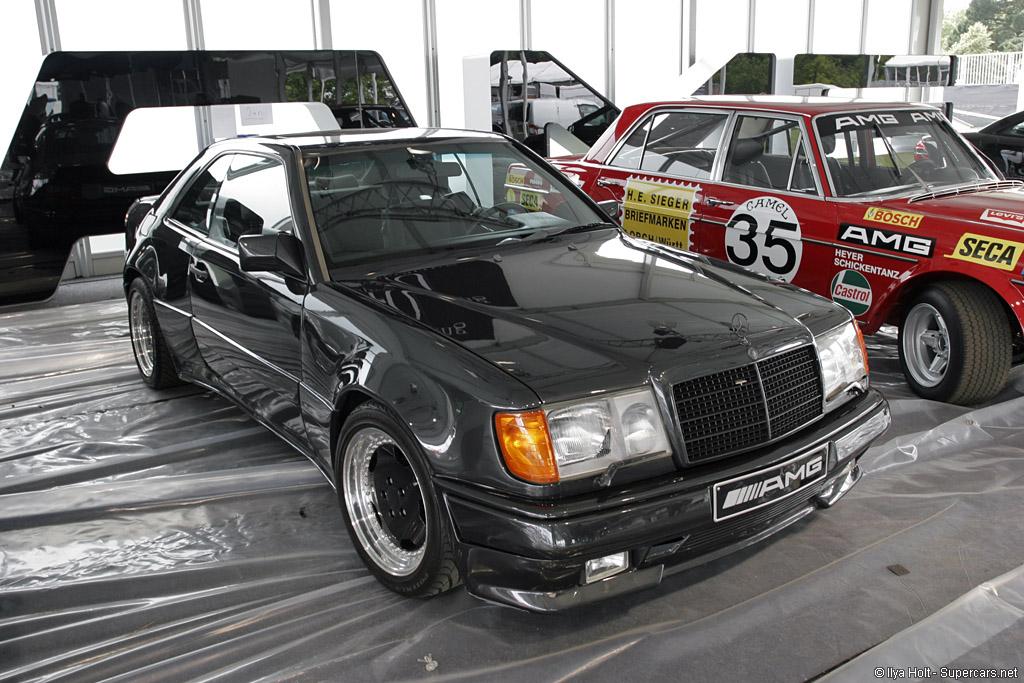
16. Mercedes-Benz and AMG AMG Hammer
1986–91 · 5.6 and 6.0 V8 · Up to 385 hp
In 1986 AMG was an independent tuner in a village near Stuttgart. It took the new mid-size Mercedes saloon, the 300E, and fitted the 5.6-litre V8 from the S-Class with its own four-valve cylinder heads. Later cars had 6.0 litres and 385 horsepower. The Hammer would reach about 190 mph, faster than a Ferrari Testarossa, with four doors and a boot. American magazines gave it the name. It cost as much as a house, and few were made. Mercedes noticed. The 500E, higher up this list, was the factory's answer, and AMG eventually became part of the company.
Verdict The tuner's car that the factory had to answer.
Did you know: AMG was an independent tuner when it built the Hammer. Mercedes did not buy a stake until 1999.
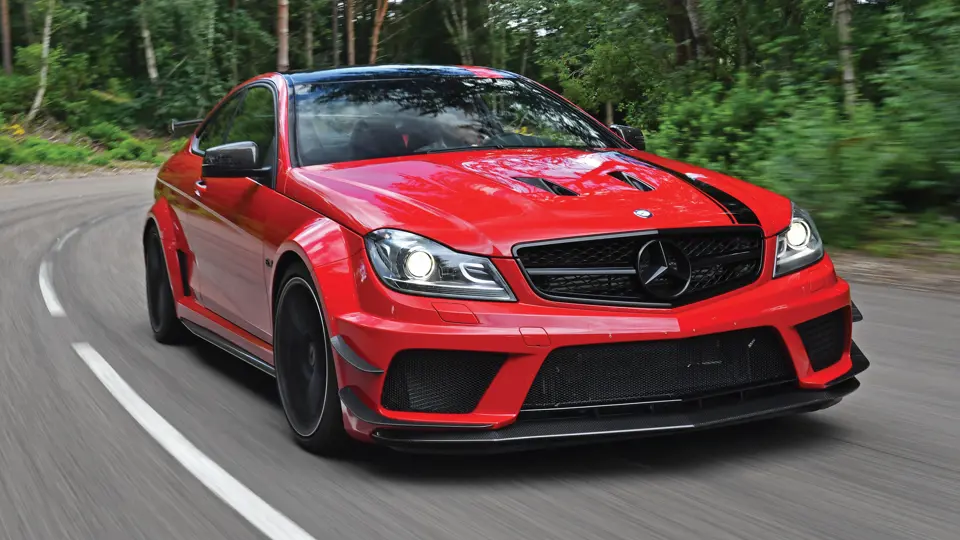
15. Mercedes-Benz C63 AMG Black Series
2011–13 · 6.2 V8 · 510 hp · ~ 800
The C63 AMG put a 6.2-litre V8 in the smallest saloon Mercedes made, and it was not a subtle car. The Black Series coupé of 2011 took the idea as far as it would go. Power rose to 510 horsepower using parts from the SLS engine, the wings were widened to cover a much broader track, and the rear seats came out. It slides whenever the driver wants and sometimes when he does not. About 800 were built. Of all the Black Series cars it is the one that is most fun at speeds that are still legal.
Verdict The big V8 in the small car, turned all the way up.
Did you know: Its engine used pistons, rods and a crankshaft from the SLS AMG.
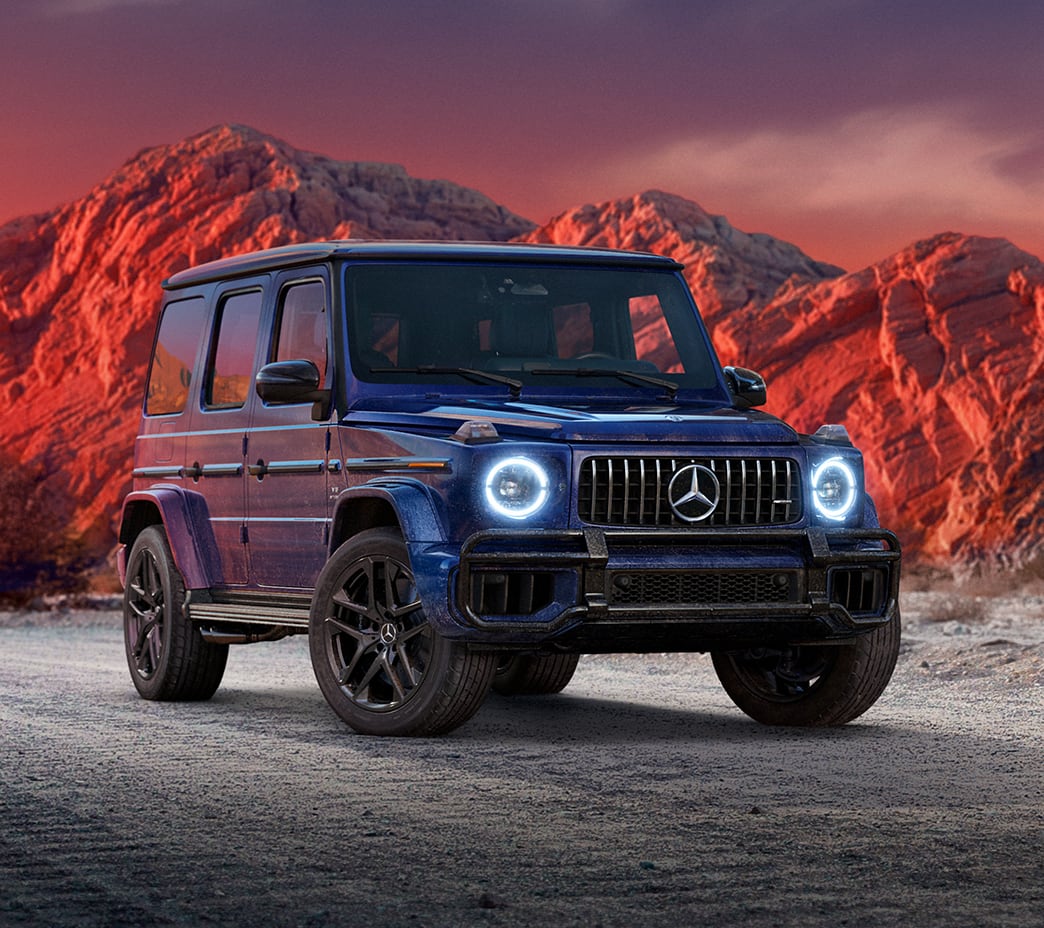
14. Mercedes-Benz G-Class
From 1979 · Four, five, six, eight and twelve cylinders · From 72 hp to more than 600
It was designed in the 1970s with the Austrian firm Steyr-Daimler-Puch as a working vehicle for armies, farmers and foresters: a ladder frame, two solid axles and three differentials that could each be locked. It went on sale in 1979 and has been built in Graz ever since. Somewhere along the way it became a luxury car, and AMG began fitting V8 and V12 engines that the shape was never meant for. It still looks much as it did. Almost nothing else on sale has been in production for 45 years.
Verdict Built for armies, adopted by everyone else.
Did you know: It has been built in Graz, Austria, since 1979.
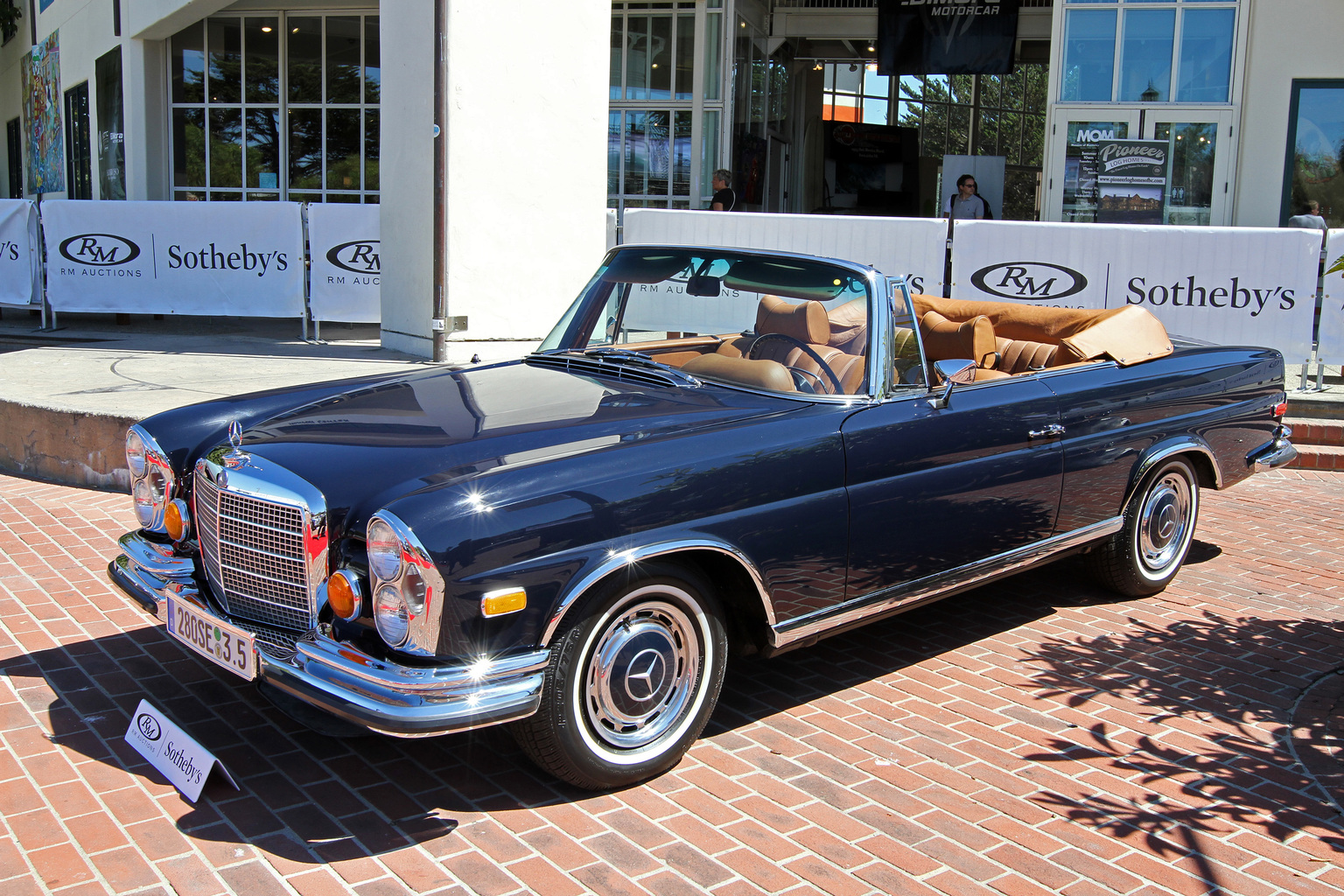
13. Mercedes-Benz 280 SE 3.5 Cabriolet
1969–71 · 3.5 V8 · 200 hp · 1,232
The end of an era, and Mercedes knew it. The big two-door coupés and cabriolets of the 1960s were assembled largely by hand, with wood, leather and chrome fitted by craftsmen. In 1969 the cabriolet received the company's new 3.5-litre V8, with 200 horsepower, and a lower, wider grille. It was quiet, quick enough and beautifully made. Only 1,232 were built before production ended in 1971, and Mercedes did not offer another four-seat convertible for twenty years. It is now the most sought-after postwar Mercedes that is not a 300 SL.
Verdict The last of the hand-built open cars.
Did you know: It was the last four-seat open Mercedes to be finished largely by hand.
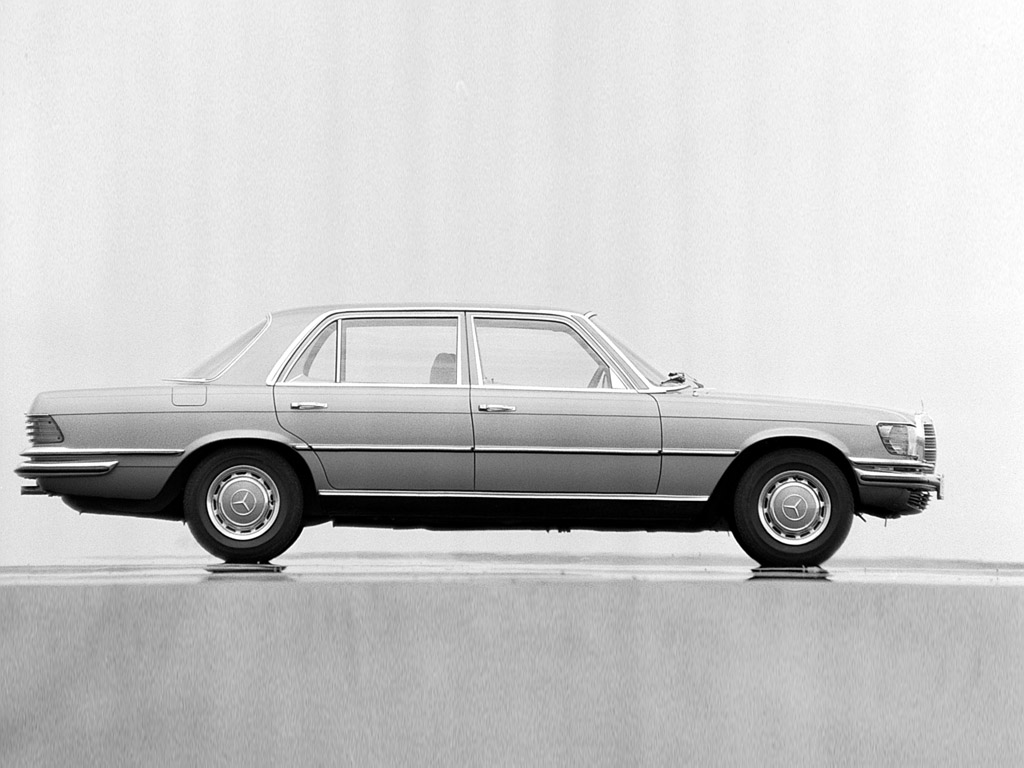
12. Mercedes-Benz 450 SEL 6.9
1975–80 · 6.9 V8 · 286 hp · 7,380
The successor to the 6.3, and a more complete car. In 1975 Mercedes fitted the S-Class with a 6.9-litre V8 of 286 horsepower and a hydropneumatic suspension that kept the car level whatever the load or the road. It would cruise at 140 mph in near silence. It cost more than twice as much as an ordinary S-Class, and it arrived just after a fuel crisis. Mercedes still sold 7,380. Many were ordered without the badge on the boot, which tells you about the people who bought them.
Verdict The fastest saloon in the world, with the badge left off.
Did you know: Many buyers had the 6.9 badge left off the boot.
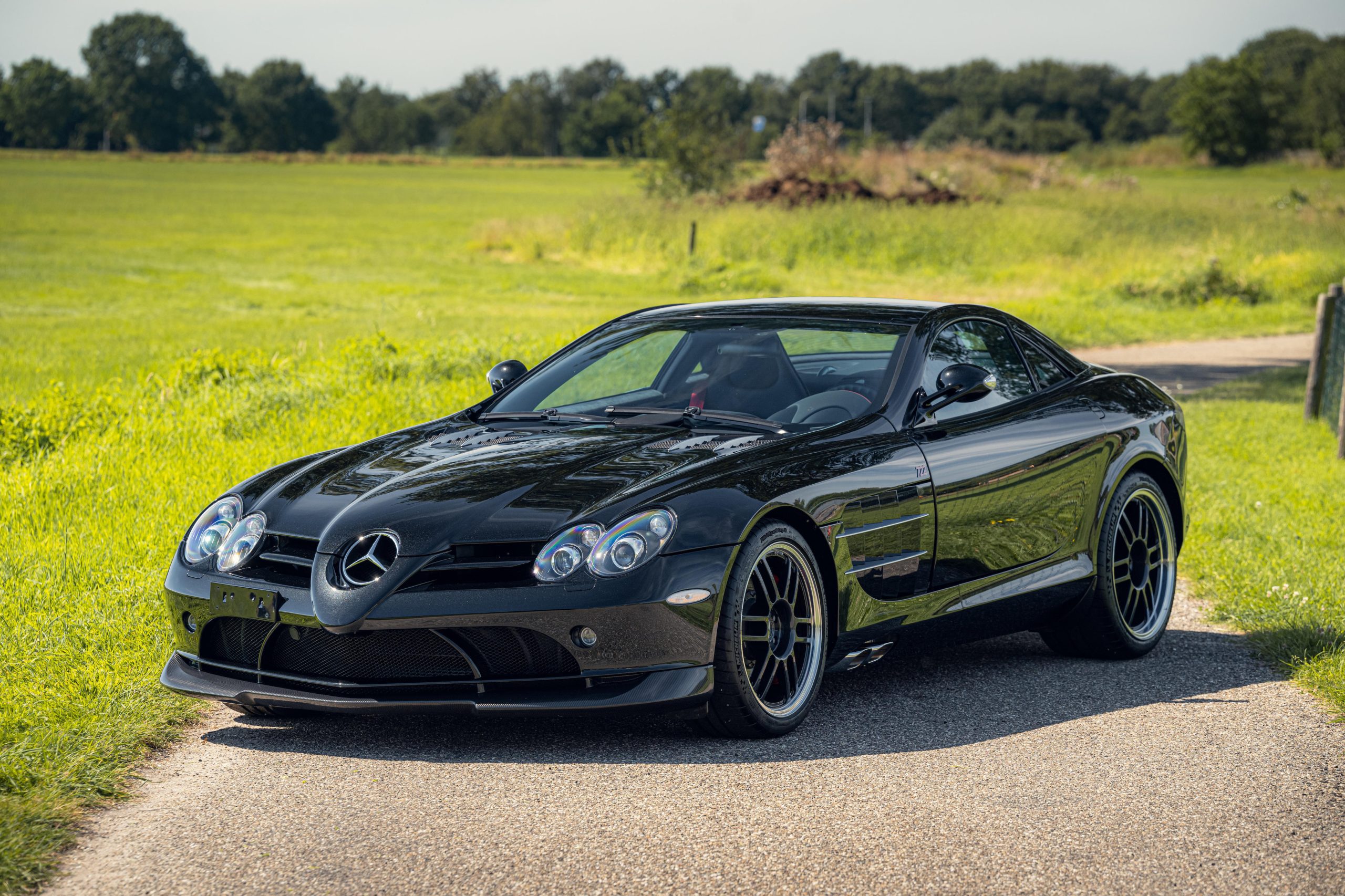
11. Mercedes-Benz SLR McLaren 722
2006–09 · 5.4 supercharged V8 · 641 hp · 150
Mercedes and McLaren were winning Formula One races together when they agreed to build a road car. The SLR had a carbon-fibre body made at McLaren's factory in Woking, a supercharged 5.4-litre V8 built by AMG and mounted behind the front axle, and exhausts that came out of the sides. It was heavier and more of a grand tourer than McLaren's people wanted. The 722 edition of 2006 moved it their way: 641 horsepower, stiffer suspension, bigger brakes and less weight. The number was Stirling Moss's on the 1955 Mille Miglia. Only 150 were built.
Verdict The SLR that McLaren wanted to build.
Did you know: 722 was Stirling Moss's number on the 1955 Mille Miglia: he started at 7.22 in the morning.
The top 10
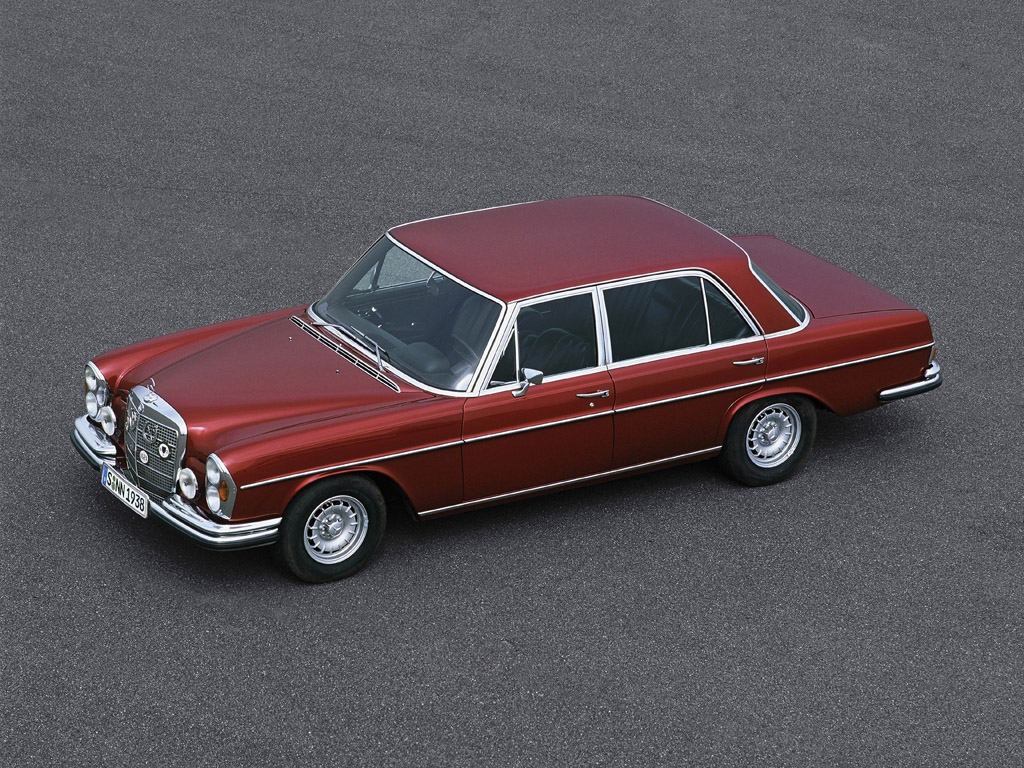
- Years
- 1968–72
- Engine
- 6.3 V8
- Power
- 250 hp
- Built
- 6,526
Road car · Germany
10. Mercedes-Benz 300 SEL 6.3
Erich Waxenberger, an engineer in the test department, wondered what would happen if the 6.3-litre V8 from the 600 limousine were fitted to the ordinary S-Class saloon. He built one in secret, working in the evenings. The story goes that his boss, Rudolf Uhlenhaut, heard it drive past his window, asked what it was, and took it out himself.
The 300 SEL 6.3 went on sale in 1968. It had 250 horsepower, air suspension and room for five, and it reached 60 mph in about six and a half seconds, which made it the quickest saloon in the world and quicker than most sports cars. Mercedes sold 6,526. A racing version prepared by a small tuning firm called AMG finished second in the Spa 24 Hours in 1971. Every fast Mercedes saloon since, and the whole of AMG, starts here.
Verdict The first fast saloon, built in secret.
The engineer Erich Waxenberger built the first one without telling his managers.
- Years
- 1963–71
- Engine
- 2.3 to 2.8 straight-six
- Power
- 150 to 170 hp
- Built
- 48,912
Road car · Germany
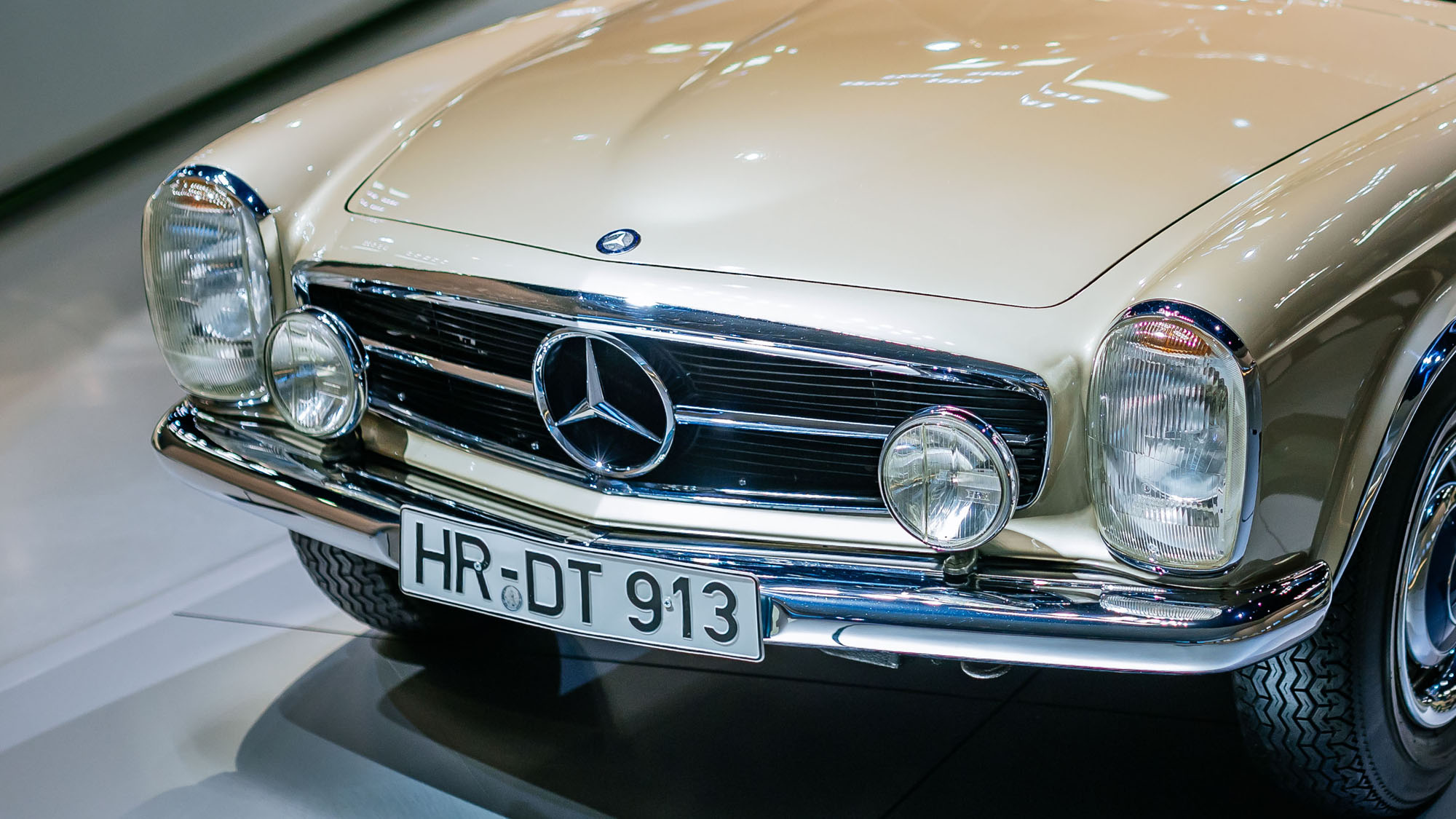
9. Mercedes-Benz 280 SL "Pagoda"
After the 300 SL and the 190 SL, Mercedes replaced both with one car. The W113 of 1963 was neither a racer for the road nor a boulevard cruiser. It was a compact, comfortable two-seater with a fuel-injected straight-six, and it was the first sports car designed around a rigid passenger cell with crumple zones at each end.
The hardtop dipped in the middle, which made it stronger and allowed bigger windows, and someone said it looked like a pagoda. The name stuck to the whole car. It began as the 230 SL and ended in 1971 as the 280 SL, with 170 horsepower. It is not fast. It is one of the most elegant cars ever made, it can be driven every day, and almost 49,000 buyers agreed. Every SL since has followed its pattern, not the Gullwing's.
Verdict The SL as it has been ever since.
The hardtop dips in the middle, which made it stronger and gave the car its nickname.
- Years
- 2013–14
- Engine
- 6.2 V8
- Power
- 622 hp
Road car · Germany
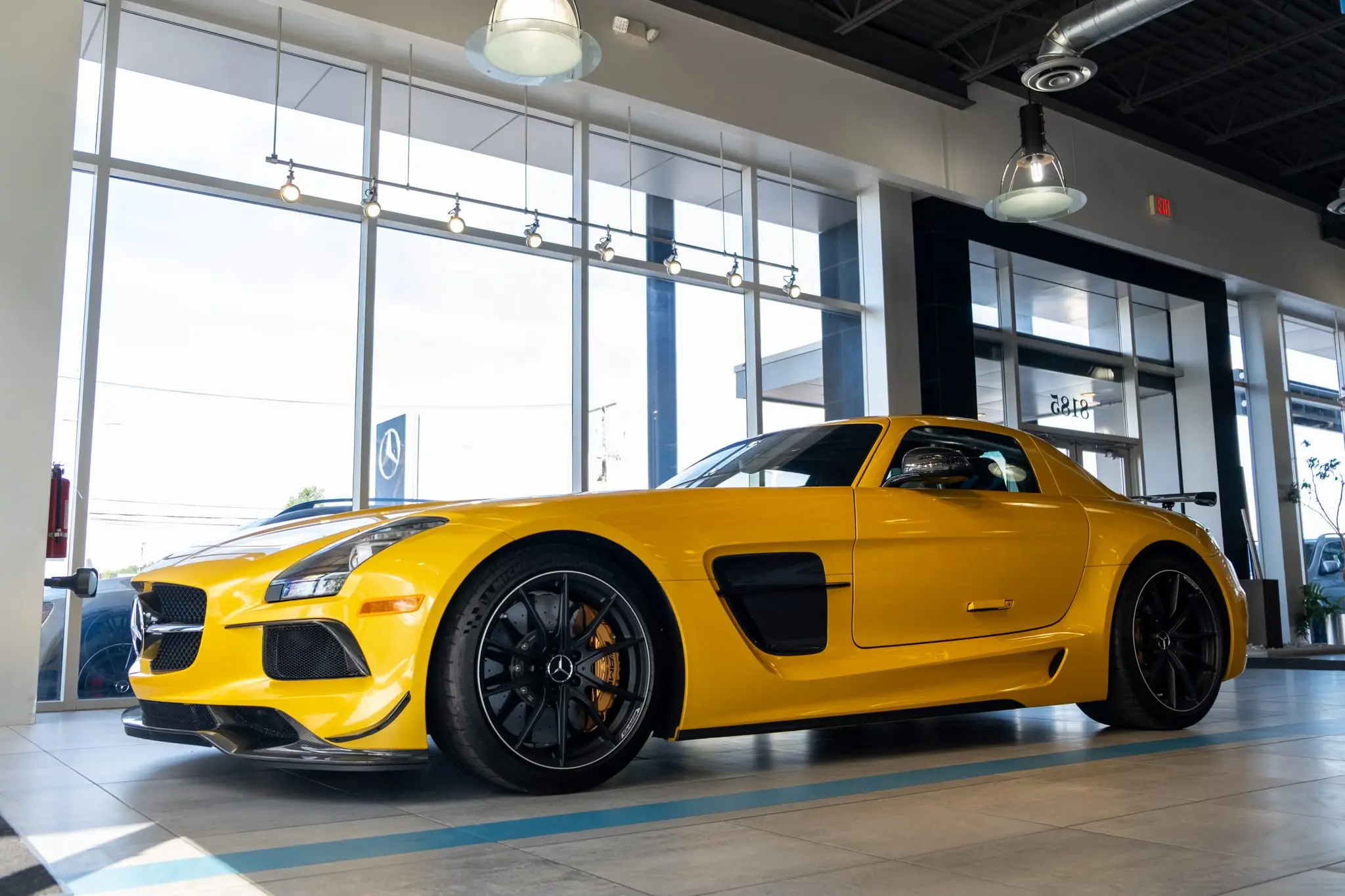
8. Mercedes-Benz SLS AMG Black Series
The SLS was the first car AMG designed from nothing: an aluminium chassis, a 6.2-litre V8 set far back behind the front wheels, and doors that opened upwards in tribute to the 300 SL. It was fast and it was an event. It was also a little soft at the limit.
The Black Series of 2013 dealt with that. AMG took out 70 kg, raised the rev limit to 8,000 rpm for 622 horsepower, widened the track, fitted carbon-ceramic brakes and stiffened everything. The engine is the last and best of AMG's big naturally aspirated V8s, and at full throttle it sounds like a racing car from the 1960s. The result is the sharpest road car AMG had made to that point, and many who have driven both rate it above the turbocharged cars that followed. It is the highest-placed car of this century on the list.
Verdict AMG's own car, with the edges sharpened.
The SLS was the first car AMG designed and built entirely on its own.
- Years
- 1990
- Engine
- 2.5 four, 16 valves
- Power
- 232 hp
- Built
- 502
Road car · Germany
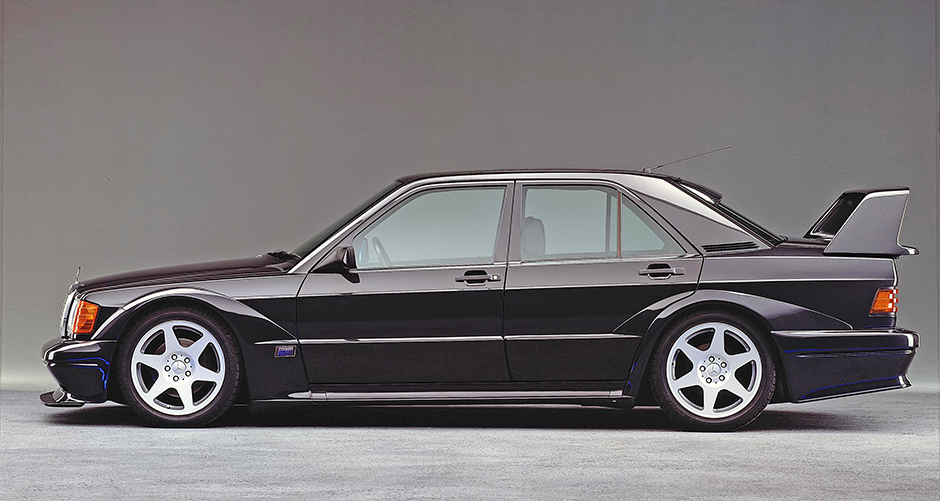
7. Mercedes-Benz 190E 2.5-16 Evolution II
The 190E was the small, sensible Mercedes. Then the company decided to race it against BMW's M3 in the German touring car championship, and the rules said that whatever went on the racing car had to be sold to the public.
The Evolution II of 1990 was the result. It had a 2.5-litre four-cylinder with a 16-valve head developed by Cosworth, revving past 7,000 rpm for 232 horsepower, wheel-arch extensions bolted to the body, and a rear wing so tall that the story goes a BMW engineer said the laws of physics must be different in Stuttgart. The wing was adjustable, and it worked. All 502 road cars were painted the same blue-black. The racing version took the championship in 1992. It is the least likely Mercedes ever made, and one of the most wanted.
Verdict The sensible saloon that grew a wing.
All 502 were painted the same blue-black metallic.
- Years
- 1991–94
- Engine
- 5.0 V8
- Power
- 322 hp
- Built
- 10,479
Road car · Germany
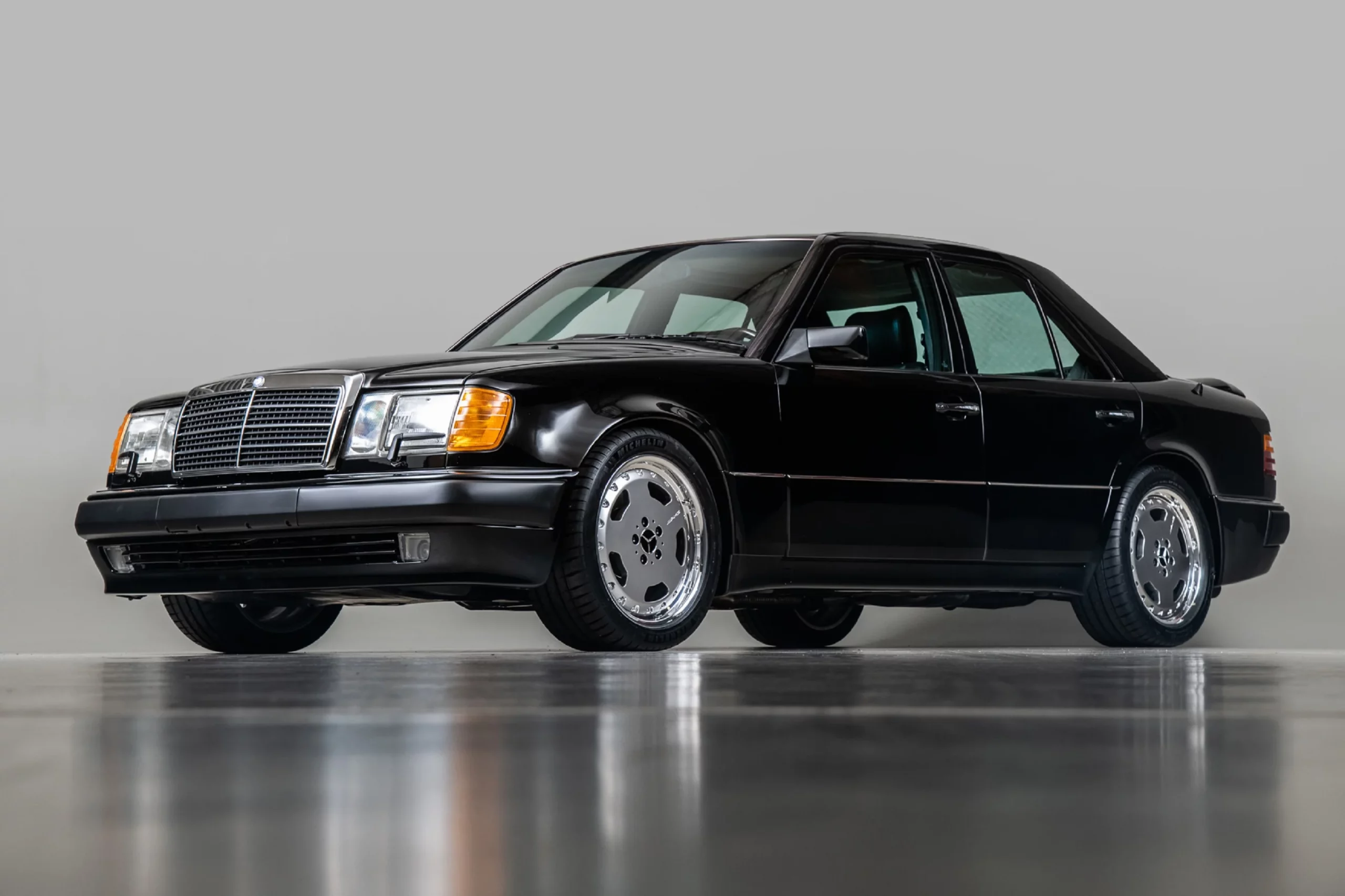
6. Mercedes-Benz 500E
From the outside it is a W124 saloon with slightly wider front wings. That is the appeal. In 1990 Mercedes wanted a fast version of its mid-size car and did not have room on its own lines to build one, because the body was too wide for the assembly track. Porsche, short of work at the time, took the job.
Each body went from Mercedes to Porsche's Zuffenhausen plant to be assembled by hand, back to Mercedes for paint, and to Porsche again for the engine and final assembly. It took 18 days. The engine was the 5.0-litre V8 from the SL, with 322 horsepower, and the car would reach 60 mph in about six seconds and run all day at 155 mph. Mercedes built 10,479. It is quick, discreet and built to outlast its owner, and people who know cars nod when they see one.
Verdict A Mercedes built by Porsche. Nobody need know.
Each car was shuttled between the Mercedes and Porsche factories during assembly, which took 18 days.
- Years
- 1963–81
- Engine
- 6.3 V8
- Power
- 250 hp
- Built
- 2,677
Road car · Germany
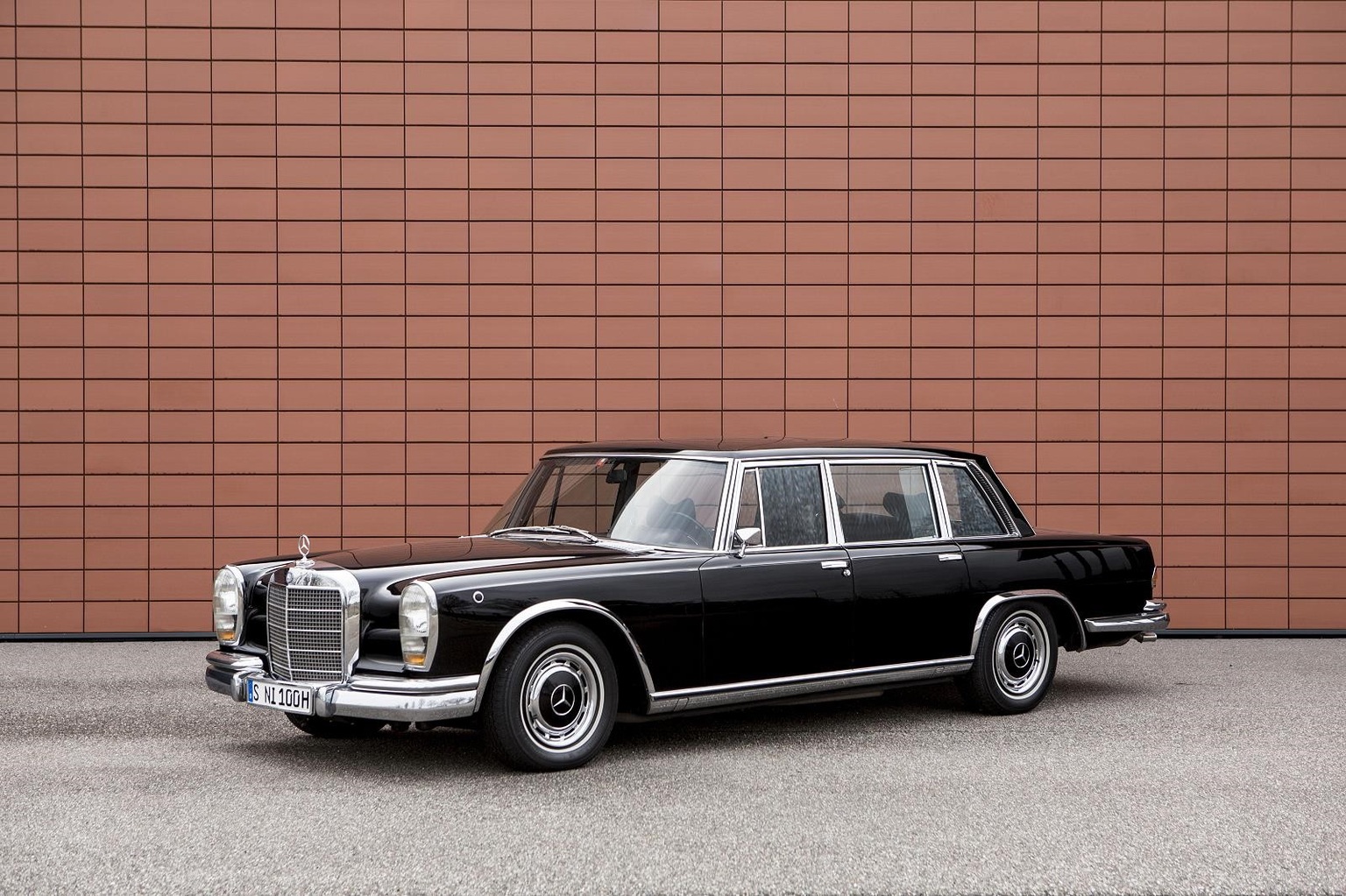
5. Mercedes-Benz 600
In 1963 Mercedes-Benz set out to build the best car in the world and did not ask what it would cost. The 600 had a new 6.3-litre V8, air suspension, and a hydraulic system running at very high pressure that worked the windows, the seats, the sunroof, the boot lid and the door latches, all in silence.
It came as a saloon or as a long Pullman limousine with up to six doors. Each was built to order, and the list of owners is a history of the 1960s and 1970s: popes, presidents, film stars, pop singers and a good many dictators. It weighed two and a half tonnes and would still reach 125 mph. Mercedes made 2,677 in eighteen years and is believed to have lost money on every one. Nothing since, from anyone, has been engineered with so little regard for expense.
Verdict The best car in the world, at any price.
The windows, seats, boot lid and sunroof are all worked by hydraulics, in silence.
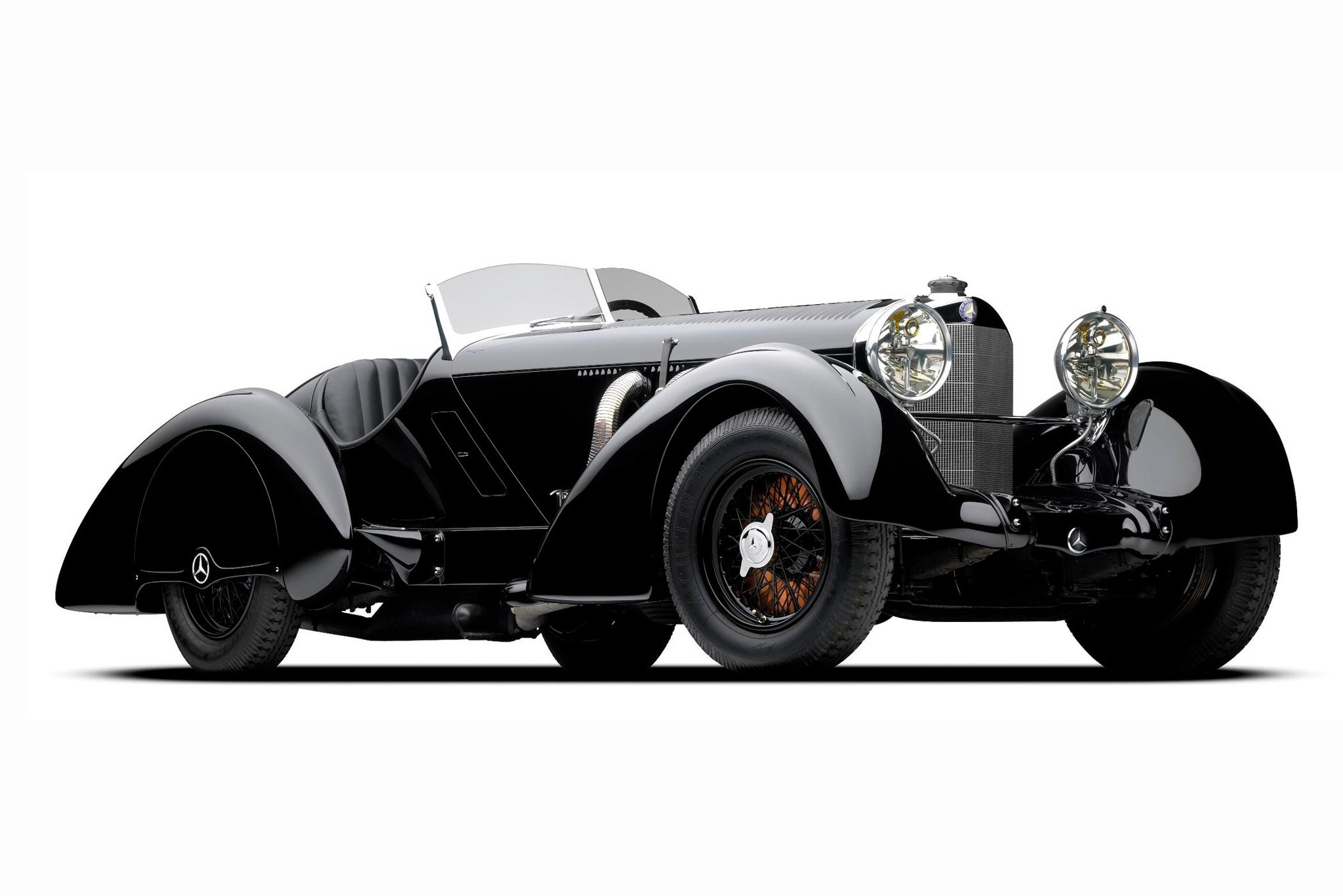
- Years
- 1928–32
- Engine
- 7.1 supercharged straight-six
- Power
- 200 to 225 hp
- Built
- Fewer than 40
Road car · Germany
4. Mercedes-Benz SSK
The cars that made the name Mercedes-Benz feared were the big supercharged sixes of the late 1920s, designed under Ferdinand Porsche before he left to set up on his own. The SSK was the short-chassis version, built for hillclimbs: a 7.1-litre engine with a supercharger that the driver brought in with the last inch of the accelerator, giving up to 225 horsepower.
It was sold as a road car, and its owners raced it. Rudolf Caracciola won the Irish Grand Prix in one in 1930, and in a lightened SSKL he won the 1931 Mille Miglia, the first driver who was not Italian to do so. Fewer than 40 were built. It is on this list, and not held for the racing one, because it was delivered with wings, lamps and a hood. Nothing with wings and lamps was faster.
Verdict The white car with the scream.
The K is for kurz, short. The chassis was shortened for hillclimbs.
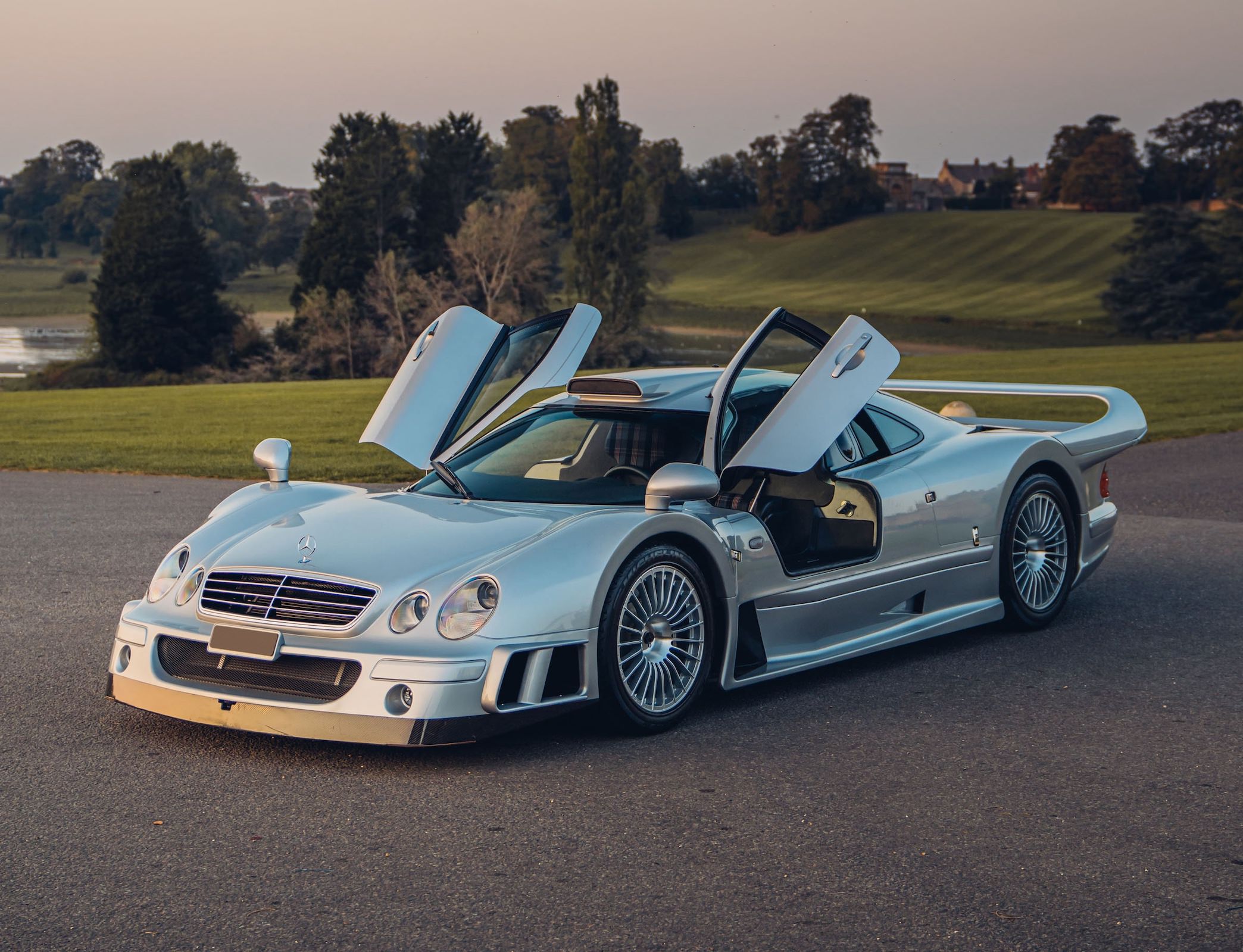
- Years
- 1998–99
- Engine
- 6.9 V12
- Power
- 604 hp
- Built
- ~ 25
Road car · Germany
3. Mercedes-Benz CLK GTR
In 1997 Mercedes decided to enter the FIA GT Championship, and AMG designed and built a car for it in four months. The rules required road-going versions. So after winning the title two years running, AMG built them: about 25 cars with a carbon-fibre tub, a 6.9-litre V12 of 604 horsepower behind the seats, and the racing car's suspension.
The road car shares its headlamps, its tail lamps and its name with the CLK coupé, and almost nothing else. It is low, wide and very loud, with a sequential gearbox worked by paddles and luggage space in the sills. It was listed for a time as the most expensive production car in the world. Other makers softened their homologation cars for the road. Mercedes largely did not, and of all the road cars it has built this is the furthest from a Mercedes saloon.
Verdict A GT1 racing car with number plates.
It was listed as the most expensive production car in the world when new.
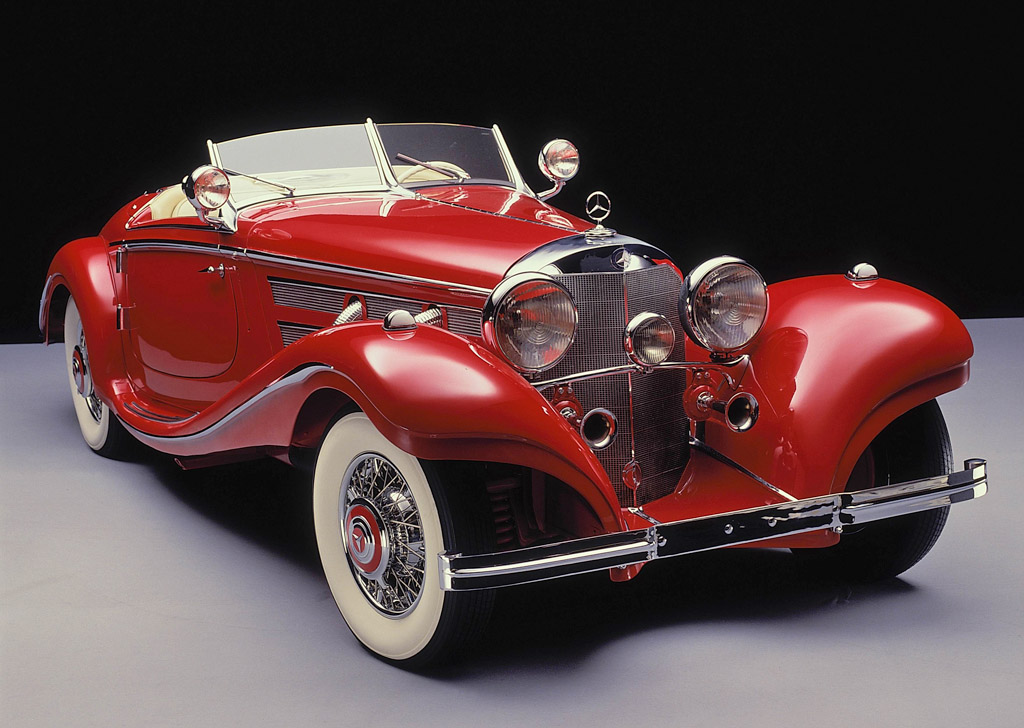
- Years
- 1936–40
- Engine
- 5.4 supercharged straight-eight
- Power
- 115 hp, 180 with the supercharger
- Built
- ~ 25
Road car · Germany
2. Mercedes-Benz 540K Special Roadster
In the 1930s the grandest cars in the world came from a handful of makers, and Mercedes-Benz built the one that looked most as if it was moving while standing still. The 540K had a 5.4-litre straight-eight with a supercharger that engaged when the driver pressed the accelerator to the floor, taking power from 115 to 180 horsepower with a howl that could be heard streets away.
Most 540Ks were stately cabriolets and saloons. The Special Roadster was something else: a two-seater with a long bonnet, a low raked windscreen, sweeping wings and a tail that tapered to nothing, built in the factory's own coachworks at Sindelfingen. It weighed two and a half tonnes and was meant for crossing Europe at speed, not for corners. About 25 were made. They were among the most expensive cars in the world when new, and they are again now.
Verdict The most glamorous car of the 1930s.
The supercharger cut in only when the accelerator was pressed to the floor.
The best of the 30 · Road car · Germany
1. Mercedes-Benz 300 SL Gullwing
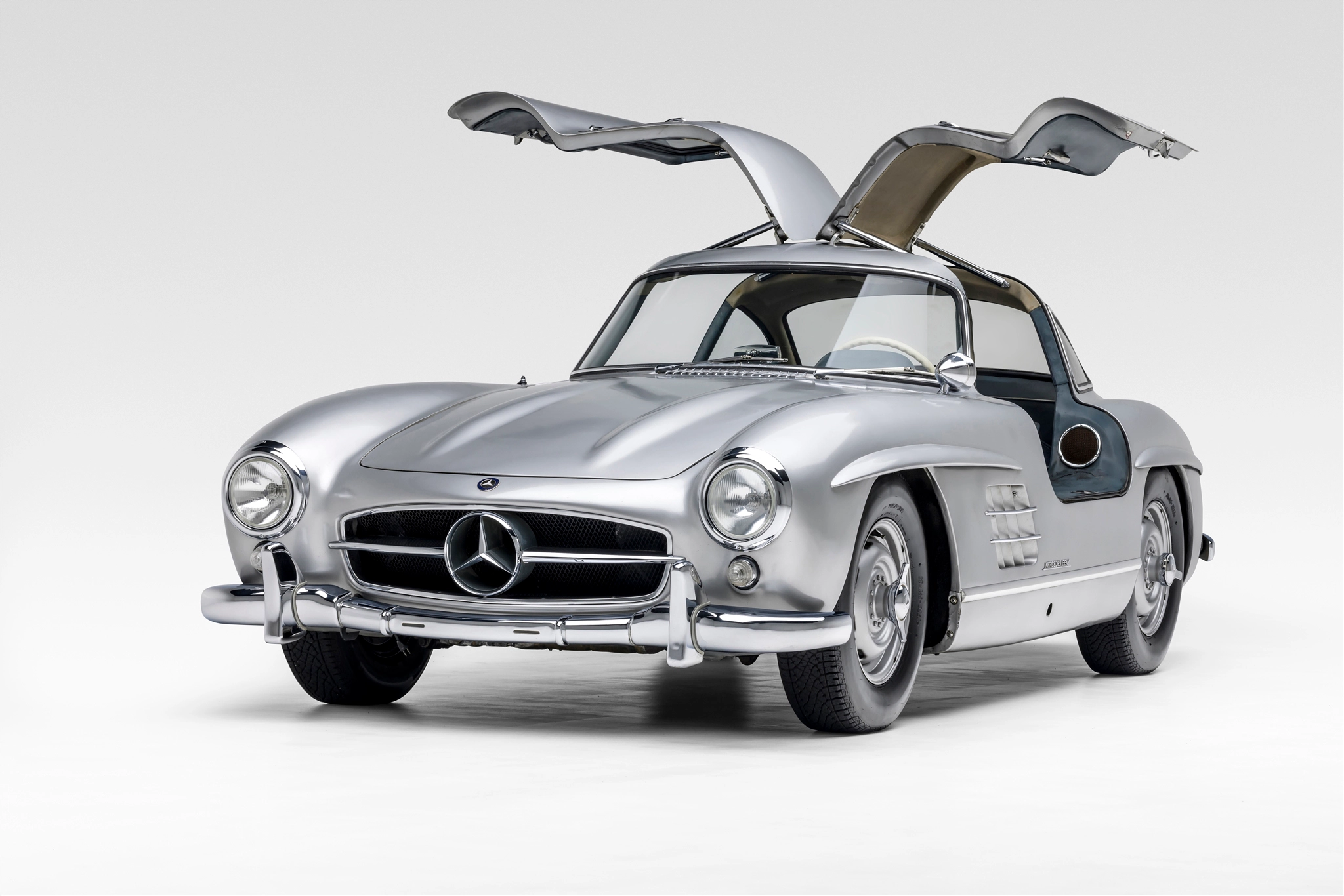
- Years
- 1954–57
- Engine
- 3.0 straight-six, fuel injected
- Power
- 215 hp
- Built
- 1,400
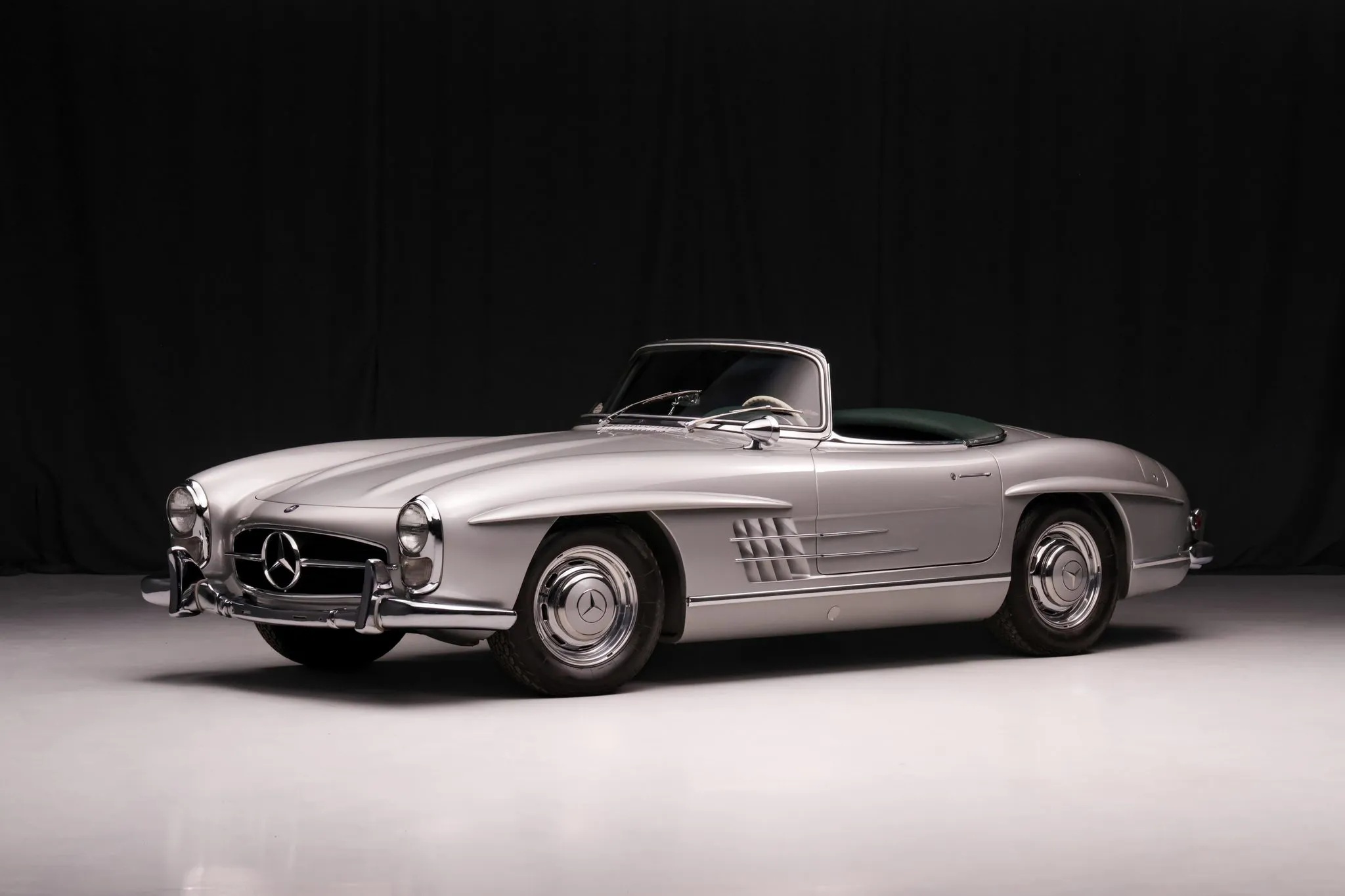
There was never much doubt about first place. The 300 SL is the car that people who know nothing about Mercedes-Benz can still pick out, and the car that people who know everything about it still want.
It began as a racing car. In 1952 Mercedes returned to competition with a coupé built from saloon parts around a light frame of thin tubes, and it won Le Mans and the Carrera Panamericana. The frame ran high along the sides for strength, so ordinary doors were impossible and the doors were hinged in the roof. Max Hoffman, the importer in New York, told Stuttgart he could sell a road version in America and placed an order large enough to make it worth building.
The road car appeared in 1954, and it was more advanced than the racer. Its 3.0-litre straight-six had fuel injected directly into the cylinders, a first for a production car, and gave 215 horsepower. Depending on the gearing it would reach about 160 mph, which made it the fastest production car in the world. It was also built like a Mercedes, with a quality no other sports car of the time approached.
It was not perfect. The cabin was hot, getting in required practice, and the swing-axle rear suspension could catch out a driver who lifted off in a corner. None of it has ever mattered. Mercedes built 1,400. The doors are what people remember, and they were an engineering answer to an engineering problem, which is the most Mercedes thing about it.
Verdict The doors were there for a reason. So was everything else.
The doors open upwards because the tubular frame runs high along the sills, leaving no room for ordinary ones.
What we left off, and why
A hundred and forty years into thirty places leaves a good deal out. These are the omissions we argued about longest.
The racing cars. The W125, the W196 and the 300 SLR are among the greatest cars ever built, and the Uhlenhaut coupé version of the 300 SLR is the most valuable car in the world. They were built to race, and they will have a list of their own.
The C111. The orange, gullwing-doored test car of 1969 was never sold, though people sent blank cheques.
The SLS AMG and the AMG GT R. Both are excellent. The Black Series version of each is here in its place.
The 300 "Adenauer" and the Fintail saloons. The cars that rebuilt the company after the war, and the first with a safety body. The 300 Sc and the 600 carry that story here.
The R107 SL. On sale for eighteen years and a fixture of 1980s television. The Pagoda before it is the better car and the R129 after it the better made.
More AMGs. The C36, the first car developed jointly with AMG, the CLK DTM, the SL 73 and every E63 estate have their supporters. We have nine AMG cars as it is.
The electric cars. None yet.
If your car is missing, make the case.
Tell us what we got wrongQuestions about this list
What is the best Mercedes-Benz ever made?
We rank the 300 SL Gullwing of 1954 first. It was the fastest production car in the world, the first with fuel injection, and it is still the car most people picture when they think of the marque. The 540K Special Roadster is second and the CLK GTR third.
What is the best AMG car?
The SLS AMG Black Series, which is eighth. It has the last and best of AMG's naturally aspirated V8s. The C63 AMG Black Series is fifteenth, the Hammer sixteenth and the AMG GT Black Series eighteenth.
Why are ordinary cars like the W123 on the list?
Because this is a list of the best Mercedes-Benz cars, not only the fastest. The W123 and the 600 are here for how they were engineered and what they did for the company's name.
Are racing cars like the Silver Arrows included?
No. This list covers road cars only. The W125, the W196, the 300 SLR and the other racing cars are left for a list of their own. The SSK and the CLK GTR are included because they were sold as road cars.
How were the cars ranked?
On four things: what each car achieved, how it drives, how it looks and what it changed for Mercedes-Benz. With this maker, engineering counted for more than usual. Rarity and price did not count.
Ranked by the editors of Sports Car Digest, drawing on the Sports Car Digest archive, the archives of Vintage Racecar and Vintage Roadcar, and our sister site Supercars.net. The order is opinion, argued car by car, on what each car achieved, how it drives, how it looks and what it changed for Mercedes-Benz. Specifications have been checked against our own archives; if you spot an error, tell us in the comments.