
See the full ranking, 1 to 30
| Rank | The Best Lotus Cars Ever Made | Years |
|---|---|---|
| 1 | Lotus Elan | 1962–73 |
| 2 | Lotus Elise (Series 1) | 1996–2001 |
| 3 | Lotus and Caterham Seven | From 1957 |
| 4 | Lotus Elite (1957) | 1957–63 |
| 5 | Lotus Esprit (S1) | 1976–78 |
| 6 | Lotus Cortina | 1963–70 |
| 7 | Lotus Exige (Series 1) | 2000–01 |
| 8 | Lotus Europa | 1966–75 |
| 9 | Lotus Evora | 2009–21 |
| 10 | Lotus Carlton | 1990–92 |
| 11 | Lotus Esprit Turbo | 1980–87 |
| 12 | Lotus 340R | 2000 |
| 13 | Lotus Emira | From 2022 |
| 14 | Lotus Elan +2 | 1967–74 |
| 15 | Lotus Exige V6 | 2012–21 |
| 16 | Lotus Eleven | 1956–58 |
| 17 | Lotus Esprit Sport 300 | 1992–95 |
| 18 | Lotus 2-Eleven | 2007–11 |
| 19 | Lotus Elise (Series 2) | 2001–10 |
| 20 | Talbot Sunbeam Lotus | 1979–81 |
| 21 | Lotus Evija | From 2020 |
| 22 | Lotus Exige (Series 2) | 2004–11 |
| 23 | Lotus Esprit V8 | 1996–2004 |
| 24 | Lotus 3-Eleven | 2016–18 |
| 25 | Lotus Elan (M100) | 1989–95 |
| 26 | Lotus Excel | 1982–92 |
| 27 | Lotus Elite (1974) | 1974–82 |
| 28 | Lotus Six | 1952–57 |
| 29 | Lotus Europa S | 2006–10 |
| 30 | Lotus Eletre | From 2023 |
30 to 21
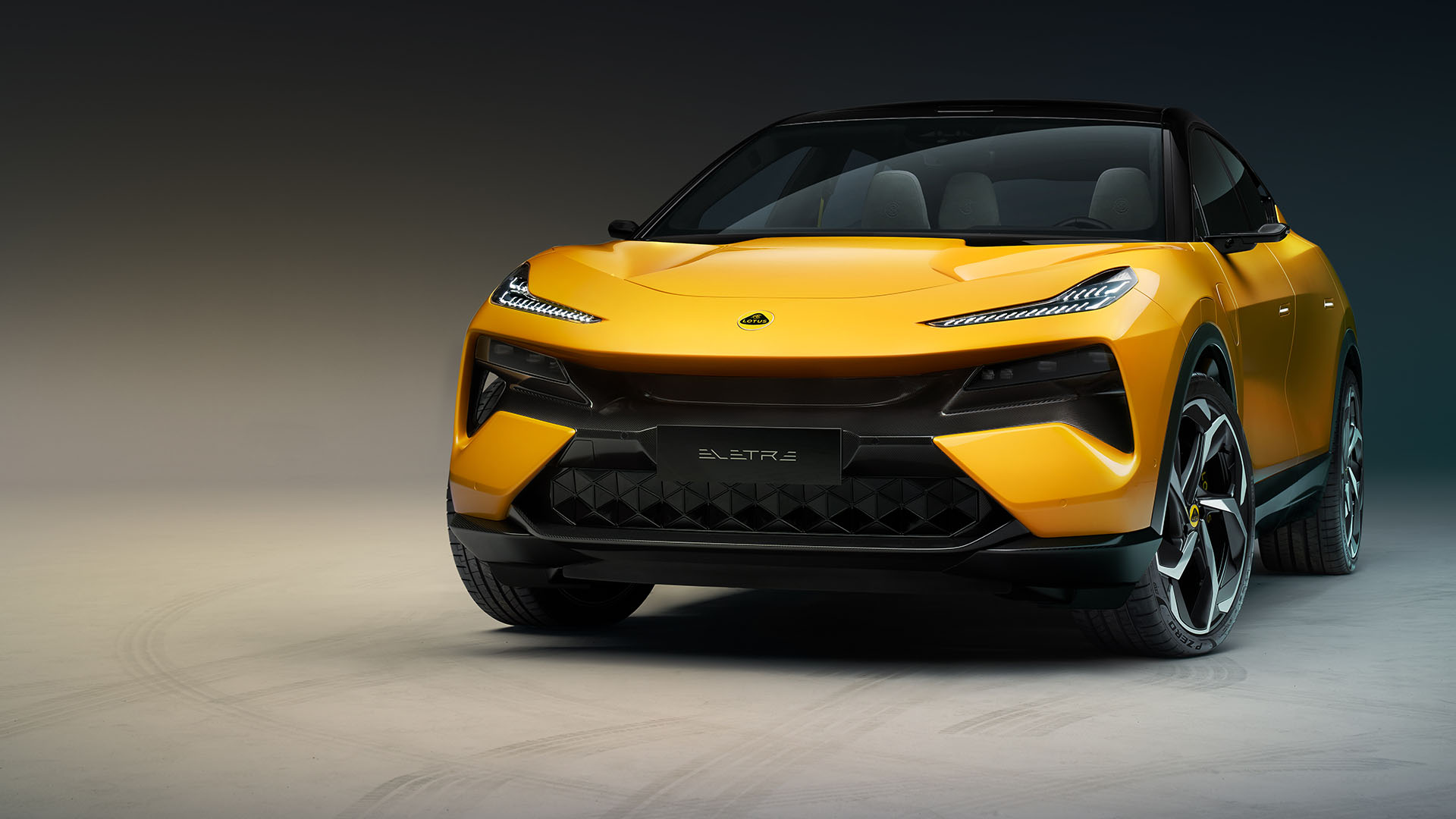
30. Lotus Eletre
From 2023 · Two electric motors · 603 to 905 hp
The Eletre is a large electric SUV built in China, with up to 905 horsepower and a weight of about 2.5 tonnes. It is fast, well made and has little to do with anything else on this list. It is here because it is what Lotus now sells most of, and last because the name on the nose is the only thing it shares with an Elan.
Verdict A good electric SUV, and a Lotus in name.
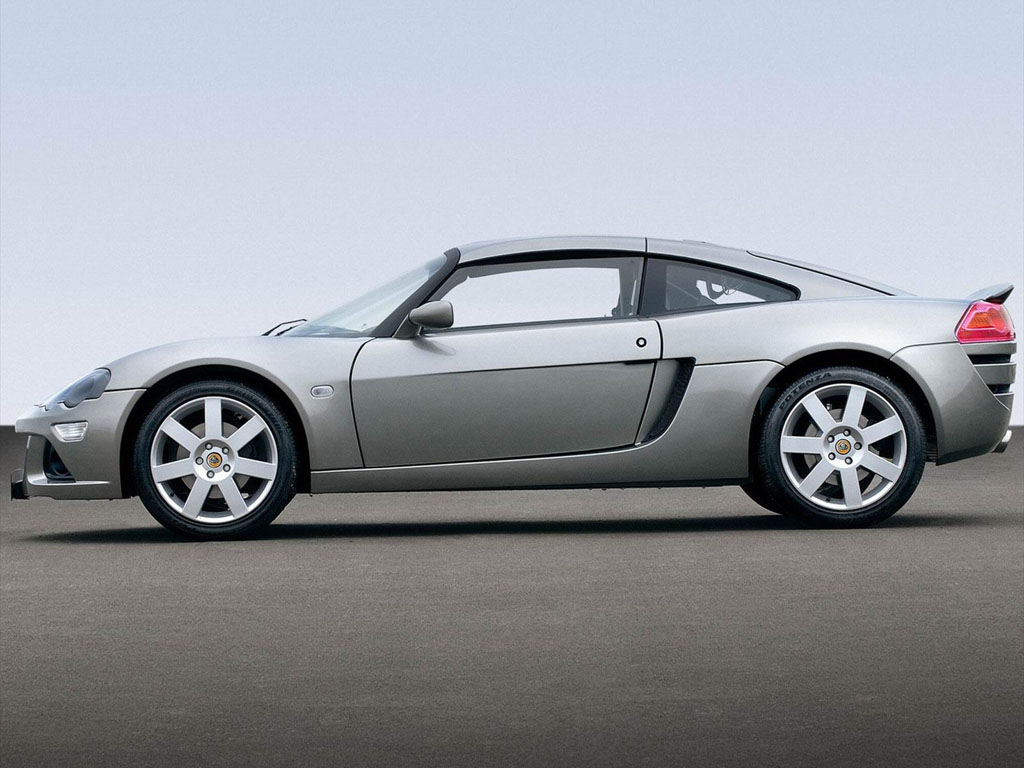
29. Lotus Europa S
2006–10 · 2.0 turbo four · 197 hp · ~ 460
The Europa S of 2006 was an Elise made longer and more comfortable, with a turbocharged engine from General Motors, a boot and leather trim. It was meant for touring. It was pleasant and quick, and too close to the Elise to find many buyers. About 460 were made. It ranks here as a sensible car that the Evora soon replaced.
Verdict A more comfortable Elise that nobody asked for.
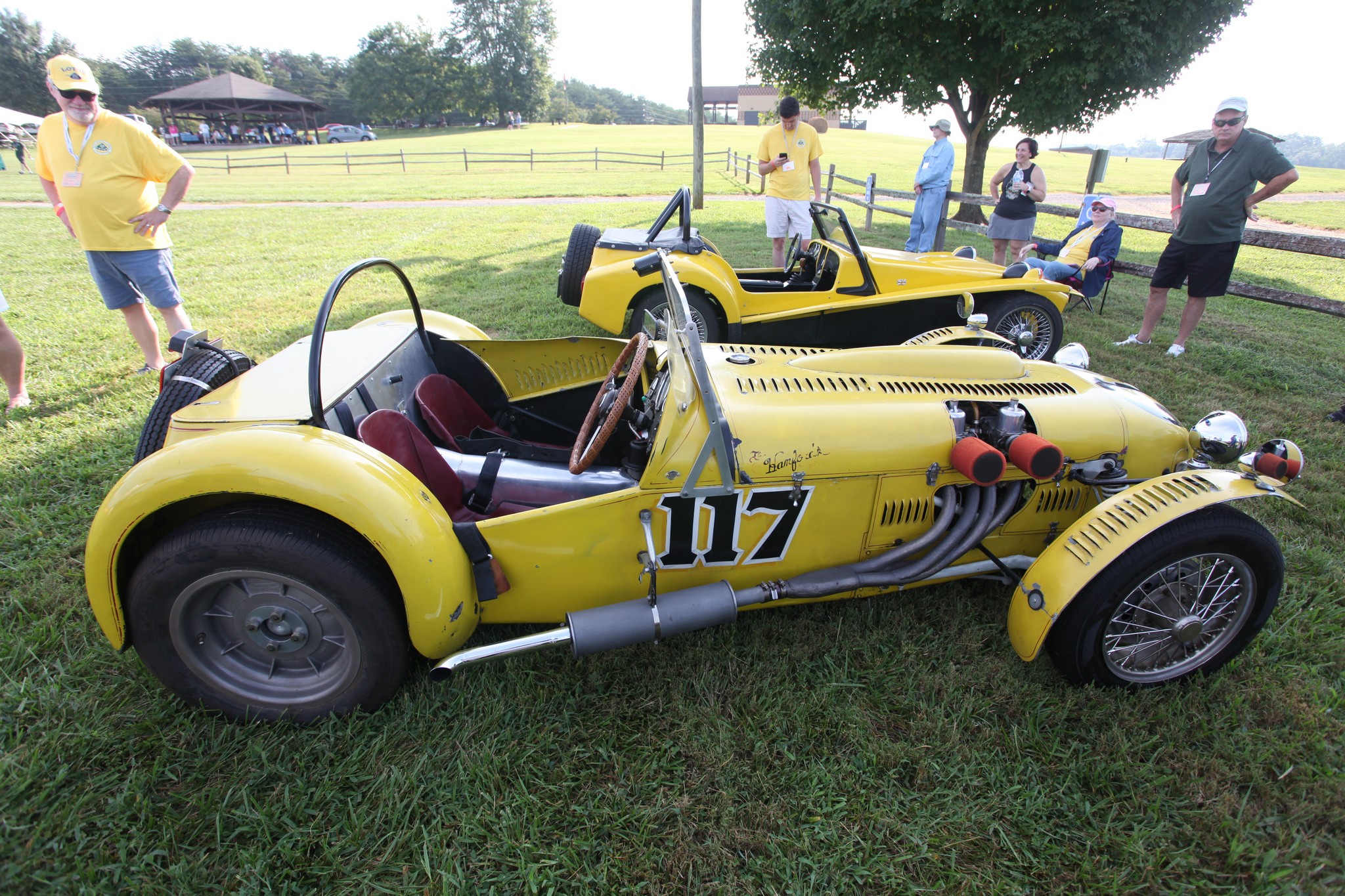
28. Lotus Six
1952–57 · Ford or MG four, to the buyer's choice · ~ 100
The Mark VI of 1952 was the first Lotus made for sale: a spaceframe chassis with aluminium panels, supplied as a kit for the buyer to finish with a Ford or MG engine. About 100 were built in a stable behind a pub in north London. It ranks low only because the Seven that replaced it was the same idea done better.
Verdict The first production Lotus, sold in pieces.
27. Lotus Elite (1974)
1974–82 · 2.0 four, later 2.2 · 155 to 160 hp · ~ 2,500
The second Elite was a four-seat hatchback with a wedge-shaped fibreglass body and the first engine Lotus designed and built itself. It was Chapman's attempt to move the company up into a more expensive market. The handling was excellent and the build quality was not. It ranks here for the engine, which went on to power the Esprit.
Verdict The car that introduced Lotus's own engine.
26. Lotus Excel
1982–92 · 2.2 four · 160 to 180 hp · ~ 2,150
The Excel was a four-seat coupé developed from the Eclat, with Lotus's 2.2-litre engine and a gearbox, axle and brakes from Toyota. It handled very well, with even weight distribution, and it was more reliable than earlier Lotuses. It sold slowly for ten years. It ranks here as the best of the front-engined cars of its period.
Verdict A well-balanced four-seater that few people remember.
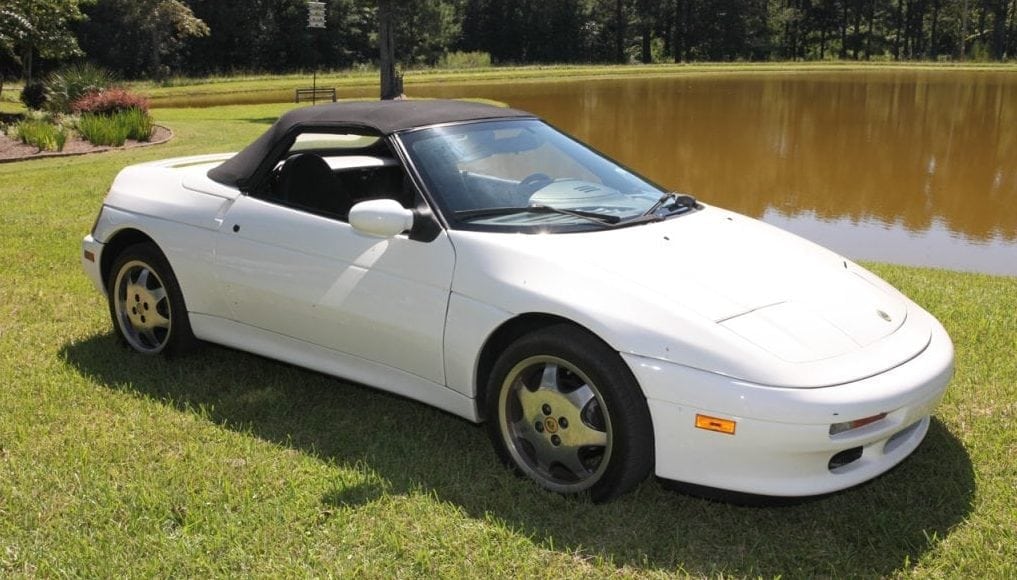
25. Lotus Elan (M100)
1989–95 · 1.6 Isuzu four, turbocharged in the SE · 130 to 162 hp · ~ 4,650
The second Elan, built under General Motors, was front-wheel drive with an Isuzu engine. Purists objected. It was, all the same, widely called the best-handling front-drive car of its day, and it was quick across country in any weather. It lost money and was dropped in 1995. Kia later built it in Korea. It ranks here as a good car with the wrong name.
Verdict The front-wheel-drive Elan: better than its reputation.
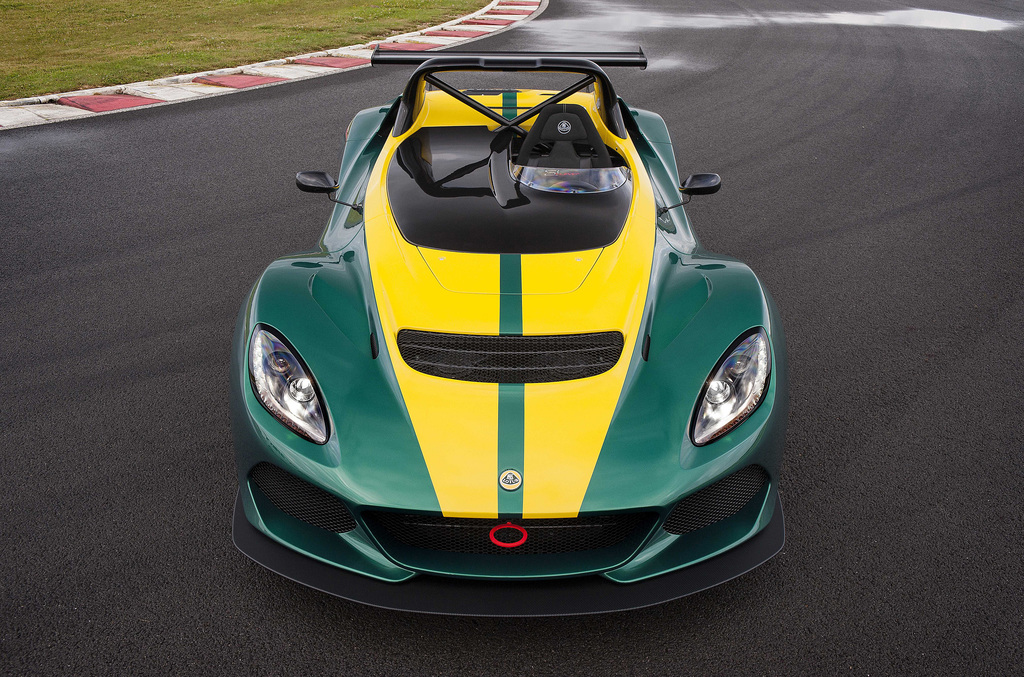
24. Lotus 3-Eleven
2016–18 · 3.5 supercharged V6 · 410 hp · 311
The 3-Eleven repeated the 2-Eleven idea with the supercharged V6: an open car with no doors, 410 horsepower in road trim and a weight of about 925 kg. When it was new it was the quickest road-legal Lotus round the Hethel test track. Lotus built 311. It ranks below the 2-Eleven because that car did the same thing with less.
Verdict The 2-Eleven with a V6, and faster than almost anything.
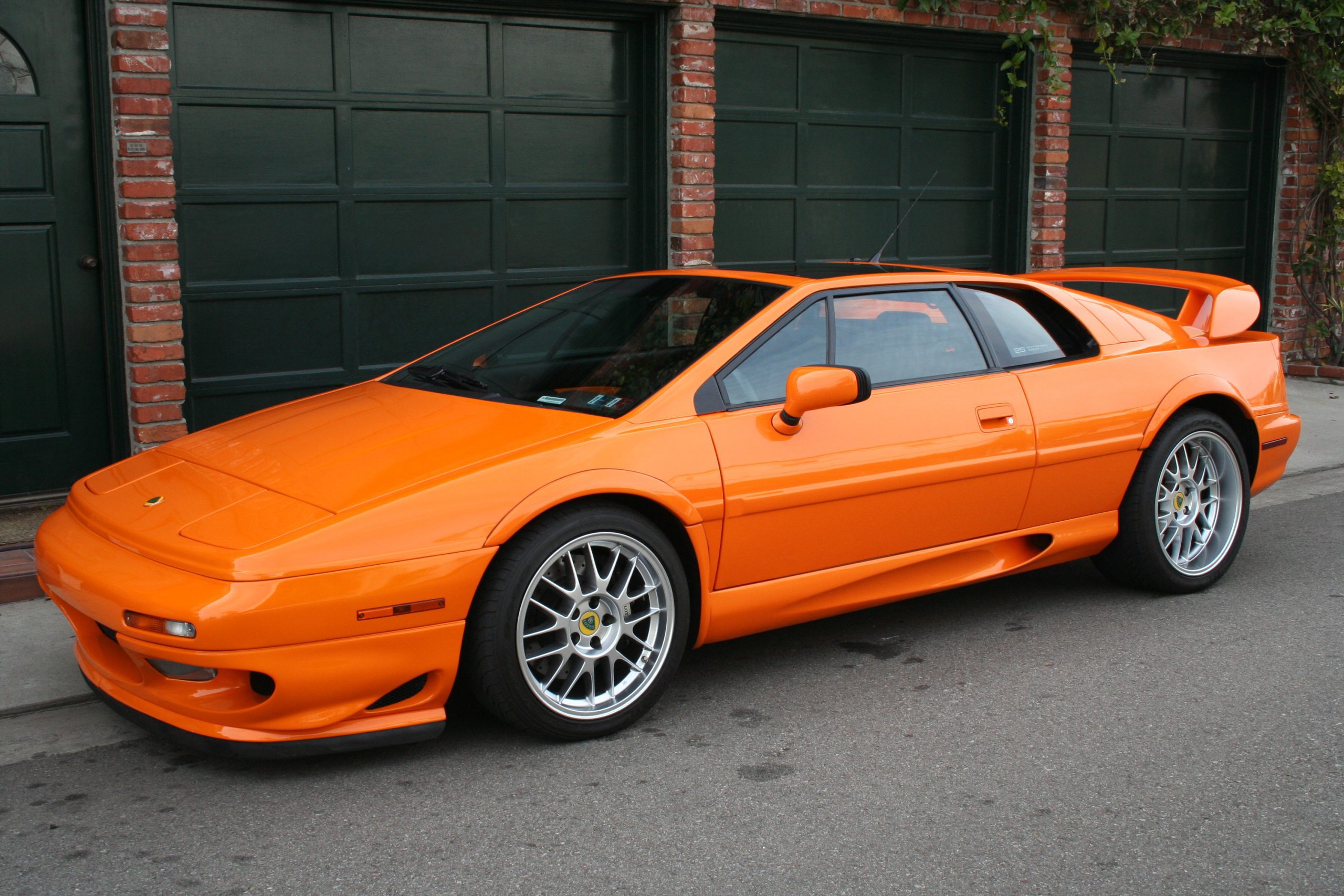
23. Lotus Esprit V8
1996–2004 · 3.5 twin-turbo V8 · 350 hp
In 1996 Lotus gave the Esprit an engine of its own design, a 3.5-litre twin-turbo V8 with 350 horsepower. It made the car very fast and no easier to drive, since the gearbox could not take the engine's full output and the clutch was heavy. The Sport 350 is the lightest and best. It ranks here as the last of a long line.
Verdict The Esprit's final form, with the V8 it waited twenty years for.
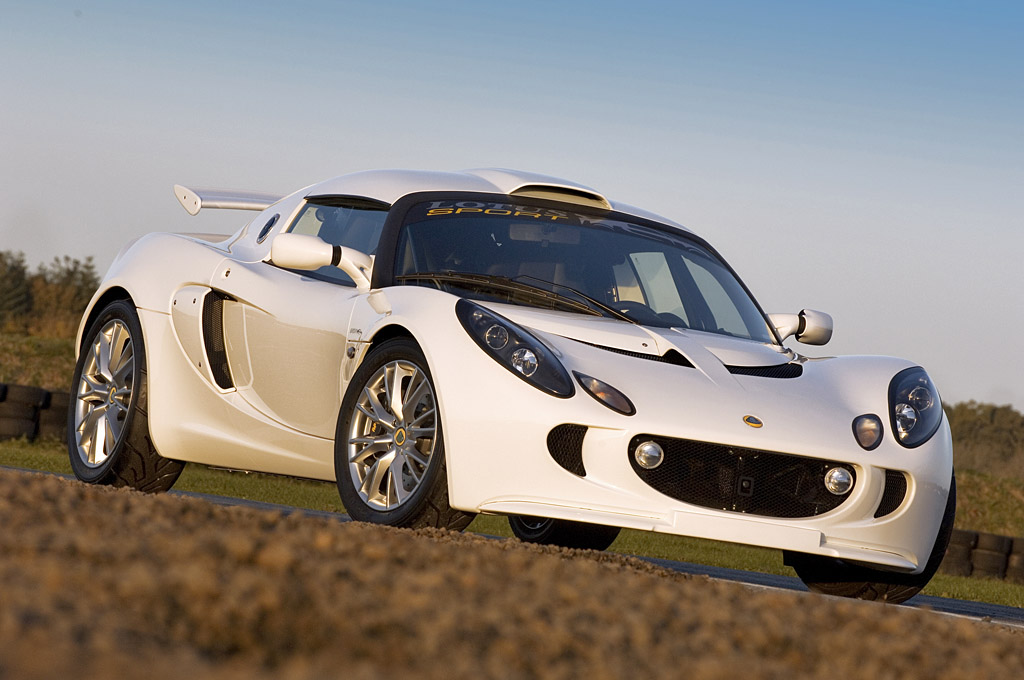
22. Lotus Exige (Series 2)
2004–11 · 1.8 Toyota four, supercharged in the S · 189 to 257 hp
The second Exige used a Toyota engine and, from 2006, a supercharger. The Cup 260 is the best of them, with 257 horsepower in a car weighing under 900 kg. It is sharper than the Elise it is based on and less wild than the first Exige. It ranks here as the link between that car and the V6.
Verdict The supercharged four-cylinder Exige, and a very quick car.

21. Lotus Evija
From 2020 · Four electric motors · 2,000 hp · 130
The Evija is an electric car with four motors and 2,000 horsepower, and Lotus is building 130. It is one of the most powerful production cars ever made. It also weighs about 1,900 kg, which is light for what it is and heavy for a Lotus. It ranks here because it shows what the company can engineer, and no higher because it is the opposite of what the company has stood for.
Verdict Two thousand horsepower, and nearly two tonnes.
20 to 11
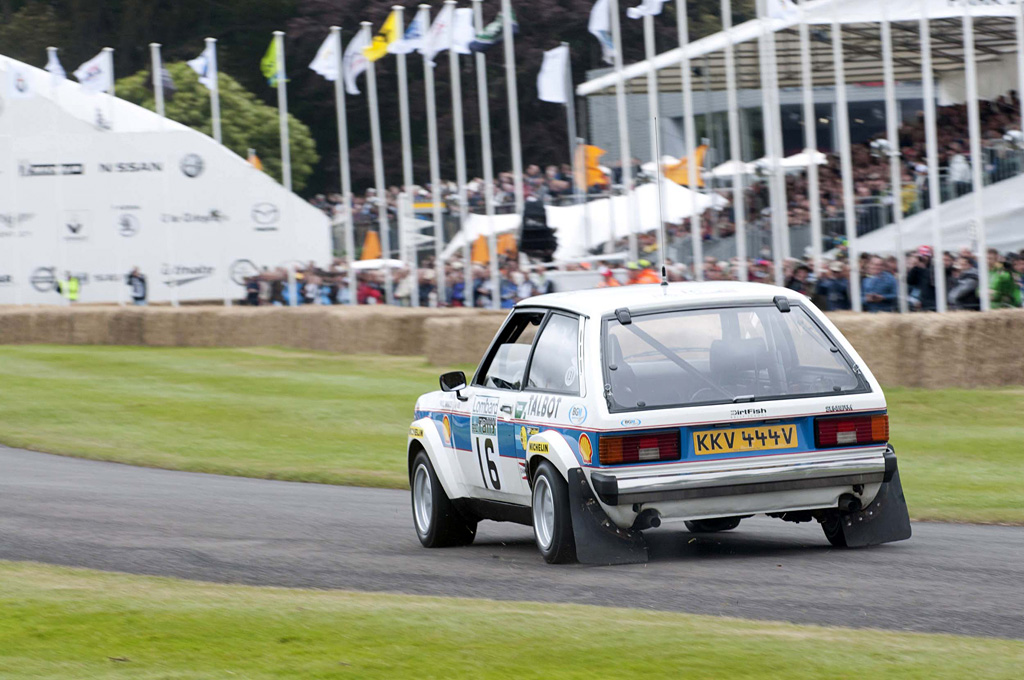
20. Talbot Sunbeam Lotus
1979–81 · 2.2 sixteen-valve four · 150 hp · ~ 2,300
Chrysler's British arm wanted a rally car and sent its smallest hatchback to Lotus. It came back with a 2.2-litre sixteen-valve engine, 150 horsepower and rear-wheel drive. About 2,300 were built so that it could compete.
It won the RAC Rally in 1980 and the manufacturers' world championship for Talbot in 1981, just as four-wheel drive was arriving. On the road it is a quick, lively hatchback. It carries a Talbot badge, and it ranks here as one of the best things Lotus did for someone else.
Verdict A small hatchback with a Lotus engine and a world rally title.
Did you know: It won Talbot the World Rally Championship for manufacturers in 1981.
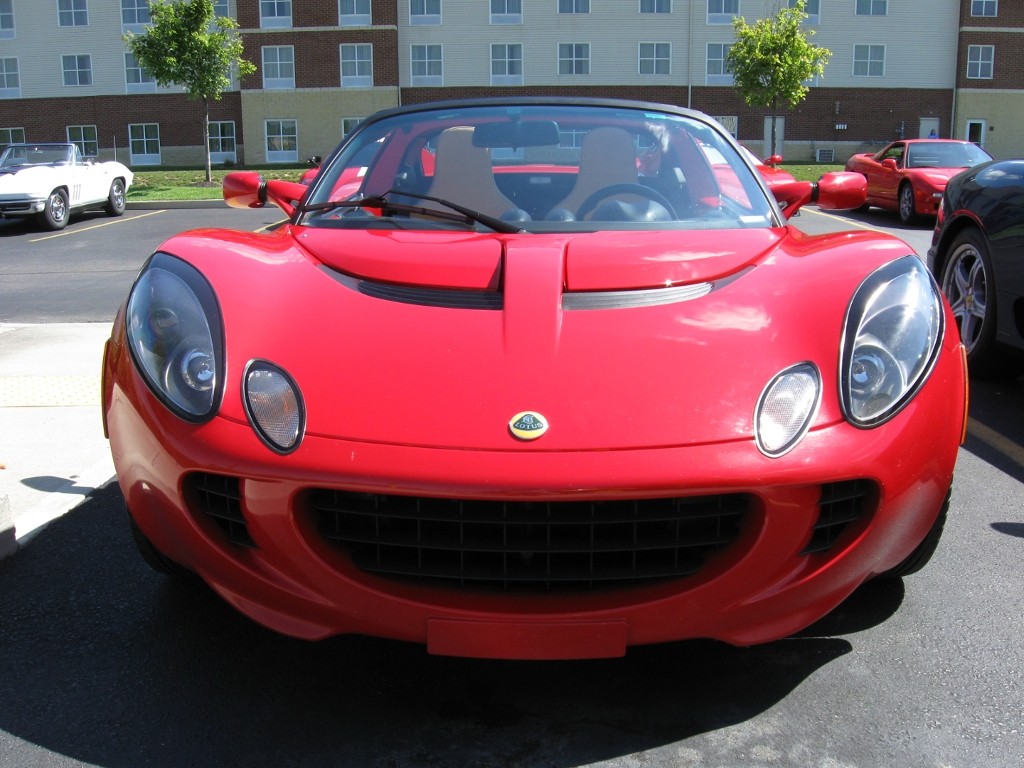
19. Lotus Elise (Series 2)
2001–10 · 1.8 Rover four, later Toyota · 120 to 217 hp
The second Elise had sharper styling, a better roof and a stiffer chassis, and it was built to meet rules the first car could not. Lotus developed it with General Motors, which sold a version of its own.
From 2004 the engines came from Toyota, and the 111R with 189 horsepower was the first Elise that was properly fast as well as light. It is a more capable and more comfortable car than the Series 1, and slightly less pure, which is why it ranks seventeen places below it.
Verdict The Elise grown up, with a Toyota engine.
Did you know: It was developed with General Motors, which built the Vauxhall VX220 beside it at Hethel.
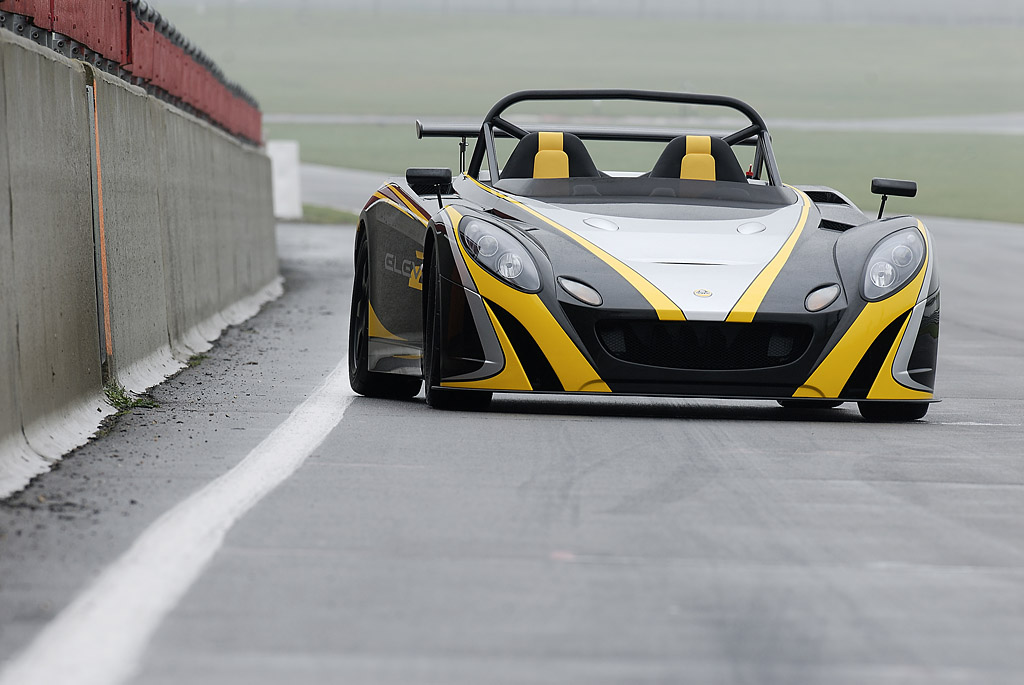
18. Lotus 2-Eleven
2007–11 · 1.8 supercharged Toyota four · 252 hp · ~ 360
The 2-Eleven is a track car that could be registered for the road in Britain. It has no doors, roof or windscreen, a supercharged Toyota engine with 252 horsepower and a weight of about 670 kg. Buyers could choose a version with lights and number plates or one without.
It is quicker round a circuit than most supercars of its day and costs a fraction as much to run. On the road it needs a helmet and a dry day. About 360 were made. It ranks here as the best of the cars Lotus built for circuit use.
Verdict A track car that happens to be road legal.
Did you know: It has no doors, no roof and no windscreen, and could still be registered for the road in Britain.
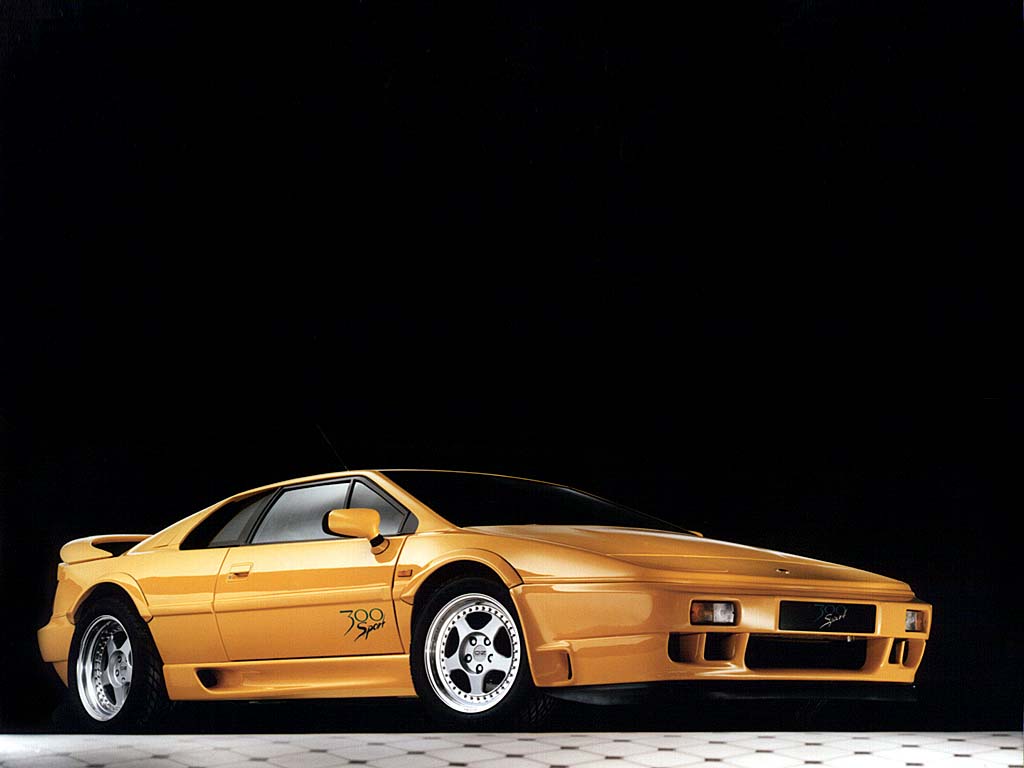
17. Lotus Esprit Sport 300
1992–95 · 2.2 turbo four · 302 hp · 64
The Sport 300 is a road version of the Esprits that raced in America in the early 1990s. The four-cylinder turbo engine gives 302 horsepower, the body has wider arches and a large rear wing, and weight was taken out wherever it could be.
Only 64 were built. It is the fastest and best-handling of the four-cylinder Esprits and the one collectors look for. It is also raw, with heavy steering at low speed and a firm ride. It ranks here as the best of the later Esprits.
Verdict The best of the four-cylinder Esprits, built 64 times.
Did you know: It was developed from the Esprits that raced, and won, in American sports car events.
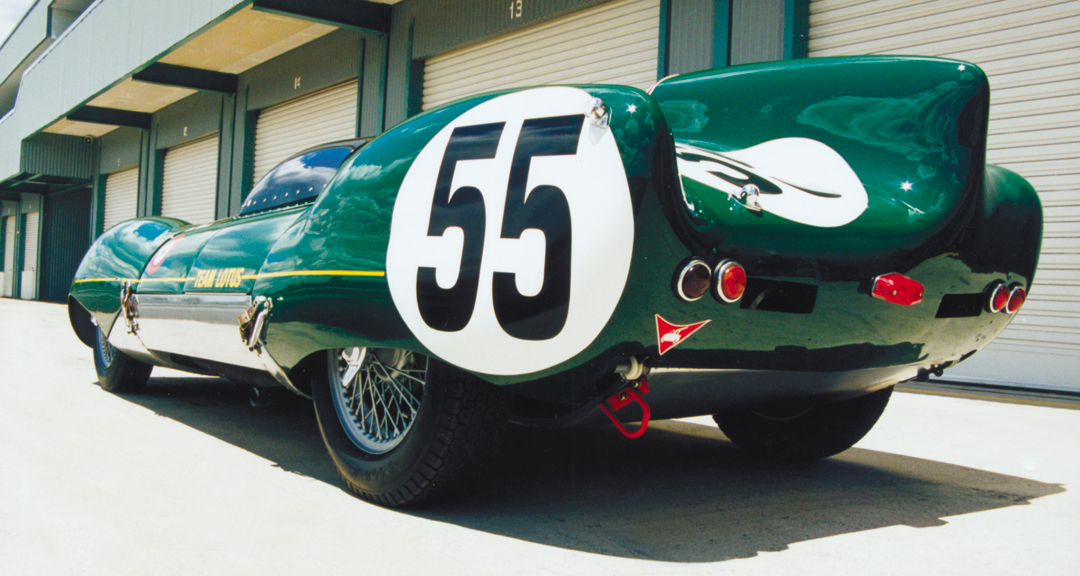
16. Lotus Eleven
1956–58 · 1.1 Coventry Climax four · ~ 75 hp · ~ 270
The Eleven is a sports racing car of 1956 with a spaceframe chassis and a low, enclosed body by Frank Costin. With a 1.1-litre Coventry Climax engine it won its class at Le Mans in 1957 and the Index of Performance too.
It is on a list of road cars because Lotus sold it in several forms, one of them with a simpler axle and a Ford engine for use on the road, and many owners drove theirs to the circuit. About 270 were built, which made it the car that paid for Lotus's early growth. It ranks mid-table as a racing car first and a road car second.
Verdict A Le Mans class winner that could be driven home.
Did you know: It won its class at Le Mans in 1957, and the prize for the most efficient car in the race.
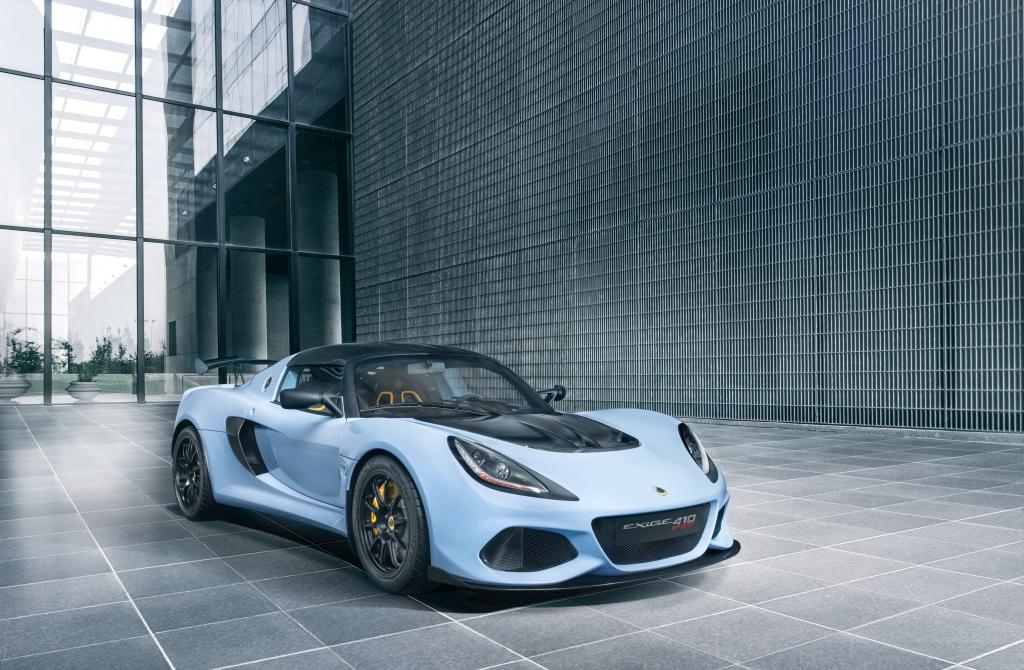
15. Lotus Exige V6
2012–21 · 3.5 supercharged V6 · 345 to 430 hp
In 2012 Lotus put the Evora's supercharged V6 into the Exige. The car gained weight and a great deal of power, and it became a different kind of thing: a small, light supercar.
Lotus developed it for nine years through Sport, Cup and Final Edition versions. The Cup 430 has 430 horsepower, weighs under 1,100 kg and makes 220 kg of downforce. With an open-gate manual gearbox and unassisted steering, the late cars are among the most involving of the last decade. It ranks below the first Exige because that one was the original idea.
Verdict A small supercar with a manual gearbox and no power steering.
Did you know: The Cup 430 makes about 220 kg of downforce, more than any road-going Lotus before it.
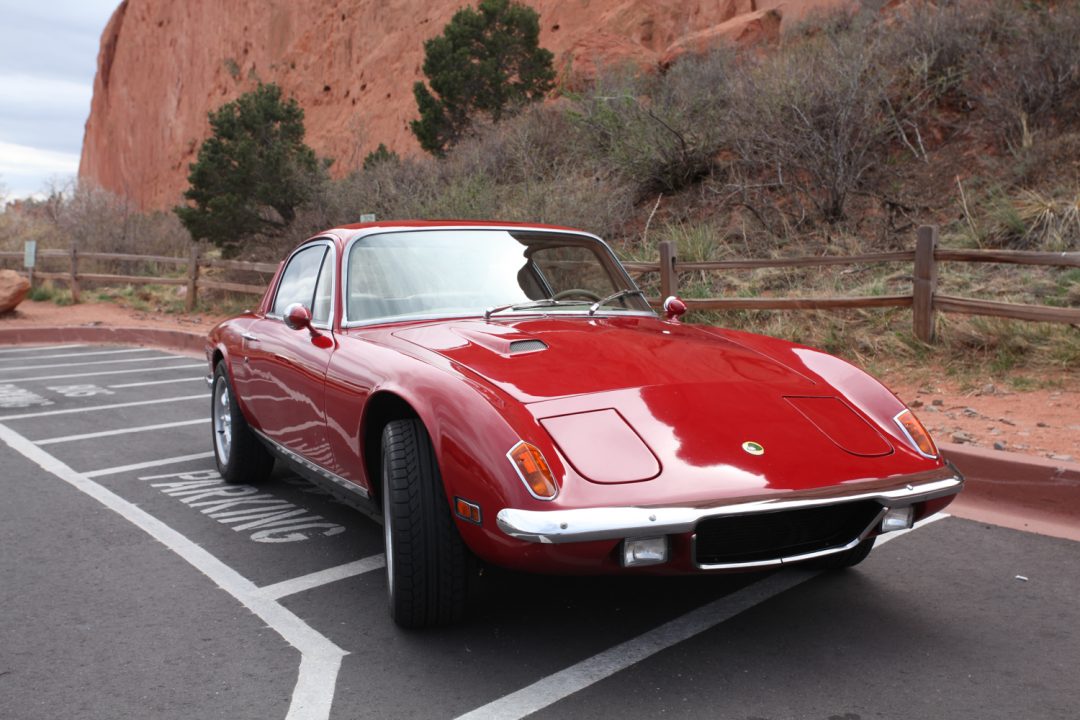
14. Lotus Elan +2
1967–74 · 1.6 twin-cam four · 118 to 126 hp · ~ 5,200
The +2 of 1967 is an Elan made longer and wider to take two small rear seats. It kept the backbone chassis, the twin-cam engine and most of the handling, and added a smoother ride and a quieter cabin.
Lotus aimed it at owners who had started families, and from the +2S of 1968 it was sold only as a finished car, not a kit, which marked a change in what the company wanted to be. About 5,200 were made. It is a better long-distance car than the Elan and only a little less sharp, and it has always been worth less than it should be.
Verdict The Elan for people with children.
Did you know: The +2S of 1968 was the first Lotus that could not be bought as a kit.
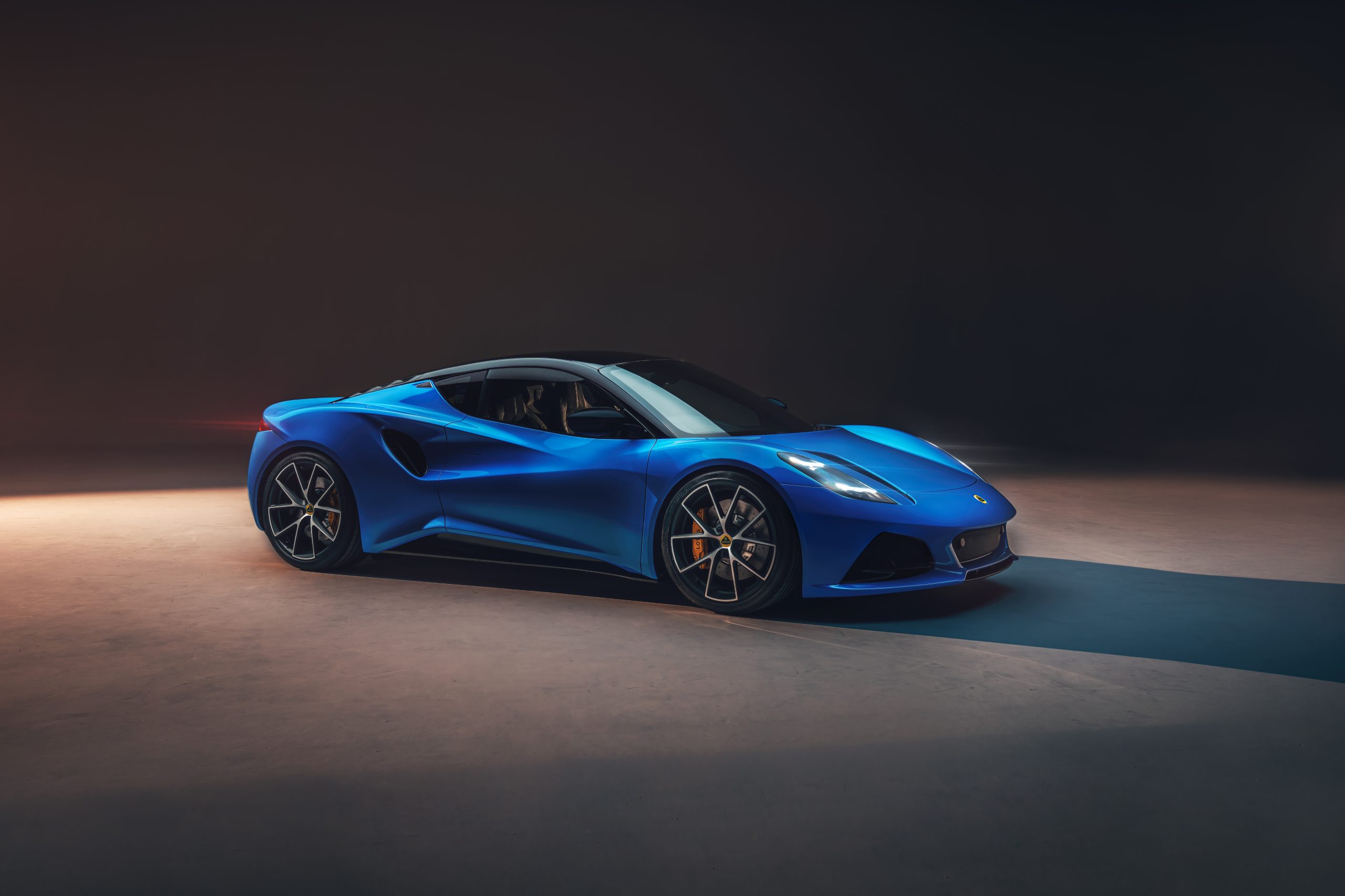
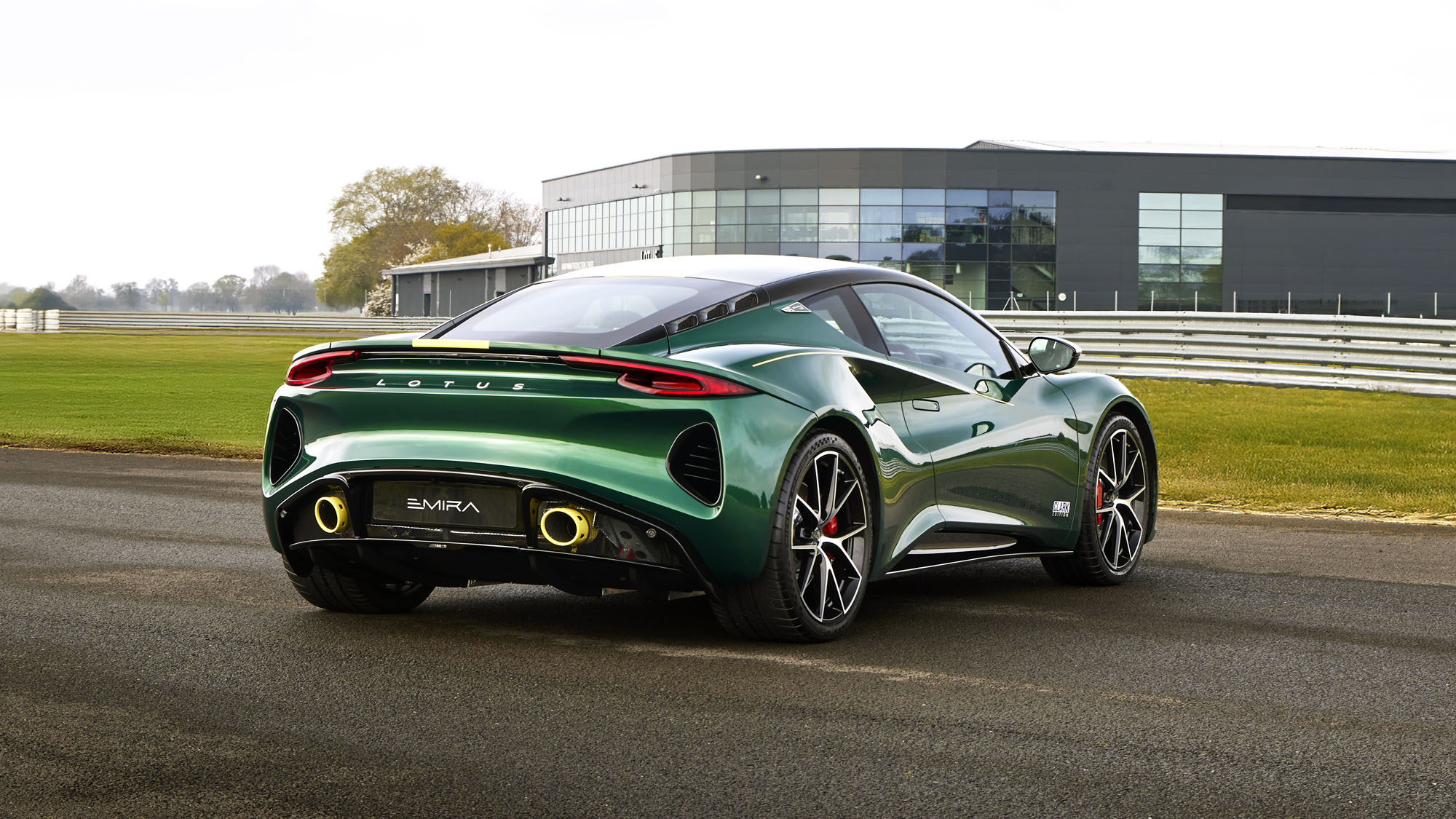
13. Lotus Emira
From 2022 · 3.5 supercharged V6, or 2.0 turbo four · 360 to 414 hp
Lotus has said the Emira is its last petrol car. It replaced the Elise, Exige and Evora at once, with a supercharged Toyota V6 and a manual gearbox, or a turbocharged four-cylinder from AMG with a dual-clutch one. It is the first Lotus with a cabin that needs no excuses.
It is heavier than the cars it replaced, about 1,400 kg, and less sharp than an Exige. The steering is still hydraulic and still better than any rival's. With the V6 and three pedals it is a kind of car nobody else now makes. It ranks here until it has had time to settle its place.
Verdict The last petrol Lotus, and the first that feels properly finished.
Did you know: Lotus has said it is the last car it will make with a petrol engine.
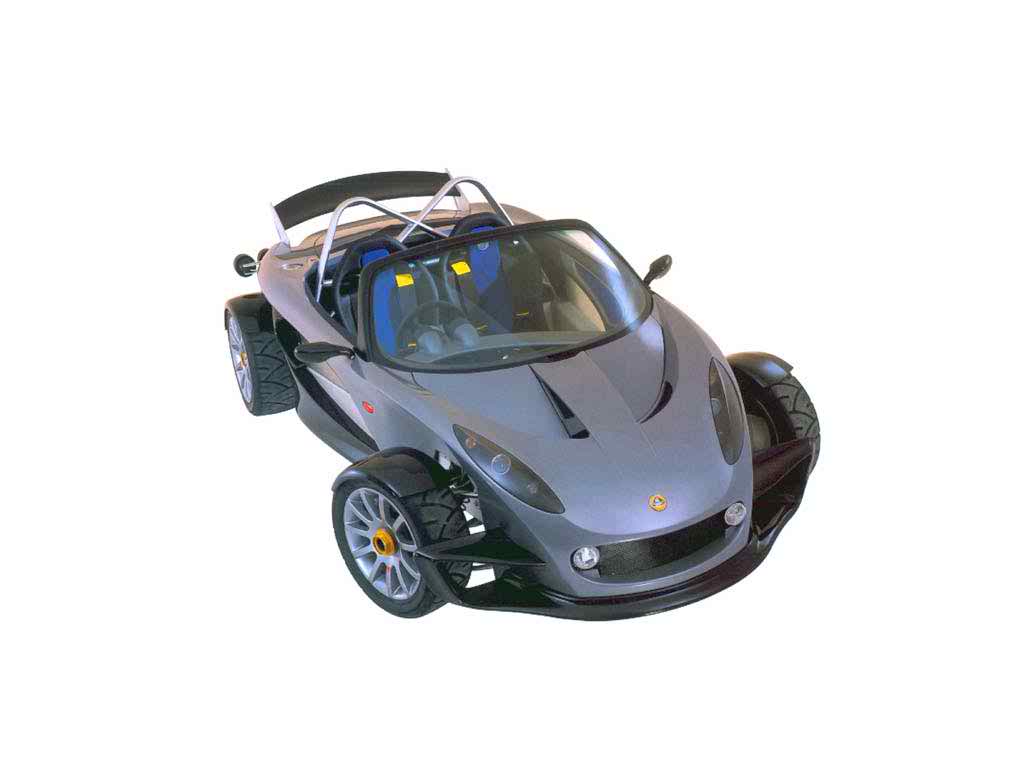
12. Lotus 340R
2000 · 1.8 Rover four · 177 hp · 340
The 340R is an Elise with the bodywork taken away. It has no doors, no roof, no side windows, and wheels that stand clear of the body under small mudguards. It was shown as a concept, people asked to buy it, and Lotus built 340.
It weighs about 700 kg and uses the 177-horsepower engine from the Exige. Because it is so exposed, it feels faster than anything else at the same speed. It ranks twelfth as the most extreme road car Lotus had offered to that point, and the most fun in good weather.
Verdict An Elise with nothing between the driver and the road.
Did you know: The name was meant to be its power-to-weight ratio. It ended up as the number built.

11. Lotus Esprit Turbo
1980–87 · 2.2 turbo four · 210 hp
The Esprit always looked faster than it was. In 1980 Lotus enlarged the engine to 2.2 litres and added a turbocharger for 210 horsepower, and the performance finally matched the shape. The chassis and suspension were redesigned at the same time.
The first cars wore the blue, red and silver of the Formula One team's sponsor. The Turbo did 150 mph, was easier to live with than its Italian rivals and cost far less. It appeared in a second Bond film. It ranks below the original because that car set the shape and this one filled it in.
Verdict The Esprit with the power it had always needed.
Did you know: The first cars were painted in the blue, red and silver of Essex Petroleum, sponsor of the Formula One team.
The top 10
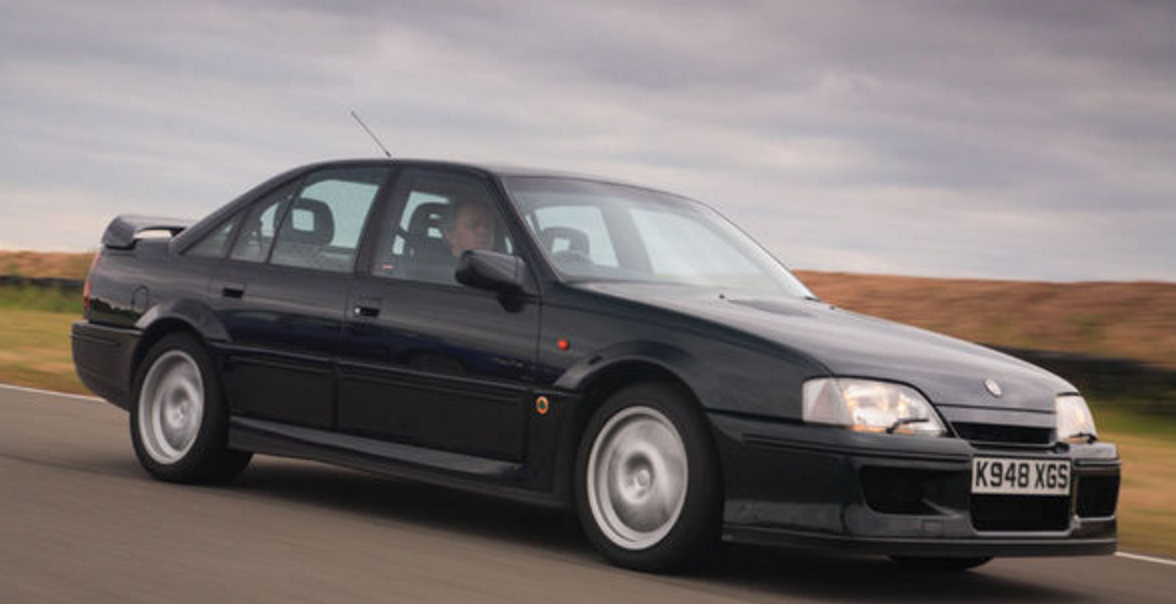
- Years
- 1990–92
- Engine
- 3.6 twin-turbo straight-six
- Power
- 377 hp
- Built
- 950
Road car · United Kingdom
10. Lotus Carlton
General Motors owned Lotus in 1990 and gave it a Vauxhall Carlton to improve. Lotus enlarged the straight-six to 3.6 litres, added two turbochargers and fitted the six-speed gearbox from the Corvette ZR-1. The result had 377 horsepower and reached 176 mph, with room for five and their luggage.
That made it the fastest saloon in the world. A newspaper campaigned to have it banned and the matter was raised in Parliament. Thieves liked it because the police had nothing that could catch it.
Lotus built 950. It is tenth because it showed what the engineers at Hethel could do with someone else's car, work that has paid much of the company's bills over the years. It is the only car in the top ten that is not light, and it earned its place anyway.
Verdict A family saloon that did 176 mph and worried the government.
Its top speed of 176 mph led to questions in Parliament and a newspaper campaign to have it banned.
- Years
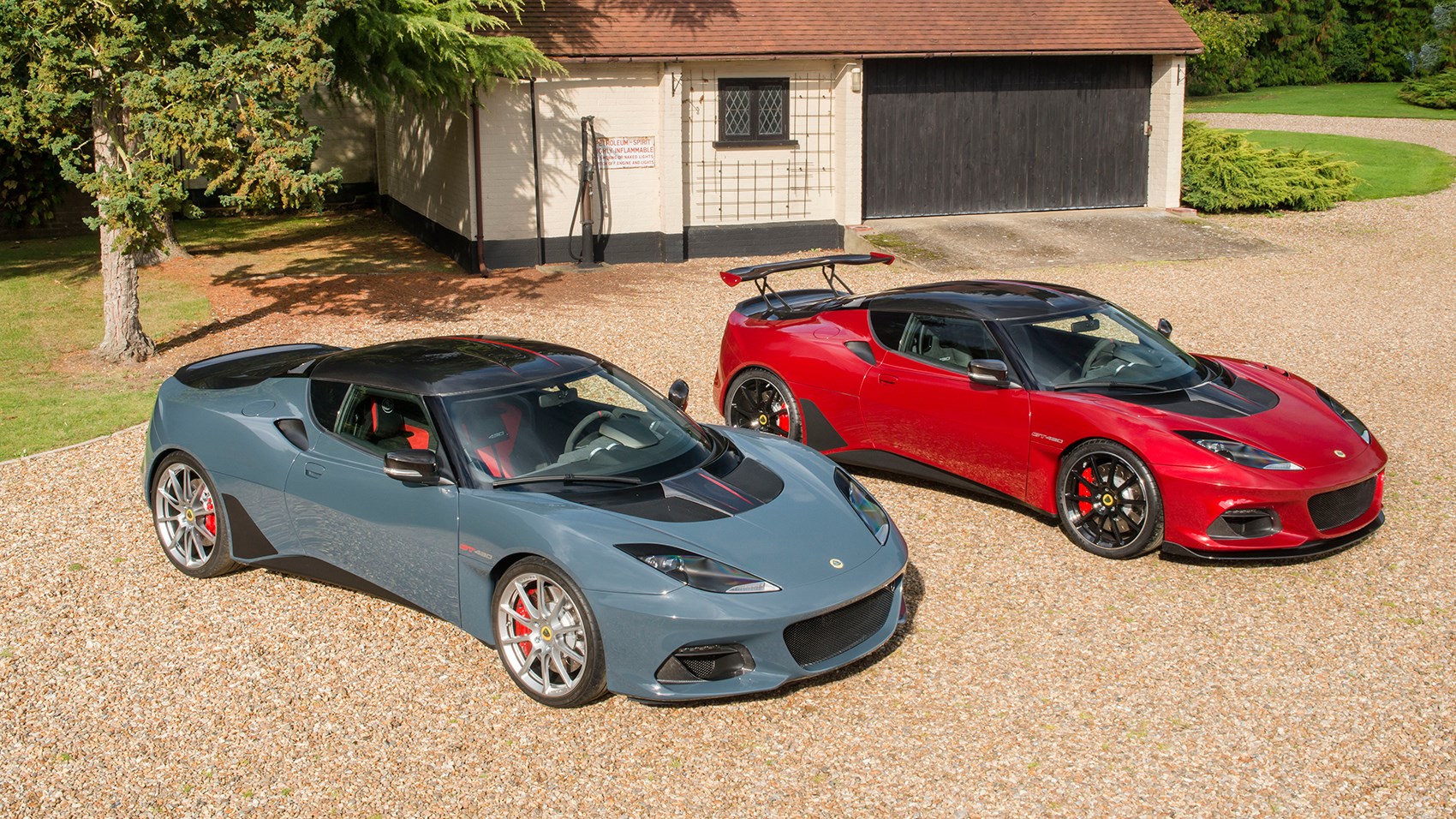
- 2009–21
- Engine
- 3.5 Toyota V6, later supercharged
- Power
- 276 to 430 hp
Road car · United Kingdom
9. Lotus Evora
The Evora of 2009 was the first all-new Lotus since the Elise, and a harder thing to get right: a mid-engined car with two small rear seats, a Toyota V6, and enough comfort for a long journey. It used the bonded aluminium method on a larger scale.
The steering and ride were the best of any sports car on sale. Road testers said so for a decade. The cabin, the gearchange and the price were less convincing, and it never sold as it deserved. Lotus kept improving it, adding a supercharger and taking out weight, and the GT430 at the end had 430 horsepower and real downforce.
It is ninth because, judged only on how it goes down a road, it may be the best car Lotus has made. It is no higher because too few people found that out.
Verdict The best-steering car of its time, and one of the least bought.
At launch it was the only mid-engined car on sale with rear seats.
- Years
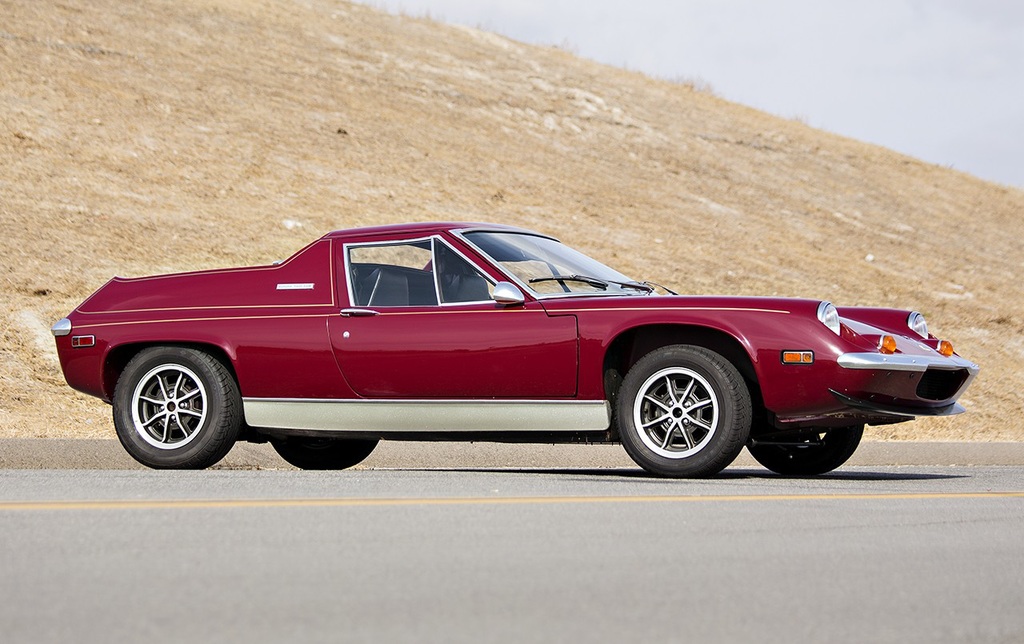
- 1966–75
- Engine
- 1.5 Renault four, later 1.6 Lotus twin-cam
- Power
- 78 to 126 hp
- Built
- ~ 9,200
Road car · United Kingdom
8. Lotus Europa
In 1966 mid-engined cars were racing cars or Lamborghinis. The Europa put the layout within reach of ordinary buyers. It used the engine and gearbox of the Renault 16, turned round and mounted behind the seats in a backbone chassis, under a very low fibreglass body with high sides at the rear that gave it the look of a small van.
It weighed about 650 kg and handled better than almost anything on the road. The early cars were basic to a fault, with windows that did not open. Lotus fitted its own twin-cam engine in 1971, and the Special of 1972, in the black and gold of the Formula One team, had 126 horsepower and five gears.
About 9,200 were built. It is eighth because it was the first mid-engined car made in real numbers at a modest price, and it steered and gripped at a level that took the rest of the industry years to reach.
Verdict The first mid-engined car most people could afford.
The first cars had side windows that did not open and seats that did not move. The pedals adjusted instead.
- Years
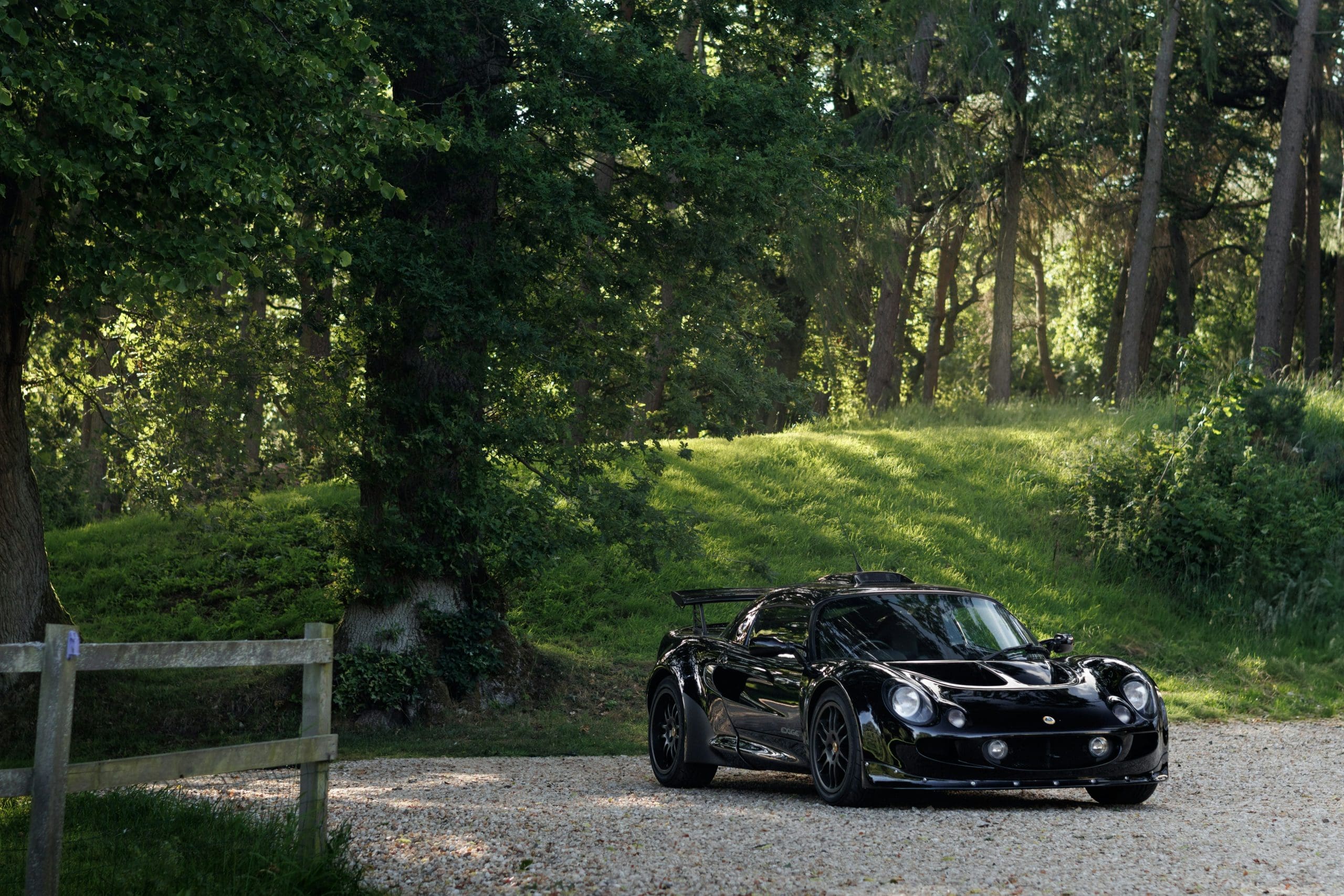
- 2000–01
- Engine
- 1.8 Rover four
- Power
- 177 hp
- Built
- ~ 600
Road car · United Kingdom
7. Lotus Exige (Series 1)
The Exige took the body developed for Lotus's own Elise racing series and put it on the road. It has a fixed roof with an air scoop, a wider track, a rear wing and a front splitter, and the most powerful version of the Rover engine, with 177 horsepower. It weighs under 800 kg.
Where the Elise is friendly, the Exige is intense. The engine is loud and needs revs, the cabin is hot, and the car reacts to every movement of the steering. On a circuit it would stay with cars of twice the power.
Only about 600 were made in two years, before the rules that allowed the Series 1 cars ran out. It is seventh because it is the Elise idea at its most concentrated, and because it began a line of Exiges that became the company's best cars for the next twenty years.
Verdict An Elise racing car with number plates.
Its shape came from the cars built for Lotus's own Elise racing series.
- Years
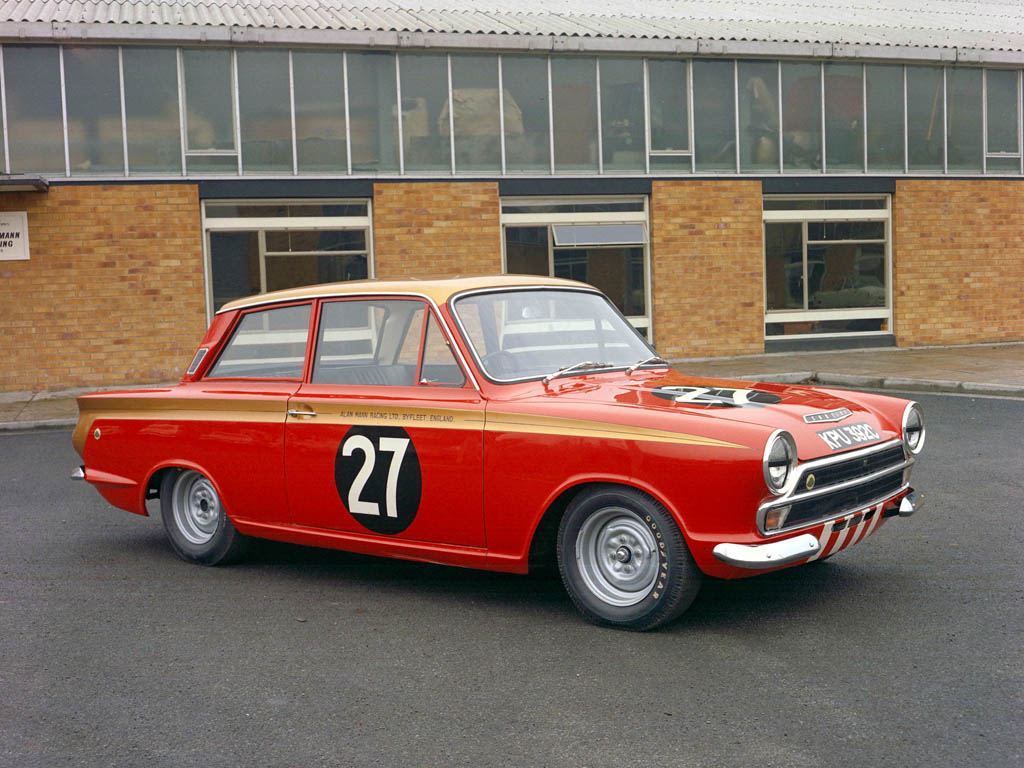
- 1963–70
- Engine
- 1.6 twin-cam four
- Power
- 105 hp
- Built
- 7,399
Road car · United Kingdom
6. Lotus Cortina
Ford wanted to race its new family saloon and asked Lotus to build 1,000 special ones. Lotus fitted the Elan's twin-cam engine and its own suspension, made the doors, bonnet and boot lid in aluminium on the early cars, painted them white with a green stripe and assembled them at its factory in Cheshunt.
The result won the British Saloon Car Championship in 1964 with Jim Clark, who cornered it with the inside front wheel well clear of the ground, and the European title in 1965 with Sir John Whitmore. Demand was far beyond the plan, and 7,399 were built.
It is sixth because it started something. A family car with a racing engine and proper suspension, sold through ordinary dealers, is the pattern for every fast Ford that followed and for the BMW M3 and its kind. It is also the car most people picture when they think of Jim Clark outside a single-seater.
Verdict A family saloon with an Elan engine, and Jim Clark on three wheels.
Ford asked for 1,000 cars so that it could go racing. Demand took the total past 7,000.
- Years
- 1976–78
- Engine
- 2.0 four
- Power
- 160 hp
- Built
- ~ 720
Road car · United Kingdom
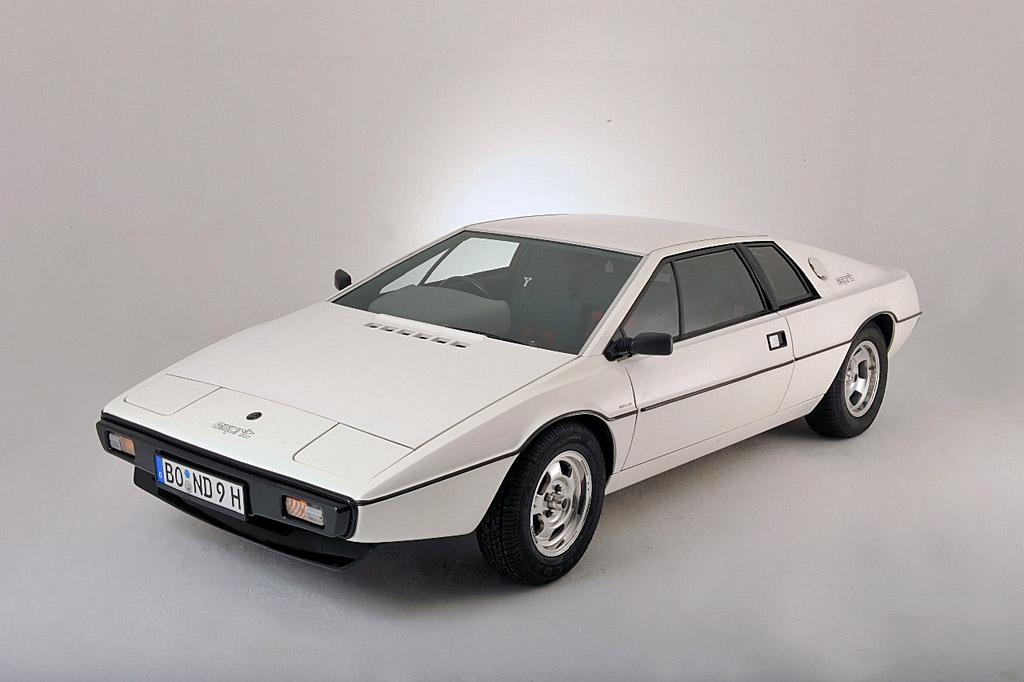
5. Lotus Esprit (S1)
The Esprit was first seen as a Giugiaro show car and reached production in 1976 almost unaltered: a low wedge of flat planes and sharp edges on a backbone chassis, with Lotus's own 2.0-litre four behind the seats. It looked like a rival for the Countach. It had 160 horsepower.
It did not matter as much as it should have. The Esprit weighed under a tonne and went round corners with a balance that heavier, more powerful cars could not match. A year later one drove off a pier in The Spy Who Loved Me and became a submarine, and Lotus was known in places that had never seen a Formula One race.
The car was developed for 28 years, with a turbocharger from 1980, a new body in 1987 and a V8 in 1996, and 10,675 were built in all. The first version is fifth because it is the purest, and because it moved Lotus from kit cars to supercars in one step.
Verdict The wedge that took Lotus upmarket, and under water.
In The Spy Who Loved Me it drives off a pier and turns into a submarine.
- Years
- 1957–63
- Engine
- 1.2 Coventry Climax four
- Power
- 75 hp
- Built
- 1,030
Road car · United Kingdom
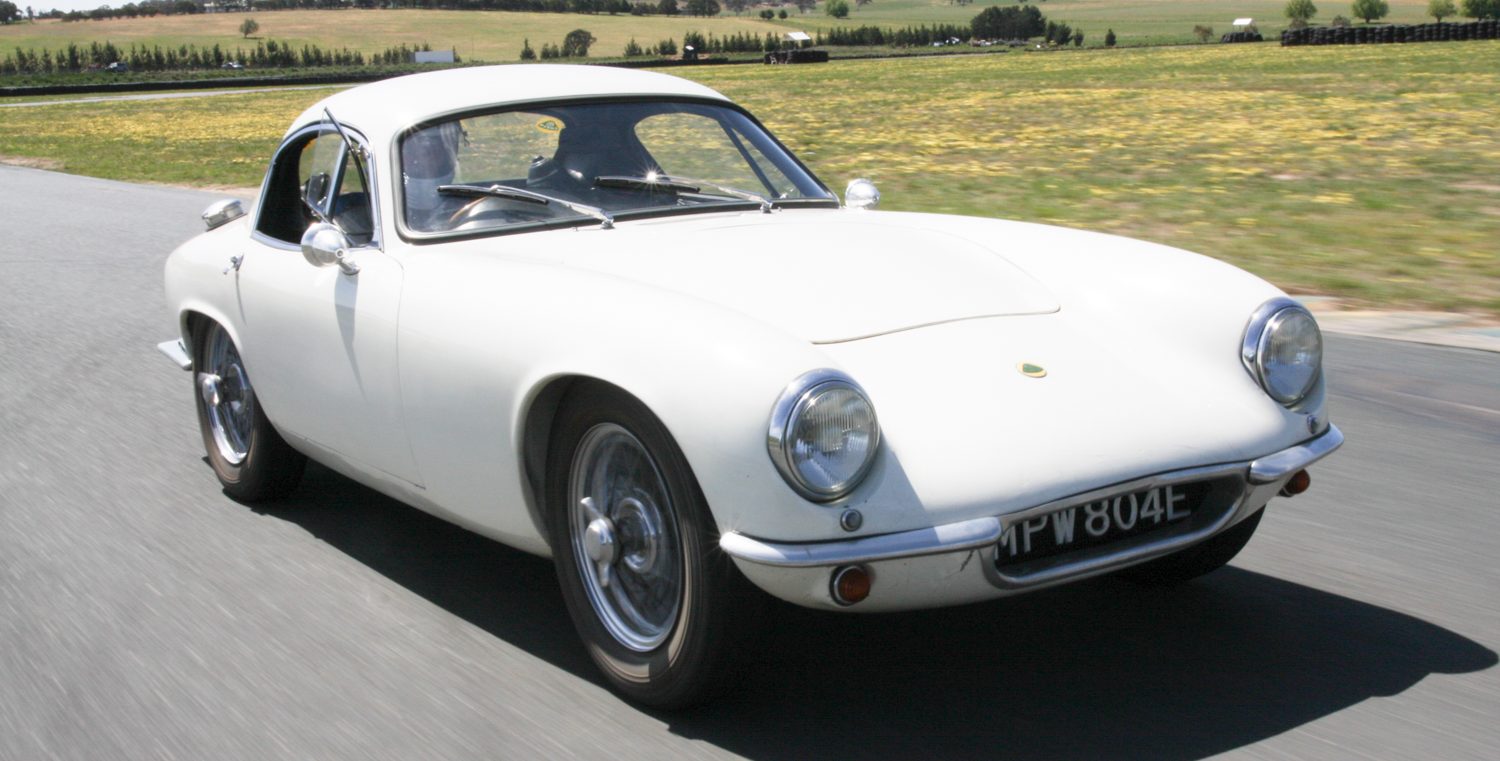
4. Lotus Elite (1957)
The Elite, shown at Earls Court in 1957, has no chassis. The body is the structure: a shell moulded in fibreglass that carries the engine, suspension and occupants, with steel only where things bolt on. No production car had been built that way. Peter Kirwan-Taylor, an accountant, drew the shape and Frank Costin refined it to a drag coefficient of 0.29.
It weighed about 1,100 lb. With a 1,216 cc Coventry Climax engine it was as fast as cars of twice the capacity and used half the fuel, which is how it won its class at Le Mans six times between 1959 and 1964.
It was also noisy inside, the body drummed, and the mounting points could pull out. Lotus made 1,030 and lost money on each. It is fourth because it is the cleverest car the company ever built and one of the best looking, and below the Elan because the Elan took the same ideas and made them work every day.
Verdict A body with no chassis, a tiny engine, and six class wins at Le Mans.
Lotus lost money on every one it built.
- Years
- From 1957
- Engine
- Four-cylinder, many types
- Power
- From 40 hp to more than 300
Road car · United Kingdom
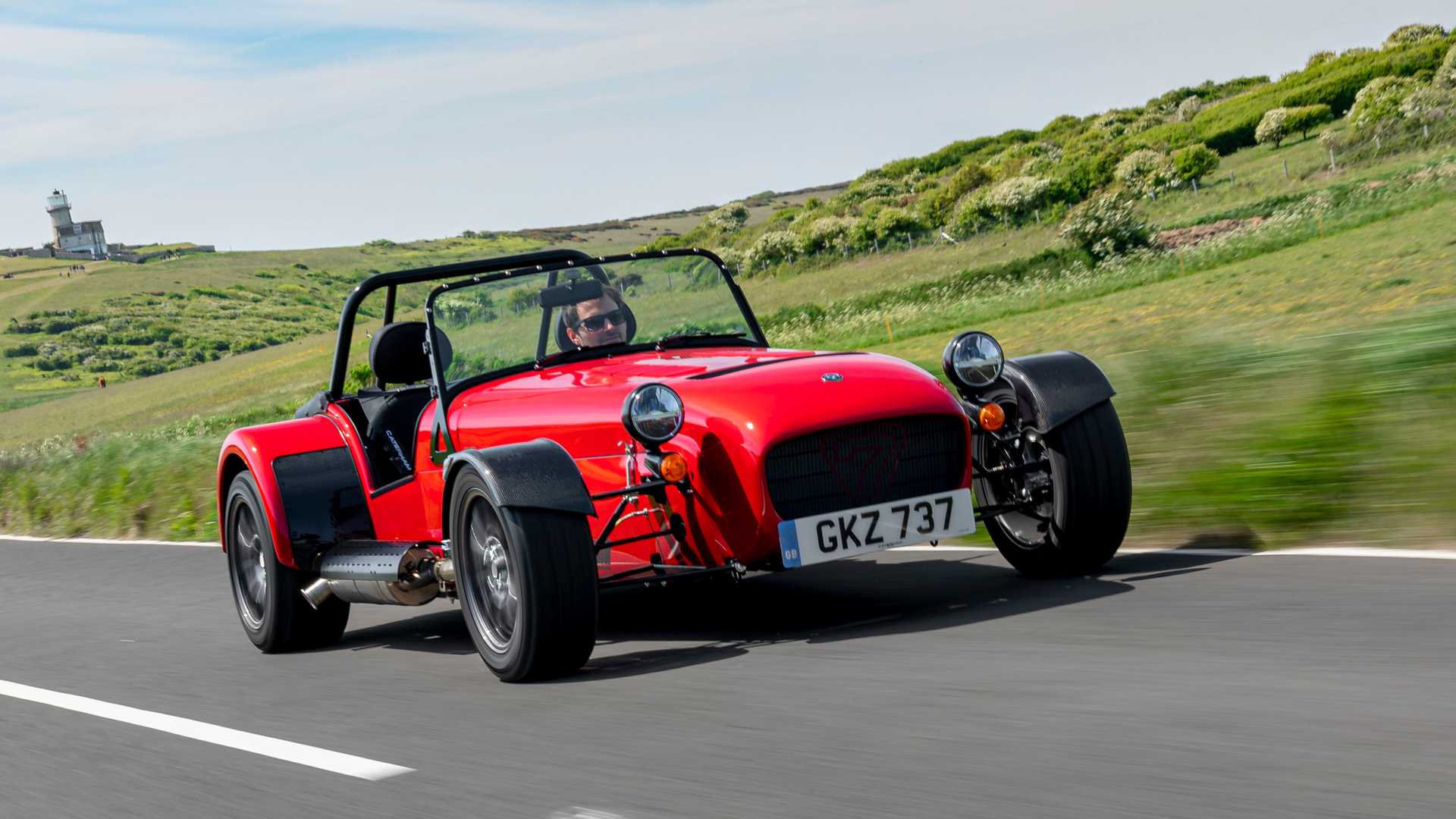
3. Lotus and Caterham Seven
Colin Chapman drew the Seven quickly in 1957 as a simple car that club racers could afford. It has a frame of small steel tubes, aluminium panels, cycle wings at the front and no doors. With a Ford side-valve or a Coventry Climax engine it weighed just over 1,000 lb, and it was sold as a kit for £536, which avoided purchase tax.
It is the purest statement of what Lotus was for: take out everything that is not needed and the rest works better. A Seven with modest power will keep up with far more expensive cars on a twisting road, and the driver is close enough to the front wheels to watch them work.
Lotus made about 2,500 and sold the rights to Caterham in 1973. Caterham has built some 25,000 since and still does. It is third because very few designs have stayed in production so long with so little changed, which is the best evidence that it was right.
Verdict The simplest sports car ever sold, and still on sale.
Lotus sold the rights to its dealer Caterham Cars in 1973. Caterham has built the Seven ever since.
- Years
- 1996–2001
- Engine
- 1.8 four
- Power
- 118 hp
- Built
- ~ 10,600
Road car · United Kingdom
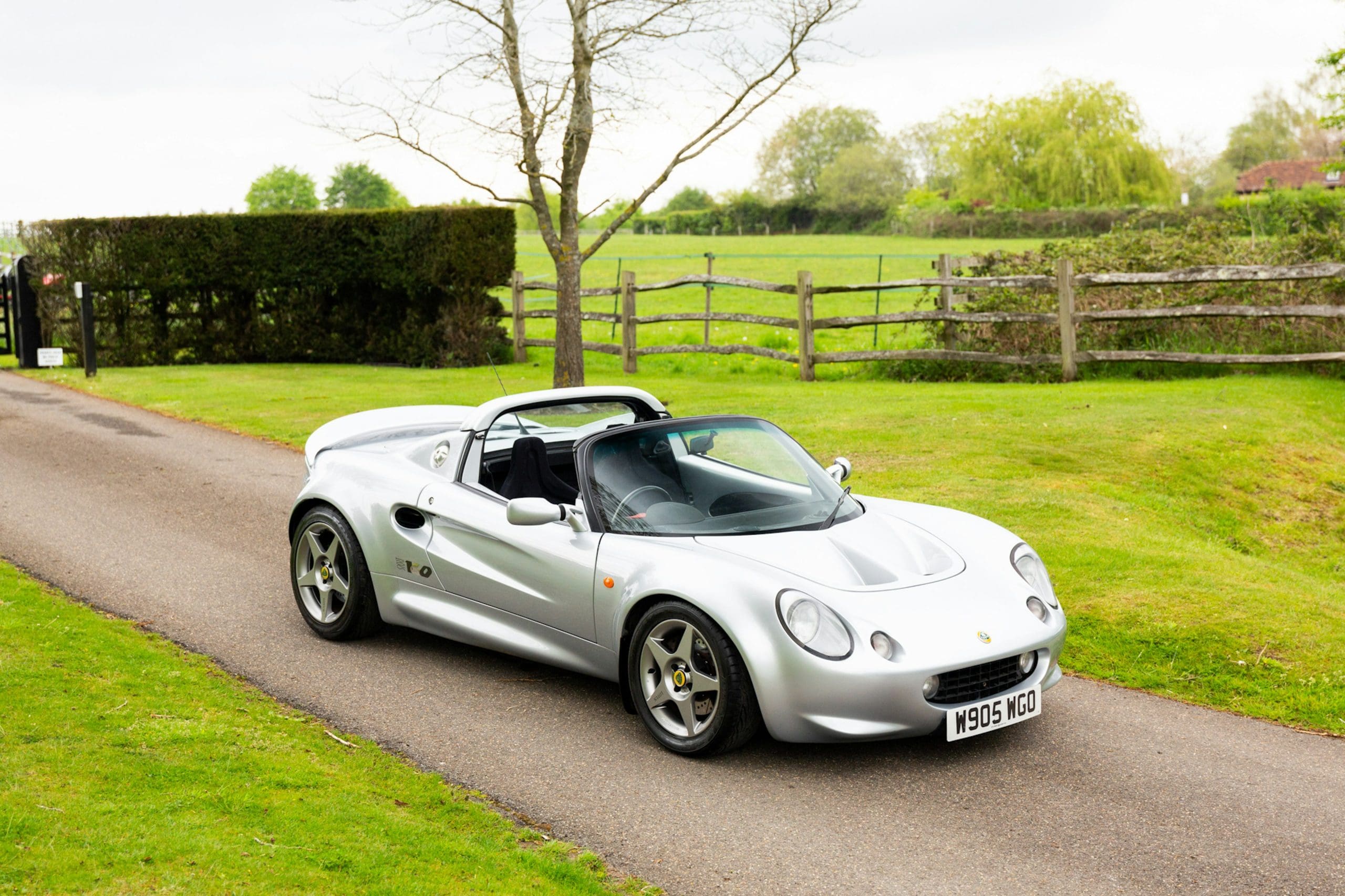
2. Lotus Elise (Series 1)
By the mid-1990s Lotus was close to the end, selling an old Esprit and little else. The Elise of 1996 saved it. Richard Rackham designed a chassis of aluminium extrusions glued together with epoxy, a method nobody had used for a production car, and it came out stiff and very light. With a fibreglass body and a Rover K-series engine the finished car weighed 725 kg.
It had 118 horsepower, no power steering, no servo for the brakes and almost no trim. It did not need more. The steering tells the driver exactly what the front tyres are doing, and the car is small enough to place on any road. Romano Artioli, who owned Lotus at the time, named it after his granddaughter.
The Elise and the cars derived from it account for about 35,000 sales, and production ran until 2021. It is second because it brought back the idea the Elan stood for, at a time when sports cars were getting heavier every year, and because the company exists today because of it.
Verdict Lightness rediscovered, and the car that kept Lotus alive.
Named after Elisa Artioli, granddaughter of the Lotus chairman of the time. The bare chassis weighs about 68 kg.
The best of the 30 · Road car · United Kingdom
1. Lotus Elan
- Years
- 1962–73
- Engine
- 1.6 twin-cam four
- Power
- 105 to 126 hp
- Built
- ~ 12,000
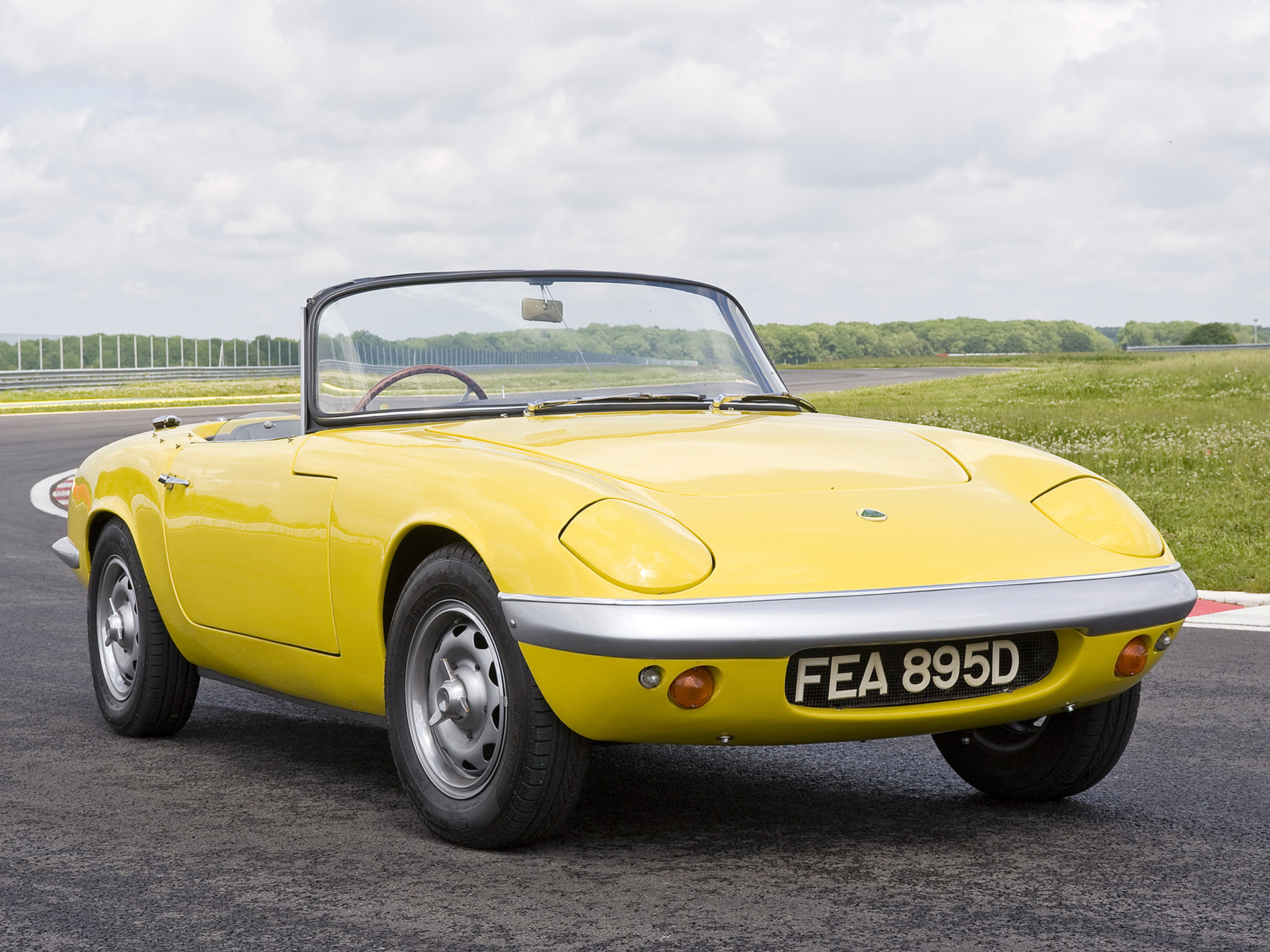
The Elan of 1962 is a small open two-seater with a fibreglass body on a steel backbone chassis, a frame shaped like a tuning fork that carries the engine at one end and the rear suspension at the other. Ron Hickman led the design. The engine is a Ford block with a Lotus twin-cam head, the suspension is independent all round, the headlamps pop up, and the whole car weighs about 1,500 lb.
None of that explains what it is like. The Elan rides softly, which was unusual for a sports car then and is still unusual now, and it changes direction with almost no effort from the driver. The steering is light and exact. It needs very little road and very little power to be driven quickly, and it flatters whoever is at the wheel.
Lotus built about 12,000 before 1973. Mazda is said to have measured one when it designed the MX-5, and Gordon Murray has named its steering as the standard he was aiming at with the McLaren F1. It is first because every light sports car made since has been judged against it, and most have lost.
Verdict The small sports car that set the standard for all the others.
Gordon Murray said his one regret about the McLaren F1 was that its steering was not as good as an Elan's.
Questions about this list
What is the best Lotus ever made?
By our ranking, the Elan of 1962. It has a fibreglass body on a steel backbone chassis, a twin-cam engine and a weight of about 1,500 lb. Its steering and ride set the standard for light sports cars, and about 12,000 were built. The first Elise and the Seven are second and third.
What did Colin Chapman mean by 'add lightness'?
Chapman's rule was to simplify, then add lightness. A lighter car accelerates, stops and corners better with the same engine, and puts less strain on every part. Lotus built its reputation on cars with modest power and very low weight, such as the Seven, the Elan and the Elise.
Why are the Lotus Formula One cars not on this list?
This list is for road cars. Lotus's Formula One and Indianapolis cars, including the 25, 49, 72 and 79, were built only to race. They belong on a separate list of racing cars.
Is the Lotus Cortina a Lotus or a Ford?
Both. Ford supplied the Cortina body, and Lotus fitted its own twin-cam engine and suspension and assembled the early cars at its factory in Cheshunt. It was sold through Ford dealers. We counted it, along with the Lotus Carlton and the Talbot Sunbeam Lotus, because Lotus engineered it and its name is on the car.
Does Lotus still make petrol cars?
Yes, one. The Emira, with a supercharged V6 or a turbocharged four-cylinder, is the last petrol Lotus. The company's other current models, the Evija, Eletre and Emeya, are electric.