In the forty years before the Second World War the motor car went from a carriage with an engine to something a modern driver would recognise. Nearly every idea we now take for granted was tried in that time: the engine at the front and then behind the driver, bodies without a chassis, front-wheel drive, superchargers, independent suspension, hydraulic brakes. This list is the best of what came out of it.
What counts
Any car first built before 1940, for the road or for racing. The line between the two was thin for much of the period: owners drove their Bugattis and Alfa Romeos to the circuit, raced them and drove home. Three of the thirty were built only to race. A few cars stayed in production after the war and are counted on the strength of their prewar design.
How we ranked them
Four questions: how good the engineering was, what the car won, how it looks, and what it changed. The last one weighs heavily here. A plain car that put a country on wheels ranks above a beautiful one that a few dozen people owned, though not always by much.
How to read this list
The list counts down from thirty to one. The top ten have the longest entries, the next ten are shorter and the last ten are brief. Seven of the thirty are French and seven Italian, six are German, six British and four American. The oldest dates from 1903.
See the full ranking, 1 to 30
| Rank | The Best Prewar Cars | Years |
|---|---|---|
| 1 | Bugatti Type 35 | 1924–31 |
| 2 | Alfa Romeo 8C 2900B | 1937–39 |
| 3 | Ford Model T | 1908–27 |
| 4 | Mercedes-Benz SSK | 1928–32 |
| 5 | Bugatti Type 57SC Atlantic | 1936–38 |
| 6 | Bentley 4½ Litre "Blower" | 1929–31 |
| 7 | Duesenberg Model J and SJ | 1928–37 |
| 8 | Rolls-Royce Silver Ghost | 1906–26 |
| 9 | BMW 328 | 1936–40 |
| 10 | Alfa Romeo 8C 2300 | 1931–34 |
| 11 | Mercedes-Benz 540K Special Roadster | 1936–40 |
| 12 | Auto Union Type C | 1936–37 |
| 13 | Bentley Speed Six | 1928–30 |
| 14 | Bugatti Type 41 Royale | 1927–33 |
| 15 | Mercedes-Benz W125 | 1937 |
| 16 | Citroën Traction Avant | 1934–57 |
| 17 | Lancia Lambda | 1922–31 |
| 18 | Hispano-Suiza H6 | 1919–33 |
| 19 | Mercedes Simplex 60 hp | 1903–04 |
| 20 | Alfa Romeo 6C 1750 Gran Sport | 1929–33 |
| 21 | Talbot-Lago T150C SS "Teardrop" | 1937–39 |
| 22 | Cord 810 and 812 | 1936–37 |
| 23 | Delahaye 135 | 1935–54 |
| 24 | Austin Seven | 1922–39 |
| 25 | SS Cars SS 100 | 1936–40 |
| 26 | Vauxhall 30-98 | 1913–27 |
| 27 | Stutz Bearcat | 1912–24 |
| 28 | Fiat 500 "Topolino" | 1936–55 |
| 29 | Alfa Romeo Tipo B (P3) | 1932–35 |
| 30 | Lancia Aprilia | 1937–49 |
30 to 21
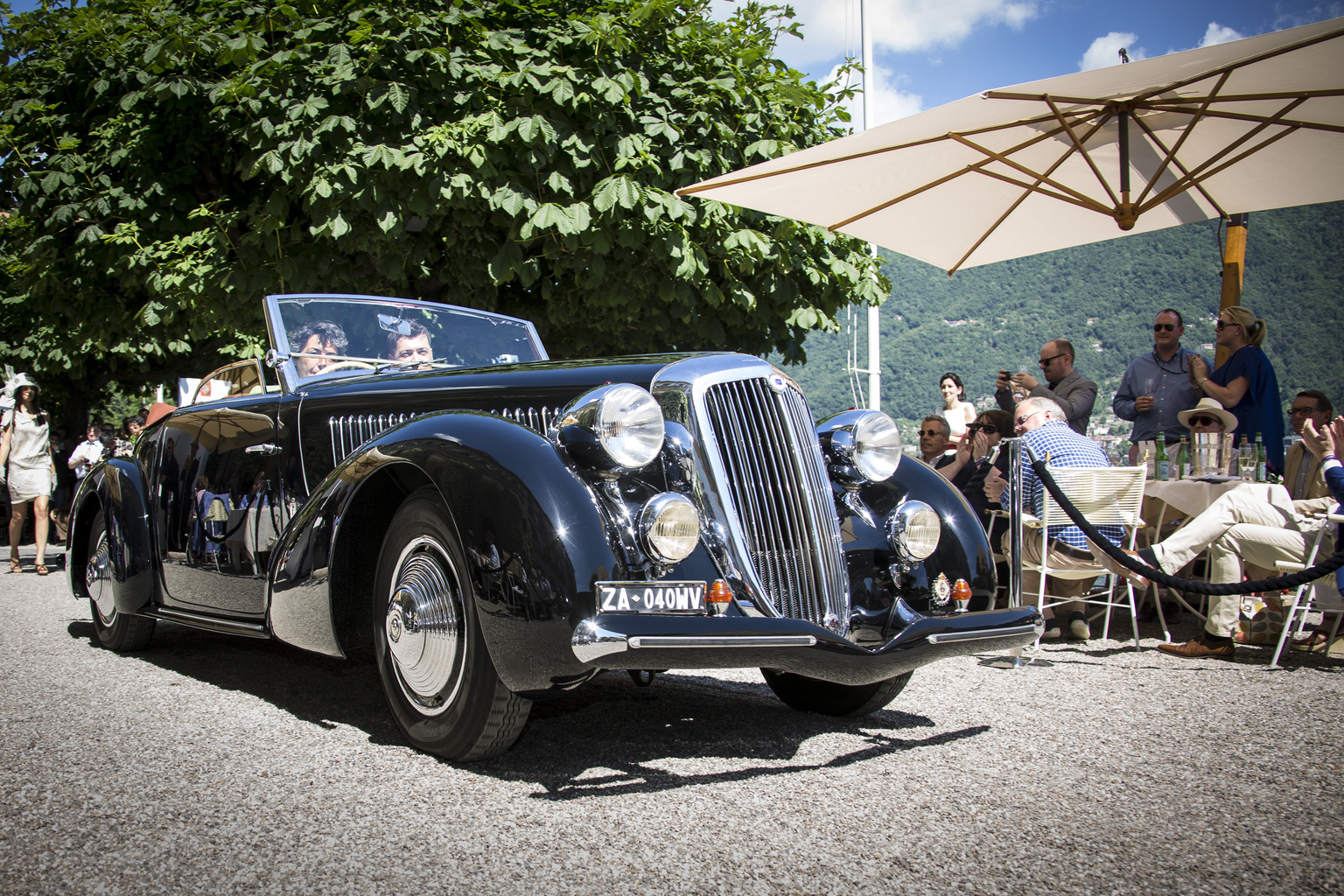
30. Lancia Aprilia
1937–49 · 1.35 V4, later 1.5 · 47 hp · ~ 27,600
The Aprilia of 1937 was a small saloon shaped in a wind tunnel, with no pillar between its doors, independent suspension at all four wheels and a light V4 engine. It was the last car Vincenzo Lancia worked on, and he died just before it went on sale. It would cruise at 80 mph on 47 horsepower. It ranks here as the cleverest small car of the 1930s.
Verdict A wind-tunnel saloon, and Vincenzo Lancia's last car.
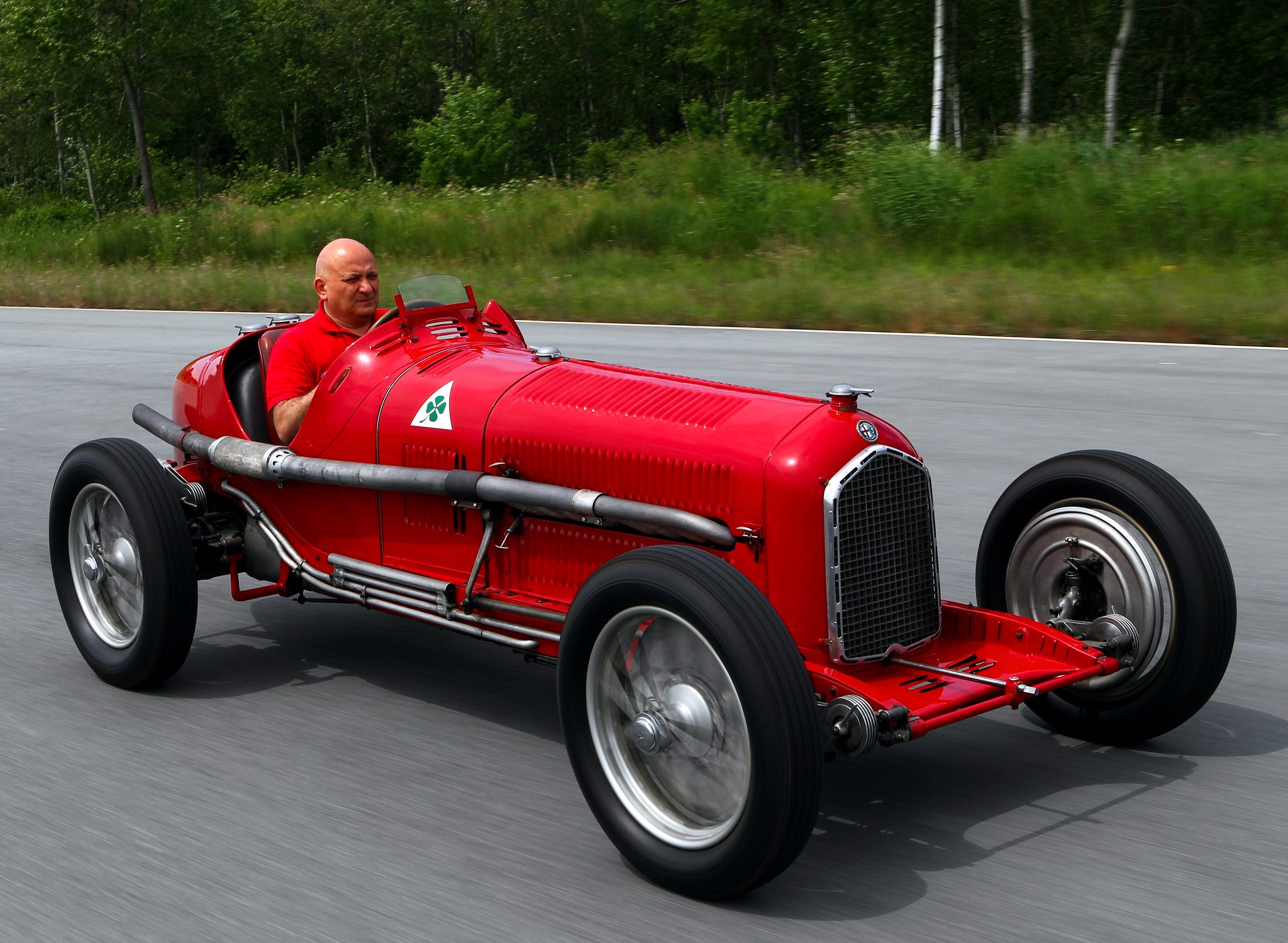
29. Alfa Romeo Tipo B (P3)
1932–35 · 2.65 supercharged straight-eight, later 3.2 · 215 to 265 hp
The Tipo B of 1932 was the first Grand Prix car built as a true single-seater, with the driver in the middle. It won almost everything for two years. Its finest day came in 1935, when Tazio Nuvolari, in an outdated example, beat the whole German team at the Nürburgring. It ranks low only because three racing cars sit above it.
Verdict The first single-seater Grand Prix car, and Nuvolari's greatest win.
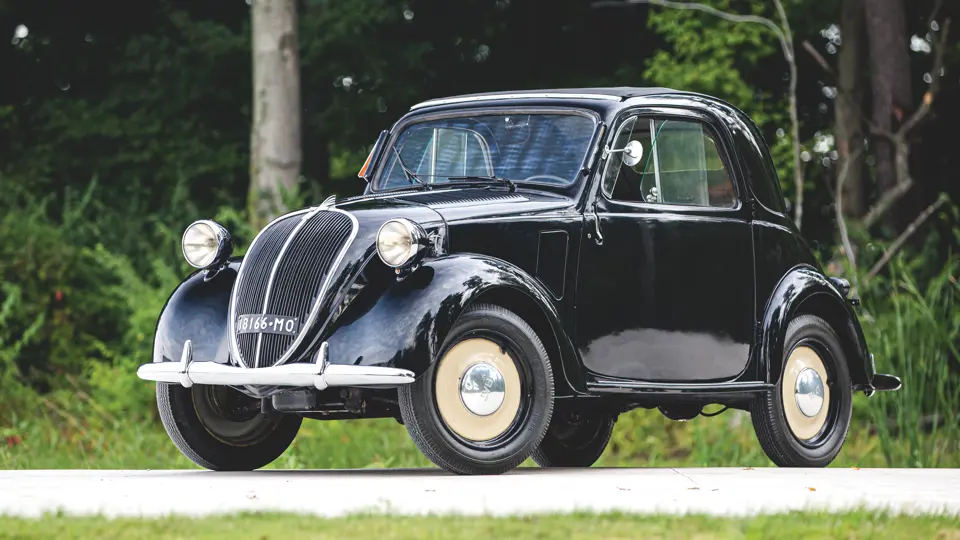
28. Fiat 500 "Topolino"
1936–55 · 0.57 four · 13 hp · ~ 520,000
The Fiat 500 of 1936 was the smallest proper car in the world, a two-seater with a 569 cc engine set ahead of the front wheels. Italians called it Topolino, little mouse. It was cheap, well engineered and economical, and it put Italy on wheels as the Seven had done for Britain. More than half a million were made.
Verdict The little mouse that put Italy on wheels.
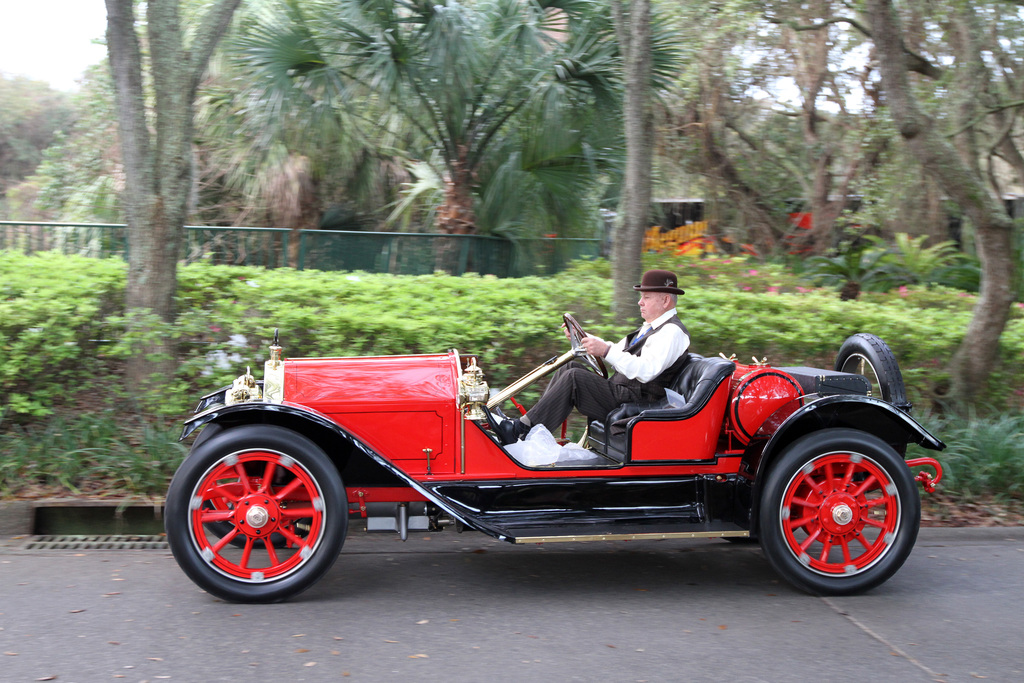
27. Stutz Bearcat
1912–24 · 6.4 four · 60 hp
The Bearcat of 1912 was America's first sports car in spirit: a big four-cylinder engine, two bucket seats, a fuel tank behind them and almost no bodywork. It was a racing car with lamps. Rich young men bought it to be seen in. It ranks here as the best of the American raceabouts, with the Mercer its only rival.
Verdict Two seats, a big engine and nothing else.
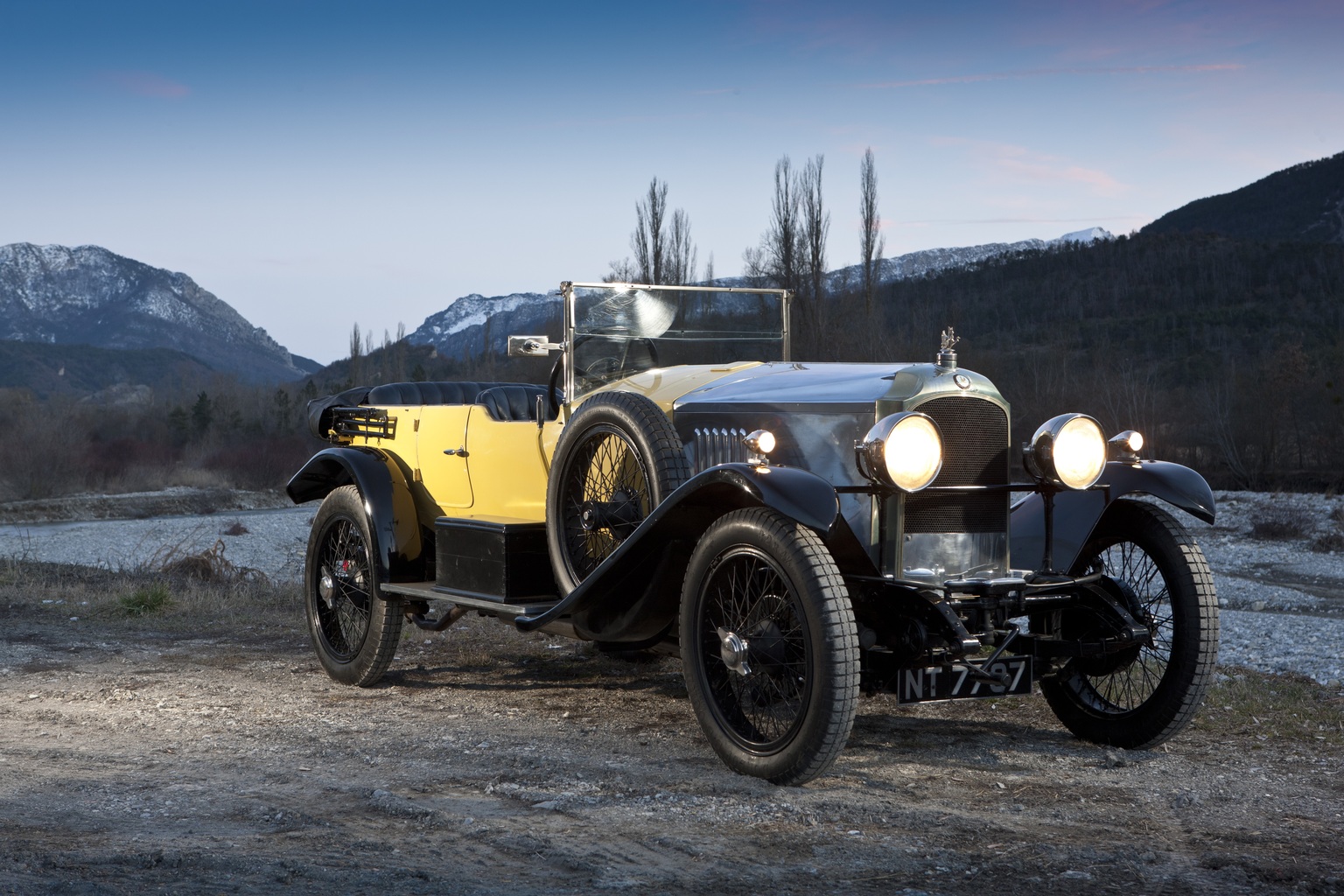
26. Vauxhall 30-98
1913–27 · 4.5 four, later 4.2 · 90 to 120 hp · ~ 600
Before Bentley, the fast British touring car was the Vauxhall 30-98. It began in 1913 as a hill-climb special and went on sale with a 4.5-litre engine and a light four-seat body. Vauxhall guaranteed 100 mph from a stripped example. It was faster than the 3 Litre Bentley and less well known, because Vauxhall did not go to Le Mans.
Verdict The fast British tourer that came before Bentley.
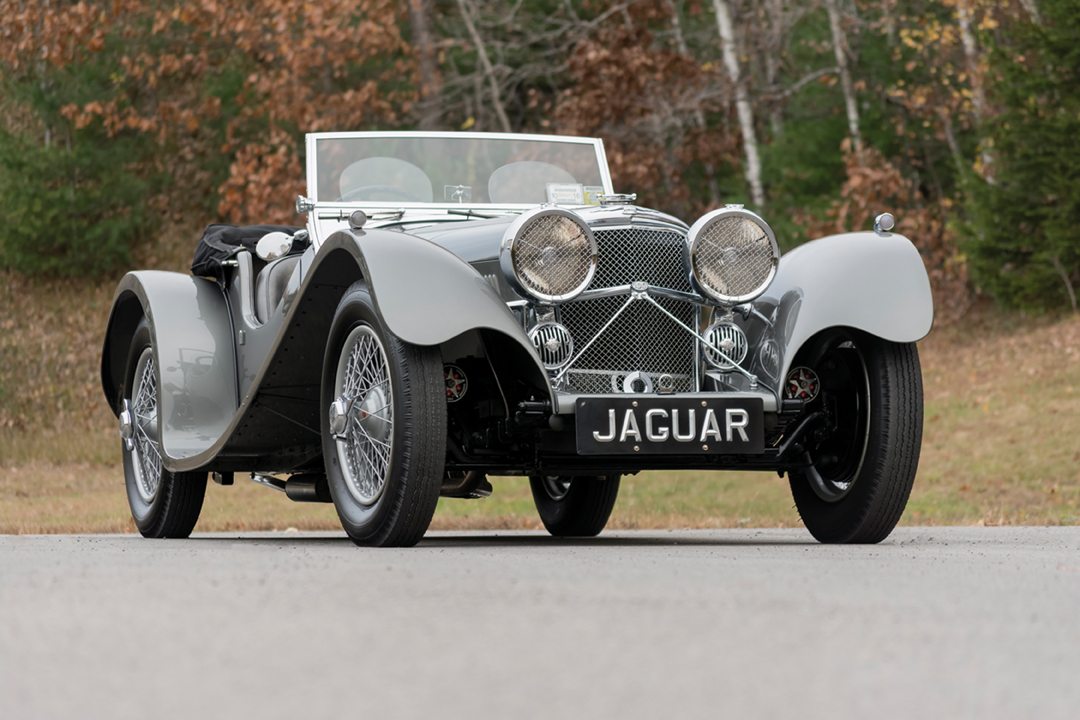
25. SS Cars SS 100
1936–40 · 2.5 and 3.5 straight-six · 100 to 125 hp · ~ 310
The SS 100 of 1936 was the first car to carry the Jaguar name. It was long in the bonnet and low, and with the 3.5-litre engine it would reach 100 mph, for about a third of the price of anything comparable. Only 314 were made. It ranks here as the car that showed what William Lyons could do, twelve years before the XK120.
Verdict The first Jaguar, and a hundred miles an hour at a bargain price.
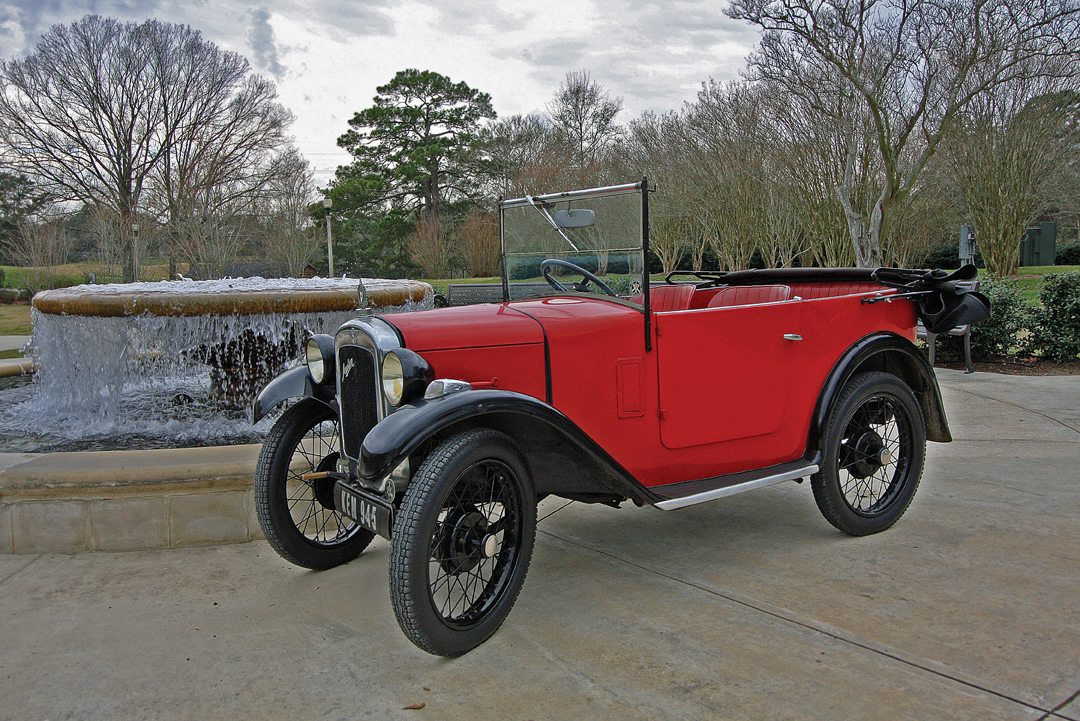
24. Austin Seven
1922–39 · 0.75 four · 10 to 17 hp · ~ 290,000
The Austin Seven of 1922 was a real car in miniature, with four cylinders and four seats, at a price a clerk could manage. It replaced the motorcycle and sidecar for British families. It was built under licence in Germany, France and America. The first BMW car was one, and so, underneath, were the first Lotus and the first Swallow-bodied cars that led to Jaguar.
Verdict Britain's Model T, and the start of BMW, Lotus and Jaguar.
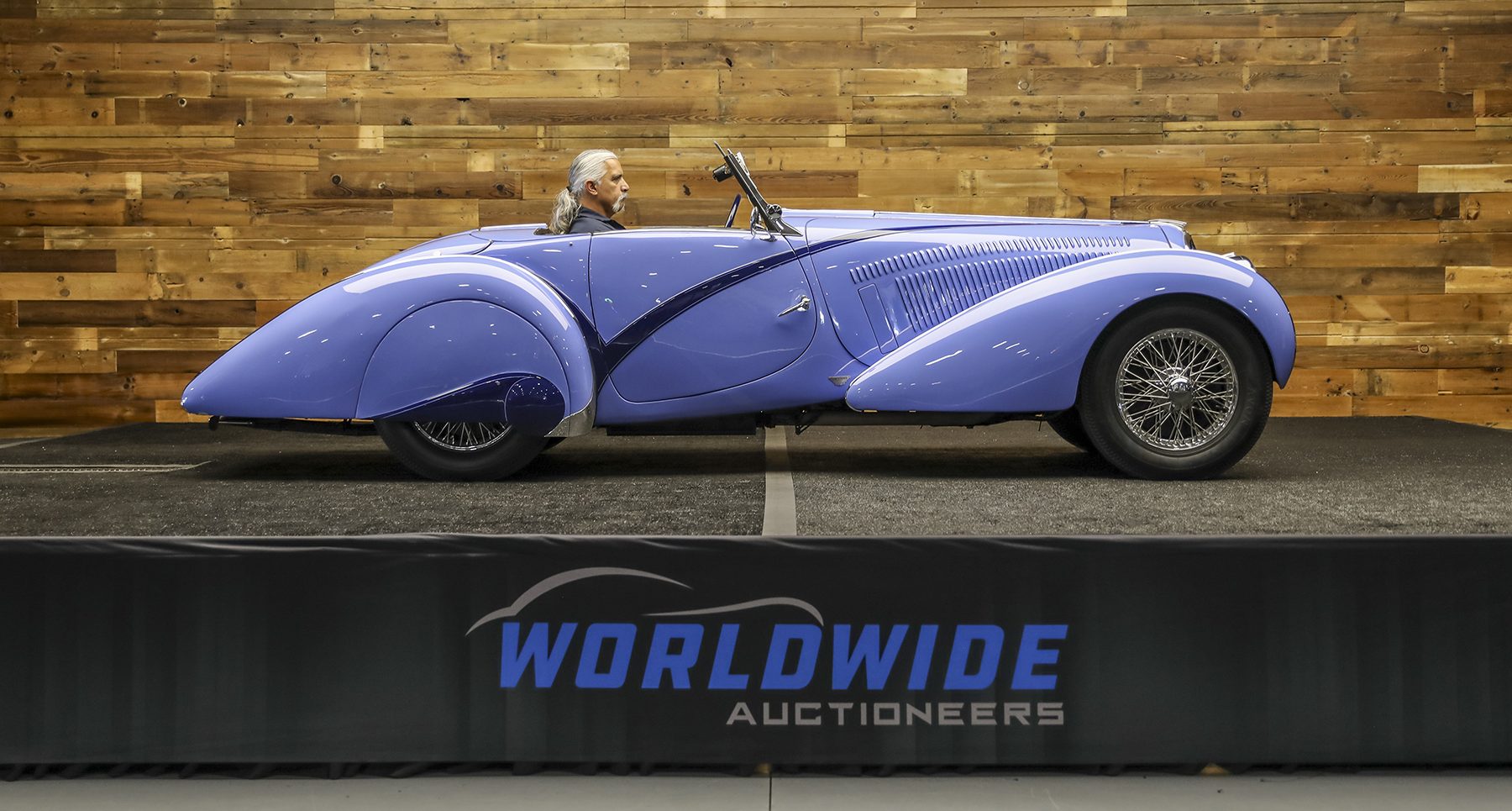
23. Delahaye 135
1935–54 · 3.2 to 3.6 straight-six · 95 to 160 hp · ~ 2,000
Delahaye made lorries and dull saloons until 1935, when it put a tuned lorry engine into a low sports chassis. The 135 won the Monte Carlo Rally and, in 1938, Le Mans. It also became the favourite chassis of the Paris coachbuilders, who gave it some of the most extravagant bodies ever made. It ranks here as a fine sports car beneath all the decoration.
Verdict A lorry engine, a Le Mans win and the wildest bodies in Paris.
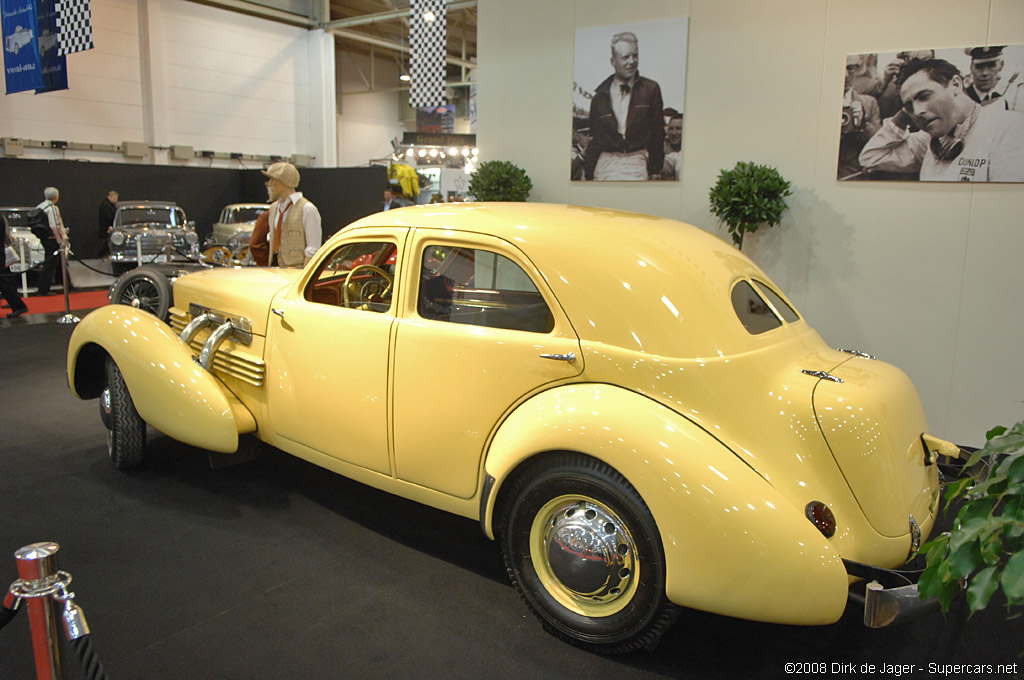
22. Cord 810 and 812
1936–37 · 4.7 V8, supercharged in the 812 · 125 to 170 hp · ~ 3,000
The Cord 810 of 1936 had front-wheel drive, no running boards, a blunt nose wrapped in horizontal louvres and headlamps that wound away into the wings. It looked like nothing else on the road. The supercharged 812 had 170 horsepower. Gearbox troubles and a failing company ended it after two years. It ranks here as the most original American design of the decade.
Verdict The car of the future, for two years.
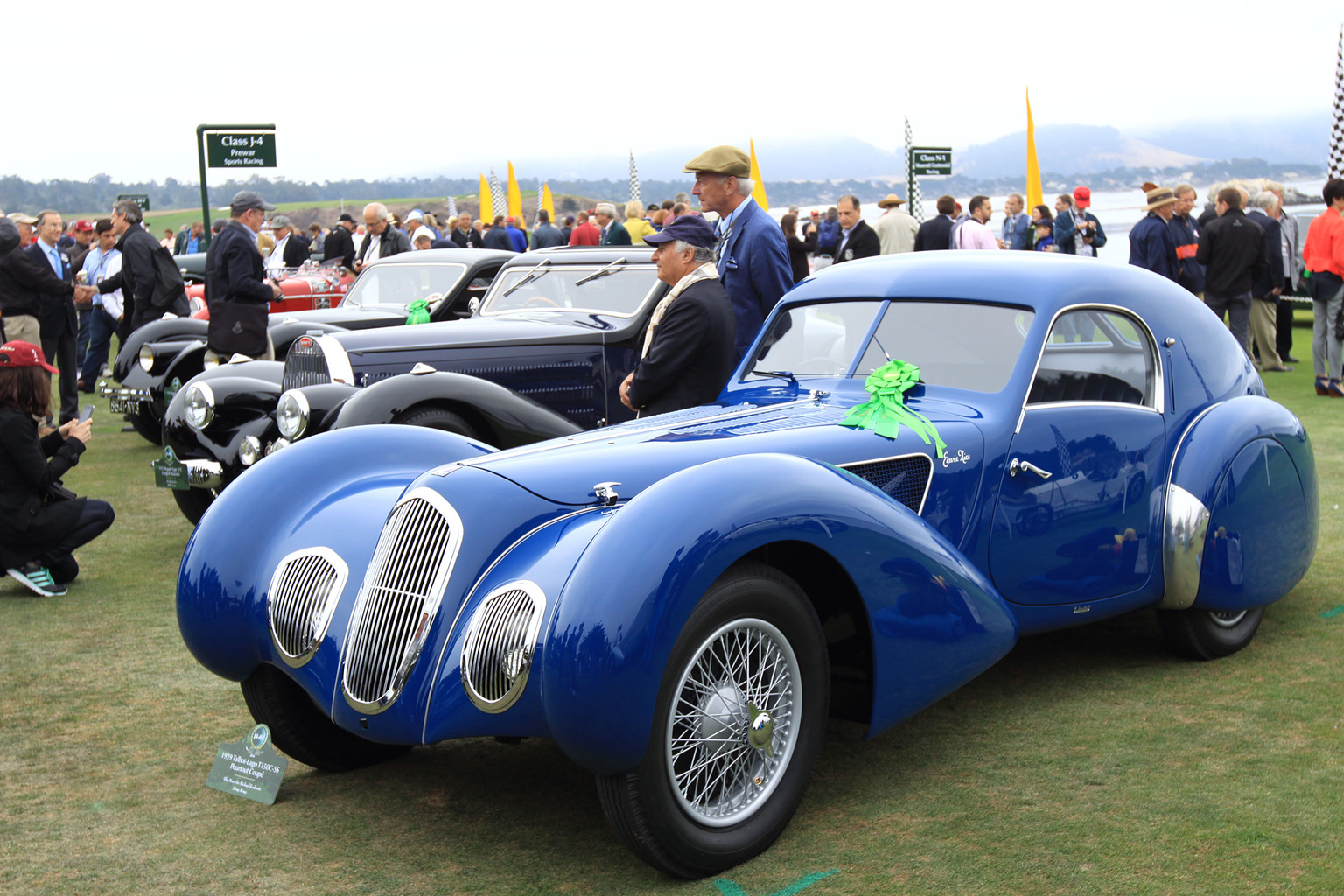
21. Talbot-Lago T150C SS "Teardrop"
1937–39 · 4.0 straight-six · 140 hp · ~ 16 with this body
The T150C SS was a short, low sports chassis with a 4.0-litre six. About sixteen were given a closed body by the Paris coachbuilder Figoni et Falaschi, in a shape the French called the drop of water. One finished third at Le Mans in 1938. It ranks here as the best of French streamlined coachwork, and one of the most beautiful cars of the 1930s.
Verdict A drop of water in metal, and quick enough for Le Mans.
20 to 11
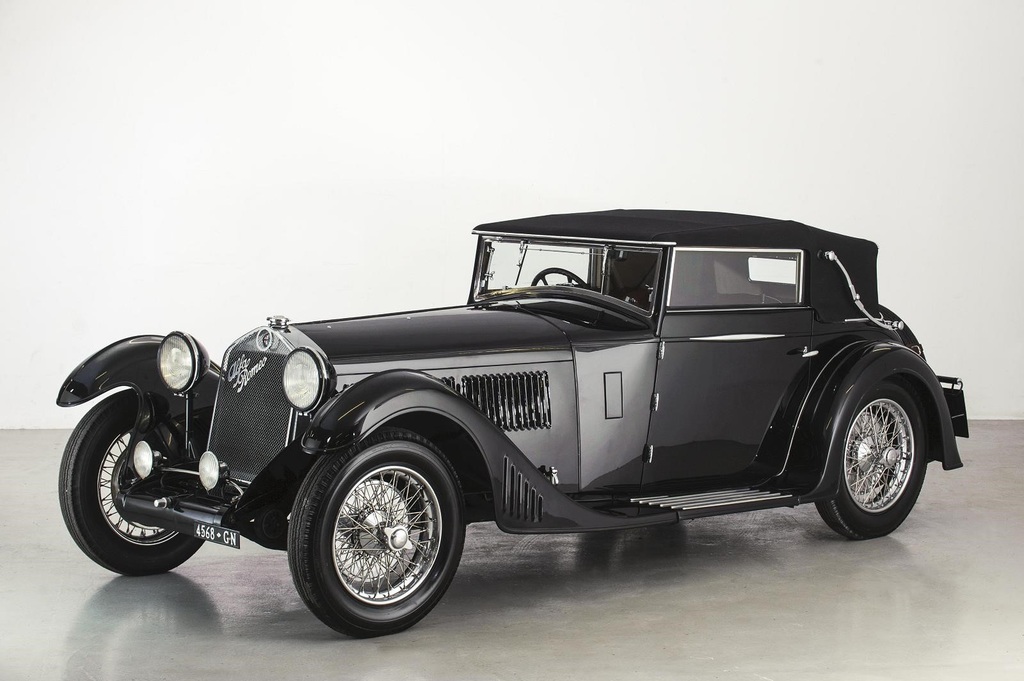
20. Alfa Romeo 6C 1750 Gran Sport
1929–33 · 1.75 supercharged straight-six · 85 hp
The 6C 1750 was a small, supercharged six-cylinder sports car, light and beautifully balanced, usually with an open two-seat body by Zagato. It beat bigger cars by handling and stopping better than they did.
Tazio Nuvolari won the 1930 Mille Miglia in one, the first time the race was won at over 100 km/h. It is the most usable of the prewar Alfa Romeos and is still driven hard today. It ranks below the eight-cylinder cars because they did more.
Verdict The small supercharged Alfa that beat the big cars.
Did you know: Tazio Nuvolari won the 1930 Mille Miglia in one, the first time the race was won at an average of more than 100 km/h.
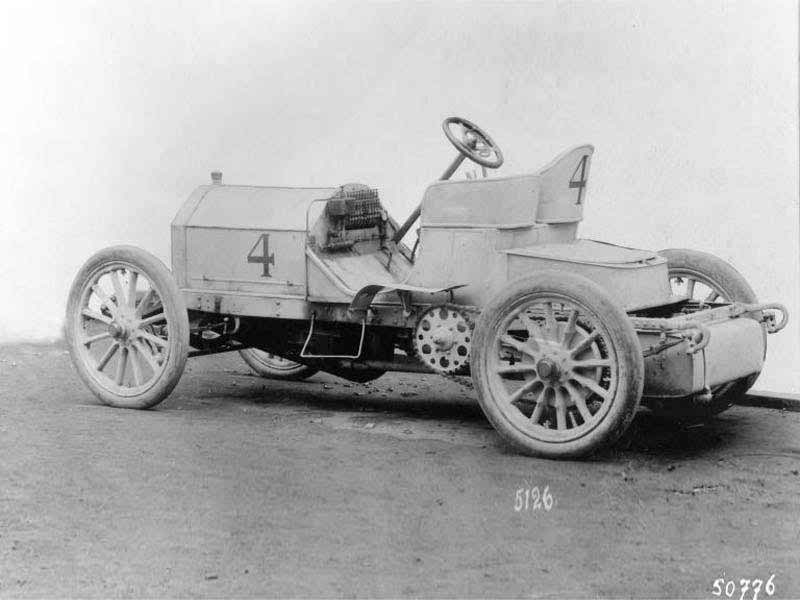
19. Mercedes Simplex 60 hp
1903–04 · 9.2 four · 60 hp
At the start of the century a car was a carriage with an engine. The Mercedes of 1901 and the Simplex models that followed changed that, with a pressed-steel frame, the engine at the front under a bonnet, a honeycomb radiator and a gate gearchange. Every car since has followed the pattern.
The 60 hp of 1903 was the fastest of them, a 9.2-litre machine that could exceed 70 mph. It ranks here as the oldest car on the list and the template for the rest.
Verdict The pattern for the motor car, set in 1903.
Did you know: Mercedes was the name of the daughter of Emil Jellinek, the dealer who ordered the cars.
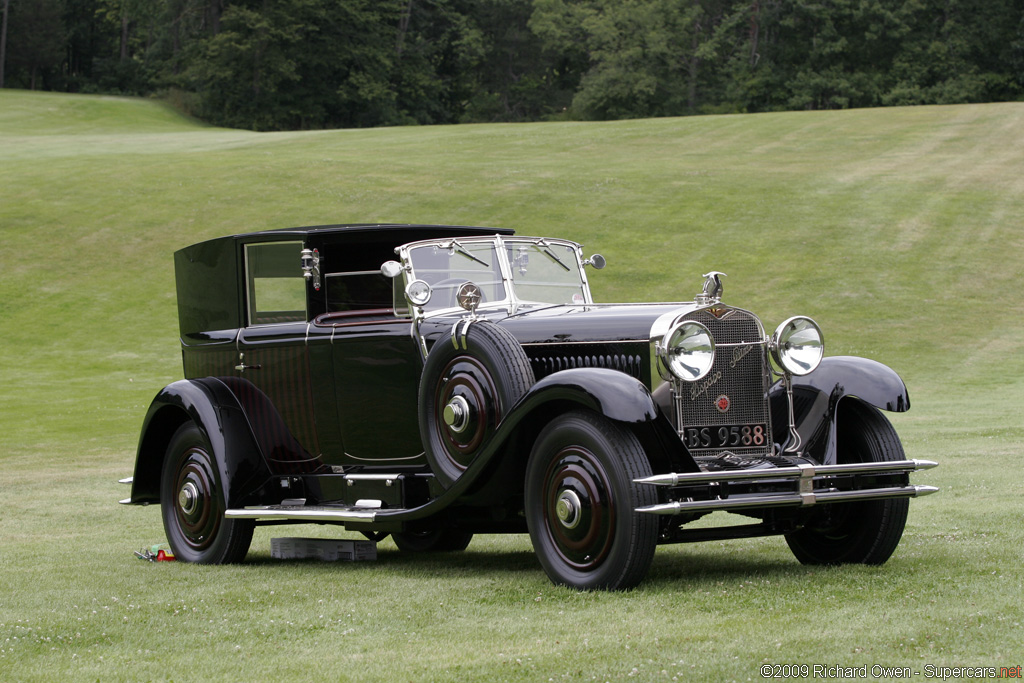
18. Hispano-Suiza H6
1919–33 · 6.6 straight-six, later 8.0 · 135 to about 200 hp · ~ 2,350
Hispano-Suiza built aircraft engines during the First World War, and the H6 of 1919 used what it had learned: a 6.6-litre six with an aluminium block and an overhead camshaft. It also had brakes on all four wheels with a mechanical servo to help the driver, a system so good that Rolls-Royce paid for the right to copy it.
In the early 1920s it was the finest car in the world, ahead of the Silver Ghost in everything but silence. It ranks here as the most advanced luxury car of its decade.
Verdict An aircraft maker's car, with brakes Rolls-Royce paid to copy.
Did you know: Its servo-assisted brakes were so good that Rolls-Royce paid to use the design.
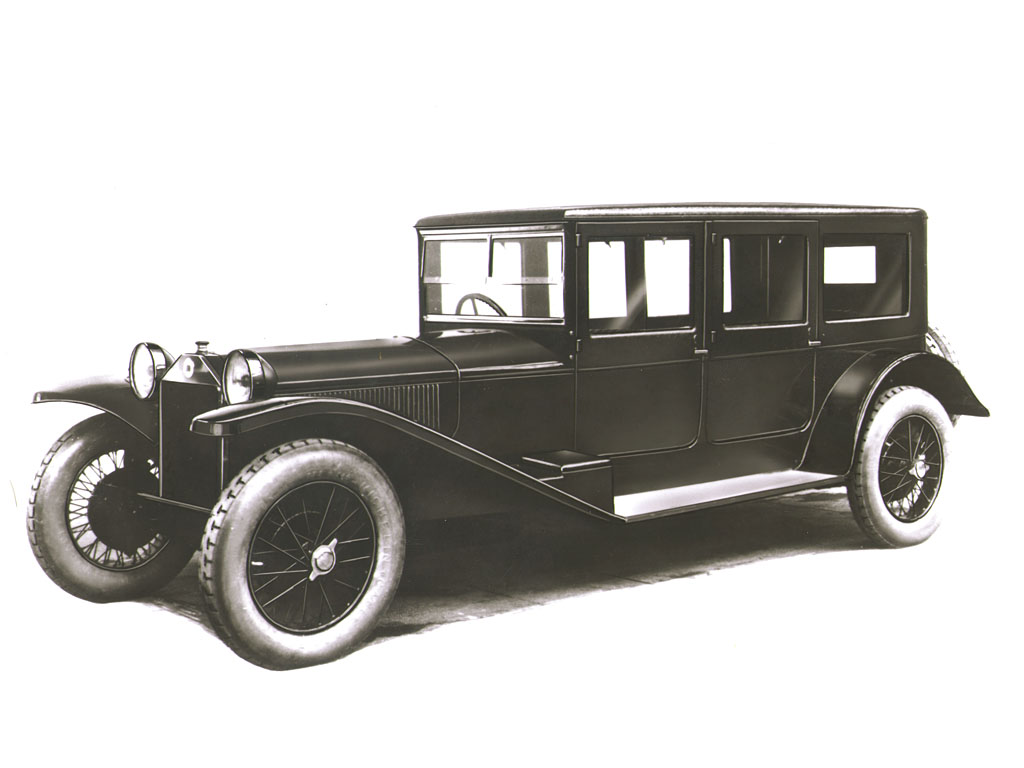
17. Lancia Lambda
1922–31 · 2.1 to 2.6 V4 · 49 to 69 hp · ~ 11,000
The Lambda of 1922 was the first car whose body was also its structure, a pressed-steel shell in place of a frame with coachwork on top. It also had independent front suspension and a compact V4 engine with an overhead camshaft.
It was lower, lighter and better-handling than anything else of its day, and most of its ideas took other makers twenty or thirty years to adopt. About 11,000 were made. It ranks here as the most forward-looking design of the 1920s.
Verdict The first car to do without a chassis.
Did you know: Vincenzo Lancia is said to have had the idea for its body on a ship, looking at how the hull carried the load.
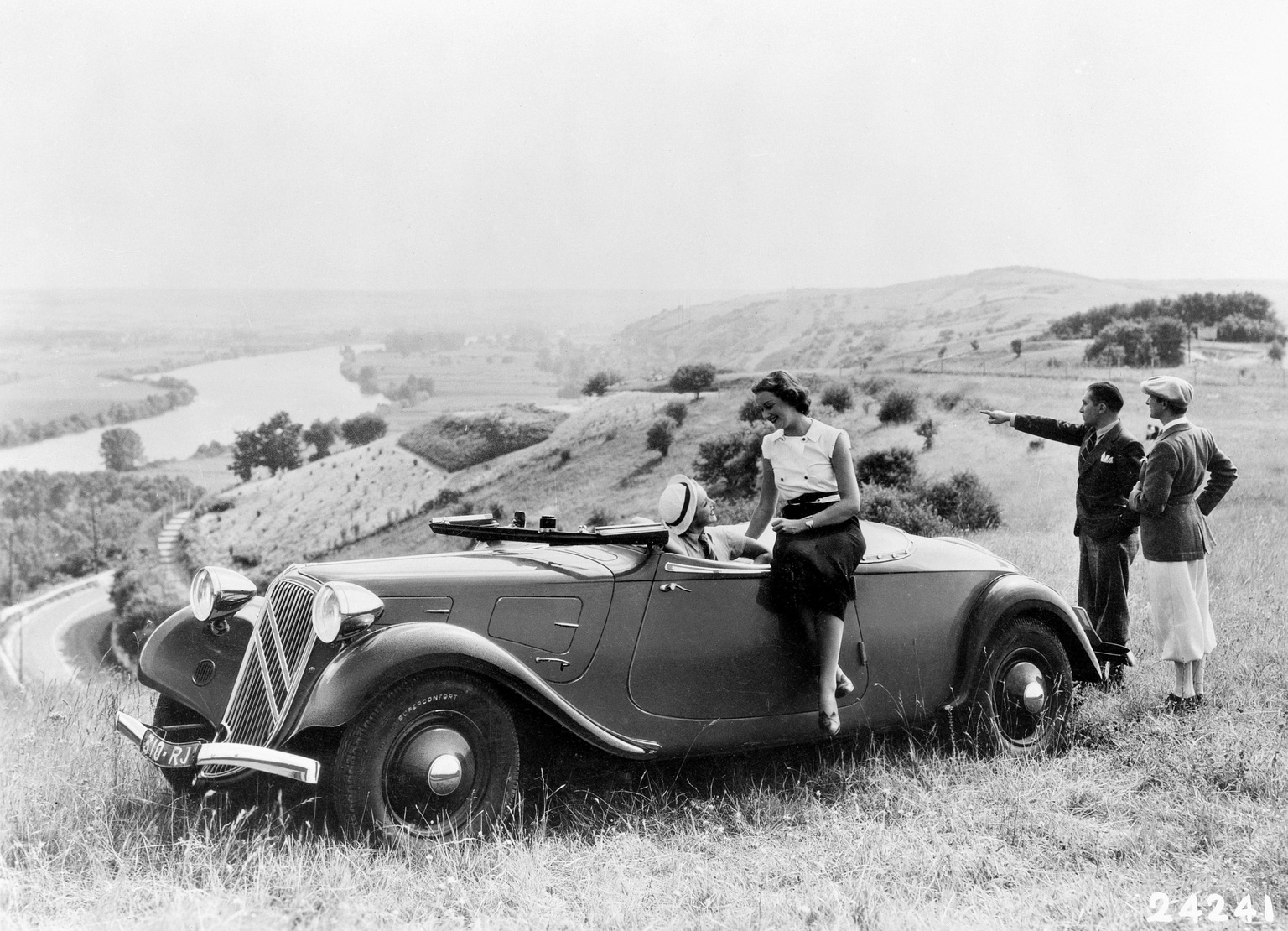
16. Citroën Traction Avant
1934–57 · 1.3 to 2.9 four and six · 32 to 77 hp · ~ 760,000
The Traction Avant of 1934 had front-wheel drive, a welded steel body with no separate chassis, independent front suspension and hydraulic brakes. Each of those was rare. All four in one affordable family car was unheard of.
It sat low, held the road far better than its rivals, and was the favoured car of French police and gangsters alike. Developing it bankrupted André Citroën. It stayed in production for 23 years. It ranks here as the most advanced family car of the 1930s.
Verdict Front-wheel drive and no chassis, in 1934.
Did you know: The cost of developing it bankrupted André Citroën, and his company passed to Michelin.
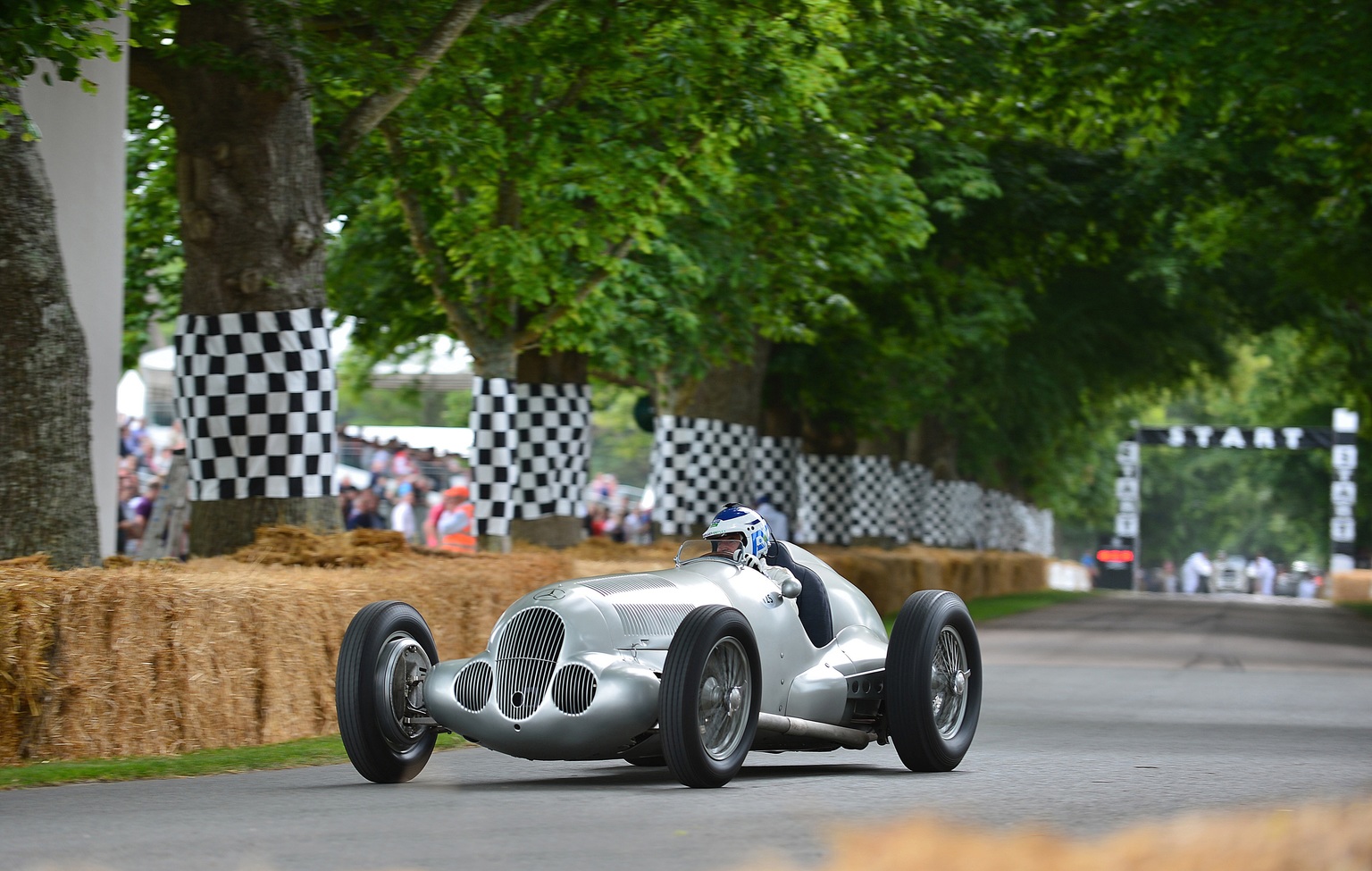
15. Mercedes-Benz W125
1937 · 5.7 supercharged straight-eight · About 600 hp
For 1937 the only limit on a Grand Prix car was a maximum weight of 750 kg. Mercedes built the W125 to that rule, with a supercharged 5.7-litre straight-eight that made around 600 horsepower. Nothing in Grand Prix racing matched that figure for more than forty years.
It won most of the season's major races and took Rudolf Caracciola to the European championship. The rules changed the following year, so it raced for one season only. It ranks here as the most powerful car of the age.
Verdict Six hundred horsepower in 1937, and one season to use it.
Did you know: No Grand Prix car had more power until the turbocharged cars of the 1980s.
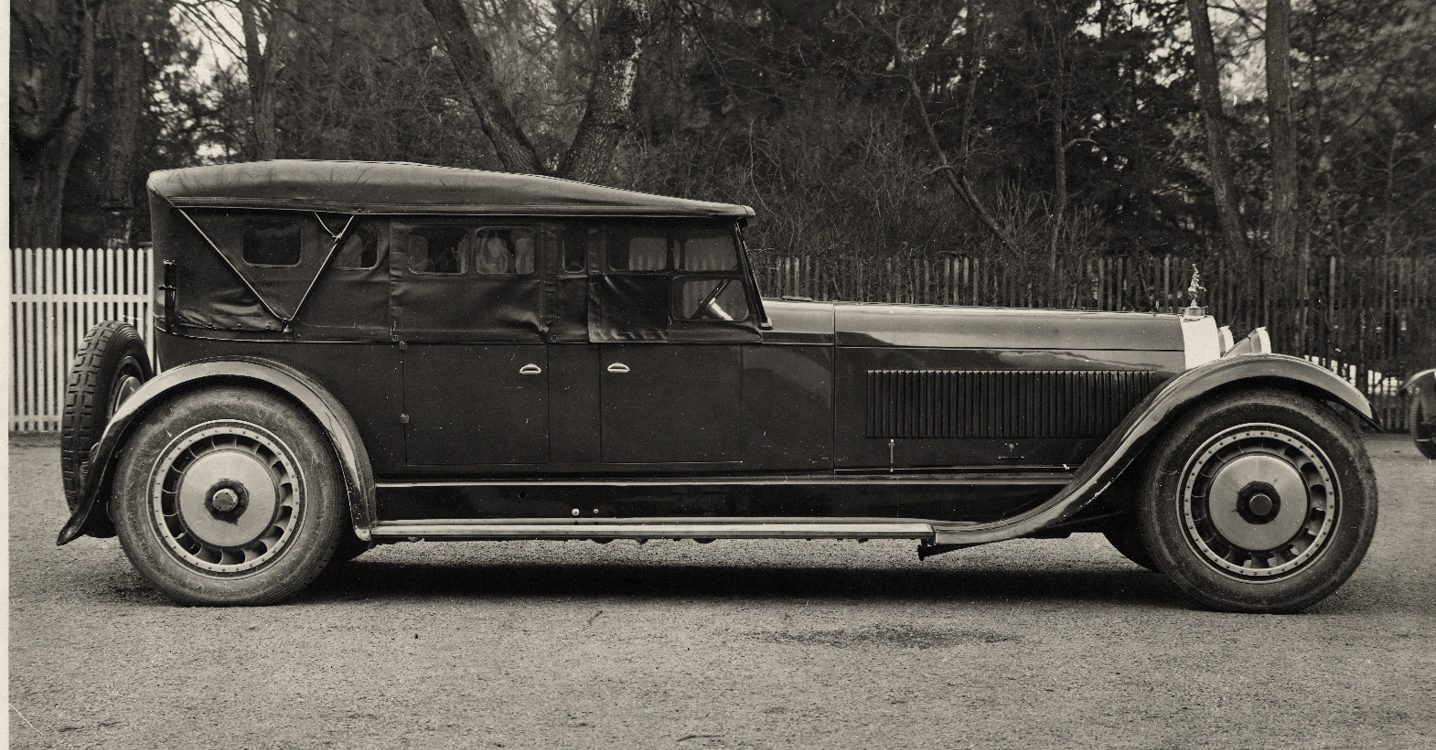
14. Bugatti Type 41 Royale
1927–33 · 12.7 straight-eight · About 300 hp · 6
Ettore Bugatti planned the Royale for kings. It was more than six metres long, had a 12.7-litre straight-eight and cost twice as much as a Rolls-Royce before a body was fitted. He intended to build twenty-five.
He built six, and sold three, none to a king. The spare engines went into French railcars and did good service for years. All six cars survive. It ranks here as the most ambitious luxury car ever attempted, and a grand failure.
Verdict Built for kings. No king bought one.
Did you know: It was meant for kings, and no king bought one.
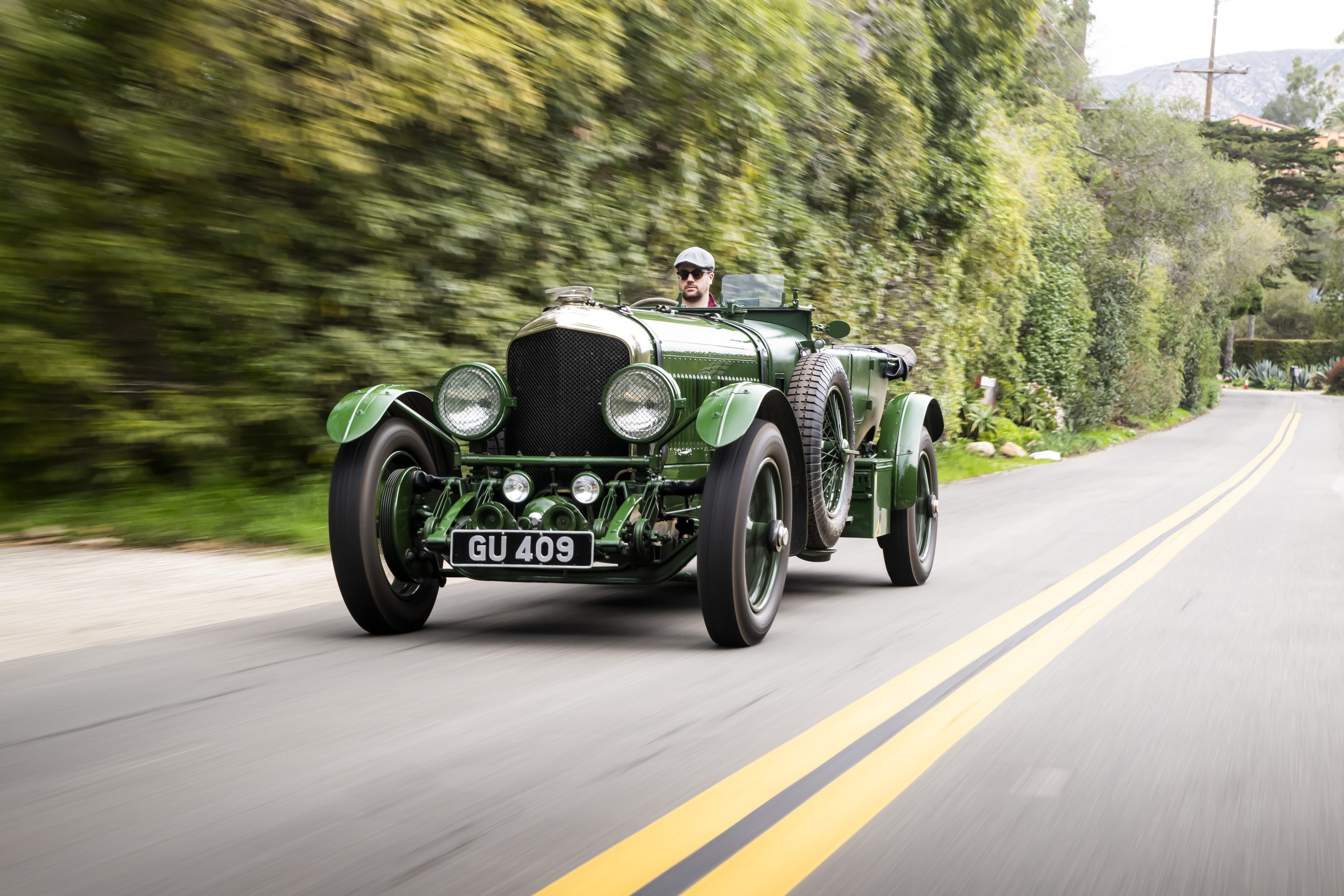
13. Bentley Speed Six
1928–30 · 6.6 straight-six · About 180 to 200 hp · ~ 180
The Speed Six was the Bentley that W.O. preferred: a tuned version of the 6½ Litre, with a big, unstressed six-cylinder engine and no supercharger. It won Le Mans in 1929, when Bentleys took the first four places, and again in 1930.
Woolf Barnato, the company's chairman, drove one from Cannes to London in March 1930 faster than the Blue Train could reach Calais. It is the most successful racing Bentley. It ranks below the Blower on fame alone.
Verdict The Bentley that actually won Le Mans, twice.
Did you know: In March 1930 Woolf Barnato raced the Blue Train from Cannes in one, and won.
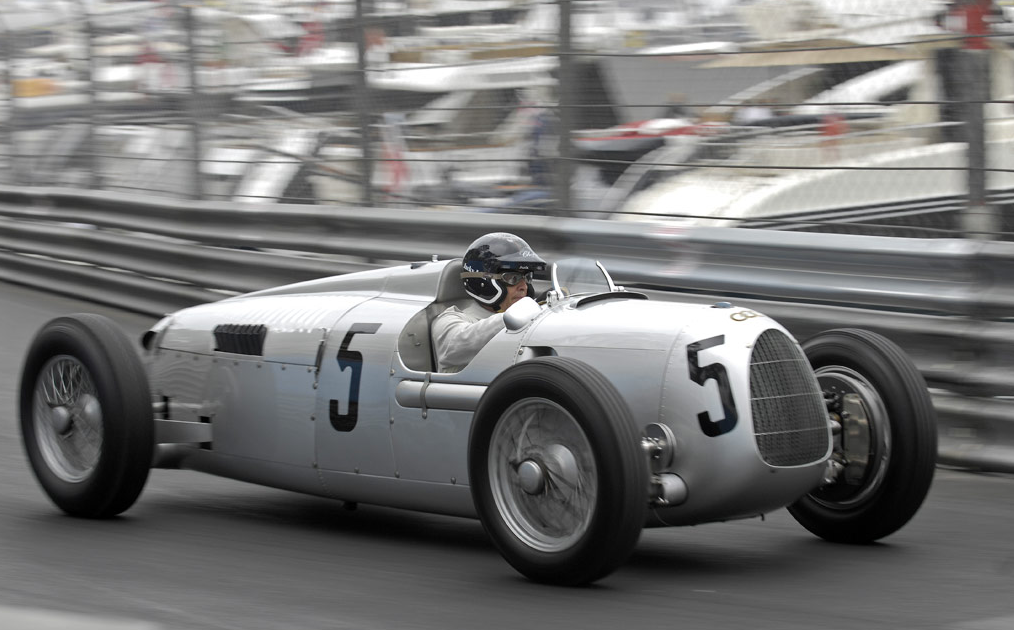
12. Auto Union Type C
1936–37 · 6.0 supercharged V16 · About 520 hp
The Auto Union Grand Prix cars had their engines behind the driver, twenty-five years before that became normal. The Type C of 1936 had a supercharged V16 of 6.0 litres and about 520 horsepower, on narrow tyres, with the driver sitting almost between the front wheels.
Few men could drive it. Bernd Rosemeyer, who had come from motorcycles and knew no other racing car, could, and he was European champion in 1936. It ranks here as the most radical racing car of its time.
Verdict Sixteen cylinders behind the driver, in 1936.
Did you know: The driver sat so far forward, ahead of the engine, that he could not feel the tail begin to slide.
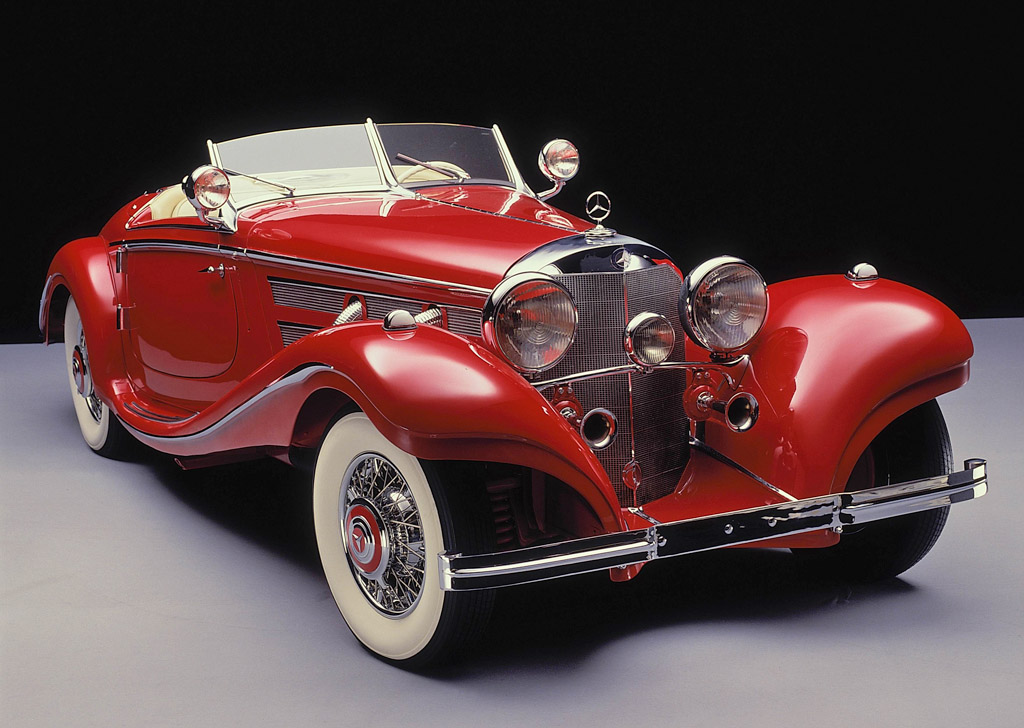
11. Mercedes-Benz 540K Special Roadster
1936–40 · 5.4 supercharged straight-eight · 115 hp, 180 with the supercharger · ~ 25
The 540K was Mercedes-Benz's grandest car of the late 1930s: a supercharged 5.4-litre straight-eight in a long, heavy chassis, with independent suspension all round. The Special Roadster body, built in the factory's own shop at Sindelfingen, has sweeping wings, a low windscreen and a tail that tapers to nothing.
It was a car for film stars and industrialists, more at home on a boulevard than a mountain pass. About 25 Special Roadsters were made. It ranks here for its looks and its presence.
Verdict The grandest and best-looking Mercedes of the 1930s.
Did you know: The supercharger cut in only when the accelerator was pressed to the floor.
The top 10
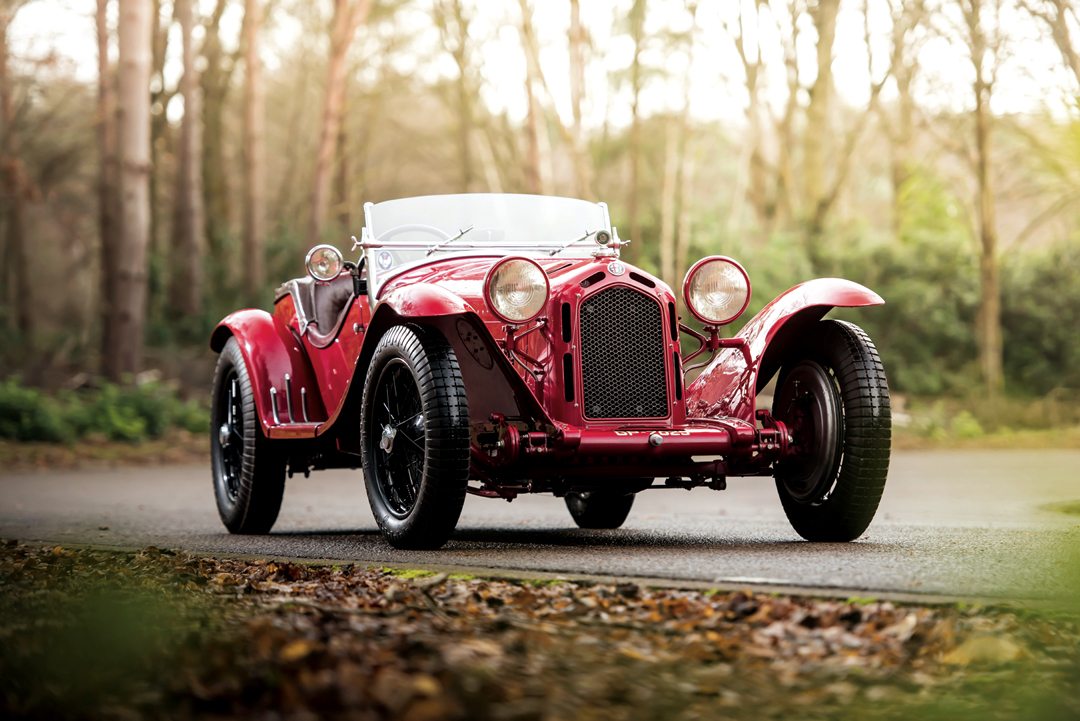
- Years
- 1931–34
- Engine
- 2.3 supercharged straight-eight
- Power
- 142 hp at first
- Built
- ~ 188
Road car · Italy
10. Alfa Romeo 8C 2300
The 8C 2300 won Le Mans four years running, from 1931 to 1934, and took the Mille Miglia and the Targa Florio in the same period. Its supercharged straight-eight is built as two blocks of four with the gears for the camshafts and supercharger between them, which keeps the long crankshaft from twisting.
It was sold to the public as a chassis, short or long, to be bodied by Zagato, Touring and others. About 190 were made. Owners drove them to races and home again.
It is tenth, eight places below the 2900B that grew out of it, because that car took the idea further. Judged on results alone, nothing from the early 1930s comes close.
Verdict Four Le Mans wins in a row, in a car you could order.
Won the Le Mans 24 Hours four years running, from 1931 to 1934.
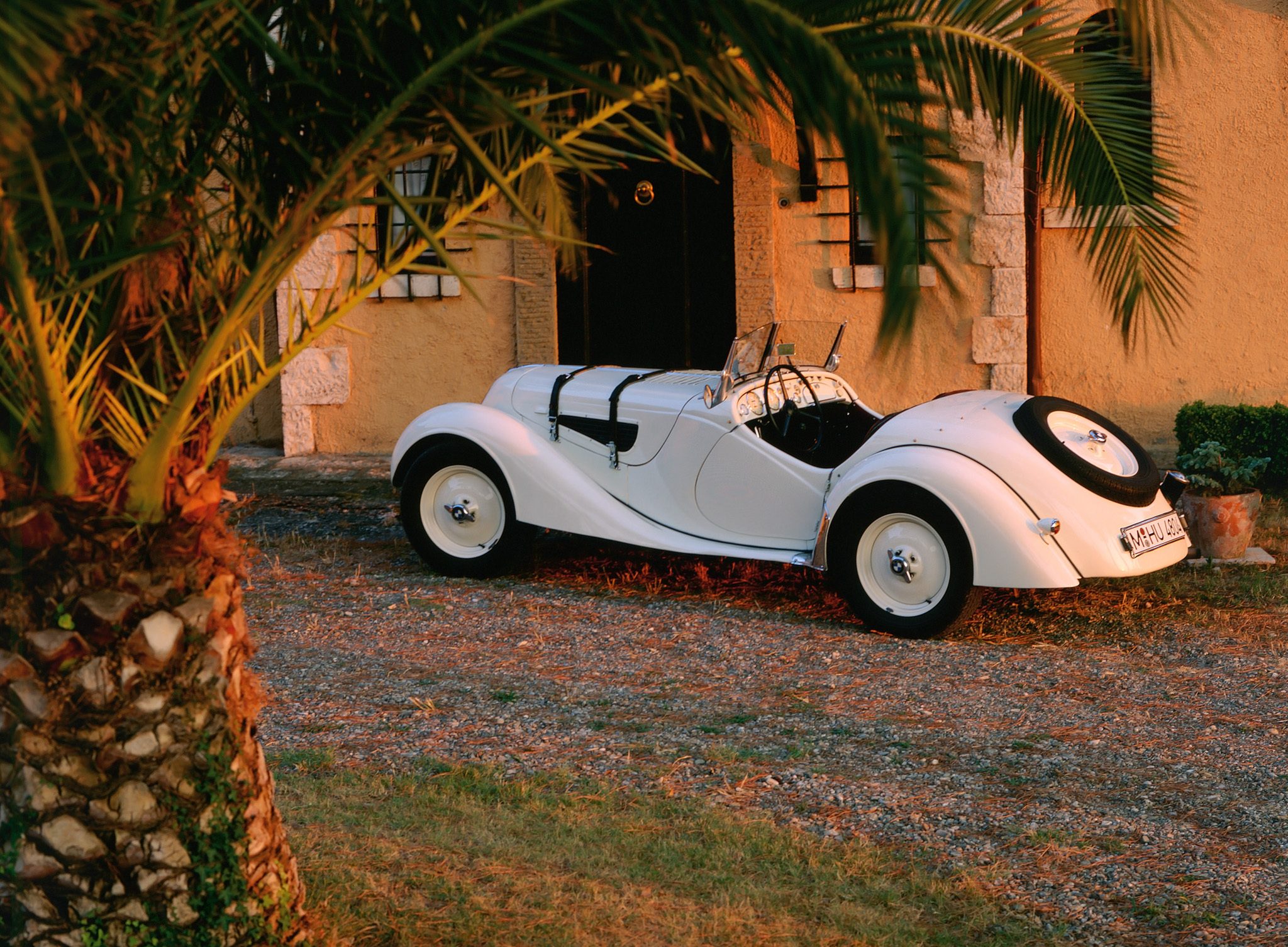
- Years
- 1936–40
- Engine
- 2.0 straight-six
- Power
- 80 hp
- Built
- 464
Road car · Germany
9. BMW 328
The 328 of 1936 looked forward where most sports cars of its day looked back. It had a light tubular frame, a smooth body with the headlamps faired into the wings, hydraulic brakes and a 2.0-litre six with an ingenious cylinder head that gave the breathing of a twin-cam engine from a single camshaft. It made 80 horsepower and weighed about 830 kg.
It won its class almost everywhere, and a streamlined version won the 1940 Mille Miglia outright. Only 464 were made.
Its influence came after the war. The engine design went to Britain as reparations and powered Bristols, Frazer Nashes and early Formula Two cars, and the shape of the Mille Miglia roadster can be seen in the Jaguar XK120. It is ninth because it was the most modern sports car of the 1930s, by several years.
Verdict A 1950s sports car, built in 1936.
It won its class on its first outing, at the Nürburgring Eifelrennen on 14 June 1936. A streamlined 328 won the 1940 Mille Miglia.
- Years
- 1906–26
- Engine
- 7.0 straight-six, later 7.4
- Power
- About 48 to 80 hp
- Built
- ~ 7,900
Road car · United Kingdom
8. Rolls-Royce Silver Ghost
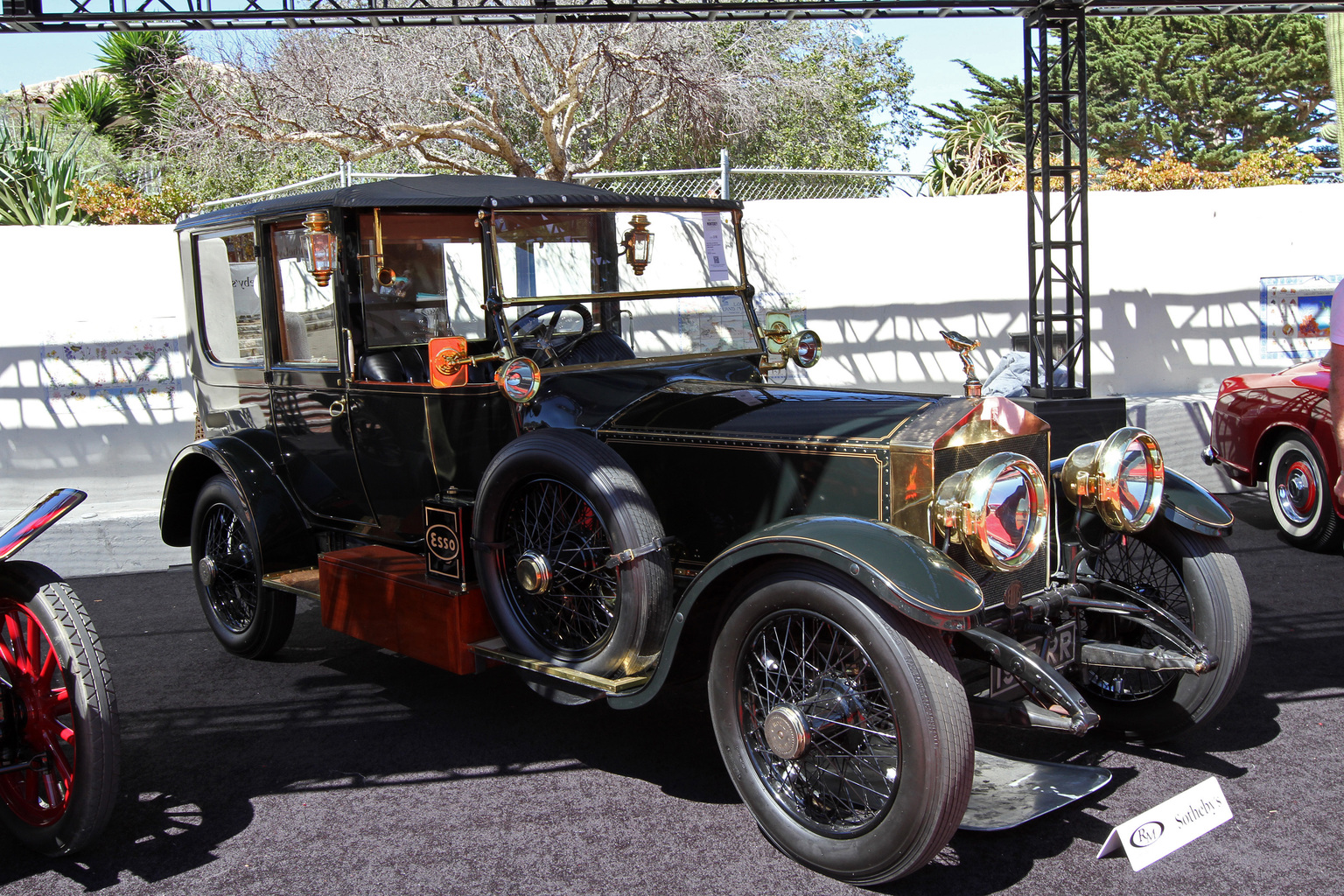
In 1907 most cars were noisy, rough and unreliable. Rolls-Royce took one of its new six-cylinder 40/50 models, painted it silver, named it the Silver Ghost and ran it for 15,000 miles under observation, day and night, with one unplanned stop. Afterwards it was stripped, and the parts showing wear cost about two pounds to replace.
The engine was a 7.0-litre six, built to run in near silence. The name passed to the whole model, which Rolls-Royce went on making until 1926, in England and in Massachusetts. During the First World War the chassis was used for armoured cars, and T.E. Lawrence said one in the desert was worth more than rubies.
It is eighth because it set the standard for refinement and reliability that every luxury car has been measured against since, and earned the company the right to call its product the best car in the world.
Verdict The car that proved an automobile could be silent and never stop.
The name belonged to one car, painted silver, that ran 15,000 miles in 1907 almost without stopping.
- Years
- 1928–37
- Engine
- 6.9 straight-eight, supercharged in the SJ
- Power
- 265 hp, 320 in the SJ
- Built
- 481
Road car · United States
7. Duesenberg Model J and SJ
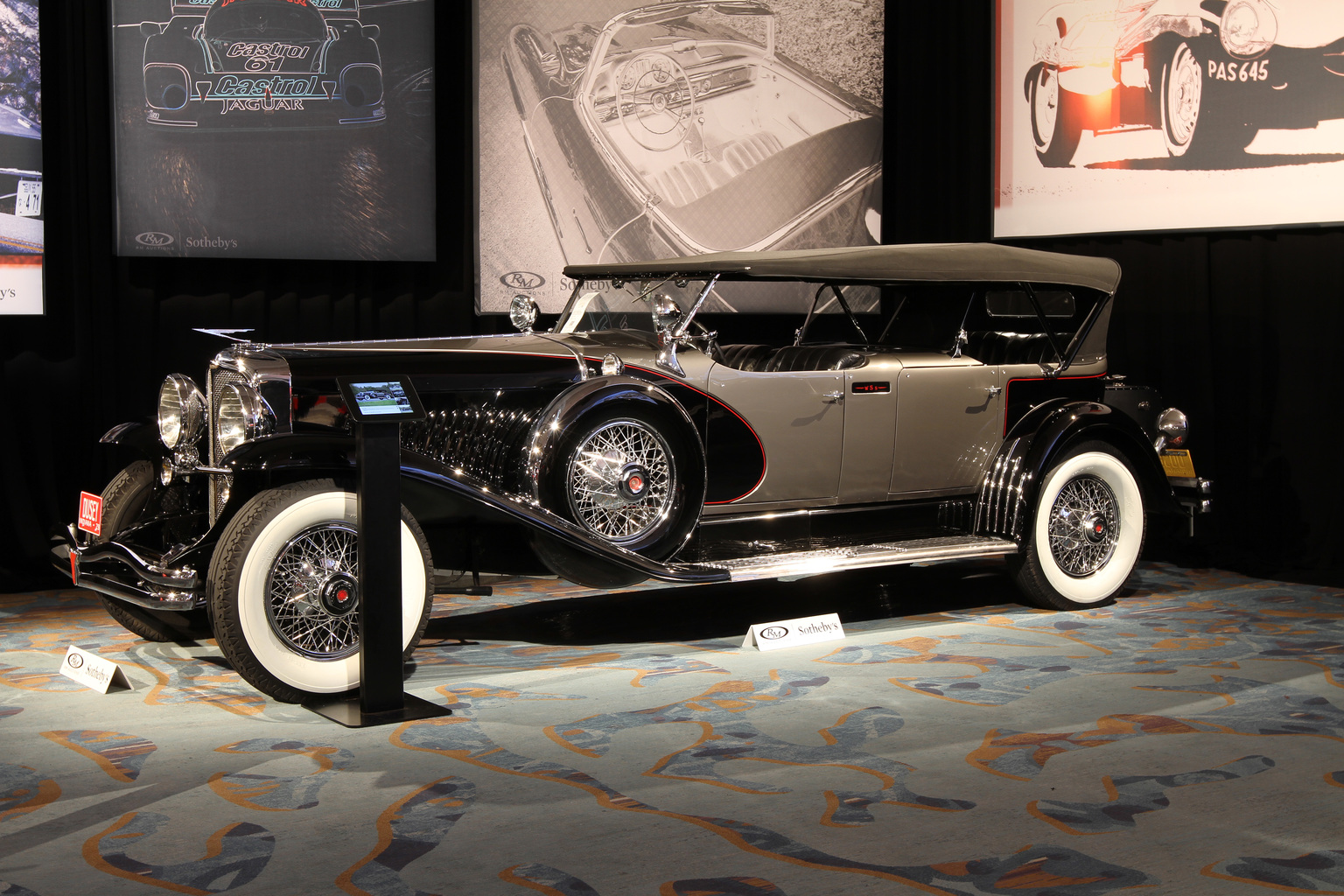
The Model J was announced in December 1928 as the finest car in the world, and by the numbers it was. Its 6.9-litre straight-eight had twin overhead camshafts and four valves per cylinder and made 265 horsepower, more than twice what any other American car could claim. It would do 116 mph, and 89 in second gear.
The chassis alone cost $8,500. Finished with a body from one of the great coachbuilders it could reach $25,000, at a time when a Ford was about $500. Owners included Clark Gable, Gary Cooper, Mae West and Howard Hughes. The supercharged SJ of 1932 had 320 horsepower.
The Depression arrived ten months after the car did, and only 481 were sold in nine years. It is seventh because it was the most powerful and most glamorous car America made before the war. The expression "it's a doozy" is popularly linked to it.
Verdict America's greatest car, launched ten months before the Crash.
The bare chassis cost $8,500 in 1928, when a new Ford cost about $500.
- Years
- 1929–31
- Engine
- 4.4 supercharged four
- Power
- 175 hp
- Built
- 55
Road car · United Kingdom
6. Bentley 4½ Litre "Blower"
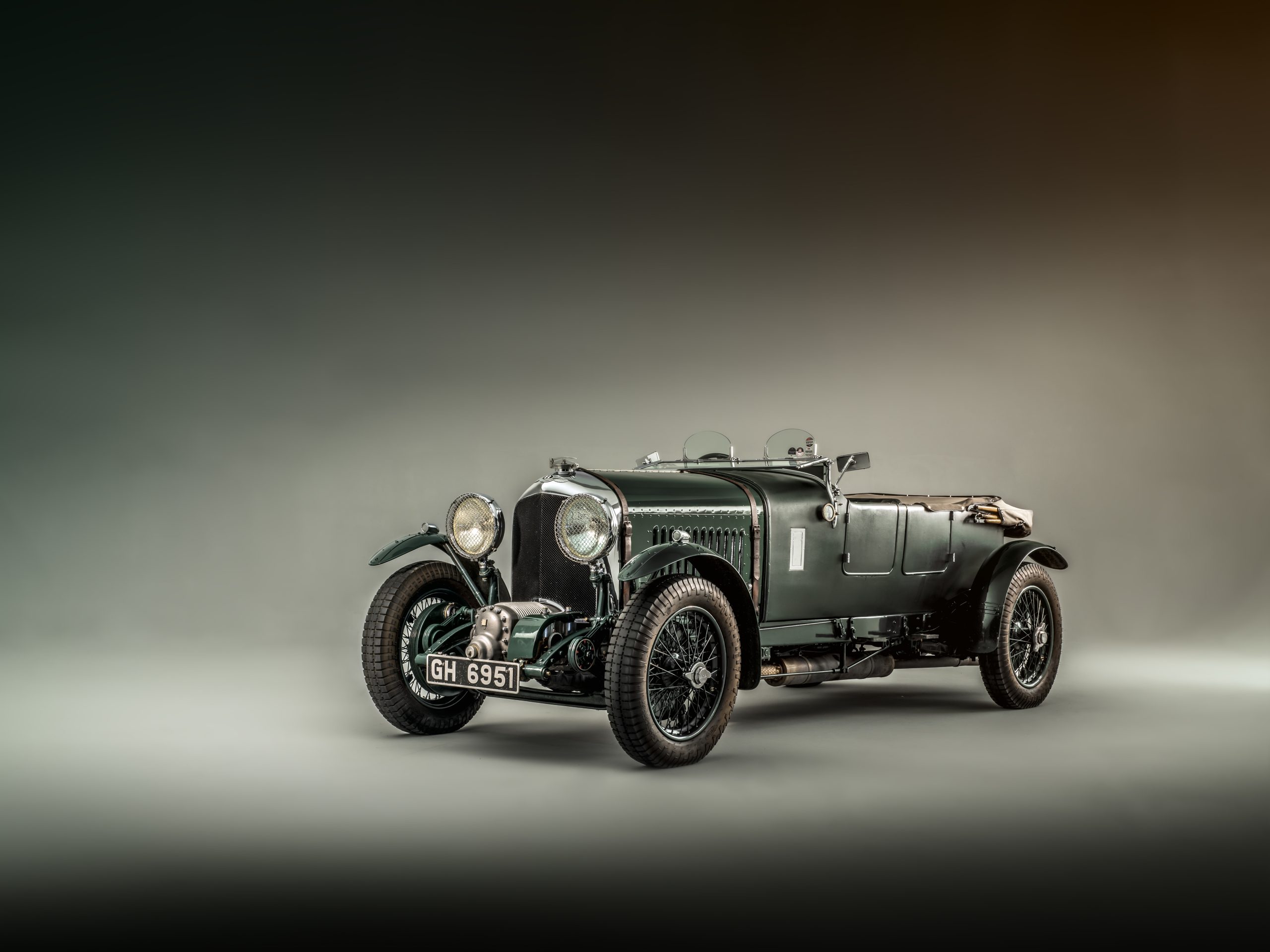
W.O. Bentley believed in making an engine bigger if it needed more power, and thought supercharging corrupted a good design. Tim Birkin, one of his team drivers, disagreed. With money from the heiress Dorothy Paget he had Amherst Villiers design a supercharger for the 4½ Litre, mounted out in front of the radiator between the front wheels.
Fifty had to be sold so that the racing cars could run at Le Mans. The Blower was very fast and it broke. It never won a major race. At Le Mans in 1930 Birkin drove one flat out to draw the Mercedes of Caracciola into a pace it could not sustain, and both retired, leaving the unsupercharged Bentleys to win.
It is sixth because it is the car people see when they think of a vintage Bentley, whatever its record. Birkin's single-seater held the Brooklands lap record at nearly 138 mph.
Verdict W.O. Bentley hated it. It became the most famous Bentley of all.
W.O. Bentley disliked the idea and never approved of it. The car was built at Tim Birkin's insistence.
- Years
- 1936–38
- Engine
- 3.3 supercharged straight-eight
- Power
- About 200 hp
- Built
- 4
Road car · France
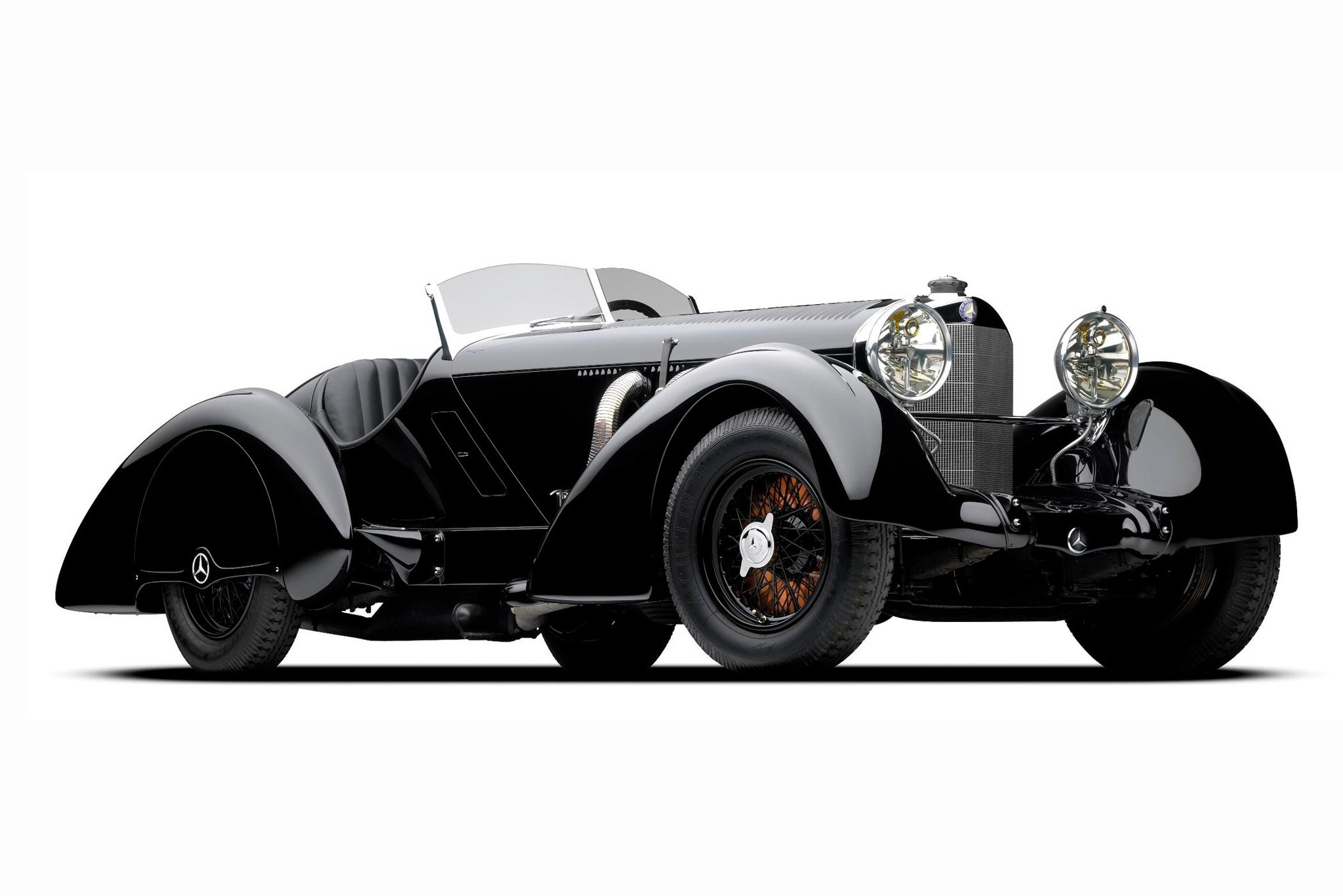
5. Bugatti Type 57SC Atlantic
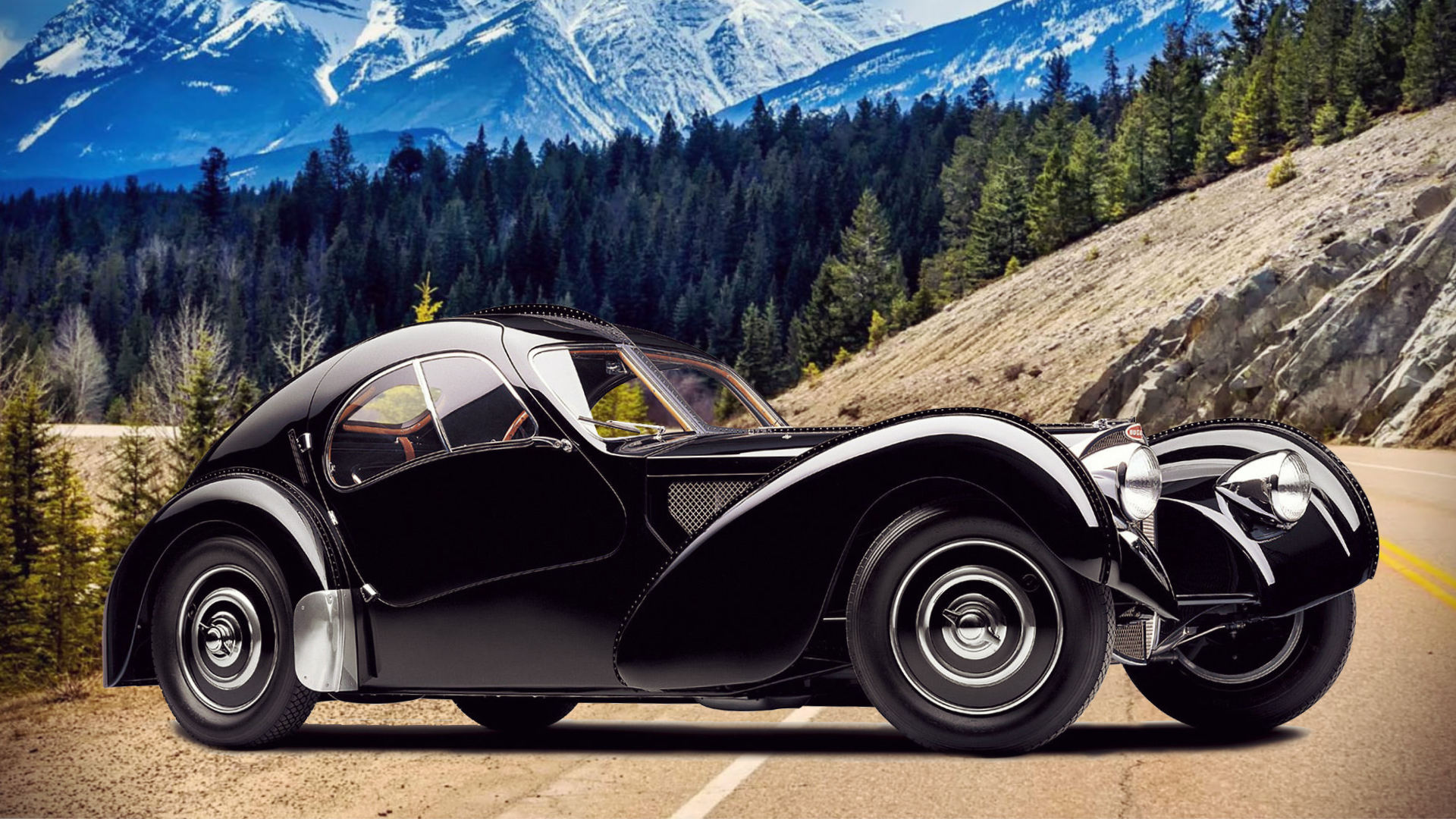
Jean Bugatti, Ettore's son, drew the Atlantic in 1936 from a show car whose magnesium body panels could not be welded and so were riveted together along a raised seam. The production cars were aluminium and did not need the seam. He kept it anyway, running down the spine of the roof and over each wing.
Under the body is the lowered Type 57S chassis with a supercharged 3.3-litre straight-eight and about 200 horsepower, enough for 120 mph. It is a low, narrow, dramatic car, with doors cut into the roof.
Four were made. Three survive, one of them with Ralph Lauren. The fourth, Jean Bugatti's own, vanished when the factory was evacuated in 1940 and has never been found. It is fifth because, for many people, it is the most beautiful car ever built, and because nothing else here is so plainly the work of one person's eye.
Verdict Four built, three left, and the best-looking car of its age.
One of the four, Jean Bugatti's own car, disappeared in 1940 and has never been found.
- Years
- 1928–32
- Engine
- 7.1 supercharged straight-six
- Power
- 200 to 225 hp
- Built
- Fewer than 40
Road car · Germany
4. Mercedes-Benz SSK
The SSK is the 1920s sports car at its largest and loudest: a 7.1-litre six-cylinder engine in a short chassis, with a supercharger that the driver brought in by pressing the throttle to the floor. With it engaged the car made up to 300 horsepower and a scream that could be heard a mile away.
It was heavy and it demanded strength. In the hands of Rudolf Caracciola it won the Tourist Trophy, the Irish Grand Prix and the German Grand Prix, and in its lightened form the 1931 Mille Miglia, the first win there for a driver who was not Italian.
Fewer than forty were built. It is fourth because it is the defining car of the heroic age of sports car racing, when the same machine was driven to the circuit, raced and driven home. It was among the last cars Ferdinand Porsche worked on at Mercedes.
Verdict Seven litres, a screaming supercharger and Caracciola at the wheel.
The K is for kurz, short. The chassis was shortened for hillclimbs.
- Years
- 1908–27
- Engine
- 2.9 four
- Power
- 20 hp
- Built
- More than 15 million
Road car · United States
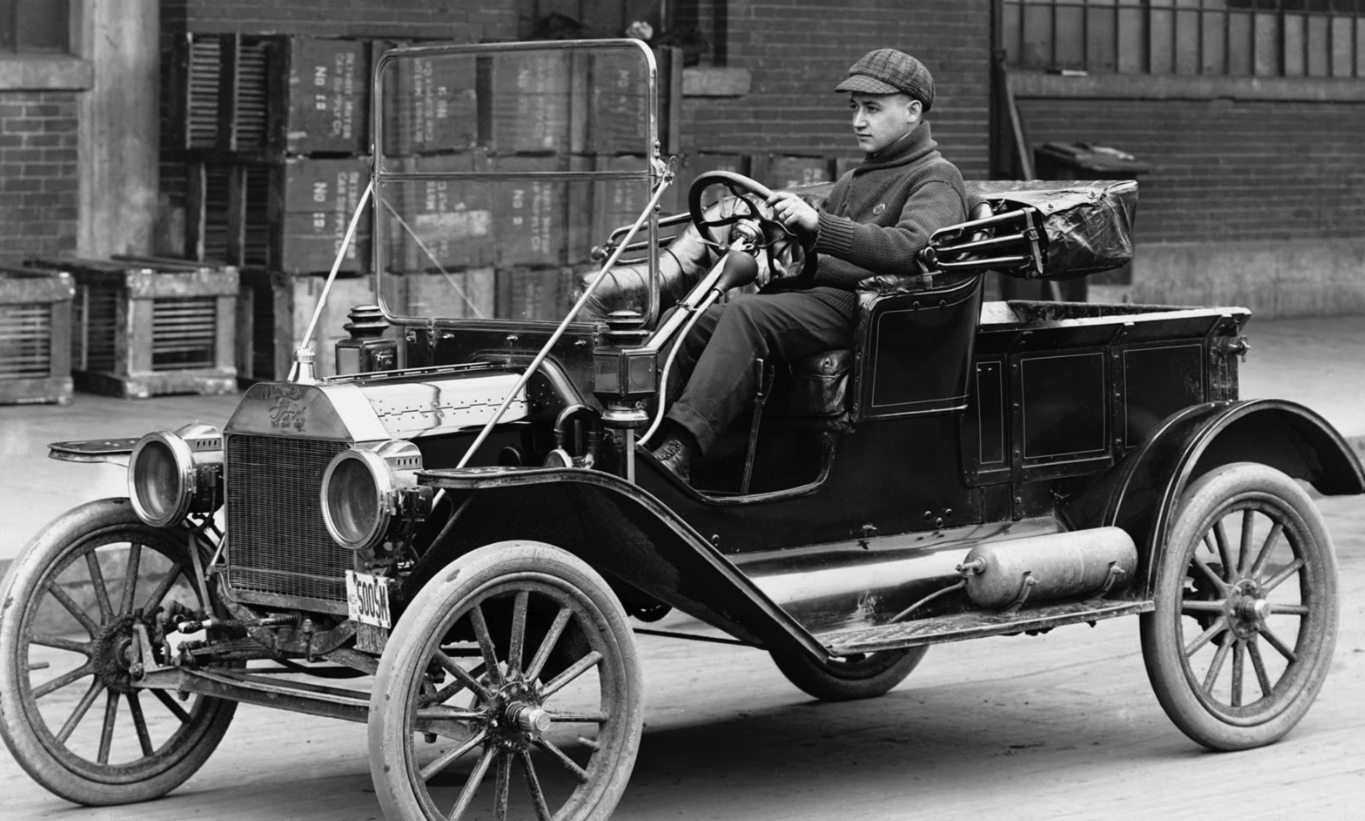
3. Ford Model T
The Model T is not fast, not beautiful and not much fun to drive, with its pedals for gears and its throttle on the steering column. It is on this list, and this high, because nothing else built before 1940 changed so much.
Henry Ford designed it in 1908 to be light, tough and simple enough for a farmer to mend. In 1913 he began building it on a moving assembly line, which cut the time to make one from twelve hours to about ninety minutes. The price fell from $850 to under $300, and Ford doubled his workers' wages so that they could buy what they built.
More than 15 million were made by 1927. At one point half the cars in the world were Model Ts. It is third because every other car here exists in the world it made, one in which ordinary people owned cars.
Verdict Fifteen million cars, and the reason ordinary people came to own one.
Its price fell from $850 at launch to under $300 in the 1920s.
- Years
- 1937–39
- Engine
- 2.9 supercharged straight-eight
- Power
- 180 hp
- Built
- ~ 30
Road car · Italy
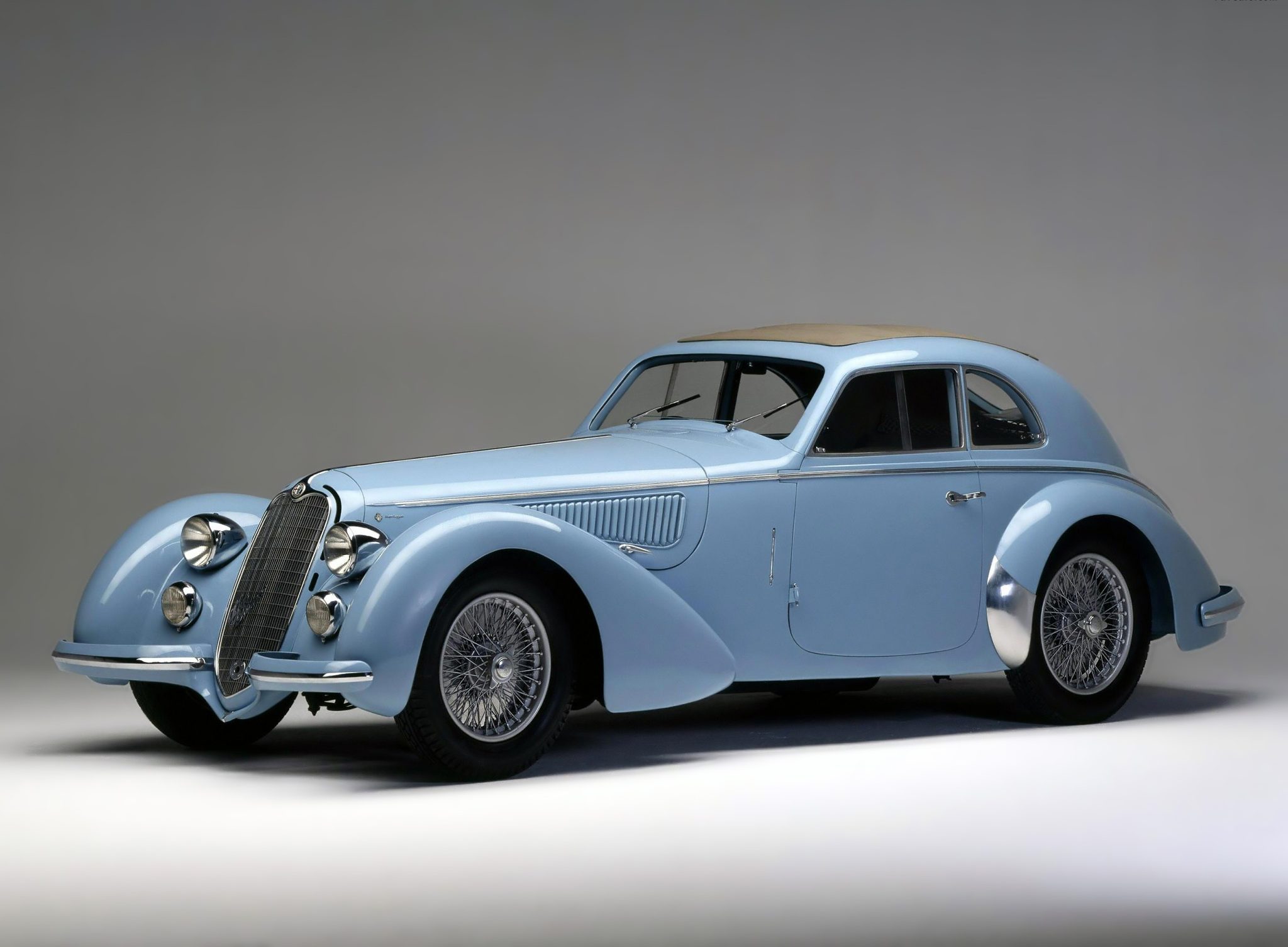
2. Alfa Romeo 8C 2900B
By the late 1930s racing cars and road cars had grown far apart. The 8C 2900B joined them again. Alfa Romeo took the supercharged 2.9-litre straight-eight from its Grand Prix cars, detuned it to about 180 horsepower, and fitted it to a chassis with independent suspension at every wheel and the gearbox at the back.
Nothing else a private buyer could order was as fast or as advanced. The racing versions won the Mille Miglia in 1936, 1937 and 1938, and a coupé won it again in 1947, ten years old. About thirty were made, most with open or closed bodies by Touring.
It is second, behind the Bugatti, only because so few people ever saw one. As a piece of engineering it is the high point of the prewar sports car, and one sold in 2016 for $19.8 million.
Verdict The most advanced sports car of the 1930s, and the fastest.
One sold at Monterey in 2016 for $19.8 million, then a record for a prewar car at auction.
The best of the 30 · Race car · France
1. Bugatti Type 35
- Years
- 1924–31
- Engine
- 2.0 straight-eight, 2.3 supercharged in the 35B
- Power
- About 90 to 140 hp
- Built
- ~ 340
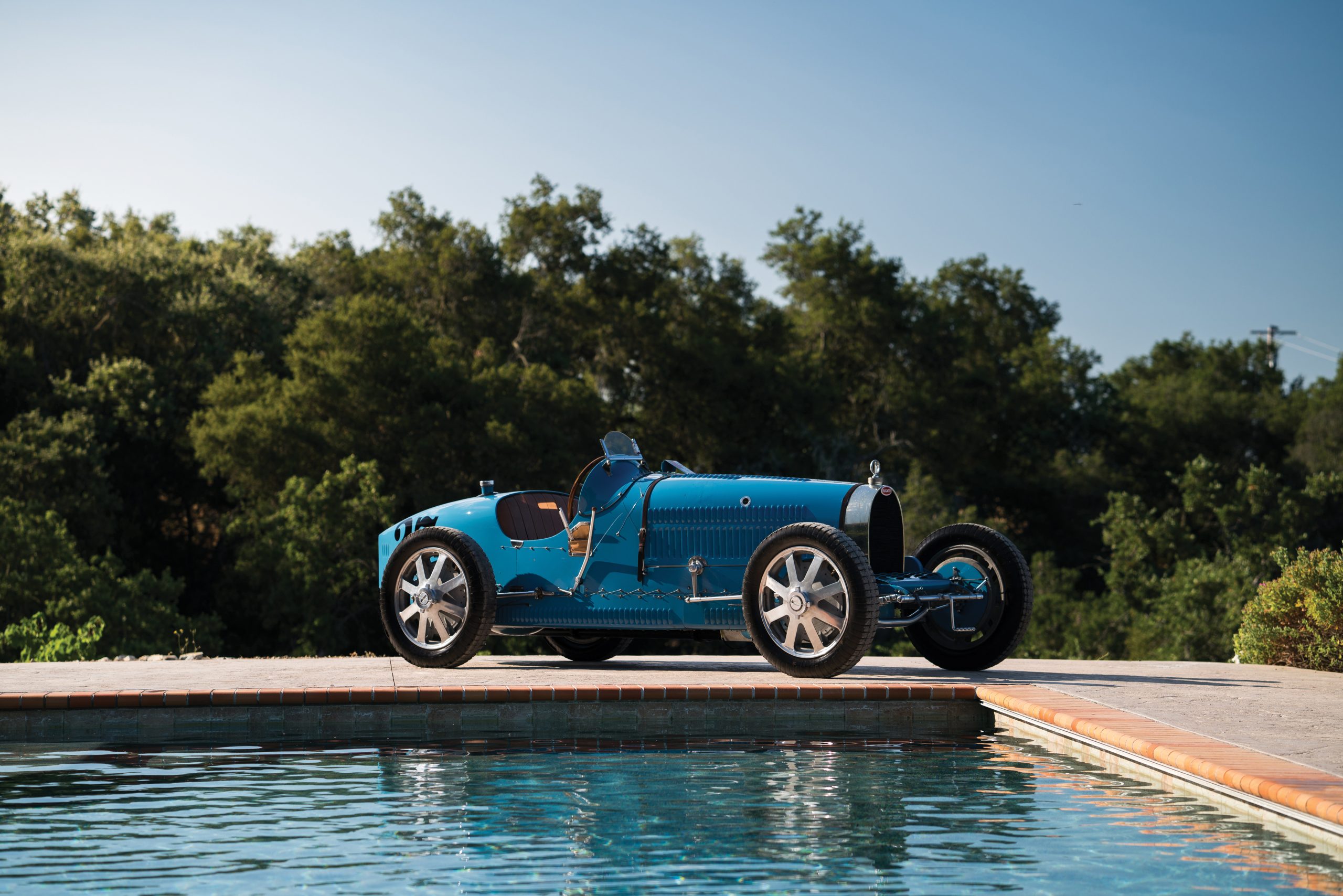
Ettore Bugatti showed the Type 35 at the French Grand Prix at Lyon in 1924. It did not win that day. Over the next seven years it won almost everything else: about 2,000 races by the factory's own count, including the Targa Florio five years in a row from 1925 and the first Monaco Grand Prix in 1929. At its height it was averaging twelve wins a month.
The reason was not power. The 2.0-litre straight-eight made about 90 horsepower, more with the supercharger fitted to later versions. The car was light, it steered and stopped better than anything else, and it was strong. The front axle was a hollow forging, the wheels were cast in aluminium with the brake drums built in, and every part was finished as if it were jewellery.
Bugatti also did something rare for a maker of Grand Prix cars: he sold it to anyone who could pay. About 340 were built, and amateurs raced them all over Europe on Sunday and drove them home afterwards. It could be fitted with wings and lamps and used on the road.
It is first because it is the most successful racing car of its age, one of the most beautiful machines of any age, and the car that made motor racing something a private owner could take part in.
Verdict The most successful racing car of its time, sold to anyone who could pay.
Its aluminium wheels were cast in one piece with the brake drums, so changing a wheel changed the brakes as well.
What we left off, and why
The Volkswagen Beetle was designed before the war and barely built until after it, so it is left for another list. The Tatra T87, whose shape and layout the Beetle followed, came close, as did the Chrysler Airflow, another streamlined car ahead of its buyers.
Among the great luxury cars, the Cadillac V-16, Packard Twelve, Isotta Fraschini 8A, Maybach Zeppelin and Horch 853 all had a case. The Rolls-Royce Phantoms are represented by the Silver Ghost they replaced.
Among sports cars, the Bugatti Type 55 and Type 57S, the Bentley 3 Litre, the Aston Martin Ulster, the MG K3, the Lagonda V12, the Mercer Raceabout and the Frazer Nash chain-drive cars were all considered. The Mercedes-Benz W154 and the Auto Union Type D are represented by the Grand Prix cars that came just before them, and the Miller racing cars of the 1920s belong on a list of American racing cars.
Tell us what we got wrongQuestions about this list
What is the best prewar car?
By our ranking, the Bugatti Type 35 of 1924. It won about 2,000 races, including five Targa Florios in a row, and about 340 were sold to private owners who could race it and drive it on the road. The Alfa Romeo 8C 2900B and the Ford Model T are second and third.
What counts as a prewar car?
A car first built before 1940, which in practice means before the Second World War stopped production. Some of the cars here, such as the Citroën Traction Avant and the Fiat 500 Topolino, were made again after the war to the same design.
Why is the Ford Model T ranked so high?
This list weighs what a car changed as well as how good it was. Ford built more than 15 million Model Ts between 1908 and 1927 and brought the price low enough for ordinary families. No other car built before 1940 had as much effect on the world.
What was the fastest car before the war?
Among road cars, the Alfa Romeo 8C 2900B and the supercharged Duesenberg SJ, which could pass 130 mph. Among racing cars, the Mercedes-Benz W125 of 1937 had about 600 horsepower and could exceed 190 mph on a long straight.
Why is the Volkswagen Beetle not on this list?
The Beetle was designed in the 1930s, but only a small number were built before the war. It became a production car from 1945, so we have left it for a list of postwar cars.
We started from the cars first built before 1940 and cut the list to thirty. Each was judged on its engineering, its results in competition where it competed, its looks, and how much it changed what other makers did.
Road cars and racing cars are ranked together, because the period did not separate them as sharply as later ones did. Where a model was made with many bodies, as most expensive cars were, we have ranked the chassis and named a body only where one version is the reason the car is remembered.
Specifications are taken from our own marque pages where they cover the car. Power figures from this period were often optimistic, and production records for some makers are incomplete, so both should be read as close estimates.