
Group B lasted five seasons. In that time rally cars went from 300 horsepower and rear-wheel drive to nearly 500 horsepower and four-wheel drive, in bodies that weighed less than a small hatchback. The crowds stood in the road. In 1986, after a series of fatal accidents, the class was banned. No form of motor sport has been so short-lived and so well remembered.
What counts
Cars built to the Group B regulations, which ran from 1982 to 1986 and required only 200 examples to be made. Most were rally cars, but the rules covered circuit racing too. Different versions of one car are a single entry. We have included cars that were built to the rules and never competed, and three prototypes for Group S, the class that was meant to follow in 1988 and was cancelled along with Group B.
How we ranked them
On results in the world championship first, then on engineering, and then on nerve: how far the makers were willing to go. A car that changed what its rivals had to build ranks above one that merely won, which is why the most successful car is second. Cars that never competed are ranked on what they were and what they led to.
How to read this list
The list counts down from twenty to one. The top five have the longest entries, the next ten are shorter and the last five are brief. Seven of the twenty won a world championship rally, and six never started one. Nine entries have no photograph, because several of these cars survive only as a single example in a museum, and we will not use a picture of the road-going version in place of the competition car.
See the full ranking, 1 to 20
| Rank | The Greatest Group B Cars | Years |
|---|---|---|
| 1 | Audi Sport Quattro S1 | 1984–87 |
| 2 | Peugeot 205 Turbo 16 Group B | 1984–86 |
| 3 | Lancia Delta S4 Group B | 1985–86 |
| 4 | Lancia Rally 037 | 1982–86 |
| 5 | Ford RS200 Group B | 1986 |
| 6 | MG Metro 6R4 | 1985–86 |
| 7 | Porsche 959 Paris-Dakar and 961 | 1985–87 |
| 8 | Renault 5 Turbo and Maxi Turbo | 1980–86 |
| 9 | Opel Ascona 400 and Manta 400 | 1980–86 |
| 10 | Toyota Celica Twincam Turbo | 1983–86 |
| 11 | Ferrari 288 GTO and Evoluzione | 1984–87 |
| 12 | Porsche 911 SC RS | 1984–86 |
| 13 | Nissan 240RS | 1983–86 |
| 14 | Citroën BX 4TC | 1986 |
| 15 | Mazda RX-7 Group B | 1984–85 |
| 16 | Lancia ECV | 1986 |
| 17 | Toyota 222D | 1985–86 |
| 18 | Audi Sport Quattro RS 002 | 1986–87 |
| 19 | Ferrari 308 GTB Group B | 1982–85 |
| 20 | Ford Escort RS1700T | 1980–83 |
20 to 16
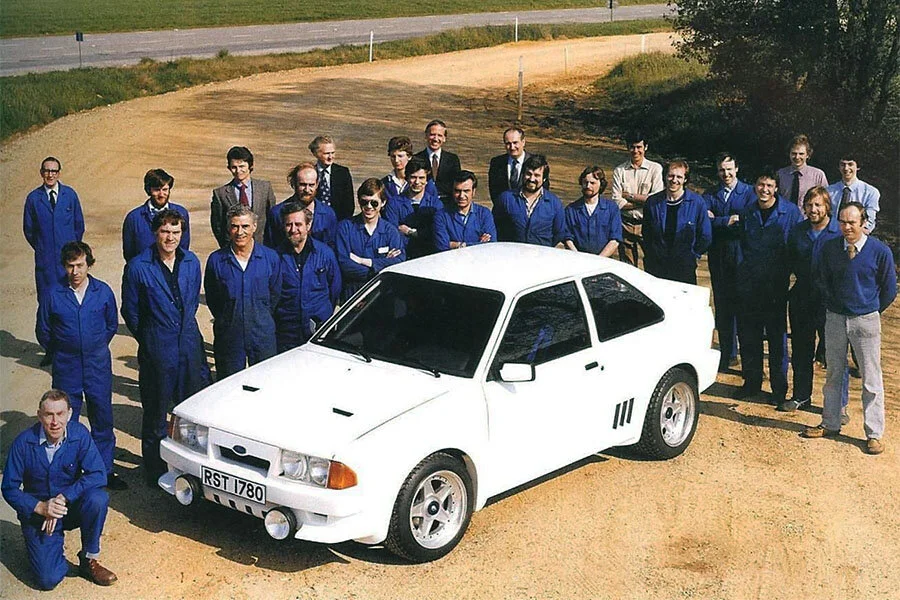
20. Ford Escort RS1700T
1980–83 · 1.8 turbocharged four · About 350 hp · ~ 18
Ford's first Group B car was a turbocharged, rear-drive version of the front-drive Escort. It was years late, and by 1983 the Quattro had shown that it would not be competitive. Ford's new head of motorsport cancelled it within weeks of taking the job and commissioned the RS200. About eighteen had been made.
Verdict Cancelled before it started.

19. Ferrari 308 GTB Group B
1982–85 · 3.0 V8 · About 310 hp · 4
Ferrari did not rally, but it allowed Michelotto of Padua to build rally cars from the 308. The earlier Group 4 versions won national championships in Italy, France and Spain, and one finished second on the 1982 Tour de Corse. Four were built to Group B rules. They were fast on tarmac and nowhere else.
Verdict A Ferrari that went rallying, on tarmac only.
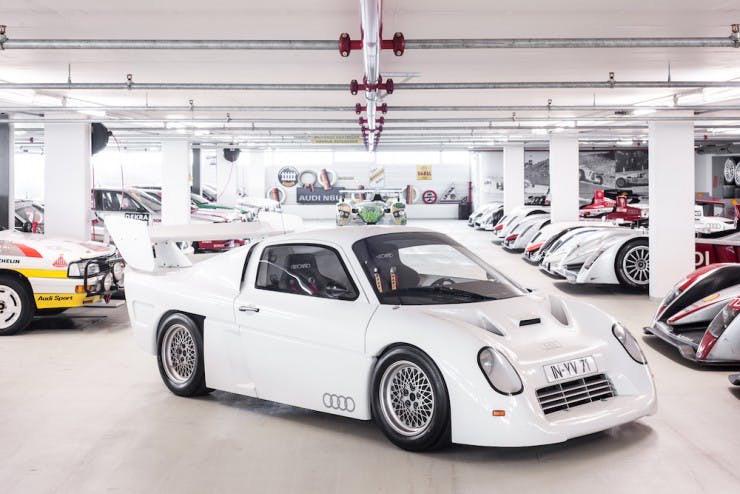
18. Audi Sport Quattro RS 002
1986–87 · 2.1 turbocharged five, mid-mounted · About 700 hp · 1 survives
Audi's engineers knew a front-engined car could no longer win and built a mid-engined prototype, by most accounts without the full knowledge of the board. Walter Röhrl tested it. When Group S was cancelled the cars were ordered to be destroyed. One escaped and is in Audi's museum.
Verdict The mid-engined Audi that was kept quiet.
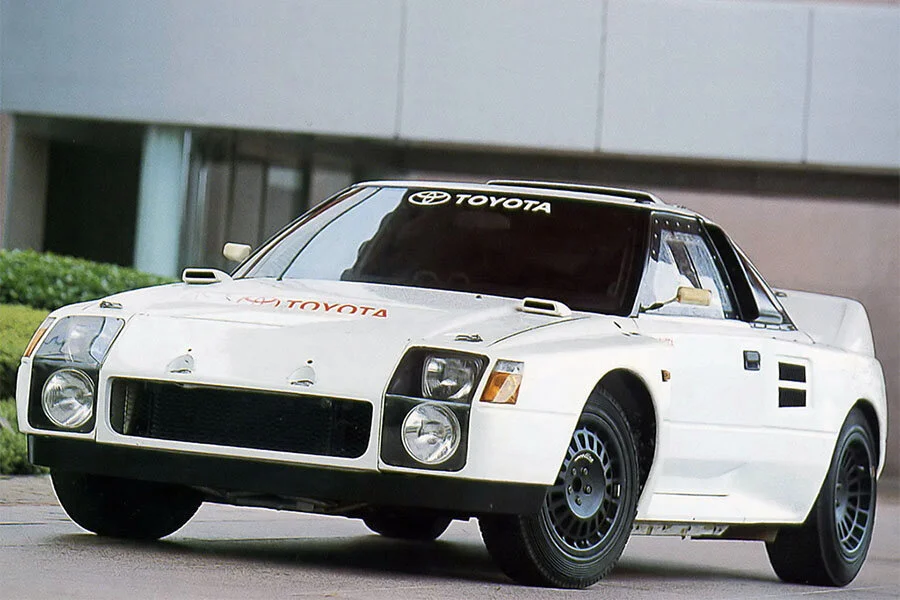
17. Toyota 222D
1985–86 · 2.1 turbocharged four · About 600 hp · ~ 11
Toyota's Group S car was based on the mid-engined MR2 in outline only. It had four-wheel drive, a turbocharged 2.1-litre engine of about 600 horsepower and a very short wheelbase. The test drivers reported that it was close to uncontrollable. About eleven were built before the class was abandoned, and two or three survive.
Verdict An MR2 with 600 horsepower that nobody could drive.
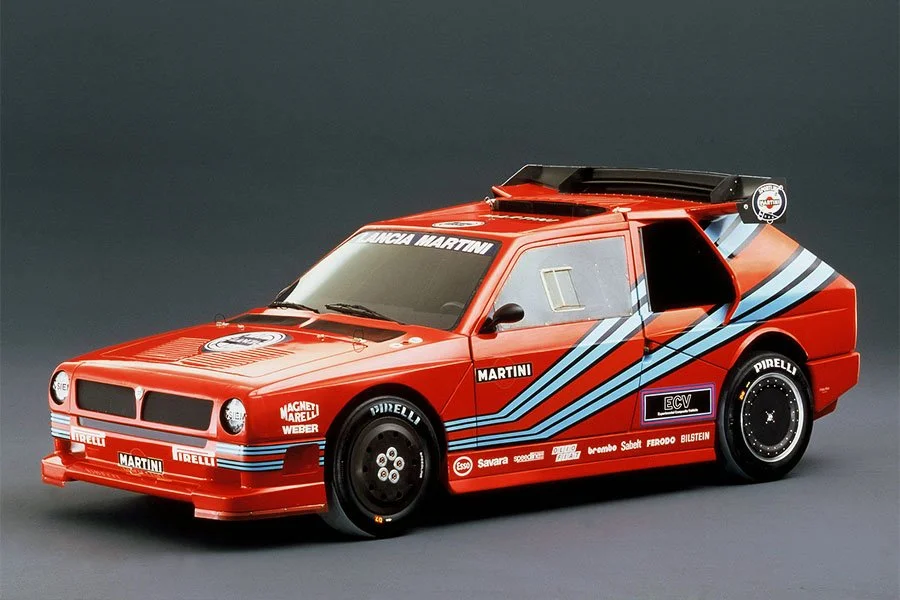
16. Lancia ECV
1986 · 1.8 twin-turbo four · About 600 hp · 1
Group S was to replace Group B in 1988, with only ten cars needed to qualify. Lancia's prototype had a chassis of carbon fibre and Kevlar, and a 1.8-litre engine with two turbochargers arranged to work one after the other, giving about 600 horsepower. The class was cancelled with Group B. The car never competed.
Verdict Lancia's answer to rules that were never used.
15 to 6
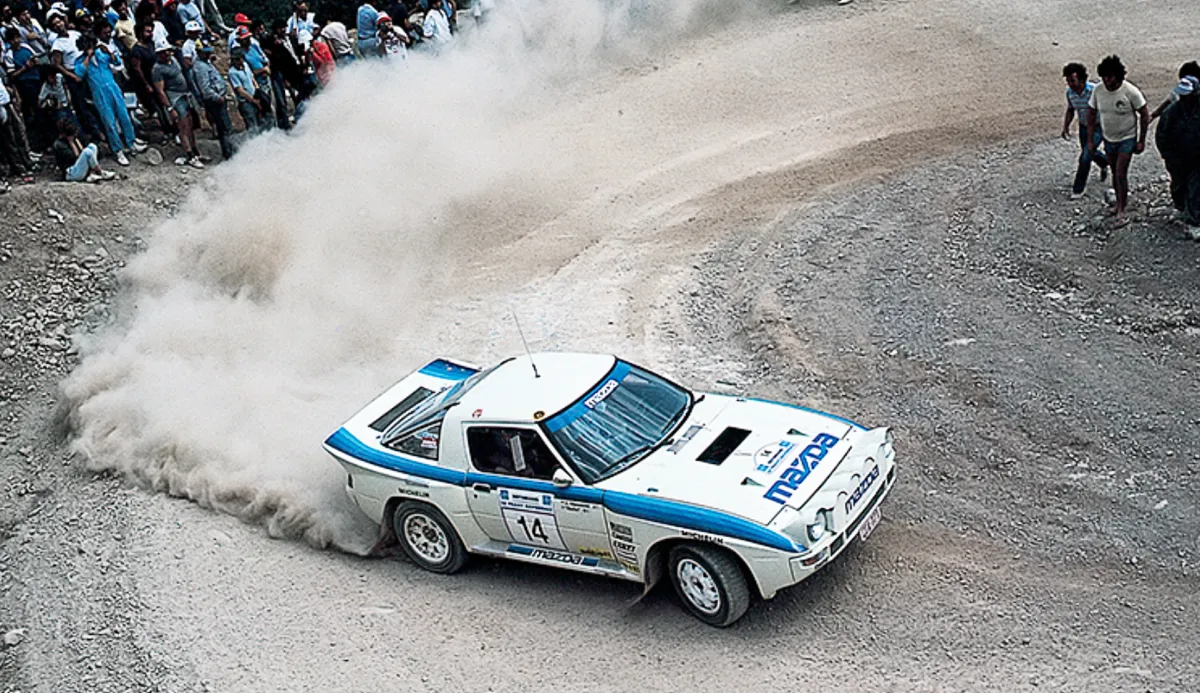
15. Mazda RX-7 Group B
1984–85 · 1.3 twin-rotor Wankel · About 300 hp · ~ 7
Mazda's European rally team, run from Belgium, built a Group B car on the first-generation RX-7 with a twin-rotor engine giving about 300 horsepower. It had rear-wheel drive and no turbocharger, so it was outgunned from the start. Its one good day was the Acropolis Rally of 1985, where the rough Greek roads broke faster cars and Ingvar Carlsson brought an RX-7 home third. Only about seven were completed. The team moved on to the four-wheel-drive 323 when Group B ended.
Verdict A rotary on the podium, once.
Did you know: It finished third on the 1985 Acropolis Rally, the best result for a rotary in the world championship.
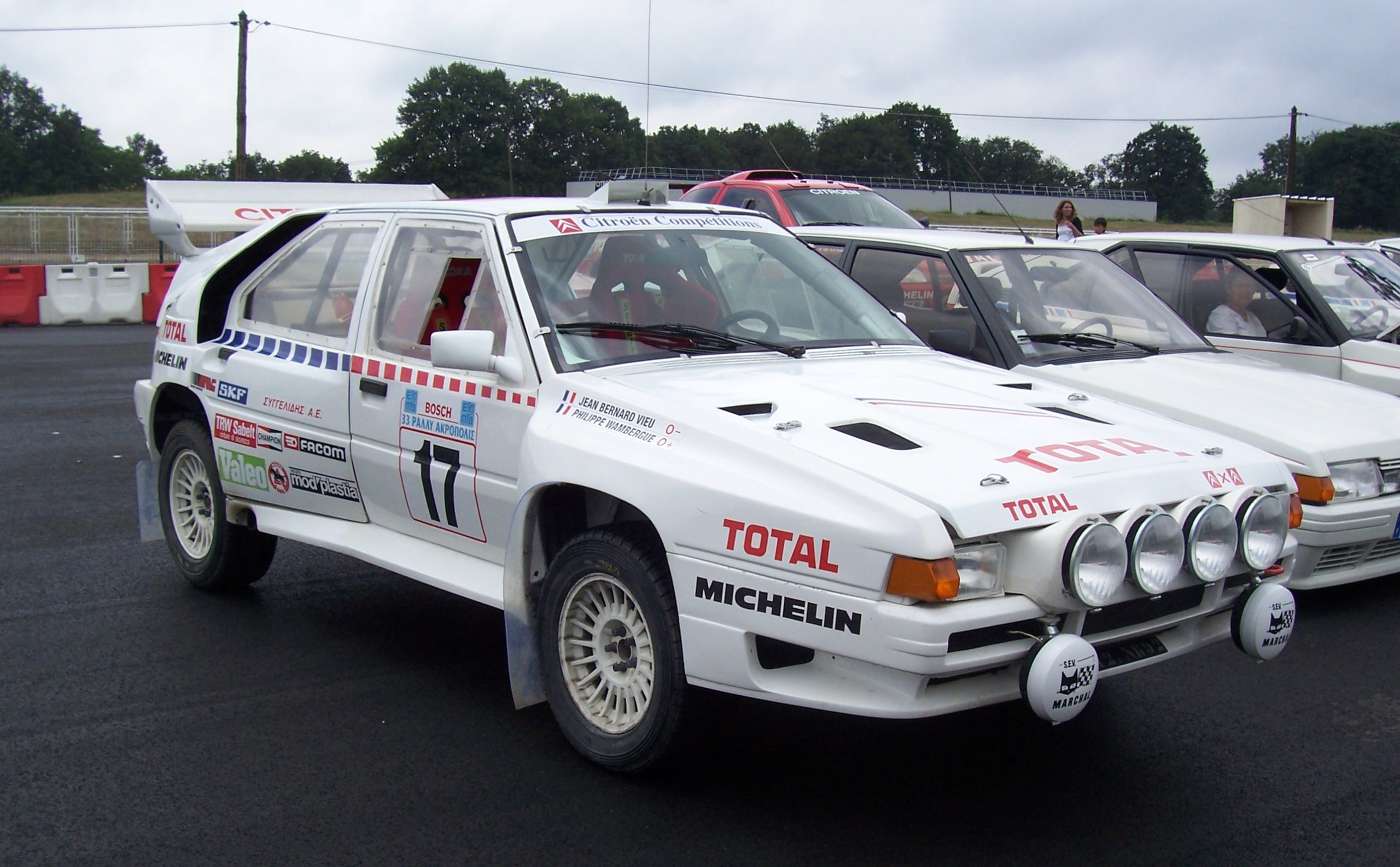
14. Citroën BX 4TC
1986 · 2.1 turbocharged four · About 380 hp
Citroën's car arrived in January 1986, four years after everyone else and four months before the ban. It kept the BX's hydropneumatic suspension and had its turbocharged engine mounted ahead of the front wheels, in a nose stretched to make room. Both cars retired from the Monte Carlo. It started three world championship rallies in all, with a sixth place in Sweden the best result. Citroën withdrew it, and is said to have bought back and scrapped as many of the 200 road cars as it could find. It is here as the clearest example of how not to do it.
Verdict Three rallies, then withdrawn in embarrassment.
Did you know: Citroën is said to have bought back and destroyed most of the road cars it had to build.
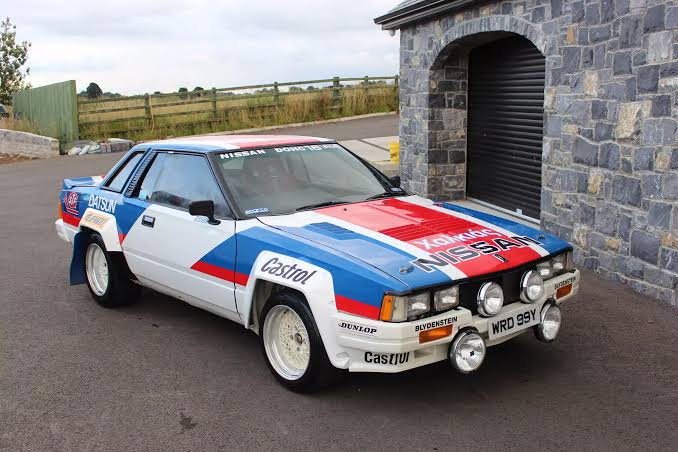
13. Nissan 240RS
1983–86 · 2.4 four · About 240 to 275 hp · ~ 200
Nissan's Group B car was the simplest of all: a boxy coupé with a 2.4-litre four on carburettors, no turbocharger and rear-wheel drive. It was built to last on rough rallies and to be sold to private teams, and two hundred were made. It finished second in New Zealand in 1983 with Timo Salonen and was a regular points scorer on the Safari. It never won. It is a favourite in historic rallying now, because it is one of the few Group B cars an owner can run without a factory behind him.
Verdict Simple, strong, and never a winner.
Did you know: Its best world championship result was second, in New Zealand in 1983.
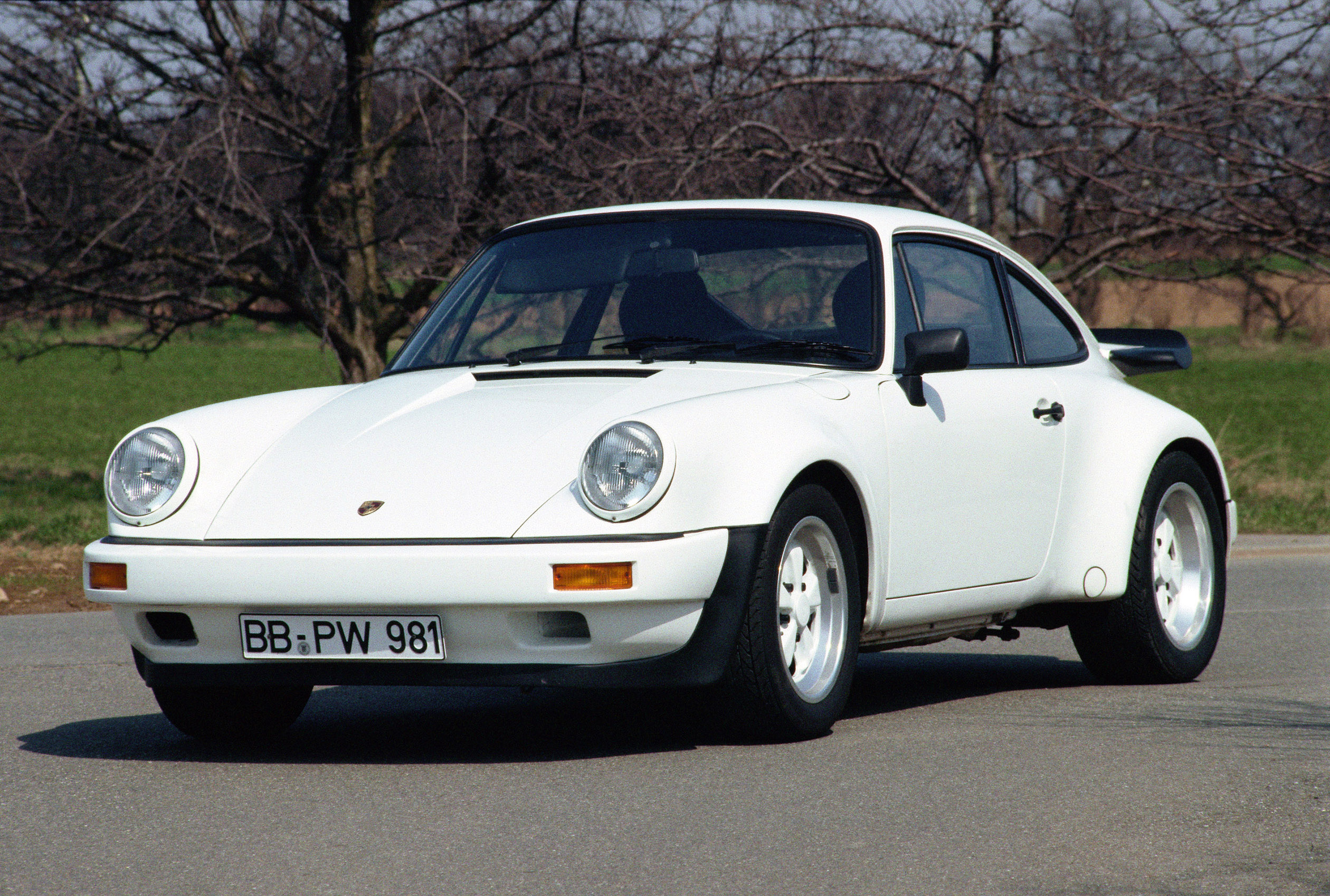
12. Porsche 911 SC RS
1984–86 · 3.0 flat-six · About 250 to 290 hp · ~ 20
While the 959 was being developed, Porsche built about twenty lightened 911s to Group B rules for the Rothmans team. The SC RS had the Turbo's wide body, aluminium panels, and a 3.0-litre engine without a turbocharger. It had only two driven wheels, and was never going to win in the forests. On tarmac and in the desert it was very good. Henri Toivonen was runner-up in the 1984 European championship with one, and Saeed Al Hajri won the Middle East title twice.
Verdict A lightweight 911 for the Rothmans team.
Did you know: It was built for the Rothmans team, which was run from Banbury by the firm that later built Subaru's rally cars.
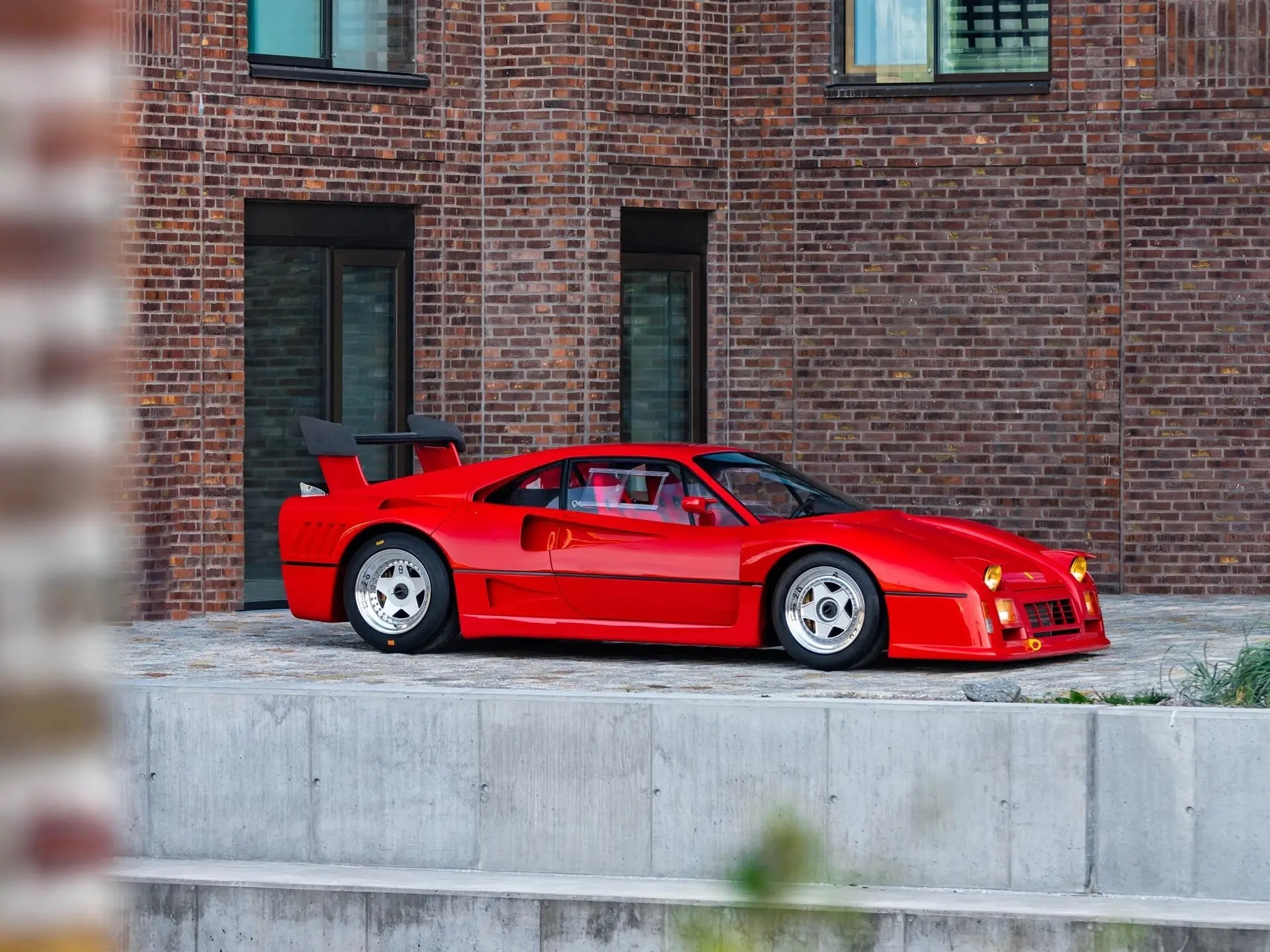
11. Ferrari 288 GTO and Evoluzione
1984–87 · 2.9 twin-turbo V8 · 400 hp; about 650 in the Evoluzione · 272 road cars, 6 Evoluzione
Group B was meant for circuit racing too, and Ferrari built the 288 GTO to take part: a 308 lengthened to carry a twin-turbocharged 2.9-litre V8 mounted fore and aft. It made 272, more than the 200 required. The racing series never attracted enough entries to be held. Ferrari then built six Evoluzione cars, with 650 horsepower, a weight of 940 kg and bodywork full of vents and wings, as test beds. They never raced either. What was learned went straight into the F40, which is, in effect, the Group B Ferrari sold as a road car.
Verdict Built for a series that never happened, and the origin of the F40.
Did you know: It was built for a Group B circuit series that never took place, so it never raced.
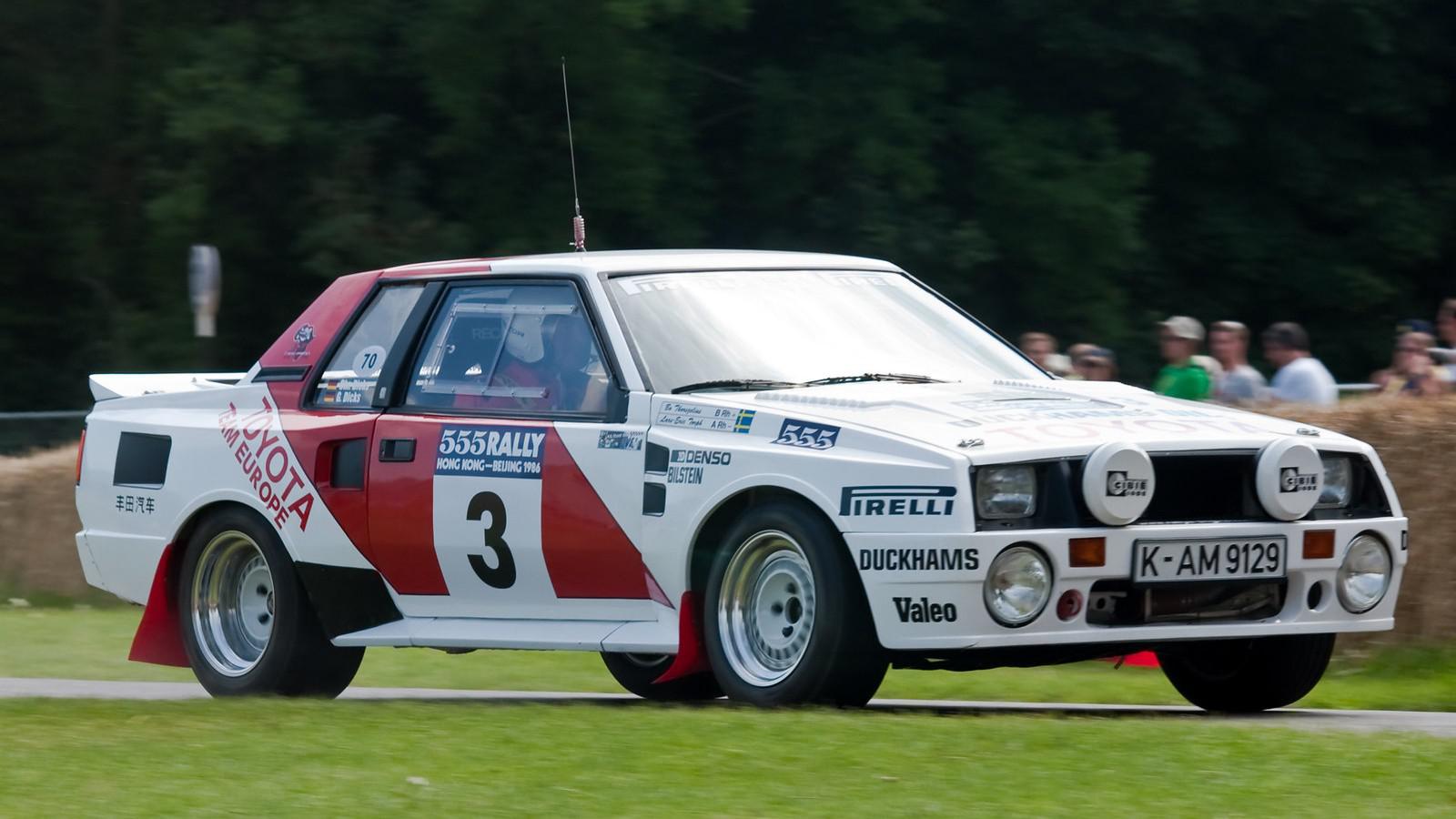
10. Toyota Celica Twincam Turbo
1983–86 · 2.1 turbocharged four · About 370 hp
Toyota's team, based in Cologne, knew its rear-drive Celica could not match the four-wheel-drive cars in Europe, and chose its battles. On the long, rough African rallies, strength counted for more than traction. The Celica Twincam Turbo won the Safari Rally in 1984, 1985 and 1986, and the Ivory Coast Rally three times as well, with Björn Waldegård and Juha Kankkunen. That is six world championship wins from a car that was never fancied anywhere else. It was called the king of Africa, and it earned Toyota the experience that produced its world champions of the 1990s.
Verdict Three Safari wins in a row.
Did you know: It won the Safari Rally three years running, from 1984 to 1986.
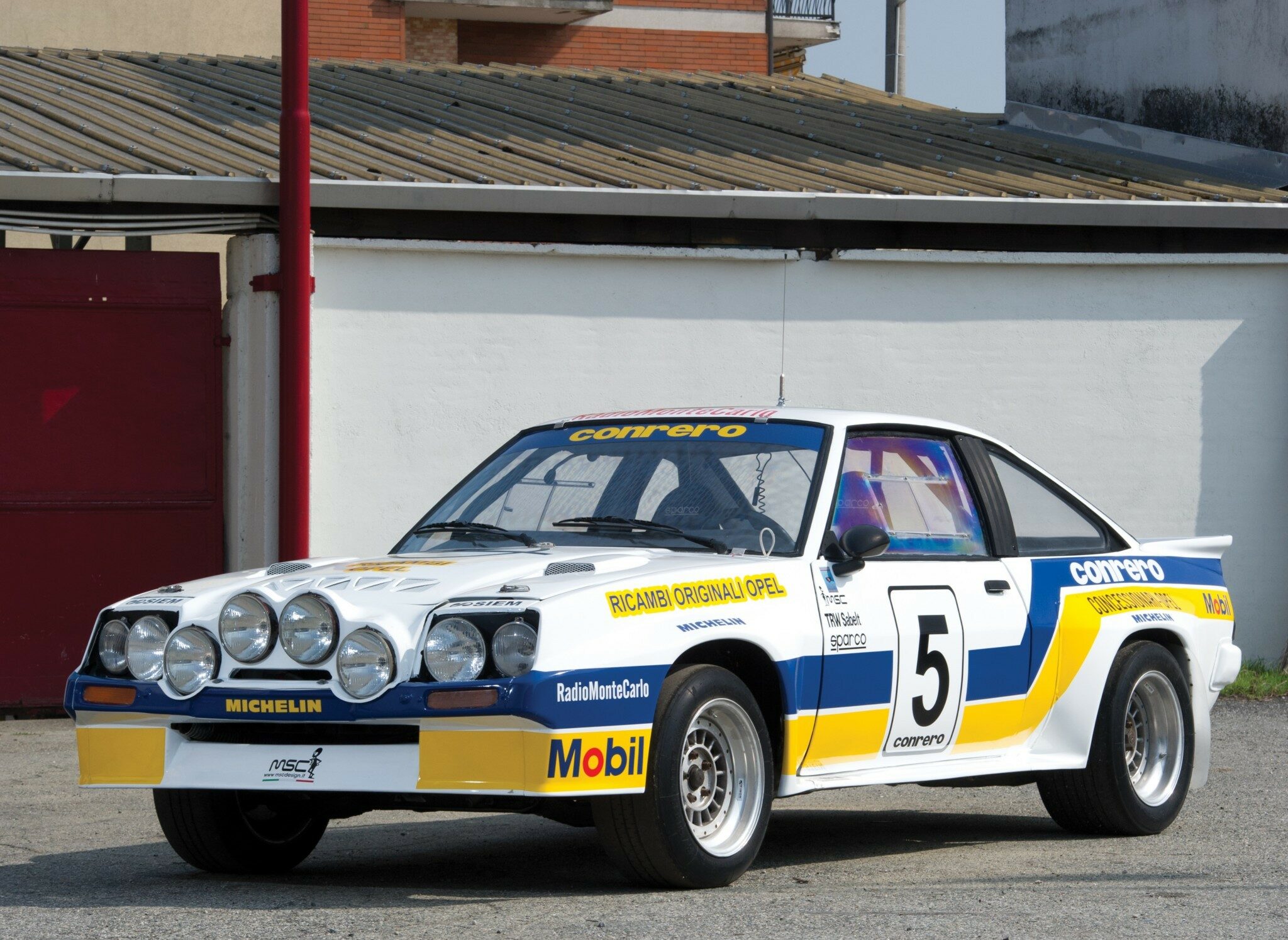
9. Opel Ascona 400 and Manta 400
1980–86 · 2.4 four · About 260 to 275 hp
Opel stayed with a conventional layout: engine in front, drive to the rear, and a 2.4-litre four with a cylinder head by Cosworth. In the Ascona 400, Walter Röhrl won the 1982 drivers' championship, finishing in the points on rally after rally while the quicker Audis broke or crashed. Ari Vatanen won the 1983 Safari in one. The Manta 400 that replaced it was lighter and better balanced, and arrived just as two-wheel drive stopped being enough. It never won a world championship rally, but it was strong, simple and loved in national championships, the British one above all.
Verdict The last conventional car to win a drivers' title.
Did you know: Walter Röhrl won the 1982 drivers' title in the Ascona, beating the four-wheel-drive Audis.
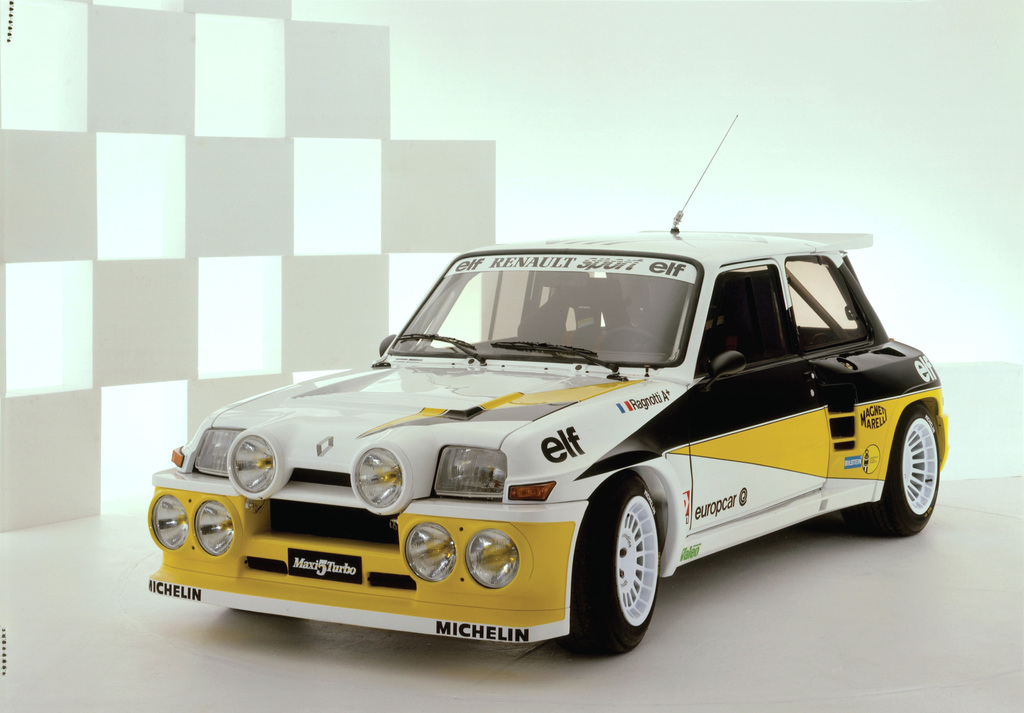
8. Renault 5 Turbo and Maxi Turbo
1980–86 · 1.4 turbocharged four, later 1.5 · About 265 to 350 hp
Renault put the engine of its smallest car where the back seat had been, turbocharged it, and widened the rear wings to cover the tyres. The 5 Turbo won the Monte Carlo Rally in 1981 with Jean Ragnotti, before Group B began. Under the new rules it was outclassed on gravel by the four-wheel-drive cars, but on dry tarmac it stayed dangerous. Ragnotti won the Tour de Corse in 1982, and again in 1985 with the Maxi Turbo, which had 350 horsepower and still drove only its rear wheels.
Verdict A hatchback with the engine where the back seat was.
Did you know: Jean Ragnotti won the Tour de Corse in it twice, three years apart.
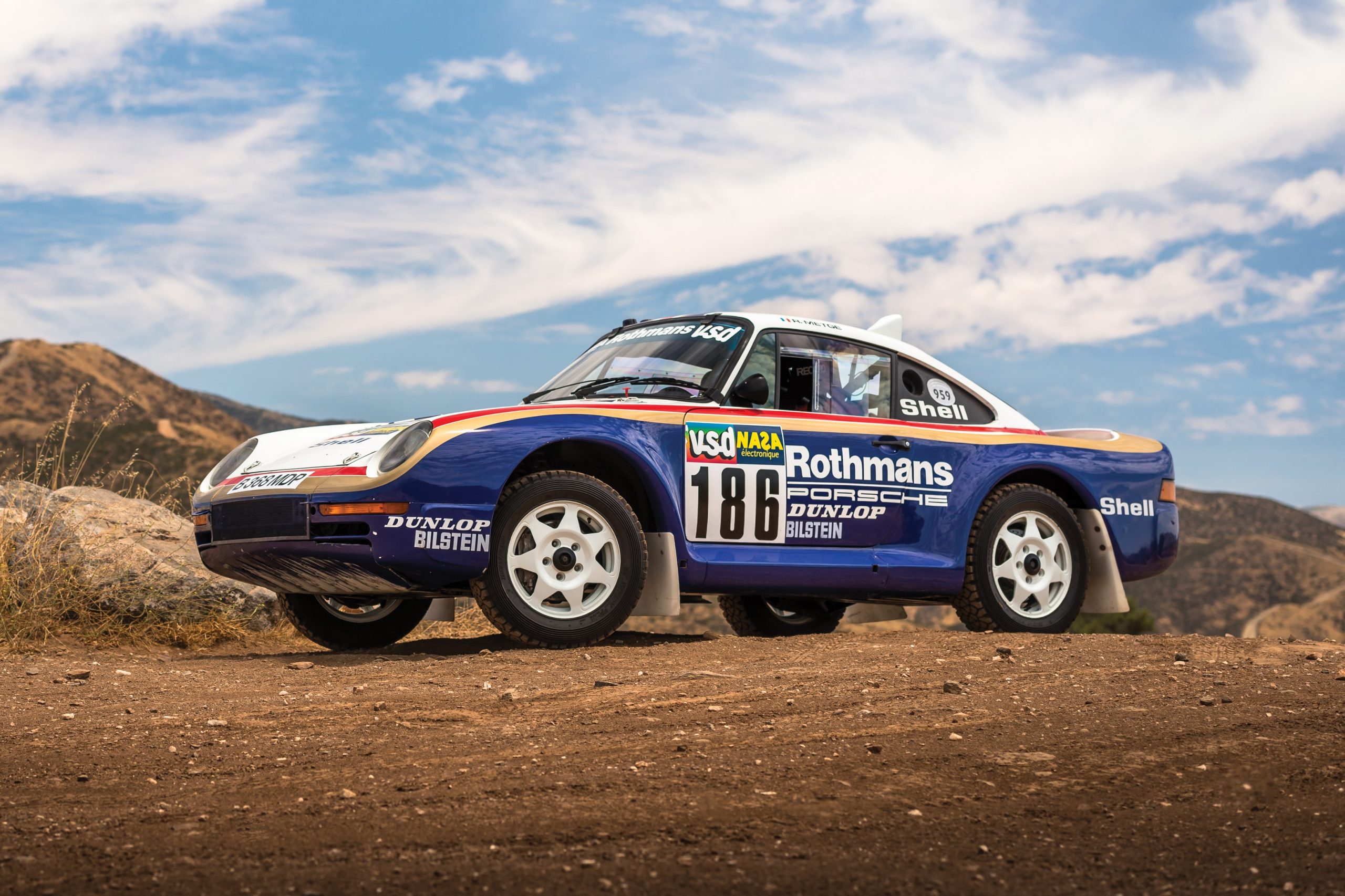
7. Porsche 959 Paris-Dakar and 961
1985–87 · 2.85 twin-turbo flat-six · About 400 hp for the desert; 640 hp in the 961
Porsche designed the 959 as a Group B car, with four-wheel drive, twin turbochargers and electronically controlled torque split. By the time it was ready, the company had lost interest in rallying on European stages and the class was about to end. So it was sent to the desert. In January 1986 three 959s started the Paris-Dakar. René Metge and Jacky Ickx finished first and second, and the support car, driven by the project's engineer, was sixth. That June a circuit version, the 961, finished seventh at Le Mans, the first four-wheel-drive car to race there. It never contested a world championship rally.
Verdict First and second on the Paris-Dakar, and seventh at Le Mans.
Did you know: The 961 was the first four-wheel-drive car to race at Le Mans.
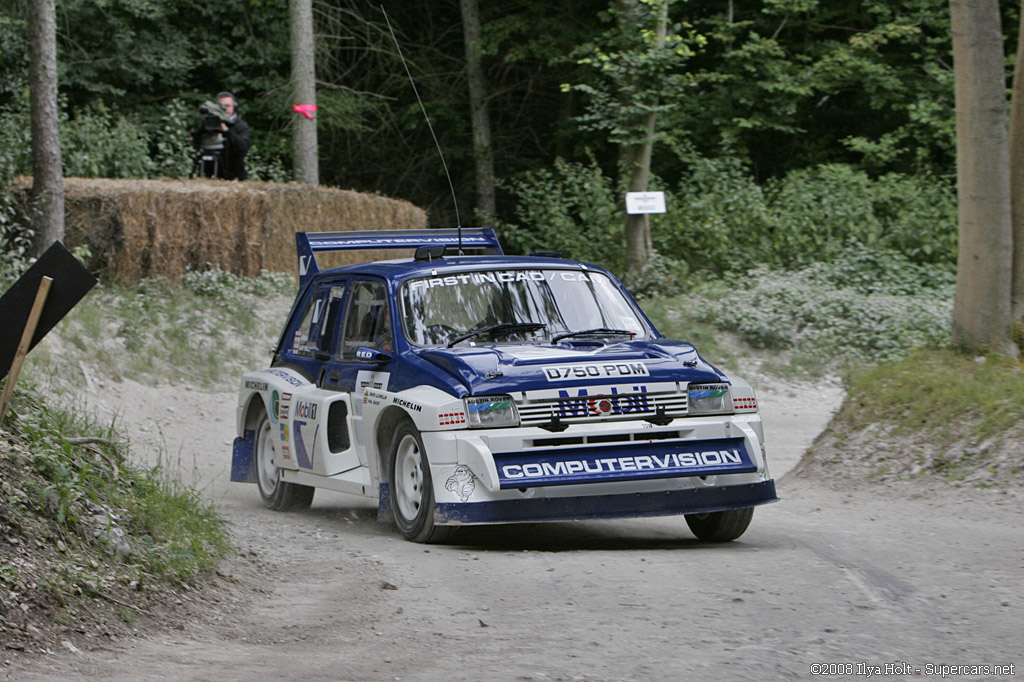
6. MG Metro 6R4
1985–86 · 3.0 V6 · About 410 hp
Austin Rover's entry looked like a shopping car that had been in an explosion. The Metro 6R4 had four-wheel drive and a 3.0-litre V6 behind the seats, and no turbocharger at all: its makers judged that instant response mattered more than peak power on a British forest stage. Tony Pond finished third on the RAC Rally in November 1985, the car's first world championship event. It never did as well again. The engine suffered repeated failures in 1986. After the ban, the cars were sold off cheaply and became the backbone of British club rallying, and the V6 was developed into the engine of the Jaguar XJ220.
Verdict No turbo, six cylinders, and a podium first time out.
Did you know: It had no turbocharger. Its V6 was later developed into the engine of the Jaguar XJ220.
The top 5
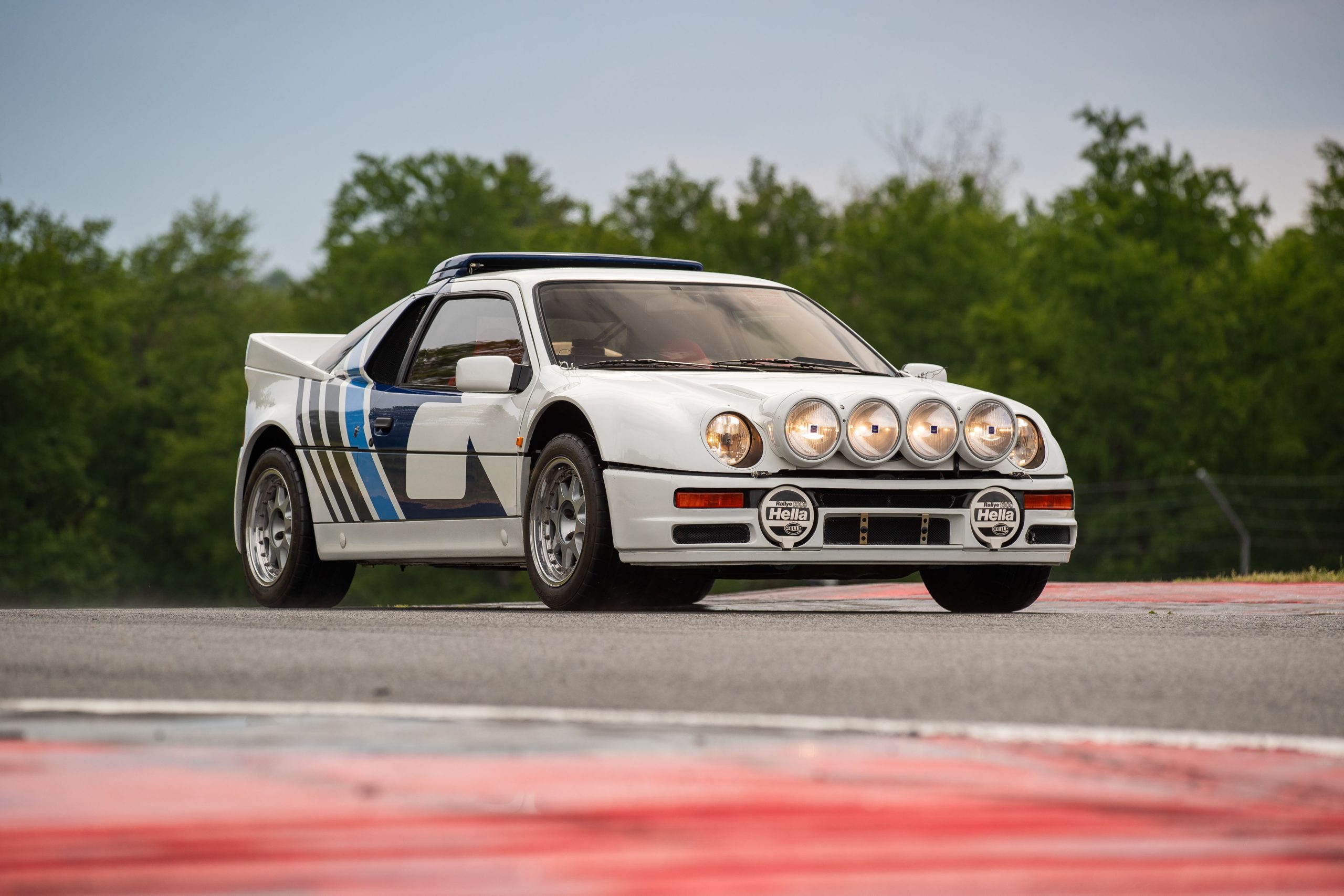
- Years
- 1986
- Engine
- 1.8 turbocharged four
- Power
- About 450 hp
Race car · UK
5. Ford RS200 Group B
Ford had no Group B car until 1986. Its first attempt, a turbocharged rear-drive Escort, was cancelled in 1983 when it became clear that four-wheel drive was essential. The RS200 that replaced it was designed from a blank sheet: mid-engined, with the gearbox at the front for weight distribution, twin dampers at each corner, and a body of plastic and composite. On paper it was the best-balanced car in the class.
It arrived as the class was closing. On its debut in Sweden in February 1986, Kalle Grundel finished third. On the next rally, in Portugal, a local driver's RS200 swerved to avoid spectators standing in the road and went into the crowd. Three people were killed and many injured, and the works teams withdrew from the event. Two months later came Toivonen's accident, and the ban.
That third place in Sweden remained its best world championship result. The engine was heavy on turbo lag and gave less power than the Lancia and Peugeot. Ford had built the 200 cars the rules required and now had to sell them as road cars. An enlarged Evolution engine with over 600 horsepower found a second life in rallycross, where the RS200 won European titles into the 1990s.
Verdict The best design to arrive too late.
It ran a single season. Its best world championship finish was third, in Sweden.
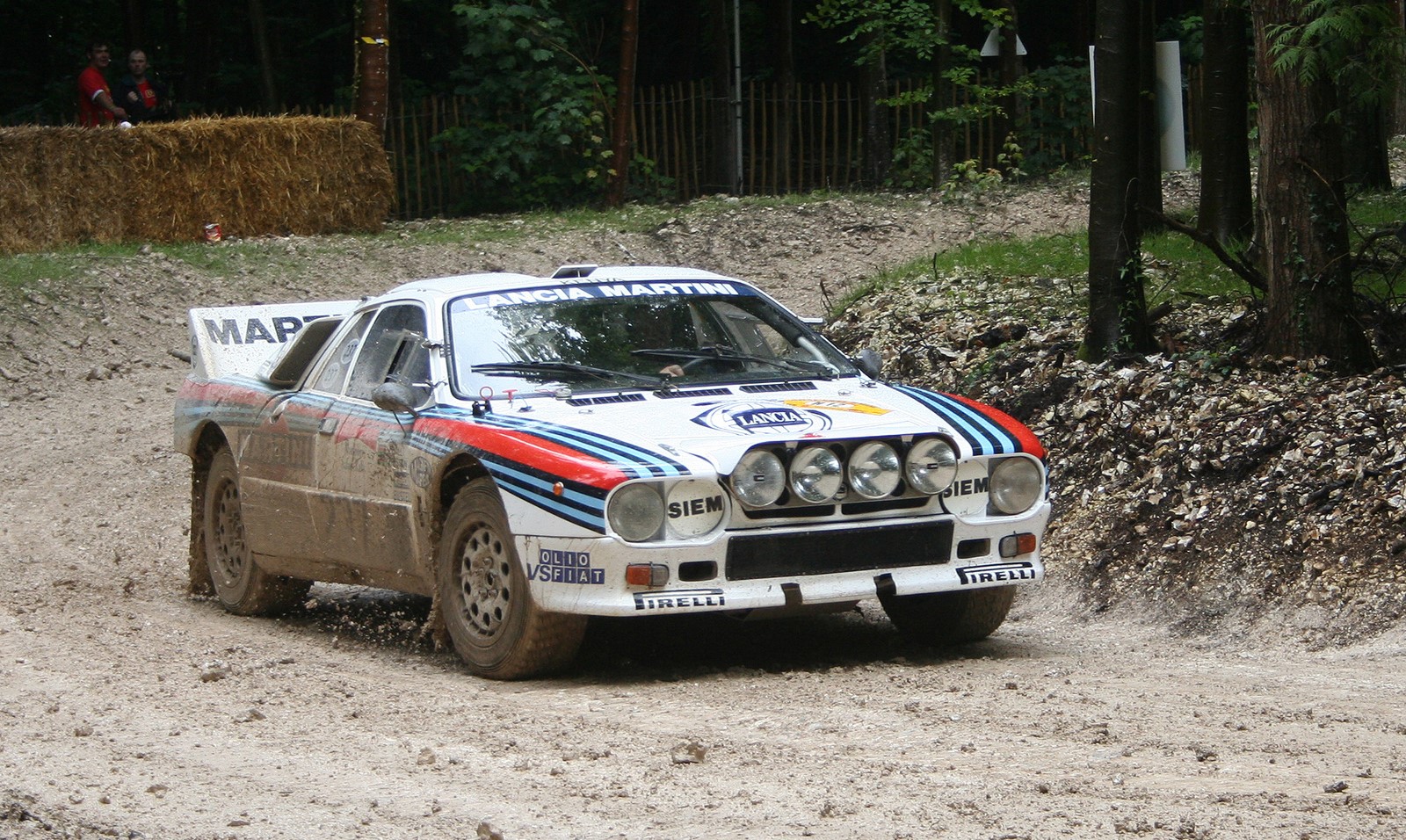
- Years
- 1982–86
- Engine
- 2.0 supercharged four, later 2.1
- Power
- About 280 to 325 hp
Race car · Italy
4. Lancia Rally 037
Lancia built its Group B car with rear-wheel drive, on purpose, in the year after the Quattro appeared. The reasoning was that four-wheel drive was heavy and unproven, and that a light mid-engined car would be quicker on dry roads and easier to service. The 037 had a supercharged 2.0-litre engine, because a supercharger responds at once where a turbo lags, in a centre section taken from the Lancia Montecarlo with tubular frames at each end.
In 1983 it worked. Lancia won the manufacturers' championship from Audi, with five victories, taking the tarmac rallies easily and stealing others by organisation. On the Monte Carlo, where the Audis expected snow, Lancia's crews changed from snow tyres to slicks at the roadside between sections, and Walter Röhrl won. It was the last time a car with two driven wheels took the title.
By 1984 the Quattro was reliable and the Peugeot was coming, and the 037 could win only on asphalt. Its last victory was in Corsica that year. Attilio Bettega was killed in one on the same island in 1985. The Delta S4 replaced it at the end of that season. It is remembered as the best-looking rally car of its time and the last of its kind.
Verdict The last two-wheel-drive world champion.
It was the last rear-wheel-drive car to win the world rally championship for makes.
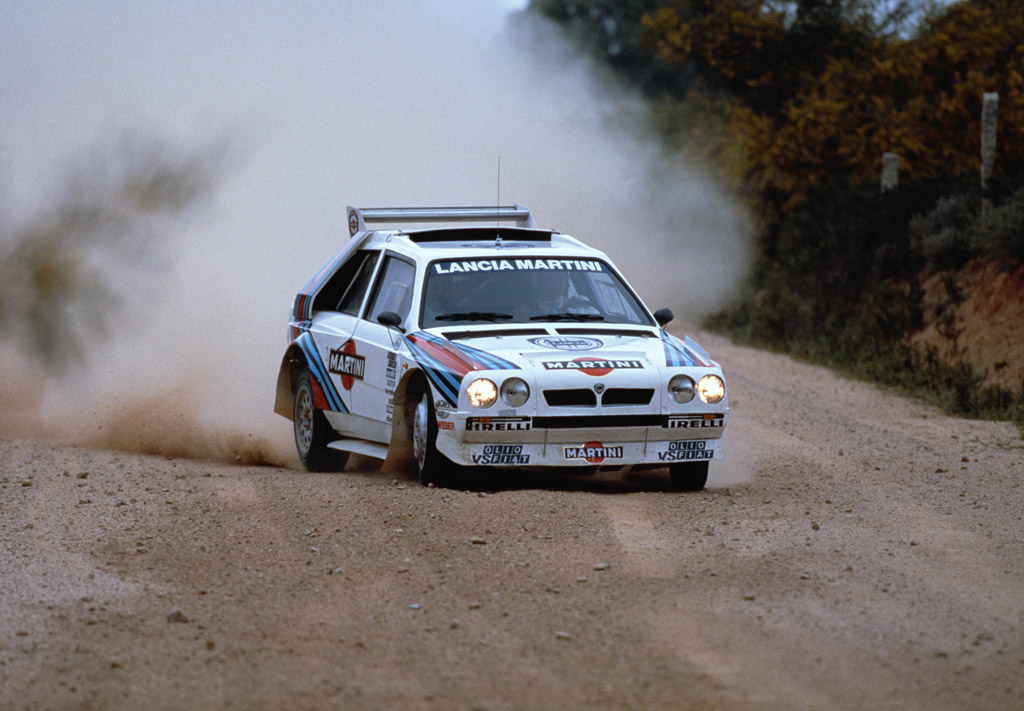
- Years
- 1985–86
- Engine
- 1.8 four with supercharger and turbocharger
- Power
- About 480 hp
Race car · Italy
3. Lancia Delta S4 Group B
The Delta S4 was the most extreme car to compete in Group B and the one most closely tied to its end. Under a body that resembled the Delta hatchback was a tubular spaceframe covered in composite panels. It weighed 890 kg. The 1.8-litre engine had both a supercharger and a turbocharger, the first to fill in at low revs before the second took over, and gave around 480 horsepower in rally trim. On loose gravel it is said to have reached 60 mph in under two and a half seconds.
It won its first rally, the RAC in November 1985, with Henri Toivonen, and Markku Alén was second. Toivonen won the Monte Carlo in January 1986. He was 29 and the fastest driver in the sport.
On 2 May 1986, on the Tour de Corse, his S4 left the road at a left-hand corner with no barrier, fell into a ravine and burned. He and his co-driver, Sergio Cresto, were killed. Within hours the governing body announced that Group B would be banned at the end of the season. The S4 won four rallies that stand in the records and a fifth that was annulled. Because of that annulment Alén was world champion for eleven days at the end of 1986, until the title passed to Peugeot's Kankkunen.
Verdict The fastest of them, and the car in which Group B ended.
It used a supercharger for low revs and a turbocharger for high ones, so there was no lag at any speed.
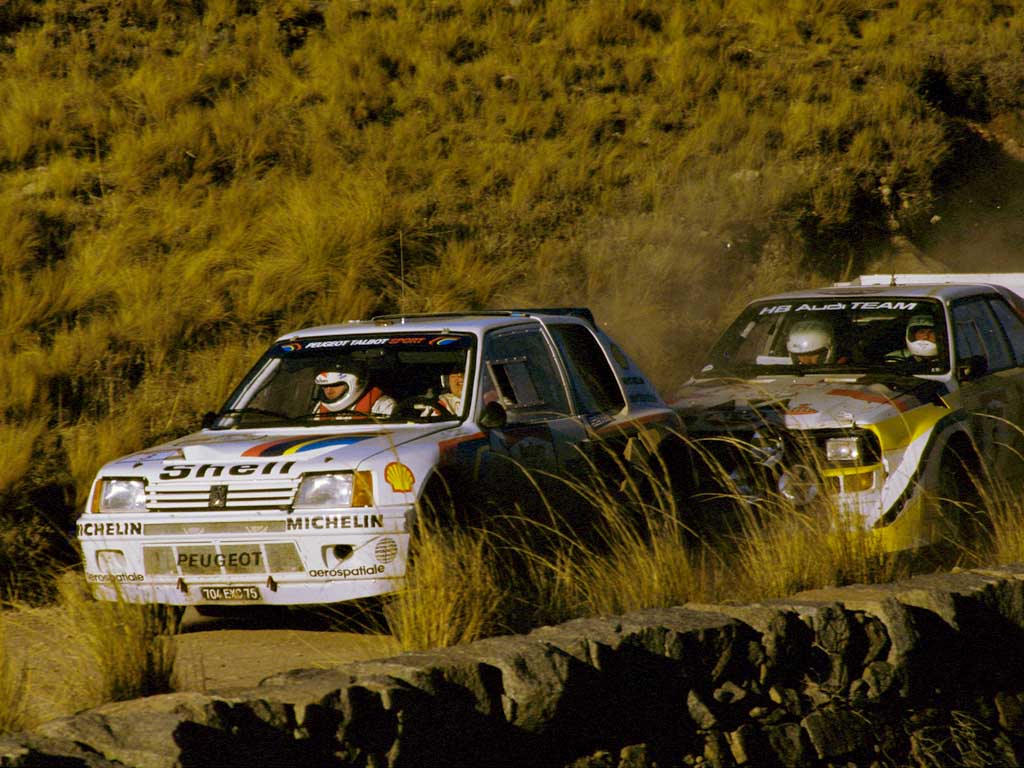
- Years
- 1984–86
- Engine
- 1.8 turbocharged four
- Power
- 350 to about 500 hp
Race car · France
2. Peugeot 205 Turbo 16 Group B
On results this is the best Group B car, and it is not close. The 205 Turbo 16 won sixteen world championship rallies between August 1984 and the end of 1986, more than any rival, and took the manufacturers' and drivers' titles in both 1985 and 1986.
Peugeot's competition department, set up for the purpose under Jean Todt, studied the Quattro and the mid-engined Lancia 037 and concluded that the answer was both at once. The 205 had its turbocharged 1.8-litre engine mounted across the car behind the seats and drove all four wheels. It looked like the hatchback in the showroom and shared its windscreen, doors and lights.
Ari Vatanen won five rallies in a row across 1984 and 1985 before a crash in Argentina nearly killed him. Timo Salonen took over and won the 1985 title. Juha Kankkunen won it in 1986 with the E2 version, which had about 450 horsepower and a large rear wing.
When Group B was banned, Peugeot lengthened the car and took it to the Paris-Dakar, which it won in 1987 and 1988, and to Pikes Peak. It ranks second here only because the Audi came first and forced everyone's hand.
Verdict Sixteen wins and both titles, twice.
After Group B was banned it was sent to the desert and won the Paris-Dakar twice.
The best of the 20 · Race car · Germany
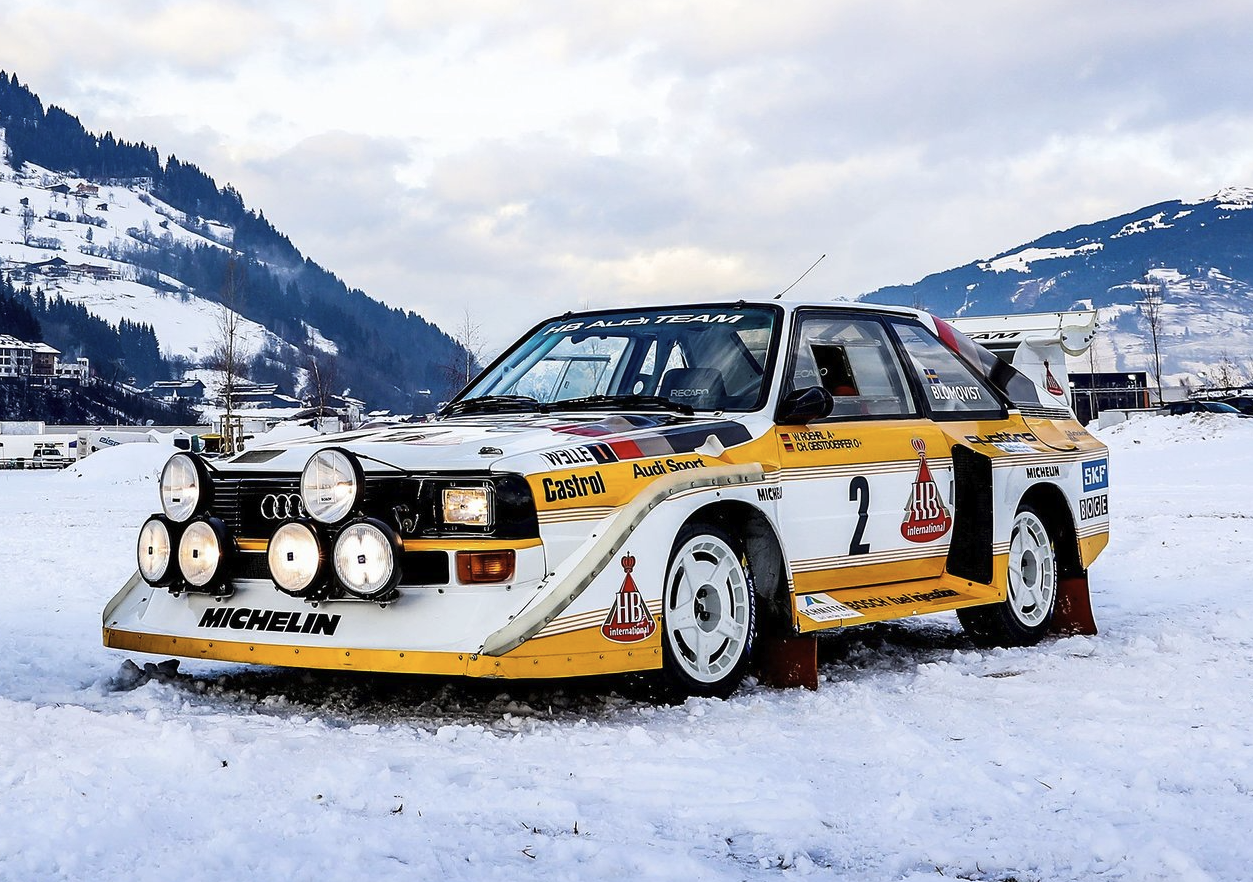
1. Audi Sport Quattro S1
- Years
- 1984–87
- Engine
- 2.1 turbocharged five
- Power
- About 450 to 500 hp
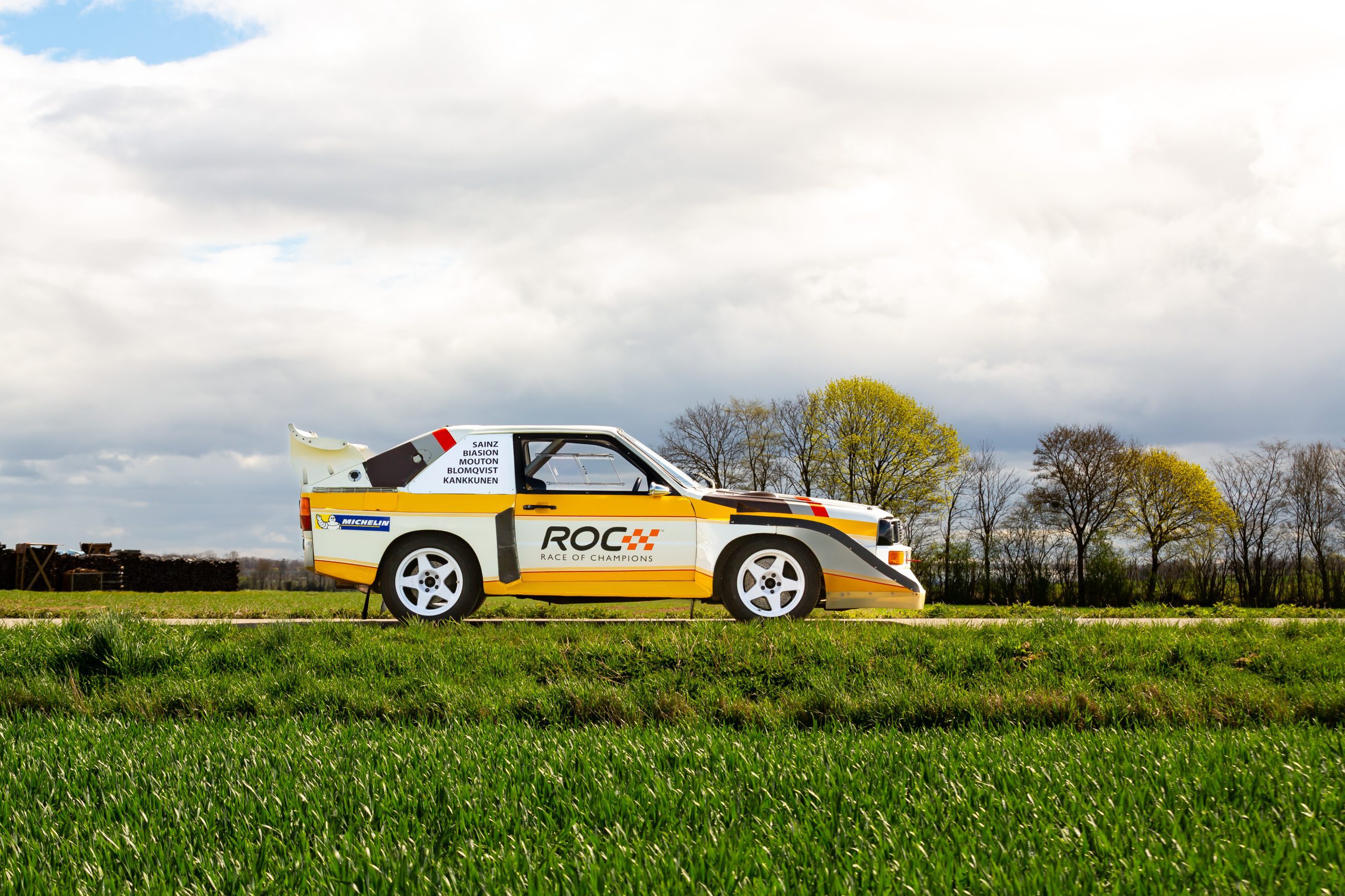
Group B was written in 1982 for cars like the ones that already existed. Audi had just made those cars obsolete. The Quattro had four-wheel drive and a turbocharged five-cylinder engine, and on snow, gravel and wet tarmac it left two-wheel-drive cars behind by minutes. Every other maker spent the next two years building a four-wheel-drive car of its own. That is the Quattro's claim to first place: the rest of this list exists because of it.
Its own record is good without being the best. Audi won the manufacturers' title in 1982 and 1984, and Hannu Mikkola and Stig Blomqvist took the drivers' titles in 1983 and 1984. Michèle Mouton won four world championship rallies in one, the only woman to have done so.
The weakness was the layout. The engine hung ahead of the front axle, and the car pushed its nose wide in corners. Audi's answer was the Sport Quattro, a foot shorter, and then the S1 E2, with around 500 horsepower, a radiator in the boot to shift weight back, and wings on every surface. It won once, at Sanremo in 1985 with Walter Röhrl. By then the mid-engined cars had the measure of it. It is still the sound and the picture most people have in mind when Group B is mentioned.
Verdict The car that made four-wheel drive compulsory.
Walter Röhrl drove one up Pikes Peak in 1987 in under eleven minutes, a record.
What we left off, and why
We stopped at twenty because Group B produced about fifteen cars that mattered, and a longer list would be padding.
The cars left out are mostly small-capacity entries built to win a class: the Citroën Visa 1000 Pistes, the Škoda 130 LR, the Lada 2105 VFTS and the Daihatsu Charade 926R. The Talbot Sunbeam Lotus won the 1981 manufacturers' title under the previous rules and ran on into Group B without changes.
Several prototypes never reached homologation: the Mitsubishi Starion 4WD, the Opel Kadett 4x4, and the Alfa Romeo Sprint 6C. The BMW M1 was accepted into Group B and rallied in France, without success. The Peugeot 405 Turbo 16 and the cars built for Pikes Peak and the Paris-Dakar after 1986 used Group B parts but came after the class had ended.
Tell us what we got wrongQuestions about this list
What was Group B?
A set of regulations for rally and racing cars that ran from 1982 to 1986. A maker had to build only 200 cars to qualify, and there were few limits on power, materials or layout. It produced the fastest rally cars seen up to that time.
Why was Group B banned?
A series of fatal accidents in 1985 and 1986. Three spectators were killed in Portugal in March 1986, and in May Henri Toivonen and his co-driver Sergio Cresto died when their Lancia Delta S4 crashed and burned in Corsica. The governing body banned the class from the end of that season.
Which Group B car was the most successful?
The Peugeot 205 Turbo 16. It won sixteen world championship rallies and took both the drivers' and manufacturers' titles in 1985 and 1986. We rank the Audi Quattro above it because the Audi's four-wheel drive forced every other maker to change course.
What was Group S?
The class planned to replace Group B in 1988. It would have limited power and required only ten cars to be built. Lancia, Toyota, Audi and others built prototypes. It was cancelled together with Group B in 1986, before any of them competed.
Did the Ferrari 288 GTO and Porsche 959 race in Group B?
Not in the world rally championship. The 288 GTO was built for a Group B circuit series that was never held. The 959 won the Paris-Dakar in 1986, and a racing version, the 961, finished seventh at Le Mans the same year.
We began with every car homologated in Group B, added those built for it that never competed and the Group S prototypes, and cut the list to twenty.
World championship results count for most. Engineering comes next: the layout chosen, and whether rivals had to follow it. The third measure is how far the car pushed the rules and the people who drove it.
The Audi Quattro and the Peugeot 205 Turbo 16 appear in the same order as on our list of the best race cars ever. Power figures for these cars were rarely published accurately at the time and vary between sources, so those given here are approximate.