
For the first half of the motor car's history, an expensive car was bought in two parts. The maker supplied a chassis with its engine and running gear. The buyer then took it to a coachbuilder, chose a style, and waited some months while a body was made for it by hand. The system produced most of the beautiful cars made before 1940 and a good many after.
What counts
A car whose body was designed and built by a firm independent of the chassis maker. That covers the cars made to order before the war and the Italian cars of the 1950s and early 1960s, when houses such as Touring, Zagato, Pininfarina and Scaglietti built bodies in small series. Bodies made in the chassis maker's own works are left out, however fine, and so are later cars built by the thousand.
How we ranked them
On the body, not the car: how good the design is, how well it was made, and how much it influenced what came after. A great chassis helps, because the best coachbuilders were given the best chassis, but an ordinary car with a remarkable body can rank above a remarkable car with an ordinary one.
How to read this list
The list counts down from thirty to one. The top ten have the longest entries, the next ten are shorter and the last ten are brief. Eighteen of the thirty bodies are Italian, eight are French, two British, one American and one German. Many of the cars appear on our other lists, where they are judged as cars. Here they are judged as coachwork.
See the full ranking, 1 to 30
| Rank | The Best Coachbuilt Cars | Years |
|---|---|---|
| 1 | Talbot-Lago T150C SS "Teardrop" | 1937–39 |
| 2 | Alfa Romeo 8C 2900B | 1937–39 |
| 3 | Cisitalia 202 | 1947–52 |
| 4 | Ferrari 250 GT SWB | 1959–62 |
| 5 | Aston Martin DB4 GT Zagato | 1960–63 |
| 6 | Bentley R-type Continental | 1952–55 |
| 7 | Duesenberg Model J and SJ | 1928–37 |
| 8 | Ferrari 166 MM Barchetta | 1948–50 |
| 9 | Hispano-Suiza H6B Dubonnet Xenia | 1938 |
| 10 | Alfa Romeo 6C 1750 Gran Sport | 1929–33 |
| 11 | Delahaye 165 | 1938–39 |
| 12 | Maserati A6G/54 | 1954–57 |
| 13 | BMW 328 Mille Miglia | 1939–40 |
| 14 | Ferrari 250 GTO | 1962–64 |
| 15 | Mercedes-Benz 680 S Torpedo | 1928 |
| 16 | Bugatti Type 57S by Corsica | 1937 |
| 17 | Alfa Romeo Giulietta Sprint Speciale | 1957–62 |
| 18 | Aston Martin DB5 | 1963–65 |
| 19 | Delage D8-120 | 1936–39 |
| 20 | Isotta Fraschini Tipo 8 | 1919–35 |
| 21 | Fiat 8V Zagato | 1952–54 |
| 22 | Maserati 5000 GT | 1959–65 |
| 23 | Ferrari 250 GT Lusso | 1962–64 |
| 24 | Talbot-Lago T26 Grand Sport | 1947–53 |
| 25 | Mercedes-Benz 500K by Erdmann & Rossi | 1934–36 |
| 26 | Bugatti Type 41 Royale | 1927–33 |
| 27 | Lamborghini 350 GT | 1964–66 |
| 28 | Alfa Romeo Giulia TZ | 1963–65 |
| 29 | Delahaye 135 | 1935–54 |
| 30 | Alfa Romeo 6C 2500 | 1939–52 |
30 to 21
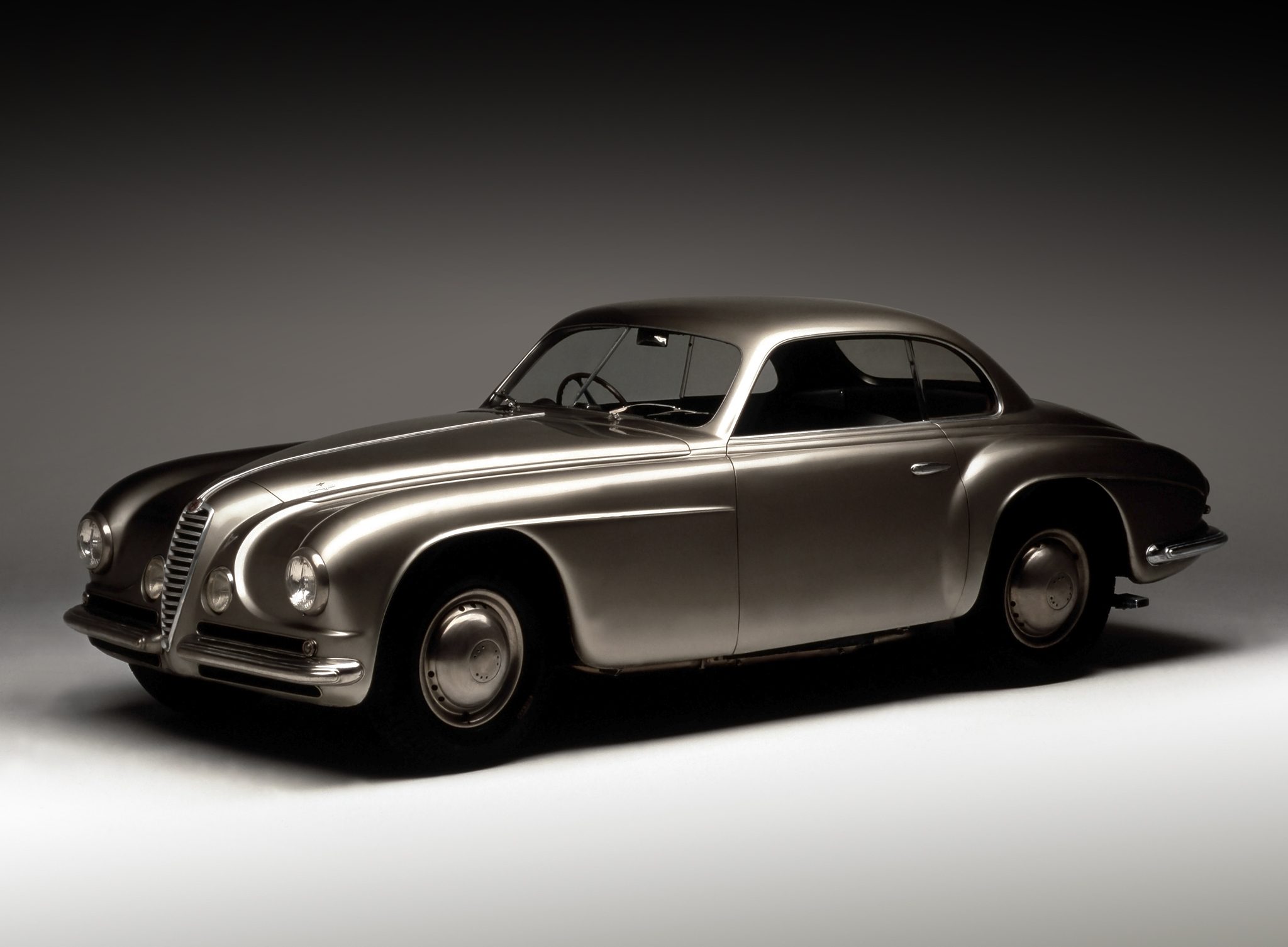
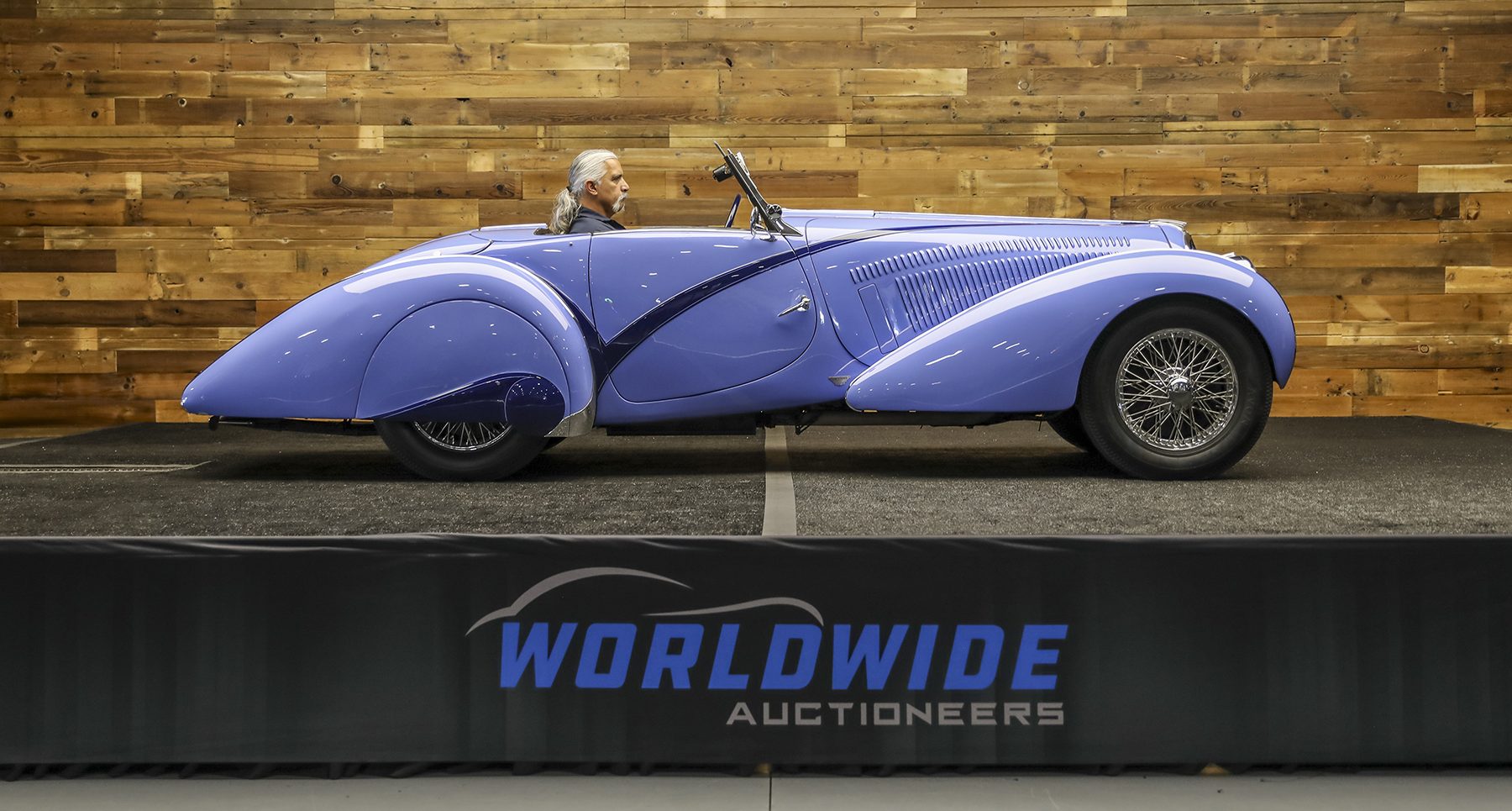
30. Alfa Romeo 6C 2500
1939–52 · 2.5 straight-six · 90 to 110 hp
The 6C 2500 was the last Alfa Romeo sold as a chassis for coachbuilders. Touring's Villa d'Este coupé of 1949 is the best known, named after the concours where it won the public's vote. It is a graceful, slightly heavy car. It ranks here as the close of the coachbuilt era at Alfa Romeo, which built its own bodies from then on.
Verdict The last coachbuilt Alfa Romeo.
29. Delahaye 135
1935–54 · 3.2 to 3.6 straight-six · 95 to 160 hp · ~ 2,000
The Delahaye 135 was the chassis the Paris coachbuilders liked best, and Figoni et Falaschi made the most famous bodies for it, with enclosed wheels and sweeping chrome. The firm was still building them in 1948. It ranks here, below the firm's other two cars on this list, because there were more of them and they varied more.
Verdict The favourite chassis of the Paris coachbuilders.
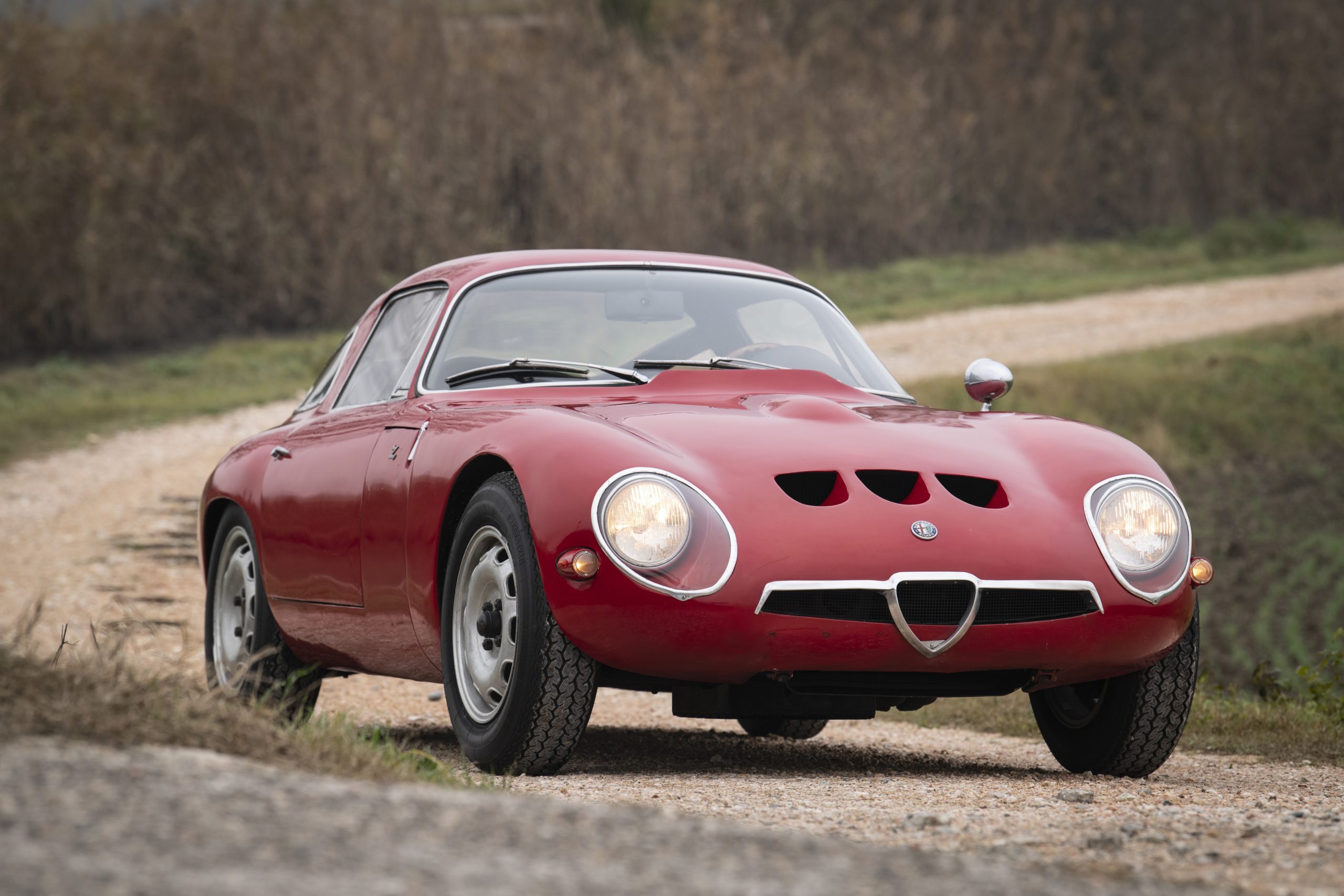
28. Alfa Romeo Giulia TZ
1963–65 · 1.6 twin-cam four · 112 hp, up to 160 in racing tune · ~ 112
The TZ's body is Zagato at its most functional: a long nose, a tight cabin and a tail cut off flat, which reduces drag without the weight of a long taper. Ercole Spada drew it. It sits on a tubular frame and weighs about 660 kg. It ranks here as the last great racing body from an Italian coachbuilder.
Verdict A tail cut off square, because the wind tunnel said so.
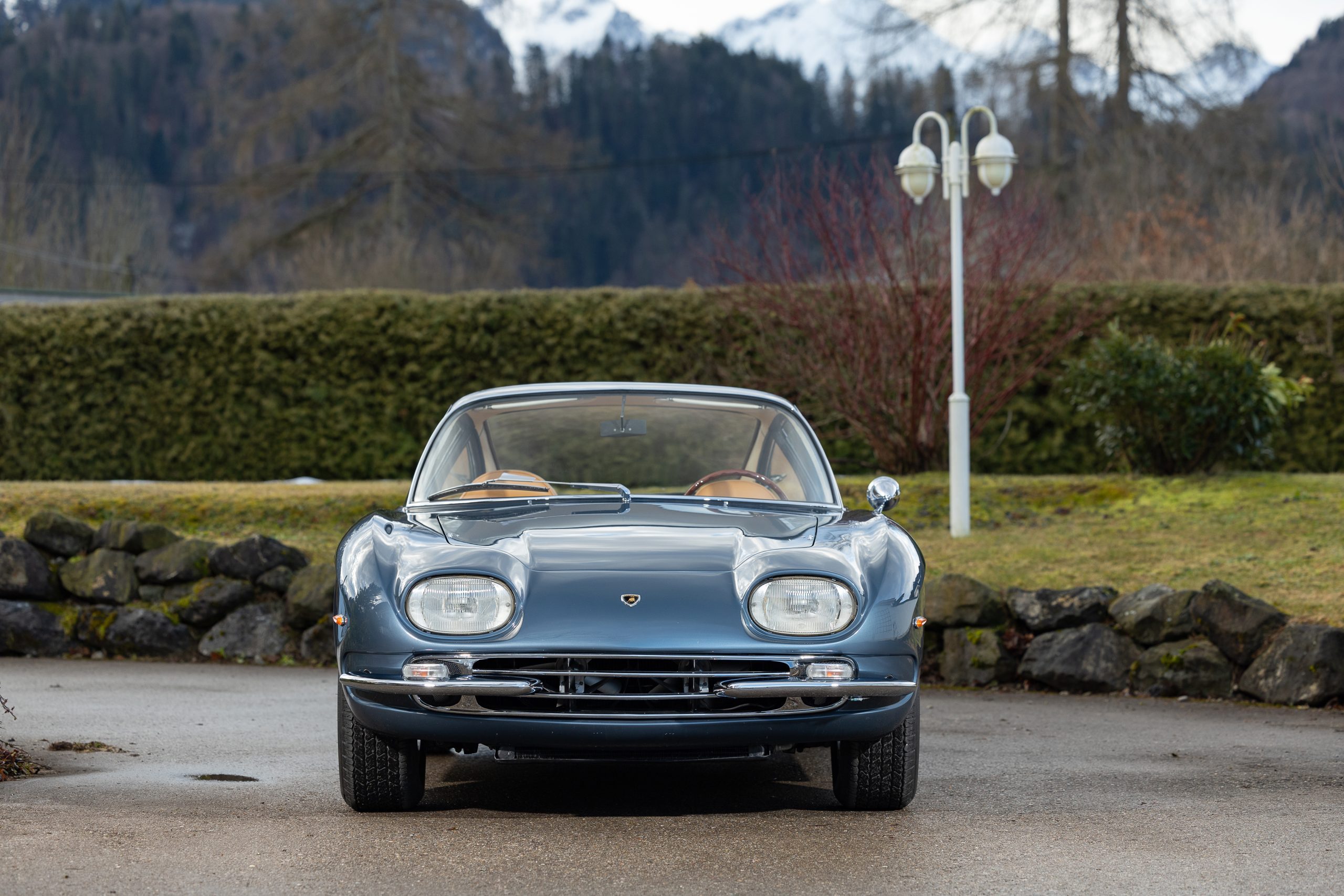
27. Lamborghini 350 GT
1964–66 · 3.5 V12 · 270 hp · ~ 120
Lamborghini's first production car was bodied by Touring, which reworked a show car into a clean two-seat coupé with a large glass area and oval headlamps. It was built by the Superleggera method. It was also the last car Touring made before it closed in 1966. It ranks here as the end of a line that began with the 8C 2900B.
Verdict Lamborghini's first car, and Touring's last.
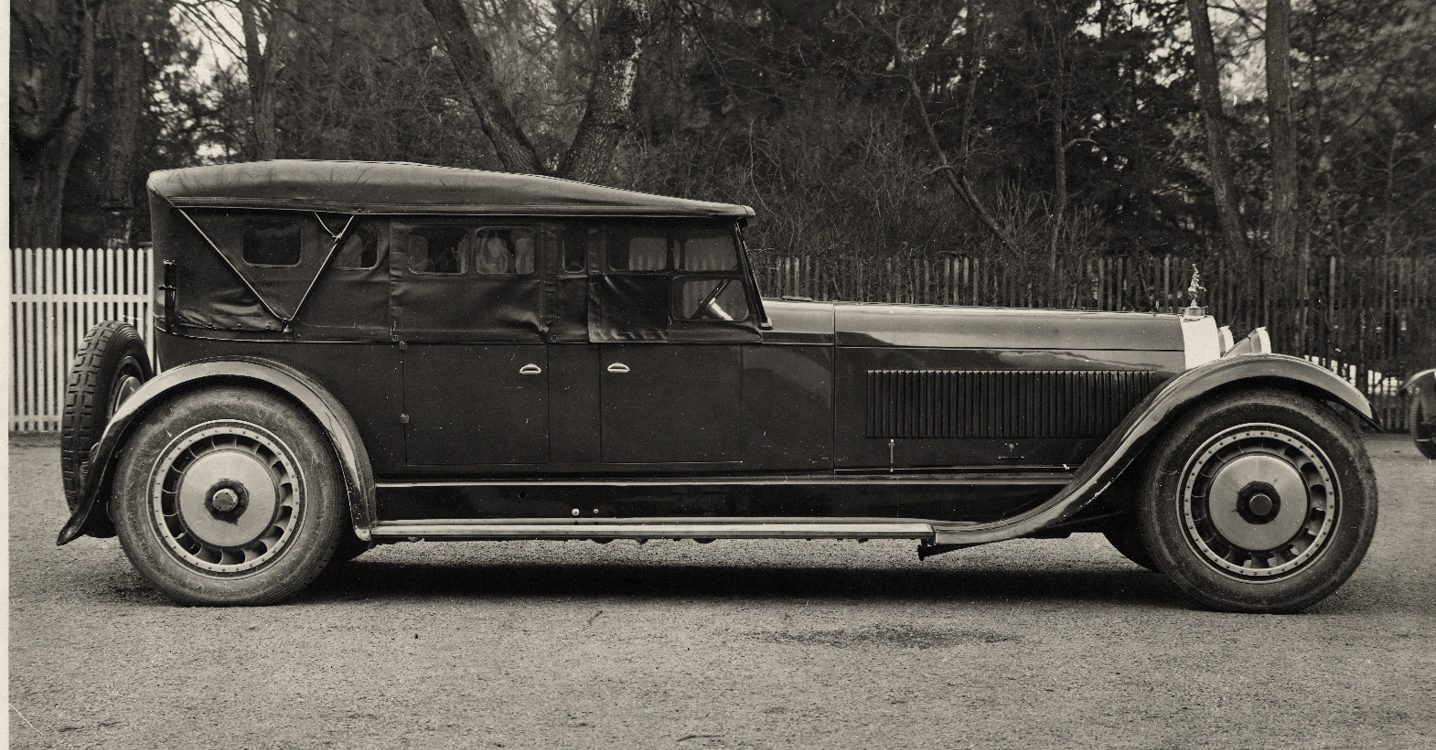
26. Bugatti Type 41 Royale
1927–33 · 12.7 straight-eight · About 300 hp · 6
The six Bugatti Royales carried eleven bodies between them, by several coachbuilders. Kellner of Paris built a two-door saloon for one that is the plainest and, to many eyes, the best: a simple, upright shape that lets the size of the car speak. It sold for £5.5 million in 1987, then a record. It ranks here for presence.
Verdict The plainest body on the largest car.

25. Mercedes-Benz 500K by Erdmann & Rossi
1934–36 · 5.0 supercharged straight-eight · 160 hp with the supercharger
Erdmann & Rossi of Berlin was the leading German coachbuilder between the wars. On the supercharged Mercedes 500K it built streamlined roadsters and coupés that were smoother and more modern than the factory's own bodies. It ranks here to represent German coachbuilding, which is less well known than the French or Italian and was often as good.
Verdict Berlin's best, on a supercharged Mercedes.
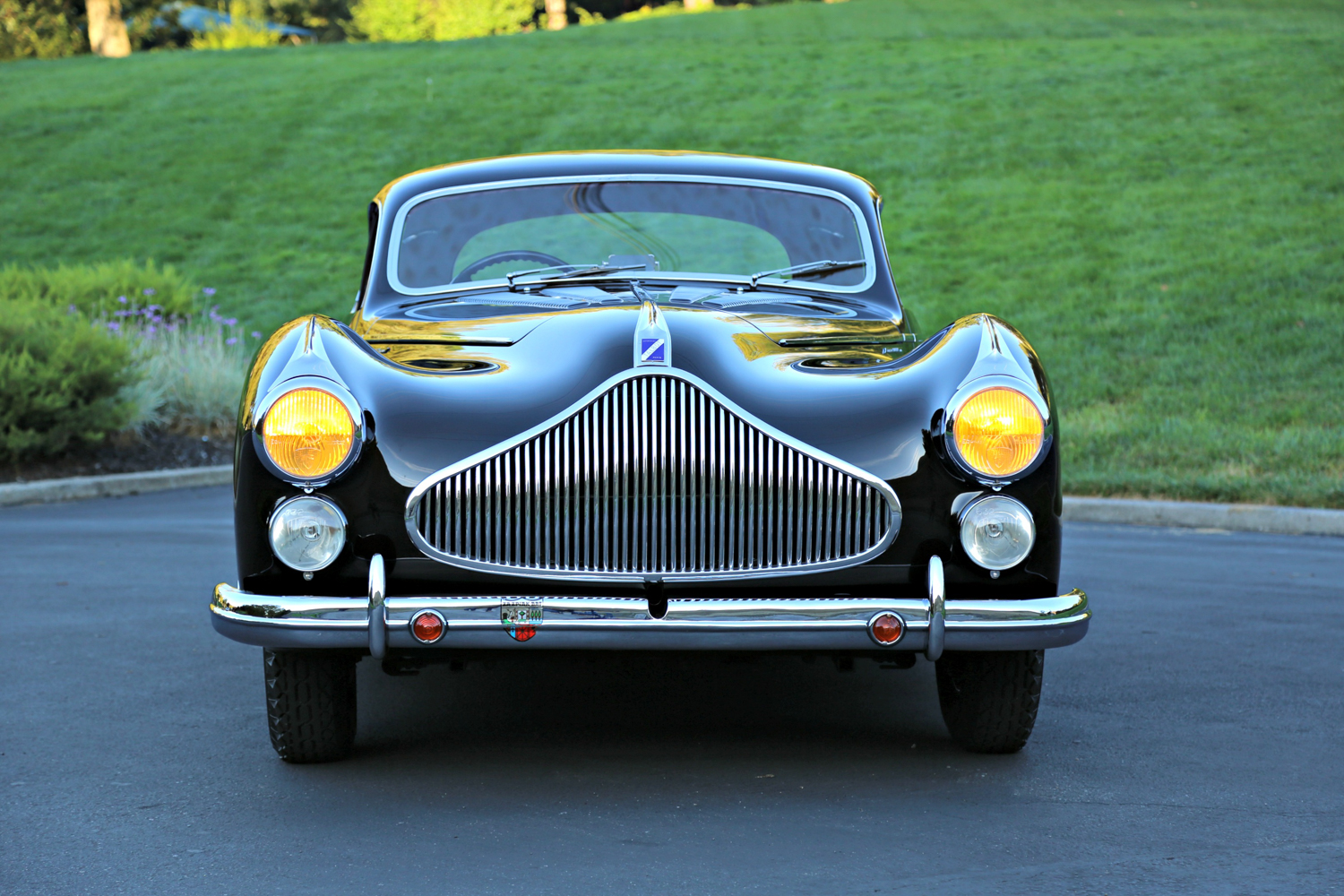
24. Talbot-Lago T26 Grand Sport
1947–53 · 4.5 straight-six · 190 hp · ~ 36
After the war the Paris coachbuilders had few customers left and nothing to lose. Saoutchik's bodies for the Talbot-Lago T26 Grand Sport, around 1950, are the last flourish: long, low coupés and cabriolets with chrome strakes along every wing. It ranks here as the end of the French tradition. Saoutchik closed in 1955.
Verdict The last flourish of Paris coachbuilding.
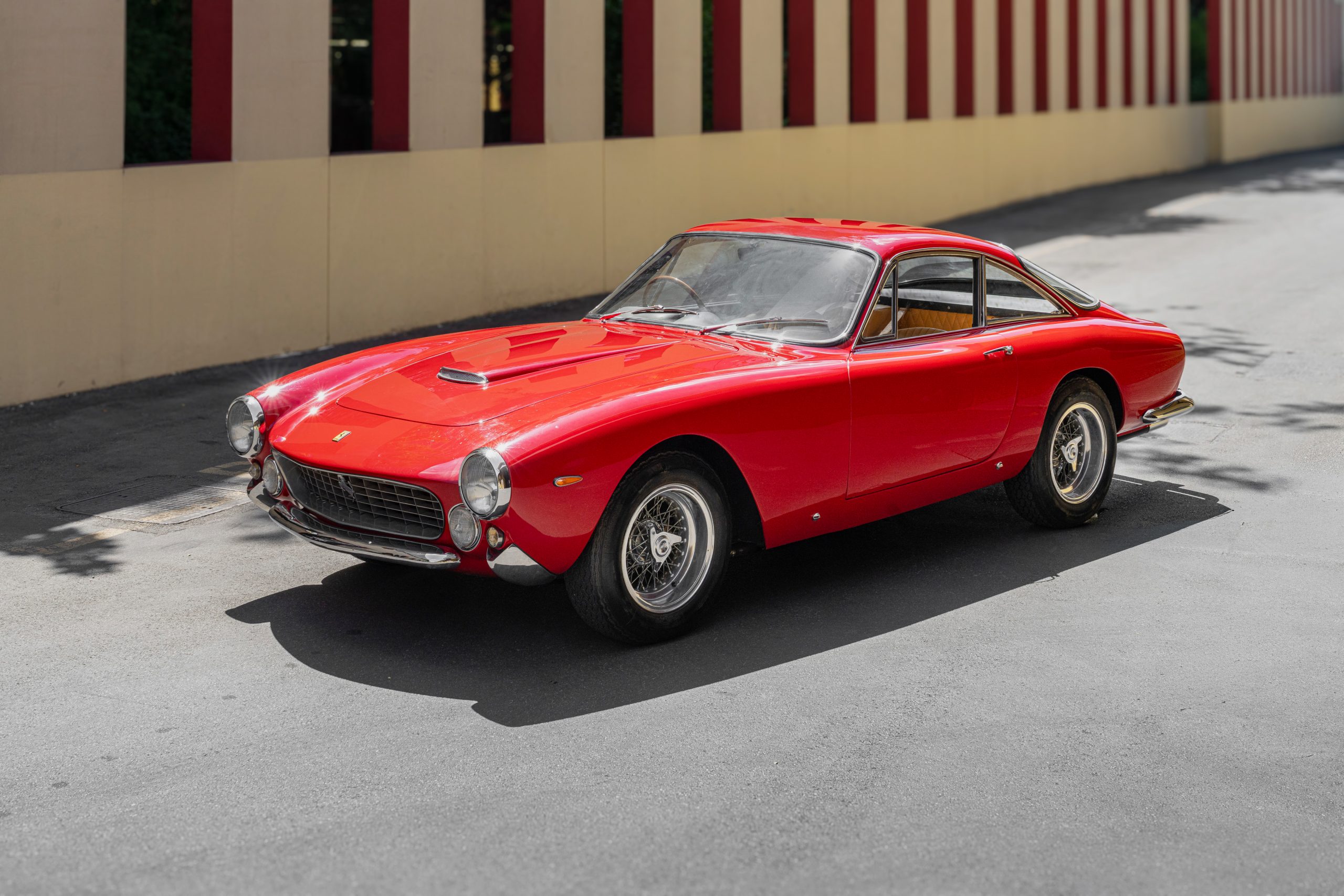
23. Ferrari 250 GT Lusso
1962–64 · 3.0 V12 · 240 hp · ~ 350
The Lusso was drawn by Pininfarina and built by Scaglietti, like the short-wheelbase car it was based on. It is longer in the tail and lighter in its pillars, with a glass area that makes the roof seem to float. Many consider it the most elegant Ferrari. It ranks below the SWB because that car had the harder job and did it as well.
Verdict The most elegant result of the Pininfarina and Scaglietti partnership.
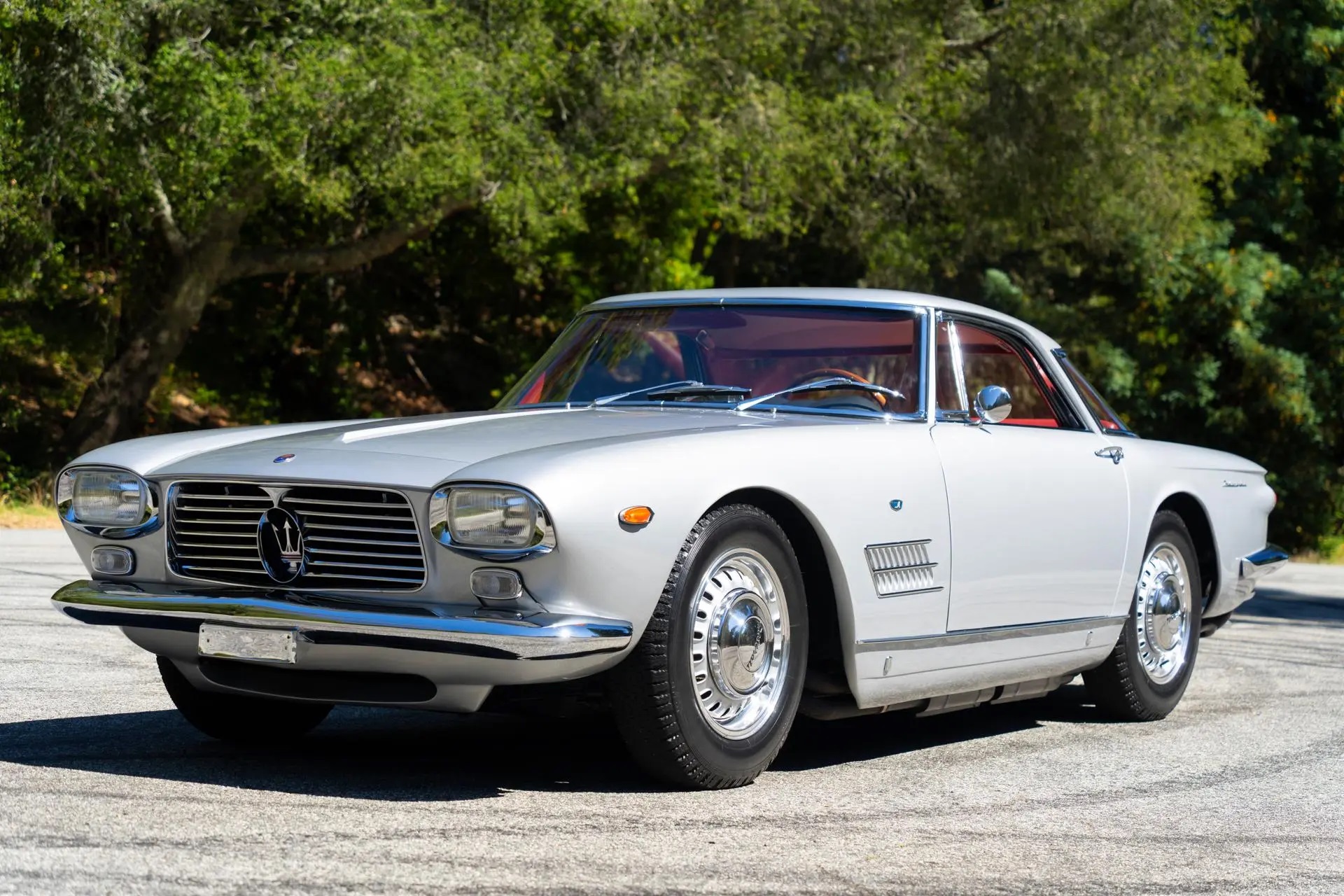
22. Maserati 5000 GT
1959–65 · 4.9 V8 · 325 to 340 hp · 34
Each of the 34 Maserati 5000 GTs went to a coachbuilder of the buyer's choosing. Allemano of Turin made the most, a crisp, square-shouldered coupé known as the Indianapolis. Touring, Frua, Ghia and others made one or a few each. It ranks here as the last car for which rich customers still chose a coachbuilder as they chose a tailor.
Verdict Thirty-four cars, each bodied to its owner's choice.
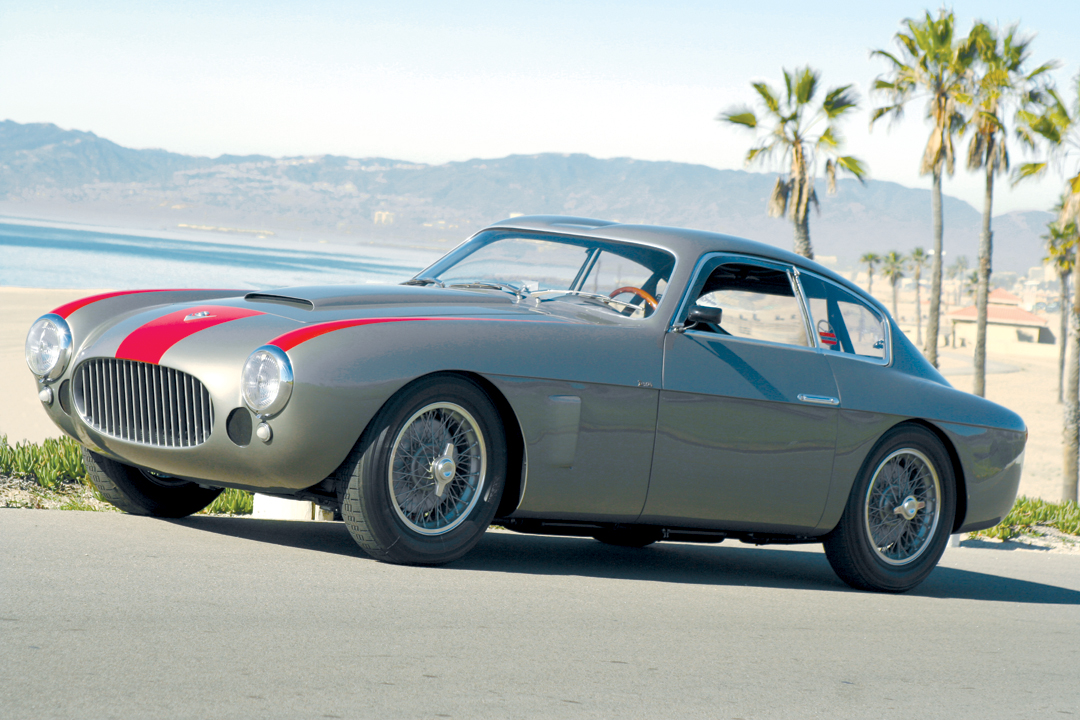
21. Fiat 8V Zagato
1952–54 · 2.0 V8 · 105 to 127 hp · ~ 30 by Zagato, of 114
Fiat made a small V8 sports car in 1952 and lost interest, selling many of the chassis to coachbuilders. Zagato bodied about thirty as light aluminium coupés with the double-bubble roof. They were raced with success in Italy and are the most sought-after of the 8Vs. It ranks here as Zagato doing what it did best with an unlikely chassis.
Verdict A Fiat V8, rescued by Zagato.
20 to 11
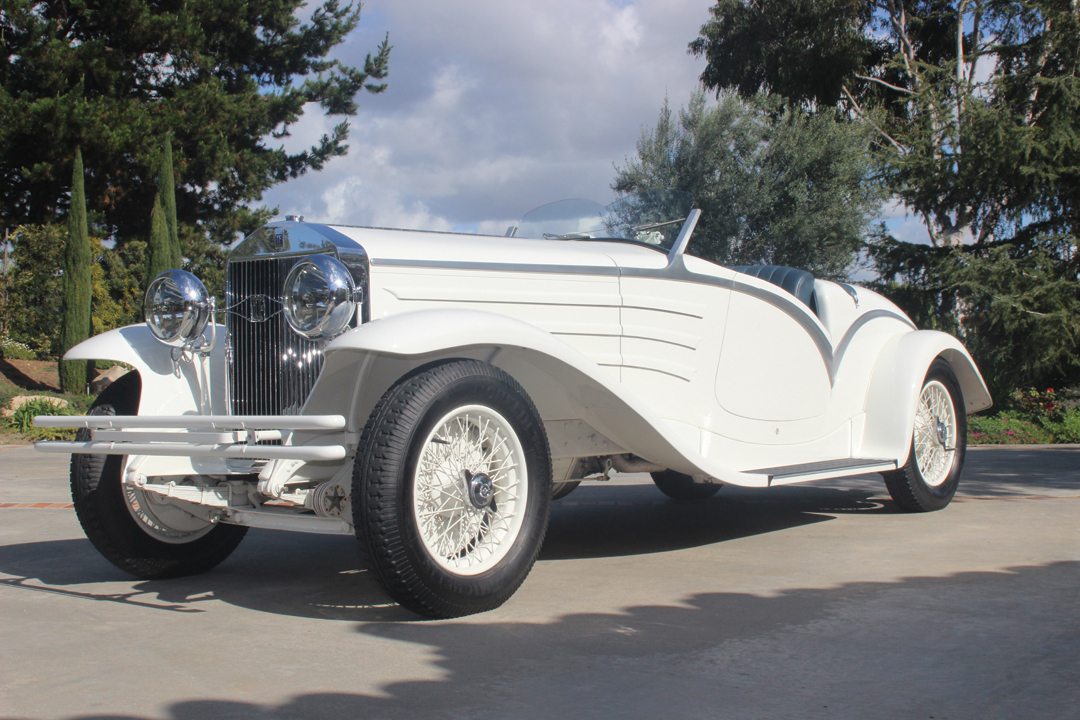
20. Isotta Fraschini Tipo 8
1919–35 · 5.9 straight-eight, later 7.4 · 80 to 160 hp · ~ 1,400
The Isotta Fraschini Tipo 8 was Italy's answer to Rolls-Royce, sold largely to Americans. Castagna of Milan, a firm that had been building carriages since 1849, made the grandest bodies for it, for Rudolph Valentino and the Hearst family among others.
They are enormous, formal and beautifully finished, with long bonnets and upright cabins. It ranks here as the best of the great formal cars of the 1920s, when a body took months to build.
Verdict Milan's grandest coachwork, for Hollywood's biggest names.
Did you know: It was the first car put into production with a straight-eight engine.
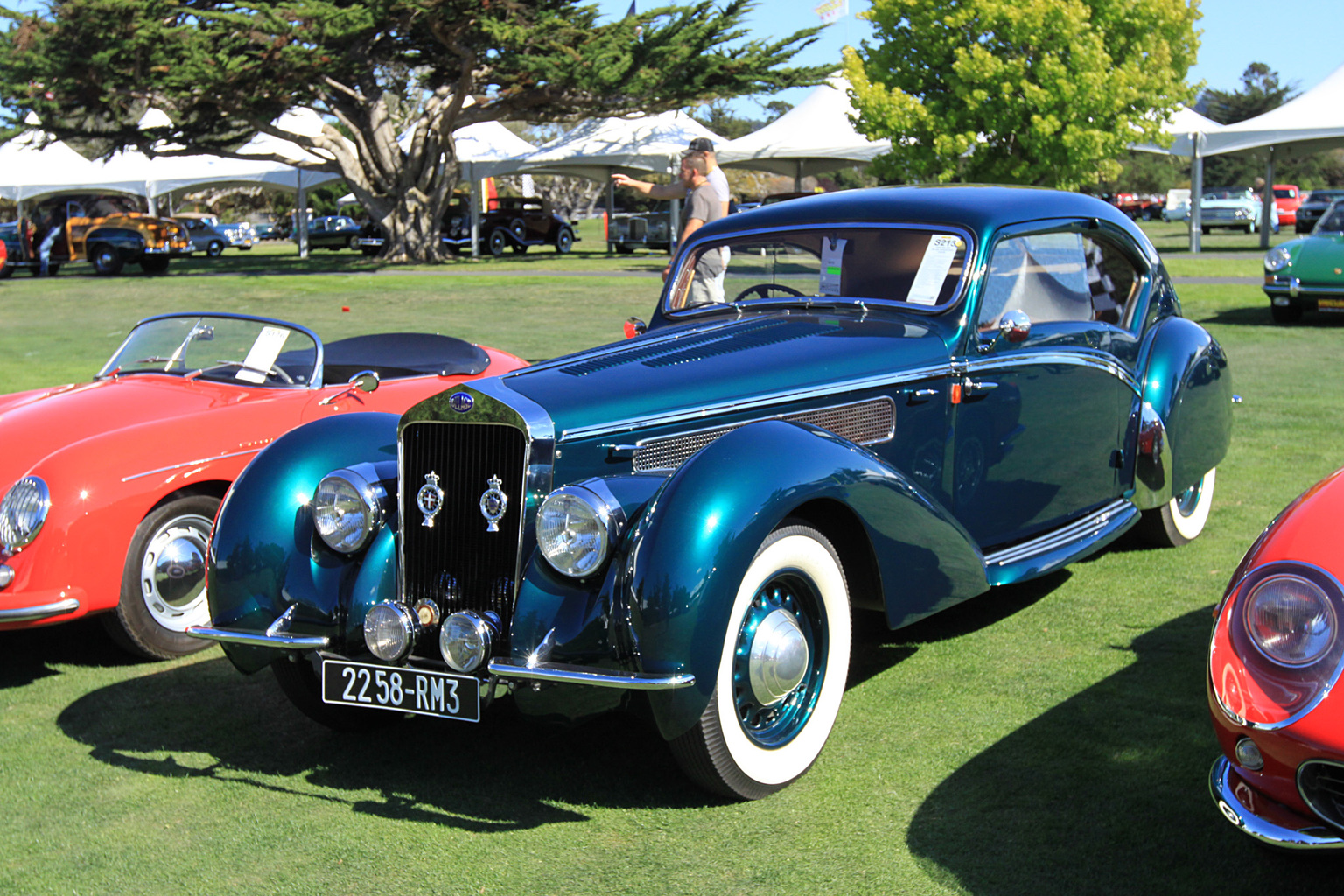
19. Delage D8-120
1936–39 · 4.3 straight-eight, later 4.7 · 105 to 120 hp
The Delage D8-120 was a long, elegant eight-cylinder chassis made for the coachbuilders of Paris. Pourtout, a firm in the western suburbs, gave it some of the cleanest streamlined bodies of the late 1930s, closed coupés with a pillarless side window and a roof that flows into the tail.
They are calmer than Figoni's work and have aged at least as well. It ranks here for restraint, in a period that did not have much.
Verdict French streamlining with the volume turned down.
Did you know: By the time it was made, Delage had been bought by its rival Delahaye, which built the chassis.
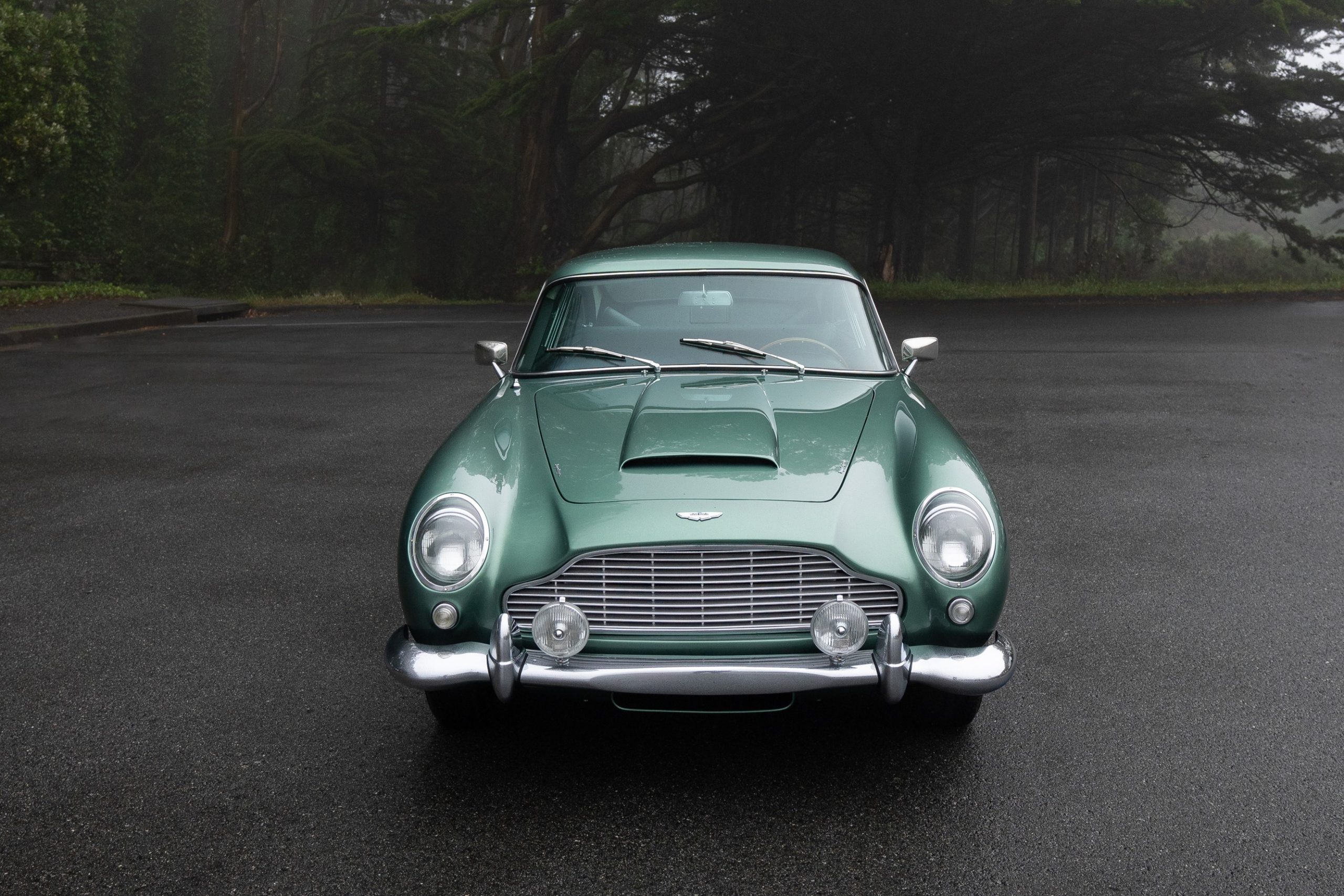
18. Aston Martin DB5
1963–65 · 4.0 straight-six · 282 hp · 1,059
The shape of the DB5 came from Touring of Milan, which designed the DB4 in 1958 and licensed its Superleggera method to Aston Martin so the bodies could be built in England. Carlo Felice Anderloni led the design.
It is a restrained, well-proportioned fastback, more formal than a Ferrari. The DB5 added faired-in headlamps and little else. It ranks here because an Italian coachbuilder gave a British maker the look it still trades on, and James Bond did the rest.
Verdict An Italian shape that became the most British car in the world.
Did you know: In Ian Fleming's novel Goldfinger, James Bond drives a DB Mark III. The film makers asked for the newest model.
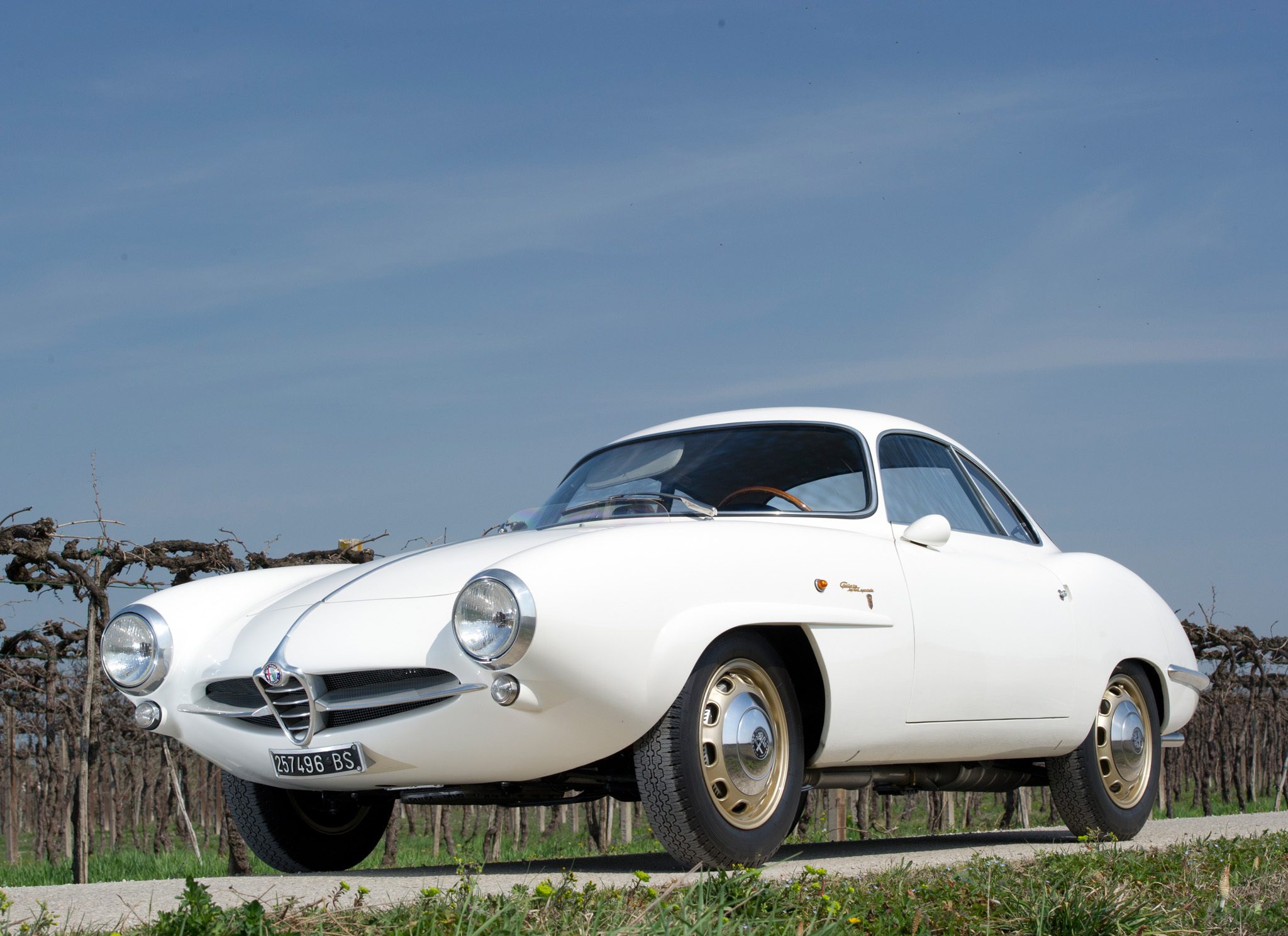
17. Alfa Romeo Giulietta Sprint Speciale
1957–62 · 1.3 twin-cam four · 100 hp · ~ 1,370
Franco Scaglione drew three experimental cars for Bertone in the 1950s to see how low drag could go, and then put what he had learned into a production coupé. The Sprint Speciale has a rounded nose, a glass tail and a drag coefficient of 0.28, a figure no production car bettered for twenty years.
It was built by Bertone on the short Giulietta floor. It was too heavy to race well, and Zagato's car did that job. It ranks here as wind-tunnel thinking made beautiful.
Verdict A show car's aerodynamics, made by the thousand.
Did you know: Its drag coefficient of 0.28 was not beaten by a production car for more than twenty years.
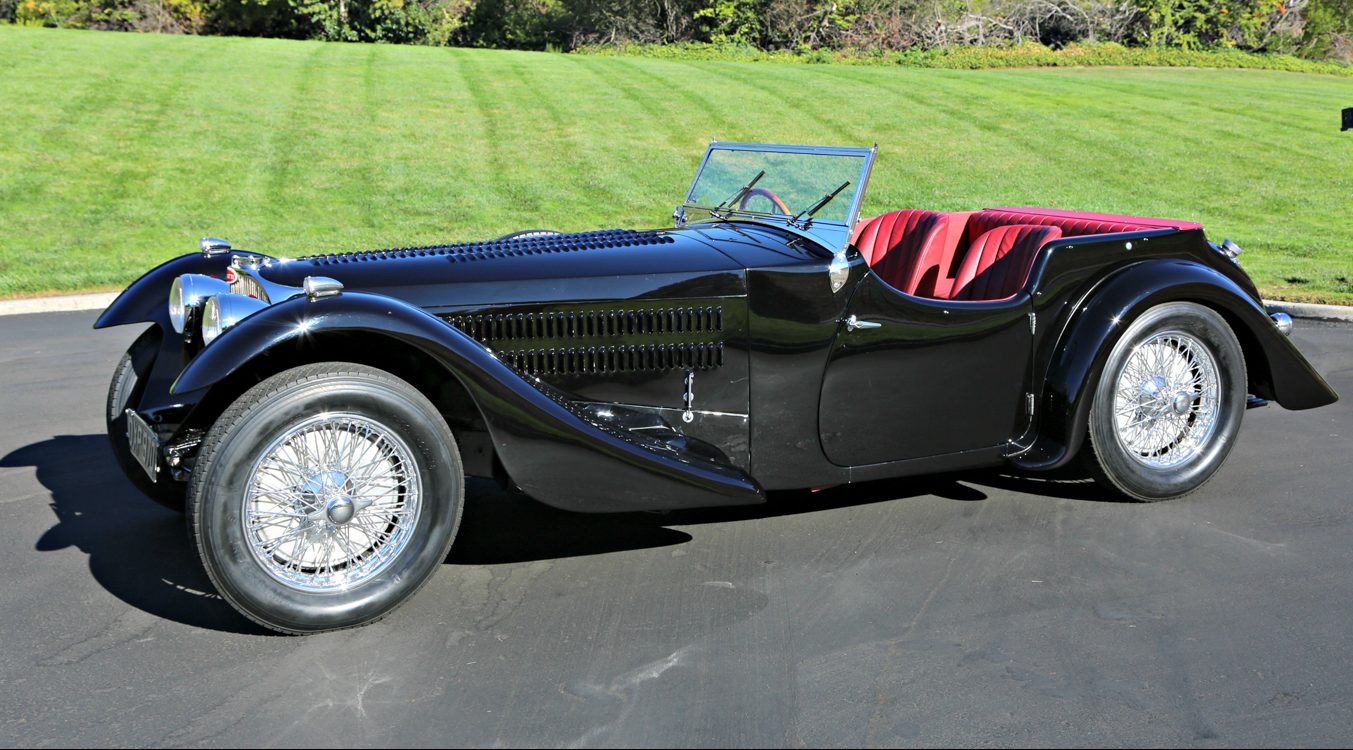
16. Bugatti Type 57S by Corsica
1937 · 3.3 straight-eight · About 175 hp
Most Type 57S Bugattis were bodied at the factory to Jean Bugatti's designs. A few went to England, where a small London firm called Corsica built bodies to order. Corsica had no stylist. It built what the customer asked for.
The results are long, low and simple, with flowing wings and very little ornament, quite unlike the French cars. It ranks here to show what a modest workshop could do with a great chassis and a client who knew his mind.
Verdict A great French chassis, bodied to order in a London back street.
Did you know: Corsica was a small London firm that employed no designer. It built what each customer sketched.
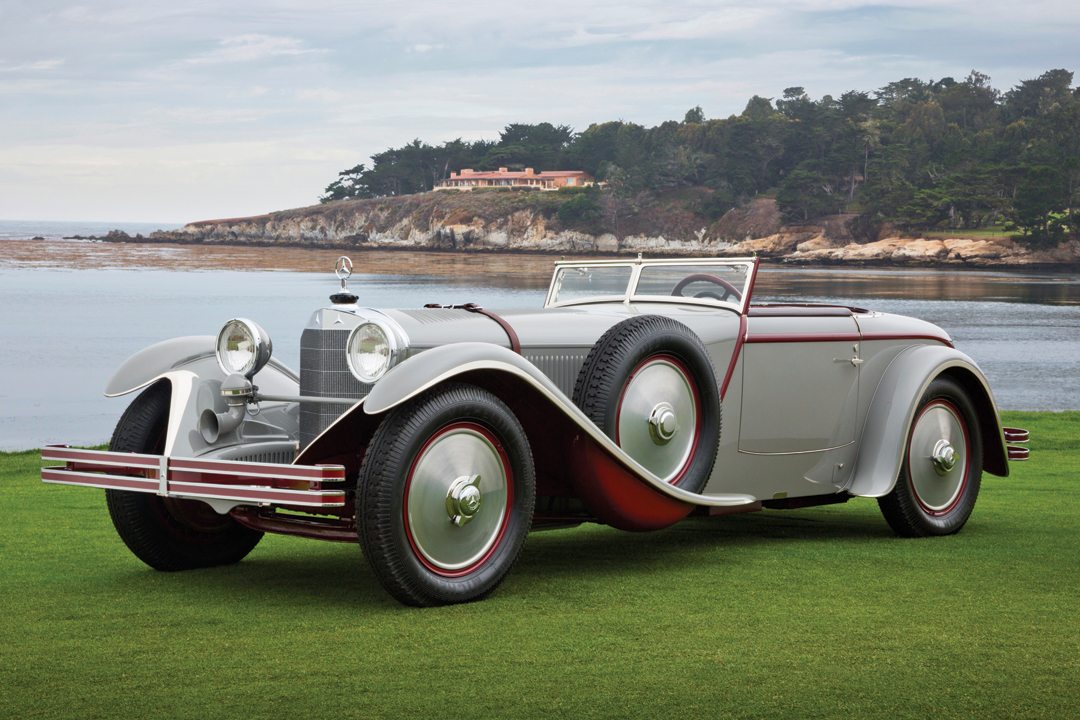
15. Mercedes-Benz 680 S Torpedo
1928 · 6.8 supercharged straight-six · 180 hp with the supercharger
Jacques Saoutchik was a cabinet-maker who had come to Paris from the Russian Empire, and he became the most flamboyant coachbuilder in the city. In 1928 he bodied the big supercharged Mercedes 680 S as a low, open torpedo, with a windscreen barely a hand high and wings that sweep the length of the car.
It makes the factory's own bodies look upright. One won Best of Show at Pebble Beach in 2012. It ranks here as the best early example of French style on a German chassis.
Verdict Paris style on a supercharged Mercedes.
Did you know: It won Best of Show at Pebble Beach in 2012.
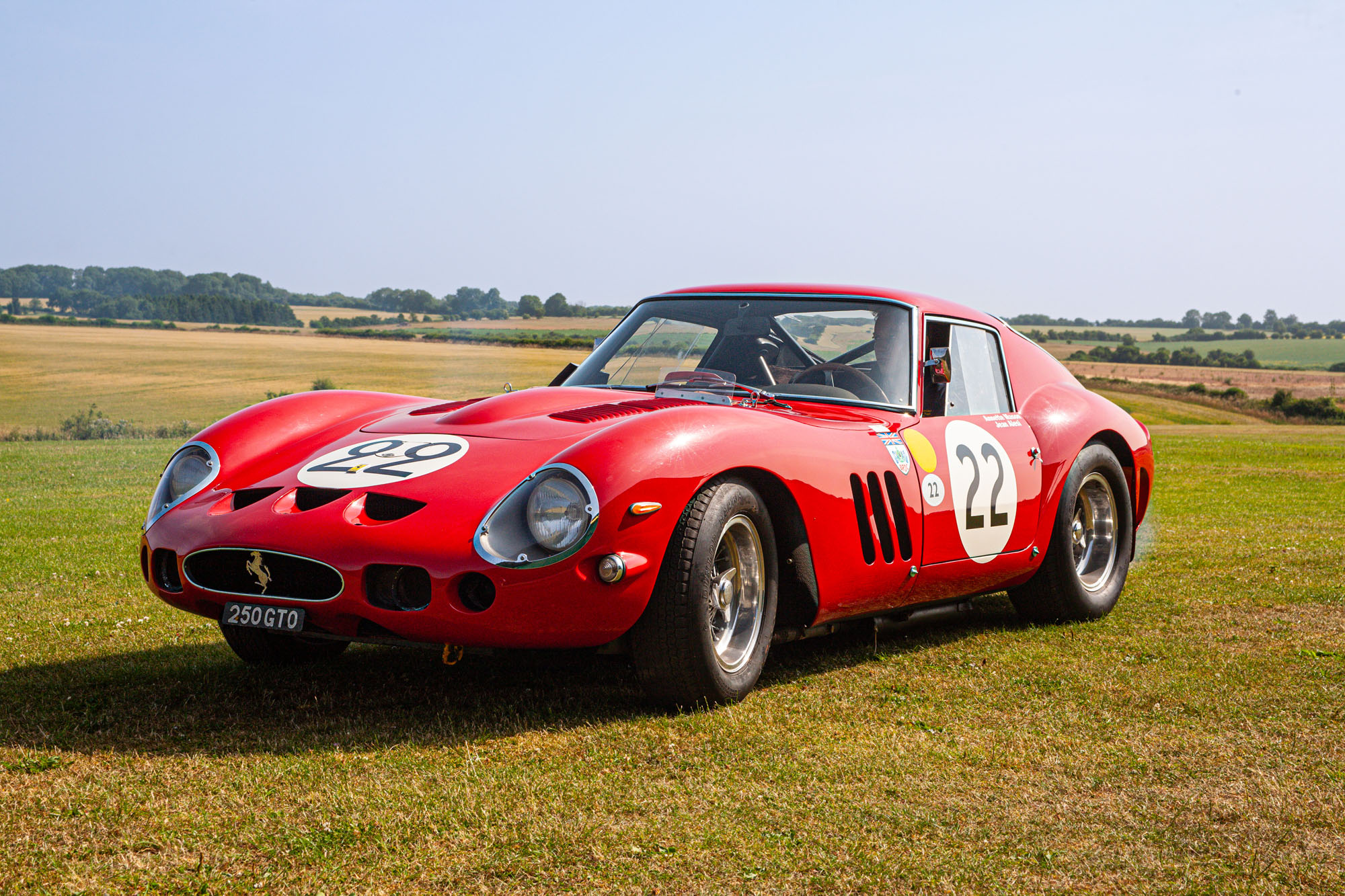
14. Ferrari 250 GTO
1962–64 · 3.0 V12 · 300 hp · 36
The 250 GTO's body was not drawn by a design house. It was worked out at the factory and on the test track, and built by Scaglietti in Modena, whose men shaped each one by eye over a wire frame. No two are identical.
The long, low nose, the three small openings above the grille and the cut-off tail were all there for a reason. That it also became one of the best-looking cars ever made was a bonus. It ranks below the 250 GT SWB here because it is engineering first and coachwork second.
Verdict Shaped by eye in Modena, for speed, and beautiful by accident.
Did you know: All 36 survive. Buyers needed Enzo Ferrari's personal approval.
The full story of the Ferrari 250 GTO →239 stories in the archive →
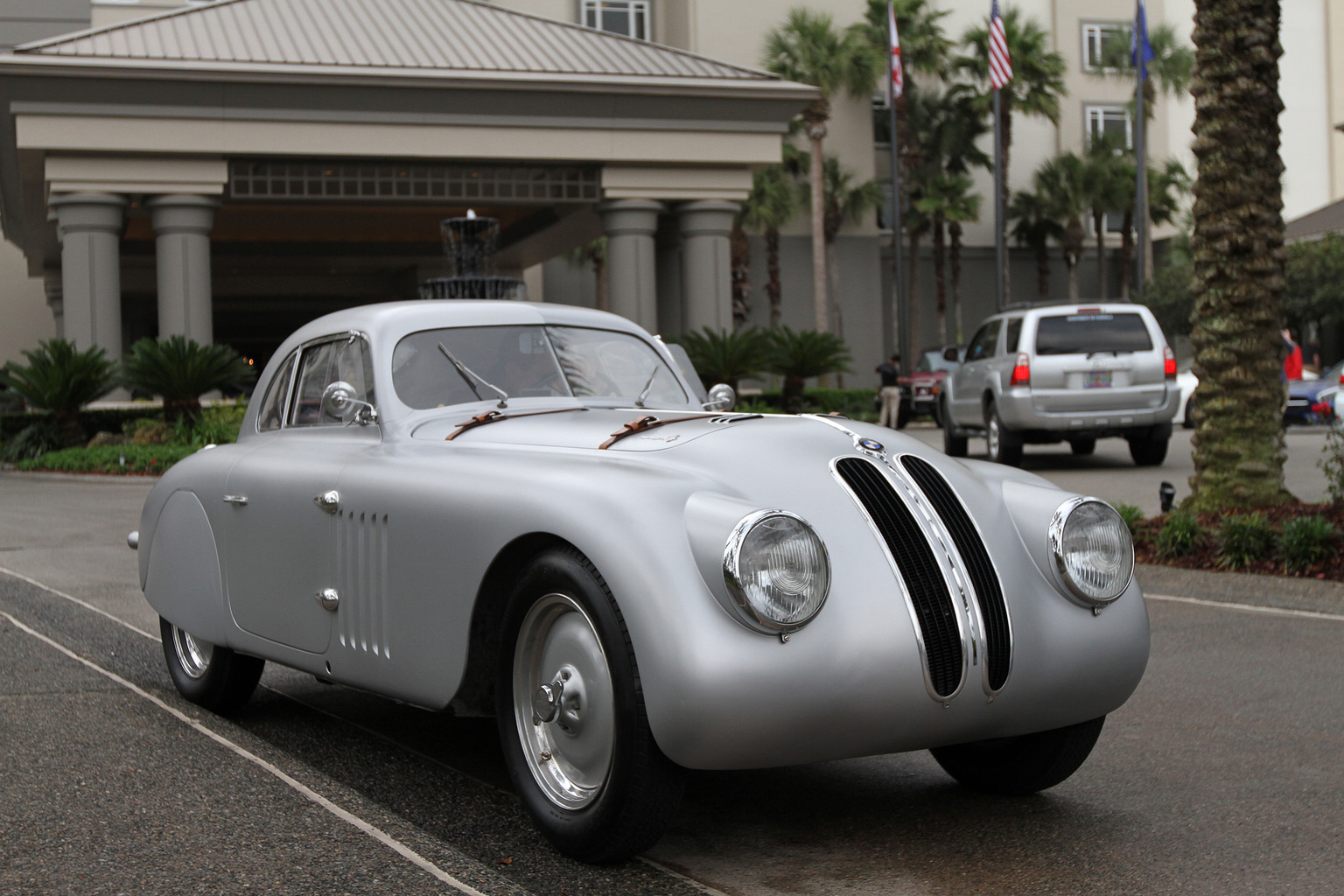
13. BMW 328 Mille Miglia
1939–40 · 2.0 straight-six · About 135 hp
For the 1939 Le Mans race BMW sent a 328 chassis to Touring in Milan, which built a closed coupé by its Superleggera method. It is smooth and narrow, with the wings blended into the body and a tail that tapers. It won its class at Le Mans and, in 1940, the Mille Miglia outright.
It was a German racing car with an Italian body, made in the last months before the war. Its shape pointed directly at the sports cars of the 1950s. It ranks here for influence.
Verdict A German car, an Italian body, and a Mille Miglia win.
Did you know: The closed car won its class at Le Mans in 1939 and the Mille Miglia outright in 1940.
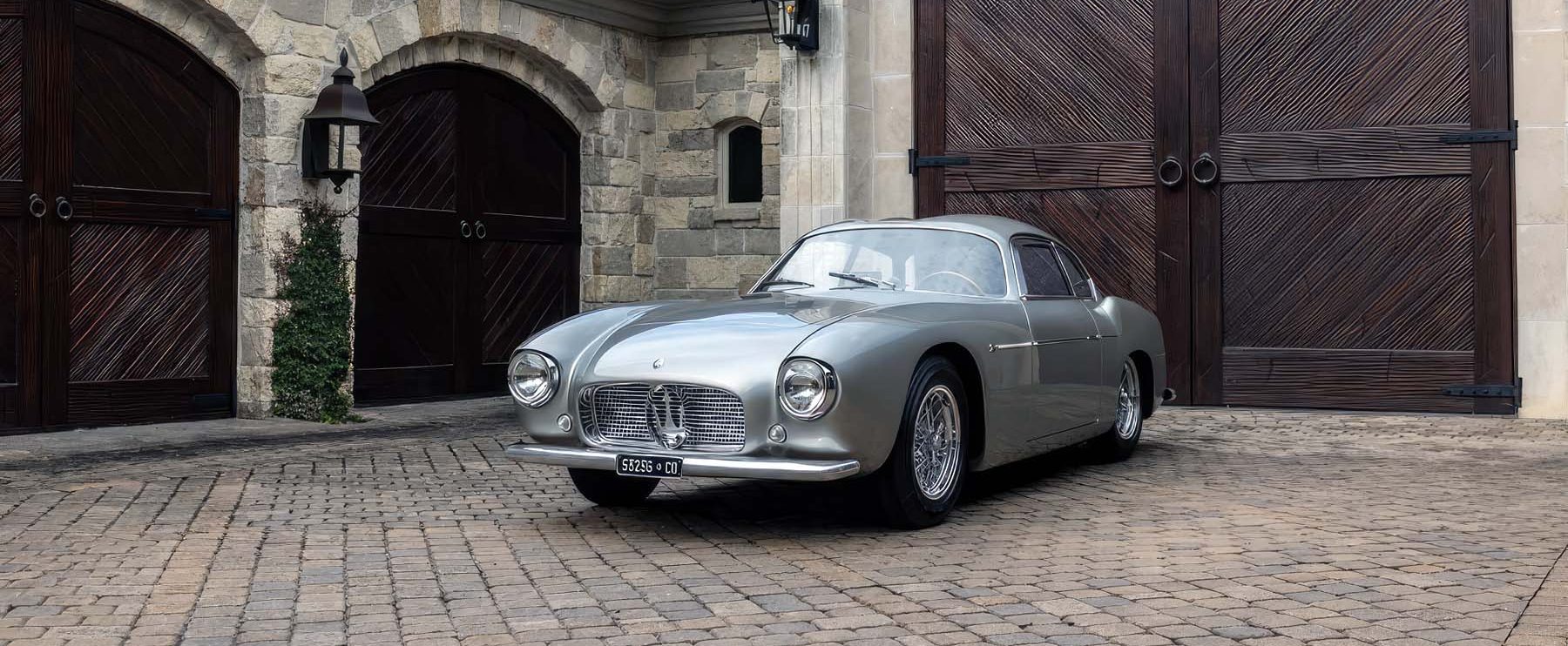
12. Maserati A6G/54
1954–57 · 2.0 twin-cam straight-six · 150 hp · ~ 60
Zagato built about twenty coupés on Maserati's 2.0-litre A6G/54 chassis in the mid-1950s. They are small, taut and very light, some with the double-bubble roof that gave headroom without a taller windscreen.
Allemano and Frua bodied the same chassis more formally. The Zagato is the one owners raced, and the one collectors want: our market pages value it at about twice an Allemano. It ranks here as one of the best things Zagato made.
Verdict Small, light and worth twice the alternatives.
Did you know: Zagato's coupés were light enough to race, and most of their owners did.
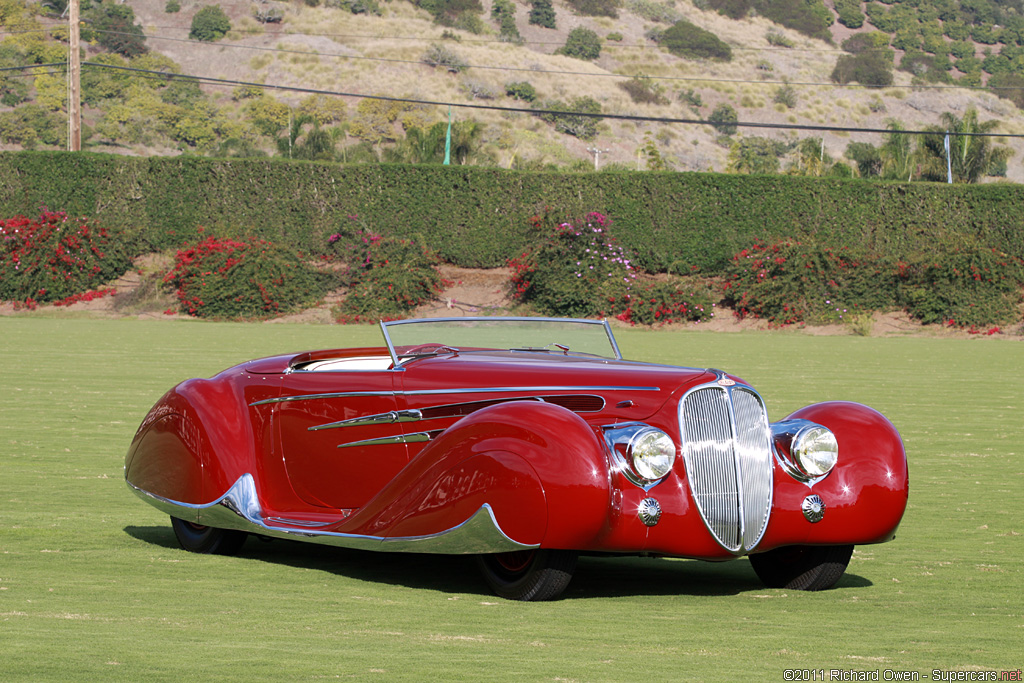
11. Delahaye 165
1938–39 · 4.5 V12 · About 160 hp · ~ 5
The Delahaye 165 was a road version of a V12 racing car, and Figoni et Falaschi gave it their most extravagant open body: fully enclosed wheels front and rear, chrome sweeping along each wing, and a windscreen that folds flat.
One was sent to represent France at the 1939 New York World's Fair. It is less disciplined than the Talbot-Lago Teardrop and more theatrical, which is why it ranks ten places lower. As a piece of showmanship it has no equal.
Verdict Figoni at his most theatrical, sent to represent France.
Did you know: The car sent to the 1939 New York World's Fair was shipped with an engine that had no working parts inside.
The top 10
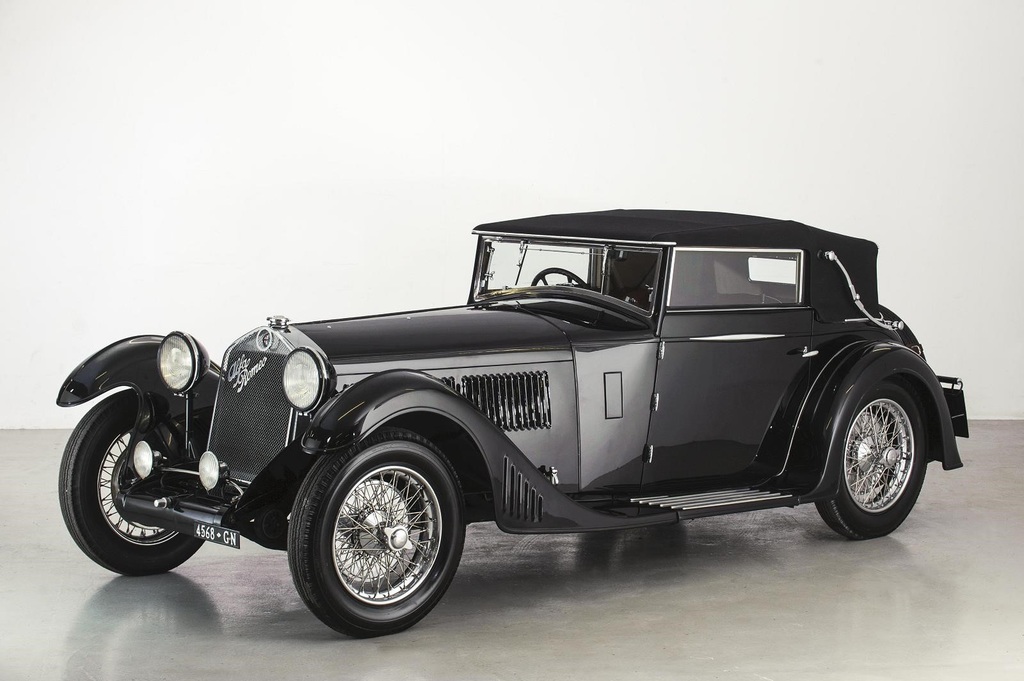
- Years
- 1929–33
- Engine
- 1.75 supercharged straight-six
- Power
- 85 hp
Road car · Italy
10. Alfa Romeo 6C 1750 Gran Sport
Ugo Zagato had worked in an aircraft factory during the First World War, and he built car bodies as an aircraft builder would: as light as possible, with nothing decorative. His two-seat spider for the Alfa Romeo 6C 1750 is the plainest of shapes, a narrow body, cycle wings, a folding screen and a tail just big enough for a spare wheel.
It is beautiful because it is exact. The proportions are right and nothing is wasted. The cars won the Mille Miglia in 1929 and 1930, and the Zagato body was part of the reason, since it weighed so little.
It is tenth because it established Zagato, and with it the Italian idea that the best-looking sports car is usually the lightest one. The firm is still in business, the only great coachbuilder that never closed.
Verdict An aircraft builder's idea of a sports car body.
Tazio Nuvolari won the 1930 Mille Miglia in one, the first time the race was won at an average of more than 100 km/h.
- Years
- 1938
- Engine
- 8.0 straight-six
- Power
- About 160 hp
- Built
- 1
Road car · France
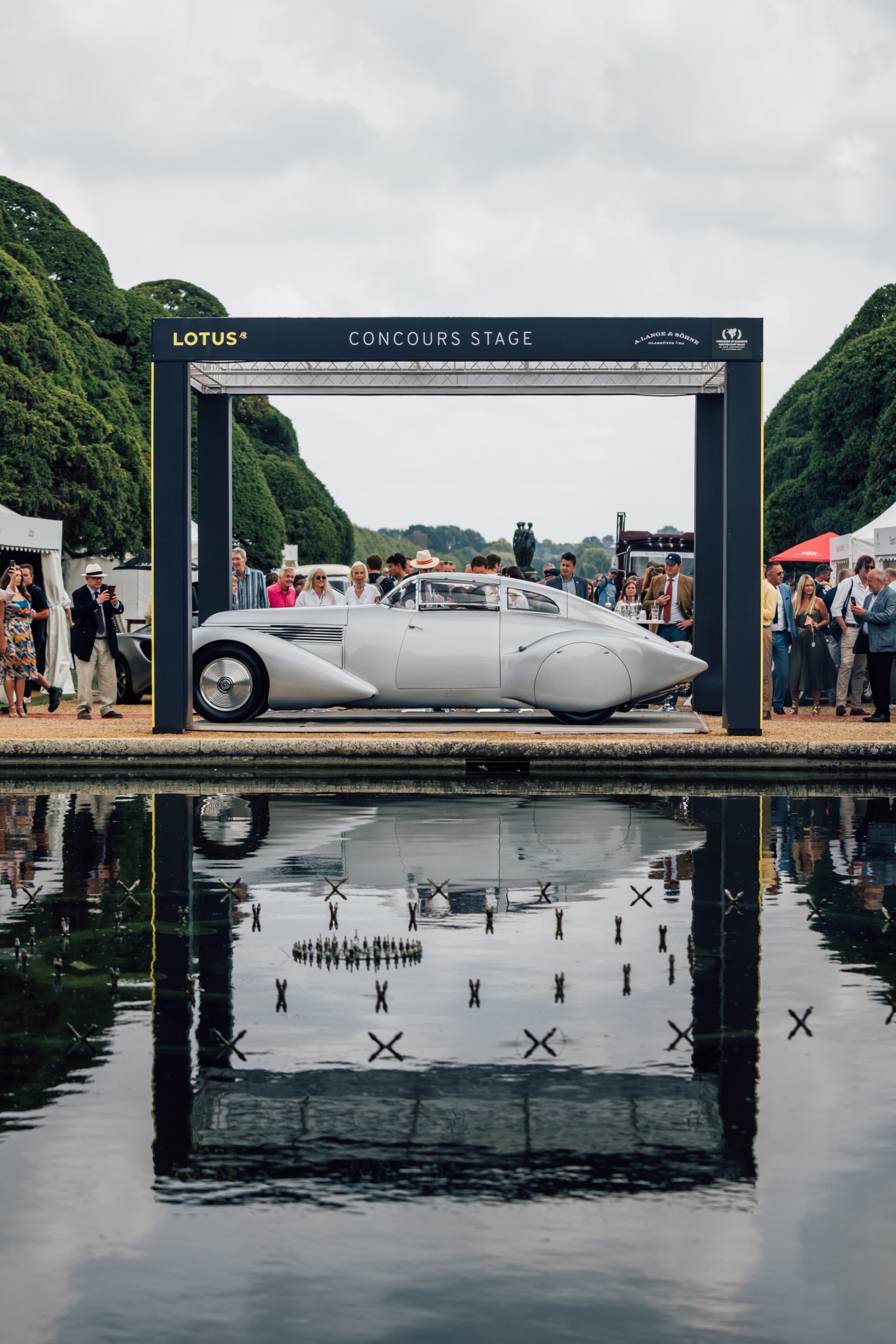
9. Hispano-Suiza H6B Dubonnet Xenia
André Dubonnet was heir to an aperitif fortune, a fighter pilot, a racing driver and an inventor. In 1938 he had Saoutchik of Paris build a body to show off a suspension system of his own design, on a Hispano-Suiza H6B chassis that was already several years old.
The Xenia looks like an aircraft fuselage. The windscreen curves round in one piece, the side windows are curved too, the tail tapers to a point, and the doors slide outwards and back along the body on parallel arms. Nothing else on the road in 1938 looked remotely like it.
Only one was made. It is ninth, the only one-off on this list, because it shows the coachbuilder doing what no manufacturer would: building a single car to one man's idea, whatever it cost.
Verdict One car, built to one man's idea, with doors that slide.
Its doors do not swing. They slide out and back along the body on parallel arms.

- Years
- 1948–50
- Engine
- 2.0 V12
- Power
- 140 hp
- Built
- 25
Race car · Italy
8. Ferrari 166 MM Barchetta
Touring showed its body for the Ferrari 166 MM in 1948. It is a small open two-seater with a single curve running from nose to tail and a crease along each side to stiffen the thin aluminium. Someone at the Turin show said it looked like a little boat, and the name barchetta stuck to every open sports car of its kind afterwards.
It was built by the Superleggera method and weighed very little. In 1949 a 166 MM won the Mille Miglia and Le Mans, which made Ferrari's name outside Italy.
It is eighth because it gave Ferrari a face. The egg-crate grille and the proportions were carried on by Vignale and Pinin Farina after Touring, and the AC Ace, and through it the Shelby Cobra, took their shape from it almost line for line.
Verdict The little boat that gave Ferrari its face.
Won the Mille Miglia and Le Mans in 1949. Barchetta, little boat, was a journalist's nickname.
- Years
- 1928–37
- Engine
- 6.9 straight-eight, supercharged in the SJ
- Power
- 265 hp, 320 in the SJ
- Built
- 481
Road car · United States
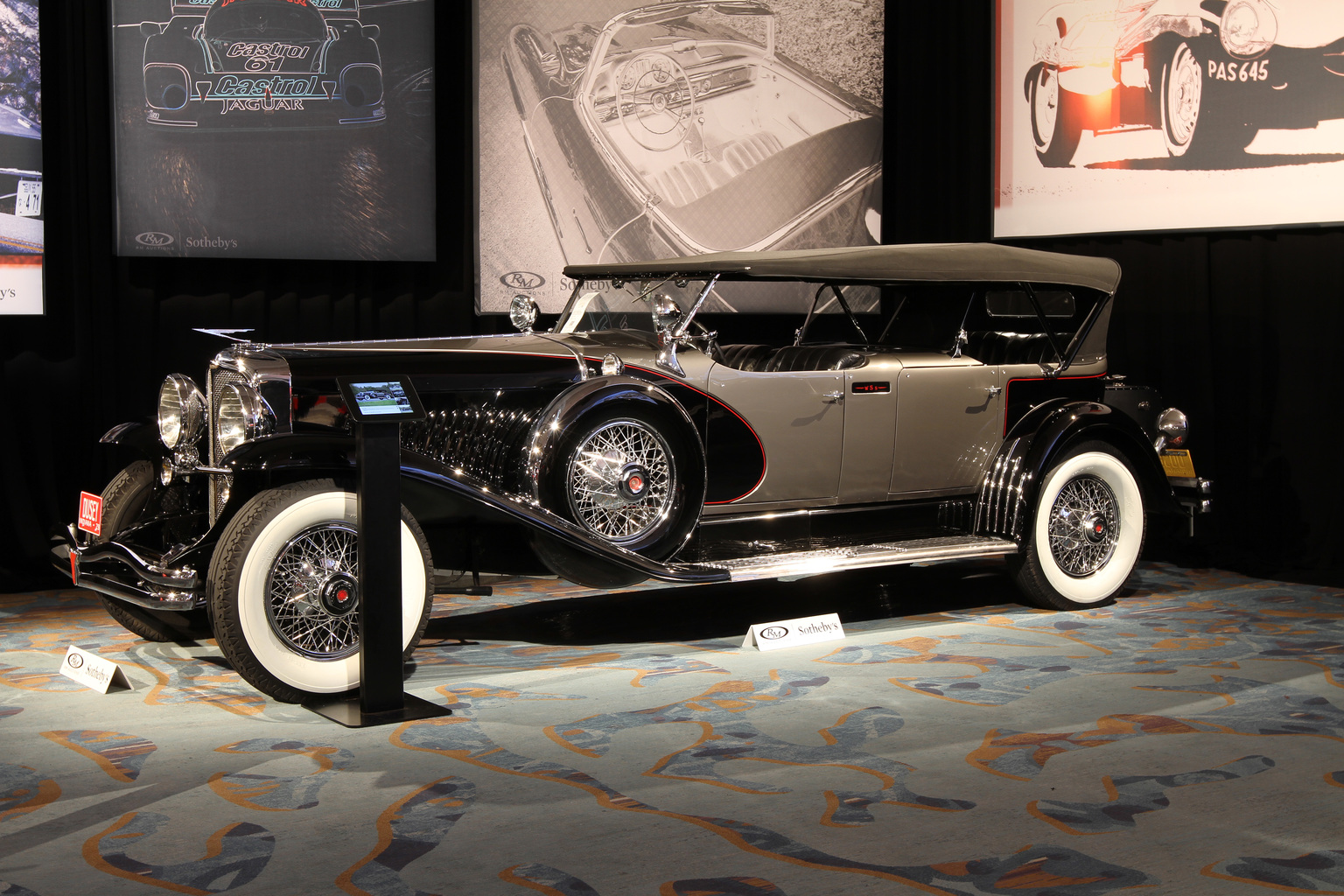
7. Duesenberg Model J and SJ
Duesenberg sold the Model J as a bare chassis, and the buyer chose who would body it. About a quarter went to Walter M. Murphy's shop in Pasadena, California, which is why so many of the best-known Duesenbergs have a look of Hollywood about them.
Murphy's bodies were lighter in appearance than the formal East Coast style. The windscreen pillars were thin castings, the beltline was low, and the open cars had a top that folded away completely under a metal lid, the Disappearing Top that became the firm's signature. They suited a chassis that was long, low and very fast.
Murphy closed in 1932, a victim of the Depression that also did for most of his customers. It ranks seventh because the Murphy Duesenberg is the finest American coachbuilt car, and one of the few from that country that can stand beside the best of Paris and Milan.
Verdict California coachwork on America's greatest chassis.
The bare chassis cost $8,500 in 1928, when a new Ford cost about $500.
- Years
- 1952–55
- Engine
- 4.6 straight-six, later 4.9
- Power
- About 153 hp
- Built
- 208
Road car · United Kingdom
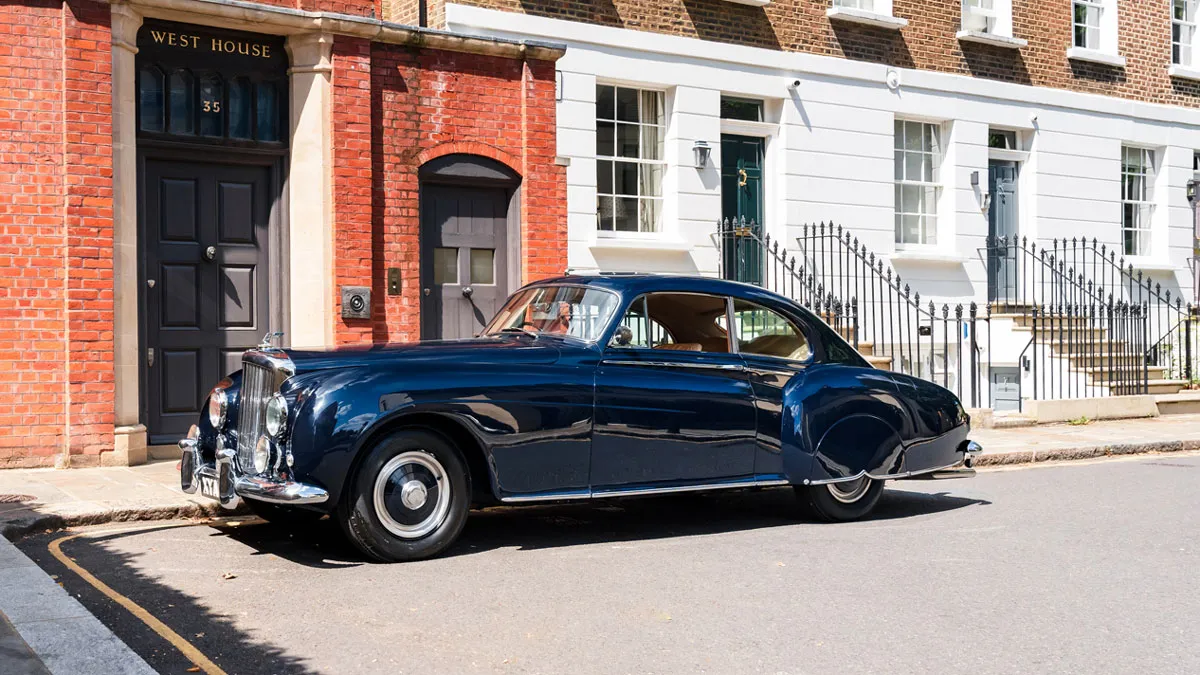
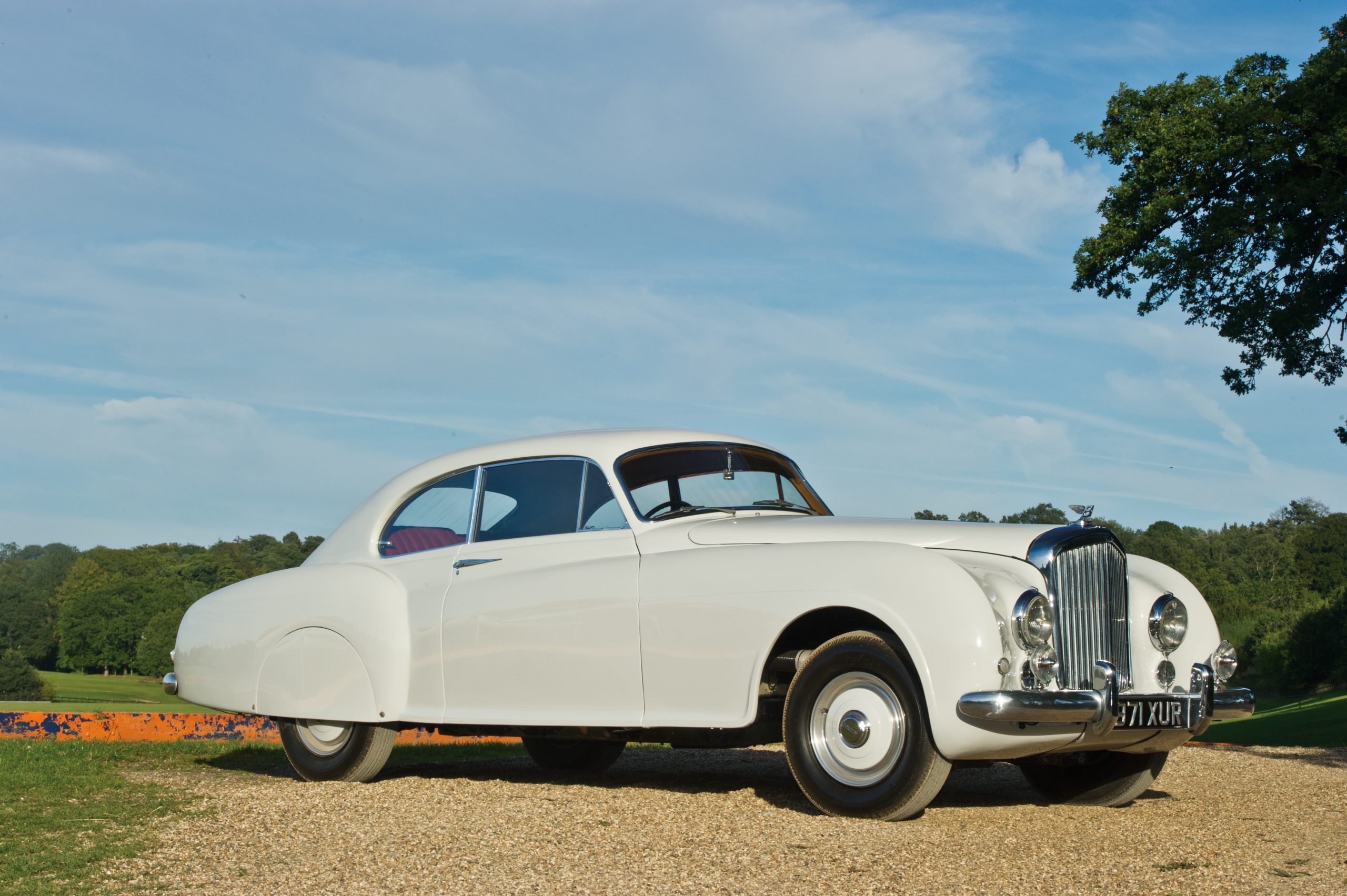
6. Bentley R-type Continental
In 1952 Bentley wanted a car that could carry four people and their luggage across Europe at 100 mph. The chassis engineers raised the gearing and tuned the engine. The body was left to H.J. Mulliner, which shaped it with help from Rolls-Royce's wind tunnel.
The result is a fastback in aluminium, with a long tail that falls from the roof to the bumper in one line and rear wings that rise into small fins to keep it stable at speed. It weighed far less than the standard saloon. It would do nearly 120 mph, which made it the fastest four-seater in the world, and it was the most expensive car in production.
Mulliner built most of the 208 made. It is sixth because it is the best British coachbuilt car of the postwar years, and the last time an English coachbuilder produced a shape that the rest of the world copied.
Verdict The fastest four-seater in the world, and the finest postwar English body.
When new it was the fastest four-seat car in the world, and the most expensive car in production.
- Years
- 1960–63
- Engine
- 3.7 straight-six
- Power
- 314 hp
- Built
- 19
Road car · United Kingdom and Italy
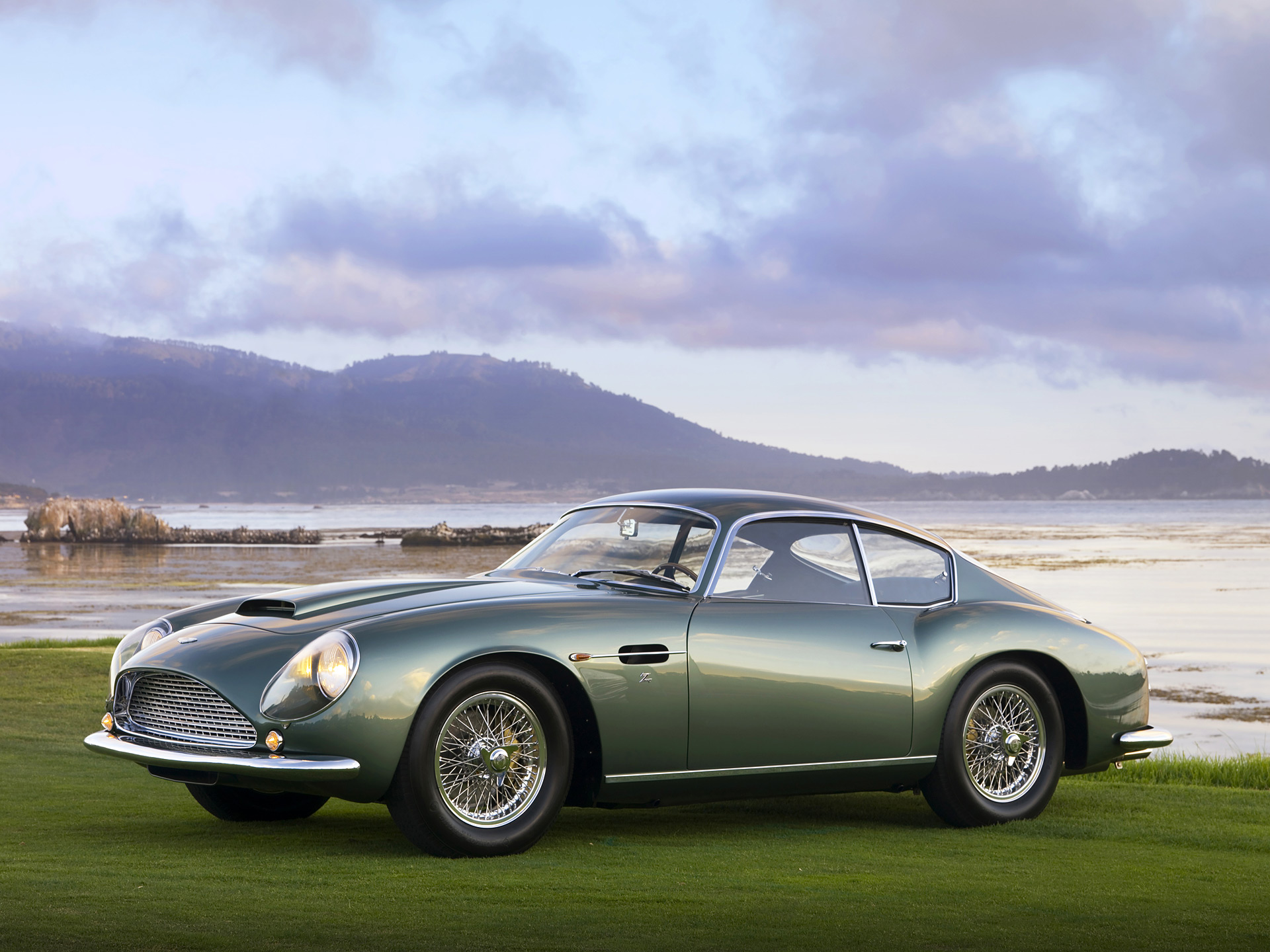
5. Aston Martin DB4 GT Zagato
Aston Martin wanted a lighter, faster DB4 GT to race against Ferrari, and in 1960 sent chassis to Zagato in Milan. The body was drawn by Ercole Spada, who was twenty-three and had just joined the firm.
Where Touring's standard DB4 is crisp and formal, the Zagato is rounded and close-fitting, as if the skin had been shrunk on to the mechanical parts. The bumpers are gone, the roof has Zagato's two shallow bulges, and the panels are aluminium so thin they dent under a thumb.
Only 19 were built between 1960 and 1963, because it was expensive and did not beat the Ferraris. It is now among the most valuable Aston Martins there are. It is fifth because it is the finest example of what Zagato did best: take another maker's car and make it lighter, smaller and more beautiful.
Verdict A British car in an Italian skin, made 19 times.
Aston Martin planned 25 and could not sell them. Nineteen were built.

- Years
- 1959–62
- Engine
- 3.0 V12
- Power
- 240 to 280 hp
- Built
- ~ 165
Road car · Italy
4. Ferrari 250 GT SWB
By 1959 the arrangement between Ferrari and its coachbuilders was settled. Pininfarina in Turin drew the car, and Sergio Scaglietti's shop in Modena beat the panels out by hand and built the bodies. The short-wheelbase 250 GT is the best thing that partnership made.
It is a compact, muscular coupé with nothing added for effect. The nose is a simple oval, the roof is as low as two people allow, and the tail is cut short. The competition cars were bodied in aluminium and the road cars mostly in steel. They look the same.
It won the Tour de France three times and its class at Le Mans, and an owner could drive it to the race. It is fourth because it shows the Italian system at its peak: a design house and a craftsman's workshop producing, in a run of about 165, a car that was beautiful and successful at once.
Verdict Drawn in Turin, hammered out in Modena, and right from every side.
Stirling Moss won the Tourist Trophy at Goodwood in one in 1960 and again in 1961.
- Years
- 1947–52
- Engine
- 1.1 four
- Power
- 55 hp
- Built
- ~ 170
Road car · Italy
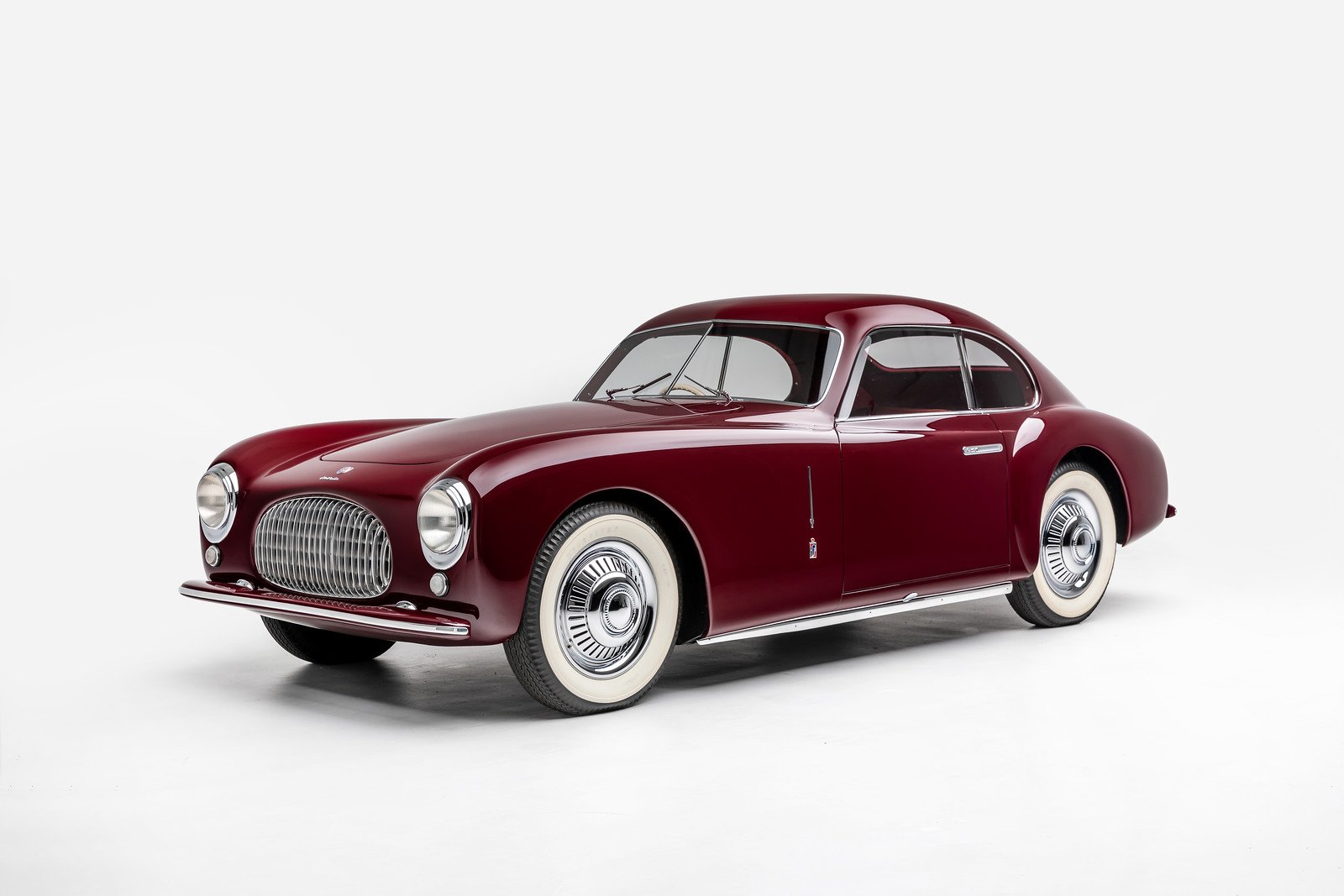
3. Cisitalia 202
Until 1947 a car's body was an assembly of parts: a bonnet, separate wings, running boards, headlamps standing proud. Pinin Farina's coupé for the small firm of Cisitalia did away with all that. The bonnet sits lower than the wings, the wings flow into the doors, the lamps are set into the surface, and the whole car reads as one form.
Underneath it was modest, with a tuned 1.1-litre Fiat engine and about 55 horsepower. That did not matter. Every sports car of the next twenty years, from the Ferrari 166 to the Porsche 356 and the Aston Martin DB2, follows the pattern it set.
The Museum of Modern Art in New York showed one in 1951 as a piece of sculpture and has kept it. About 170 were built before Cisitalia ran out of money. It is third because no other body on this list changed so completely how cars looked afterwards.
Verdict The shape every postwar sports car followed.
The Museum of Modern Art in New York put one on display in 1951 and has kept it ever since.
- Years
- 1937–39
- Engine
- 2.9 supercharged straight-eight
- Power
- 180 hp
- Built
- ~ 30
Road car · Italy
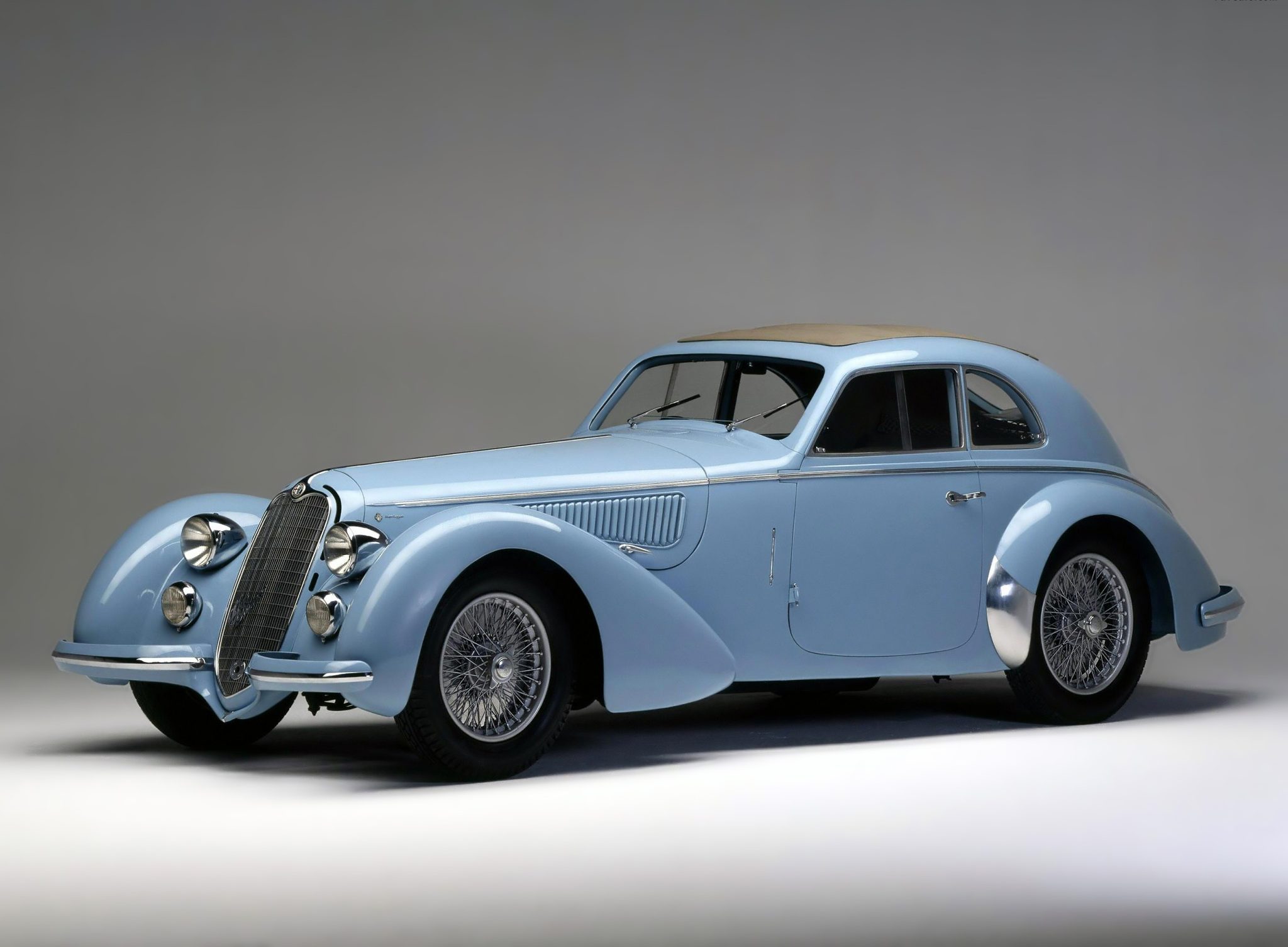
2. Alfa Romeo 8C 2900B
Carrozzeria Touring of Milan patented its Superleggera method in 1936. A frame of thin steel tubes was welded to the chassis in the shape of the finished car, and aluminium panels were wrapped over it and fixed at the edges. The result was lighter than a body built on a wooden frame and could take curves that wood could not hold.
The 8C 2900B was the best chassis in the world to try it on. Touring built open two-seaters with long, flowing wings and a row of small louvres down the bonnet side, and a handful of closed berlinettas that are lower and smoother still. Both look fast standing still, and both were: the cars won the Mille Miglia.
It is second because it joins the finest engineering of its age to the most advanced coachwork. A Touring berlinetta sold for $19.8 million in 2016, and Alfa Romeo's own styling returned to these shapes for decades.
Verdict Touring's new method, on the best chassis in the world.
One sold at Monterey in 2016 for $19.8 million, then a record for a prewar car at auction.
The best of the 30 · Road car · France
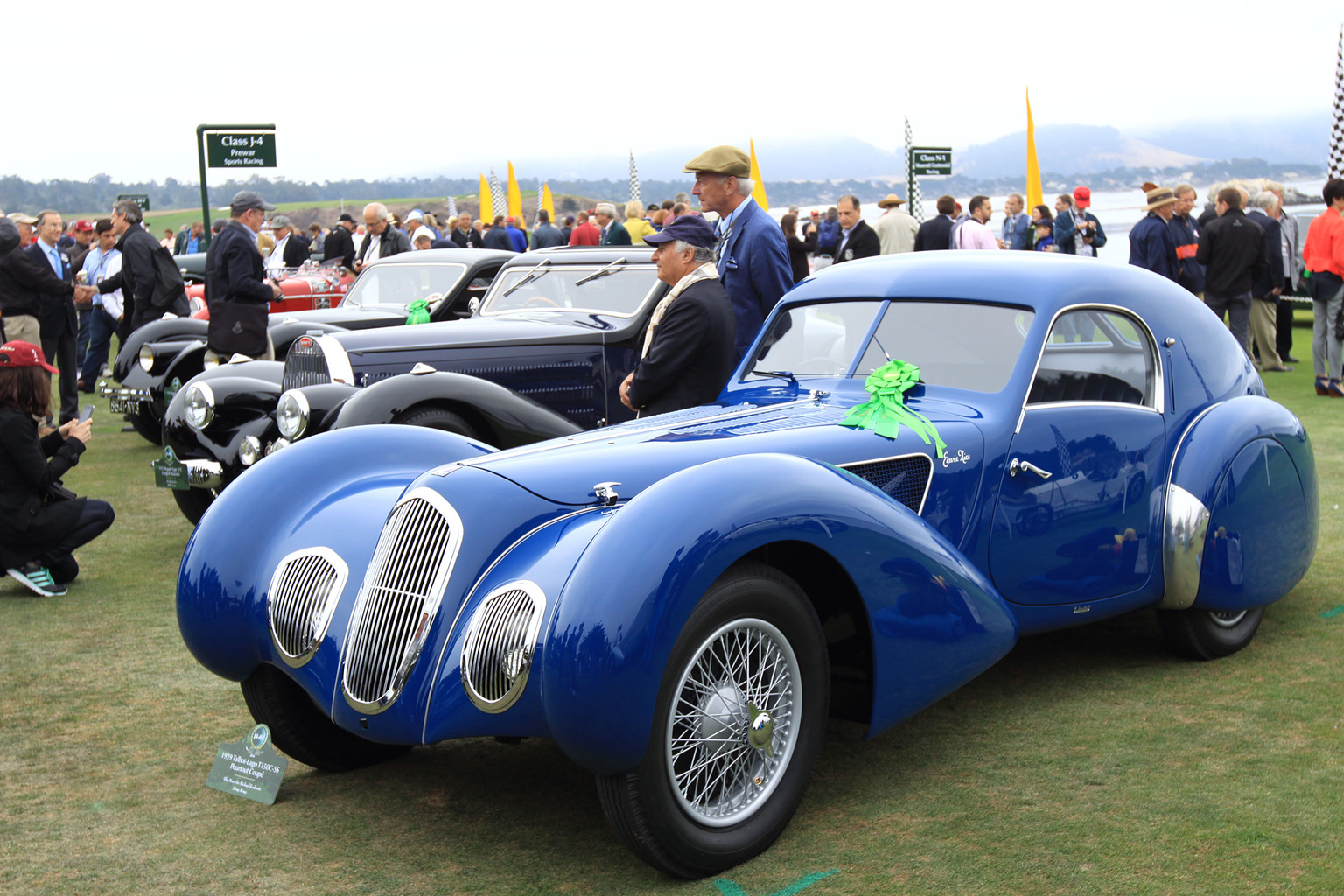
1. Talbot-Lago T150C SS "Teardrop"
- Years
- 1937–39
- Engine
- 4.0 straight-six
- Power
- 140 hp
- Built
- ~ 16 with this body
Giuseppe Figoni was an Italian who had set up as a coachbuilder in Paris, and by the mid-1930s he had become convinced that a car's body should look as though air had shaped it. In 1937 he and his partner Ovidio Falaschi were given the best sports chassis in France, the short, low Talbot-Lago T150C SS, and produced a coupé the French called the Goutte d'Eau, the drop of water.
There is hardly a straight line on it. The front wings are separate pods that enclose the wheels, the roof falls in one curve to a pointed tail, and the side windows are ovals. Every panel was beaten by hand over a wooden form, and no two cars are quite the same. About sixteen were made in two styles between 1937 and 1939.
It was not only for show. One finished third at Le Mans in 1938, driven there and back. But it is the shape that matters. It caught the brief moment when streamlining was both a science and a fashion, and a coachbuilder with a hammer could still make something a factory could not.
It is first because, when people try to explain what was lost when coachbuilding died, this is the car they point to. One sold for $13.4 million in 2022.
Verdict The drop of water: the coachbuilder's art at its height.
One finished third at Le Mans in 1938, in the same form in which it was driven on the road.
What we left off, and why
Two cars people will look for are left out because their bodies were made by the chassis maker. The Bugatti Type 57SC Atlantic was drawn by Jean Bugatti and built at Molsheim. The Mercedes-Benz 540K Special Roadster was made in the factory's own body shop.
The Lamborghini Miura and Countach and the Lancia Stratos were all bodied by Bertone, but they were production cars built in hundreds or thousands, and they belong to a later way of working. The Alfa Romeo BAT cars are one-offs made for motor shows and will appear on our list of concept cars.
The great American houses other than Murphy, such as LeBaron, Rollston, Dietrich and Brewster, and the English ones, such as Hooper, Park Ward, Barker and Gurney Nutting, made many fine bodies for Rolls-Royce, Packard, Cadillac and others. We have left them for a longer list, because we could not single out one car for each with confidence.
Tell us what we got wrongQuestions about this list
What is a coachbuilt car?
A car whose body was made by a specialist firm, separate from the company that made the chassis and engine. Until the 1950s most expensive cars were sold this way: the buyer bought a chassis and chose a coachbuilder to design and build the body by hand.
What is the best coachbuilt car?
By our ranking, the Talbot-Lago T150C SS "Teardrop" bodied by Figoni et Falaschi in Paris between 1937 and 1939. The Alfa Romeo 8C 2900B by Touring and the Cisitalia 202 by Pinin Farina are second and third.
Why is the Bugatti Atlantic not on this list?
The Atlantic's body was designed by Jean Bugatti and built in Bugatti's own factory, so it is not the work of an independent coachbuilder. The same applies to the Mercedes-Benz 540K Special Roadster. Both appear on our list of the best prewar cars.
What does Superleggera mean?
Superleggera is Italian for super light. It is the name Touring of Milan gave to the method it patented in 1936: a frame of thin steel tubes in the shape of the body, covered with aluminium panels. It was used on the Alfa Romeo 8C 2900B, the Ferrari 166 MM and the Aston Martin DB4 and DB5.
Do coachbuilders still exist?
A few. Zagato has never closed, and Touring was revived in 2006 after shutting in 1966. Pininfarina was sold to Mahindra in 2015, and Bertone went bankrupt in 2014. Most of the famous French, British and American houses closed between the 1930s and the 1960s.
We started from the coachbuilders named on our Coachbuilders page and the cars it credits to each, and cut the list to thirty. Every attribution on this list is one that page makes. Where we could not confirm who built a body, the car was left out.
Each car was judged as coachwork: the quality of the design, the craft in the making, and the influence of the shape. Where a chassis carried bodies by several houses, the entry is for the one named, and the others are mentioned only for comparison.
There is no limit on the number from one coachbuilder. Touring has six and Zagato five, which is a fair measure of their importance. Specifications for the chassis come from our marque pages and our other lists.