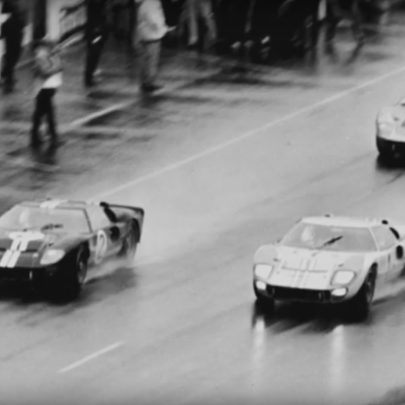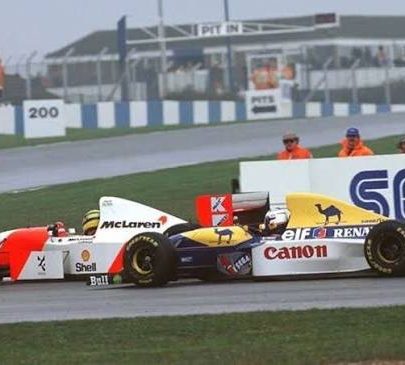

Most failed cars deserve it. They were dull, or badly made, or nobody wanted them, and they are forgotten.
These thirty are different. Each was a serious attempt at something large: a new car company, a new kind of engine, a way to win the biggest races by doing what nobody else had thought of. Each was good, and several were better than anything they competed with. They failed anyway, through bad timing, bad luck, an empty bank account or a rule written to stop them.
We have ranked them on two things multiplied together: how big the ambition was, and how far the fall. A modest car that flopped does not qualify. Nor does a mad one that was never any good.
The calls we expect to be argued with
The Tucker is first, ahead of the DeLorean. The DeLorean is the more famous collapse. The Tucker was the better car and the bigger idea, and its maker was acquitted.
The Bugatti EB110 is second. It was faster and better made than its rivals and it lost anyway. Nothing here fell further from higher.
The Cisitalia is fourth, and most readers will not have heard of it. That is the case for it. It was the most advanced grand prix car of its day and it never started a race.
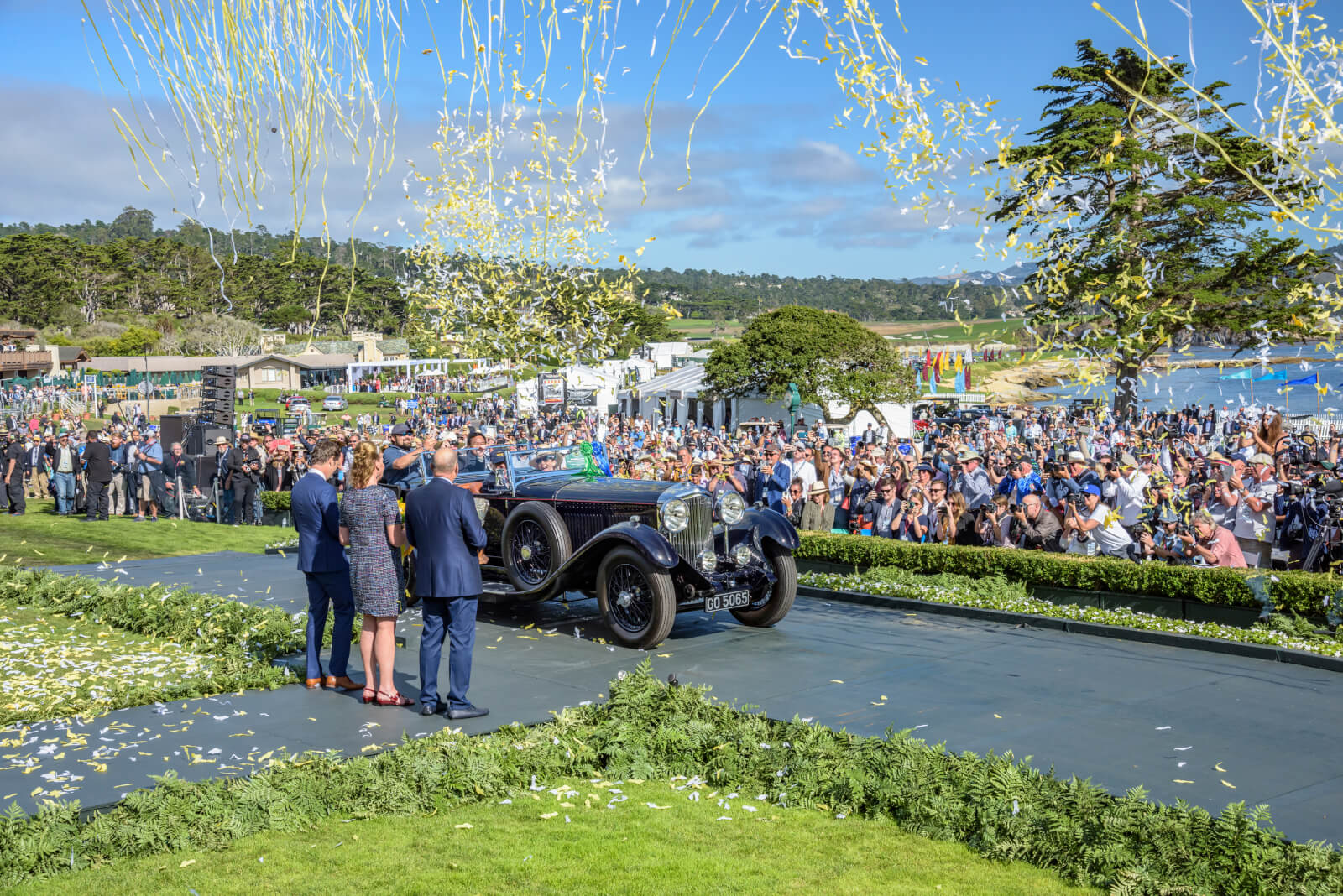
The Bugatti Royale is thirteenth on a list of failures and fifth on our list of Pebble Beach winners. Both are fair. As an object it is a wonder. As a plan to sell twenty-five cars to royalty it sold three, to commoners.
The Chevrolet Corvair is here with 1.8 million built. It sold well for years. It is on the list because it was killed by a charge it was later cleared of.
The Ford RS200 is here although the story of Group B is not a happy one, and one of the accidents that ended it involved this car. We have included it for the car and said so plainly in the entry.
See the full ranking, 1 to 30
| Rank | The Most Glorious Failures in Motoring History | Years |
|---|---|---|
| 1 | Tucker 48 | 1947-1948 |
| 2 | Bugatti EB110 | 1991-1995 |
| 3 | DeLorean DMC-12 | 1981-1982 |
| 4 | Cisitalia 360 Grand Prix | 1947-1949 |
| 5 | Chrysler Turbine Car | 1963-1964 |
| 6 | BRM V16 | 1950-1955 |
| 7 | Citroën SM | 1970-1975 |
| 8 | Jaguar XJ220 | 1992-1994 |
| 9 | NSU Ro 80 | 1967-1977 |
| 10 | Lancia D50 | 1954-1955 |
| 11 | Chaparral 2J | 1970 |
| 12 | General Motors EV1 | 1996-1999 |
| 13 | Bugatti Royale | 1927-1933 |
| 14 | STP-Paxton Turbocar | 1967 |
| 15 | BMW 507 | 1956-1959 |
| 16 | Chrysler Airflow | 1934-1937 |
| 17 | Toyota GT-One | 1998-1999 |
| 18 | ATS 2500 GT | 1963-1965 |
| 19 | Lotus 88 | 1981 |
| 20 | Ford RS200 | 1984-1986 |
| 21 | Vector W8 | 1989-1993 |
| 22 | Chevrolet Corvair | 1959-1969 |
| 23 | Ford P68 | 1968 |
| 24 | Cizeta V16T | 1991-2003 |
| 25 | Volkswagen Phaeton | 2002-2016 |
| 26 | Mercedes-Benz C111 | 1969-1970 |
| 27 | Hillman Imp | 1963-1976 |
| 28 | The Novi | 1941-1966 |
| 29 | Nissan GT-R LM Nismo | 2015 |
| 30 | Pontiac Fiero | 1984-1988 |
30 to 21
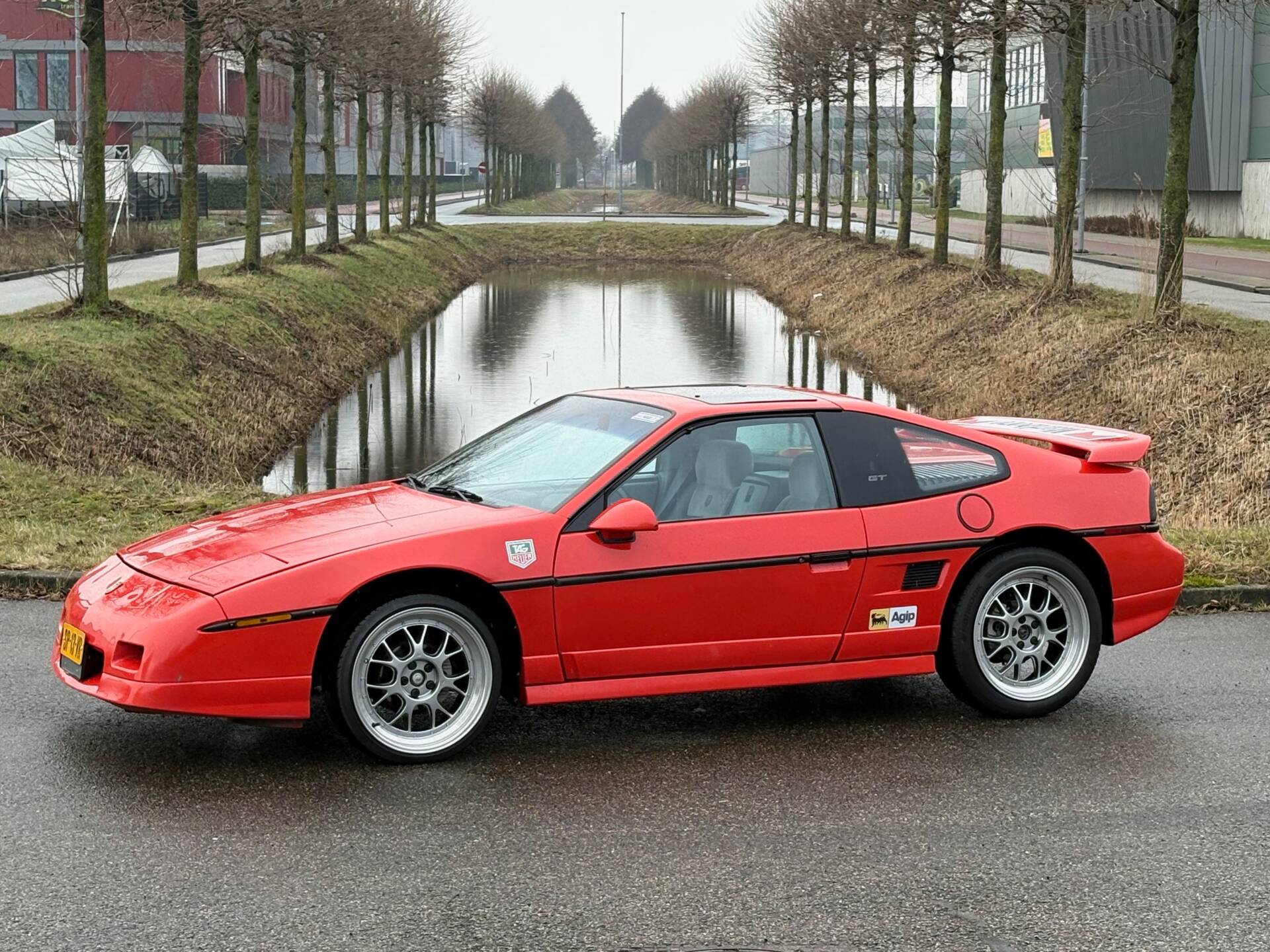
30. Pontiac Fiero
1984-1988 · Four-cylinder, later V6, mid-mounted · 370,168
Pontiac's engineers got a mid-engined two-seater past General Motors by calling it a commuter car, and had to use other models' suspension to afford it. It sold 136,840 in its first year. For 1988 it finally received the suspension designed for it. The last one was built that August.
Verdict Cancelled in the year it became the car it was meant to be.
29. Nissan GT-R LM Nismo
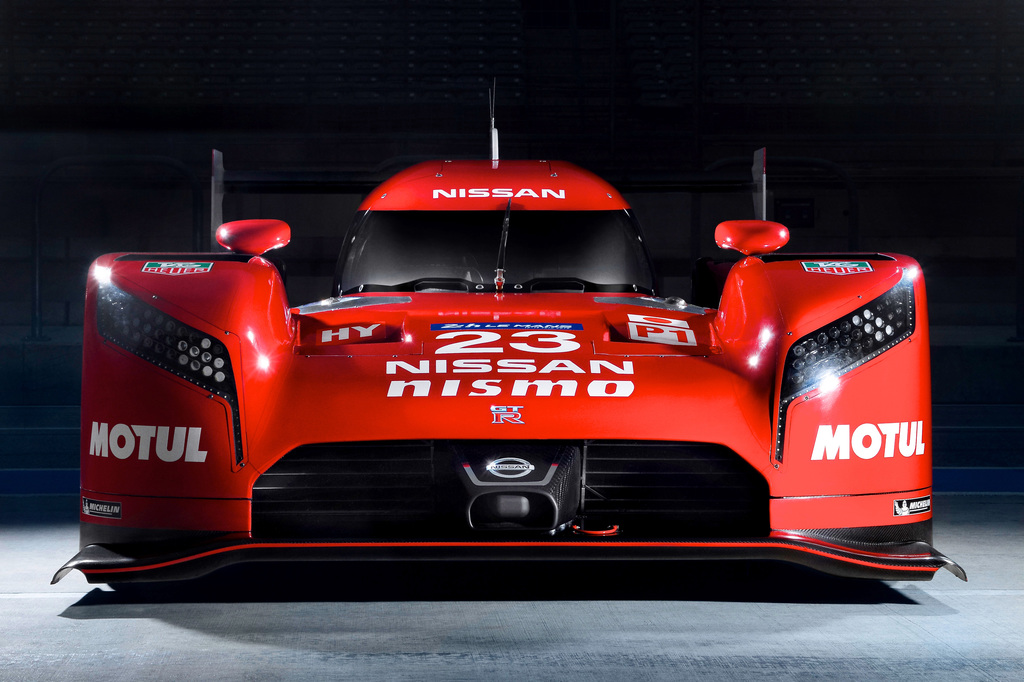
2015 · Twin-turbo V6, front-mounted, front-wheel drive · 3 raced
Told not to copy Audi, Ben Bowlby put the engine in the front and drove the front wheels, at Le Mans, in 2015. The three cars qualified more than twenty seconds off pole. One reached the finish and was too far behind to be classified. Nissan cancelled the programme that December.
Verdict A genuinely new idea at Le Mans, which is rarer than a win.
28. The Novi
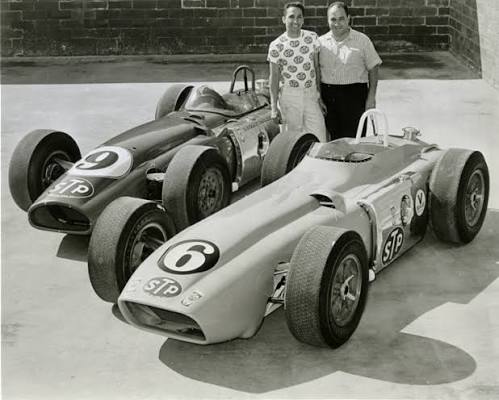
1941-1966 · Supercharged twin-cam V8 · Up to 837 hp
A supercharged V8 that raced at Indianapolis from 1941 to 1966 and made more power and more noise than anything else there. It set track records and led laps. It never won, there or anywhere, and the crowd loved it more every year it lost.
Verdict Twenty-five years as everyone's favourite, and not one win.
27. Hillman Imp
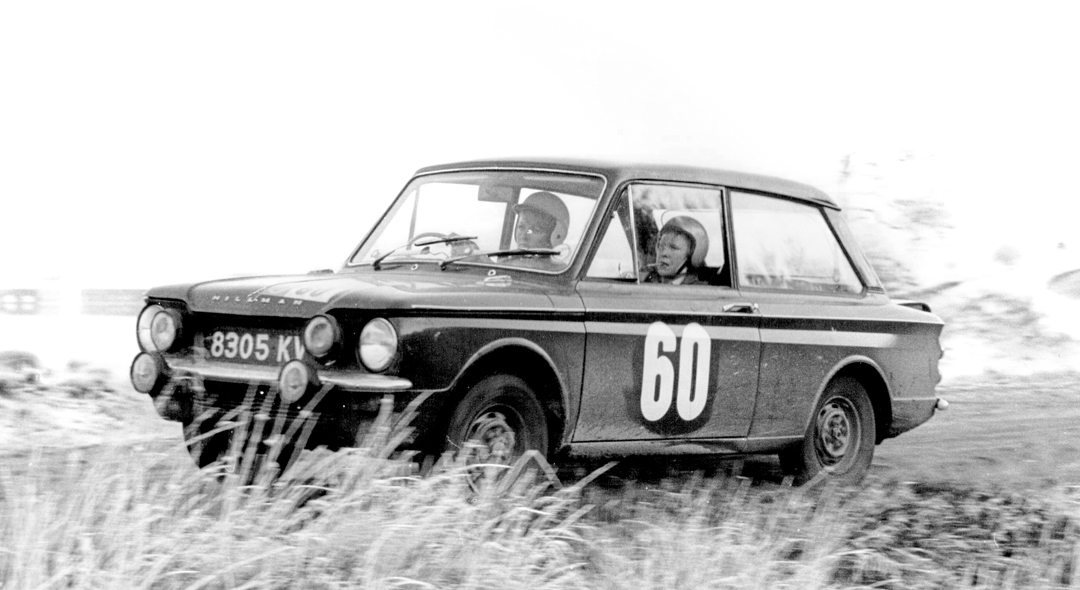
1963-1976 · 875 cc aluminium four, rear-mounted · Just under 441,000
Rootes built a clever rear-engined small car with an all-aluminium engine, in a new factory in Scotland placed there for the jobs. Parts travelled 600 miles before the car was assembled. Early cars were unreliable, sales in the best year were about half the plan, and Chrysler owned the company within four years.
Verdict A better idea than the Mini in several ways, built 300 miles from where it should have been.
26. Mercedes-Benz C111
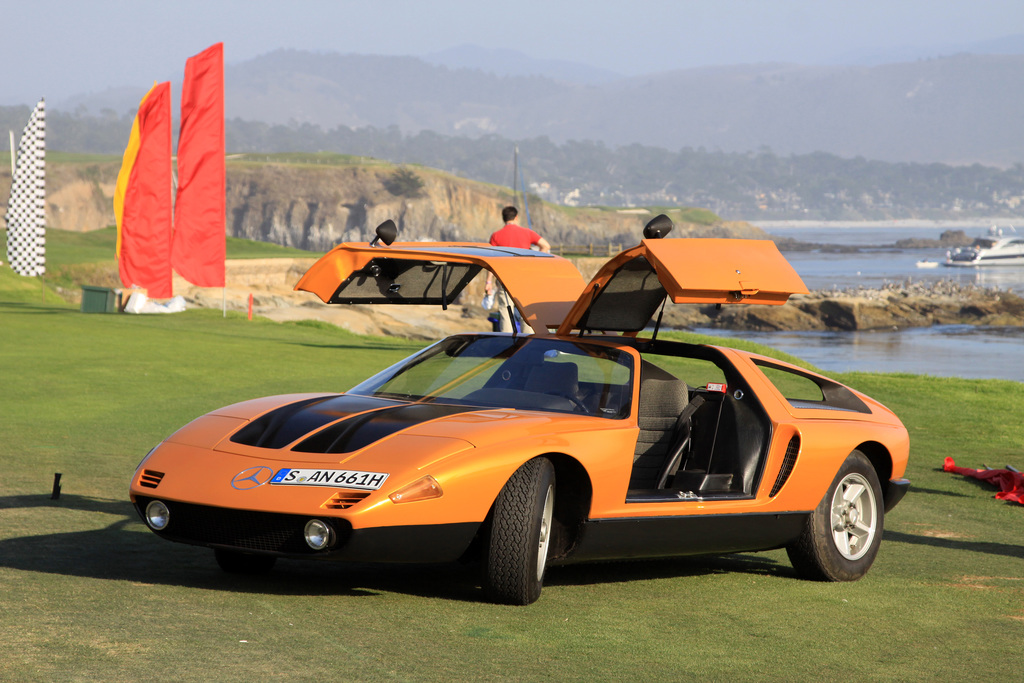
1969-1970 · Three- and four-rotor Wankel · 350 PS (four-rotor) · 17
An orange, gullwing-doored coupé with a three-rotor and then a four-rotor Wankel engine, shown in 1969 and 1970. Seventeen were built and Mercedes-Benz kept them. It was never put on sale, and the rotary engine it was built to prove was quietly dropped.
Verdict The supercar Mercedes built and would not sell.

25. Volkswagen Phaeton
2002-2016 · Up to a 6.0-litre W12 · 84,253
Ferdinand Piëch ordered a Volkswagen that could run all day at 300 km/h in desert heat with the cabin at 22 degrees. It was hand-built in a glass factory in Dresden, and it was superb. One estimate put the loss at about €28,000 on every car sold.
Verdict A magnificent car with the wrong badge on the boot.
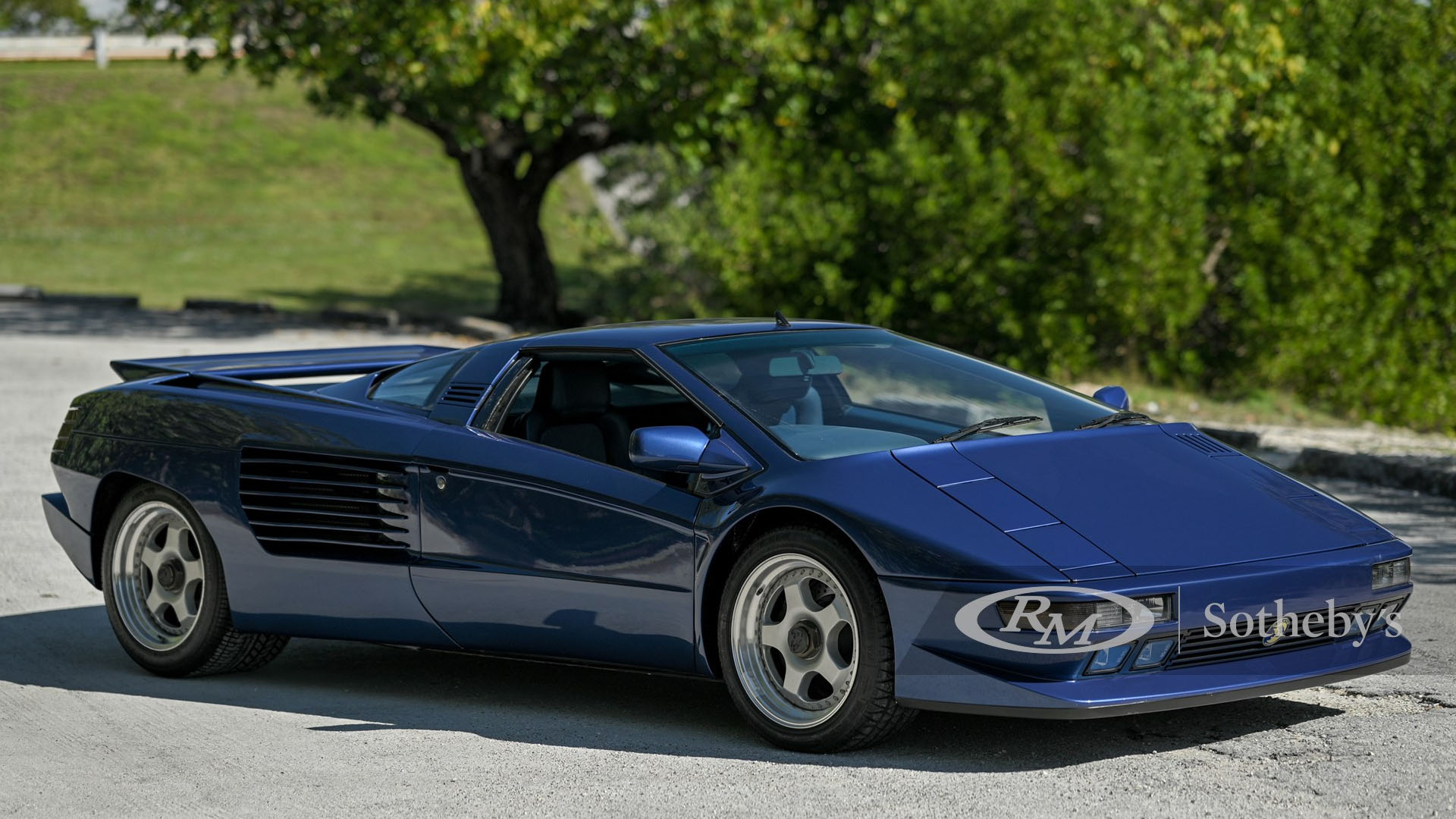
24. Cizeta V16T
1991-2003 · 6.0-litre V16, mounted sideways · 540 hp · 11
Claudio Zampolli, formerly of Lamborghini, built a supercar with sixteen cylinders mounted sideways behind the seats, in a body Marcello Gandini had first drawn for the Diablo. The plan was one a month. Eleven were made in twelve years.
Verdict Sixteen cylinders, four pop-up headlamps, eleven customers.
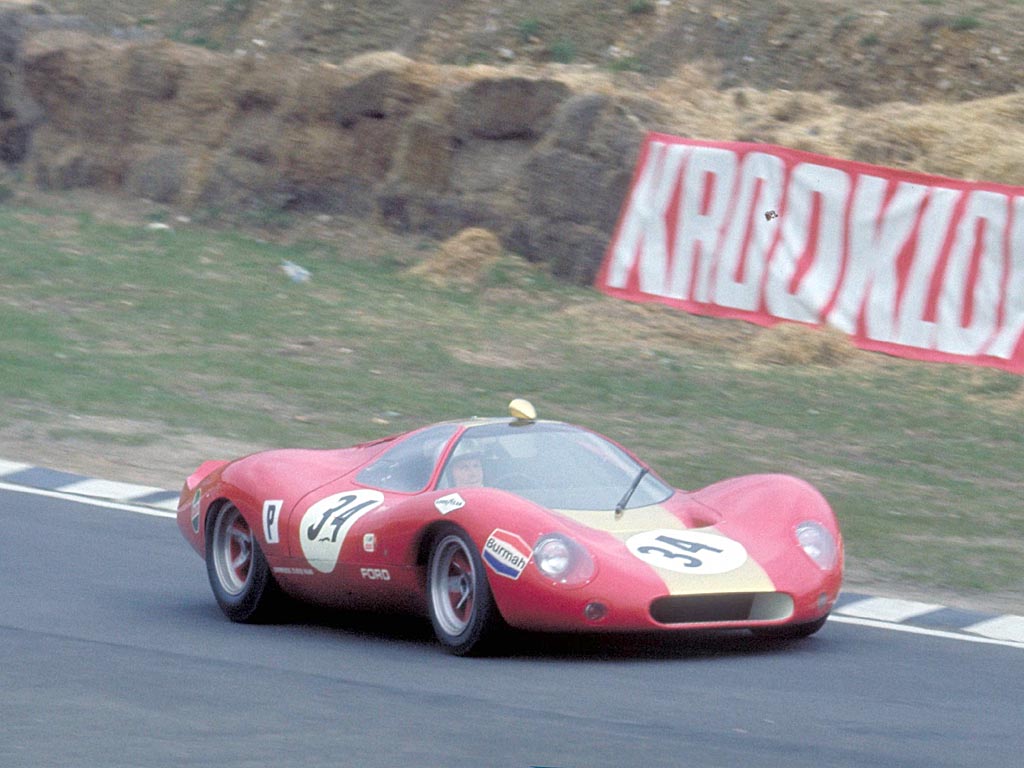
23. Ford P68
1968 · 3.0-litre Cosworth DFV V8
Len Bailey's 1968 sports prototype had a Cosworth grand prix engine and a body so slippery that its drag coefficient was 0.27. It led its first race and took pole at Spa. It did not finish a single one of the races it started.
Verdict Perhaps the best-looking racing car ever to finish nothing.
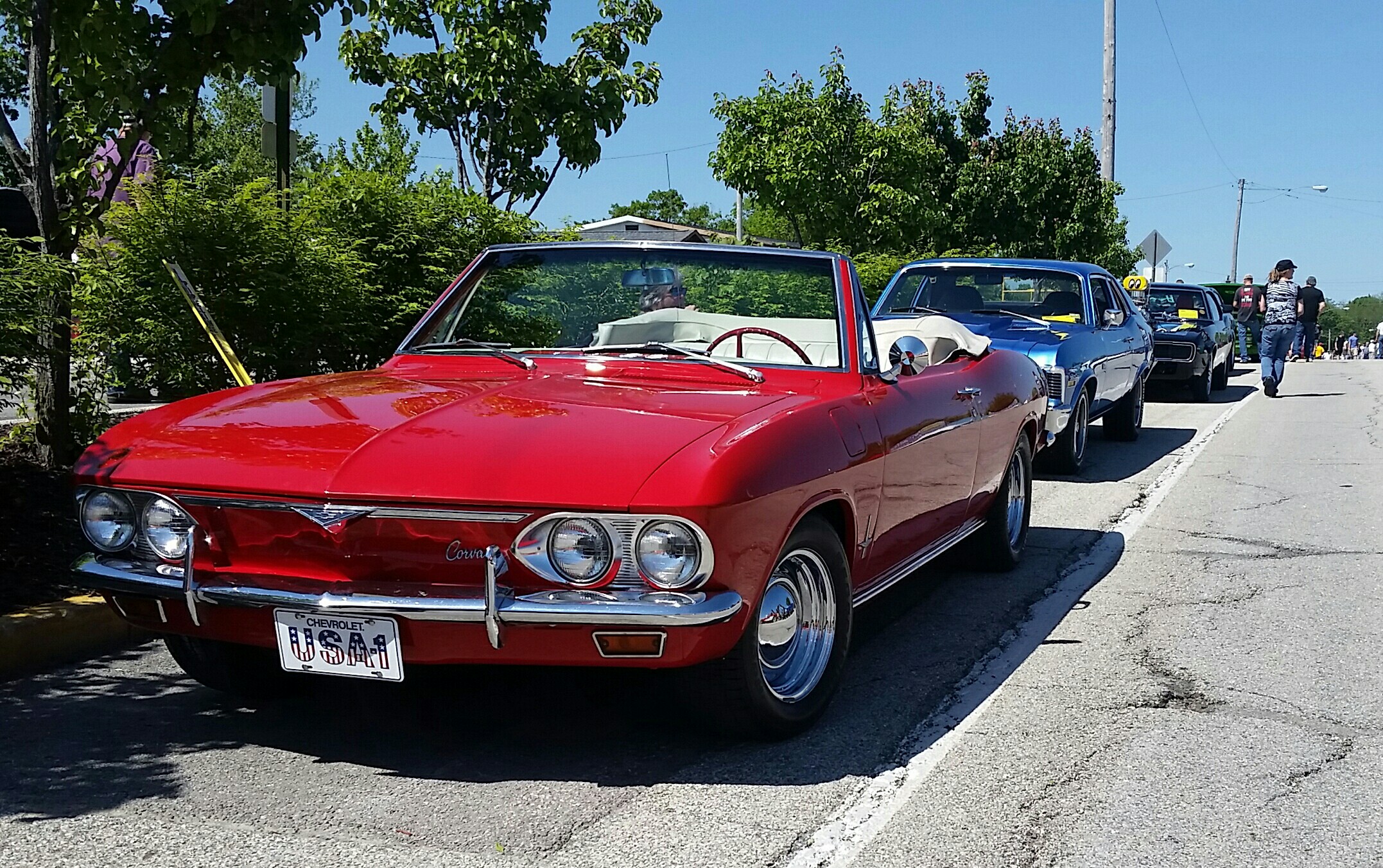
22. Chevrolet Corvair
1959-1969 · Rear air-cooled flat-six · 80 hp at launch · About 1,835,000
A rear-engined, air-cooled compact from General Motors, and Car of the Year for 1960. Ralph Nader's book attacked the early cars' handling in 1965, the year the suspension was redesigned. A government study in 1972 found it no worse than its rivals. It had been dead for three years by then.
Verdict Cleared of the charge three years after the sentence was carried out.
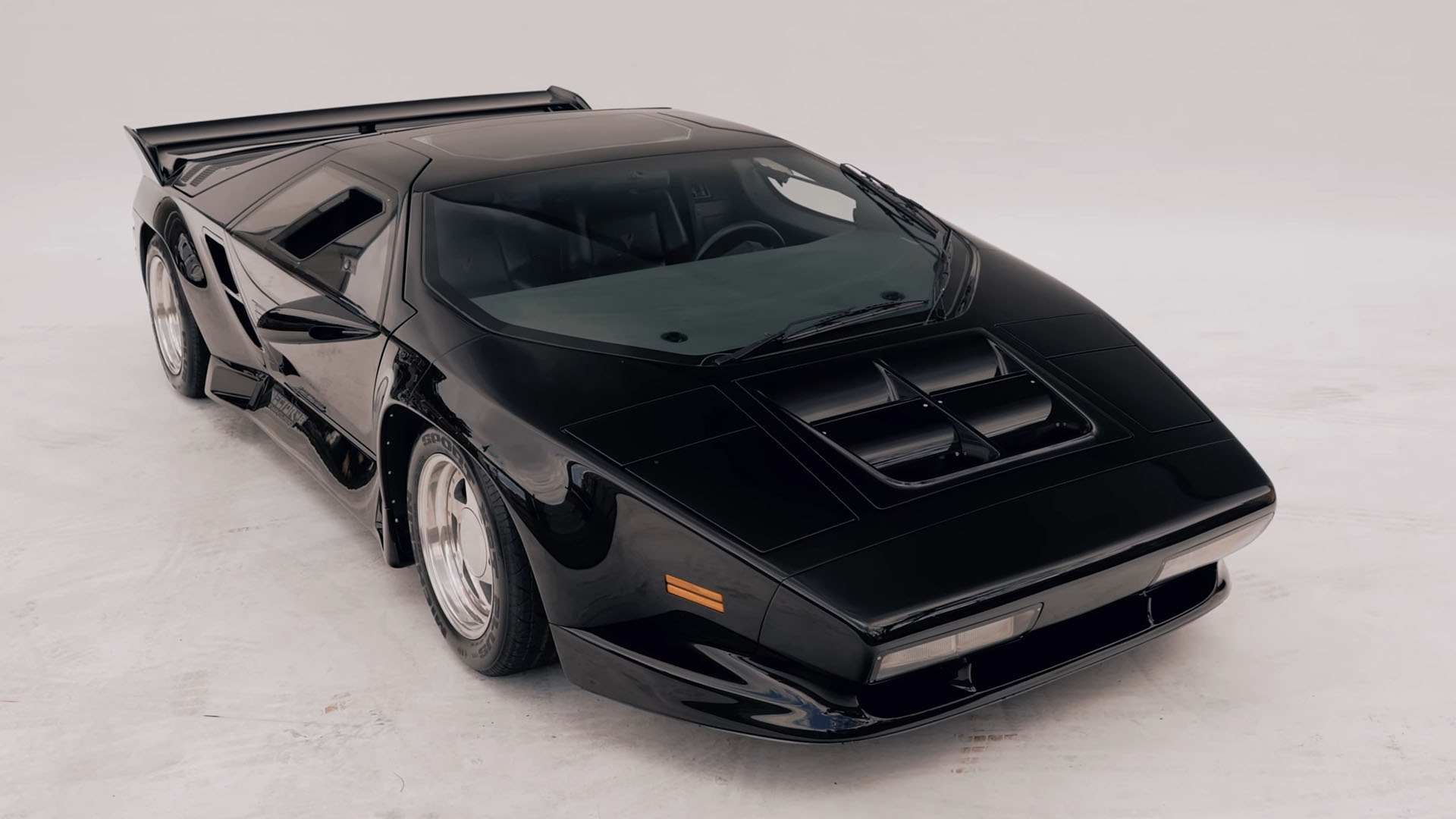
21. Vector W8
1989-1993 · 6.0-litre twin-turbo V8 · 625 hp · 22
Jerry Wiegert built an American supercar out of aircraft materials, with a dashboard modelled on a fighter's and a twin-turbo V8 rated at 625 horsepower. The claimed top speed was 242 mph. Twenty-two were made before a hostile takeover in 1993 removed him from his own company.
Verdict California's answer to Lamborghini, and nearly as improbable.
20 to 11
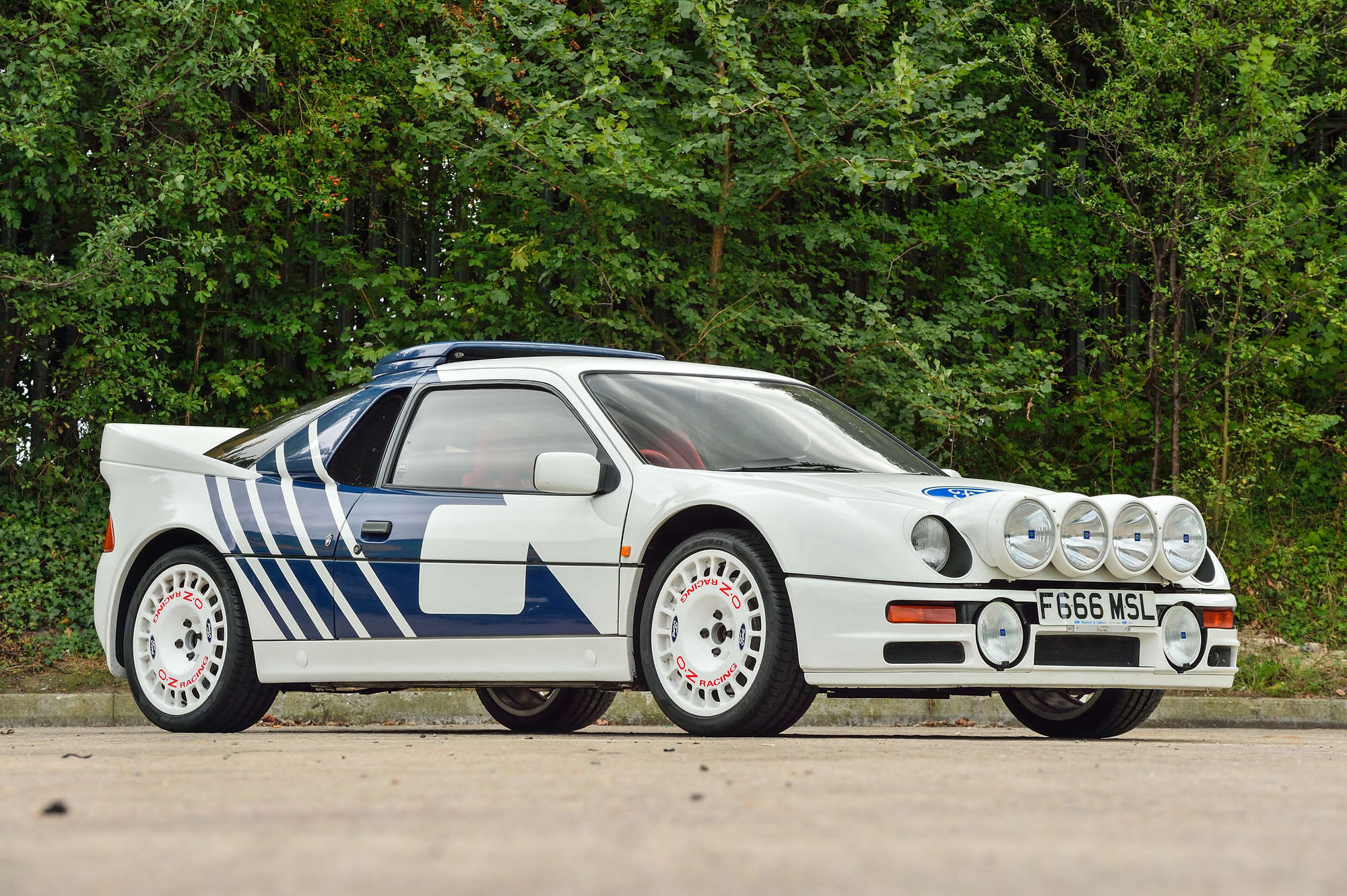
20. Ford RS200
1984-1986 · 1.8-litre turbocharged four, mid-mounted, four-wheel drive · About 250 hp for the road · 200 required
Ford designed a rally car from nothing for Group B: mid-engined, four-wheel drive, a chassis by Tony Southgate, a body by Ghia, and 200 road cars built by Reliant to make it legal. It finished third on its first world championship rally in 1986. That season ended with Group B abolished after a series of fatal accidents, one of them involving an RS200 in Portugal. The car was obsolete within a year of its debut. It went on to win in rallycross.
Verdict Built for a category that was abolished the year it arrived.
Did you know: Reliant, of three-wheeler fame, built them.
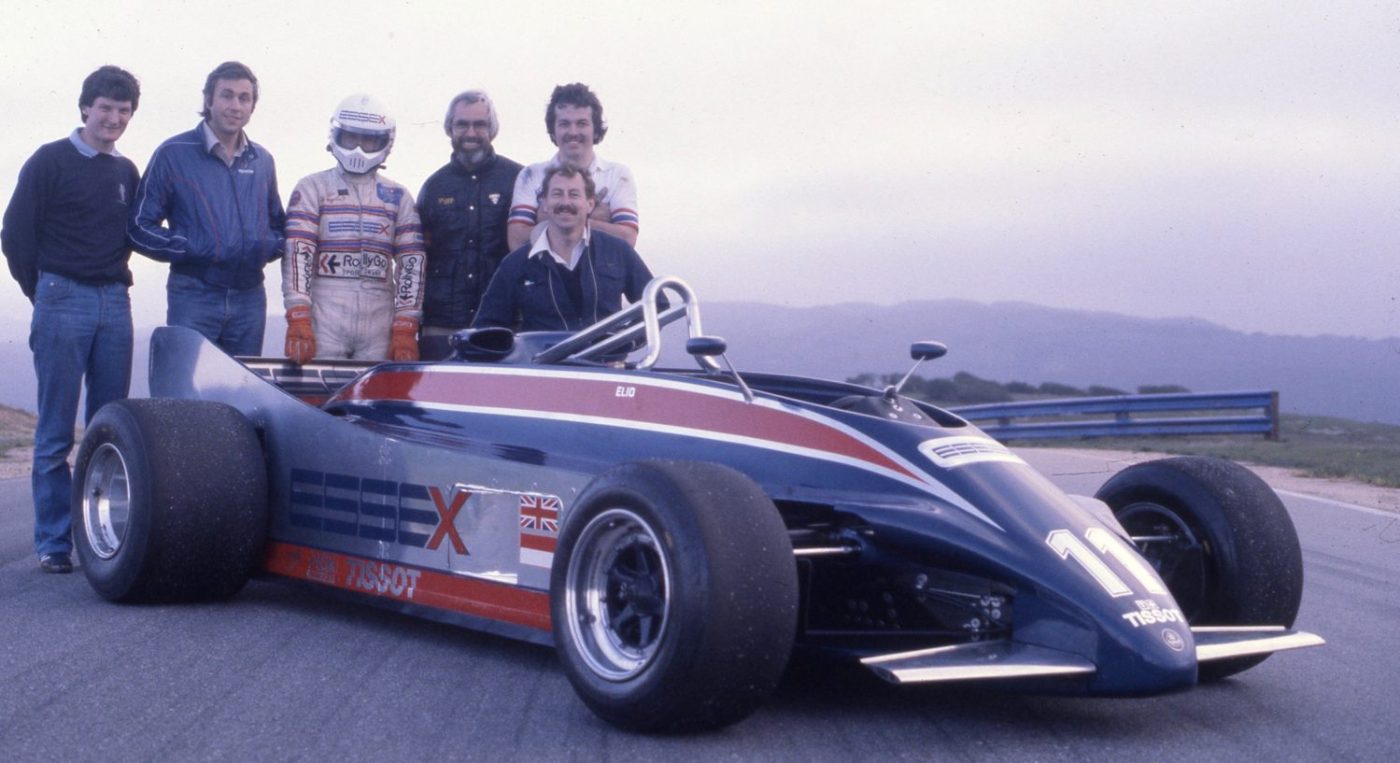
19. Lotus 88
1981 · Cosworth DFV V8
When sliding skirts were banned for 1981, Colin Chapman's team built a car with two chassis: an inner one carrying the driver on soft springs, and an outer one, sprung separately, that did nothing but press itself on to the track. It was made largely of carbon fibre. Rival teams protested that the whole outer body was a movable aerodynamic device. It practised at Long Beach, was ruled out, and never started a race.
Verdict Chapman's last big idea, banned before it turned a wheel in anger.
Did you know: It never started a race.
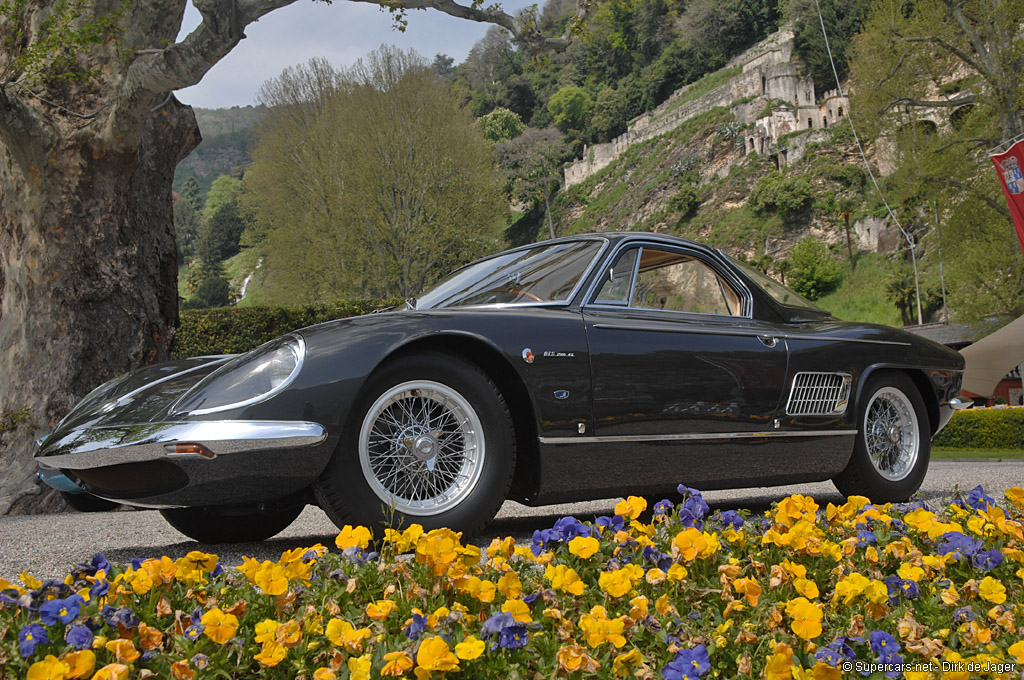
18. ATS 2500 GT
1963-1965 · 2.5-litre V8, mid-mounted · About 12
In 1961 several of Ferrari's senior engineers walked out, and two of them, Carlo Chiti and Giotto Bizzarrini, set up a company to beat him on the road and the track at once. The road car, shown in 1963, was a mid-engined V8 coupé, three years before the Miura. The grand prix car, driven by the 1961 world champion Phil Hill and by Giancarlo Baghetti, retired from nearly every race it started. About twelve road cars were built.
Verdict The first mid-engined Italian road car, from the men Ferrari lost.
Did you know: It was shown three years before the Lamborghini Miura.
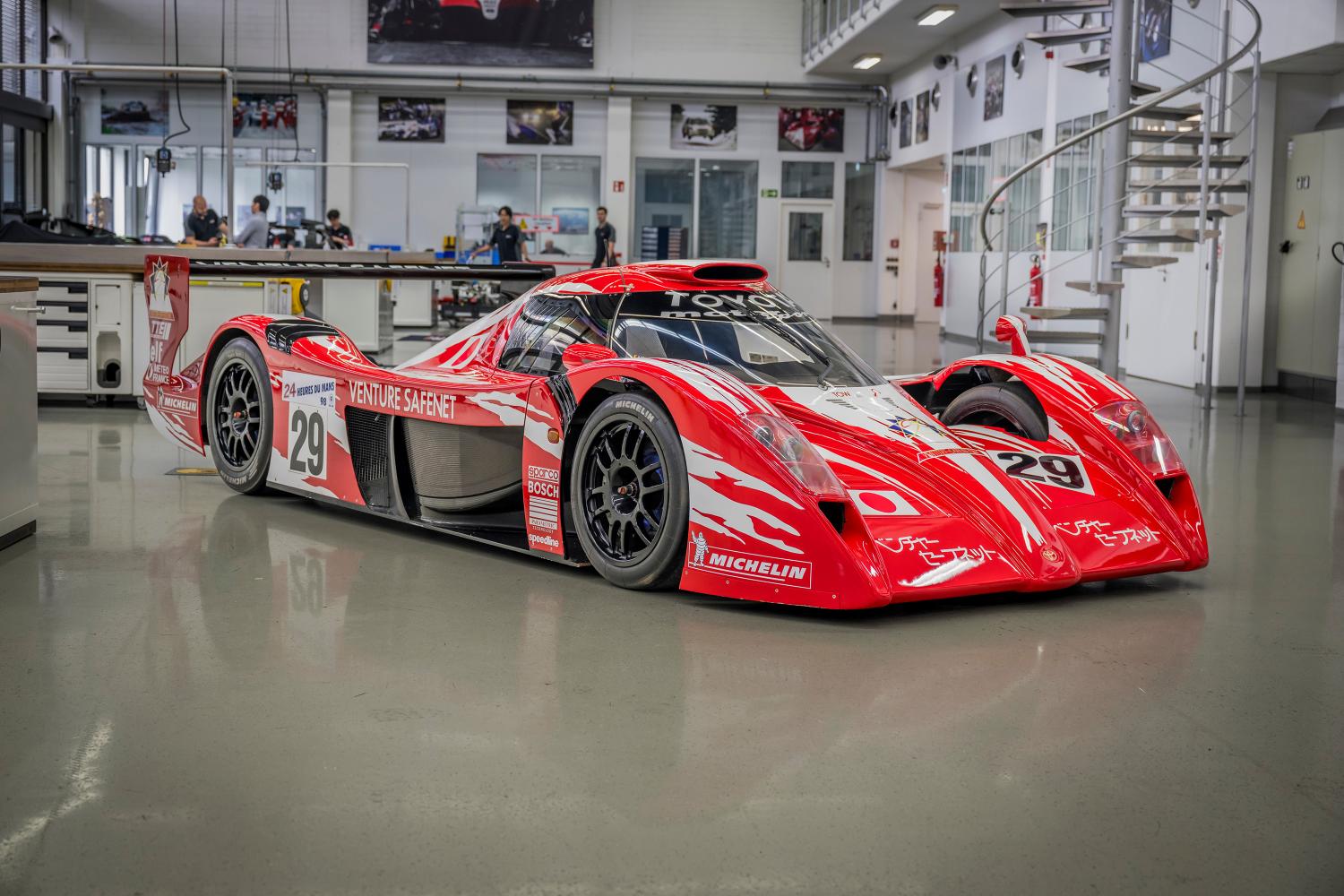
17. Toyota GT-One
1998-1999 · Twin-turbo V8
Toyota built it to win Le Mans and for two years it was quick enough. In 1998 the leading car's gearbox failed late in the race. In 1999 one started from pole and the team's last surviving car finished second after a burst tyre. To qualify it as a road-going GT, Toyota made two red road cars and is said to have argued that the empty fuel tank met the requirement for luggage space. It never won.
Verdict The fastest car not to win Le Mans, twice.
Did you know: Two road cars were built to make it legal. Both are red.
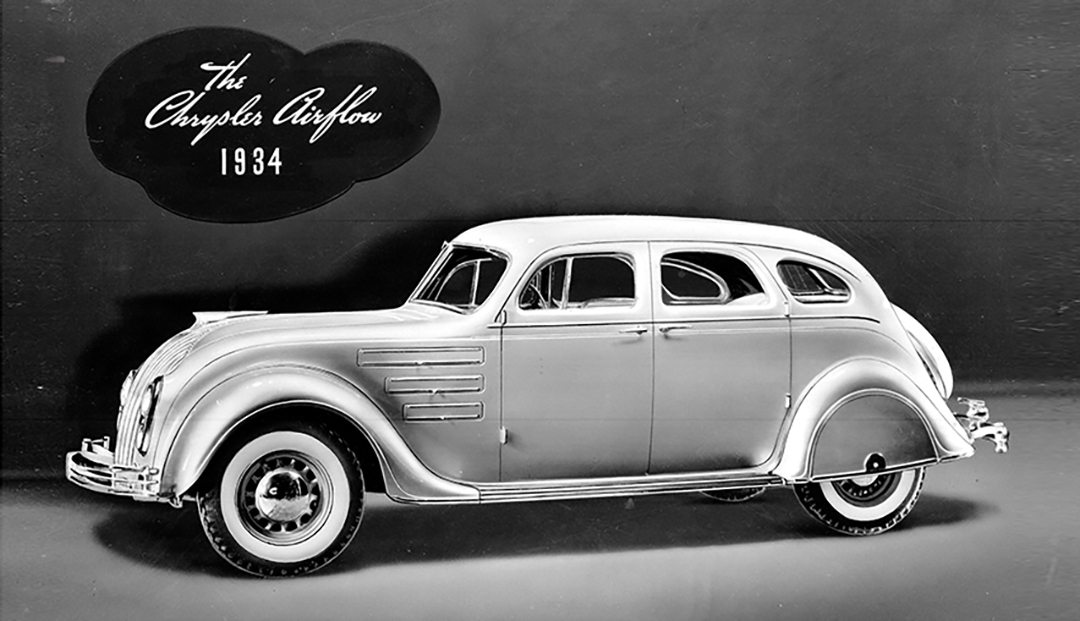
16. Chrysler Airflow
1934-1937 · Straight-eight · Fewer than 29,600
Chrysler's engineers tested at least fifty models in a wind tunnel, with Orville Wright's help, and concluded that cars were the wrong shape. The 1934 Airflow put its passengers between the axles and its engine over the front wheels, in a streamlined body that was also the structure. It rode and handled better than anything in America. The public thought it ugly, early cars were badly made, and Chrysler's own conventional models outsold it. Within a few years everyone's cars looked like it.
Verdict Right about everything except what people would buy in 1934.
Did you know: Orville Wright helped with the wind-tunnel work.
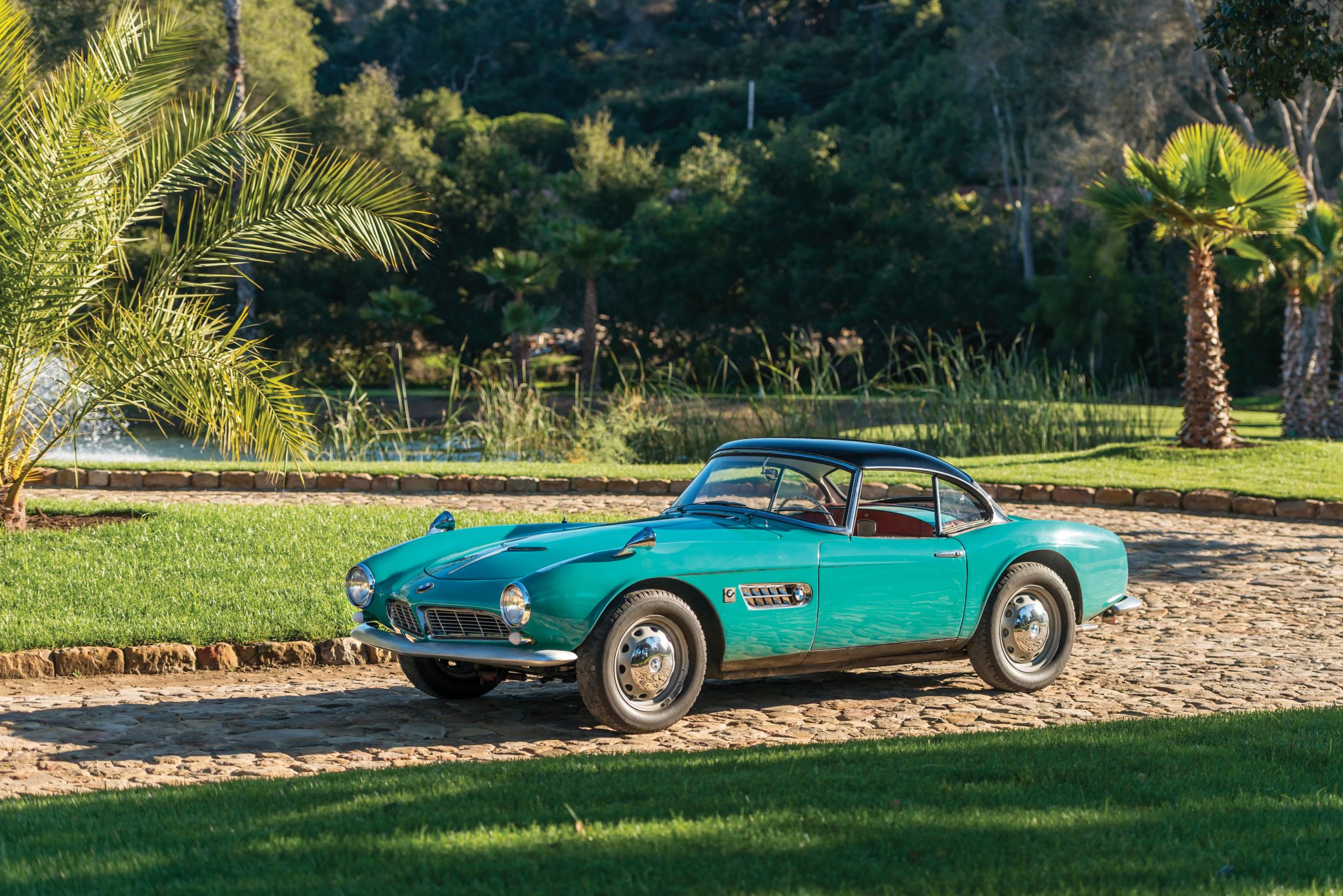
15. BMW 507
1956-1959 · V8 · 252
The American importer Max Hoffman told BMW he could sell 5,000 roadsters a year at about $5,000 each. Albrecht von Goertz drew one of the best-looking cars of the 1950s. It cost so much to build that the price reached $10,500, and 252 were made in four years, every one at a loss. By 1959 BMW had lost DM 15 million in a year and was close to being taken over. Elvis Presley bought one.
Verdict It nearly finished BMW, and it is the reason people wanted BMW saved.
Did you know: Elvis Presley bought one while he was a soldier in Germany.
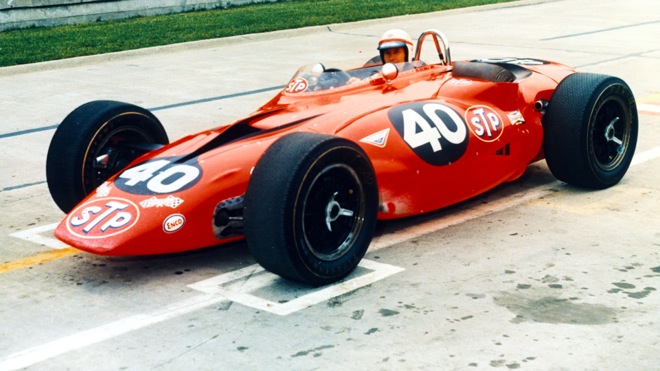
14. STP-Paxton Turbocar
1967 · Pratt & Whitney gas turbine, four-wheel drive · 550 hp · 1
Andy Granatelli brought a turbine-powered, four-wheel-drive car to Indianapolis in 1967, and Parnelli Jones drove it away from the field. He led for most of the race. With about eight miles to go a bearing in the transmission failed and the car coasted into the pits. Within a month the rule makers had cut the turbine's air intake by a third, and before long turbines and four-wheel drive were banned altogether.
Verdict Three laps from changing Indianapolis for good.
Did you know: Parnelli Jones was offered $100,000 in a briefcase to drive it.
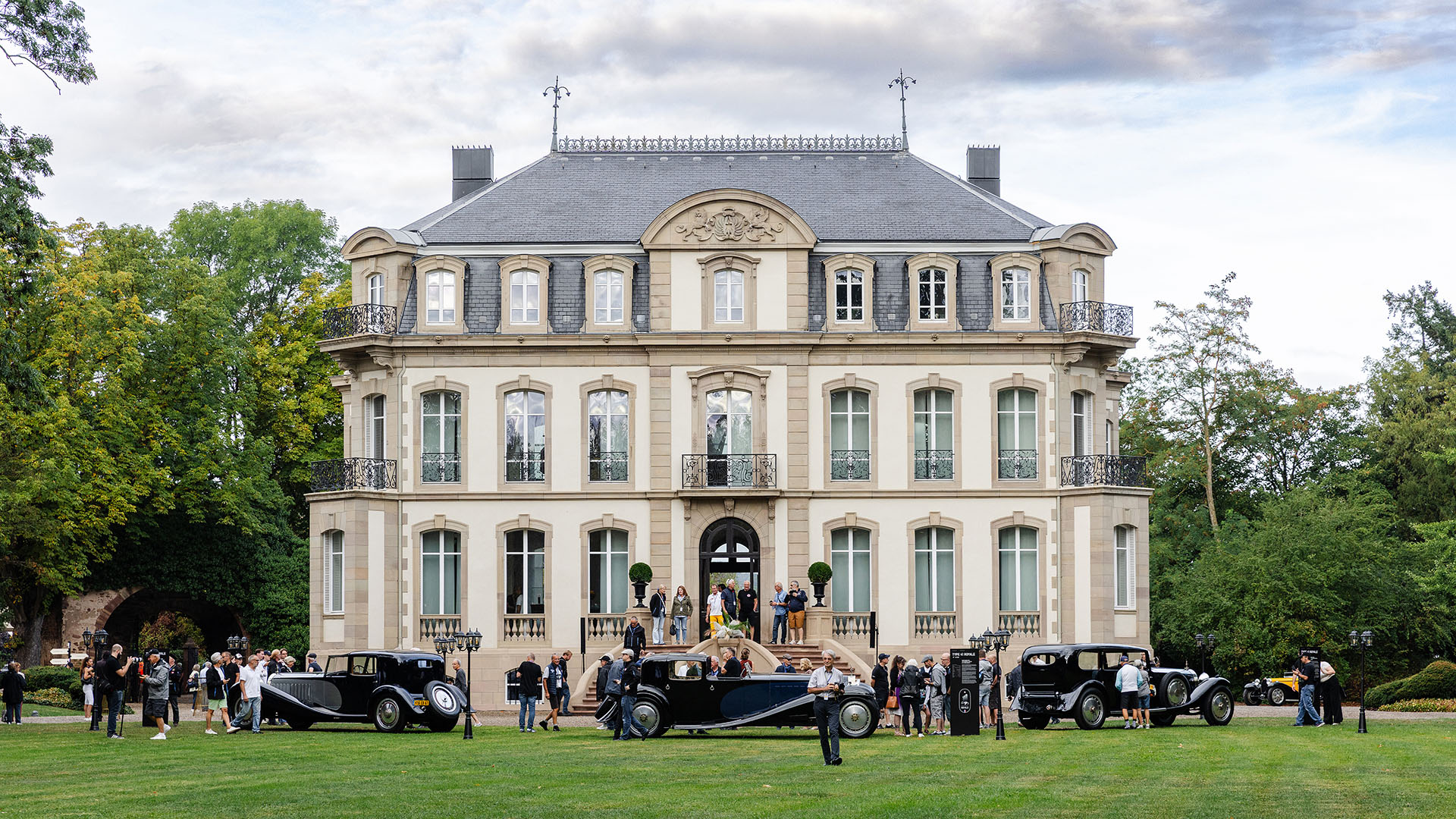
13. Bugatti Royale
1927-1933 · 12.7-litre straight-eight · Six, of 25 planned. Three sold
Ettore Bugatti planned twenty-five cars, each for a king. The Royale was more than six metres long with a 12.7-litre engine, and its chassis alone cost $30,000 as the Depression began. Six were built. Three were sold, none of them to royalty. It is fifth on our Pebble Beach list as an object. As a business it was a catastrophe, rescued only because the spare engines turned out to be ideal for French railcars.
Verdict A car for kings, in a decade when kings were going out of business.
Did you know: The unsold engines went into French railcars.
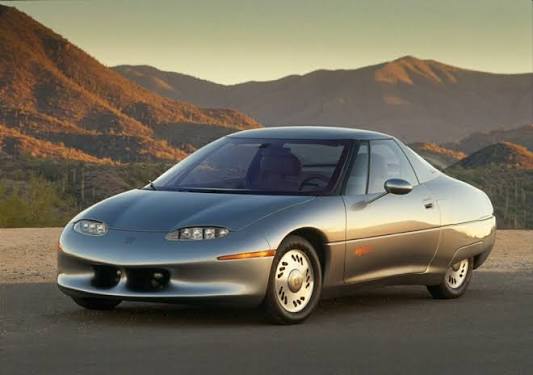
12. General Motors EV1
1996-1999 · Electric · 1,117
California told car makers in 1990 that they would have to sell cars with no exhaust. General Motors built a proper one: a purpose-designed electric two-seater, leased in California and Arizona from December 1996. It made 1,117. Nobody was allowed to buy one. When the rules were relaxed, GM cancelled the programme, took every car back by August 2004 and crushed most of them, over the protests of the people who had been driving them.
Verdict Twenty years early, and its maker had it destroyed.
Did you know: Nobody was allowed to buy one. Every car was leased.
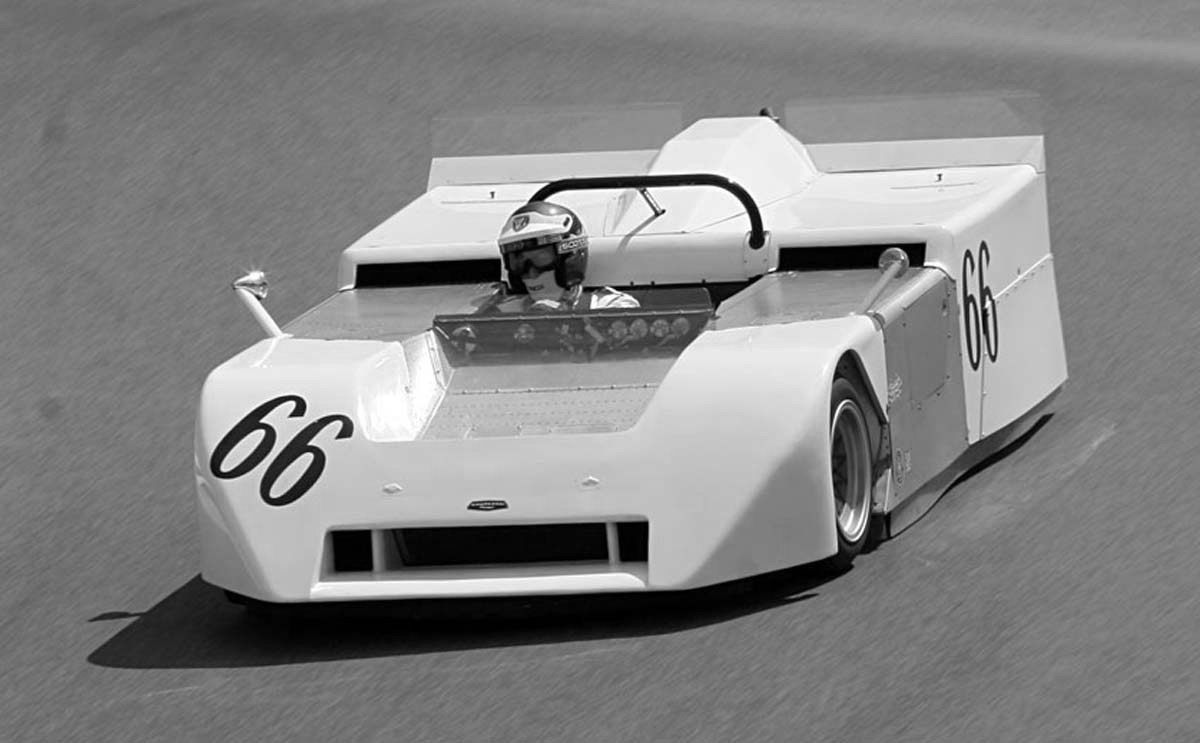
11. Chaparral 2J
1970 · V8, plus a second engine driving two fans
Jim Hall's answer to the question of grip in 1970 was to stop relying on the air passing over the car and to suck the car down instead. The 2J had skirts of Lexan plastic around its edges and two fans at the back, and it stuck to the track at any speed, including standing still. It raced for one Can-Am season. Rivals complained that the fans were movable aerodynamic devices and threw grit at them, and the car was banned.
Verdict It worked so well that everyone else had it stopped.
Did you know: Rivals argued that the fans were movable aerodynamic devices.
The top 10
- Years
- 1954-1955
- Engine
- V8, used as part of the chassis
Glorious failure · Italy
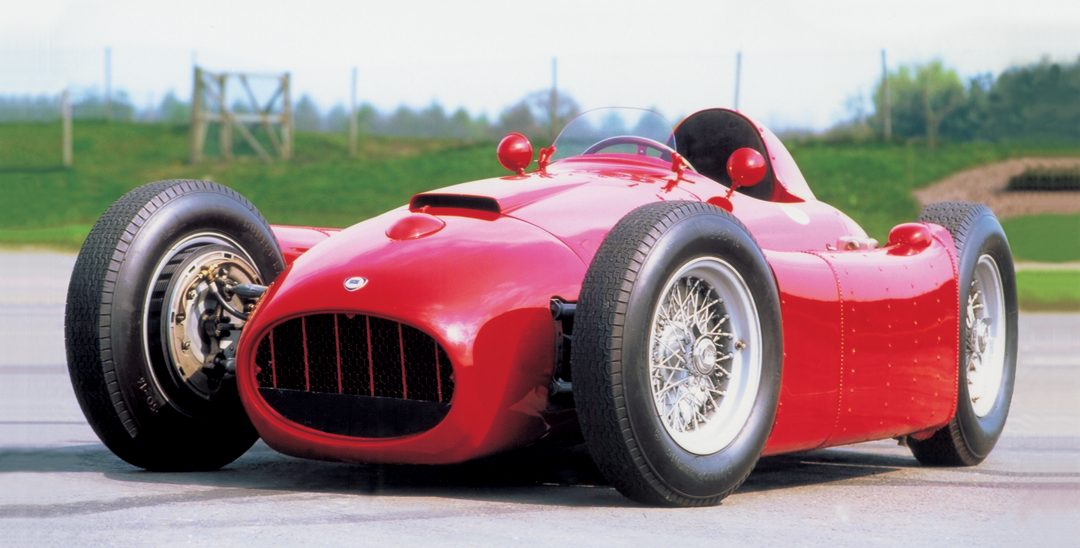
10. Lancia D50
Vittorio Jano's grand prix car for Lancia used its engine as part of the chassis, set it at an angle so the driver could sit lower, and carried its fuel in panniers between the wheels to keep the balance constant as the tanks emptied. At its first race, the Spanish Grand Prix of 1954, Alberto Ascari put it on pole and set the fastest lap.
It was the best car in the field and Lancia could not afford it. Ascari was killed in 1955. The family sold control of the company, and the entire racing team, cars and all, was handed to Ferrari.
Ferrari took out several of Jano's cleverest features, renamed it, and gave it to Fangio, who won the 1956 world championship in it.
So the D50 did get what it deserved, under someone else's badge. It is on this list for Lancia, which built a world champion and went broke before it could win.
Verdict A world champion, one year and one owner too late.
It took pole position at its first race.
- Years
- 1967-1977
- Engine
- Twin-rotor Wankel
- Power
- About 113 bhp
- Built
- 37,398
Glorious failure · Germany
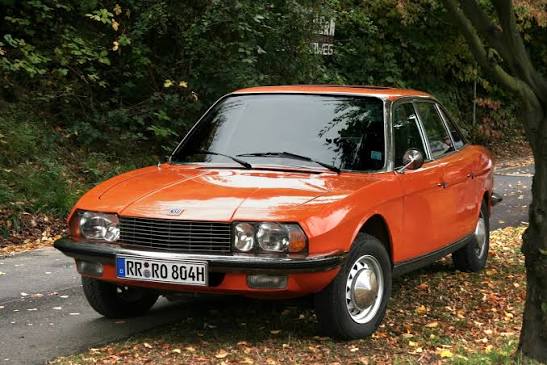
9. NSU Ro 80
NSU was a small German maker of motorcycles and economy cars, and in 1967 it launched the most modern saloon in Europe. The Ro 80 had front-wheel drive, disc brakes all round, a wind-cheating body by Claus Luthe that still looks recent, and a twin-rotor Wankel engine that was almost silent. It was Car of the Year for 1968.
The engine was the trouble. The seals at the tips of the rotors wore out fast, and some early cars needed a new engine before 50,000 kilometres. NSU replaced them under warranty, which was honourable and ruinous. Volkswagen took the company over in 1969 and merged it into what became Audi.
The seals were fixed. The reputation was not. The Ro 80 stayed in production until April 1977 and 37,398 were built in ten years.
Everything about the car was right except the one thing it was named after.
Verdict Car of the Year, and the end of the company that made it.
Its stylist, Claus Luthe, went on to run design at BMW.
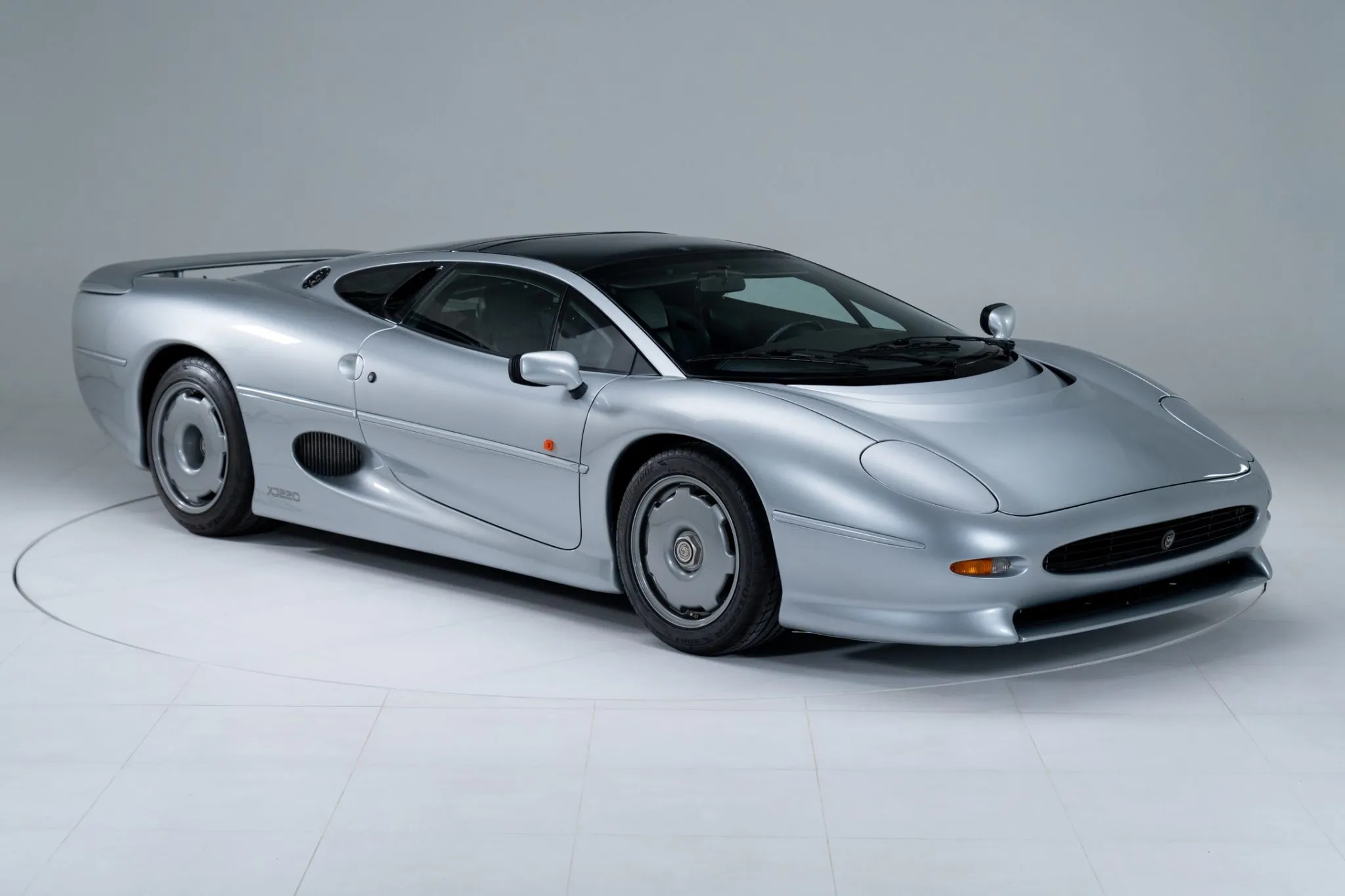
- Years
- 1992-1994
- Engine
- 3.5-litre twin-turbo V6
- Built
- About 280
Glorious failure · United Kingdom
8. Jaguar XJ220
A dozen Jaguar engineers built a supercar in their own time, at weekends, and called themselves the Saturday Club. The car they showed at Birmingham in 1988 had a 6.2-litre V12 and four-wheel drive, and the reaction was such that Jaguar agreed to build it. About 281 people put down £50,000 each.
The car they were eventually offered had a twin-turbocharged V6 and rear-wheel drive, and the price had gone from £290,000 to £470,000. It was also, at 217 mph, the fastest production car in the world. That was not enough. The recession had arrived, and a good many depositors wanted out. The argument ended in court, where Jaguar won. The last unsold cars were cleared in 1997 for £127,550.
It deserved better because it was quicker than the car that was promised. People had ordered twelve cylinders, and a record did not console them for getting six.
Verdict Faster than promised, and nobody forgave it the missing cylinders.
The last unsold cars went in 1997 for little more than a quarter of the list price.
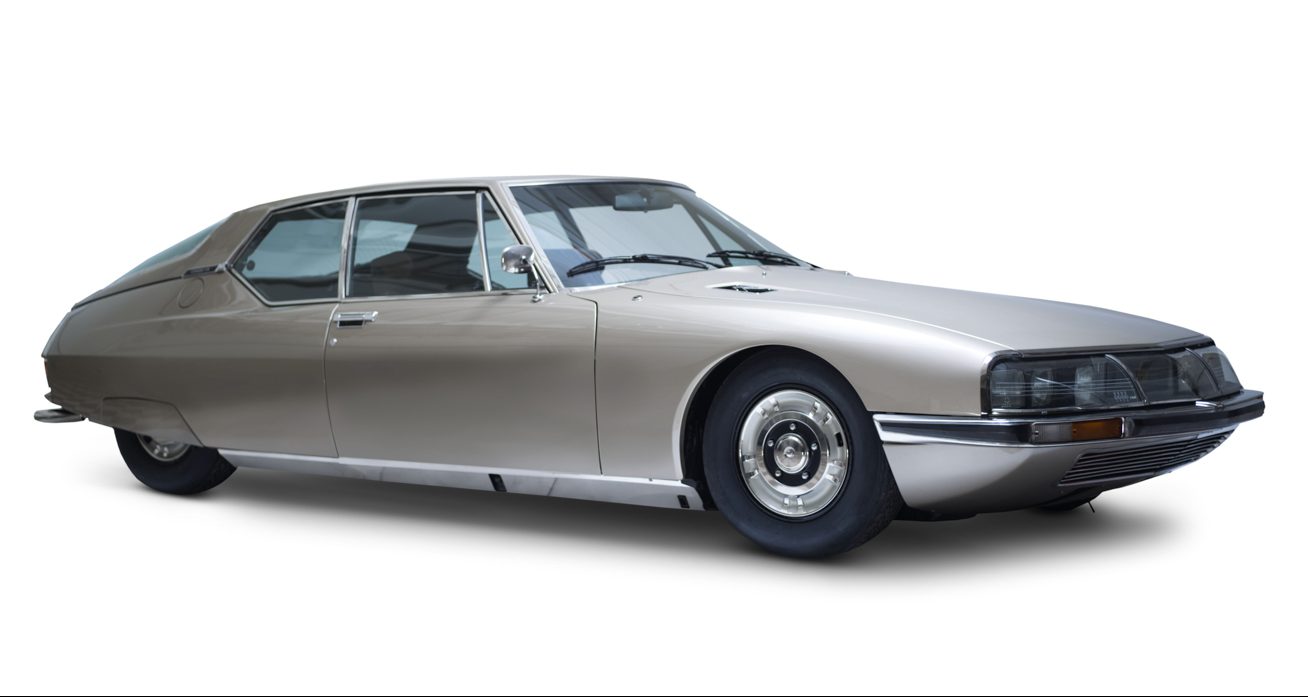
- Years
- 1970-1975
- Engine
- 2.7-litre Maserati V6
- Built
- 12,920
Glorious failure · France
7. Citroën SM
Citroën bought Maserati in 1968 for its engines, and in 1970 it showed what it wanted them for. The SM put a Maserati V6 into a long, low coupé with self-levelling suspension, steering that grew heavier as the car went faster, and headlamps that swivelled with the wheel. It would do nearly 140 mph and carry four people in silence. It was third in the European Car of the Year vote and won the American Motor Trend award outright.
Sales peaked at 4,988 in 1971. Then came the oil crisis, an American bumper rule the suspension could not meet, and Citroën's own bankruptcy in 1974. Peugeot took the company over, sold Maserati and stopped the SM in 1975, after 12,920 cars. In 1974 only 294 had been built.
It was not the SM alone that sank Citroën. But it was the most complete expression of a company that built what its engineers wanted and trusted the customers to follow.
Verdict The most advanced car in the world, from a company about to go under.
Its swivelling headlamps were illegal in the United States.
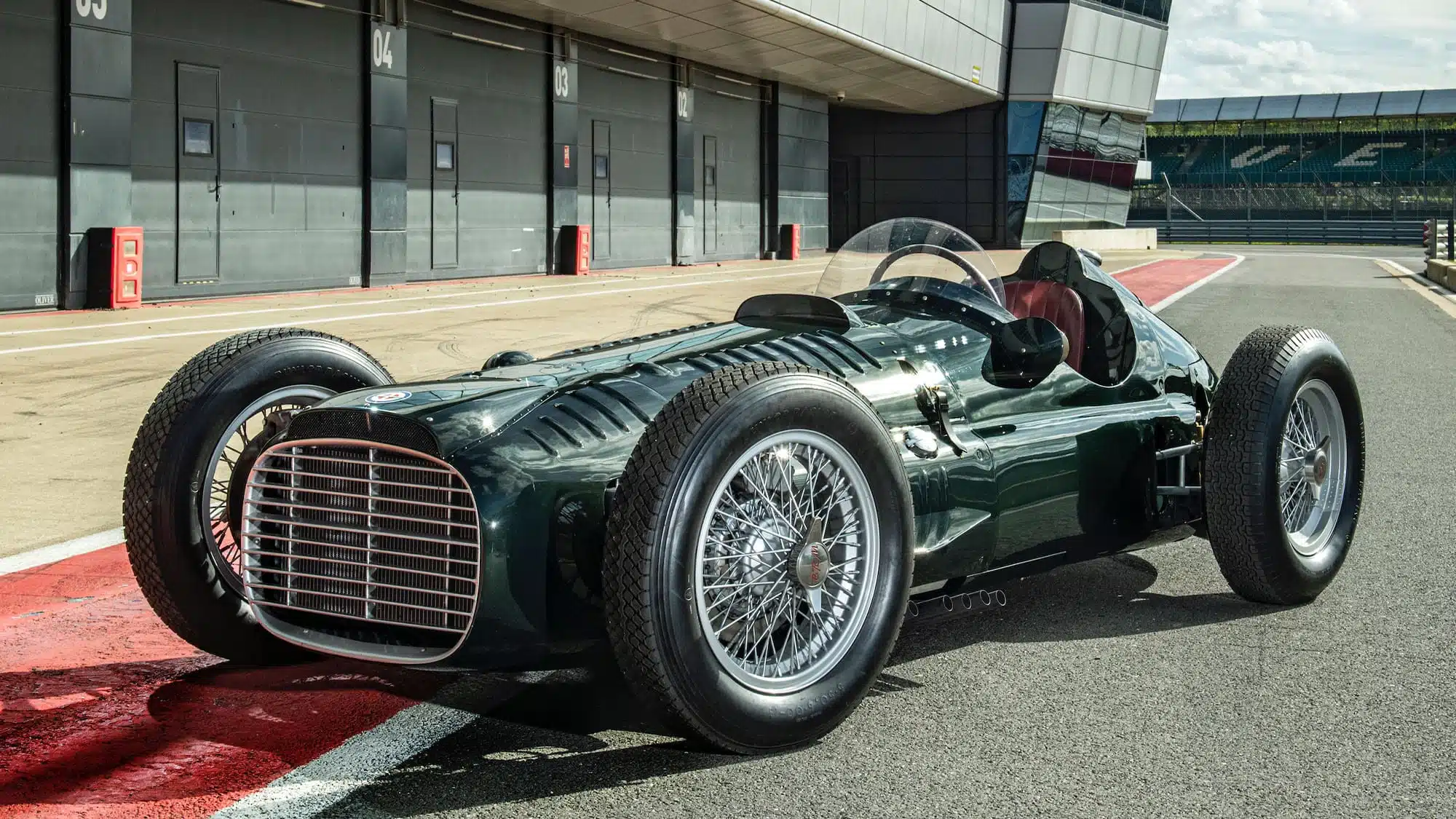
- Years
- 1950-1955
- Engine
- 1.5-litre supercharged V16
- Power
- 600 bhp at 12,000 rpm
Glorious failure · United Kingdom
6. BRM V16
After the war Raymond Mays persuaded British industry that the country should have a grand prix car to beat the Italians. About 350 firms joined in. Rolls-Royce made the supercharger. The engine was a 1.5-litre V16 that gave 600 horsepower at 12,000 rpm and made a noise that people who heard it never forgot.
It was years late. When it finally appeared in front of the British public, at Silverstone in August 1950, it broke its transmission on the start line and did not move. It started two world championship grands prix in all. Then the formula it was built for was abandoned, and the fastest and loudest racing car in the world had nothing to race in.
By 1954 it was reliable and was winning minor races. Fangio drove it and called it "the most fantastic car I ever drove".
It is the purest case here of a committee building a masterpiece too slowly to use it.
Verdict Six hundred horsepower, three hundred and fifty firms, two grand prix starts.
About 350 British firms contributed to it.
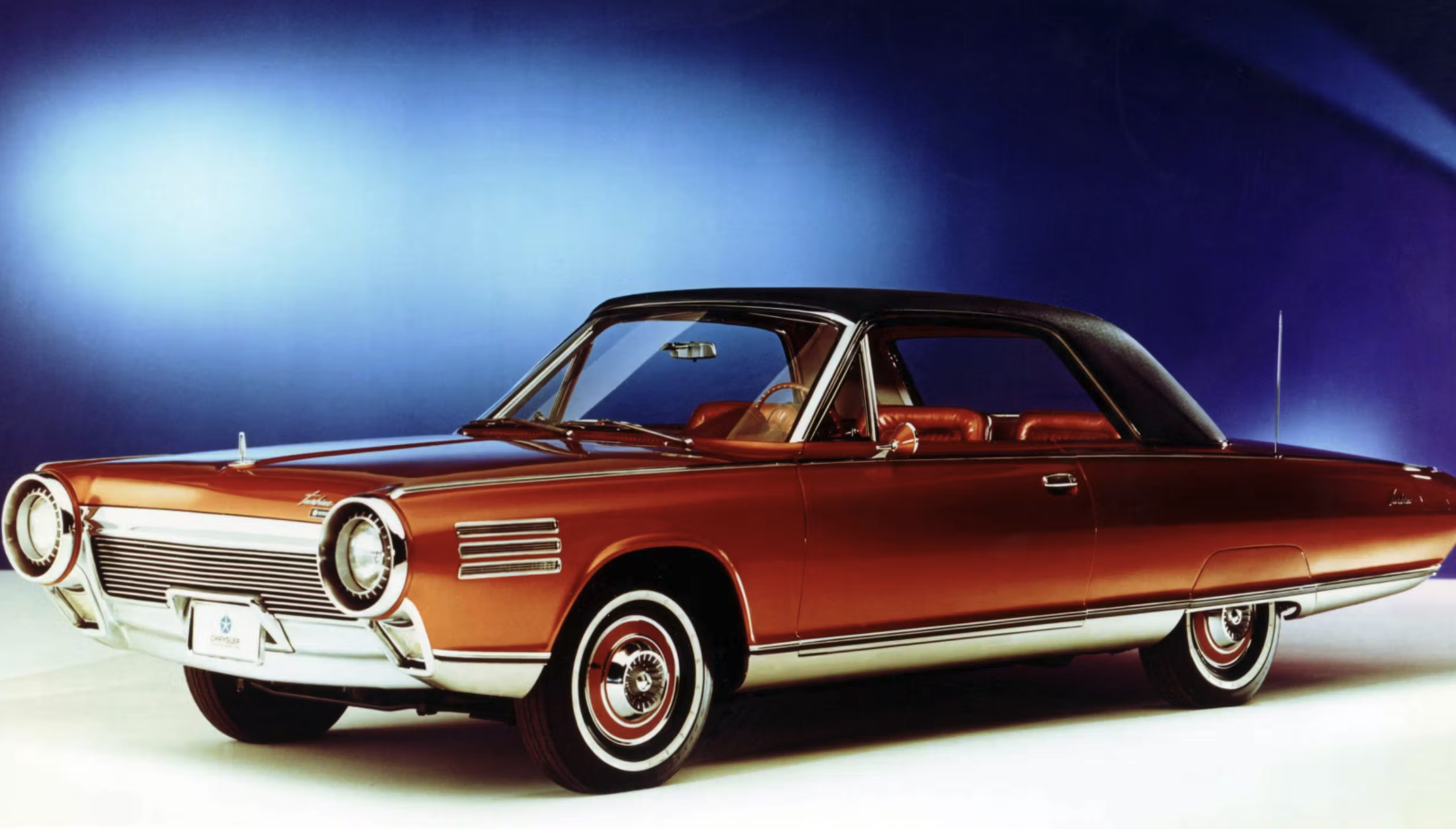
- Years
- 1963-1964
- Engine
- Gas turbine
- Built
- 55, of which 46 were destroyed
Glorious failure · United States
5. Chrysler Turbine Car
Between 1963 and 1964 Chrysler built fifty-five cars powered by jet engines and then did something no car maker has done before or since. It lent fifty of them to ordinary families. From October 1963 to January 1966, 203 drivers in 133 American cities took one home for a few months each, and between them they covered more than a million miles.
The bodies were made by Ghia in Italy. The turbine had a fraction of the moving parts of a piston engine, needed almost no maintenance, and would run on diesel, paraffin or jet fuel. Leaded petrol was the one thing that disagreed with it.
It was also thirsty, and it could not be made to meet the exhaust rules that were coming. When the trial ended Chrysler destroyed forty-six of the cars. Nine survive, and one of those belongs to Jay Leno.
The experiment was a success in every way but the one that mattered, and Chrysler kept at turbines until 1979 before giving up.
Verdict The future, lent to the public for three months at a time and then crushed.
It would run on diesel, paraffin or jet fuel. Leaded petrol was the one thing that harmed it.
- Years
- 1947-1949
- Engine
- 1.5-litre supercharged flat-12, mid-mounted, four-wheel drive
- Power
- About 385 PS on the bench
- Built
- 1
Glorious failure · Italy
4. Cisitalia 360 Grand Prix
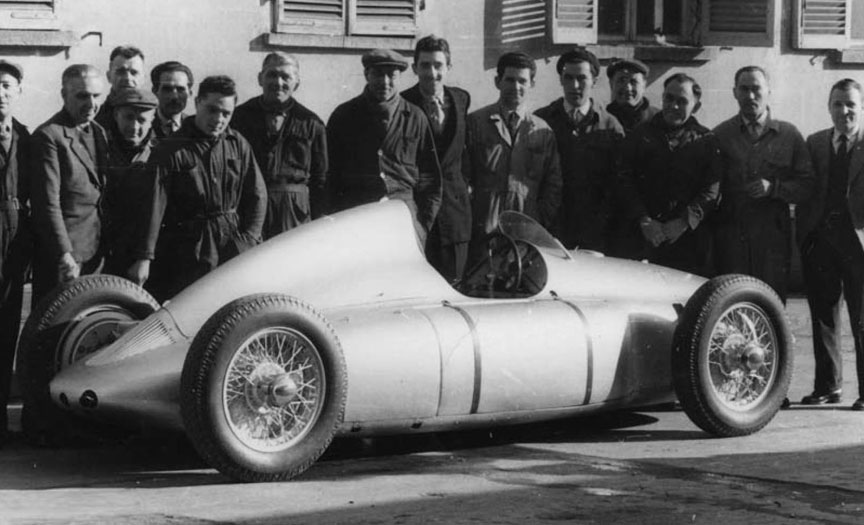
In 1946 Piero Dusio, a Turin industrialist who built small racing cars, commissioned the Porsche design office to draw him a grand prix car. What came back was the most advanced racing car in the world: a supercharged 1.5-litre flat-twelve mounted behind the driver, four-wheel drive that could be engaged at will, and a sequential gearbox. On the bench it later gave about 385 horsepower.
The fee did more good than the car. Ferdinand Porsche was being held in France, and Dusio's money helped secure his release in August 1947.
The design was far too complicated for a small firm to finish. Cisitalia was liquidated in 1949. Dusio took the car to Argentina in the hope that President Perón would back it, and by the time it ran at all the rules had changed and it was not eligible. It never started a grand prix. It is in the Porsche Museum now.
Hardly anyone has heard of it, which is the argument for putting it this high.
Verdict The most advanced grand prix car of its time, and it never raced.
The fee for designing it helped get Ferdinand Porsche out of a French prison.
- Years
- 1981-1982
- Engine
- 2.85-litre V6, rear-mounted
- Power
- 130 hp
- Built
- About 8,975
Glorious failure · United Kingdom
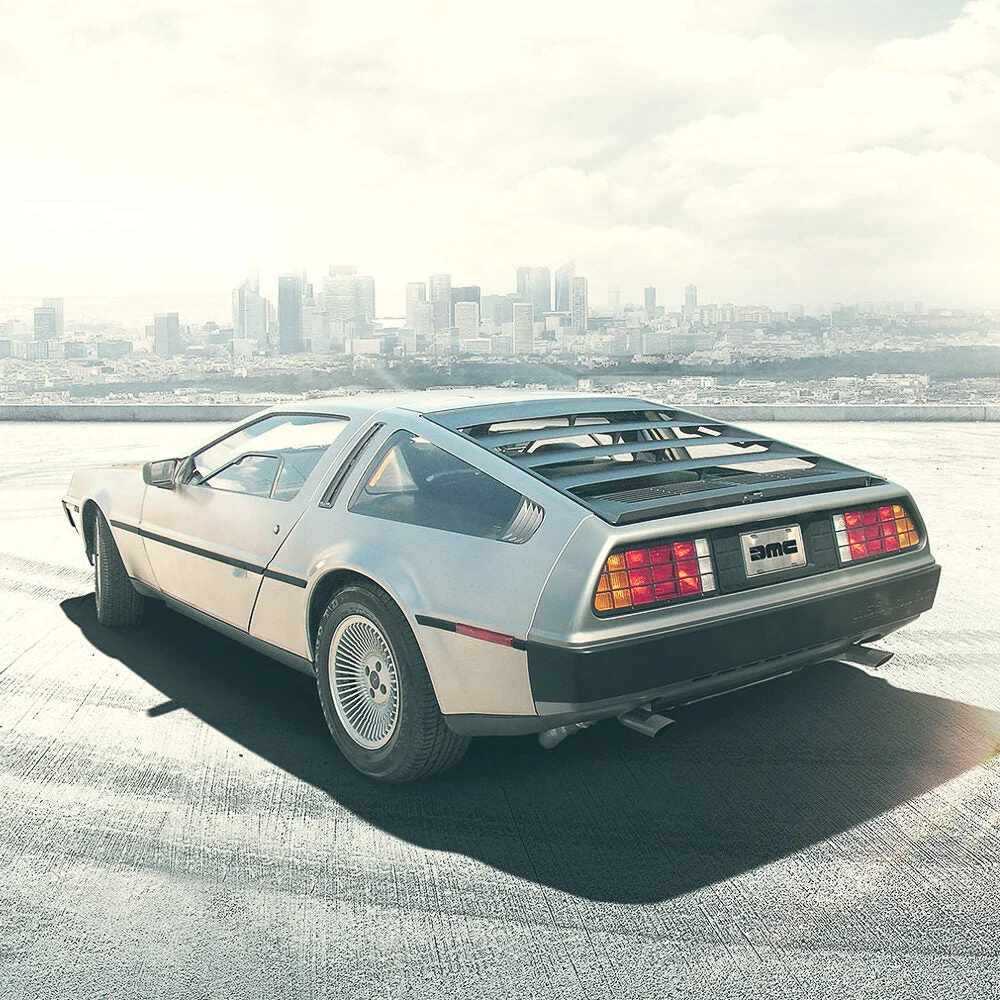
3. DeLorean DMC-12
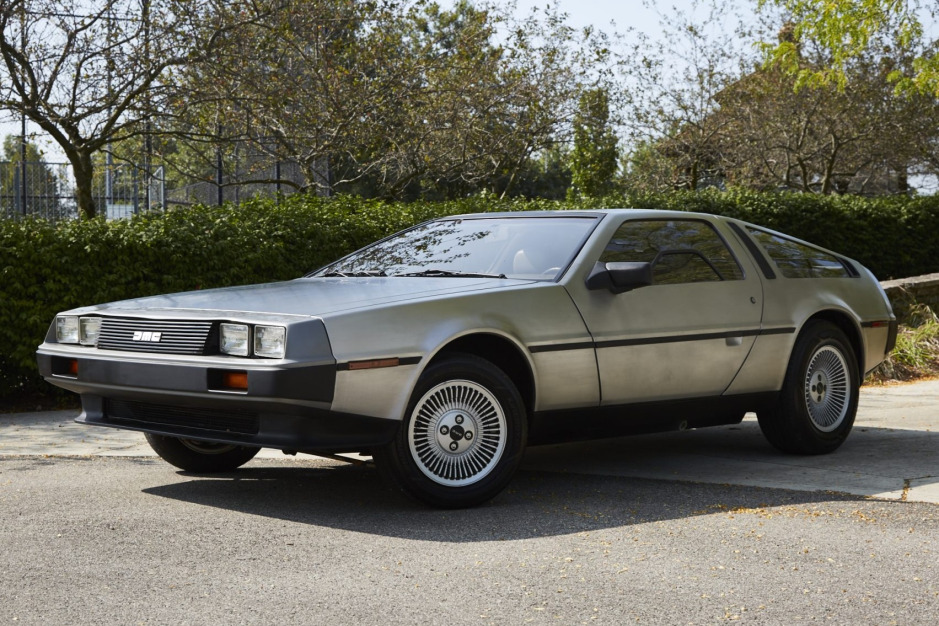
John DeLorean had been the youngest man ever to run a division of General Motors. He left in 1973 to build what he called an ethical sports car, and by 1981 he had one: styled by Giugiaro, engineered by Colin Chapman's Lotus, clad in unpainted stainless steel, with doors that opened upwards. It was built in a new factory at Dunmurry, outside Belfast, in the worst years of the Troubles.
The car was not what the shape promised. The V6 behind the seats made 130 horsepower. Production began in January 1981, the company was in receivership thirteen months later, and in October 1982 DeLorean was arrested on drug-trafficking charges. About 8,975 cars had been made.
It is third and not first because the Tucker and the Bugatti were better cars. But for scale of ambition and speed of fall it has few equals, and a film made three years after the factory closed has kept it more famous than almost anything that succeeded.
Verdict A better story than a car, and one of the best stories there is.
It was styled by Giugiaro and engineered by Lotus.

- Years
- 1991-1995
- Engine
- 3.5-litre V12, four turbochargers, 60 valves
- Power
- 553 hp (GT)
- Built
- 139
Glorious failure · Italy
2. Bugatti EB110
Romano Artioli, an Italian car dealer, bought the Bugatti name in 1987 and built a new factory at Campogalliano, near Modena, to put it on a car worthy of it. The EB110 was unveiled in Paris on 14 September 1991. It had a 3.5-litre V12 with four turbochargers and sixty valves, four-wheel drive, a carbon-fibre chassis and 553 horsepower. A GT averaged 342 km/h at Nardò. Michael Schumacher bought one with his own money.
It was faster than a Ferrari F40 and more usable than a Lamborghini Diablo, and it arrived in the middle of a recession. Artioli then bought Lotus as well, and began a four-door saloon. The money ran out in 1995 after 139 cars.
Nothing on this list fell further from higher. Three years later Volkswagen bought the name, and everything Bugatti has built since is a descendant of the idea that failed here: four turbochargers, four driven wheels, and more power than anyone else.
Verdict The modern Bugatti, a decade before anyone would pay for it.
Michael Schumacher bought a yellow one and kept it for nine years.
The best of the 30 · Glorious failure · United States
1. Tucker 48

- Years
- 1947-1948
- Engine
- Rear flat-six, converted from an air-cooled Franklin
- Built
- 50 completed, plus an unfinished 51st
Preston Tucker set out in 1947 to build an entirely new American car, in a vast wartime aircraft-engine plant in Chicago, and to sell it against General Motors, Ford and Chrysler. The car he drew was a generation ahead of theirs: engine at the back, a padded dashboard, a windscreen made to pop out in a crash, a roll bar built into the roof, and a third headlamp in the centre that turned with the steering to light the way round corners.
He raised money by selling dealerships and accessories for a car that did not yet exist, and that brought the Securities and Exchange Commission down on him. The company closed on 3 March 1949. Tucker was acquitted of every charge in January 1950. It made no difference by then.
Fifty cars were completed and a fifty-first was left unfinished. Forty-six of the fifty survive, which tells you what their owners thought of them. It is first because no one else on this list aimed as high from a standing start, and because he was found to have done nothing wrong.
Verdict The right car, a clean verdict, and no company left to build it.
The centre headlamp turned with the steering.
What we left off, and why
Lower than you might expect
The Chaparral 2J at eleven. It may be the cleverest car on the list. But it was one racing car for one season, and the ten above it took companies or national hopes down with them.
The Jaguar XJ220 at eight and not higher. It set a speed record and about 280 were sold, which by the standards of this list is a triumph. The failure was in the gap between what was promised and what turned up.
Higher than you might expect
The Chrysler Turbine Car at five. It was never on sale, so in one sense it could not fail. But no maker has ever put a more radical car into the hands of the public, and then taken it back and destroyed it.
The NSU Ro 80 at nine, above the Chaparral and the Royale. A small company bet everything on one engine, won Car of the Year, and ceased to exist. That is the full set.
Not on the list
The Edsel. It is the most famous flop in the history of the car and there was nothing glorious about it. It was an ordinary Ford with a strange grille and a great deal of market research.
The Sinclair C5. Ambition, certainly. A fall, certainly. A car, no.
The Tyrrell six-wheeler. It won a grand prix. A glorious failure is not allowed to do that.
The Lexus LFA. It sold slowly and lost money, and it is now so admired that calling it a failure would start an argument we would lose.
The Aston Martin Lagonda and the Bricklin. Both had the ambition. Neither had the quality to deserve better than it got.
The Mercedes-Benz CLR. It failed at Le Mans in 1999 by taking off. We have left out failures whose main feature was danger.
The Concorde, the Brabazon and the airship R101, which readers will suggest, and which are not cars.
Tell us what we got wrongQuestions about this list
What makes a failure glorious?
The car has to have been a serious attempt at something big, and it has to have been good. It then has to have failed for reasons other than its own quality: money, timing, luck or a change in the rules.
How many Tucker 48s were built?
Fifty were completed in 1947 and 1948, and a fifty-first was left unfinished when the company closed in March 1949. Forty-six of the fifty survive.
Why did the DeLorean fail?
The car cost more and performed less than buyers expected, and the company ran out of money quickly. It went into receivership in February 1982, thirteen months after production began, and John DeLorean was arrested that October. About 8,975 cars were built.
Why is the Edsel not on the list?
Because it was not glorious. It was an ordinary car, heavily researched and oddly styled, that the public declined to buy. This list is for cars that were better than their fate.
Did any of these cars succeed later?
Several were proved right. The Lancia D50 won the 1956 world championship as a Ferrari. The Chrysler Airflow's shape was copied across the industry. The Bugatti EB110's formula became the Veyron. The General Motors EV1 arrived twenty years before the electric car did.
We began with every car that was better than its fate: makers that went under, racing cars that were banned or never ran, and road cars the public would not buy. Each was scored on the scale of what it attempted and on how completely it failed. Cars that were simply bad were left out, and so were failures remembered mainly for the harm they did.