
Thirty circuits, ranked. Every one of them is still in use, so this is a list you could, with enough time and money, drive your way through.
What counts
Permanent road courses, street circuits and ovals, ranked together. The circuit has to exist and hold racing now, in something like the form that made its name.
That rules out the ones that are gone or no longer used at the top level: Reims, Rouen, Brooklands, the old Hockenheim, Riverside and the rest. They have a list of their own, the greatest forgotten race tracks. It also rules out hillclimbs and open-road races such as Pikes Peak, the Targa Florio and the Isle of Man, which are a different thing.
How we ranked them
On three things, in this order: how much the circuit asks of a driver, the setting, and the racing it produces. A circuit that is hard and beautiful but holds dull races can still rank high. One that holds good races on a plain layout ranks lower than its fans would like.
History counts as part of the setting. A corner where something happened is not the same as one where nothing has.
The calls we expect to be argued with
The Nürburgring Nordschleife over Spa. The Nordschleife has not held a Grand Prix since 1976, and Spa is the best circuit still at the top level. We rank on the challenge first, and there the Nordschleife has no rival. Spa has the better claim to the best single corner in racing, which is a matter for our list of corners.
Monaco at five. As a race it is poor and we say so. As a place to drive one lap on the limit, and as a setting, it is close to unbeatable.
Ovals among road courses. Indianapolis is eighth and Daytona fifteenth. Indianapolis is here for the difficulty of four corners at 220 mph, Daytona for its 24-hour race. Readers who think ovals do not belong will want both removed.
Only two circuits from this century. Portimão is 24th and Circuit of the Americas 25th. Sepang, Istanbul Park, Yas Marina and the newer street circuits are missing. Modern circuits are safer and better to race on than old ones, and with rare exceptions they are less of a test.
Nine American circuits. Road America at 11 and Road Atlanta at 19 will look high from Europe. We think both are underrated outside the United States.
How to read this list
The top ten get the longest entries, the next ten a shorter one, and the last ten a paragraph. Each ends with a one-line verdict. Which circuits are lower or higher than you might expect, and which are missing, is set out at the end.
See the full ranking, 1 to 30
| Rank | The Best Race Tracks in the World | Years |
|---|---|---|
| 1 | Nürburgring Nordschleife | Opened 1927 |
| 2 | Spa-Francorchamps | Opened 1921 |
| 3 | Circuit de la Sarthe, Le Mans | Opened 1923 |
| 4 | Suzuka | Opened 1962 |
| 5 | Circuit de Monaco | First raced 1929 |
| 6 | Mount Panorama, Bathurst | Opened 1938 |
| 7 | Monza | Opened 1922 |
| 8 | Indianapolis Motor Speedway | Opened 1909 |
| 9 | Silverstone | Opened 1948 |
| 10 | Laguna Seca | Opened 1957 |
| 11 | Road America | Opened 1955 |
| 12 | Guia Circuit, Macau | First raced 1954 |
| 13 | Brands Hatch | Opened 1950 |
| 14 | Interlagos | Opened 1940 |
| 15 | Daytona International Speedway | Opened 1959 |
| 16 | Watkins Glen | Opened 1956 |
| 17 | Imola | Opened 1953 |
| 18 | Mugello | Opened 1974 |
| 19 | Road Atlanta | Opened 1970 |
| 20 | Sebring | First raced 1950 |
| 21 | Zandvoort | Opened 1948 |
| 22 | Goodwood | Opened 1948 |
| 23 | Phillip Island | Opened 1956 |
| 24 | Autódromo do Algarve, Portimão | Opened 2008 |
| 25 | Circuit of the Americas | Opened 2012 |
| 26 | Oulton Park | Opened 1953 |
| 27 | Kyalami | Opened 1961 |
| 28 | Mosport | Opened 1961 |
| 29 | Circuit Gilles Villeneuve, Montreal | Opened 1978 |
| 30 | Long Beach | First raced 1975 |
30 to 21
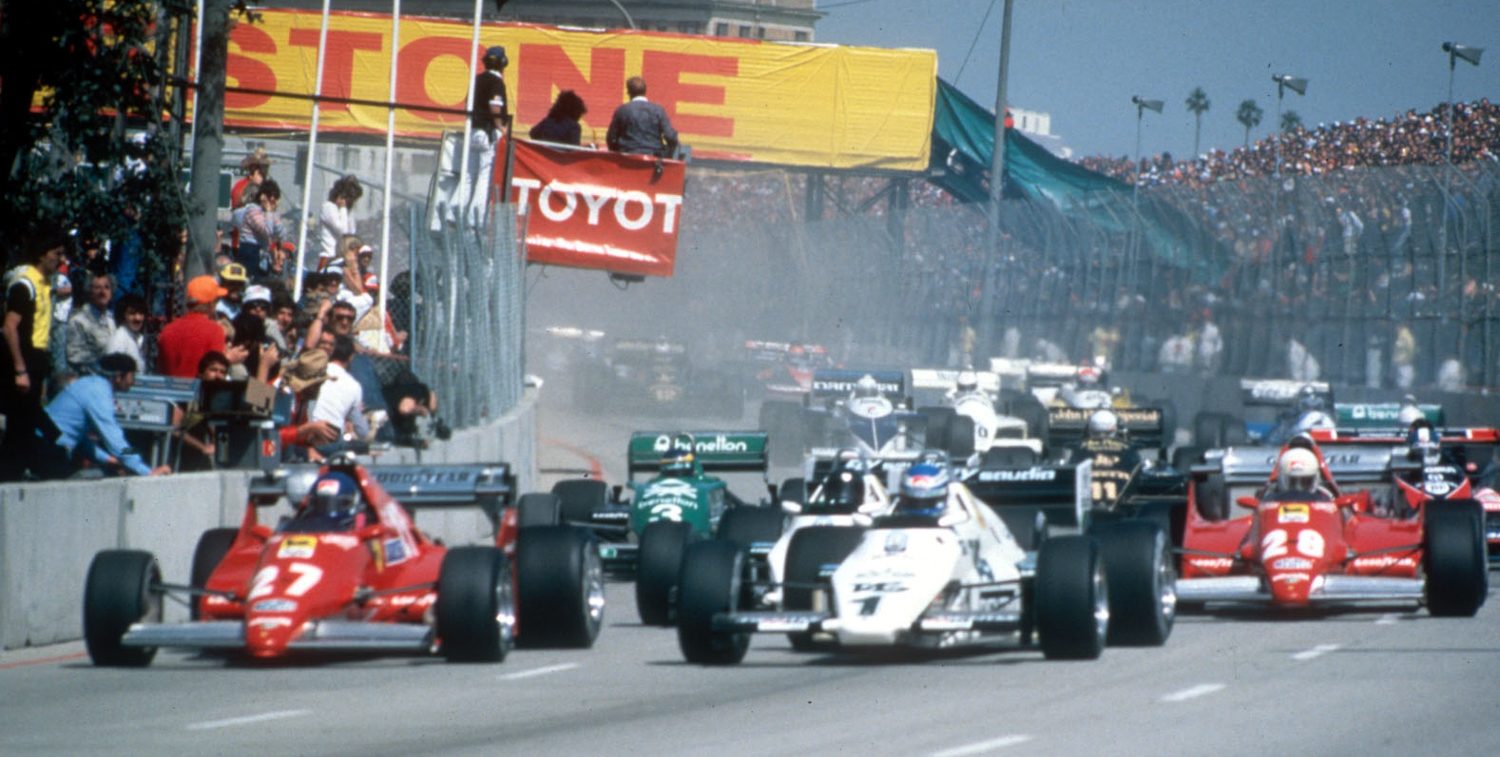
30. Long Beach
First raced 1975 · 1.968 miles (3.167 km) · 11 corners
Long Beach began in 1975 as a plan to revive a run-down port town by copying Monaco. Formula 1 came from 1976 to 1983 and Indycars have raced there since. The lap runs along Shoreline Drive, round a fountain and into a very tight last hairpin. It is the model for every American street race that followed.
Verdict America's Monaco, and the street race all the others are measured against.
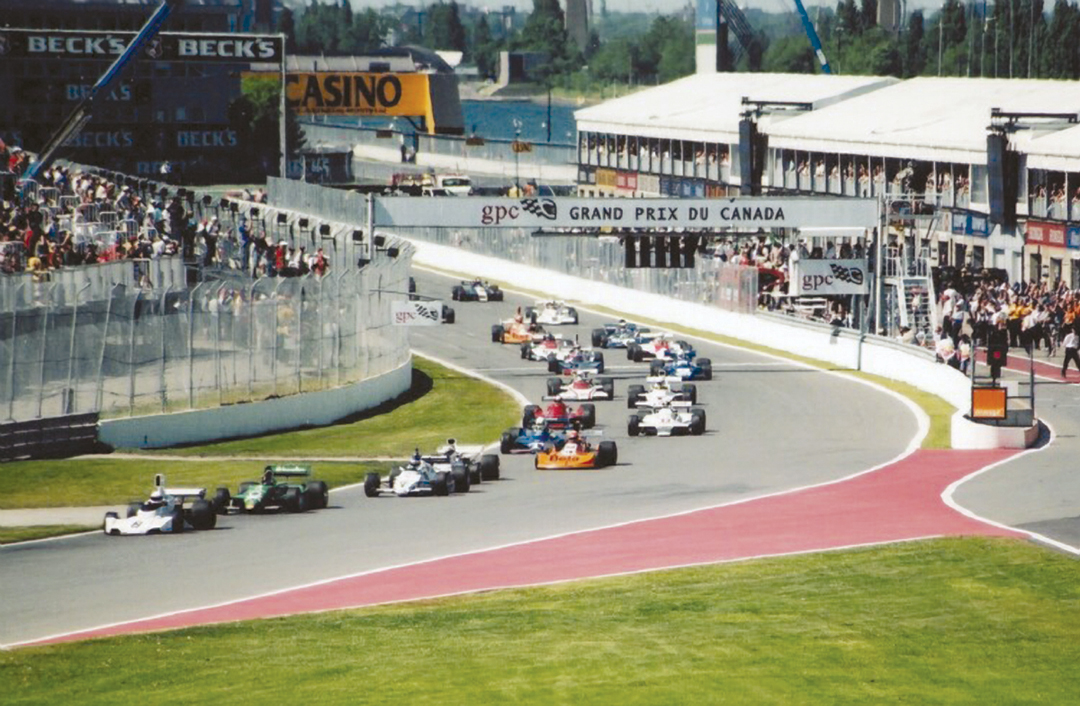
29. Circuit Gilles Villeneuve, Montreal
Opened 1978 · 4.361 km (2.710 miles) · 14 corners
Montreal's circuit is on an island in the St Lawrence, and by rights it should be dull: straights, chicanes and a hairpin. It produces good races almost every year, because the walls are close and the braking zones are long. Three world champions hit the same wall in 1999. Gilles Villeneuve won the first race there in 1978.
Verdict A simple layout between walls, and some of the best racing on the calendar.
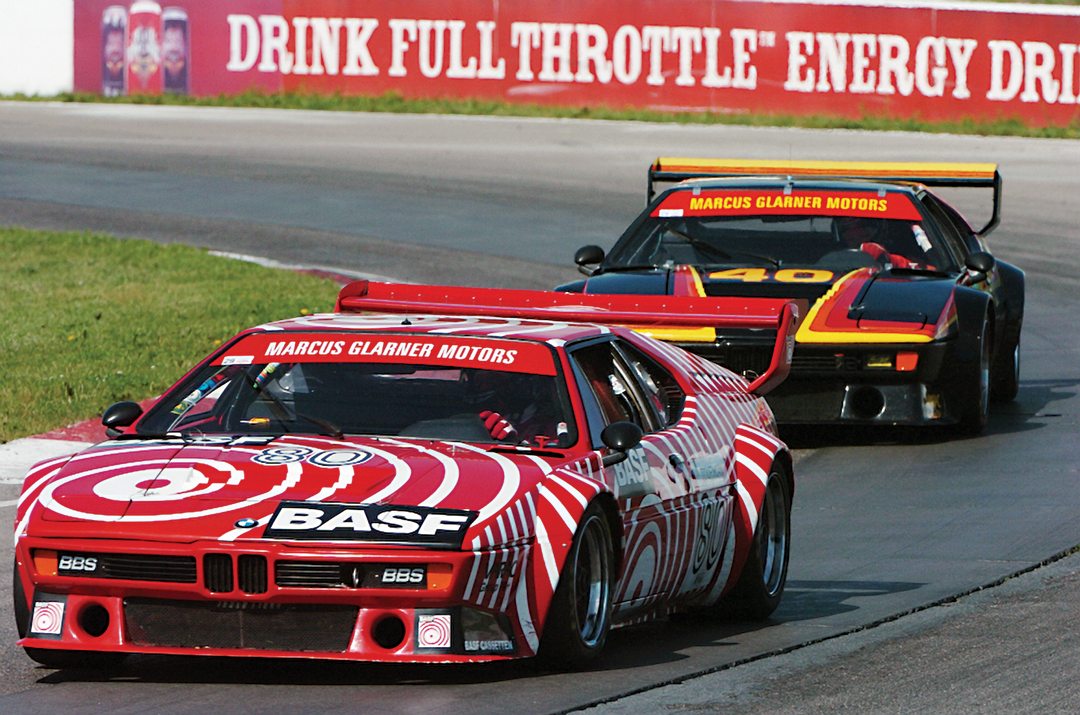
28. Mosport
Opened 1961 · 2.459 miles (3.957 km) · 10 corners
Mosport, east of Toronto, opened in 1961 and has barely changed. It is fast and hilly with little room for error: Turn 2 is a blind, downhill left taken at very high speed, and the double hairpin was shaped on Stirling Moss's advice. It held the Canadian Grand Prix eight times and the big Can-Am cars.
Verdict Fast, blind and unchanged since 1961. Canada's proper road course.
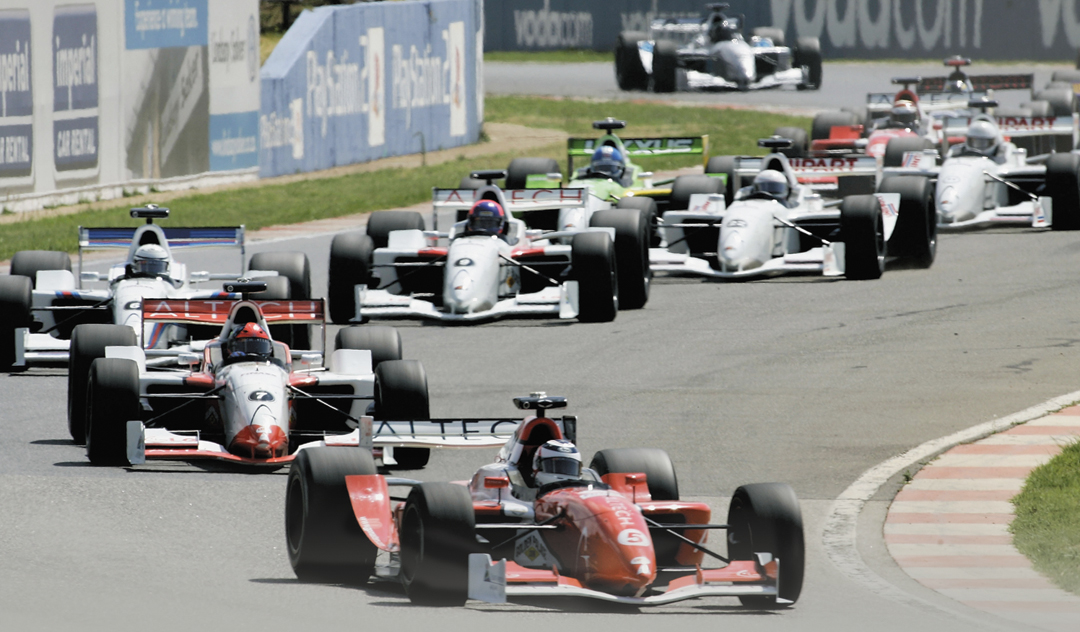
27. Kyalami
Opened 1961 · 4.522 km (2.810 miles) · 16 corners
Kyalami, outside Johannesburg, held the South African Grand Prix and a nine-hour sports car race, 1,500 metres above sea level. The original had one of the longest and fastest straights of its day. The circuit has been rebuilt more than once and little of the old lap survives, so this placing is partly for what it was.
Verdict A great name at high altitude, ranked as much on memory as on the present lap.
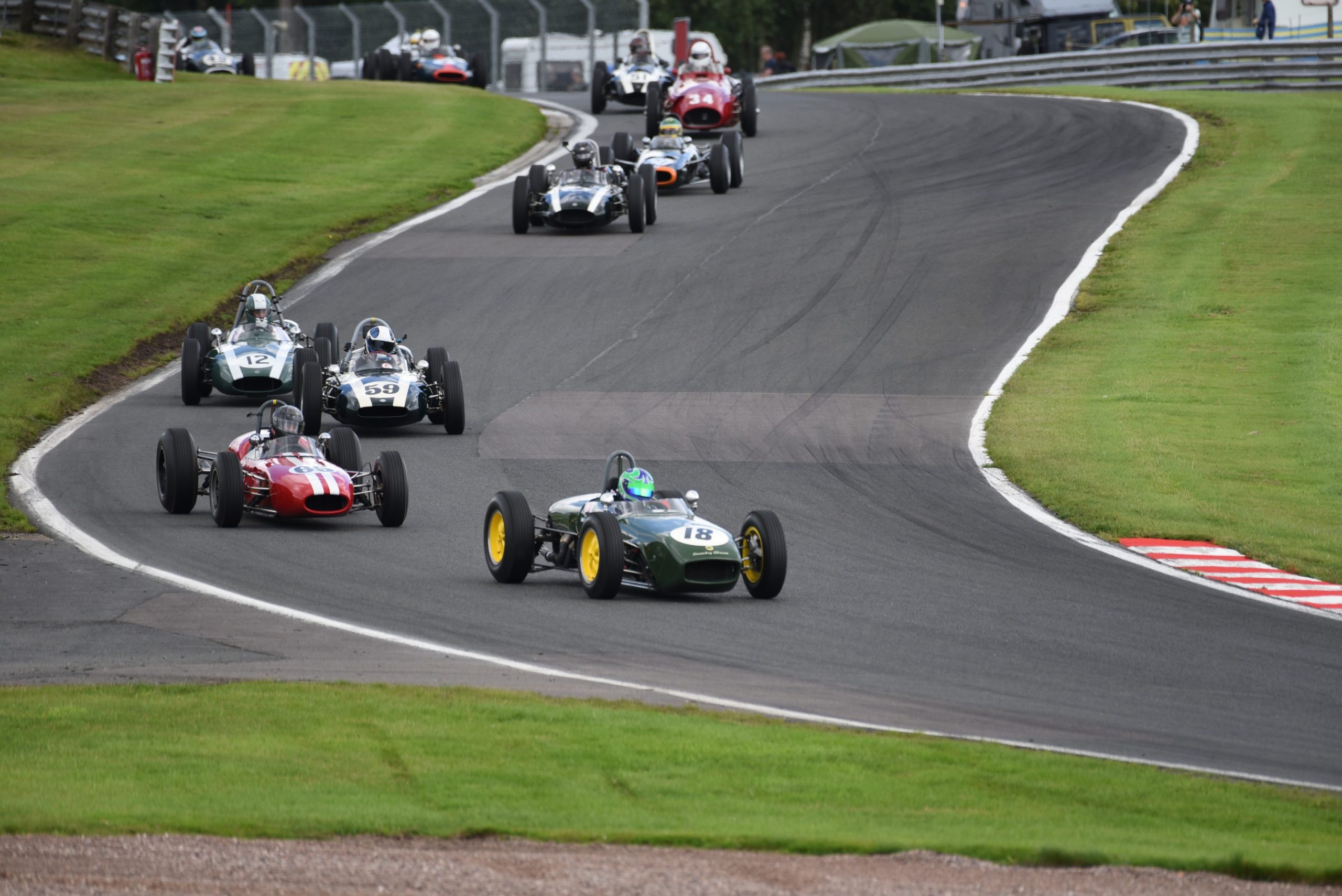
26. Oulton Park
Opened 1953 · 2.692 miles (4.332 km) · 17 corners
Oulton Park is laid out in the grounds of a Cheshire estate, round a lake and through the trees. It is narrow, bumpy and rarely straight, with a downhill left called Cascades and a fast, tightening right at Druids. The Gold Cup once drew Formula 1 fields. It is the prettiest circuit in Britain.
Verdict A country park with a racing circuit through it, and the better for both.
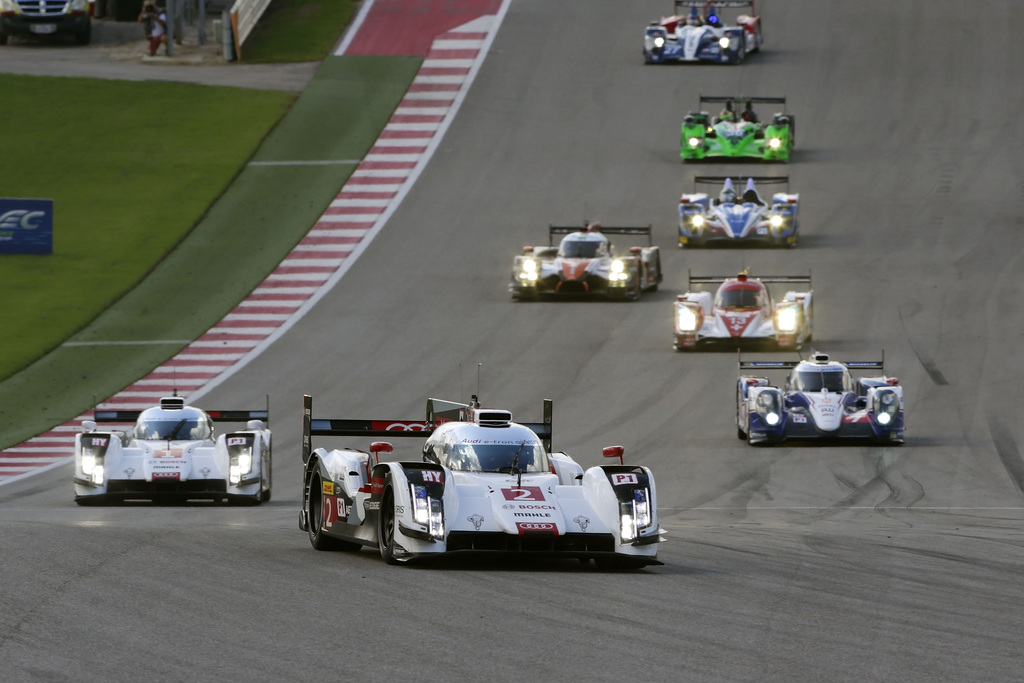
25. Circuit of the Americas
Opened 2012 · 5.513 km (3.426 miles) · 20 corners
Circuit of the Americas, opened in 2012 outside Austin, is the only track here built in this century outside Portugal, and it earns its place partly by copying. Its fast esses are modelled on Silverstone's and other corners on Istanbul's and Hockenheim's. The steep climb to a blind first corner is its own.
Verdict The one modern Grand Prix circuit on the list, and it borrowed its best corners.
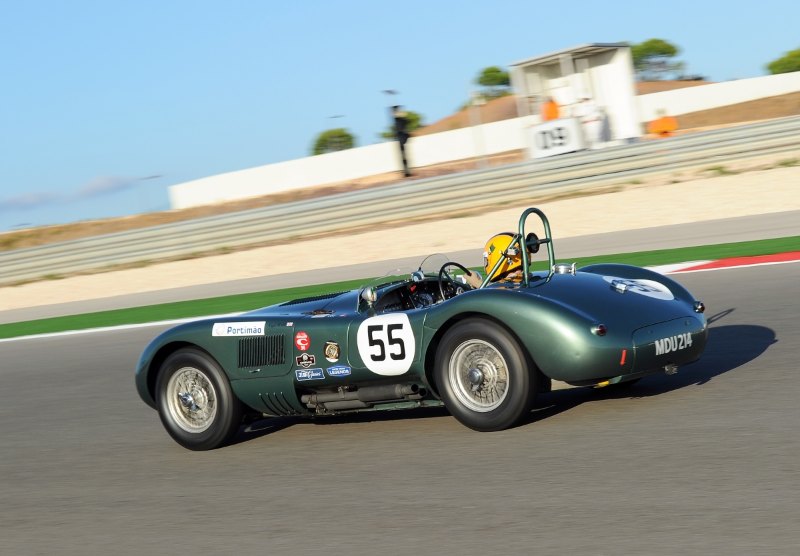
24. Autódromo do Algarve, Portimão
Opened 2008 · 4.653 km (2.891 miles) · 15 corners
The Algarve circuit at Portimão opened in 2008 and rises and falls like a fairground ride. Several corners are approached over crests, so the driver turns in before he can see the road. Formula 1 raced there in 2020 and 2021. It is the best circuit built in Europe this century.
Verdict The best new circuit in Europe, built on a hillside and left that way.
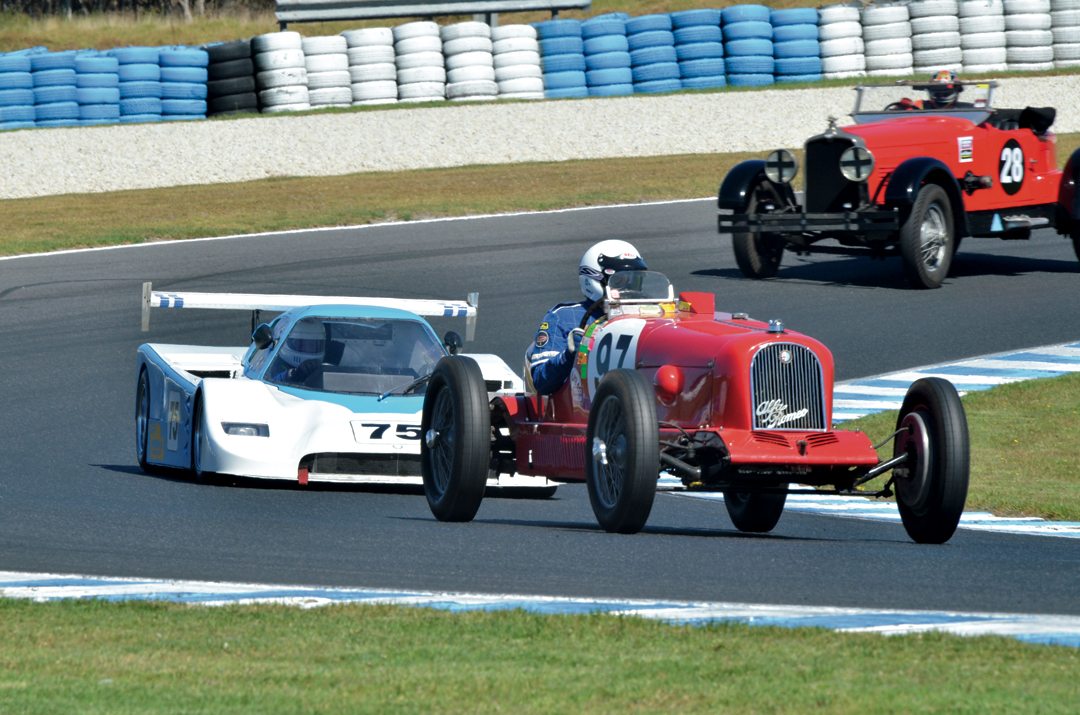
23. Phillip Island
Opened 1956 · 4.445 km (2.762 miles) · 12 corners
Phillip Island runs along a clifftop above Bass Strait, south of Melbourne. The lap is nearly all fast, flowing corners, falling towards the sea and climbing back over Lukey Heights. Motorcycle racers rank it first in the world. Car racing has made less use of it than it deserves.
Verdict Fast corners above the ocean. The riders' favourite, and it should be the drivers'.
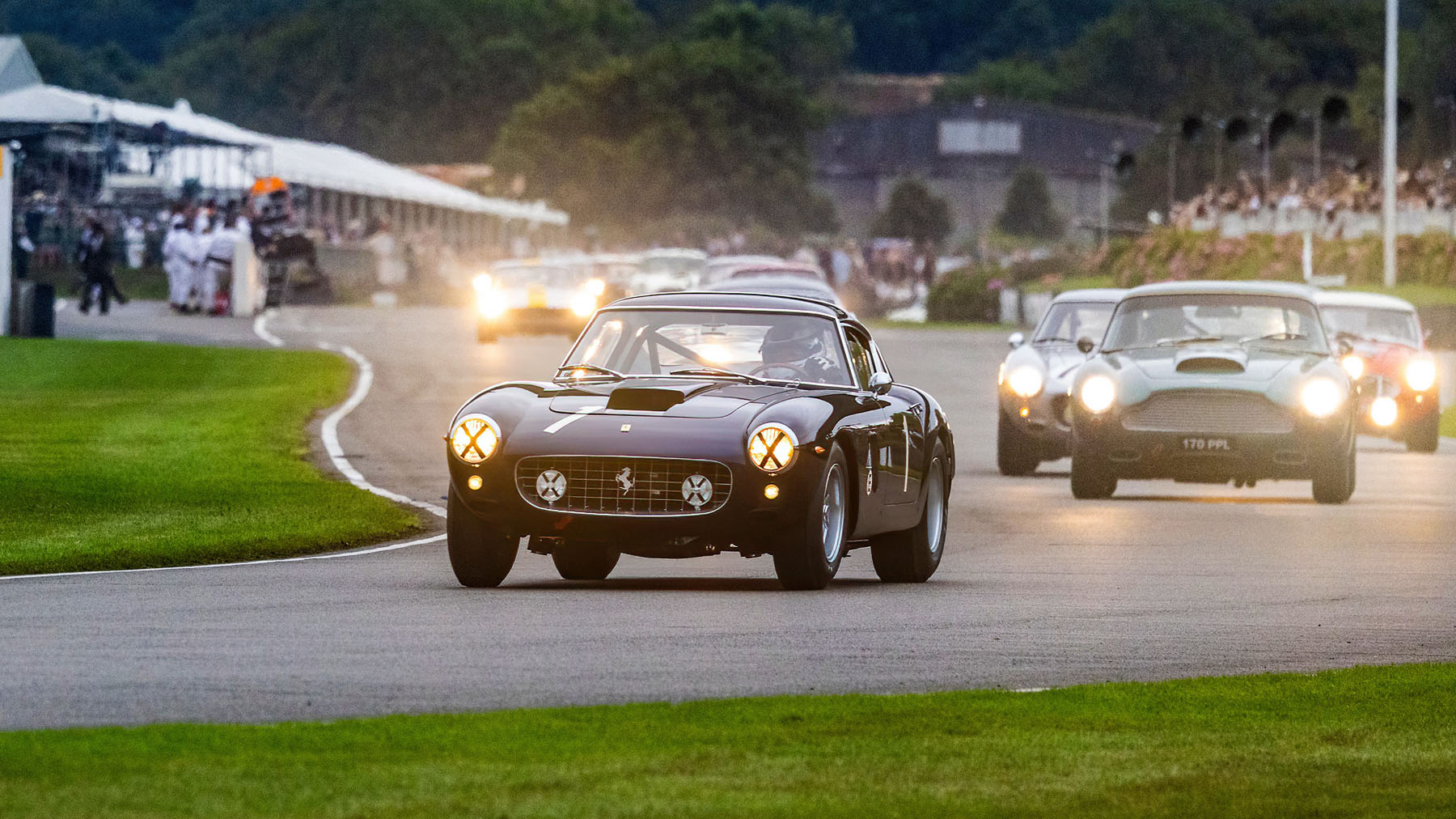
22. Goodwood
Opened 1948 · 2.367 miles (3.809 km) · 7 corners
Goodwood is the perimeter road of a Battle of Britain airfield in Sussex. It was raced from 1948 to 1966, closed, and reopened in 1998 exactly as it had been. The corners are fast and the banks are close. Stirling Moss's career ended at St Mary's in 1962. Nothing built after 1966 may race there.
Verdict A circuit preserved as it was in 1966, and raced that way.
21. Zandvoort
Opened 1948 · 4.259 km (2.646 miles) · 14 corners
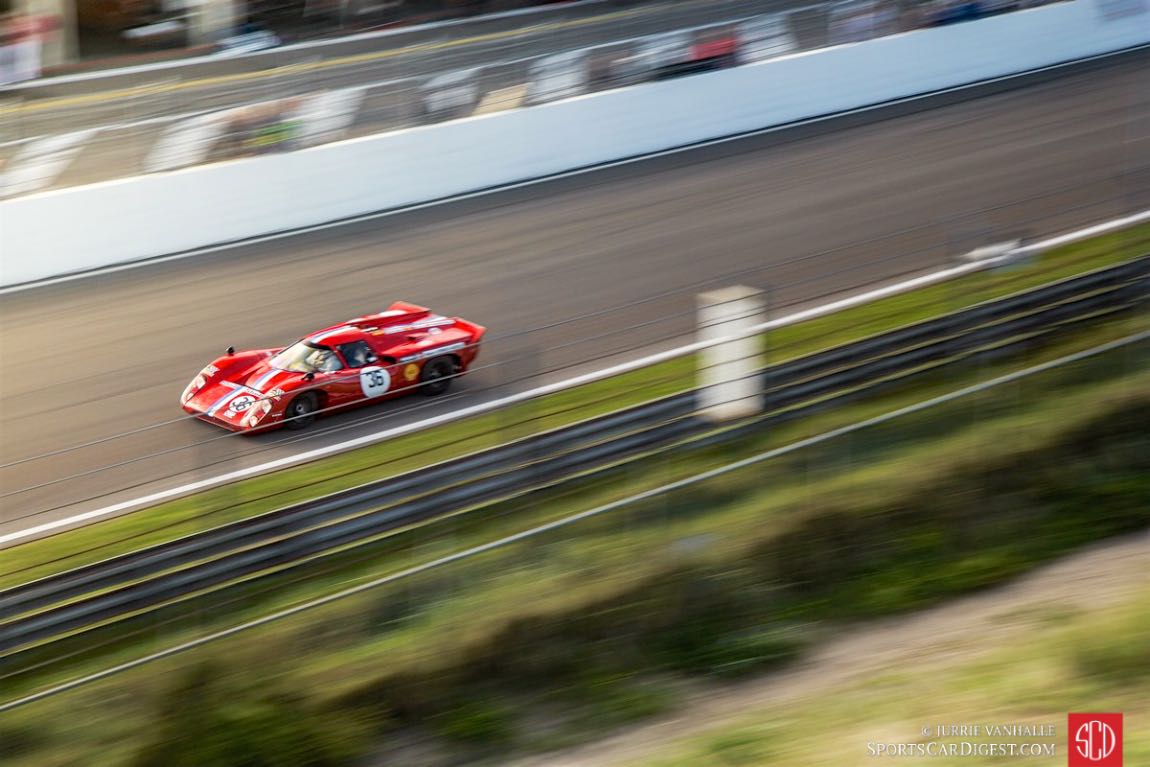
Zandvoort winds through the sand dunes on the Dutch coast and has been raced since 1948. It is narrow and fast, with the Tarzan hairpin at the end of the straight and the blind Scheivlak plunge behind the paddock. For its return to Formula 1 in 2021 two corners were rebuilt with steep banking.
Verdict An old dunes circuit that came back with banked corners and lost nothing.
20 to 11
20. Sebring
First raced 1950 · 3.74 miles (6.02 km) · 17 corners
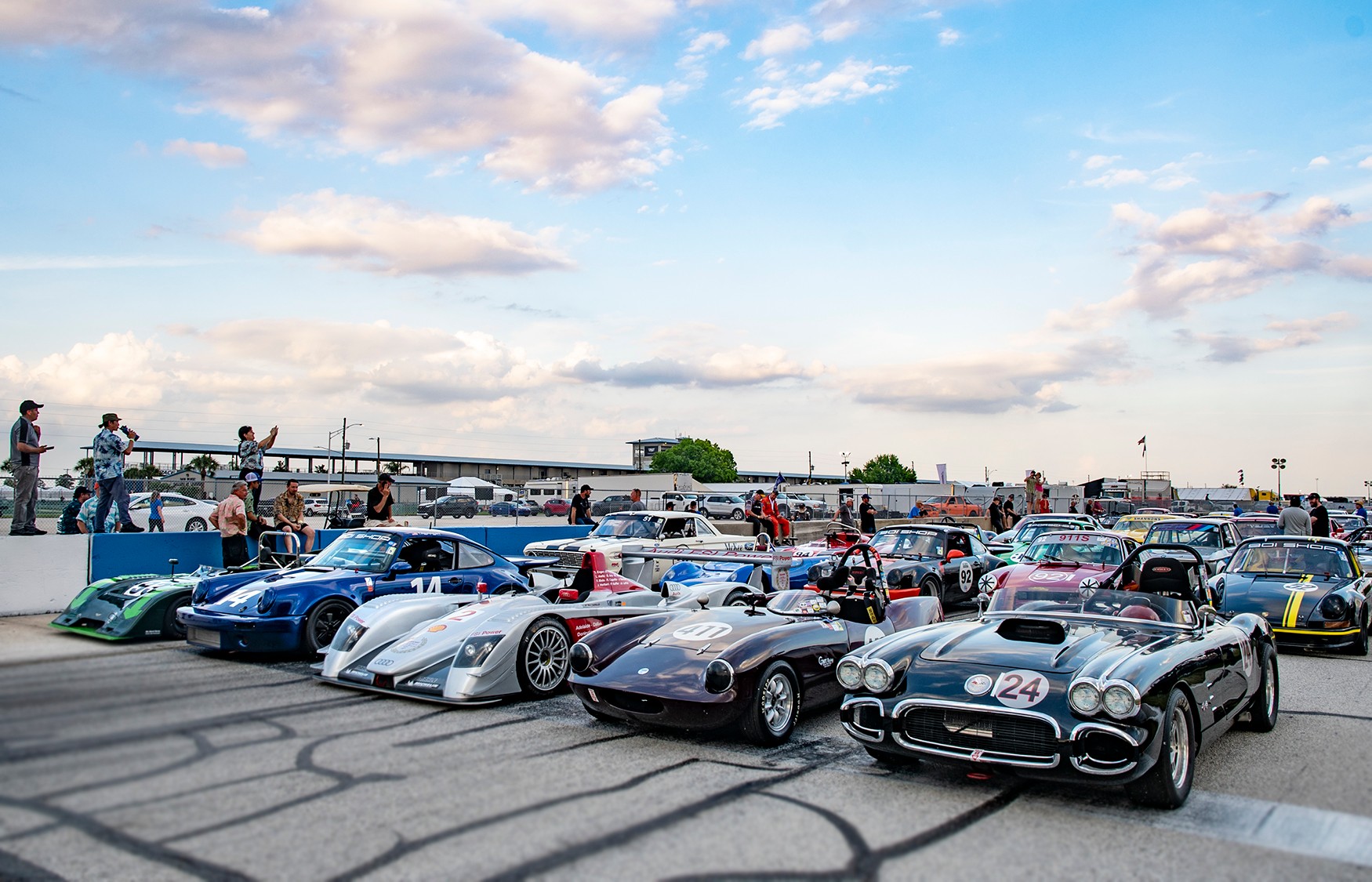
Sebring is a wartime bomber base in central Florida, and it is on this list for being hard, not handsome. Parts of the lap still run on the concrete slabs laid in 1941, and the joints between them have shifted. The bumps break cars. Teams preparing for Le Mans test here on the theory that twelve hours at Sebring does as much damage as twenty-four in France. The 12 Hours has been America's great endurance race since the early 1950s, and the last corner, a long, rough right-hander taken in the dark, is among the hardest in sports car racing.
Verdict Flat, rough and ugly, and the toughest twelve hours in racing.
Did you know: Parts of the lap still run on the concrete slabs laid for bombers in 1941.
19. Road Atlanta
Opened 1970 · 2.54 miles (4.088 km) · 12 corners
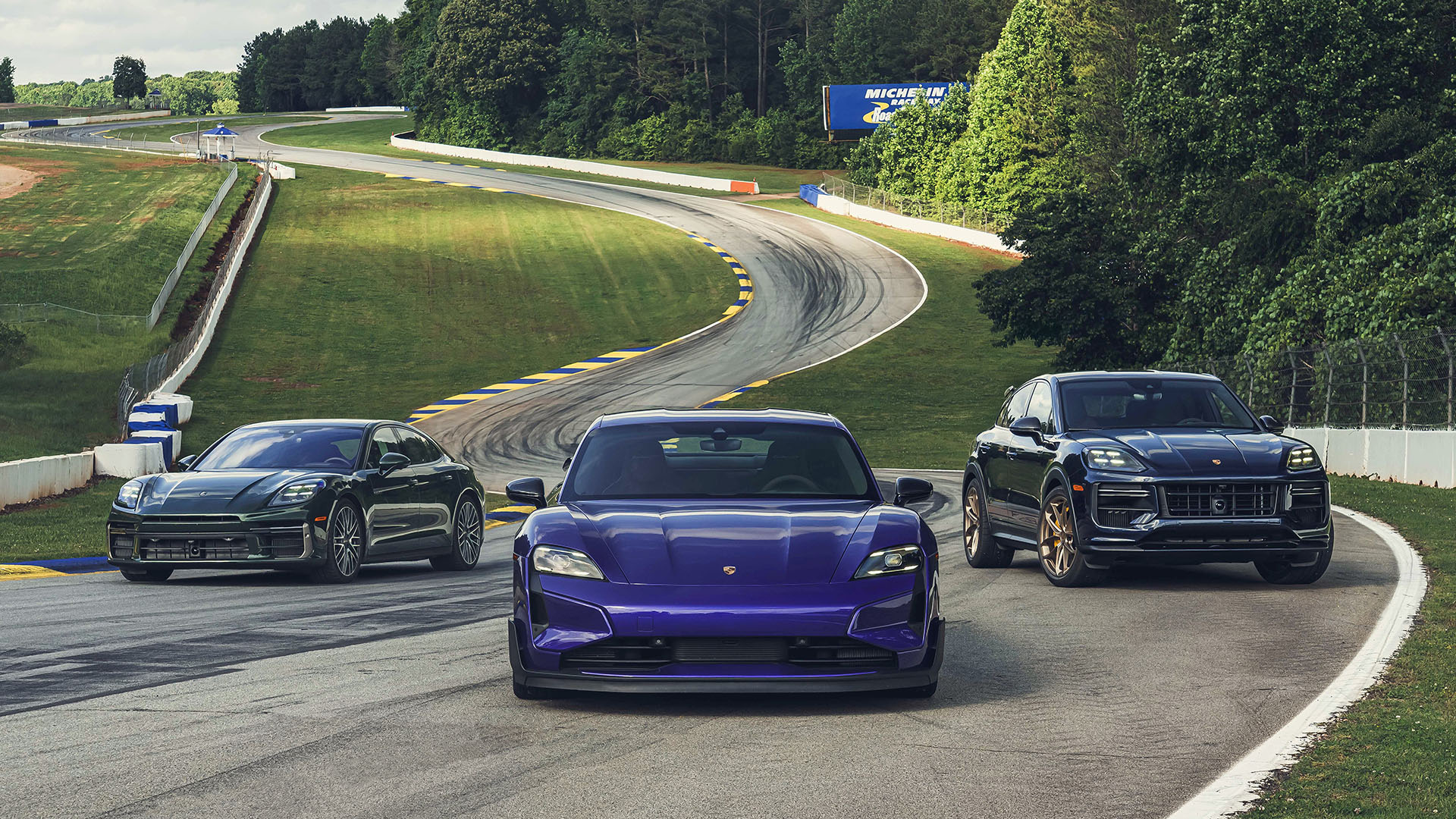
Road Atlanta was cut into the red clay hills of Georgia in 1970. Its signature is the Esses, a fast downhill and uphill run of bends straight after Turn 1, and its sting is the end of the lap, where the cars come under a bridge, blind, and plunge downhill through the last corner on to the pit straight. Since 1998 it has held Petit Le Mans, a ten-hour race that runs into the night. European readers may think nineteenth is generous. Drivers who have raced there generally do not.
Verdict Blind, fast and downhill where it matters. The best circuit in the American South.
Did you know: The run-off areas are red Georgia clay.
18. Mugello
Opened 1974 · 5.245 km (3.259 miles) · 15 corners
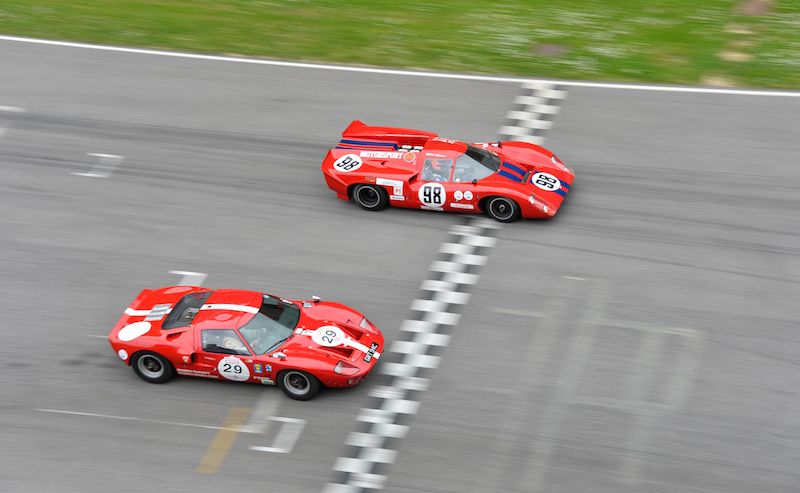
Mugello lies in the Tuscan hills north of Florence, and almost every corner is fast and leads into another. The two Arrabbiata right-handers, taken uphill at well over 150 mph, are the best of them. Ferrari bought the circuit in 1988 and tests there. Motorcycle racing fills the hillsides each year, but Formula 1 has raced on it only once, in 2020, when the drivers said they had never worked so hard. The reason it does not come back is the reason it is here: the corners are so quick that the cars cannot follow one another.
Verdict Tuscany's hills and a lap with hardly a slow corner. Formula 1 drivers wish they raced here.
Did you know: Ferrari has owned it since 1988 and uses it as a test track.
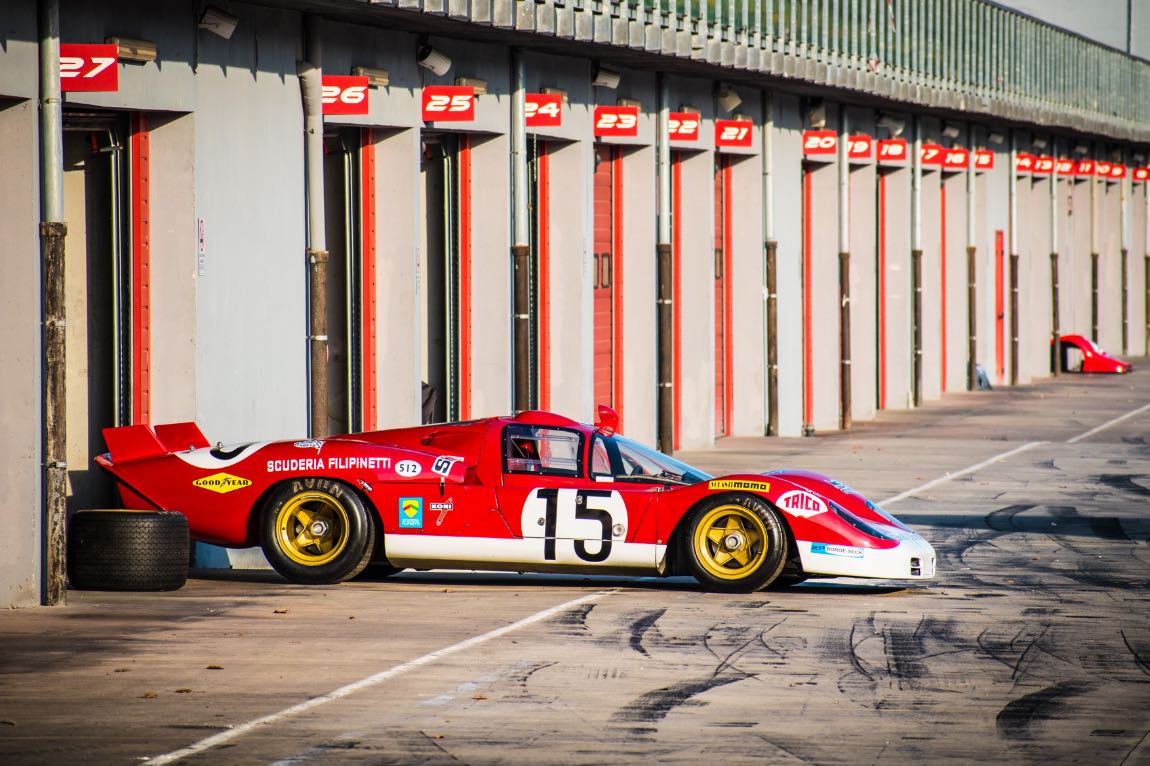
17. Imola
Opened 1953 · 4.909 km (3.050 miles) · 19 corners
Imola runs anticlockwise through a park beside the Santerno river, an hour from the Ferrari factory. It is narrow and old-fashioned, with gravel and grass close by, and it rises and falls more than television shows: uphill to Piratella, steeply down to Acque Minerali, and down again to the two left-handers at Rivazza. It is also where Roland Ratzenberger and Ayrton Senna died on consecutive days in 1994, and the chicanes that replaced the flat-out Tamburello curve date from then. Formula 1 came back in 2020 and found that it still tests drivers properly.
Verdict A park circuit of the old kind, with a weekend in 1994 that changed the sport.
Did you know: Its full name honours Enzo Ferrari and his son Dino.
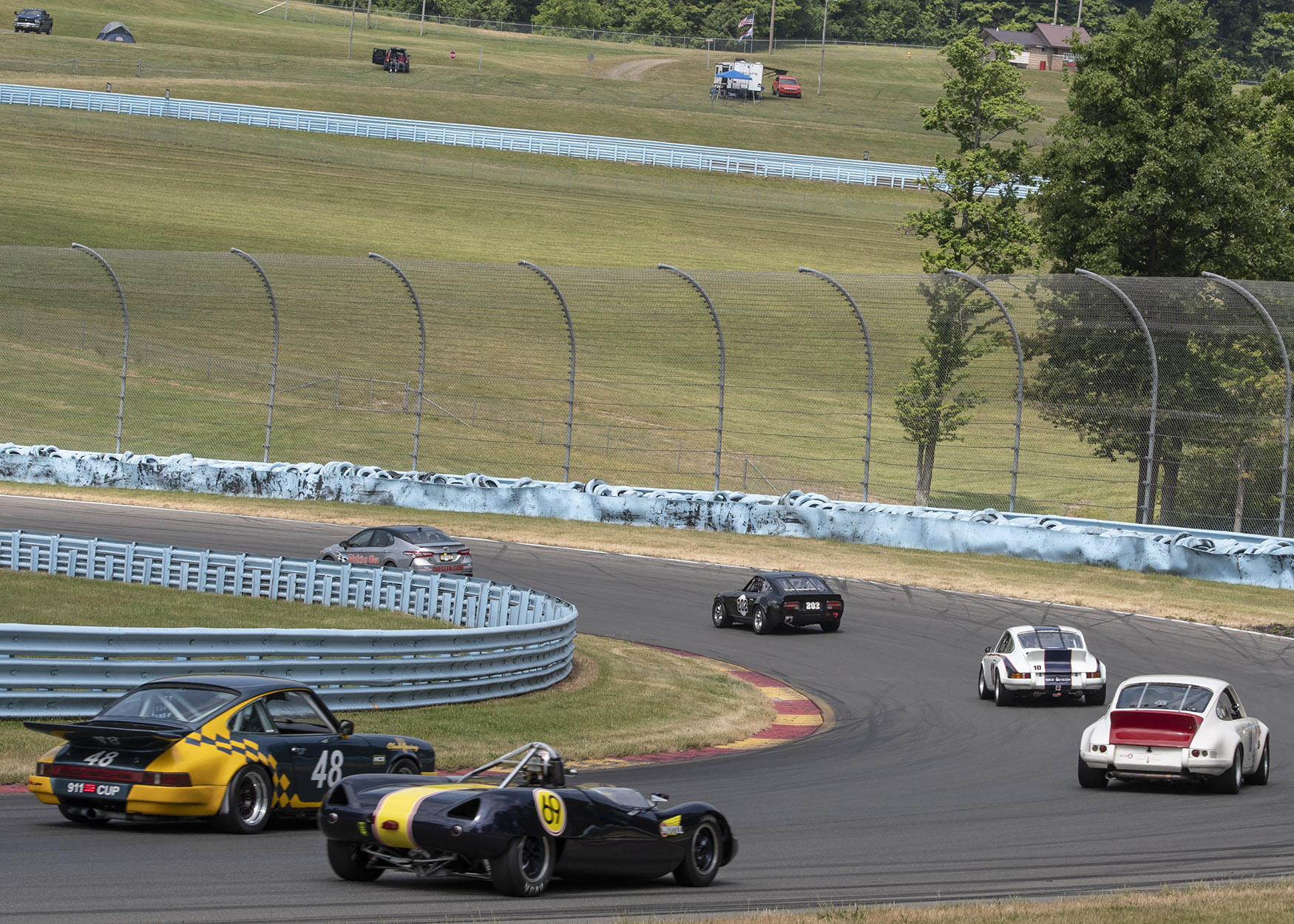
16. Watkins Glen
Opened 1956 · 3.4 miles (5.43 km) · 11 corners
Racing at Watkins Glen began in 1948 on a 6.6-mile loop of public roads through the village. The permanent circuit above the lake opened in 1956 and held the United States Grand Prix for twenty years from 1961, when it was the best-paying and best-liked race of the season. The lap starts with a climb through the Esses, taken nearly flat between blue barriers, and the longer course adds a downhill loop called the Boot. François Cevert was killed in the Esses in 1973. It remains the best fast circuit in the eastern United States.
Verdict The old home of the US Grand Prix, and still the fastest lap in the East.
Did you know: The first races, from 1948, ran through the village streets and over a railway crossing.
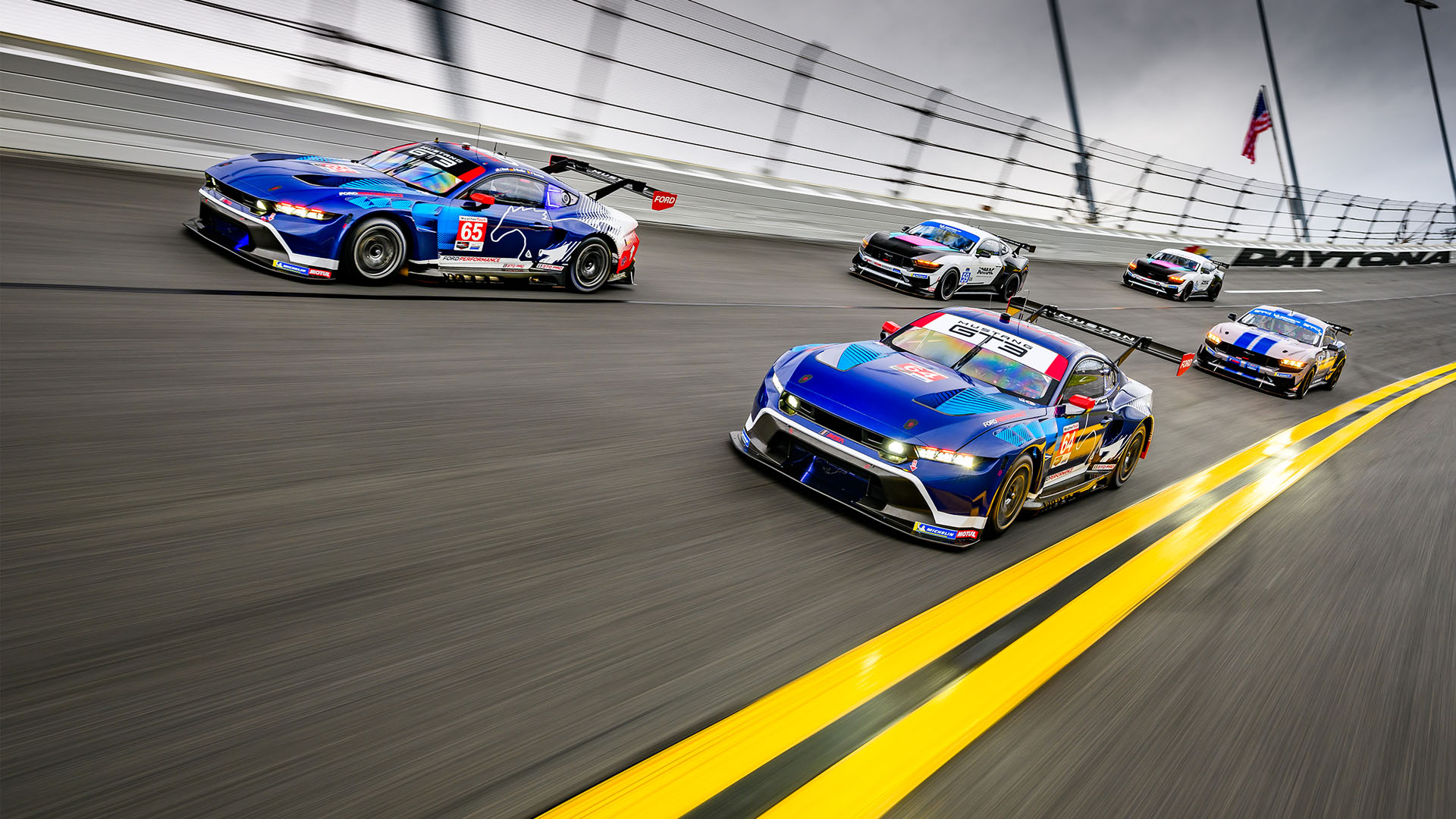
15. Daytona International Speedway
Opened 1959 · 3.56 miles (5.73 km), road course · 12 corners
Bill France built Daytona in 1959 with banking of 31 degrees, as steep as the paving machines could manage, so that stock cars could run flat out all the way round. The 500 is NASCAR's biggest race. For this list the reason is the 24 Hours, held since 1966 on a course that uses most of the oval and an infield road section. More than half the race is run in the dark, with prototypes at 190 mph on the banking passing GT cars inches away. It is no great road course. It is a great place to race.
Verdict The banking at night, for 24 hours, is one of racing's best sights.
Did you know: The banking is 31 degrees, too steep to walk up comfortably.
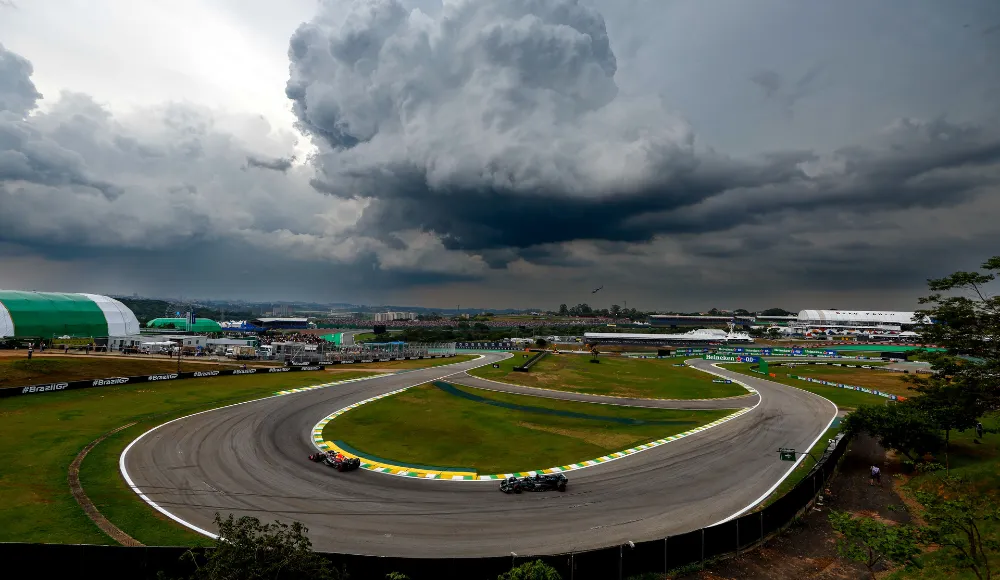
14. Interlagos
Opened 1940 · 4.309 km (2.677 miles) · 15 corners
Interlagos was built in 1940 between two reservoirs on the edge of São Paulo, and it runs anticlockwise round a hillside, 800 metres up. The lap is short and never level: down through the Senna S after the start, round the long left of the back section, and then a climb from the last corner to the line that is flat out for more than a kilometre. The weather turns quickly, the crowd is the loudest of the year, and titles have been decided here on the final lap. For racing alone it would be in the top ten.
Verdict Short, steep, loud, and reliably the best race of the season.
Did you know: The name means between the lakes. Two reservoirs lie either side of it.
13. Brands Hatch
Opened 1950 · 3.916 km (2.433 miles) · 9 corners
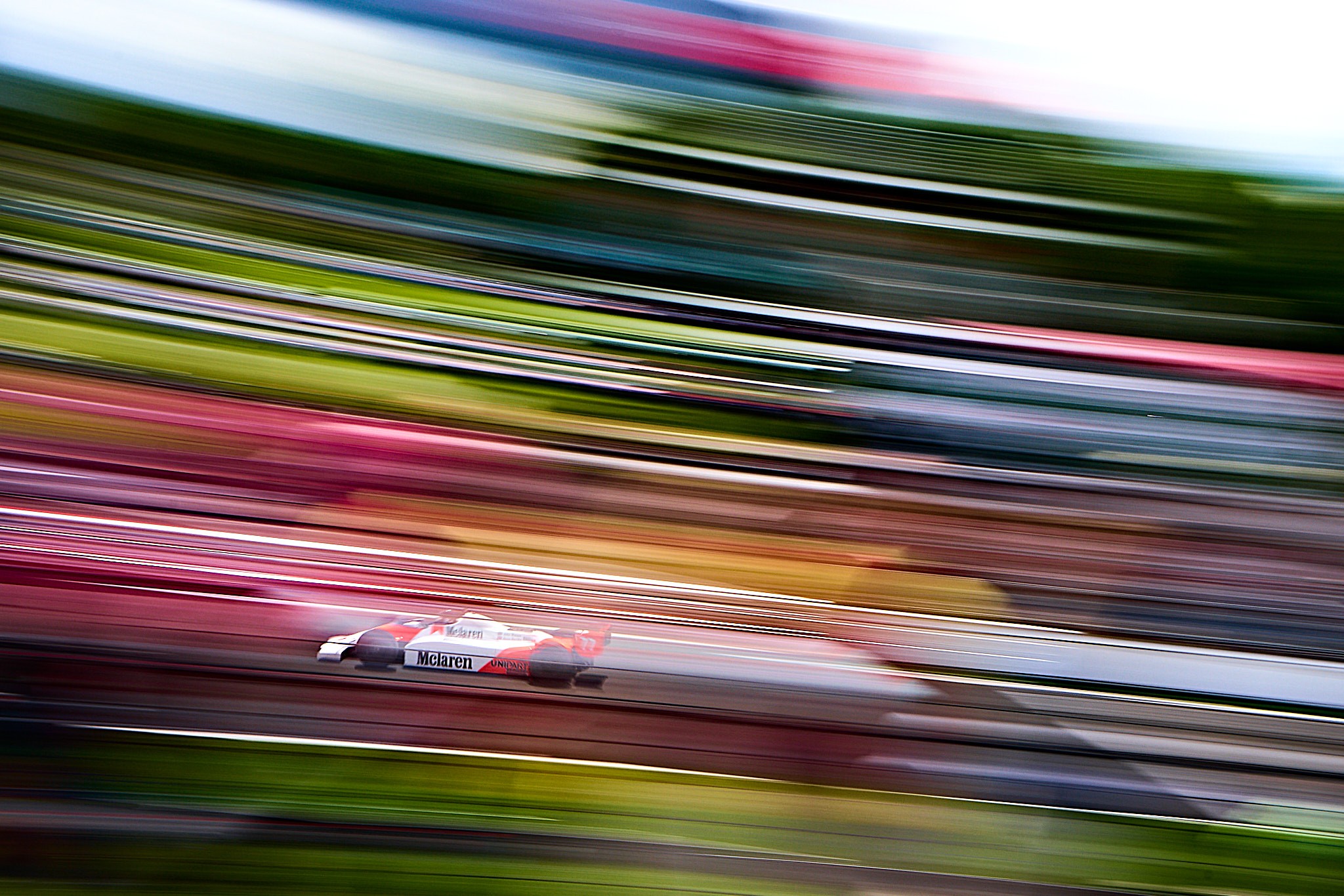
Brands Hatch sits in a natural bowl in Kent, so a spectator can see most of the short circuit from one place. The first corner, Paddock Hill Bend, is a blind right-hander that falls away downhill as the car turns, and is as good as any in Britain. The Grand Prix loop leaves the bowl and runs through woods, fast and narrow, past Hawthorn and Westfield and through Dingle Dell. It held the British Grand Prix in alternate years from 1964 to 1986, and the BOAC sports car races. Formula 1 cars outgrew it. Everything else still races here.
Verdict A natural amphitheatre with one of the great first corners.
Did you know: It began as a grass track for motorcycles in a natural bowl in Kent.
12. Guia Circuit, Macau
First raced 1954 · 6.12 km (3.80 miles) · About 19 corners
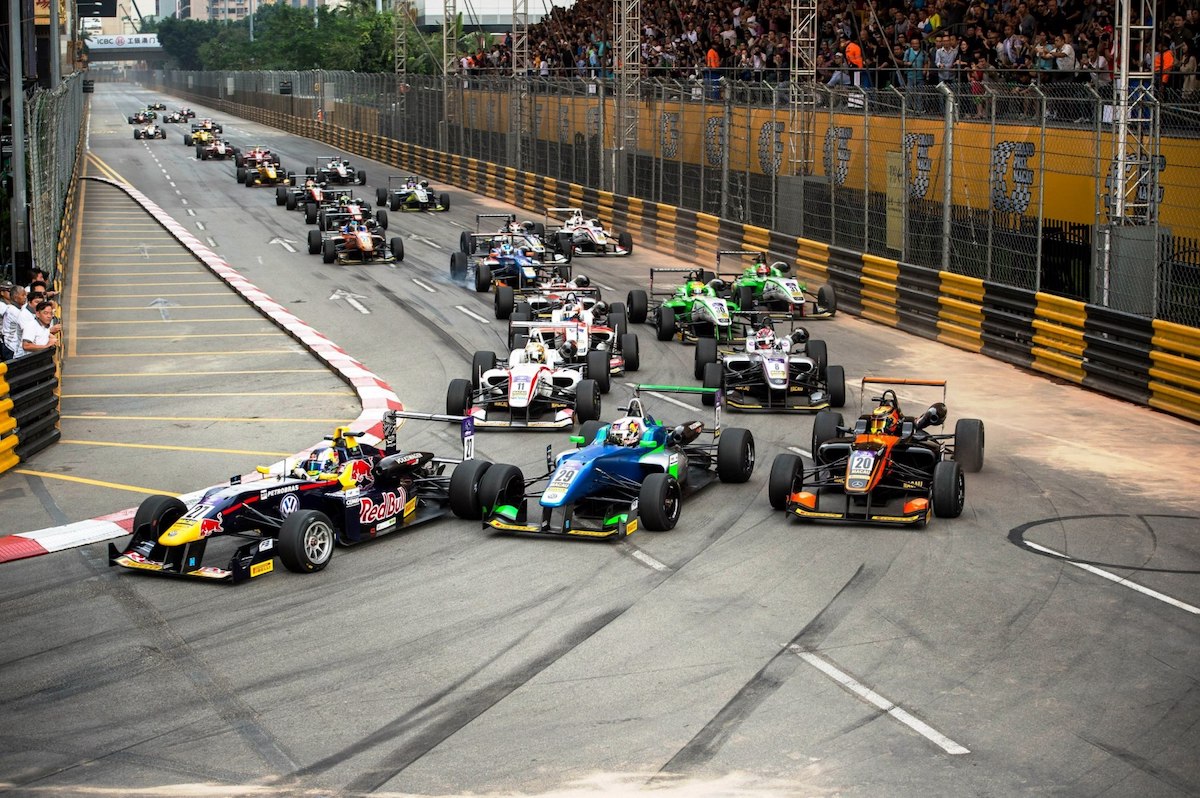
The Guia circuit combines the fastest and slowest parts of street racing in one lap. Along the harbour front the cars reach 170 mph before the right-hander at Lisboa. Then the road turns uphill into the old town and narrows to about seven metres, between walls, for a run of blind bends that ends at a hairpin so tight that overtaking there is forbidden. It has been raced since 1954. The Formula 3 Grand Prix was for decades the race young drivers had to win: Ayrton Senna in 1983, Michael Schumacher in 1990. Few readers will have been. It belongs this high.
Verdict Monaco's walls with twice the speed, and the race every young driver wanted.
Did you know: At the Melco hairpin the road is so narrow that overtaking is banned.
11. Road America
Opened 1955 · 4.048 miles (6.515 km) · 14 corners
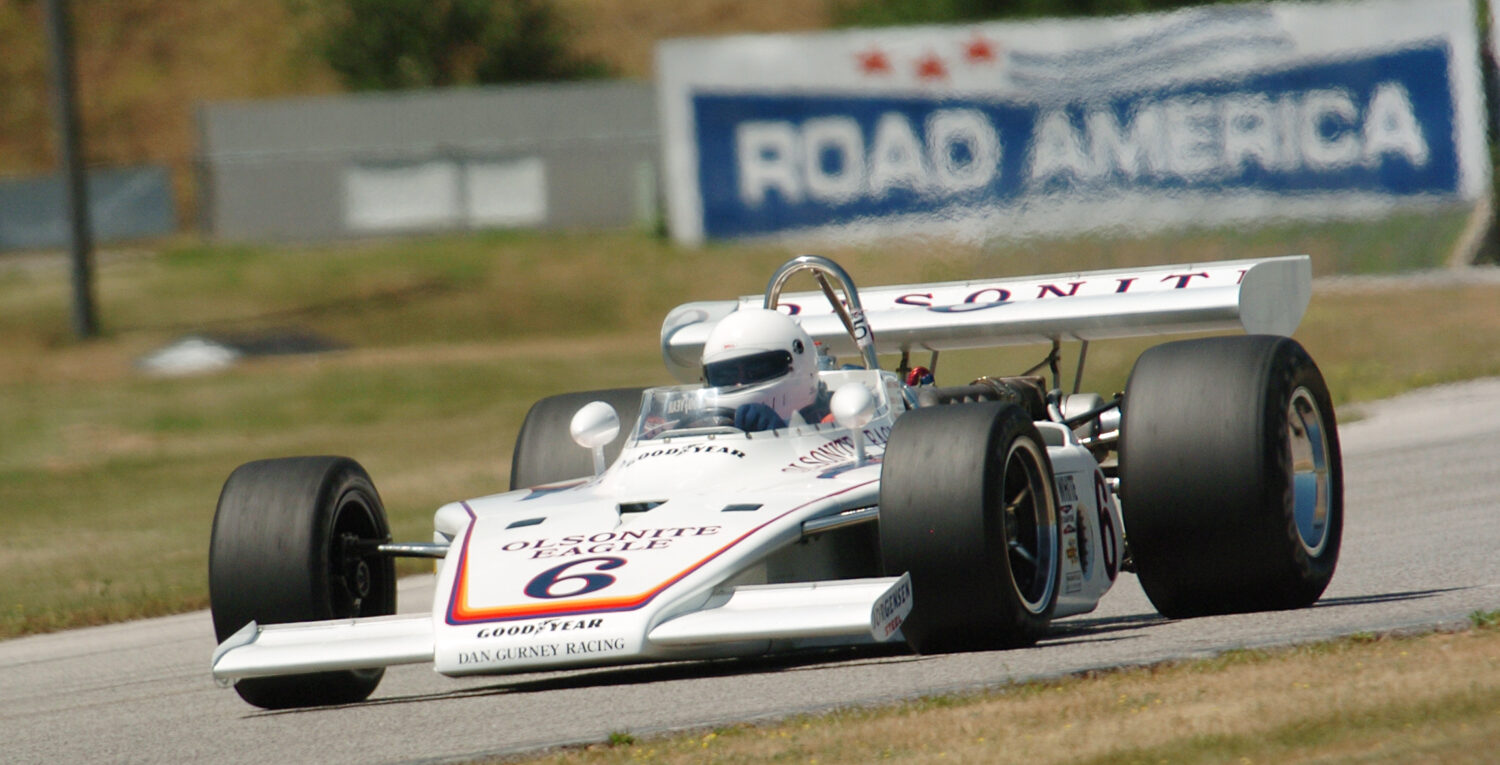
Road America runs for four miles through the woods of Wisconsin, outside Elkhart Lake, where racing began on the village streets in 1950. The permanent circuit opened in 1955 and its layout has not been altered since. It has long straights, heavy braking into Turn 5 and Canada Corner, a long right-hander called the Carousel, and then the Kink, a flat-out bend between walls that drivers treat with respect. It is the best road course in America, with room to pass and space for spectators to wander, and the highest-ranked American circuit after Indianapolis and Laguna Seca only because fewer people outside the country have seen it.
Verdict Four miles through the woods, unchanged since 1955. America's best road course.
Did you know: The layout has not been changed since the day it opened.
The top 10
- Years
- Opened 1957
- Engine
- 2.238 miles (3.602 km)
- Power
- 11 corners
Circuit · USA
10. Laguna Seca
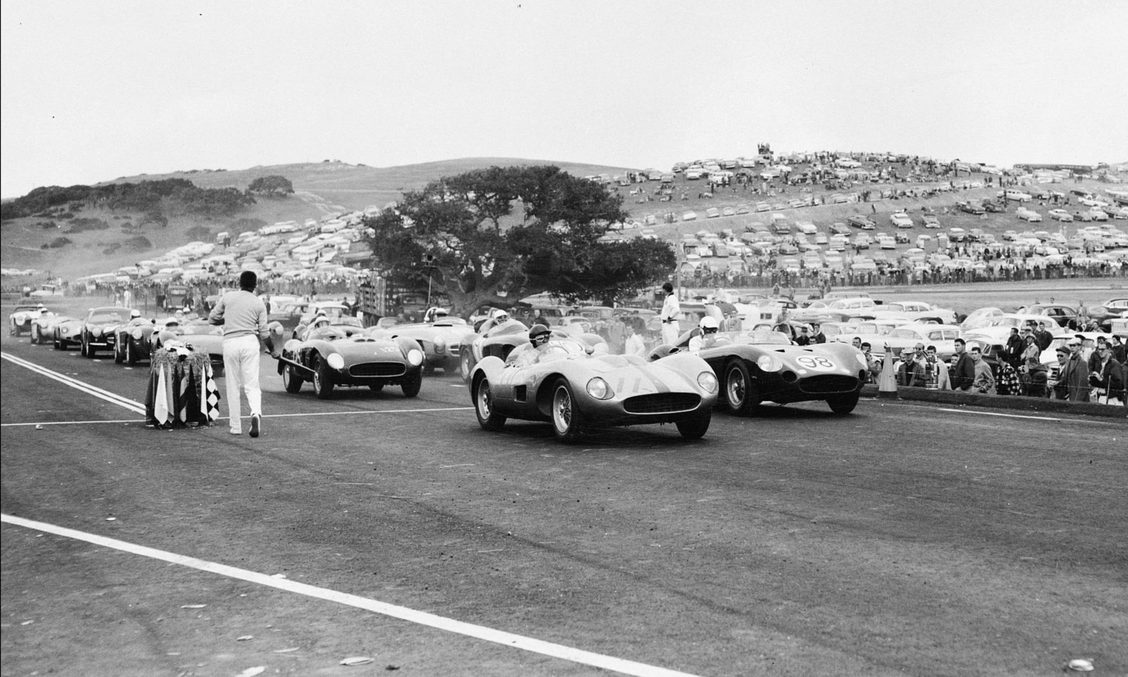
Laguna Seca was built in 1957 in a dry lake bed on Army land above Monterey, after the road races through the pines at Pebble Beach were stopped as too dangerous. It is short, at 2.2 miles, and one corner has made it known everywhere.
The Corkscrew comes at the top of a hill. The cars brake over a blind crest, turn left with nothing visible but sky and treetops, and fall away to the right, dropping 59 feet in about 450 feet of track. Drivers aim at a particular oak tree because the road itself is out of sight. Alex Zanardi passed Bryan Herta there for the win on the last lap in 1996 by driving through the dirt on the inside, and the move is still known as The Pass.
The rest of the lap is better than its reputation: the fast downhill Rainey Curve after the Corkscrew, and the tight last corner where races are settled. Every August it holds the historic races that anchor Monterey week.
Some will say tenth is high for a circuit with one great corner. It is a very great corner.
Verdict One corner made it famous, and the corner deserves it.
The Corkscrew drops 59 feet in about 450 feet of track, roughly five and a half storeys.
- Years
- Opened 1948
- Engine
- 5.891 km (3.660 miles)
- Power
- 18 corners
Circuit · UK
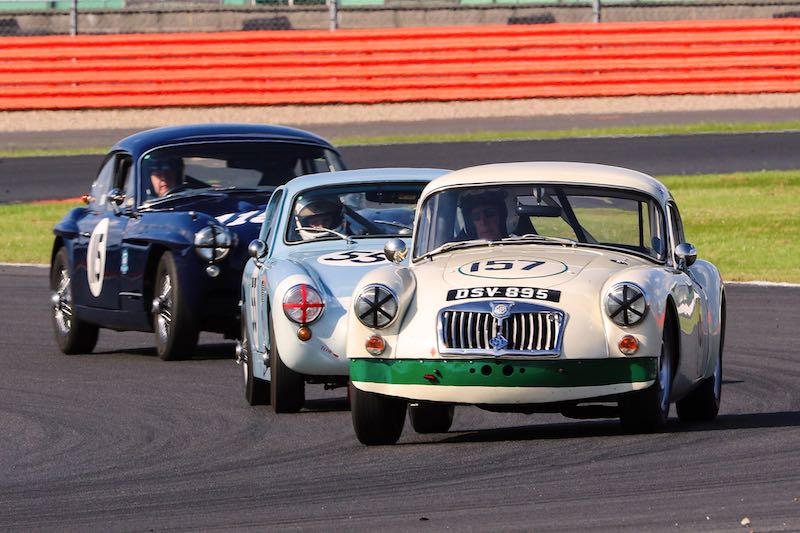
9. Silverstone
Silverstone was a wartime bomber station in Northamptonshire, and in 1948 the Royal Automobile Club ran a Grand Prix on its runways and perimeter road. Two years later it held the first race of the world championship. It has been rebuilt many times, and the pits have moved, but the perimeter road is still the heart of it.
What that gives is speed. Copse is a right-hander taken at more than 180 mph. Then comes the sequence of Maggotts, Becketts and Chapel, five changes of direction in a few seconds with barely a lift, which shows what a modern Grand Prix car can do better than any other stretch of track in the world. Stowe and Club, at the far end, are almost as quick.
It is flat, exposed and often cold, and nobody would rank it high for its setting. It is ninth because of how it drives and because the racing is usually good: the corners are fast enough to separate the cars and wide enough for them to run side by side.
Verdict A flat airfield that happens to have the best sequence of fast corners in Formula 1.
The first race was run on the runways, with cars passing each other head-on either side of a line of hay bales.
- Years
- Opened 1909
- Engine
- 2.5 miles (4.023 km)
- Power
- 4 corners
Circuit · USA
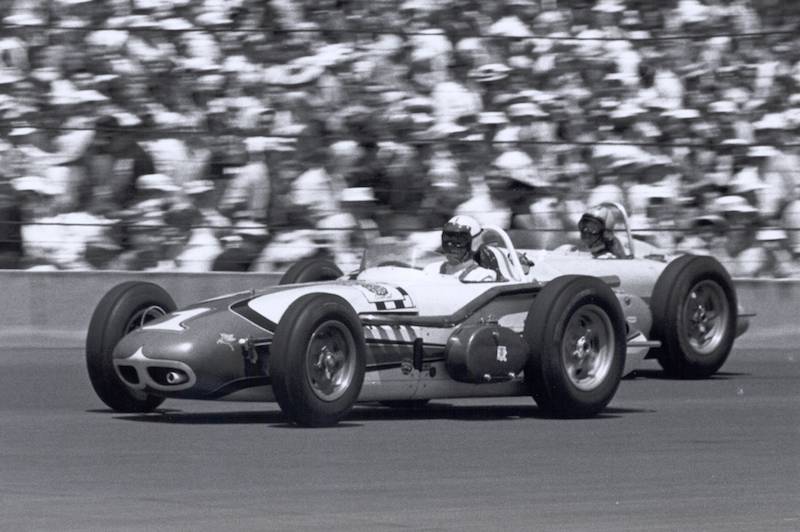
8. Indianapolis Motor Speedway
Putting an oval eighth among road courses needs explaining. Indianapolis has four corners, all left-handers, all banked at nine degrees, and on a plan they are identical. Drivers say no two are alike. The wind, the sun on the track and the grandstand shadows change each one through the day, and they are taken at more than 220 mph with a wall on the outside. The margin is smaller than at any road circuit on this list.
It opened in 1909 as a test track for the local car industry, a 2.5-mile rectangle, and was paved that year with 3.2 million bricks. A yard of them remains at the finish line. The 500 was first run in 1911 and has been held every year since, wars excepted. It draws the largest crowd of any single-day sporting event in the world, to a place with more than a quarter of a million seats.
It is here on challenge and on setting. A hundred years of ceremony, from the bottle of milk to the song before the start, are part of the place. It is eighth because the list also asks for variety, and it has one kind of corner.
Verdict Four corners that look the same and are not, at 220 mph, since 1909.
It was paved with 3.2 million bricks in 1909. A yard of them is still exposed at the finish line.
- Years
- Opened 1922
- Engine
- 5.793 km (3.600 miles)
- Power
- 11 corners
Circuit · Italy
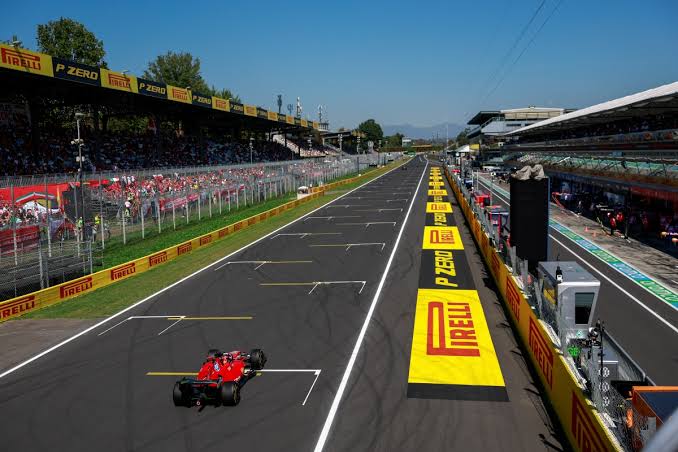
7. Monza
Monza was built in a royal park north of Milan in 1922, in 110 days, and was the third permanent circuit in the world after Brooklands and Indianapolis. It is the only one of the three that still holds a Grand Prix every year.
It is a circuit of long straights joined by a few fast corners: the Curva Grande, the two Lesmos, the Ascari chicane and the long final curve the Italians call the Parabolica. Until chicanes were added in 1972 it was pure slipstreaming. The 1971 Grand Prix was won by a hundredth of a second, with five cars inside six tenths. The fastest lap ever driven in a Formula 1 car was set here in 2020, at an average of 164 mph. The old banking, last raced in the 1960s, still stands in the trees.
Speed has had its cost. Wolfgang von Trips and fifteen spectators died here in 1961, Jochen Rindt in 1970, and Ronnie Peterson after a crash in 1978.
And there is the crowd, which comes for Ferrari and covers the track when the race ends. No circuit feels more like the sport's home.
Verdict Fast since 1922, and the only one of the first three circuits still on the calendar.
It was built in 110 days in 1922.
- Years
- Opened 1938
- Engine
- 6.213 km (3.861 miles)
- Power
- 23 corners
Circuit · Australia
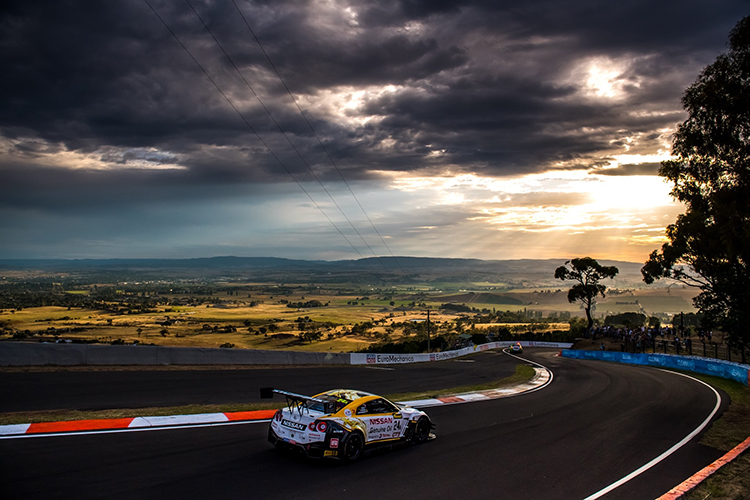
6. Mount Panorama, Bathurst
Mount Panorama is a public road on a hill outside Bathurst in New South Wales, built as a scenic drive in 1938 with racing in mind. It is higher on this list than most readers outside Australia will expect, and anyone who has driven it will say it is too low.
The lap is 6.2 kilometres and climbs 174 metres. The cars go up Mountain Straight and through the Cutting, a steep left between rock walls, then run across the top through a series of blind, narrow bends with concrete on both sides. At Skyline the road drops away, and the Esses and the Dipper fall down the hill so steeply that the cars go light. Then comes Conrod Straight, nearly two kilometres long, at about 300 km/h.
The Bathurst 1000 for touring cars has been run here since 1963 and is the biggest race in the country. GT cars now come each February for a twelve-hour race that starts in the dark. It is the nearest thing in the world to the Nürburgring on a smaller scale, and for the rest of the year the speed limit is 60 km/h.
Verdict A public road over a mountain, with walls. Australia's Nürburgring.
It is a public road with a 60 km/h speed limit when no race is on.
- Years
- First raced 1929
- Engine
- 3.337 km (2.074 miles)
- Power
- 19 corners
Circuit · Monaco
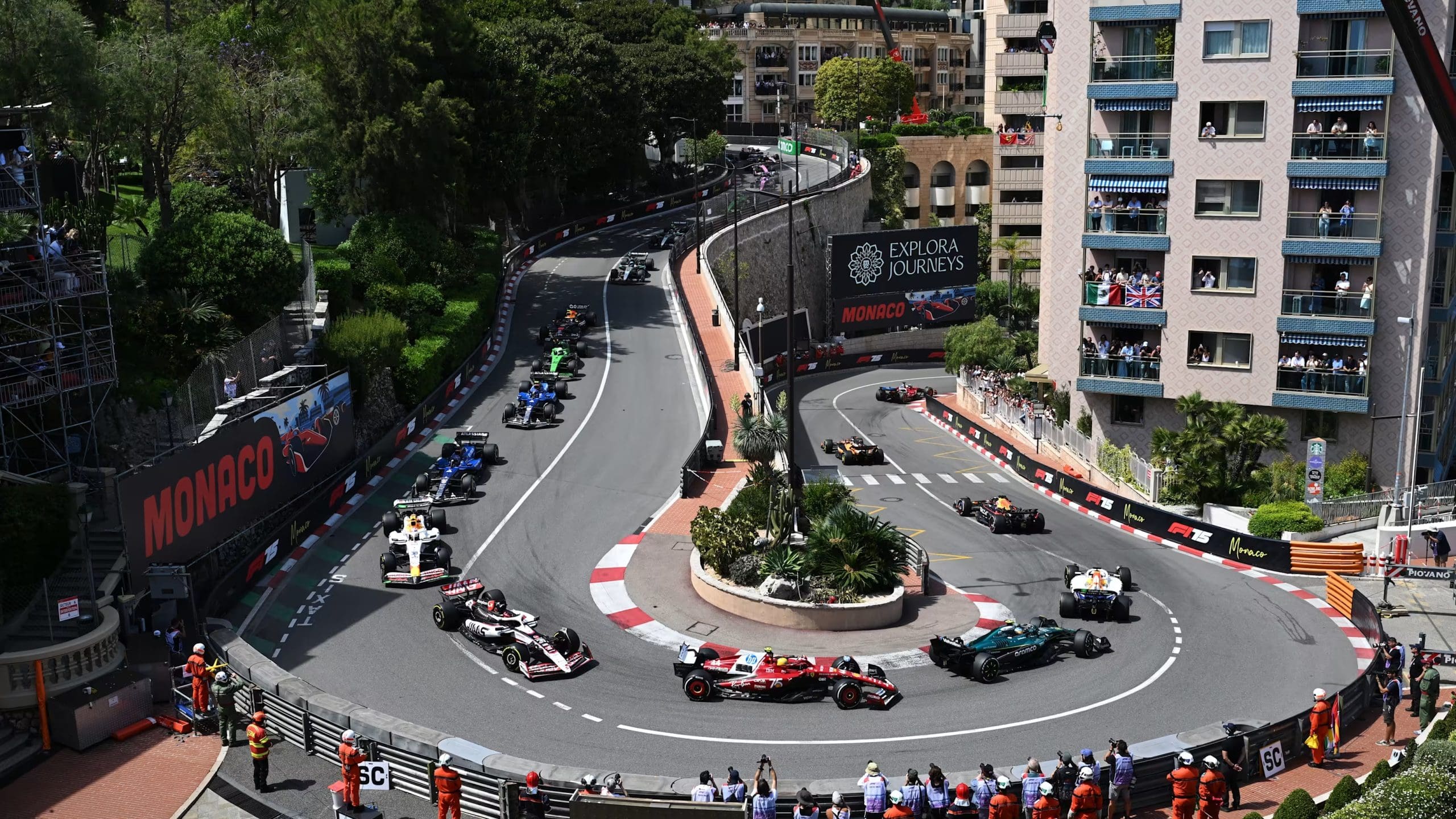
5. Circuit de Monaco
This is the placing that divides people. On the racing it produces, Monaco does not belong in the top twenty. Modern Formula 1 cars are too wide and too fast for it, overtaking is close to impossible, and the Grand Prix is usually settled on Saturday.
It is fifth for the other two things the list measures. As a challenge there is nothing like it: two miles of harbour-front streets, raced since 1929, with steel barriers where other circuits have run-off. The cars climb the hill to Casino Square, drop to a hairpin taken at about 30 mph, pass through a tunnel into sunlight at 180, and thread the swimming pool section with inches to spare. A qualifying lap here is the most concentrated driving of the year. Nelson Piquet compared it to riding a bicycle round your living room.
And the setting is the reason half the world knows what Formula 1 is. Ayrton Senna won here six times. We have ranked it as a place to drive and to watch a lap. As a race, it is the weakest in the top ten, and we would not argue otherwise.
Verdict The worst race and the best qualifying lap of the year, on the same streets.
The hairpin is the slowest corner in Formula 1, taken at about 30 mph.
- Years
- Opened 1962
- Engine
- 5.807 km (3.608 miles)
- Power
- 18 corners
Circuit · Japan
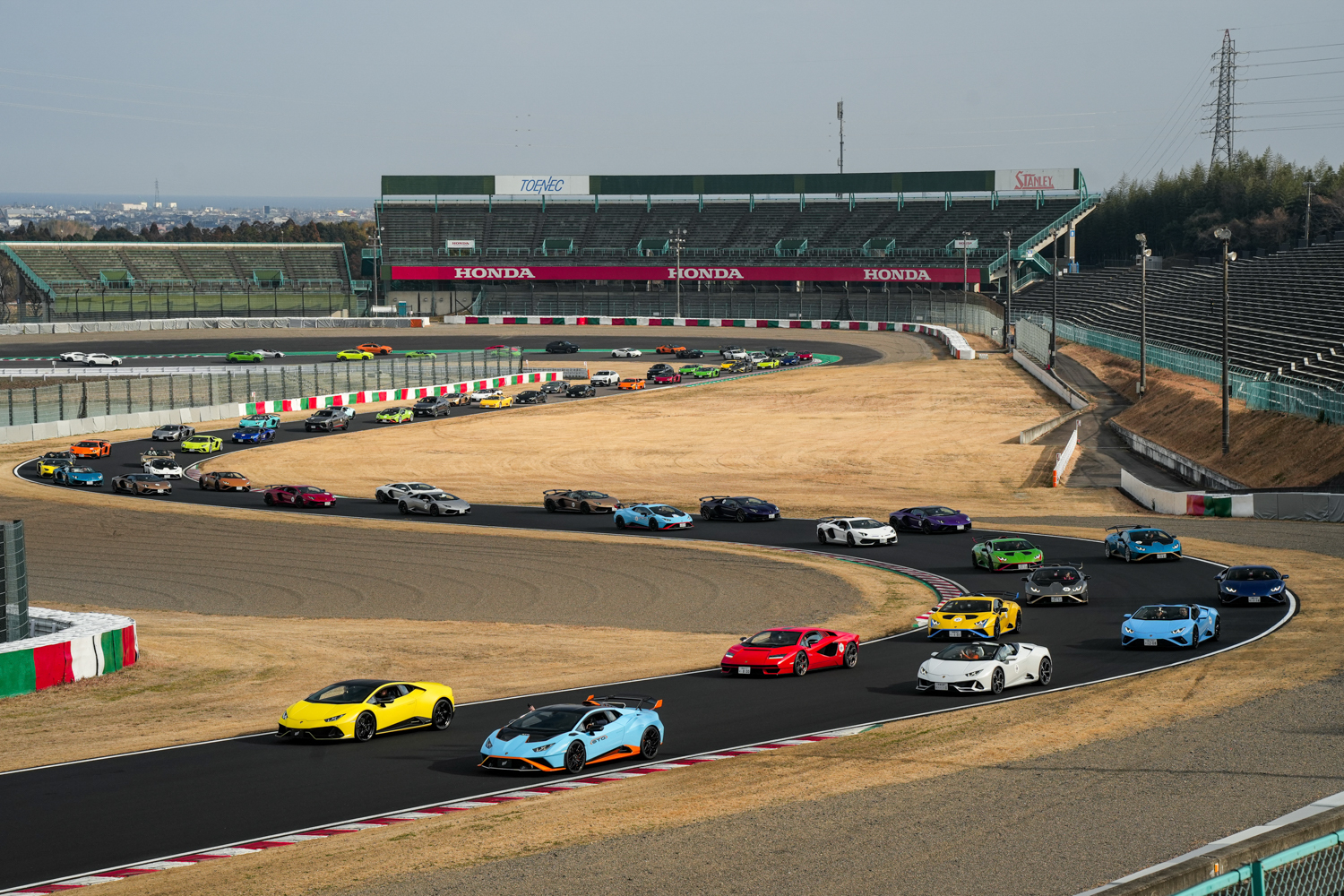
4. Suzuka
Suzuka was built by Honda in 1962 as a test track, to a design by the Dutchman John Hugenholtz, and it is the circuit current Formula 1 drivers most often name as their favourite.
It is the only one on the calendar laid out as a figure of eight, crossing over itself by a bridge, so it turns left and right in equal measure. The first sector is a run of linked curves, the Esses, where a mistake in the first bend costs time in the next four. Then come the two Degner corners, the hairpin, the long double-apex Spoon, and 130R, a left-hander taken close to flat out.
There is very little room to get any of it wrong. It is narrow, and the grass and gravel are near. Because the Japanese Grand Prix long came at the end of the season, championships were settled here, most famously by the collisions between Senna and Prost in 1989 and 1990.
It is fourth, and the highest-ranked circuit built after the war. Nothing designed since has matched it.
Verdict A test track from 1962 that modern drivers still rate above everything built since.
It is the only circuit on the Formula 1 calendar that crosses over itself.
- Years
- Opened 1923
- Engine
- 13.626 km (8.467 miles)
- Power
- 38 corners
Circuit · France
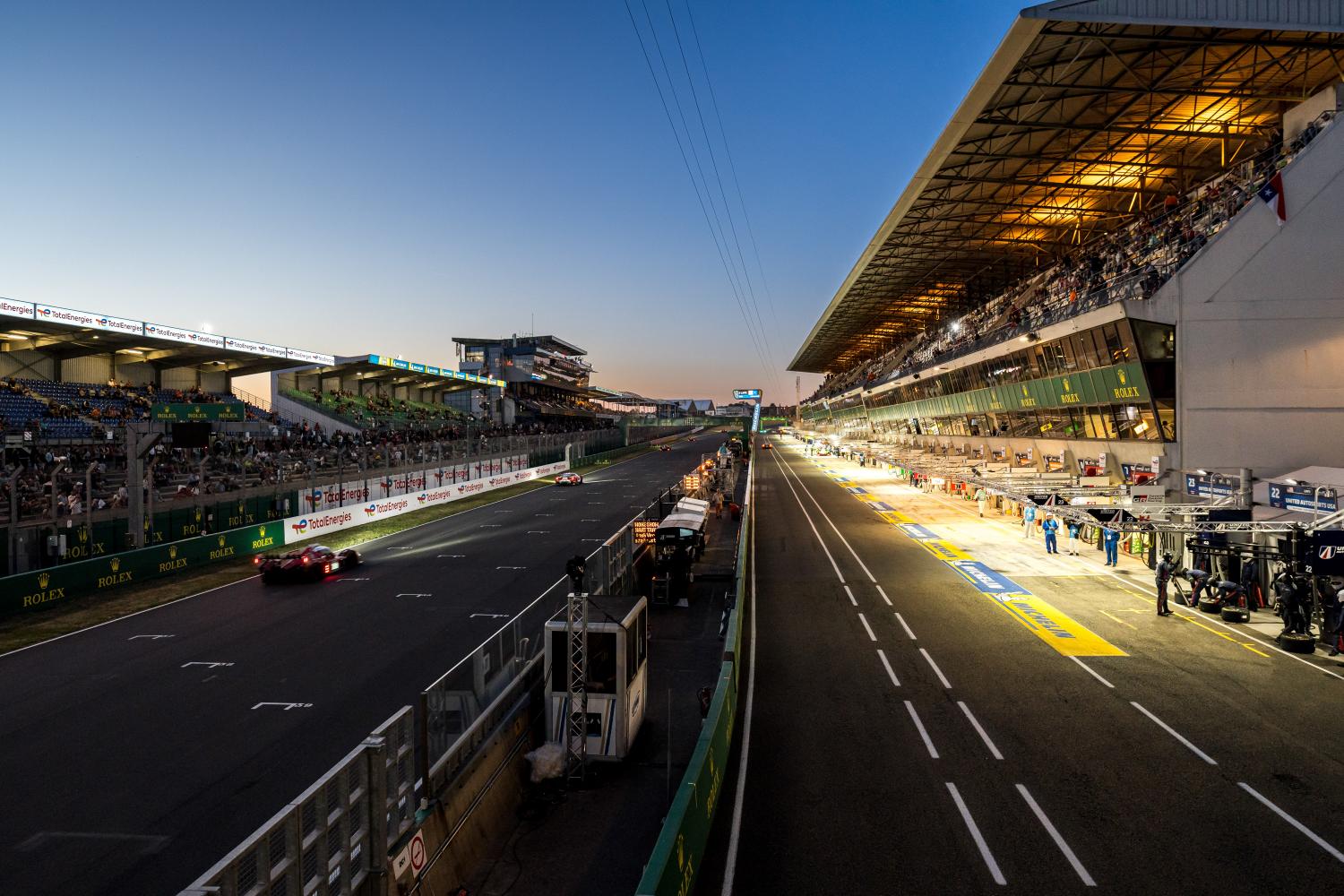
3. Circuit de la Sarthe, Le Mans
The Circuit de la Sarthe exists in full for a few days a year. For the rest it is mostly ordinary French road, with lorries on the Mulsanne straight and a roundabout where the chicane goes. That is part of its hold: the 24 Hours has been run here since 1923, on roads you can drive home on.
The lap is 8.5 miles and has 38 corners, which undersells how fast it is. Until 1990 the Mulsanne was an unbroken six kilometres, and a car reached 405 km/h on it in 1988. Two chicanes now divide it. The corners that matter are at the far end: Indianapolis, slightly banked, then the slow right at Arnage, then the Porsche Curves, a sequence of fast bends between walls that the drivers rate above anything else on the lap.
And it has to be done at night, in traffic, in cars of very different speeds, for a day. The circuit is third because the race and the place cannot be separated. No other track is so completely the home of one event.
Verdict Public roads for 51 weeks, and the hardest race in the world for the other one.
Most of the lap is public road, open to ordinary traffic for the rest of the year.
- Years
- Opened 1921
- Engine
- 7.004 km (4.352 miles)
- Power
- 19 corners
Circuit · Belgium
2. Spa-Francorchamps
Spa is the best circuit on which the top level of the sport still races, and for many drivers it is simply the best. It began in 1921 as a triangle of public roads through the Ardennes, fourteen kilometres round, with a flat-out kink between the houses at Masta that frightened people who were not easily frightened. In 1979 it was cut to seven kilometres, and the cut kept the right half.
What remains is a lap of fast corners on a hillside. The cars drop to the bridge at Eau Rouge and climb through Raidillon with the sky ahead of them. Pouhon is a long double left downhill, and Blanchimont a flat-out curve towards the last chicane. It is the longest lap in Formula 1 and the forest makes its own weather, so one end can be wet while the other is dry.
It is second, not first, because it is half the circuit it was and has been made safer with each decade, which is no criticism. The Nürburgring asks more of a driver. Spa has the better claim to the best single corner in racing, and that is an argument for another list.
Verdict The finest circuit still in top-level use, with the corner every driver talks about.
It can be raining at one end of the lap and dry at the other.
The best of the 30 · Circuit · Germany
1. Nürburgring Nordschleife
- Years
- Opened 1927
- Engine
- 20.8 km (12.9 miles)
- Power
- 73 corners
The Nordschleife has not held a Grand Prix since 1976, and it is first anyway. The list ranks on the challenge to the driver before anything else, and on that measure nothing built before or since comes near it.
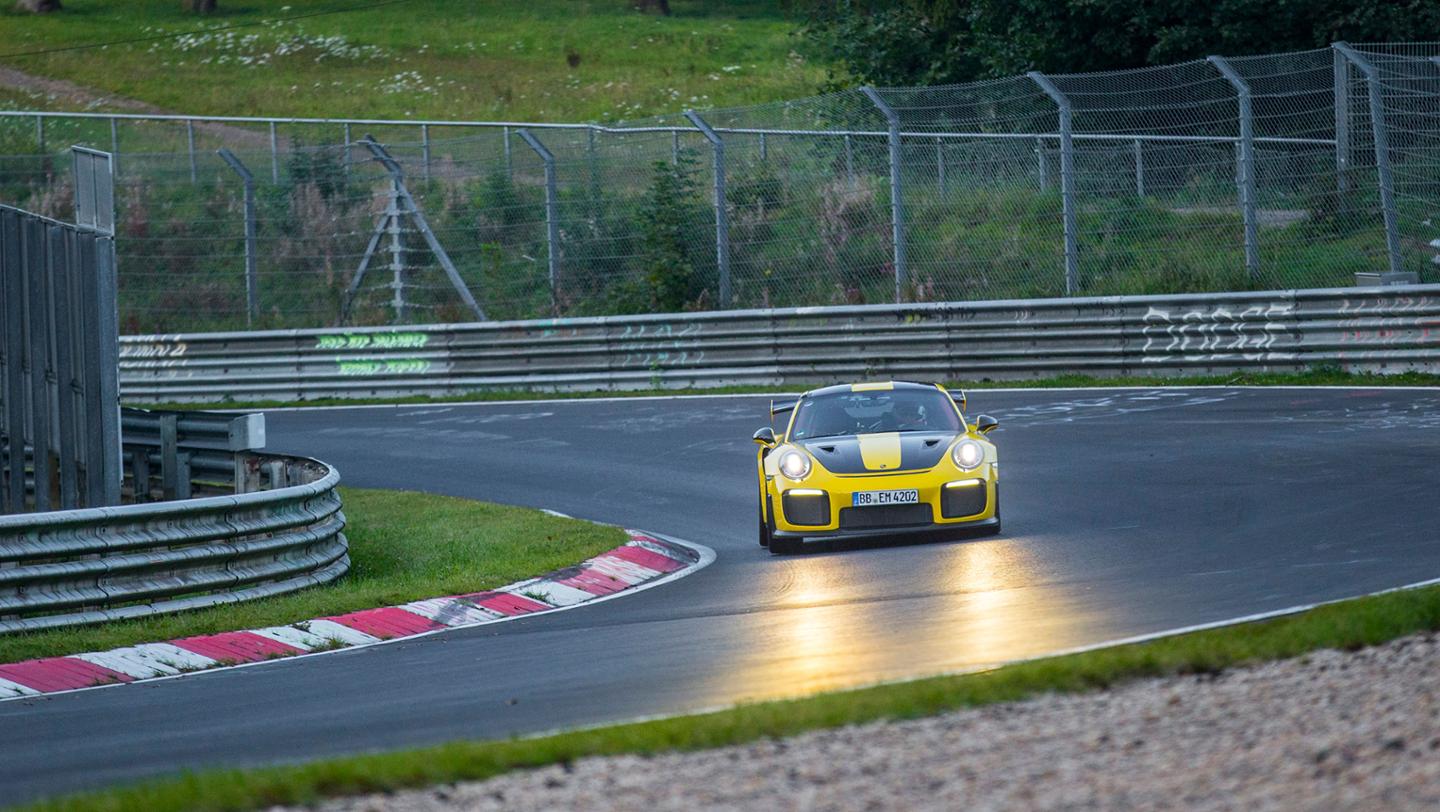
It was laid out in the Eifel hills in the 1920s to give work to the unemployed, and it runs for 20.8 kilometres round the village and castle of Nürburg, with 73 corners and about 300 metres between its lowest and highest points. A lap takes in blind crests where the cars leave the ground, a banked concrete ditch called the Karussell, and a two-kilometre straight at the end. A circuit can normally be learned in a day. This one takes seasons, and the weather can differ from one side to the other.
Nuvolari beat the German teams here in 1935. Fangio won his last and best race here in 1957. Jackie Stewart, who won in fog and rain in 1968 by four minutes, gave it the name the Green Hell. Niki Lauda's accident in 1976 ended Formula 1's time on it, rightly.
The case for Spa is that it still holds the best racing at the highest level. The case for this place is that it is still there, almost unchanged, still raced on for 24 hours each year by more than a hundred cars at once, and open to anyone with a road car and the toll. No other circuit asks as much.
Verdict The longest, hardest and least forgiving lap in racing, and you can still buy a ticket to drive it.
On most days it is a public toll road, and anyone with a road-legal car can pay for a lap.
What we left off, and why
Lower than you might expect
Monaco, at 5. The most famous circuit in the world, and many would have it top three. Its racing holds it back.
Silverstone, at 9. It has the best fast corners in Formula 1 and a flat, plain setting.
Interlagos, at 14. It produces the best racing of any Grand Prix circuit. The lap itself is short and has only a few corners that test a driver.
Circuit of the Americas, at 25. It is the best circuit built for modern Formula 1, and it is 25th. That says more about modern circuits than about this one.
Higher than you might expect
Mount Panorama, at 6. Outside Australia it is known mostly by reputation. It is a public road over a mountain, between walls, and nothing outside Germany compares.
Indianapolis, at 8. An oval in the top ten of a list dominated by road courses. See its entry.
Laguna Seca, at 10. A short circuit with one corner that everyone knows. The corner carries it.
Macau, at 12. Few readers will have seen a race there. It is the hardest street circuit in the world.
Sebring, at 20. Flat, rough and unlovely. It is here because it is hard.
Not on the list
Donington Park. The Craner Curves are as good as anything in Britain. It was the last circuit left out.
Sepang and Istanbul Park. The two best circuits of the 2000s, and Istanbul's Turn 8 was a great corner. Neither now holds a race of the first rank every year.
Fuji. A magnificent setting under the mountain and a very long straight. The lap that made its name was rebuilt in 2005.
The Red Bull Ring and Hockenheim. Both are shortened versions of much greater circuits, and the originals are on our list of forgotten tracks.
Barcelona and Paul Ricard. Every team tests at them and nobody is fond of either.
Yas Marina, Singapore, Baku, Jeddah and Las Vegas. Built for television and for hospitality. Some produce good races. None is a great lap.
Cadwell Park and Pau. One is too narrow for most cars and the other for most modern ones. Both are wonderful.
Lime Rock, Virginia International Raceway, Mid-Ohio and Sonoma. Four fine American road courses, and with nine American circuits already here we stopped.
Pikes Peak, the Targa Florio and the Isle of Man. Not circuits in the sense used here, and greater than most of them.
Tell us what we got wrongQuestions about this list
What is the best race track in the world?
We rank the Nürburgring Nordschleife first. It is 20.8 kilometres long with 73 corners, and no other circuit asks as much of a driver. Spa-Francorchamps is second and is the best circuit still used at the top level of the sport.
What is the hardest race track to drive?
The Nürburgring Nordschleife, for its length, its blind crests and the lack of run-off. Among shorter circuits, Mount Panorama at Bathurst, the Guia circuit in Macau and Monaco are the least forgiving, because all three are lined with walls.
Why does Formula 1 not race on the Nürburgring Nordschleife?
It was judged too dangerous. The circuit is too long to marshal and to cover with medical crews at Grand Prix speeds, and Niki Lauda's accident there in 1976 was the last Formula 1 race on it. It still holds a 24-hour race for GT and touring cars every year.
Why is Monaco ranked fifth if the racing is poor?
The list ranks on the challenge to the driver and the setting as well as the racing. Monaco's streets are the hardest place to drive a qualifying lap and the best-known setting in the sport. Overtaking is close to impossible there, which is why it is not higher.
Can you drive on any of these circuits yourself?
Several. The Nürburgring Nordschleife is open to the public as a toll road on most days. Mount Panorama is a public road with a 60 km/h limit, and most of the Le Mans lap is ordinary French road outside race week. Most of the others run track days or driving schools.
Each circuit was judged on three things in order: the challenge it sets a driver, its setting and history, and the quality of the racing it produces. Only circuits that still hold racing were considered; lost and disused circuits are ranked separately. Road courses, street circuits and ovals were ranked together. Lap lengths and corner counts are for the layout used for the circuit's main race and vary a little between sources.