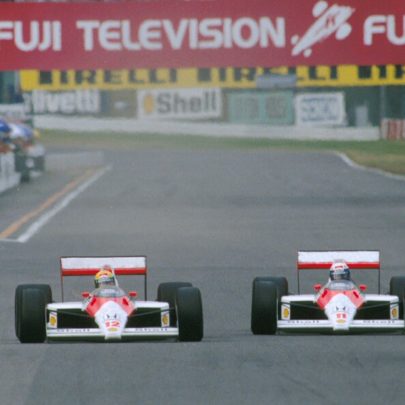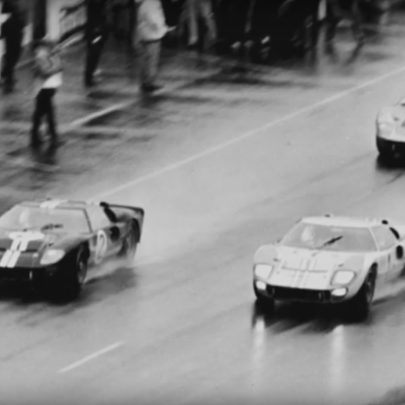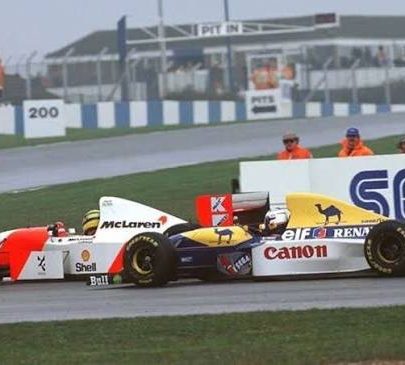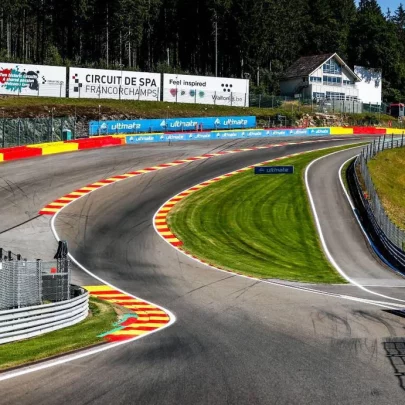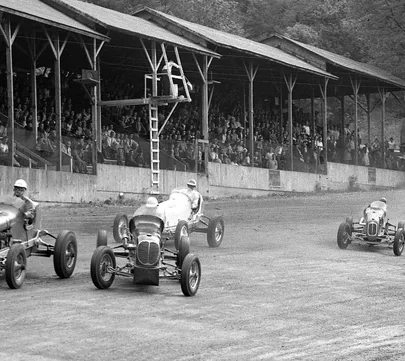

There is no fair way to do this. A driver in 1955 raced on public roads between trees and stone walls, in a car that might break at any moment, perhaps ten times a year. A driver today races twenty-four times a season in a machine of near-perfect reliability, on circuits with run-off the width of an airfield. They cannot be compared directly. People have been arguing about it for seventy years all the same, and this is our contribution.
What counts
Drivers of racing cars, from any branch of the sport: Grand Prix and Formula One, sports cars, rallying, IndyCar and NASCAR. Motorcycle racers are included only if they also won on four wheels. Drivers who are still competing are ranked on what they have done so far, and their entries say that the placing is provisional.
How we ranked them
On three things. Results, measured against the number of races started and the strength of the opposition. Range: whether the driver won in more than one kind of car or more than one kind of racing. And reputation among rivals, since the people best placed to judge a driver are those who raced against him.
Range is what makes this list different from most. A driver who won in everything he sat in is ranked above one with more titles in a single championship.
The calls we expect to be argued with
The order of the first six. Fangio, Clark, Senna, Schumacher and Hamilton each have a serious claim to first place, and we have set out the reasoning in each entry.
Sébastien Loeb at five. A rally driver in the top five of all time will surprise readers who follow only Formula One. Nine world titles in succession, in a sport that is harder to dominate, is the best run in any world championship.
Lewis Hamilton at six, and Max Verstappen at twelve. Both are still racing.
Stirling Moss at eight, without a world title.
The Americans. Andretti, Foyt and Gurney are ranked above several European champions with bigger numbers, because they won in more kinds of car.
How to read this list
The list counts down from fifty to one. The top fifteen have the longest entries, the next fifteen are shorter and the last twenty are brief. Twenty-six of the fifty made their names in Grand Prix racing, eleven in American racing, eight in rallying and five in sports cars. After the list there are notes on who was left out and why.
See the full ranking, 1 to 50
50 to 31
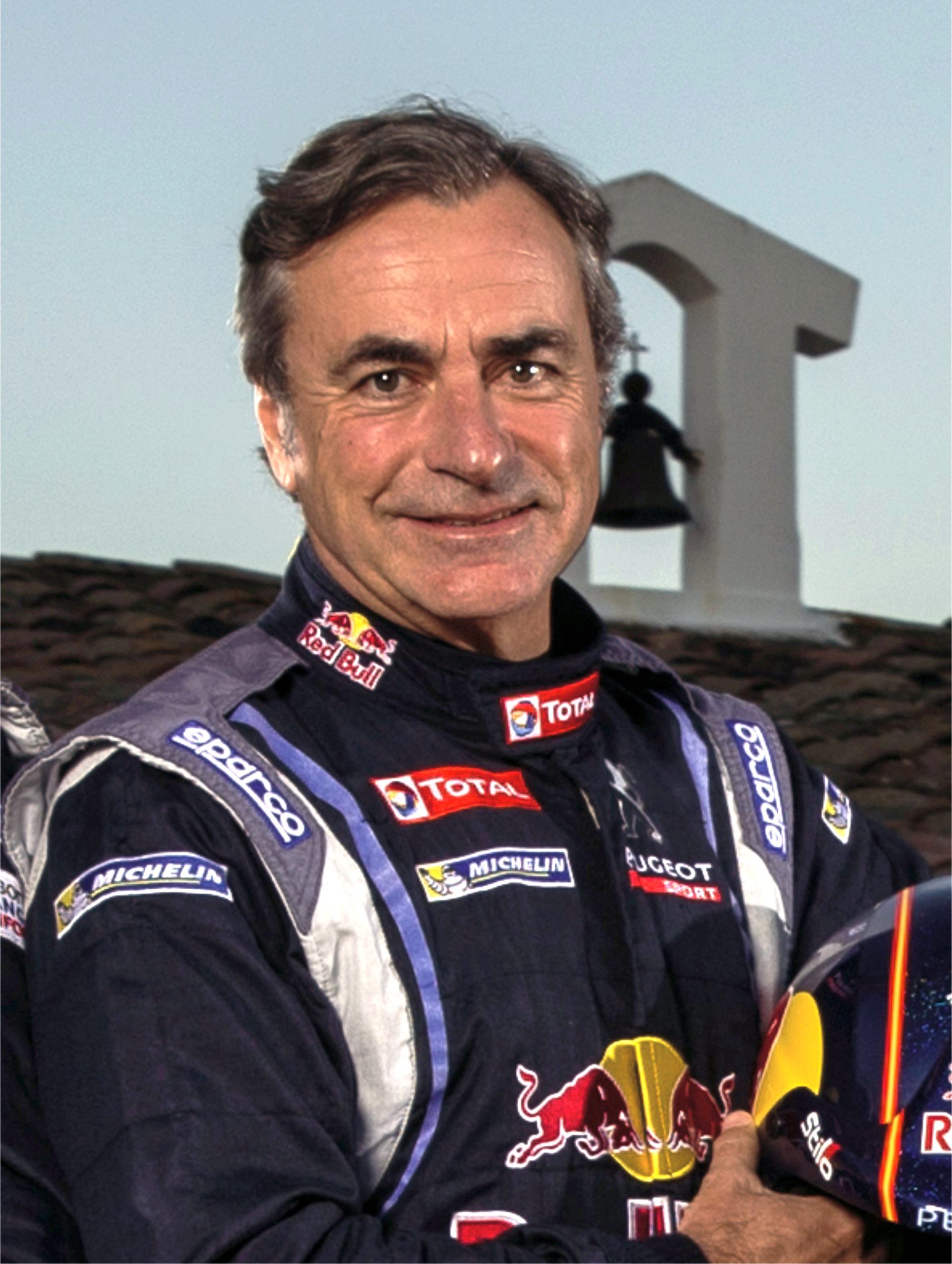
50. Carlos Sainz
Born 1962
The elder Carlos Sainz was world rally champion in 1990 and 1992 and lost a third title in 1998 when his engine failed within sight of the last finish line. He then turned to the desert and won the Dakar Rally four times with four different makes, the last at 61. His son races in Formula One.
Verdict Two rally titles, and four Dakars with four makes.
49. Jo Siffert
1936–1971
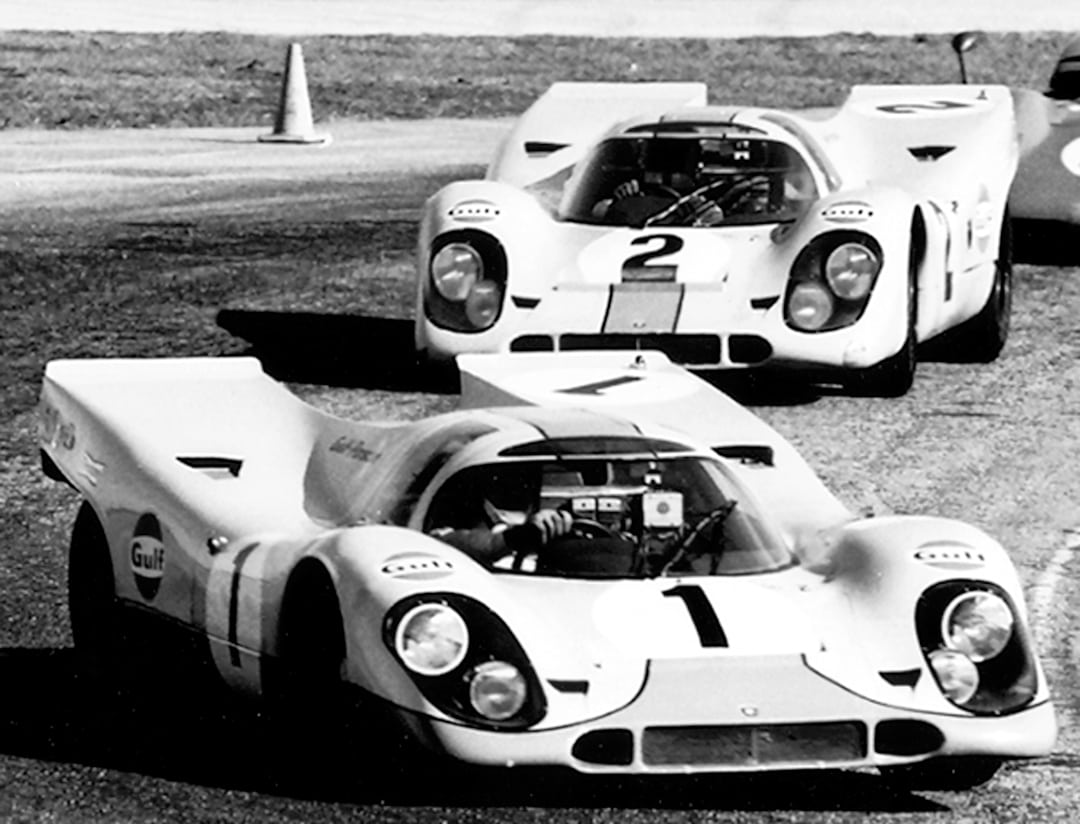
Siffert, from Switzerland, paid for his early racing by dealing in scrap and used cars. He won two Grands Prix and, for Porsche, fourteen world championship sports car races, more than anyone of his time. He and Pedro Rodríguez were team-mates and rivals in the 917s. He was killed at Brands Hatch in October 1971.
Verdict Porsche's other great 917 driver.
48. Ari Vatanen
Born 1952
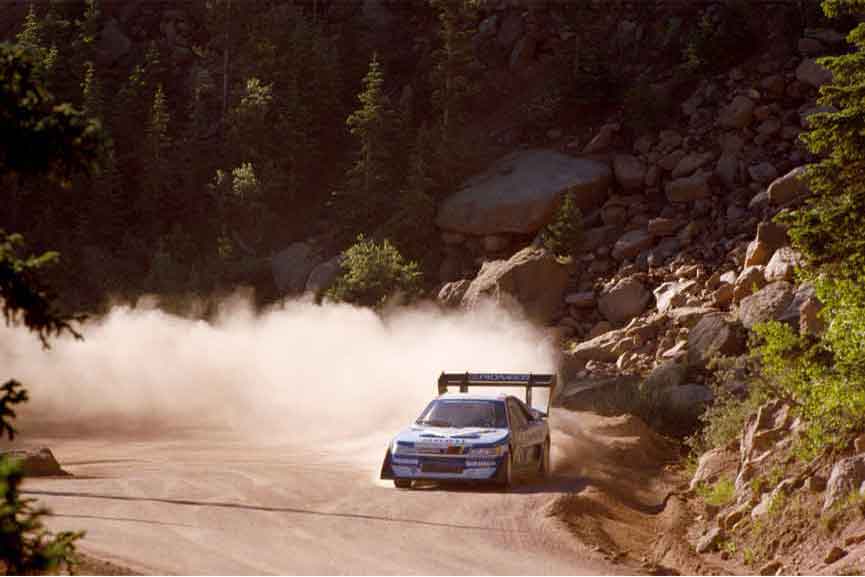
Vatanen was world rally champion in 1981 as a private entrant. He was nearly killed in Argentina in 1985, recovered, and won the Paris-Dakar four times. The film of his run up Pikes Peak in 1988, on the edge of a drop with the sun in his eyes, has been watched by millions who never saw a rally.
Verdict A world title, four Dakars, and one famous film.
47. Parnelli Jones
1933–2024
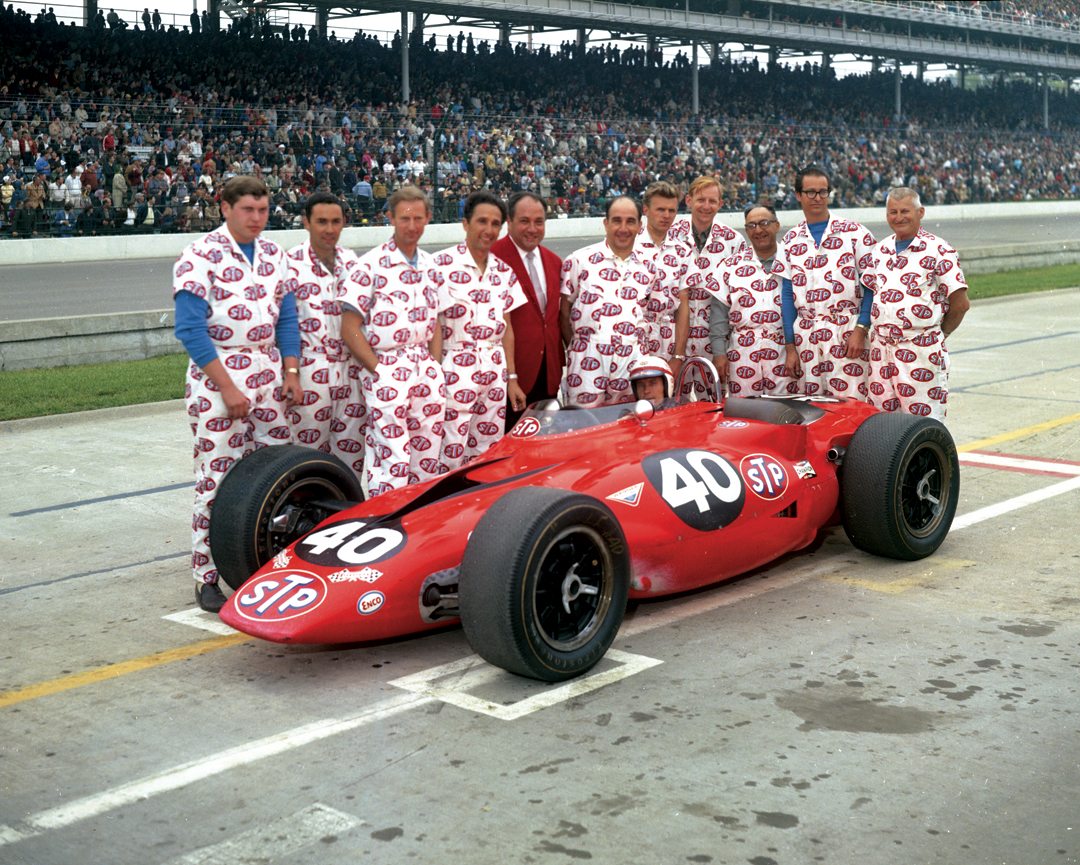
Jones won Indianapolis in 1963 and nearly won it in 1967 in a turbine car that failed with three laps left. He won in stock cars, sprint cars and sports cars, took the 1970 Trans-Am title in a Mustang, and won the Baja 1000 off-road race twice. Many of his American rivals thought him the fastest of them all.
Verdict Fast in everything America raced.
46. Al Unser
1939–2021
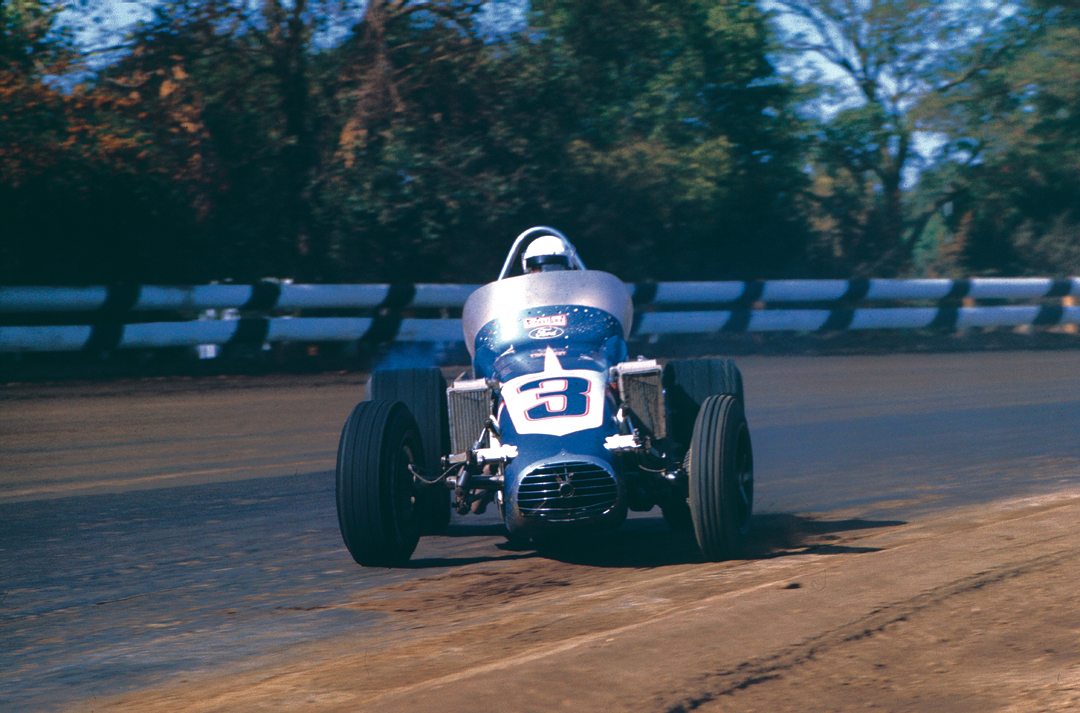
Al Unser won the Indianapolis 500 four times, in 1970, 1971, 1978 and 1987. The last was in a year-old car that had been a show exhibit a few days earlier, after he was hired as a late substitute. He was 47. He also won three national championships. His brother Bobby and son Al Junior won Indianapolis too.
Verdict Four Indianapolis wins across eighteen years.
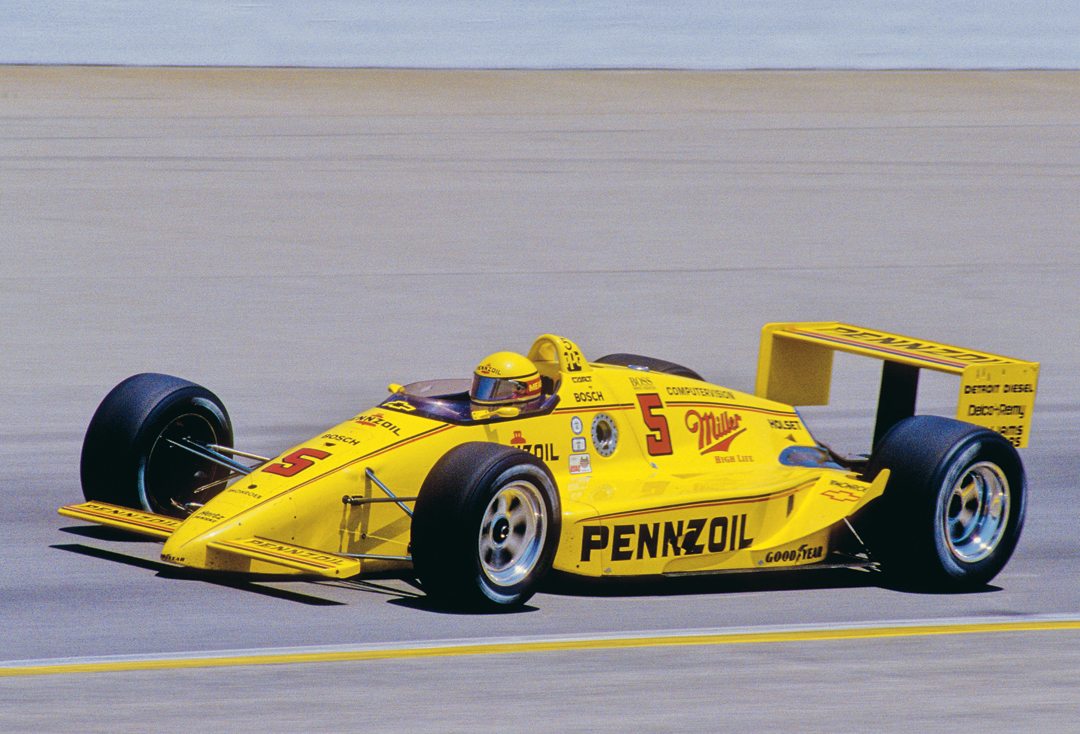
45. Rick Mears
Born 1951
Mears won the Indianapolis 500 four times and started it from pole six times. He began in off-road desert racing. He was the best oval driver of the 1980s, patient for 450 miles and unbeatable for the last fifty. He retired at 41, without warning, while still winning.
Verdict Four wins and six poles at Indianapolis.
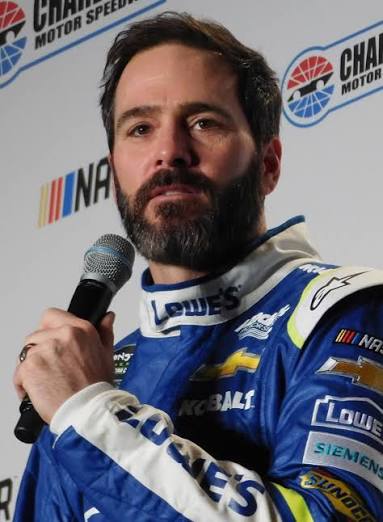
44. Jimmie Johnson
Born 1975
Johnson won seven NASCAR championships, level with Petty and Earnhardt, and five of them in succession, from 2006 to 2010, which nobody else has come near. He won 83 races. He did it in the most closely matched period the series has had.
Verdict Five titles in a row, seven in all.
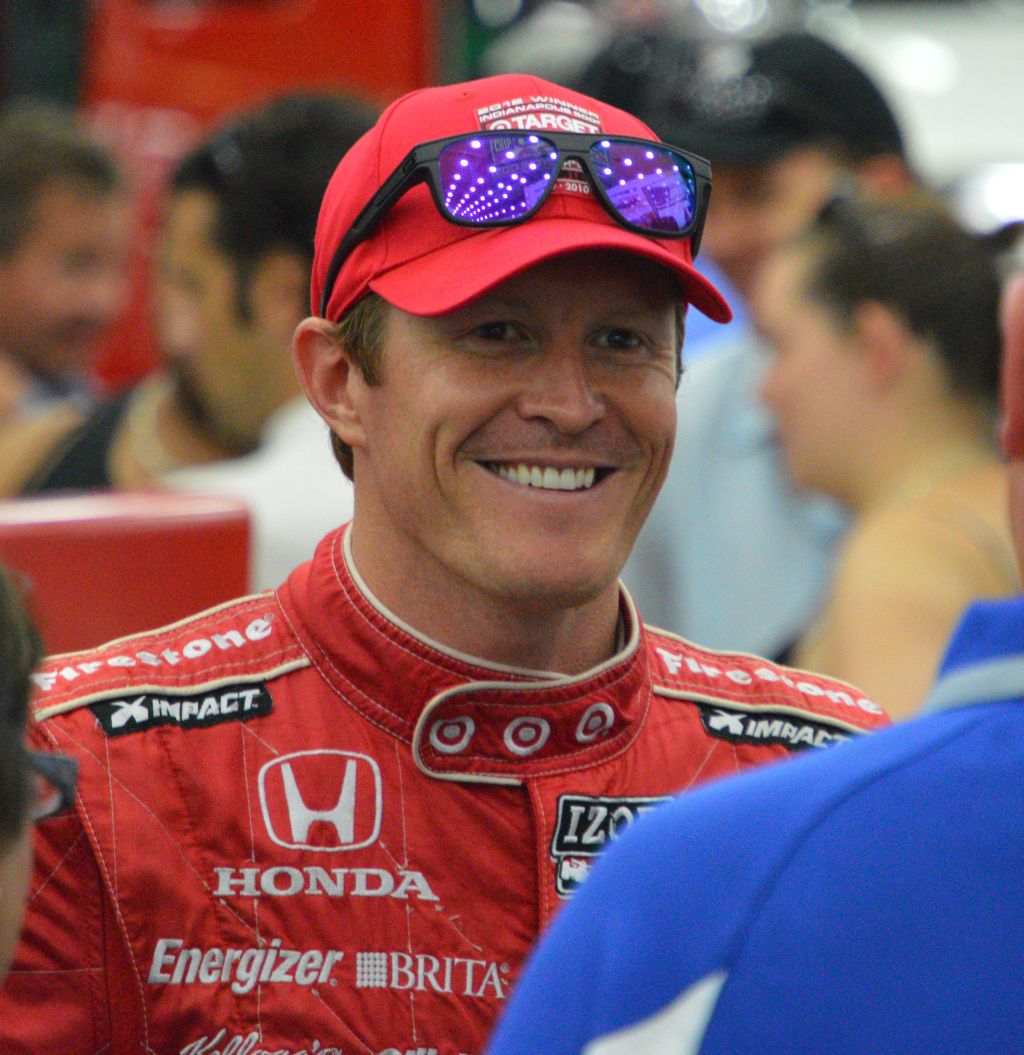
43. Scott Dixon
Born 1980
Dixon, a New Zealander, has won the IndyCar championship six times and the Indianapolis 500 once, and has won at least one race every season for two decades. Only A. J. Foyt has more wins and more titles in American single-seater racing. He is still competing.
Verdict Six IndyCar titles, and counting.
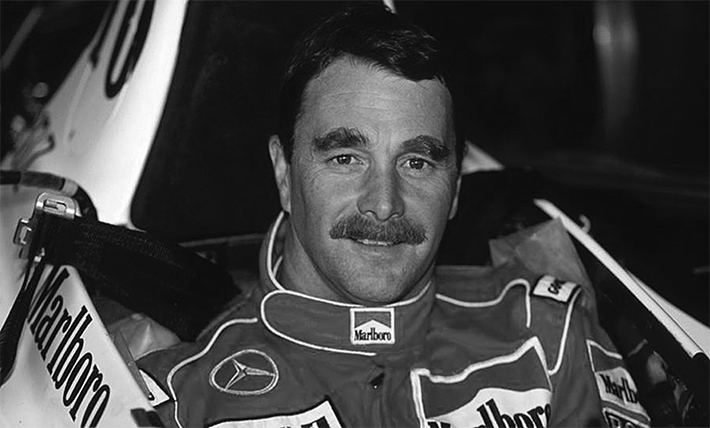
42. Nigel Mansell
Born 1953
Mansell won 31 Grands Prix, the 1992 world title, and then the IndyCar championship in 1993 at his first attempt, as a 40-year-old newcomer to oval racing. He was immensely fast and brave, and prone to drama. He lost the 1986 title to a burst tyre with nineteen laps to go.
Verdict Formula One champion one year, IndyCar champion the next.
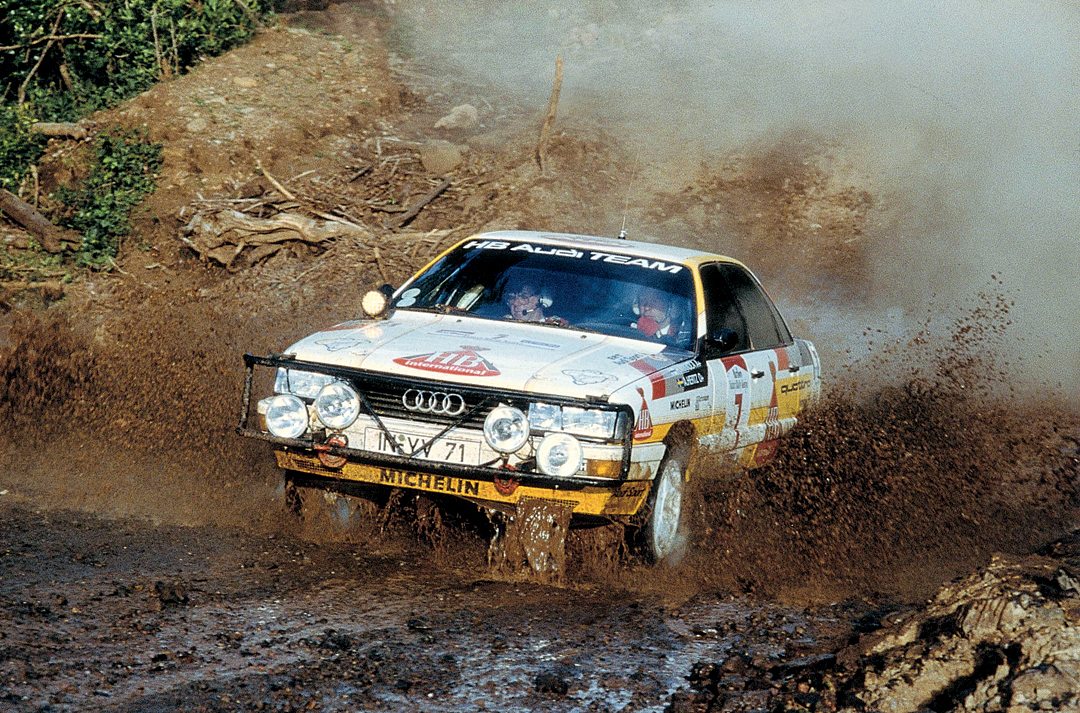
41. Michèle Mouton
Born 1951
Mouton won four rounds of the world rally championship for Audi, the only woman to have won one, and in 1982 was second in the championship, beaten at the second-last round. In 1985 she won the Pikes Peak hill climb outright in record time. She is on this list for those results, which would put any driver on it.
Verdict Four world rally wins, and second in the 1982 championship.
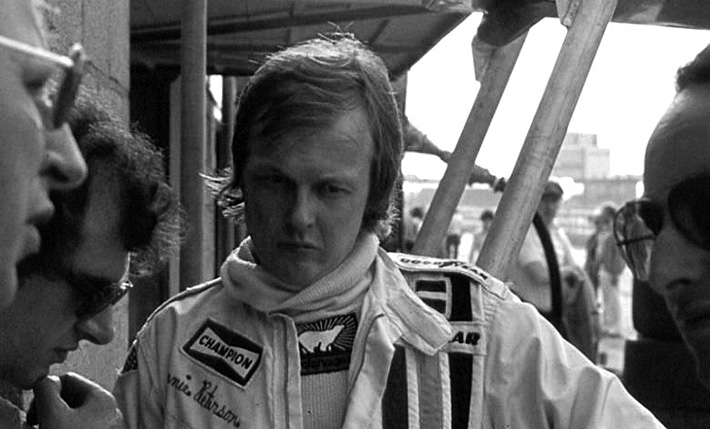
40. Ronnie Peterson
1944–1978
Peterson was the fastest driver of the 1970s over a single lap and drove with the tail of the car out wherever he could. He won ten Grands Prix and was second in the championship in 1971 and 1978. He died from injuries received at the start of the Italian Grand Prix in 1978, as his team-mate was winning the title.
Verdict The fastest man of the 1970s, and never champion.
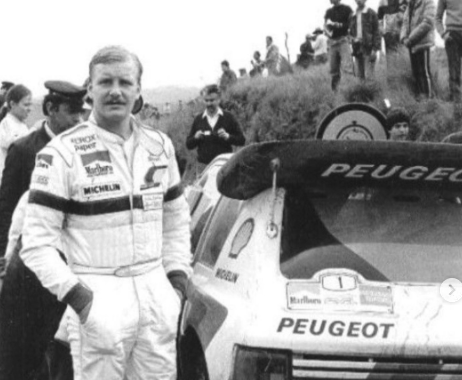
39. Juha Kankkunen
Born 1959
Kankkunen was world rally champion four times, in 1986, 1987, 1991 and 1993, with Peugeot, Lancia and Toyota. He was the first to win four titles and the first to win with three makes. He won the Paris-Dakar at his first attempt, in 1988. He was calm, quick and very rarely off the road.
Verdict Four titles with three makes.
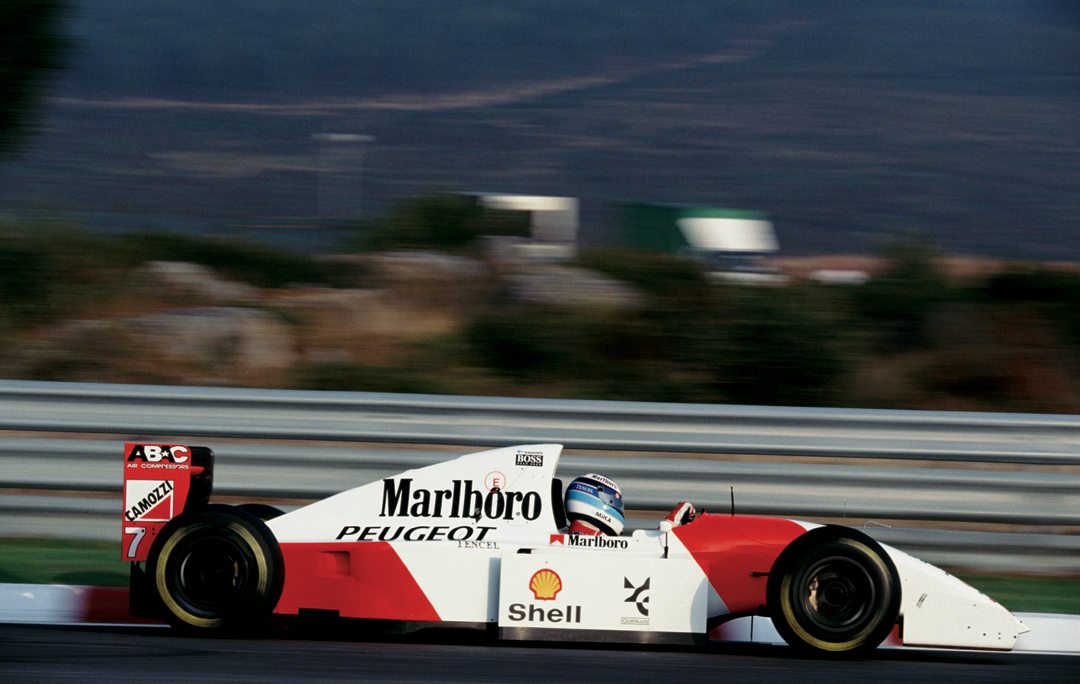
38. Mika Häkkinen
Born 1968
Häkkinen nearly died in a crash in Adelaide in 1995. He came back to win the world championship in 1998 and 1999 for McLaren. He was the one rival Michael Schumacher said he respected without reservation, and his pass on Schumacher at Spa in 2000, either side of a backmarker at 200 mph, is the best of its era.
Verdict The driver Schumacher respected most.
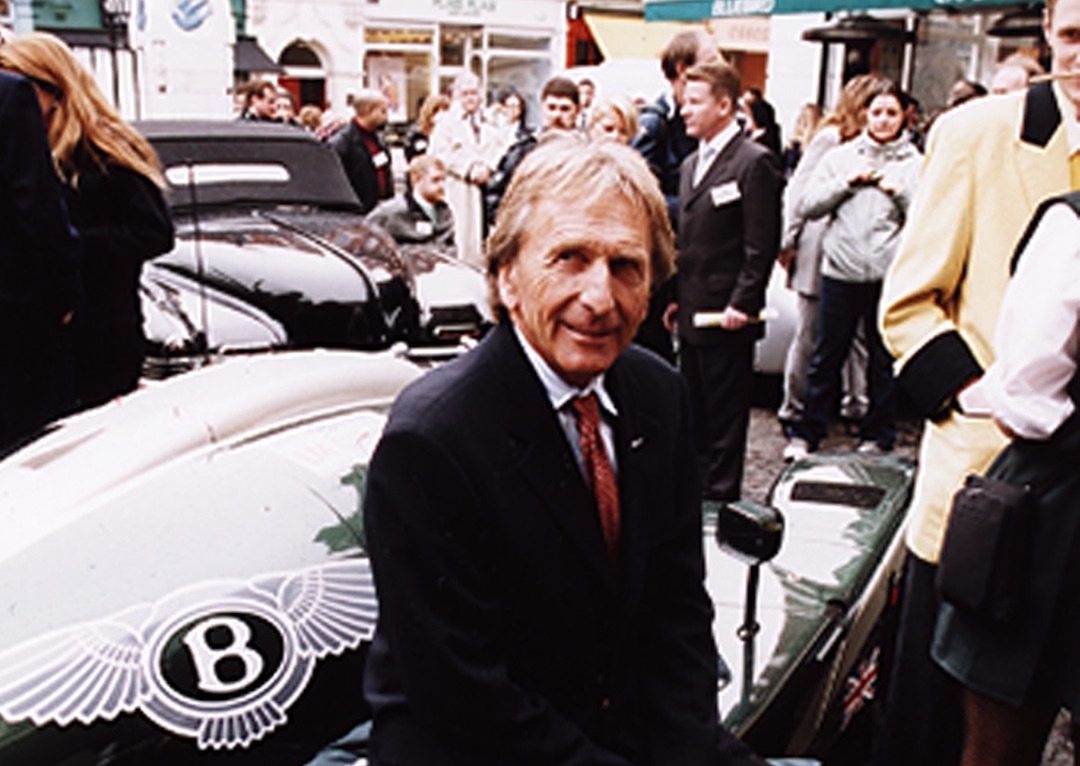
37. Derek Bell
Born 1941
Bell's Formula One career came to very little. In sports cars he won Le Mans five times, four of them with Porsche, the Daytona 24 Hours three times, and the world sports car championship twice. He was quick, easy on the car, and good company, which matters when a seat is shared for 24 hours.
Verdict Five wins at Le Mans, three at Daytona.
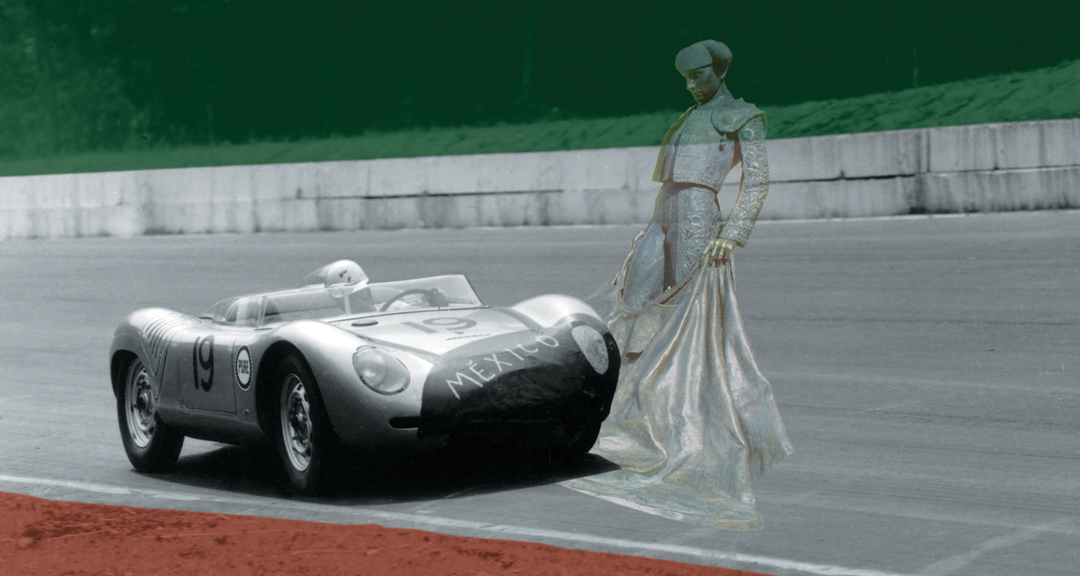
36. Pedro Rodríguez
1940–1971
Rodríguez won two Grands Prix and Le Mans in 1968, but it was in the Porsche 917, in 1970 and 1971, that he was at his best. In the rain at Brands Hatch he won a 1,000 km race by five laps. He was thought the bravest driver of his day and the best in the wet. He was killed in a minor sports car race in Germany in 1971.
Verdict The master of the Porsche 917, above all in the rain.
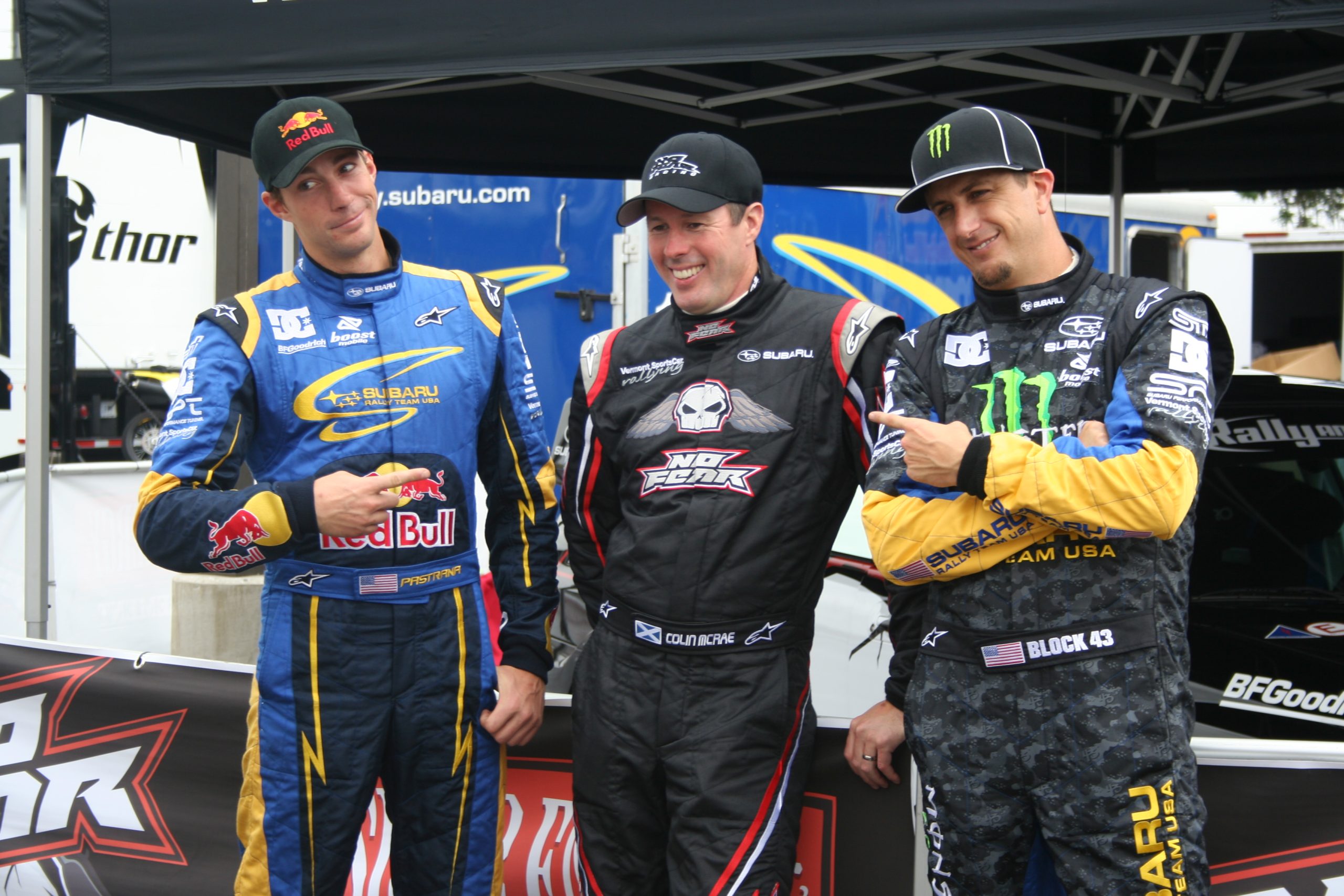
35. Colin McRae
1968–2007
McRae was world rally champion in 1995, at 27, the youngest there had been, and the first from Britain. He won 25 world rallies and crashed out of the lead of a good many more. His style, sideways and flat out, and a video game that bore his name made him the best-known rally driver in the world. He died in a helicopter accident in 2007.
Verdict Flat out, always.
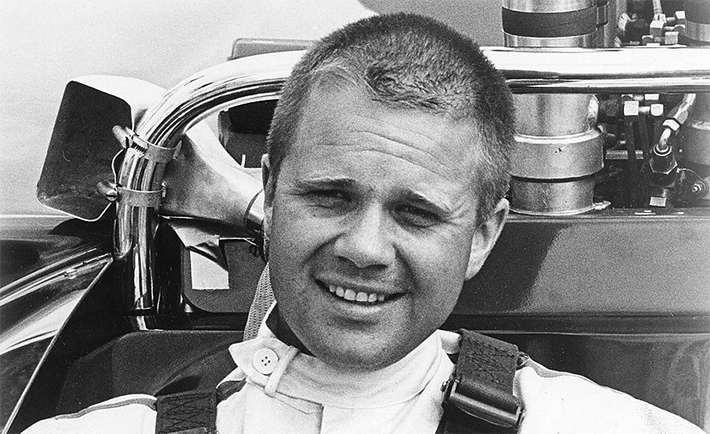
34. Mark Donohue
1937–1975
Donohue was an engineer who drove, and he and Roger Penske won in almost everything they entered: three Trans-Am titles, the 1972 Indianapolis 500, a NASCAR race, and the 1973 Can-Am championship in the Porsche 917/30, a car he had developed himself. He died after a crash in practice for the 1975 Austrian Grand Prix.
Verdict The engineer who won in everything Penske built.
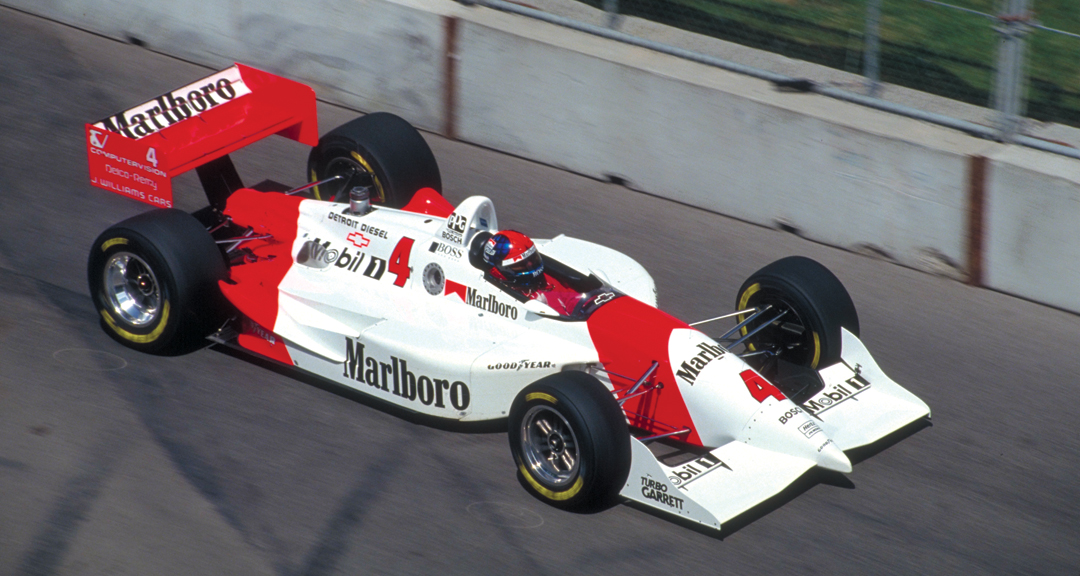
33. Emerson Fittipaldi
Born 1946
Fittipaldi won his fourth Grand Prix start and was world champion at 25, in 1972, then again in 1974. He wasted five years in his family's own team. He then went to America, won the IndyCar title in 1989, and the Indianapolis 500 that year and in 1993, when he was 46.
Verdict Two world titles, then two Indianapolis wins.
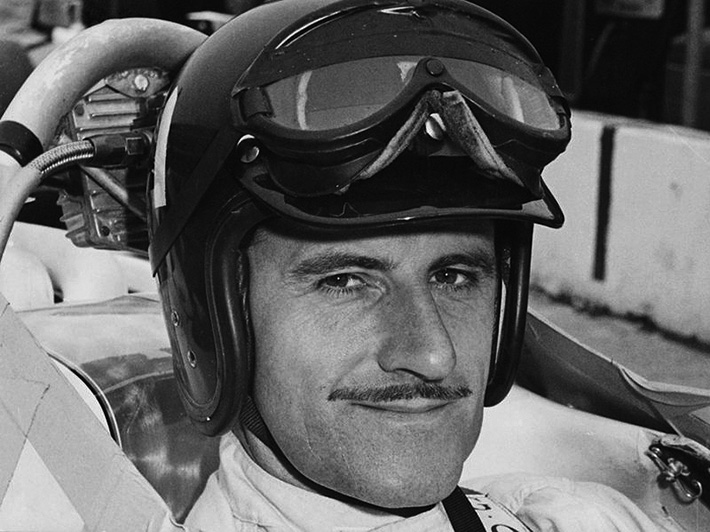
32. Graham Hill
1929–1975
Hill did not drive a car until he was 24. He was world champion in 1962 and 1968, won Monaco five times, the Indianapolis 500 in 1966 and Le Mans in 1972. No one else has won all three of those races. He was a worker more than a natural, and the best-known face in British motor racing.
Verdict The only winner of Monaco, Indianapolis and Le Mans.
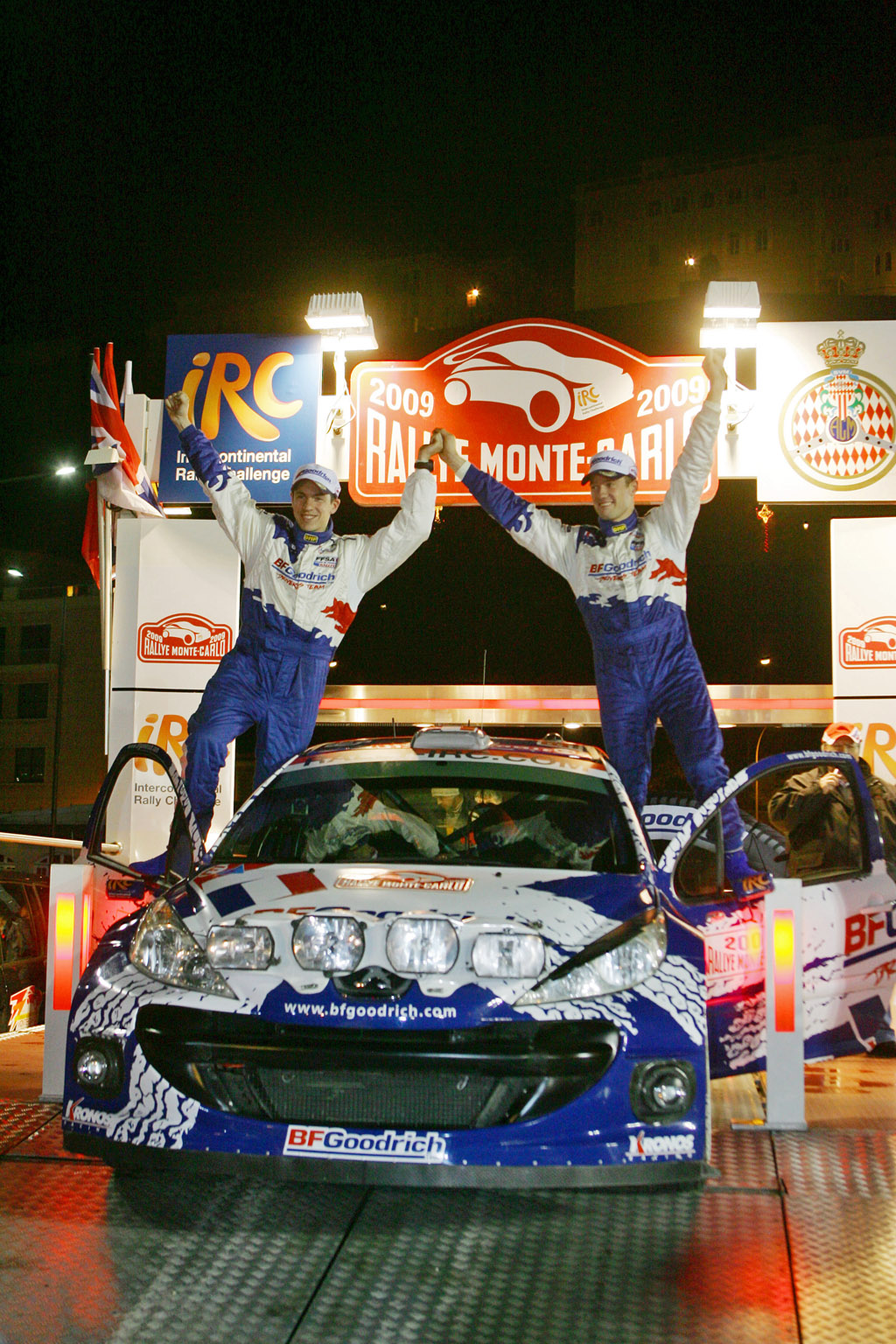
31. Sébastien Ogier
Born 1983
Ogier has won the world rally championship nine times, the same number as Loeb, with Volkswagen, Ford and Toyota. The ninth came in 2025, when he was 41 and contesting only part of the season. He ranks well below Loeb here because his titles were not consecutive and he has done little outside rallying. He is still competing, so this may change.
Verdict Nine titles, with three makes.
30 to 16
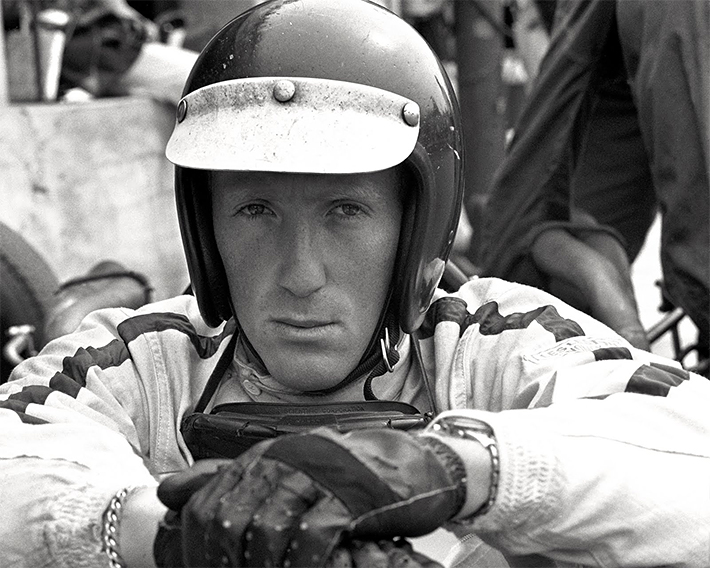
30. Jochen Rindt
1942–1970
Rindt was the fastest driver in Formula Two for five years, where he regularly beat the Grand Prix stars, before he had a Formula One car to match. He won Le Mans in 1965 in a Ferrari nobody expected to last. In 1970 Lotus gave him the 72. He won at Monaco in the old car, on the last corner, then four races in a row in the new one. He was killed in practice at Monza that September. No one overtook his points total in the four races that remained, and he was declared champion.
Verdict The only posthumous world champion.
Did you know: He is the only driver to have been made world champion after his death.
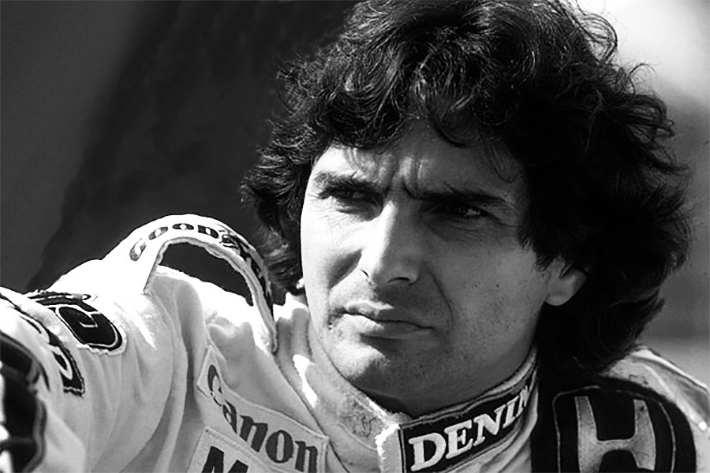
29. Nelson Piquet
Born 1952
Piquet was world champion three times, in 1981, 1983 and 1987, and is the least celebrated of the triple champions. He won by cunning as much as speed. He worked closely with his engineers, was among the first to use tyre warmers and mid-race refuelling to advantage, and was content to collect points when he could not win. His 1983 title was the first for a turbocharged car. In 1987 he beat Nigel Mansell, his quicker team-mate at Williams, by finishing second seven times.
Verdict Three titles, each won with his head.
Did you know: He won his three titles with three different engines: Ford, BMW and Honda.
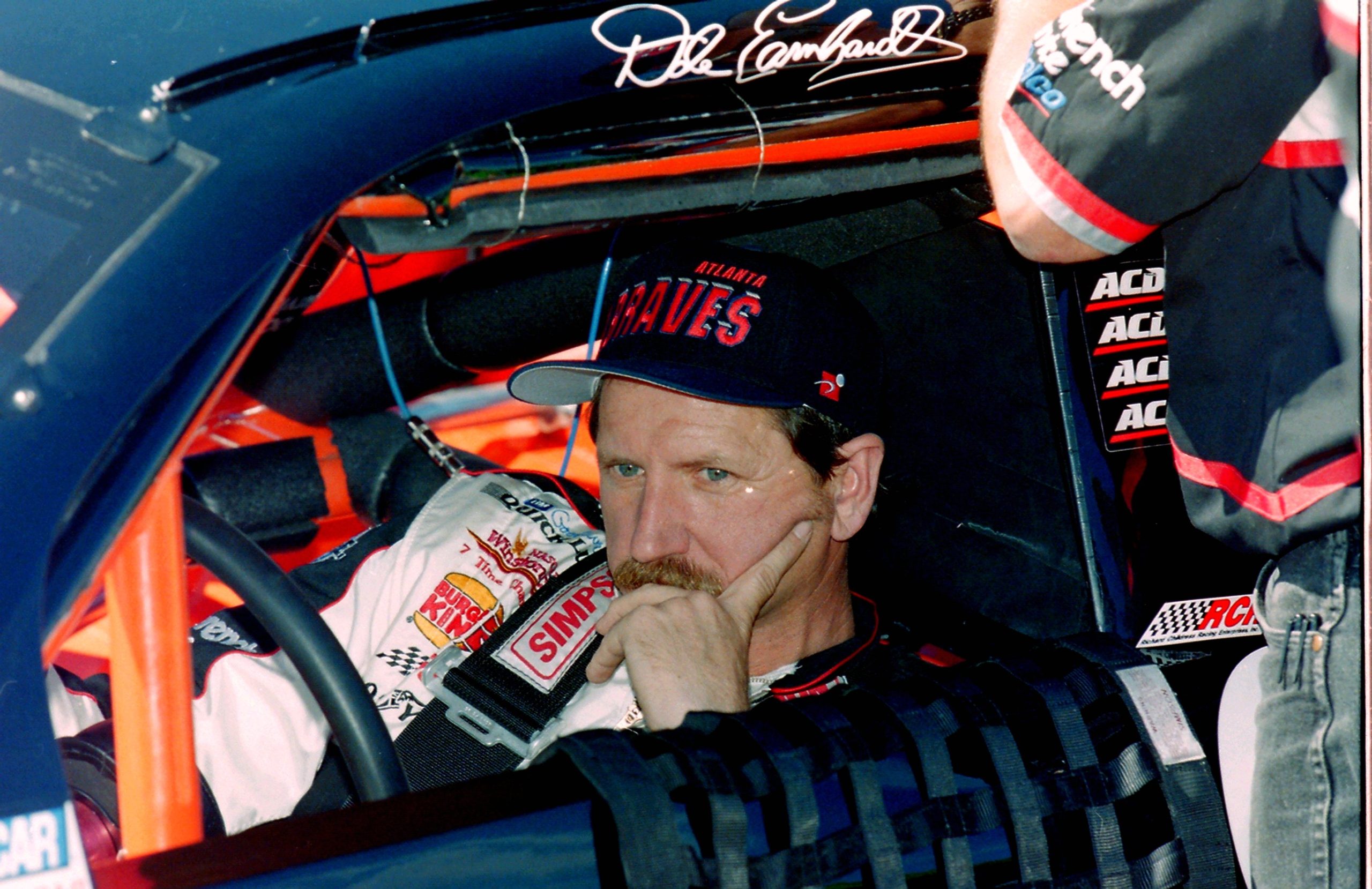
28. Dale Earnhardt
1951–2001
Earnhardt won seven NASCAR championships, level with Petty, and 76 races. He was known as the Intimidator, for a habit of moving other cars out of the way with his front bumper, and his black number 3 was the most recognised car in American racing. He was the best there has been at racing in a pack on the big ovals. He won the Daytona 500 only once, in 1998, at his twentieth try. He was killed on the last lap of the same race in 2001. The safety changes that followed his death have saved many lives since.
Verdict Seven titles, and the hardest racer NASCAR has known.
Did you know: He won the Daytona 500 at his twentieth attempt, and was killed on the last lap of the same race three years later.
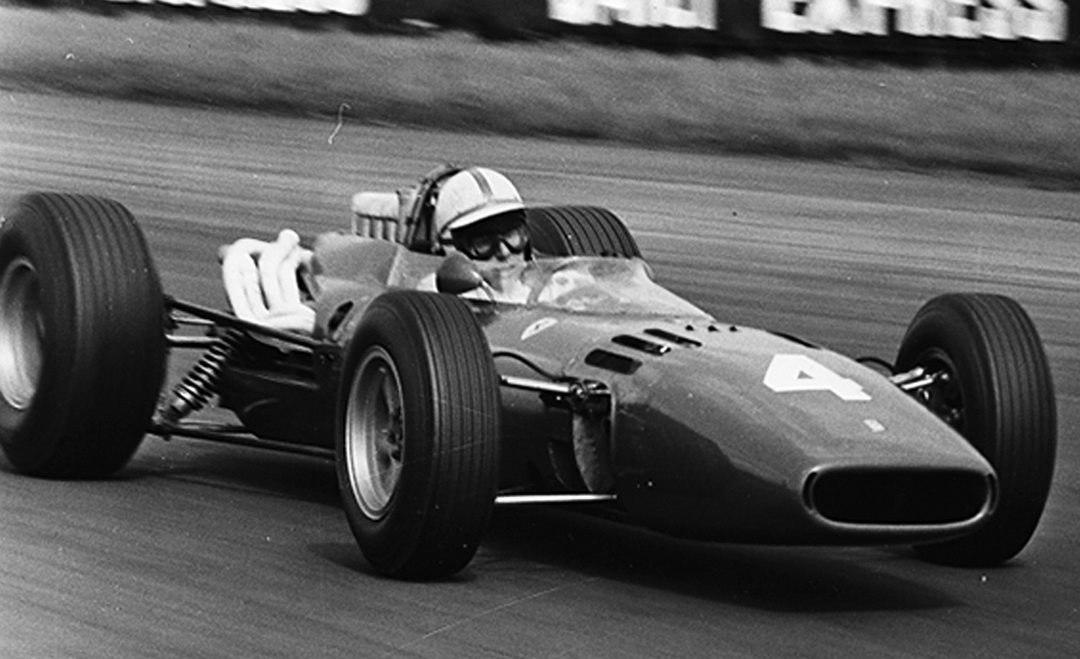
27. John Surtees
1934–2017
Surtees won seven world championships on motorcycles, four of them in the senior 500 cc class, before he had driven a racing car. He finished second in his second Grand Prix on four wheels. In 1964 he was world champion for Ferrari. Nobody else has won the top title on both two wheels and four, and it is hard to imagine anyone doing so now. He left Ferrari after a quarrel in 1966, won the first Can-Am championship that autumn in a Lola, and later built Formula One cars under his own name.
Verdict World champion on two wheels and on four.
Did you know: He is the only world champion on both two wheels and four.
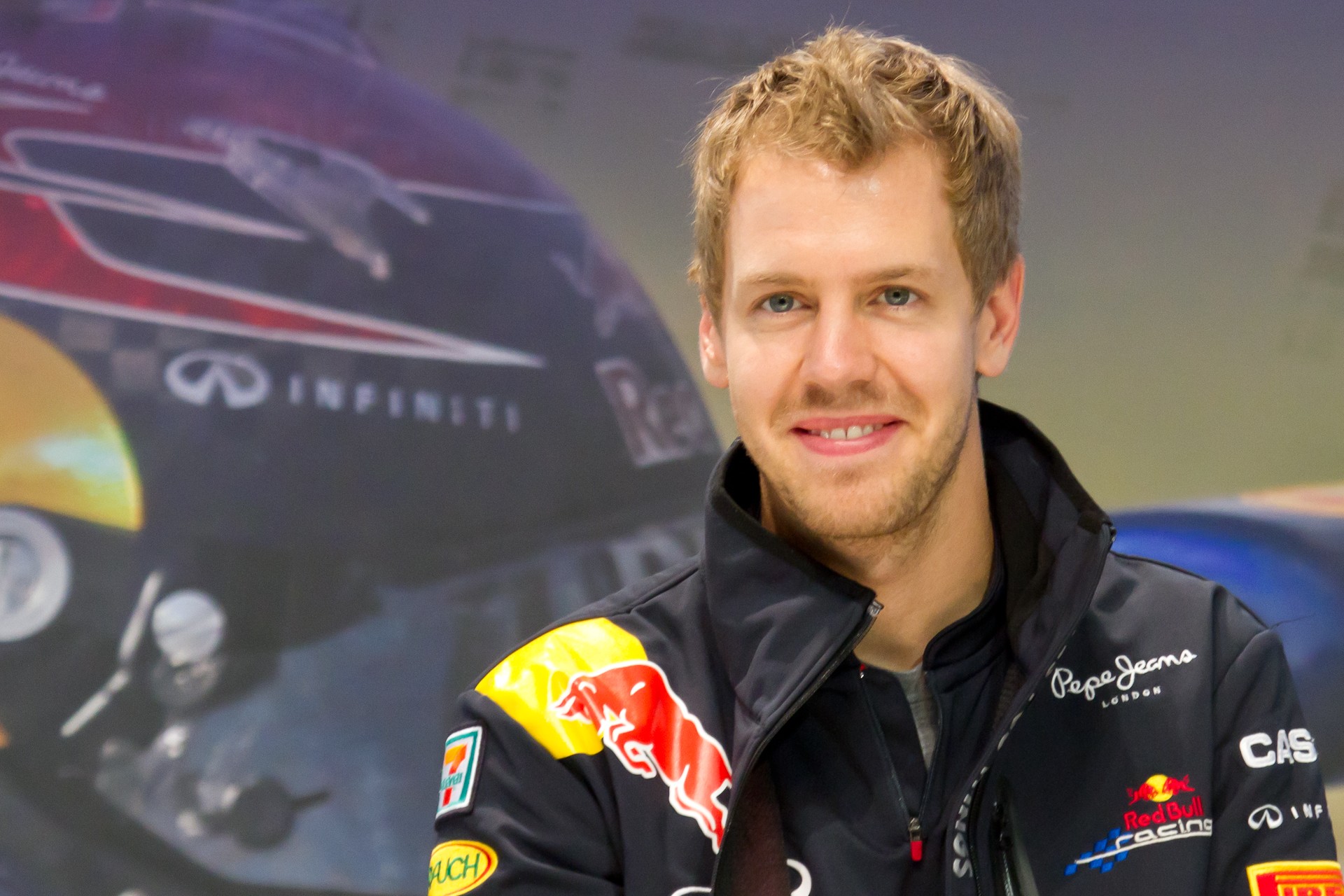
26. Sebastian Vettel
Born 1987
Vettel won four world championships in a row with Red Bull, from 2010 to 2013, the first of them at 23, which makes him the youngest champion there has been. He won 53 Grands Prix, and in 2013 the last nine of the season in succession. His first win came in the rain at Monza in 2008, in a Toro Rosso, a car that had no right to be at the front. He is this low because the later years, at Ferrari, brought errors under pressure and no fifth title. With the car to his liking and clear air ahead, very few have been quicker.
Verdict Four titles in a row, and the youngest champion.
Did you know: He is the youngest world champion there has been, at 23.
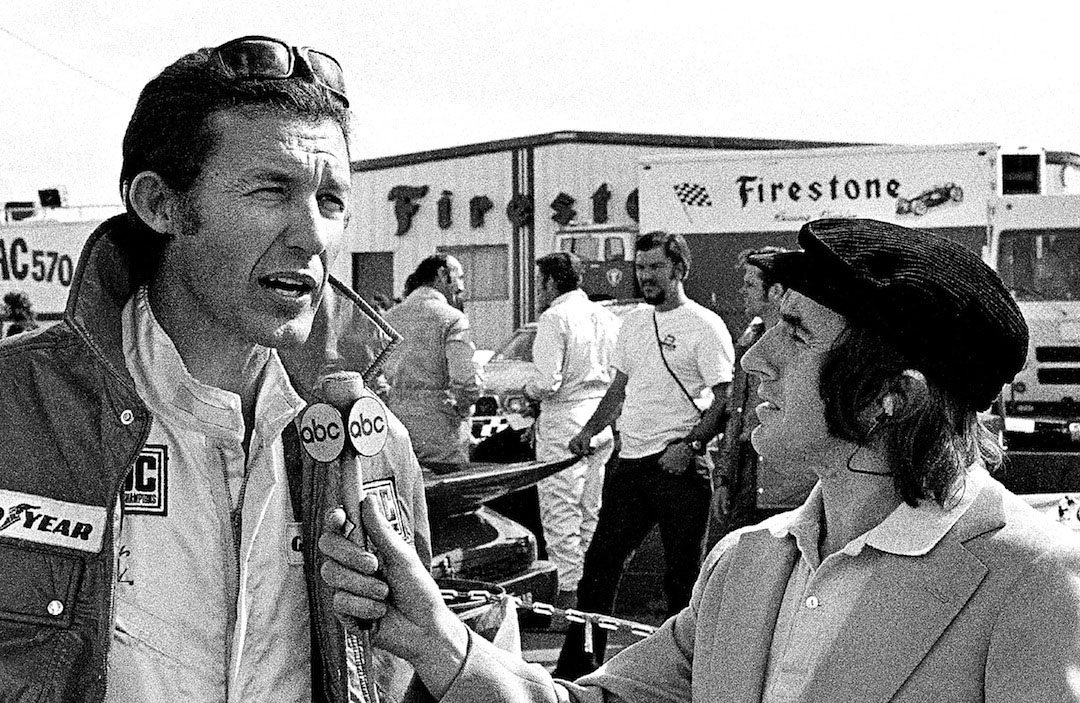
25. Richard Petty
Born 1937
They call him the King. Petty won 200 races in NASCAR's top division between 1960 and 1984; the next man on the list has 105. He was champion seven times and won the Daytona 500 seven times. In 1967 he won 27 races in a season, ten of them in a row. Those figures come from an age when the series ran sixty races a year, many on short dirt tracks against thin fields, which is why he is not higher. But he won on every kind of oval for a quarter of a century, and stayed after every race until the last autograph was signed.
Verdict Two hundred wins.
Did you know: He won 200 races in NASCAR's top series. Nobody else has won more than 105.
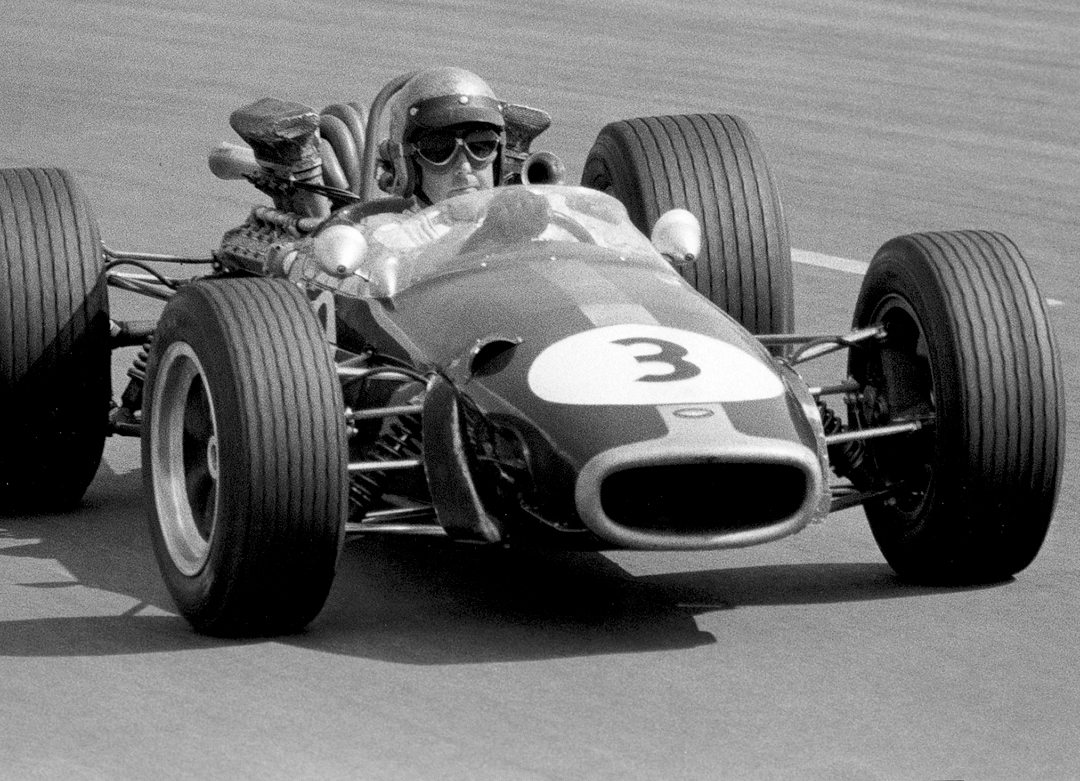
24. Jack Brabham
1926–2014
Brabham was an Australian mechanic who raced midget cars on dirt ovals before he came to England. He won the world championship for Cooper in 1959 and 1960, in the cars that put the engine behind the driver for good, and he helped to build them. In 1966 he won it again in a car made by his own company, with an Australian engine he had commissioned. Nobody else has been champion in a car carrying his own name. He was 40 by then. He took a rear-engined Cooper to Indianapolis in 1961 and started a revolution there too.
Verdict Three titles, the last in a car he built himself.
Did you know: He is the only driver to have won the world championship in a car bearing his own name.
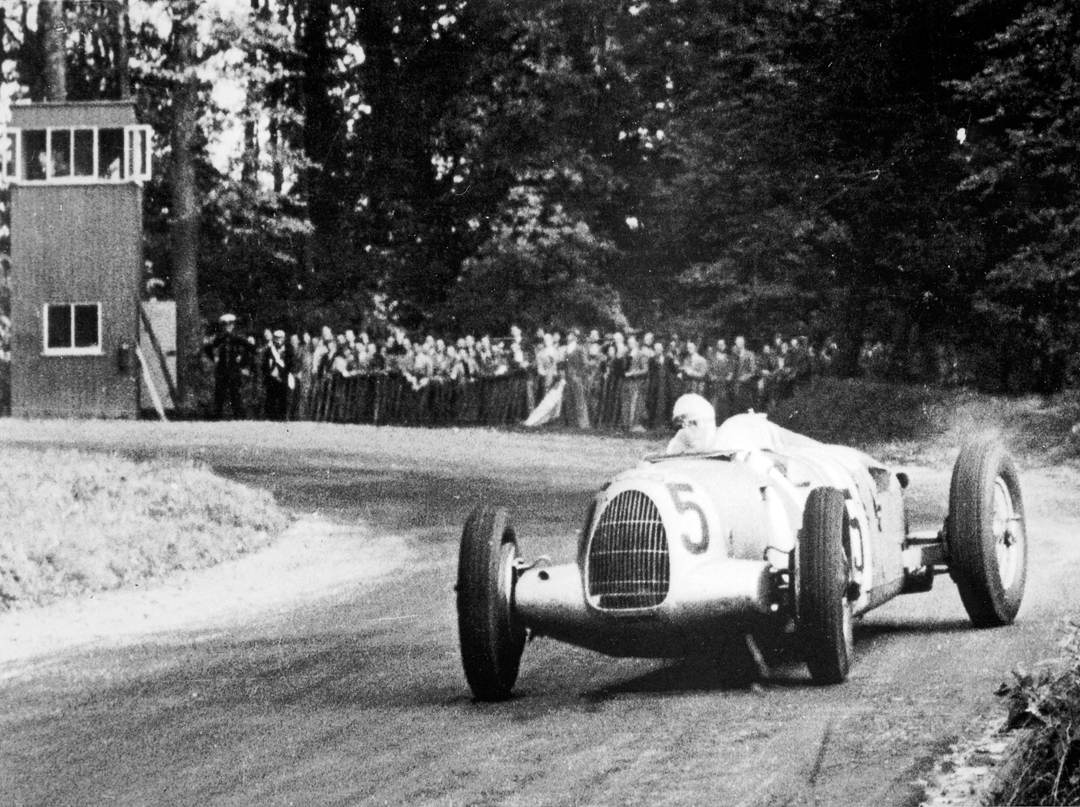
23. Bernd Rosemeyer
1909–1938
Rosemeyer was a motorcycle racer who had never driven a racing car when Auto Union gave him a trial in 1934. The Auto Union had its sixteen-cylinder engine behind the driver and was thought close to undrivable by men trained on conventional cars. He had nothing to unlearn. He nearly won his second race, was European champion in 1936, and won the Vanderbilt Cup in America in 1937. In fog at the Nürburgring he was half a minute a lap quicker than anyone. He was killed in January 1938, aged 28, trying for a speed record on a motorway in a crosswind.
Verdict Champion a year after first sitting in a racing car.
Did you know: He had never raced a car before 1935. A year later he was European champion.
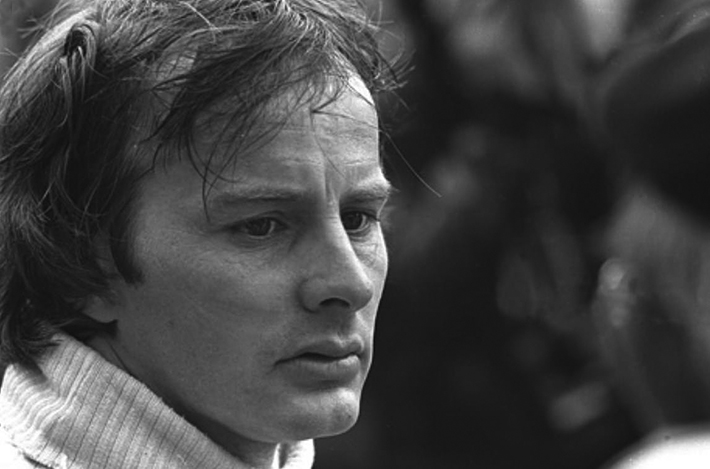
22. Gilles Villeneuve
1950–1982
Villeneuve won six Grands Prix and no championship, and by the numbers has no business this high. He is here because the people who raced against him and the people who watched all say the same thing: nobody had more car control. He had been a snowmobile racer in Quebec. At Dijon in 1979 he and René Arnoux banged wheels for two laps over second place. At Jarama in 1981 he held four faster cars behind an ill-handling Ferrari for an hour and won. He was killed in qualifying at Zolder in 1982. Enzo Ferrari, who was not given to it, said he had loved him.
Verdict Six wins, and the most exciting driver most people ever saw.
Did you know: He won six Grands Prix. Few drivers with so few wins are remembered so well.
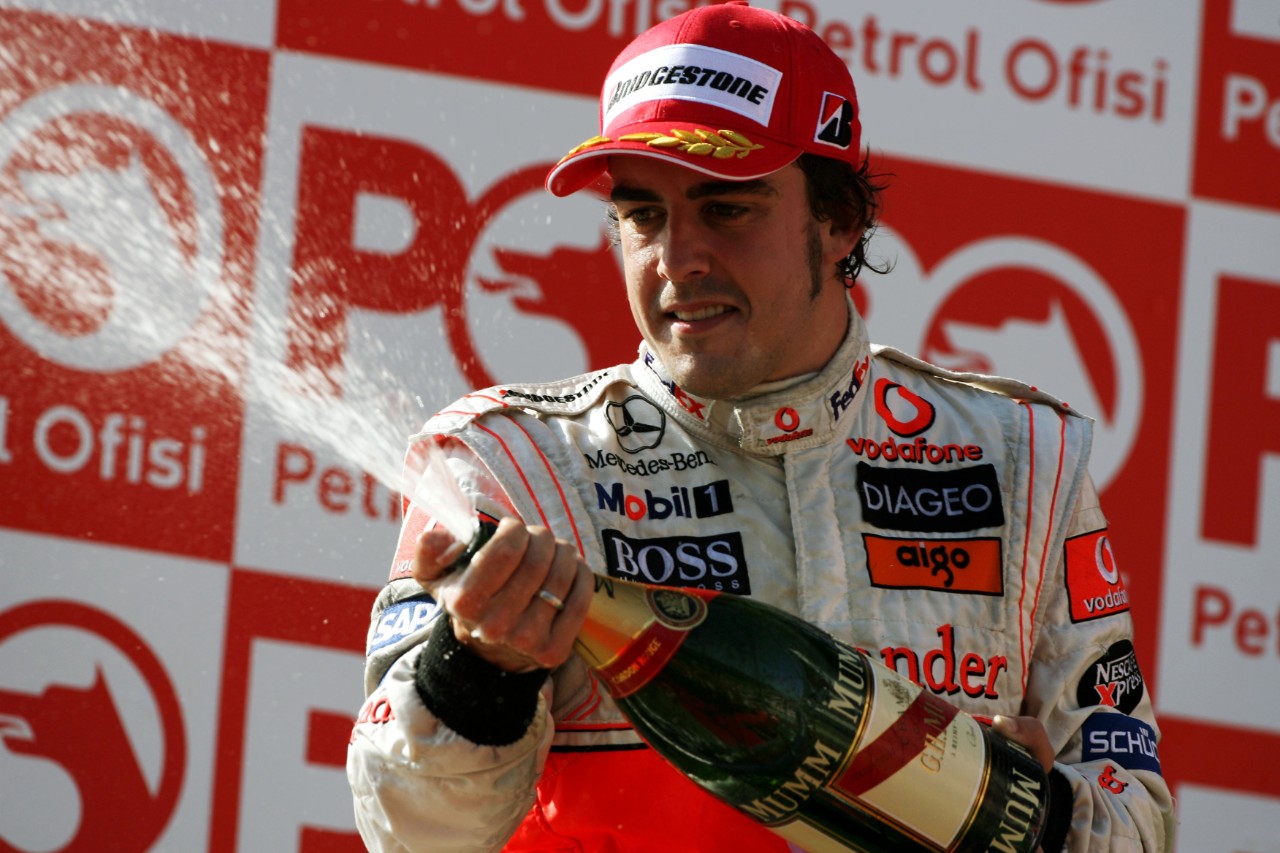
21. Fernando Alonso
Born 1981
Alonso was world champion in 2005 and 2006, ending Schumacher's run, and has spent much of the time since in cars that did not deserve him. He lost the 2007, 2010 and 2012 titles by a total of eight points. Many inside the sport think him the most complete driver of his generation, whatever the totals say. Unusually for a modern Grand Prix driver, he went looking for other races. He won Le Mans twice with Toyota, the Daytona 24 Hours, and a world endurance title, led the Indianapolis 500, and drove the Dakar. He is still in Formula One in his mid-forties.
Verdict Two titles, and the widest range of any current driver.
Did you know: He has won the Formula One title twice, Le Mans twice and the Daytona 24 Hours.
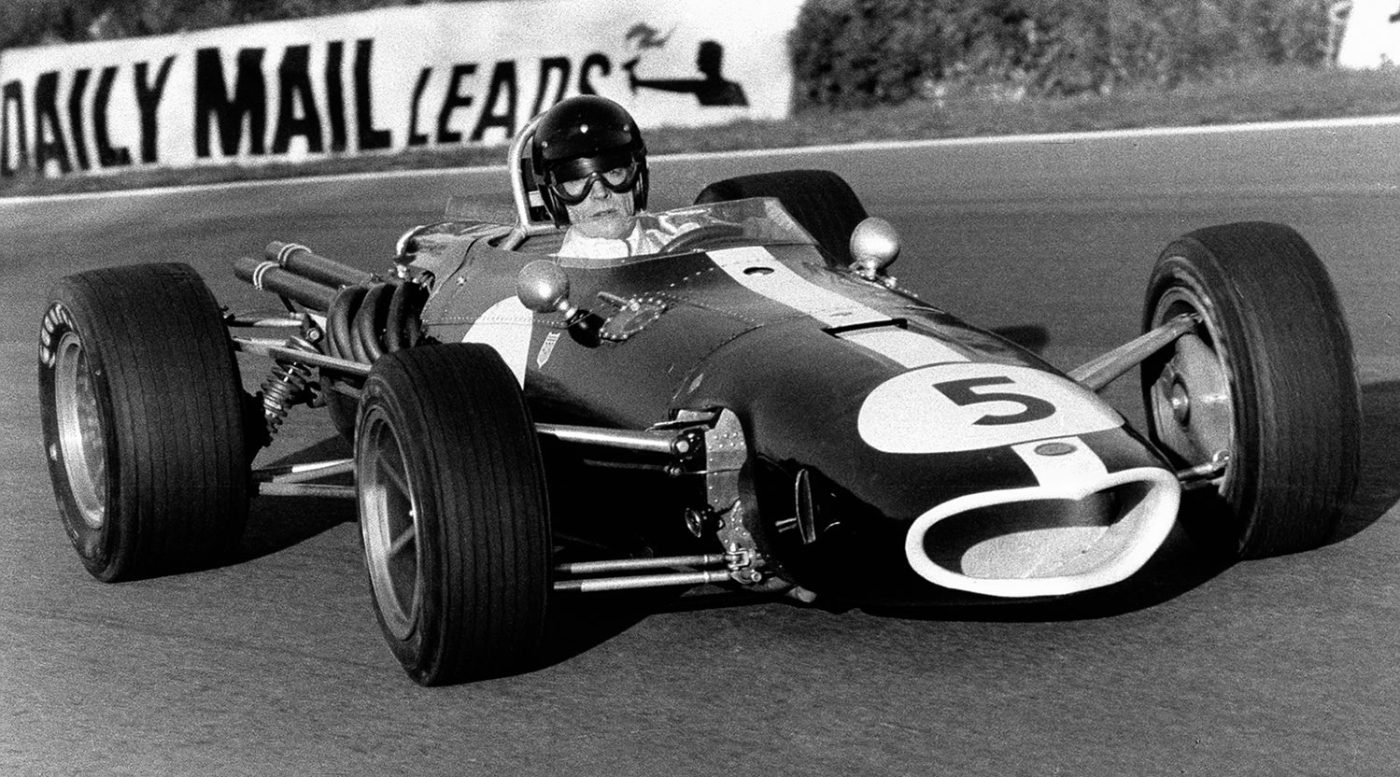
20. Dan Gurney
1931–2018
Jim Clark's father is said to have told Gurney, at Clark's funeral, that he was the only rival his son had feared. Gurney won four Grands Prix, seven IndyCar races, five NASCAR races, all on the same road circuit, and Le Mans in 1967. A week after that he won the Belgian Grand Prix in an Eagle, a car built by his own company, which no other American has done. He gave Porsche and Brabham their first Grand Prix wins. He also introduced the full-face helmet to Formula One, invented the small lip on the edge of a wing that still carries his name, and started the custom of spraying champagne.
Verdict The American all-rounder Jim Clark rated above everyone else.
Did you know: He won Grands Prix for Porsche, Brabham and his own Eagle, the first for each of them.
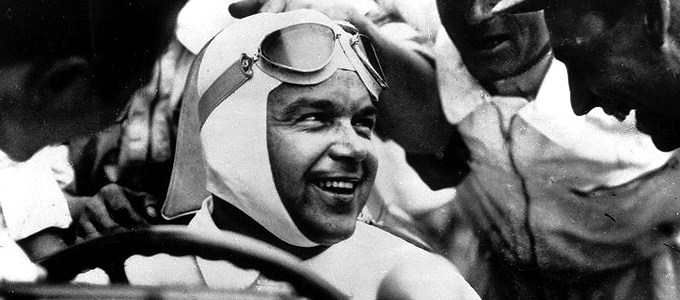
19. Rudolf Caracciola
1901–1959
Caracciola was the leading driver of the Silver Arrows years. He was European champion, the equivalent of a world title, in 1935, 1937 and 1938 for Mercedes, and won the German Grand Prix six times. He was known as the Regenmeister, the rain master, after winning at the Avus in a downpour in 1926. A crash at Monaco in 1933 shattered his right thigh and left that leg two inches shorter than the other; he won his three championships after it. In 1938 he drove a streamlined Mercedes at 268 mph on a motorway near Frankfurt.
Verdict Three European titles, won on one good leg.
Did you know: In 1938 he was timed at 268 mph on a public motorway, a record for a road that stood for nearly eighty years.
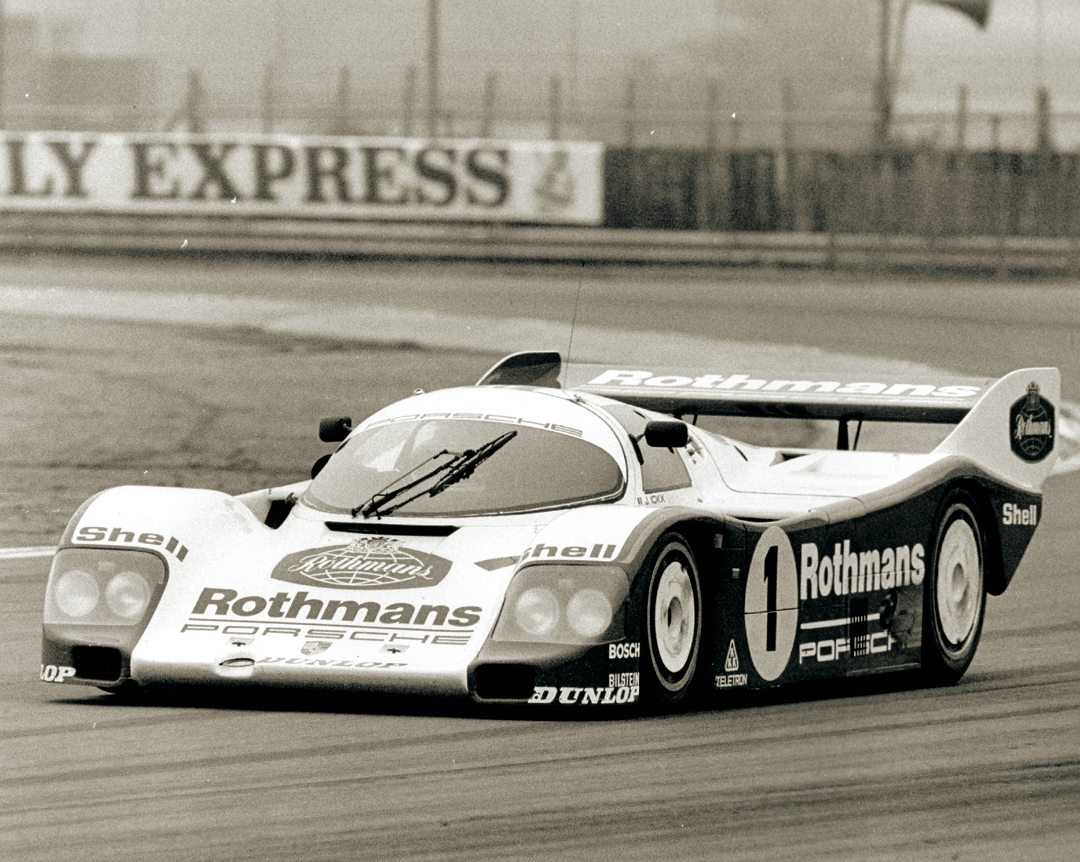
18. Jacky Ickx
Born 1945
Ickx won eight Grands Prix and was twice runner-up in the world championship, and that is the smaller part of his record. He won Le Mans six times between 1969 and 1982. The first was by about a hundred yards, after he had walked across the track at the start in protest at drivers running to their cars without doing up their belts. In 1977 he took over a car lying 41st and drove through the night to win. He was Can-Am champion in 1979 and won the Paris-Dakar Rally in 1983. In the wet he was thought the best of his generation.
Verdict Six Le Mans wins, eight Grands Prix, and a Dakar.
Did you know: At Le Mans in 1969 he walked to his car in protest at the running start, set off last, and won.
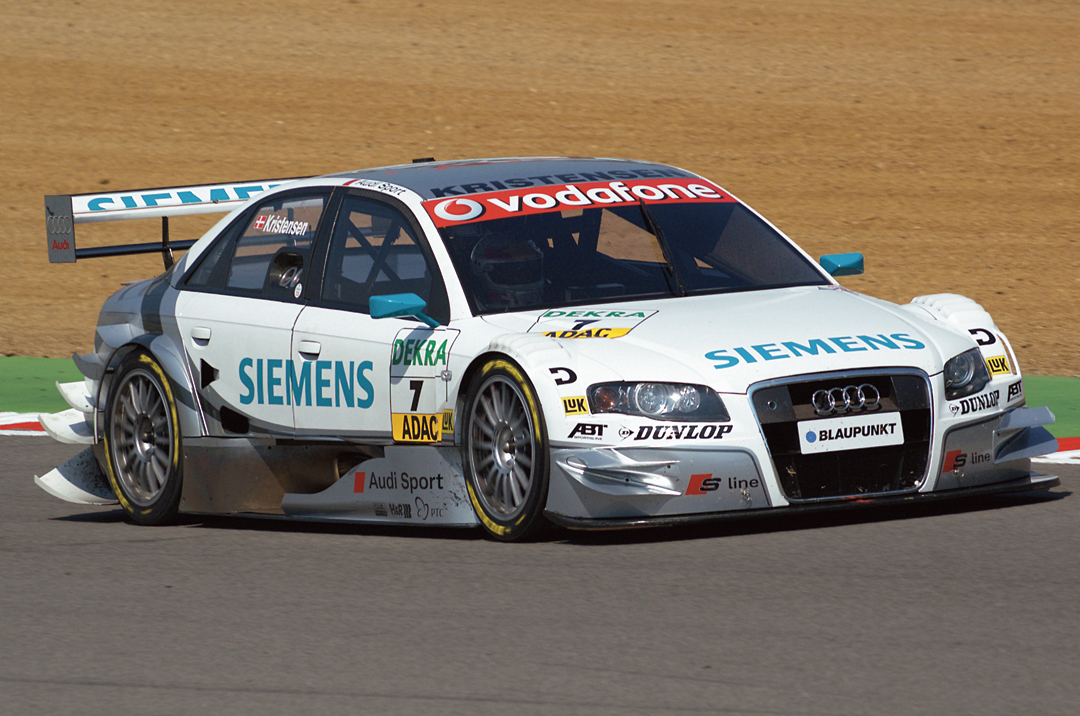
17. Tom Kristensen
Born 1967
Nobody has won Le Mans more often. Kristensen won it at his first attempt, in 1997, as a late replacement in a private Porsche-engined car, setting the fastest lap at night. He then won six years running from 2000, five times with Audi and once with Bentley, and twice more in 2008 and 2013. That makes nine. He also won the Sebring 12 Hours six times. He was at his best in the dark and in traffic, when a prototype is lapping slower cars every few seconds for hours on end. He never raced in Formula One, though he tested for several teams.
Verdict Nine wins at Le Mans.
Did you know: He won Le Mans nine times, six of them in a row.
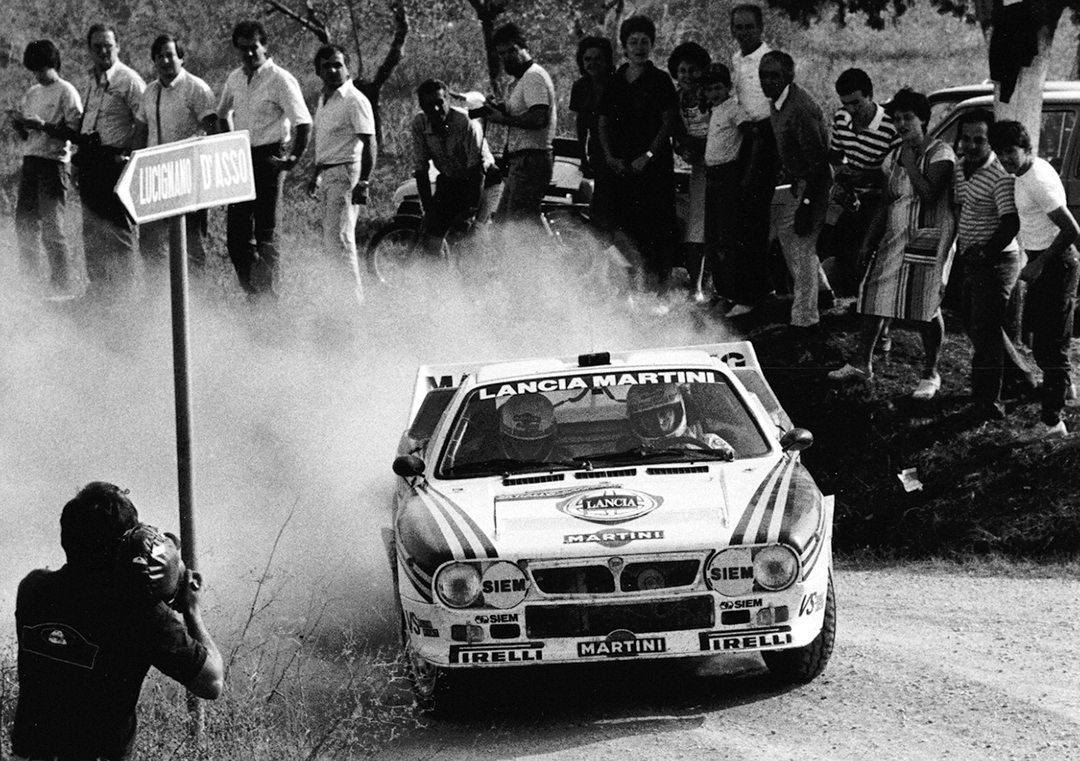
16. Walter Röhrl
Born 1947
Röhrl was world rally champion in 1980 and 1982 and won the Monte Carlo Rally four times, in a Fiat, an Opel, a Lancia and an Audi. That is rear-wheel drive with the engine at the front, at the back and in the middle, and then four-wheel drive. He was a ski instructor before he was a driver, and he drove with a neatness that made it look slow. Niki Lauda called him a genius on wheels. He took the 1982 title in an Opel against the Audi Quattros, and in 1987 drove an Audi up Pikes Peak in record time. He cared little for championships and often skipped rallies he did not enjoy.
Verdict Four Monte Carlo wins in four different kinds of car.
Did you know: He won the Monte Carlo Rally four times in four different makes of car.
The top 15
- Years
- 1918–1955
Driver · Italy
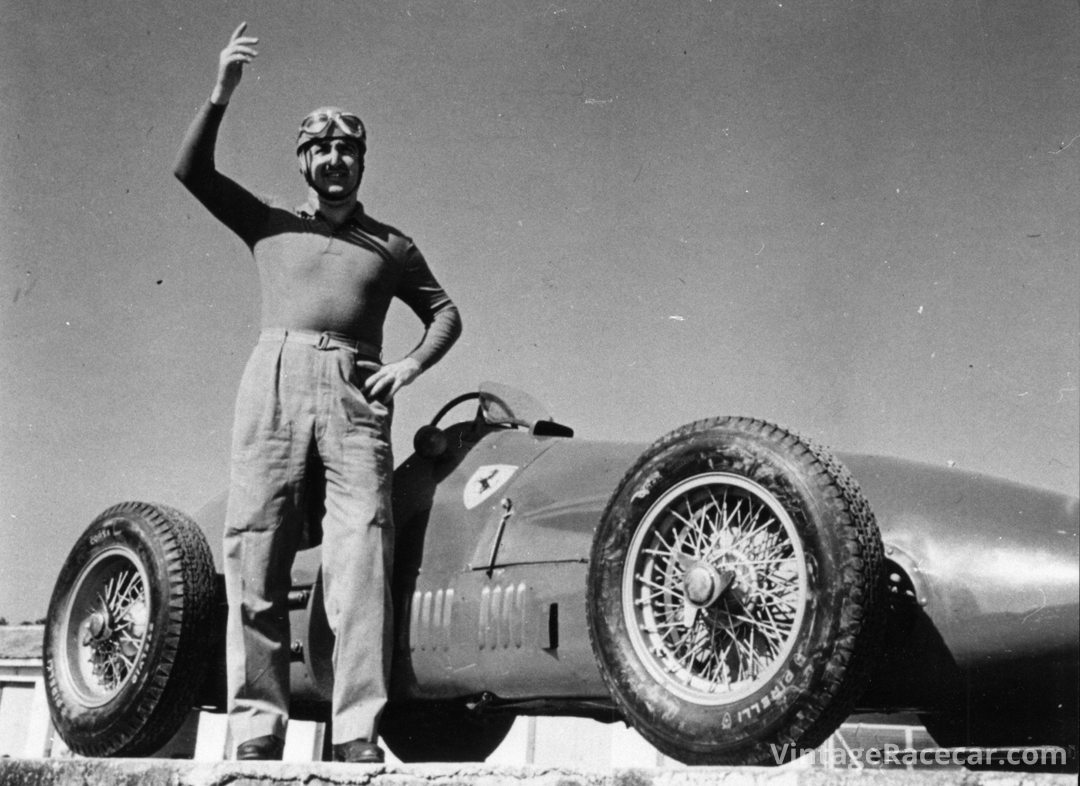
15. Alberto Ascari
Ascari was the only driver of the early 1950s whom Fangio considered his equal. He was world champion in 1952 and 1953 for Ferrari, and between those two seasons he won nine championship Grands Prix in a row, a record that stood for sixty years. When he was in front, which was often, he was all but impossible to catch: he led from the start and drew away.
He was the son of Antonio Ascari, one of the great Italian drivers of the 1920s, who was killed in the French Grand Prix when Alberto was six. He was superstitious, careful about numbers and dates, and always raced in the same pale blue helmet.
In May 1955 he crashed into the harbour at Monaco and swam out with a broken nose. Four days later he went to Monza to watch a friend test a sports car, decided on impulse to try it, in his ordinary clothes and a borrowed helmet, and was killed. He was 36, the age at which his father had died, and it was the 26th of the month, as it had been then.
Verdict Two titles, nine wins in a row, and Fangio's only real rival.
He died at 36, the same age as his father, also a racing driver, and on the same day of the month.
- Years
- 1949–2019
Driver · Austria
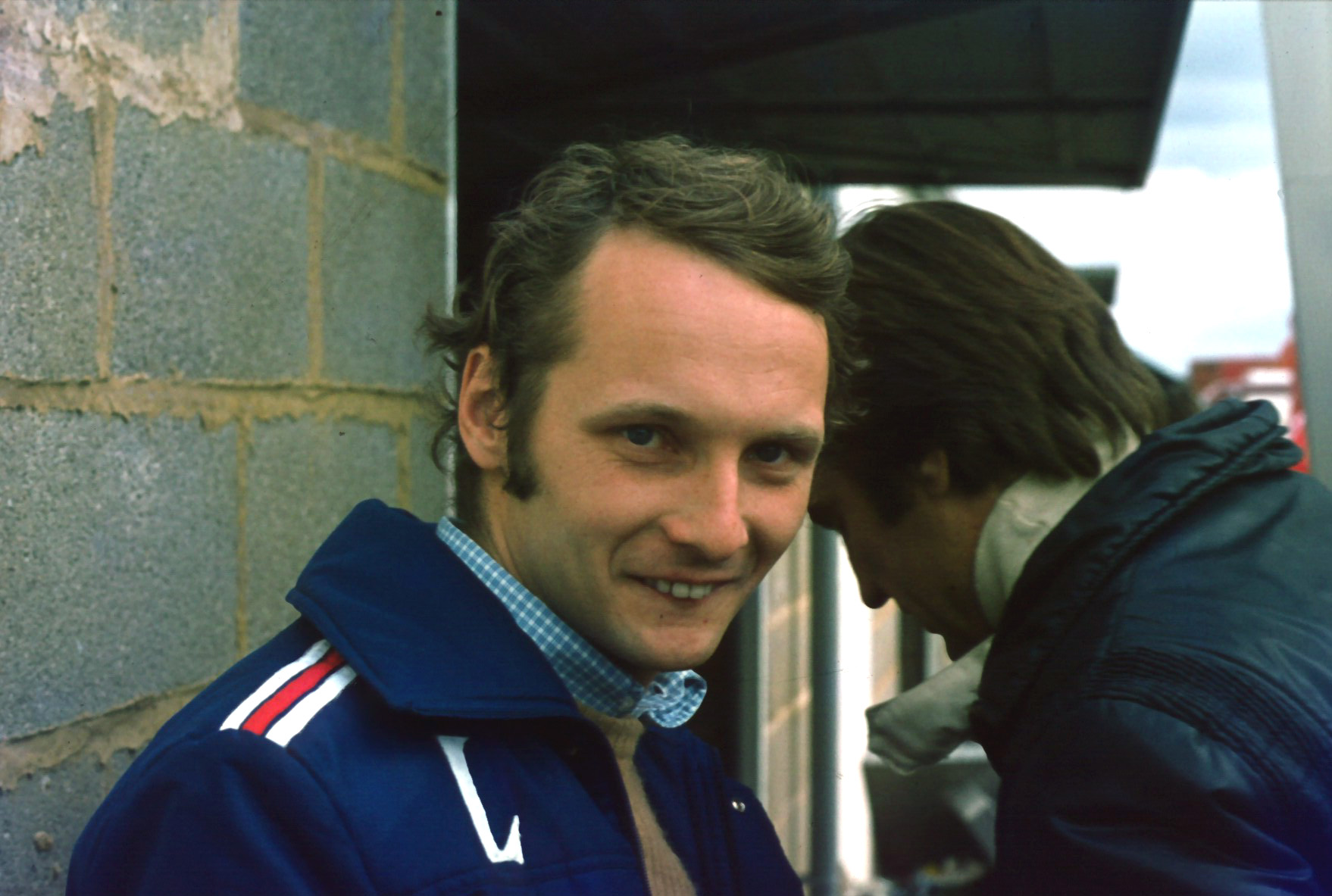
14. Niki Lauda
Lauda bought his way into Formula One with a bank loan secured against his own life insurance, and talked his way into Ferrari. He was champion in 1975. On 1 August 1976, at the Nürburgring, his car crashed and caught fire, and he was trapped in it for the best part of a minute. He was badly burned, and his lungs were damaged by the fumes. A priest gave him the last rites.
Six weeks later he raced at Monza and finished fourth, with his bandages soaked in blood. He lost the title to James Hunt by one point at the final race, in Japan, where he pulled out after two laps because he judged the rain too dangerous. He won it back the following year.
He retired in 1979, started an airline, and returned in 1982. In 1984 he beat Alain Prost, his team-mate and the quicker man, to a third title by half a point. He was the least sentimental of the great champions and one of the bravest.
Verdict Three titles, either side of the worst accident a champion has survived.
He was back in a racing car six weeks after being given the last rites.
- Years
- Born 1935
Driver · USA
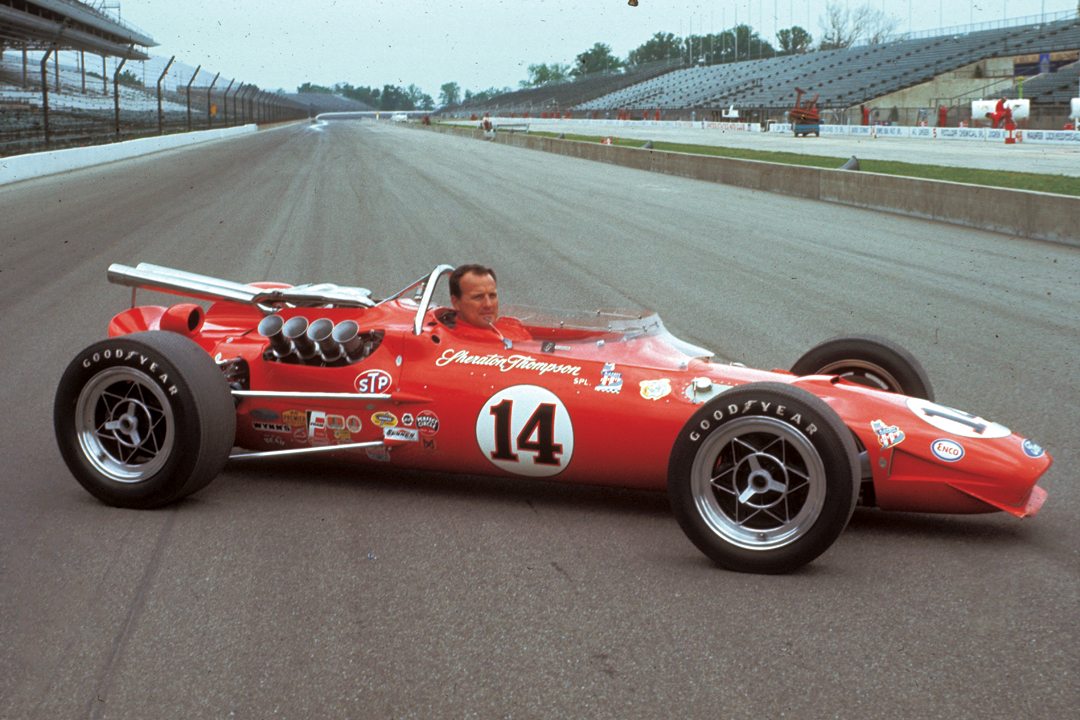
13. A. J. Foyt
Anthony Joseph Foyt of Houston, Texas, won the Indianapolis 500 four times, the first driver to do so, and the American national championship seven times, which is still the record. He won 67 races in that series, also still the record.
Like Andretti, he won in everything. He took the Daytona 500 in 1972. In 1967 he went to Le Mans for the only time in his life, shared a Ford with Dan Gurney, and won, a fortnight after winning Indianapolis. He won the Daytona 24 Hours and the Sebring 12 Hours in his late forties. No one else has won Indianapolis, Daytona's 500 and both 24-hour races.
He was strong, short-tempered and worked on his own cars. He survived accidents that should have killed him, including one in which he was run over by his own car. He drove at Indianapolis 35 years running. He ranks just below Andretti because he never tried Formula One.
Verdict Four Indianapolis wins, seven national titles, and Le Mans at the first attempt.
He is the only driver to have won the Indianapolis 500, the Daytona 500, and the 24-hour races at Le Mans and Daytona.
- Years
- Born 1997
Driver · Netherlands
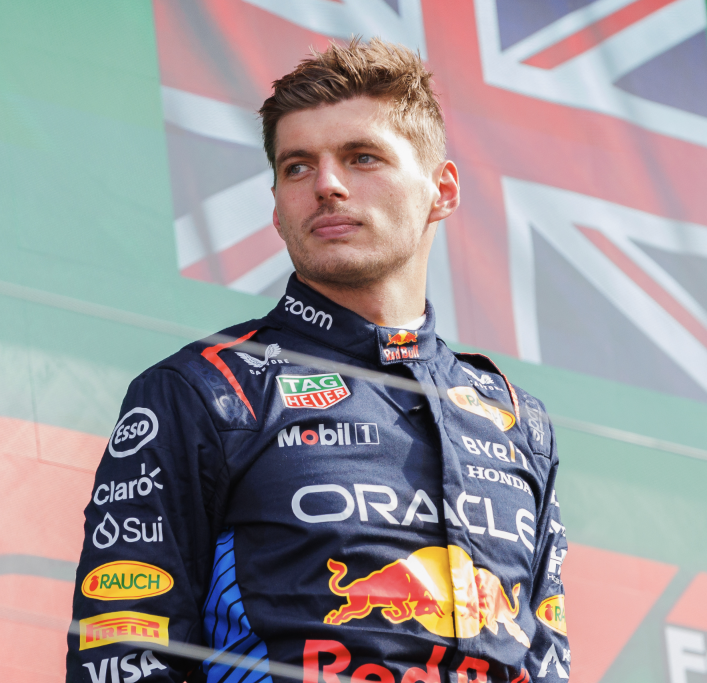
12. Max Verstappen
Verstappen started his first Grand Prix at seventeen, before he held a road licence, and won his first at eighteen, on his debut for Red Bull. He was world champion four years running from 2021. In 2023 he won nineteen of the 22 races, ten of them in succession, both records.
He is quick everywhere, exceptional in the wet, and makes very few mistakes for a driver so aggressive. His first title was decided on the last lap of the last race, in circumstances that are still argued over. The next three were not close.
What keeps him from the top ten for now is time. He is not yet thirty and is still racing. Unlike most modern Grand Prix drivers he also races sports cars for pleasure, and he has won in GT cars at the Nürburgring. If the second half of his career resembles the first, he will finish a good deal higher than this. The placing is provisional.
Verdict Four titles before thirty, and the best season anyone has had.
He started his first Grand Prix at seventeen and won one at eighteen.
- Years
- Born 1939
Driver · UK
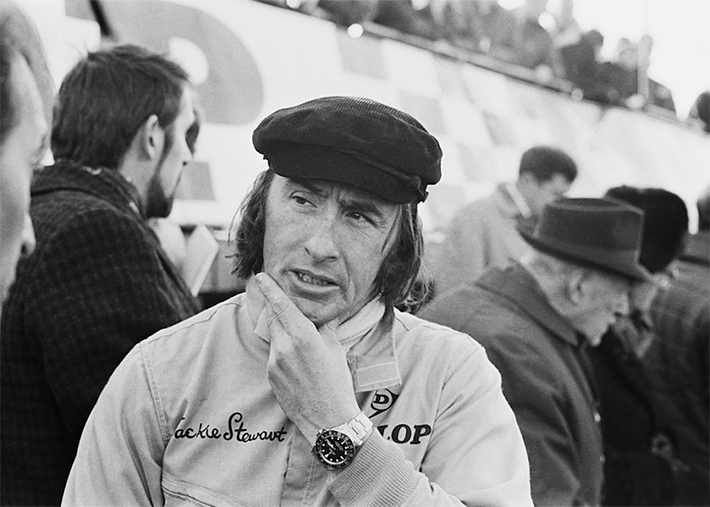
11. Jackie Stewart
Stewart won three world championships, in 1969, 1971 and 1973, and 27 Grands Prix from 99 starts, a record number of wins when he retired. His greatest drive came at the Nürburgring in 1968, in rain and fog so thick that he could not see the car in front. He won by four minutes.
He has a second claim that no other driver can match. After a crash at Spa in 1966 left him trapped in a car soaked in fuel, he began a campaign for safety: barriers, run-off areas, seat belts, full-face helmets, medical teams at circuits. He was called a coward for it by parts of the press and by some circuit owners. In his first seven seasons he had lost a long list of friends. By the time he was done, drivers had stopped dying at that rate.
He retired at 34, as champion, one race short of a hundred, after his team-mate François Cevert was killed in practice. He never raced again.
Verdict Three titles, and the man who made the sport survivable.
He won the 1968 German Grand Prix by four minutes, in fog and rain, with a broken wrist.
- Years
- Born 1955
Driver · France
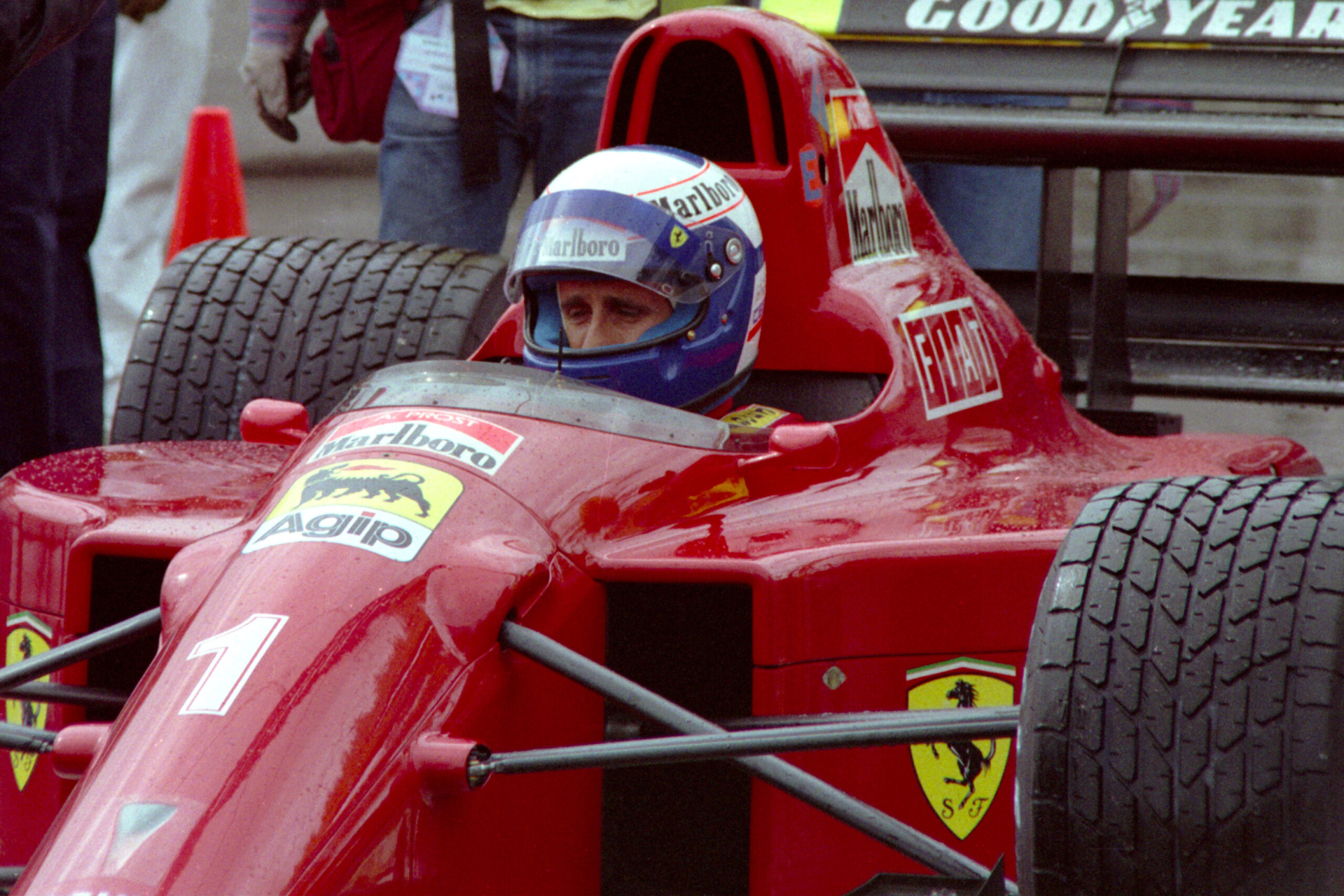
10. Alain Prost
Prost won four world championships and 51 Grands Prix, and it is still common to hear him described as the man Senna beat. He was the more complete of the two. Over the two seasons they shared a McLaren, Prost scored more points.
He was nicknamed the Professor. He set his car up for the race and not for qualifying, looked after his tyres and fuel, and drove no faster than the situation required, so that his best performances were often invisible. He would be fourth for an hour and win by twenty seconds. Niki Lauda, who beat him to the 1984 title by half a point with the same approach, said Prost was the quicker of the two of them.
He won titles in 1985, 1986, 1989 and 1993, and was second four times. He raced against Lauda, Rosberg, Senna, Mansell and Hill as team-mates, five world champions, and finished ahead of every one of them over a season at least once.
He is tenth because, like most of the Grand Prix drivers below the top four here, he did not race much else. Within Formula One there is a good argument that only Fangio managed a career so well.
Verdict Four titles, won by thinking.
He was called the Professor, for winning at the slowest speed that would do it.
- Years
- Born 1940
Driver · USA
9. Mario Andretti
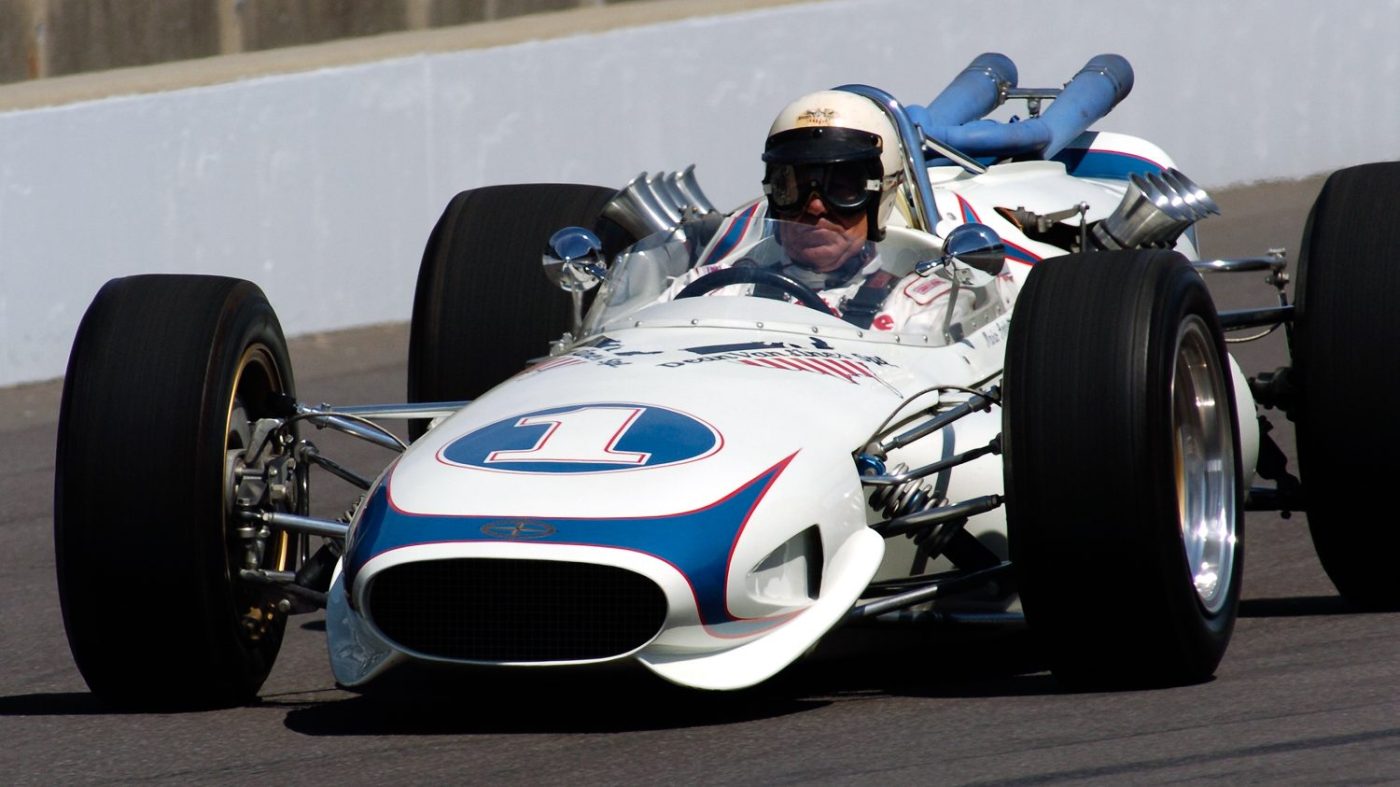
If the question is who could win in the most kinds of racing car, the answer is Mario Andretti. He was Formula One world champion in 1978. He won the Indianapolis 500 in 1969 and the American national championship four times. He won the Daytona 500, NASCAR's biggest race, in 1967. He won the Sebring 12 Hours three times, and he won on dirt ovals in sprint cars and midgets and on the hill at Pikes Peak.
He was born in Italy in 1940, spent part of his childhood in a refugee camp, and arrived in Pennsylvania at fifteen. He and his twin brother built a stock car and raced it without telling their parents. He took pole position for his first Grand Prix, at Watkins Glen in 1968.
His career at the top lasted over thirty years. He won his last IndyCar race at 53. He was named American driver of the year in three different decades. We rank him above several men with more Formula One titles, and that is deliberate: this list gives weight to range, and nobody has more.
Verdict The most versatile winner in the history of the sport.
He won the Formula One title, the Indianapolis 500, the Daytona 500 and the Sebring 12 Hours.
- Years
- 1929–2020
Driver · UK
8. Stirling Moss
Moss never won the world championship, and he is eighth on a list of the best drivers who ever lived. Both of those facts were his own doing.
He finished second in the championship four years in a row, from 1955 to 1958, three times to Fangio. In 1958 he won four races to Mike Hawthorn's one and lost the title by a single point, having gone to the stewards in Portugal to argue that Hawthorn should not be disqualified. He preferred British cars, which were often not the best, and private teams, which were never the richest.
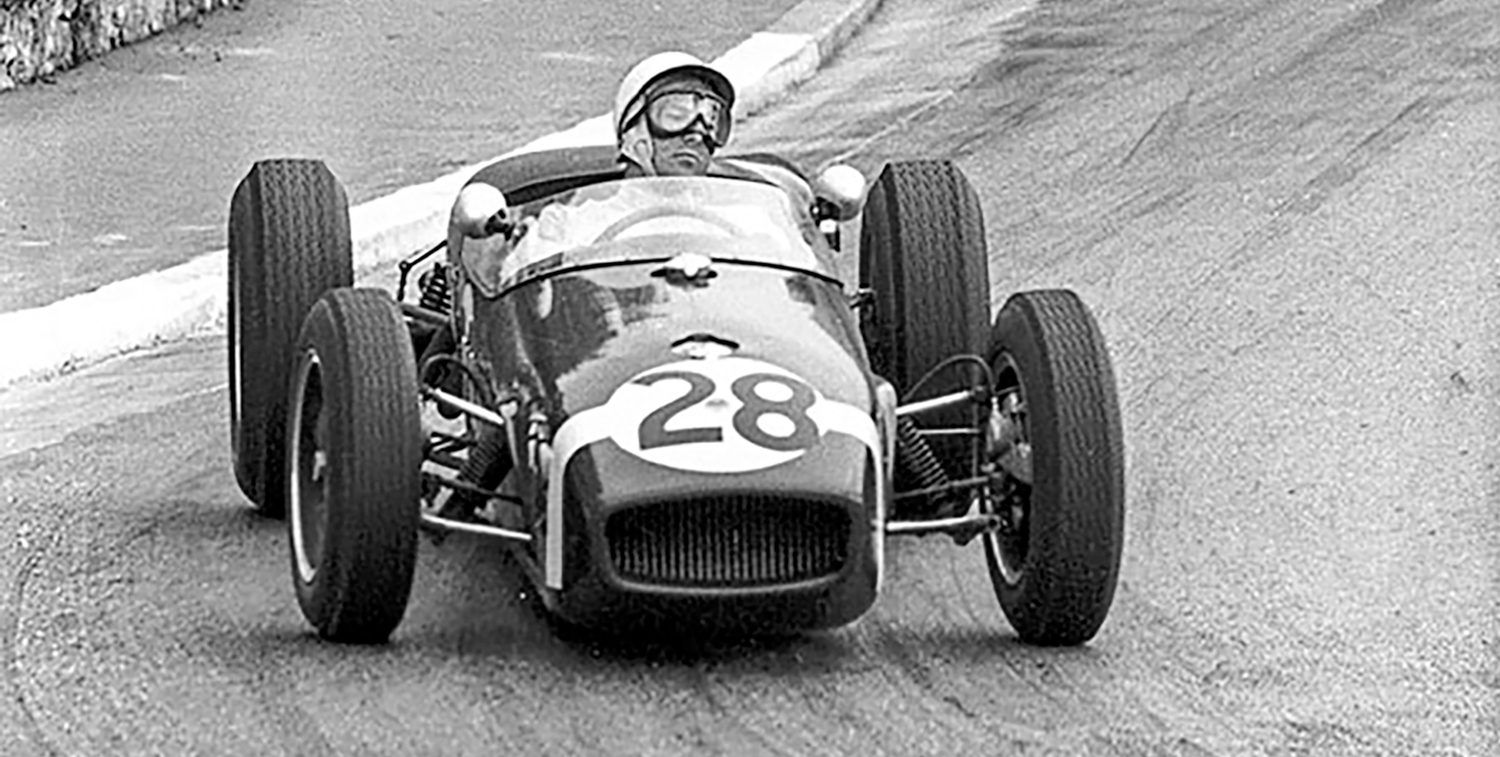
He won 16 Grands Prix from 66 starts, and about 40 per cent of all the races he entered in a fourteen-year career, in every kind of car. He won the Mille Miglia in 1955 at a record speed that was never beaten, the Tourist Trophy seven times, the Nürburgring 1,000 km four times. At Monaco in 1961, in a year-old Lotus with far less power, he held off three Ferraris for a hundred laps.
A crash at Goodwood in 1962 ended his career at 32. He lived to 90 and was for most of that time the best-known racing driver in Britain. Fangio, asked who was the best he had raced against, named him.
Verdict The best driver never to be champion, by a distance.
He was runner-up in the world championship four years running and never won it.
- Years
- 1892–1953
Driver · Italy
7. Tazio Nuvolari
Ferdinand Porsche called Nuvolari the greatest driver of the past, the present and the future. He was small, slight, and already in his late thirties when Grand Prix racing became his main work, after a career on motorcycles. He raced one of those with both legs in plaster, strapped to the machine, and won.
He was the first driver known for sliding a car through a corner on purpose, pointing the nose in early and balancing it on the throttle. With it he won the Mille Miglia twice, Le Mans, the Targa Florio, and something like fifty Grands Prix in the years before there was a world championship.
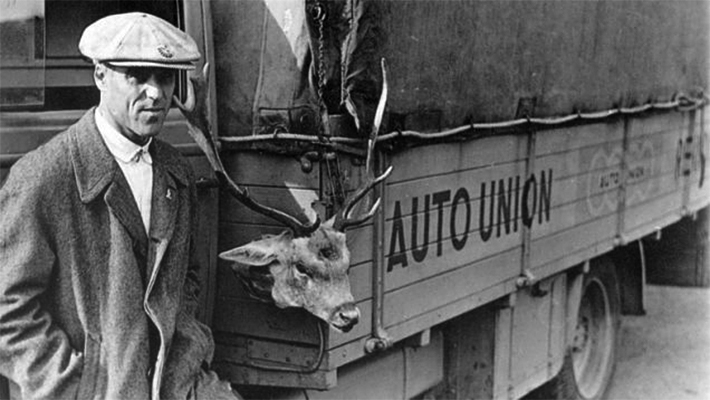
The race that made him a legend was the German Grand Prix of 1935. The Mercedes and Auto Union teams had nine cars between them with up to 400 horsepower. Nuvolari had an outdated Alfa Romeo with perhaps 290. He lost two minutes at a pit stop when the fuel pump broke, drove back through the field, and took the lead on the last lap when the leading Mercedes burst a tyre. The organisers had not brought a recording of the Italian anthem. It is said he had one in his luggage.
He was still winning at 54, in 1946, holding the detached steering wheel of his car in one hand.
Verdict The first great car controller, and the man who beat the Silver Arrows at home.
He raced motorcycles until he was nearly forty and was Italian champion on two wheels and four.
- Years
- Born 1985
Driver · UK
6. Lewis Hamilton
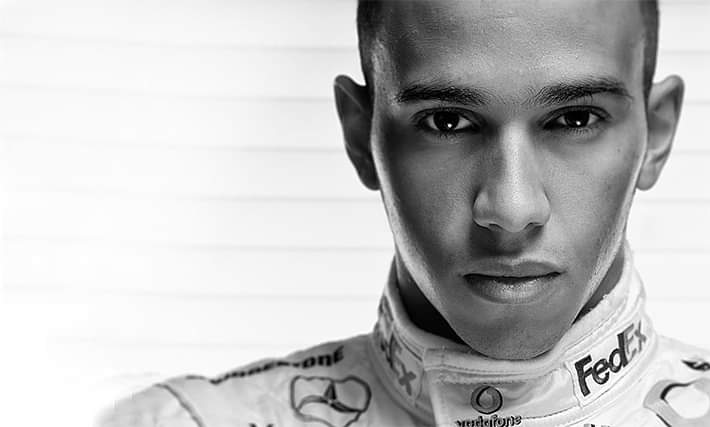
By the numbers, Lewis Hamilton is the most successful Grand Prix driver there has been. He has seven world championships, level with Schumacher, and more wins and more pole positions than anyone: over a hundred of each. He won a race in every one of his first fifteen seasons.
He arrived in 2007 and nearly won the title as a newcomer, alongside the reigning double champion in the same team. He won it the next year on the last corner of the last lap. From 2014 to 2020, with Mercedes, he took six championships in seven seasons, and the one he lost was to his own team-mate by five points. He is very quick over one lap, better still in the wet, and has made fewer serious errors than any champion of comparable length.
He is sixth, and that will look low to many readers. The case against is that most of his wins came in the best car on the grid, sometimes by a wide margin, and that he has raced in nothing but Formula One. The case for is that his team-mates in those cars, three of them world champions, finished behind him over a season more often than not.
He is still racing, now with Ferrari, and won again in 2026. This placing is provisional.
Verdict More wins and more poles than anyone, and still adding to them.
He has won more Grands Prix and taken more pole positions than any other driver.
- Years
- Born 1974
Driver · France
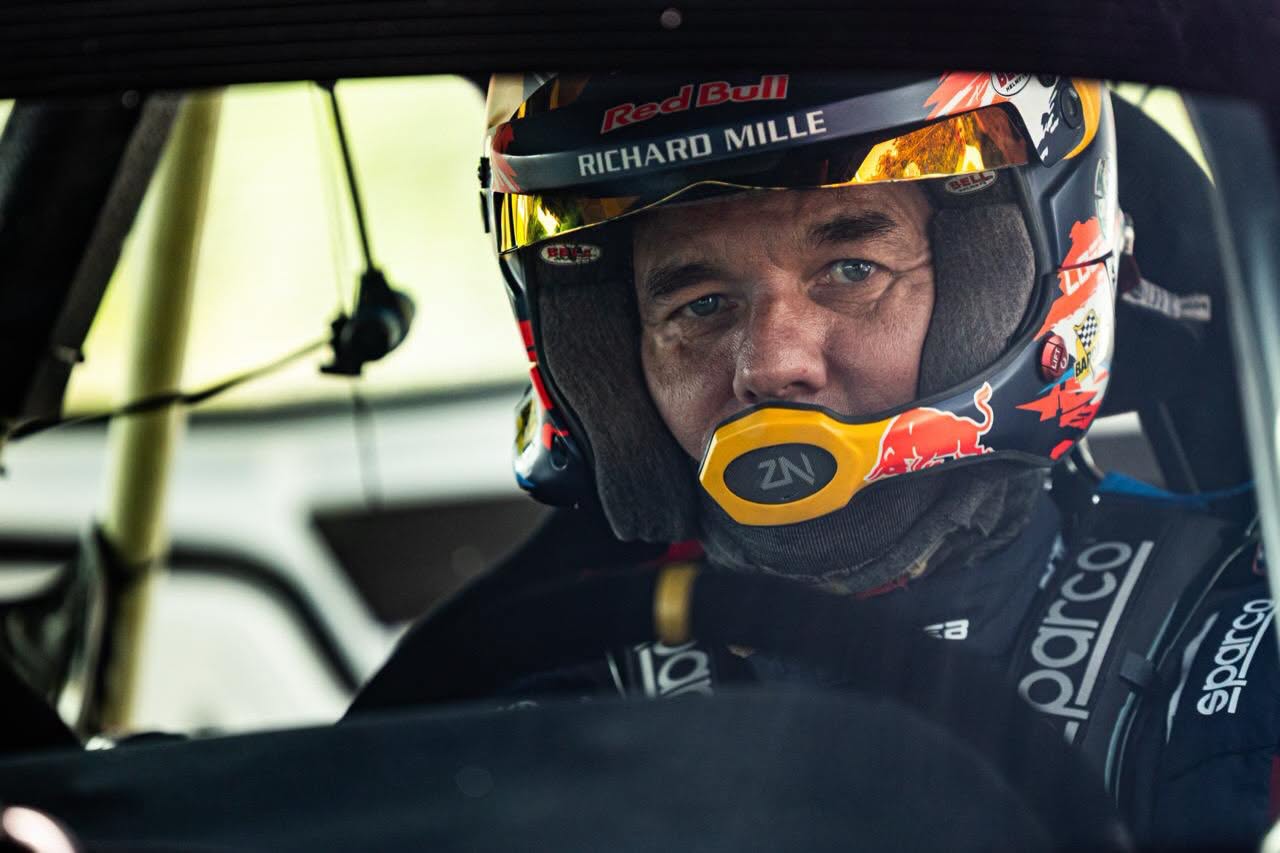
5. Sébastien Loeb
The highest-ranked driver here who is not from Grand Prix racing, and we think the placing is right. Rallying asks for things circuit racing does not. The driver sees each corner two or three times a year, not seventy times in an afternoon. The surface is gravel, snow, ice or broken tarmac, and it changes with every car that passes. There is no run-off, only trees.
Sébastien Loeb won the world championship in that sport nine years in succession, from 2004 to 2012. No driver in any world championship, on any surface, has a run like it. He won 80 world rallies, on every kind of road, and on tarmac he went years without being beaten. He had been a gymnast, and did not start rallying until he was 21.
Then there is what he did elsewhere, which is why he is this high. He finished second at Le Mans in 2006. He won races in the World Touring Car Championship. He set a record at Pikes Peak in 2013 that stood for five years. He has finished on the podium of the Dakar Rally several times, and in 2022, at 47, he came back for a single event and won the Monte Carlo Rally again.
Sébastien Ogier has since equalled his nine titles. He did not win them in a row, and he has not shown the same range.
Verdict Nine world titles in a row, and fast in everything else he tried.
He won the world rally championship nine years running, from 2004 to 2012.
- Years
- Born 1969
Driver · Germany
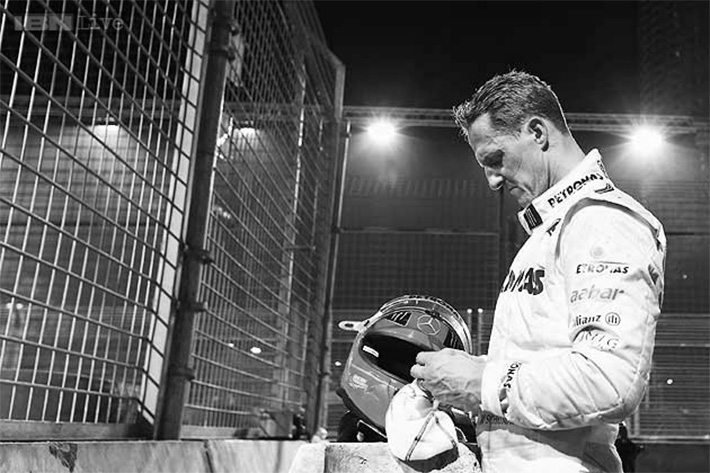
4. Michael Schumacher
Schumacher changed what a racing driver was expected to do. Before him, the best drivers arrived, drove and went home. He trained like an athlete, tested for thousands of miles, learned the engineering, and built a team around himself. Every champion since has worked that way.
The figures were records in almost every column when he retired: seven world titles, 91 wins, 68 poles. He won two championships with Benetton, in 1994 and 1995, then moved to a Ferrari team that had not produced a champion since 1979. It took five years. From 2000 to 2004 he won five titles in a row, and in 2002 he finished every race on the podium.
He was at his best in changing conditions and over a race distance, where he could put in a string of qualifying laps to make a strategy work. In Spain in 1996, in a poor car in heavy rain, he won by 45 seconds.
He is fourth and not higher for two reasons. He raced almost only in Formula One. And he twice tried to decide a title by colliding with his rival, in 1994 and 1997; the second time he was disqualified from the championship. Those who rank him first point out, fairly, that he won with a team he had rebuilt himself.
Verdict Seven titles, and the model for every professional driver since.
He won five world championships in a row with Ferrari, from 2000 to 2004.
- Years
- 1960–1994
Driver · Brazil
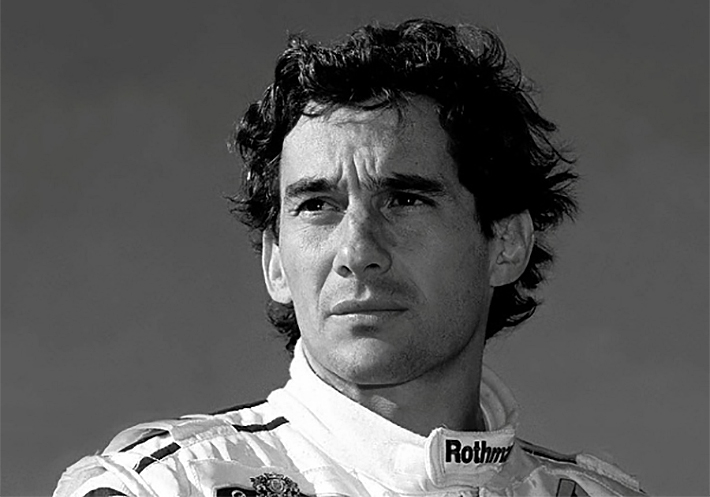
3. Ayrton Senna
Over one lap, Senna is the standard. He started 161 Grands Prix and was on pole for 65 of them, and at Monaco in 1988 he qualified almost a second and a half ahead of his team-mate, Alain Prost, in the same car. He said afterwards that he had been driving beyond his own understanding.
He won three world championships, in 1988, 1990 and 1991, and 41 races. He won Monaco six times. In the wet he was in a class by himself: at Estoril in 1985, for his first win, and at Donington in 1993, where he passed four cars on the opening lap and lapped all but one of the field.
He was also ruthless in a way the sport had not seen. He settled the 1990 title by driving into Prost at the first corner in Japan, and admitted a year later that it had been deliberate. That is part of the record too.
He was killed at Imola on 1 May 1994, leading the San Marino Grand Prix. In Brazil three days of national mourning were declared. He is third here, behind two men with broader records, because his career was spent entirely in Formula One. On speed alone, many who saw them all would put him first.
Verdict The fastest driver over a single lap that Formula One has seen.
He took pole position 65 times in 161 Grands Prix.
- Years
- 1936–1968
Driver · UK
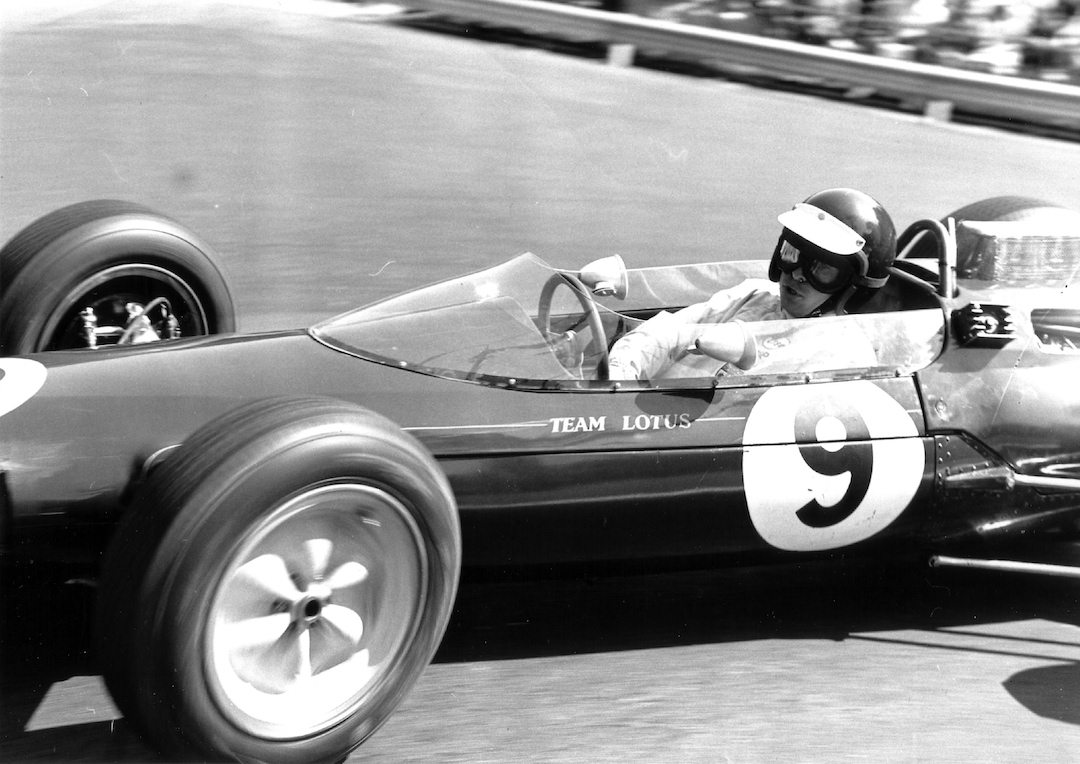
2. Jim Clark
Jim Clark was a sheep farmer from the Scottish Borders who made everything he did in a racing car look easy. He started 72 Grands Prix, won 25 and took pole position for 33. When his car lasted, he usually won, and usually by leading from the first corner to the flag. He was world champion in 1963 and 1965 and lost two more titles to mechanical failures in the last race of the season.
What separates him from other Formula One champions is how much else he won. In 1965 he took the world title, the Indianapolis 500, the Tasman series in Australia and New Zealand, and championships in Formula Two. He raced a Lotus Cortina saloon on three wheels through corners and won the British touring car title in it. He drove sports cars, and a NASCAR stock car once, out of curiosity.
He drove his whole Grand Prix career for Lotus, in cars designed round him by Colin Chapman, which is the one argument against ranking him first: we never saw him in anybody else's machinery. His rivals thought it would have made no difference. He was killed in a Formula Two race at Hockenheim in April 1968, at 32, when a tyre failed. Several of the men who raced against him said afterwards that if it could happen to Clark, it could happen to anyone.
Verdict The most naturally gifted driver of his time, in any kind of car.
In 1965 he won the world championship and the Indianapolis 500, and missed Monaco to do it.
The best of the 50 · Driver · Argentina
1. Juan Manuel Fangio
- Years
- 1911–1995
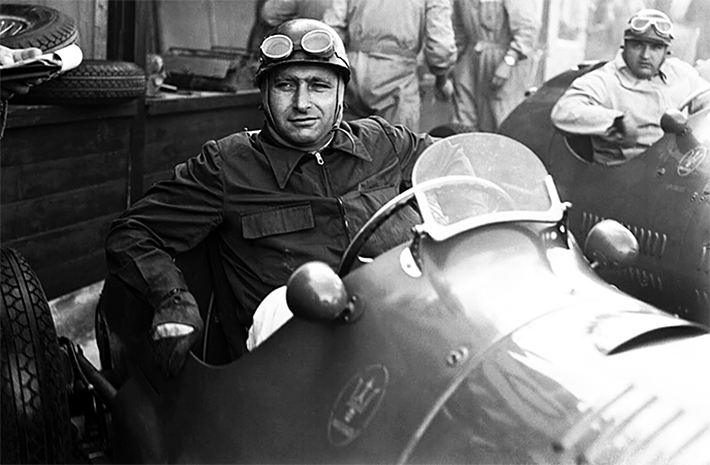
Fangio did not start a Grand Prix in Europe until he was 37. Between 1950 and 1958 he started 51 world championship races and won 24 of them. He was on the front row for 48. No driver before or since has won at anything like that rate, and he did it when races lasted three hours, cars broke often, and a mistake was likely to kill you.
He was world champion five times, in 1951 and then four years running from 1954, and he won those titles in cars from four different makers: Alfa Romeo, Mercedes-Benz, Ferrari and Maserati. Other great drivers stayed with one team and had cars built round them. Fangio moved each winter to whoever had the best one, and was the fastest man in it within a few laps.
He had learned to drive in long-distance races across South America, in modified saloon cars on dirt roads over the Andes, and he was a mechanic before he was a driver. He was gentle with machinery and very rarely crashed. His last title was sealed at the Nürburgring in 1957, when he made up 48 seconds on two Ferraris in ten laps and broke the lap record ten times doing it.
The men who raced against him had no doubt. Stirling Moss, who was his team-mate in 1955, called him simply the best there has been. The comparison with Clark, Senna, Schumacher and Hamilton cannot be settled by numbers, since they never met. We put Fangio first because his record is the hardest to explain away.
Verdict Five titles with four makes, and nearly half of all the races he started.
He won 24 of the 51 world championship Grands Prix he started, the highest rate of anyone.
What we left off, and why
Lower than you might expect
Lewis Hamilton, sixth, has the best statistics in Formula One history. We have placed five drivers above him: four who dominated their own eras as completely with, we think, less of an advantage from the car, and one who did it in another sport for nine years without a break. It is a close judgement and it may change before he retires.
Sebastian Vettel, 26th, has four world titles, more than Lauda, Stewart or Senna. All four came in four years with one team, and the rest of his career did not match them.
Nelson Piquet, 29th, and Jack Brabham, 24th, are three-time champions ranked below drivers with one title or none. Both won by judgement more than outright speed, and their rivals rated them a little below the very best.
Richard Petty, 25th, won 200 races. Most were in the 1960s, when NASCAR ran sixty times a year on short tracks against small fields.
Higher than you might expect
Gilles Villeneuve, 22nd, won six Grands Prix. He is there on the evidence of everyone who saw him.
Dan Gurney, 20th, won four. He is there for range, and because Jim Clark thought him his only equal.
Bernd Rosemeyer, 23rd, raced cars for three seasons.
Not on the list
Several world champions are missing: Mike Hawthorn, Phil Hill, Denny Hulme, Jody Scheckter, Alan Jones, Keke Rosberg, Damon Hill, Jacques Villeneuve, Kimi Räikkönen, Jenson Button and Nico Rosberg among them. Each won one title, and none dominated beyond it.
Bruce McLaren's place in history is as a constructor. David Pearson and Jeff Gordon were the hardest NASCAR drivers to leave out; Pearson won 105 races from far fewer starts than Petty. Hurley Haywood and Hans-Joachim Stuck had the sports car records to be here. Henri Toivonen did not live long enough for us to know, and Stig Blomqvist, Hannu Mikkola and Tommi Mäkinen were all world rally champions.
There is one woman on the list. Michèle Mouton is on it for her results, and no other woman has yet won at the same level in a world championship.
Tell us what we got wrongQuestions about this list
Who is the greatest racing driver of all time?
We rank Juan Manuel Fangio first. He won five world championships with four different makes of car and 24 of the 51 Grands Prix he started. Jim Clark, Ayrton Senna, Michael Schumacher and Lewis Hamilton each have a serious claim, and the entries explain how we separated them.
Why is a rally driver in the top five?
Sébastien Loeb won the world rally championship nine years in a row, from 2004 to 2012, which is the longest run in any world championship in motor sport. He also finished second at Le Mans, won touring car races and set a record at Pikes Peak. This list gives weight to range as well as results.
Why is Lewis Hamilton not higher?
He is sixth, with the most wins and pole positions in Formula One history. The five above him either dominated their eras with less of an advantage from the car, in our judgement, or won across more kinds of racing. He is still competing and the placing is provisional.
How do you compare drivers from different eras?
Not directly. We look at the share of races each driver won, how they compared with team-mates in the same car, whether they won in more than one kind of racing, and what their rivals said about them. Where it was close, we favoured drivers who raced when the sport was more dangerous.
Which drivers still racing are on the list?
Lewis Hamilton, Max Verstappen, Fernando Alonso, Sébastien Ogier and Scott Dixon were all still competing when the list was written. Their positions are based on their careers so far.
We began with every world champion in Formula One and rallying, every multiple winner at Le Mans and Indianapolis, the leading champions of American racing, and the great drivers from before the world championships existed. We cut that to fifty.
Results were weighed against starts, so a driver who won half his races is credited above one who won a fifth of many more. Range across different kinds of racing counted heavily. So did the judgement of rivals, where it is on record.
Drivers still competing are ranked on their careers to date. Where two drivers were close, the one who raced when the sport was more dangerous and the cars less reliable was placed higher, on the grounds that it was harder to build a record at all.