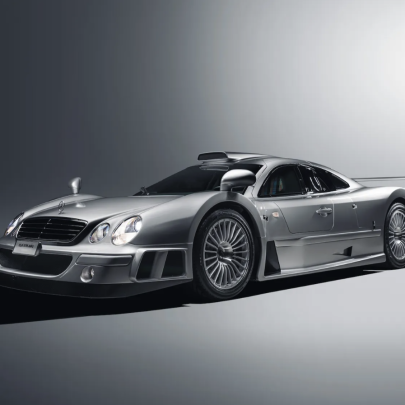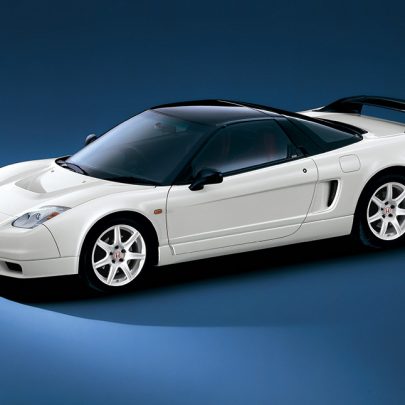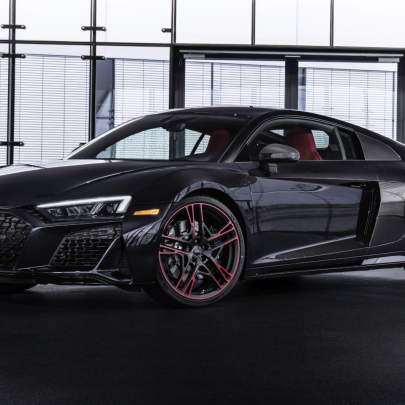

A great car can survive an ordinary engine. It is harder to think of a great engine that did not make every car it went into better. This list is about the engines themselves: the ones that won the most, lasted the longest, sounded the best or changed what everyone else built.
What counts
Engines made for cars, for the road or for racing. Each entry is an engine family and not a single car, so the Ferrari V12 that Gioacchino Colombo designed in 1946 is one entry, whether it is in a 125 S or a Daytona. Aircraft engines are left out, even the ones that found their way into cars, and so are electric motors.
How we ranked them
Four things: the engineering, what the engine won, how it sounds, and how long the design stayed in use. No engine scores well on all four. A racing engine that ran for one season can outrank a road engine built for forty years if that season was remarkable enough, and the other way round.
How to read this list
The list counts down from thirty to one. The top ten have the longest entries, the next ten are shorter and the last ten are brief. The panel beside each entry shows the engine's layout and its power over its life, in place of the usual details of a car. Seven of the thirty are German, six Italian, six Japanese, five British, four American and two French.
See the full ranking, 1 to 30
| Rank | The Greatest Engines Ever Built | Years |
|---|---|---|
| 1 | Ford-Cosworth DFV V8 | 1967–83 |
| 2 | Ferrari Colombo V12 | 1947–88 |
| 3 | Chevrolet Small-block V8 | From 1955 |
| 4 | Porsche Air-cooled flat-six | 1963–98 |
| 5 | Jaguar XK straight-six | 1949–92 |
| 6 | BMW S70/2 V12 | 1992–98 |
| 7 | Offenhauser four | 1933–80 |
| 8 | Cosworth GMA V12 | From 2020 |
| 9 | Lamborghini V12 (1963) | 1963–2010 |
| 10 | Alfa Romeo Twin-cam four | 1954–94 |
| 11 | Honda F20C four | 1999–2009 |
| 12 | Porsche Type 912 flat-twelve | 1969–73 |
| 13 | Lexus 1LR-GUE V10 | 2010–12 |
| 14 | Toyota 2JZ-GTE straight-six | 1991–2002 |
| 15 | Mazda Rotary (13B and R26B) | 1967–2012 |
| 16 | Chrysler Hemi V8 | From 1951 |
| 17 | BMW M88 straight-six | 1978–89 |
| 18 | Nissan RB26DETT straight-six | 1989–2002 |
| 19 | Ferrari Flat-twelve | 1970–96 |
| 20 | Alfa Romeo V6 ("Busso") | 1979–2005 |
| 21 | Audi Five-cylinder turbo | From 1980 |
| 22 | Ford Flathead V8 | 1932–53 |
| 23 | Coventry Climax FPF four | 1956–66 |
| 24 | Ferrari Dino V6 | 1957–75 |
| 25 | Porsche Carrera GT V10 | 2003–06 |
| 26 | Bugatti W16 | 2005–24 |
| 27 | Honda RA168E V6 turbo | 1988 |
| 28 | Volkswagen Air-cooled flat-four | 1938–2003 |
| 29 | Bugatti Type 35 straight-eight | 1924–30 |
| 30 | Lotus-Ford Twin Cam | 1962–75 |
30 to 21
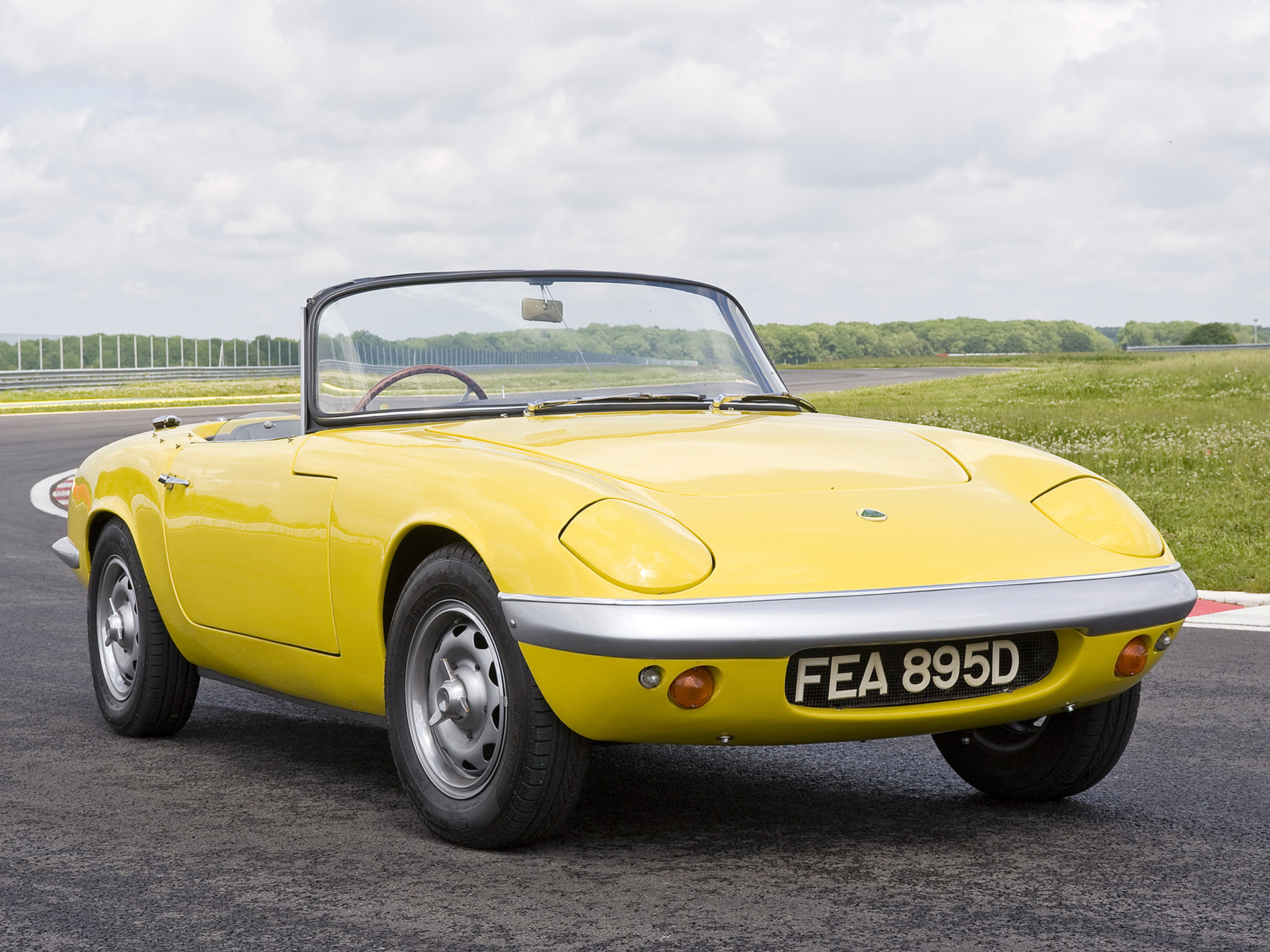
30. Lotus-Ford Twin Cam
1962–75 · 1.6 twin-cam four · 105 to 126 hp
Colin Chapman wanted a twin-cam engine for the Elan and could not afford to build one from nothing. He had a new aluminium cylinder head designed to fit the iron block of a small Ford. The result made 105 horsepower from 1.6 litres and powered the Elan, the Lotus Cortina and the Europa. It ranks here as the cleverest cheap engine of its day.
Verdict A Lotus head on a Ford block, and the heart of the Elan.
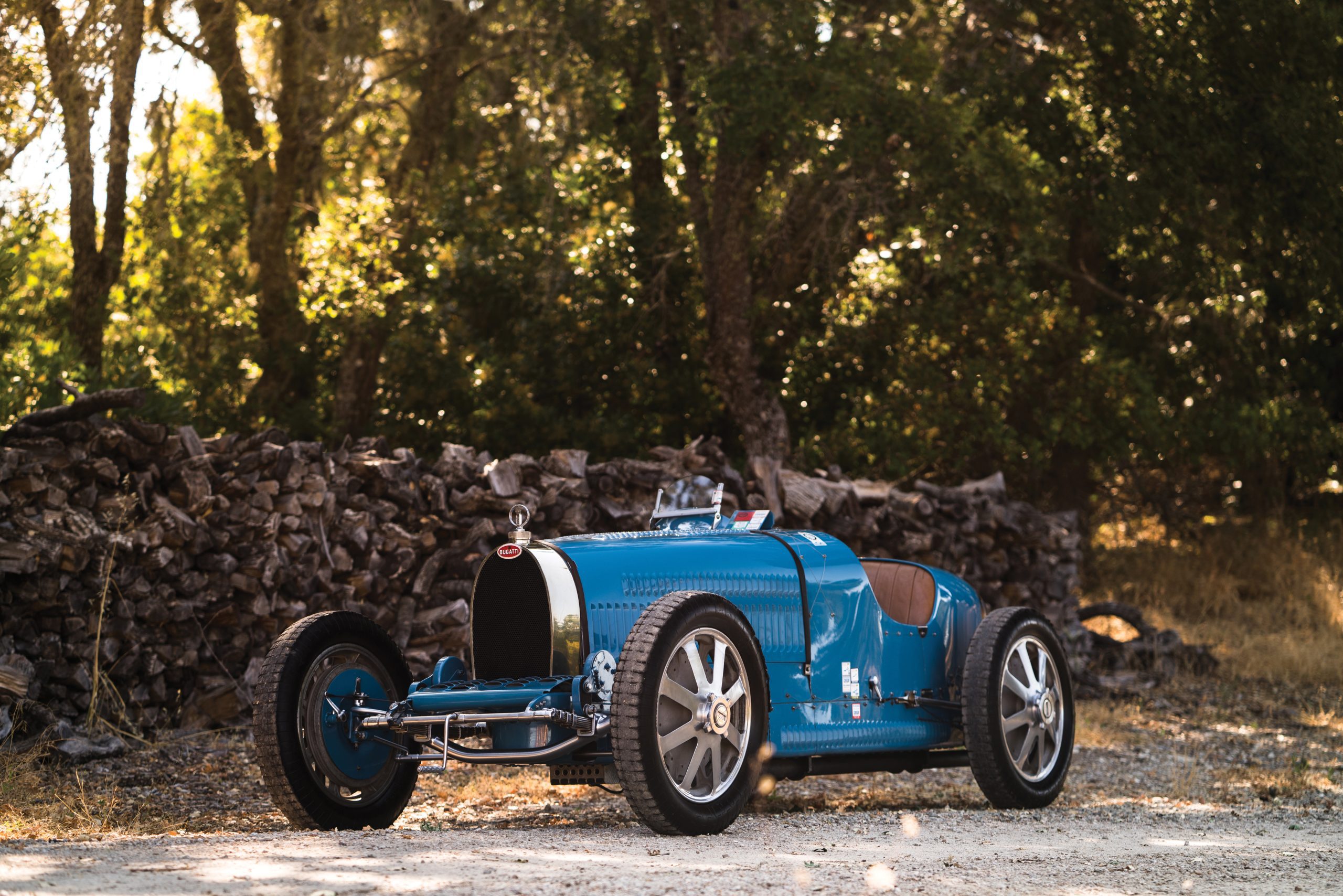
29. Bugatti Type 35 straight-eight
1924–30 · 2.0 to 2.3 straight-eight, later supercharged · About 90 to 140 hp
The Type 35's straight-eight is a narrow, upright engine of 2.0 litres, later 2.3 with a supercharger, with three valves per cylinder. Its outer surfaces are machined flat and scraped by hand, because Ettore Bugatti cared how it looked. In the Type 35 it won more than a thousand races in the 1920s. It ranks here as the most beautiful engine on the list.
Verdict The engine as a piece of sculpture, and a winner besides.
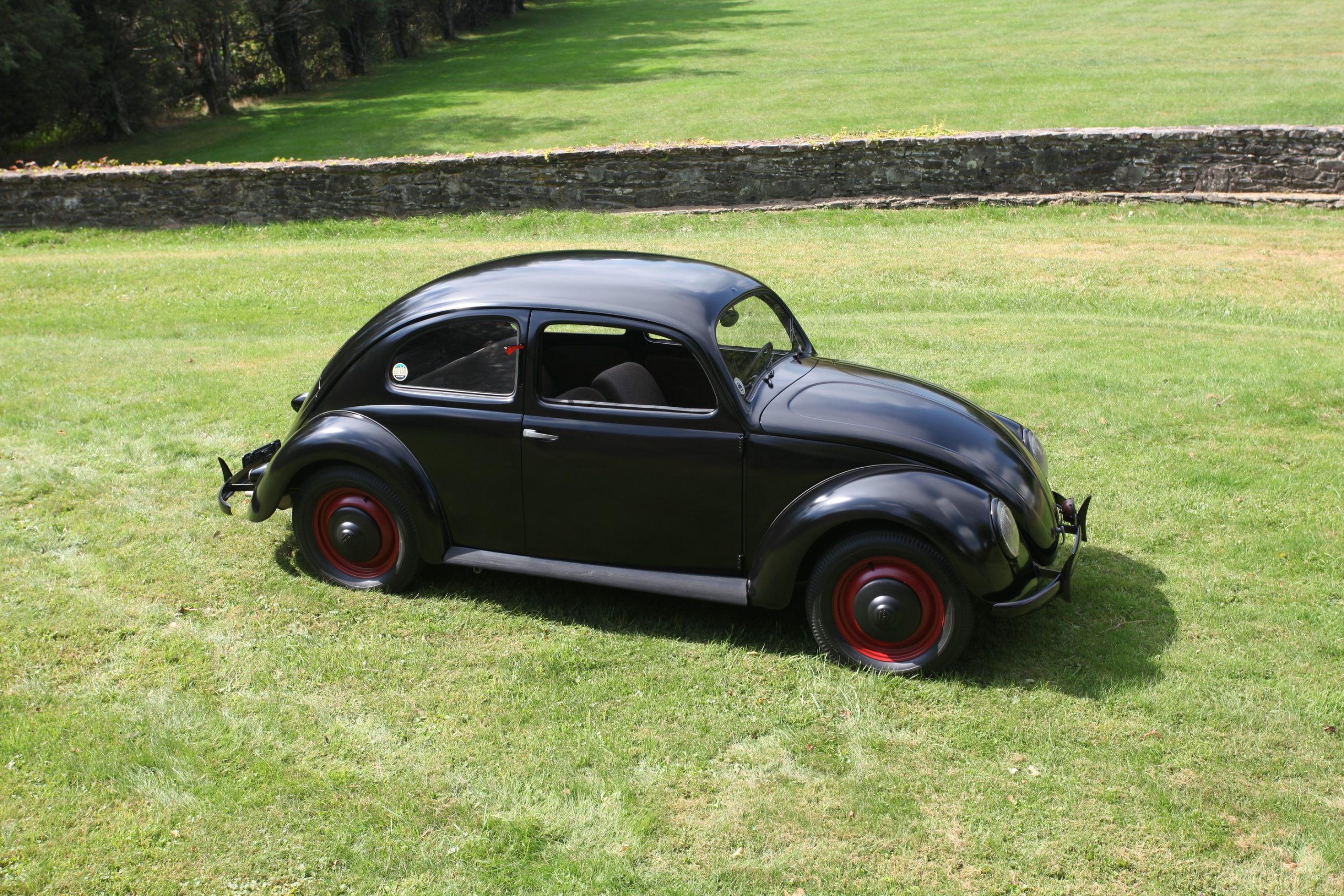
28. Volkswagen Air-cooled flat-four
1938–2003 · 1.0 to 1.6 flat-four · 25 to 50 hp
The Beetle's engine is an air-cooled flat-four of about a litre, designed in the 1930s to run all day at full throttle on a motorway and to be mended by anyone. It powered more than 21 million Beetles, the first Porsches, the Type 2 van and a whole class of racing car. It was never powerful. It ranks here for reach and long life.
Verdict Twenty-one million Beetles, and the first Porsches too.
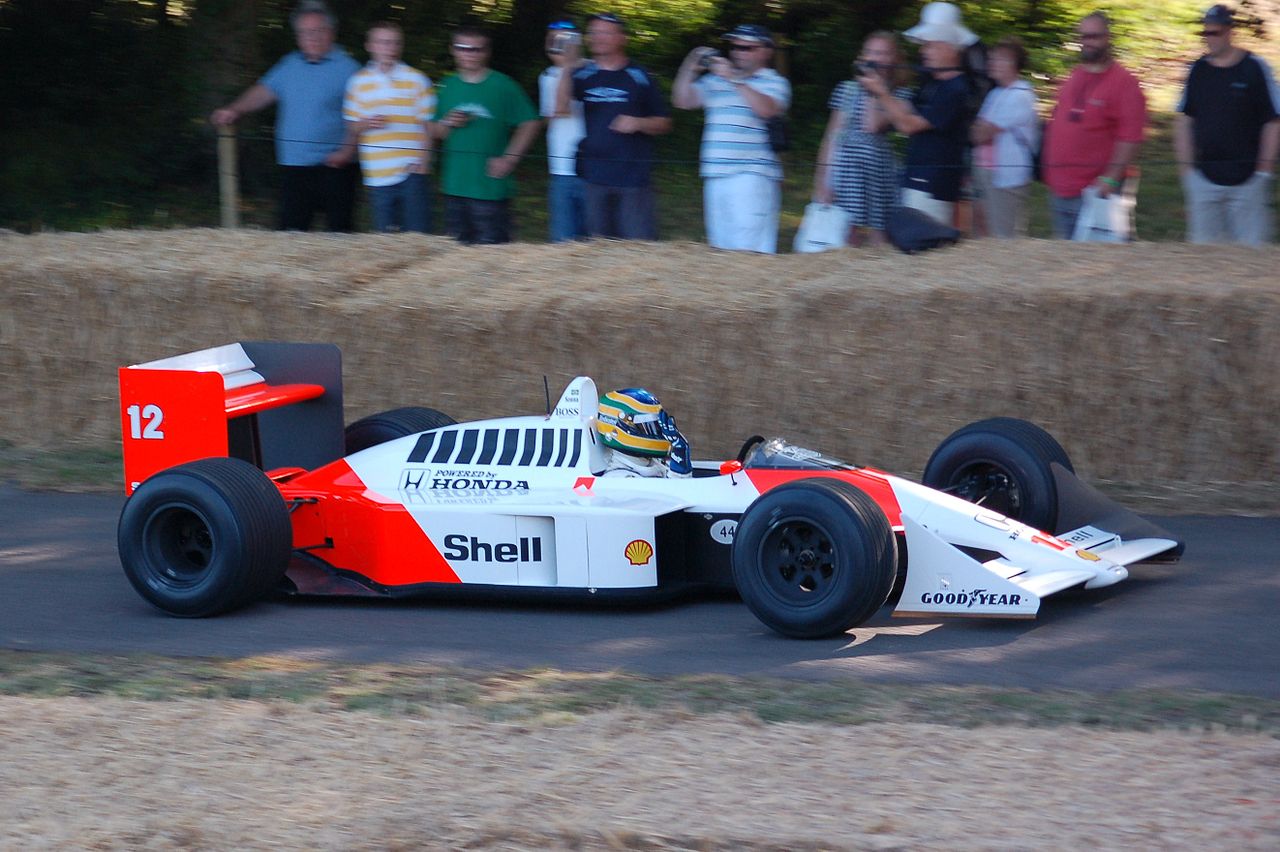
27. Honda RA168E V6 turbo
1988 · 1.5 V6 turbo · About 650 hp
For the last year of the first turbo era in Formula One, 1988, the rules cut boost pressure and fuel. Honda built a new 1.5-litre V6 for those limits. In the McLaren MP4/4 it won fifteen of the season's sixteen races, with Ayrton Senna and Alain Prost. It raced for one year only. It ranks here for the most complete season any engine has had.
Verdict One season, sixteen races, fifteen wins.
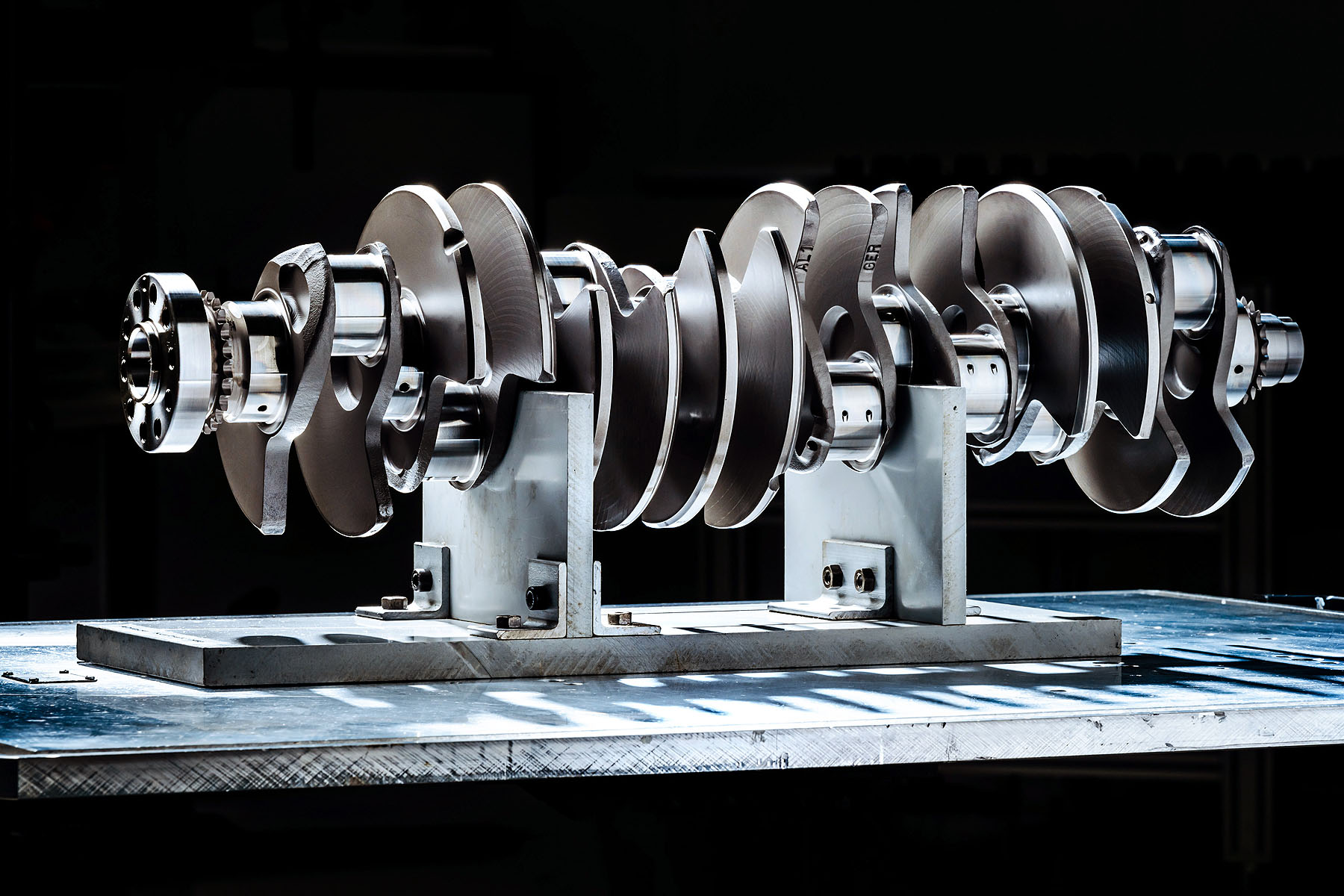
26. Bugatti W16
2005–24 · 8.0 W16 with four turbochargers · 987 to 1,578 hp
The Bugatti W16 is two narrow-angle V8s joined on one crankshaft, with four turbochargers and 8.0 litres. In the Veyron of 2005 it made 987 horsepower, and by the end, in 2024, nearly 1,600. It needs ten radiators. It is one of the most powerful engines ever fitted to a production road car, and nothing like it will be made again.
Verdict Sixteen cylinders, four turbochargers and up to 1,600 horsepower.
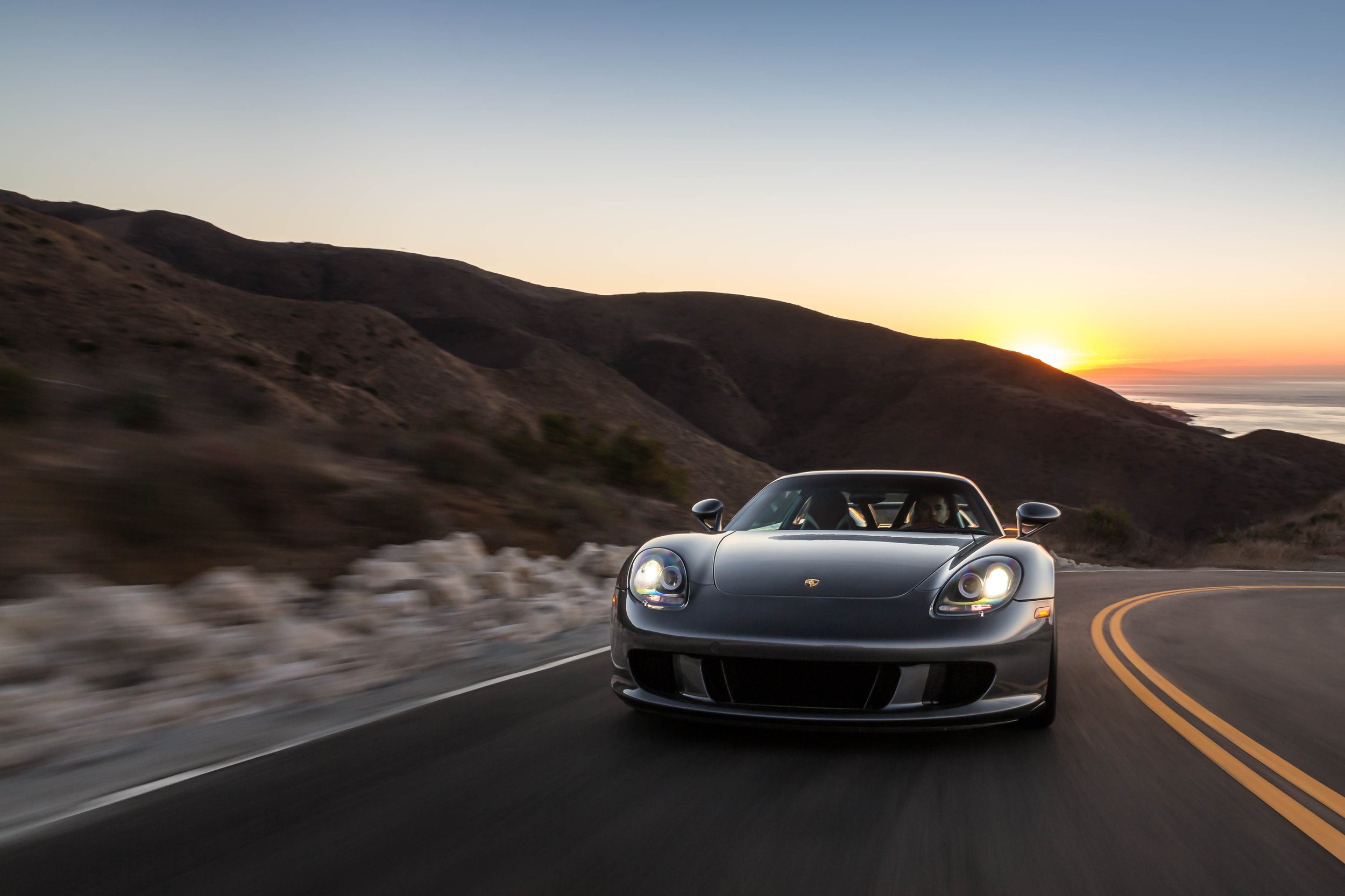
25. Porsche Carrera GT V10
2003–06 · 5.7 V10 · 612 hp
Porsche designed this V10 for a Le Mans car that it cancelled, and then found a use for it. In the Carrera GT of 2003 it is 5.7 litres, makes 612 horsepower at 8,000 rpm and has almost no flywheel, so it gains and loses revs at once. It was fitted only to that car. Its howl is the reason many people consider the Carrera GT the best-sounding Porsche.
Verdict A racing engine without a race, given to one road car.
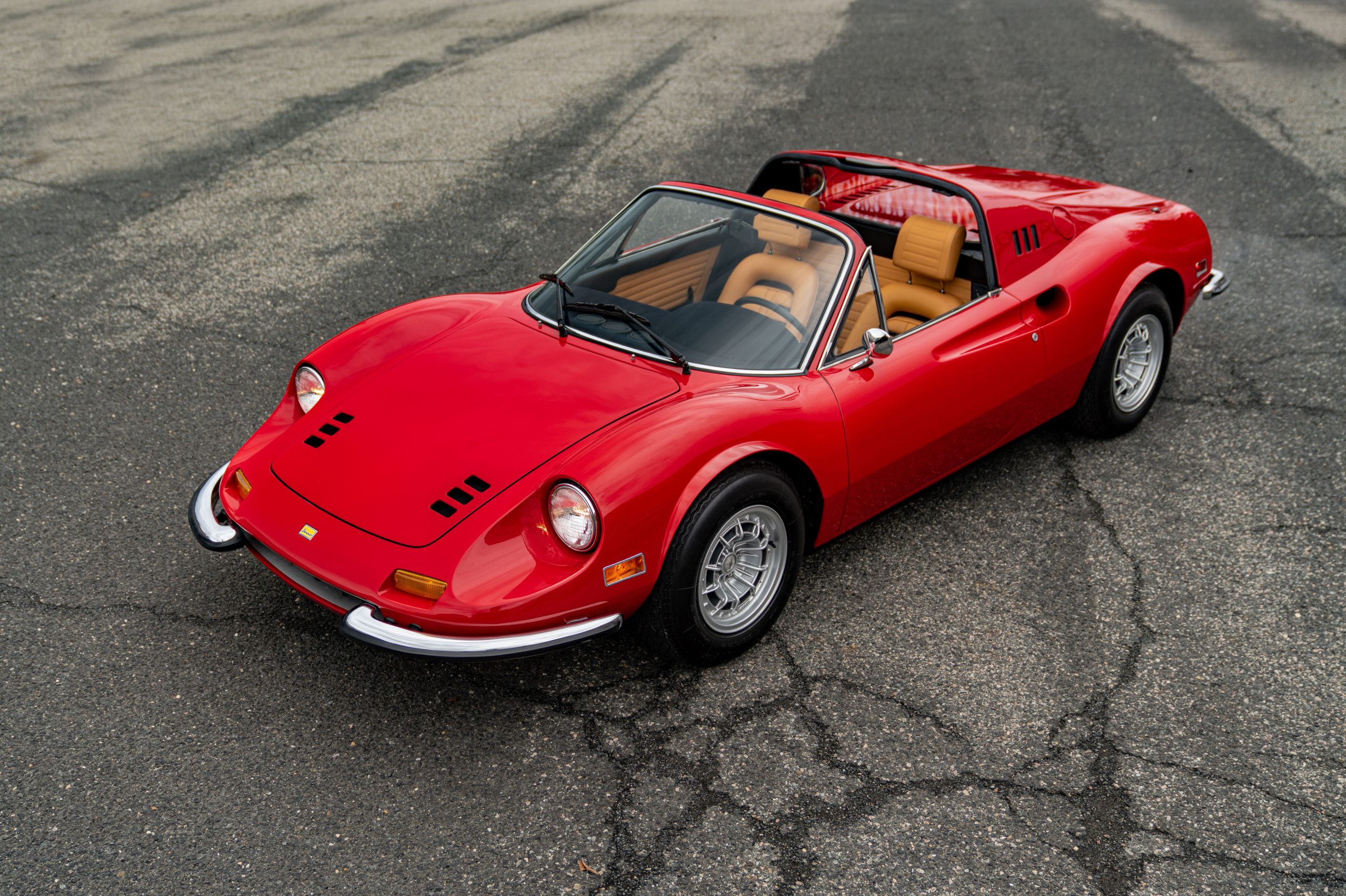
24. Ferrari Dino V6
1957–75 · 1.5 to 2.4 V6 · About 180 to 280 hp
Enzo Ferrari's son Dino argued for a V6 racing engine before his death in 1956, and the engine that followed carries his name. It won the 1958 world championship for Mike Hawthorn, then powered the Dino 206 and 246 road cars. Mounted in the Lancia Stratos, it won three world rally titles. Few engines have succeeded in such different settings.
Verdict A Grand Prix winner, a road-car engine and a rally champion.
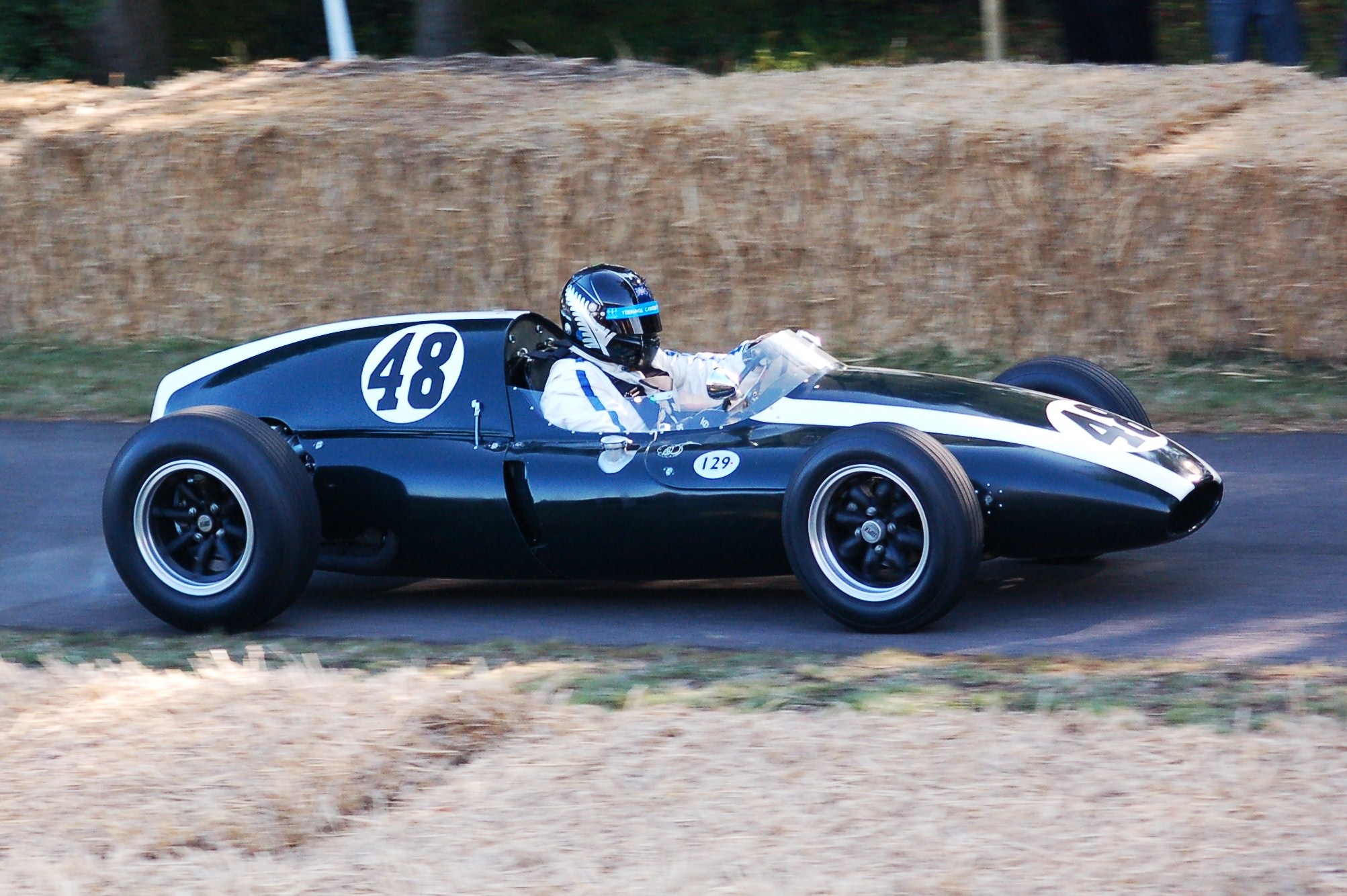
23. Coventry Climax FPF four
1956–66 · 1.5 to 2.7 twin-cam four · 140 to about 240 hp
Coventry Climax made engines for fire pumps before it made them for racing. Its FPF was a simple twin-cam four that began at 1.5 litres. Enlarged to 2.5, it powered the little rear-engined Coopers that won the world championship in 1959 and 1960 and ended the age of the front-engined Grand Prix car. It ranks here as the engine behind that revolution.
Verdict A fire-pump maker's engine that turned Grand Prix racing back to front.
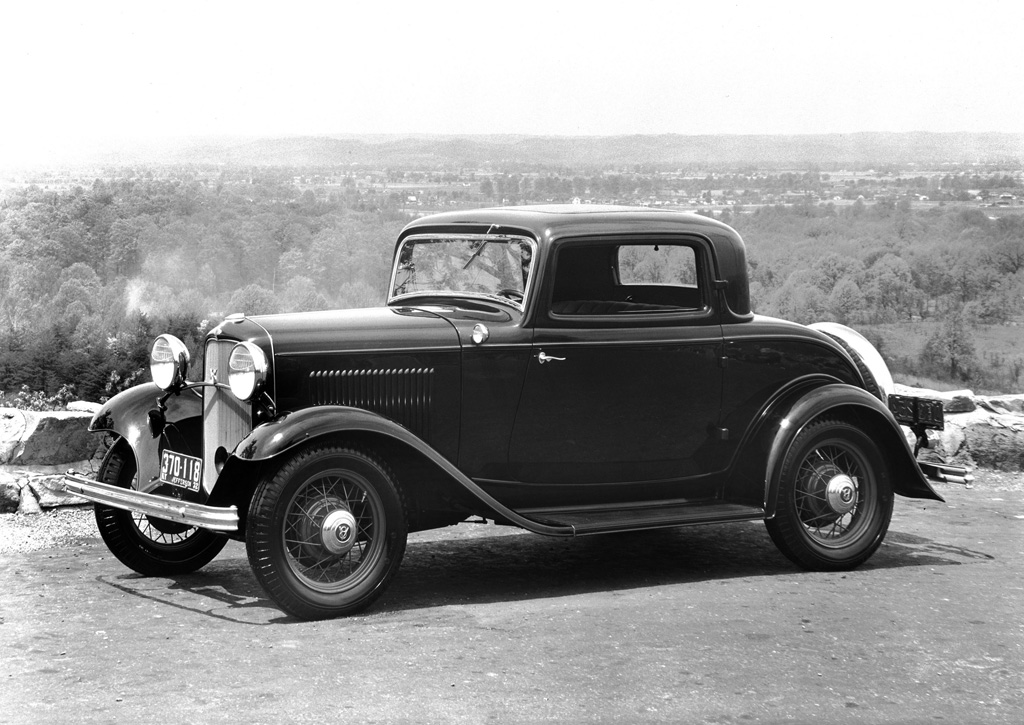
22. Ford Flathead V8
1932–53 · 3.6 to 3.9 V8 · 65 to 110 hp
Before 1932 a V8 was for luxury cars. Henry Ford found a way to cast the block in one piece and put a V8 in a car ordinary Americans could afford. It made 65 horsepower. After the war, returning servicemen tuned it for speed on dry lake beds, and hot rodding grew up around it. It ranks here for bringing eight cylinders to everyone.
Verdict The V8 for the working man, and the start of hot rodding.
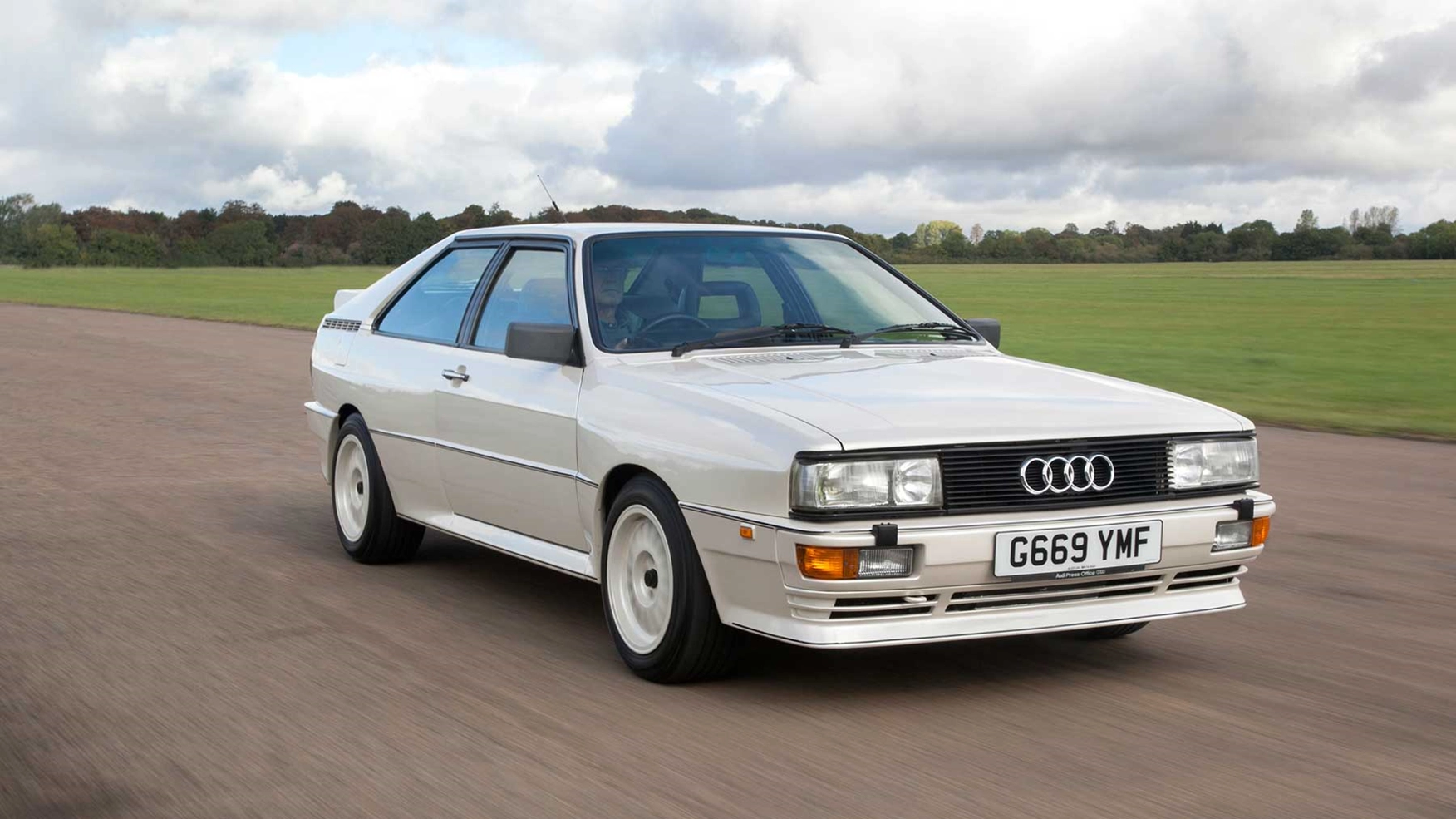
21. Audi Five-cylinder turbo
From 1980 · 2.1 to 2.5 five-cylinder · 197 to about 400 hp in road cars
Audi chose five cylinders in the 1970s because four were not smooth enough and six would not fit. With a turbocharger it powered the Quattro of 1980 and the rally cars that followed, which made over 500 horsepower by 1985. Its uneven firing order gives a warbling sound unlike any other engine. Audi revived it in 2009 and still builds it for the RS3.
Verdict Five cylinders, one turbocharger and a sound nobody else makes.
20 to 11
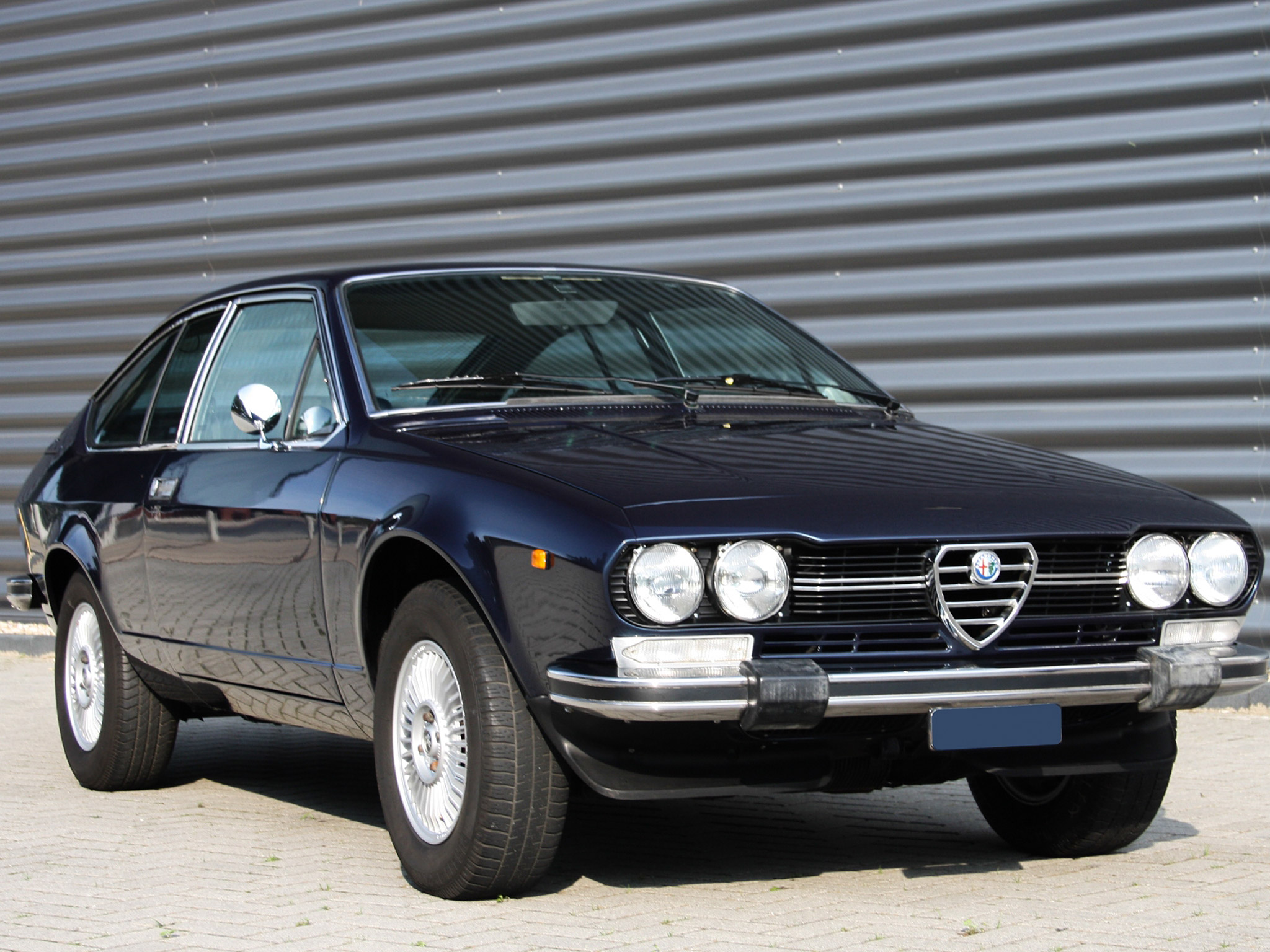
20. Alfa Romeo V6 ("Busso")
1979–2005 · 2.0 to 3.2 V6 · 130 to 247 hp
Giuseppe Busso's V6 appeared in 1979 and lasted until 2005, in sizes from 2.0 to 3.2 litres. It is a 60-degree engine, smooth and eager, and it makes one of the best sounds of any six.
It is also unusually good to look at, with six polished intake pipes arching over the top. It powered the GTV6, the 75, the 164, the SZ and the 147 and 156 GTA. It ranks here because it gave a struggling company an engine people bought the cars for.
Verdict The V6 people bought Alfa Romeos to hear.
Did you know: It is named after Giuseppe Busso, the engineer who designed it.
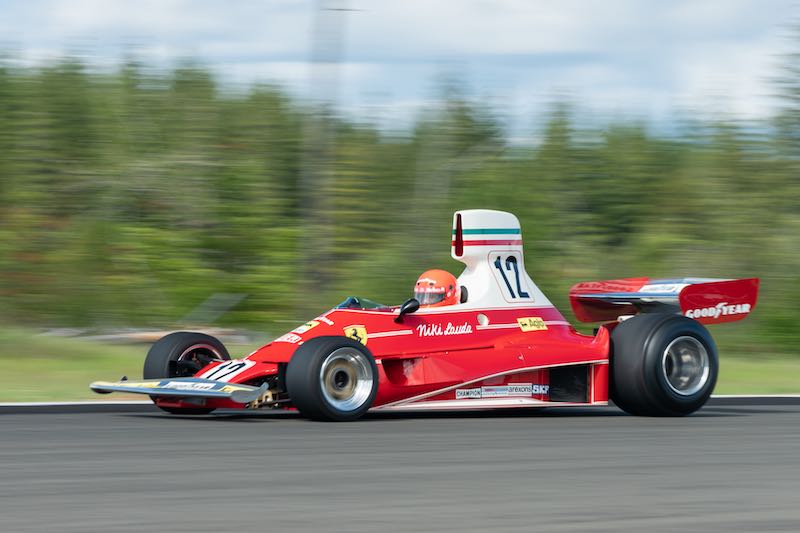
19. Ferrari Flat-twelve
1970–96 · 3.0 for racing, 4.4 to 4.9 in road cars · 340 to about 510 hp
Ferrari's flat-twelve was designed for Formula One in 1970, to lower the car's centre of gravity. As a 3.0-litre it powered the 312 T series to four constructors' championships and three drivers' titles between 1975 and 1979, with Niki Lauda and Jody Scheckter.
A larger road version went into the Berlinetta Boxer in 1973 and then the Testarossa, and stayed in production until 1996. It ranks here as the last Ferrari engine to succeed both in Grand Prix racing and on the road.
Verdict Four Formula One titles, then twenty years in the road cars.
Did you know: It is not a true boxer engine. Opposite pistons share a crank pin, as in a V12 opened out flat.
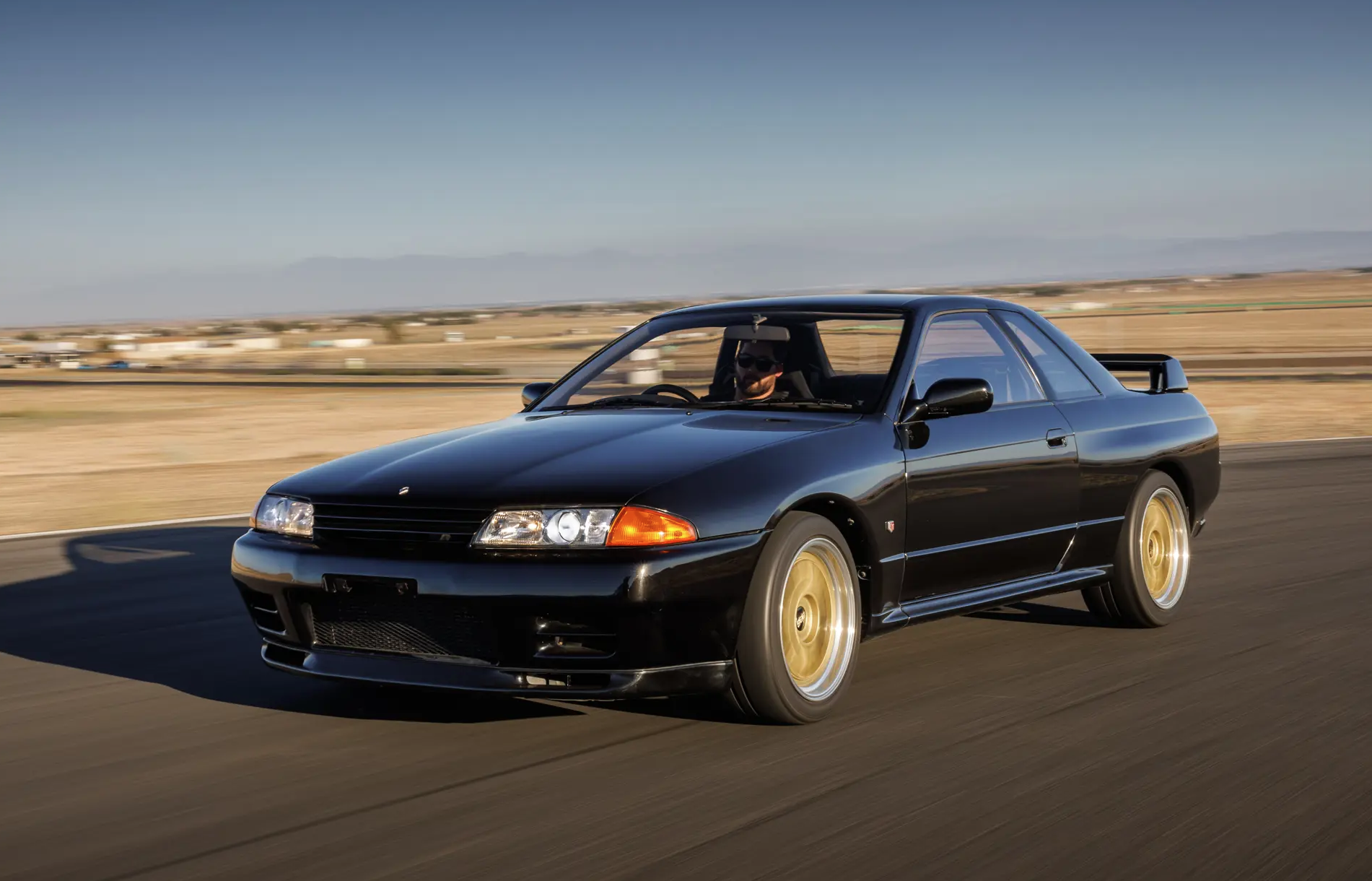
18. Nissan RB26DETT straight-six
1989–2002 · 2.6 twin-turbo straight-six · 276 hp, officially
Nissan built the RB26DETT for the Skyline GT-R of 1989 and sized it at 2.6 litres to suit touring car rules. It is a straight-six with an iron block, twin camshafts, two turbochargers and six individual throttles.
It was officially limited to 276 horsepower by an agreement among Japanese makers and made more than that. In racing it won every round of the Japanese championship for four years. Like the Toyota 2JZ it will take far more power than standard, and the two have been rivals among tuners ever since.
Verdict Godzilla's engine: 276 horsepower on paper, rather more in fact.
Did you know: It has six throttles, one for each cylinder, which was unusual on a turbocharged road engine.
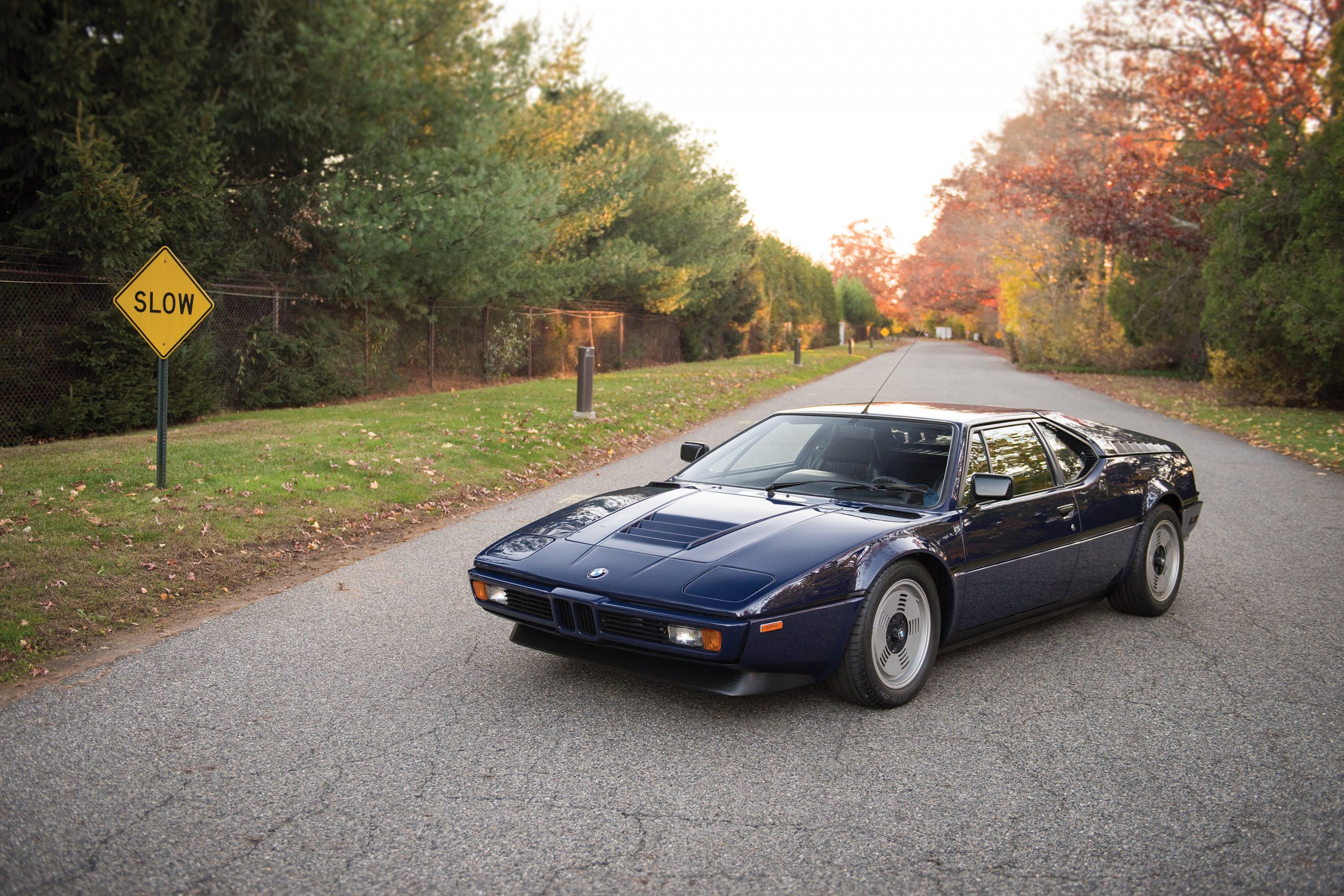
17. BMW M88 straight-six
1978–89 · 3.5 straight-six · 273 to 282 hp
BMW's motorsport department developed the M88 from its touring car racing engine: a 3.5-litre straight-six with twin camshafts, four valves per cylinder and six individual throttles. It first appeared in the M1 in 1978, with about 273 horsepower.
It then went into the M635CSi and the first M5, which made it the engine that founded BMW's M cars. Turbocharged racing versions made over 800 horsepower. It ranks here as the best of BMW's straight-sixes, which is a strong field.
Verdict The straight-six that started the M cars.
Did you know: It was developed from the racing engine of the 3.0 CSL.
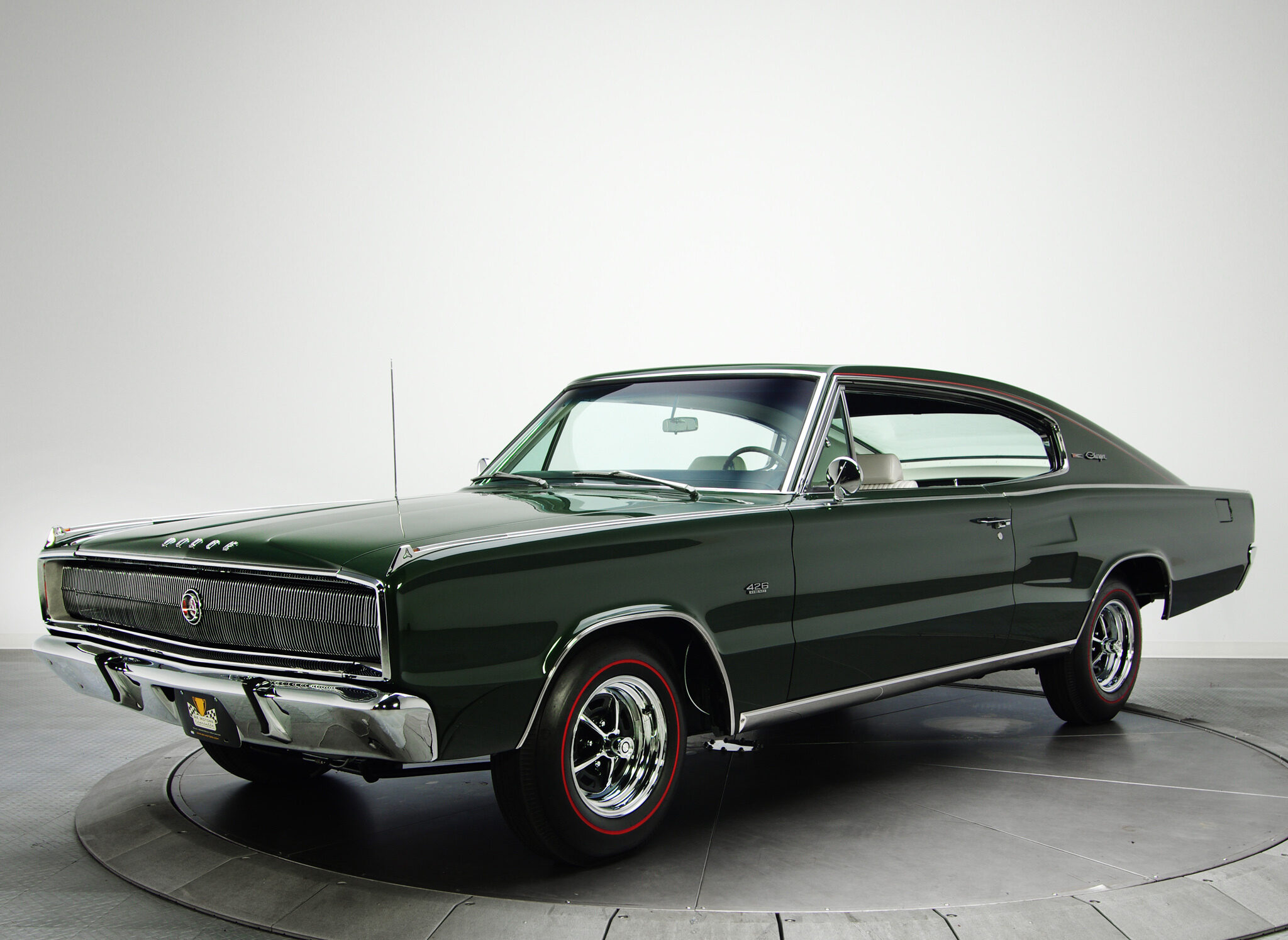
16. Chrysler Hemi V8
From 1951 · 5.4 to 7.0 V8 · 180 to 425 hp, in the original engines
Chrysler's first Hemi V8 of 1951 had combustion chambers shaped like half a sphere, which let it breathe better than its rivals. The famous one is the 426 of 1964, a 7.0-litre racing engine that finished first, second and third at Daytona on its debut.
NASCAR required it to be sold to the public, so it went into Dodge and Plymouth road cars with a rating of 425 horsepower. It still forms the basis of the engines in Top Fuel drag racing. It ranks here as the most feared American engine of its era.
Verdict The engine NASCAR tried to ban, and drag racing never gave up.
Did you know: The name comes from the combustion chambers, which are shaped like half a sphere.
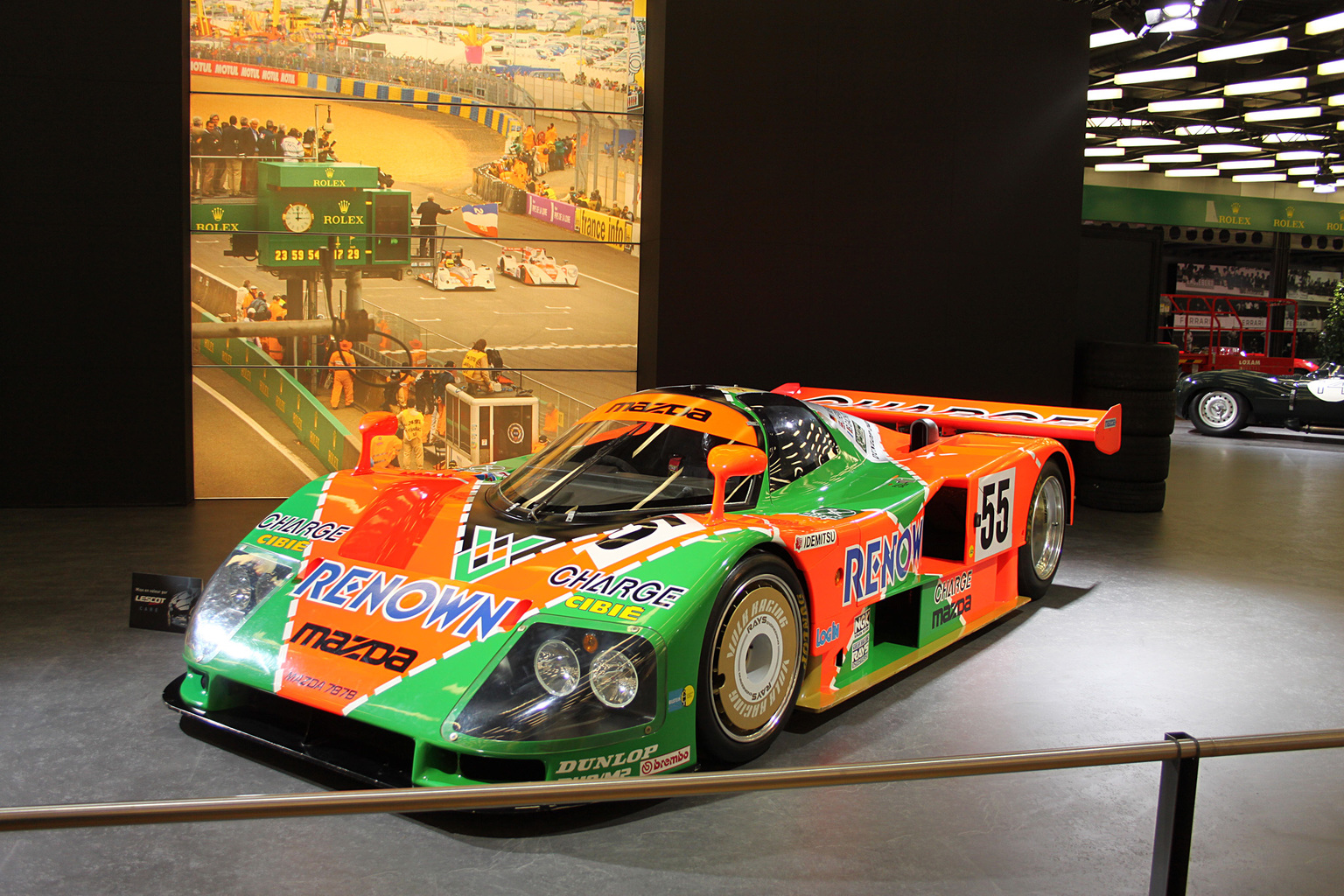
15. Mazda Rotary (13B and R26B)
1967–2012 · Twin-rotor, and four-rotor for racing · About 100 to 700 hp
A rotary engine has no pistons. A three-sided rotor turns inside an oval chamber, which makes the engine small, smooth and willing to rev. NSU invented it and gave up. Mazda made it work, from the Cosmo of 1967 through three generations of RX-7 to the RX-8.
The twin-rotor 13B was built for nearly forty years. The four-rotor R26B made 700 horsepower and won Le Mans in 1991, the first victory there for a Japanese maker. It ranks here because one company kept faith with an idea everyone else abandoned.
Verdict No pistons, and one stubborn company that made it work.
Did you know: The four-rotor racing version won Le Mans in 1991, the only victory there for an engine without pistons.
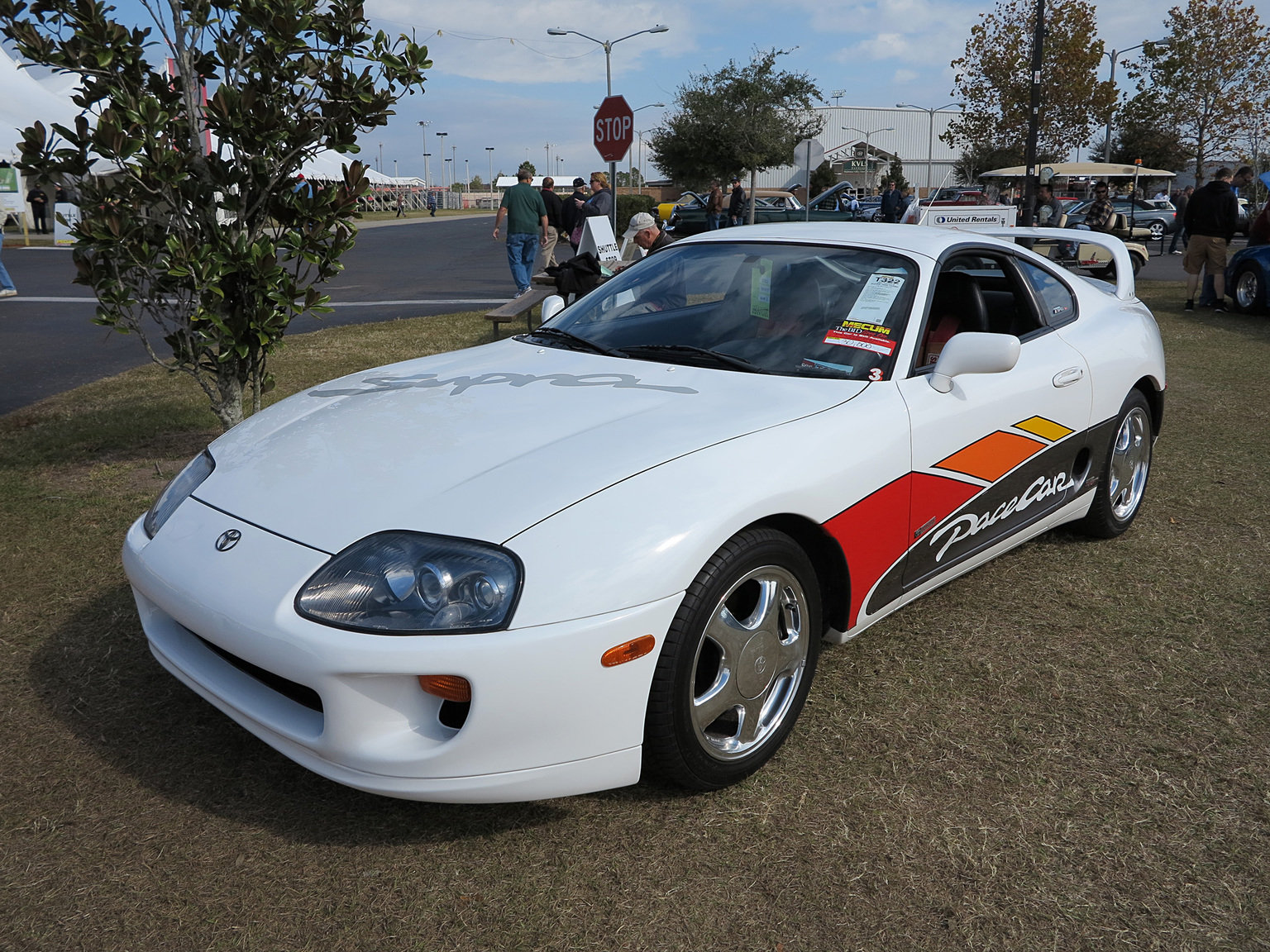
14. Toyota 2JZ-GTE straight-six
1991–2002 · 3.0 twin-turbo straight-six · 276 to 326 hp
The 2JZ-GTE is a 3.0-litre straight-six with an iron block and two turbochargers working in sequence. In the fourth-generation Supra it made up to 326 horsepower.
Toyota built it far stronger than that figure needed, with a deep block and a forged crankshaft. Tuners discovered it would take 600 or 700 horsepower with bolt-on parts and over 1,000 with more work, on the standard block. It ranks here as the engine that defined a whole culture of modification, and for being close to unbreakable.
Verdict Built for 326 horsepower, and happy with three times that.
Did you know: Tuners have taken it past 1,000 hp on the standard block and crankshaft.
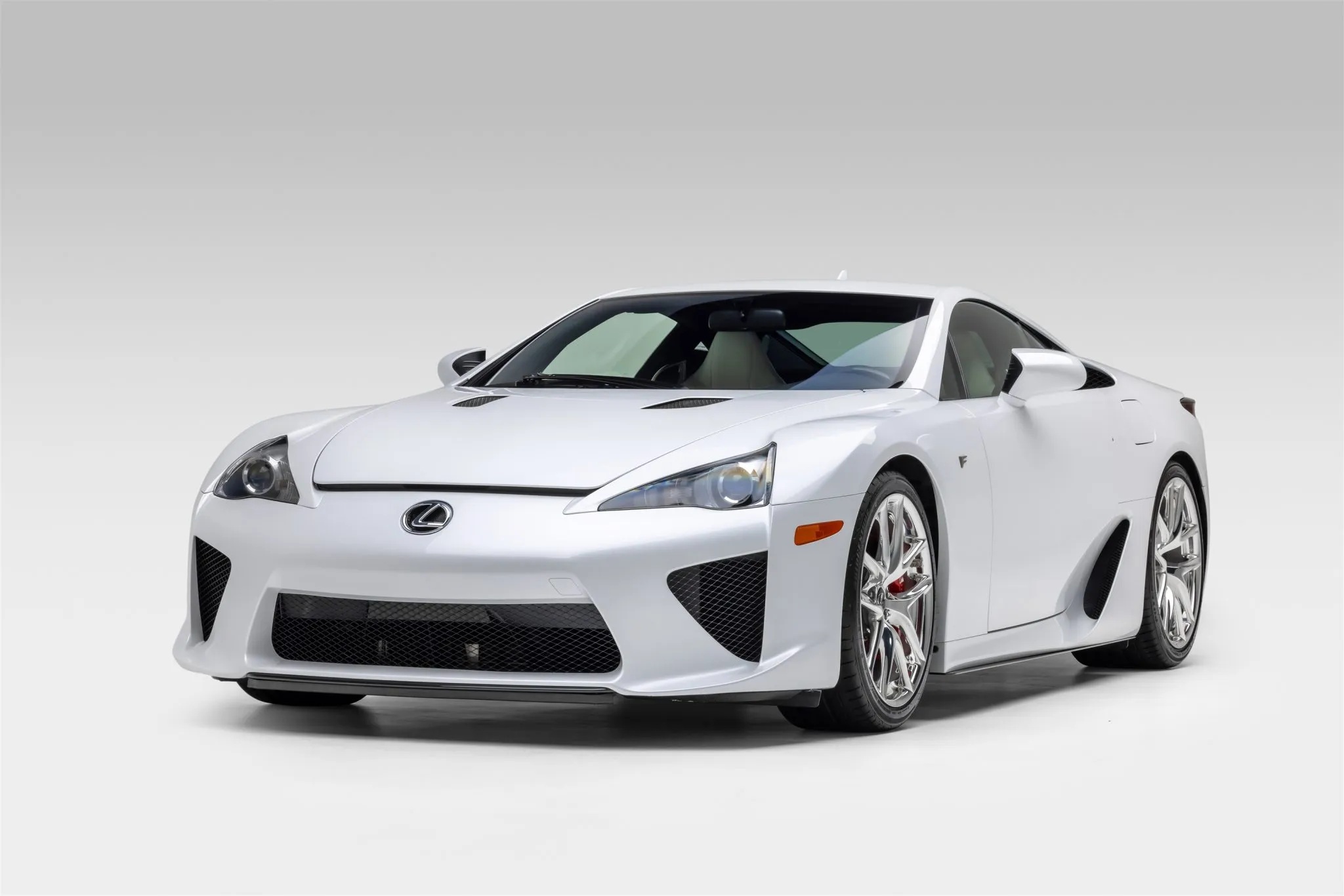
13. Lexus 1LR-GUE V10
2010–12 · 4.8 V10 · 552 hp
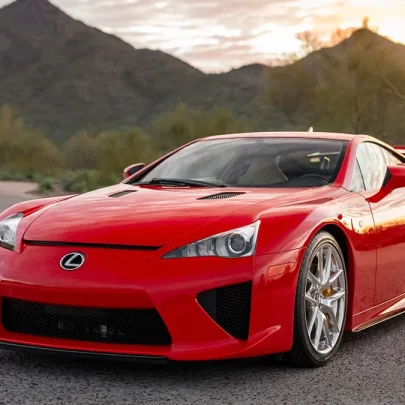
Lexus developed the LFA's V10 with Yamaha. It is a 4.8-litre engine with titanium valves and connecting rods, smaller than a typical V8 and lighter than a typical V6, making 552 horsepower at 8,700 rpm.
It revs so freely that the instrument panel uses a screen, because a needle could not keep pace. Yamaha's instrument makers tuned the intake so that the sound reaches the cabin through purpose-built channels. Only 500 were made. It ranks here on sound and engineering, and many would place it higher.
Verdict The best-sounding road engine of this century.
Did you know: It revs from idle to its limit in six-tenths of a second, too fast for a needle to follow.
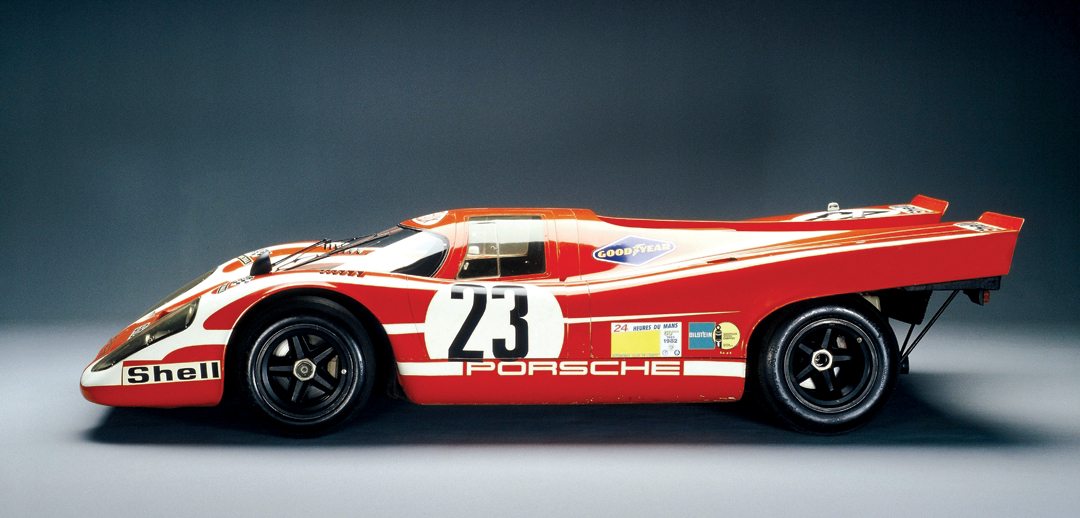
12. Porsche Type 912 flat-twelve
1969–73 · 4.5 to 5.4 flat-twelve, air-cooled · 520 to more than 1,100 hp
Porsche built the 917 to win Le Mans outright, and gave it a twelve-cylinder engine: air-cooled, laid flat, 4.5 litres at first, with the drive taken from the centre of the crankshaft. It made about 580 horsepower and won Le Mans in 1970 and 1971.
When rule changes ended that, Porsche added two turbochargers and took it to North America. The 917/30 of 1973 had more than 1,100 horsepower in race trim and so dominated the Can-Am series that the series collapsed. It ranks here as the most powerful racing engine of its age.
Verdict From Le Mans winner to 1,100 horsepower, in four years.
Did you know: Power is taken from the middle of the crankshaft, not the end, to keep the long shaft from twisting.
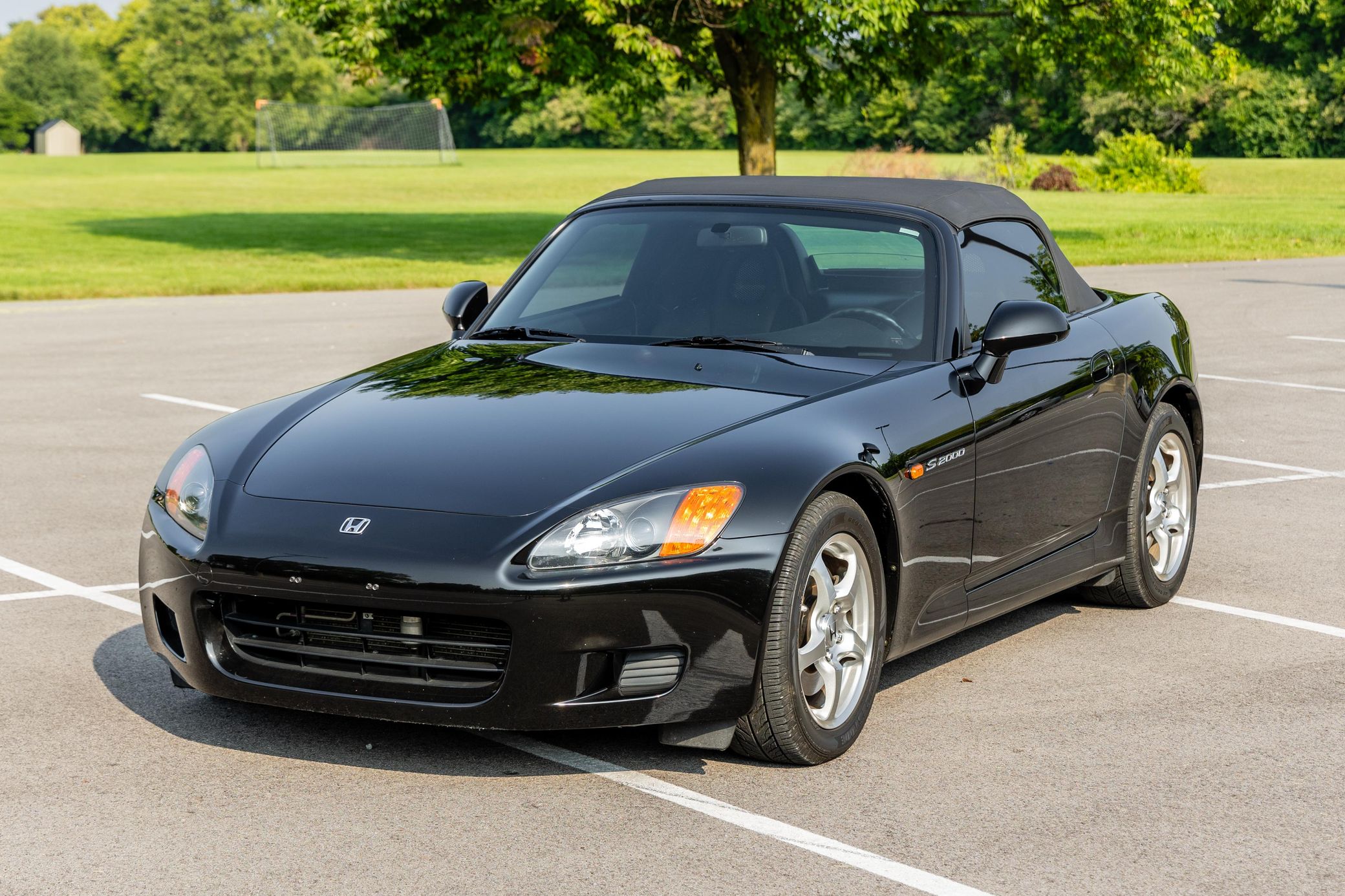
11. Honda F20C four
1999–2009 · 2.0 four, later 2.2 · 237 to 247 hp
Honda built the F20C for the S2000 in 1999. It is a 2.0-litre four that makes about 240 horsepower without a turbocharger and revs to 9,000 rpm. For a decade no production engine made more power for its size without forced induction.
It uses the VTEC system, which changes to a second, wilder cam profile at about 6,000 rpm. Below that it is quiet and mild. Above it, it sounds and pulls like a racing engine. It ranks here as the high point of Honda's high-revving fours, and of small naturally aspirated engines in general.
Verdict Two litres, 9,000 rpm and no turbocharger.
Did you know: For ten years no production engine without a turbocharger made more power for its size.
The top 10
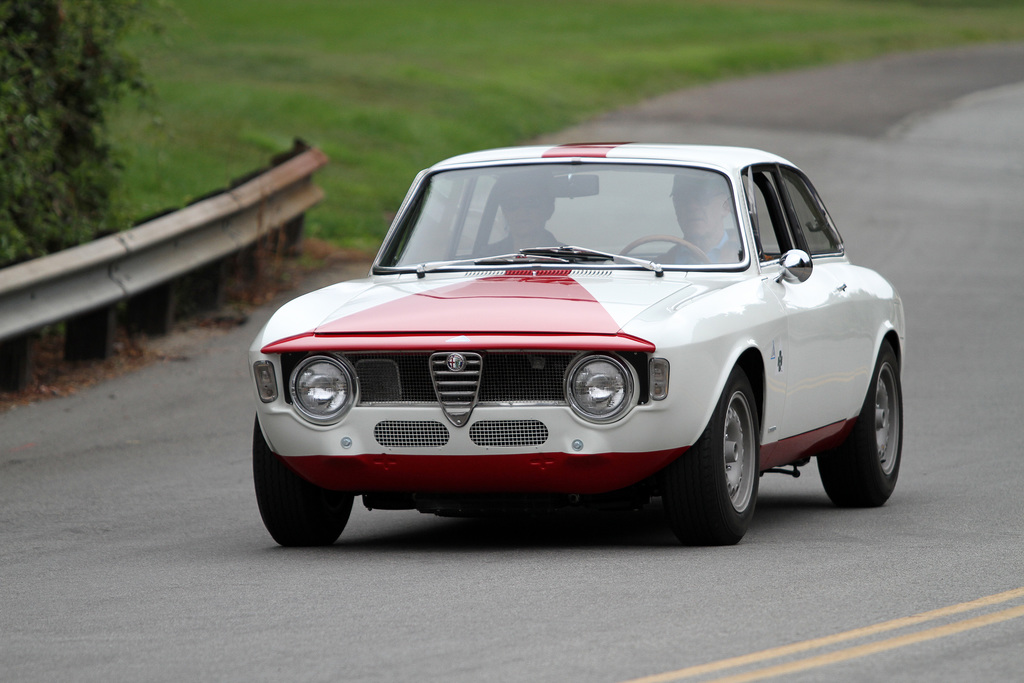
- Years
- 1954–94
- Engine
- 1.3 to 2.0 four
- Power
- 65 to about 150 hp in road cars
Engine · Italy
10. Alfa Romeo Twin-cam four
In 1954 the engine in a small family car was made of iron and had its camshaft in the block. Alfa Romeo's new 1.3-litre four for the Giulietta was made of aluminium, with two overhead camshafts, hemispherical combustion chambers and a five-bearing crankshaft. It was the specification of a racing engine, sold at a price a schoolteacher could consider.
It grew to 1.6, 1.75 and 2.0 litres and powered nearly every Alfa Romeo for the next forty years: the Giulia, the Spider, the GTV, the Alfetta and the 75. With two spark plugs per cylinder it won the European Touring Car Championship in the GTA.
It is tenth because it put a sophisticated engine into ordinary hands earlier than anyone else, and kept doing so for four decades. Most of what people love about old Alfa Romeos is the sound and response of this engine.
Verdict A racing engine's design in a family car, for forty years.
It was made of aluminium, block and head, at a time when family-car engines were iron.
- Years
- 1963–2010
- Engine
- 3.5 to 6.5 V12
- Power
- 270 to 661 hp
Engine · Italy
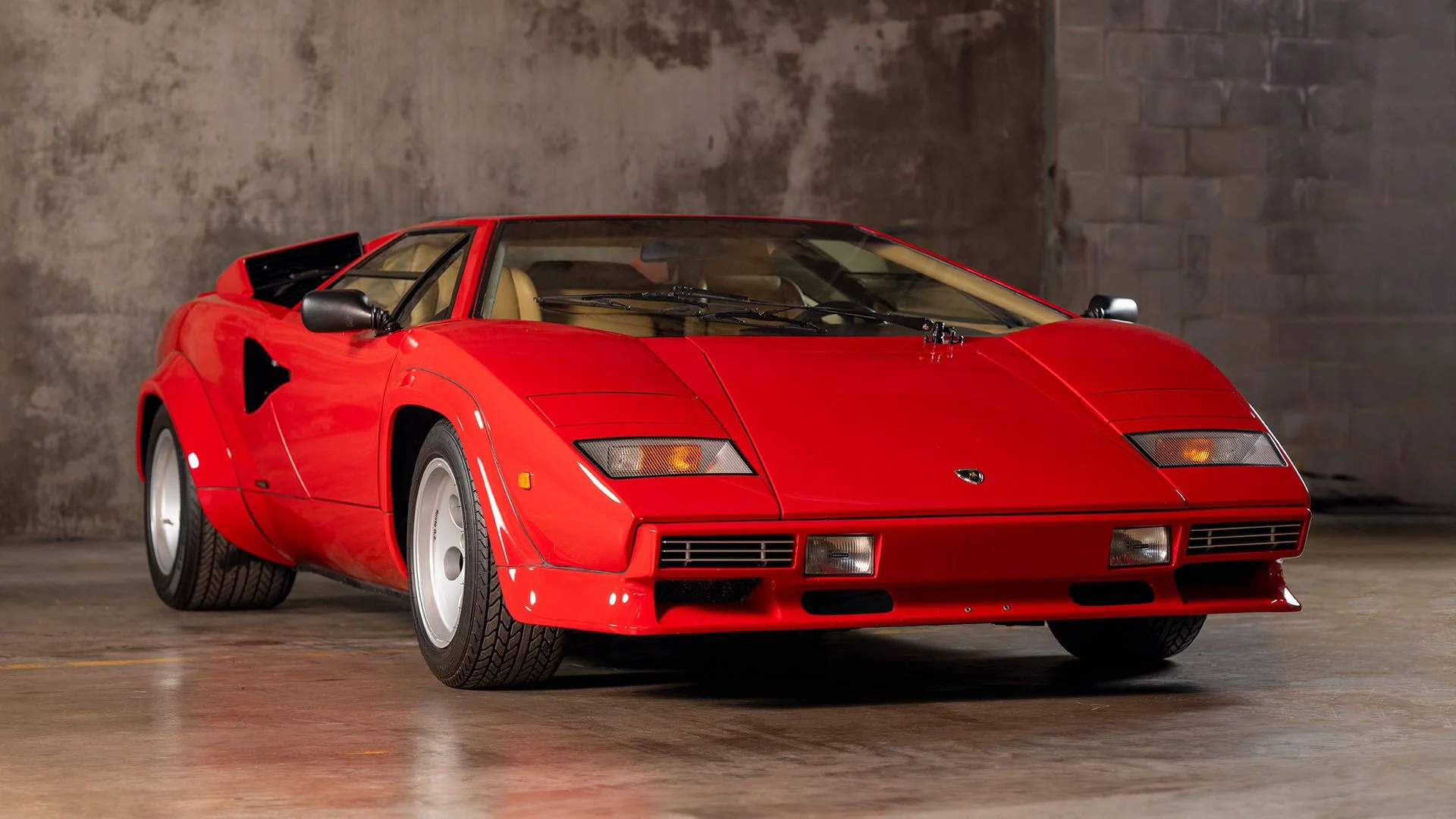
9. Lamborghini V12 (1963)
Ferruccio Lamborghini hired Giotto Bizzarrini, lately of Ferrari, to design an engine for his first car and is said to have offered a bonus for every horsepower above the competition. Bizzarrini delivered a 3.5-litre V12 with four camshafts, at a time when Ferrari's road cars had two.
It went into the 350 GT in 1963 with 270 horsepower. It was then turned sideways for the Miura, turned back and enlarged for the Countach, given four valves per cylinder in 1985, and stretched for the Diablo and the Murciélago. The last version, in 2010, was 6.5 litres and 661 horsepower.
That is 47 years in production. It is ninth because it powered every flagship Lamborghini from the first to the Murciélago, and because without an engine this good the company would not have survived its many changes of owner.
Verdict One design, from the 350 GT to the Murciélago, for 47 years.
It was designed by Giotto Bizzarrini, who had just left Ferrari after working on the 250 GTO.
- Years
- From 2020
- Engine
- 3.9 V12
- Power
- 654 hp
Engine · United Kingdom
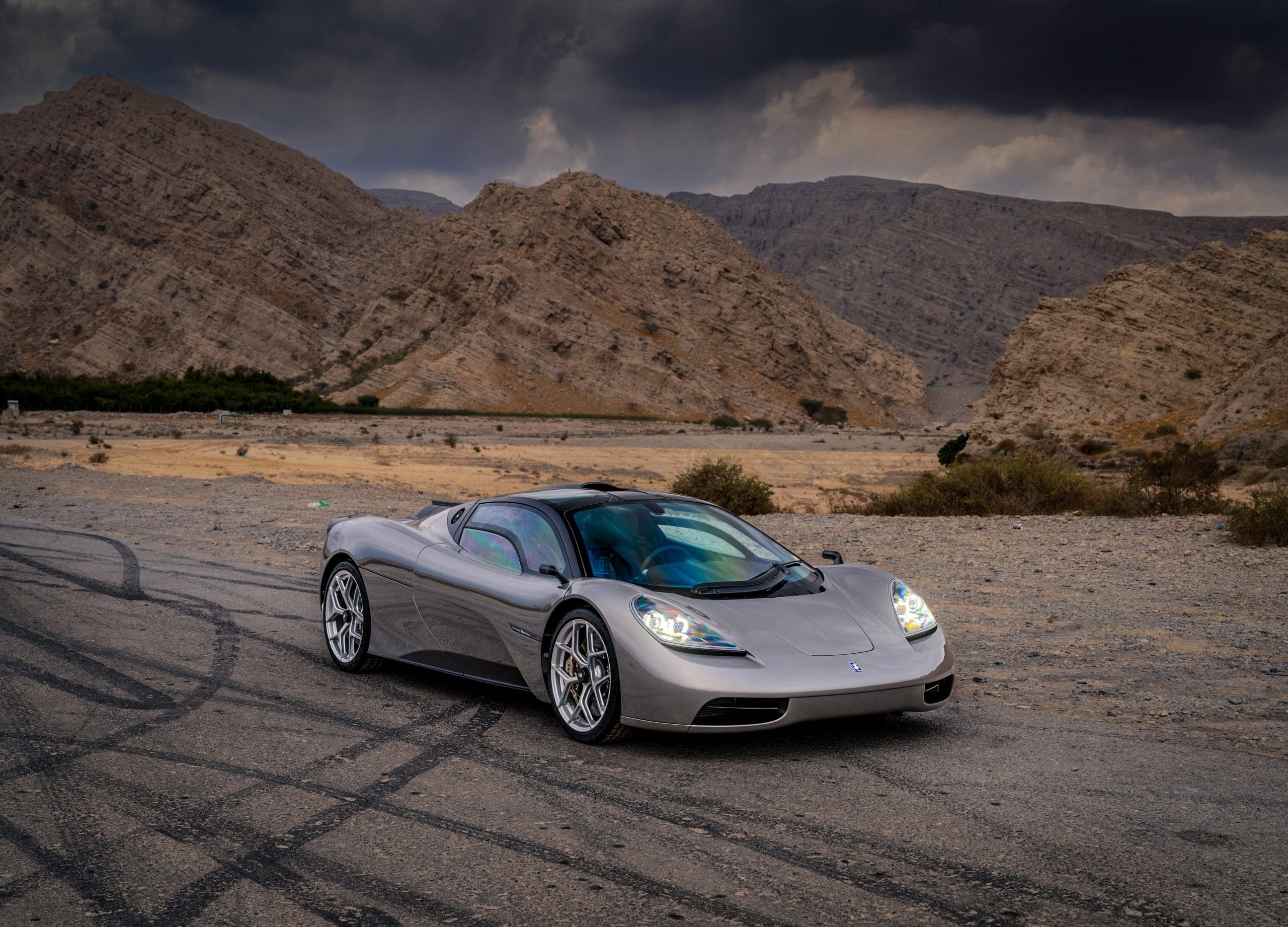
8. Cosworth GMA V12
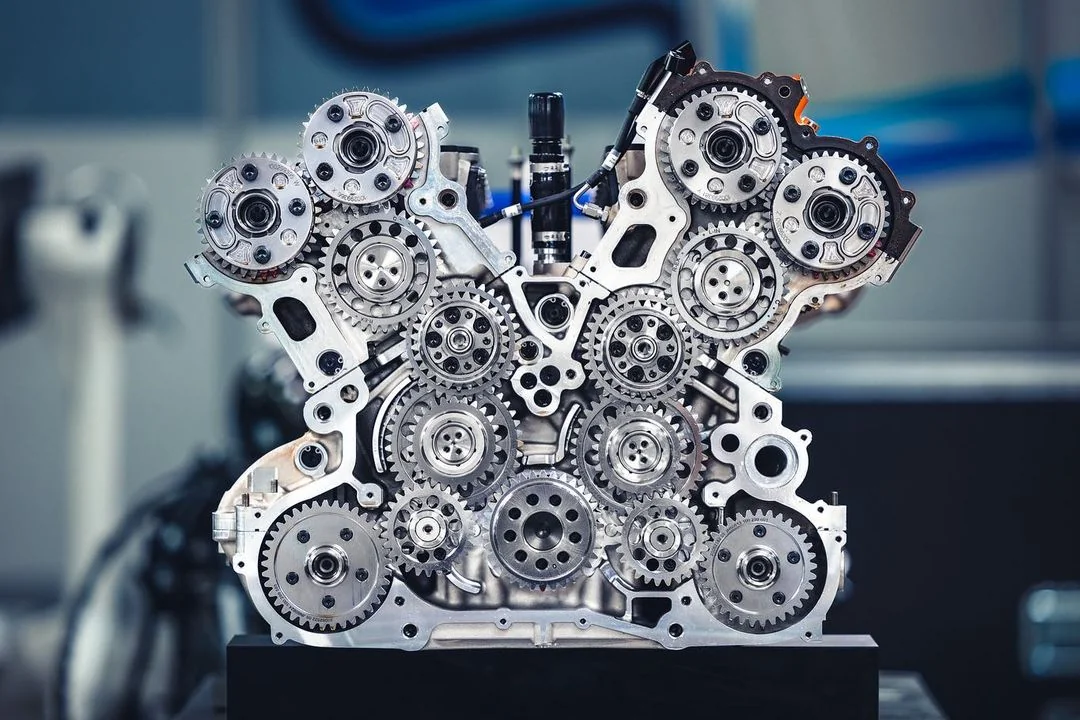
When Gordon Murray designed the T.50 as a successor to the McLaren F1, he went to Cosworth for the engine and asked for the highest-revving, most responsive V12 ever put in a road car. The result displaces 3.9 litres, makes 654 horsepower without turbochargers and has a limit of 12,100 rpm.
It weighs 178 kg, almost 90 kg less than the BMW engine in the F1. It gains revs faster than any other road engine. The camshafts are driven by gears, and the intake sits over the driver's head, as it did in the F1.
It is eighth, the newest engine in the top ten, because it shows what can still be done without turbochargers or hybrid assistance at a time when almost nobody else is trying. It may prove to be the last of its kind.
Verdict A V12 that revs to 12,100 rpm, made when nobody else was trying.
It weighs 178 kg, which makes it the lightest V12 fitted to a road car.
- Years
- 1933–80
- Engine
- Twin-cam four, 1.6 to 4.5 litres
- Power
- Up to about 1,000 hp turbocharged
Engine · United States
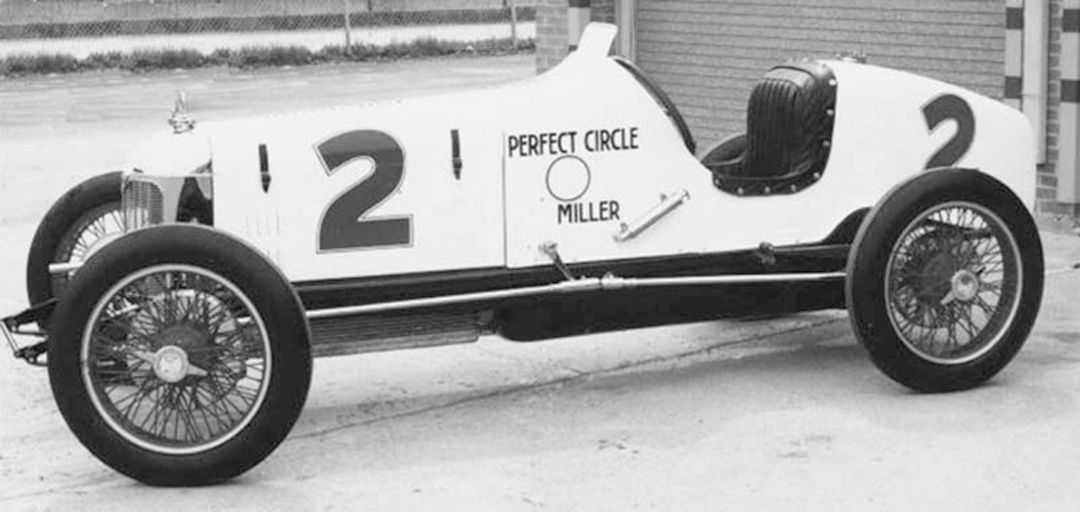
7. Offenhauser four
The Offenhauser is a four-cylinder racing engine with twin overhead camshafts, descended from the Miller engines of the 1920s. Fred Offenhauser took over the design in 1933. The block and cylinder head are a single casting, so it has no head gasket and can stand enormous pressure.
It won the Indianapolis 500 twenty-seven times between 1935 and 1976. For most of the 1950s nearly every car on the grid used one. When rear-engined cars and Ford V8s arrived, the Offy was turbocharged and went on winning, with around 1,000 horsepower from 2.6 litres.
It is seventh because no engine has dominated one great race for so long. A design that began before the Second World War was still winning at Indianapolis when the DFV was nearly ten years old.
Verdict Twenty-seven wins at Indianapolis, across five decades.
The block and head are cast as one piece, so there is no head gasket to fail.
- Years
- 1992–98
- Engine
- 6.1 V12
- Power
- 627 hp
Engine · Germany
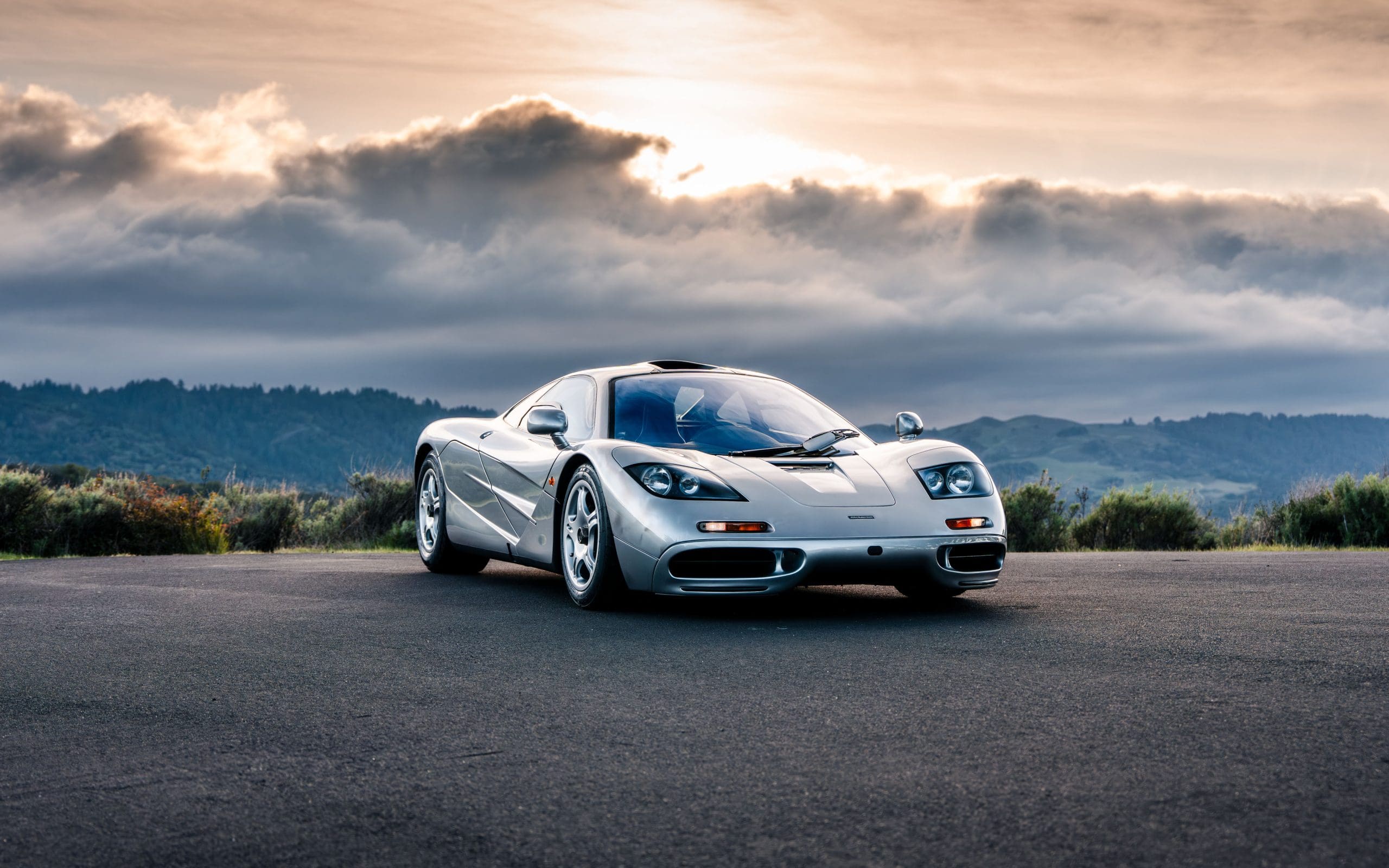
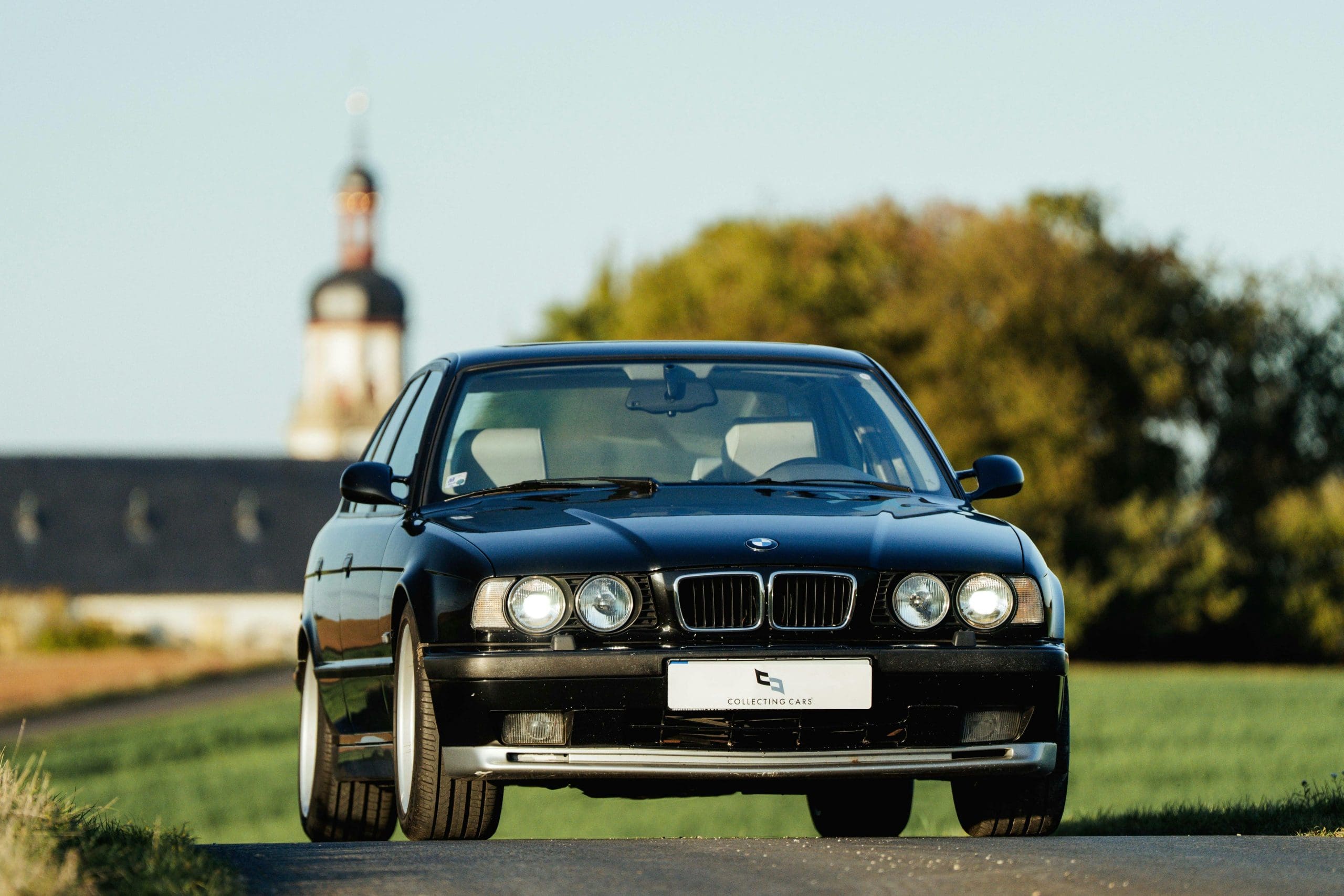
6. BMW S70/2 V12
Gordon Murray's brief for the McLaren F1's engine was severe: twelve cylinders, at least 550 horsepower, no turbochargers, and a weight and length that Honda, his first choice, would not attempt. BMW's Paul Rosche said yes and delivered more than was asked.
The S70/2 is a 6.1-litre V12 with four valves per cylinder and variable valve timing. It makes 627 horsepower and weighs 266 kg. It has a dry sump, twelve individual throttles and a carbon-fibre airbox directly behind the driver's head, which is where the noise comes from. The bay around it is lined with gold foil.
It took the F1 to 240 mph, and with restrictors fitted it won Le Mans in 1995. It was made for one car and about a hundred were built. It is sixth because it remains the standard by which every naturally aspirated road-car engine is judged.
Verdict Built for one car, and still the benchmark thirty years later.
The engine bay around it is lined with gold foil, to reflect heat.
- Years
- 1949–92
- Engine
- 2.4 to 4.2 straight-six
- Power
- 160 to 265 hp
Engine · United Kingdom
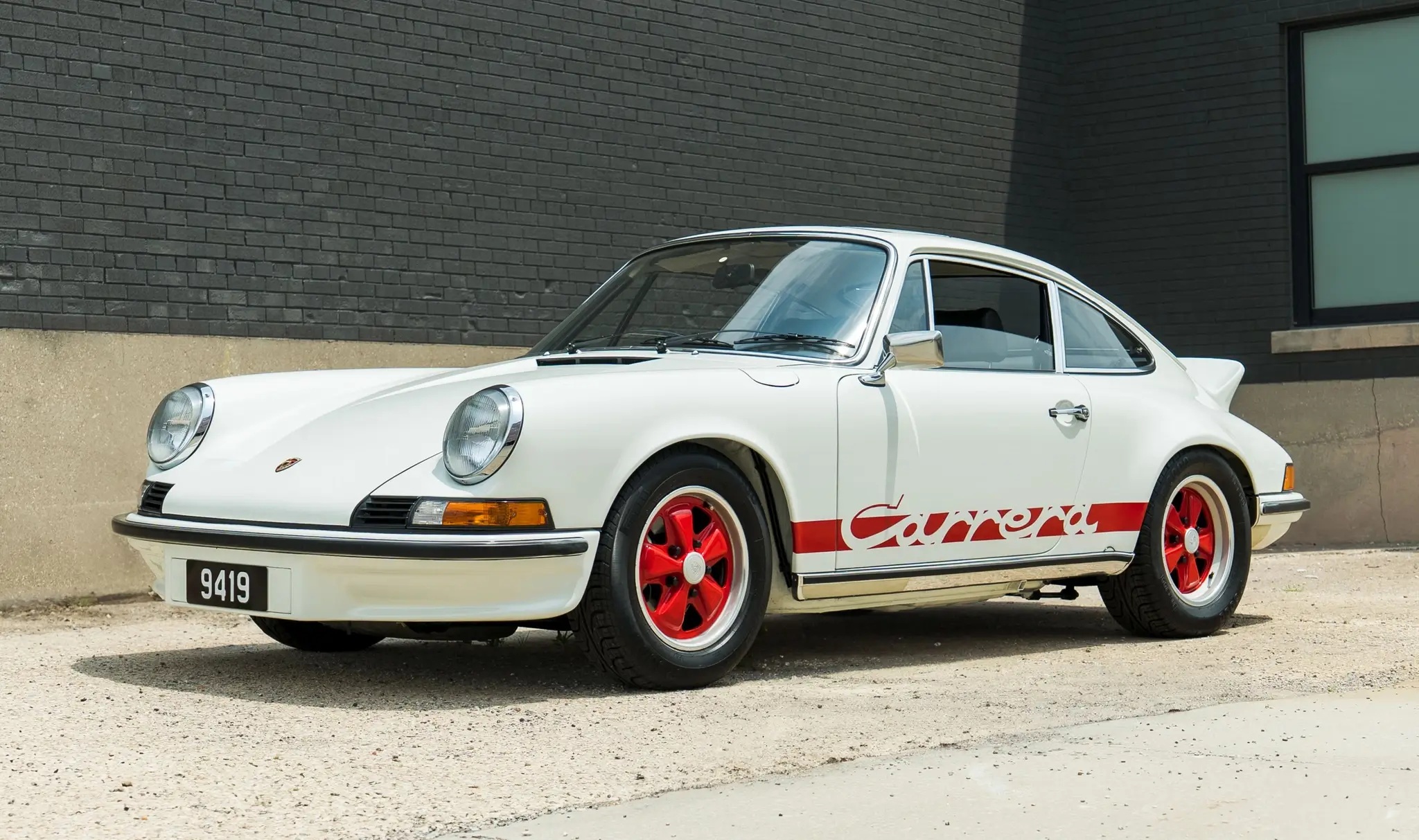
5. Jaguar XK straight-six
Jaguar's engineers planned the XK engine during the war, on fire-watching duty at the factory. William Lyons insisted it should look as good as it performed, so it has polished aluminium cam covers and the layout of a racing engine: six cylinders in line, two overhead camshafts and hemispherical combustion chambers.
It appeared in the XK120 of 1948, which it made the fastest production car in the world. It went on to win Le Mans five times in the C-type and D-type, and it powered the E-type, the Mark 2 saloon and the XJ6.
Jaguar built it for 43 years, the last ones going into limousines in 1992. It is fifth because it brought the twin-cam engine, until then a thing for racing cars and expensive exotics, into cars that ordinary professional people could buy.
Verdict A racing-car layout in a saloon, built for 43 years.
It was designed during wartime fire-watching shifts on the roof of the factory.
- Years
- 1963–98
- Engine
- 2.0 to 3.8 flat-six
- Power
- 130 to 450 hp in road cars
Engine · Germany
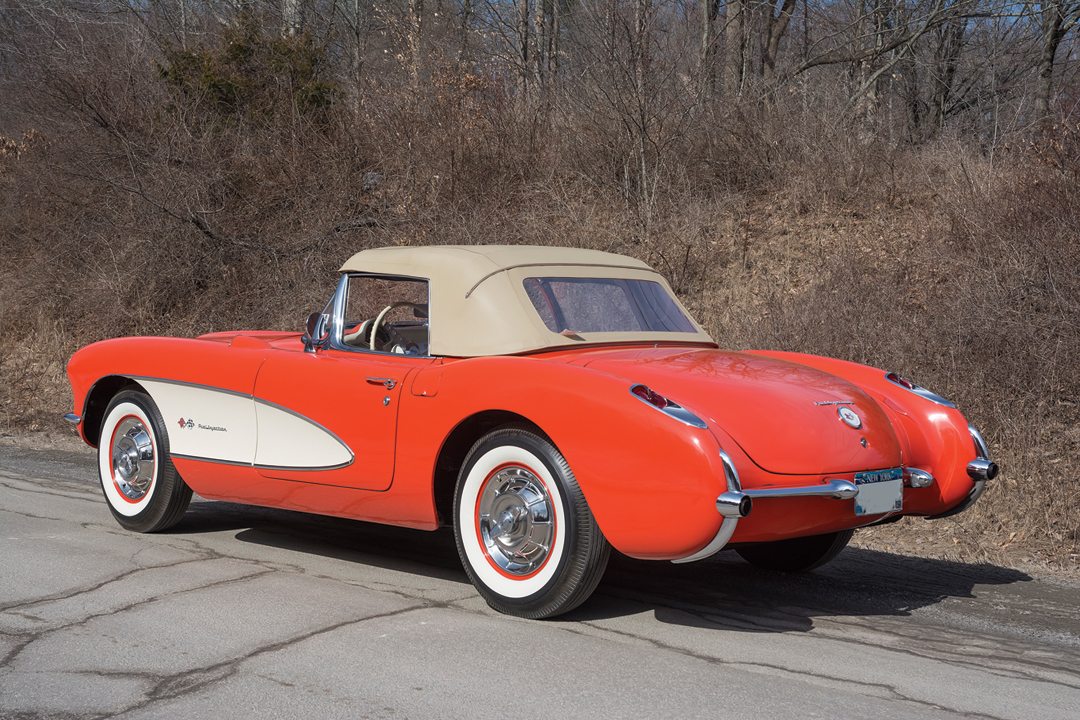
4. Porsche Air-cooled flat-six
The 911's engine began in 1963 as a 2.0-litre flat-six with 130 horsepower, cooled by a fan and by its own oil. It sat behind the rear wheels, where no engineer would choose to put it, and Porsche spent thirty-five years making that work.
It grew to 3.8 litres. With a turbocharger from 1974 it made the 911 one of the fastest cars on the road. In racing it was developed further than anyone would have thought possible: the 935 had more than 800 horsepower, and versions with water-cooled cylinder heads powered the 956 and 962 to seven Le Mans wins.
The last air-cooled 911 was built in 1998. The racing branch of the family carried on, water-cooled, in the GT3 until 2011. It is fourth because no other engine has been so successful in both ordinary road cars and outright racing winners for so long.
Verdict Thirty-five years in the 911, and seven Le Mans wins on the side.
The same basic engine, with water-cooled heads, won Le Mans in the 956 and 962.
- Years
- From 1955
- Engine
- 4.3 to 7.0 V8
- Power
- 162 hp at launch
Engine · United States
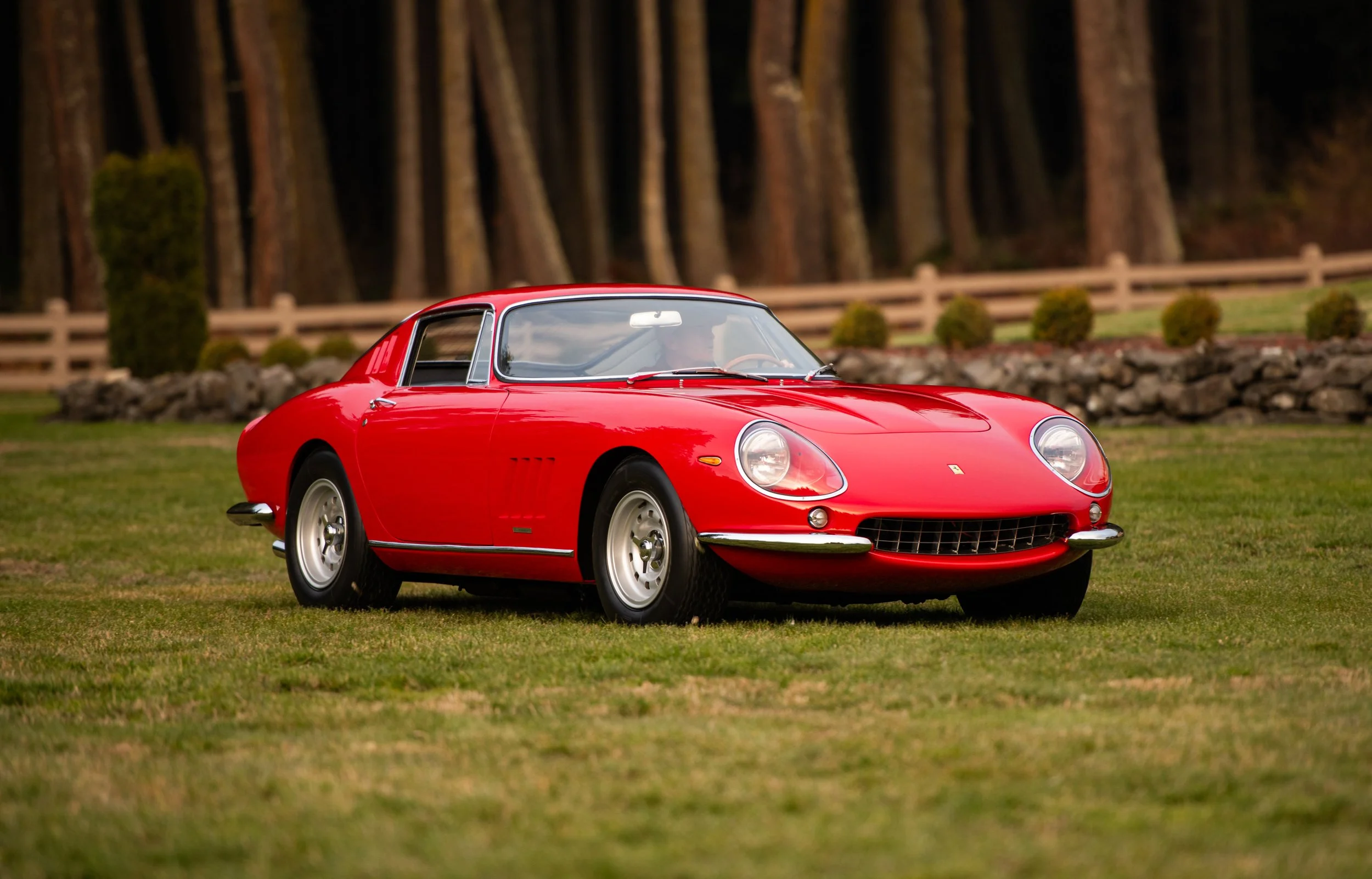
3. Chevrolet Small-block V8
Chevrolet introduced its first V8 for the 1955 model year. It displaced 265 cubic inches, about 4.3 litres, and made 162 horsepower. What mattered was how it was built: compact, light for a cast-iron engine, with a simple valve train that would rev, and designed from the start to be cheap to produce.
It went into family saloons, pickup trucks, Corvettes and Camaros, and then into everything else. Hot rodders, boat builders and racing teams adopted it because parts were everywhere and nothing gave more power for the money. It has won in NASCAR, in Trans-Am, at Le Mans in the Corvette's class, and in every kind of American club racing.
More than 100 million have been made, and its descendants are still in production. It is third because it is the most widely used performance engine in history. An engineer can admire a Ferrari V12. A small-block is what he can afford to race.
Verdict The most-built performance engine there has ever been.
More than 100 million have been made.
- Years
- 1947–88
- Engine
- 1.5 to 4.9 V12
- Power
- 118 to about 390 hp
Engine · Italy
2. Ferrari Colombo V12
Enzo Ferrari wanted twelve cylinders in his first car because he had admired the sound of a Packard V12 as a young man. Gioacchino Colombo drew one for him in 1946: a 60-degree V12 of just 1.5 litres, with a single camshaft for each bank. It ran in the 125 S the following year.
The design proved able to grow almost without limit. It was 2.0 litres by 1948, 3.0 by 1952 and 4.4 by the late 1960s, gaining four camshafts and, eventually, fuel injection along the way. It powered the 166 that won Le Mans in 1949, the 250 Testa Rossa, the 250 GTO, the 275 GTB and the Daytona, and it was still in production, in a four-seater, in the late 1980s.
It is second because it is the engine that made Ferrari, on the road and on the track, for forty years. The sound that people mean when they talk about a Ferrari V12 is this one.
Verdict The engine that made Ferrari, from 1.5 litres to the Daytona.
It began at 1.5 litres, so each cylinder was smaller than a wine glass.
The best of the 30 · Engine · United Kingdom
1. Ford-Cosworth DFV V8
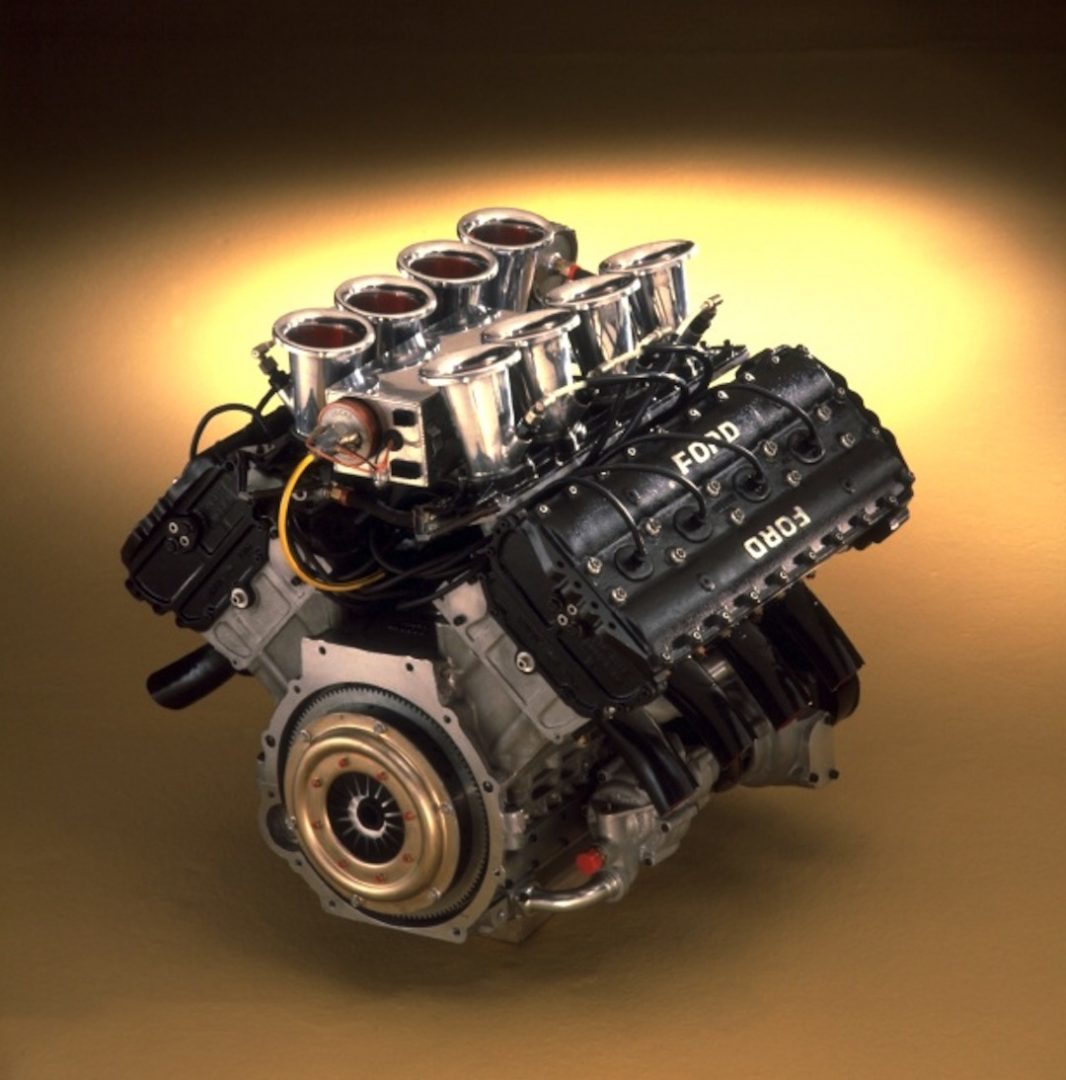
- Years
- 1967–83
- Engine
- 3.0 V8
- Power
- About 400 to 520 hp
In 1966 Formula One changed to three-litre engines and Lotus had nothing to use. Colin Chapman persuaded Ford to pay £100,000 for a new one, and gave the job to Cosworth, a small firm run by two of his former employees. Keith Duckworth designed a compact V8 with four valves per cylinder, strong enough to be bolted between the driver and the gearbox as part of the car's structure, with the rear suspension hung from it.
It won its first race, at Zandvoort in June 1967, in the back of the Lotus 49. Ford then agreed to sell it to anyone. For about £7,500 a team could buy the best engine in the sport, and for the next fifteen years most of them did. McLaren, Tyrrell, Brabham, Williams and a dozen smaller names were built on it.
The DFV won 155 Grands Prix, twelve drivers' championships and ten for constructors, the last victory coming in 1983. Versions of it won Le Mans twice and the Indianapolis 500 ten times. It made about 400 horsepower at first and over 500 at the end.
It is first because no other engine has done so much for so many. Without it there would have been no British racing industry as we know it, and Formula One in the 1970s would have been a contest between two or three factories.
Verdict One hundred and fifty-five Grand Prix wins, and for sale to anyone.
Ford paid £100,000 for its design and development, and won 155 Grands Prix with it.
What we left off, and why
The Rolls-Royce Merlin is the greatest piston engine Britain ever made, and it was built for aeroplanes. The same goes for the Liberty and the other aircraft engines that were fitted to record-breaking cars.
Several racing engines came close: the Mercedes-Benz straight-eight of 1954 with its desmodromic valves, the BRM V16, which made a wonderful noise and won almost nothing, Renault's Formula One V10 of the 1990s, the Cosworth BDA and the Alfa Romeo straight-eights of the 1930s.
Among road engines, the Jaguar V12, the Mercedes-AMG 6.2-litre V8, the Subaru flat-four, the Mitsubishi 4G63, BMW's later M engines and the Ferrari V12 that began with the Enzo all had a case. So did the current Chevrolet and Dodge V8s, which we have counted with the families they descend from. The water-cooled Porsche racing flat-six of the 996 to 997 GT3 is counted with the air-cooled engine it grew from.
Tell us what we got wrongQuestions about this list
What is the greatest car engine ever built?
By our ranking, the Ford-Cosworth DFV, a 3.0-litre V8 for Formula One. It won 155 Grands Prix between 1967 and 1983 and could be bought by any team. The Ferrari Colombo V12 and the Chevrolet small-block V8 are second and third.
What is the greatest road-car engine?
The highest-placed engine built mainly for road cars is the Ferrari V12 designed by Gioacchino Colombo, which powered Ferraris from 1947 to the late 1980s. The Chevrolet small-block V8, the Porsche air-cooled flat-six and the Jaguar XK six follow it.
What engine is in the Gordon Murray T.50?
A 3.9-litre V12 built by Cosworth. It makes 654 horsepower without turbochargers, revs to 12,100 rpm and weighs 178 kg. We rank it eighth.
Why is the Rolls-Royce Merlin not on this list?
The Merlin was an aircraft engine. This list is for engines made for cars. Aircraft engines that were later fitted to record-breaking or one-off cars are left out for the same reason.
Which engine has won the most Formula One races?
Counted as one design, the Ford-Cosworth DFV, with 155 Grand Prix wins from 1967 to 1983. It also took twelve drivers' championships and ten constructors' championships.
We started from a long list of car engines and cut it to thirty. Each was judged on four things: its engineering, its results in competition, its sound, and how long the design remained in production or in use.
Engines are named as their makers or the people who use them name them. Where a family has many versions, the years and power figures cover the whole family, and the entry says which versions matter most.
Power figures for racing engines are approximate. Teams rarely published them, and they changed from race to race. Production totals are not given, because for most engines nobody counted.