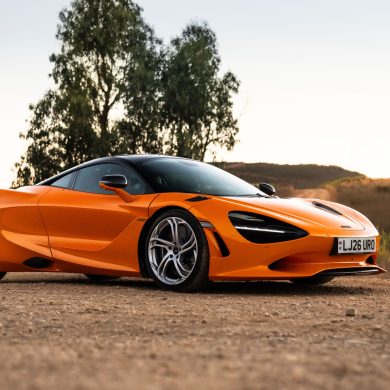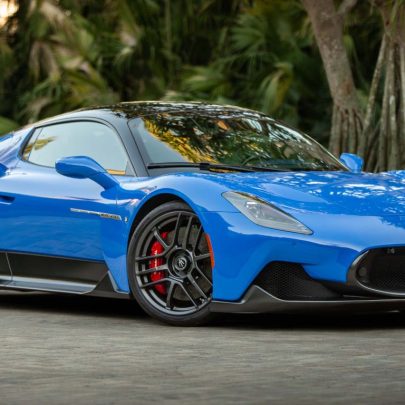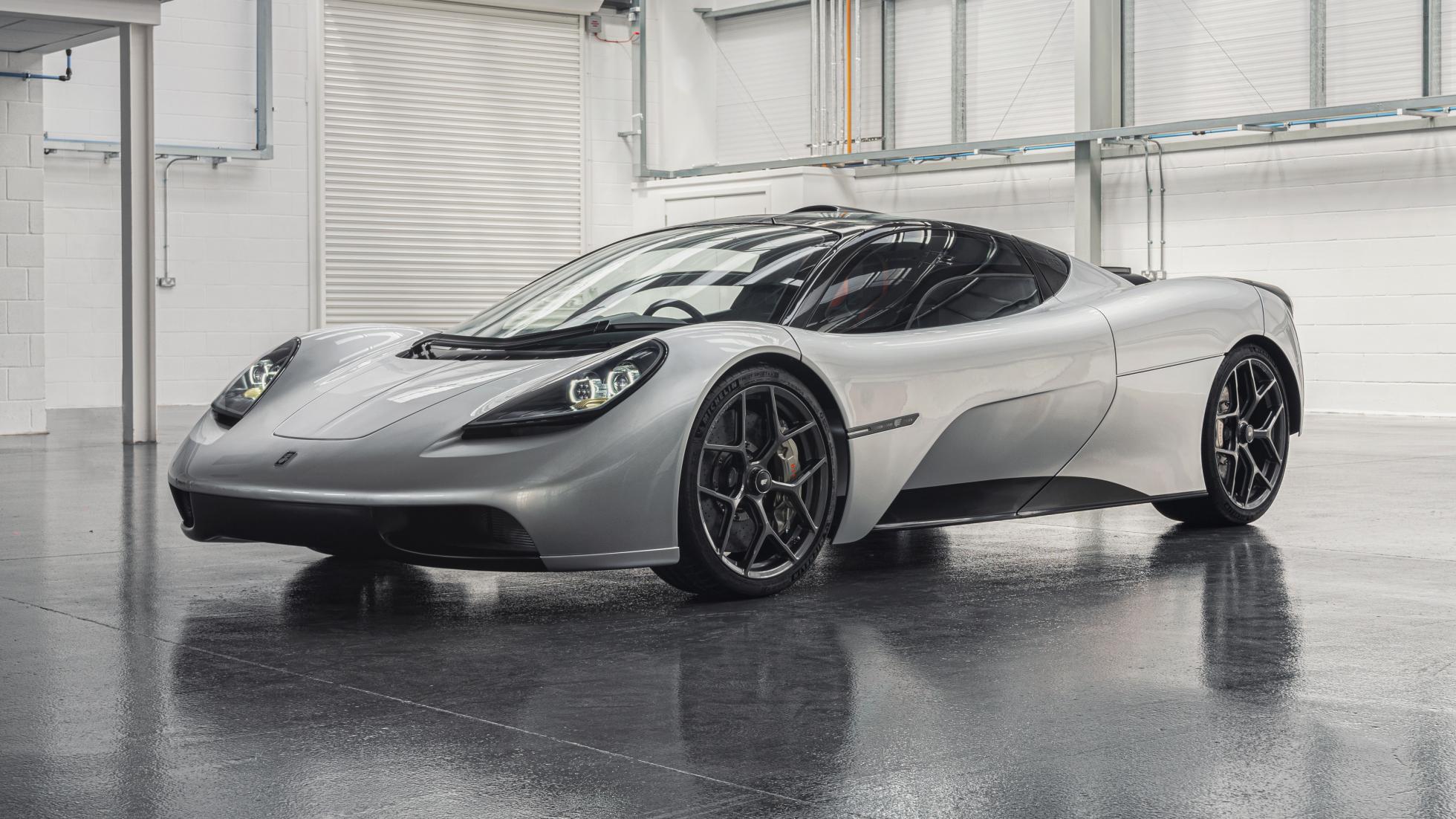

Ask ten people who love cars to name the best one to drive and you will get ten answers, most of them delivered with some heat. One will name a Porsche. One will name something with a Lotus badge and a hundred horsepower. One will say the question was settled in 1992.
This is our answer: the fifty best driver's cars ever made, counted down from fifty to one. It runs from an Alfa Romeo of 1931 to cars launched this decade, and it takes in hatchbacks, saloons, roadsters and supercars from six countries.
What counts as a driver's car
Road-legal cars, built in series and sold to the public. Any maker, any era, any price. Racing cars are out, even the ones that wore number plates. So are track-only specials, one-offs, and cars rebuilt by outside firms, however good.
A model appears once unless a version of it is a different car to drive. The Porsche 911 is here three times, because a 1973 Carrera RS, a GT3 RS 4.0 and a 911 R are three different answers. We also kept any one maker from running away with the list. Porsche has seven cars and Ferrari six, and each could have had ten.
How we ranked them
There was one test: how the car drives. Steering, balance, the engine's response, the gearchange, how much the car tells the person at the wheel, and whether you would take the long way home in it.
Nearly everything else did not count. Speed did not count: a car with 105 horsepower is in the top five. Price did not count, in either direction. Nor did looks, rarity, or what the car won, except where racing explains how it came to be so good.
Old cars got no allowance for age. A car from 1936 had to be a pleasure to drive now, not merely advanced for 1936. New cars got no credit for technology unless it serves the driver. Paddles, turbochargers, four-wheel drive and software are all on this list, where they make the driving better.
Then we argued. This is a gut list, as all our lists are, and the test is whether someone who loves driving looks at the order and thinks it feels right. Similar cars do not sit side by side, and being fast and competent was not enough.
How to read this list
We start at fifty and count down. Each car has its years, engine and power, the case for its place, and a one-line verdict. The top fifteen get the longest treatment. If you want the order without the suspense, the full ranking is in the table below.
Some of these cars cost millions and some can be bought for the price of a used hatchback. On the right road the gap between them is smaller than you would think. Tell us what we got wrong in the comments.
See the full ranking, 1 to 50
50 to 31
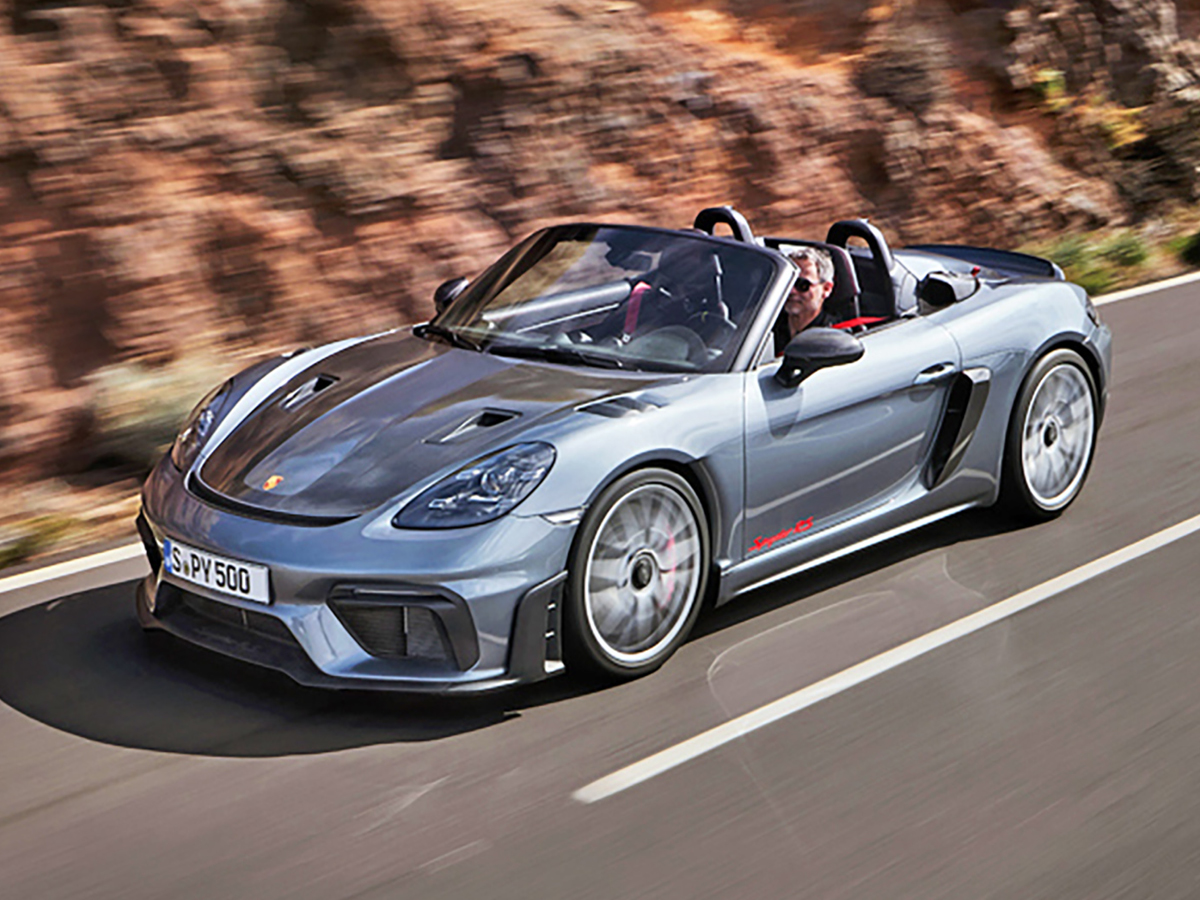
50. Porsche 718 Spyder RS
From 2023 · 4.0 flat-six · 493 hp
The newest car on the list. Porsche put the 4.0-litre engine from the 911 GT3 in the open 718, where it sits just behind your shoulders and revs to 9,000 rpm with the intakes beside your ears. It is set up for roads, not lap times, and comes only with paddles. It starts at fifty because it is new, and because another mid-engined Porsche sits higher up. It may not stay here.
Verdict The GT3's engine, with the roof off.
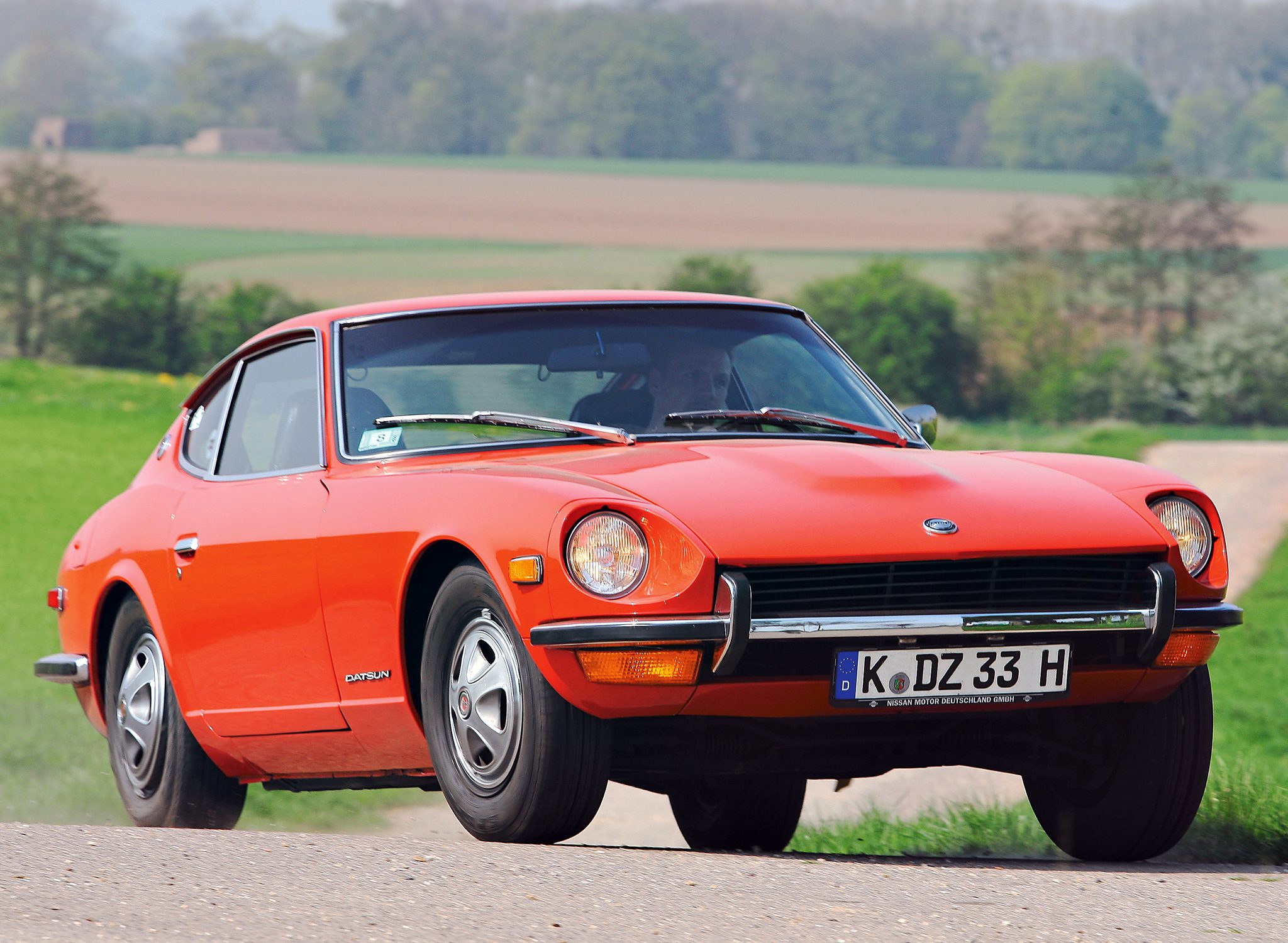
49. Datsun 240Z
1969–73 · 2.4 straight-six · 151 hp · ~ 168,600
A six-cylinder coupé with independent suspension all round, for the price of an MGB GT. The 240Z has 151 horsepower and a long bonnet, and it sold in numbers that finished off the traditional British sports car in America. It is torquey, well balanced and tough. It made the driver's car something a young person could afford.
Verdict The sports car for everyone else.
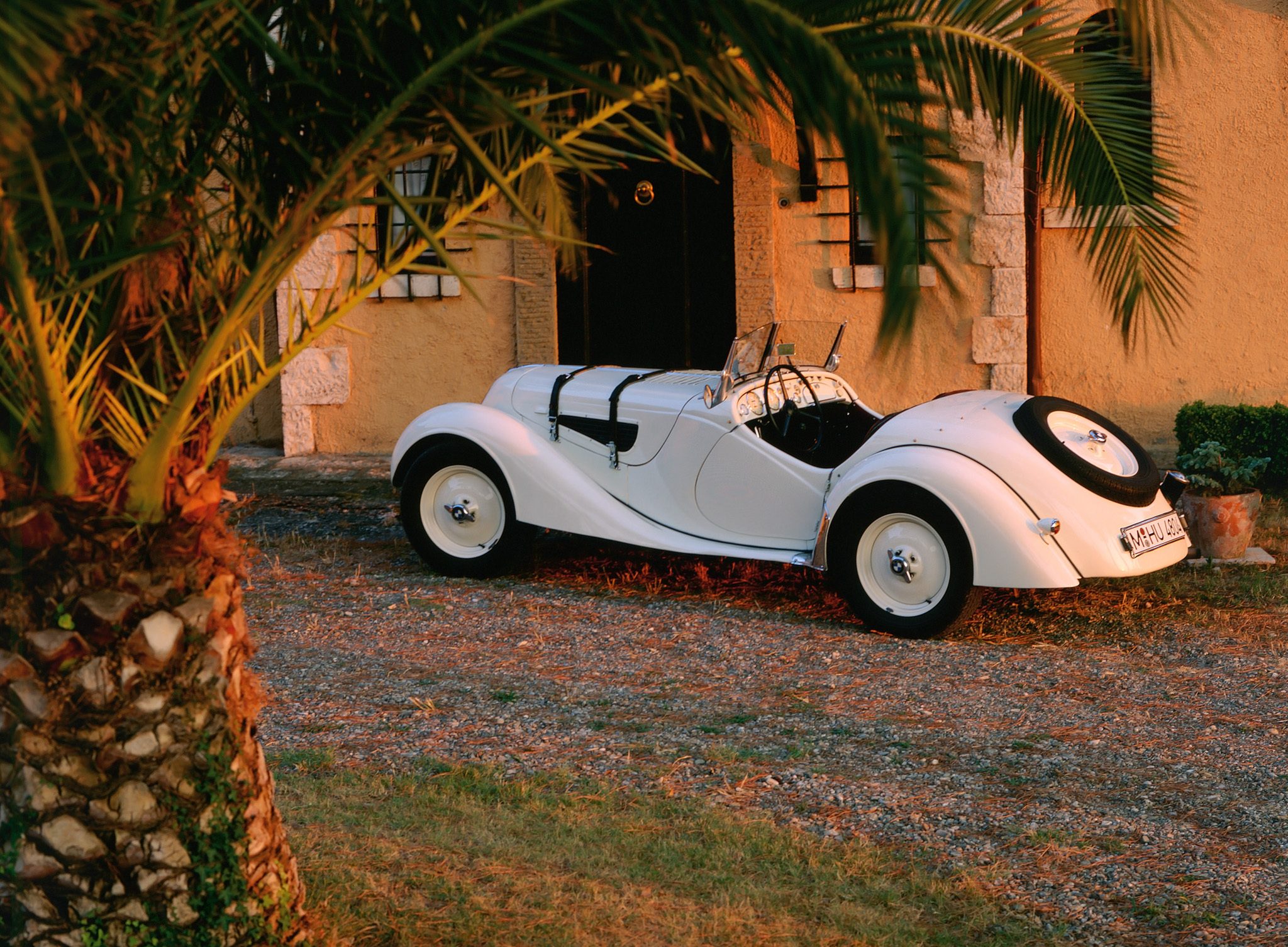
48. BMW 328
1936–40 · 2.0 straight-six · 80 hp · 464
The sports car that made the others look old in 1936. The 328 has a light tubular frame, a 2.0-litre straight-six of 80 horsepower, hydraulic brakes and quick, exact steering. It won its class first time out, at the Nürburgring in 1936, and the 1940 Mille Miglia outright. It is the prewar car a modern driver can step into and enjoy without lessons.
Verdict Prewar, and it does not feel it.
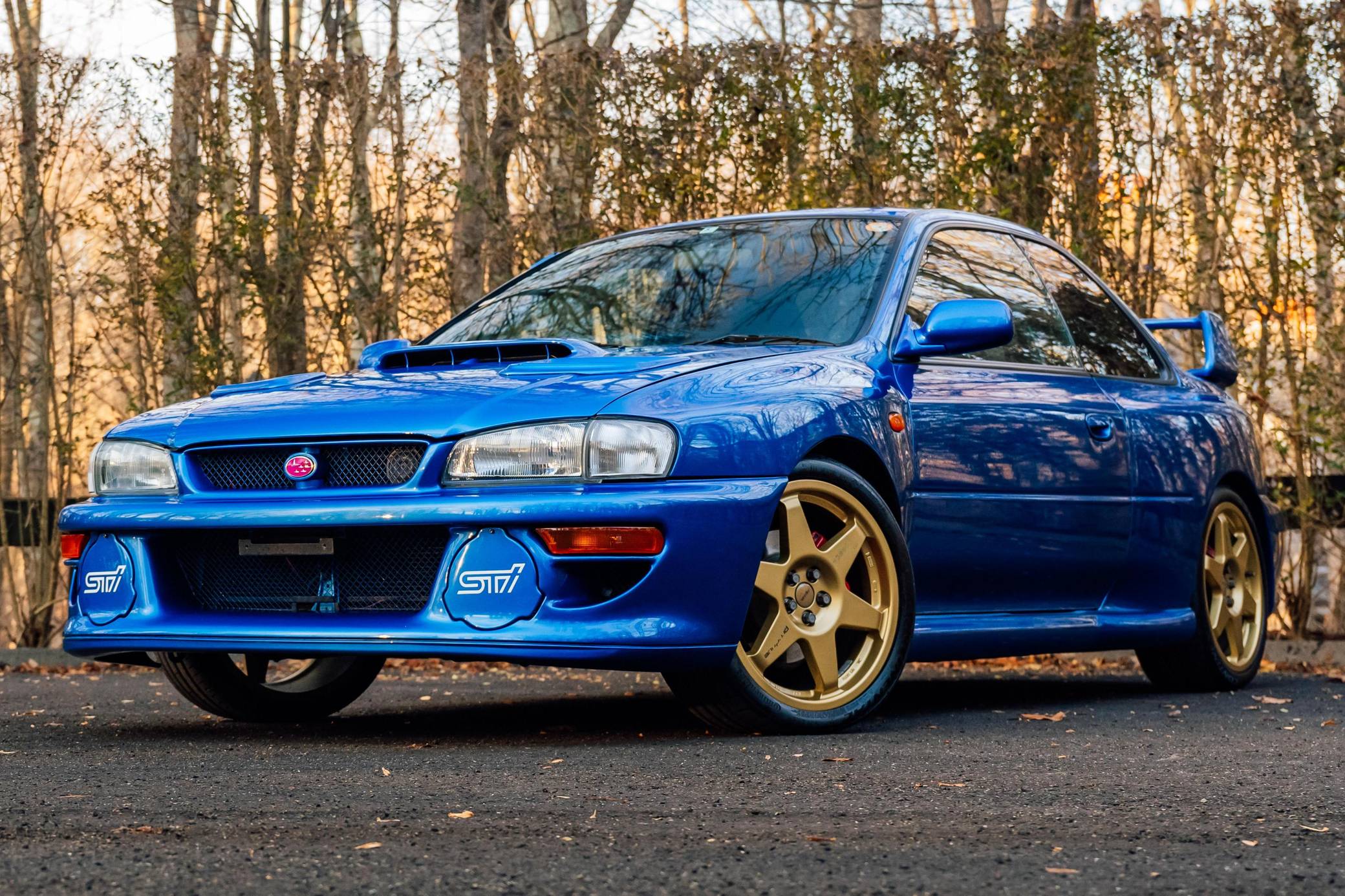
47. Subaru Impreza 22B STi
1998 · 2.2 turbo flat-four · 276 hp · 424
Built to mark Subaru's third straight world rally title and the company's fortieth year. The 22B has the wide two-door body of the rally car, a 2.2-litre turbocharged flat-four, and a centre differential the driver can adjust. Only 424 were made. On a wet, bumpy road it gives a confidence nothing else of its time could match.
Verdict The rally replica to have.

46. Dodge Viper ACR
2016–17 · 8.4 V10 · 645 hp
The Viper never had much subtlety, and the last ACR did not add any. It added downforce: close to a ton of it at speed, from a wing and splitter fit for a racing car. With an 8.4-litre V10, a manual gearbox and no hybrid help, it set lap records at thirteen American circuits. It is hard work, and worth it.
Verdict The blunt instrument, sharpened.
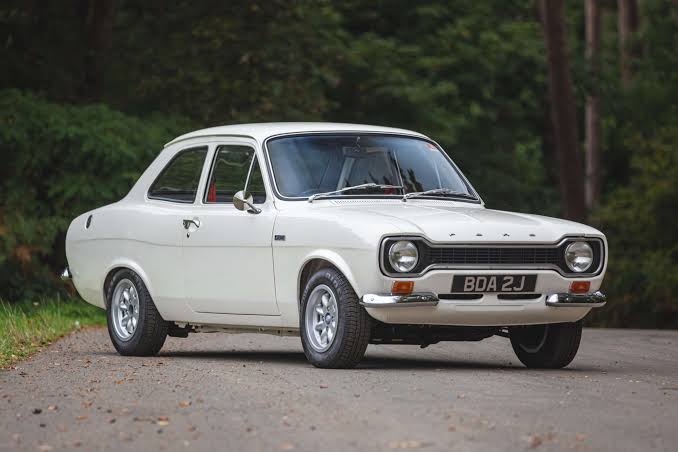
45. Ford Escort RS1600
1970–74 · 1.6 Cosworth BDA four, 16 valves · About 115 hp · ~ 1,100
A plain Ford saloon with a racing engine. The RS1600 used the 16-valve Cosworth BDA and was built by hand at Ford's Advanced Vehicle Operations. With rear-wheel drive, a live axle and very little weight, it is simple and wonderfully adjustable, which is why the Escort won rallies for a decade. Club drivers still slide them through forests every weekend.
Verdict Simple, light, and usually sideways.
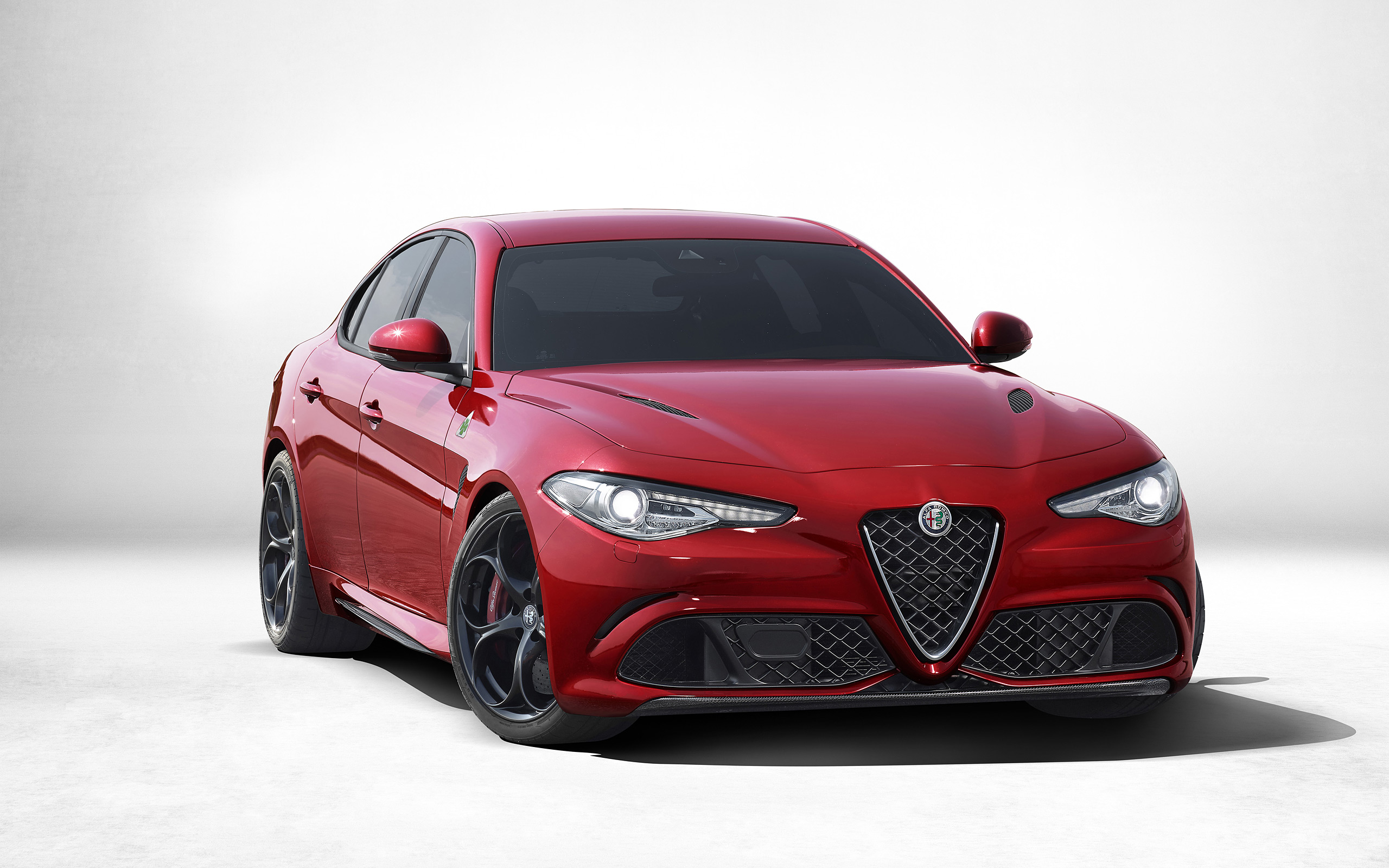
44. Alfa Romeo Giulia Quadrifoglio
From 2016 · 2.9 twin-turbo V6 · 503 hp
Alfa Romeo's return to rear-wheel drive, by a small team given a clean sheet. The 2.9-litre twin-turbo V6 gives 503 horsepower. The steering is very quick, the front end bites at once, and the car is lighter on its feet than its German rivals. It is the fastest saloon here, and the one with the most charm.
Verdict The fast saloon with the lightest touch.

43. Ariel Atom
From 2000 · Four-cylinder, mostly Honda · 120 to 400 hp
A Seven for the twenty-first century. The Atom has a frame of exposed steel tubes, an engine behind the seats, and no doors, roof or windscreen. It weighs about half a tonne, and in supercharged form it accelerates with the fastest cars made. You can watch the front suspension work as you drive. Little else on four wheels is so direct.
Verdict Scaffolding, a Honda engine, and joy.
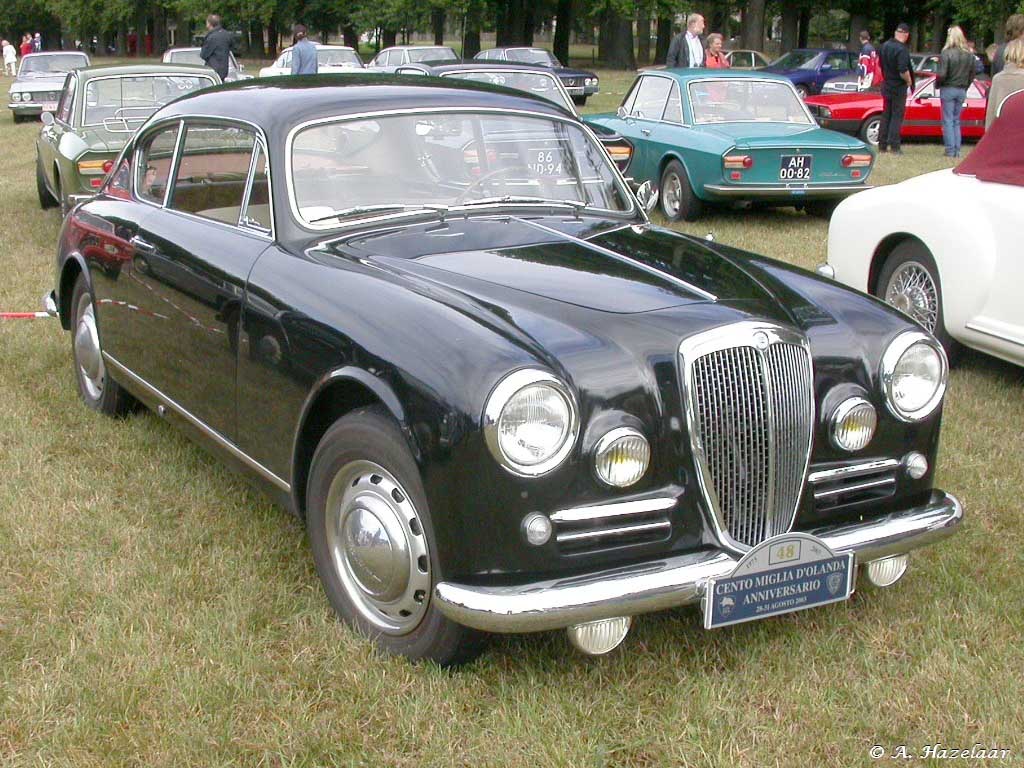
42. Lancia Aurelia B20 GT
1951–58 · 2.0 and 2.5 V6 · 75 to 118 hp · ~ 3,900
The first modern grand tourer. The Aurelia had the first production V6, a gearbox at the rear for balance, and inboard rear brakes, all in 1951. The B20 coupé finished second in that year's Mille Miglia, behind a Ferrari with twice its engine size. It still feels light, exact and well ahead of its time.
Verdict The grand tourer, invented.
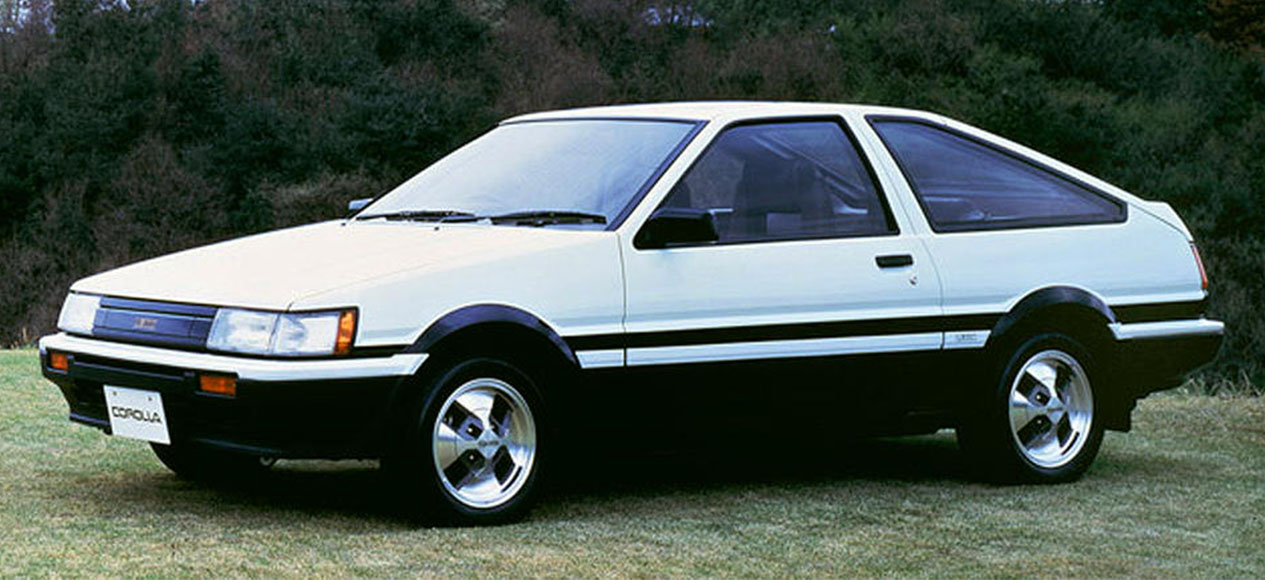
41. Toyota Corolla AE86
1983–87 · 1.6 twin-cam four · 124 hp
The last rear-drive Corolla: about 950 kg, a 1.6-litre twin-cam engine that loves revs, a live rear axle, and not much grip. It is slow, and it is one of the best cars ever made for learning how a car behaves beyond the limit. Japan's mountain-road drivers made it famous, and the sport of drifting grew up around it.
Verdict Slow, sideways, and a great teacher.
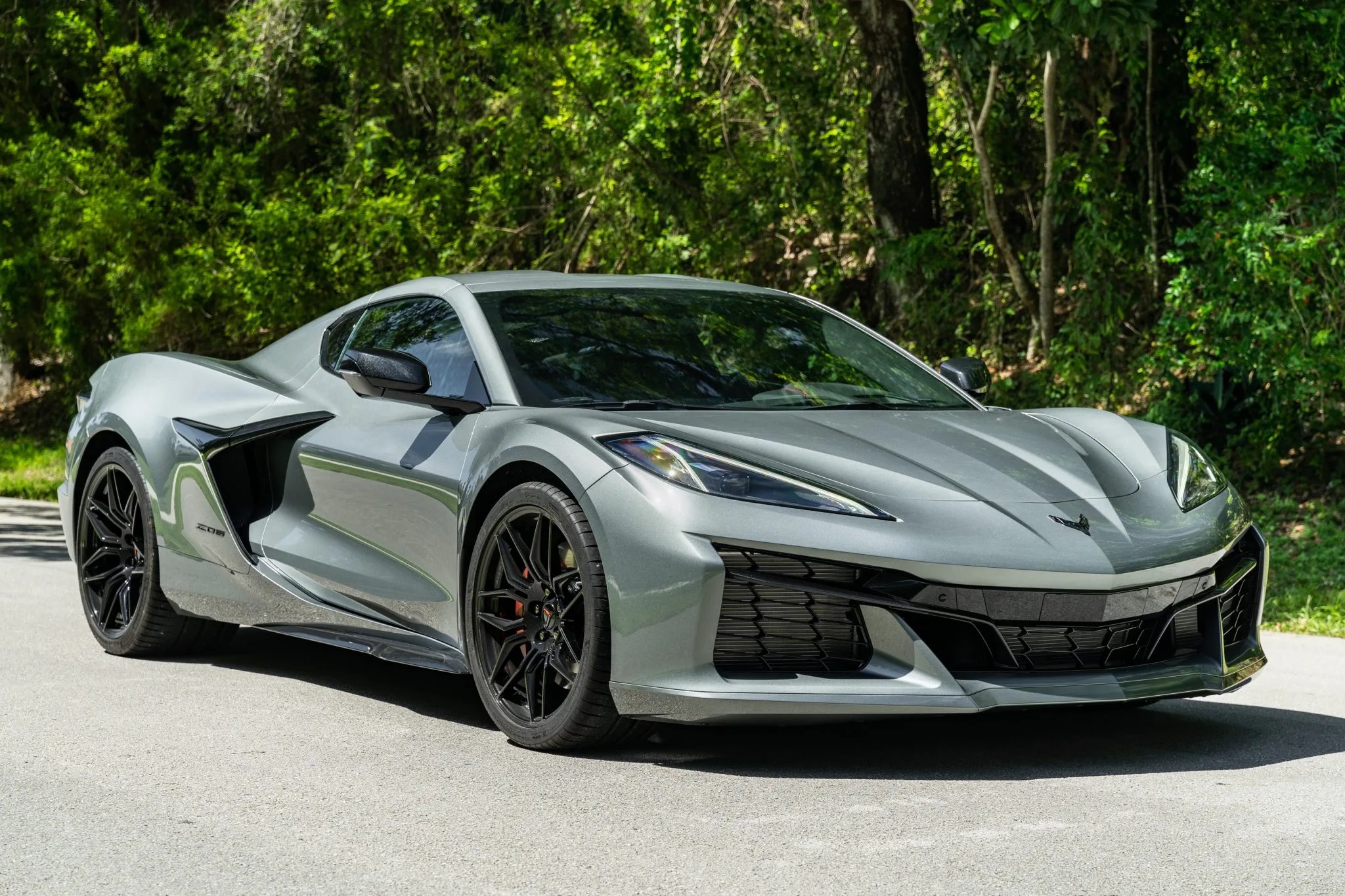
40. Chevrolet Corvette Z06 (C8)
From 2023 · 5.5 V8, flat-plane crankshaft · 670 hp
A Corvette with its engine in the middle and a flat-plane crankshaft, like a Ferrari's. The 5.5-litre V8 makes 670 horsepower without turbochargers and revs to 8,600 rpm. More to the point, the car steers, grips and balances with the best from Europe, for a fraction of the money. It is the most complete driver's car America has built.
Verdict America's best driver's car.
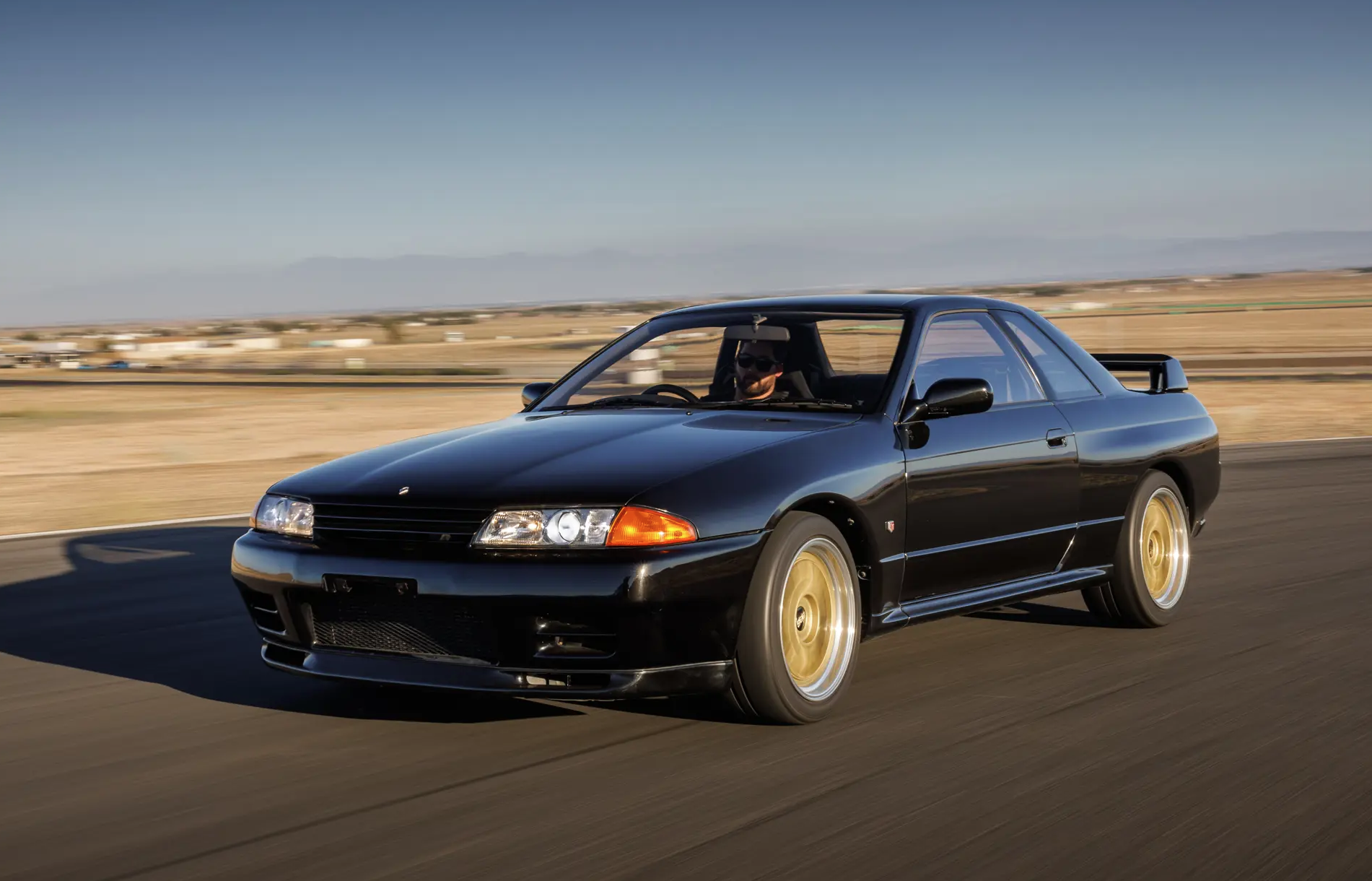
39. Nissan Skyline GT-R (R32)
1989–94 · 2.6 twin-turbo straight-six · 276 hp · ~ 44,000
The car that brought computers to this list. The R32's four-wheel drive sends power forward only when the rear tyres run out of grip, so it behaves like a rear-drive car until you need help. With a twin-turbo straight-six and rear-wheel steering, it won every Japanese touring car race it entered. The Australian press called it Godzilla. The name stuck.
Verdict Godzilla, and deservedly.
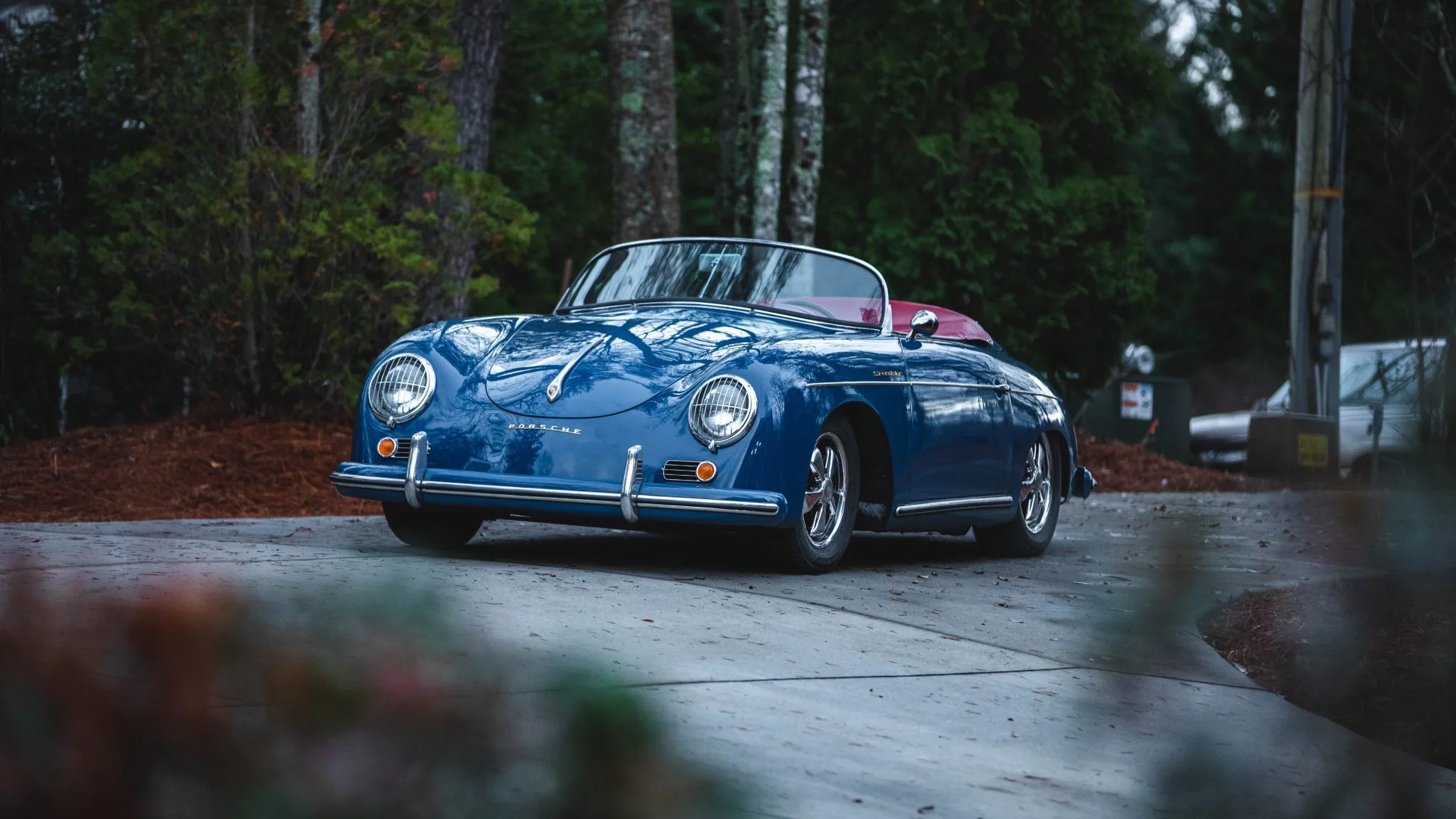
38. Porsche 356 Speedster
1954–58 · 1.5 and 1.6 flat-four · 55 to 75 hp · 4,144
The car that taught America what a Porsche was. The Speedster has a low windscreen, a thin hood, bucket seats and, in standard form, no more than 75 horsepower. It weighs about 760 kg. It asks you to keep its speed up and to learn what a rear engine does in a corner, and it rewards smoothness more than any car here. Everything Porsche became starts with this.
Verdict Where Porsche started.
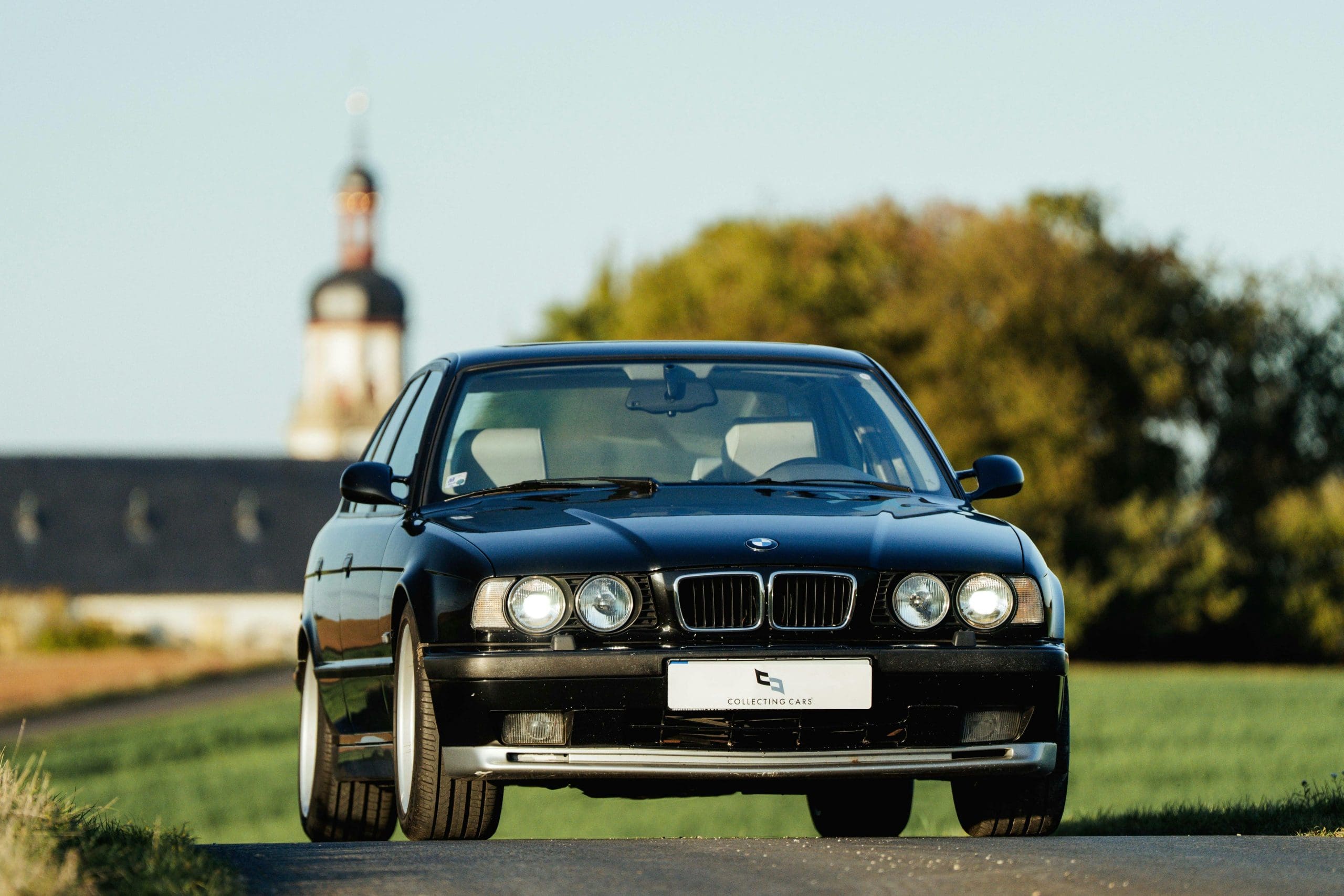
37. BMW M5 (E39)
1998–2003 · 4.9 V8 · 394 hp · 20,482
The best super saloon there has been. It has a 4.9-litre V8 of 394 horsepower, a six-speed manual with no other choice, and a chassis that hides the size and weight of a five-seat executive car. It is quiet when you want it to be and beautifully balanced when you do not. BMW has built faster M5s since. None has been better to drive.
Verdict The best fast saloon ever built.
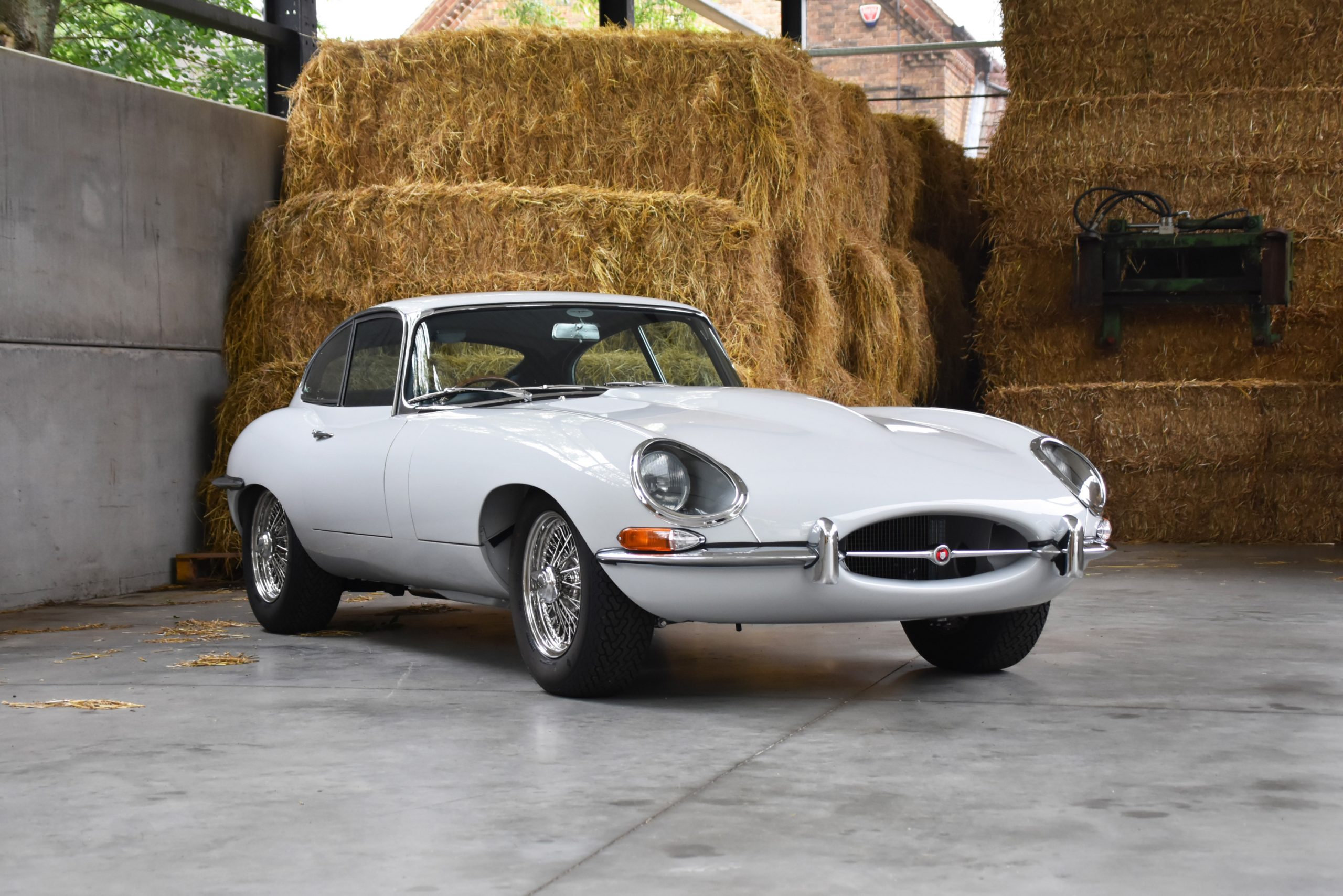
36. Jaguar E-type (Series 1)
1961–68 · 3.8 and 4.2 straight-six · 265 hp · 38,419
In 1961 the E-type offered 150 mph, independent rear suspension and disc brakes all round for about a third of the price of a Ferrari 250 GT. It is on this list for more than its looks: it rides well, steers lightly and covers ground with ease. The early gearbox is slow and the brakes need planning. A good one is still a lovely car to drive far and fast.
Verdict More than a pretty face.
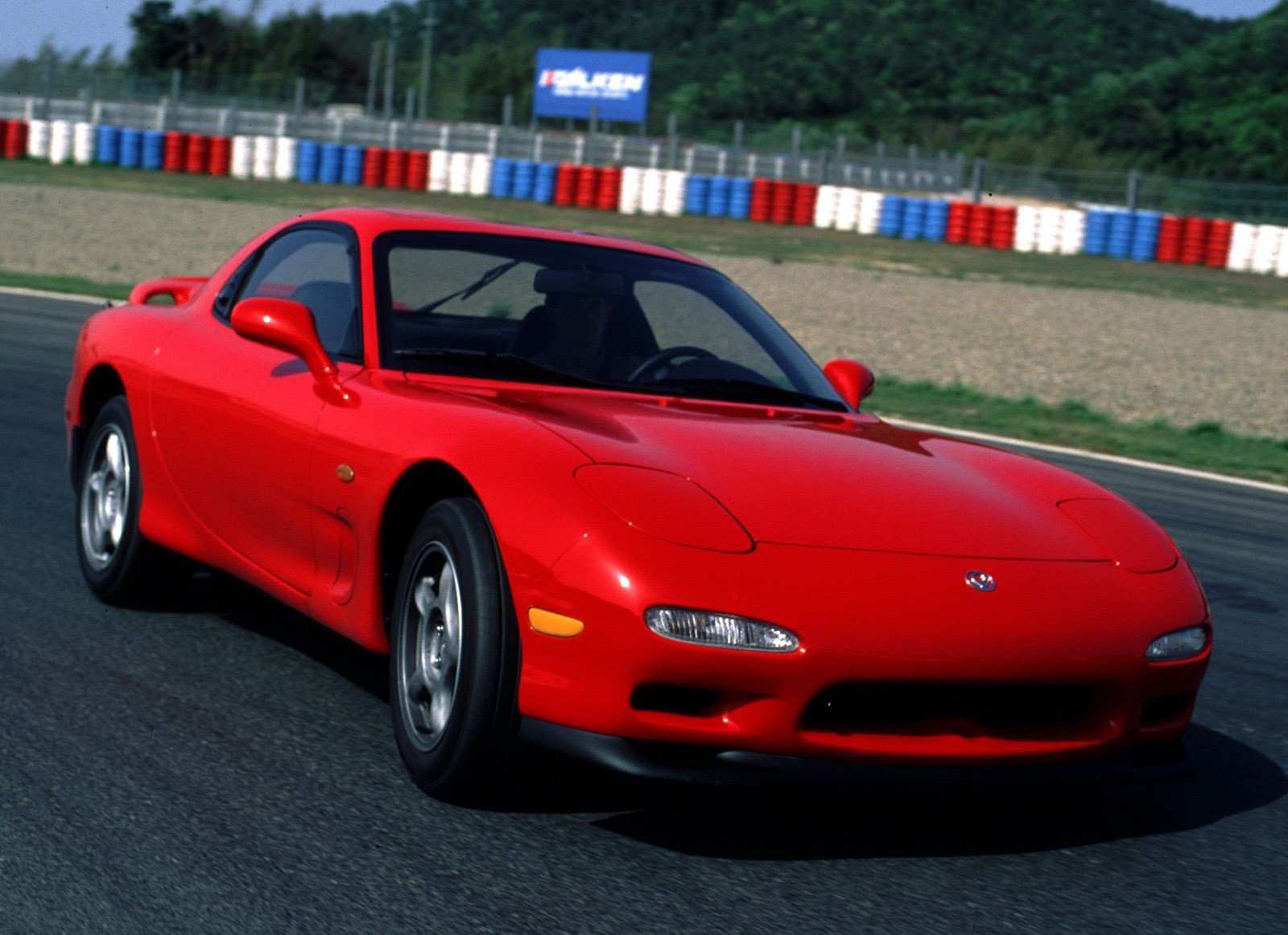
35. Mazda RX-7 (FD)
1992–2002 · 1.3 twin-rotor, twin-turbo · 252 to 276 hp · ~ 68,000
The best-handling Japanese car of the 1990s. The third RX-7 has a twin-turbocharged rotary engine that is small and light and sits behind the front axle, which gives the car a low nose and near-perfect balance. The steering is quick and the chassis sharp. The engine needs a careful owner. The driving is worth the trouble.
Verdict The rotary's finest hour.
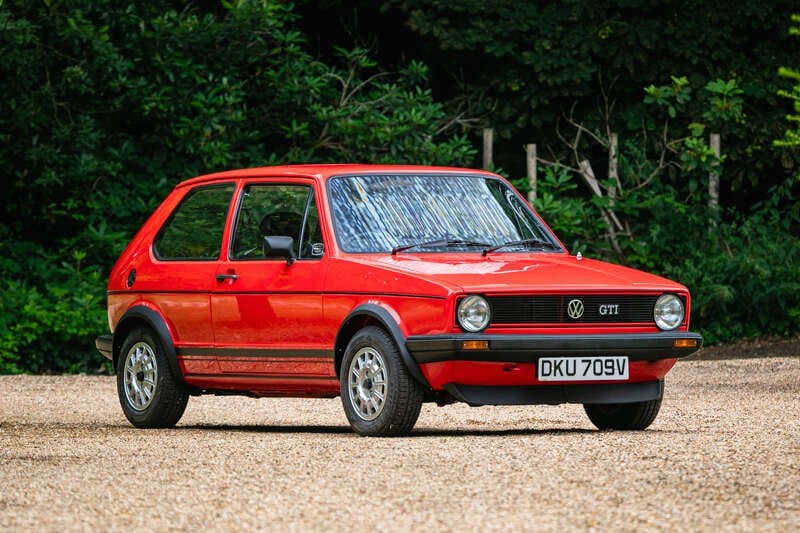
34. Volkswagen Golf GTI (Mk1)
1976–83 · 1.6 and 1.8 four · 108 to 110 hp · ~ 462,000
The one that started it. A few Volkswagen engineers, working after hours, fitted a fuel-injected 1.6 to the Golf and stiffened the suspension. The company planned to build 5,000. It weighs about 810 kg, has 108 horsepower, and is eager, light and practical. The Peugeot higher up this list is sharper. This is the original, and it changed what ordinary people drove.
Verdict The original, and still a joy.
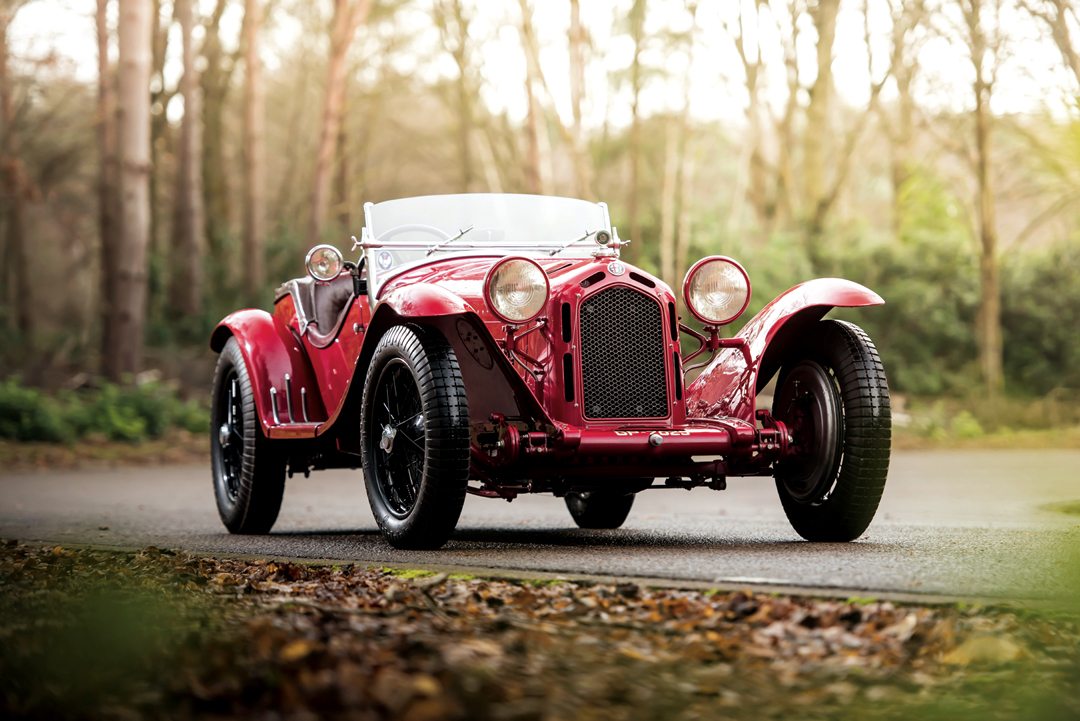
33. Alfa Romeo 8C 2300
1931–34 · 2.3 supercharged straight-eight · 142 hp at first · ~ 188
The oldest car here, and no charity case. The 8C 2300 won Le Mans four years running and the Mille Miglia three times, and customers drove the same cars on the road. The supercharged straight-eight is smooth and strong, and the steering is light and exact in a way that shocks anyone expecting a vintage car. It is the best driver's car of the prewar years.
Verdict The best of the prewar years.

32. Lancia Delta HF Integrale
1987–94 · 2.0 turbo four · 182 to 212 hp · ~ 44,000
A family hatchback turned into the most successful rally car of its era, with six world titles in a row for Lancia. The road car has four-wheel drive, a turbocharged 2.0-litre engine and, in its final Evoluzione form, wheel arches like shoulders. It grips, steers and finds traction on roads where rear-drive exotics give up.
Verdict The rally champion you could buy.
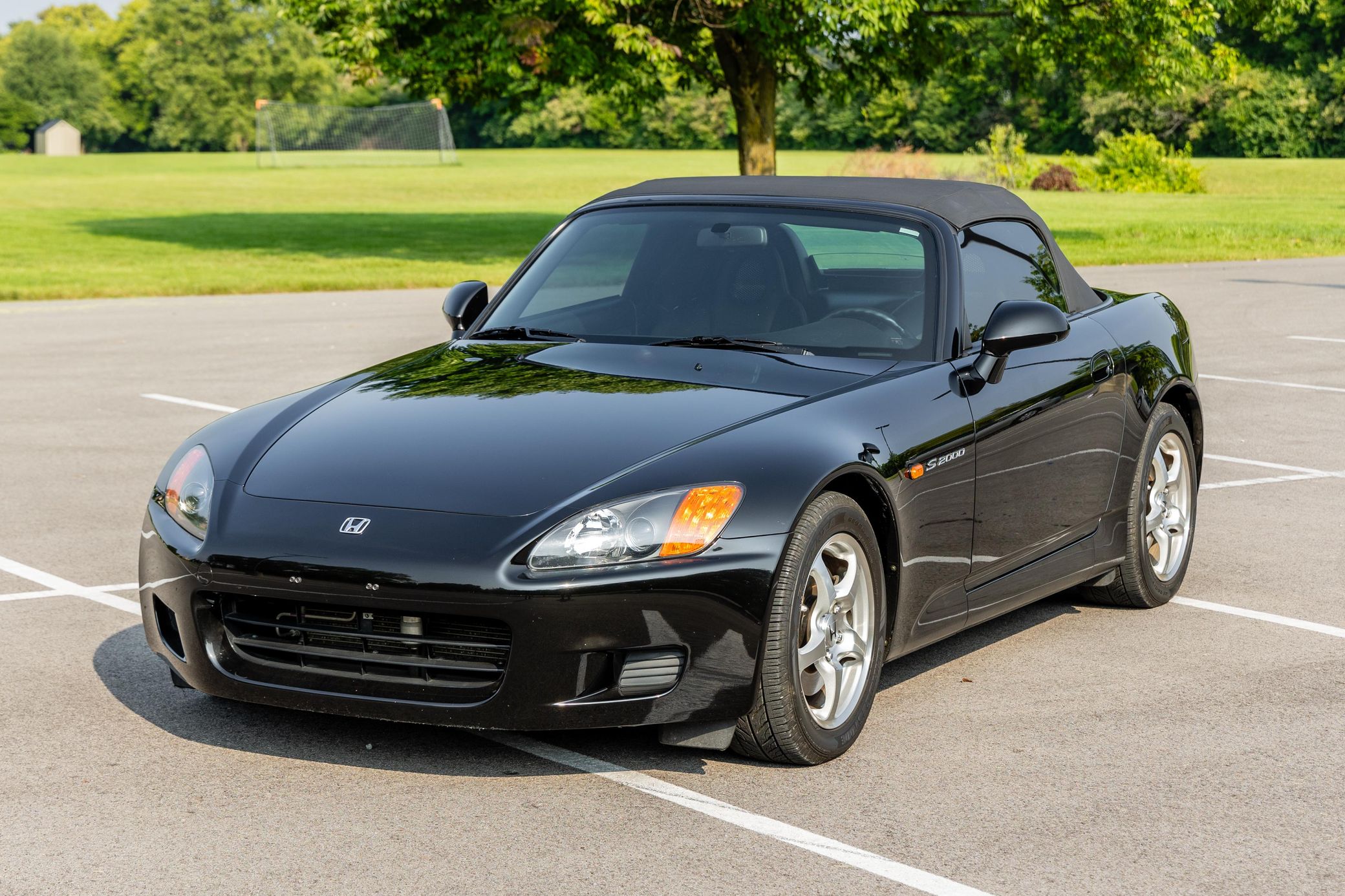
31. Honda S2000
1999–2009 · 2.0 and 2.2 four · 240 hp · ~ 110,000
Honda's fiftieth birthday present to itself: a rear-drive roadster with a 2.0-litre engine that revs to 9,000 rpm and made more power per litre than any unblown road engine of its day. The gearchange is one of the best ever fitted to a car. Early ones are sharp at the limit and want respect. That is part of the appeal.
Verdict Nine thousand revs and a perfect gearchange.
30 to 16
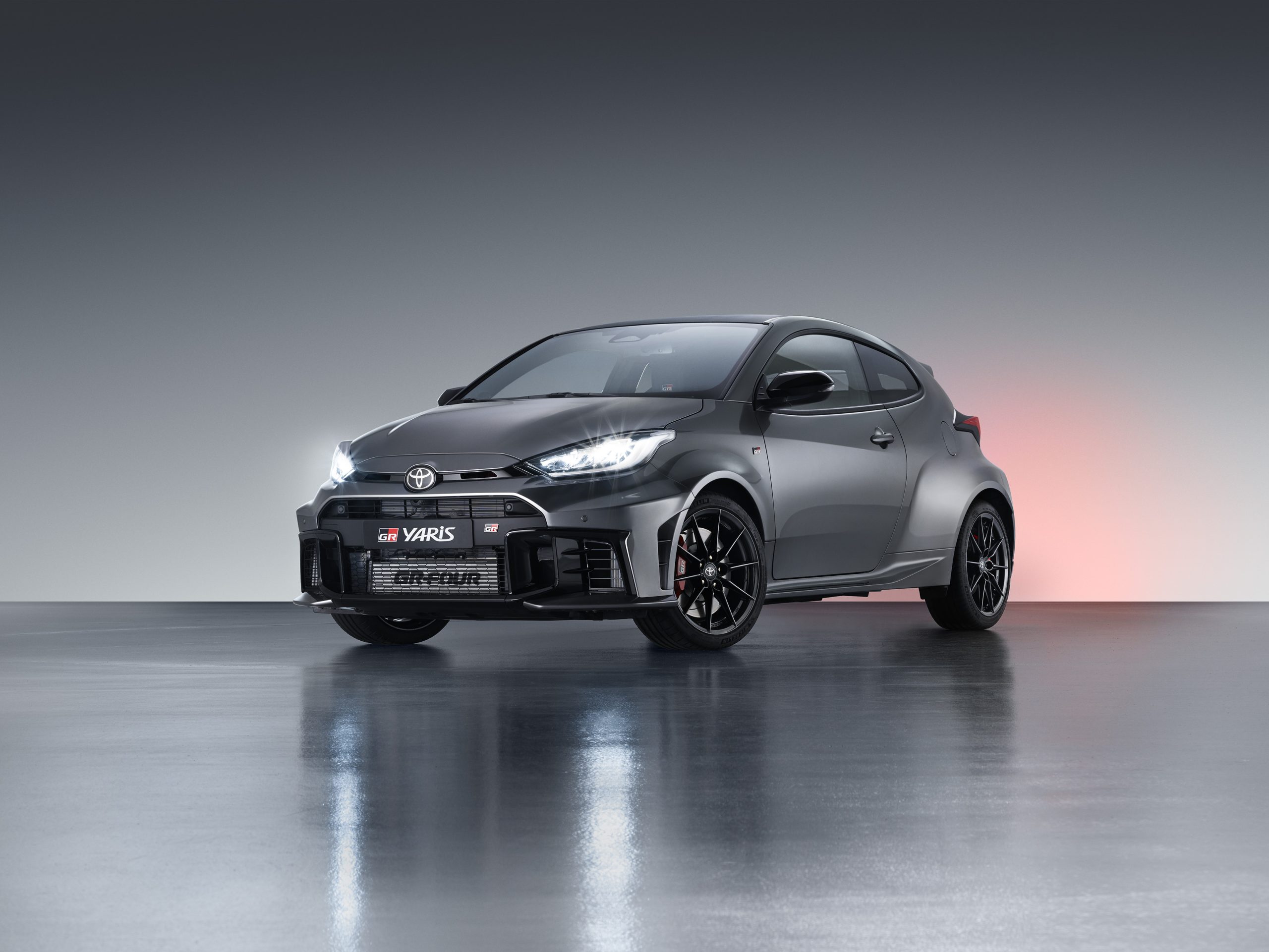
30. Toyota GR Yaris
From 2020 · 1.6 turbo three · 257 hp at launch
A homologation special in an age that had stopped making them. Toyota built the GR Yaris so that it could go rallying, with a three-door body shared with no other Yaris, a carbon-fibre roof, four-wheel drive with an adjustable torque split, and a 1.6-litre three-cylinder making 257 horsepower. Akio Toyoda, then the company's president and a keen driver, pushed it through. It is small, tough and hugely capable on a wet road, with a manual gearbox and a proper handbrake. It showed that a big carmaker could still build something for the fun of it.
Verdict Built for a rally stage, sold to the public.
Did you know: The three-door body is shared with no other Yaris. The roof is carbon fibre.
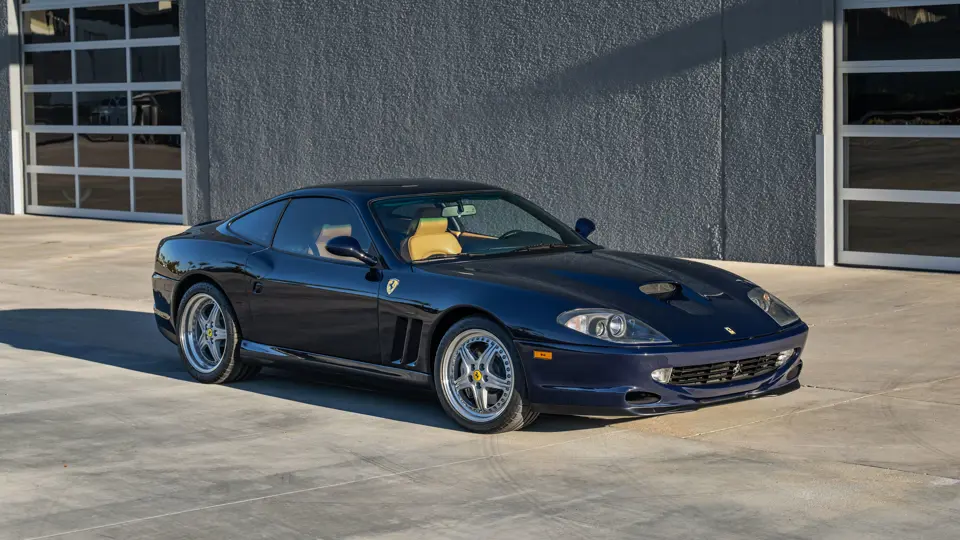
29. Ferrari 550 Maranello
1996–2001 · 5.5 V12 · 478 hp · ~ 3,080
In 1996 Ferrari put the V12 back in the front of its two-seat flagship, and the mid-engined faithful complained. Then they drove it. The 550 has 478 horsepower, a six-speed manual with an open gate, and a balance that makes a large grand tourer feel like a sports car. It can be steered on the throttle with a precision the Testarossa line never allowed, and it lapped Fiorano faster than the F512 M it replaced. It will also cross a continent in a day. Of the great front-engined V12s, this is the one that most rewards being driven hard.
Verdict The front-engined V12 at its best.
Did you know: Ferrari's first front-engined two-seat V12 since the Daytona.
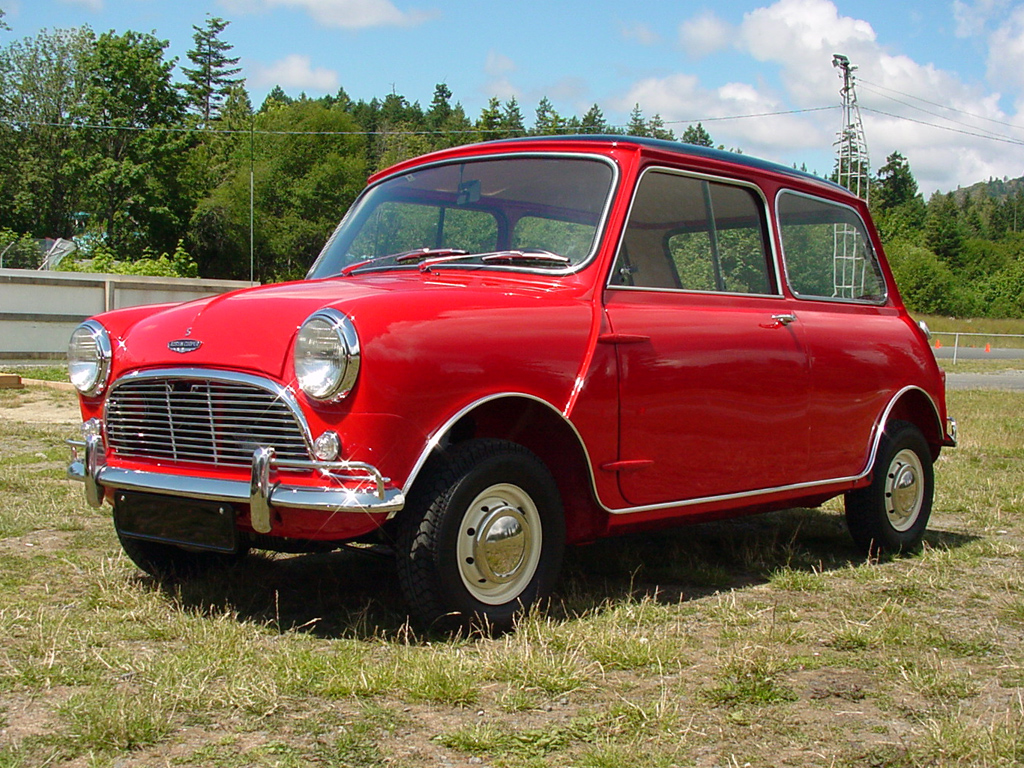
28. Mini Cooper S
1963–71 · 1,071 to 1,275 cc four · 70 to 76 hp
A front-drive economy car on ten-inch wheels has no business on this list, and nobody who has driven a Cooper S hard would leave it off. The Mini's wheels are at its corners, its weight is next to nothing, and its steering is as direct as a kart's. John Cooper saw what that meant and persuaded the British Motor Corporation to add power and disc brakes. The S won the Monte Carlo Rally three times, beating cars with three times its power by carrying speed where they could not. On a tight road it is still very hard to get away from one.
Verdict Small, cheap, and impossible to shake off.
Did you know: Minis finished first, second and third on the 1966 Monte Carlo Rally and were disqualified over their headlamps. They had won in 1964 and 1965, and won again in 1967.
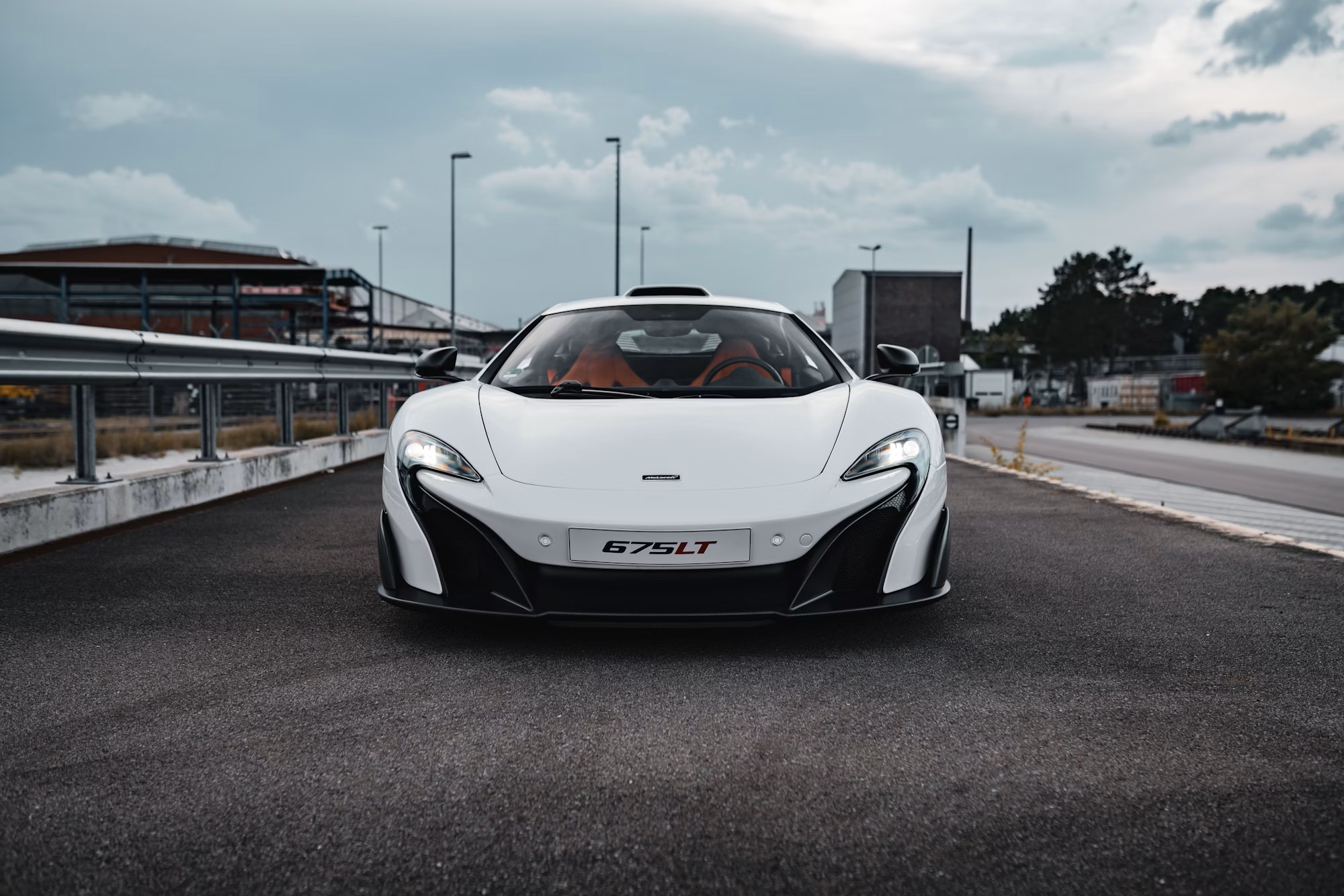
27. McLaren 675LT
2015–17 · 3.8 twin-turbo V8 · 666 hp · 500 coupés
McLaren's road cars had been admired more than loved: very fast, very clever, a little cool. The 675LT changed that. It is a 650S made 100 kg lighter, with 666 horsepower, a wider track, faster steering and a third of its parts new. The hydraulic steering is among the best of the modern age, and the chassis has an adjustability the earlier cars kept hidden. It was the first McLaren since the F1 that people talked about with affection. The 500 coupés sold out quickly, and the LT badge has meant the driver's McLaren ever since.
Verdict The McLaren people fell for.
Did you know: LT stands for Longtail, after the McLaren F1 GTR Longtail that raced in 1997.
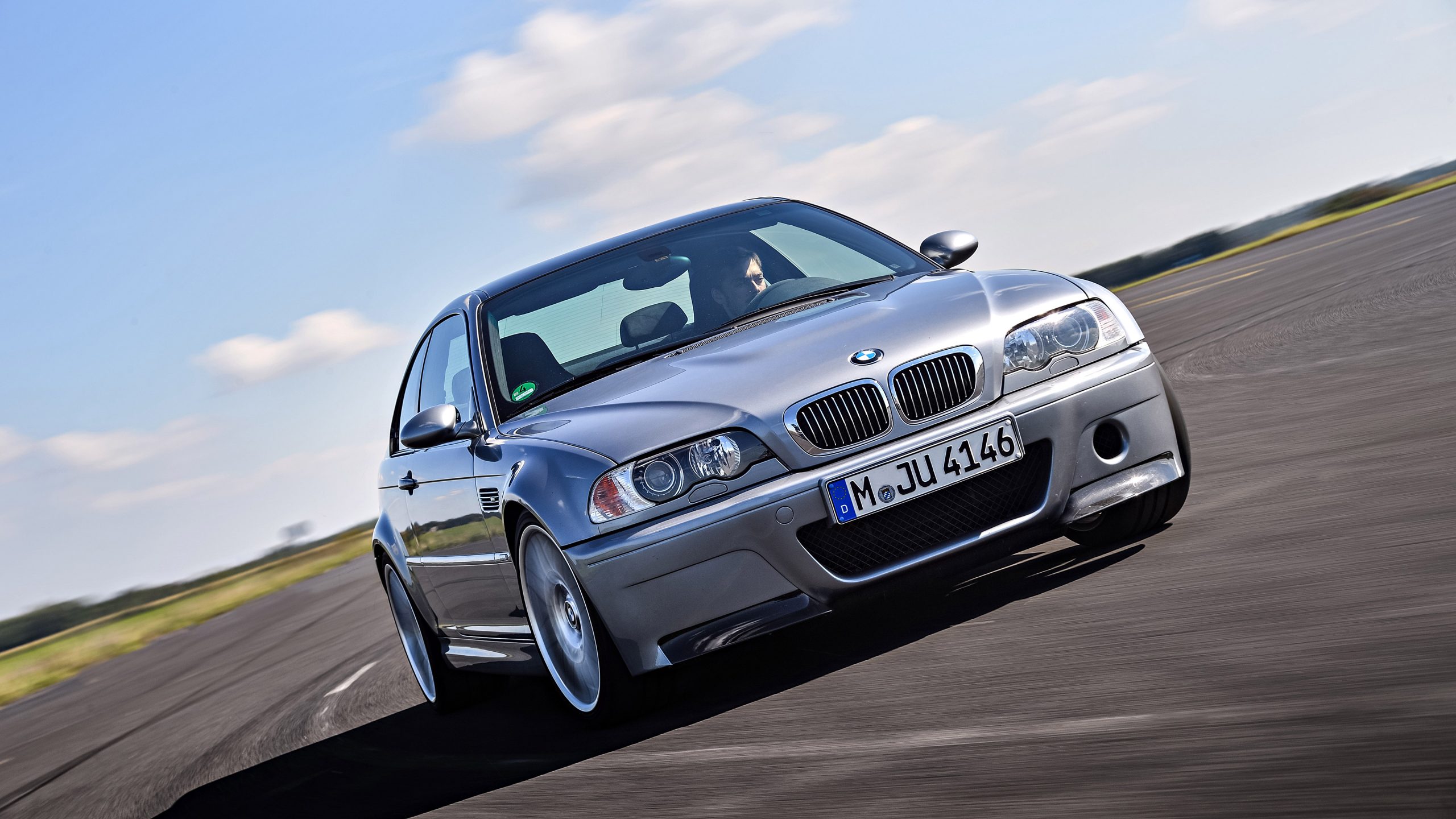
26. BMW M3 CSL (E46)
2003–04 · 3.2 straight-six · 360 hp · 1,383
BMW took the E46 M3, already one of the best M cars, and removed about 110 kg. The roof is carbon fibre, the rear glass is thinner, and the boot floor is a paper honeycomb. The straight-six gained a carbon airbox that turns its induction noise into the main event, and about 360 horsepower. The steering is quicker, the body is better controlled, and the balance is about perfect. Its flaw is the automated manual gearbox, slow by today's standards and the only choice offered. Drivers put up with it for the rest. Many would still call it the best M3.
Verdict A great M3 with one flaw.
Did you know: Air conditioning and a radio were left out as standard and could be added back at no cost.
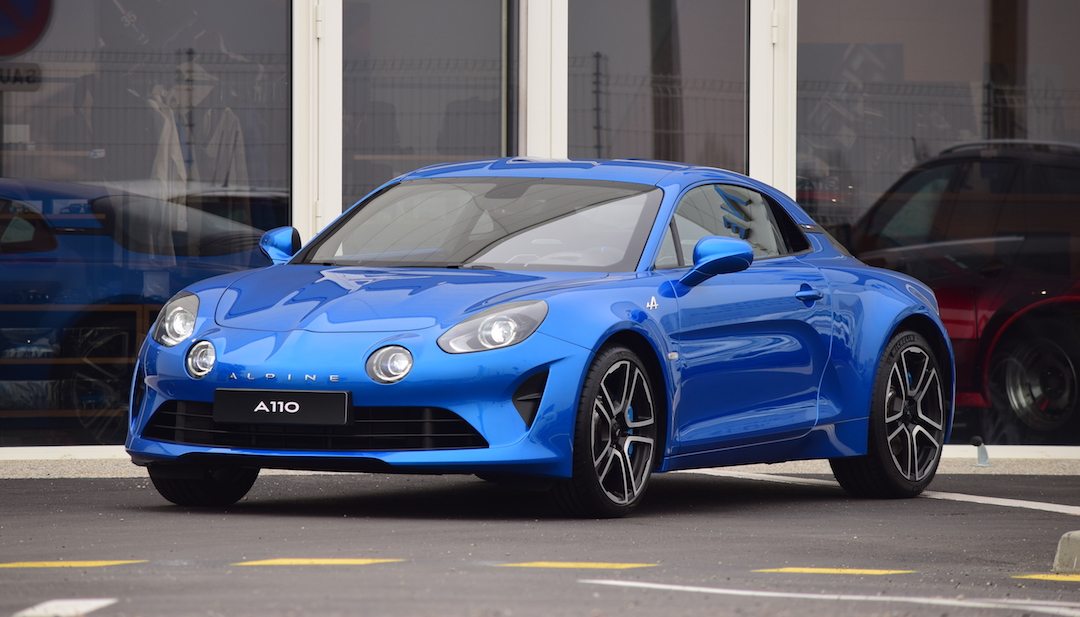
25. Alpine A110 (2017)
From 2017 · 1.8 turbo four · 252 hp (standard car)
The most important sports car of the past ten years, because it went the other way. While everything else grew wider, heavier and stiffer, Alpine built an aluminium coupé of about 1,100 kg on modest tyres, with soft suspension and plenty of wheel travel. The standard car has 252 horsepower and a paddle-shift gearbox, and neither is a drawback. The A110 flows down a bumpy road where stiffer cars skip, and it slides at speeds you can use and enjoy. It is the closest thing to a modern Lotus Elan, and it is built in the Dieppe factory that made the original A110.
Verdict The modern Elan.
Did you know: Built at Dieppe, in the factory that made the original A110. The structure is 96 per cent aluminium.
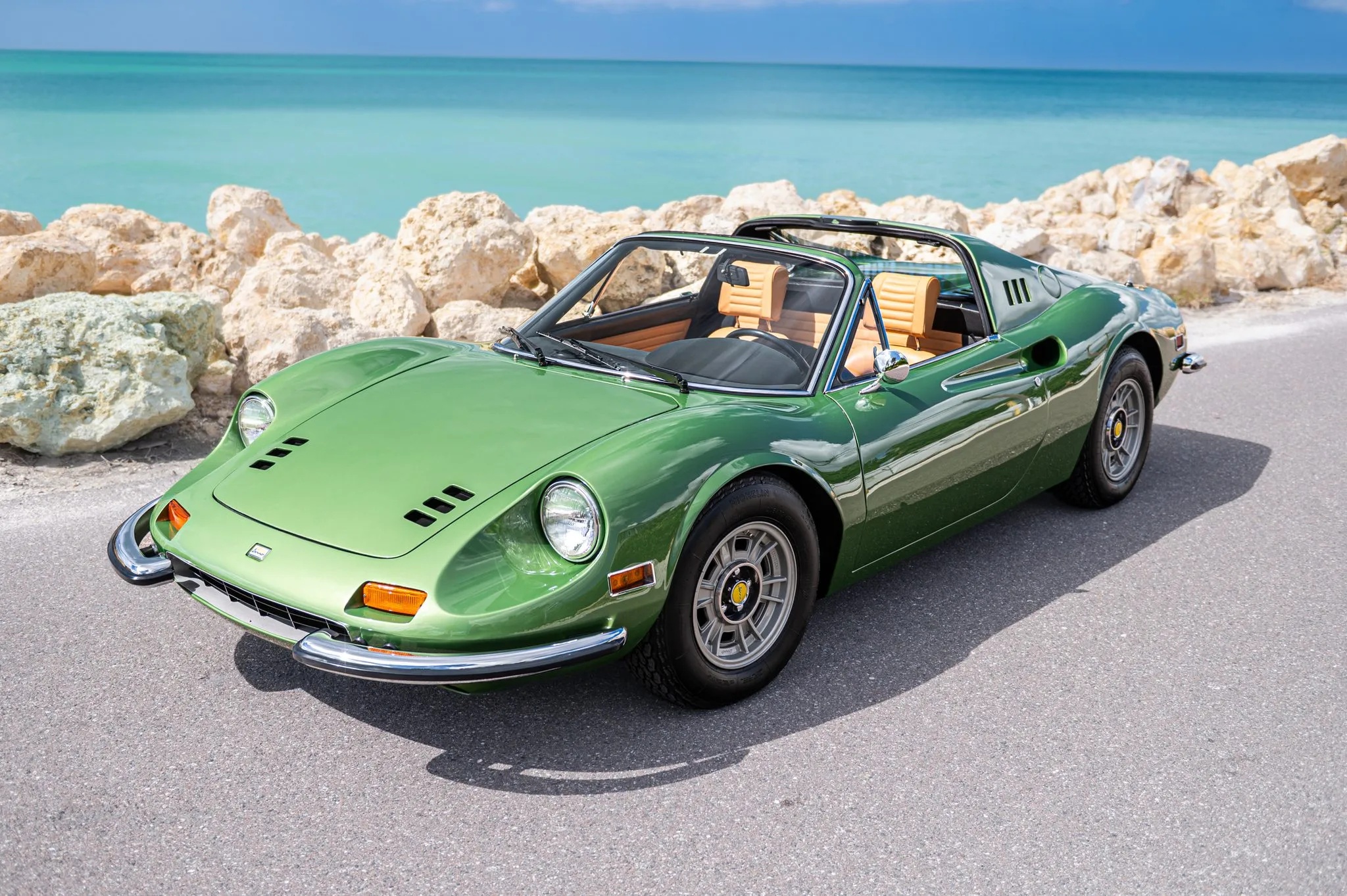
24. Ferrari Dino 246 GT
1969–74 · 2.4 V6 · 195 hp · ~ 3,570
The first mid-engined road car from Maranello, and still one of the sweetest to drive. The Dino has only 195 horsepower from its 2.4-litre V6 and does not need more. It is small and light on its feet, with steering that reports every detail of the road and a balance that makes the car feel as if it turns around your hips. The engine sings where a V12 would shout, and the gearchange through its open gate rewards care. It is a car to drive at eight-tenths on a mountain road, in no hurry to arrive. Speed was never the point.
Verdict Slow by the numbers, perfect in the hands.
Did you know: It left the factory without a single Ferrari badge.
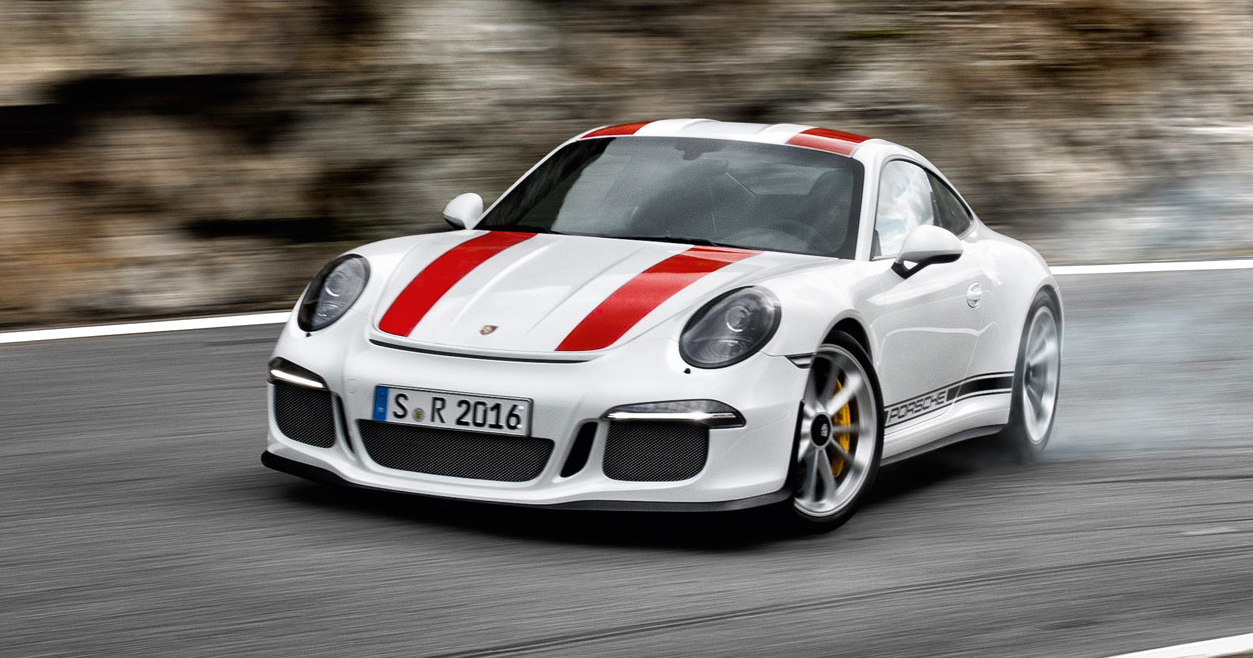
23. Porsche 911 R (991)
2016 · 4.0 flat-six · 493 hp · 991
In 2016 the 911 GT3 came only with paddles, and people who wanted three pedals were told they were out of date. The 911 R was Porsche's change of heart. It took the 4.0-litre engine from the GT3 RS, a six-speed manual gearbox and a body with no rear wing, and weighed less than either GT car. It is set up for roads, not lap times: softer, more talkative, and happy to move around. All 991 were sold before anyone had driven it, and used prices doubled. Porsche took the hint. Every GT3 since has offered a manual.
Verdict The car that brought the manual back.
Did you know: Porsche built 991, to match the model code. All were sold before the car was shown.
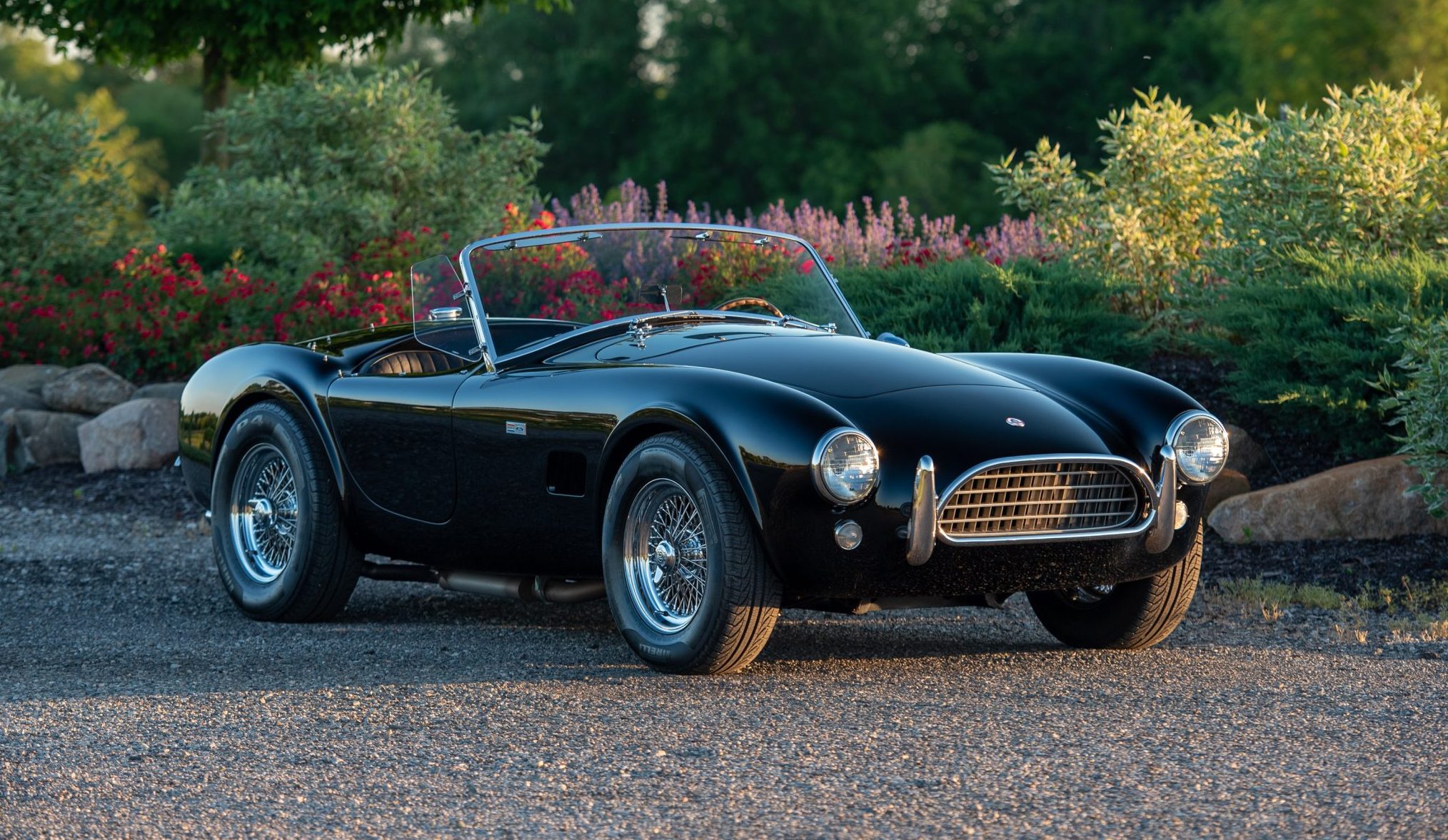
22. Shelby Cobra 289
1962–65 · 4.7 V8 · 271 hp · 453 street cars
The 427 gets the posters. The 289 is the one to drive. Carroll Shelby's idea was a light British roadster, the AC Ace, with a small-block Ford V8, and in its first form it works beautifully: 271 horsepower in a car of about 950 kg, on narrow tyres, with leaf springs and a chassis that dates from the early 1950s. It is quick even now. The steering is direct, and the car slides predictably and can be balanced on the throttle. The big-block car that followed has more of everything except delicacy.
Verdict The Cobra to drive, not to frame.
Did you know: The first 75 cars had Ford's smaller 260 V8. Carroll Shelby had the first car repainted between magazine tests so that it looked as if several existed.
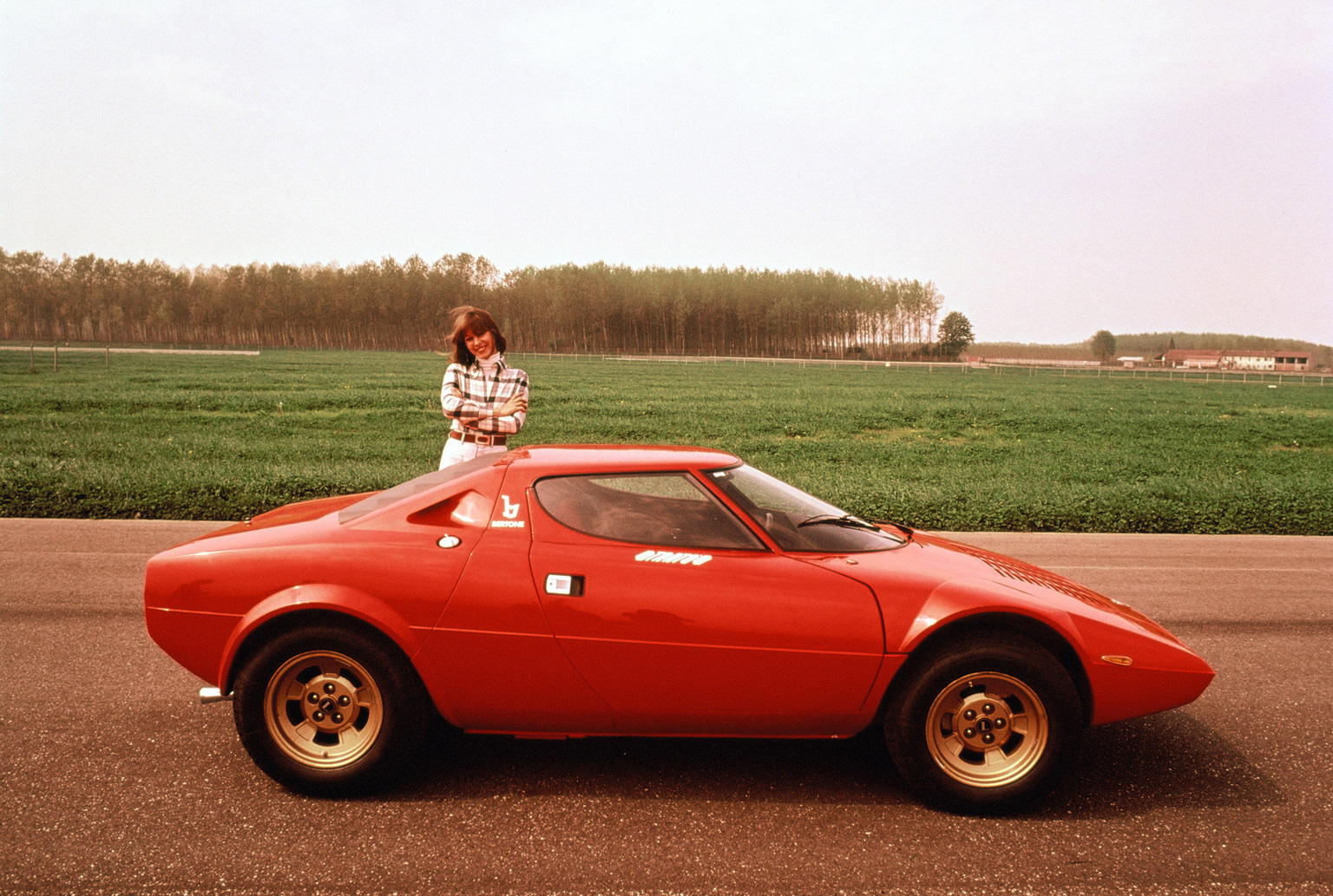
21. Lancia Stratos HF
1973–78 · 2.4 V6 · 190 hp · 492
The first car designed from nothing to win rallies, which it did: three world championships running from 1974. The Stratos is a wedge with a Ferrari Dino V6 mounted across the back, a very short wheelbase, and a windscreen curved like a visor. As a road car it is cramped, noisy and hard to see out of, and it changes direction faster than almost anything else ever built. That same quickness makes it nervous, and it needs a driver who is awake. Just 492 were made. Nothing else here feels so much like a competition car with number plates.
Verdict A rally car with number plates.
Did you know: The engine is the Ferrari Dino V6. The door pockets are shaped to hold crash helmets.
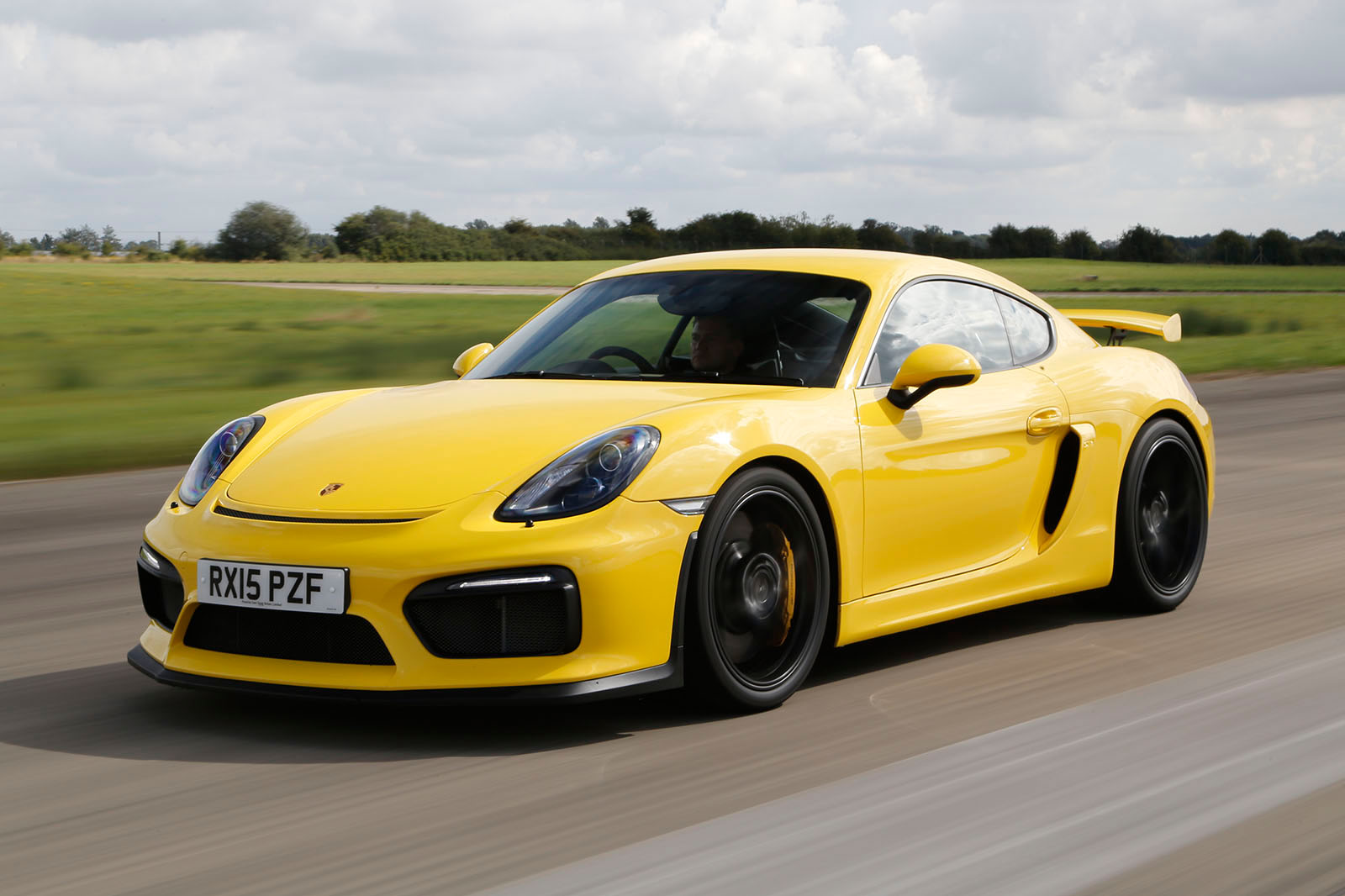
20. Porsche Cayman GT4 (981)
2015–16 · 3.8 flat-six · 385 hp · ~ 2,500
For years Porsche was accused of holding the Cayman back so that it would not embarrass the 911. In 2015 it stopped. The GT4 got the 3.8-litre engine from the 911 Carrera S, front suspension from the 911 GT3, a proper rear wing, and a six-speed manual gearbox with no alternative. The mid-engined balance did the rest. It is easier to drive hard than a 911, more forgiving at the limit, and the right size for a real road. Its one fault is gearing so long that second runs to about 80 mph. It proved what many had suspected about where a Porsche's engine belongs.
Verdict The Cayman, finally let off the lead.
Did you know: Sold with a six-speed manual gearbox and no other choice. The front suspension comes from the 911 GT3.

19. Honda Integra Type R (DC2)
1995–2001 · 1.8 four · 187 to 197 hp
The best front-wheel-drive car ever made, by a common reckoning we see no reason to dispute. Honda took the Integra coupé, stiffened the shell with extra welds, took out the sound deadening, fitted a limited-slip differential, and built the 1.8-litre engine to give more than 100 horsepower per litre without a turbocharger. Below 6,000 rpm it is merely brisk. Above that the cam profile changes and the car comes alive. The front end grips harder than seems possible, and the rear will help if you ask. Which wheels are driven matters less than who did the engineering.
Verdict The best front-drive car ever made.
Did you know: Honda took out the sound deadening and fitted a thinner windscreen to save weight. Early engines had their ports polished by hand.
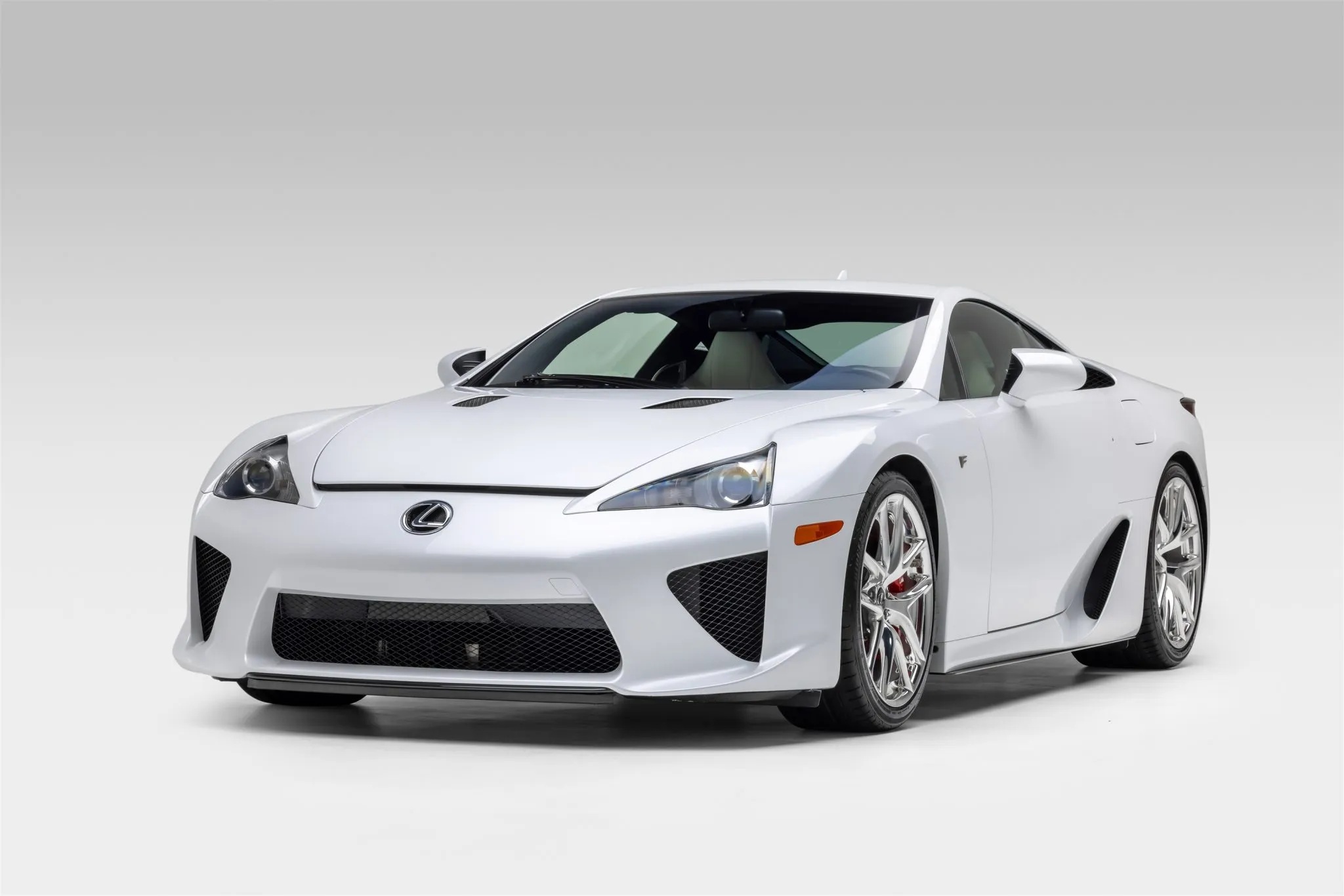
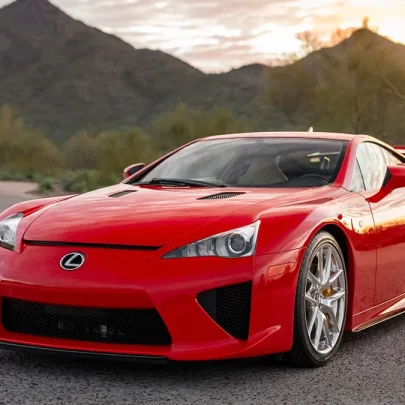
18. Lexus LFA
2010–12 · 4.8 V10 · 553 hp · 500
Toyota spent a decade on the LFA, switched its structure from aluminium to carbon fibre halfway through, and is said to have lost money on every one of the 500 it built. The reason to care is the engine. The 4.8-litre V10, developed with Yamaha, revs from idle to its 9,000 rpm limit in six-tenths of a second, and makes a sound many would call the best of any road car. The chassis is exact and well balanced. The single-clutch gearbox is the one dated part. Few people thought much of the LFA when it was new. Opinion has caught up.
Verdict Come for the engine. The rest holds up.
Did you know: The rev counter is a digital display because Lexus found that a needle could not keep up with the engine.

17. Ferrari 250 GT SWB
1959–62 · 3.0 V12 · 240 to 280 hp · ~ 165
The oldest Ferrari on this list, and the one that would surprise a modern driver most. The short-wheelbase 250 GT is small, light and friendly in a way its value hides. The three-litre V12 pulls cleanly from low revs, the steering lightens once the car is rolling, and on narrow tyres it slides early and gently and can be steered on the throttle all day. Owners drove them to circuits, won, and drove home. Stirling Moss won the Tourist Trophy in one two years running. Of the great cars of its era, it is the easiest to drive well.
Verdict The friendliest great Ferrari.
Did you know: Stirling Moss won the Tourist Trophy at Goodwood in one in 1960 and again in 1961.
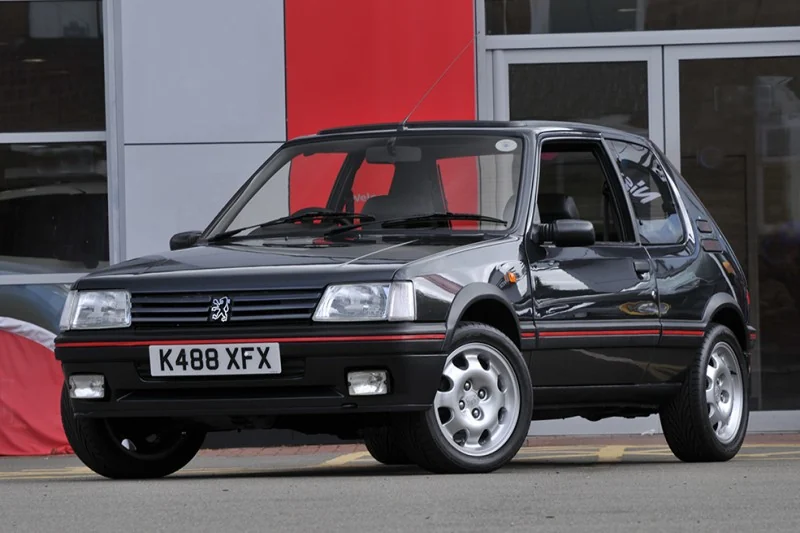
16. Peugeot 205 GTI
1984–94 · 1.6 and 1.9 four · 105 to 128 hp
The Golf GTI invented the hot hatchback. The Peugeot 205 GTI perfected it. Launched in 1984 with a 1.6-litre engine and 105 horsepower, and offered from 1986 with a 1.9 and 128, it weighs well under 900 kg and has steering, without assistance, that puts sports cars to shame.
What makes it special is how it moves. The 205 turns in at once, and if you lift the throttle in the middle of a corner the tail comes round to help. Used well, that makes it one of the most adjustable front-drive cars ever built. Used badly, it has put a fair number through hedges. It rides with a suppleness French cars had then and few cars have now. It sits above cars costing a hundred times as much because on a wet back road it would be more fun than most of them, and because half of Europe learned to drive properly in one.
Verdict The hot hatchback at its peak.
Did you know: Owners have argued for forty years over whether the 1.6 or the 1.9 is the better car. The 1.6 revs more freely; the 1.9 has the torque and the rear disc brakes.
The top 15
- Years
- 1965–69
- Engine
- 1.6 twin-cam four, two plugs per cylinder
- Power
- 115 hp
- Built
- ~ 500
Road car · Italy
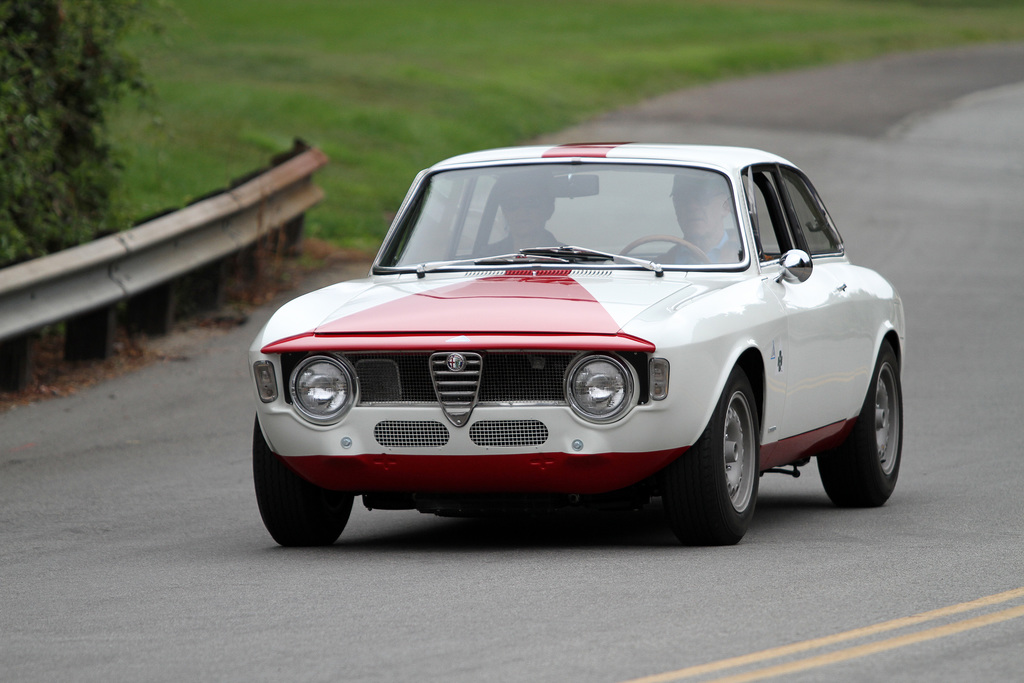
15. Alfa Romeo Giulia Sprint GTA
Alfa Romeo's racing department took the Giulia Sprint GT coupé in 1965 and rebuilt it in aluminium. The A stands for alleggerita, lightened. The outer panels are thin alloy, the side windows are plastic, and the road car weighs about 745 kg. The 1.6-litre twin-cam got two spark plugs per cylinder and 115 horsepower in road tune, and far more for racing. It won the European Touring Car Championship three years running.
The road car has the quality that all good Alfas of the period share, turned up. The engine is eager and makes a noise out of proportion to its size. The steering is light and quick. The car leans, grips, and can be placed to the inch, with an inside front wheel in the air if you are trying. About 500 were made. It is the best of the small Italian coupés, and the pattern for every lightened special that has followed.
Verdict The small Italian coupé, perfected.
The A stands for alleggerita, lightened. Aluminium panels saved about 200 kg over the steel Sprint GT.
- Years
- 1989–97
- Engine
- 1.6 and 1.8 four
- Power
- 116 hp (1.6)
- Built
- ~ 431,000
Road car · Japan
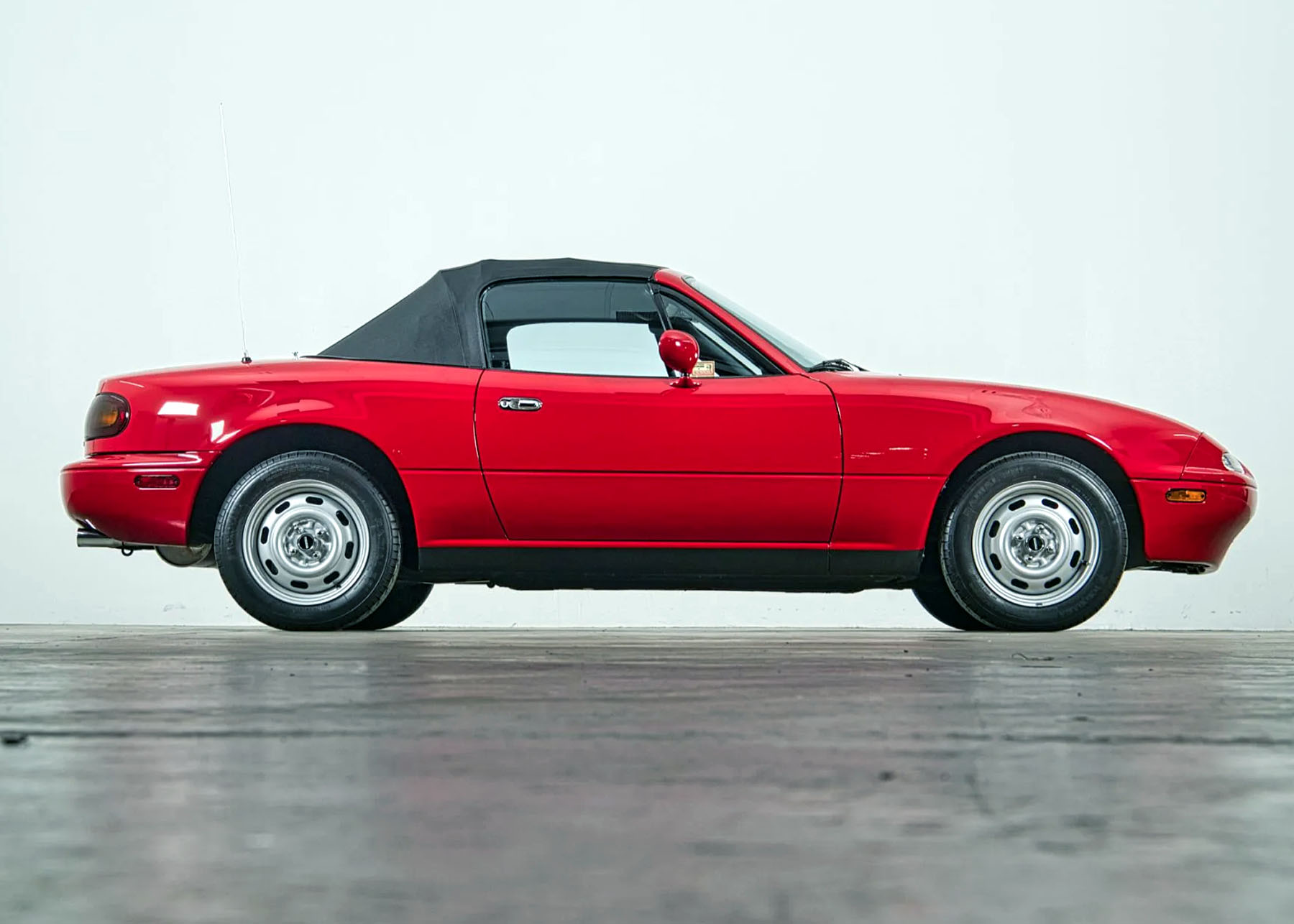
14. Mazda MX-5 (first generation)
In 1989 the affordable roadster was dead, killed by rust, safety rules and the hot hatchback. Mazda brought it back by copying the idea and none of the faults. The MX-5 had a 1.6-litre twin-cam engine of 116 horsepower, rear-wheel drive, double wishbones at each corner, a gearchange with a throw of a couple of inches, and a hood you could put up with one arm from the driver's seat. It started every morning.
It is this high because it gives more of the experience of driving for the money than any other car ever made. It is light, balanced and friendly, and it slides at speeds that hurt nobody. You can use all of it on any road. More than a million have been sold across four generations, which makes it the best-selling two-seat sports car in history, and the first one remains the sweetest. Great steering does not have to cost a fortune.
Verdict The most fun for the money, ever.
Sold as the Miata in America and the Eunos Roadster in Japan. Mazda's engineers tuned the exhaust note to recall the British roadsters of the 1960s.
- Years
- 1995–97
- Engine
- 4.7 V12
- Power
- 513 hp
- Built
- 349
Road car · Italy
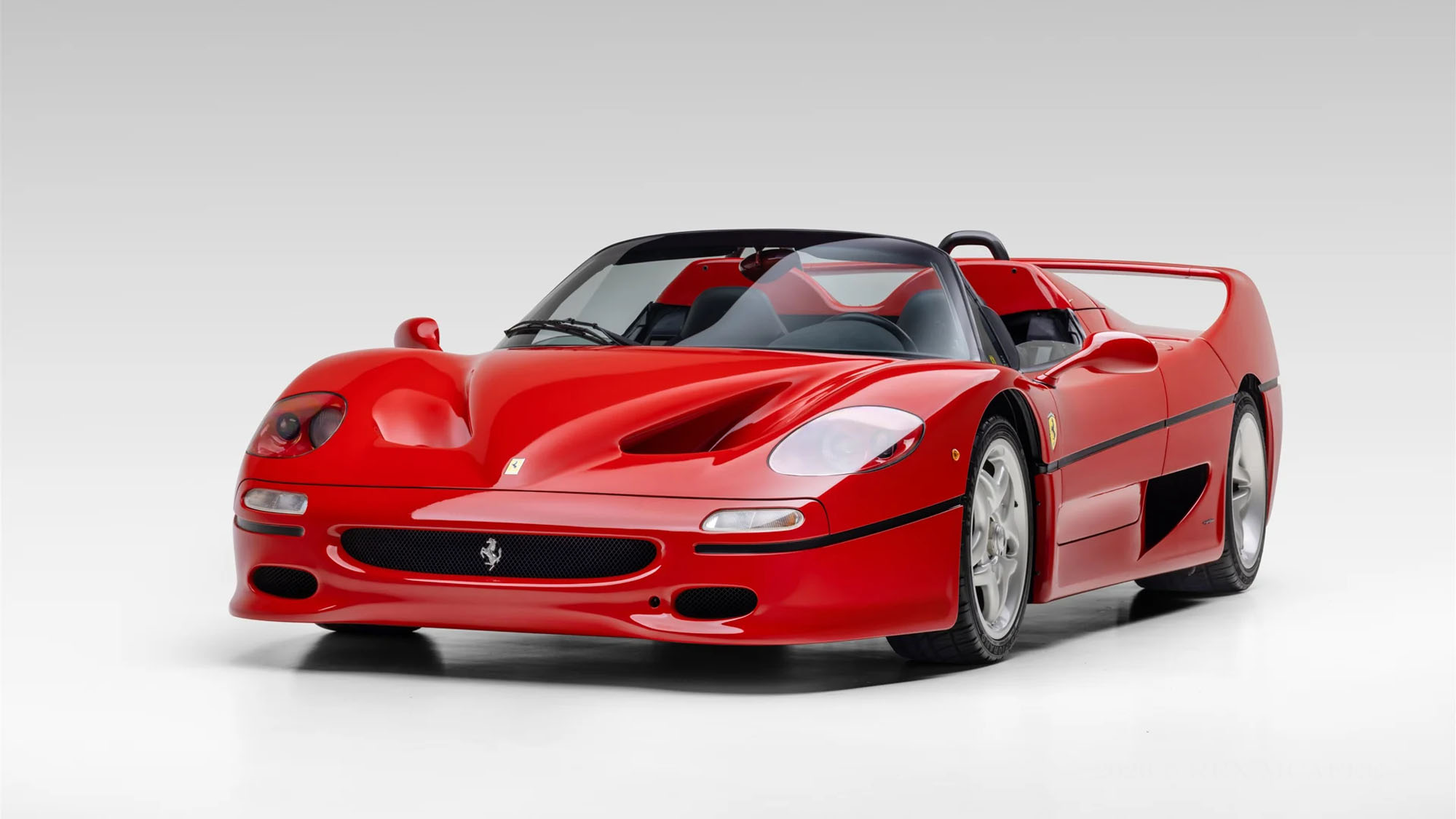
13. Ferrari F50
A Formula One engine, a manual gearbox and no roof. The F50's 4.7-litre V12 descends from Ferrari's 1990 Grand Prix car. It is bolted directly to the carbon-fibre tub and carries the rear suspension, as a racing car's does, so every vibration reaches the driver. There is no power steering, no brake servo and no ABS, and the six-speed gate sits right beside the wheel.
When it was new the F50 was marked down for being no faster than the F40. That missed what it was for. It is easier to drive than its older brother and more involving at any sane speed, because the engine answers at once and pulls evenly to 8,500 rpm. The steering is light and exact. With the roof panel off, the noise is the whole experience. On driving alone there is a case for putting it above the F40. We kept the F40 ahead because it asks more of you.
Verdict A Grand Prix engine with a clutch pedal.
The V12 descends from the 1990 Formula One engine and is bolted to the tub as part of the structure.
- Years
- From 1957
- Engine
- Four-cylinder, many types
- Power
- From 40 hp to more than 300
Road car · United Kingdom
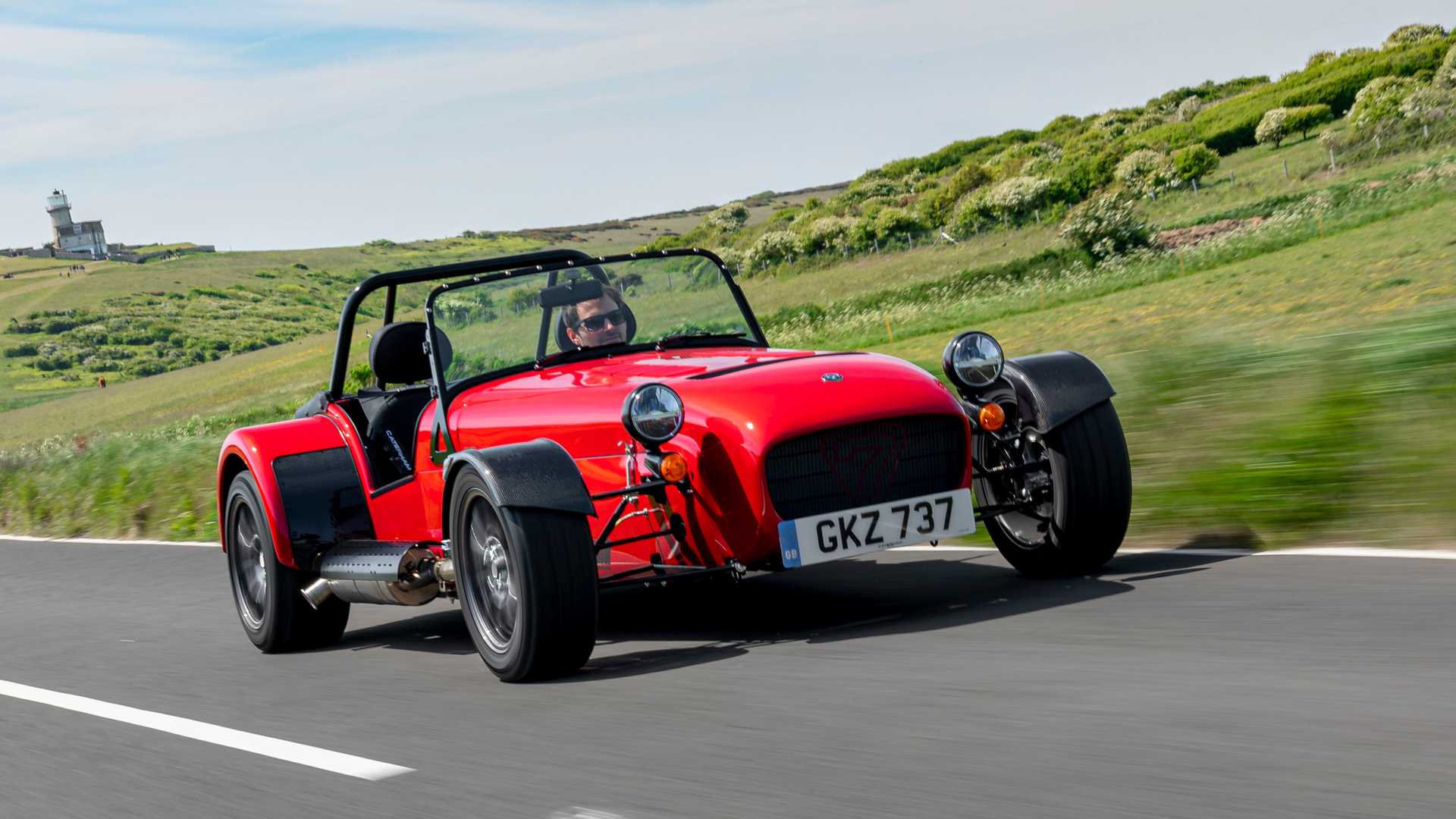
12. Lotus and Caterham Seven
Colin Chapman's Seven of 1957 was a car reduced to what was needed to go round a corner: a tubular frame, aluminium panels, four wheels, an engine and two seats. Lotus sold it as a kit to avoid purchase tax. In 1973 Lotus moved on and sold the rights to its dealer, Caterham Cars, which has built it ever since.
Nearly seventy years on the recipe has barely changed, and that is the argument for it. A Seven weighs about half a tonne. You sit almost on the rear axle with the front wheels in view, and you steer as much with your right foot as with your hands. With a modest engine it is alive at ordinary speeds, and with a strong one it will see off supercars on a circuit. It has no doors and almost no weather protection. It is the purest answer to the question this list asks, and it is still on sale.
Verdict All you need, and nothing else.
Lotus sold the rights to its dealer Caterham Cars in 1973. Caterham has built the Seven ever since.
- Years
- 1986–91
- Engine
- 2.3 and 2.5 four
- Power
- 192 to 235 hp
- Built
- ~ 17,970
Road car · Germany
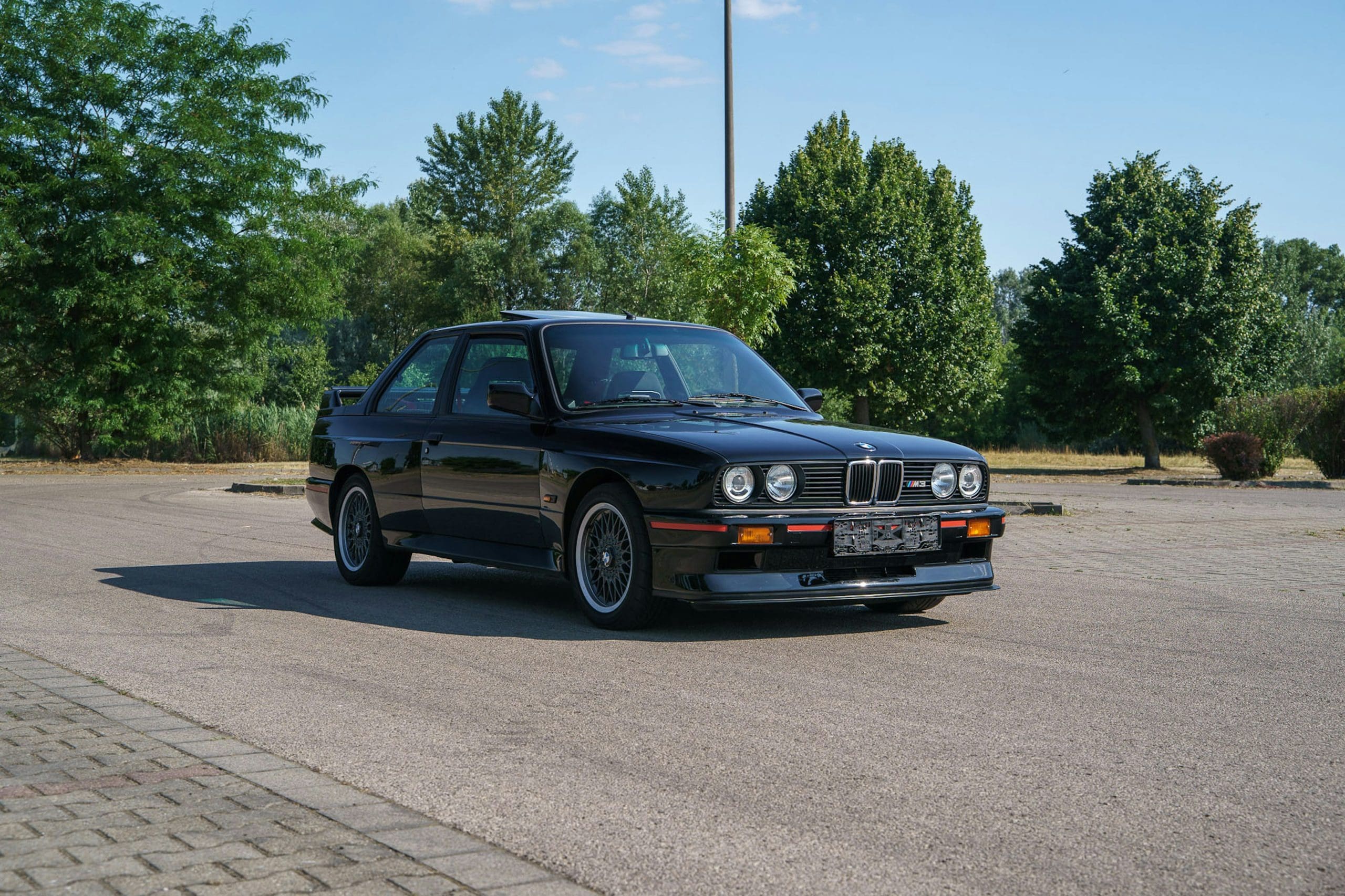
11. BMW M3 (E30)
BMW needed 5,000 road cars to race in Group A, and built a 3 Series in which almost nothing was left alone. The wings are boxed out over a wider track, the rear window is raked for the airflow, the bootlid is raised, and under the bonnet is a 2.3-litre four-cylinder with four valves per cylinder and 192 horsepower. It became the most successful touring car of its time.
The road car is not quick by today's standards, and it does not matter at all. The engine is keen and loves revs, the dog-leg gearbox puts second and third in a straight line, and the chassis has a balance that later, heavier M3s never quite found again. It does what you ask and nothing more. This is the car that made the M badge mean something, and the reason every fast saloon since has been judged on how it steers.
Verdict The reason the M badge matters.
It shares very few body panels with the ordinary 3 Series. Even the rear window sits at a different angle.
- Years
- 2011
- Engine
- 4.0 flat-six
- Power
- 493 hp
- Built
- 600
Road car · Germany
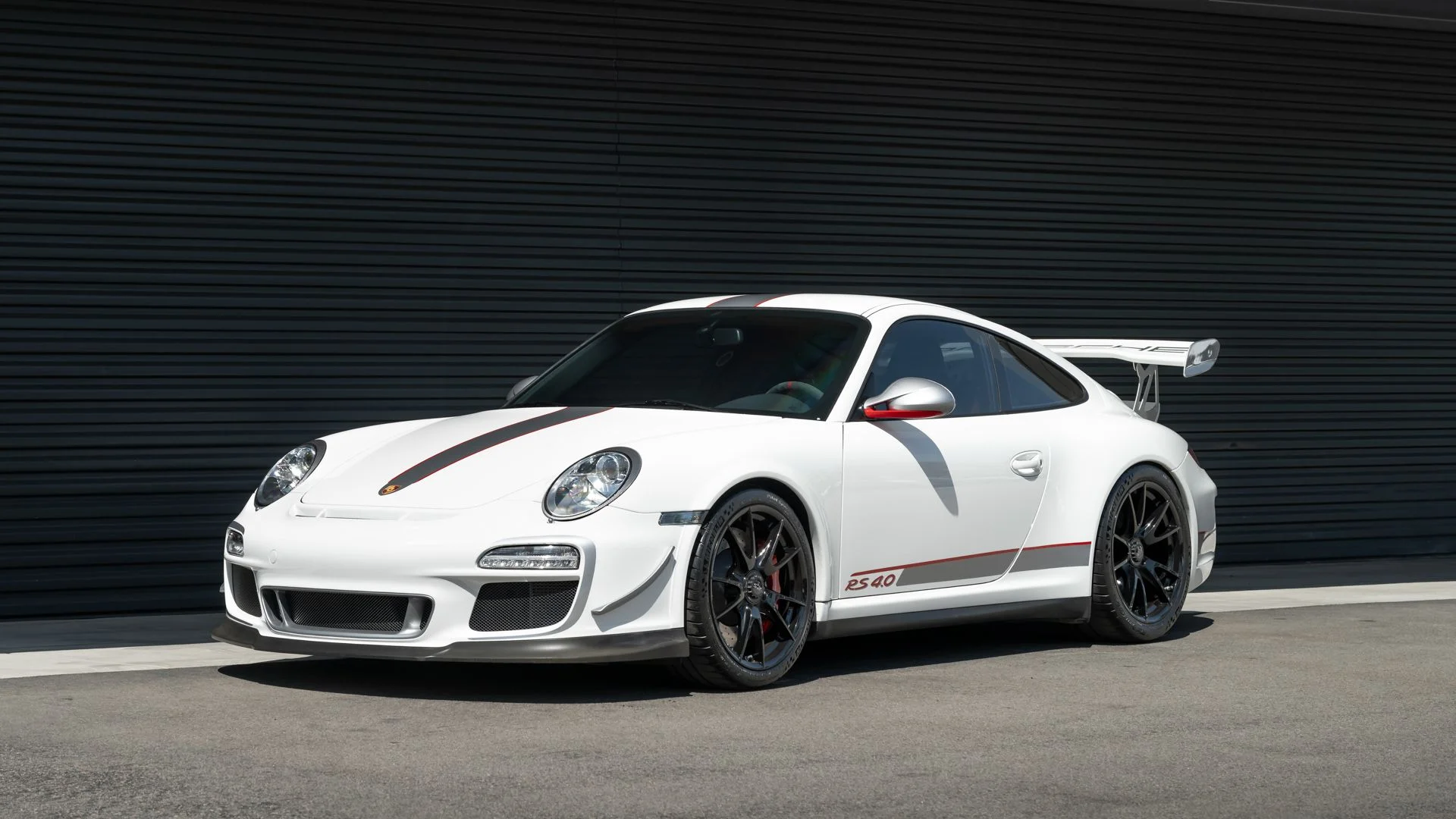
10. Porsche 911 GT3 RS 4.0 (997)
The last and best of the 997s, and the last 911 with the Mezger engine, the flat-six that traces back to Porsche's Le Mans winners. For this car it grew to 4.0 litres, took its crankshaft from the RSR racing car, and made 493 horsepower at 8,250 rpm. Porsche built 600, all with a six-speed manual gearbox, and sold them at once.
Why this 911 over the dozens of others? Because everything arrived together. The steering is hydraulic and full of feel, which the next generation gave up. The engine has a hard, mechanical edge and the appetite of a racing unit. The car is small enough for a real road, and the grip, the traction and the brakes are so well matched that it feels like one piece. Ask people who test cars for a living to name the best 911 of the modern era. Most name this one.
Verdict The modern 911, as good as it got.
The crankshaft comes from the 911 RSR racing car. It was the last 911 with the Mezger engine.
- Years
- 1996–2001
- Engine
- 1.8 four
- Power
- 118 hp
- Built
- ~ 10,600
Road car · United Kingdom
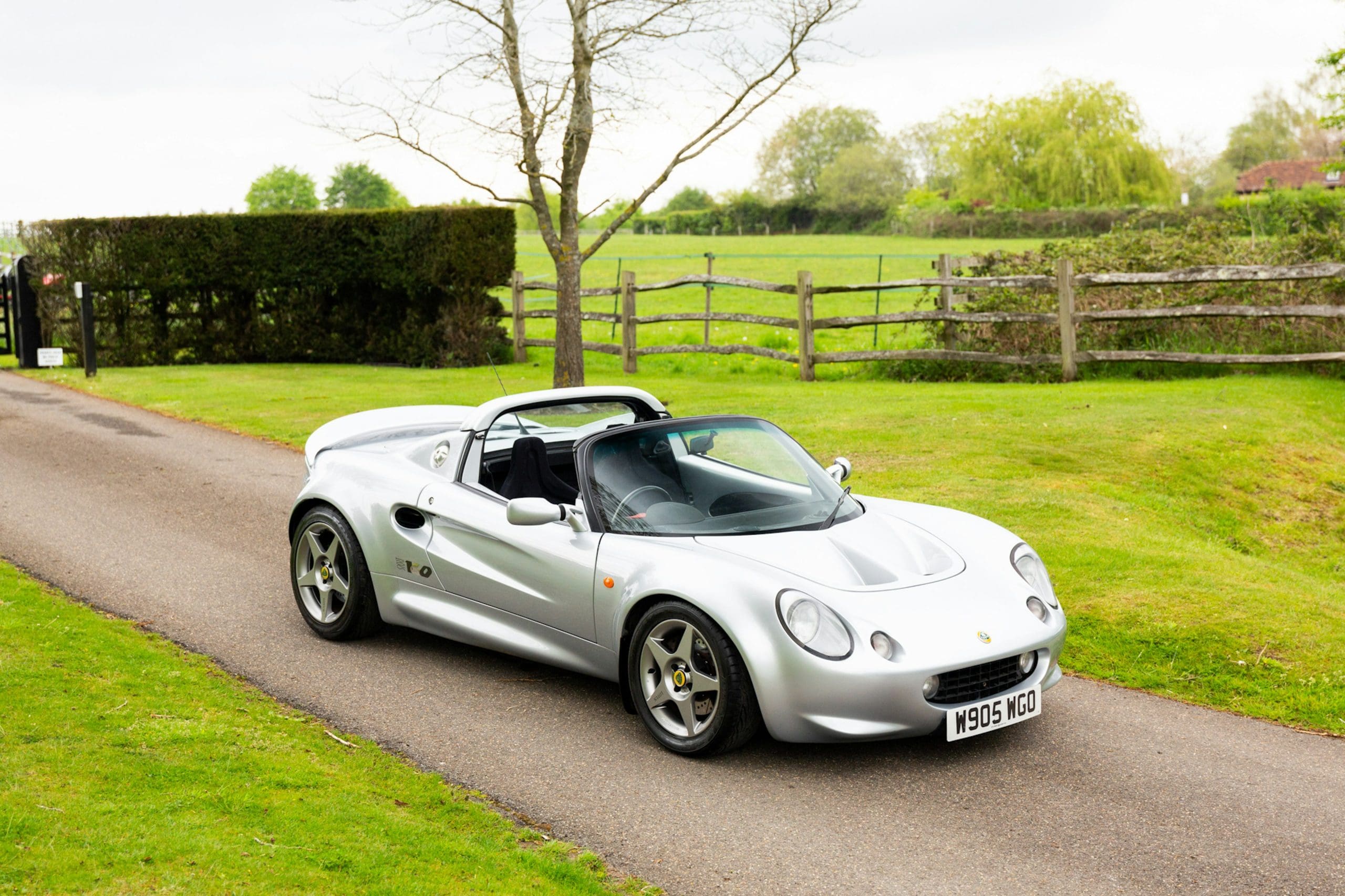
9. Lotus Elise (Series 1)
By the mid-1990s sports cars had grown heavy, and Lotus had nearly gone under. The Elise fixed both. Its chassis is made of aluminium extrusions bonded together with adhesive, and it weighs about 68 kg. The whole car weighs around 725 kg. With that little mass, a 118-horsepower Rover engine was plenty, and there was no need for power steering, a brake servo or much else.
The steering is unassisted and it is the point of the car: it moves gently in your hands over every change in the surface. The Elise is not fast in a straight line and never needed to be. It carries speed, changes direction as if it weighs nothing, and makes forty miles an hour on a good road feel like an event. It saved Lotus, and it reminded an industry that had forgotten that lightness comes first.
Verdict Lightness, remembered just in time.
Named after Elisa Artioli, granddaughter of the Lotus chairman of the time. The bare chassis weighs about 68 kg.
- Years
- 2013–15
- Engine
- 4.5 V8
- Power
- 597 hp
Road car · Italy
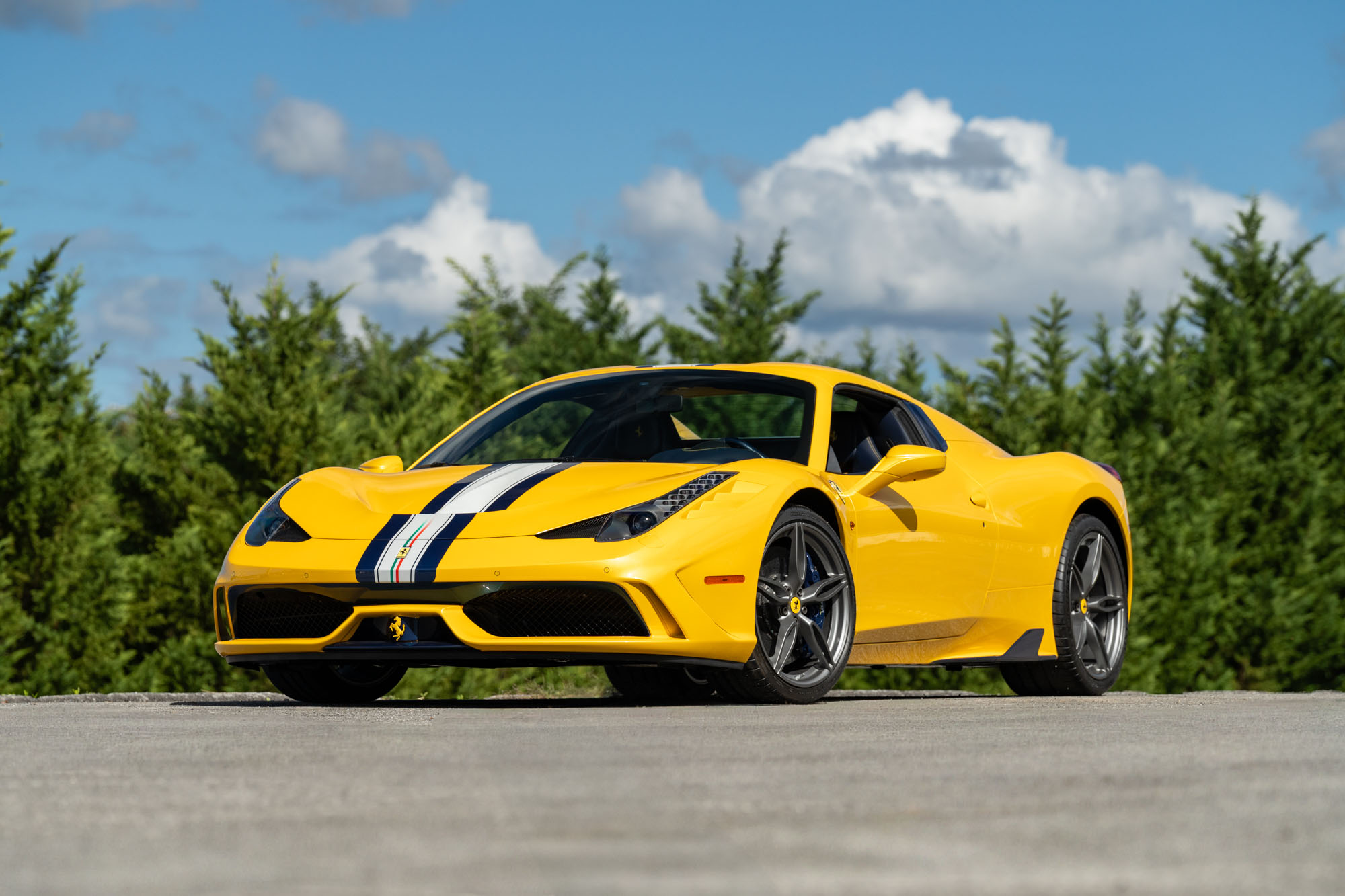
8. Ferrari 458 Speciale
The highest-placed car here with paddles in place of a gear lever, and the proof that electronics can serve a driver and not replace one. The Speciale is a 458 Italia with 90 kg removed, 597 horsepower from a 4.5-litre V8 that needs no turbochargers, and a system that works out how far the car is sliding and helps you hold it there.
That sounds like cheating. It does not feel like it. The steering is quick and honest, the engine pulls to 9,000 rpm with a response no turbocharged engine can copy, and the chassis moves around under you with complete clarity. The software stays in the background and makes you better than you are. Ferrari has built faster cars since, every one of them turbocharged or hybrid. None talks to its driver like this.
Verdict The best case for the computer as co-driver.
The last naturally aspirated mid-engined V8 Ferrari.
- Years
- 1990–2005
- Engine
- 3.0 and 3.2 V6
- Power
- 270 to 290 hp
- Built
- ~ 18,000
Road car · Japan
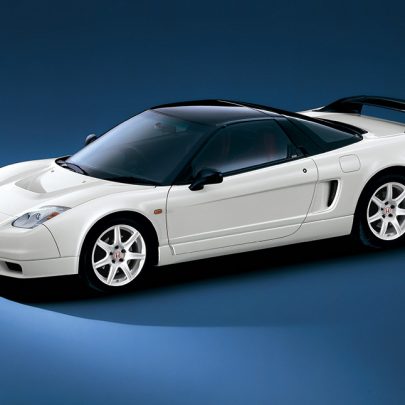
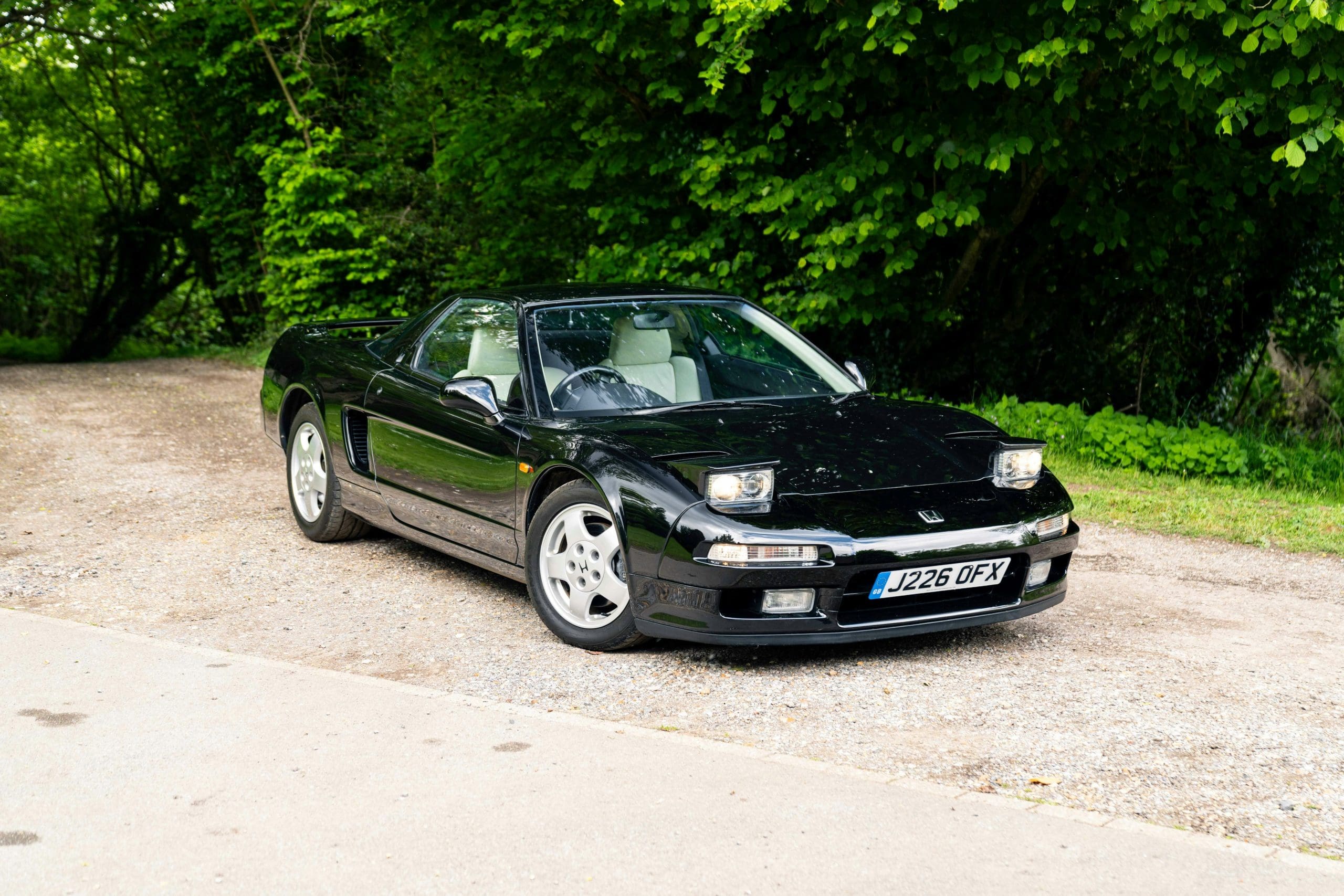
7. Honda NSX
Honda's idea was that a mid-engined supercar need not be difficult. The NSX of 1990 had an aluminium body and structure, a first for a production car, a 3.0-litre V6 with variable valve timing that ran to 8,000 rpm, and a cabin you could see out of in every direction. Ayrton Senna drove a prototype at Suzuka and told the engineers it was not stiff enough. They made it stiffer.
What they ended up with was a car that started every morning, and that steered and balanced better than the Ferrari it was aimed at. The controls are light and exact, the gearchange is among the best ever made, and the chassis lets you approach its limit without threats. Gordon Murray drove one while he was designing the McLaren F1 and reset his targets for ride and handling. The NSX proved that usable and thrilling were not opposites.
Verdict A supercar could be friendly and still be great.
Ayrton Senna drove a prototype at Suzuka and told Honda's engineers the chassis was not stiff enough. They stiffened it.
- Years
- 2003–06
- Engine
- 5.7 V10
- Power
- 605 hp
- Built
- 1,270
Road car · Germany
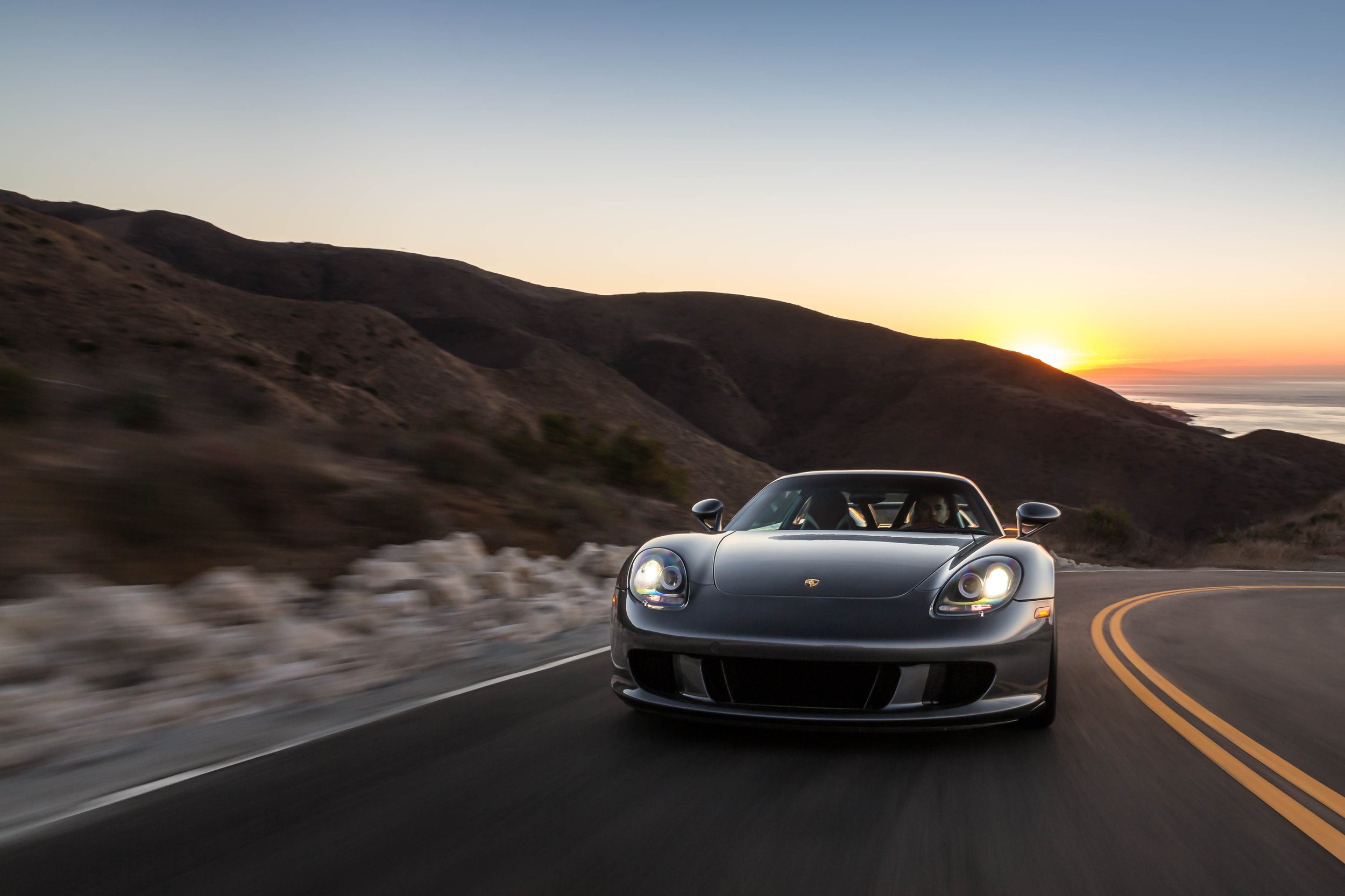
6. Porsche Carrera GT
The engine was designed for a Le Mans prototype that Porsche cancelled. Porsche built a road car around it instead: a 5.7-litre V10 of 605 horsepower, mounted low in a carbon-fibre tub, with a six-speed manual gearbox and a small ceramic clutch that stalls the car for anyone clumsy with it. The gear knob is wood, as it was in the 917.
The Carrera GT has a reputation, and it earned it. It arrived without stability control, and the V10 revs so freely that it punishes a careless right foot. Driven with respect it is something else: steering of rare clarity, a chassis that tells you everything, and a noise from 6,000 to 8,400 rpm that belongs on a starting grid. It was the last supercar of its kind to demand everything of its driver. Porsche built 1,270. Nobody has built another like it.
Verdict The last supercar that made you earn it.
The V10 was designed for a Le Mans prototype that Porsche cancelled. The gear knob is made of wood, as in the 917.
- Years
- 1962–73
- Engine
- 1.6 twin-cam four
- Power
- 105 to 126 hp
- Built
- ~ 12,000
Road car · United Kingdom
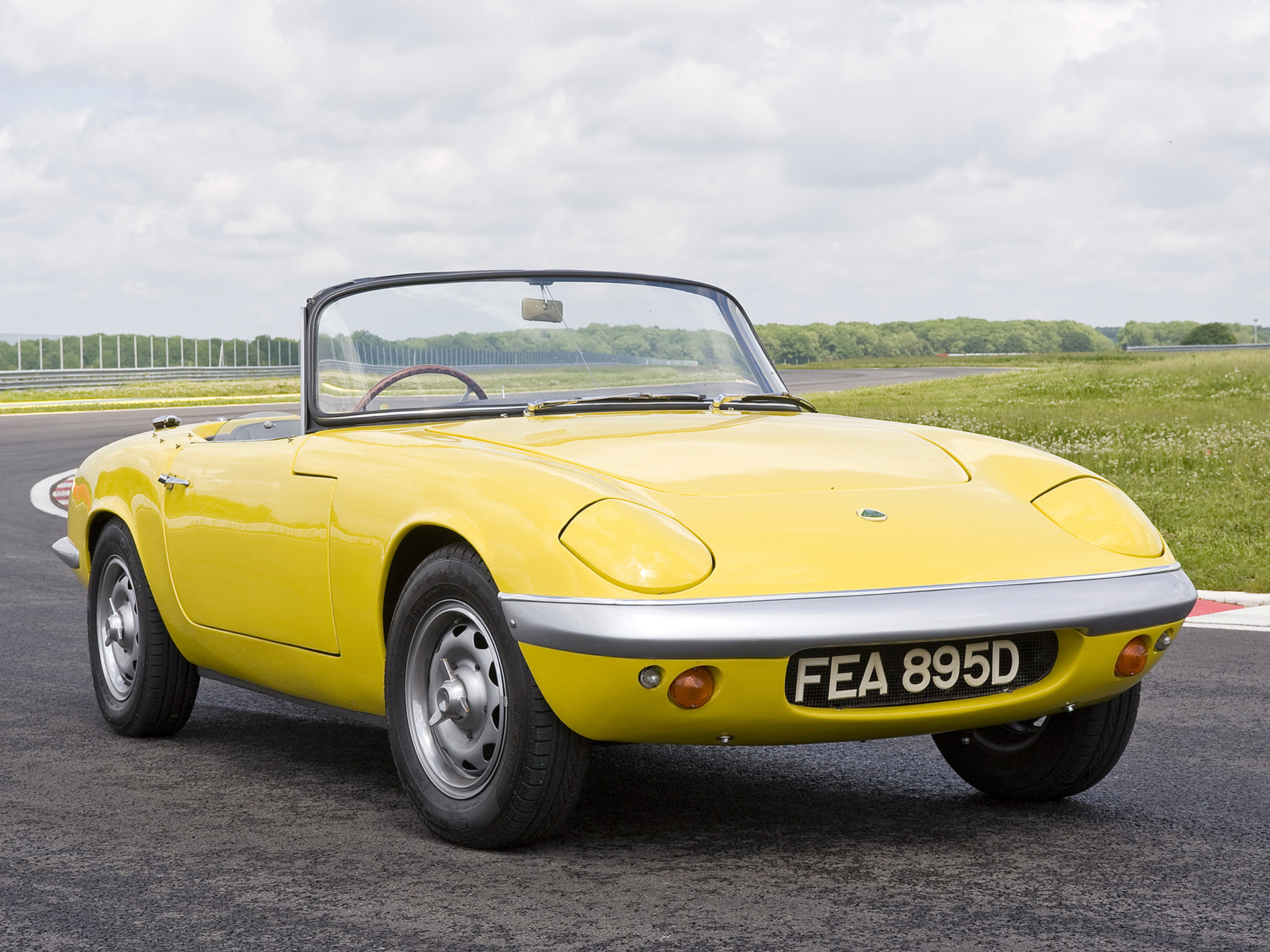
5. Lotus Elan
The smallest car in the top five, and the one that taught the rest how to steer. The Elan of 1962 has a steel backbone chassis, a glassfibre body, independent suspension all round and a 1.6-litre twin-cam engine. It weighs under 700 kg. There is very little to it, and all of it is in the right place.
It rides softly, on narrow tyres, and flows down a poor road at speeds that embarrass far more powerful cars. The steering is the benchmark: light, exact and full of information. Gordon Murray said his one regret about the McLaren F1 was that it did not steer as well as an Elan. Mazda studied Elans before it built the MX-5. A car with 105 horsepower sits fifth on this list because sixty years of engineers have treated it as the answer to how a sports car should feel.
Verdict The car that taught the others to steer.
Gordon Murray said his one regret about the McLaren F1 was that its steering was not as good as an Elan's.
- Years
- 1987–92
- Engine
- 2.9 twin-turbo V8
- Power
- 478 hp
- Built
- 1311
Road car · Italy
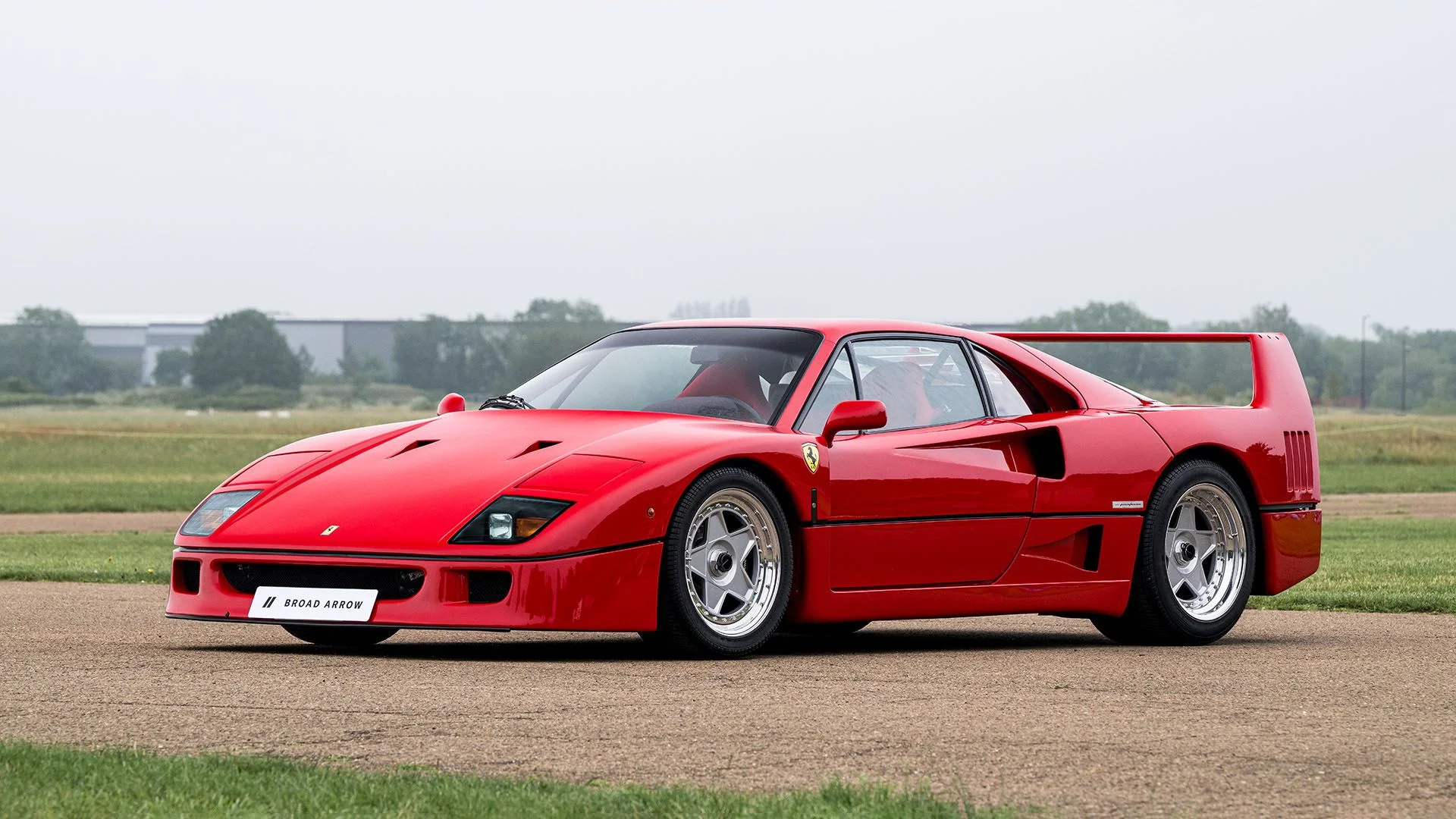
4. Ferrari F40
On our list of the best Ferraris the F40 is first, and it is the highest-placed Ferrari here as well. The reason is simpler this time. Nothing counts on this list but the driving, and the F40 is driving with everything else taken away: no power steering, no brake servo, no ABS, no carpets, a gated five-speed gearbox, and 478 horsepower from a twin-turbocharged V8 in a car of about 1,100 kg.
It is not easy. Below 3,500 rpm little happens, and then a great deal happens at once. The steering is alive in your hands, the brakes need a real shove, and the cabin is hot and loud. What you get for the effort is a car that hides nothing. Every input has a result you can feel, and getting it right is entirely your doing. Modern supercars are faster and ask far less of the driver. That is why this one is here.
Verdict Nothing between you and the machinery.
The last car Enzo Ferrari signed off. No carpets, and the doors open with a pull cable.
- Years
- 1972–73
- Engine
- 2.7 flat-six
- Power
- 210 hp
- Built
- 1,580
Road car · Germany
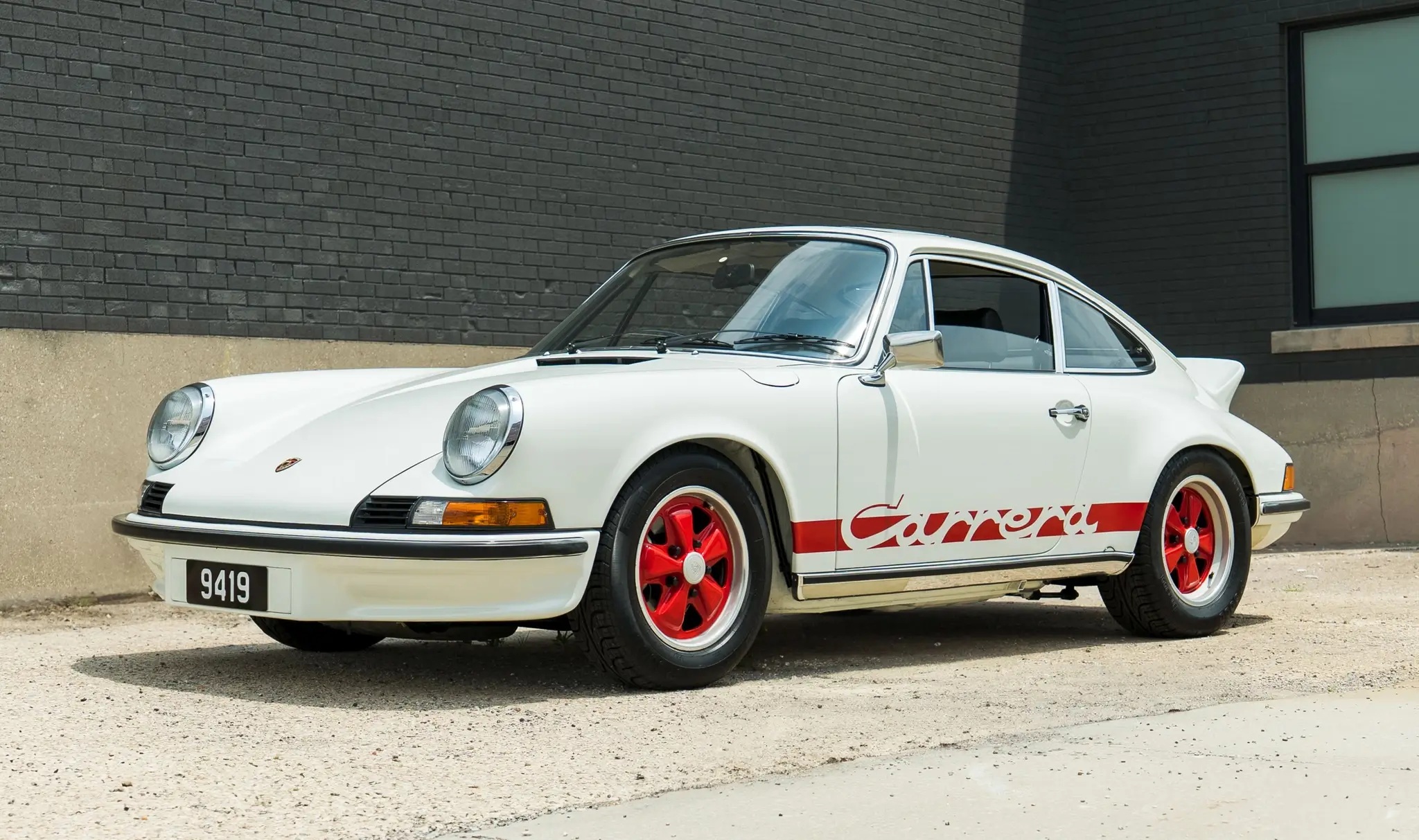
3. Porsche 911 Carrera RS 2.7
Porsche needed 500 road cars to qualify the 911 for Group 4 racing, and its sales people doubted they could find 500 buyers. They found 1,580. The RS took a 911S and made it lighter and stronger everywhere: thinner steel, thinner glass, a 2.7-litre flat-six of 210 horsepower, wider rear wheels, and the ducktail spoiler, which was there because the wind tunnel said so.
In its lightest form it weighs about 900 kg. Everything a 911 does, it does more clearly here: the nose that goes light and talks through the wheel, the traction out of a corner, the engine that hardens above 5,000 rpm. It asks to be driven properly. Brake in a straight line, turn in, get on the power early, and it rewards you every time. Every RS since, and every GT3, is an attempt to do this again.
Verdict Every great 911 since is a copy of this.
Porsche needed to sell 500 to qualify the car for racing and doubted it could. It sold 1,580.
- Years
- 1992–98
- Engine
- 6.1 V12
- Power
- 627 hp
- Built
- 64 road cars
Road car · United Kingdom
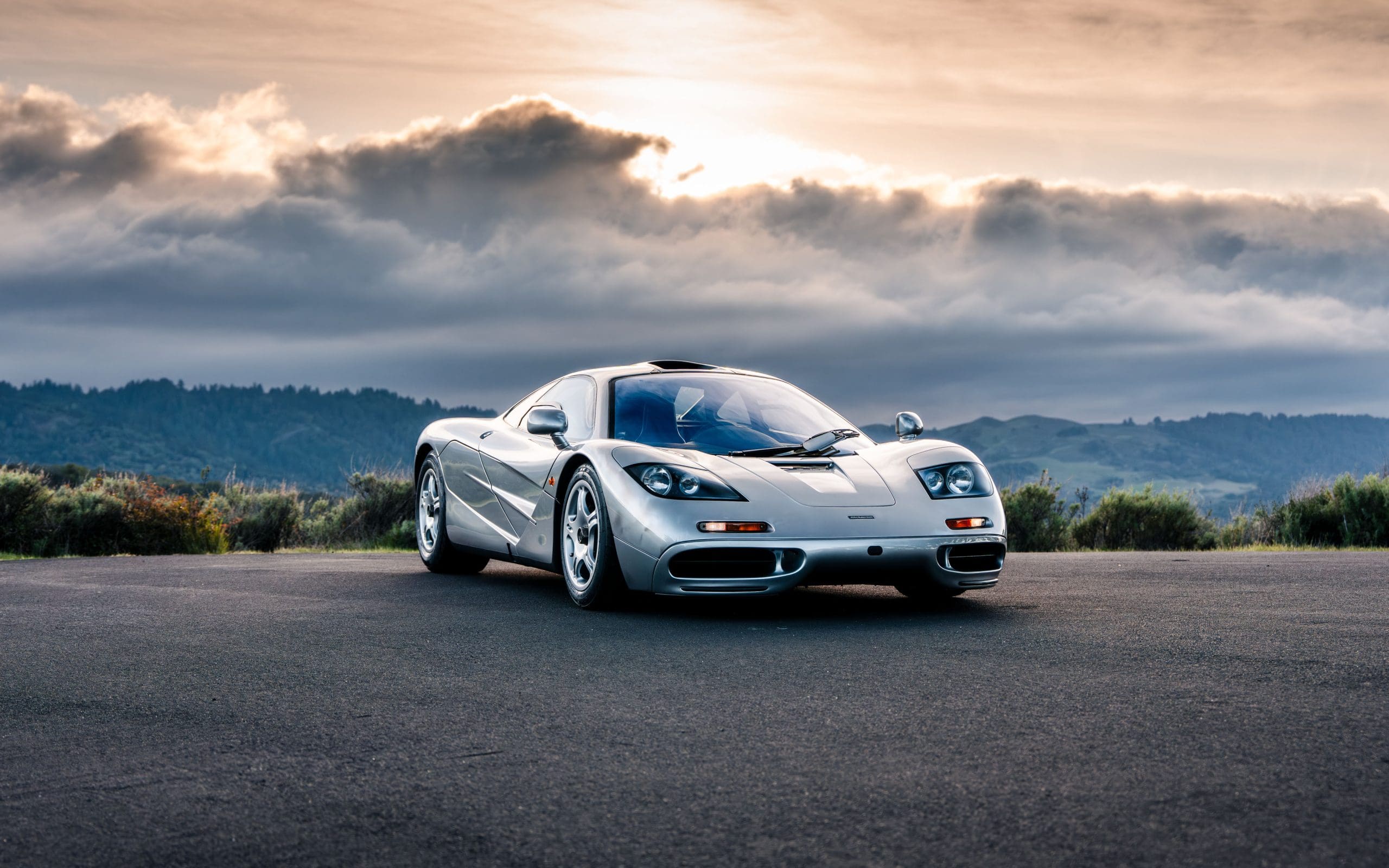
2. McLaren F1
Gordon Murray set out to build the best driver's car there had ever been, and McLaren let him do it without a committee. The result arrived in 1992 with a carbon-fibre tub, a 6.1-litre BMW V12 of 627 horsepower, and the driver's seat in the middle of the car.
Look at what it does not have. No turbochargers, because Murray wanted an engine that answered at once. No power steering, no brake servo, no ABS, no traction control. It has a six-speed manual gearbox and a clutch pedal. It weighs about 1,140 kg, less than most hot hatchbacks on sale today, and every part was weighed before it was allowed on.
The speed made it famous: 240 mph in 1998, still the record for a road car without turbochargers. A lightly modified one won Le Mans outright in 1995. But the numbers are the least of it. You sit on the centre line with the road spread evenly either side, the V12 breathing through an intake just above your head, and nothing in the car makes a decision for you. It is demanding at the limit and it flatters nobody. It tells the truth, in great detail, at any speed.
McLaren built 64 road cars. Every fast car since has been measured against it. It took its own designer thirty years to better it, and that is the only reason it is second.
Verdict The benchmark. Thirty years on, still.
The engine bay is lined with gold foil to reflect heat. The driver sits in the middle, with a passenger seat set back on each side.
The best of the 50 · Road car · United Kingdom
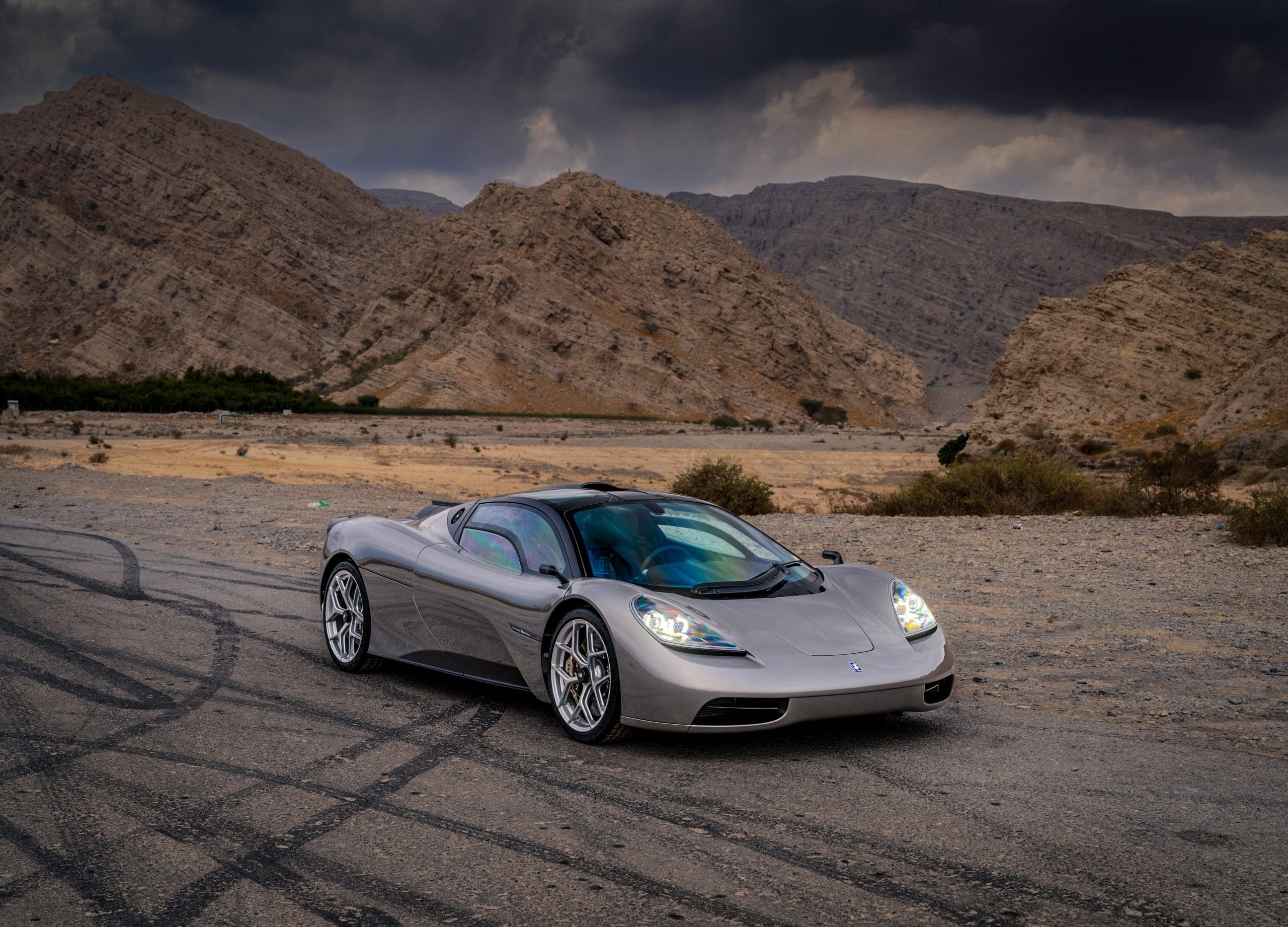
1. Gordon Murray Automotive T.50
- Years
- From 2023
- Engine
- 4.0 V12
- Power
- 661 hp
- Built
- 100
In 1992 Gordon Murray built the car that lists like this one used to end with. Thirty years later he built its successor, with one aim: to do the same job better. We think he managed it.
The T.50 keeps everything that made the McLaren F1 what it was. The driver sits in the middle, with a passenger set back on each side. There is a six-speed manual gearbox and a clutch pedal. The engine is a V12 with no turbochargers and no hybrid system: a 4.0-litre Cosworth that makes 661 horsepower and revs to 12,100 rpm, higher than any road engine before it.
Then it goes further. The car weighs 997 kg dry, less than the F1 and less than almost anything else with this much power. A fan at the back works with the diffuser to manage the air under the car, so the body is clean and needs no wings. Nothing is there for show. It was not built to set a lap record or a top speed.
It was built for the person in the middle seat. Those who have driven it describe an engine that answers at once, steering with real feel, and a car small and light enough to use on a road. Only 100 will exist, and most of us will never drive one. Most of us will never drive an F1 either. The best driver's car ever made is the one designed, twice, by the man who cared most about the question.
Verdict The F1's idea, done again and done better.
The V12 revs to 12,100 rpm. A 400 mm fan at the rear manages the air under the car.
What we left off, and why
Fifty places for every maker and every decade is not many. These are the omissions we argued about longest.
Mercedes-Benz and Aston Martin. Neither has a car here. The 300 SL and the DB4 GT are great cars, and the SLS AMG Black Series and the manual V12 Vantage came closest of the modern ones. On driving alone, each lost to something sharper.
Lamborghini. The Huracán Performante, the car that proved a Lamborghini could handle, held fiftieth place until the last cut. The Porsche 718 Spyder RS took it.
More Porsches and Ferraris. The 964 Carrera RS, the 911 S/T, the 968 Club Sport, the F355, the 430 Scuderia and the 812 Competizione would all sit comfortably here. We stopped at seven Porsches and six Ferraris so that the list would be about driving and not about two companies.
The racing cars. A Bugatti Type 35, a Jaguar D-type or a Ford GT40 would walk on to any list of the best cars to drive. They were built to race, and they get lists of their own.
The near misses. The Mitsubishi Lancer Evolution lost to the Subaru Impreza, the Renault Clio Williams to the Peugeot 205 GTI, and the Lotus Exige to the Elise. The manual Audi R8 was close too. Another day might reverse any of them.
The very fast. Bugatti, Koenigsegg and Pagani build astonishing machines. Speed did not count here, and the Pagani Zonda was the only one of them we argued over.
The Americans. Three made it. The Shelby GT350 and the 2005 Ford GT were next in line.
Electric cars. None yet. The Hyundai Ioniq 5 N is the first we discussed seriously.
Restomods. Singer and its peers build wonderful things out of other people's cars. They are not production cars, so they are out.
If your car is missing, make the case.
Tell us what we got wrongQuestions about this list
What is the best driver's car ever made?
We rank the Gordon Murray T.50 first. It has a central driving seat, a manual gearbox, a naturally aspirated V12 and a weight under 1,000 kg, and it was designed with one aim. The McLaren F1, by the same designer, is second, and the Porsche 911 Carrera RS 2.7 is third.
What makes a car a driver's car?
How it feels to drive, and nothing else. We judged steering, balance, the engine's response, the gearchange and how much the car tells its driver. Speed, price, looks and racing results did not count.
Why are cheap cars like the Mazda MX-5 ranked above supercars?
Because price and power were not part of the test. A light car with good steering can give more to its driver on an ordinary road than a car with five times the power. The MX-5, the Peugeot 205 GTI and the Lotus Elan are here on merit.
What is the best modern driver's car?
The Gordon Murray T.50, which is first on the whole list. Of the other cars launched since 2010, the Ferrari 458 Speciale is eighth and the Porsche 911 GT3 RS 4.0 is tenth.
Are racing cars included?
No. This list covers road-legal production cars. Racing cars, track-only specials, one-offs and restomods are left out, and the racing cars get lists of their own.
Why is there no Mercedes-Benz, Aston Martin or Lamborghini?
Each came close. On driving alone, the best candidates from all three lost to something sharper, and the Lamborghini Huracán Performante was the last car cut. All three will have lists of their own.
Ranked by the editors of Sports Car Digest, drawing on the Sports Car Digest archive and the archives of Vintage Racecar and Vintage Roadcar. The order is opinion, argued car by car, on one test: how the car drives. Specifications have been checked against our own archives; if you spot an error, tell us in the comments.