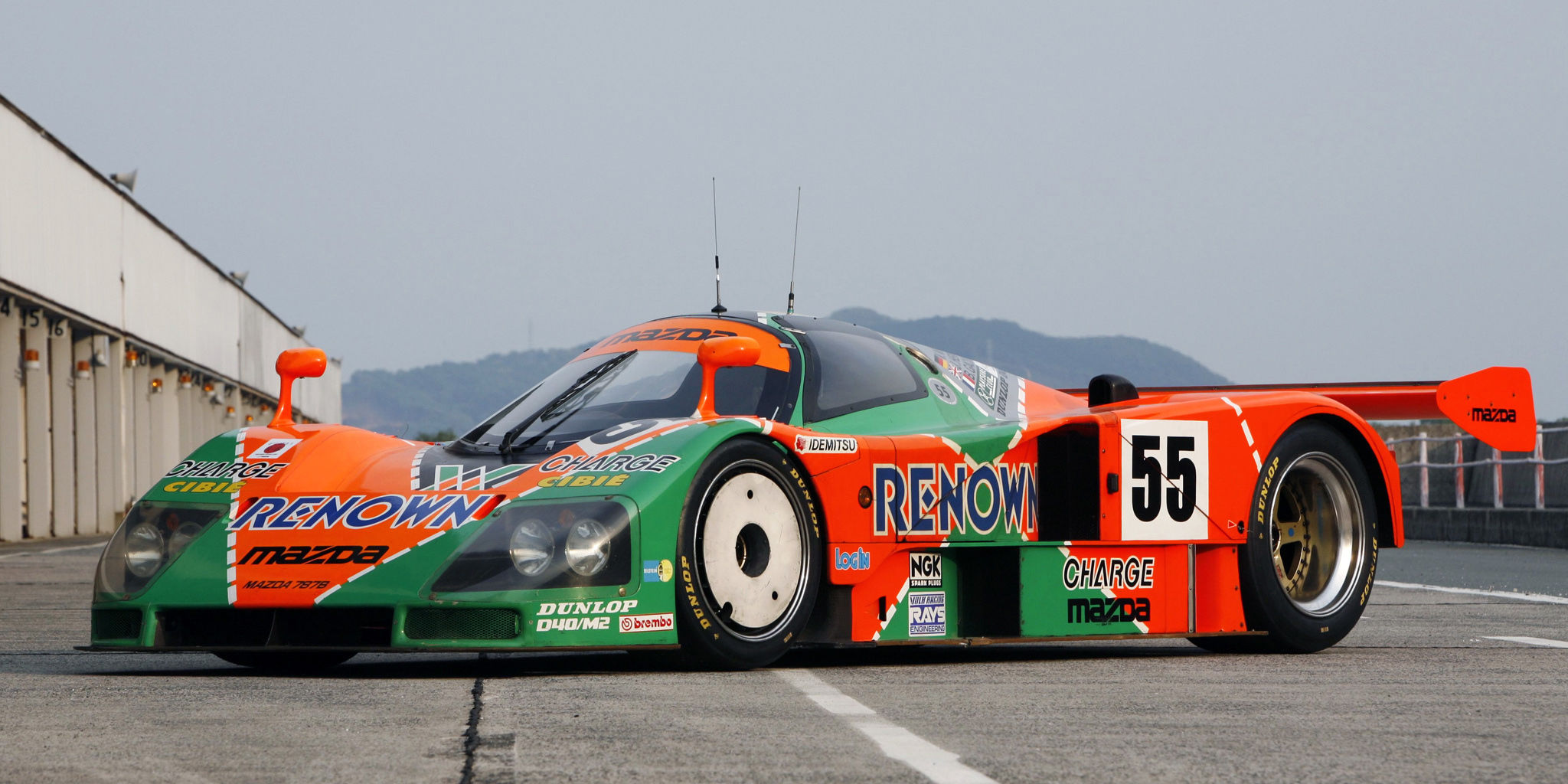

Group C was an unusually clever set of rules. From 1982, sports prototypes could have any engine their makers liked, of any size, with or without turbochargers. The only limit that mattered was fuel: so many litres for a race, and no more. The result was a decade of closed coupés with 700 horsepower, capable of 240 mph at Le Mans, built by Porsche, Jaguar, Mercedes, Lancia, Toyota, Nissan, Mazda and Peugeot. Many people think it the best period sports car racing has had.
What counts
Cars built to the Group C regulations between 1982 and 1993. That includes the junior class, known as C2, and the cars built for the 3.5-litre engine rule that replaced the fuel formula in 1991. Developments of one design are a single entry. The American IMSA GTP cars of the same years ran to different rules and are left out, though some Group C cars raced there too.
How we ranked them
On results and engineering. Le Mans counts for most, then the world championship, then the long-distance races in America and Japan. A car that won against several factory teams ranks above one that won when the grids had thinned. One car is placed higher than its results strictly justify, and the entry says why.
How to read this list
The list counts down from twenty to one. The top five have the longest entries, the next ten are shorter and the last five are brief. Five of the twenty won Le Mans. Two raced once or not at all, and are here for what they tried. Five entries have no photograph. Where a car also appears on our list of the best endurance racing cars, it is in the same order here.
See the full ranking, 1 to 20
| Rank | The Greatest Group C Cars | Years |
|---|---|---|
| 1 | Porsche 956 and 962 | 1982–94 |
| 2 | Mazda 787B | 1991 |
| 3 | Jaguar XJR-9 | 1988 |
| 4 | Sauber-Mercedes C9 | 1987–89 |
| 5 | Peugeot 905 | 1990–93 |
| 6 | Mercedes-Benz C11 | 1990–91 |
| 7 | Jaguar XJR-14 | 1991 |
| 8 | Toyota TS010 | 1991–93 |
| 9 | Lancia LC2 | 1983–86 |
| 10 | Nissan R90CK and R91CP | 1990–92 |
| 11 | Rondeau M382 | 1982 |
| 12 | WM-Peugeot P88 | 1988 |
| 13 | Spice SE86C to SE90C | 1986–90 |
| 14 | Toyota 88C-V to 94C-V | 1988–94 |
| 15 | Aston Martin AMR1 | 1989 |
| 16 | Ford C100 | 1981–83 |
| 17 | Mercedes-Benz C291 | 1991 |
| 18 | Ecurie Ecosse C285 and C286 | 1985–87 |
| 19 | Allard J2X-C | 1992–93 |
| 20 | Alfa Romeo SE 048SP | 1990–91 |
20 to 16
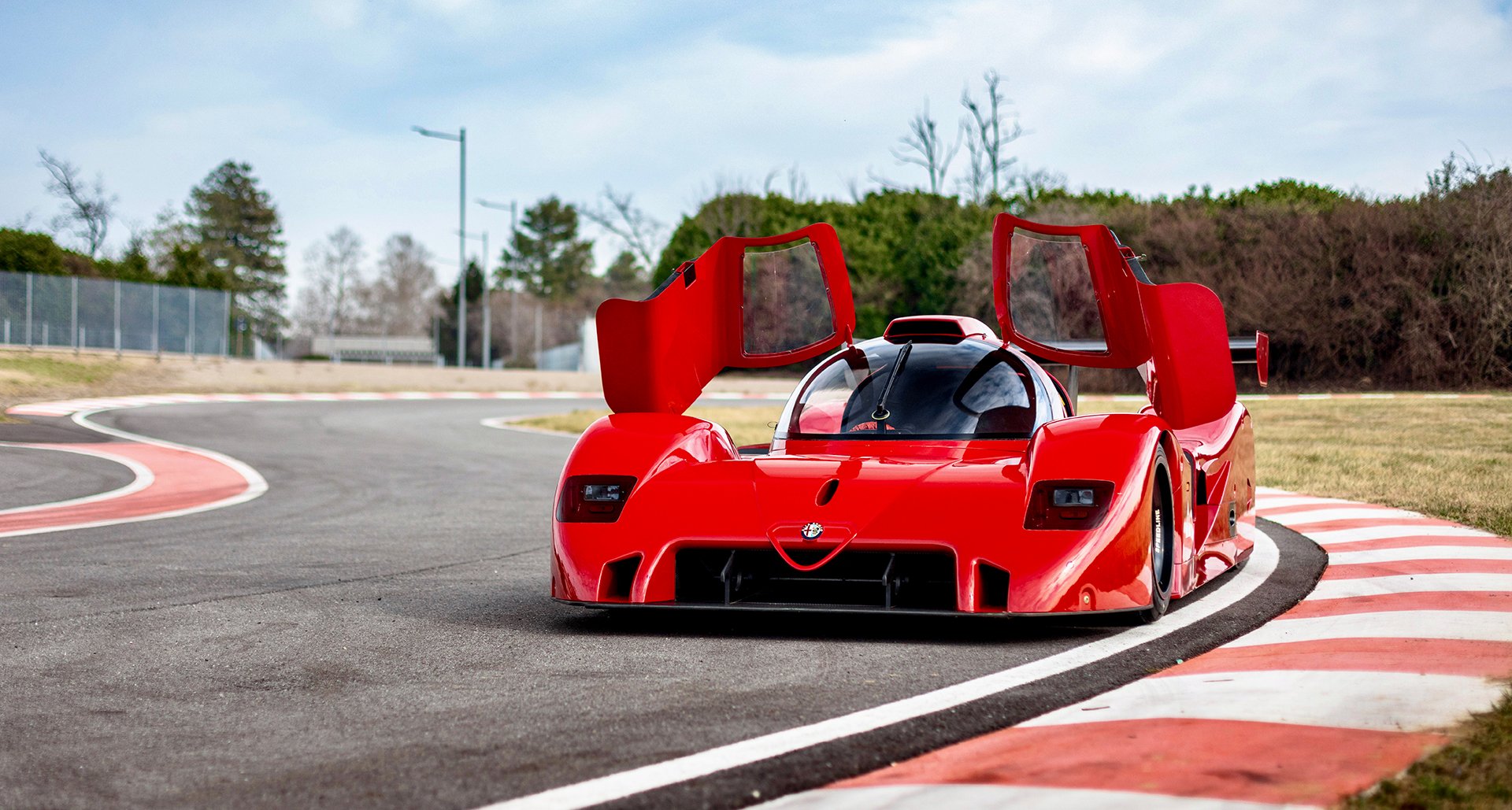
20. Alfa Romeo SE 048SP
1990–91 · 3.5 V10 · About 620 hp · 1
Alfa Romeo built a Group C car for the 3.5-litre rules, with a V10 first designed for a saloon racing series that never happened. It was completed and tested in 1990. Fiat, which owned Alfa Romeo, then decided the money should go elsewhere. The car went to the museum without racing.
Verdict Finished, tested and never entered.
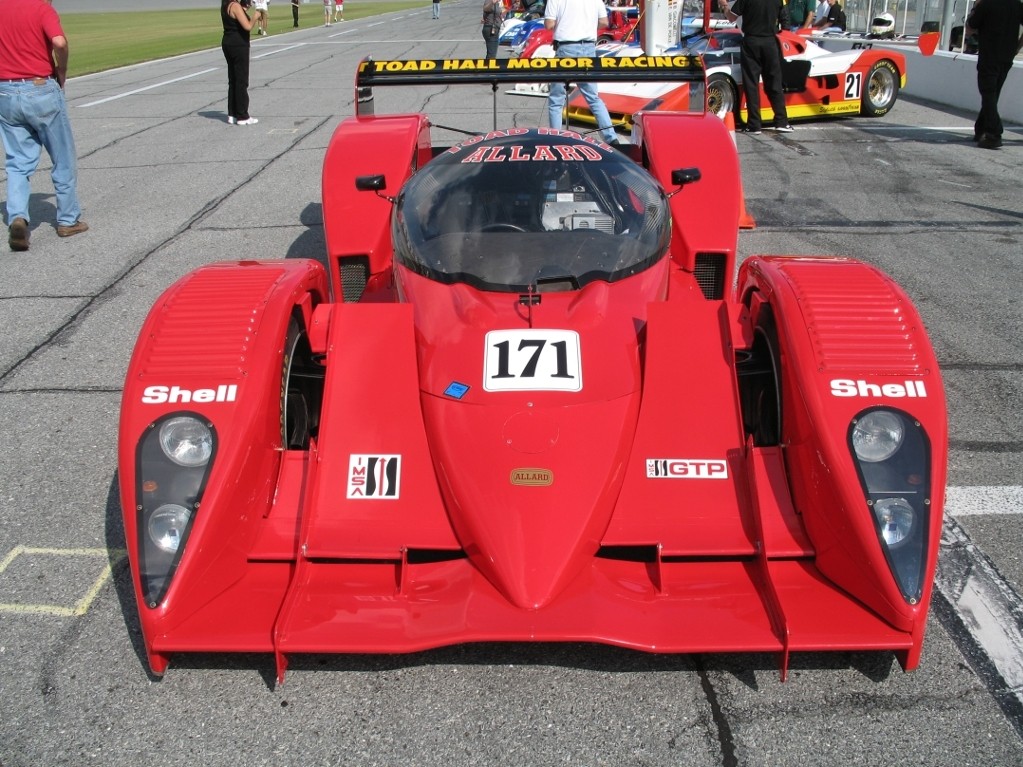
19. Allard J2X-C
1992–93 · 3.5 Cosworth DFR V8 · About 580 hp · 1
A small British firm revived the Allard name for a car unlike anything else in Group C: narrow in the middle, with huge tunnels and bodywork shaped to make downforce everywhere. It made too much drag for long straights and had too little power. One was built, and it raced once. The Le Mans prototypes of the late 1990s looked a good deal like it.
Verdict The right shape, five years early, with no money behind it.
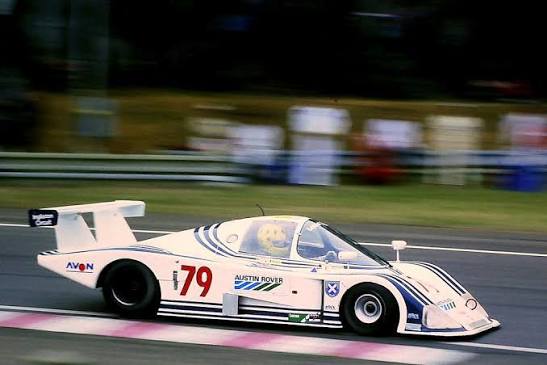
18. Ecurie Ecosse C285 and C286
1985–87 · 3.0 Rover V6, earlier a Cosworth V8 · About 400 hp
The Scottish team that had won Le Mans with Jaguars in the 1950s was revived in the 1980s for the C2 class. In 1986, using a V6 from the MG Metro 6R4 rally car, it beat Spice to the teams' title. Its drivers included Ray Mallock, David Leslie and Marc Duez.
Verdict A famous name, back with a class title.
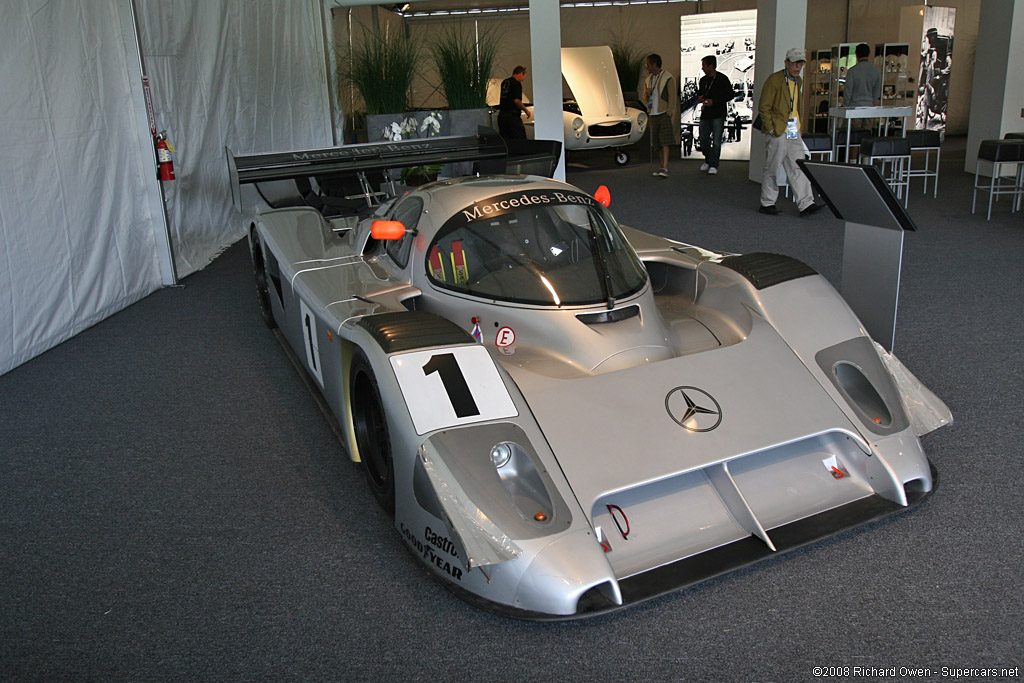
17. Mercedes-Benz C291
1991 · 3.5 flat-twelve · About 650 hp
For the 3.5-litre rules Mercedes built a flat-twelve engine, to keep the weight low. It was unreliable all through 1991, and the old C11 was often quicker. The C291 won once, at the final race in Japan, with Michael Schumacher and Karl Wendlinger. Mercedes withdrew from sports car racing soon afterwards.
Verdict A flat-twelve, one win, and the end of the Silver Arrows' return.
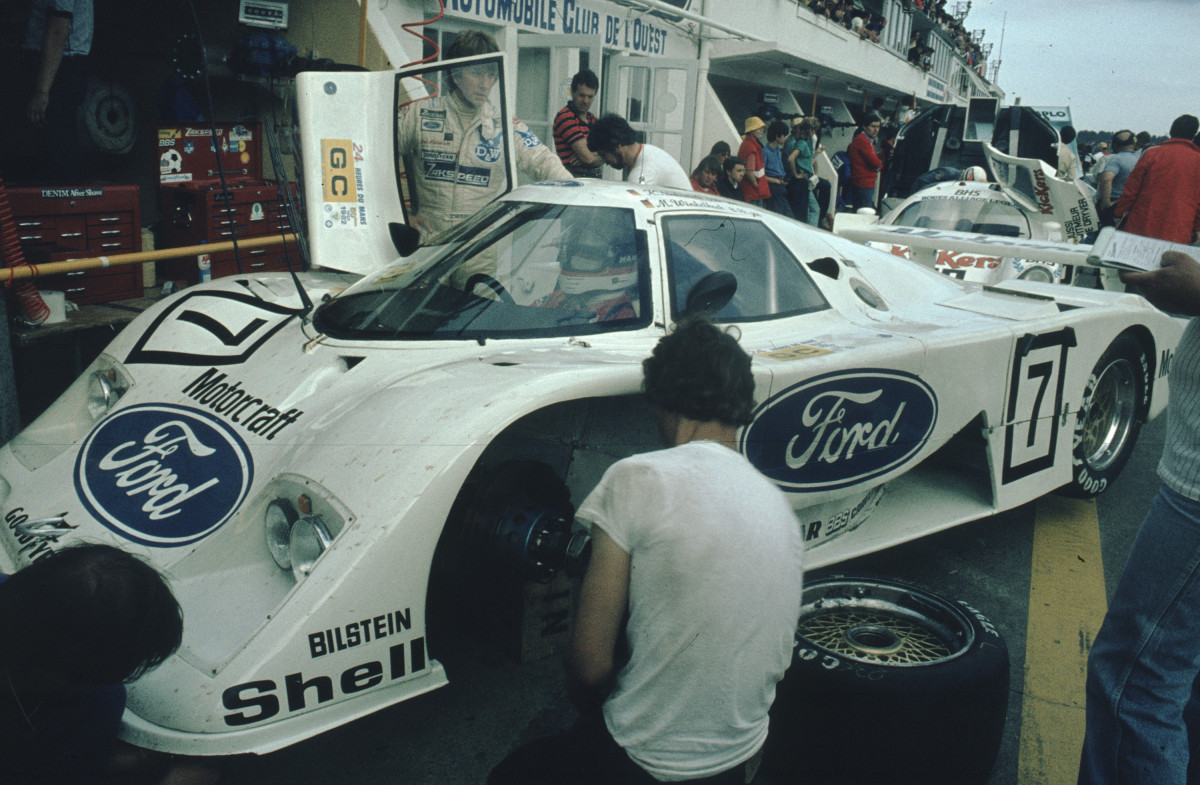
16. Ford C100
1981–83 · 3.9 Cosworth DFL V8 · About 540 hp
Ford's Group C car was ready before the class began and was on pole for its first race in 1981. After that very little went right. The chassis was redesigned twice, the Cosworth engine vibrated badly, and it did not win a world championship race. Ford cancelled it early in 1983.
Verdict First on the grid, and never first at the finish.
15 to 6
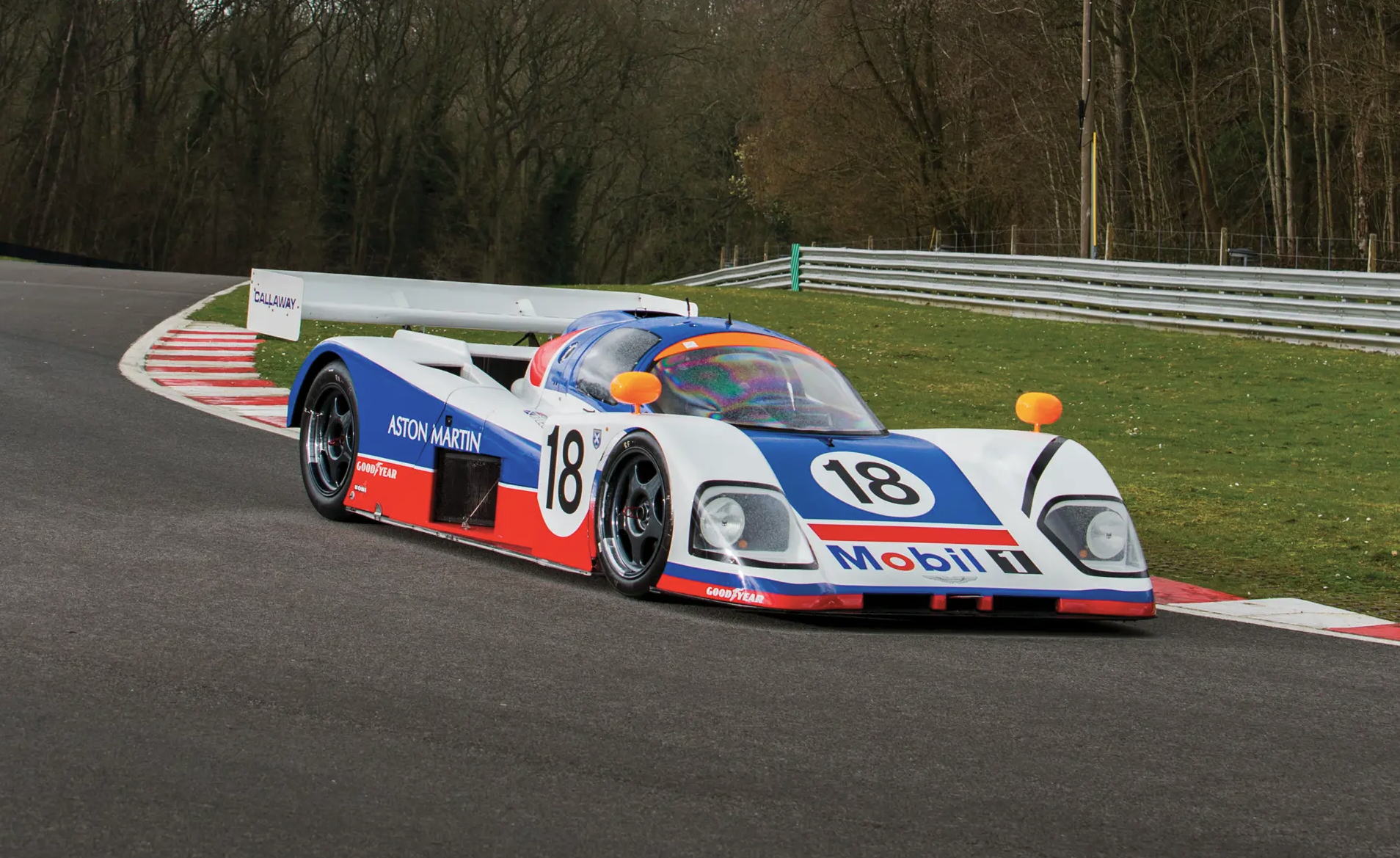
15. Aston Martin AMR1
1989 · 6.0 V8 · About 700 hp · 5
Aston Martin came back to sports car racing in 1989 with a car built by the men behind Ecurie Ecosse and a 6.0-litre version of its V8 with four-valve heads. The AMR1 was heavy and had too much drag for Le Mans, where it finished eleventh. On slower circuits it improved through the season and was fourth at Brands Hatch. A new car was designed for 1990. Then Ford, which had bought Aston Martin and also owned Jaguar, decided it did not need two teams in the same championship, and the programme was stopped.
Verdict One season, then cancelled by its own parent company.
Did you know: It raced for one season. Ford, which owned both Aston Martin and Jaguar, would not fund two teams.
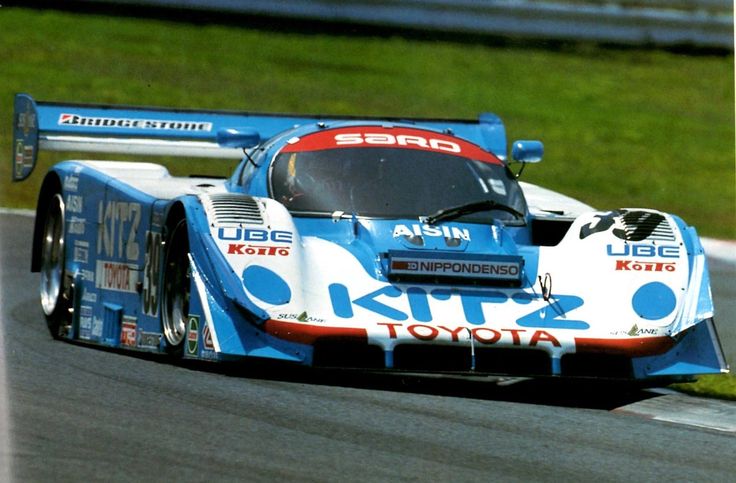
14. Toyota 88C-V to 94C-V
1988–94 · 3.2 twin-turbo V8, later 3.6 · About 750 to 800 hp
Toyota's turbocharged V8 cars raced mainly in Japan, where they won often, and came to Le Mans each year without much luck. Their best chance came after the class had officially ended. In 1994 the organisers still admitted old Group C cars, and a 94C-V entered by a private Japanese team led with ninety minutes left. Then its gear linkage broke. Jeff Krosnoff got out, found a gear by hand and got going again, and Eddie Irvine brought the car home second, a lap behind a Porsche 962 that had been converted into a road car.
Verdict Ninety minutes from winning Le Mans.
Did you know: In 1994 one led Le Mans with ninety minutes to go and finished second.
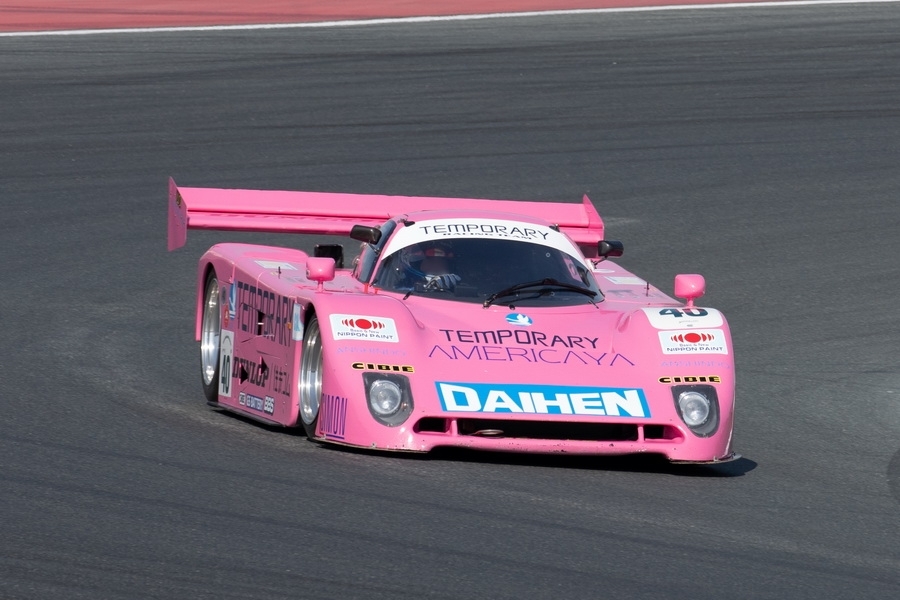
13. Spice SE86C to SE90C
1986–90 · 3.3 Cosworth DFL V8, later 3.5 · About 450 to 600 hp
Group C had a junior class, C2, for private teams with less fuel and smaller budgets. Gordon Spice, a touring car driver and businessman, dominated it. He and Ray Bellm won the C2 drivers' title four years running from 1985, the later ones in cars of Spice's own make with Cosworth V8s, and Spice Engineering won the teams' title three times. The cars were sold to customers on both sides of the Atlantic. When C2 was abolished, Spice built cars for the top class, without the money to make them winners.
Verdict The team that owned the junior class.
Did you know: Gordon Spice won the junior class of the world championship four years running.
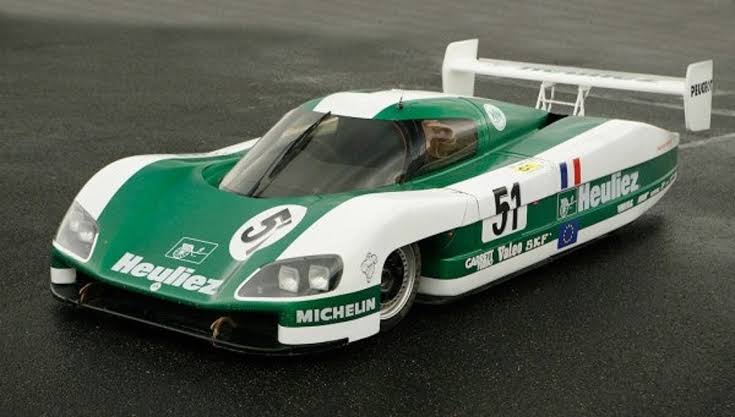
12. WM-Peugeot P88
1988 · 3.0 twin-turbo Peugeot V6 · About 900 hp · 1
Two Peugeot employees, Gérard Welter and Michel Meunier, ran a Le Mans team in their spare time for twenty years. By 1988 they had given up on winning and set themselves a different target: 400 km/h on the Mulsanne straight. The P88 had a twin-turbo Peugeot V6 turned up to about 900 horsepower, a long tail and the cooling ducts taped over. Roger Dorchy was timed at 405 km/h, 252 mph. The engine overheated soon afterwards and the car retired. Two chicanes were built on the straight in 1990, so the record will stand.
Verdict The fastest car ever timed at Le Mans.
Did you know: It reached 405 km/h, 252 mph, on the Mulsanne straight in 1988. Nothing has gone faster there.
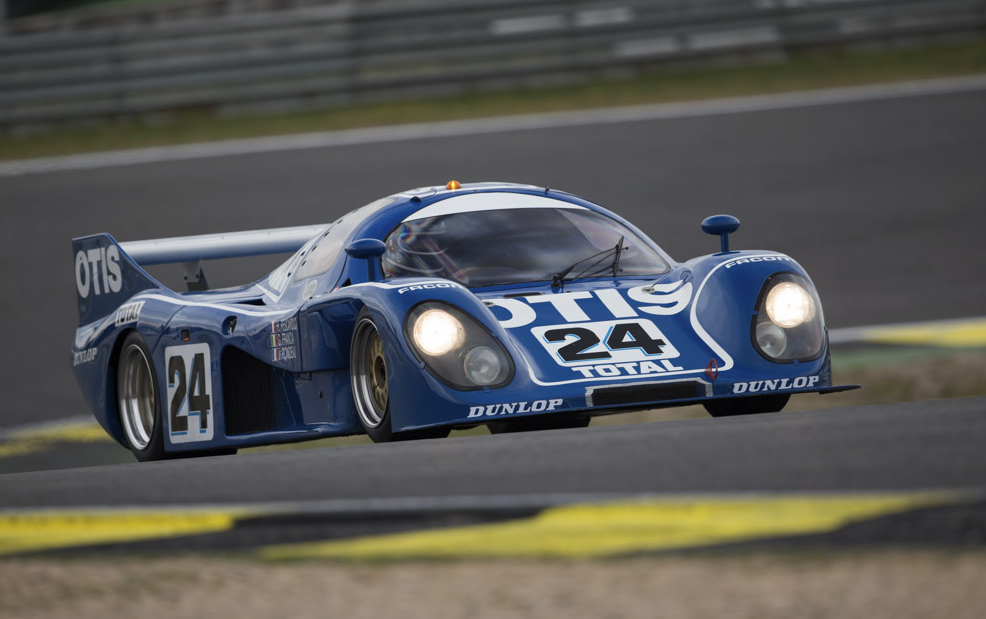
11. Rondeau M382
1982 · 3.9 Cosworth DFL V8 · About 540 hp
Jean Rondeau built cars in Le Mans itself and had won the 24 Hours in 1980. For the first year of Group C his M382, with a Cosworth V8, won the opening round at Monza and scored steadily all season. At the end of it Rondeau had more points than Porsche. The title went to Porsche all the same, after points scored by a privately entered 935 in another class were added to its total. Rondeau's sponsors left, and the company closed soon after. He was killed on a level crossing in 1985.
Verdict The small French team that nearly won the first Group C title.
Did you know: Jean Rondeau is the only man to have won Le Mans in a car bearing his own name, in 1980.
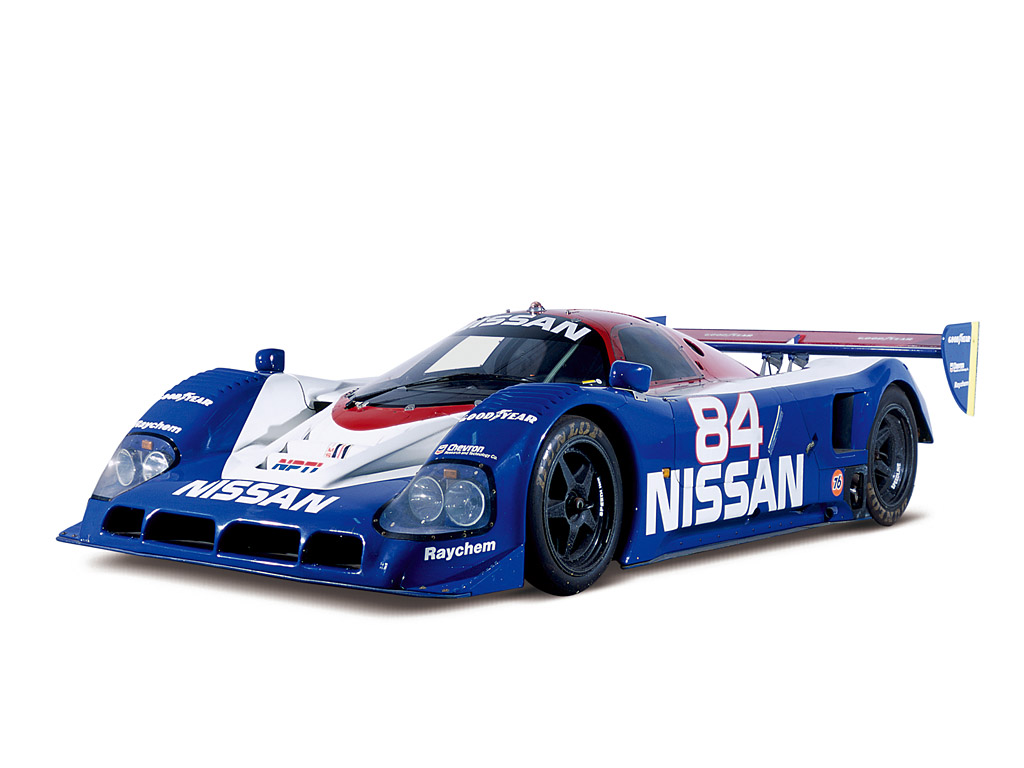
10. Nissan R90CK and R91CP
1990–92 · 3.5 twin-turbo V8 · About 800 hp; over 1,000 in qualifying
Nissan's turbocharged V8 was the most powerful engine in Group C. In qualifying for Le Mans in 1990 Mark Blundell's R90CK had its wastegate stick shut, which gave him over 1,100 horsepower, and he took pole by six seconds. The cars led the race and all hit trouble; the best finished fifth. The developed R91CP did better elsewhere. It won the Daytona 24 Hours in 1992 by nine laps, with three Japanese drivers, and Nissan won the Japanese championship three years running. It never won a round of the world series.
Verdict The most powerful car in the class, and a Daytona winner.
Did you know: Mark Blundell took pole at Le Mans in 1990 by six seconds, with the turbo wastegate jammed shut.
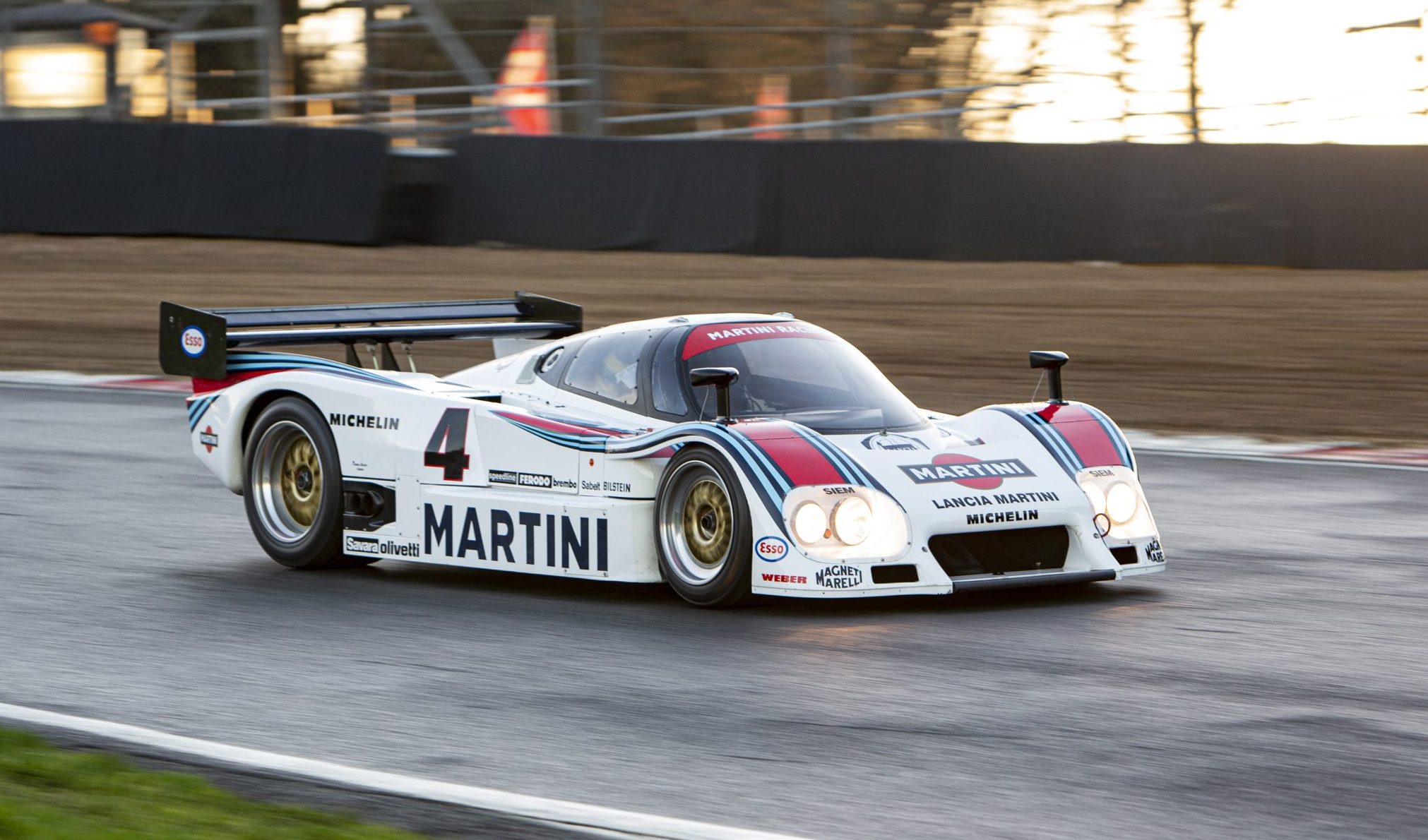
9. Lancia LC2
1983–86 · 2.6 twin-turbo Ferrari V8, later 3.0 · About 700 to 800 hp
Lancia was the only factory to take on Porsche in the early years, and it had the faster car. The LC2 used a twin-turbocharged V8 derived from a Ferrari engine, giving 800 horsepower or more in qualifying trim, and it started from pole thirteen times, including at Le Mans. It won three races in four seasons. The engine drank fuel, the gearbox broke, and the tyres were not a match for Porsche's. It usually led the first hour and was usually missing from the last. Lancia gave up in 1986 to concentrate on rallying.
Verdict Thirteen poles, three wins.
Did you know: It took pole position thirteen times and won three races.
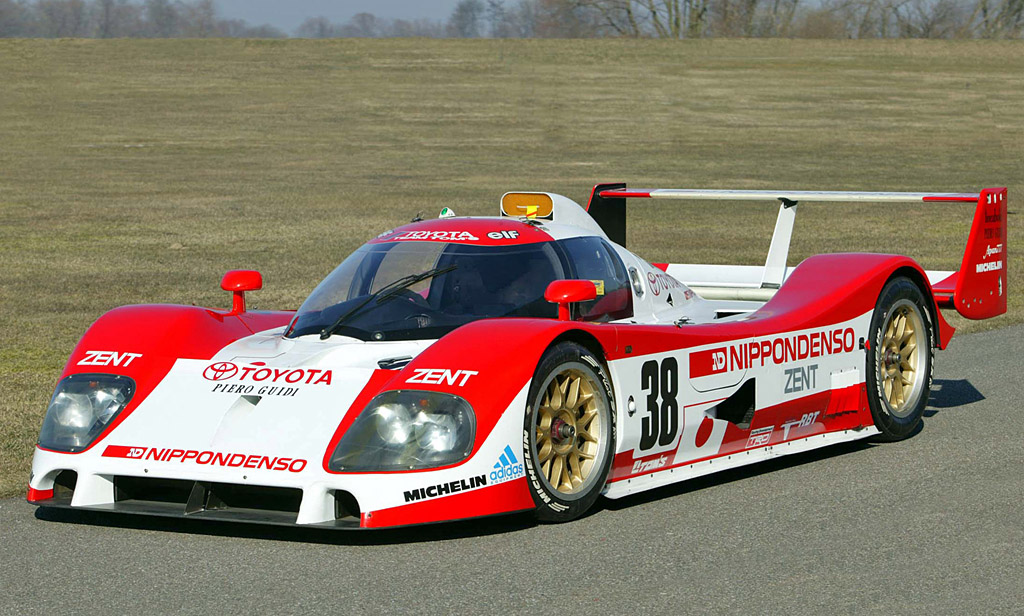
8. Toyota TS010
1991–93 · 3.5 V10 · About 700 hp
Toyota answered the 3.5-litre rules with a V10 of its own and a car built in England. The TS010 was the only serious rival to the Peugeot in 1992. It won the opening race at Monza and finished second at Le Mans, six laps down. In 1993 three cars went back to Le Mans and the best was fourth, behind three Peugeots. It was close to the 905 on speed and behind it on reliability. Toyota had now been second at Le Mans once. It would be second four more times before it won.
Verdict The Peugeot's only rival.
Did you know: It finished second at Le Mans in 1992, six laps behind the winning Peugeot.
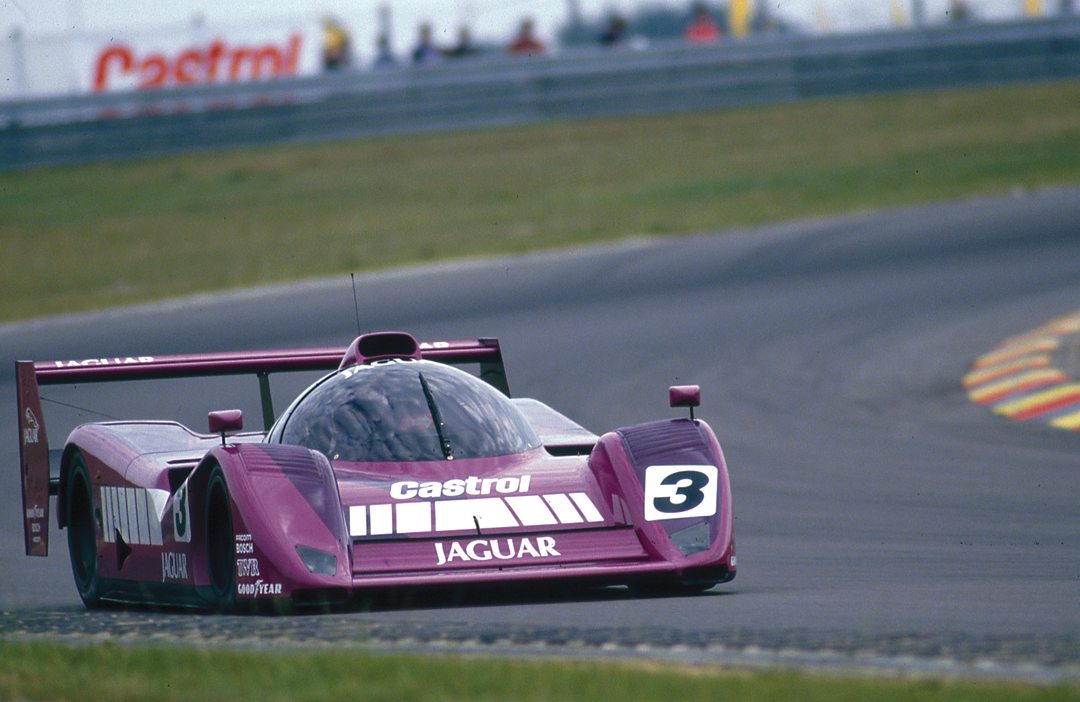
7. Jaguar XJR-14
1991 · 3.5 Ford-Cosworth V8 · About 650 hp · 3
For the 3.5-litre rules of 1991, TWR built a Jaguar with nothing in common with the V12 cars. The XJR-14 was, in effect, a Formula One car with two seats and a body: a Cosworth V8 from the Benetton, a very narrow carbon tub, and a two-tier rear wing. It was several seconds a lap faster than the old turbo cars. It won three of the eight races and the 1991 championship, and never raced at Le Mans, where nobody thought its engine would last. The design lived on. Fitted with a Porsche engine and an open top, it won Le Mans in 1996 and 1997.
Verdict A Grand Prix car with a roof, and the 1991 champion.
Did you know: It had no doors. The drivers climbed in through the side windows.

6. Mercedes-Benz C11
1990–91 · 5.0 twin-turbo V8 · About 730 hp
The C11 replaced the C9 for 1990 and was the first of the line to carry the Mercedes name alone. It had a carbon-fibre chassis in place of aluminium and the same turbocharged V8. It won eight of the nine races that year and the championship for Jean-Louis Schlesser and Mauro Baldi. Le Mans was outside the series again, and this time Mercedes stayed away. The second car was shared between Jochen Mass and three young drivers the company was training: Michael Schumacher, Karl Wendlinger and Heinz-Harald Frentzen. Schumacher's first international win came in it, in Mexico.
Verdict Eight wins from nine, and Michael Schumacher's apprenticeship.
Did you know: Michael Schumacher's first international wins came in one, as a Mercedes junior.
The top 5
- Years
- 1990–93
- Engine
- 3.5 V10
- Power
- About 650 hp
Race car · France
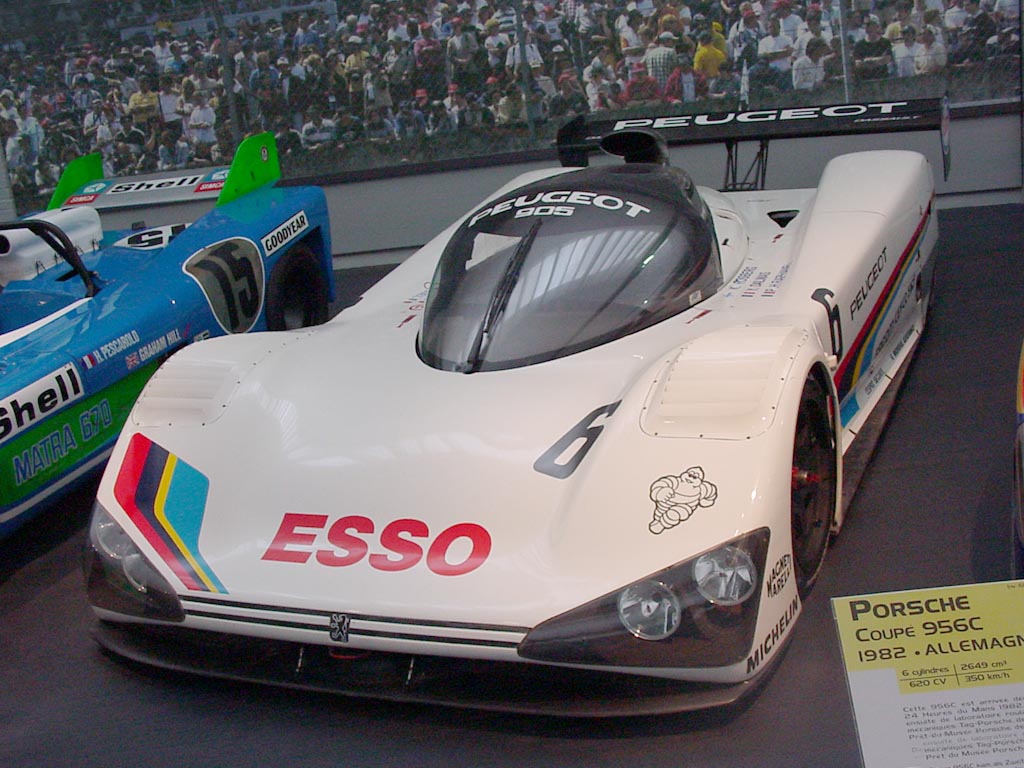
5. Peugeot 905
In 1991 the rules changed. Fuel limits were dropped, and Group C cars had to use 3.5-litre engines without turbochargers, the same as Formula One. The idea was to bring in new manufacturers. It brought in Peugeot and drove out nearly everyone else.
The 905 had a V10 revving to 12,000 rpm and a carbon chassis. The first version was slow. A rebuilt car with new bodywork, introduced in the middle of 1991, was a different matter. In 1992 it won five of the six championship races, Le Mans among them, with Derek Warwick, Yannick Dalmas and Mark Blundell driving in the 24 Hours, and Peugeot took the world title. Toyota was the only real opposition.
The championship was abandoned at the end of that year for lack of entries. Le Mans carried on, and in 1993 the 905s finished first, second and third. Peugeot then closed the programme and went to Formula One as an engine supplier. The 905 was as quick as a Grand Prix car on some circuits. It ranks fifth because by the time it was winning, there was hardly anybody left to beat.
Verdict Two Le Mans wins and the last proper world title.
At Le Mans in 1993, its last race, 905s finished first, second and third.
- Years
- 1987–89
- Engine
- 5.0 twin-turbo V8
- Power
- About 720 hp
Race car · Switzerland / Germany
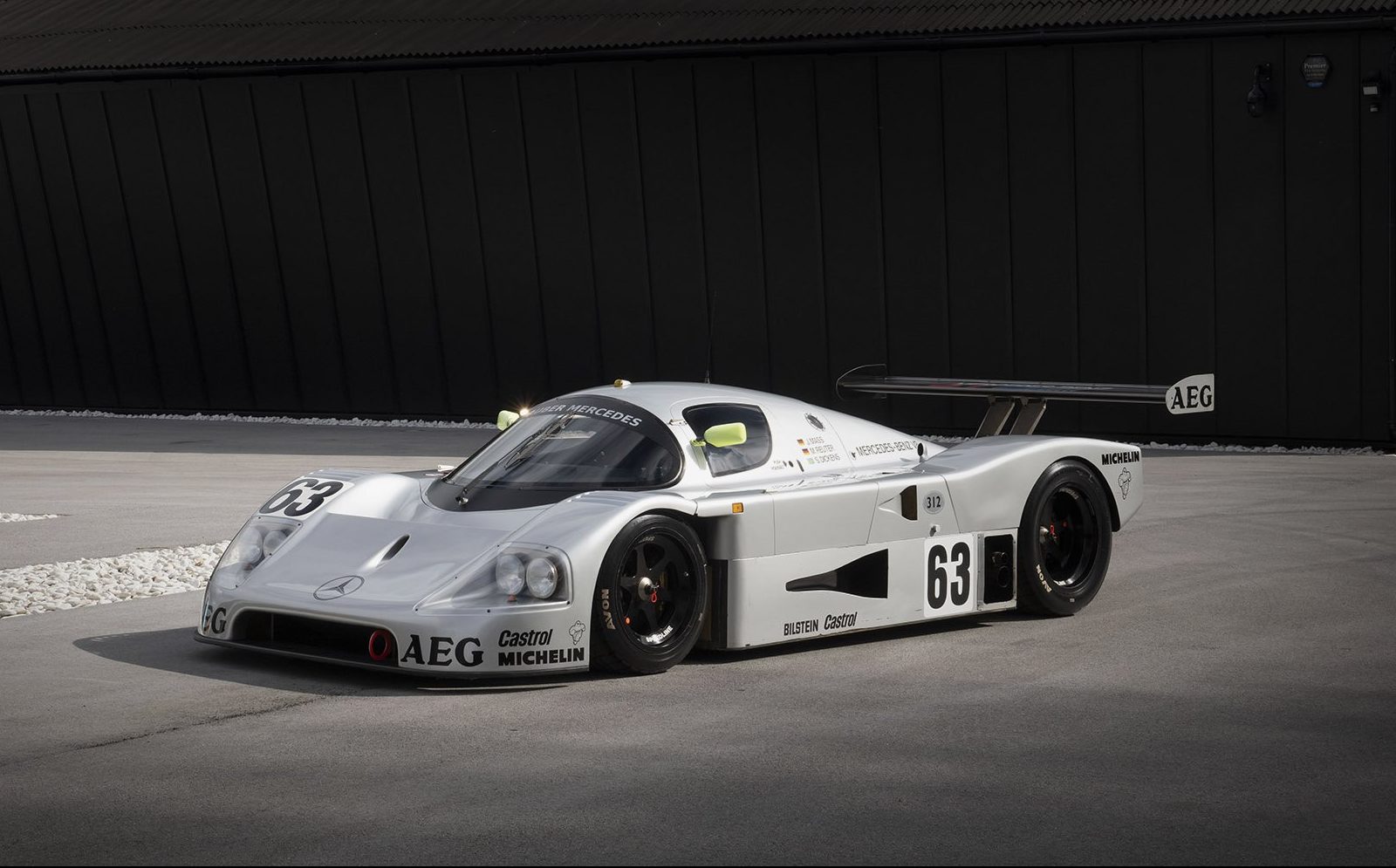
4. Sauber-Mercedes C9
Peter Sauber built racing cars in a small workshop near Zurich. From 1985 he used a turbocharged Mercedes V8, supplied quietly at first, because the company had not raced since 1955 and was wary of doing so. The C9 appeared in 1987 and won five races in 1988, in dark colours and under Sauber's name.
For 1989 Mercedes stopped pretending. The cars were painted silver, the engine had new four-valve heads and about 720 horsepower, and the team was run with the factory's full weight behind it. The C9 won seven of the eight rounds of the world championship. Le Mans was not part of the series that year, and it won that too, with Jochen Mass, Manuel Reuter and Stanley Dickens, ahead of the sister car. In qualifying it had been timed at 248 mph on the Mulsanne straight.
Jean-Louis Schlesser was champion. The C9 was also strong on fuel, which in Group C mattered as much as speed: it could run at a pace the Jaguars could match only by using more than their allowance. It ranks below the Jaguar because its dominance lasted one season, and above everything that came after because the opposition in 1989 was the strongest the class ever had.
Verdict Seven wins from eight, and Le Mans, in silver.
In qualifying for Le Mans in 1989 it was timed at 248 mph on the Mulsanne straight.
- Years
- 1988
- Engine
- 7.0 V12
- Power
- About 750 hp
Race car · UK
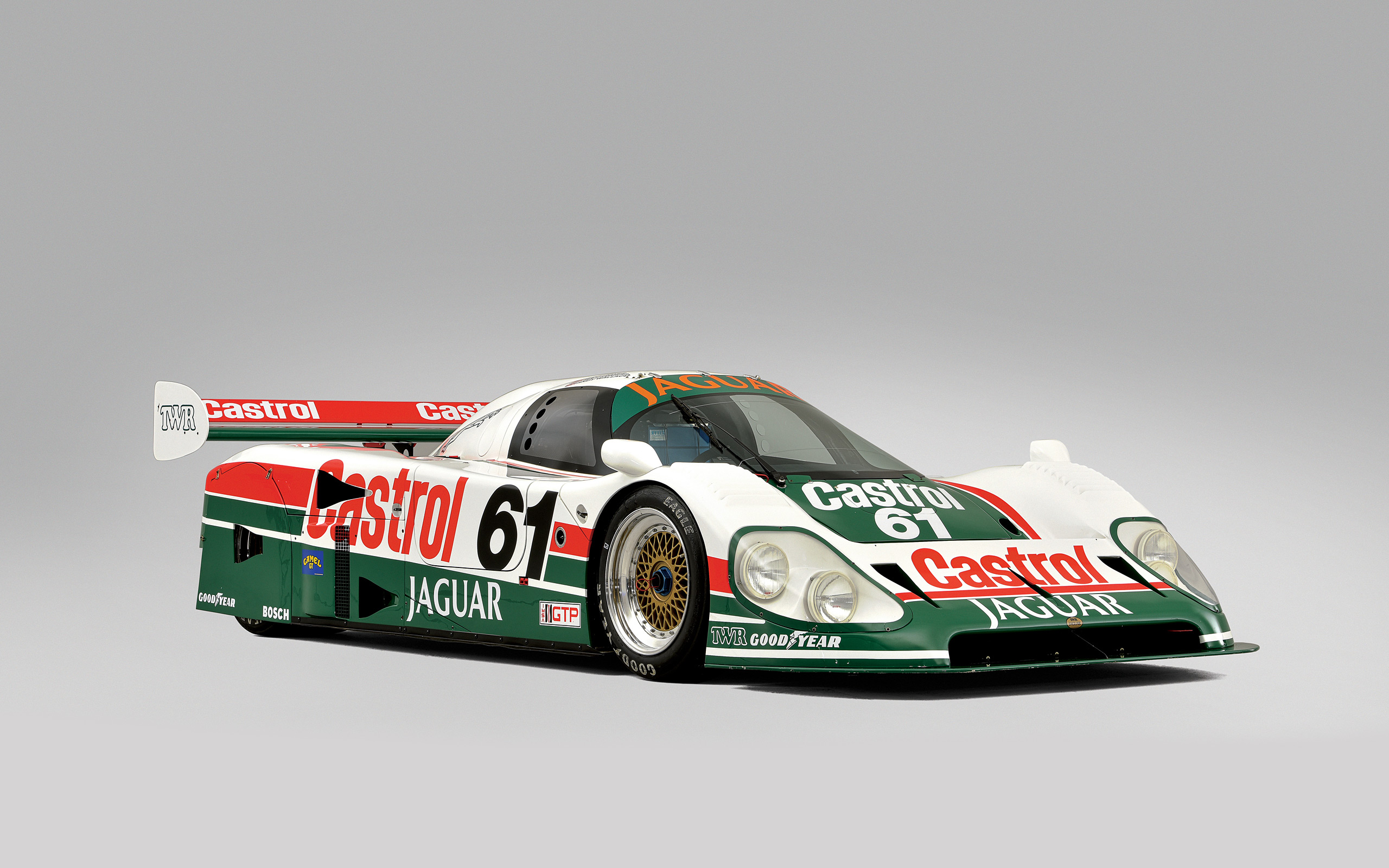
3. Jaguar XJR-9
Jaguar's Group C cars were built in Oxfordshire by Tom Walkinshaw's team, and they took a different road from Porsche. Where the 956 had a small turbocharged engine, the Jaguars used the big V12 from the road cars, without turbochargers, enlarged to seven litres. It was heavy and sat high, and it used its fuel well. The chassis was carbon fibre from the start, before Porsche's.
The XJR-8 won the world championship in 1987 but failed at Le Mans. For 1988 the XJR-9 won both. Five cars started the 24 Hours, and the one driven by Jan Lammers, Johnny Dumfries and Andy Wallace beat the best works Porsche by two and a half minutes, with its gearbox failing. It was Porsche's first defeat there since 1980. Another XJR-9 had won the Daytona 24 Hours in January.
The XJR-12 was the same design developed for the two 24-hour races. In 1990 it won Daytona again, and then Le Mans, with John Nielsen, Price Cobb and Martin Brundle, in a Jaguar one-two. That makes two Le Mans wins, two at Daytona and two world titles for the V12 cars, which is the best record in the class after Porsche's.
Verdict The V12 that broke Porsche's run, and then won Le Mans again.
Its Le Mans win in 1988 was Jaguar's first since the D-type's in 1957.
- Years
- 1991
- Engine
- 2.6 four-rotor Wankel
- Power
- About 700 hp
- Built
- 3
Race car · Japan
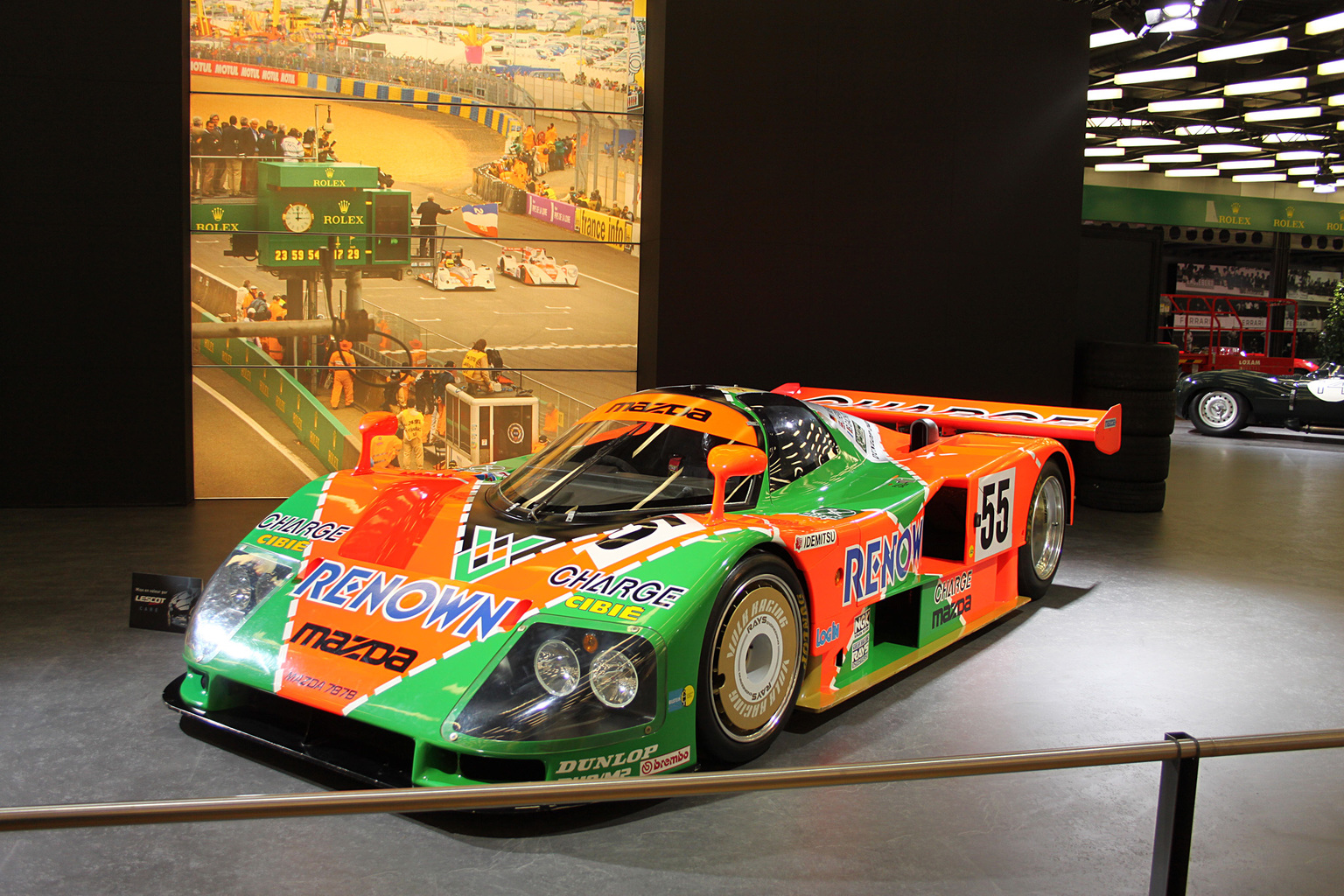
2. Mazda 787B
Mazda spent the whole of the Group C period in the lower half of the results. Its rotary-engined cars were reliable, light on parts and not fast enough, and the team's aim most years was to finish. That makes what happened in 1991 the best single result the class produced.
The 787B had a four-rotor engine of 2.6 litres giving about 700 horsepower, a carbon-fibre chassis and carbon brakes. For 1991 the organisers imposed weight penalties on the turbocharged cars to favour the new 3.5-litre formula. Mazda argued successfully that its rotary should not carry the same penalty, and ran at 830 kg, 170 kg lighter than the Jaguars and Mercedes.
The team's manager told his drivers to treat the 24 hours as a sprint. The car ran without a fault. The leading Mercedes overheated with three hours to go, and Volker Weidler, Johnny Herbert and Bertrand Gachot won by two laps.
One win does not make it the second most successful Group C car. It is second because it is the car people remember, because of the noise, and because nothing with that kind of engine had won before or has since. On results alone it would be sixth or seventh.
Verdict One win, at Le Mans, with an engine nobody else believed in.
It is the only car without a piston engine to have won Le Mans.
The best of the 20 · Race car · Germany
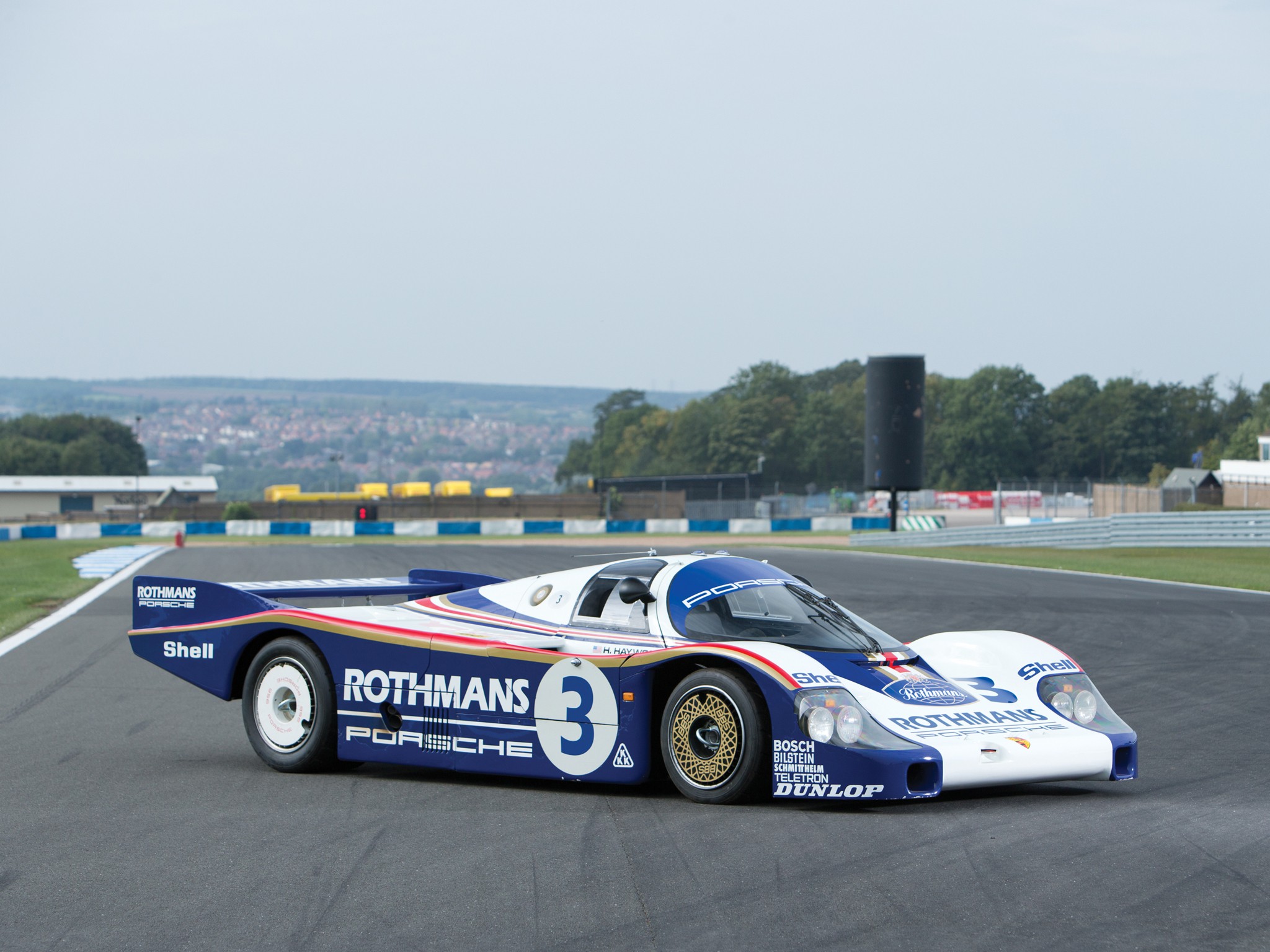
1. Porsche 956 and 962
- Years
- 1982–94
- Engine
- 2.65 to 3.2 twin-turbo flat-six
- Power
- 620 to 750 hp
- Built
- ~ 120
Group C was a fuel formula. Each car was allowed a fixed quantity for the race, and how the engineers turned it into speed was up to them. Porsche understood this before anyone else. The 956 of 1982 used a turbocharged 2.65-litre flat-six that had already won Le Mans in the 936, with electronic engine management that let the drivers trade power for economy from the cockpit. Norbert Singer put it in Porsche's first aluminium monocoque, with tunnels under the floor that made it the company's first ground-effect car.
It won Le Mans on its first visit, finishing first, second and third in the order of the numbers on the doors. For the next five years the type was not beaten there. The 962, with a longer wheelbase, took over from 1985.
The figures for the class as a whole tell the story. Of the world championship races held under Group C between 1982 and 1986, 956s and 962s won the great majority, and Porsche drivers took every drivers' title in those years. Customer cars were sold from 1983 and were as fast as the factory's. When Jaguar and Mercedes finally beat it, they did so against a design six years old. Private teams were still winning with developed 962s in 1989.
There is no argument about first place on this list. The interesting question is second.
Verdict Group C's first winner, and its standard for six years.
At Le Mans in 1983, Porsches of this type filled nine of the first ten places.
What we left off, and why
The Jaguar XJR-6 and XJR-8 are covered under the XJR-9, which was the same design developed, and the Nissan R89C under the cars that followed it. The Porsche 962s rebuilt by Kremer, Joest, Brun and others, some with their own carbon chassis, are counted with the 962.
The French Courage and Cougar cars raced at Le Mans throughout the period and were third there in 1987. Dome and Tom's built Toyota's earlier cars in Japan. The Aston Martin Nimrod was seventh at Le Mans in 1982. All were considered.
The American IMSA GTP cars, such as the Nissan GTP ZX-Turbo, the Toyota Eagle and the Jaguar XJR-10, were the equal of the Group C cars and raced to different rules, so they belong on a list of their own.
Tell us what we got wrongQuestions about this list
What was Group C?
A class of sports prototype racing that ran from 1982 to 1993. Engines were free, but each car had a fixed fuel allowance for the race, so efficiency mattered as much as power. It was the top class at Le Mans and in the world sports car championship.
Which Group C car won the most?
The Porsche 956 and its successor the 962. Between them they won Le Mans six years running from 1982 to 1987 and most of the world championship races in that time, in the hands of both the factory and private teams.
Why did Group C end?
In 1991 the fuel formula was replaced by a rule requiring 3.5-litre engines like those in Formula One. The new cars were very expensive, most manufacturers left, and the world championship was cancelled after 1992 for lack of entries. Le Mans admitted the cars for one more year.
How fast were Group C cars?
The fastest reached about 250 mph on the Mulsanne straight at Le Mans before chicanes were added in 1990. The WM P88 was timed at 405 km/h, 252 mph, in 1988, and the Sauber-Mercedes C9 at 248 mph in 1989.
Why is the Mazda 787B ranked second?
It won only one major race, Le Mans in 1991, but it is the only car with a rotary engine to have done so, and it is the Group C car most people remember. We have kept it in the same place relative to the other cars as on our list of the best endurance racing cars.
We started from the winners of Le Mans and of the world championship in the Group C years, added the cars that took pole positions and class titles, and cut the list to twenty.
Results count first, weighted by the strength of the opposition, which was greatest from 1986 to 1990. Engineering counts second: what the car tried, and whether it worked.
The order of the four cars that also appear on our list of the best endurance racing cars is the same on both lists. That places the Mazda 787B second, above cars that won more, and its entry explains the reasoning.