
Thirty people who designed racing cars or racing engines, ranked. Drivers get the trophies and team owners get their names over the door. These are the people who decided what the car would be.
What counts
Anyone who designed a racing car, a racing engine, or the shape of one. Chassis designers, engine designers and aerodynamicists are ranked together, which is not entirely fair to any of them, and we say below where it tilts.
Team owners and managers are not here unless they also did the engineering. Colin Chapman, John Cooper and Jim Hall ran their teams and designed their cars. Enzo Ferrari, Frank Williams, Ron Dennis and Roger Penske did not, and they belong in a different ranking.
How we ranked them
On three things: what their cars won, how many of their ideas were new, and how often those ideas were copied. A designer who won a great deal with conventional cars scores on the first. One whose idea is now on every car scores on the third even if his own cars seldom finished.
Where the three disagree we have leaned towards ideas and copying, because wins also depend on drivers, budgets and tyres.
The calls we expect to be argued with
Chapman over Newey. Adrian Newey has won far more. Colin Chapman changed more. Each man's entry makes the case, and we expect the comments to be evenly split.
The order differs from our list of the most important people in motoring. There Chapman, Jano and Duckworth are ahead of Murray and Newey, because that list measures the effect on motoring as a whole. This one measures racing, and Newey and Murray move up to second and third.
Engine designers. Eight of the thirty are here mainly for engines. Ranking Keith Duckworth sixth, behind five men who designed whole cars, is a judgement about how much of a result an engine accounts for. A list of engines alone would put him first.
Ernest Henry at eight. He is the least-known name in the top ten, and the credit for his 1912 engine is disputed. The engine itself is the pattern for almost everything since.
Ross Brawn at 17. He was a technical director more than a designer. We have him one place below Rory Byrne, who drew the cars Brawn's teams won with.
The modern era is thin. A current Formula 1 car is the work of several hundred people, and it is hard to say whose it is. Only Newey, Byrne and Brawn are here for Formula 1 cars of this century.
No rally engineers. The cars of Lancia, Audi and Peugeot deserve a ranking, but their designers worked inside large companies and the credit is hard to assign from the outside. We left them out and say so.
How to read this list
The top ten get the longest entries, the next ten a shorter one, and the last ten a paragraph. Each ends with a one-line verdict. Who is lower or higher than you might expect, and who is missing, is set out at the end.
See the full ranking, 1 to 30
| Rank | The Greatest Racing Engineers and Designers | Years |
|---|---|---|
| 1 | Colin Chapman | 1928–1982 |
| 2 | Adrian Newey | Born 1958 |
| 3 | Gordon Murray | Born 1946 |
| 4 | Mauro Forghieri | 1935–2022 |
| 5 | Vittorio Jano | 1891–1965 |
| 6 | Keith Duckworth | 1933–2005 |
| 7 | John Barnard | Born 1946 |
| 8 | Ernest Henry | 1885–1950 |
| 9 | Rudolf Uhlenhaut | 1906–1989 |
| 10 | Harry Miller | 1875–1943 |
| 11 | Ferdinand Porsche | 1875–1951 |
| 12 | John Cooper | 1923–2000 |
| 13 | Jim Hall | Born 1935 |
| 14 | Hans Mezger | 1929–2020 |
| 15 | Patrick Head | Born 1946 |
| 16 | Rory Byrne | Born 1944 |
| 17 | Ross Brawn | Born 1954 |
| 18 | Gioacchino Colombo | 1903–1988 |
| 19 | Norbert Singer | Born 1939 |
| 20 | Ron Tauranac | 1925–2020 |
| 21 | Aurelio Lampredi | 1917–1989 |
| 22 | Eric Broadley | 1928–2017 |
| 23 | Walter Hassan | 1905–1996 |
| 24 | Gian Paolo Dallara | Born 1936 |
| 25 | Tony Southgate | Born 1940 |
| 26 | Malcolm Sayer | 1916–1970 |
| 27 | Harvey Postlethwaite | 1944–1999 |
| 28 | Paul Rosche | 1934–2016 |
| 29 | Derek Gardner | 1931–2011 |
| 30 | A. J. Watson | 1924–2014 |
30 to 21
30. A. J. Watson
1924–2014
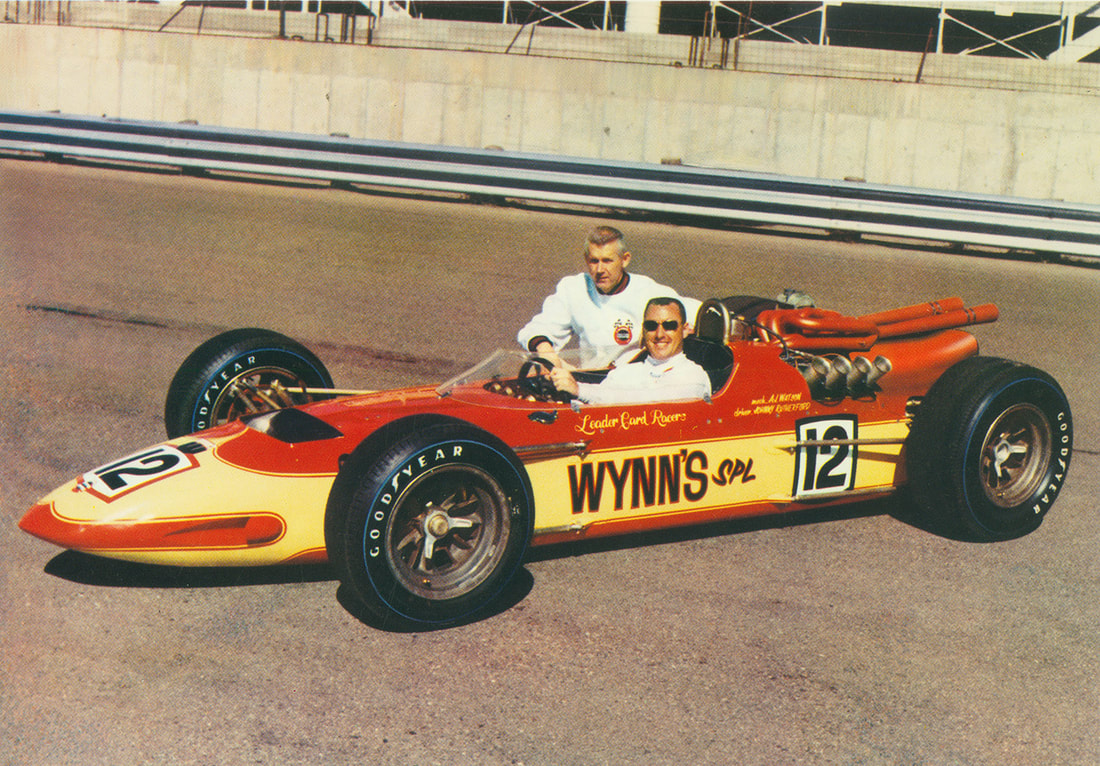
A. J. Watson built Indianapolis roadsters in a small shop in California, with the engine set low and to the left for a track that only turns one way. His cars won the 500 six times between 1956 and 1964, the last of them the final win for a front-engined car. He sold copies to anyone who asked, so by 1960 most of the field was his.
Verdict Six Indianapolis wins, and most of the cars he was racing against.
29. Derek Gardner
1931–2011
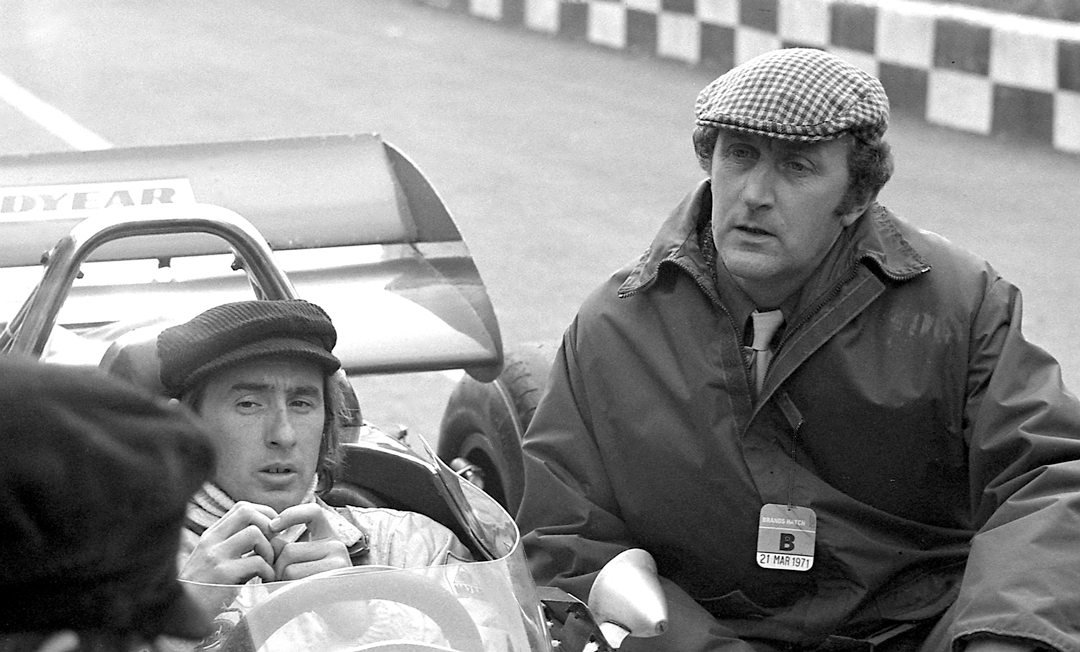
Derek Gardner was a transmission specialist who had never designed a racing car when Ken Tyrrell asked him for one in 1970. He drew it at home in secret. Jackie Stewart won the 1971 and 1973 titles in its successors. In 1976 Gardner produced the P34, with four small front wheels, and it finished first and second in Sweden.
Verdict His first racing car led to two world titles. His strangest had six wheels and won.
28. Paul Rosche
1934–2016
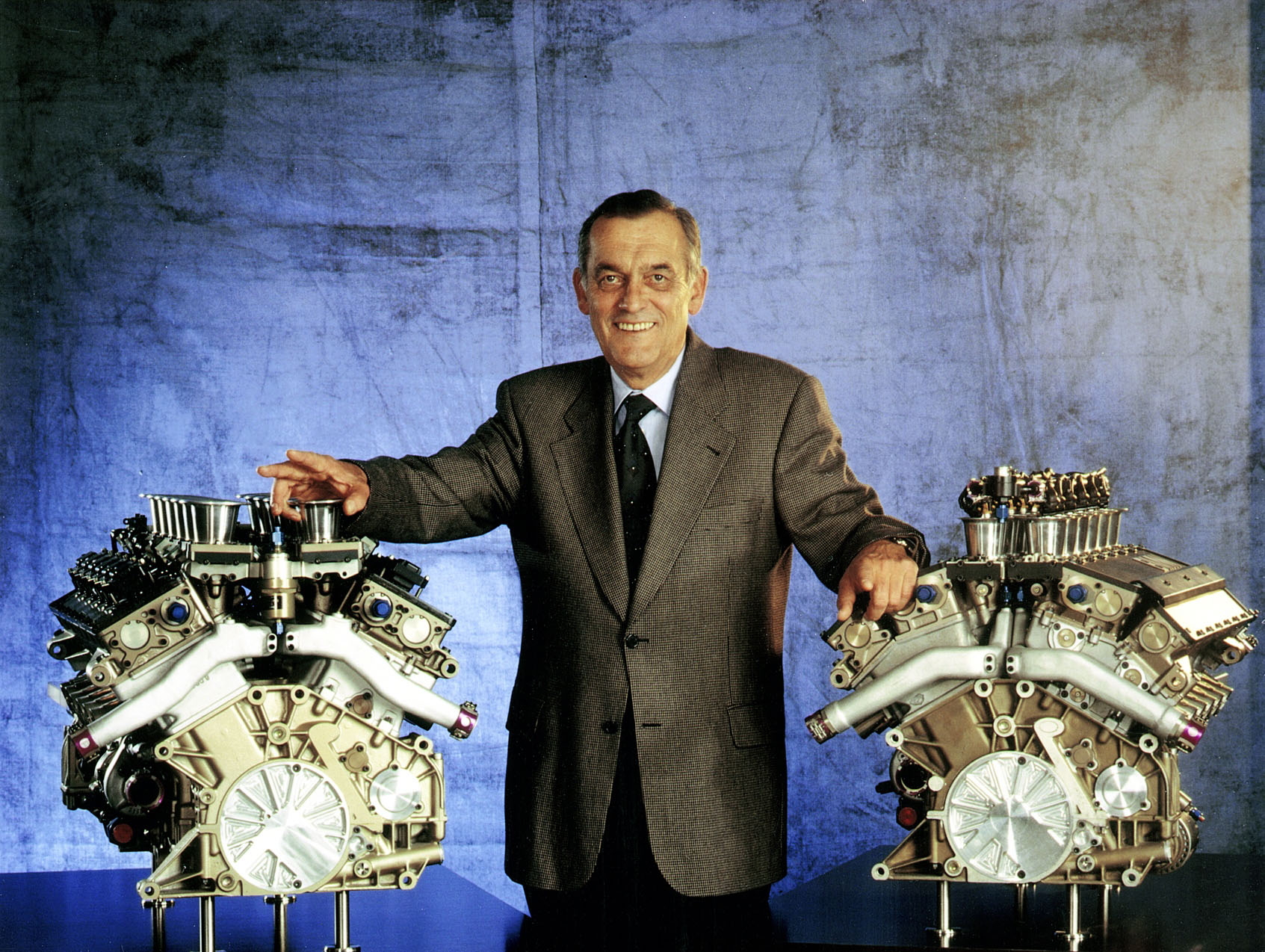
Paul Rosche built BMW's racing engines for forty years. His turbocharged 1.5-litre four, based on a production block, powered Nelson Piquet's Brabham to the 1983 title, the first for a turbo engine, and was said to give well over 1,000 horsepower in qualifying. He also designed the V12 for the McLaren F1, which won Le Mans in 1995.
Verdict A road-car block that won the world championship, and the V12 behind the McLaren F1.
27. Harvey Postlethwaite
1944–1999
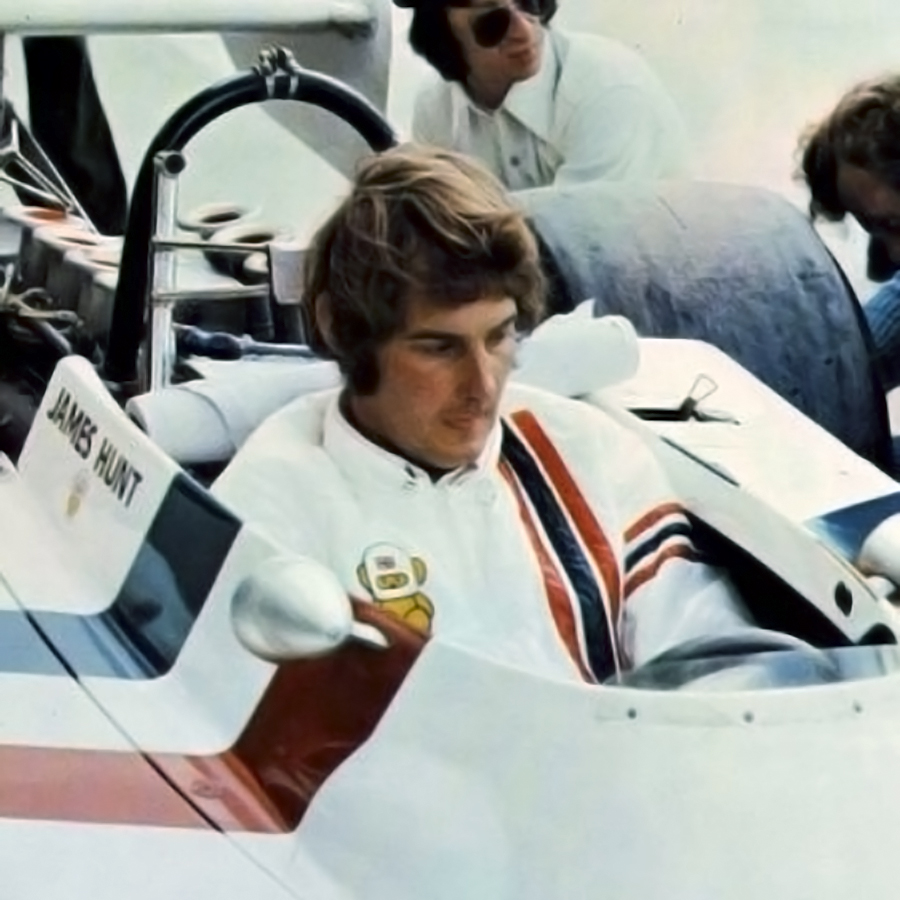
Harvey Postlethwaite designed the Hesketh in which James Hunt won in 1975 and the Wolf that won its first race in 1977. At Ferrari his 126C2 brought the team a modern chassis and the 1982 constructors' title. Then at Tyrrell, in 1990, he raised the nose of the 019 to feed air under the car. Every Formula 1 car since has had one.
Verdict The raised nose was his, and so was the car that made James Hunt a winner.
26. Malcolm Sayer
1916–1970
Malcolm Sayer came to Jaguar from the Bristol Aeroplane Company and shaped its racing cars by calculation, working out the curves in figures before anyone cut metal. The C-type won Le Mans in 1951 and 1953. The D-type, with a monocoque centre section and a fin behind the driver, won it three years running from 1955. The E-type is the same thinking with number plates.
Verdict An aerodynamicist among stylists, with five Le Mans wins to settle the matter.
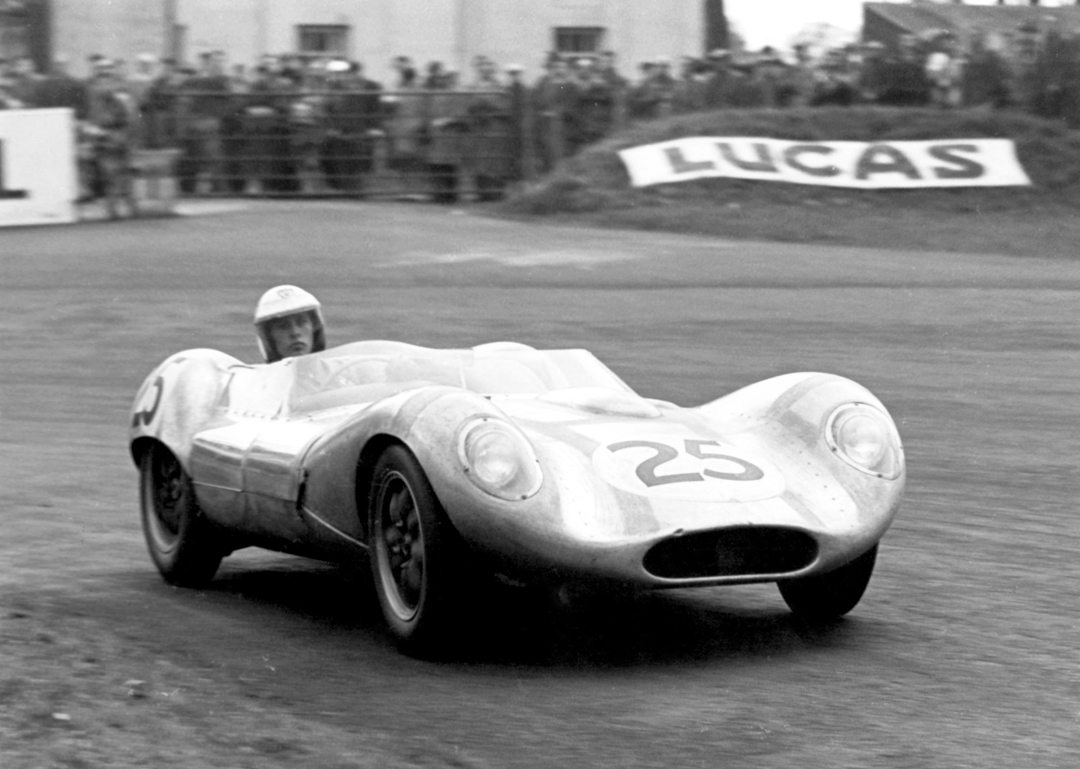
25. Tony Southgate
Born 1940
Tony Southgate's cars won in more places than almost anyone's. He drew the Eagle that won Indianapolis in 1968, the BRMs that won at Monaco and Monza, the first Shadows and Arrows, and then the Jaguar XJR-9 and XJR-12 that won Le Mans in 1988 and 1990. He was still advising Audi on its Le Mans cars at the end of the 1990s.
Verdict Indianapolis, Monaco and Le Mans, each won by a car he designed.
24. Gian Paolo Dallara
Born 1936
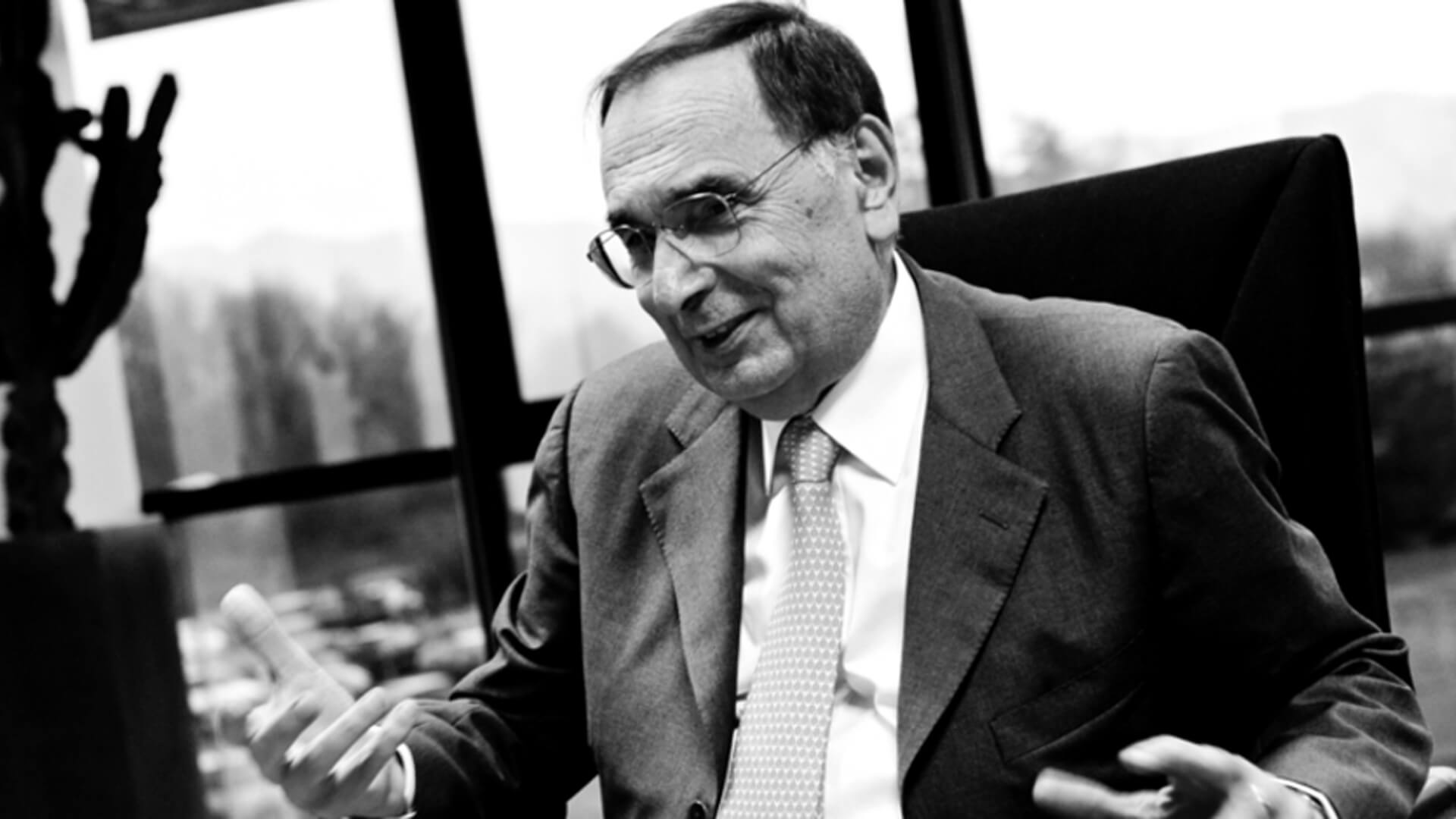
Gian Paolo Dallara worked at Ferrari and Maserati, laid out the chassis of the Lamborghini Miura, and set up on his own in 1972. His company came to dominate Formula 3 and then became the single supplier to IndyCar, Formula 2 and several others. On any given weekend, more racing drivers are sitting in a Dallara than in anything else.
Verdict He lost the argument for a Lamborghini racing team and ended up building everyone's cars.
23. Walter Hassan
1905–1996
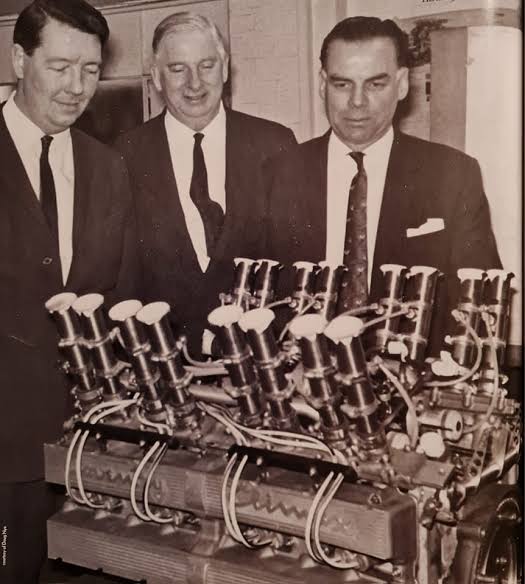
Walter Hassan started as a boy at Bentley, helped design Jaguar's XK engine during wartime fire-watching shifts, and then went to Coventry Climax. There a fire-pump engine became the four-cylinder that won Cooper its titles in 1959 and 1960, and his V8 won Jim Clark's in 1963 and 1965. He returned to Jaguar to finish its V12.
Verdict The XK six and the Climax engines: Le Mans and four world titles between them.
22. Eric Broadley
1928–2017
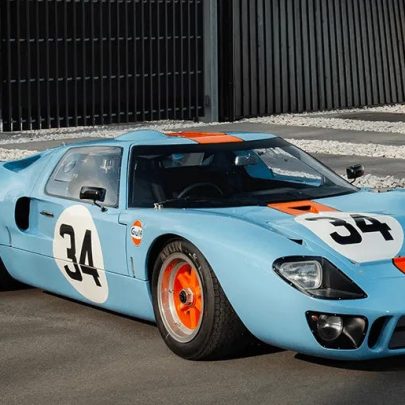
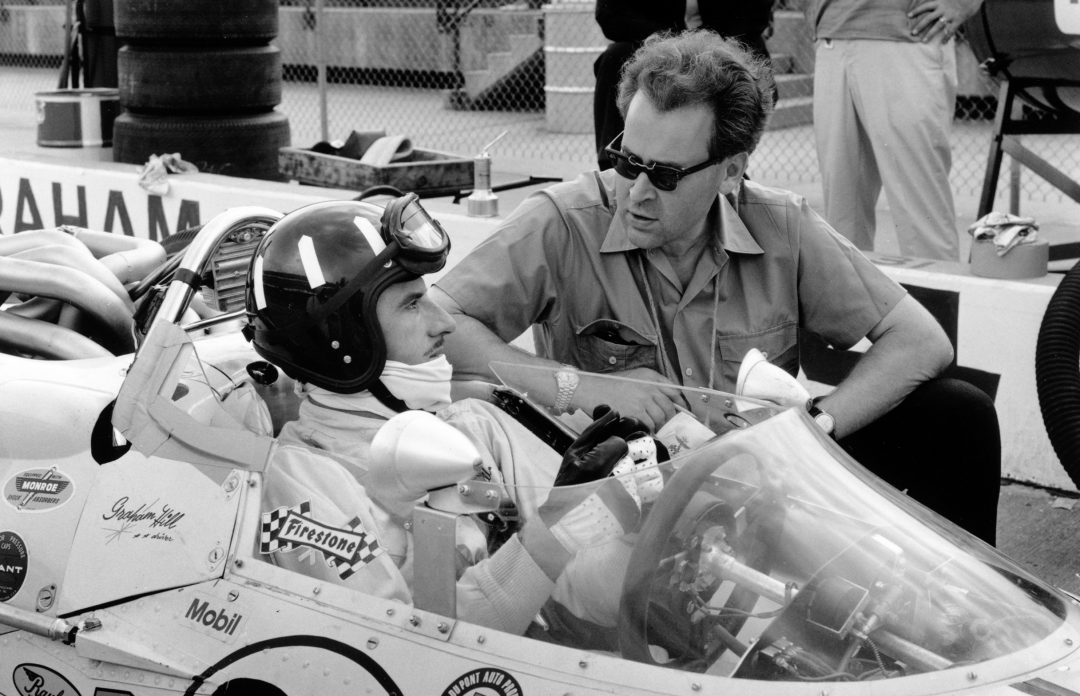
Eric Broadley's Lola built more racing cars for more categories than anyone before Dallara. His Mk6 coupé of 1963 was the starting point for the Ford GT40, and he spent a year on that project before going back to his own. Lolas won the Indianapolis 500 three times, the first Can-Am title, and championships in Formula 5000, sports cars and Indycars.
Verdict He built the car that became the GT40, then a customer racing car for every class.
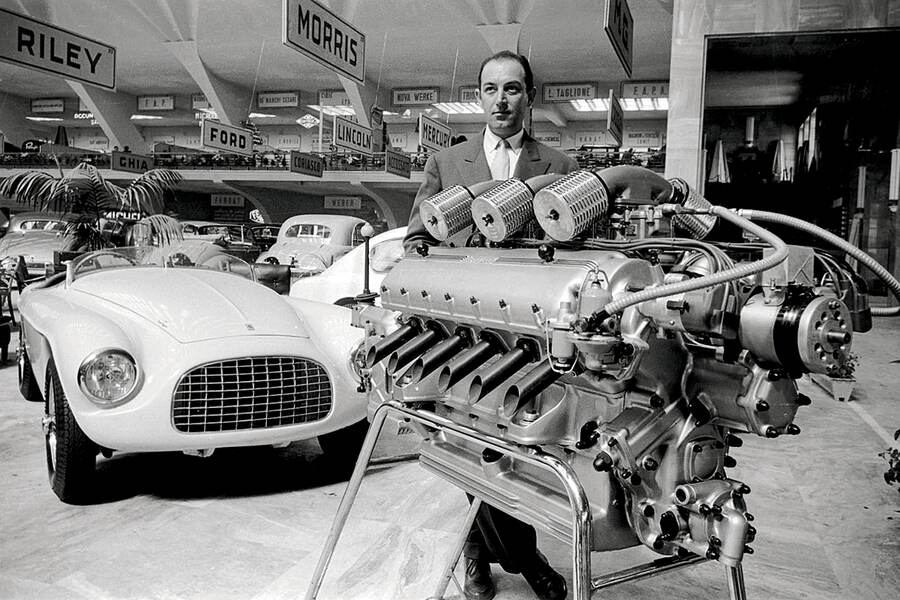
21. Aurelio Lampredi
1917–1989
Aurelio Lampredi gave Ferrari its first championship Grand Prix win, at Silverstone in 1951, with a big unsupercharged V12 that beat the thirsty Alfas. His four-cylinder 500 then won Alberto Ascari the 1952 and 1953 titles almost without defeat. He left for Fiat in 1955, where his twin-cam four later won world rally championships.
Verdict Ferrari's first Grand Prix win and its first two titles were his engines.
20 to 11
20. Ron Tauranac
1925–2020
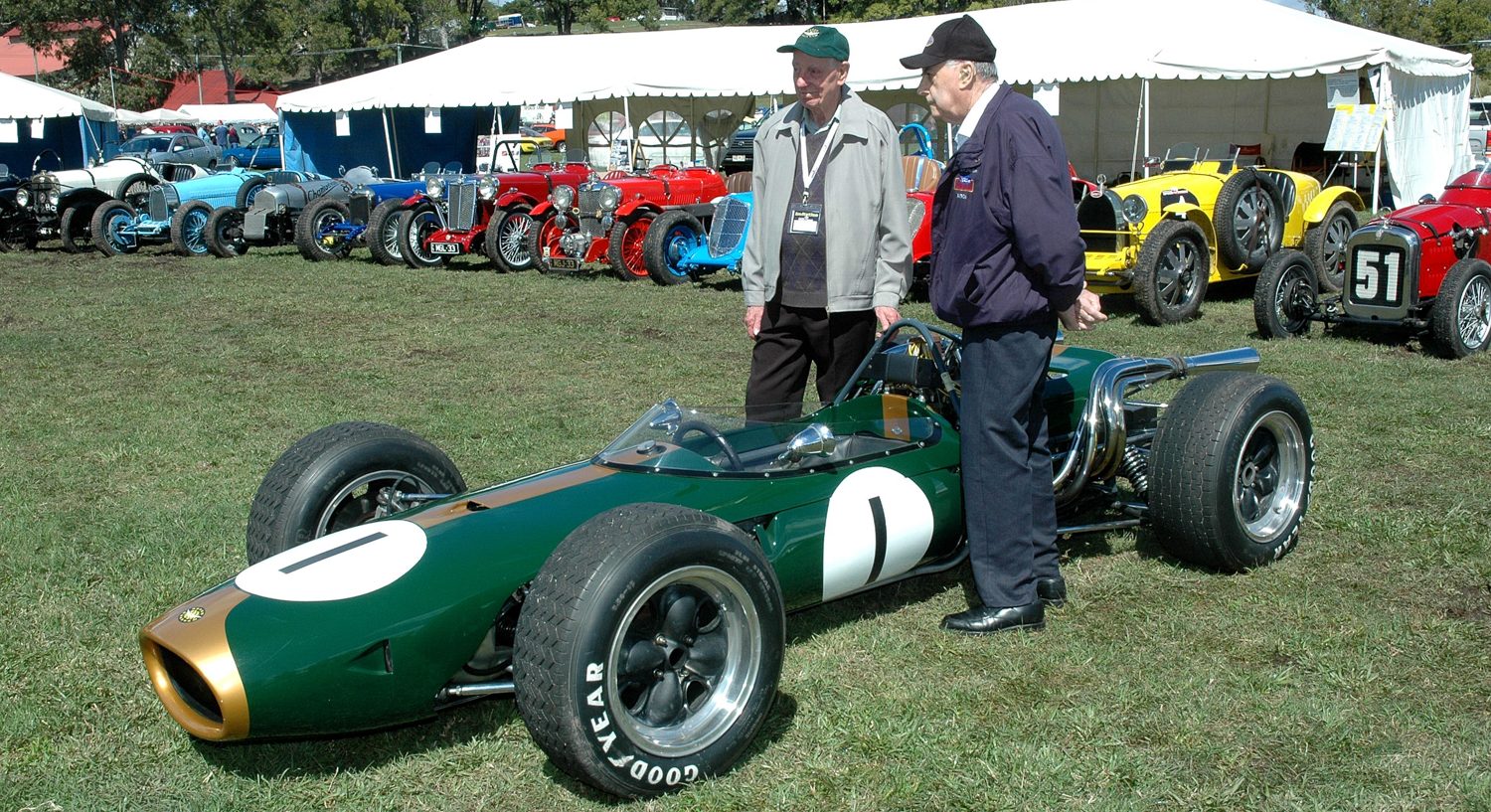
Ron Tauranac designed every Brabham from the first until 1971. He was Jack Brabham's partner, and the BT in the type numbers is the two of them. His cars were simple, strong and easy to set up, with tube frames long after others had gone to monocoques. Brabham won the 1966 title in one, Denny Hulme the 1967, and the firm became the largest maker of customer single-seaters in the world. He sold it to Bernie Ecclestone and started again as Ralt, whose Formula 3 cars were the ones to have for a decade. Senna, Piquet and Häkkinen all won in them.
Verdict Two world titles with Brabham, then the cars a generation of champions learned in.
Did you know: The BT in every Brabham's type number stands for Brabham and Tauranac.
19. Norbert Singer
Born 1939
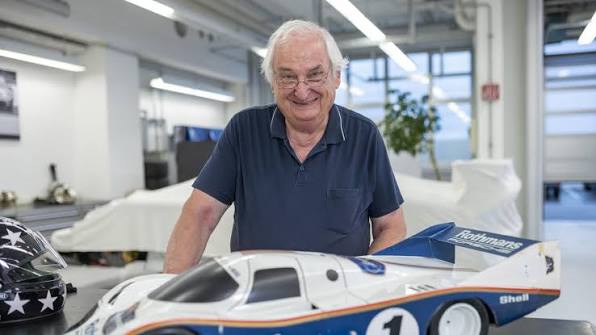
Norbert Singer joined Porsche in 1970 to stop the 917's gearbox overheating and was involved in all sixteen of the company's Le Mans wins up to 1998. He made the 935, a 911 in outline only, into a car that won the makes' championship four years running, and for 1978 he read the bodywork rules closely enough to build the long-tailed car the factory called Moby Dick. His 956 of 1982 was Porsche's first with an aluminium monocoque and ground effect. It and the 962 that followed won Le Mans six times in a row and became the standard customer car of Group C.
Verdict Sixteen Le Mans wins, and a reputation for reading the rules better than those who wrote them.
Did you know: He joined Porsche in 1970 to cure the 917's overheating gearbox, and stayed for 16 Le Mans wins.
18. Gioacchino Colombo
1903–1988
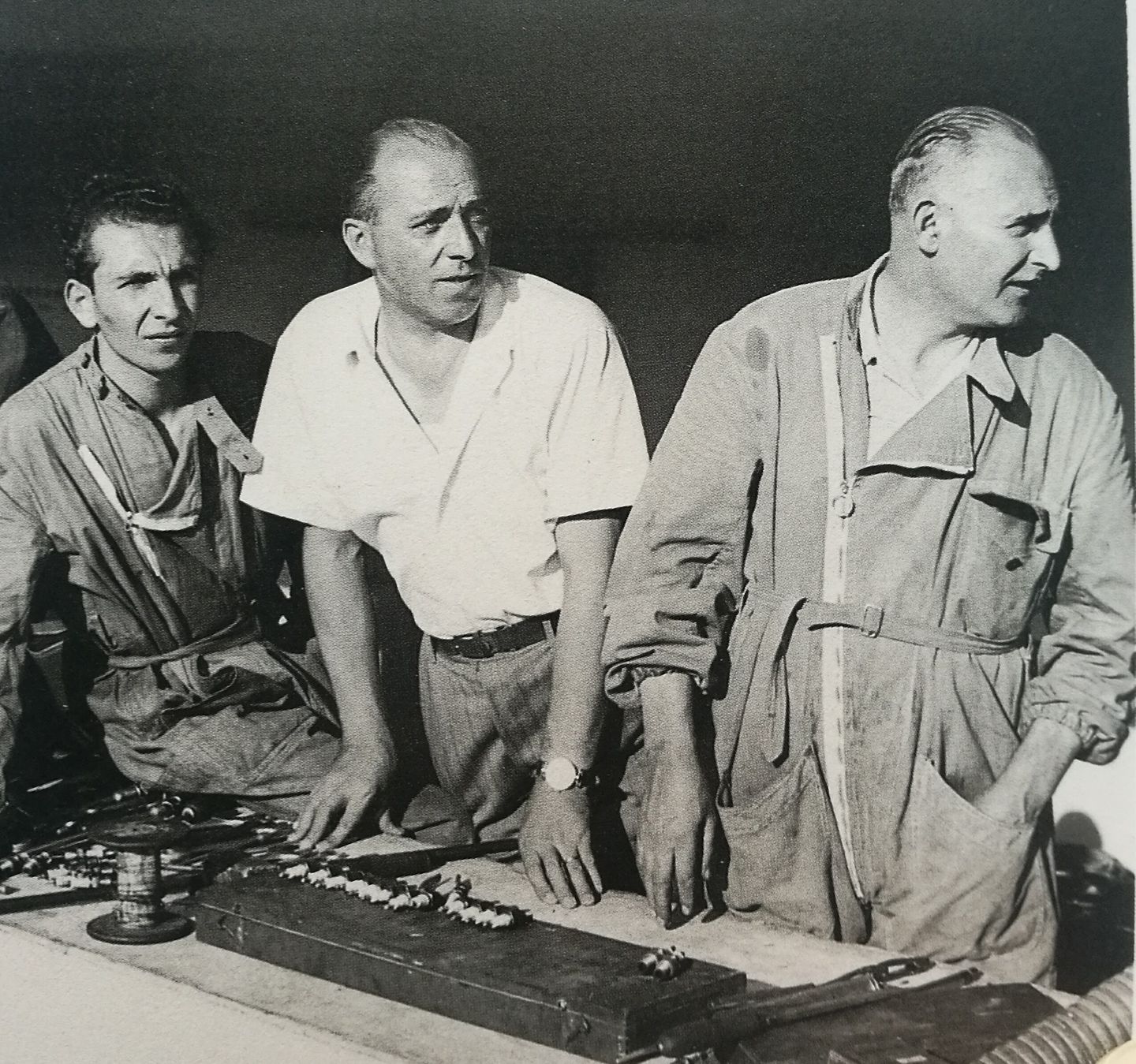
Gioacchino Colombo trained under Jano at Alfa Romeo and in 1937 drew the 158, a supercharged 1.5-litre straight-eight built in Enzo Ferrari's workshop in Modena. It was still winning in 1951, as the 159, having taken the first two world championships. In 1945 Ferrari asked him for an engine of his own, and Colombo designed a small V12. Enlarged again and again, it powered the 250 series, the GTO included, and stayed in production in one form or another into the 1980s. Two engines, then, and each one of the most successful ever raced.
Verdict He drew the Alfetta and the first Ferrari V12. Few engineers have had two engines like that.
Did you know: He is said to have sketched Ferrari's first V12 on wrapping paper at home in August 1945.
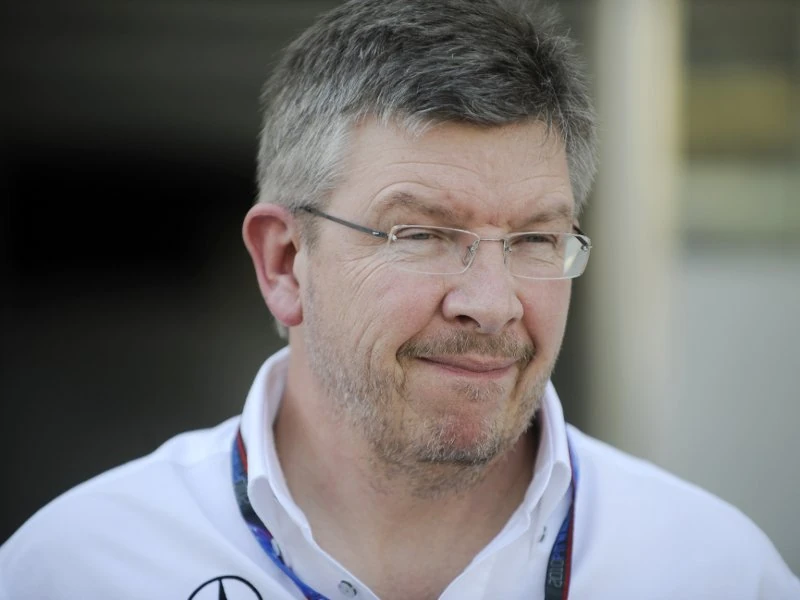
17. Ross Brawn
Born 1954
Where Ross Brawn belongs is a fair argument. He trained as an engineer and designed the Jaguar XJR-14 that won the 1991 sports car championship. At Benetton and Ferrari he was technical director, running the people who drew the cars and making the calls from the pit wall, and those teams won seven drivers' titles with Michael Schumacher. In 2009 he bought the abandoned Honda team for a pound, and its car, with a diffuser that read the rules more cleverly than the rest, won both championships. We rank him below Byrne because Byrne held the pencil. Some would reverse them.
Verdict More conductor than composer, with eight drivers' titles to show for it.
Did you know: He bought the Honda team for one pound in 2009, and it won both championships that year.
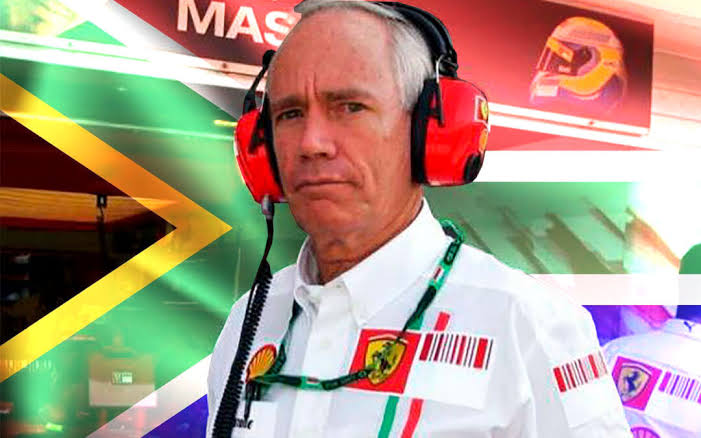
16. Rory Byrne
Born 1944
Rory Byrne is a South African chemist who taught himself racing car design. His Toleman carried Ayrton Senna to second at Monaco in 1984. The team became Benetton, and his cars won Michael Schumacher the 1994 and 1995 titles. He had retired to Thailand when Ross Brawn persuaded him to join Ferrari in 1997. The cars he drew there won six constructors' championships in a row from 1999, and the F2002 and F2004 each won fifteen Grands Prix. He stayed out of sight throughout, which is why he is less well known than the men either side of him here.
Verdict The quiet half of Ferrari's best years, and the one who drew the cars.
Did you know: He had retired to Thailand to open a diving school when Ferrari asked him to come back.
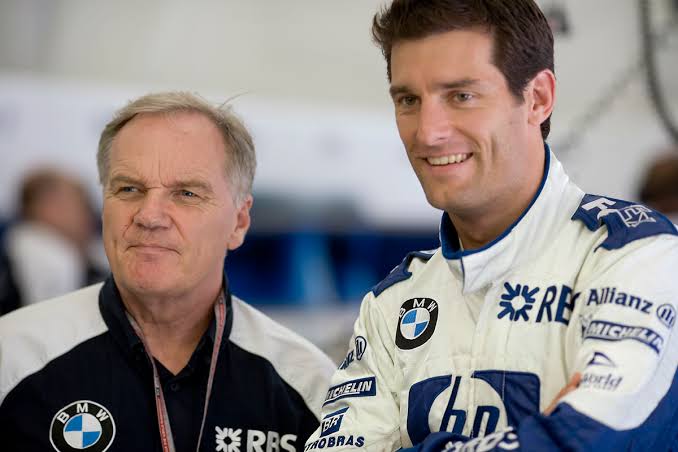
15. Patrick Head
Born 1946
Patrick Head founded Williams Grand Prix Engineering with Frank Williams in 1977 and was its technical director for 27 years. His FW07 of 1979 was the Lotus 79 done properly, stiff enough to use its ground effect, and it won the team's first titles. He oversaw the turbo Hondas, the active-suspension cars and nine constructors' championships between 1980 and 1997. He also ran the best training school in the sport: Adrian Newey, Ross Brawn and Paddy Lowe all worked for him. He is ranked on the cars he designed himself and the department he built.
Verdict Nine constructors' titles as technical director, and half the pit lane trained in his office.
Did you know: Adrian Newey, Ross Brawn and Paddy Lowe all worked under him at Williams.
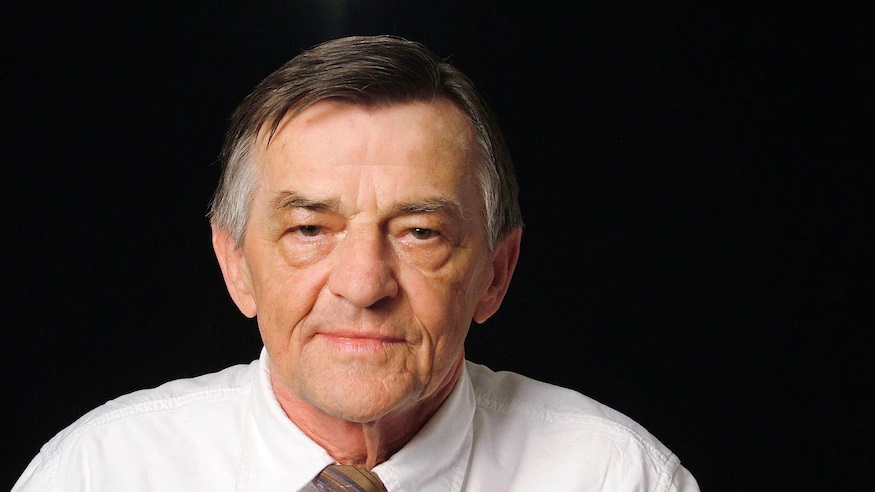
14. Hans Mezger
1929–2020
Hans Mezger designed Porsche's engines for thirty years. The air-cooled flat-six of the first 911 was largely his. So was the flat-twelve of the 917, which won Le Mans in 1970 and 1971 and, with turbochargers, gave about 1,100 horsepower in Can-Am. He led the turbocharged engines of the 935, 936 and 956, and the 1.5-litre V6 that McLaren commissioned under the TAG name, which won three drivers' championships from 1984 to 1986. Porsche owners still use his name for the racing-derived flat-six that the GT3 carried until 2011.
Verdict The 911 engine, the 917 engine and the TAG turbo: one man's drawing board.
Did you know: Porsche's GT3 cars used a descendant of his racing flat-six until 2011, and owners still call it the Mezger engine.
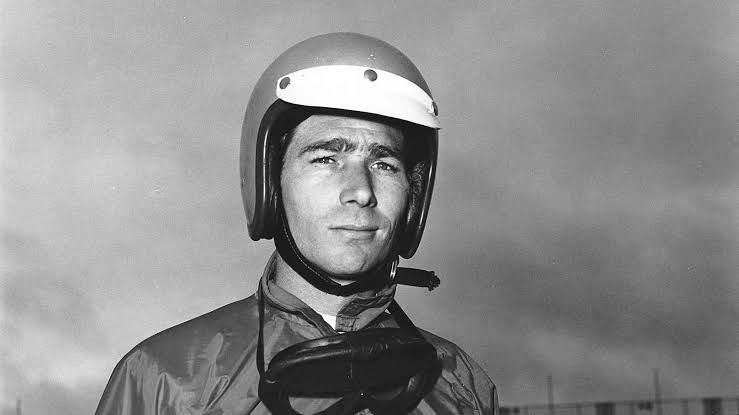
13. Jim Hall
Born 1935
Jim Hall was a Texan oilman's son, a Caltech engineer and a good enough driver to race in Formula 1. His Chaparrals were the most original racing cars of the 1960s. The 2 had a glassfibre monocoque and an automatic gearbox. The 2E of 1966 carried a wing on struts fixed to the rear hubs, which the driver could flatten on the straights, two years before Formula 1 tried it. The 2J of 1970 used two fans to hold itself to the road and was banned at the end of its only season. He is higher than his results suggest, because nearly all his ideas came back.
Verdict Wings, composite chassis and the fan car, all from a workshop in Texas.
Did you know: Much of his development was done quietly with engineers from Chevrolet, at his own test track in Texas.
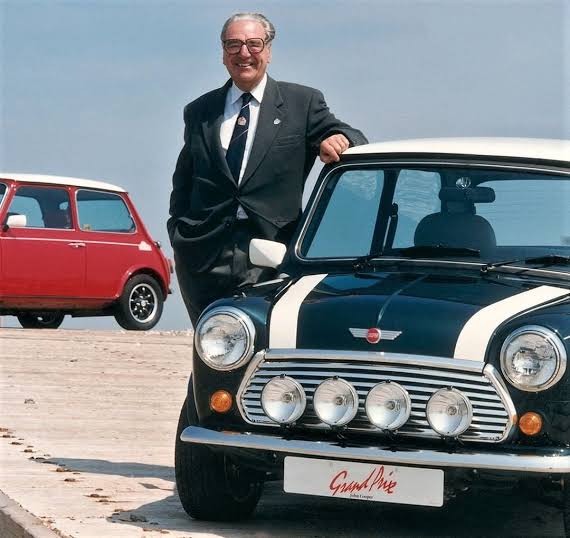
12. John Cooper
1923–2000
John Cooper and his father Charles built 500cc racers after the war with a motorcycle engine behind the driver, because a chain to the back axle was the simplest way to do it. Their draughtsman Owen Maddock kept the layout as the cars grew. In 1958 a Cooper won a world championship Grand Prix, the first for a rear-engined car. Jack Brabham won the title in 1959 and 1960, and took one to Indianapolis in 1961. By then the front-engined Grand Prix car was finished. Enzo Ferrari had said the horse pulls the cart. He changed his mind.
Verdict A garage in Surbiton moved the engine and turned the whole sport round.
Did you know: The engine went behind the driver in the first Coopers because that was the simplest way to use a motorcycle engine and its chain.
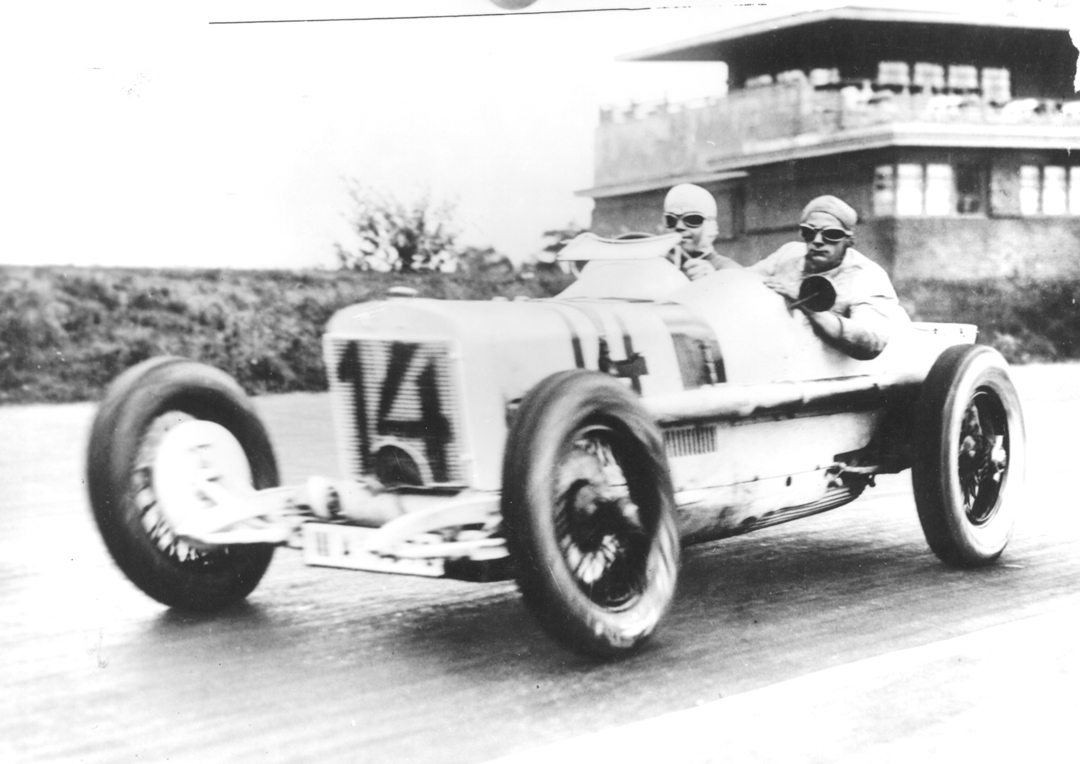
11. Ferdinand Porsche
1875–1951
Ferdinand Porsche is fourth on our list of the most important people in motoring. Here he is ranked on the racing work alone. At Daimler-Benz he developed the supercharged S, SS and SSK. From his own design office came the Auto Union Grand Prix cars of 1934, with a V16 behind the driver, torsion-bar springs and the fuel tank in the middle, paid for in part by Hitler's government. Bernd Rosemeyer won the 1936 European championship in one. The layout was a quarter of a century ahead of its time, and too difficult for most drivers.
Verdict He put the engine behind the driver 25 years before it became the rule.
Did you know: In 1900 he built a car with an electric motor in each wheel hub, and a petrol engine to charge its batteries.
The top 10
- Years
- 1875–1943
Person · USA
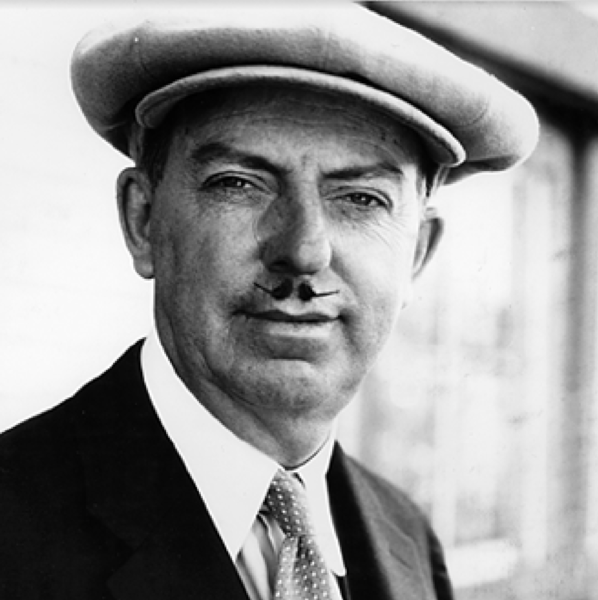
10. Harry Miller
Harry Miller made carburettors in Los Angeles and came to engines after one of the 1913 Peugeots was brought to his shop for repair. With his draughtsman Leo Goossen and his foreman Fred Offenhauser he turned the Peugeot idea into the finest racing machinery of the 1920s.
The Miller straight-eights were small, supercharged, and finished like jewellery. In 1925 he put one in a car with front-wheel drive, which sat the driver lower than anything else at Indianapolis. Miller engines won the 500 about a dozen times between 1922 and 1938. Ettore Bugatti acquired two of the cars and his next engine had a twin-cam head on the Miller pattern.
Miller himself went bankrupt in 1933. Offenhauser bought the patterns and carried on with a four-cylinder engine Goossen had drawn for him, and the Offy won Indianapolis 27 times, the last in 1976. Goossen and Offenhauser are not listed separately. This entry is theirs as well.
Verdict American racing's engine line starts in his workshop, and it ran for fifty years.
Ettore Bugatti traded three of his own cars for two Millers, and his next engine had a Miller-style twin-cam head.
- Years
- 1906–1989
Person · Germany
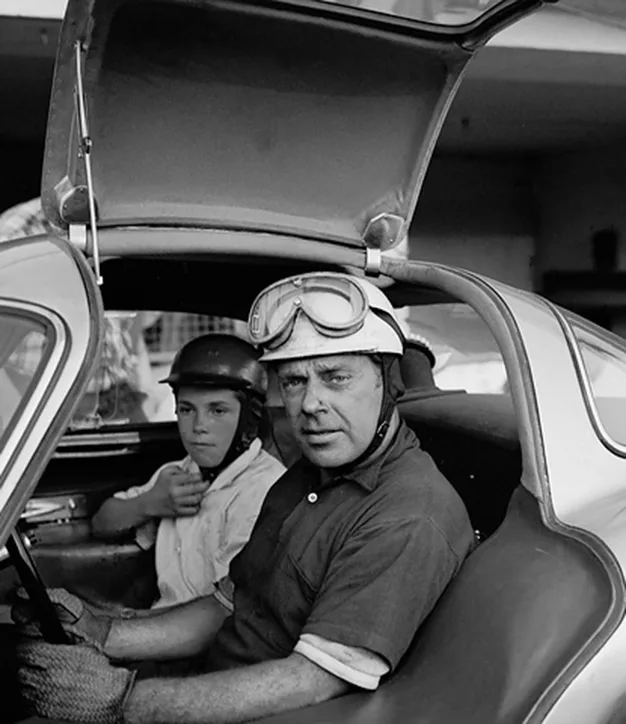
9. Rudolf Uhlenhaut
Rudolf Uhlenhaut was put in charge of the technical side of Mercedes-Benz's racing department in 1936, aged 30, after a bad season. He had never raced. He took the cars to the Nürburgring and drove them himself until he understood what was wrong, and found he could lap as quickly as the team's drivers.
What he learned produced the W125 of 1937, which had softer springs, a stiffer frame and about 646 horsepower, a figure not matched in Grand Prix racing until the 1980s. The three-litre W154 won the European championship in 1938 and 1939. After the war he was responsible for the 300 SL's light tube frame, and then the W196, with fuel injection and valves closed mechanically, in which Fangio won the 1954 and 1955 world titles. The 300 SLR sports car built from it won the Mille Miglia at a speed never beaten.
He is the only engineer on this list who could have driven for his own team, and the company would not let him.
Verdict The engineer who could lap as fast as his drivers, and built them the cars to prove it.
He is said never to have owned a car of his own. The company lent him a 300 SLR coupé.
- Years
- 1885–1950
Person · Switzerland
8. Ernest Henry
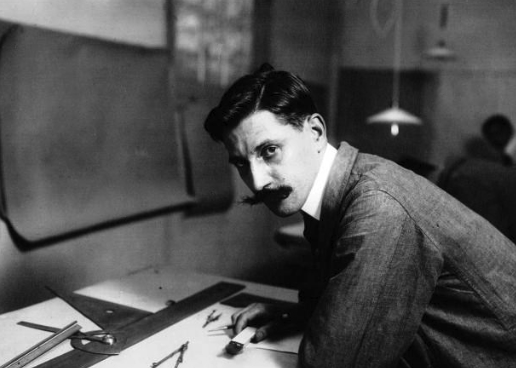
This is the placing most readers will not have expected, because few have heard of him. Ernest Henry was a Swiss draughtsman who, in 1912, drew the engine for a Peugeot Grand Prix car. It had four cylinders, two camshafts in the head and four valves per cylinder, set at an angle around a central plug.
That is the description of nearly every racing engine built since, and of most road engines now. The Peugeot won the French Grand Prix in 1912 and the Indianapolis 500 in 1913. One of the cars was later repaired in Harry Miller's workshop in Los Angeles, which is where the American twin-cam line begins. Sunbeam, Ballot, Fiat, Alfa Romeo and Bentley all followed the layout within a decade.
How much of the idea was Henry's is argued over. The Peugeot drivers Boillot, Goux and Zuccarelli pushed for the design and may have supplied its principles; Henry put it on paper and made it work. He went on to Ballot and Sunbeam, and died poor and almost unknown in 1950.
Verdict He drew the first twin-cam, four-valve racing engine in 1912. Everyone else has been copying it since.
He died in poverty in Paris in 1950, largely forgotten.
- Years
- Born 1946
Person · UK
7. John Barnard
Two things on every current Formula 1 car are John Barnard's: the carbon-fibre chassis and the gearchange on the steering wheel.
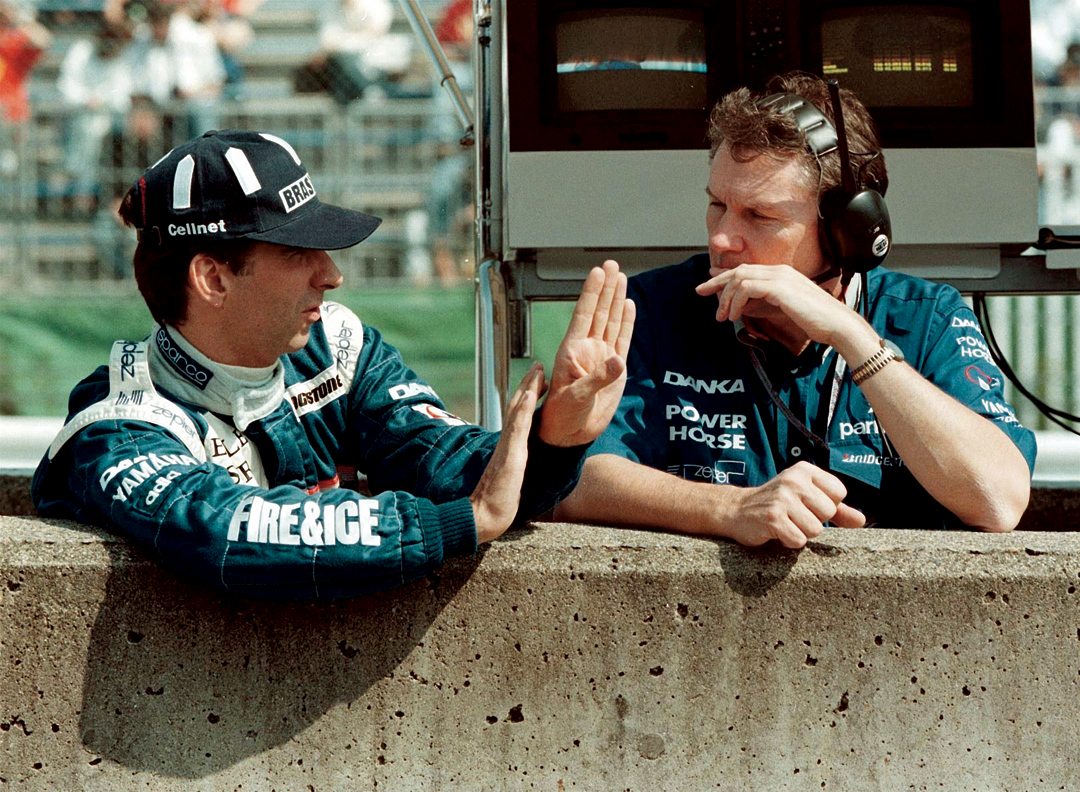
He had already designed the Chaparral 2K, the ground-effect car that won the Indianapolis 500 in 1980, when Ron Dennis brought him to McLaren. His MP4/1 of 1981 had a monocoque moulded in carbon fibre by an American aerospace firm. Rivals expected it to shatter in a crash. John Watson walked away from a very large one at Monza that year, and the argument was over. The MP4/2 that followed won 12 of 16 races in 1984.
Ferrari hired him in 1987, on his condition that he work from England. His 640 of 1989 changed gear by paddles behind the wheel through an electro-hydraulic system. It won its first race and broke down in most of the rest, and within a few years every team had copied it.
He was exacting and hard to work with, and his later cars won less. On the criterion of how often a designer was copied, only Chapman scores higher.
Verdict The carbon tub and the paddle shift: two ideas, both now universal.
He agreed to work for Ferrari only if he could do it from an office in Surrey.

- Years
- 1933–2005
Person · UK
6. Keith Duckworth
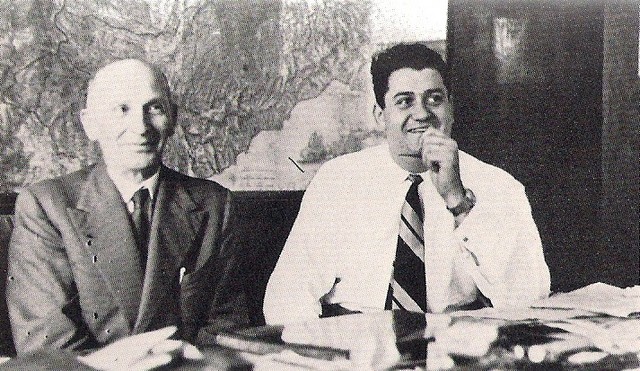
Keith Duckworth is the highest-placed engine designer, and some would have him higher. The Cosworth DFV, which he designed in 1966 for a fee of £100,000 from Ford, won its first race at Zandvoort in 1967 and 154 more over the next sixteen years. Twelve drivers' championships were won with it.
The design was compact, light and stiff enough to be bolted between the tub and the gearbox as part of the car, which is what Chapman had asked for. Its cylinder head, with four valves at a narrow angle, set the pattern for racing and then road engines. A turbocharged version won at Indianapolis ten years running, and an endurance version won Le Mans twice.
Its greatest effect was on who could race. Ford sold the DFV to anyone for a few thousand pounds, and Tyrrell, McLaren, Williams and Brabham all won championships as customers. He is sixth, not higher, because the list leans towards people who designed whole cars, and we say so in the introduction.
Verdict One engine, 155 wins, and a grid full of teams that could not have existed without it.
Ford paid £100,000 for the design of the DFV. It won 155 Grands Prix.
- Years
- 1891–1965
Person · Italy
5. Vittorio Jano
Vittorio Jano's career runs from the first world championship to the rear-engined age, and he won at each stage. Alfa Romeo hired him from Fiat in 1923. His P2 won on its debut the next year and took the first world championship for makes in 1925. The 6C and 8C sports cars that followed won the Mille Miglia and Le Mans year after year, and the Tipo B of 1932 was the first Grand Prix car built as a true single-seater. Nuvolari's win at the Nürburgring in 1935, against the German teams, was in one.
Alfa dismissed him in 1937 as past his best. He went to Lancia and produced the D50, which carried its fuel in panniers between the wheels and used its V8 as part of the frame, a dozen years before Lotus did. When Lancia ran out of money the cars went to Ferrari, and Fangio won the 1956 title in one. Jano went with them, and the V6 he worked on there took Ferrari to the 1958 and 1961 championships.
That is forty years at the front.
Verdict From the first world championship to the Dino V6, forty years at the front.
Enzo Ferrari was sent to Turin in 1923 to persuade him to leave Fiat for Alfa Romeo.
- Years
- 1935–2022
Person · Italy
4. Mauro Forghieri
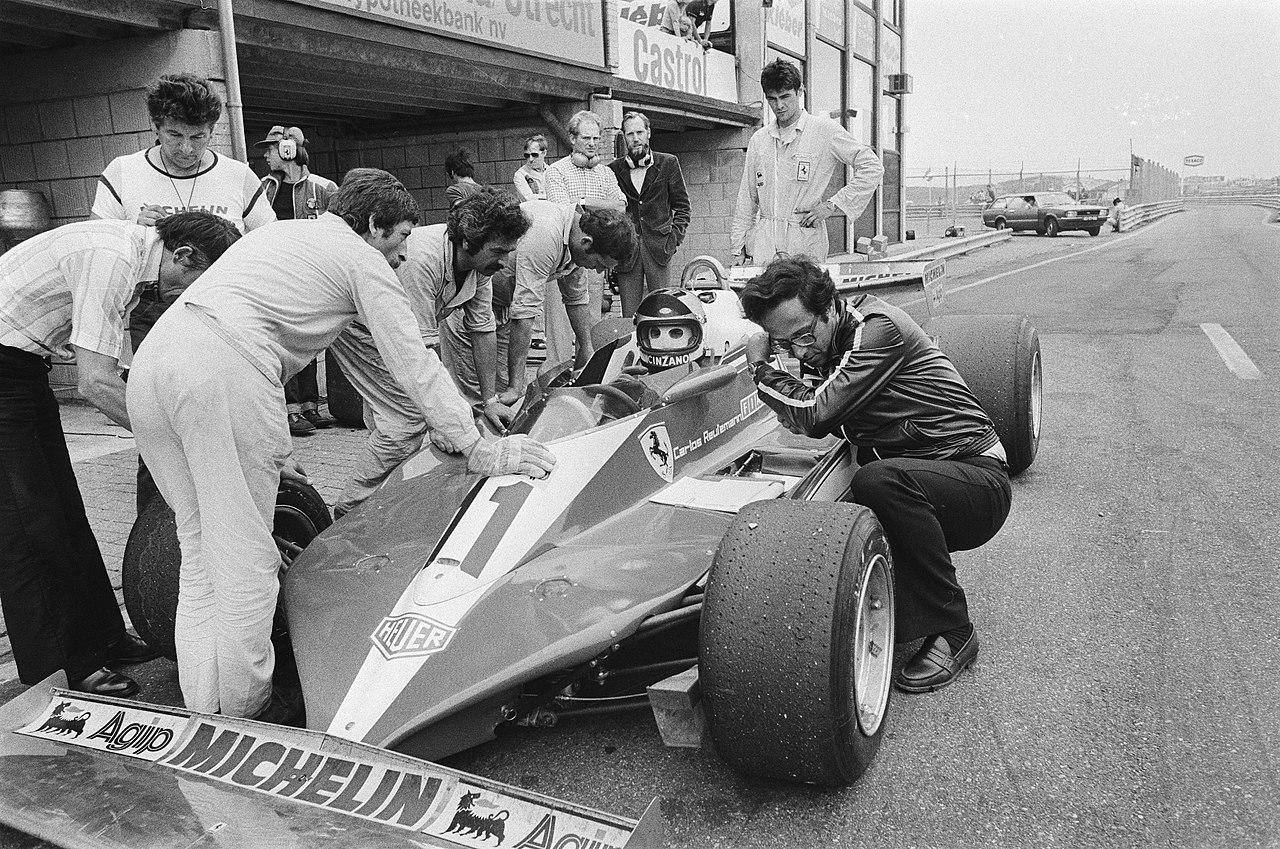
In the autumn of 1961 most of Ferrari's senior staff walked out, and Enzo Ferrari gave the racing department to a 26-year-old who had been there less than two years. Mauro Forghieri ran it for most of the next quarter-century.
What makes him unusual is that he designed the whole car. The chassis, the engine and the gearbox were all his department's, and often his own. John Surtees won the 1964 title in his 158. At Spa in 1968 his Ferraris appeared with a wing mounted over the engine, among the first in Formula 1. The flat-twelve he drew for 1970 became, with a transverse gearbox, the 312T series, which won Niki Lauda two championships and Jody Scheckter one, and Ferrari four constructors' titles in five years. His sports cars included the 330 P4 and the 312 PB.
He had arguments with Enzo Ferrari that could be heard across the factory, and was sent away and brought back more than once. Nobody since has been responsible for so much of a winning car.
Verdict He designed the chassis, the engine and the gearbox, and won with all three.
Enzo Ferrari put him in charge of the racing department at 26, after most of the senior engineers walked out.
- Years
- Born 1946
Person · South Africa / UK
3. Gordon Murray
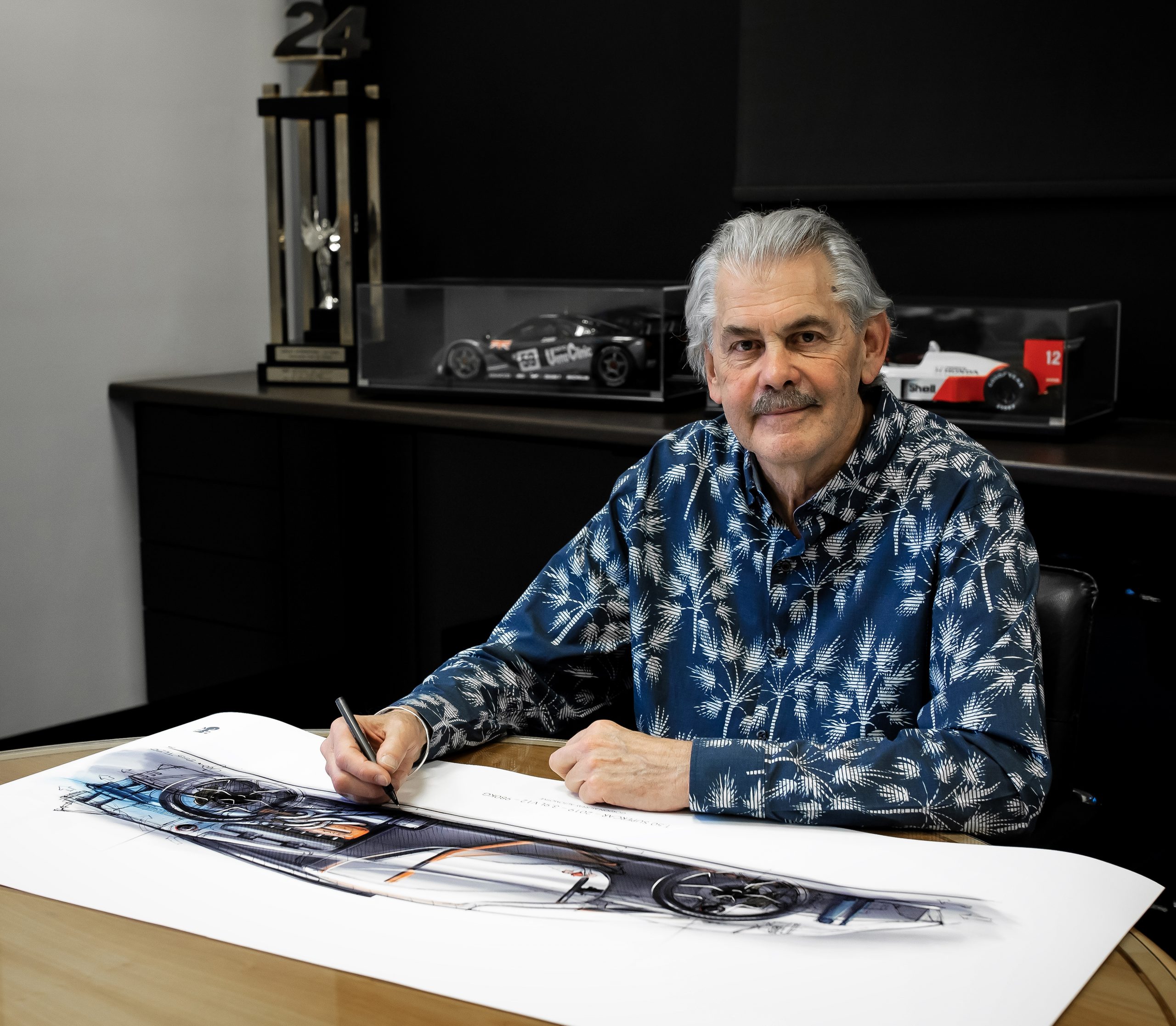
Gordon Murray arrived at Brabham from South Africa in 1969 and was chief designer at 26. For the next fifteen years his cars were the most inventive on the grid, built for a team with a fraction of Ferrari's money.
The BT46B of 1978 used a fan to draw air from under the car. It won its only race, in Sweden, and was withdrawn. The BT49 took Nelson Piquet to the 1981 title, and the BT52, designed in about three months after ground effect was banned, won the first championship for a turbocharged engine in 1983. Along the way he brought in carbon brakes and reintroduced the planned fuel stop, running his cars light and fast on half tanks. His low-line BT55 failed. The same idea, taken to McLaren and developed with Steve Nichols, became the MP4/4, which won 15 of 16 races in 1988.
Then he designed the McLaren F1 road car, which in racing trim won Le Mans in 1995 at the first attempt. He is third because few designers have been right so often in such different ways.
Verdict The lateral thinker of the pit lane, and the only one whose road car won Le Mans.
He designed the McLaren F1 with the driver in the middle because he thought that was where a driver should sit.
- Years
- Born 1958
Person · UK
2. Adrian Newey
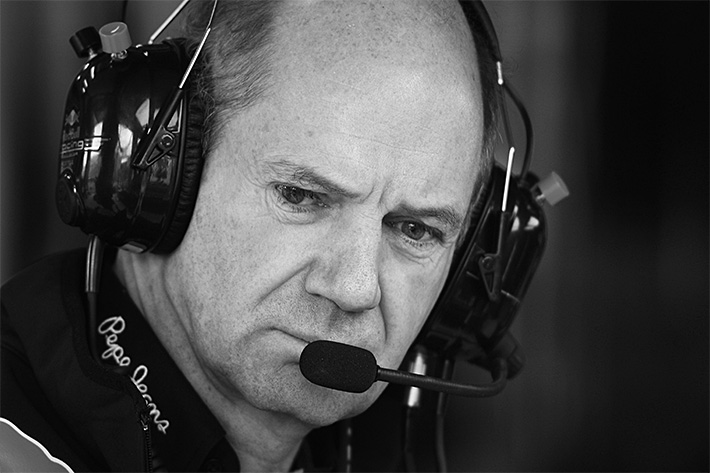
On results alone this is number one, and plenty of readers will think it should be. Cars designed under Adrian Newey have won a dozen constructors' championships with three different teams: Williams in the 1990s, McLaren at the end of that decade, and Red Bull across two separate eras.
The range is what sets him apart. The Williams FW14B was the most sophisticated car of the active-suspension years. The McLaren MP4-13 won the title in the first season of narrow cars and grooved tyres. The Red Bulls of 2010 to 2013 were built around exhaust gas blown through the diffuser, and the RB19 of 2023, a ground-effect car under a cost cap, won 21 of 22 races. Each time the rules were rewritten, his was the car that had understood them best. He started at March, where his Indycars won the 500, and he still draws on a board.
He is second because his gift is reading a rulebook better than anyone, and Chapman's was making the rulebook necessary. He joined Aston Martin in 2025, so the tally may not be final.
Verdict The most successful designer the sport has had, by a distance.
He still draws by hand, on a board.
The best of the 30 · Person · UK
1. Colin Chapman
- Years
- 1928–1982
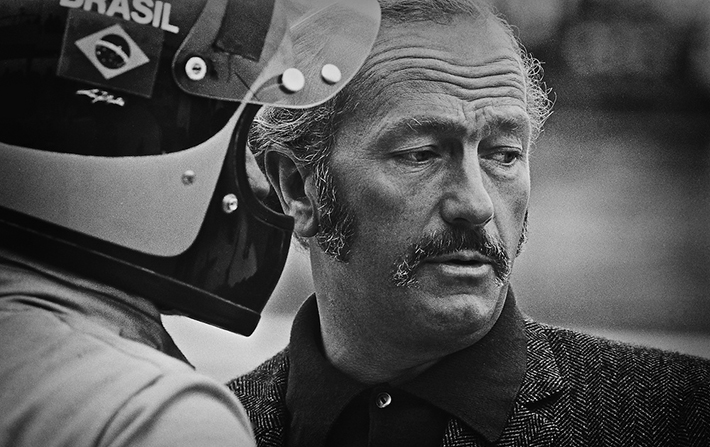
The choice for first place is between the man with the most ideas and the man with the most wins, and we have gone with the ideas. Adrian Newey's cars have won five more constructors' titles than Colin Chapman's seven. But the list ranks on wins, ideas and how often a designer was copied, and on the last two nobody is close.
The Lotus 25 of 1962 replaced the tube frame with a monocoque, and within a few years almost every Grand Prix car had one. The 49 of 1967 used its engine as part of the chassis, which is still how a single-seater is built. In 1968 his cars carried wings, and a sponsor's colours in place of national green. The 72 moved the radiators to the sides and gave the racing car its wedge profile. The 78 and 79 shaped the underside to pull the car down, and the whole grid spent the next five years doing the same. He also took a rear-engined car to Indianapolis and won there in 1965, which ended the roadster.
The case against him is real. His cars were light to the point of fragile and several of his drivers said so; some did not survive them. Others in his drawing office, Maurice Philippe and Peter Wright among them, did work that carries his name.
Newey perfected the racing car. Chapman decided what it was. That is why he is first.
Verdict Almost every part of the modern racing car was his idea first.
His rule for design was to simplify, then add lightness.
What we left off, and why
Lower than you might expect
Keith Duckworth, at 6. The DFV is the most successful racing engine there has been. He is behind five designers of complete cars because the list leans that way.
Ferdinand Porsche, at 11. Fourth among the most important people in motoring, but only part of his career was spent on racing cars, and his Auto Unions won less than the Mercedes they raced against.
Ross Brawn, at 17. On titles he would be in the top five. He is ranked as an engineer, and for most of those titles he was managing engineers.
Gioacchino Colombo at 18 and Aurelio Lampredi at 21. Between them they designed the engines Ferrari was built on. Neither designed the cars around them, and both did their best-known racing work in a short period.
Higher than you might expect
Ernest Henry, at 8. One engine, drawn in 1912, and a disputed share of the credit. Its layout is in nearly every racing engine made since.
Harry Miller, at 10. Little known outside America, where his engines and their descendants won Indianapolis for half a century.
Jim Hall, at 13. His cars won few major titles. Wings, composite chassis and suction all appeared on them first or nearly first.
Ron Tauranac, at 20. He never had a headline idea. He built cars that customers could win in, for thirty years, and two generations of drivers learned in them.
Not on the list
Maurice Philippe and Peter Wright. Philippe drew much of the Lotus 49 and 72, and Wright did the research that led to ground effect. Their work is counted under Chapman, which is how it was credited at the time and not altogether fair.
Leo Goossen and Fred Offenhauser. They are included in Harry Miller's entry for the same reason.
Carlo Chiti. The rear-engined Ferrari 156 and the Alfa Romeo 33 sports cars were his, and so were some heavy failures.
Giotto Bizzarrini. He developed the Ferrari 250 GTO and designed Lamborghini's V12. One great racing car is not quite enough here.
Robin Herd, Tony Rudd, Frank Costin and Len Terry. All four designed winning cars and all four were considered for the last places.
Dan Gurney. The small strip on the trailing edge of a wing carries his name, and his Eagles won at Spa and Indianapolis. He is on our drivers list, where he ranks higher than he would here.
Smokey Yunick. The best reader of a rulebook in American stock car racing, and a mechanic and tuner more than a designer.
Ettore Bugatti. The Type 35 won more races than almost any car in history. He is on our list of the most important people in motoring, and could fairly have been in the twenties here.
Mario Illien, Andy Cowell and James Allison. The engineers behind the most successful modern engines and cars. Their work was done inside very large teams, and it is too soon to say how it will be credited.
Enzo Ferrari, Frank Williams, Ron Dennis, Roger Penske, Jean Todt and Ken Tyrrell. They ran teams. They did not design the cars.
Tell us what we got wrongQuestions about this list
Who is the greatest racing car designer of all time?
We rank Colin Chapman first, for the number of his ideas that became standard: the monocoque, the engine as part of the chassis, wings and ground effect. Adrian Newey is second and has won more championships than anyone. Which of the two you choose depends on whether you count ideas or results.
Who has designed the most successful Formula 1 cars?
Adrian Newey. Cars designed under him at Williams, McLaren and Red Bull have won a dozen constructors' championships, more than any other designer's, and he joined Aston Martin in 2025.
Who designed the Cosworth DFV?
Keith Duckworth, who founded Cosworth with Mike Costin. Ford paid for the design and Lotus used it first, in 1967. It won 155 Grands Prix, and because it was sold to any team, it let small constructors such as Tyrrell, McLaren and Williams win championships.
Who invented the carbon-fibre Formula 1 chassis?
John Barnard, with the McLaren MP4/1 of 1981. It was the first Formula 1 car with a carbon-fibre monocoque. He later introduced the paddle-operated gearbox on the Ferrari 640 of 1989. Both are now on every car on the grid.
Why are team bosses such as Enzo Ferrari and Ron Dennis not on the list?
The list is for people who designed racing cars or engines. Team owners are included only where they also did the engineering, as Colin Chapman, John Cooper and Jim Hall did. Those who ran teams without designing the cars belong in a separate ranking.
Each person was judged on three things: the results of the cars or engines they designed, how many of their ideas were new, and how widely those ideas were copied. Where these disagreed, ideas and copying were given more weight than wins. Chassis and engine designers are ranked together. Team owners are included only where they also did the design work. People still working are ranked on what they have done so far.